Ministry of Tourism: Surveying Artisans’ Work in Traditional Industries in Sabratha
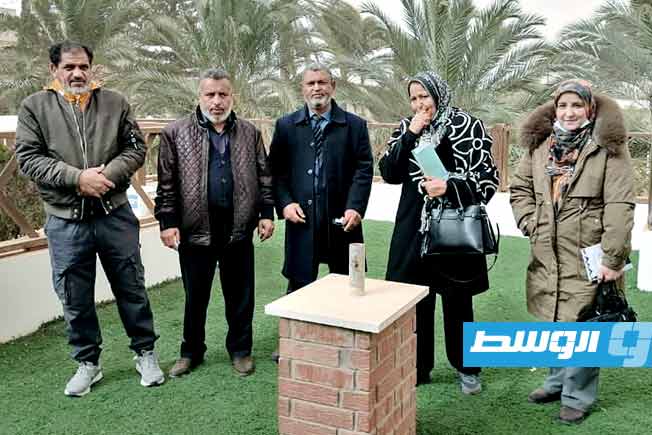
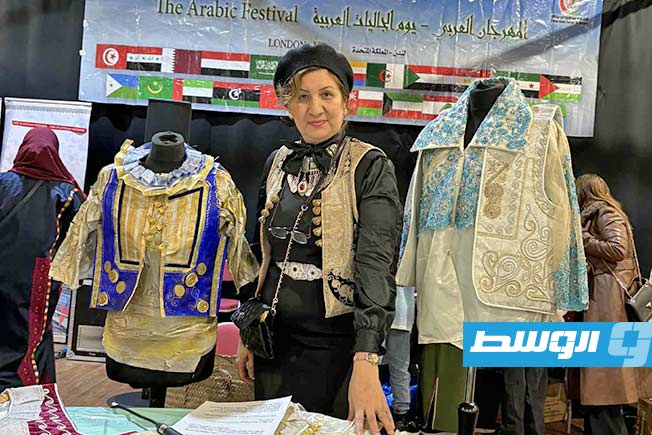
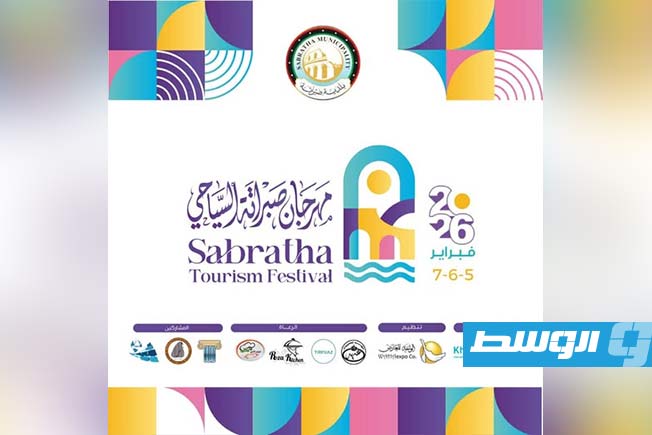
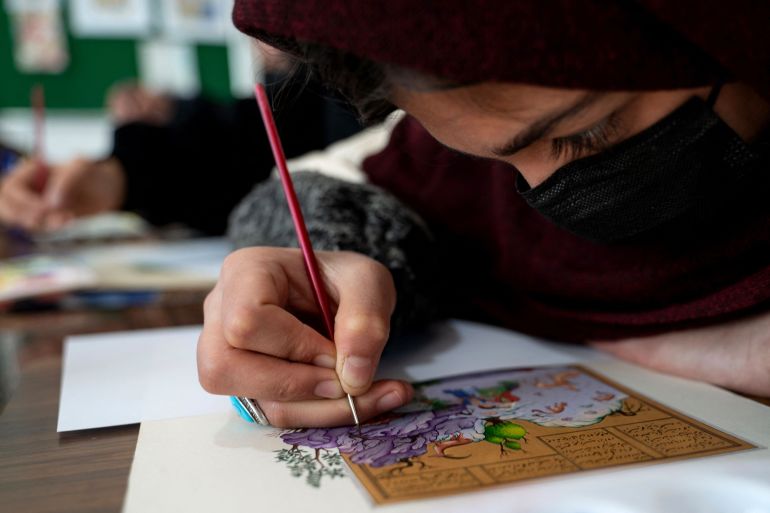
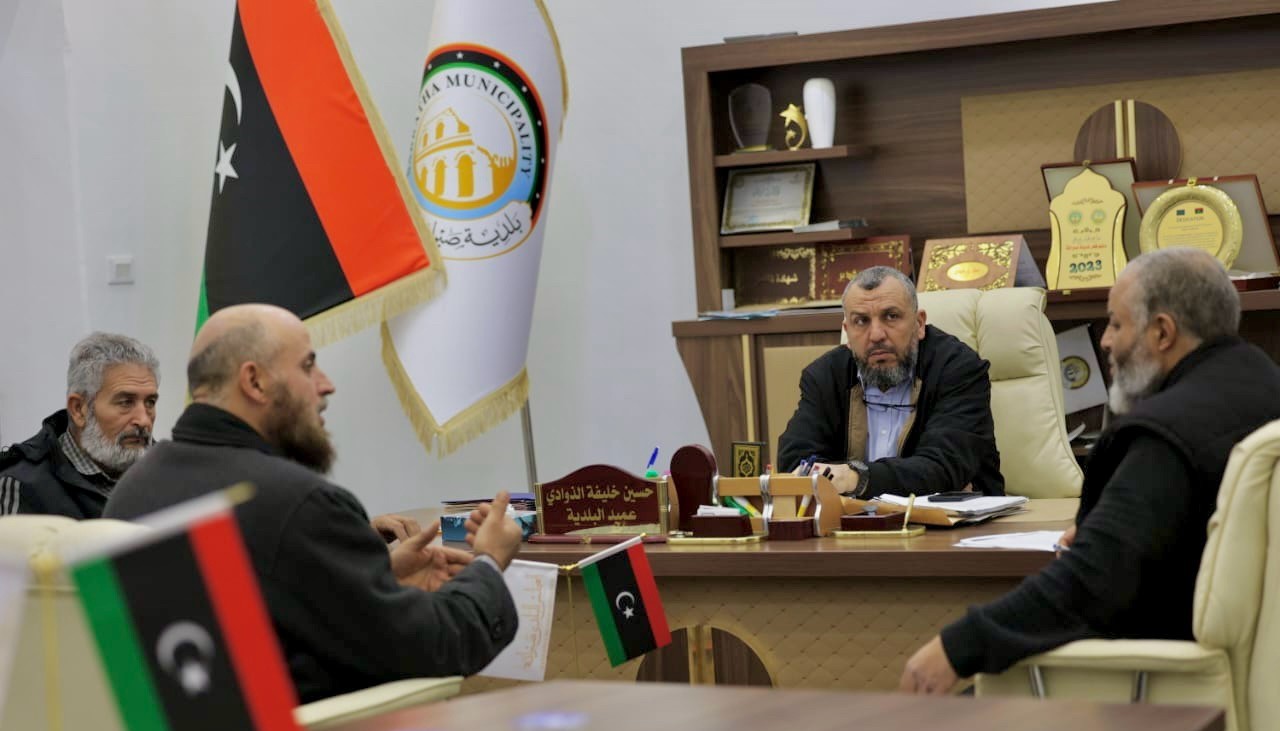
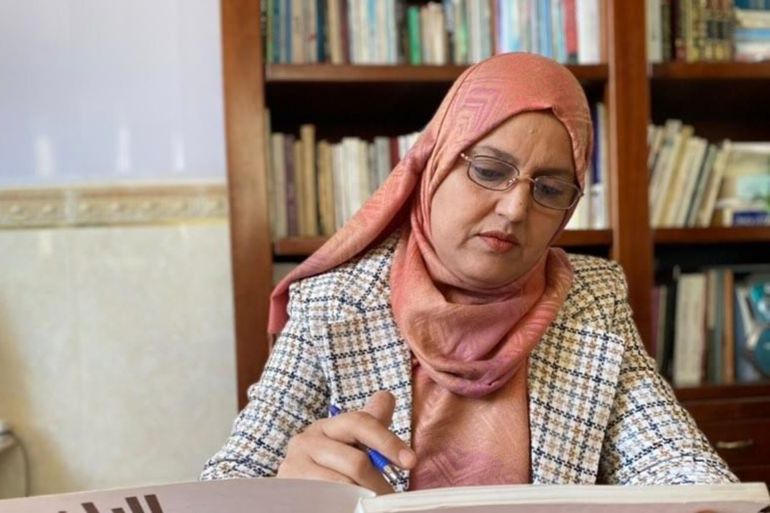
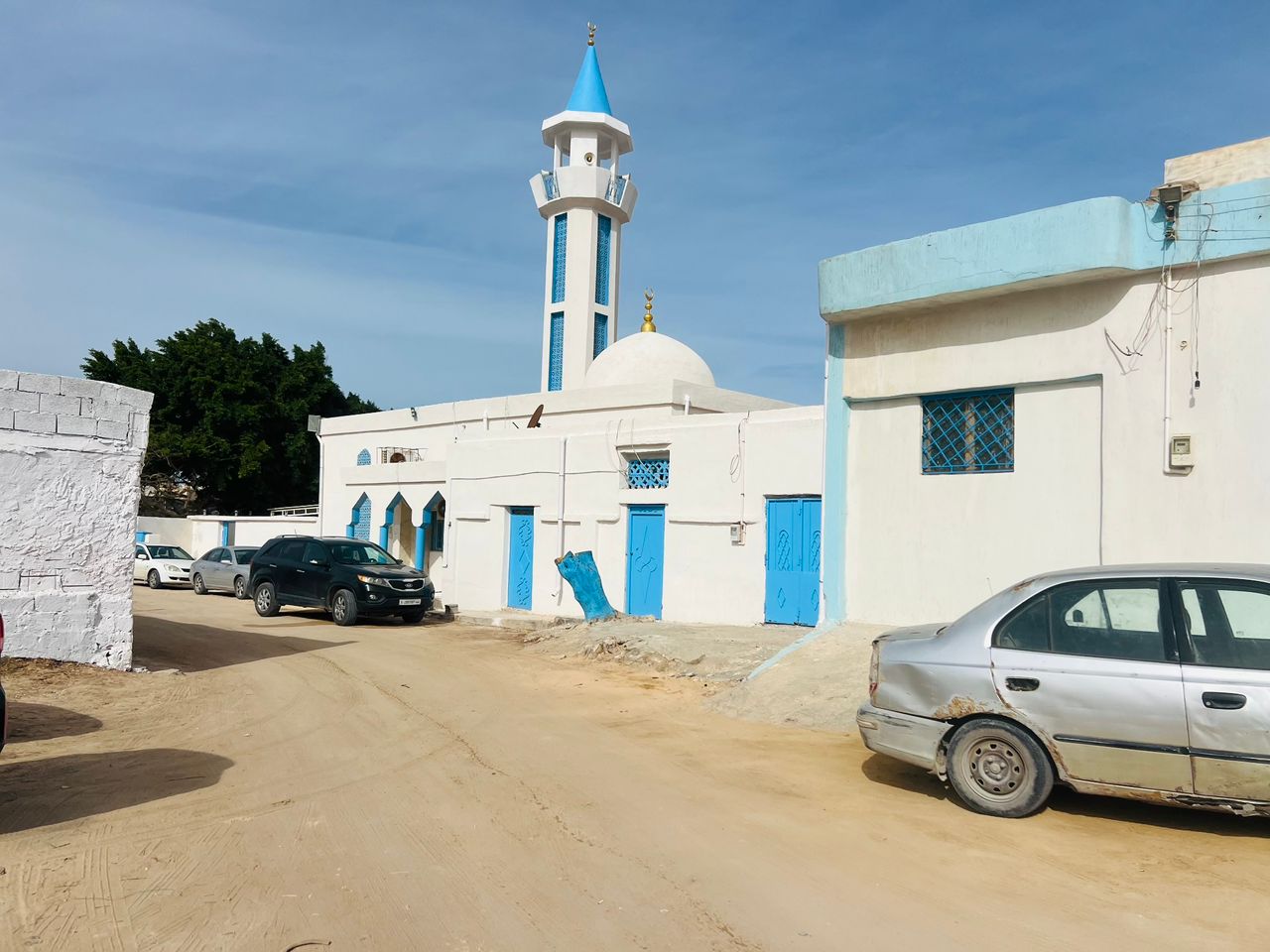
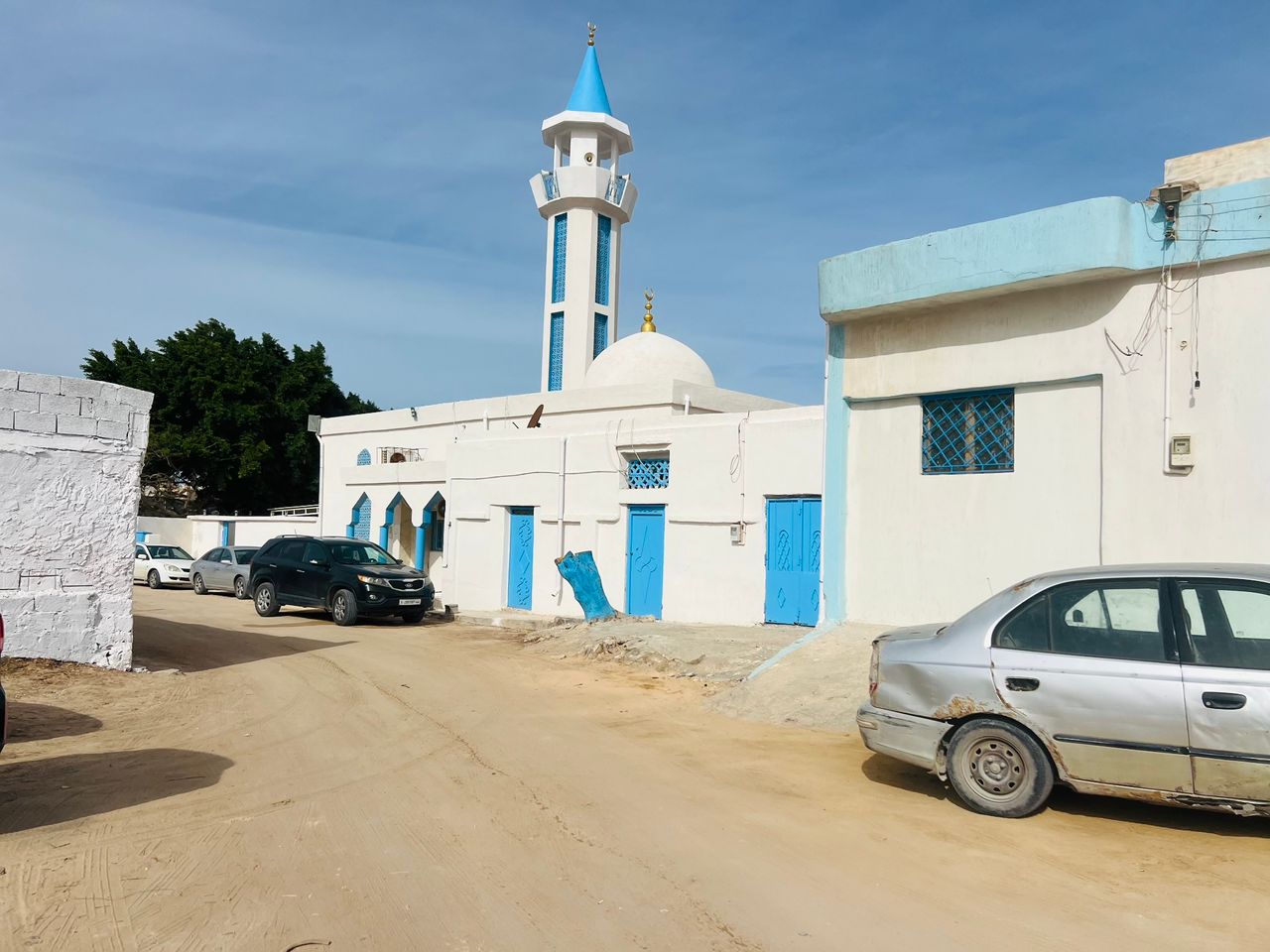
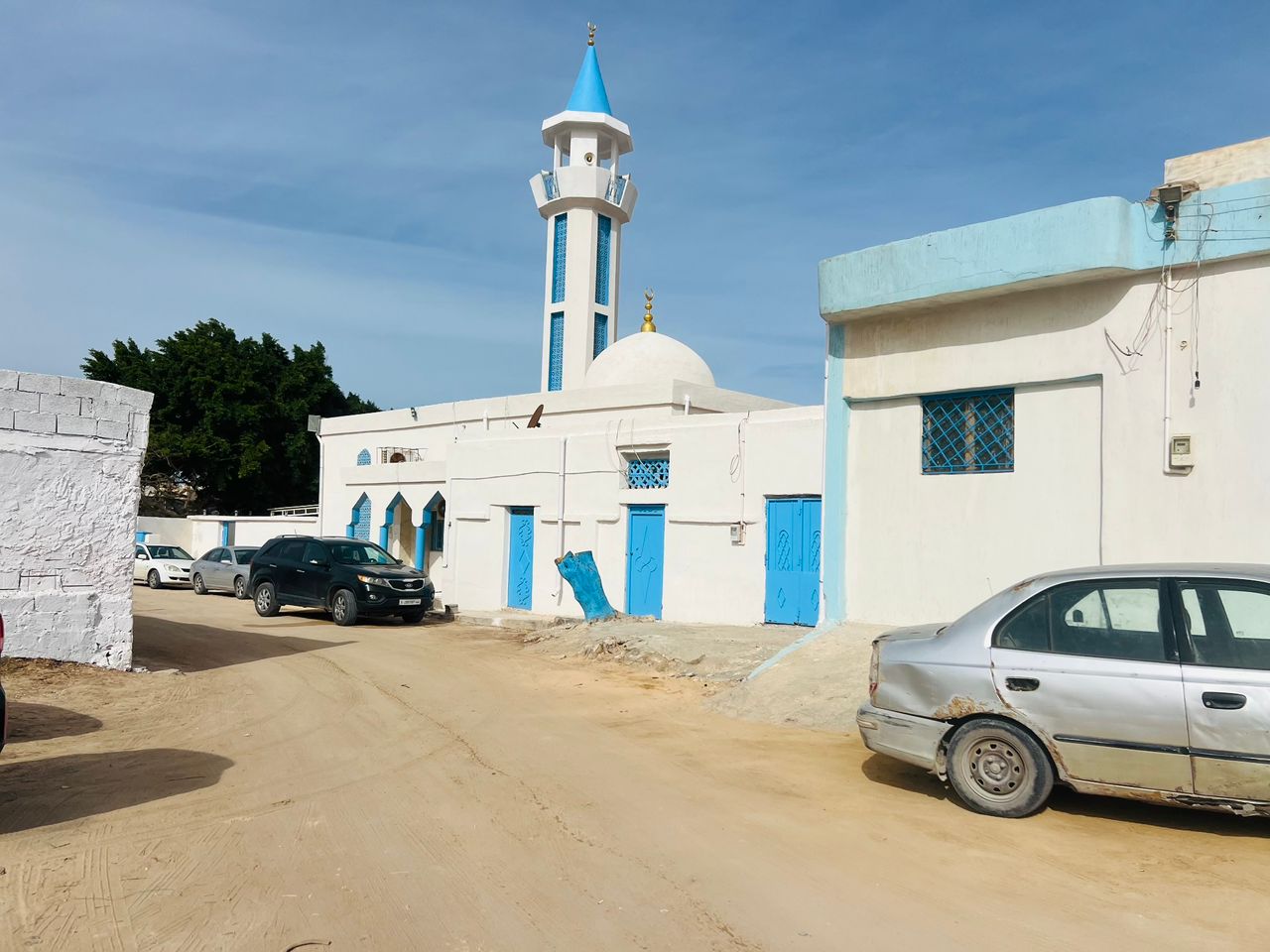
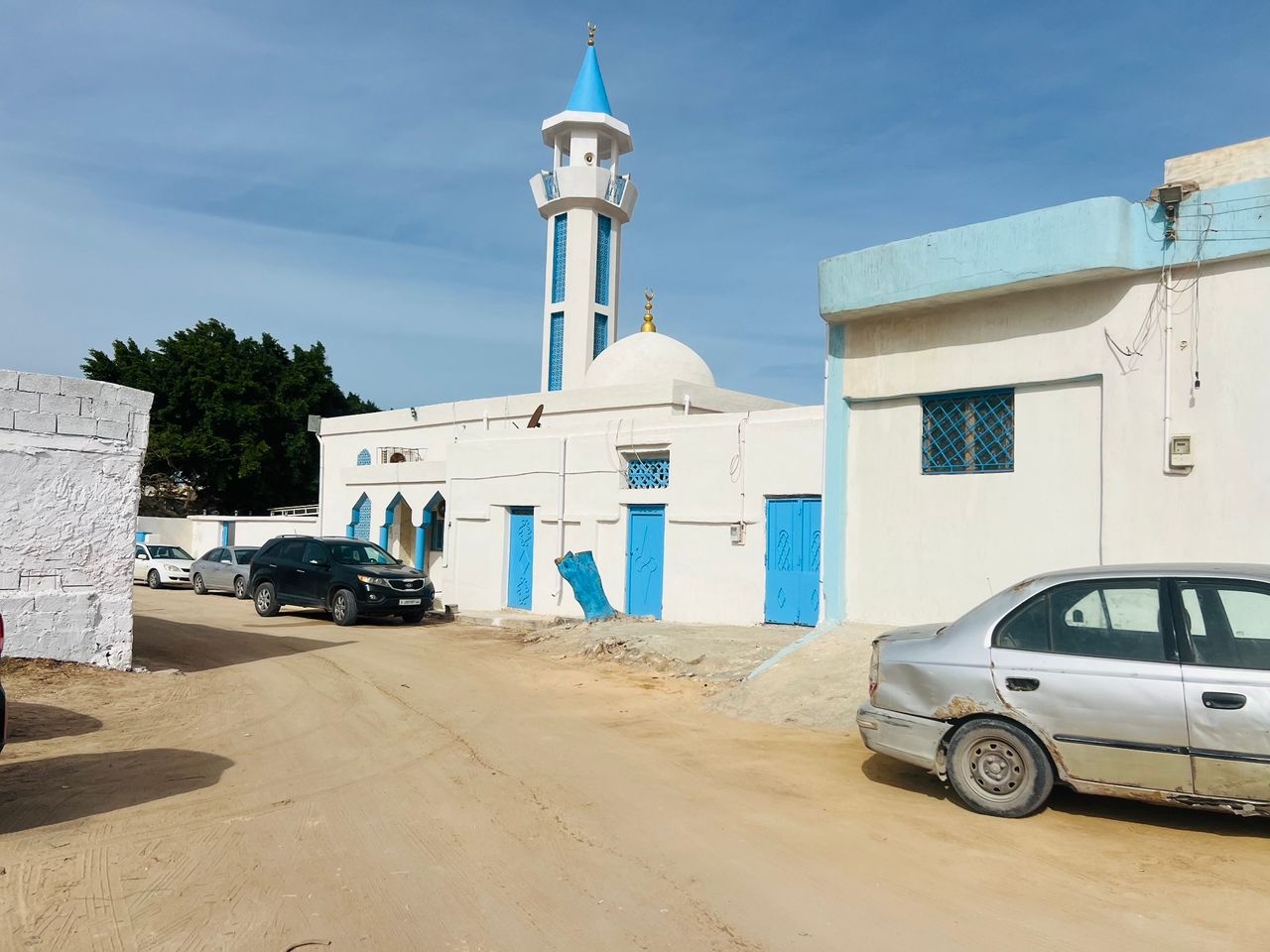
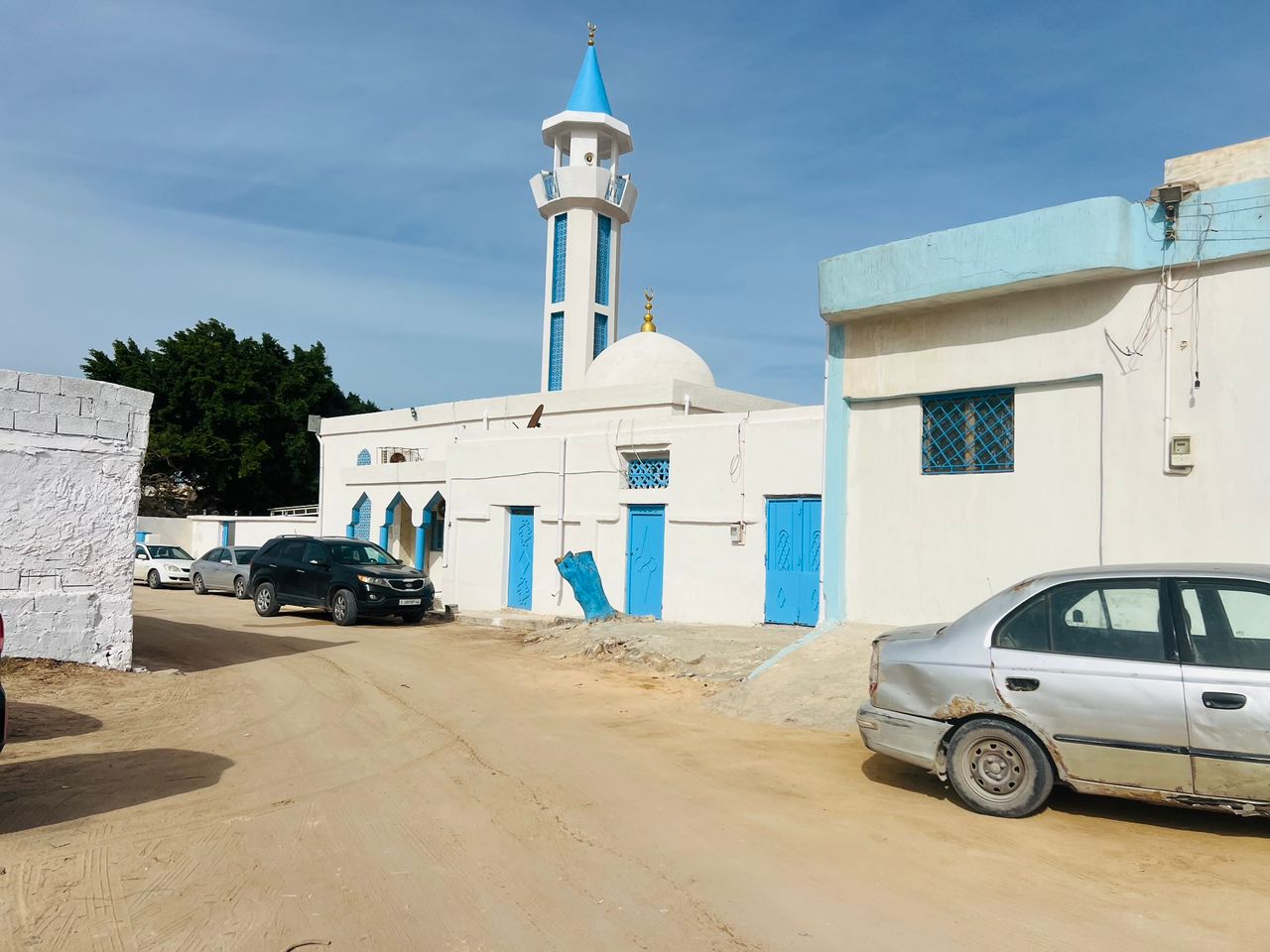
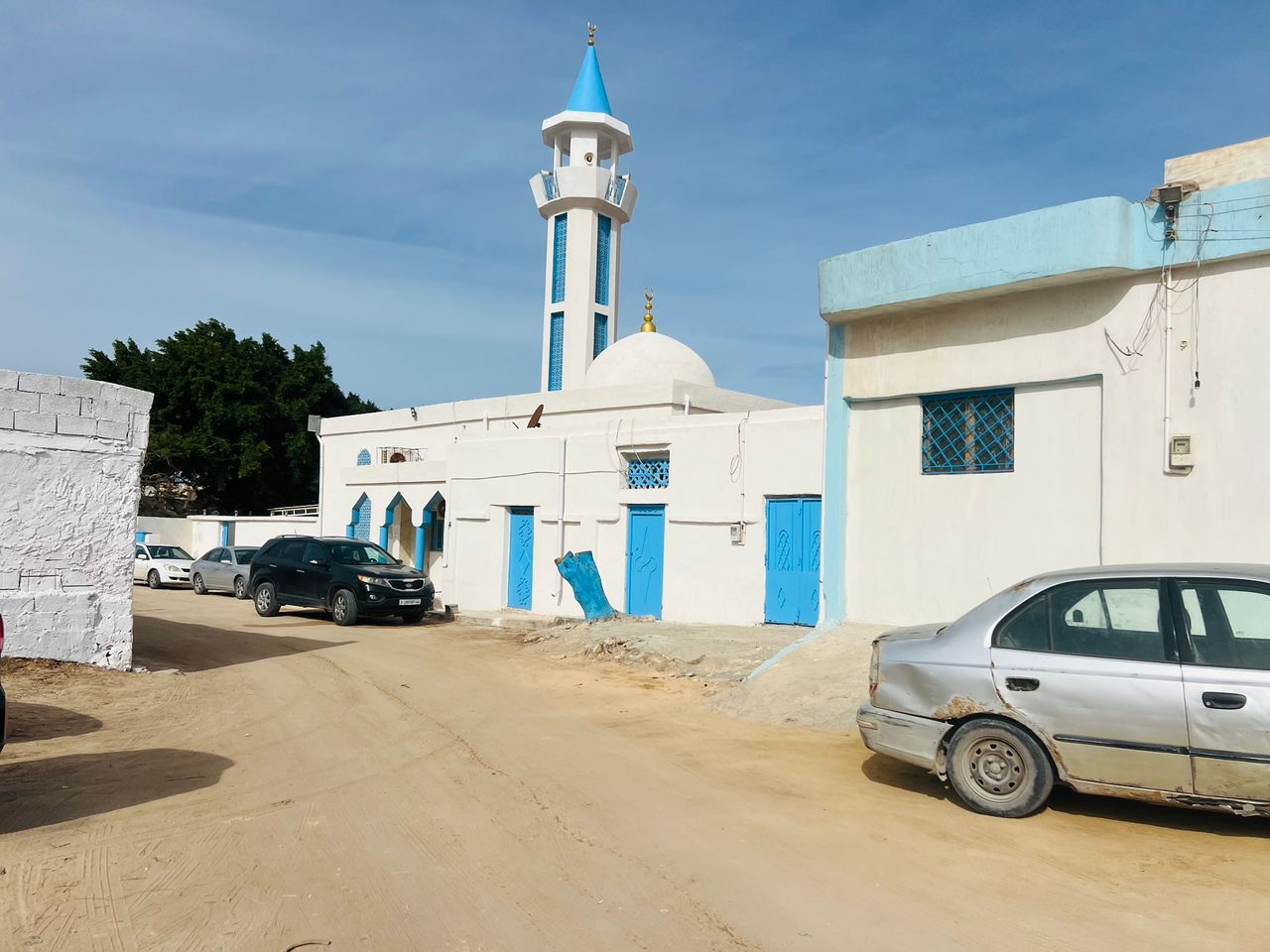
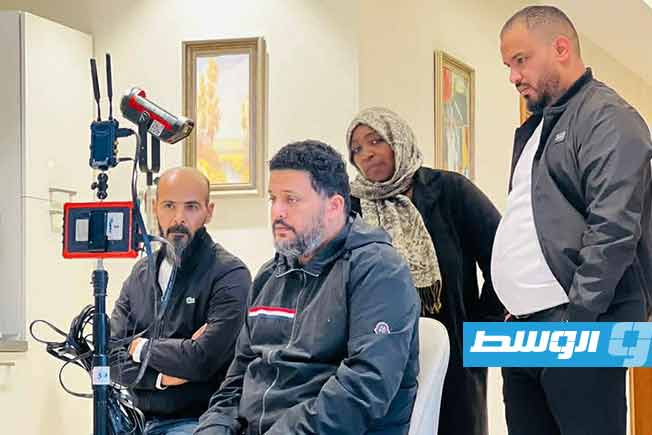
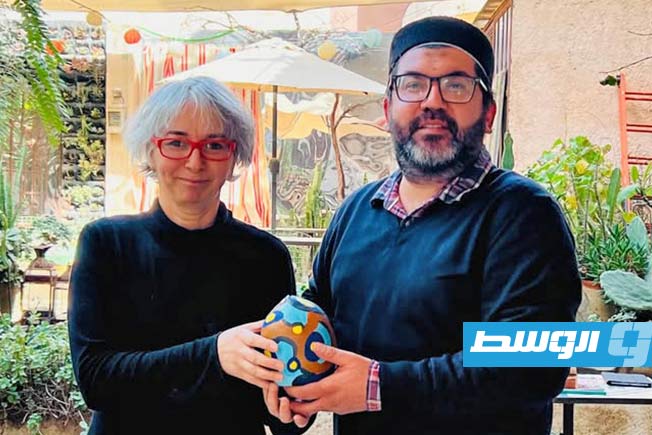
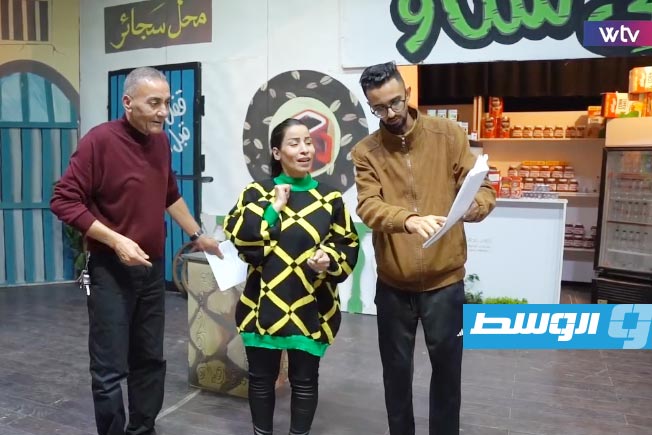
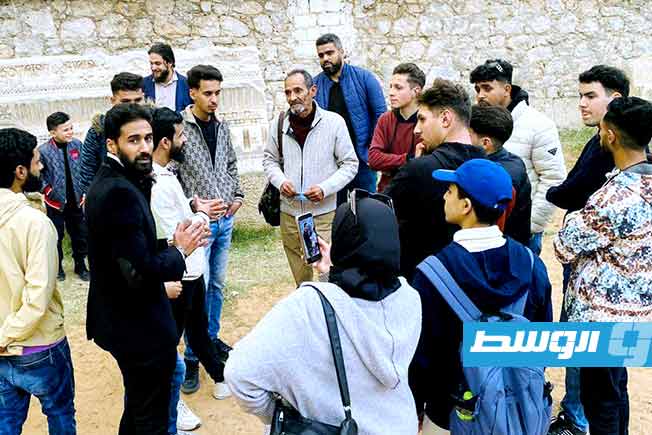
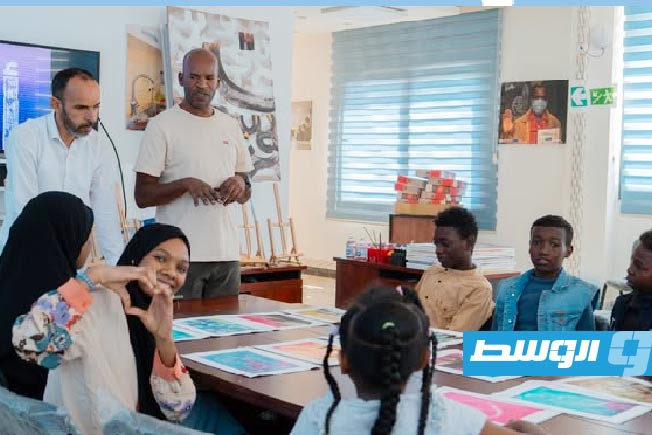
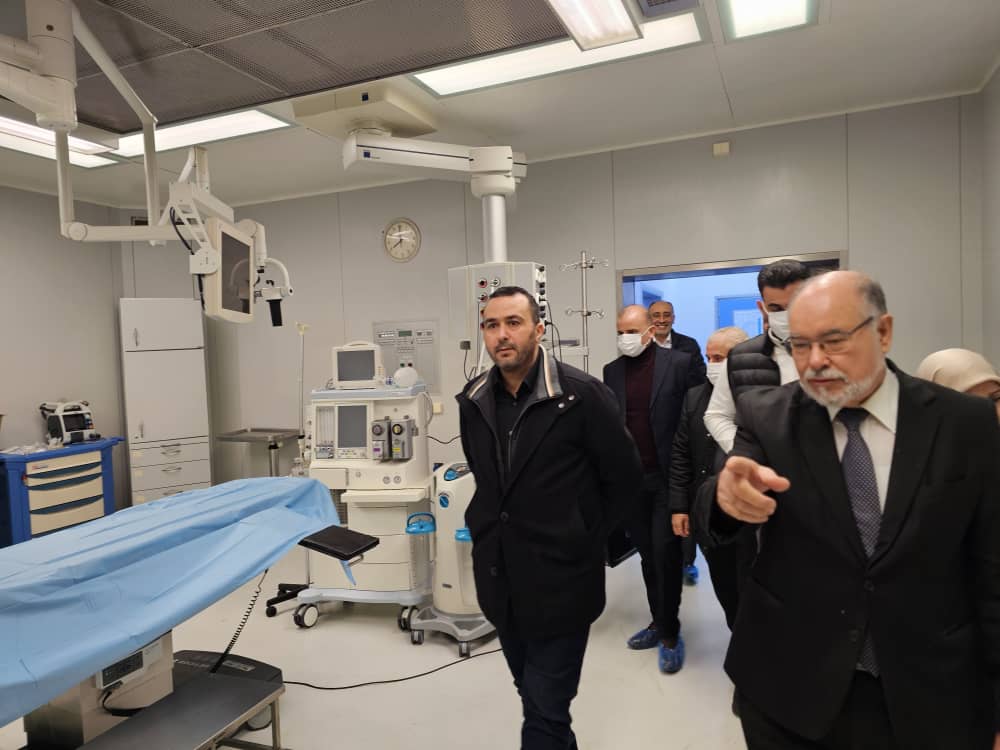
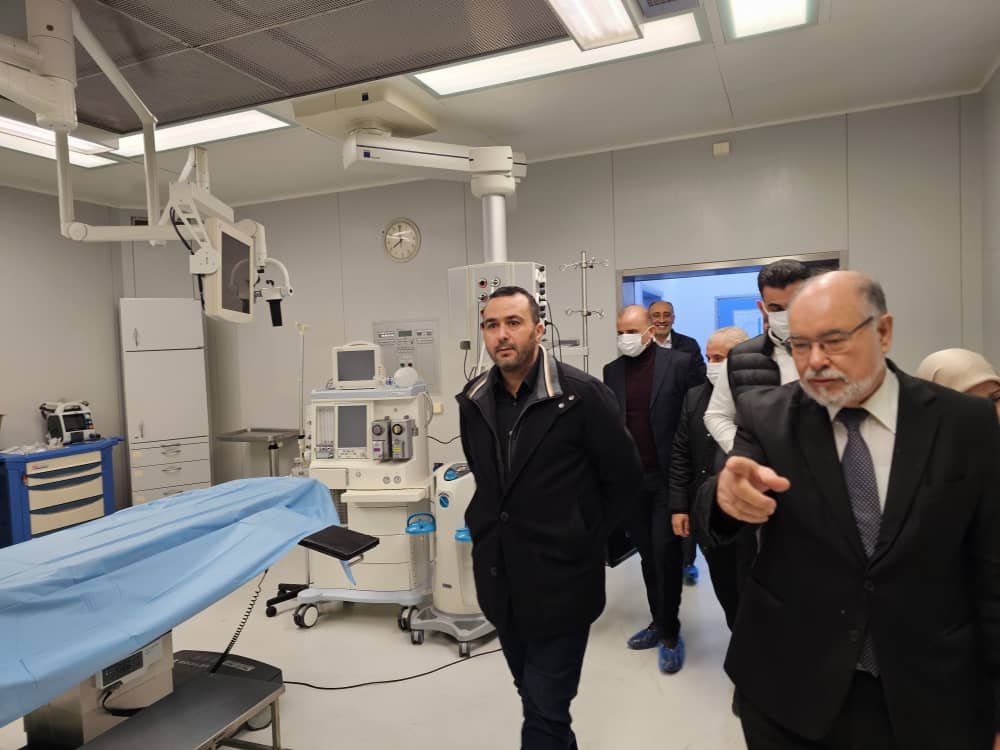
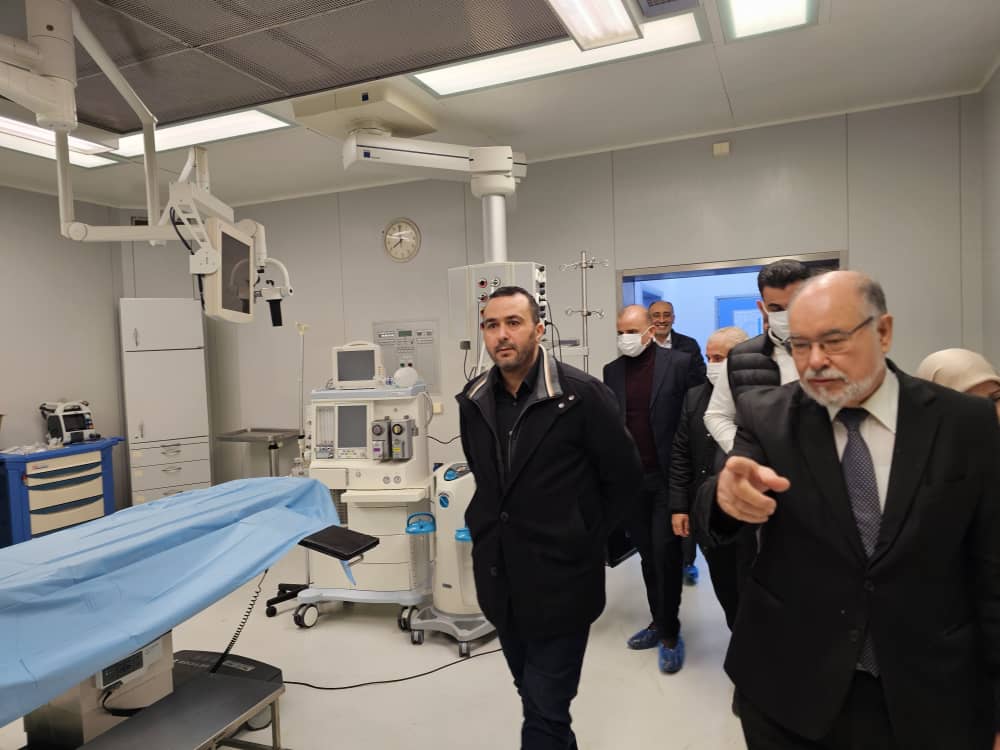
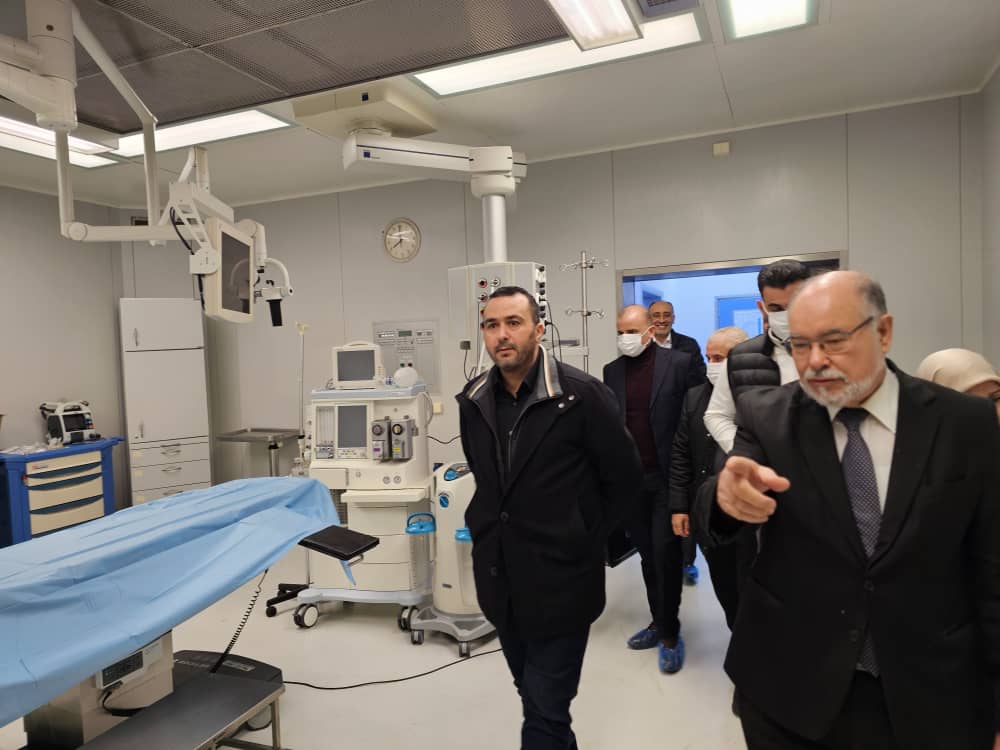
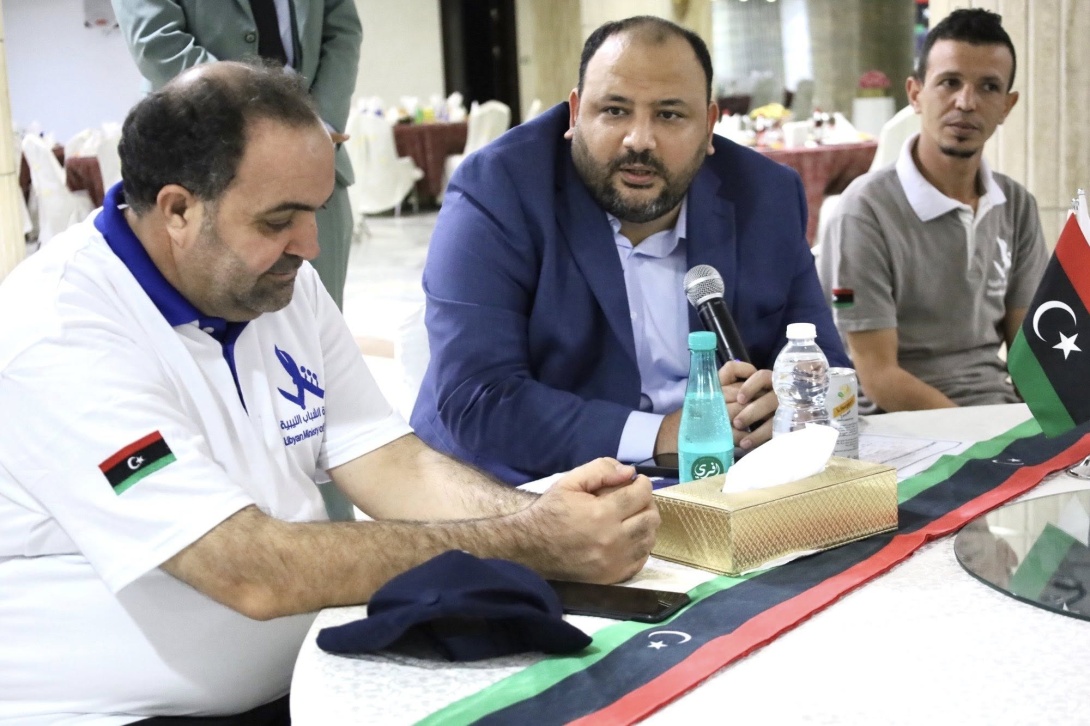
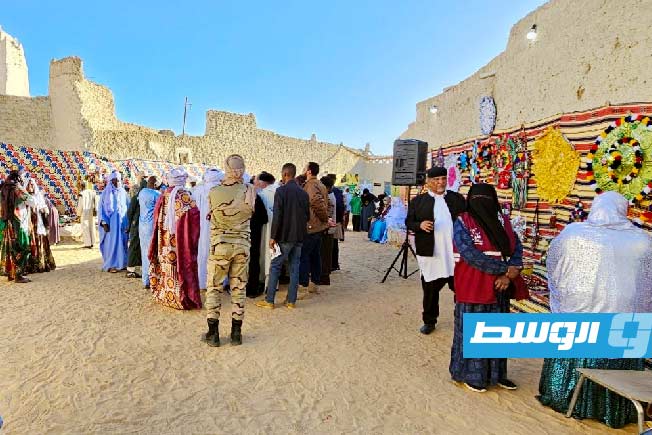
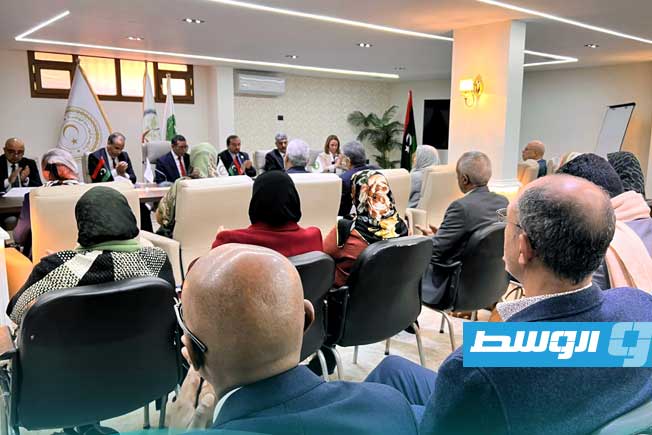
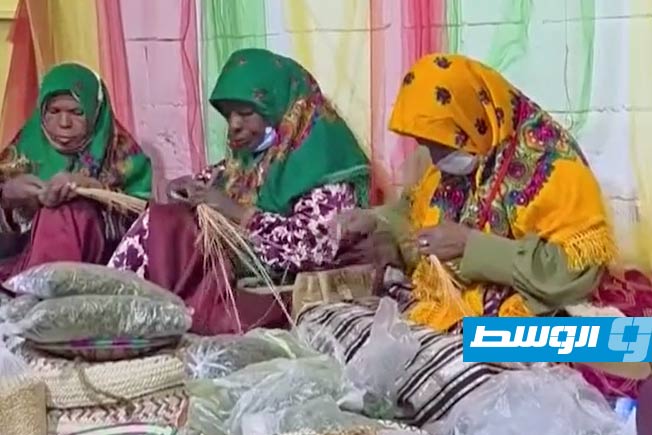
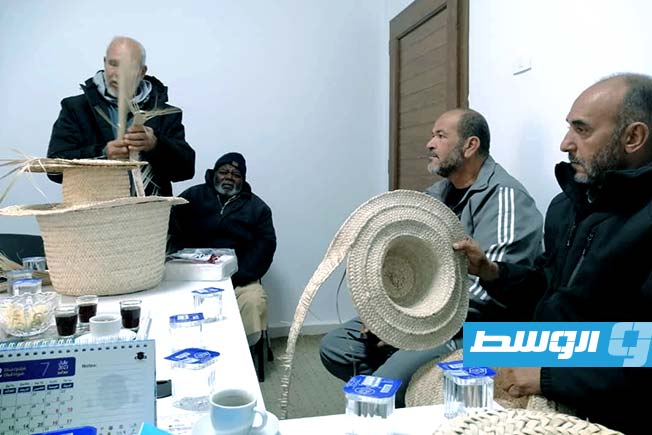
The Ministry of Tourism and Traditional Industries announced today, Sunday, the execution of a field visit to the city of Sabratha. The visit included surveying male and female artisans working in the field of traditional industries and reviewing the status of crafts associated with local heritage.
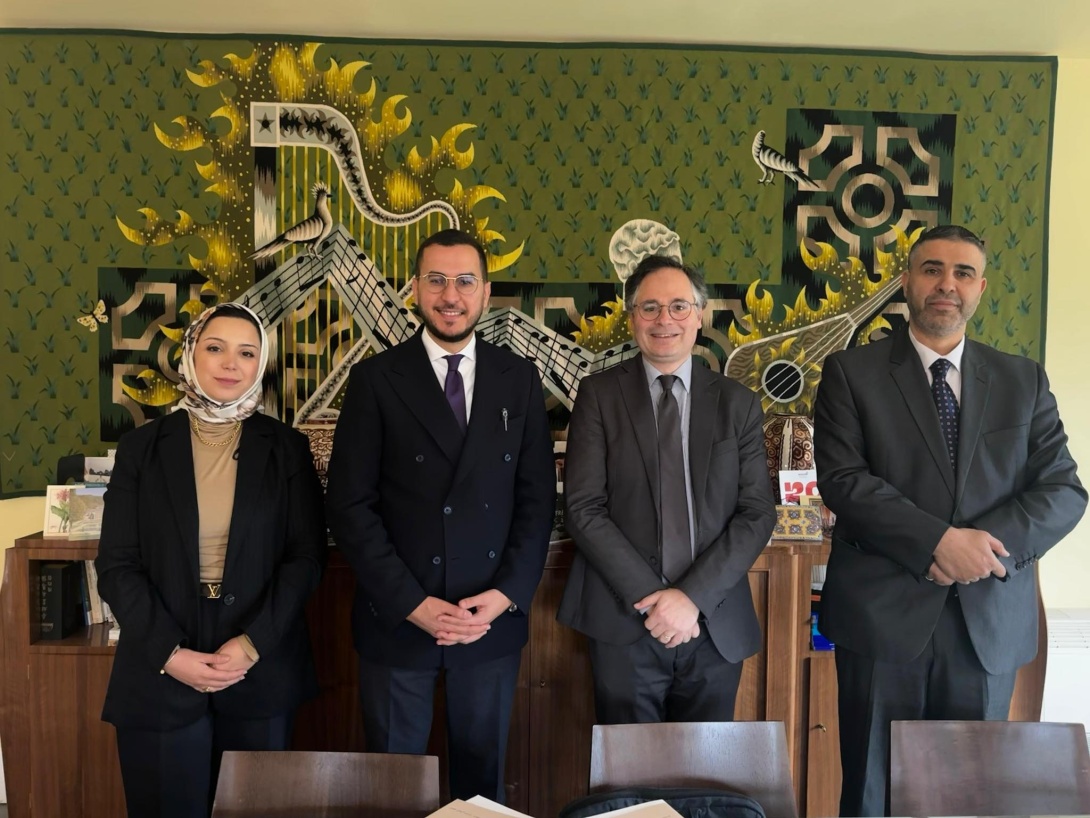
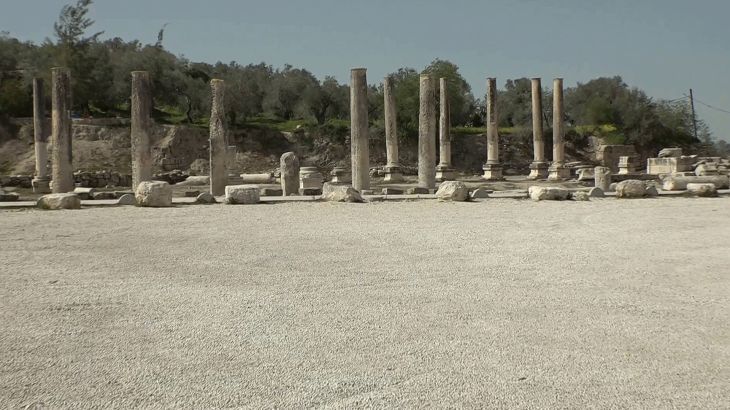
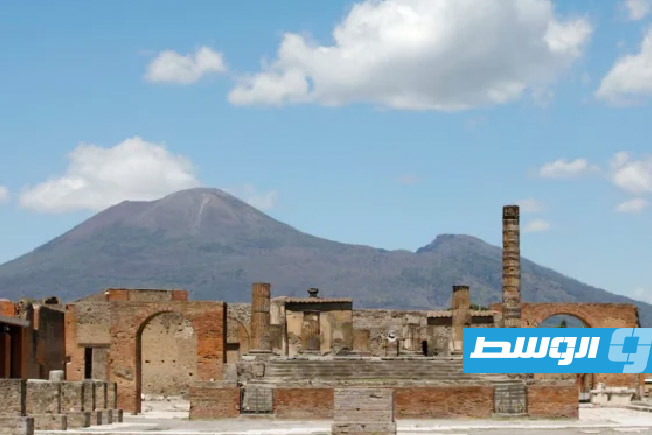
The Ministry stated that the visit aimed to identify the types of existing traditional industries and document the skills of artisans. This is part of a project to prepare a study on the opportunities available near the five historical and archaeological cities in Libya.
Supporting Heritage Crafts and Linking Them to Tourism Development
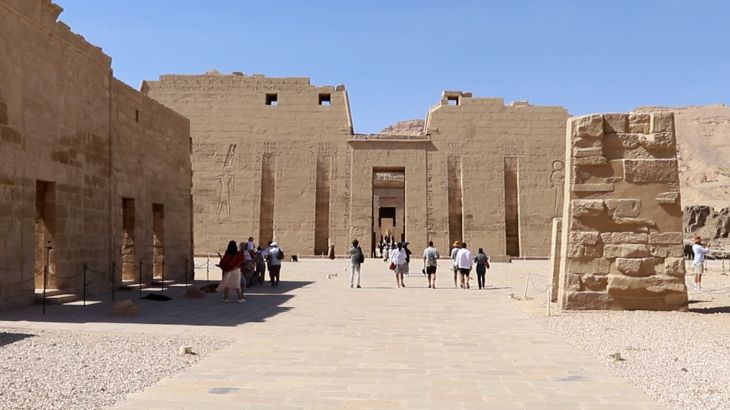
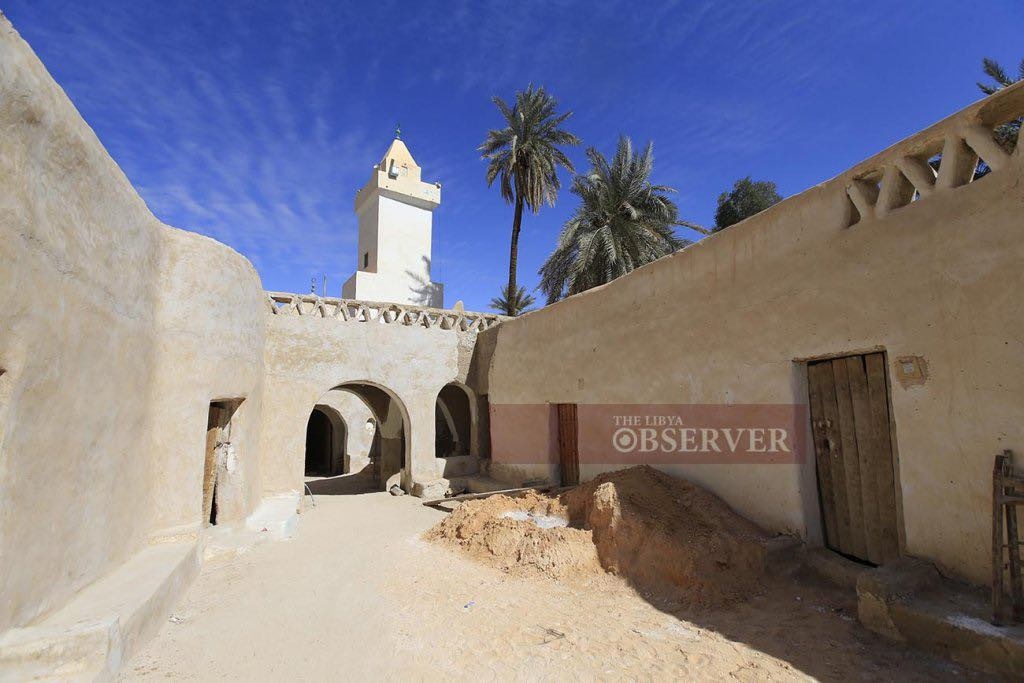
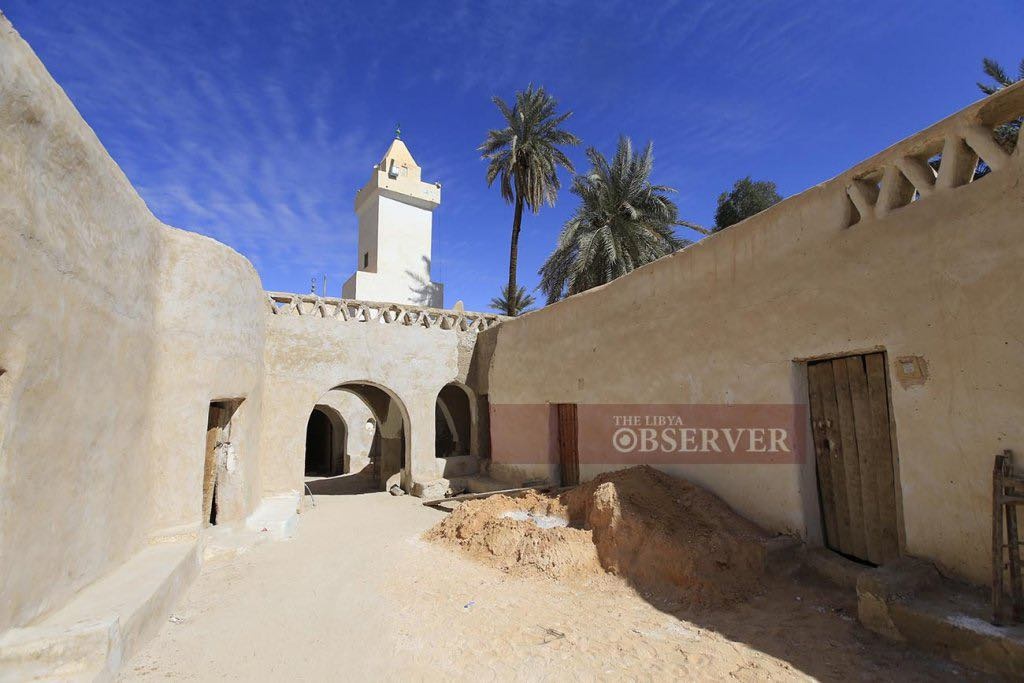
The visit also involved monitoring the challenges facing male and female artisans working in traditional industries, alongside studying possible opportunities to support these crafts and link them to tourism and cultural development in the vicinity of the archaeological city.
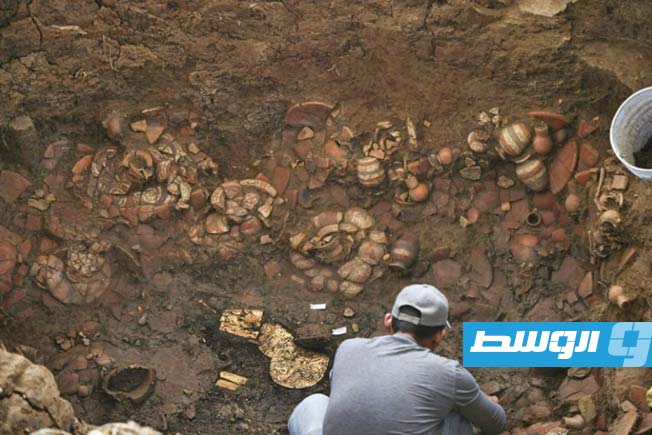
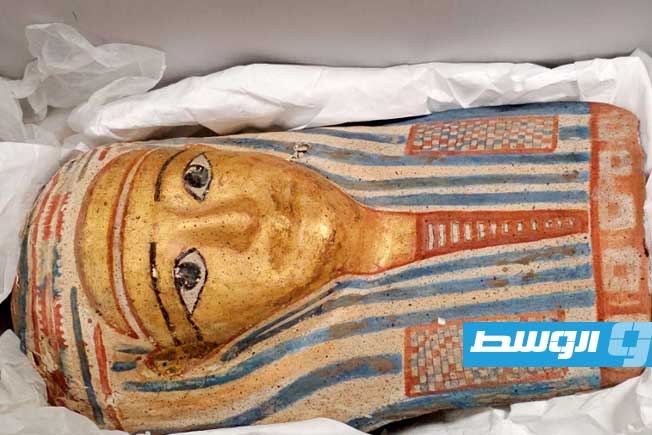
This visit is part of a series of field visits seeking to prepare a comprehensive study that contributes to protecting heritage, supporting traditional industries, and creating sustainable development opportunities near historical and archaeological cities. This enhances the role of the local community and preserves cultural identity.