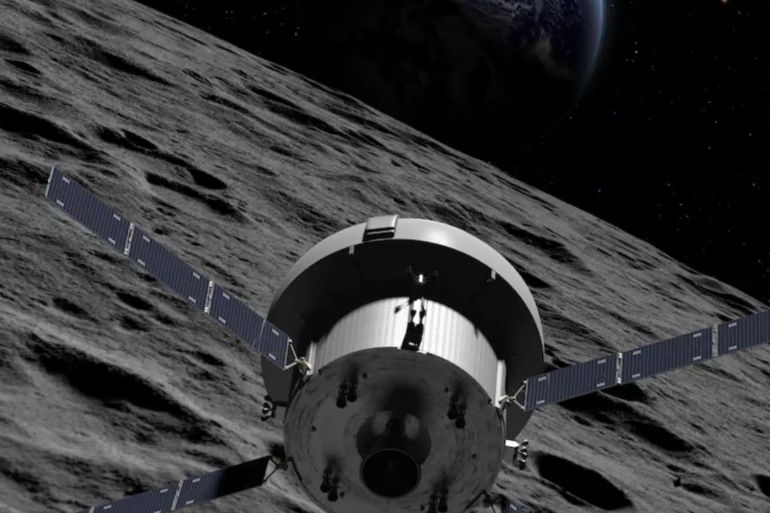
In a laboratory floating hundreds of kilometers above Earth on the International Space Station, scientists observed an unrelenting microscopic battle, with viruses attempting to kill bacteria.
Surprisingly, the battle proceeded under different rules. The infection did not stop, but its speed and evolutionary trajectory deviated from the earthly scenario, as described in a publication in PLOS Biology.
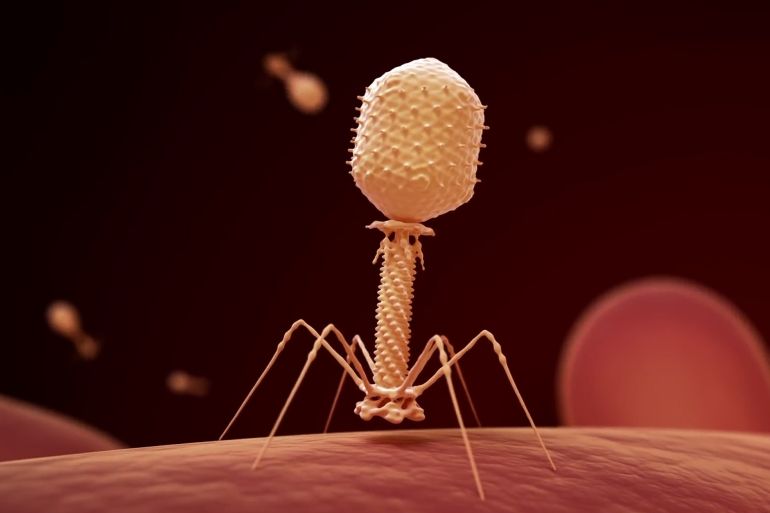
The study used a classic model in virology: a T7-type bacteriophage attacking strains of E. coli. “Bacteriophages” is a term used to refer to viruses that infect bacteria.
The goal of the experiments was not just space curiosity, but to test a practical idea about the effect of the microgravity environment in pushing phages toward different adaptive solutions that could benefit medicine on Earth, especially with the escalating crisis of antibiotic resistance.
Two Identical Experiments
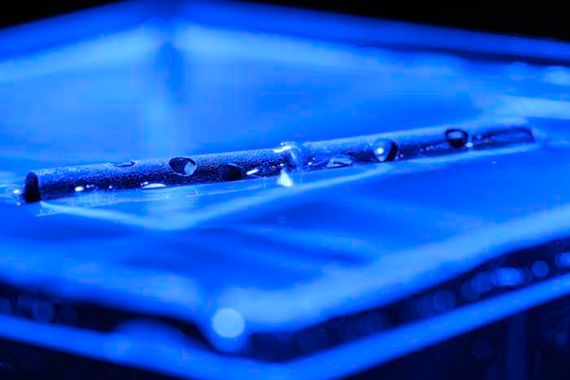
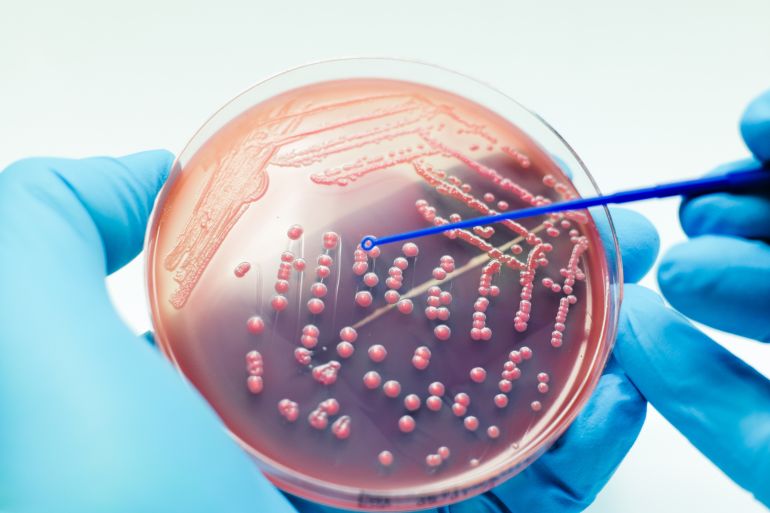
The team designed two completely identical experiments, one on Earth and the other in space. Samples were prepared inside sealed tubes at 37°C for short durations of 1, 2, and 4 hours, and for a long duration (23 days), allowing comparison of the initial engagement with the war’s outcome after weeks.
On Earth, the T7 phage is known to be fast and lethal. In microgravity, however, the beginning was slower, with a signal of delayed viral activity in the orbital samples before the infection succeeded later.
The scientists also recorded new mutations that accumulated in the virus and bacteria, but they were not the same versions that appear in Earth samples. The orbital viruses carried mutations likely to enhance infectivity or adhesion to bacterial receptors, while the bacteria carried mutations that might increase fitness for survival in microgravity or improve defense against phage predation.
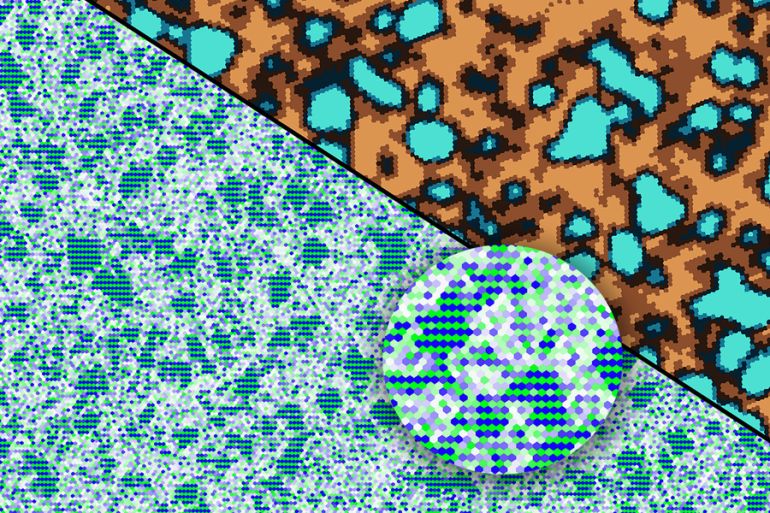
The researchers also used a high-throughput technique known as “deep mutational scanning” to examine the “fitness landscape” of the phage’s receptor-binding protein, the key it uses to enter the bacterial cell.
Decisive Results
The result was decisive. The map of preferred mutations under microgravity clearly differed in number, locations, and preferences from the Earth map, indicating that the bacteria themselves changed their surface and receptors.
According to the study, these variants succeeded in infecting strains of uropathogenic E. coli that were typically resistant to the T7 phage under Earth conditions.
In its own way, space provided an innovative boost for phage engineers, not through supernatural magic, but by changing the rules of collisions in fluids and cell physiology, thereby altering the course of selection.
Although sending microbes into orbit is not an easy or cheap recipe, the scientific message is important. It states that microgravity is not just an endurance test, but a different selective environment that may reveal adaptive pathways not quickly apparent on Earth. This could benefit the innovation of stronger phage therapies against resistant bacteria.