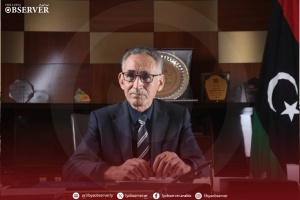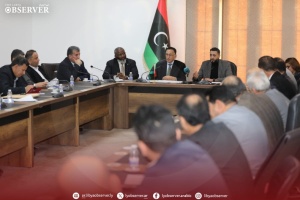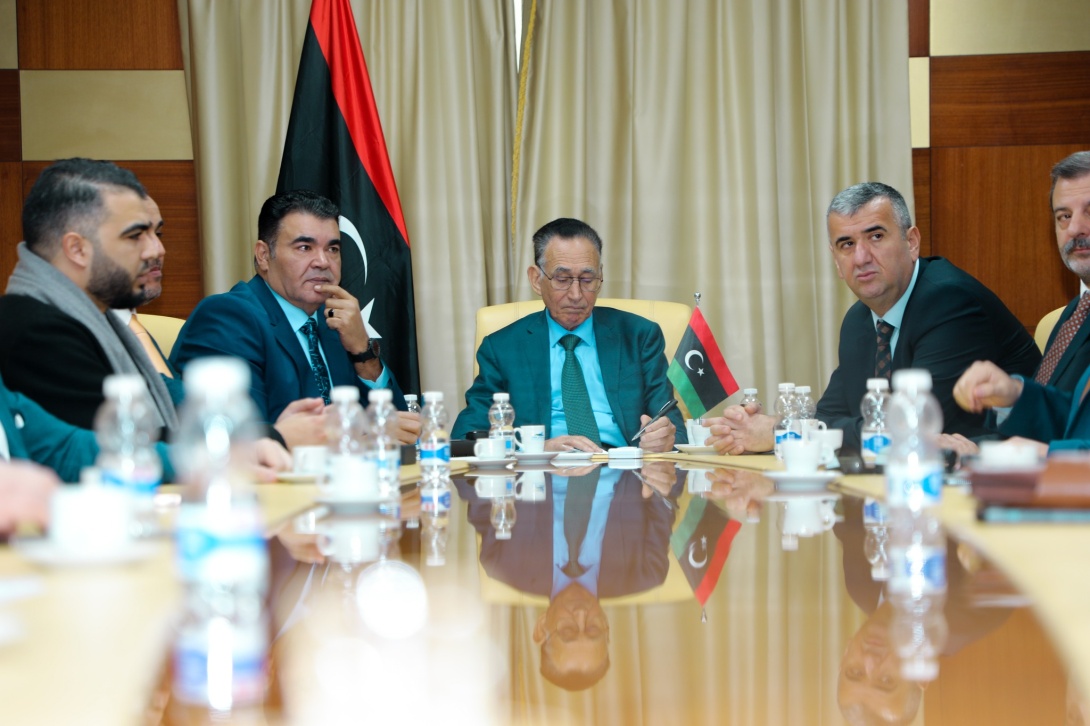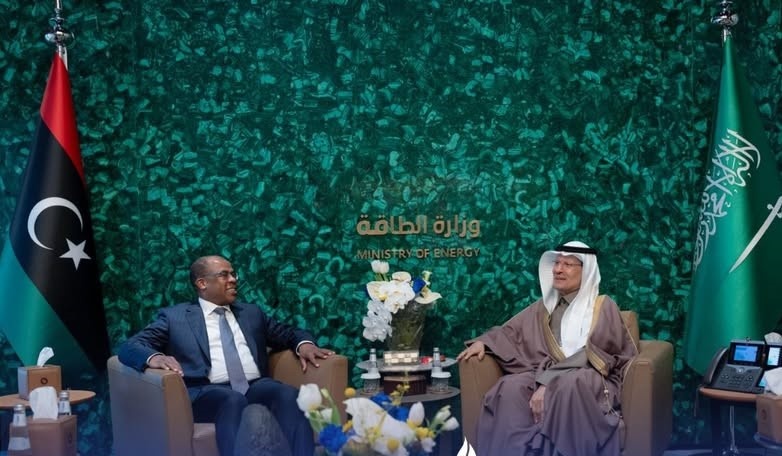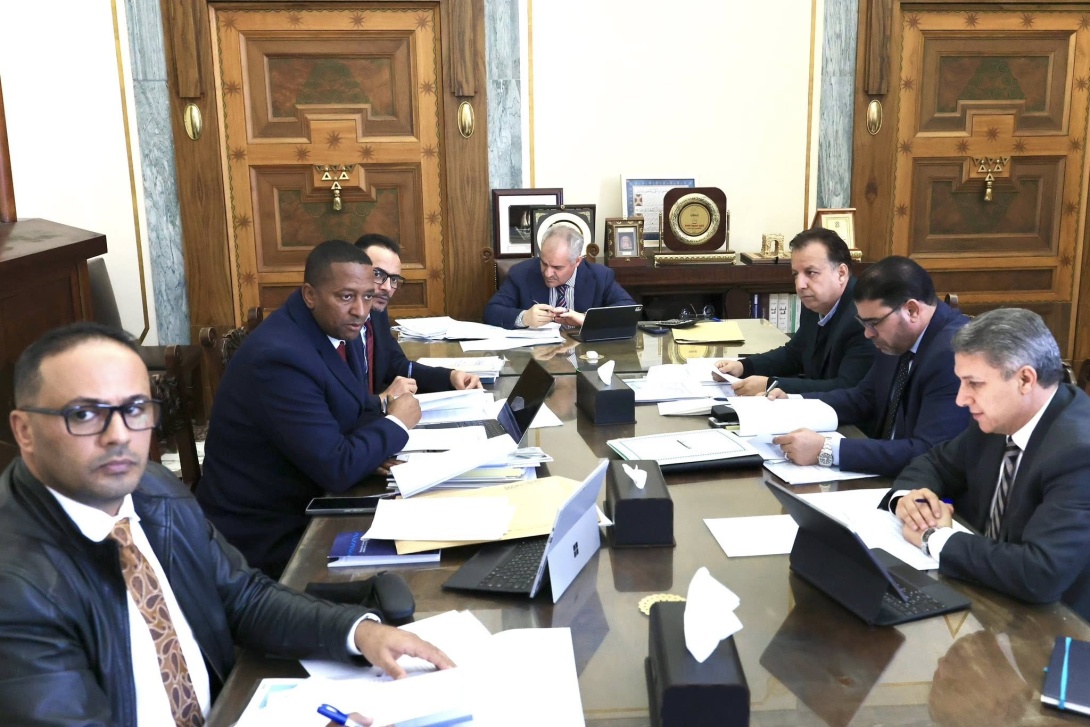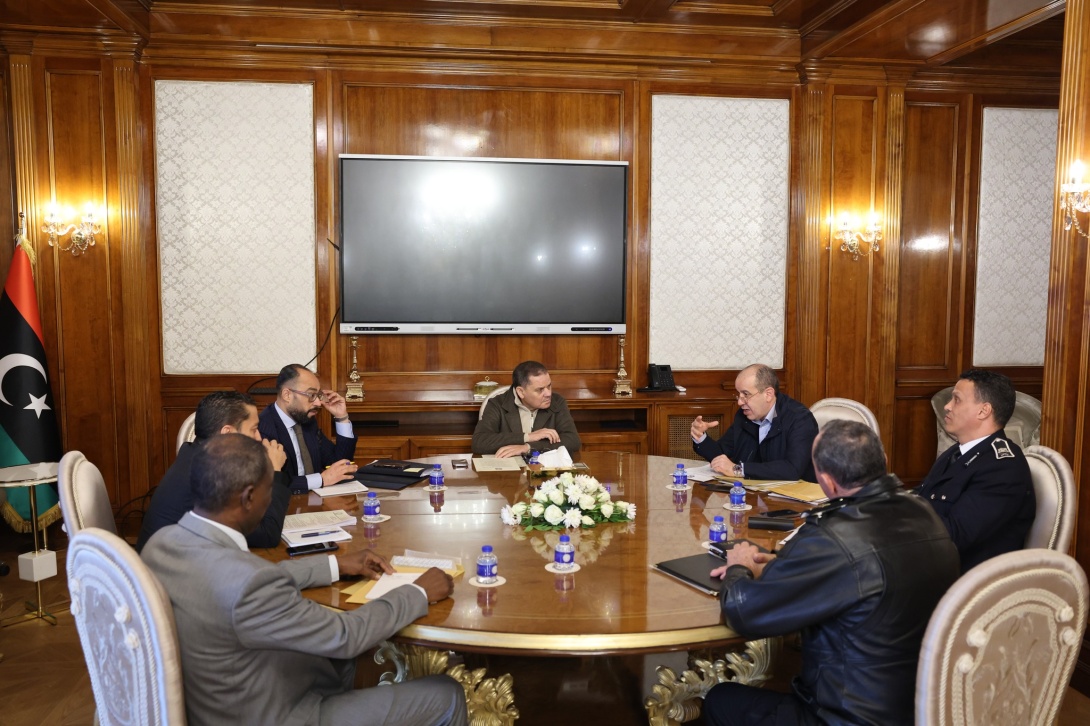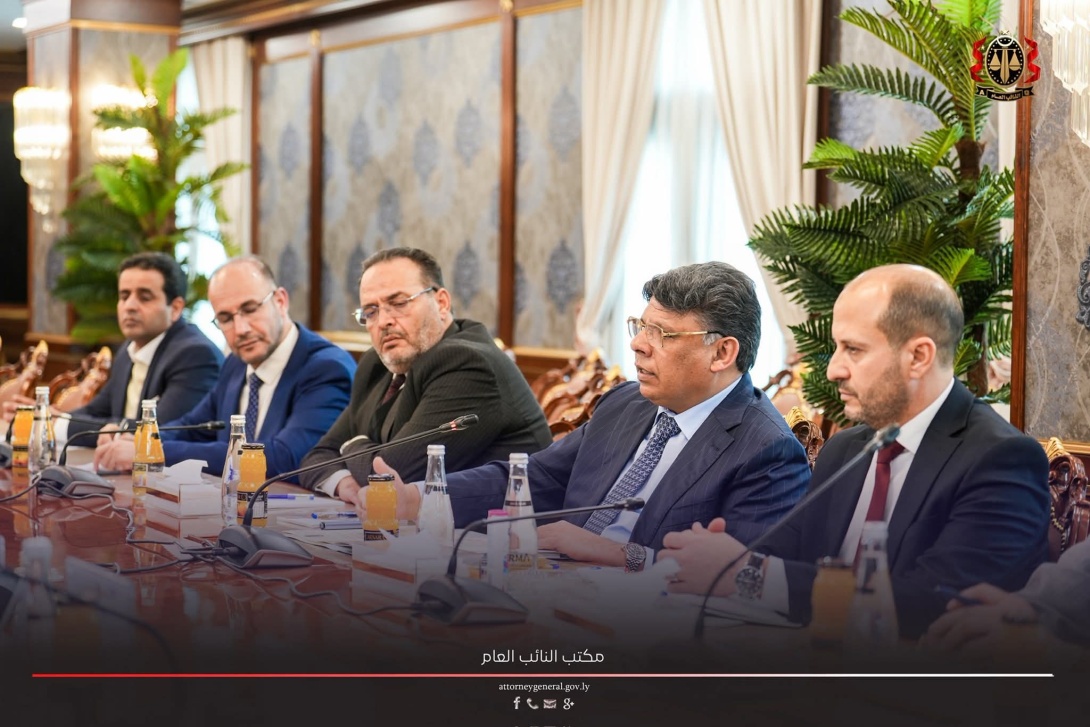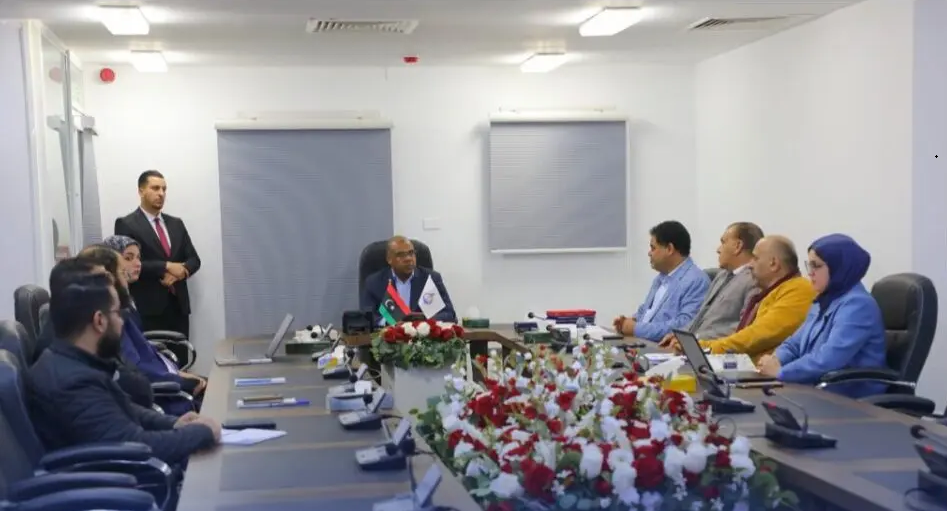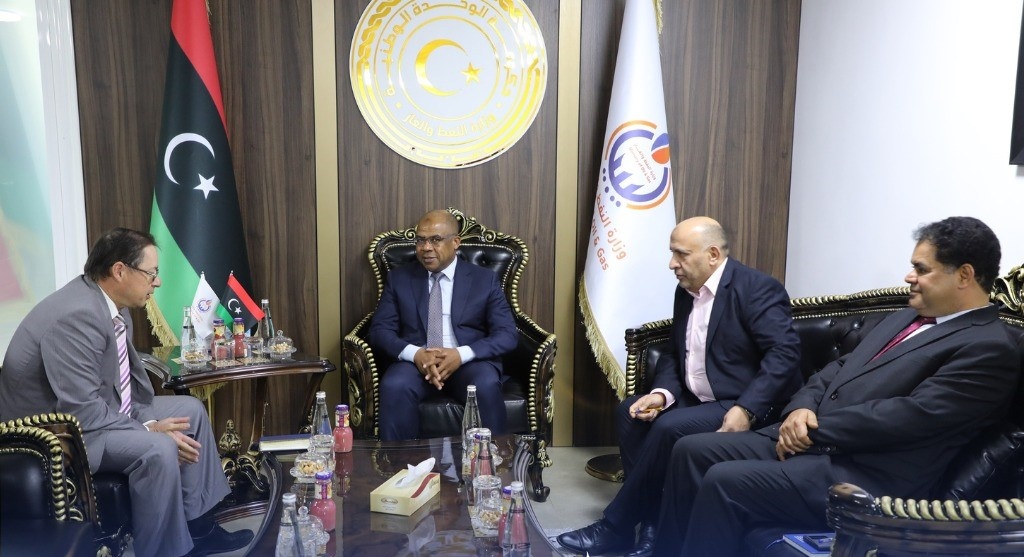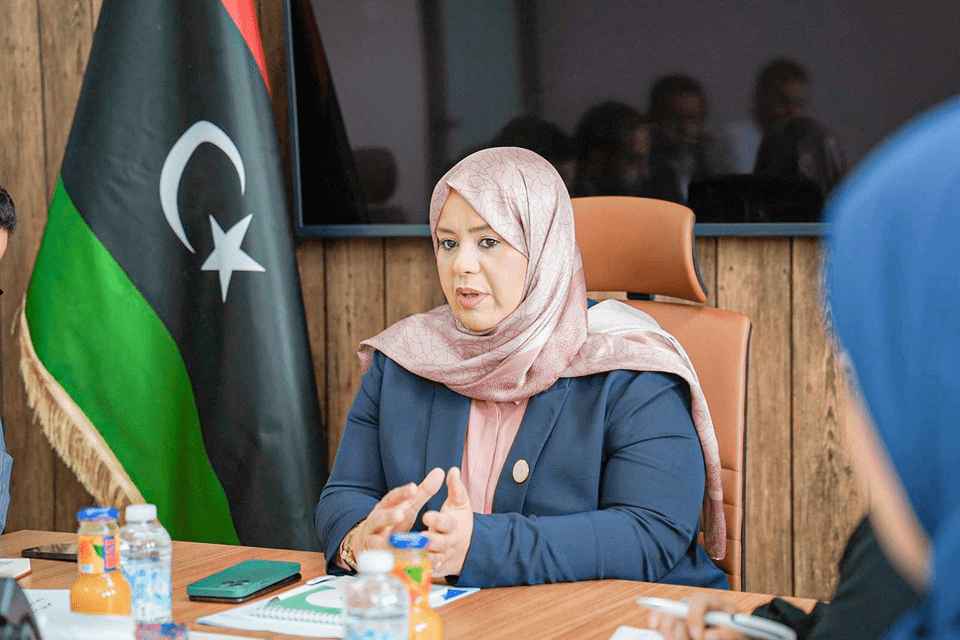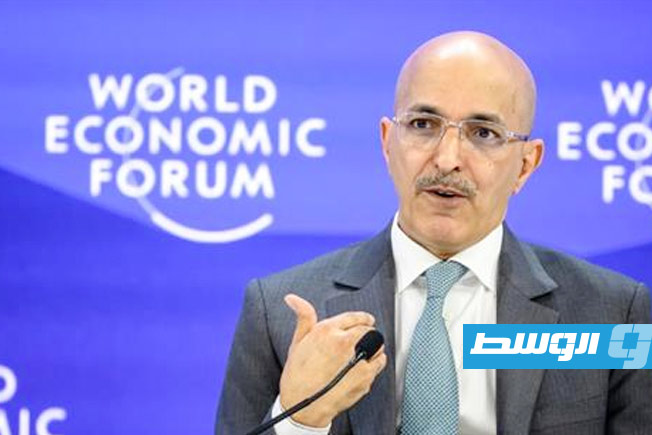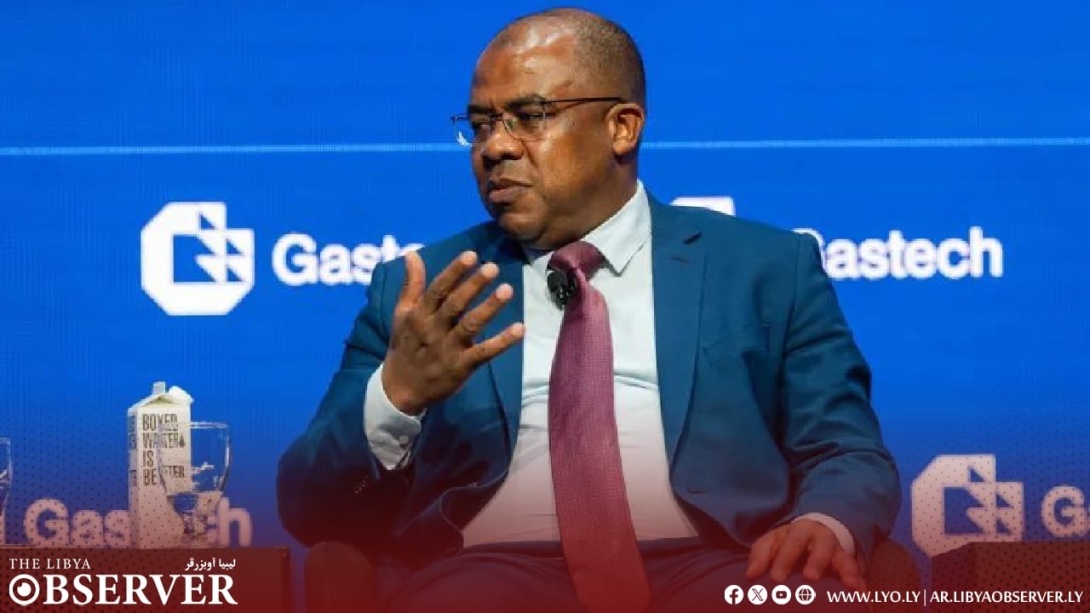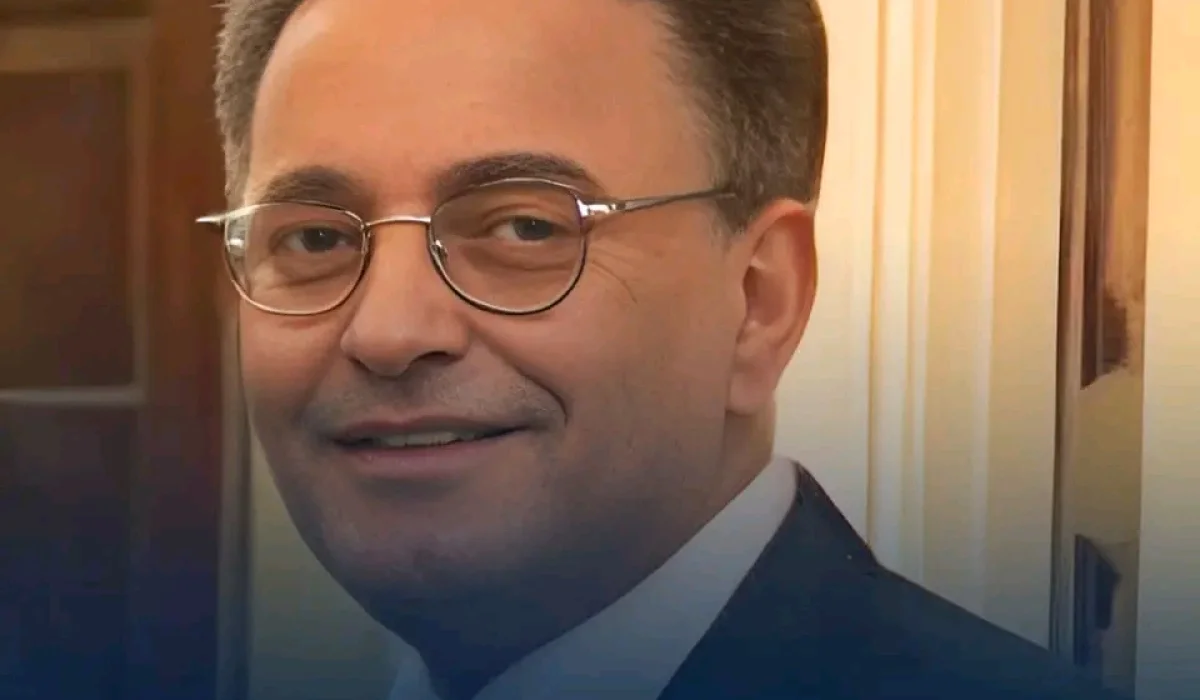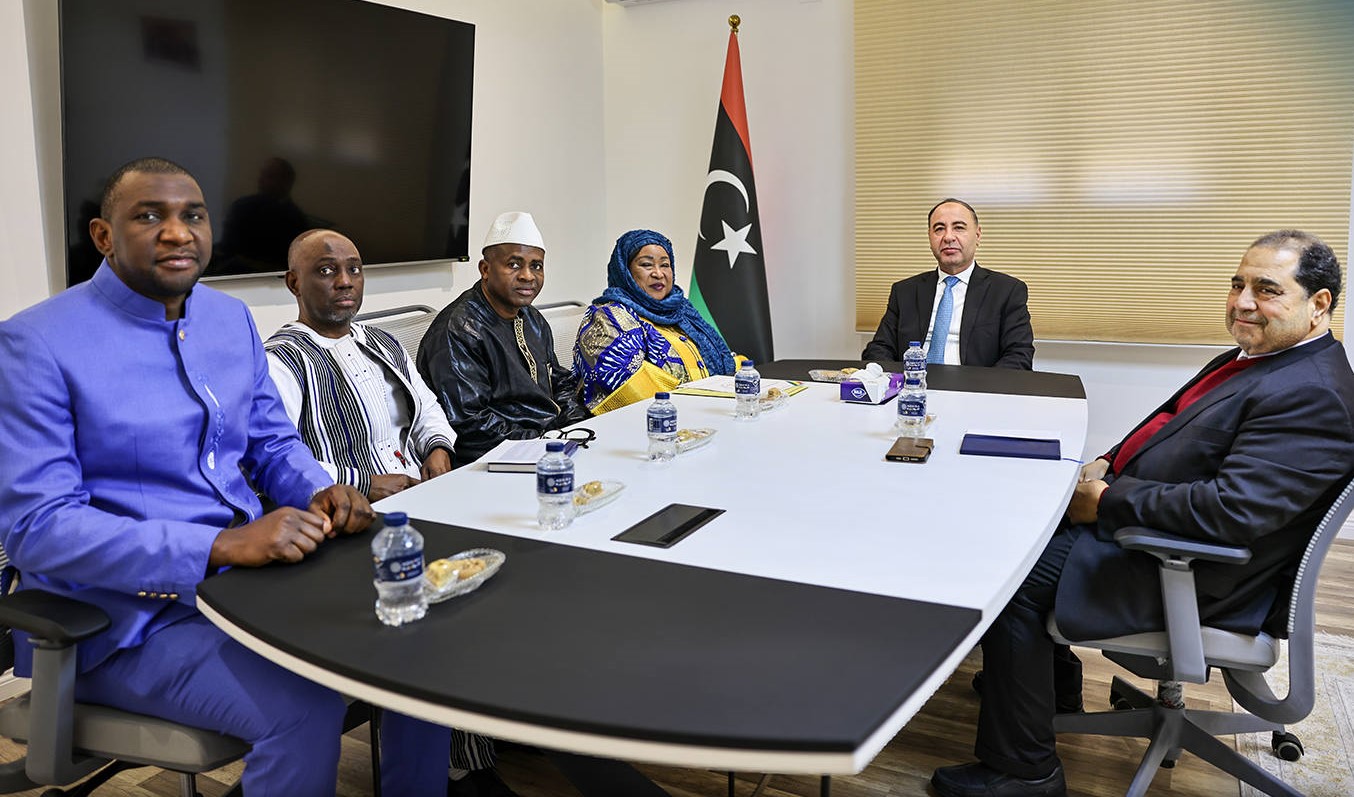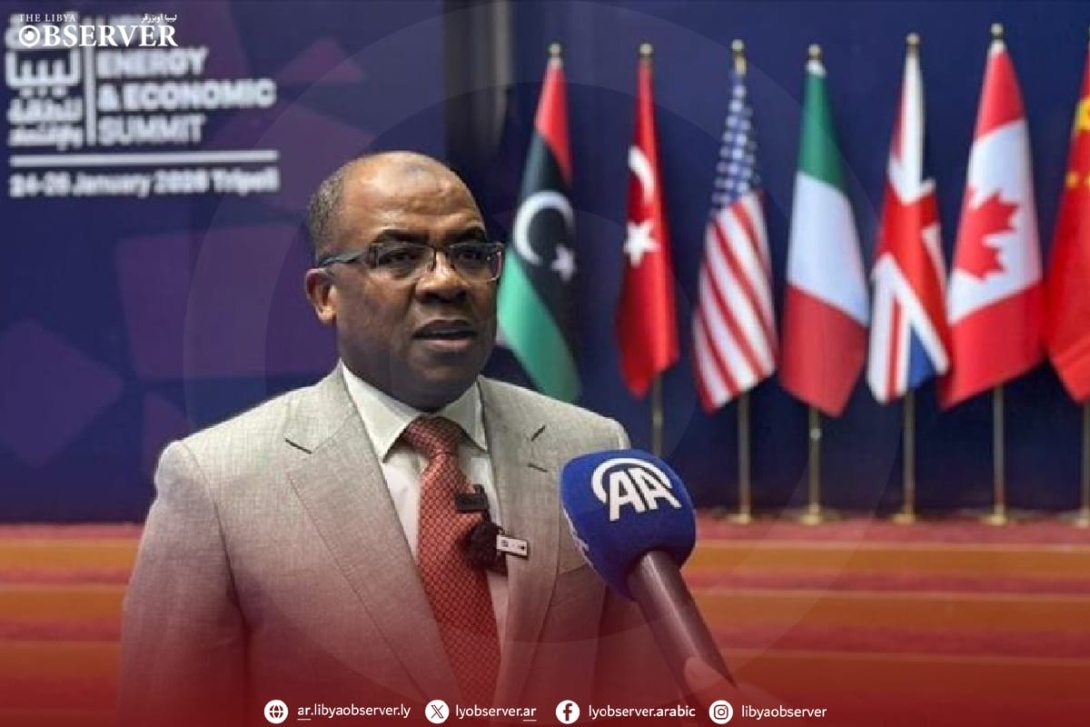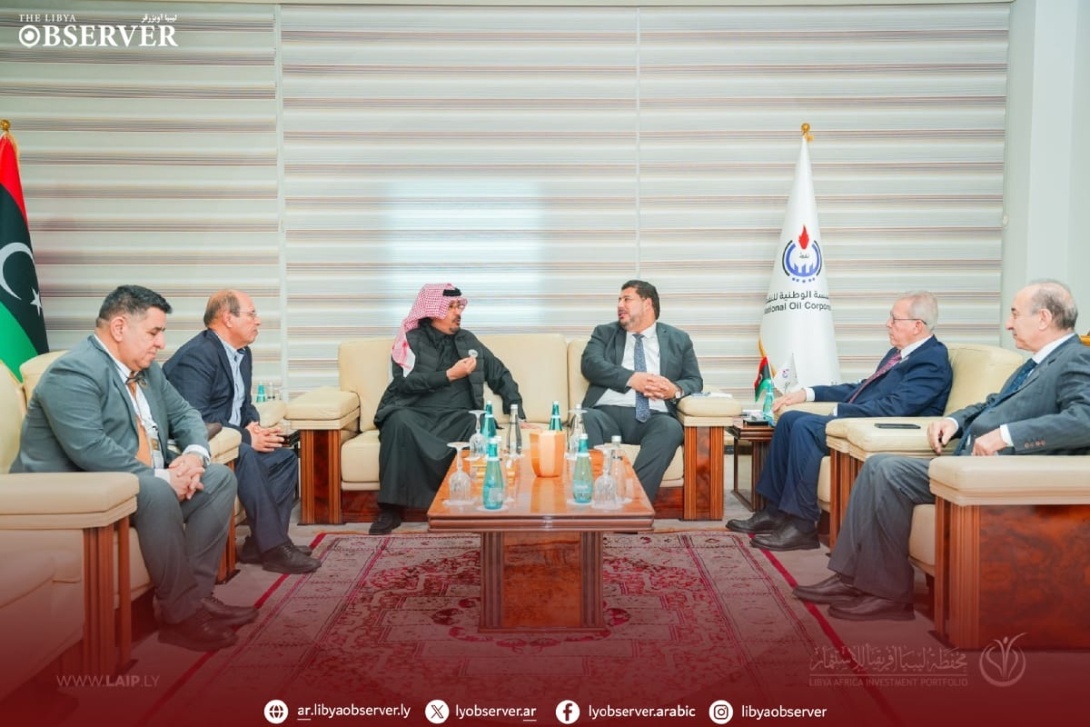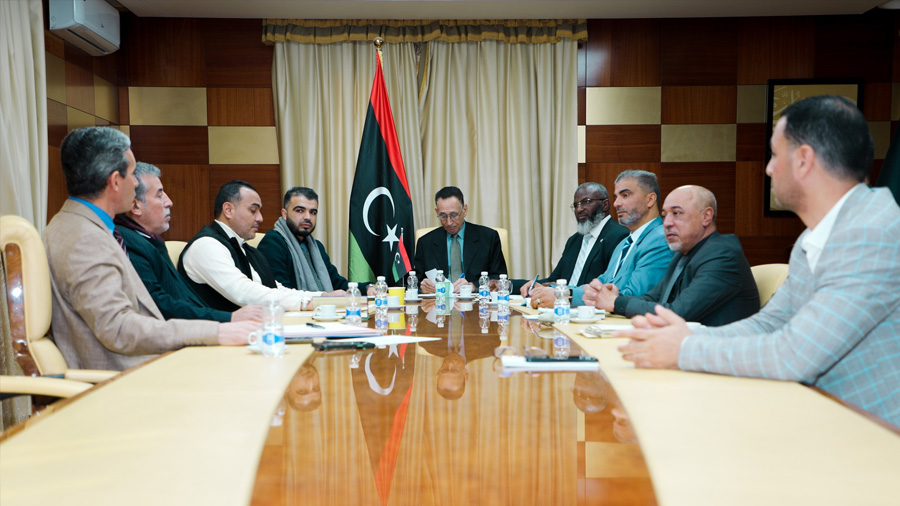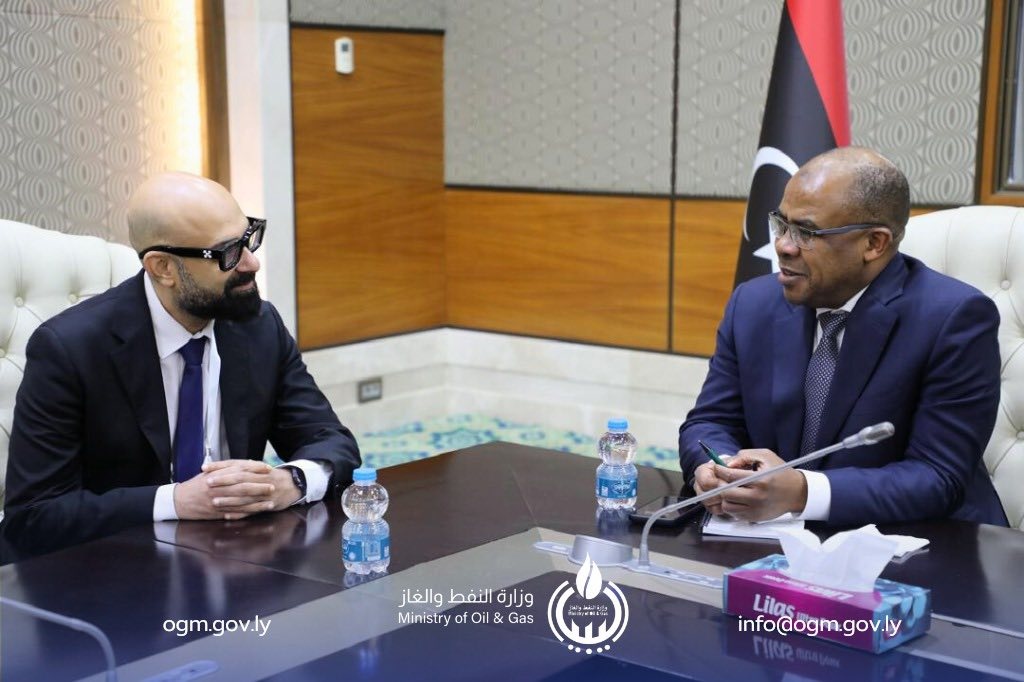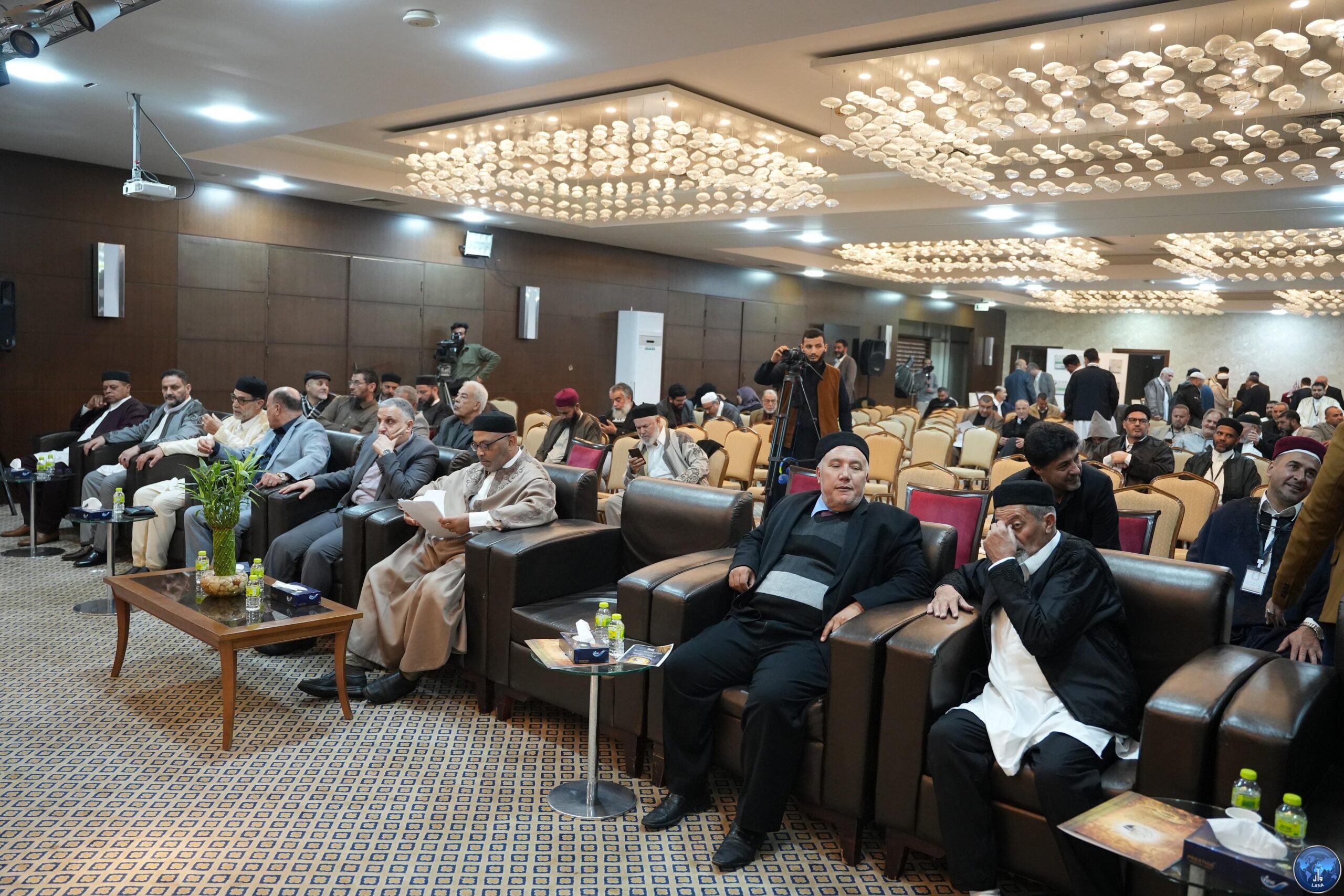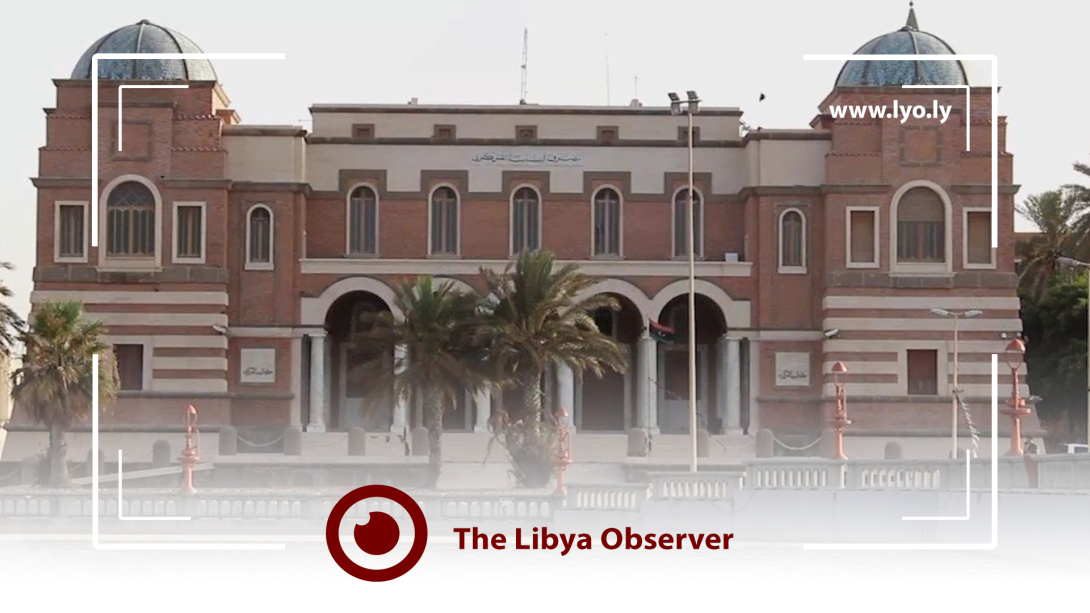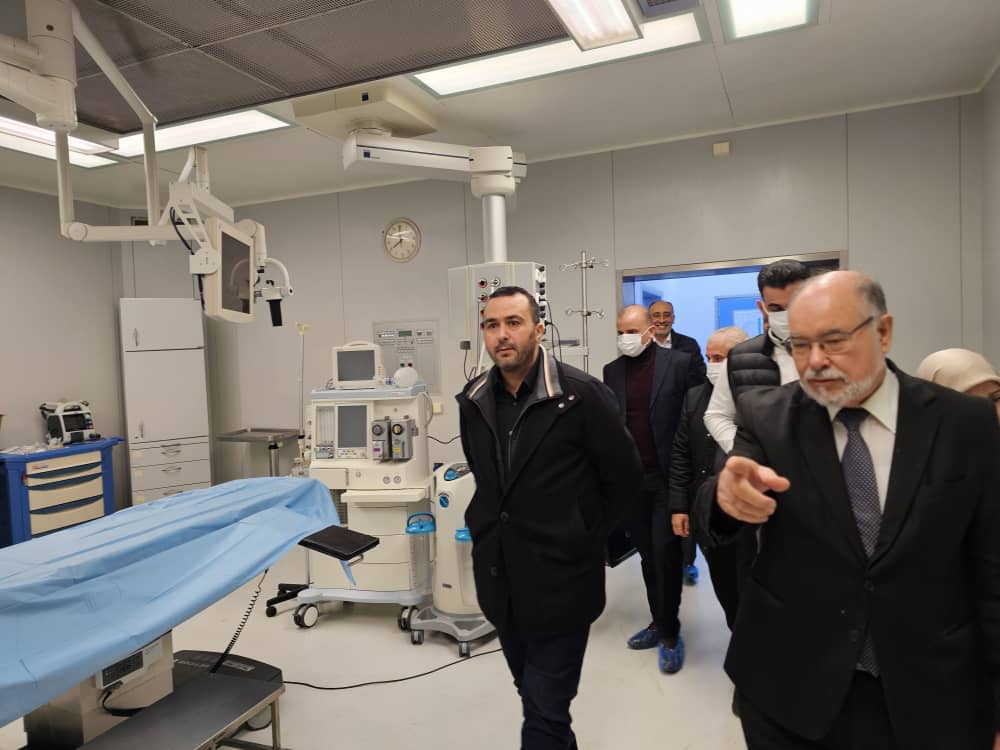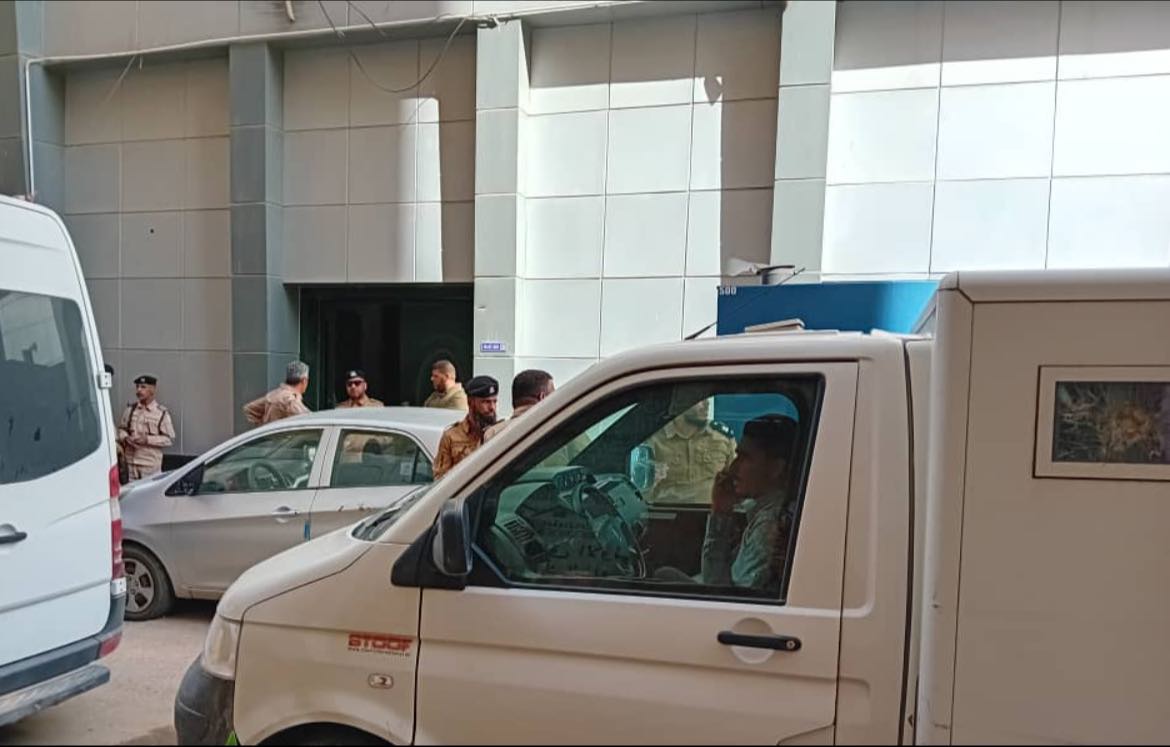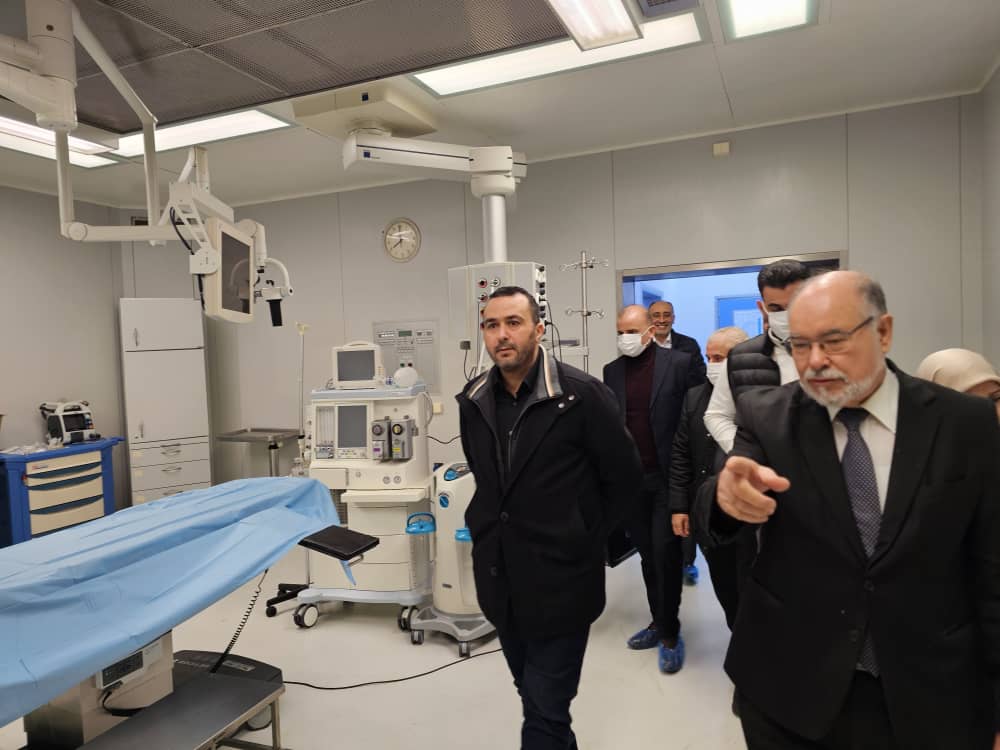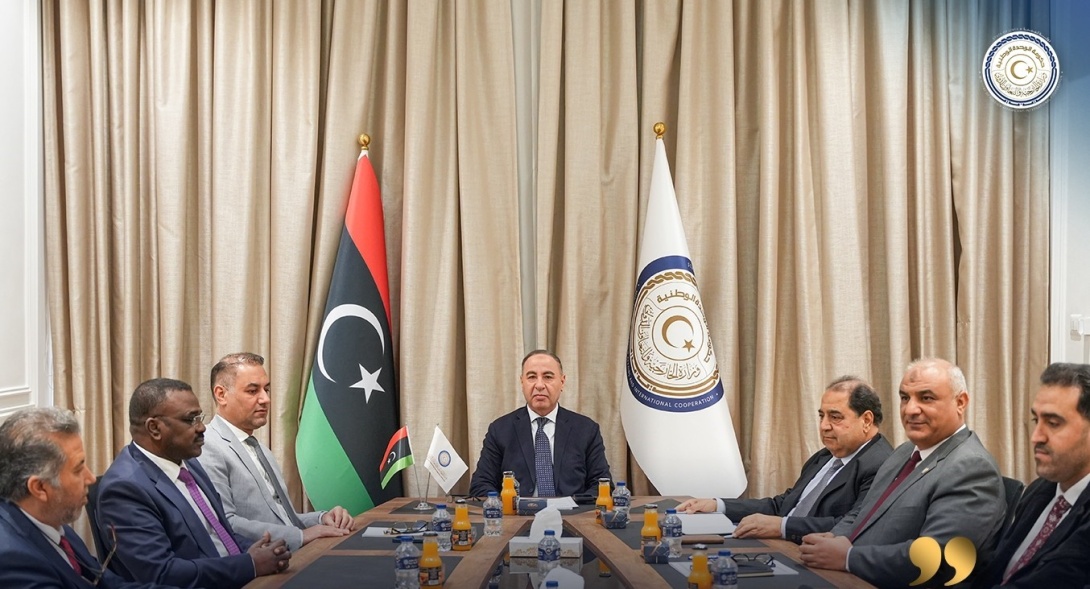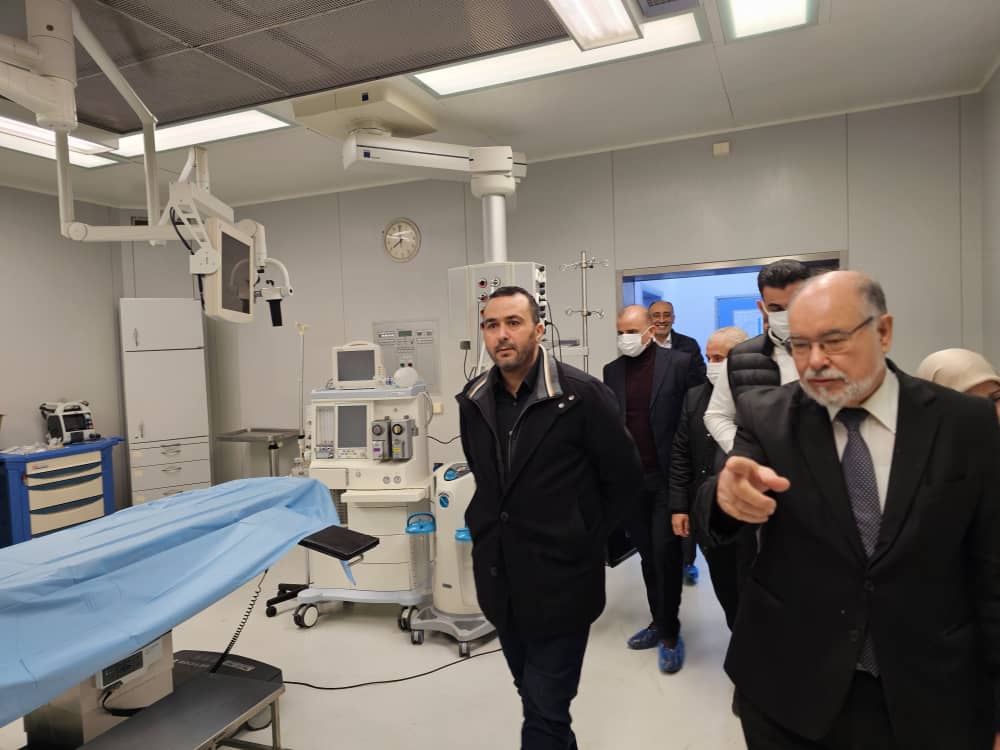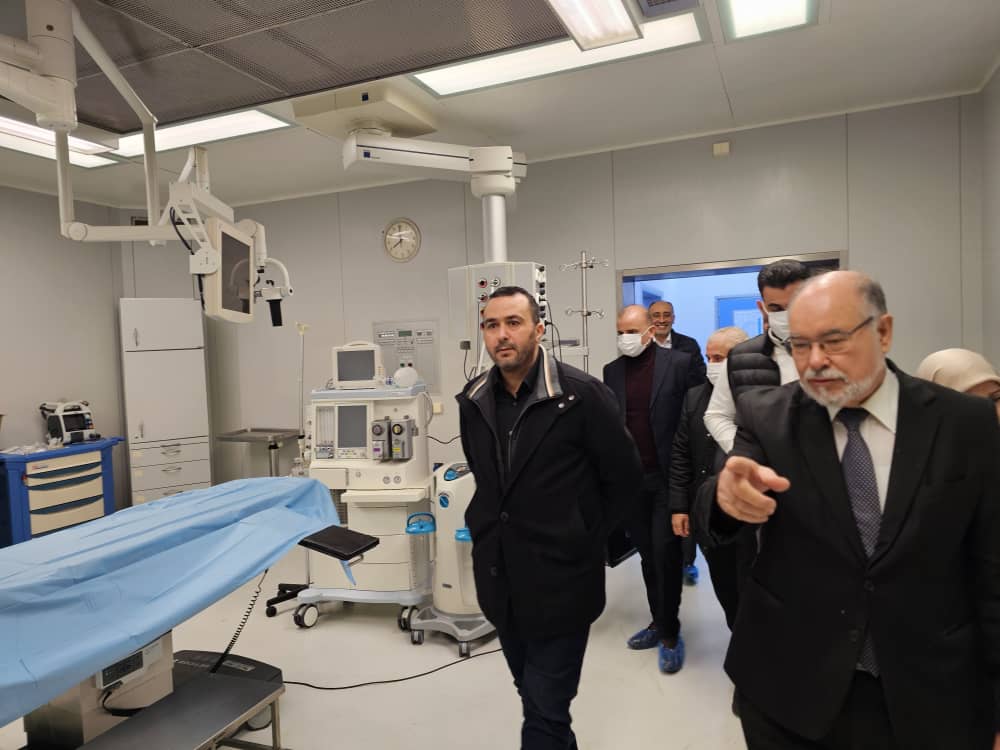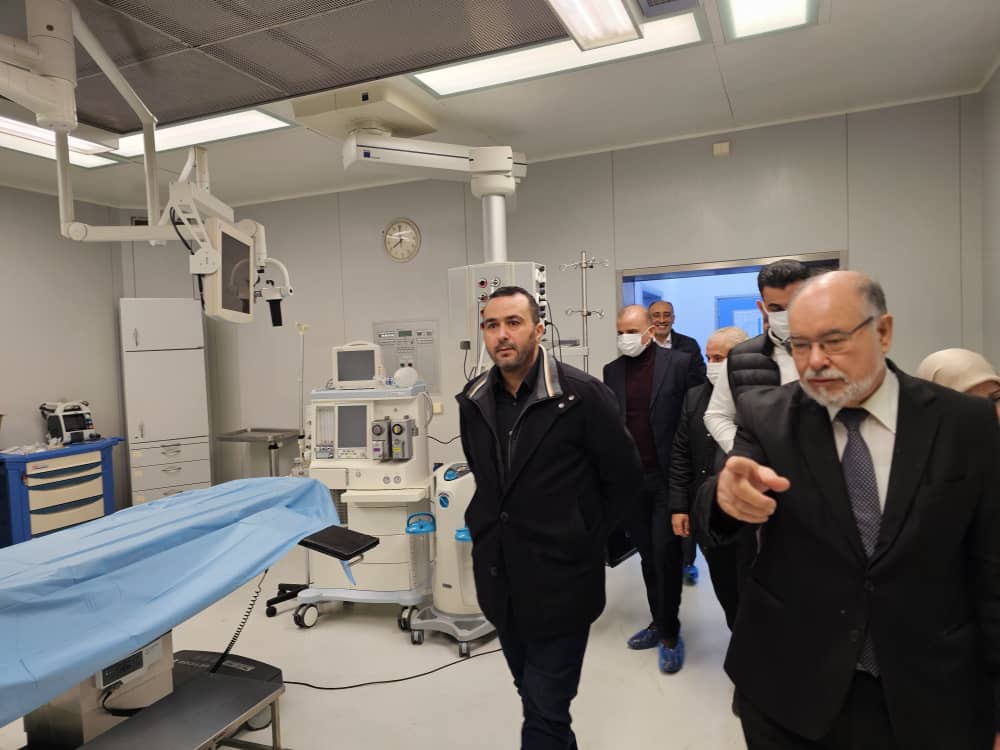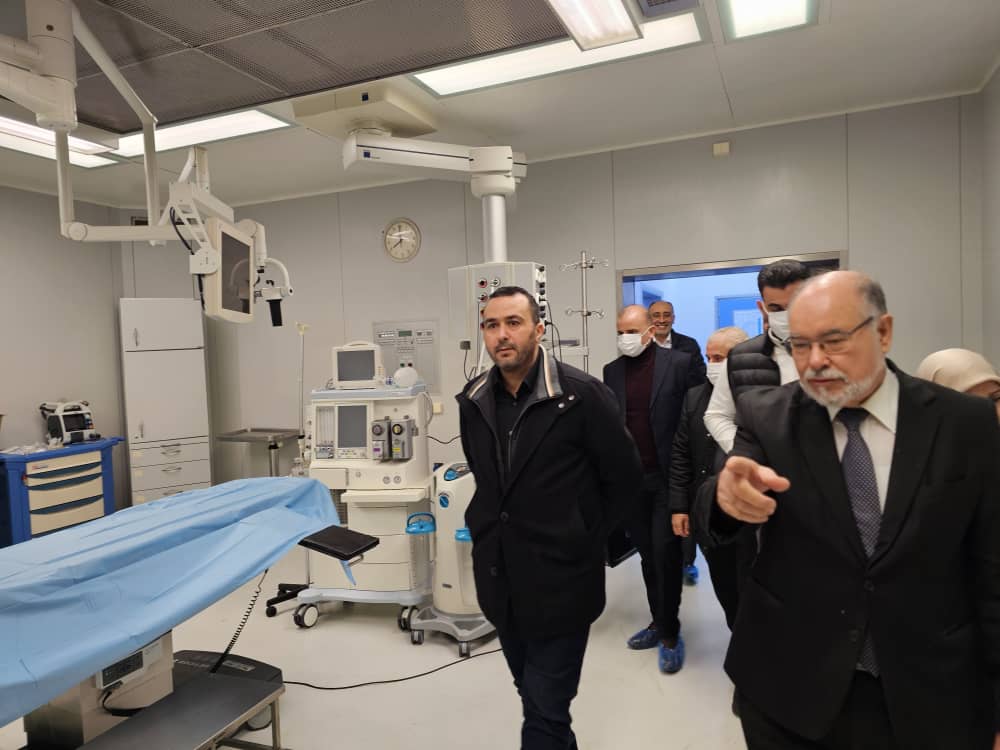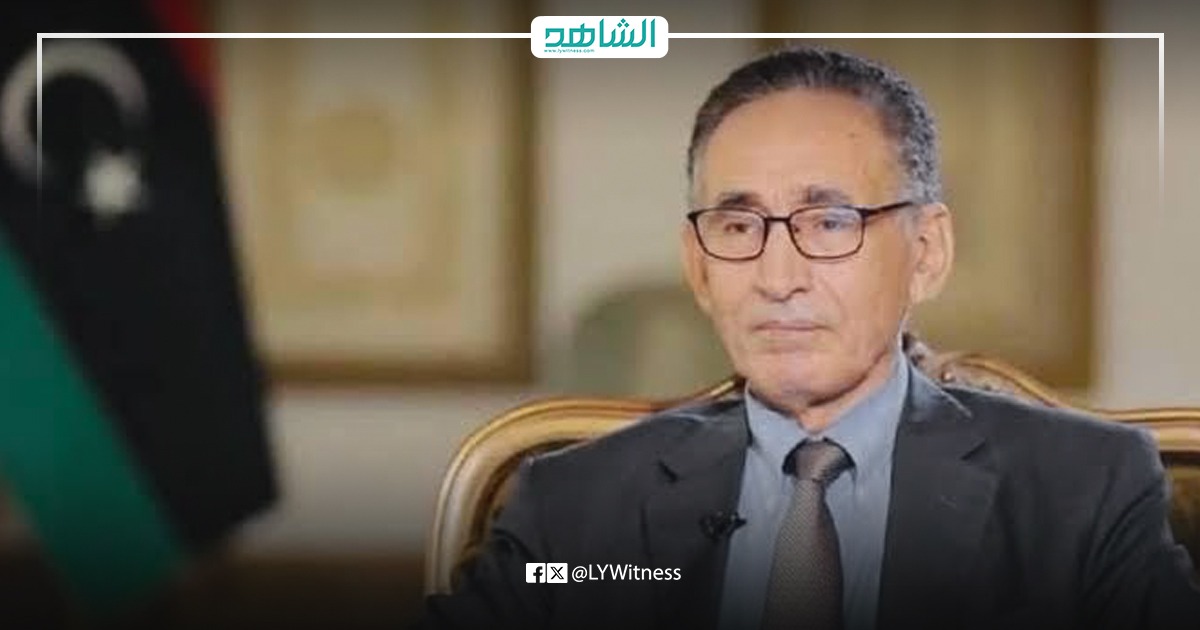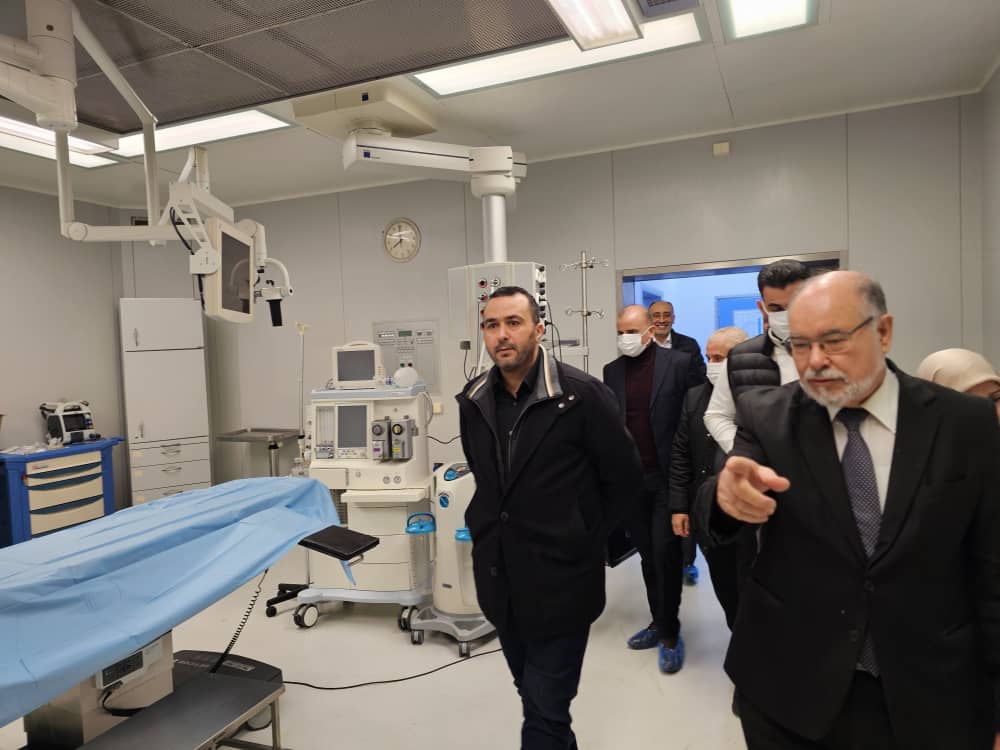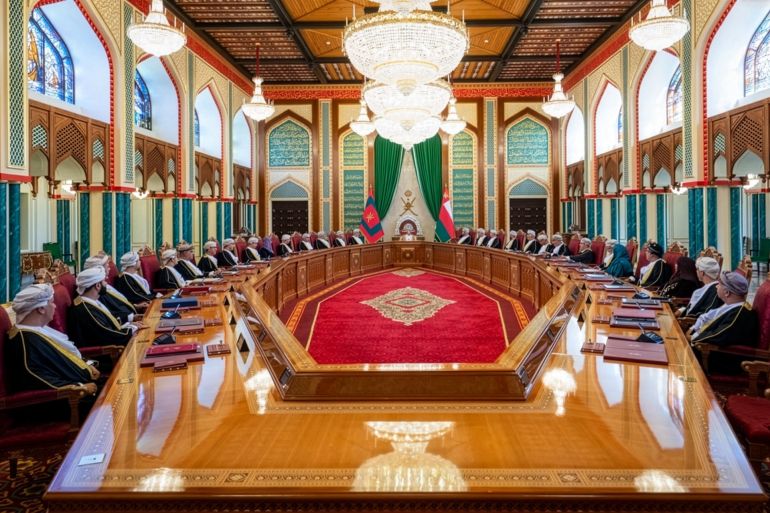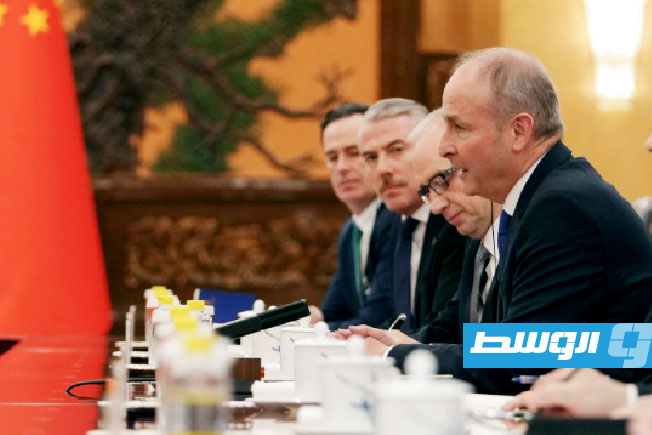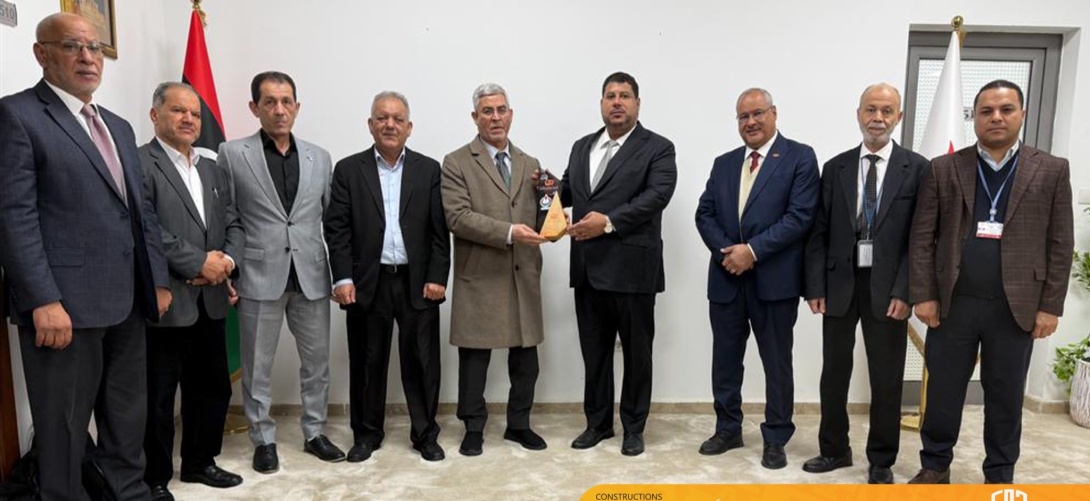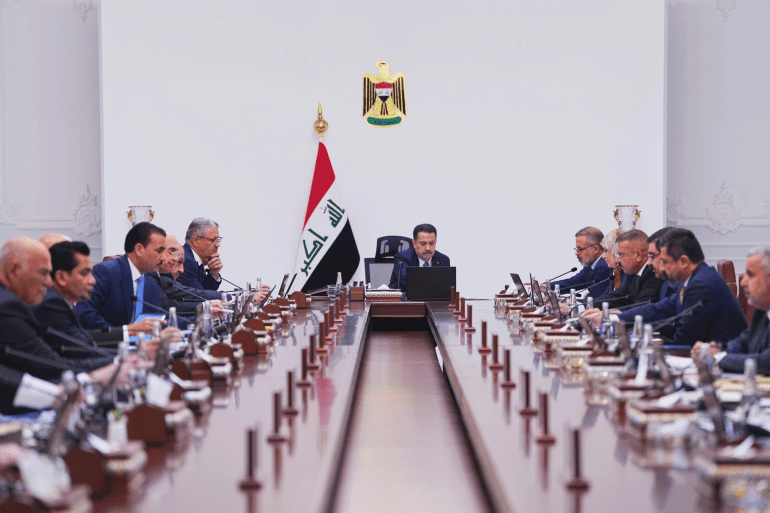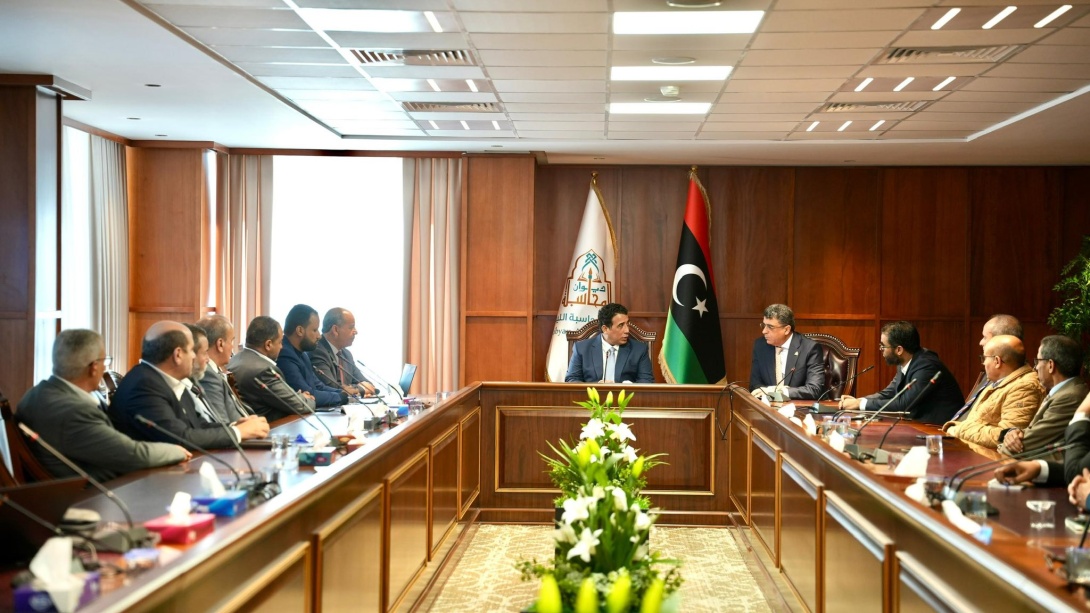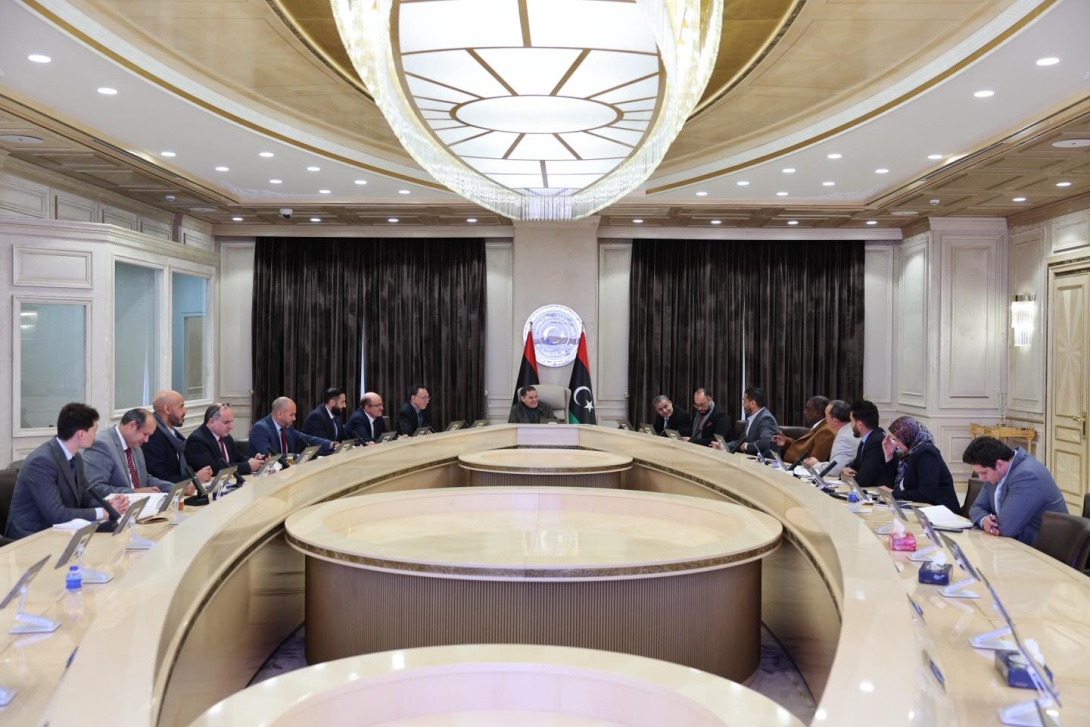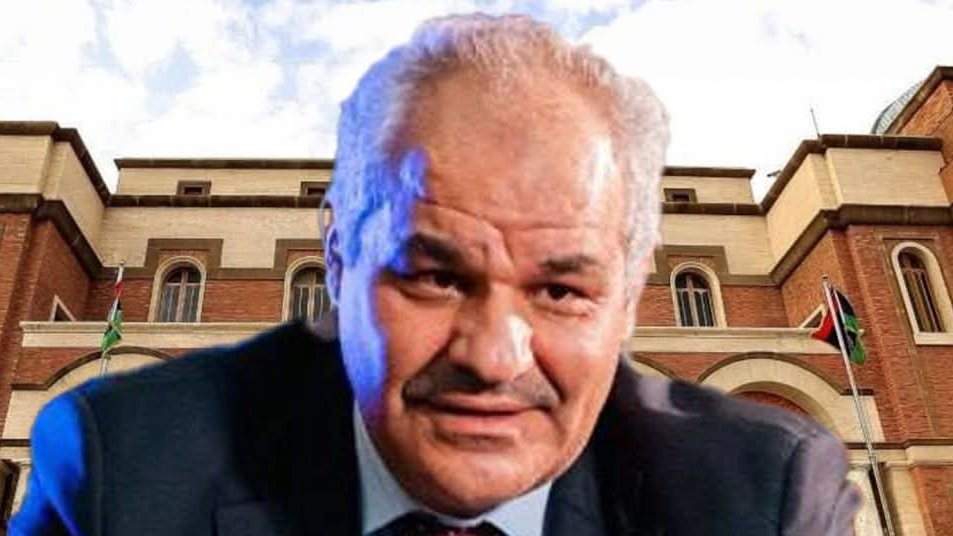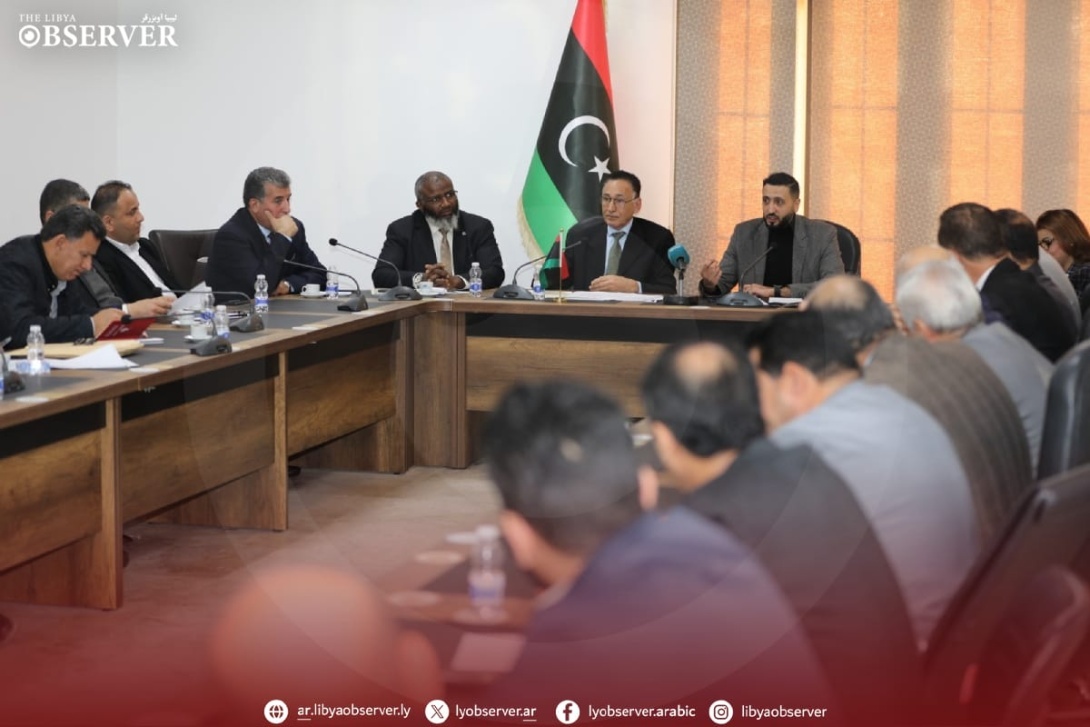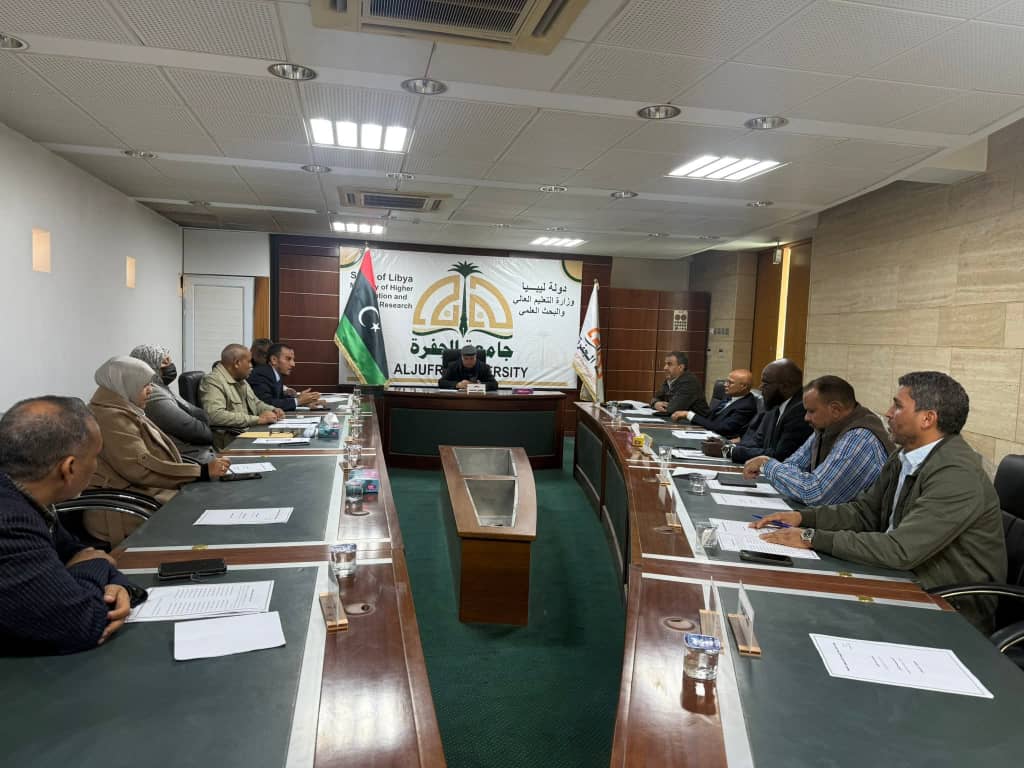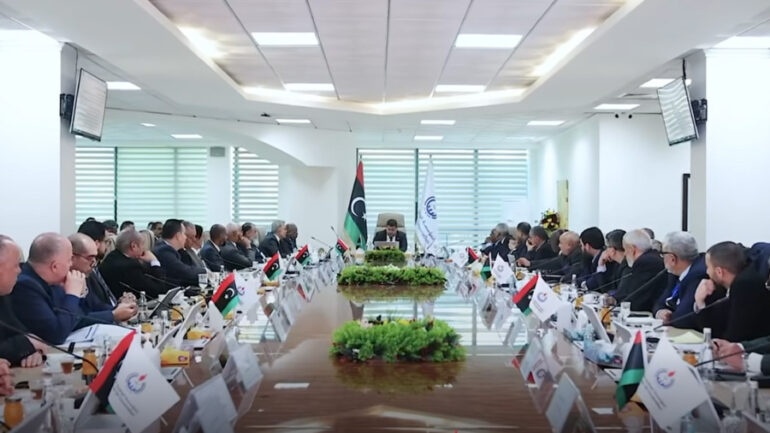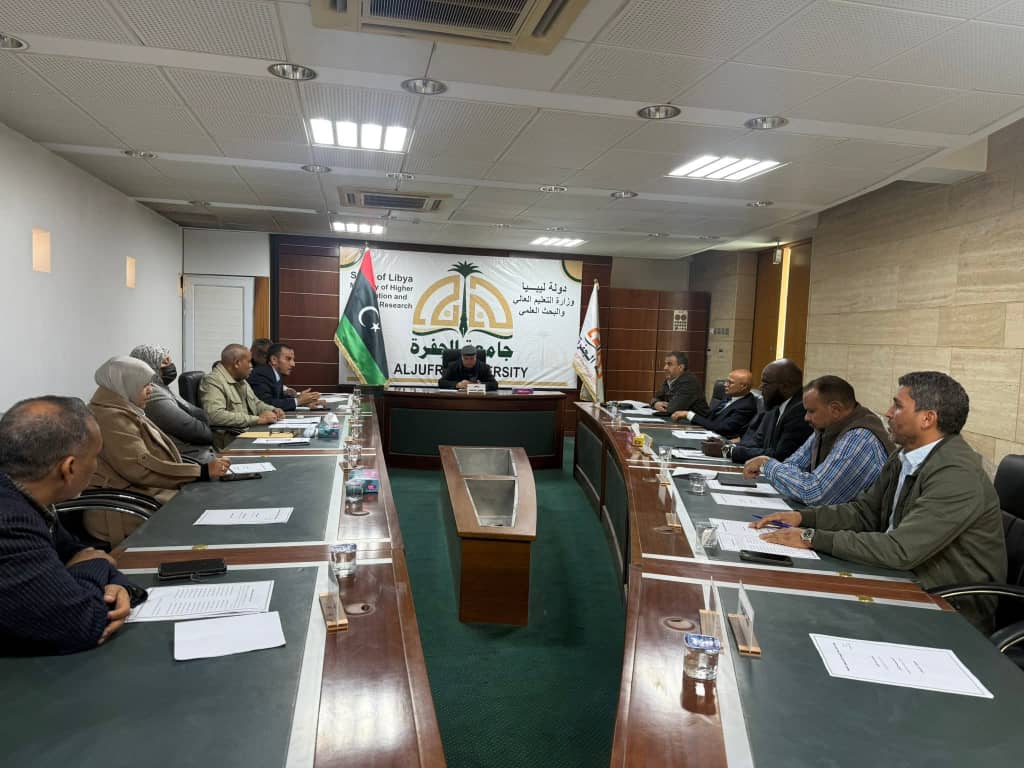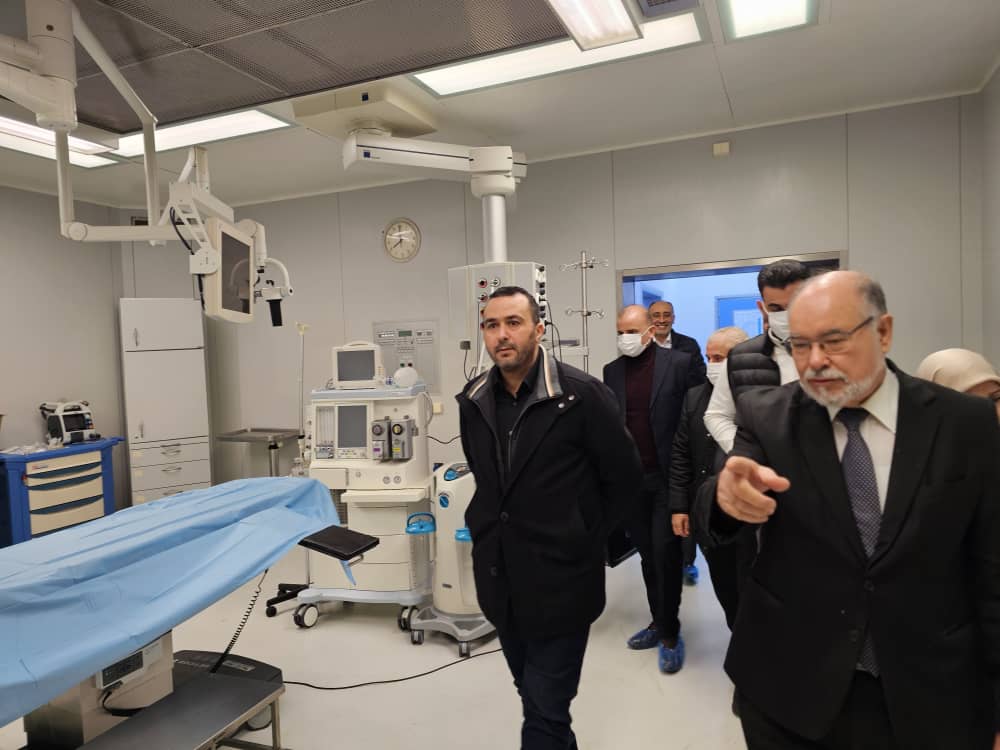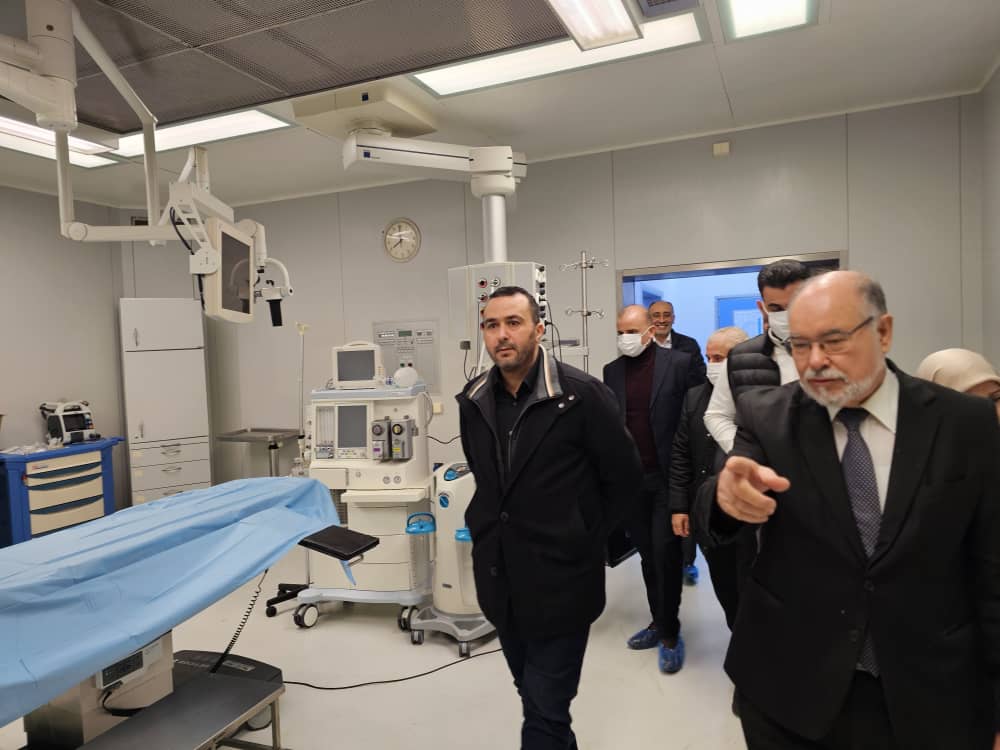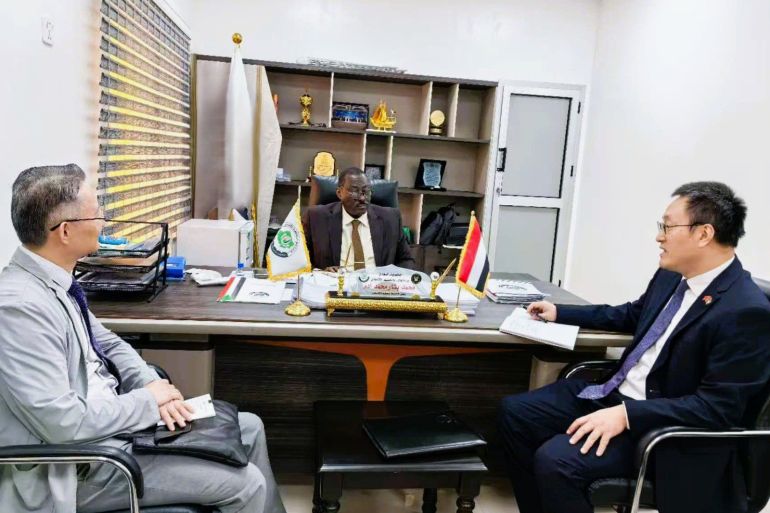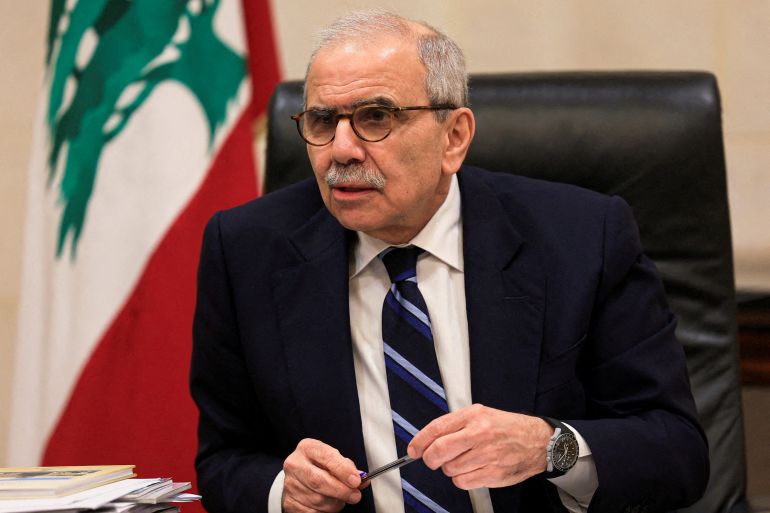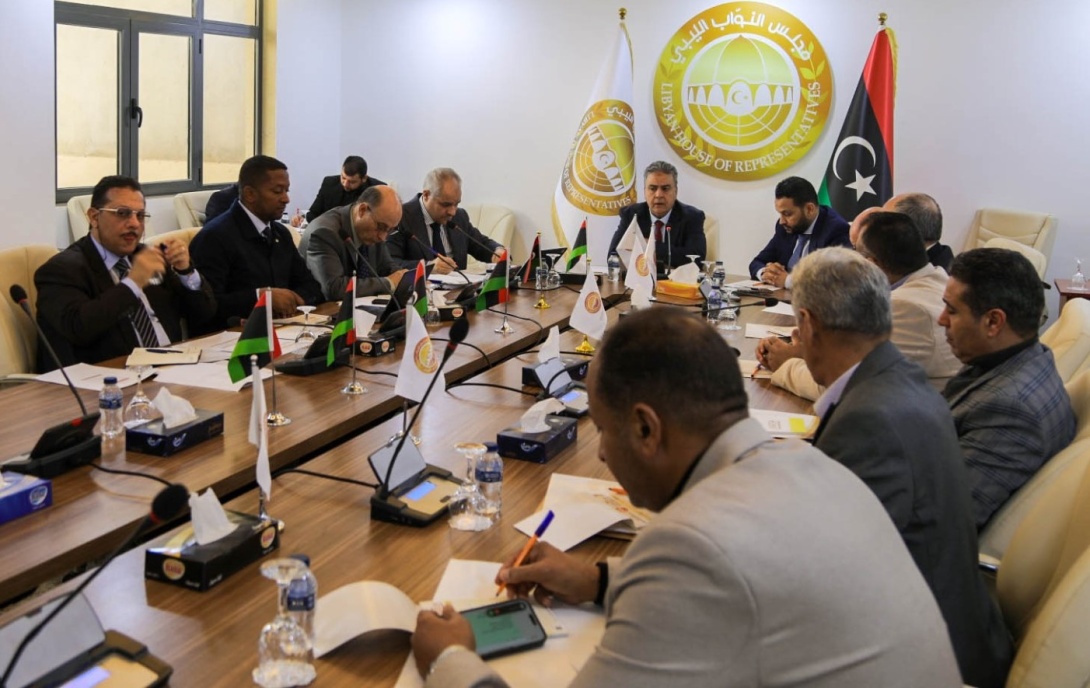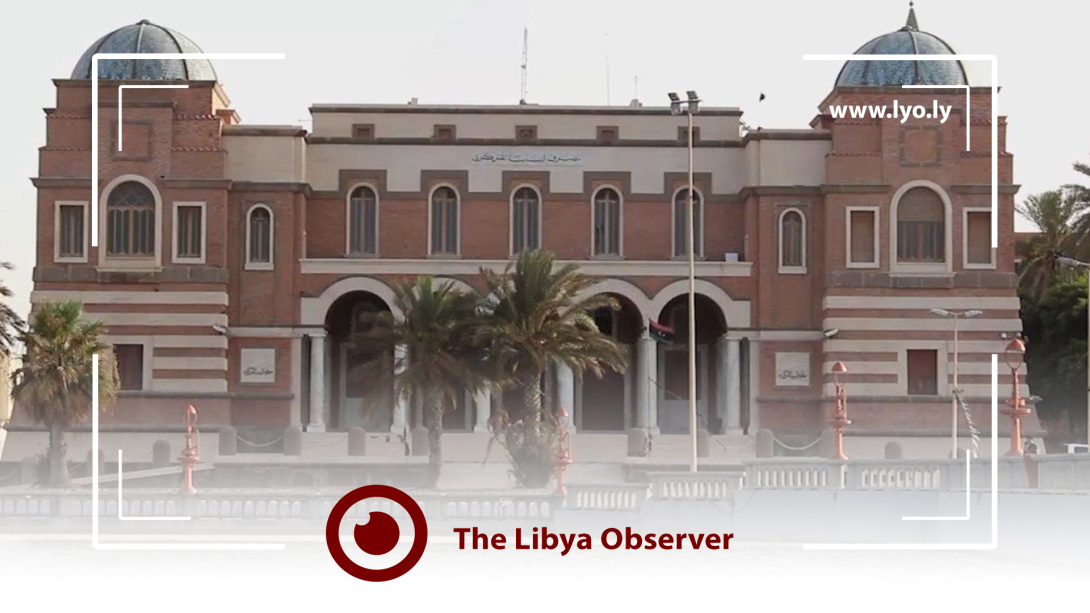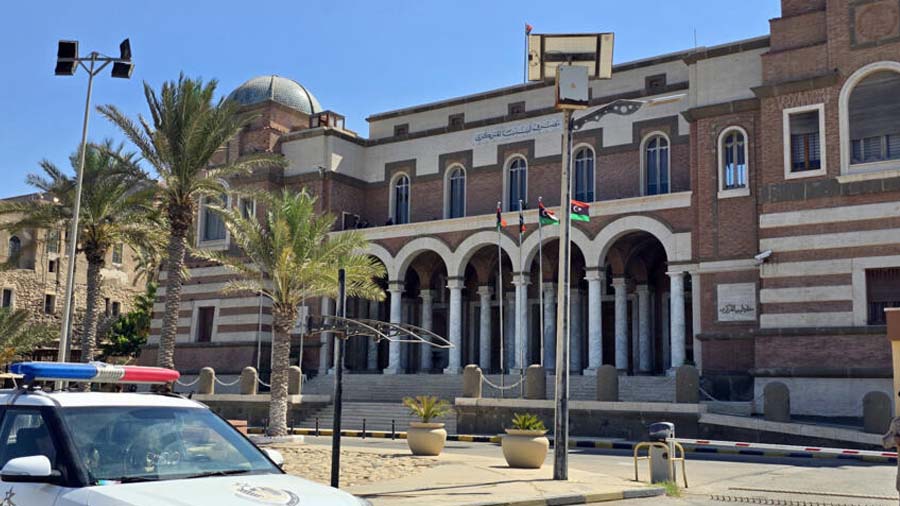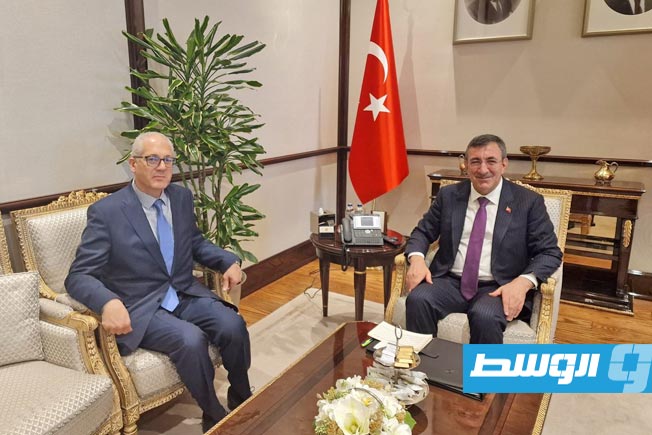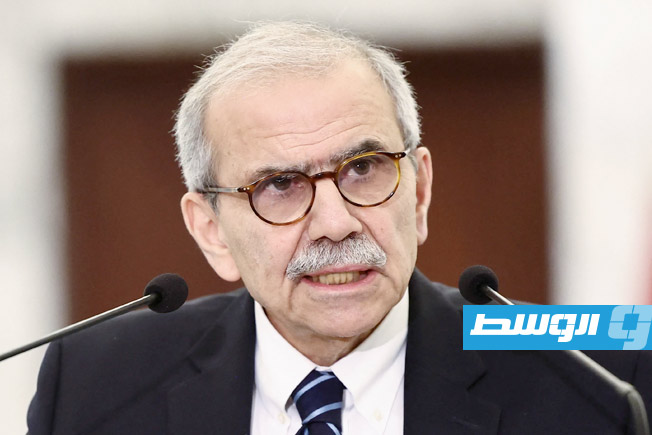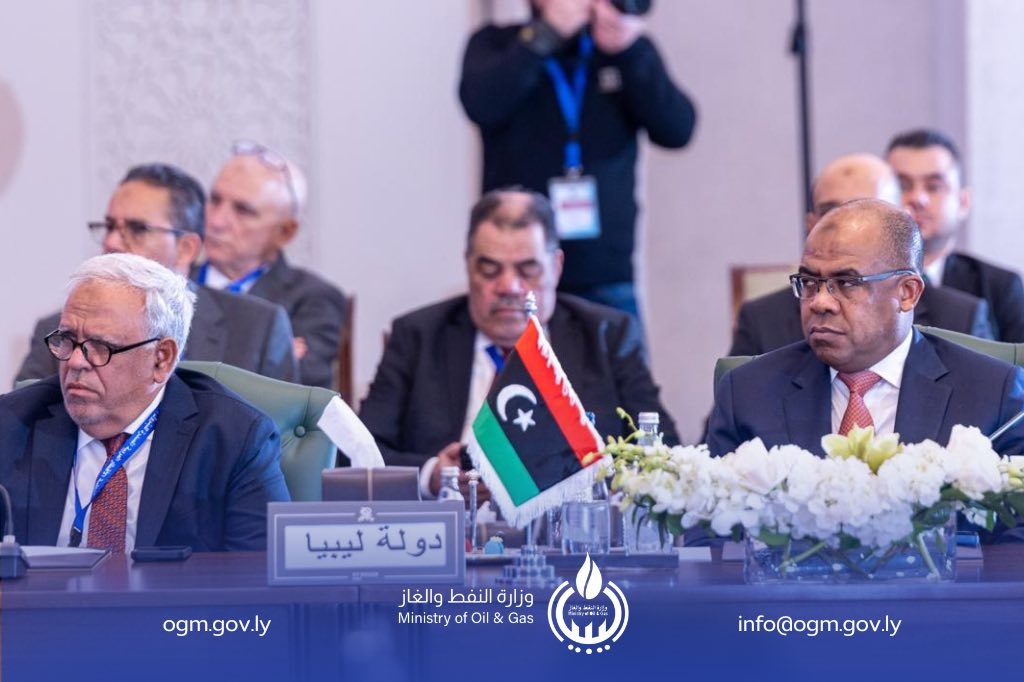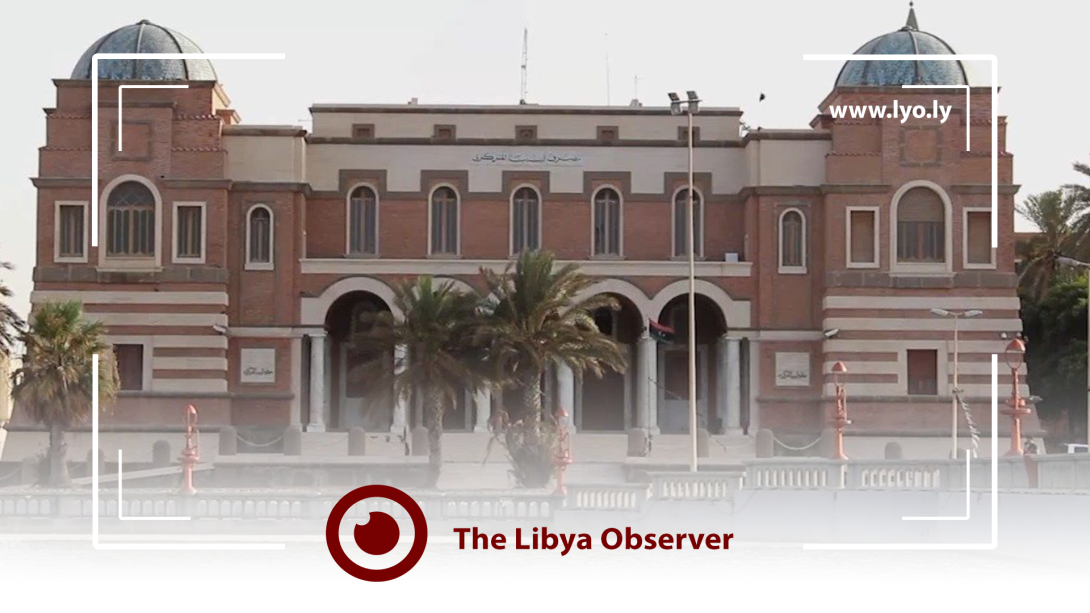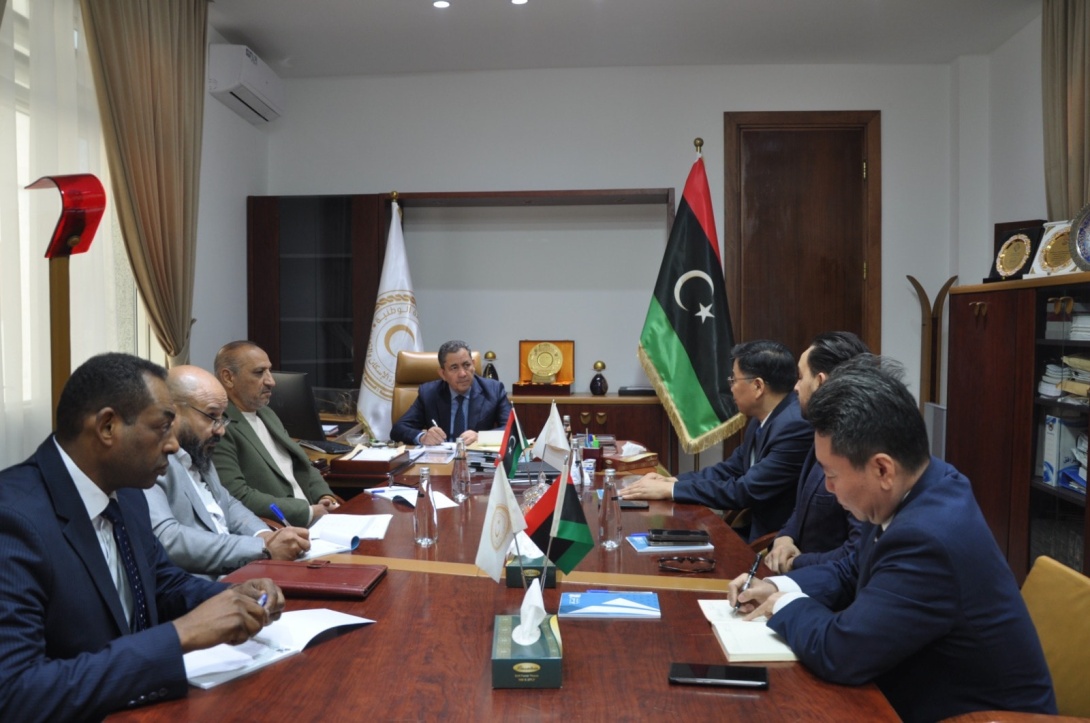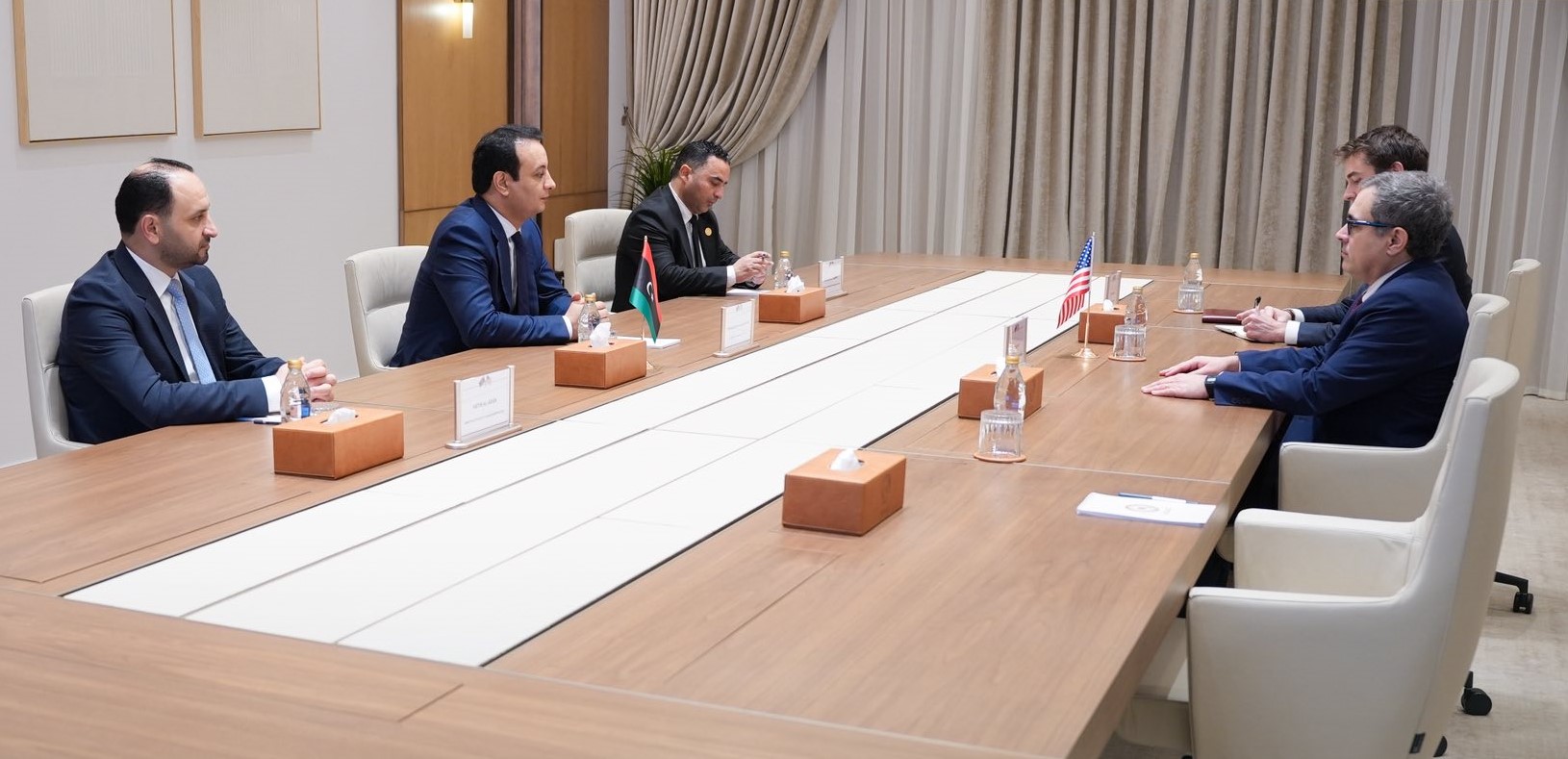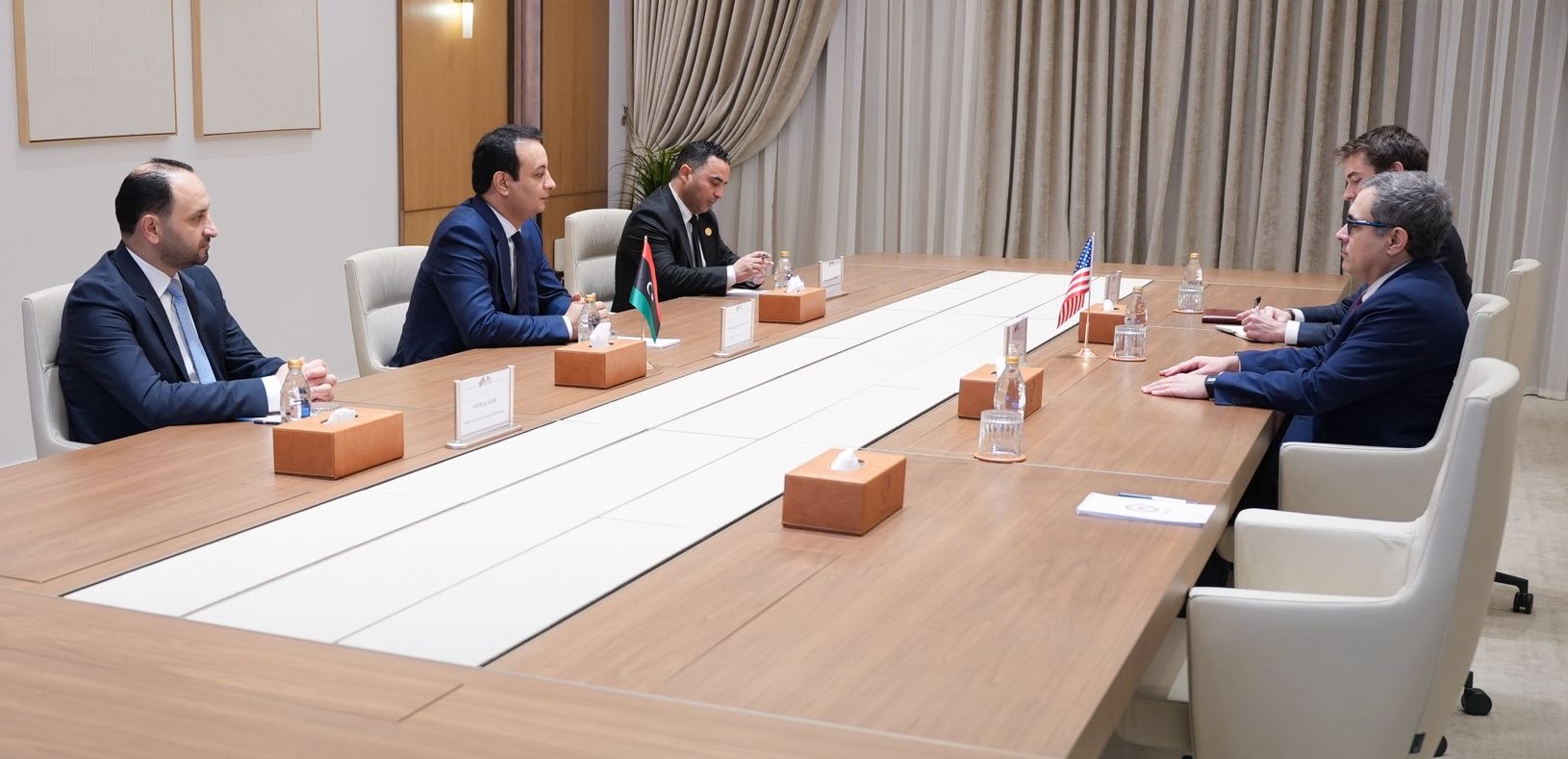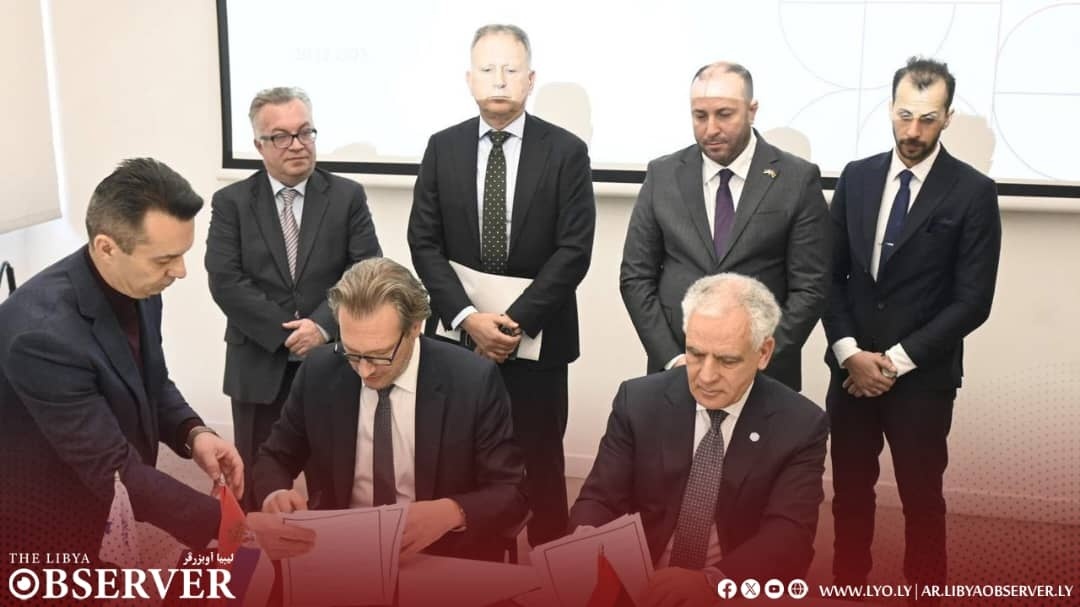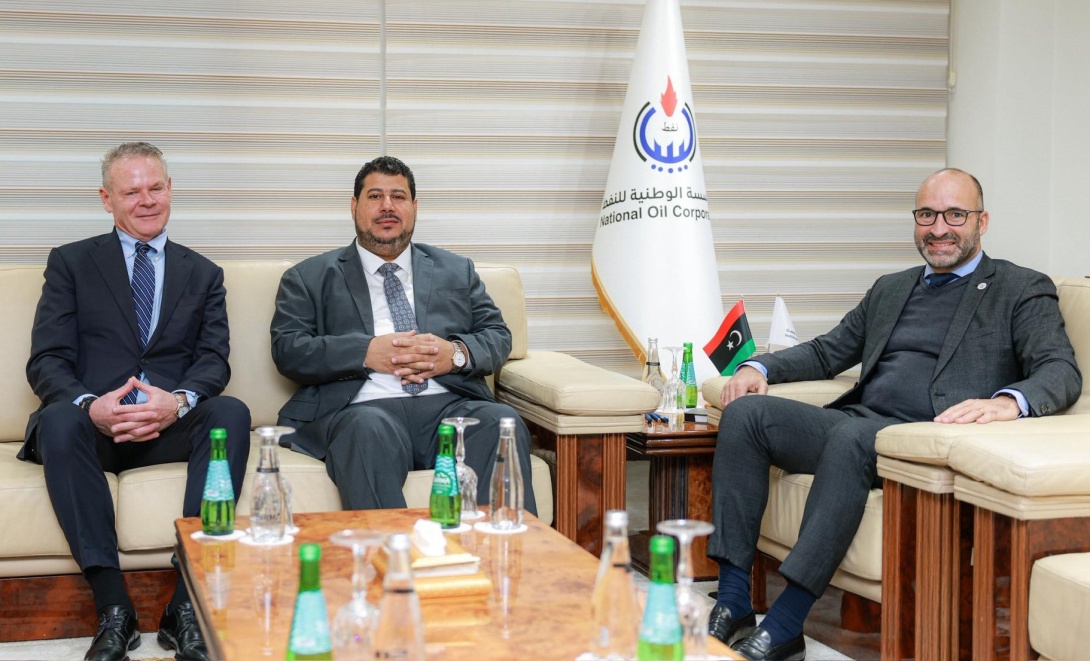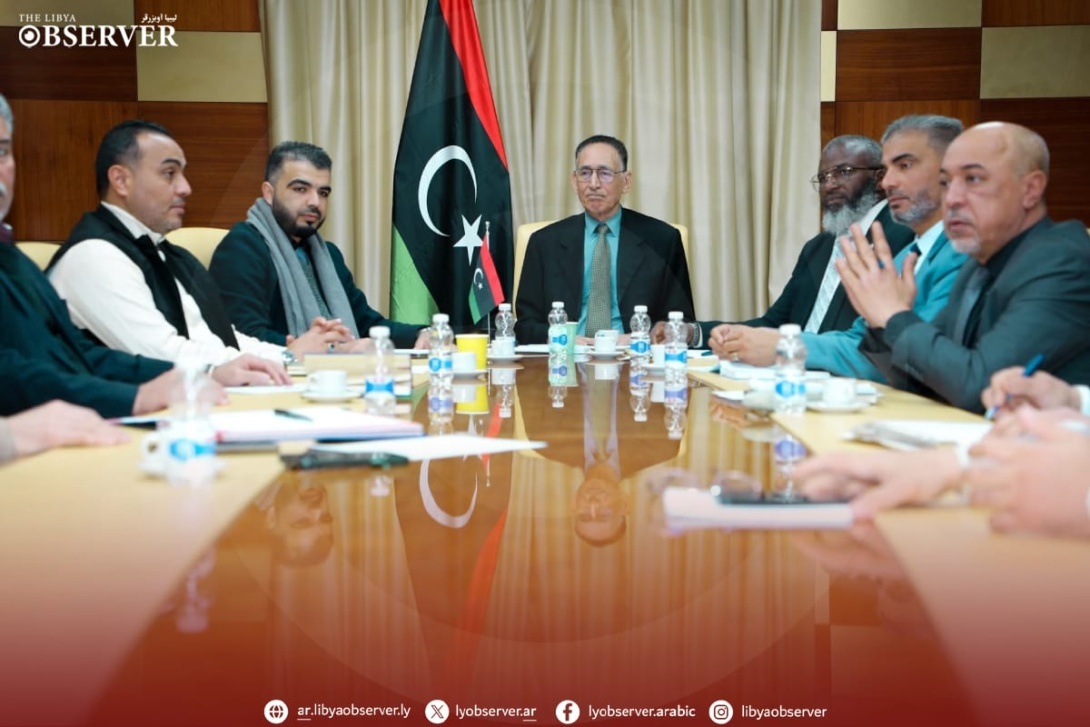
The Minister of Economy and Trade approved a series of regulatory measures during an expanded meeting held with the ministry’s affiliated bodies.
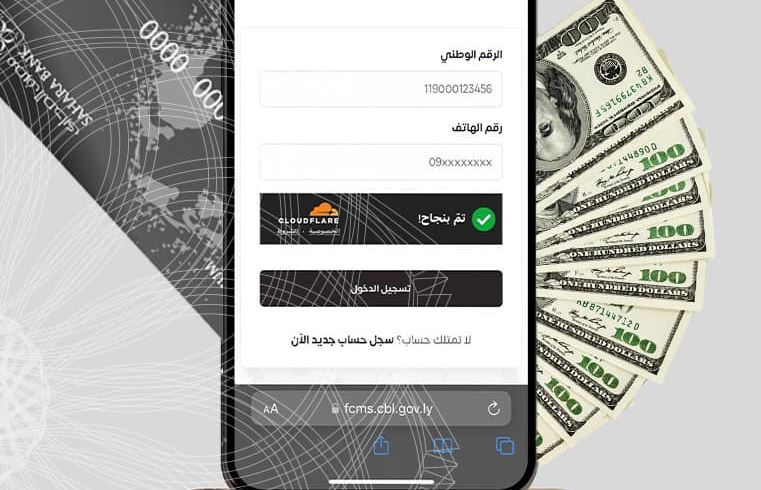
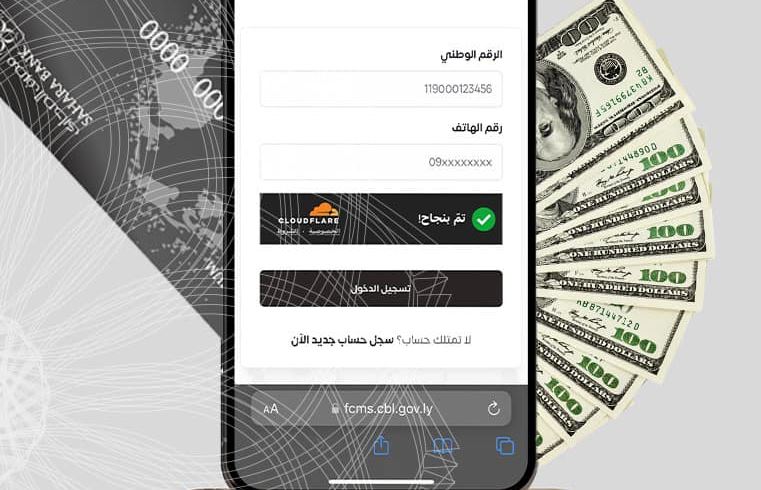
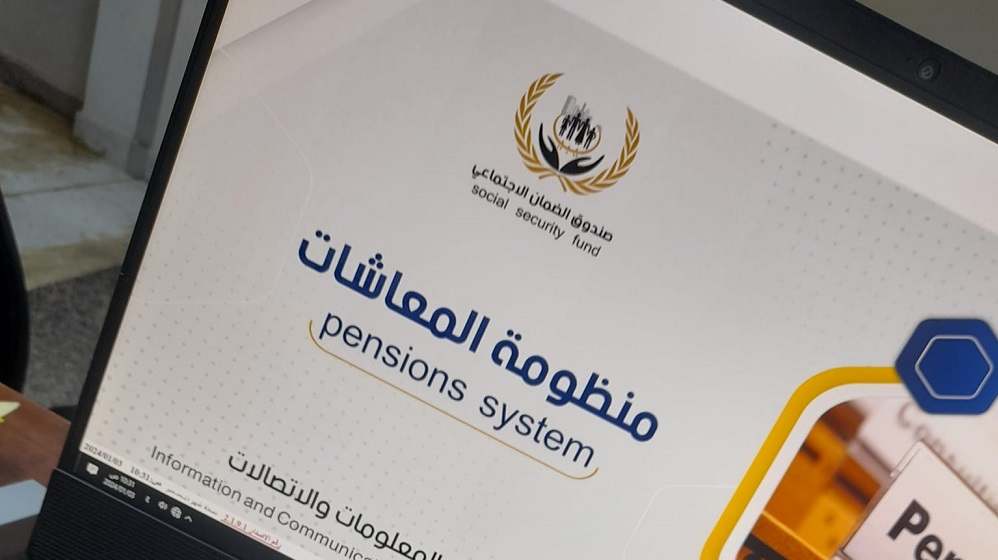
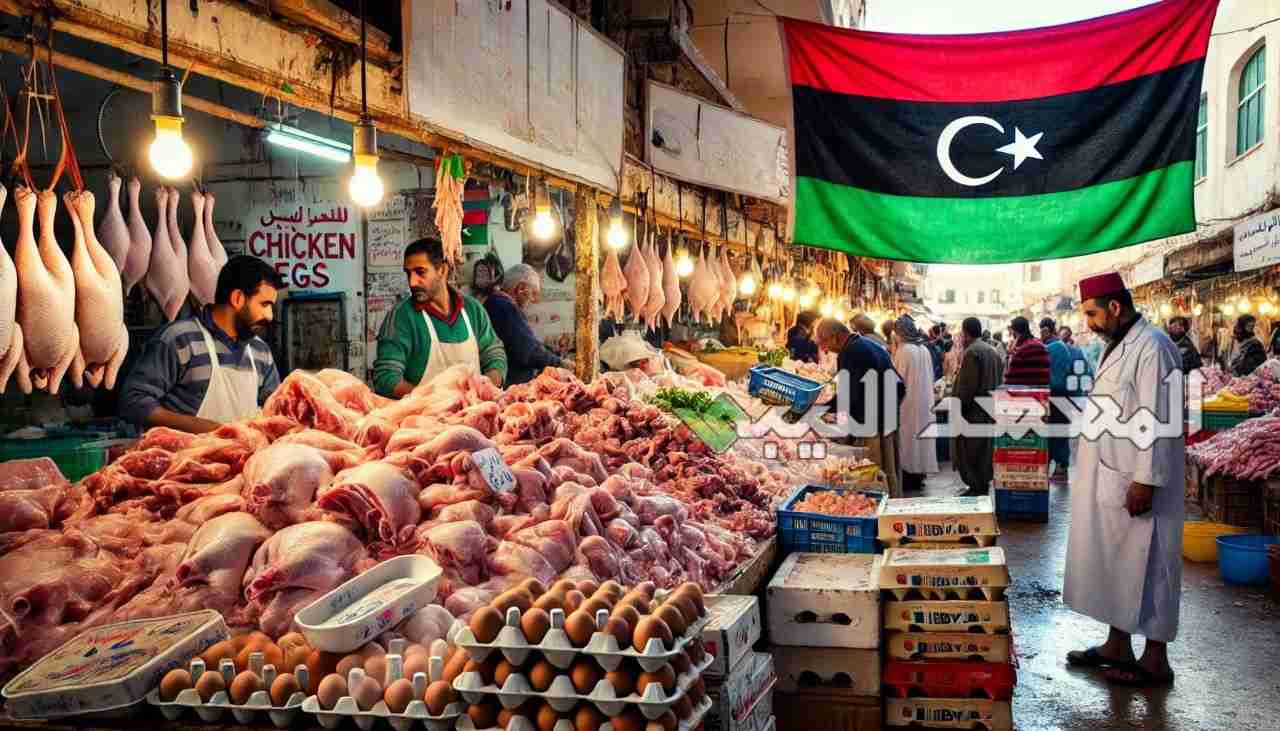
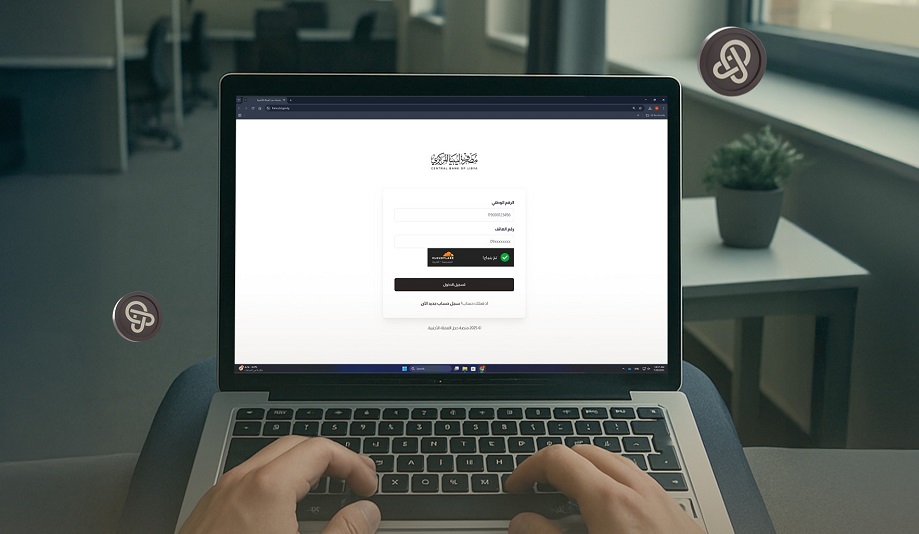
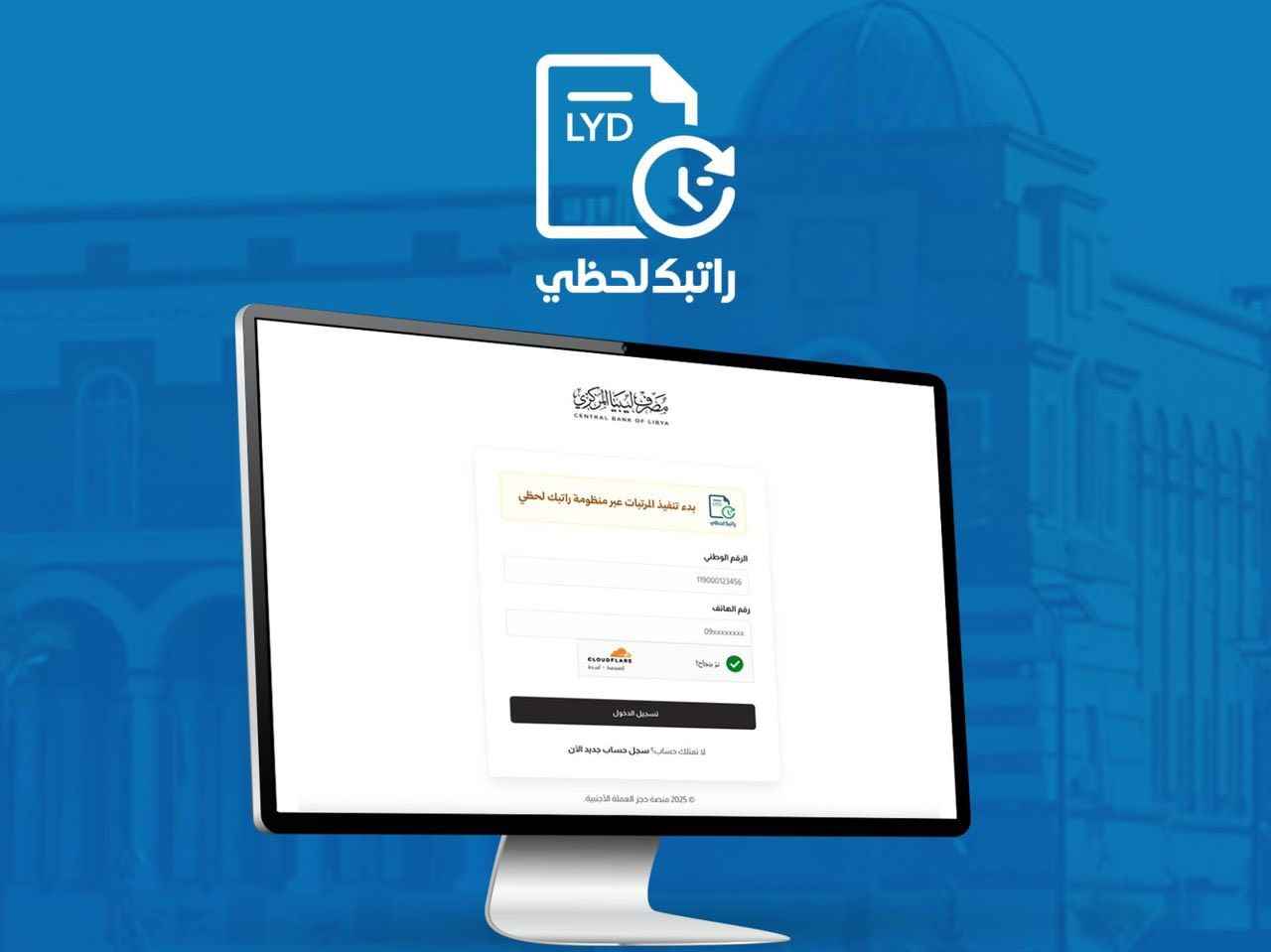
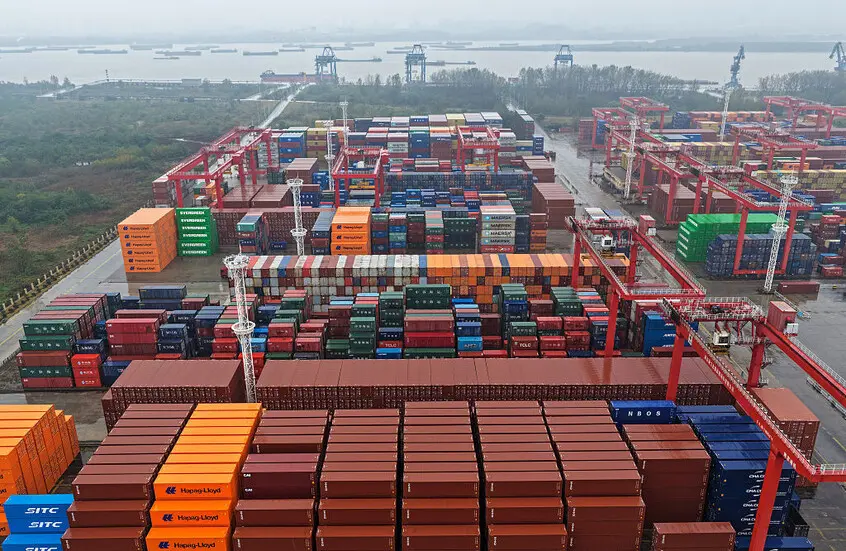
During the meeting, it was confirmed that the ministry has activated its integrated digital system and has begun employing it as a key tool for governance, oversight, and database integration. This will enable tighter control over the movement of goods and commercial activities, regulate import priorities in line with identified needs, and curb distortions that have led to illegal speculative practices.
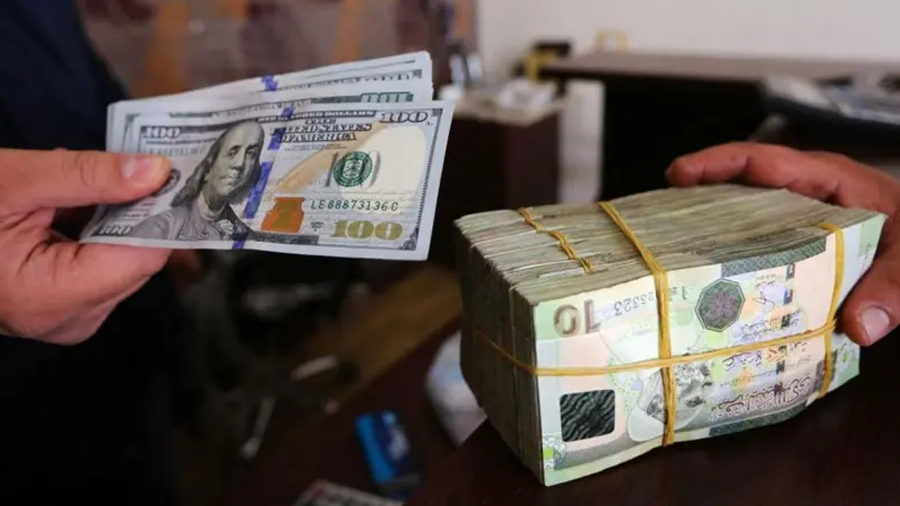
It was stressed that the Ministry of Economy and Trade will exercise its mandates strictly in accordance with the law, without leniency or exceptions, emphasizing that the ministry will not hesitate to rein in speculators, price manipulators, and violators of regulatory rules. Deterrent legal measures will be taken, including the withdrawal of licenses and the cancellation of commercial registrations, against anyone proven to have breached applicable laws and regulations.
It was explained that the next phase will witness a qualitative shift toward disciplined digital management of the market, based on proactive oversight rather than reactive measures, and on integrated coordination among relevant authorities. This approach will strengthen commercial discipline, protect the national economy, safeguard market stability, and preserve citizens’ purchasing power.
The meeting comes as part of a firm reform path aimed at enforcing the rule of law, regulating markets, organizing imports according to clear and defined priorities, restoring confidence in state economic institutions, and establishing a fair and stable commercial environment.