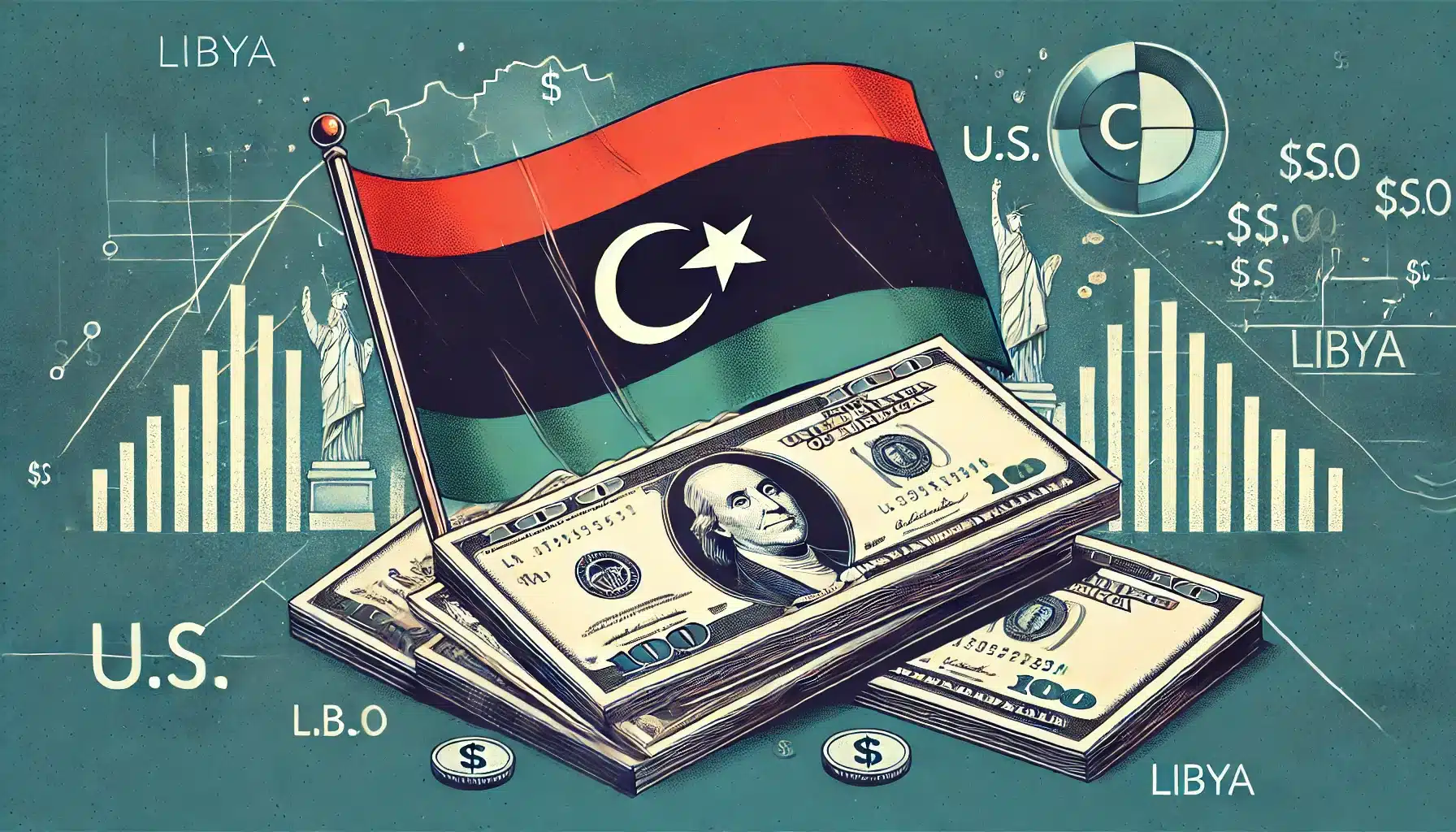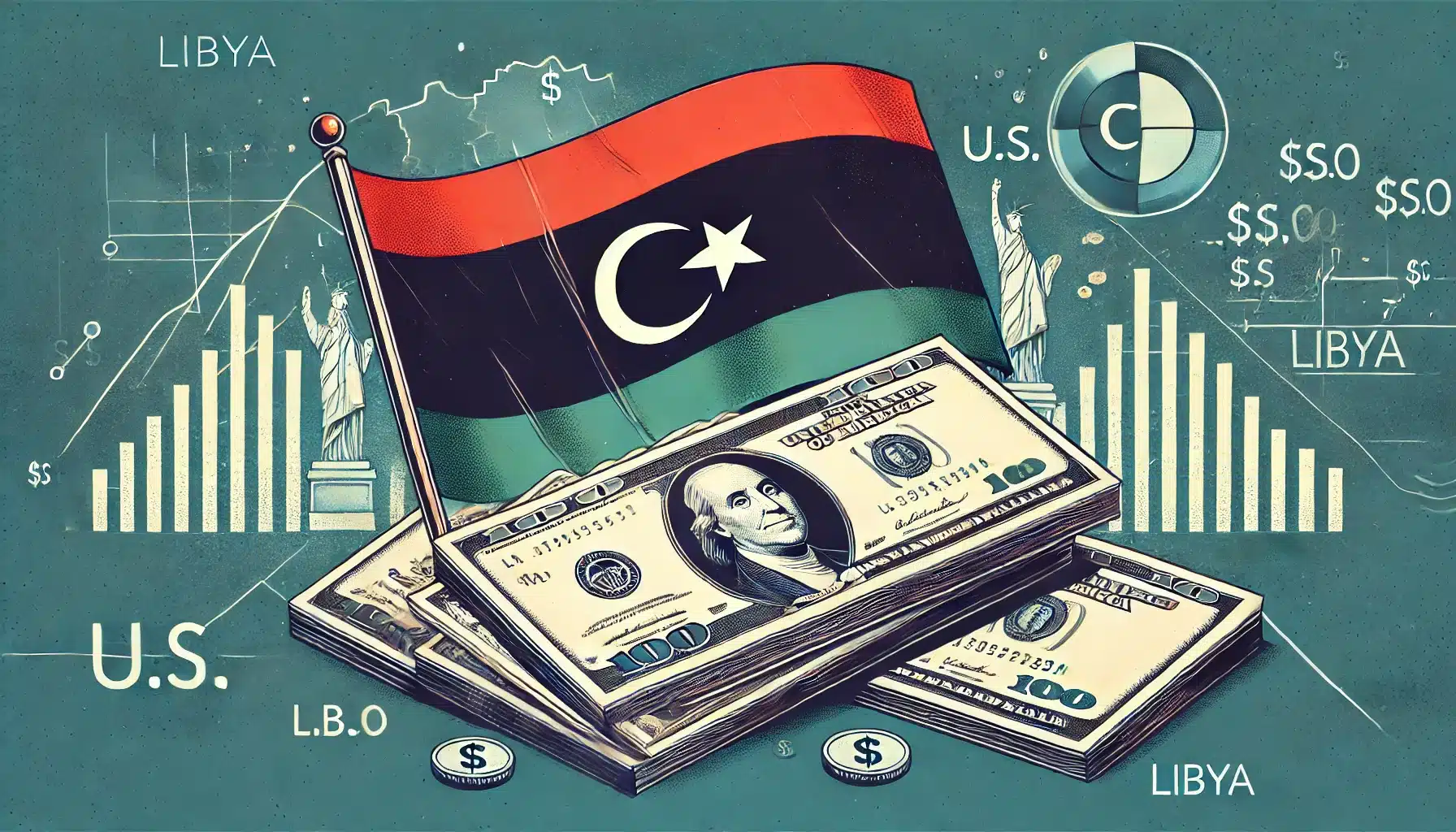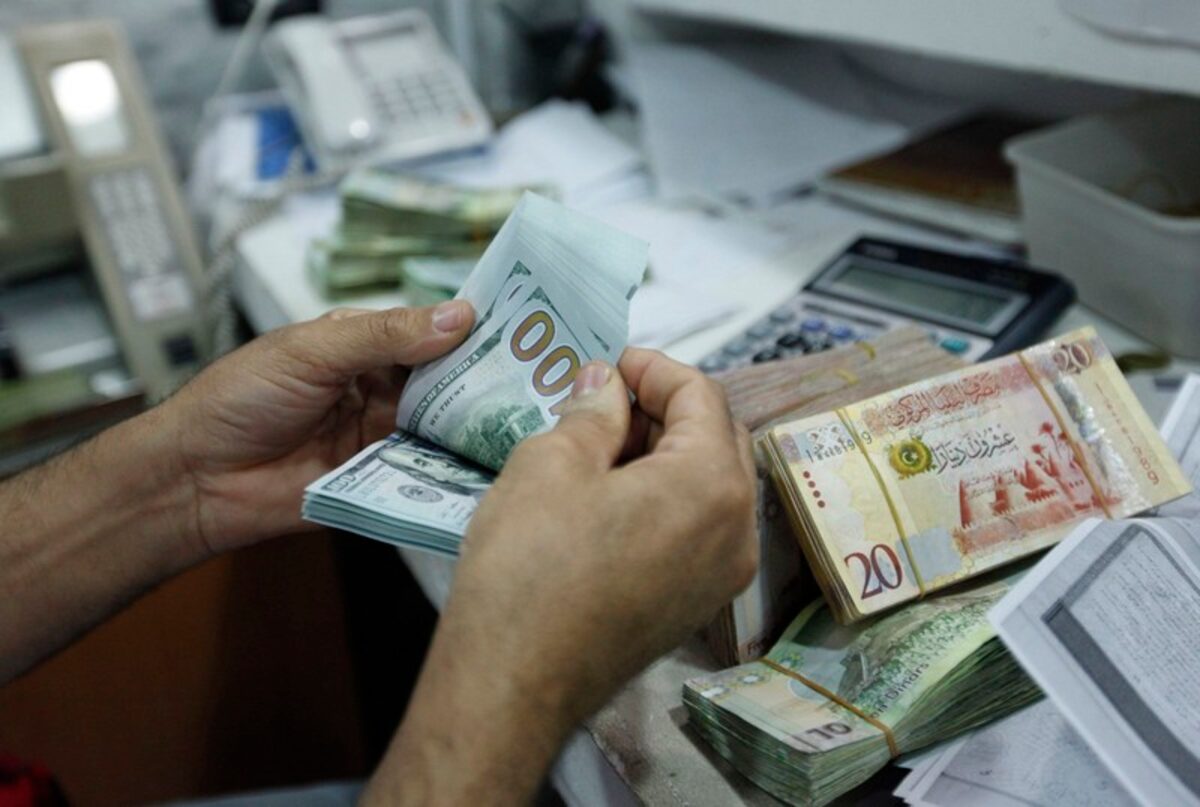
The tax situation in Libya is witnessing a clear state of confusion and contradictory statements, amid the absence of a decisive official statement clarifying the truth about the production and consumption tax, and whether it has actually been adopted or not.
🟣 A New Tax Law… or Just a Proposal?
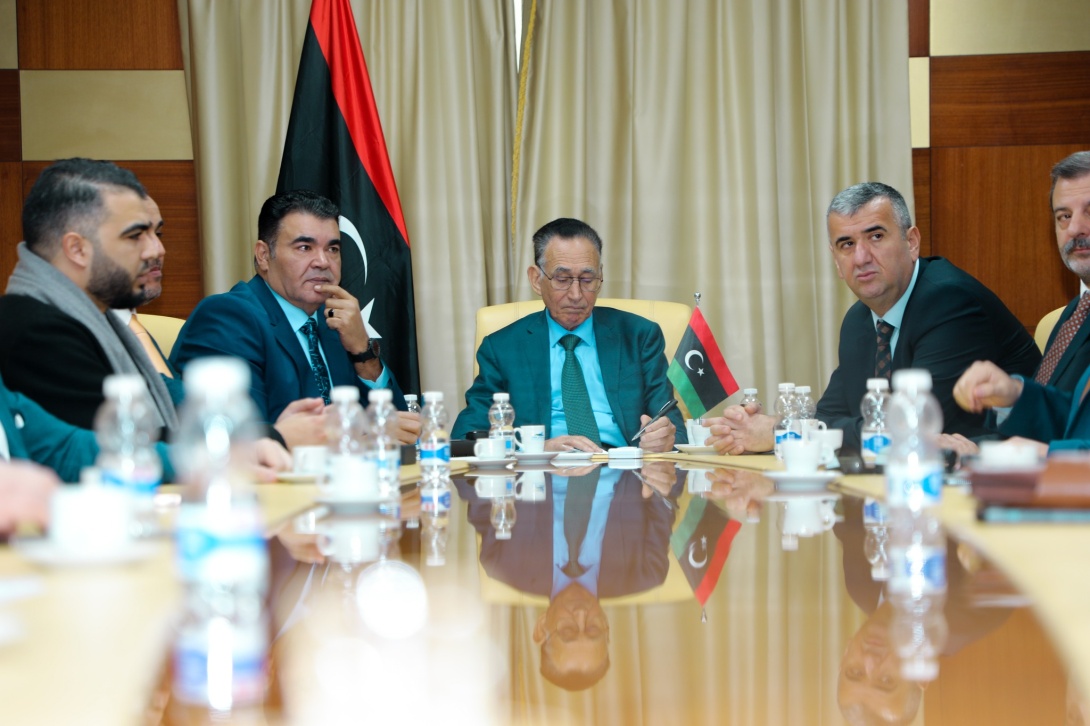
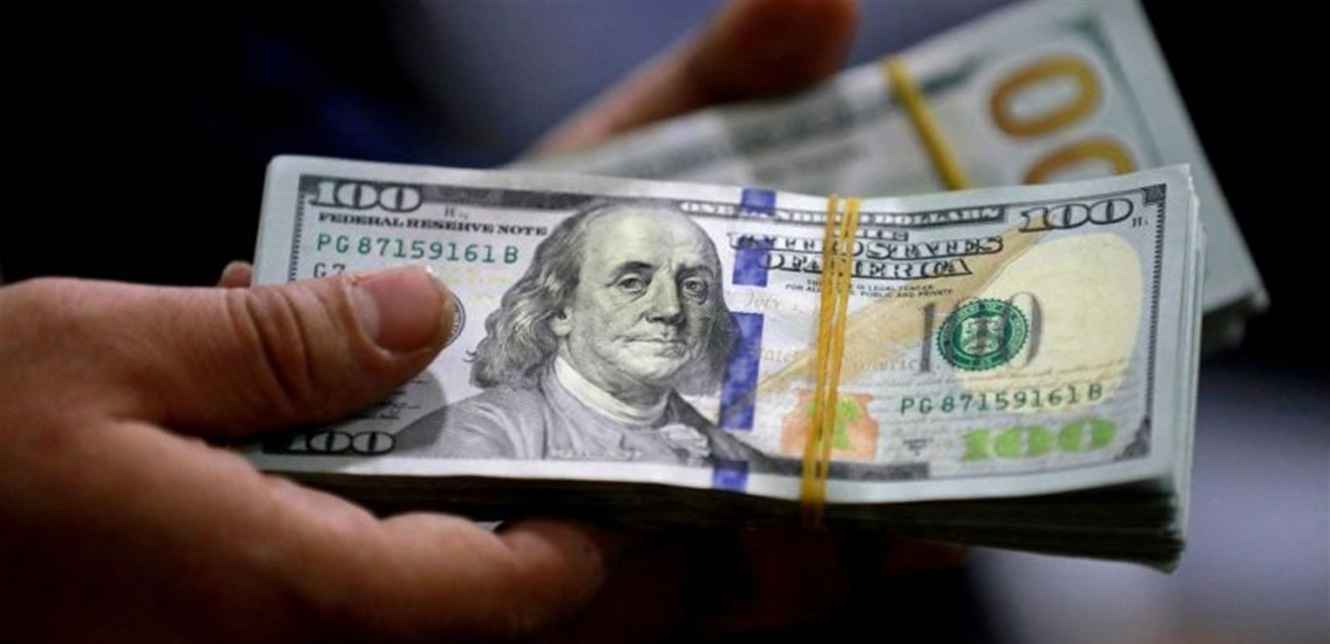
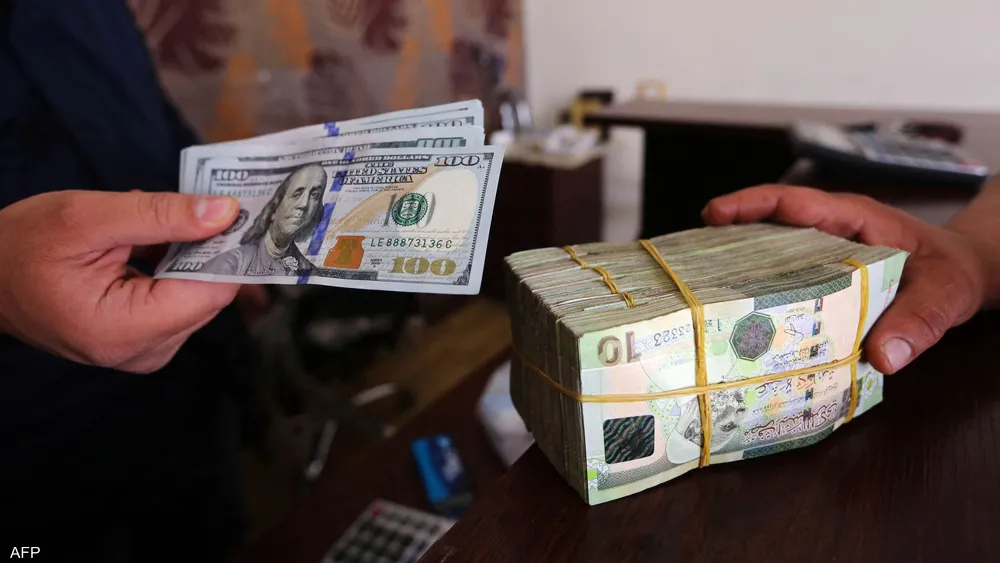
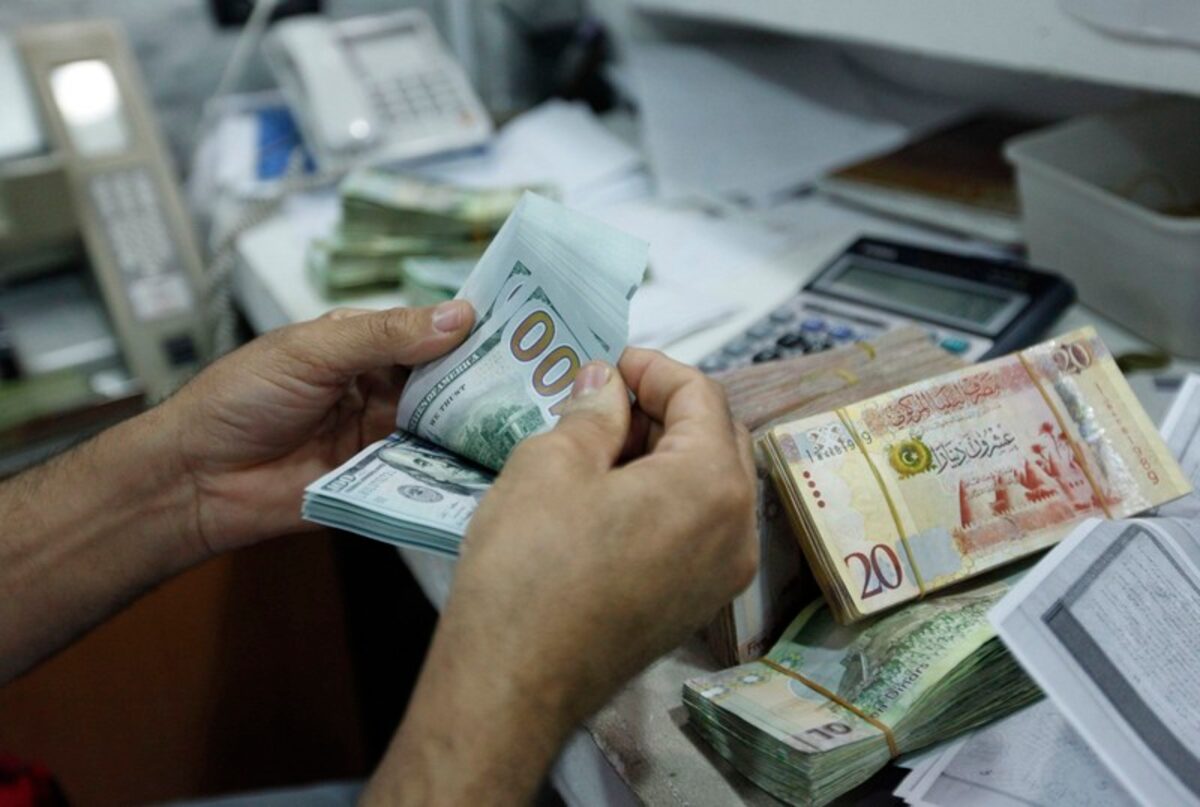
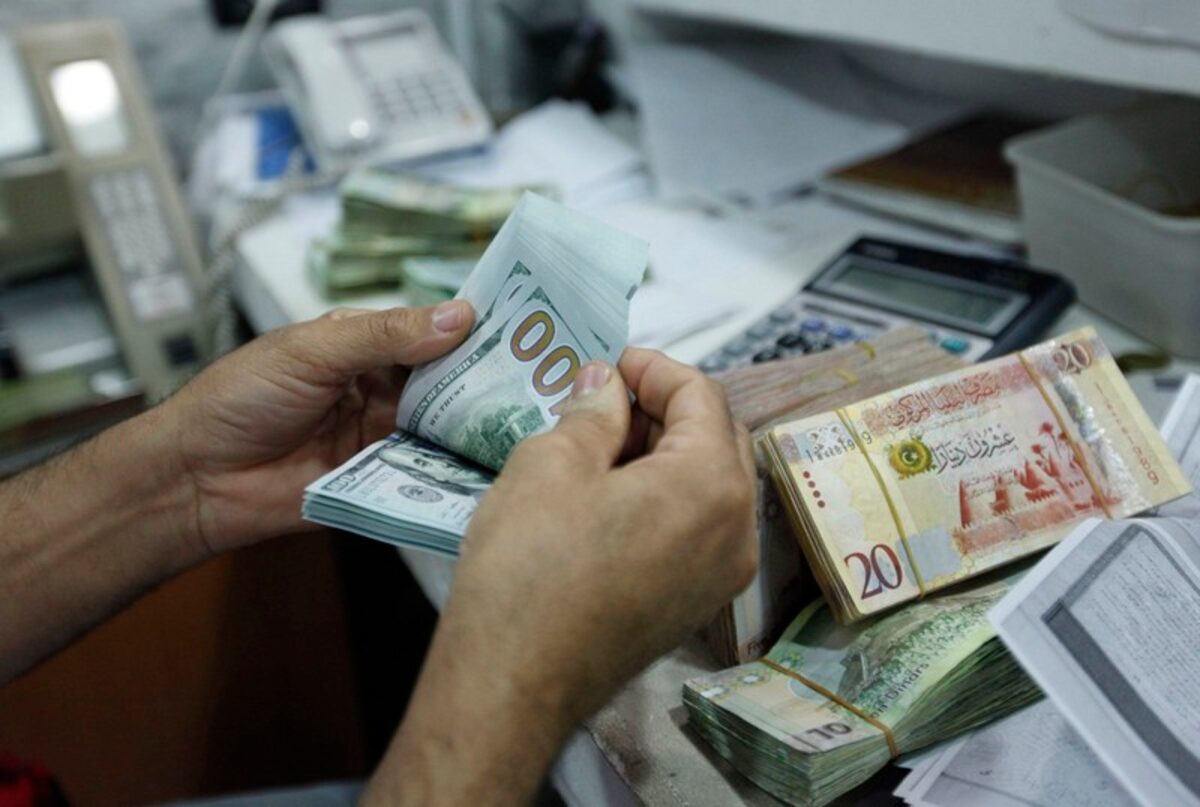
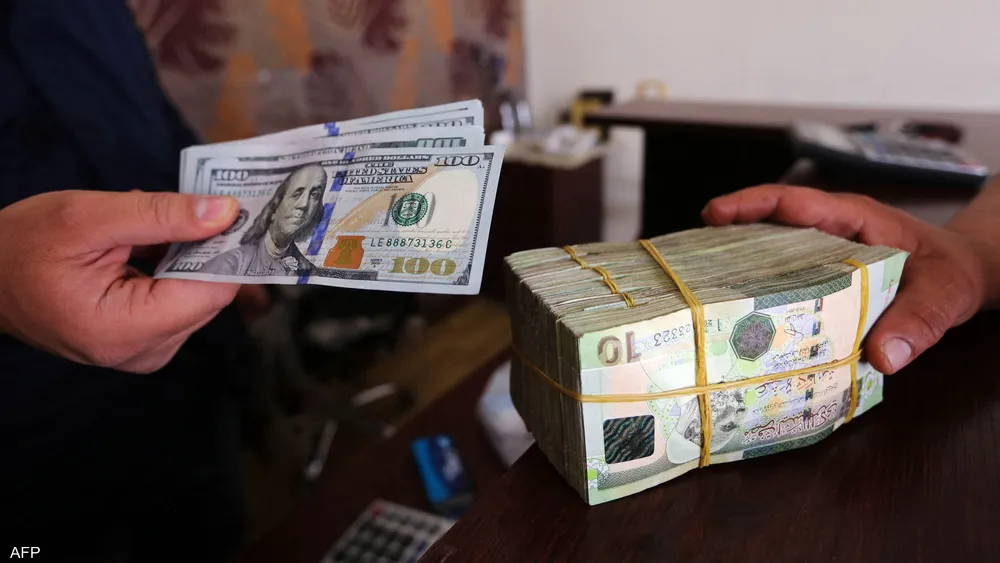
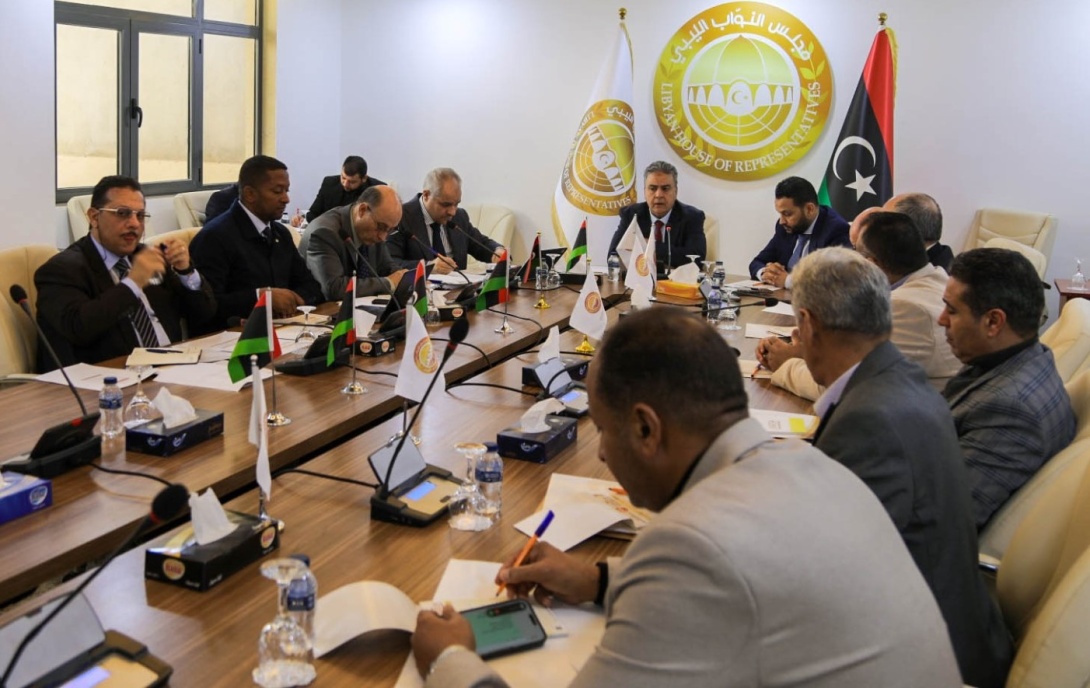
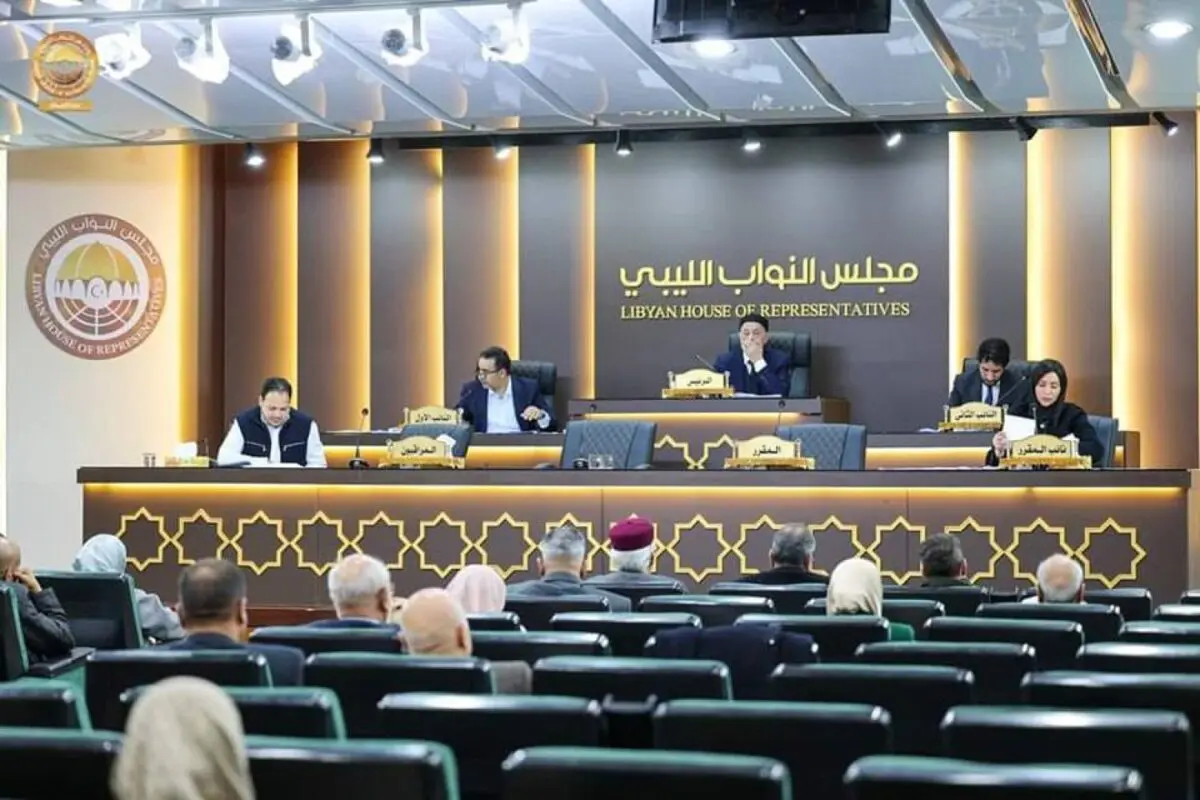
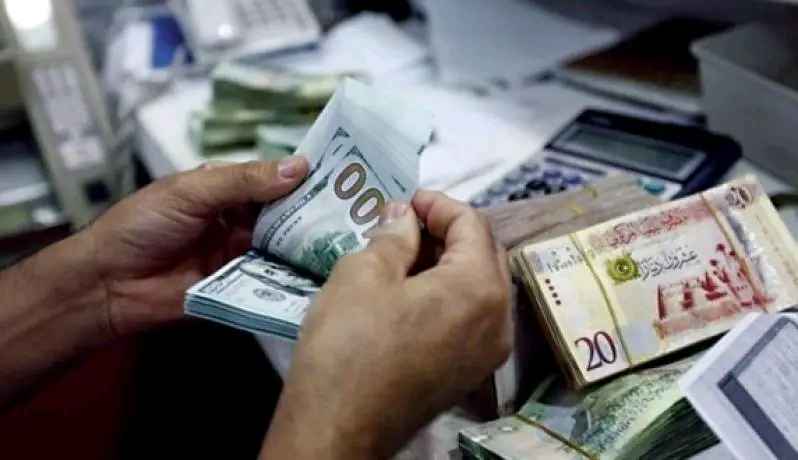
Media outlets circulated information in recent days indicating that the House of Representatives is moving to issue a new law regulating the “production and consumption tax” to compensate for the deficit resulting from the abolition of foreign currency fees.
However, a number of members of the council quickly issued an official statement confirming that no tax has been imposed yet, and that what is being circulated is nothing more than a proposal under discussion.
This contradiction has created a state of confusion for both citizens and the commercial sector.
🟣 The Central Bank and the Ministry of Economy… Announcement of a 5% Reduction Without Clarifying the Origin of the Tax
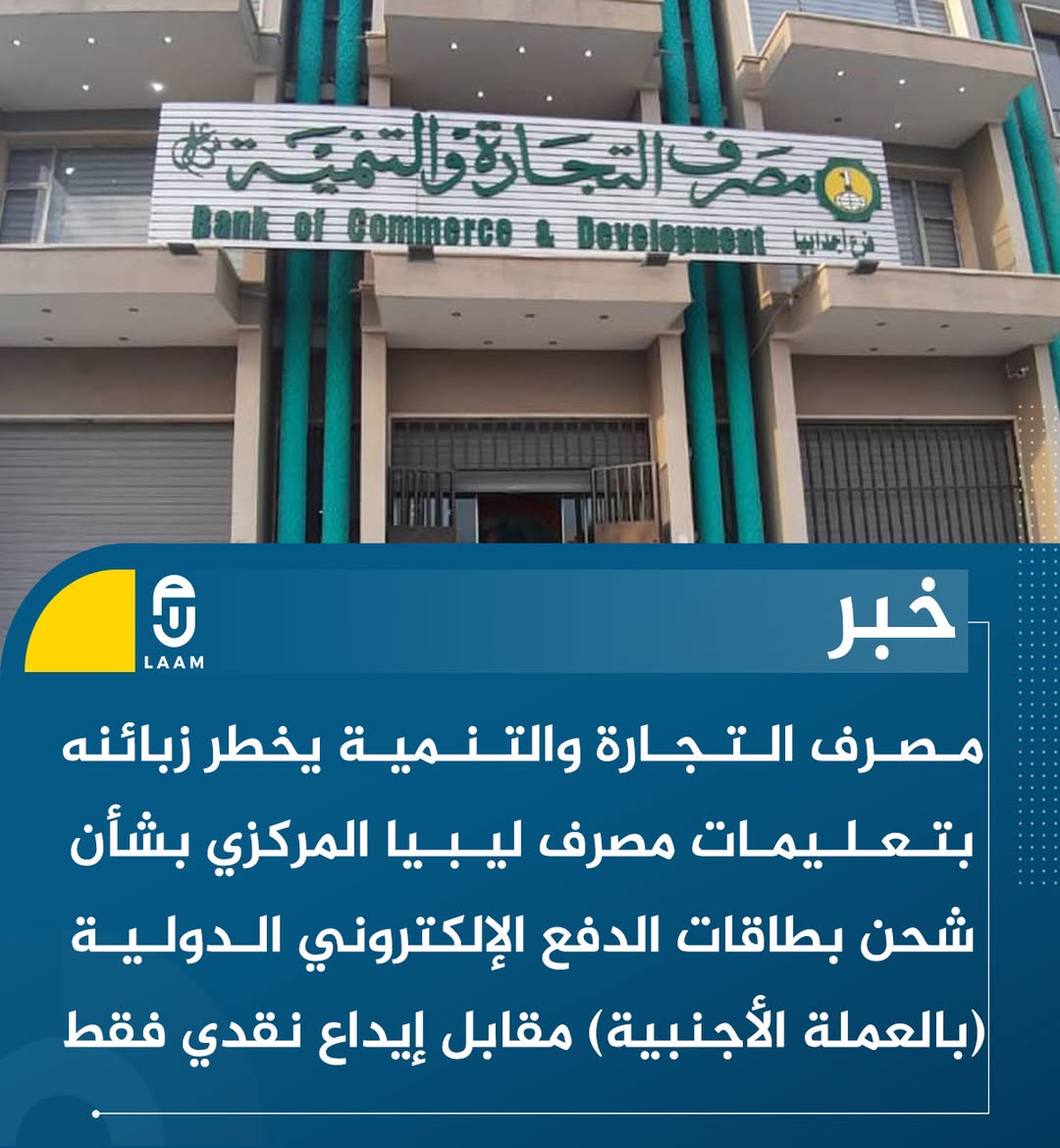
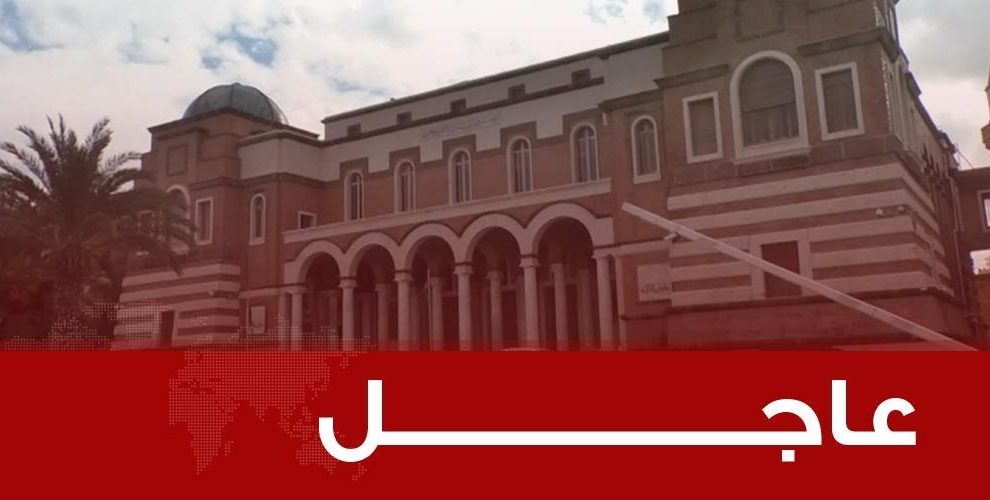
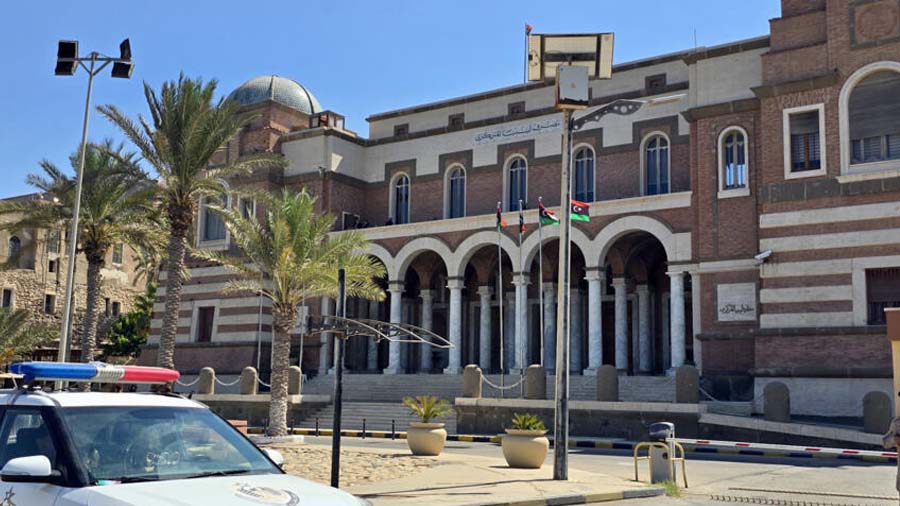
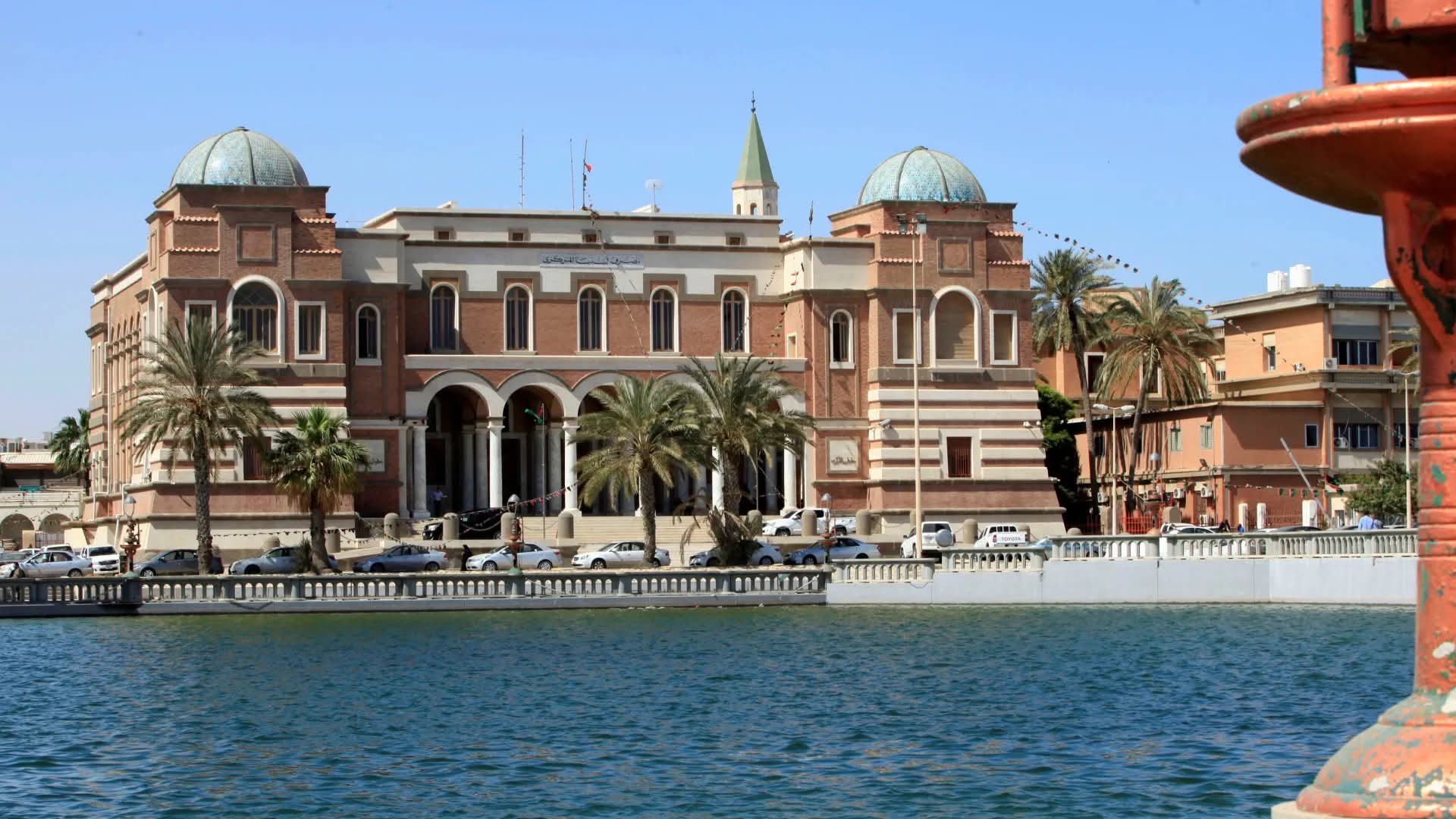
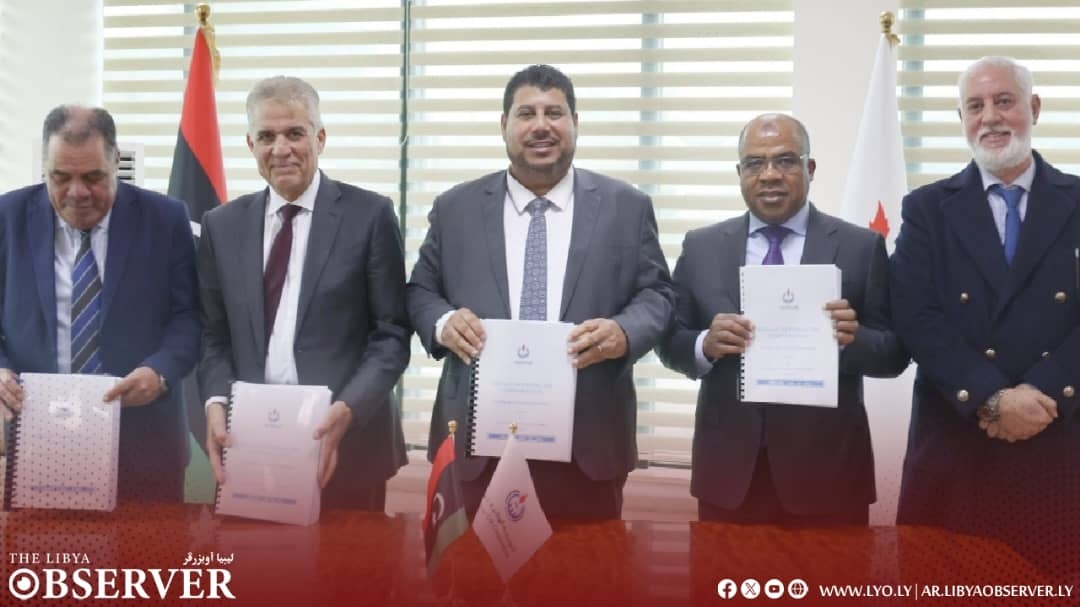
In a new development, it was reported that the Central Bank of Libya and the Ministry of Economy have reached an agreement to reduce the consumption and exchange tax by 5% starting next April, with the reduction continuing gradually.
But this announcement raised a logical question among citizens:
If the tax has not been approved in the first place, how can its reduction be announced?
So far, no official body has provided a clear explanation regarding:
- What is the intended tax?
- What is its base rate?
- Has it been adopted or not?
- Which authority is authorized to approve it?
🟣 Source at the Ministry of Economy: 5% Reduction… Without Details
A source at the Ministry of Economy confirmed the existence of an agreement to reduce the consumption and exchange tax by 5% starting in April, but did not provide any details regarding:
- The original value of the tax
- The mechanism for its application
- The goods or services it covers
- The body that approved it
This made the statement seem vague and incomplete, increasing the state of ambiguity rather than clarifying it.
🟣 Citizens Demand Clear Answers
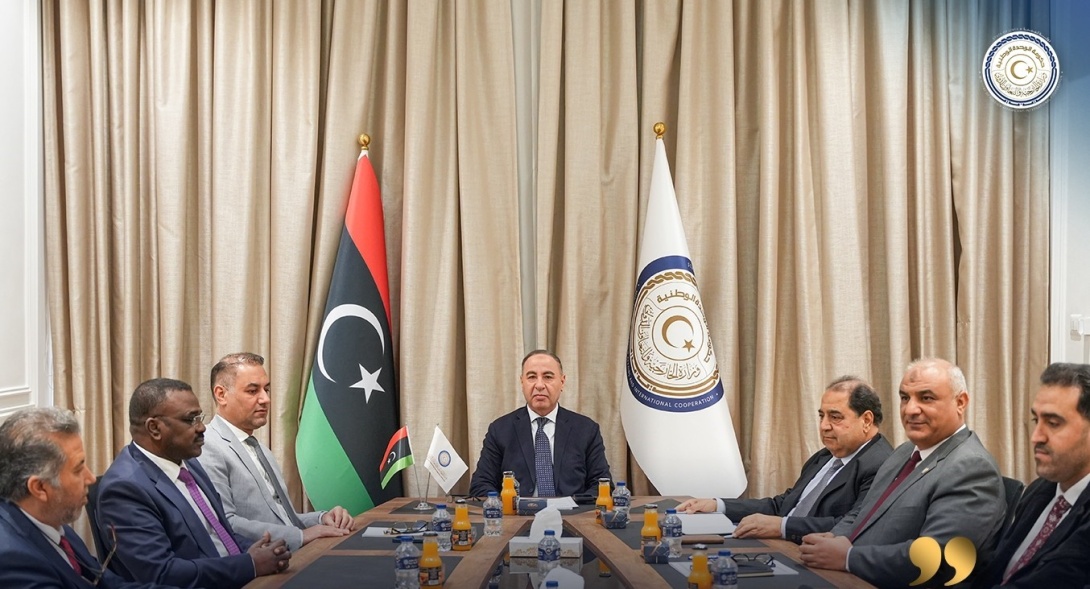
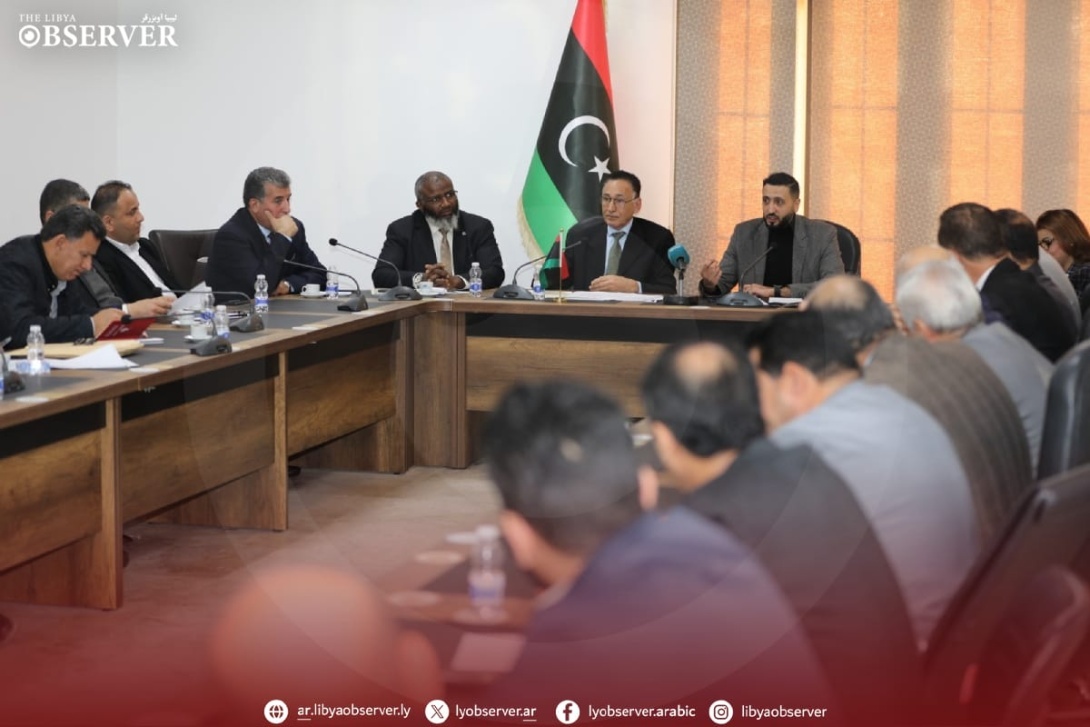
With conflicting statements between: the House of Representatives, the Central Bank of Libya, the Ministry of Economy, and the media.
Citizens’ demands have risen for the necessity of issuing a unified official statement clarifying:
- Is there a new tax or not?
- What is its rate?
- When does its application begin?
- And what is its relation to the abolition of foreign currency fees?
The current scene reflects an absence of institutional coordination, leaving the market in a state of anticipation and anxiety, especially given the sensitivity of the exchange rate file and its direct impact on prices and the cost of living.