Al-Huwaij announces activation of digital system to regulate movement of goods and commercial activities, and organize import priorities.
libyawire.org > News > Economy > Al-Huwaij announces activation of digital system to regulate movement of goods and commercial activities, and organize import priorities.
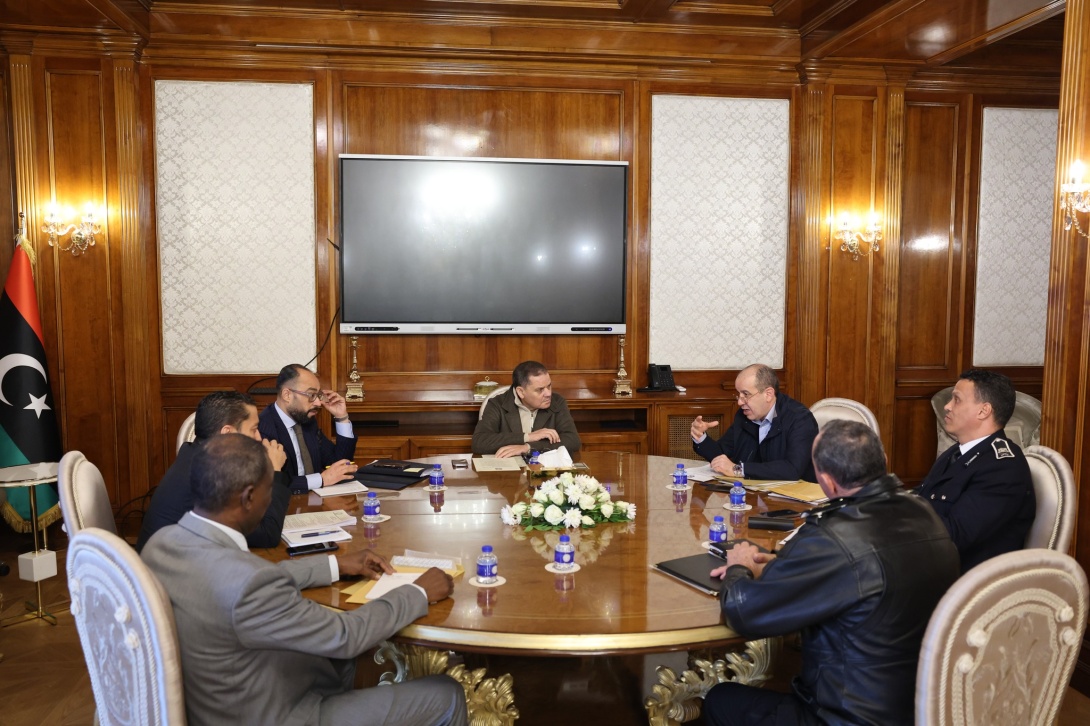
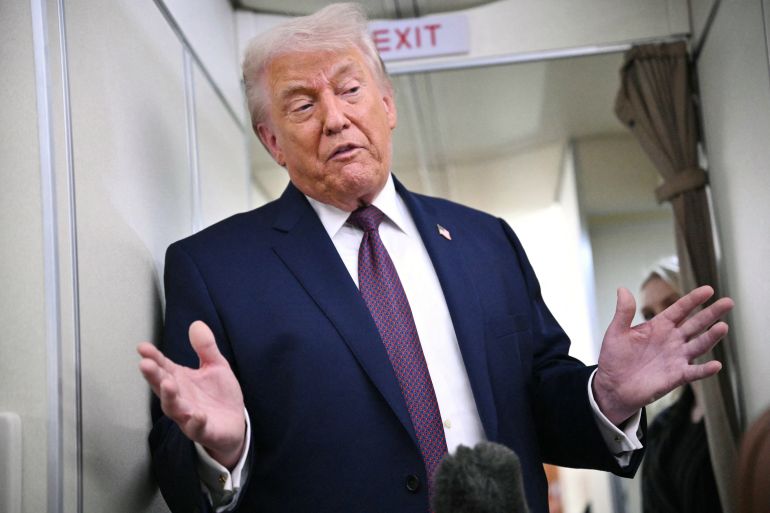
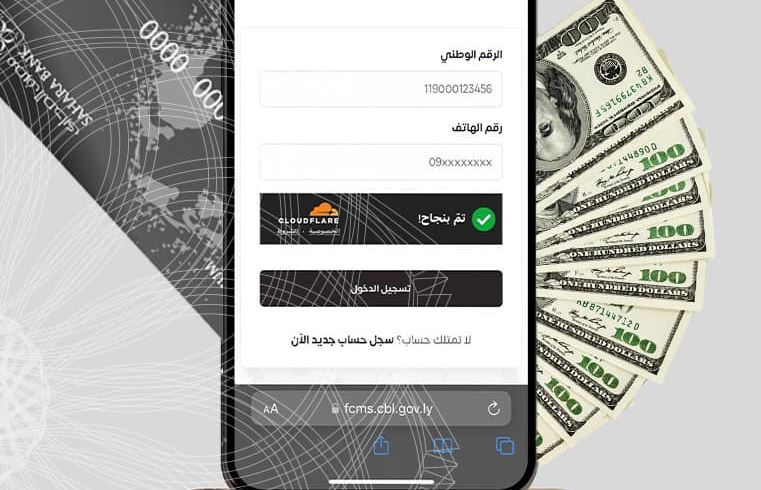
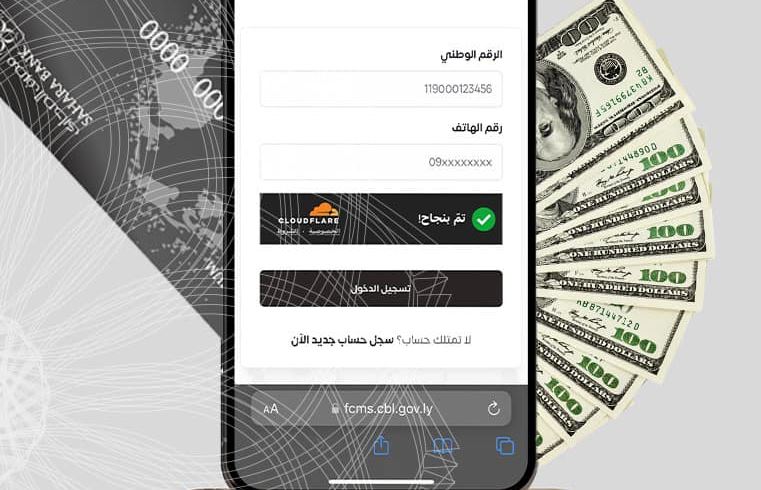
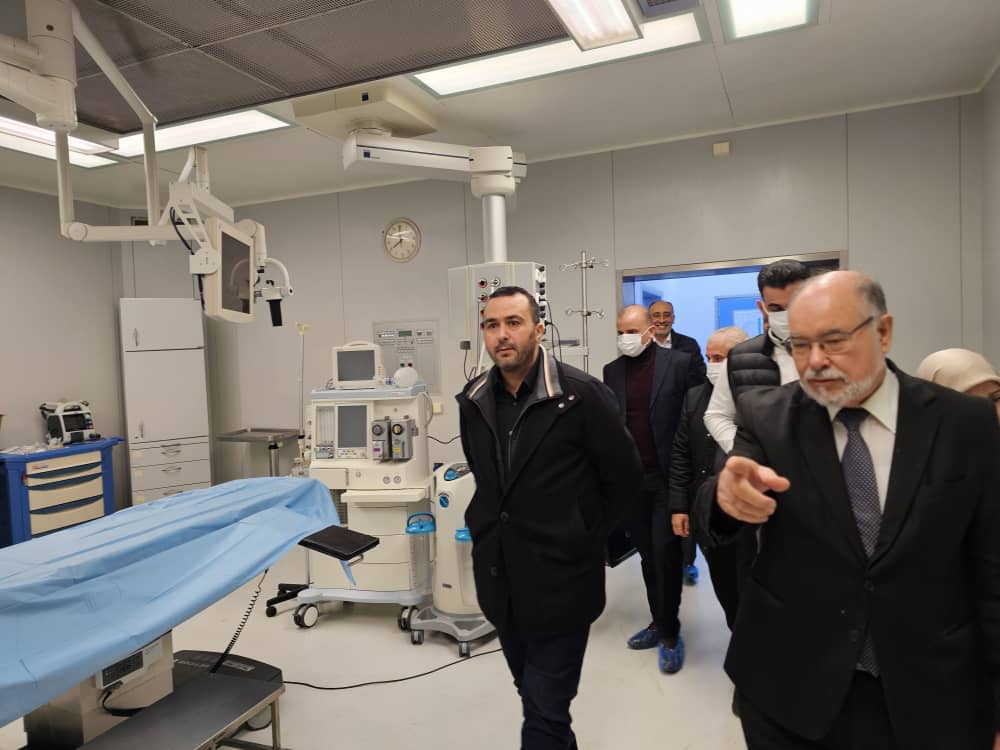
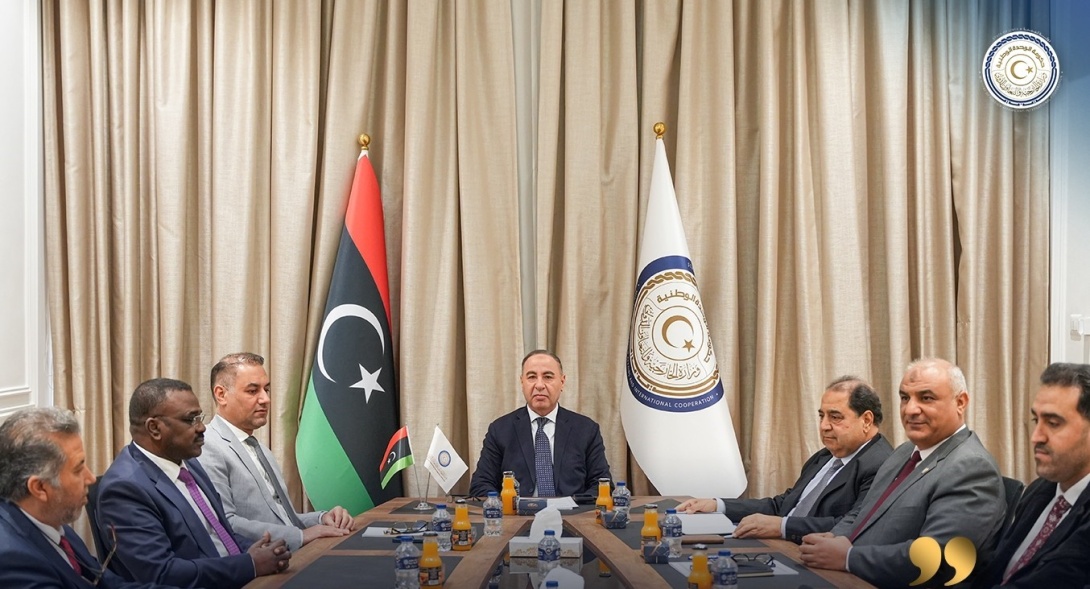
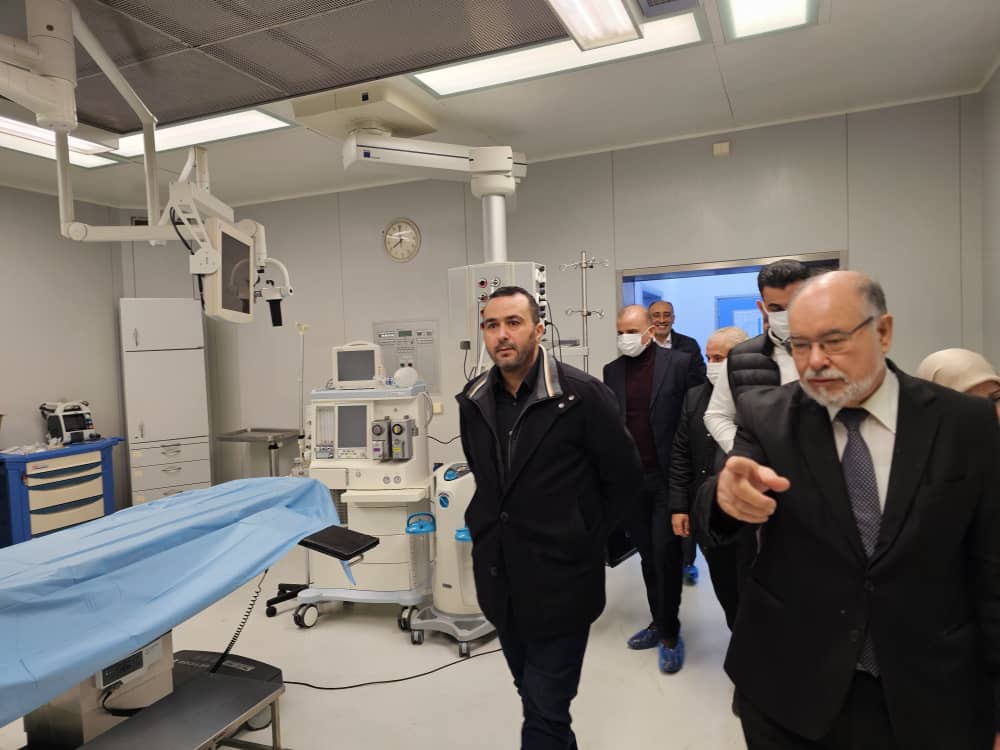
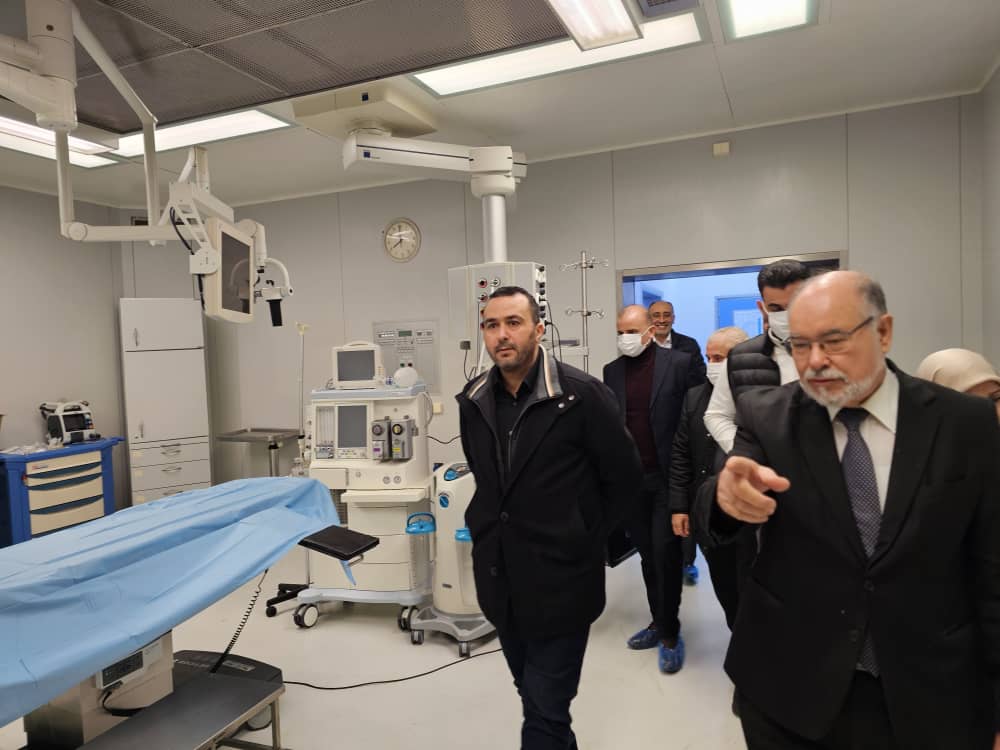
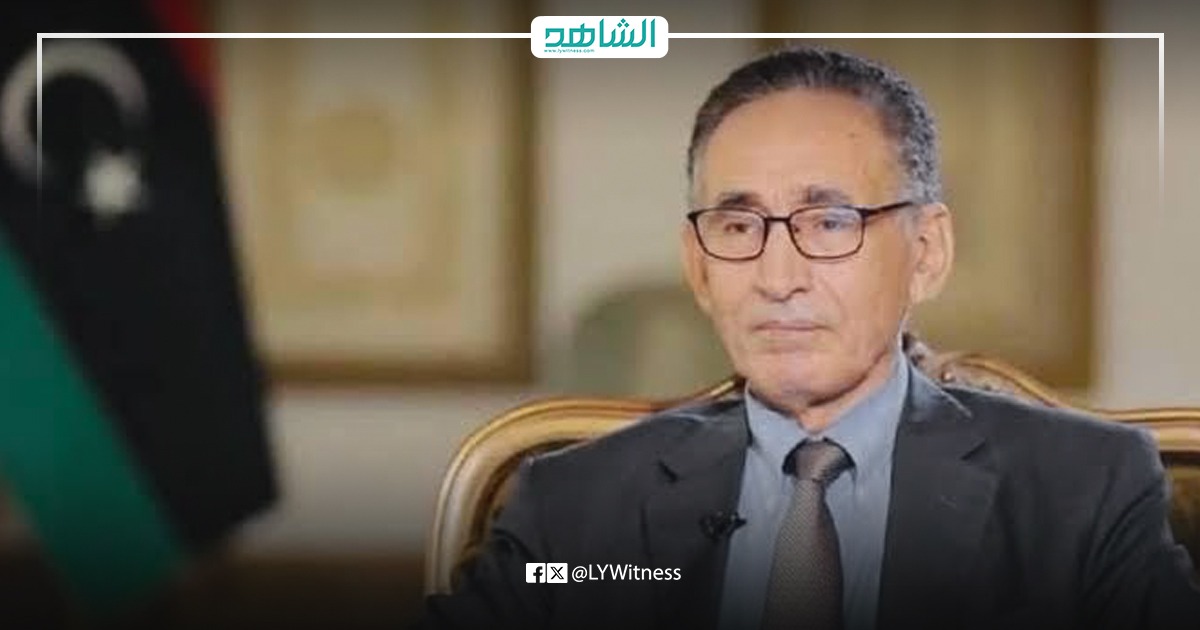
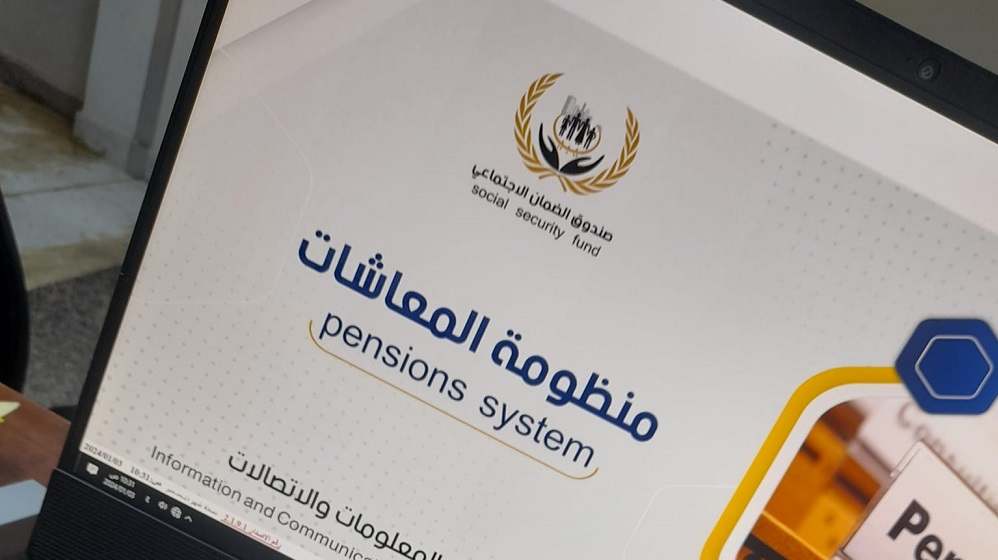
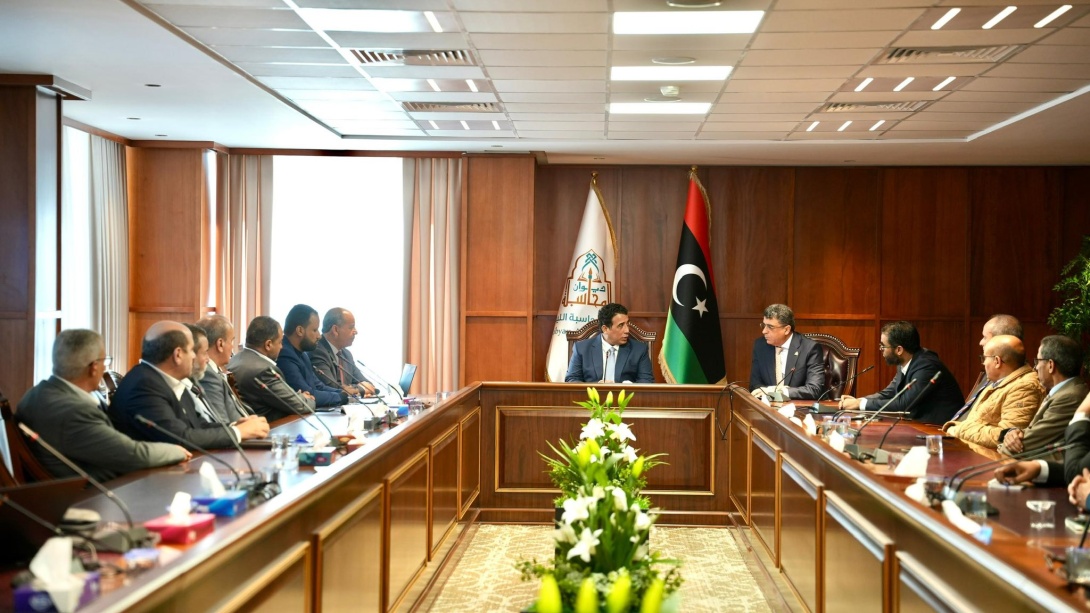
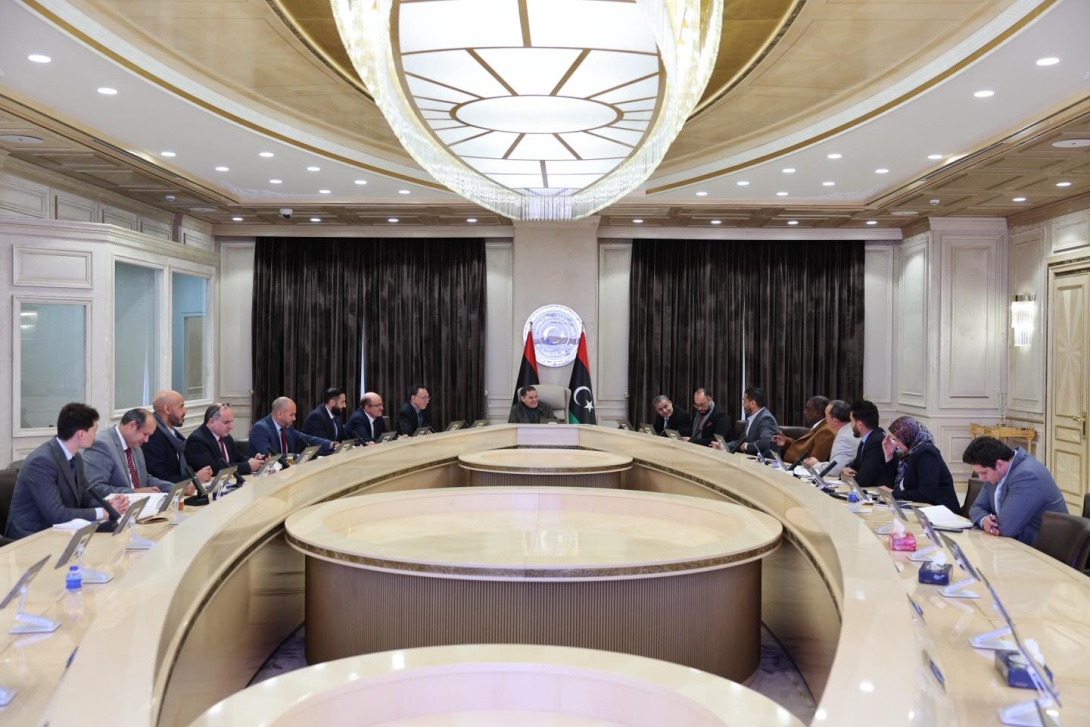
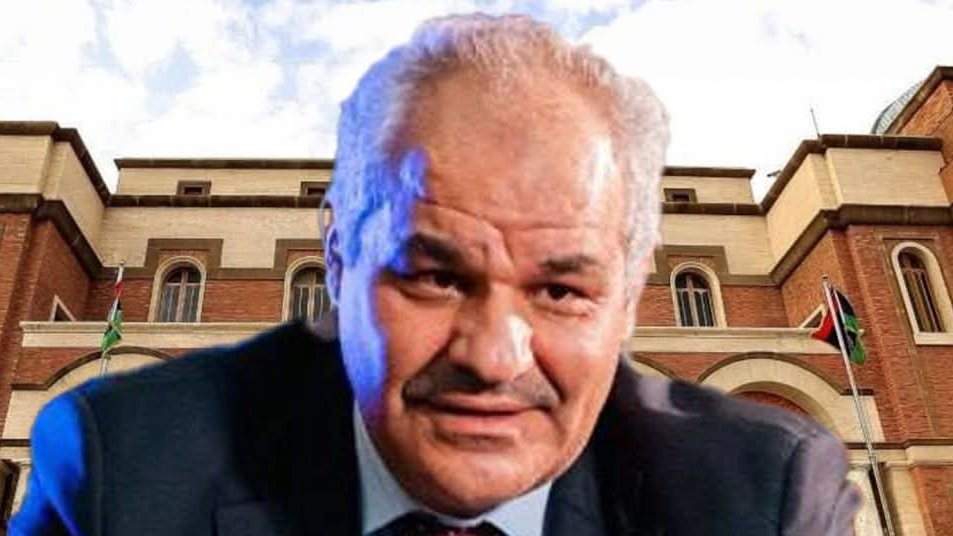
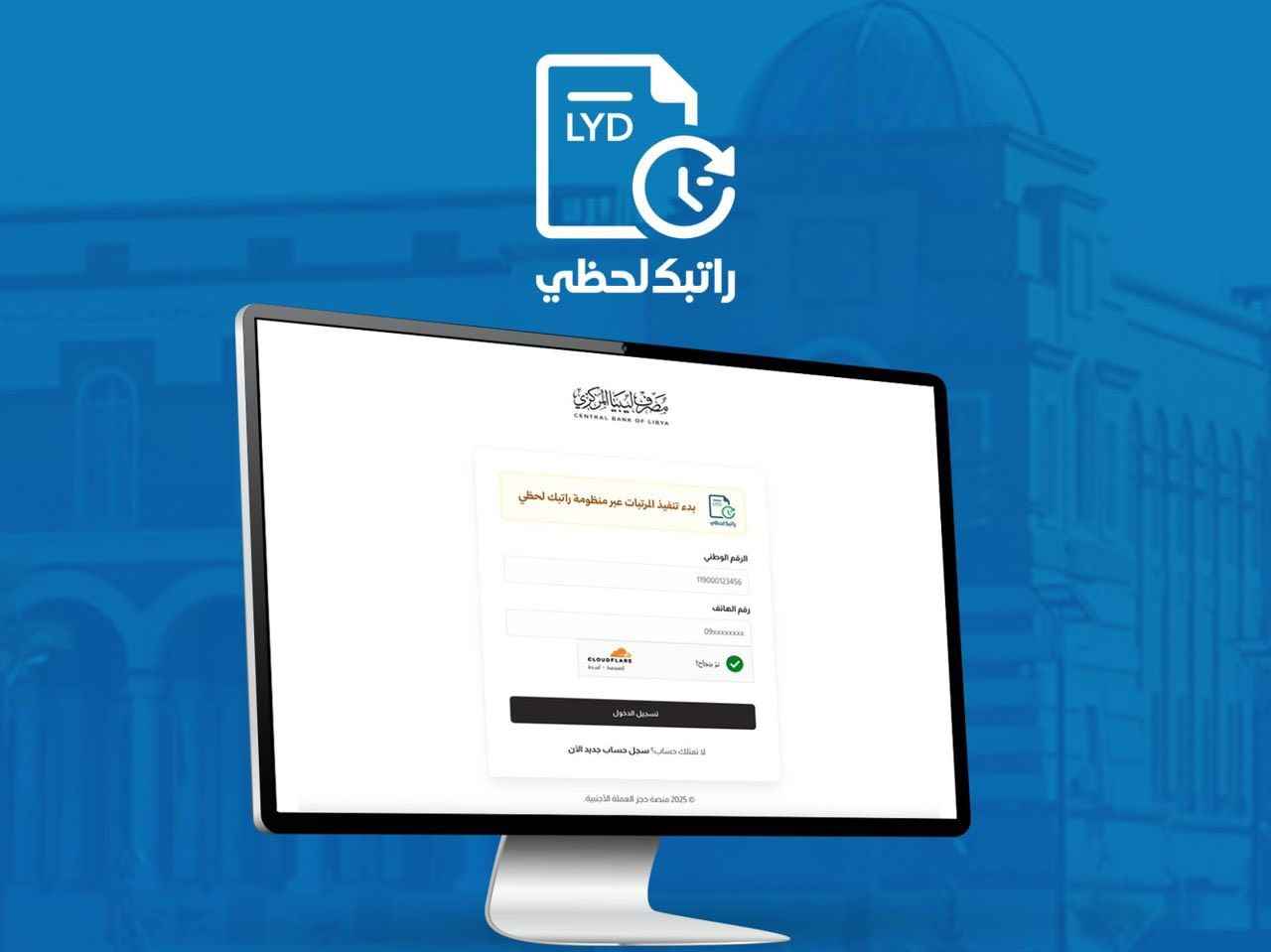
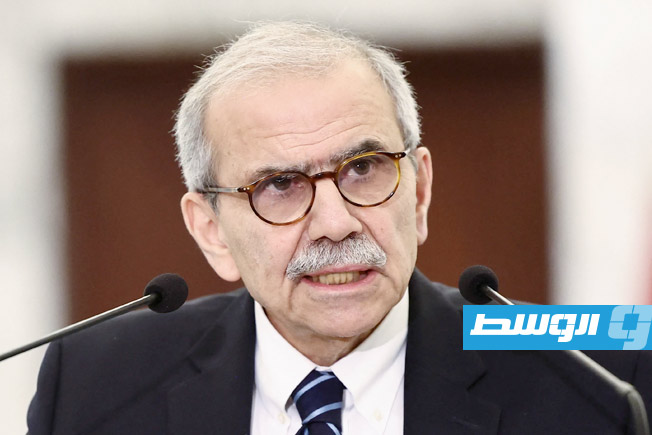
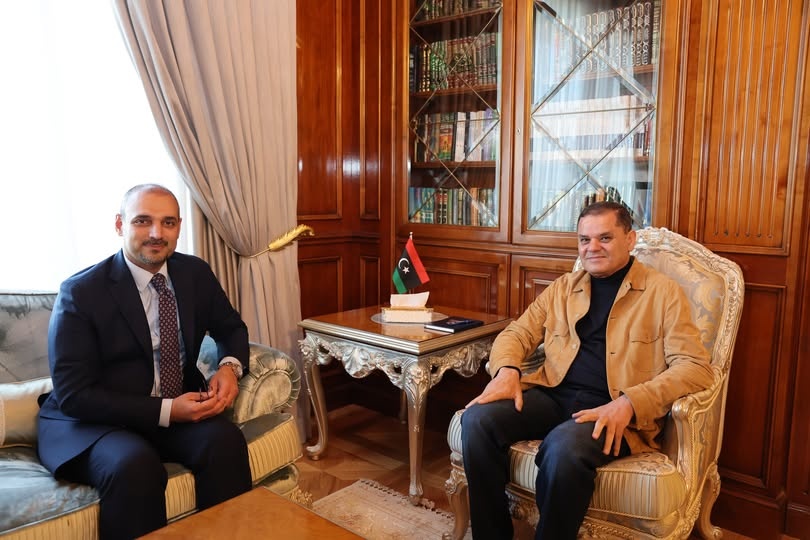
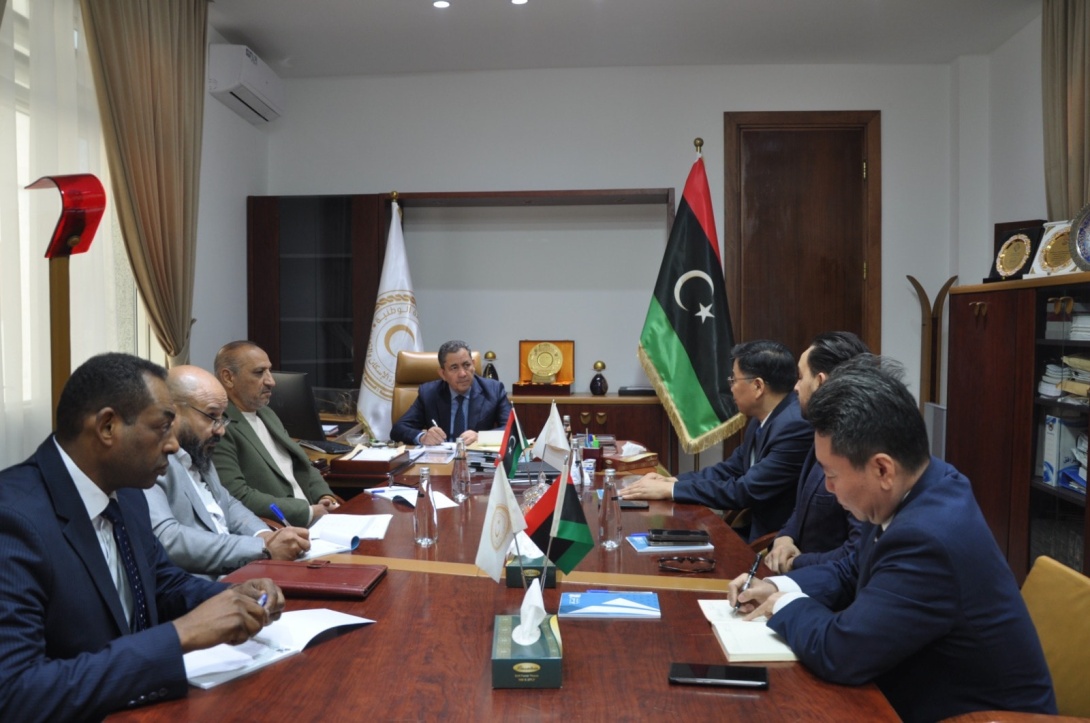
Tripoli, January 29, 2026 – The Minister of Economy and Trade announced that the ministry has activated its integrated digital system and has begun employing it as a primary tool for governance, oversight, and linking databases.
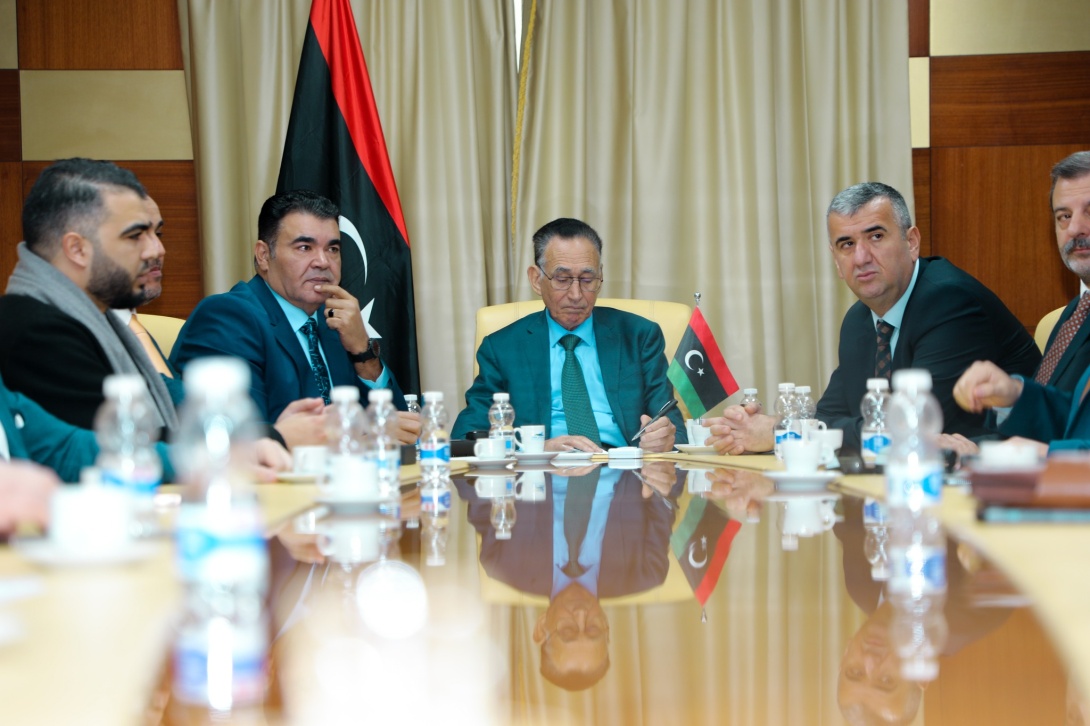
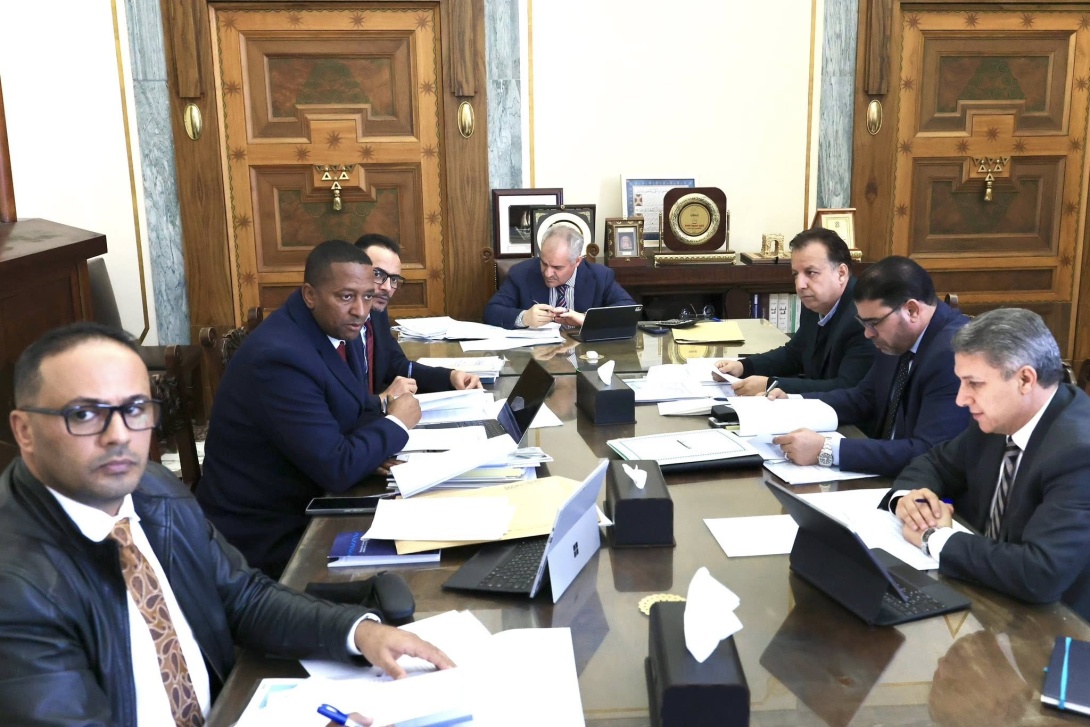
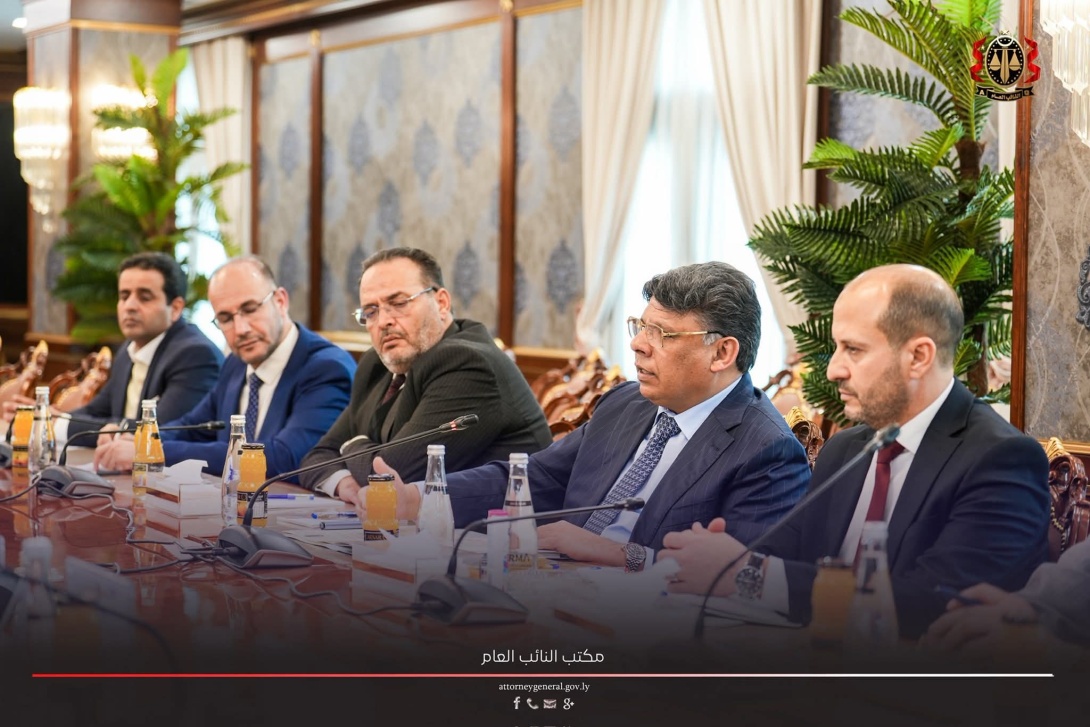
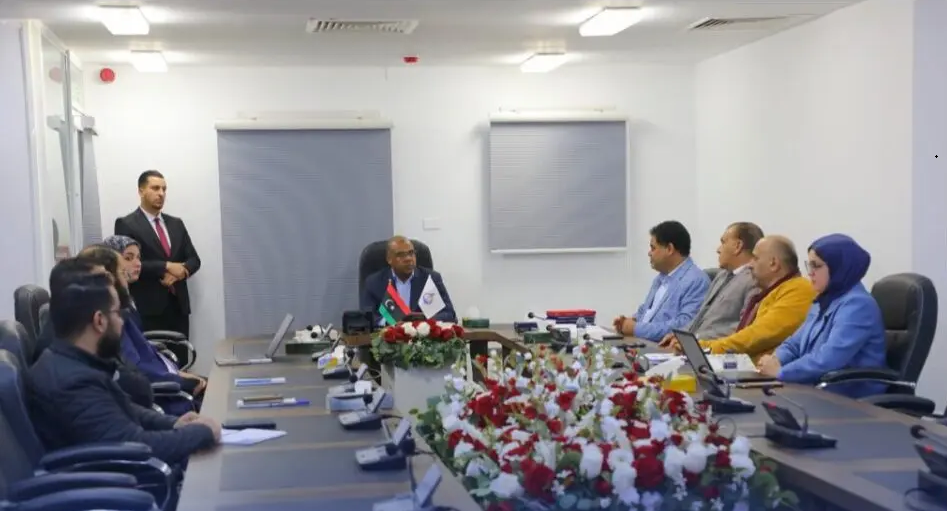
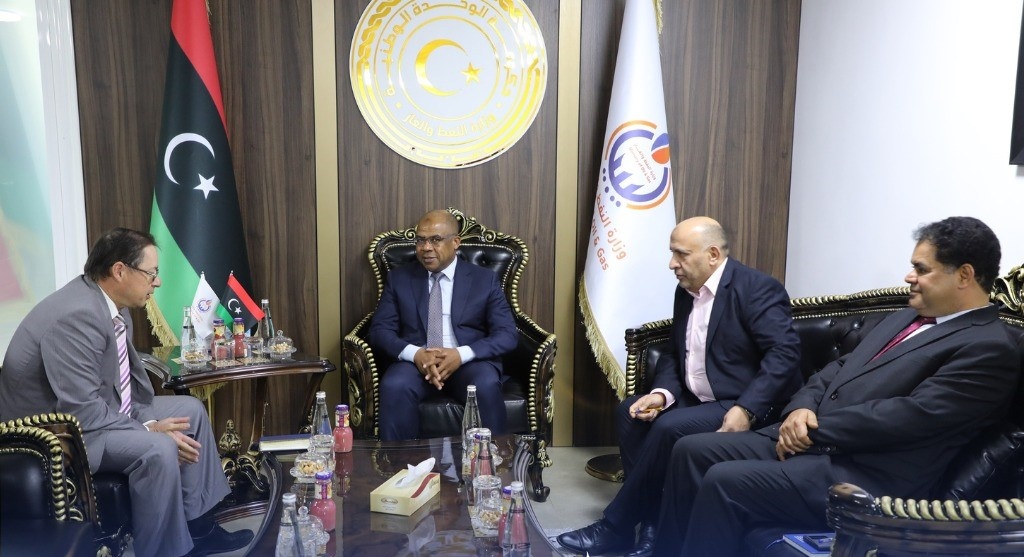
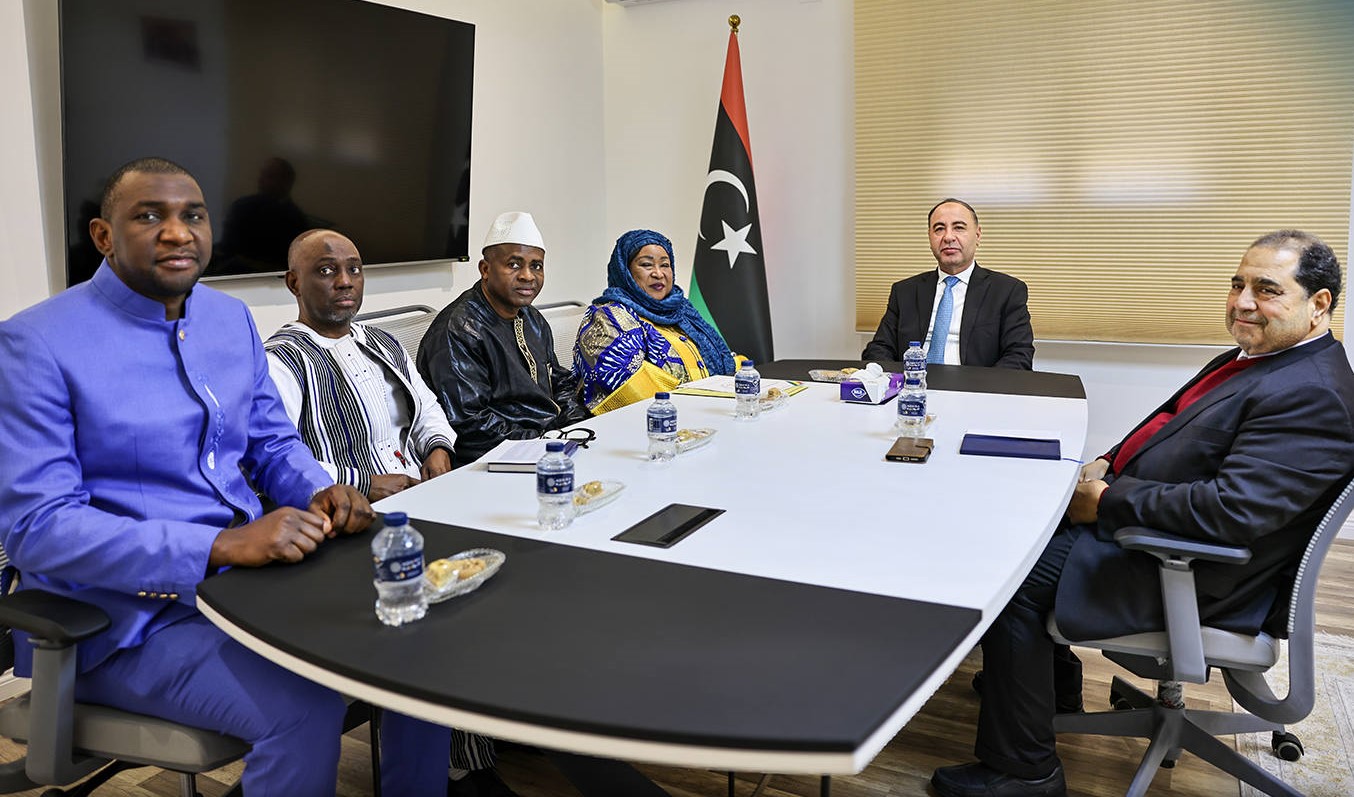
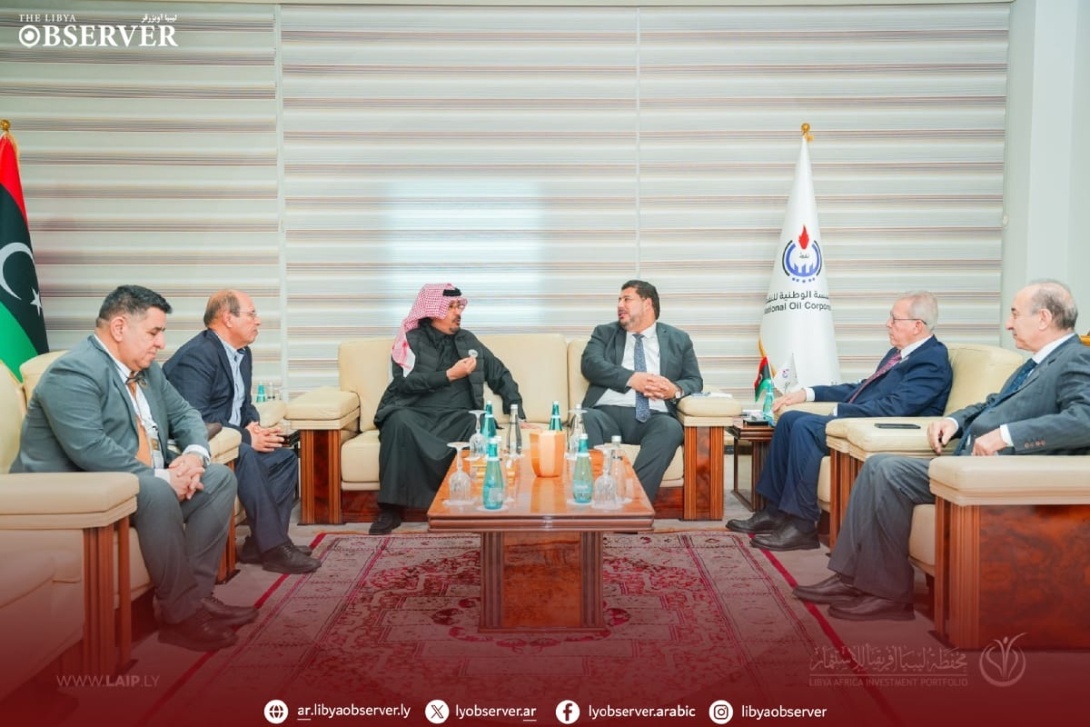
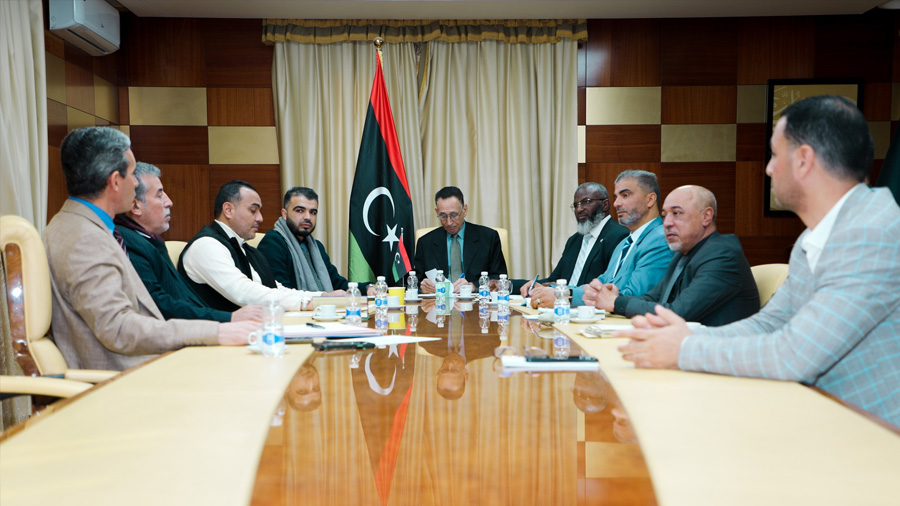
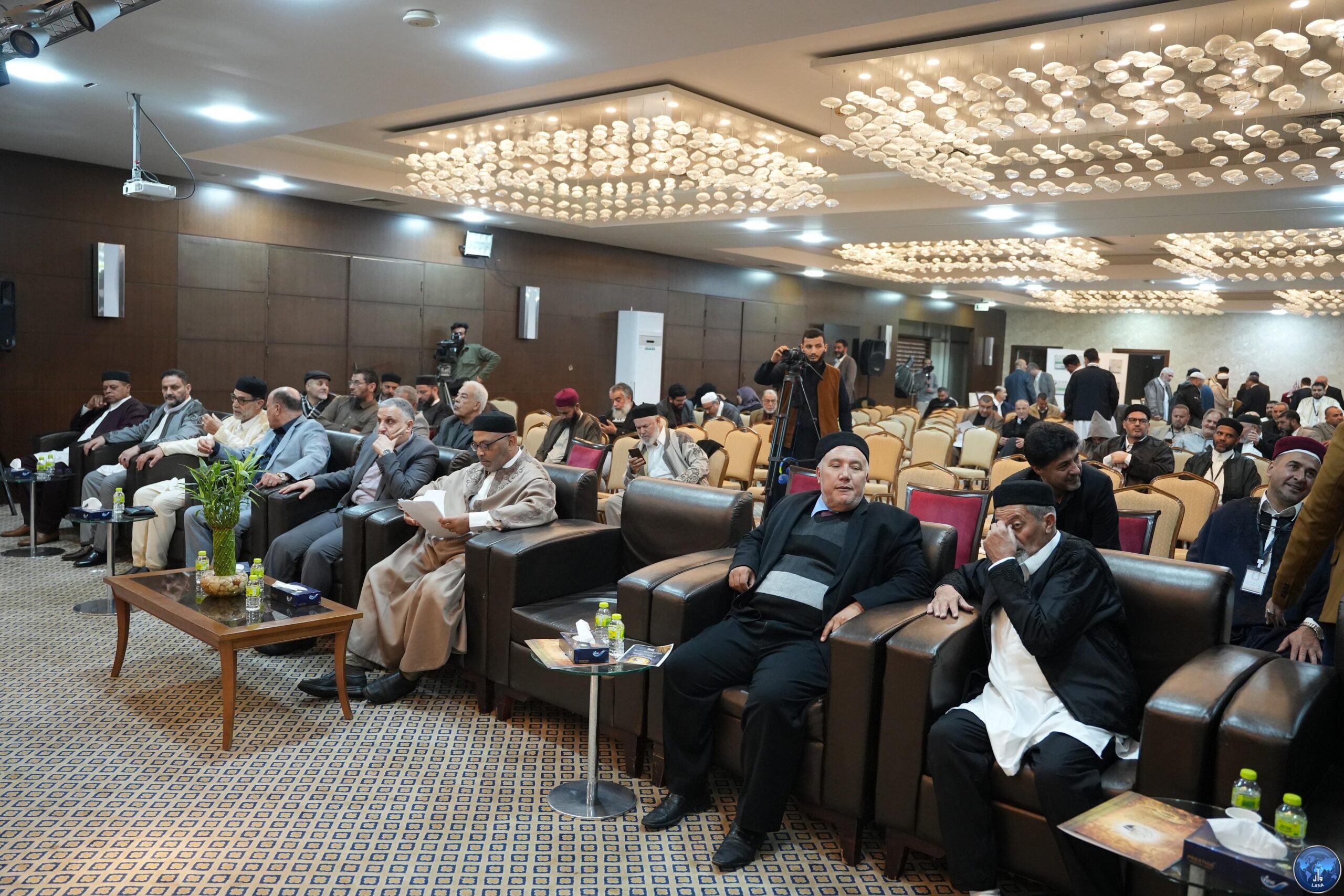
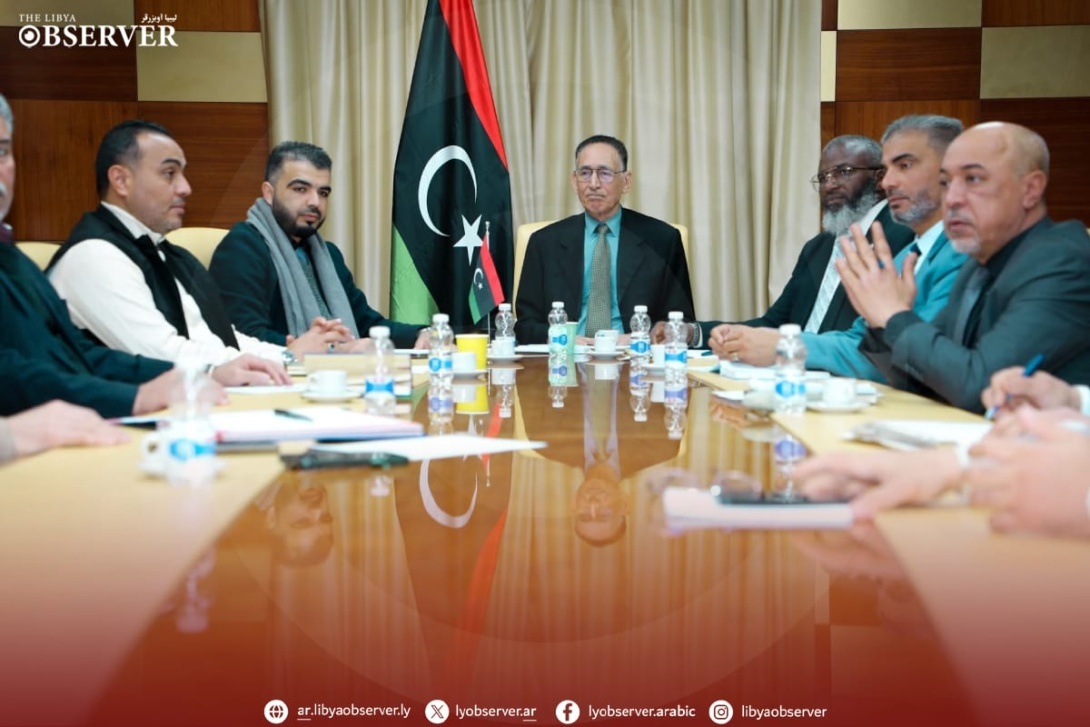
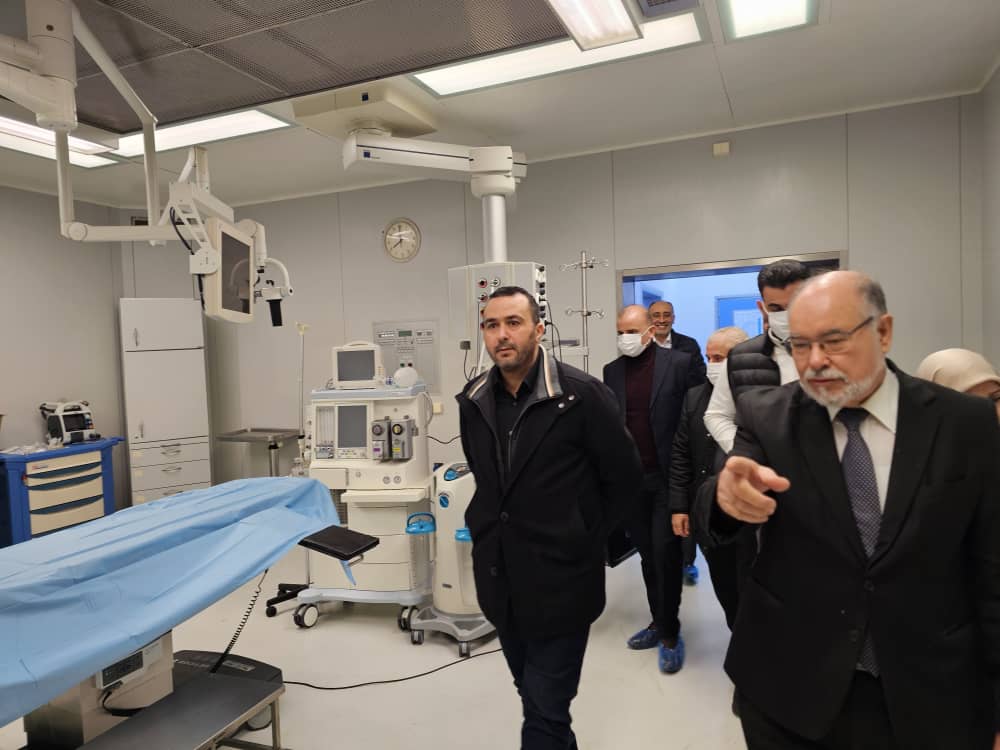
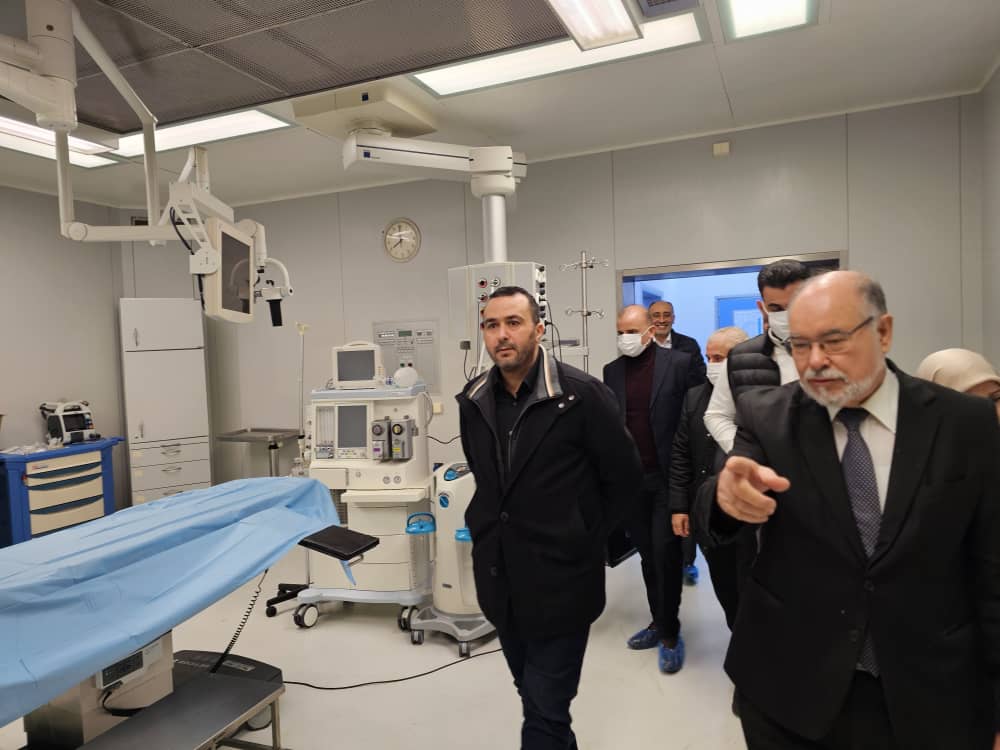
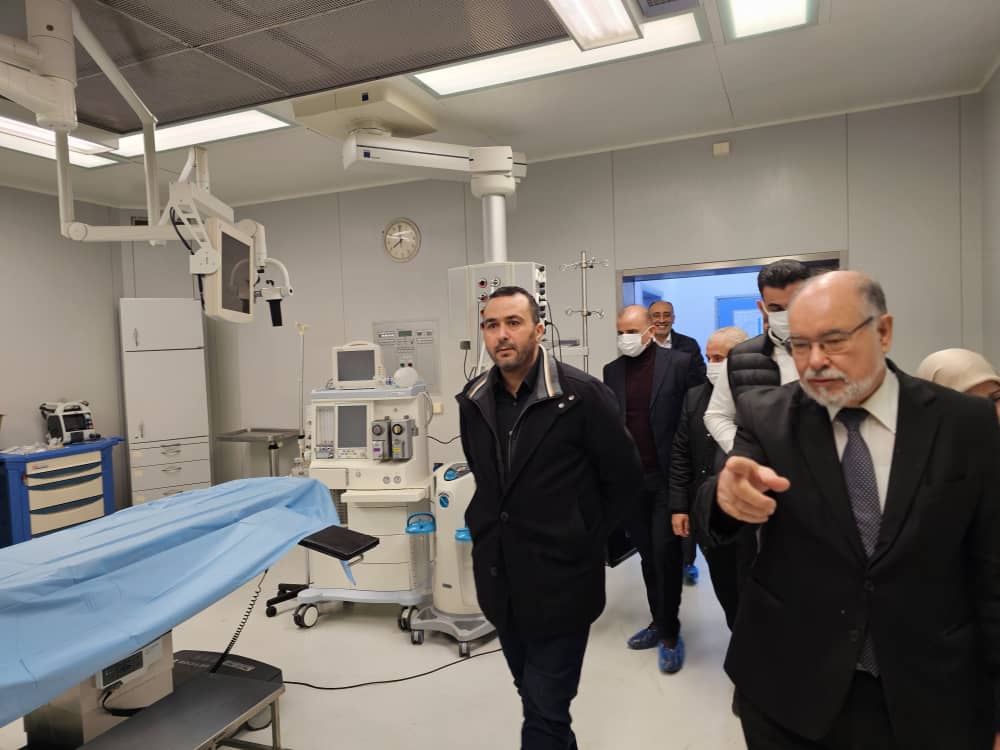
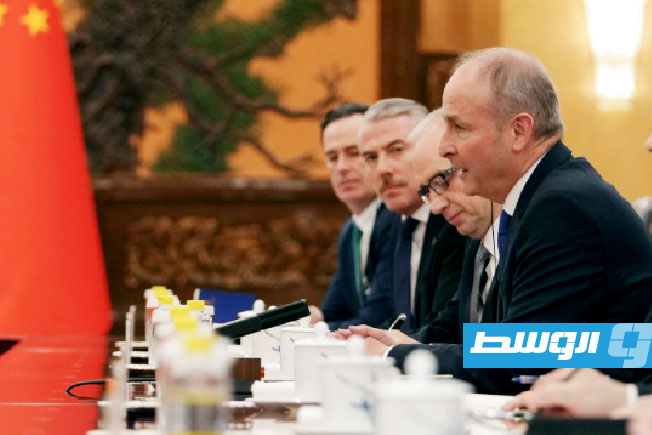
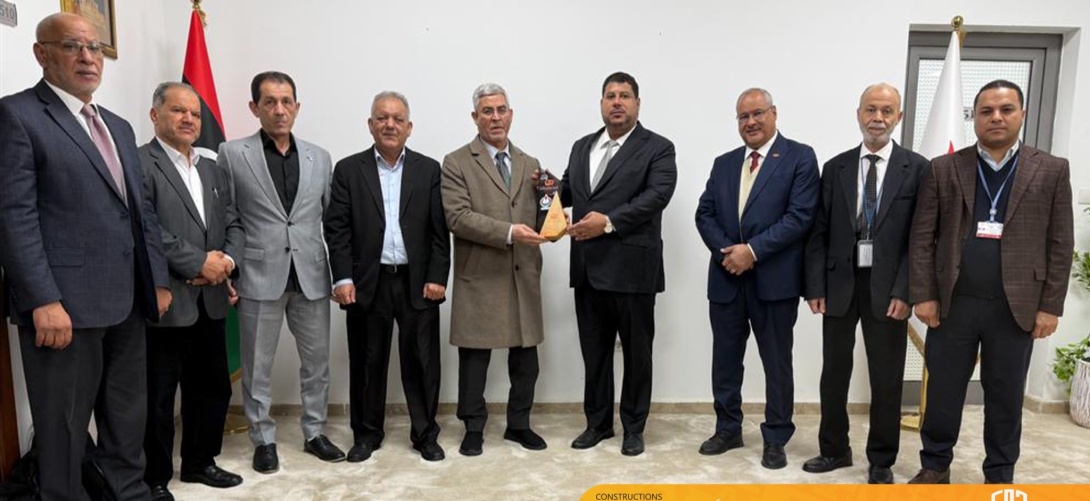
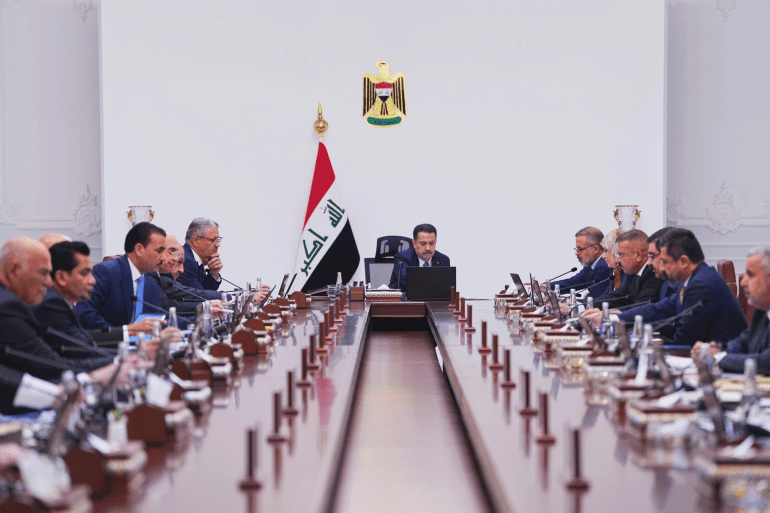
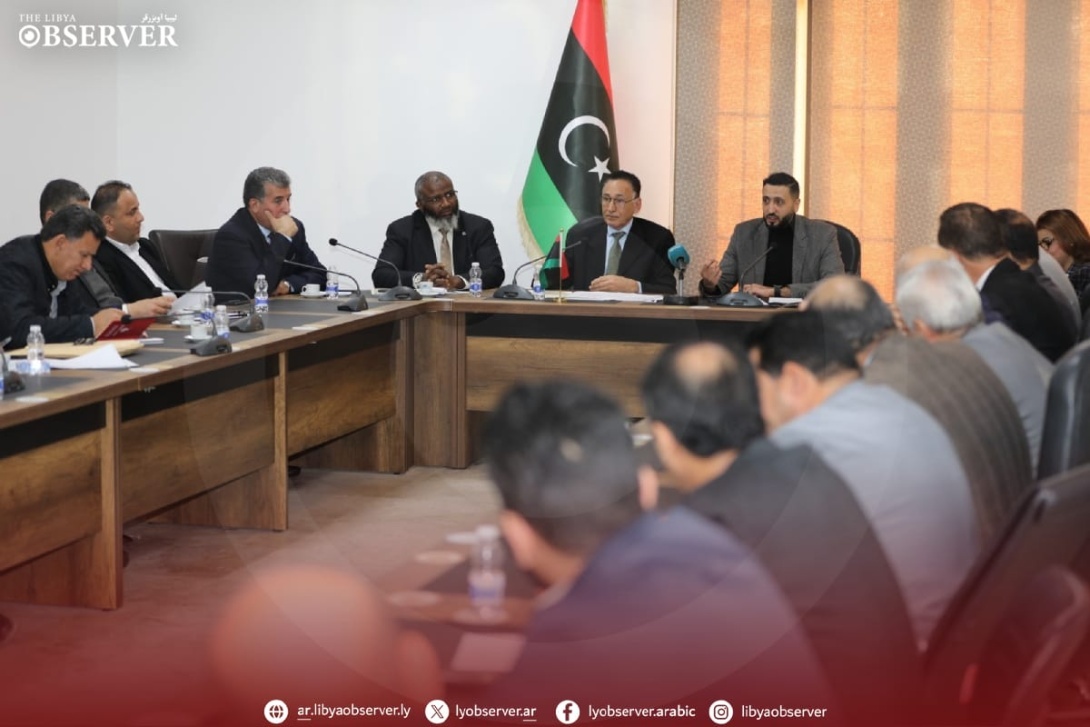
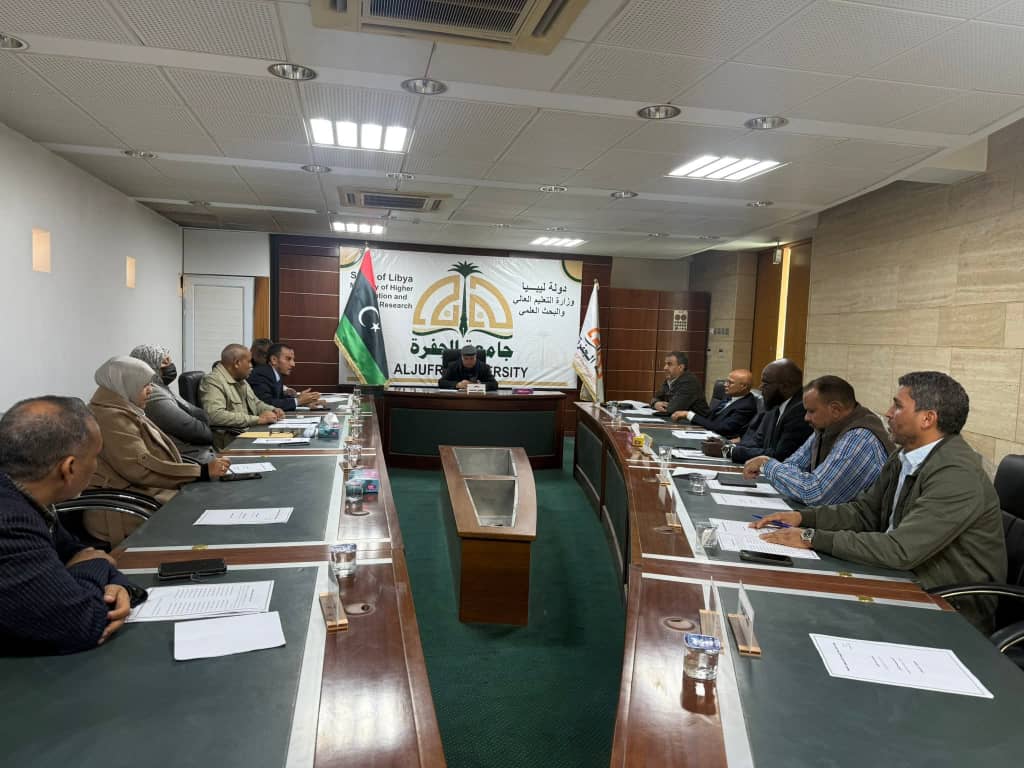
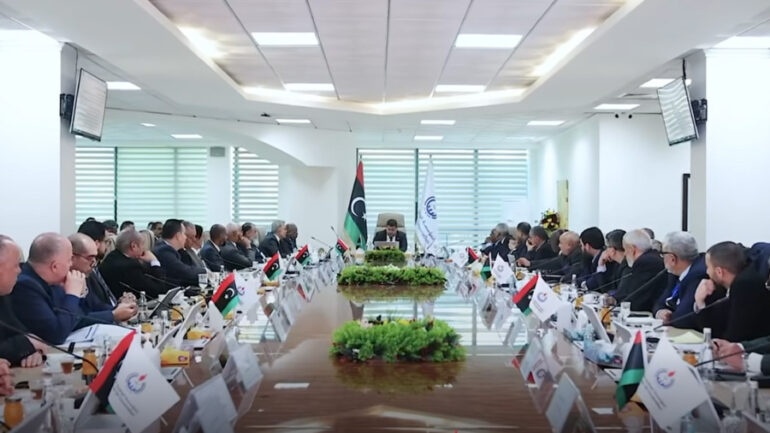
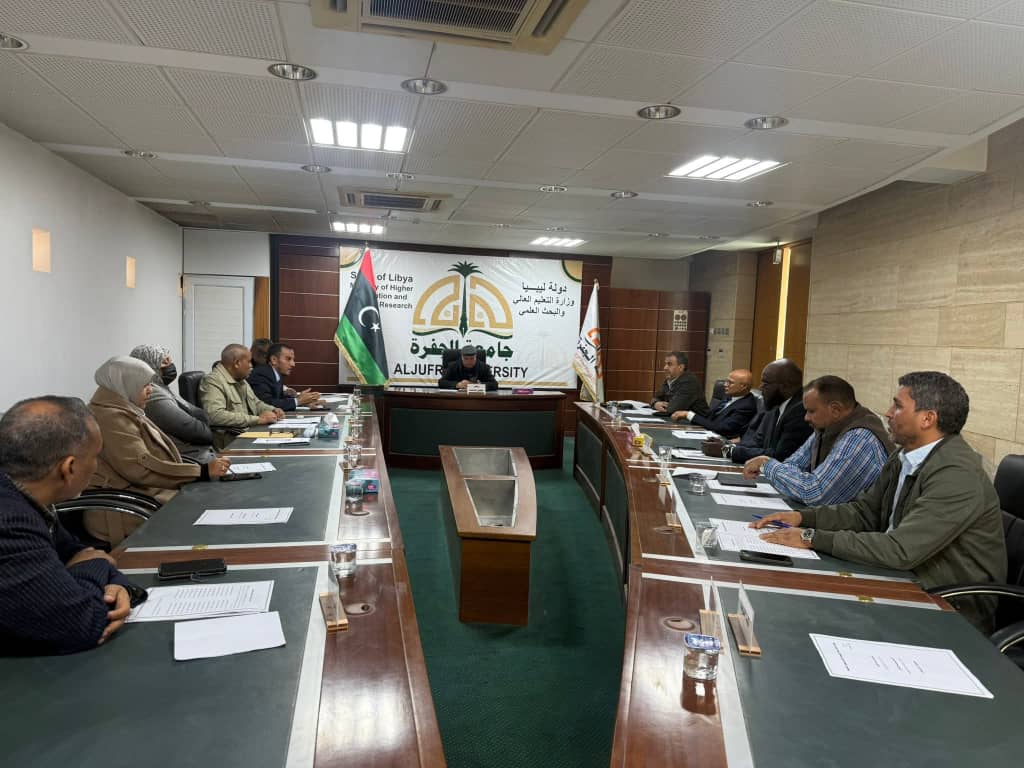
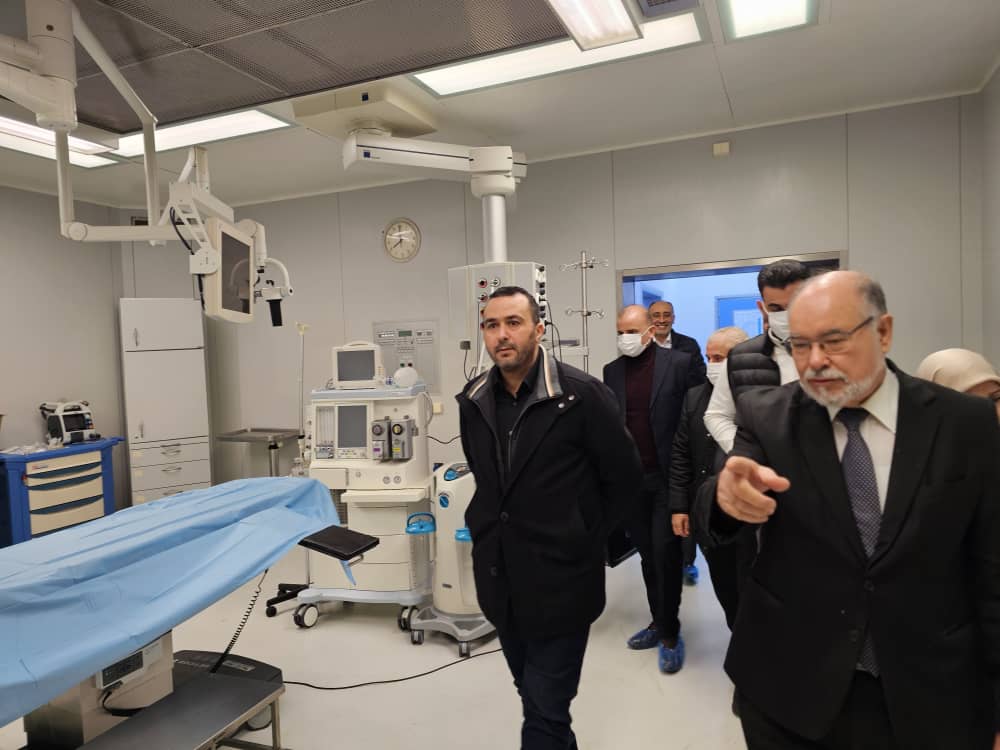
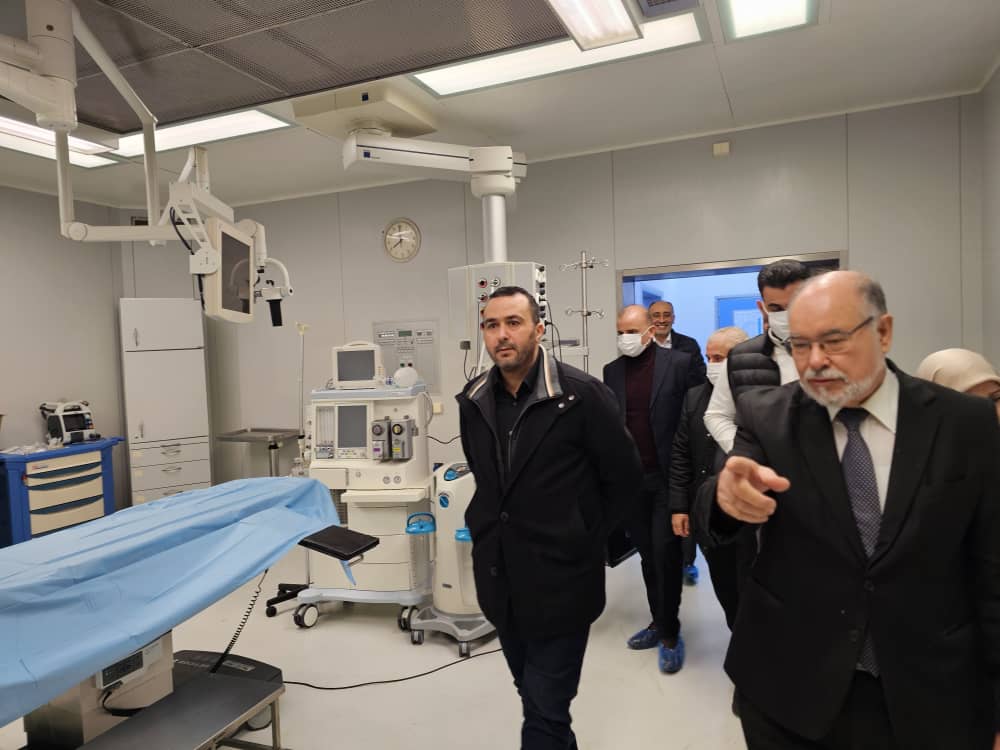
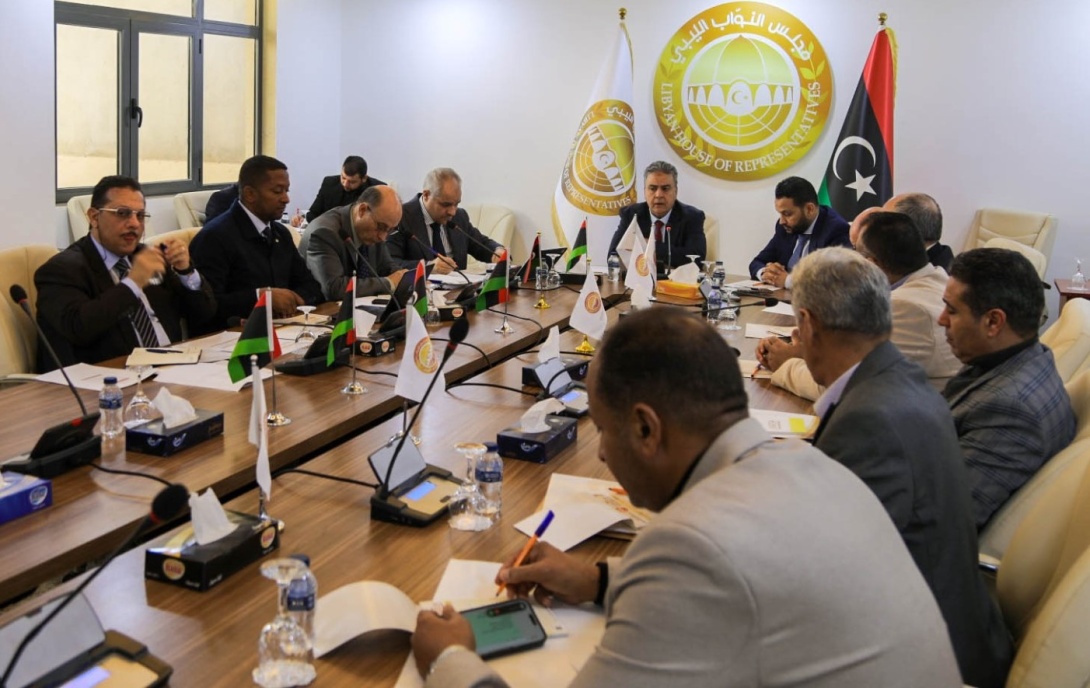
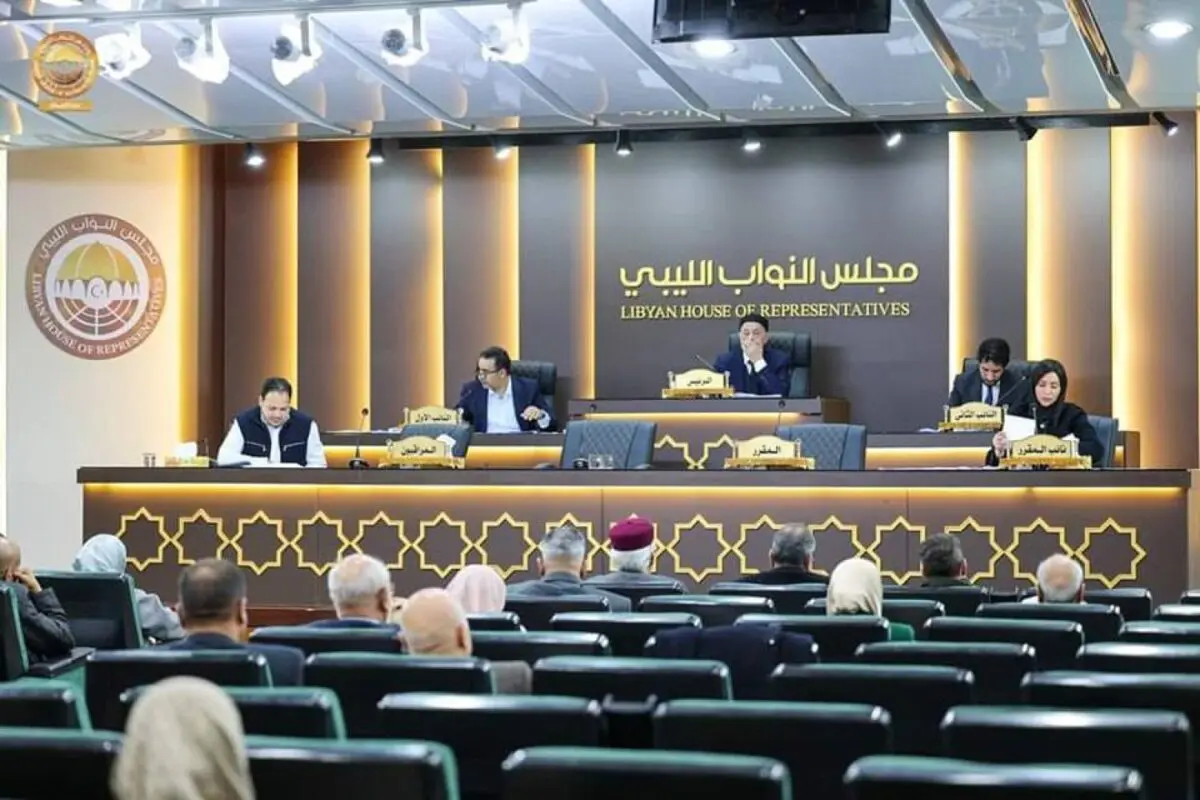
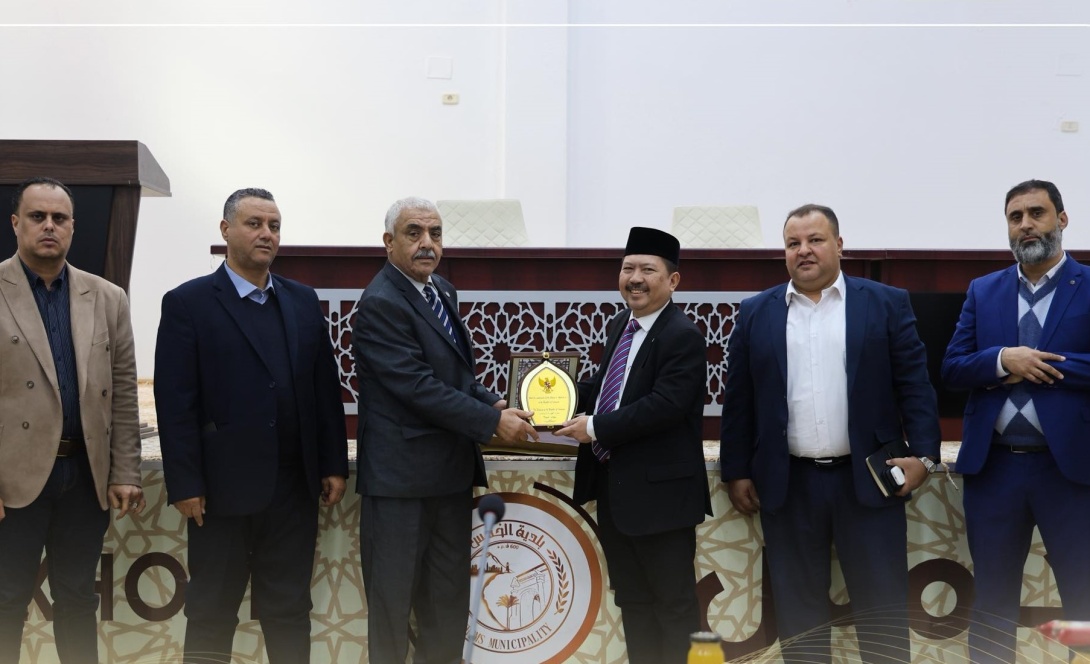
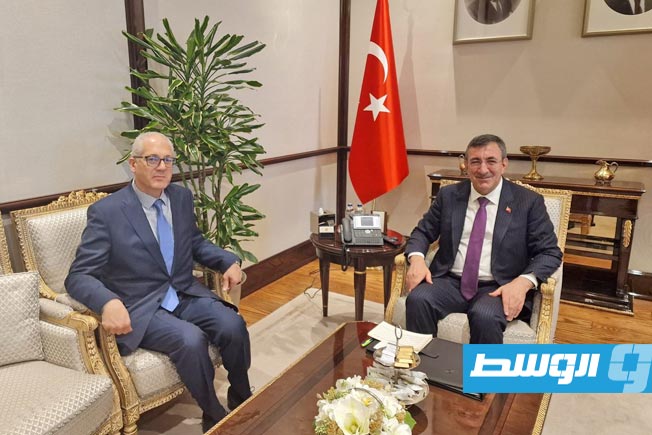
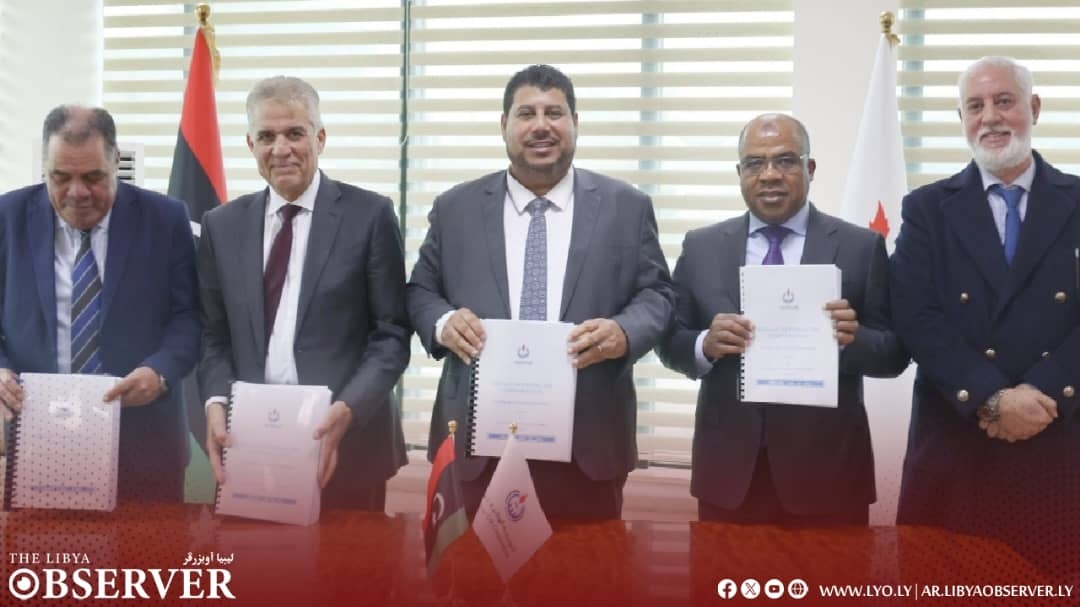
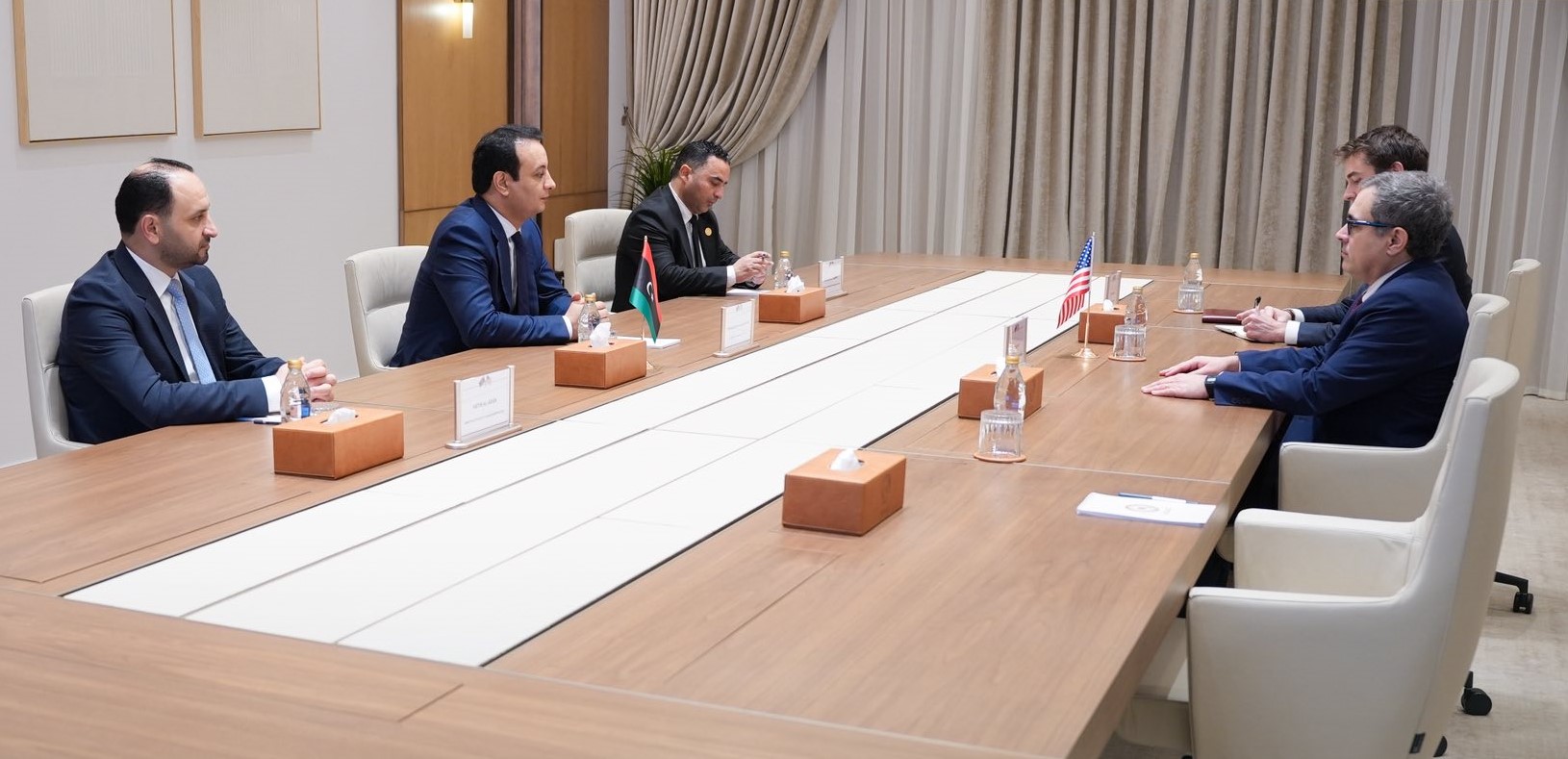
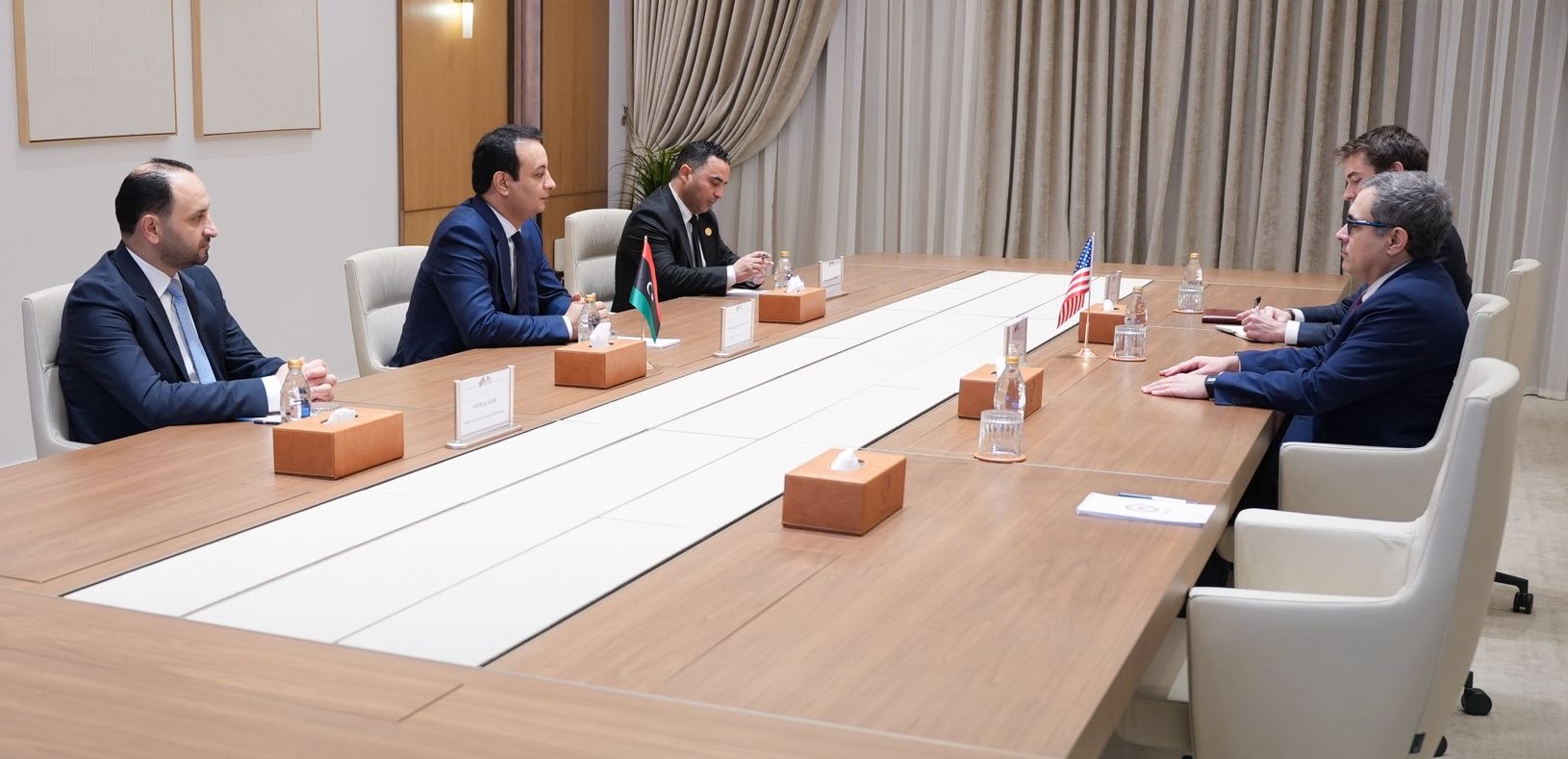
This came during the meeting held today, Thursday, with the ministry’s undersecretaries, the head of the General Authority for Exhibitions and Conferences, the head of the General Authority for Investment and Privatization Affairs, the chairman of the board of directors of the Libya Trade Network, the head of the Commercial Registry Department, the director general of the Credit Guarantee Fund, the director general of the Capital Market Authority, and the director general of the Insurance Supervision Authority.
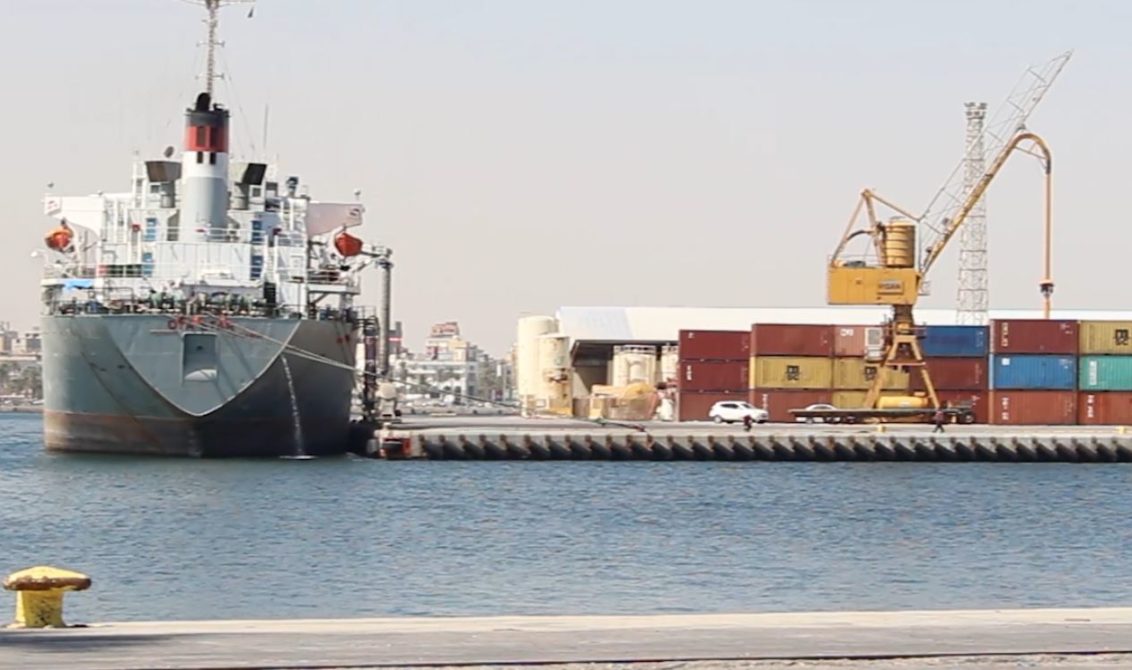
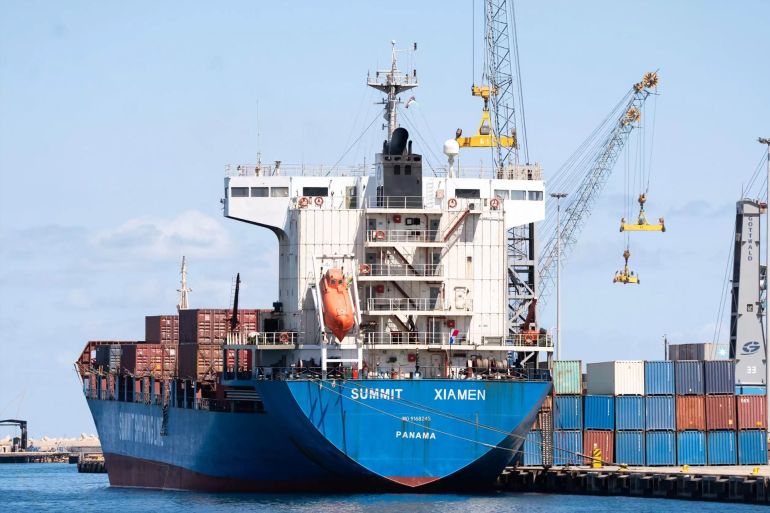
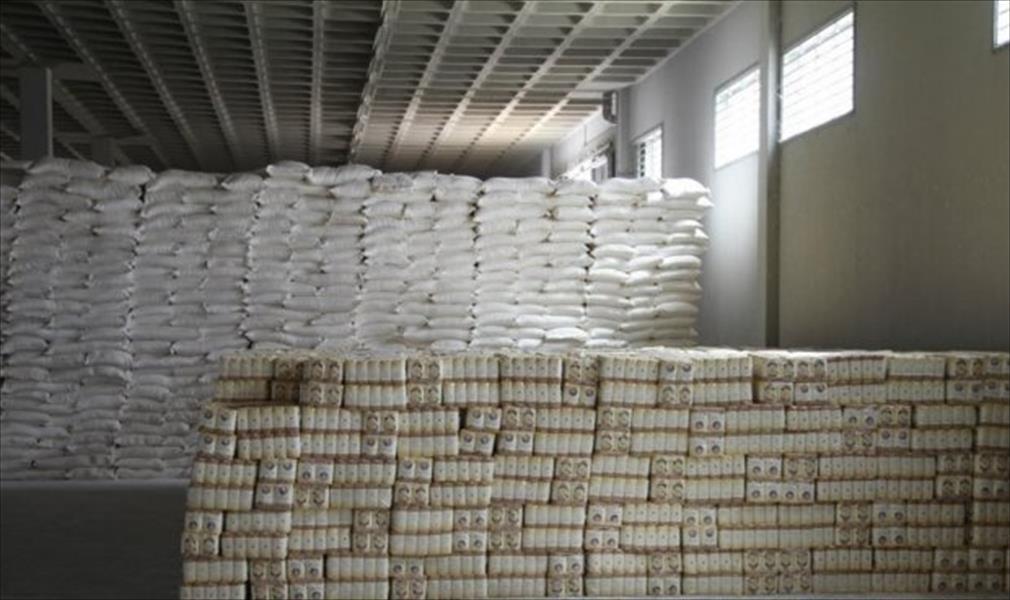
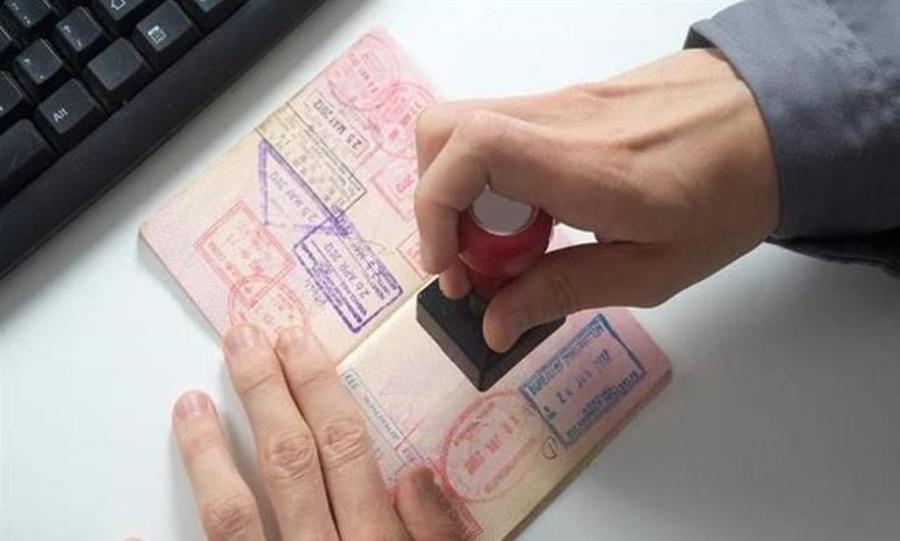
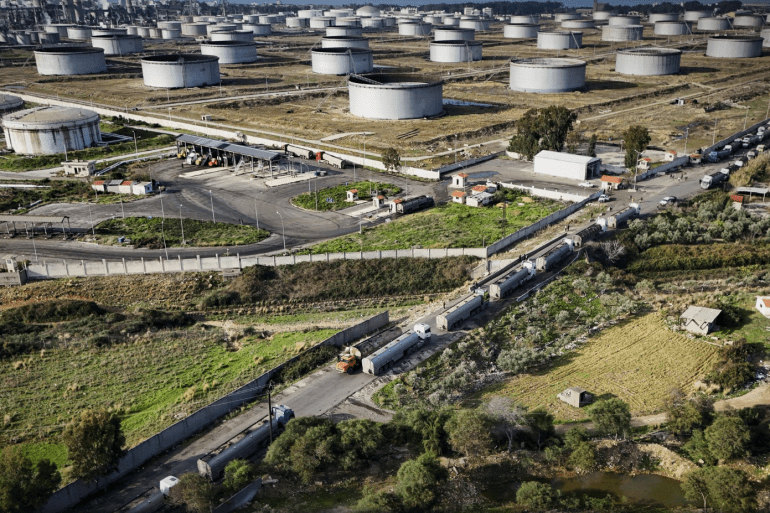
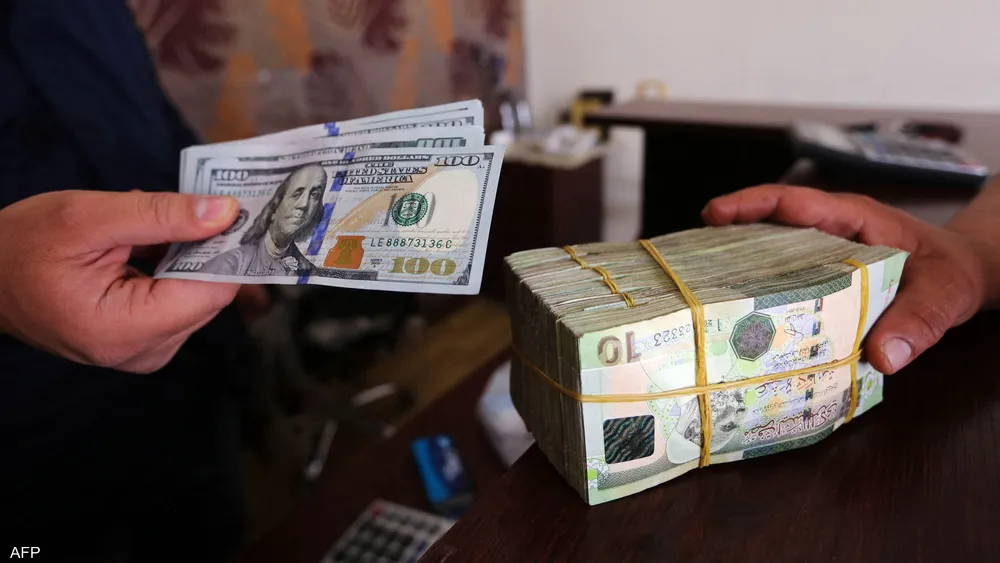
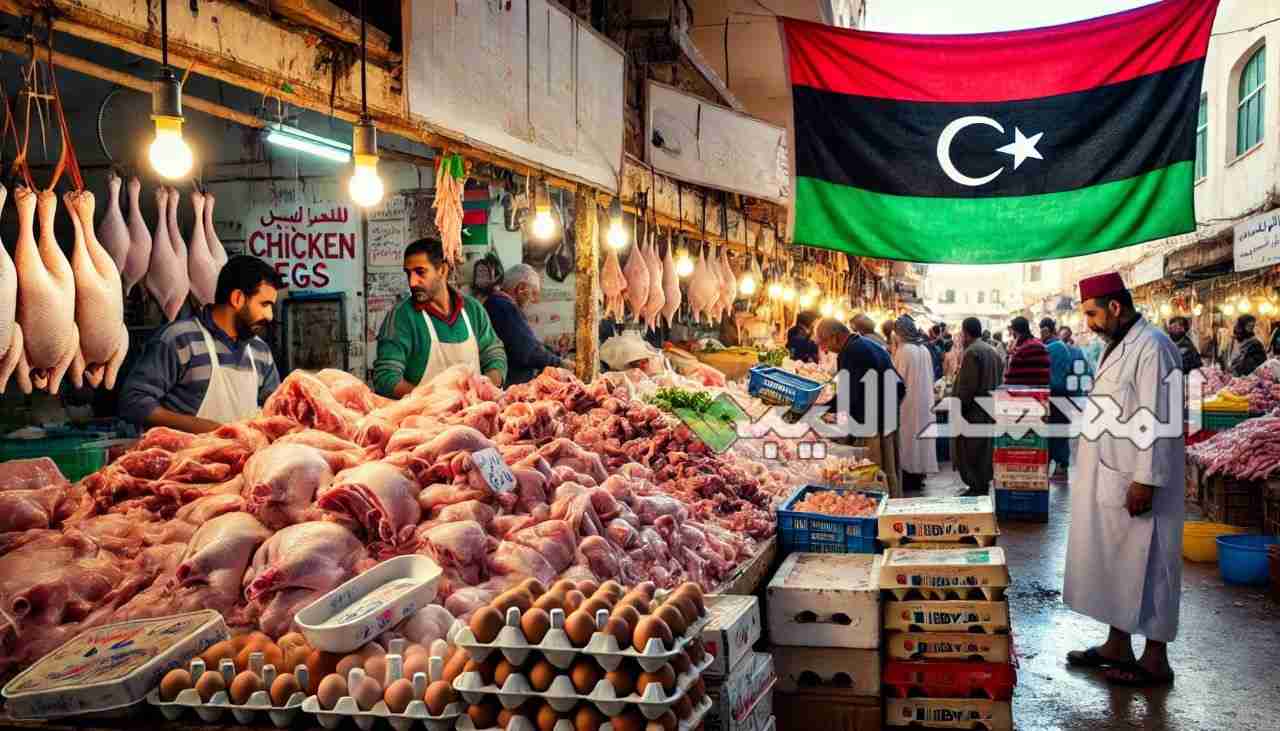
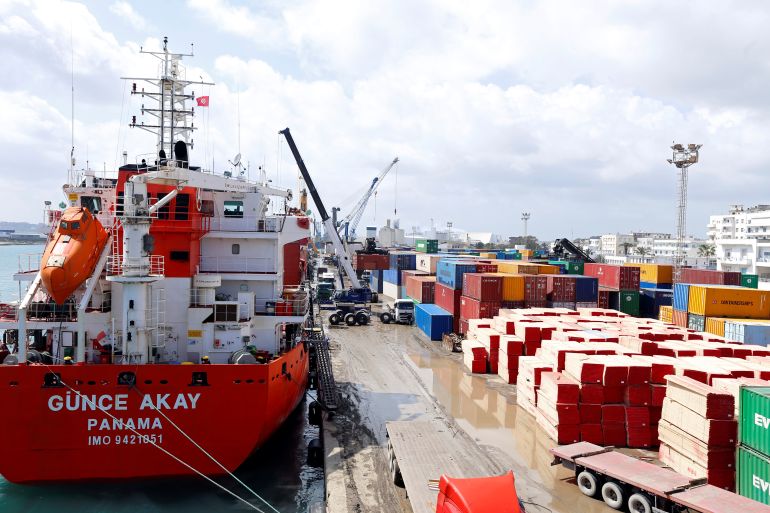
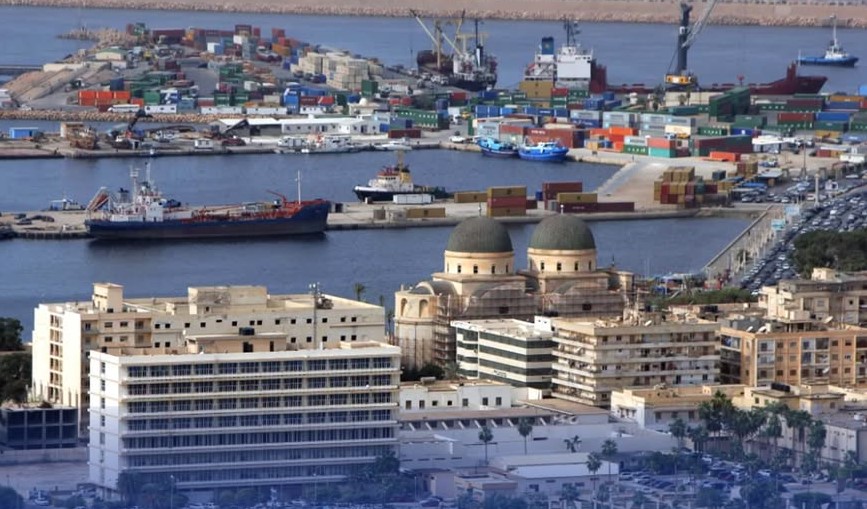
The Minister explained that the system will enable the regulation of the movement of goods and commercial activities, organizing import priorities according to the specific needs determined by the Ministry of Economy, and limiting the imbalances that have led to illegal speculative practices.
He emphasized that the Ministry of Economy and Trade will begin exercising its powers in strict accordance with the law and without any leniency or exceptions, confirming that the ministry will not hesitate to curb speculators, price manipulators, and violators of regulatory controls, and to take deterrent legal measures, including the revocation of licenses and the cancellation of commercial registrations, against anyone proven to have exceeded or violated the applicable laws and regulations.
The Minister clarified that the next phase will witness a qualitative shift towards a digital and disciplined market management, based on proactive oversight rather than subsequent treatment, and on the integration of roles between the relevant authorities. This will enhance commercial discipline, protect the national economy, and preserve market stability and the citizen’s purchasing power.
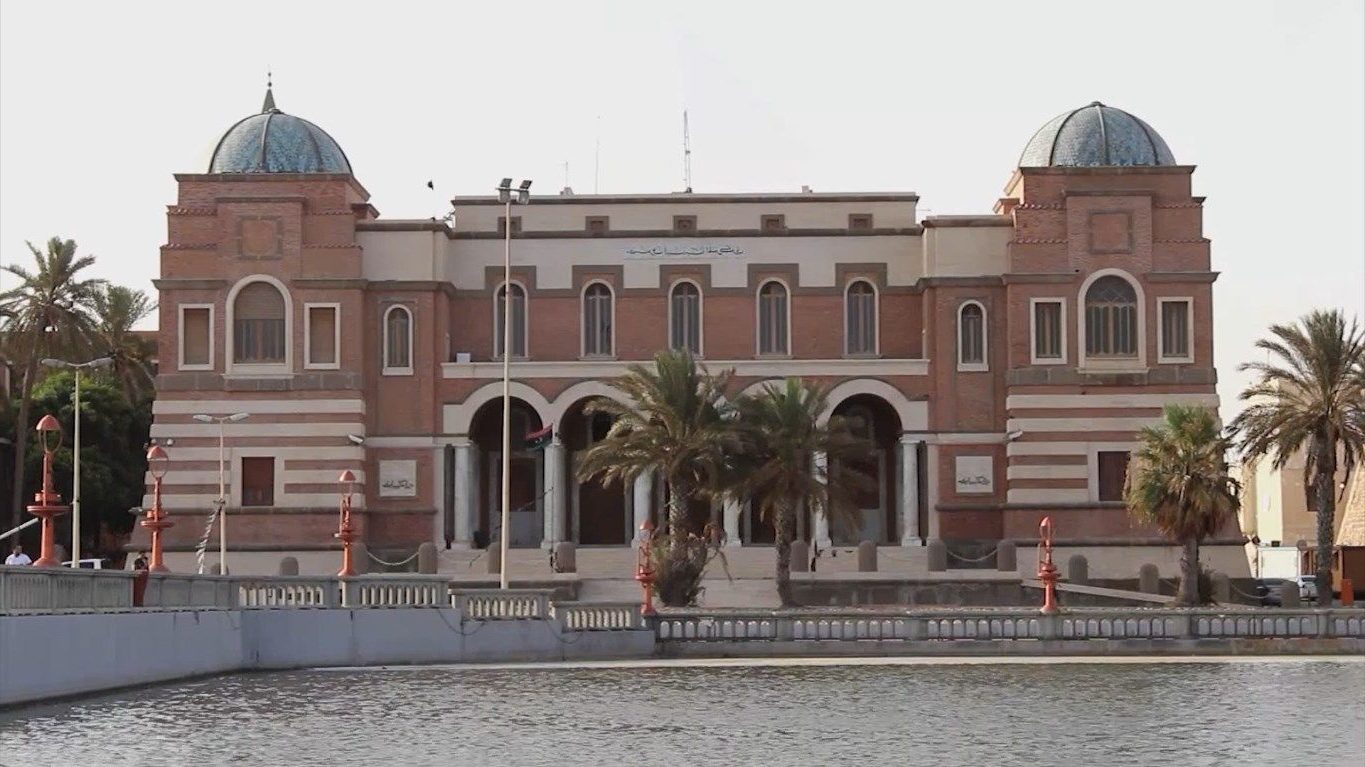
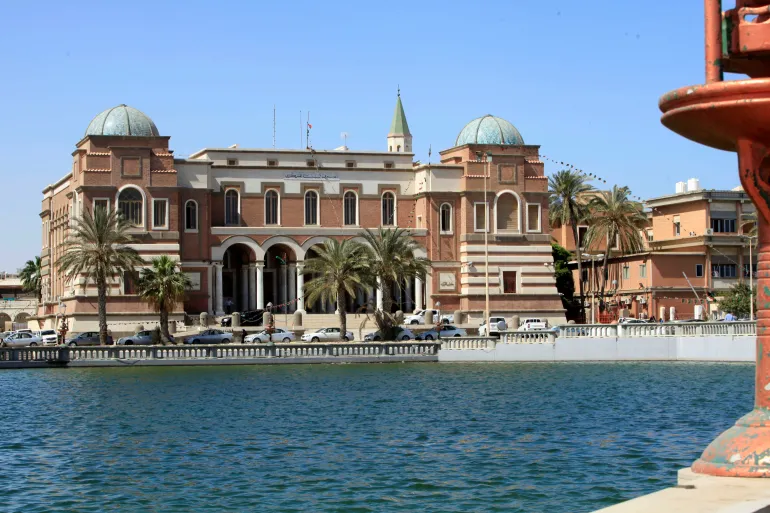
Tripoli
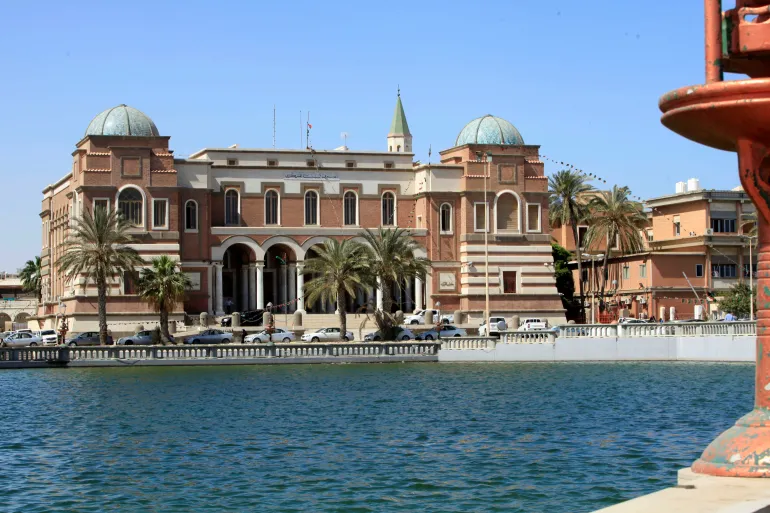
Tripoli is the capital and largest city of Libya, with a history dating back to the 7th century BC when it was founded by the Phoenicians. It later became a significant Roman city and a major port under various rulers, including the Ottomans and Italians, which is reflected in its historic medina and diverse architecture.
Ministry of Economy and Trade
The Ministry of Economy and Trade is a government department responsible for formulating and implementing national economic and commercial policy. Its history is typically tied to the modern formation of the state it serves, often evolving from earlier departments of commerce or industry to address comprehensive economic planning and international trade relations.
General Authority for Exhibitions and Conferences
The General Authority for Exhibitions and Conferences is a Saudi Arabian government body responsible for organizing and promoting major exhibitions, conventions, and trade fairs within the Kingdom. It was established to drive economic diversification and boost the business tourism sector, playing a key role in the country’s Vision 2030 reform plan. Its flagship venue is the Riyadh International Convention and Exhibition Center.
General Authority for Investment and Privatization Affairs
The General Authority for Investment and Privatization Affairs (GAIPA) is a Saudi Arabian government body responsible for regulating and promoting investment, as well as overseeing the privatization of state-owned assets. It was established to implement the country’s Vision 2030 economic diversification plan, evolving from earlier entities like the Saudi Arabian General Investment Authority (SAGIA) to streamline and encourage both domestic and foreign investment.
Libya Trade Network
The Libya Trade Network refers to the historical and modern commercial routes connecting Libya with Mediterranean, African, and Middle Eastern markets. Historically, these networks were central to trans-Saharan trade, with cities like Leptis Magna and Tripoli serving as key hubs for goods like gold, salt, and ivory. Today, it encompasses the nation’s ports, energy export infrastructure, and ongoing efforts to rebuild economic connections following periods of conflict.
Commercial Registry Department
The Commercial Registry Department is a government agency responsible for the official registration and legal oversight of business entities, such as corporations and partnerships. Its history is tied to the development of modern commercial law, evolving from merchant guild records and early trade registries to provide transparency and legal certainty in business transactions.
Credit Guarantee Fund
The Credit Guarantee Fund is a financial institution, typically established by a government or consortium of banks, designed to support small and medium-sized enterprises (SMEs) by providing guarantees for their loans. Its history stems from the need to mitigate lending risk for financial institutions, thereby improving access to capital for businesses that might otherwise lack sufficient collateral. These funds have become a common economic development tool globally since the mid-20th century.
Capital Market Authority
The Capital Market Authority is a regulatory body established to oversee and develop capital markets, typically through enforcing securities laws and protecting investors. Its history often involves formation in response to financial market needs or crises, such as the Saudi Capital Market Authority created by royal decree in 2003 to regulate the Saudi stock exchange. These authorities aim to ensure market transparency, fairness, and stability.
Insurance Supervision Authority
The Insurance Supervision Authority is a regulatory body responsible for overseeing the insurance market to ensure its stability and protect policyholders. Its history is tied to the development of modern financial regulation, often established or significantly reformed in many countries following major economic crises to enforce solvency and fair practice rules.