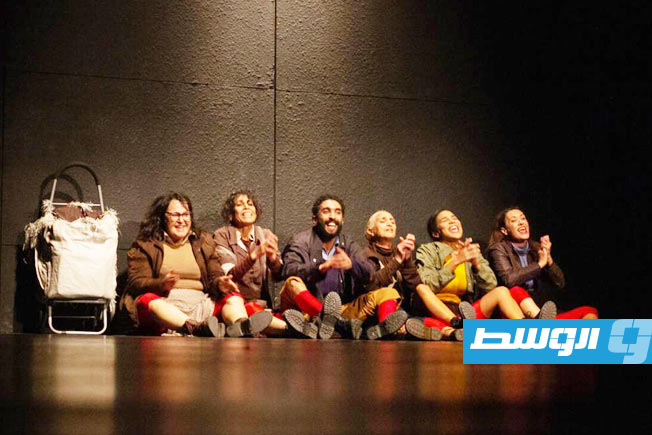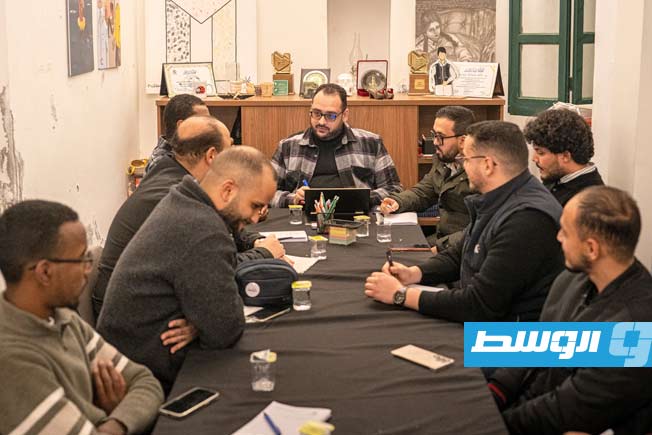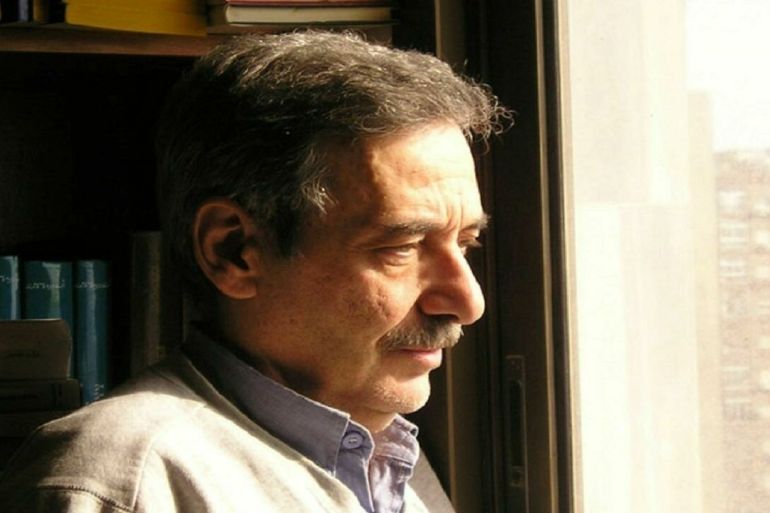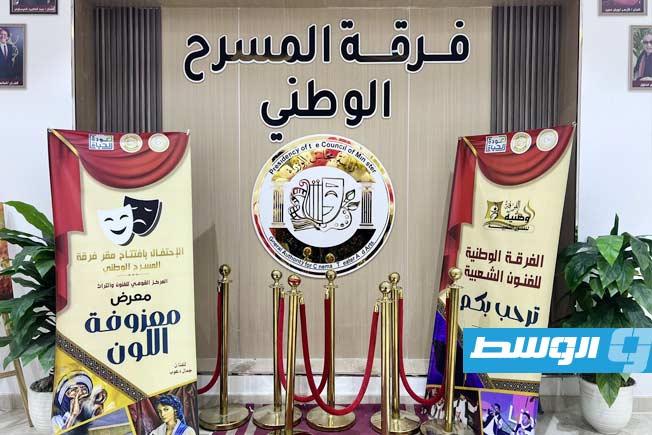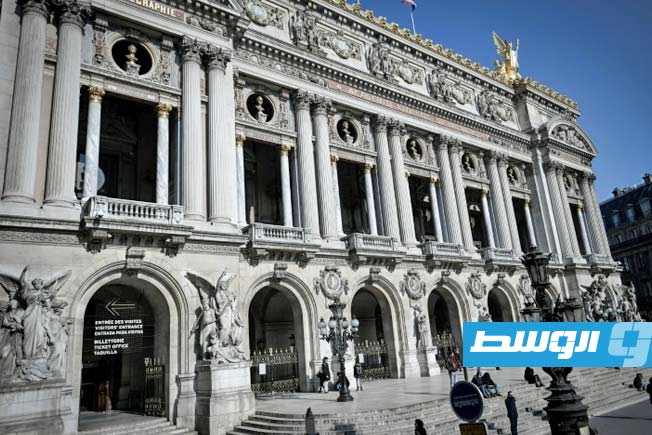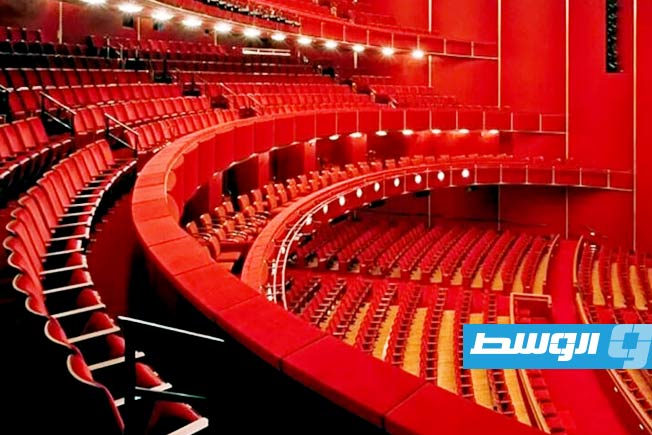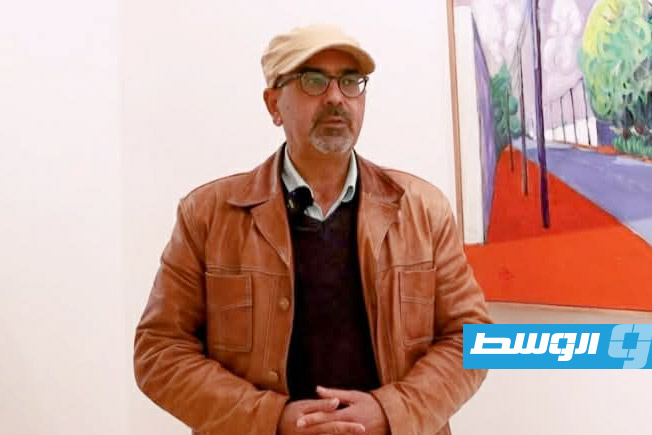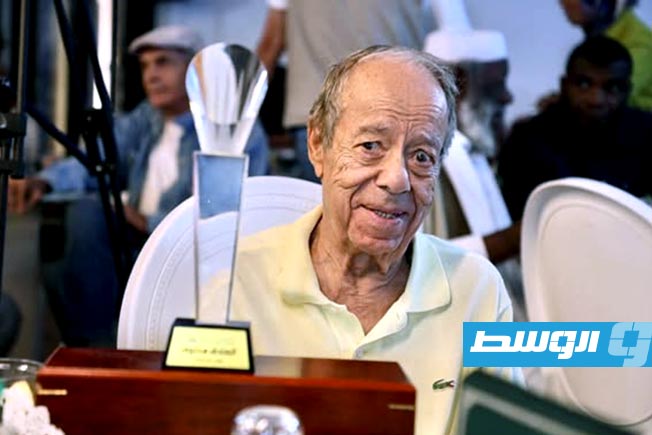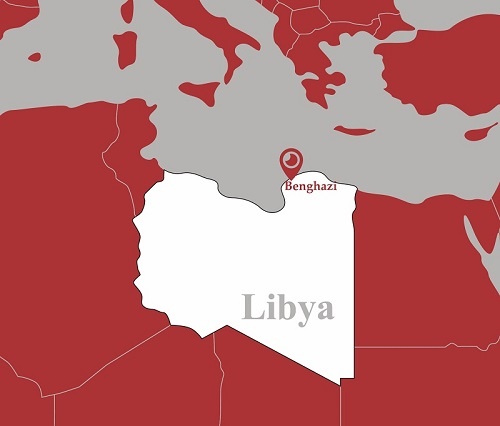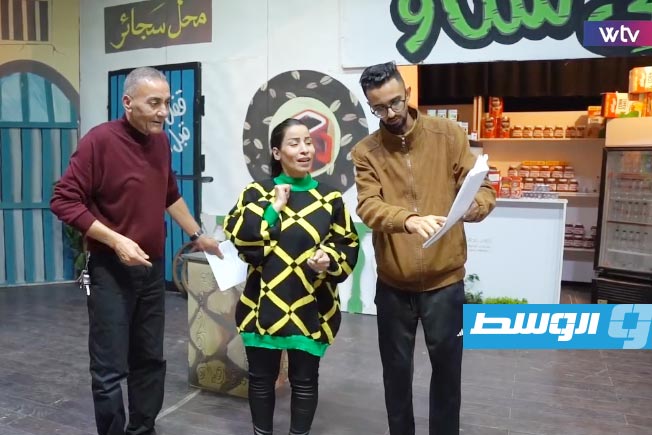
During a tour inside the corridors of the Popular Theater in Benghazi, which was founded in the 1930s, the director spoke with regret about the current situation, comparing the past with the present. He pointed out that national troupes like the “National Theater” used to present distinguished performances, but over the years these theaters have deteriorated.
He added that the current reliance is on the “Popular Theater” despite the dilapidation of its facilities, confirming that continuing to perform amidst collapsing chairs and meager income is nearly impossible, especially since maintenance costs are very high.
He explained that the theater relies primarily on income from performances during the holy month of Ramadan, an income that is insufficient to cover major malfunctions that may occur in the lighting or sound systems. He stressed that the artists do not blame the audience, who buy tickets for only ten dinars in light of the high cost of living, but rather call for sustainable government support.
Producing a complete theatrical performance is extremely difficult.
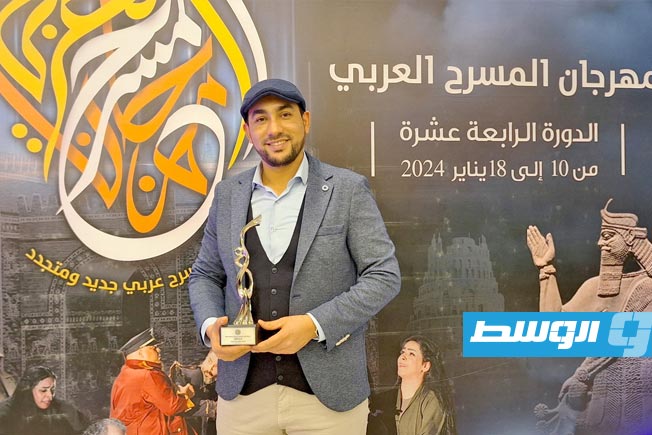
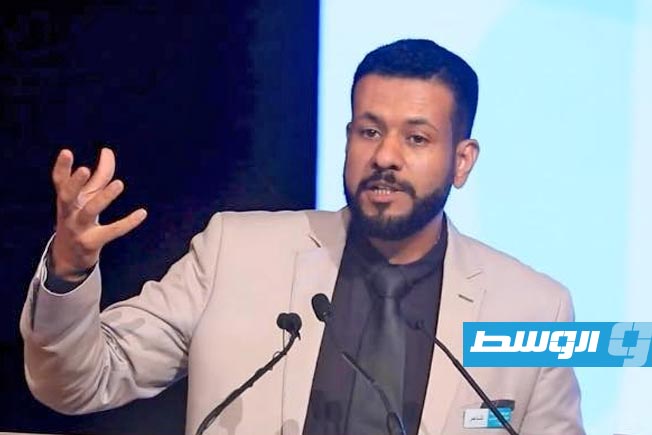
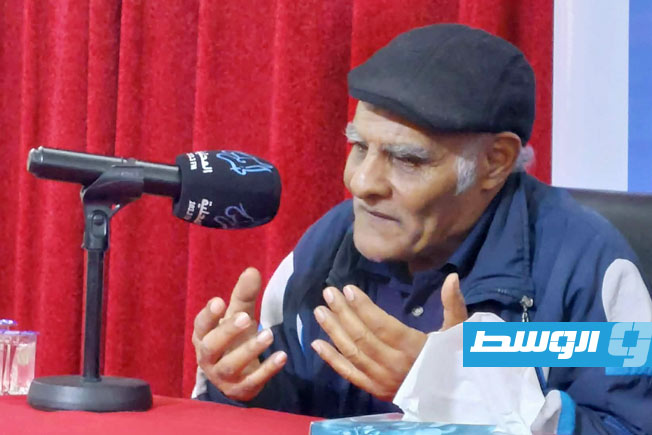
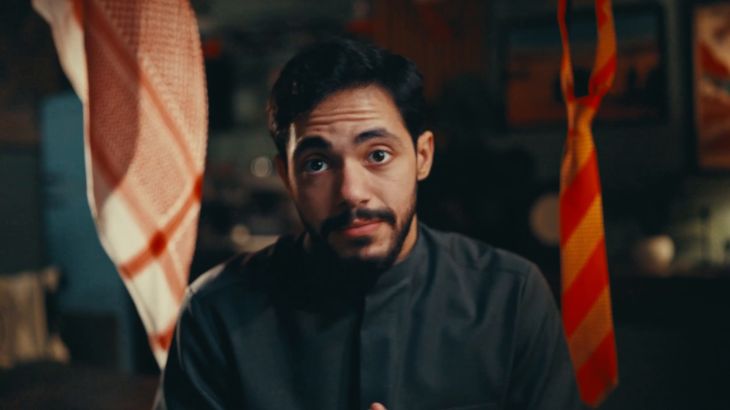
For his part, an actor focused on the artistic and technical aspects, emphasizing that the next stage requires a new generation capable of keeping up with the times, and this will only be achieved by providing modern technologies in “lighting” and “sound.”
–
–
–
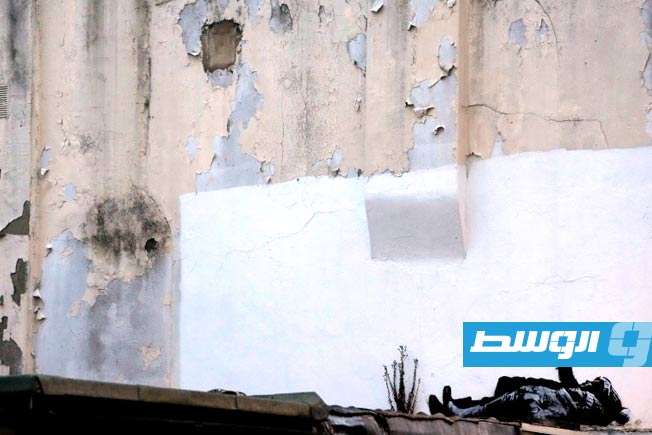
The actor expressed hope that the responsible authorities would pay attention to the Popular Theater, especially since the National Theater still suffers from cracks that make it “almost shaky.”
He stressed that building a new artistic generation requires a prepared environment and a fully equipped venue, including backstage rooms and advanced sound systems.
Despite the artists’ attempts to continue, the lack of a technically equipped venue has made producing a complete theatrical performance extremely difficult, prompting many of them to reduce the number of annual performances.