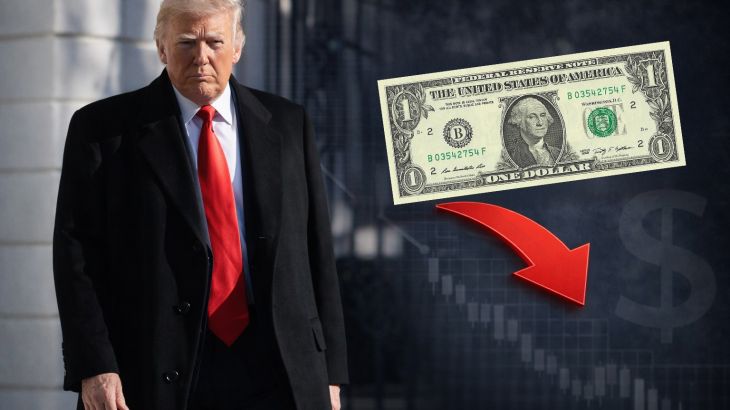
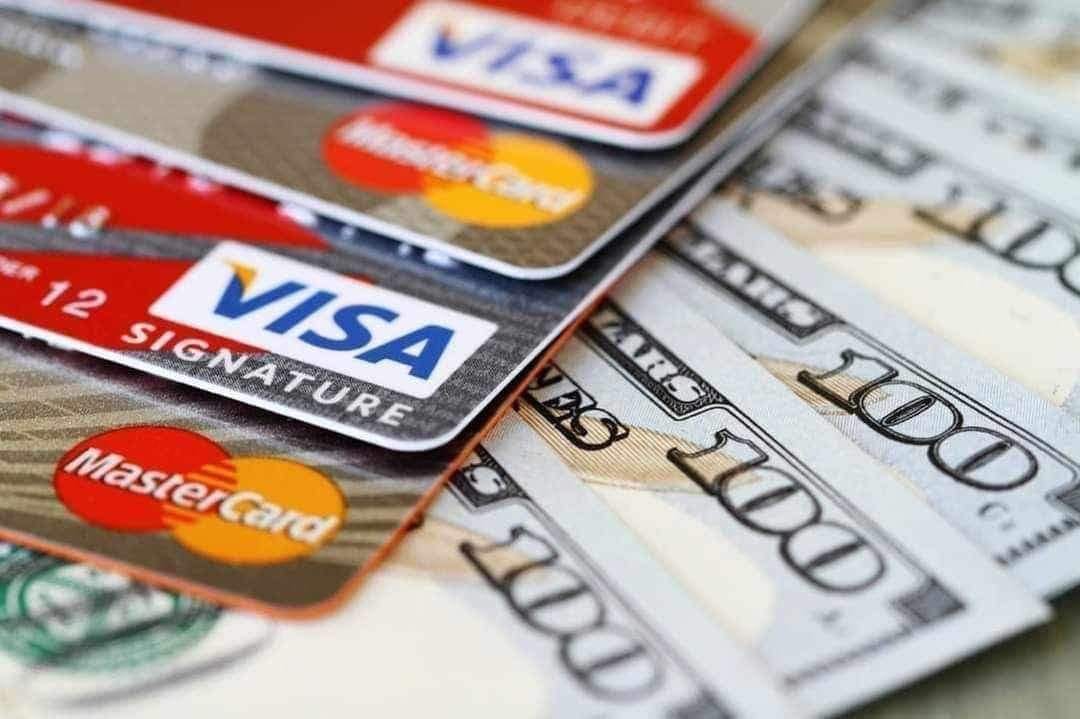
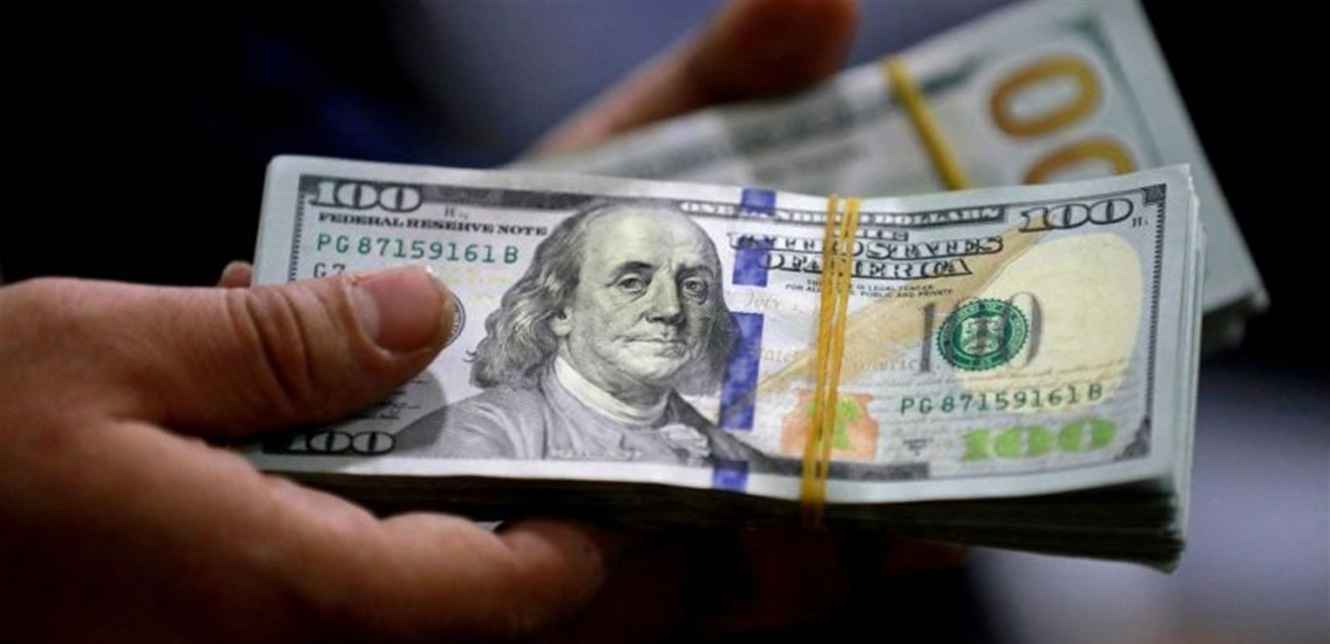
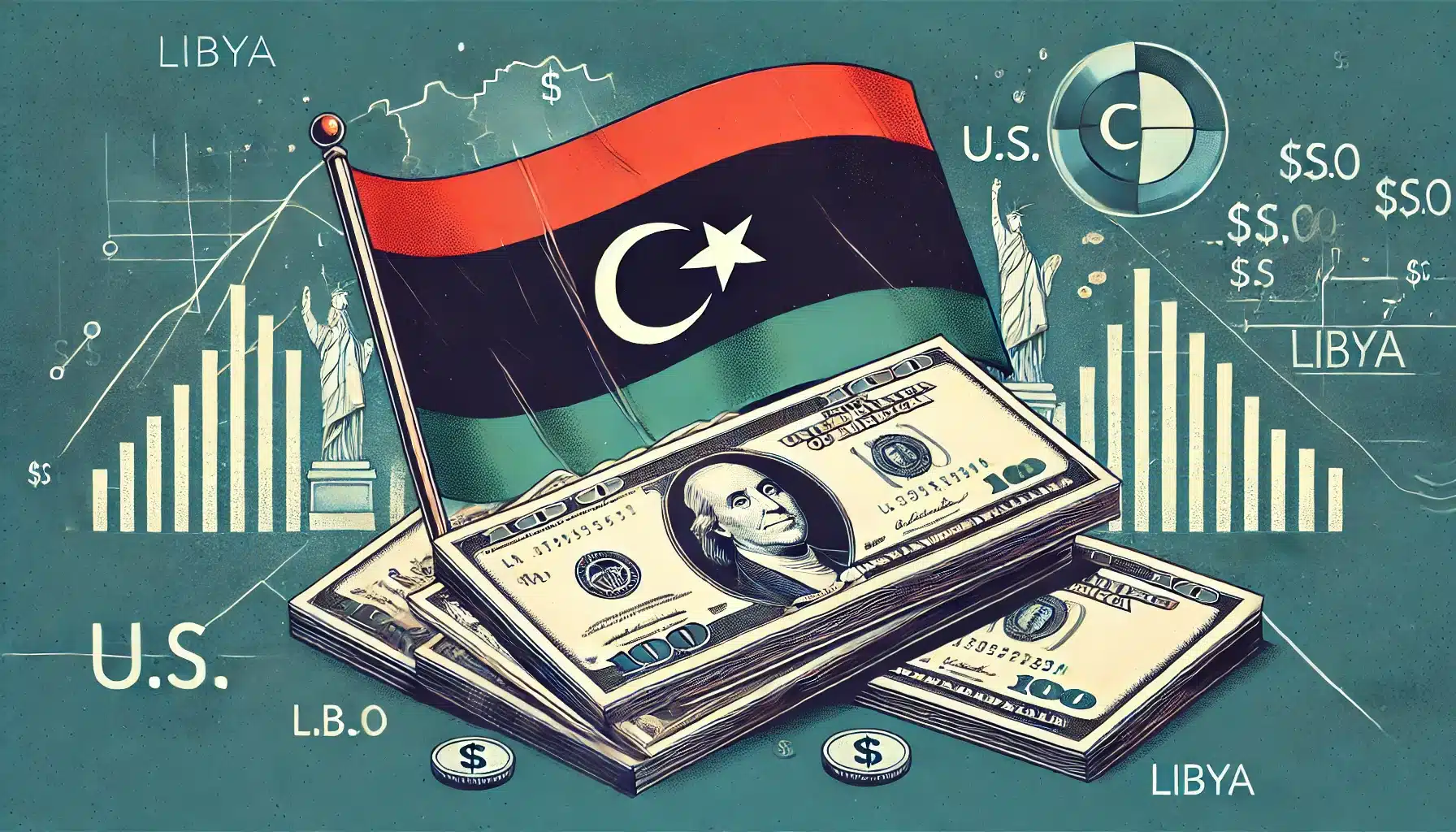
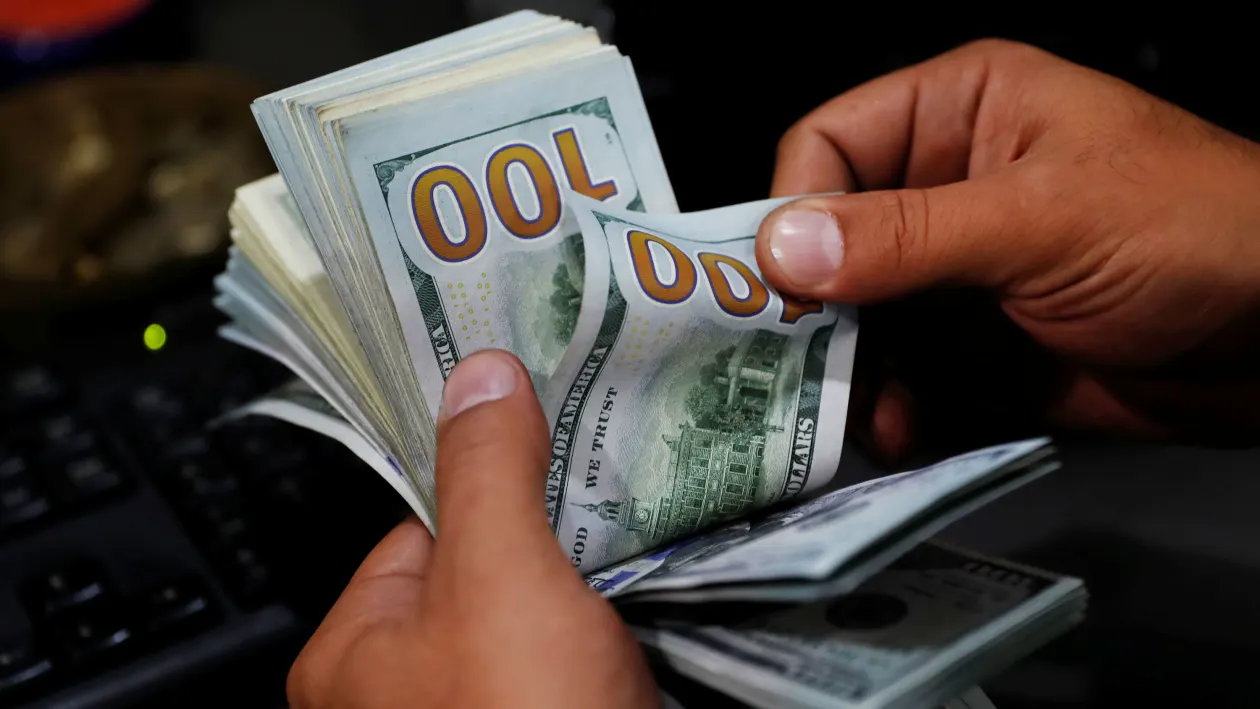
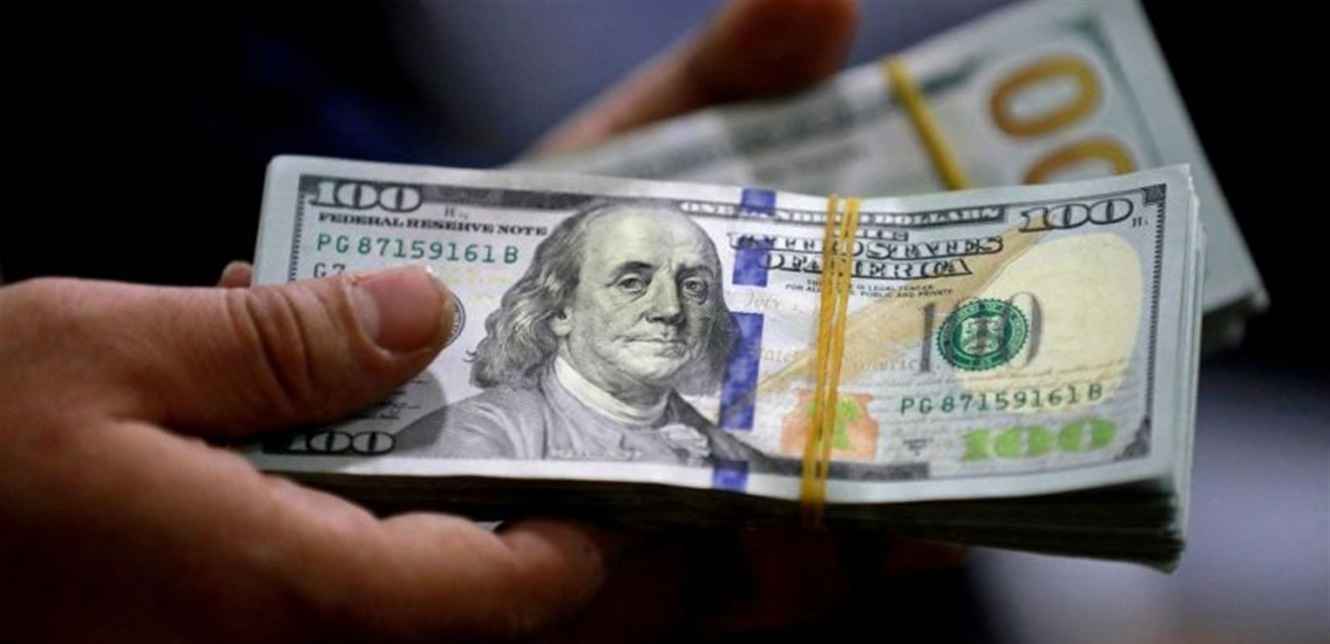
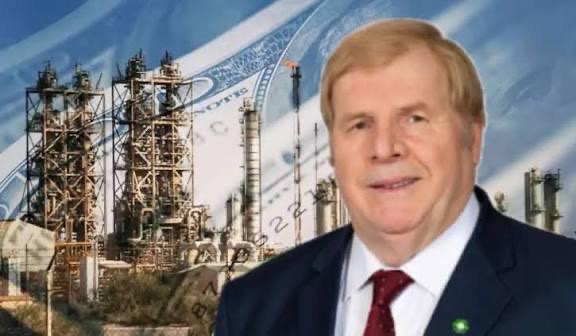
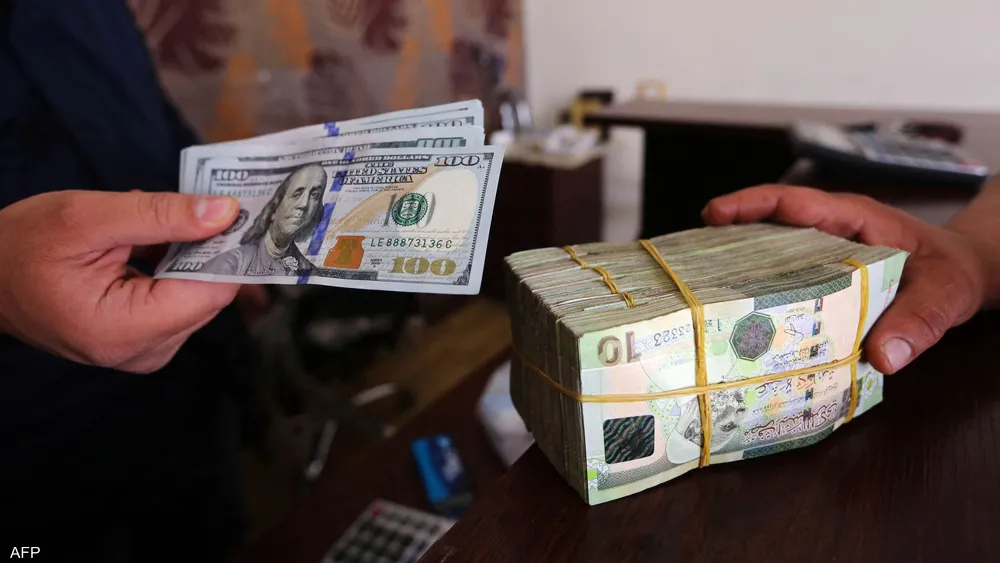
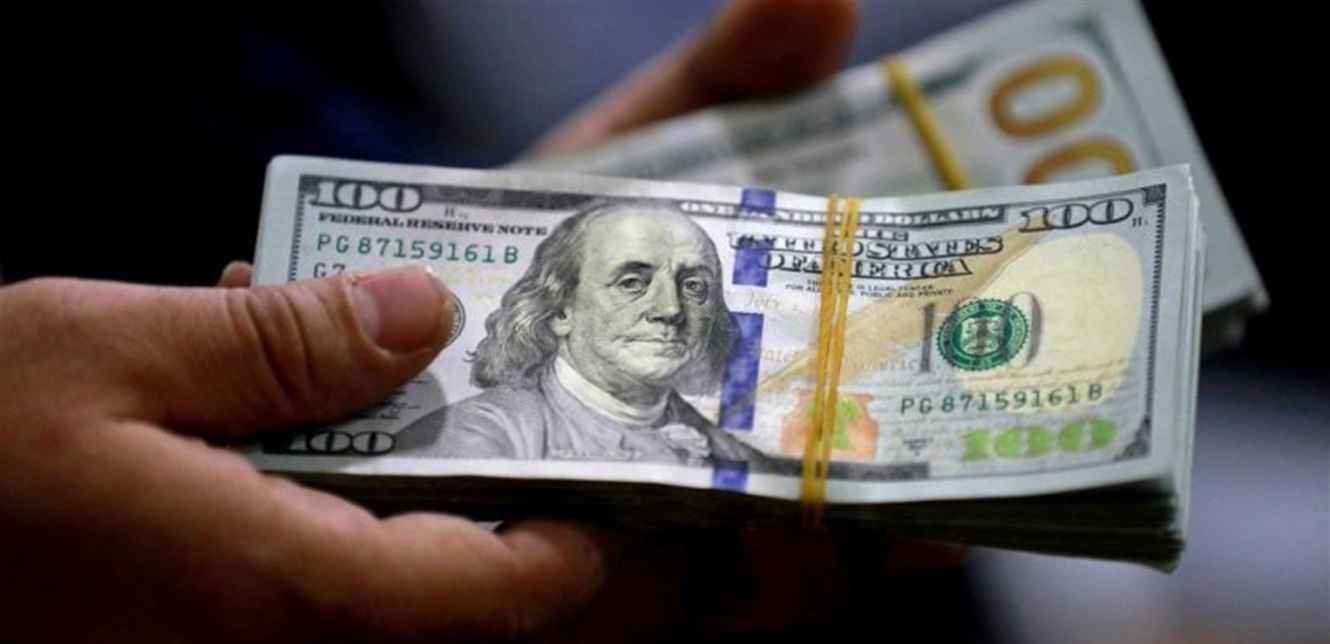
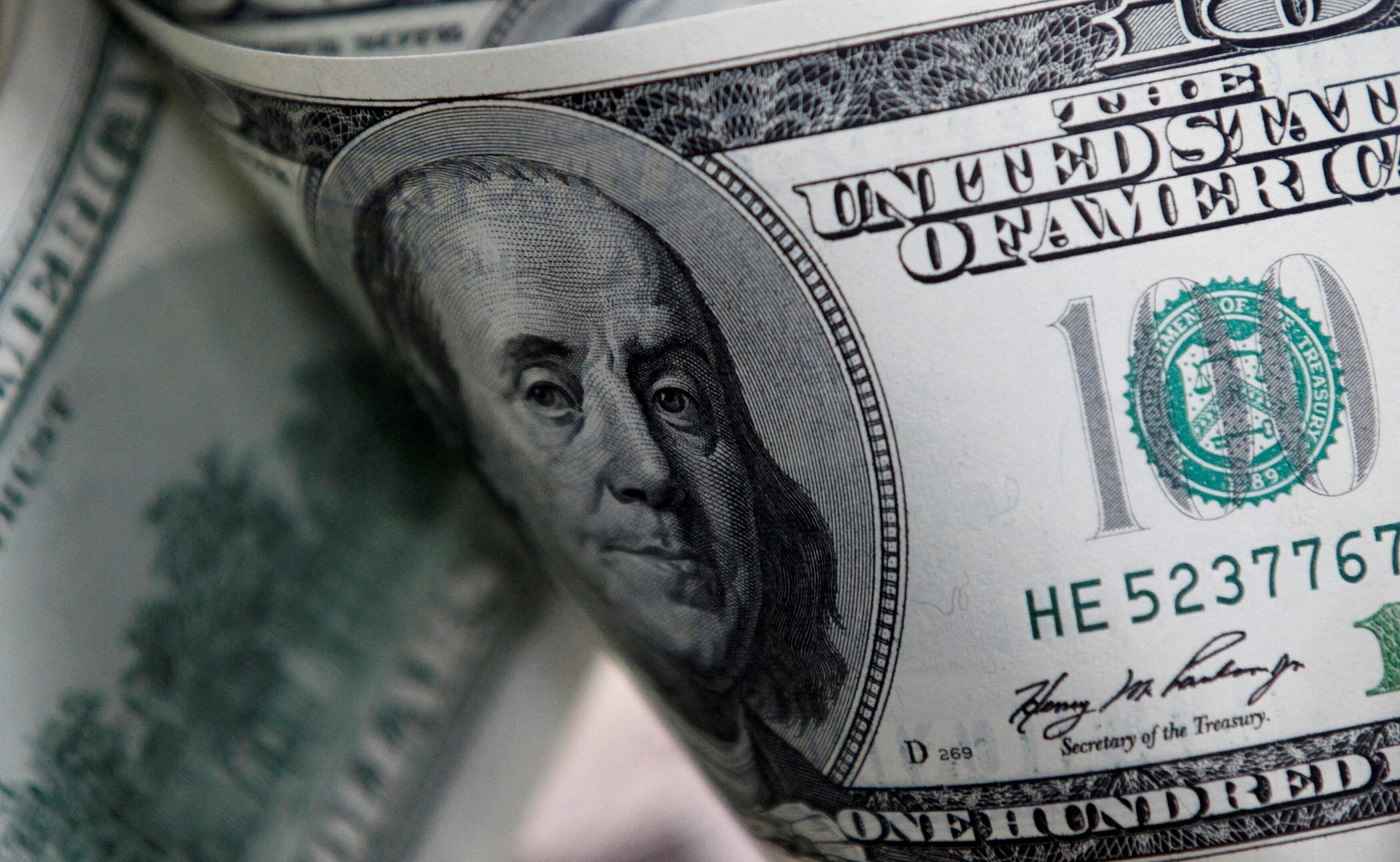
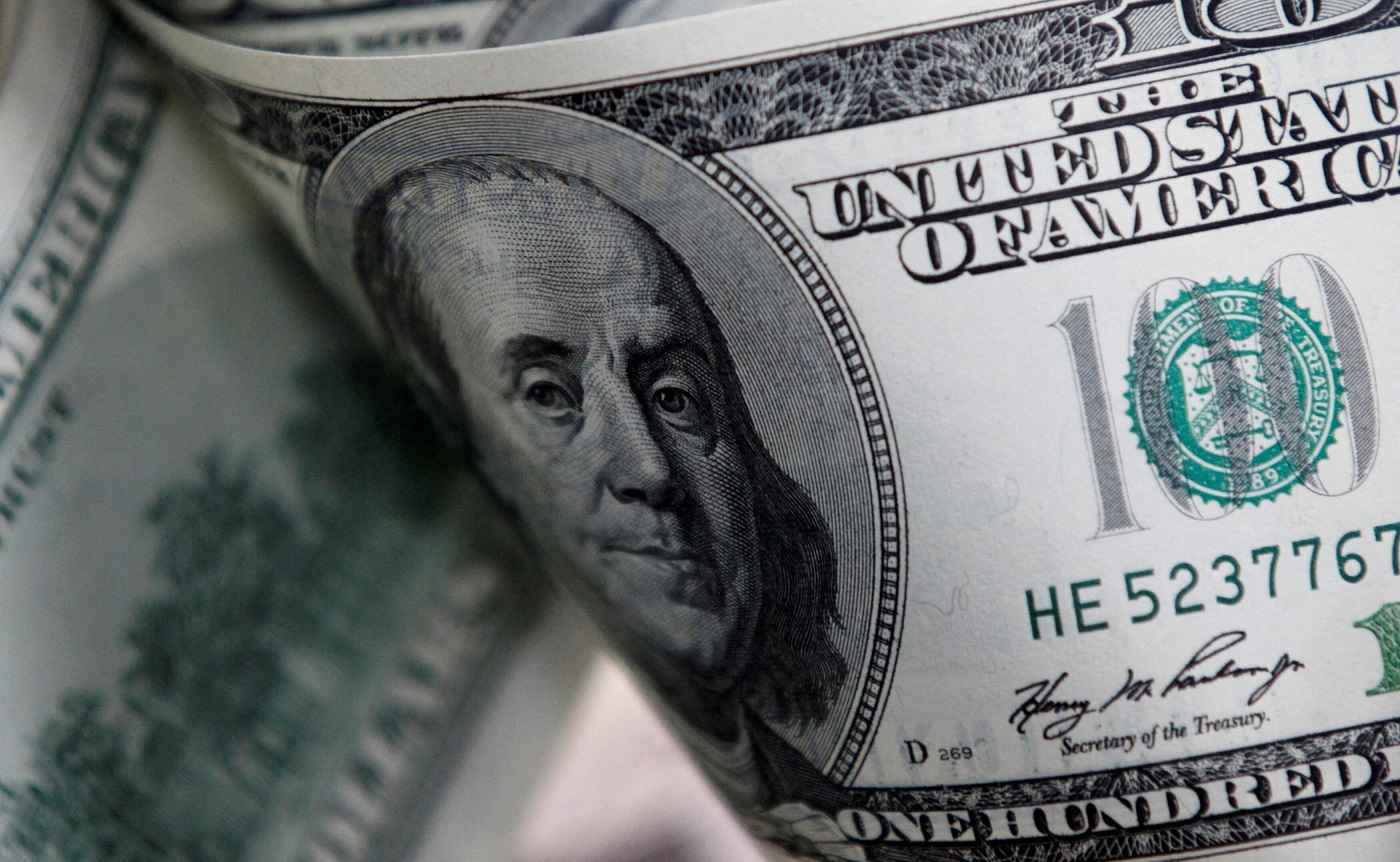
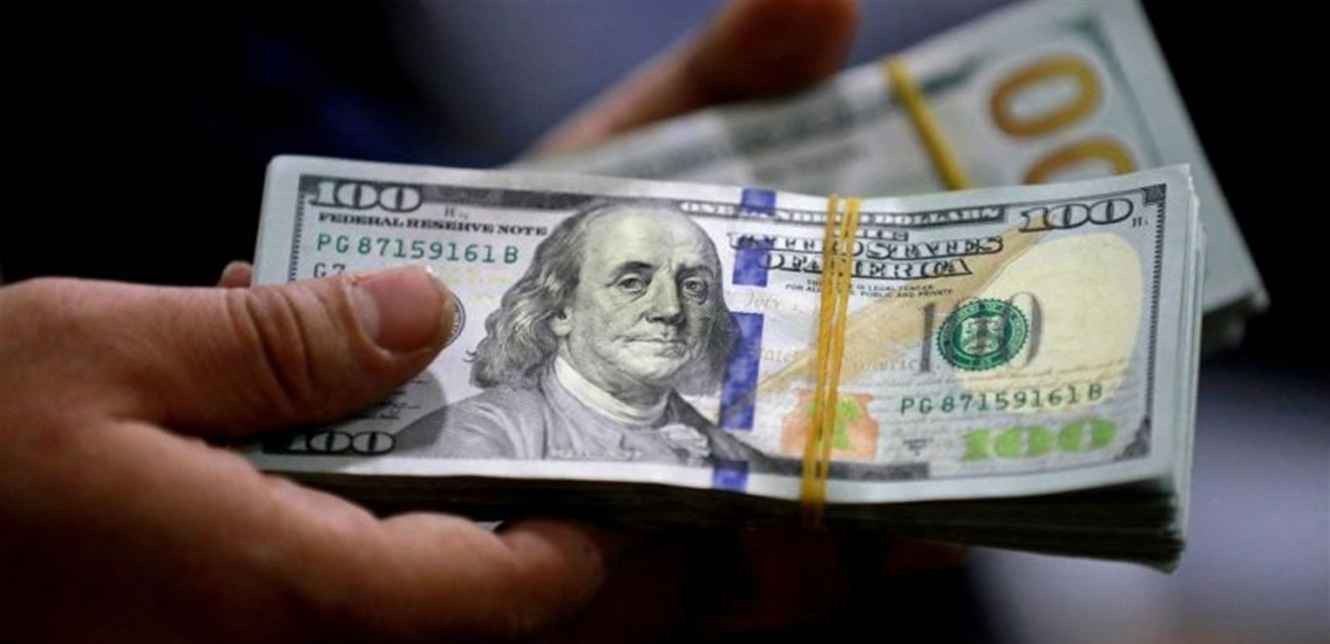
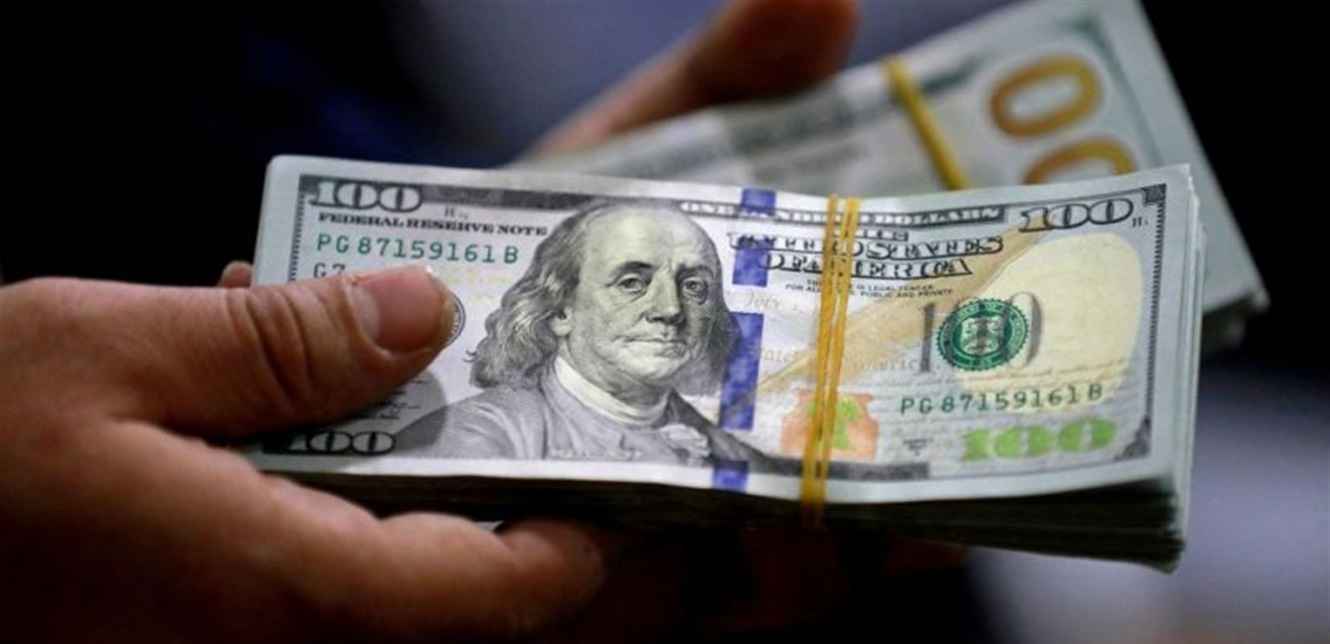
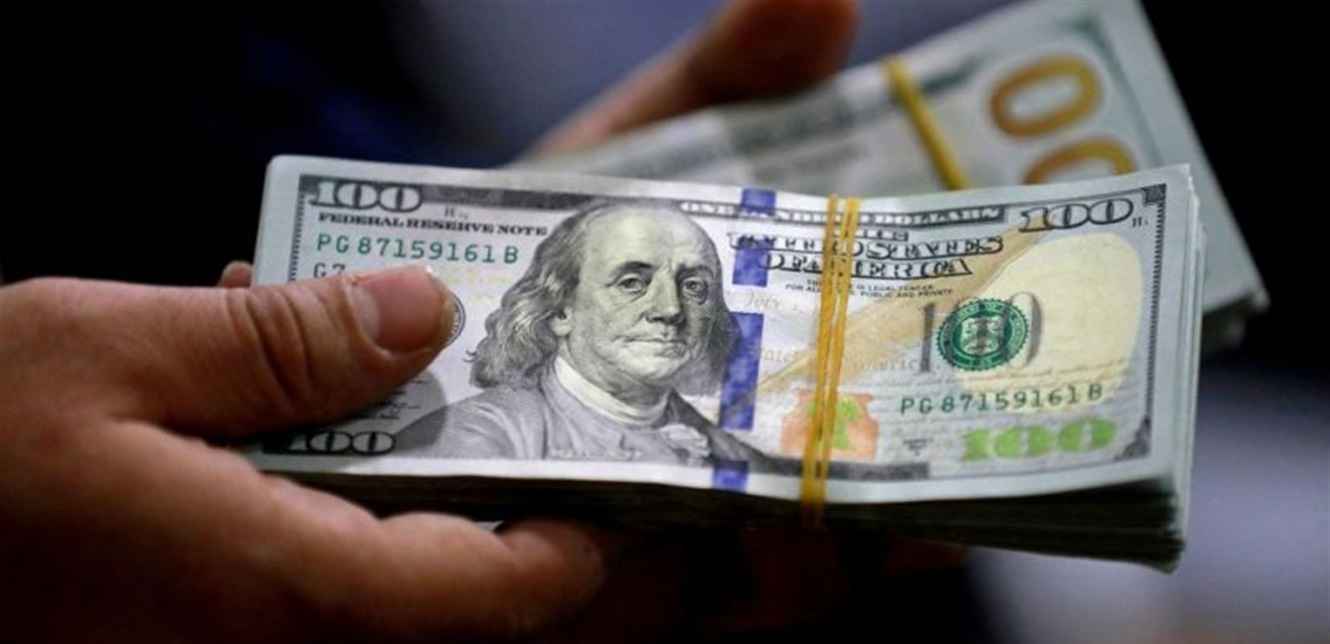
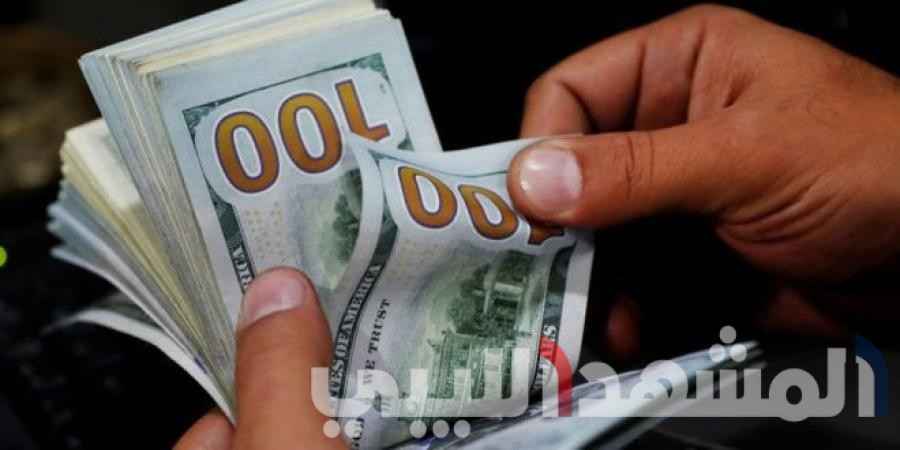
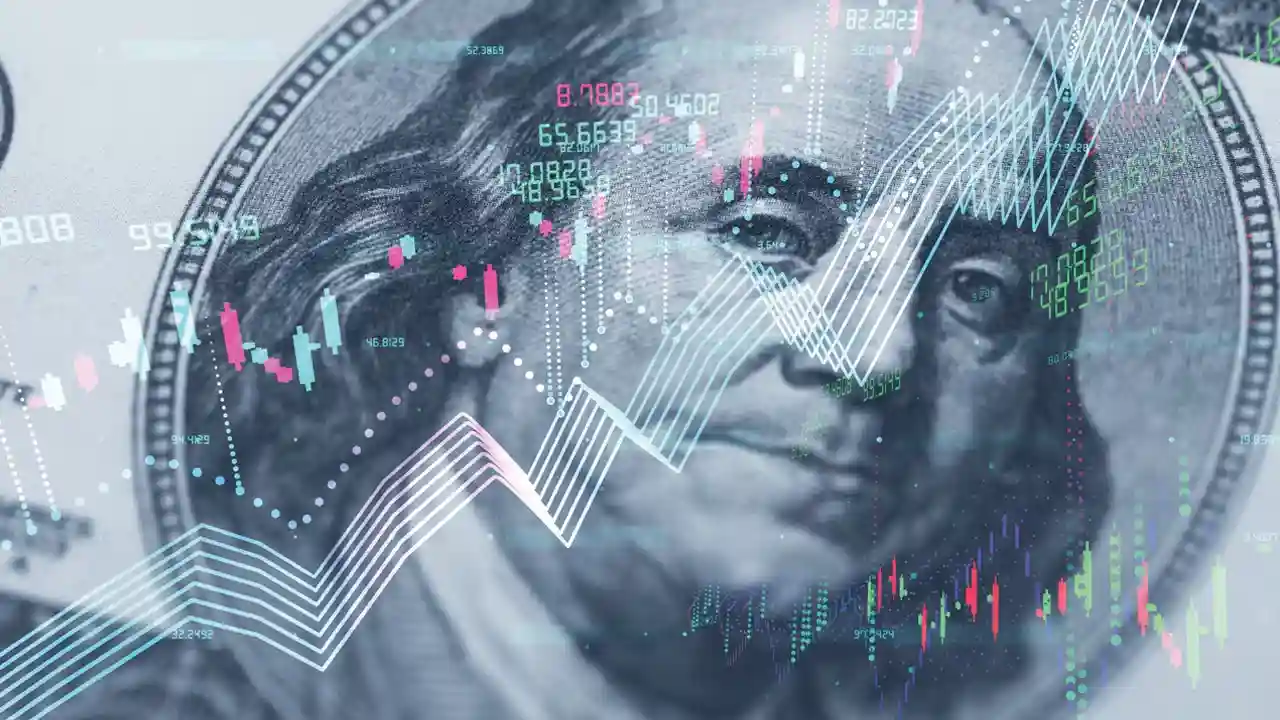
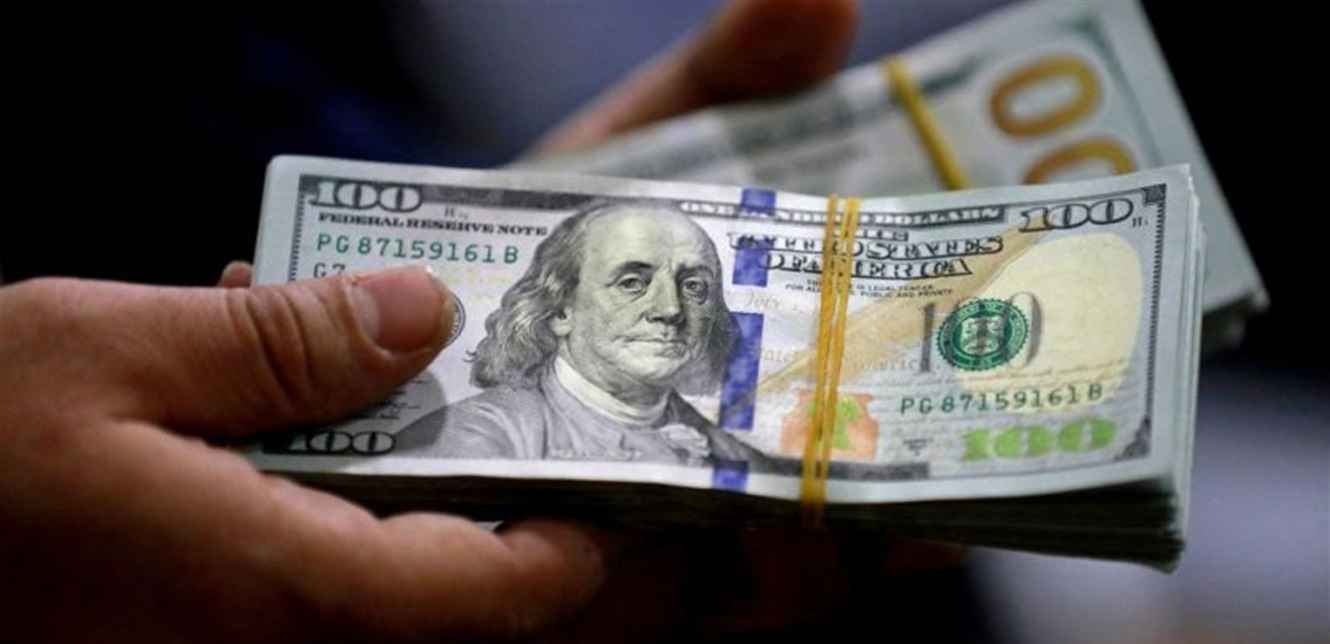
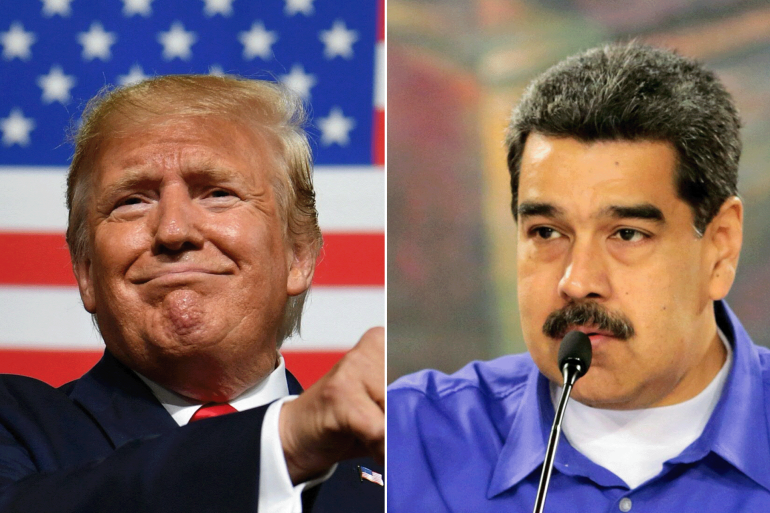
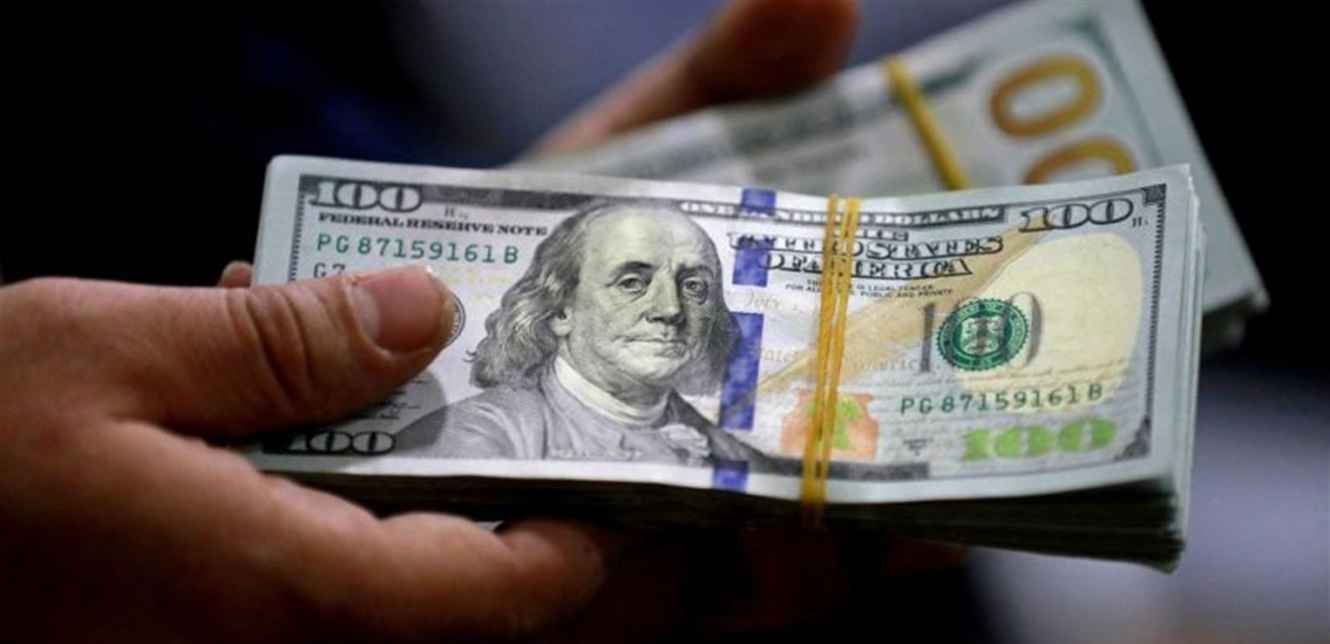
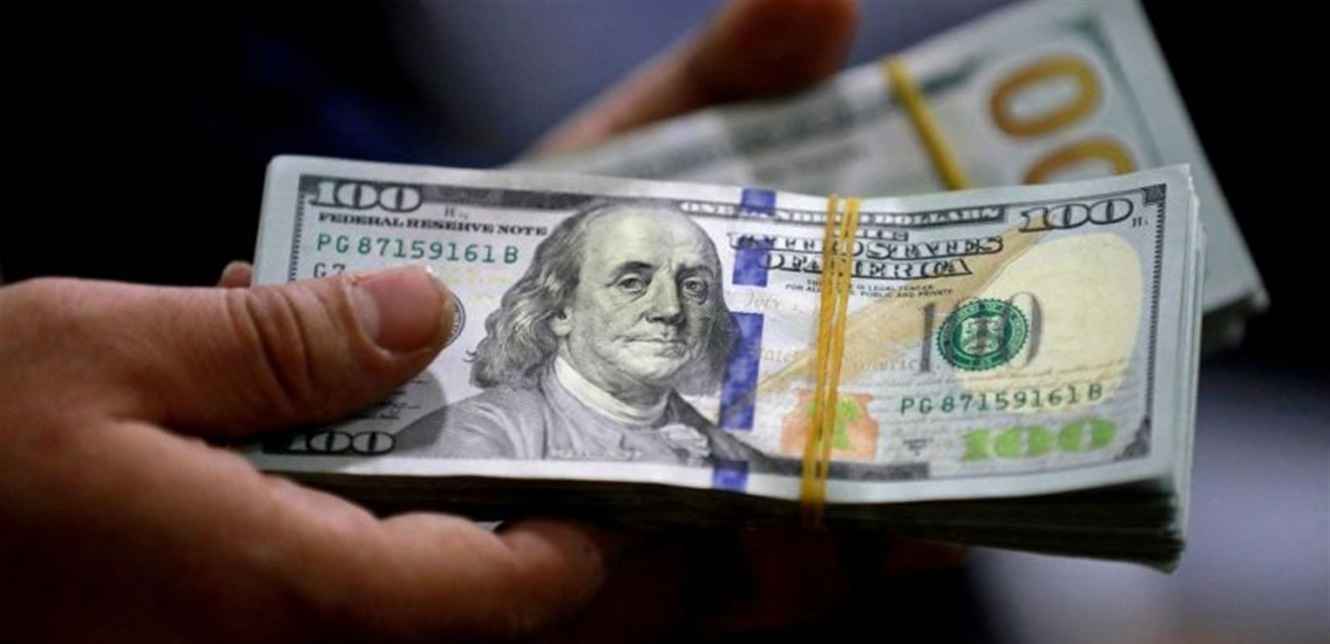
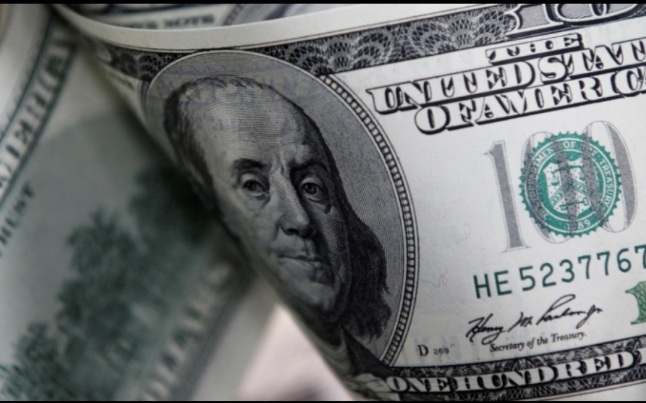
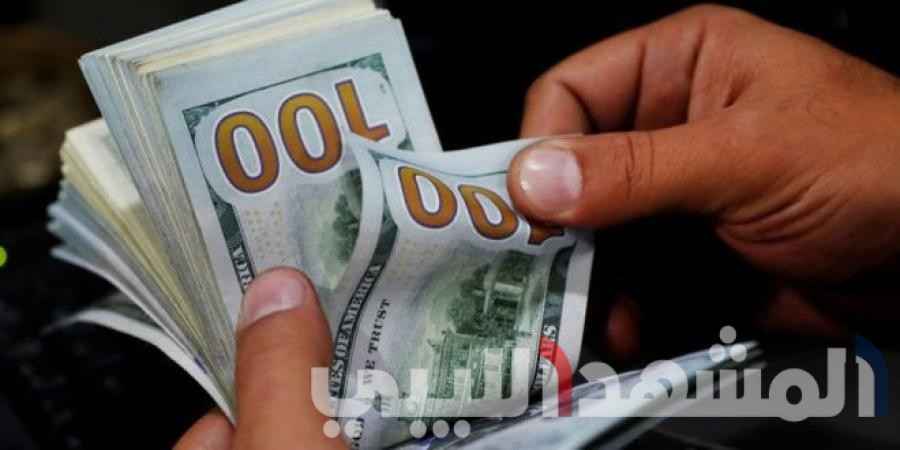
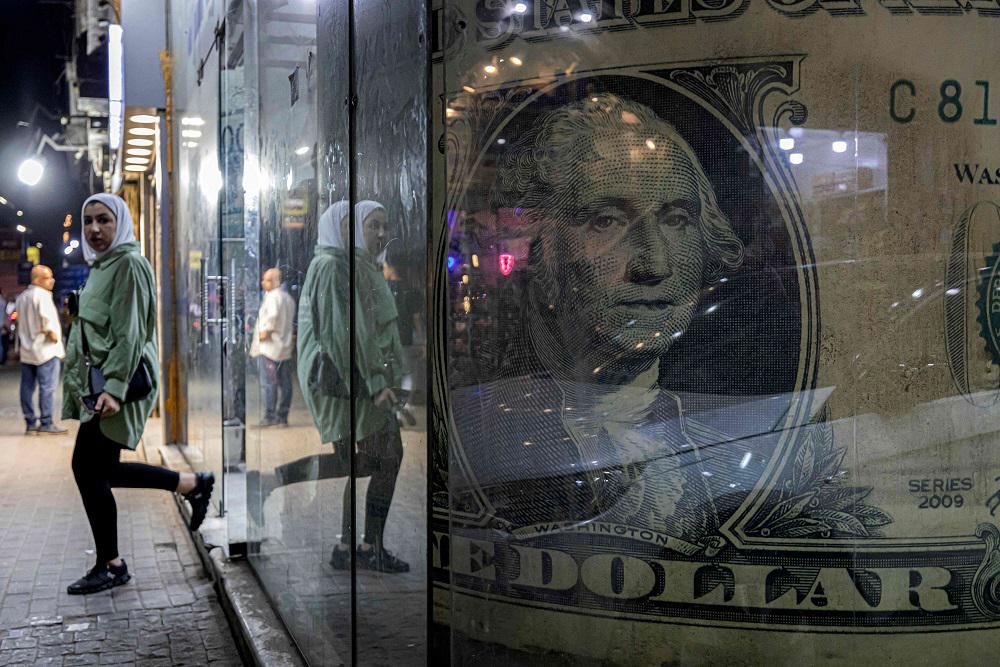
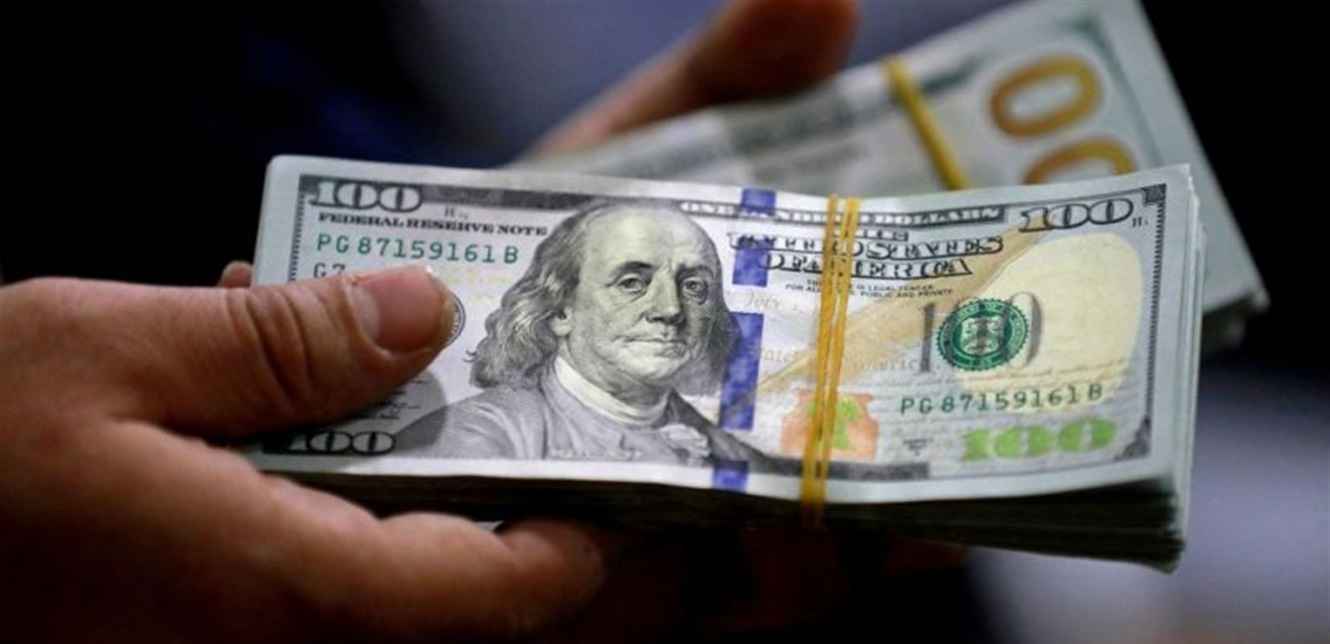
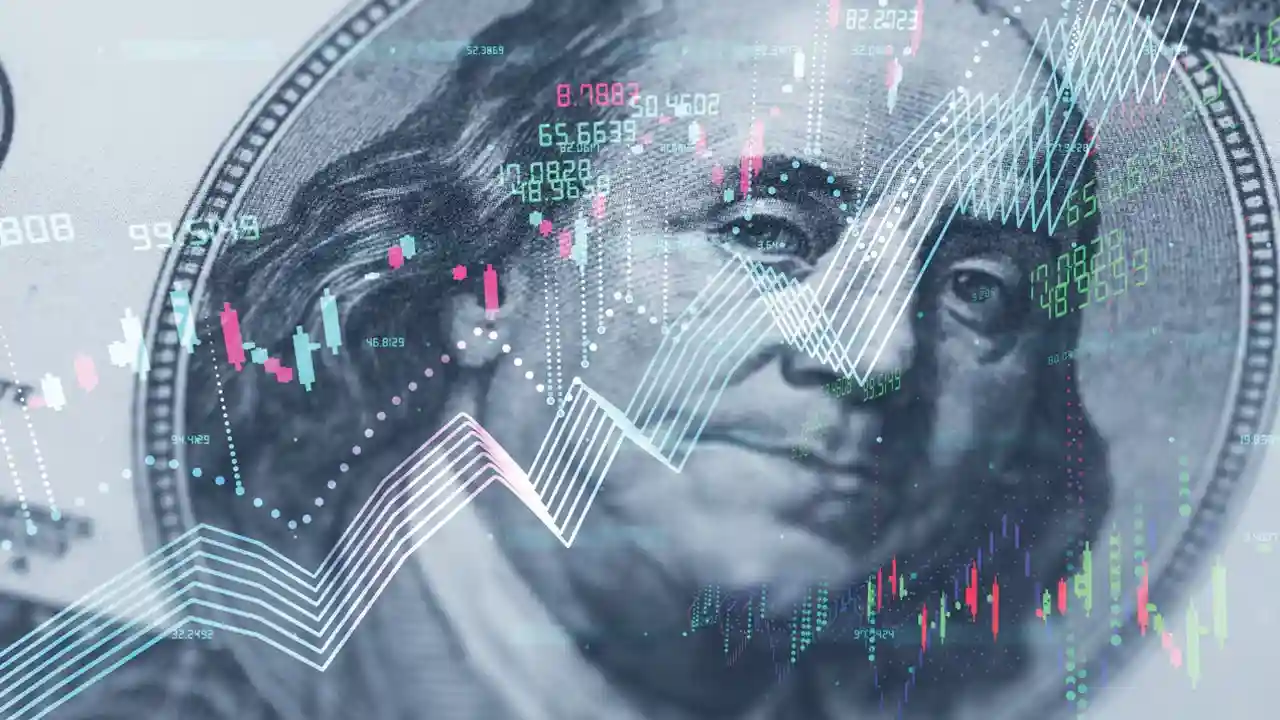
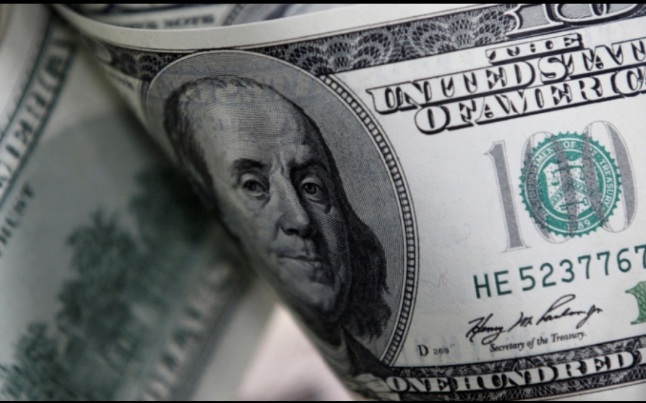
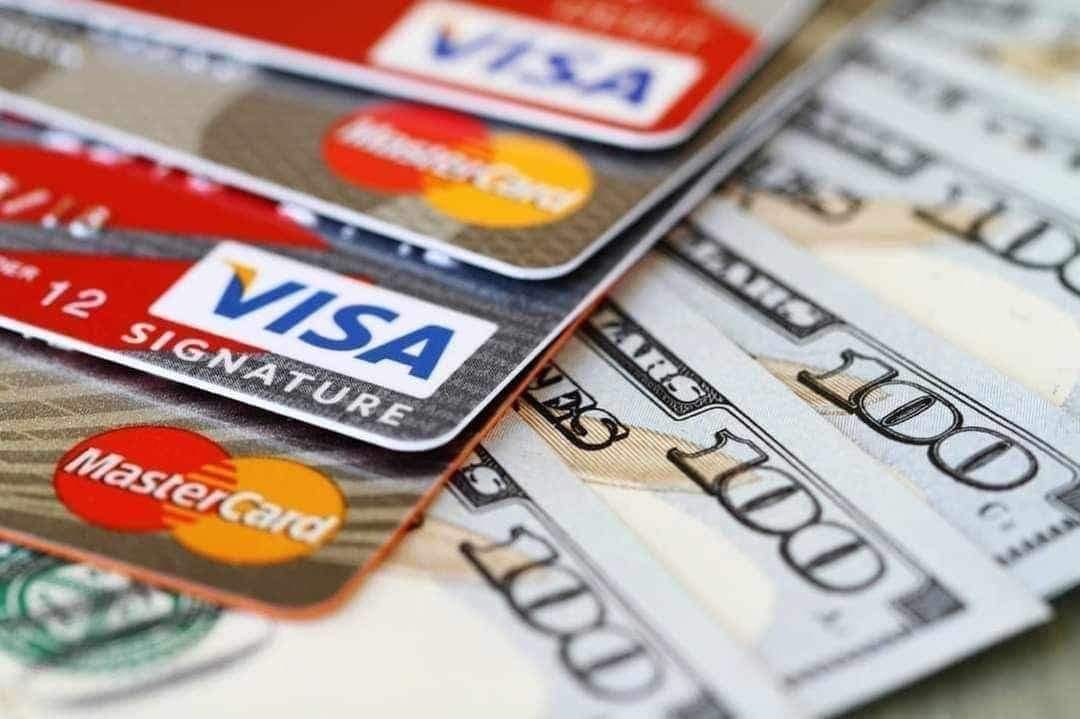
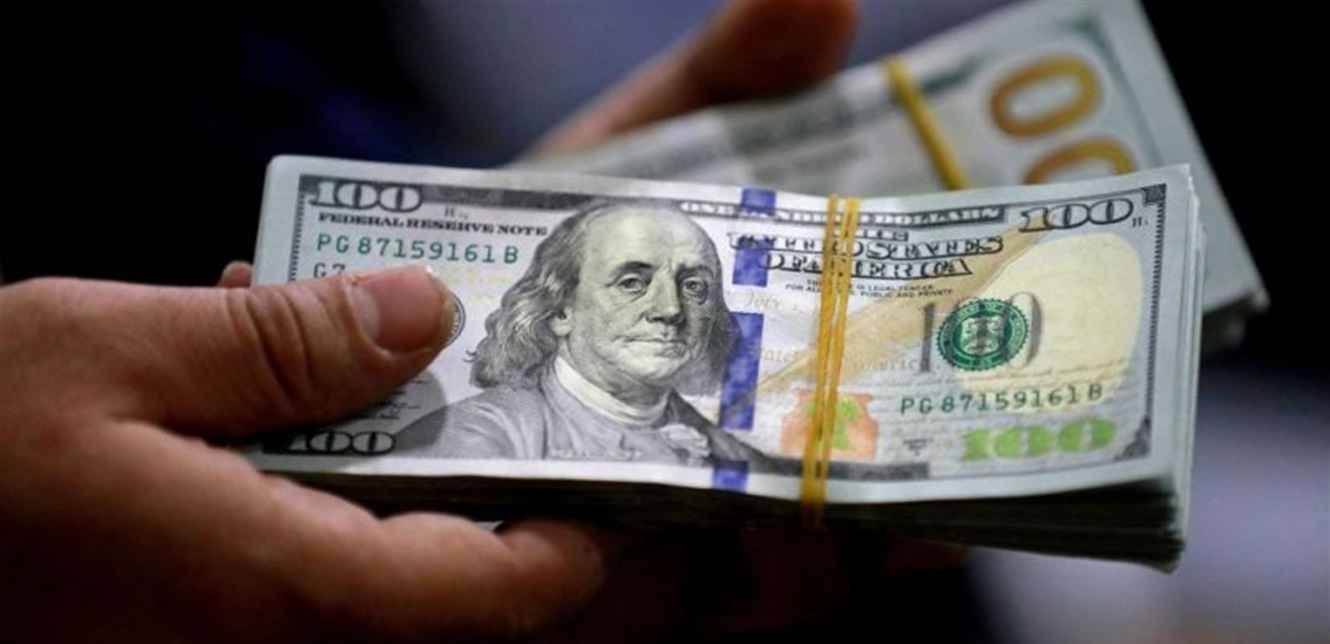
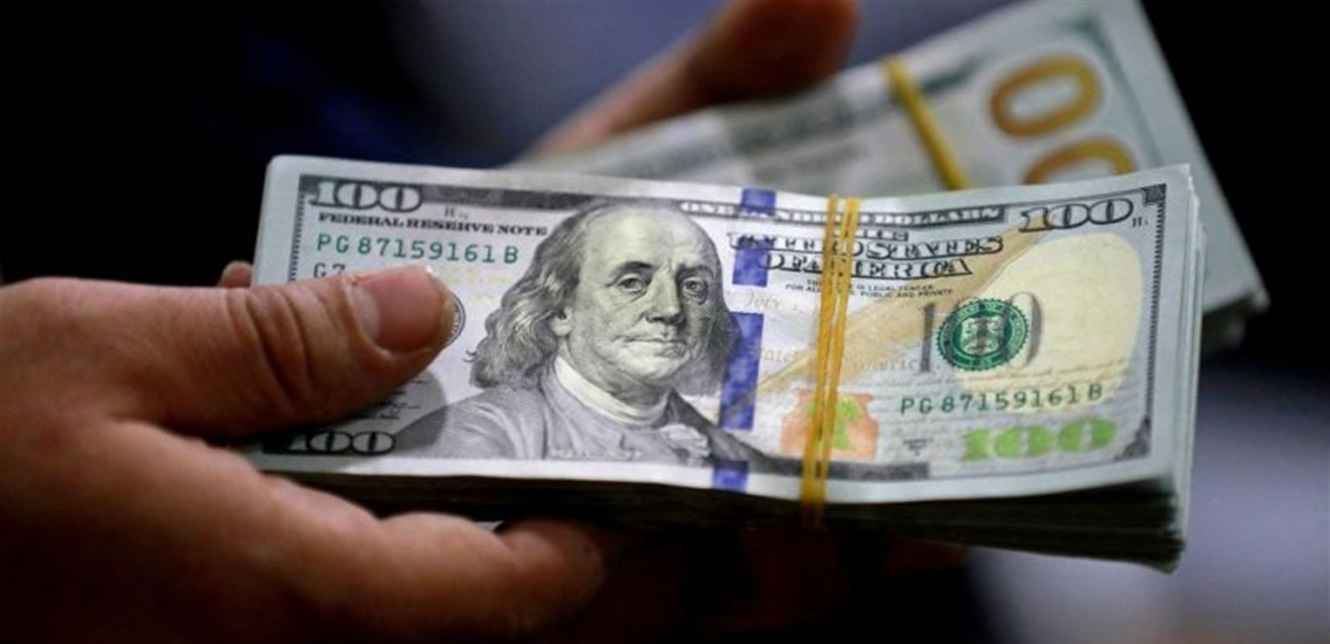
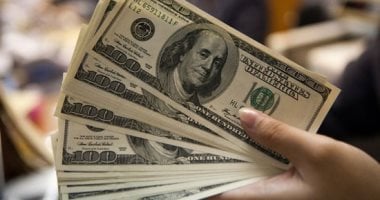
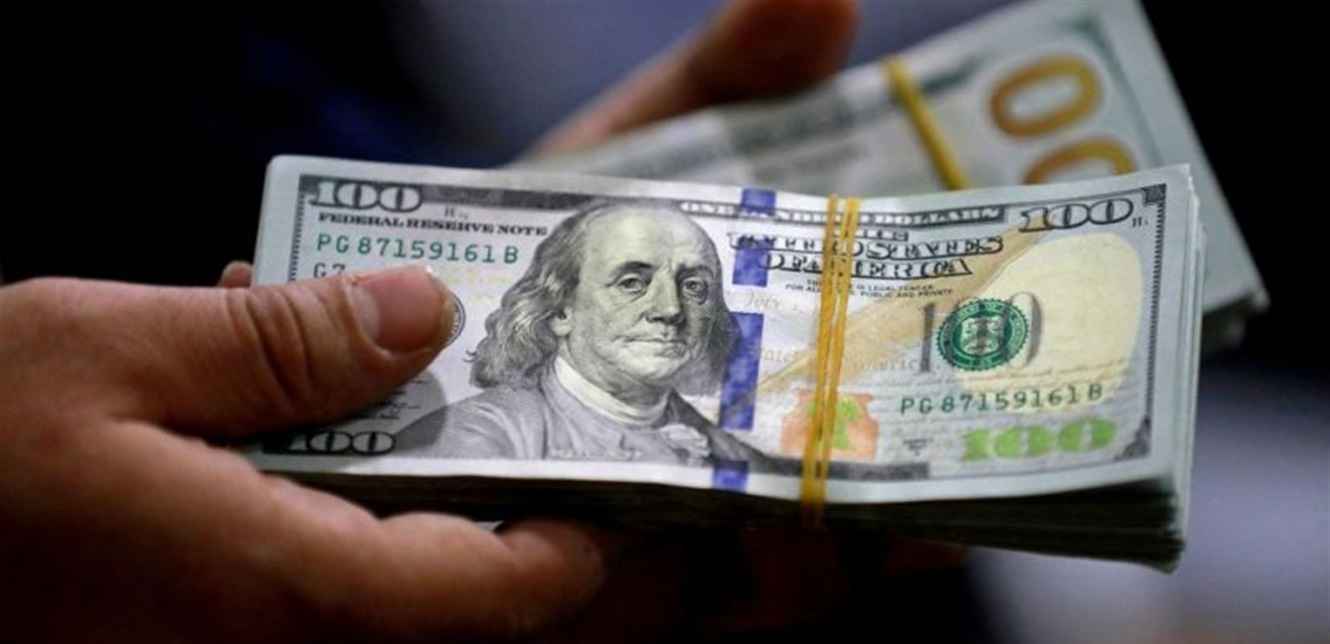
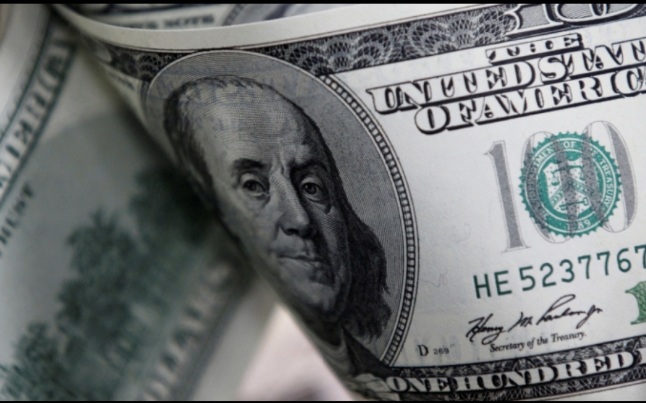
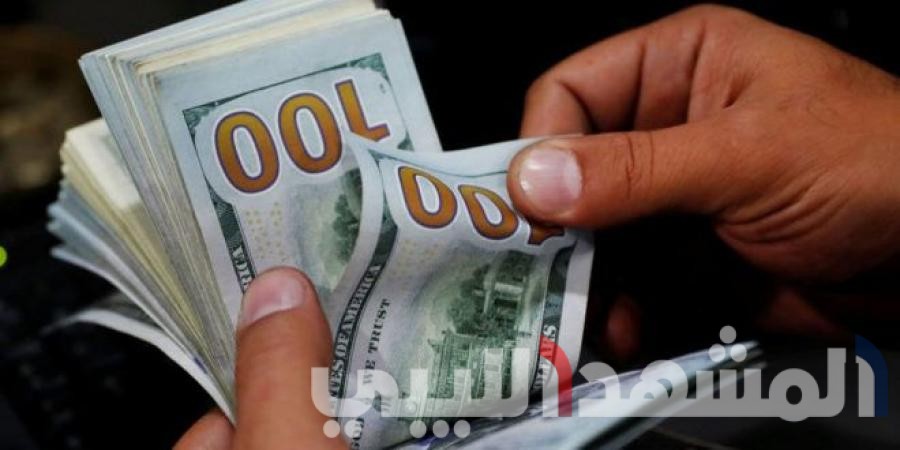
Statements by the US President regarding the decline in the US dollar exchange rate have sparked widespread reactions in global markets. His remarks have garnered significant attention from analysts, amid expectations that the dollar may see further decline in the coming period.
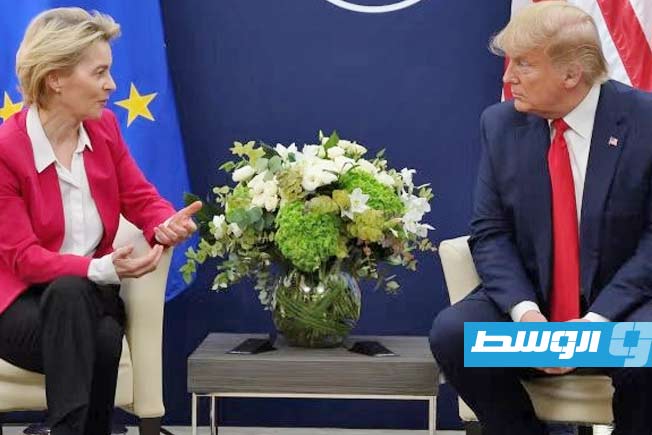
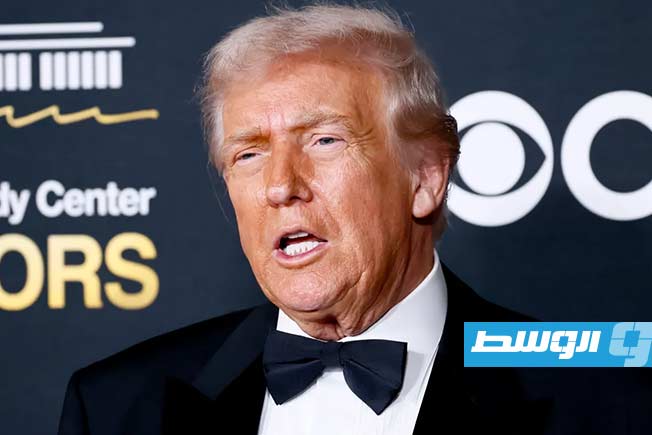
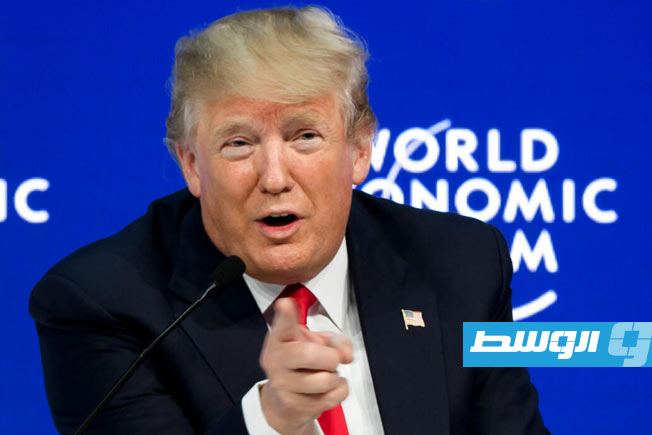
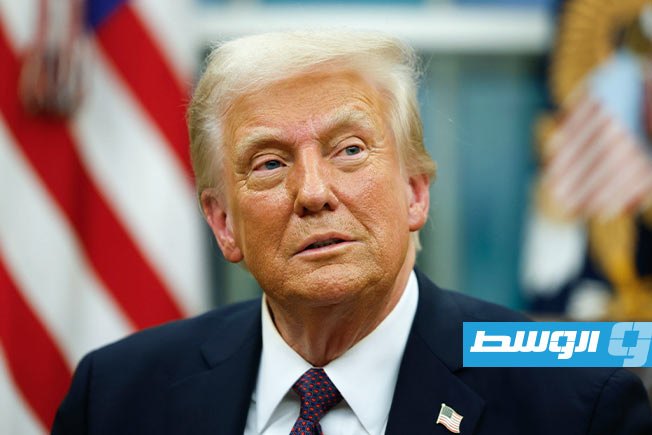
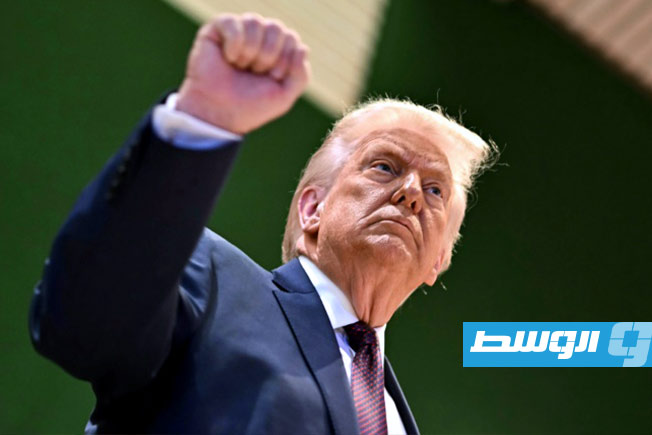
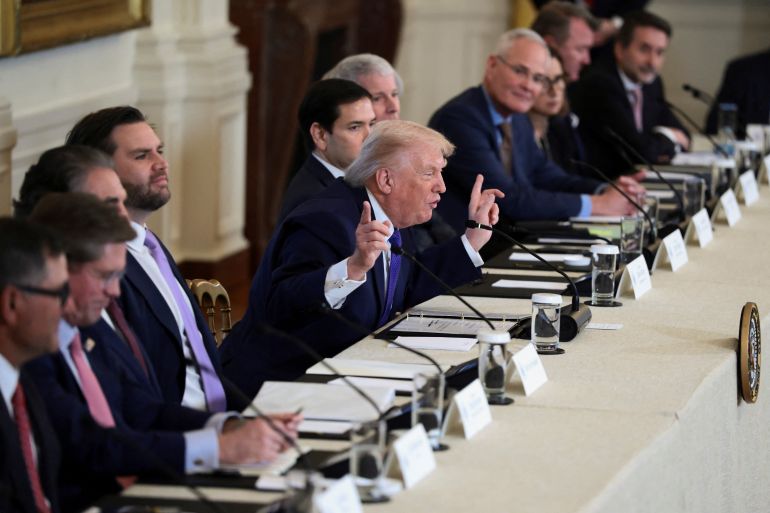
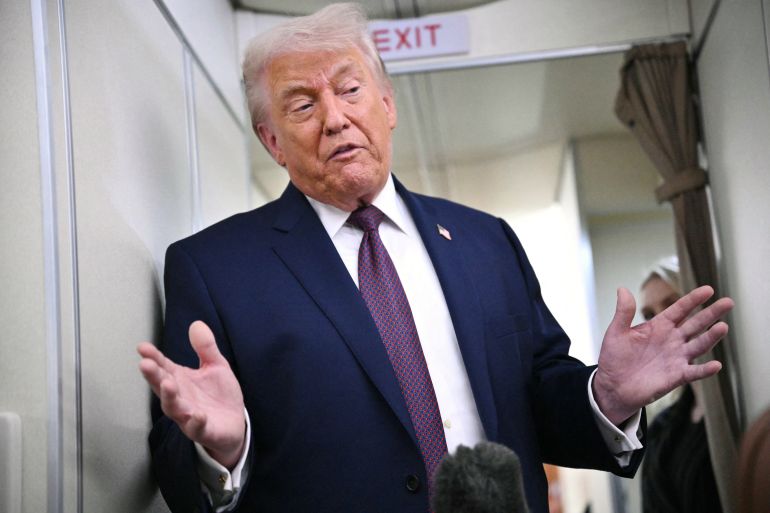
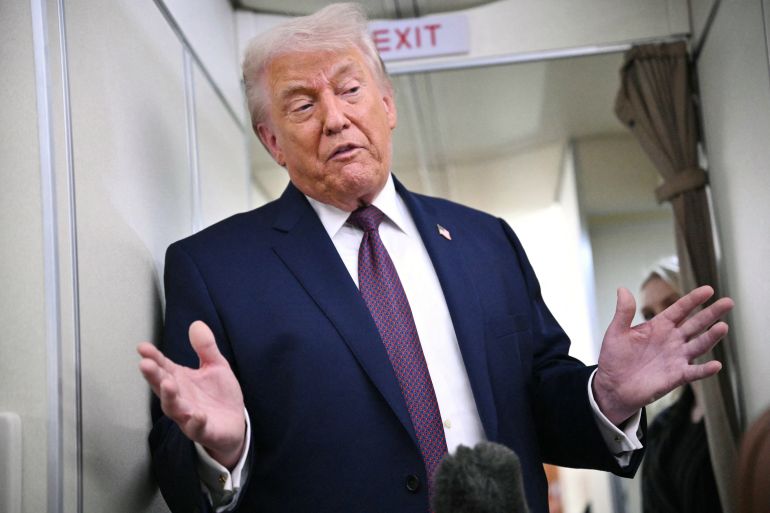
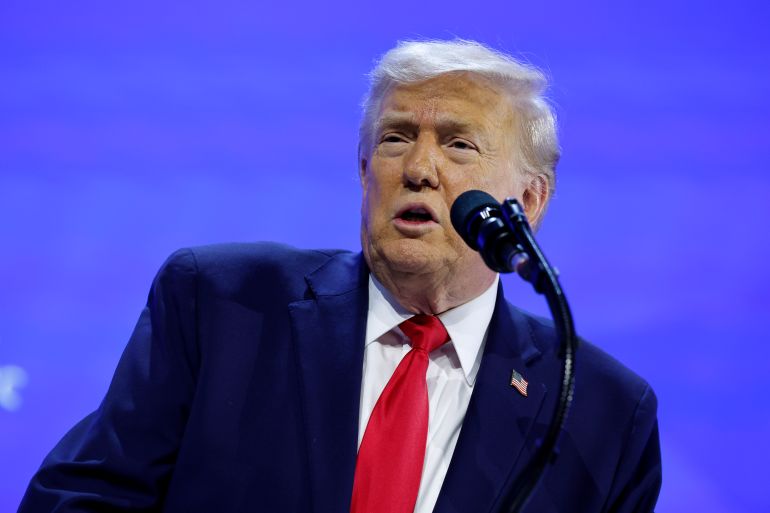
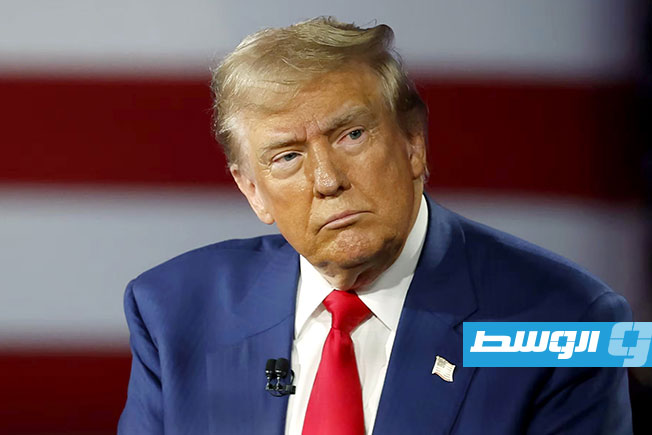
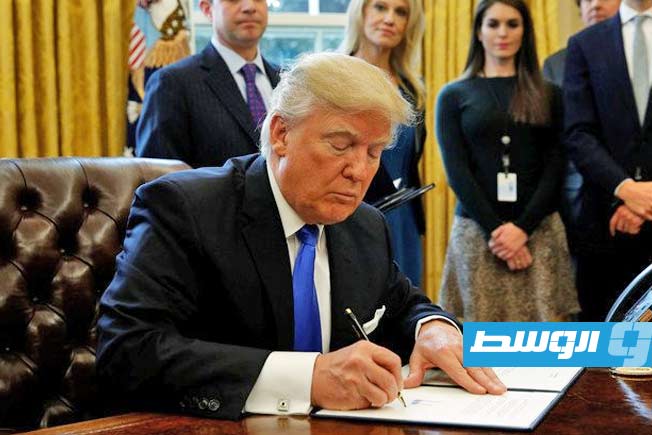
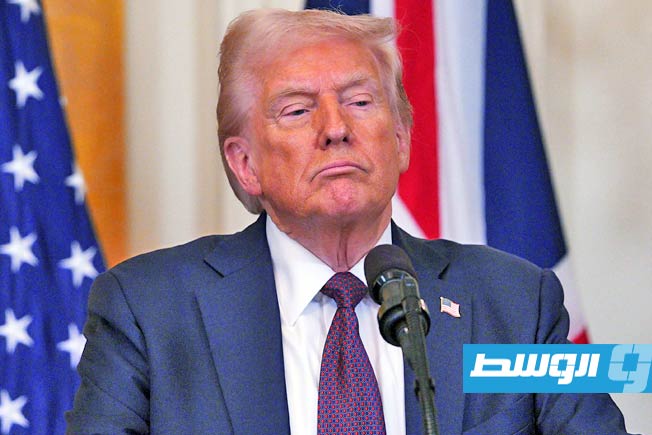
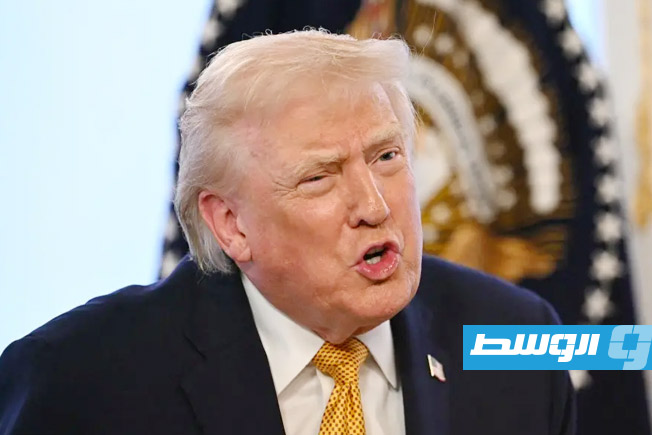
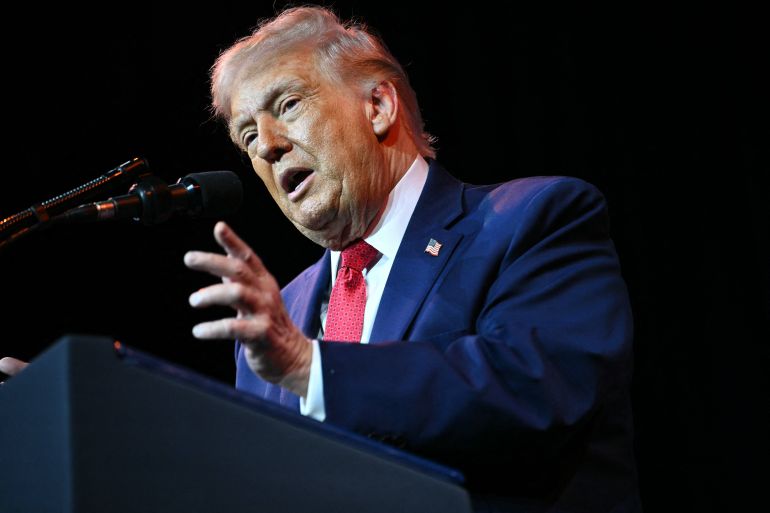
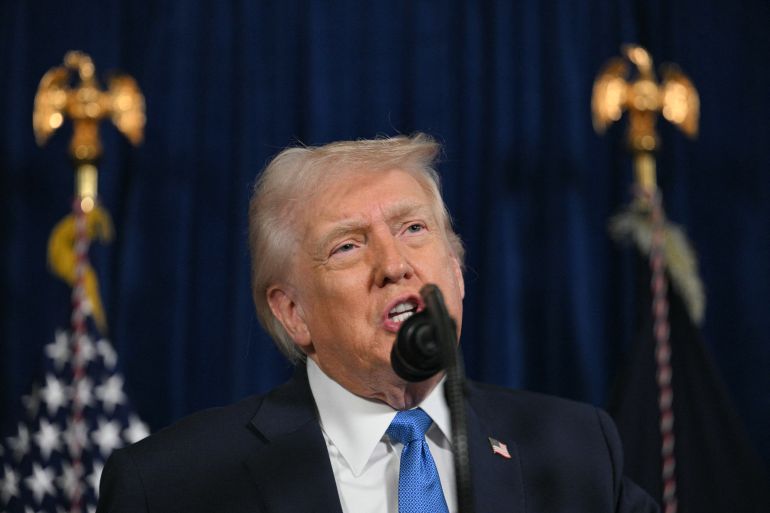
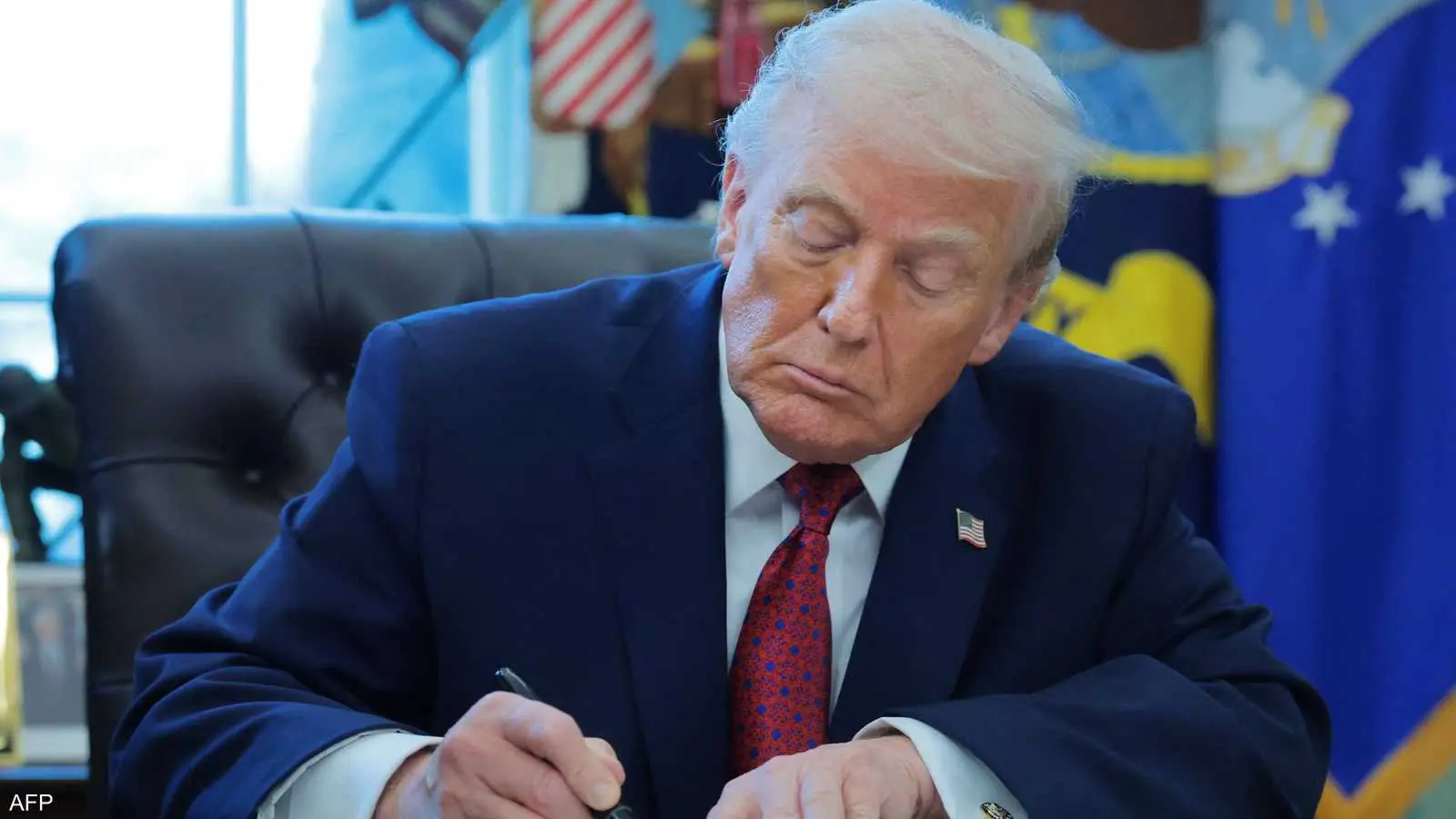
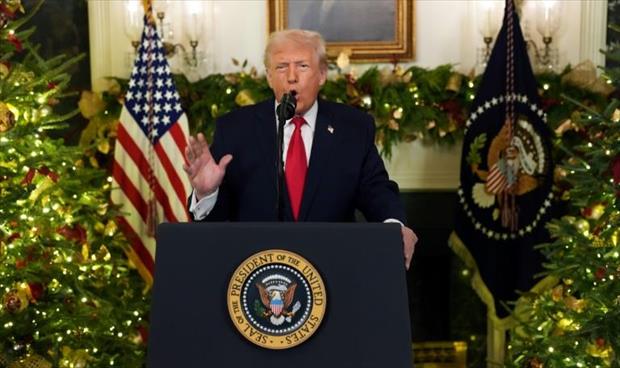
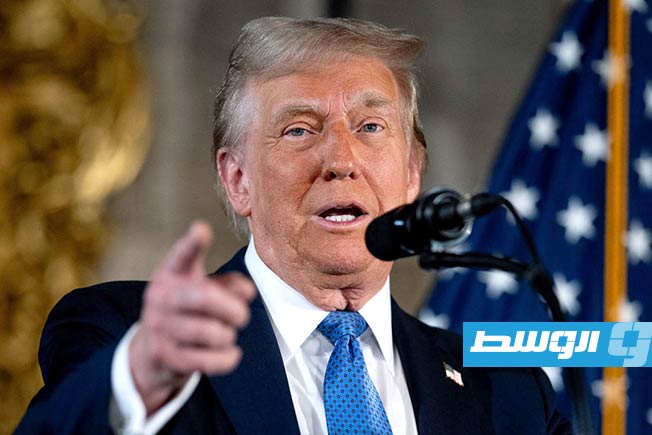
During his visit to the state of Iowa, Trump was asked if he was concerned about the dollar’s exchange rate decline. He responded, “No… I think it’s great,” adding, “Look at the value of the dollar and the scale of our business… The dollar is in a great position.”
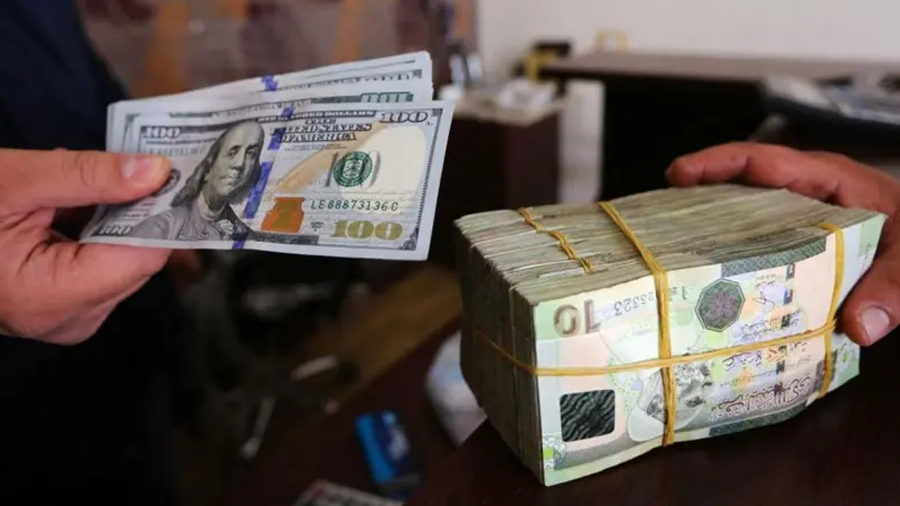
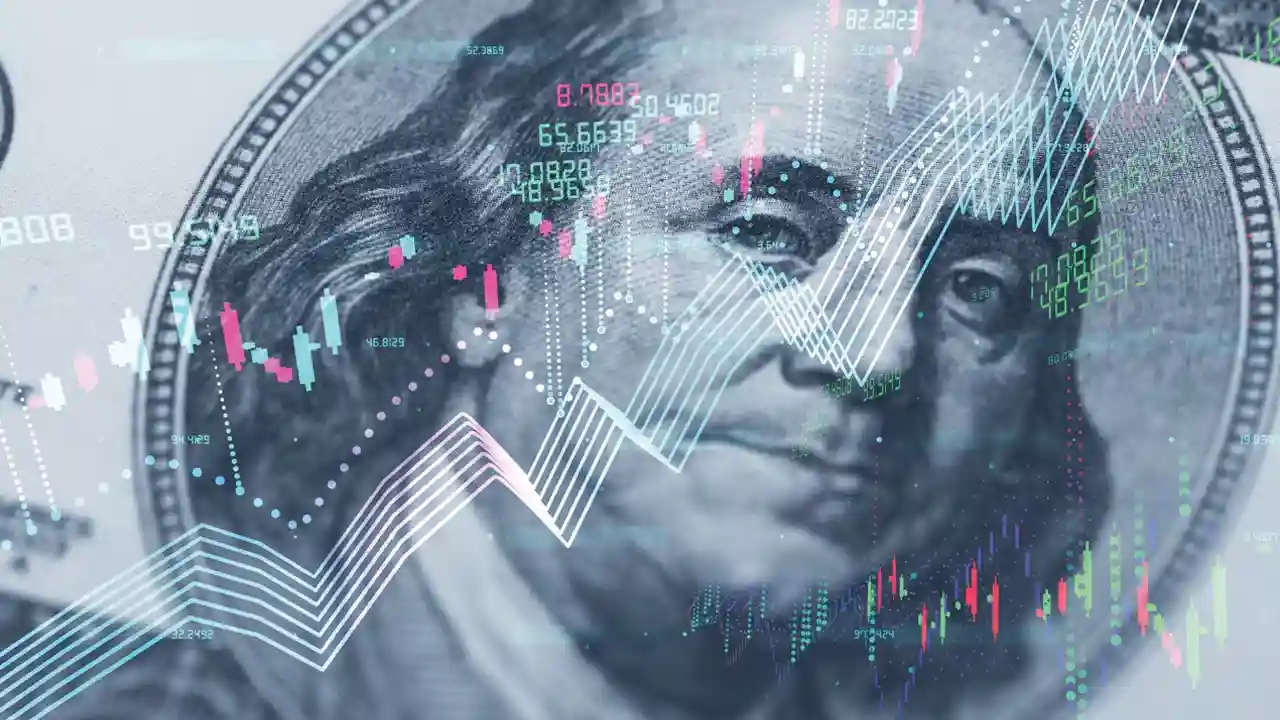
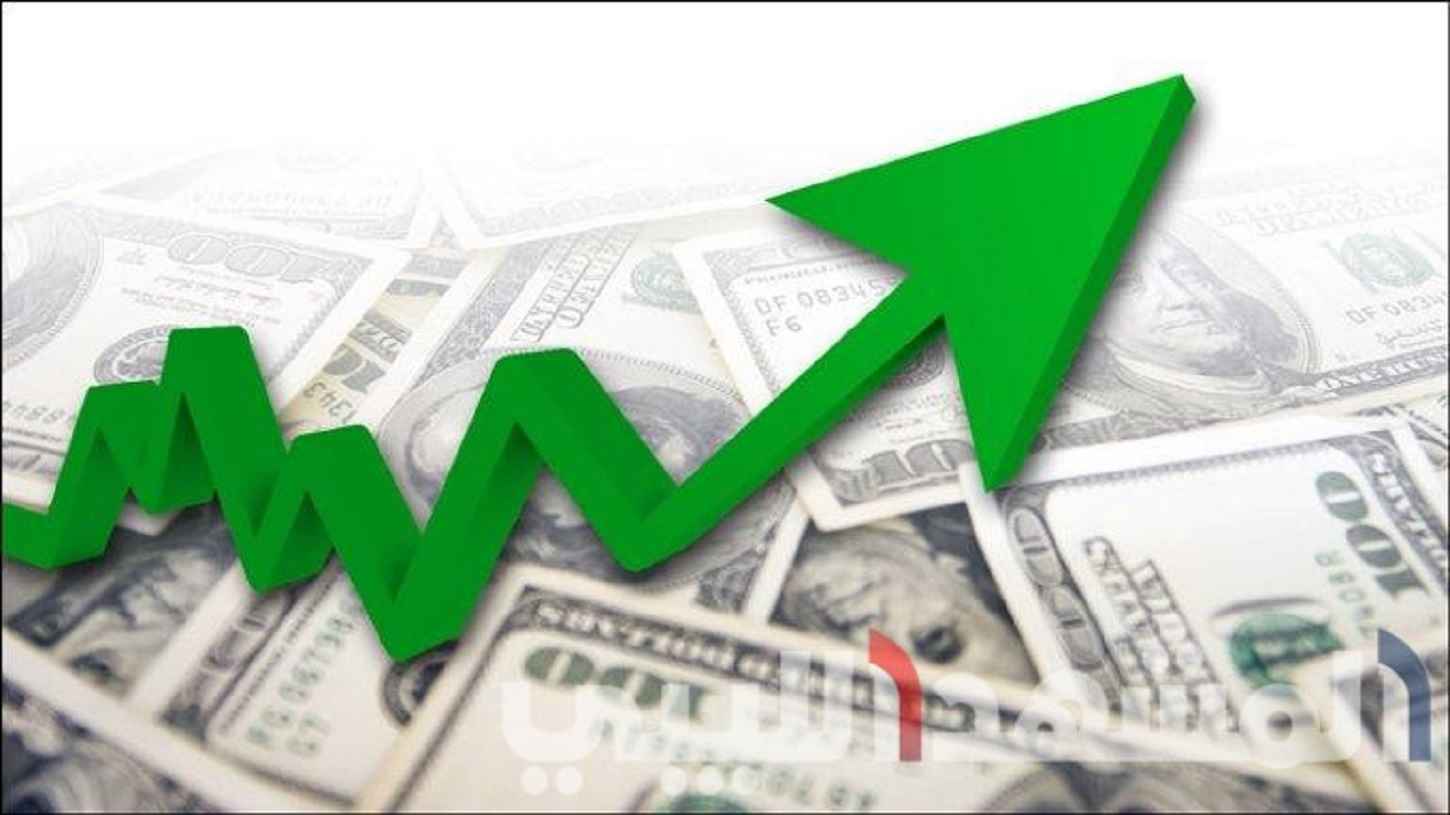
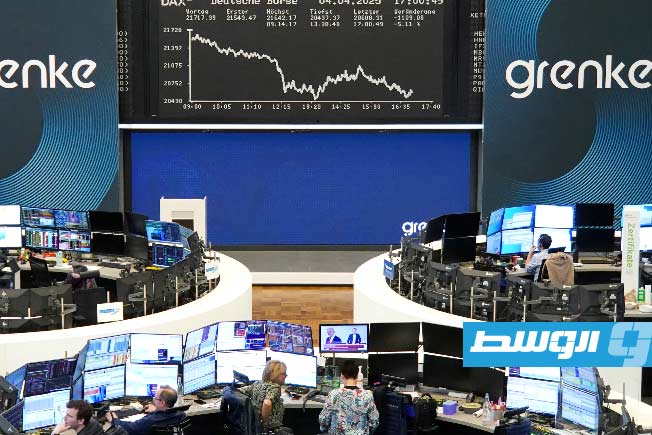
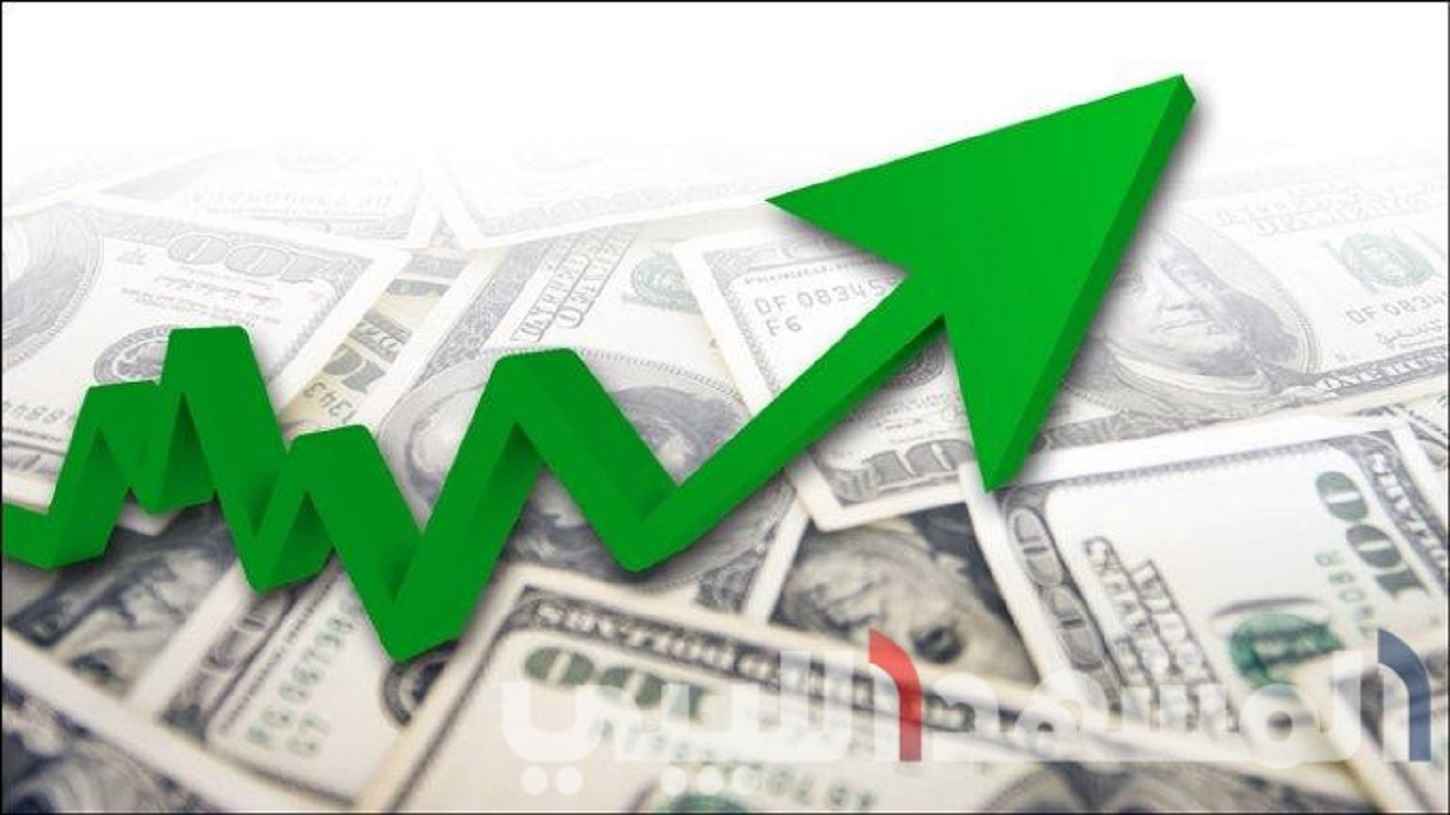
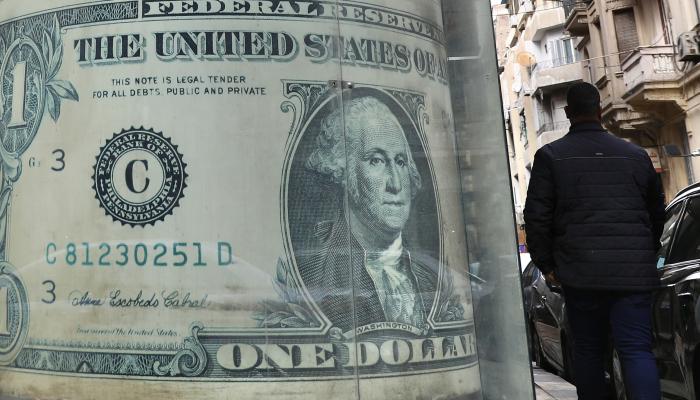
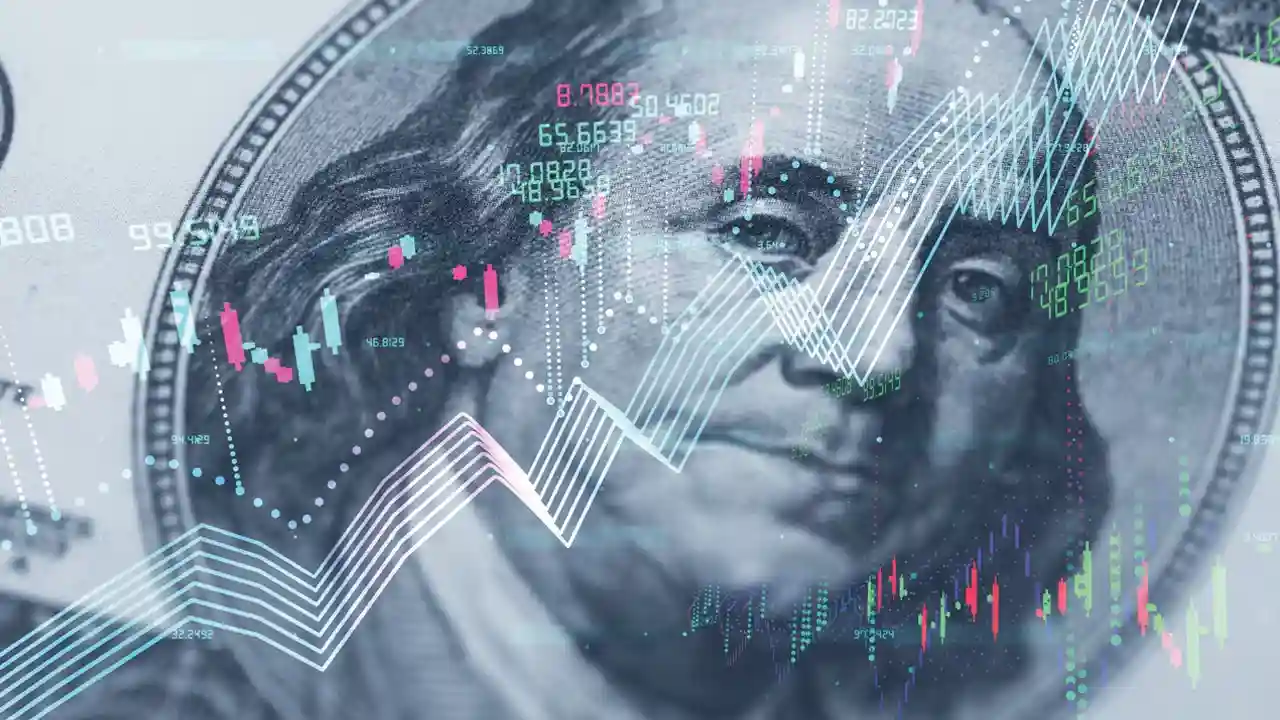
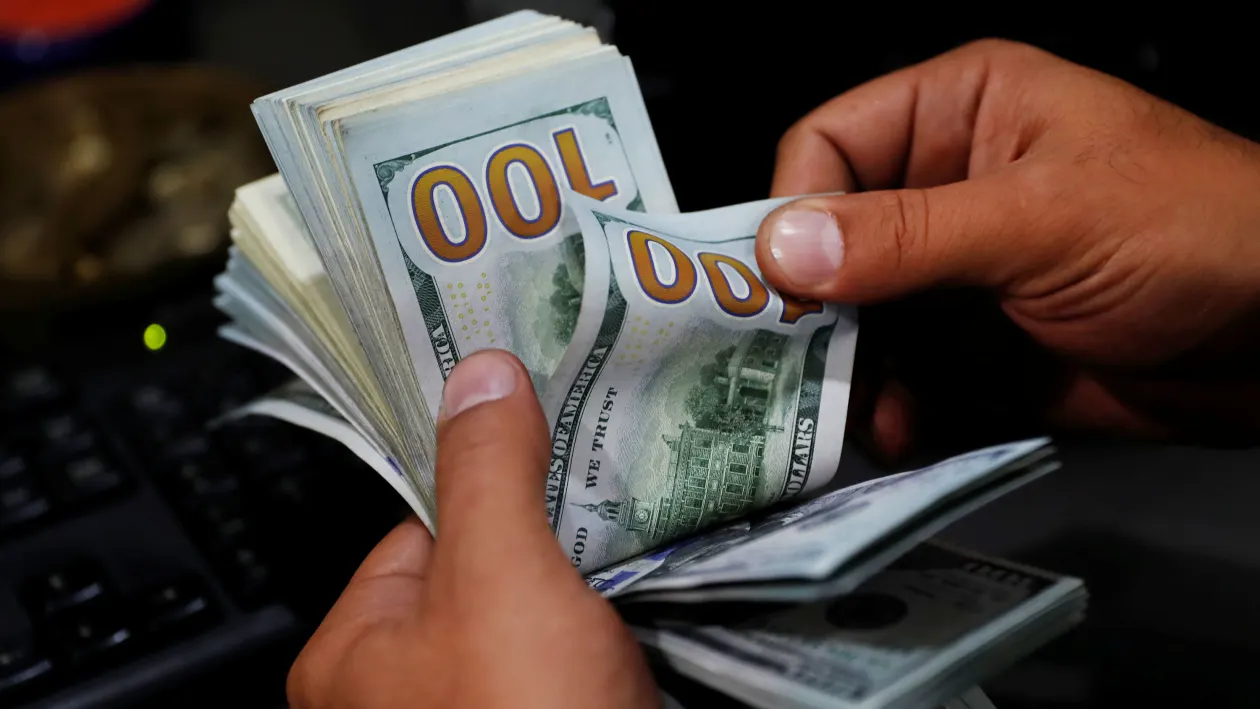
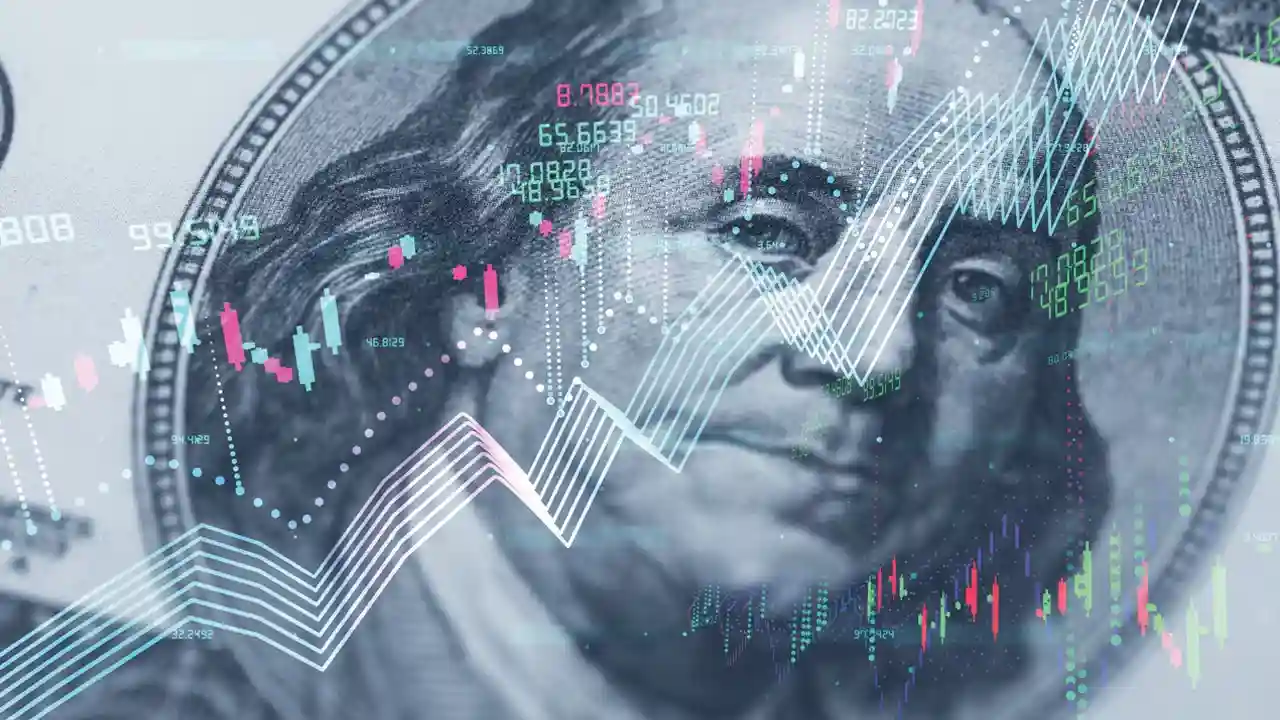
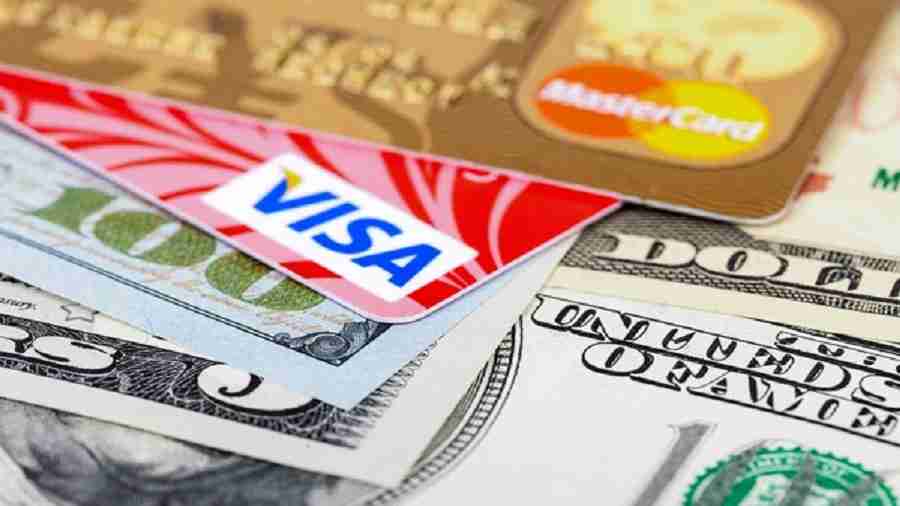
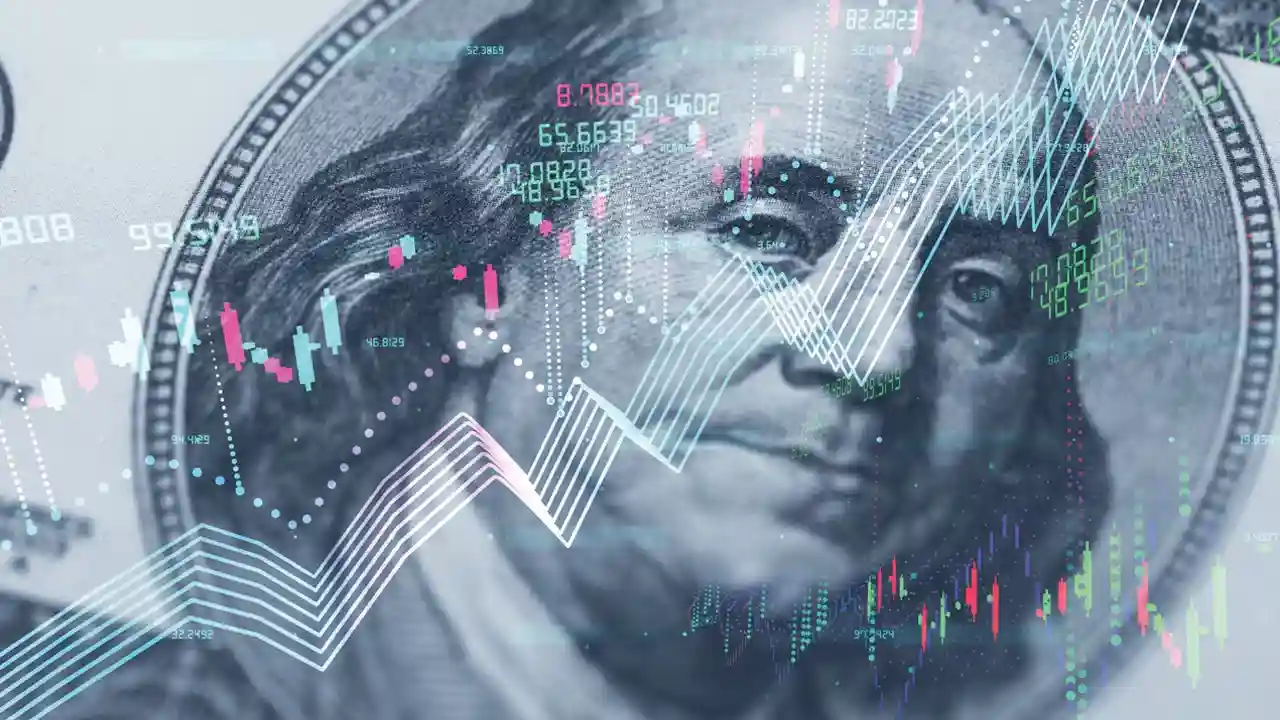
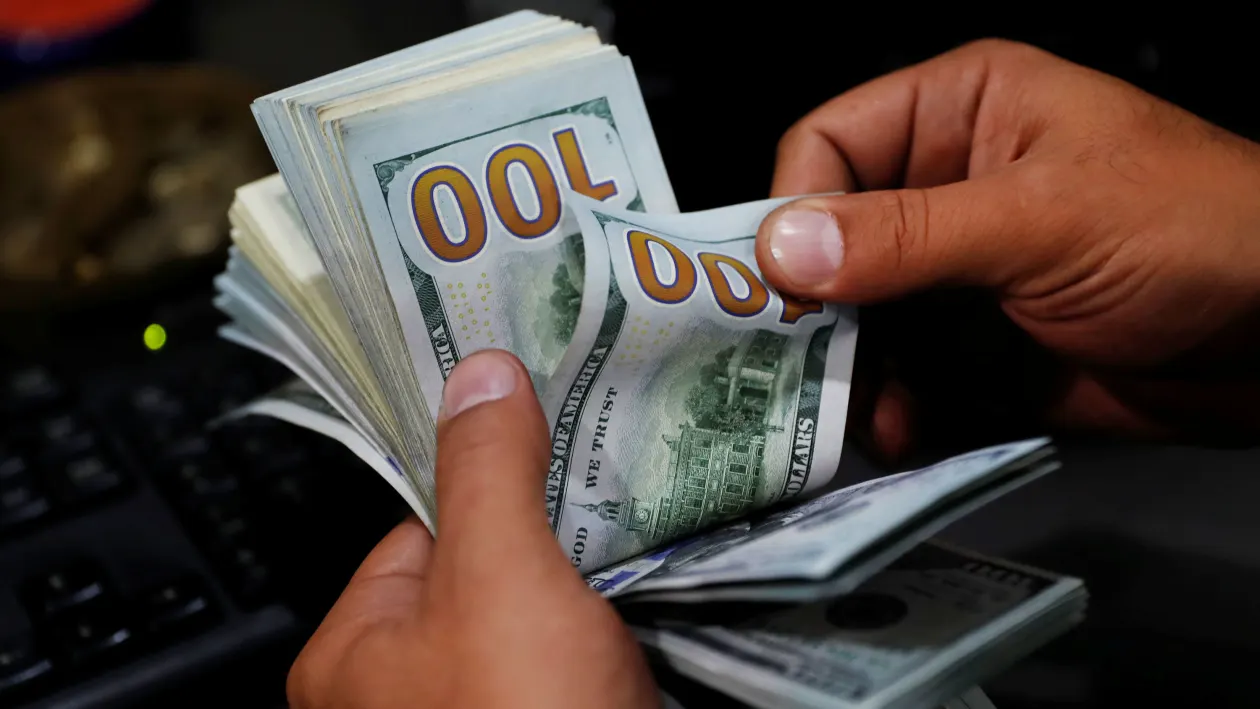
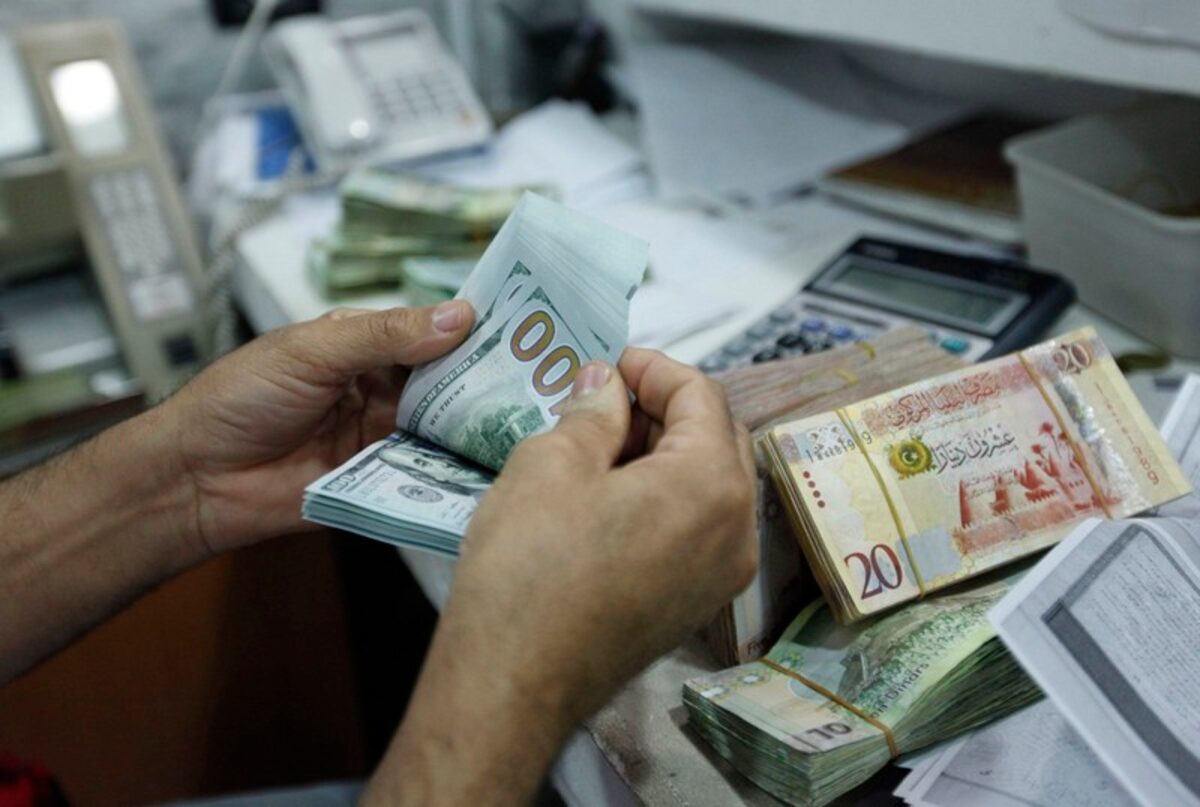
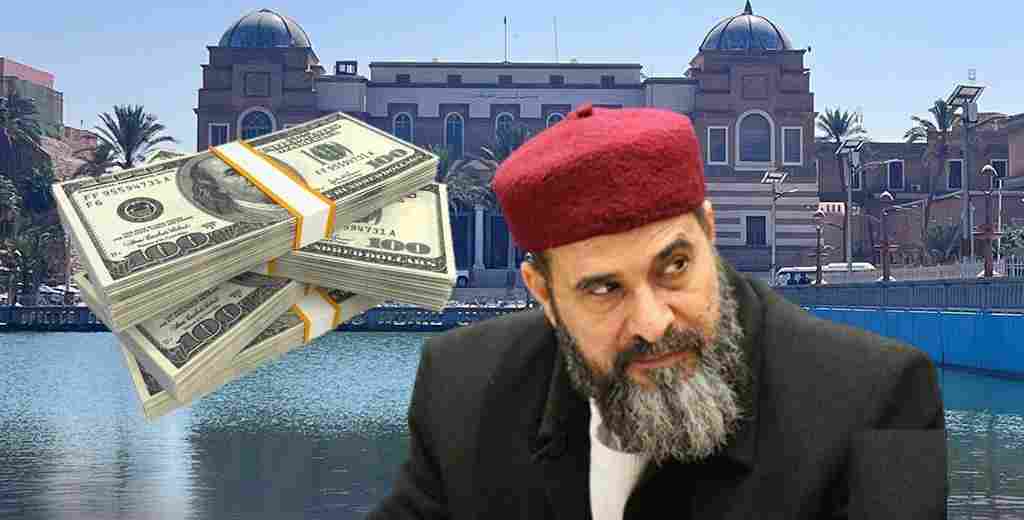
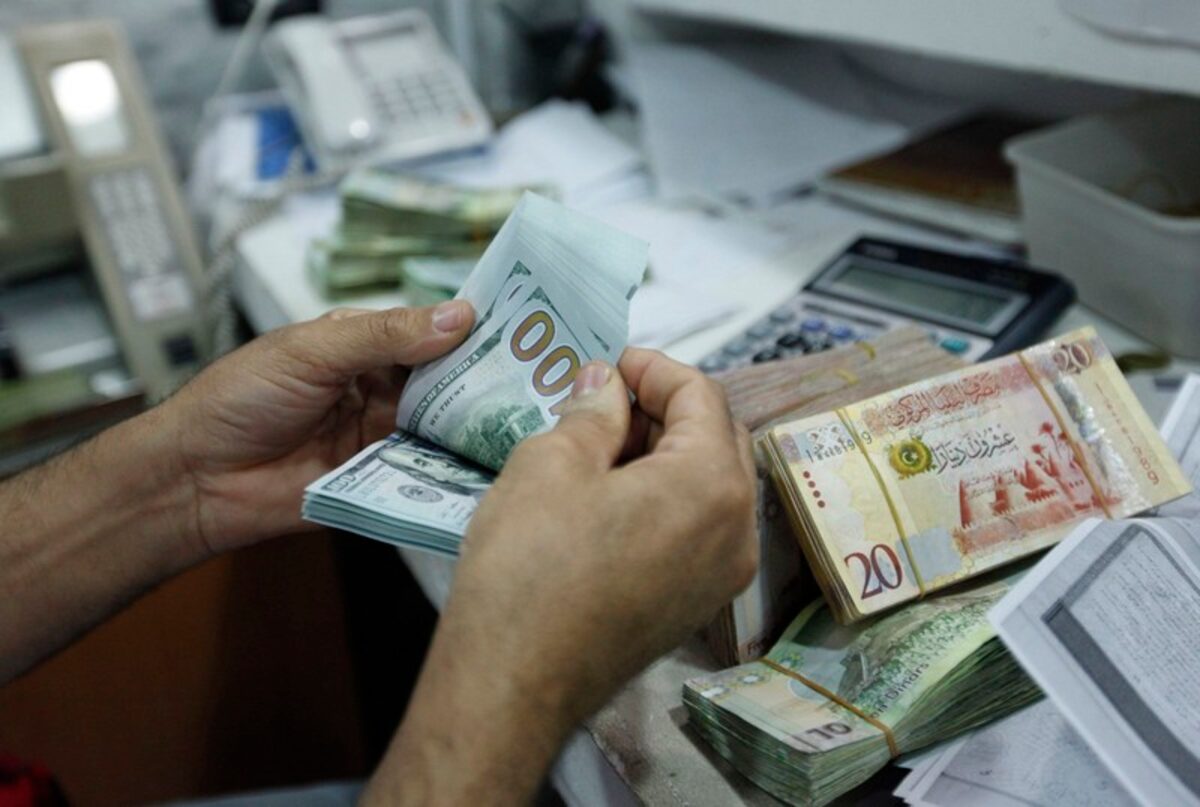
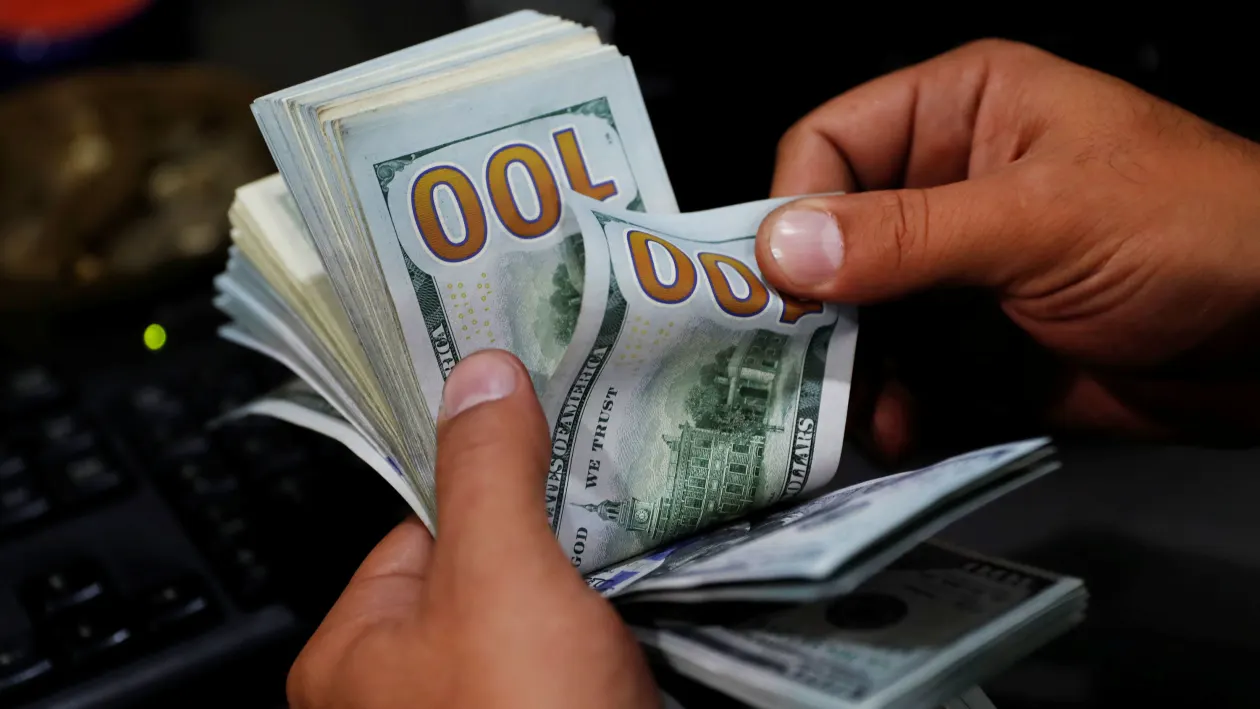
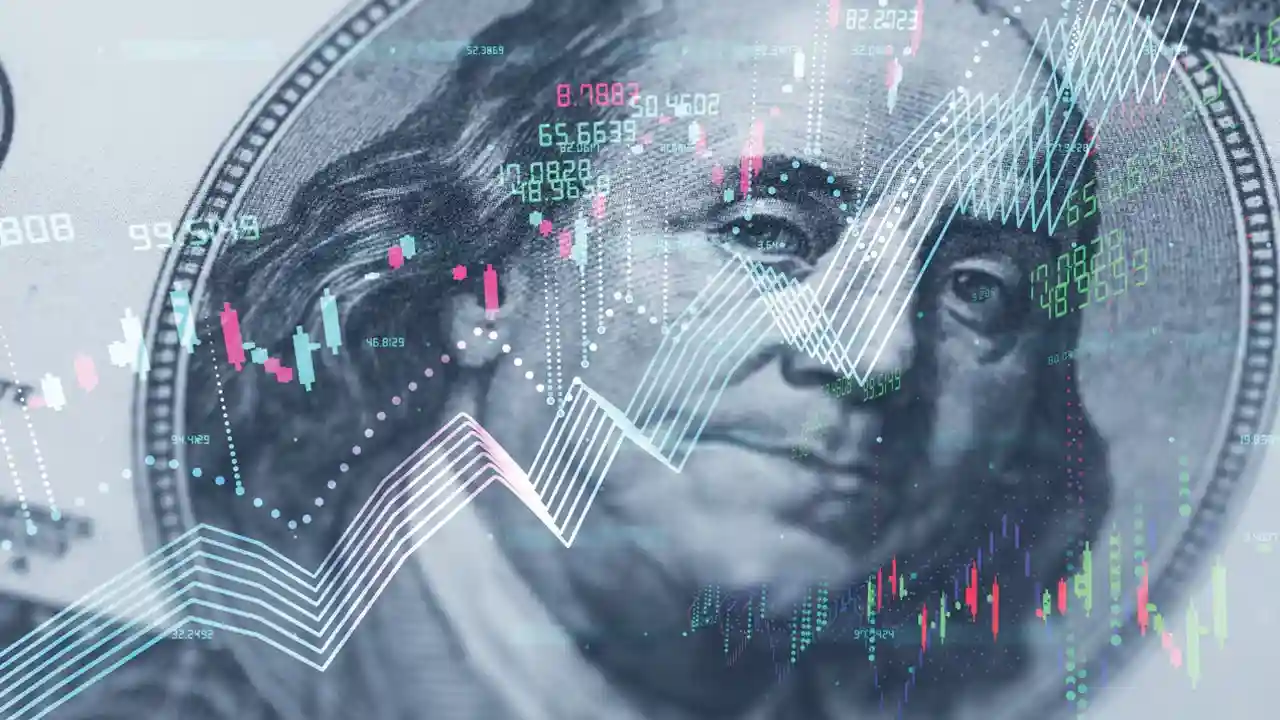
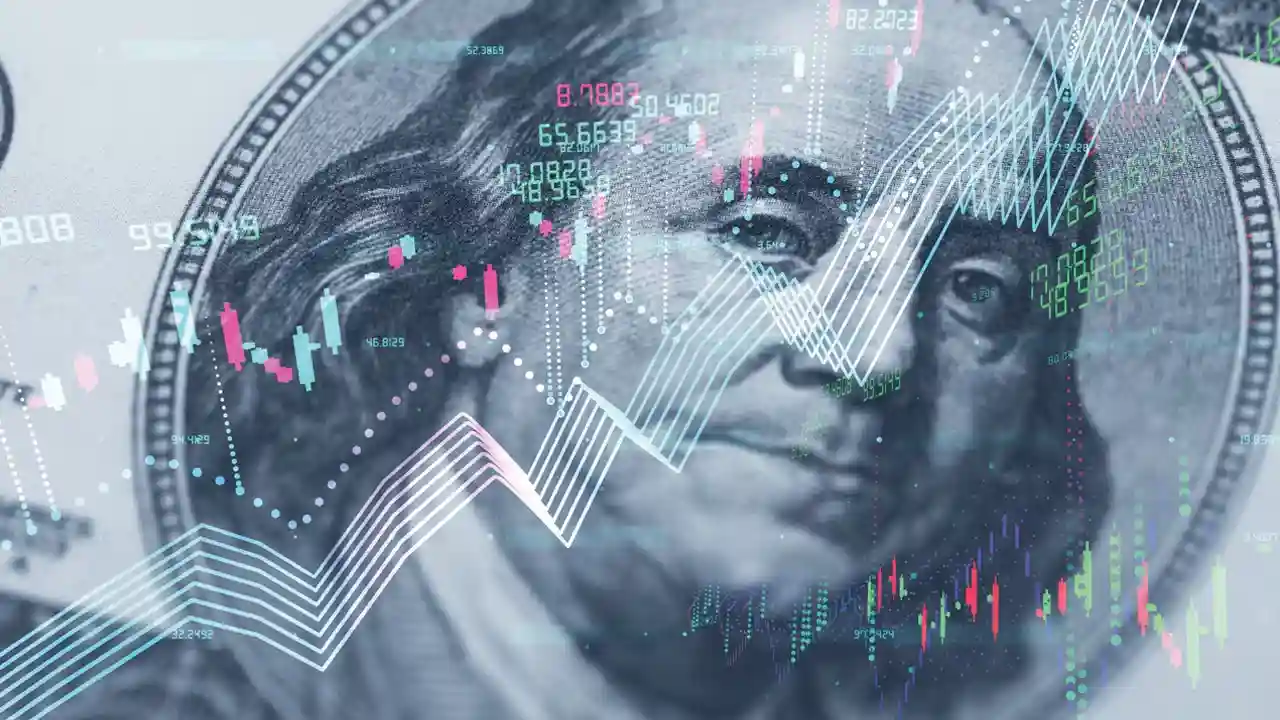
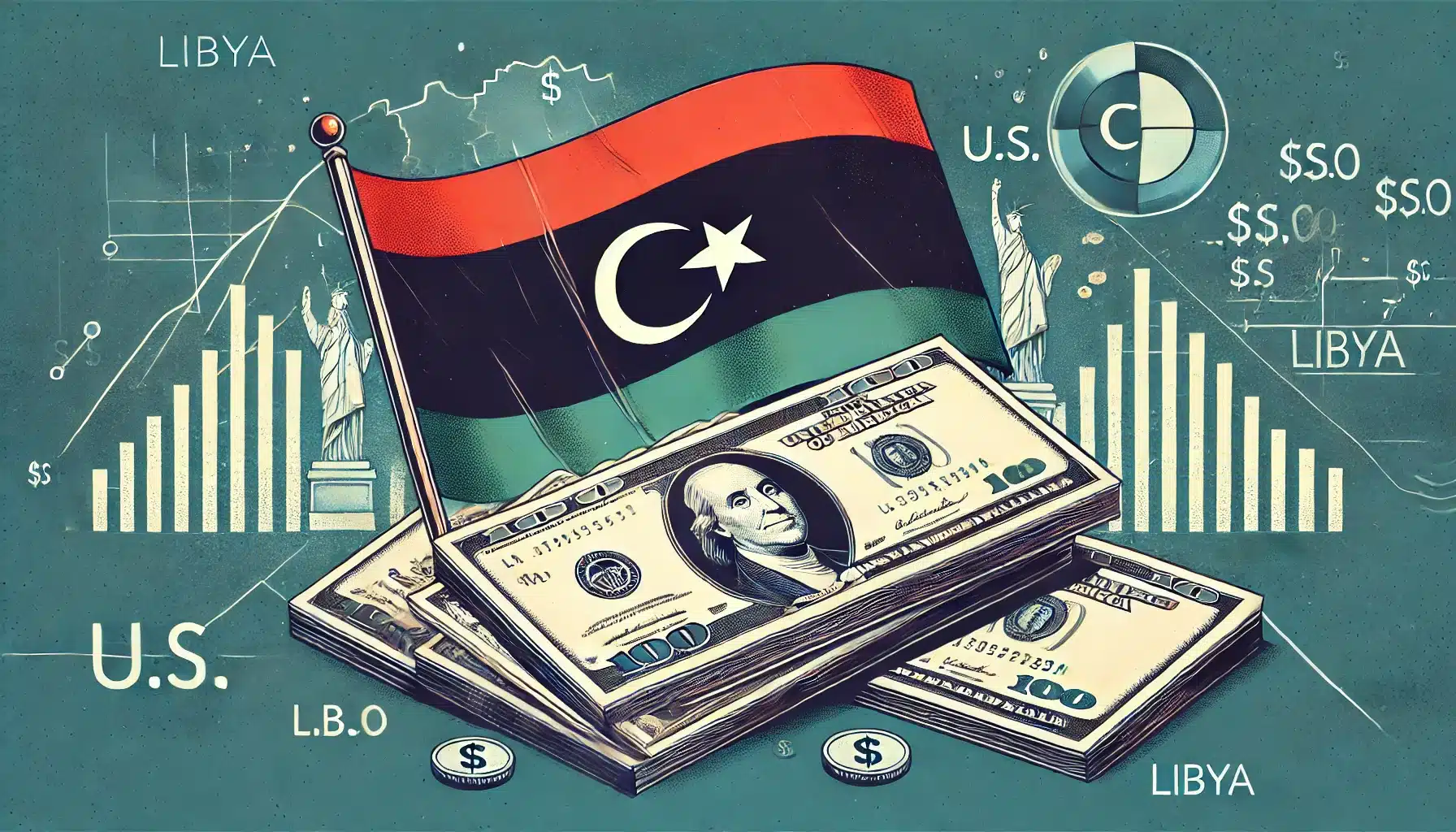
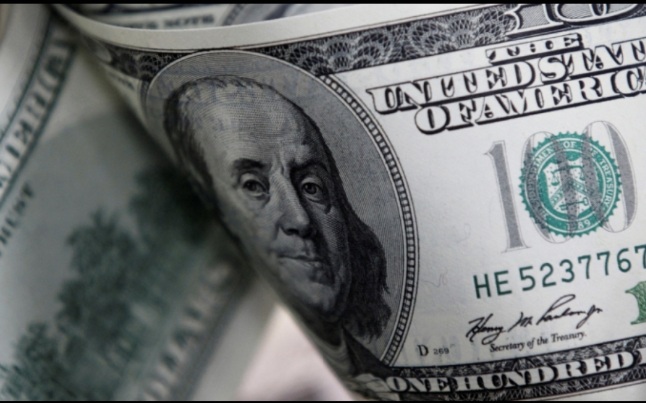
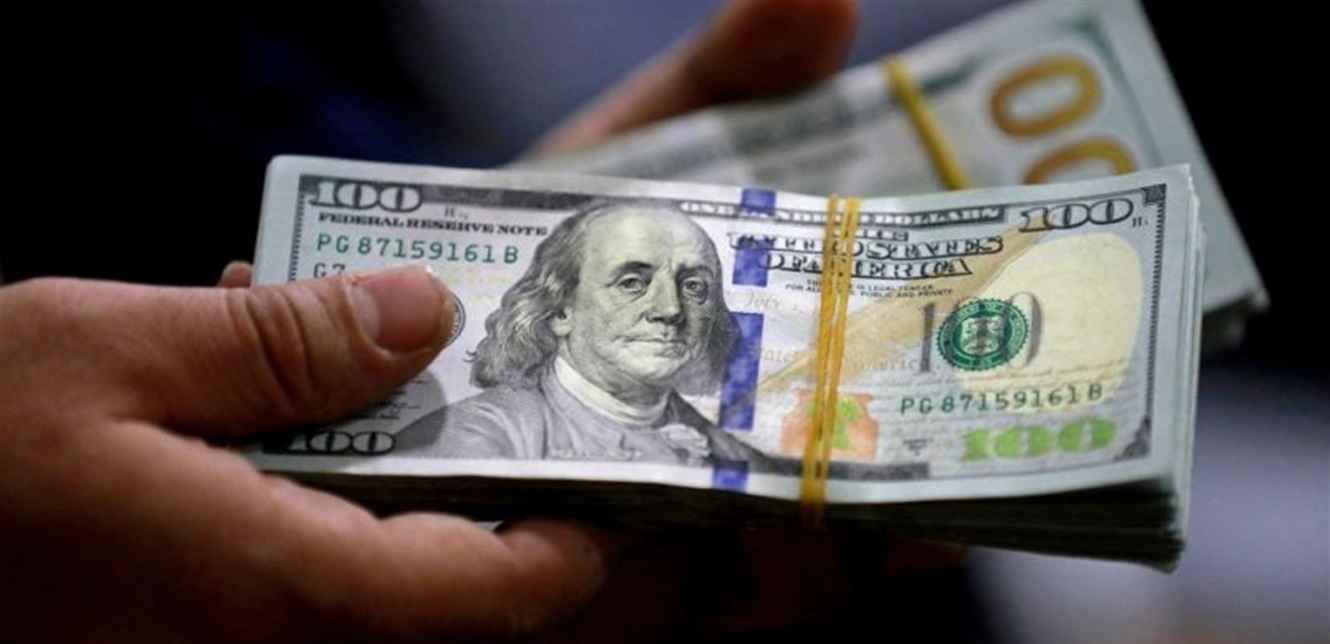
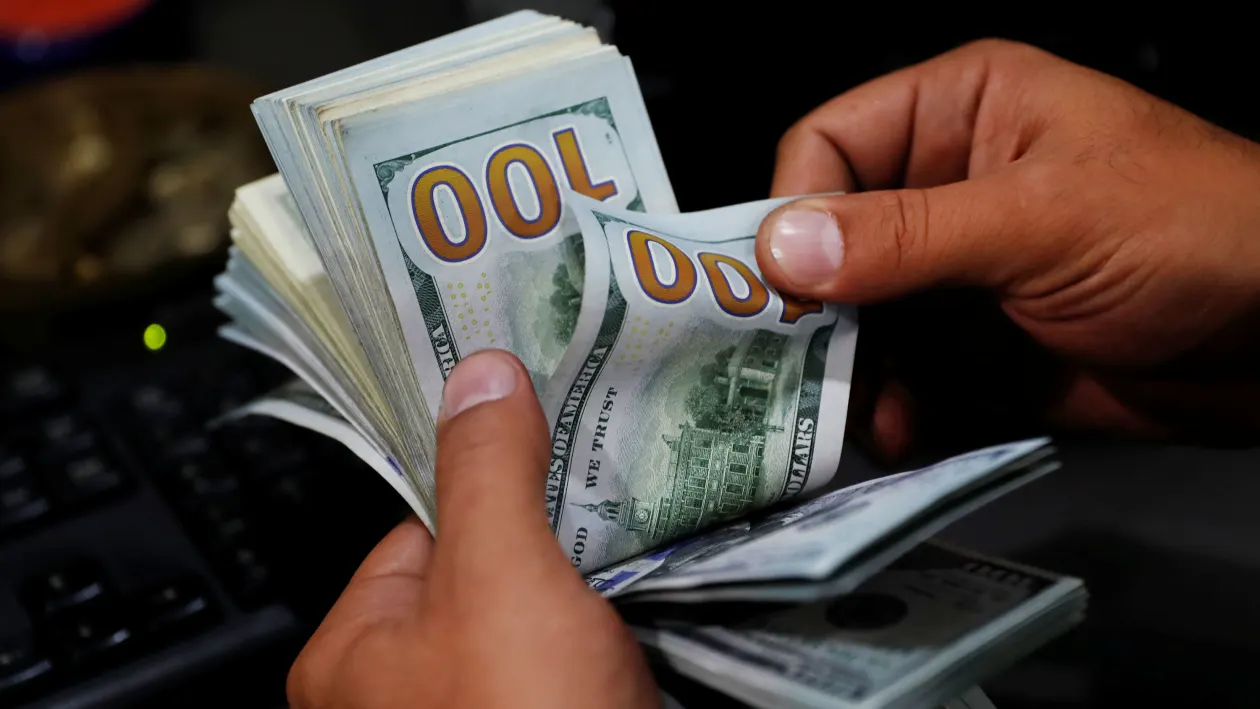
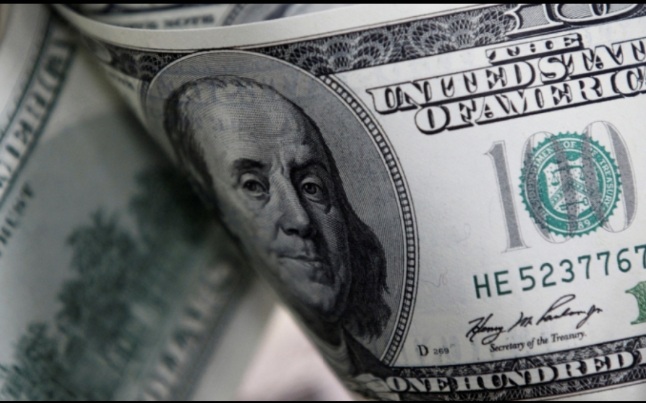
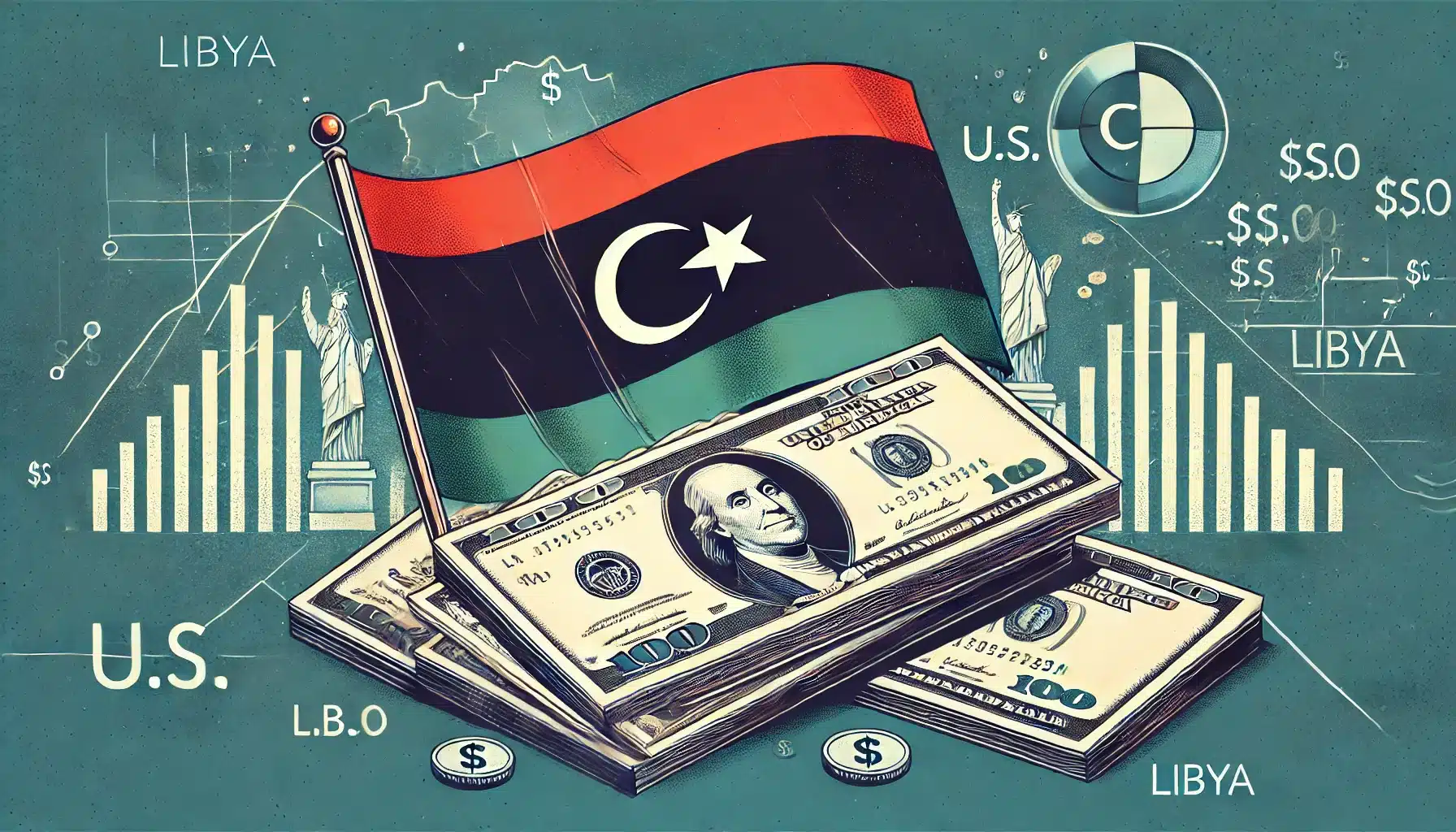
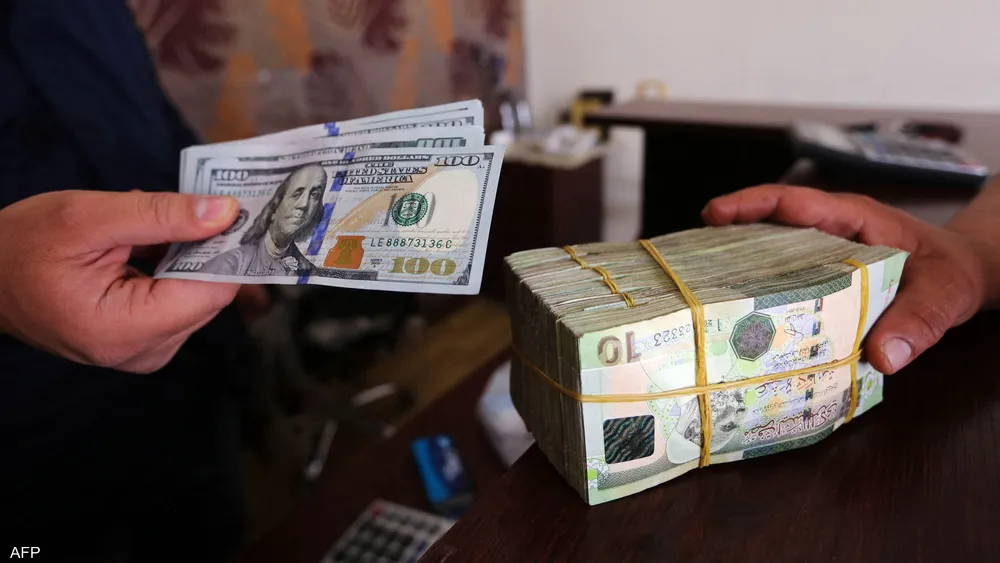
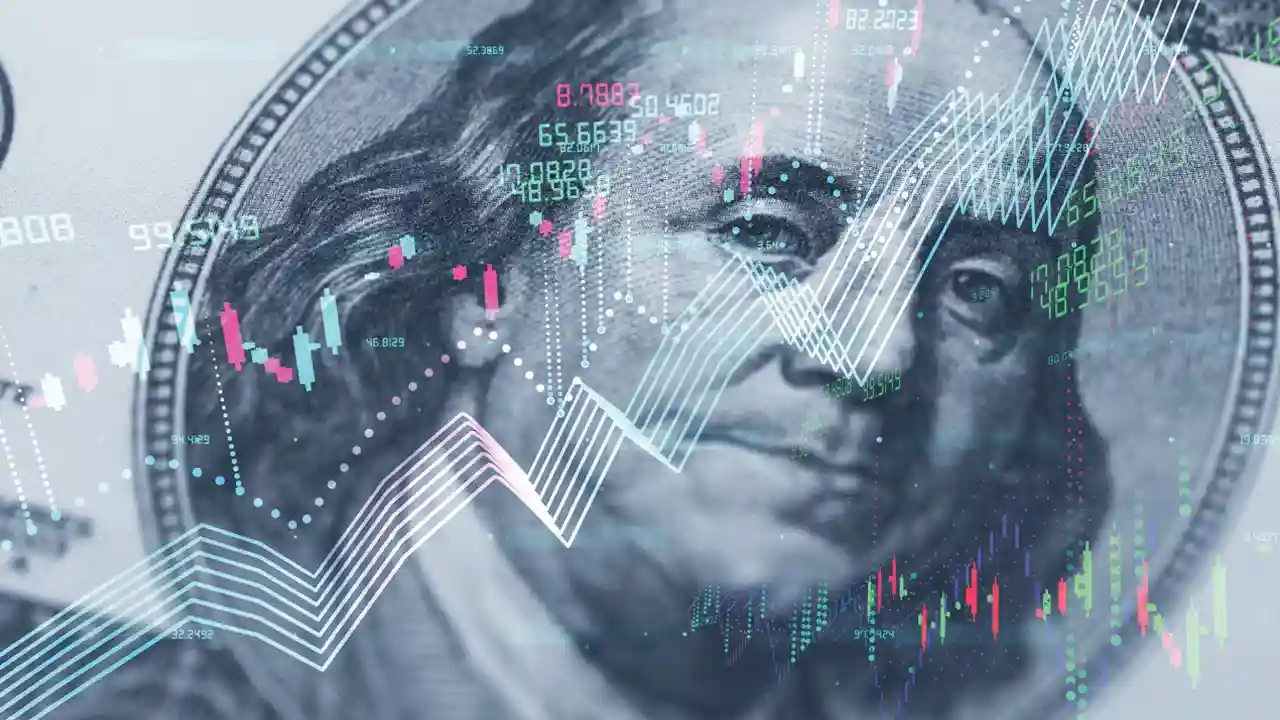
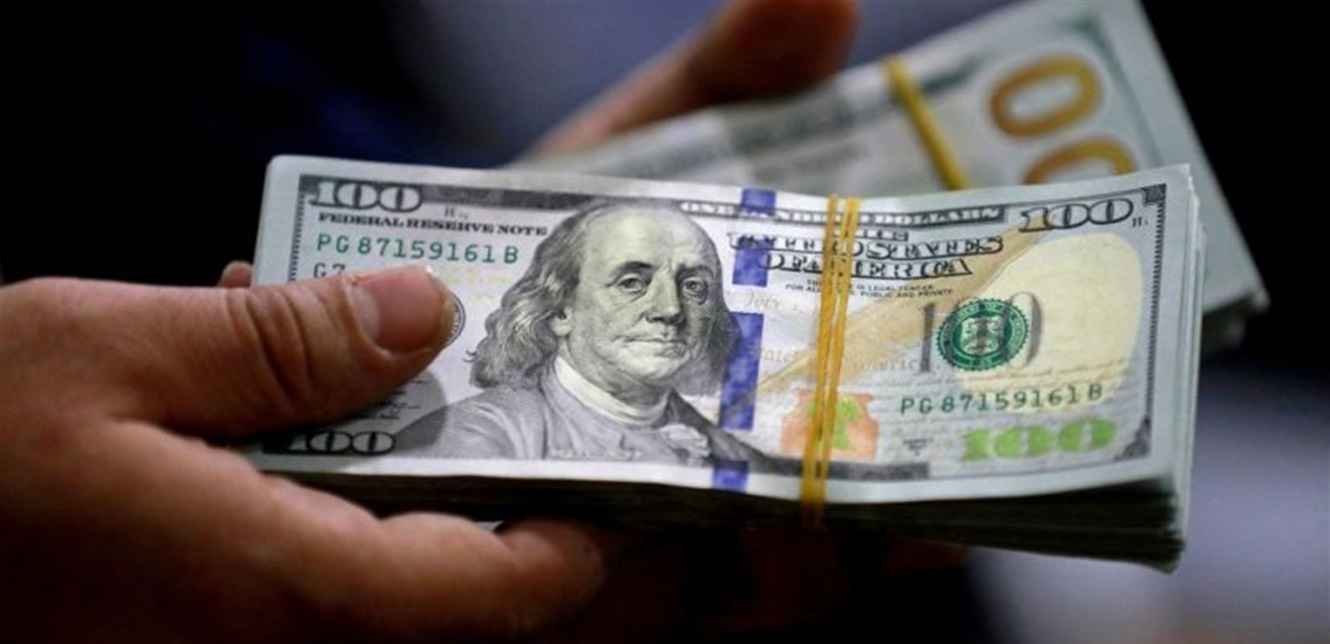
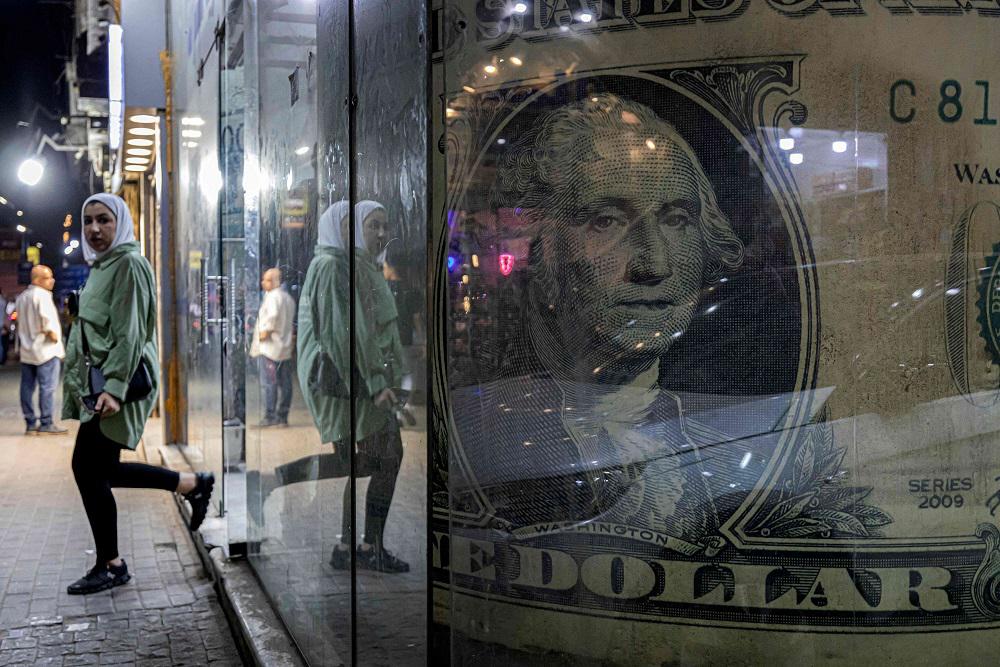
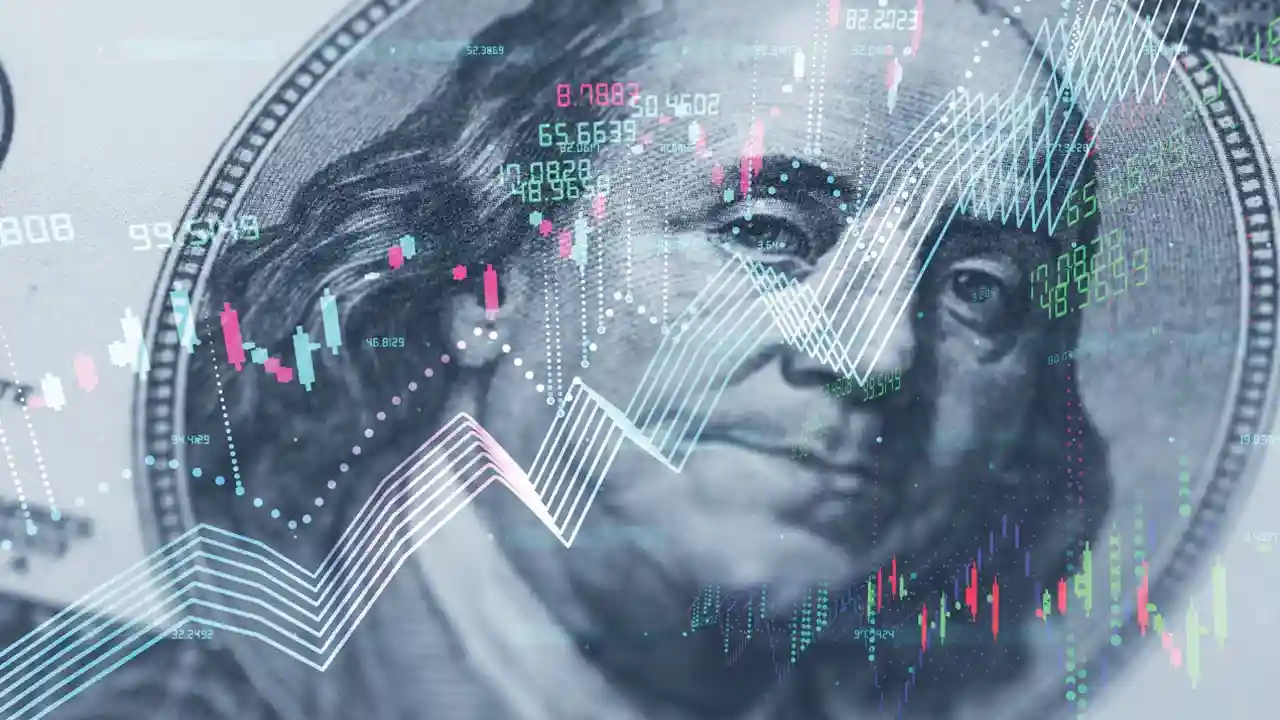
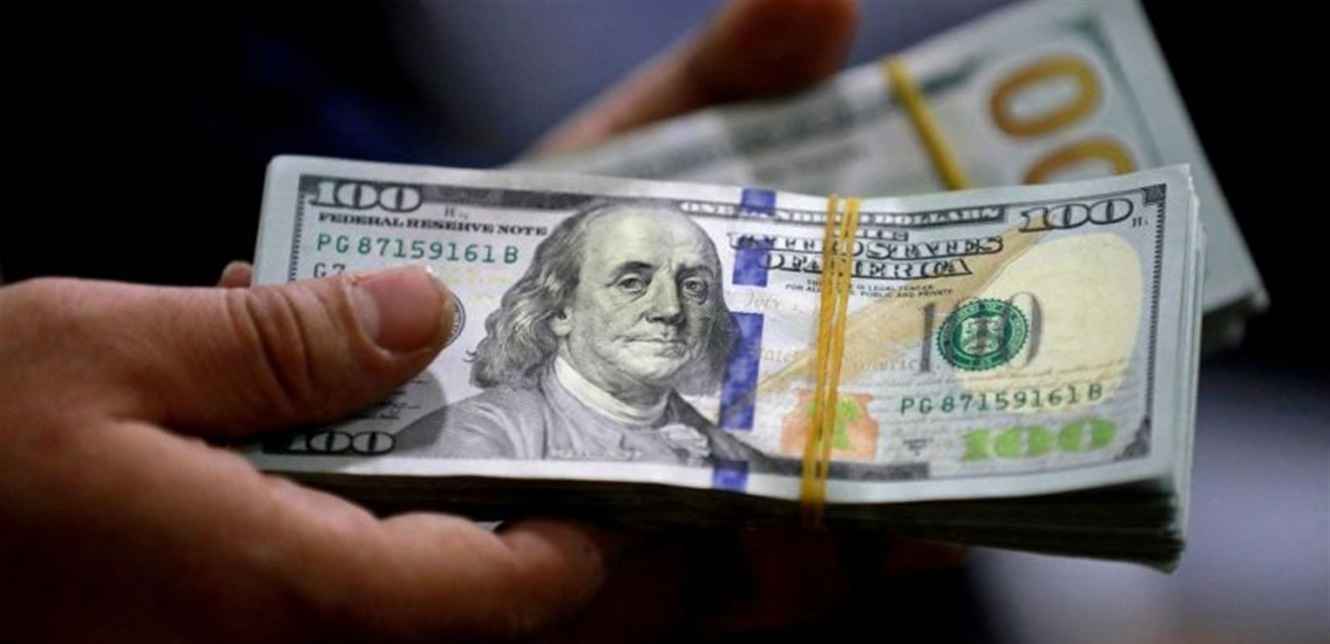
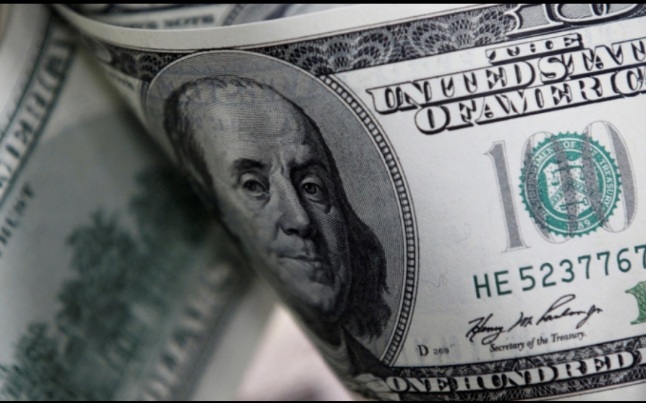
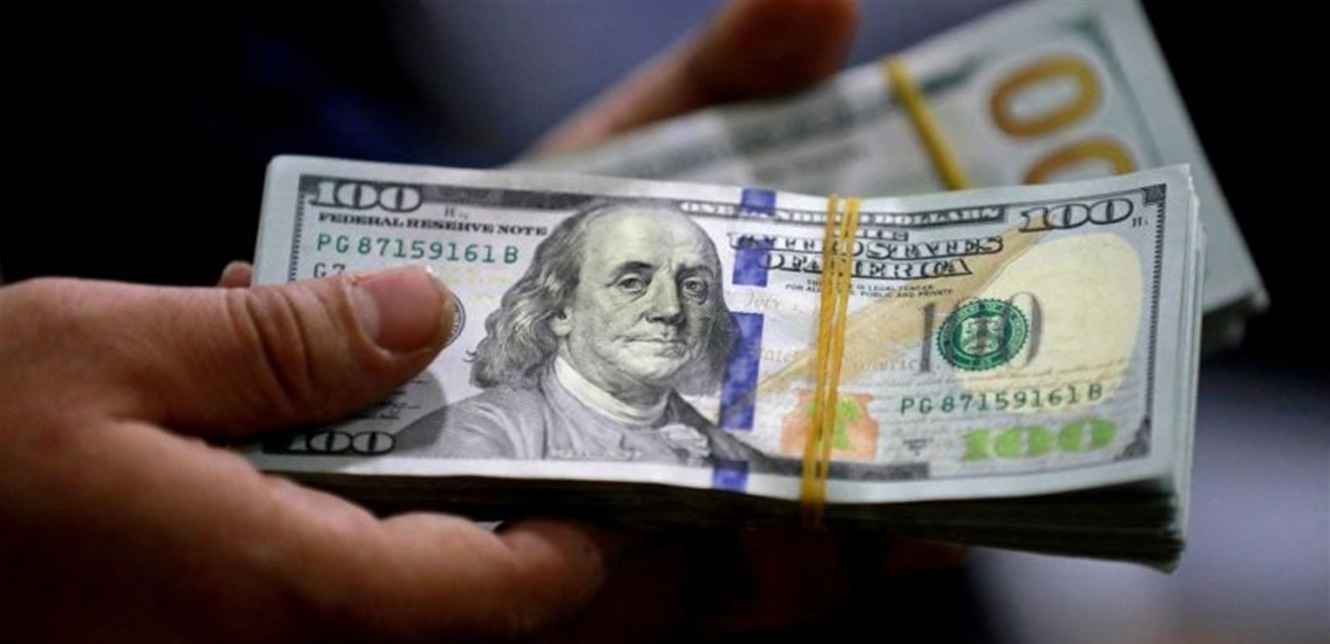
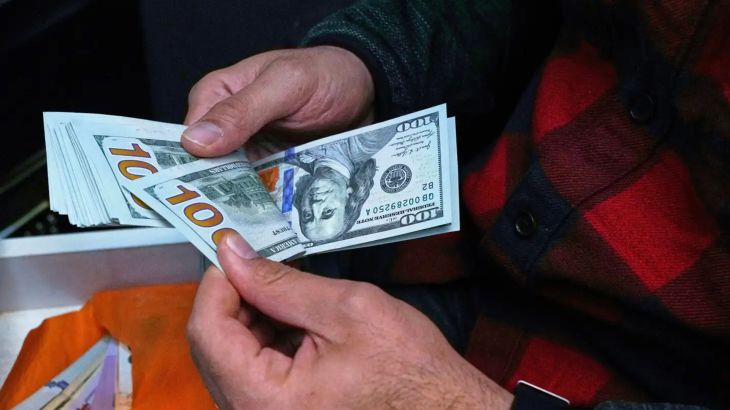
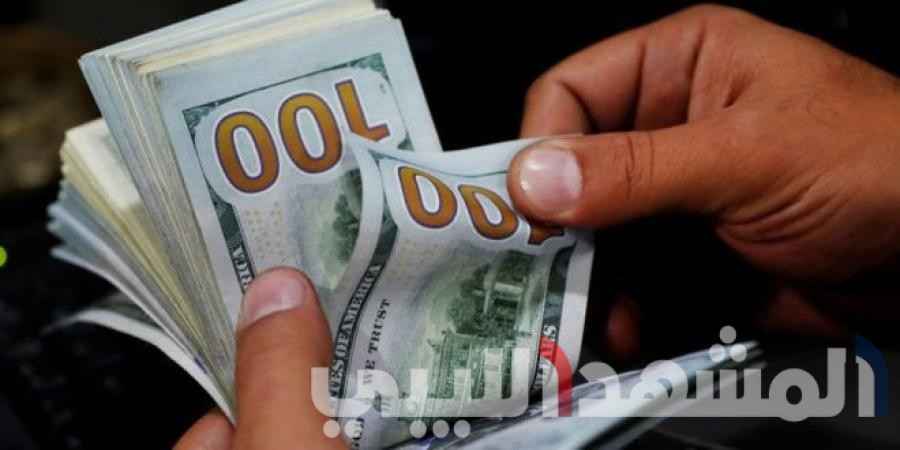
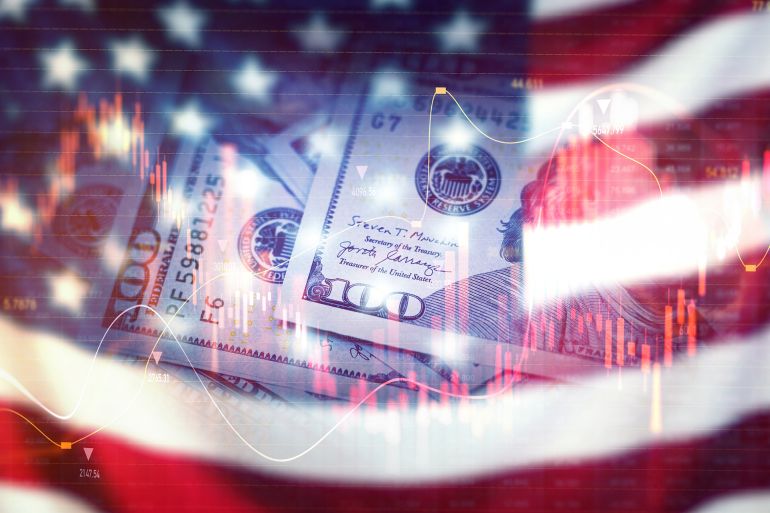
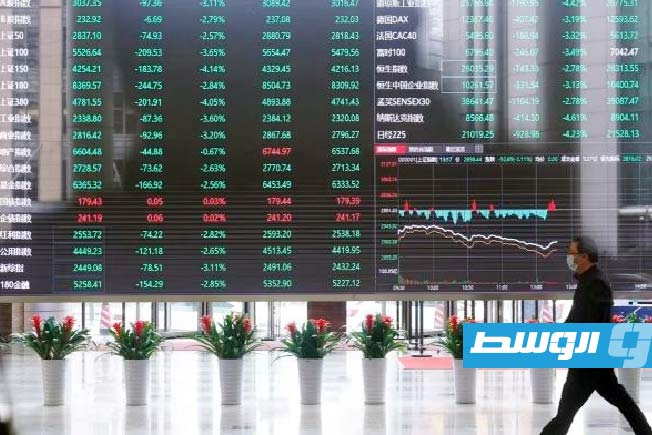
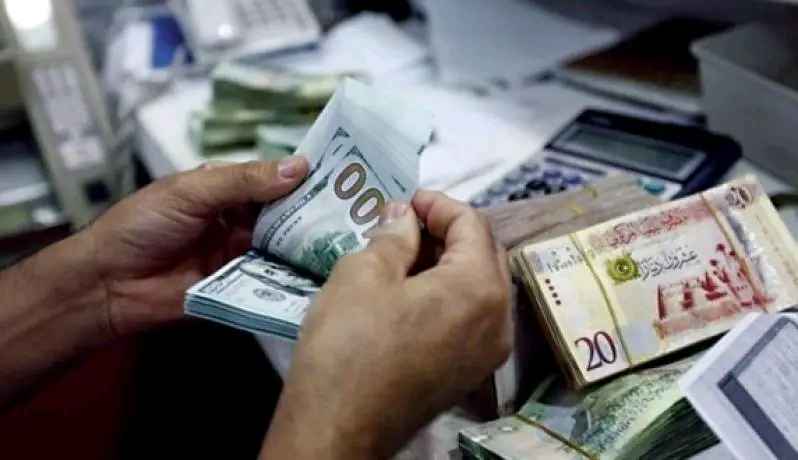
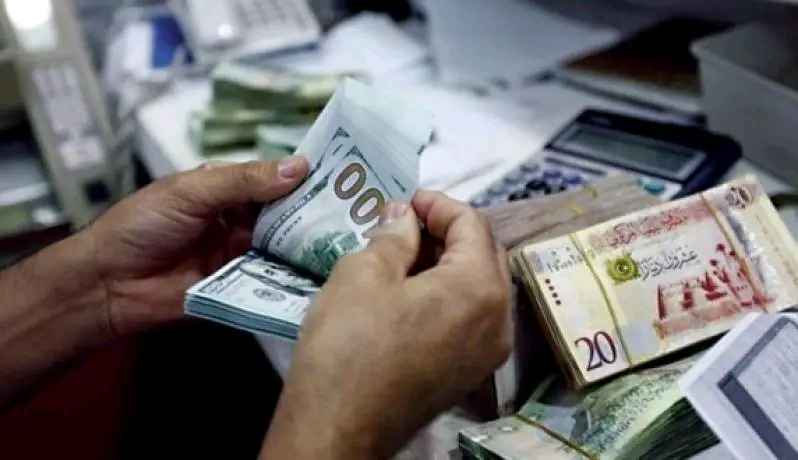
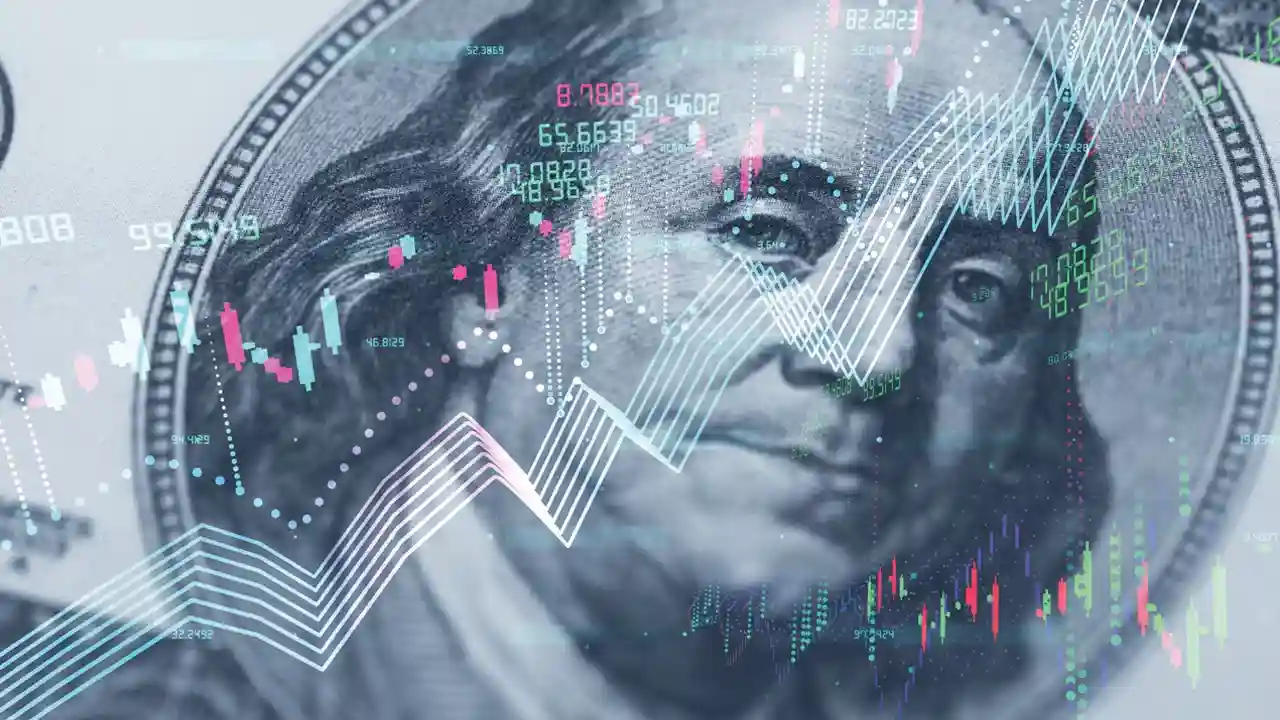
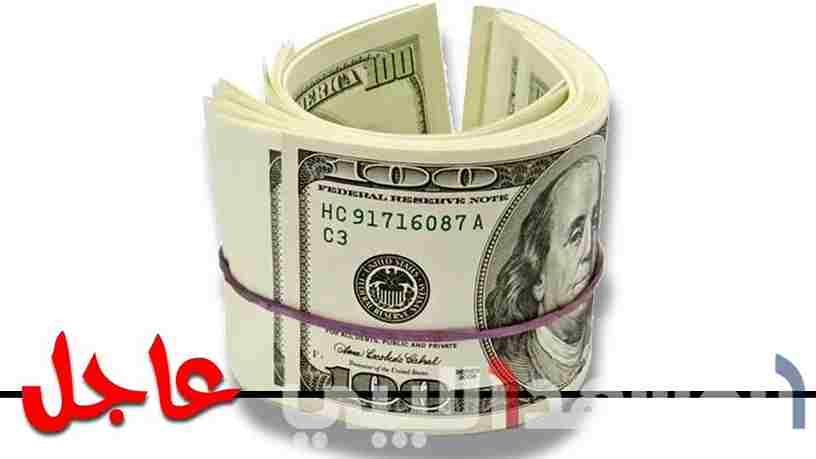
Concerns have escalated in currency markets due to what has been described as “the President’s volatile policies.” The dollar has fallen by 1.3% against a basket of other major currencies, hitting its lowest level in 4 years. It has also declined by 2.6% since the beginning of the current year.
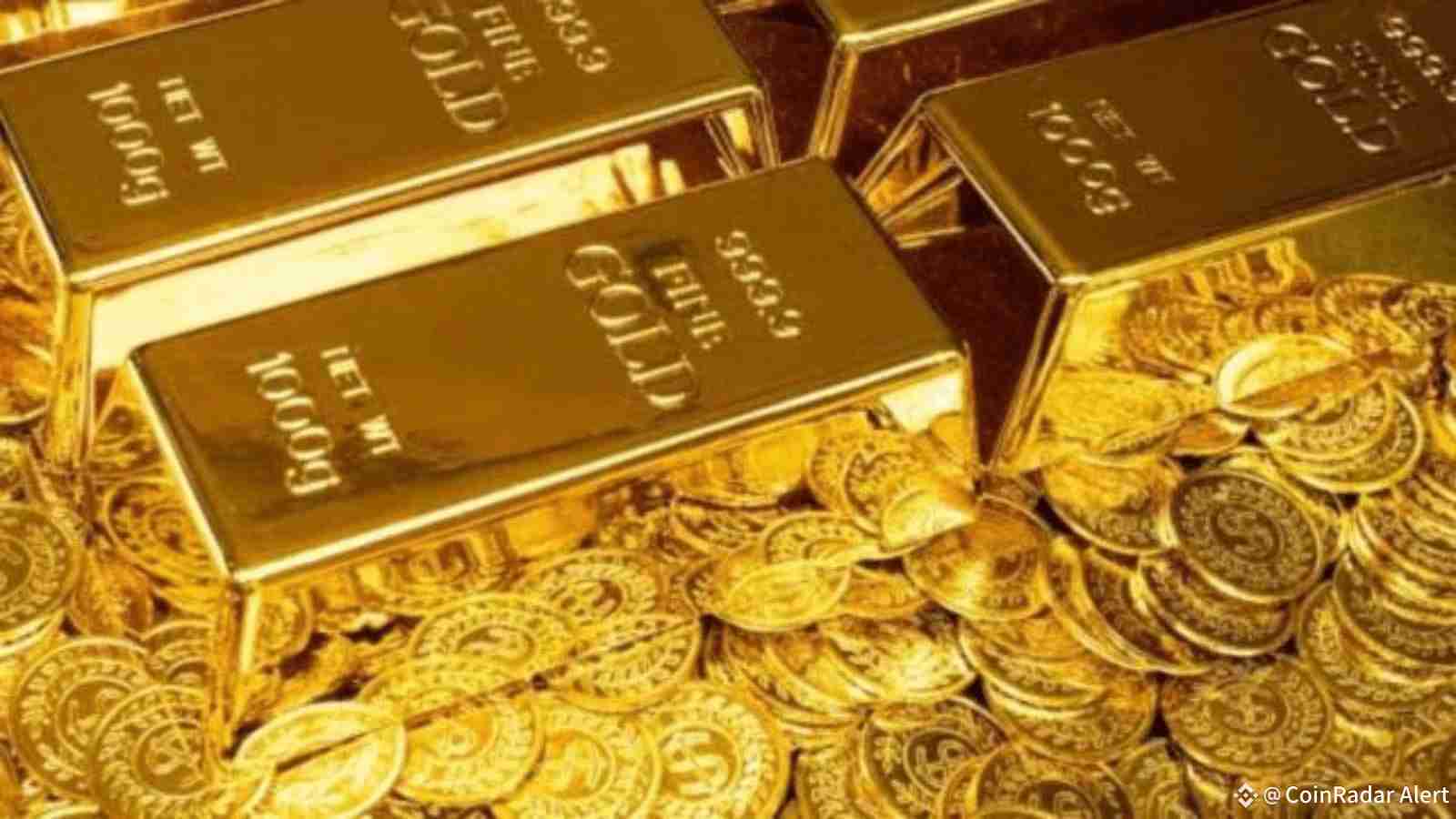
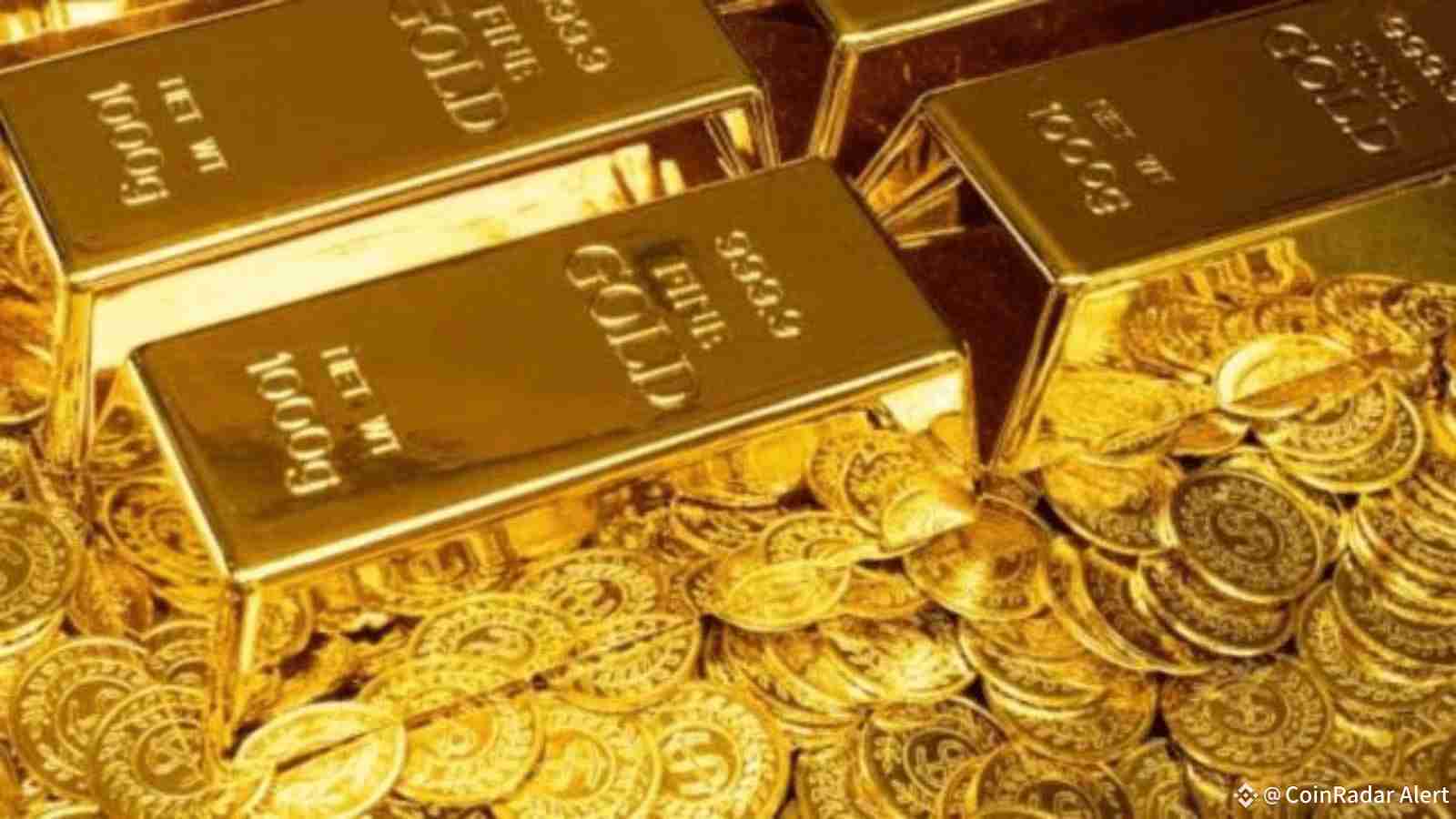
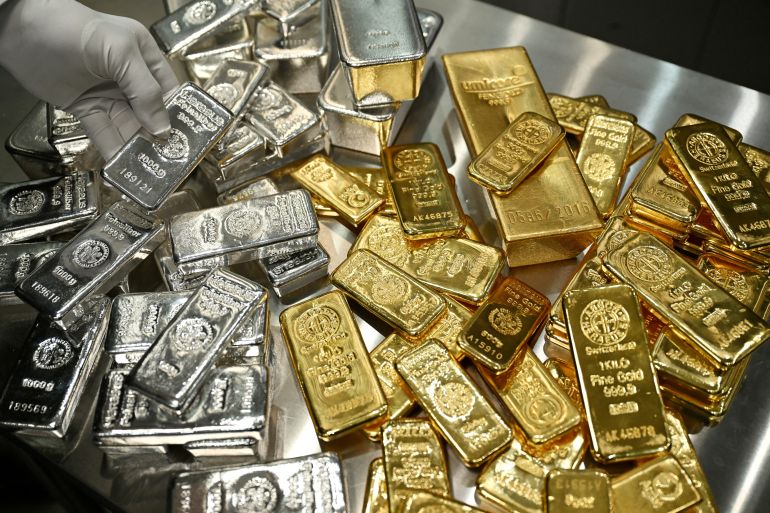
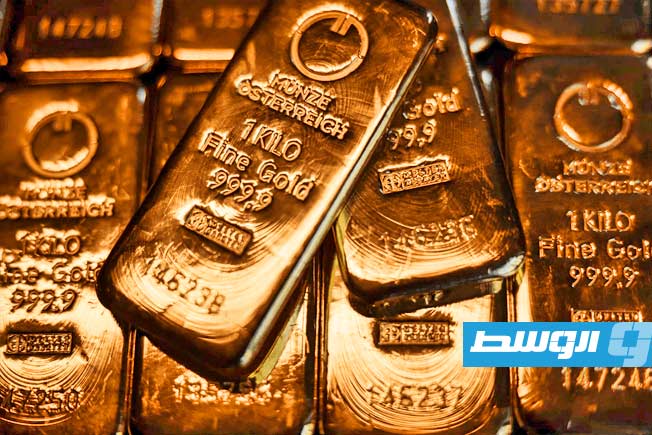
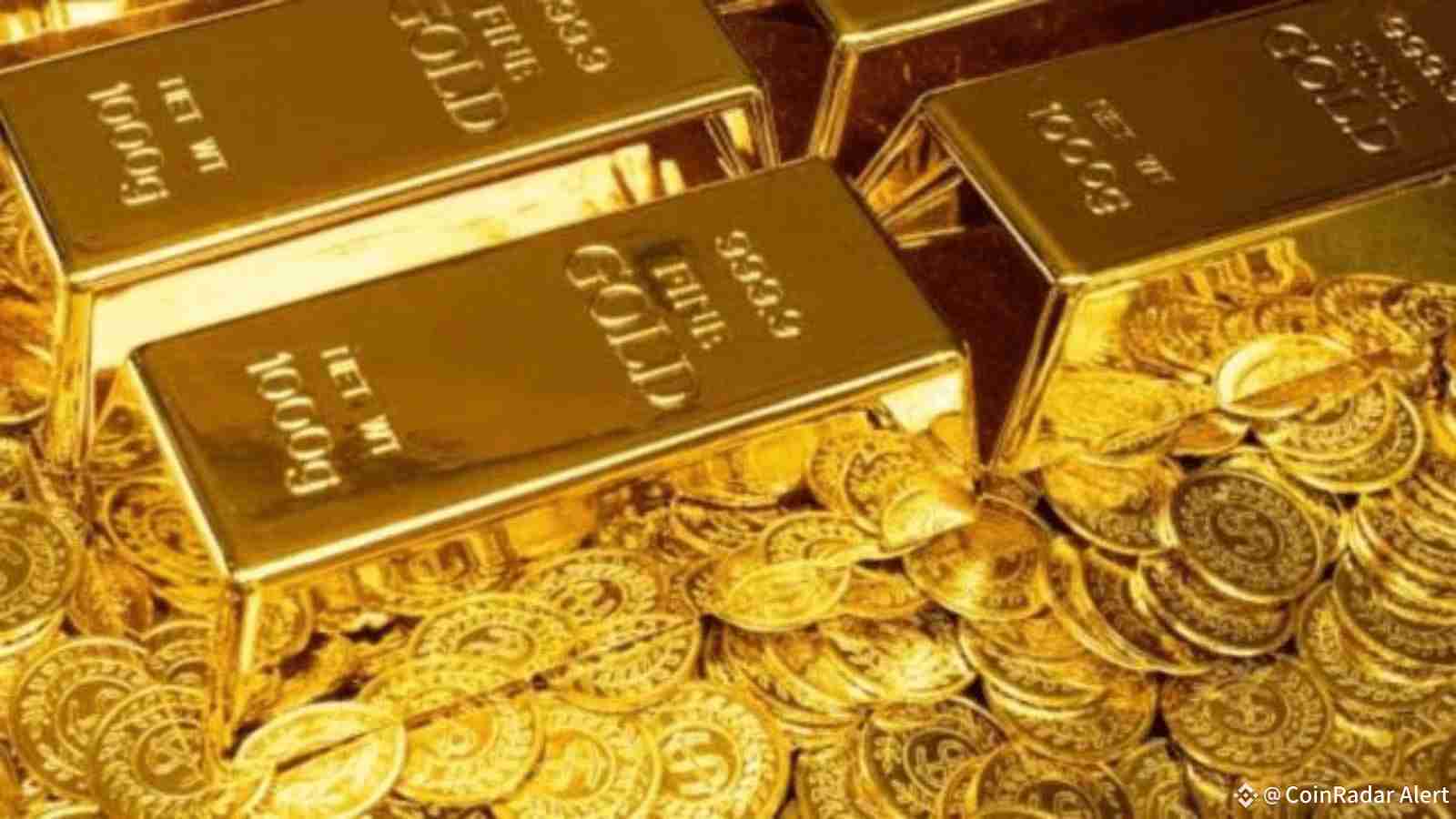
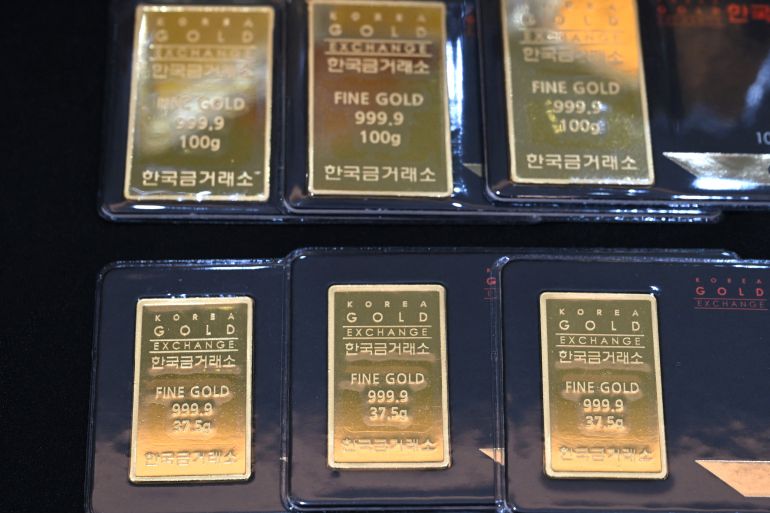
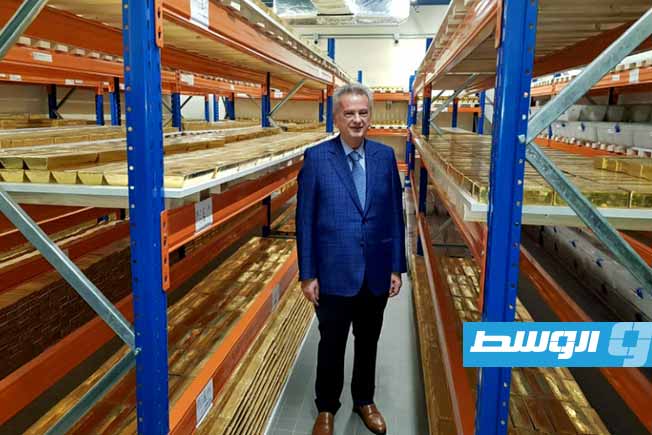
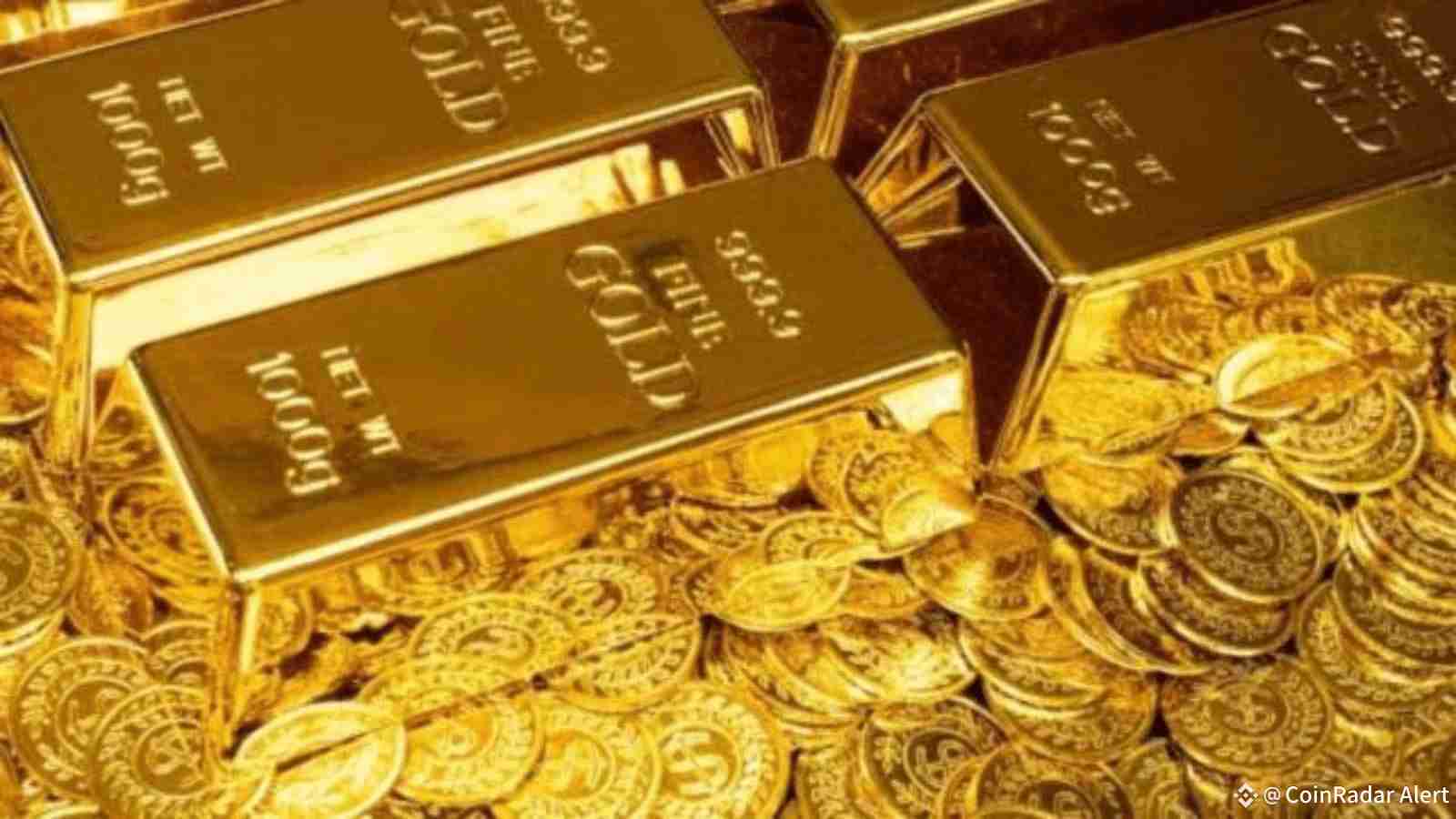
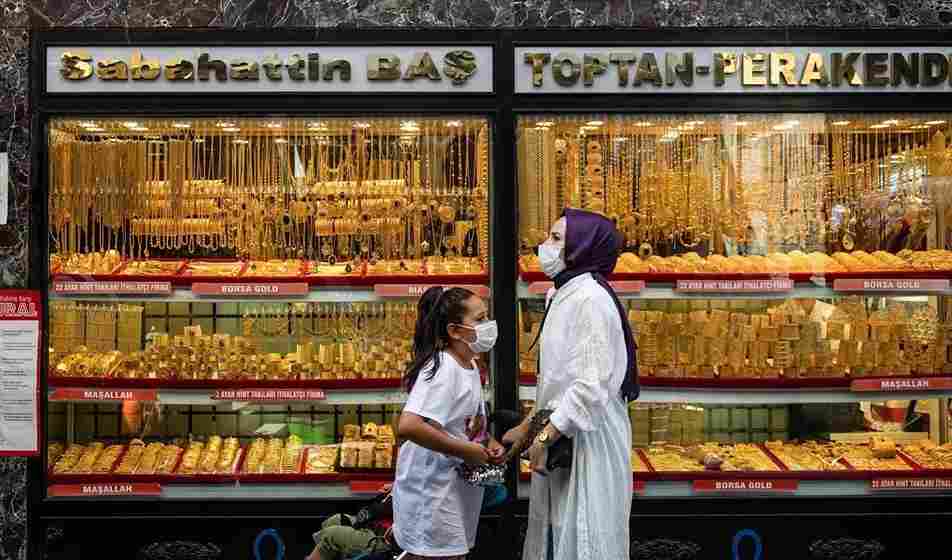
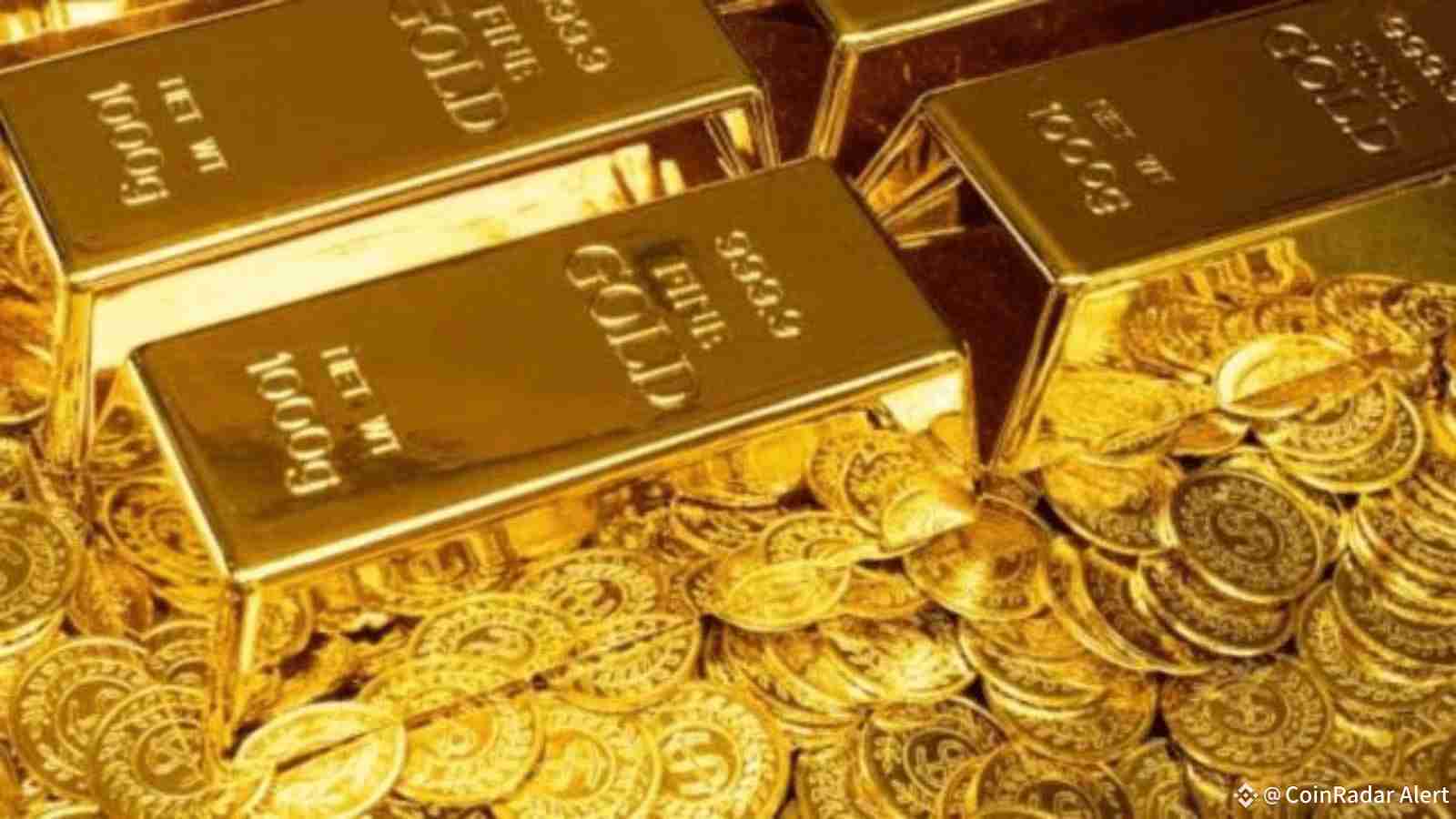
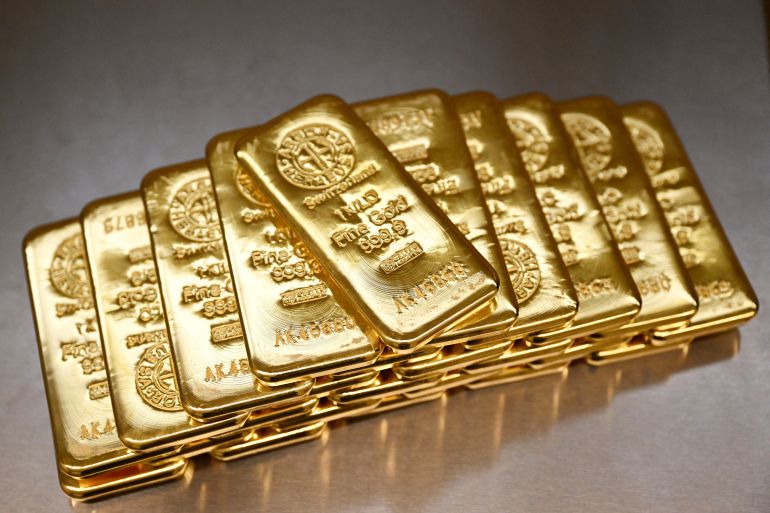
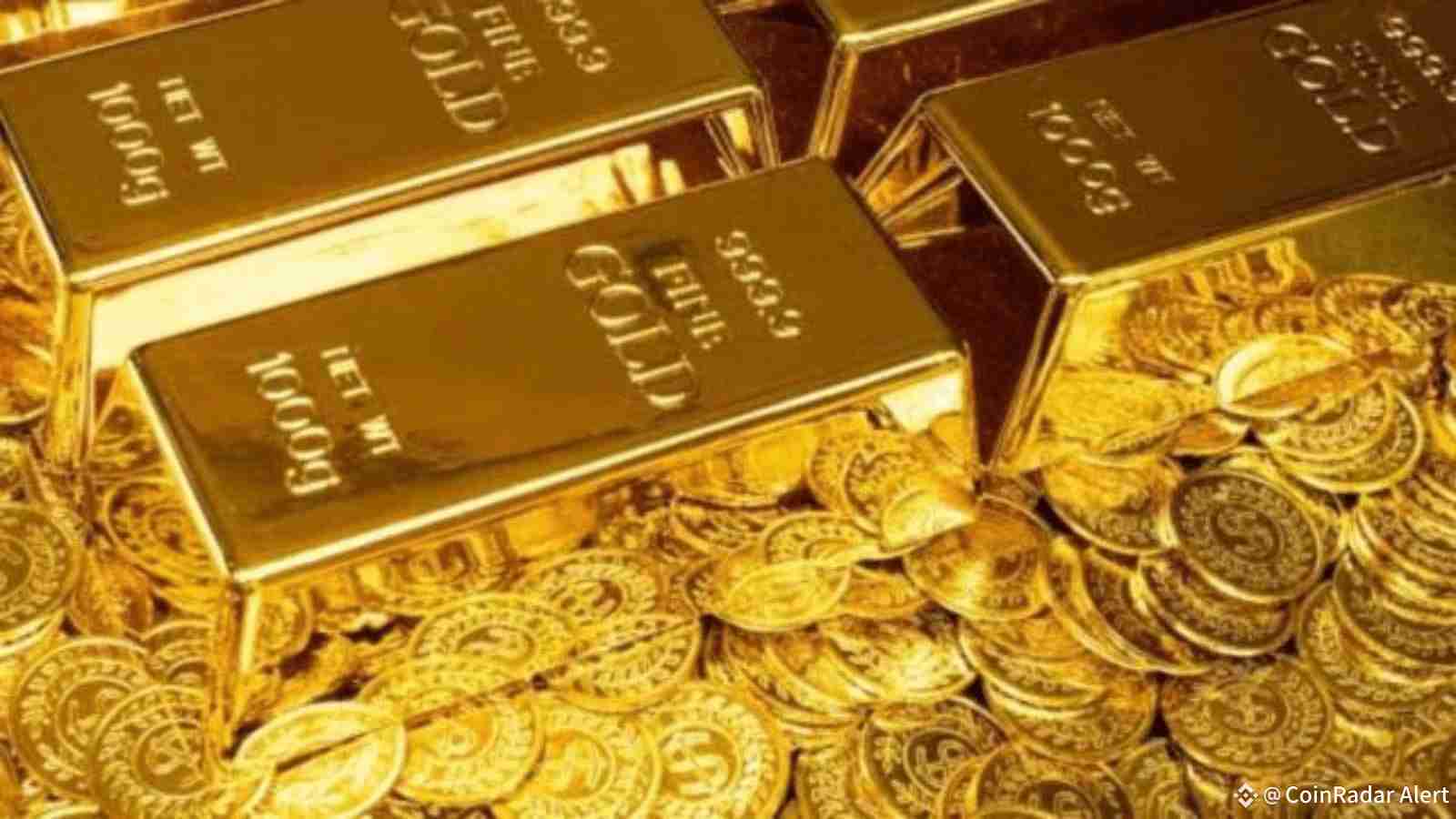
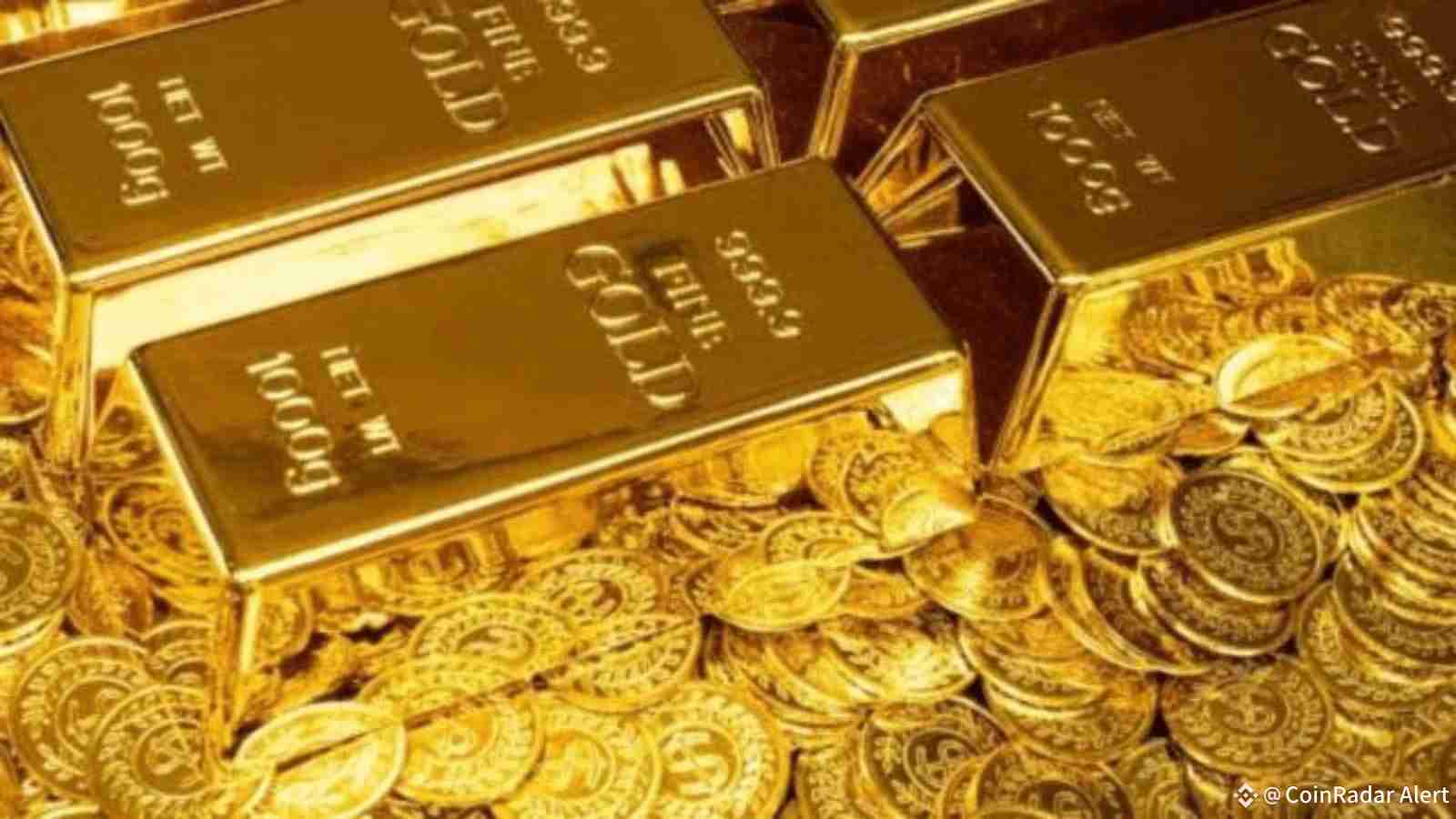
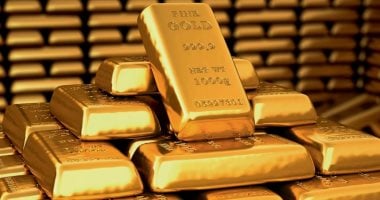
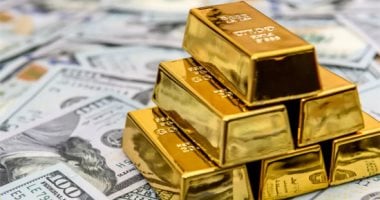
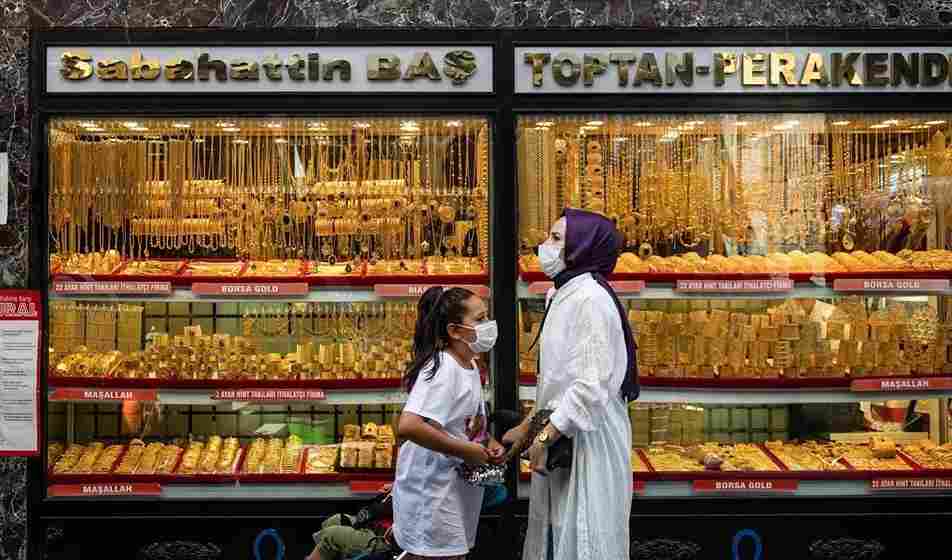
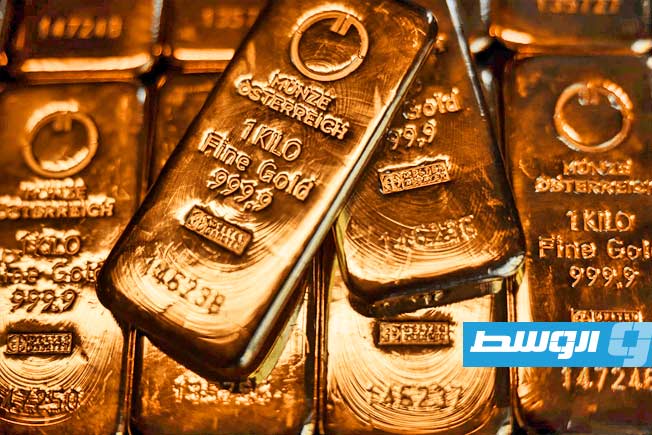
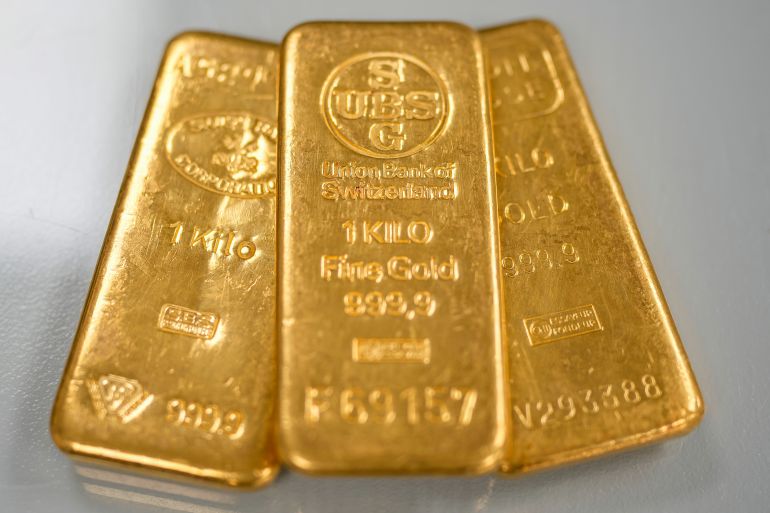
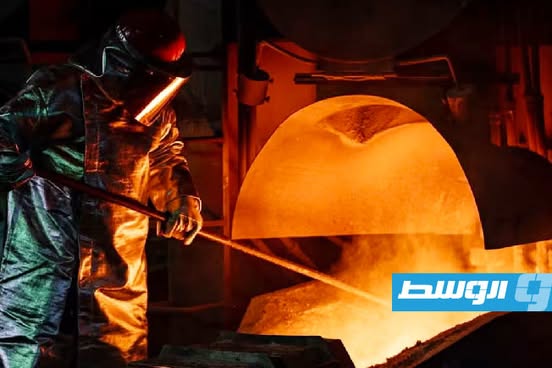
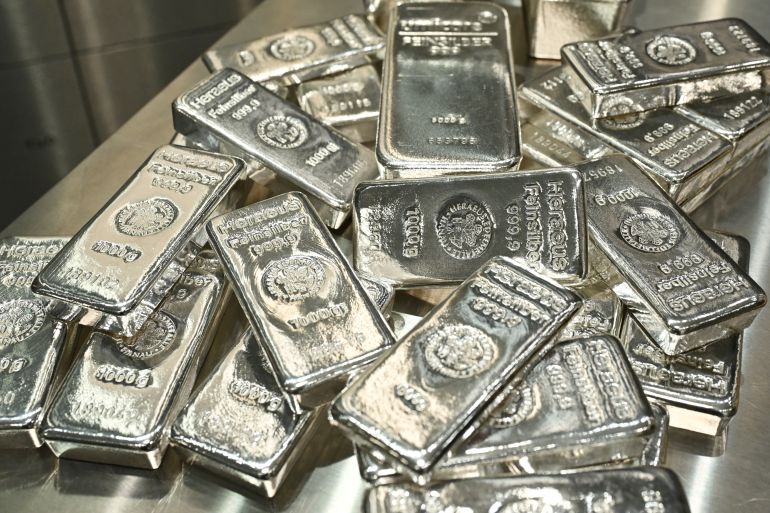
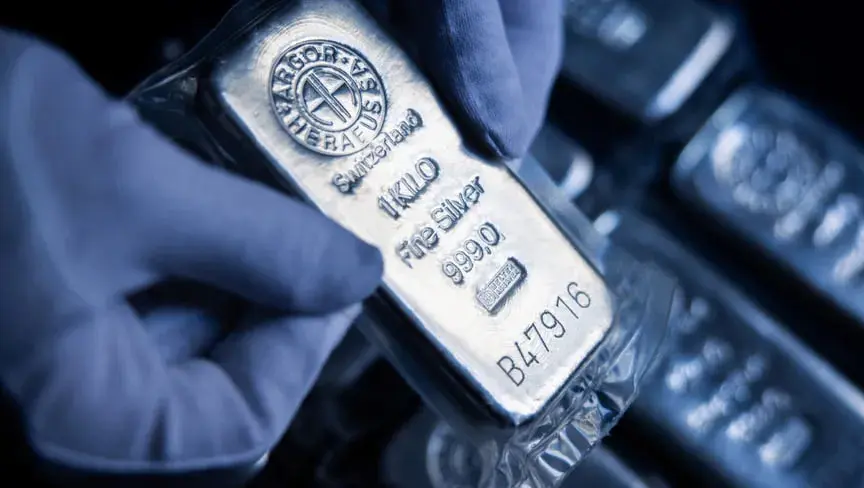
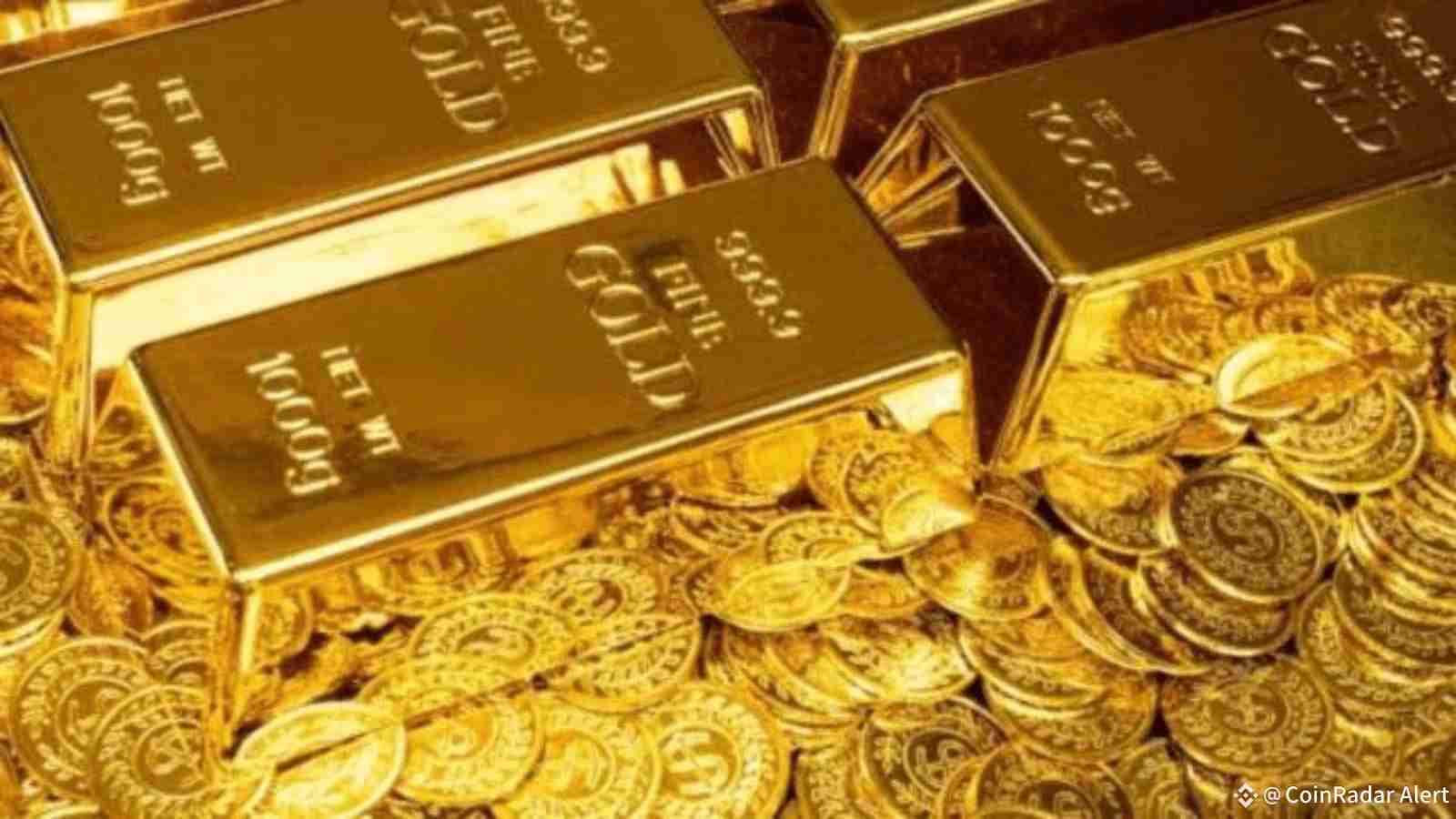
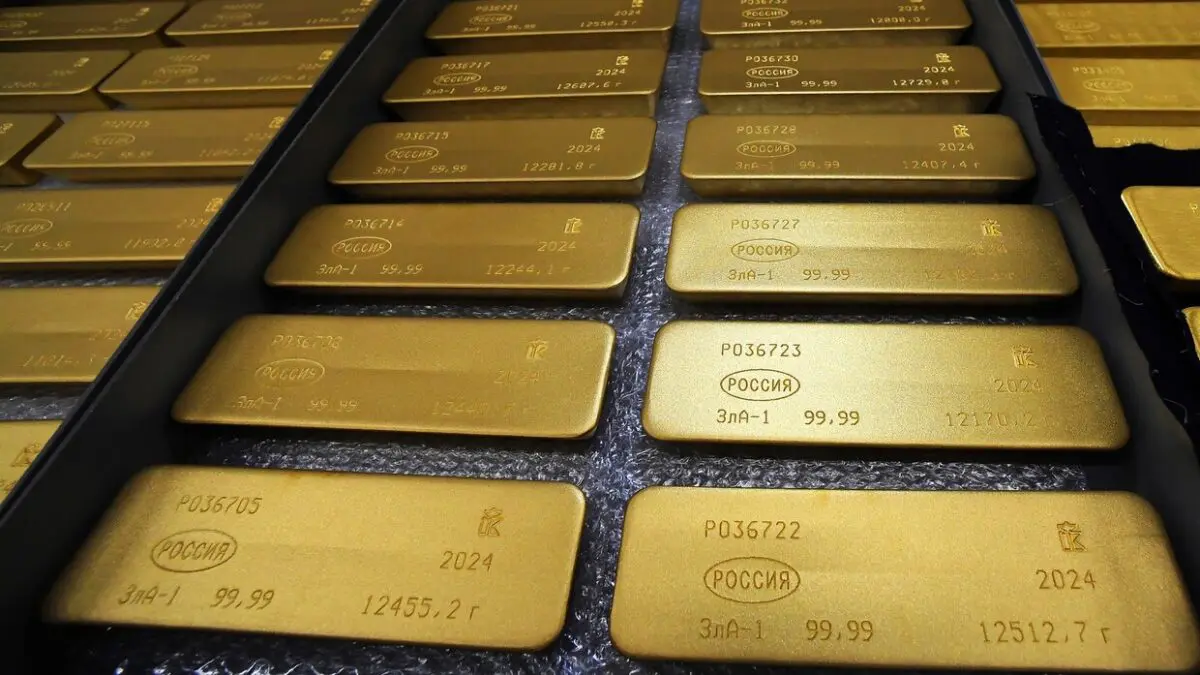
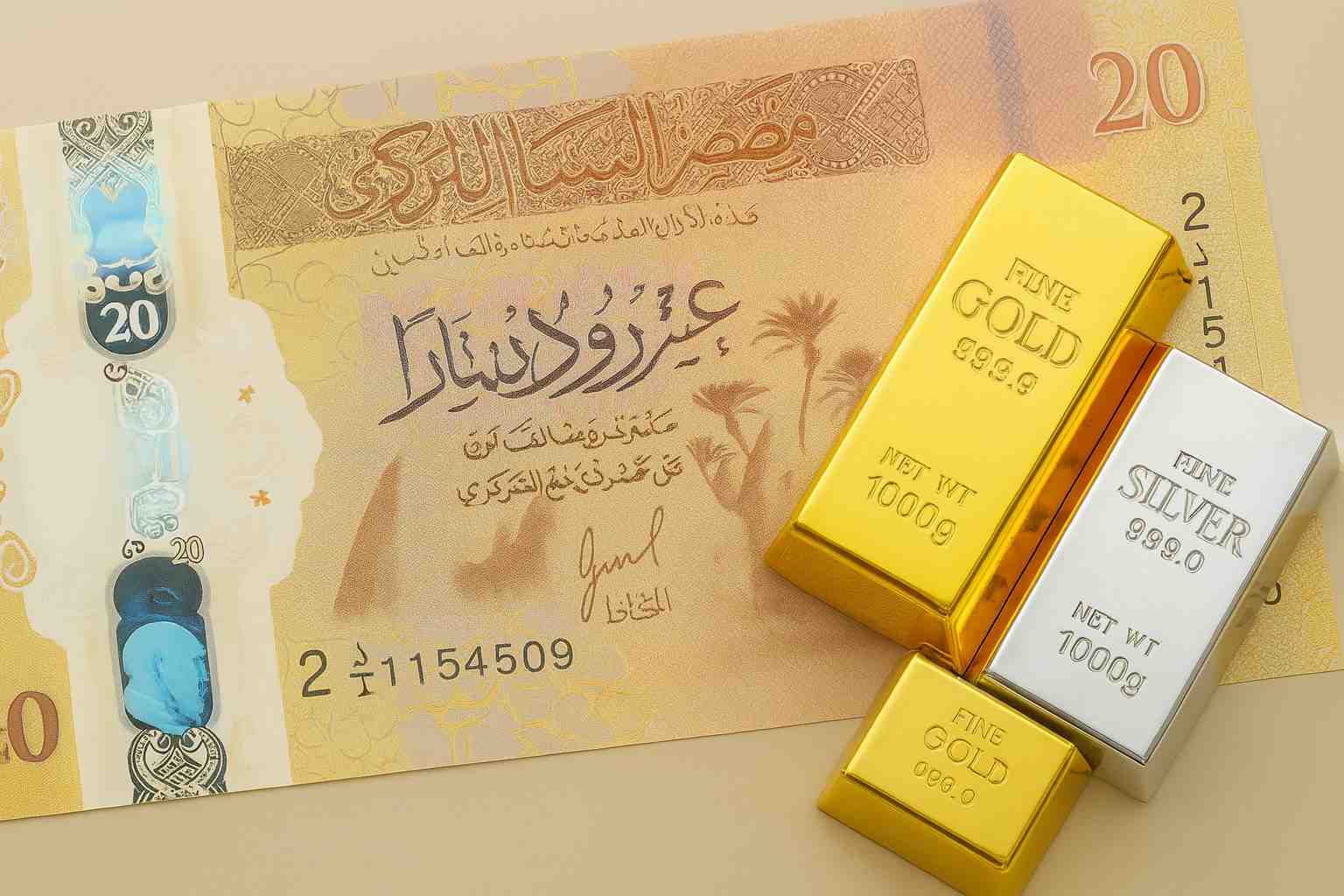
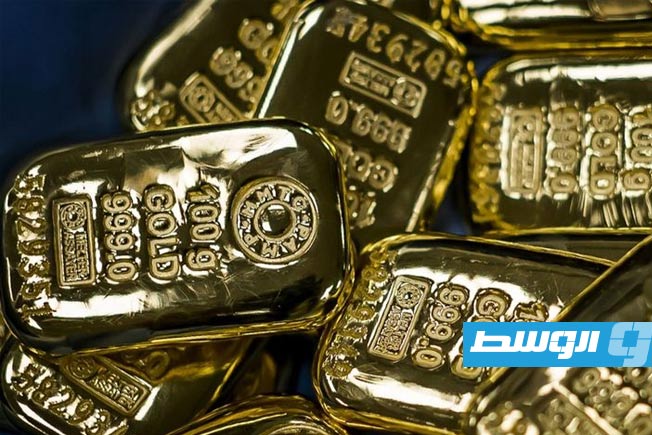
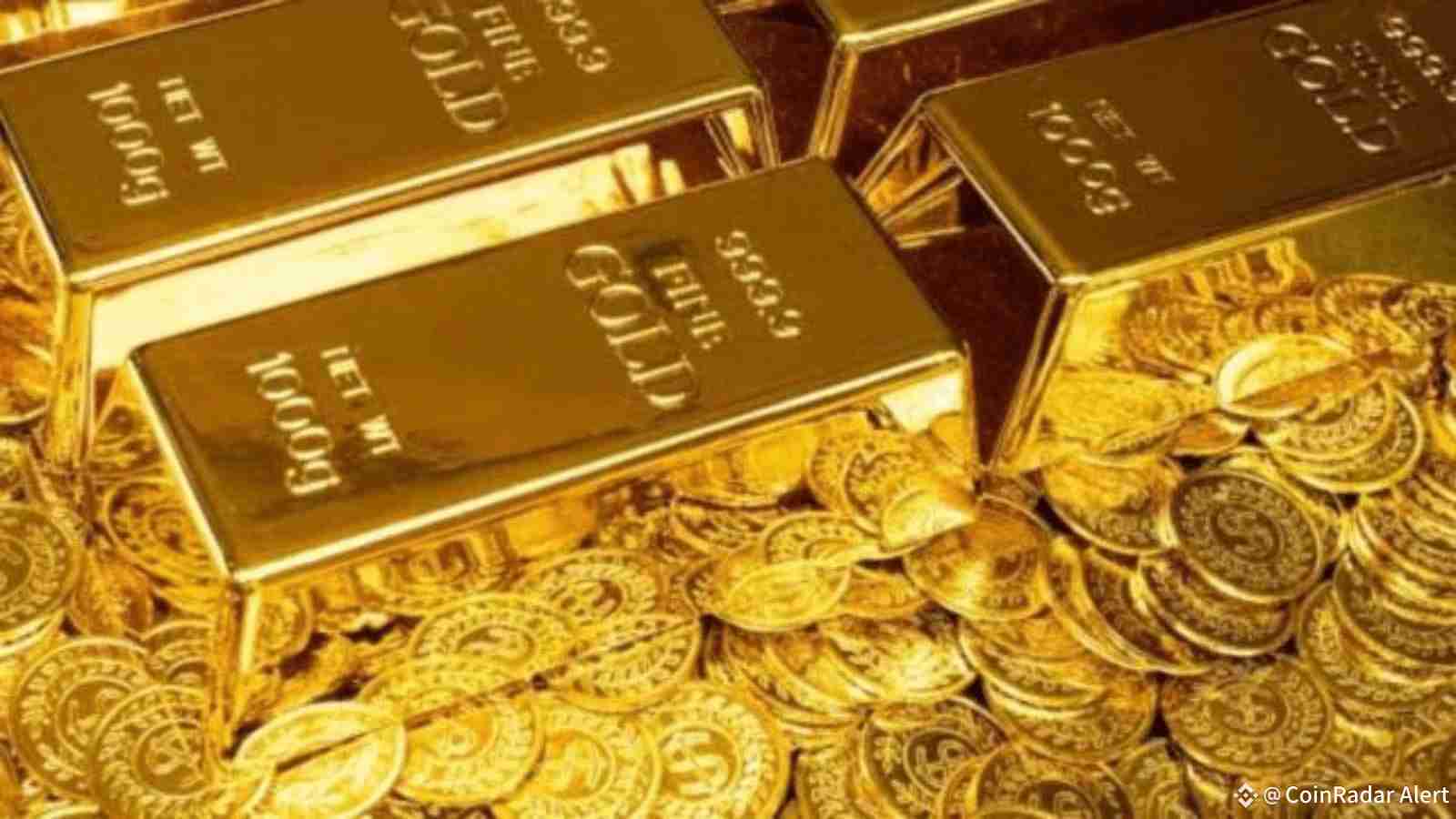
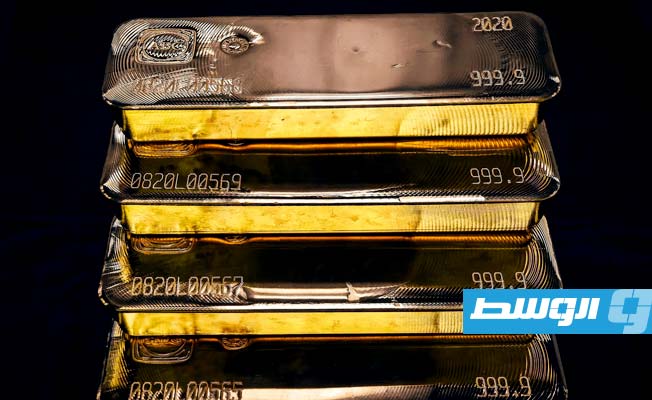
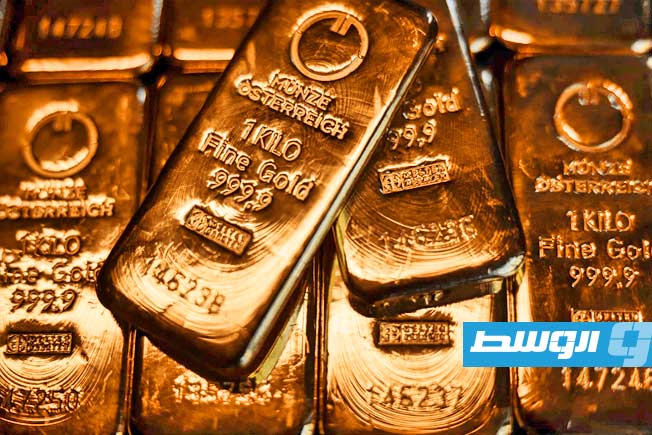
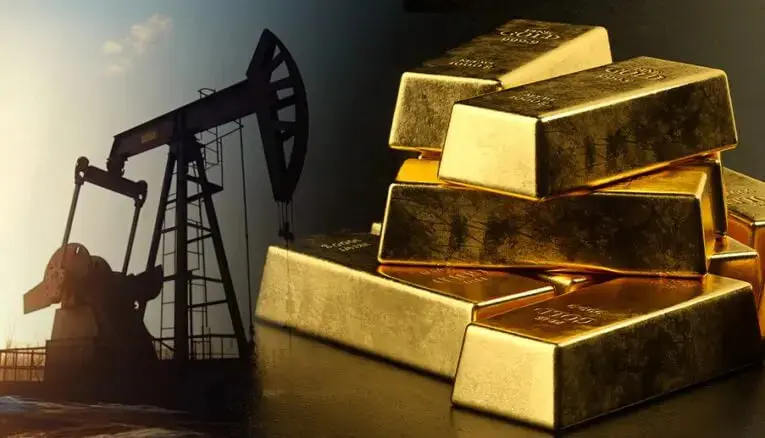
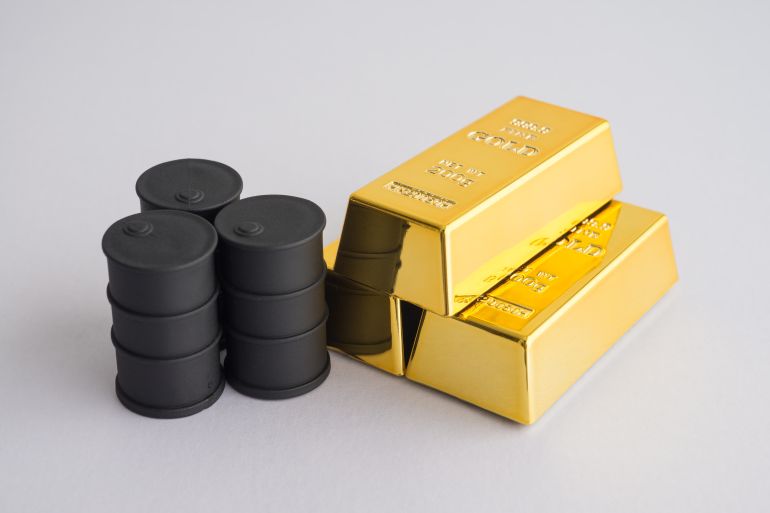
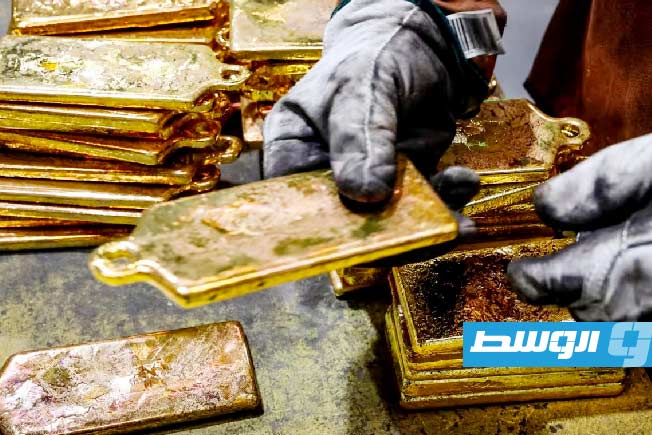
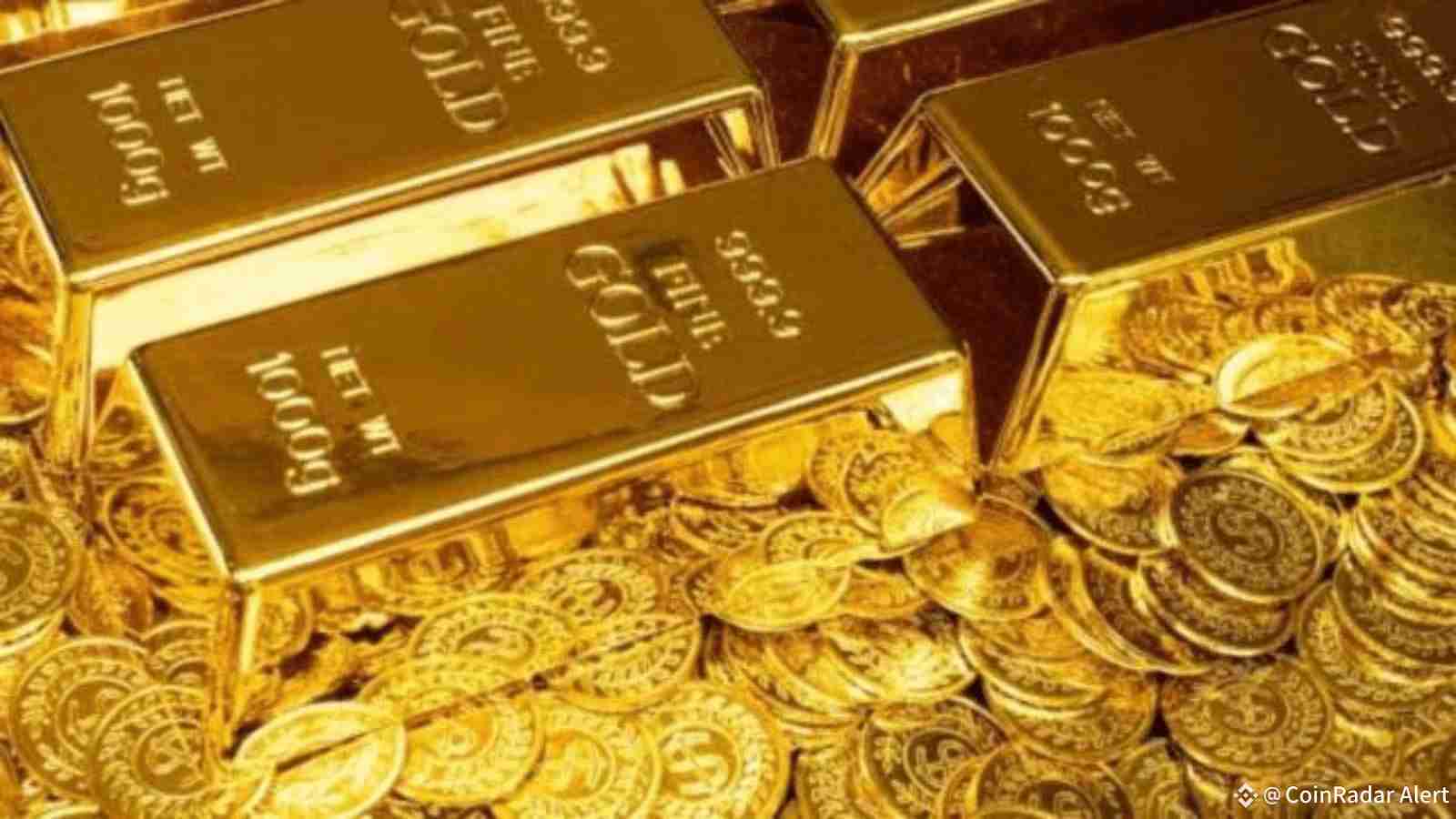
Conversely, demand for safe havens has risen. The price of gold has increased to exceed $5,200 per ounce, while the price of silver reached $112 per ounce.
Reasons for the Decline in the Dollar Exchange Rate
The dollar began its decline over a year ago. The American currency is under numerous pressures that have caused its exchange rate to fall, including:
Geostrategic pressures related to political and trade tensions, and the US administration’s policy towards partners and rivals.
The current state of the US economy, particularly concerning the US budget deficit and massive public debt.
The United States is on the verge of a new government shutdown, which may remind people of the previous shutdown resulting from disagreements between Republicans and Democrats.
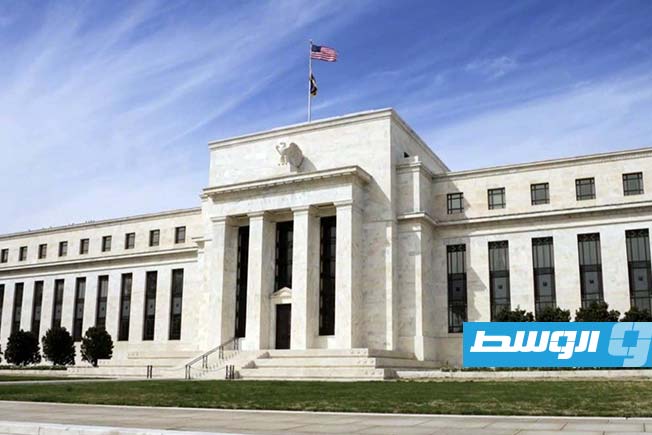
An upcoming meeting regarding the interest rate, which is expected to keep rates steady after 3 previous cuts. Lowering interest rates means the dollar becomes less attractive to investors compared to other safe havens like gold.
The relationship between the dollar and gold is often inverse. As the price of gold rises, demand for the dollar decreases because investors have other alternatives to hedge against risks.
What are the reasons behind Trump’s statements about a weak dollar?
There are numerous factors behind Trump’s statements regarding the dollar, some internal and some an attempt to anticipate future developments.
Regarding internal US affairs, Trump is trying to influence Federal Reserve decisions, knowing it will not cut rates. Not cutting interest rates is a nightmare for Trump currently, given a declining economy, high real inflation, falling popularity, and debt nearing explosion.
Trump is always seeking to appear in control, as the one who moves things. The US President is anticipating future crises and a significant decline for the dollar during 2026.
Markets will likely take Trump’s statements as a negative signal for the future of the US economy, which no longer depends on the natural fundamentals of the world’s largest economy but on the President’s whims. This threatens markets and holders of US debt, who will certainly move to sell.
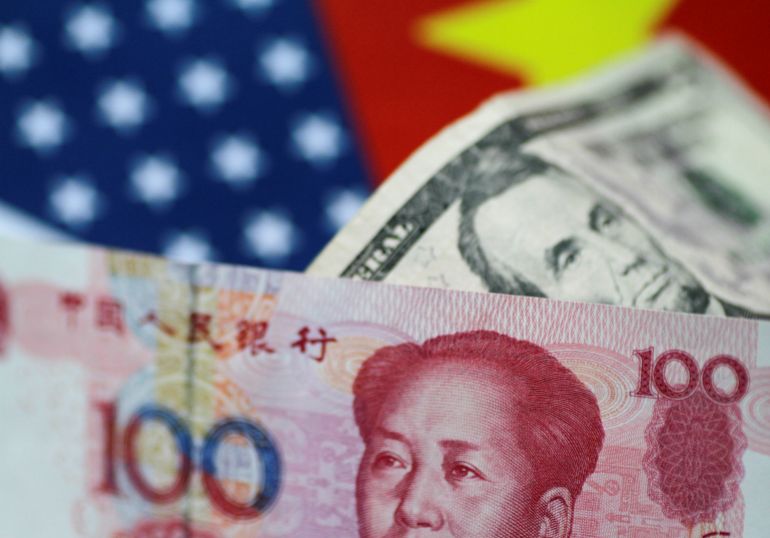
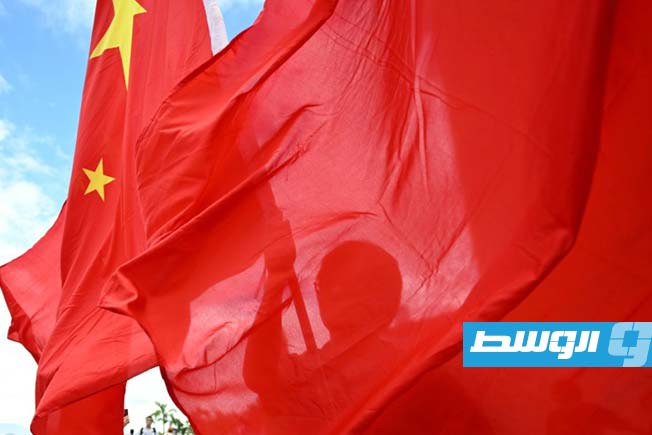
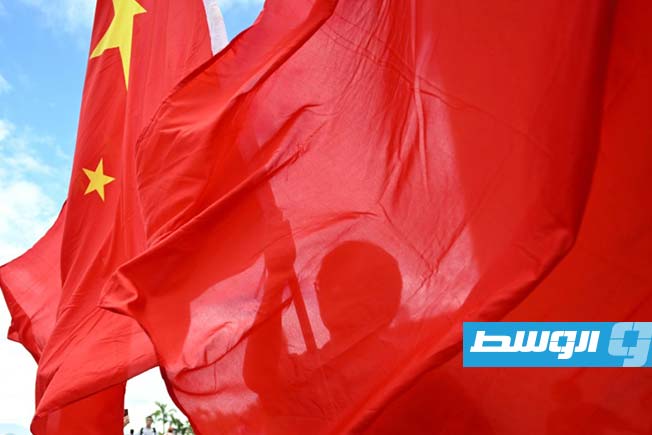
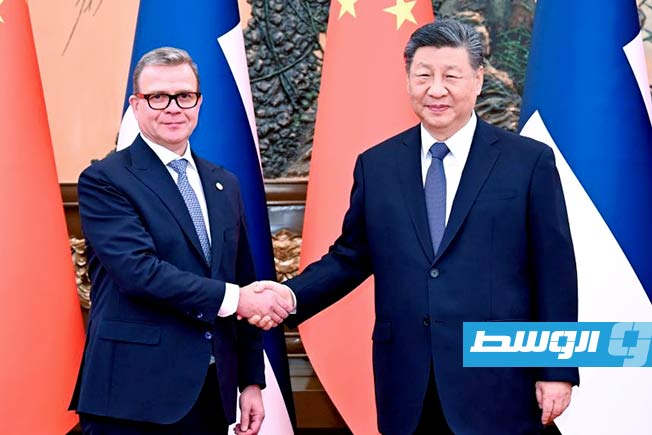
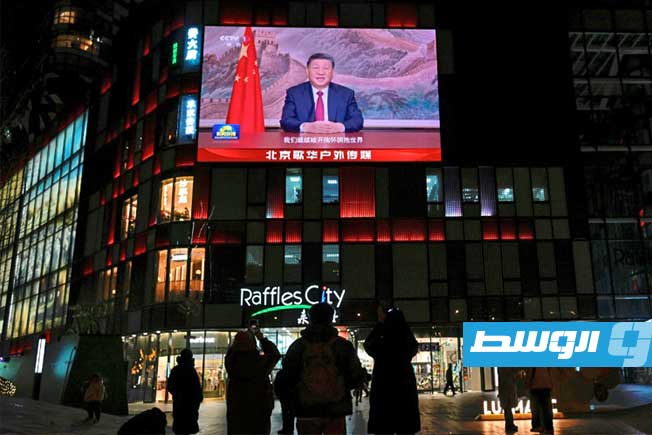
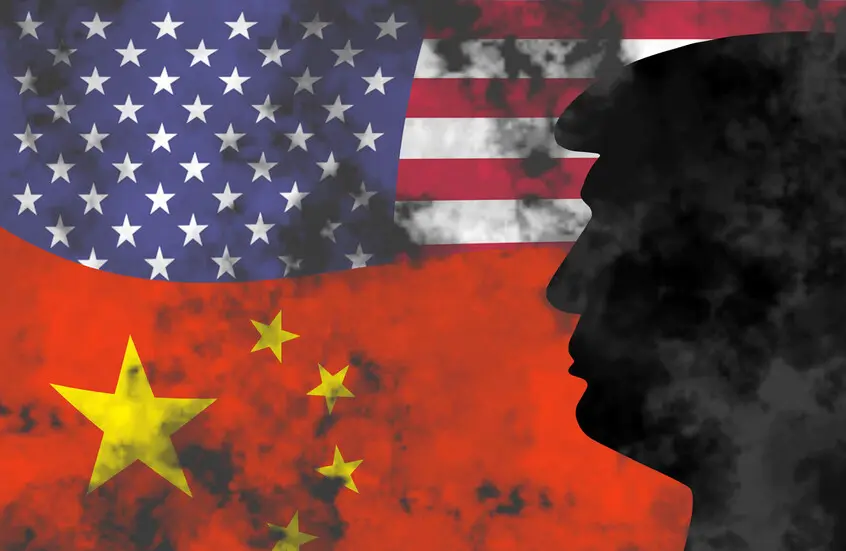
A rise in the Chinese yuan exchange rate against the dollar will increase the prices of Chinese imports.
Impact on US Exports
Analysts noted that the Trump administration sees the decline in the dollar exchange rate as an advantage for US exports, whose prices will fall, potentially increasing demand for them in international markets.
Many in the Trump administration want a weak dollar to make exports more competitive. However, this is a calculated risk, as lowering the dollar exchange rate could have unintended consequences.
The Trump administration’s view of the dollar indicates the beginning of a new phase of decline in its value. The US President’s administration aims to establish an
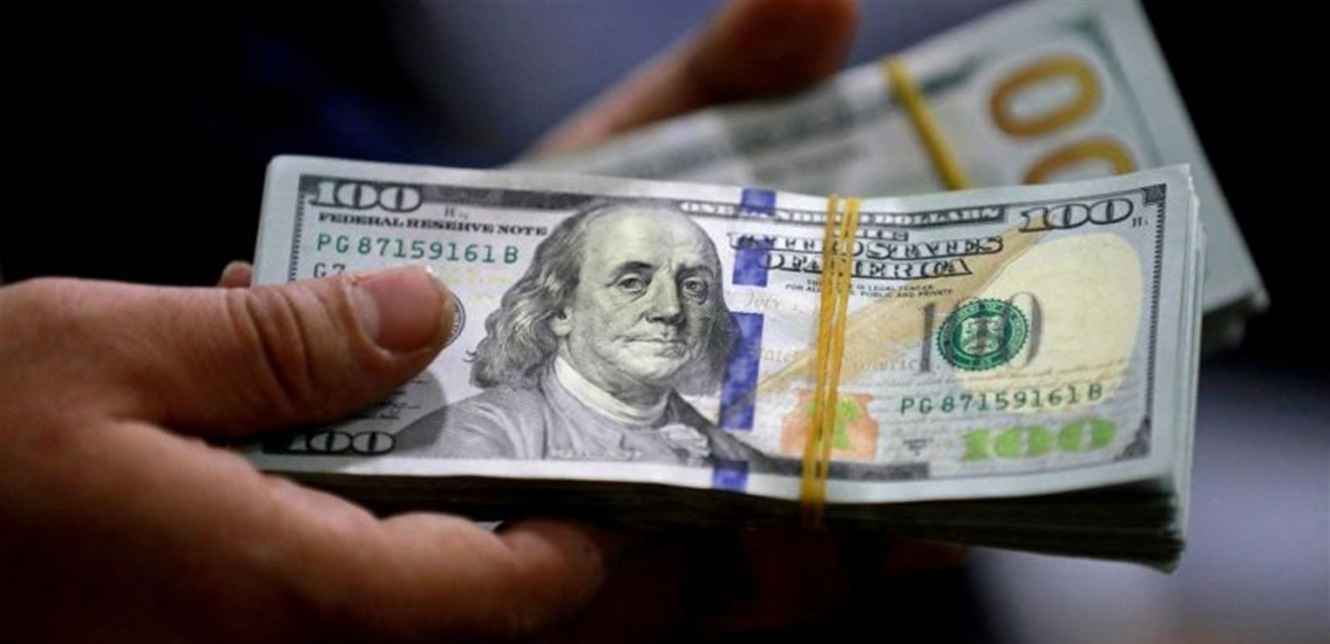
US dollar
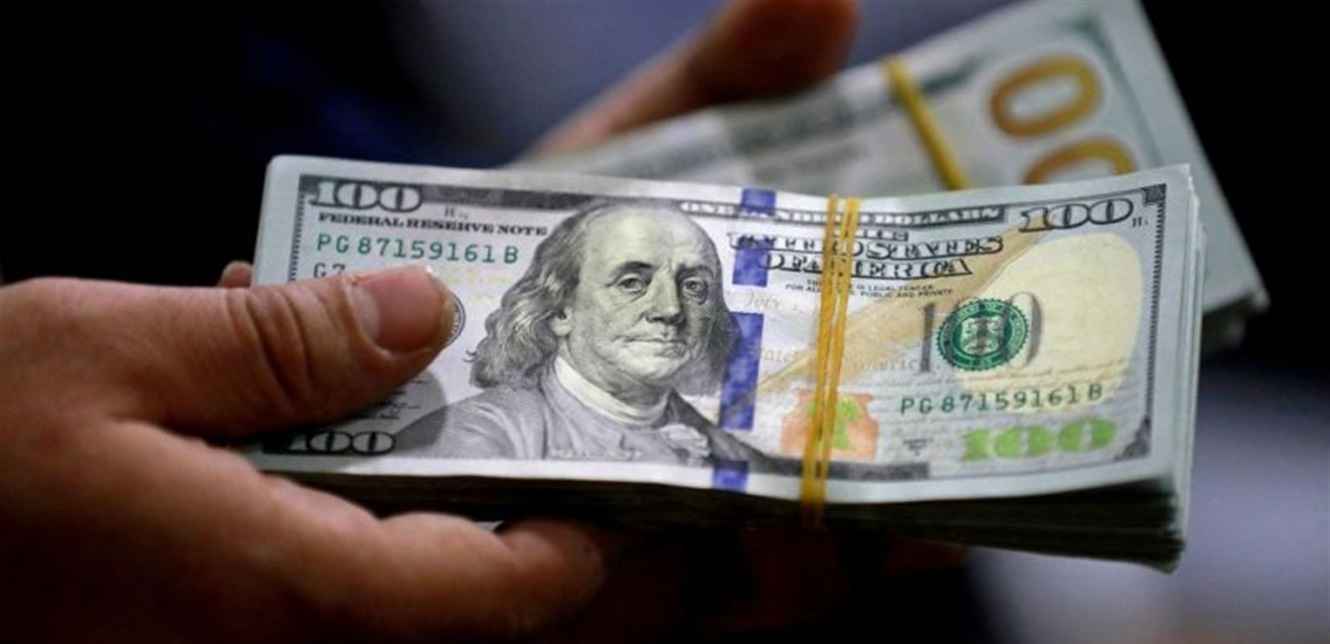
The US dollar is the official currency of the United States, established by the Coinage Act of 1792. It evolved from a system based on Spanish milled dollars and has become the world’s primary reserve currency since the Bretton Woods Agreement in 1944.
Iowa
Iowa is a U.S. state in the Midwest, historically inhabited by various Native American tribes before becoming part of the Louisiana Purchase and later a major agricultural hub for American settlers. Its cultural identity is deeply tied to farming, with traditions like the Iowa State Fair and its role in presidential caucuses shaping its national significance.
South Lawn
The South Lawn is the large park-like grounds south of the White House in Washington, D.C., serving as an important ceremonial space and the President’s backyard. Its history is intertwined with the presidency, having been the site of everything from military reviews and the annual Easter Egg Roll to protests and major public events since the early 19th century.
Marine One
Marine One is the call sign for any United States Marine Corps aircraft carrying the President of the United States. The most recognizable of these is the specialized fleet of Sikorsky VH-3D and VH-60N helicopters, which have been in service for decades to provide secure and rapid transport for the president. The tradition began in 1957 when President Dwight D. Eisenhower first used a Marine Corps helicopter for presidential travel.
White House
The White House is the official residence and workplace of the President of the United States, located in Washington, D.C. It was designed by James Hoban and its construction was completed in 1800, with President John Adams being the first to occupy it. The building has been expanded and renovated over the centuries, including after being burned by British forces in 1814.
Washington, DC
Washington, D.C., is the capital city of the United States, founded in 1790 following the ratification of the U.S. Constitution. It was established as a federal district by an act of Congress, with its location chosen by President George Washington along the Potomac River. The city was designed by Pierre Charles L’Enfant and is home to iconic national monuments, museums, and the branches of the U.S. government.
United States
The United States is a federal republic founded in 1776 following the American Revolution, which established its independence from Great Britain. Its history includes westward expansion, a civil war over slavery, and its emergence as a global superpower in the 20th century. The nation is defined by its diverse population, democratic institutions, and significant cultural influence worldwide.
gold
Gold is not a specific place or cultural site, but a precious metal that has been mined and treasured by civilizations globally for thousands of years. Historically, it has been central to economies, art, and rituals, with significant gold rushes like those in California and Australia shaping modern history. Major cultural sites related to gold include the Gold Museum in Bogotá, Colombia, and the historic gold mining regions of South Africa.
silver
Silver is a chemical element (Ag) historically used for coinage, jewelry, and tableware. Its mining and trade have played significant economic roles in various cultures, such as in ancient Greece, the Spanish Empire, and the American West. Today, it remains important in industry, investment, and ornamental arts.
Federal Reserve
The Federal Reserve is the central banking system of the United States, established in 1913 by the Federal Reserve Act to provide the nation with a safer, more flexible, and more stable monetary and financial system. It conducts national monetary policy, supervises and regulates banks, and works to maintain the stability of the financial system.
China Yuan
“China Yuan” likely refers to the Yuan Dynasty, a period of Mongol rule in China from 1271 to 1368. Founded by Kublai Khan, it succeeded the Song Dynasty and marked the first time all of China was governed by a non-Han ethnic group. The dynasty was part of the vast Mongol Empire and is noted for its cultural exchanges along the Silk Road, though it eventually fell due to internal strife and rebellion.
Chinese yuan
The Chinese yuan, officially known as the renminbi (RMB), is the currency of the People’s Republic of China. Its modern form was introduced by the Communist government in 1949, replacing the various currencies that had circulated during the Republican era. The yuan’s value and exchange rate have been historically managed by the state, with significant reforms in recent decades aimed at increasing its internationalization.