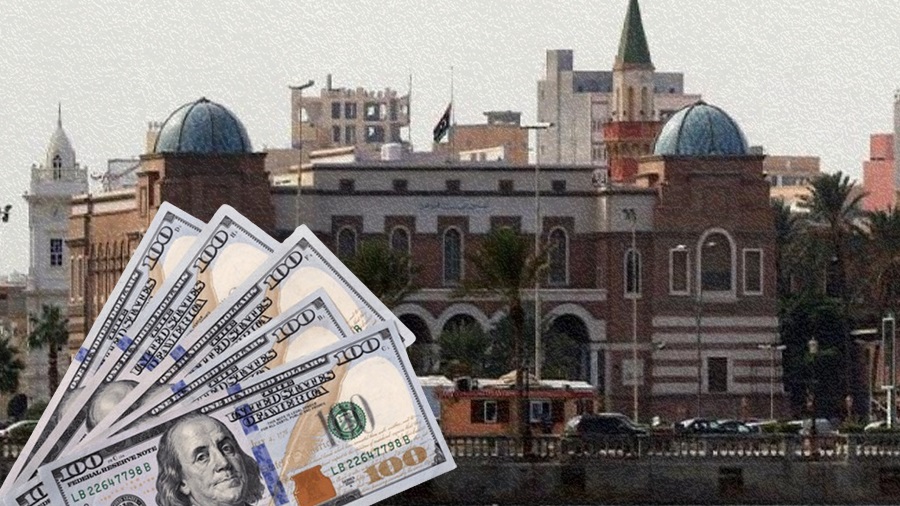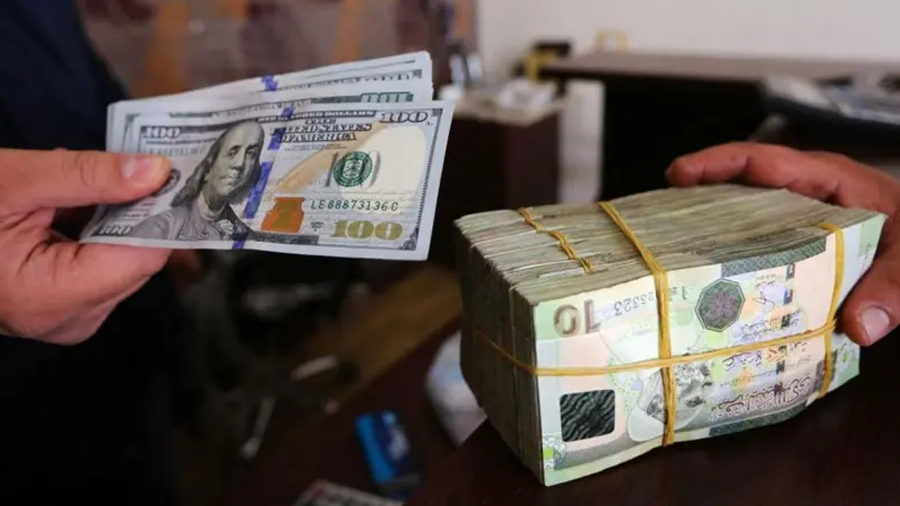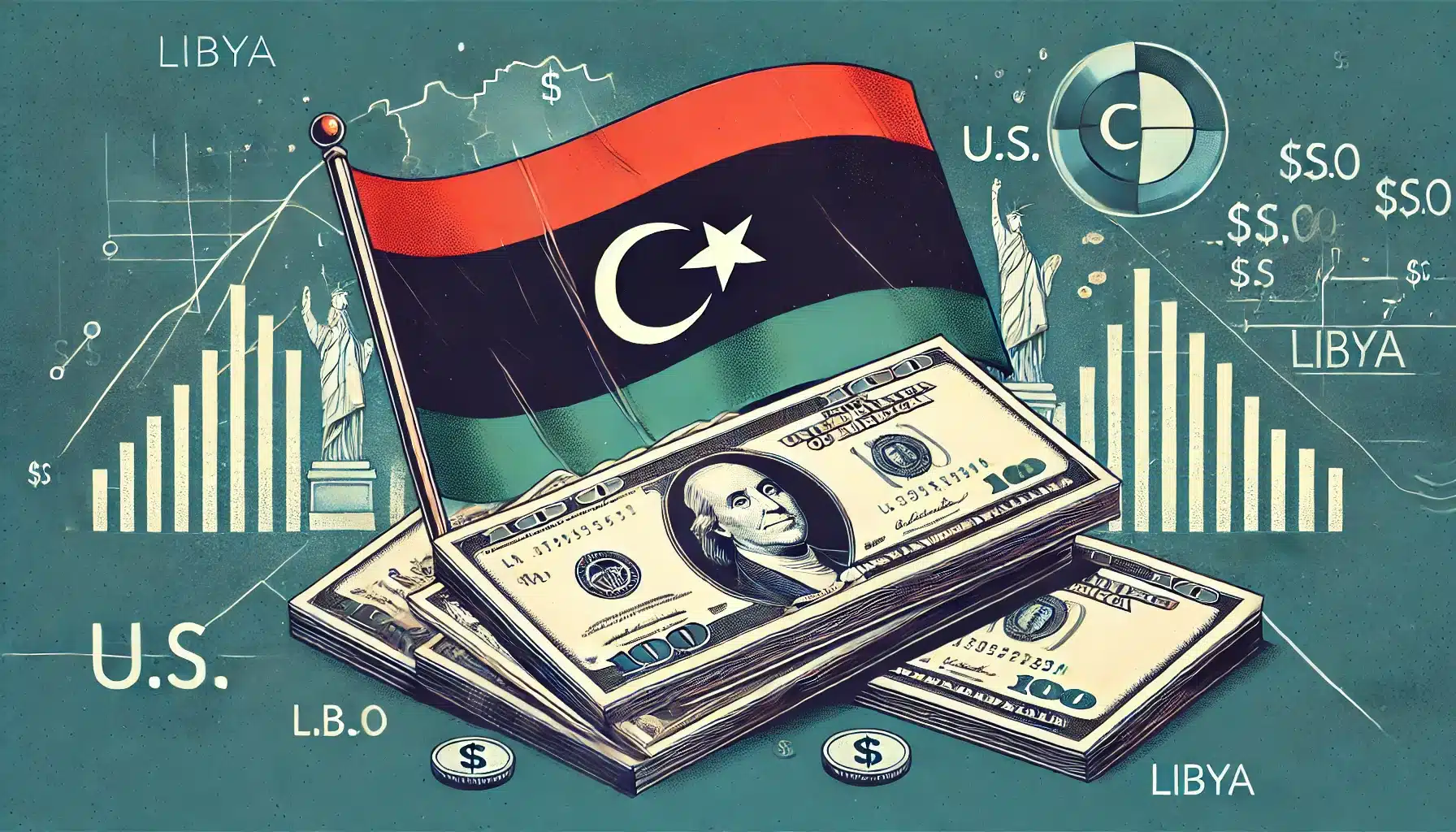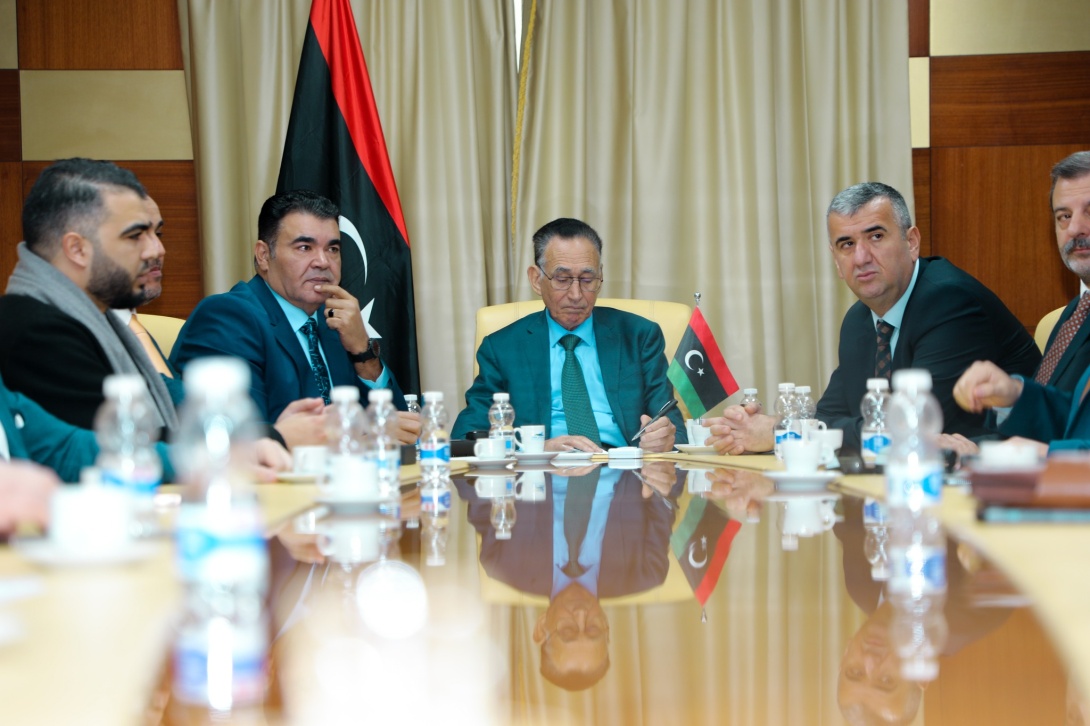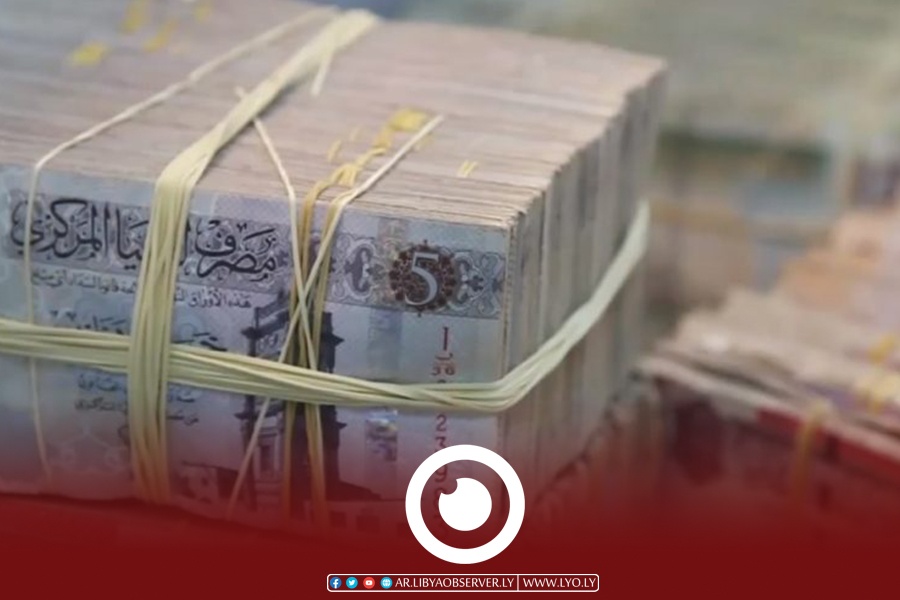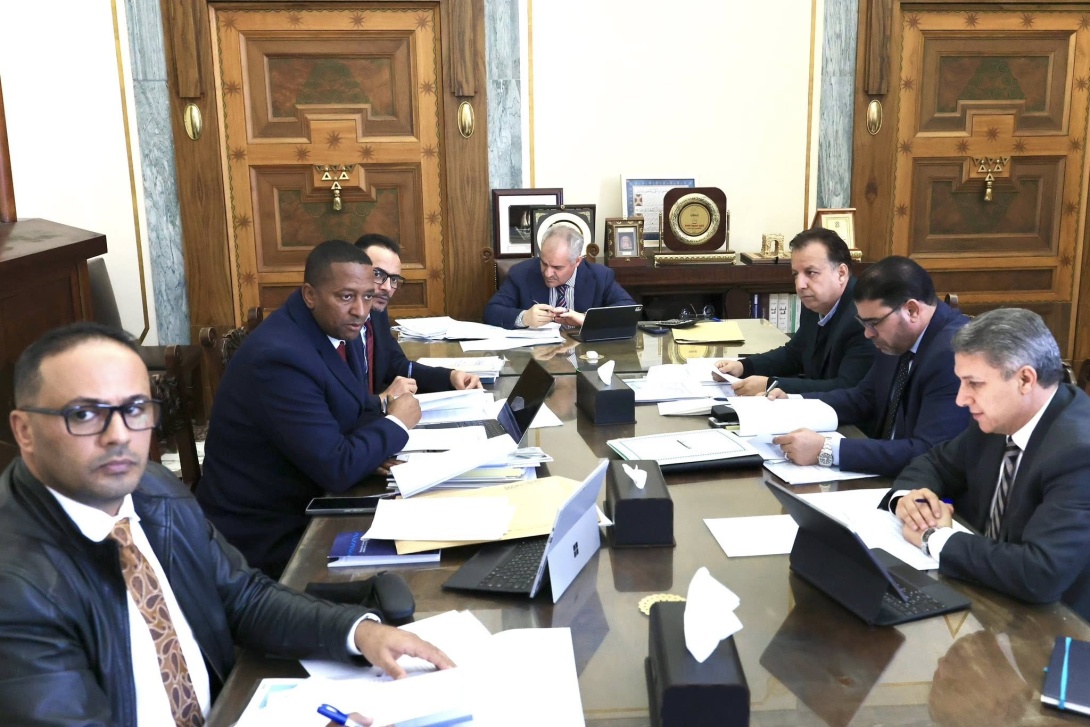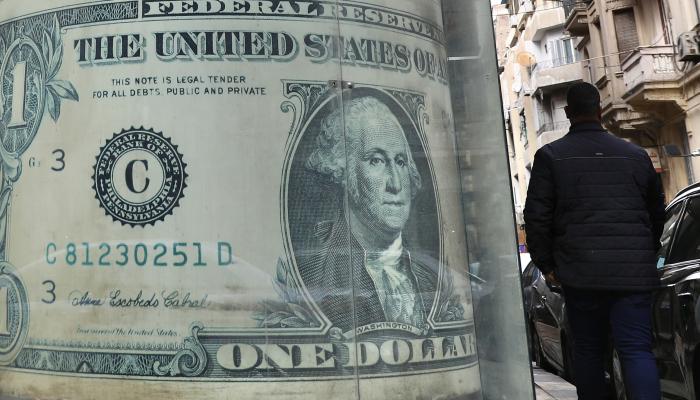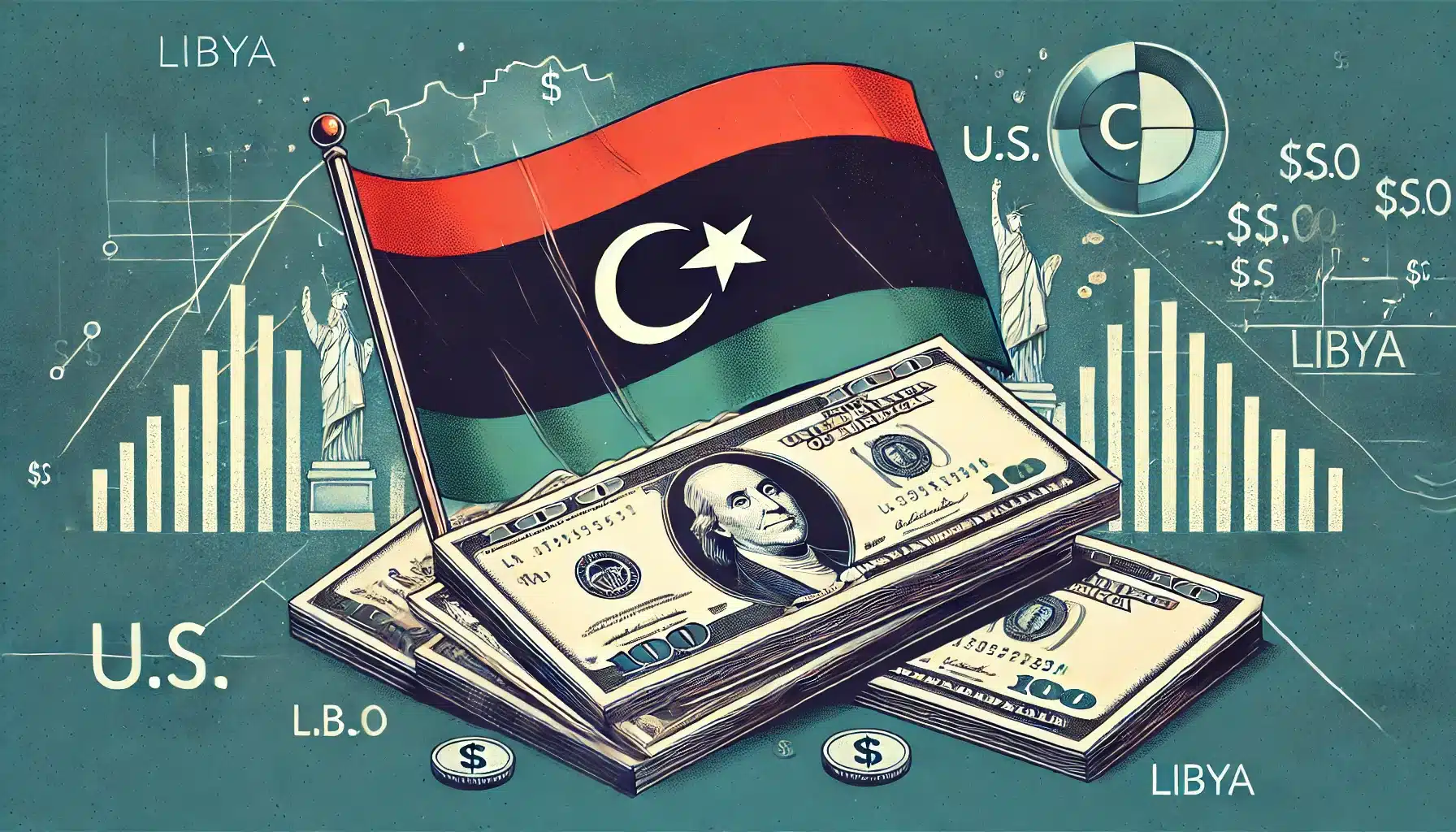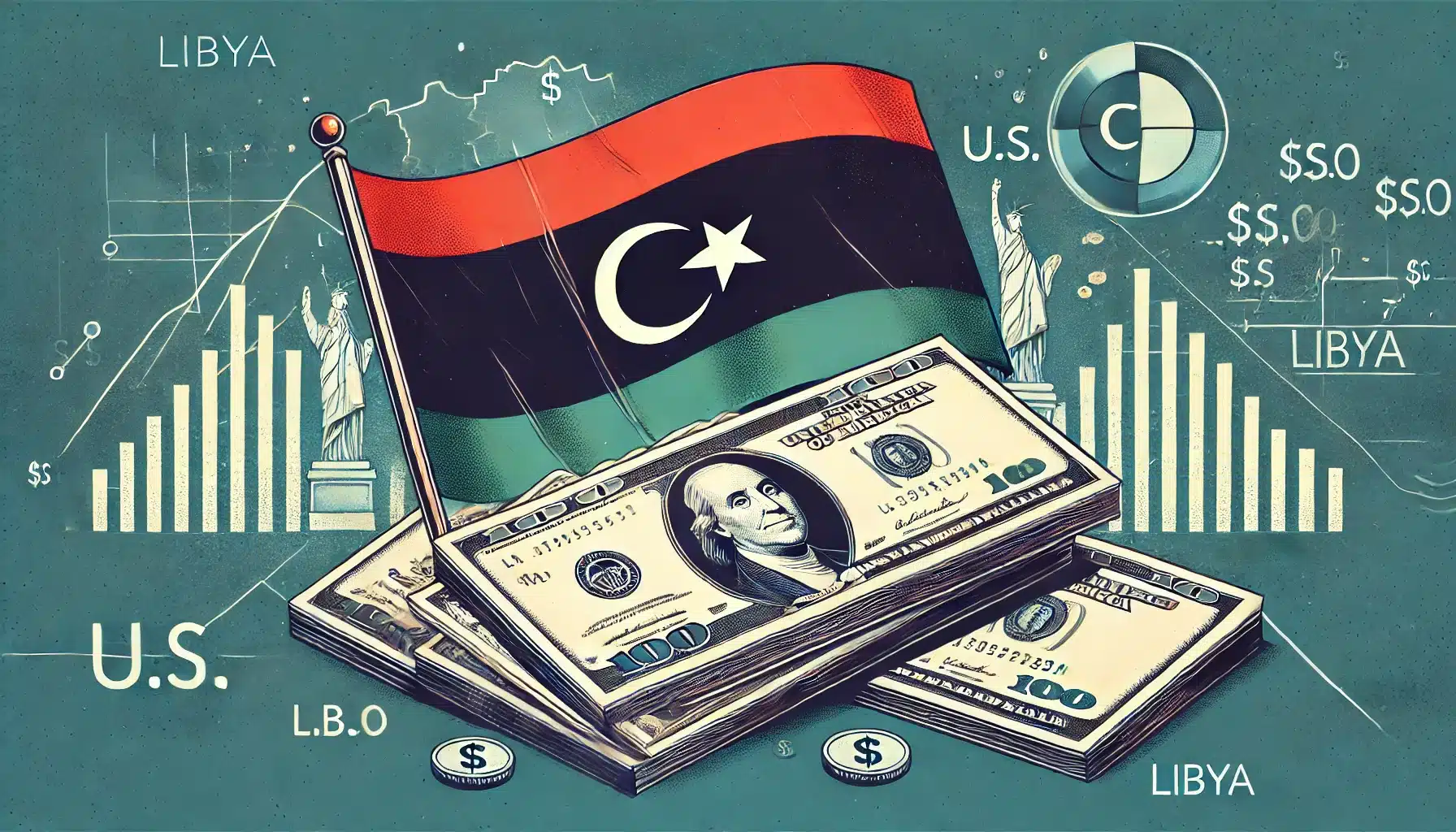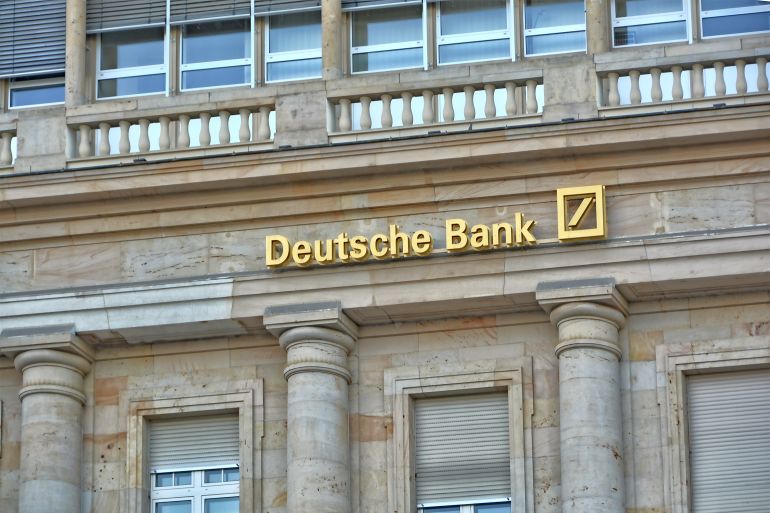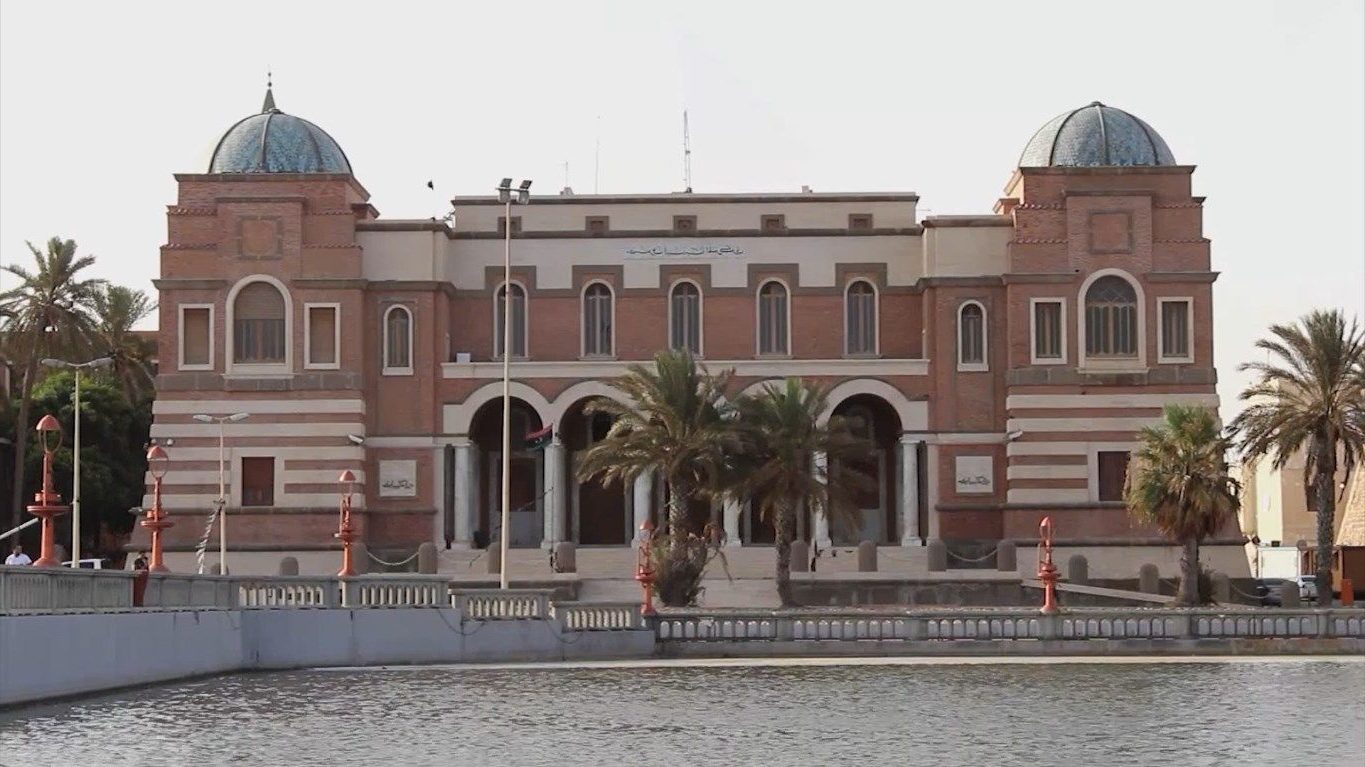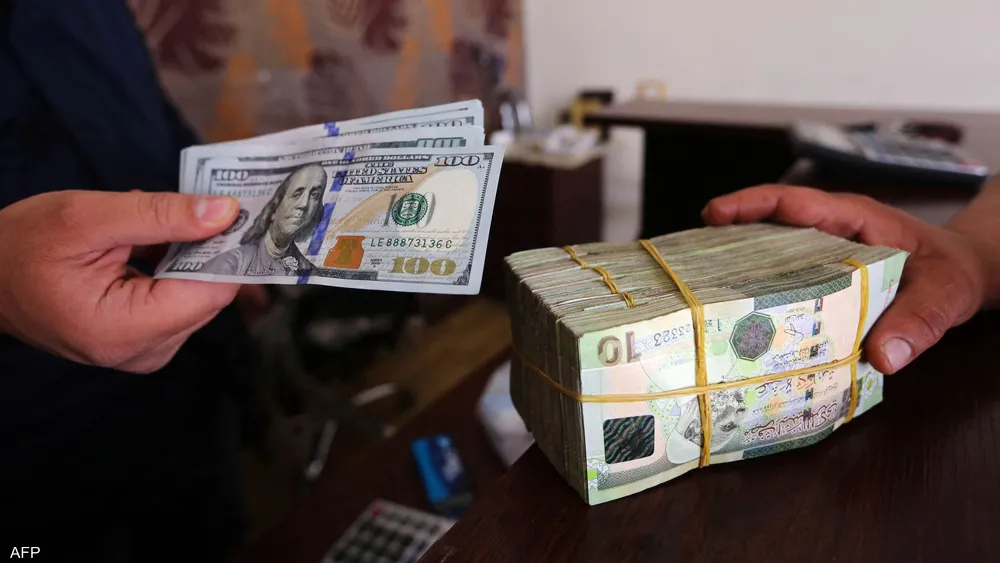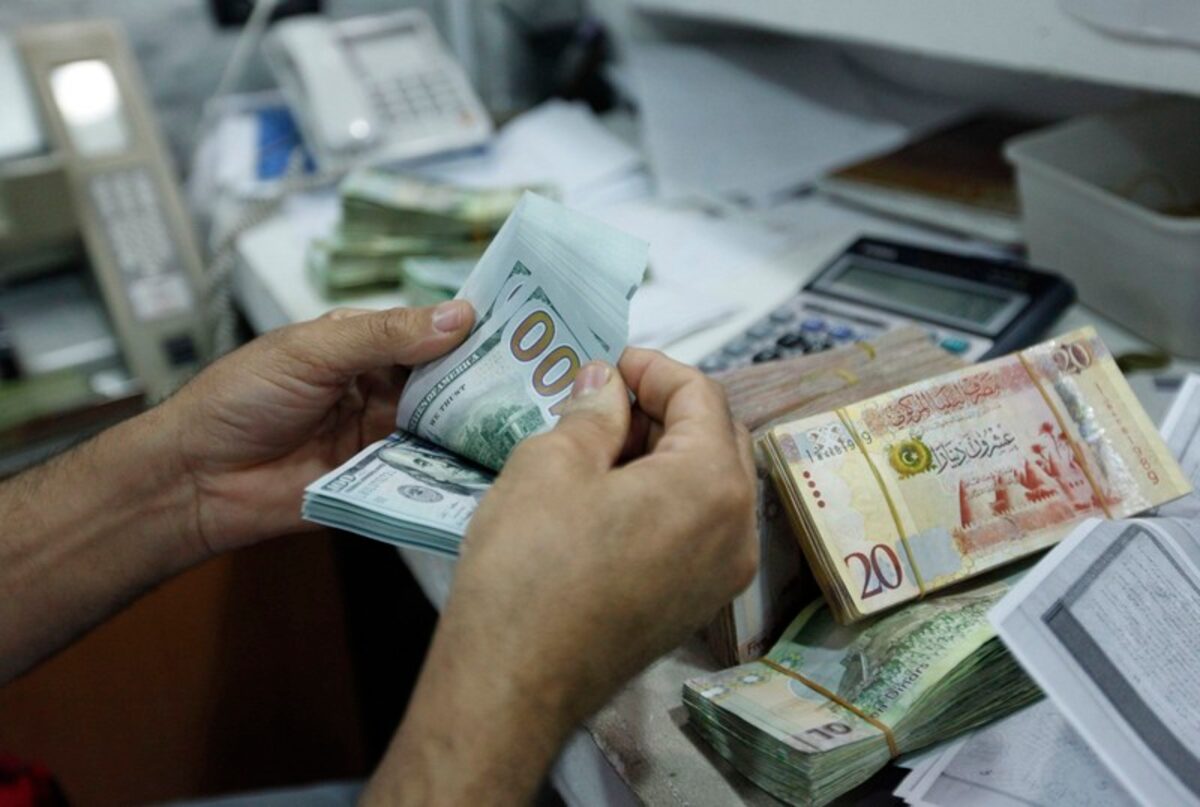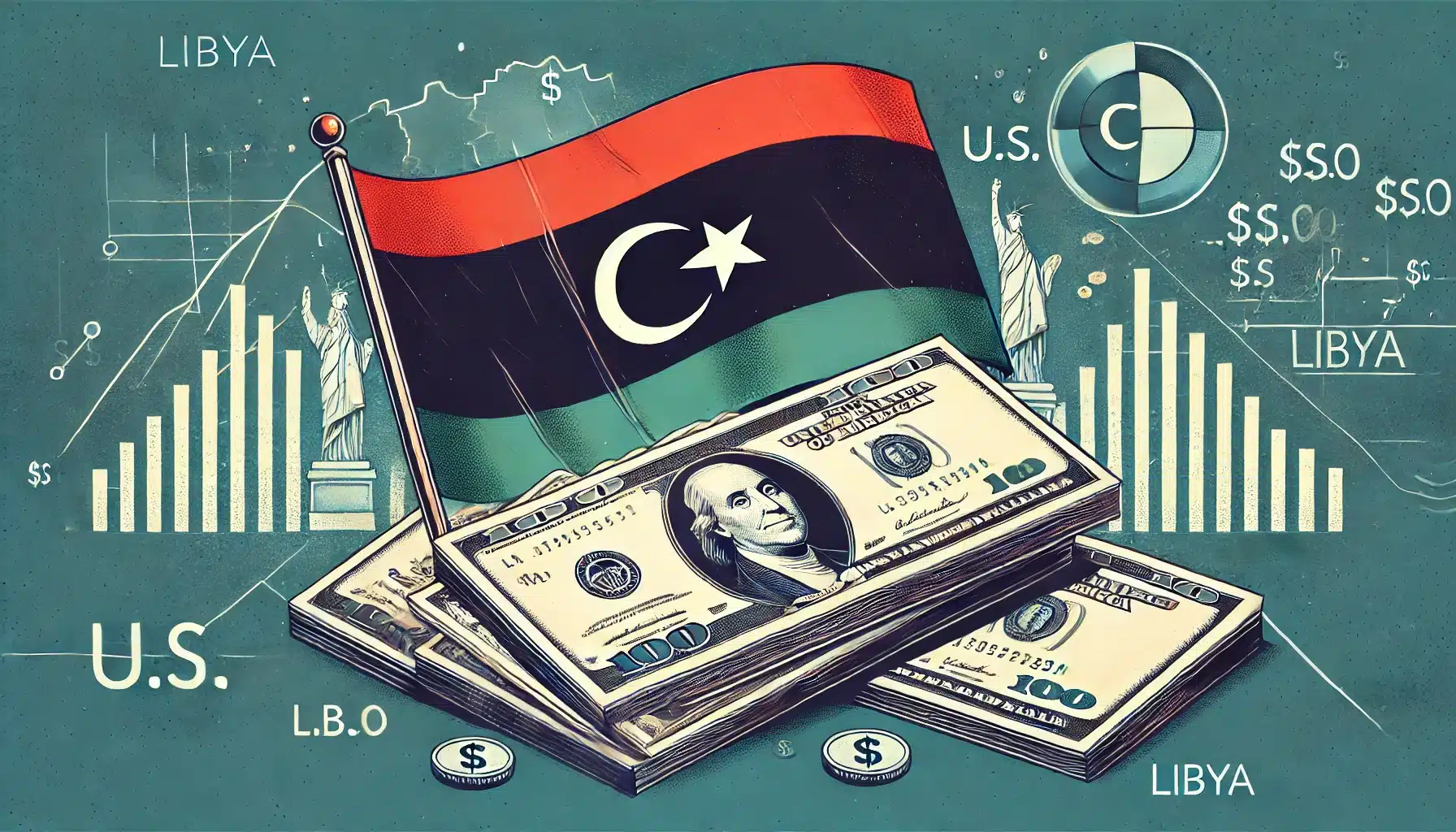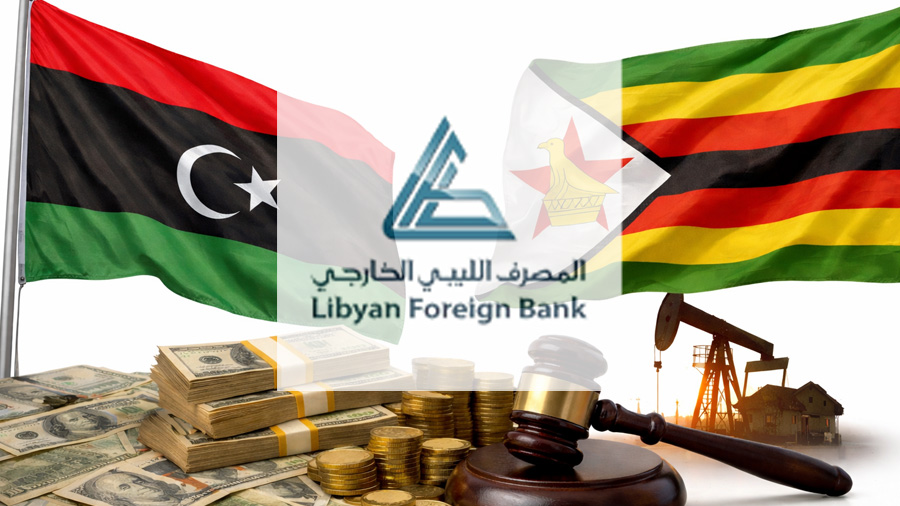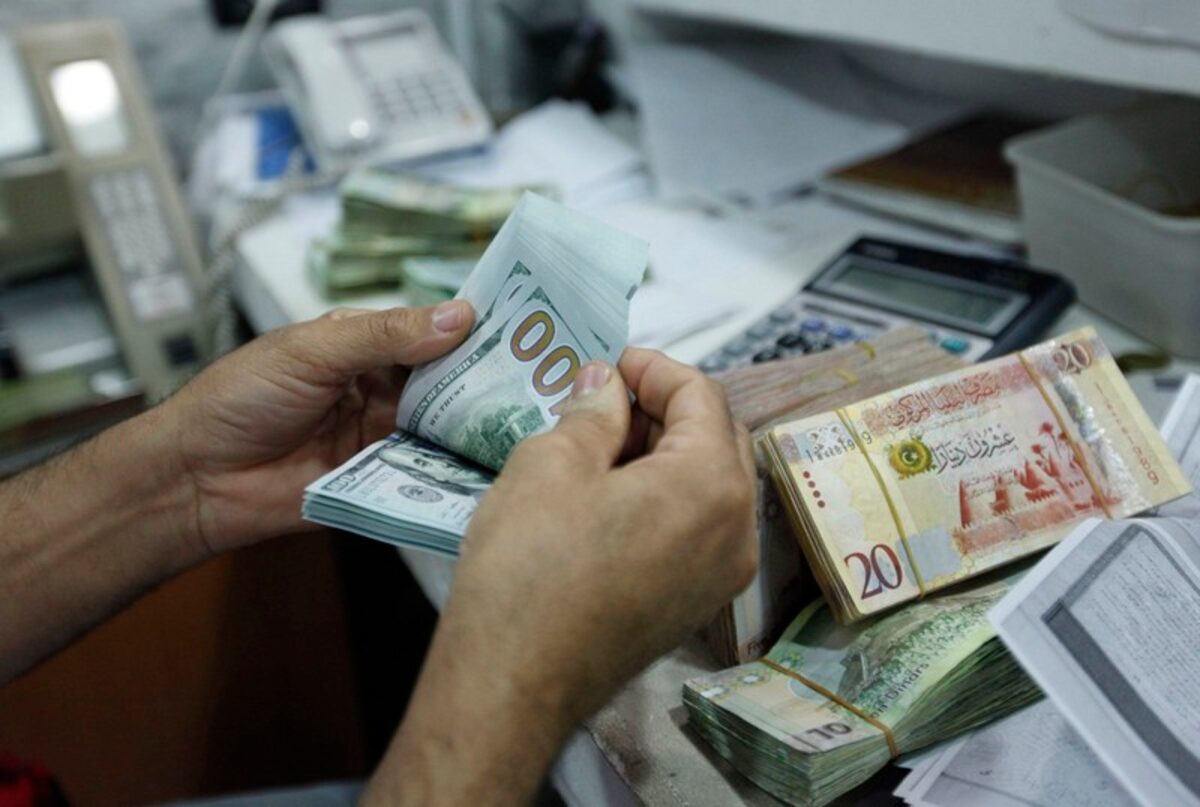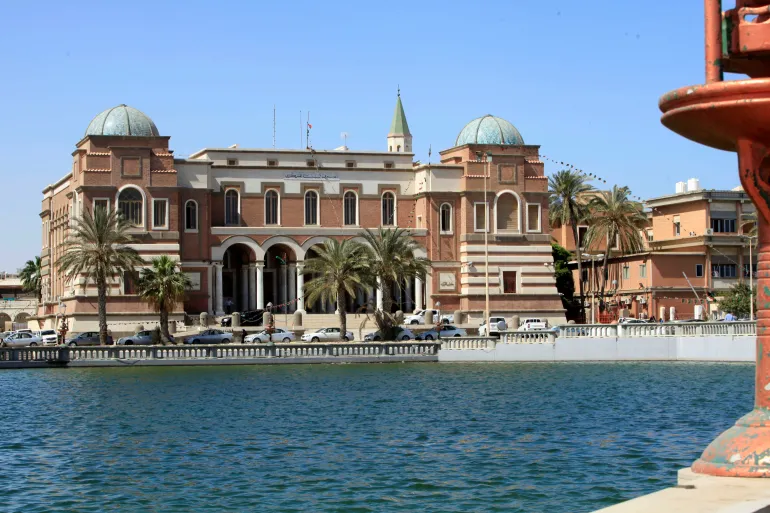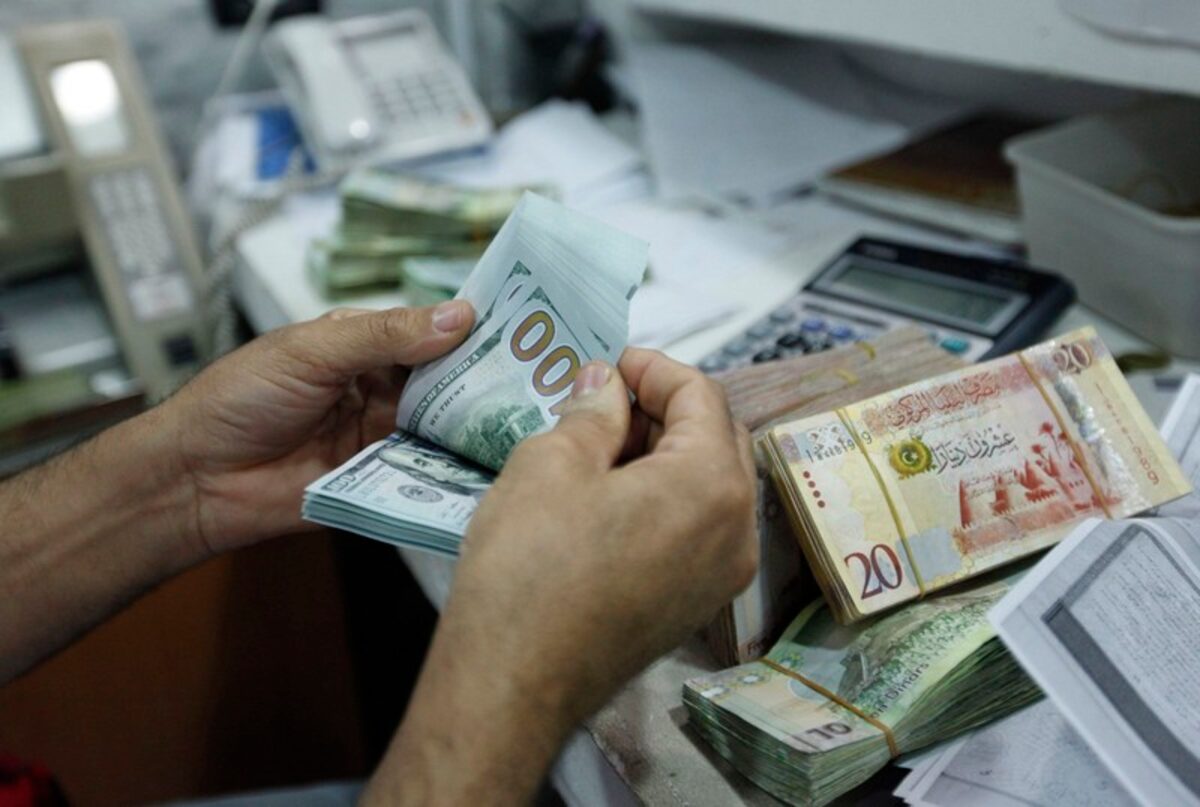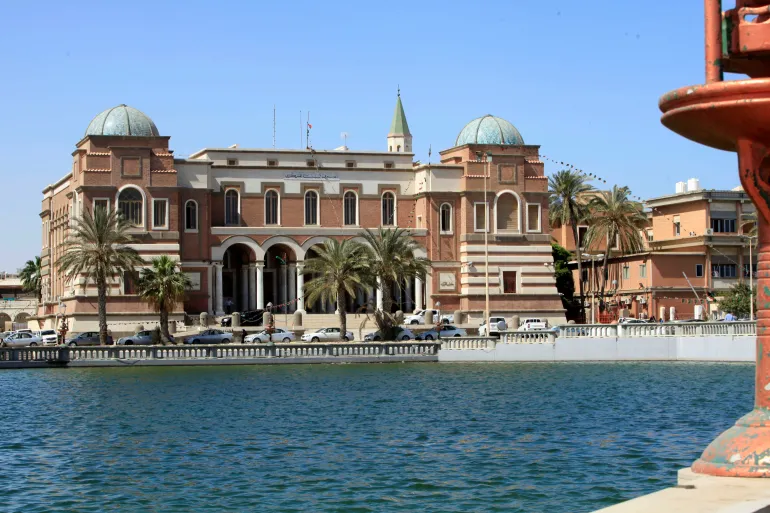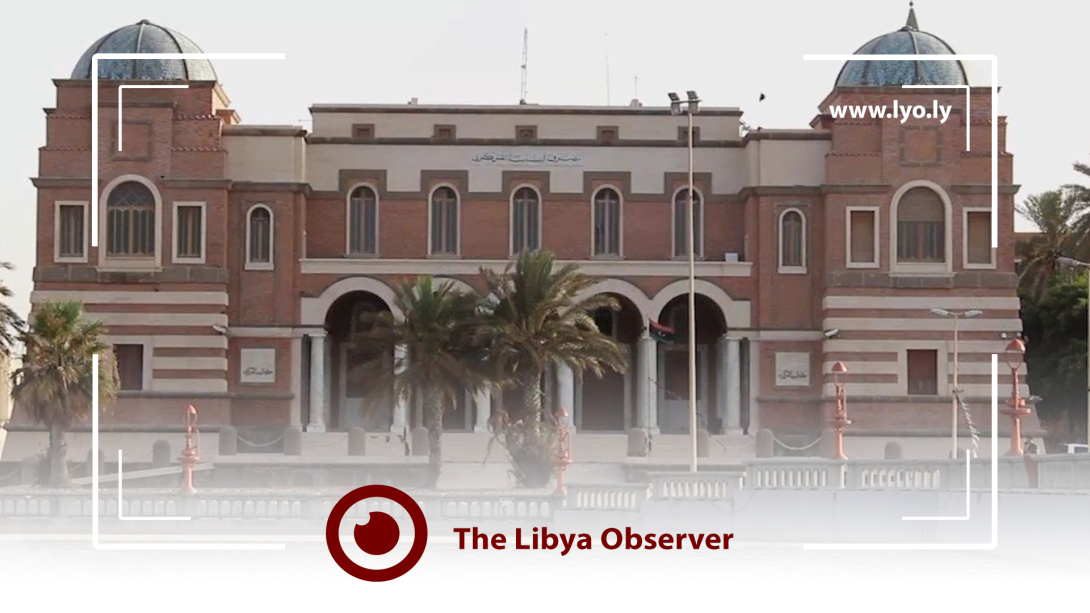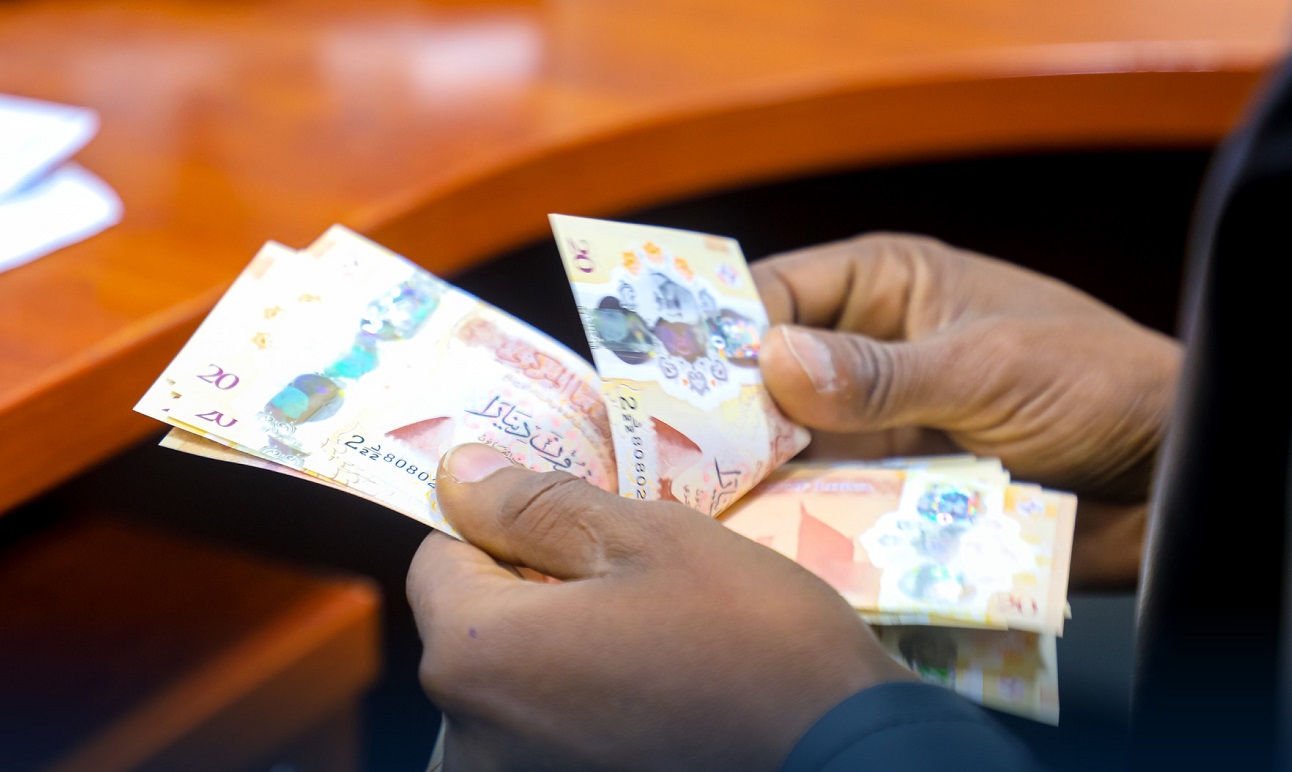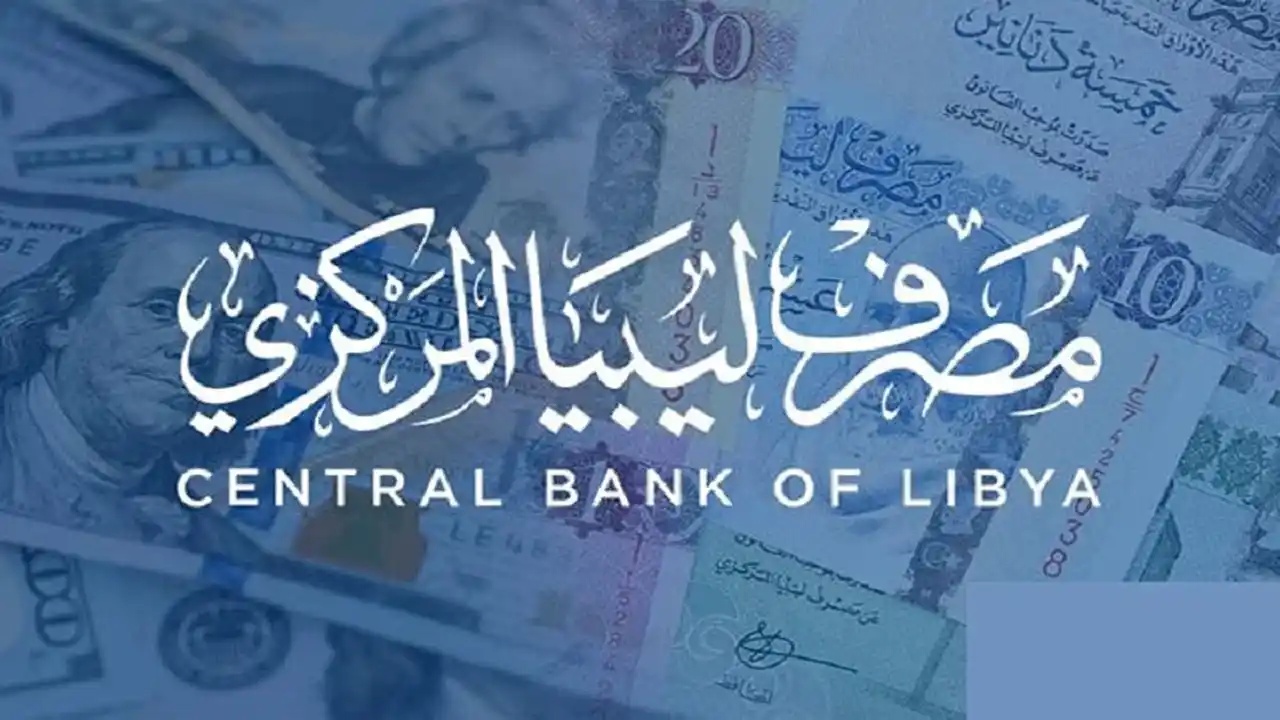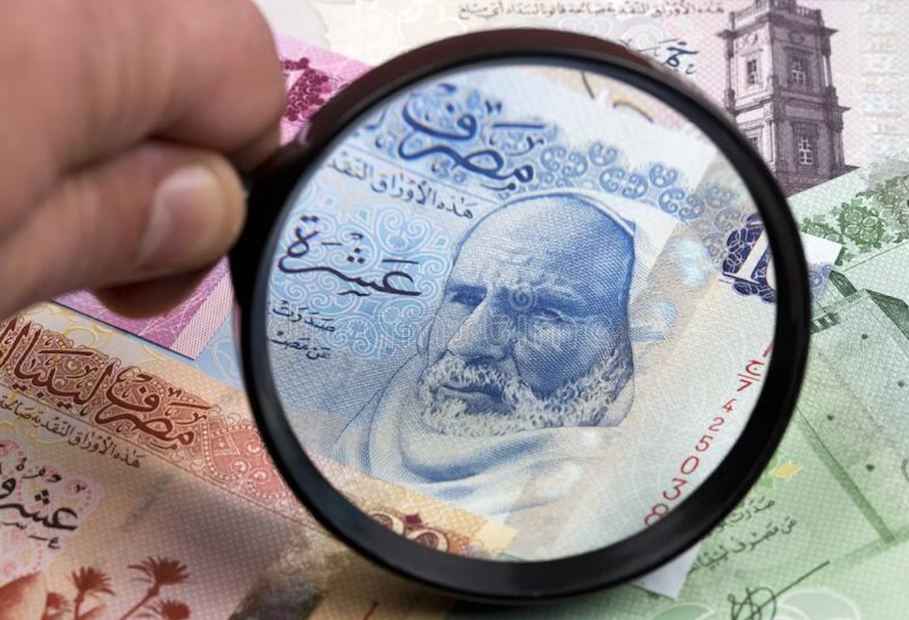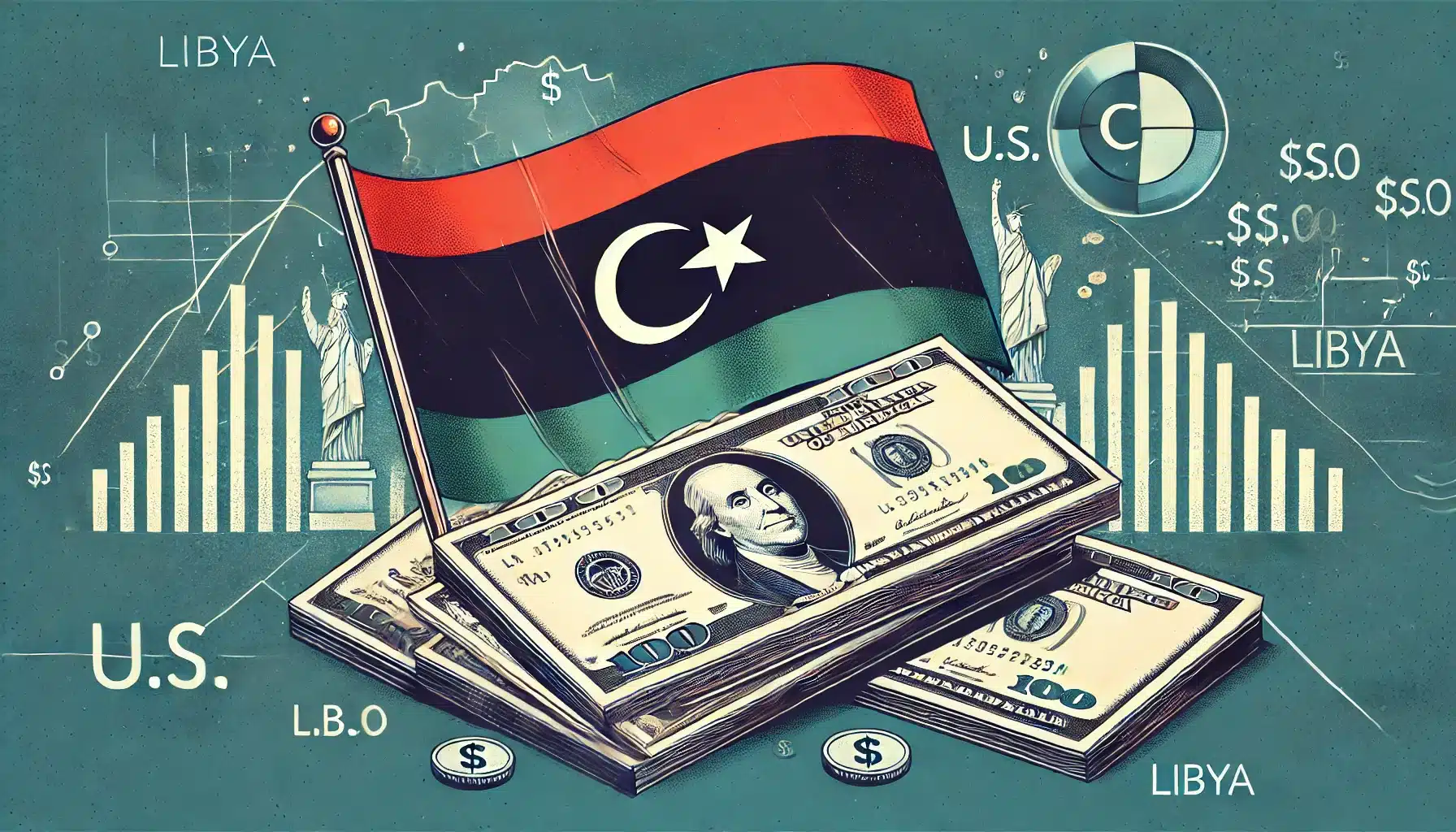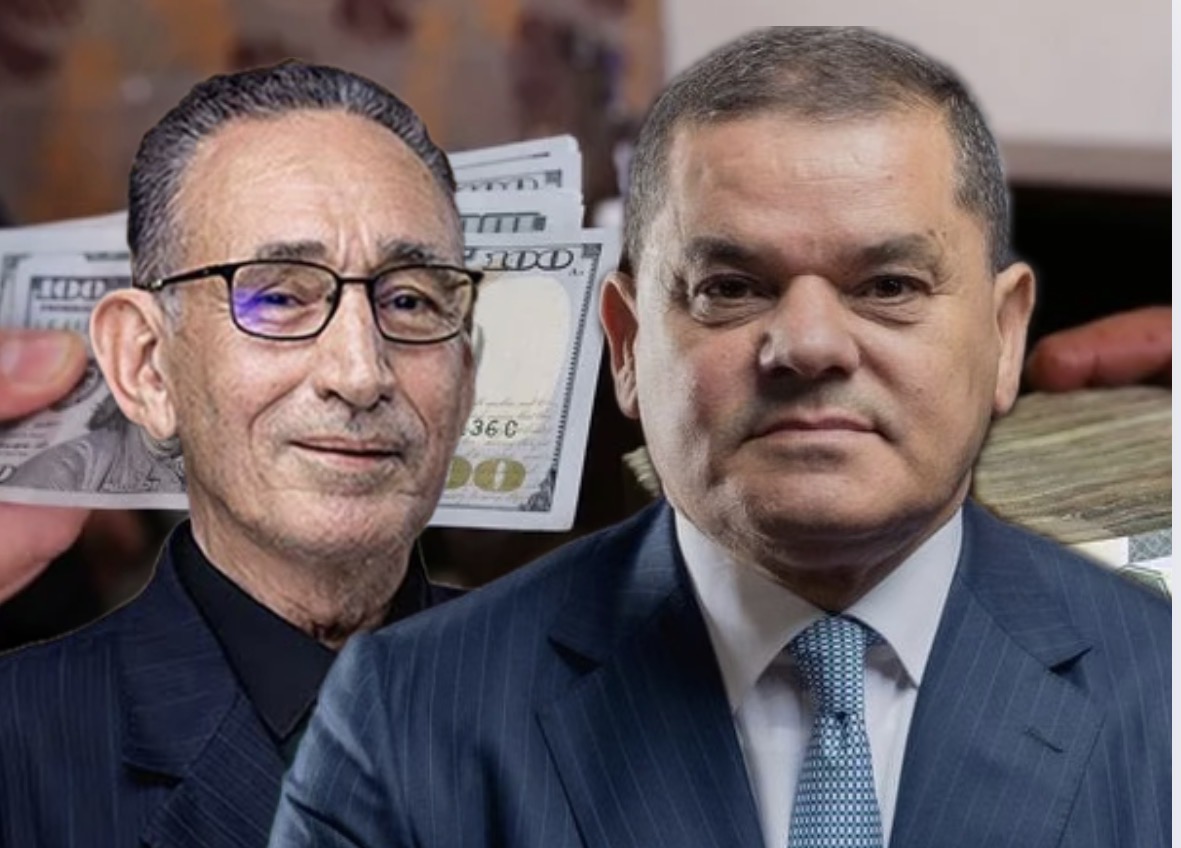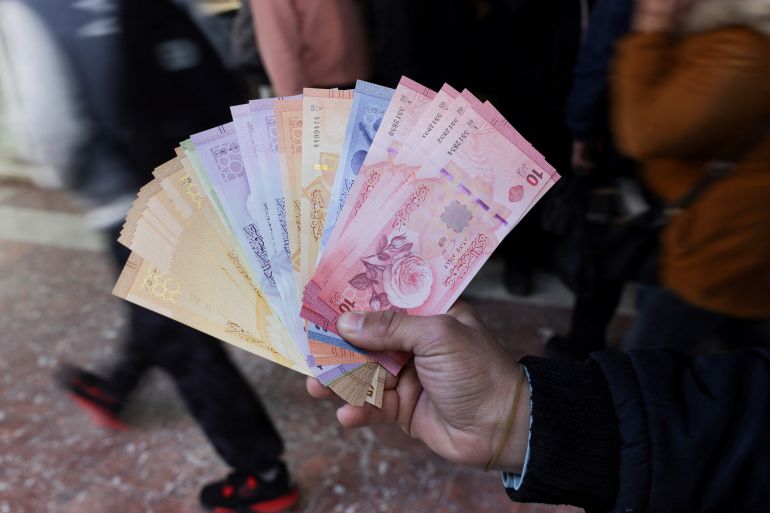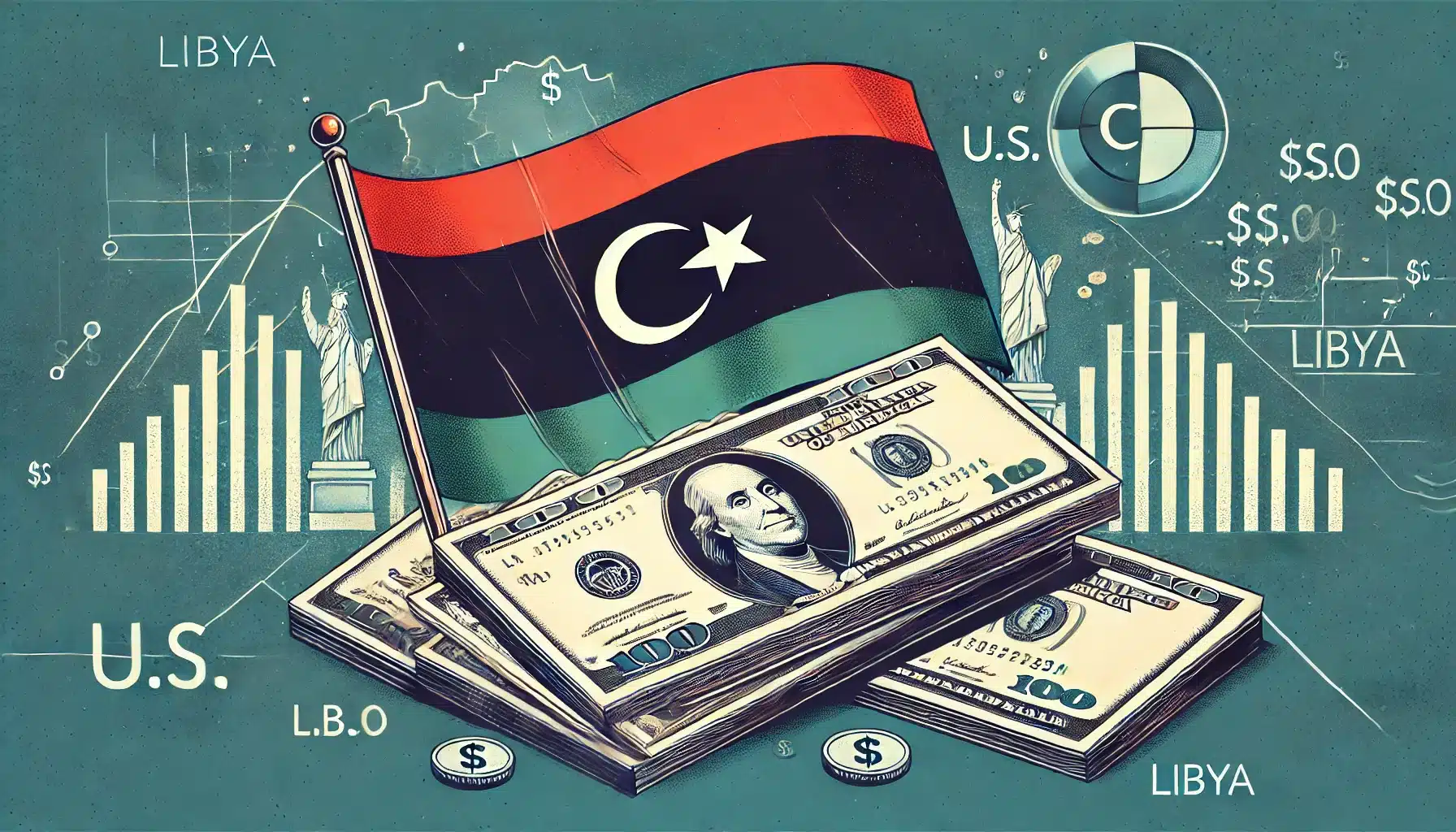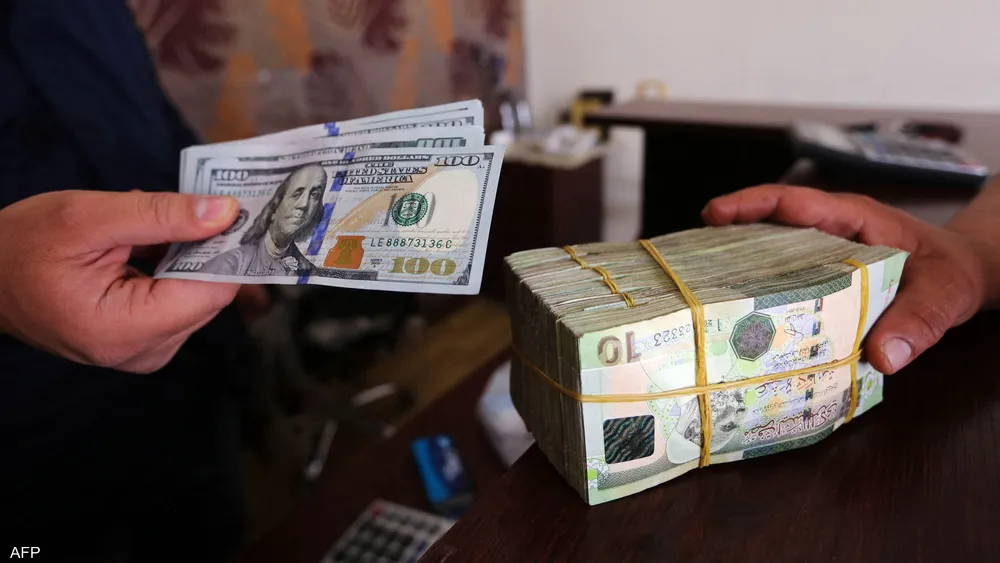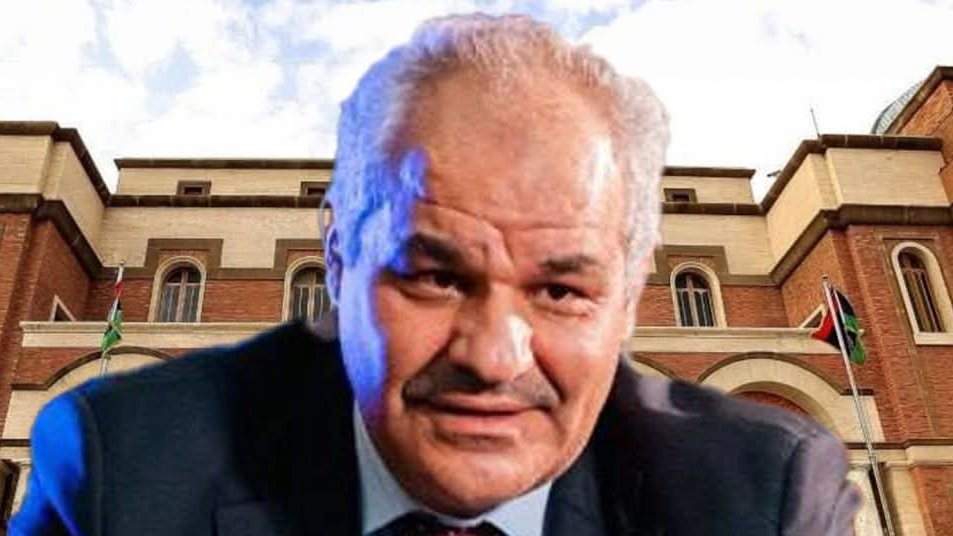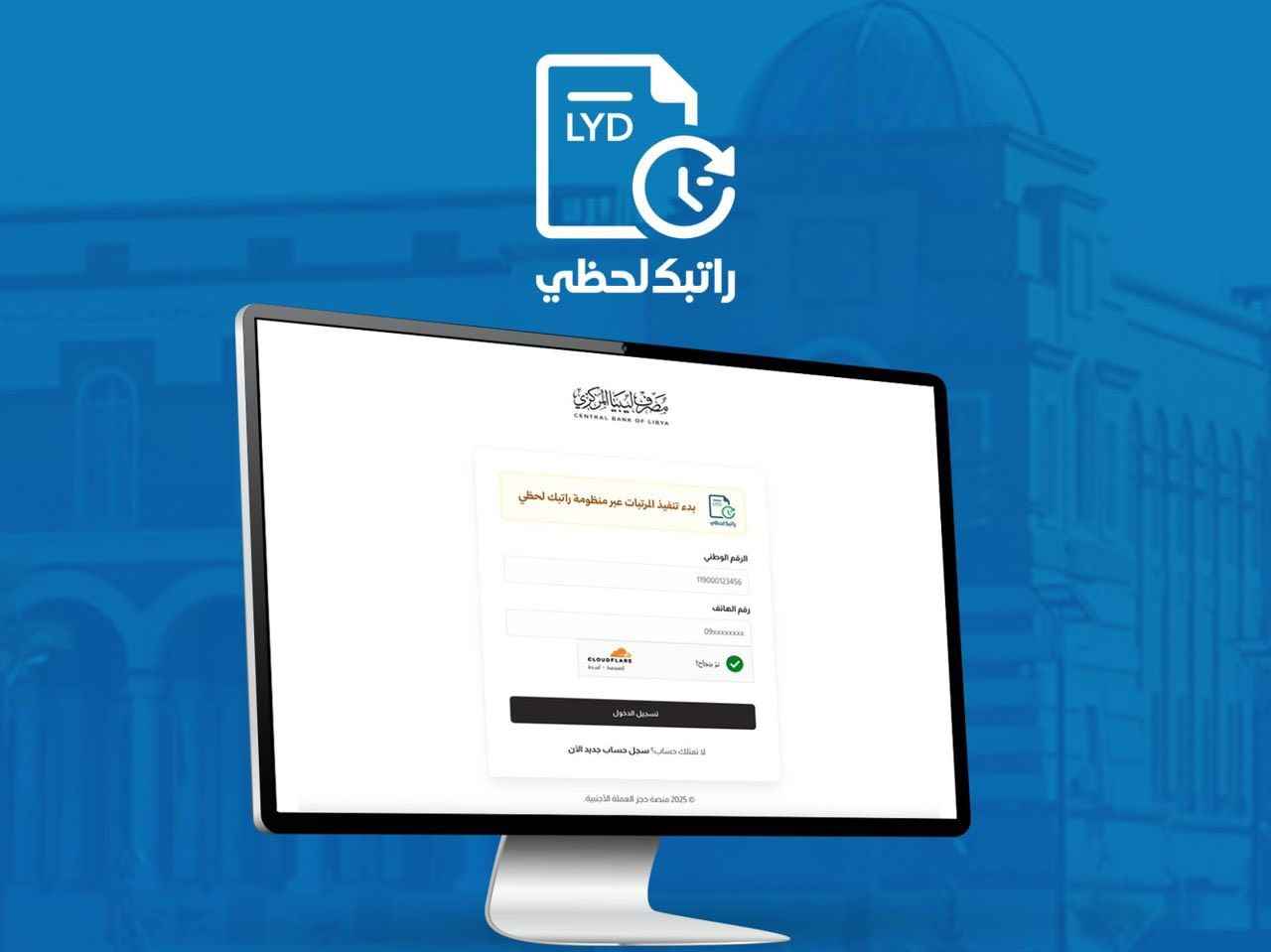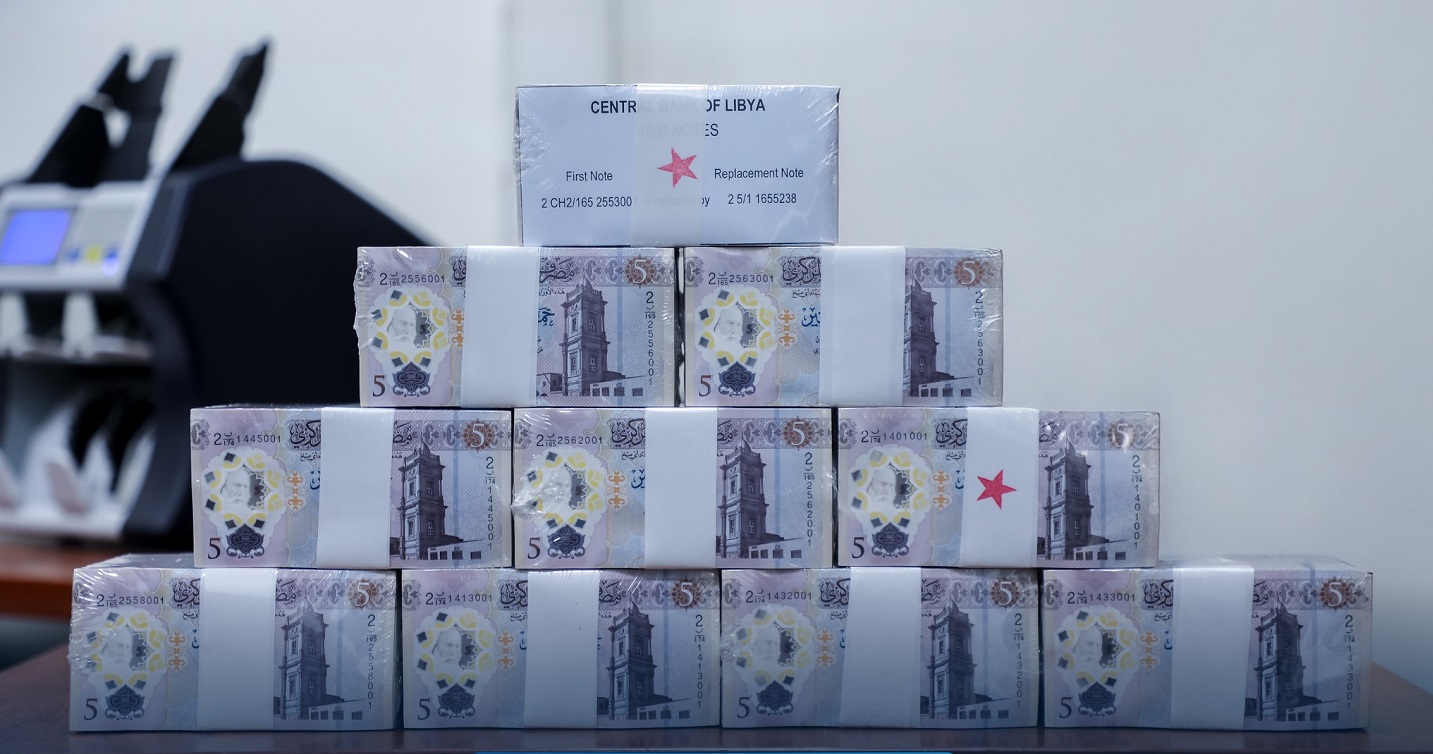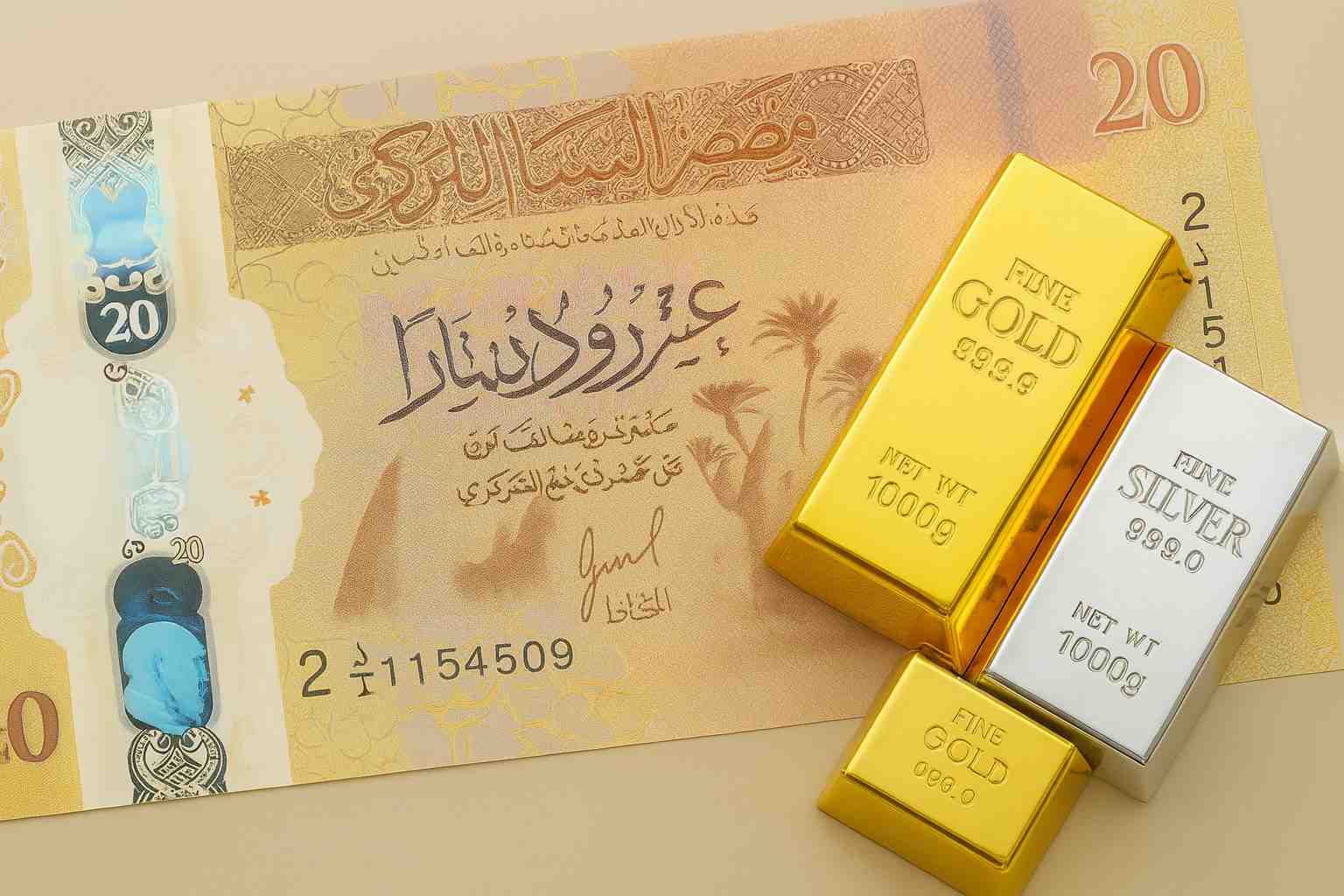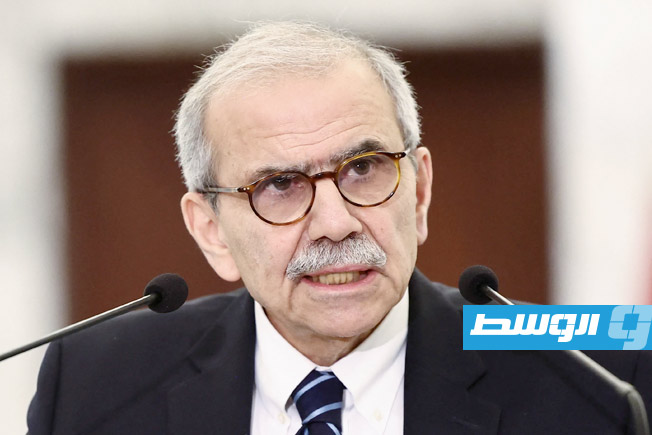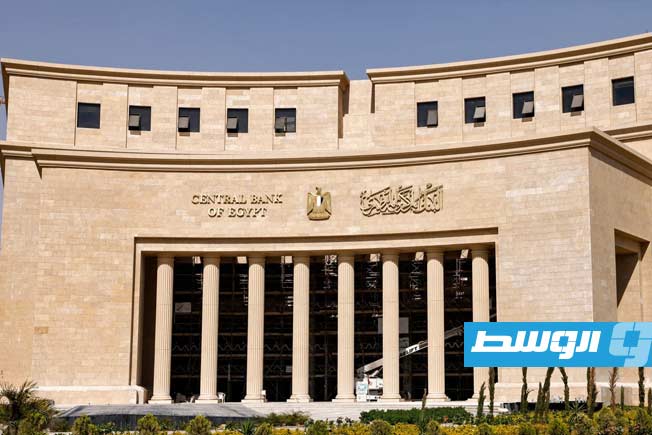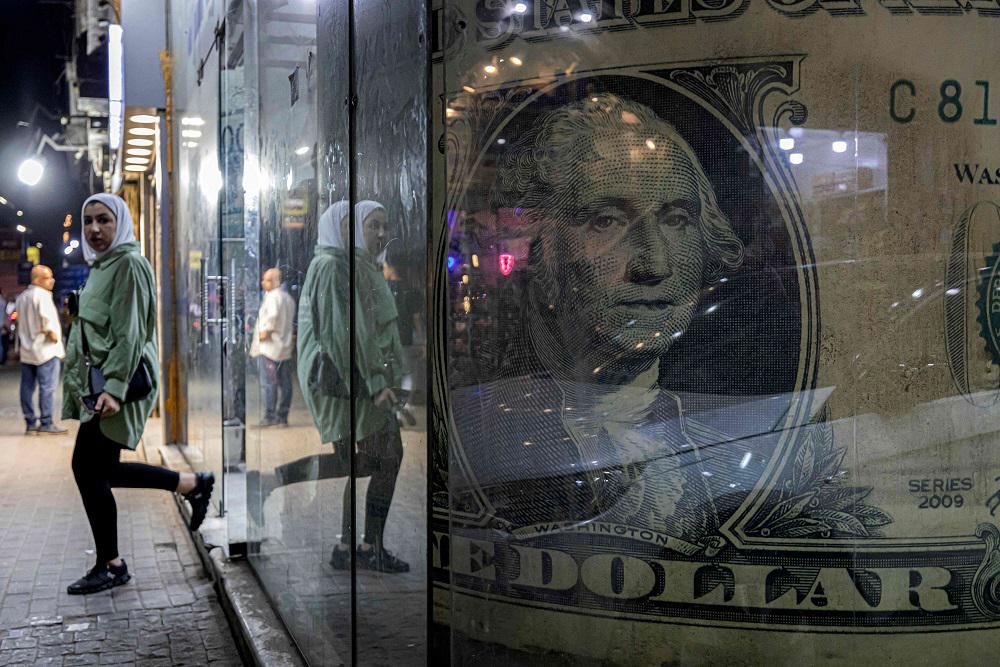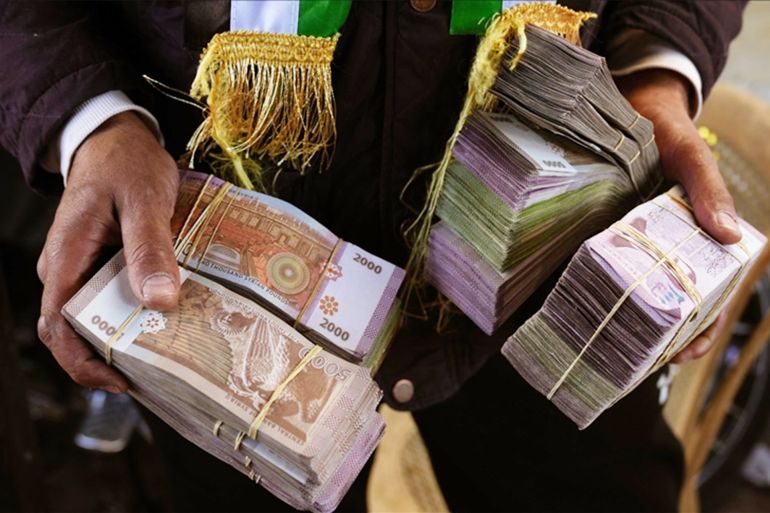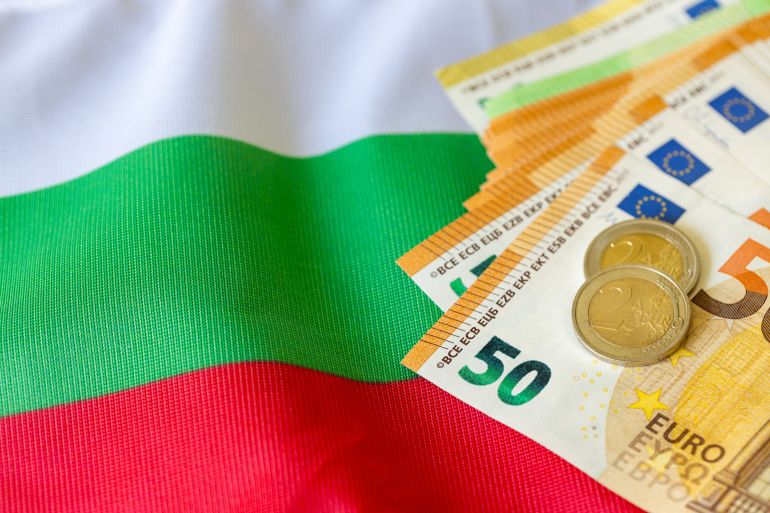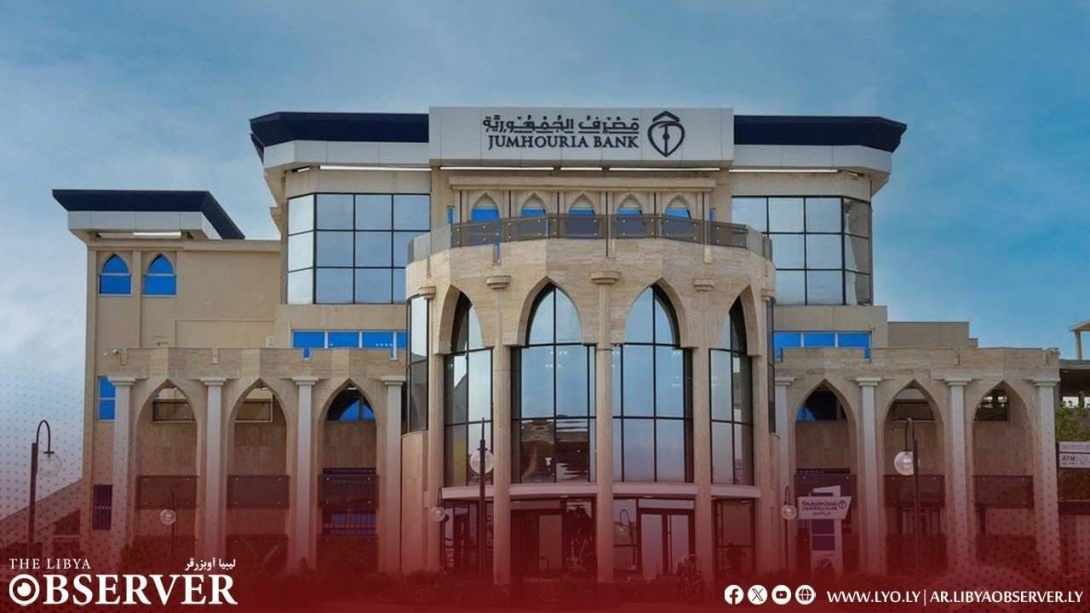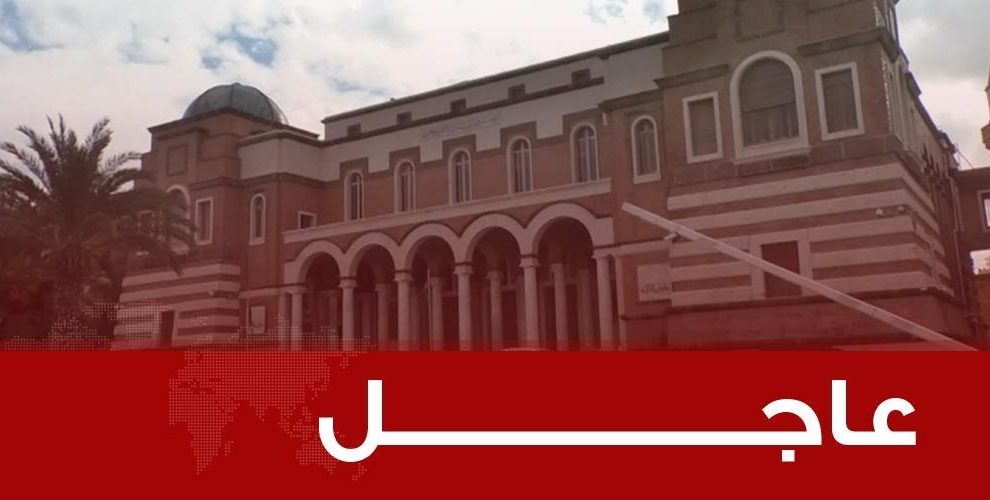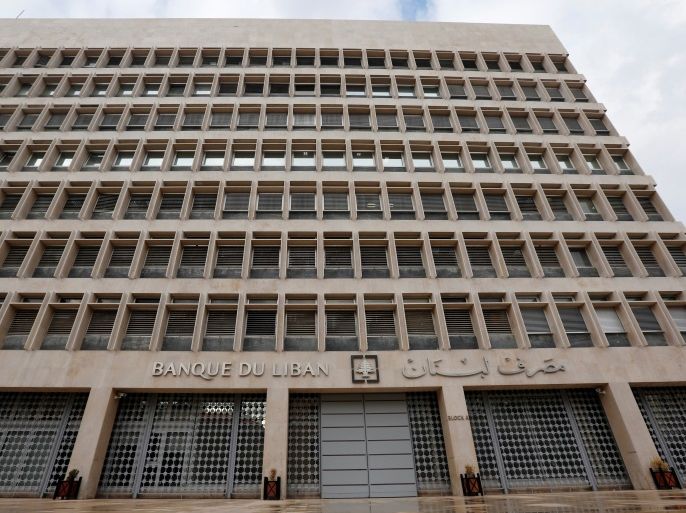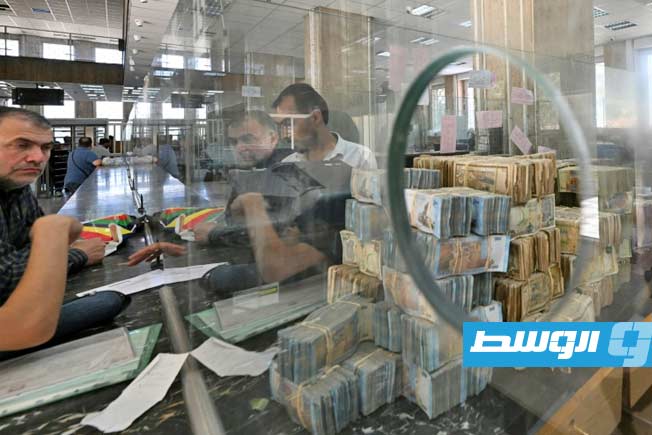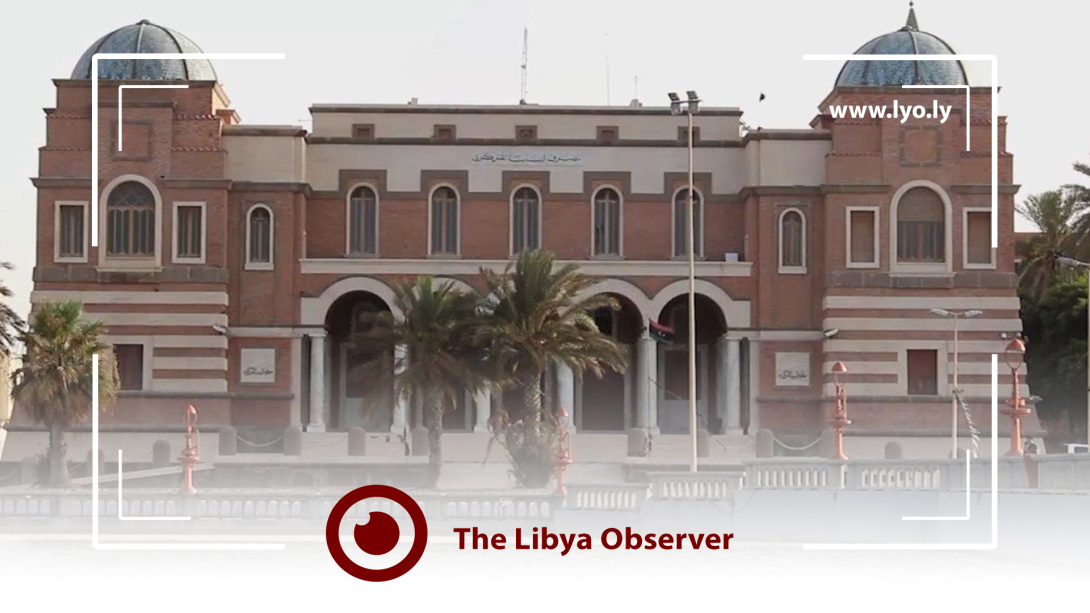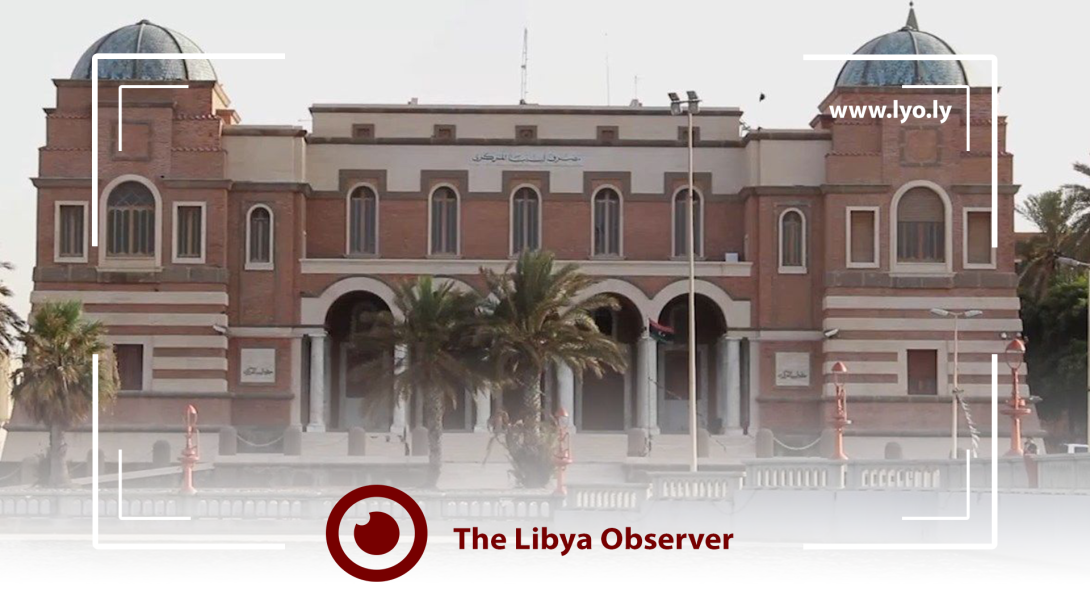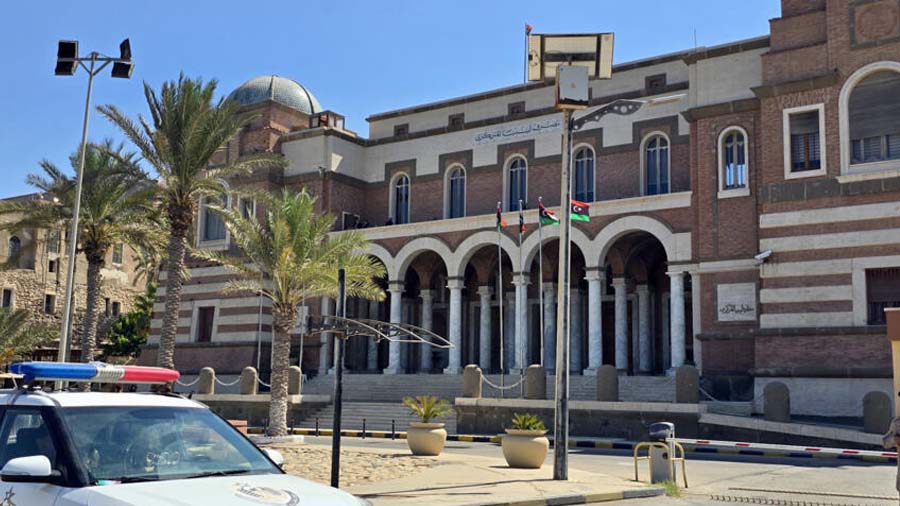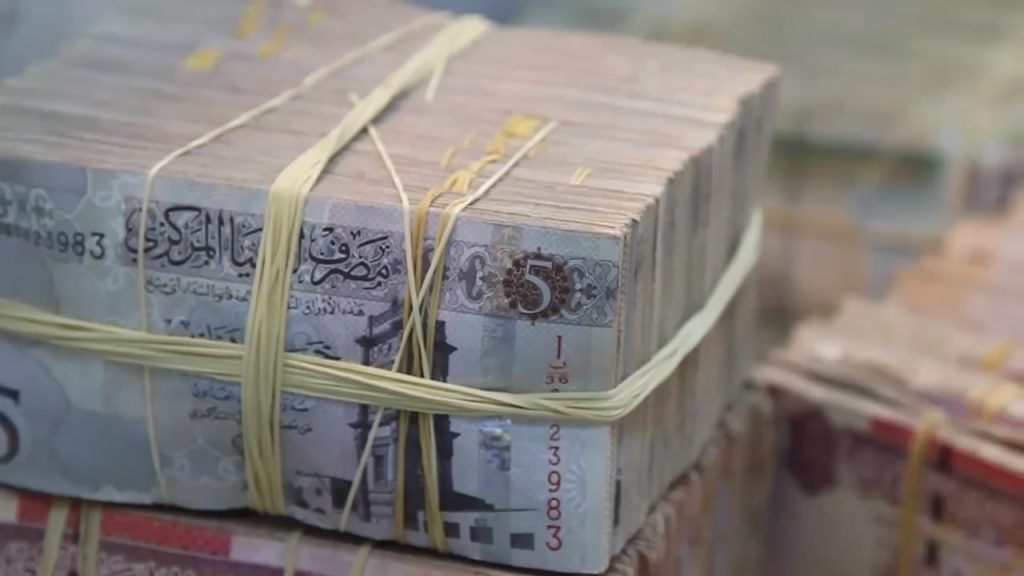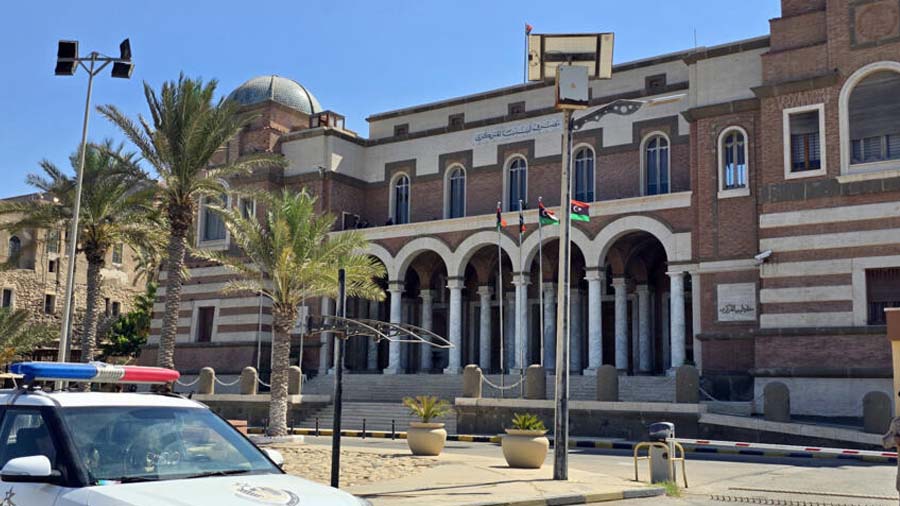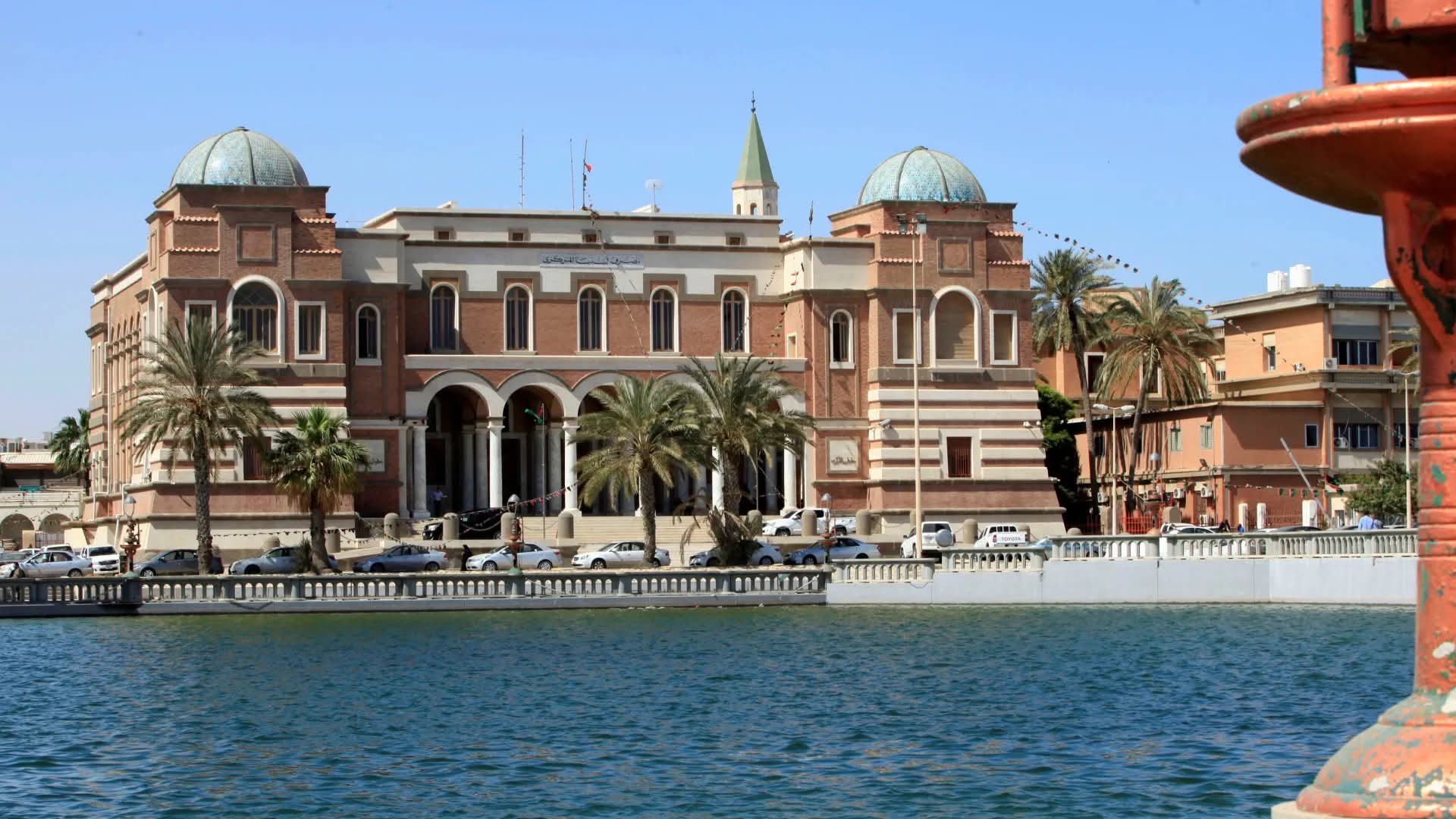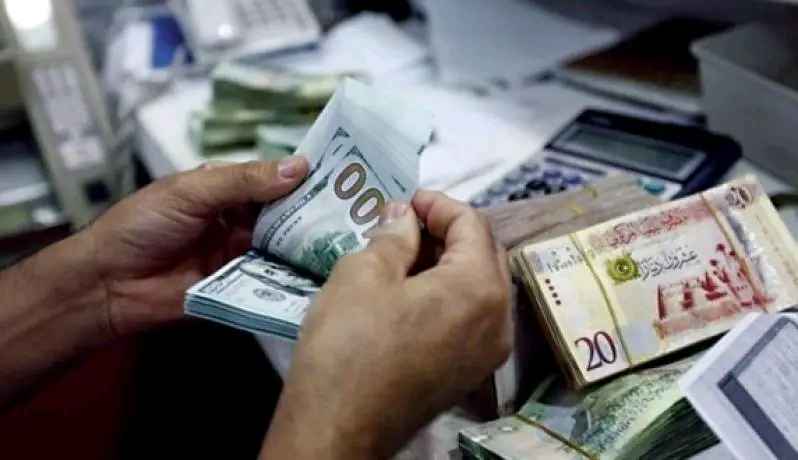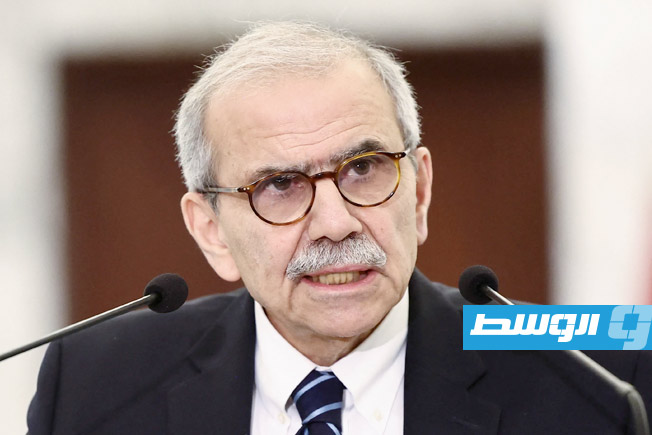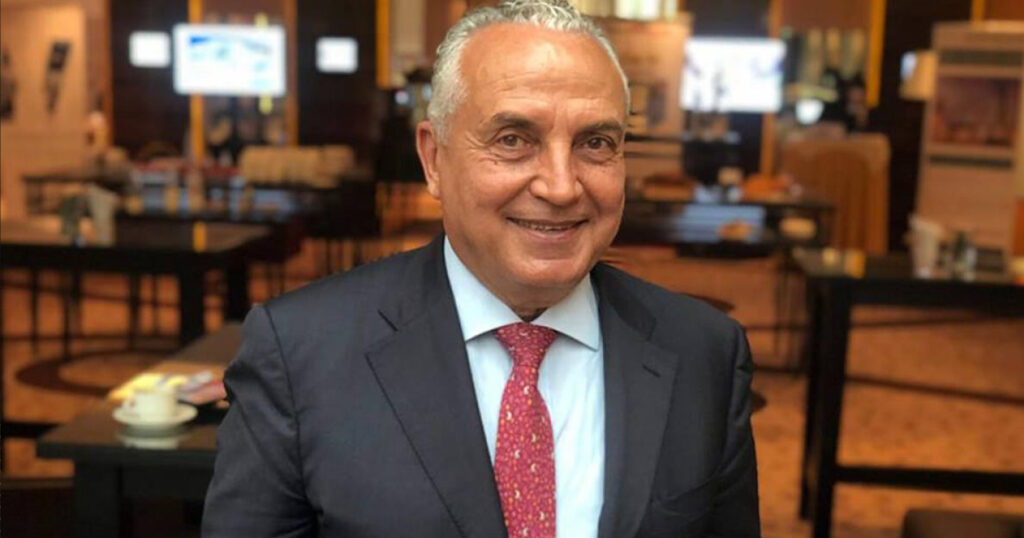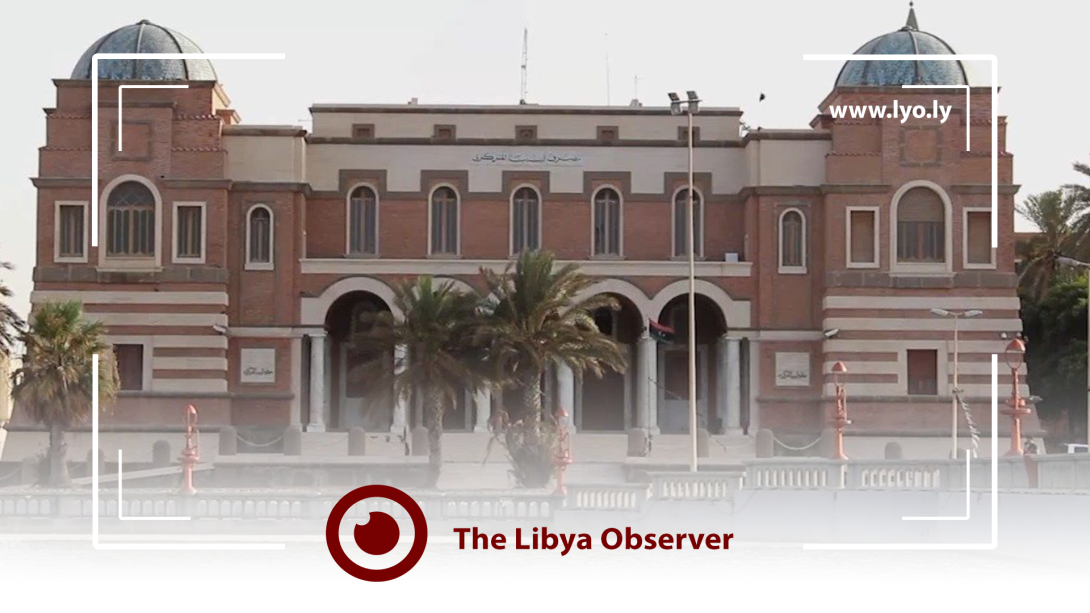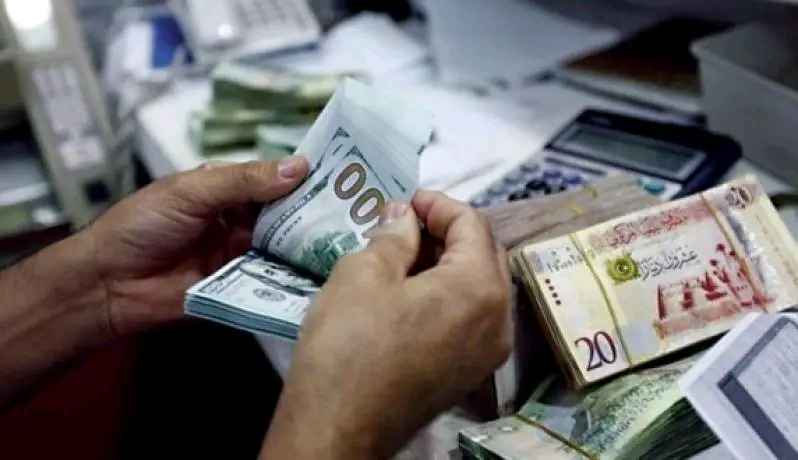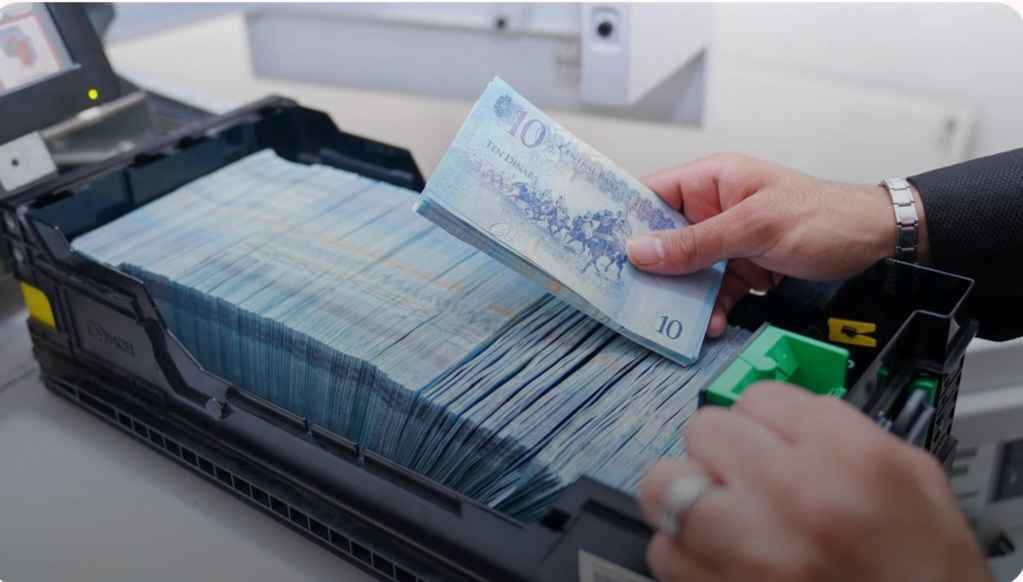
A banking and economic expert confirmed that the talk about Libya being prevented from obtaining foreign currency from the Central Bank of Libya’s accounts and deposits in international banks is completely unfounded. He described these claims as mere “fabrication and misinformation” aimed at polishing the image of the Central Bank’s current management.
He explained that these allegations are used as a pretext to justify certain systematic policies, pointing out that practical reality proves the opposite. The Central Bank of Libya has continued to provide foreign currency for official duties normally.
The expert questioned: “If the ban were truly in place, where would the foreign currency that the Central Bank grants as part of its official duties come from?” This indicates that the flow of foreign currency has not stopped, and that talk of a ban is more of a directed media narrative than an economic reality.