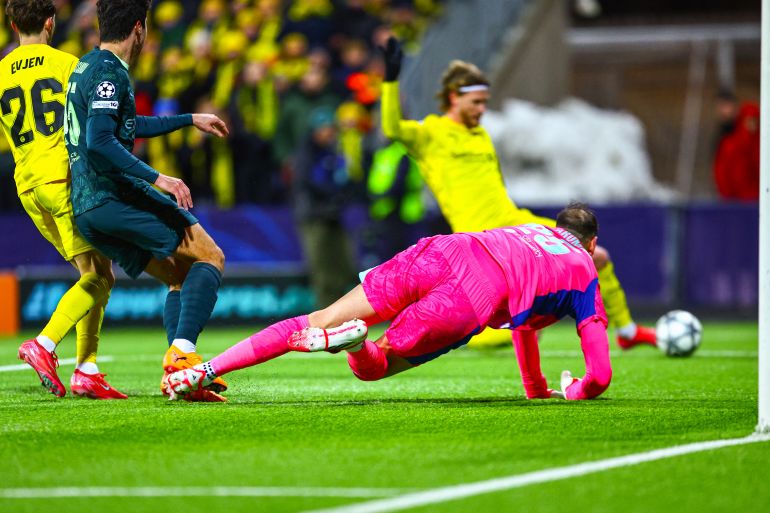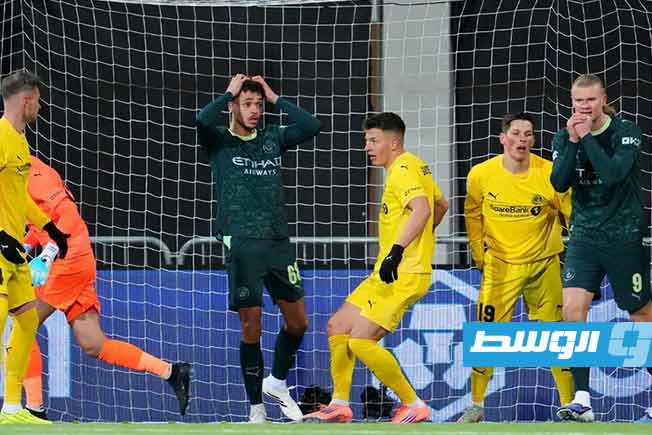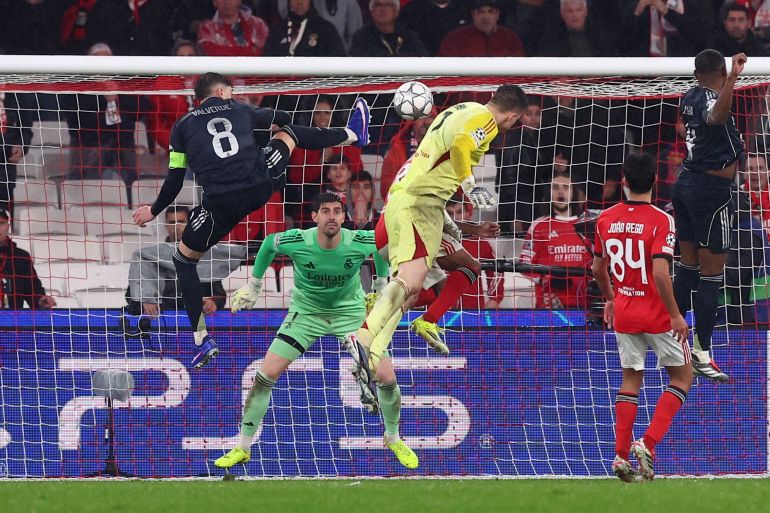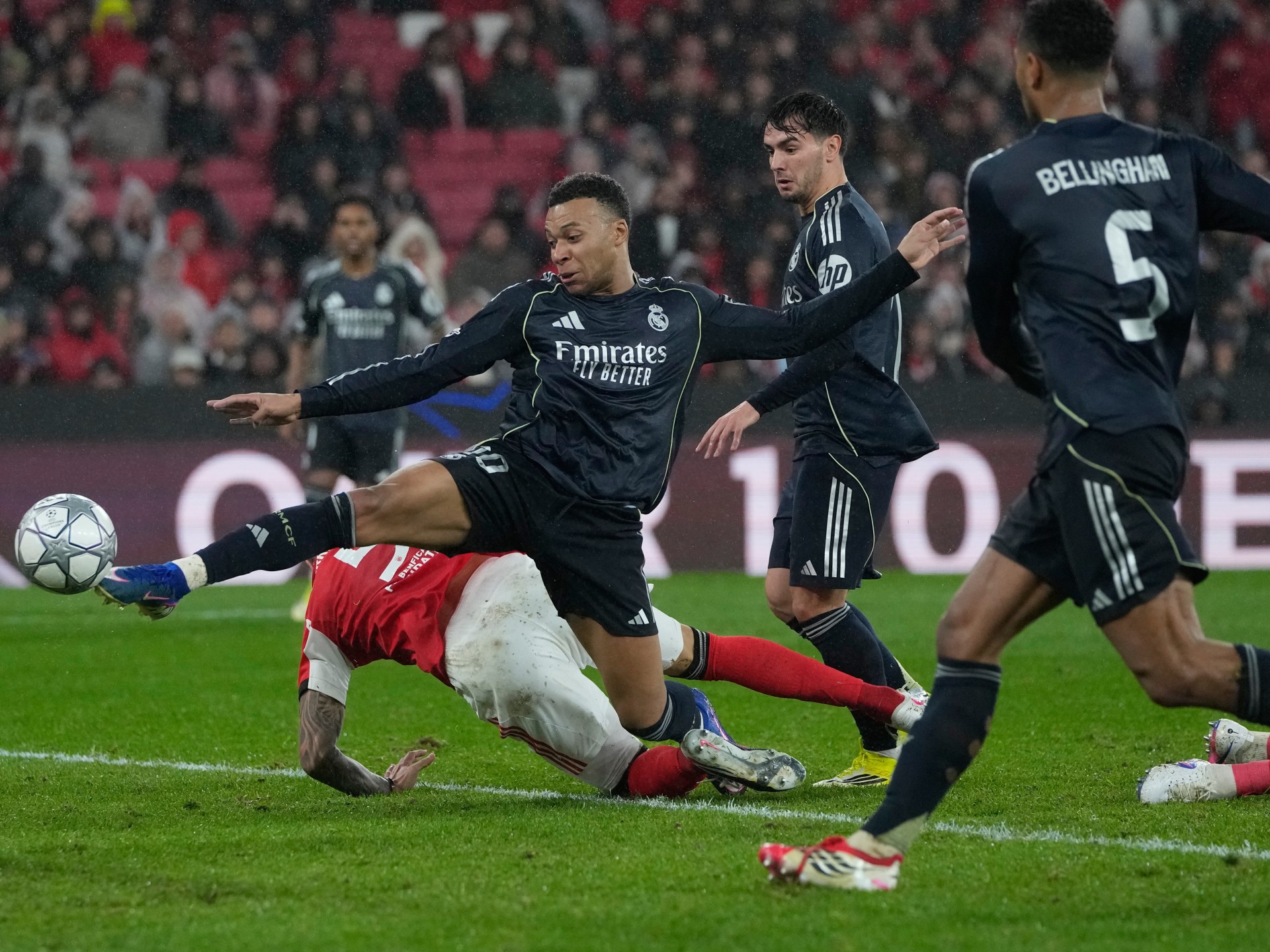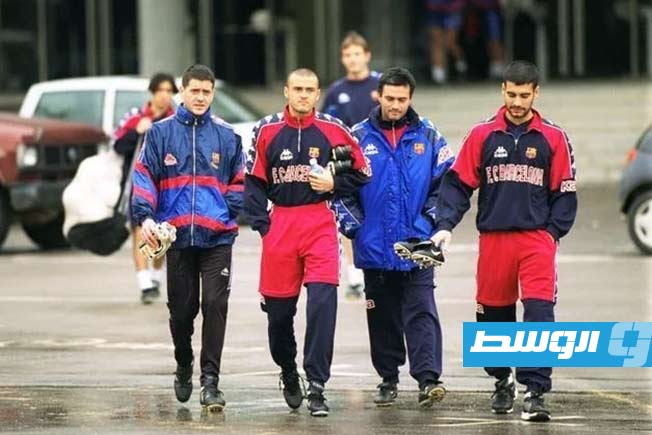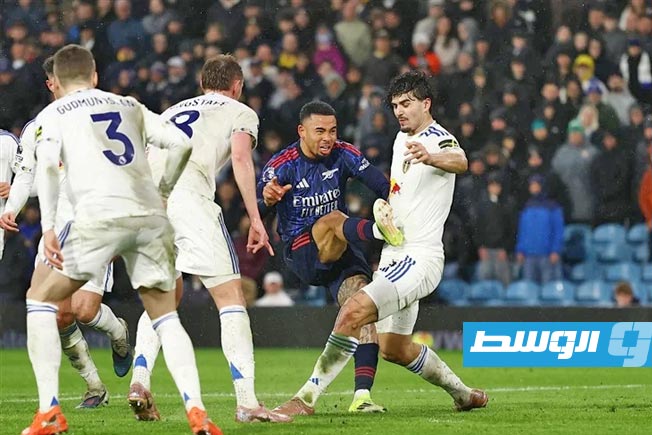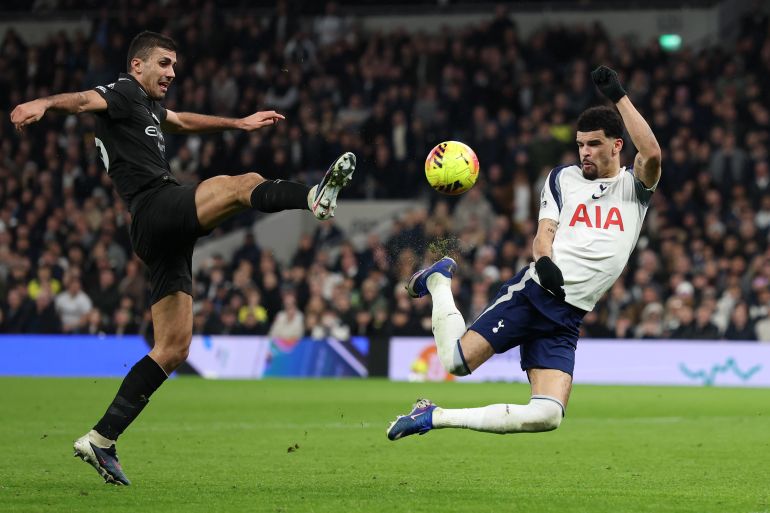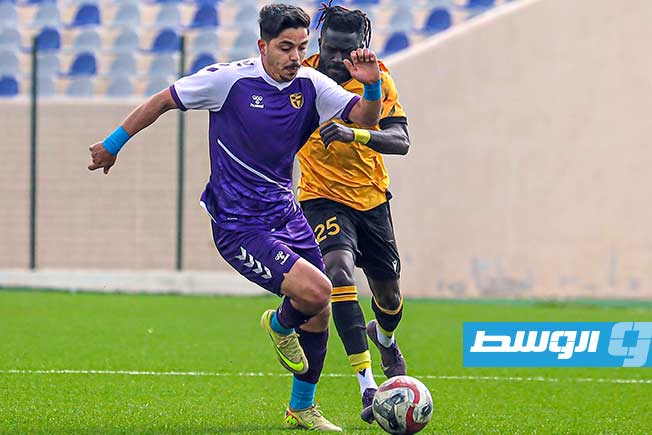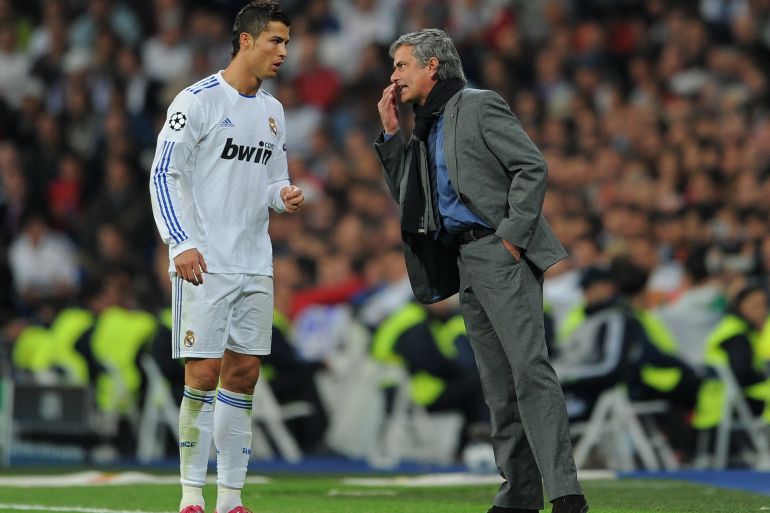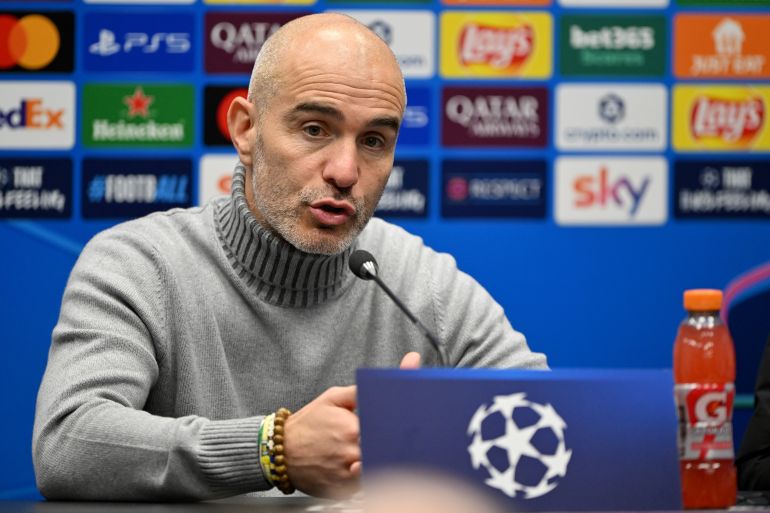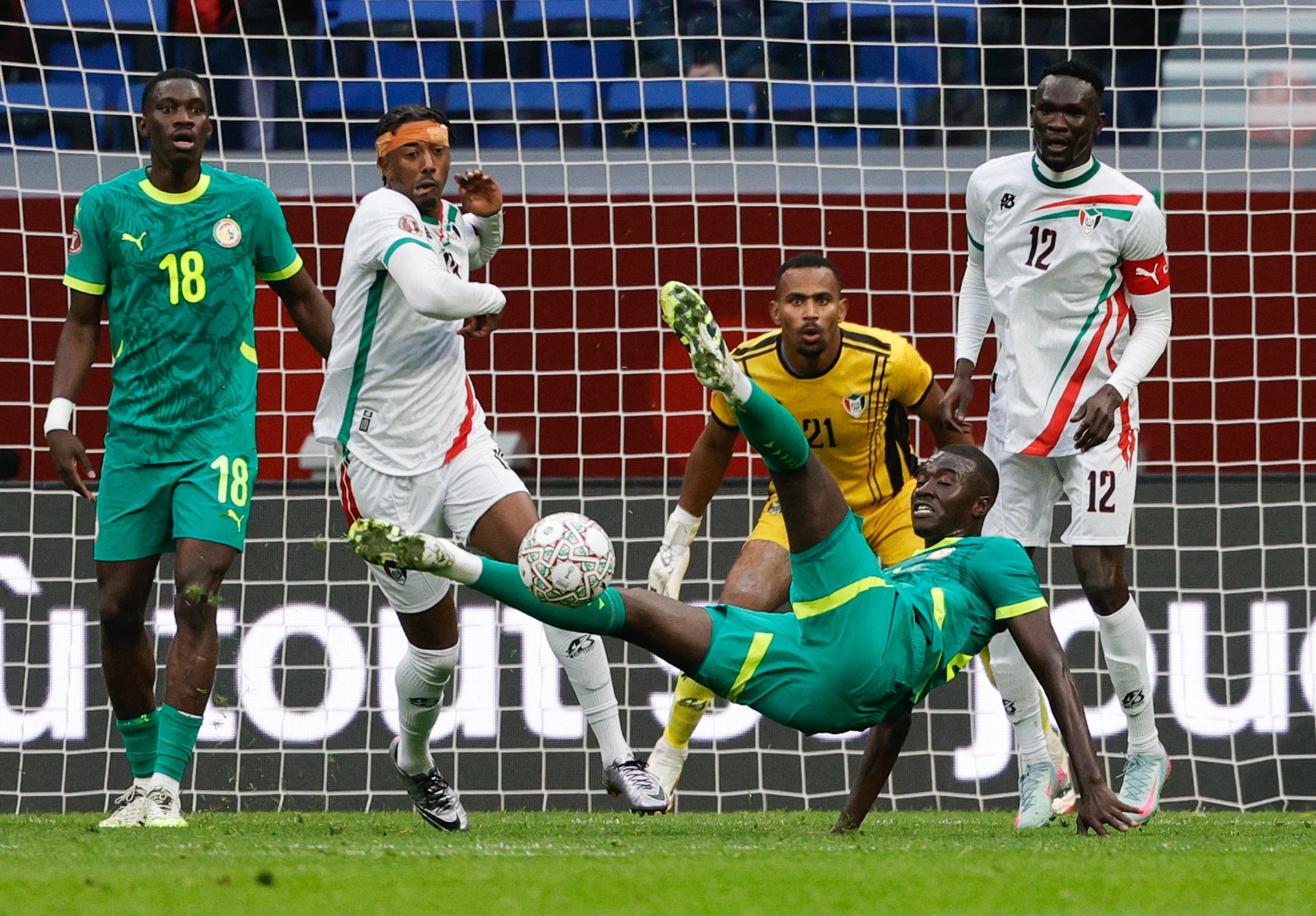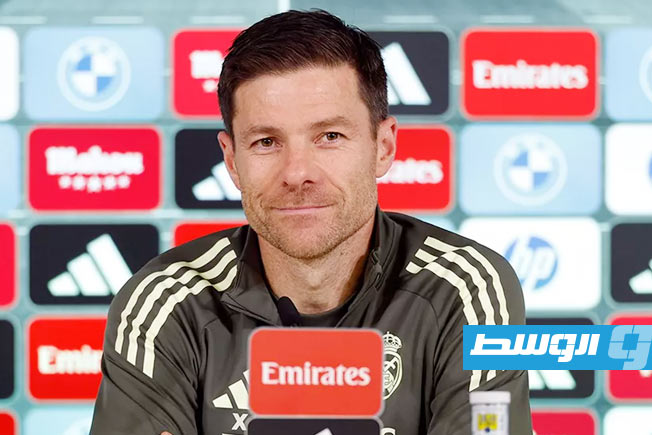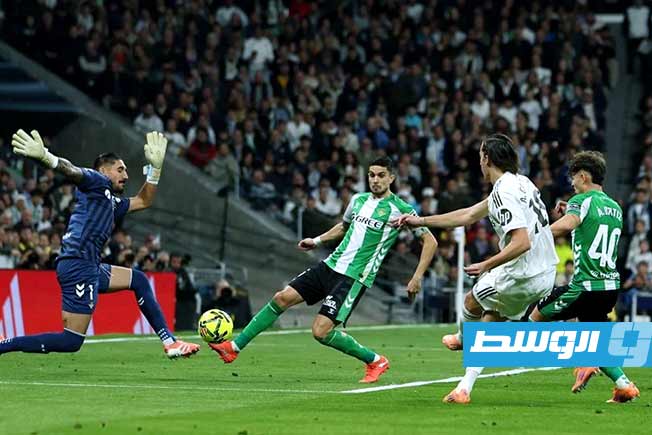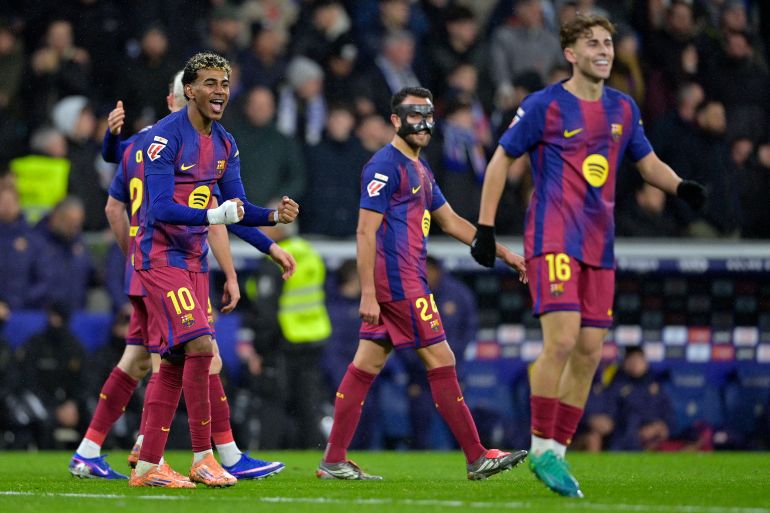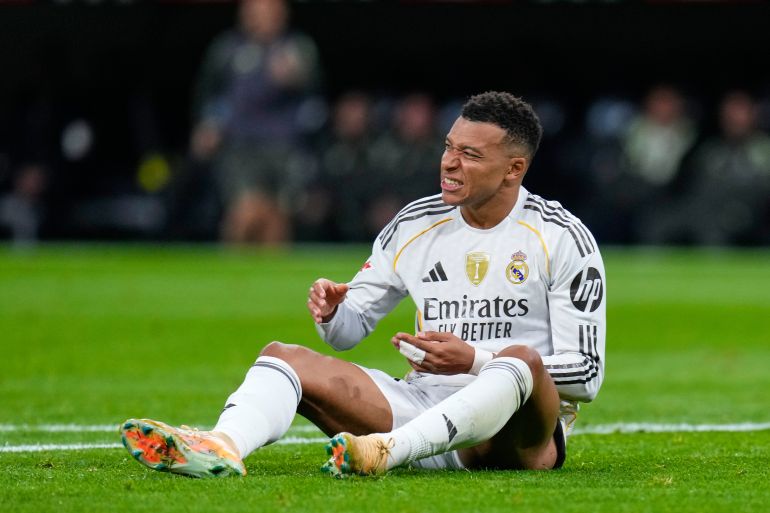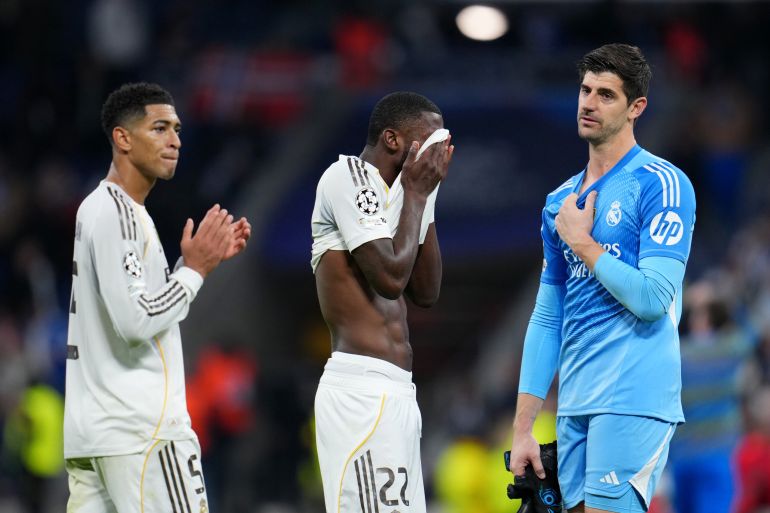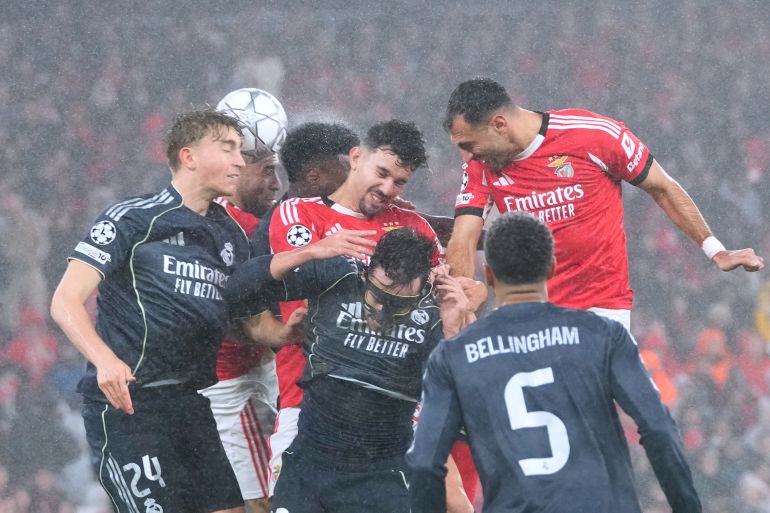
In a tactical encounter filled with emotional dimensions and a clash between two coaching generations, “The Special One” successfully imposed his clear superiority over his former pupil, leading Benfica to a resounding (4-2) victory over Real Madrid.
The match confirmed that pre-match analysis and managing the small details tipped the scales in favor of the Portuguese coach, who firmly controlled the game from the technical area.
5 Key Moments from Benfica’s Victory Over Real Madrid
1. Initial Build-up Play
From the opening minutes, the difference in the initial build-up phase was evident. Real Madrid tried to play out from the back through their center-backs, with a single pivot in midfield, but the lack of passing angles and close support made them easy prey for Benfica’s targeted pressing.
In contrast, Benfica relied on a flexible build-up, where one midfielder would drop into a third center-back position when needed. This allowed them to break Real’s initial press and create a numerical advantage in deeper areas, a point managed with great intelligence.
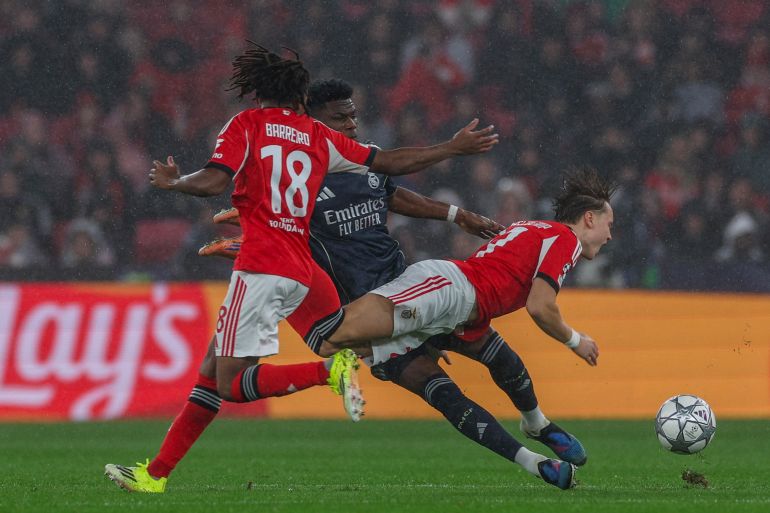
2. Winning the Midfield Battle
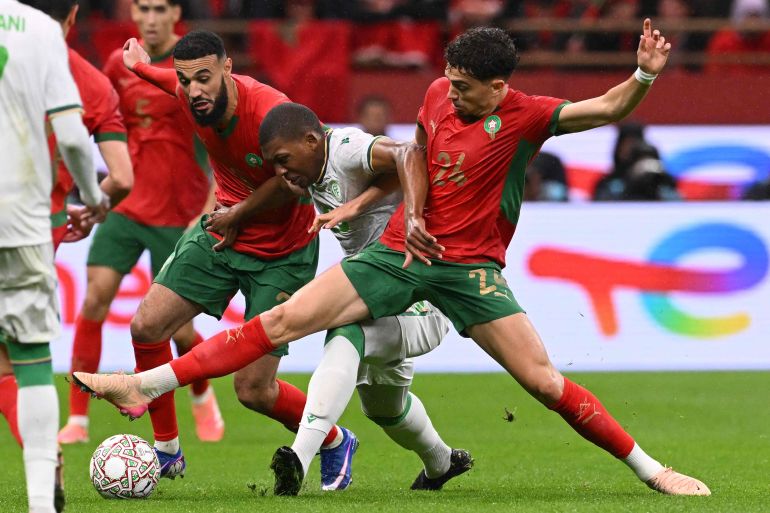
The midfield was the stage for the true control. Real Madrid lacked connection between the lines, with large gaps appearing between midfield and attack, making their possession passive and ineffective.
Conversely, Benfica played with a positional pressing style, directing the ball carrier towards the wings and then trapping him with three players. This led to winning the ball in advanced areas and converting it directly into chances.
One of the key factors in Benfica’s superiority was their intelligent exploitation of the half-spaces behind Real Madrid’s full-backs. The advance of the full-backs in the system was not accompanied by adequate cover, leaving dangerous gaps that were exploited through diagonal runs and rapid transitions.
This approach turned Real’s defense into a state of late, unbalanced defending, making every Benfica counter-attack doubly dangerous.
3. Changes Without Identity
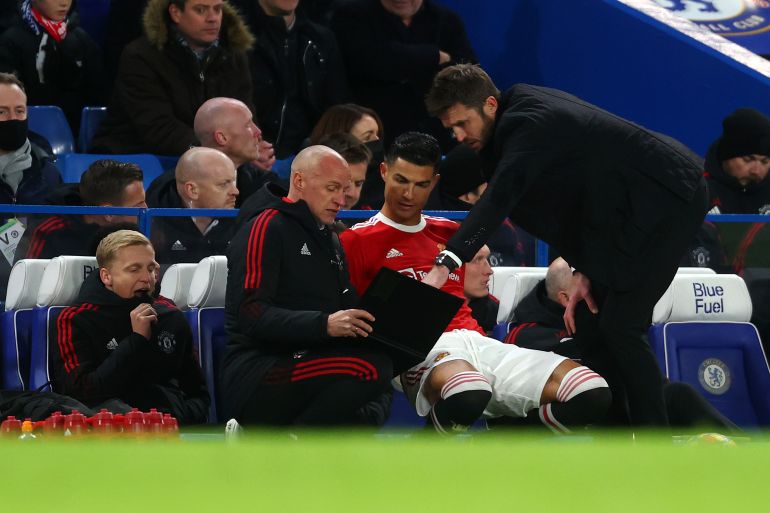
At the start of the second half, attempts were made to introduce a number of adjustments, with five players brought on, but all this was done without a clear change in the tactical setup. This increased congestion in deep areas instead of creating space, and Real lacked attacking threat.
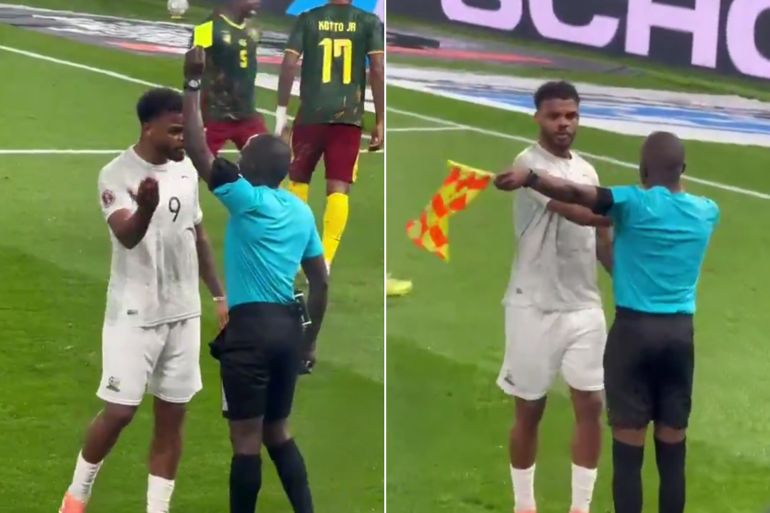
The sending off was merely the culmination of a loss of mental control, as Real appeared incapable of managing moments of counter-pressure, granting Benfica a numerical advantage and greater comfort in possession.
Meanwhile, the Benfica coach largely maintained the same tactical approach, only making changes in the final minutes to run down the clock. Overall, Benfica maintained the same discipline, with better control over the match’s tempo.
4. Managing the Tempo
The biggest difference between the two sides was in managing the match’s tempo. The Benfica coach knew when to slow the game down, when to press, and when to kill the game with short passes or direct counter-attacks.
In contrast, Real Madrid played with a single tempo—fast and impulsive—especially as they spent most of the match chasing an equalizer rather than protecting or extending a lead. This made it easier for “The Special One” to read the game and contain the threat.
5. Organization Triumphs Over Star Names
Benfica presented a clear model of how tactical discipline and collective commitment can overcome a team filled with stars when a clear identity and tactical flexibility