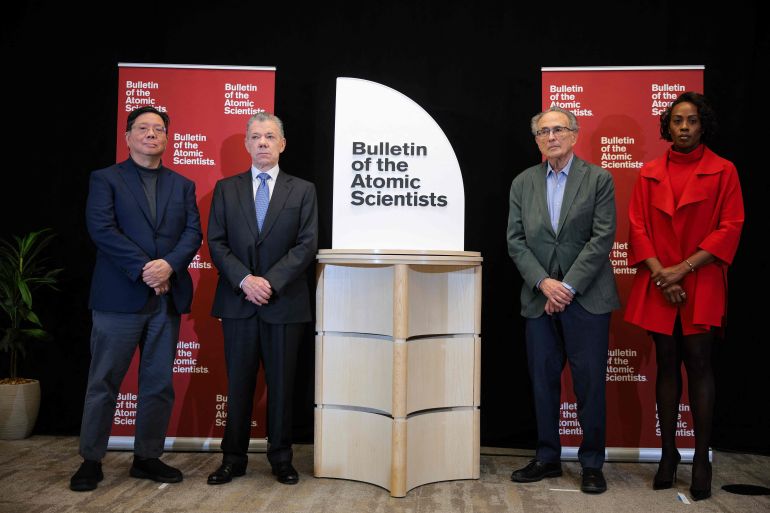
On January 27, 2026, the Bulletin of the Atomic Scientists updated the timing of the so-called “Doomsday Clock,” an annual event whose results the world follows with concern, as it represents a symbolic measure of the risk of a global catastrophe threatening humanity.
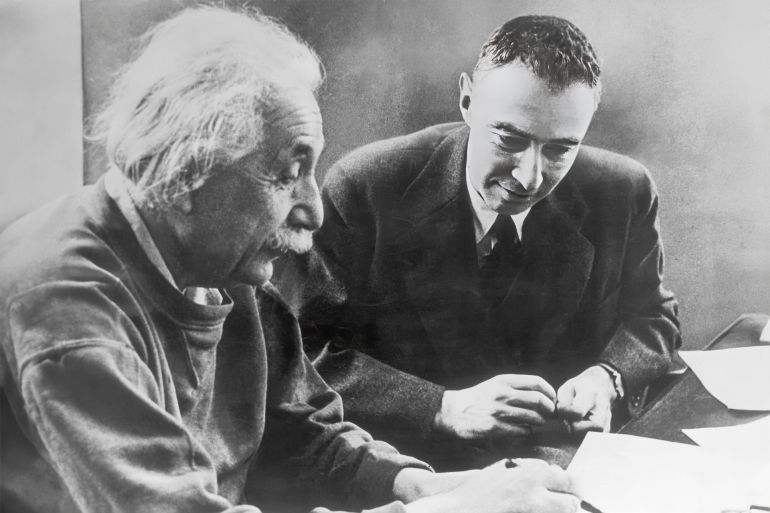
The Doomsday Clock is not a real clock telling the actual time, but a visual symbol created by the Bulletin of the Atomic Scientists in 1947 to represent how close humanity is to a potential global catastrophe that could occur as a result of human behavior.
Midnight on this clock represents the end of the world or global destruction. The closer the clock’s hands move to midnight, the greater the dangers facing humanity are considered to be.
Potential Dangers
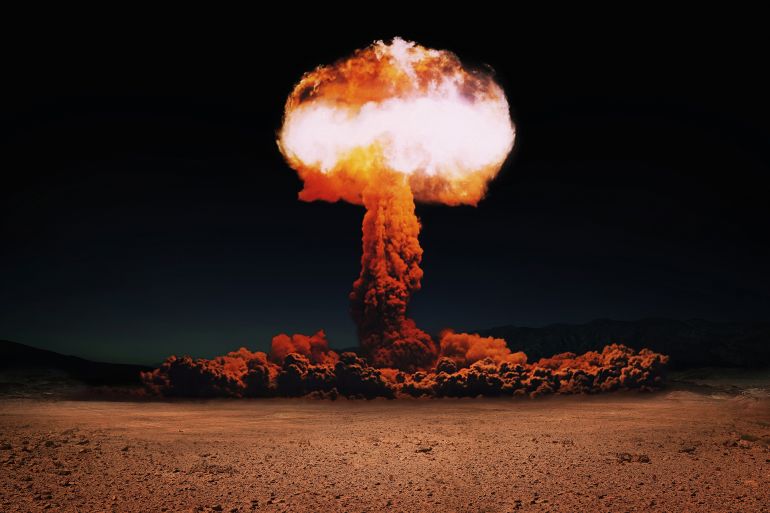
The clock is not only linked to potential nuclear threats but also includes everything that could threaten the planet, such as climate change, dangerous technological developments like biotechnology (which could be turned into weapons), artificial intelligence, and others.
Although it is a symbol not based on precise mathematical predictions, the Doomsday Clock is used as a communication tool to show how bad the global security situation is, perhaps to urge decision-makers to reduce risks. Therefore, it is not a precise scientific timing of a catastrophe but a warning based on assessments by scientists and experts.
According to the historical record, the clock’s time has been changed many times since its creation, usually changing annually or during major global developments.
The clock’s first reading in 1947 was 7 minutes to midnight. Since then, there have been many periods of moving forward and backward according to the state of global tension, especially during the Cold War.
Starting in 2017, it was set at 2.5 minutes to midnight, following growing nuclear tensions. In 2023, it became 90 seconds to midnight.
Last year, the clock moved forward again to 89 seconds to midnight. Today, the clock has been set to 85 seconds to midnight, which is the closest level to “catastrophe” since the clock’s creation, reflecting the growing global risks at present.
From Climate to Artificial Intelligence
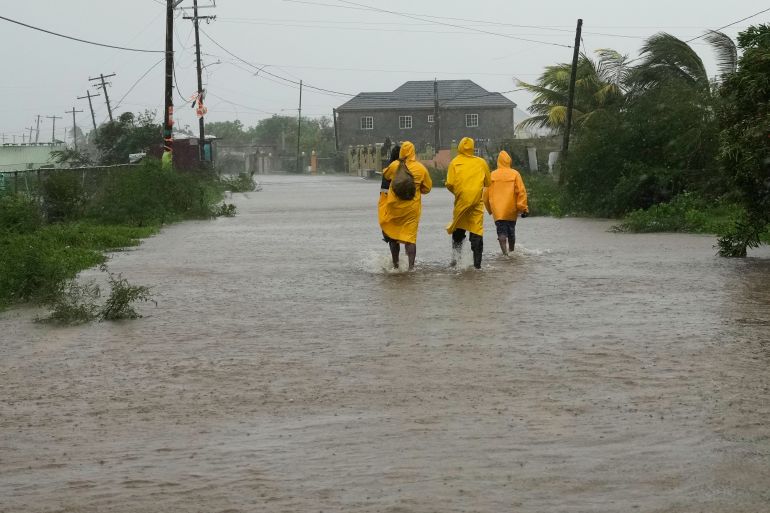
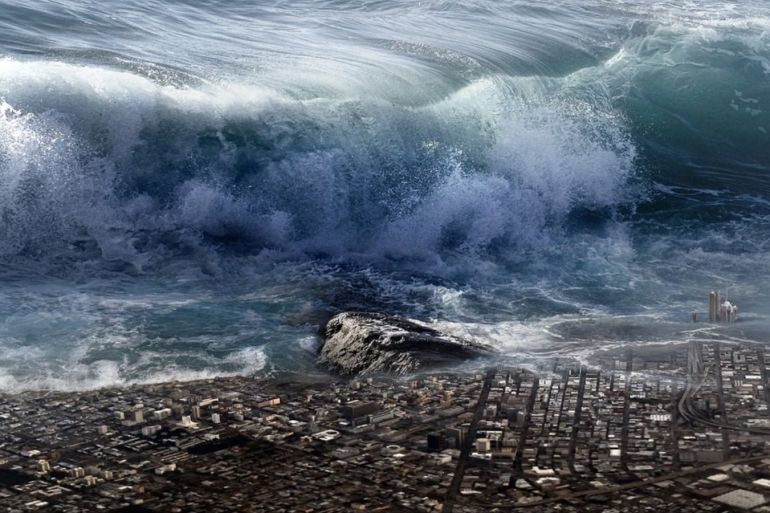
The world today faces a clear escalation in climate dangers, manifested in more severe and longer heat waves, heavy rains and floods, droughts and fires, with a continuous rise in sea level that doubles the threat to coasts and infrastructure.
The scientific consensus is that current warming is directly linked to human activity and that risks increase rapidly with each additional increase in temperature. Despite this, the world has not yet agreed on solutions to these problems. Climate scientists believe the Earth has already passed a point of no return, and the solution lies in keeping the situation as it is, if possible.
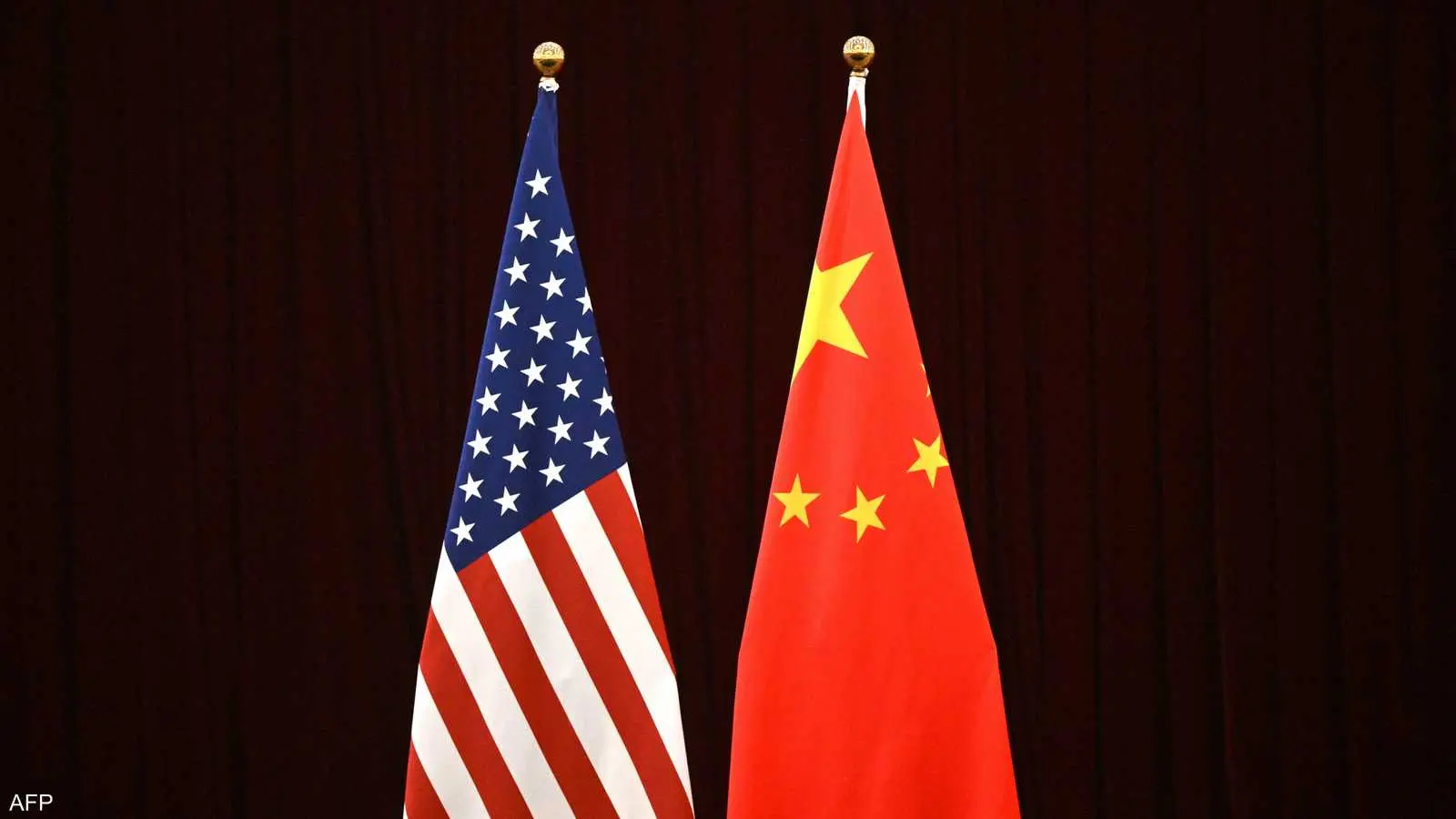
After the end of the Cold War, spending on nuclear weapons was steady. However, current political and military tensions have driven this spending upward. For example, in 2023, the world saw a new increase led by the United States, which spent more than all other nuclear powers combined, according to a report.
According to the report, the nuclear club, which includes only 9 countries, spent amounts totaling $91.4 billion on the nuclear weapons industry in 2023 alone.
This money was spent primarily to modernize the nuclear arsenal, both the bombs themselves and, more importantly, the systems for delivering them to their targets, including new aircraft, submarines, missile systems, surveillance, tracking, and others.
The dangers of artificial intelligence are now classified as risk multipliers. On one hand, generative models can expand the scope of deep disinformation and digital fraud and undermine trust in the public sphere through highly persuasive content that is difficult to distinguish.
On the other hand, more complex security concerns are raised regarding accelerating cyberattack capabilities and reducing the cost of designing harmful tools for societies. Furthermore, investment in supporting various weapons (from drones to tanks) with AI and building robotic weapons could turn into a race among major powers.