A new scientific study has revealed that human factors have become the primary cause of the salinization phenomenon in coastal groundwater aquifers south of the Mediterranean basin. The researchers explained that the vulnerability of groundwater aquifers is currently influenced mainly by human factors, particularly the overexploitation of groundwater, much more than by seasonal hydro-climatic changes.
The study focused on the Lake Ghar El Melh system in northern Tunisia and the surrounding groundwater aquifers.
Its results showed that the areas most at risk are located near lakes and urban areas, with a notable increase in vulnerability during the dry season. It emphasized the urgent need for sustainable management of groundwater extraction to limit salinization, which may become irreversible.
This study comes in the context of multiple pressures facing coastal groundwater aquifers south of the Mediterranean. These aquifers play a crucial role in mitigating large climatic fluctuations, but they are increasingly under the influence of climate change factors and human activities, leading to seawater intrusion and accelerated degradation.
Contrary to the long-prevailing explanation that this phenomenon is due to natural factors, the new study’s authors have proven the hypothesis that seawater intrusion into coastal aquifers is now primarily influenced by human-induced factors, particularly excessive groundwater pumping.
Intensive Agriculture, Urban Expansion, and Salinizing Aquifers
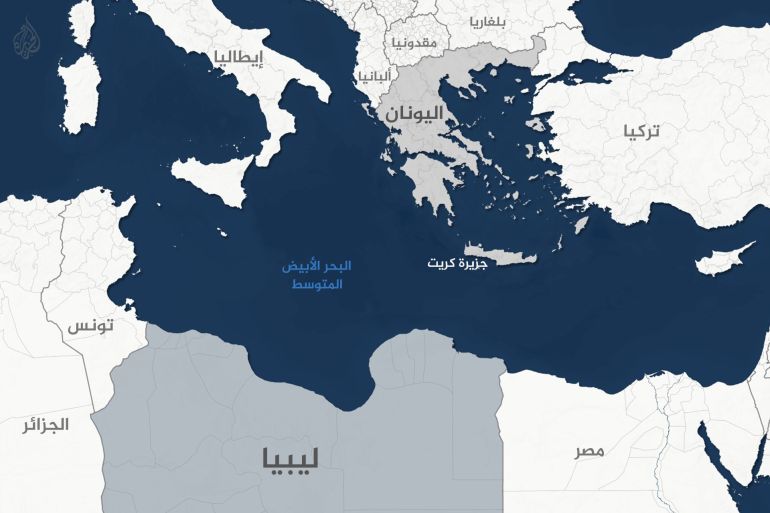
The study site, located in northeastern Tunisia, included the coastal aquifer of Aousja and Ghar El Melh, the Sebkhet Sidi Ali El Mekki, and Lake Ghar El Melh, situated in the lower Medjerda River basin.
This area represents an important natural laboratory, combining high ecological value (lake systems) with significant agricultural importance alongside increasing urban expansion.
The study relied on the developed “GALDIT” index, a quantitative tool that allows for assessing the susceptibility of coastal aquifers to salinization by integrating several factors such as the groundwater level relative to sea level, and distance from the coast and salt lakes. The researchers supported this analysis with field measurements covering dozens of wells and surface water points during both wet and dry seasons.
The study’s results highlighted a high susceptibility of coastal groundwater aquifers to impact, particularly in areas close to the sea coast, the coastal lake, and dense urban zones. This susceptibility is primarily related to seawater intrusion and is closely linked to the overexploitation of groundwater aquifers.
Salinity maps produced by the study’s authors through measurements of Total Dissolved Solids (TDS) confirmed elevated concentrations of these solids, exceeding permissible limits for irrigation and human consumption in many areas. The most affected areas are the peripheries of coastal lakes and agricultural sectors irrigated by shallow wells.
Excessive Pumping and Beach Degradation Among Key Causes
The researchers observed that the noticeable seawater intrusion into groundwater cannot be explained by natural or climatic conditions alone. Even during periods of relative humidity, groundwater aquifers remain vulnerable, highlighting the pivotal role of human activities, particularly the increase in well drilling and intensive water pumping during the summer.
On the other hand, the study shed light on the close interaction between groundwater aquifers and coastal lake systems. The authors state that coastal lakes are not merely passive receptors but are transitional zones; like sponges, they absorb rainwater during floods and seawater during periods of submersion or high tide, and thus can themselves become potential sources of water salinization due to excessive pumping, especially during dry seasons.
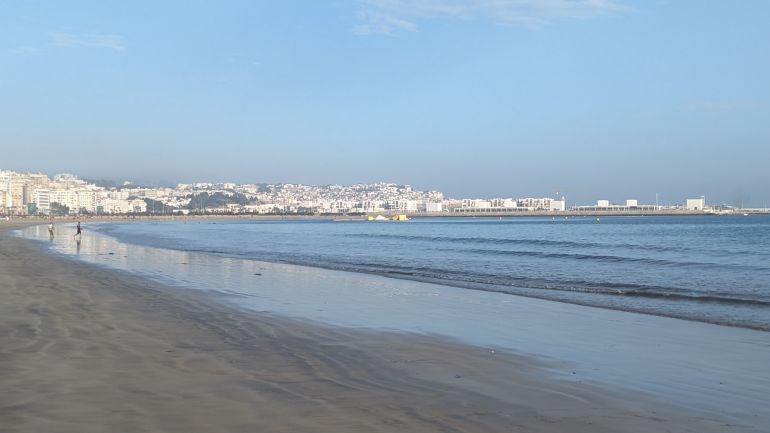
The study’s results also linked aquifer salinization to the degradation of beaches and coastal systems. Previous scientific studies have proven that this latter phenomenon is itself linked to human activities such as urban expansion near coasts and the construction of dams on valleys and rivers, which prevents sand and silt from reaching the sea and beaches from recovering, contributing to their vulnerability and erosion.
The researchers believe this phenomenon has been exacerbated by the absence of