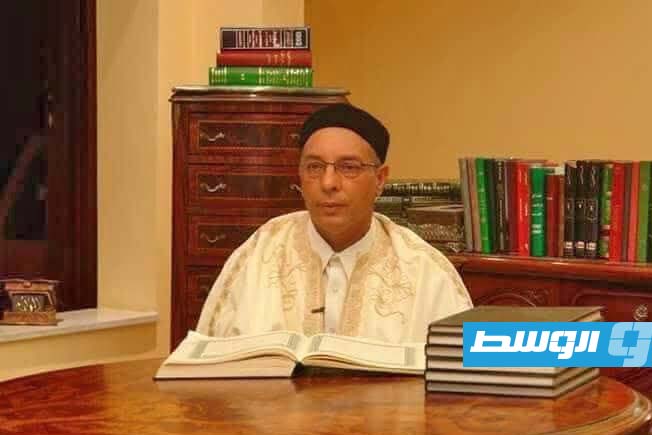
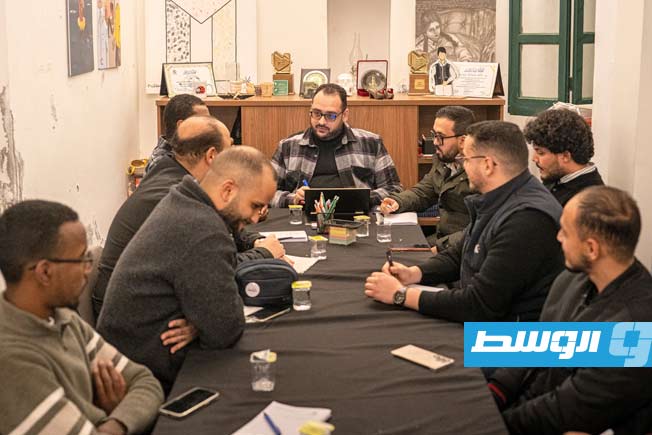
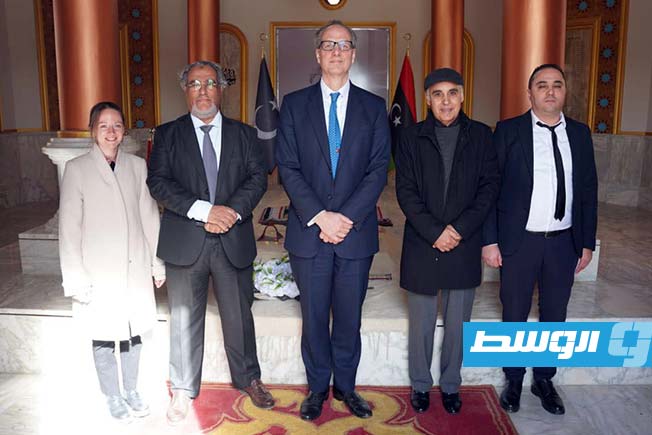
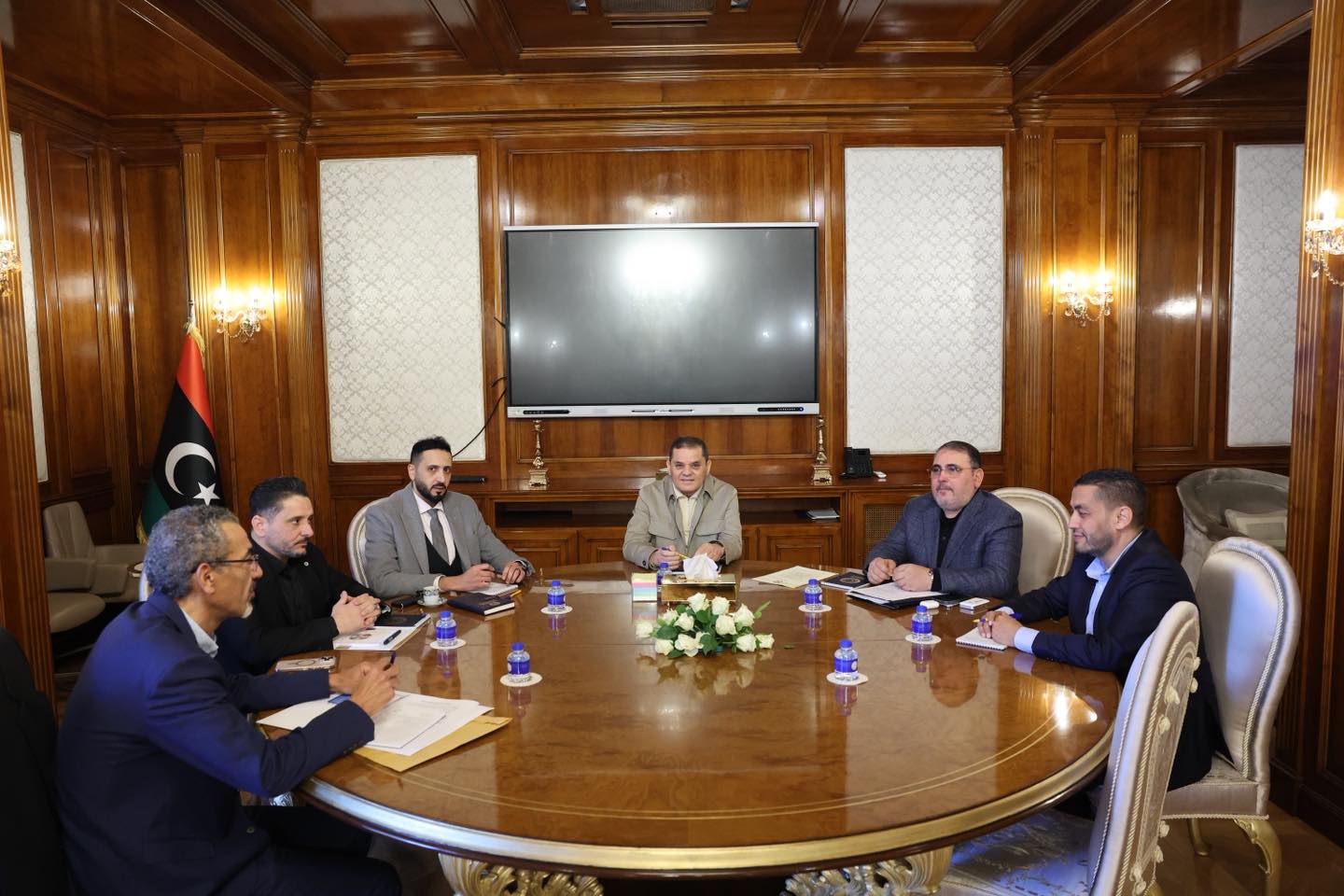
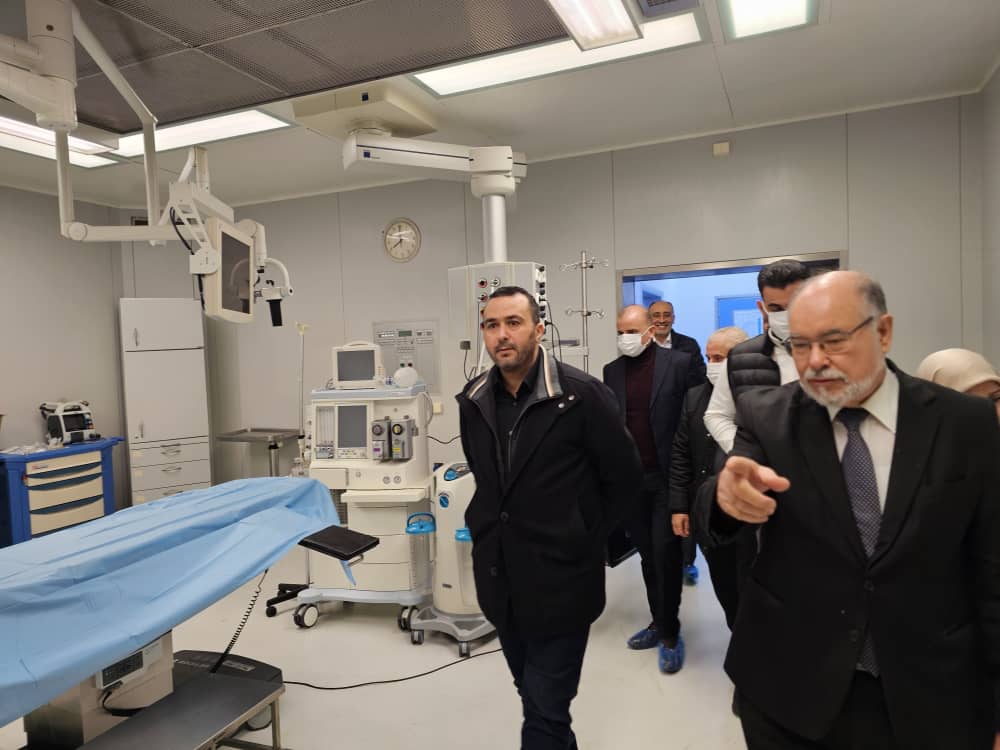
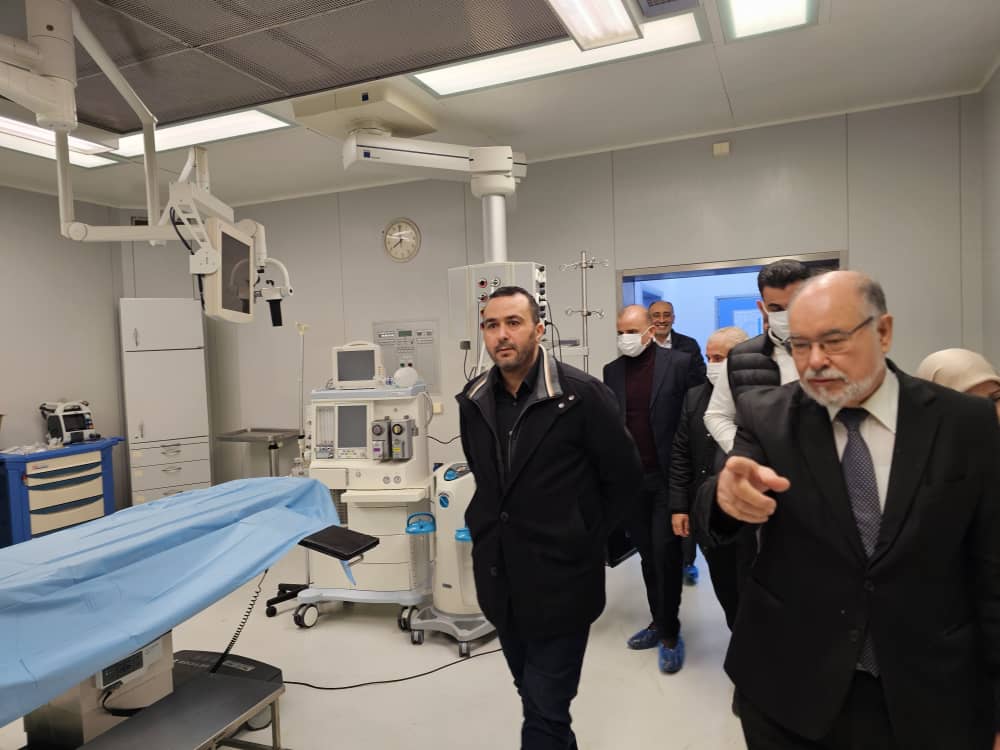
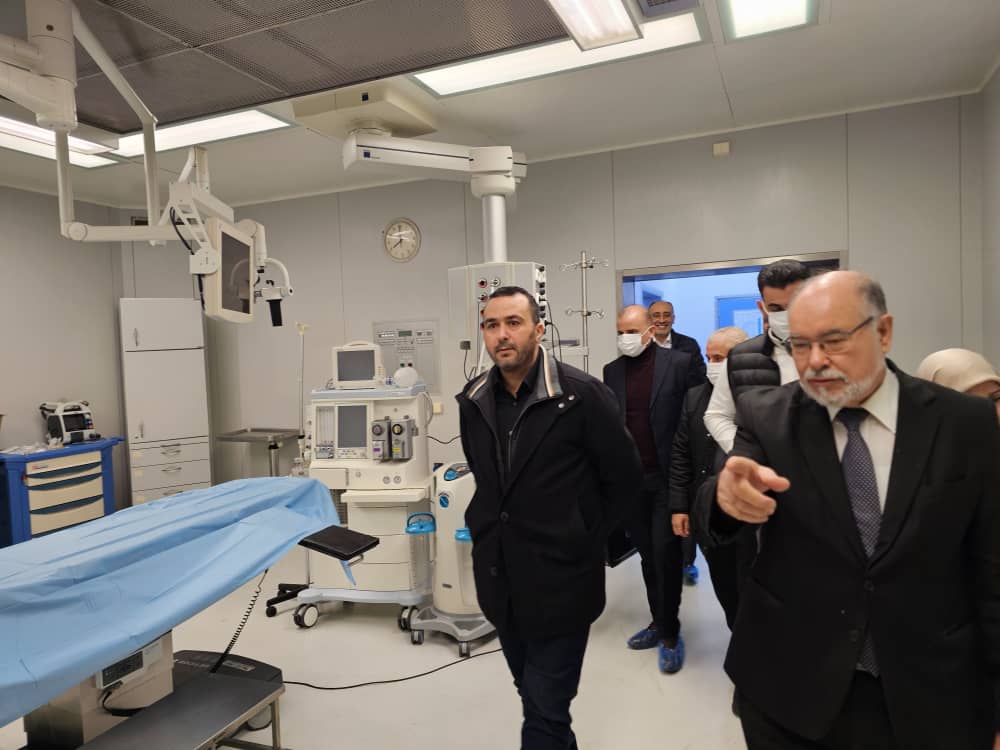
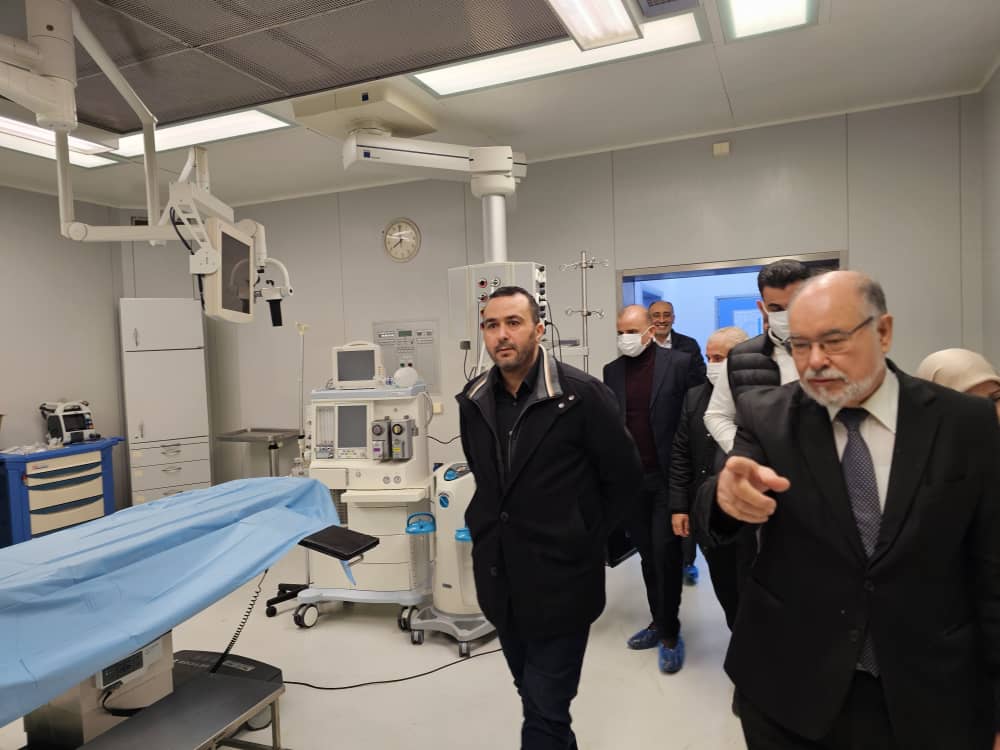
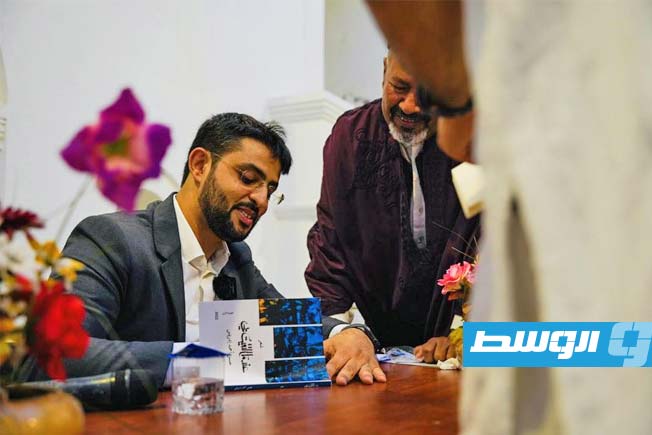
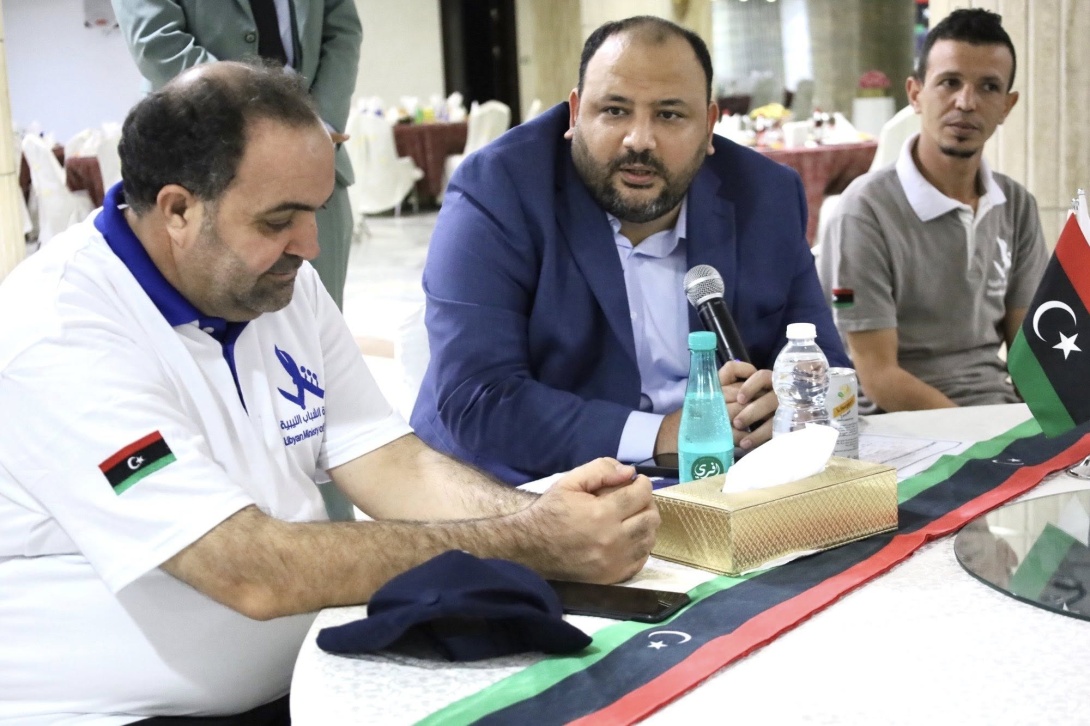
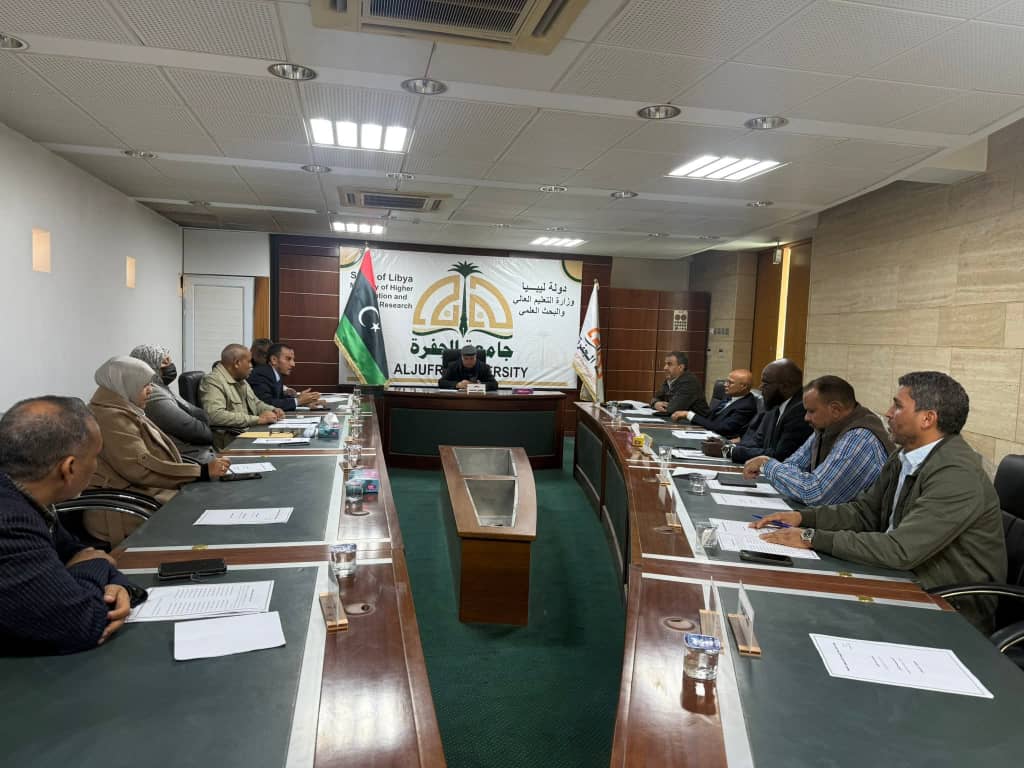
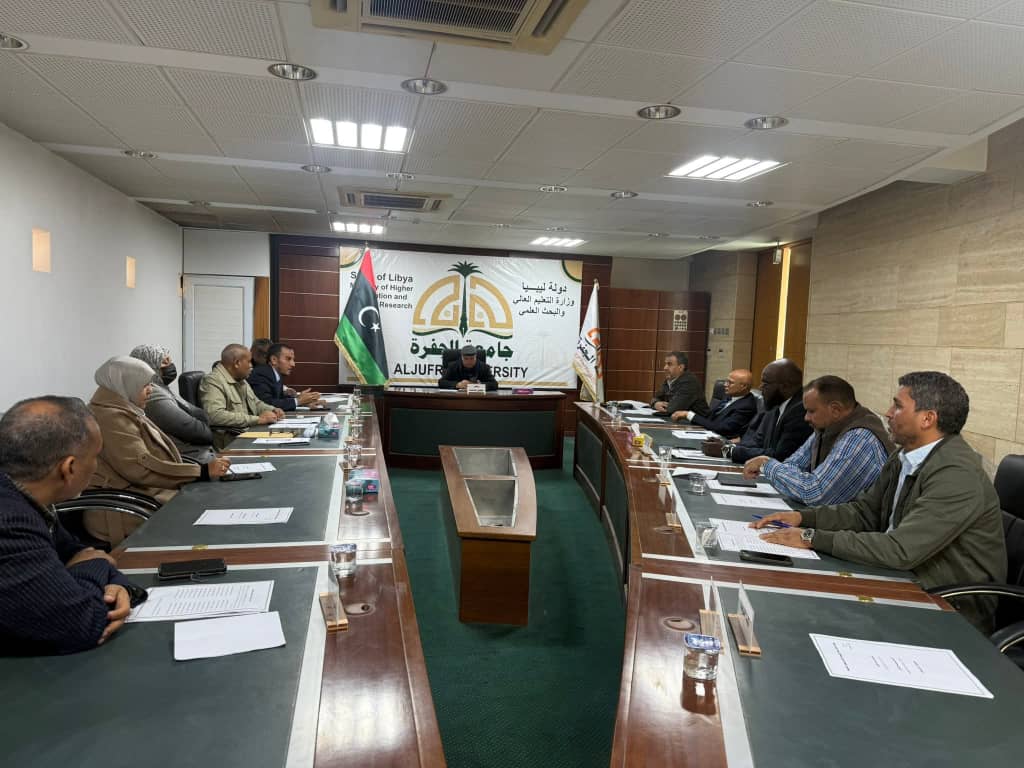
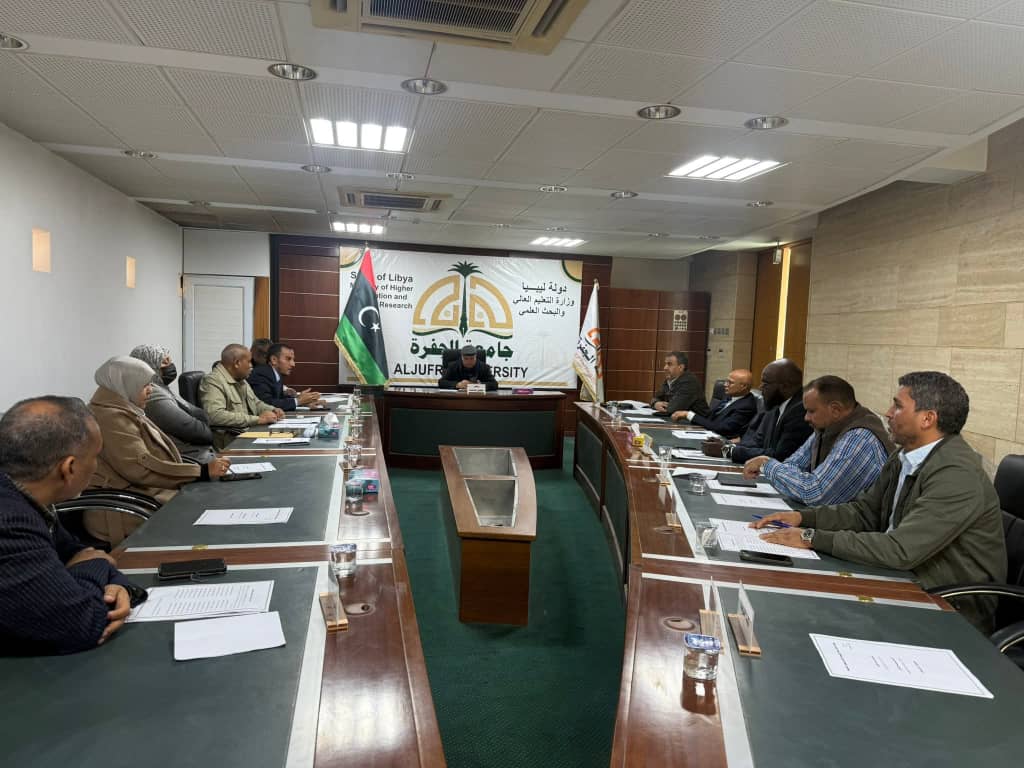
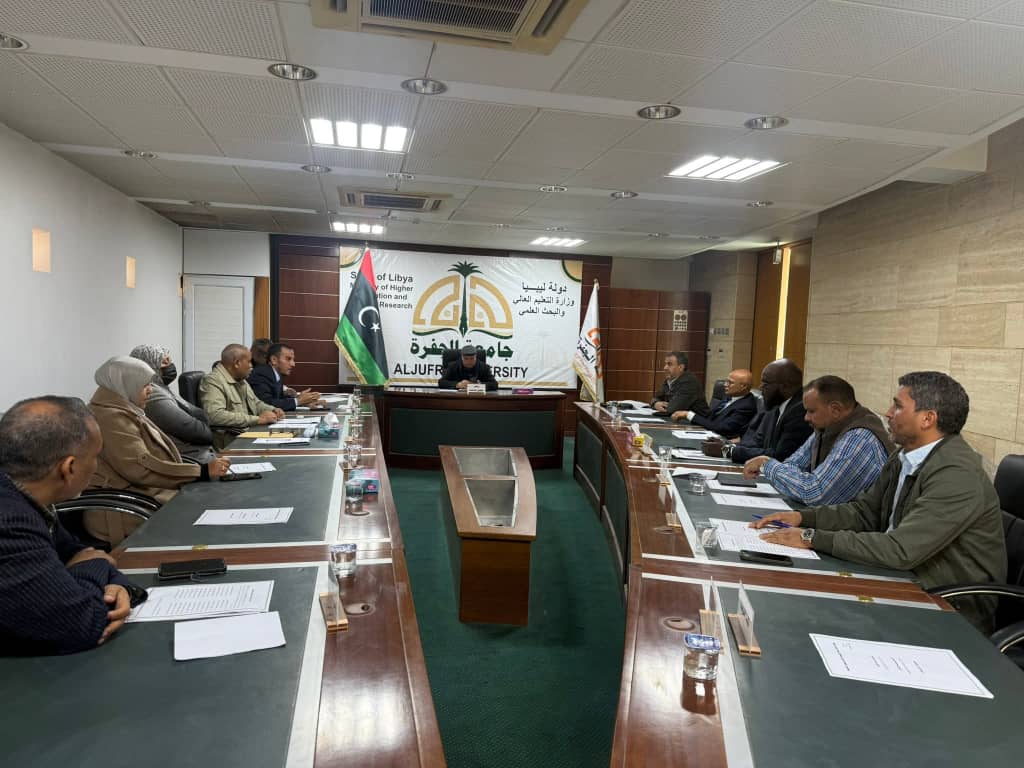
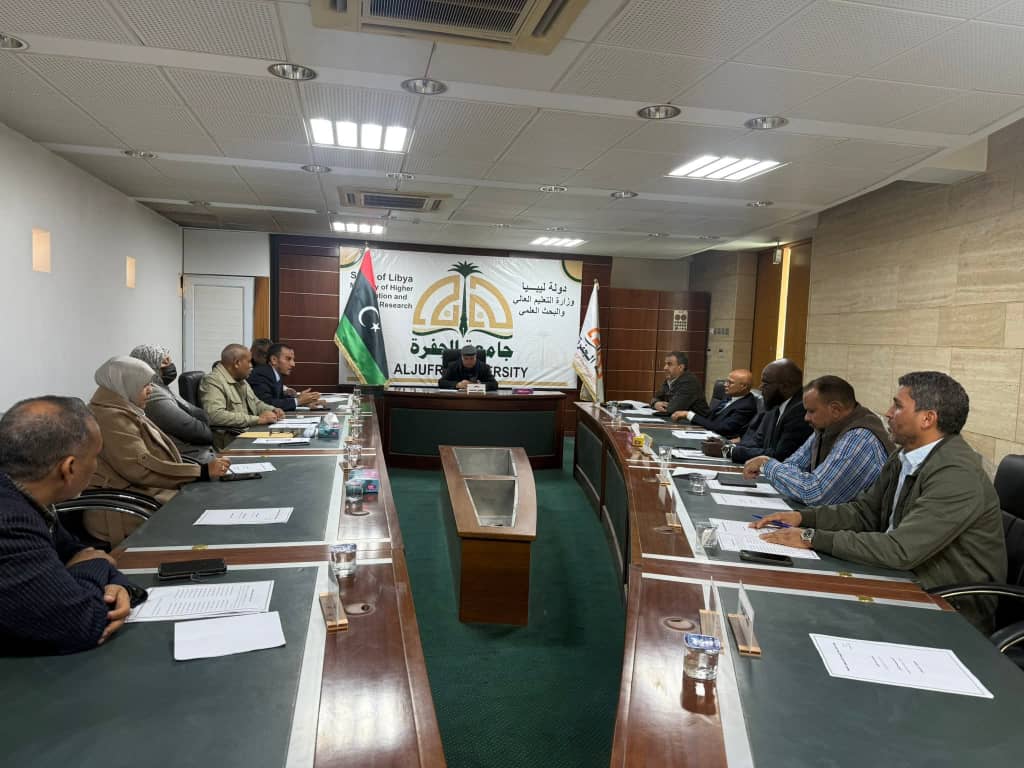
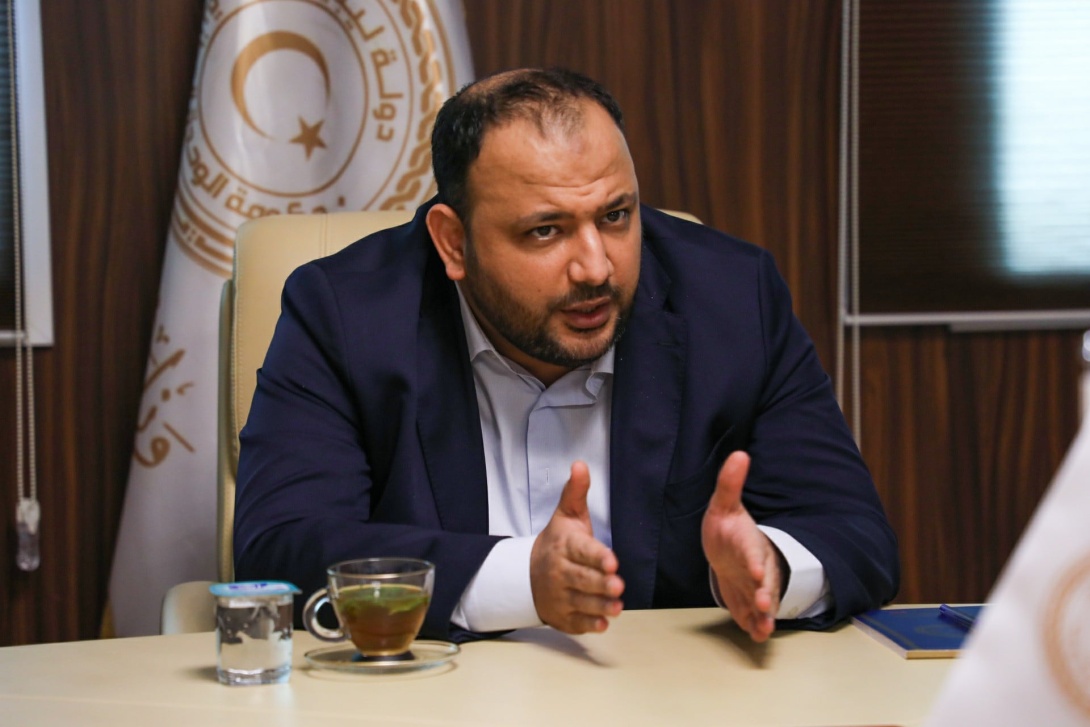
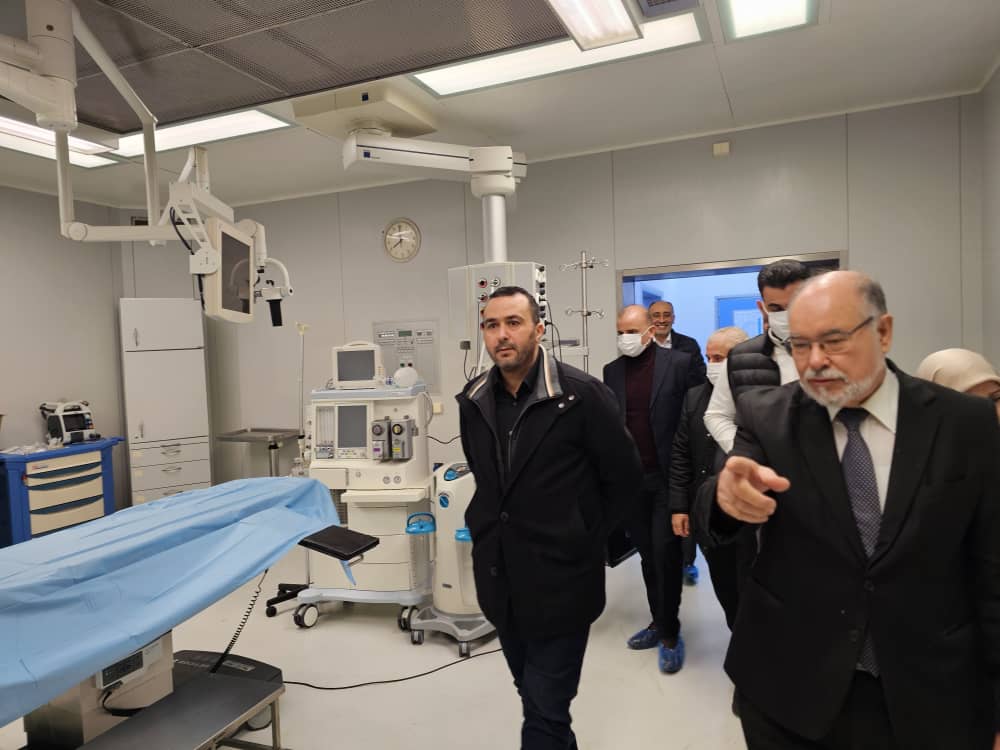
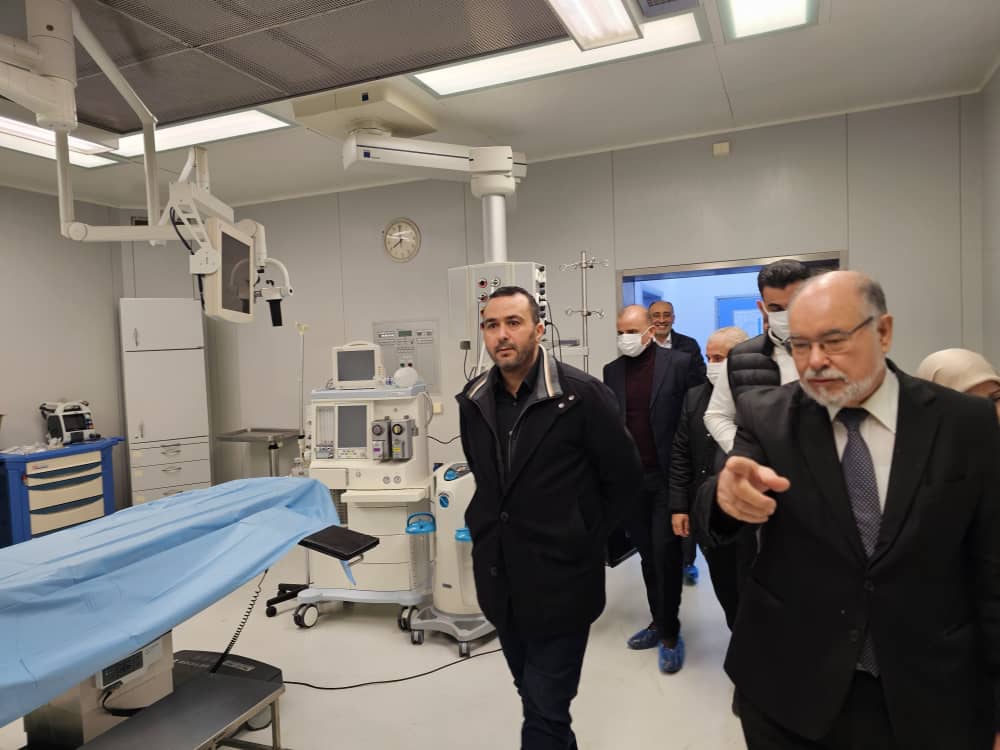
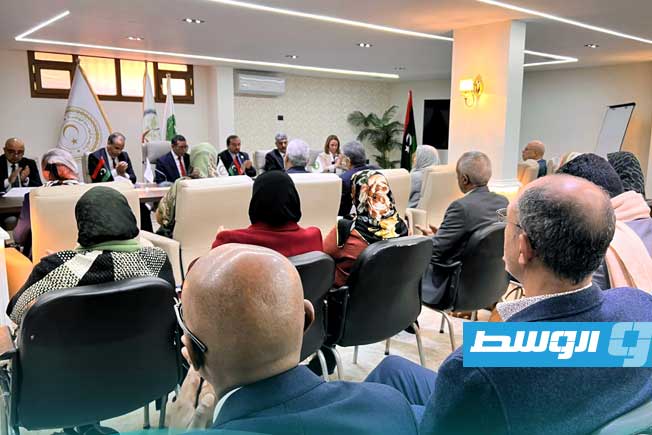
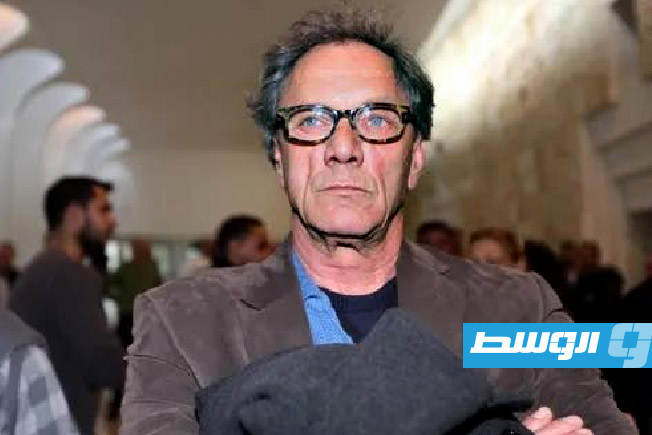
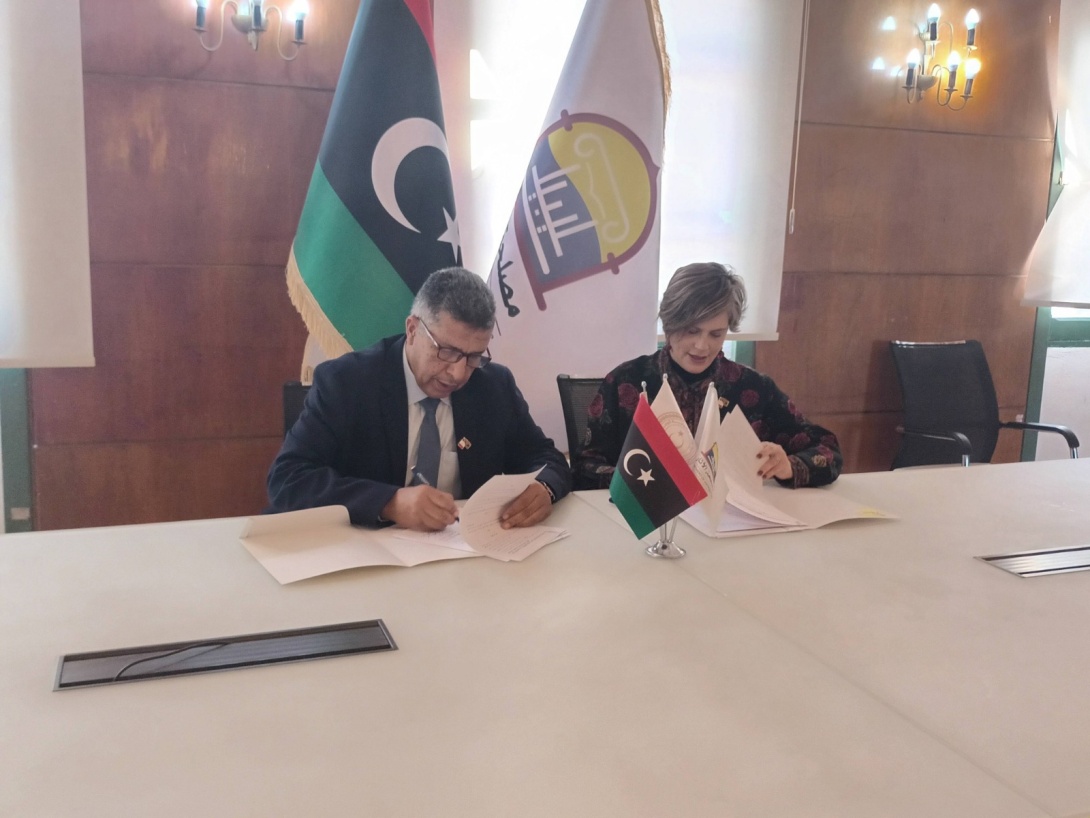
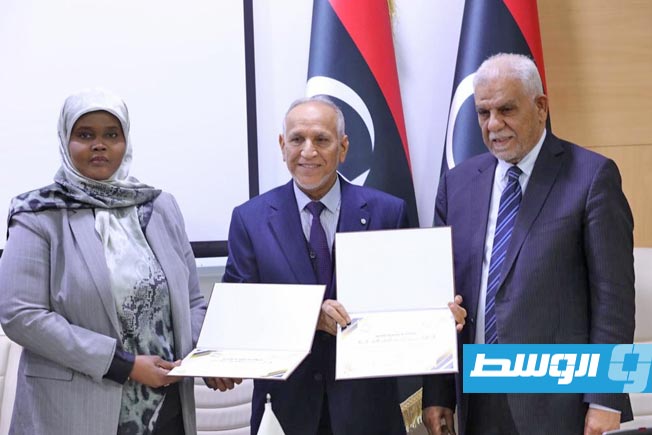
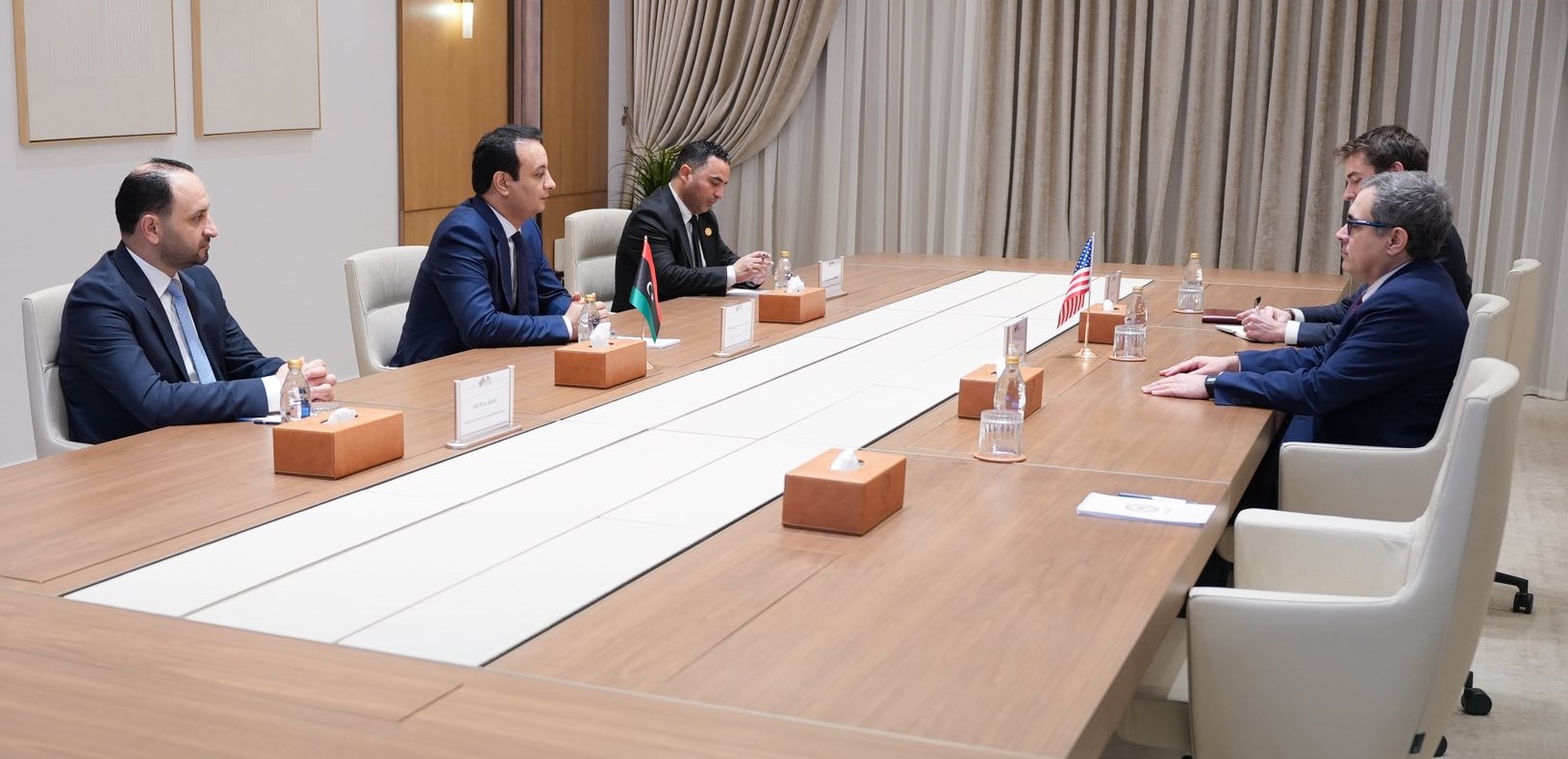
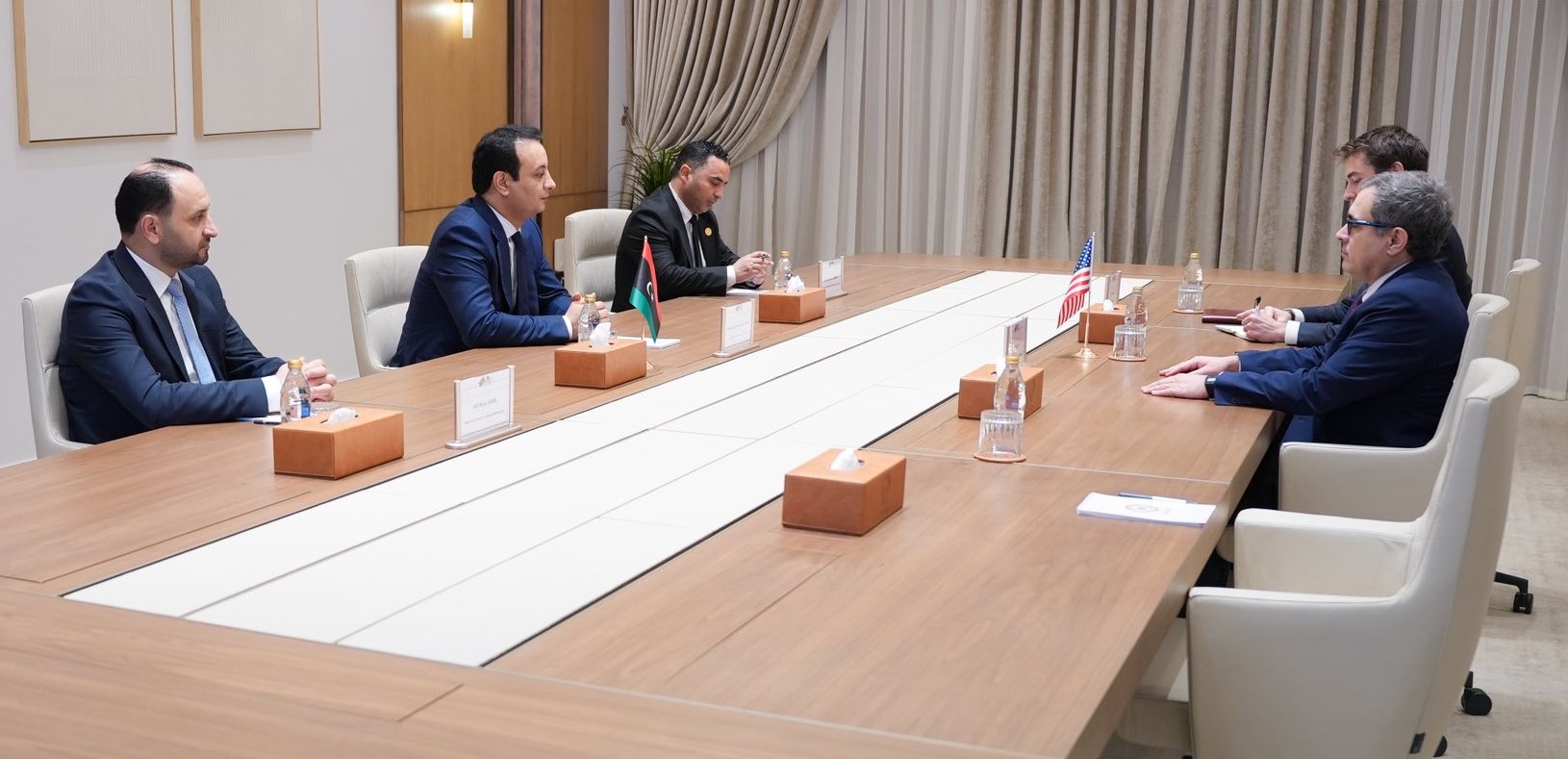
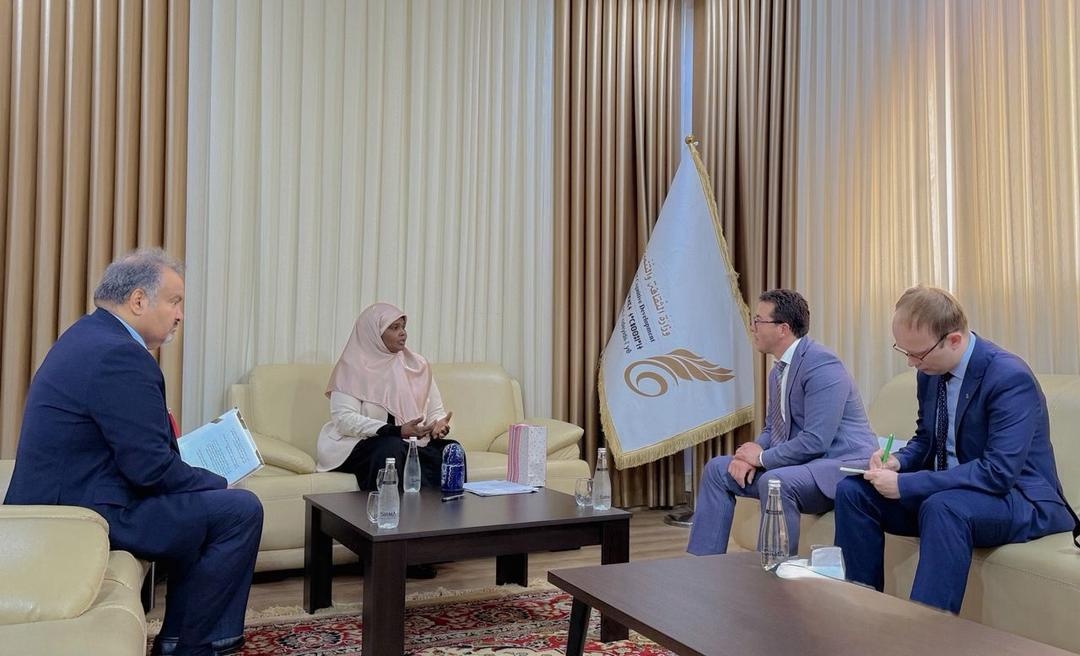
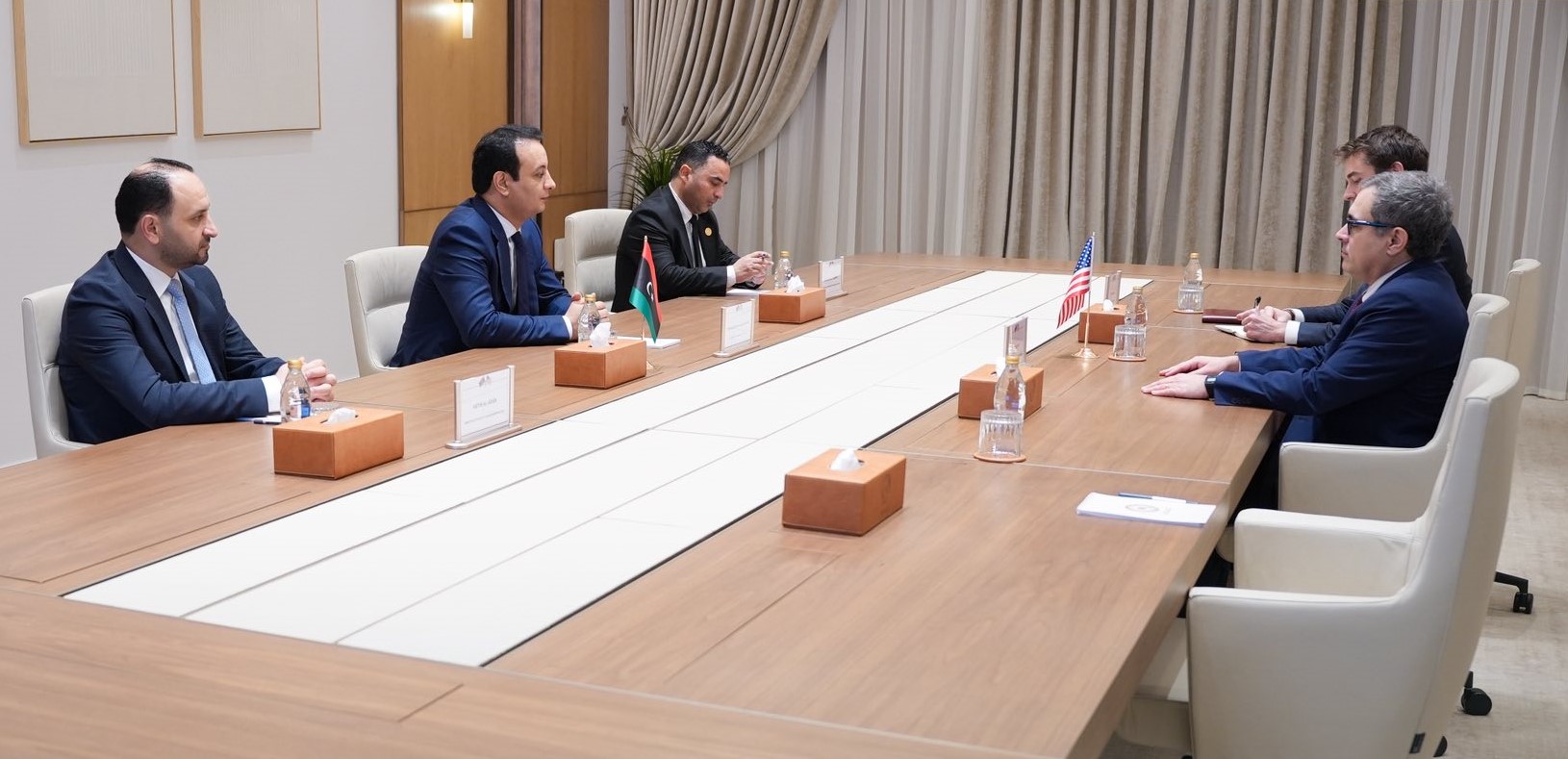
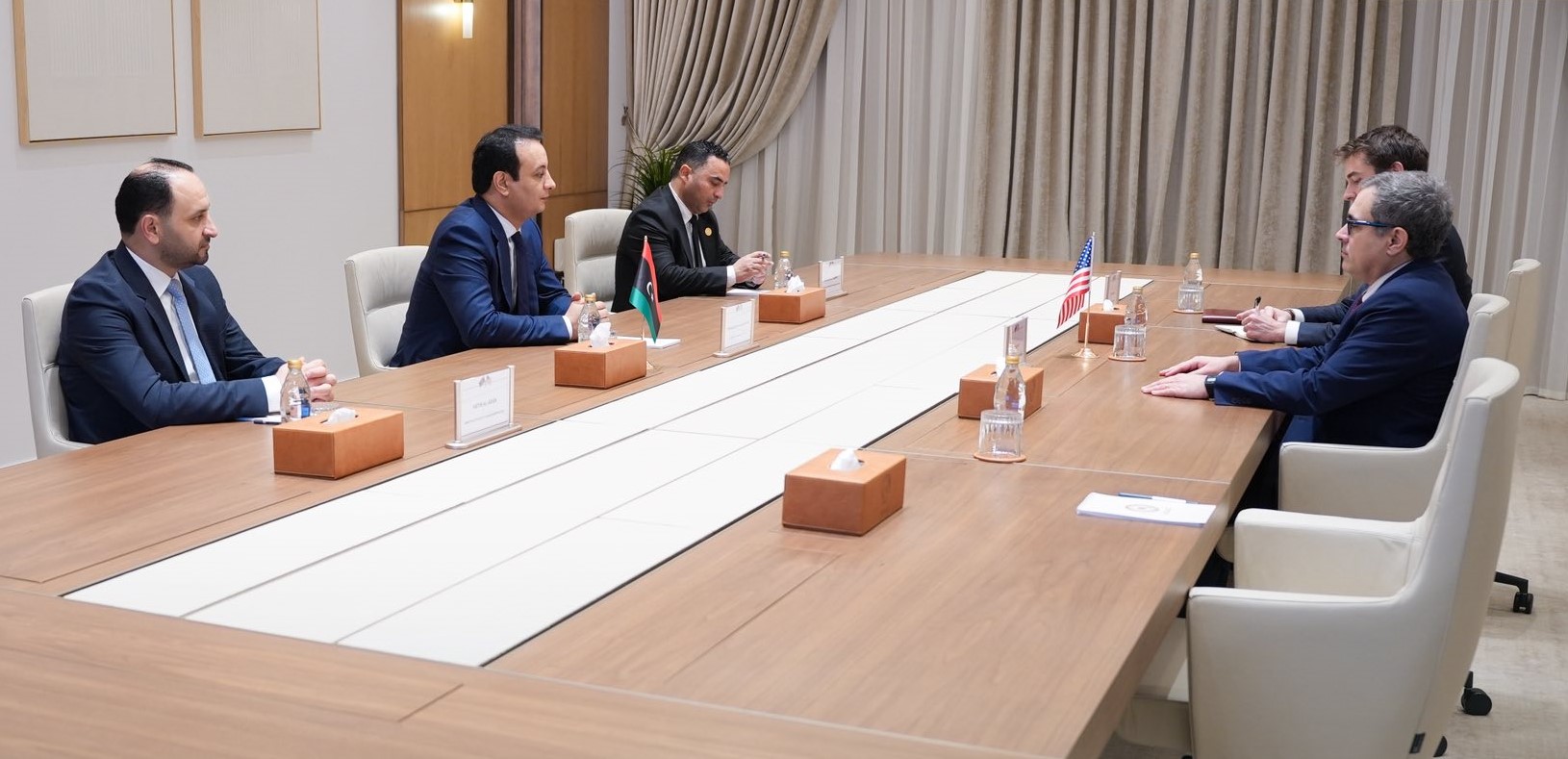
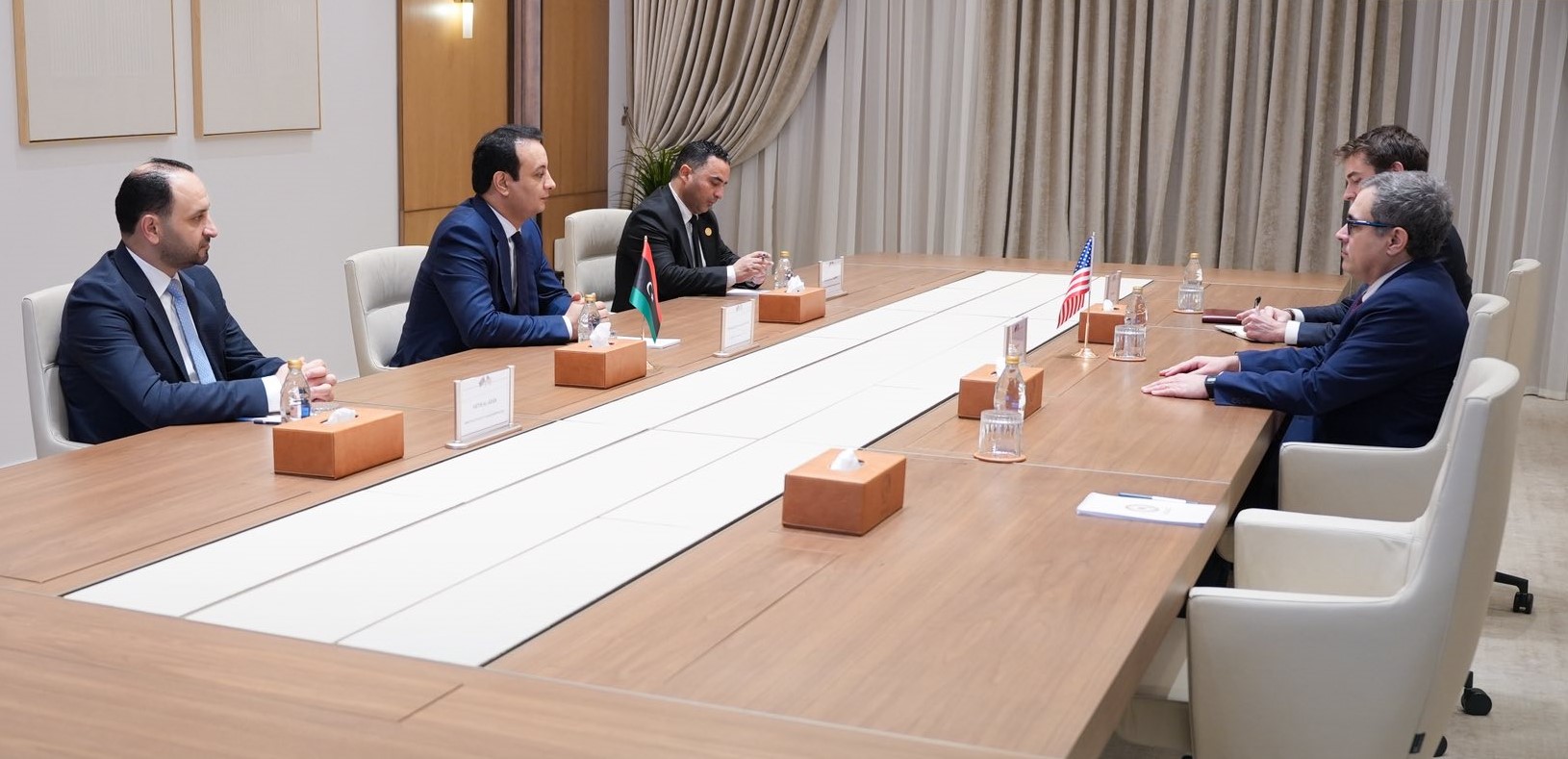
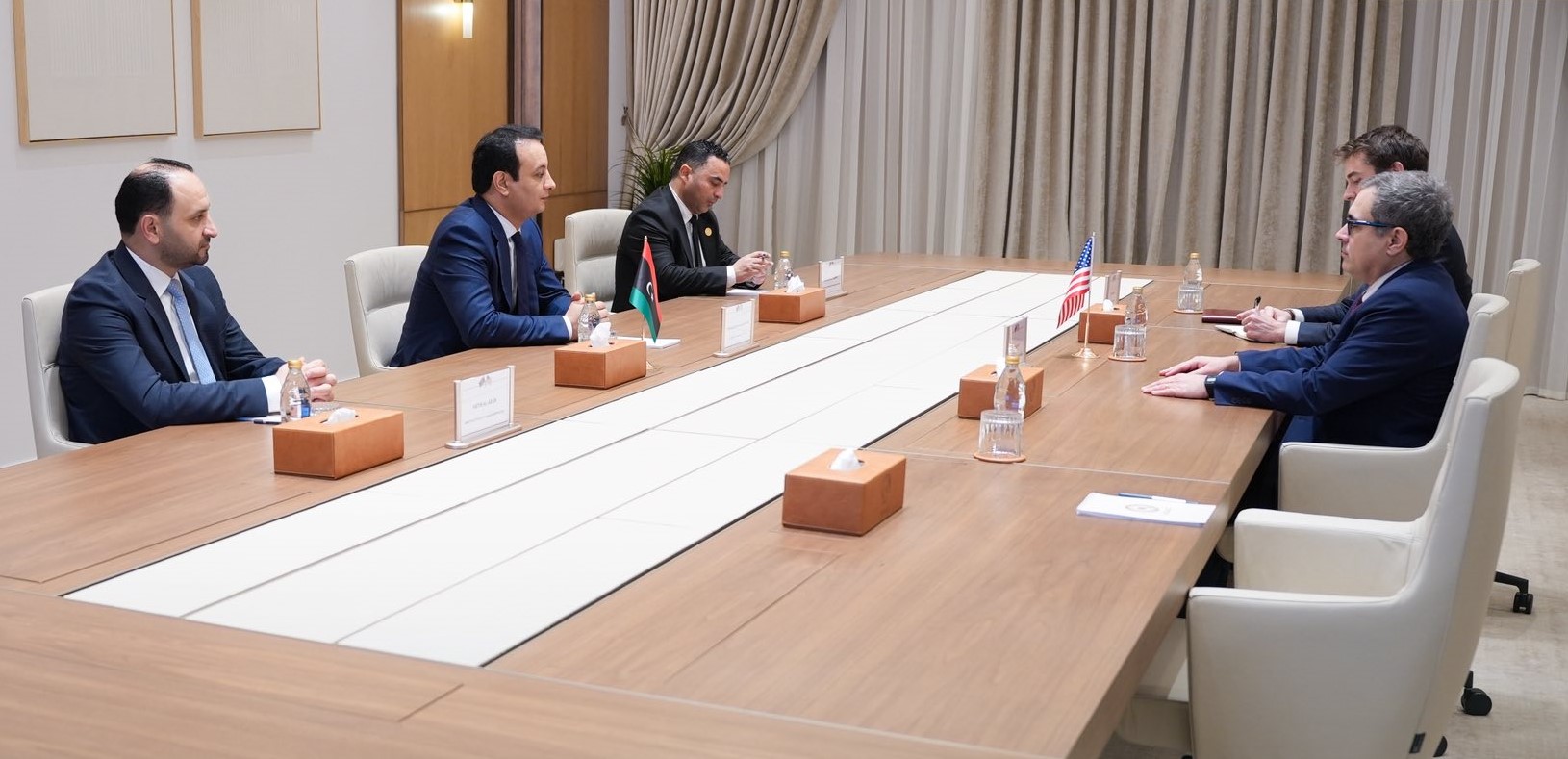
Benghazi, January 29, 2026 – The President of the House of Representatives met separately in Benghazi yesterday, Wednesday, with the ambassadors of France and the United Kingdom to Libya.
The media center for the President of the House of Representatives reported that the meetings reviewed the latest developments in the situation in Libya. The President briefed the ambassadors on recent parliamentary developments, most notably confirming the readiness of the legal and legislative framework issued by the Council for conducting presidential and parliamentary elections.
The meetings also discussed shared regional challenges, foremost among them combating illegal immigration and its repercussions on regional security, while emphasizing the importance of international coordination to support Libya’s efforts in securing its borders and protecting its sovereignty.
According to the media center, the President stressed to the ambassadors the pivotal role undertaken by the House of Representatives as the elected legislative authority, emphasizing the necessity of enhancing joint cooperation in parliamentary, political, and economic fields.
The center noted that the ambassadors affirmed their countries’ support for the path led by the House of Representatives to reach a comprehensive political solution.
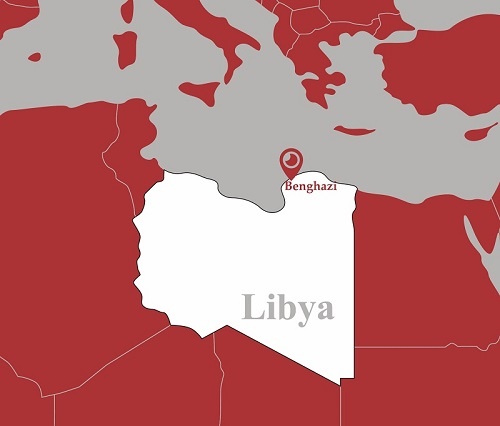
Benghazi
Benghazi is a major city in eastern Libya, historically significant as a center of trade and culture since its founding as the Greek colony of Euesperides. It played a pivotal role in Libya’s modern history, serving as the provisional capital after the 2011 revolution and being a key site during the Second World War.
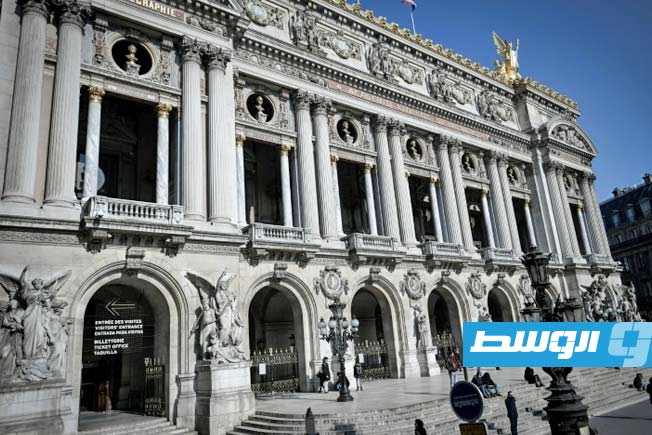
France
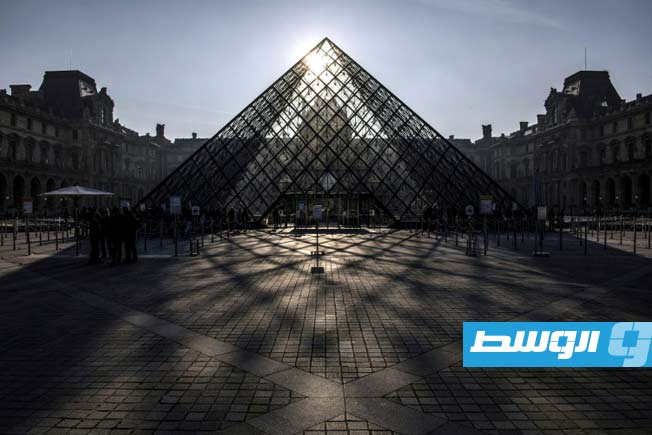
France is a Western European country with a rich history dating back to ancient Gaul, later evolving into a powerful monarchy and a center of the Enlightenment. It is globally renowned for its cultural influence in art, cuisine, and philosophy, and is the site of iconic landmarks like the Eiffel Tower and the Palace of Versailles. The French Revolution of 1789 was a pivotal event that profoundly shaped its modern republican identity.
United Kingdom
The United Kingdom is a sovereign nation comprising England, Scotland, Wales, and Northern Ireland, with a history of unification spanning centuries following the 1707 Acts of Union between England and Scotland. It developed into a global power, notably during the British Empire, and is a constitutional monarchy with a parliamentary democracy whose modern political and cultural influence remains significant worldwide.
Libya
Libya is a North African country with a rich history that includes ancient Phoenician and Greek settlements, most notably at Cyrene, and later Roman rule. It was part of the Ottoman Empire before Italian colonization in the early 20th century, gaining independence as a kingdom in 1951. The nation’s modern history was dominated by Muammar Gaddafi’s lengthy rule from 1969 until the 2011 civil war and his overthrow.