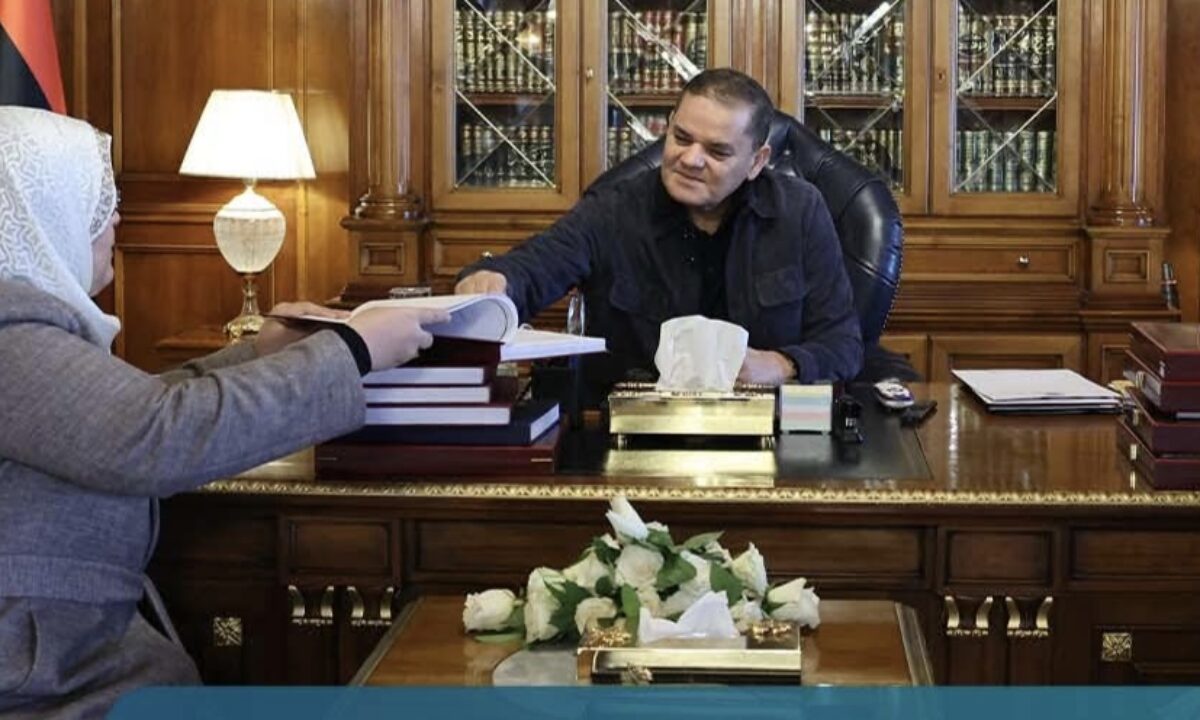
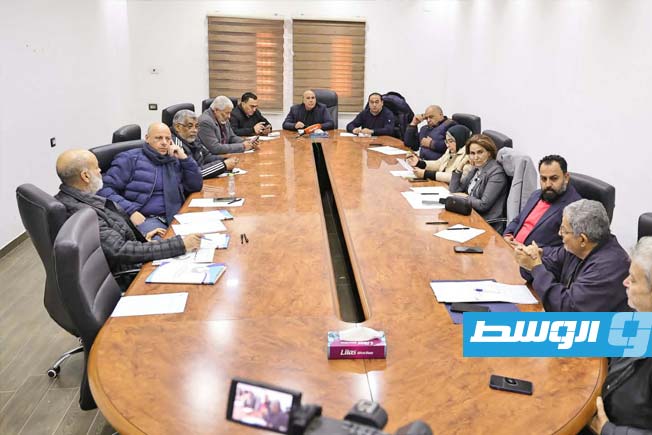
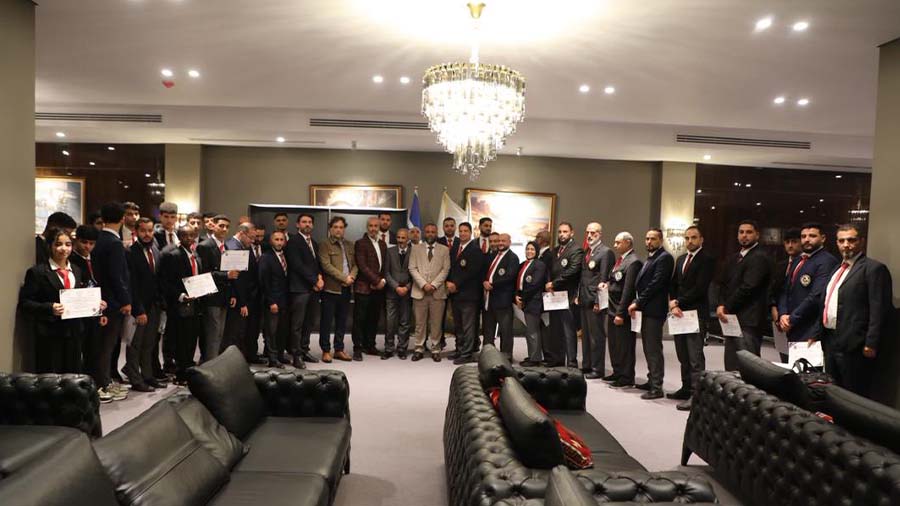
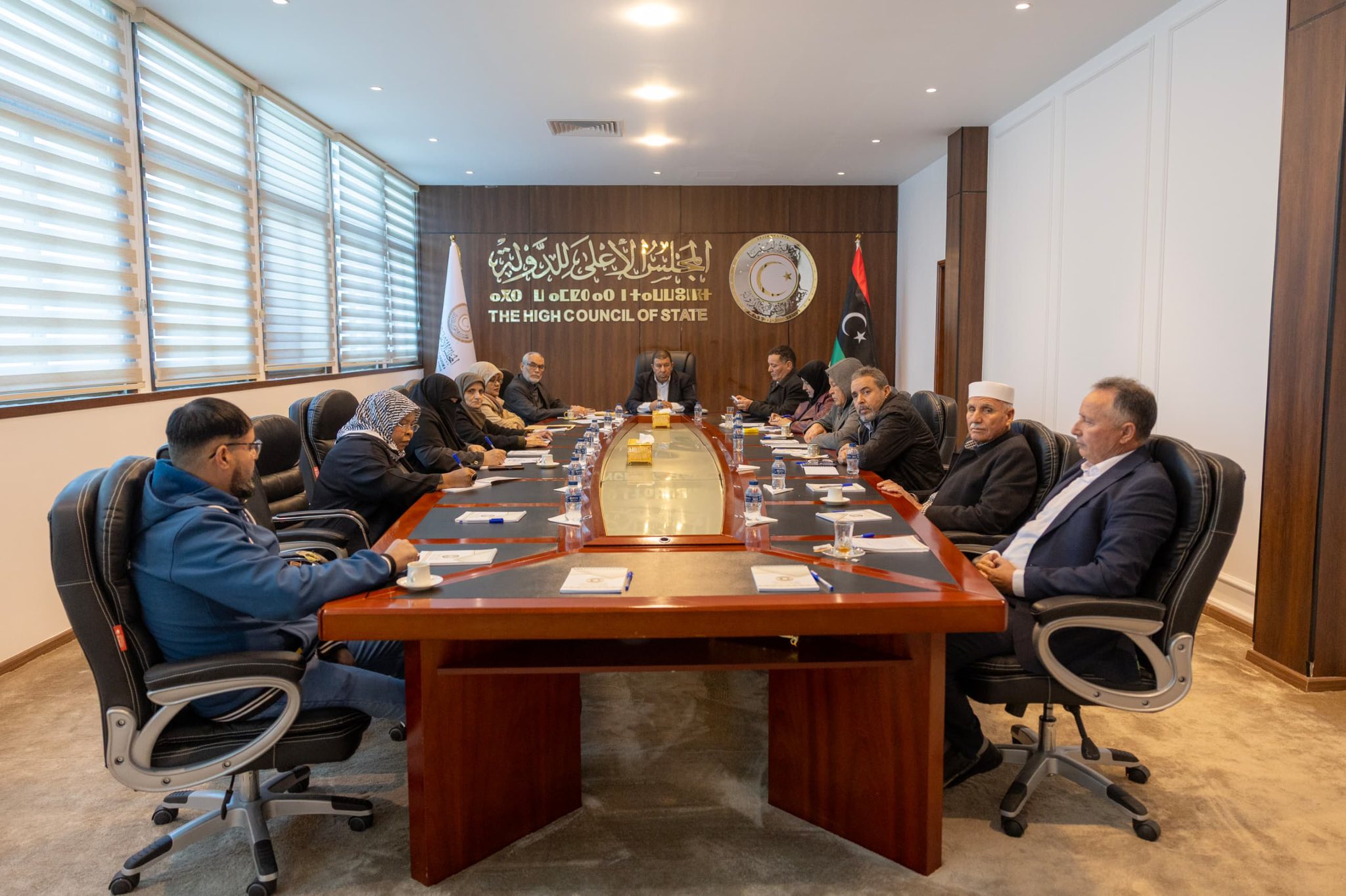
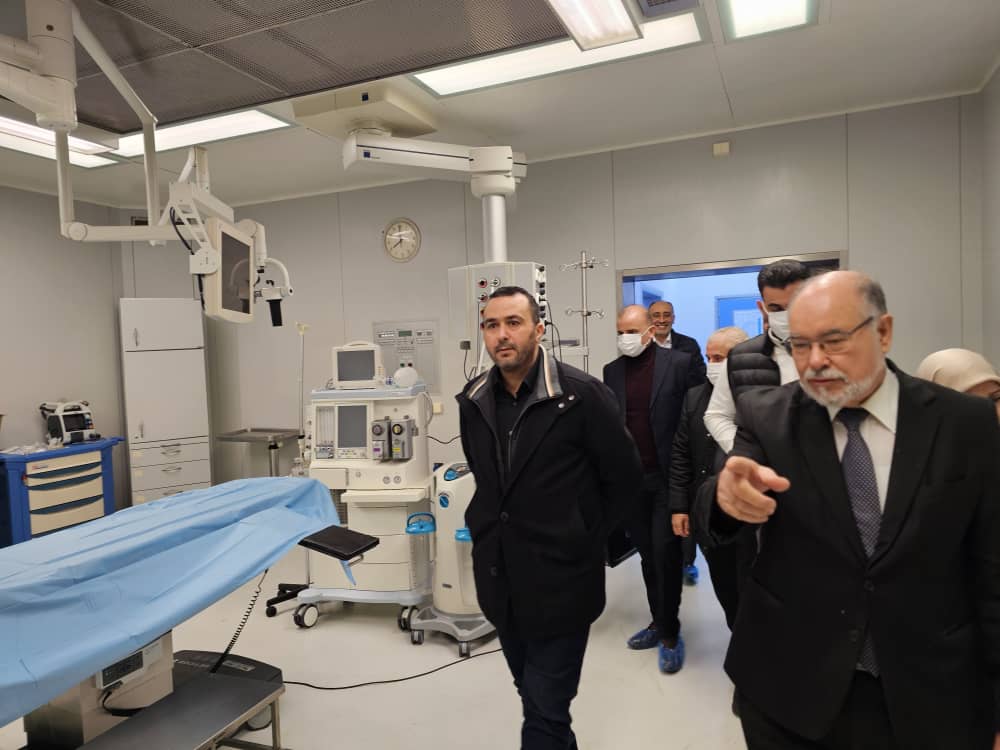
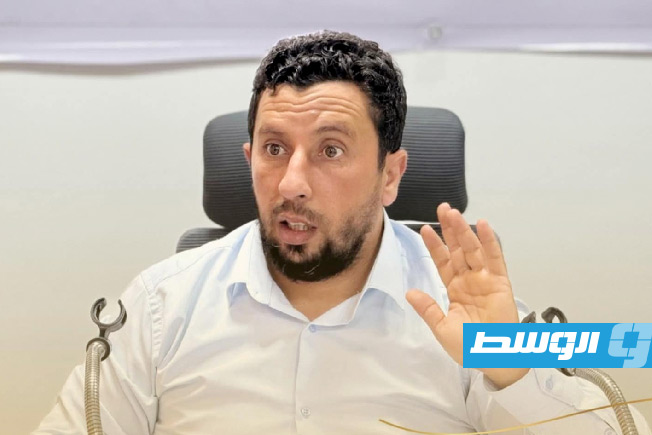
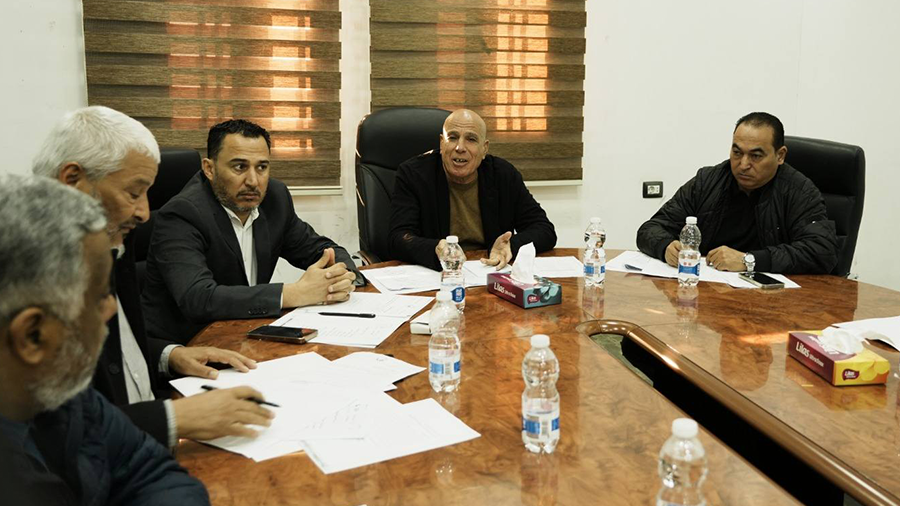
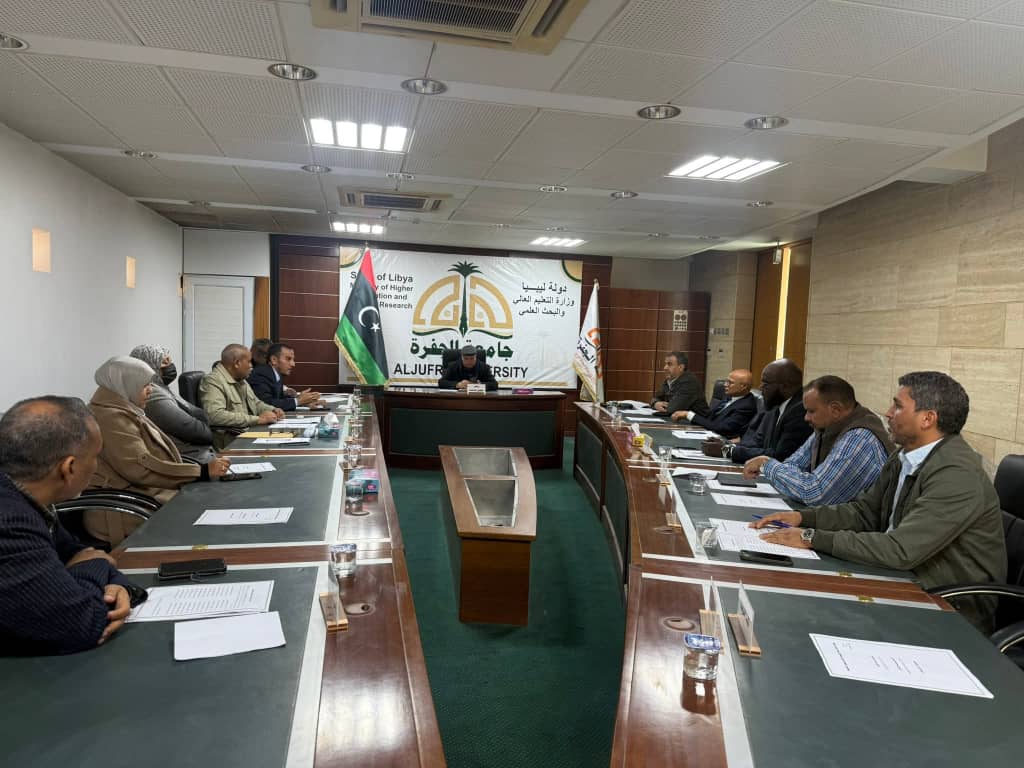
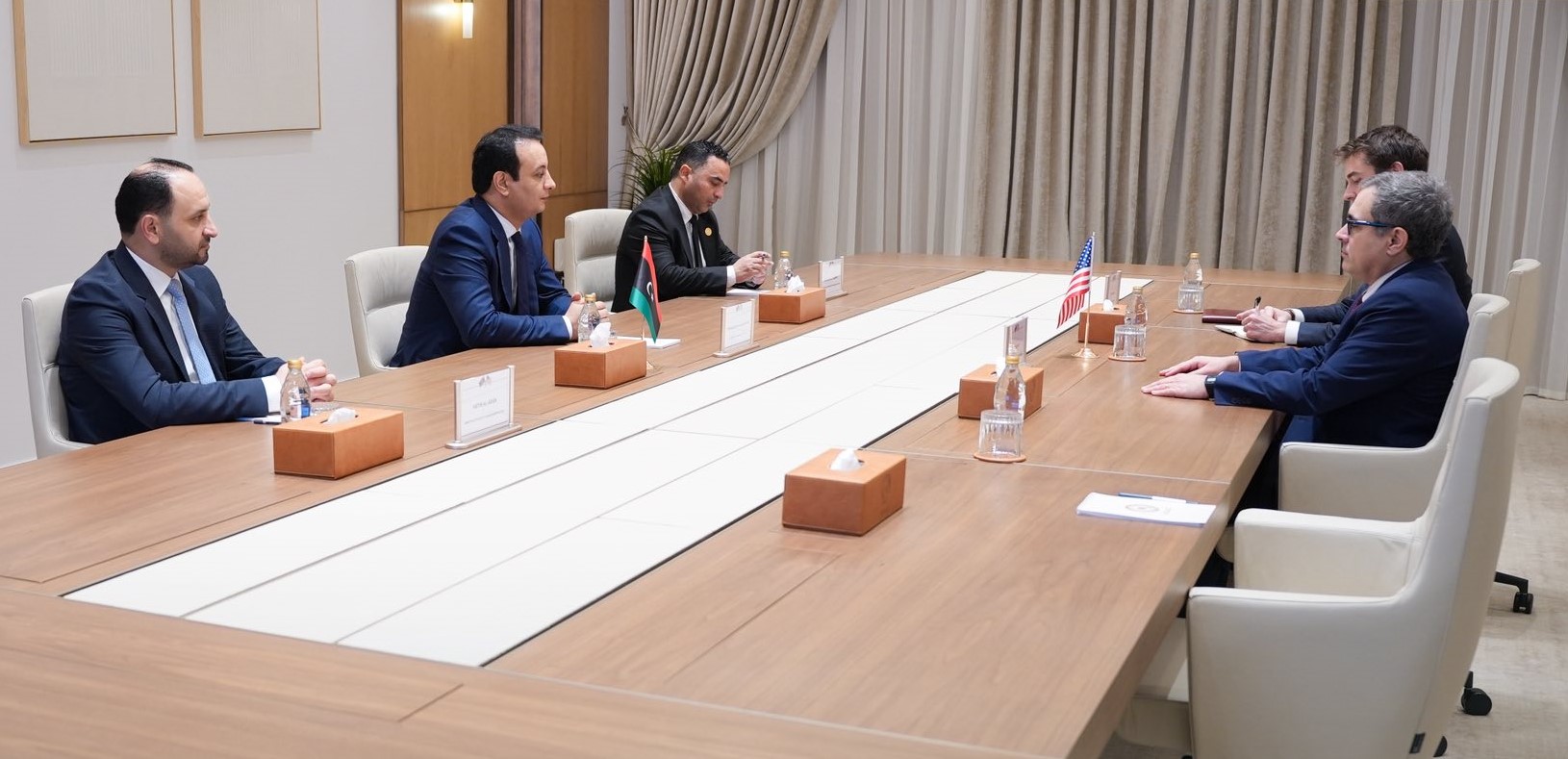
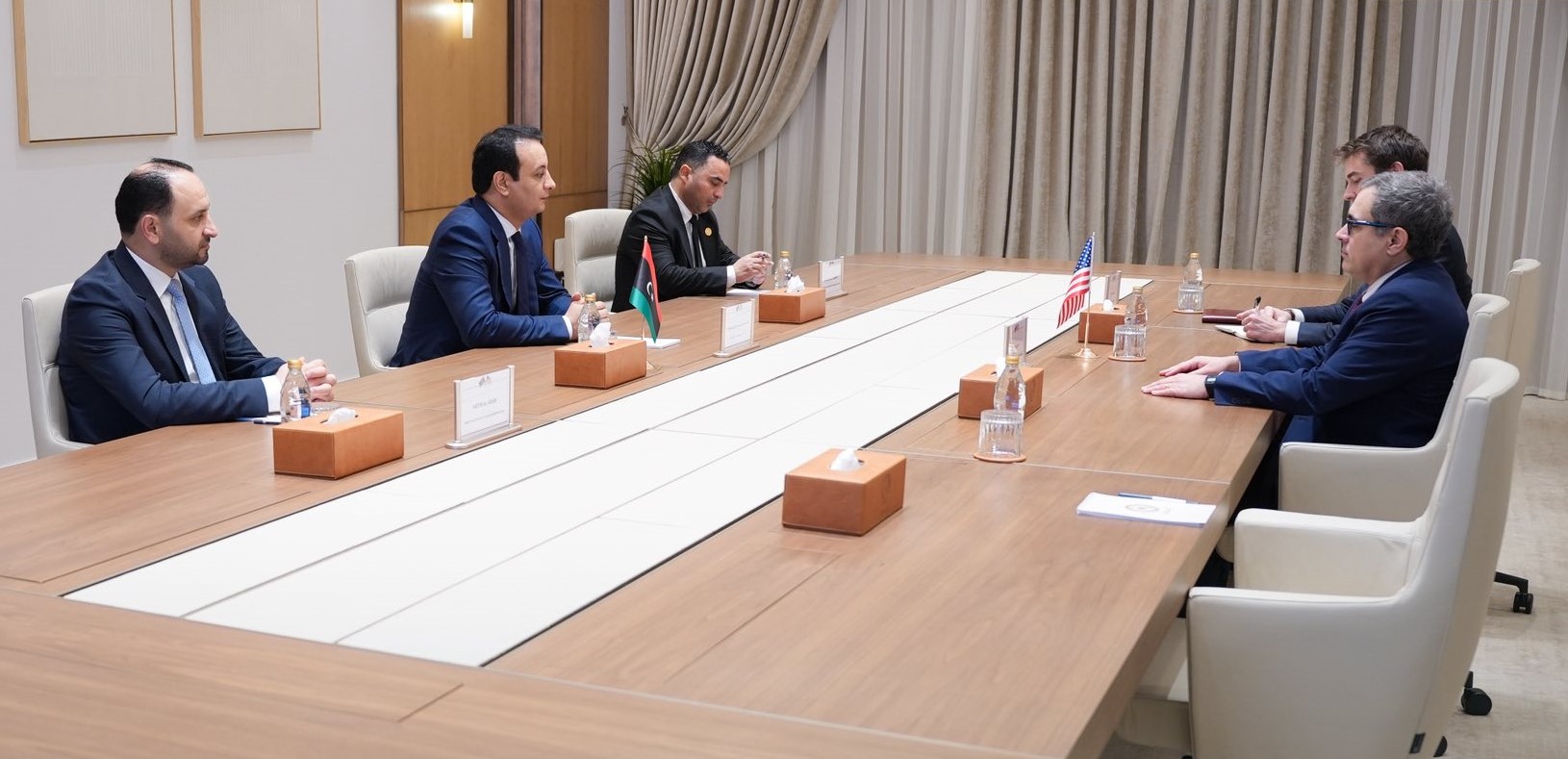
Tripoli, January 27, 2026 – The head of the Government of National Unity received, on Tuesday, the periodic reports due from the Libyan state to the Human Rights program, after a delay of more than two decades in issuing some of them.
It was clarified that the preparation of these reports came as a result of efforts following the issuance of Cabinet Resolutions No. 532 and 533, concerning the establishment of the National Human Rights Committee and the creation of the national mechanism for preparing government reports related to human rights. This is the first of its kind in Libya, with the participation of government institutions and under supervision.
It was stated that the national mechanism operates on three levels: ministerial, oversight, and technical through specialized teams, with technical support and training provided by the Office of the High Commissioner for Human Rights and the United Nations, which included the Higher Judicial Institute and workshops.
The submitted reports cover files that have not been completed for more than 20 years, and others delayed for 12 and 10 years, such as: reports on combating torture, the core document, the rights of persons with disabilities, and civil, political, economic, and social rights.
For his part, it was confirmed that the Government of National Unity gives the human rights file the highest priority, emphasizing the government’s continued support for all efforts aimed at enhancing commitment to international standards and raising the level of human rights in Libya.
The submission of these reports is considered a strategic step that reflects institutional discipline, enhances Libya’s international presence, and keeps pace with notable developments in the human rights track.
Tripoli
Tripoli is the capital and largest city of Libya, with a history dating back to the 7th century BC when it was founded by the Phoenicians. It later became a significant part of the Roman Empire, the Ottoman Empire, and an Italian colony, which is reflected in its diverse architecture, such as the historic Medina and the Red Castle (Assai al-Hamra).
Libya
Libya is a North African country with a rich history rooted in ancient civilizations like the Phoenicians and Romans, followed by centuries of Arab and Ottoman influence. In the modern era, it was an Italian colony before gaining independence in 1951, later becoming known for Muammar Gaddafi’s lengthy rule from 1969 until the 2011 revolution. Its cultural sites include the well-preserved Roman ruins of Leptis Magna and the historic old town of Ghadames.
Government of National Unity
The Government of National Unity (GNU) is a term most notably applied to the post-apartheid coalition government in South Africa, formed in 1994 following the country’s first multiracial elections. Led by Nelson Mandela as President, it brought together the African National Congress, the National Party, and the Inkatha Freedom Party to oversee the transition to democracy and the drafting of a new constitution.
Human Rights program
The Human Rights Program is a global initiative established to promote and protect fundamental human rights through advocacy, education, and legal frameworks. Its history is rooted in the aftermath of World War II, with the 1948 Universal Declaration of Human Rights serving as a foundational document that inspired its creation and ongoing mission.
National Human Rights Committee
The National Human Rights Committee (NHRC) is an independent statutory body in Qatar, established in 2002 by Emiri decree to protect and promote human rights in accordance with the constitution and international standards. Its mandate includes receiving complaints, conducting investigations, and raising public awareness on human rights issues within the country.
Office of the High Commissioner for Human Rights
The Office of the High Commissioner for Human Rights (OHCHR) is a United Nations agency established in 1993 to promote and protect human rights globally. It leads UN human rights efforts, provides support to human rights bodies, and works to integrate human rights standards across all UN activities.
United Nations
The United Nations is an international organization founded in 1945 after World War II to promote peace, security, and cooperation between nations. Its headquarters in New York City serves as the primary meeting place for its member states to address global issues through diplomacy and international law.
Higher Judicial Institute
The Higher Judicial Institute is a specialized educational institution in Sudan, established in 1970 to train judges and judicial personnel. Its primary role is to provide professional legal education and continuous training to ensure the qualification and development of the judiciary within the country’s legal system.