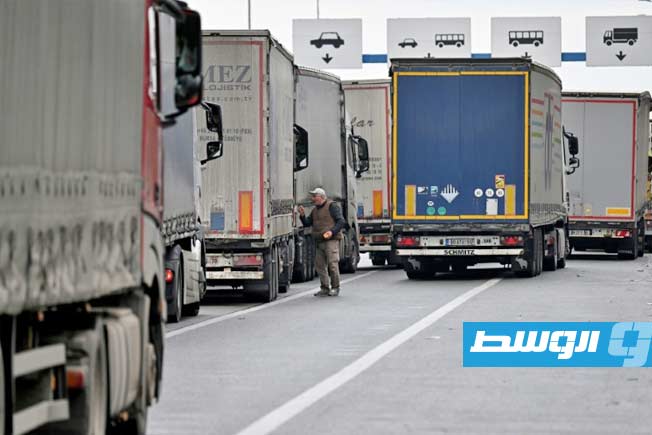
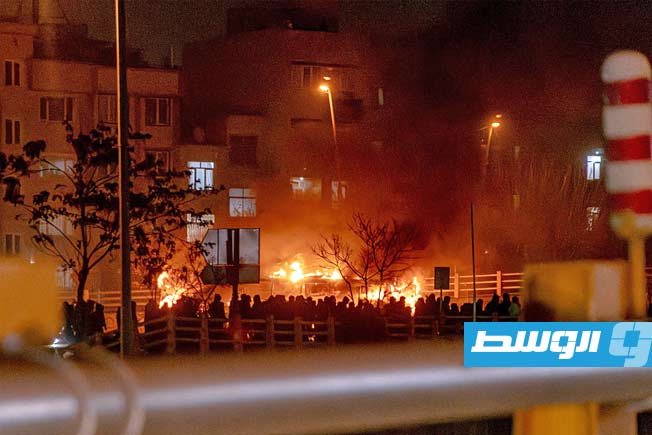
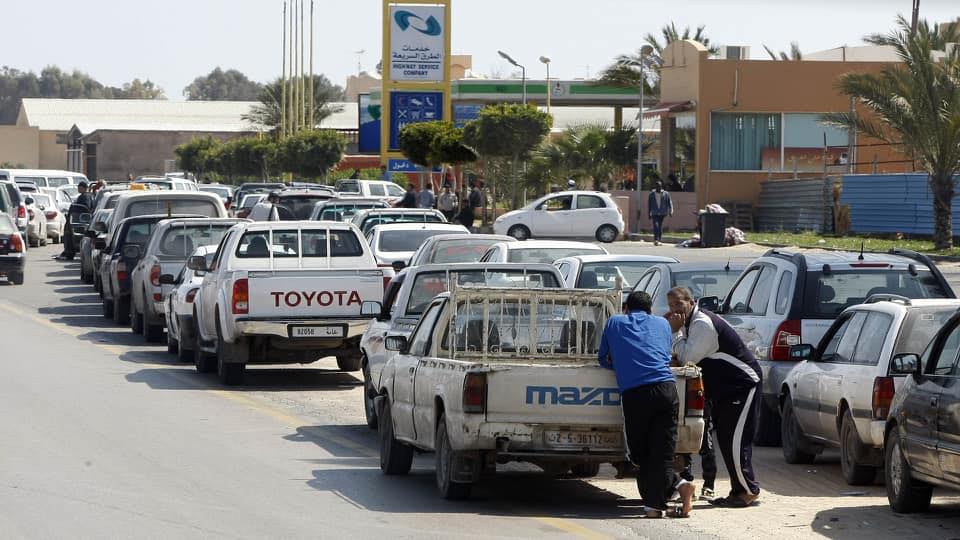
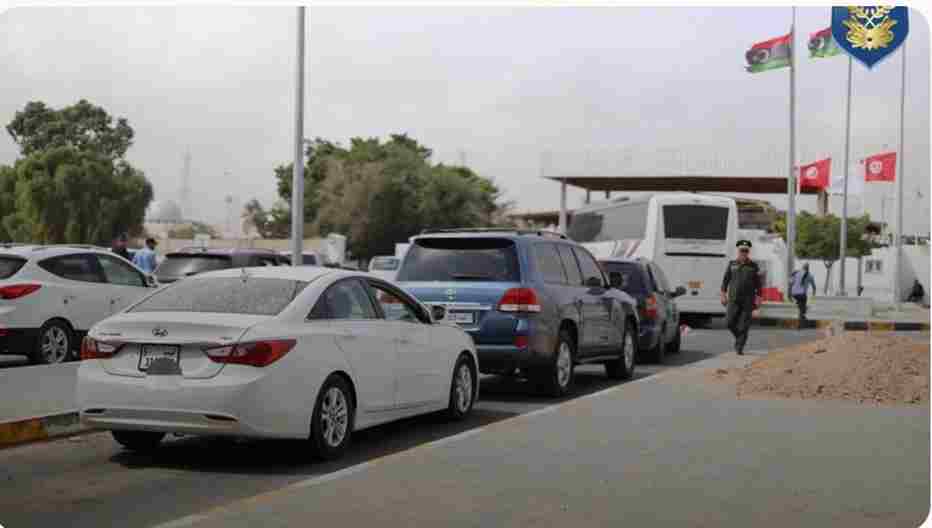
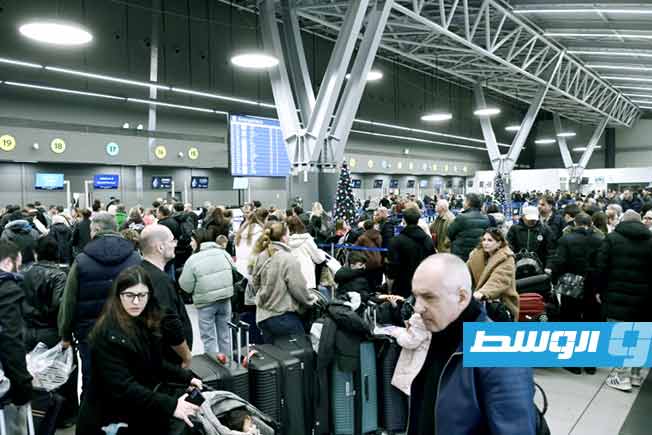
Hundreds of truck drivers across the Balkans began blocking several freight crossings leading to the European Union on Monday, protesting a visa system that limits their length of stay in the bloc’s countries.
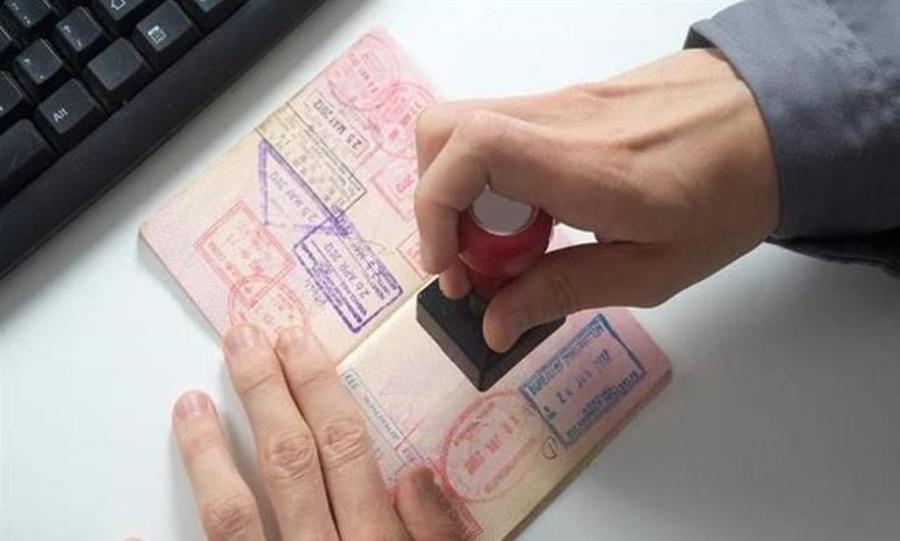
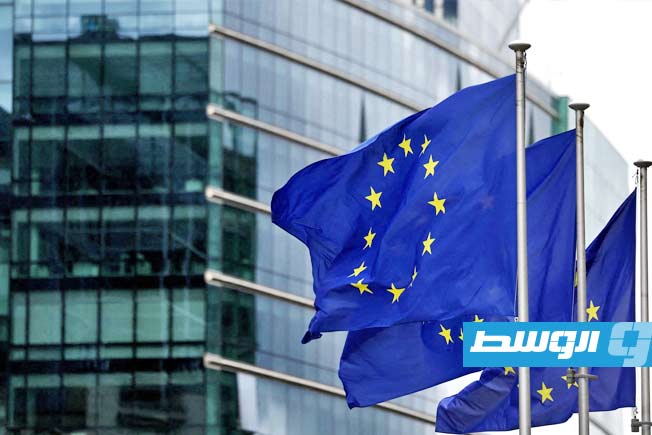
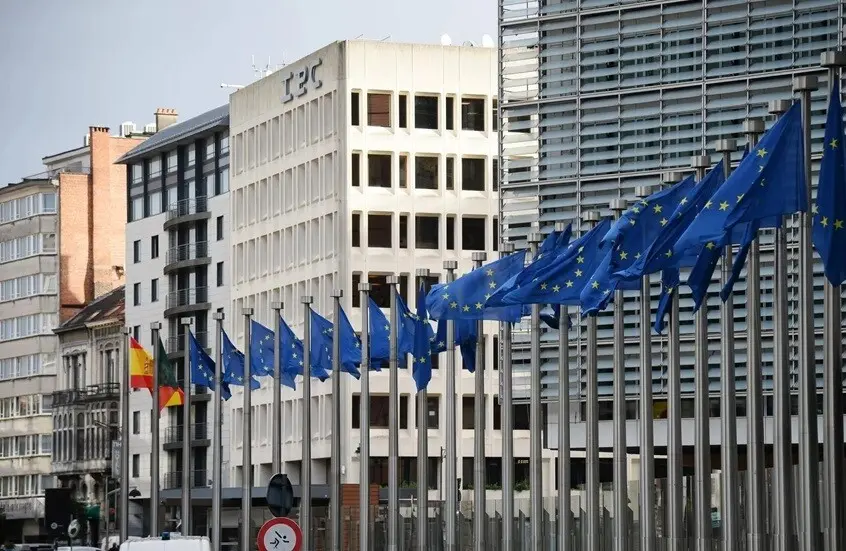
This measure, which allows them to spend 90 days within a 180-day period in the European Union, is not new. However, associated controls were tightened with the update of computer systems in October 2025 to register and monitor personal data at the external borders of the Schengen area.
The drivers, who are obstructing the passage of goods, have repeatedly demanded an exemption from Brussels.
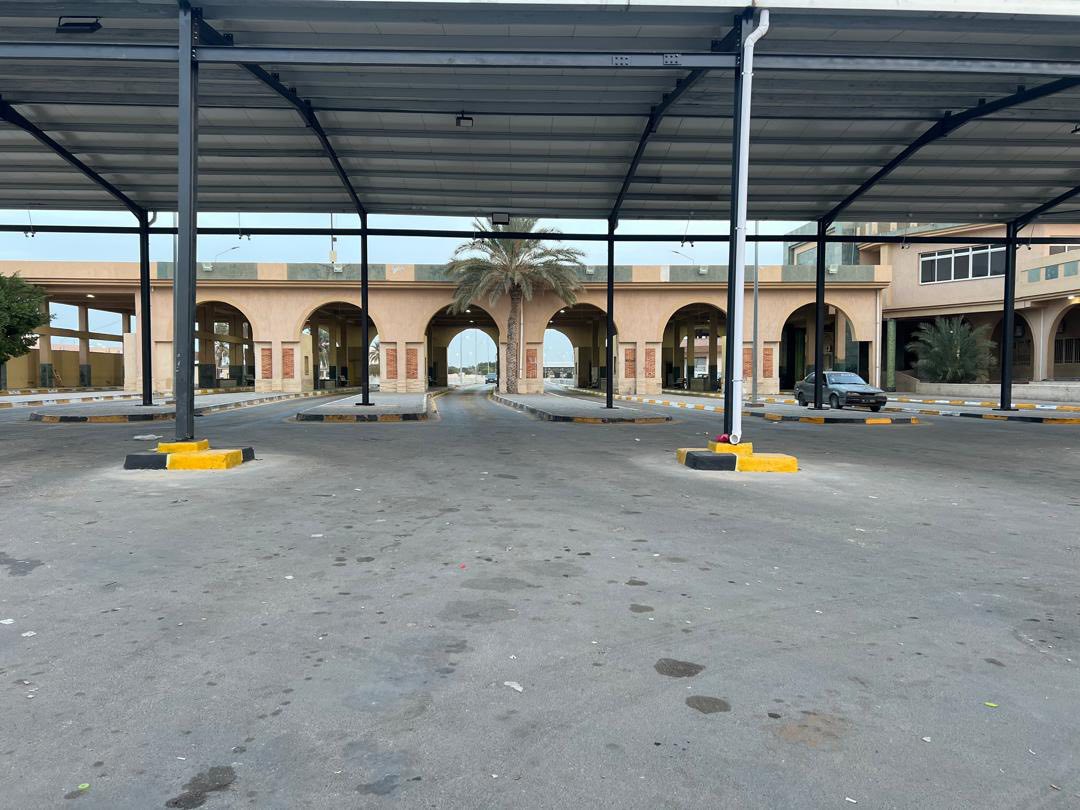
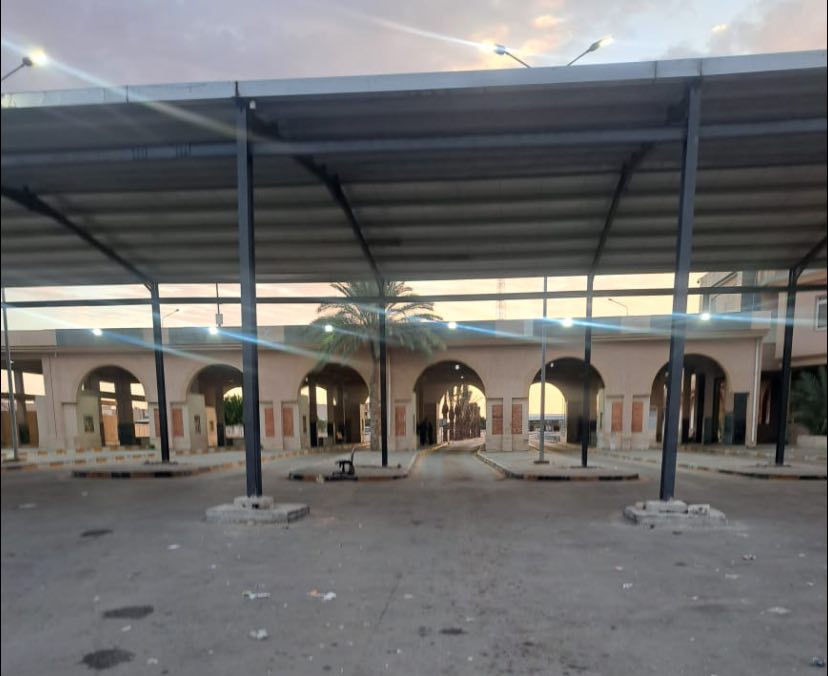
At the Batrovci border crossing, a major crossing point with EU-member Croatia, a statement was made: “You are punishing, expelling, and causing damage to the entire European economy and its people.”
Partial closure of dozens of freight crossing points
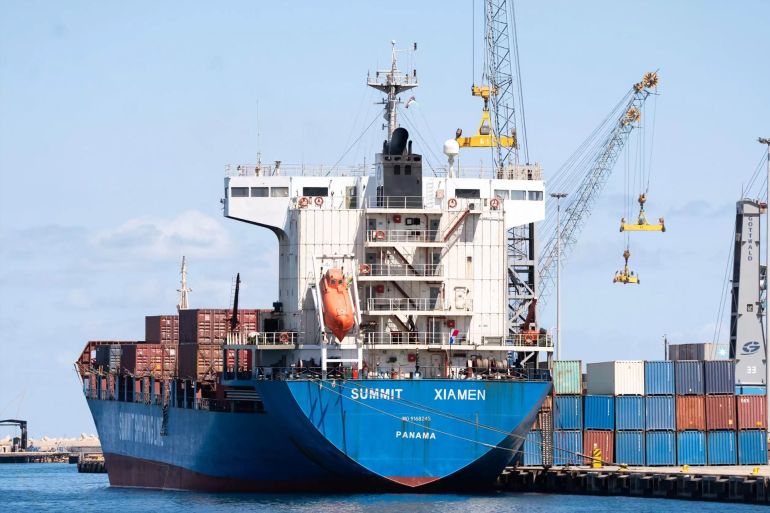
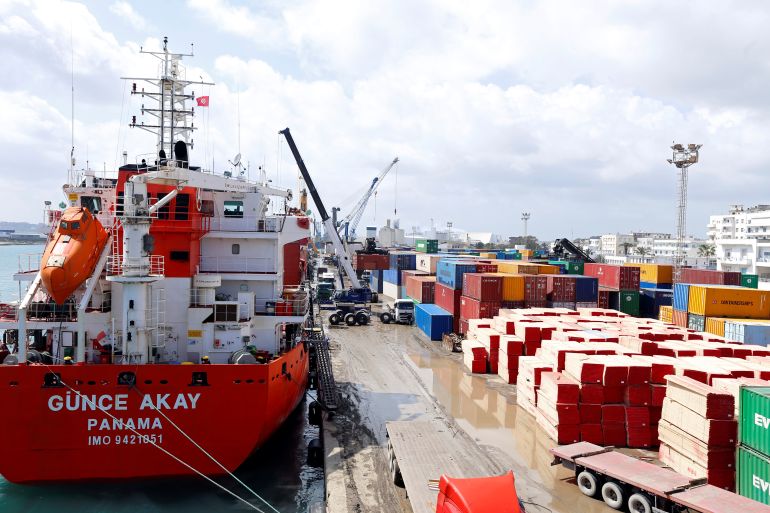
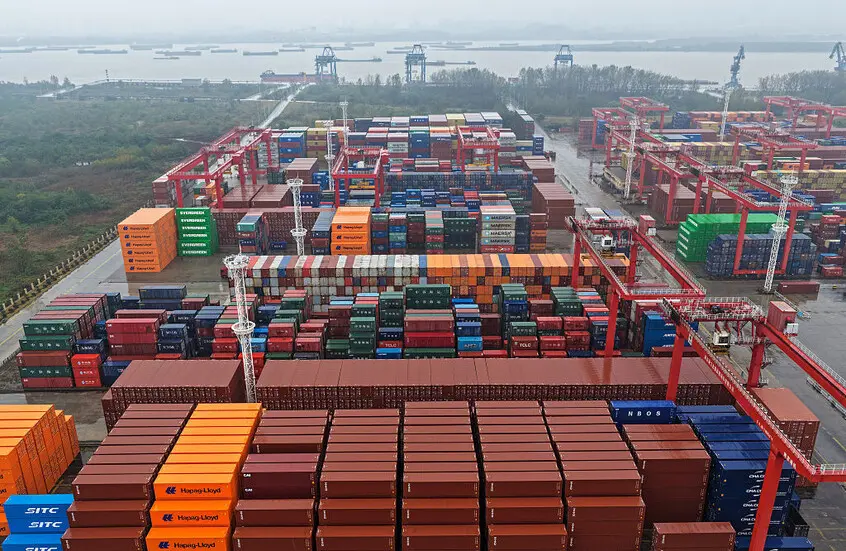
In other regions of the Balkans, dozens of freight crossing points in Serbia, Montenegro, North Macedonia, and Bosnia were partially closed due to parked trucks. This action, coordinated by road transport unions, is set to last for up to a week.
A transport association stated in a release, “Professional drivers are not tourists, illegal migrants, terrorists, or illegal workers.”
For their part, the unions announced they would end the action if the European Union agreed to talks with them; otherwise, it could continue for up to a week.
The European Union is the main trading partner for the Western Balkan countries, especially as it accounts for over 60% of trade, the vast majority of which is transported by road.
Balkans
The Balkans is a southeastern European region known for its diverse cultures, languages, and religions, historically shaped by the Byzantine, Ottoman, and Austro-Hungarian empires. Its complex modern history includes the 20th-century formation and dissolution of Yugoslavia, leading to a series of conflicts in the 1990s. Today, it comprises several nations, including Albania, Bosnia and Herzegovina, Bulgaria, Croatia, and others, each with distinct identities.
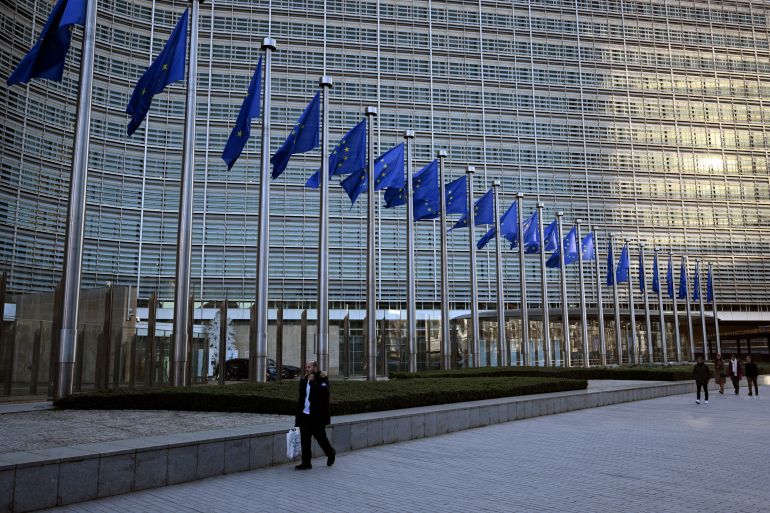
European Union
The European Union (EU) is a political and economic union of 27 European countries, established after World War II to foster economic cooperation and prevent future conflict. Its foundations were laid with the 1951 European Coal and Steel Community, which evolved through key treaties into today’s single market and common policies.
Schengen area
The Schengen Area is a zone comprising 29 European countries that have abolished internal border controls, allowing for passport-free movement. It originated with the 1985 Schengen Agreement signed near the village of Schengen in Luxembourg and was later incorporated into European Union law. This area functions as a single jurisdiction for international travel, with a common visa policy for external borders.
Batrovci border crossing
The Batrovci border crossing is a major international checkpoint on the Serbia-Croatia border, located along the E70 motorway. Historically, it was a significant transit point during the era of the former Yugoslavia and later became a crucial and often congested crossing following the Yugoslav Wars and the establishment of new national borders.
Croatia
Croatia is a country in Southeast Europe with a rich history shaped by Roman, Venetian, Ottoman, and Austro-Hungarian influences. Its cultural sites include the well-preserved Roman-era Diocletian’s Palace in Split and the historic city of Dubrovnik, a UNESCO World Heritage site famed for its medieval walls.
Serbia
Serbia is a Balkan nation with a rich history as a medieval kingdom and later the core of the Yugoslav federation in the 20th century. Its cultural sites include the stunning Studenica Monastery, a UNESCO World Heritage site founded in the 12th century, and the Belgrade Fortress, which has witnessed over two millennia of history at the confluence of the Sava and Danube rivers.
Montenegro
Montenegro is a country in Southeastern Europe with a rich history of independence, having been a medieval principality, a kingdom, and a republic within Yugoslavia before peacefully regaining its sovereignty in 2006. Its cultural sites include the historic coastal city of Kotor, a UNESCO World Heritage site known for its medieval architecture and Venetian fortifications.
North Macedonia
North Macedonia is a Balkan nation with a rich history shaped by ancient kingdoms like Paeonia and the later Roman, Byzantine, and Ottoman empires. Its cultural identity is deeply connected to historic sites such as the ancient city of Heraclea Lyncestis and the Ottoman-era Stone Bridge in Skopje. The country gained independence from Yugoslavia in 1991 and was known as the Republic of Macedonia until resolving a long-standing naming dispute with Greece in 2019.
Bosnia
Bosnia, a historical region in the Balkans, is part of the modern state of Bosnia and Herzegovina. It has a complex history shaped by Slavic settlement, medieval kingdoms like Bosnia, and centuries of Ottoman and Austro-Hungarian rule. The region is known for its cultural and religious diversity, exemplified by landmarks such as the Stari Most (Old Bridge) in Mostar and the historic Baščaršija quarter in Sarajevo.
Western Balkan countries
The Western Balkans is a geopolitical term for a region in Southeastern Europe that typically includes Albania, Bosnia and Herzegovina, Kosovo, Montenegro, North Macedonia, and Serbia. Historically part of the Ottoman Empire and later Yugoslavia, the area has a complex history marked by ethnic diversity and conflict in the 1990s following Yugoslavia’s dissolution. Today, these countries are at various stages of integration with the European Union and NATO.