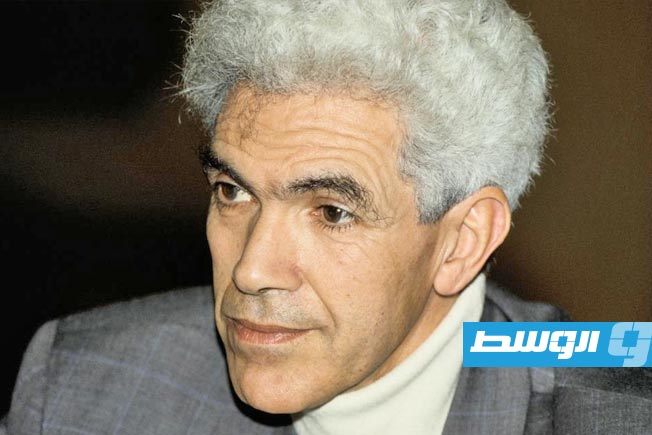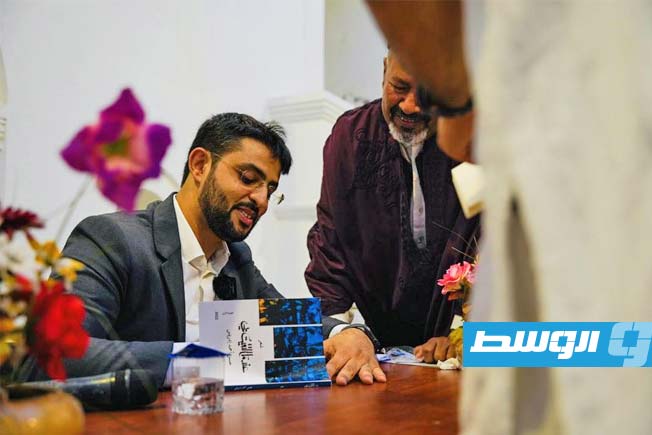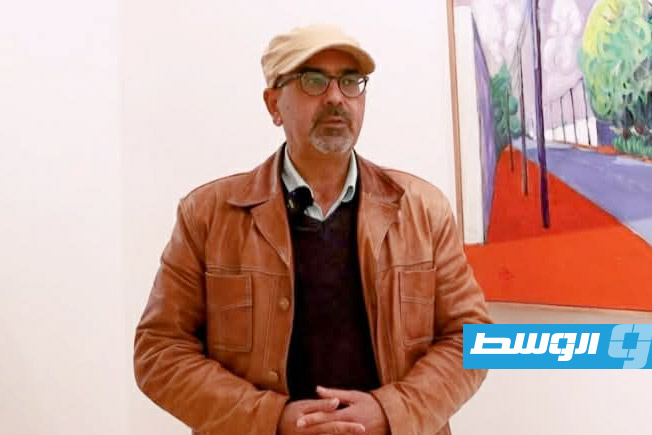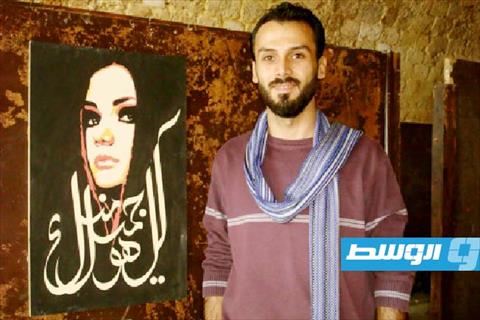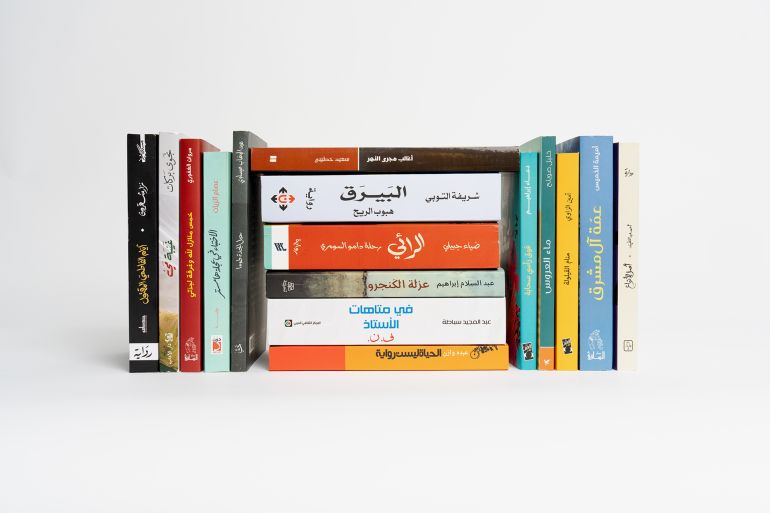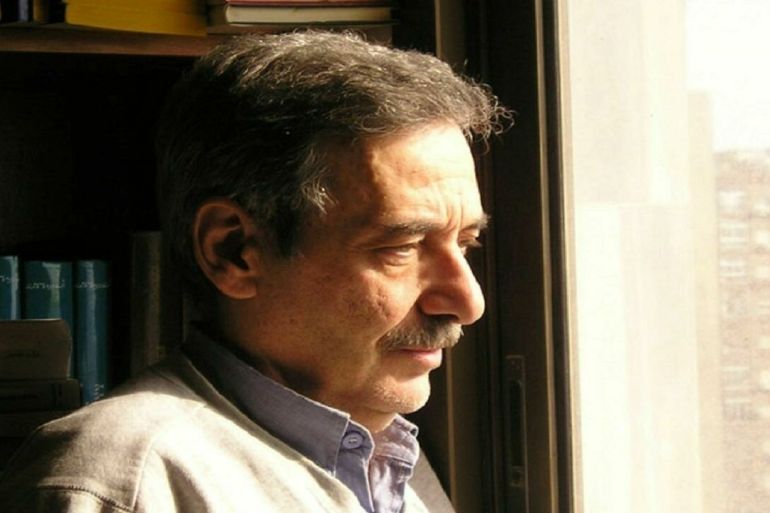
With each new novel, the Syrian novelist Fawaz Haddad continues to expand the aesthetic horizons of the Arabic novel, without abandoning his sharp critical voice or his passion for deconstructing narrative and political structures simultaneously.
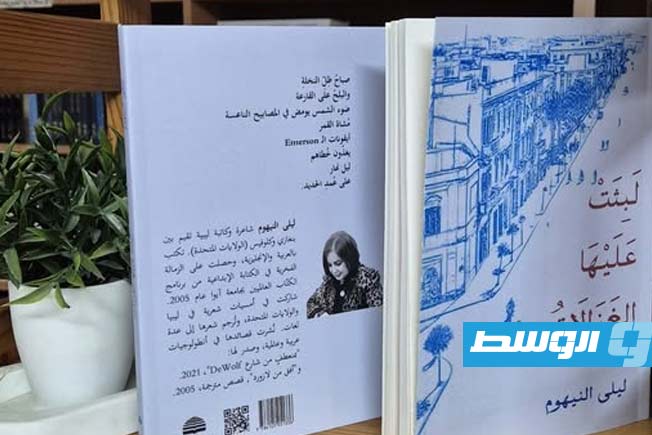
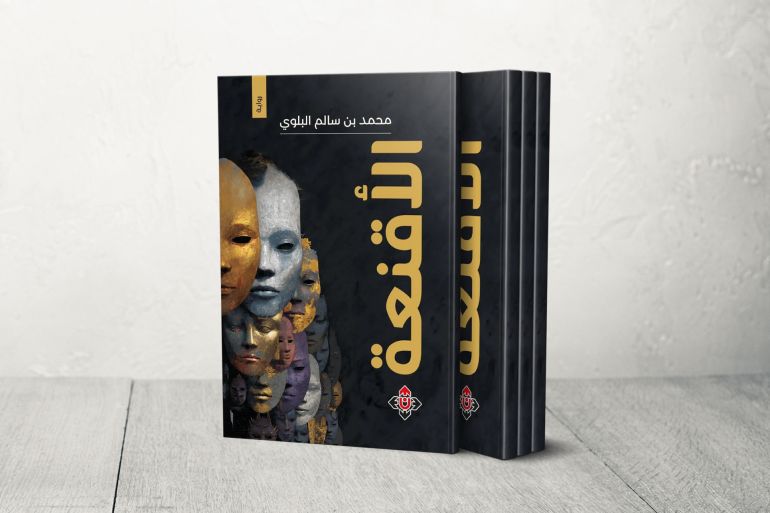
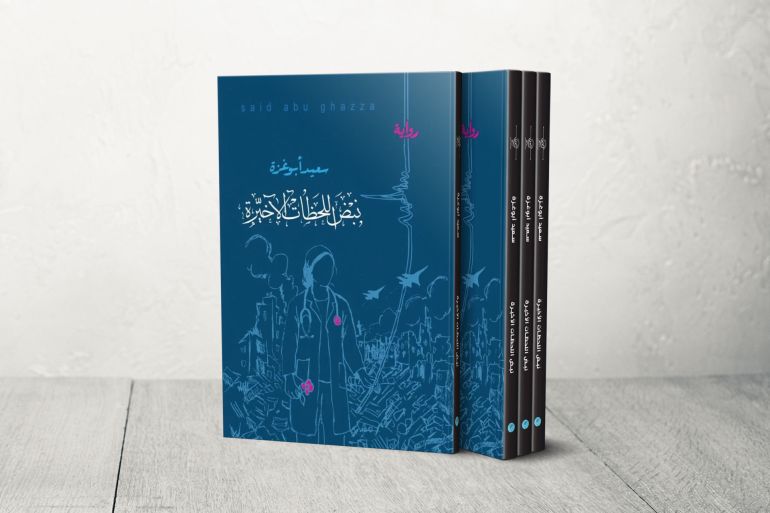
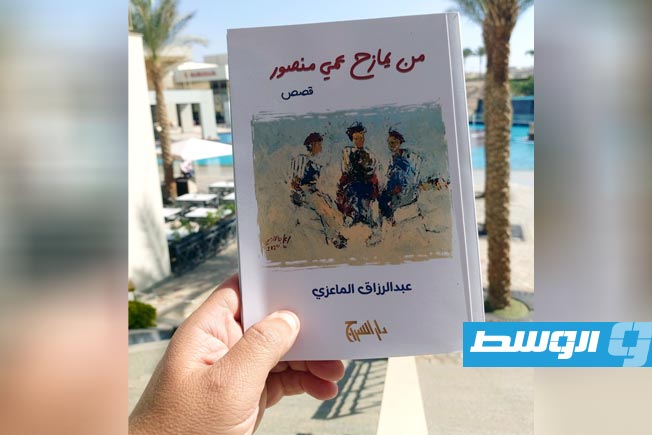
His latest novel, “The Suspicious Novelist,” recently published in 2025, pushes the reader to confront the inflated image of the intellectual and to re-examine his role in writing and truth, in a time where the novel has become a cracked mirror of a torn society.
He began writing early but published his first work in 1991.
His first novel, “Mosaic, Damascus 39,” was published in 1991, followed by a continuous output of more than 14 novels, including: “Teatro 1949” (1994), “Malice and Passion” (2004), “A Passing Scene” (2007), “The Treacherous Translator” (2008), “Soldiers of God” (2011), “The Syrian Enemies” (2014), “Judgment Day” (2021), and “Republic of Darkness” (2023).
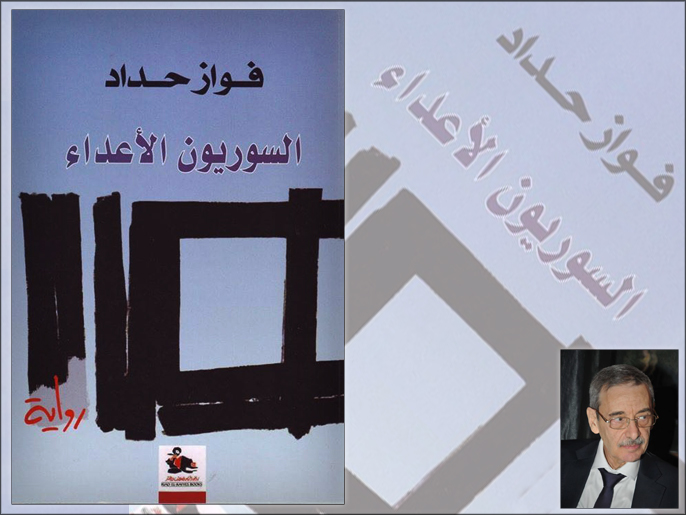
In “The Suspicious Novelist,” Haddad embarks on a unique adventure on the edge between satire and philosophy, presenting a rich text that digs deep into the relationship of the writer with the reader, authority, society, and memory.
The novel is a bold narrative work that explores the character of a suspicious novelist who transforms from a marginal writer into an icon surrounded by doubts.
The novel takes place in a tense atmosphere, raising questions about censorship, freedom of expression, and moral duplicity in the cultural milieu.
Haddad uses satire and political realism to expose the contradictions of intellectuals and the complicity of some with regimes, without neglecting the human aspect of his characters.
Fawaz Haddad paints a world that seems familiar, yet is rife with upheavals and revelations, making “The Suspicious Novelist” a distinctive work in the literature of the post-war and post-dictatorship era.
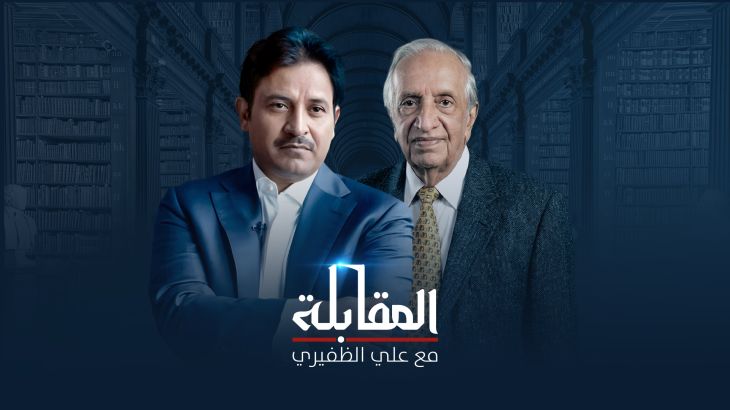
In this special interview, we try to approach the world of “The Suspicious Novelist,” explore the behind-the-scenes of its writing, and his positions on literature, politics, and destiny. To the interview:
The emergence of a talented writer who writes freely is a threat to a stagnant cultural milieu where exceptions, privileges, benefits, and positions are granted as favors.
The Mystery of the Title and Organized Suspicion
-
What prompted you to choose this ambiguous title “The Suspicious Novelist”? Does it reflect a stance on the role of the novelist or on society’s view of him?
In dictatorial systems, the novelist becomes a source of suspicion for possessing a large space for expression, with the ability to circumvent censorship, but not for society, which finds in him an outlet.
It’s true that novels are banned but circulated secretly. He is suspicious to the official culture and its guardians from loyalist intellectuals, a culture formed over several decades, producing a rigid system that claims progressivism, secularism, and a dubious kind of false democracy, with traditions of absolute submission to authority.
What does the emergence of a talented writer who writes freely mean? It is a threat to a stagnant cultural milieu where exceptions, privileges, benefits, and positions are granted as favors, extending to his literary consecration, even if he has half the talent or is talentless; he is manufactured to fit the authority’s measure.
The novel reflects my experience and the experience of others in the cultural milieu in Syria.
The “suspicious” novelist unsettles this scene stabilized on domination and collides with the interests of influential intellectuals allied with security apparatuses.
An intellectual cannot walk assuredly unless he arranges his relationship with authority, which this type of intellectual hastens to do.