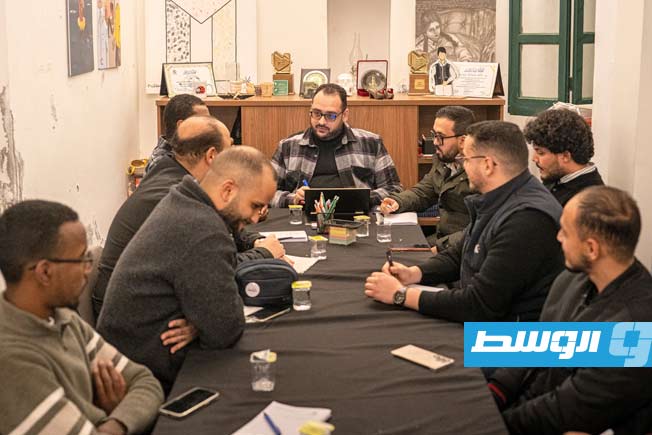
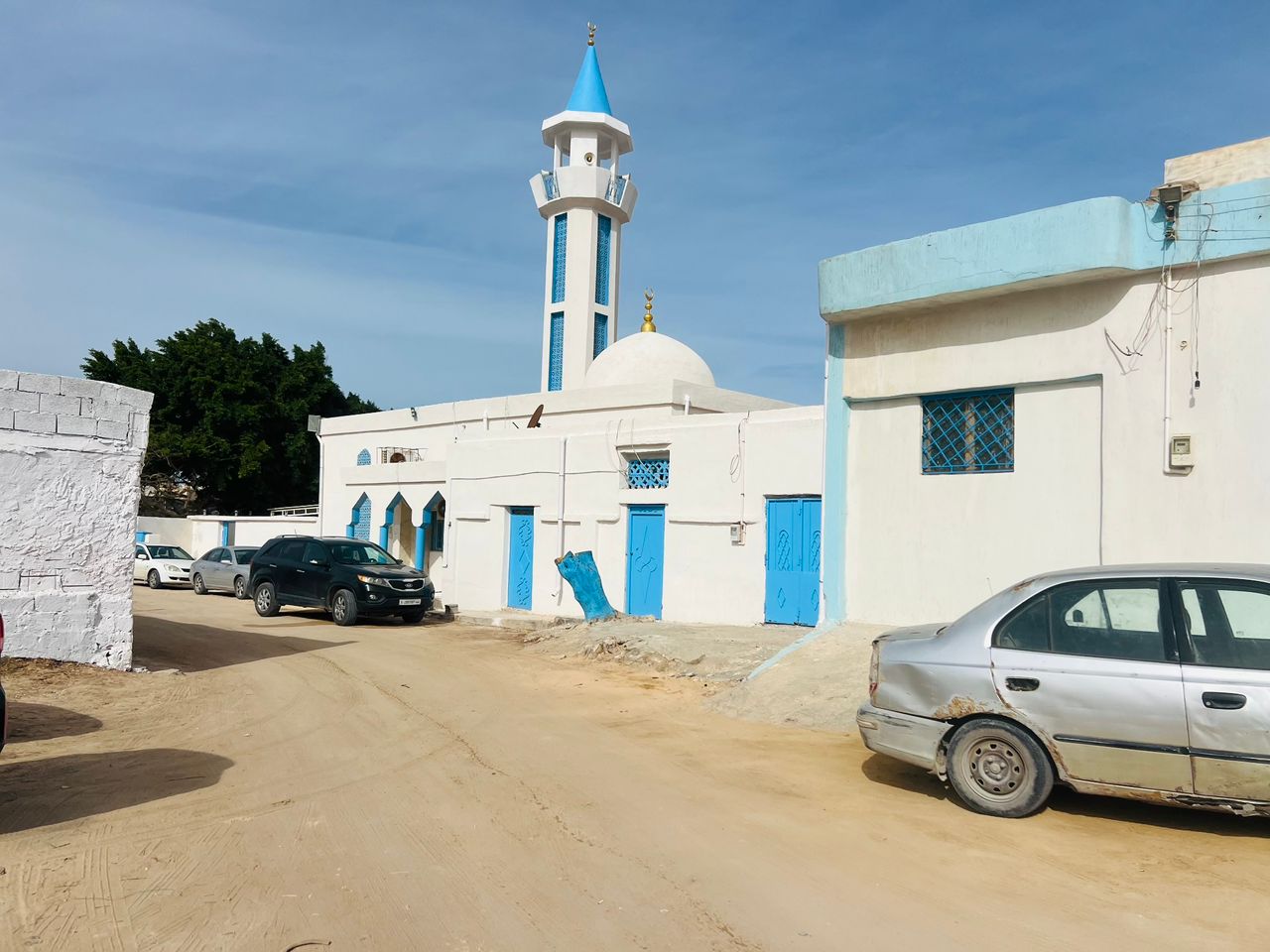
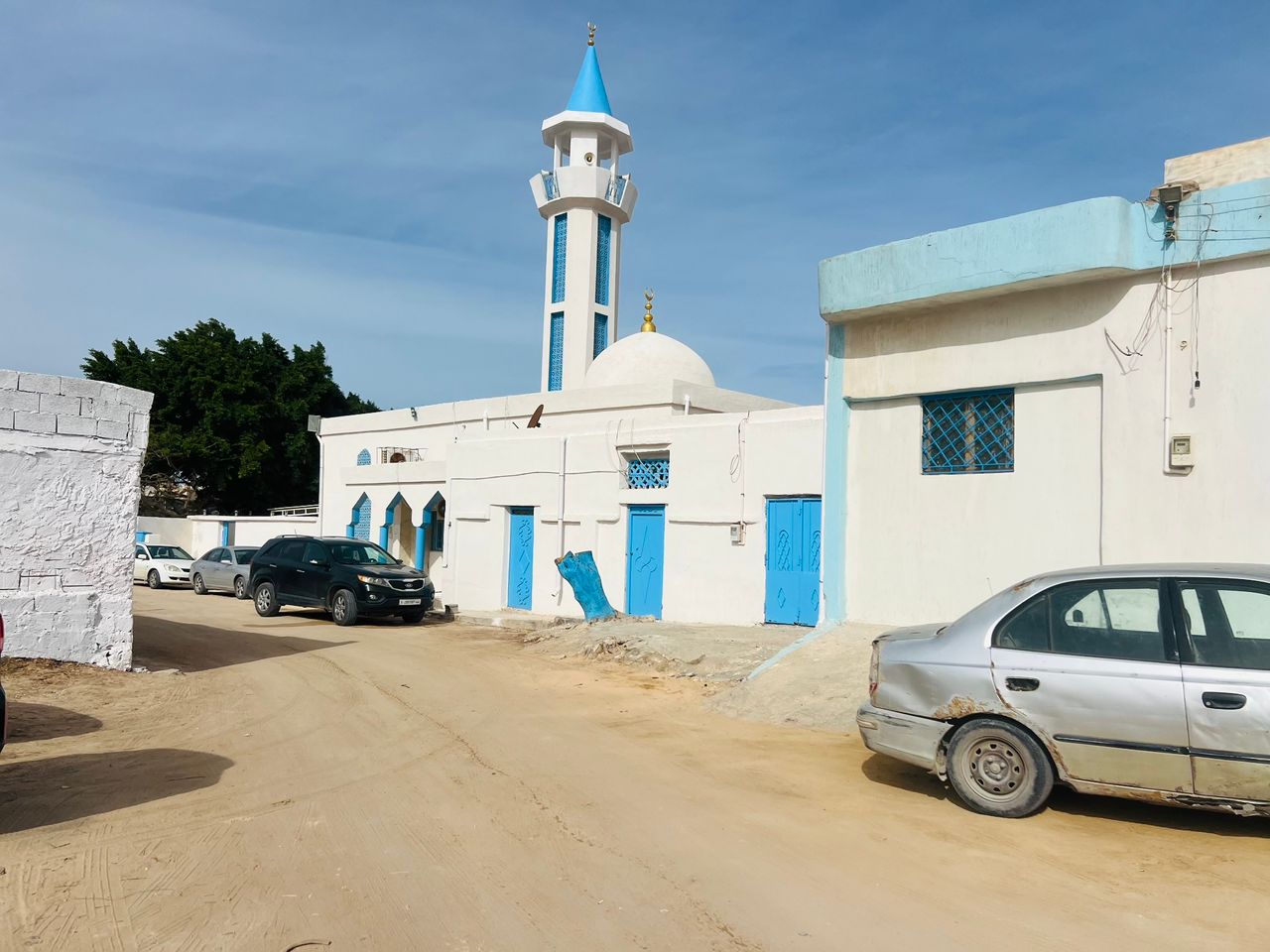
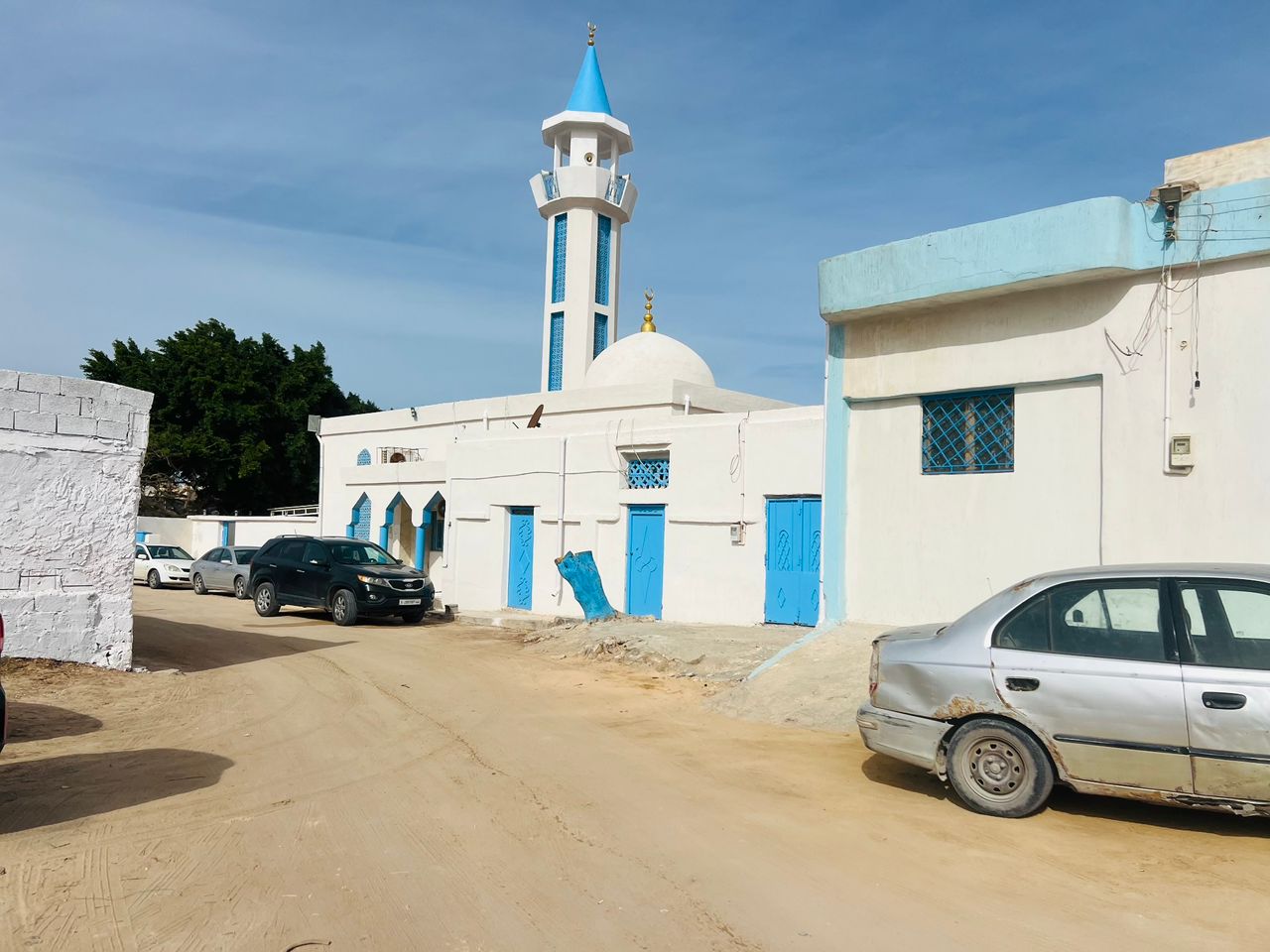
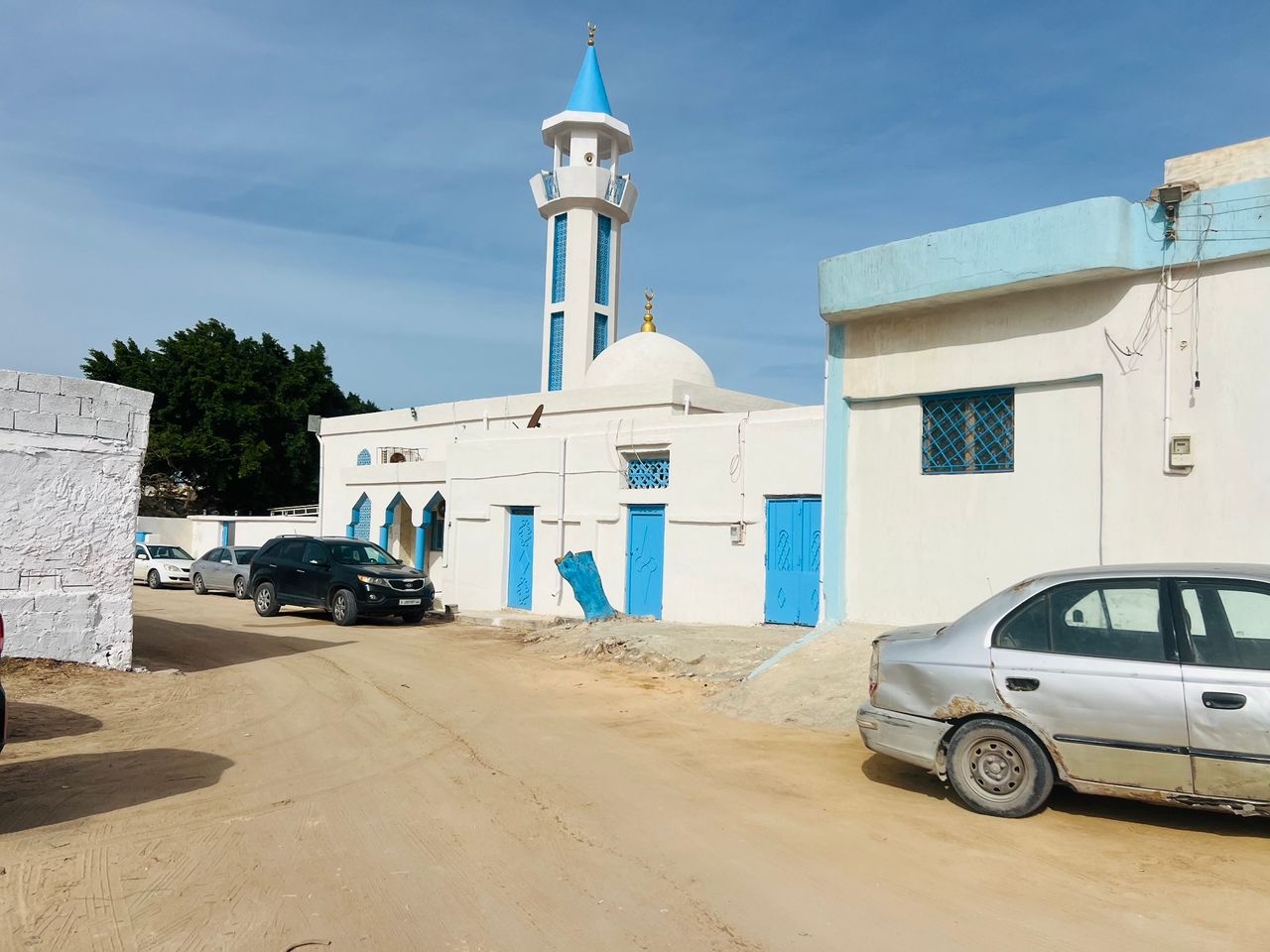
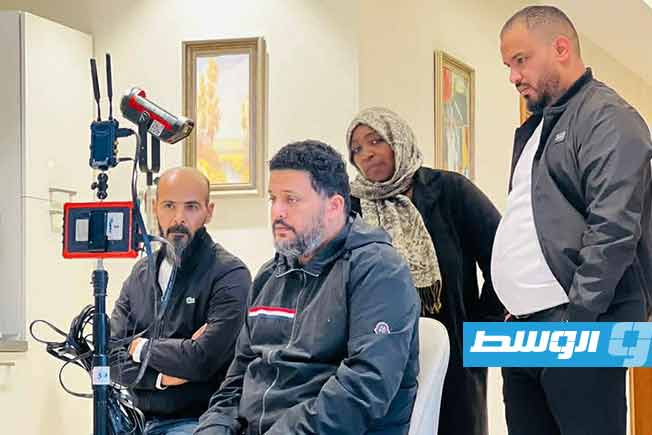
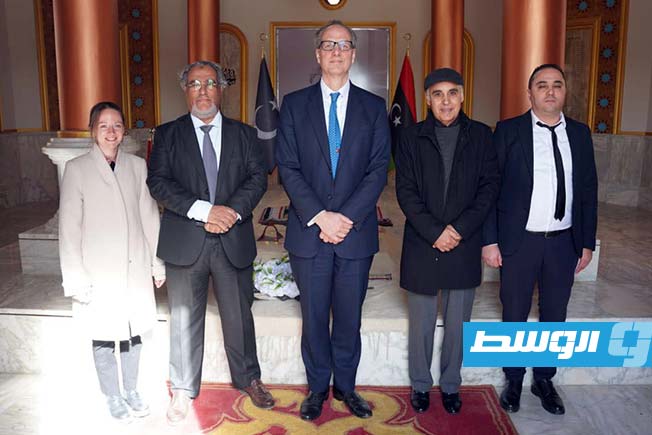
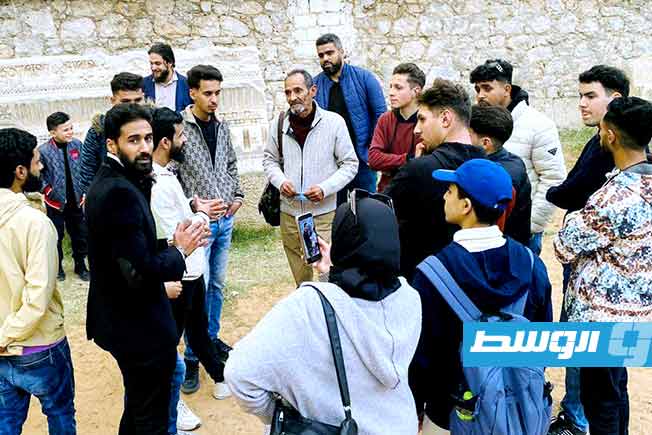
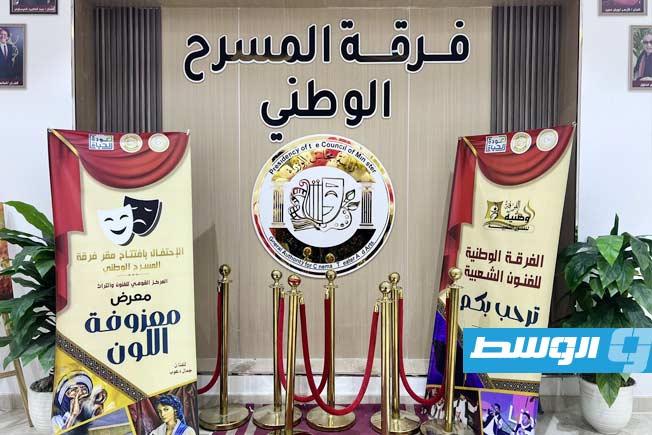
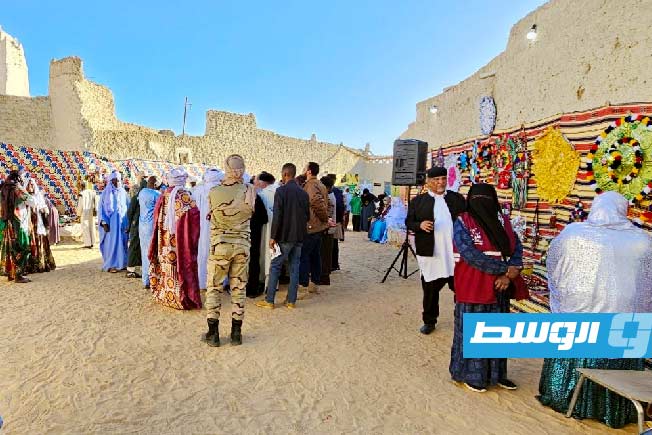
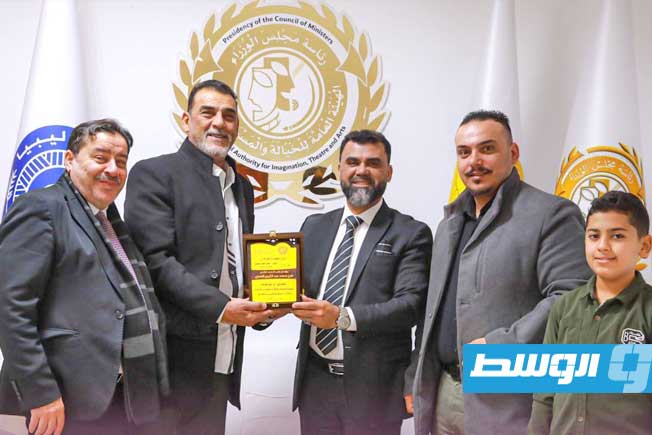
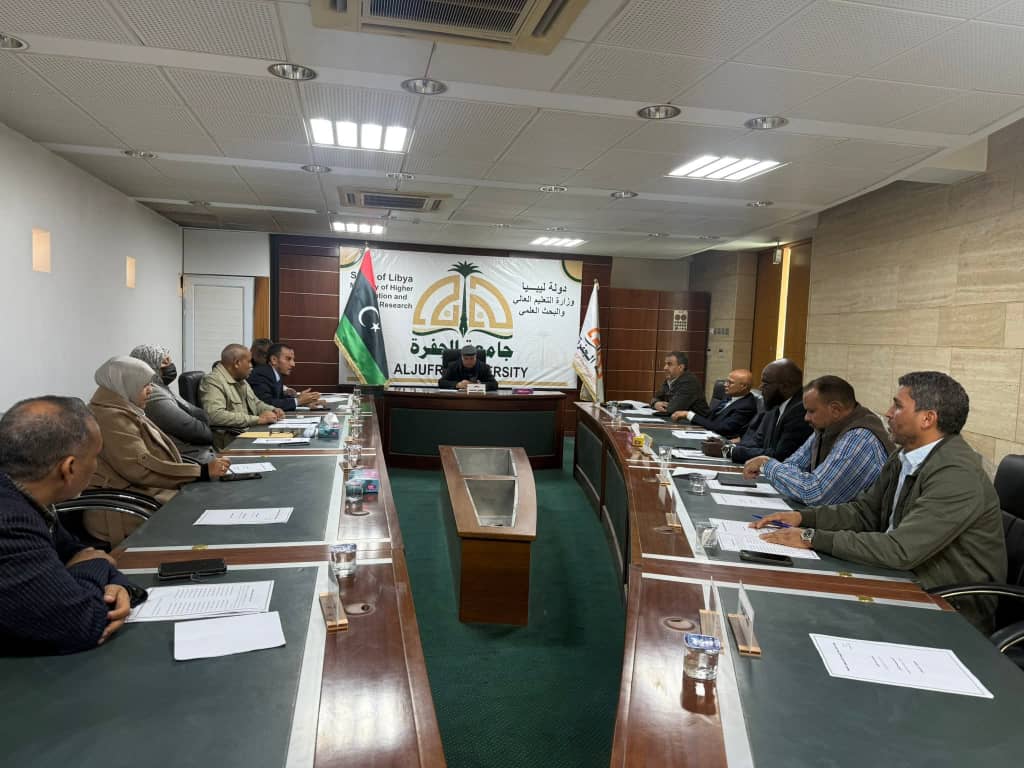
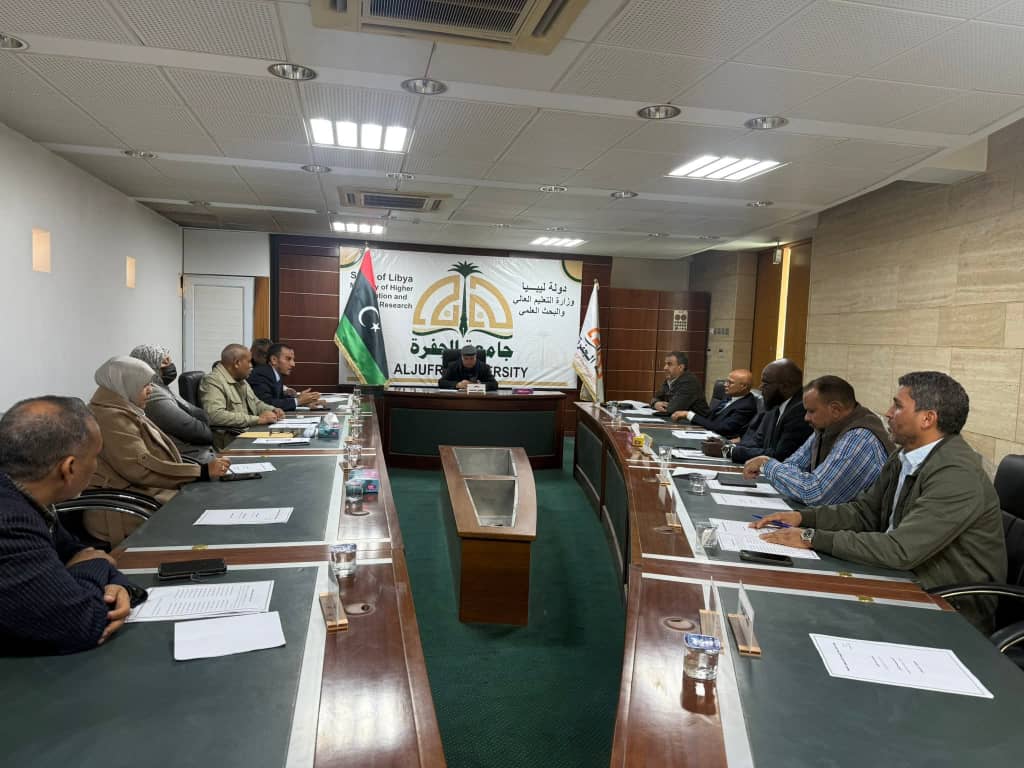
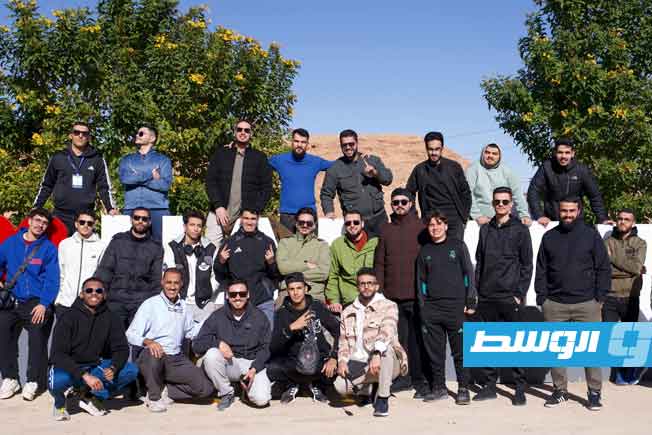
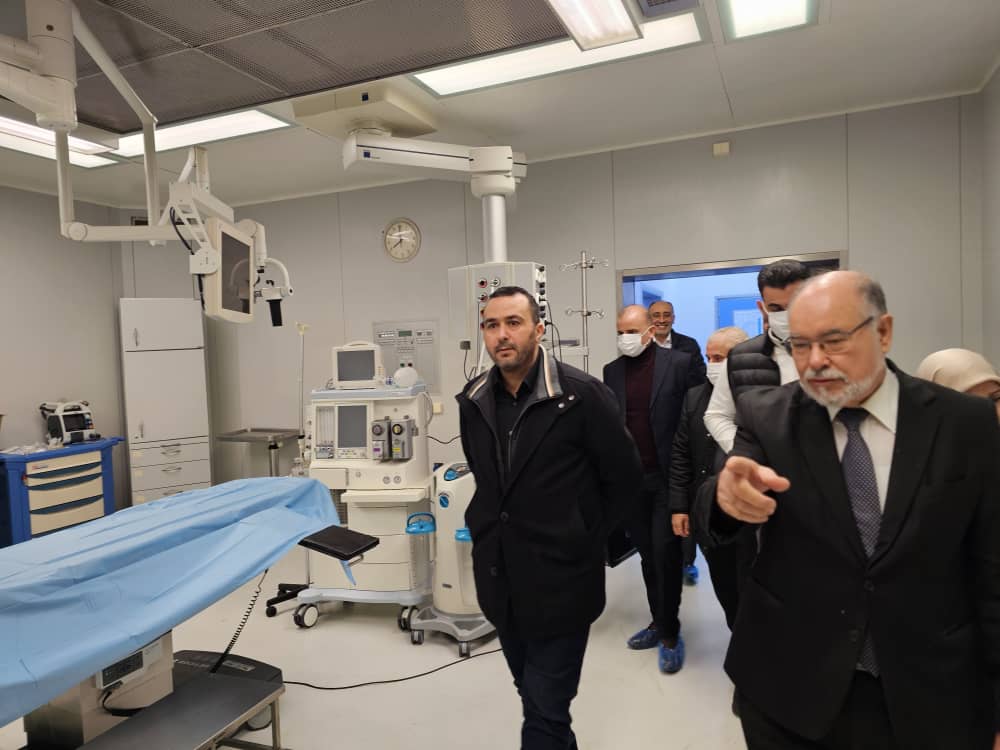
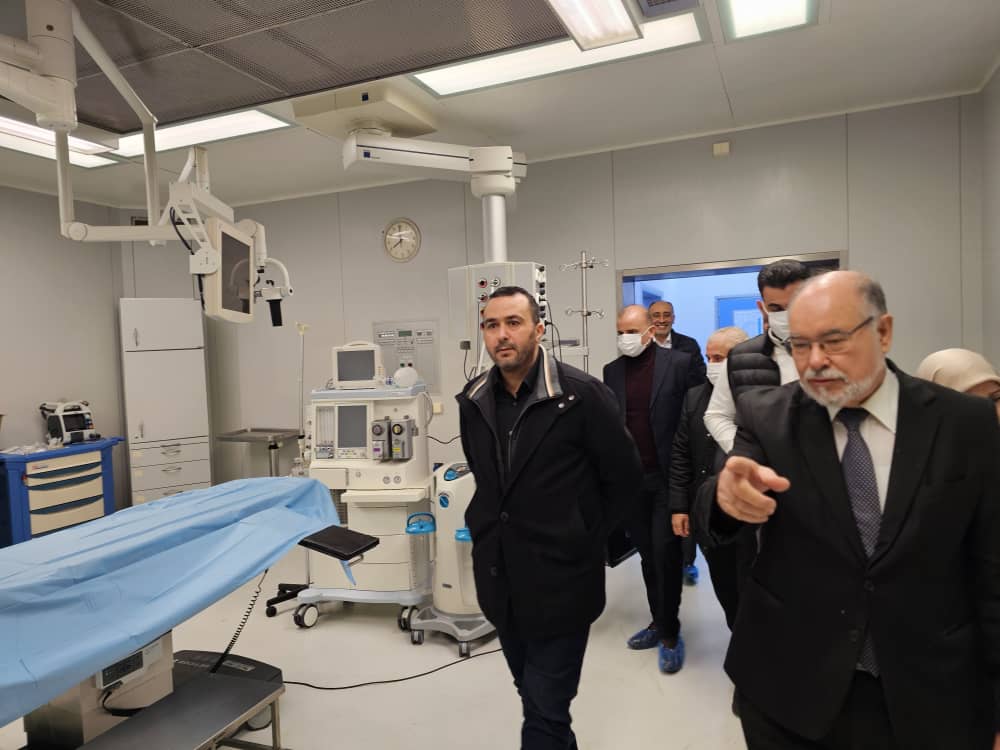
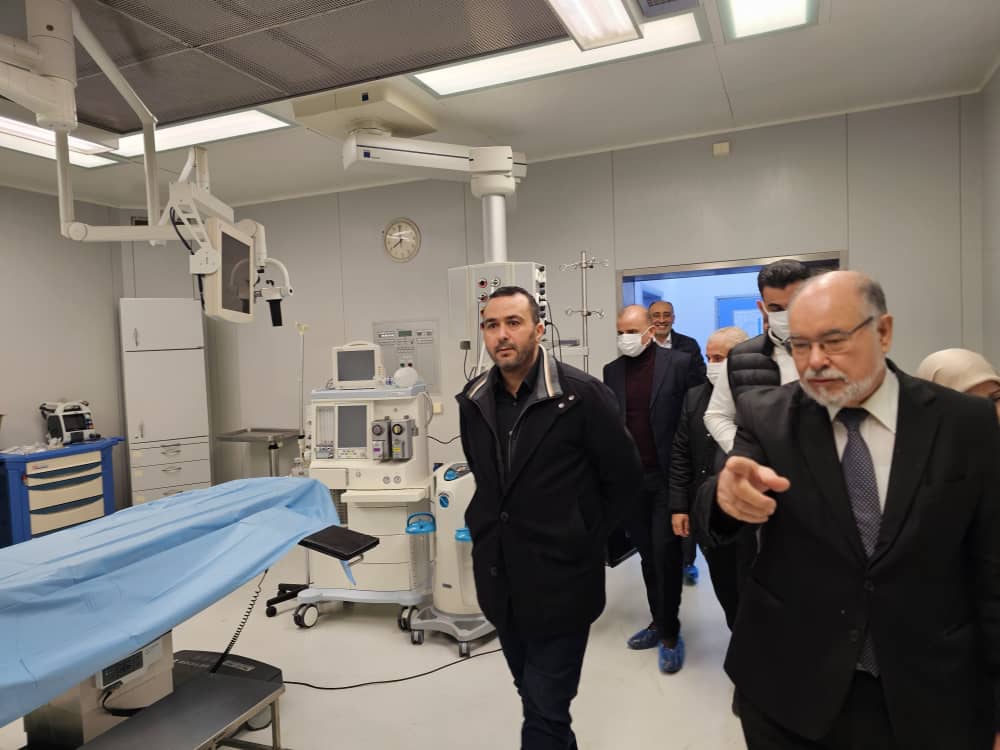
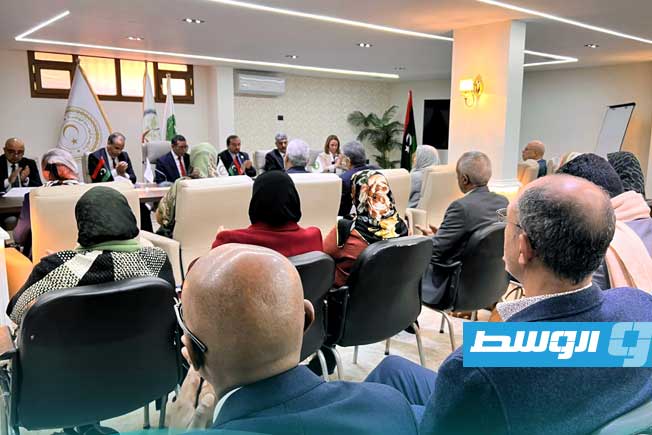
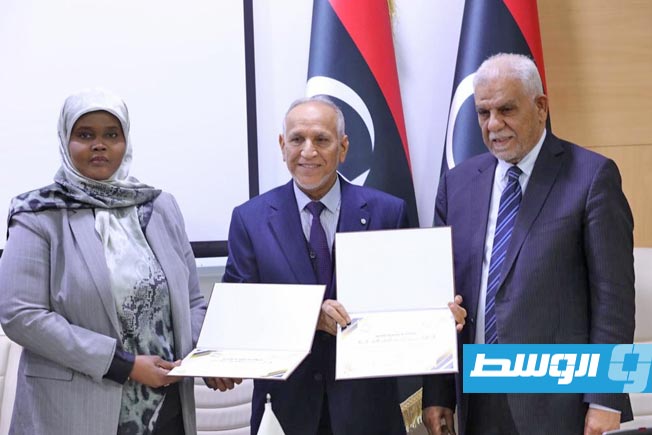
Al Khums, January 25, 2026 – The University of Greater Leptis Magna in Al Khums organized, over the past two days, events for the second edition of the Cultural Tourism Training Season for the year 2026, under the slogan “The University: The True Mine of the Distinguished and Creative.”
The season’s events included numerous exhibitions featuring diverse participants, among them a pavilion for the “Safe Touch” cleaning services company, the “International Immunity” pest control company, as well as a pavilion for the “New Libya” academy for martial arts and self-defense.
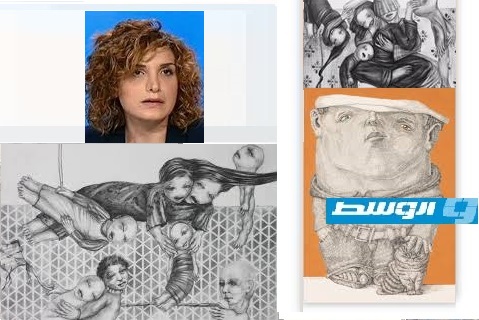
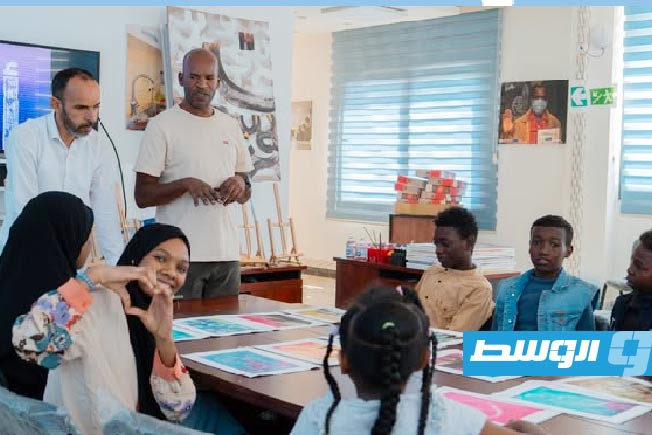
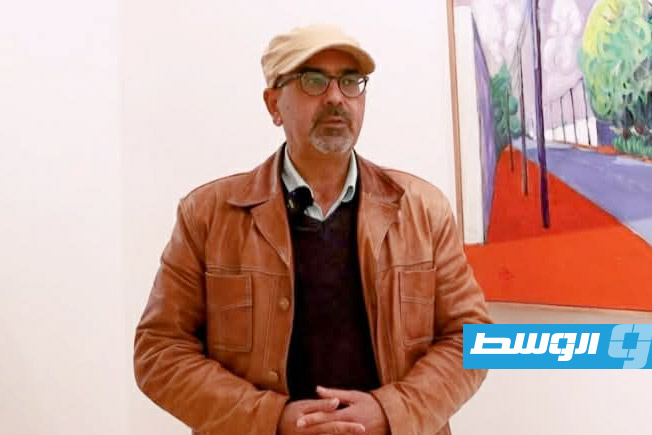
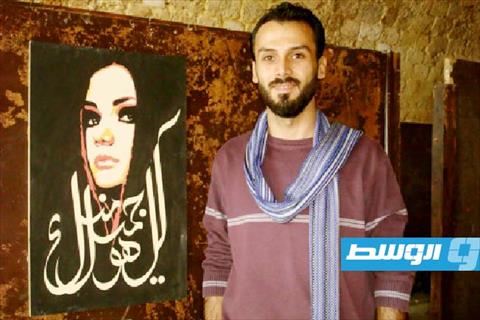
The season’s activities also diversified to include a fine arts exhibition with the participation of a select group of artists, in addition to displays of work by students from the university’s Pharmacy, Law, and Oral & Dental Surgery departments.
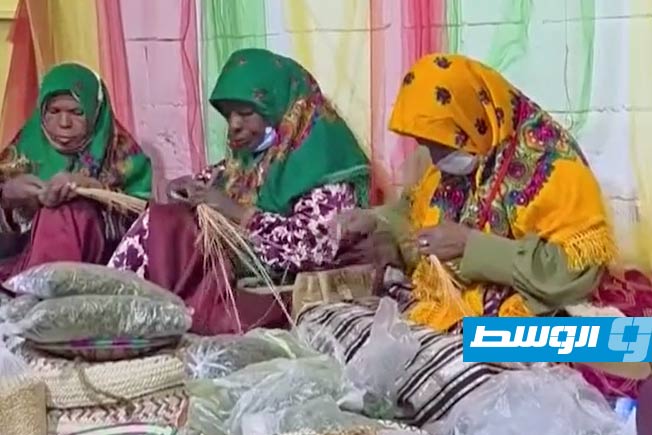
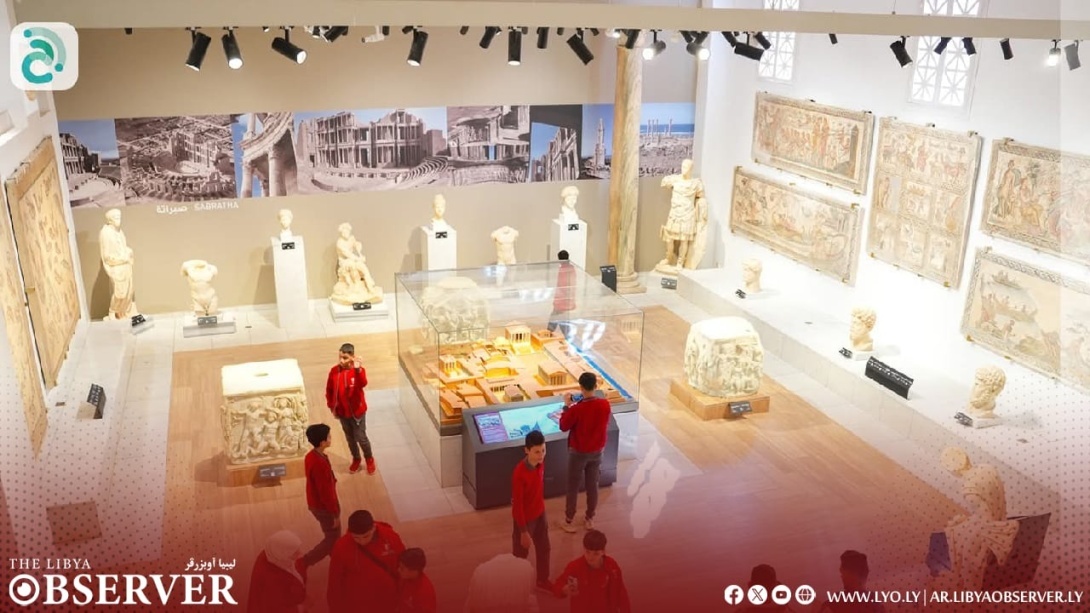
The events also featured special pavilions for the “Housh Jedi” Museum of Tourism, Heritage, and Arts, the “Treasures of Libya” Association for Tourism and Archaeology, the “Ali Isoussi” Historical Museum, alongside a number of participating Arab community pavilions, namely: the Sudanese community, the Jordanian community, and the Palestinian community.
The Higher Institute of Marine Sciences and Technologies in Al Khums also participated with a dedicated pavilion, in addition to art exhibitions that included works by artists: Hussein Bin Sassi, Yassin Hanidi (sculpture art), Amira, Hussein Al-Fitouri, Hidaya Zoma, Tariq Abu Ayana, Jamal Abu Ayana, and Israa Al-Bahouti.
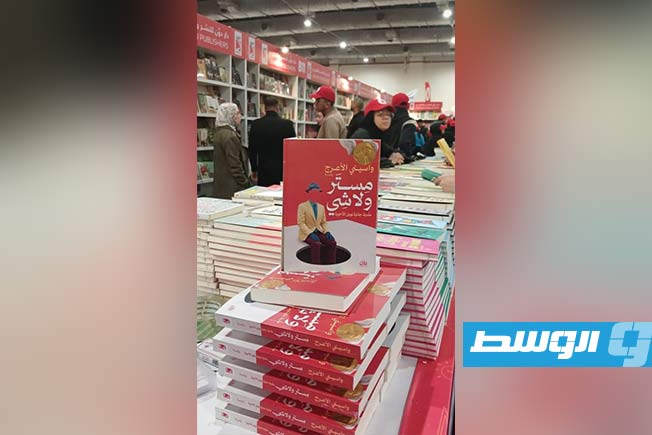
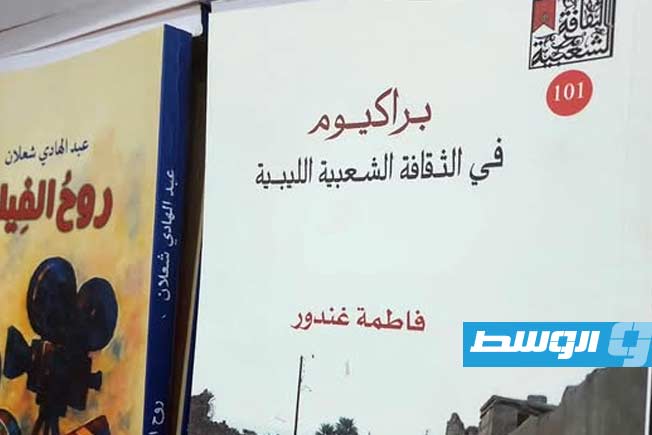
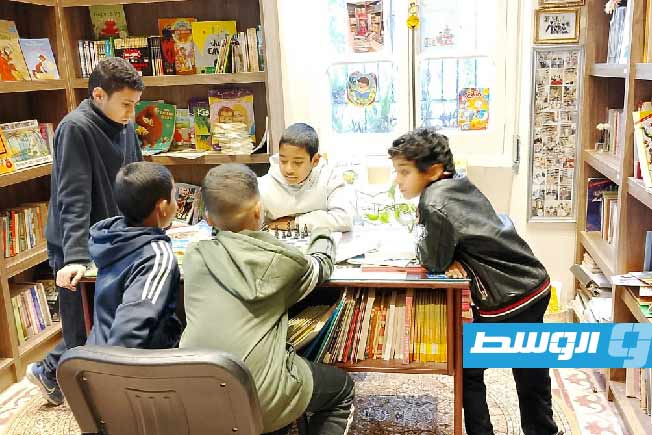
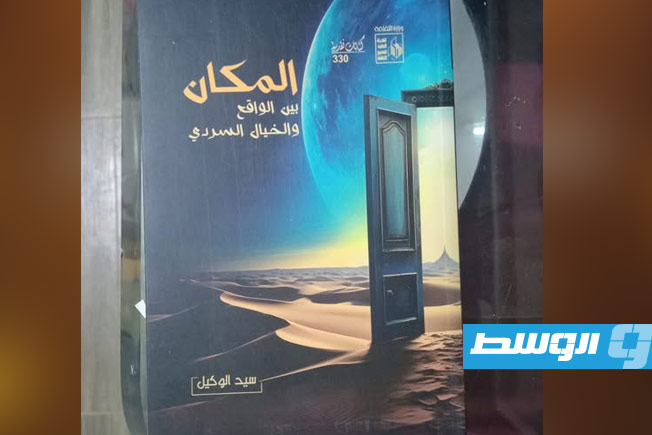
The season also included an exhibition of old photographs of Al Khums city and historical books, organized by the “Legends of the Ancients International” organization for the preservation of ancient cities and the development and promotion of tourism, alongside a pavilion dedicated to the “Explore Al Khums” group.
As part of the events, a workshop was held on waste recycling and the potential for its utilization in multiple ways. Additionally, an introductory film was shown about a factory that the “Safe Touch” cleaning services company intends to supply soon to Al Khums city for use in the field of waste recycling.
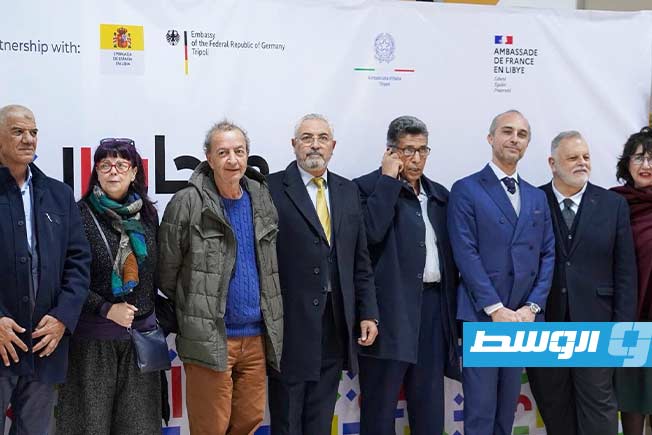
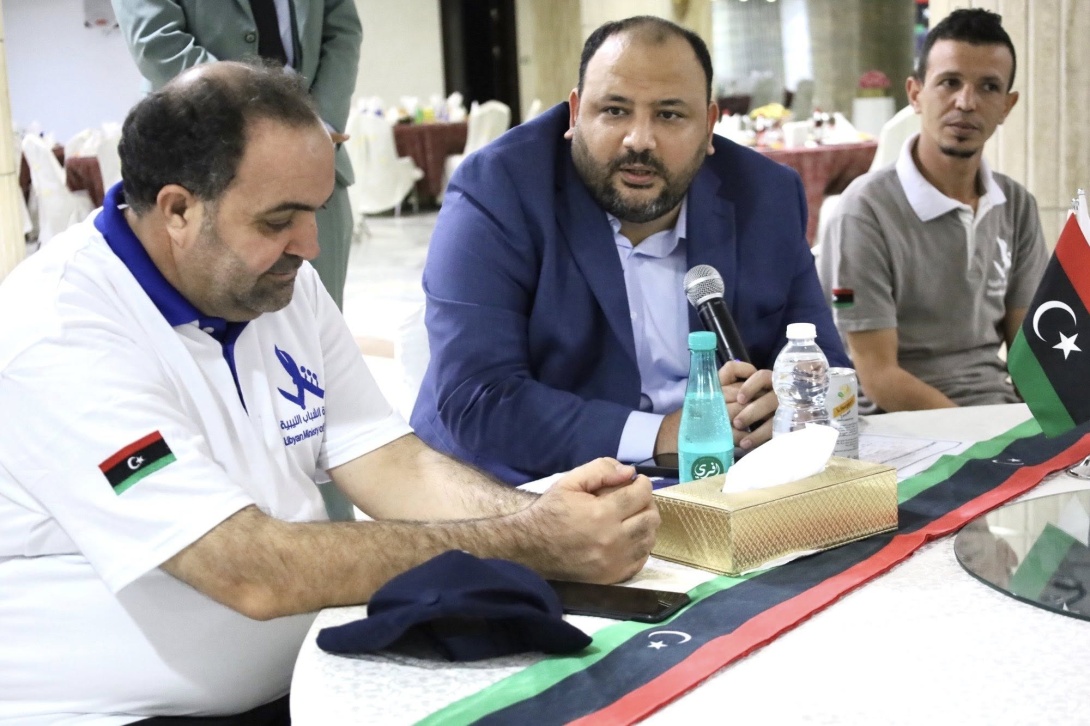
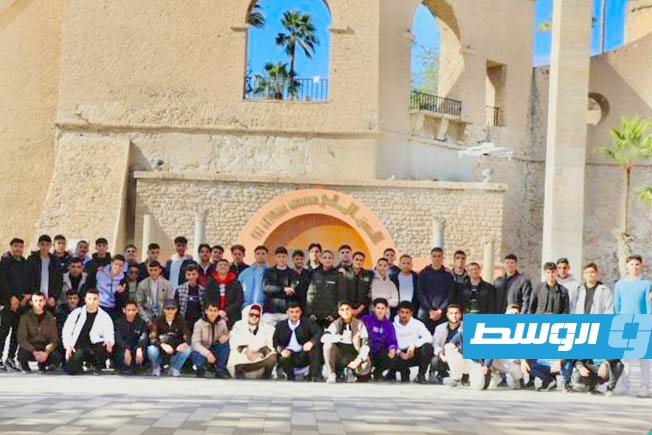
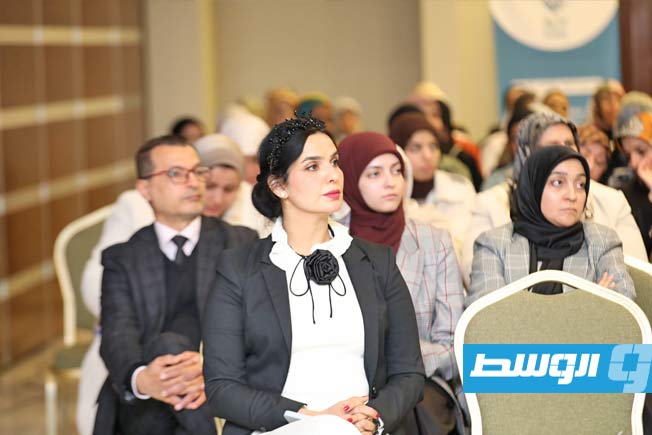
This year’s season witnessed a wide attendance from students and the public, alongside a number of officials and experts in various fields, highlighting the importance of this cultural and tourist event in promoting community awareness and supporting the cultural movement in the city.
…
Al Khums
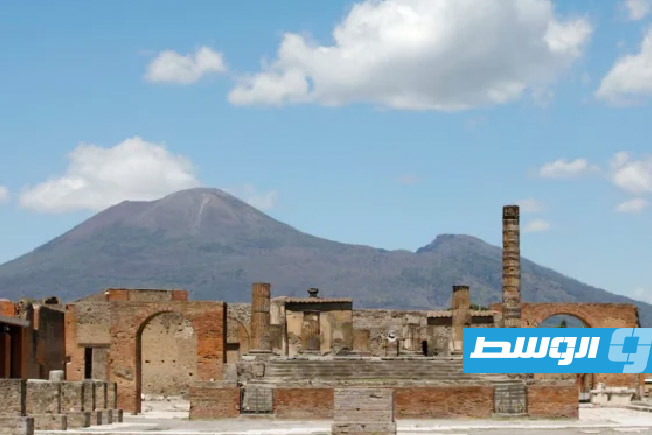
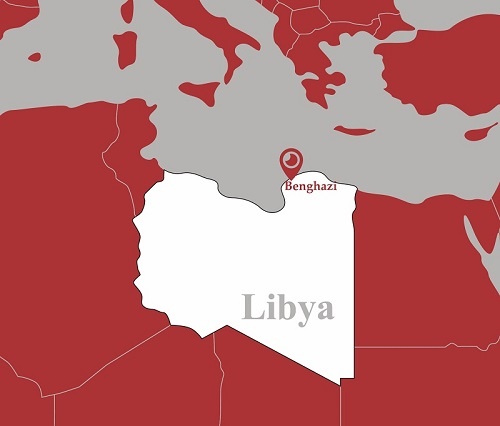
Al Khums is a coastal city in northwestern Libya, historically significant as the site of the ancient Roman city of Leptis Magna. Leptis Magna, a UNESCO World Heritage site located just east of Al Khums, was a prominent city of the Roman Empire, famed for its well-preserved ruins including a theater, basilica, and harbor. The modern city of Al Khums developed nearby and serves as a gateway to this major archaeological treasure.
University of Greater Leptis Magna
The University of Greater Leptis Magna is a modern Libyan institution named after the nearby UNESCO World Heritage site of Leptis Magna, an exceptionally well-preserved Roman city founded in the 7th century BC. The university serves as a major center for higher education and research in the region, drawing symbolic inspiration from the ancient city’s historical significance as a prominent center of learning and commerce in the Roman Empire.
Safe Touch
“Safe Touch” is a community-based organization or program, often found in schools or youth centers, focused on educating children about personal boundaries, consent, and body safety to prevent abuse. Its history is rooted in the broader child abuse prevention movements of the late 20th century, which emphasized empowering children with knowledge and skills for their own protection.
International Immunity
“International Immunity” is not a recognized historical place or cultural site, but rather a legal and diplomatic concept referring to the exemption of foreign officials or entities from local jurisdiction. The principle has historical roots in ancient customs of safe passage for envoys and was codified in modern international law, such as the Vienna Convention on Diplomatic Relations of 1961. It ensures the functioning of international relations by protecting diplomats and certain international organizations from legal process in their host countries.
New Libya
“New Libya” refers to the period following the 2011 revolution that overthrew Muammar Gaddafi’s government, marking a transition toward a democratic state. This era has been characterized by ongoing political fragmentation, conflict between rival governments, and efforts to establish stable national institutions. The term encapsulates the complex and often turbulent process of rebuilding the nation’s identity and governance after decades of authoritarian rule.
Housh Jedi Museum of Tourism, Heritage, and Arts
The Housh Jedi Museum of Tourism, Heritage, and Arts is a cultural institution in Saudi Arabia dedicated to preserving and showcasing the regional heritage and arts of the Hail province. It is housed in a traditional Najdi-style mud-brick palace, known as a “housh,” which reflects the area’s historical architecture and way of life. The museum’s collections highlight local crafts, historical artifacts, and artistic expressions to promote cultural tourism.
Treasures of Libya Association for Tourism and Archaeology
The Treasures of Libya Association for Tourism and Archaeology is a non-governmental organization dedicated to promoting Libya’s rich cultural heritage. It focuses on archaeological research, heritage preservation, and developing sustainable tourism to highlight historical sites across the country.
Ali Isoussi Historical Museum
The Ali Isoussi Historical Museum is a cultural institution in Algeria dedicated to preserving the history and heritage of the region, particularly focusing on the Algerian War of Independence. It is named after Ali Isoussi, a local martyr and nationalist figure who fought for Algeria’s liberation from French colonial rule.
Sudanese community
The Sudanese community is a diverse group with roots in Sudan, a country in Northeast Africa that has been shaped by ancient Nubian civilizations, the influence of Islam, and a complex modern history marked by civil conflict. This has led to a significant diaspora, with communities around the world preserving rich cultural traditions in music, cuisine, and social customs.
Jordanian community
The Jordanian community refers to the collective identity and social fabric of Jordan, a country with deep historical roots in the ancient Nabatean and Roman civilizations. Modern Jordanian society is a blend of Bedouin traditions and urban culture, shaped significantly by events like the influx of Palestinian refugees after 1948 and subsequent regional conflicts. This has created a diverse, predominantly Arab and Muslim community known for its hospitality within a stable monarchy.
Palestinian community
The Palestinian community refers to the Arab population with historic roots in the region of Palestine, primarily comprising Muslims and Christians. Its modern national identity was significantly shaped during the 20th century following the dissolution of the Ottoman Empire, the British Mandate period, and the 1948 Arab-Israeli war, which resulted in the displacement of a majority of its people. Today, the community exists within the occupied Palestinian territories, as a minority in Israel, and in a global diaspora.
Higher Institute of Marine Sciences and Technologies
The Higher Institute of Marine Sciences and Technologies is a specialized academic institution in Tunisia, established to advance education and research in oceanography, marine biology, and related maritime fields. It was founded to support the sustainable development and management of Tunisia’s coastal and marine resources.
Legends of the Ancients International
“Legends of the Ancients International” is a contemporary cultural organization or event series dedicated to exploring and celebrating global ancient myths, folklore, and archaeological mysteries. Its history is not rooted in antiquity itself but in modern efforts to connect public audiences with the stories and legacies of ancient civilizations from around the world.
Explore Al Khums
Al Khums is a coastal city in northwestern Libya, historically significant as the site of ancient Leptis Magna, a prominent Roman city founded in the 7th century BC. Today, the UNESCO World Heritage ruins of Leptis Magna, located just east of the modern city, are among the best-preserved Roman archaeological sites in the Mediterranean.