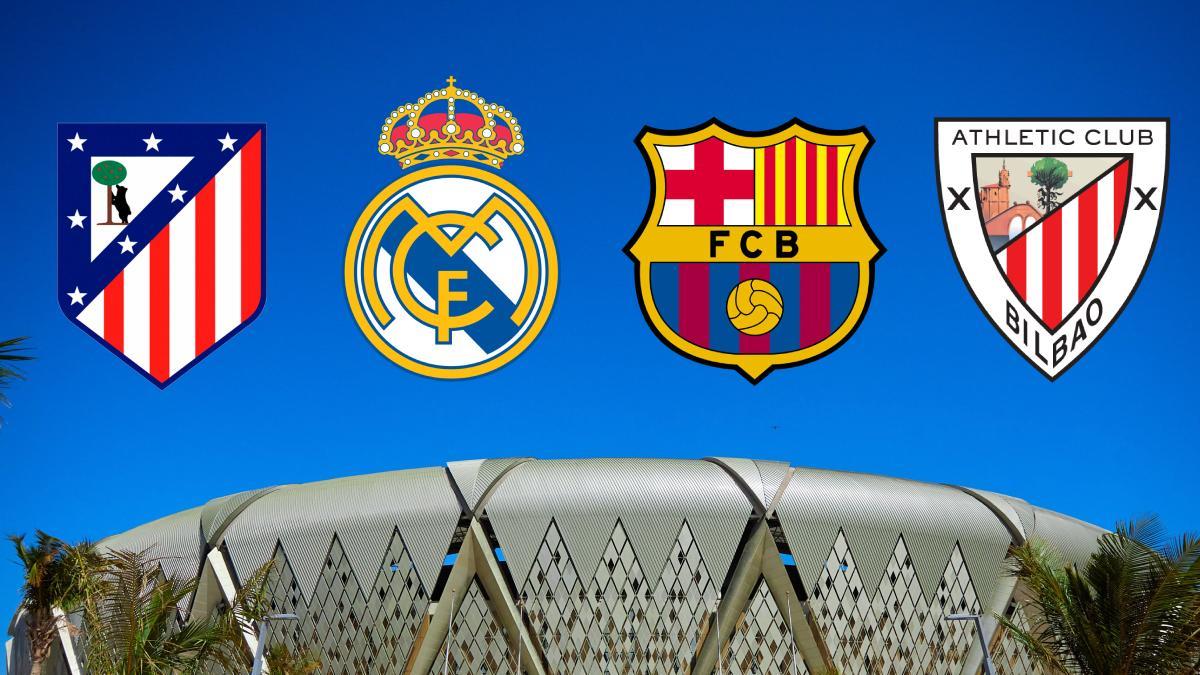
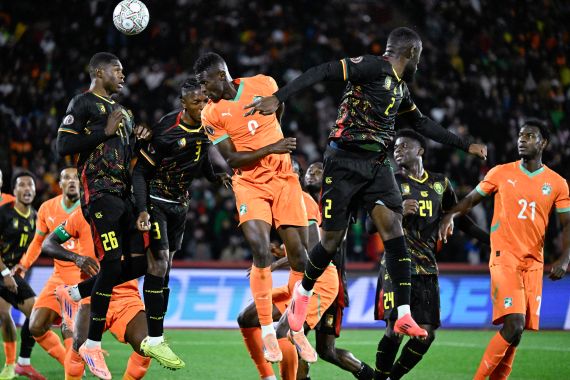
The Spanish Football Federation announced on Tuesday that the final of the 2030 FIFA World Cup will be held in Spain, which will co-host the tournament with Portugal and Morocco.
The location for the tournament’s decisive match, which will be co-hosted with Morocco, has not yet been announced by FIFA. However, during a press conference, it was stated that the final match will take place in Spain, without specifying the city or stadium.
It was said on Monday: “Spain will lead the World Cup, and the final will be held here, without going into details.”
The recently renovated Santiago Bernabéu stadium has long been promoted by Spanish media as a potential venue for the final, although recent reports have indicated the possibility of the match being hosted in Morocco.
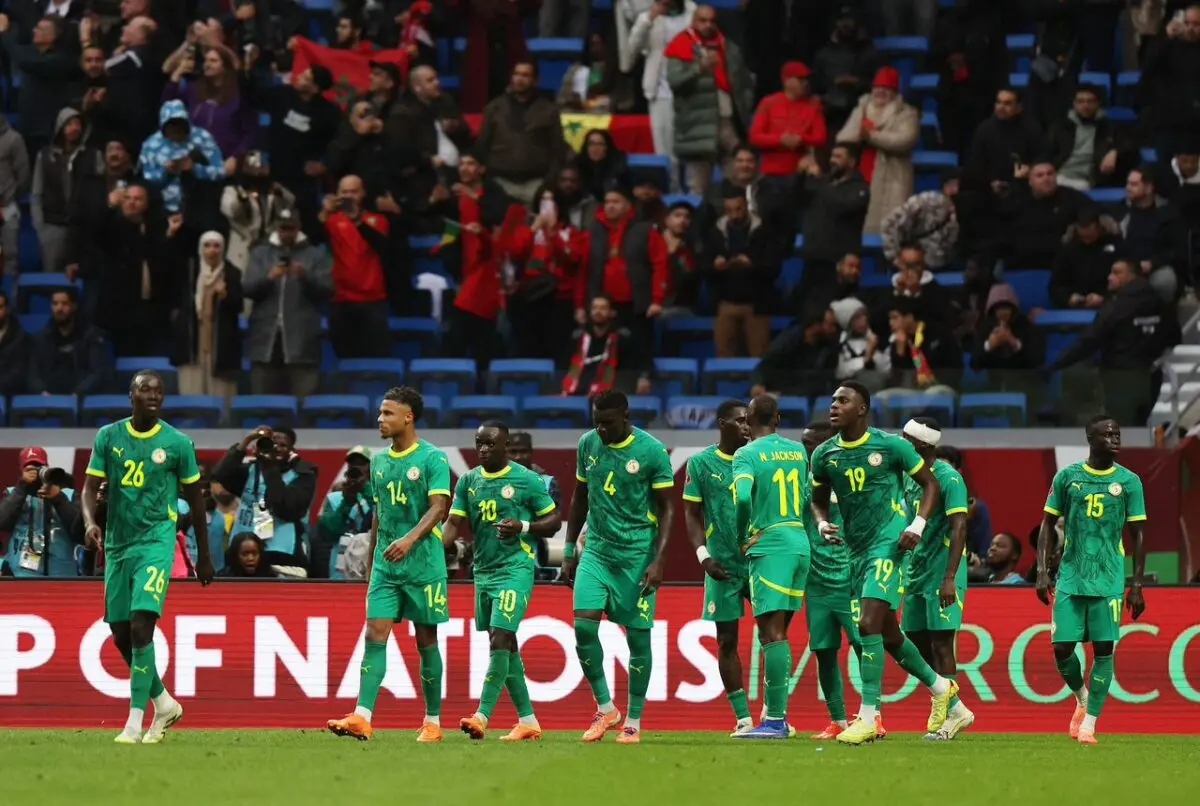
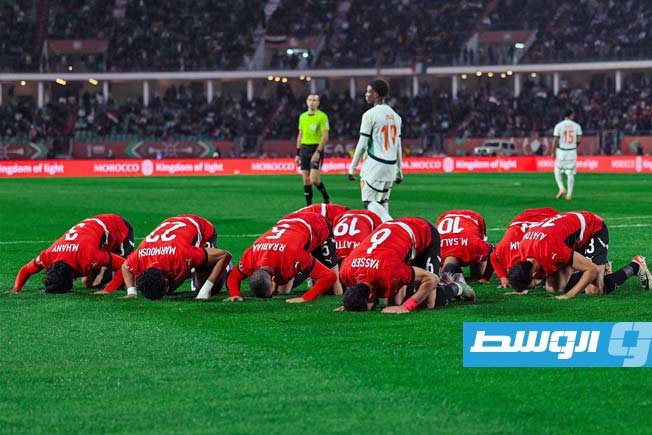
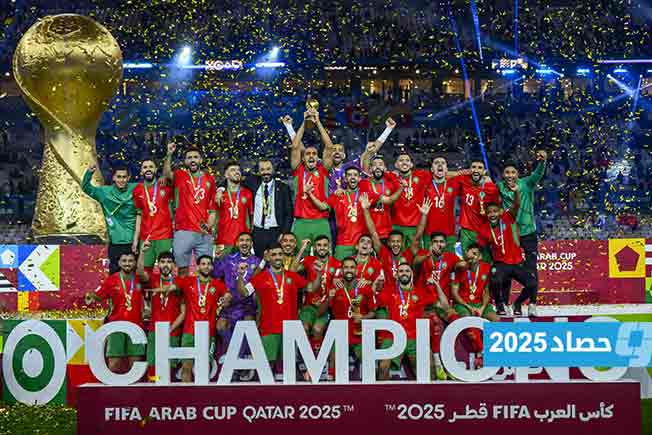
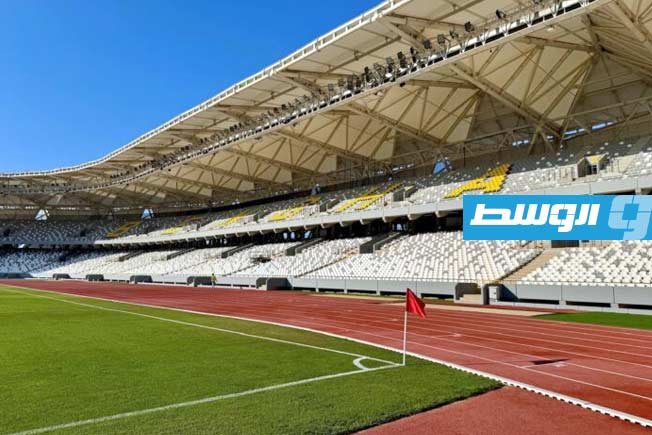
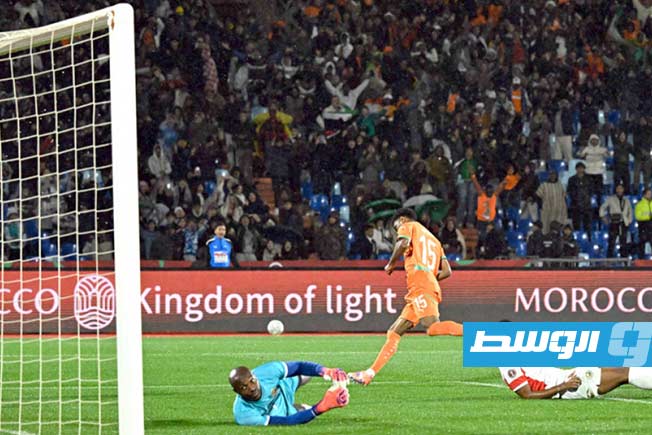
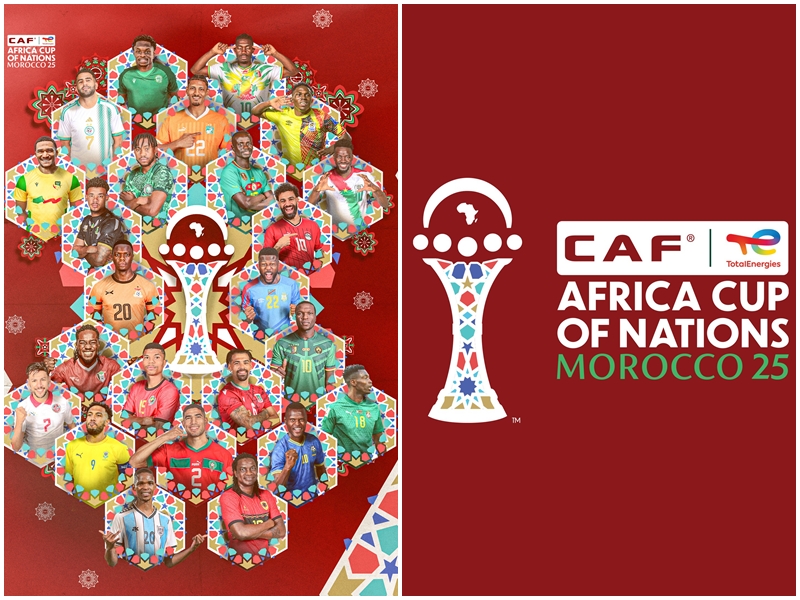
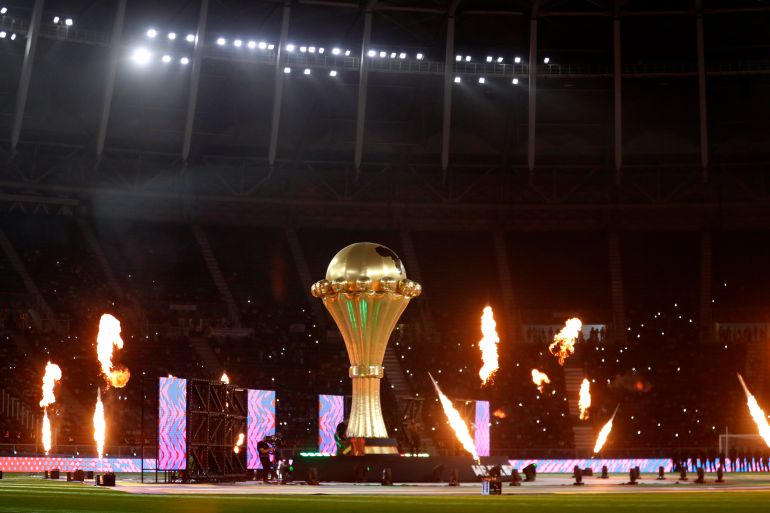
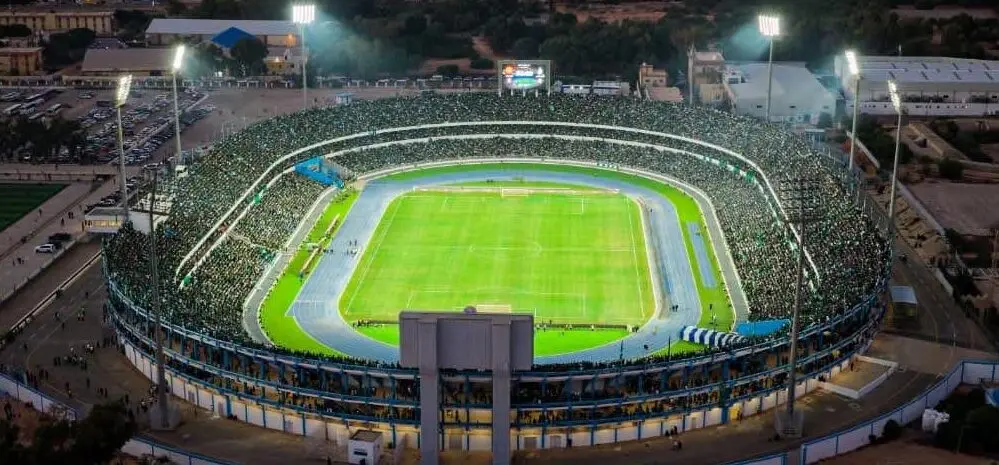
According to reports, Morocco hopes to host the final at the Hassan II Stadium, which is under construction. It is planned to become the world’s largest football stadium with a capacity of 115,000 spectators upon its scheduled completion in 2028. However, events surrounding the 2025 Africa Cup of Nations final in Morocco could impact the country’s hosting of the World Cup final.
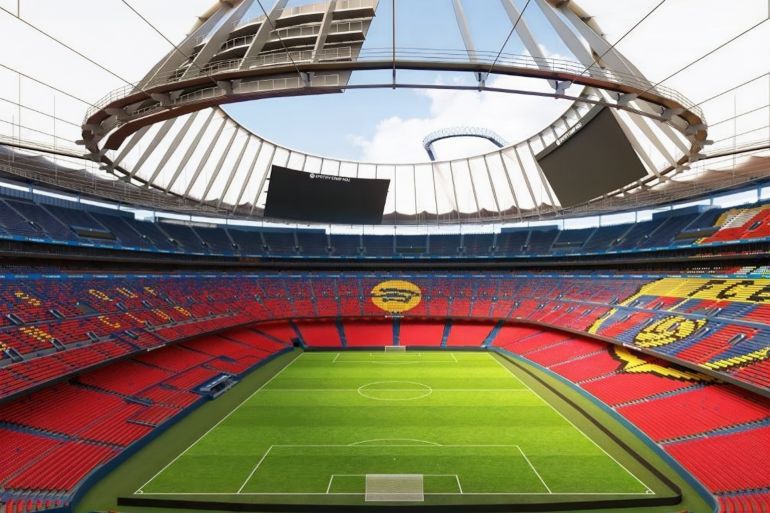
FC Barcelona has also renovated its stadium and may also submit a bid to host the final match.
The 2030 World Cup will see Uruguay, Argentina, and Paraguay, countries from Latin America, each host one match as part of the tournament’s centenary celebrations.
Spain
Spain is a country in southwestern Europe with a rich and complex history, shaped by Roman rule, the Moorish conquest, and the unification of its kingdoms under the Catholic Monarchs. Its cultural sites, like the Alhambra and Sagrada Família, reflect this diverse heritage through a blend of architectural styles and artistic traditions.
Portugal
Portugal is a country in southwestern Europe on the Iberian Peninsula, with a rich history as a global maritime power during the Age of Discoveries in the 15th and 16th centuries. Its cultural sites reflect this legacy, including landmarks like the Belém Tower and the Jerónimos Monastery in Lisbon, both UNESCO World Heritage sites built in the distinctive Manueline architectural style.
Morocco
Morocco is a North African country with a rich history shaped by indigenous Amazigh (Berber) cultures, Arab influence from the 7th century, and successive dynasties like the Almoravids and Almohads. Its cultural sites, such as the ancient Roman ruins of Volubilis and the historic medinas of Fez and Marrakech, reflect this diverse heritage and its role as a crossroads of civilizations.
Santiago Bernabéu stadium
The Santiago Bernabéu Stadium in Madrid is the iconic home of Real Madrid Football Club, inaugurated in 1947 and named after the club’s former president. It has since been renovated multiple times and hosted major events, including the 1982 FIFA World Cup final and UEFA Champions League finals.
Hassan II Stadium
The Hassan II Stadium is a major sports venue in Casablanca, Morocco, inaugurated in 1983 and named after the former King of Morocco. It was originally built to host the 1983 Mediterranean Games and has since been a key site for football matches and large-scale athletic events.
FC Barcelona
FC Barcelona is a professional football club based in Barcelona, Catalonia, Spain, founded in 1899 by a group of Swiss, Catalan, German, and English footballers. It is more than a sports club, representing Catalan identity and culture, with the motto “Més que un club” (More than a club). The club has a storied history of sporting success and has been owned and operated by its members, known as *socis*, throughout its existence.
Uruguay
Uruguay is a South American nation known for its stable democracy and progressive social policies, which emerged after gaining independence from Spain in 1825 following a struggle with Brazil and Argentina. Its culture is heavily influenced by European immigration, particularly from Italy and Spain, and is celebrated for traditions like tango, candombe, and its national obsession with football.
Argentina
Argentina is a South American nation with a rich cultural heritage shaped by indigenous traditions, Spanish colonization, and later waves of European immigration. Its history includes declaring independence from Spain in 1816 and periods of political turbulence, leading to its modern identity as a major producer of arts, literature, and tango music.
Paraguay
Paraguay is a landlocked South American nation with a history deeply shaped by its indigenous Guarani heritage and Spanish colonization, which began in the 16th century. Its cultural identity is strongly influenced by the Guarani language, which is widely spoken alongside Spanish, and by historical events such as the devastating War of the Triple Alliance in the 19th century. Notable cultural sites include the Jesuit Missions of La Santísima Trinidad de Paraná and Jesús de Tavarangue, which are UNESCO World Heritage sites preserving the remains of 17th- and 18th-century settlements.
Latin America
Latin America is a vast region encompassing the parts of the Americas where Romance languages—primarily Spanish and Portuguese—are spoken, stemming from centuries of colonization by Spain and Portugal. Its history is defined by ancient indigenous civilizations, European conquest, and a series of independence movements in the 19th century. The region is known for its rich cultural diversity, blending indigenous, European, and African influences.