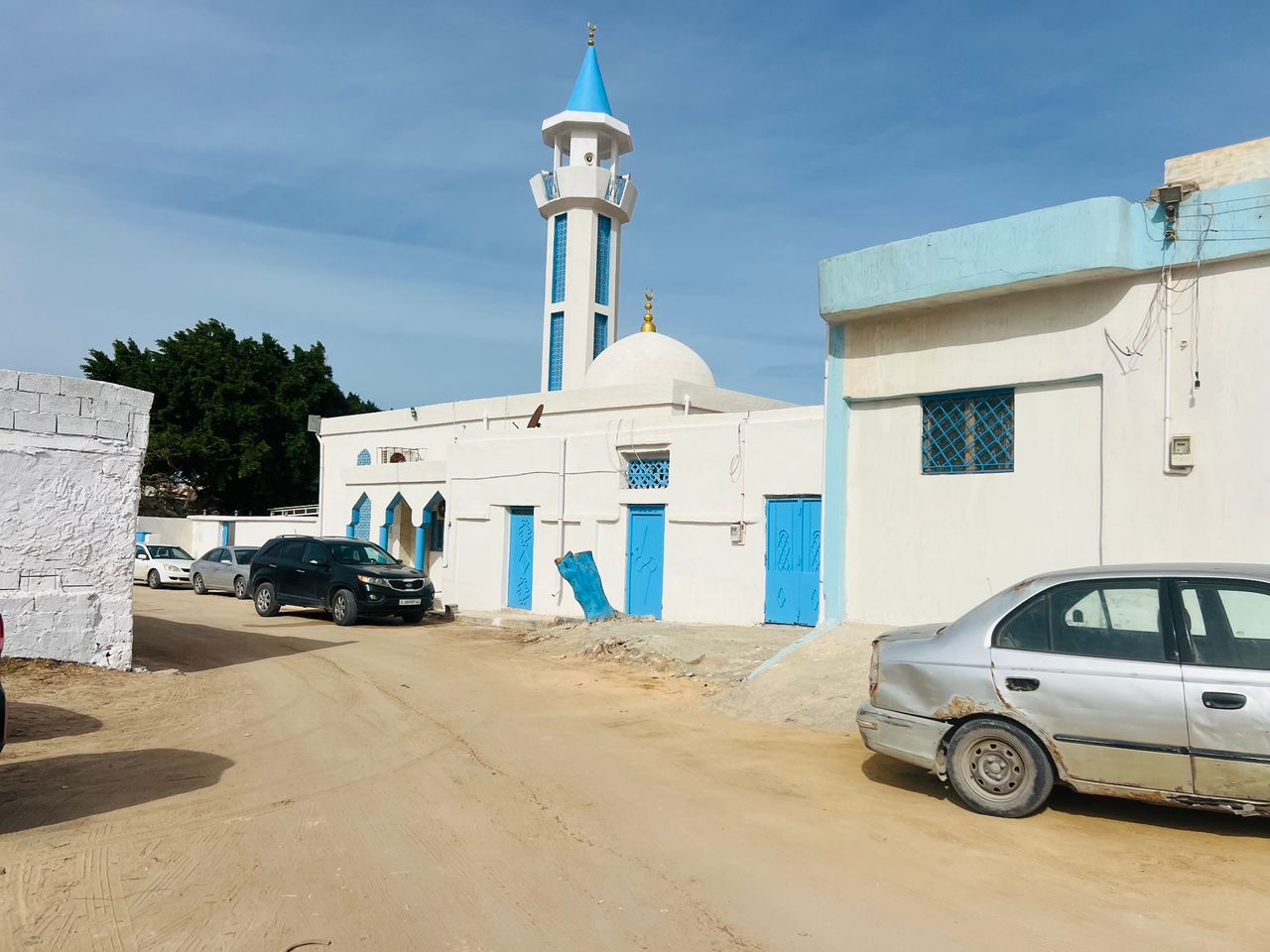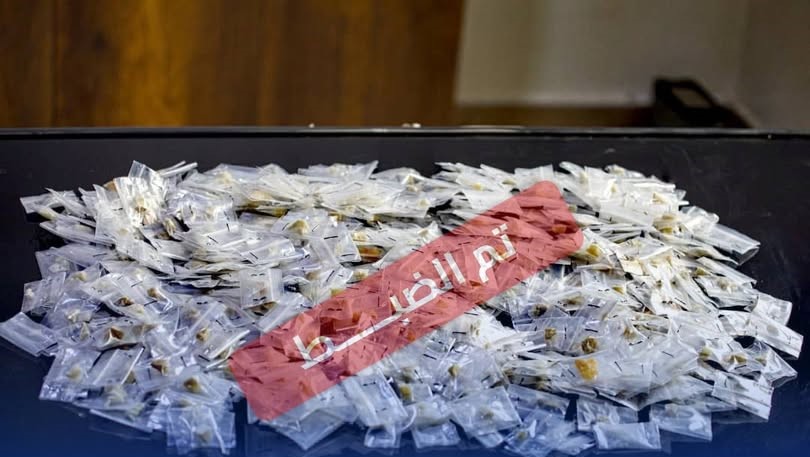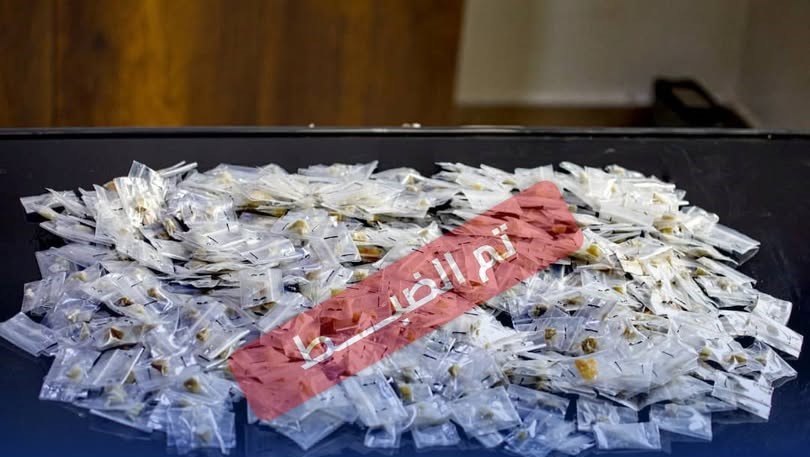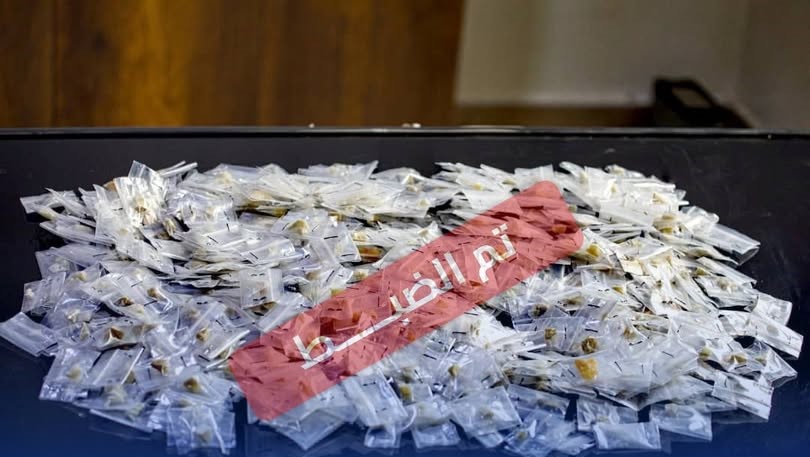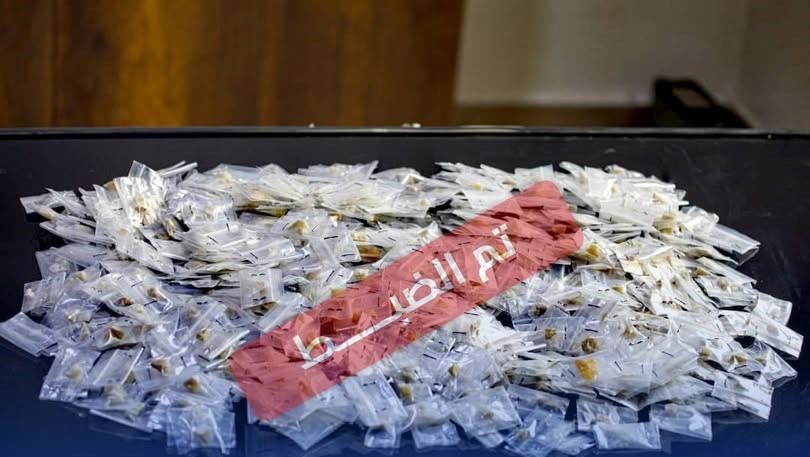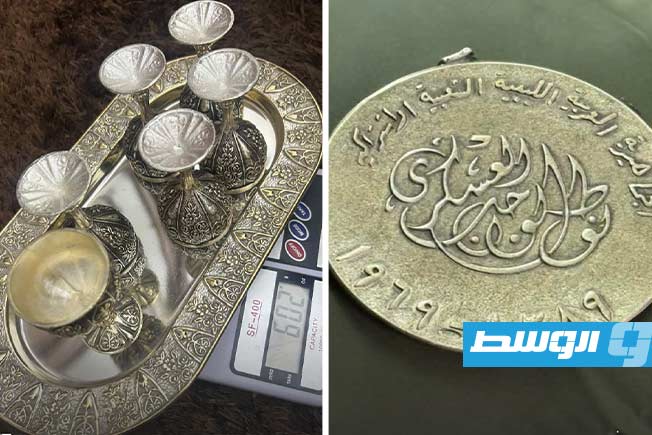
Local markets are witnessing a boom and high demand for selling silver items, driven by the sharp global rise in silver prices and the spread of funded purchase advertisements on social media platforms. This has opened a wide debate about the implications for Libya’s heritage silver.
This development has encouraged jewelry traders to intensify their advertising campaigns to buy silver from citizens at prices described as tempting, exploiting the difficult economic conditions some families are going through.
In this context, a number of citizens have found selling their silver possessions to be a quick solution to provide liquidity, especially with the financial temptations on offer, often without paying attention to the historical and cultural value some of these pieces carry, which far exceeds their market value as raw metal.
Negligence of Historical Identity
On the other hand, this trend has sparked a wave of widespread discontent in cultural and social circles, with an increasing display and sale of rare heritage silver pieces representing part of Libya’s popular heritage. These pieces include traditional jewelry, old household utensils, and handmade tea and coffee sets that reflect lifestyles and artistic tastes across successive generations.
According to reports, heritage enthusiasts considered the melting down and sale of these pieces as mere grams of silver to be clear negligence of Libya’s historical identity and an erasure of a collective memory that cannot be compensated.
One specialist described what is happening as a “systematic erasure of Libya’s cultural heritage,” warning that Libyan families have already begun selling rare heirlooms inherited from their ancestors, heralding an immeasurable loss.
In the same context, pages concerned with heritage raised questions about the timing and scale of the sudden rush to buy heritage silver, suggesting that what is happening might be an organized campaign targeting the plunder of ancient heritage from Libyan society.
A Matter of Nation and Cultural Security
One individual expressed her absolute rejection of selling these heirlooms, describing it as a matter of nation and cultural security, and warning against killing the national memory out of greed.
Another emphasized that money can be replaced, while heritage pieces, if they leave their original owners, “will never return,” considering them to be the memory, identity, and stories of successive generations.
Rejecting reactions continued across social media platforms, amid calls to intensify community awareness and enact controls and legislation to protect what remains of Libya’s cultural heritage from loss and extinction.