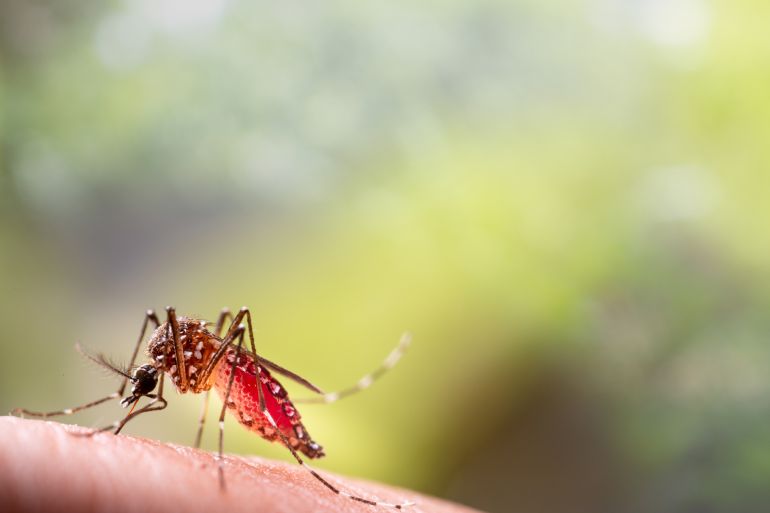
A study conducted on blood-sucking insect samples in Brazil showed that as biodiversity in forests decreases, mosquitoes develop a greater appetite for human blood. Human activity drives other creatures away from their natural habitats, thus reducing the feeding options available to mosquitoes.
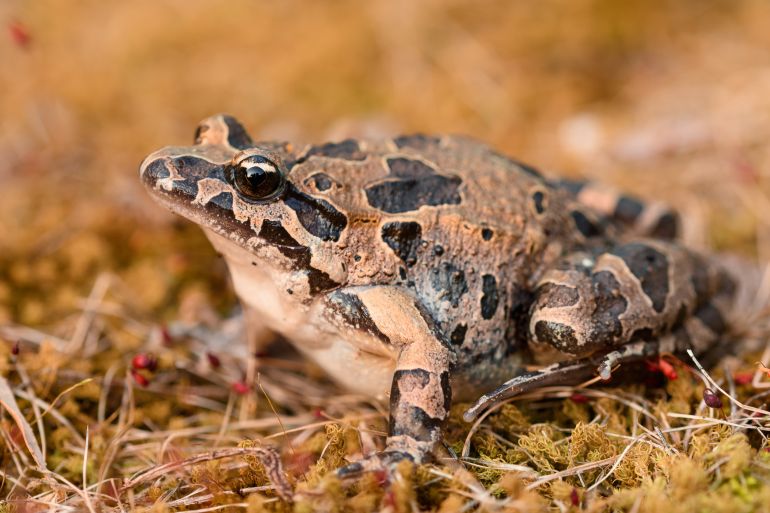
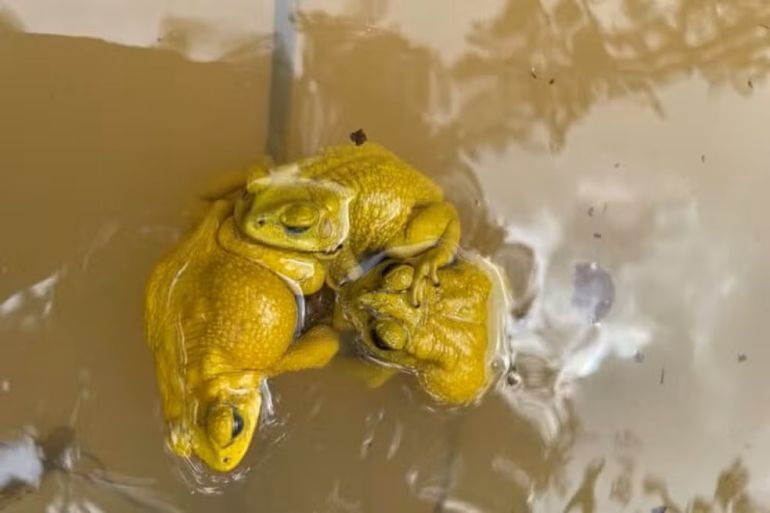
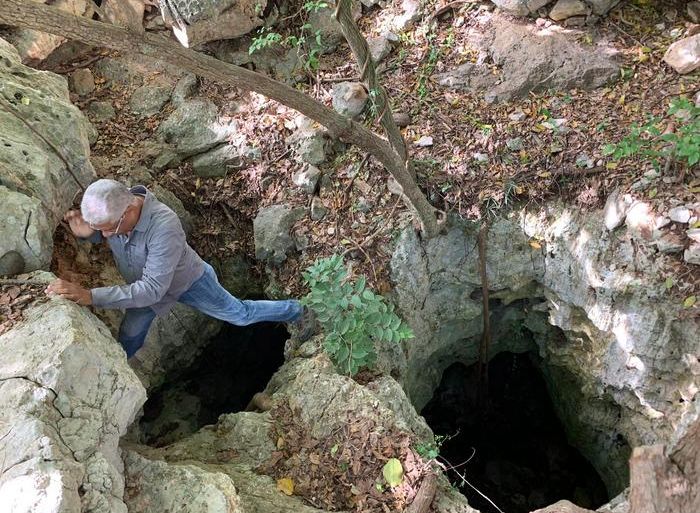
To capture 52 species of mosquitoes, researchers set up light traps in the Guapiaçu and Sito Recanto reserves, both located in the state of Rio de Janeiro within the Atlantic Forest. They managed to obtain a sample of 1,714 mosquitoes, of which only 145 females were engorged with blood. Among these, 24 samples contained identifiable DNA, which included traces from 18 humans and six different bird species. Meanwhile, amphibian, rodent, and dog blood appeared only once in the samples, indicating a clear tendency among the captured mosquito species to feed primarily on human blood.
Ecological Imbalance and an Adaptive Response
This shift is an adaptive response by mosquitoes, specifically females who feed on blood to produce fertilized eggs. This adaptation reveals their resilience for the survival of the species.
According to the research, this change could become permanent, especially if mosquitoes find human blood more “appetizing.” This process could be reversible if efforts to restore native plants and animals through reforestation succeed.
The study shows that we are witnessing a disruption not only due to deforestation but also due to the problem of hunting wildlife. When the ecosystem balance is disturbed, the more resilient species tend to adapt and survive, which is what this research observes. Work on the study is ongoing, with a need for more detailed analysis, including developing better methods for capturing insects.
A Real Danger to Humans
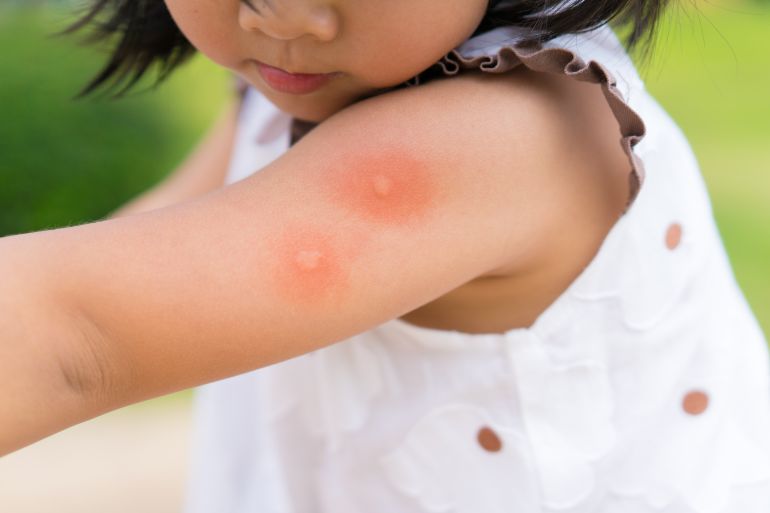
The consequences of this shift in mosquito behavior go beyond mere nuisance or local allergies caused by insect bites. Mosquitoes are major disease vectors, so their preference for biting humans could have serious health consequences.
This discovery confirms an increase in this risk. Many mosquito species are vectors for pathogens such as the Zika virus, West Nile fever, viral encephalitis, and others. The transmission of other pathogens like malaria and leishmaniasis is also not excluded.
Therefore, research is also being conducted on the DNA of arthropod-borne viruses, highlighting the importance of entomological and epidemiological surveillance, especially among populations in high-risk areas living on the fringes of the Atlantic Forest. Previous years have already seen cases of yellow fever in Brazil, where most cases were in people living in or entering the Atlantic Forest.
Restoring Forests to Restore Balance
Increasing biodiversity leads to an increase in “alternative hosts” for mosquitoes. When ecosystems recover, the diversity of vertebrates (such as birds and rodents) increases, dispersing mosquito attacks away from humans.
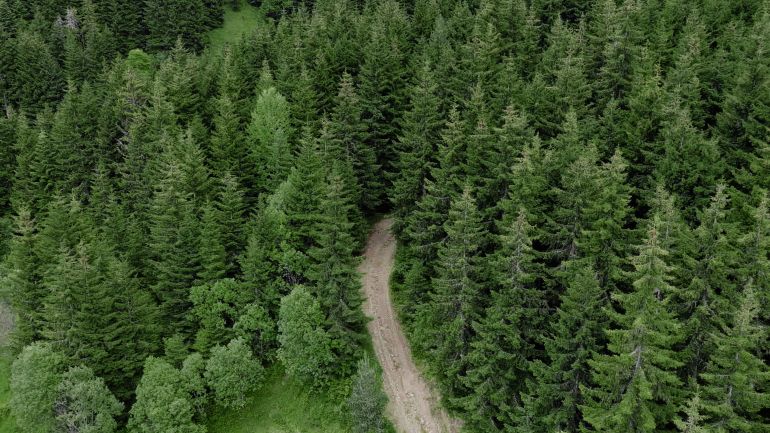
Furthermore, restoring forests rebalances ecological barriers. Forest fragmentation pushes mosquitoes towards its edges where humans live. Ecosystem restoration also re-establishes the “predator network” of birds and insects, which are not seen in degraded forests, that feed on mosquitoes and prevent them from breeding unchecked.
Rehabilitating the ecosystem is crucial. In addition to forest recovery, the recovery of springs, rivers, and lakes attracts various animals to settle, including vertebrates that serve as a blood source for mosquitoes.
Mosquitoes also follow the optimal foraging theory, seeking to expend less energy searching for vertebrate blood. Therefore, if their prey remains available in the forest, they will not need to fly longer distances to find food in human settlements.
To limit this human exposure and keep mosquito communities isolated deep within the forests, away from human settlement areas, the best approach, alongside forest rehabilitation, is to