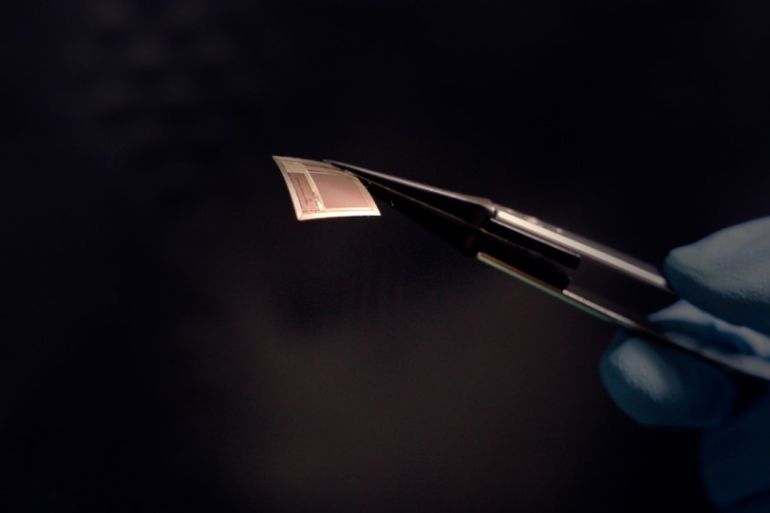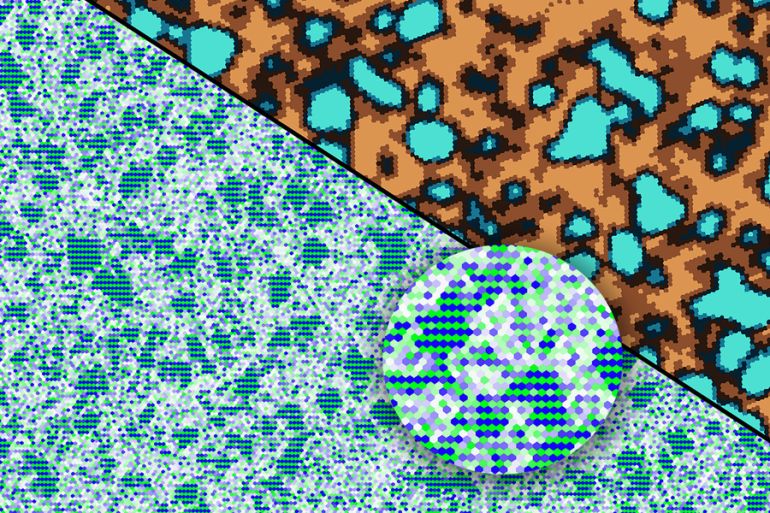
Imagine placing a mobile storage unit inside every cell, so it records what happens to it over time. This is exactly what the Department of Stem Cell and Regenerative Biology at Harvard University has achieved, where the research team succeeded in creating a “time capsule” inside cells that records their molecular events, naming it “Time-Vaults”.
The “Time-Vaults” capsule is a breakthrough that will help scientists understand the reasons for some cancers’ resistance to drugs, study the behavior of stem cells, and more importantly, how past events inside a cell affect its future.
How does it work?
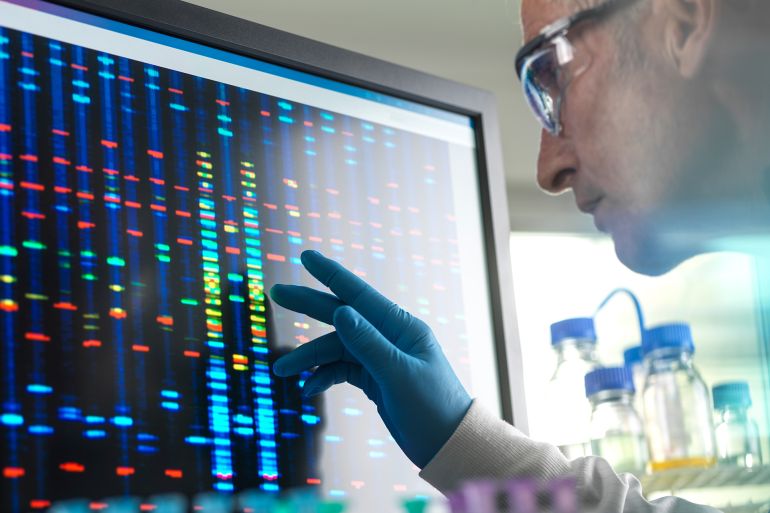
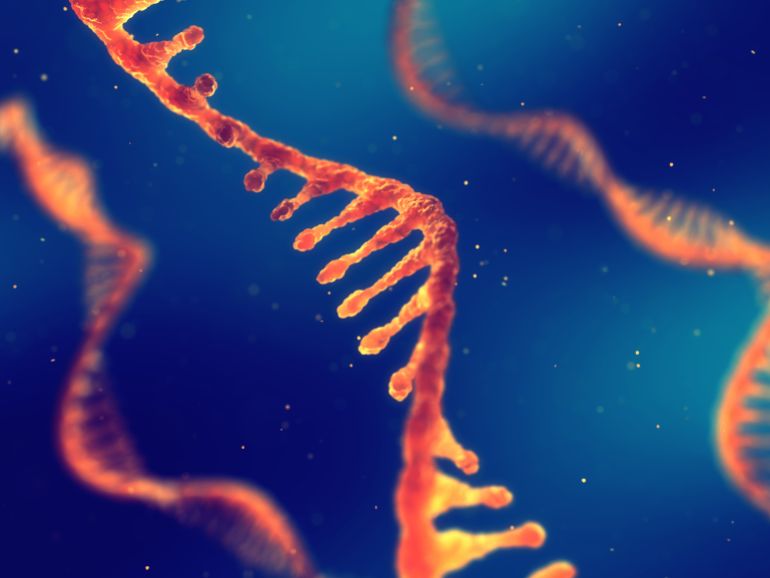
The mechanism of the cellular “time capsule” is described in a study published in the journal “Science”. It starts from the fact that every cell contains molecules called “messenger RNA”, which are the molecules that carry instructions from genes to produce proteins. The goal was to find a way to capture and store these molecules, making this method akin to a recorder of cellular events.
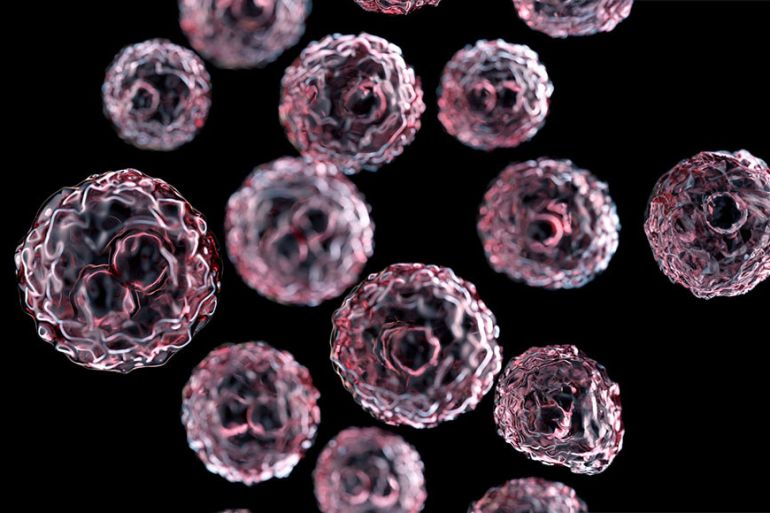
Researchers found their solution in natural structures within cells called “vaults”, which are like small barrels present in thousands of copies inside most mammalian cells. Their exact function was not precisely known. These structures were modified to be able to capture “messenger RNA” and store it inside the barrel, thus functioning as a recorder of cellular events.
To activate this capsule, researchers inject the cells with a drug that triggers the production of a protein that captures “messenger RNA” molecules. When the drug is withdrawn, recording stops.
Experiments showed that “Time-Vaults” can store a portion of all the cell’s “messenger RNA” molecules over a 24-hour period and retain them for more than a week, without affecting the cell or the shape of the barrel.
A comparison in favor of the new capsule
“Time-Vaults” is not the first attempt to document internal cellular events. Over the past decade, researchers have tried to develop recorders, often using gene-editing tools like “CRISPR”. These tools recorded the activity of specific molecular pathways over time, allowing scientists to create a “temporal record” of events inside the cell.
However, the main problem was that researchers had to pre-determine which events they wanted to monitor, meaning much of the cell’s natural activity remained unrecorded.
The new tool, “Time-Vaults”, overcomes this limitation. It functions as an unbiased time capsule inside the cell, recording its events impartially. That is, it captures a portion of all “messenger RNA” molecules produced during a specific period without the need for pre-defined targets.
Studying treatment-resistant cancer cells
Regarding the applications of this achievement, it is stated that “there are cells called ‘persister cells’, which can survive cancer drugs despite not having genetic mutations that grant them this ability. Using ‘Time-Vaults’, researchers were able to identify hundreds of genes active before treatment. By inhibiting some of them, the drug became more effective and killed a greater proportion of cancer cells.”
It is added: “The same technique can be used to study how stem cells evolve and transform into different cell types.”