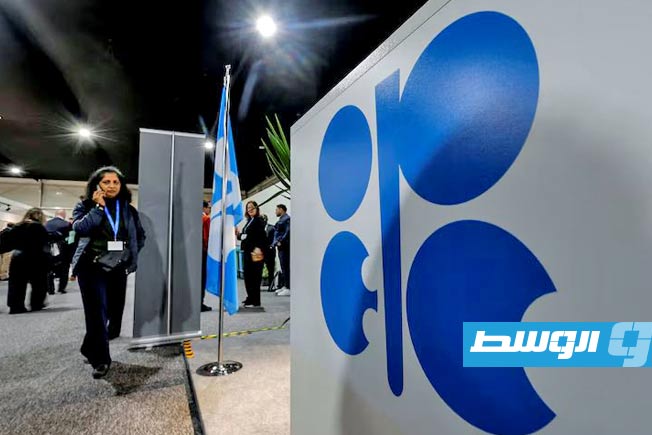
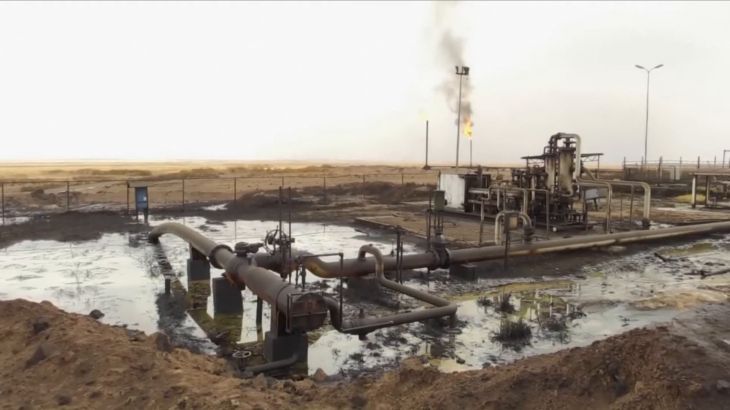
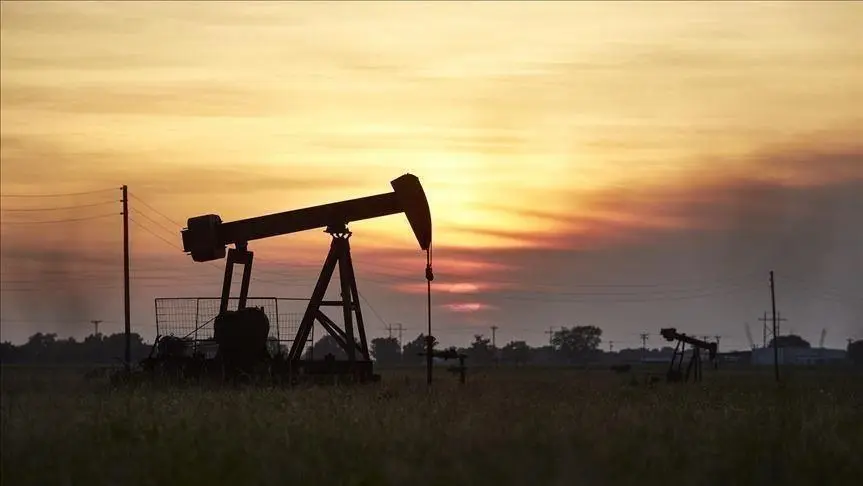
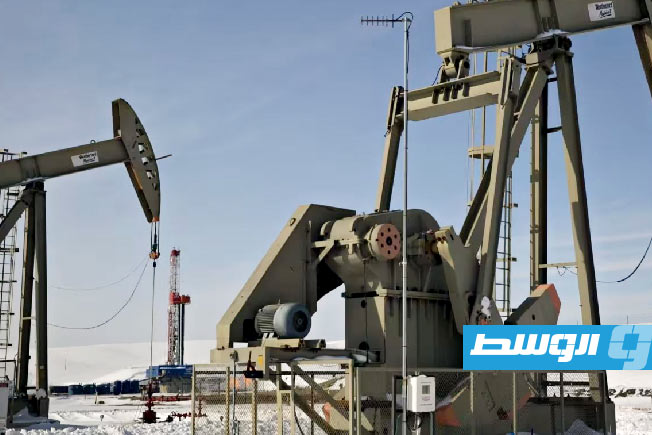
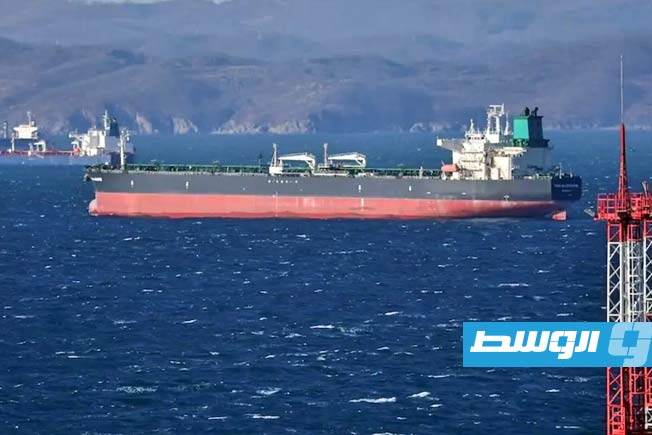
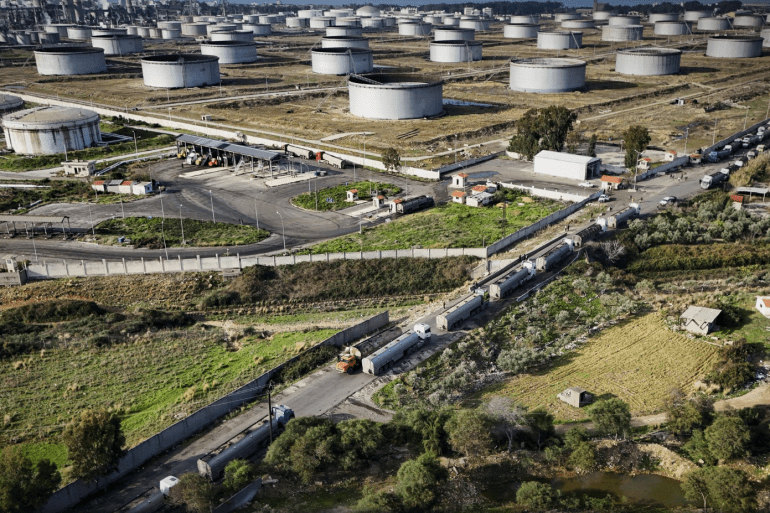
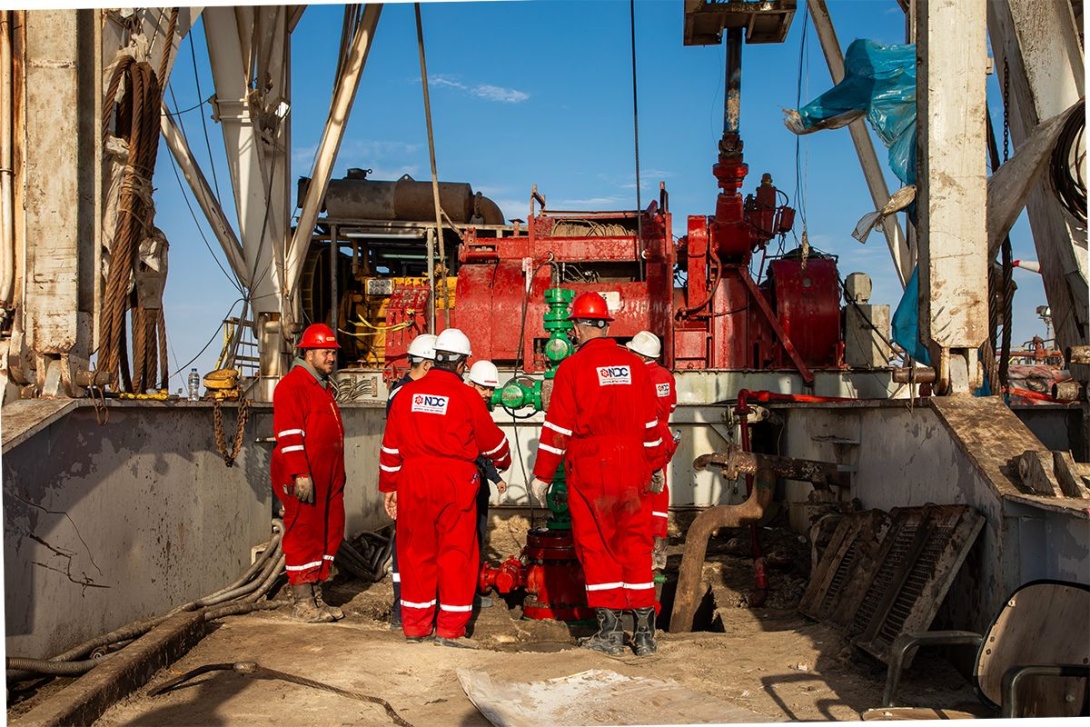
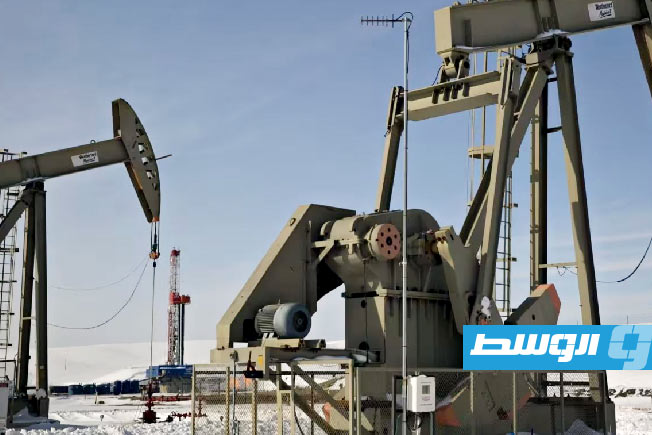
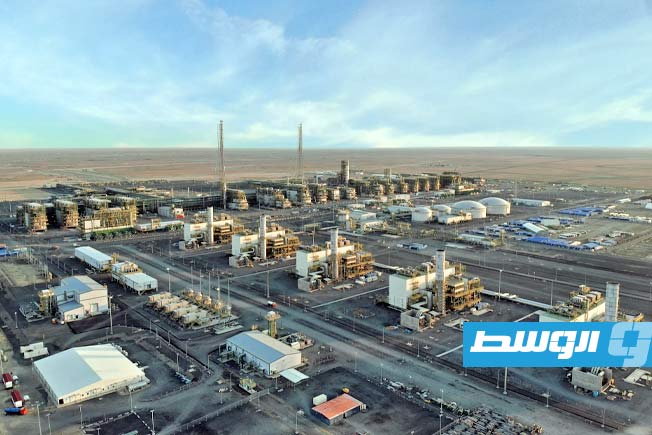
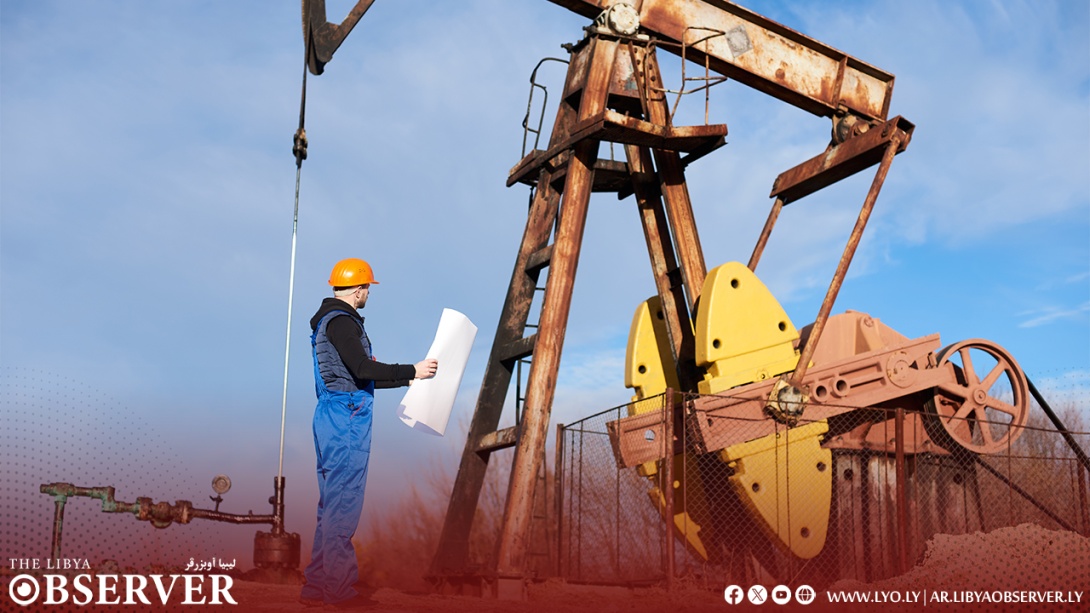
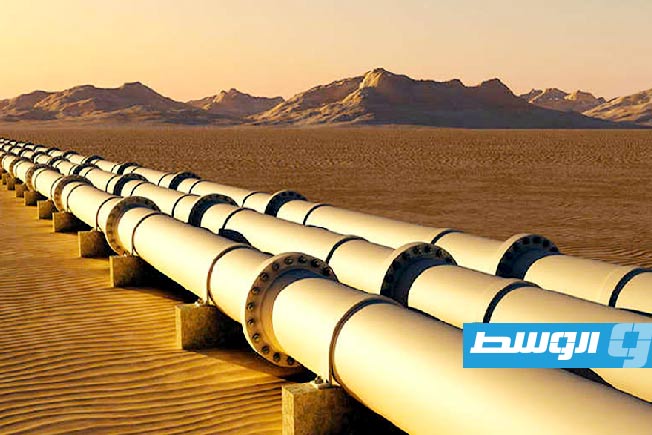
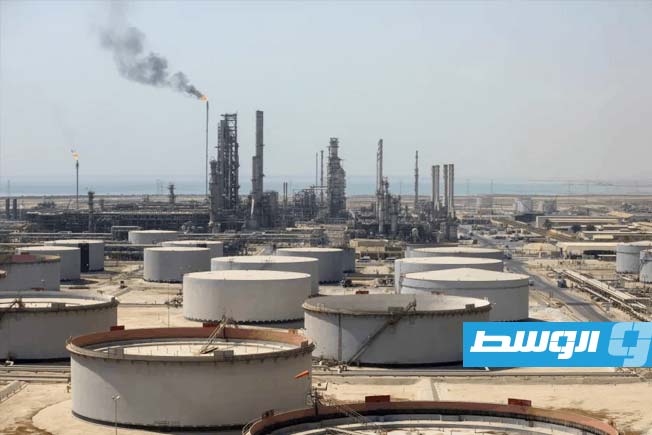
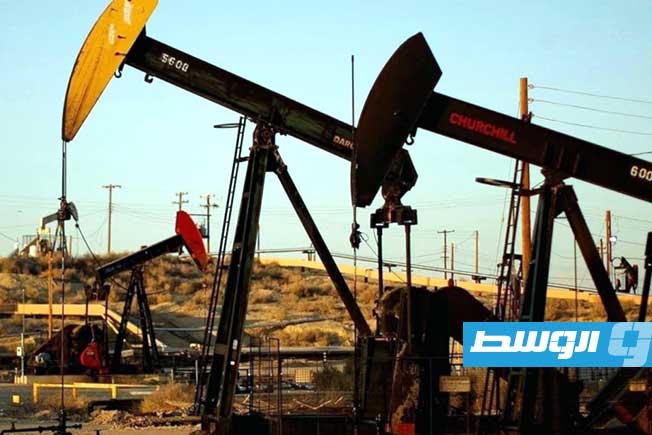
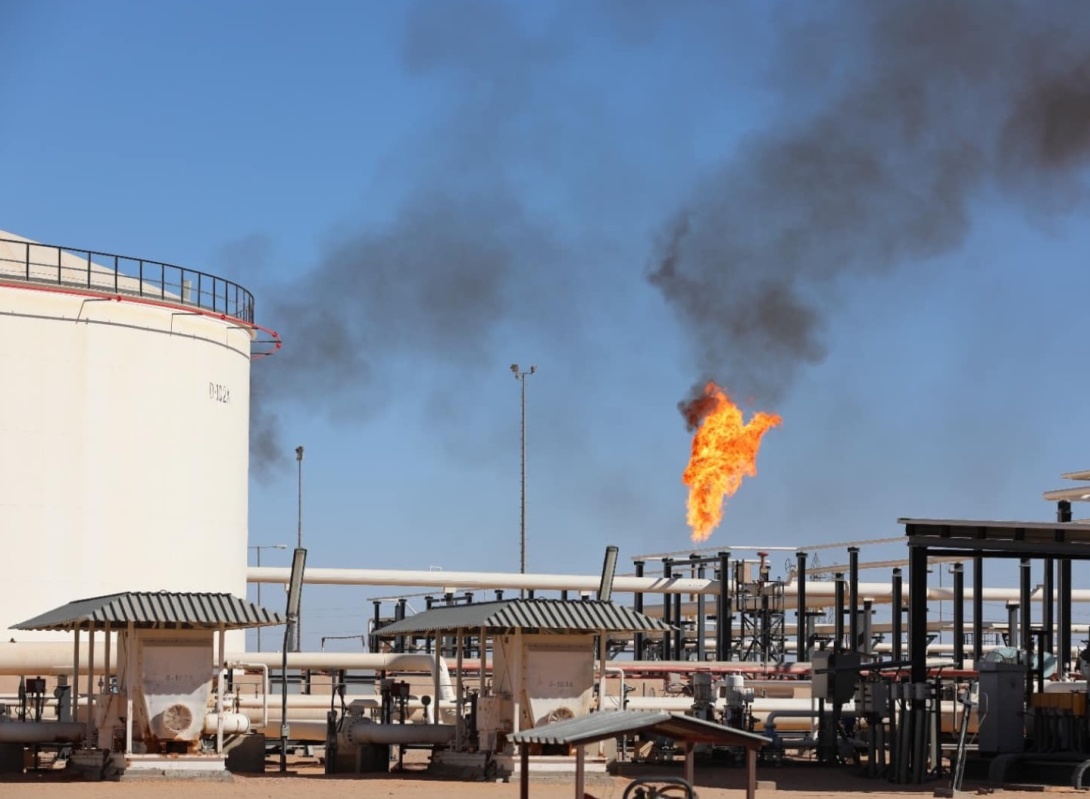
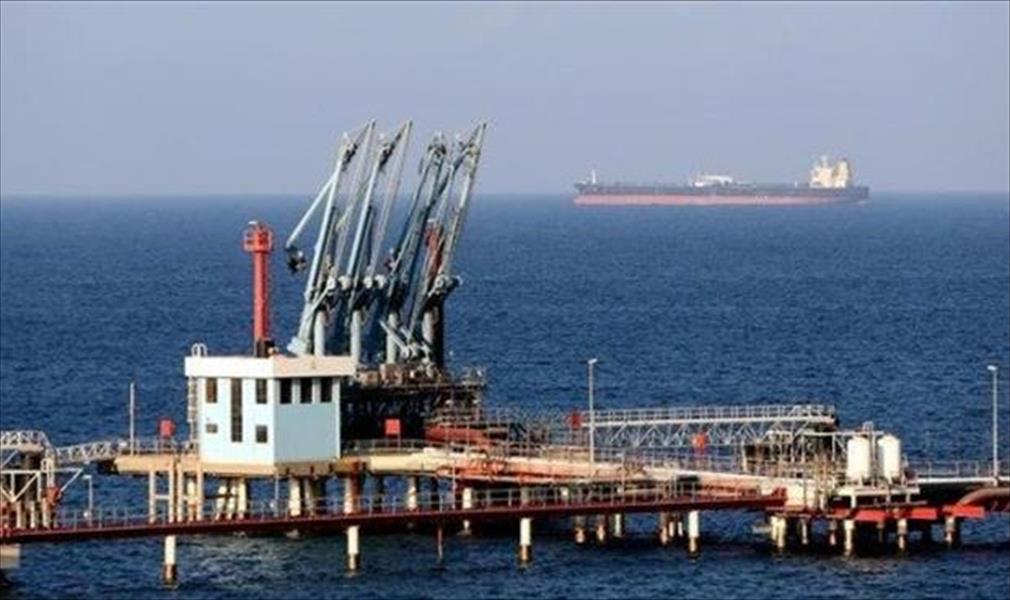
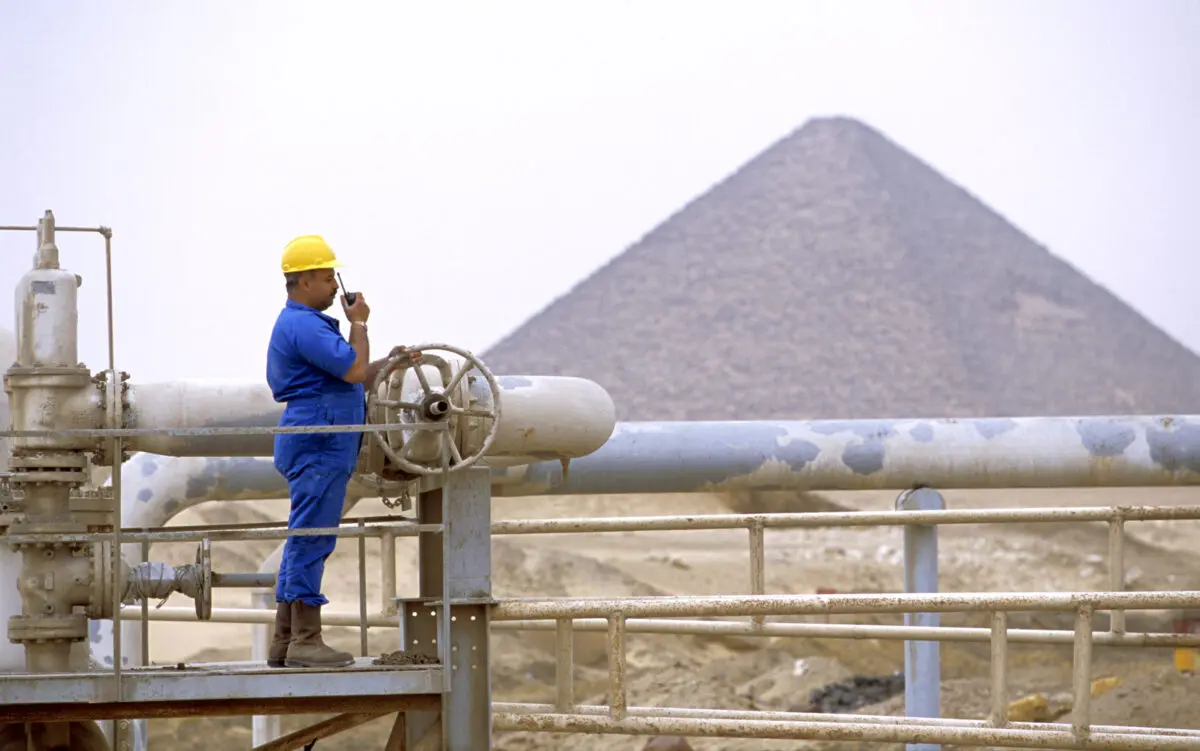
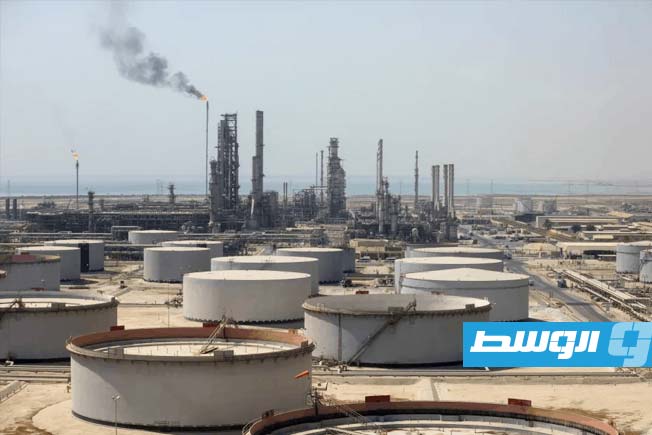
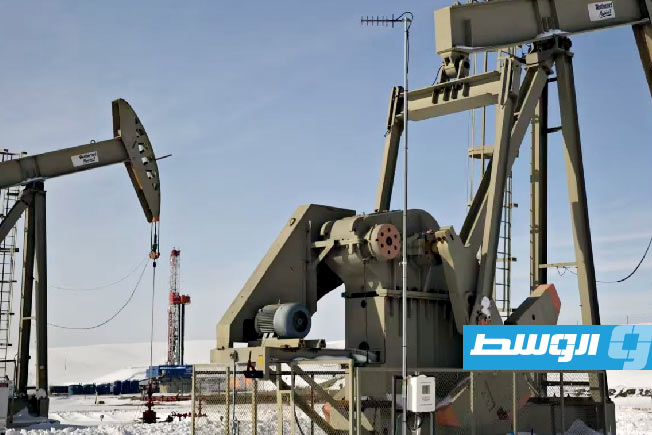
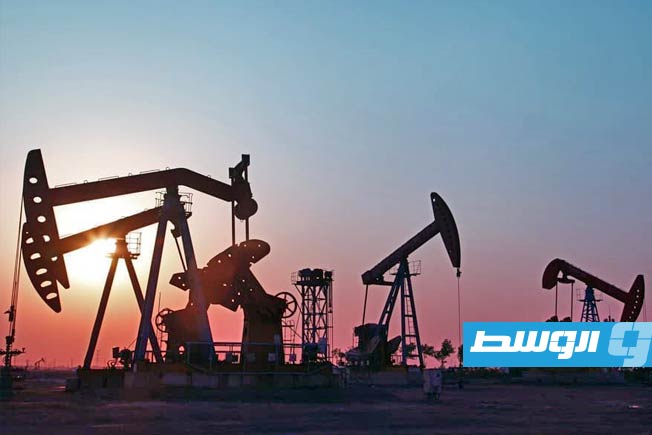
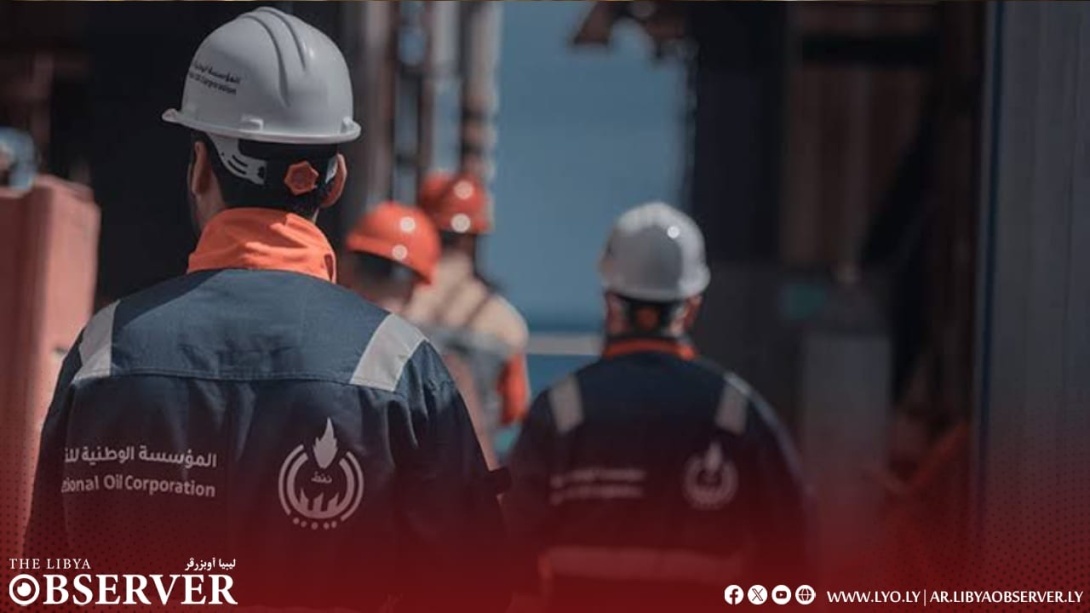
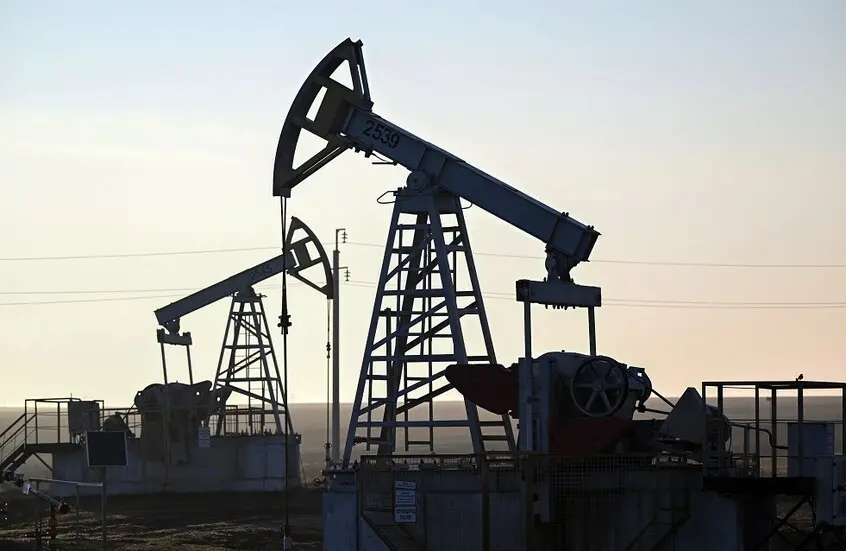
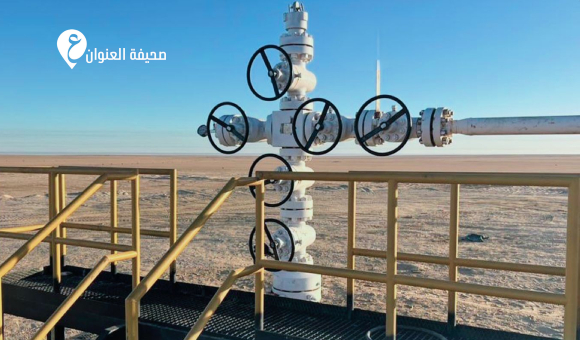
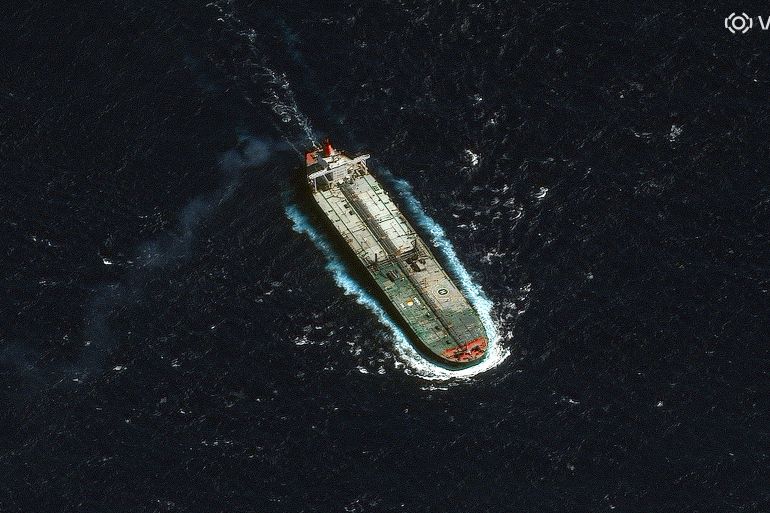
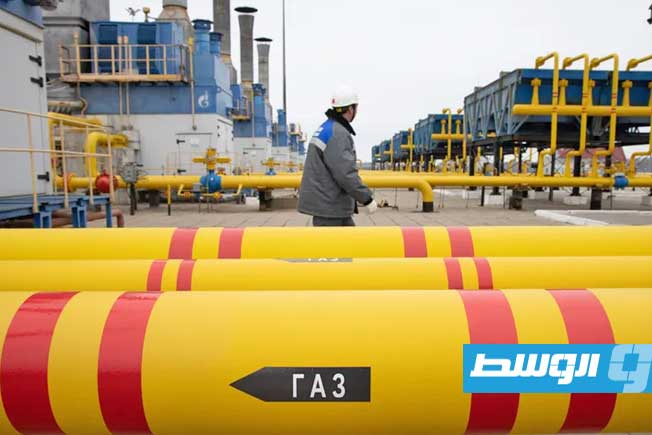
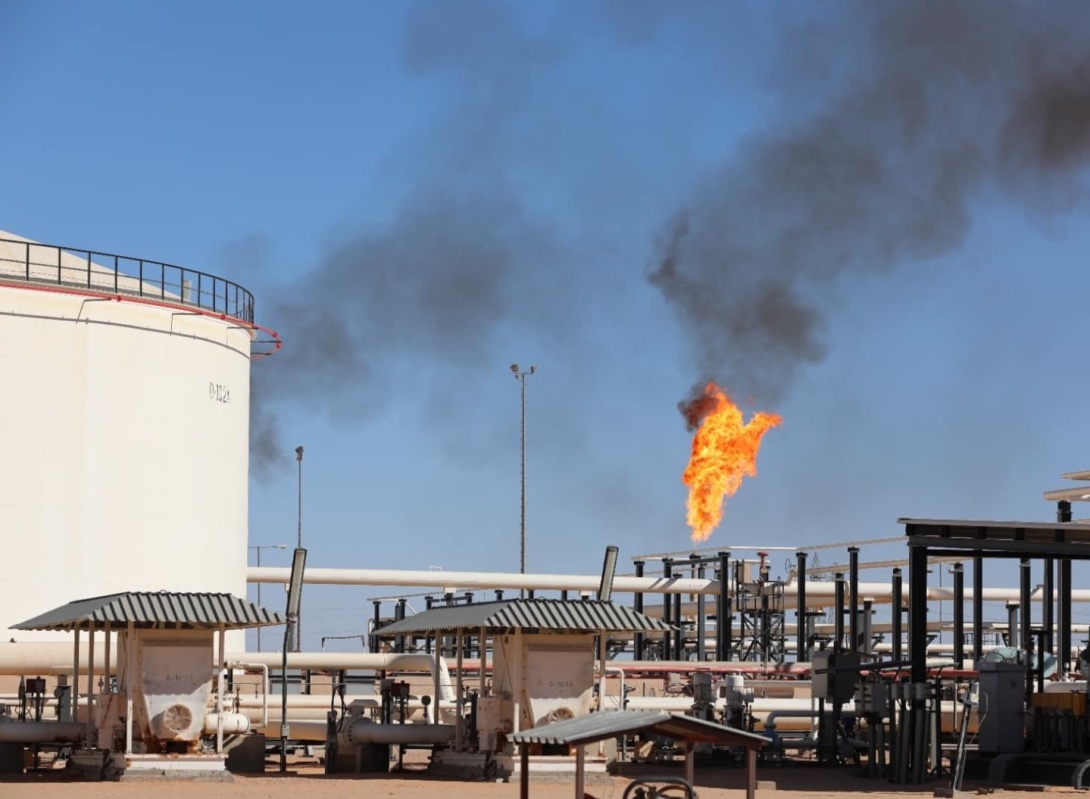
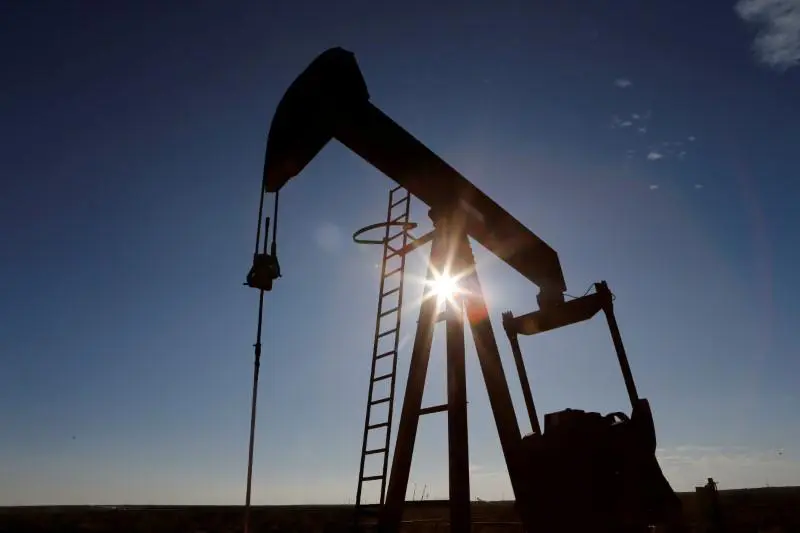
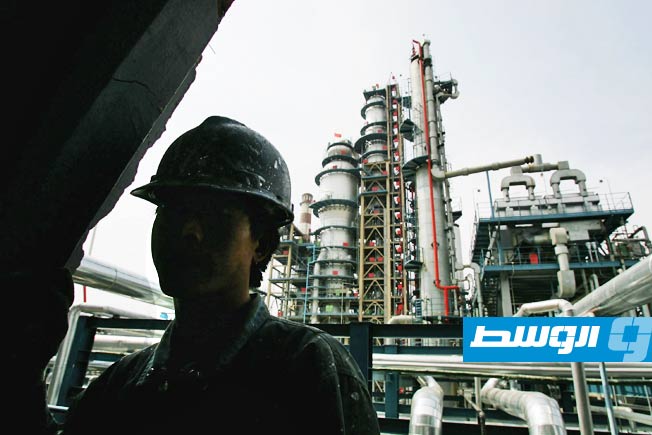
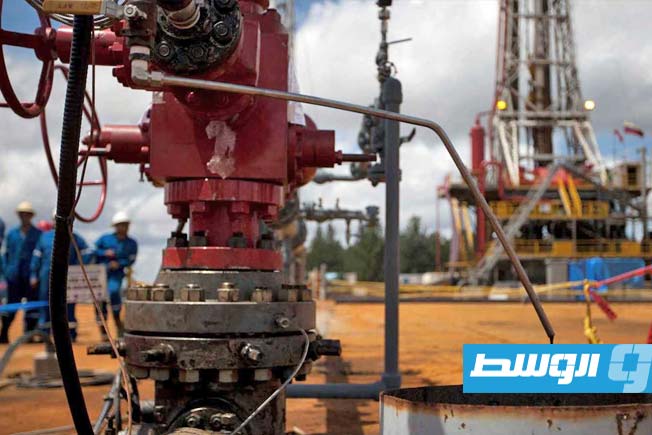
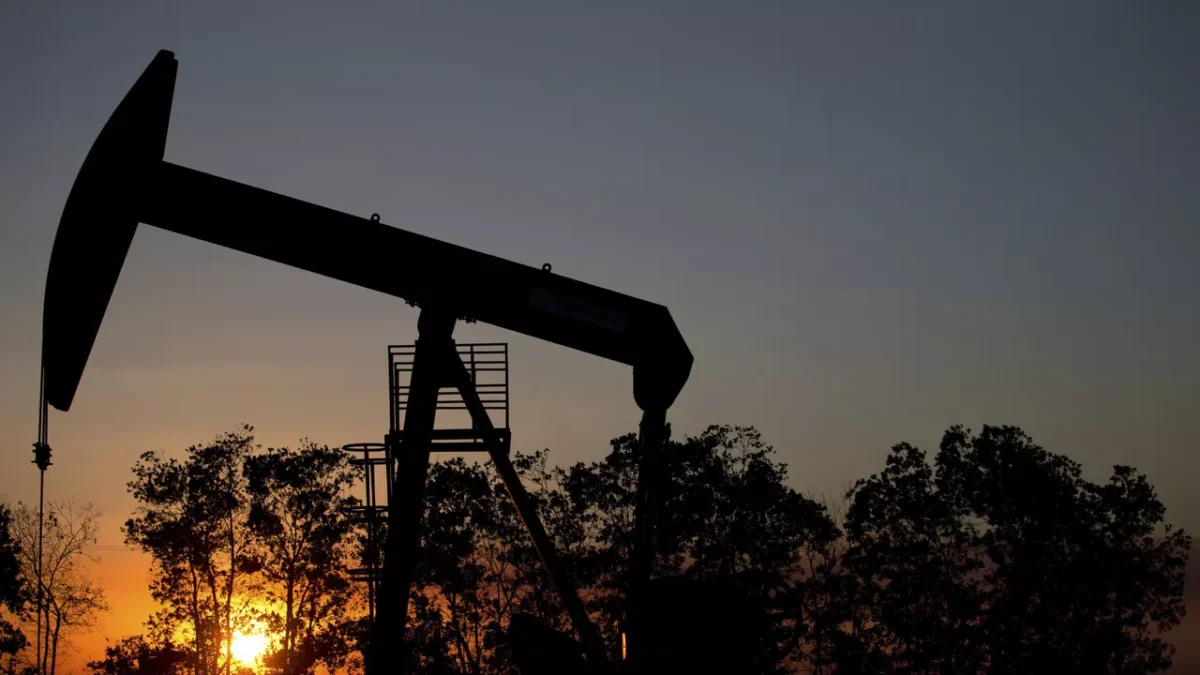
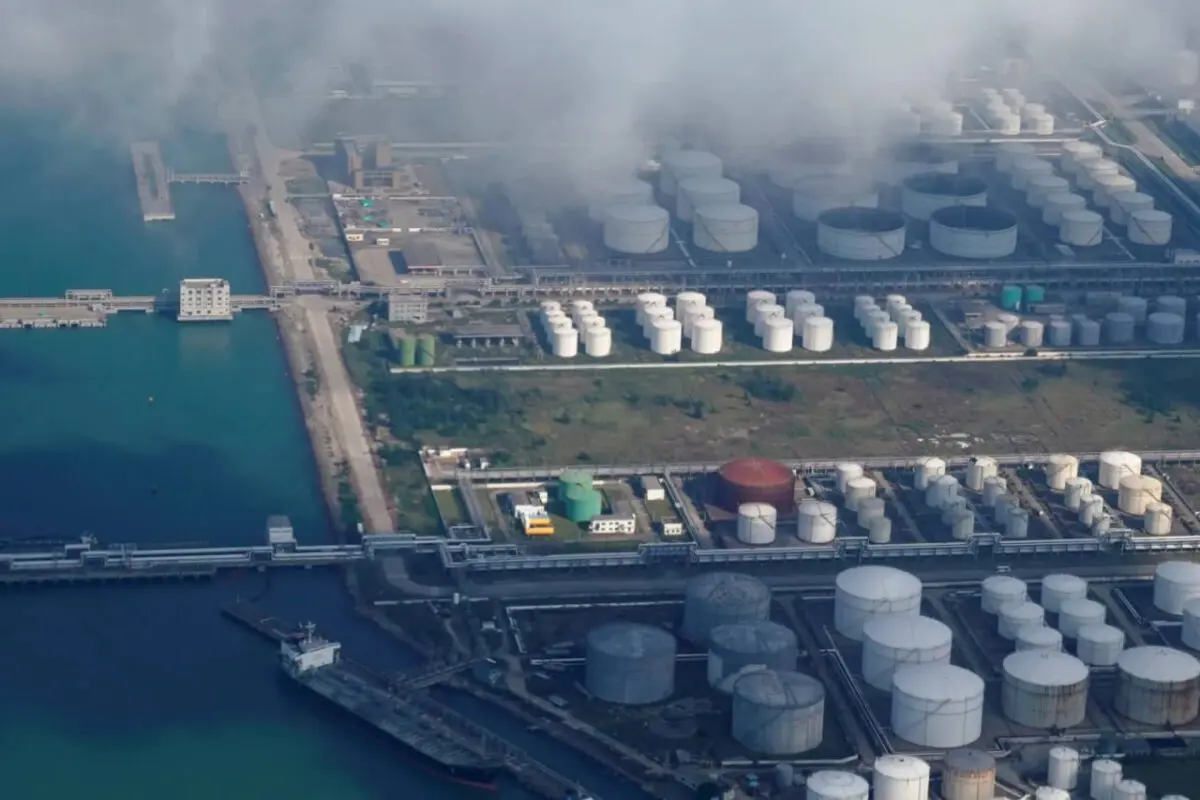
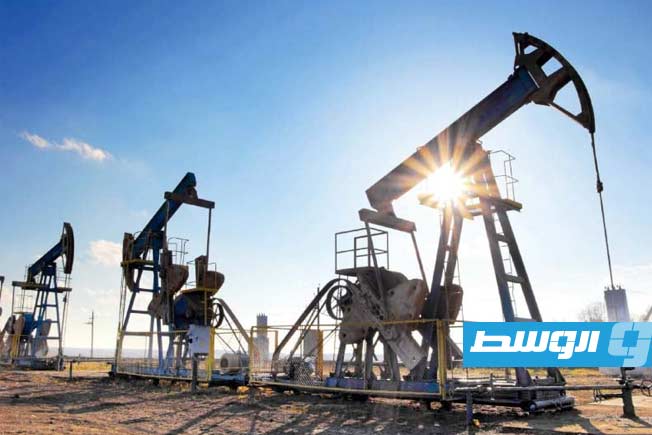
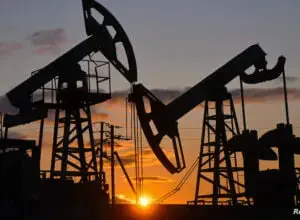
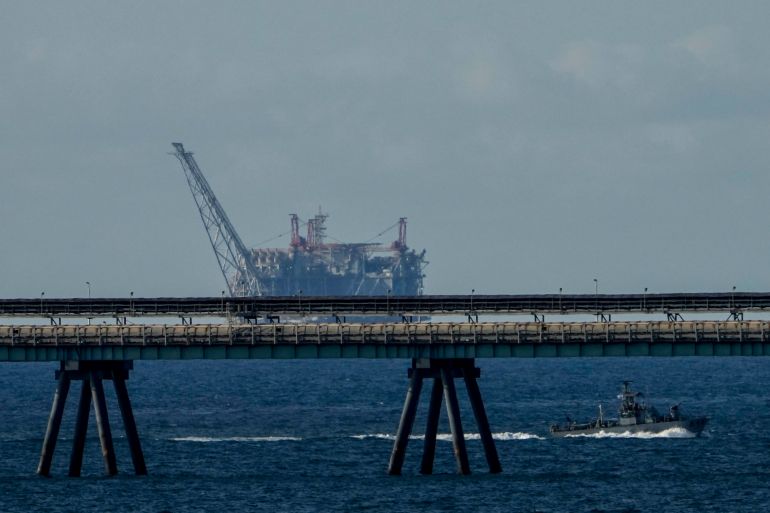
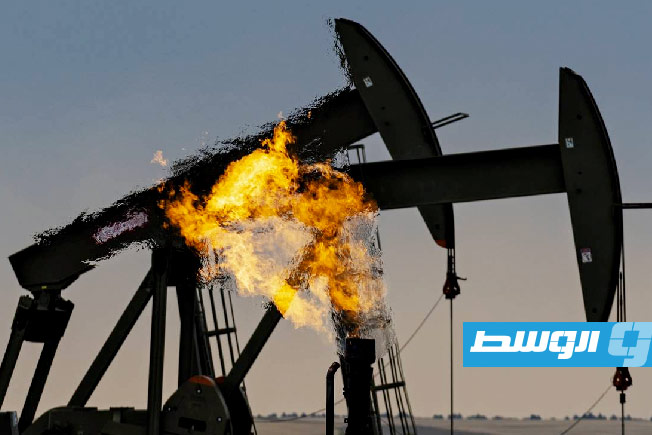
Delegates stated that member countries of the OPEC+ oil alliance are expected to adhere to a policy of suspending total production increases in the upcoming month of March, as the group deals with a supply glut in global markets and a wave of growing geopolitical tensions.
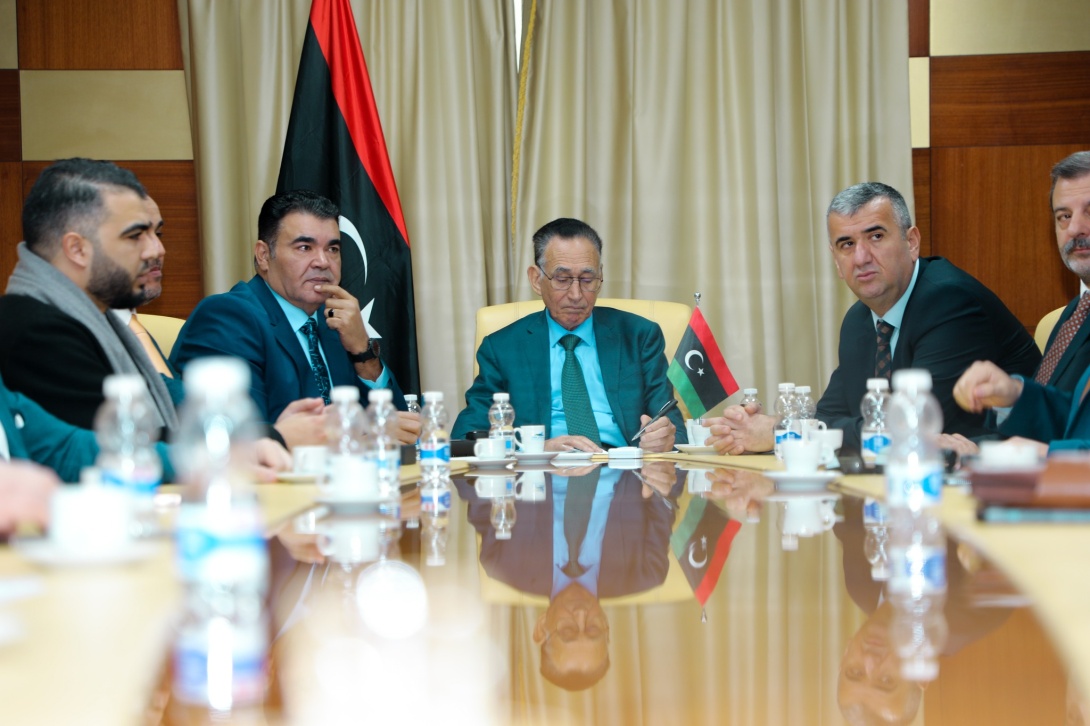
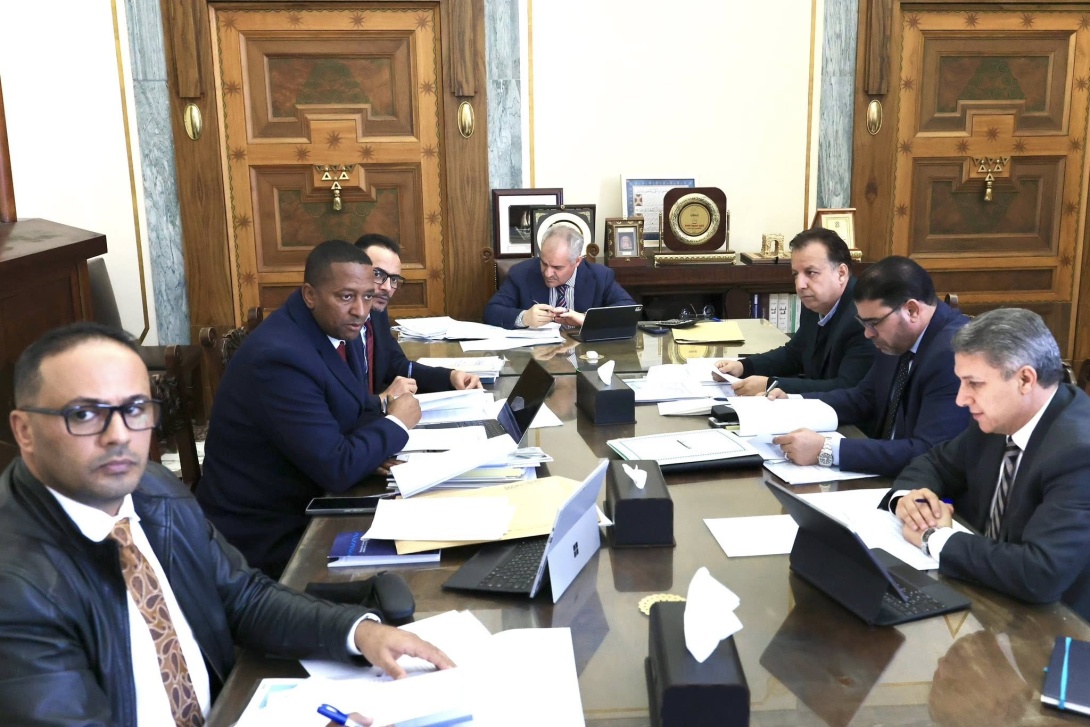
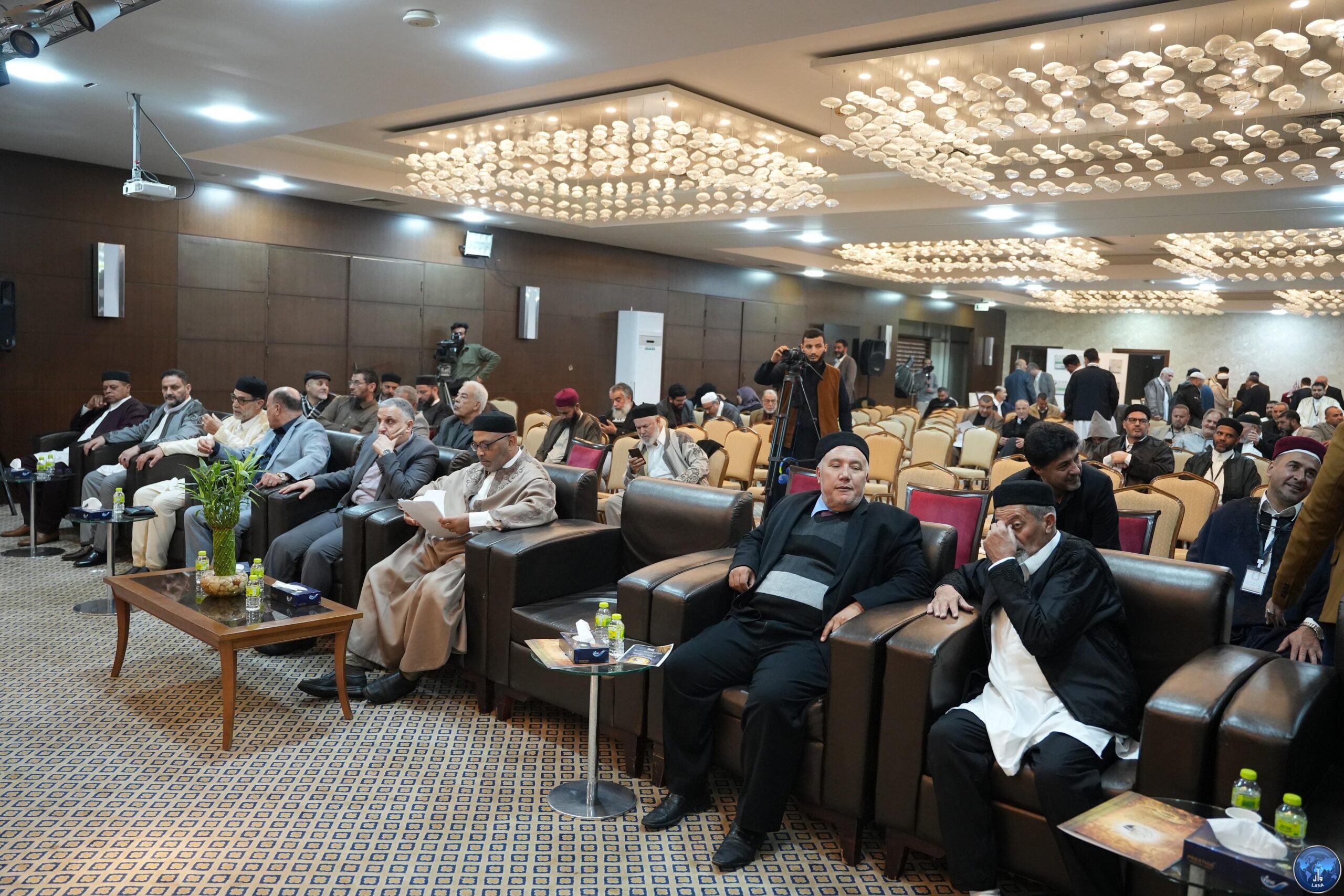
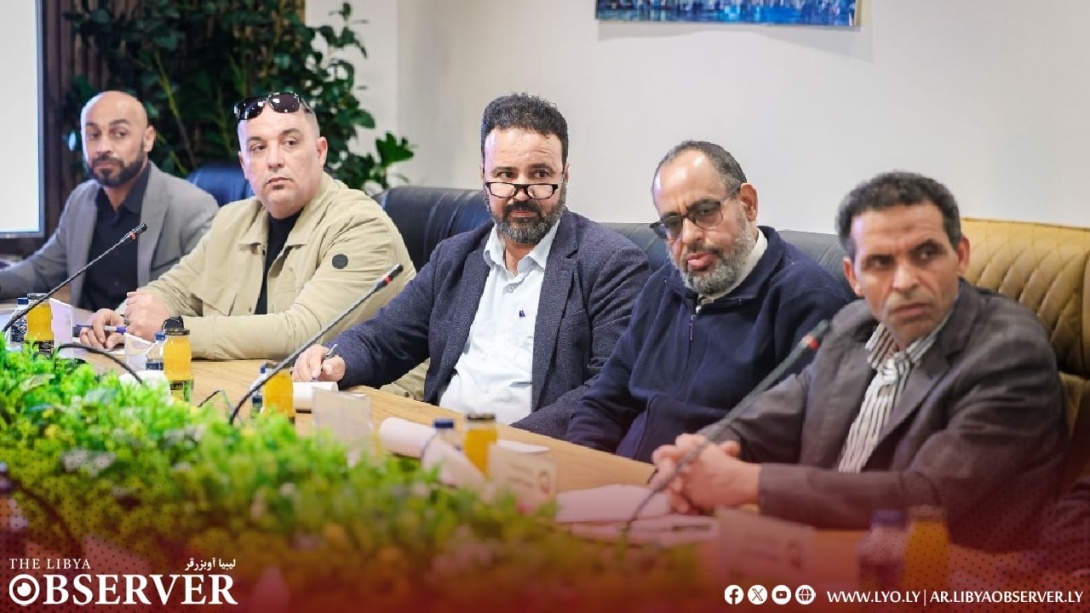
Sources indicated that OPEC+ members, led by Saudi Arabia and Russia, will hold their monthly meeting via video conference to review overall production policy, and the freeze on production increase policy is expected to continue in March.
While four delegations ruled out a change in the current policy, other delegations said discussions among members are still ongoing.
Events in Iran and Venezuela
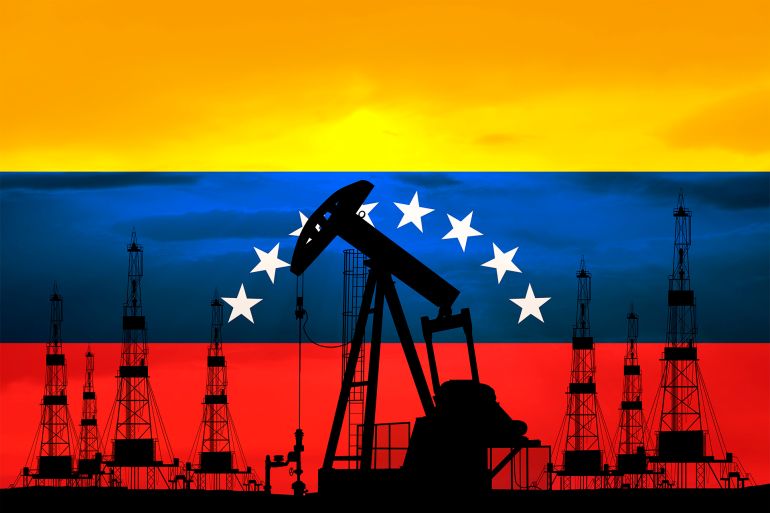
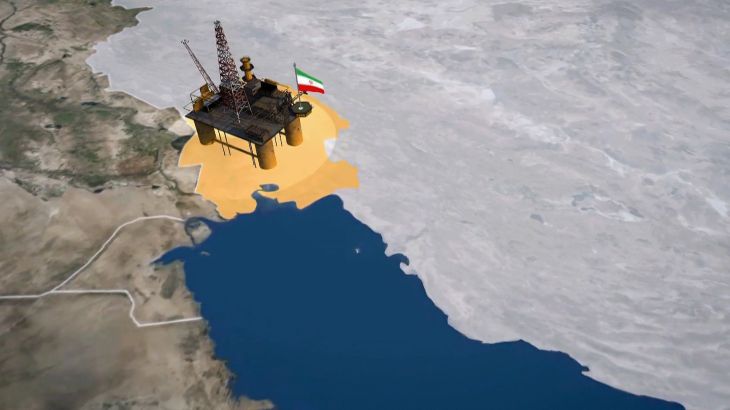
Regarding geopolitical risks related to Iran and Venezuela, one delegation said there is “no signal yet of a need to respond to the disruptive events witnessed in Venezuela and Iran,” both of which are members of the OPEC oil organization.
However, another source pointed out that “any major disruption in oil supplies could push the Organization of the Petroleum Exporting Countries (OPEC) and its partners to increase production.”
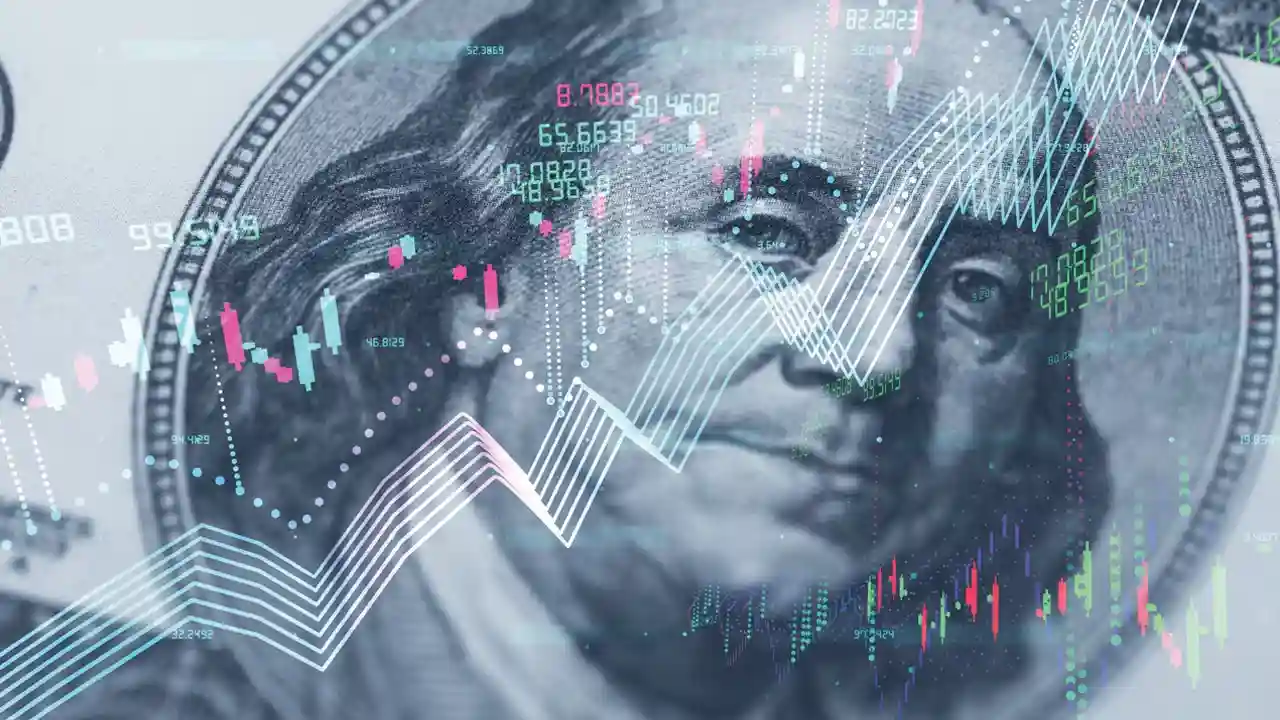
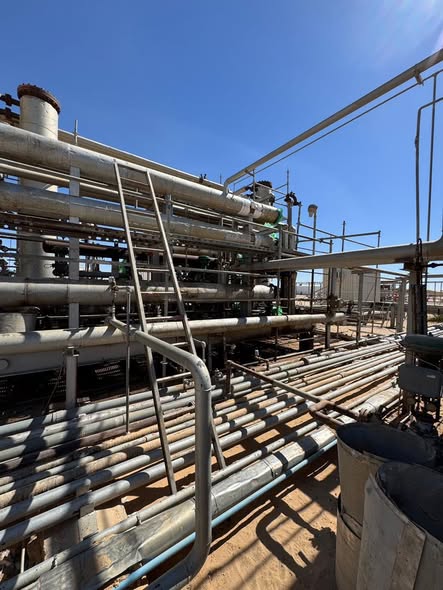
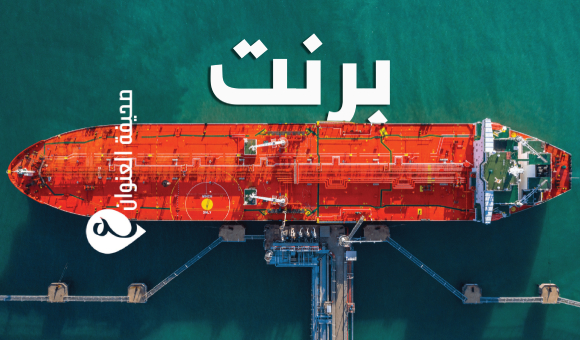
Oil prices have risen slightly this year, driven by widespread unrest in Iran and production constraints in Kazakhstan and Russia, with the price of Brent crude futures reaching around $66 per barrel on Monday.
However, prices are still only about one dollar higher than their levels at the beginning of November, when OPEC+ announced a halt to production increases for the first quarter of 2026, attributing it to a seasonal slowdown.
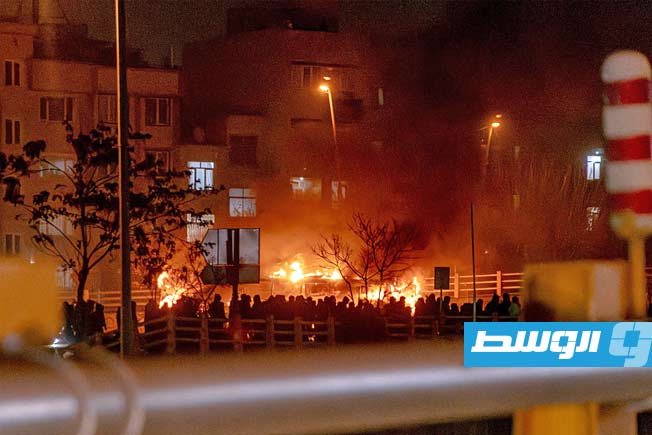
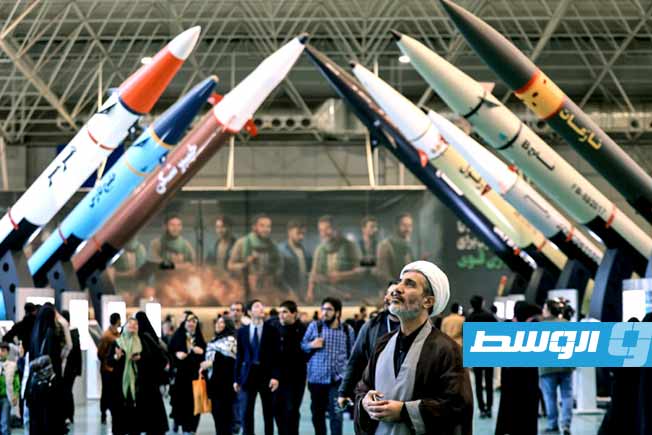
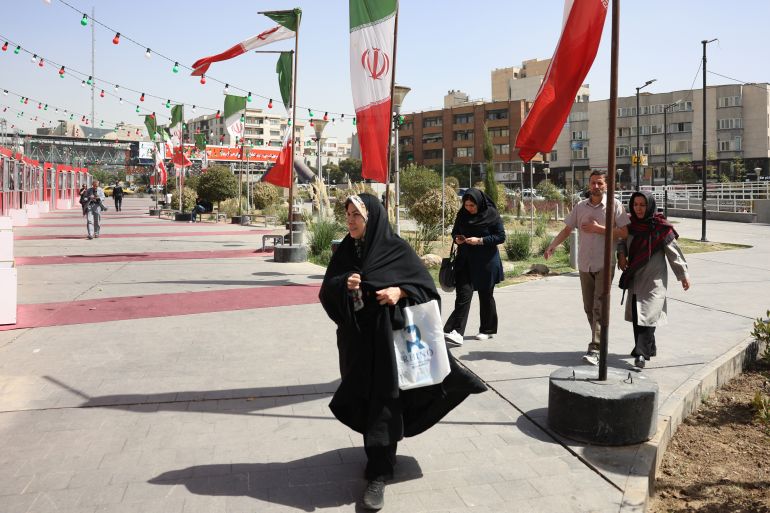
Iran has witnessed protest movements and massive popular demonstrations met with a crackdown campaign by authorities in Tehran, but with little impact on the country’s oil sector.
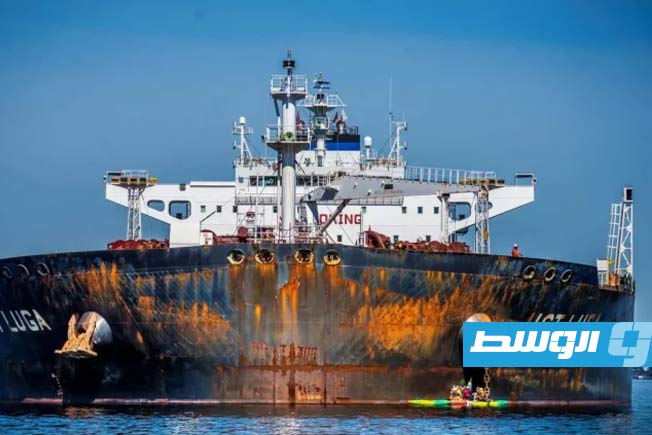
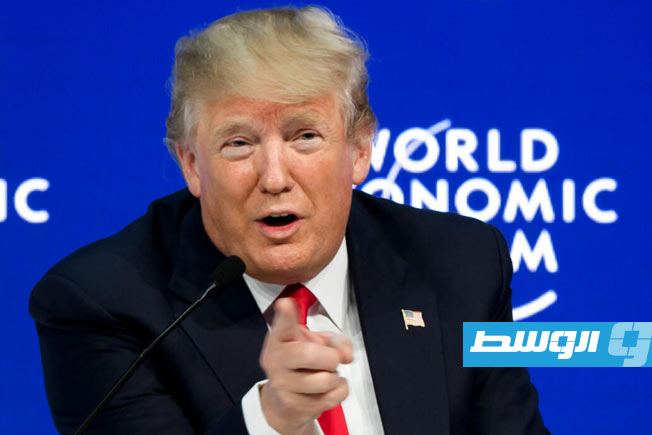
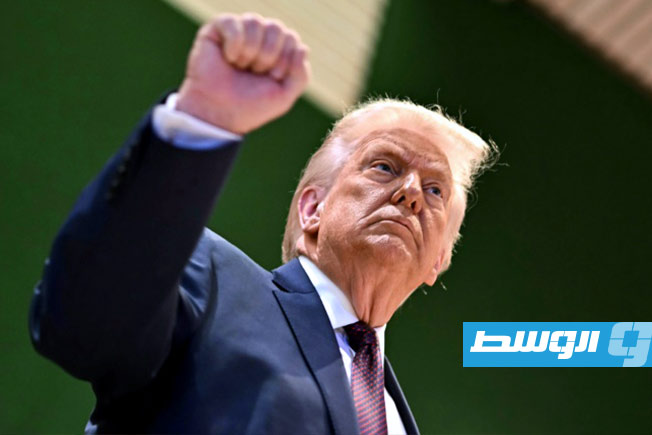
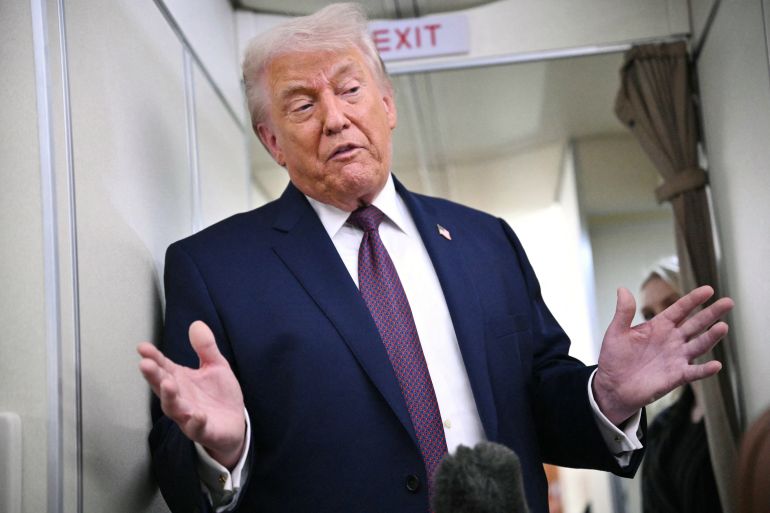
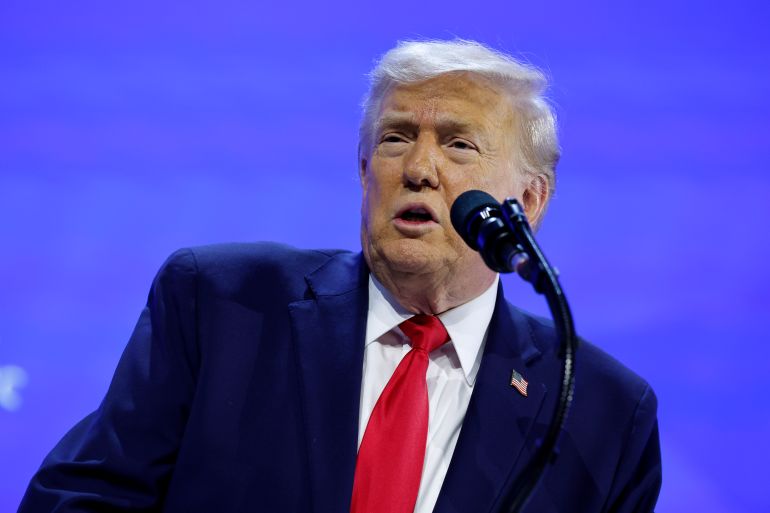
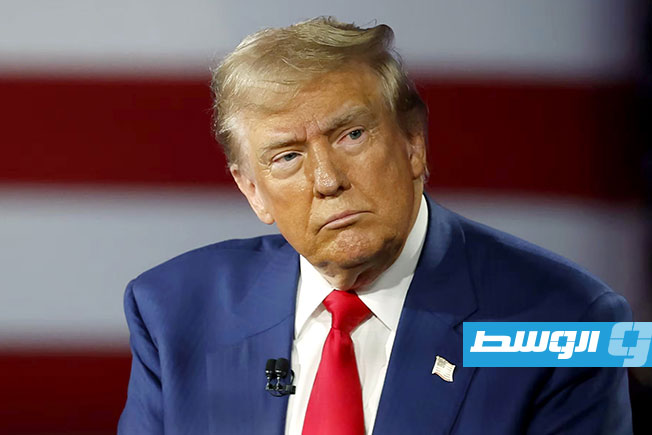
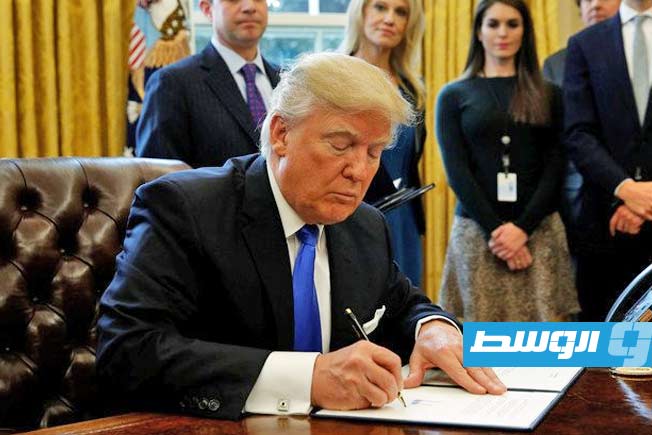
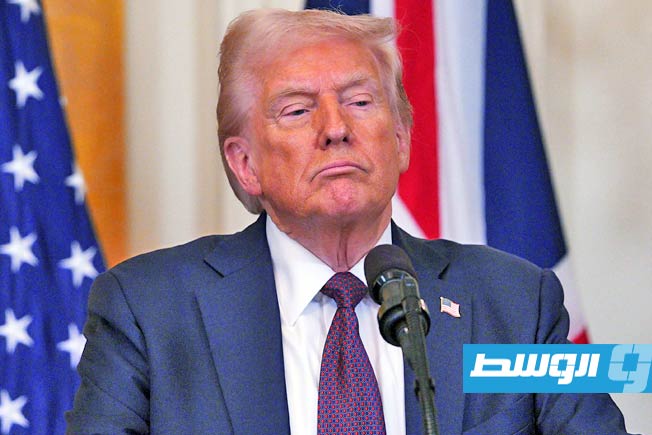
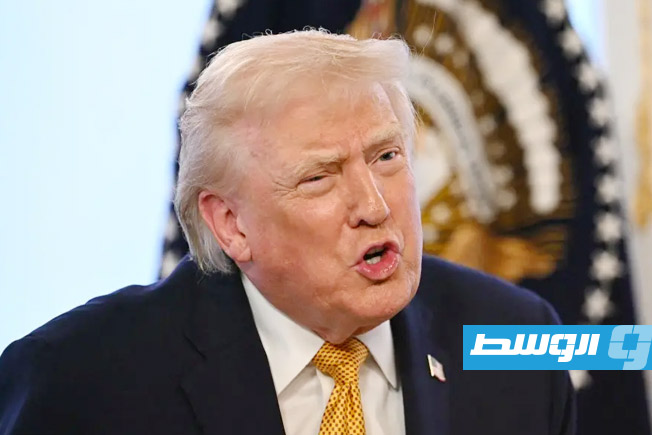
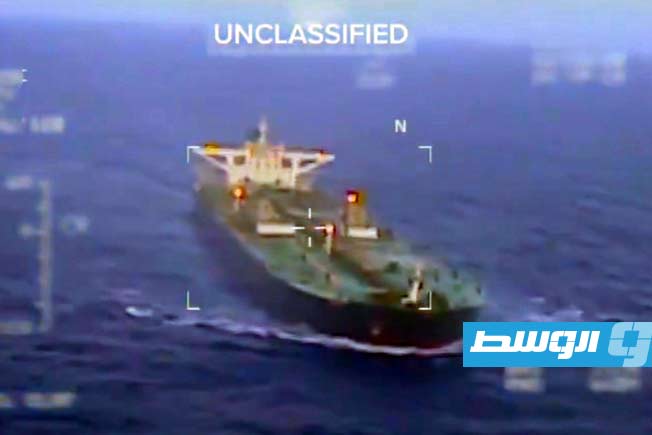
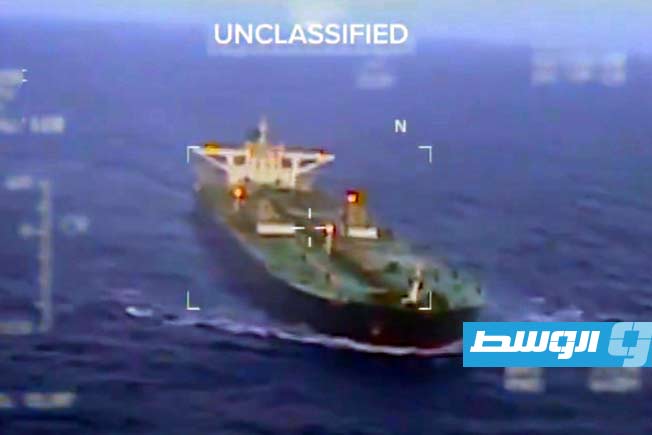
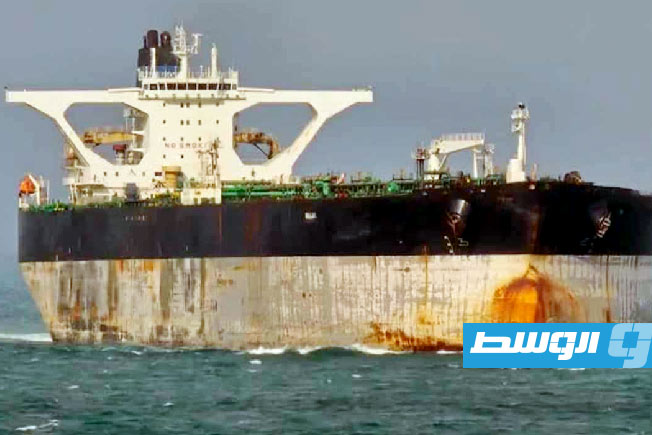
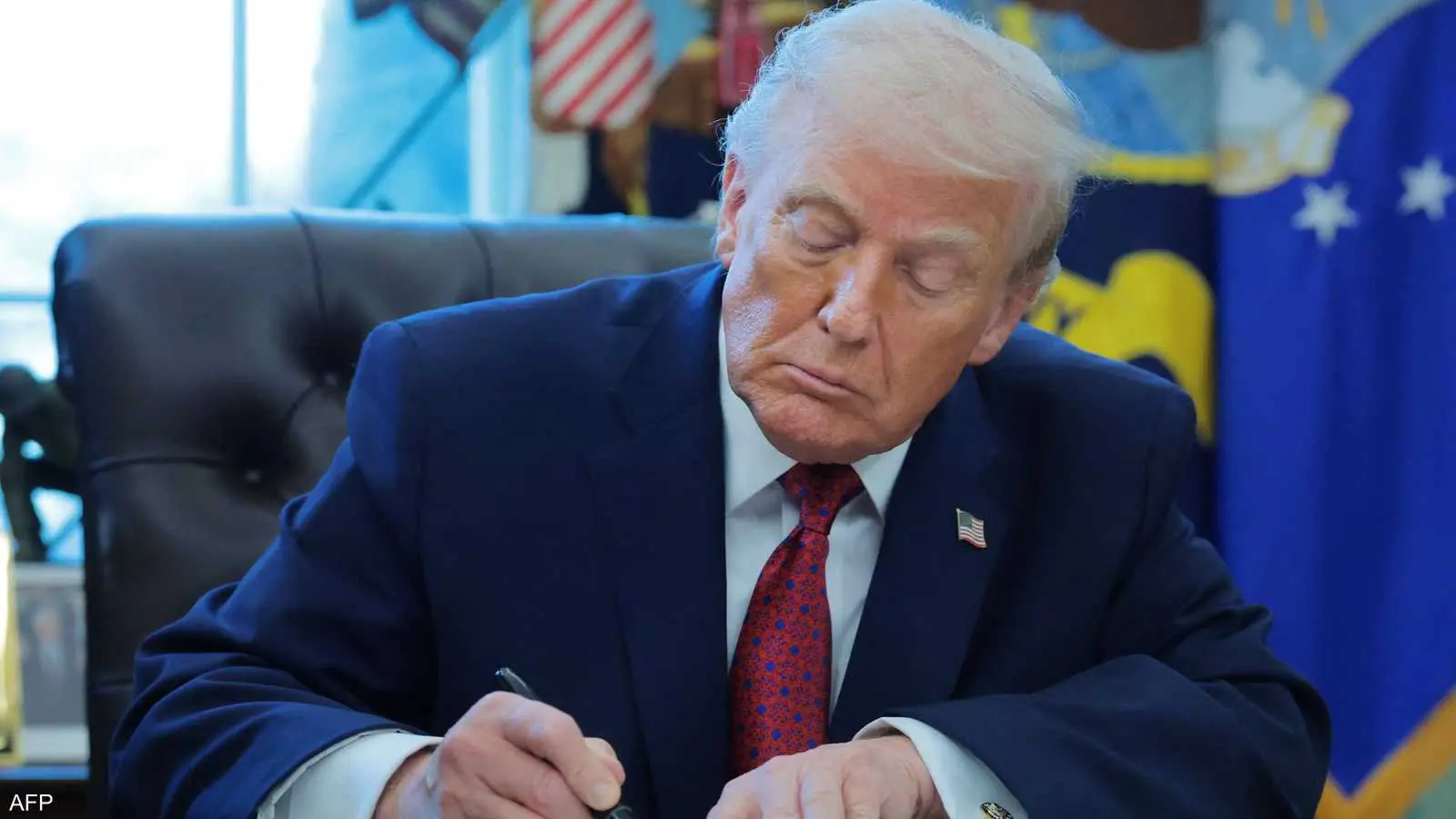
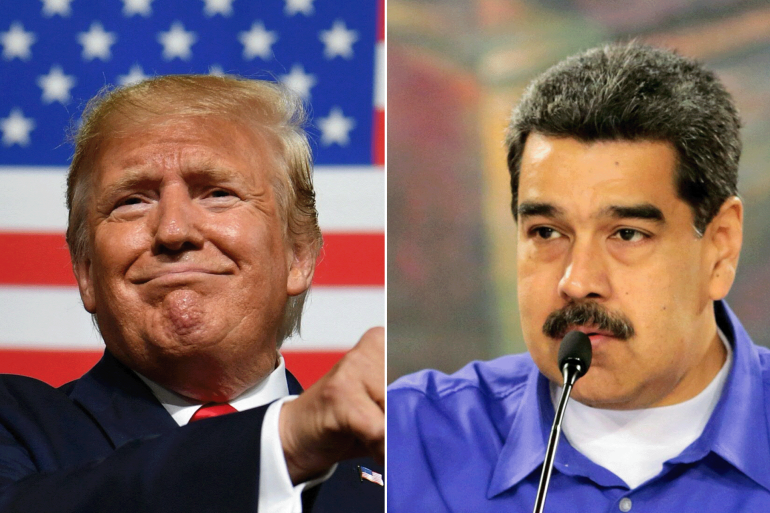
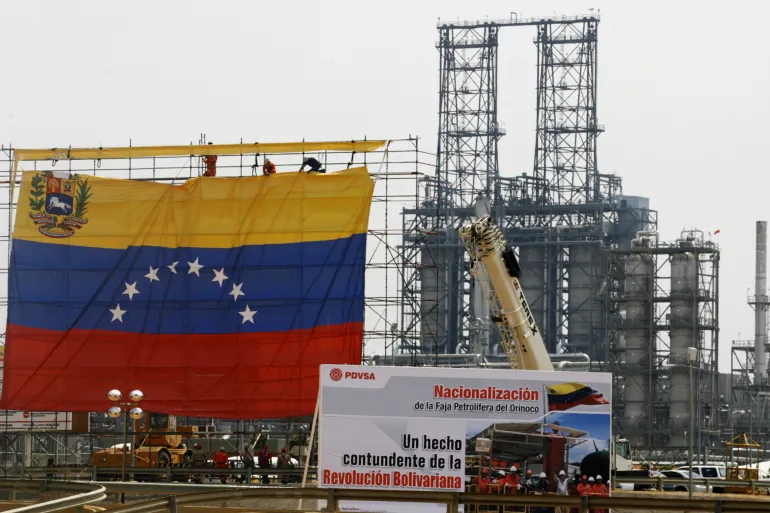
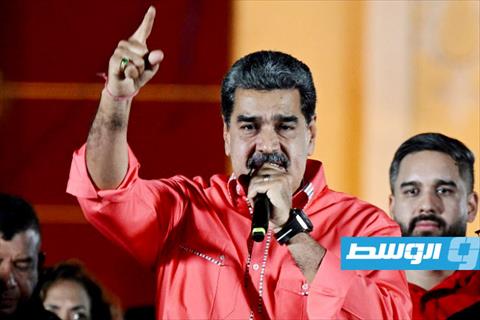
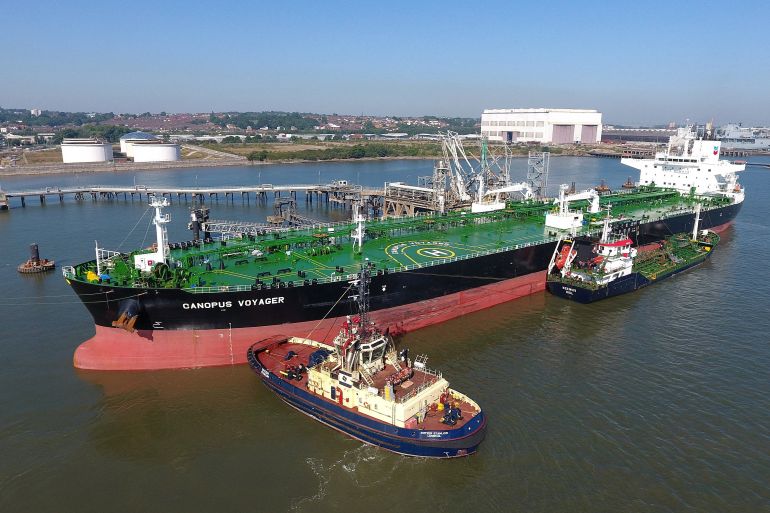
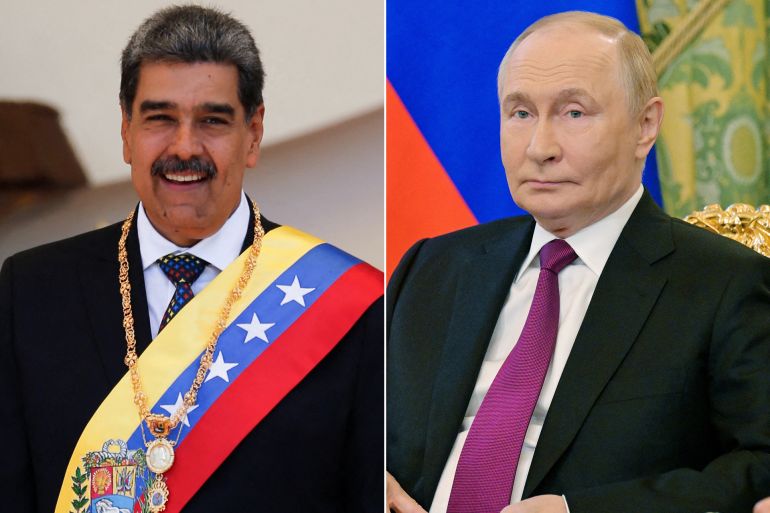
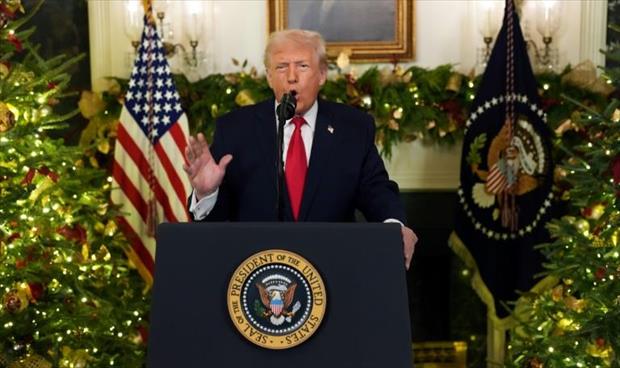
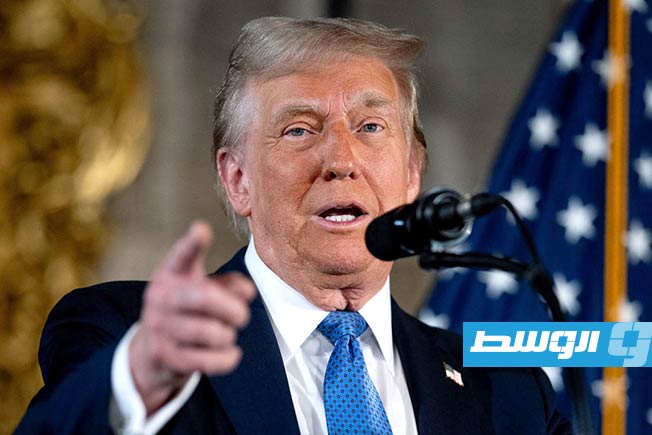
Meanwhile, Venezuelan crude is heading to Europe for the first time in about a year, as U.S. President Donald Trump seeks to rehabilitate the Venezuelan economy following the abduction and transfer of President Nicolas Maduro and his wife to the United States in preparation for their trial.
OPEC+
OPEC+ is an expanded alliance of oil-producing nations, formed in 2016, which builds upon the original Organization of the Petroleum Exporting Countries (OPEC) founded in 1960. It aims to coordinate and stabilize global oil markets through production agreements, with its history marked by efforts to manage supply in response to fluctuating prices and demand. The group’s decisions significantly influence global energy economics and geopolitics.
Saudi Arabia
Saudi Arabia is a modern nation founded in 1932 by King Abdulaziz Al Saud, unifying the regions of Najd and Hejaz. It is the birthplace of Islam, home to the religion’s two holiest cities, Mecca and Medina, which have been central to Islamic history and pilgrimage for over fourteen centuries.
Russia
Russia is the world’s largest country by land area, spanning Eastern Europe and Northern Asia. Its history is marked by the rise and fall of the Kievan Rus’, the Tsardom of Russia, the Russian Empire, the Soviet Union, and the modern Russian Federation, with its culture deeply influenced by Orthodox Christianity, Slavic traditions, and its diverse ethnic populations.
Iran
Iran, historically known as Persia, is home to one of the world’s oldest continuous civilizations, with a rich history of empires dating back to the Achaemenids in the 6th century BCE. Its cultural landscape is marked by significant sites like Persepolis, intricate Islamic architecture, and a profound legacy in art, poetry, and science. Today, it is a theocratic republic with a distinct cultural identity shaped by both its pre-Islamic Zoroastrian heritage and its post-7th century Islamic history.
Venezuela
Venezuela is a South American country with a history of indigenous inhabitation before Spanish colonization in the 16th century, leading to its independence in 1811 under Simón Bolívar. It is known for its significant oil reserves, the Angel Falls (the world’s highest uninterrupted waterfall), and diverse landscapes ranging from the Andes Mountains to the Amazon Basin rainforest.
Organization of the Petroleum Exporting Countries
The Organization of the Petroleum Exporting Countries (OPEC) is an intergovernmental organization founded in 1960 by Iran, Iraq, Kuwait, Saudi Arabia, and Venezuela. Its primary purpose is to coordinate and unify petroleum policies among member countries to ensure stable oil markets and secure a steady income for producers.
Kazakhstan
Kazakhstan is a Central Asian nation with a rich nomadic history, historically inhabited by Turkic tribes and later part of the Mongol Empire and the Russian Empire before becoming a Soviet republic. It gained independence in 1991 following the dissolution of the USSR, and its cultural heritage is exemplified by sites like the ancient Silk Road city of Turkistan and the modern capital, Nur-Sultan (Astana).
Brent crude
Brent crude is a major trading classification of sweet light crude oil that serves as a key global price benchmark. It originates from the Brent oil field in the North Sea, which began production in 1976, and its pricing mechanism influences the cost of a significant portion of the world’s petroleum.
Tehran
Tehran is the capital and largest city of Iran, officially becoming the capital in 1796 under the Qajar dynasty. It is a major economic and cultural center, home to significant sites like the Golestan Palace, a UNESCO World Heritage site from the 19th century.
Europe
Europe is a continent with a rich and complex history, shaped by ancient civilizations like Greece and Rome, the transformative periods of the Renaissance and the Enlightenment, and the profound impacts of two world wars. Culturally, it is renowned for its diverse artistic heritage, architectural landmarks, and as the origin of many influential philosophical and political movements. Today, it is largely united under the political and economic framework of the European Union.
United States
The United States is a federal republic founded in 1776 after declaring independence from Great Britain, with its modern government established by the Constitution in 1789. Its history is marked by westward expansion, industrialization, and its emergence as a global superpower in the 20th century. The nation is defined by its diverse cultural heritage, shaped by immigration and its foundational ideals of democracy and individual liberty.
Donald Trump
Donald Trump is a businessman and television personality who served as the 45th President of the United States from 2017 to 2021. His presidency was marked by significant political polarization and a focus on issues such as immigration reform, tax cuts, and renegotiating trade agreements.
Nicolas Maduro
Nicolas Maduro is the current president of Venezuela, having assumed the office in 2013 following the death of his predecessor, Hugo Chávez. His presidency has been marked by a severe economic crisis, political turmoil, and significant international controversy over the legitimacy of his government and elections.