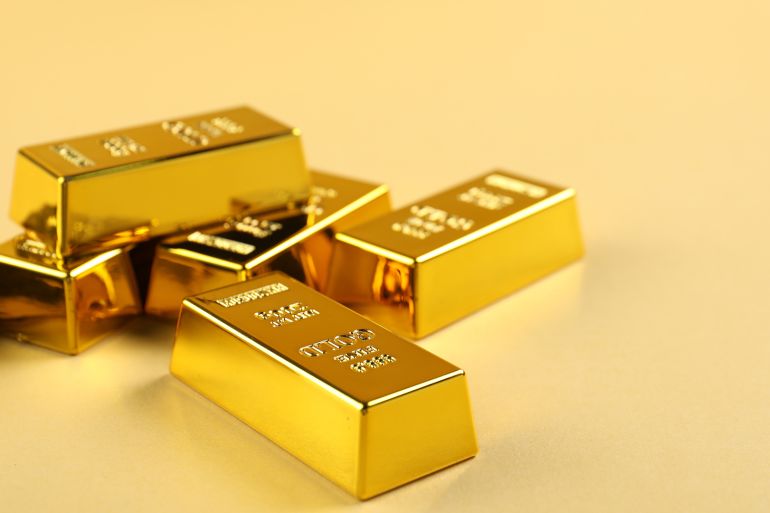
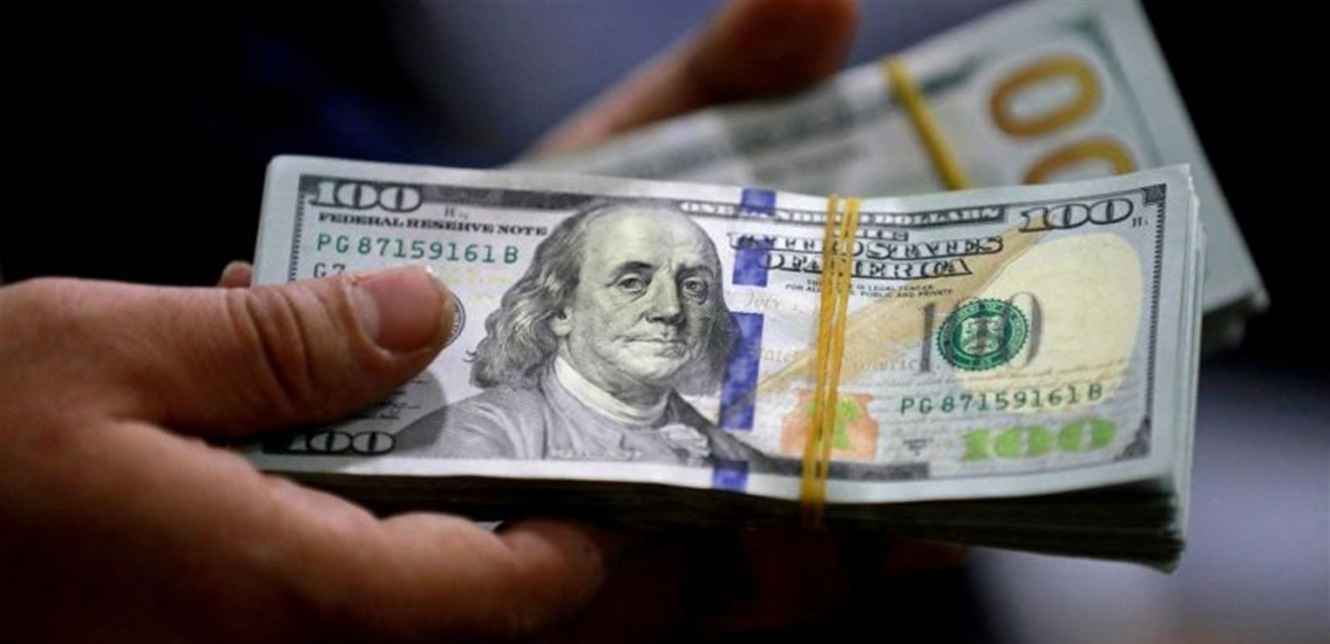
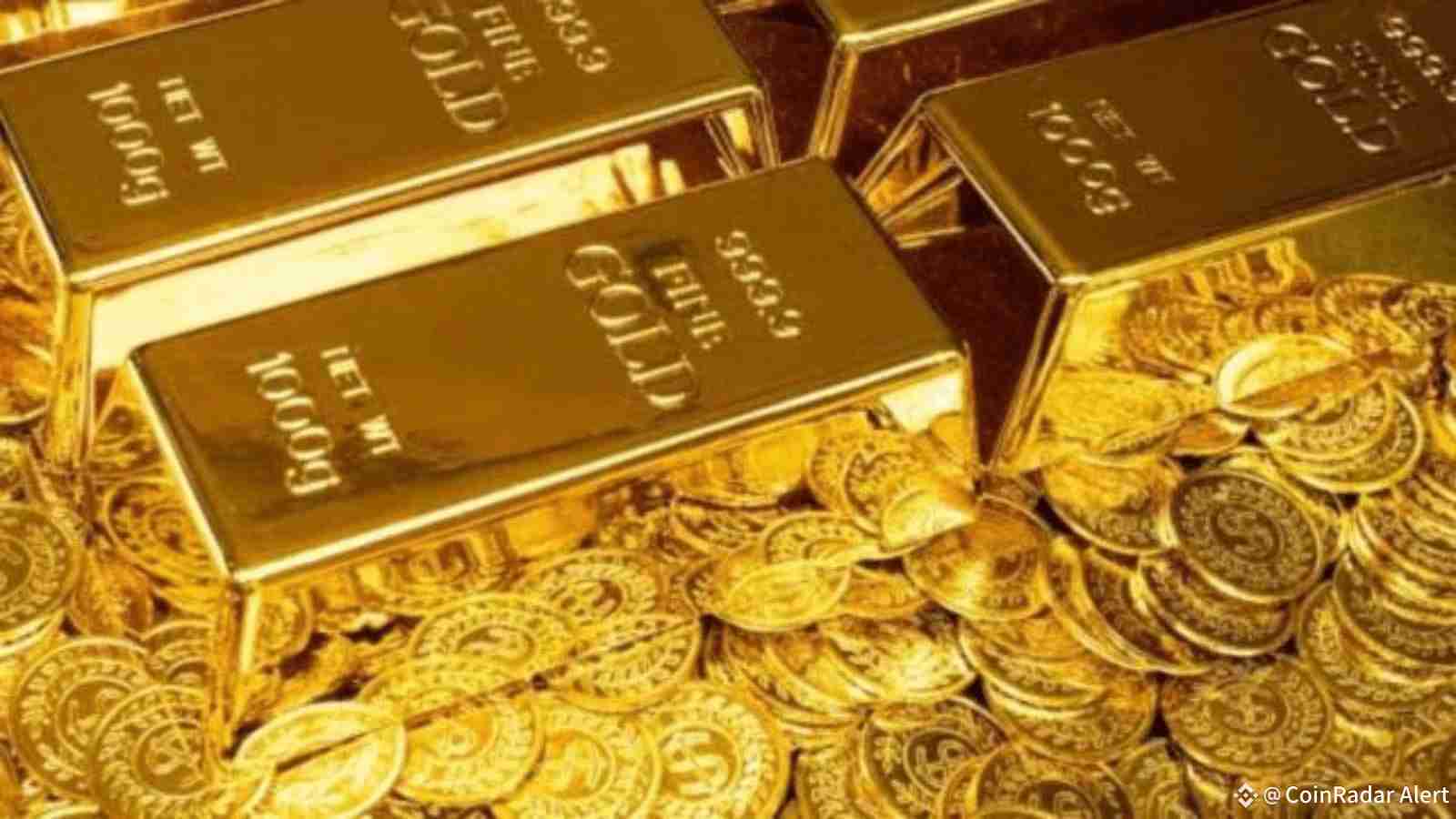
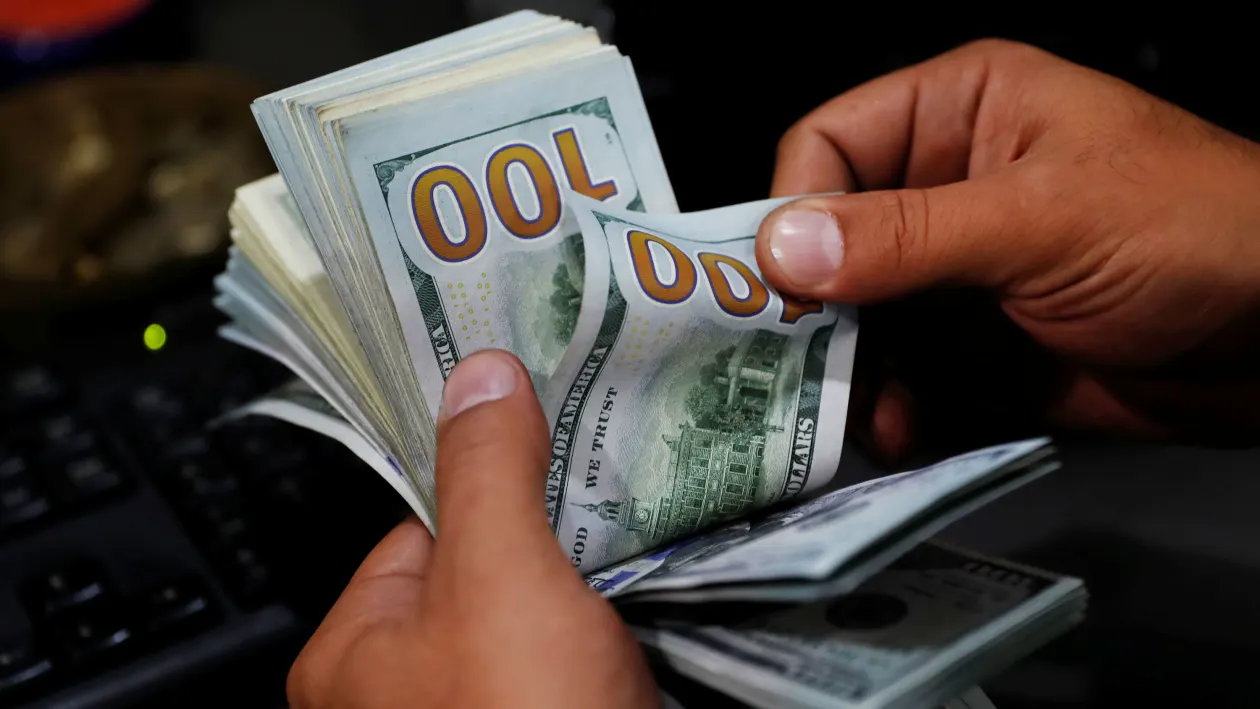
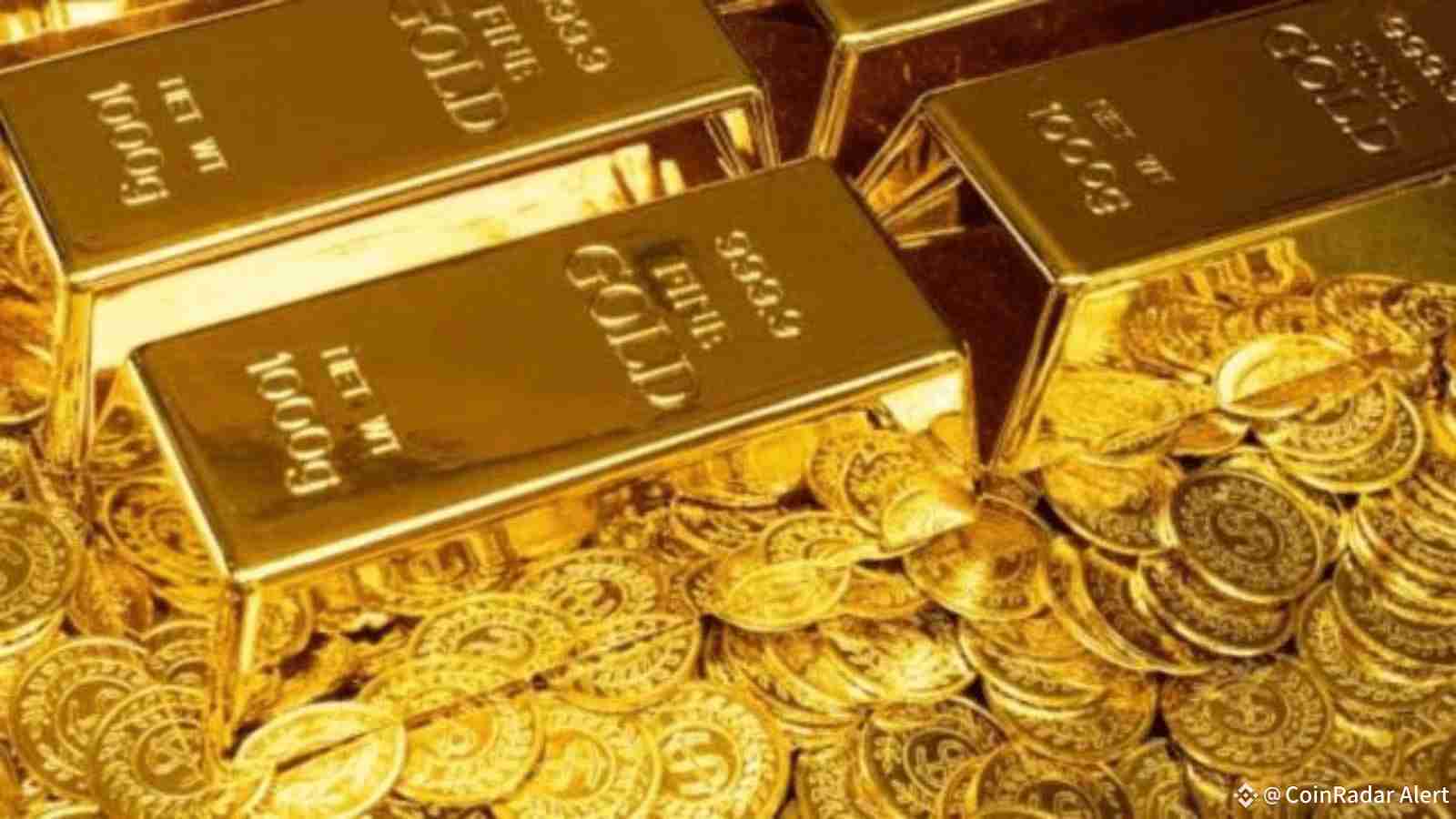
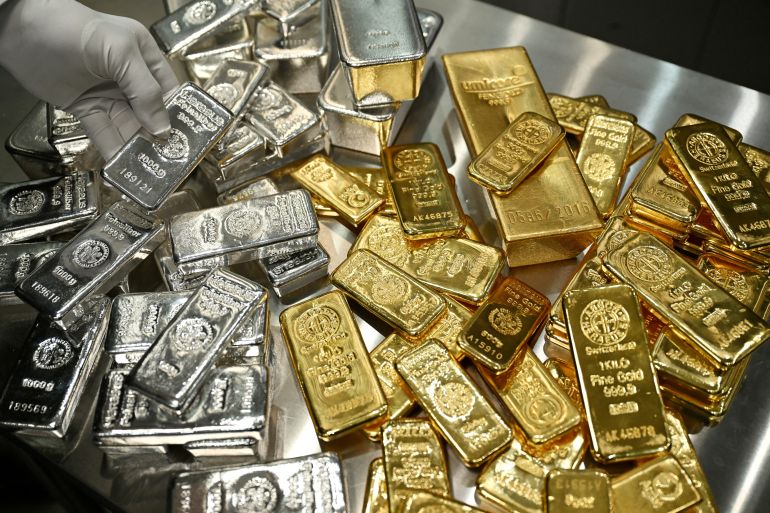
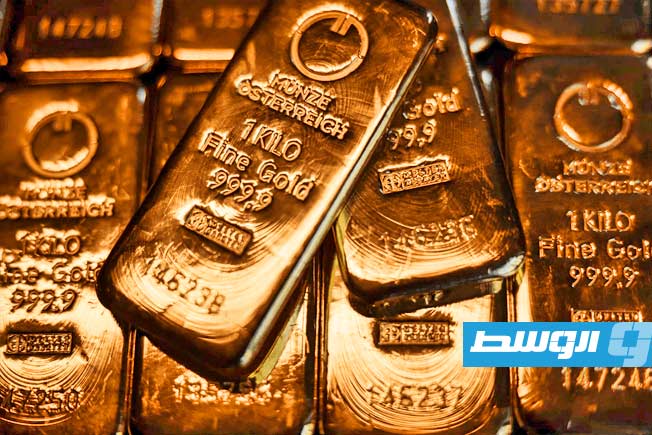
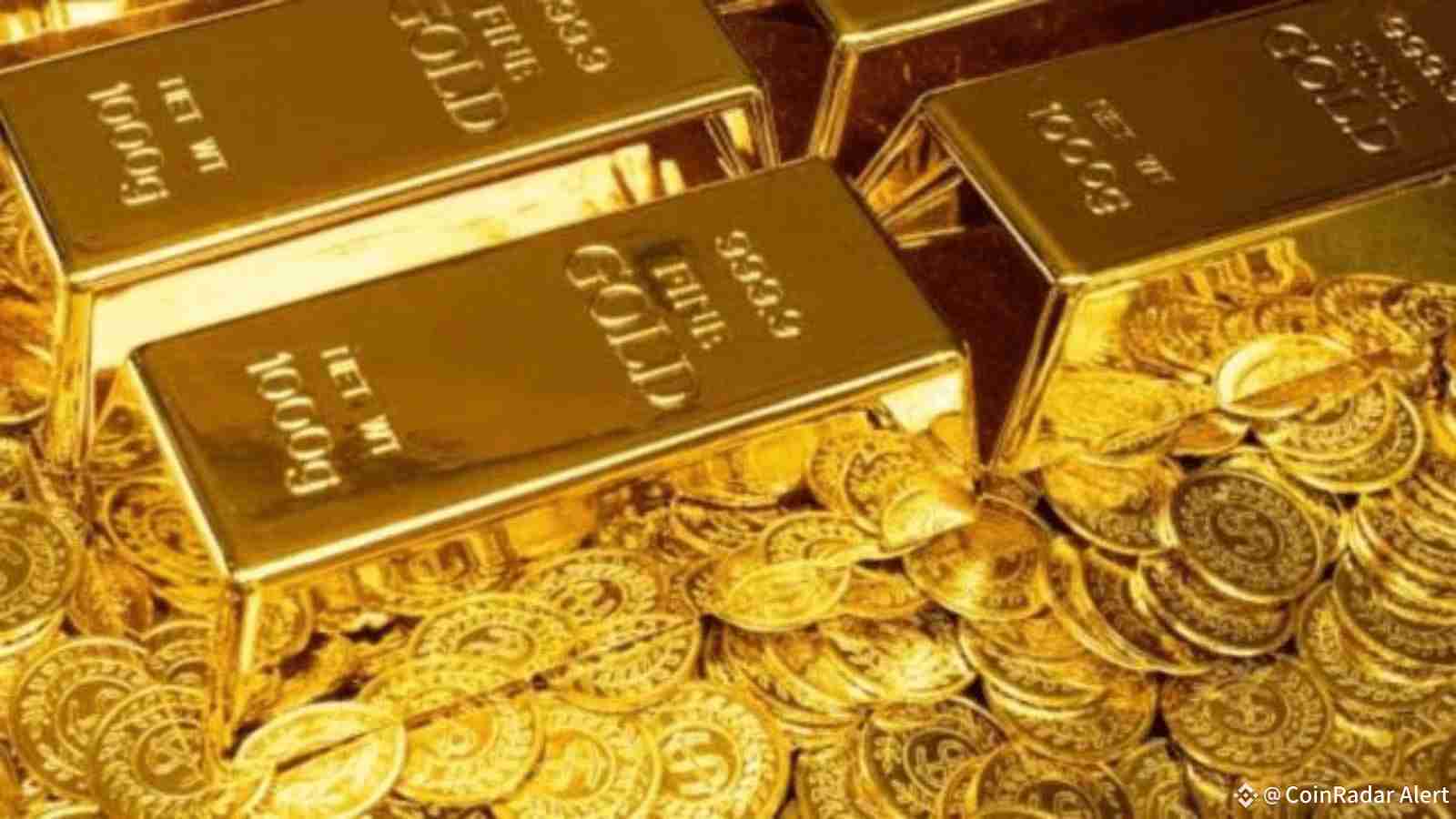
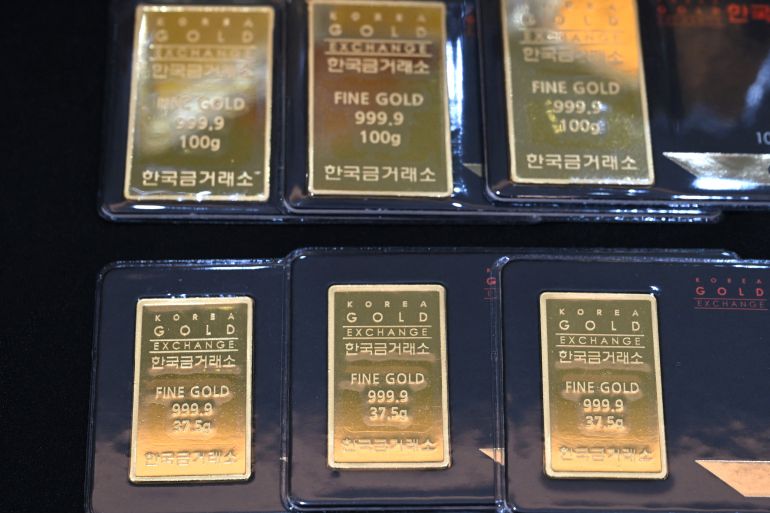
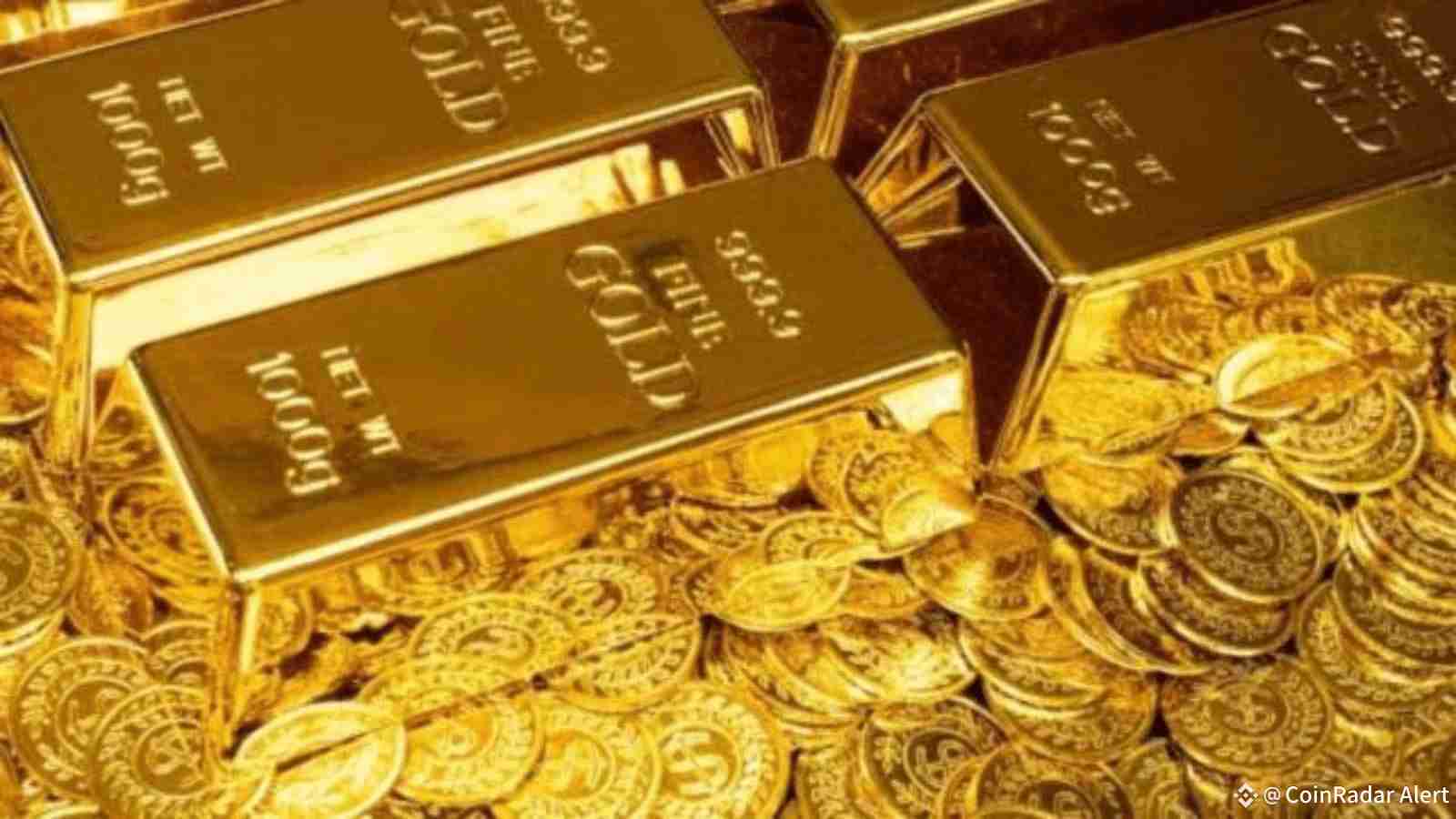
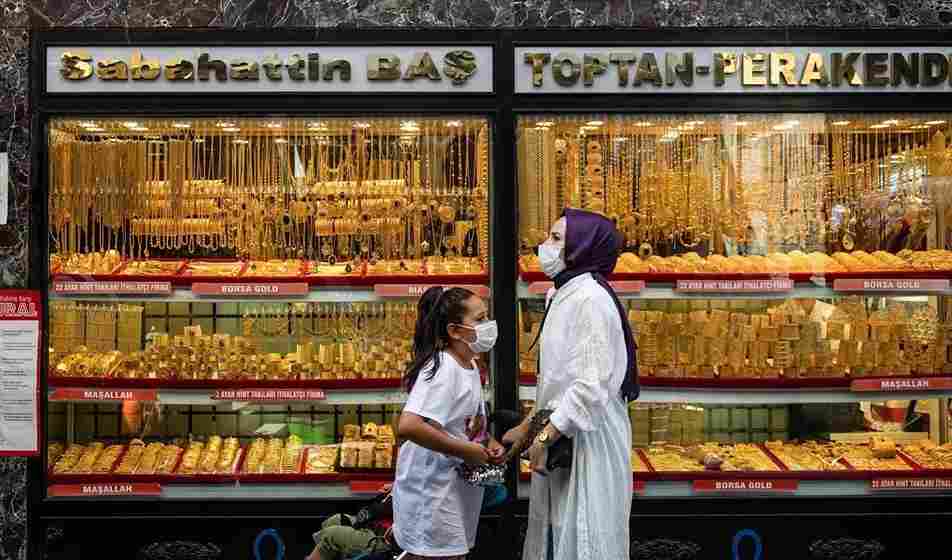
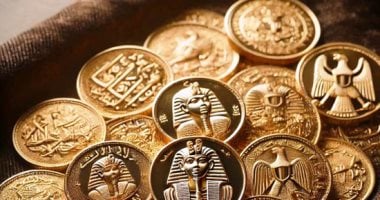
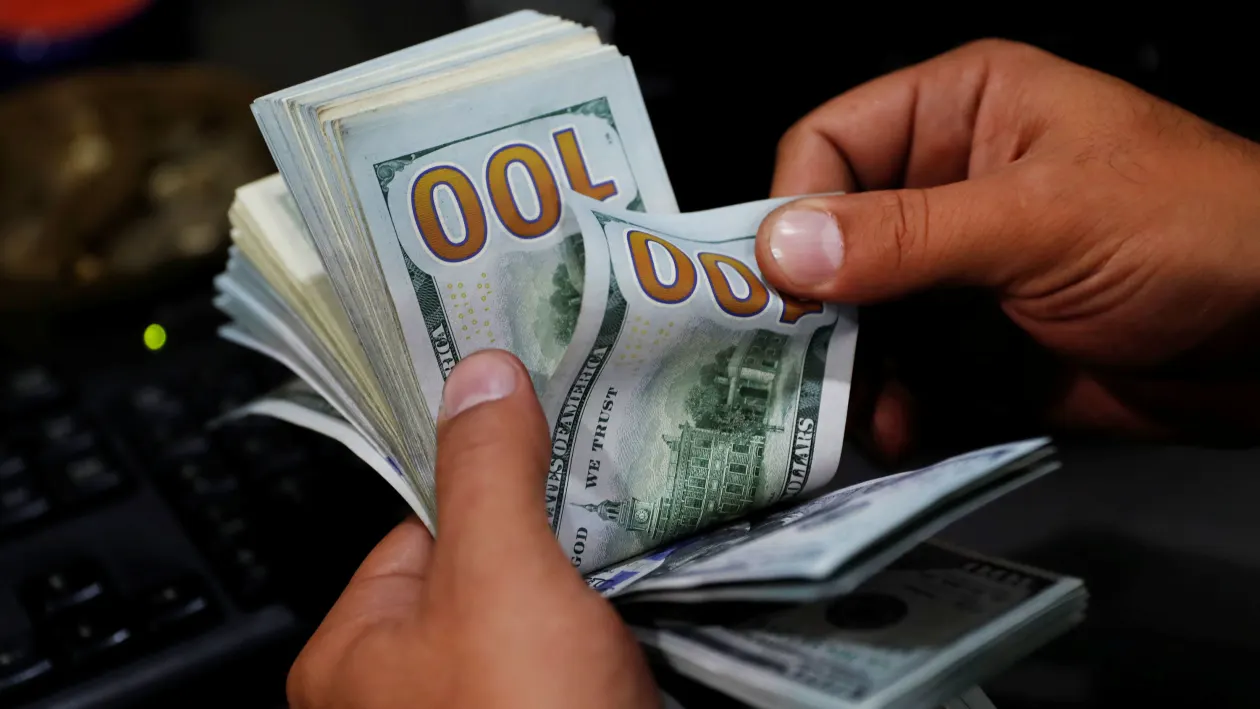
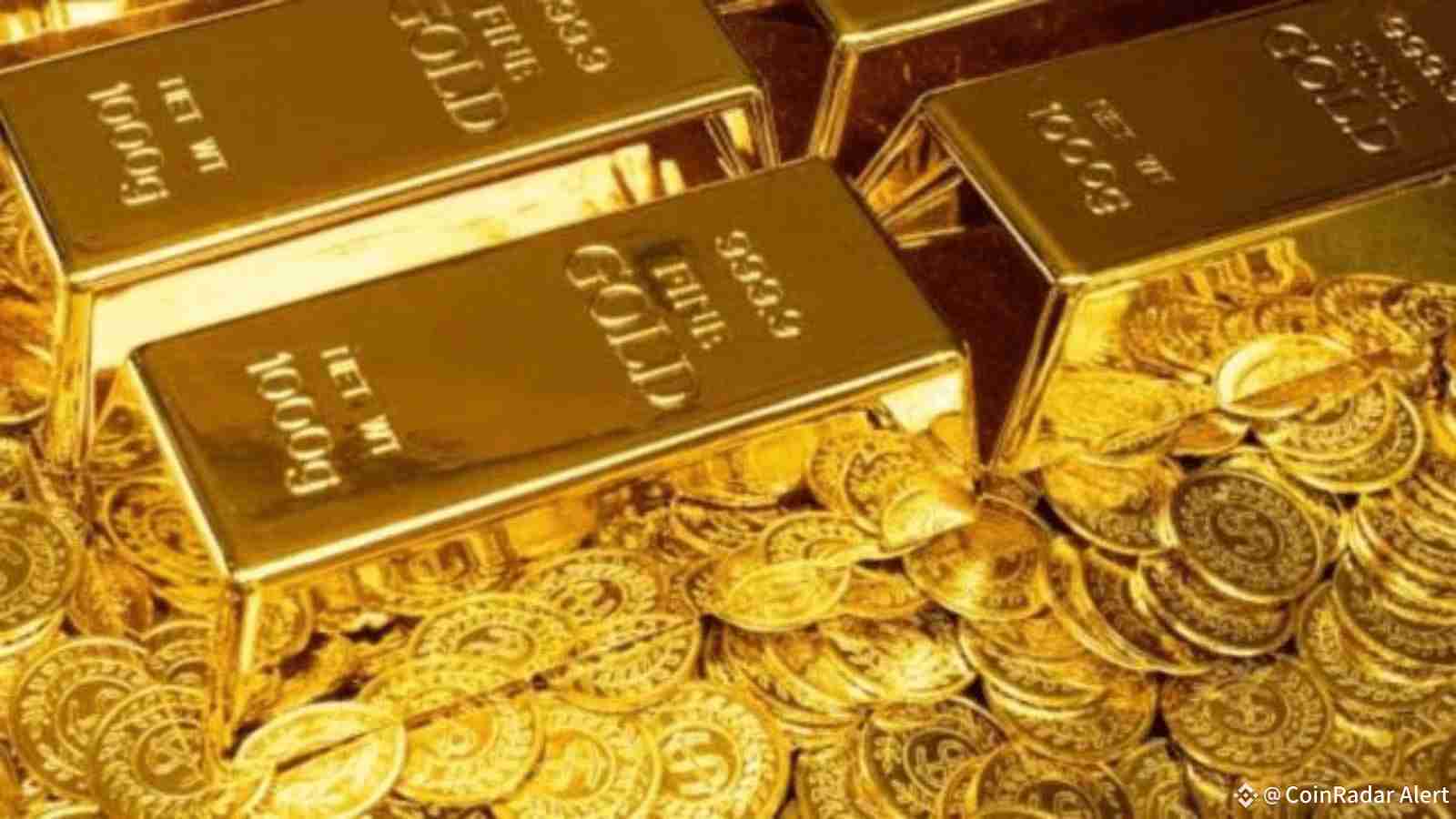
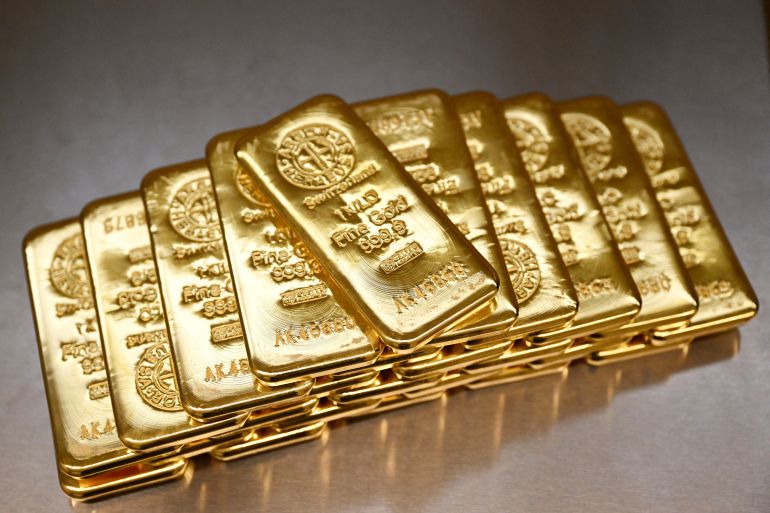
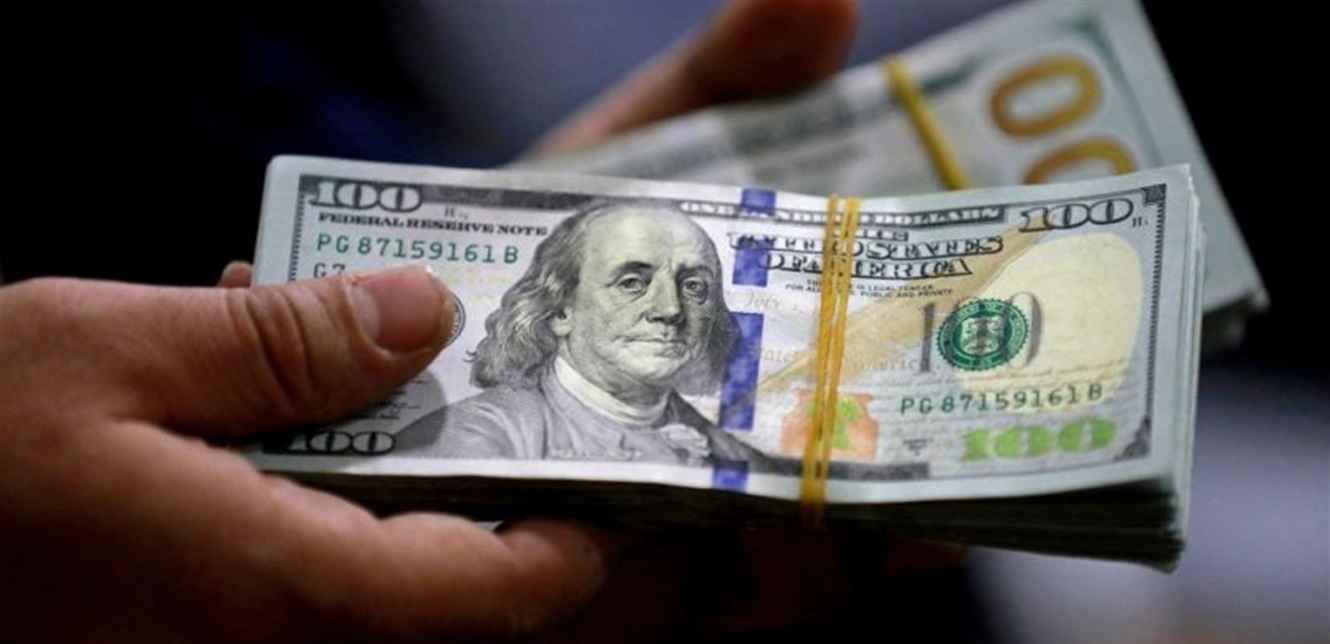
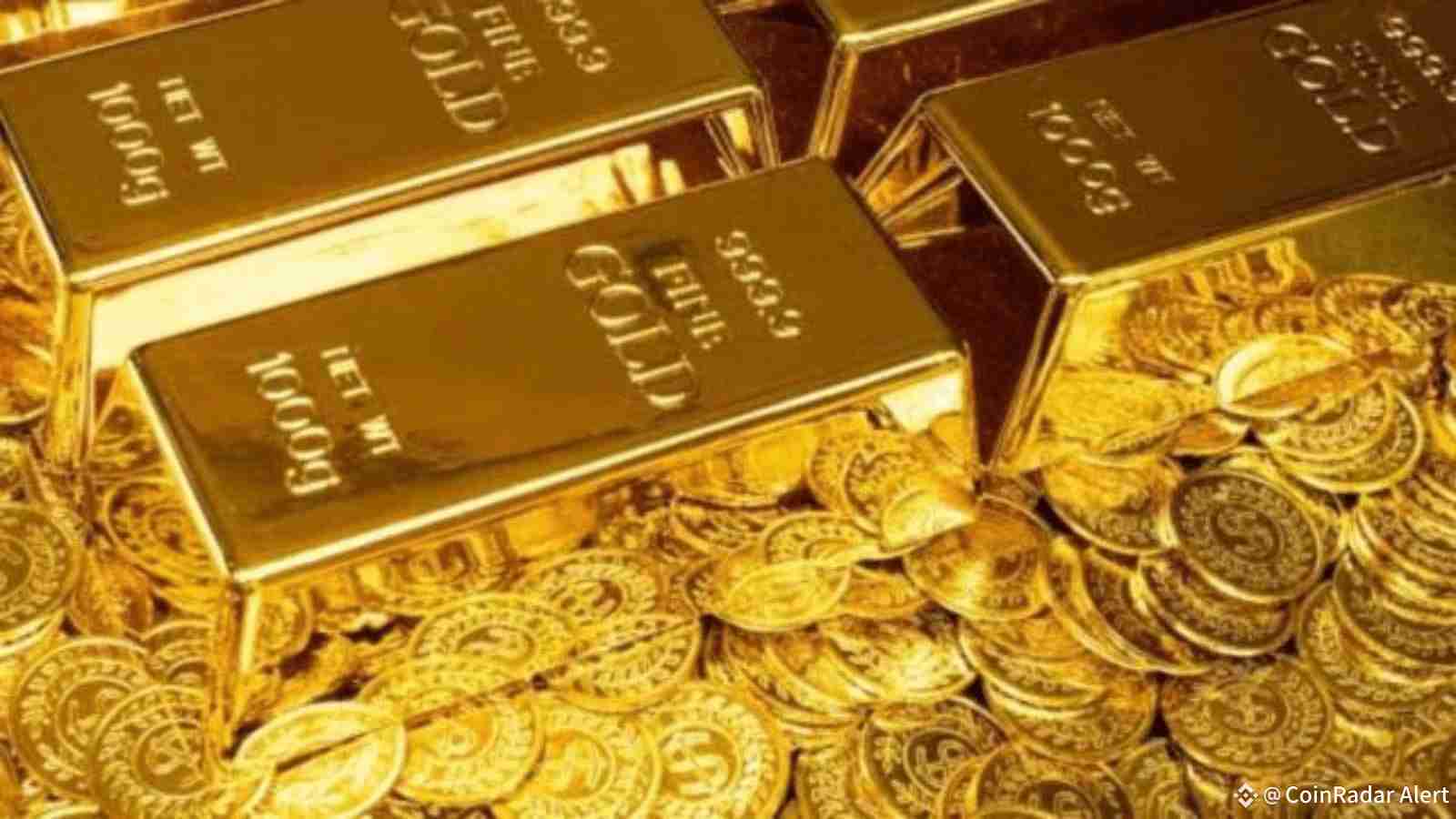
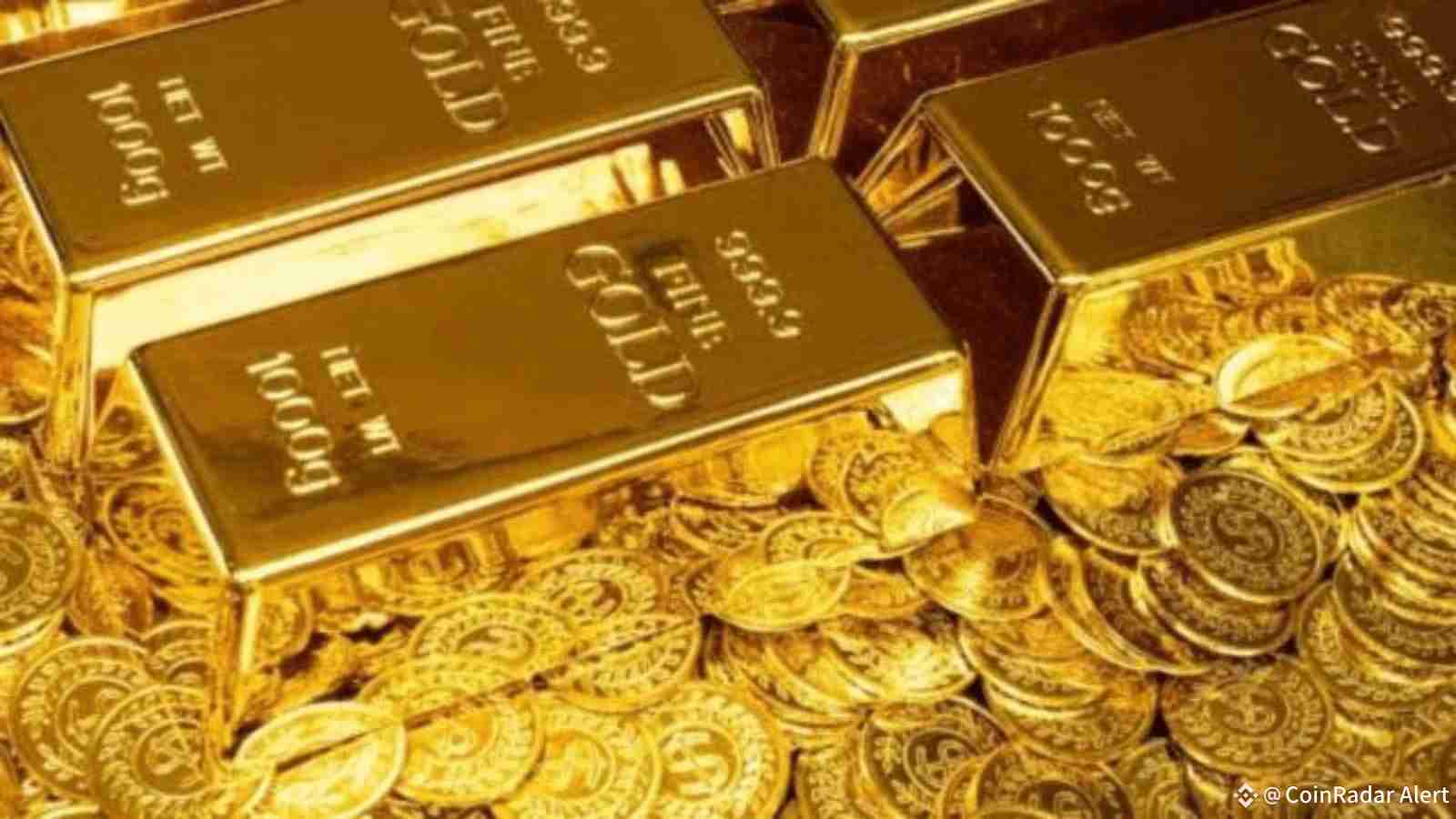
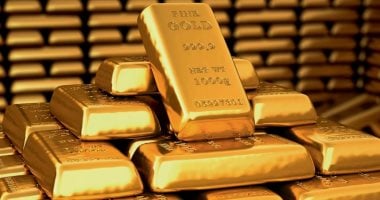
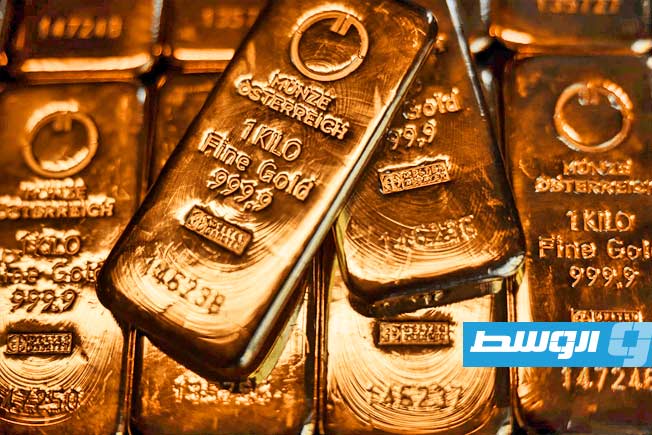
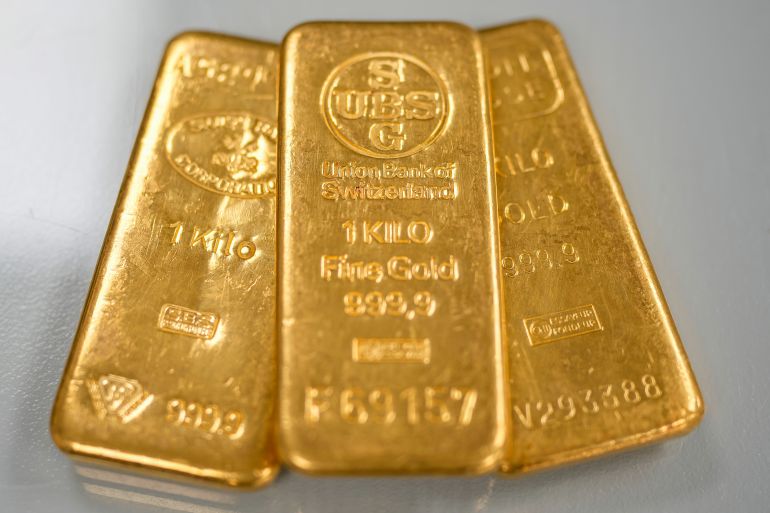
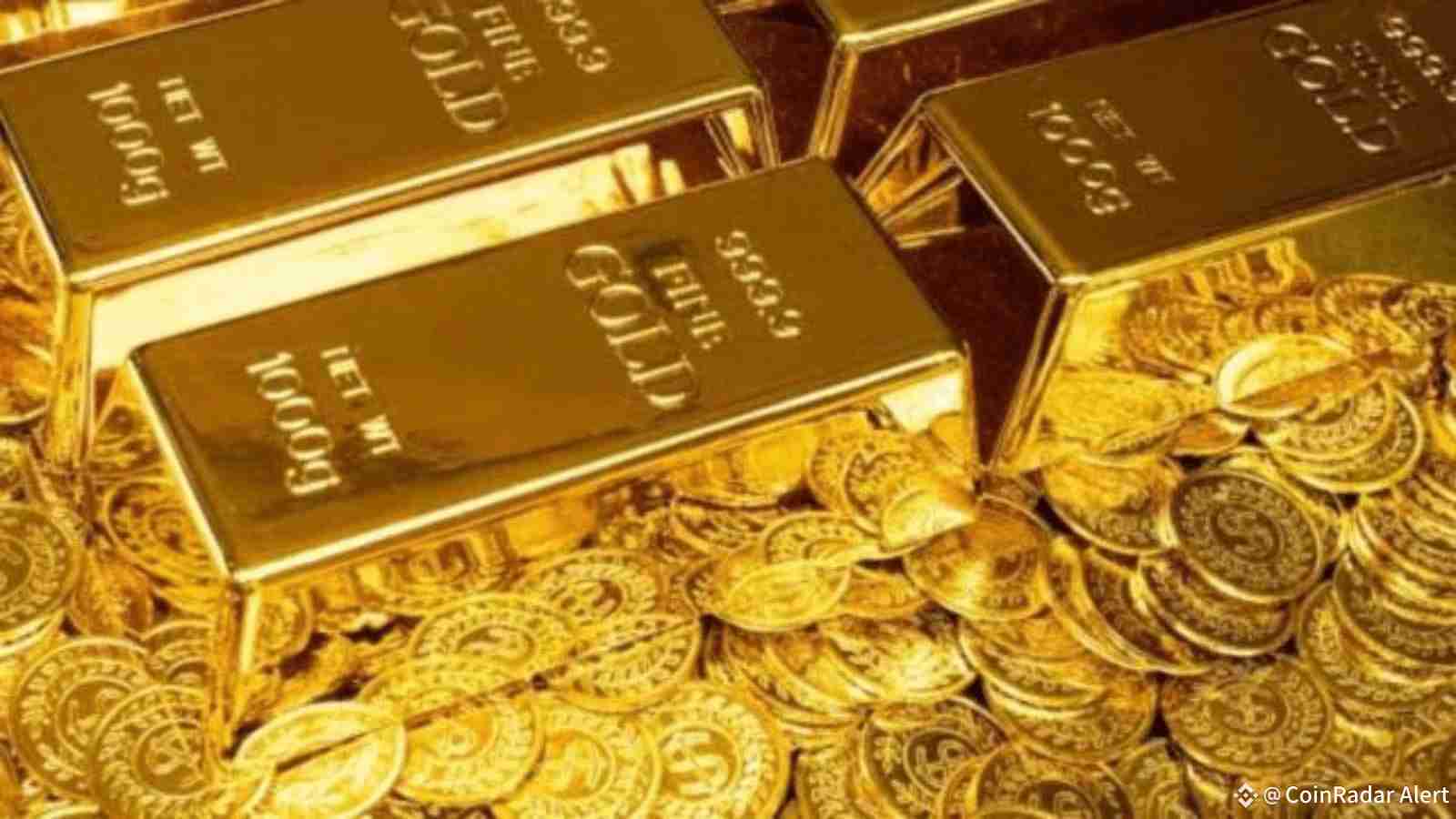
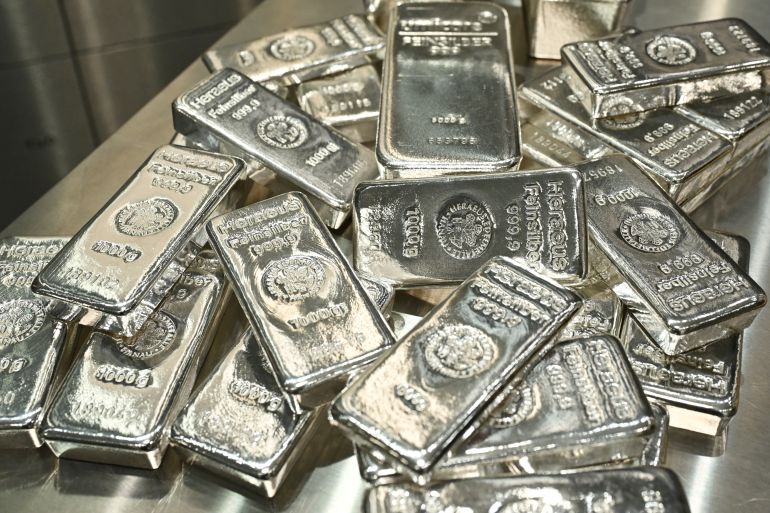
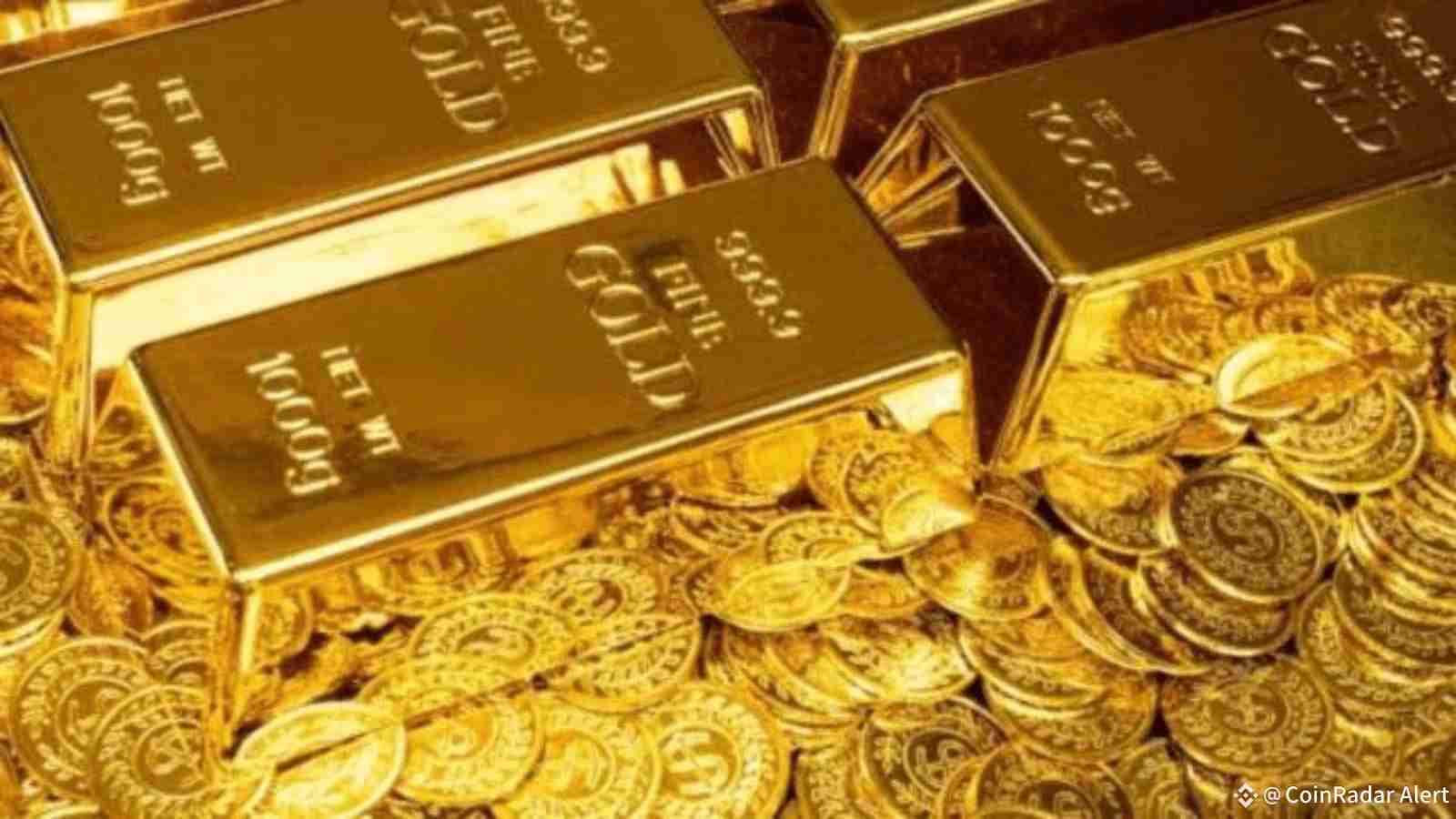
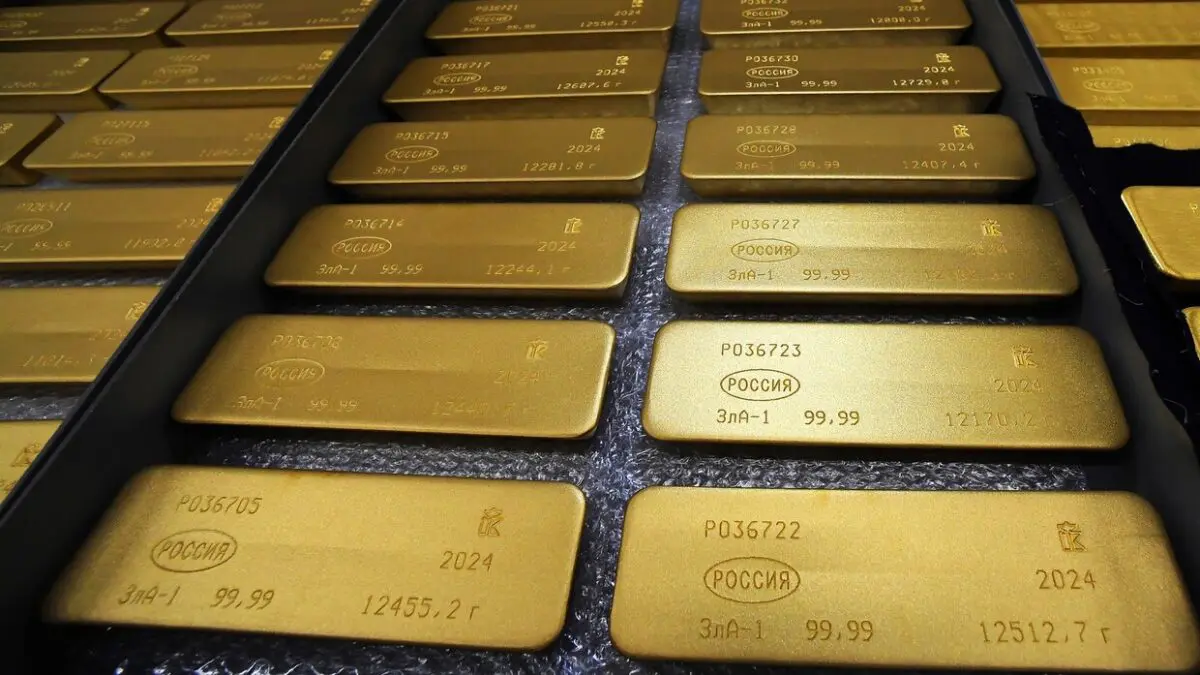
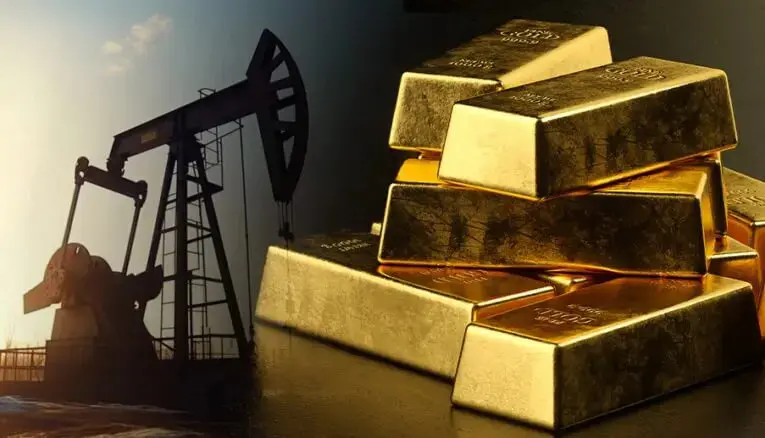
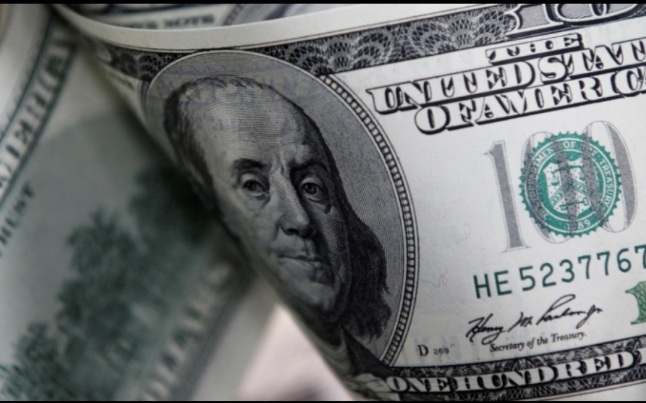
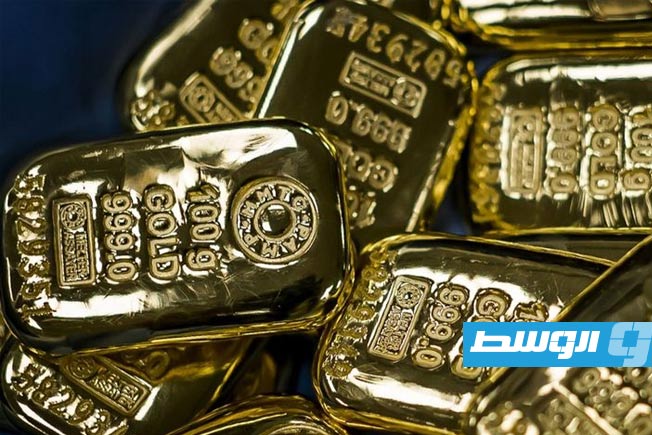
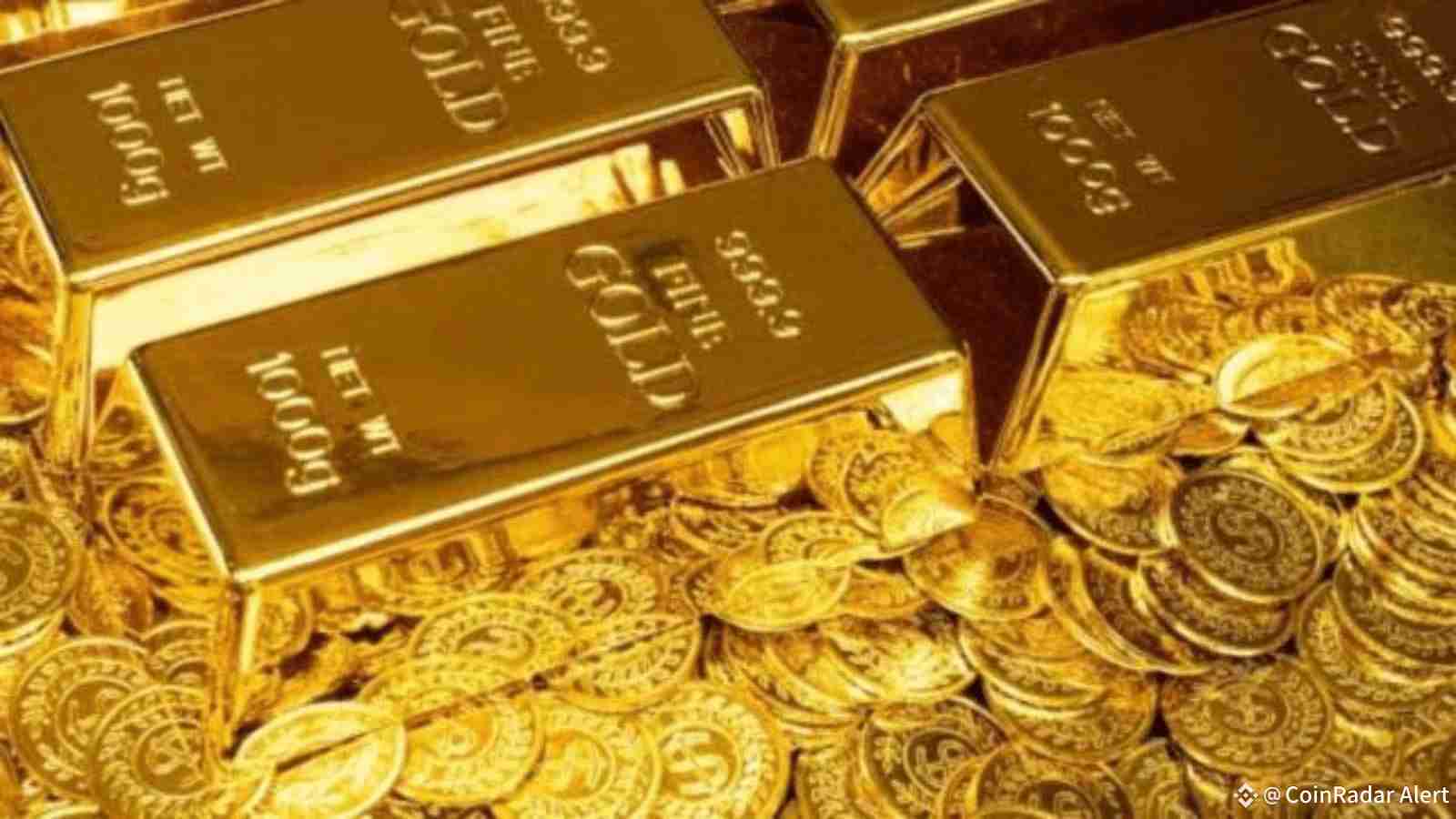
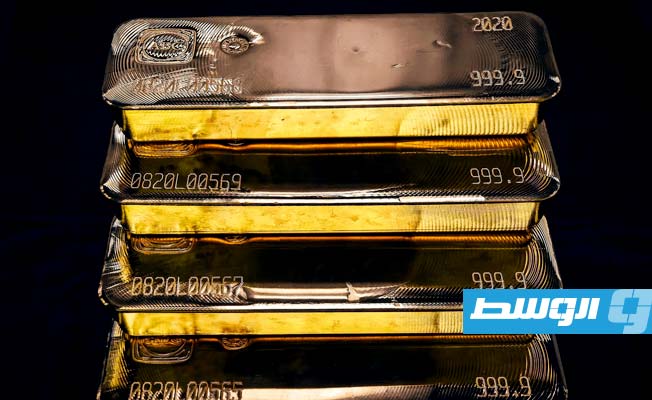
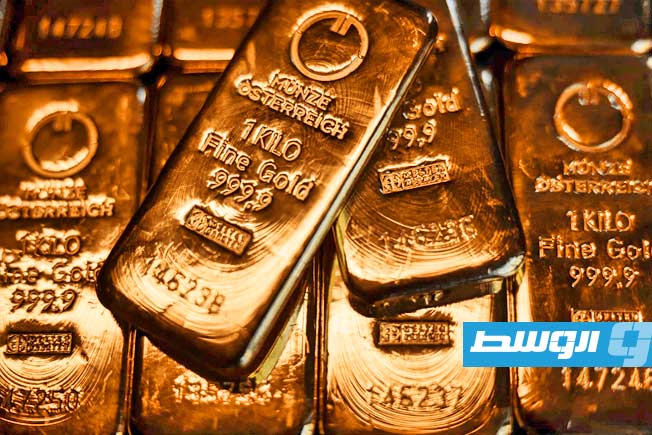
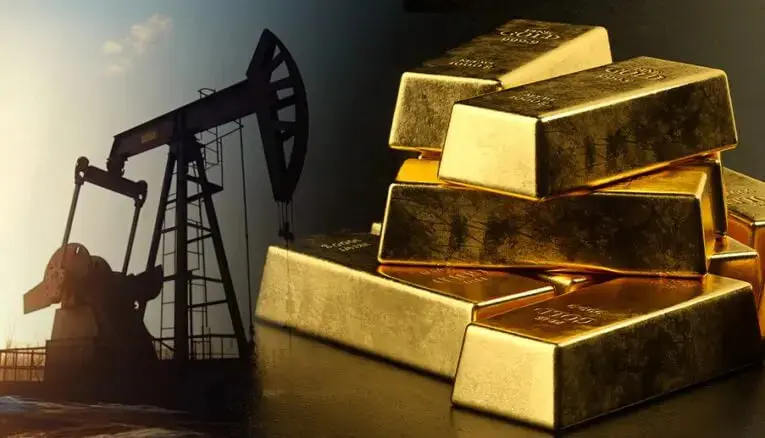
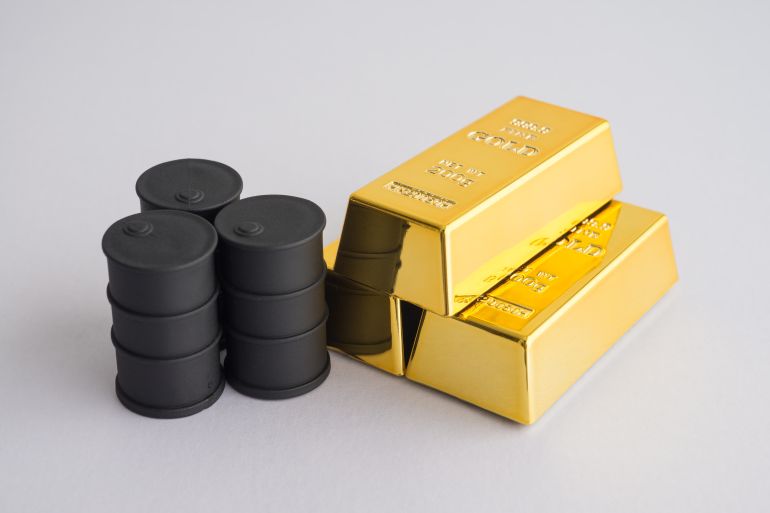
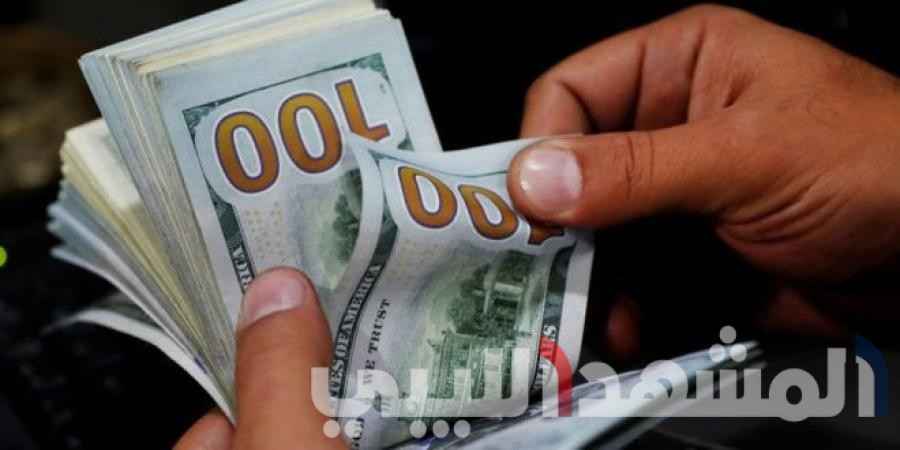
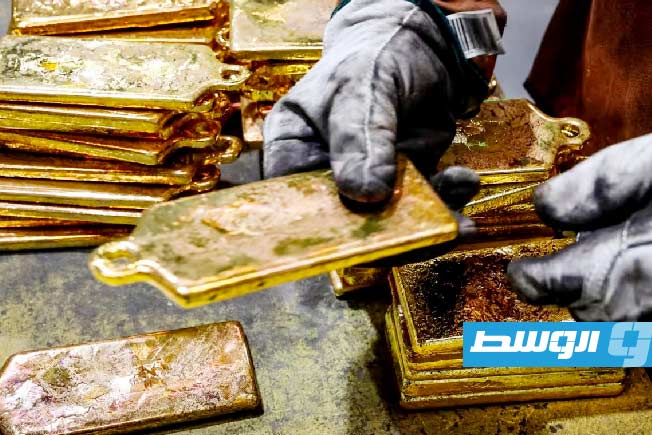
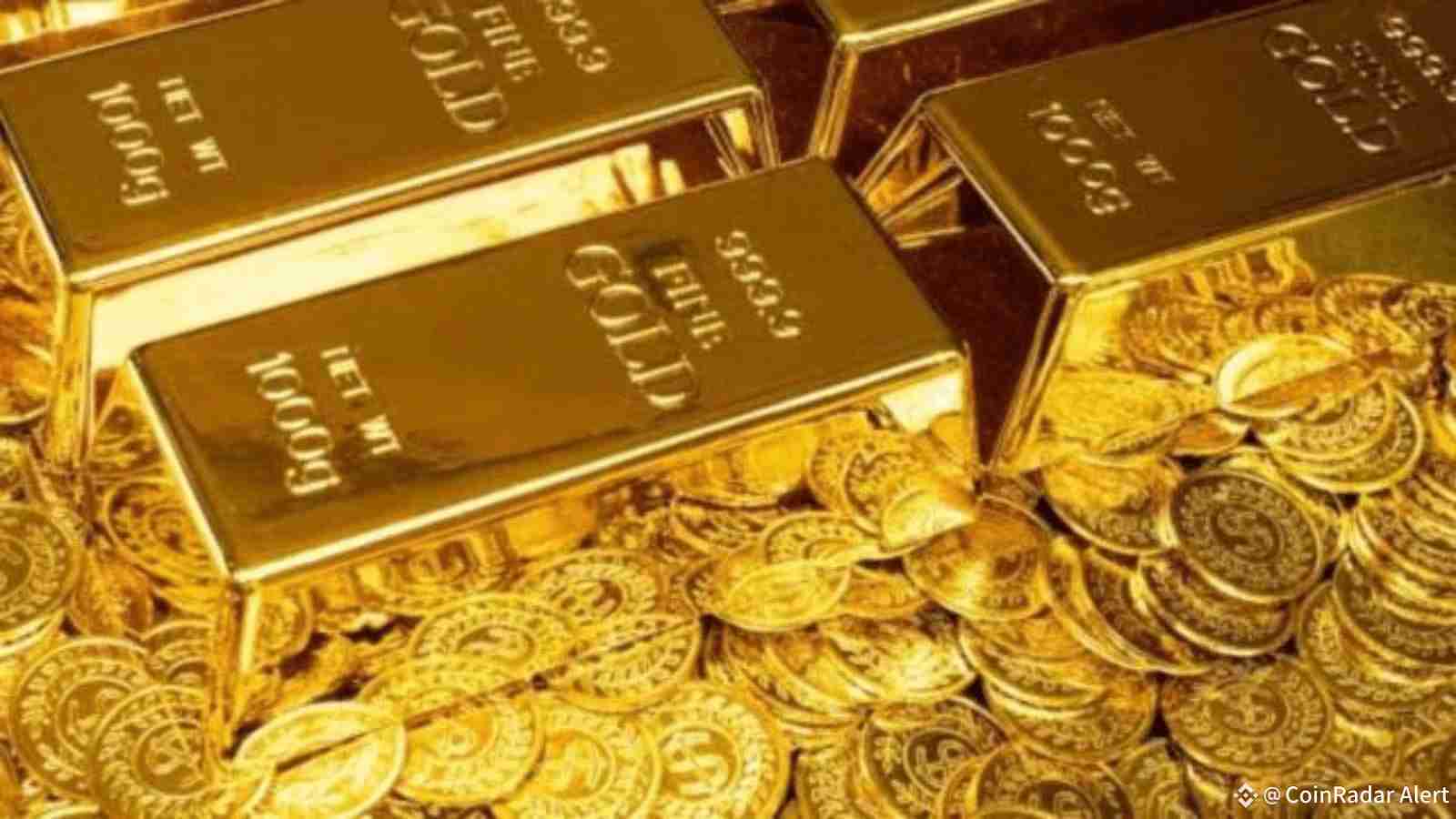
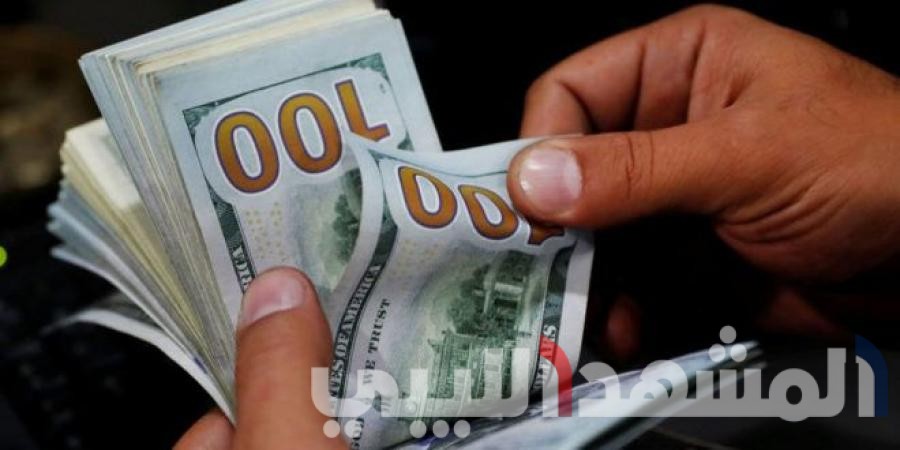
Gold jumped to a new record level, surpassing $5,100 per ounce, continuing its historic rise as investors flock to safe-haven assets amid escalating geopolitical tensions.
The escalation of disagreements between the United States and NATO has contributed to the increase in gold’s rise this year, amid expectations of further financial and geopolitical uncertainty.
Spot gold rose 2% to $5,083 per ounce – at the time of writing – after touching its all-time high of $5,110.50 earlier.
U.S. gold futures for April delivery increased 2% to $5,116 per ounce.
The yellow metal rose 64% in 2025, supported by the easing of U.S. monetary policy, increased demand from central banks, and record inflows into exchange-traded funds.
The wave of gold buying extended for the 14th consecutive month in December.
It is expected that gold will reach $6,400 per ounce this year, with an average price of $5,375.
The rise in gold prices is attributed to the following factors:
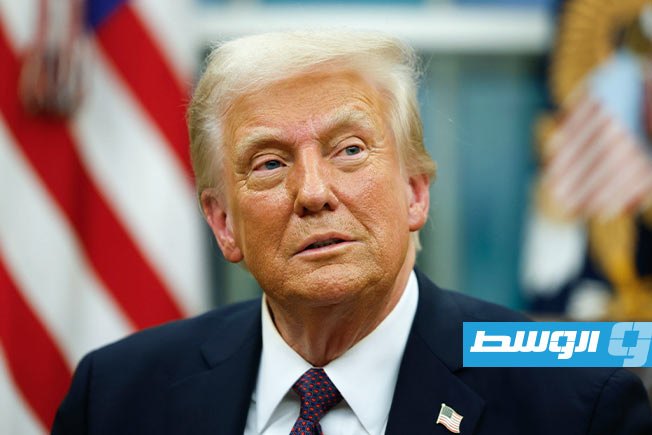
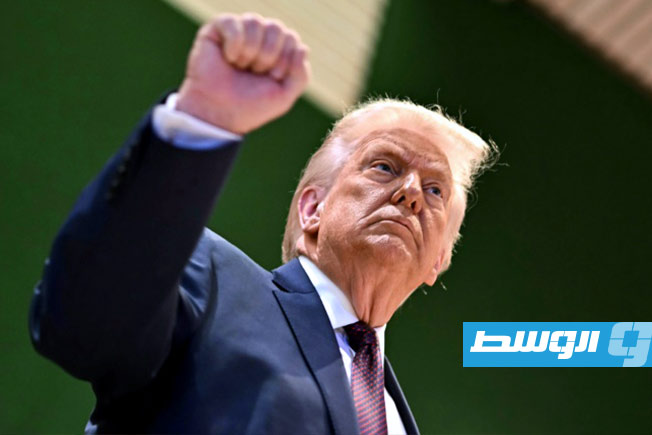
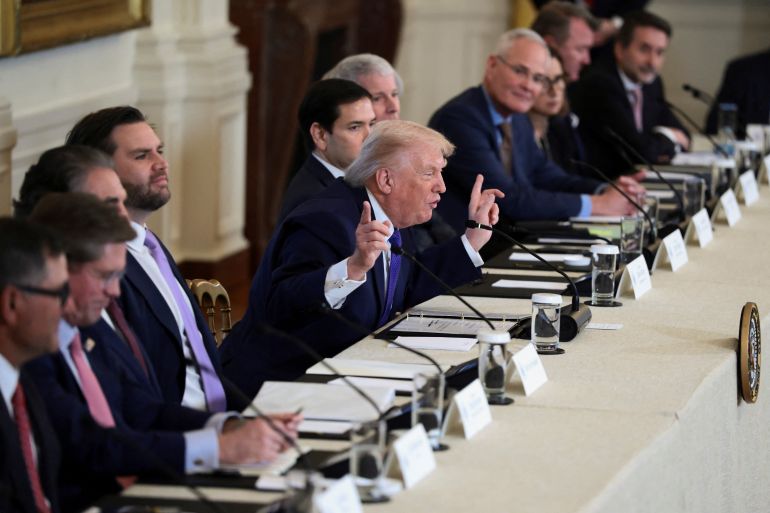
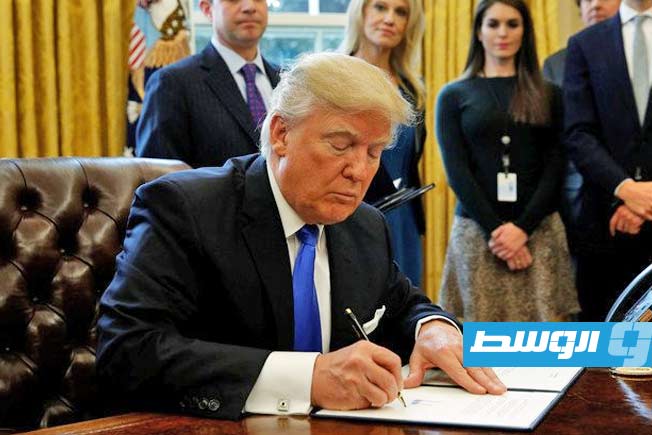
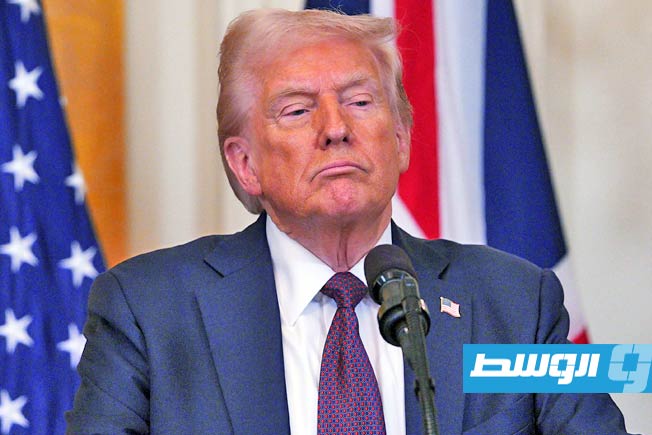
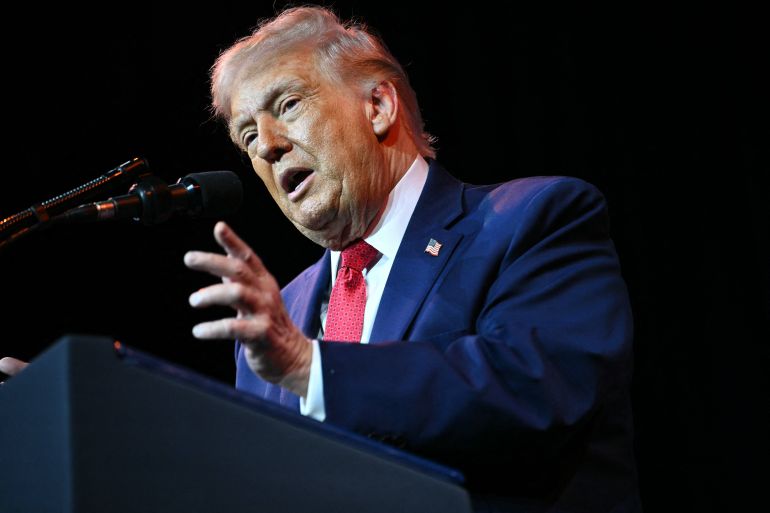
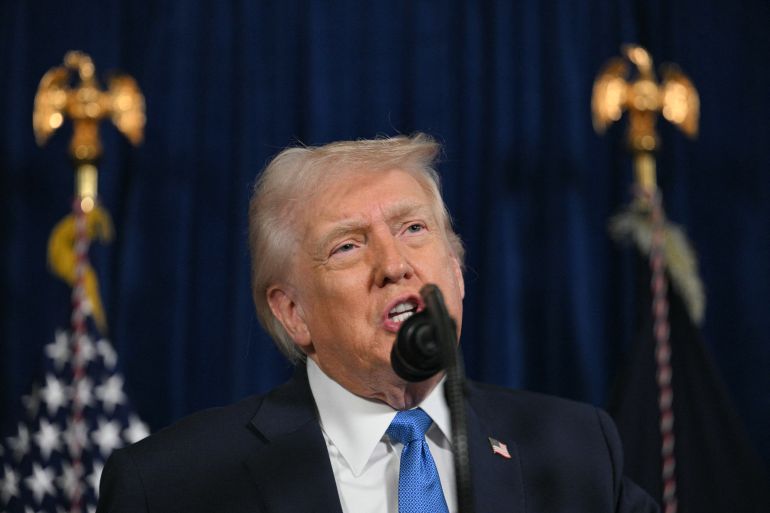
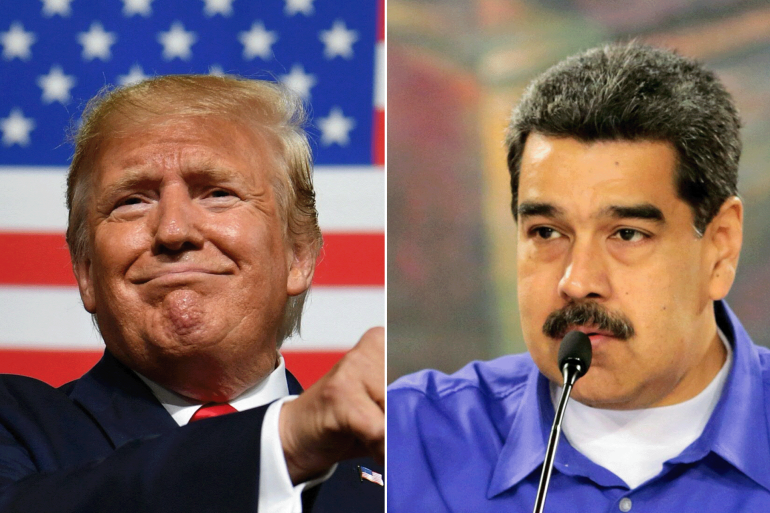
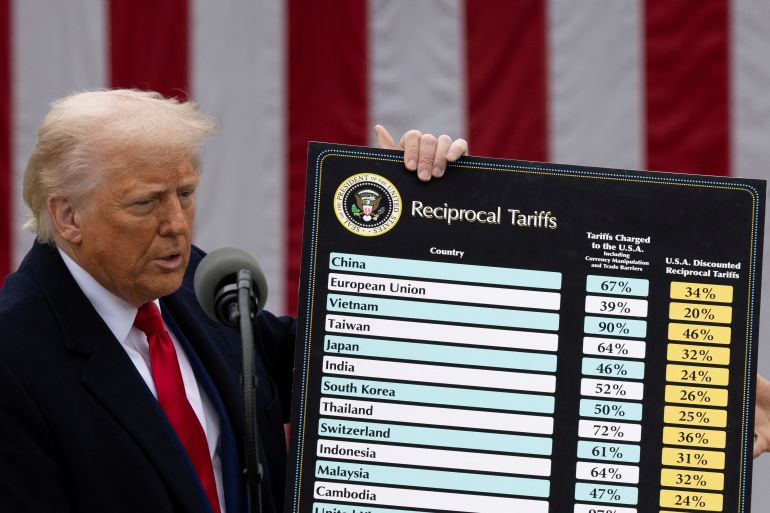
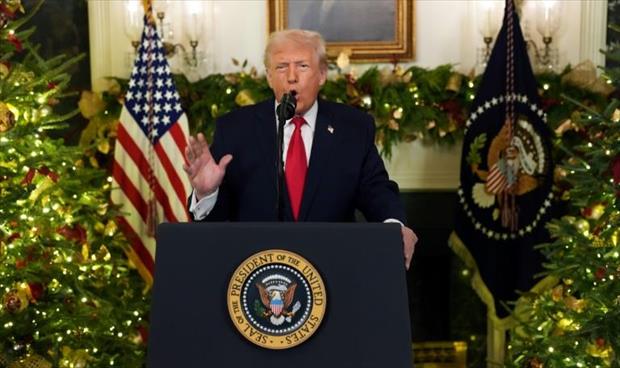
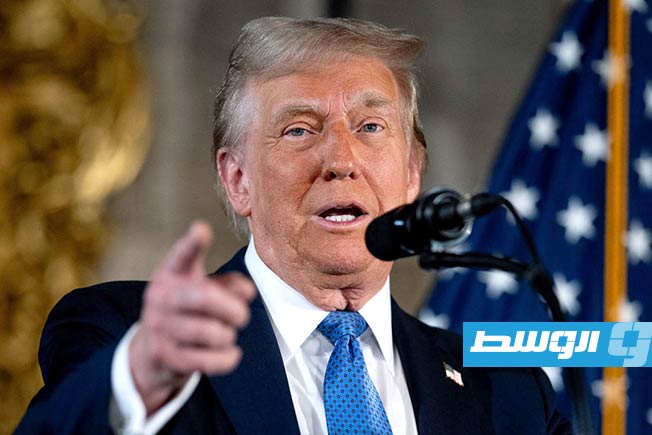
The continued threat of tariffs by the U.S. President against anyone who opposes his views or interests, which has heightened investor fears that America’s economic future has become bleak.
The possibility of a government shutdown at the end of January and its negative impact on the economy.
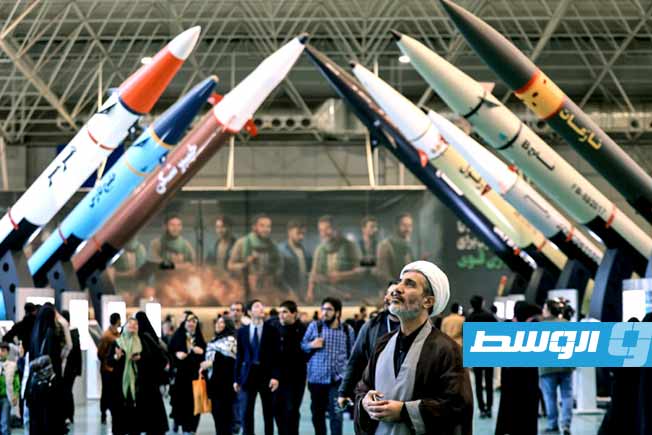
Geopolitical wars threatened by America, particularly against Iran, which increases the uncertainty of the landscape.
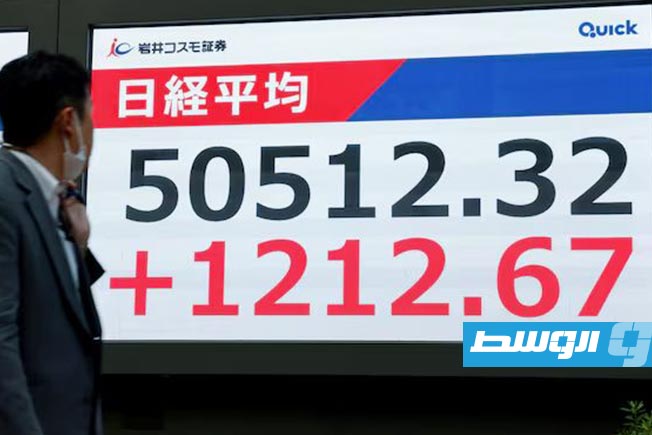
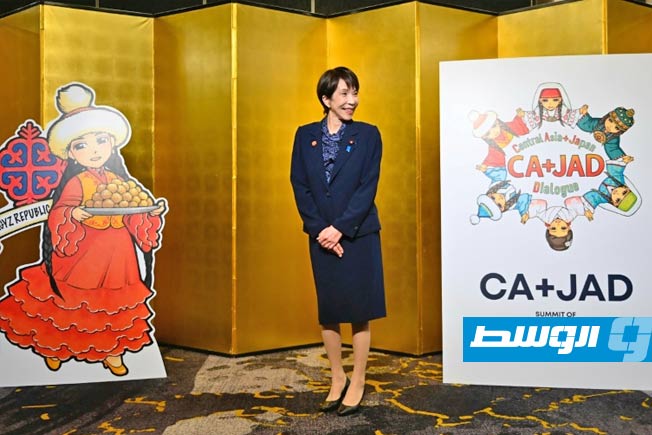
A significant decline in the yen and rise in Japanese bond yields, which has accelerated the pace of a potential crisis explosion in global bond markets, especially the U.S. market.
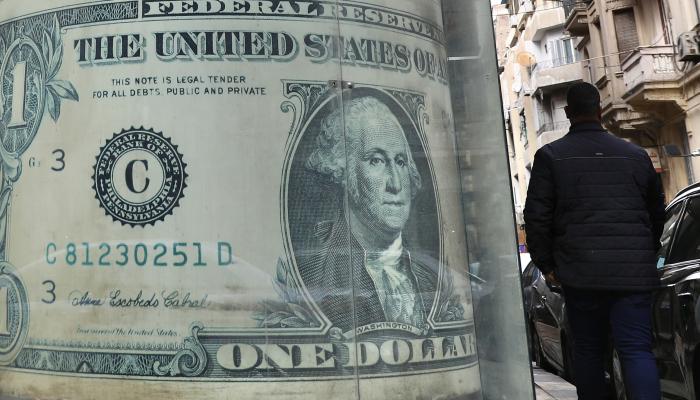
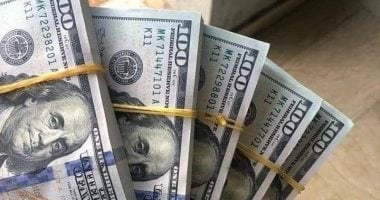
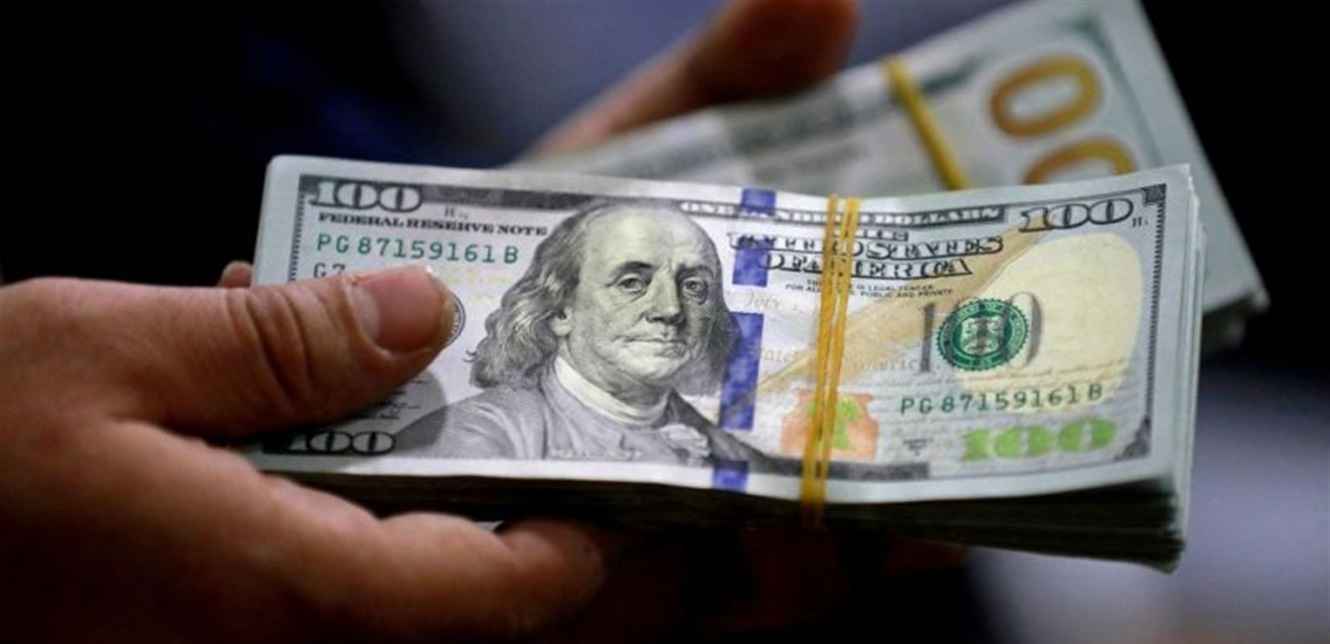
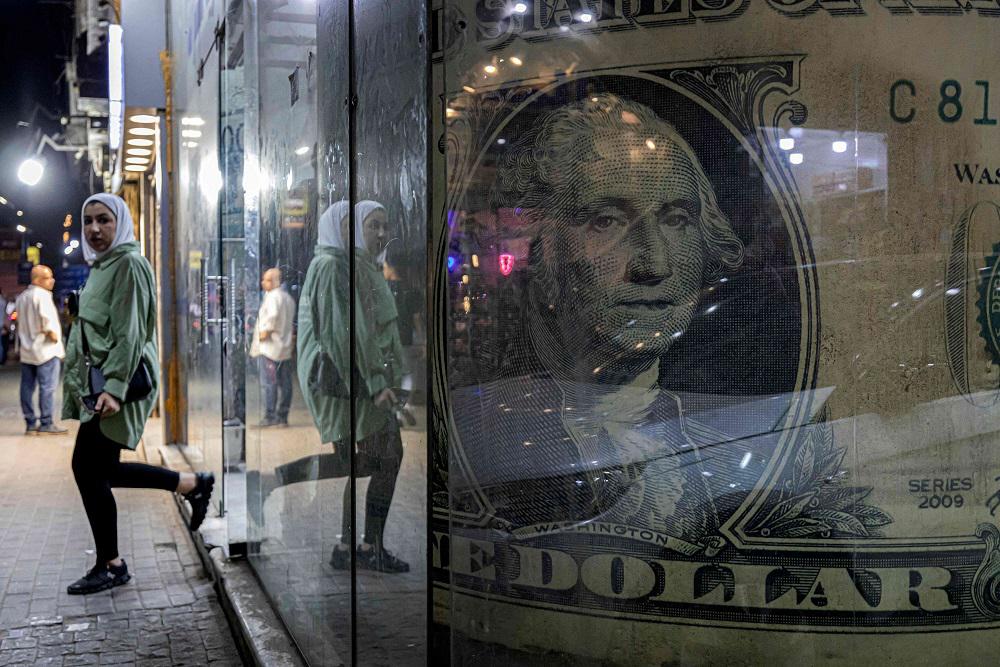
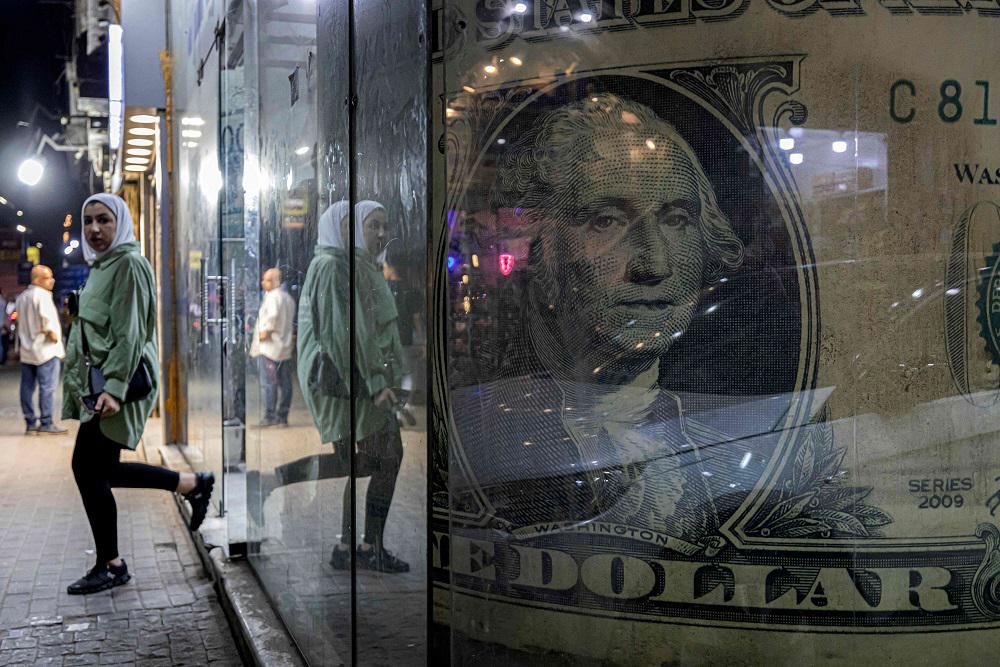
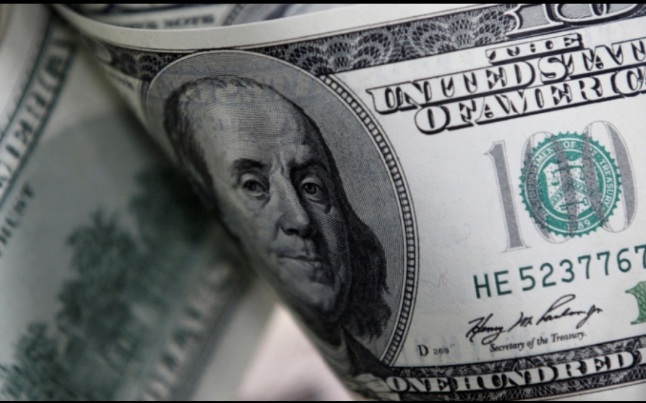
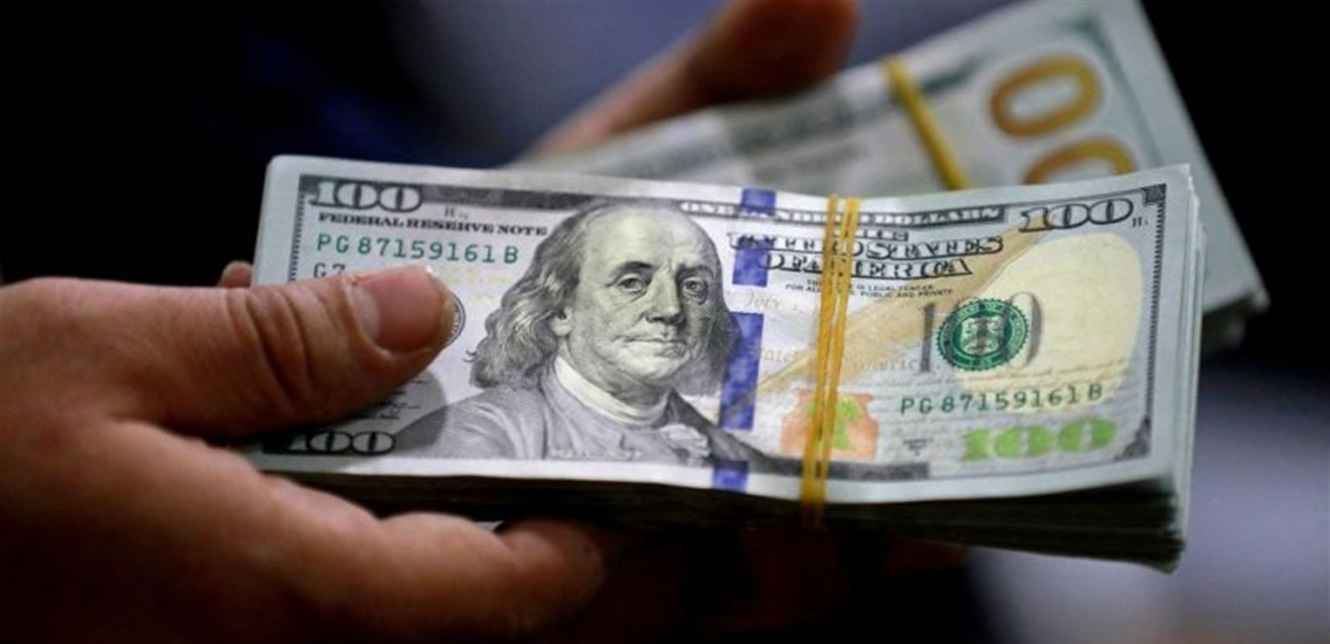
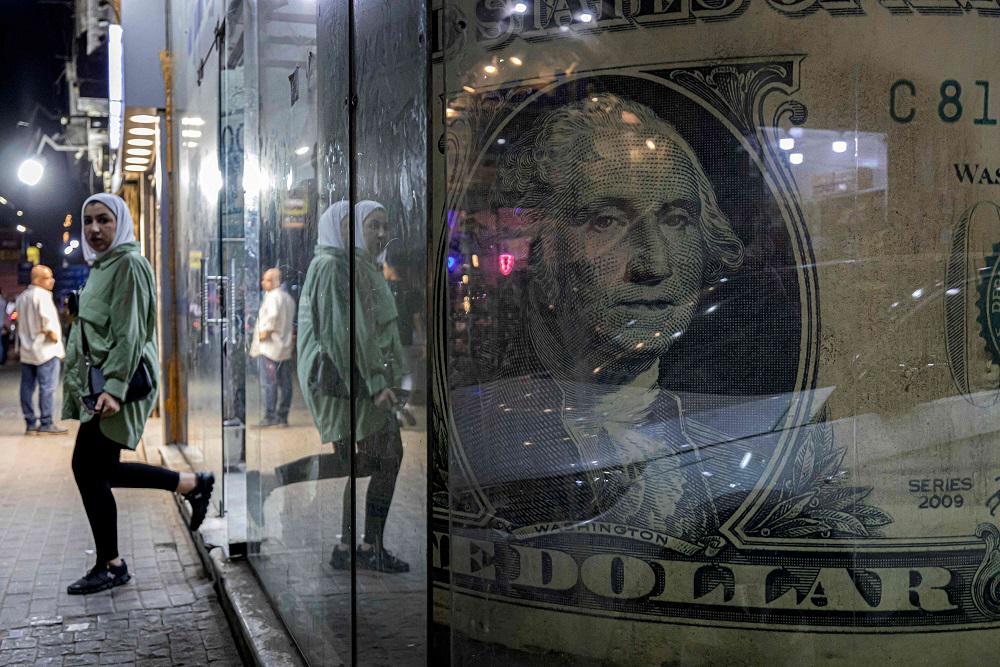
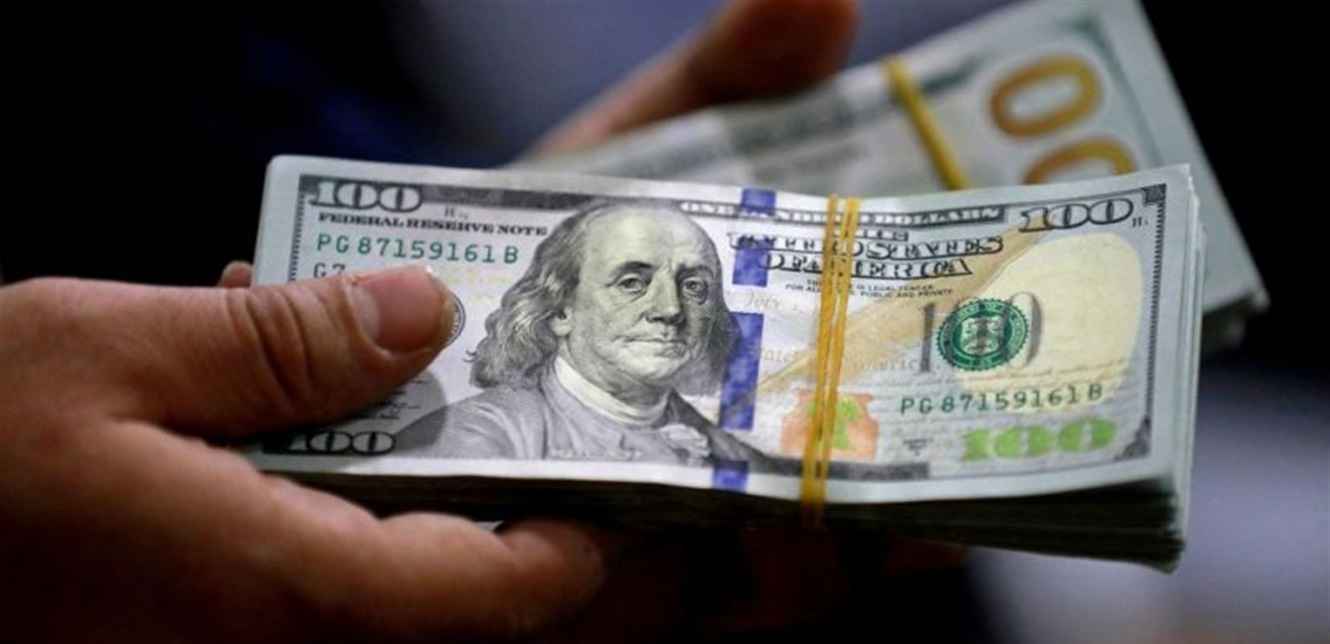
It is expected that gold will surpass the $6,500 level by the end of 2026, amid speculation of a dollar sell-off and an expected 10% decline in the U.S. currency this year.
The price target for gold by the end of the year was recently set at $5,400, up from a previous target of $4,900.
United States
The United States is a federal republic founded in 1776 after declaring independence from Great Britain, with its modern government established by the Constitution in 1789. Its history is marked by westward expansion, industrialization, and its emergence as a global superpower in the 20th century. The nation is defined by its diverse cultural heritage, democratic institutions, and significant economic and political influence worldwide.
NATO
NATO, the North Atlantic Treaty Organization, is a military alliance established in 1949 by the Washington Treaty as a collective defense pact against the Soviet Union during the Cold War. Its core principle is Article 5, which states that an attack on one member is considered an attack on all. Following the Cold War, NATO has expanded eastward and adapted its missions to include crisis management and counter-terrorism operations.
Iran
Iran, historically known as Persia, is home to one of the world’s oldest continuous civilizations, with a rich history of empires dating back to the Achaemenid Empire founded by Cyrus the Great in the 6th century BCE. Its cultural landscape is marked by significant sites like Persepolis and Isfahan’s Naqsh-e Jahan Square, reflecting centuries of artistic, architectural, and scientific achievement. Modern Iran is an Islamic Republic established after the 1979 Revolution, blending its ancient heritage with contemporary political and religious structures.
Japan
Japan is an island nation in East Asia with a rich cultural heritage shaped by its long imperial history, samurai traditions, and deep influences from Shinto and Buddhism. Its modern identity emerged from a period of isolation, followed by rapid industrialization and transformation after the Meiji Restoration of 1868 and the post-World War II era. Today, Japan is known for its unique blend of ancient temples and cutting-edge technology, traditional arts, and globally influential pop culture.