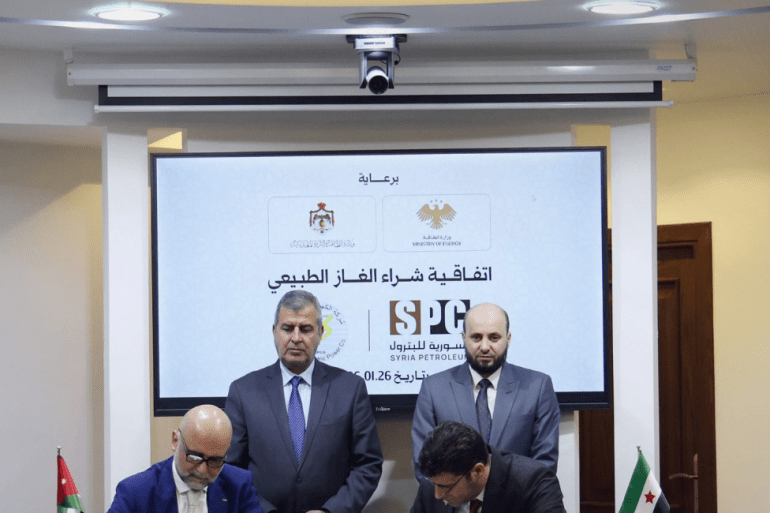
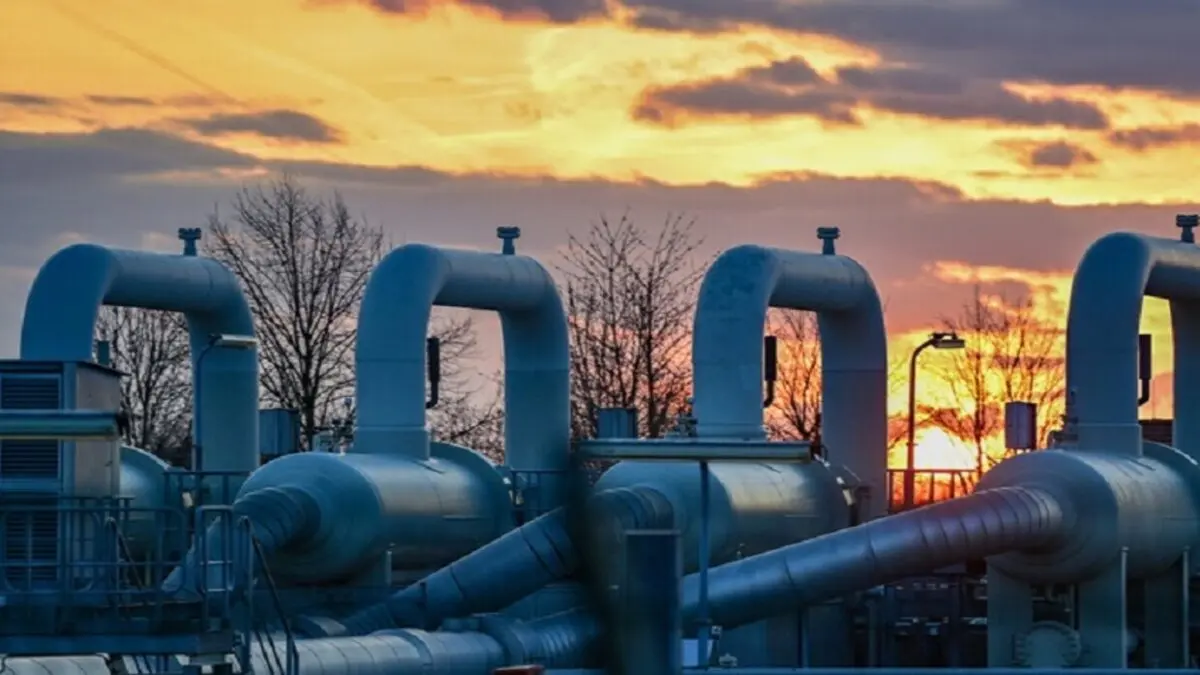
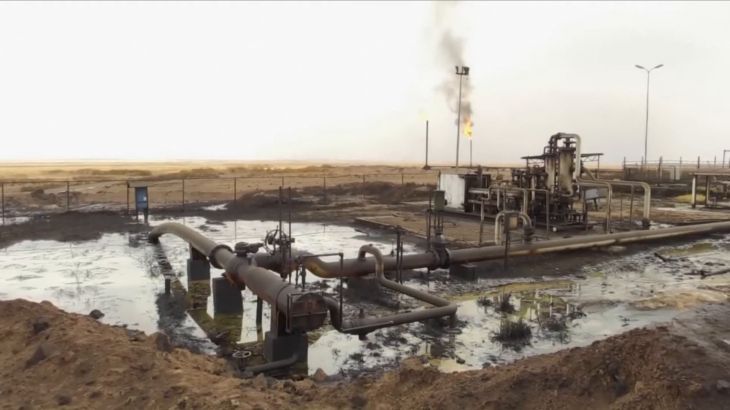
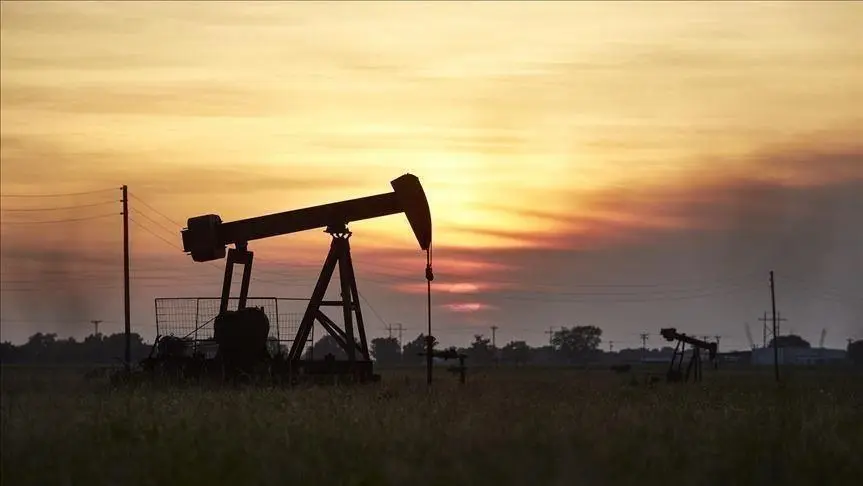
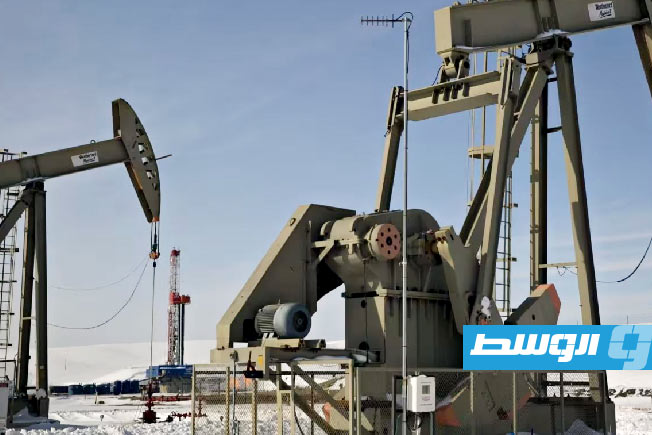
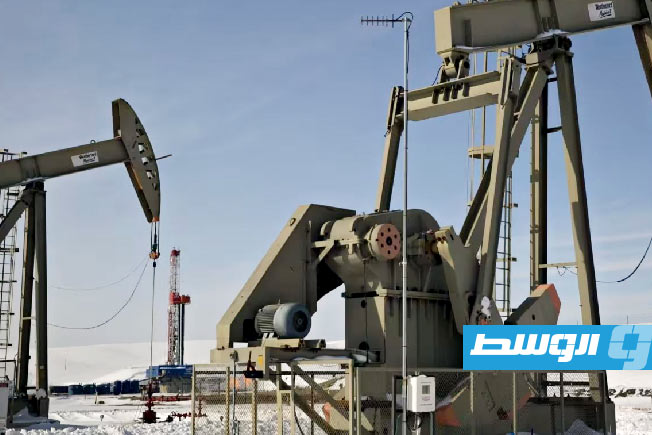
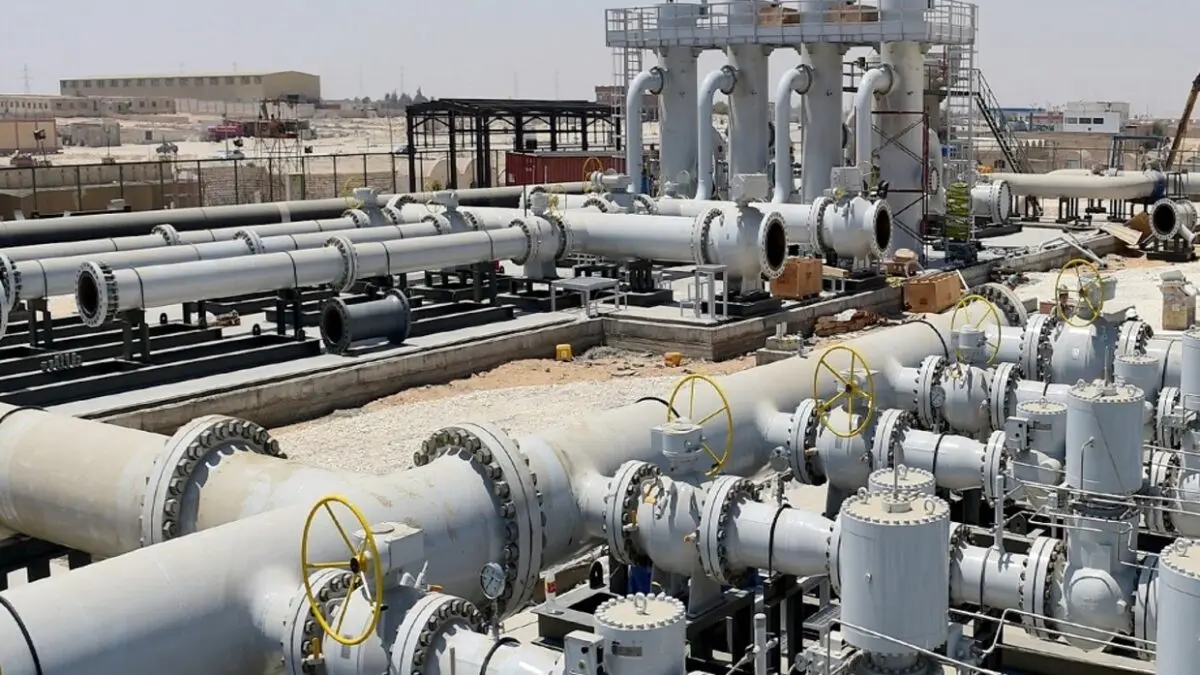
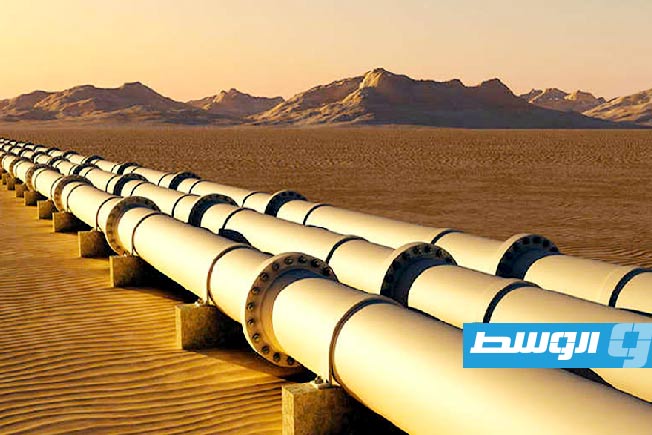
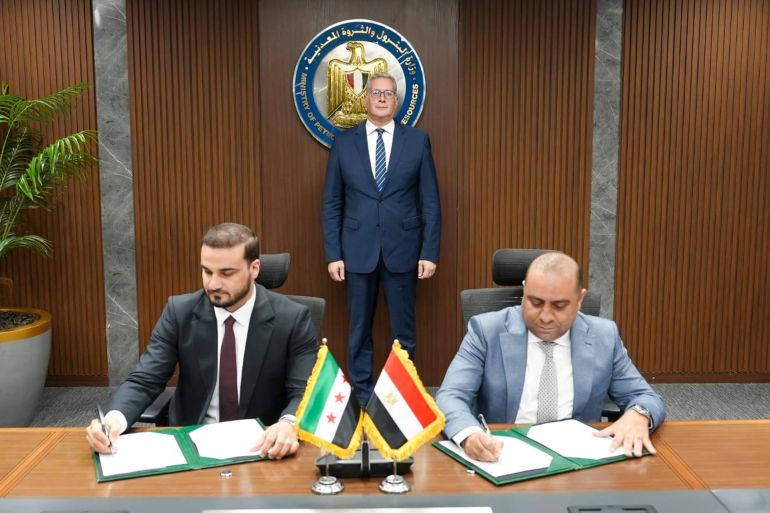
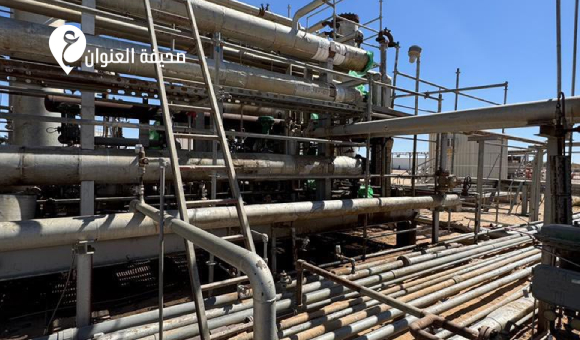
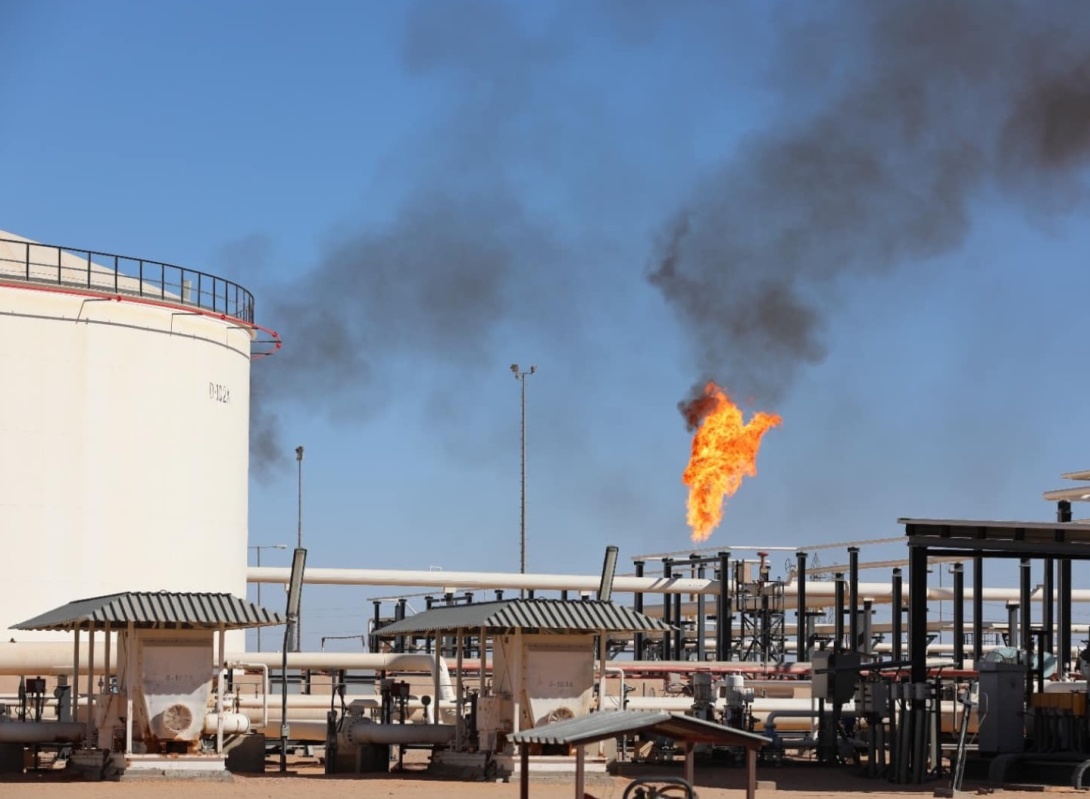
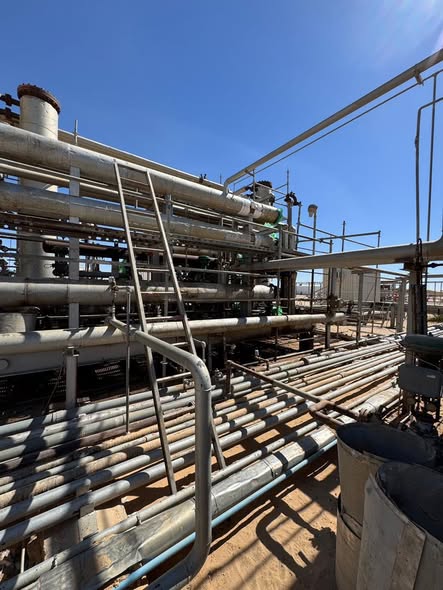
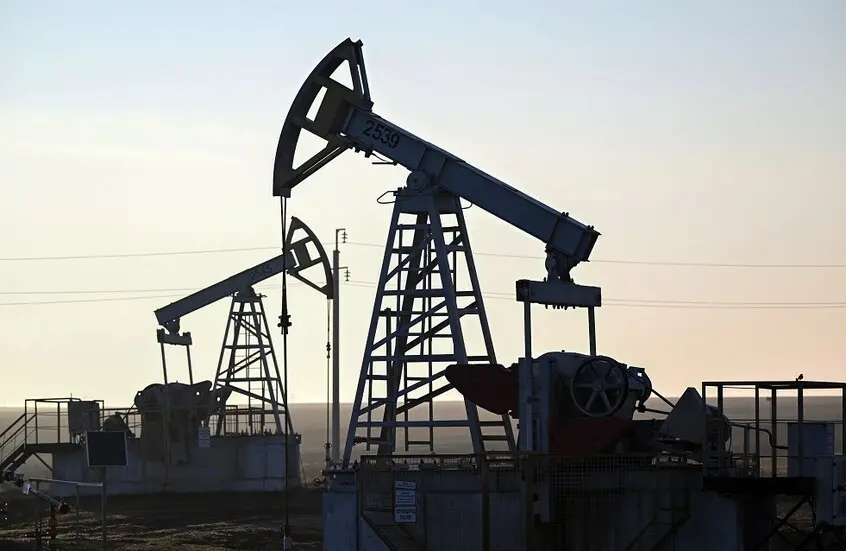
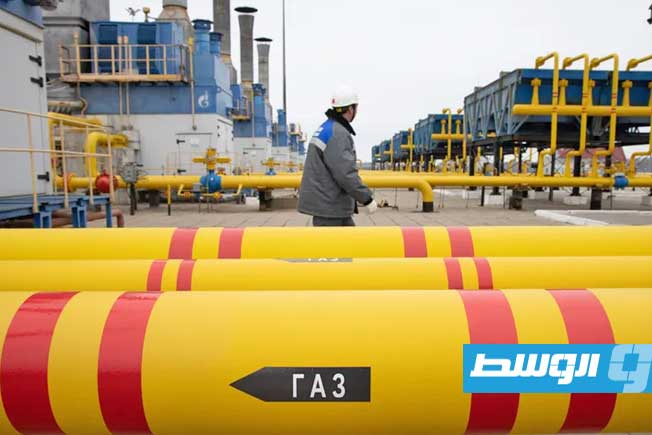
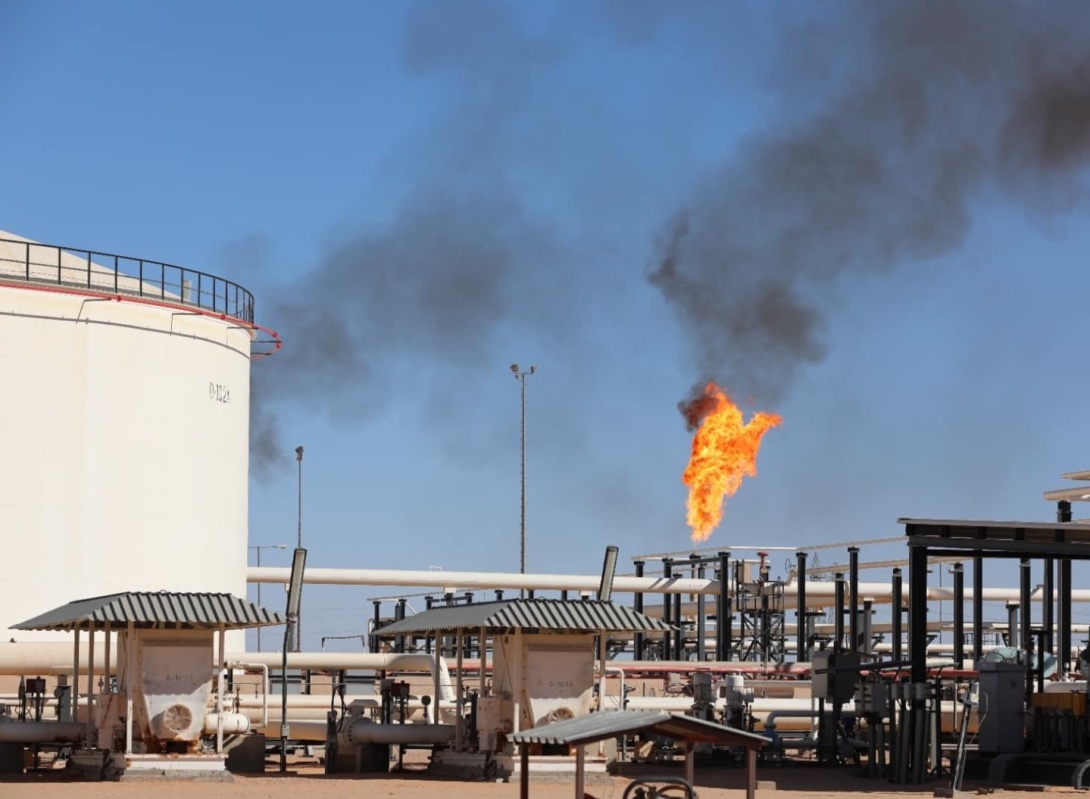
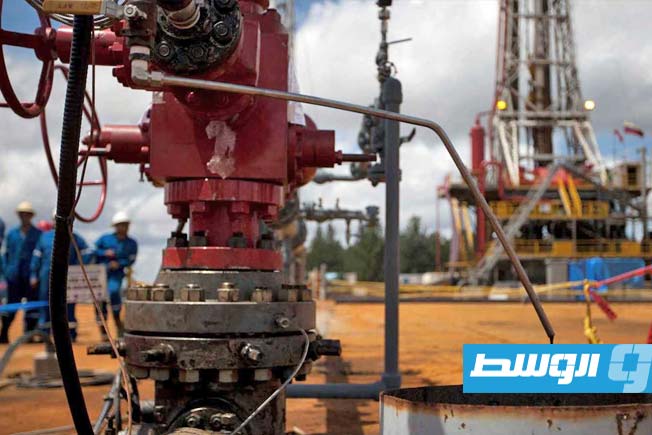
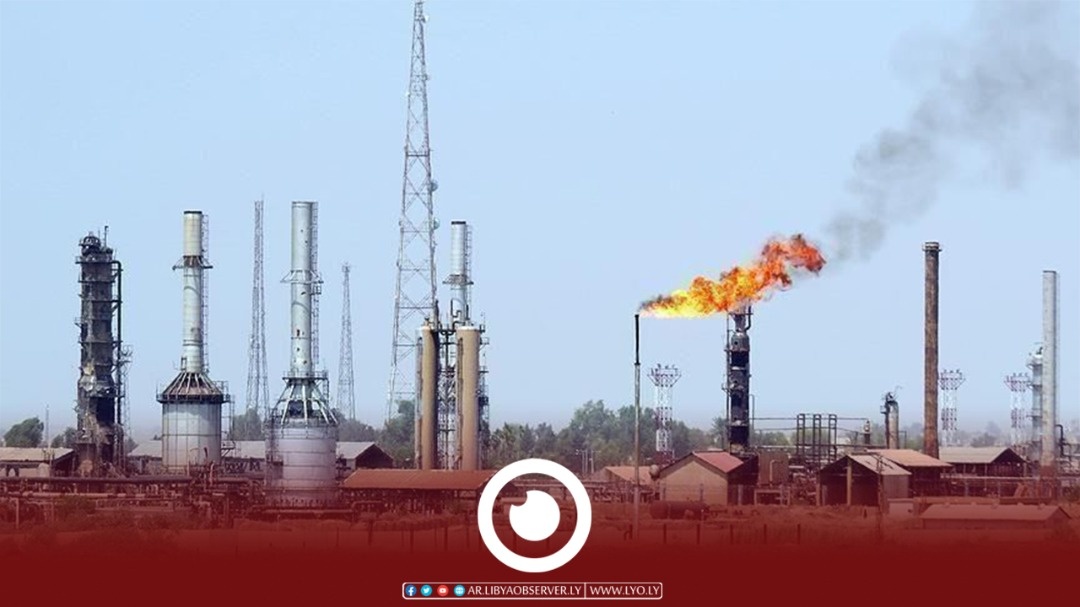
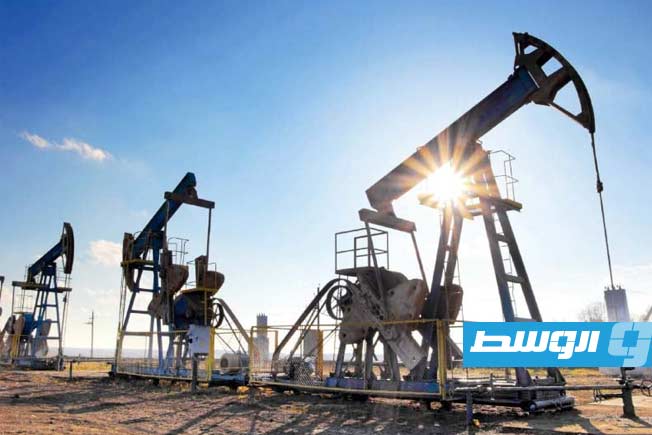
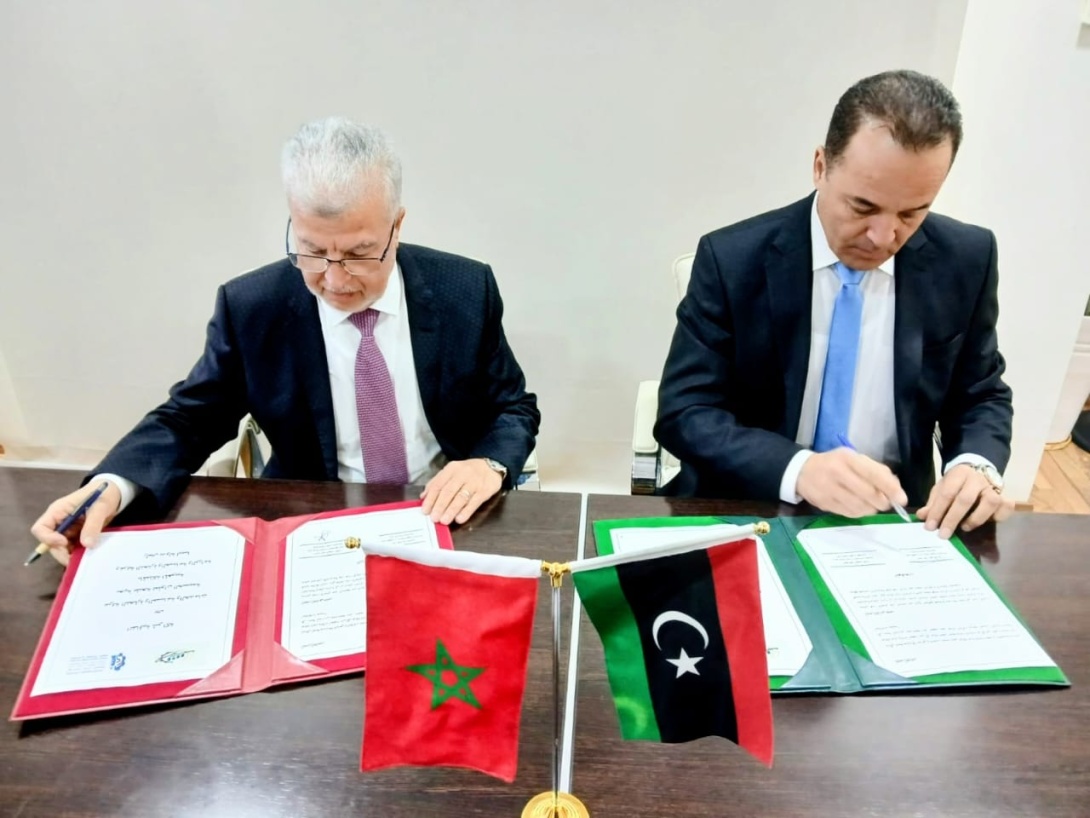
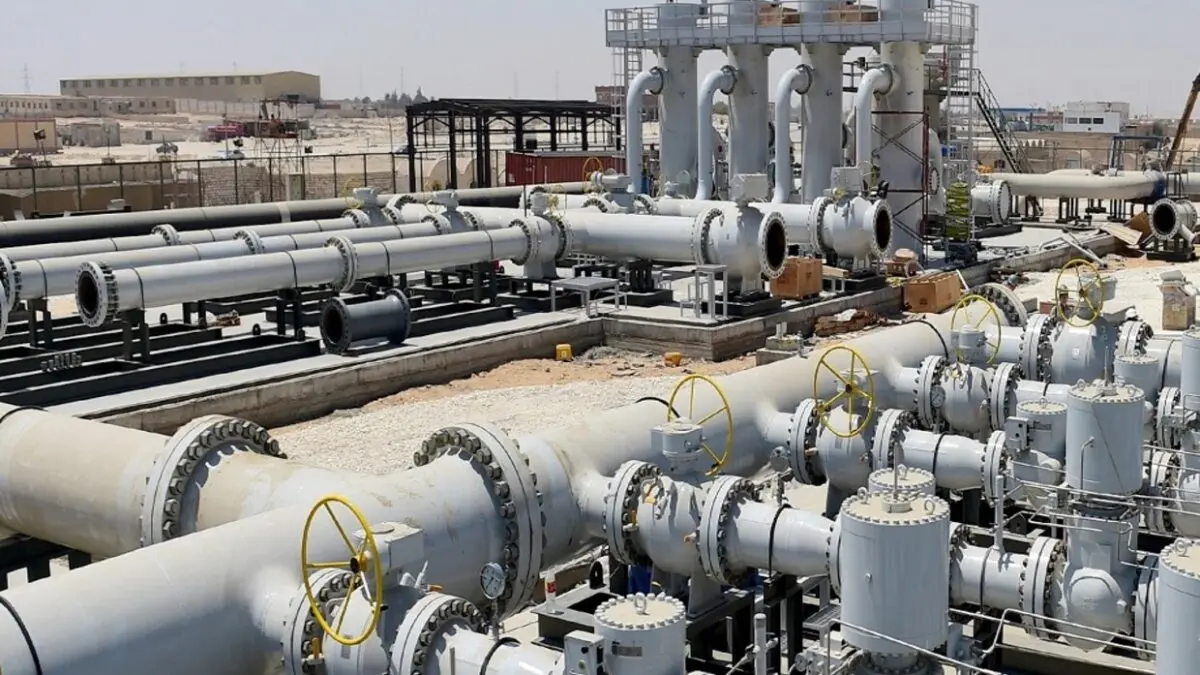
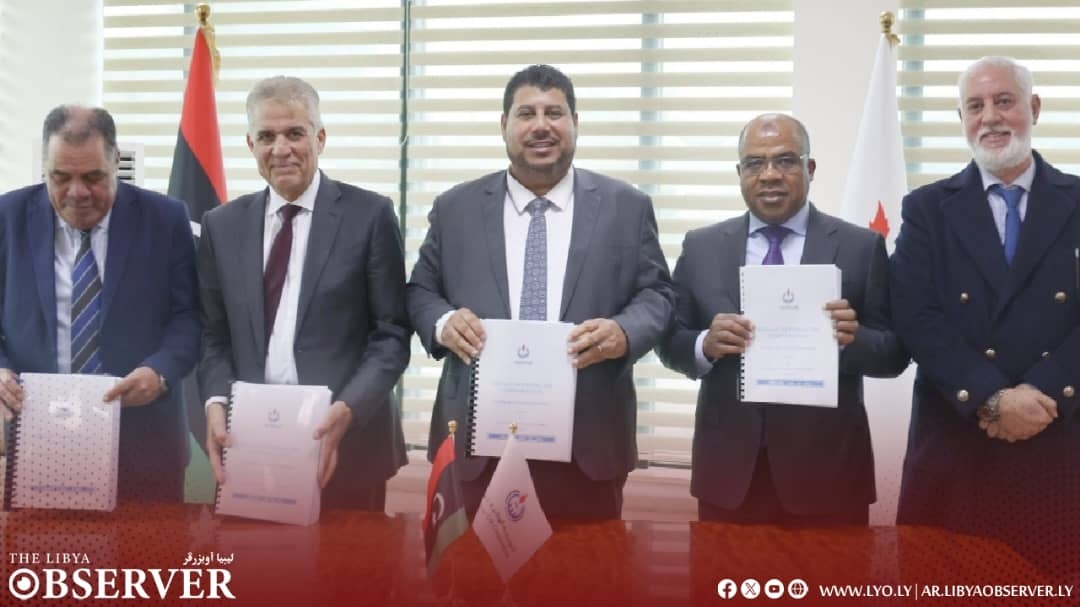
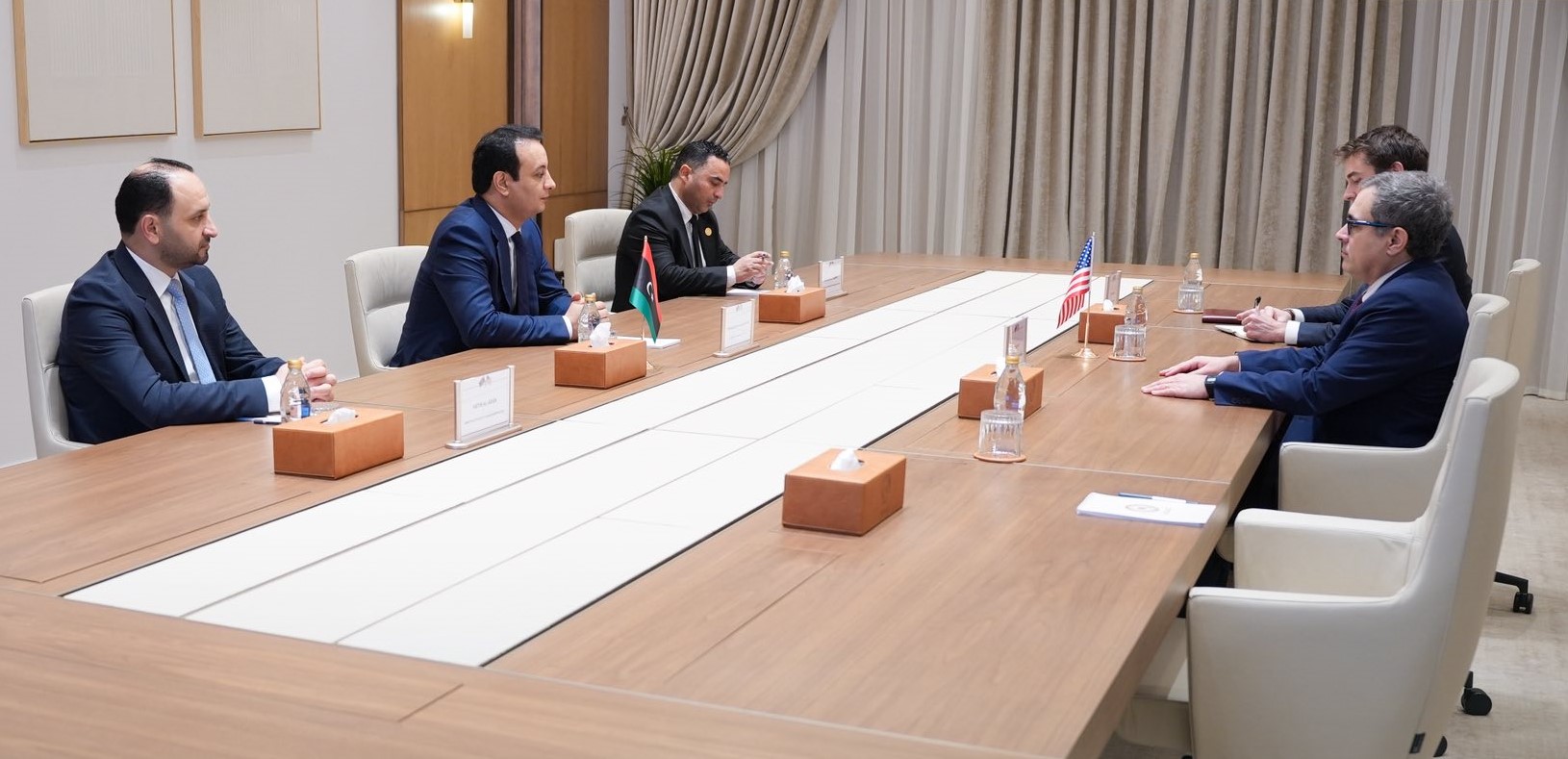
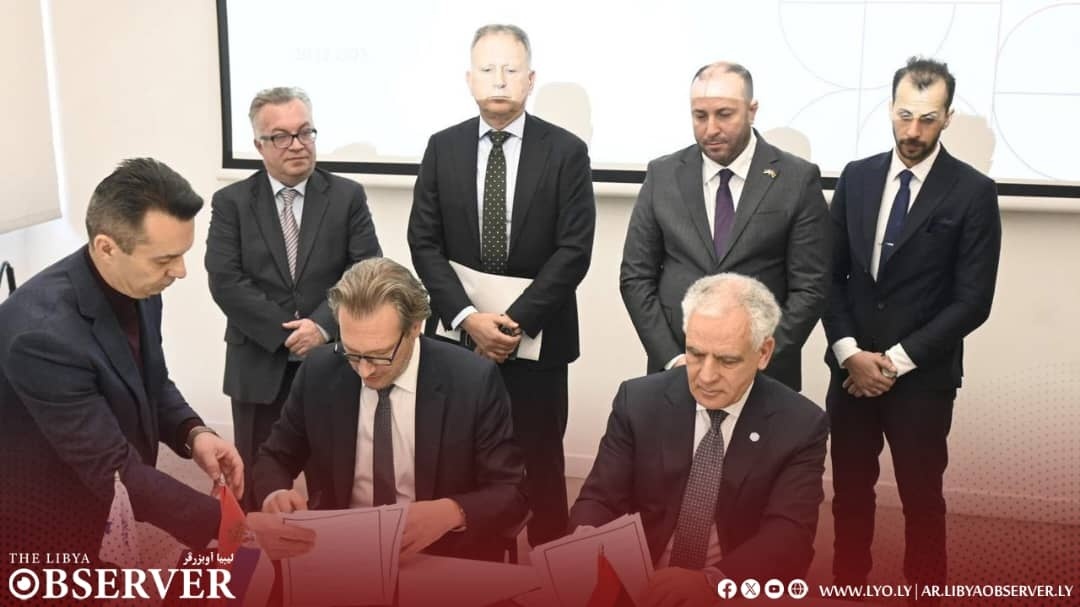
The Syrian Petroleum Company and the Jordanian National Electric Power Company signed an agreement on Monday to supply approximately 4 million cubic meters of natural gas per day via Jordanian territory.
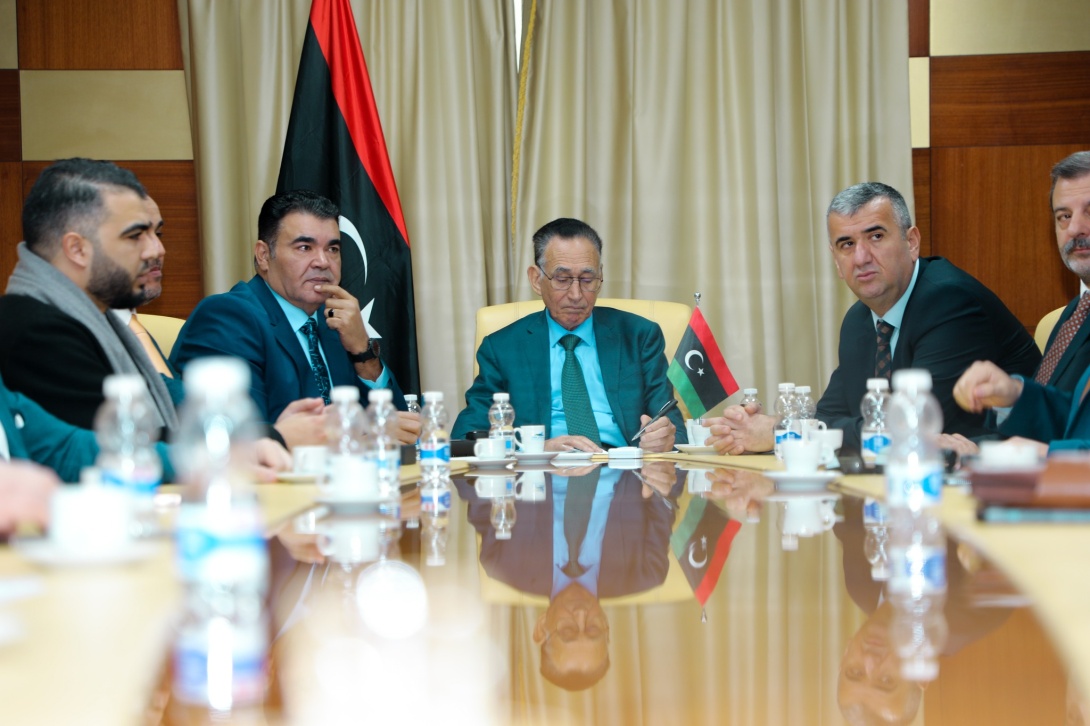
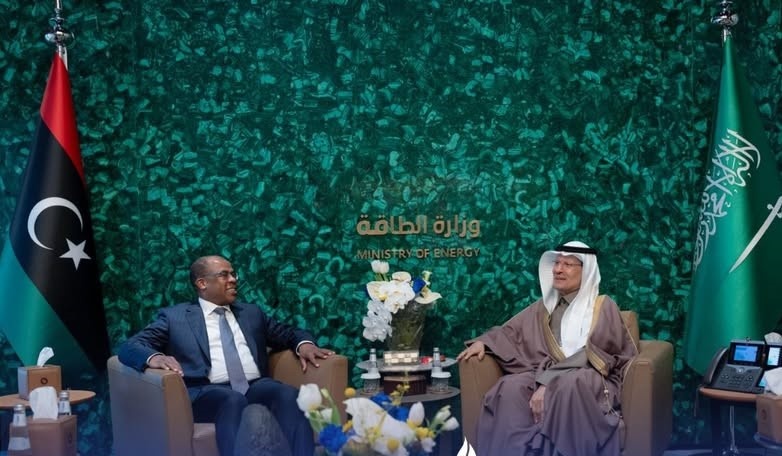
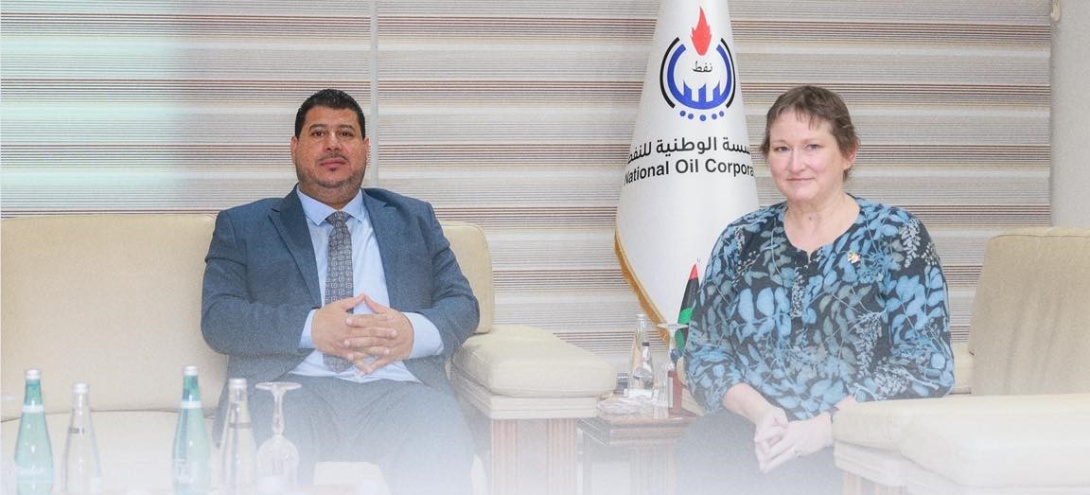
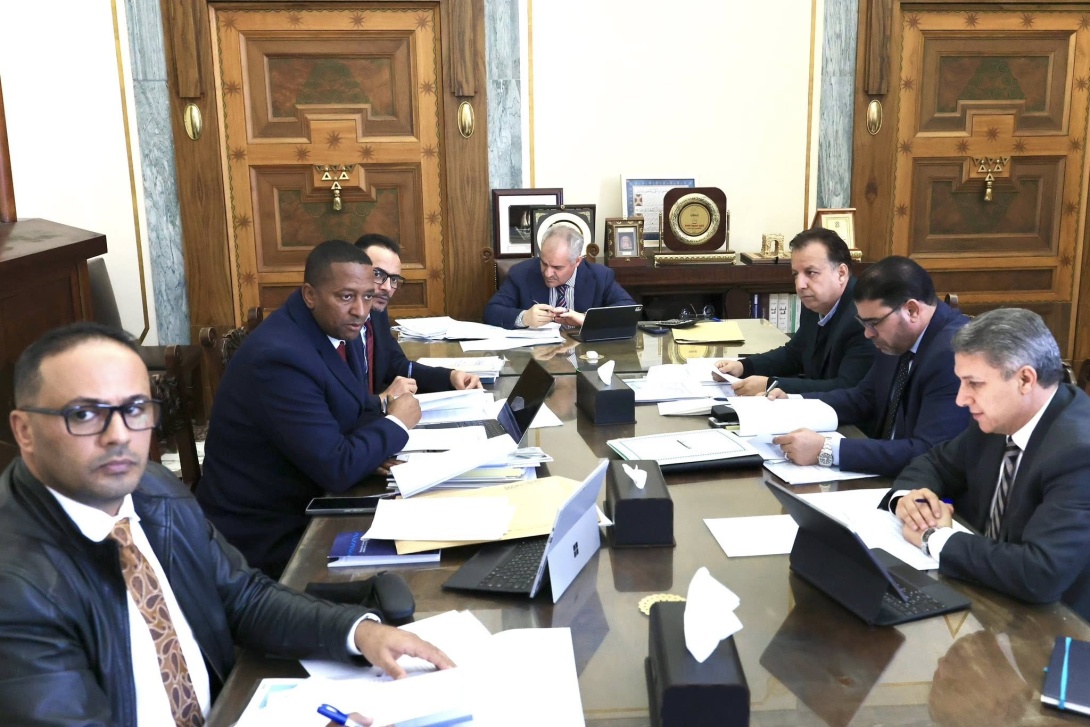
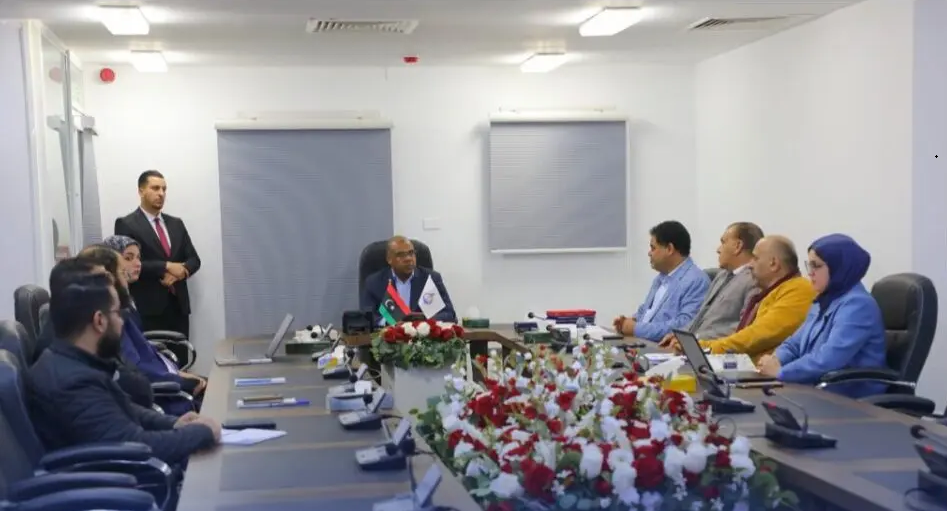
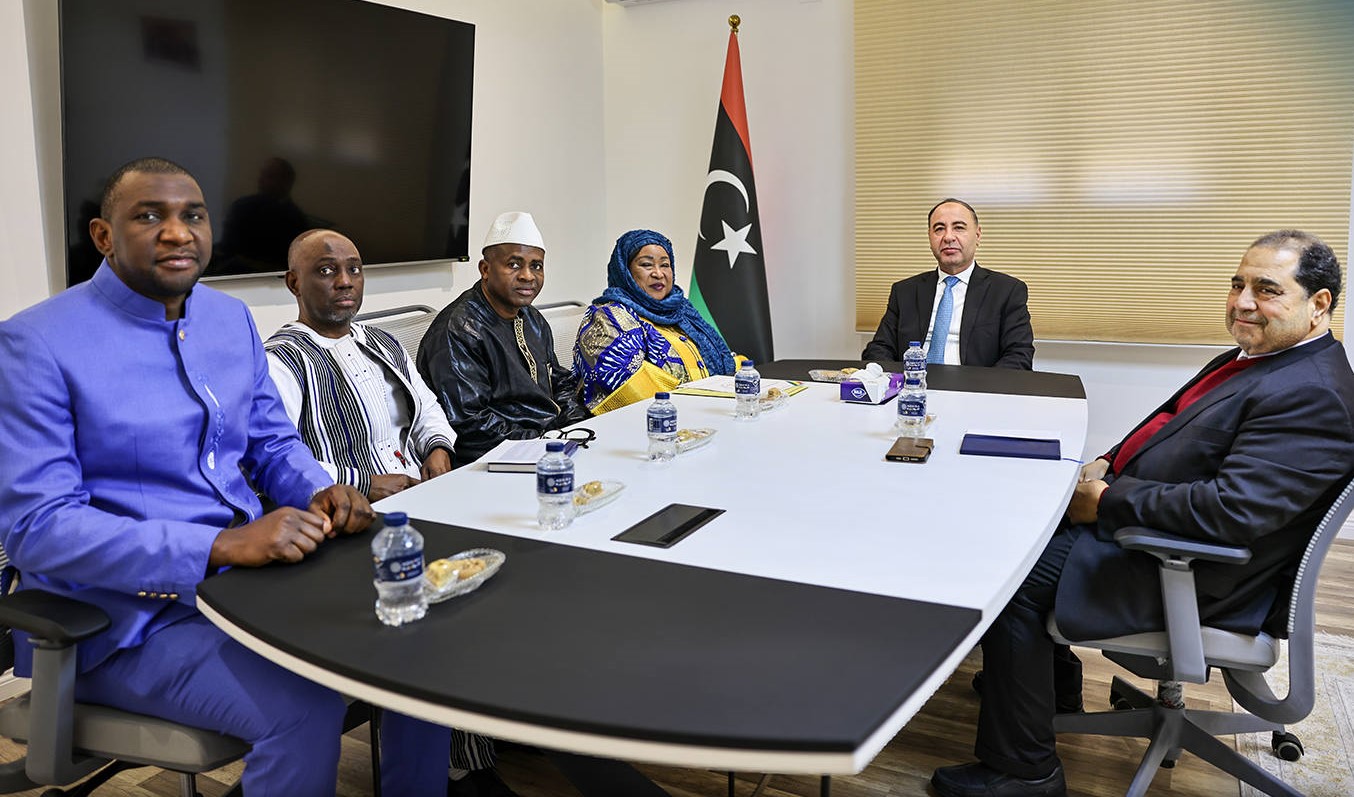
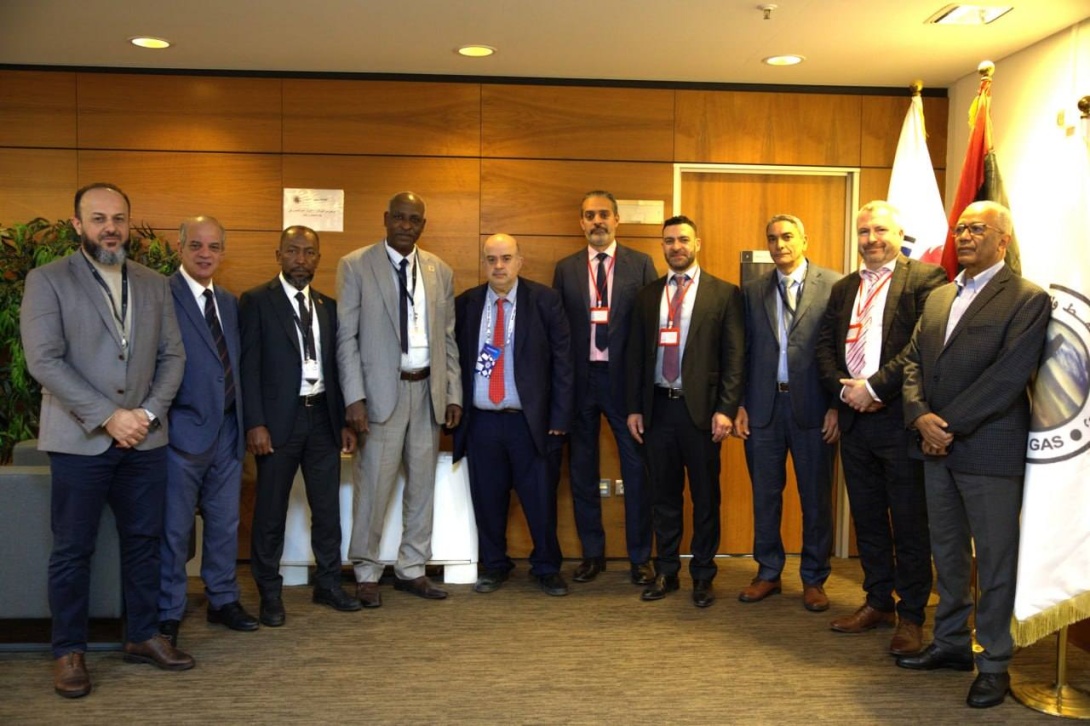
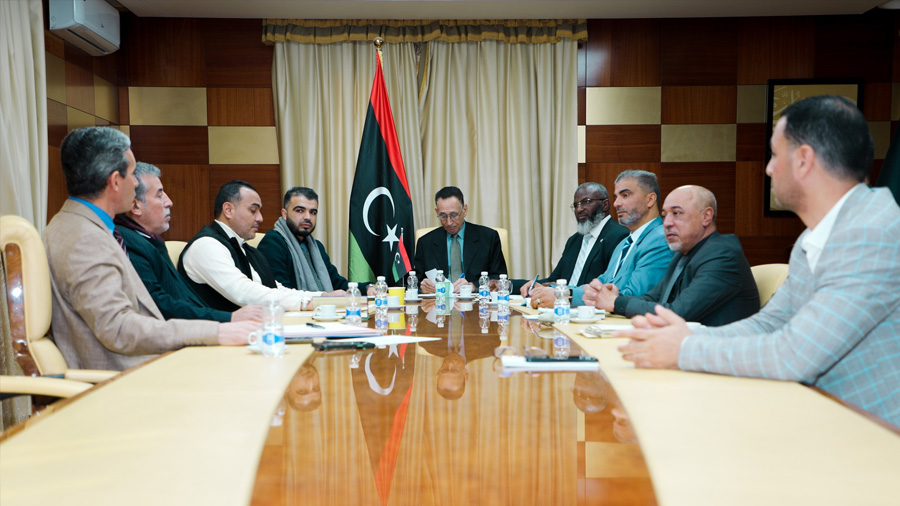
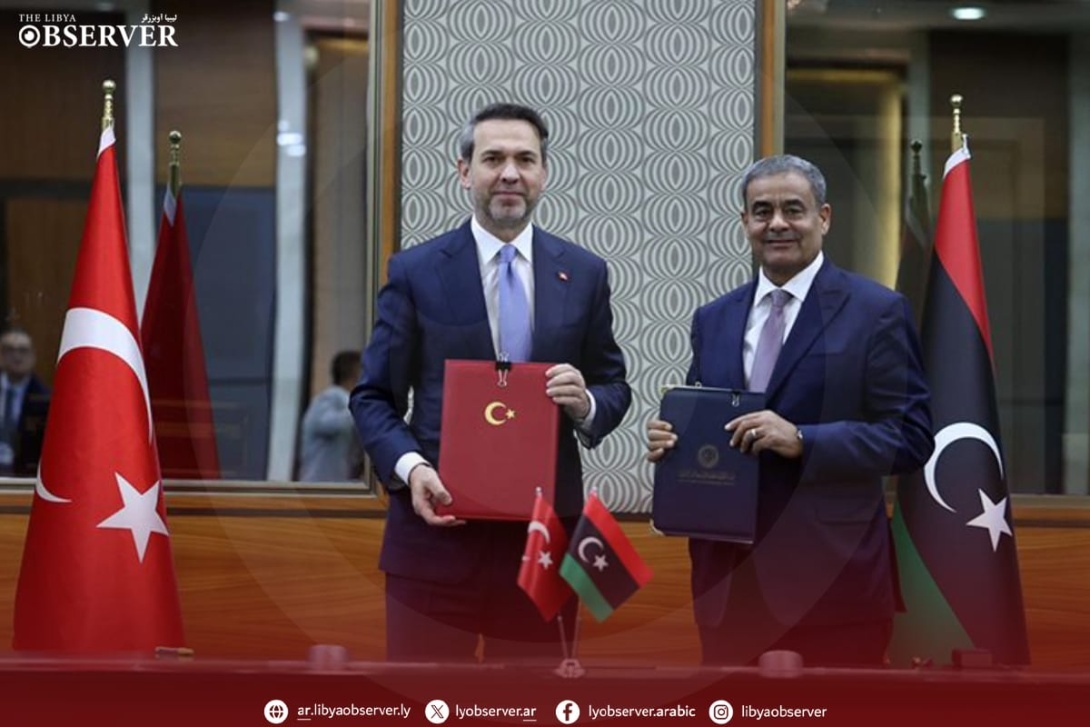
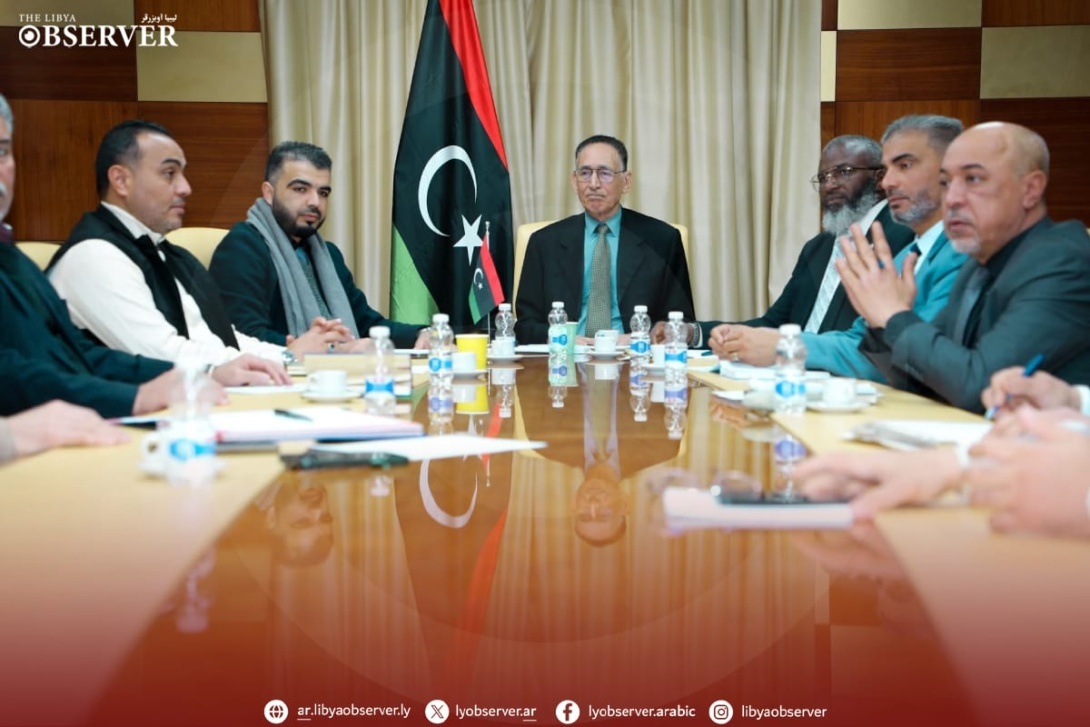
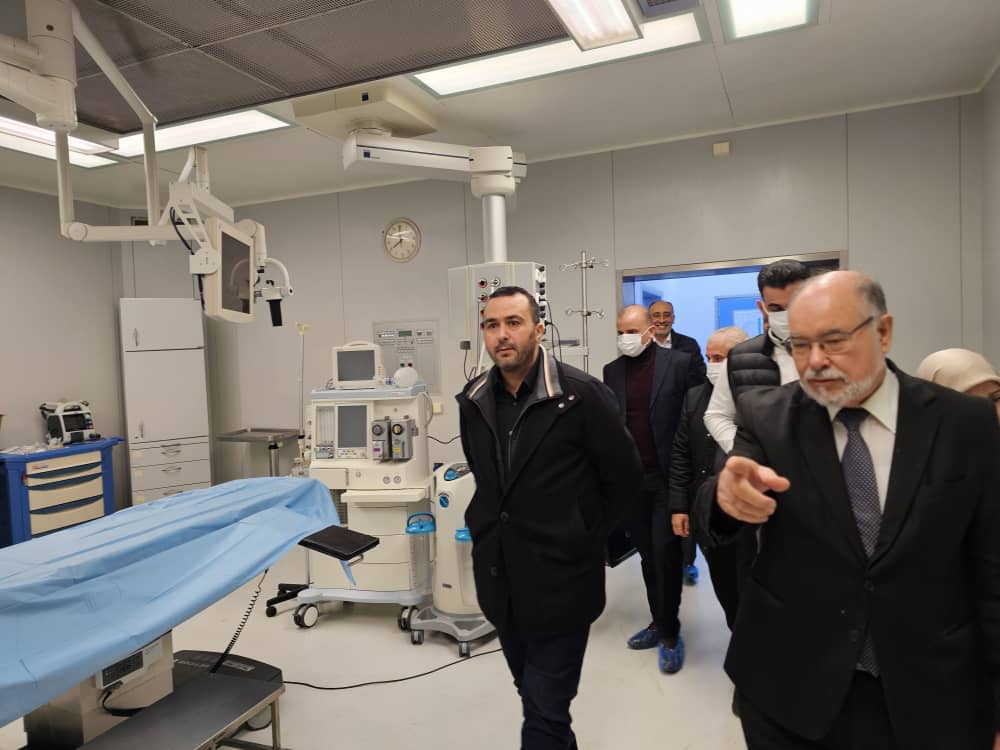
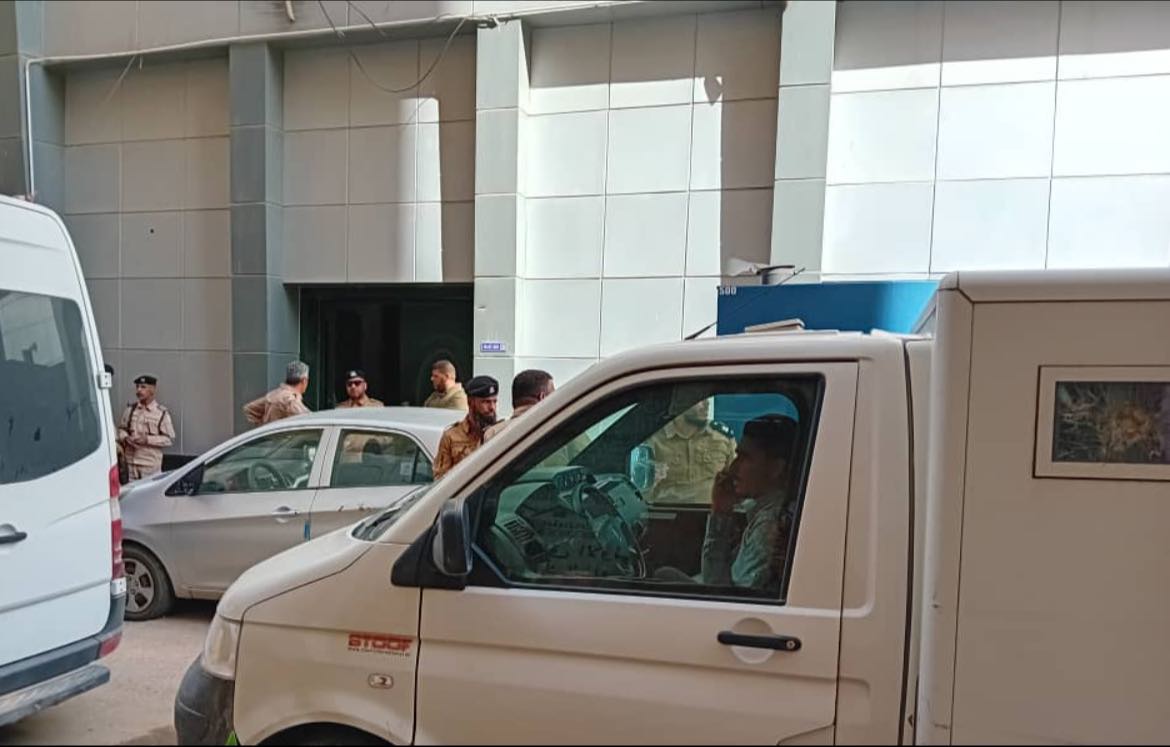
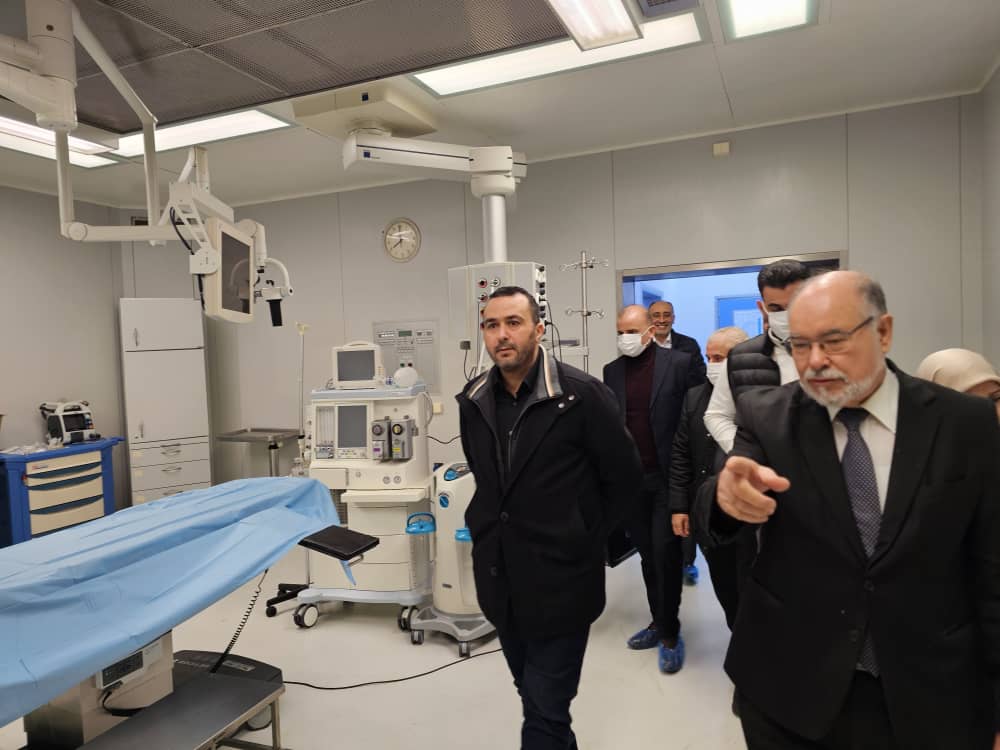
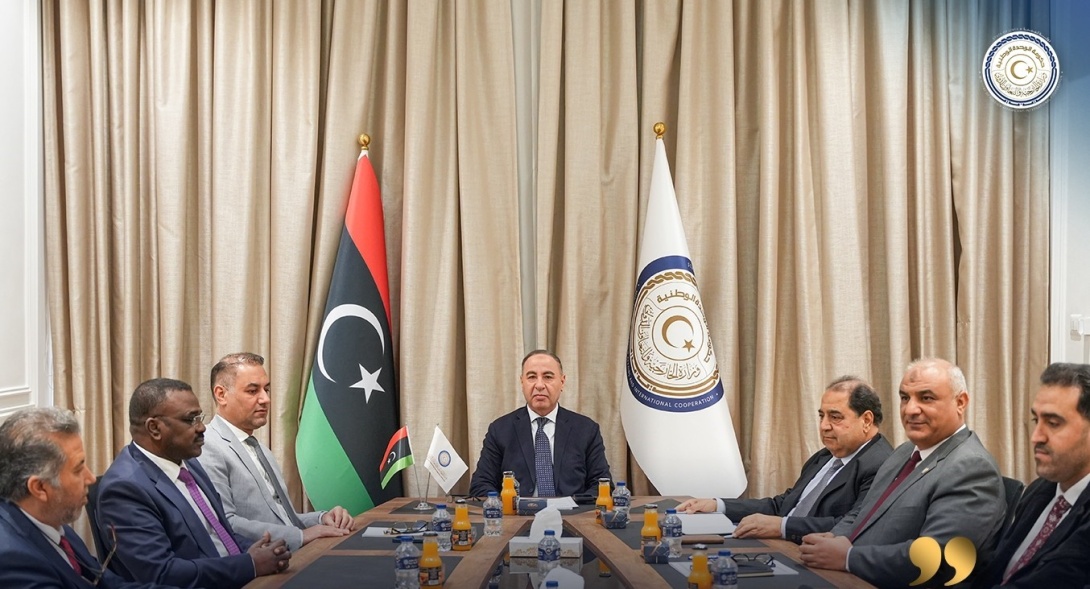
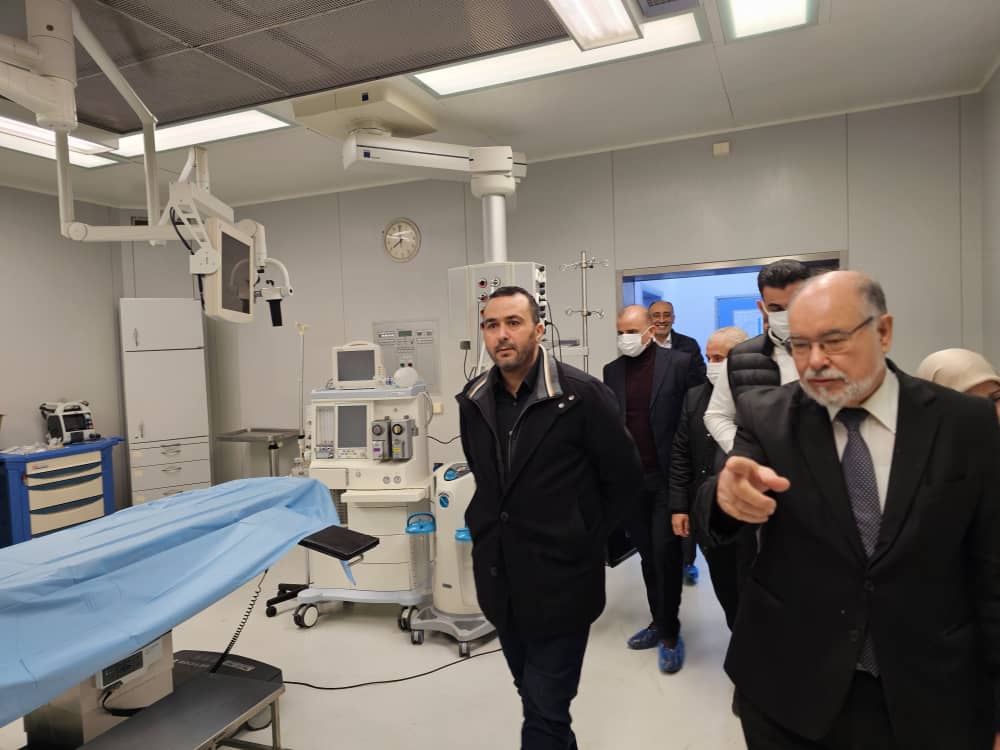
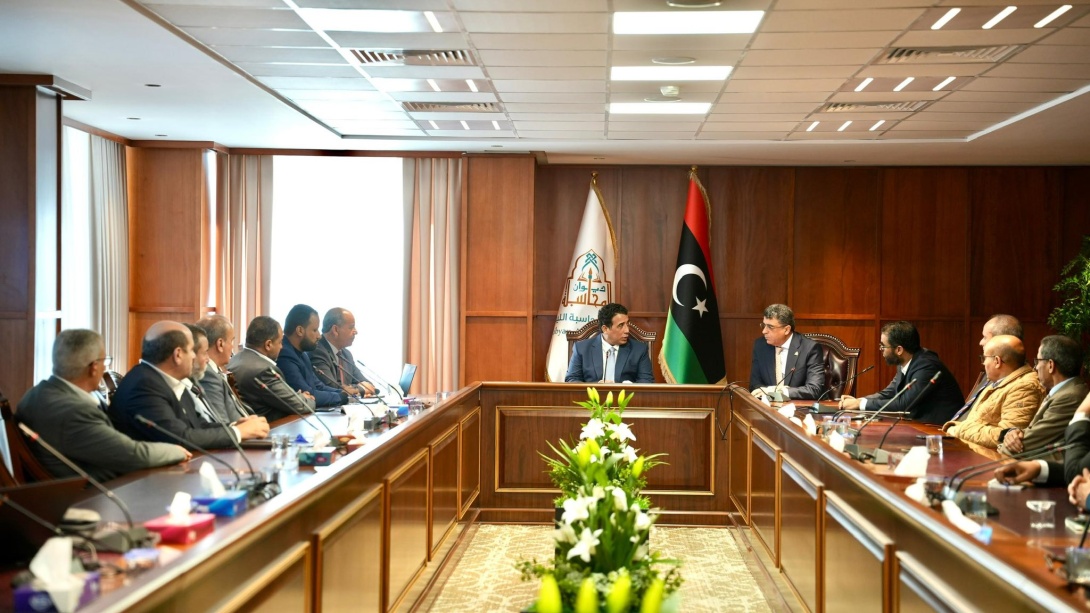
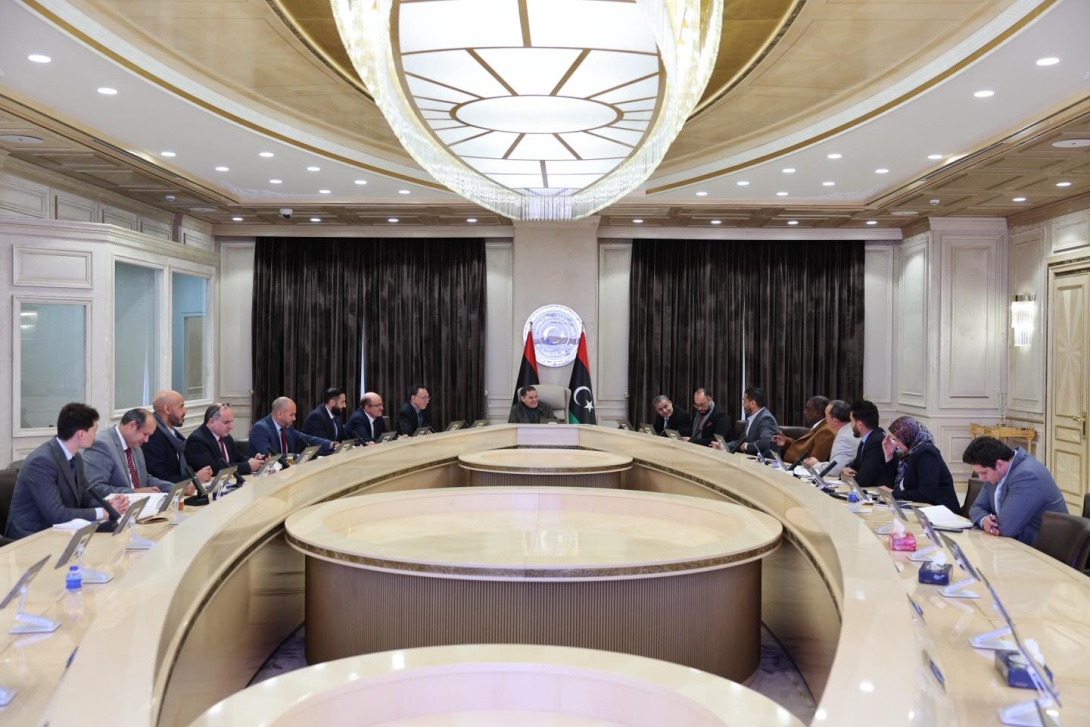
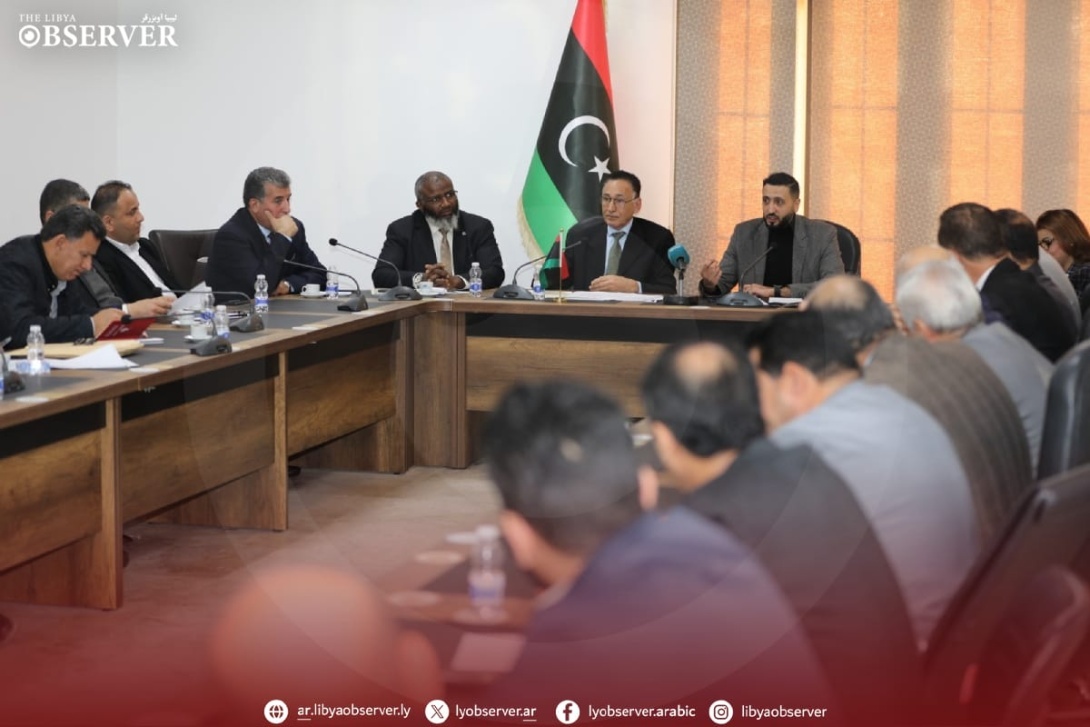
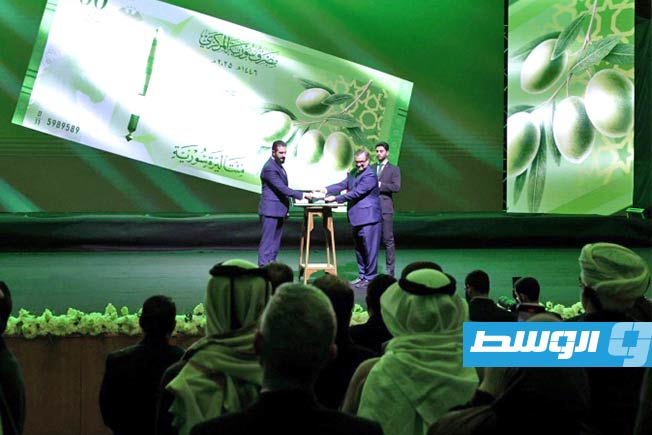
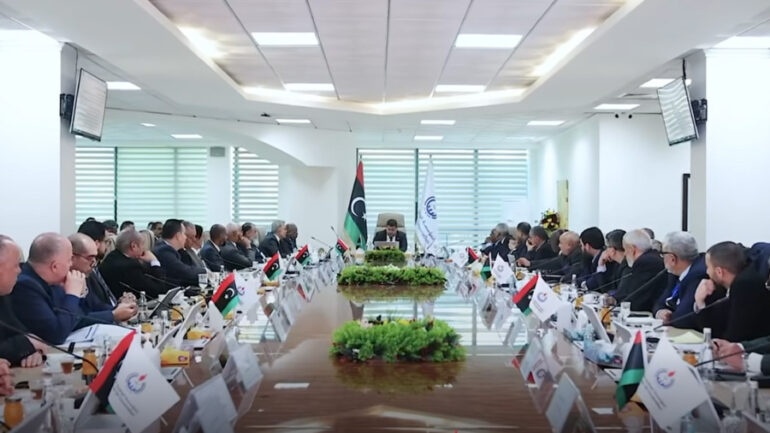
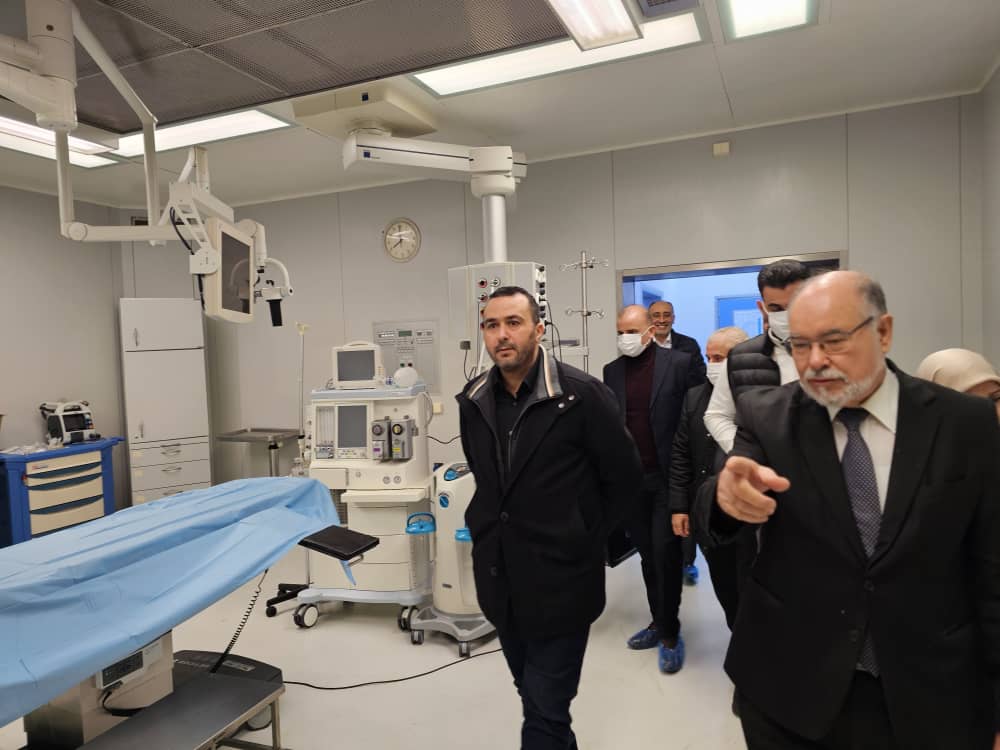
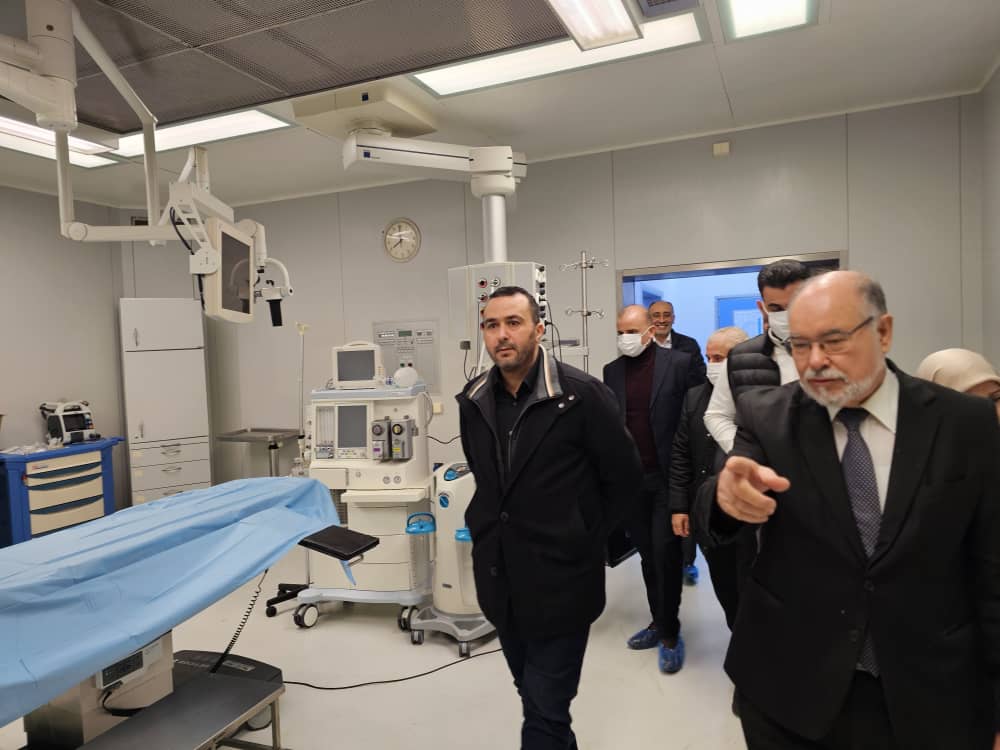
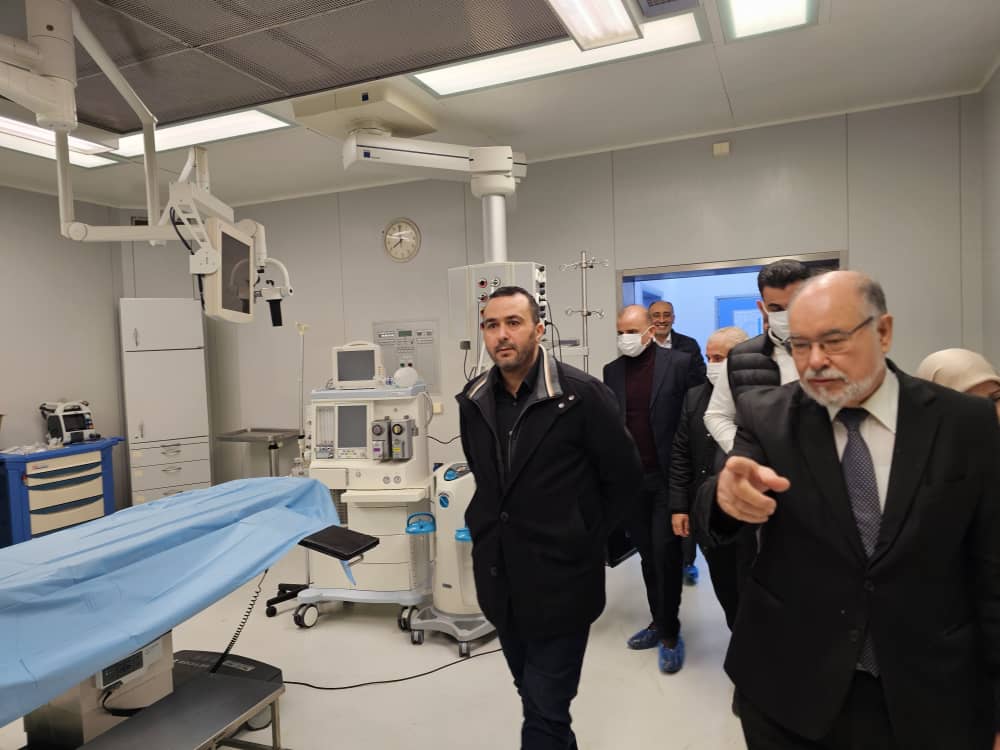
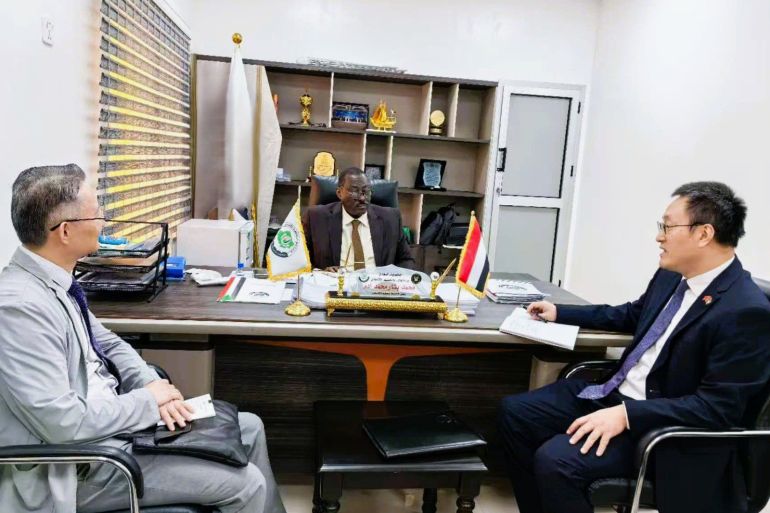
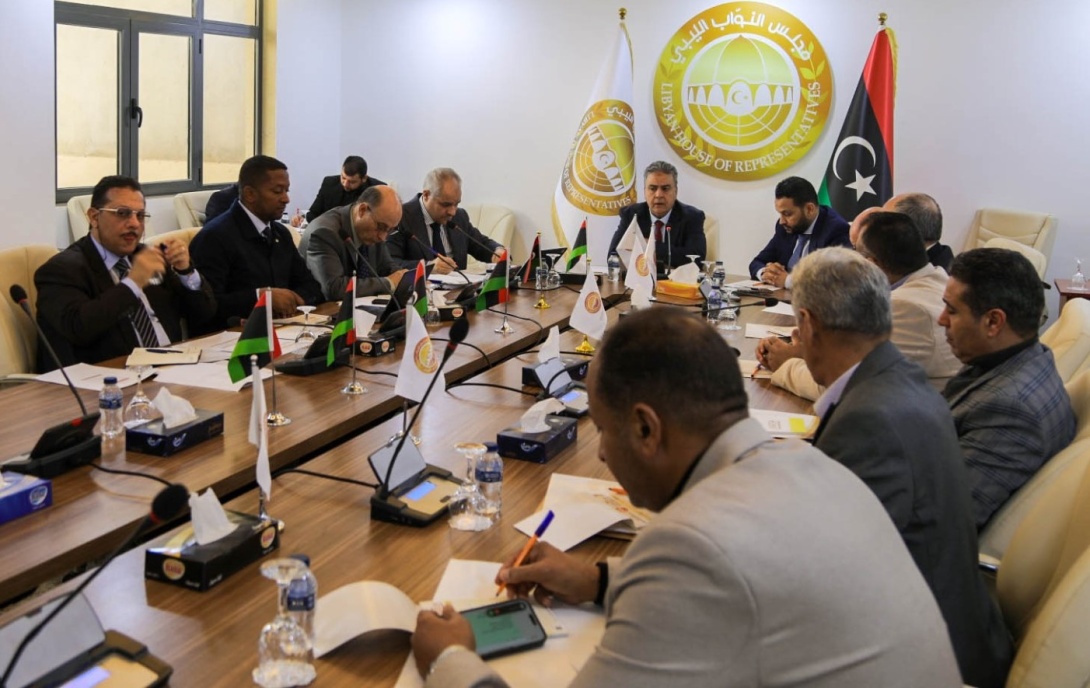
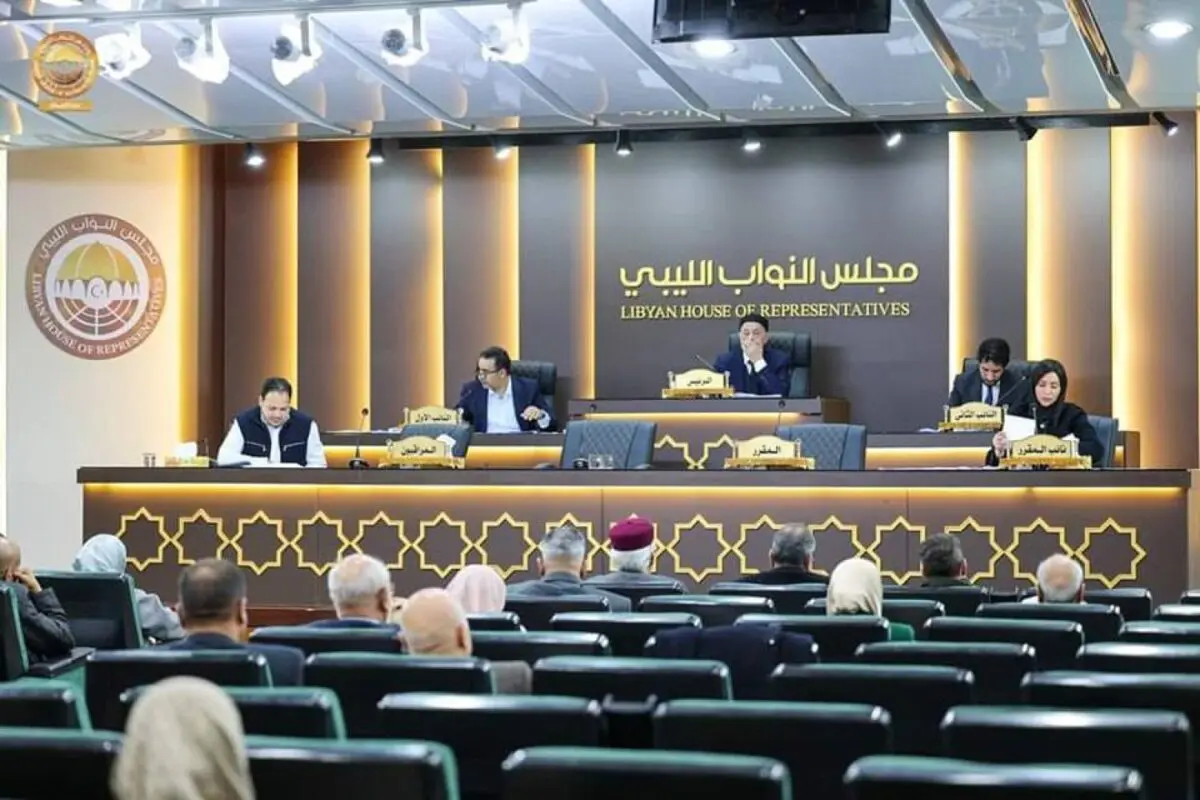
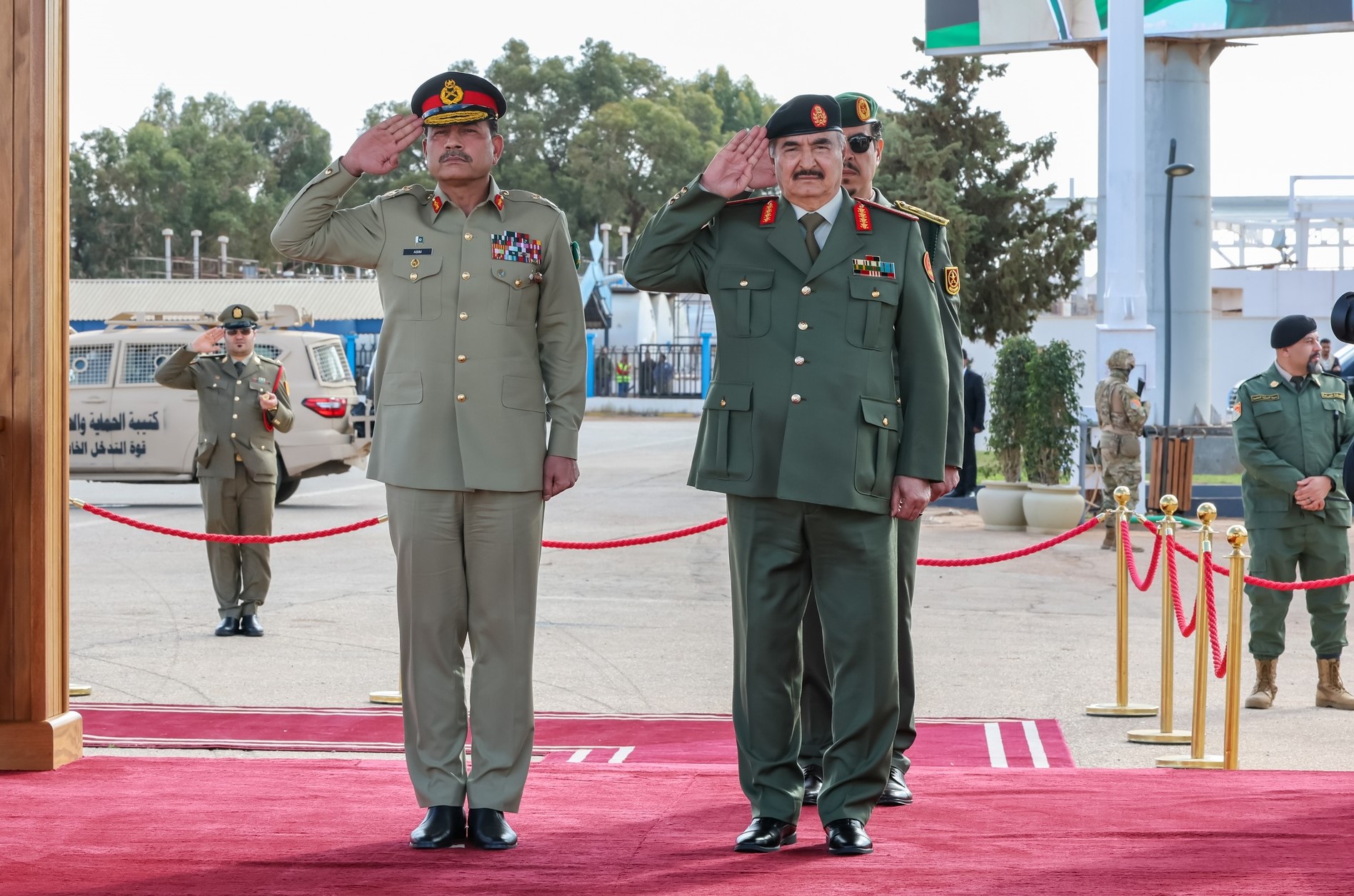
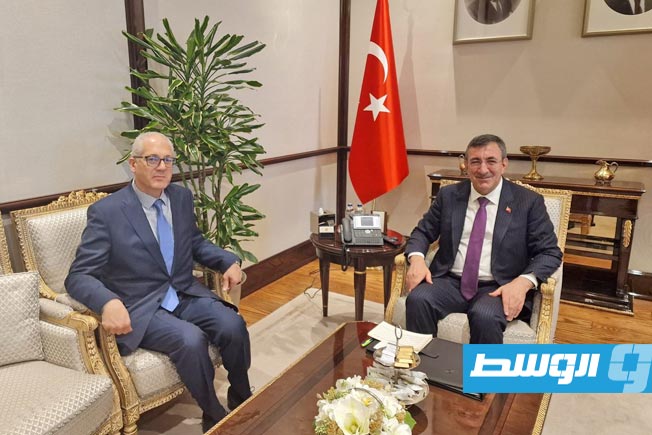
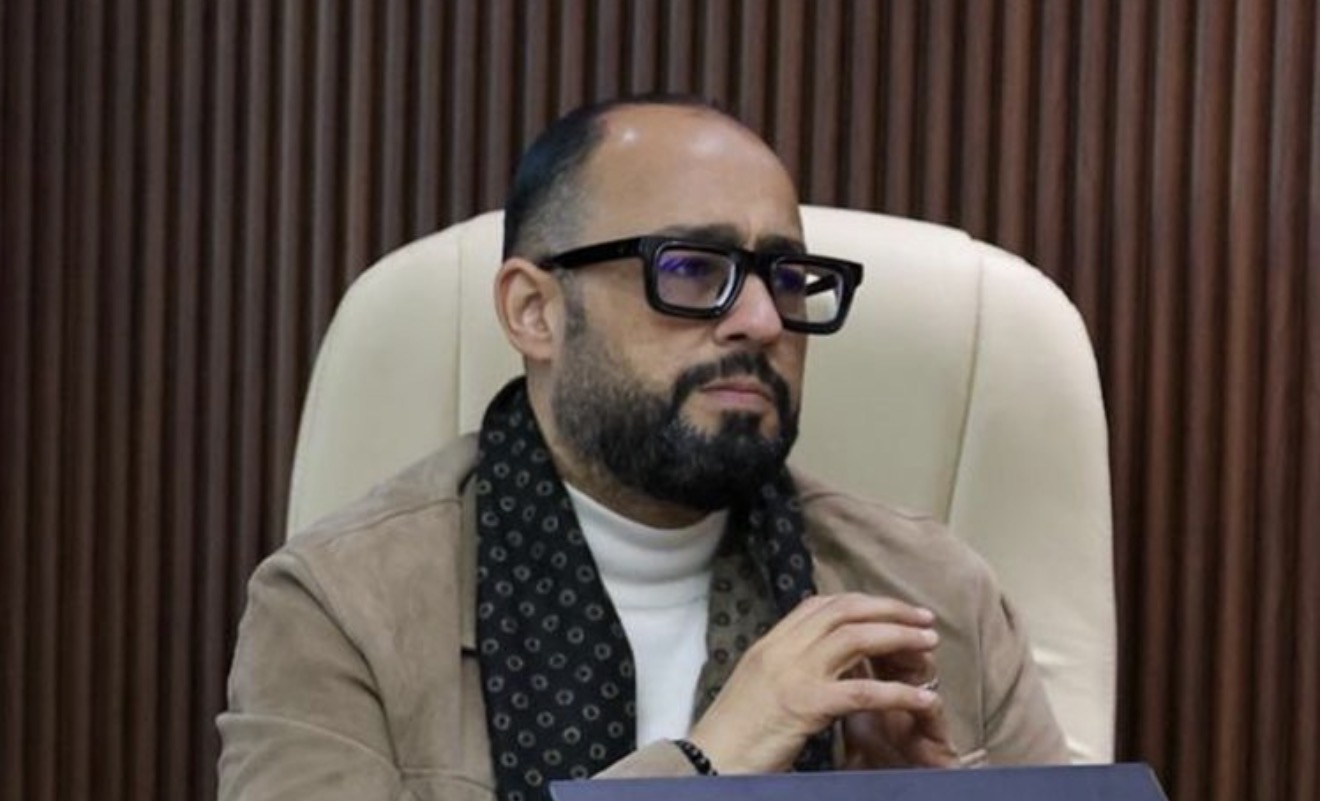
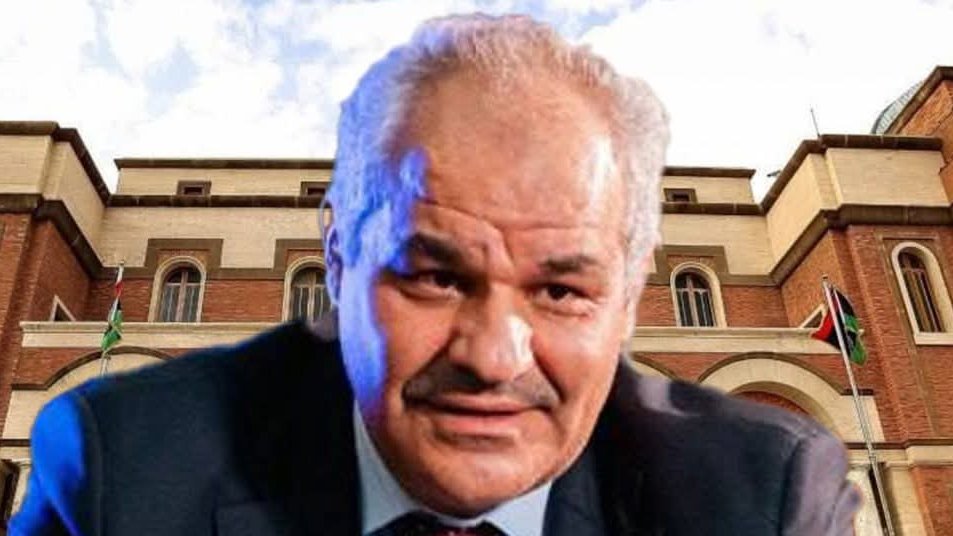
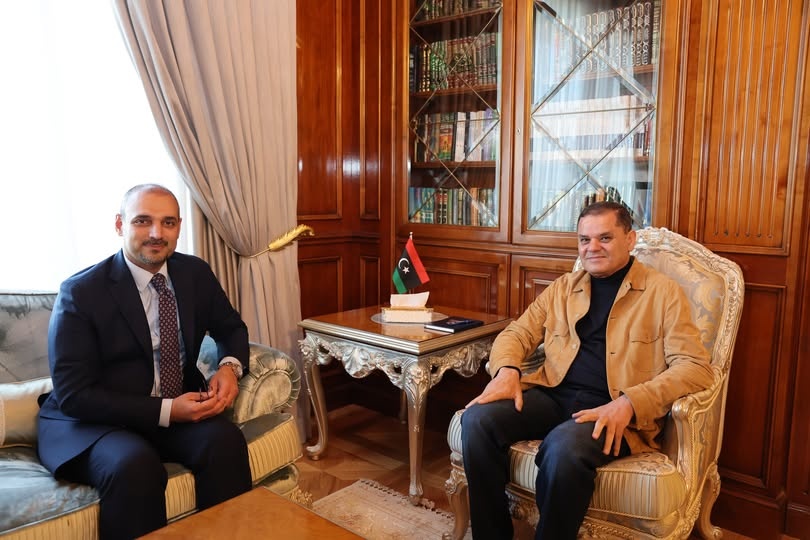
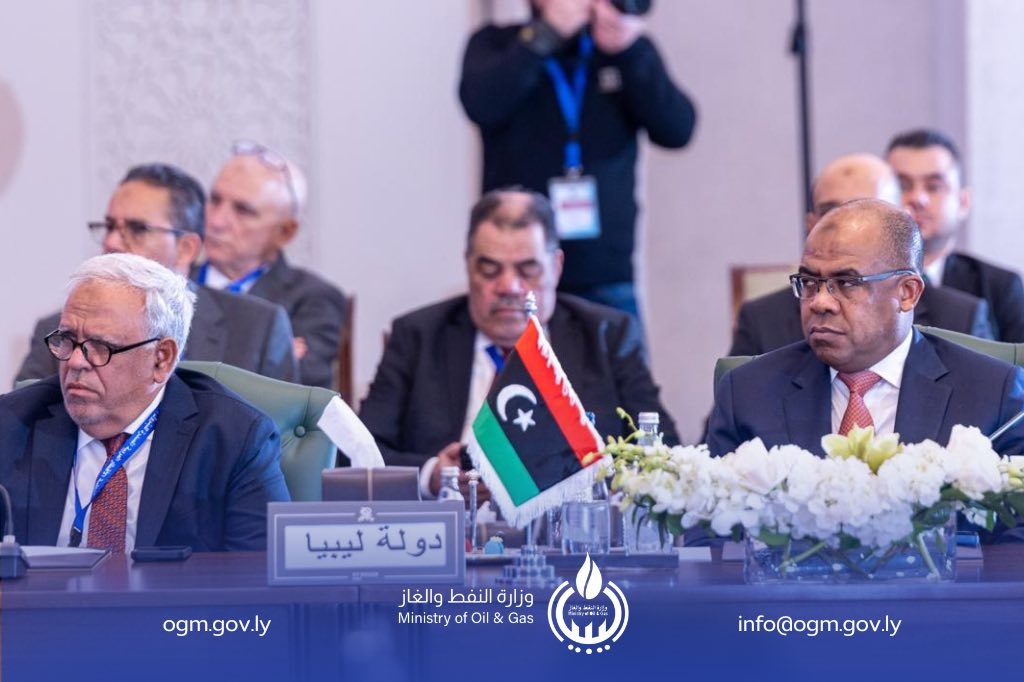
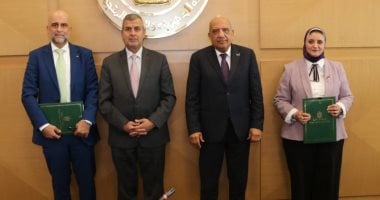
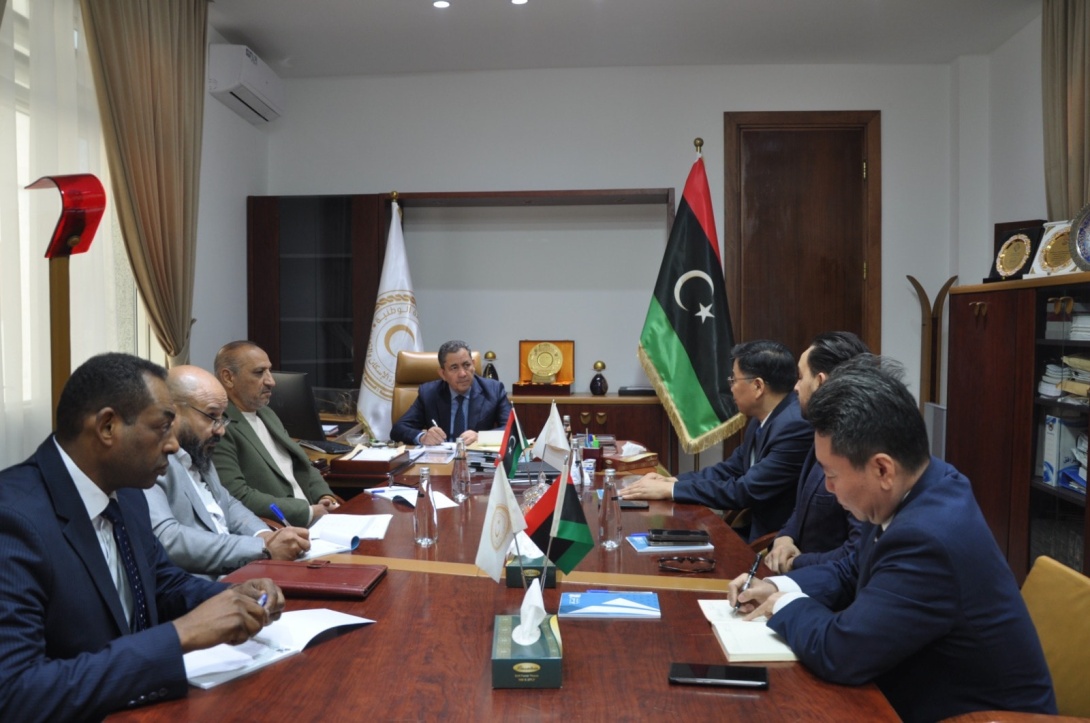
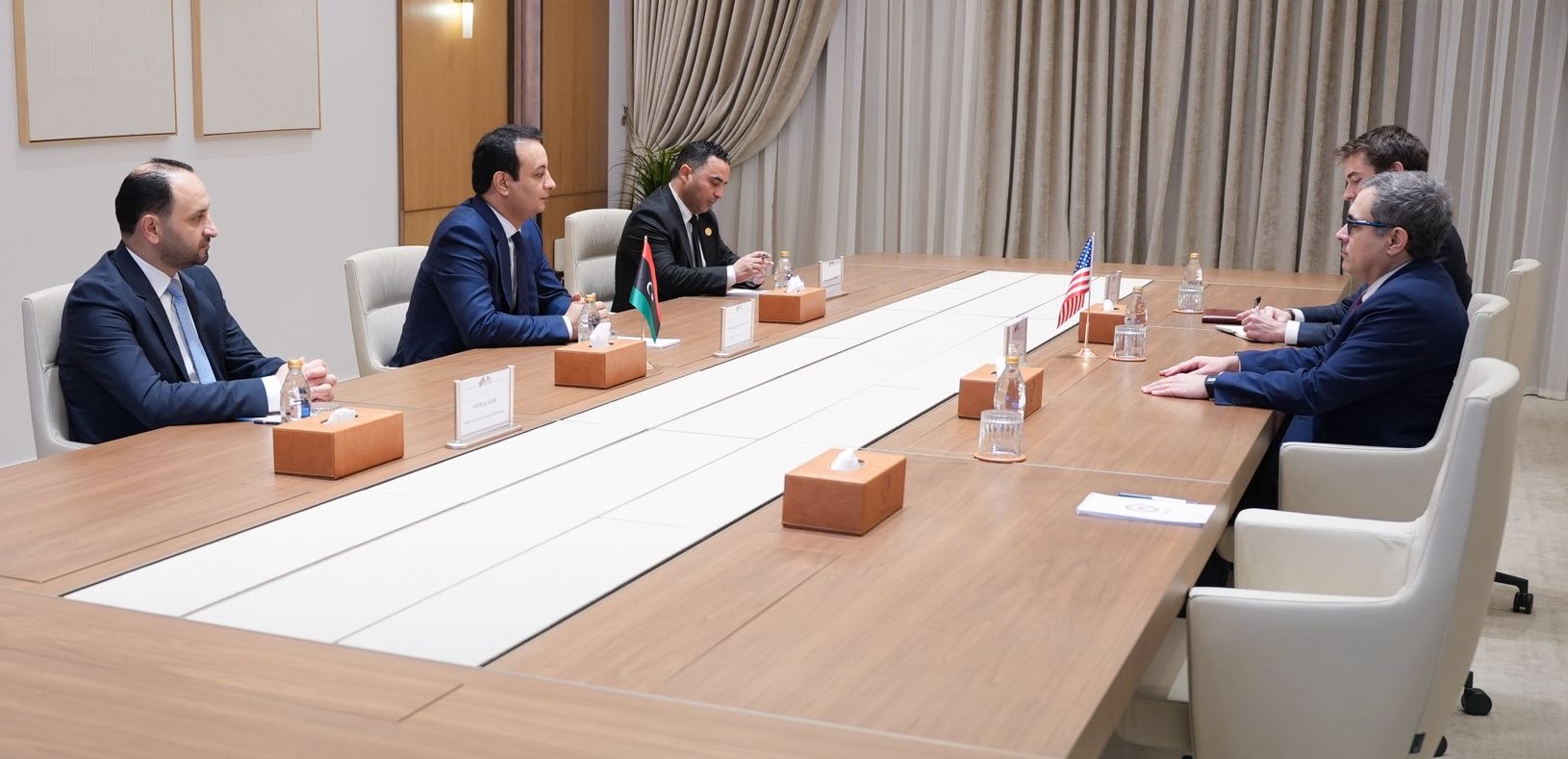
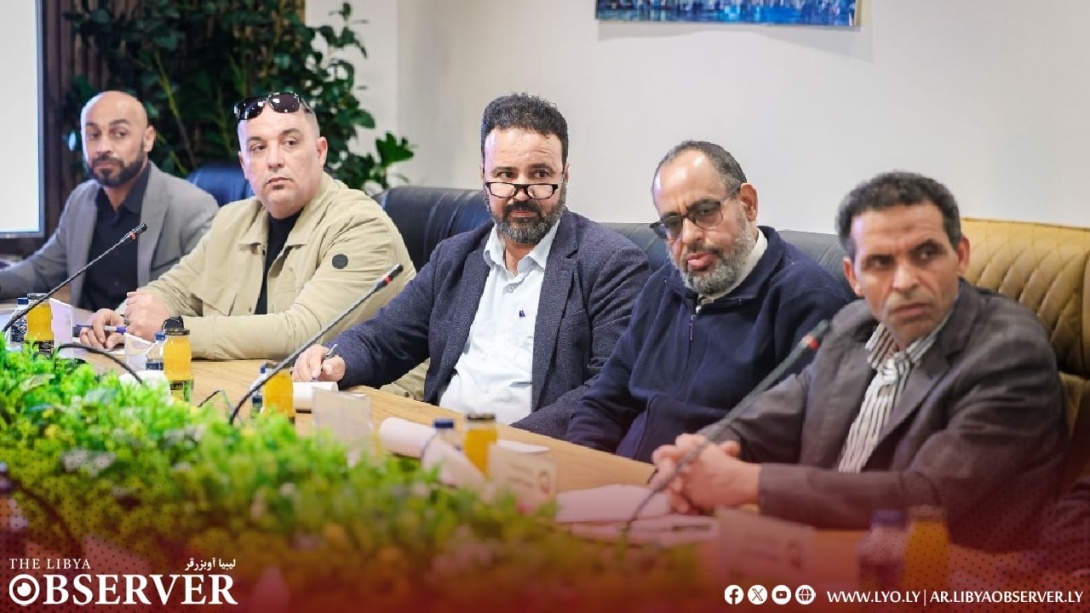
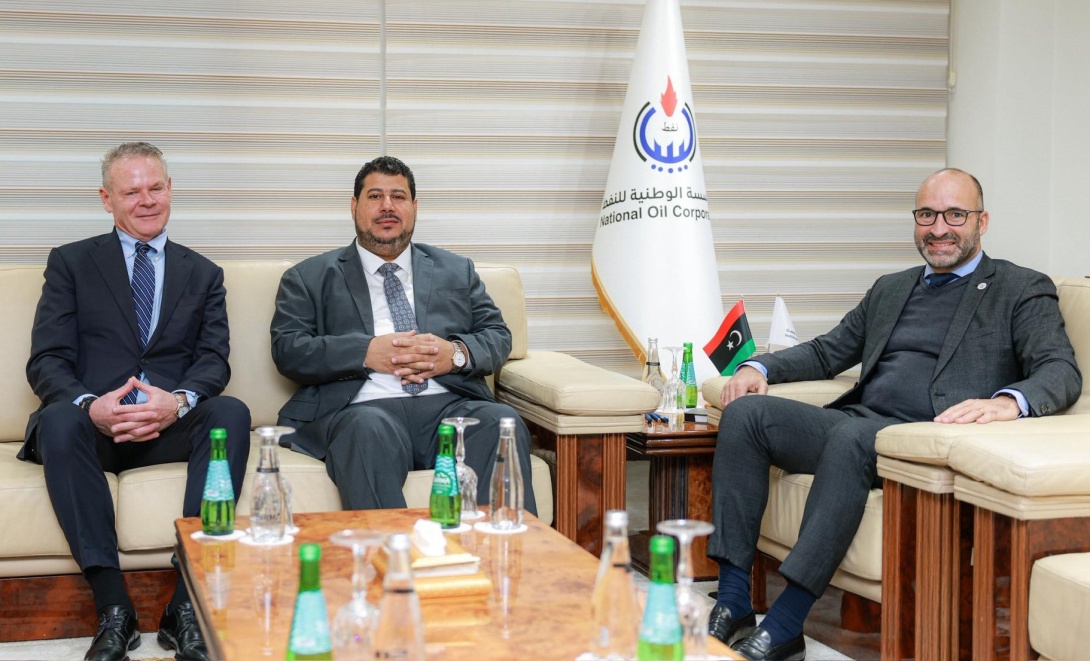
The agreement was signed at the Ministry of Energy building in Damascus in the presence of the Syrian Minister of Energy and the Jordanian Minister of Energy and Mineral Resources.
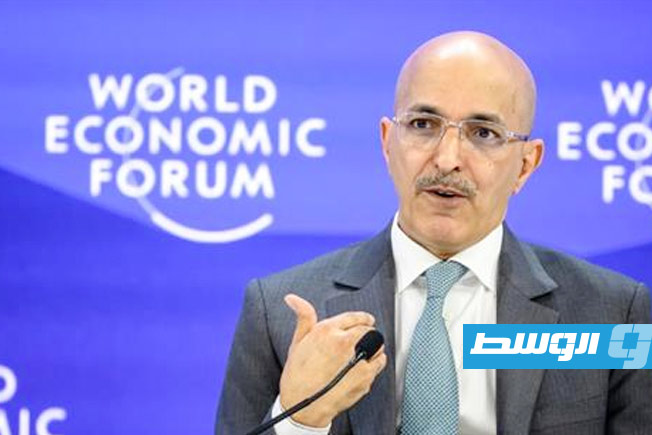
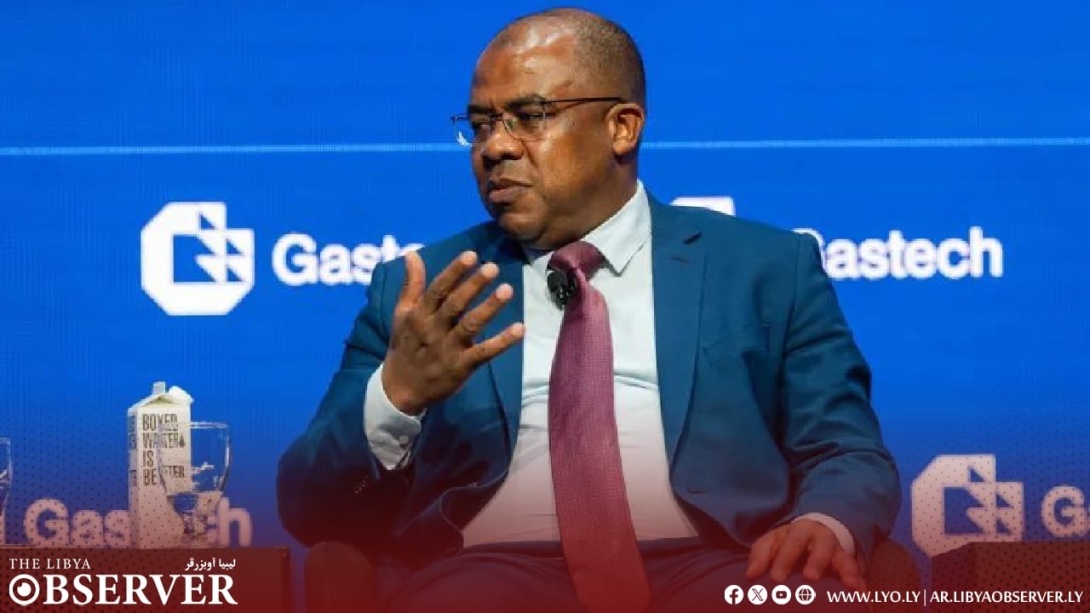
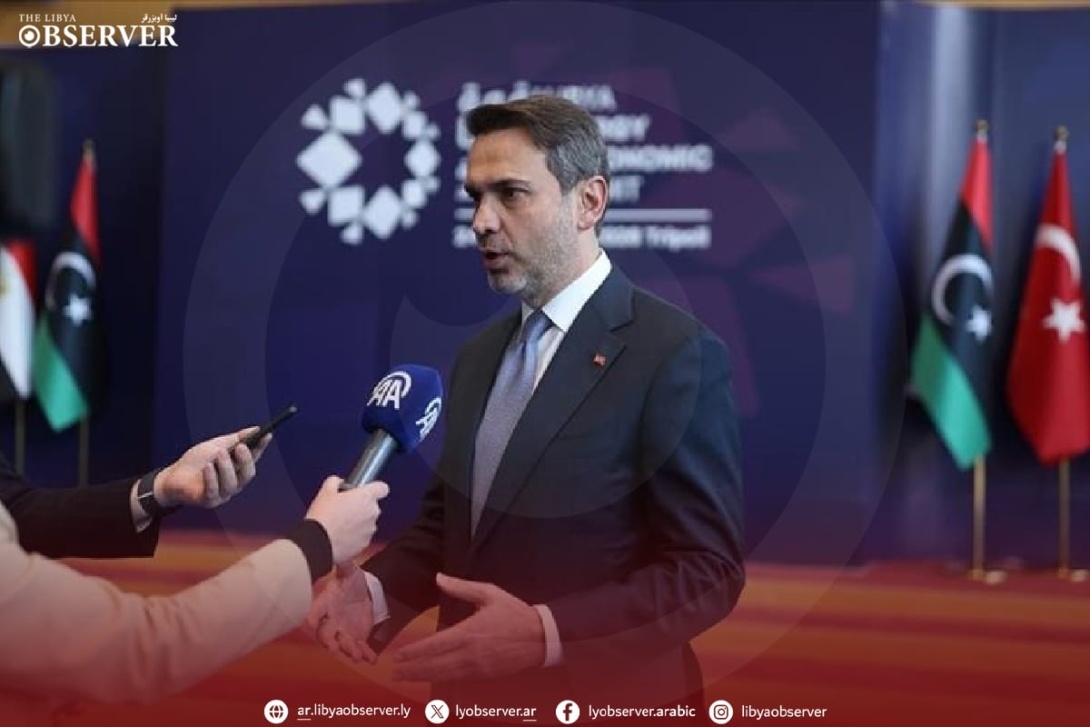
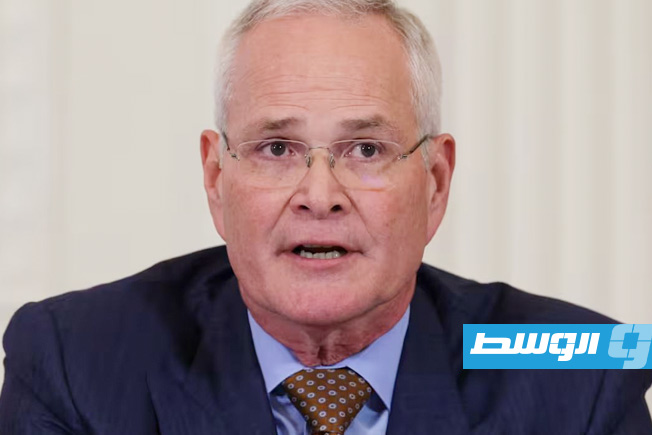
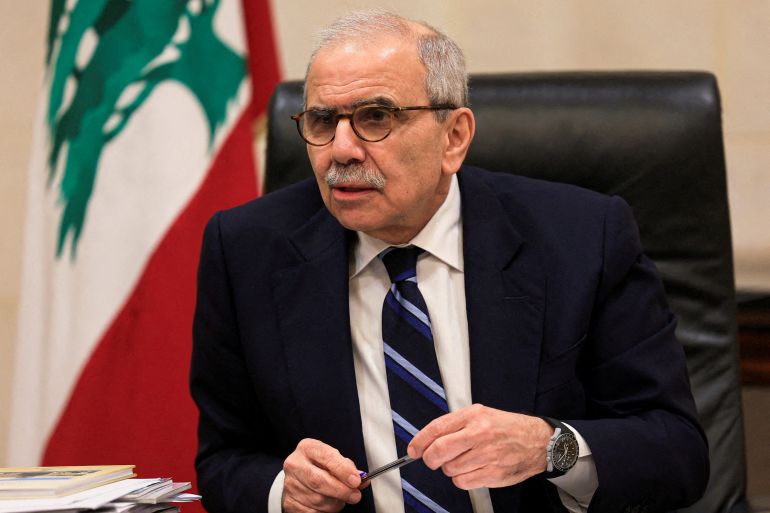
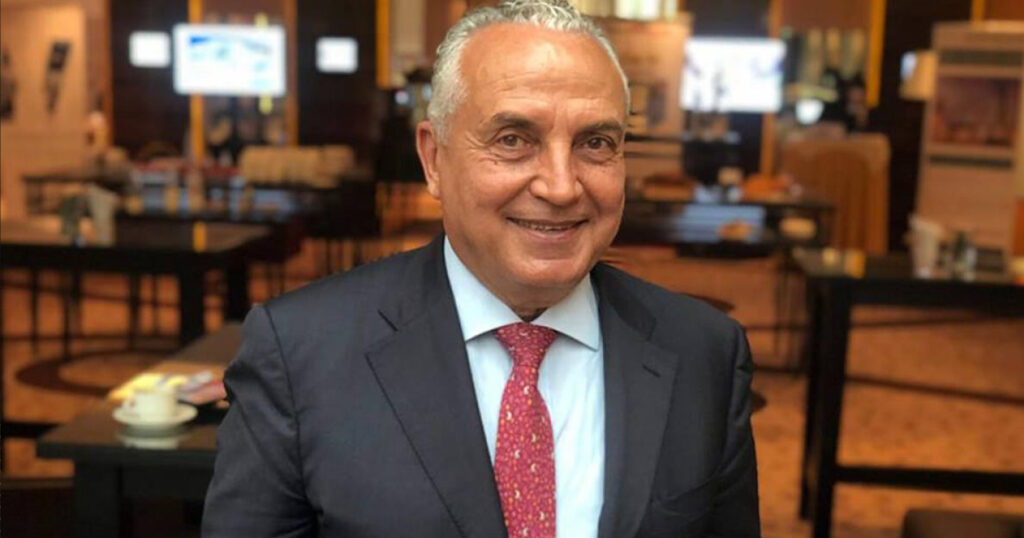
The Syrian Minister confirmed that the agreement constitutes an important step to secure the needs of the electricity sector and improve the reality of power supply, especially in light of the challenges the sector has faced in recent years.
He explained that the agreement supports the stability of the national energy system, contributes to diversifying sources of natural gas supply, and raises the efficiency of power plant operations.
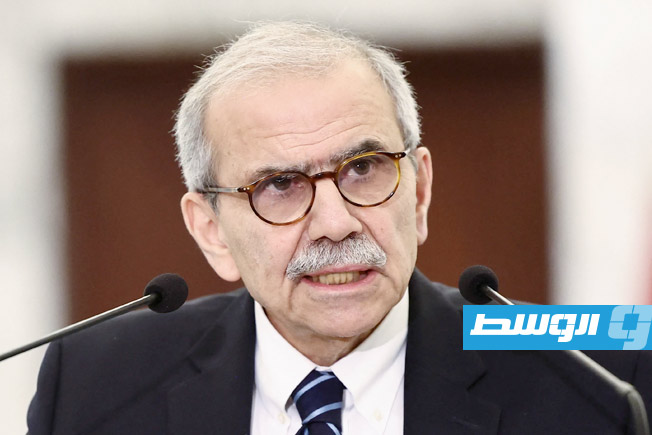
For his part, the Jordanian Minister clarified that the daily supply to Syria amounts to approximately 4 million cubic meters, or about 140 million cubic feet, which enhances the stability of the Syrian electricity sector.
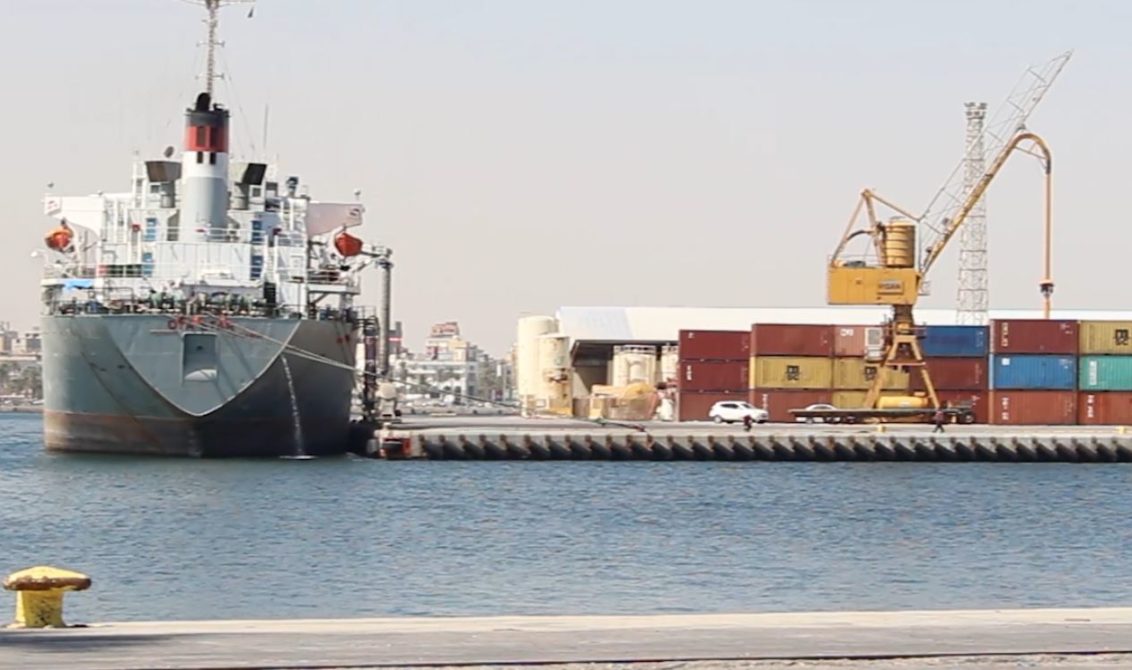
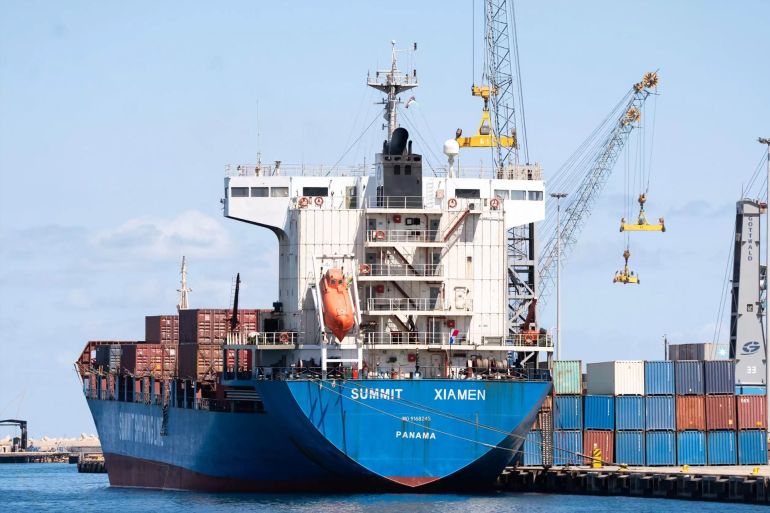
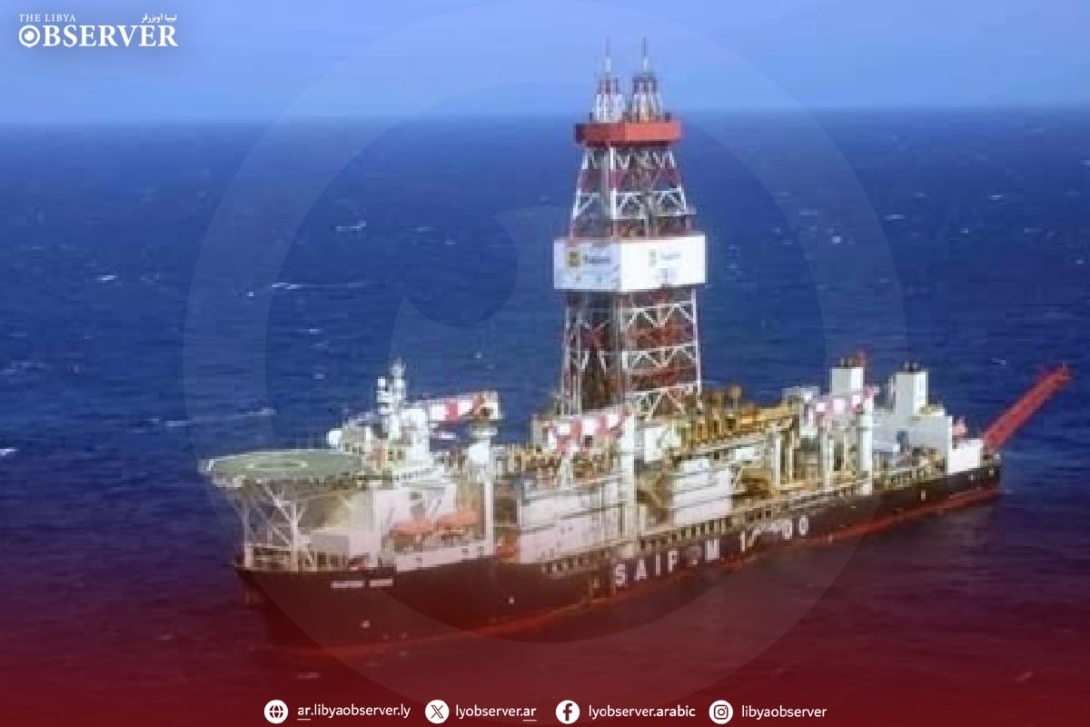
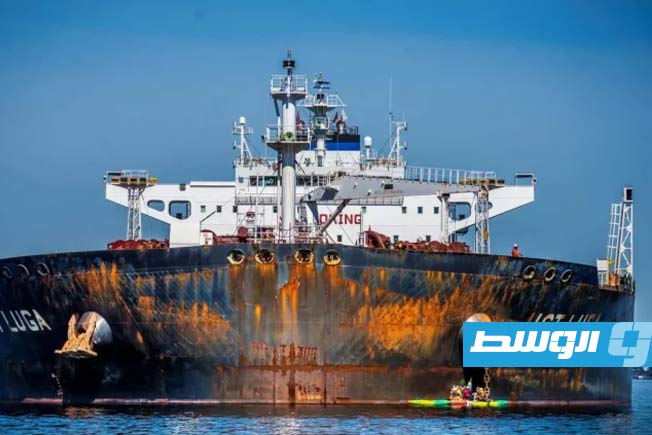
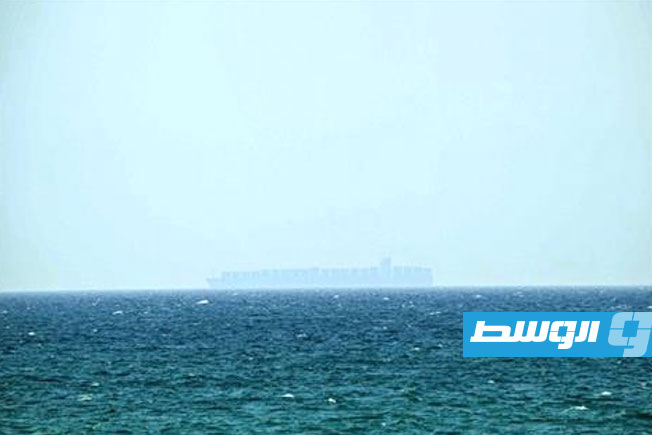
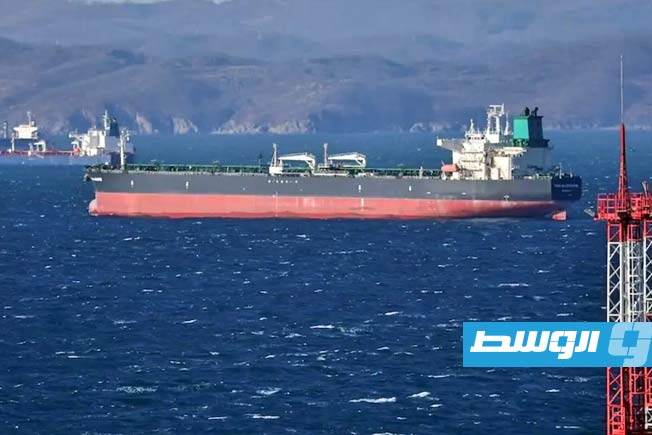
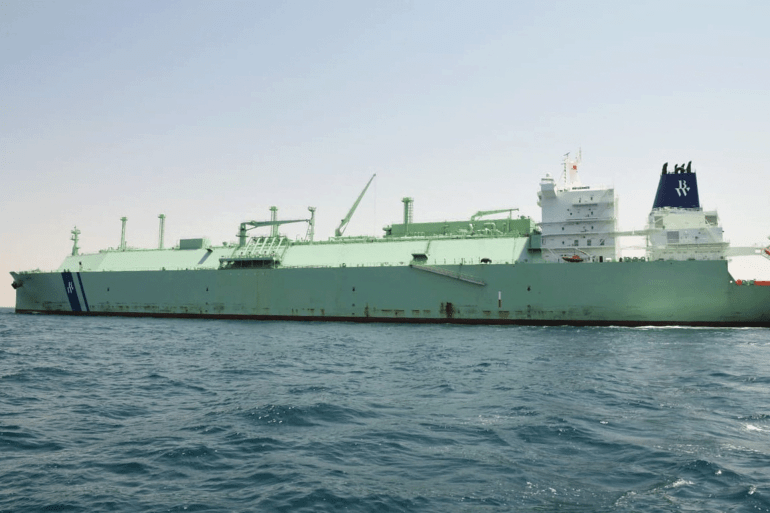
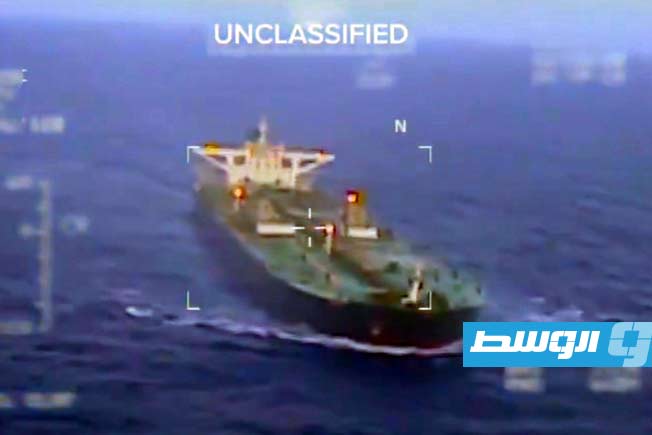
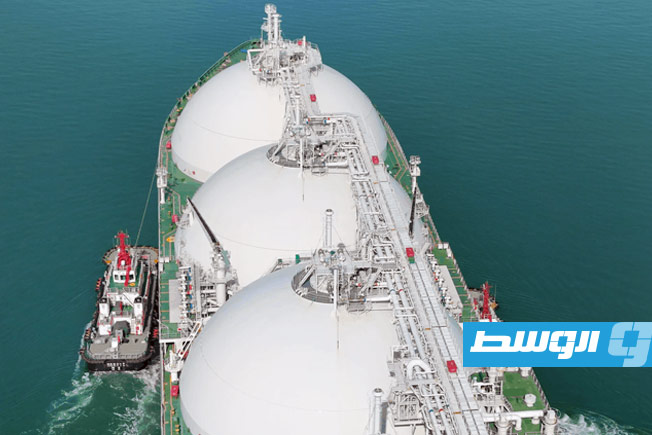
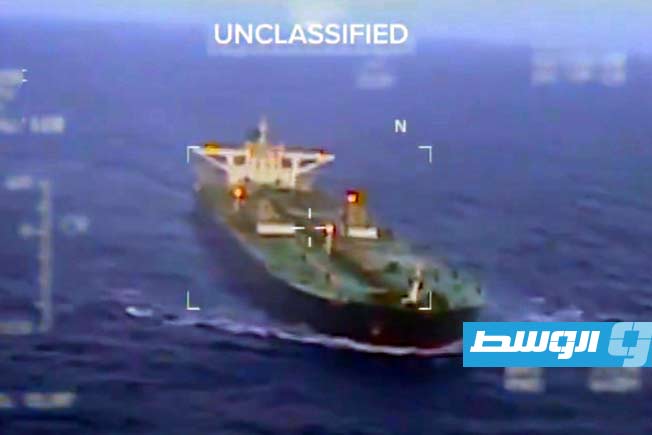
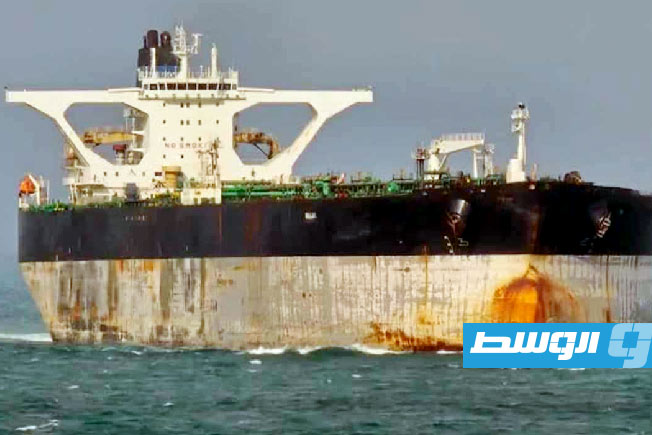
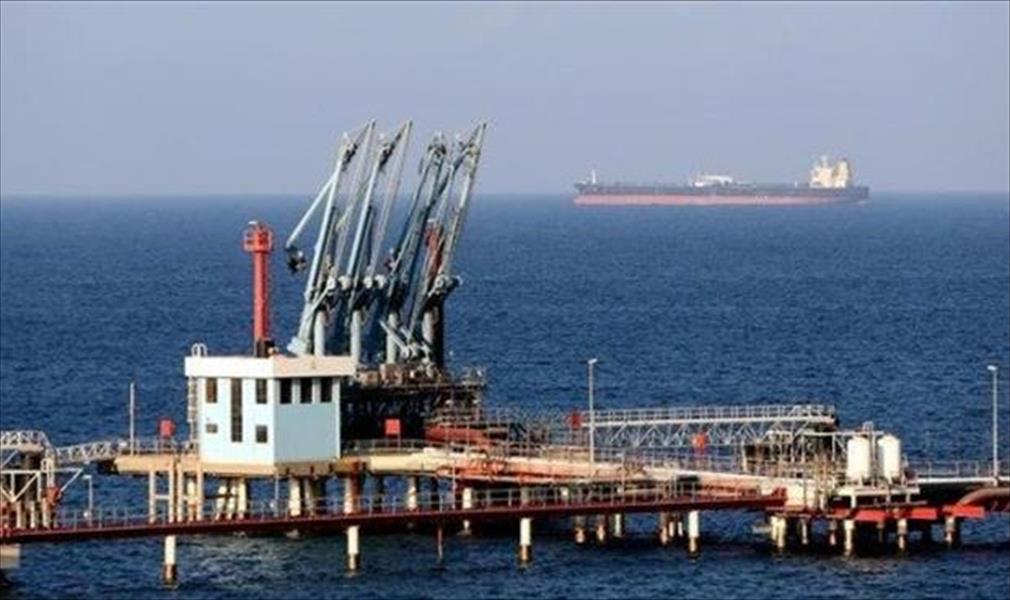
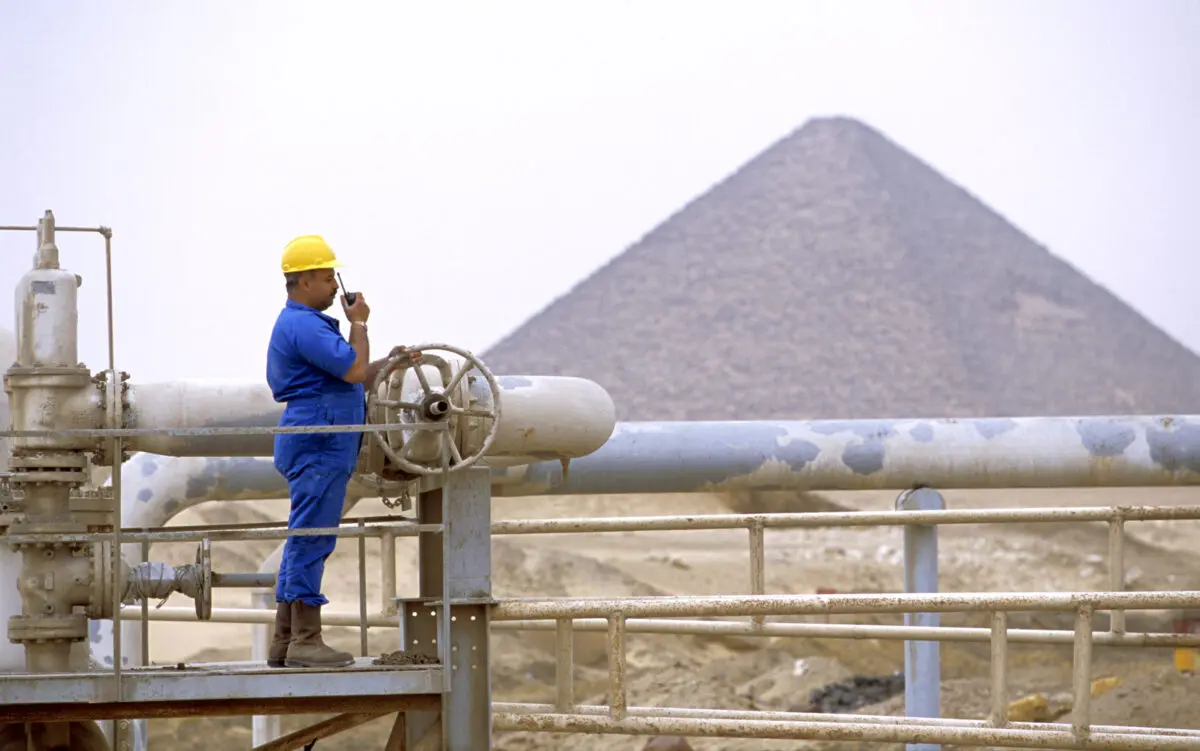
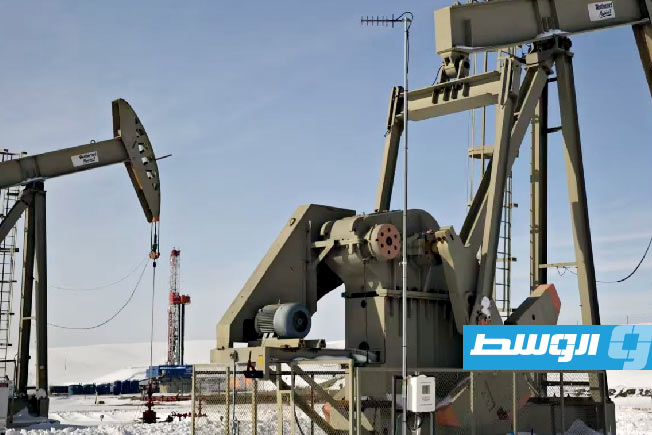
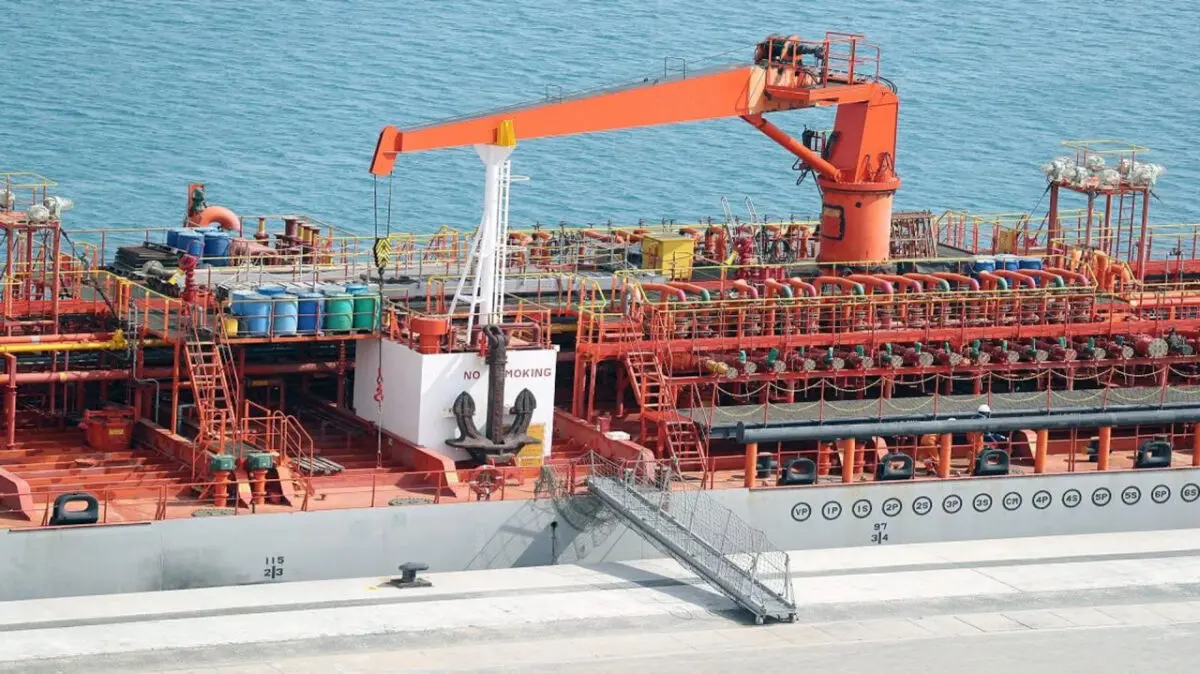
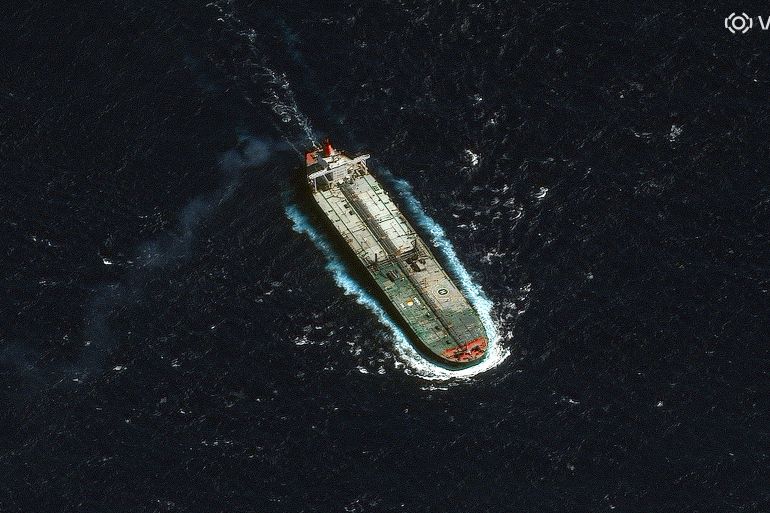
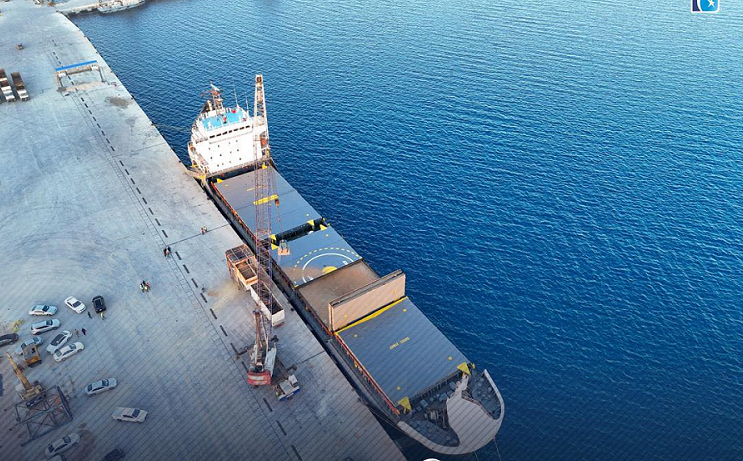
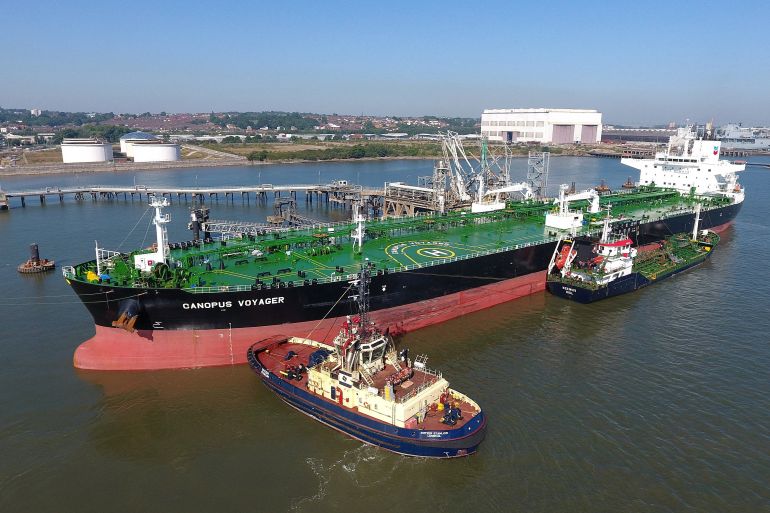
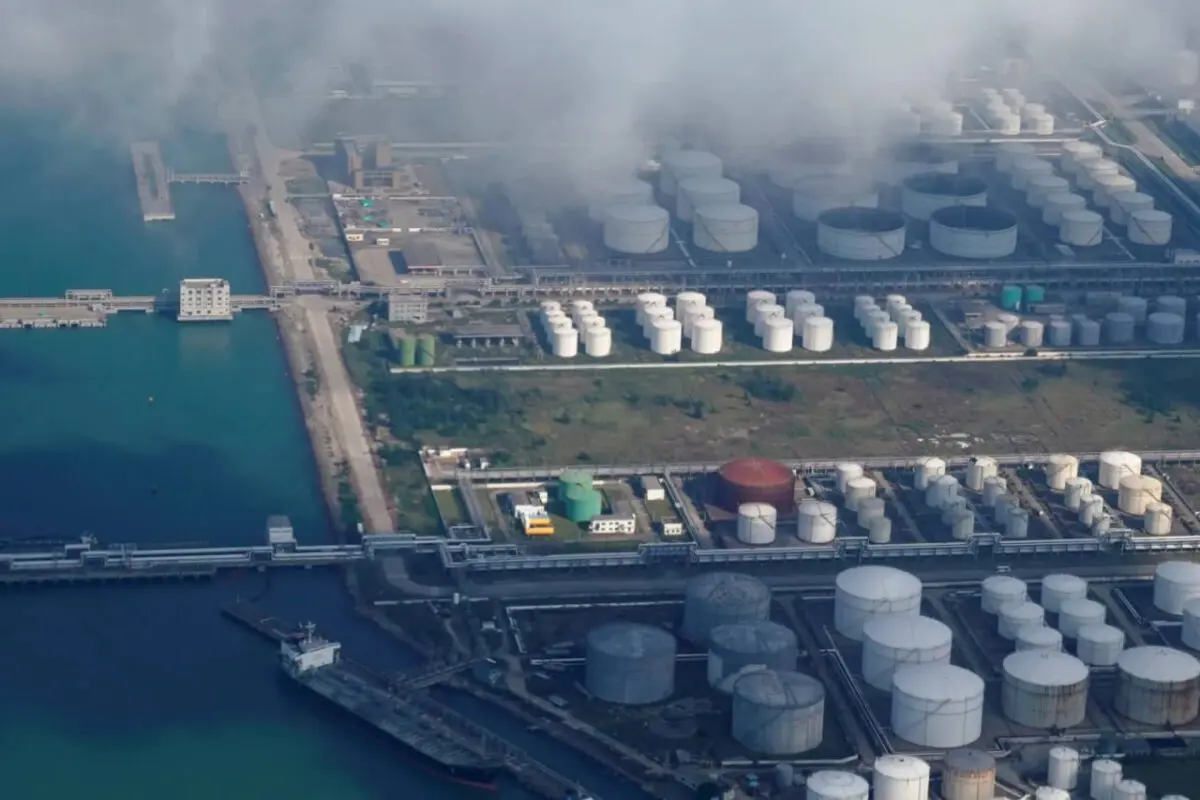
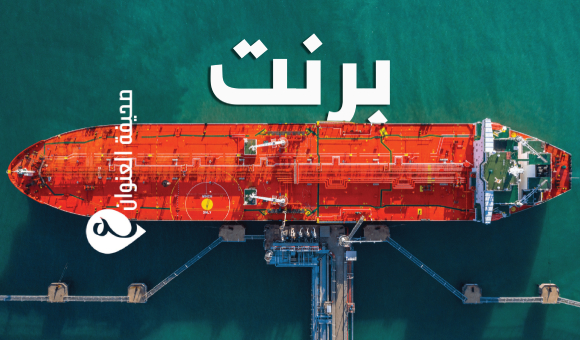
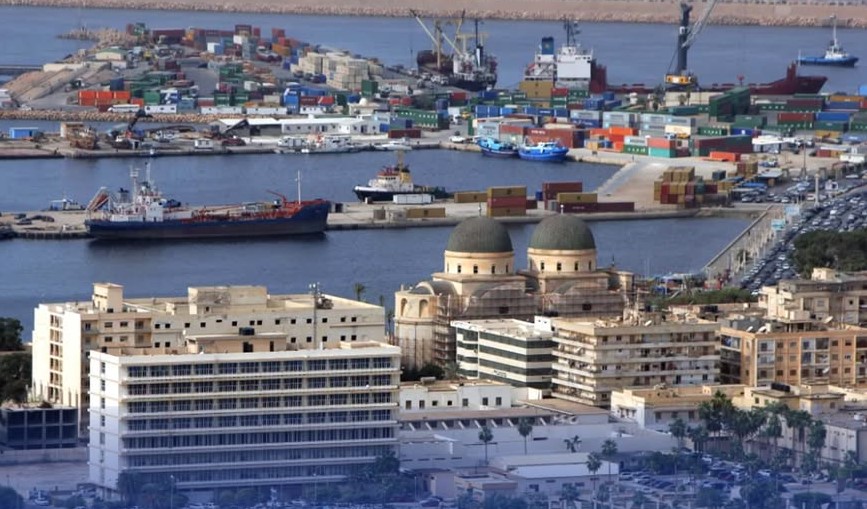
He indicated that the supply actually began on the first of January with quantities ranging between 30 and 90 million cubic feet per day, via a specialized floating storage and regasification unit (FSRU) chartered to receive liquefied natural gas and convert it to natural gas in its gaseous form. The vessel will remain anchored in the Jordanian port of Aqaba until the end of next March.
The Jordanian Minister added that the Jordanian National Electric Power Company has begun procedures to charter a new floating storage and regasification unit to replace the current vessel and ensure the continued supply of gas according to operational needs.
The Syrian Minister had announced on January 8th the start of pumping gas via Jordan to the Al-Nasiriyah power plant.
Syrian Petroleum Company
The Syrian Petroleum Company is a state-owned enterprise established in 1974, responsible for overseeing oil and gas exploration and production in Syria. It has historically been a key contributor to the national economy, though its operations have been significantly disrupted by the ongoing conflict since 2011.
Jordanian National Electric Power Company
The Jordanian National Electric Power Company (NEPCO) is Jordan’s state-owned entity responsible for the transmission and bulk purchase of electricity across the country. Established in 1996, it was formed to manage the national grid following the restructuring of the country’s power sector, which separated generation, transmission, and distribution functions.
Ministry of Energy building
The Ministry of Energy building in Saudi Arabia, located in Riyadh, is a prominent government structure that houses the administrative headquarters for the country’s energy policy and oil sector management. Its history is tied to the development of Saudi Arabia’s modern state institutions following the discovery of oil in the 1930s, which fundamentally transformed the nation’s economy and global significance.
Damascus
Damascus is the capital of Syria and one of the oldest continuously inhabited cities in the world, with evidence of settlement dating back to the 3rd millennium BCE. It served as a major cultural and commercial center, notably as the capital of the Umayyad Caliphate in the 7th and 8th centuries, and is home to significant historical sites like the Umayyad Mosque.
Aqaba
Aqaba is Jordan’s only coastal city, located on the northern tip of the Red Sea. Historically, it has been a strategic port for millennia, controlled by civilizations including the Edomites, Nabateans, Romans, and later playing a role in the Arab Revolt during World War I. Today, it is a major port and a popular tourist destination for diving and beach resorts.
Al-Nasiriyah power plant
The Al-Nasiriyah power plant is a combined-cycle gas-fired power station located in Dhi Qar Governorate, Iraq. It was constructed to help address the country’s chronic electricity shortages, with its development and commissioning phases taking place in the 2010s.