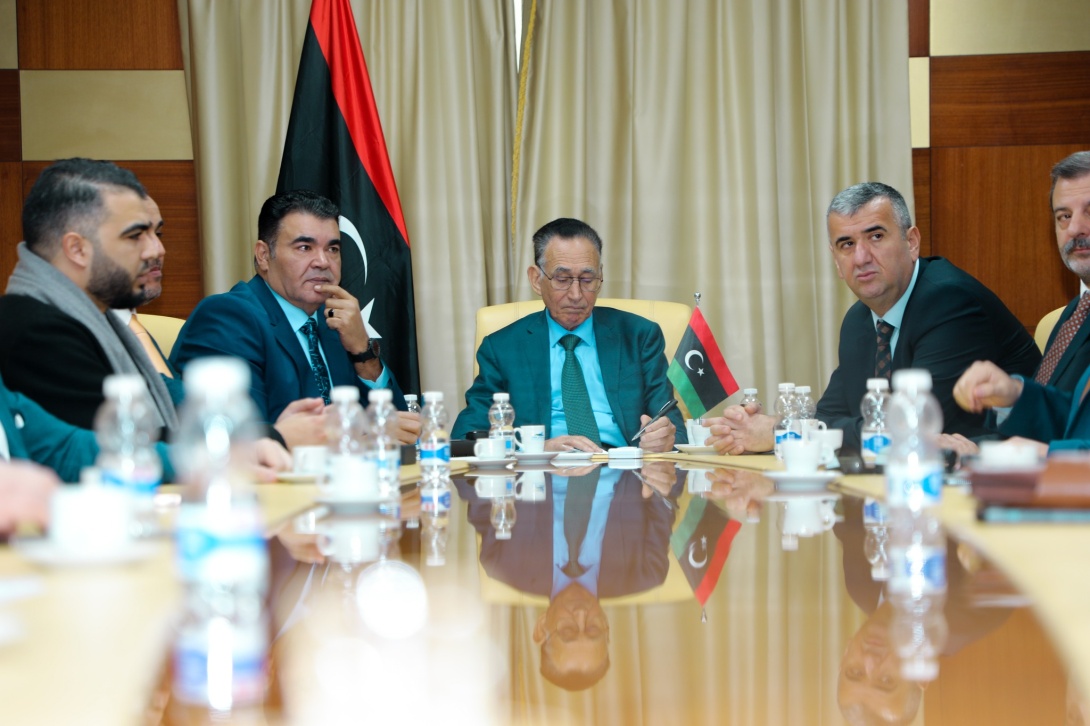
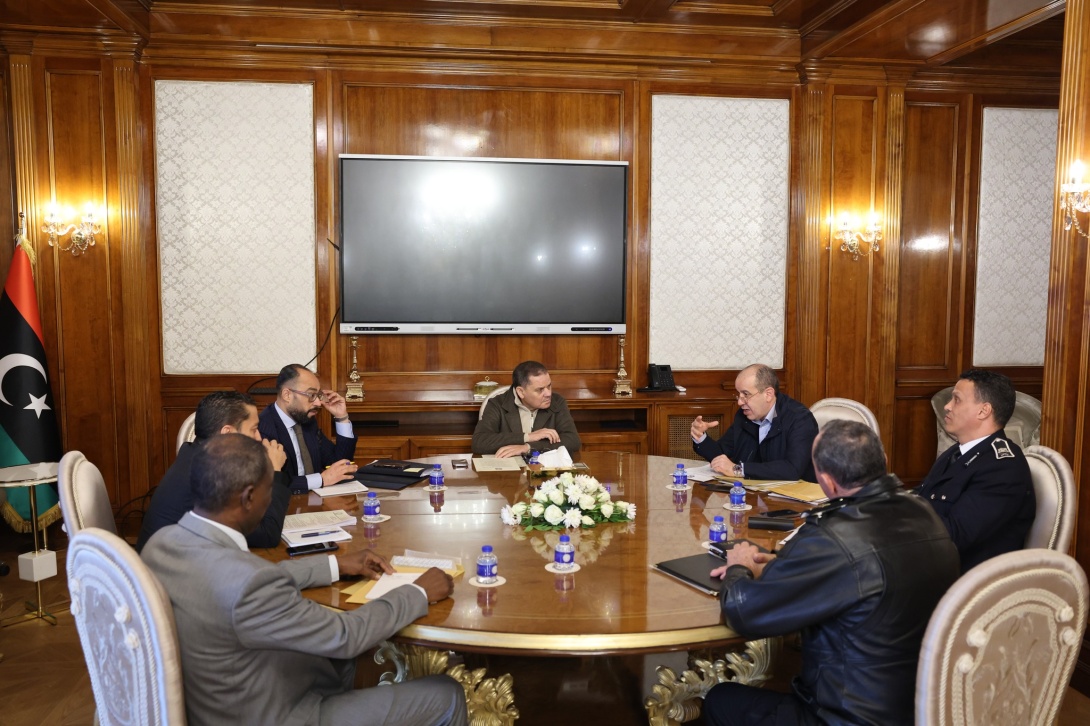
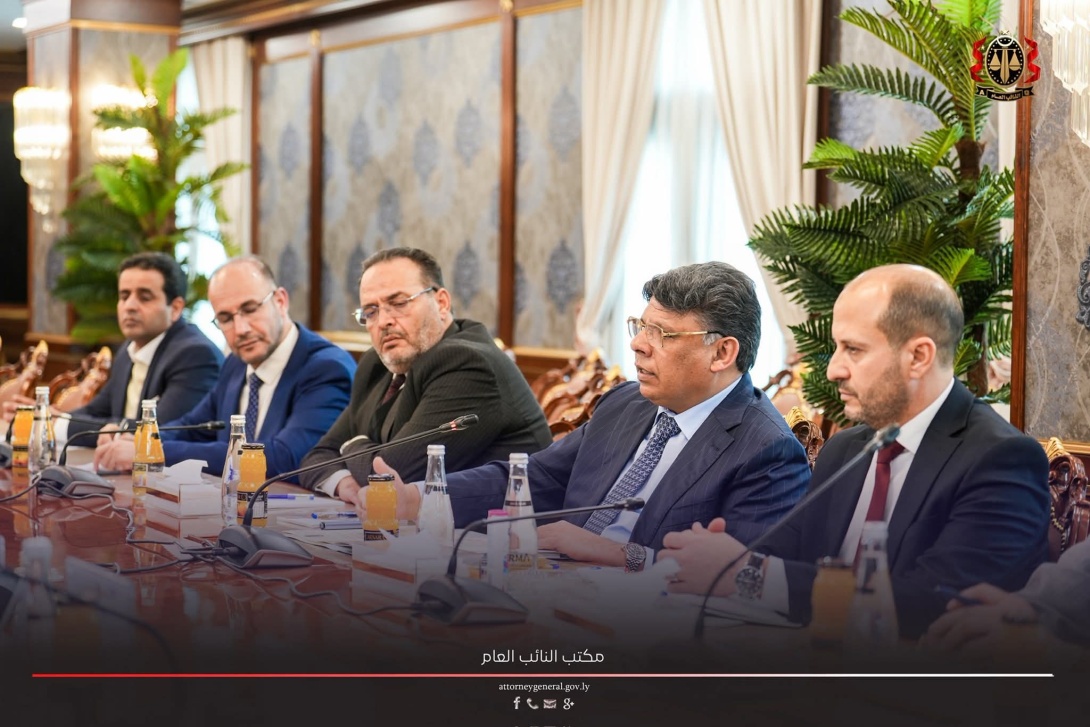
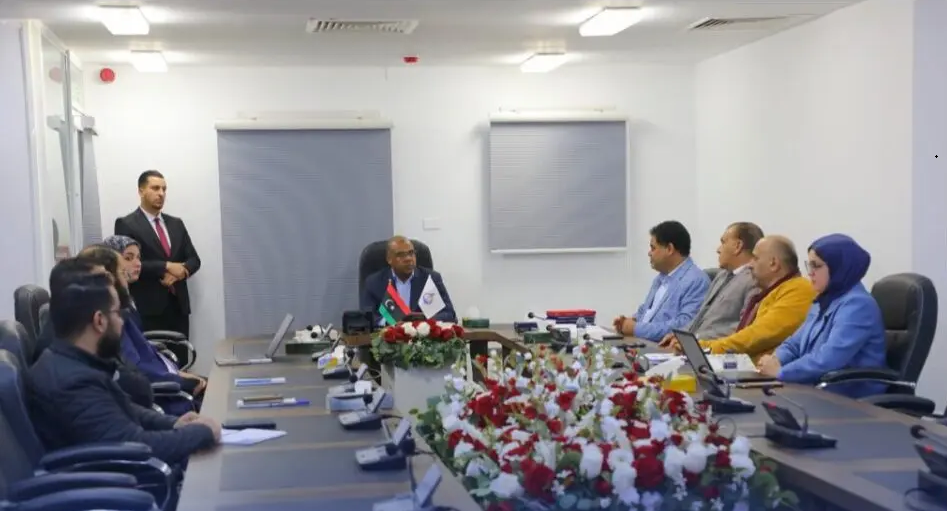
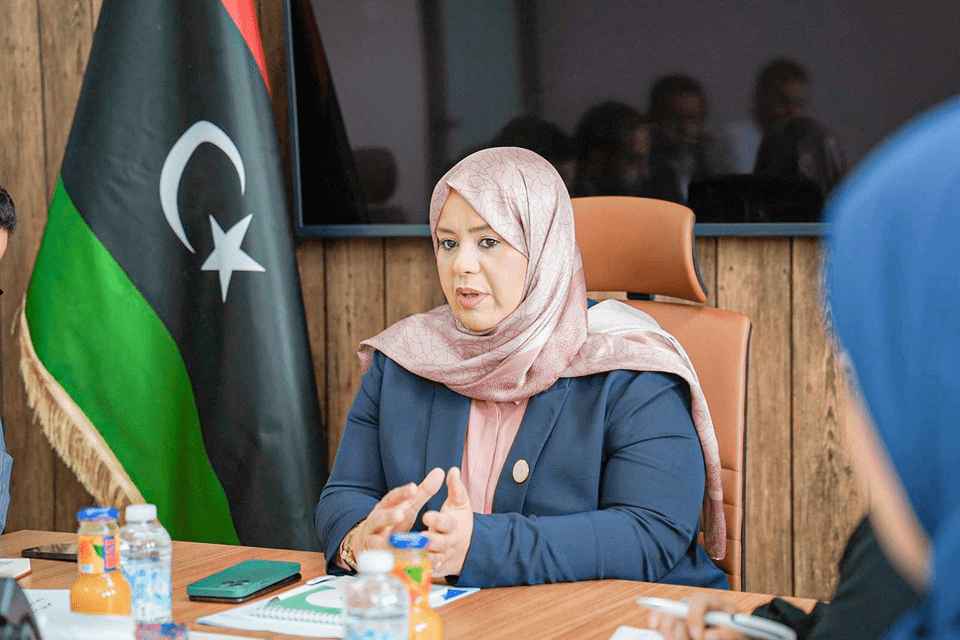
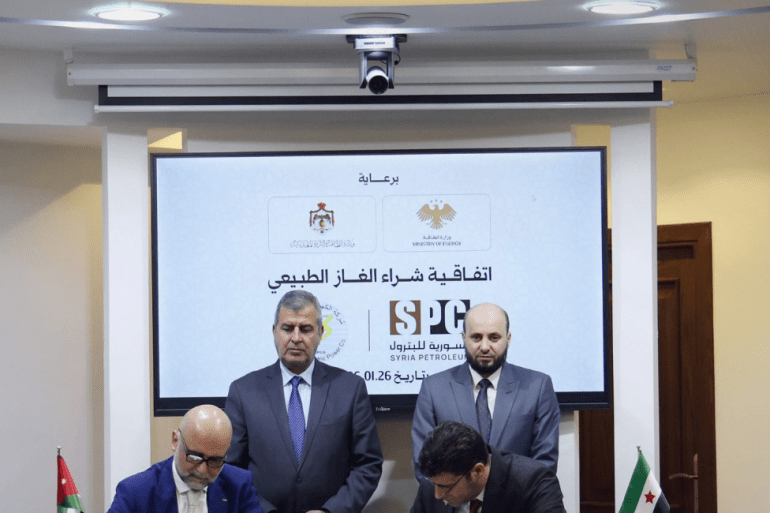
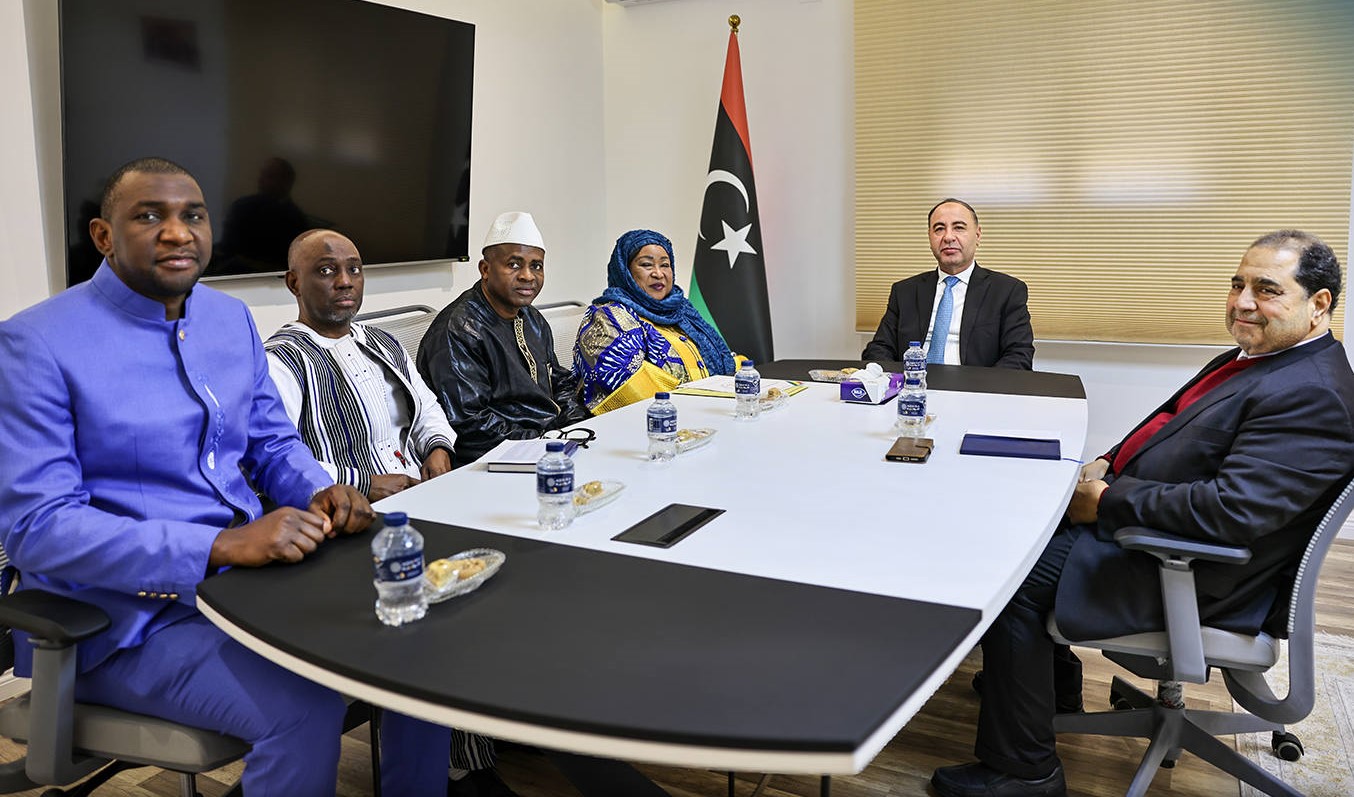
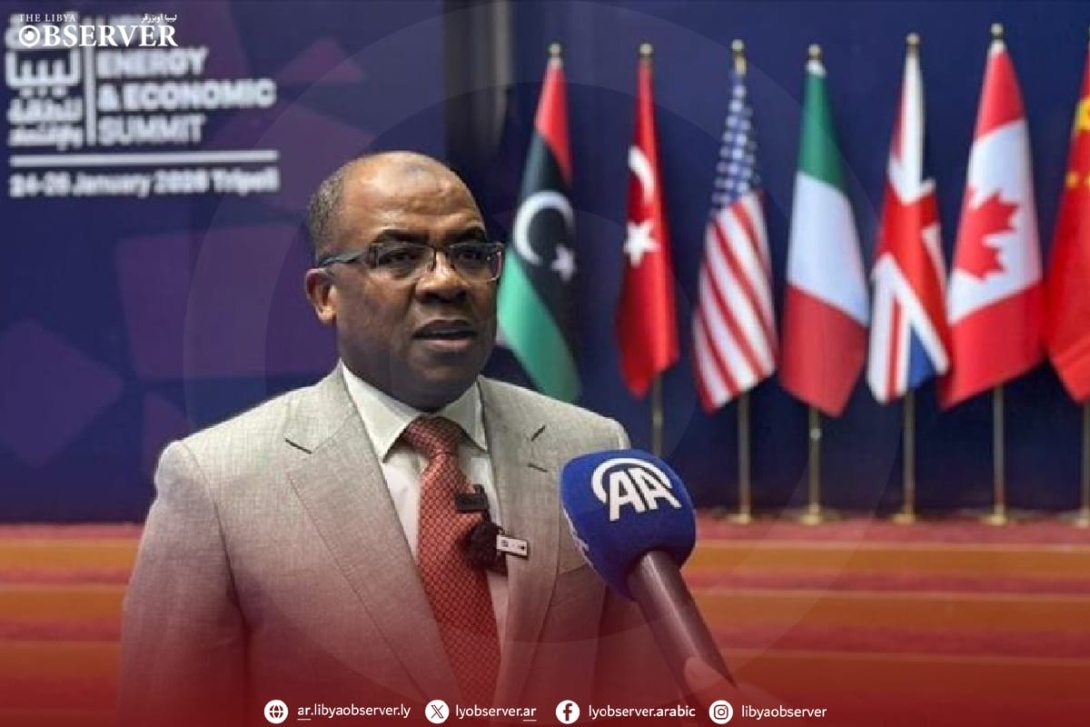
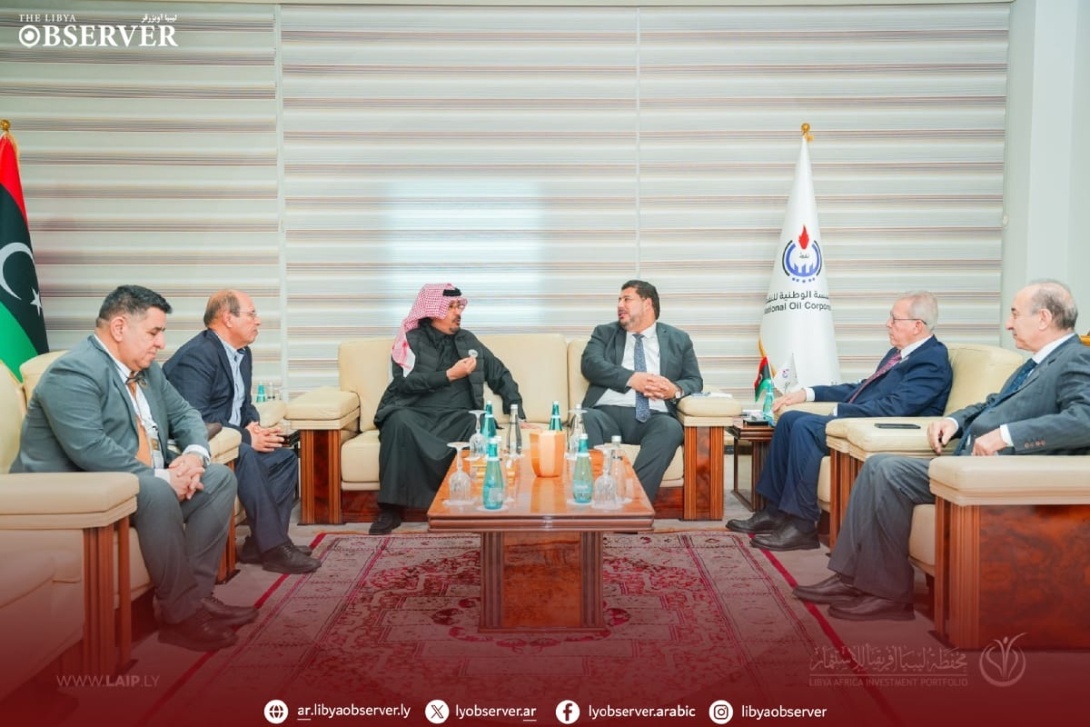
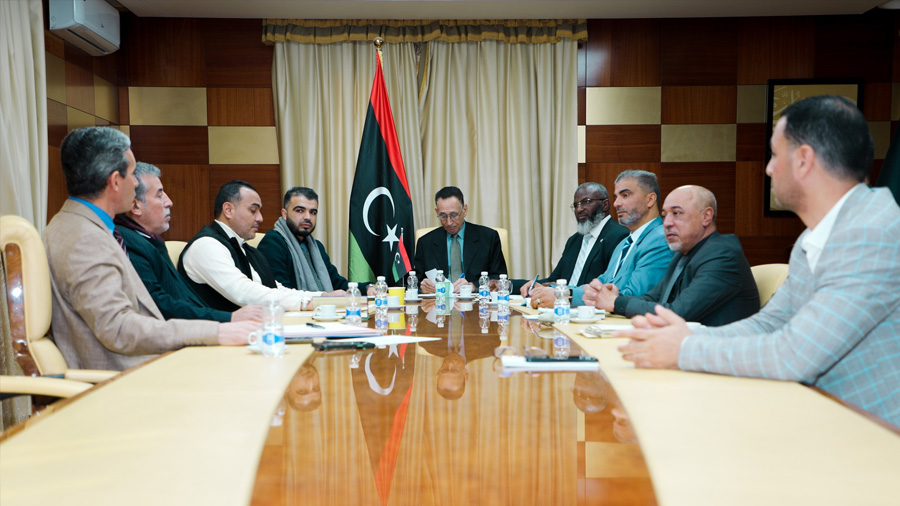
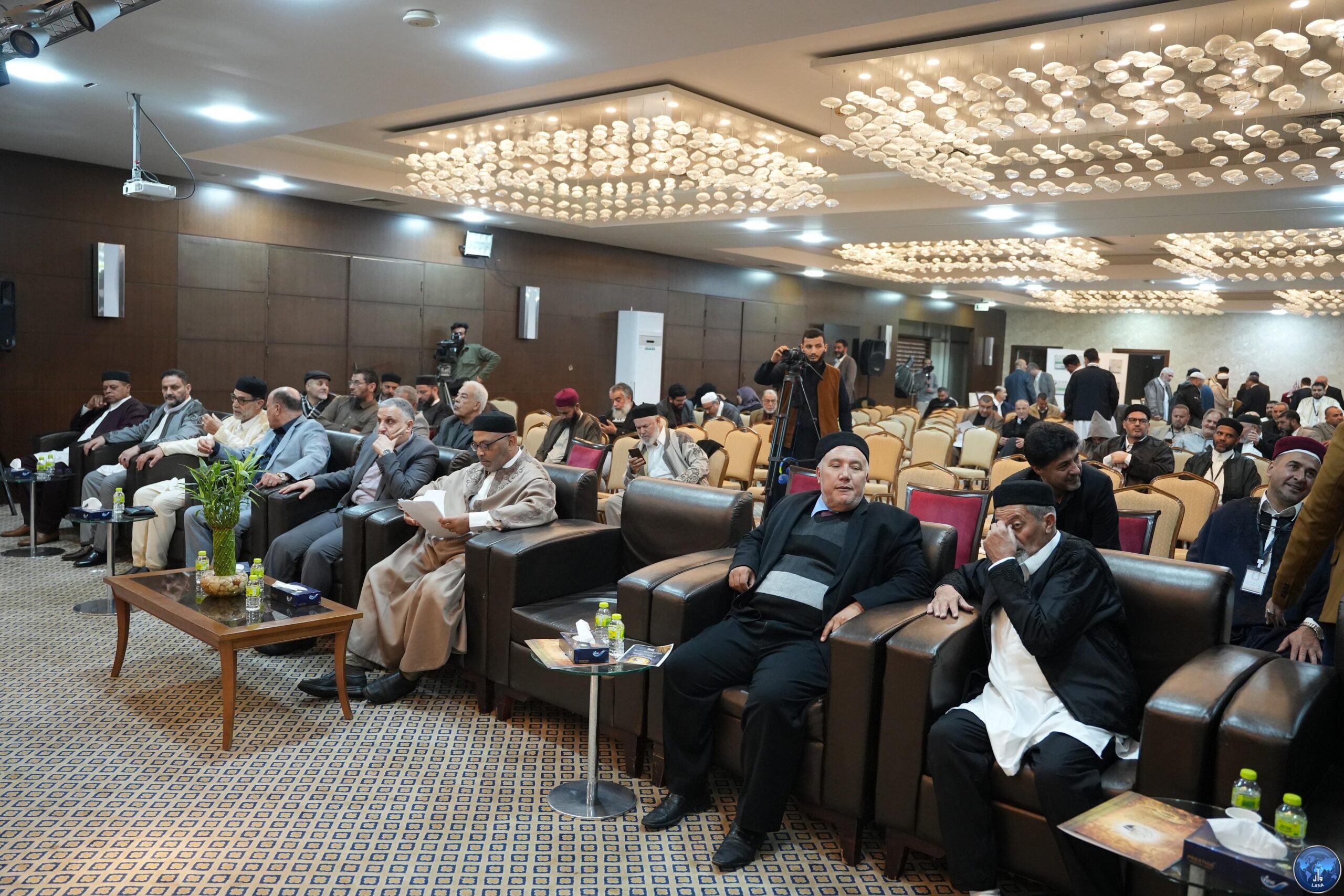
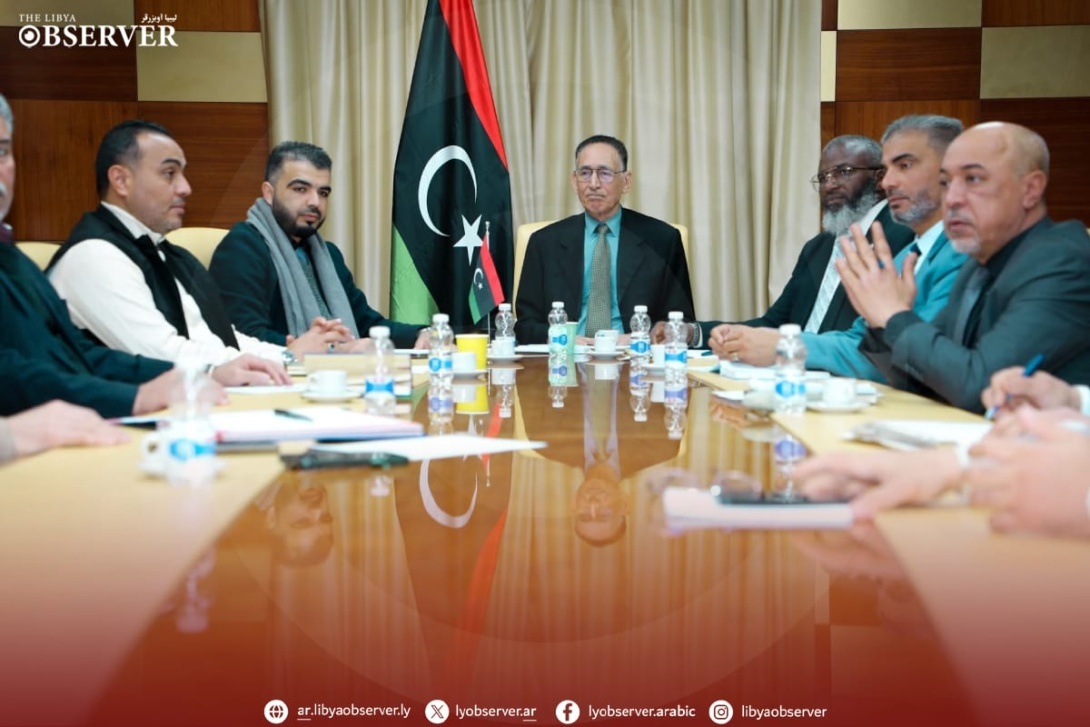
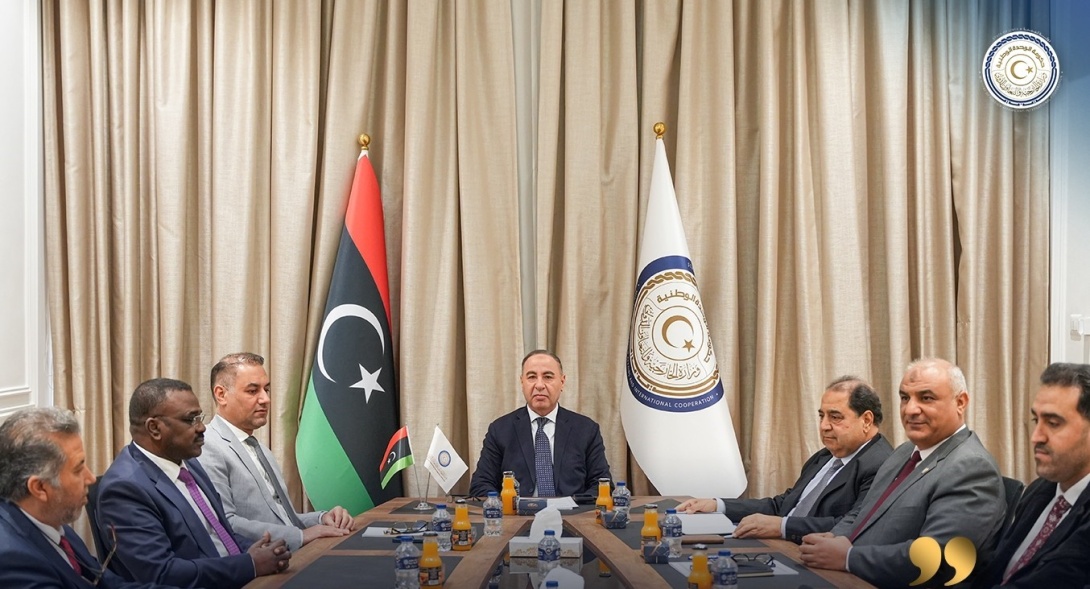
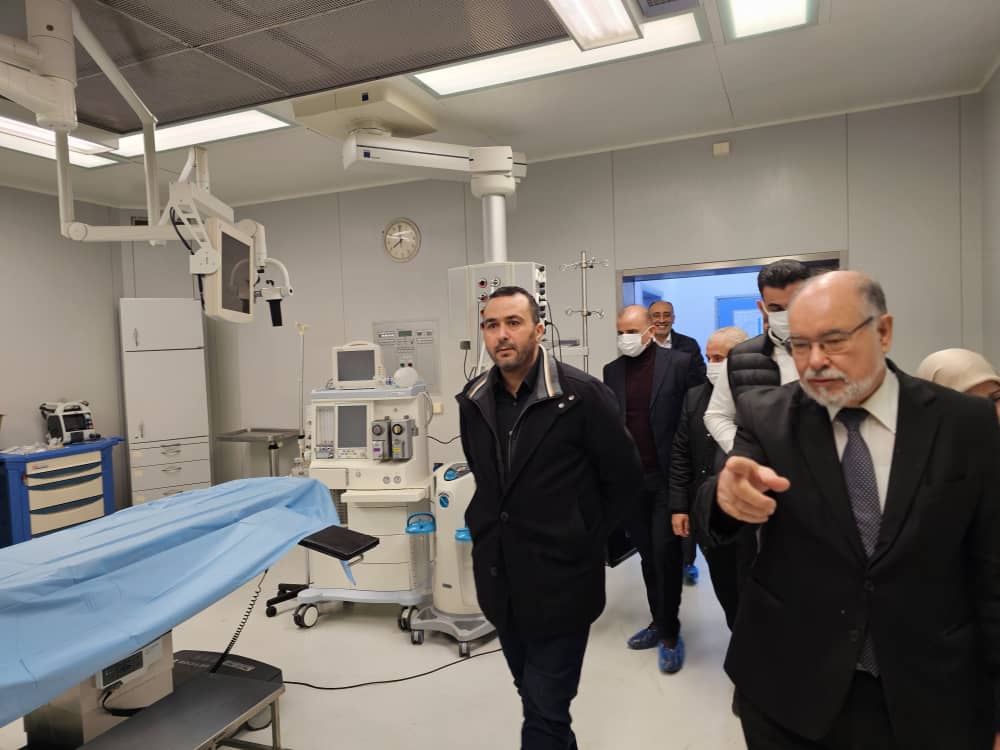
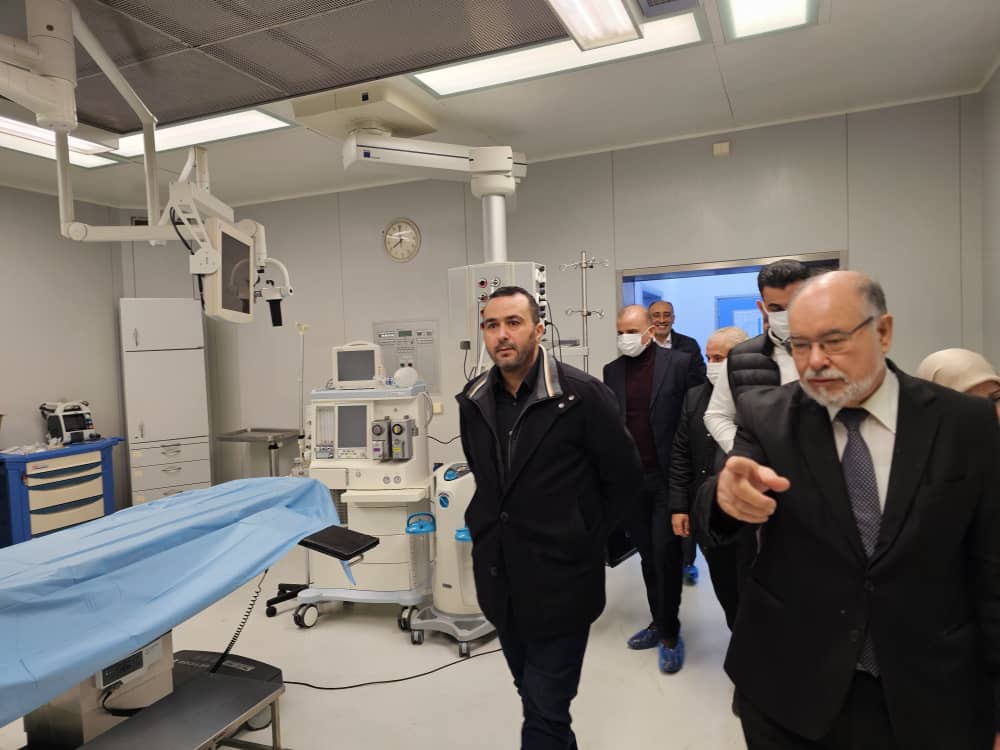
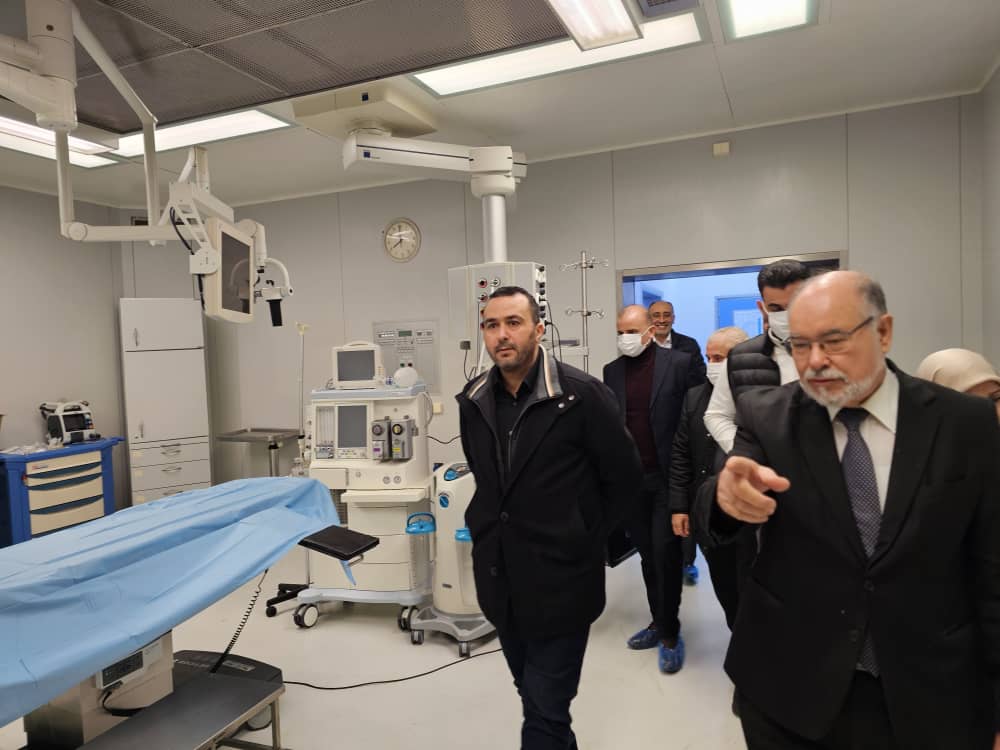
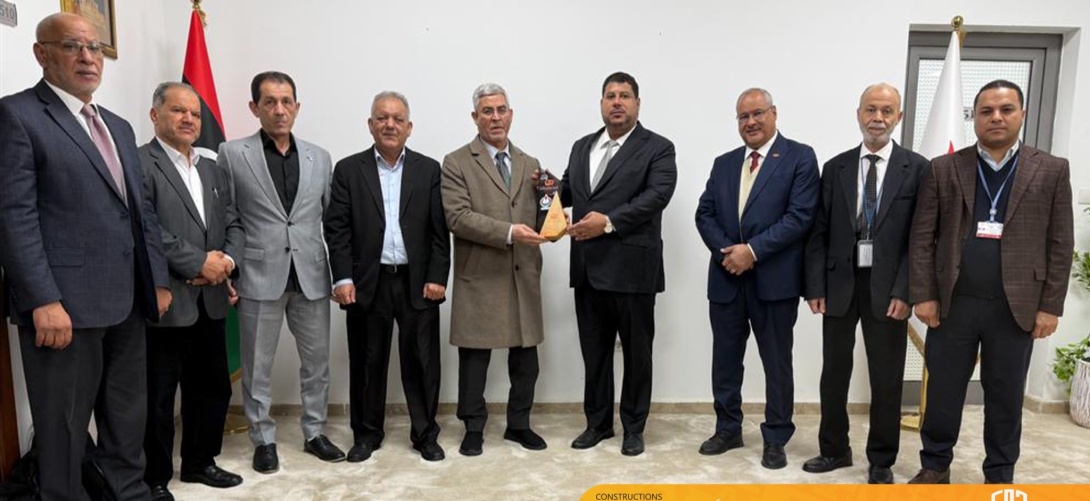
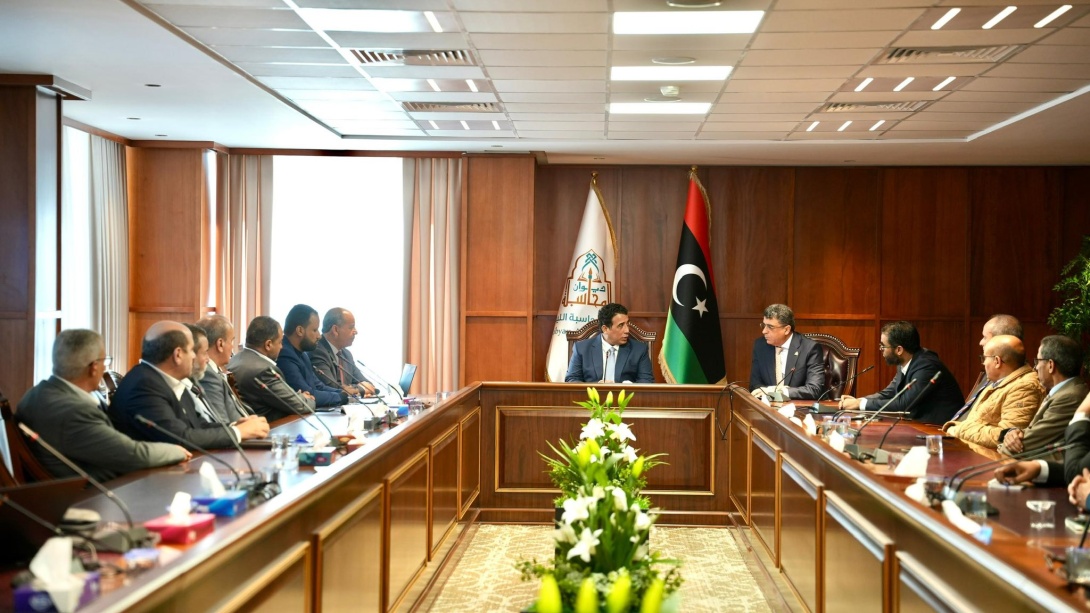
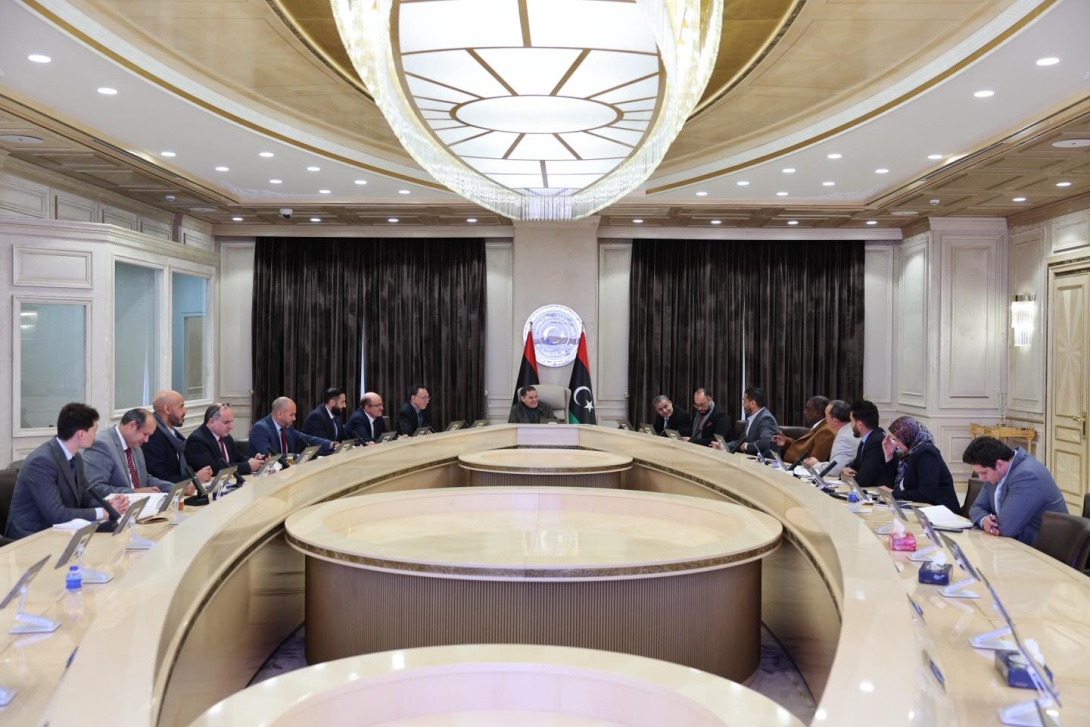
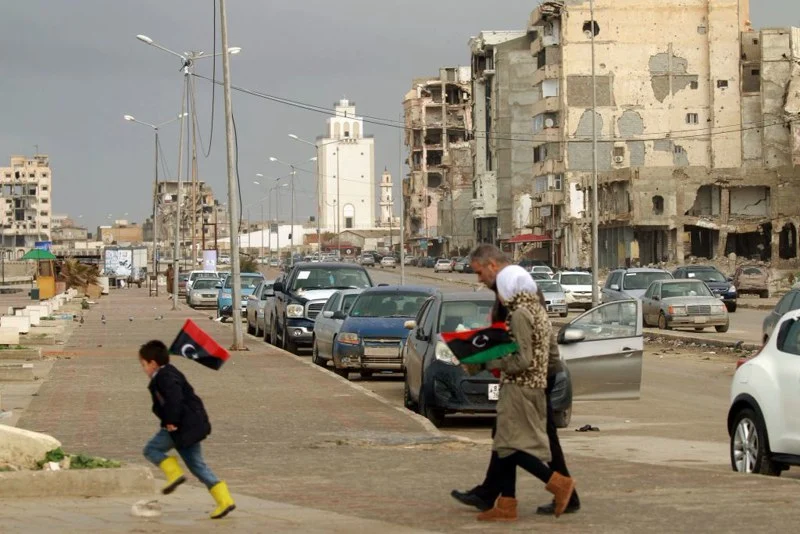
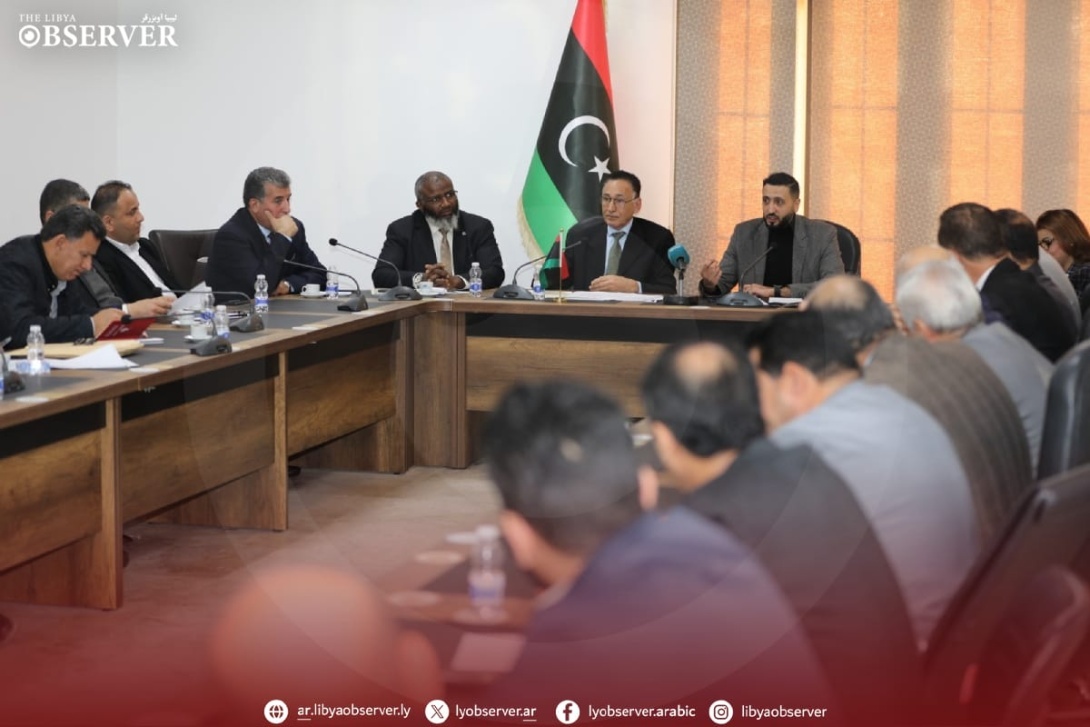
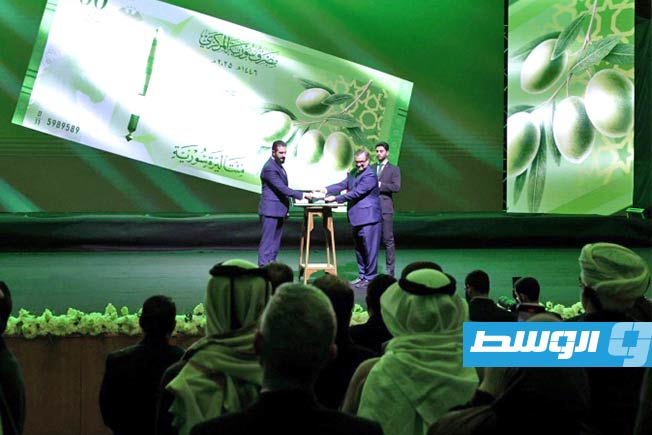
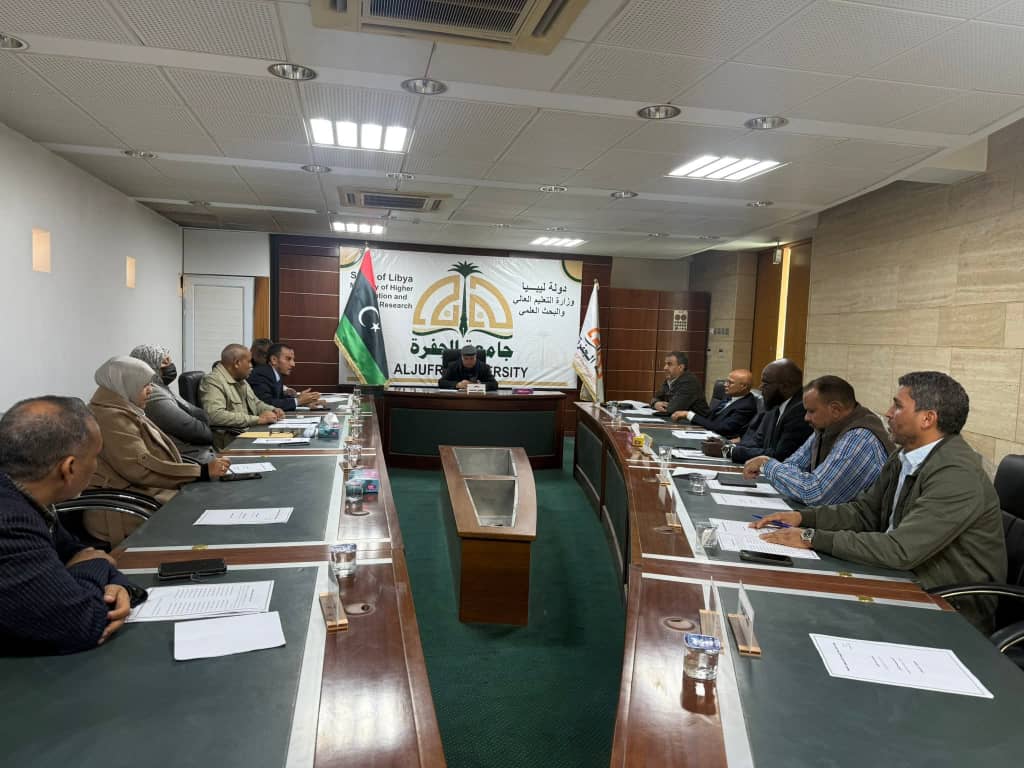
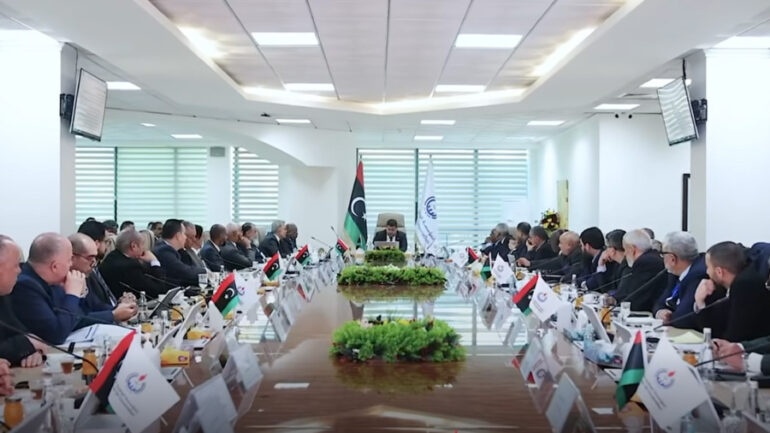
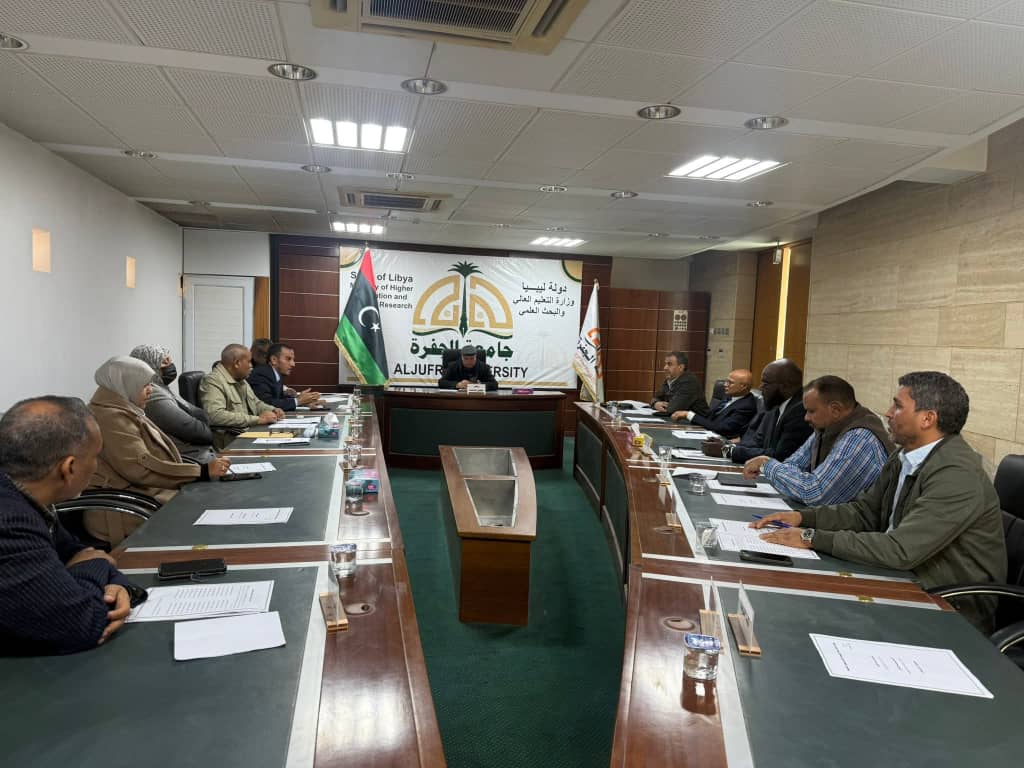
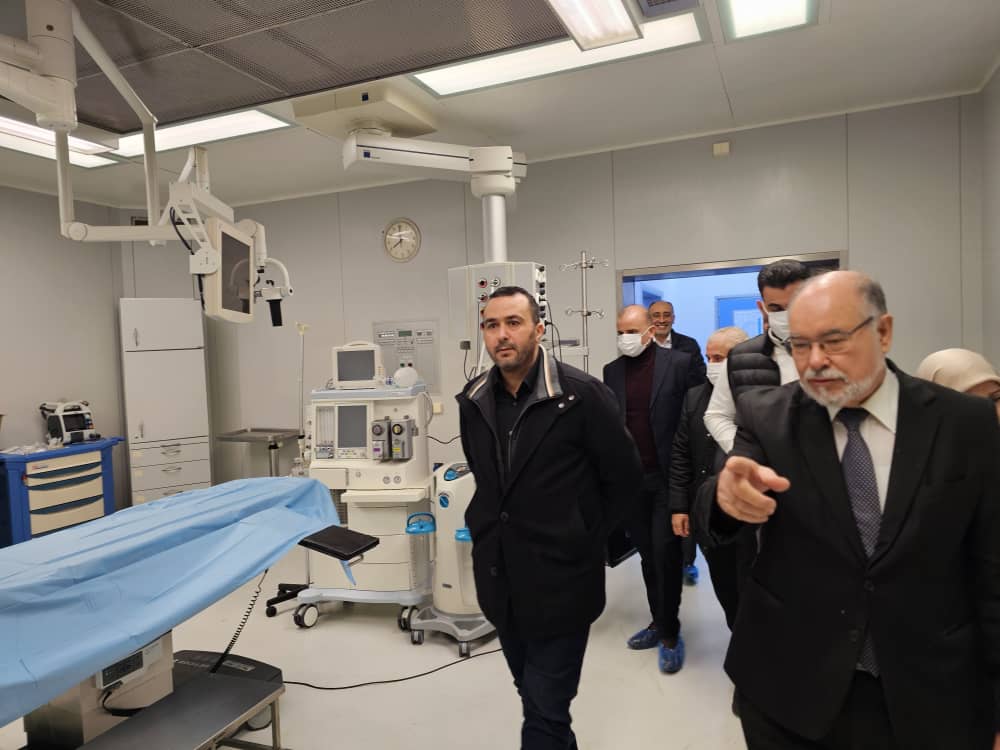
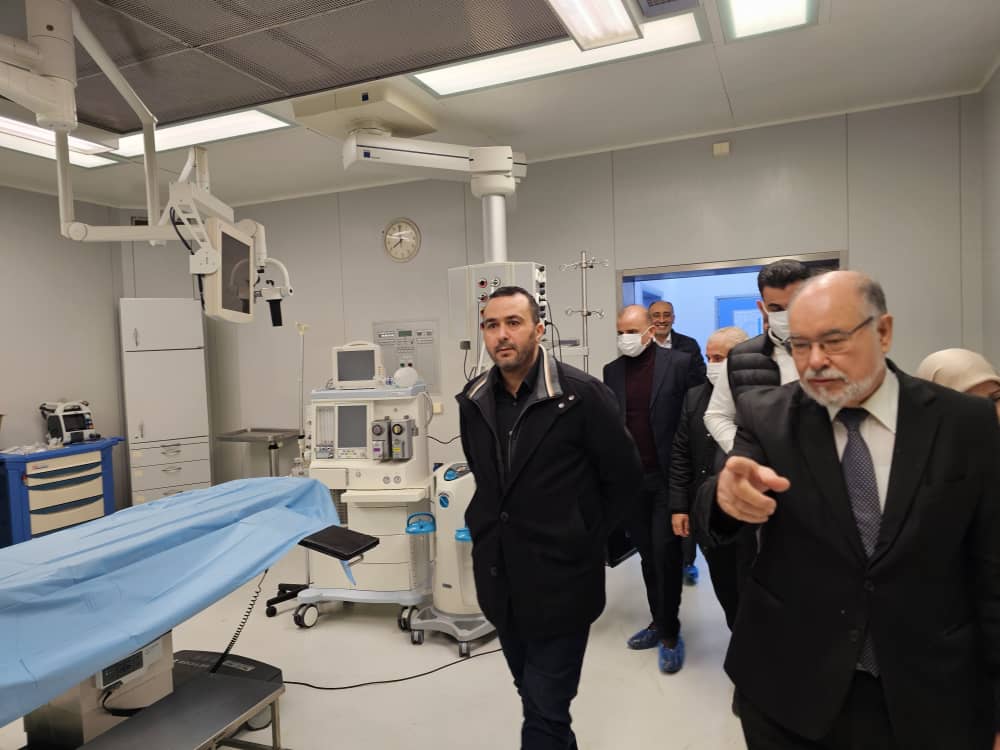
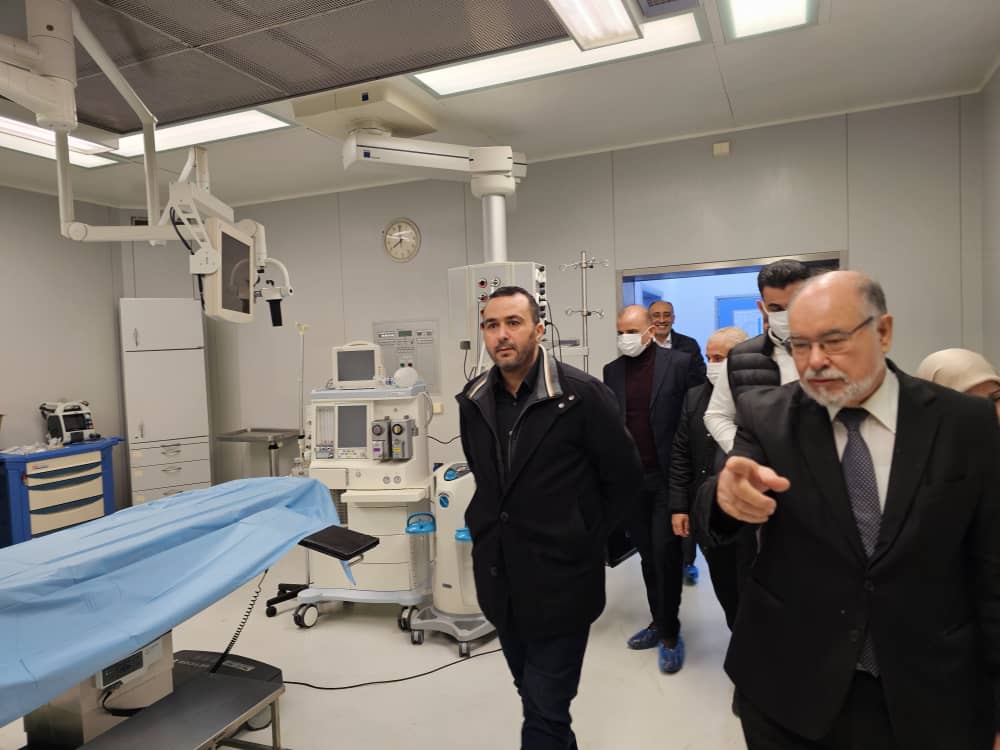
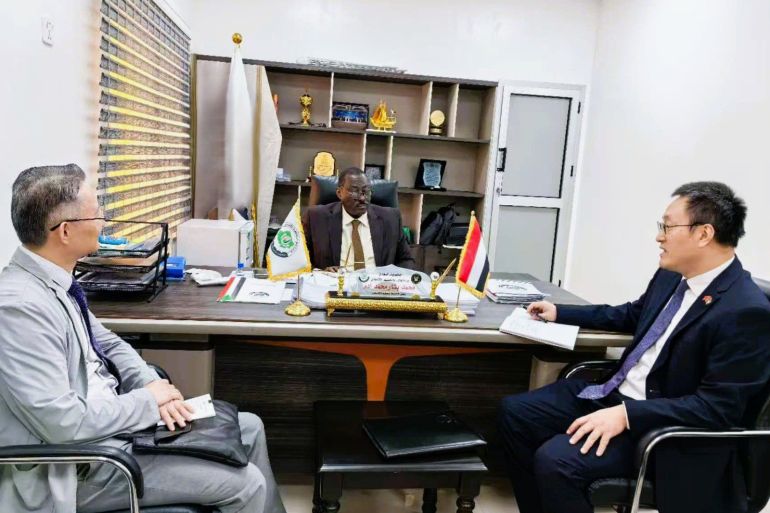
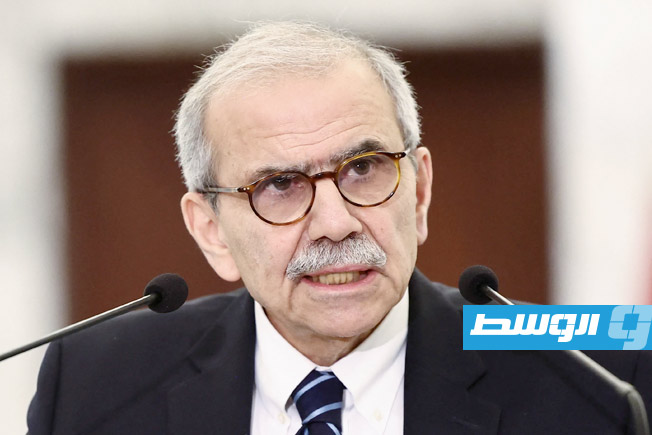
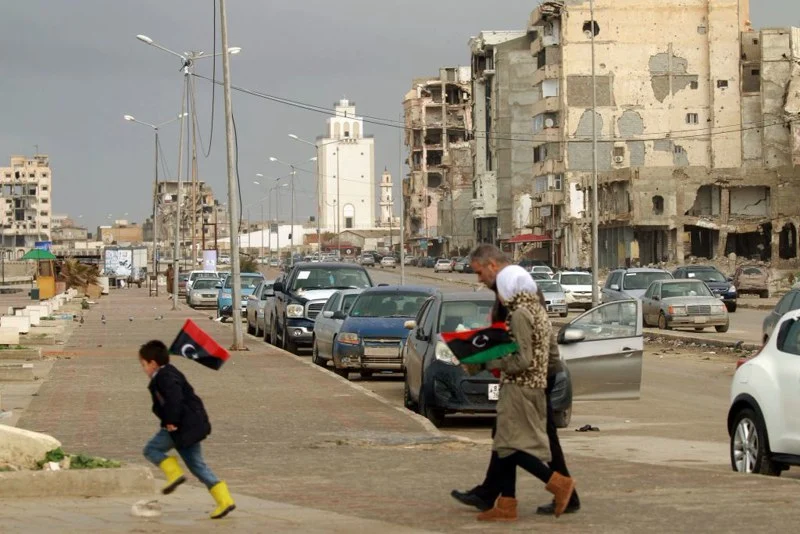
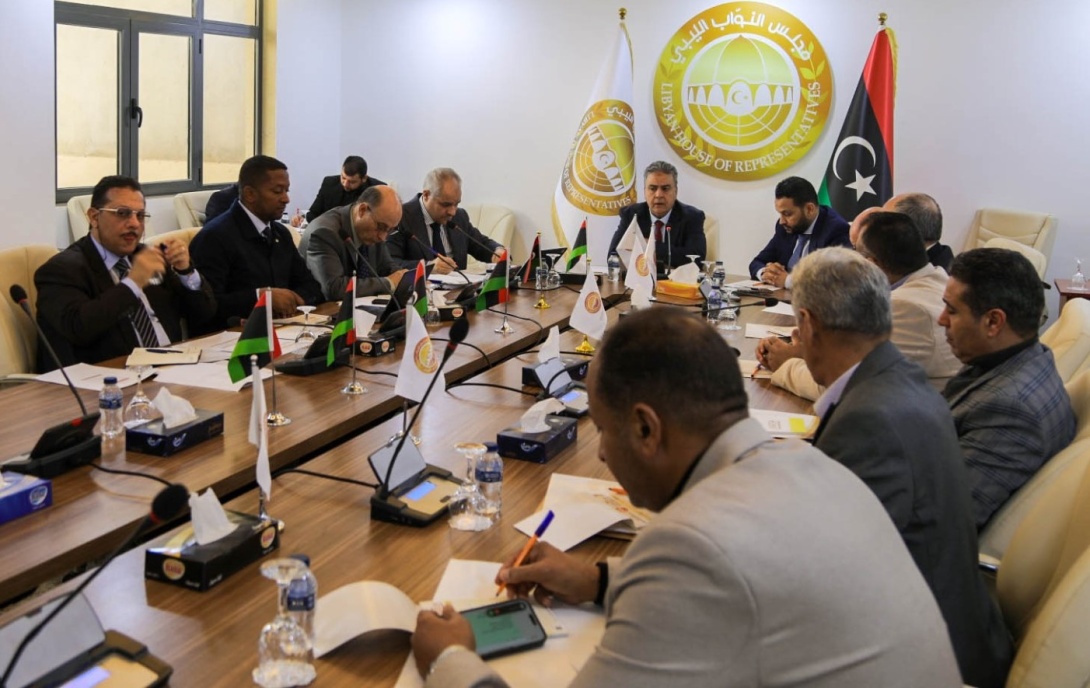
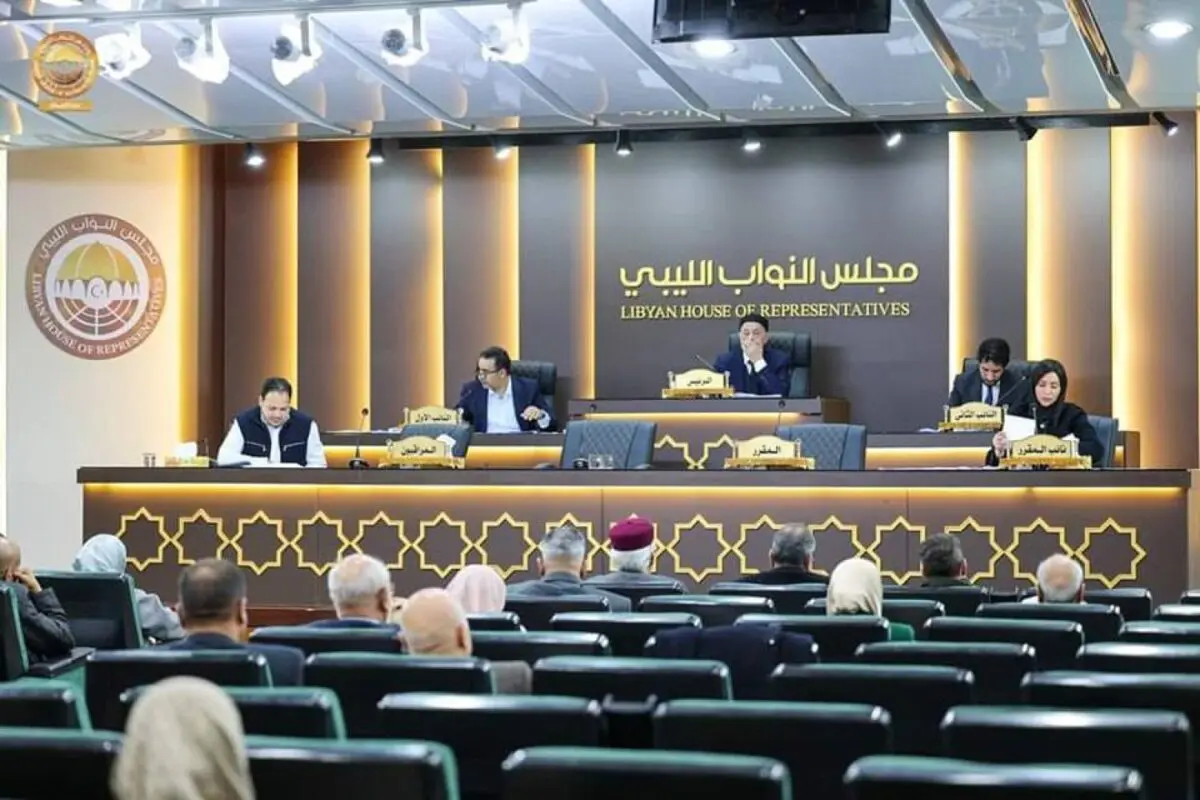
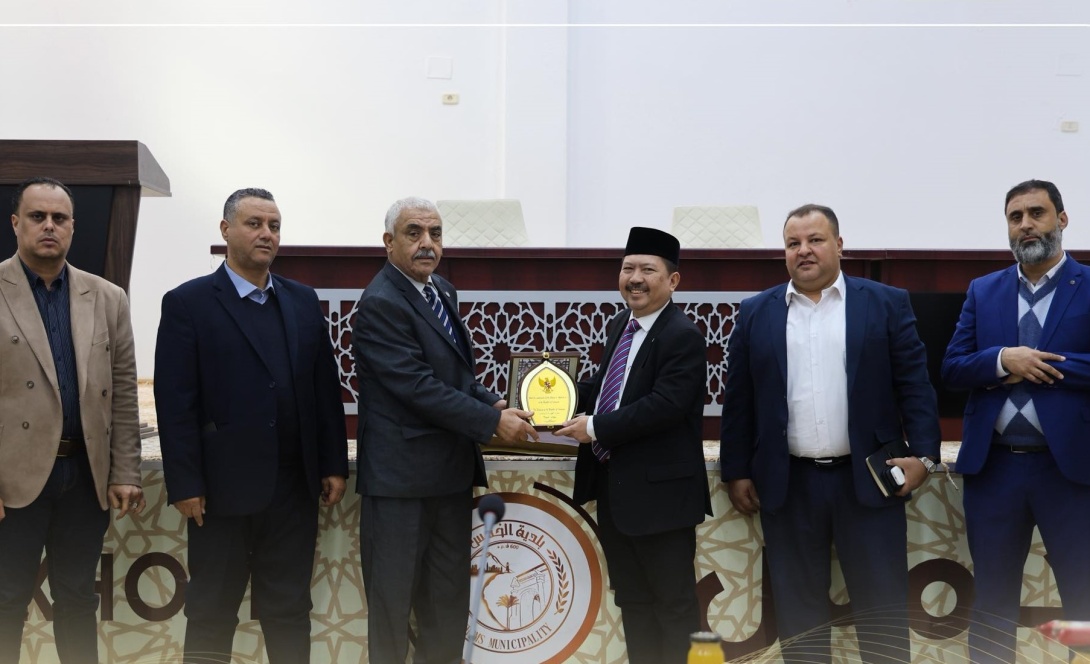
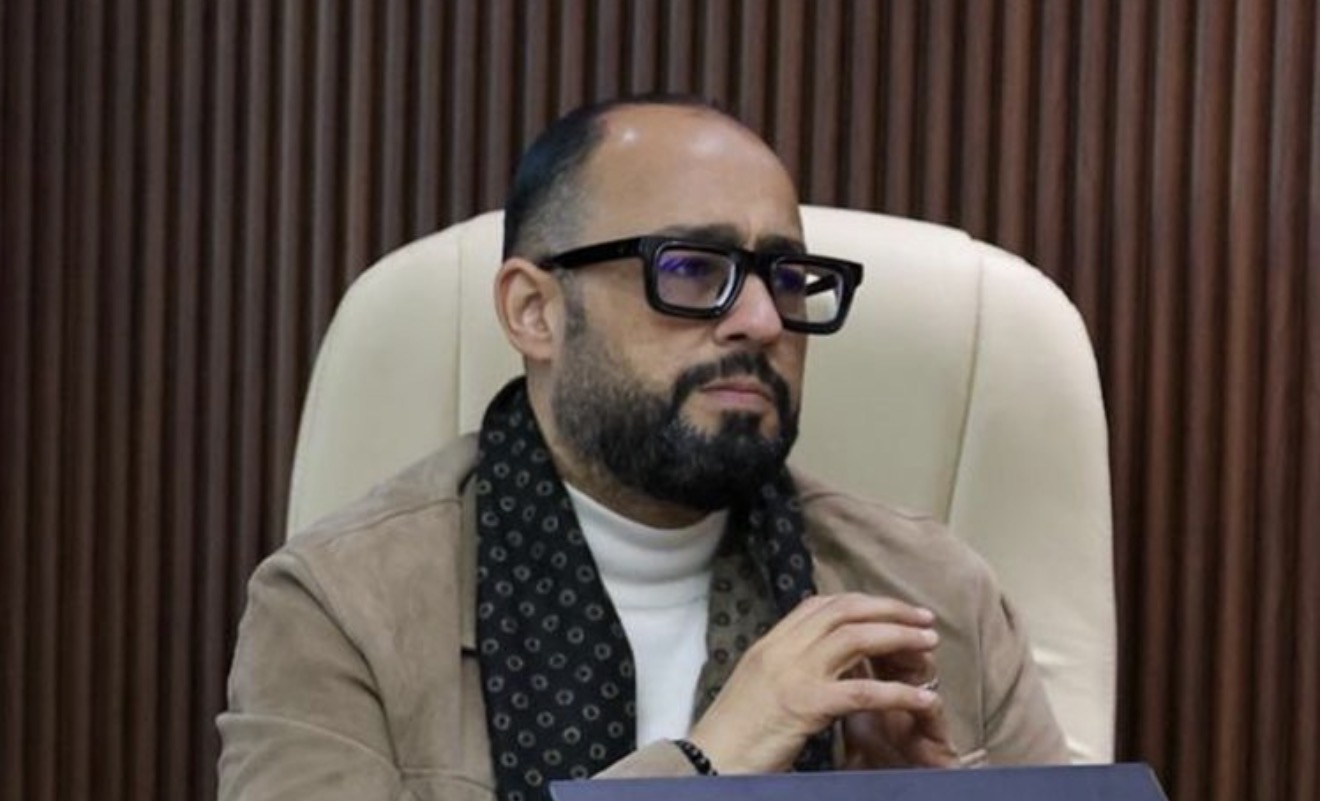
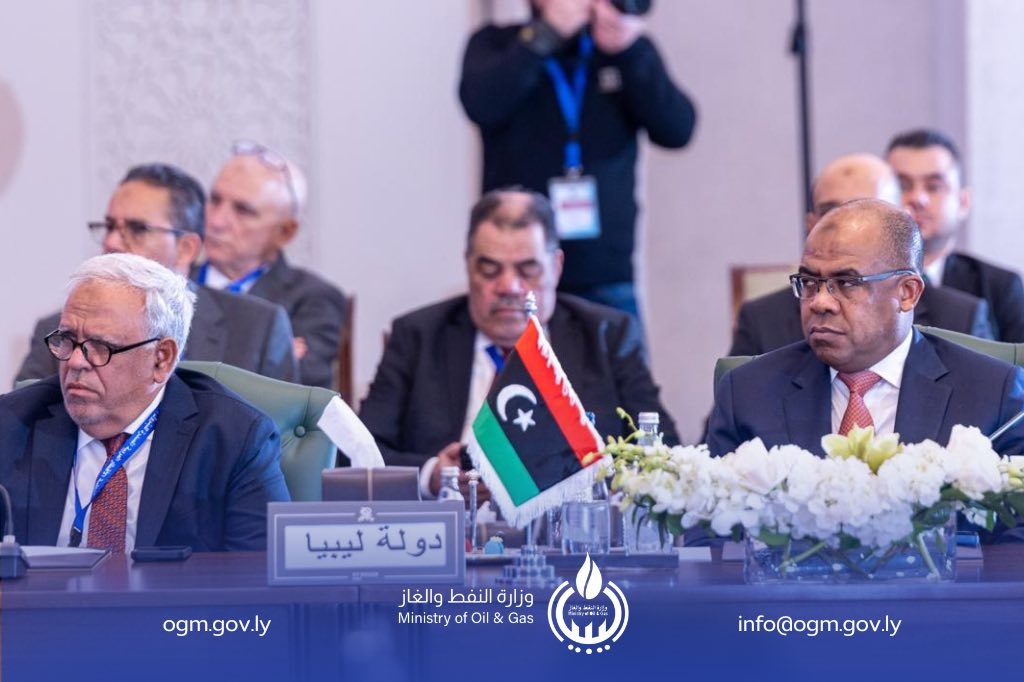
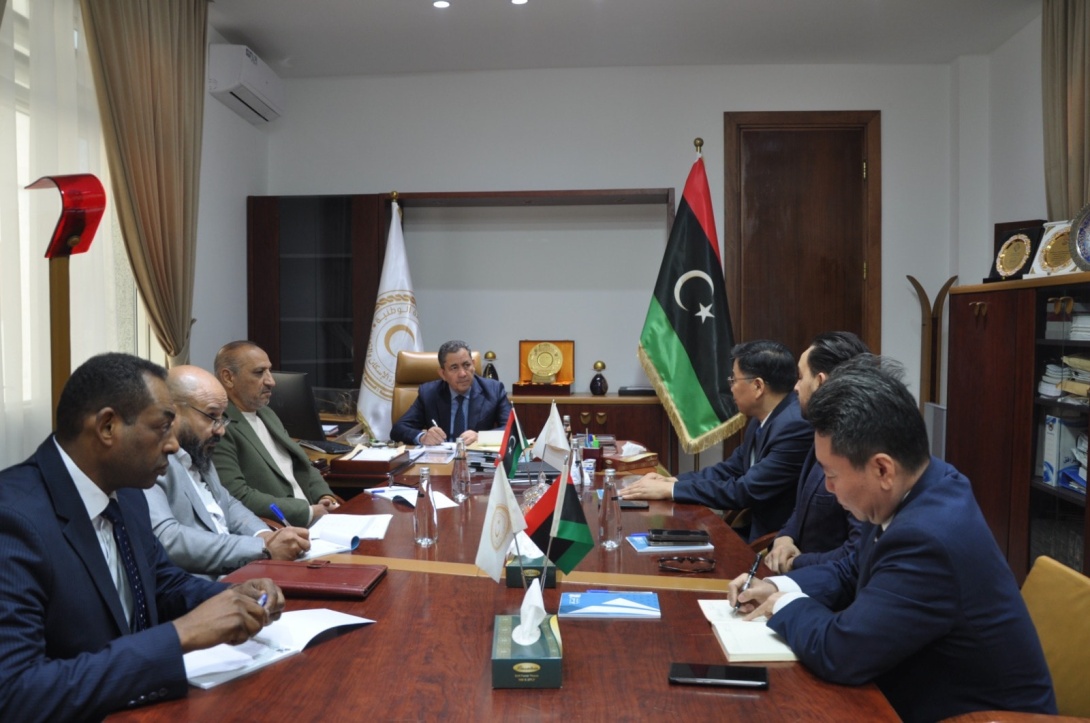
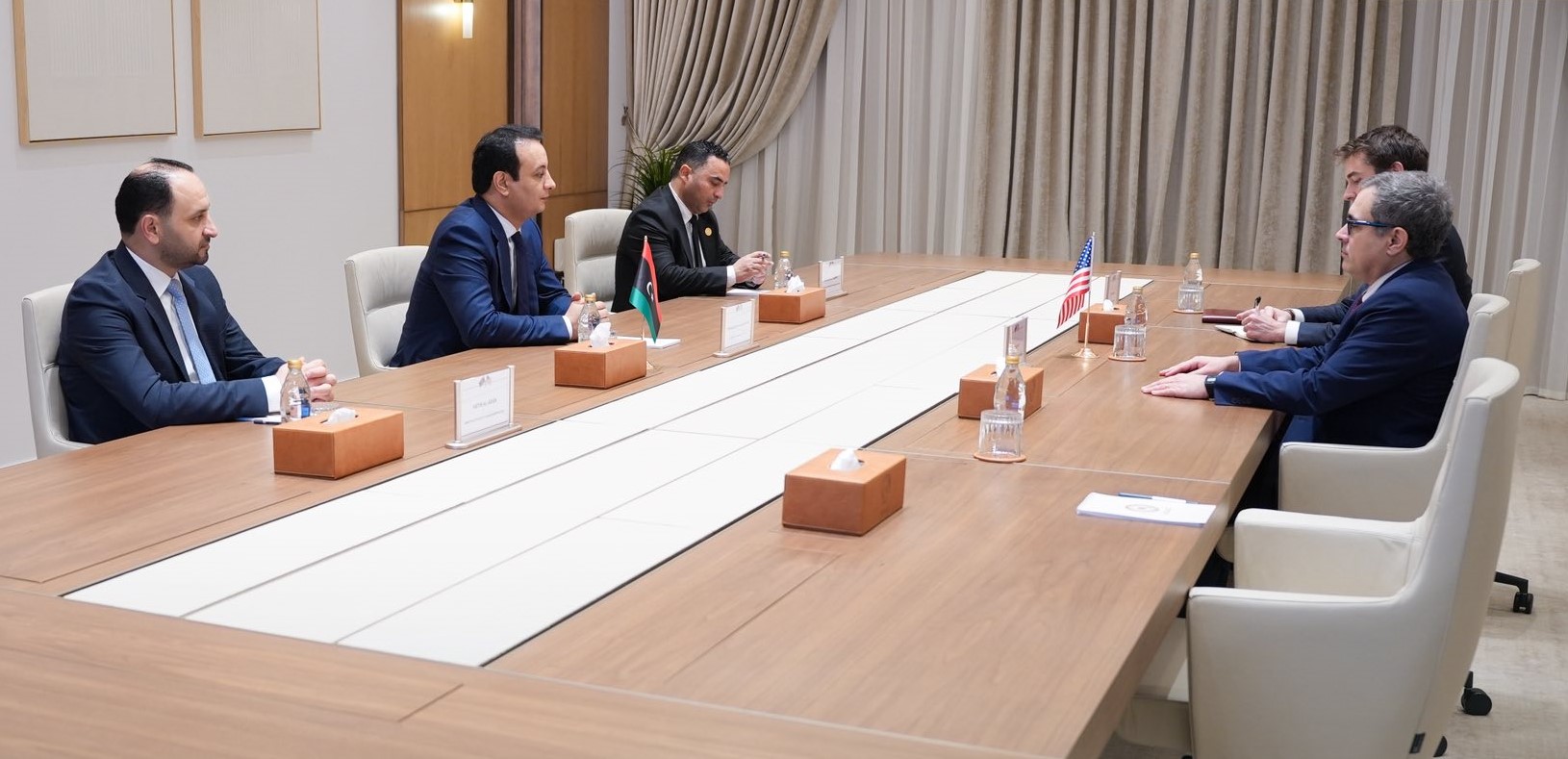
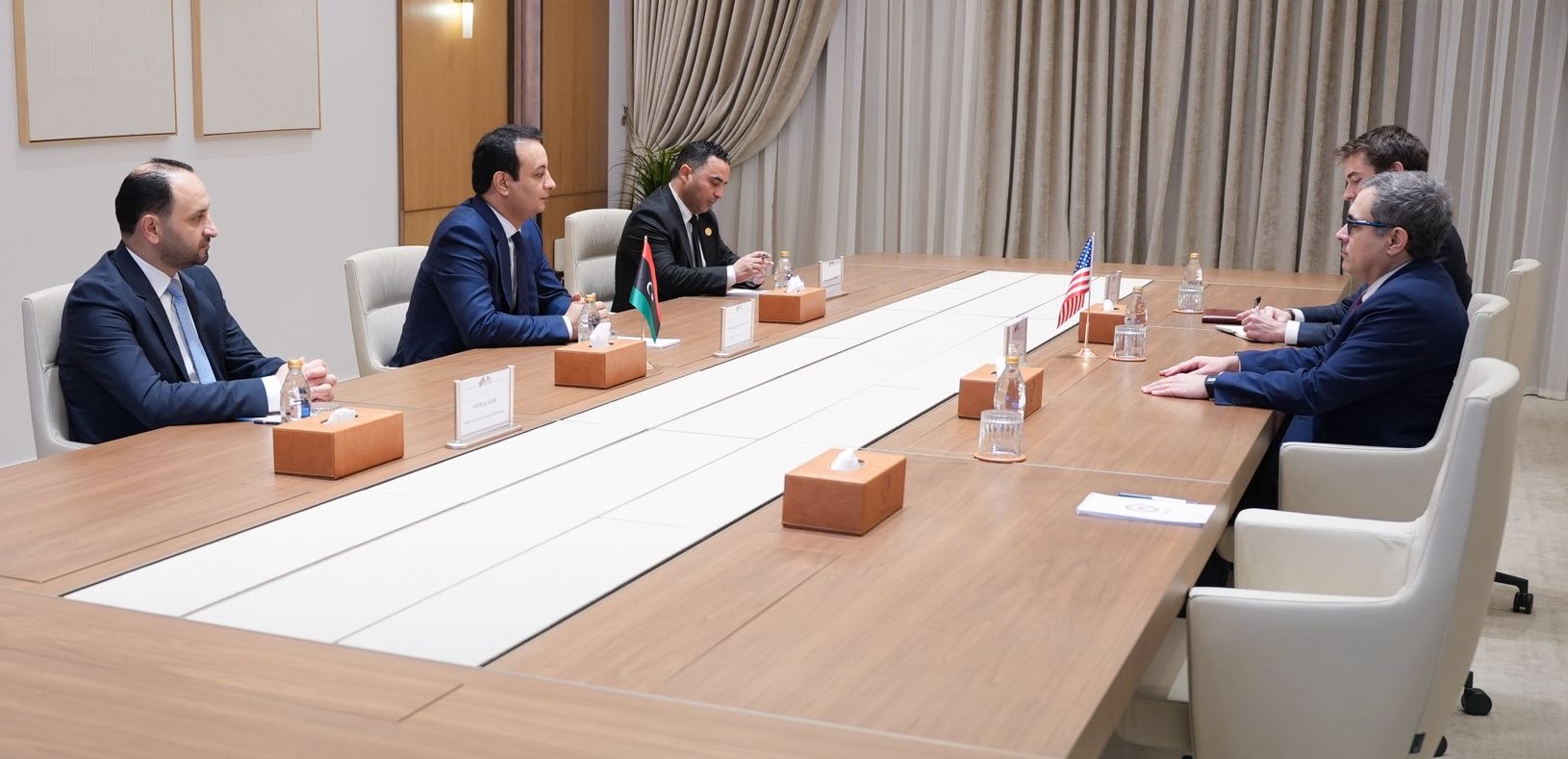
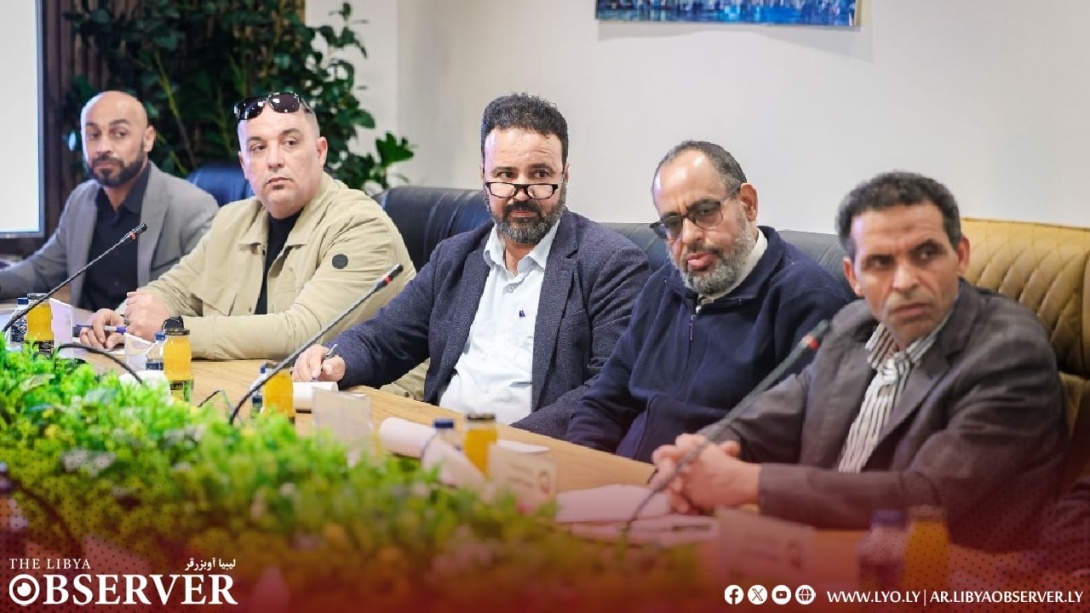
Tripoli, January 26, 2026 – The Libyan Center for Studies and Policy Design today organized the sixth scientific conference titled “The Displacement Crisis in Libya… Repercussions and Causes.”
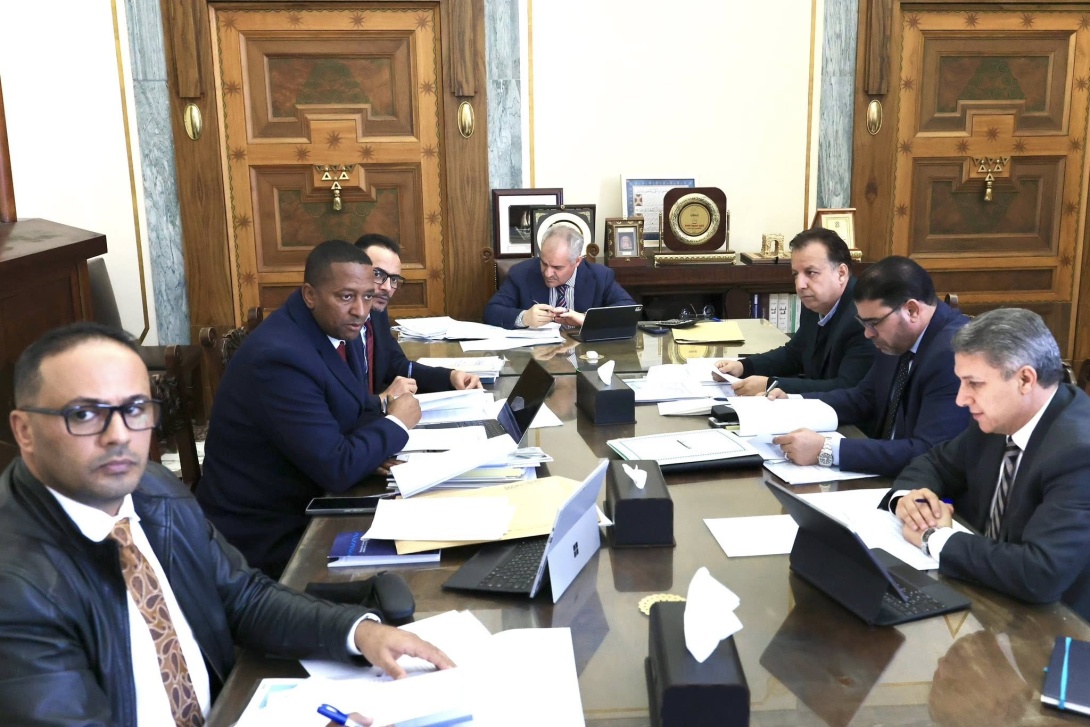
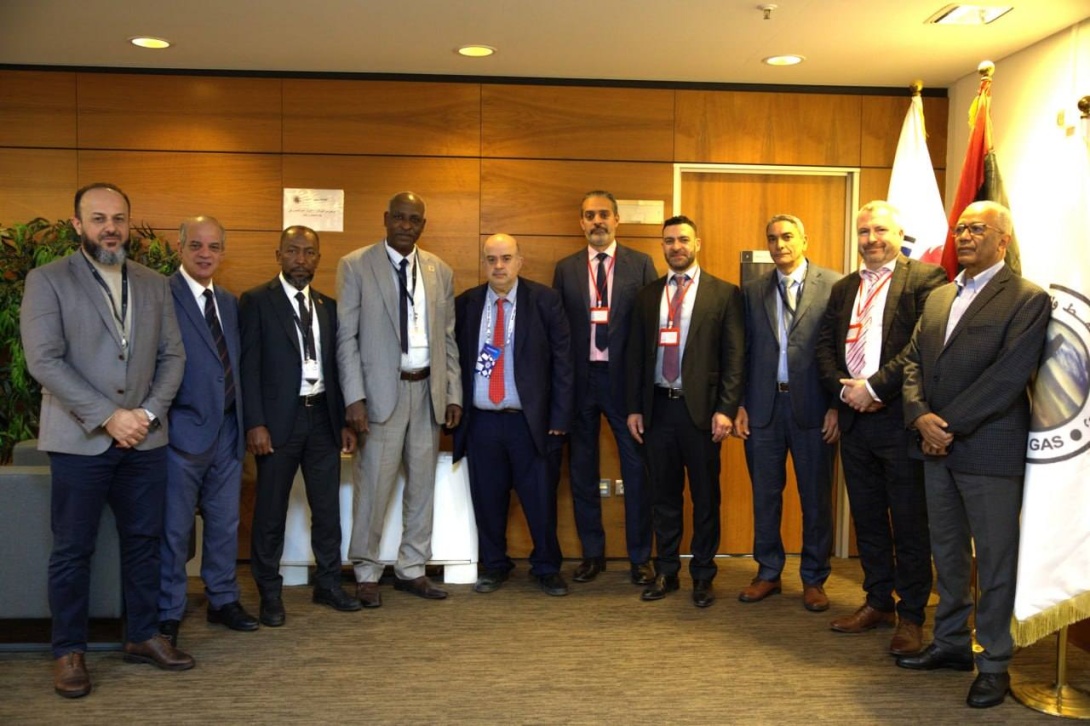
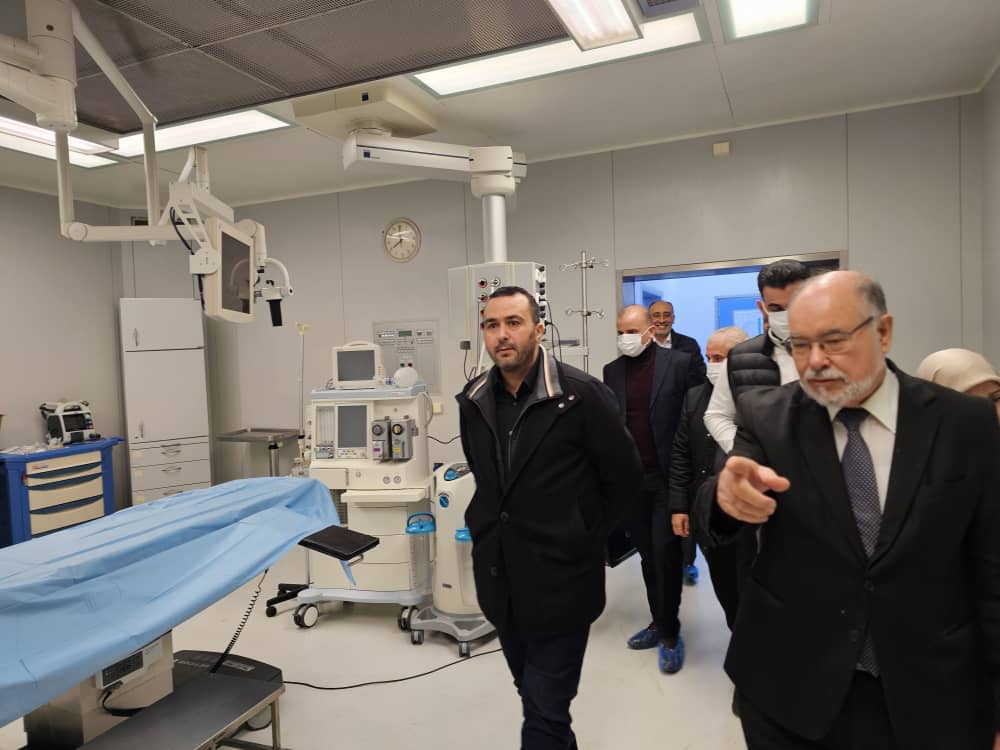
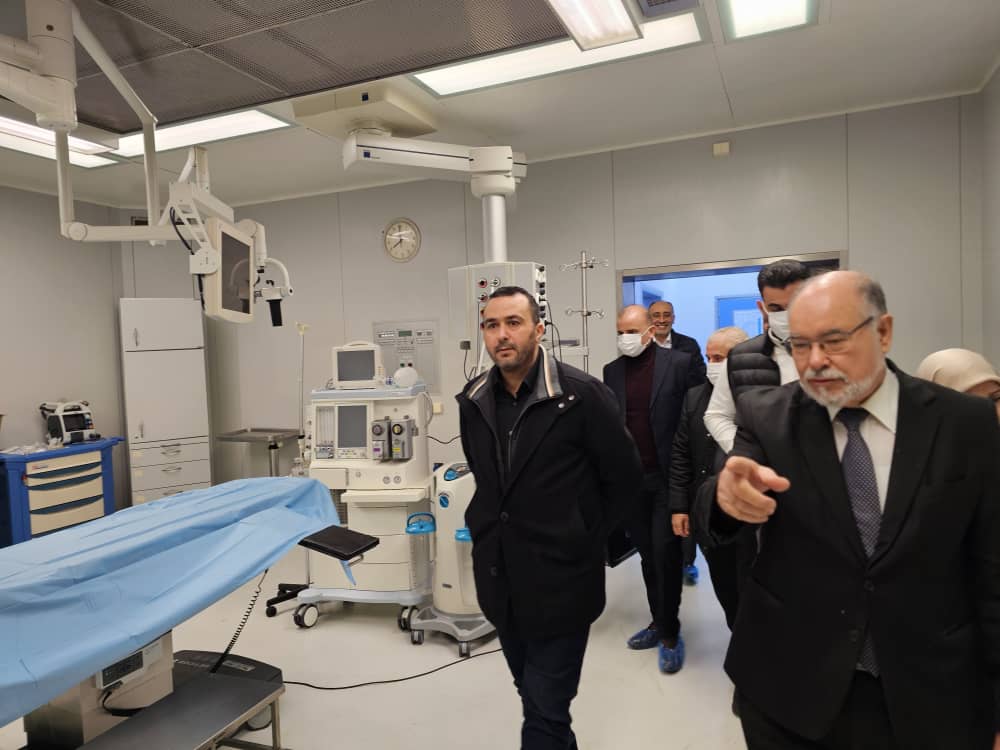
The conference was attended by a number of officials from the executive and legislative branches, as well as institutions concerned with displacement and forced migration, in addition to a number of academics and activists interested in this issue.
The conference aims to shed light on the dimensions of the displacement crisis in Libya, discuss its social, economic, and political impacts, and review scientific perspectives and approaches that contribute to understanding the phenomenon and proposing possible policies and solutions to address it.
This conference is part of the Center’s efforts to support scientific research and promote dialogue on priority national issues, contributing to the development of public policies based on knowledge and study.
…
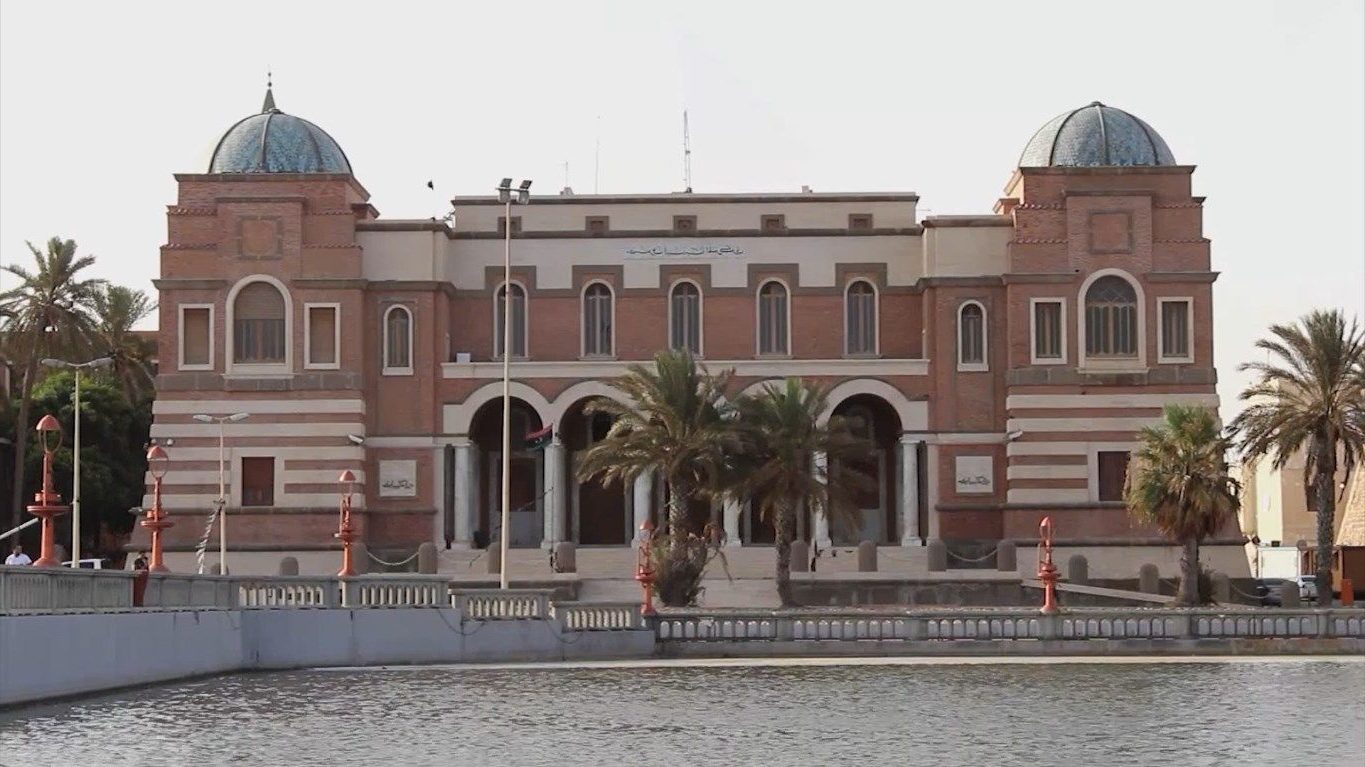
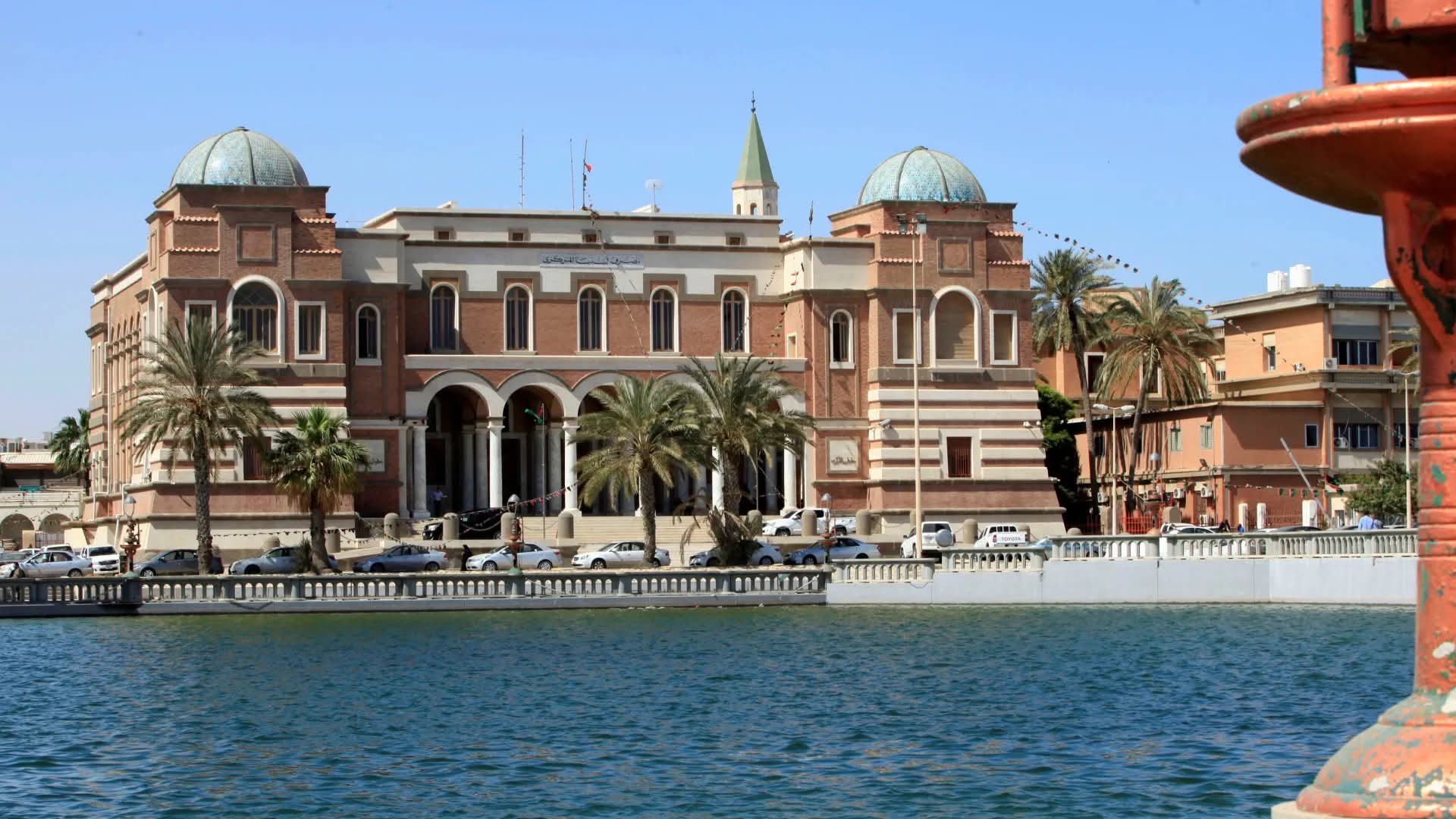
Tripoli
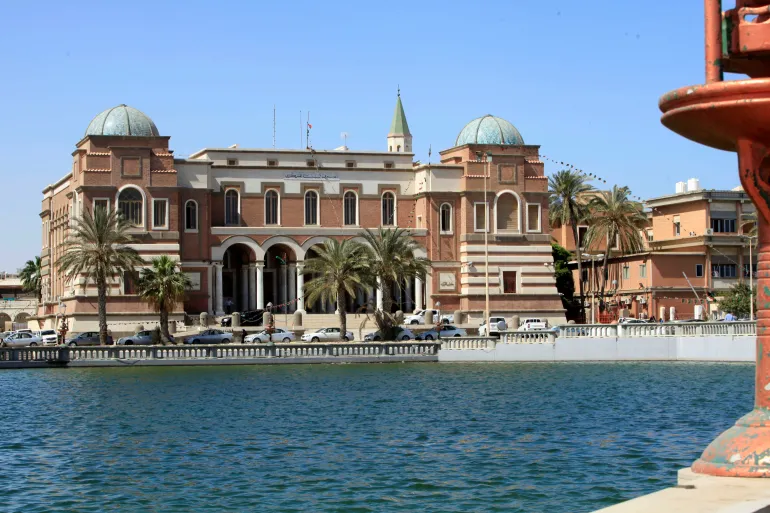
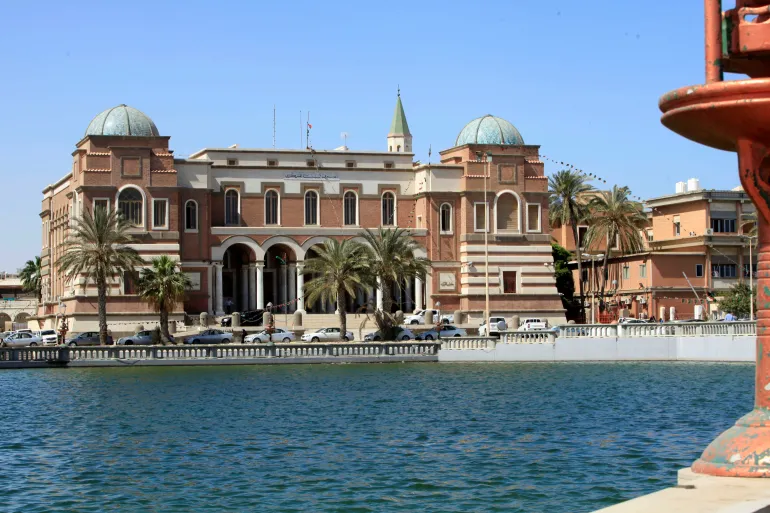
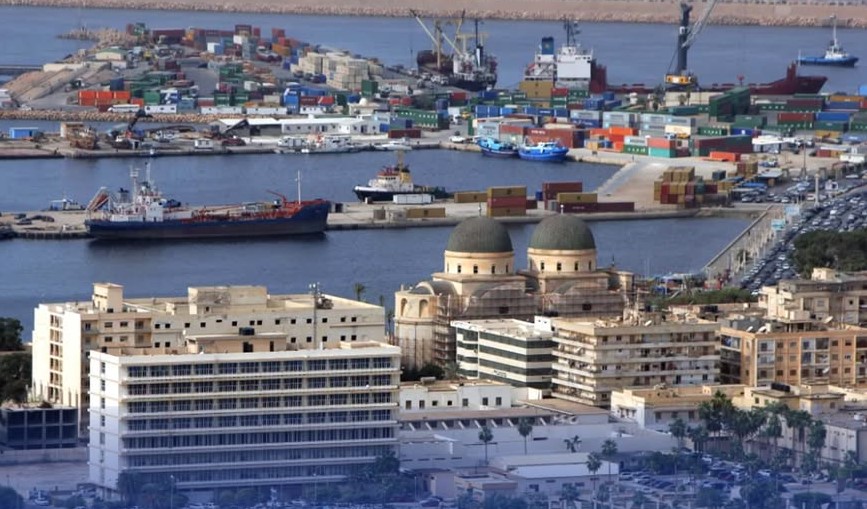
Tripoli is the capital and largest city of Libya, located on the country’s northwestern coast. Historically, it was founded by the Phoenicians in the 7th century BC and has since been ruled by the Romans, Arabs, Ottomans, Italians, and others, serving as a major Mediterranean port. Its historic core, the medina of Old Tripoli, contains significant landmarks like the Red Castle (Assaraya al-Hamra) and the Arch of Marcus Aurelius.
Libya
Libya is a North African country with a rich history rooted in ancient civilizations like the Phoenicians and Romans, followed by centuries of Arab and Ottoman influence. In the modern era, it was an Italian colony before gaining independence in 1951, later becoming known for Muammar Gaddafi’s lengthy rule from 1969 until the 2011 civil war. Its cultural sites include the well-preserved Roman ruins of Leptis Magna, a UNESCO World Heritage site.
Libyan Center for Studies and Policy Design
The Libyan Center for Studies and Policy Design is a non-governmental research institution based in Tripoli, established to provide analysis and policy recommendations on Libya’s political, economic, and social affairs. It was founded in the post-2011 period, aiming to contribute to state-building and democratic transition through independent research and dialogue.