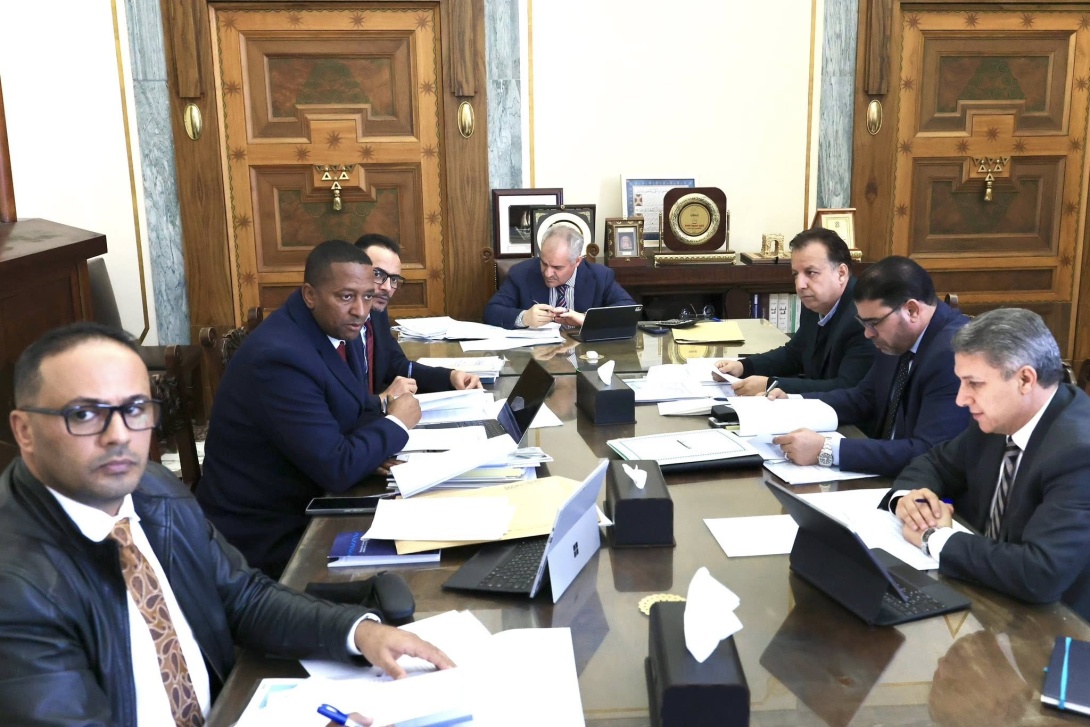
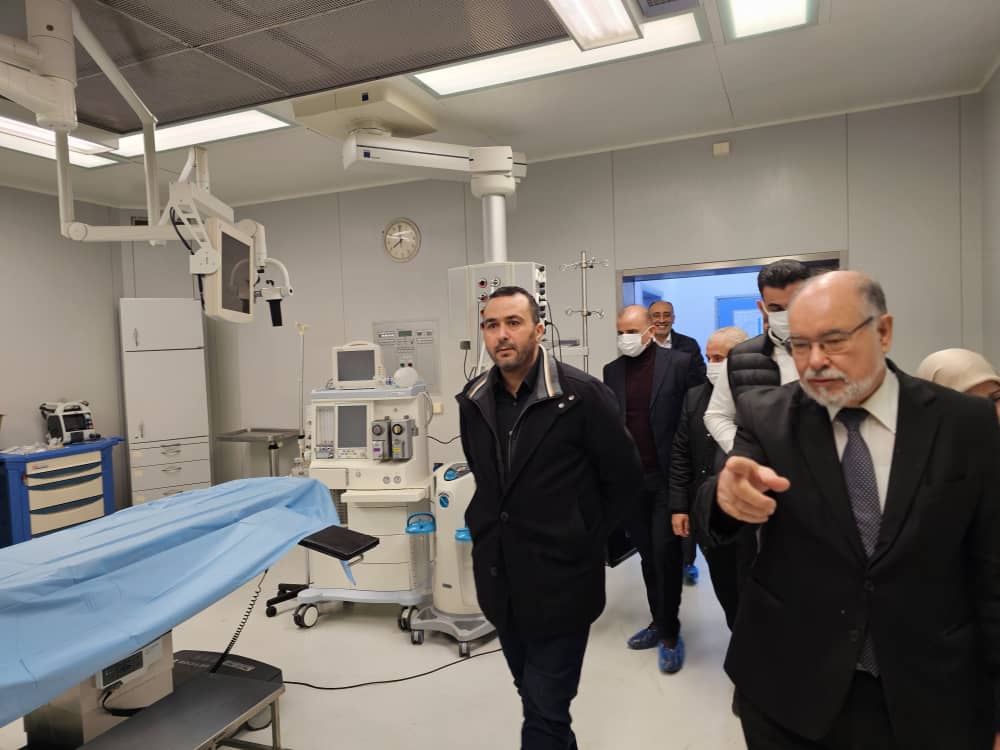
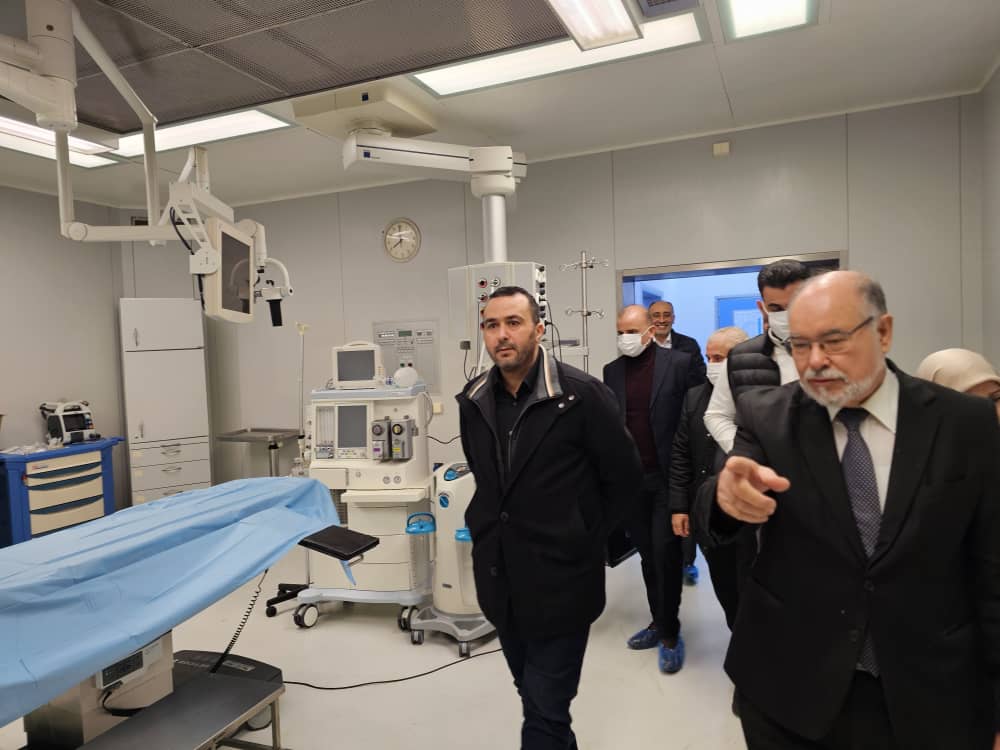
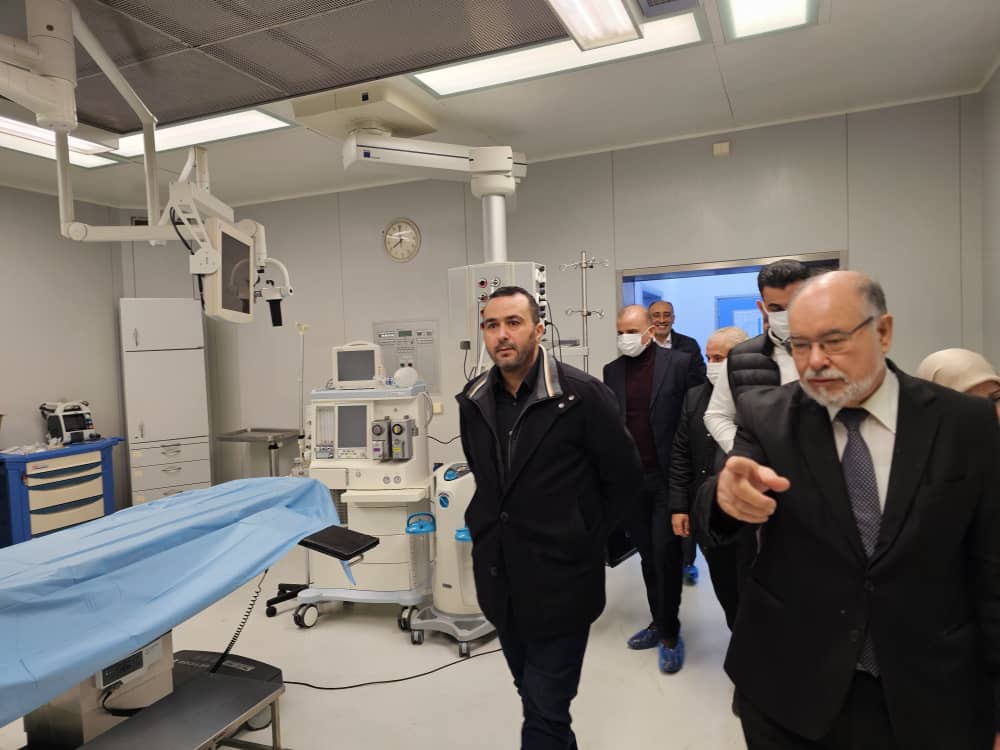
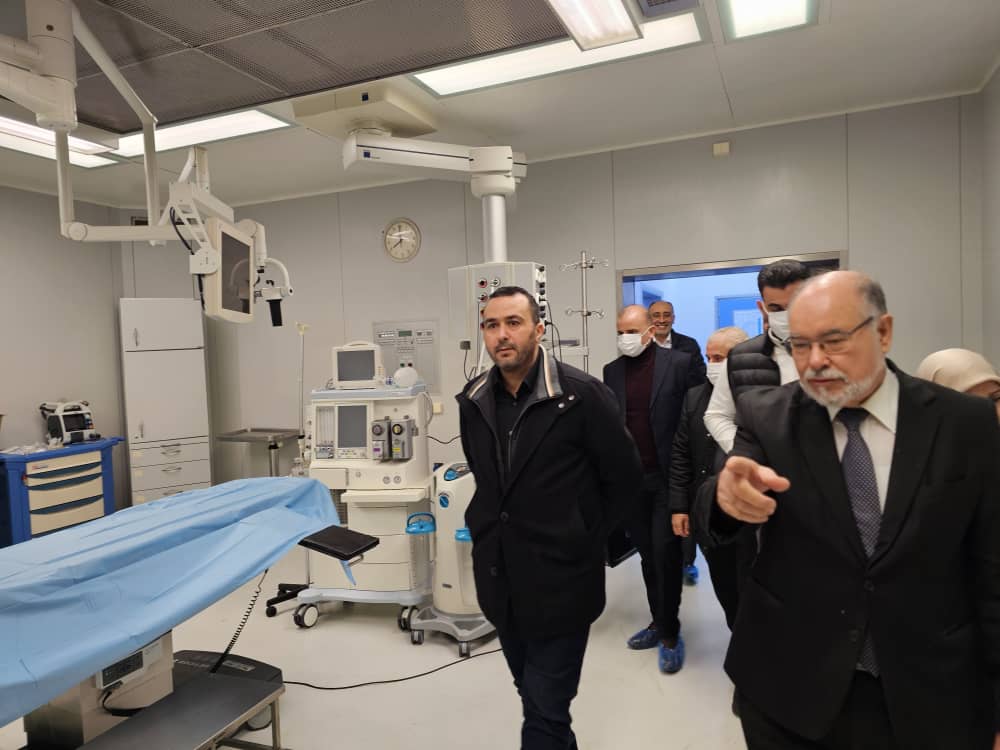
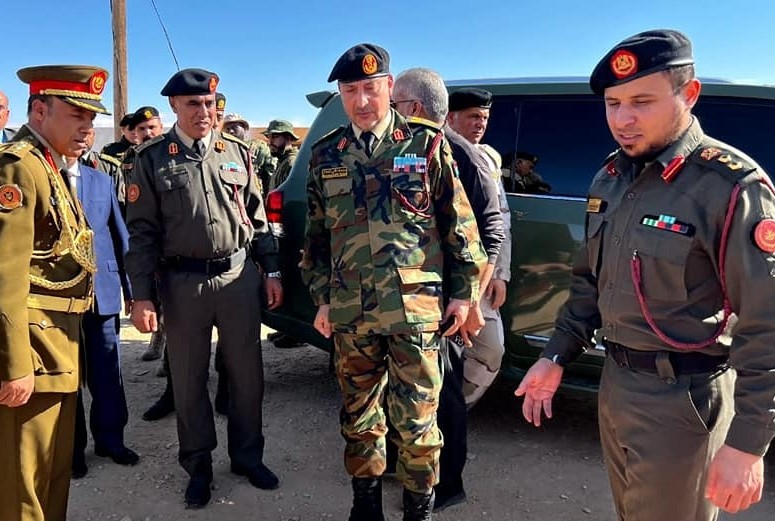
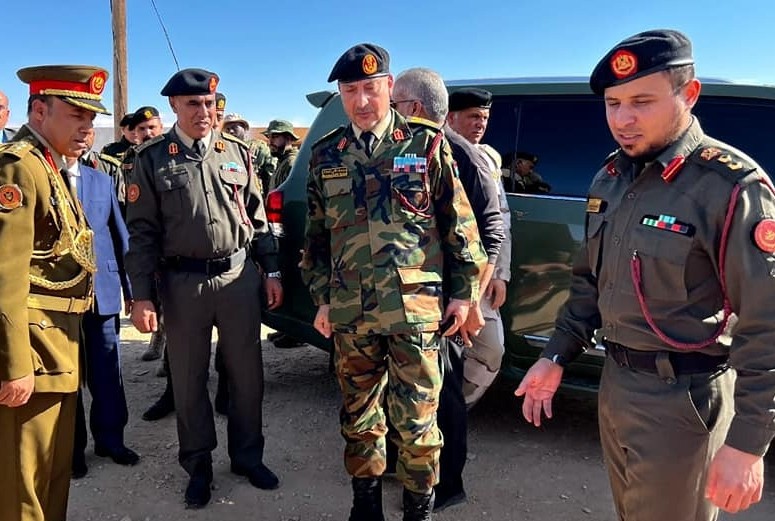
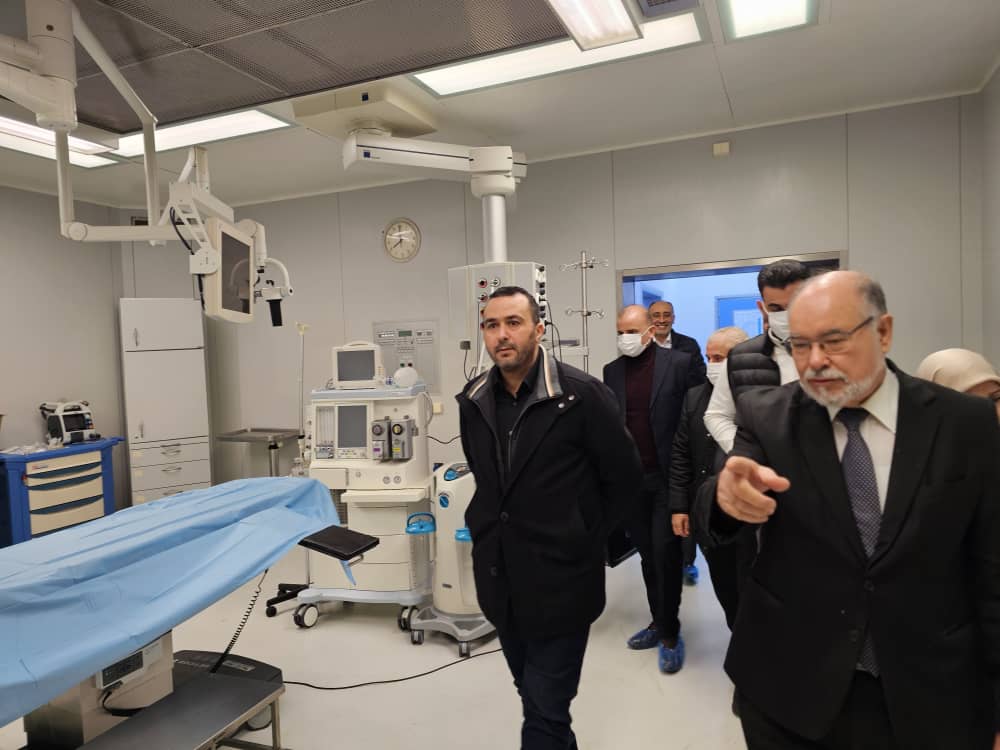
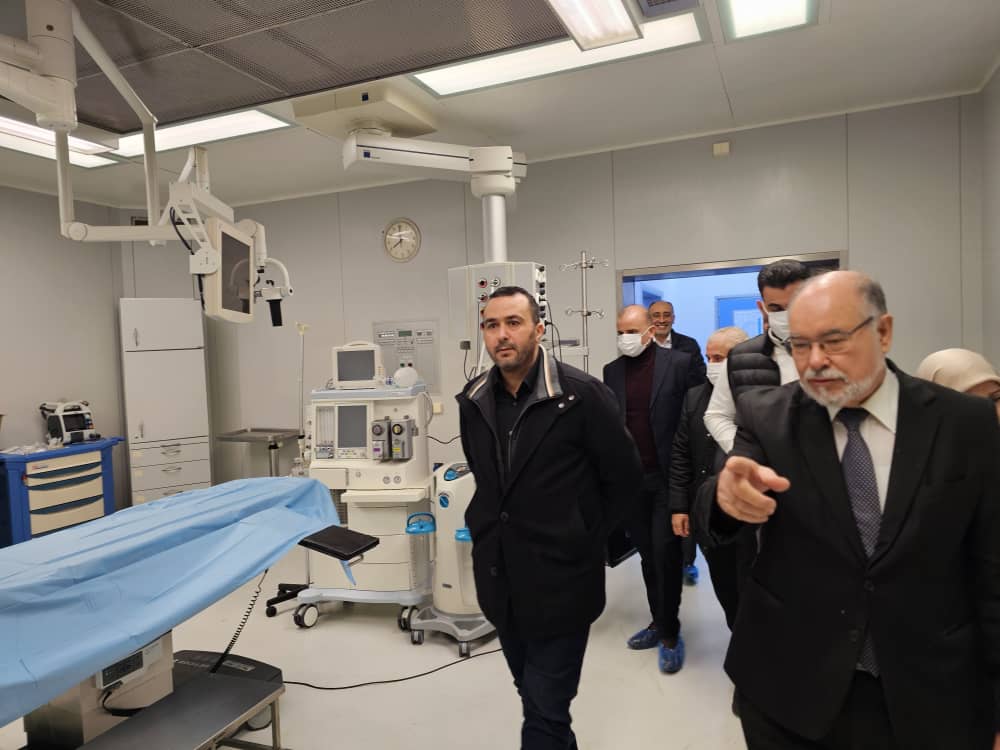
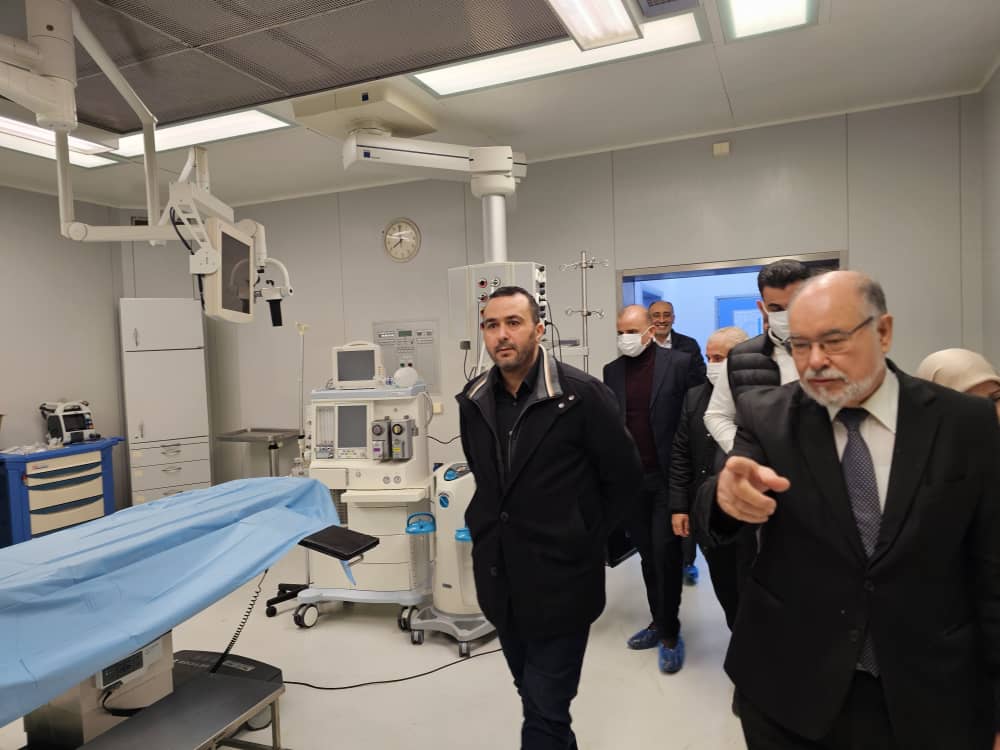
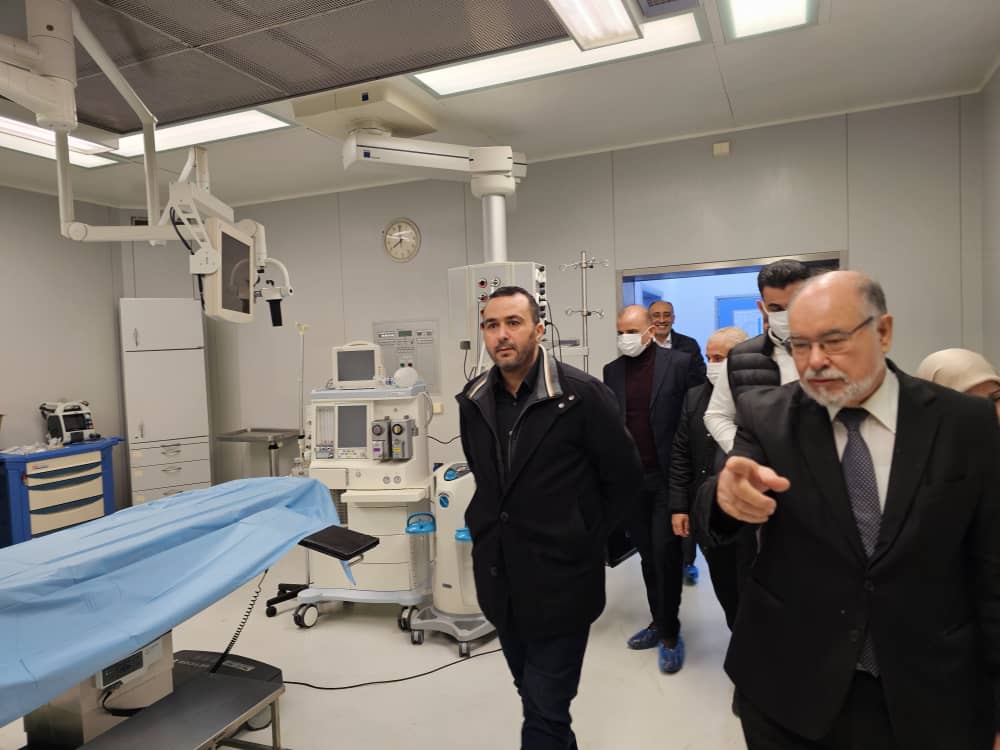
The Military Engineering College discusses obstacles affecting the performance of educational and training tasks with a delegation.
libyawire.org > News > Economy > The Military Engineering College discusses obstacles affecting the performance of educational and training tasks with a delegation.
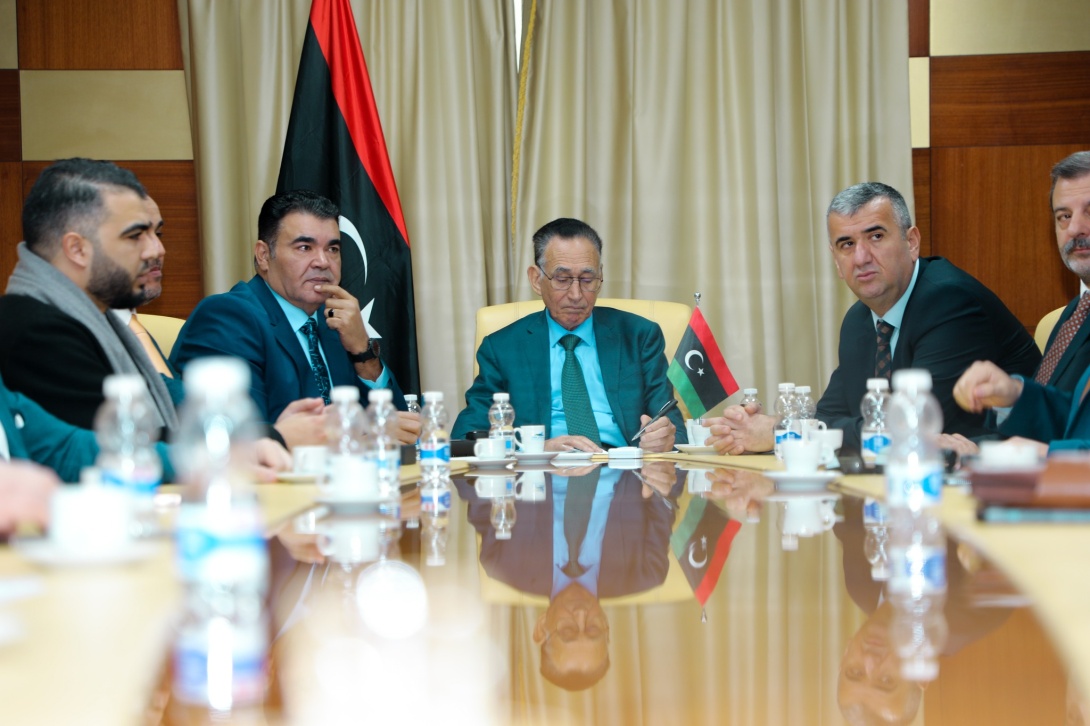
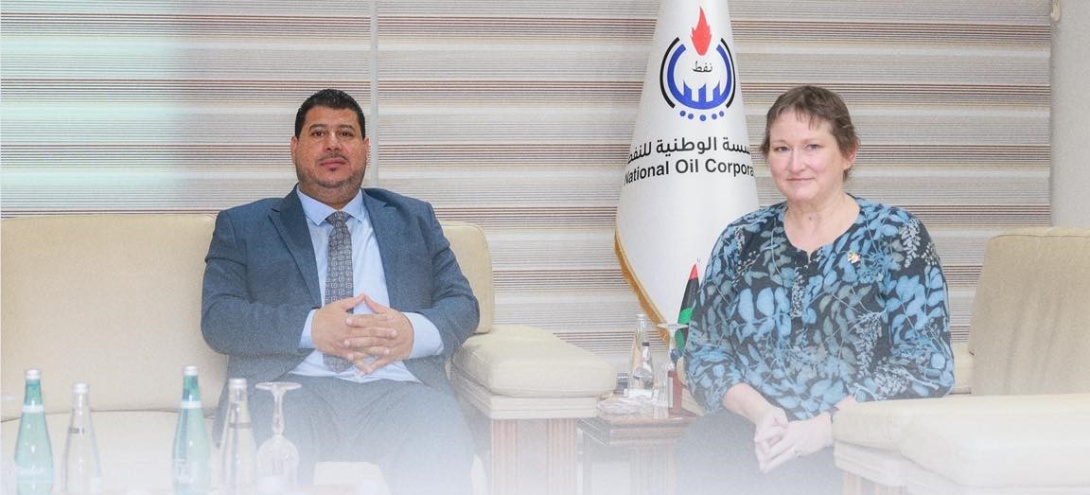
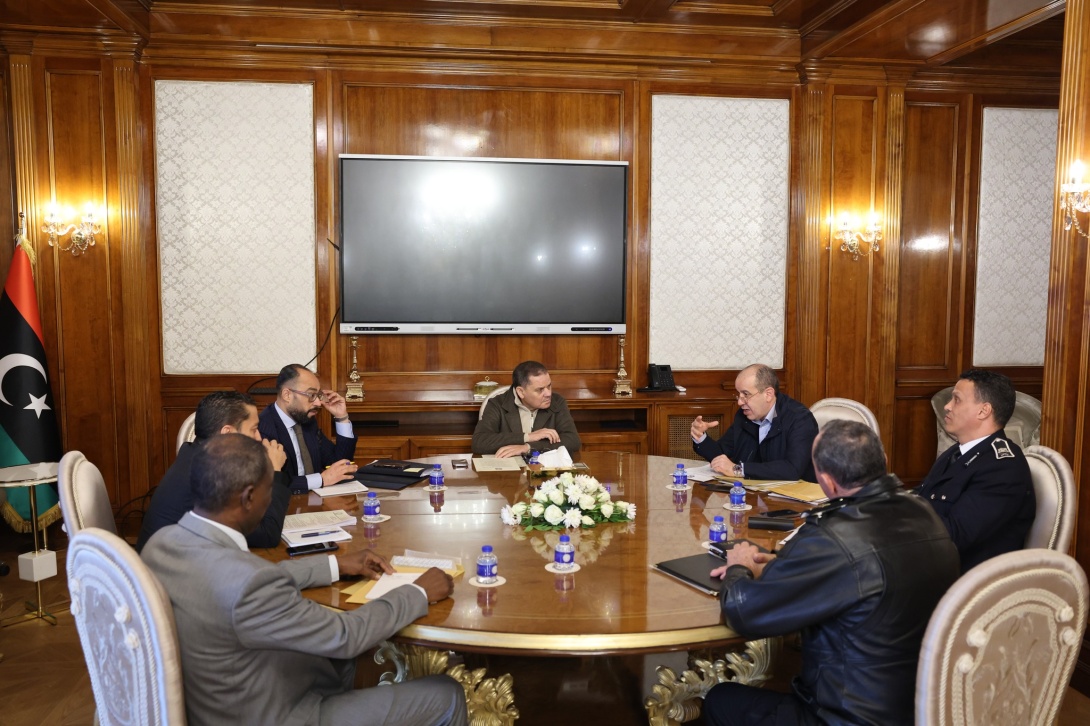
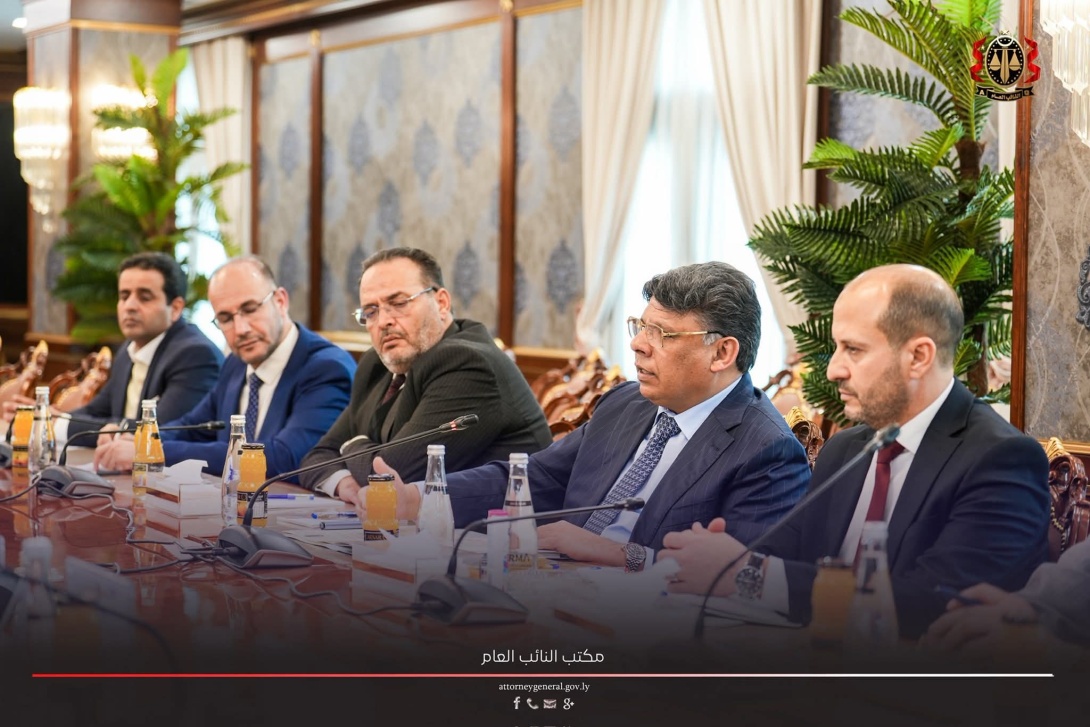
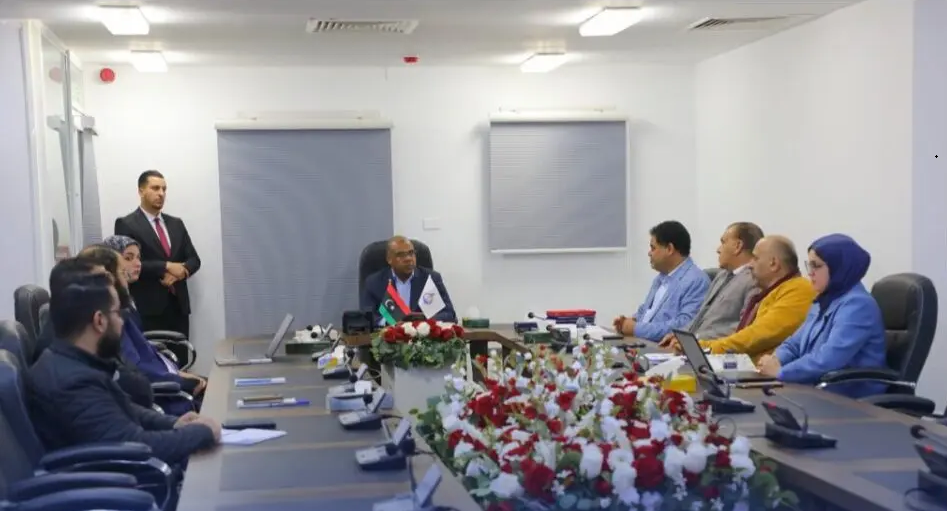
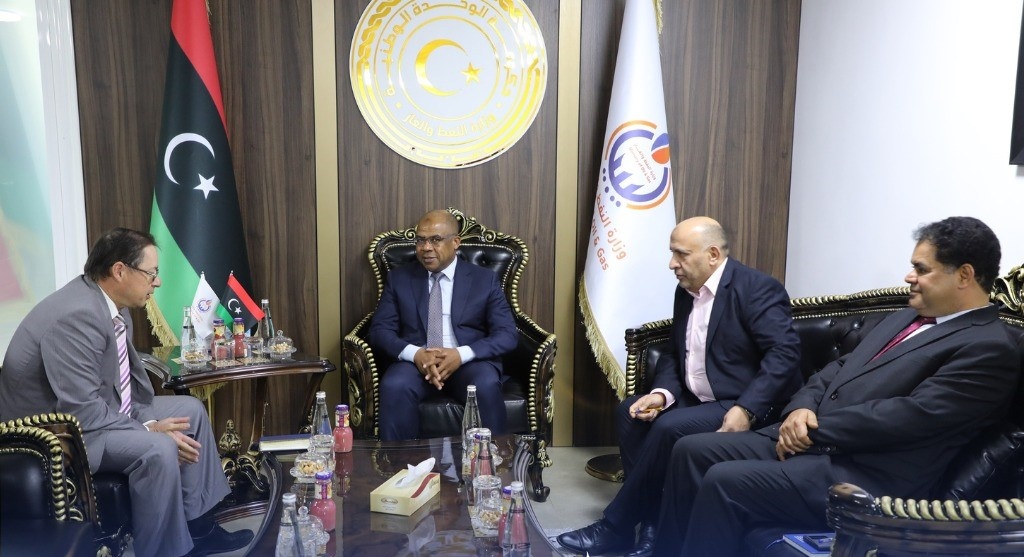
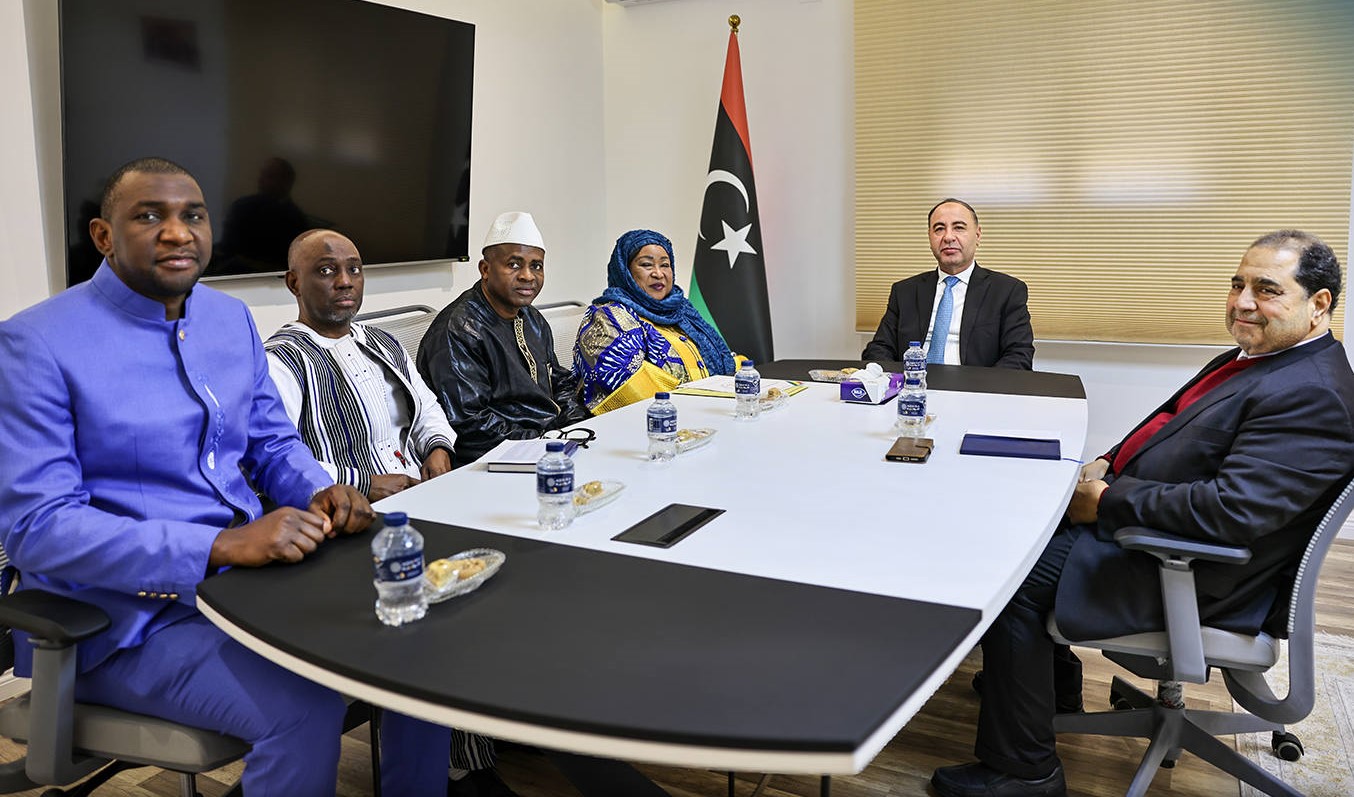
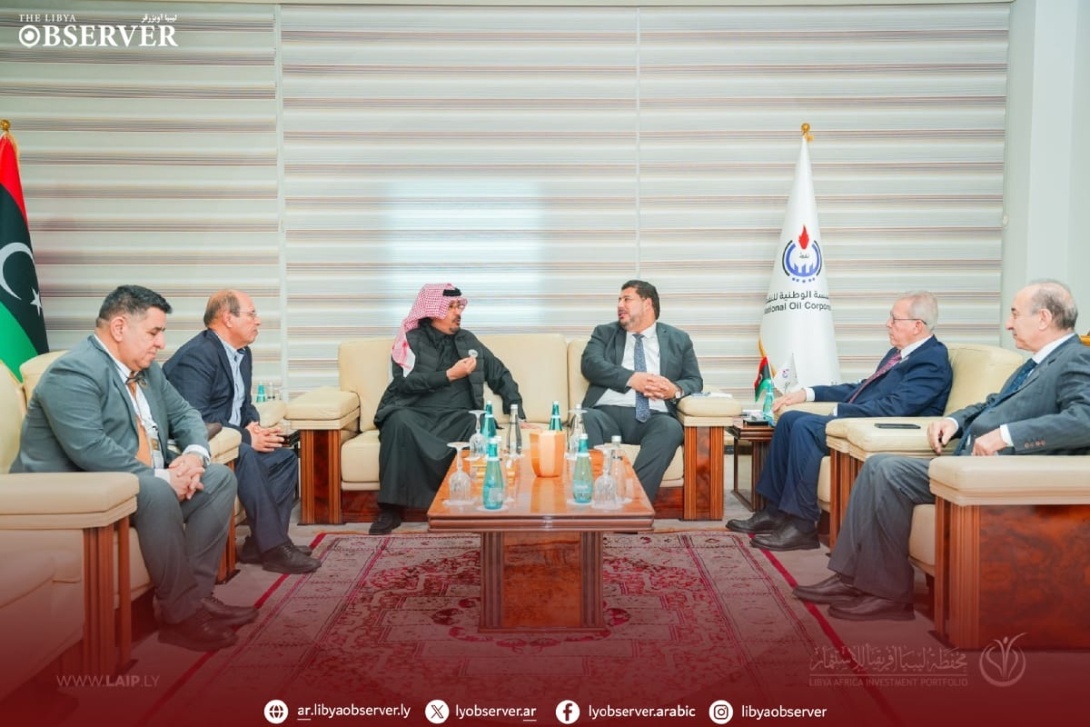
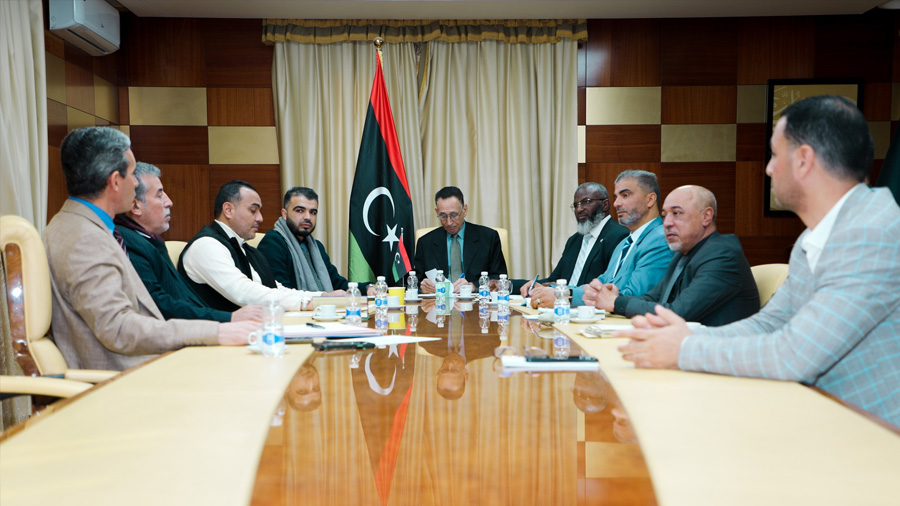
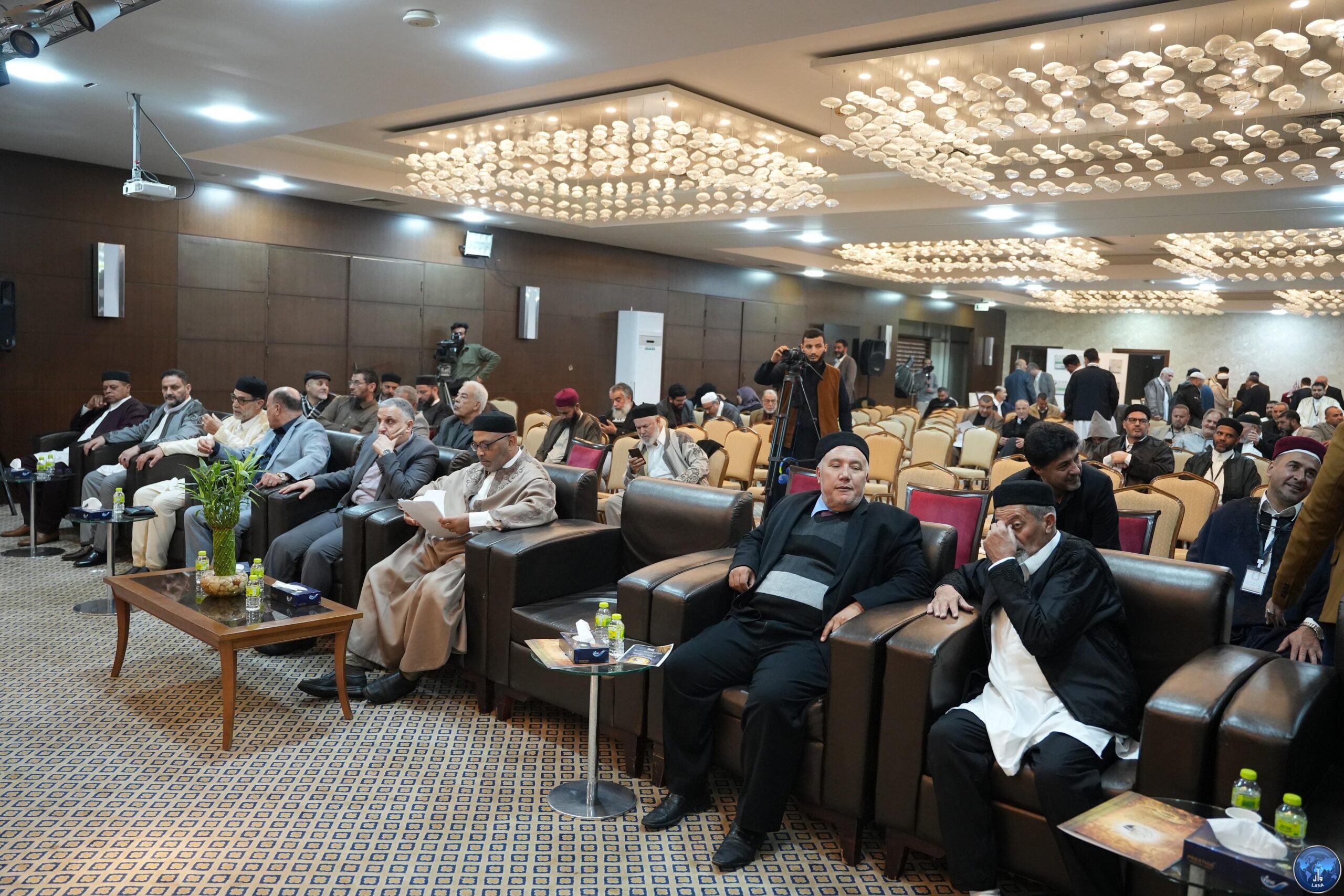
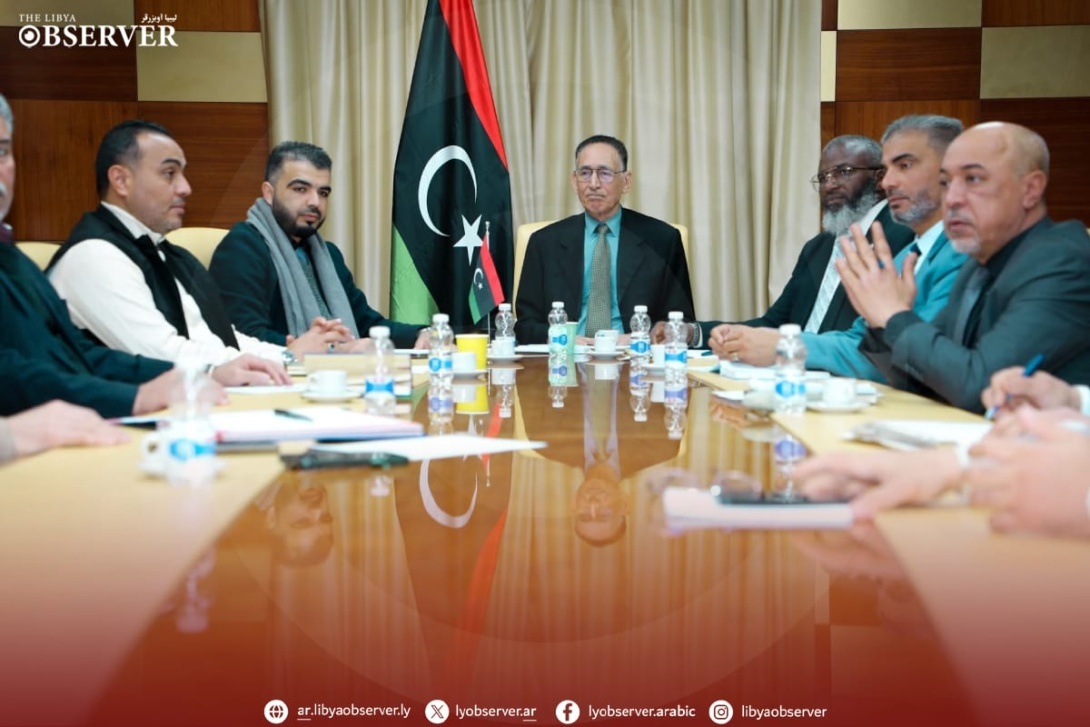
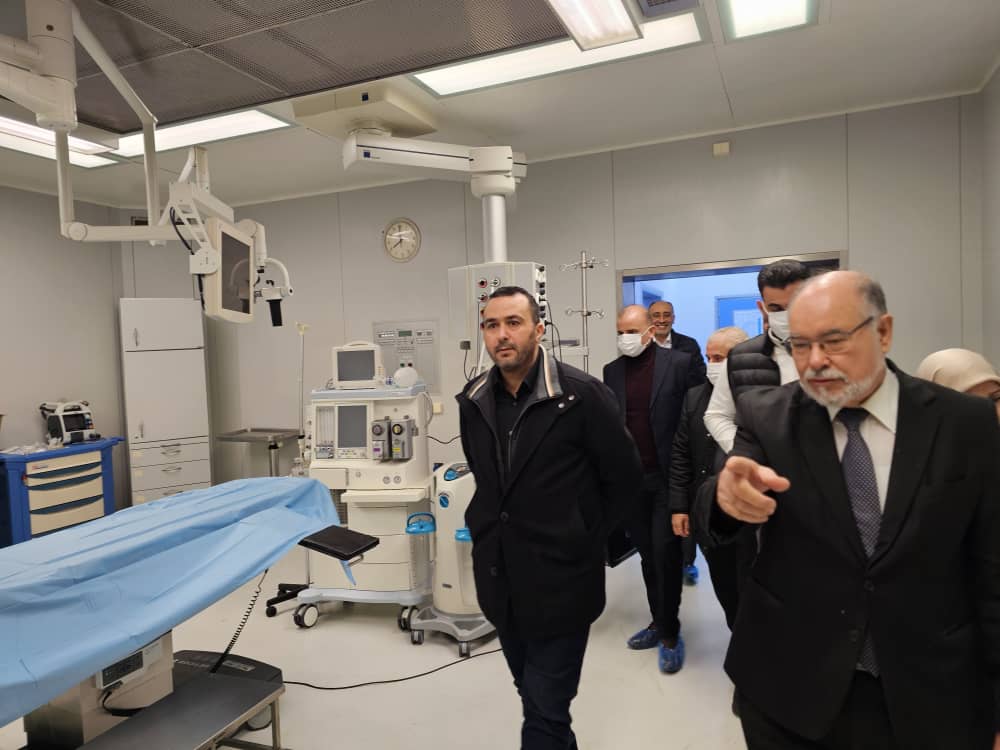
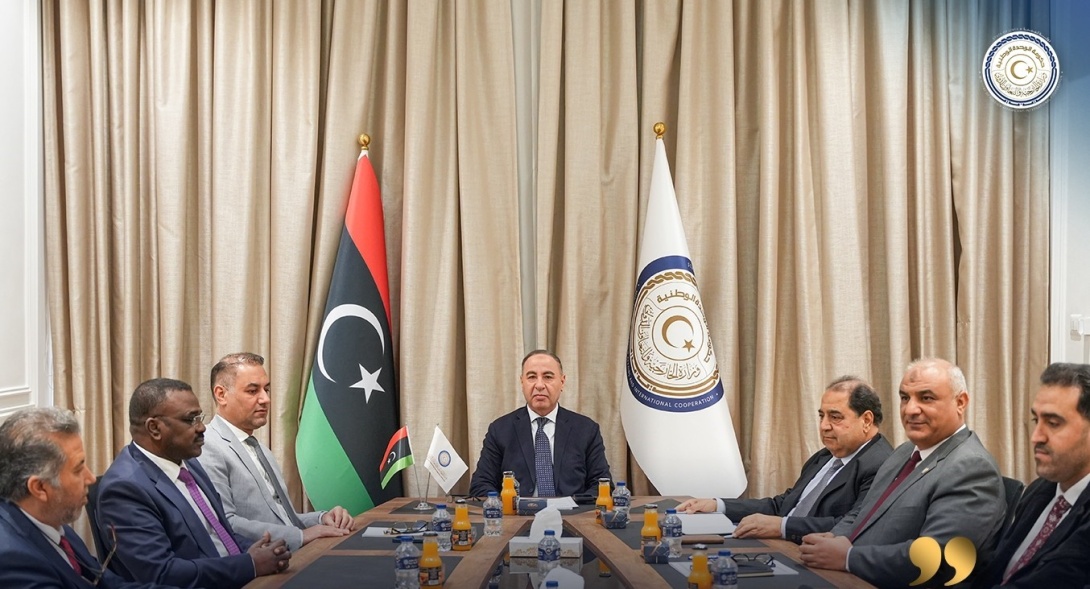
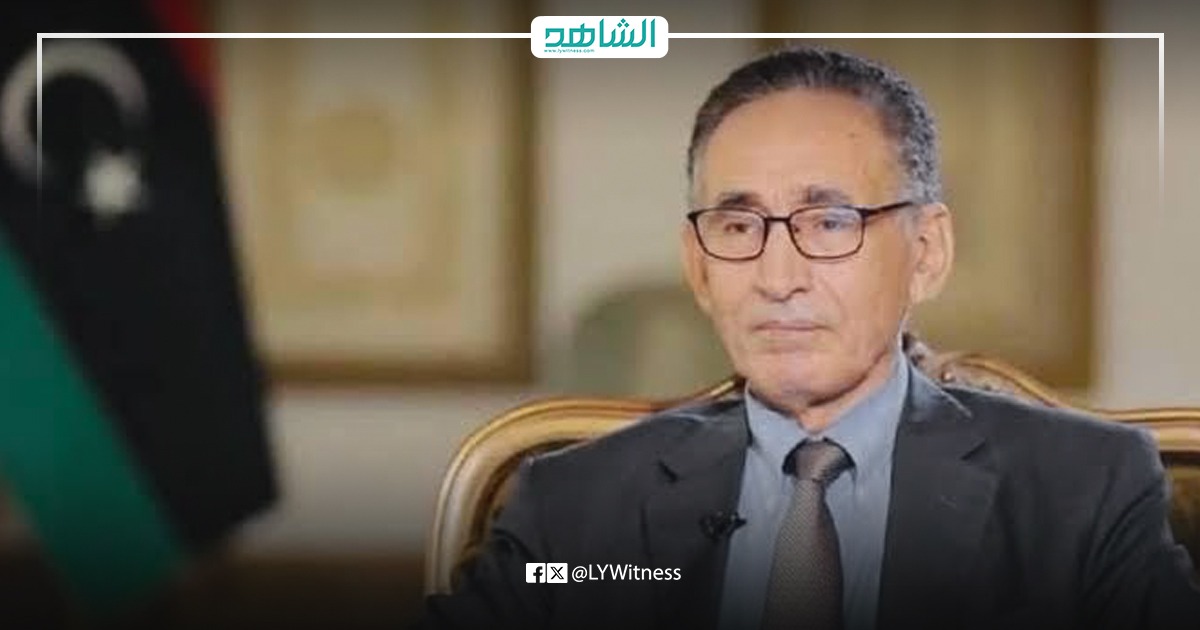
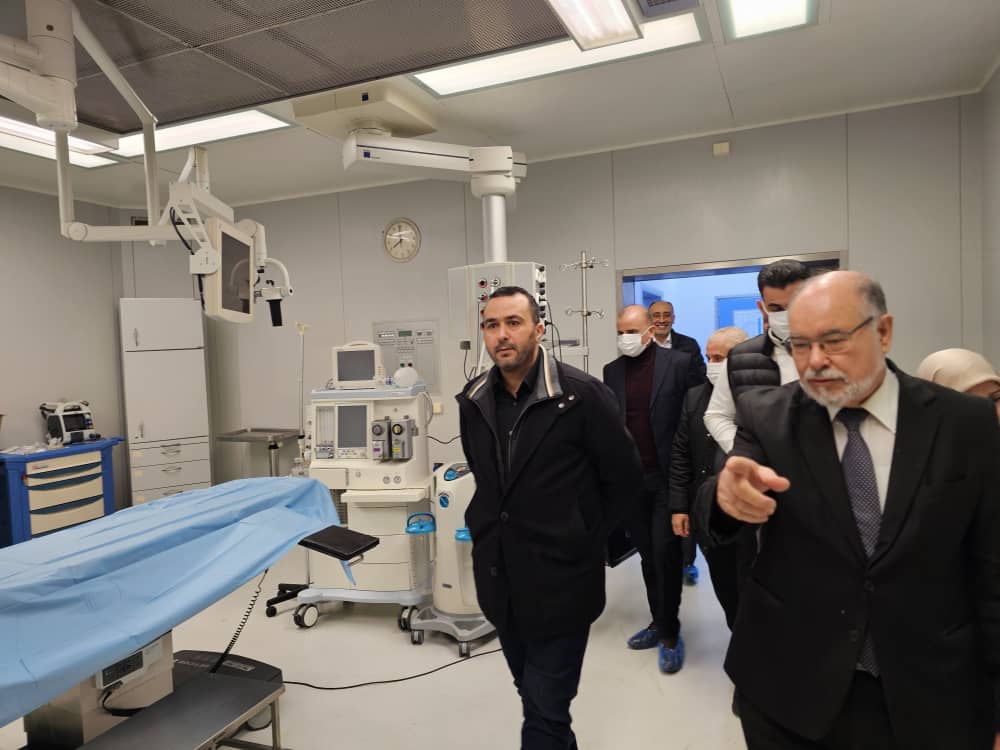
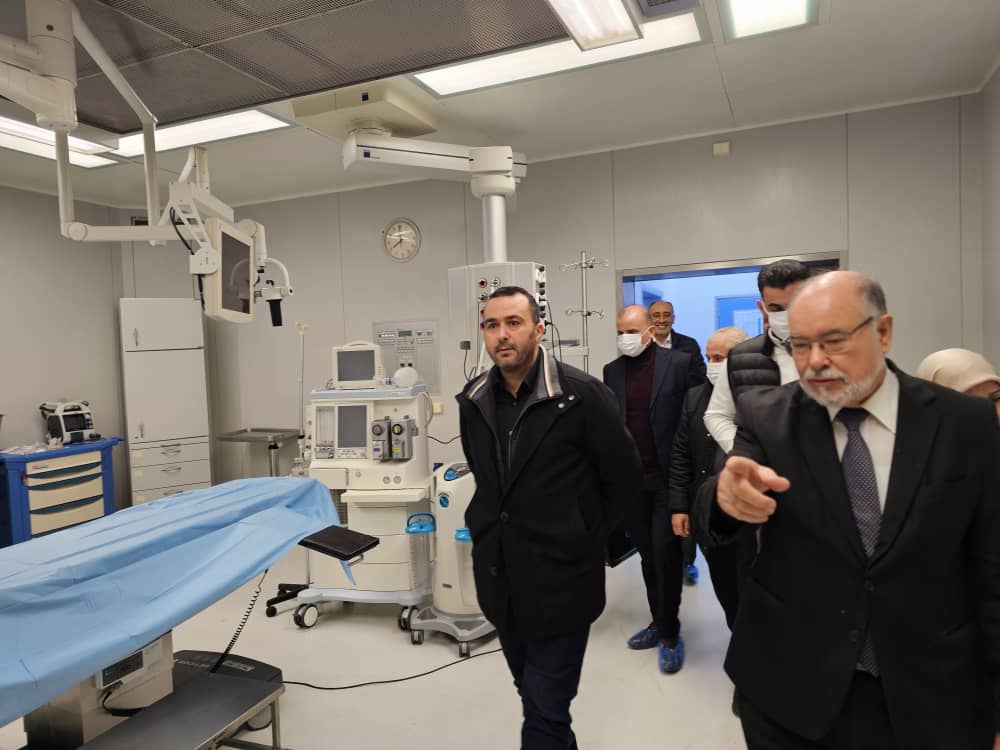
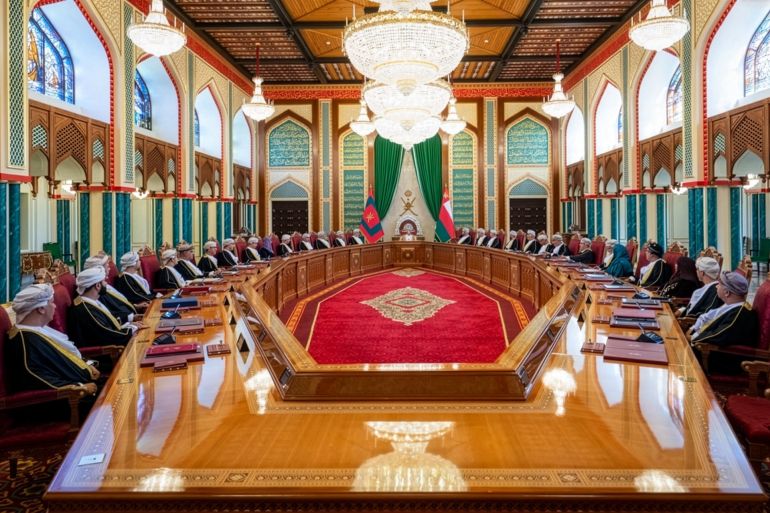
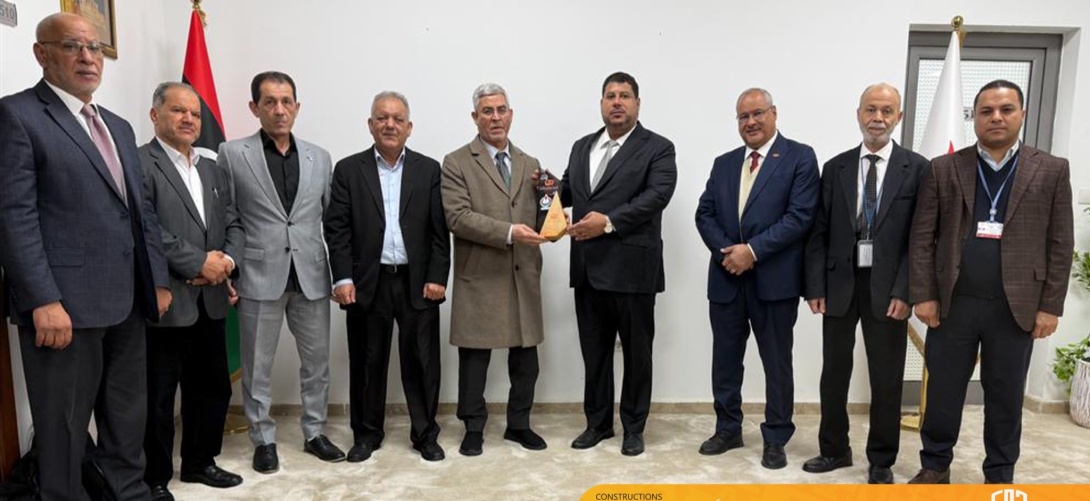
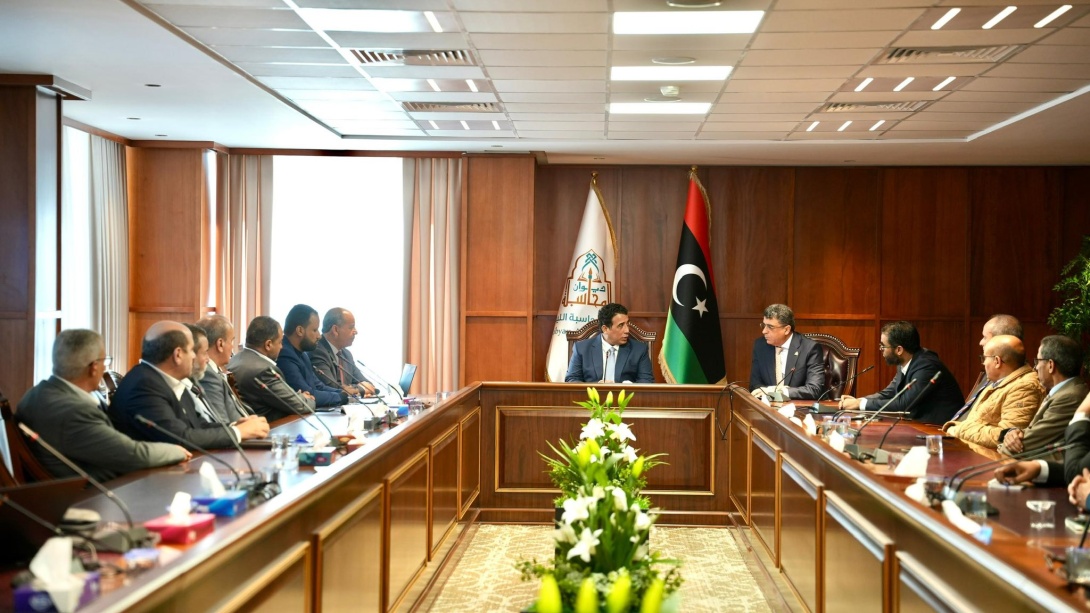
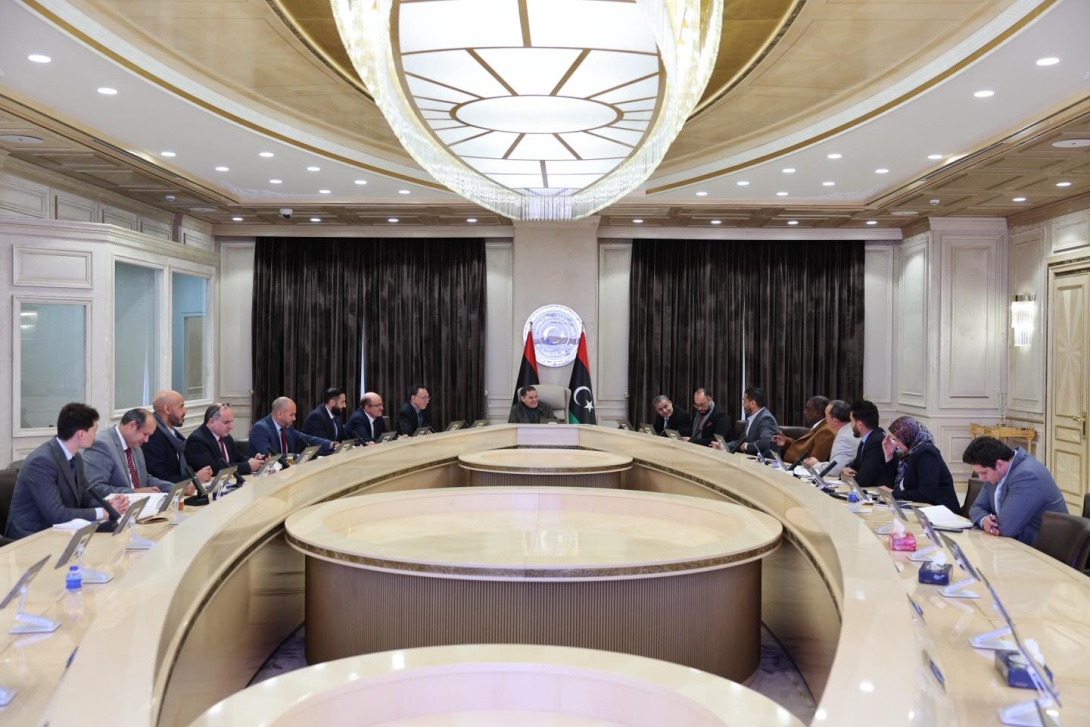
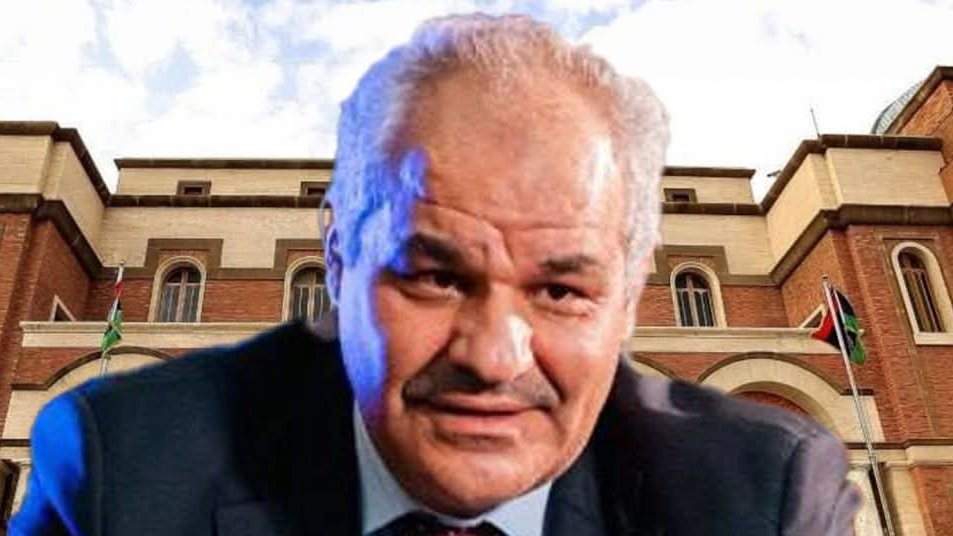
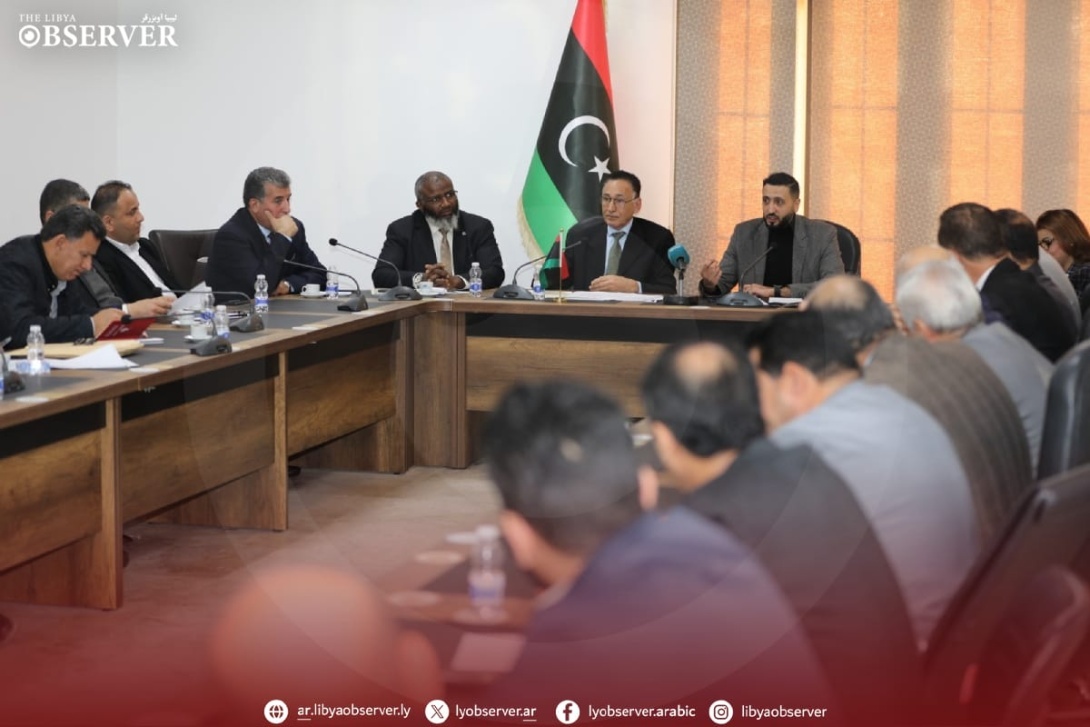
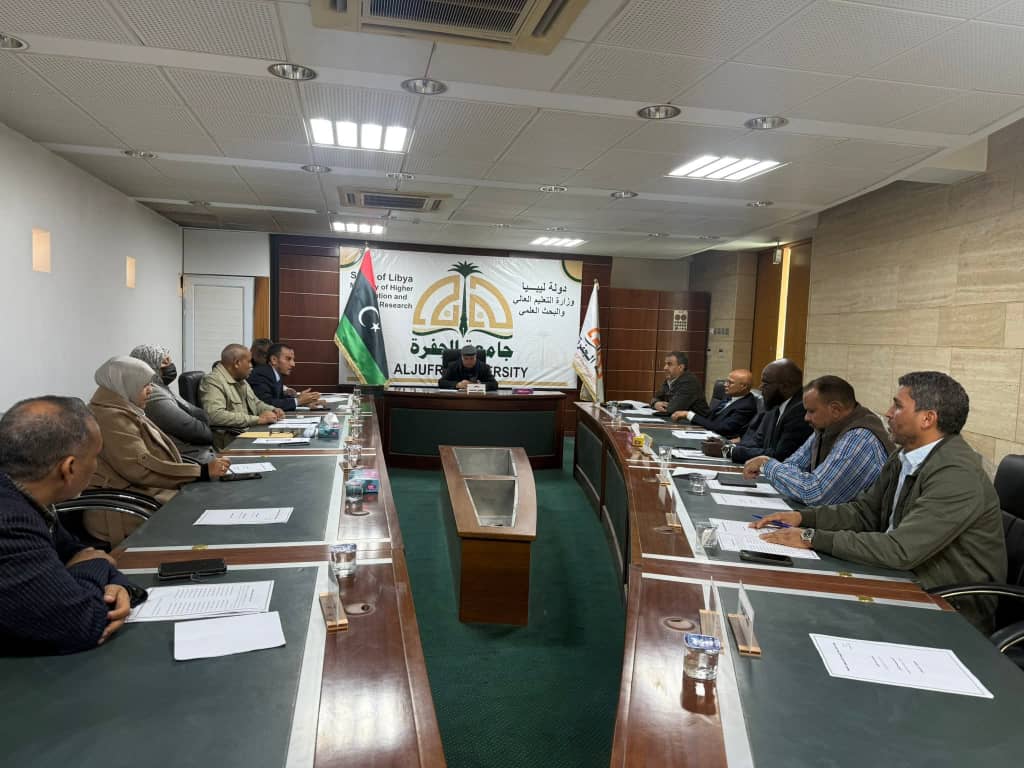
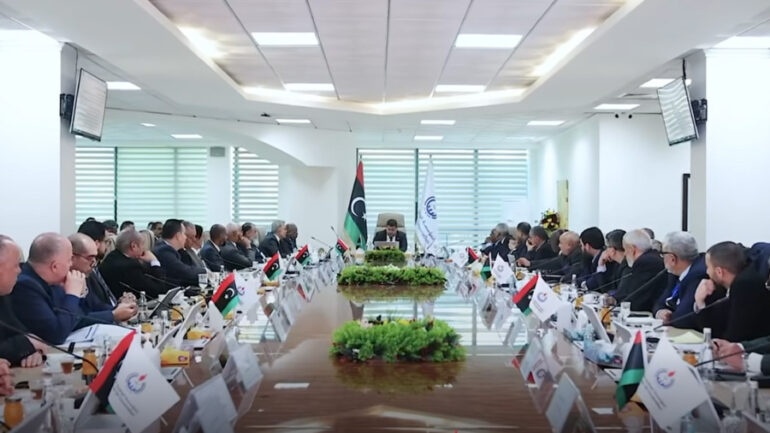
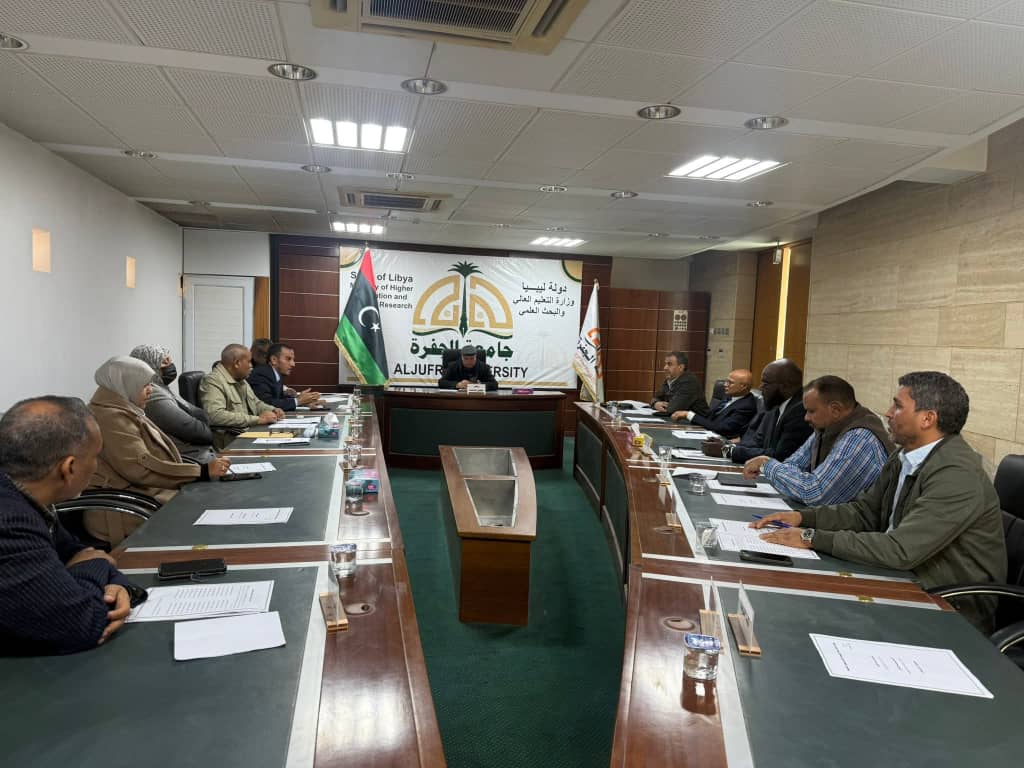
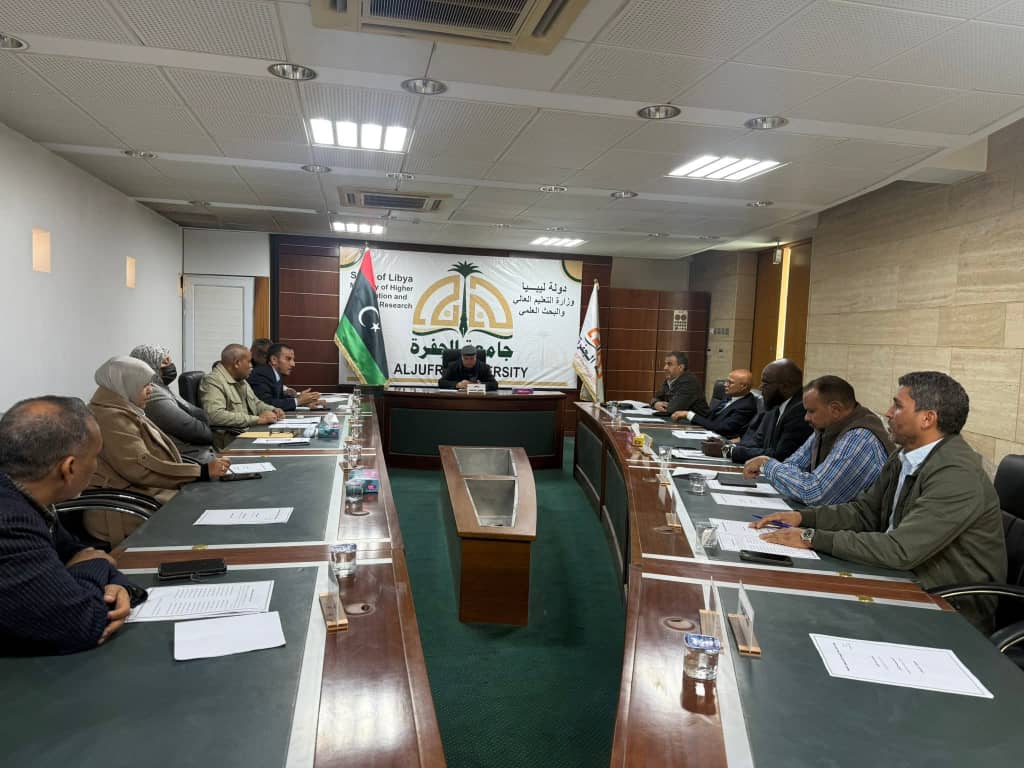
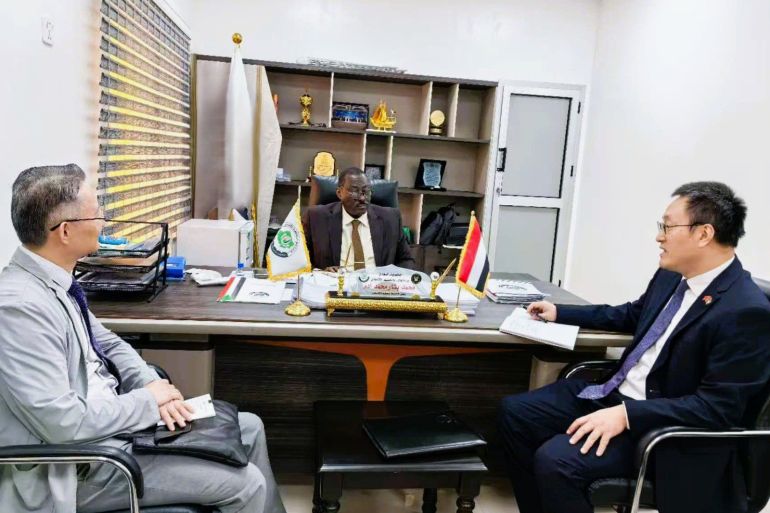
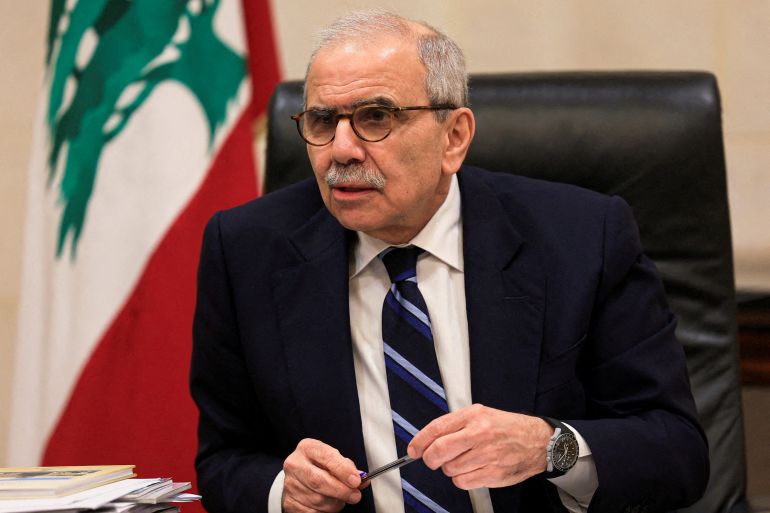
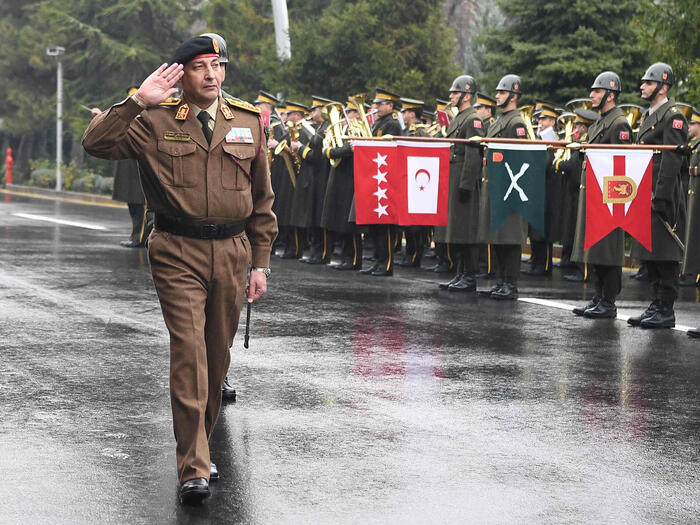
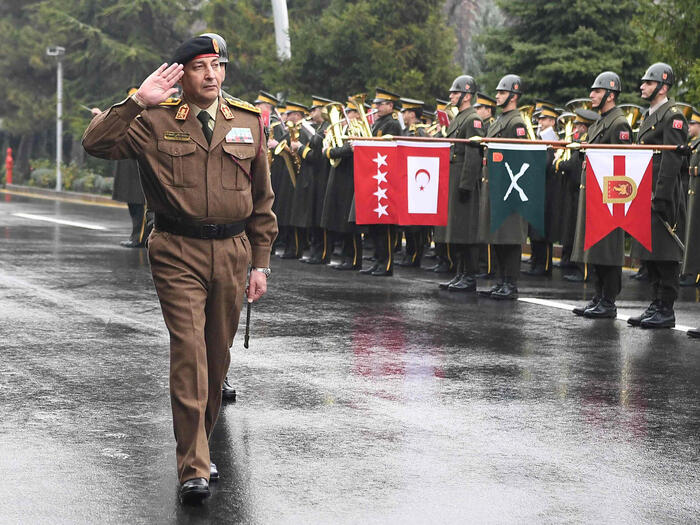
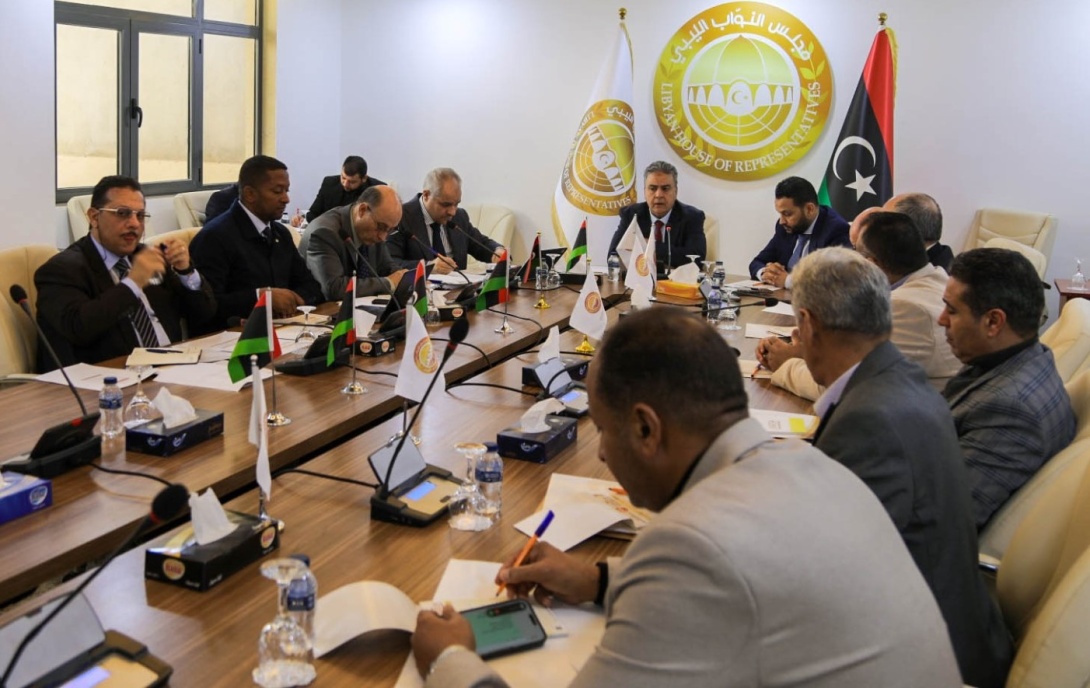
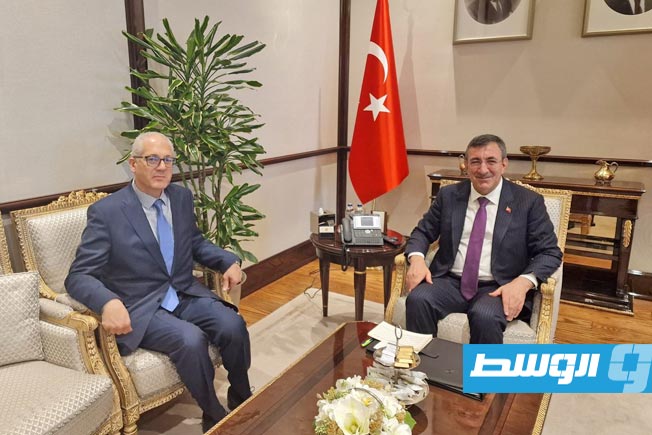
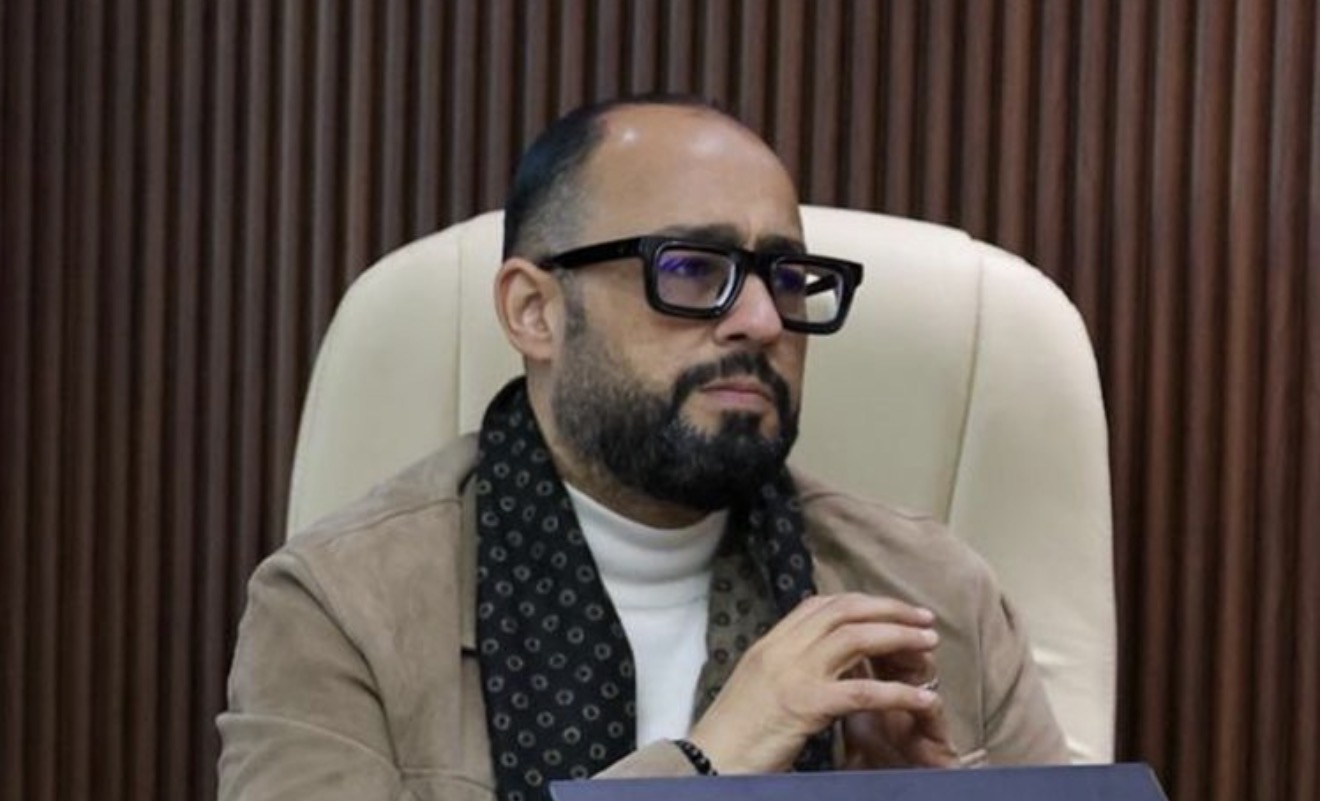
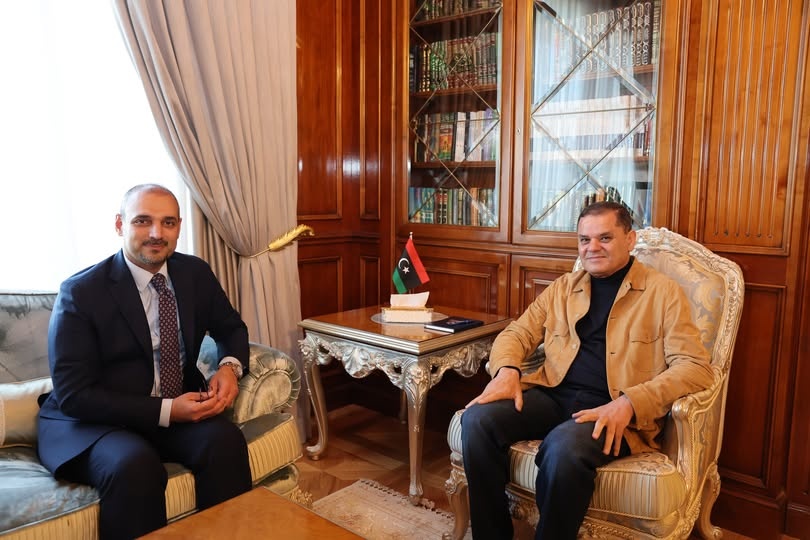
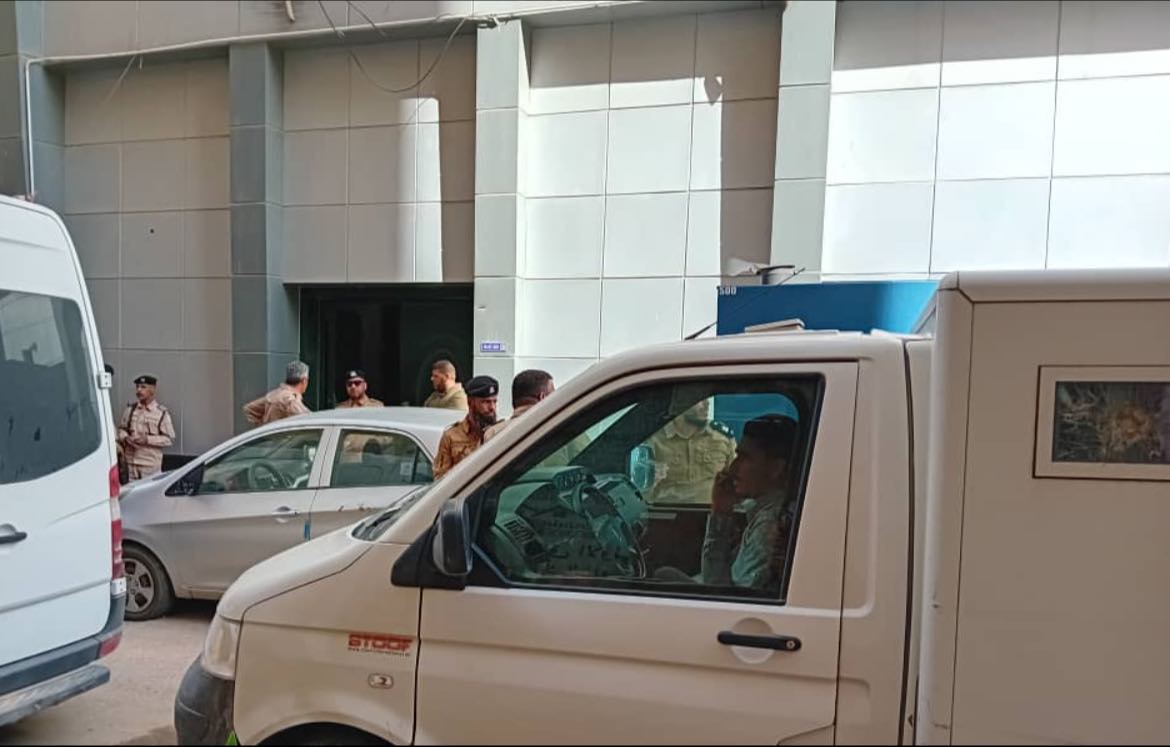
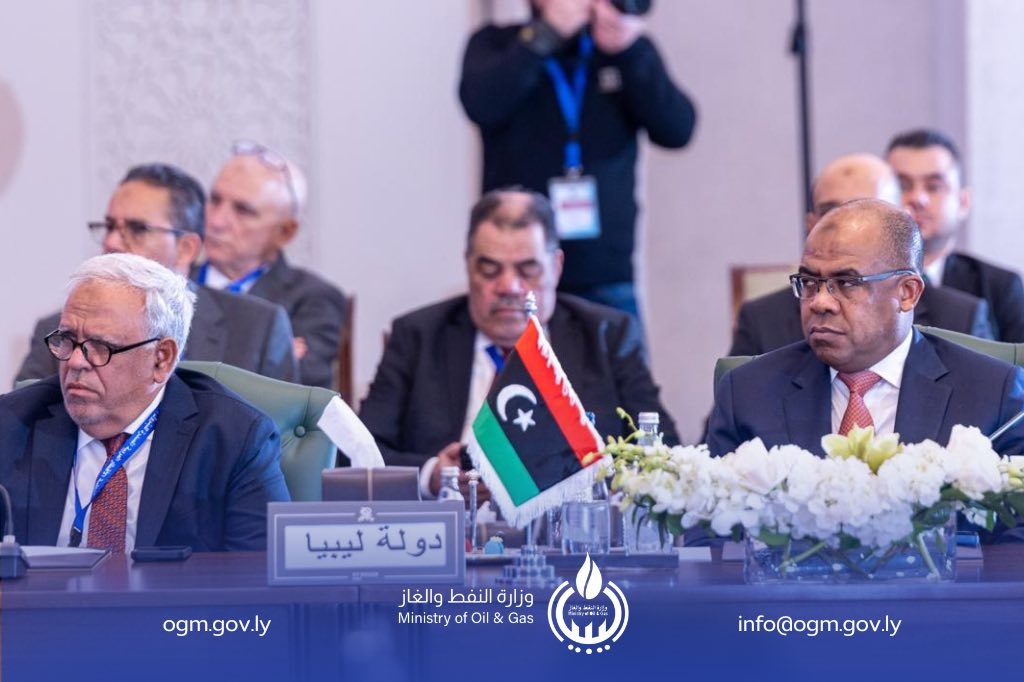
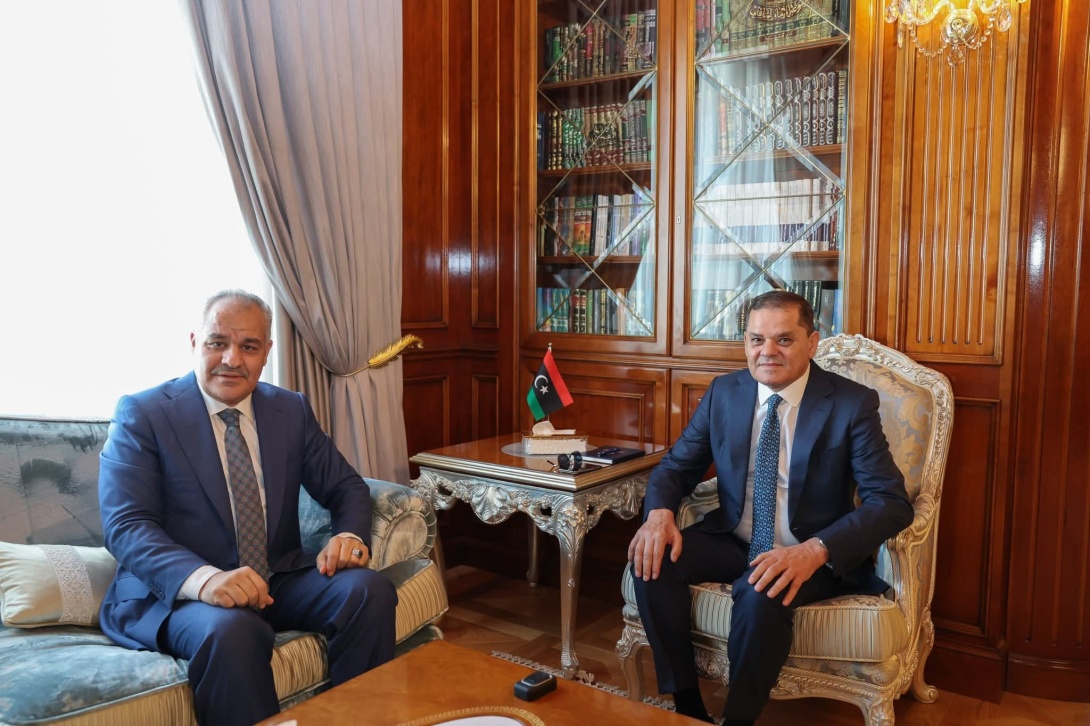
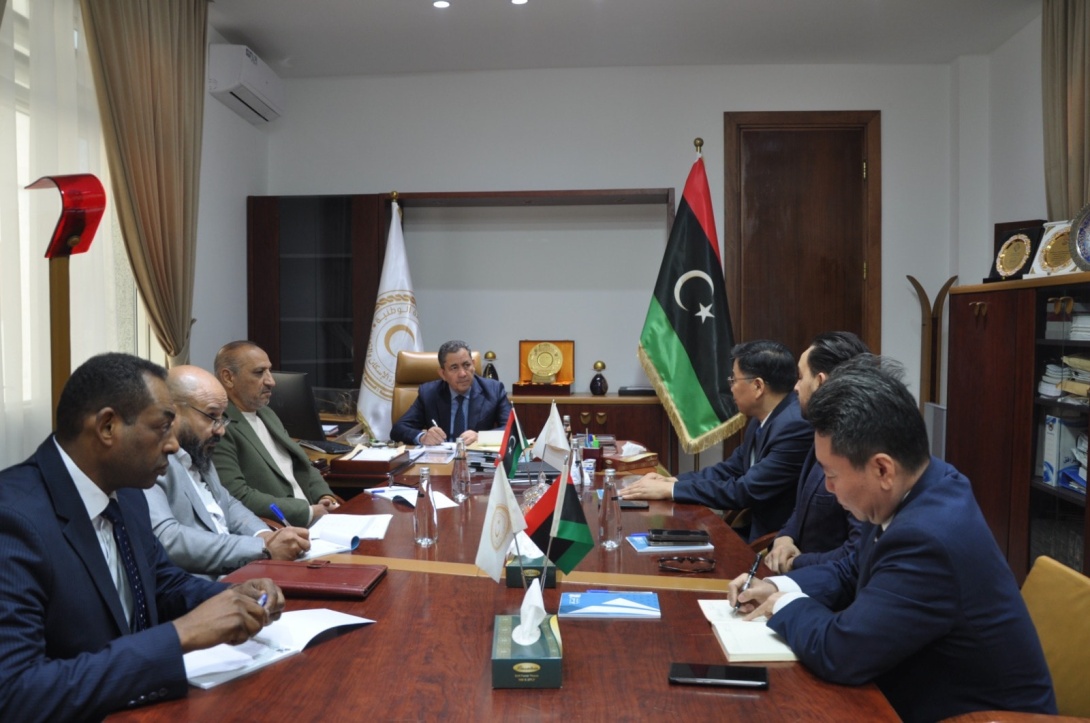
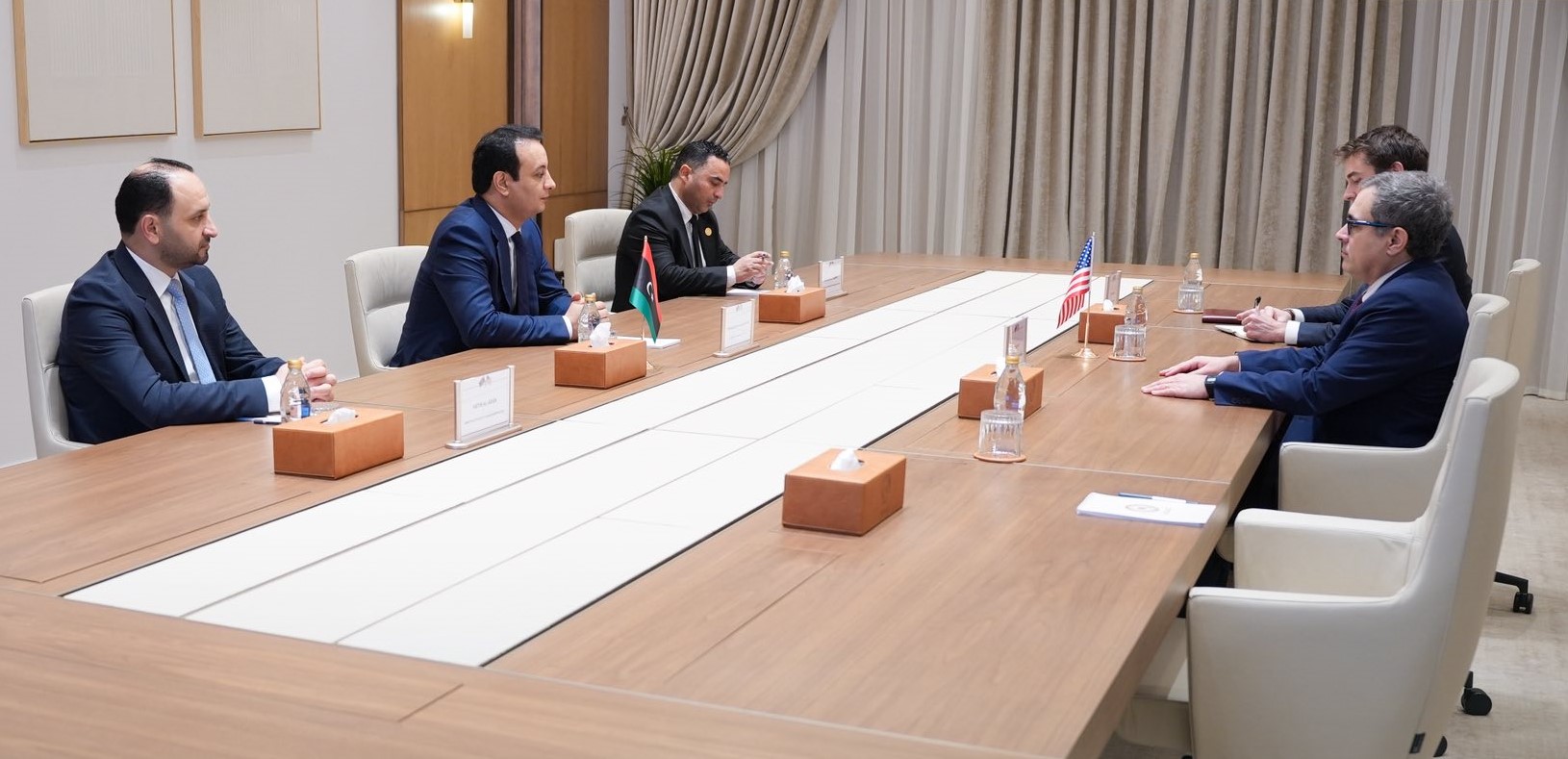
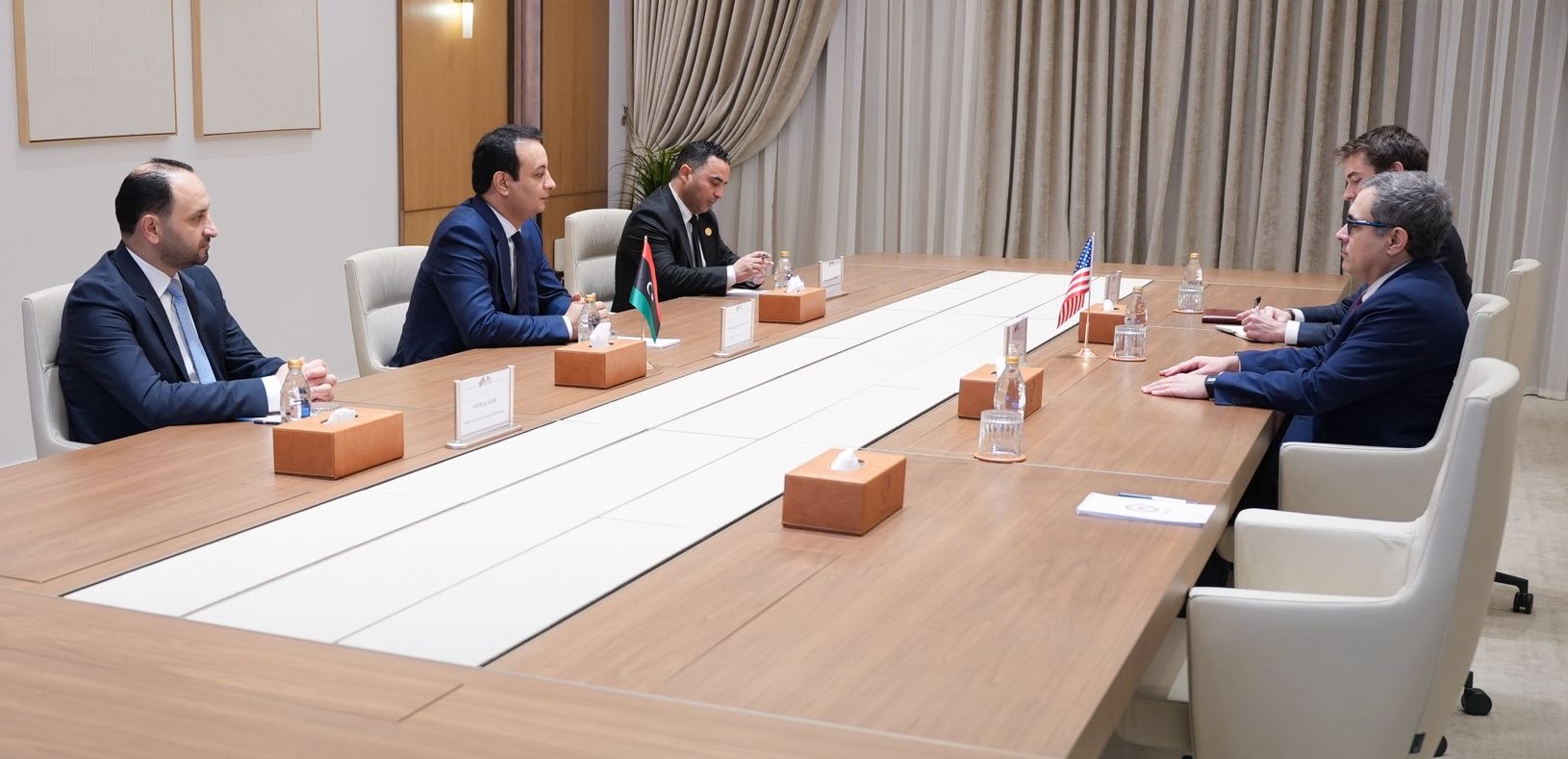
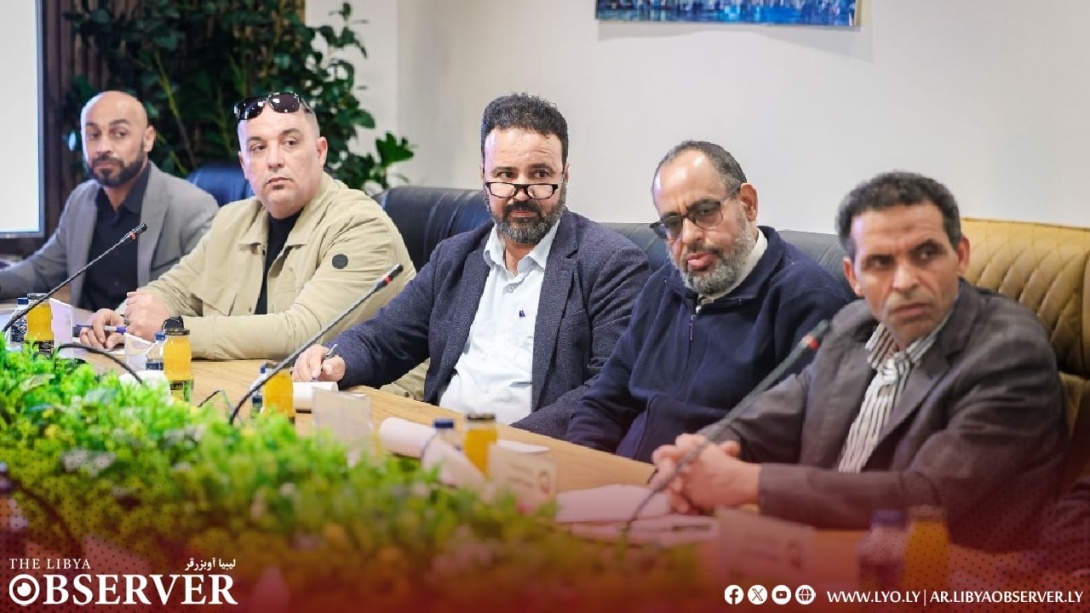
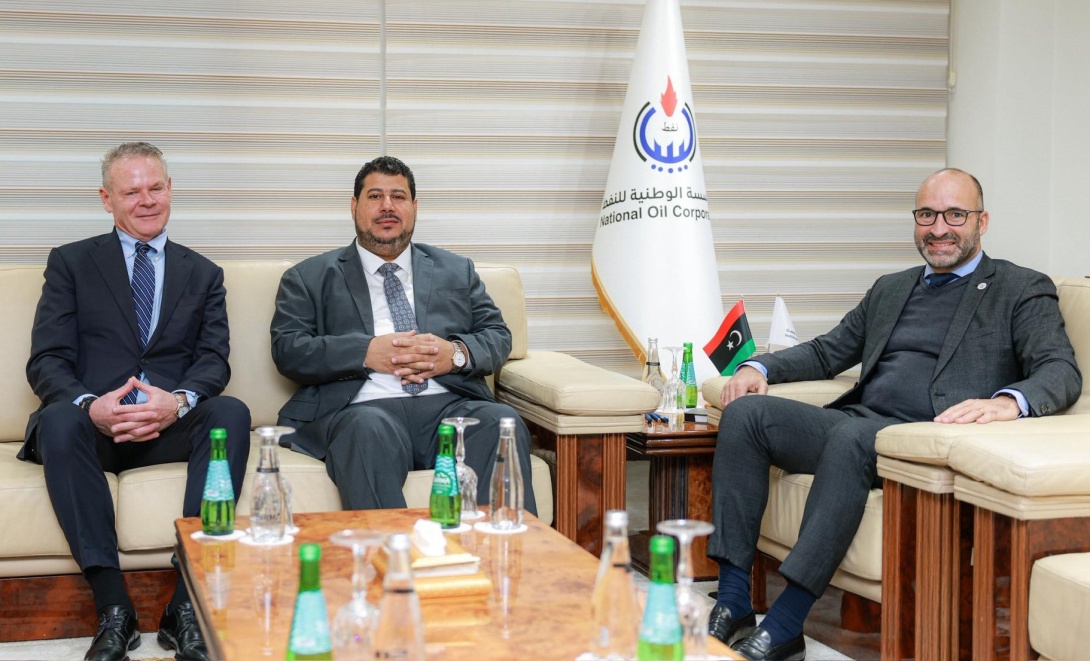
Tripoli, January 26, 2026 – The President of the Supreme Council of State discussed on Monday with a delegation from the Military Engineering College the problems and obstacles facing the college and affecting its performance of educational and training tasks.
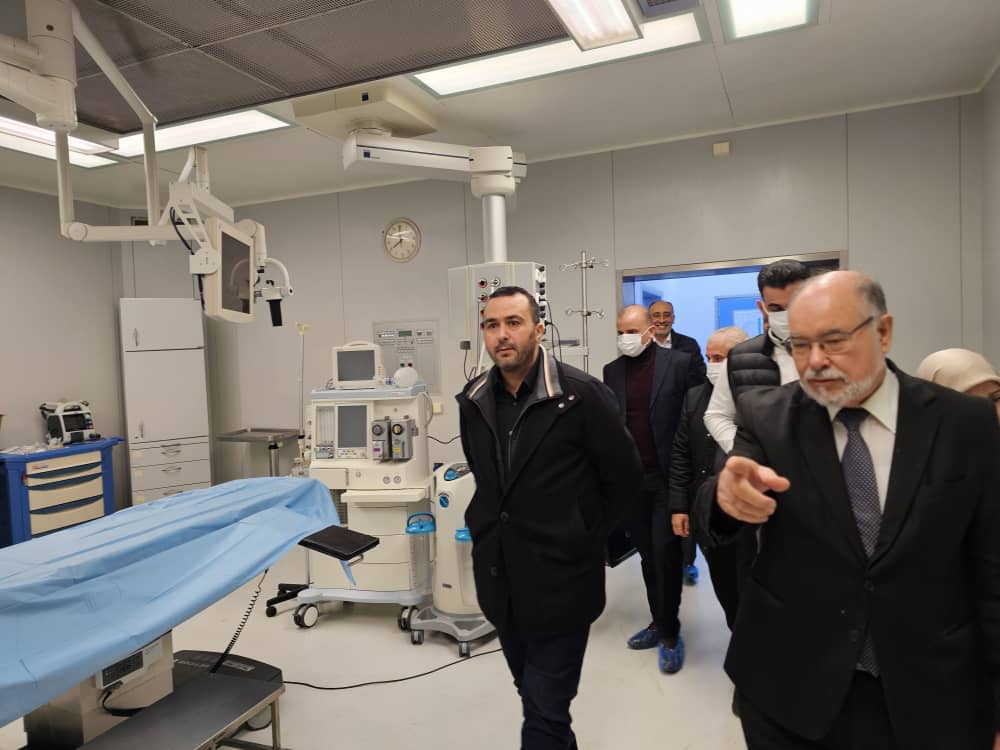
The college’s scientific committee reviewed its desire to hold a scientific conference within the college, along with plans to develop laboratories, which would contribute to improving the quality of education, enhancing academic outcomes, and strengthening the college’s role in preparing qualified engineering competencies.
The delegation emphasized the importance of supporting the college and overcoming the difficulties it faces, in order to achieve its aspirations in developing the educational process and scientific research.
…
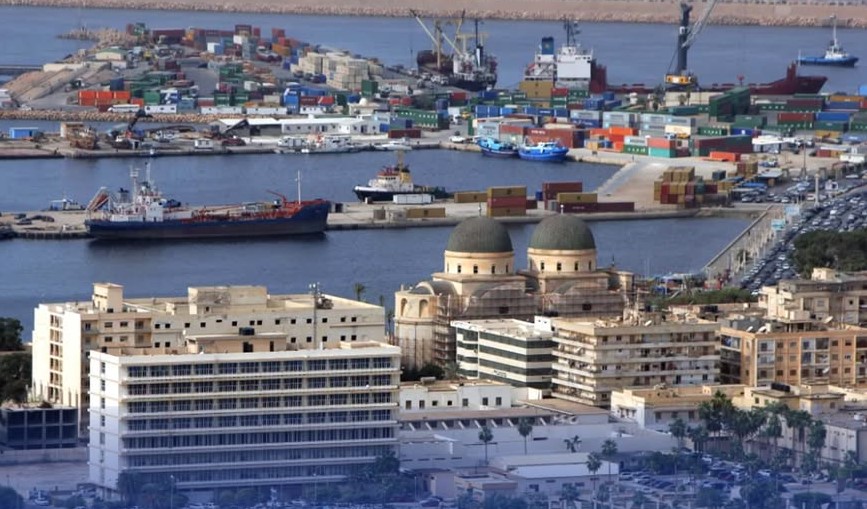
Tripoli
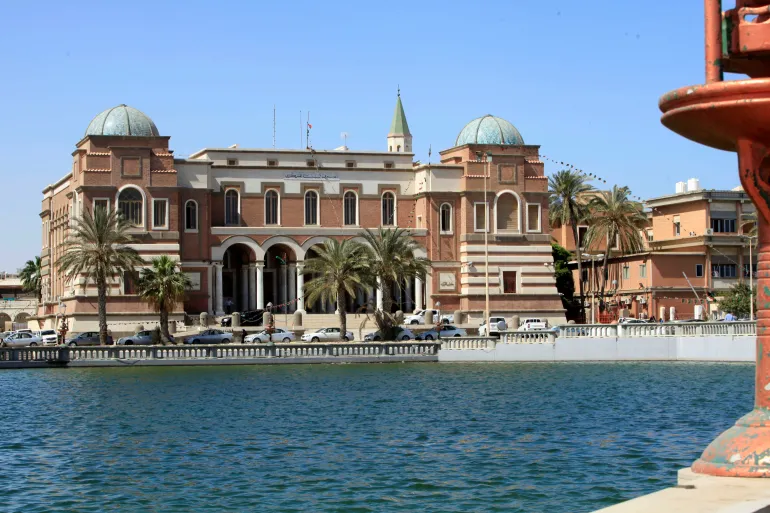
Tripoli is the capital and largest city of Libya, with a history dating back to the 7th century BC when it was founded by the Phoenicians. It later became a significant part of the Roman Empire and the Ottoman Empire, with its old city, the Medina, showcasing a rich blend of architectural and cultural influences from these periods.
Supreme Council of State
The Supreme Council of State is the collective head of state of Bosnia and Herzegovina, established by the Dayton Peace Agreement in 1995. It consists of three members representing the country’s major constituent peoples: Bosniaks, Croats, and Serbs, with a rotating chairmanship every eight months. Its creation was a key part of the post-war constitutional structure designed to ensure ethnic representation and shared governance.
Military Engineering College
The Military Engineering College is a specialized institution focused on training officers in military engineering, often with roots dating back to the 19th or early 20th century in various countries. It typically provides education in fields such as fortification, construction, and logistics to support armed forces. Many such colleges have evolved to incorporate modern technologies while maintaining their historical emphasis on strategic and tactical engineering.