As the world marks the International Day of Education (January 24) under the weight of compounded crises, questions arise about the relevance of traditional concepts of the right to learn in areas of conflict and displacement. Education today is no longer just a school seat or a textbook. Under protracted conflicts and climate crises, it has transformed into a “lifeline” and an integrated protection system linked to human dignity and economic empowerment. This places international institutions before the challenge of transitioning from temporary educational relief to building sustainable models that resist collapse.
This dialogue explores the complexities of the educational landscape, lessons learned from fieldwork in conflict zones, and how digital education can reduce the knowledge gap.
- How has the concept of the “right to education” changed in a world witnessing protracted conflicts, climate crises, and rising economic pressures?
Under protracted conflicts, escalating climate crises, and unprecedented economic pressures, the “right to education” is no longer understood merely as a right to enroll in school. It has become a comprehensive and complex right linked to human dignity, protection, continuity, and the quality of learning in the most difficult circumstances.
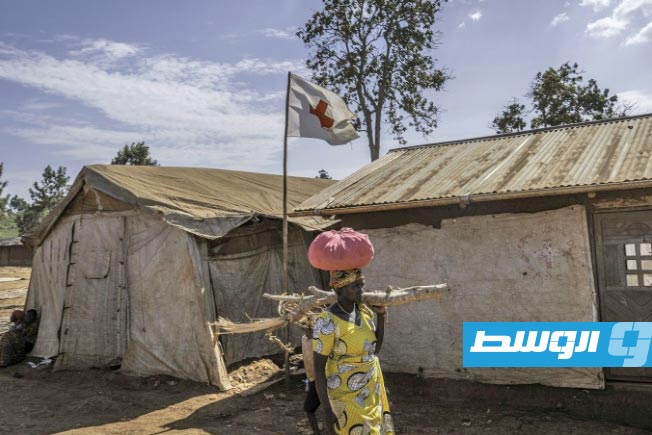
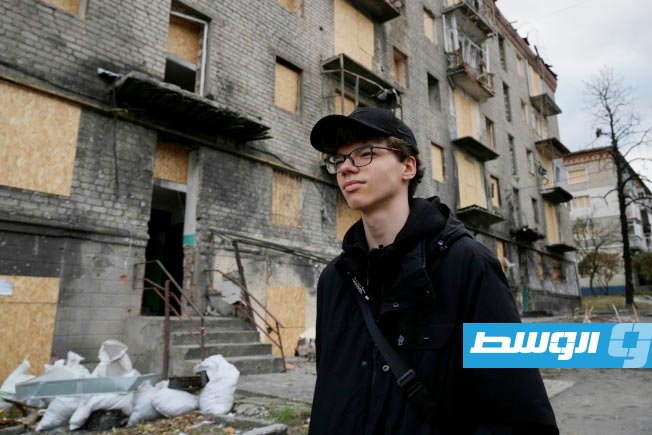
Today, we recognize that millions of children are deprived of education not only due to a lack of schools but also due to forced displacement, poverty, insecurity, and climate disasters that close schools or make access to them dangerous or impossible. Therefore, the concept of the right to education has evolved to include ensuring “learning continuity during crises,” protecting students, teachers, and educational infrastructure from targeting, and providing flexible educational alternatives when formal education is not possible.
Education has also become directly linked to resilience. Learning today is no longer just an academic path but a fundamental tool for protecting children from child labor, recruitment, and exploitation, and for empowering youth to acquire life and work skills that help them adapt to rapid economic and climate transformations.
From this perspective, the right to education in today’s world is a right to safety, a right to opportunity, a right to a future. It is a collective responsibility requiring long-term investments, effective partnerships, and political and humanitarian will that places education at the heart of crisis response, not on its margins.
- What are the most prominent lessons learned by the Education Above All Foundation from working in conflict zones, and how have these experiences influenced the design of educational programs?
Through its work in conflict zones and protracted crises, the Education Above All Foundation has drawn a set of fundamental lessons that have reshaped our understanding of how to design and implement educational programs in the most fragile environments.
The first lesson is that education in conflict zones cannot be designed in isolation from the context. Traditional programs, however high-quality, fail if they do not consider the reality of displacement, insecurity, extreme poverty, and the psychological pressures experienced by children and families. Therefore, the Foundation has moved from ready-made models to flexible programs adaptable to changing conditions on the ground.
The second lesson is that continuity is more important than form. In many contexts, the goal is not an immediate return to formal education but preventing a complete break from learning. This understanding is reflected in designing alternative learning pathways, community-based education, and programs to compensate for learning loss, ensuring the child remains connected to learning regardless of circumstances.
The third lesson is that protecting education is no less important than providing it. Attacks on schools, teachers, and students are a recurring reality in conflicts. Therefore, considerations of safety, protection, and psychosocial support have become an integral part of program design, not a secondary or later component.
The Foundation also realized that education alone is not enough if it does not translate into better life opportunities, especially for youth. Hence, a closer link has been established between education, skills, and economic empowerment to ensure that education is a real pathway out of cycles of poverty and fragility, not a temporary stop.
Collectively, these lessons are reflected in the Education Above All Foundation’s approach based on local and international partnerships, long-term investment, and placing the human being at the heart of the educational process. Field experience has confirmed to us that education in conflict zones is not just a service provided but a