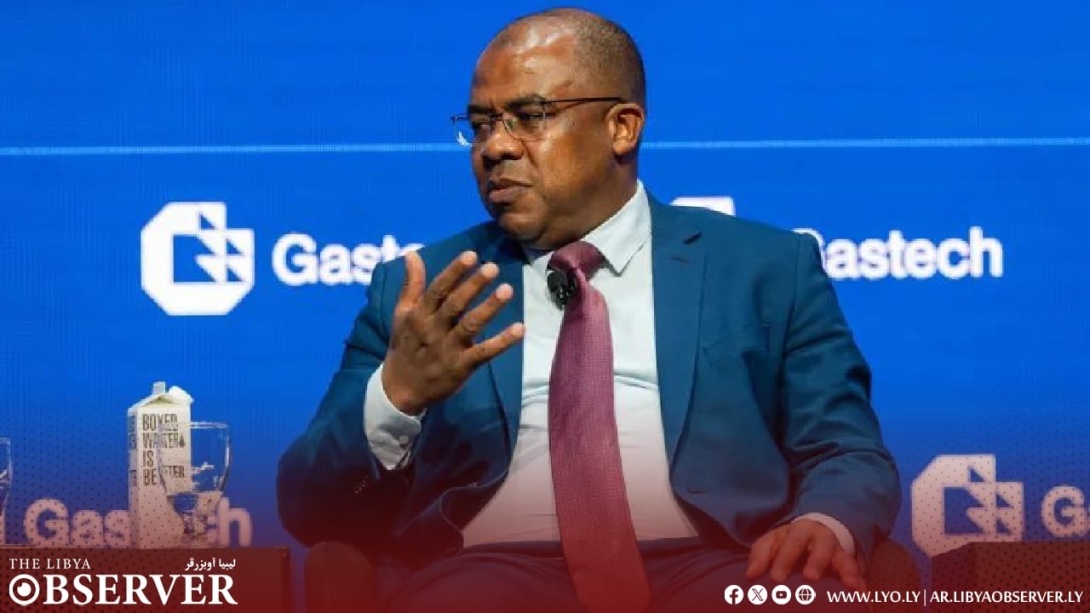
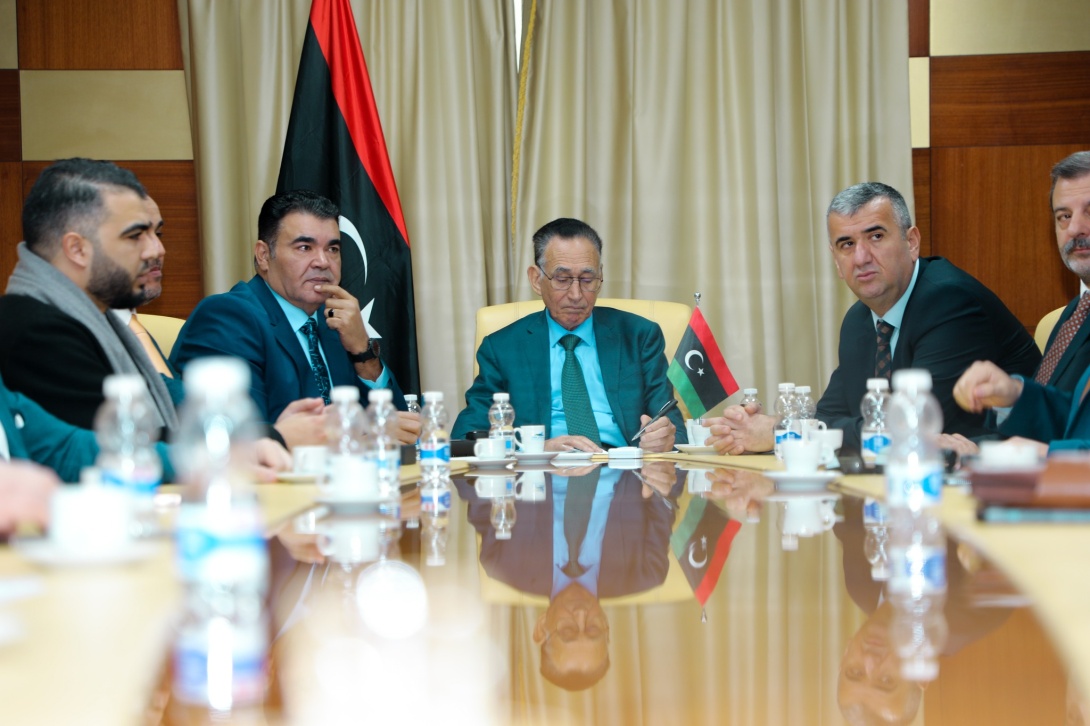
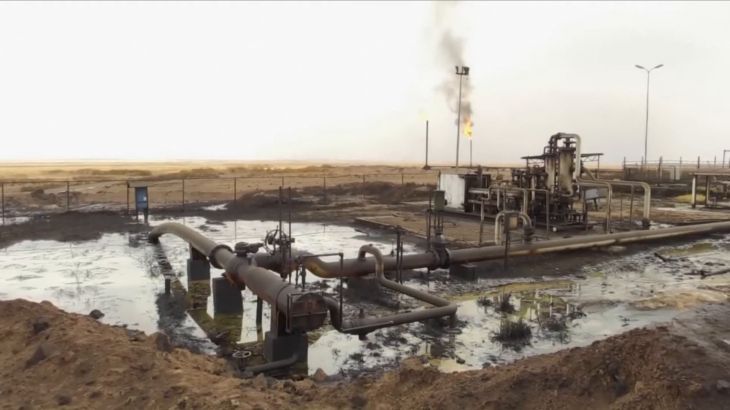
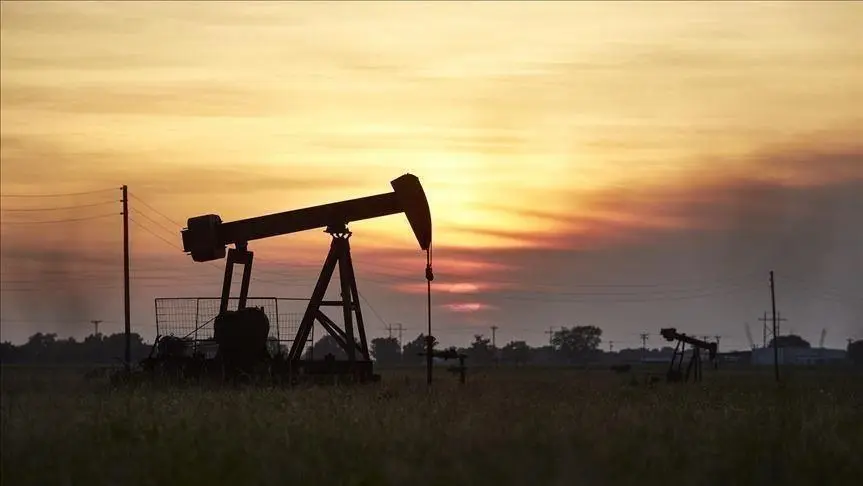
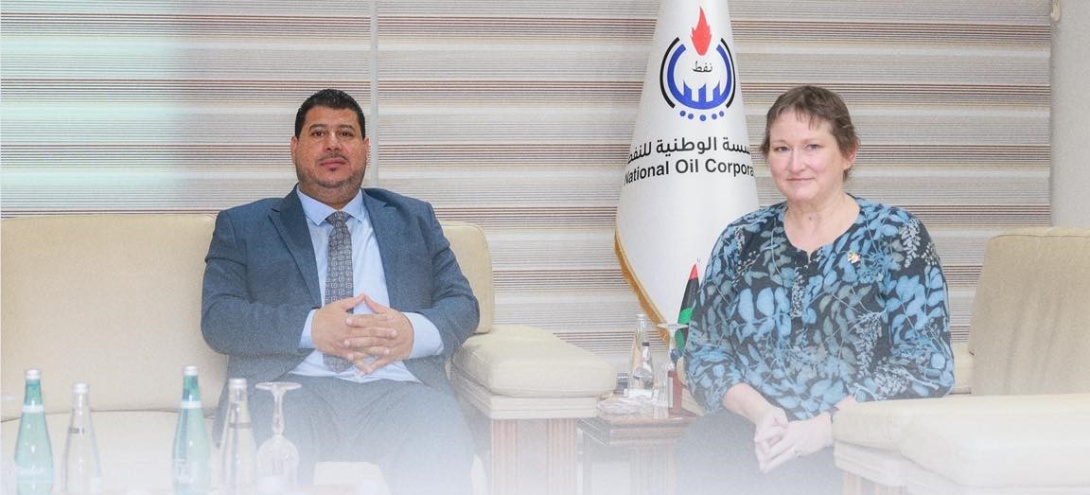
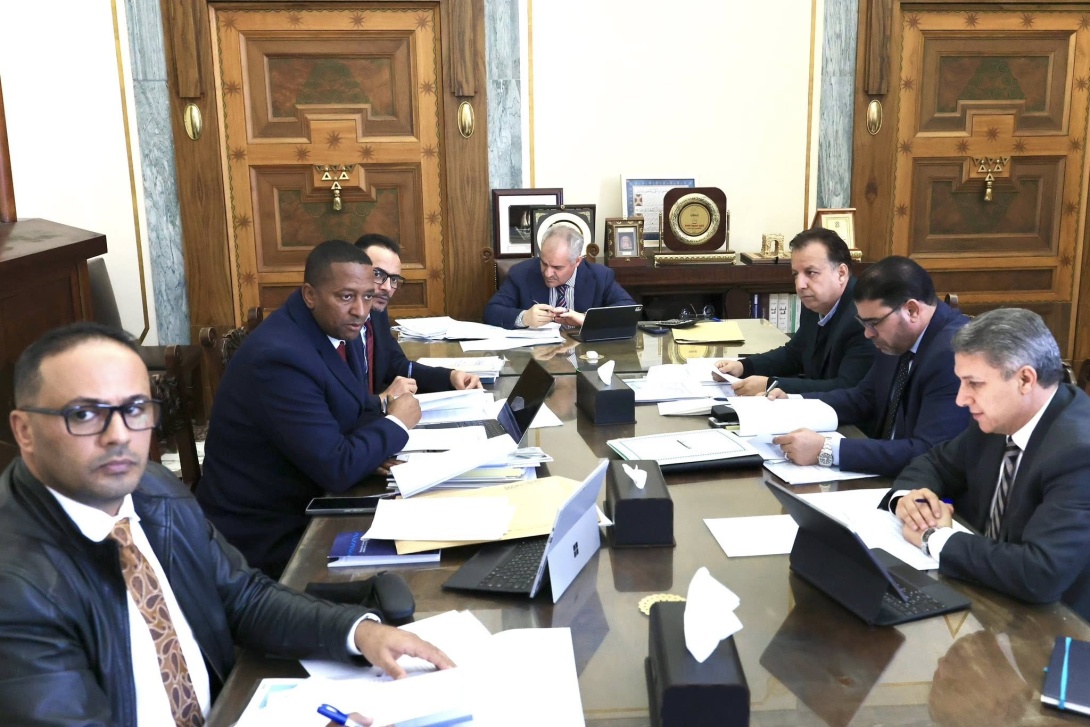
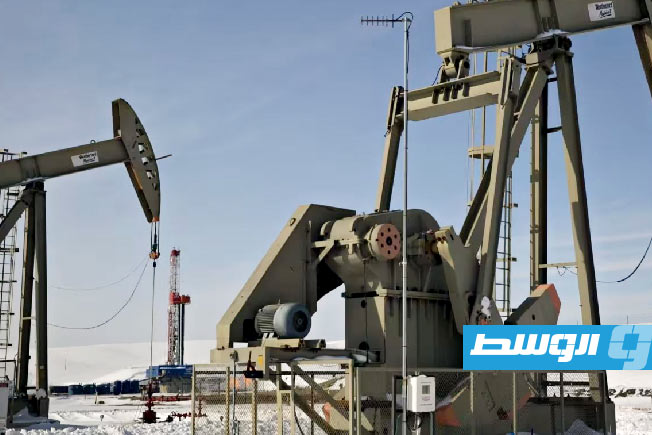
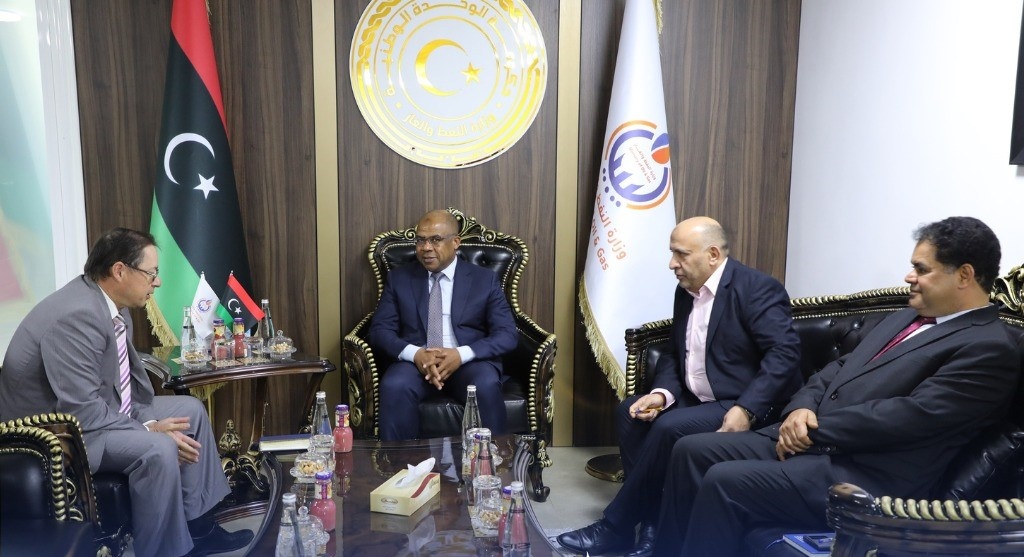
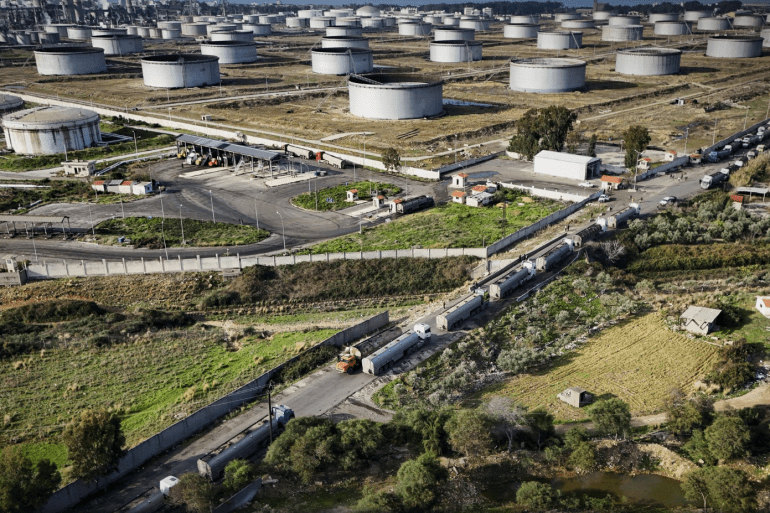
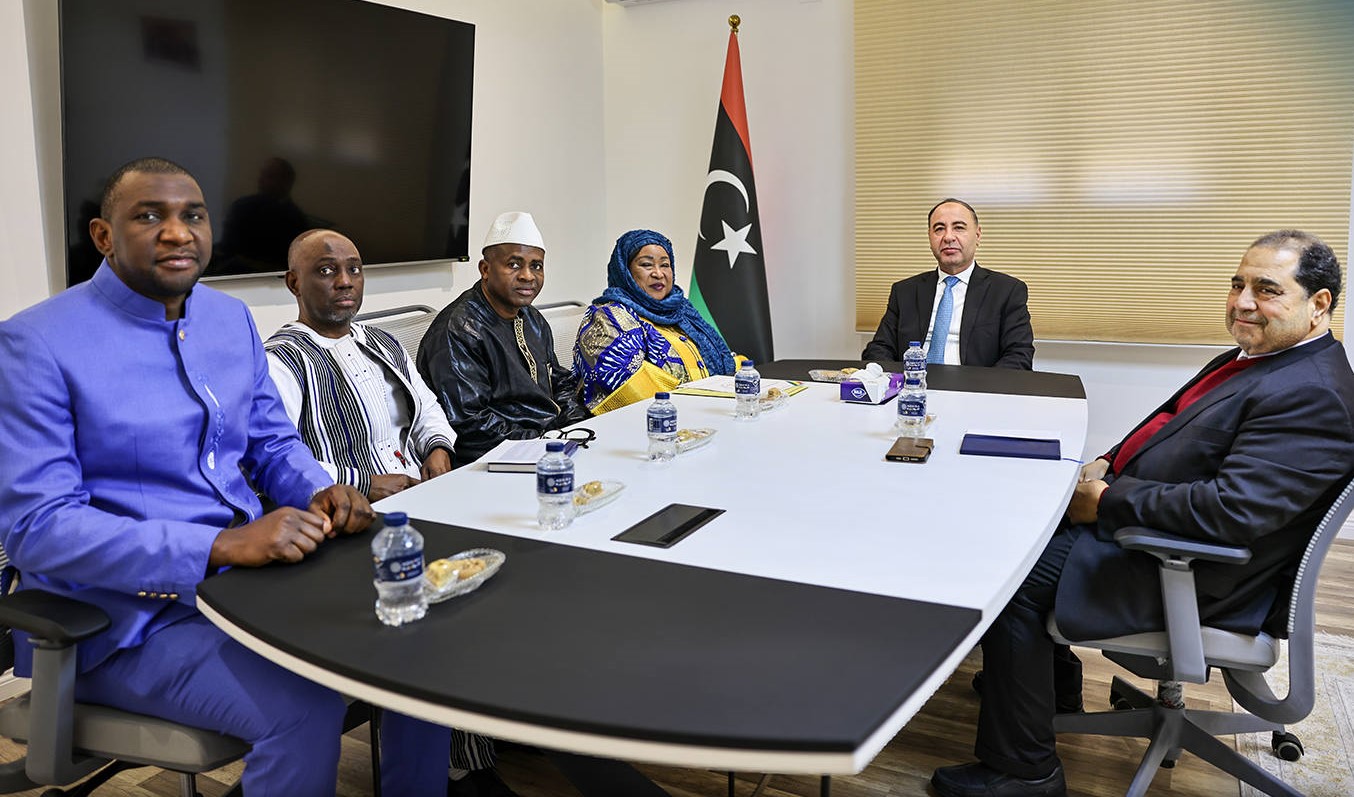
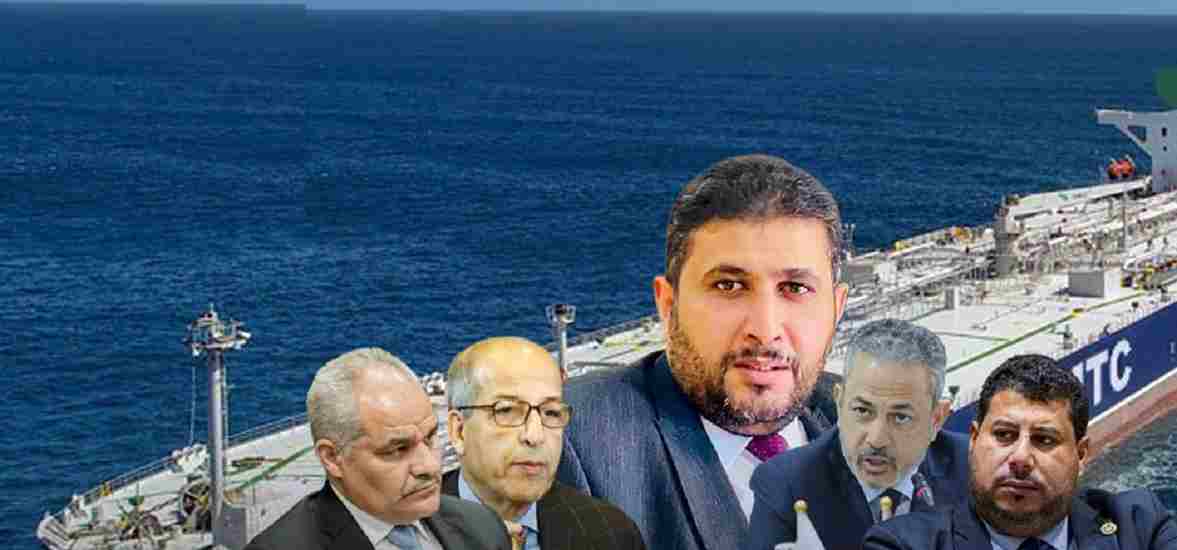
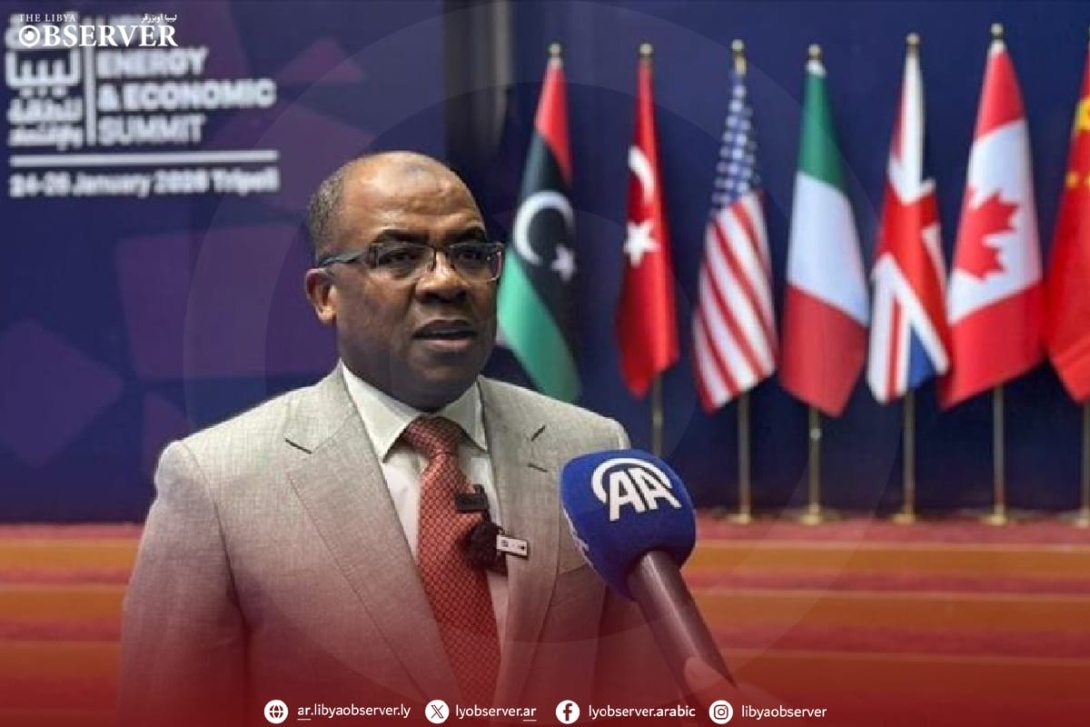
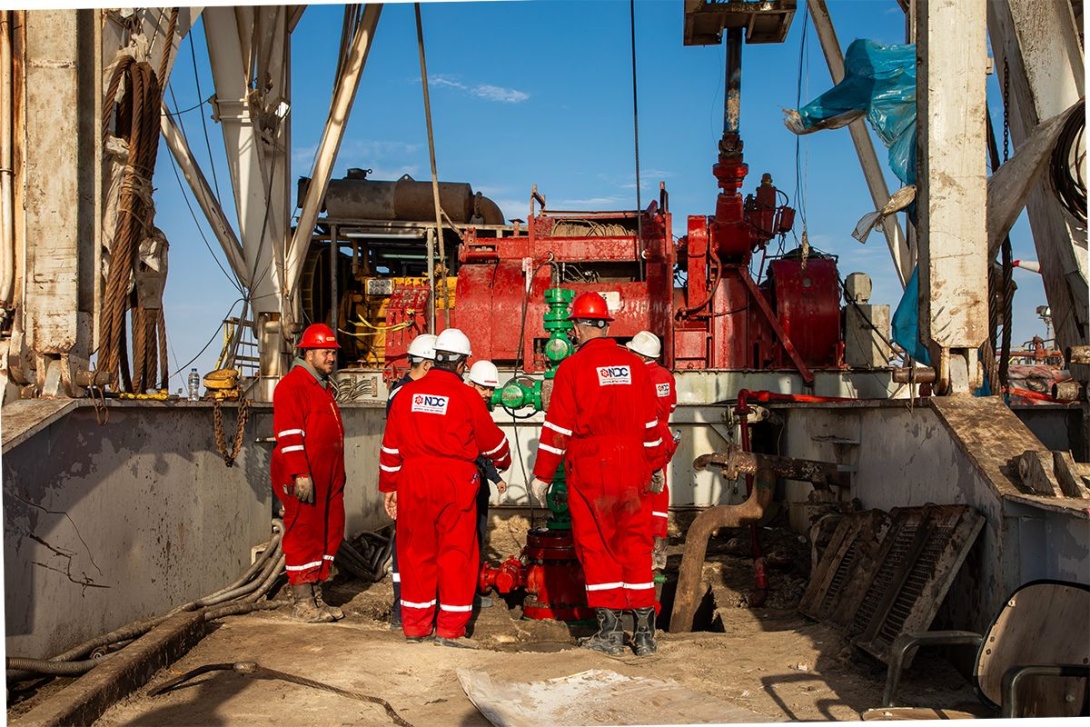
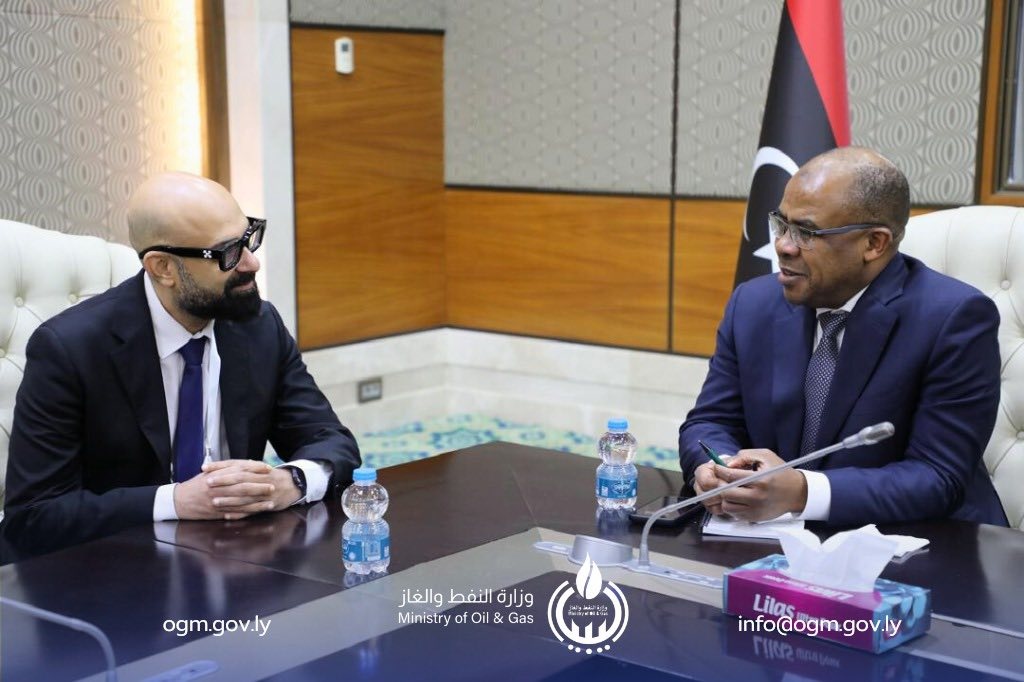
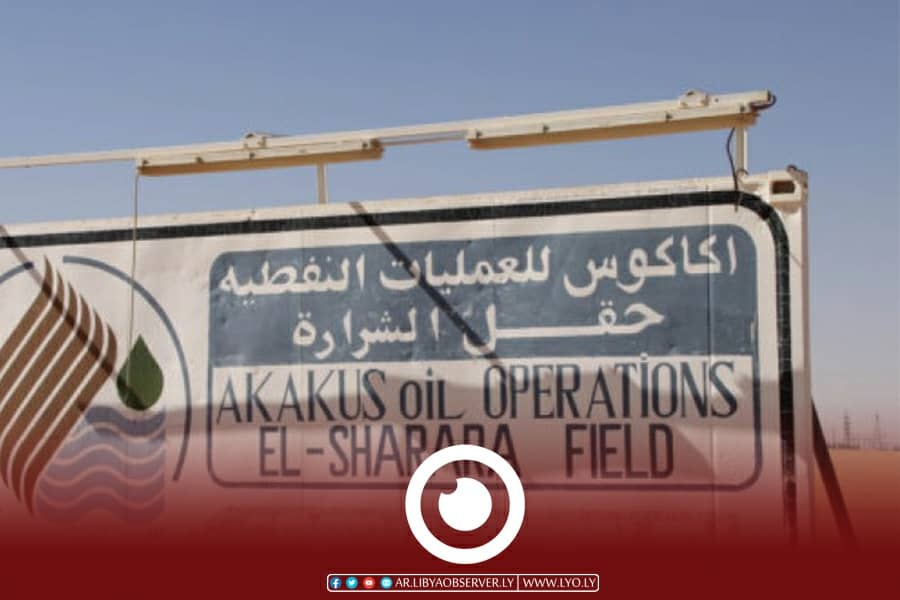
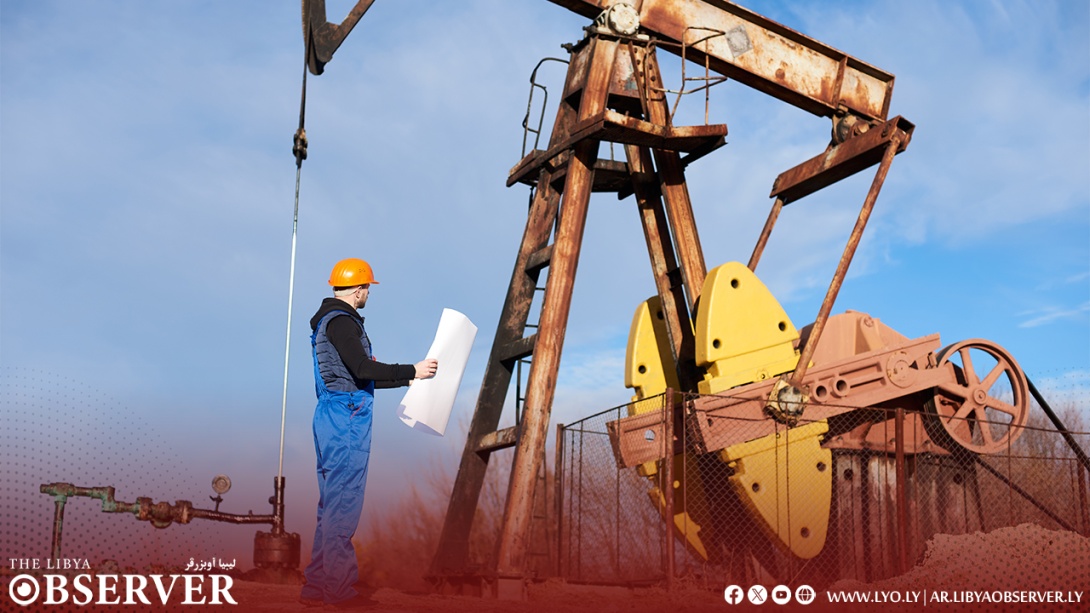
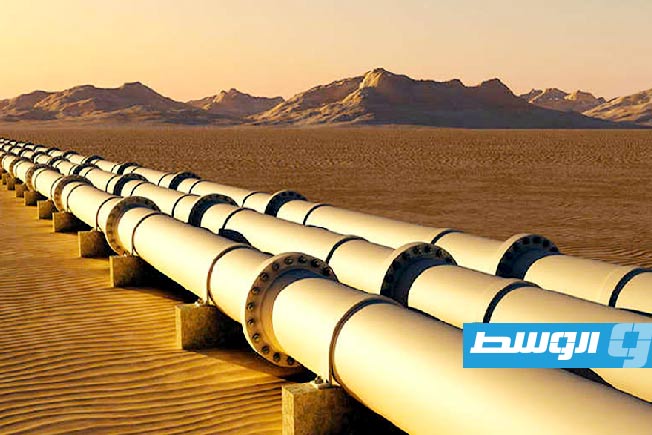
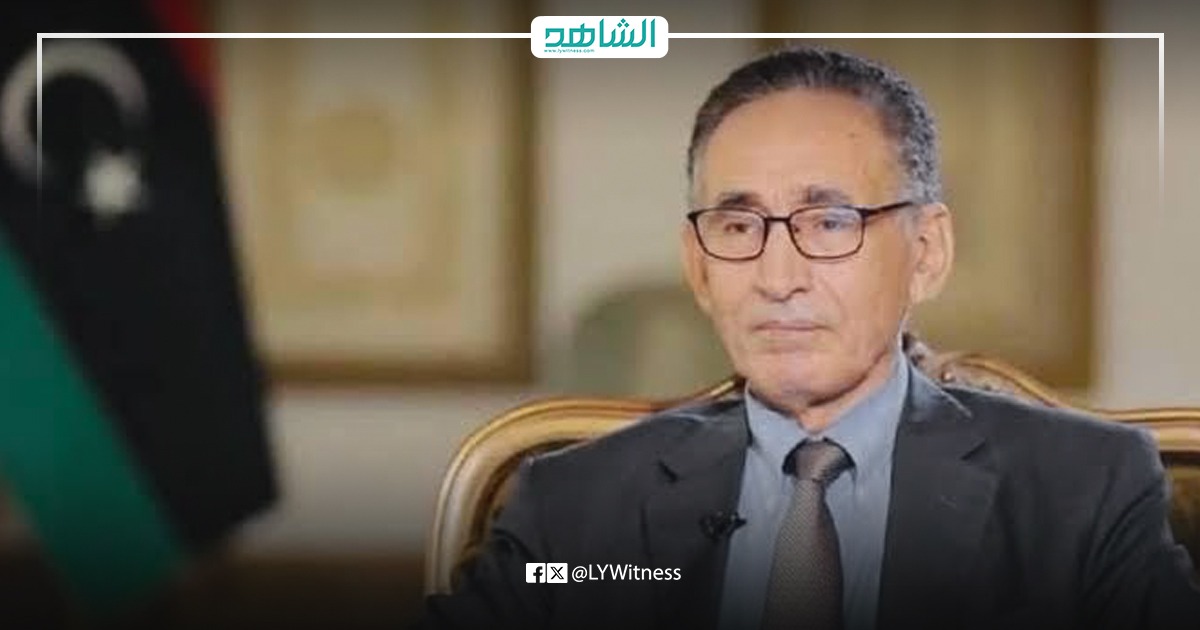
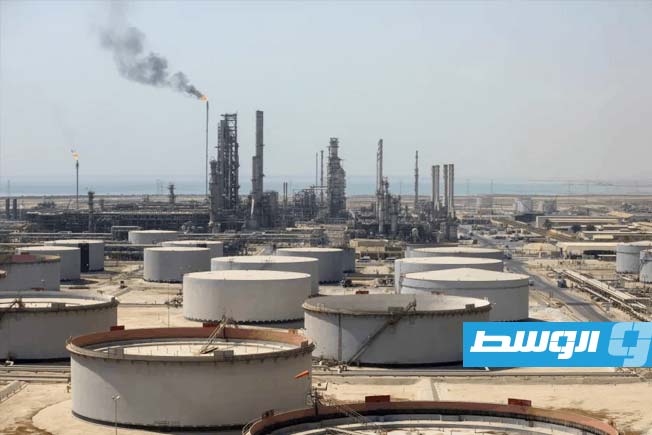
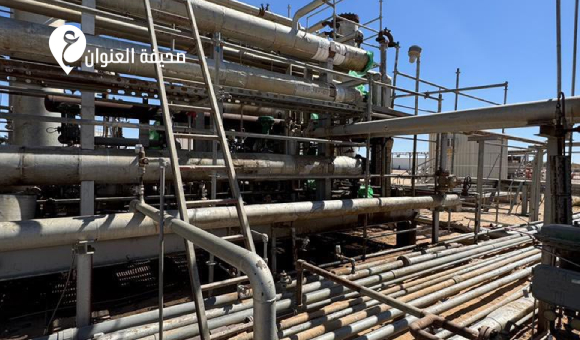
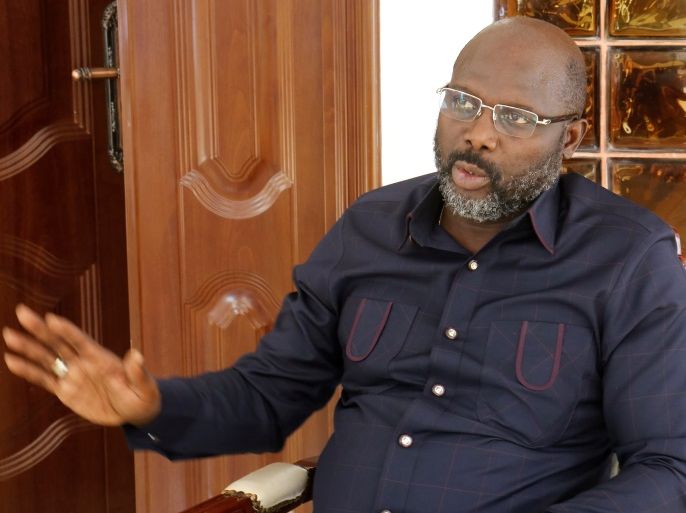
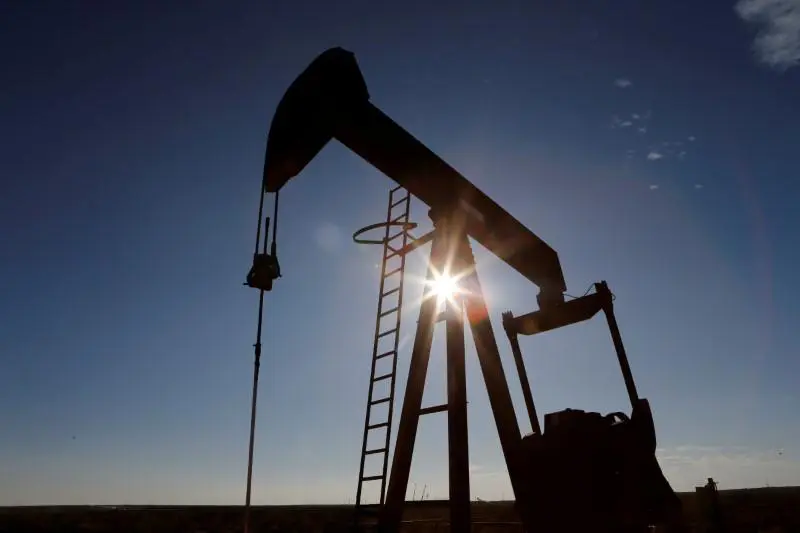
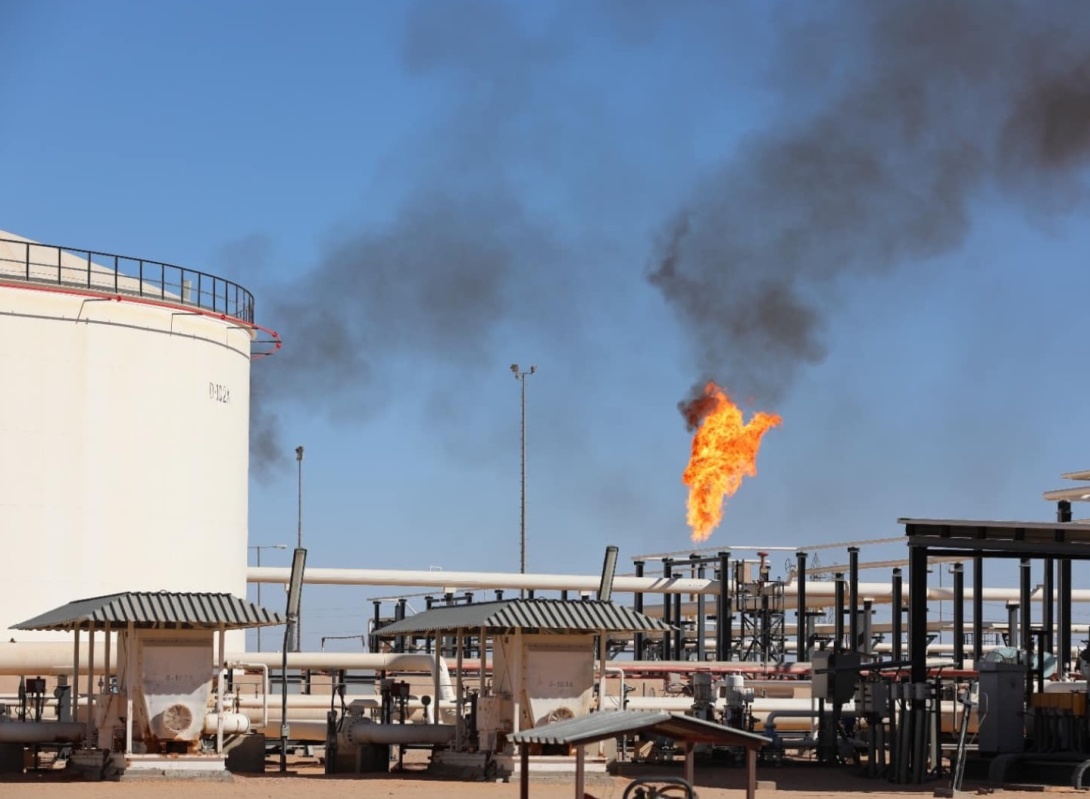
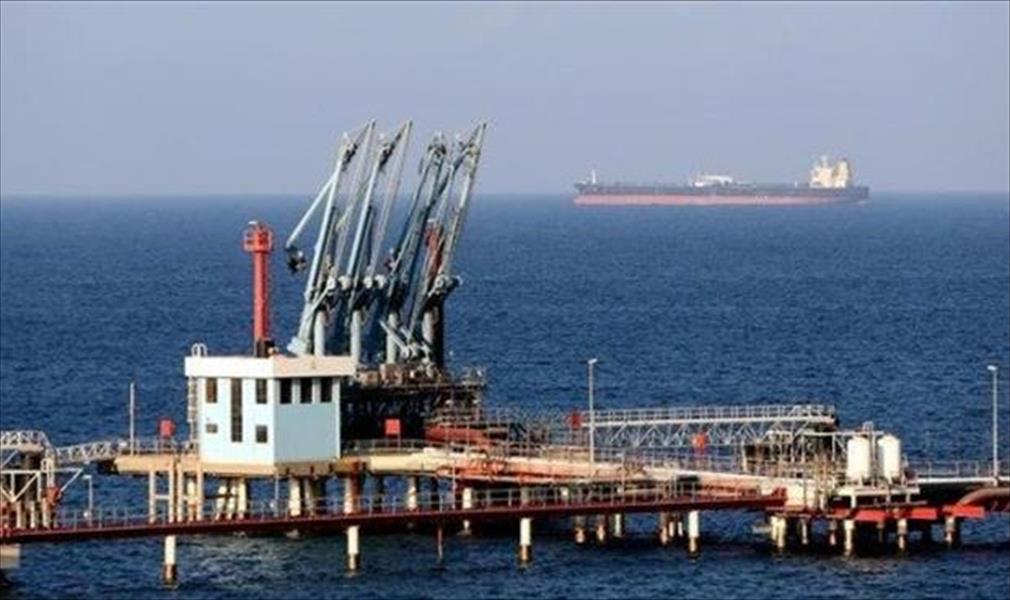
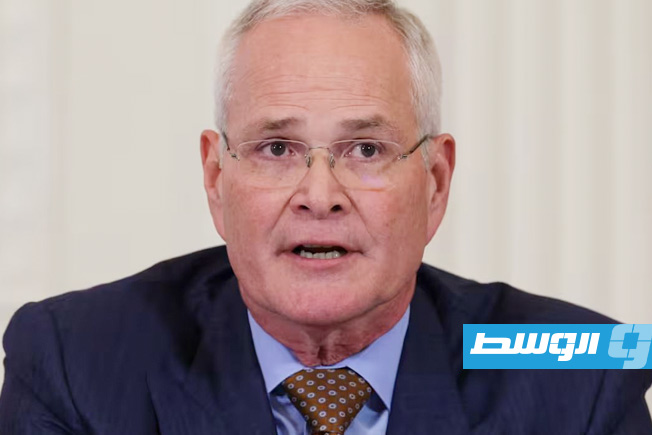
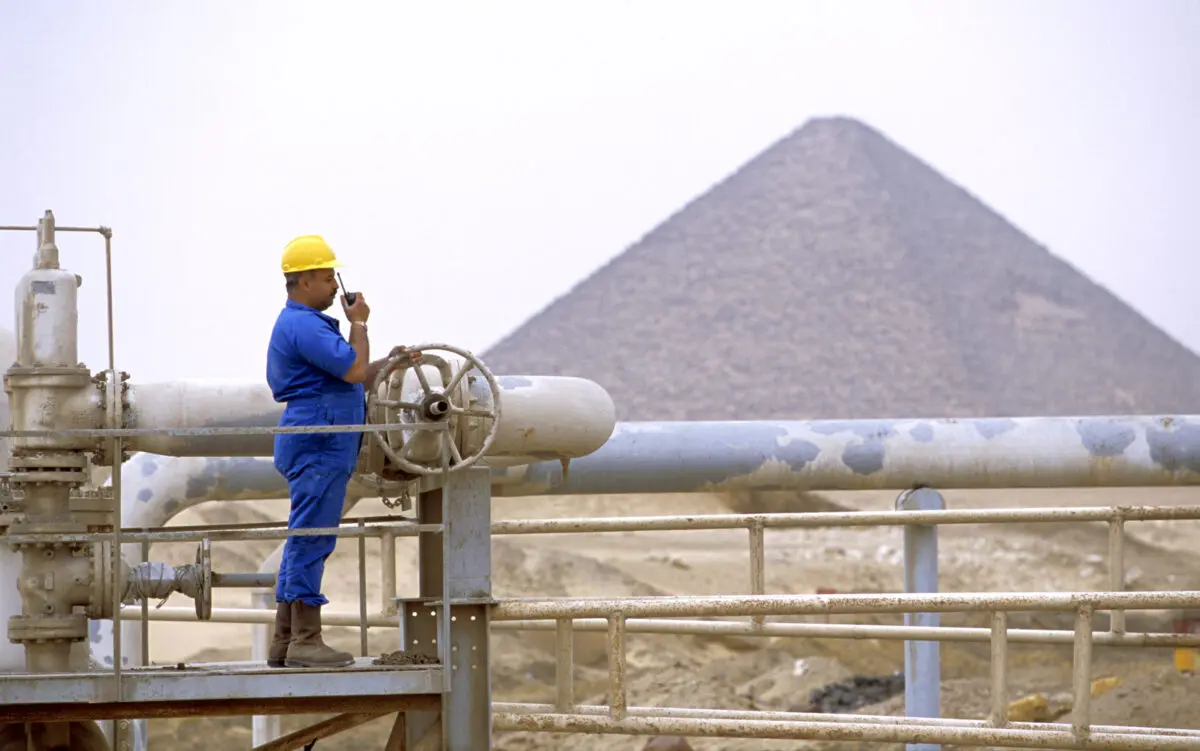
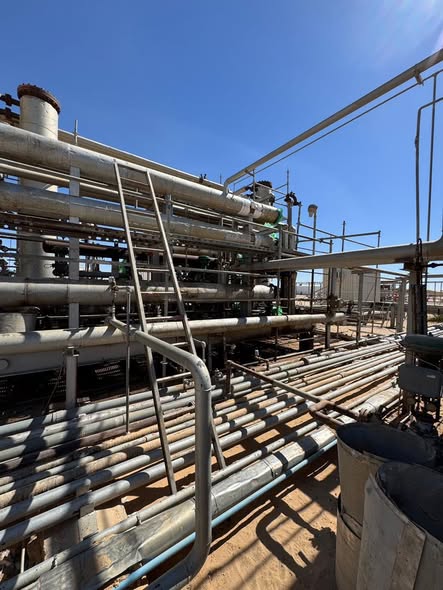
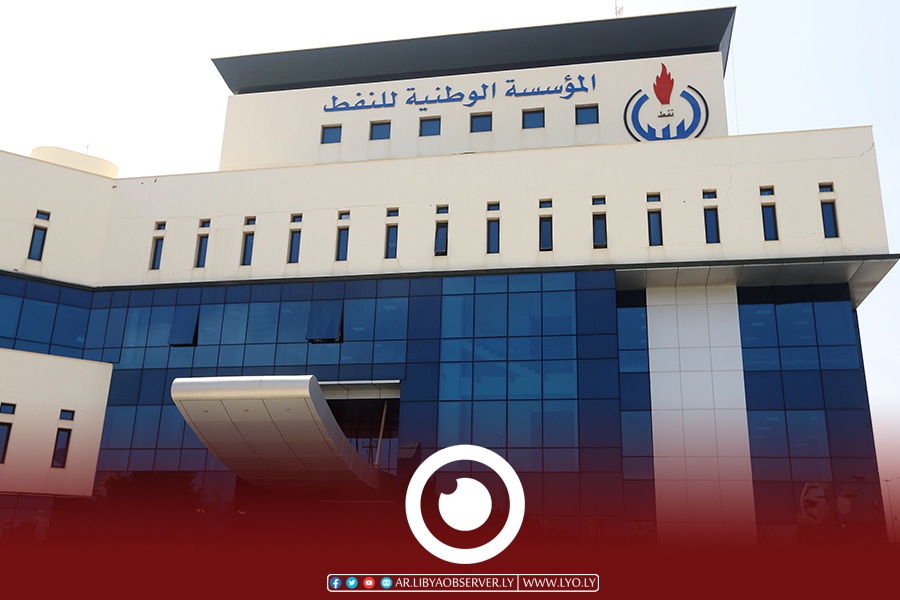
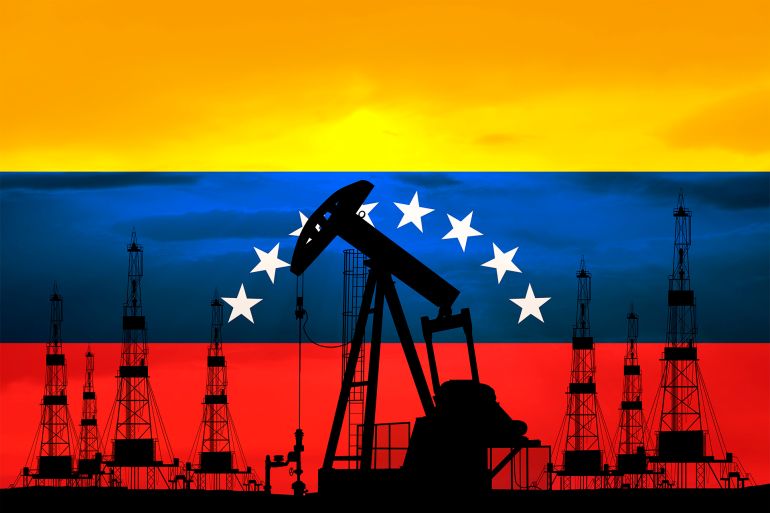
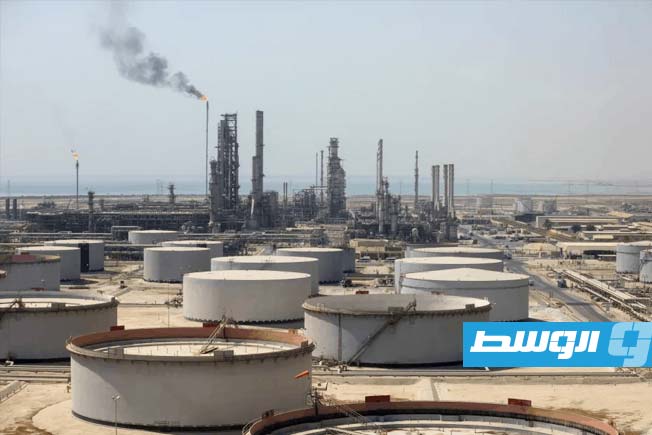
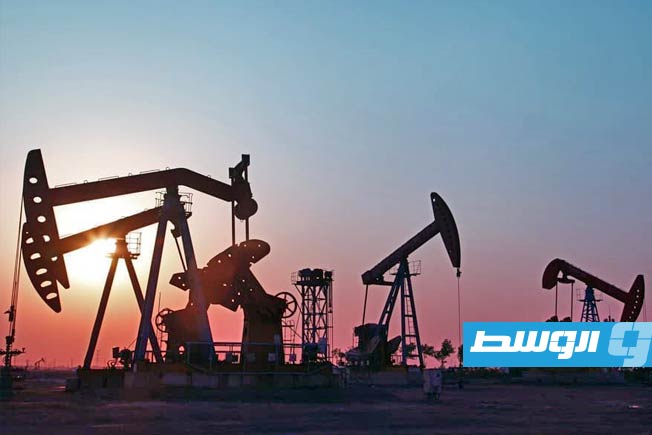
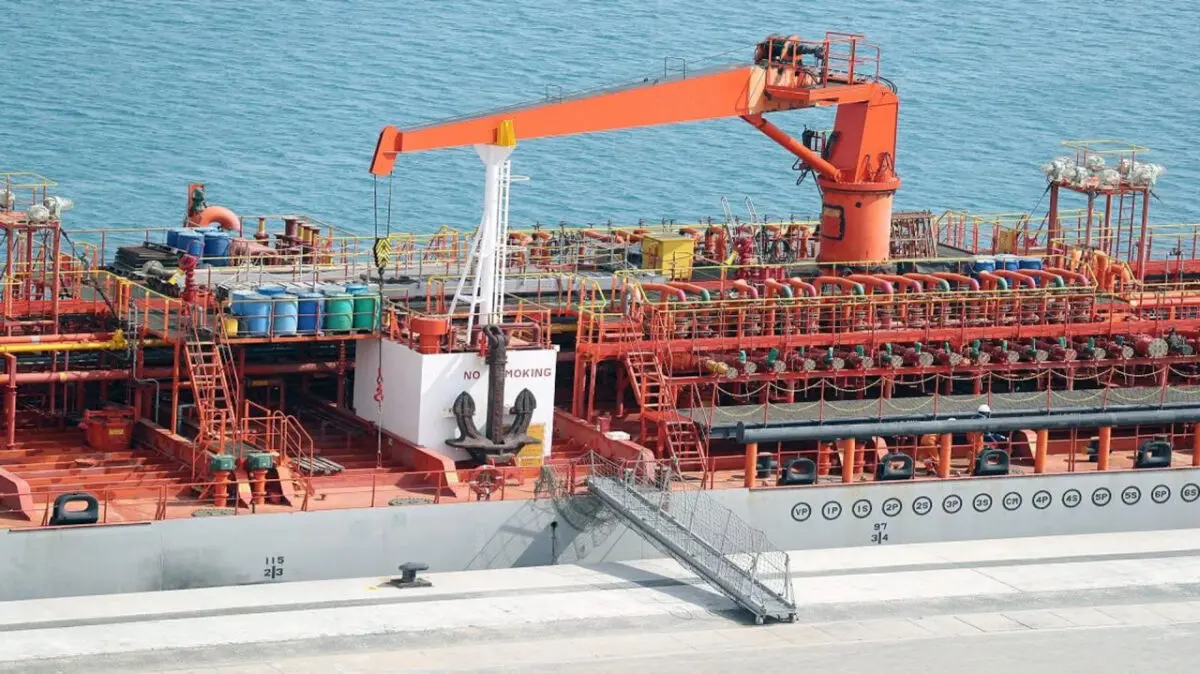
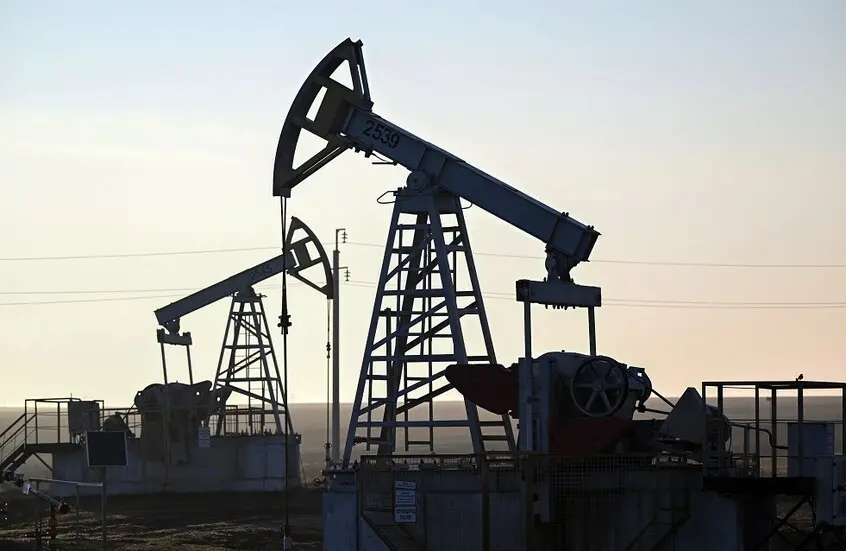
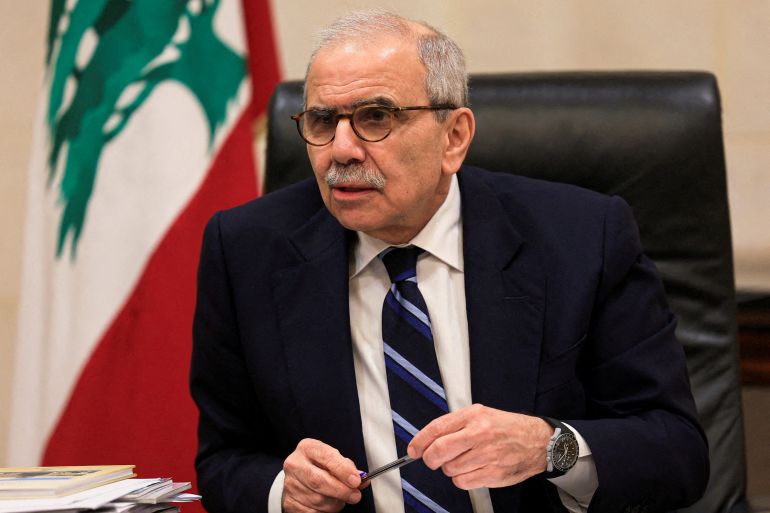
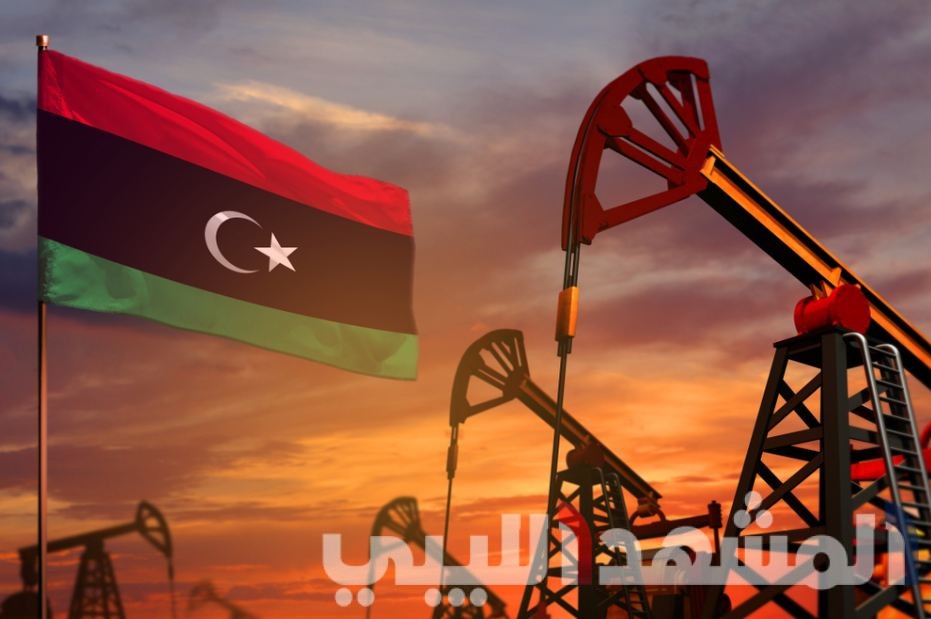
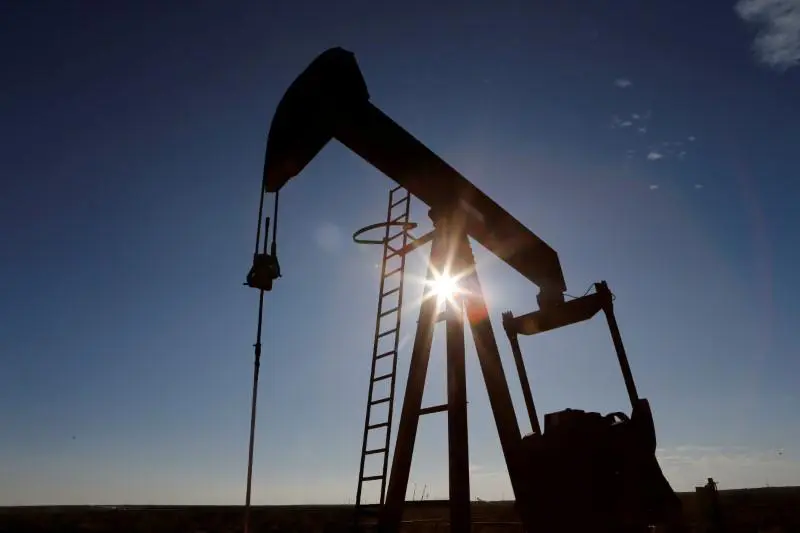
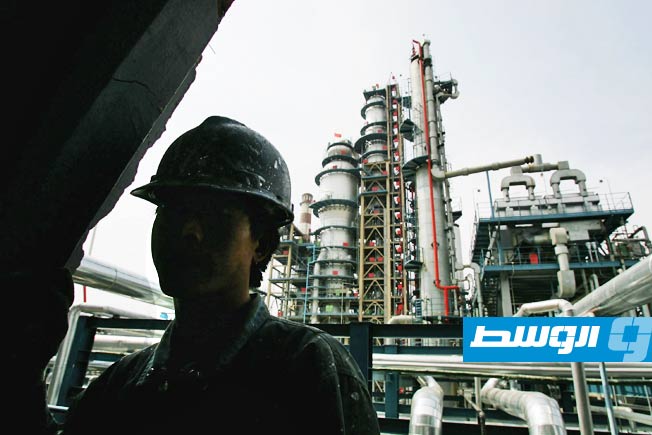
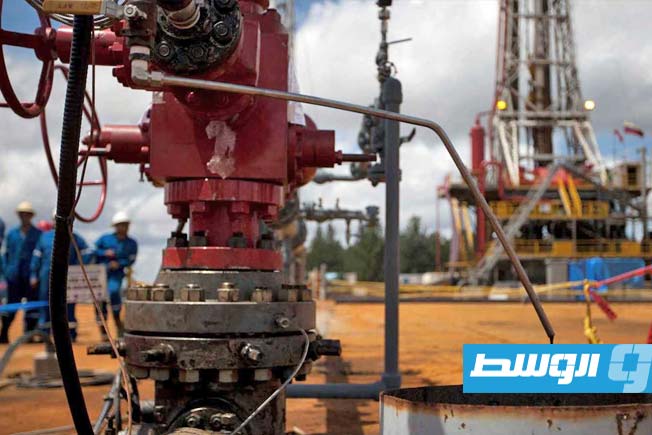
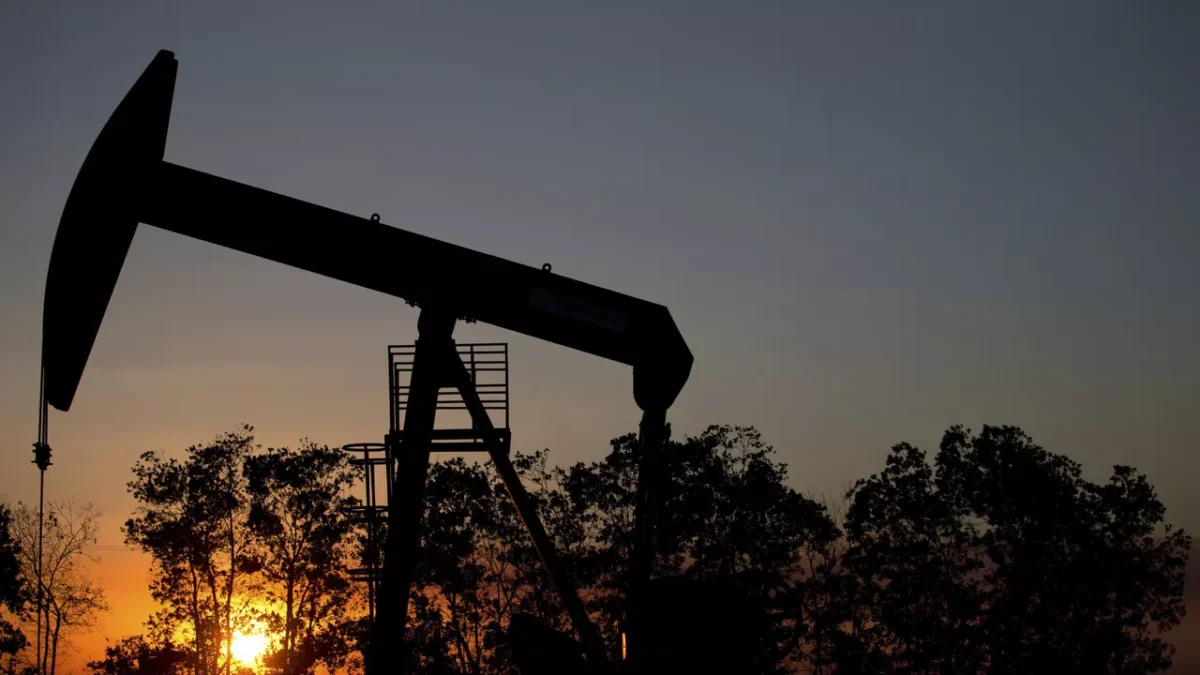
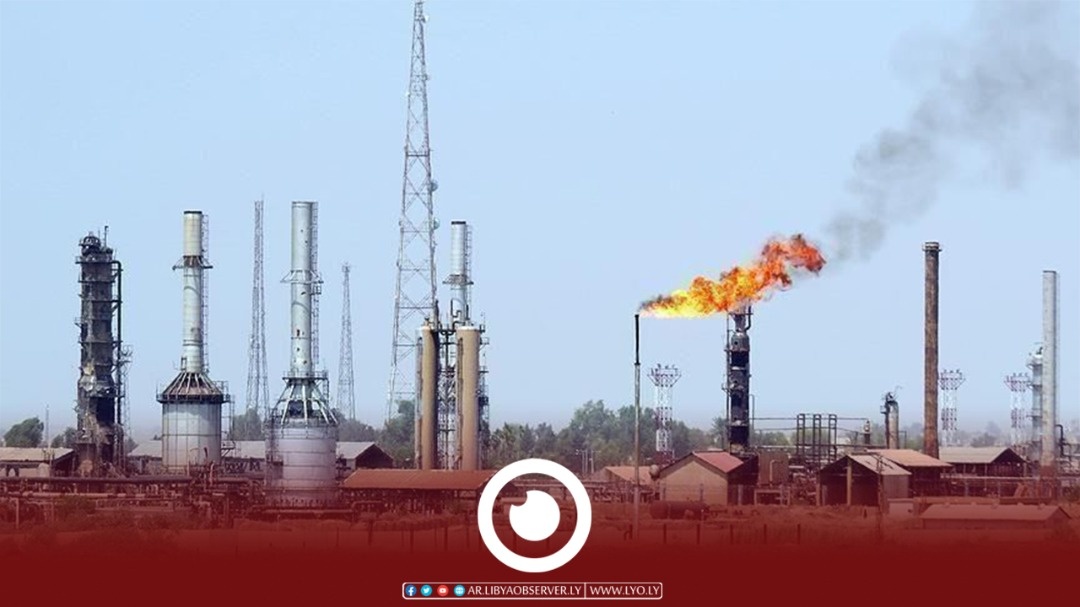
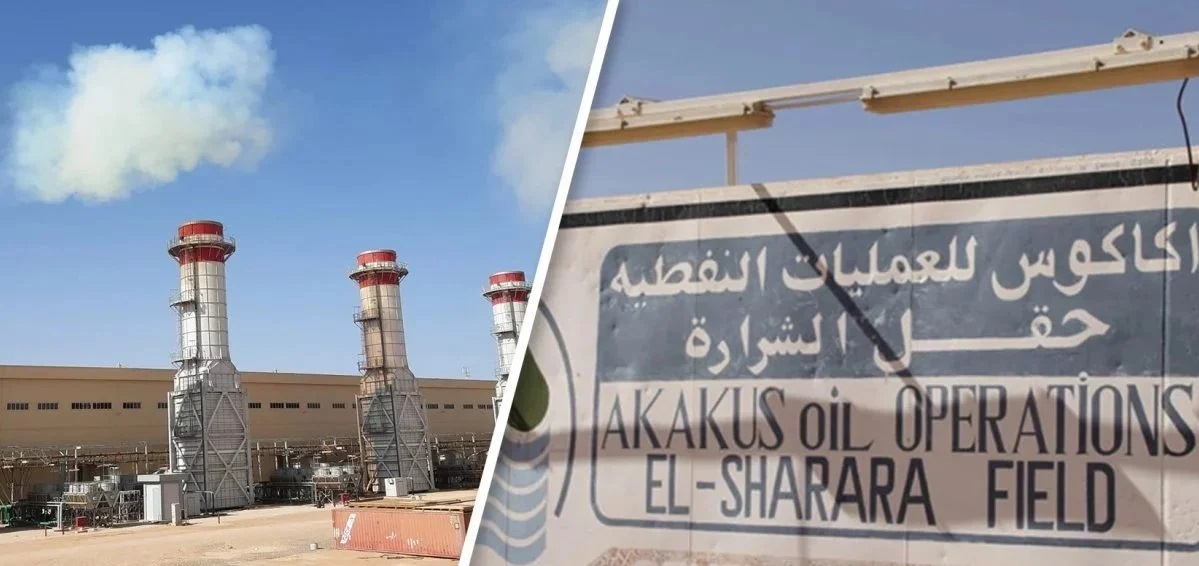
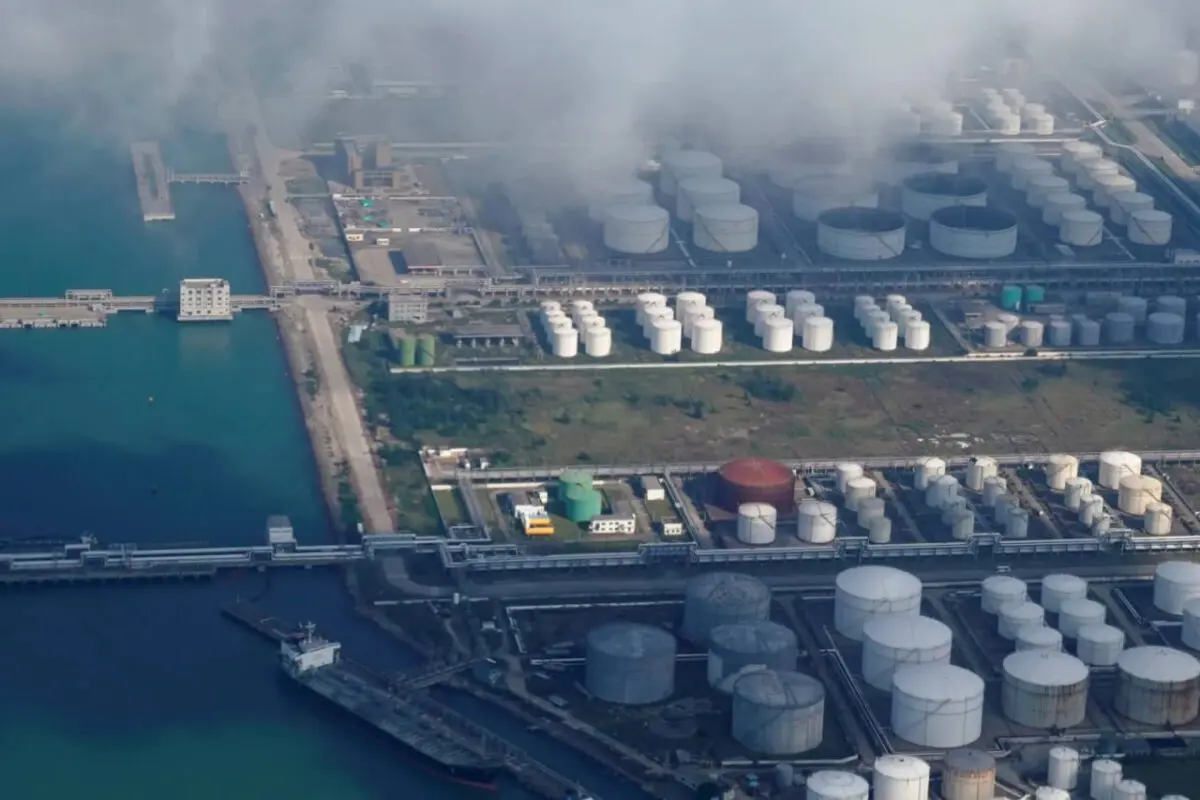
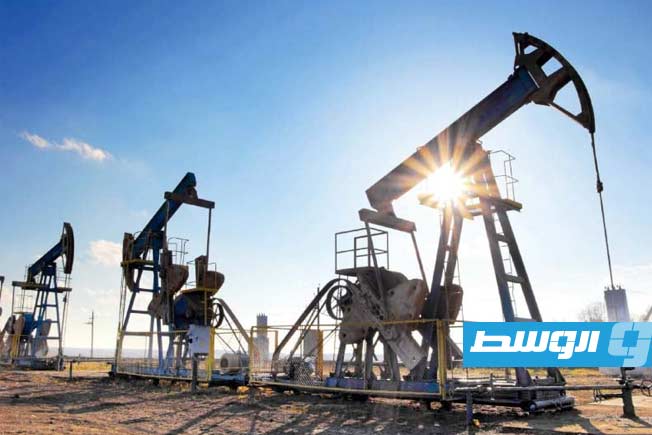
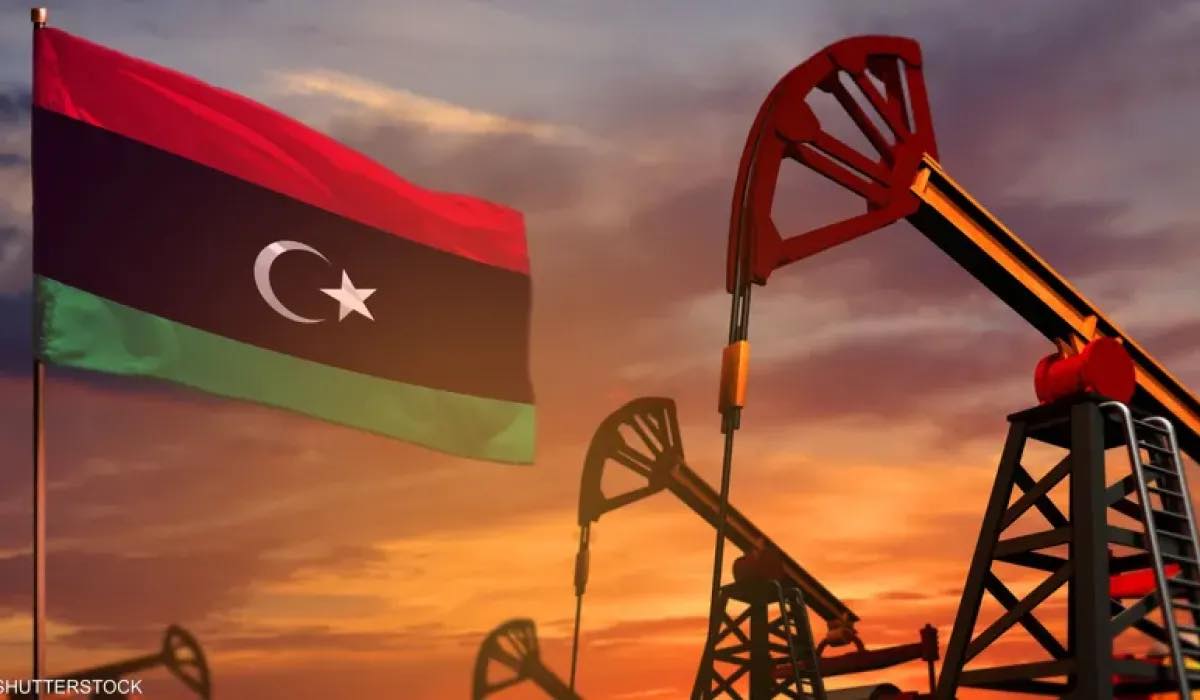
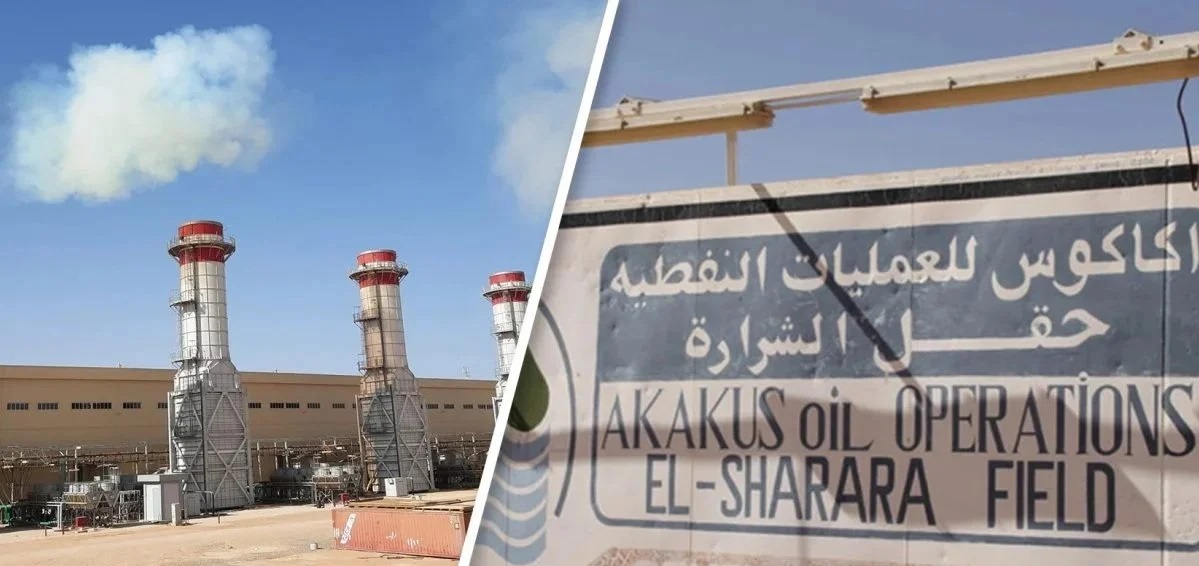
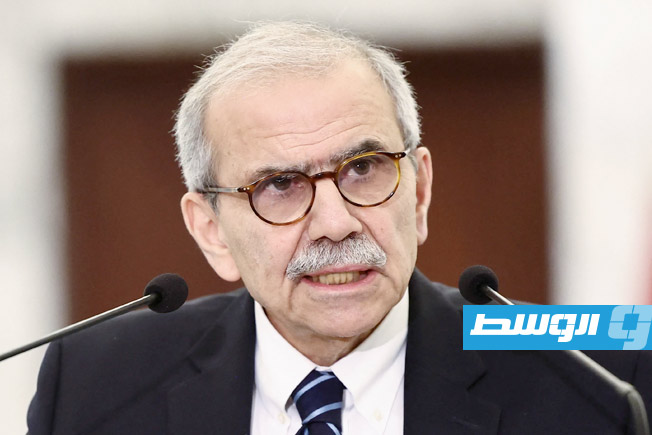
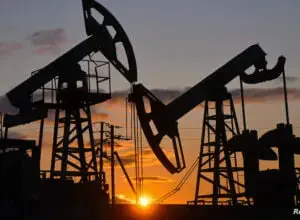
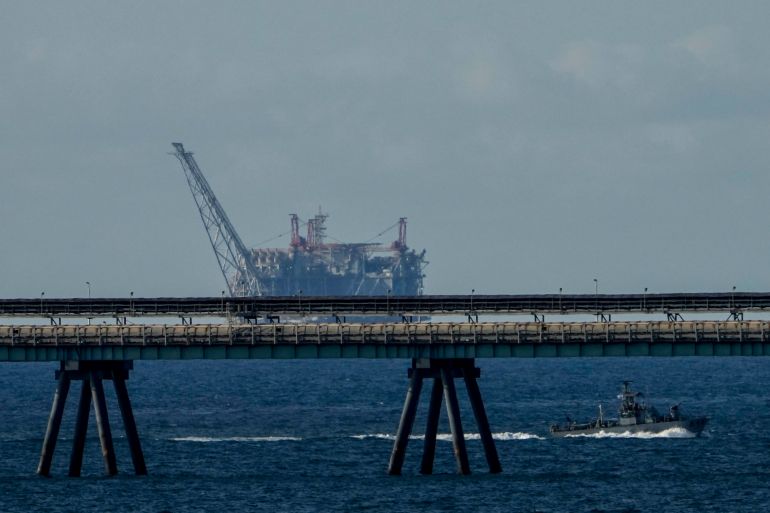
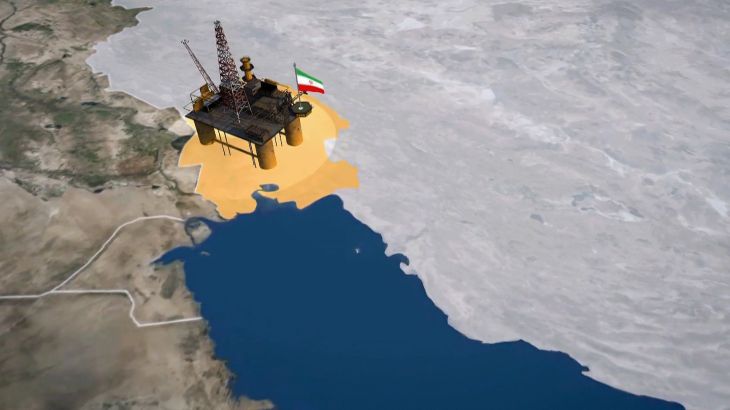
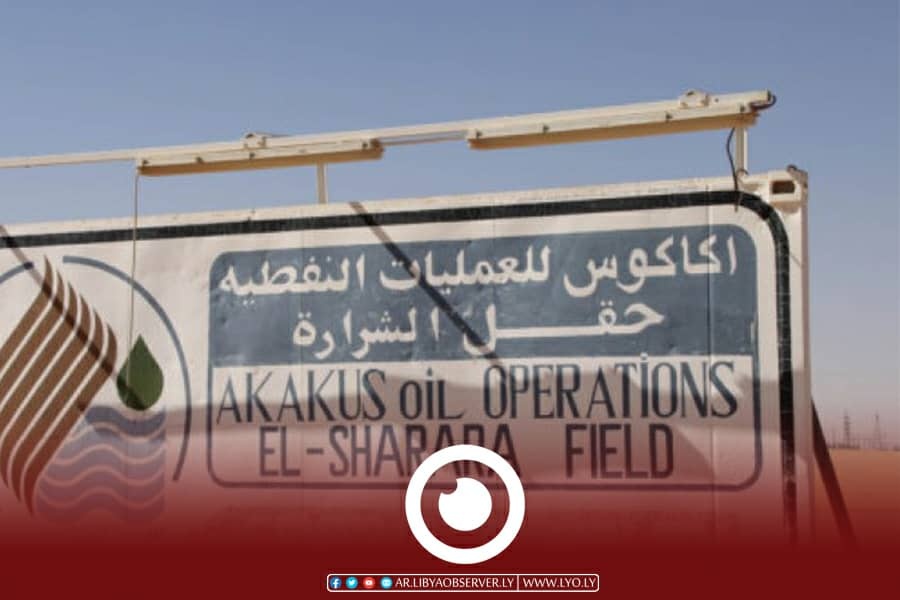
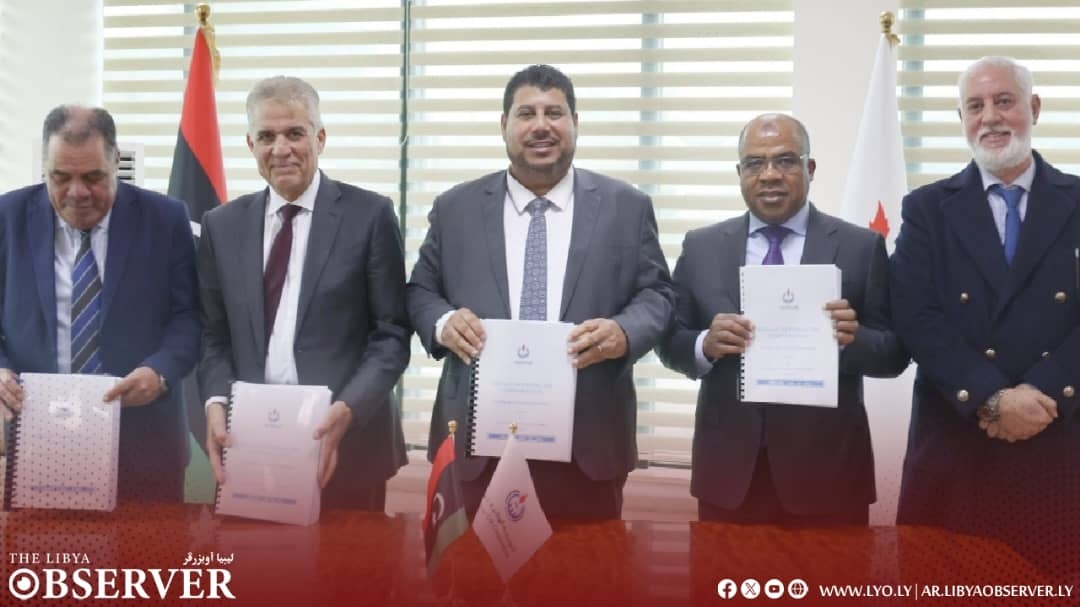
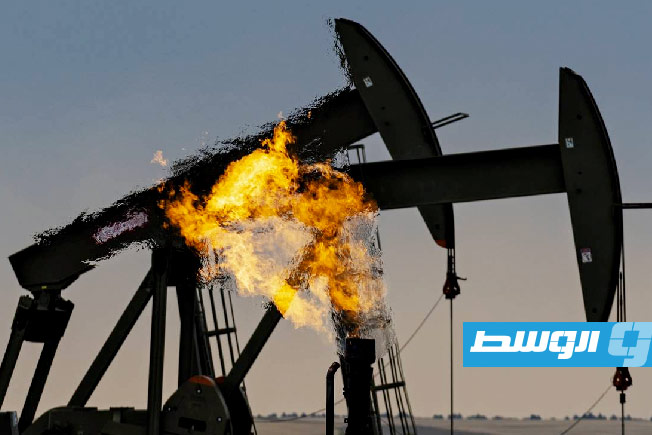
The Oil Minister revealed plans to launch a second round of oil tenders and licensing, following strong international interest in the current bidding round, which includes 22 onshore and offshore blocks.
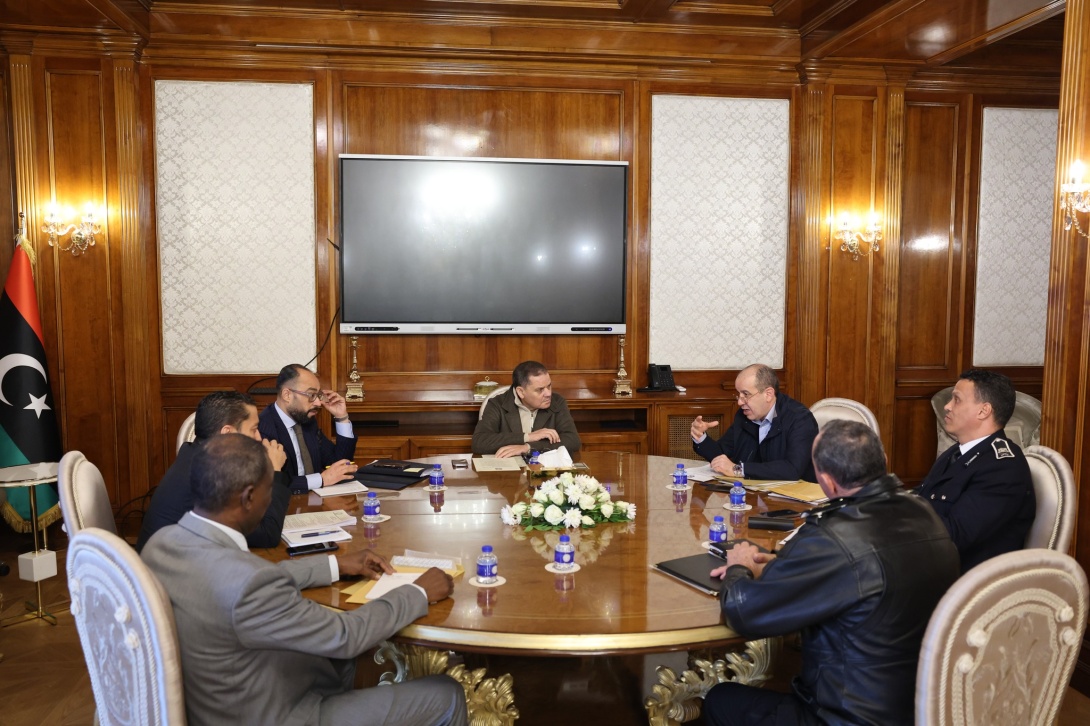
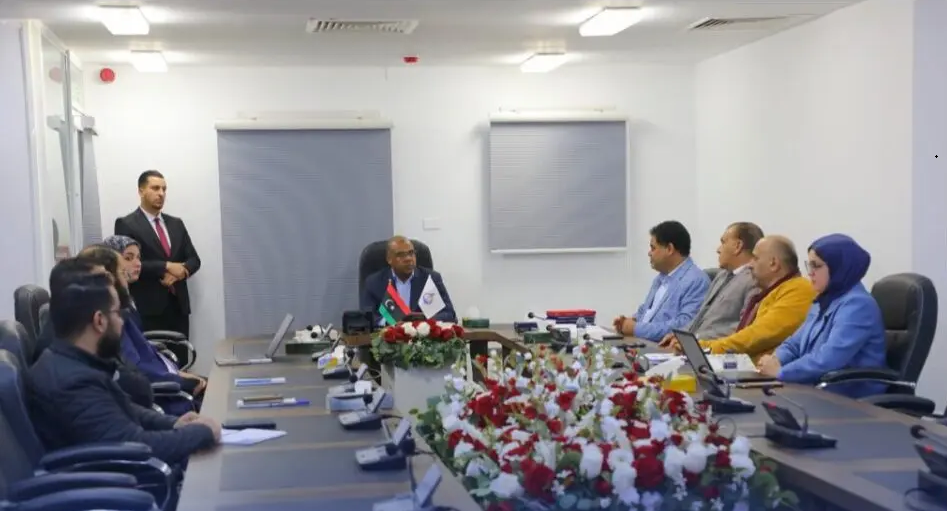
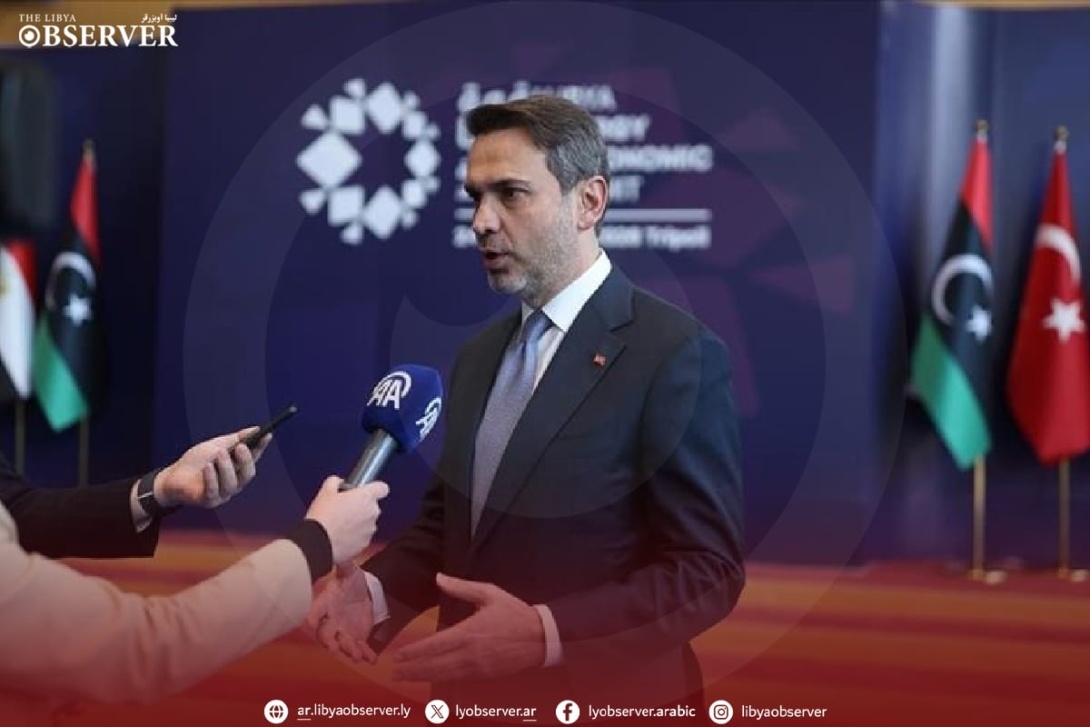
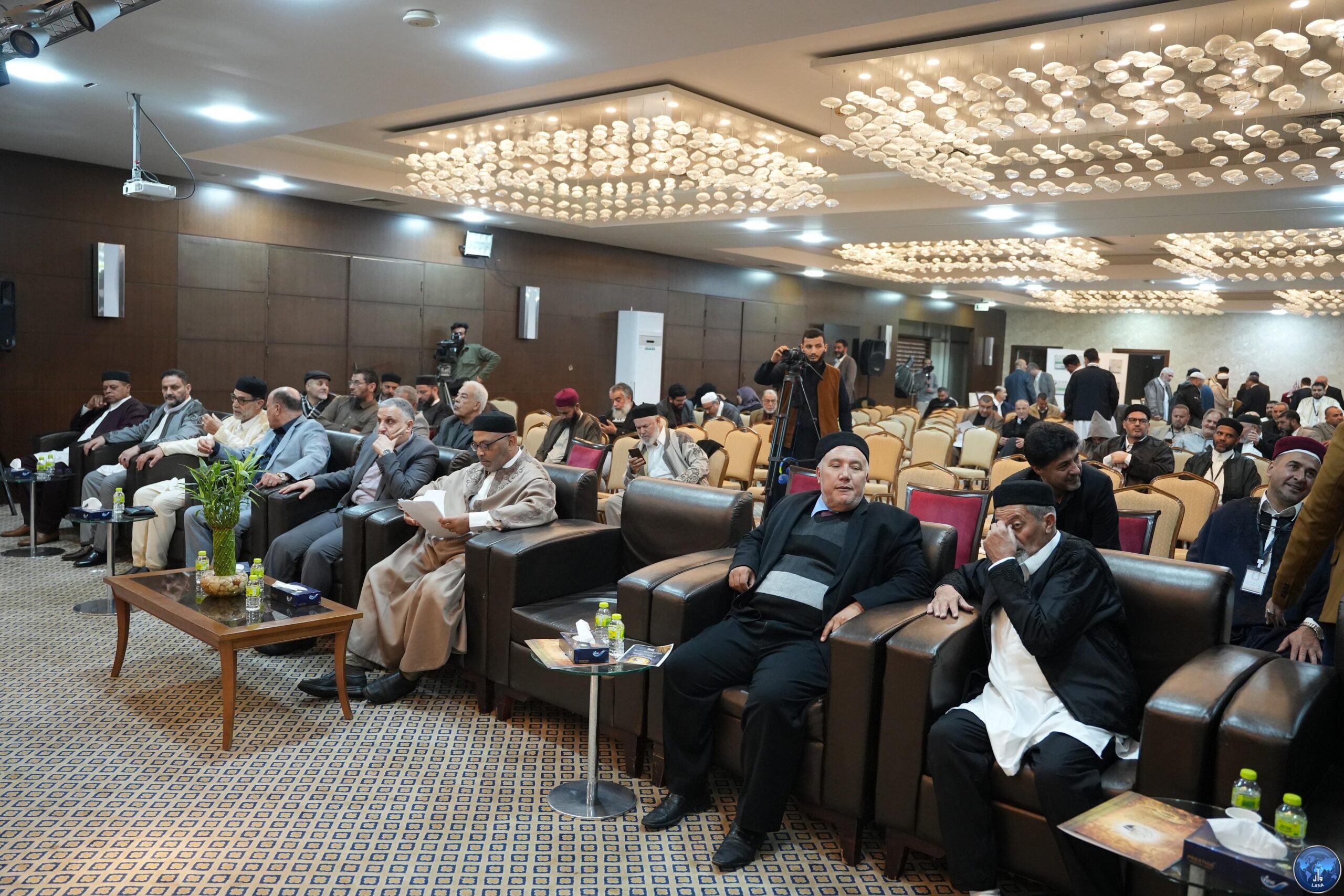
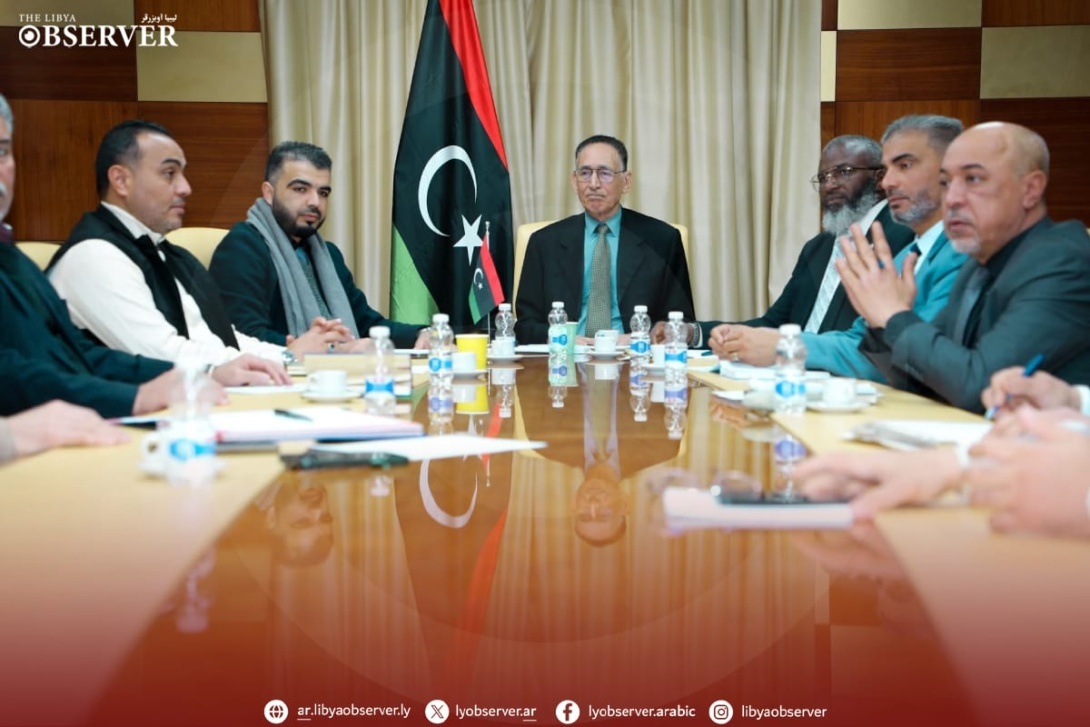
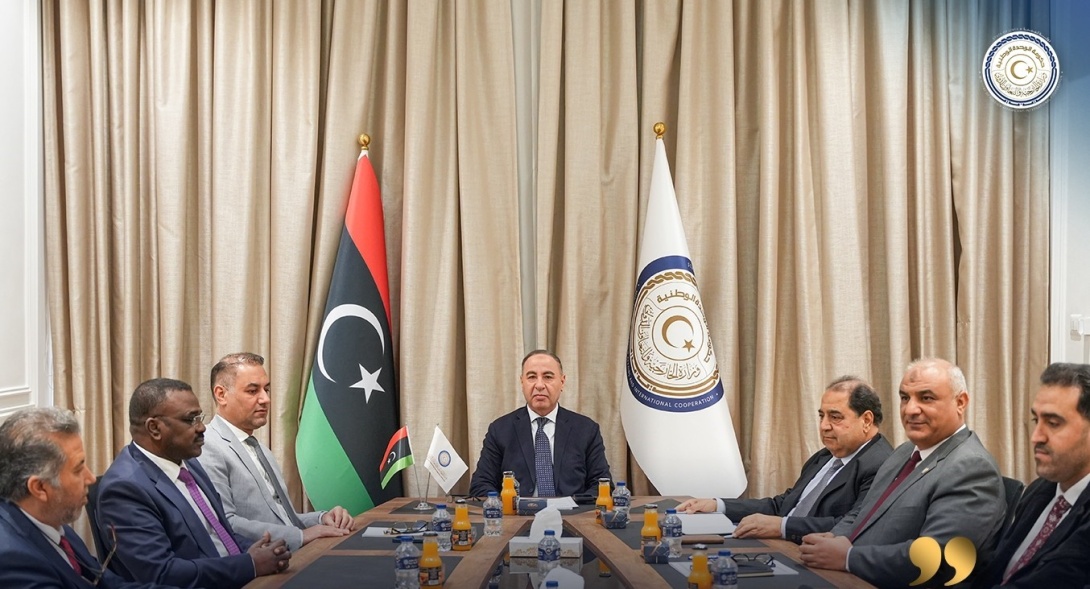
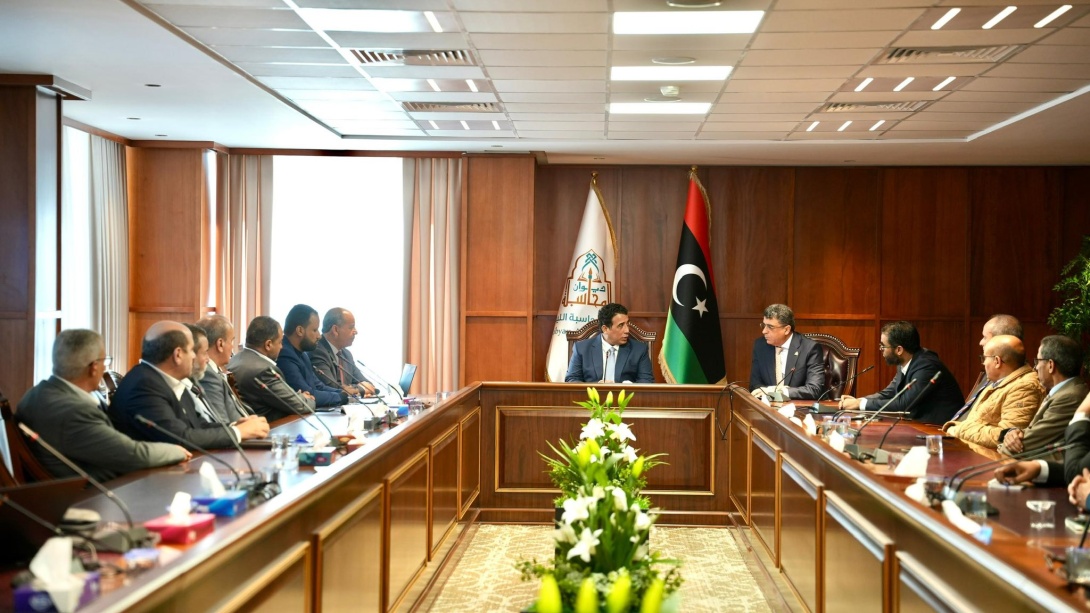
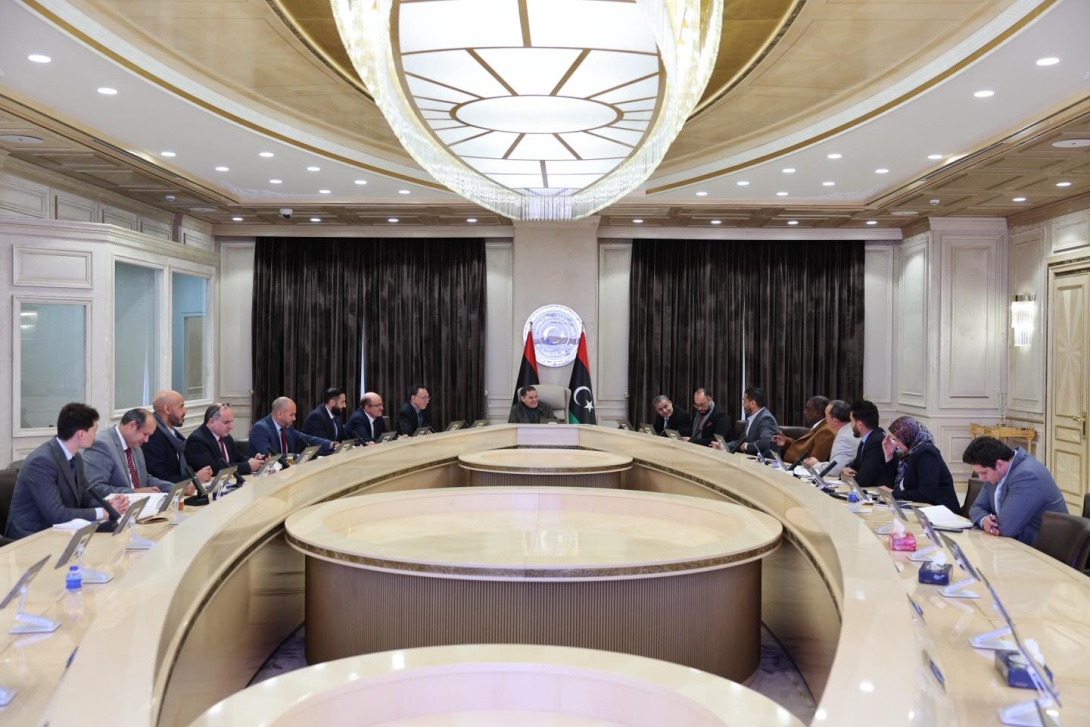
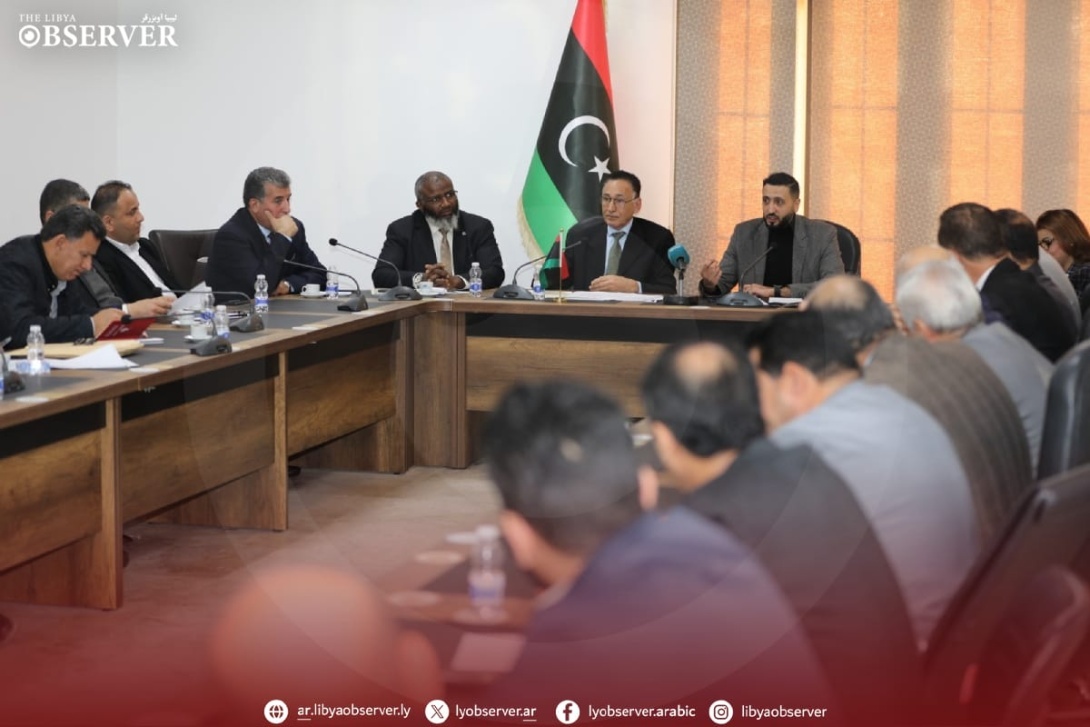
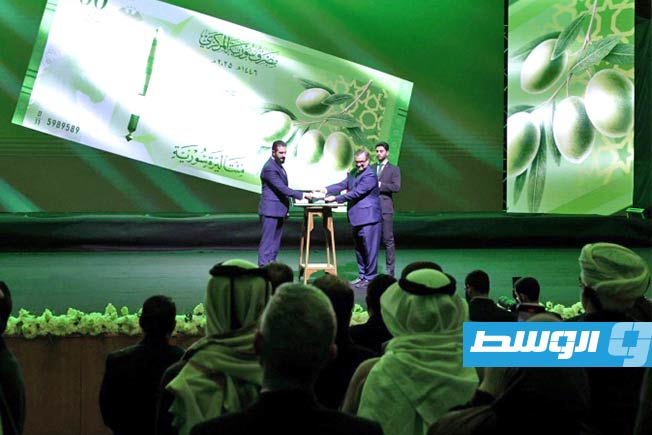
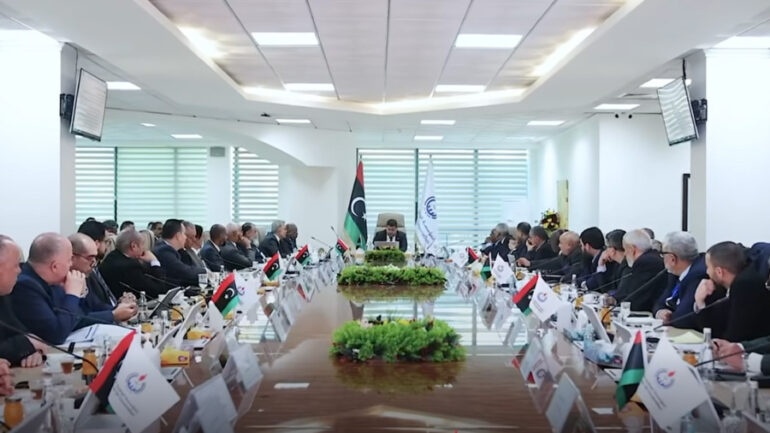
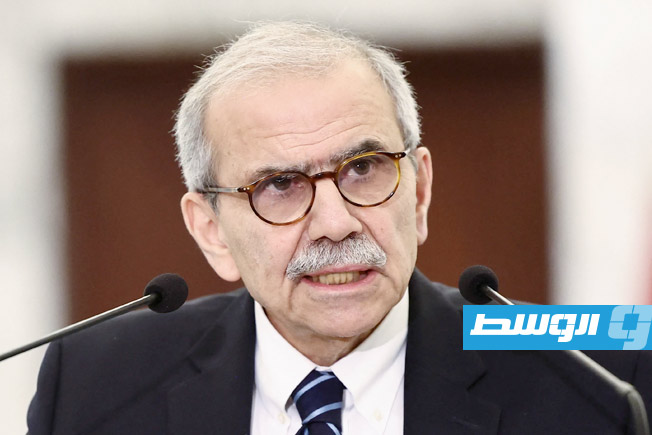
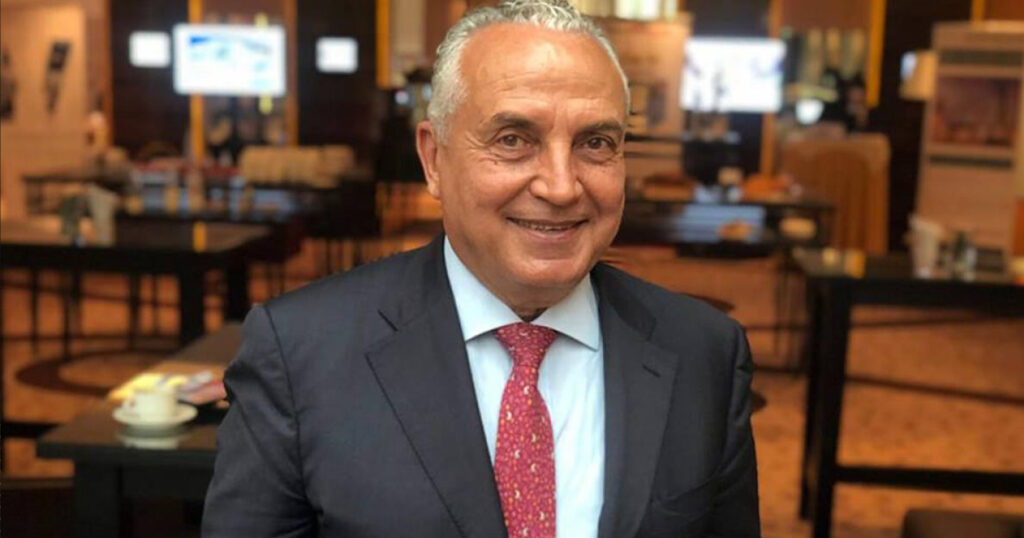
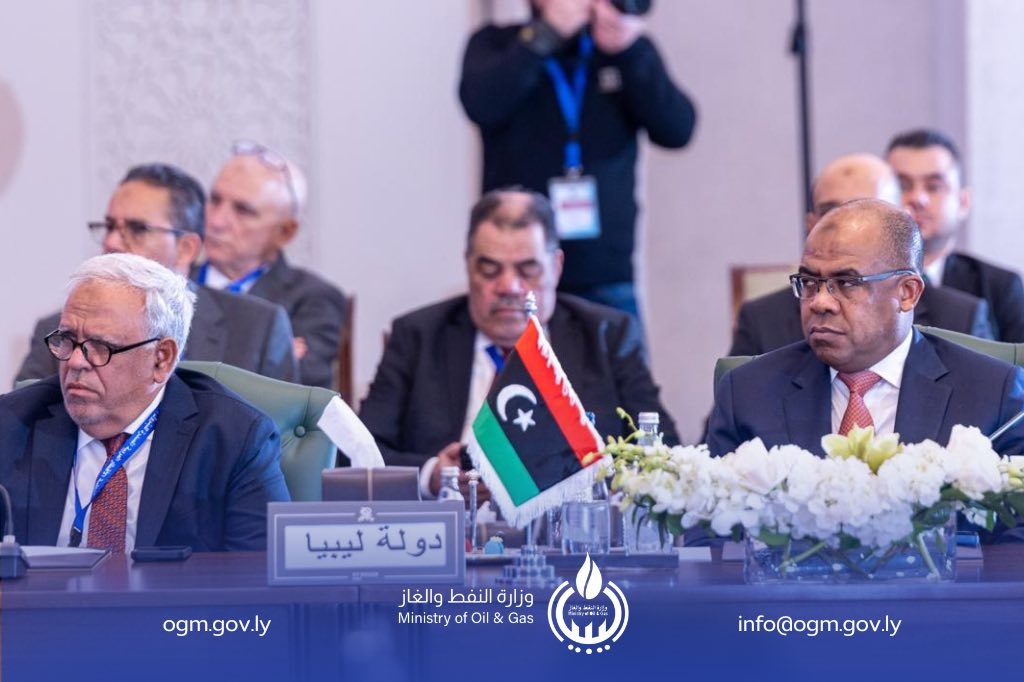
Speaking on Saturday on the sidelines of an energy and economic summit in Tripoli, the minister said a second oil bidding round is almost 90 percent certain, describing it as a major step in the country’s efforts to develop and revive the oil sector.
During a roundtable discussion, the minister added: “If we look at what has been achieved in the latest bidding round, many were not confident in our ability to meet our commitments, but we did. We still have to wait for the final result to be issued next month, but it is now almost a foregone conclusion.”
“The latest bidding round is a testament to the level of interest international oil companies have in the energy sector. We are trying to maintain this momentum on a regular basis. This is a necessary step for an economy that relies 95 percent on oil and gas. That dependence makes it essential to preserve the sector through a consistent and organized process,” the minister said.
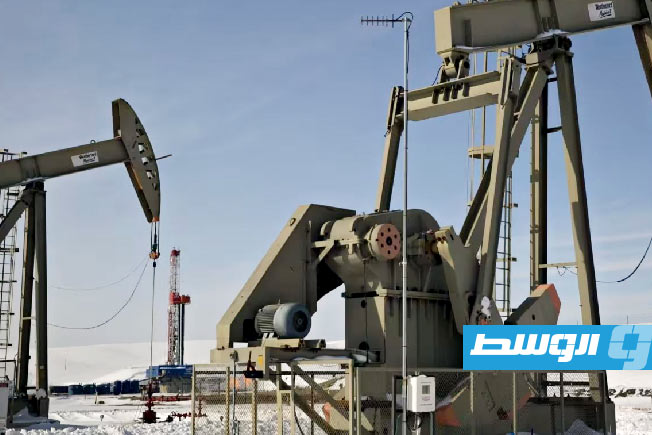
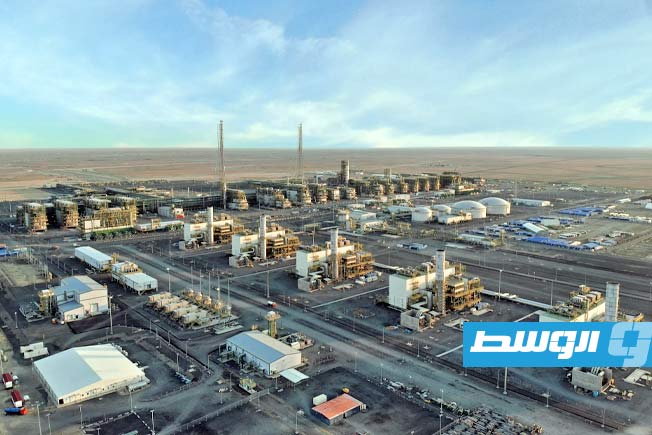
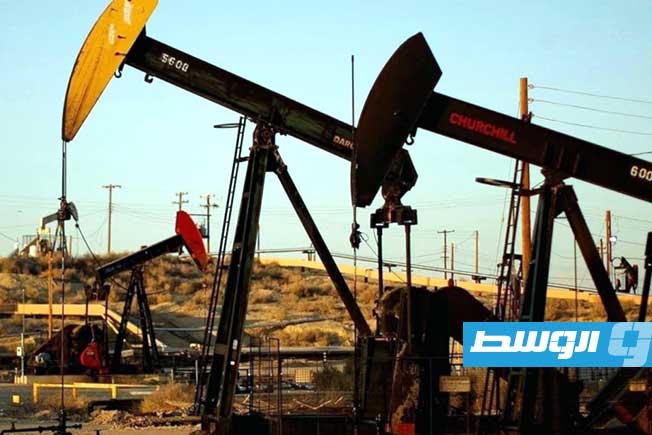
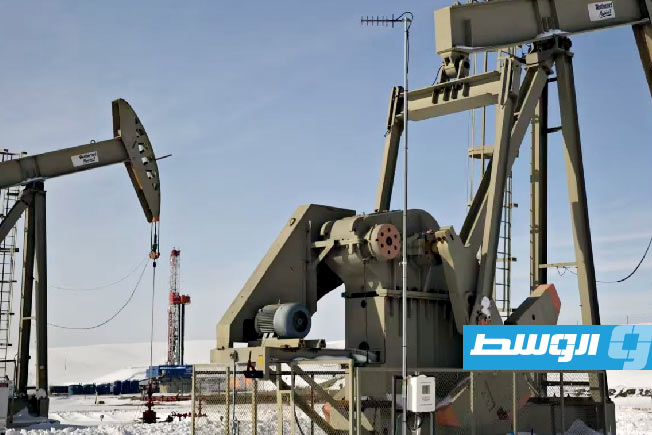
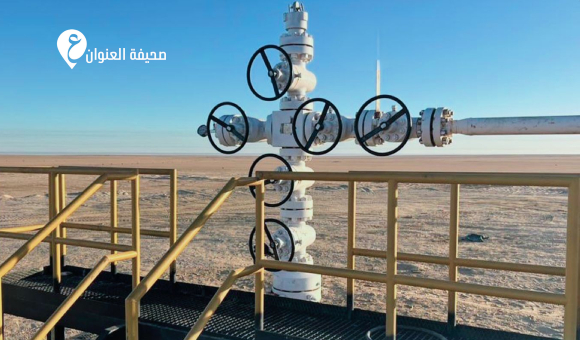
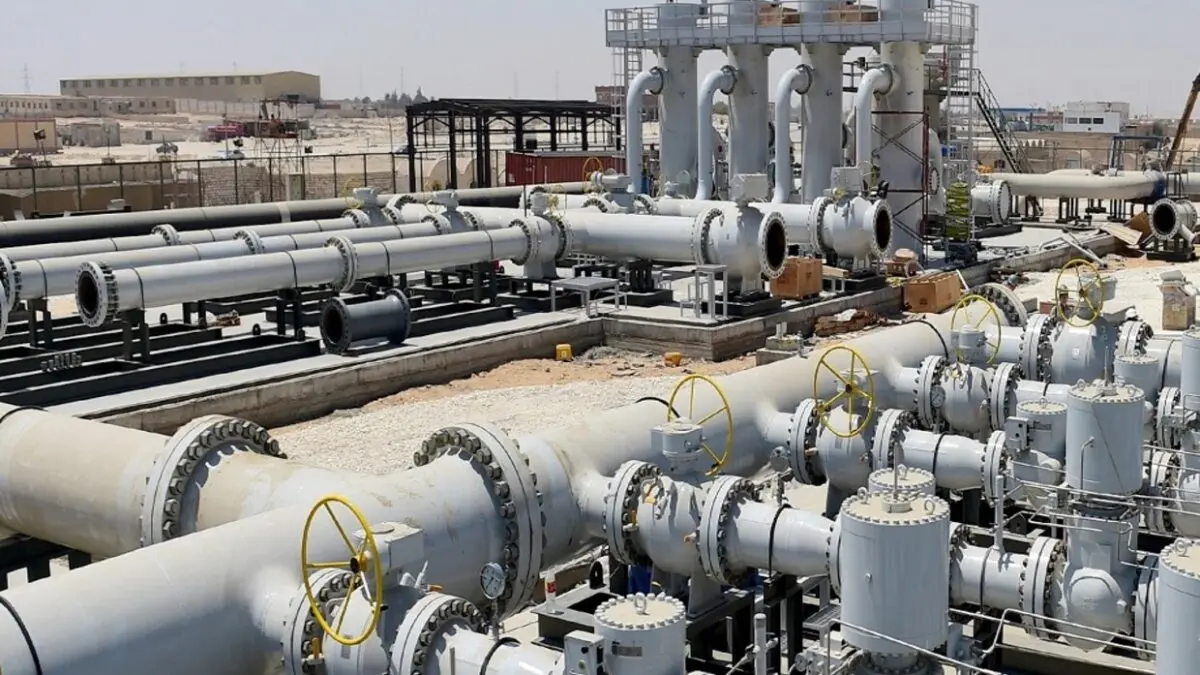
The licensing round forms part of a broader strategy to boost production and attract long-term investment. Parallel initiatives between bidding rounds are also continuing, including developing unconventional resources and marginal fields, and signing memoranda of understanding with international companies to explore previously unexplored areas.
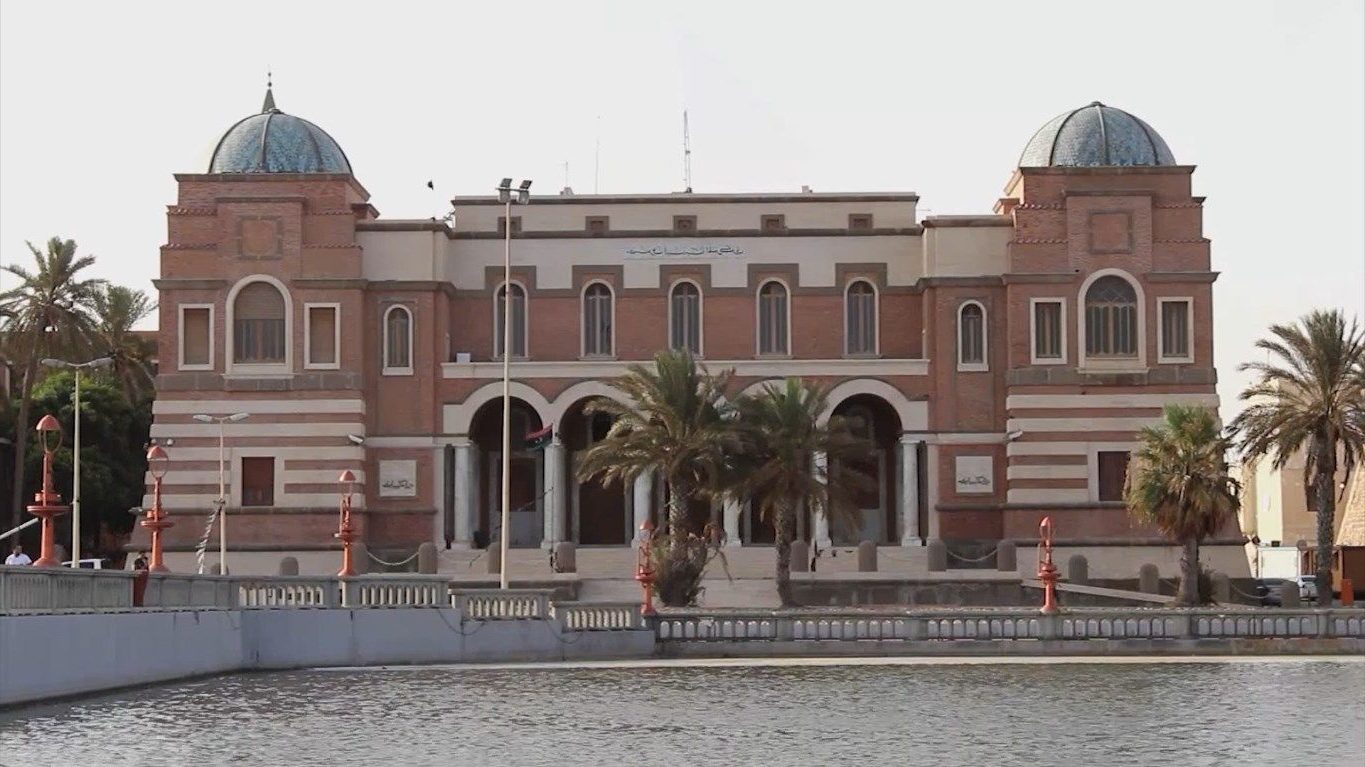
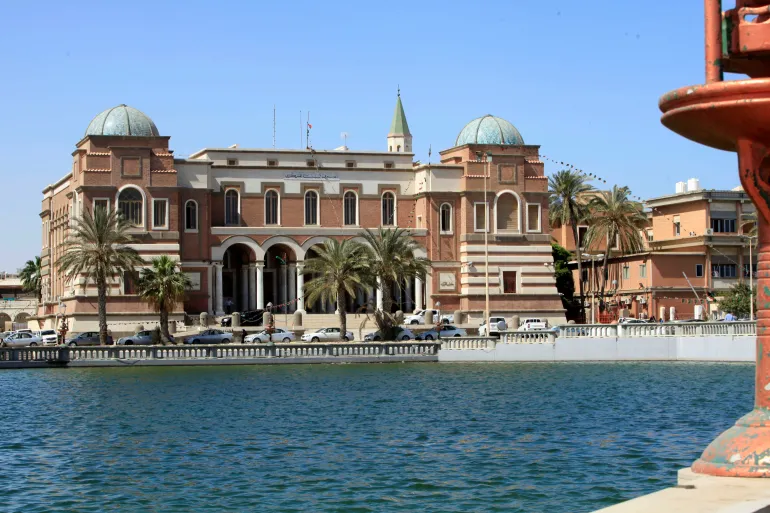
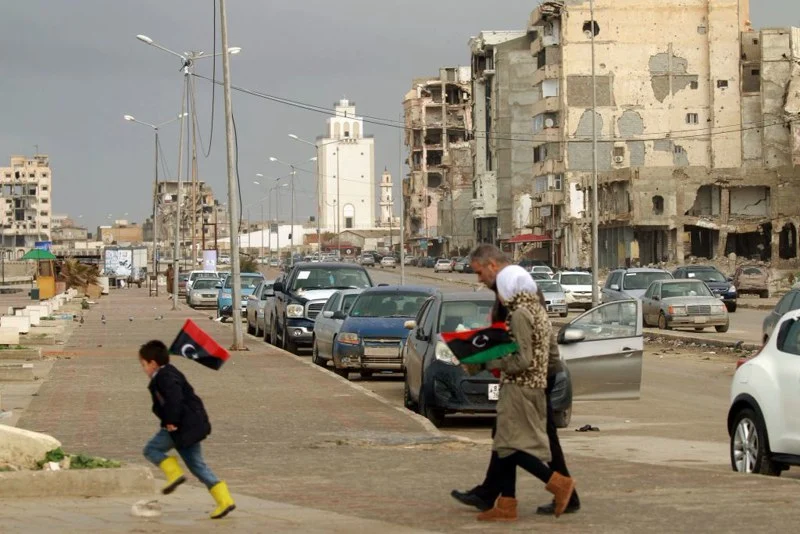
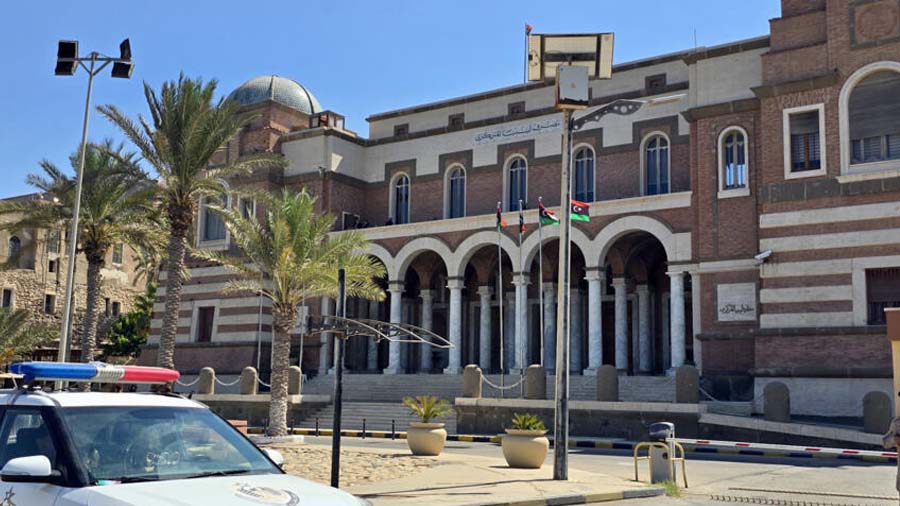
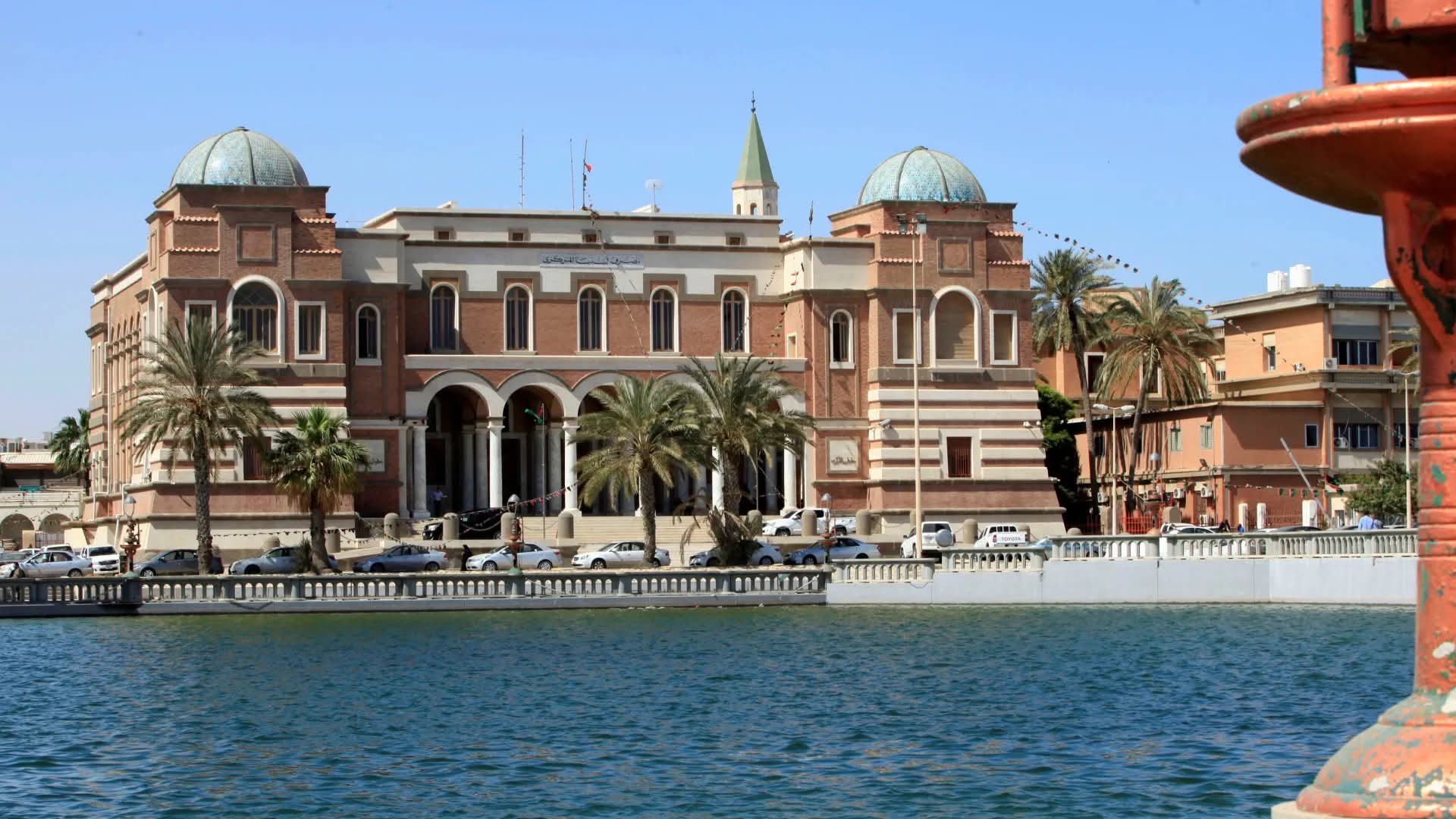
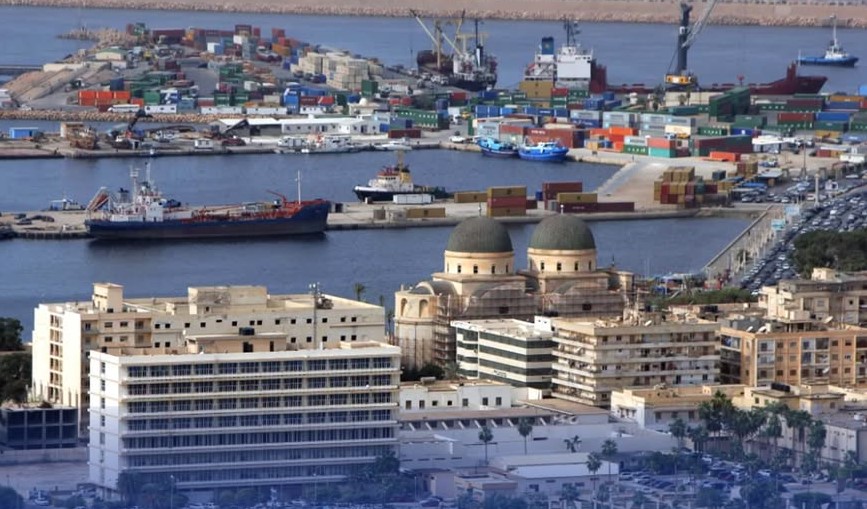
Tripoli
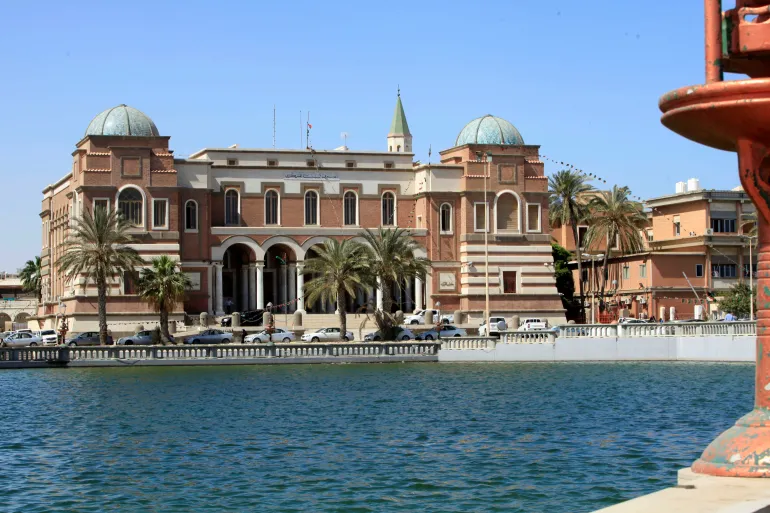
Tripoli is the capital and largest city of Libya, with a history dating back to the 7th century BC when it was founded by the Phoenicians. It later became a significant part of the Roman Empire, the Ottoman Empire, and an Italian colony, which is reflected in its diverse architecture, such as the historic Medina and the Red Castle (Assai al-Hamra).
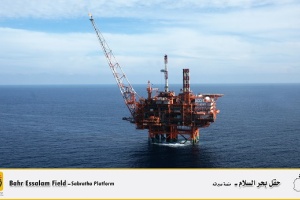
Bahr Essalam
Bahr Essalam is a major natural gas field located off the coast of Tanzania in East Africa. It was discovered in the early 2010s and represents one of the largest such reserves on the continent, playing a crucial role in the country’s energy development and economic strategy.
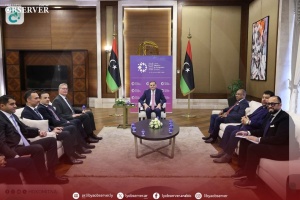
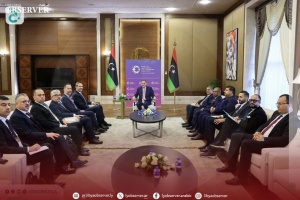
Egyptian Petroleum Minister
The Egyptian Petroleum Minister is a cabinet-level position responsible for overseeing the nation’s oil and natural gas resources. The role has existed since the establishment of the Ministry of Petroleum and Mineral Resources in the 20th century, playing a central part in managing one of Egypt’s most vital economic sectors.
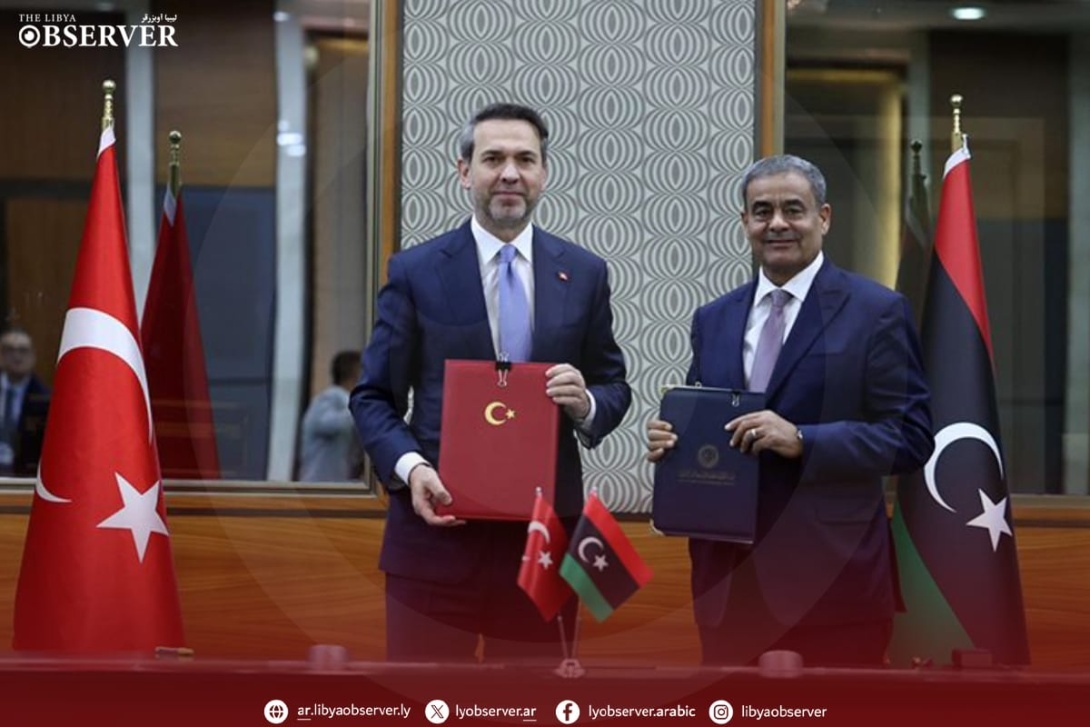
Turkish energy minister
The Turkish Energy Minister is a high-ranking government official responsible for overseeing Turkey’s energy policies, resources, and infrastructure. The role involves managing the country’s energy mix, including fossil fuels and renewables, and strategizing to meet domestic demand while engaging in international energy projects. The position has evolved significantly in recent decades as Turkey seeks to enhance its energy security and become a regional energy hub.