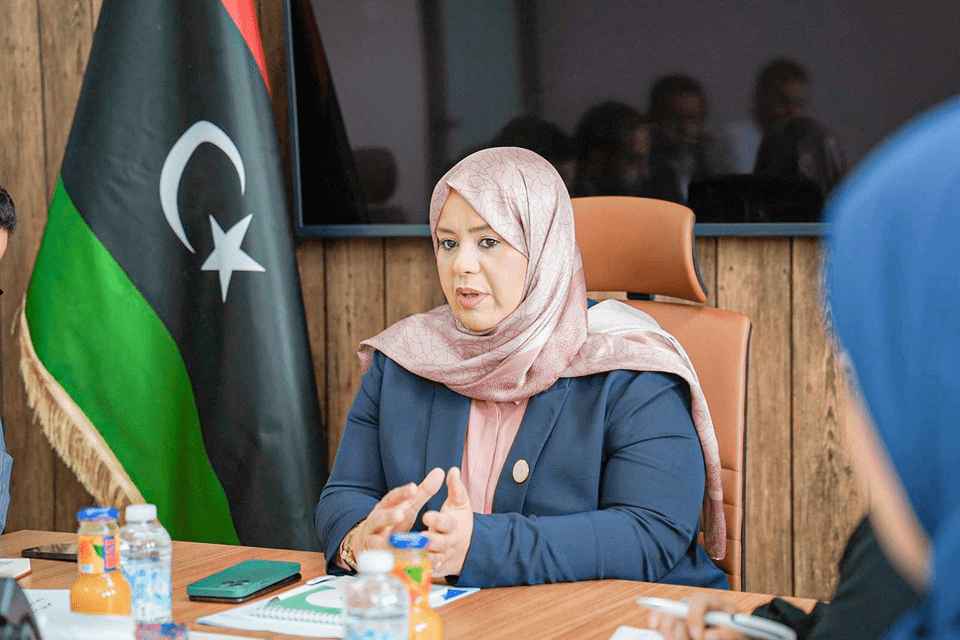
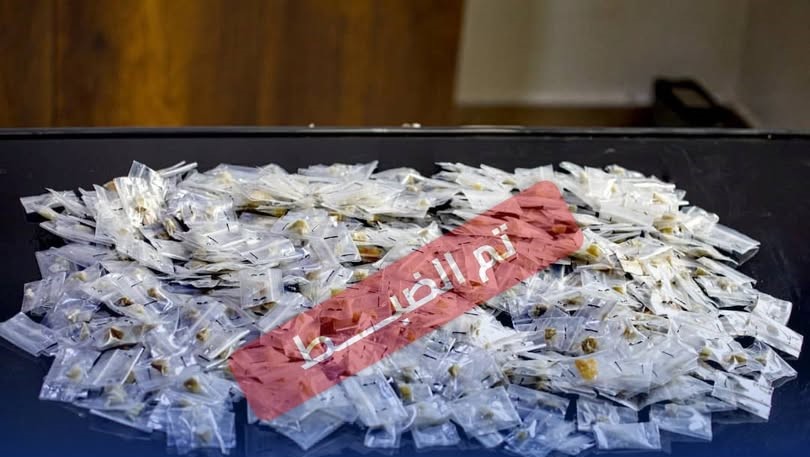
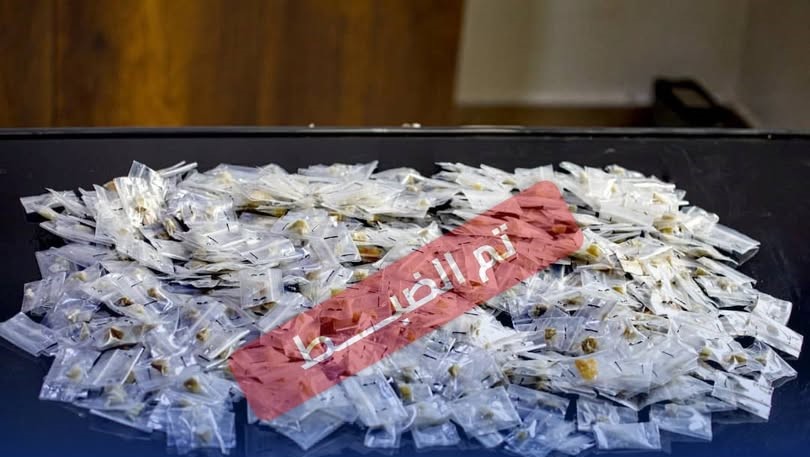
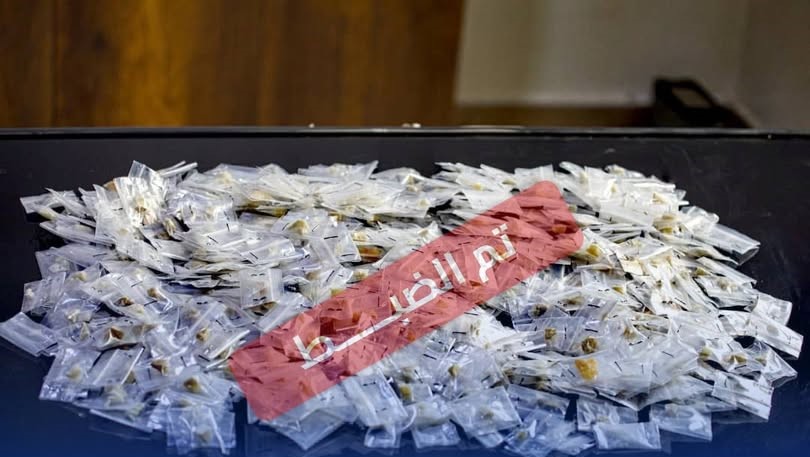
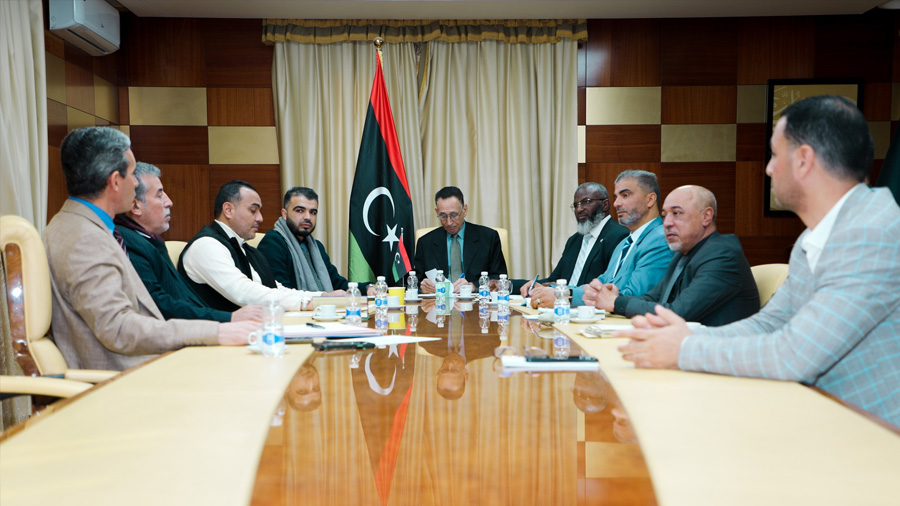
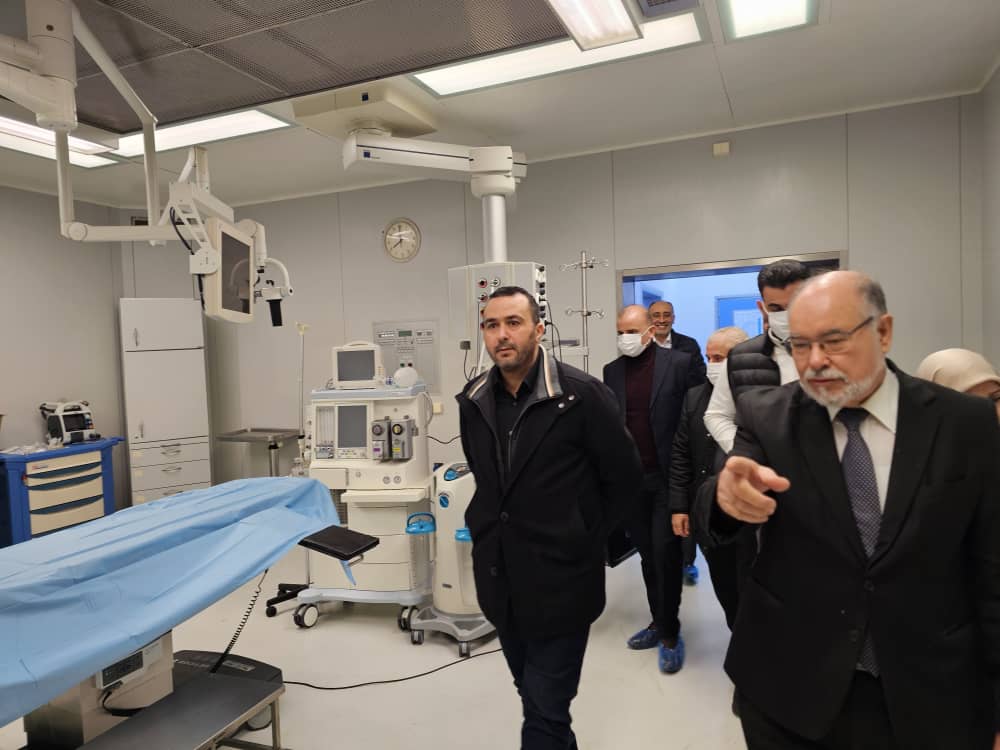
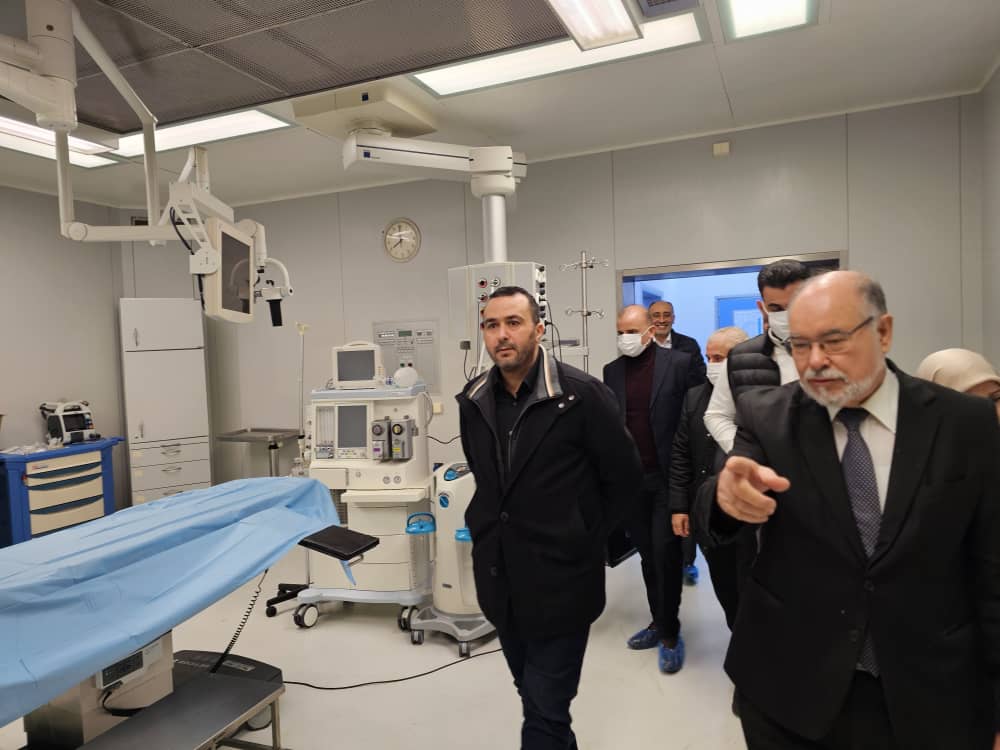
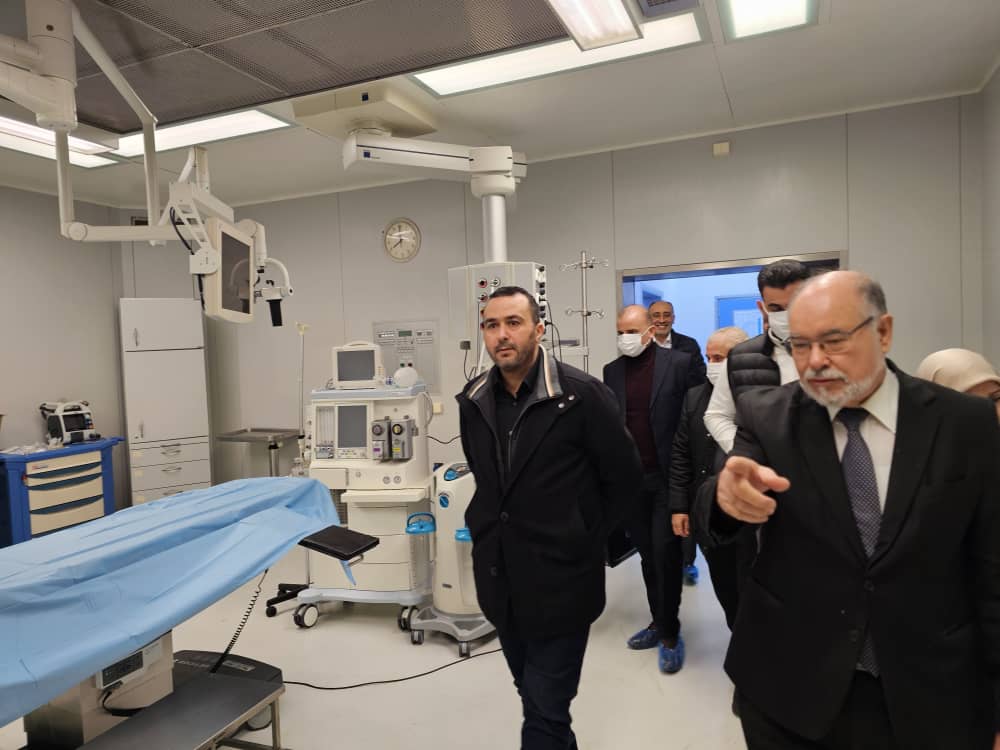
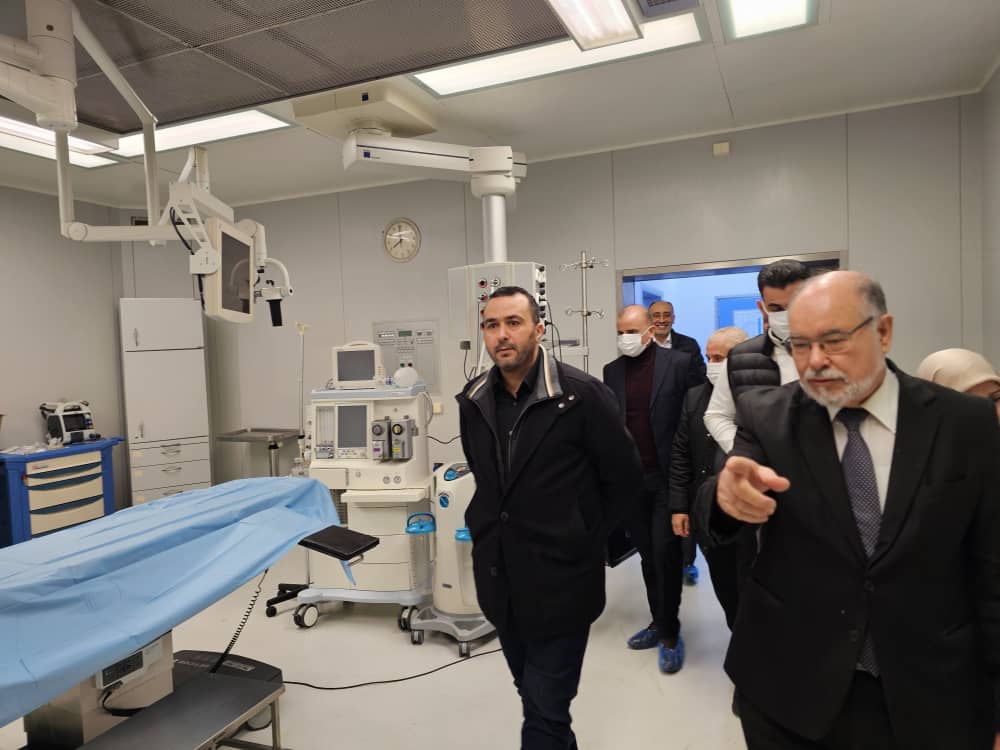
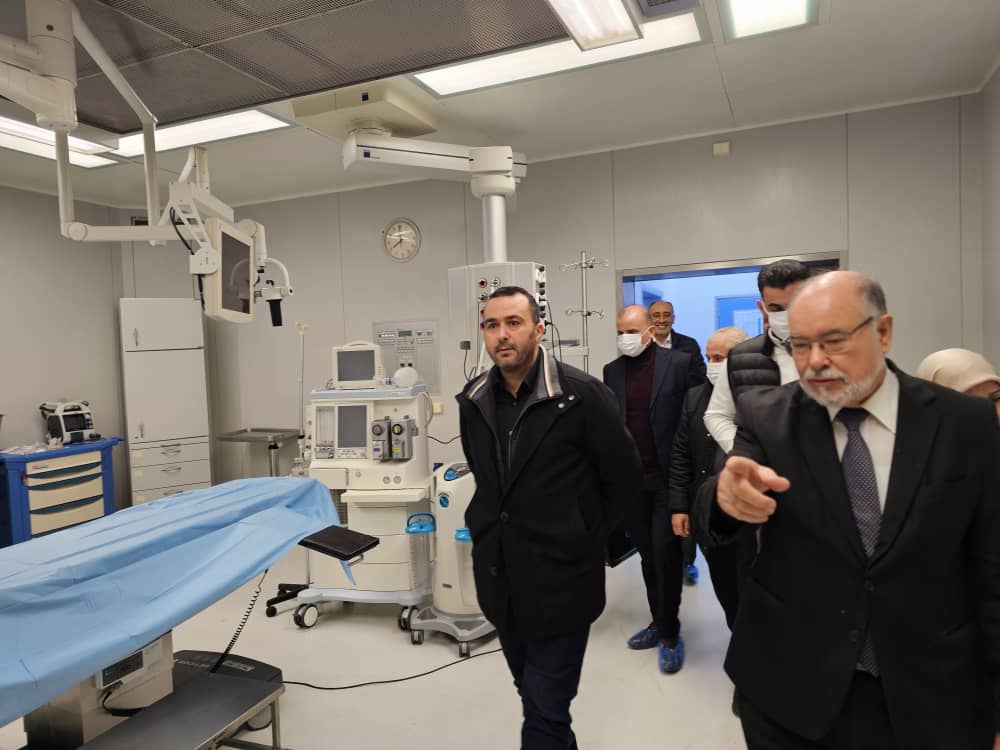
Tripoli, January 25, 2026 – The National Center for Disease Control announced that Libya is now completely free of polio infections.
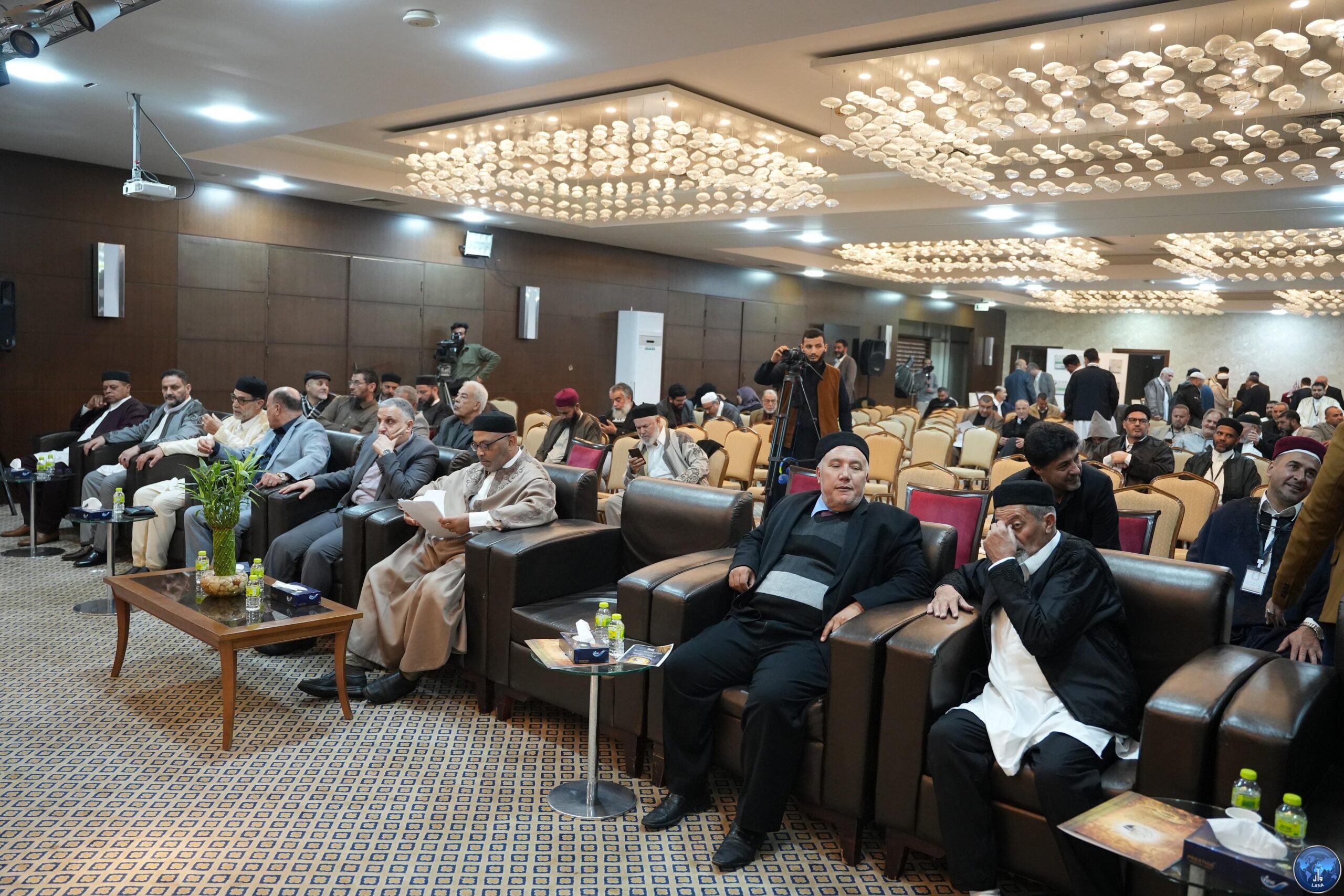
The center revealed in a statement today, Sunday, that it has obtained a certificate from the World Health Organization confirming Libya is free of any infections with the polio virus.
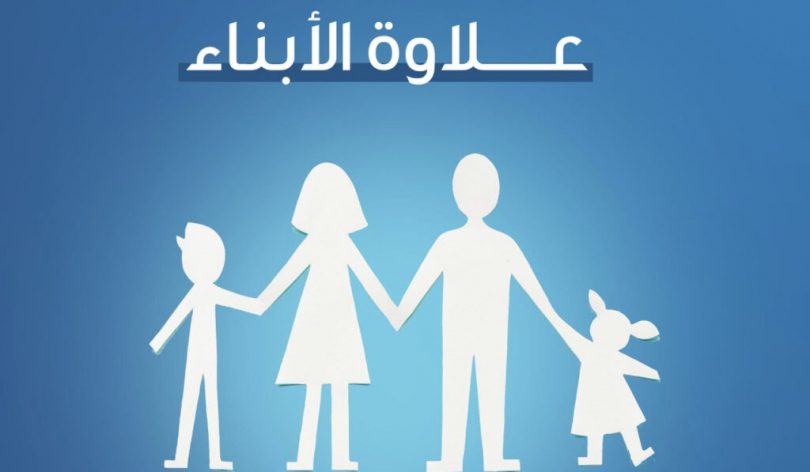
The center stated in its announcement that the declaration of the country being polio-free by the organization is a major public health achievement for national health policies and reflects the effectiveness of the national vaccination program and the continuous surveillance system for paralysis cases across the country.
The statement added that despite this achievement, the center confirms its continued commitment to vaccination against polio, to preserve the health of future generations and ensure a society free from this disease.
Tripoli
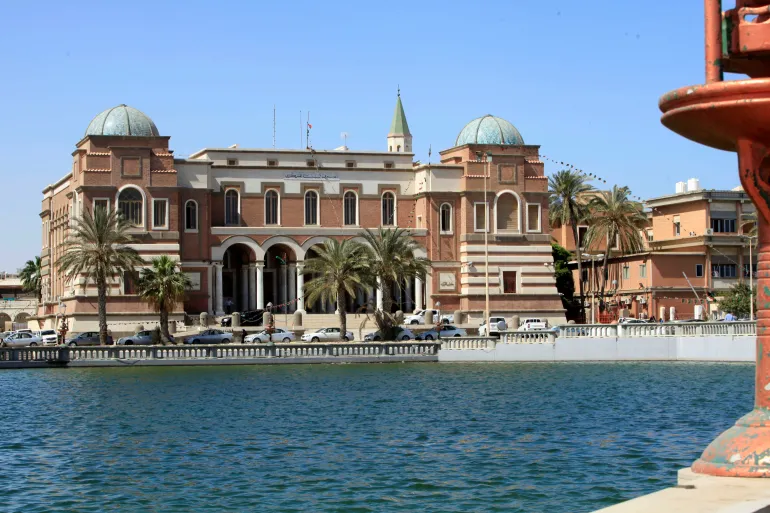
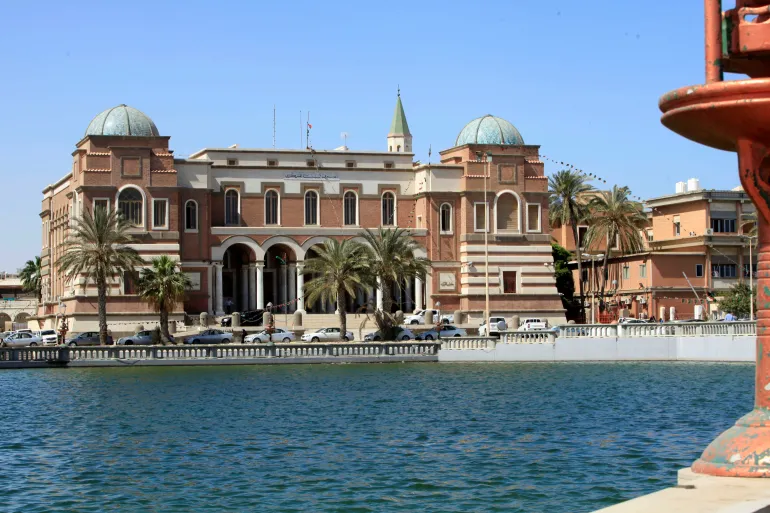
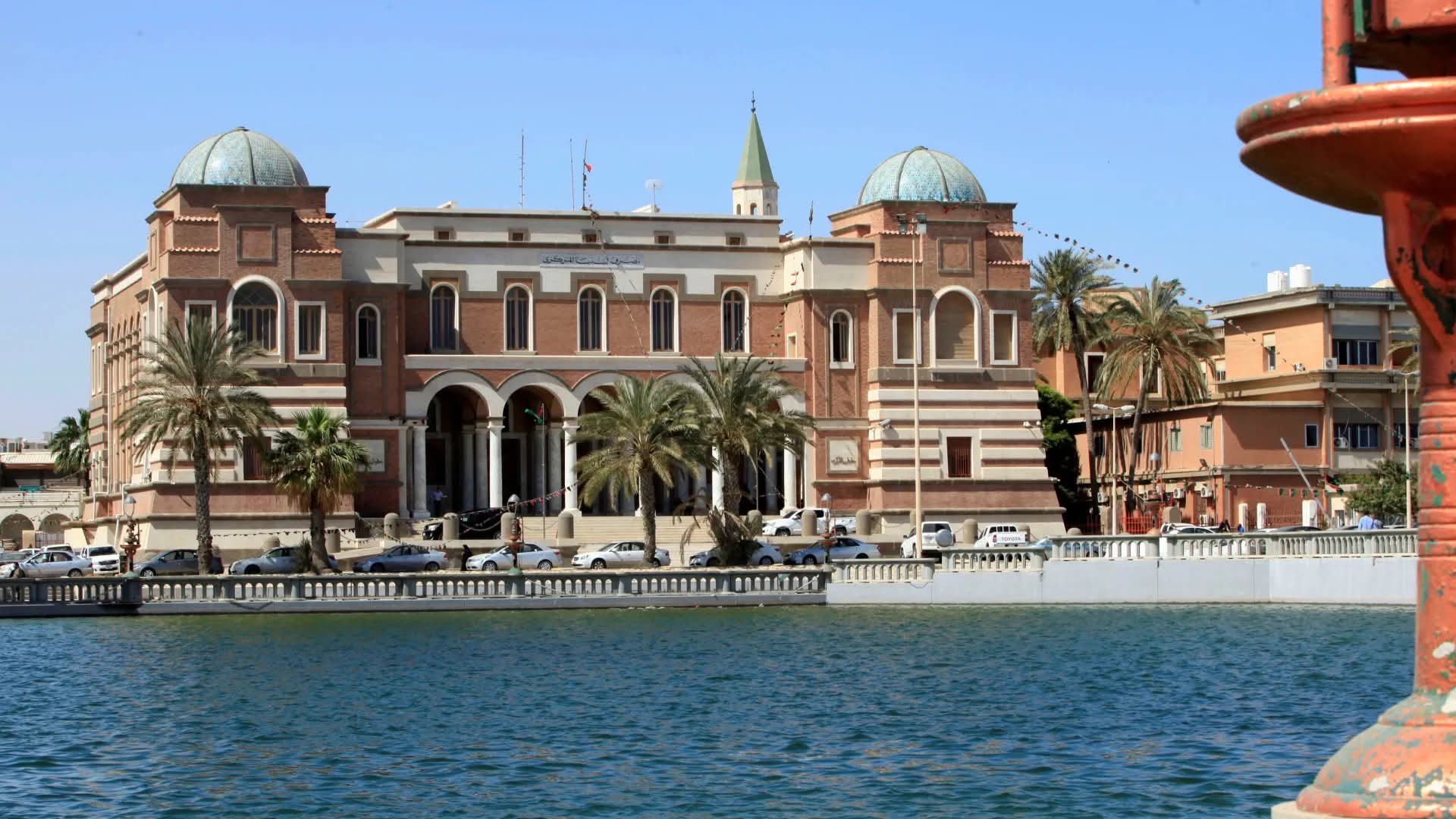
Tripoli is the capital and largest city of Libya, historically founded in the 7th century BCE by the Phoenicians. It later became a significant Roman city and a major center under various empires, including the Ottoman, which left a strong architectural and cultural imprint on its old medina.
Libya
Libya is a North African country with a rich history that includes ancient Phoenician and Greek settlements, most notably at Cyrene, and later Roman rule. It was a central part of the Arab conquests in the 7th century and was part of the Ottoman Empire before Italian colonization in the early 20th century. The country gained independence in 1951 and was ruled by Muammar Gaddafi from 1969 until the 2011 revolution.
National Center for Disease Control
The National Center for Disease Control (NCDC) is a public health institute in Taiwan, established in 1924 during the Japanese colonial period. It is responsible for monitoring, preventing, and controlling infectious diseases and other public health threats within the country.
World Health Organization
The World Health Organization (WHO) is a specialized agency of the United Nations, established in 1948 to promote global public health. It is responsible for directing international health efforts, setting norms and standards, and providing technical support to countries worldwide.