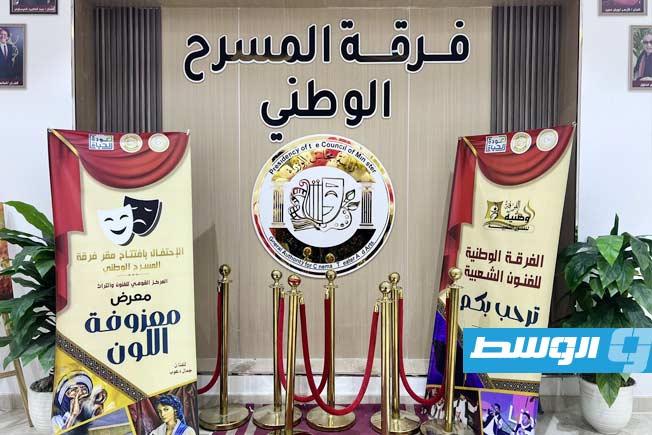
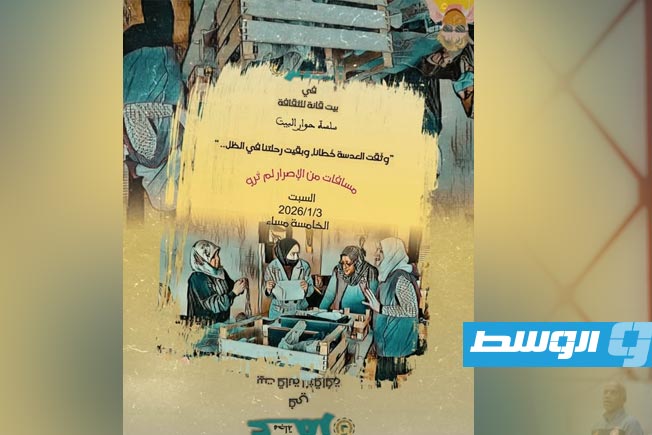
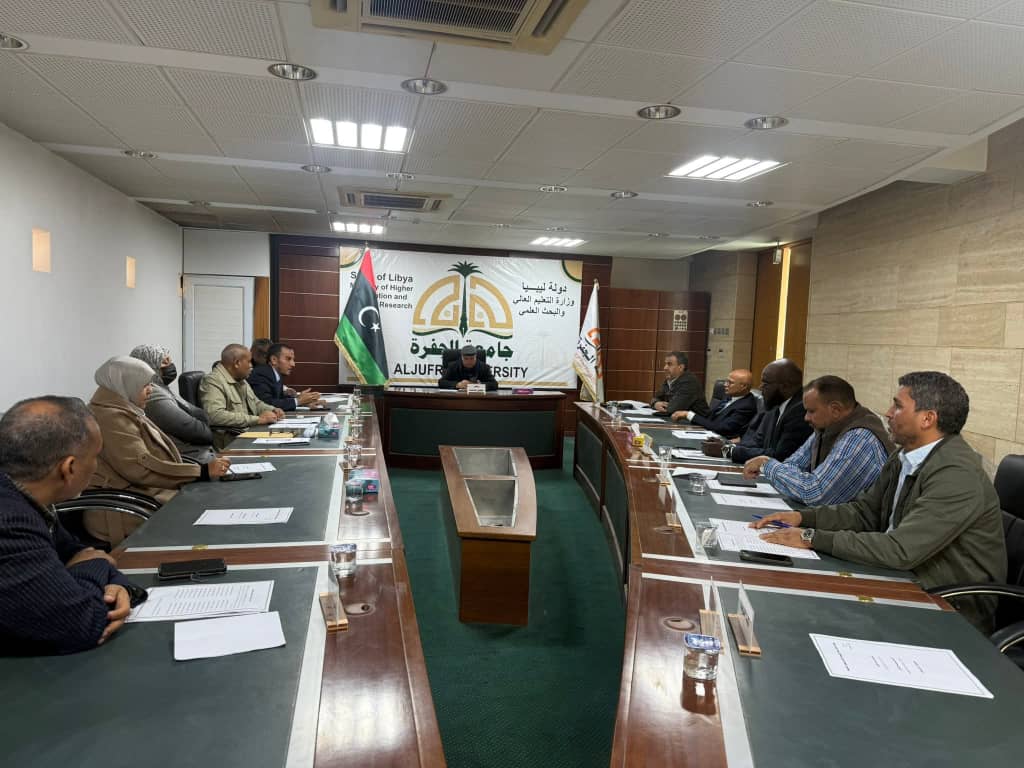
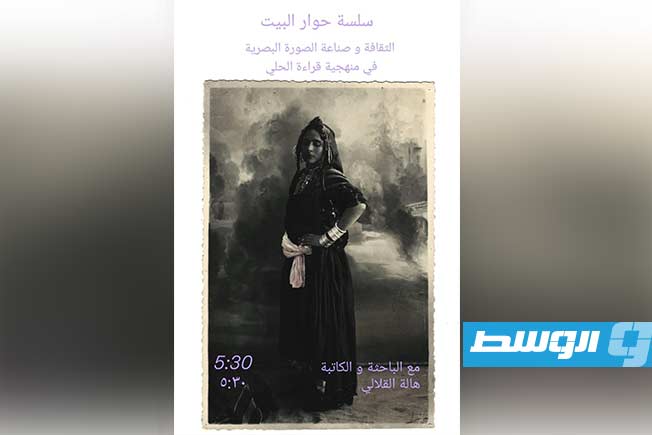
Announcement of a dialogue session titled “Innovative Approaches in Preserving Cultural Heritage and Protecting Libya’s Past” at the Libyan National Museum hall next Wednesday.
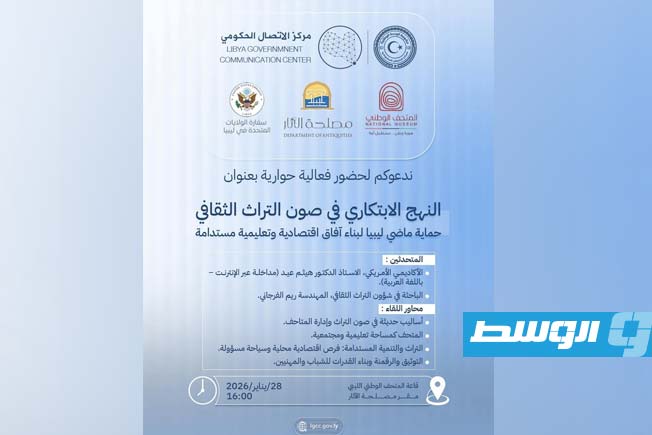
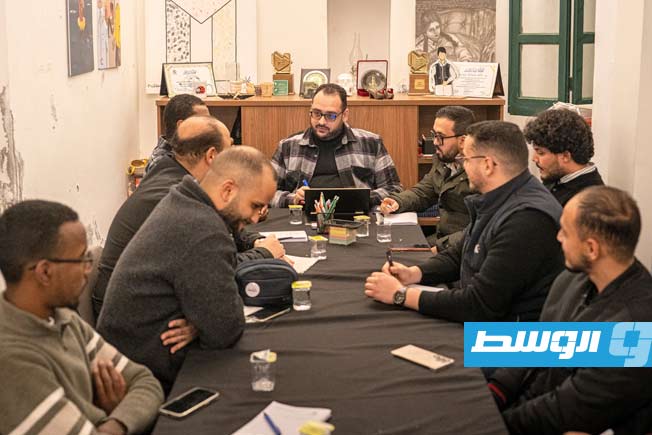
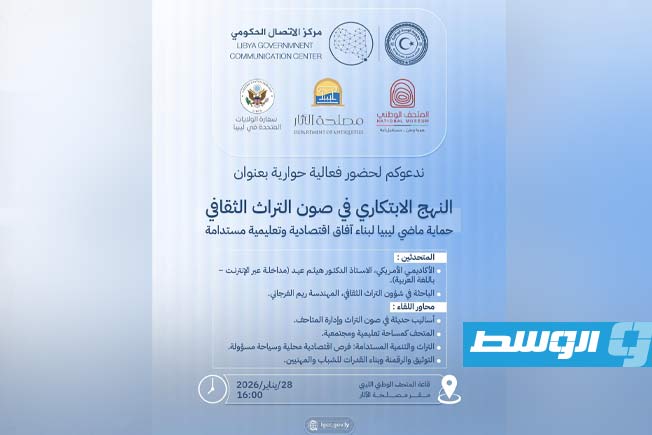
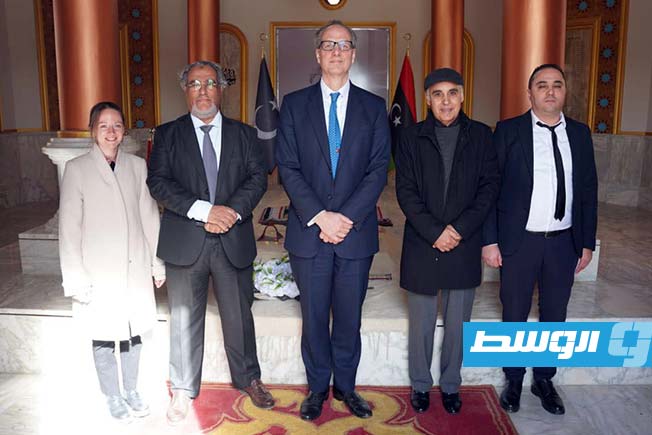
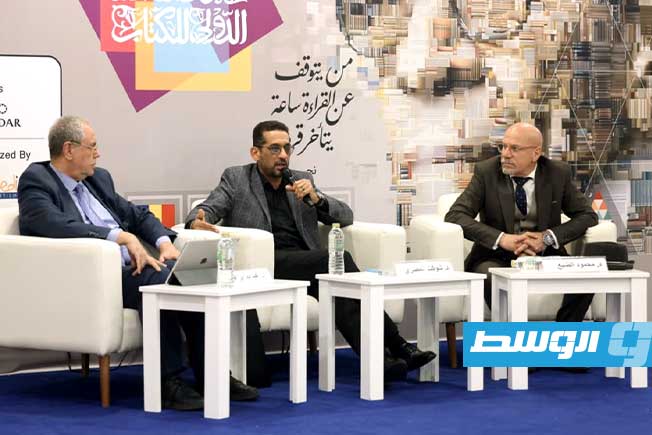
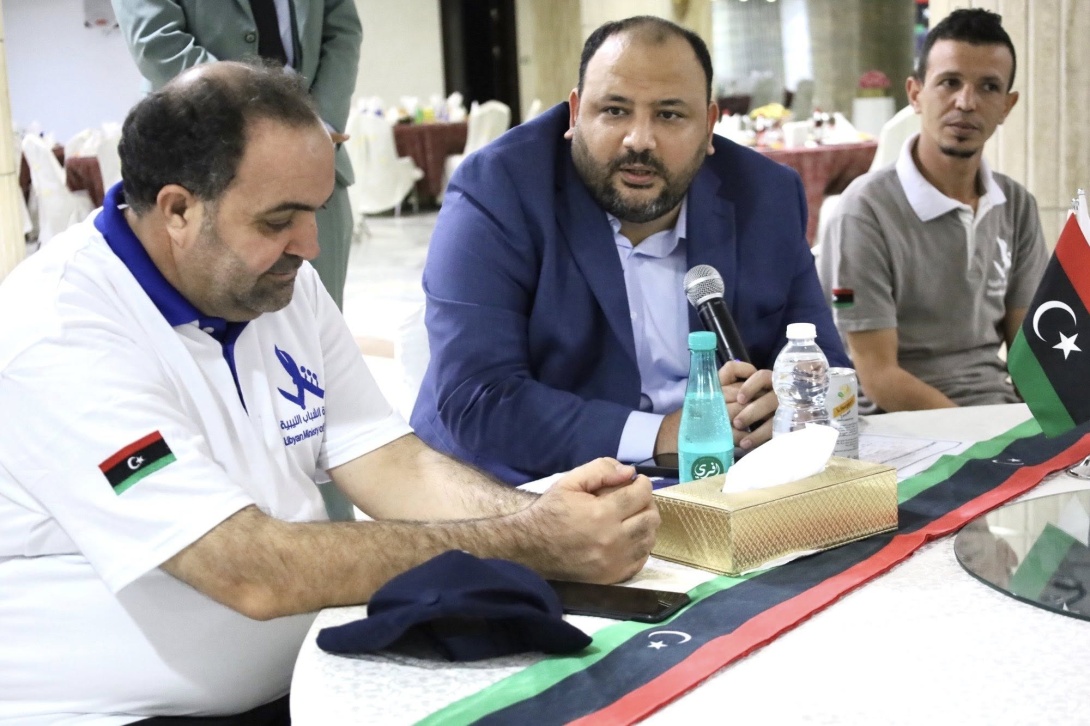
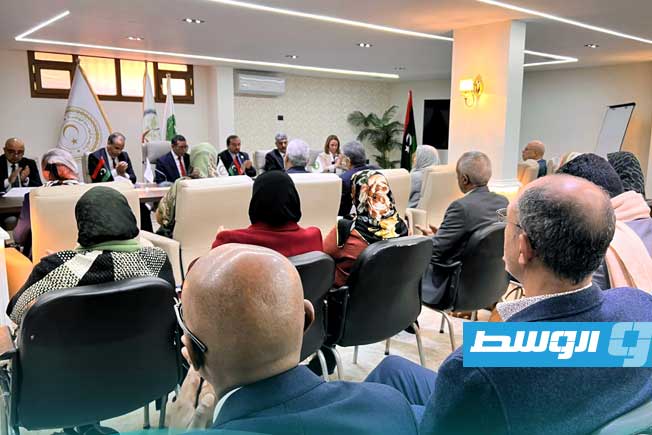
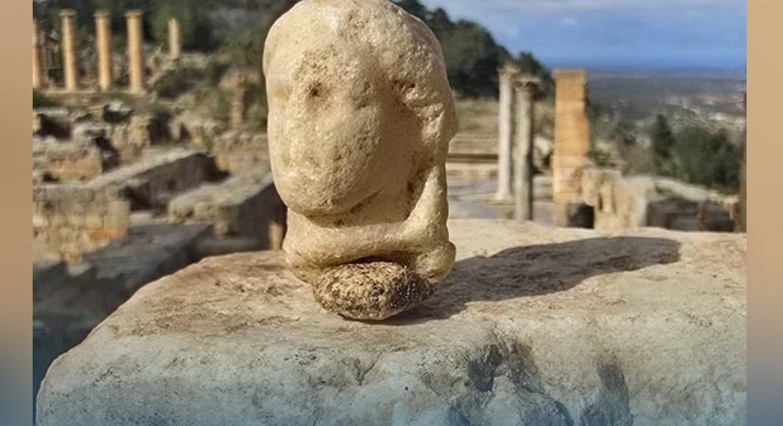
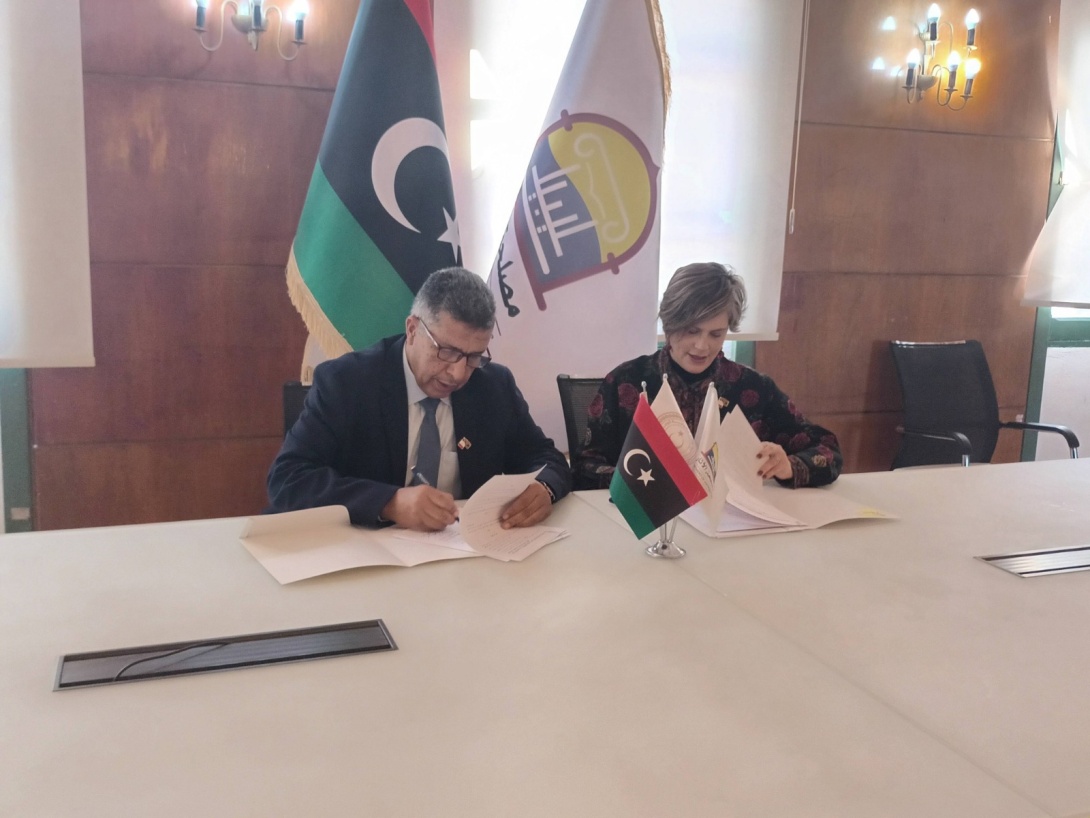
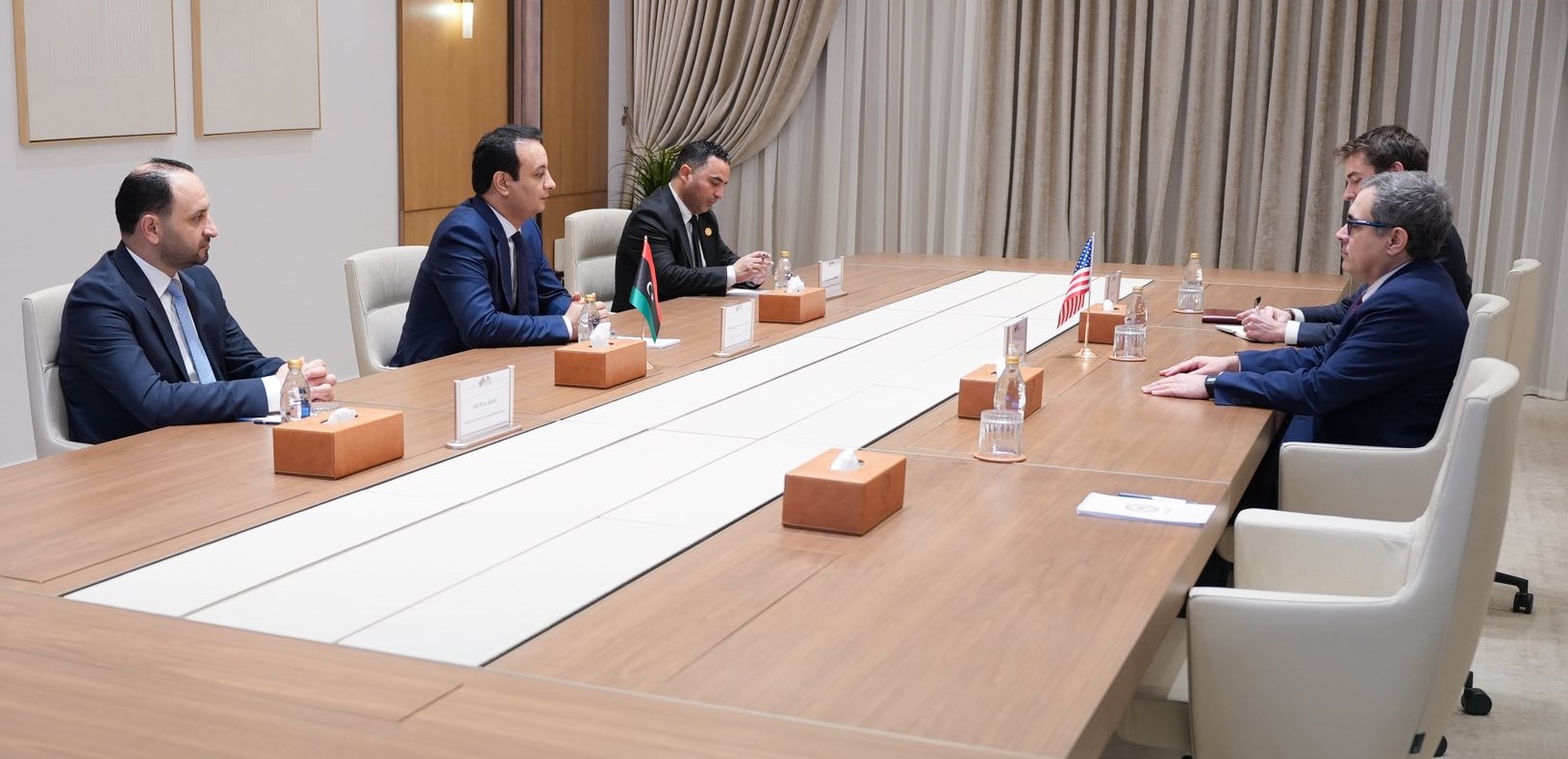
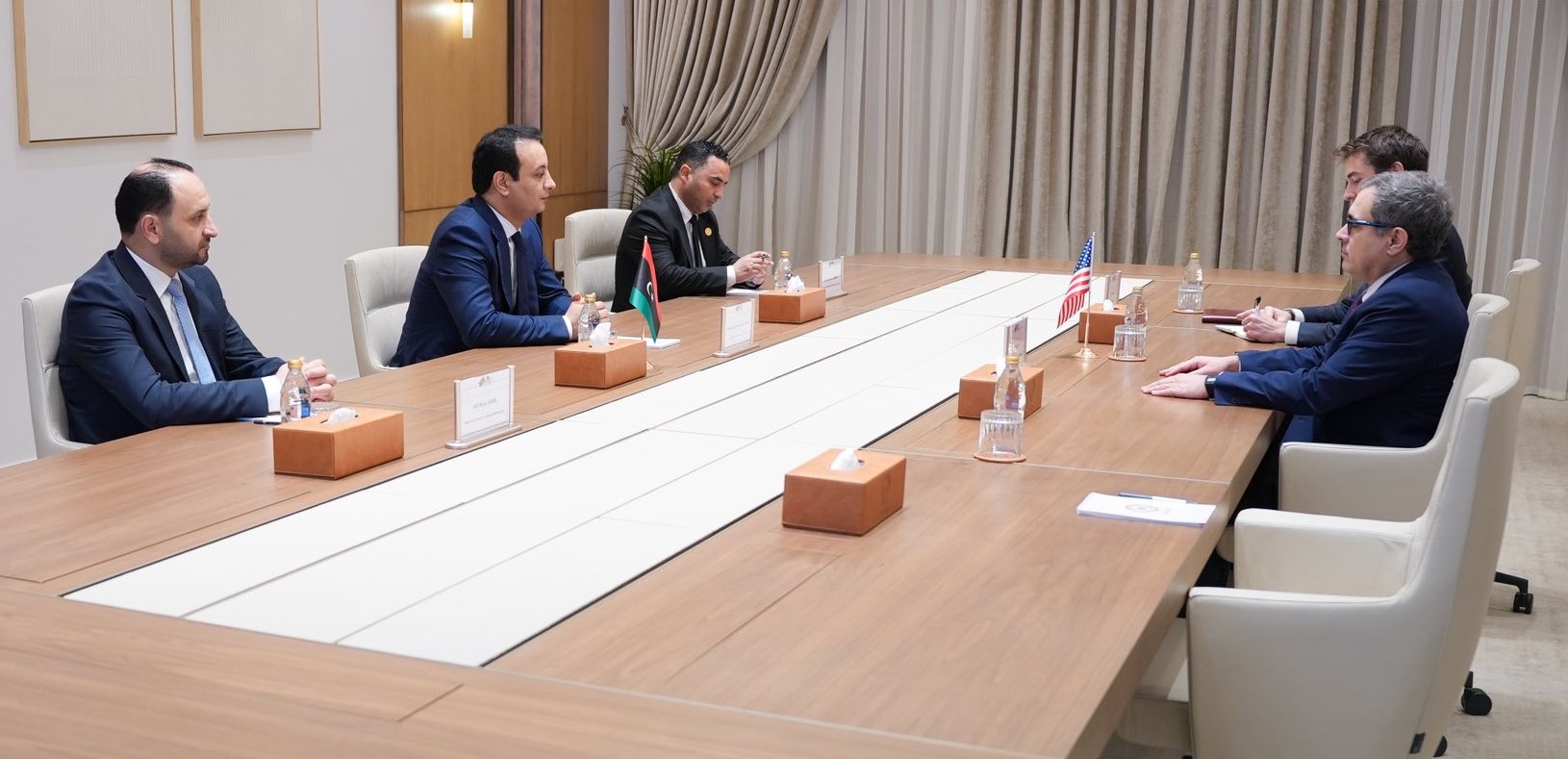
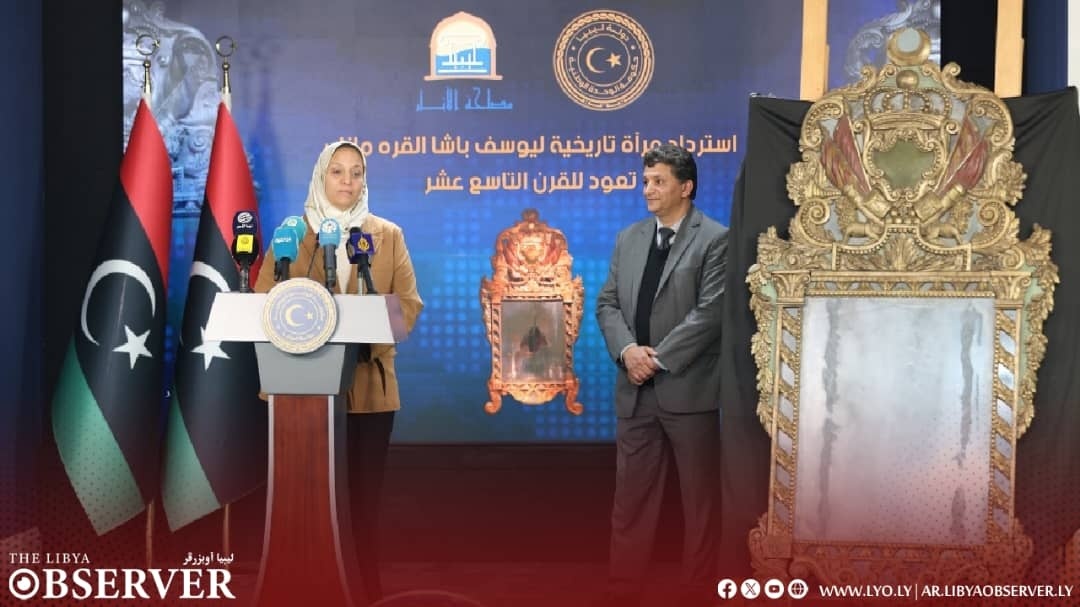
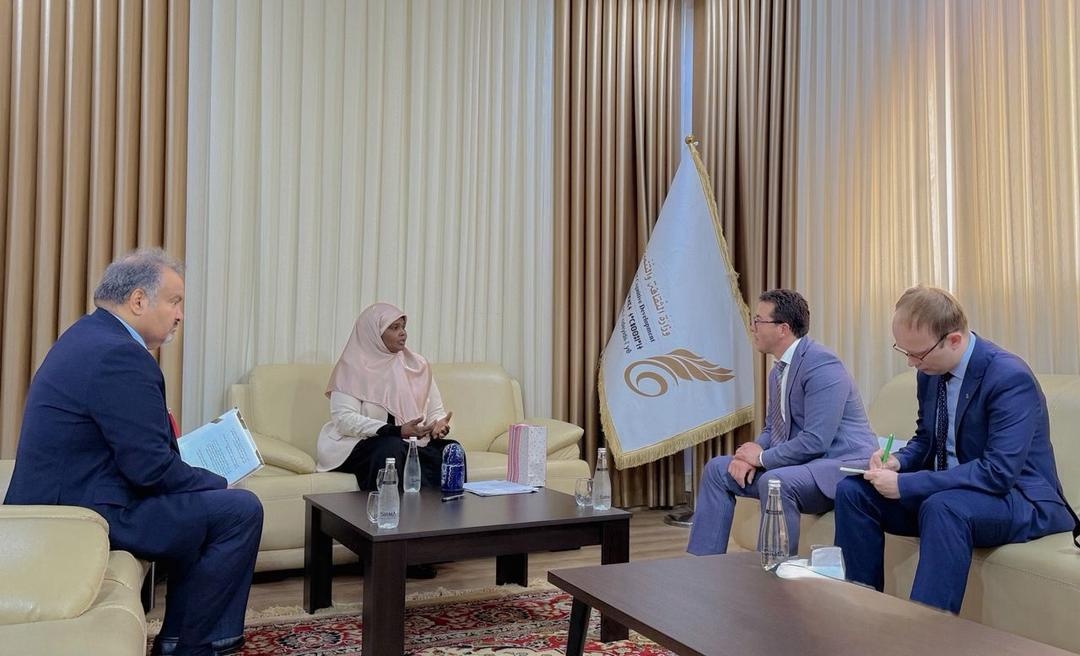
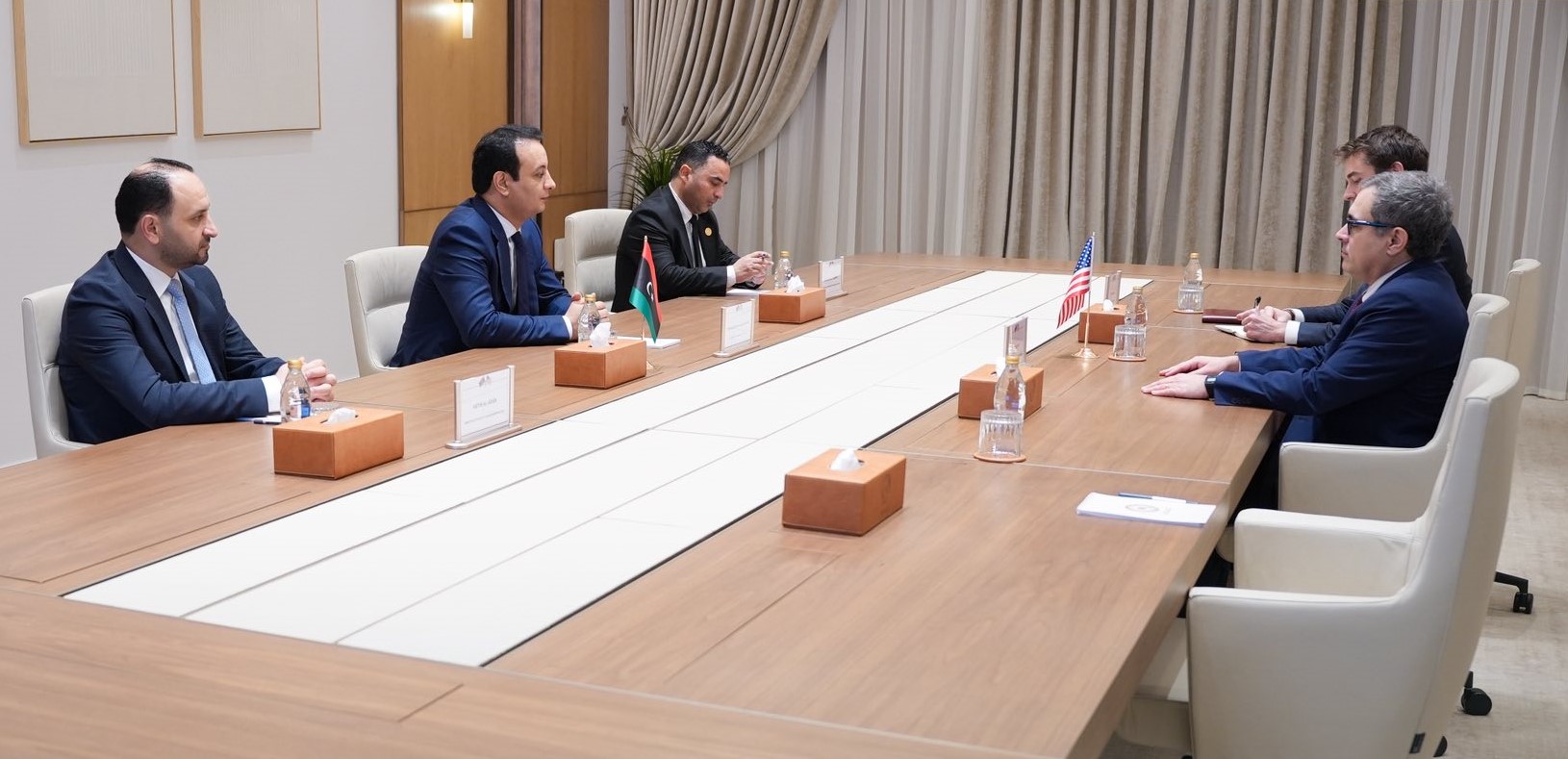
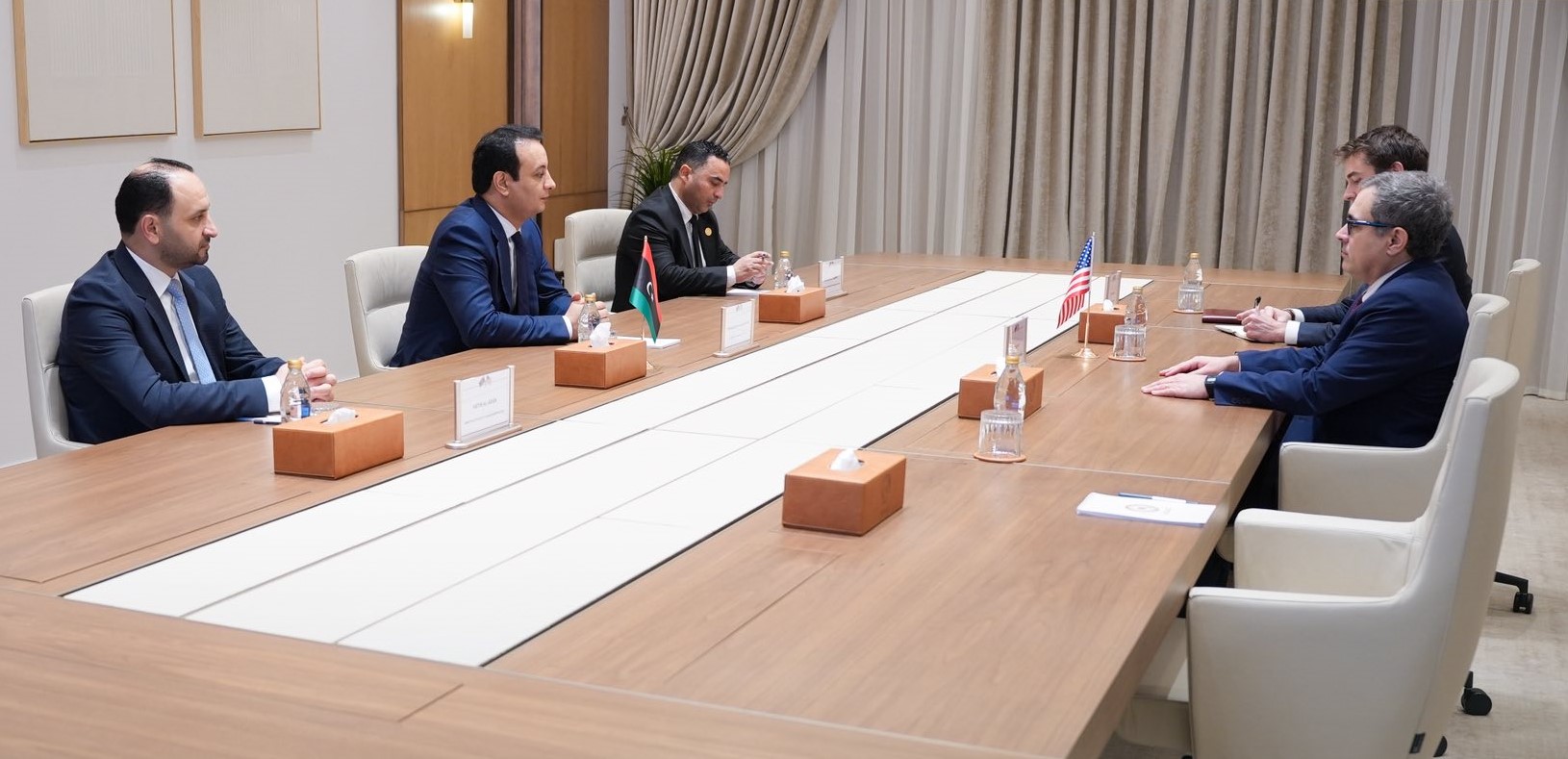
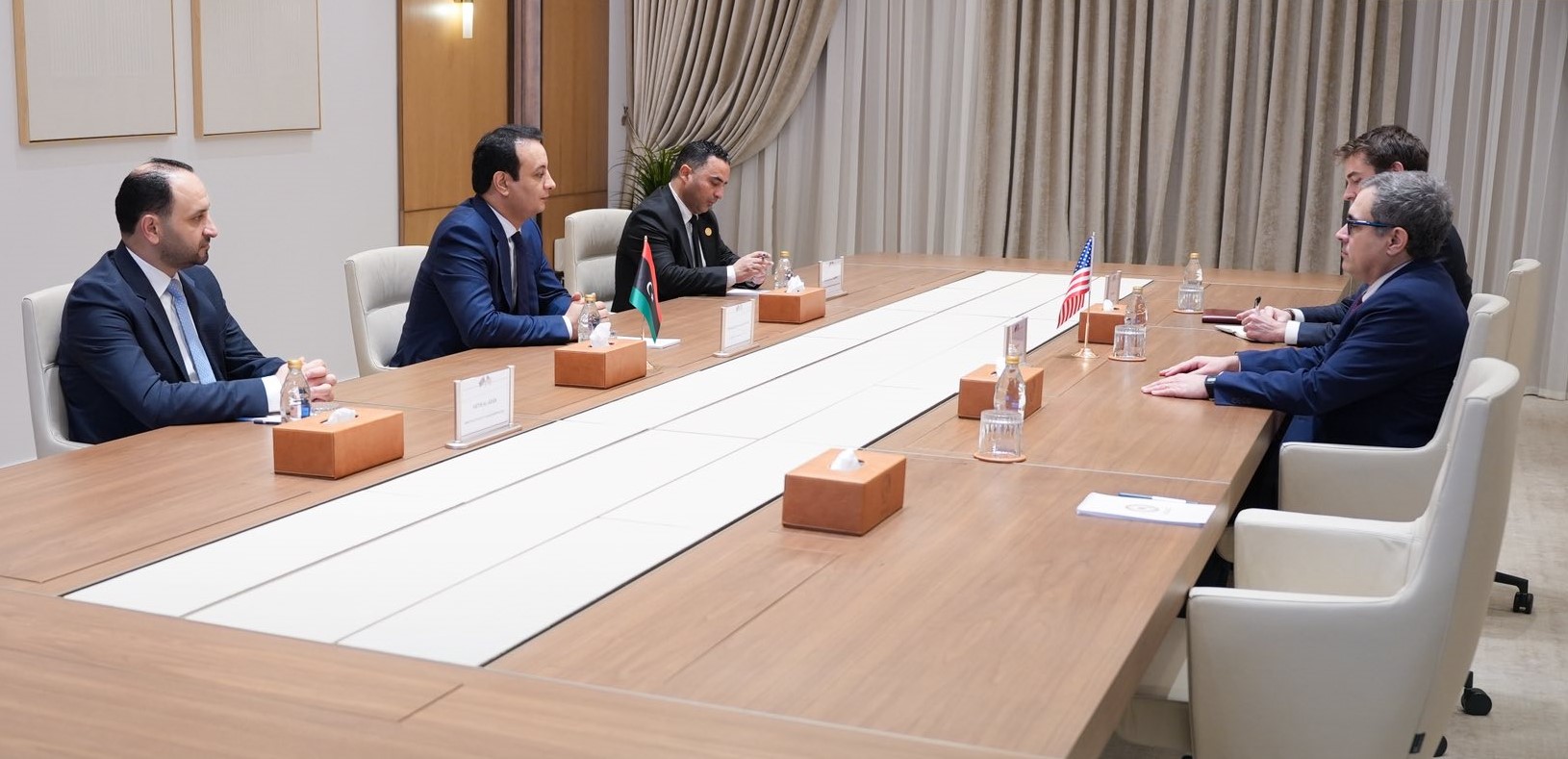
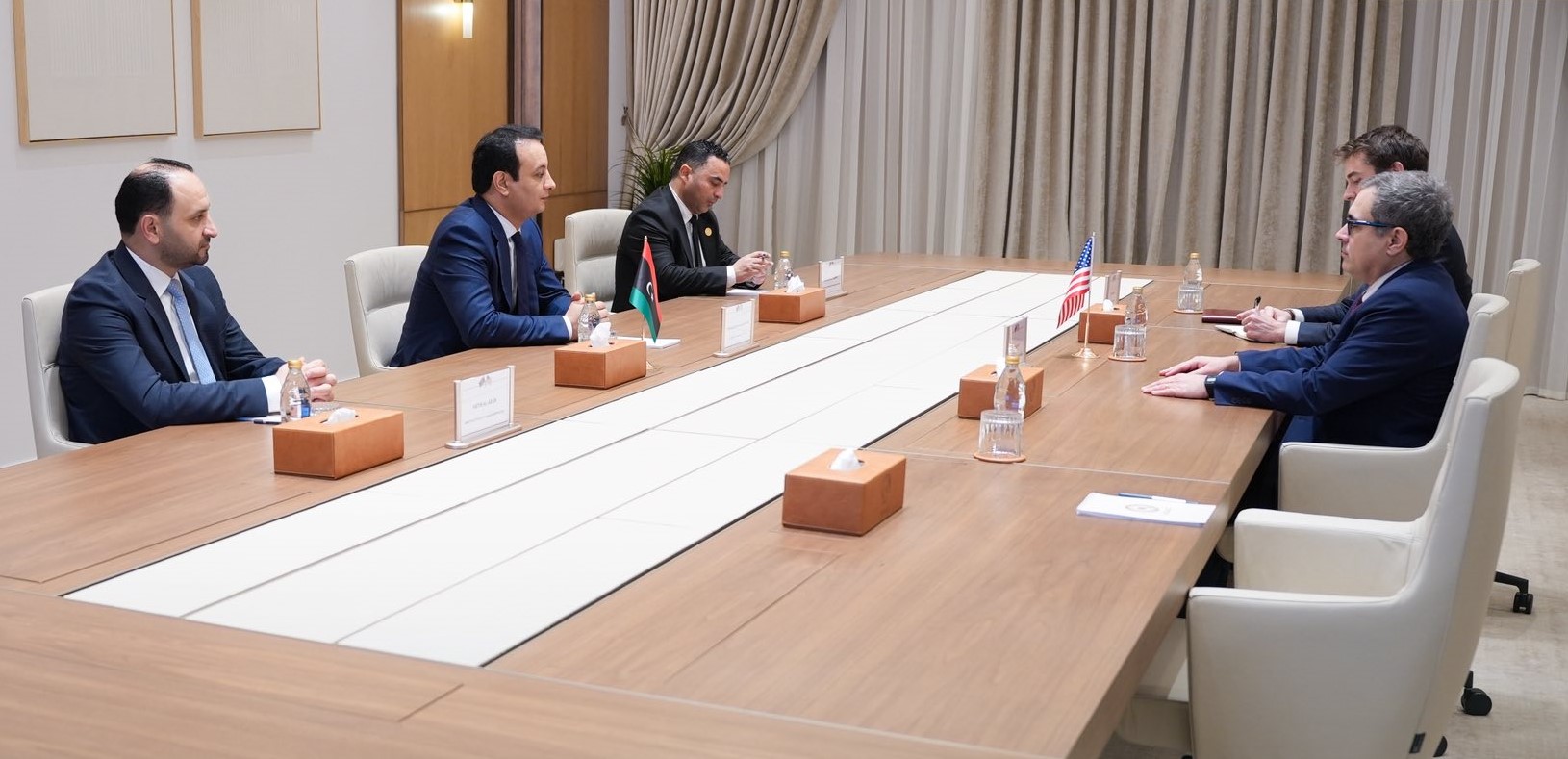
A government communications center, in partnership with the Department of Antiquities and in cooperation with the Embassy of the United States of America to Libya, is organizing a dialogue session titled “Innovative Approaches in Preserving Cultural Heritage and Protecting Libya’s Past to Build Sustainable Economic and Educational Horizons.” This is within the framework of supporting efforts aimed at preserving national heritage and employing it in contemporary development paths.
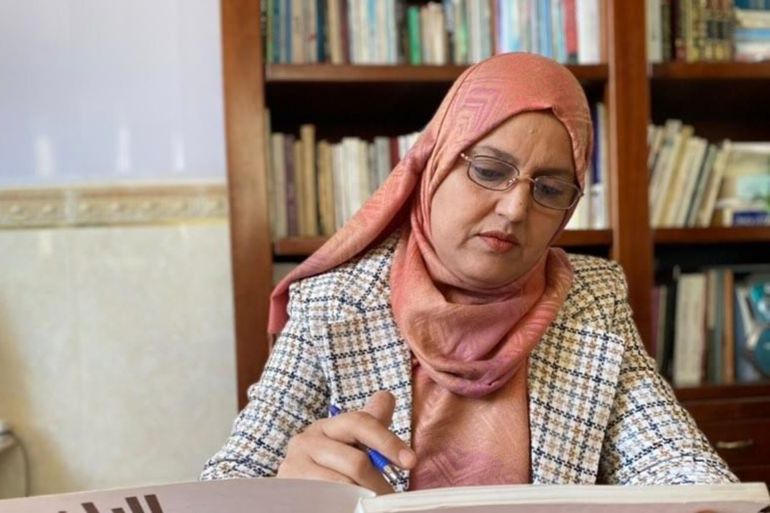
The session, scheduled to be held next Wednesday at the Libyan National Museum hall, will feature the participation of an American academic, who will present a scientific intervention online in Arabic, alongside a researcher in cultural heritage affairs. They will exchange views on modern approaches to managing and preserving cultural heritage.
–
–
Discussion Topics
The discussion topics address modern methods for heritage preservation and museum management, and the role of the museum as an educational and community space.
In addition to the relationship between heritage and sustainable development through local economic opportunities and responsible tourism, as well as the importance of documentation, digitization, and capacity building for youth and professionals in this field.
National Museum
The National Museum is a major institution dedicated to preserving and showcasing a nation’s cultural heritage and history, often through extensive collections of art, artifacts, and historical objects. Its origins typically trace back to a foundational period in the country’s development, serving to establish a public repository of national identity. For example, the National Museum of Korea in Seoul was established in 1945, while the National Museum of India in New Delhi began its collection in the early 20th century.
Libyan National Museum
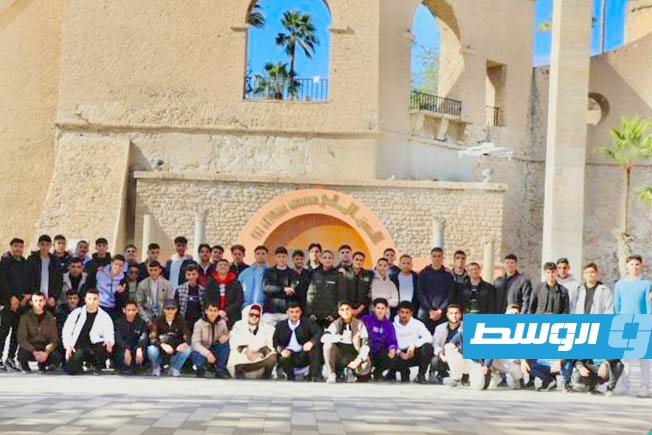
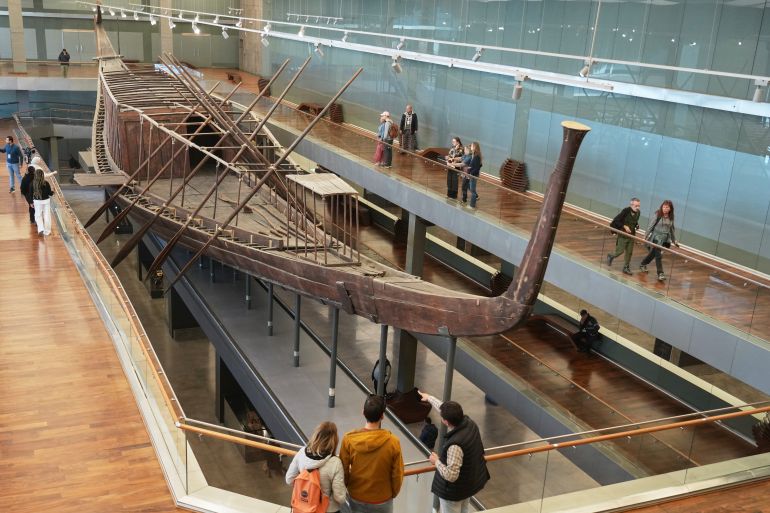
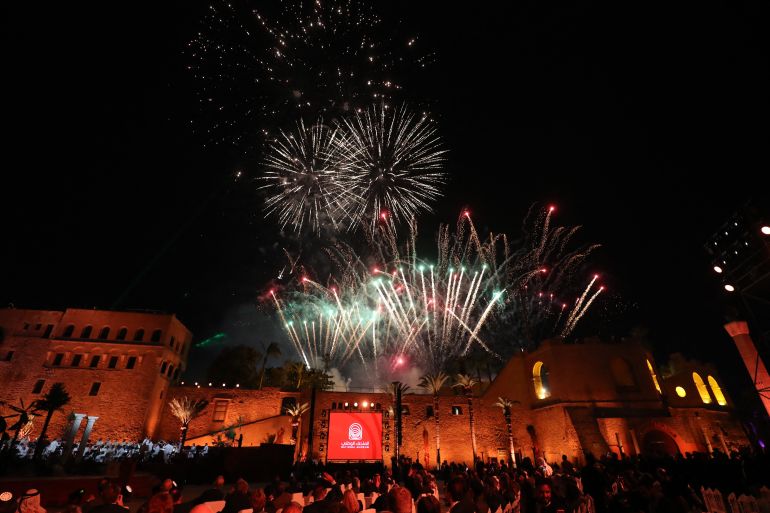
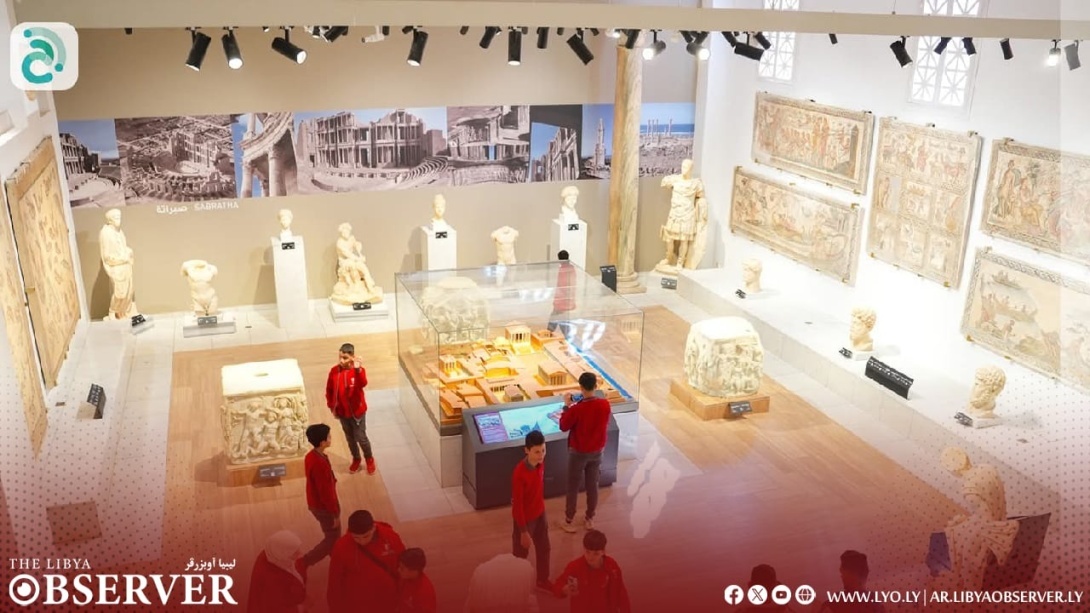
The Libyan National Museum, located in Tripoli’s Red Castle (Assaraya al-Hamra), was established in 1919 and showcases over 5,000 years of history from prehistoric times through the Ottoman period. Its extensive collections include artifacts from Libya’s Phoenician, Greek, Roman, and Islamic eras, making it a key institution for preserving the country’s cultural heritage.
Department of Antiquities
The Department of Antiquities is the government authority in Jordan responsible for the protection, excavation, and management of the country’s archaeological heritage. It was established in 1923 and oversees significant sites such as Petra and Jerash, ensuring their preservation and study for future generations.
Embassy of the United States of America to Libya
The Embassy of the United States of America to Libya was established in Tripoli following Libya’s independence in 1951. It has operated intermittently, closing in 1980 and reopening in 2006, before being evacuated and closed again in 2014 due to significant security concerns, with operations currently conducted from outside the country.