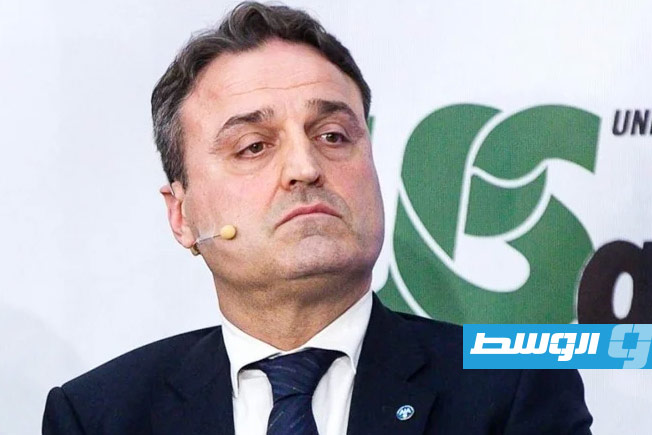
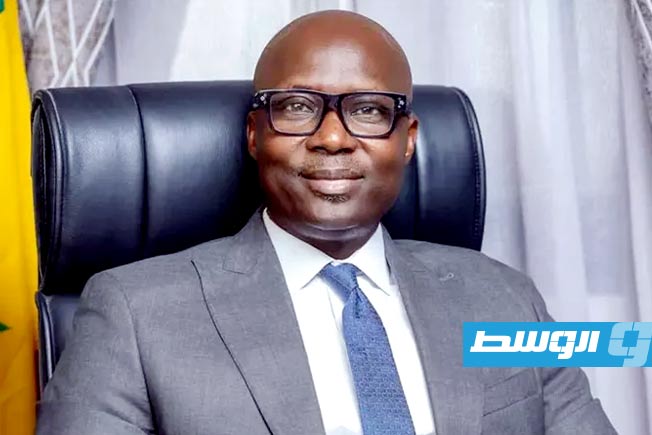
Tripoli, January 24, 2026 – The Chairman of the National Oil Corporation’s Board of Directors stated that Libya has managed to achieve tangible accomplishments in oil and gas production despite global challenges and price fluctuations.
During his speech at the Libya Energy and Economy Summit today, he confirmed that the National Oil Corporation’s strategy aims to increase production to 1.6 million barrels per day as a first phase, and then to 2 million barrels in the medium term.
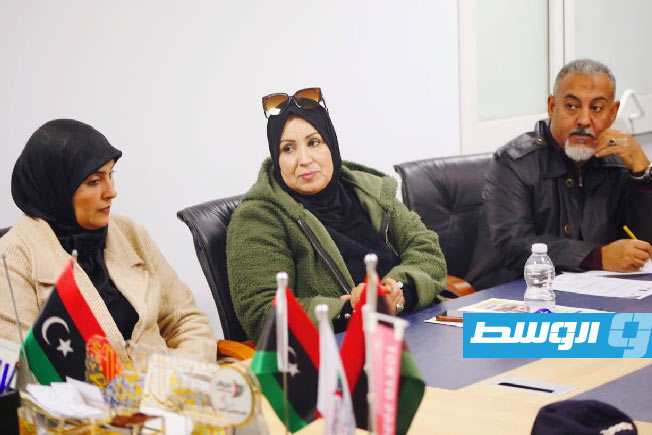
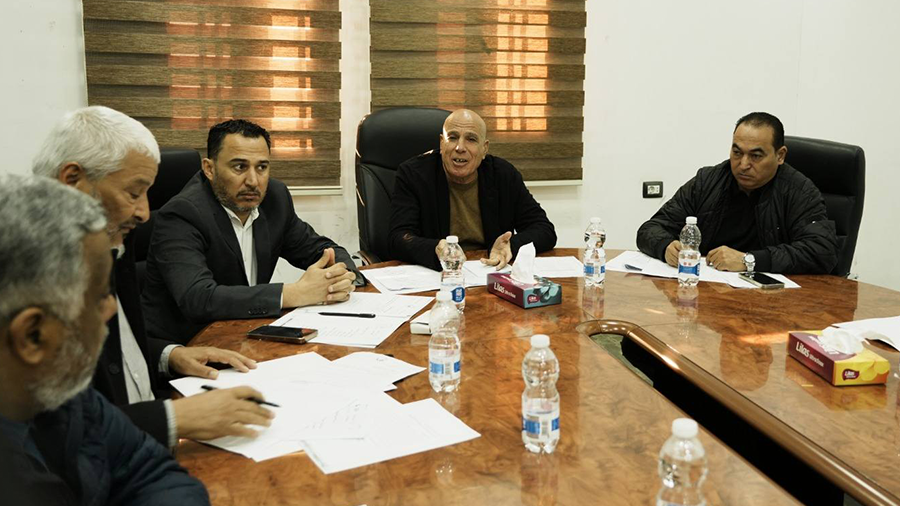
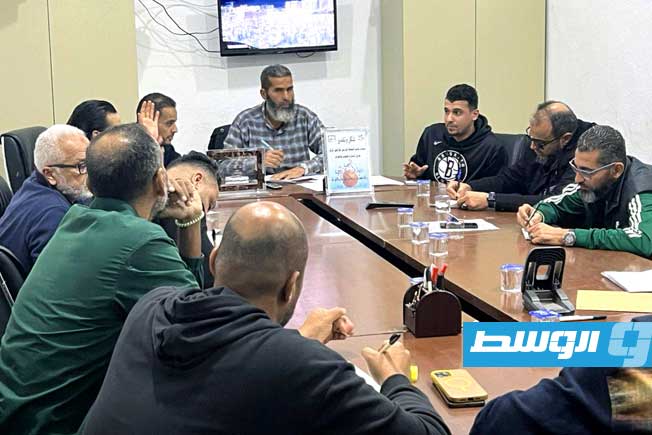
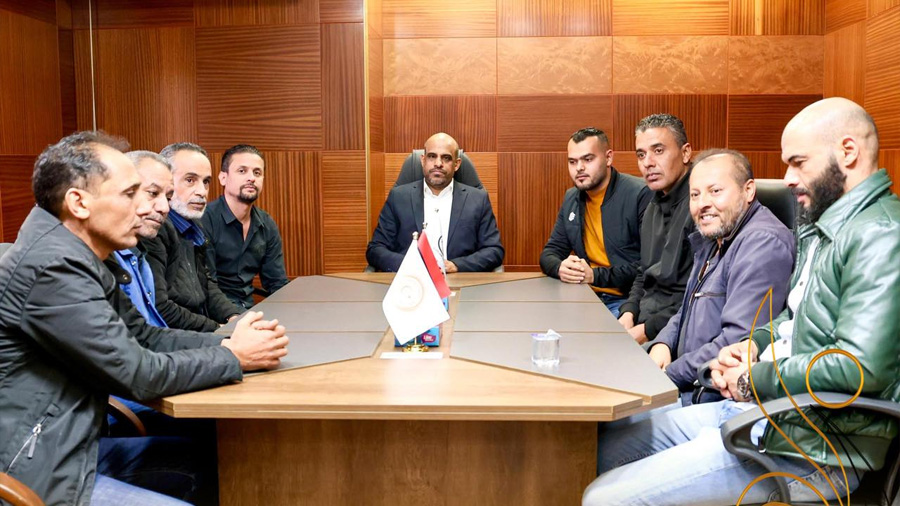
The Chairman also clarified during his meeting with representatives from a number of international and local oil companies, on the sidelines of the summit, that the National Oil Corporation is a professional, independent institution that places Libya’s interest above all else.
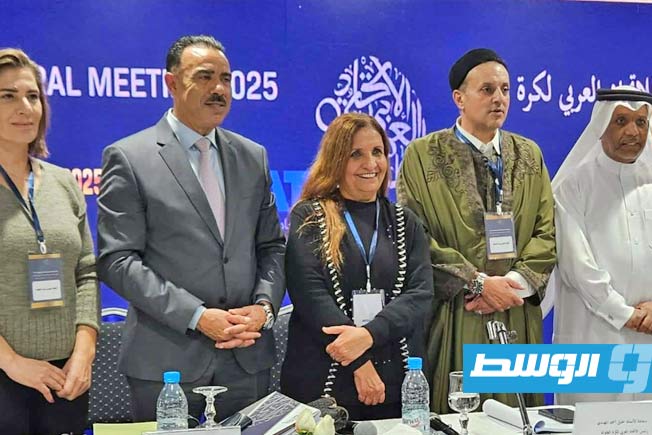
The events of the Libya Energy and Economy Summit 2026, which continues for three days, commenced this Saturday morning in Tripoli, with the participation of representatives, experts, and specialists from major global energy companies, alongside a number of energy ministers from various countries around the world.
This summit, held under the slogan “Achieving Energy Growth Through Infrastructure and Investment,” focuses on investments in infrastructure aimed at increasing Libya’s energy production capacity and attracting international capital for investment in Libya.
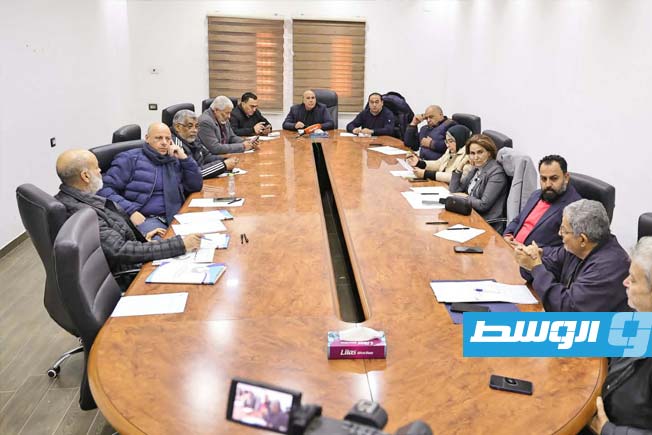
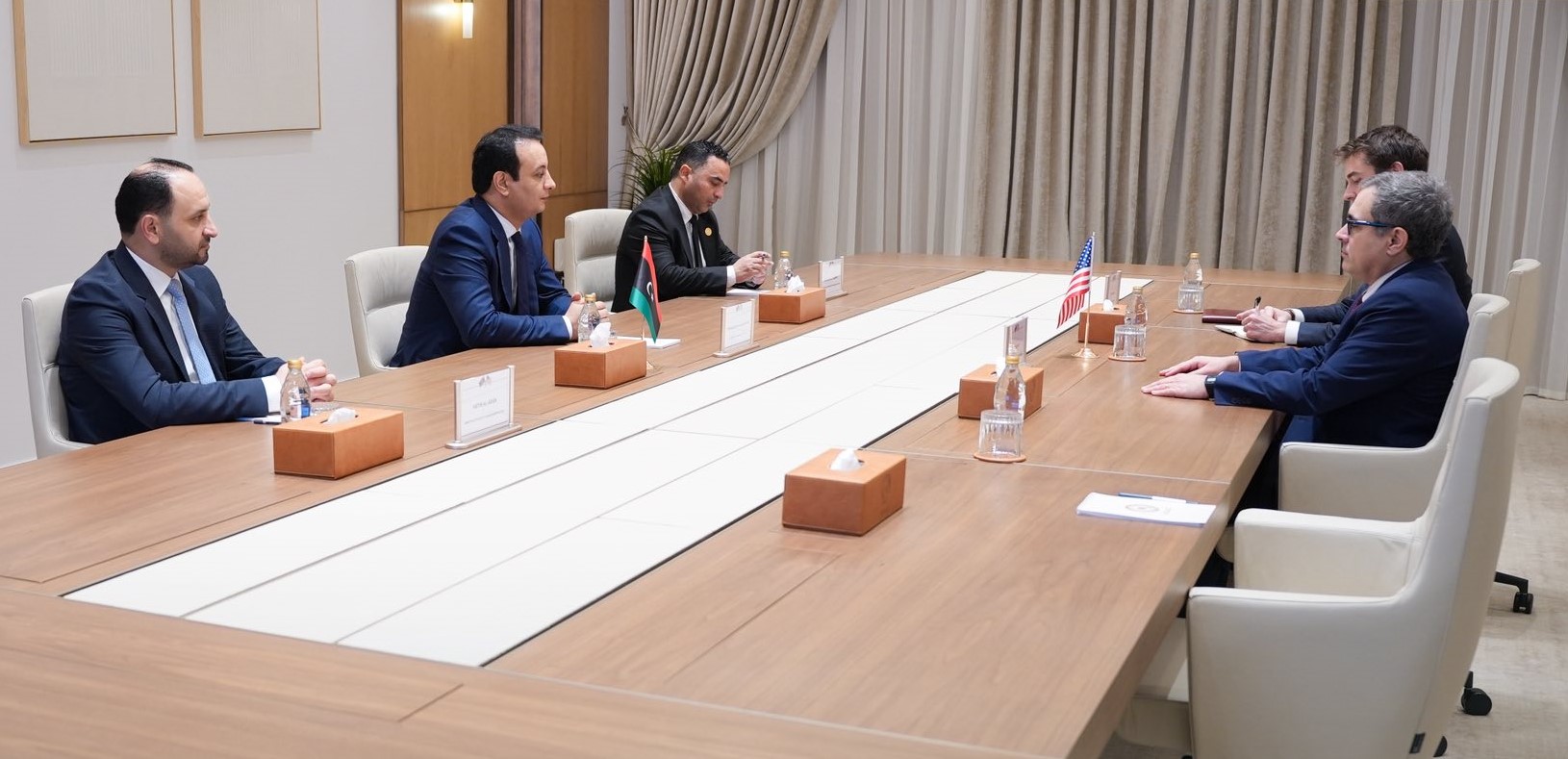
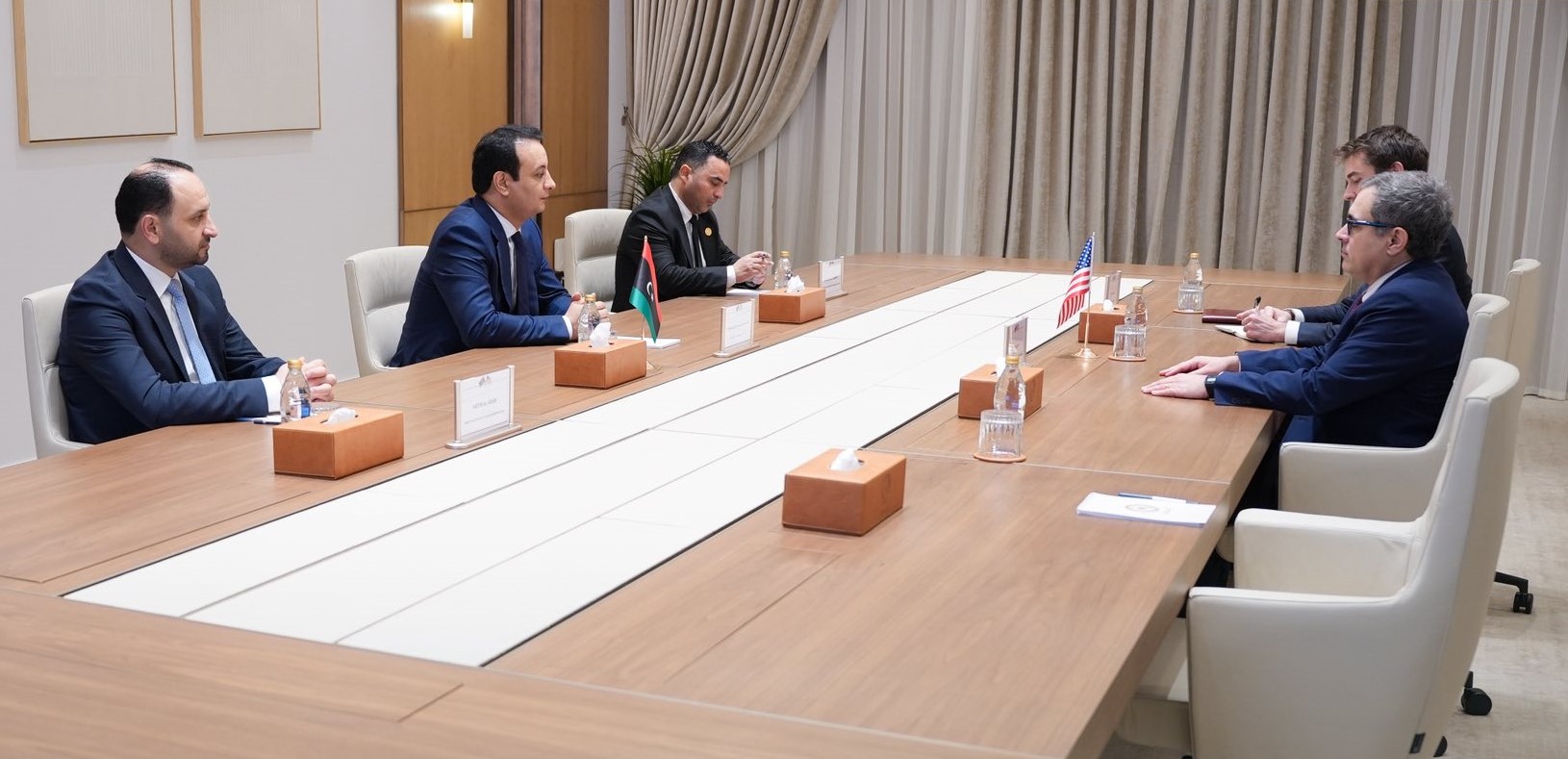
On the sidelines of the summit’s events, high-level roundtable meeting sessions are being held between the Libyan side and major American and international companies specialized in the fields of oil, gas, and energy, to discuss opportunities for cooperation and partnership in the energy sector, in addition to organizing bilateral meetings that bring investors together with government institutions.
Tripoli
Tripoli is the capital and largest city of Libya, located on the country’s Mediterranean coast. Historically, it was founded by the Phoenicians in the 7th century BC and has since been ruled by the Romans, Arabs, Ottomans, and Italians, serving as a major port and cultural crossroads. Its historic core, the medina of Old Tripoli, contains ancient architecture and landmarks like the Red Castle (Assaraya al-Hamra).
Libya
Libya is a North African country with a rich history rooted in ancient civilizations like the Phoenicians and Romans, followed by centuries of Arab and Ottoman influence. In the modern era, it was an Italian colony before gaining independence in 1951, later ruled by Muammar Gaddafi from 1969 until the 2011 revolution. It is home to UNESCO World Heritage sites, such as the ruins of Leptis Magna, which showcase its significant classical heritage.
National Oil Corporation
The National Oil Corporation (NOC) is the state-owned oil company of Libya, established in 1970 to manage the country’s hydrocarbon resources. It oversees all aspects of Libya’s oil and gas production, from exploration to export, and has been a central pillar of the national economy since its founding.
Libya Energy and Economy Summit
The Libya Energy and Economy Summit is an annual conference focused on the nation’s key hydrocarbon sector and broader economic development. It was established to attract international investment and foster dialogue on rebuilding Libya’s economy following periods of instability after the 2011 revolution.
Libya Energy and Economy Summit 2026
The Libya Energy and Economy Summit 2026 is a planned international conference focused on Libya’s energy sector and economic reconstruction. It aims to attract foreign investment and foster partnerships to help rebuild the country’s economy following years of conflict and instability.