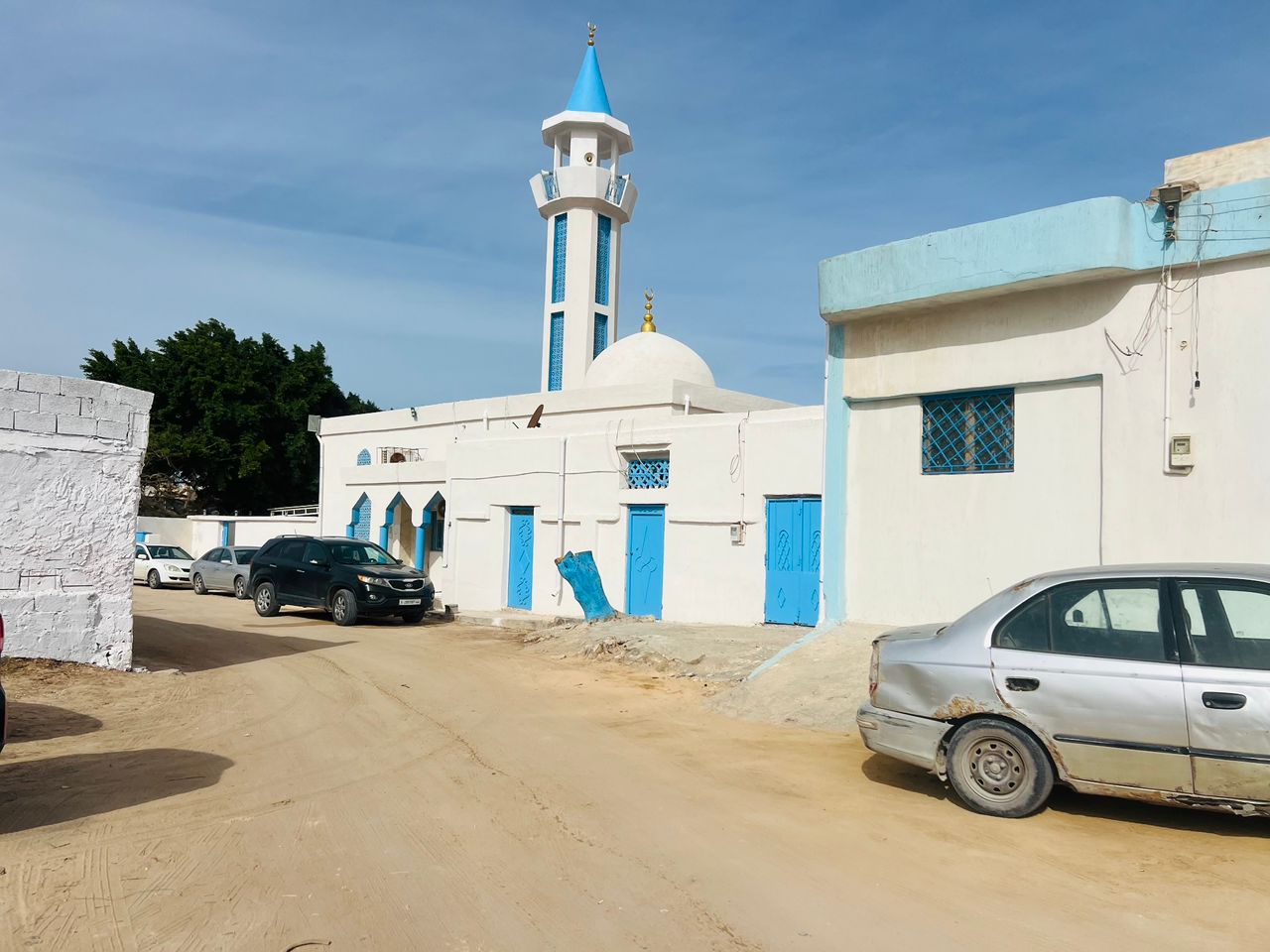
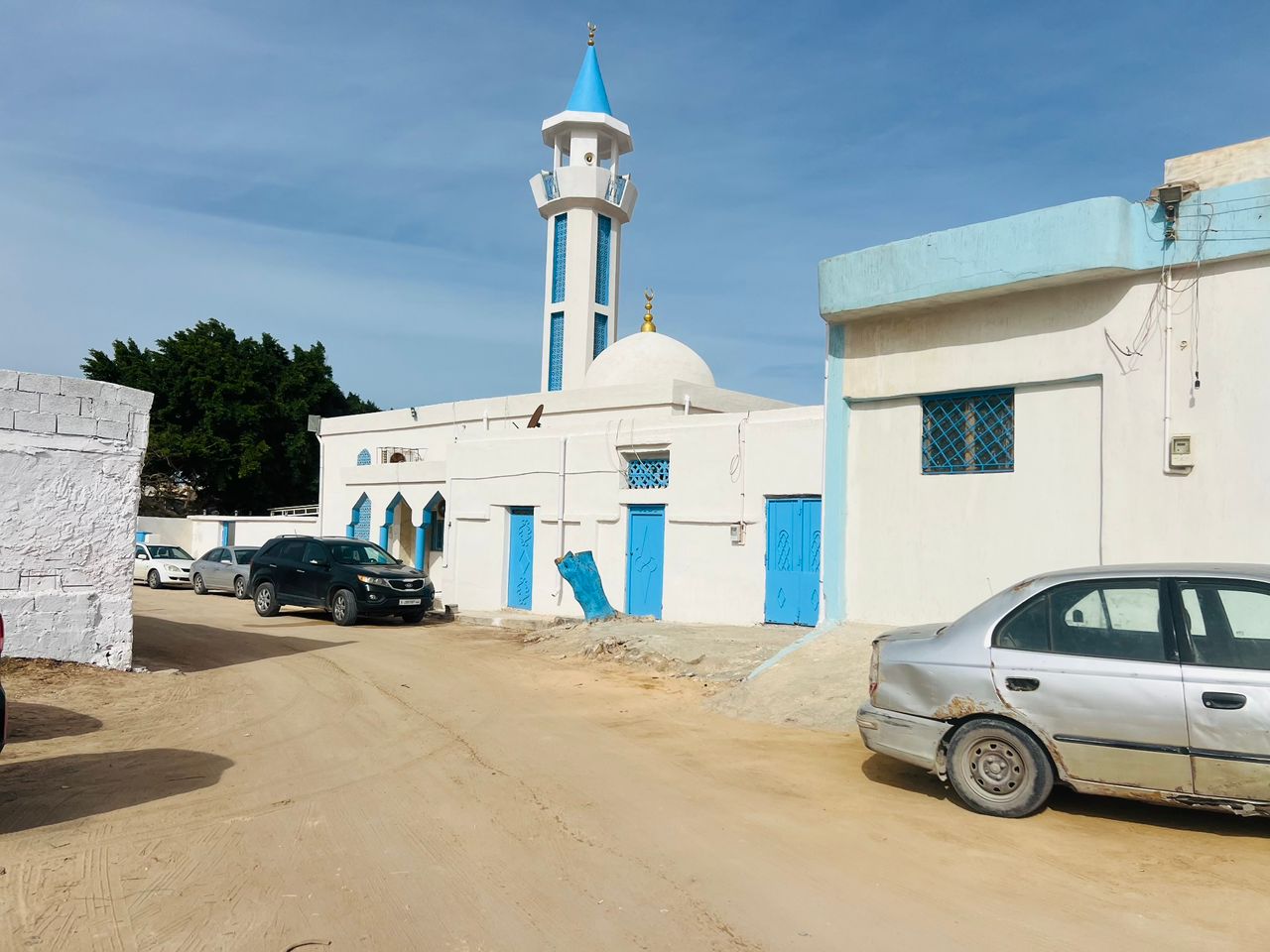
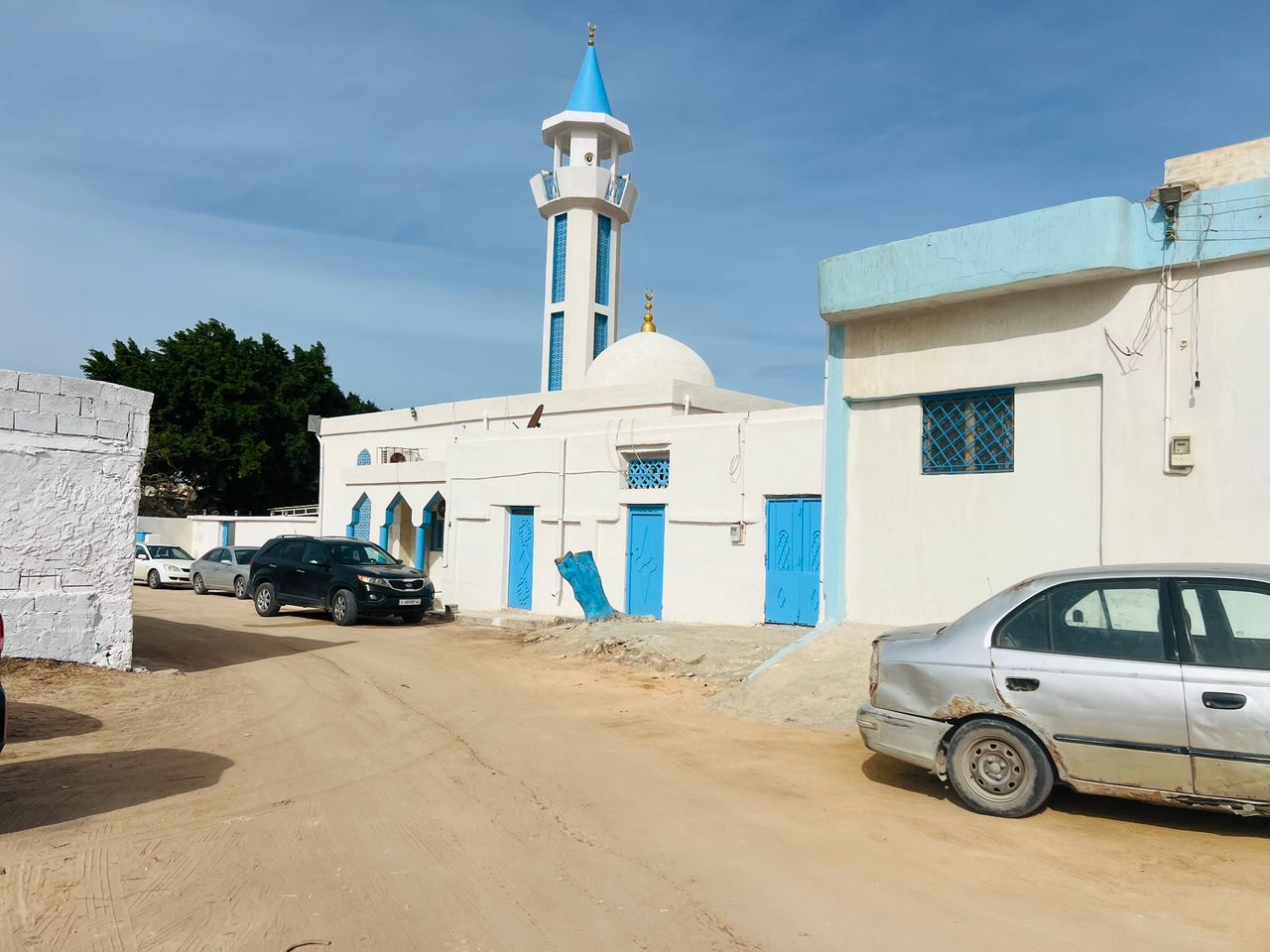
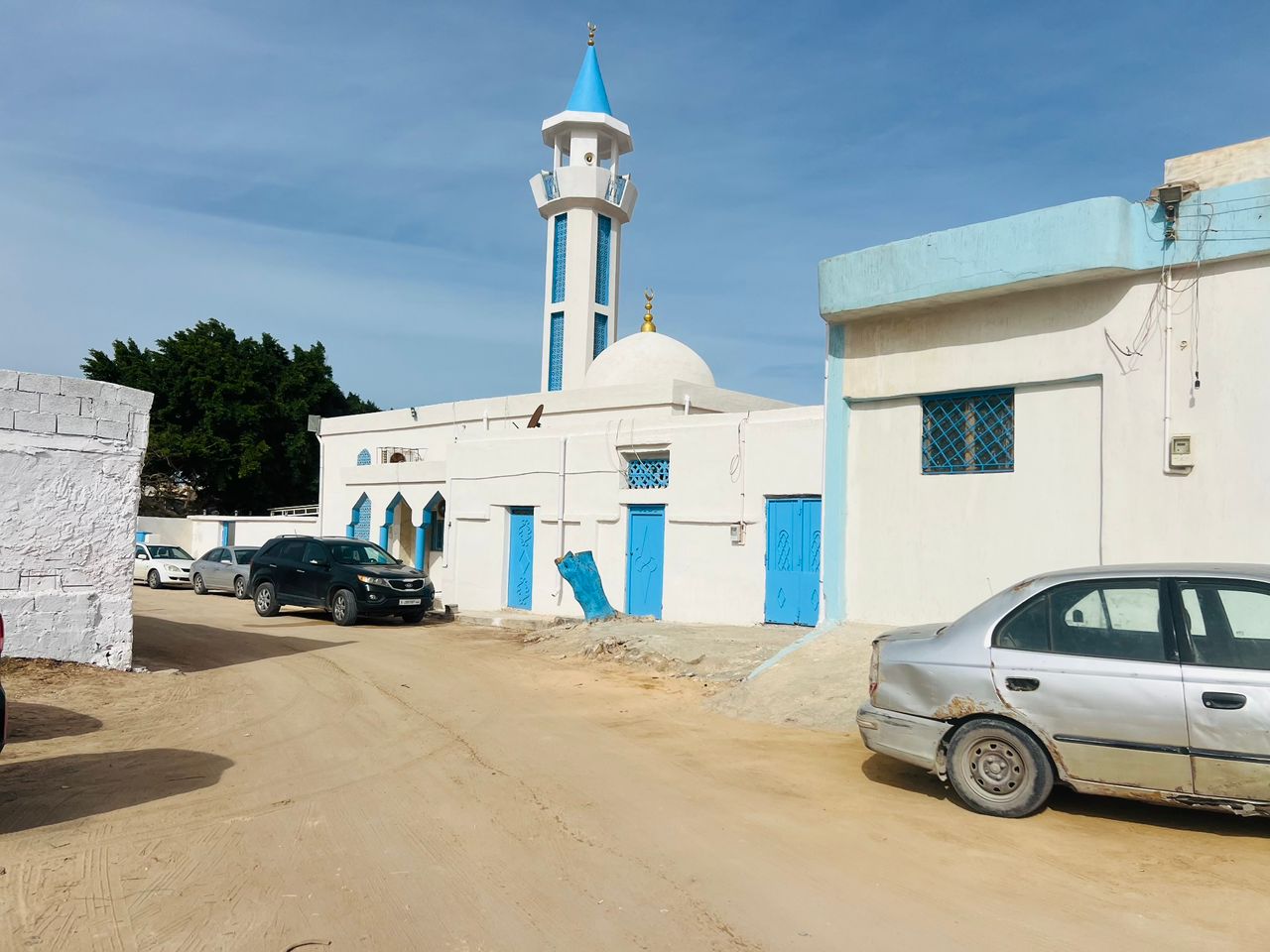
The Ministry of Environment launches the first consultation workshop to develop a management plan for Al-Qarah Island Reserve.
libyawire.org > News > Society > The Ministry of Environment launches the first consultation workshop to develop a management plan for Al-Qarah Island Reserve.
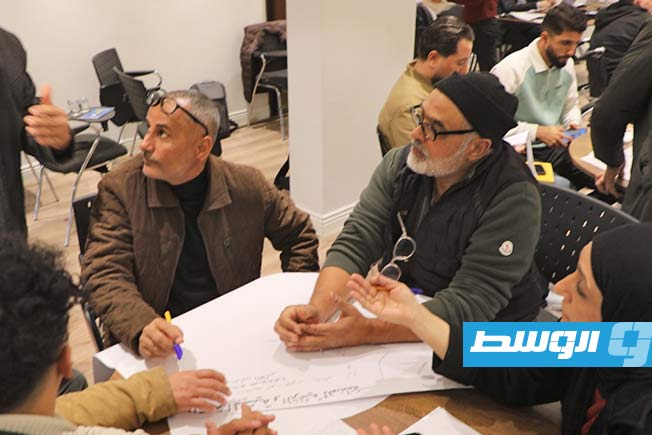
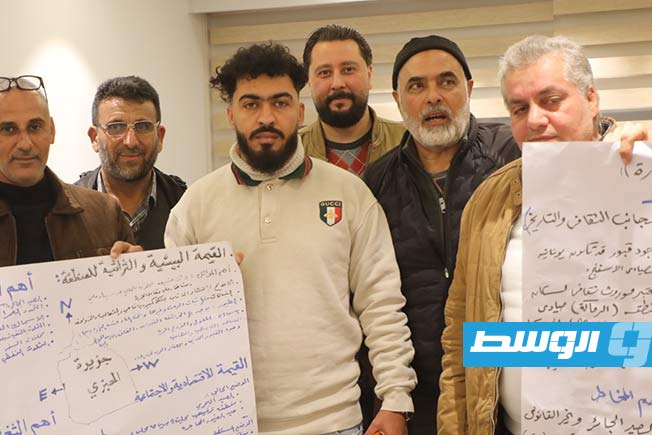
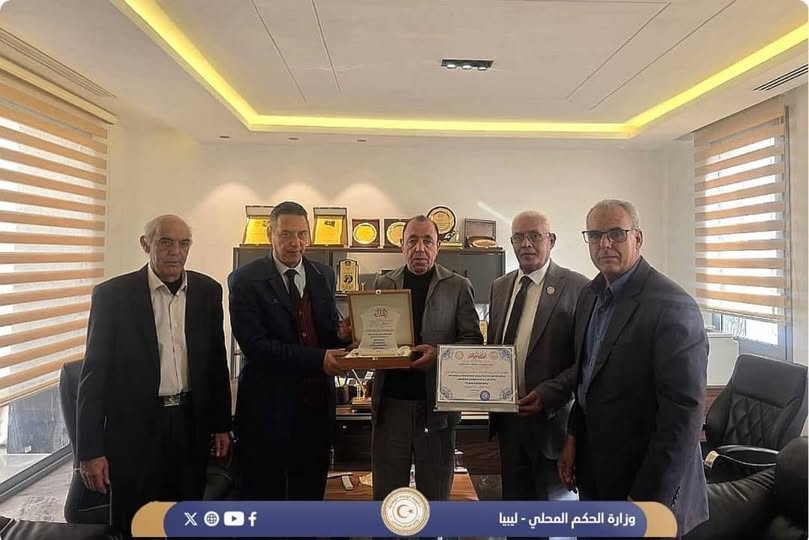
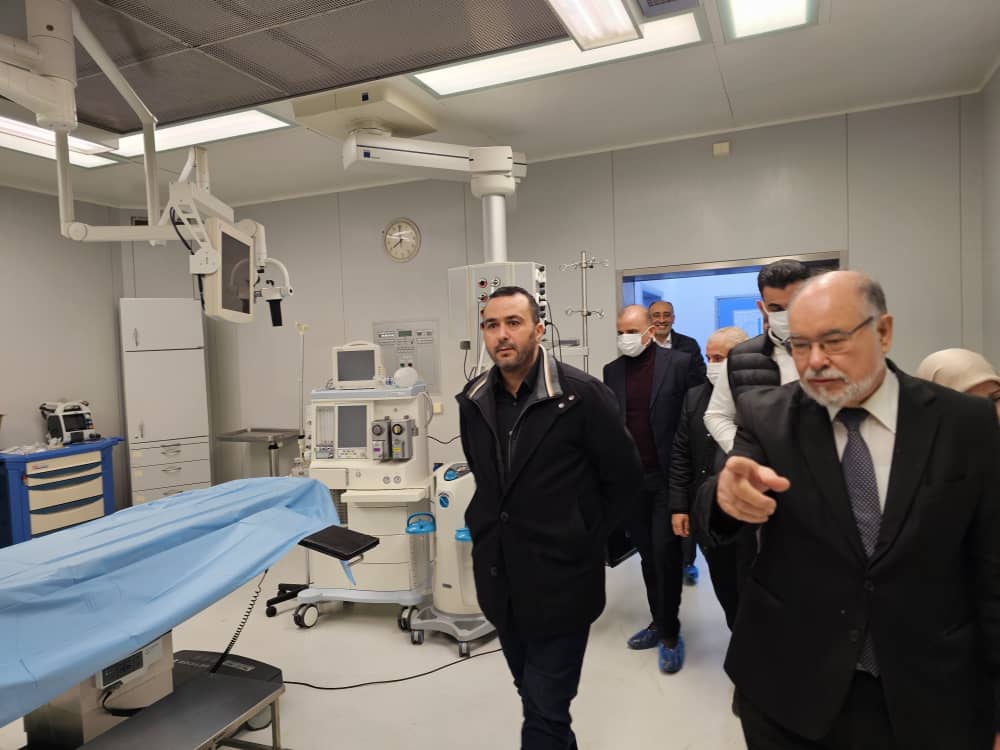
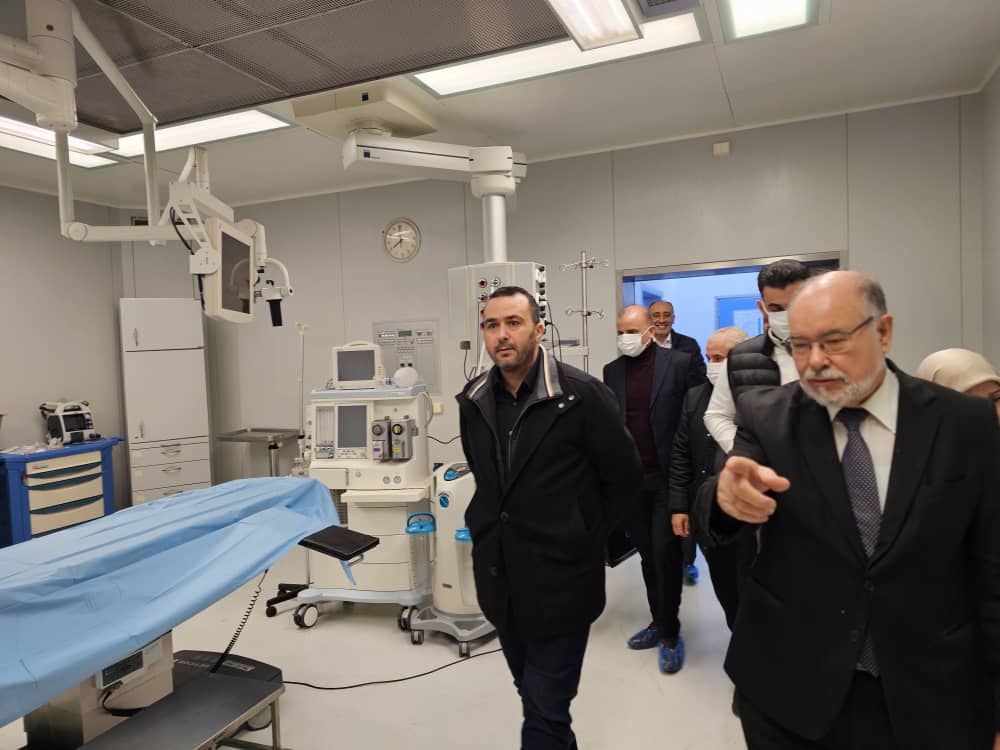
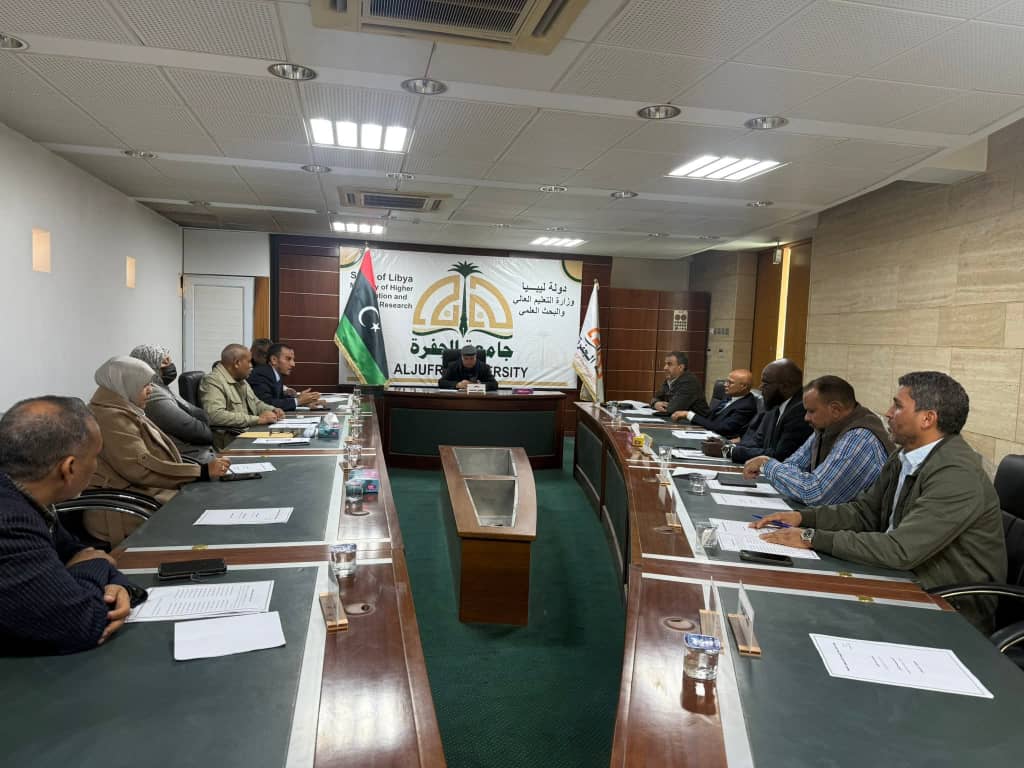
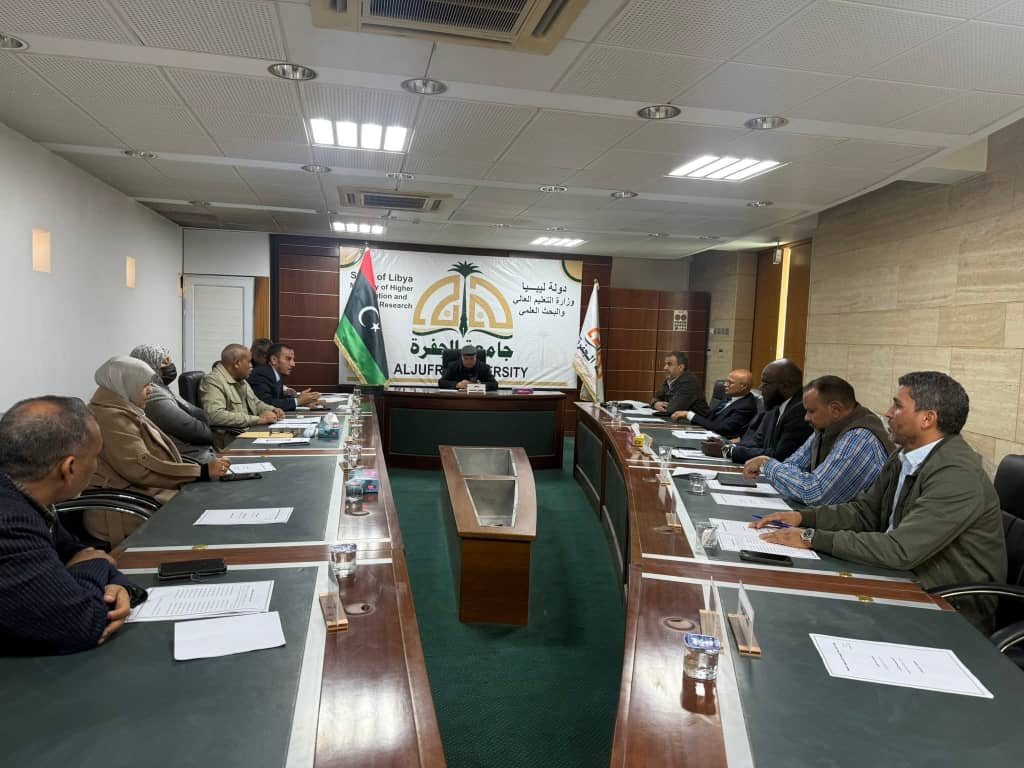
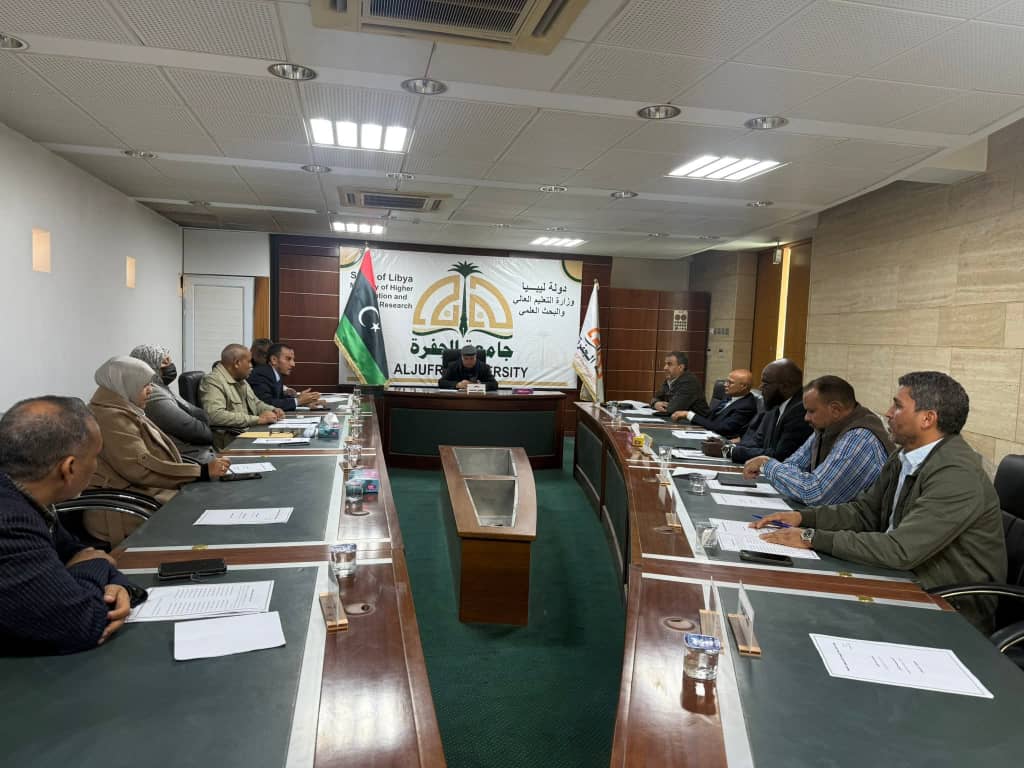
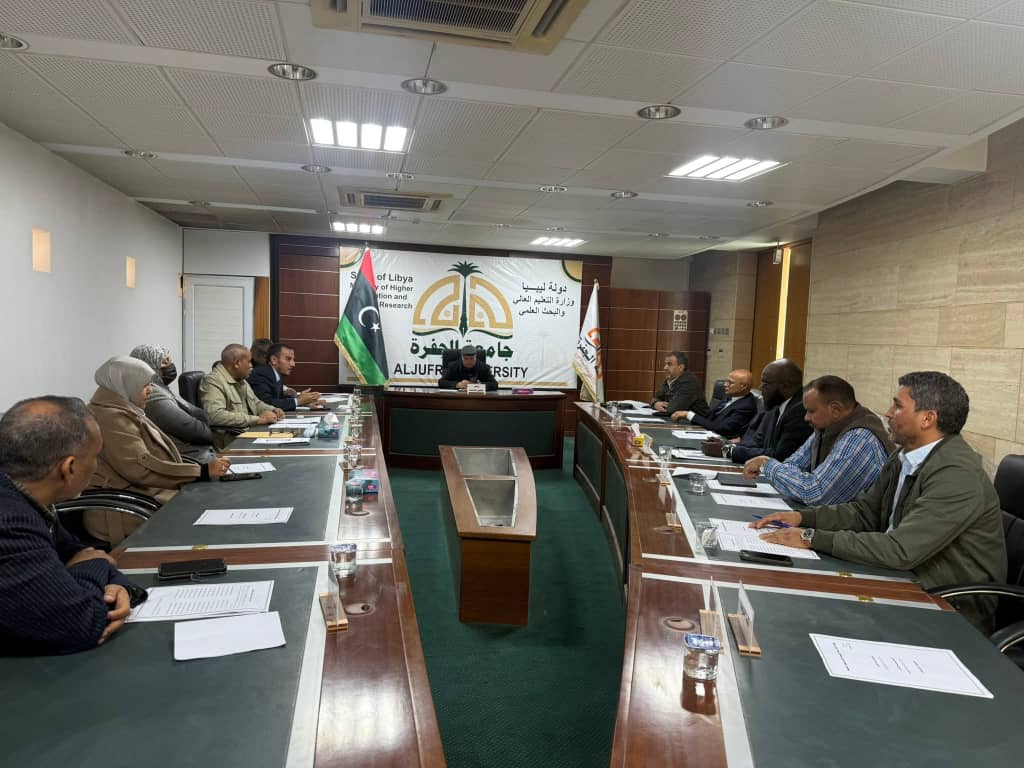
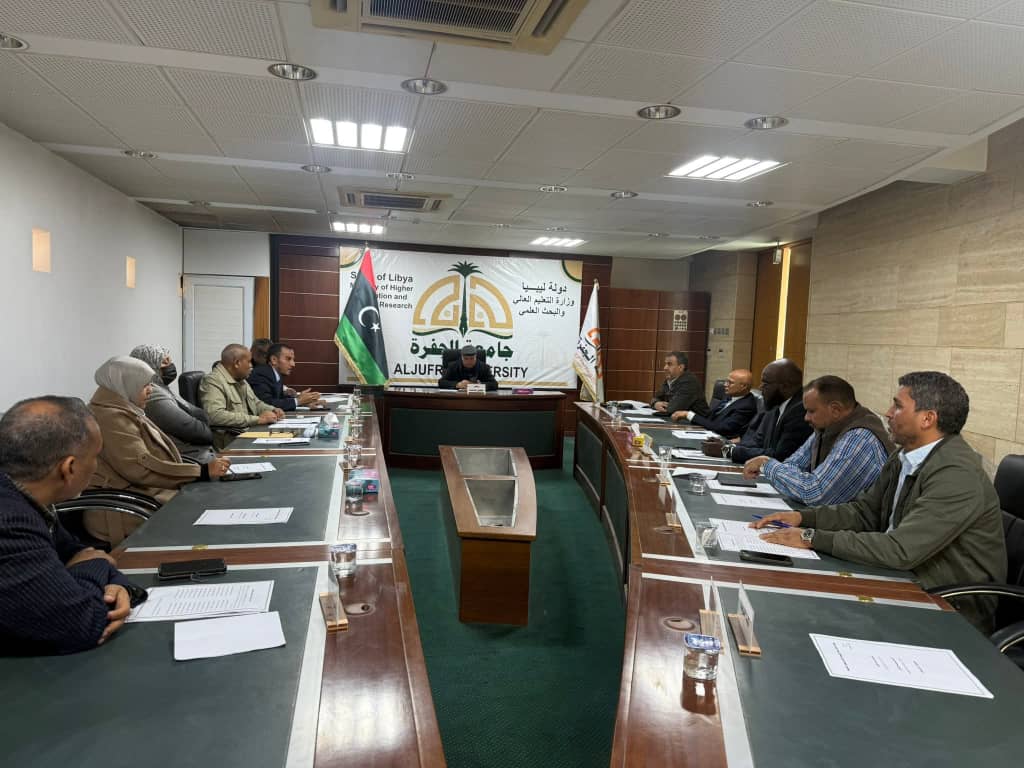
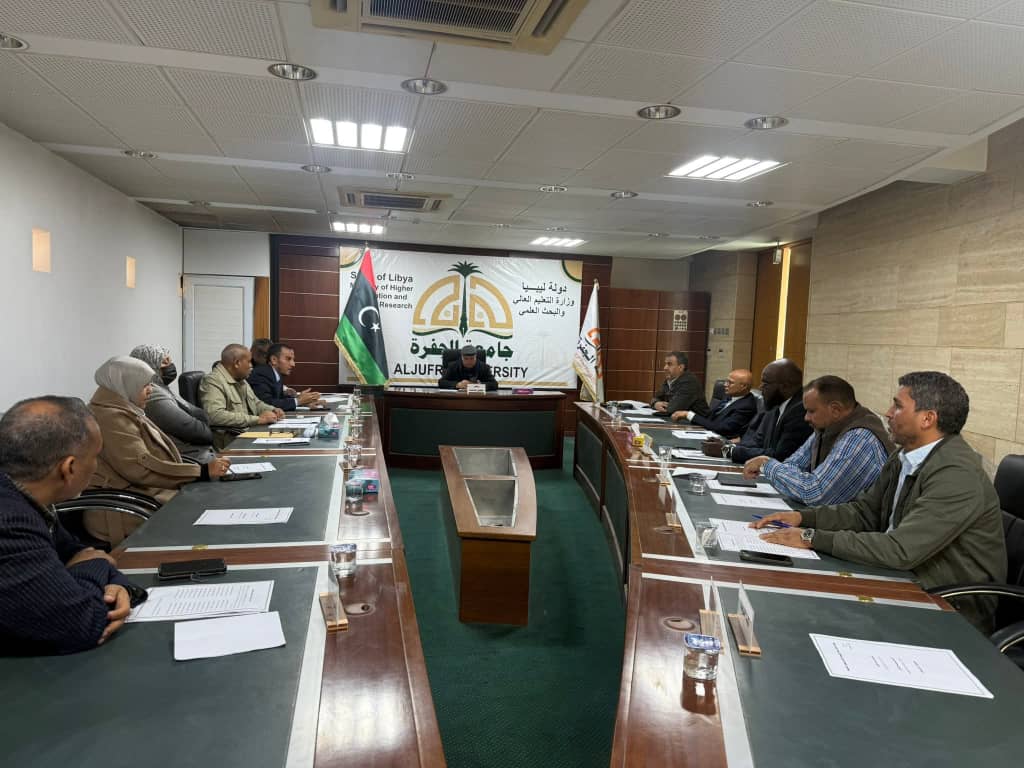
A workshop to develop a future vision for managing the “Al-Qarah Island Reserve” (Al-Hubairi) was held at the “Taj” Hotel in the capital, Tripoli, on Thursday, under the supervision of the Ministry of Environment.
The workshop is part of a national project to enhance and expand marine protected areas in Libya, which extends until 2027 under the direct supervision of the Ministry, in cooperation with regional and international partners such as the “Regional Center for Specially Protected Areas,” the “WWF” organization, and the International Union for Conservation of Nature “IUCN.”
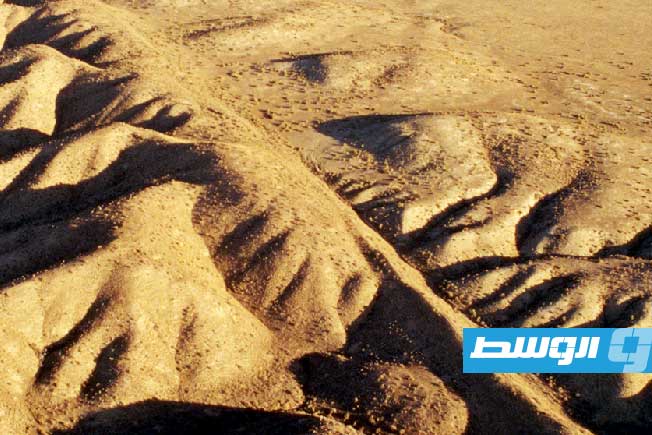
The workshop focused on reviewing the preliminary results of field research, where experts and consultants discussed the paramount environmental importance of the island as a sanctuary for rare habitats and key species of birds and marine life.
– <a>In Pictures: Continuation of the Al-Sha’afin – Al-Hawatim Reserve Road Project
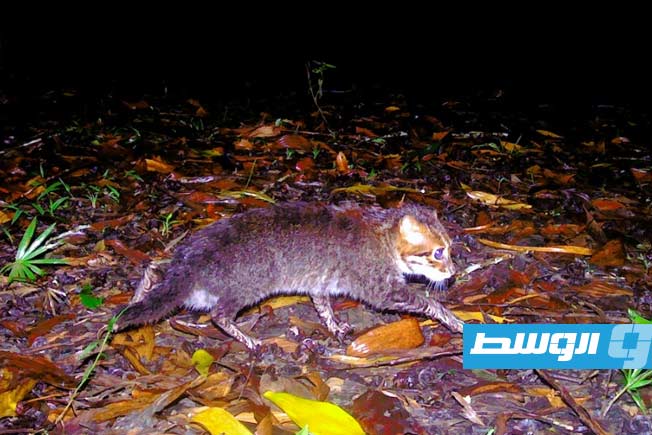
– <a>Cameras in a Thai Reserve Spot Flat-Headed Cat for First Time in 3 Decades
The social and economic context of the area was also analyzed, with a focus on regulating fishing and recreational activities and reducing industrial pressures threatening the unique ecosystem there.
The sessions featured presentations and interactive discussions led by a group of specialists, where consensus was reached on formulating shared management objectives that ensure the sustainability of natural resources while considering the aspirations of the local community.
Draft of the Final Management Plan for Al-Qarah Island Reserve
At the conclusion of the workshop, it was confirmed that the outcomes of this meeting represent the “cornerstone” upon which the draft of the final management plan for Al-Qarah Island Reserve will be built, aiming to protect Libya’s natural heritage and achieve a delicate balance between development plans and biodiversity conservation.
Al-Qarah Island Reserve
Al-Qarah Island Reserve is a protected natural area located in the Arabian Gulf, known for its significant mangrove forests and diverse birdlife. Historically, the island has served as a vital habitat for marine life and a traditional fishing ground for local communities. Today, it is recognized for its ecological importance and efforts to conserve its unique coastal ecosystem.
Al-Hubairi
Al-Hubairi is a village in the Qatif region of Saudi Arabia’s Eastern Province, historically known for its palm groves and traditional agriculture. It is part of the ancient cultural landscape of the area, which has been inhabited for centuries and is significant for its Shia Muslim heritage and date farming traditions.
Taj Hotel
The Taj Mahal Palace is a historic luxury hotel in Mumbai, India, opened in 1903. It was commissioned by Jamsetji Tata and has since become an iconic symbol of the city, famously serving as a landmark during India’s colonial era and playing a significant role in the country’s social and political history.
Tripoli
Tripoli is the capital and largest city of Libya, with a history dating back to the 7th century BCE when it was founded by the Phoenicians. It later became a significant part of the Roman Empire, the Ottoman Empire, and experienced Italian colonial rule in the 20th century. The city’s historic core, the medina of Old Tripoli, features ancient architecture and remains a central cultural site.
Libya
Libya is a North African country with a rich history rooted in ancient civilizations like the Phoenicians and Romans, followed by centuries of Arab and Ottoman influence. In the modern era, it was an Italian colony before gaining independence in 1951, later undergoing significant political changes throughout the 20th and 21st centuries. Its cultural landscape is notably shaped by its Mediterranean coastline and vast Sahara Desert, home to UNESCO sites like the ancient ruins of Leptis Magna.
Regional Center for Specially Protected Areas
The Regional Center for Specially Protected Areas is an institution typically focused on the management, conservation, and study of protected natural territories within a specific region. Its history is generally tied to the development of regional environmental policies and the formal establishment of a network of nature reserves, national parks, and wildlife sanctuaries.
WWF
The World Wide Fund for Nature (WWF), originally named the World Wildlife Fund, is an international non-governmental organization founded in 1961 in Switzerland. Its mission is to stop the degradation of the planet’s natural environment and to build a future where humans live in harmony with nature, focusing on the conservation of biodiversity, sustainable use of resources, and reducing pollution.
International Union for Conservation of Nature
The International Union for Conservation of Nature (IUCN) is a global environmental organization founded in 1948, dedicated to nature conservation and sustainable use of natural resources. It is best known for maintaining the IUCN Red List of Threatened Species, which assesses the extinction risk of plants and animals worldwide. The union brings together governments and civil society organizations to develop and promote environmental policies and projects.
IUCN
The International Union for Conservation of Nature (IUCN) is a global environmental organization founded in 1948, dedicated to nature conservation and sustainable use of natural resources. It is best known for maintaining the IUCN Red List of Threatened Species, which assesses the extinction risk of plants and animals worldwide, and for convening governments and civil society at major conservation forums.
Al-Sha’afin – Al-Hawatim Reserve
Al-Sha’afin – Al-Hawatim Reserve is a protected natural area in Saudi Arabia, located in the Najran region. It is known for its unique desert landscapes, diverse wildlife, and ancient archaeological sites, including rock art and inscriptions that date back thousands of years, reflecting the area’s long history of human habitation.
Thai Reserve
The Thai Reserve is a cultural and natural site in Thailand dedicated to preserving the nation’s biodiversity and traditional ways of life. It often encompasses protected forests and wildlife sanctuaries, with a history rooted in the country’s efforts to combat deforestation and promote environmental conservation since the late 20th century. These areas also serve to safeguard the cultural heritage of local communities living in harmony with the land.