Tripoli, January 24, 2026 – The Presidential Council’s Communication and Media Administration has denied the authenticity of a decision circulating on some social media platforms, which is attributed to the Council and the Supreme Financial Committee. It stated that the decision is completely forged, baseless, and was not issued by any official body affiliated with the Presidential Council.
In a notice, the Communication Administration called on citizens and media outlets not to be swayed by rumors and misleading news, and to verify accuracy and credibility before circulating or publishing any unverified information.
The Communication and Media Administration confirmed that all official statements, decisions, and clarifications issued by the Presidential Council are published exclusively through its official, verified accounts and platforms.
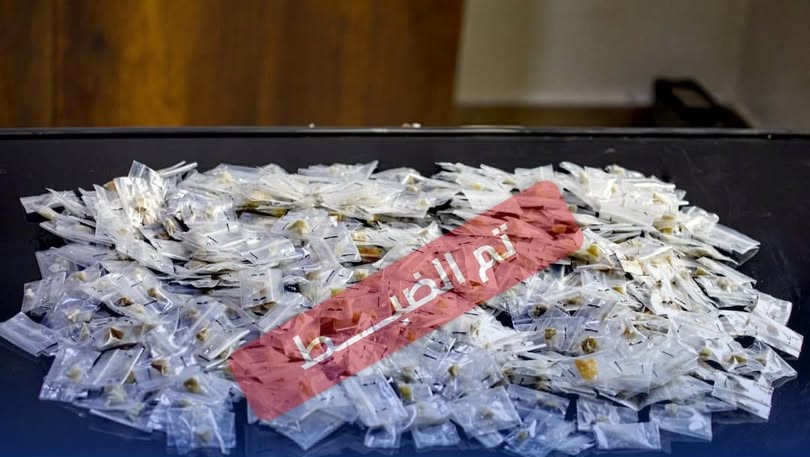
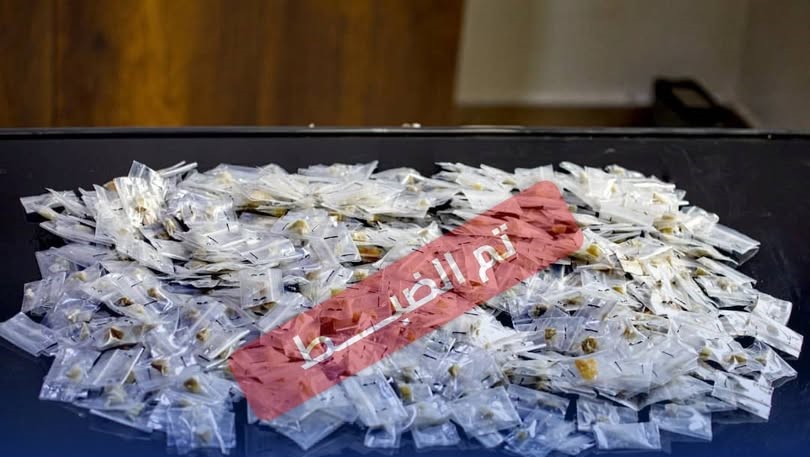
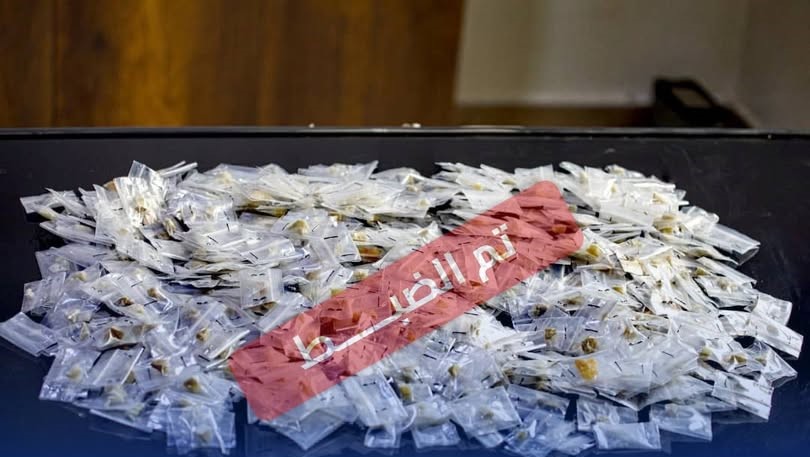
Several pages on social media had circulated images of a decision attributed to the head of the Supreme Financial Committee regarding the removal of fuel subsidies and an increase in their price.
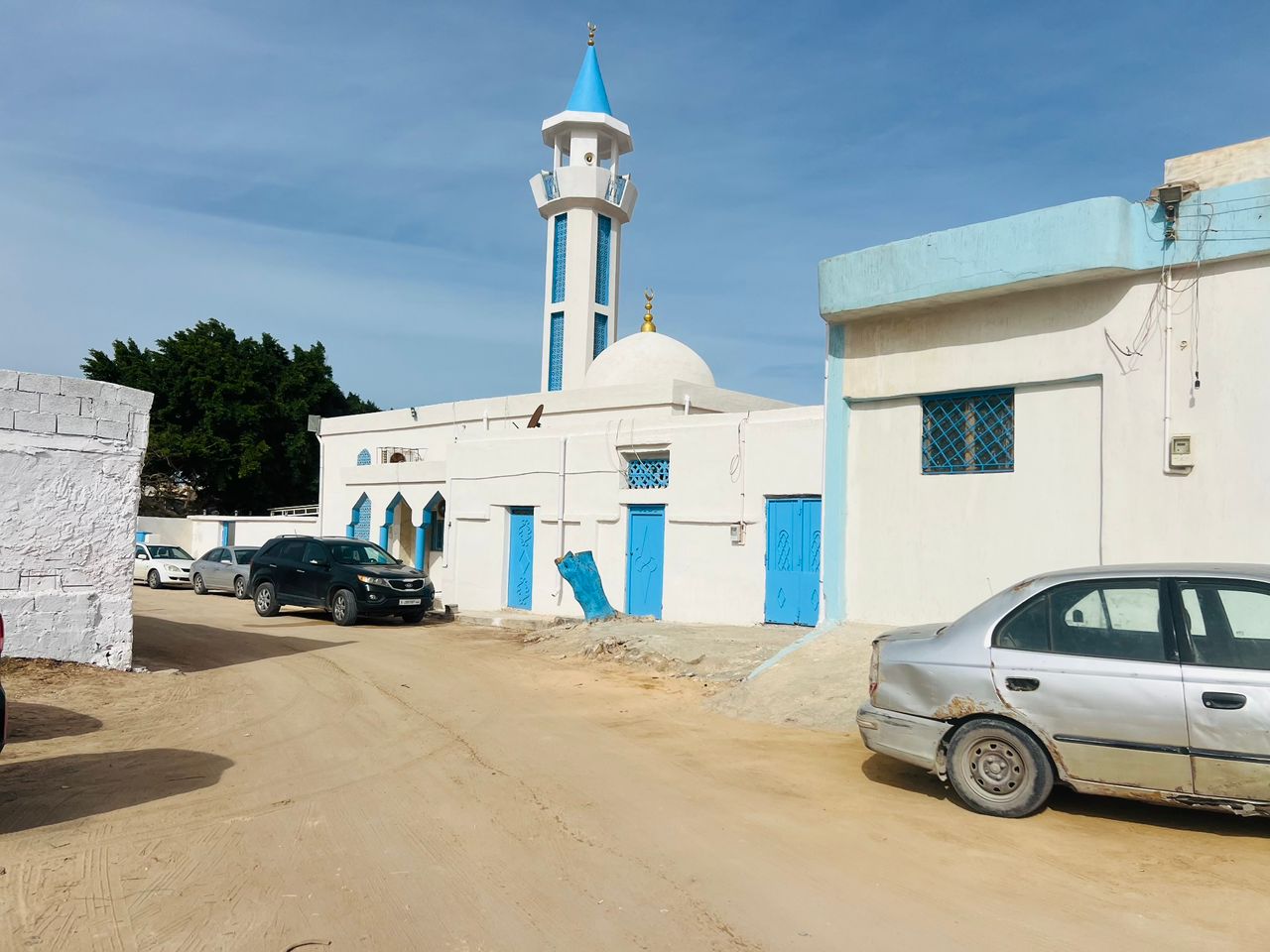
Tripoli
Tripoli is the capital and largest city of Libya, located on the country’s Mediterranean coast. Historically, it was founded by the Phoenicians in the 7th century BC and has since been ruled by the Romans, Arabs, Ottomans, and Italians, serving as a major port and cultural crossroads. Its historic core, the medina of Old Tripoli, contains significant landmarks like the Red Castle (Assaraya al-Hamra) and the Gurgi and Karamanli mosques.
Presidential Council
The Presidential Council is a governing body typically established in some countries to serve as a collective head of state, often during transitional periods or in power-sharing agreements. Its history and specific role vary by nation, but it is commonly formed to represent diverse political or regional factions, especially following conflicts or constitutional crises.
Supreme Financial Committee
The Supreme Financial Committee was a key administrative body in the Ottoman Empire, established in the late 19th century as part of the Tanzimat reform period. Its primary function was to oversee and manage the empire’s public debt and financial affairs, often under significant influence from European creditor nations.