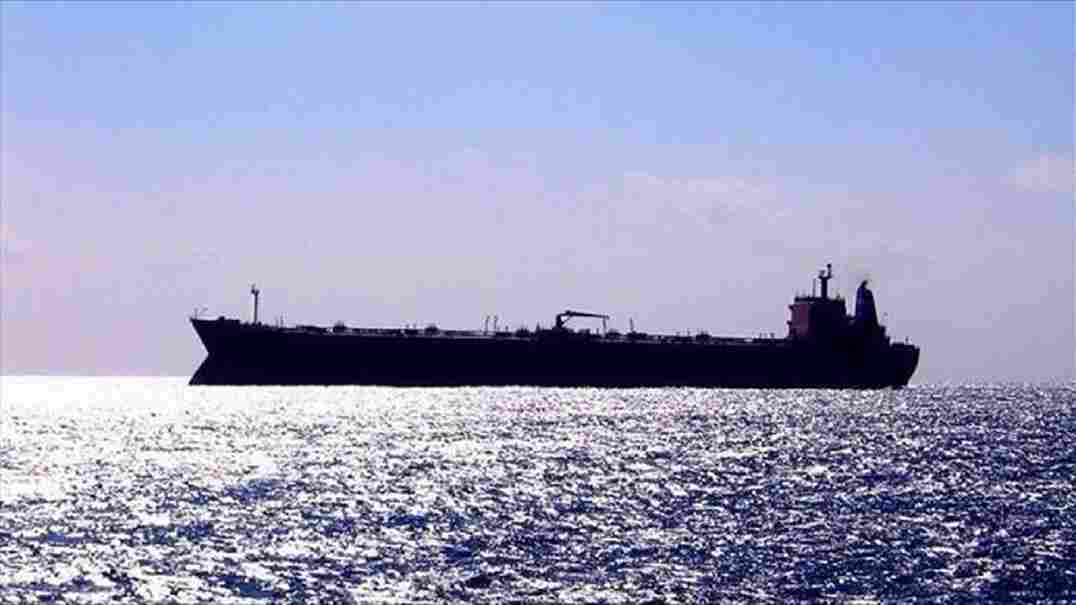
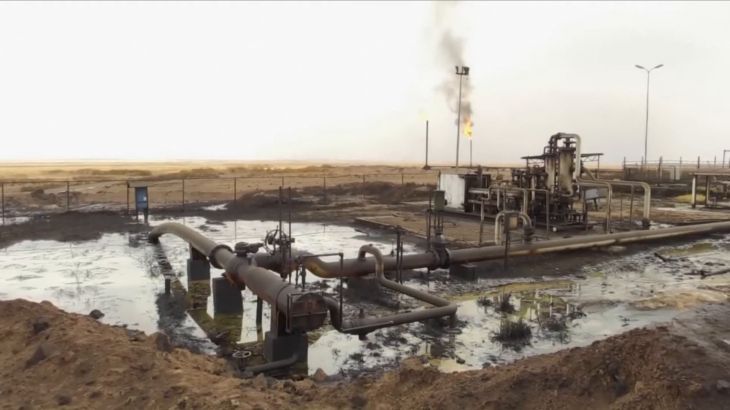
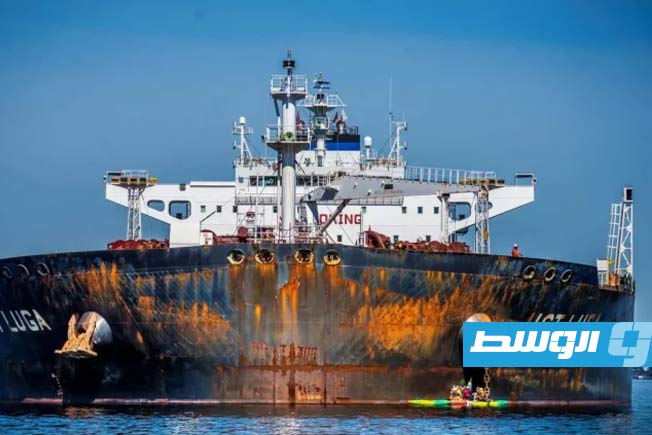
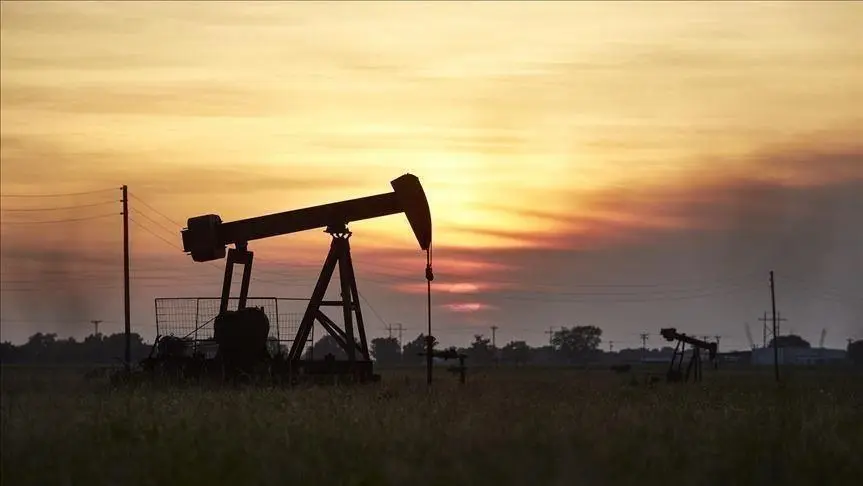
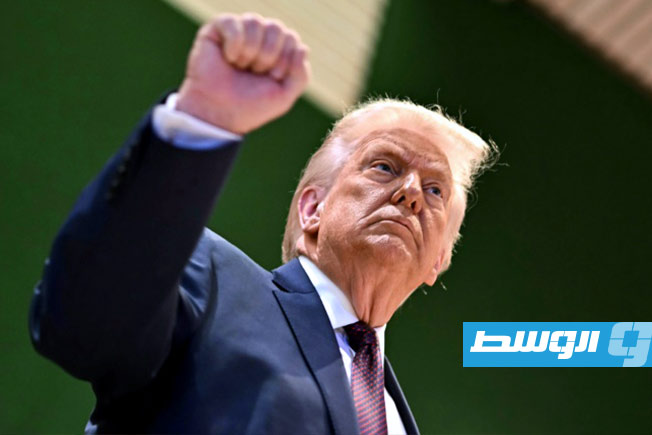
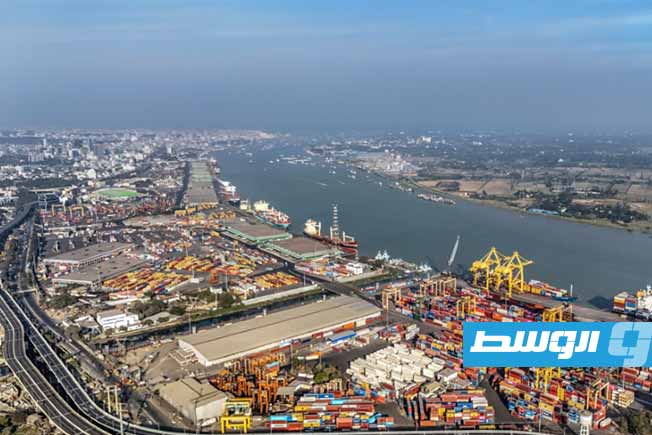
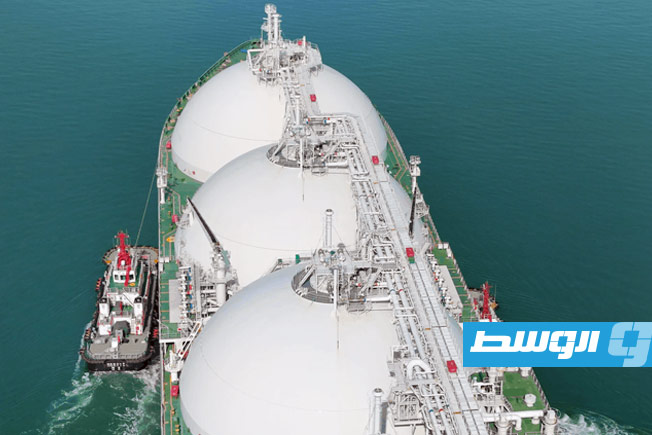
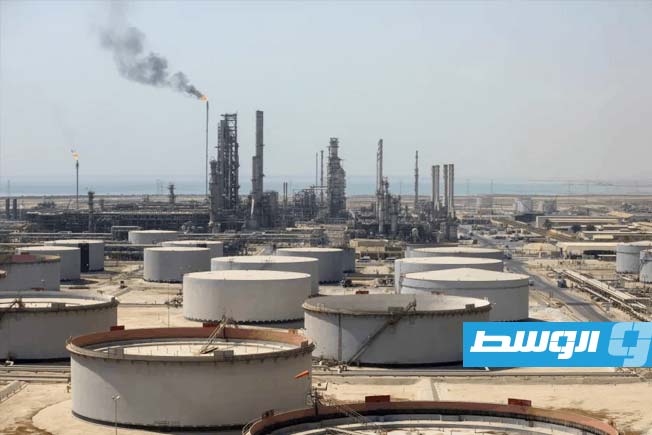
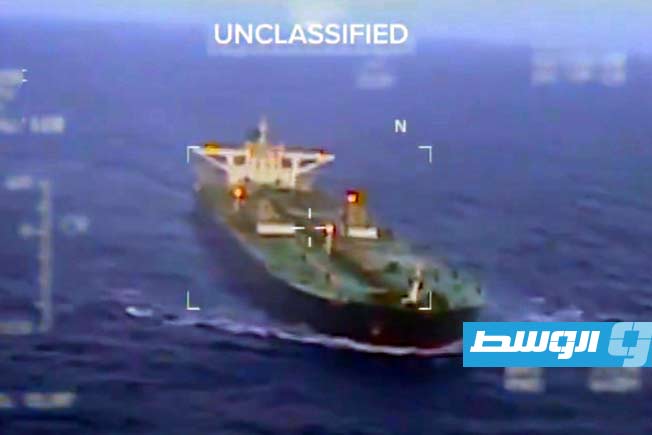
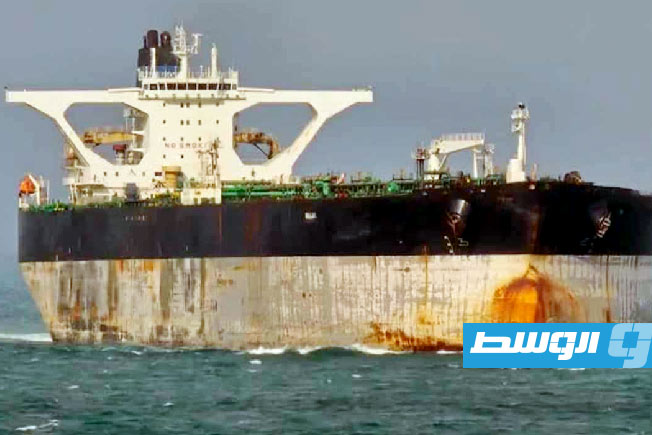
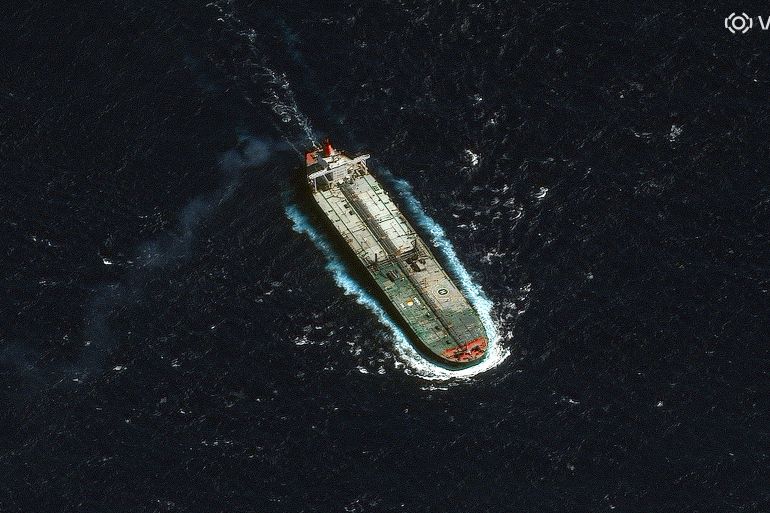
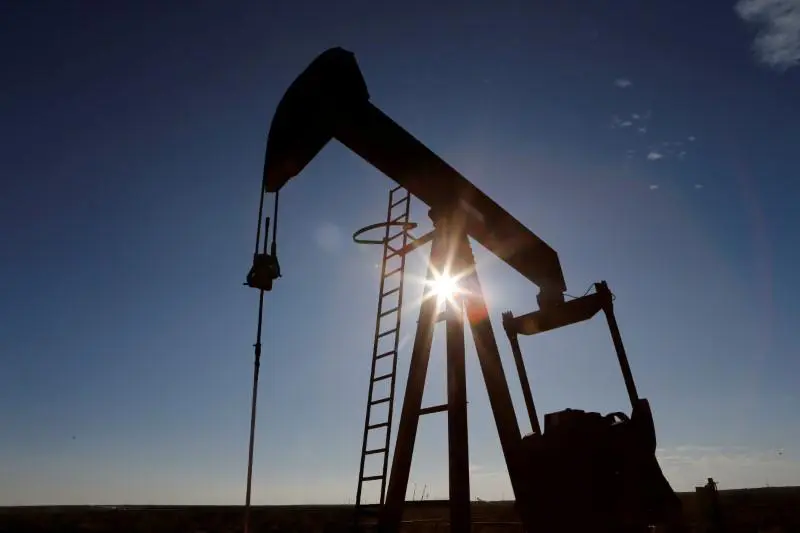
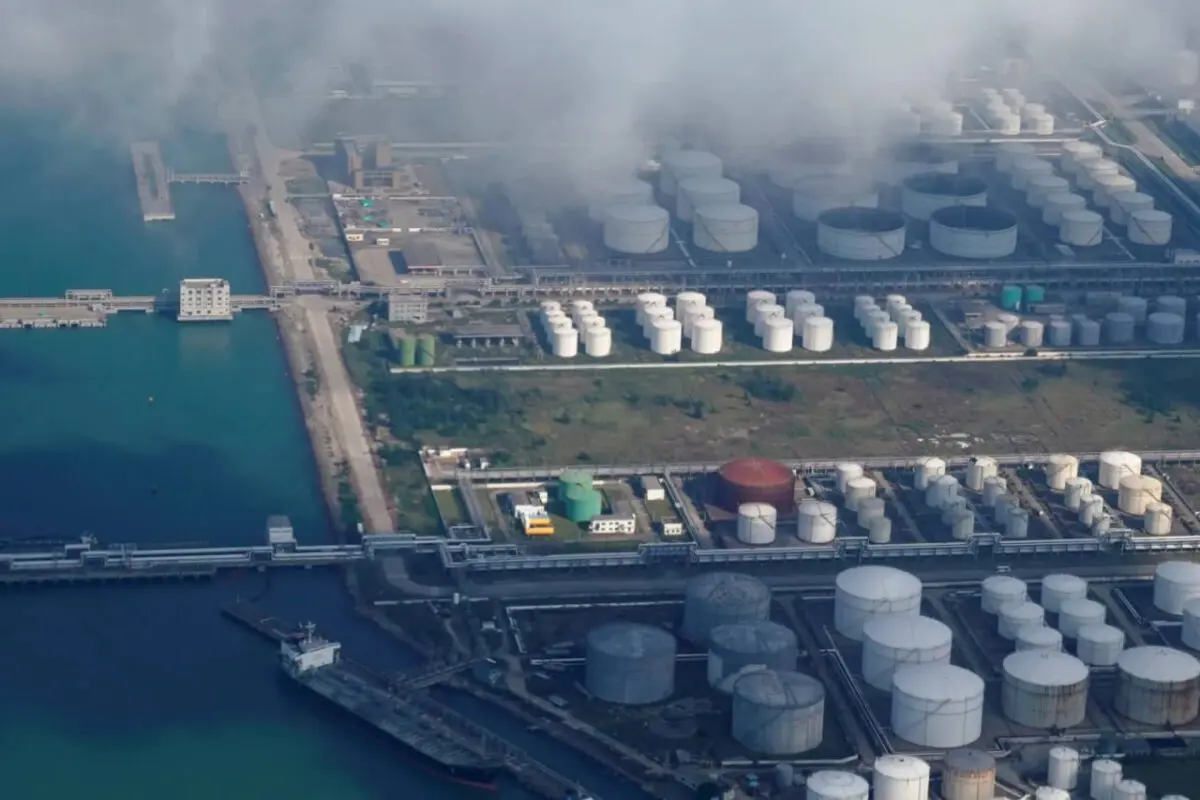
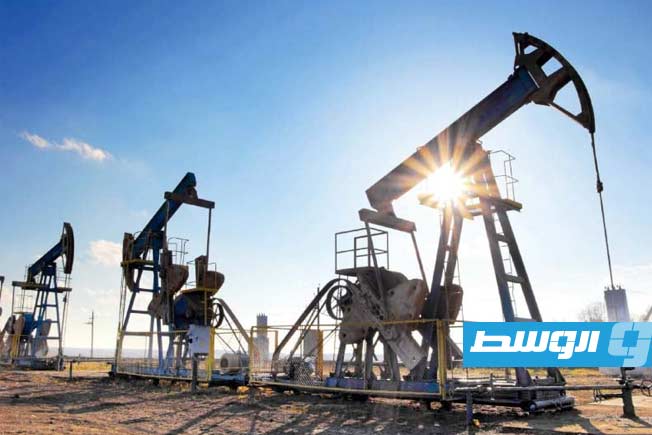
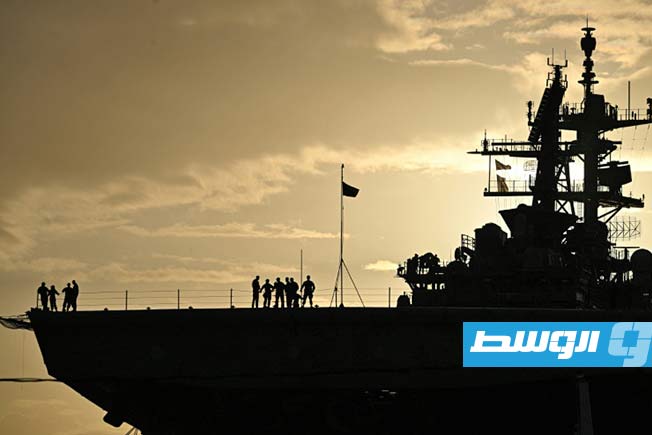
The US administration announced on Friday the imposition of new economic sanctions on the “shadow fleet” that transports Iranian oil, aiming to cut off financial resources from the authorities of the Islamic Republic.
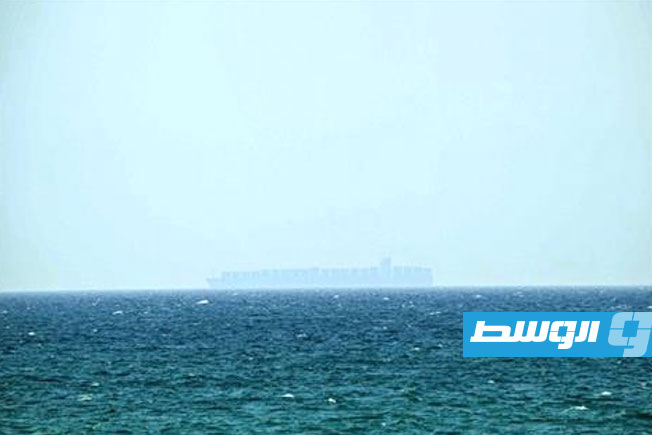
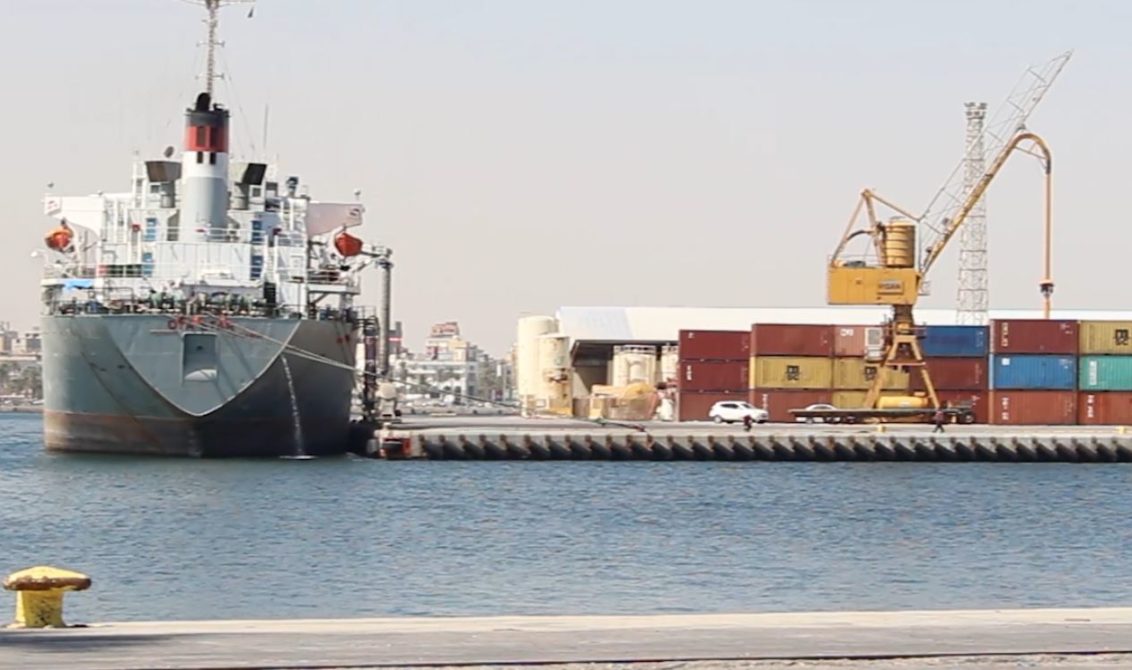
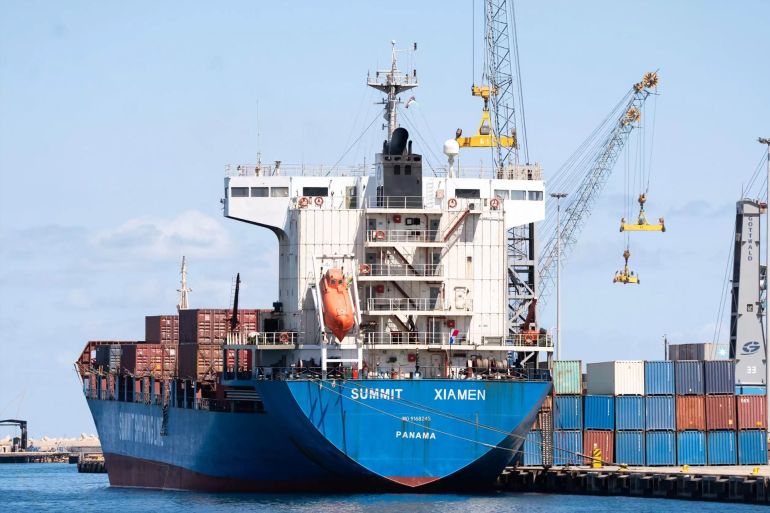
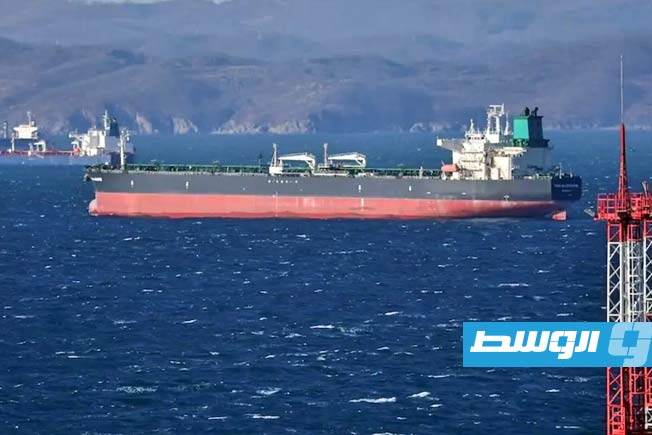
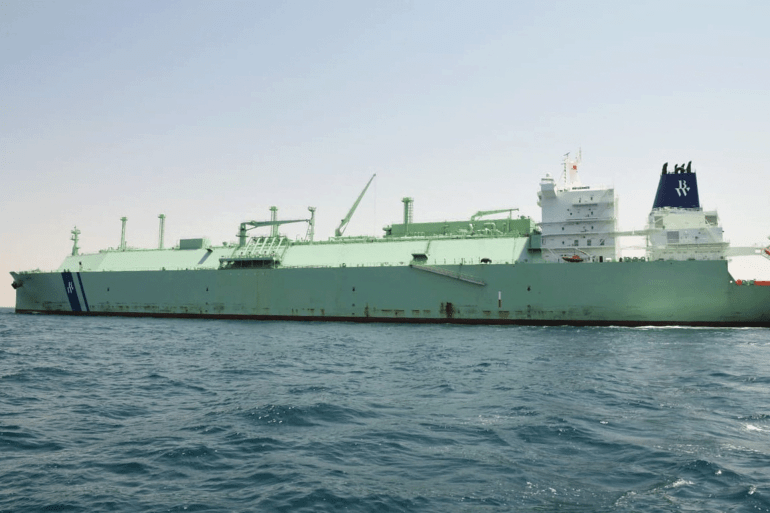
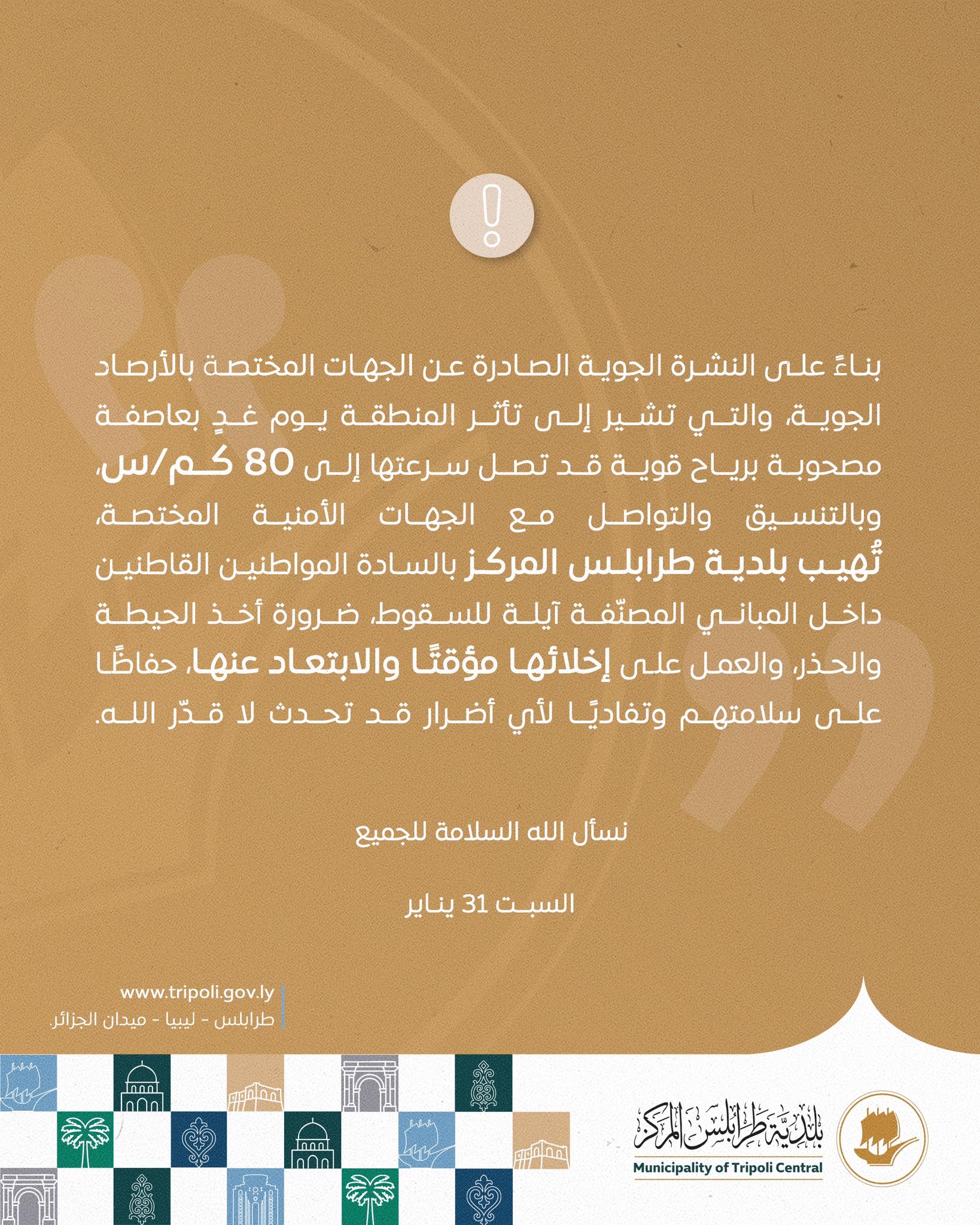
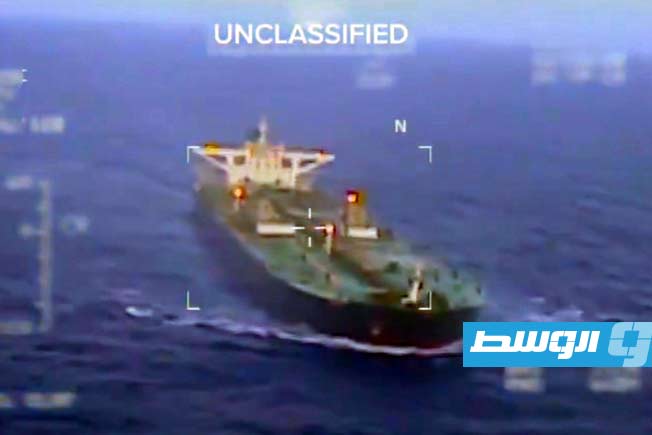
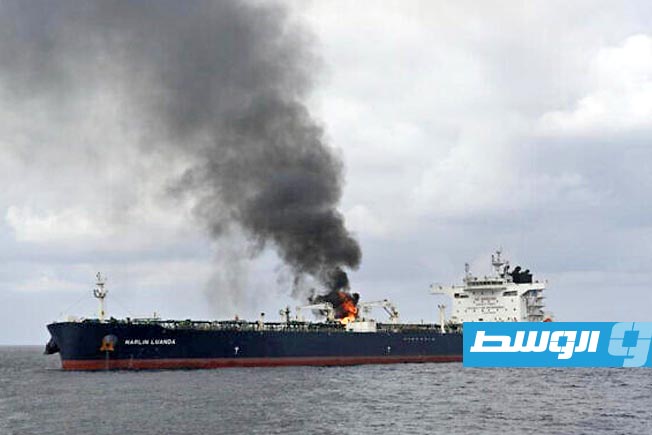
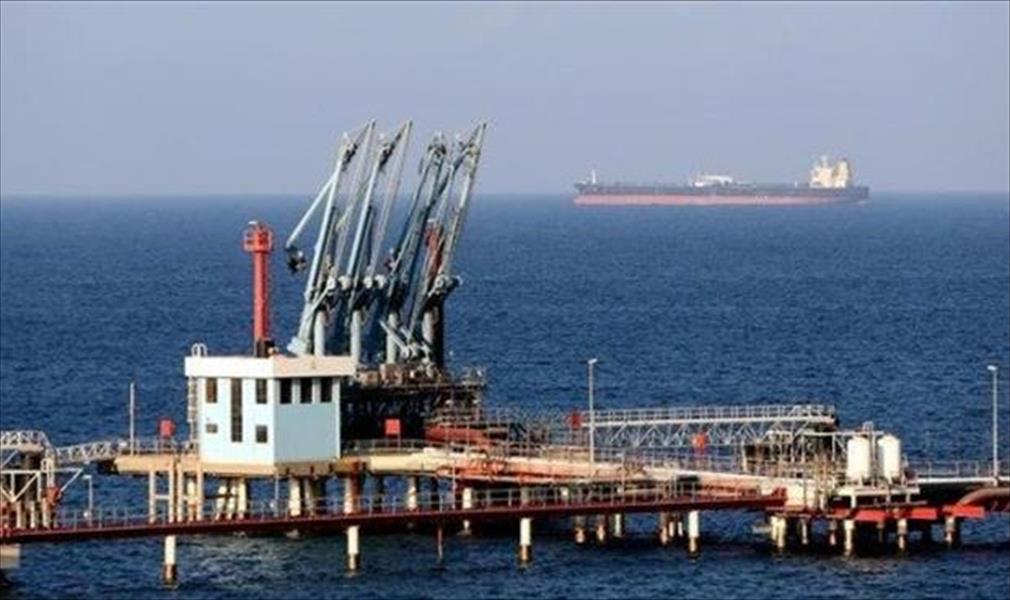
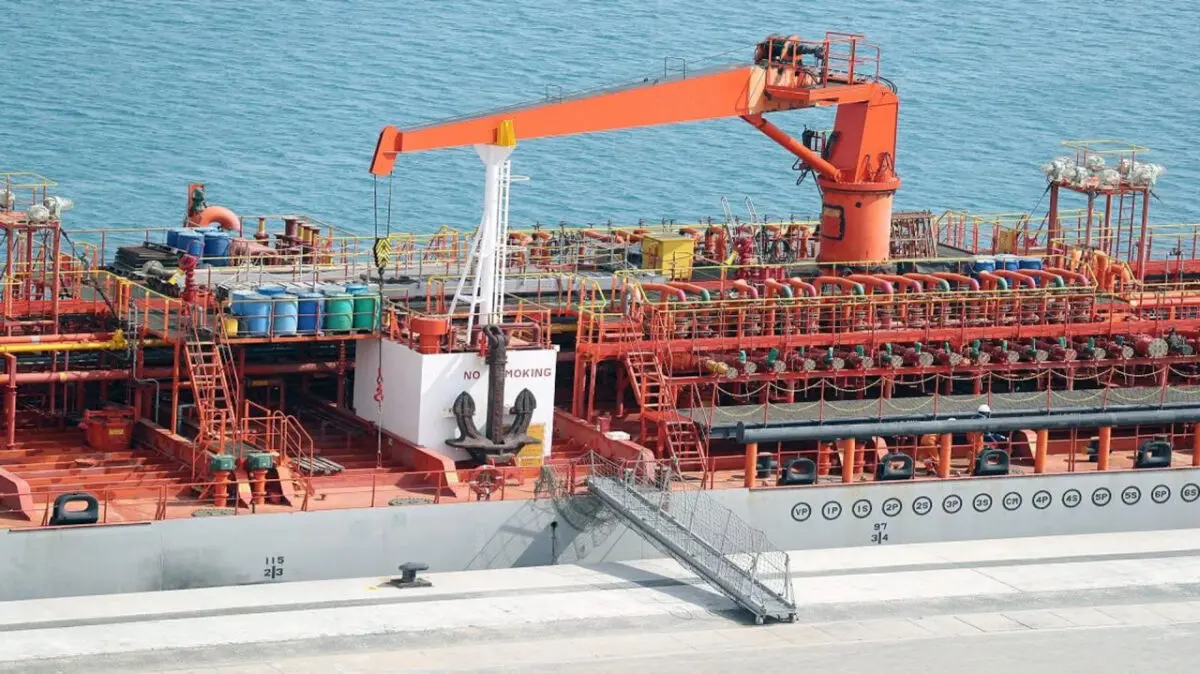
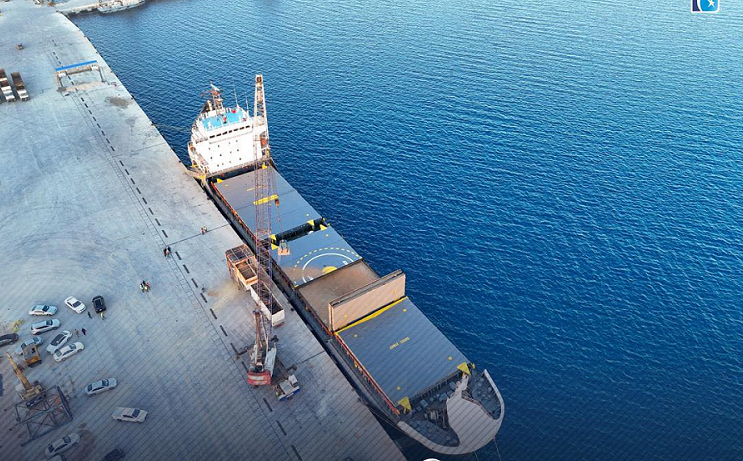
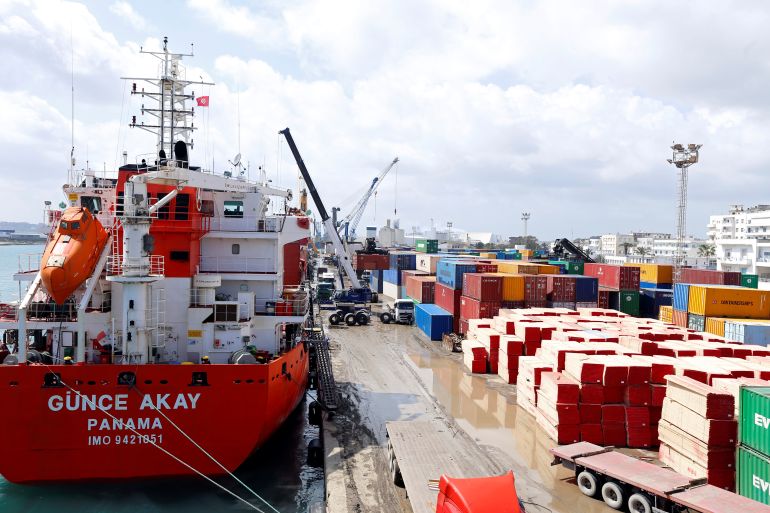
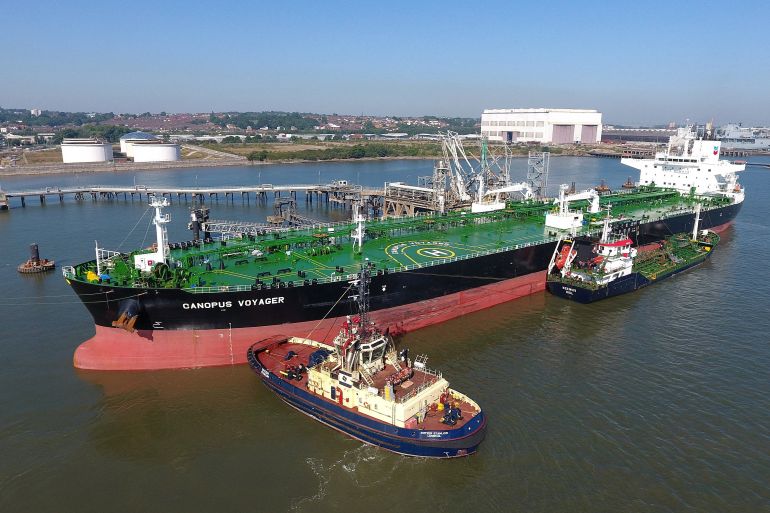
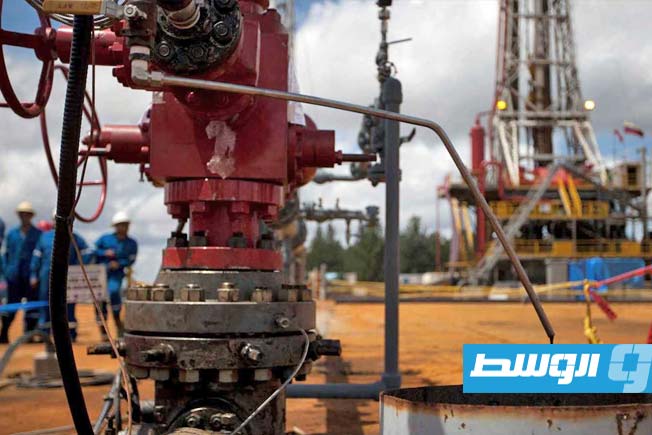
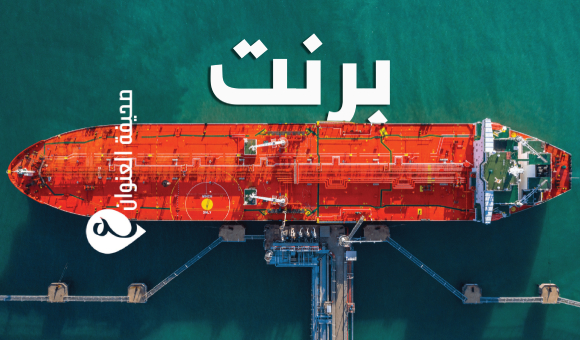
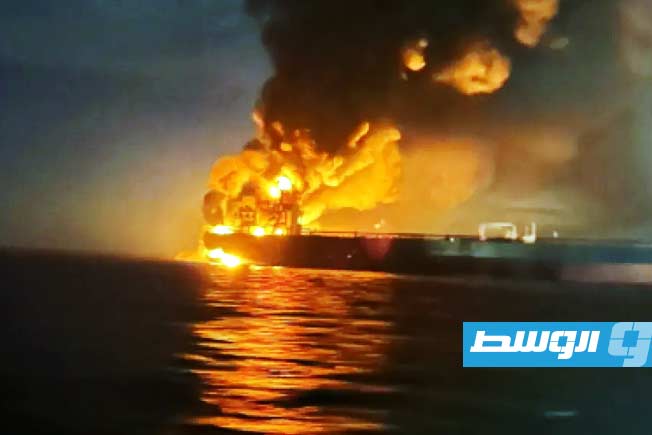
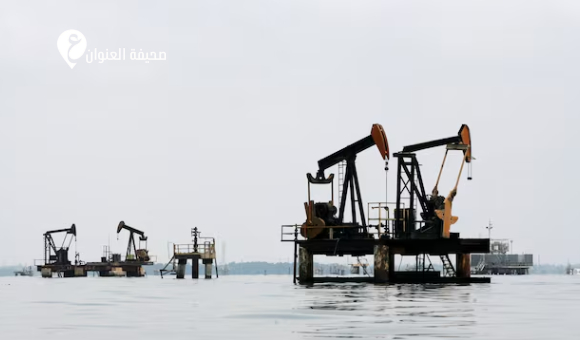
The US Treasury Department expanded the list of vessels and entities it says are linked to this fleet, which allows Tehran to circumvent US sanctions to export its oil.
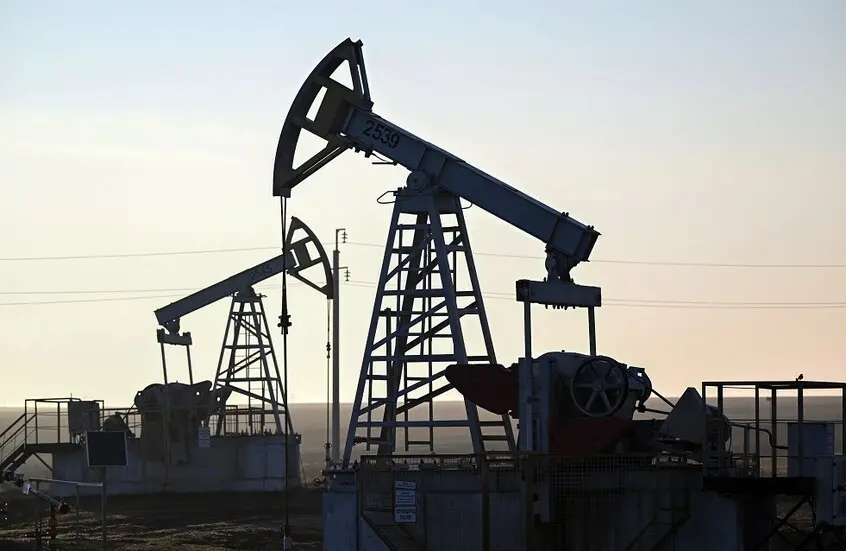
The department said in a statement that the targeted vessels, four of which were registered in the Pacific archipelago of Palau, and their owners “transported Iranian oil and petroleum products worth hundreds of millions of dollars.”
Freezing All Assets
The sanctions “target a key link in the financing mechanism that allows Iran to suppress its people,” a statement said.
It added that the Treasury Department “will continue to track the tens of millions of dollars embezzled by the regime and which it is desperately trying to transfer to banks outside Iran.”
The US sanctions freeze all assets owned by the targeted individuals and entities in the United States.
They also prohibit any US company or citizen from dealing with them, under penalty of sanctions.
US
The United States is a federal republic founded in 1776 after declaring independence from Great Britain. Its history is marked by westward expansion, a civil war over slavery, and its emergence as a global superpower in the 20th century.
Iran
Iran, historically known as Persia, is home to one of the world’s oldest continuous civilizations, with a rich cultural history spanning thousands of years. It is renowned for its significant contributions to art, science, and literature, as well as architectural marvels like the ancient ruins of Persepolis. Today, it is an Islamic republic with a distinct cultural identity shaped by both its pre-Islamic Zoroastrian heritage and its post-7th century Islamic history.
Islamic Republic
The Islamic Republic is a form of government established in Iran following the 1979 Revolution, which replaced the secular monarchy with a theocratic system based on Shi’a Islamic principles. It combines elements of a republic, with elected presidents and parliaments, with ultimate authority vested in a religious leader, the Supreme Leader, who oversees the state’s political and religious direction.
US Treasury Department
The United States Department of the Treasury was established by an act of Congress in 1789 and is responsible for managing the government’s revenue, producing currency, and advising on economic policy. Its history is deeply tied to the nation’s financial foundations, with its first secretary, Alexander Hamilton, shaping the early economic system. Today, it operates key bureaus like the Internal Revenue Service (IRS) and the U.S. Mint.
Pacific
The Pacific Ocean is the world’s largest and deepest ocean, covering more area than all of Earth’s landmasses combined. Historically, its vast expanse was navigated by ancient Austronesian and Polynesian voyagers using sophisticated wayfinding techniques long before European exploration began in the 16th century.
Palau
Palau is an island nation in the western Pacific Ocean, known for its rich marine biodiversity and the Rock Islands Southern Lagoon, a UNESCO World Heritage Site. Historically, it was settled thousands of years ago by migrants from Southeast Asia and underwent periods of Spanish, German, Japanese, and American administration before becoming an independent republic in 1994.
Tehran
Tehran is the capital and largest city of Iran, officially becoming the capital in 1796 under the Qajar dynasty. It is a major economic and cultural center, home to significant sites like the Golestan Palace, a UNESCO World Heritage site from the 19th century.