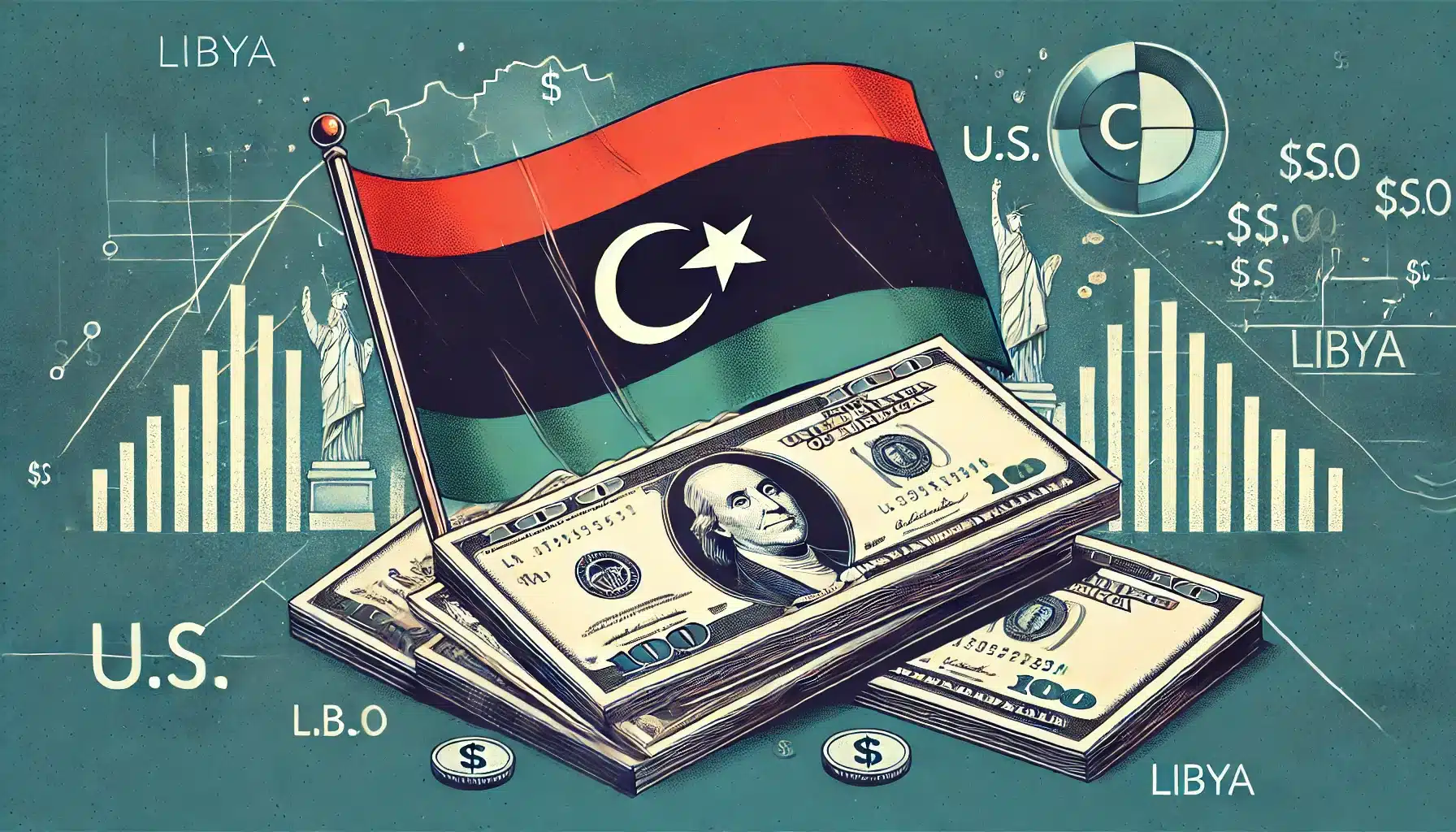
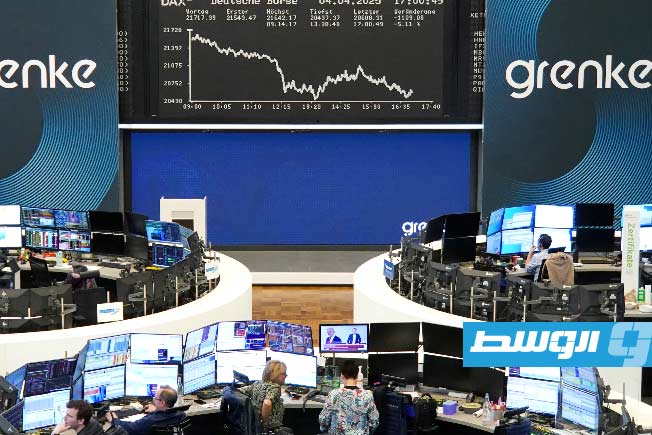
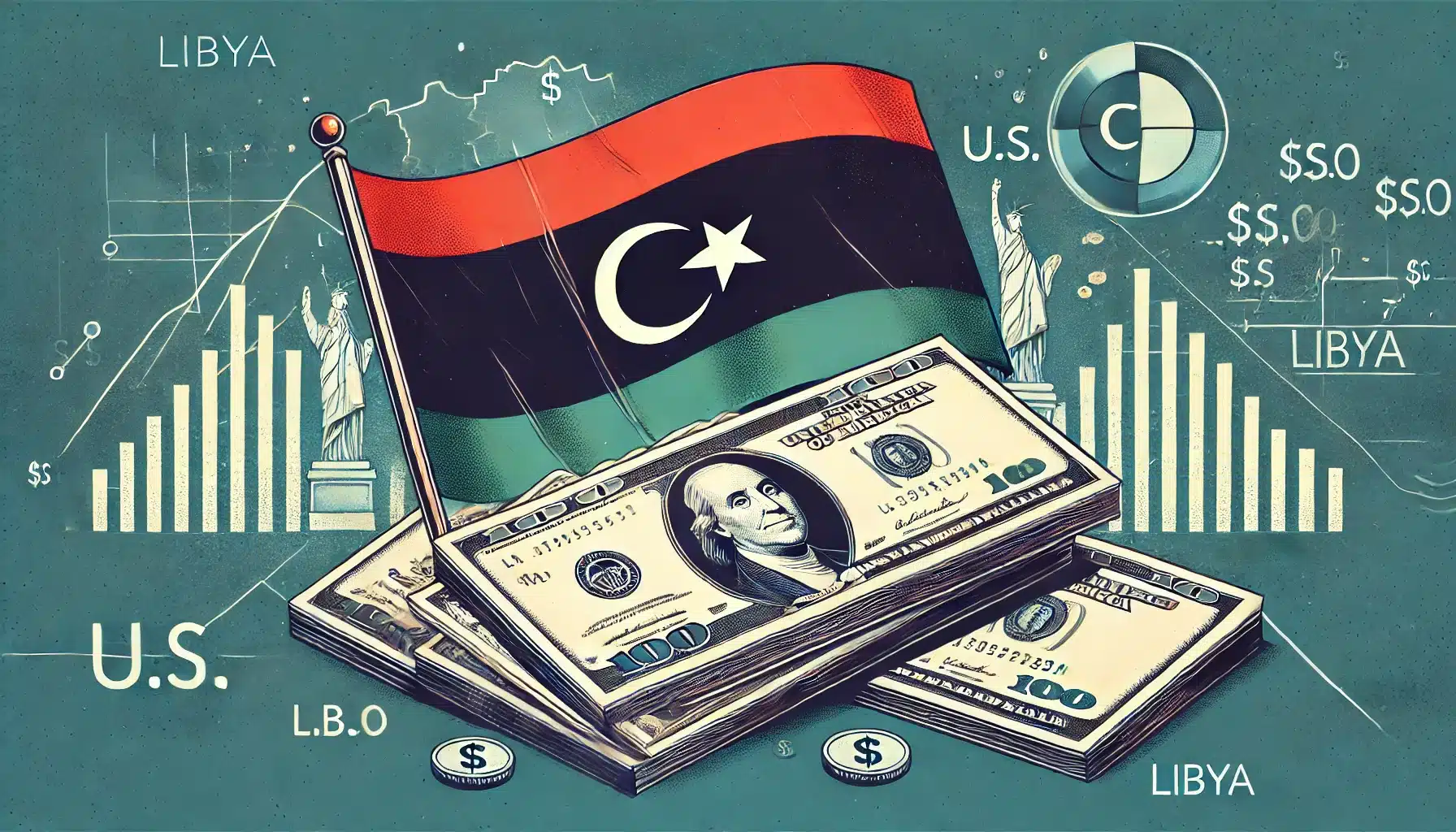
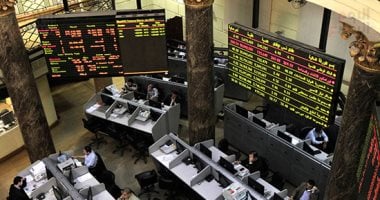
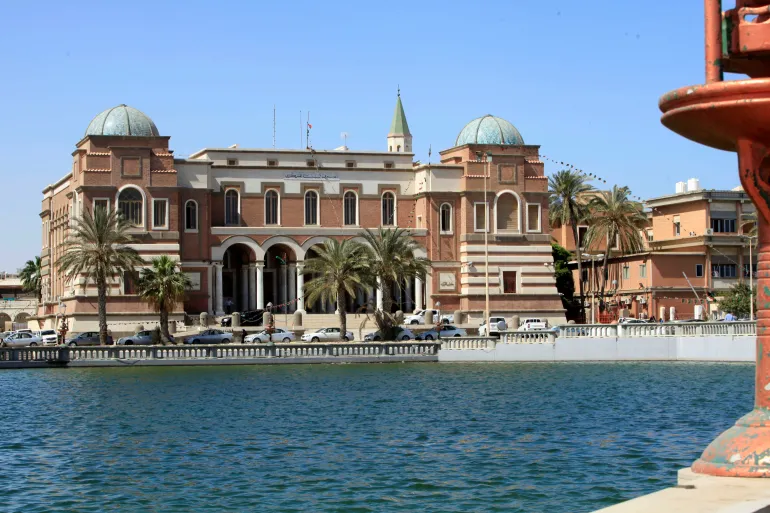
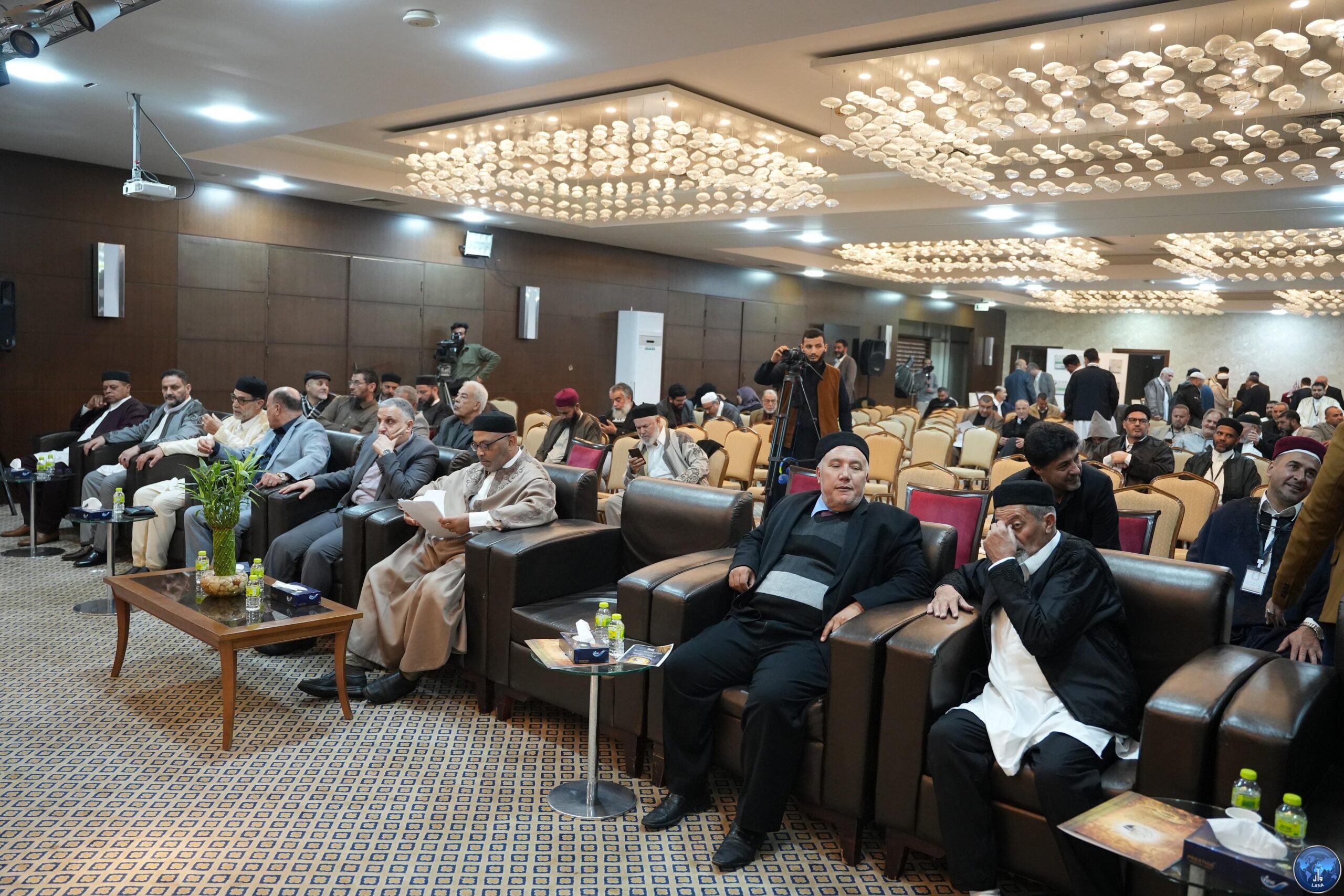
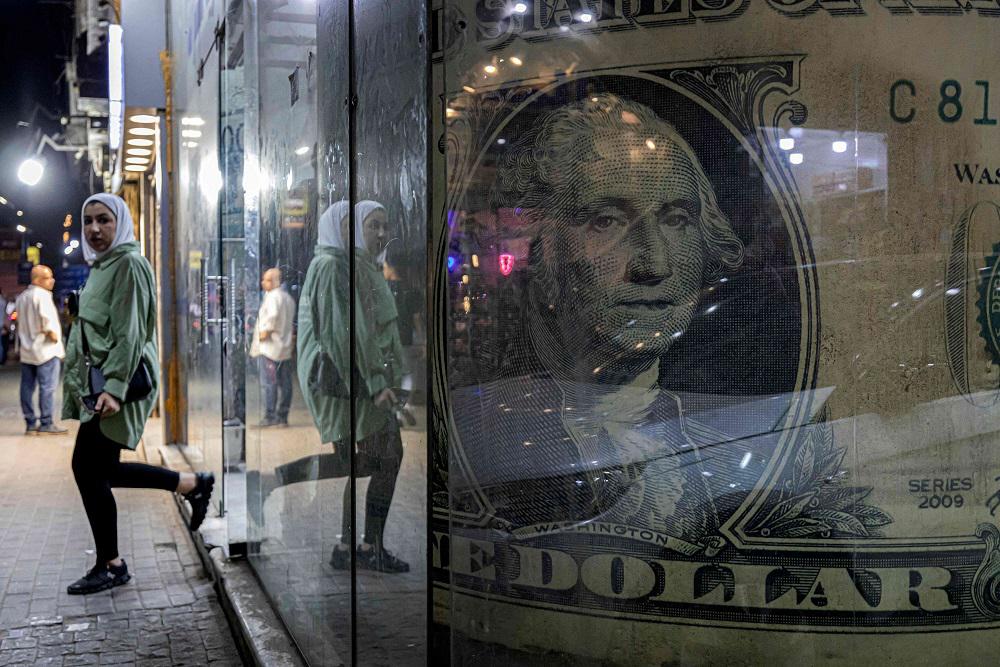
Benghazi, January 22, 2026 – The Libyan stock market recorded a positive performance during trading on Thursday, January 22, 2026. The general market index (L.S.M Index) closed with a rise of 3.21%, reaching a level of 1,117.78 points, adding 34.81 points compared to the opening price. This indicates a noticeable improvement in market activity.
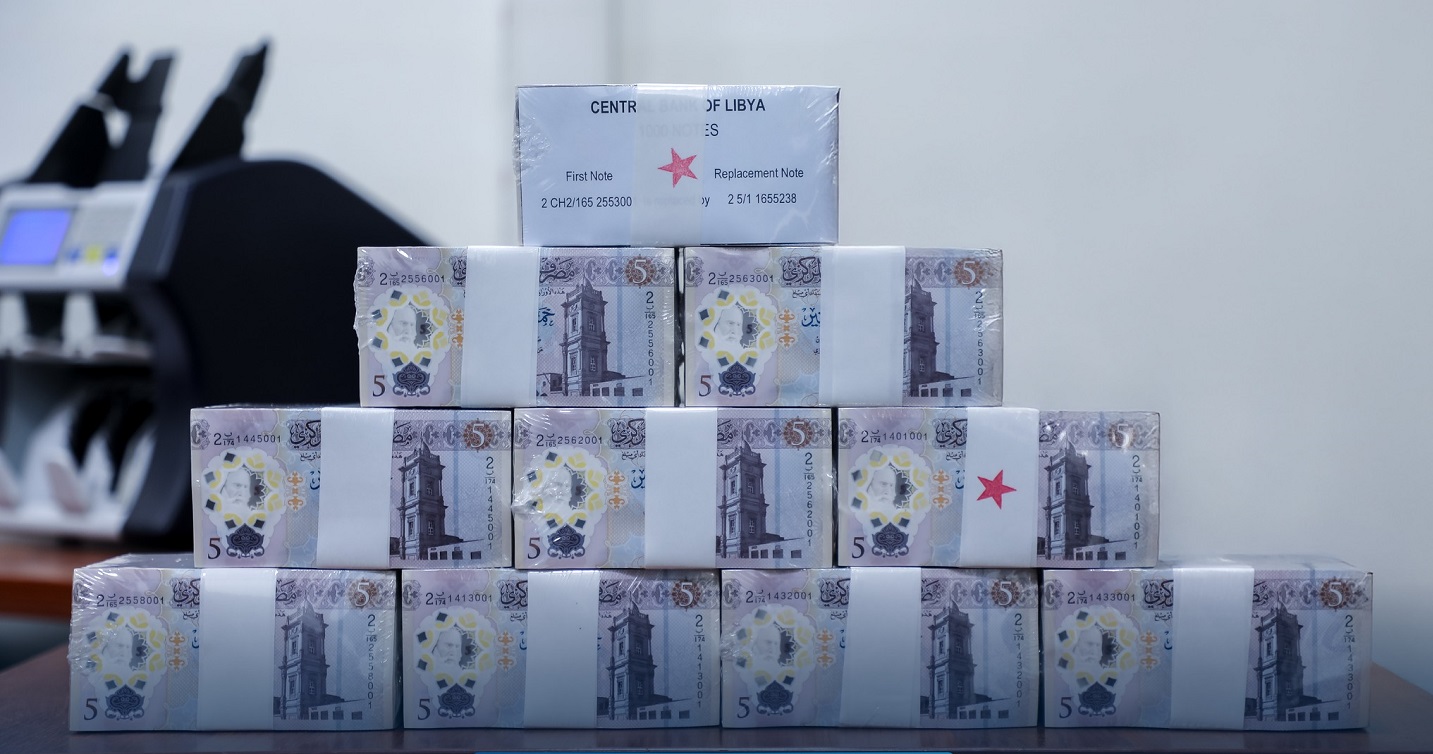
The total market value rose to reach 11,028,096,000 Libyan dinars, while the total trading value was 58,773.150 dinars, resulting from the trading of 4,231 shares across 4 executed deals during the session.
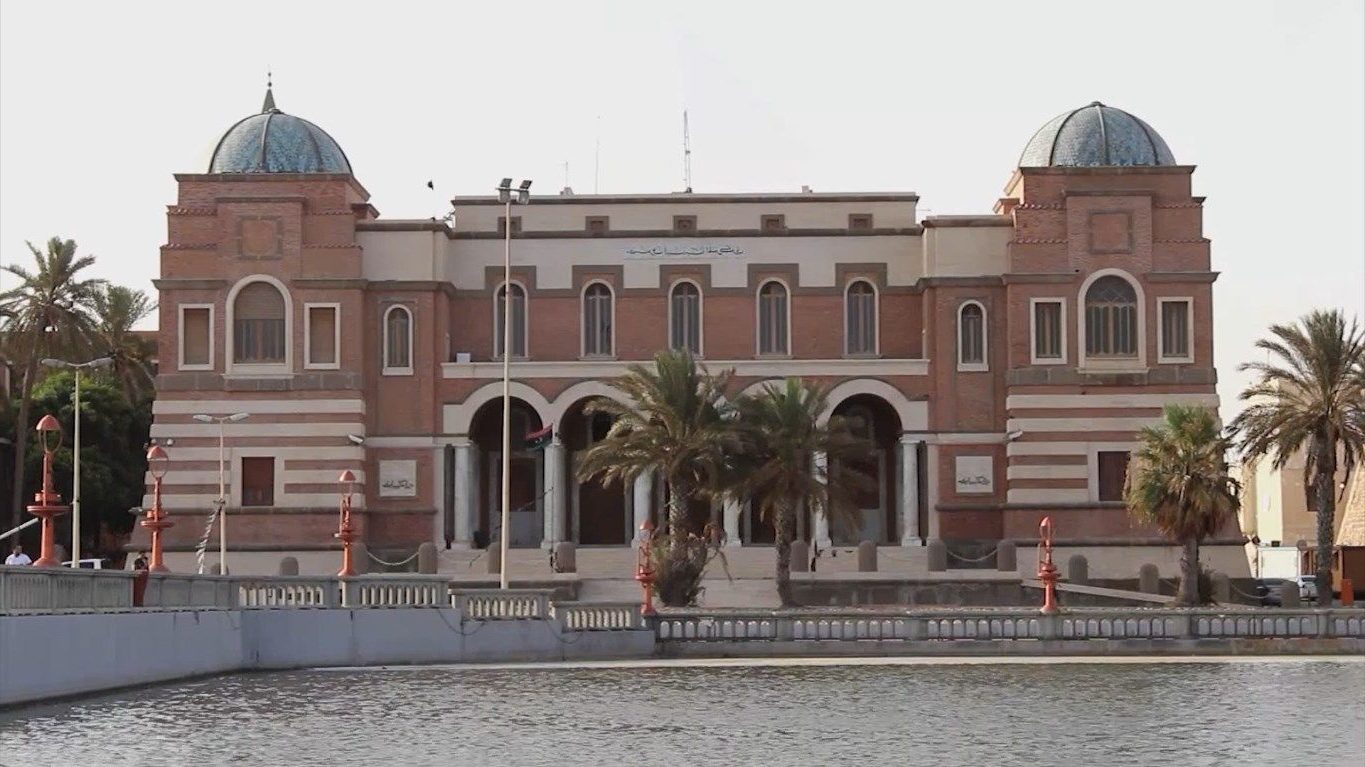
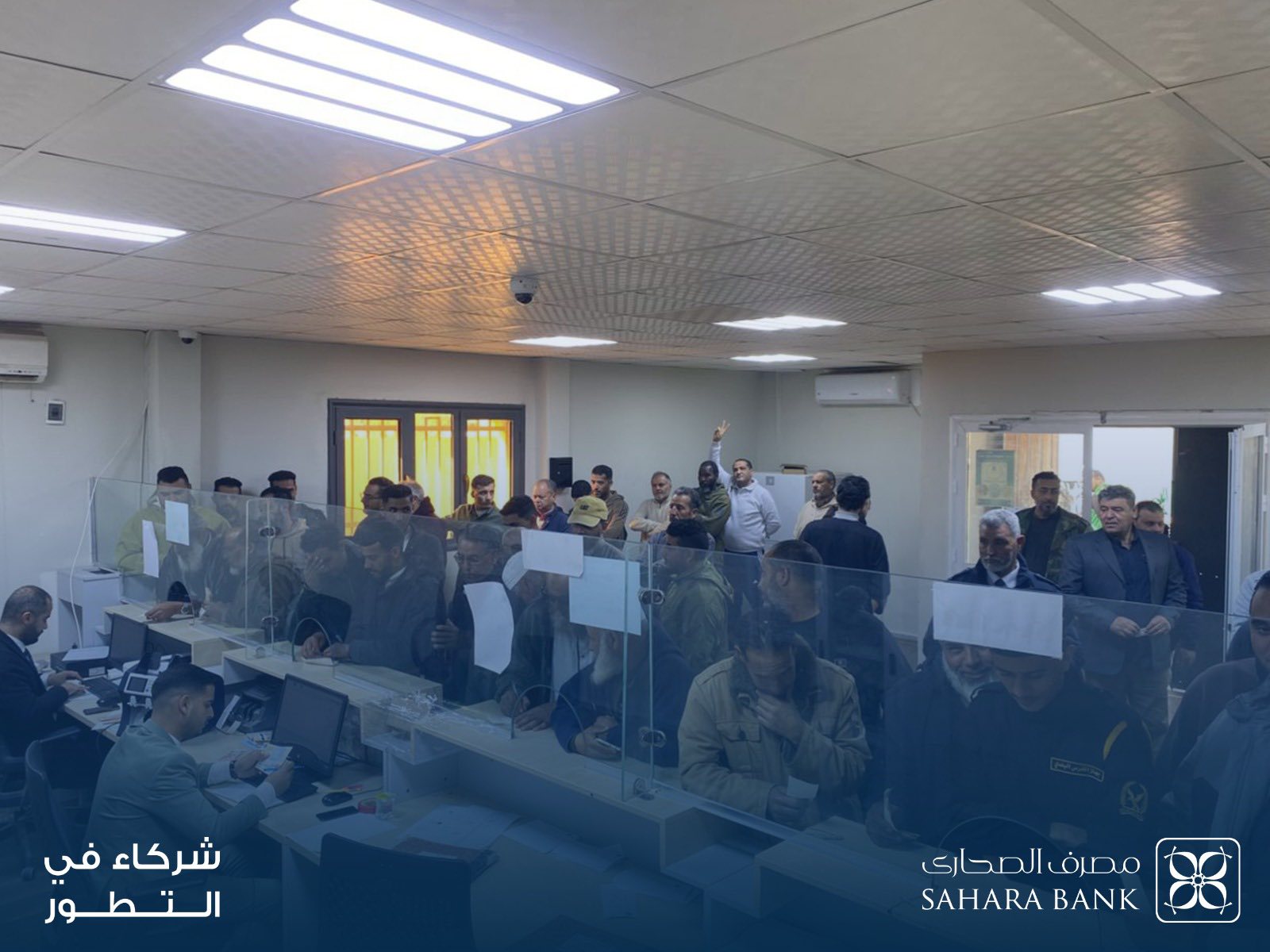
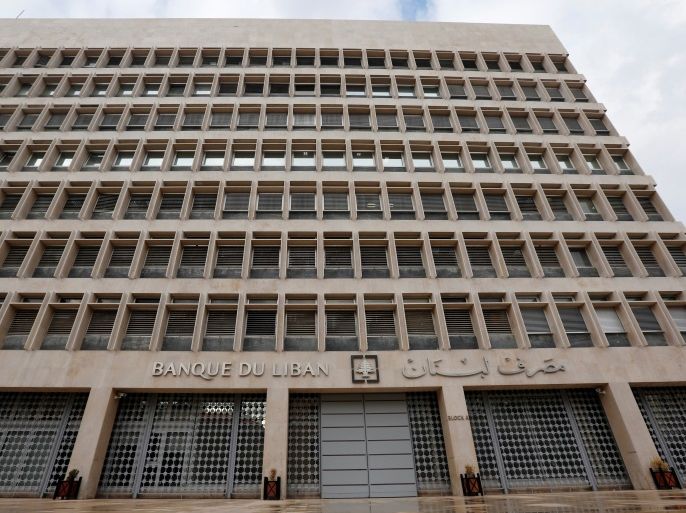
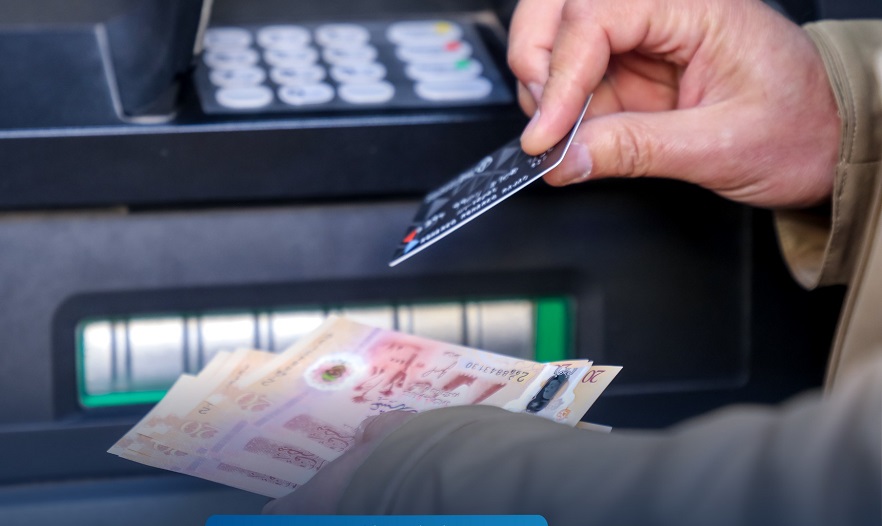
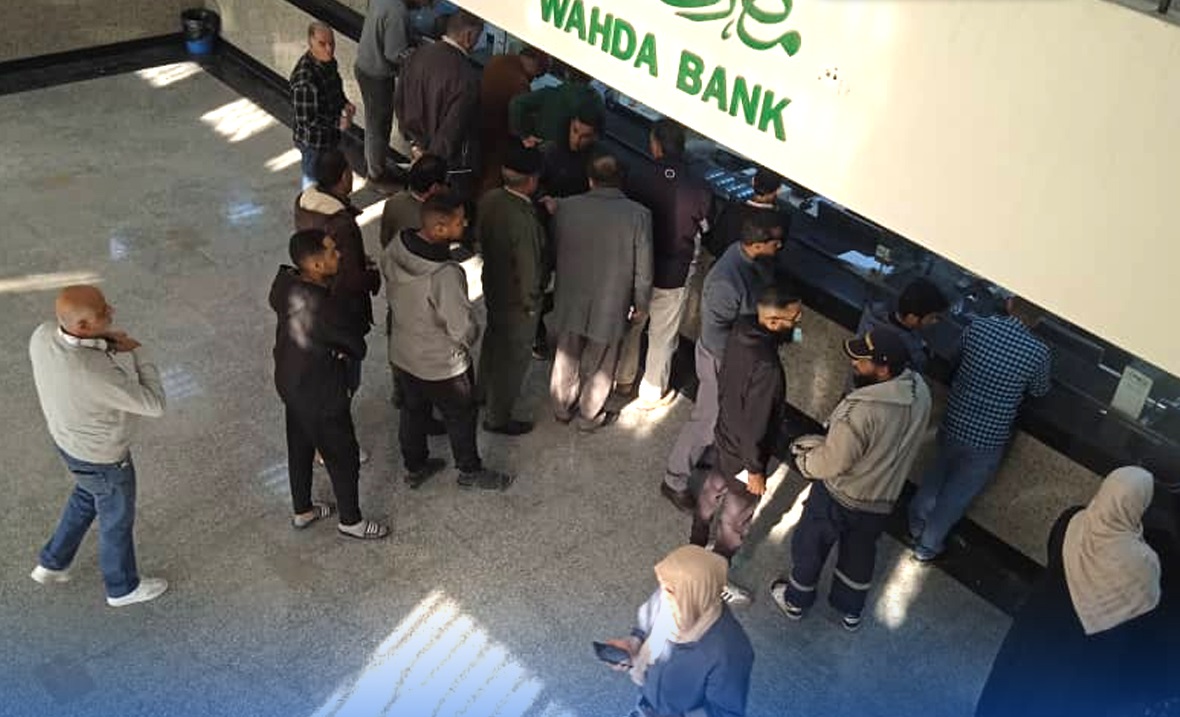
The banking sector captured the largest share of activity, with 3 deals executed within it, with a total trading value of 29,373.150 Libyan dinars, confirming its leading role in pushing the general index upward.
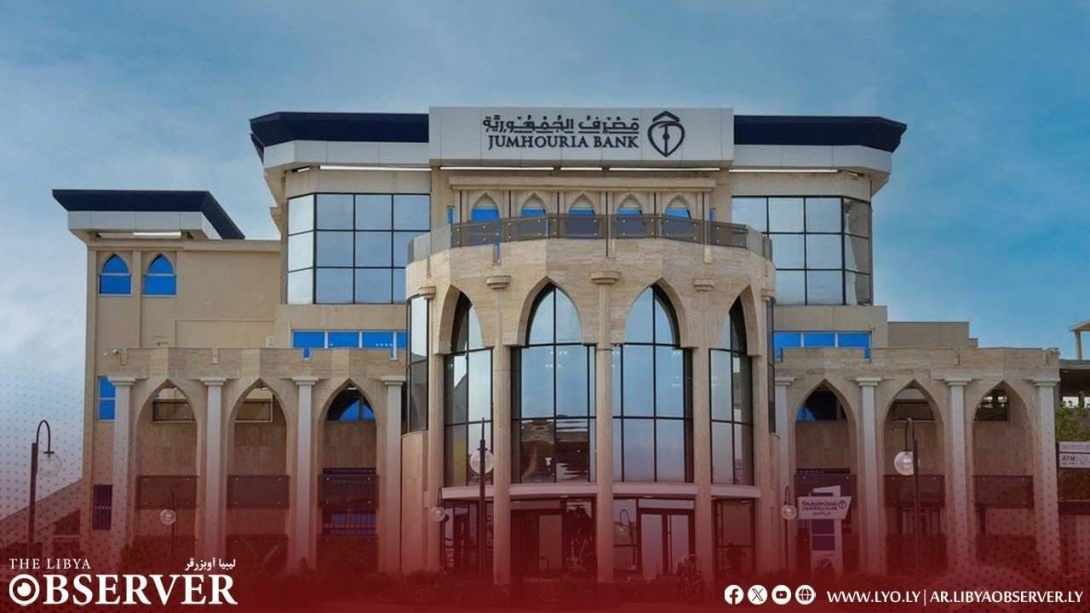
Al-Jumhouria Bank led the sector’s activity, executing two deals. Its share price rose compared to the previous closing, supported by increased demand for the stock during the session.
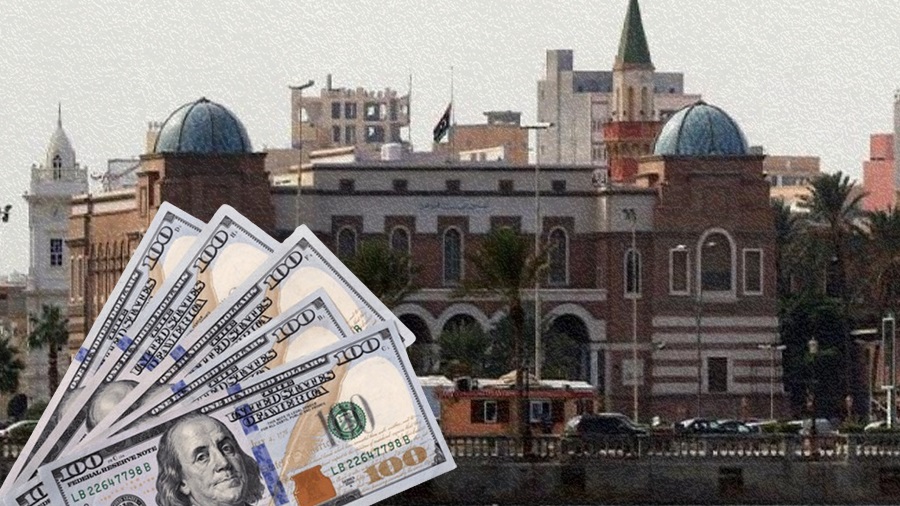
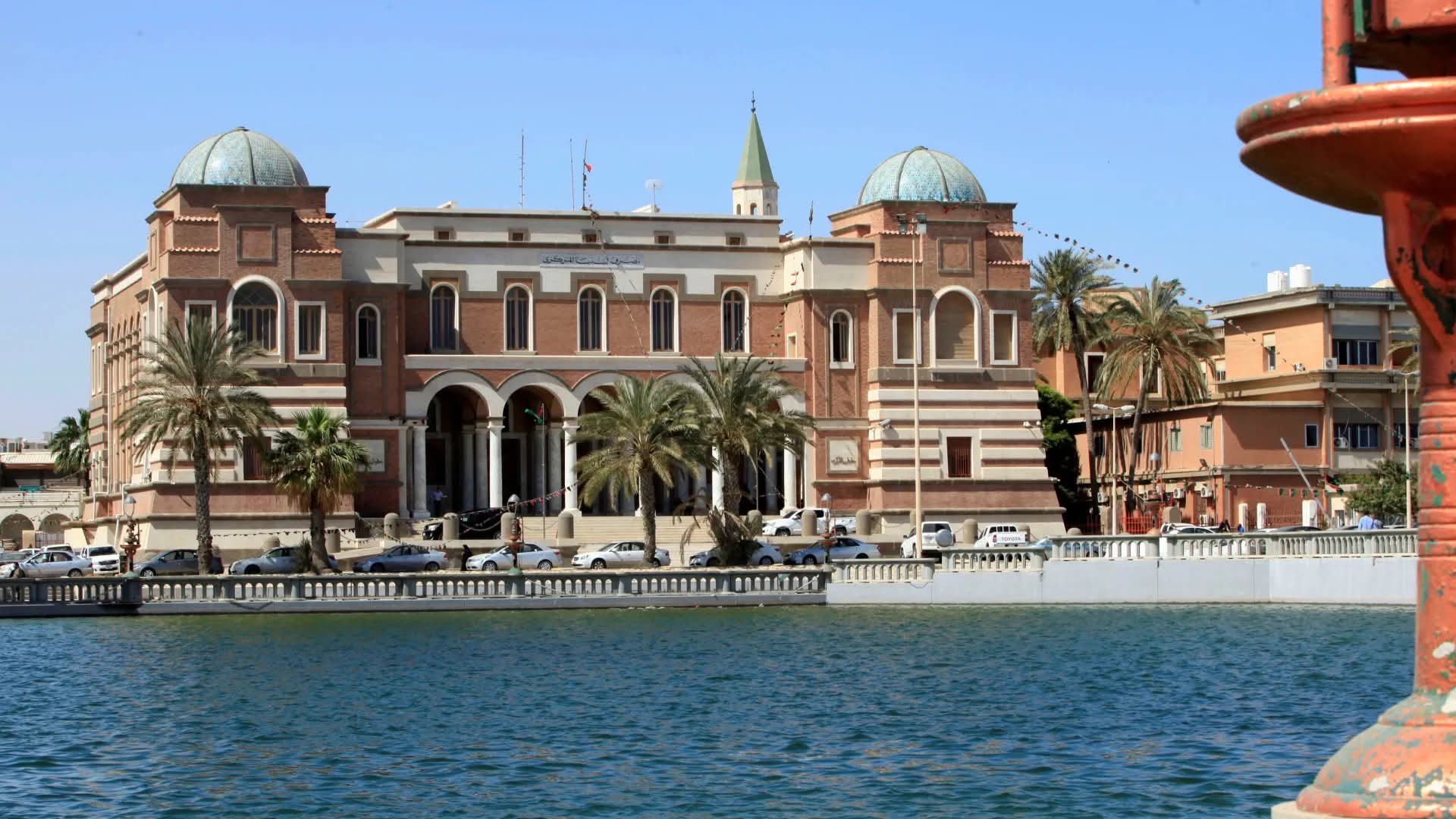
Benghazi
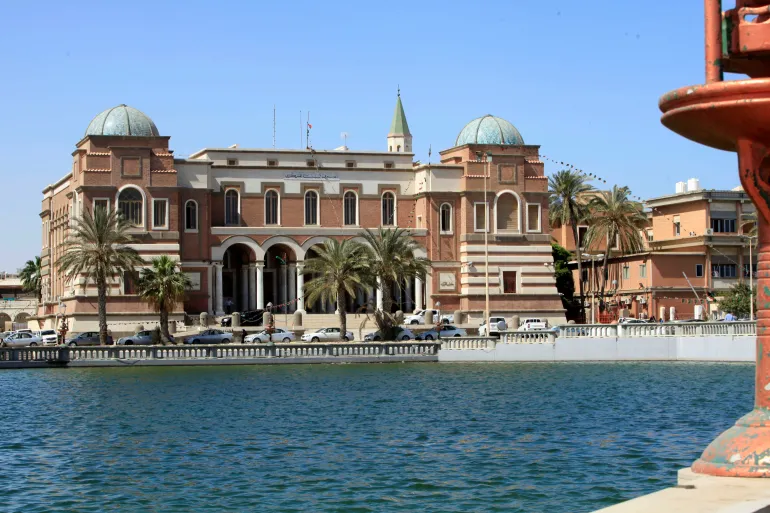
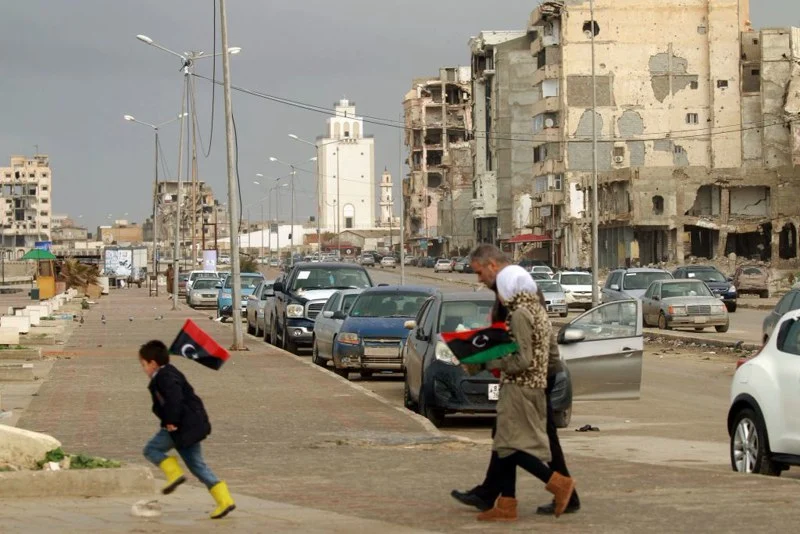
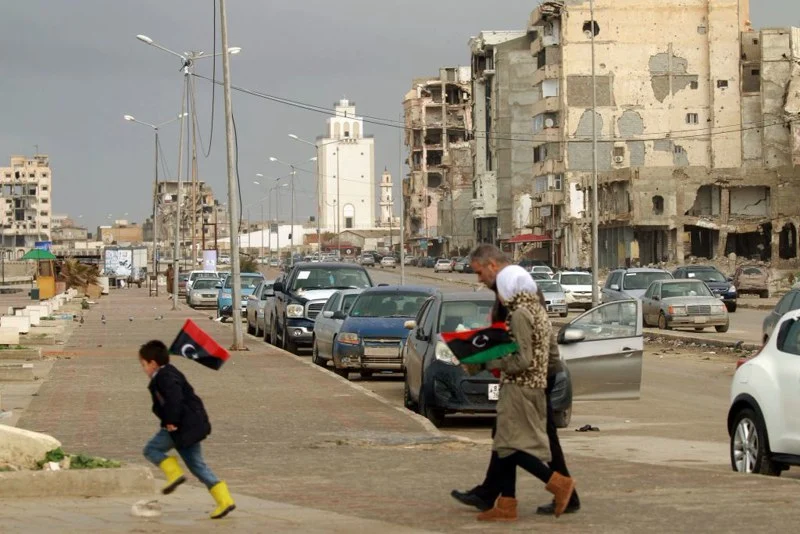
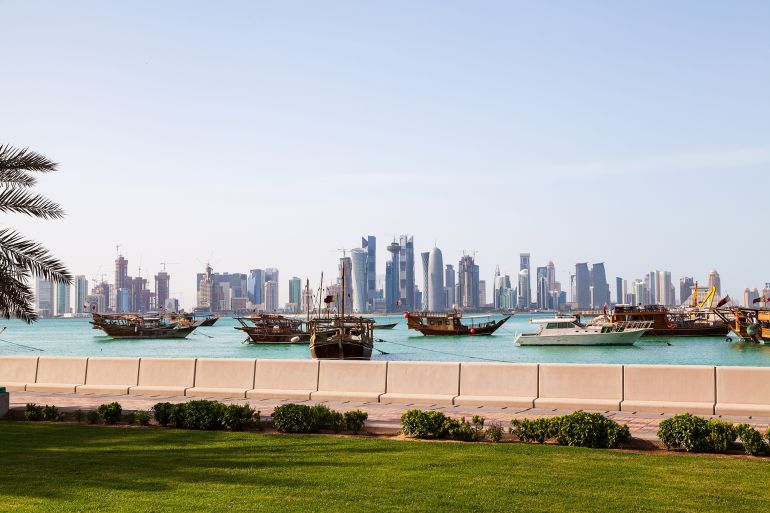
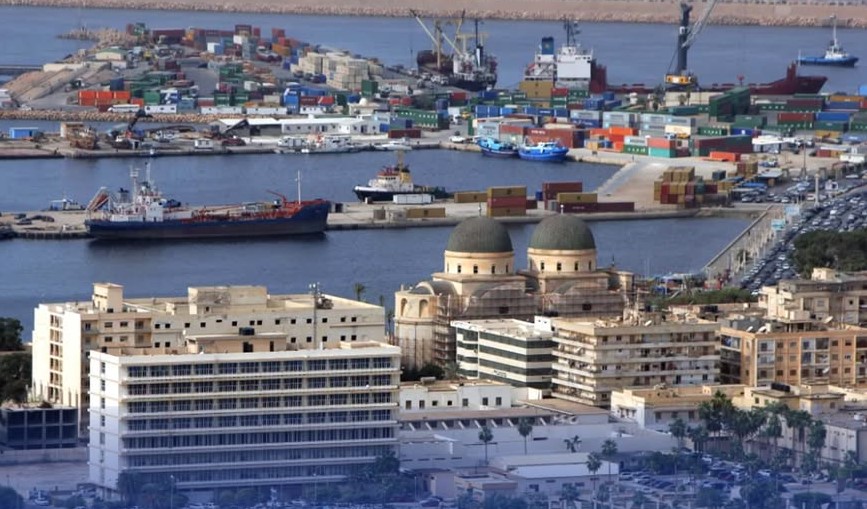
Benghazi is a major city in eastern Libya, historically significant as a center of trade and culture since its founding as the Greek colony of Euesperides. It played a pivotal role in the 2011 Libyan Civil War as a key base for the uprising against Muammar Gaddafi.
Libyan stock market
The Libyan Stock Market, established in 2006 in Tripoli, was created to help privatize state-owned companies and attract investment following the lifting of international sanctions. It operates as a key financial institution aimed at developing Libya’s capital markets and diversifying its oil-dependent economy.
general market index
The General Market Index is a financial benchmark, such as the S&P 500 or FTSE 100, that measures the overall performance of a specific stock market segment. Its history is tied to the development of modern finance, with the Dow Jones Industrial Average, created in 1896, being one of the earliest examples designed to provide a clear snapshot of market health. These indices are now fundamental tools for investors to track economic trends and compare investment returns.
L.S.M Index
The L.S.M. Index is a classification system used primarily in marketing and social research to segment populations in developing countries, particularly in Latin America, based on socioeconomic levels. It was developed as a more nuanced alternative to simple income measurement, incorporating factors like education, access to utilities, and household characteristics to categorize consumers. Its history is rooted in mid-to-late 20th-century market research aimed at understanding emerging economies for business and advertising purposes.
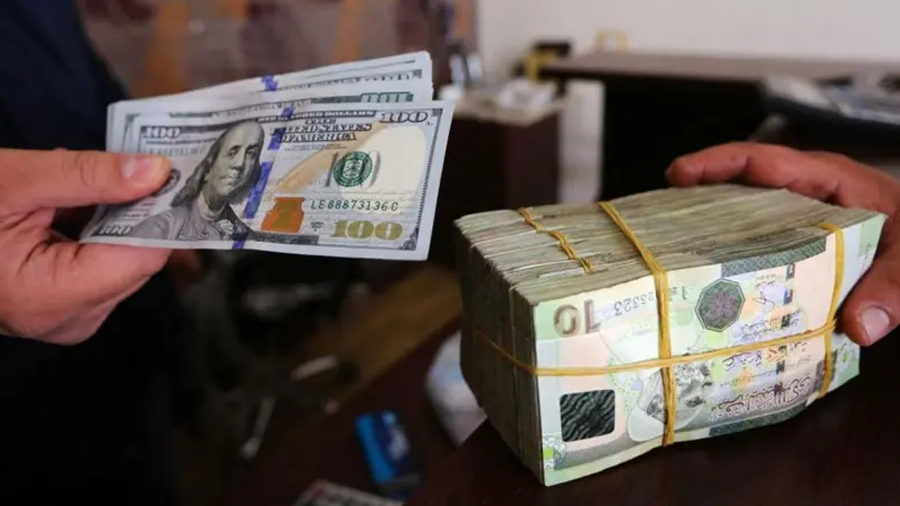
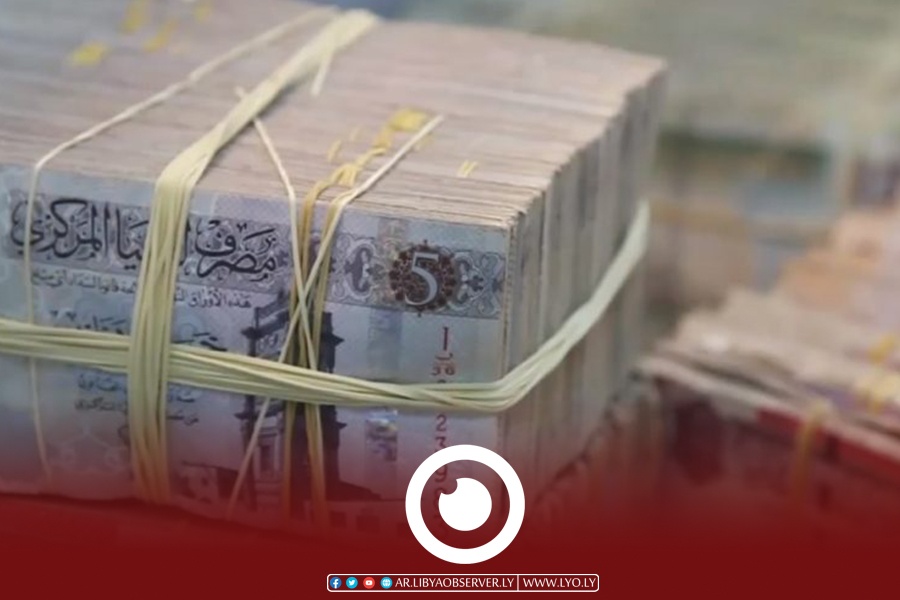
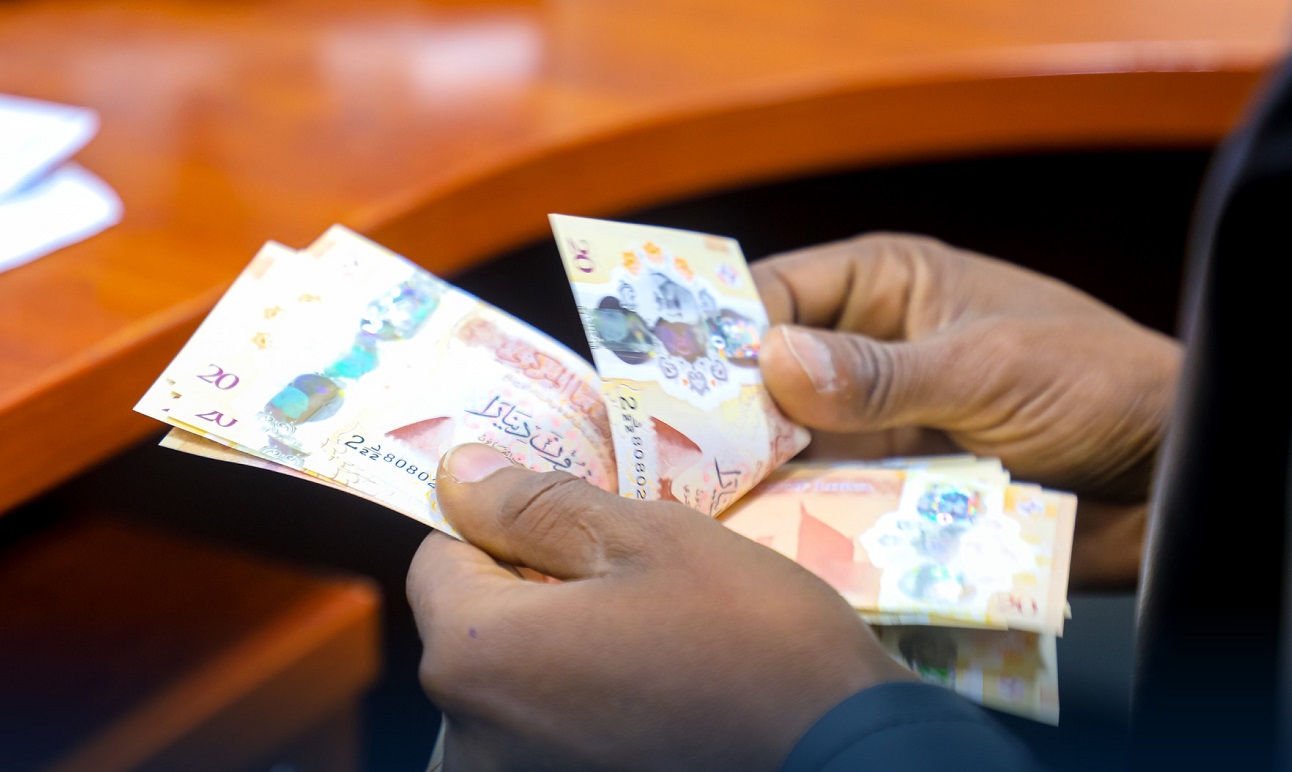
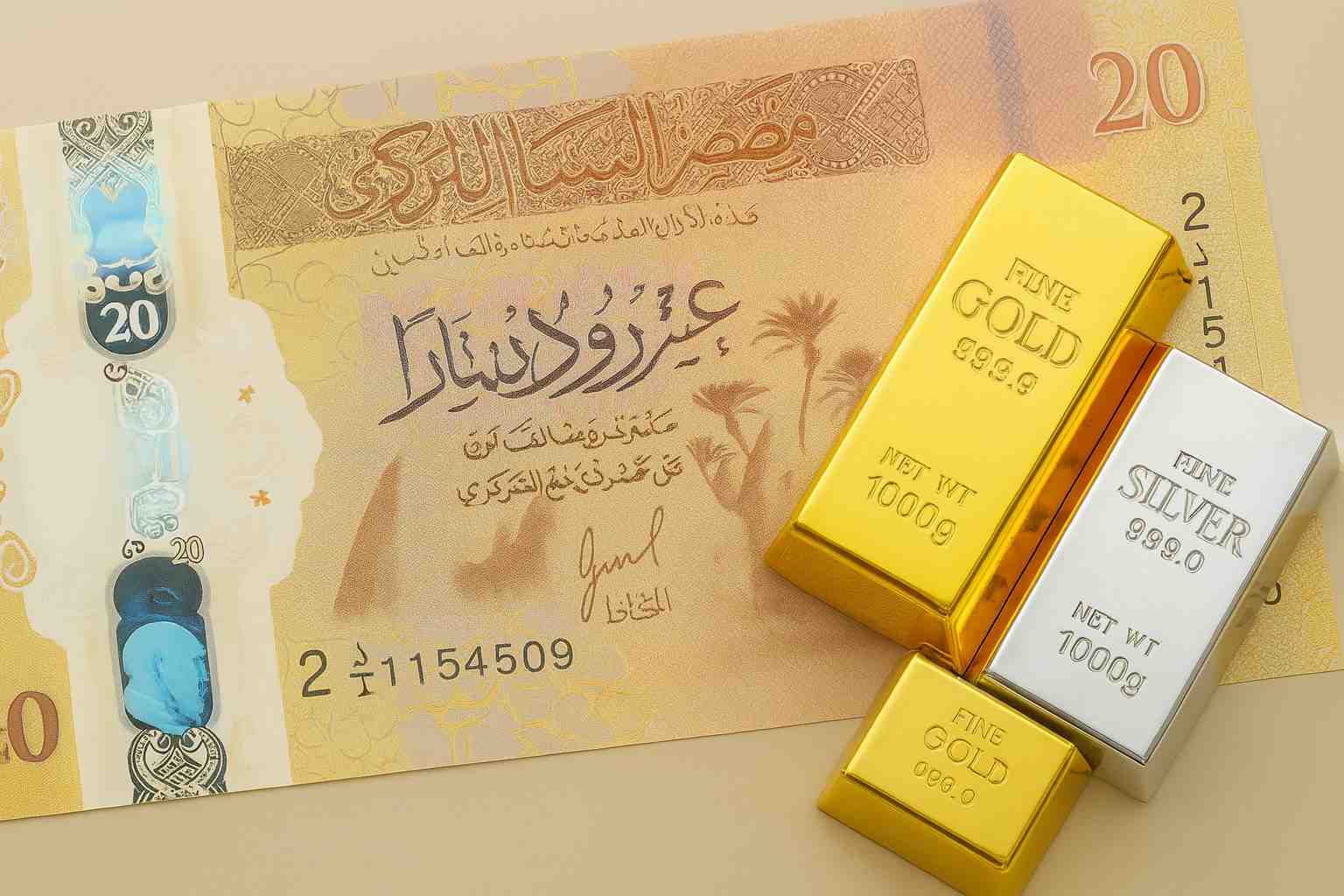
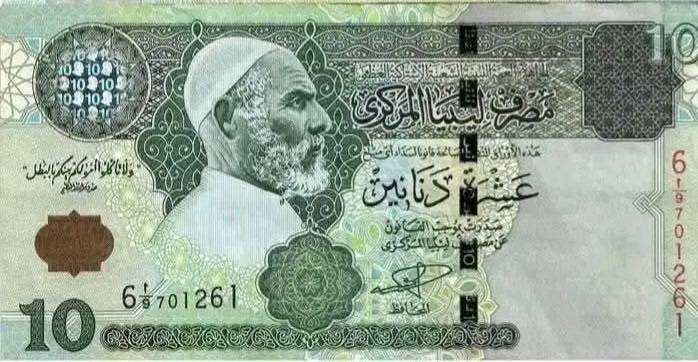
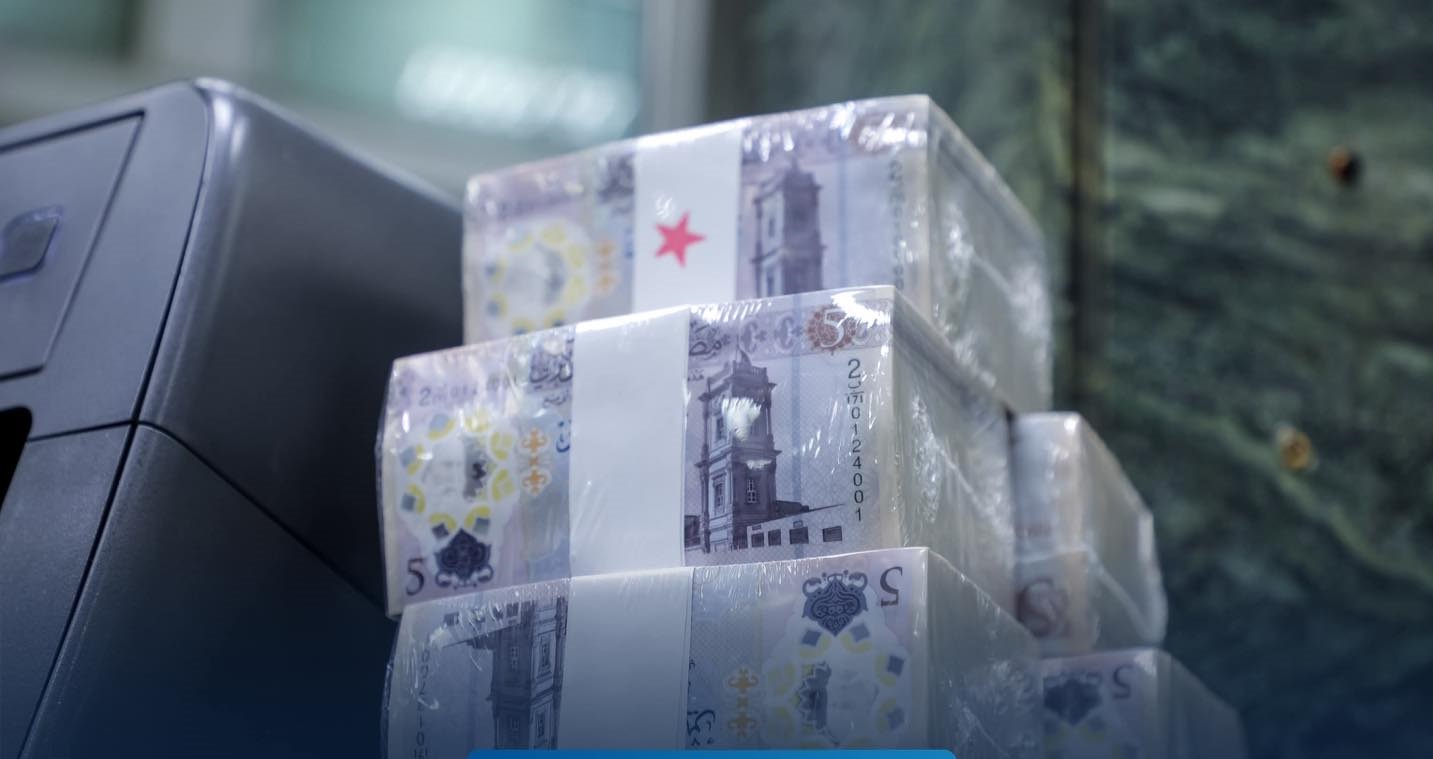
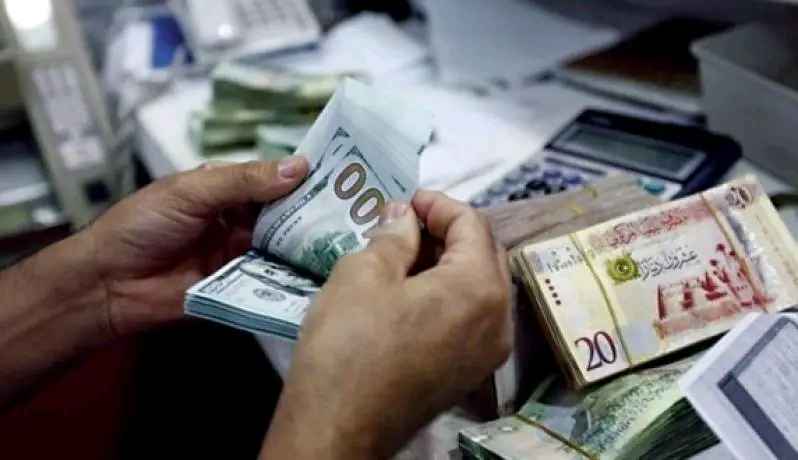
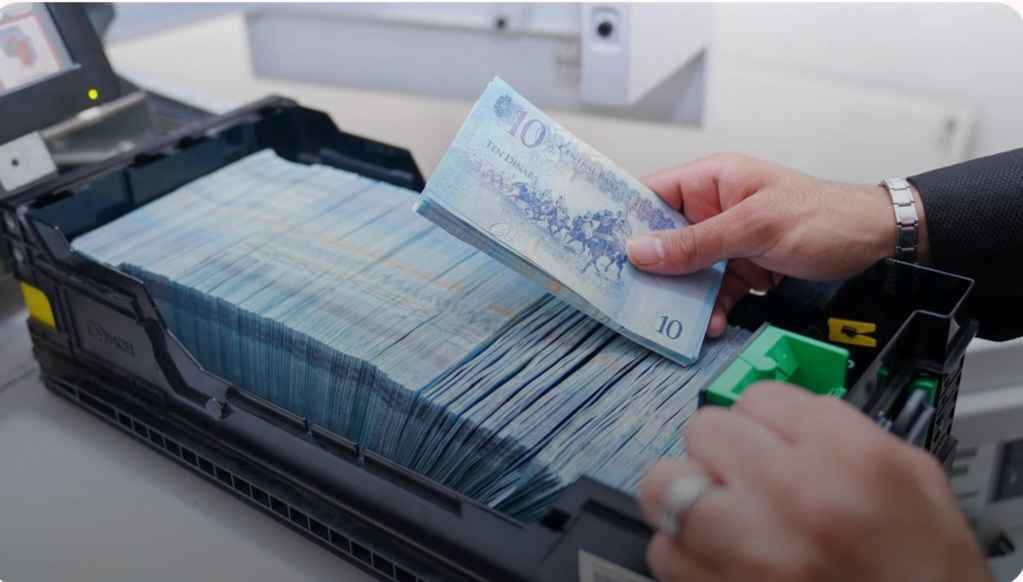
Libyan dinars
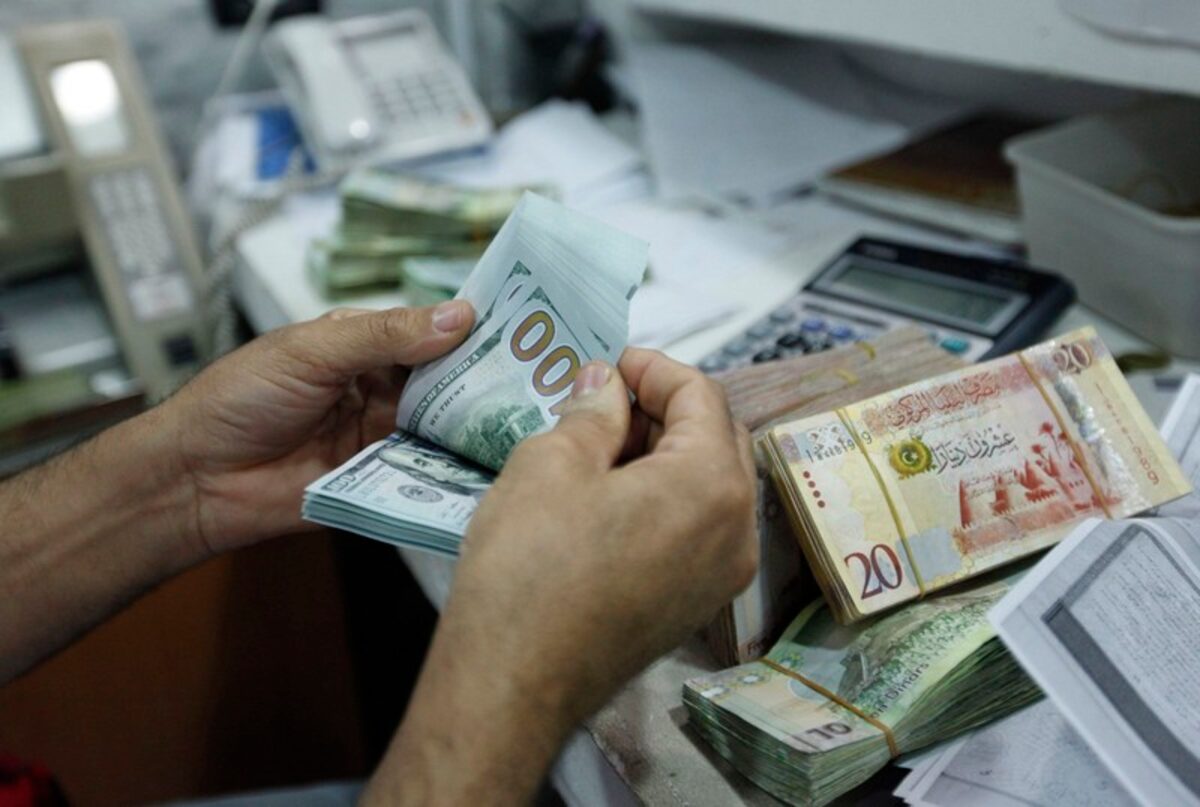
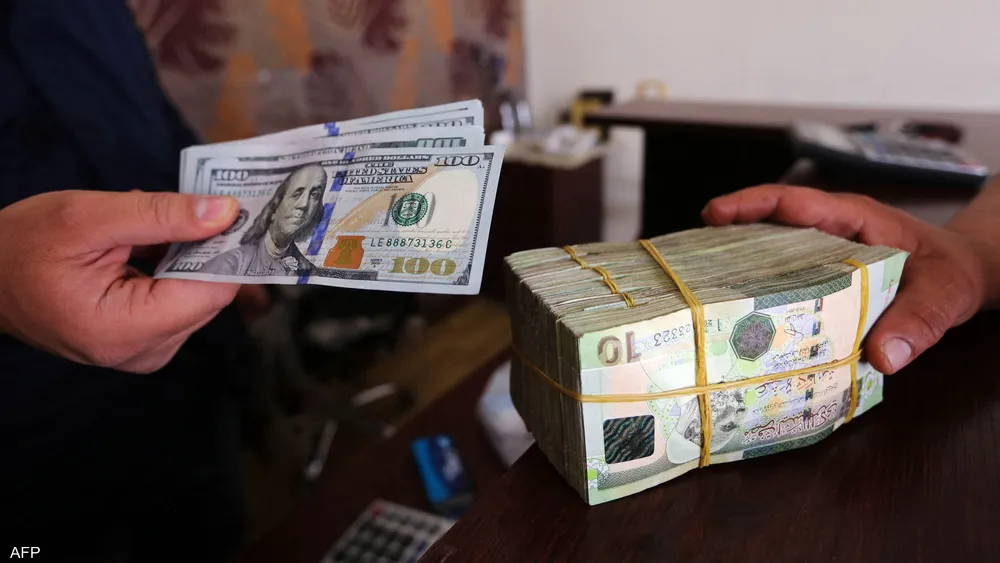
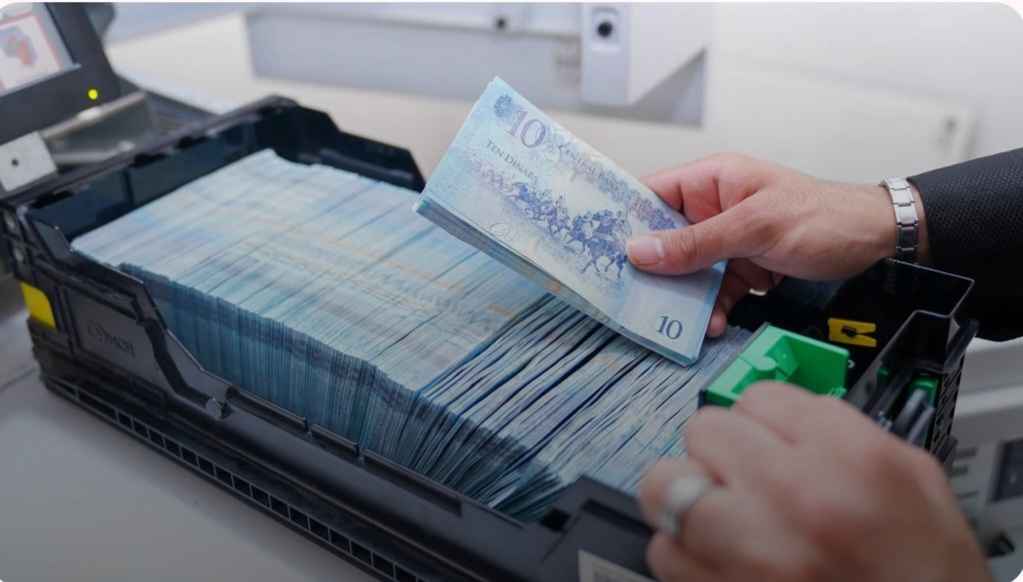
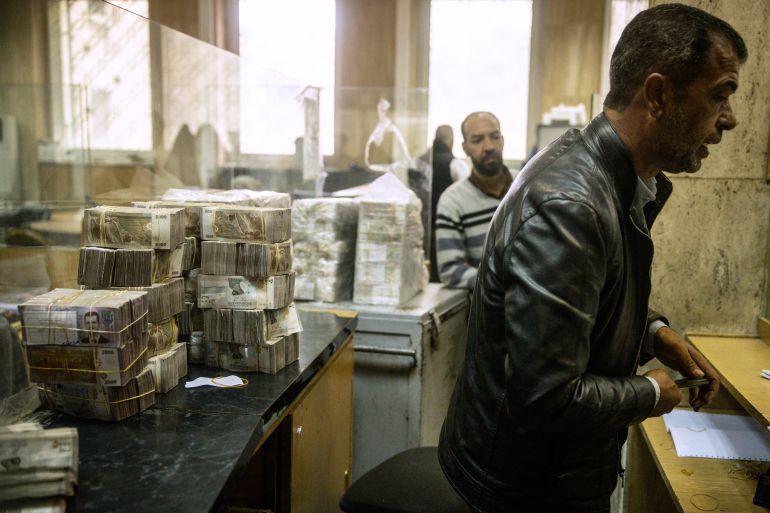
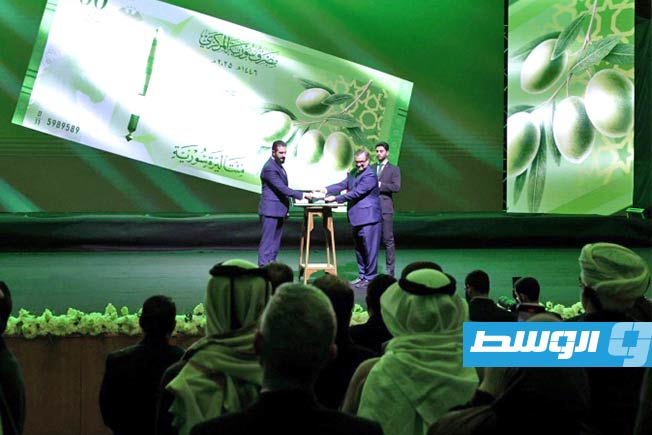
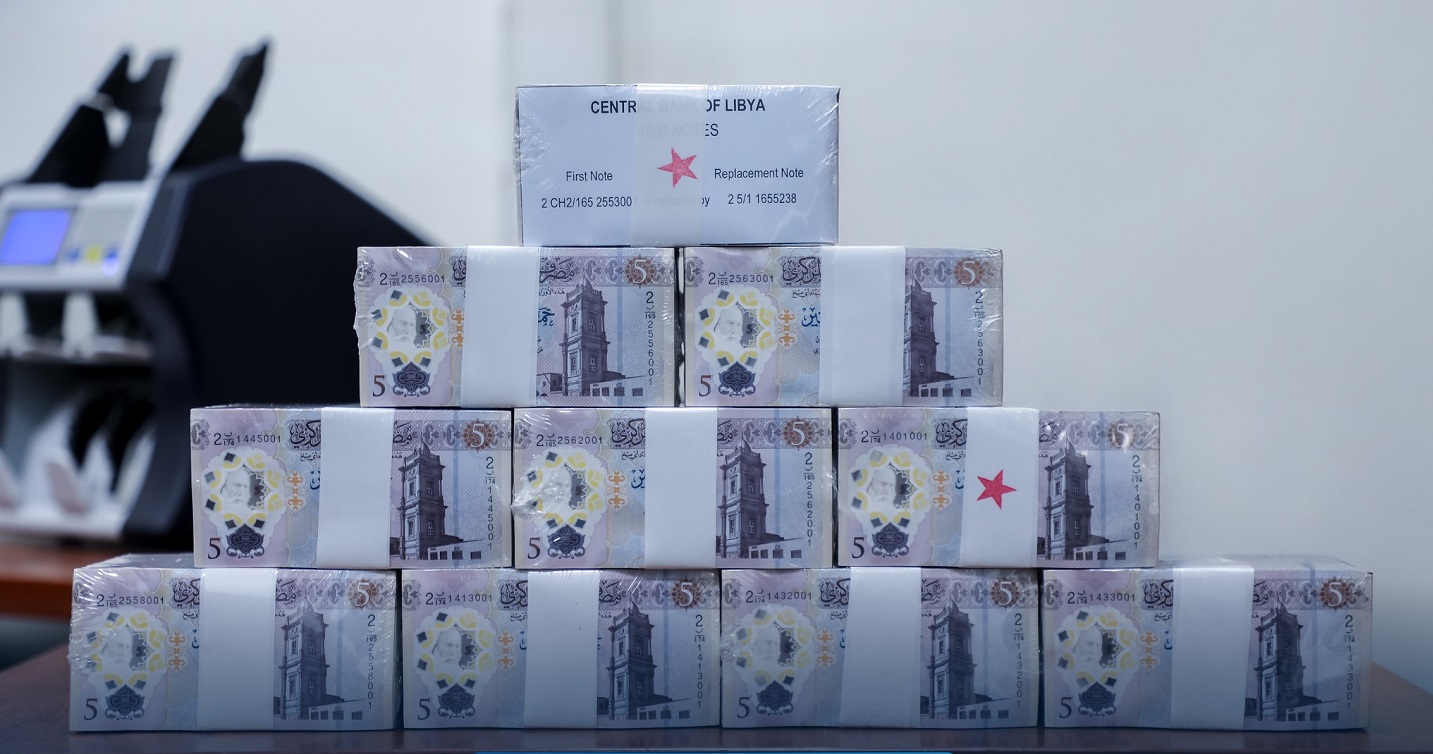
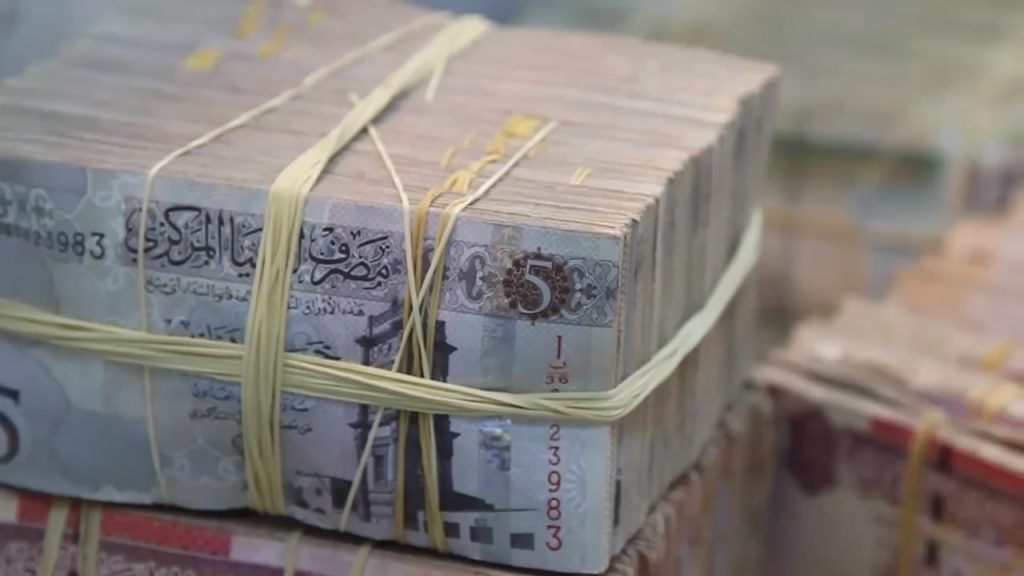
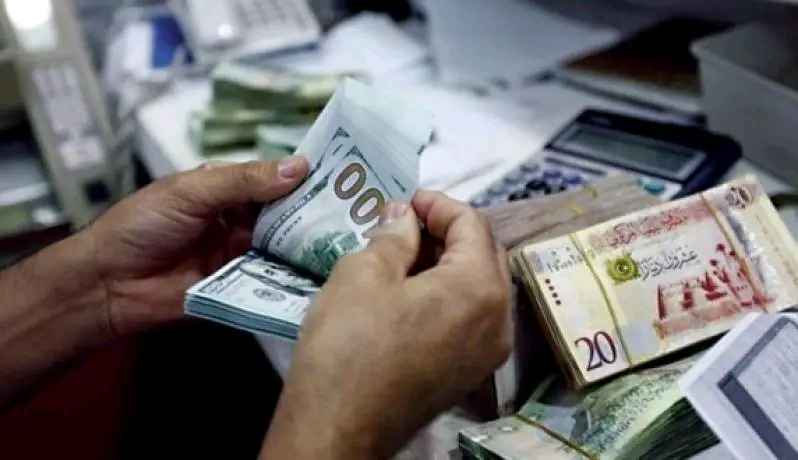
The Libyan dinar is the official currency of Libya, introduced in 1971 to replace the Libyan pound. Its issuance and value have been heavily influenced by the country’s political history, including the Gaddafi era and the subsequent instability following the 2011 civil war.
banking sector
The banking sector refers to the network of institutions, including commercial banks, investment banks, and central banks, that provide financial services such as deposits, loans, and capital management. Its modern history is rooted in Renaissance Italy, evolving through the Industrial Revolution to become the global, regulated system that underpins modern economies. Today, it is a critical component of national and international financial infrastructure, facilitating economic activity and monetary policy.
Al-Jumhouria Bank
Al-Jumhouria Bank is a major state-owned commercial bank in Syria, originally established in 1967. It was formed through the nationalization and merger of several private banks, playing a central role in the country’s financial system and economic development.