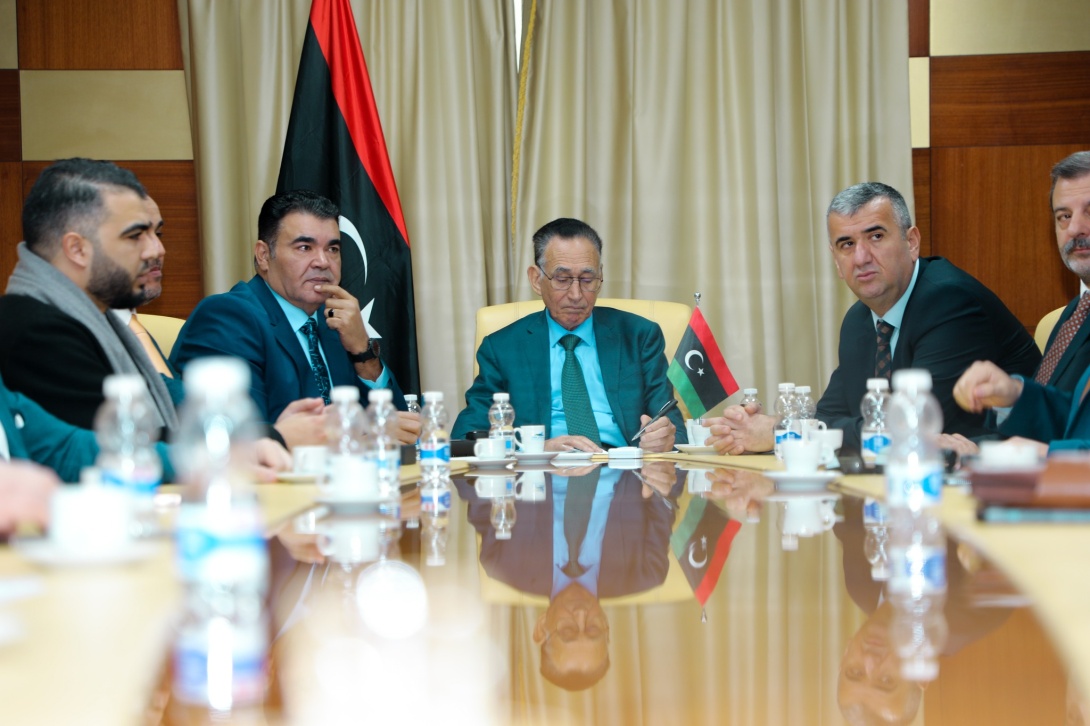
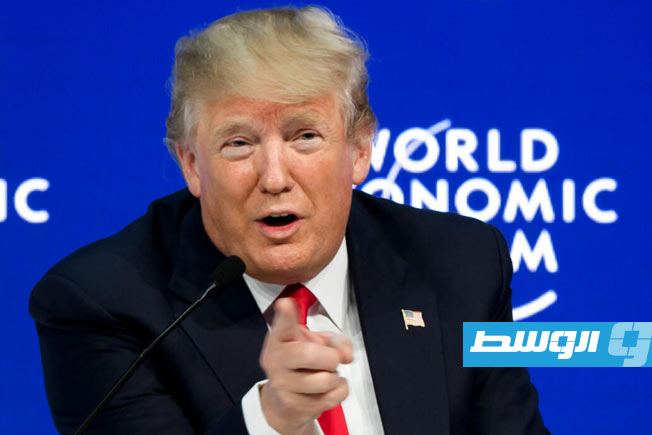
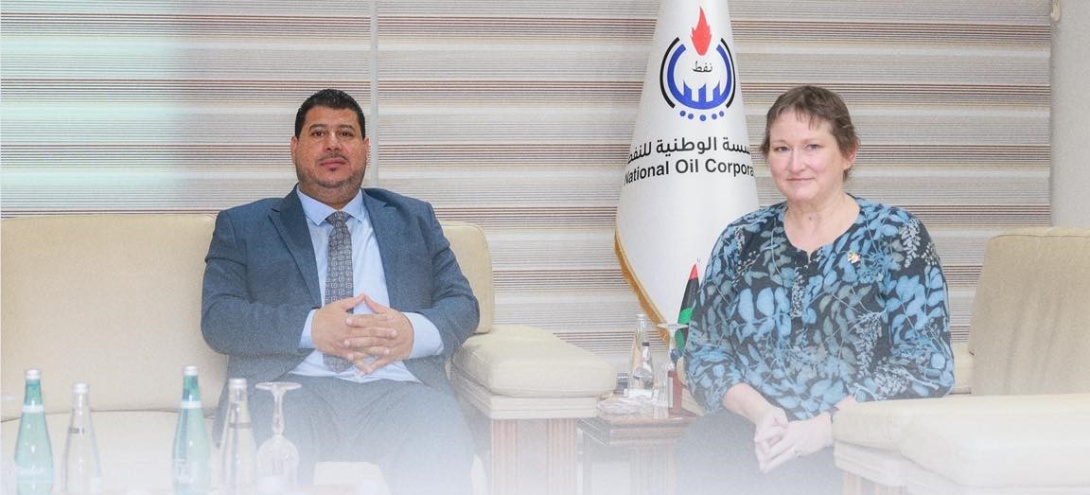
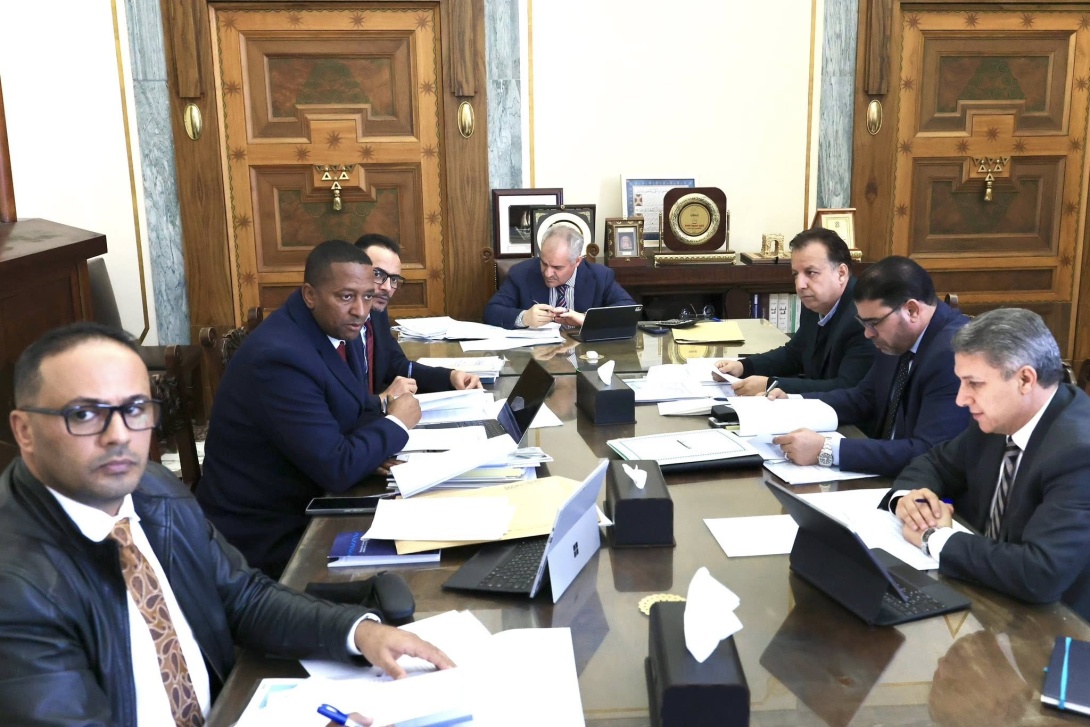
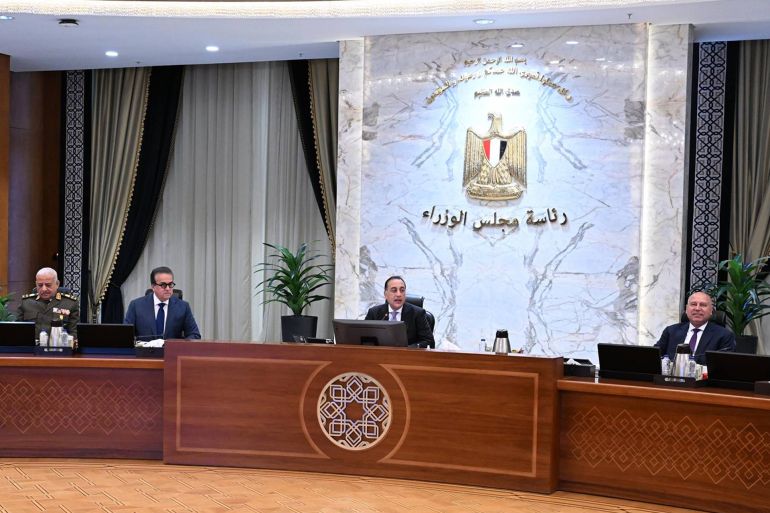
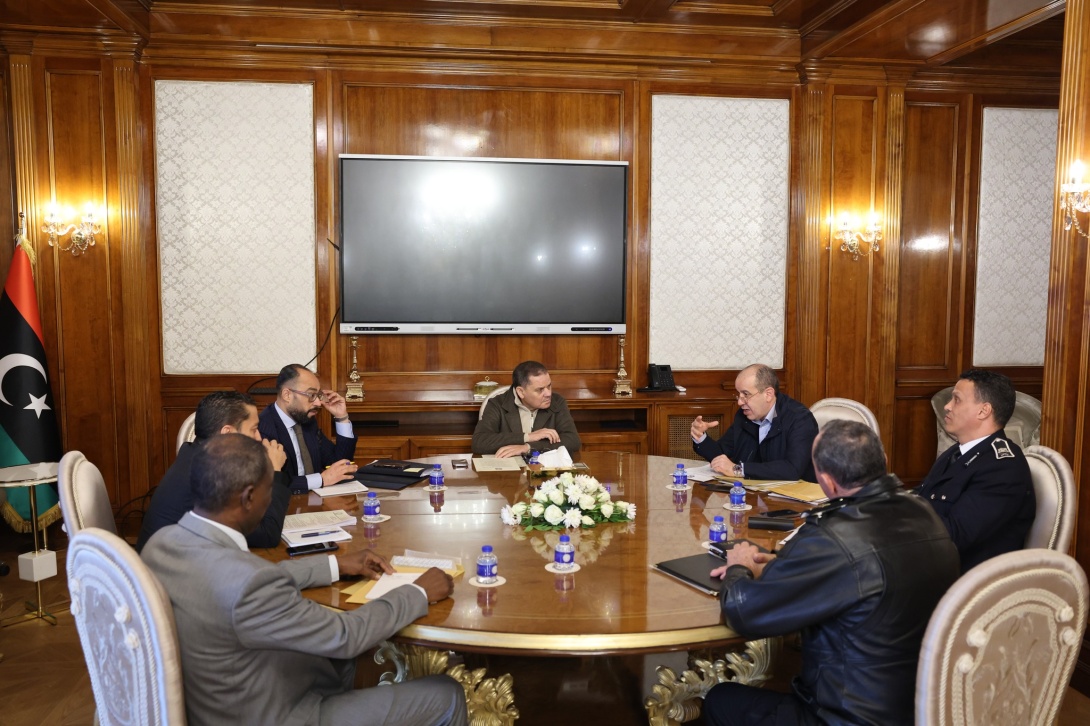
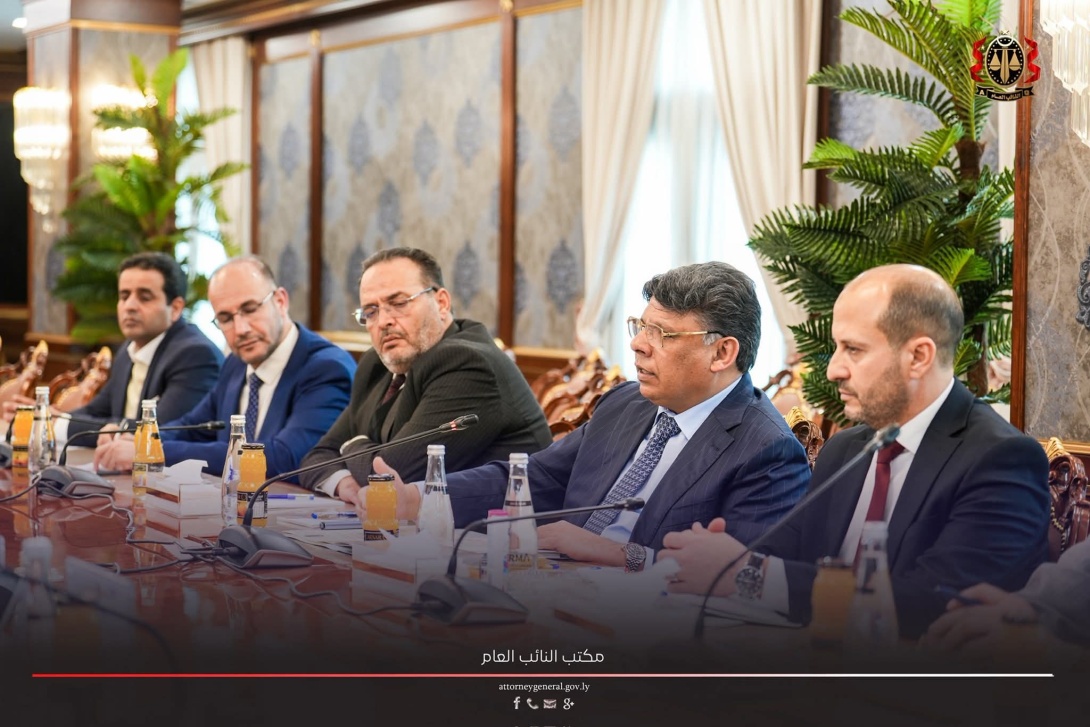
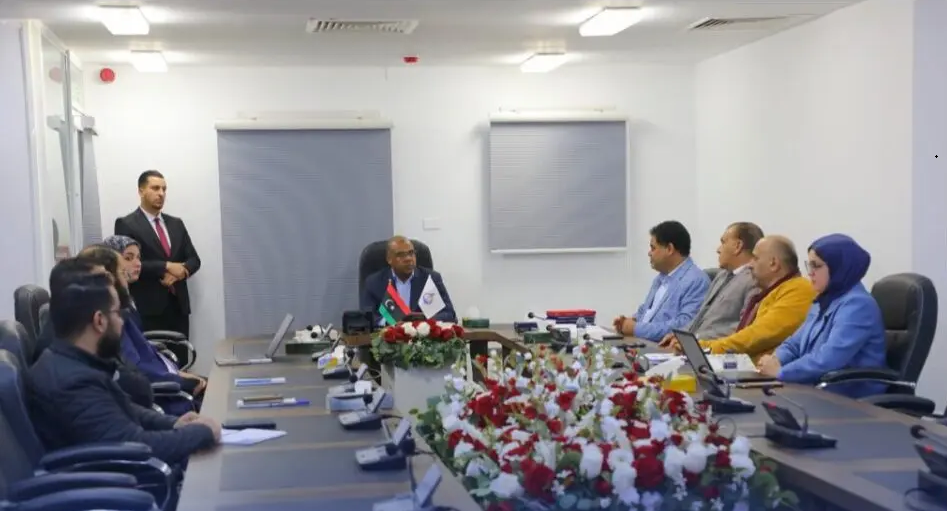
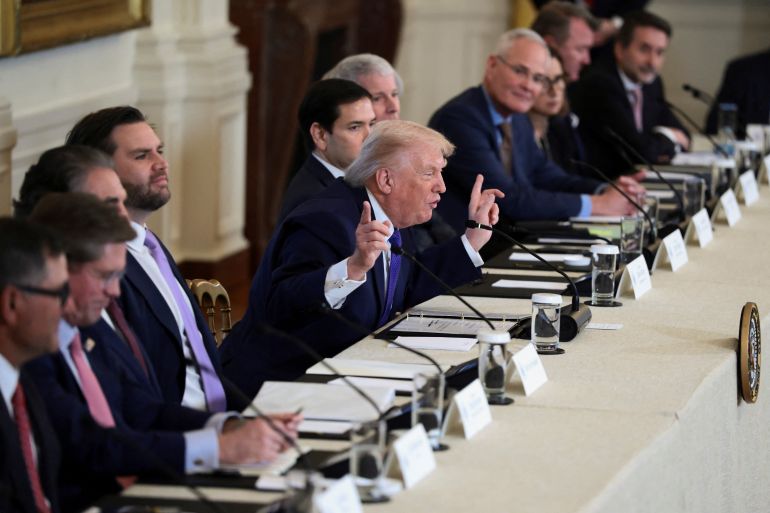
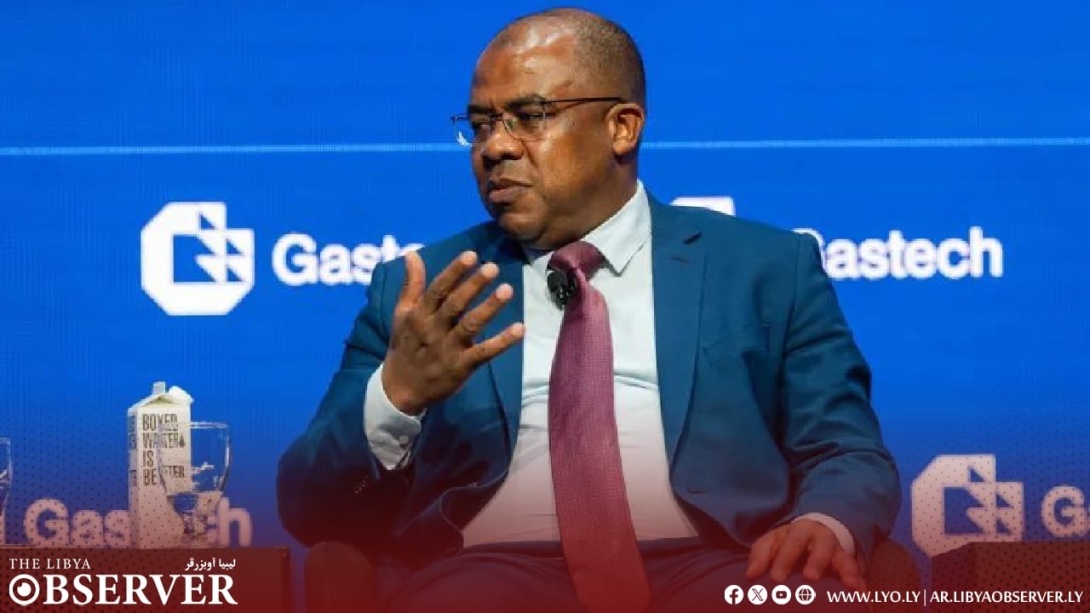
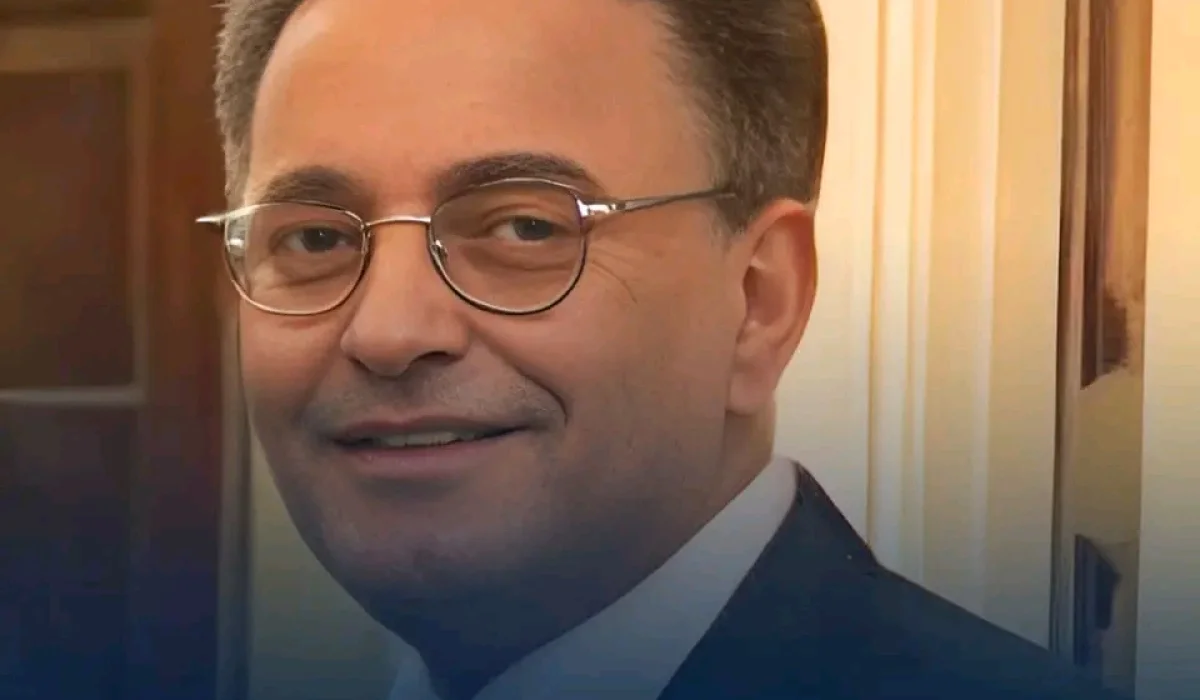
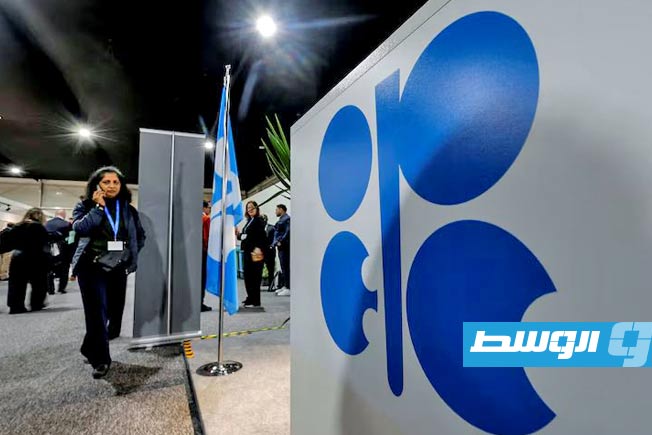
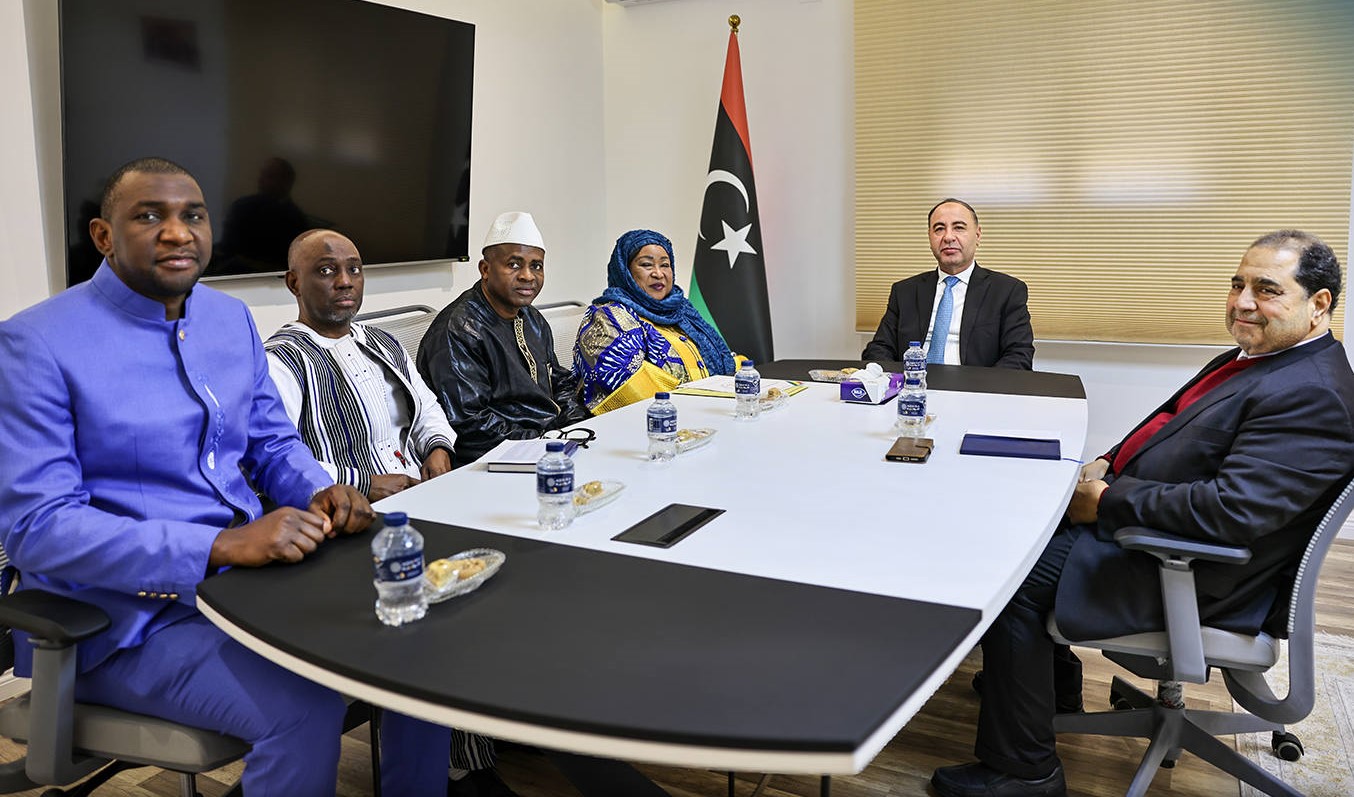
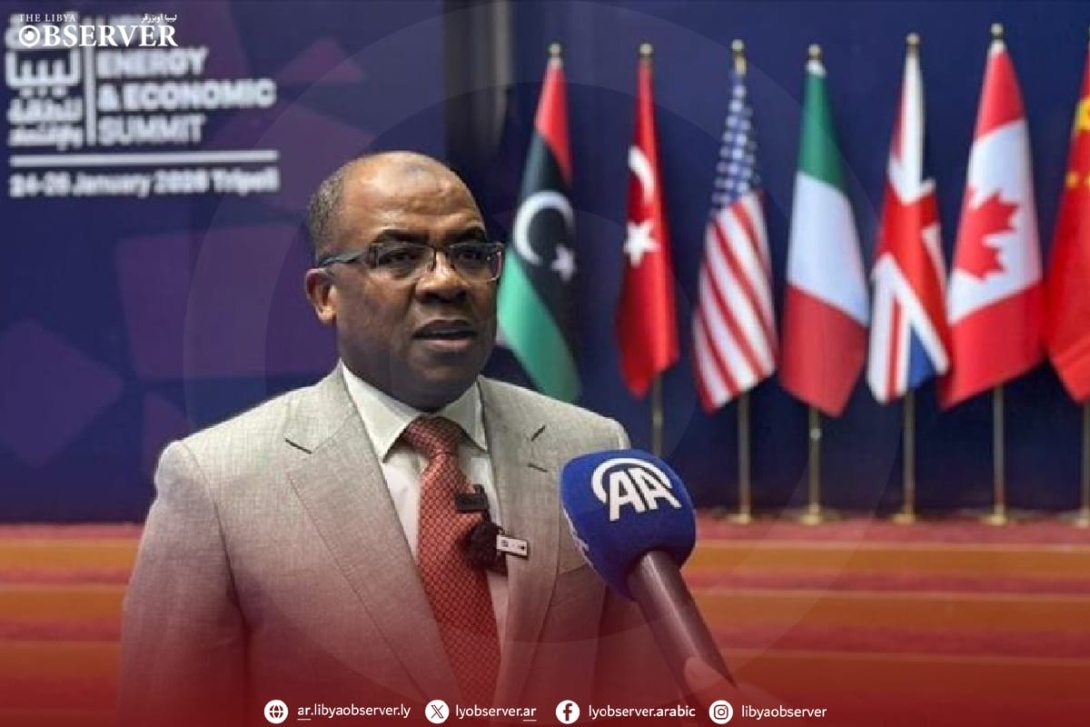
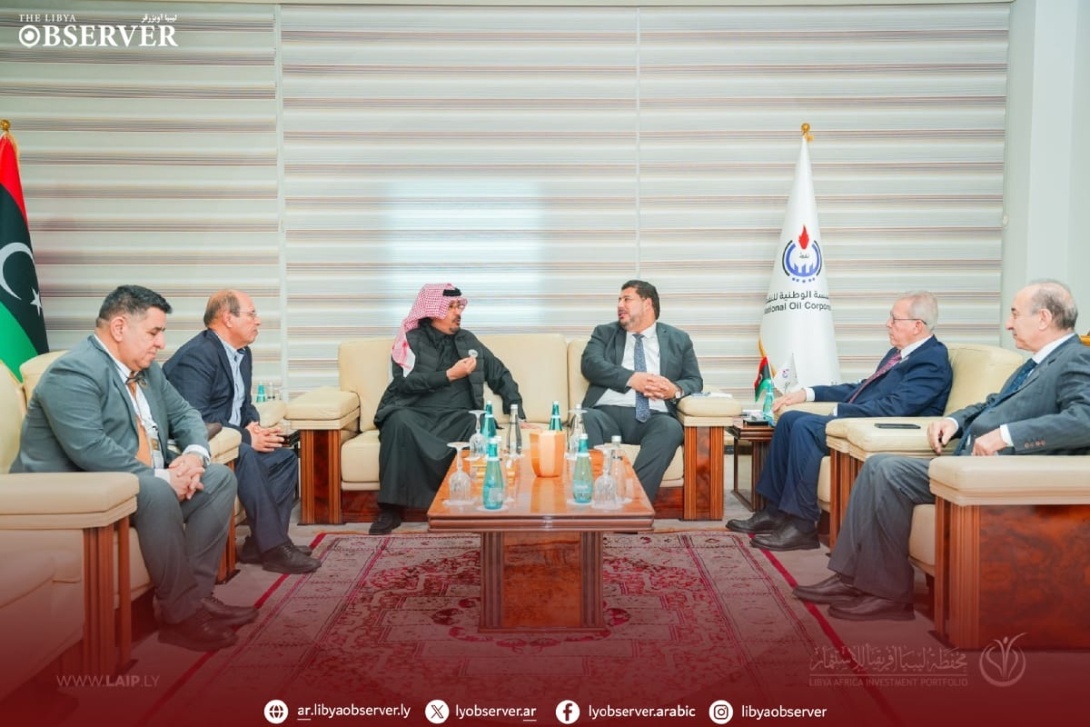
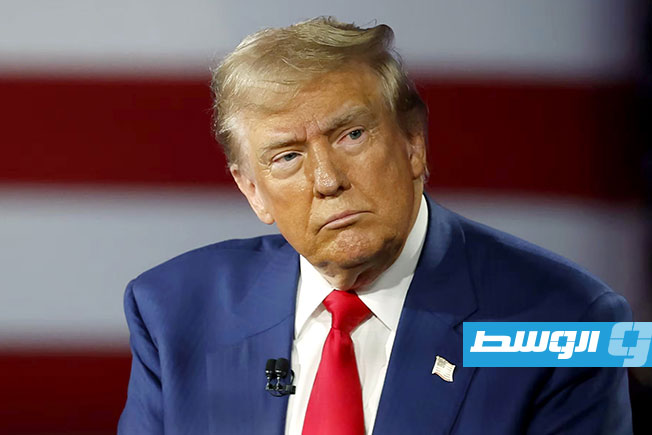
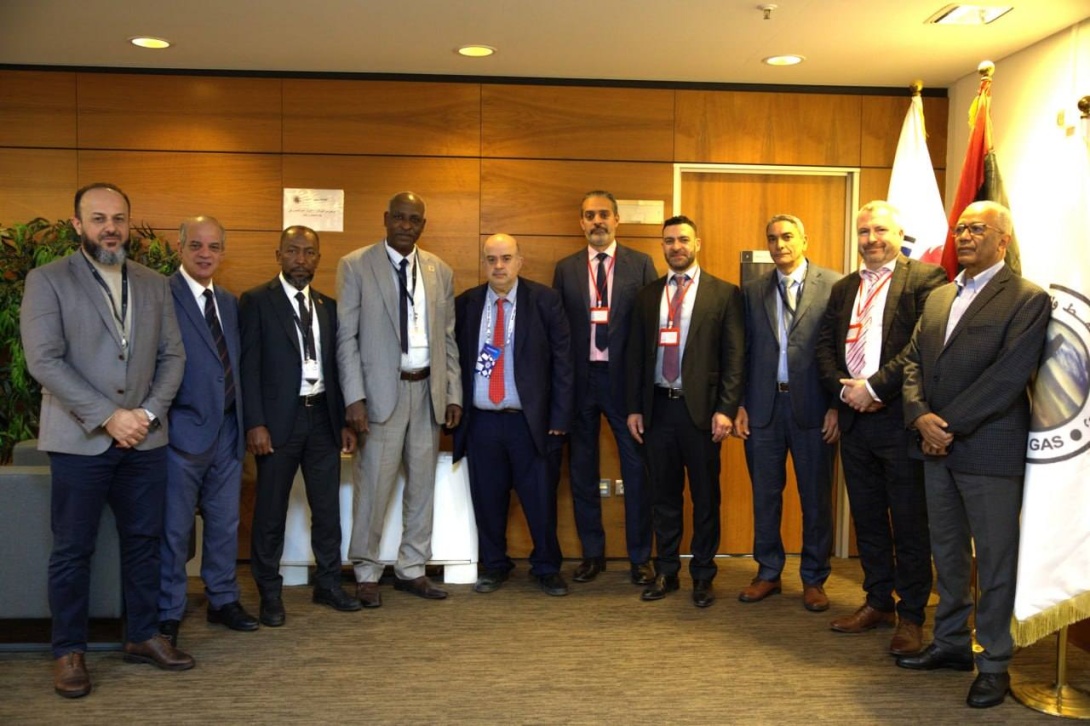
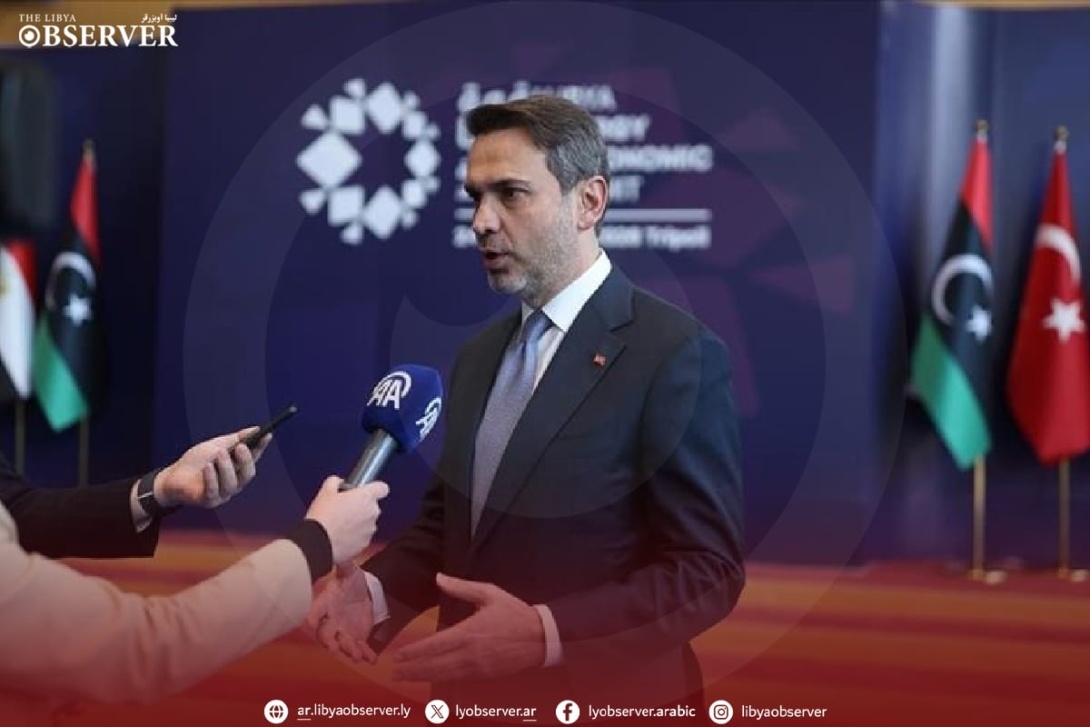
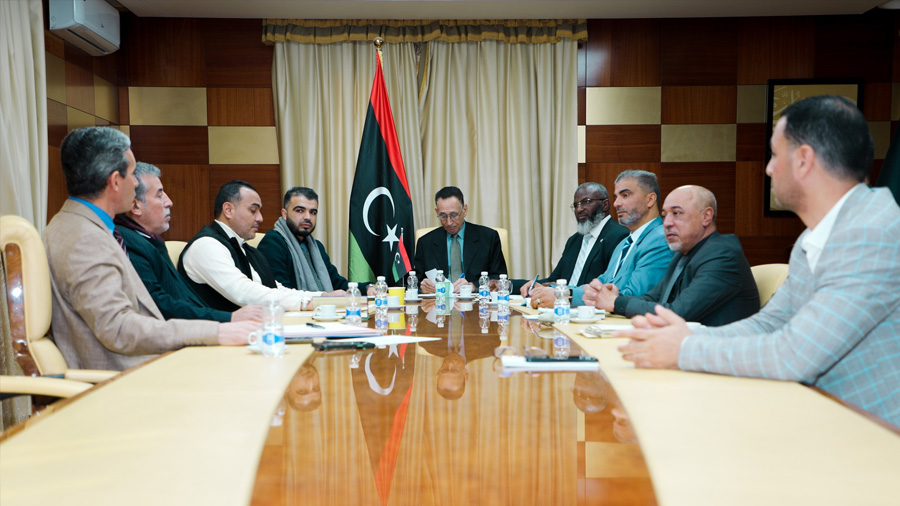
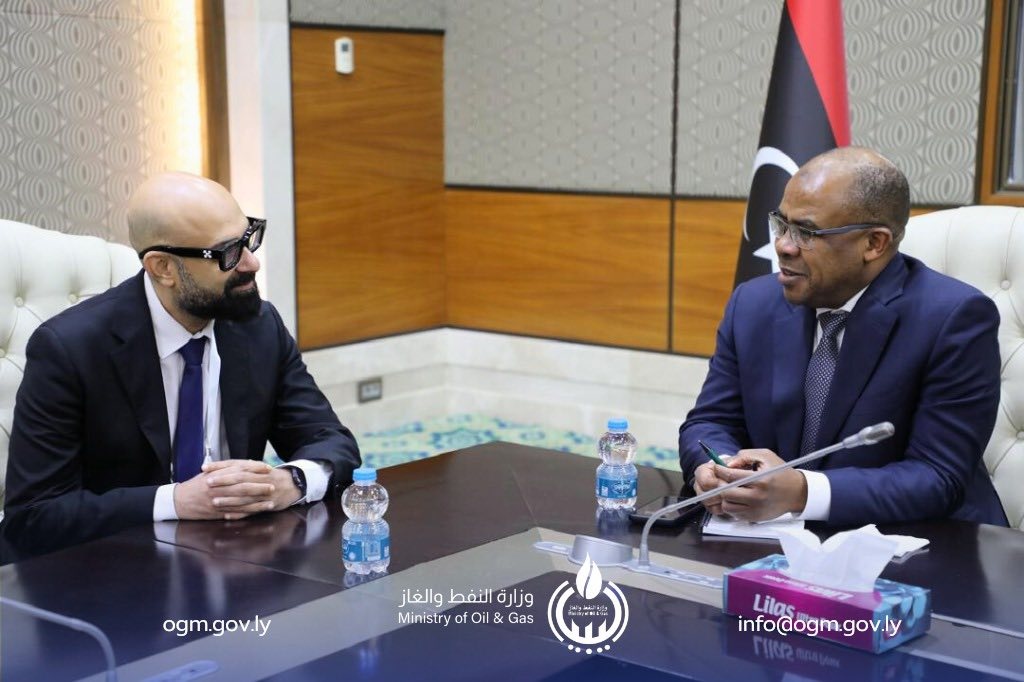
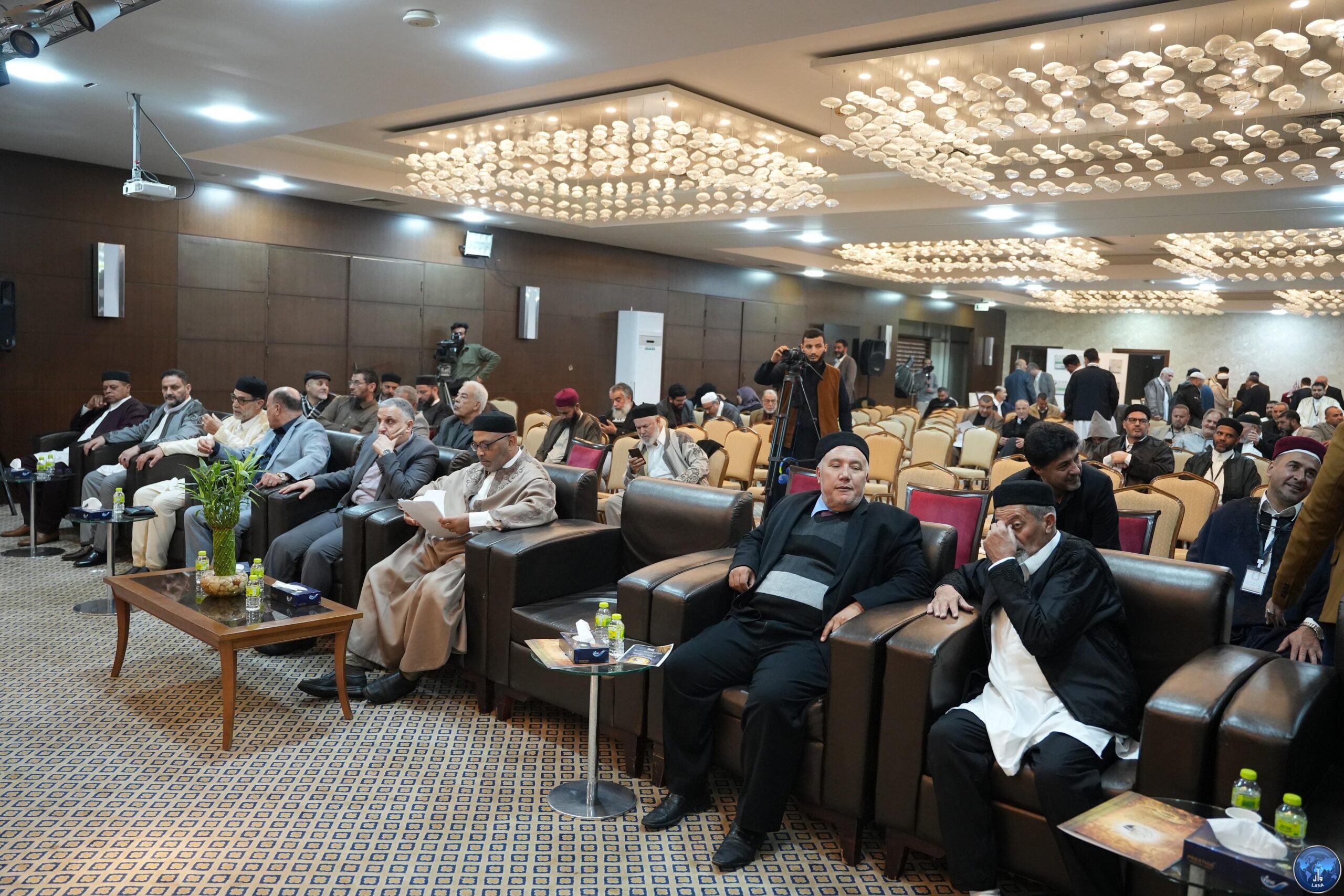
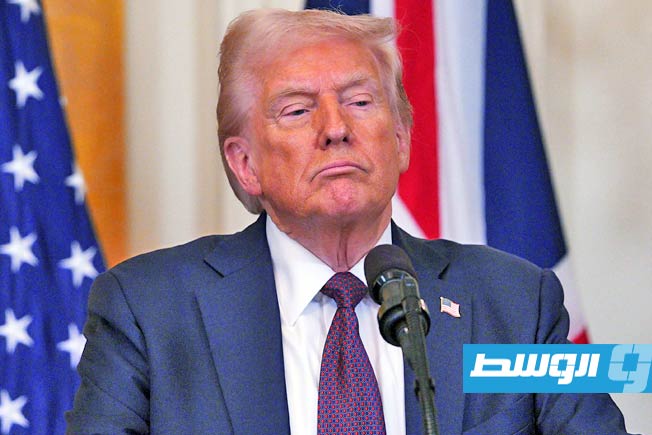
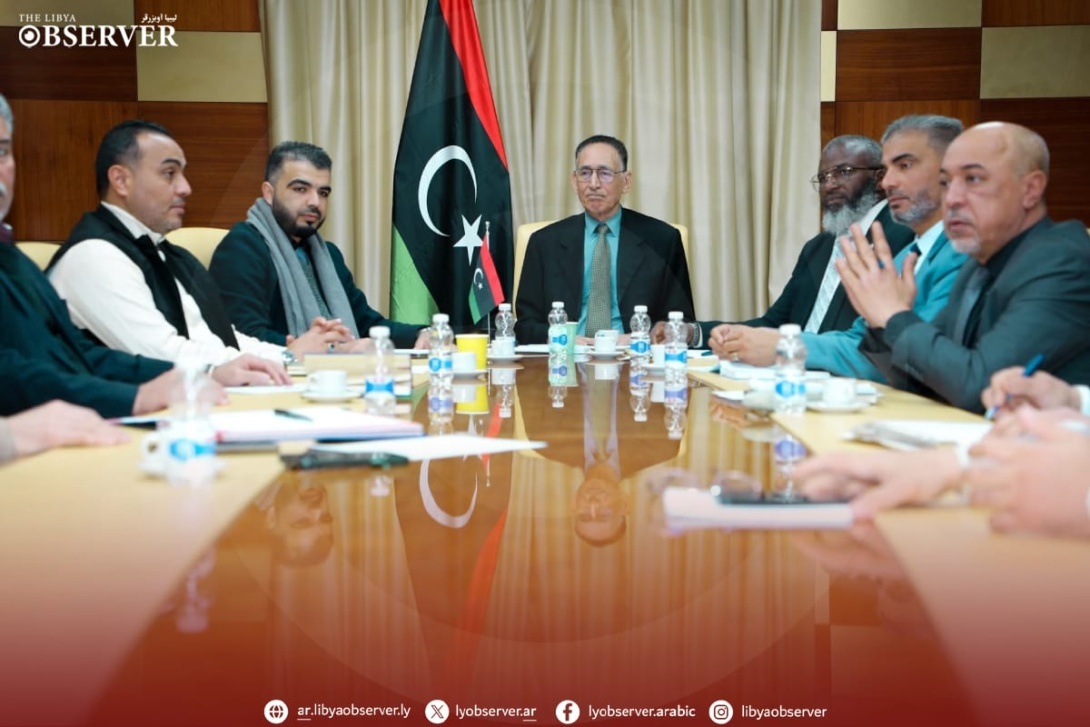
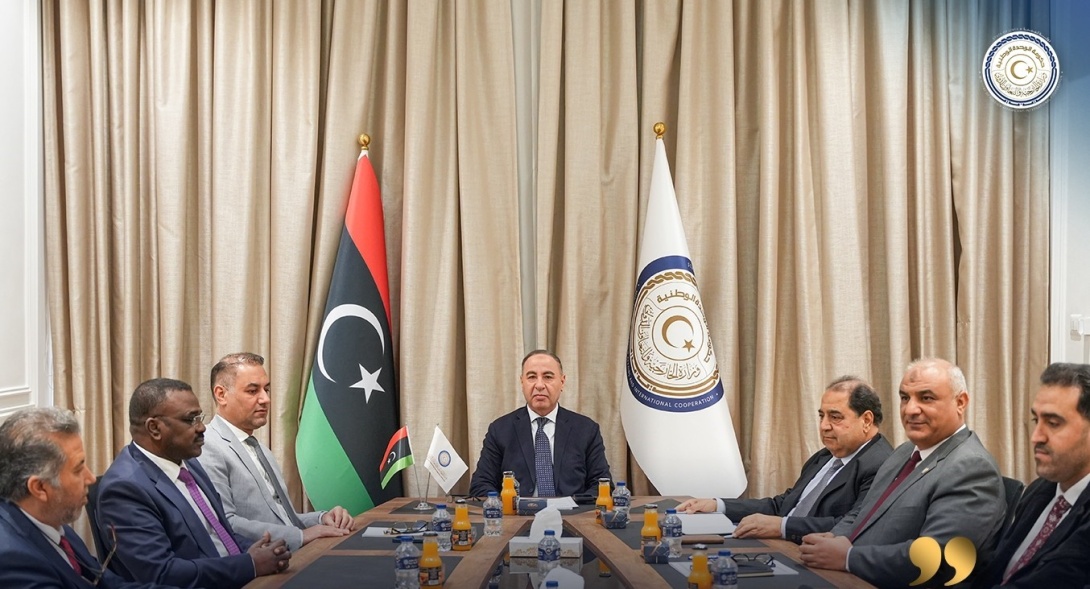
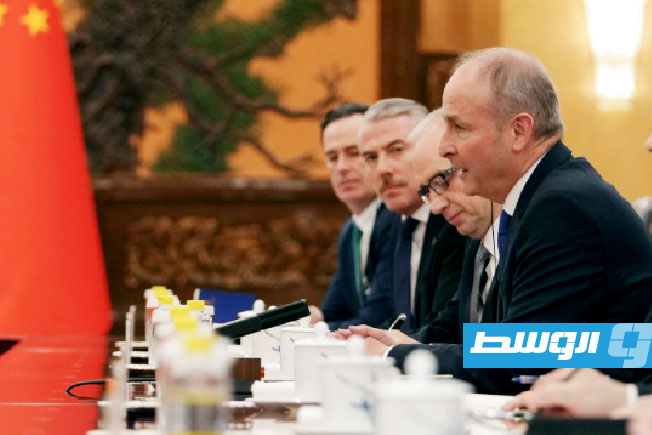
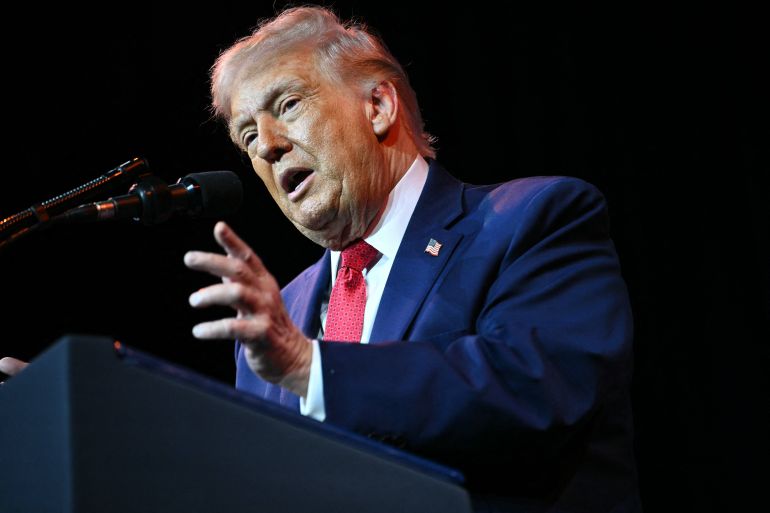
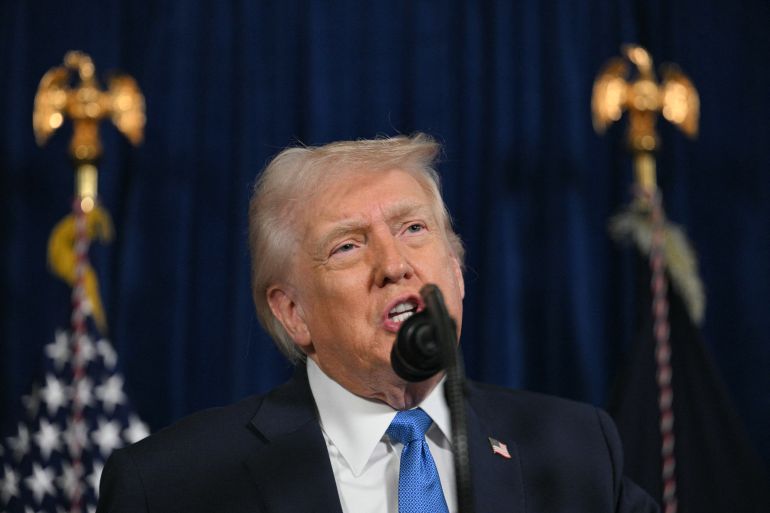
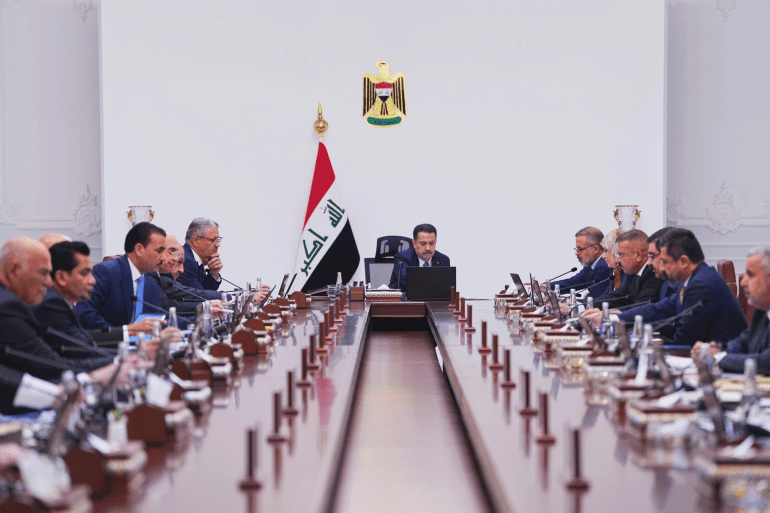
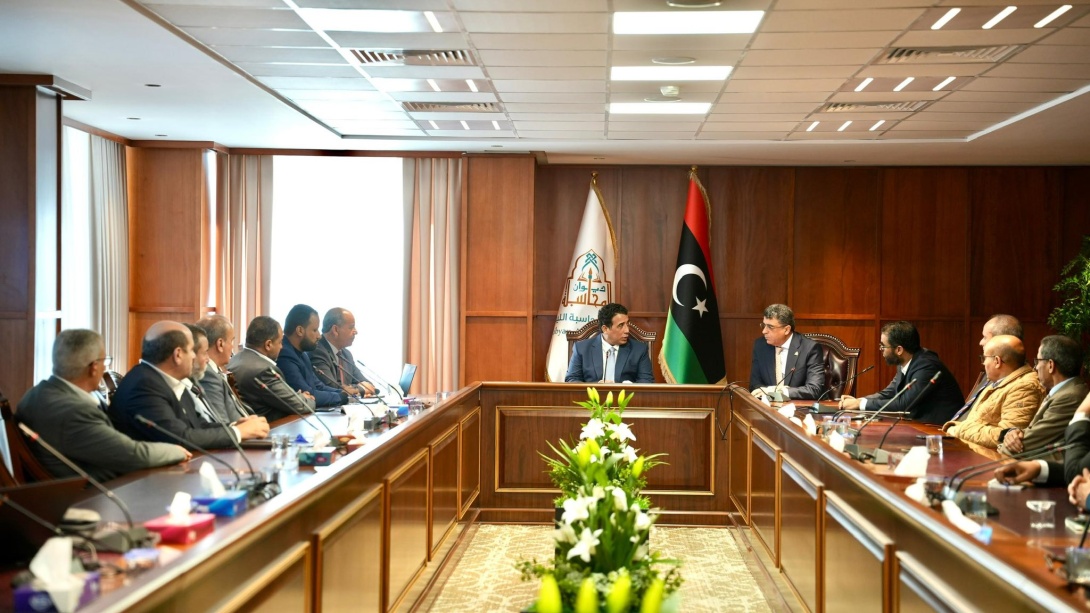
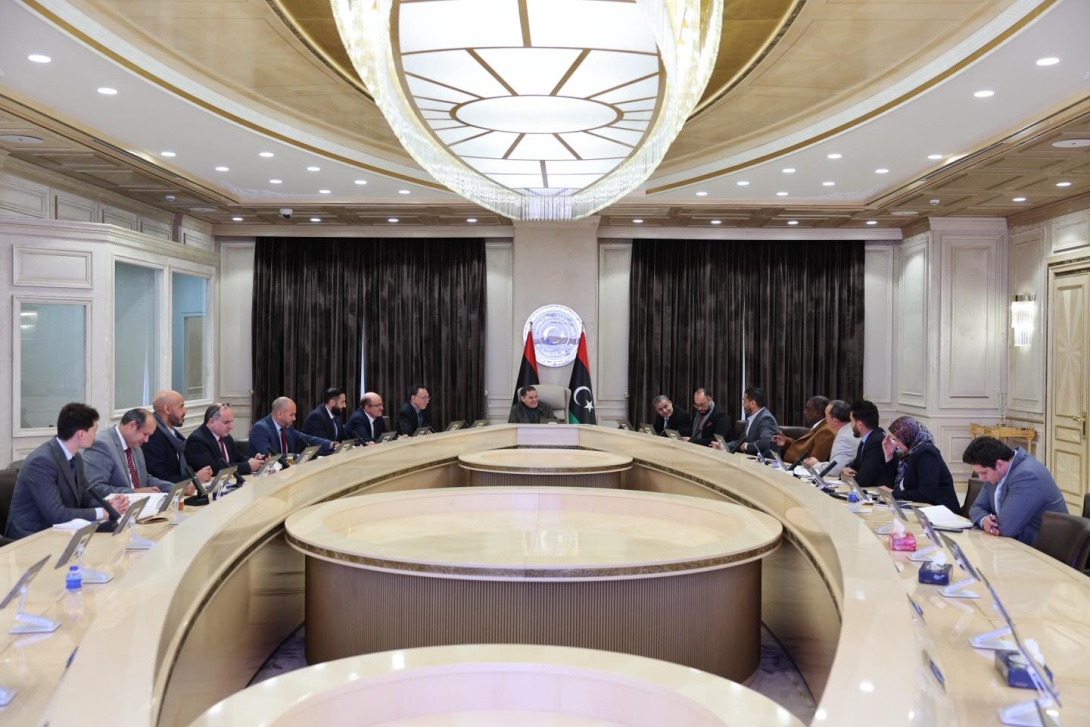
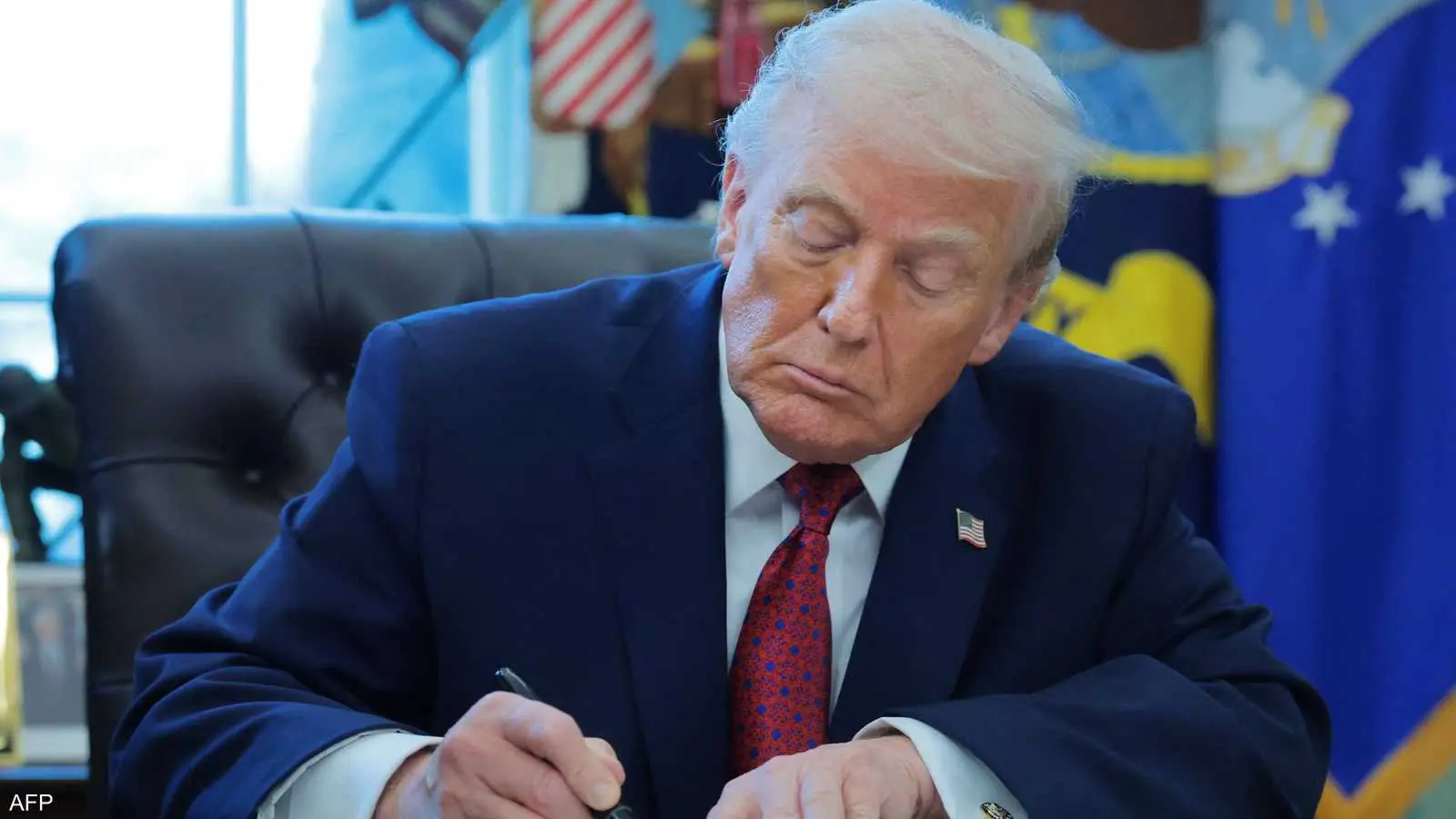
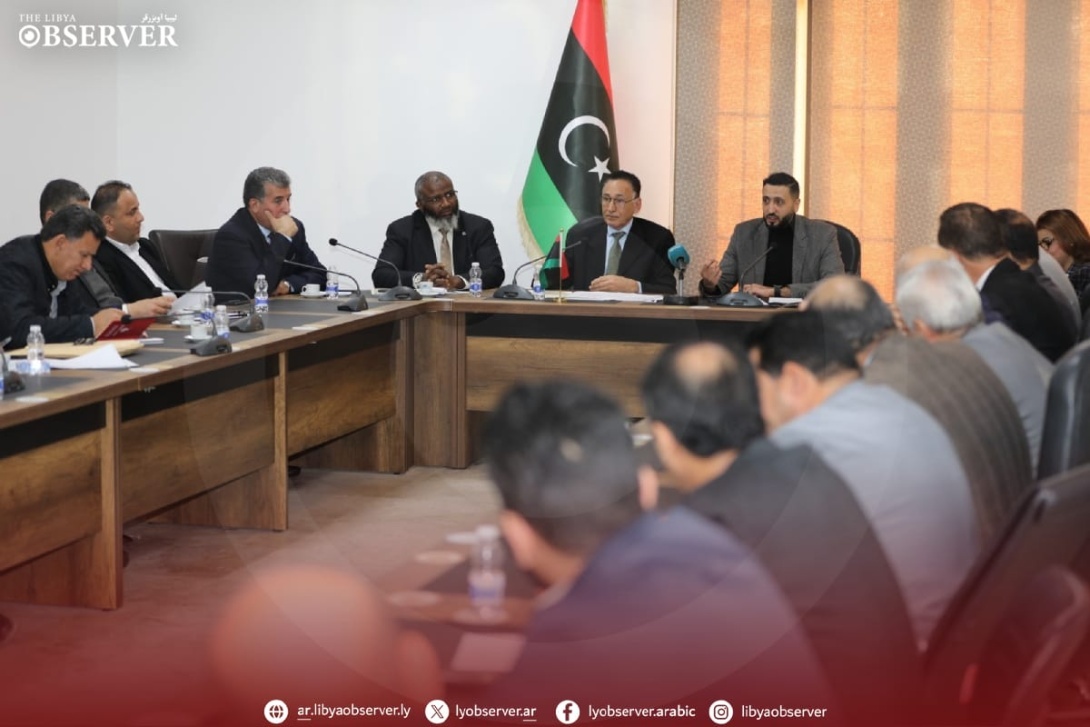
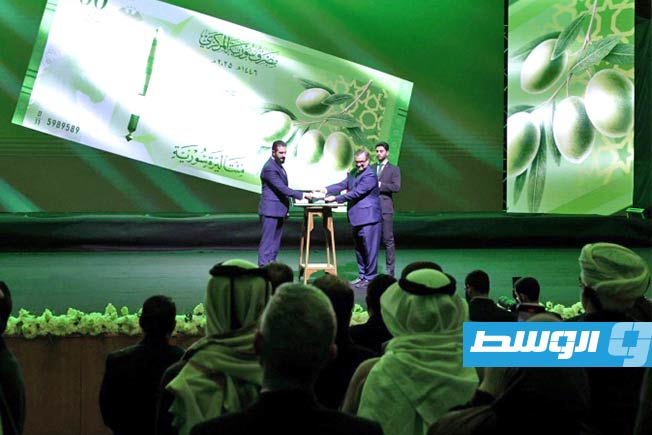
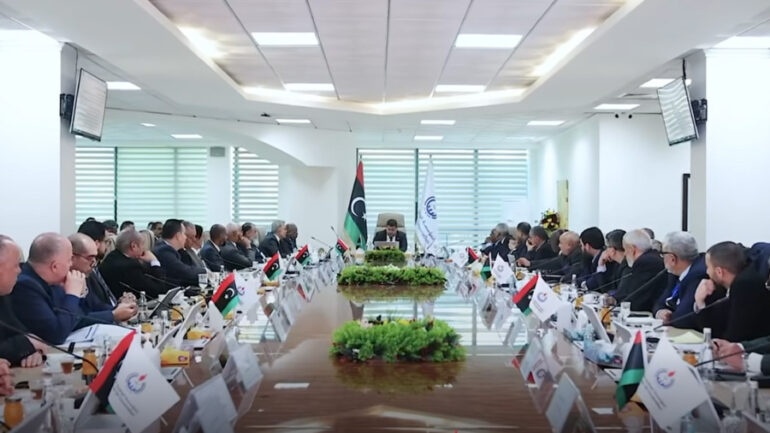
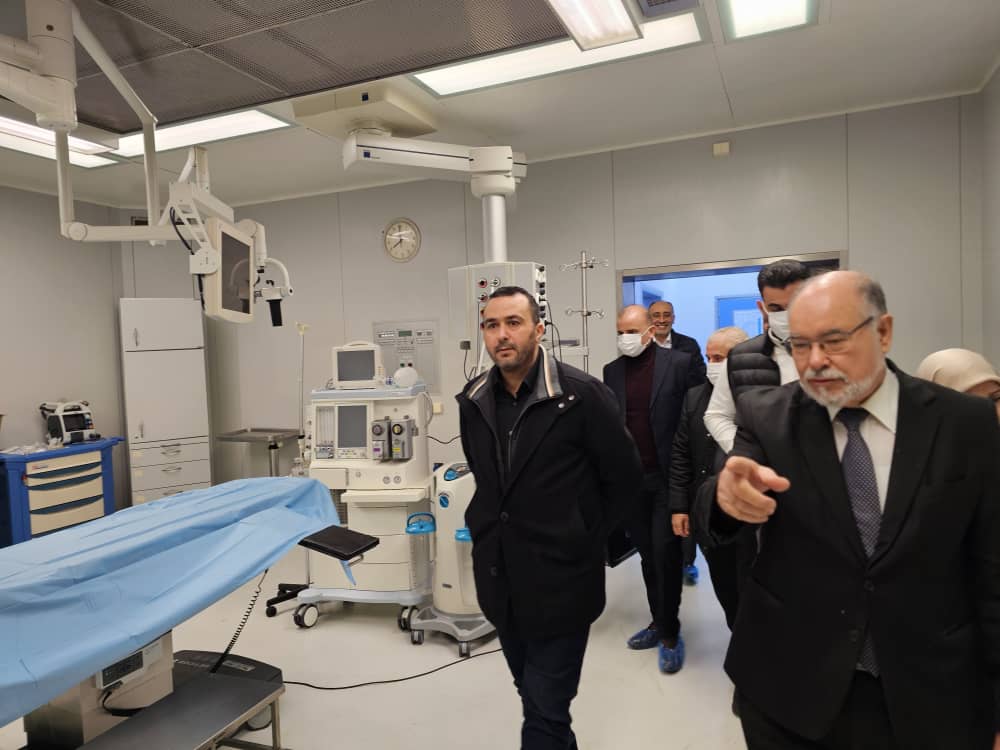
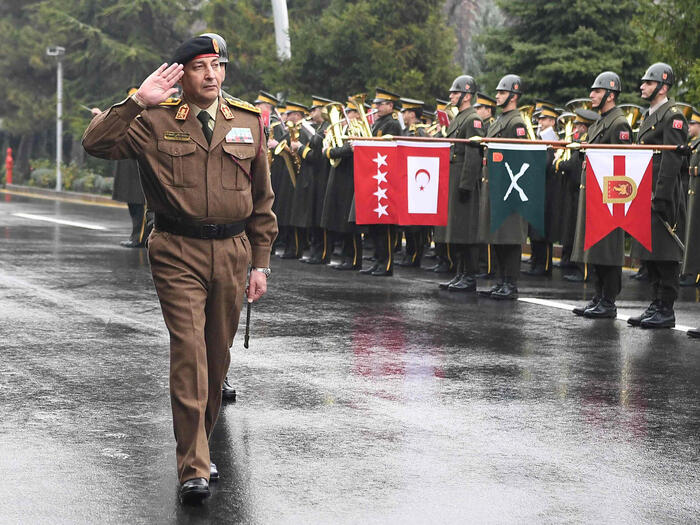
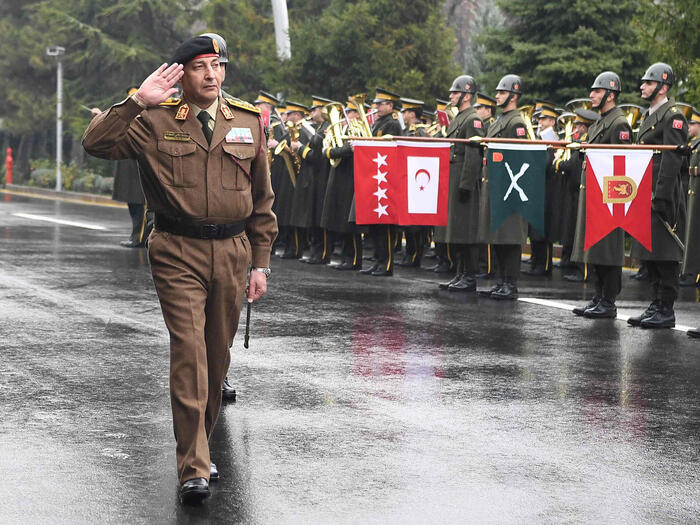
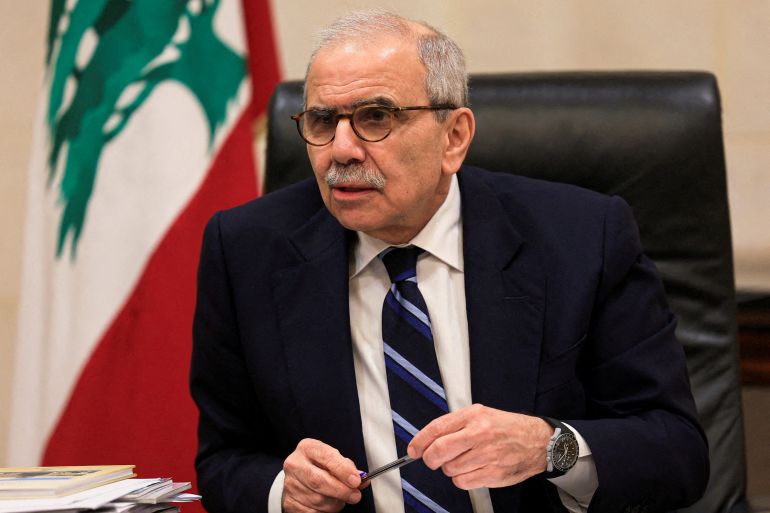
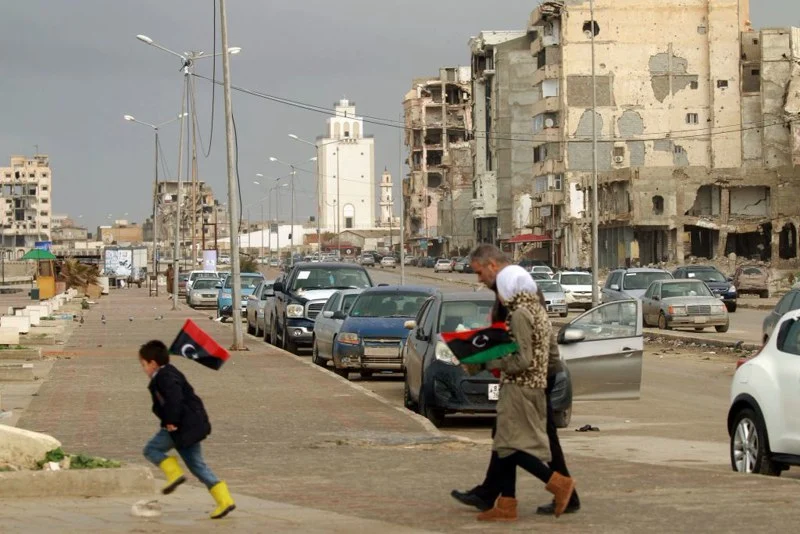
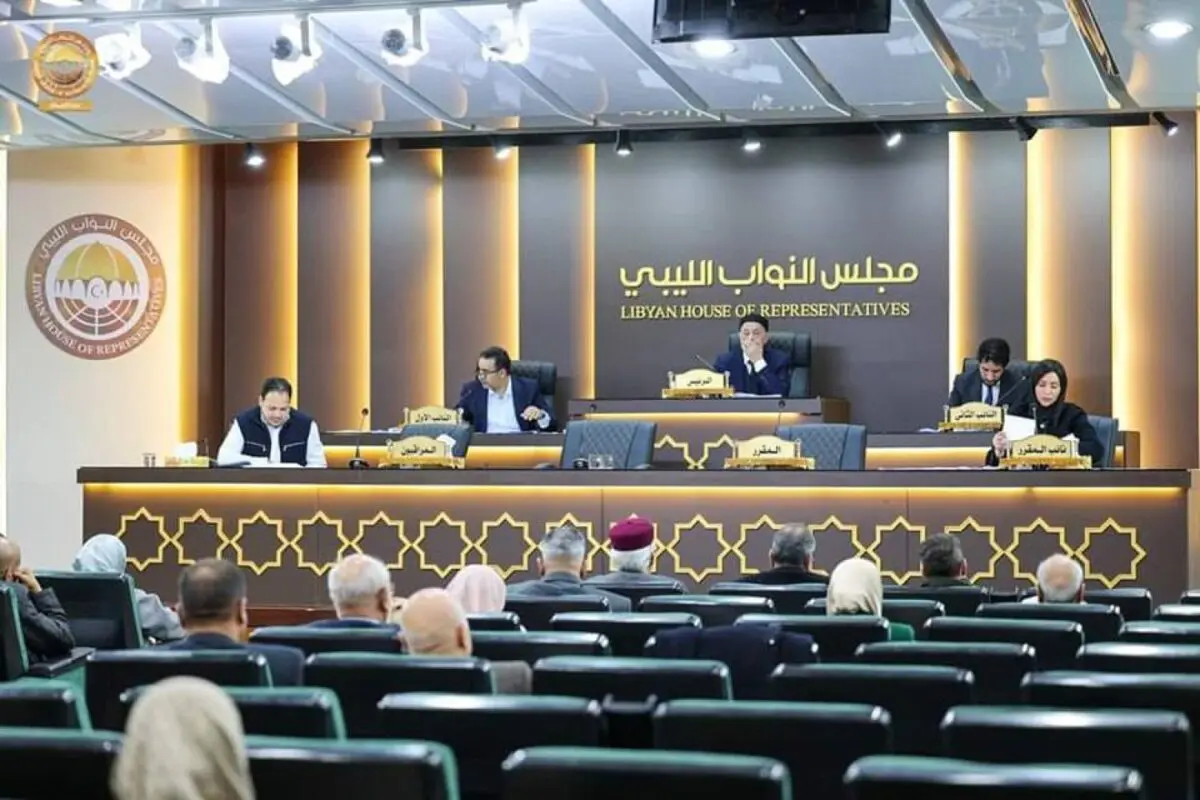
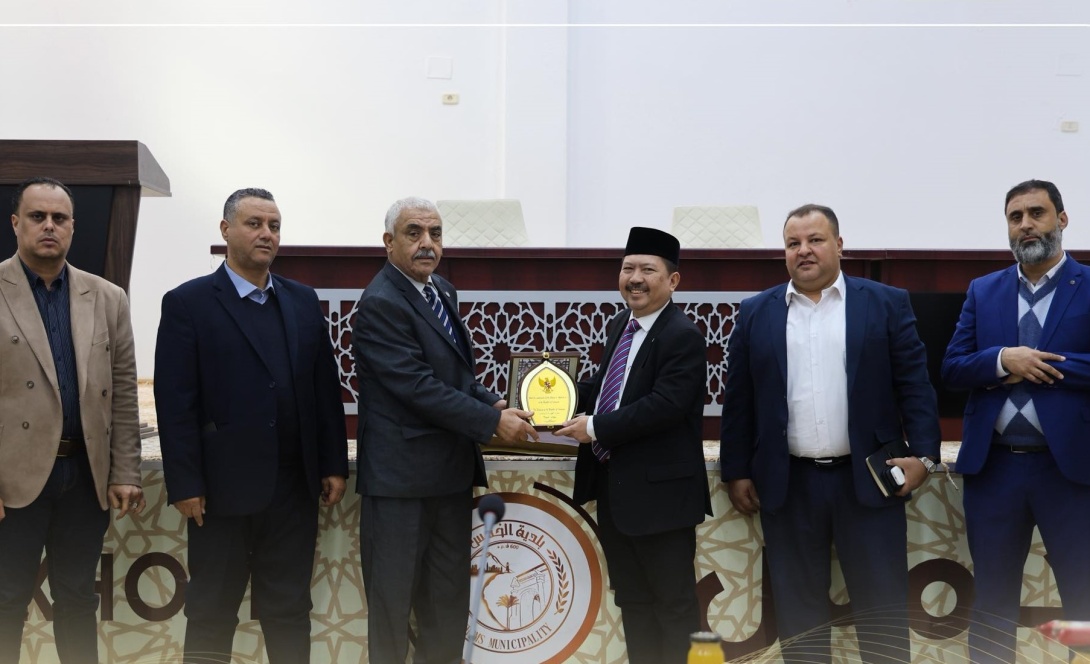
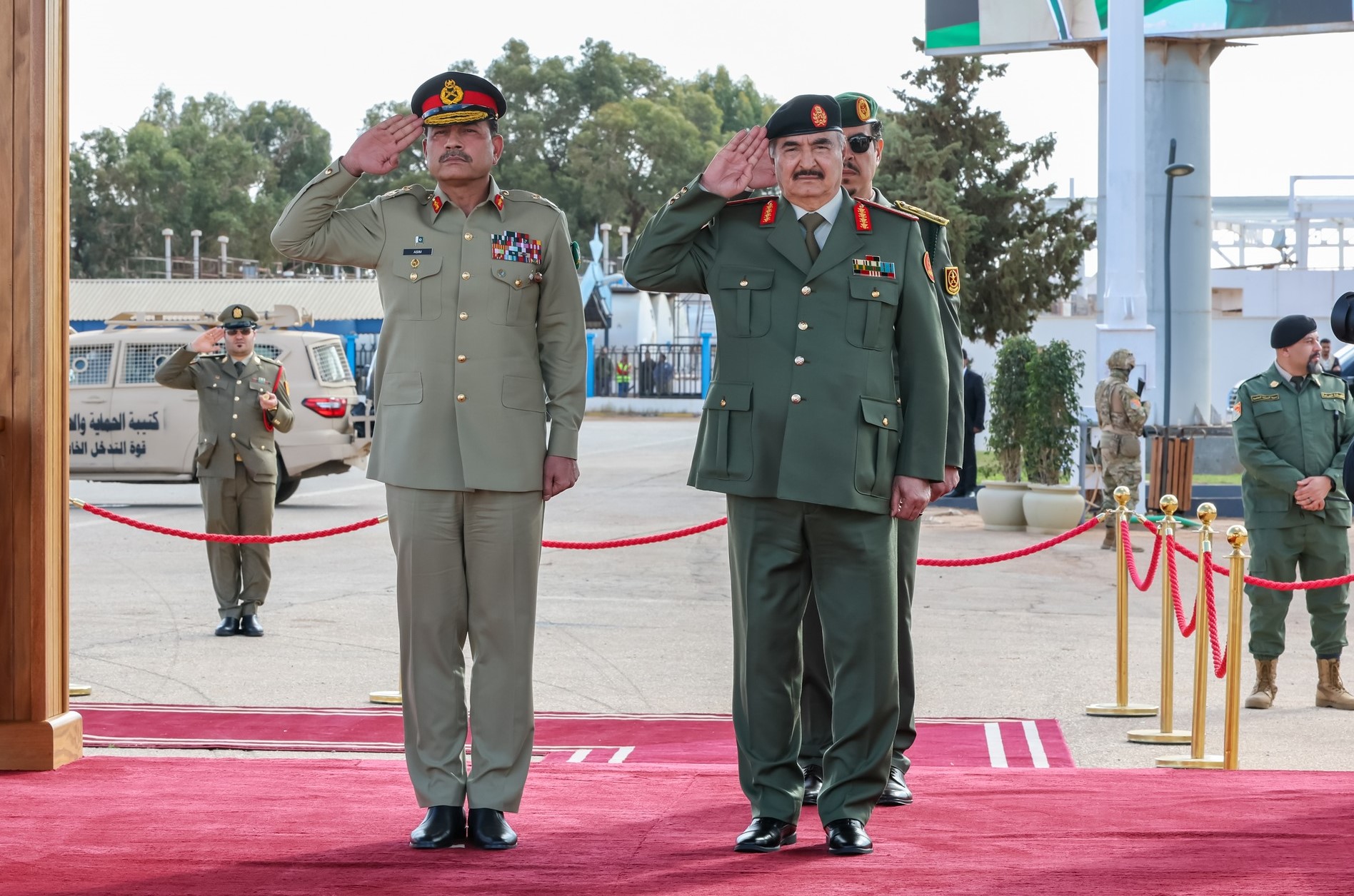
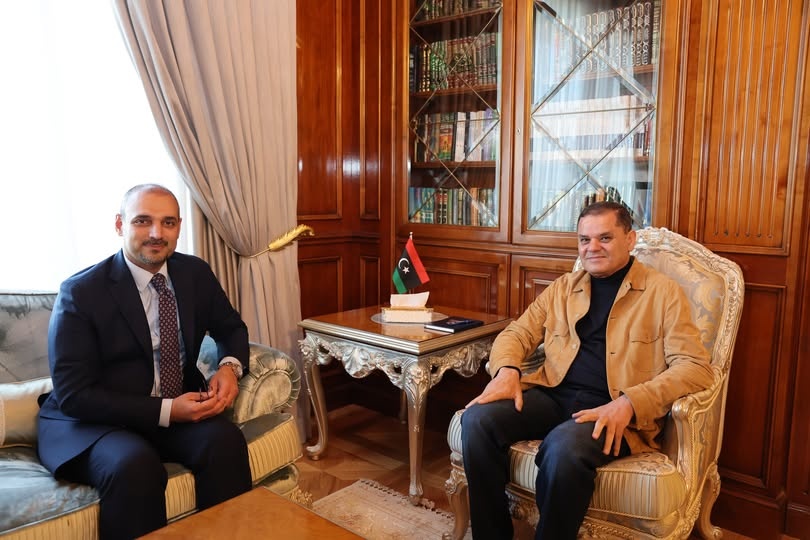
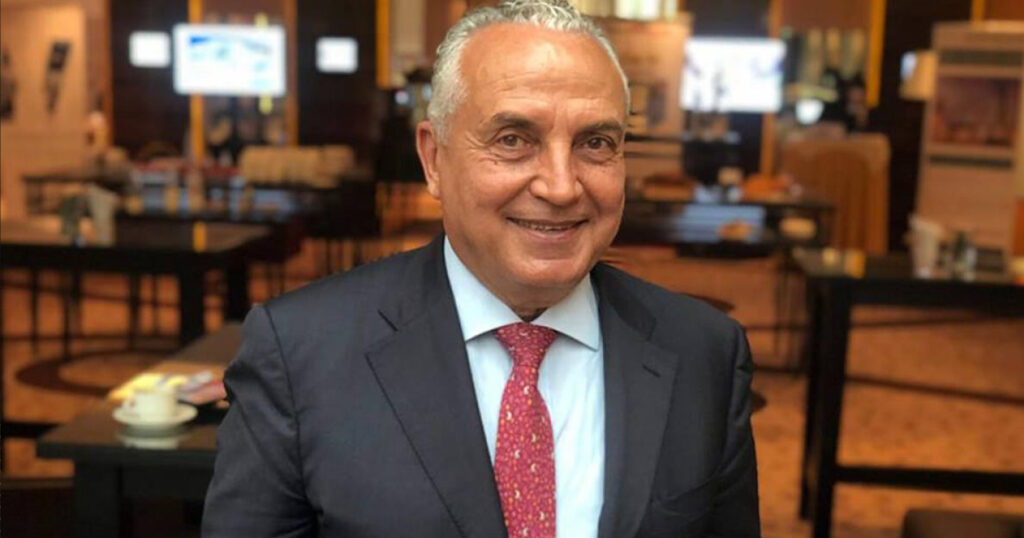
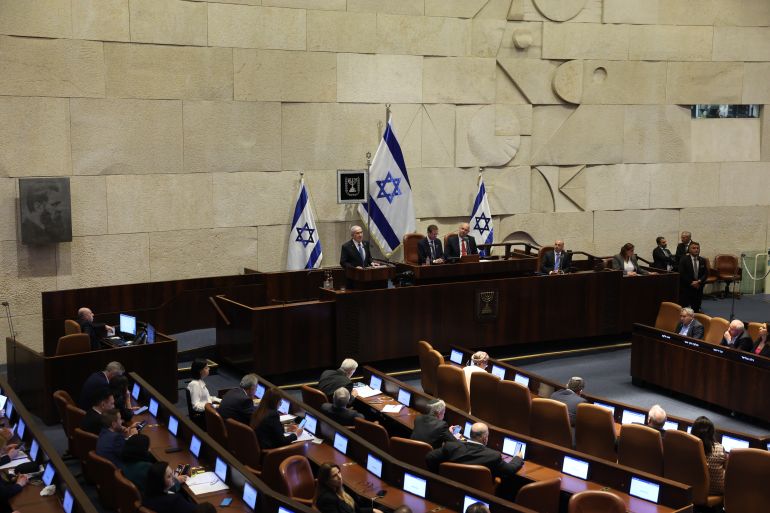
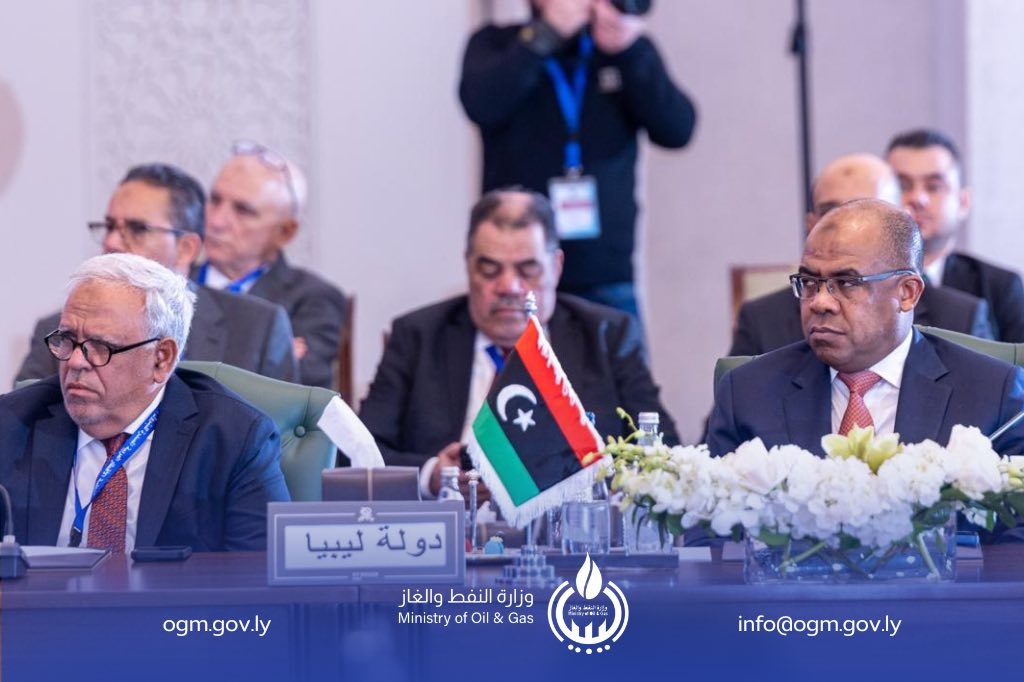
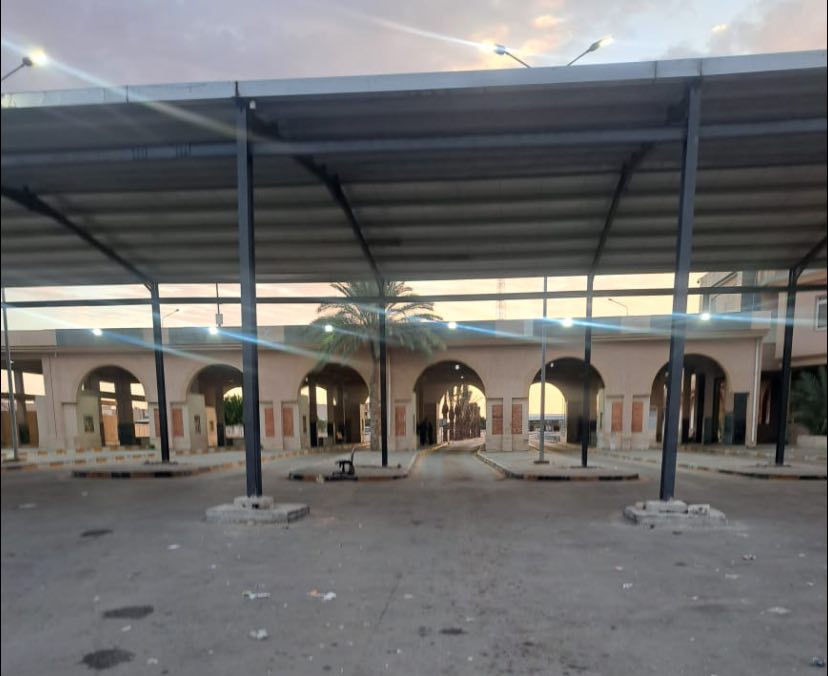
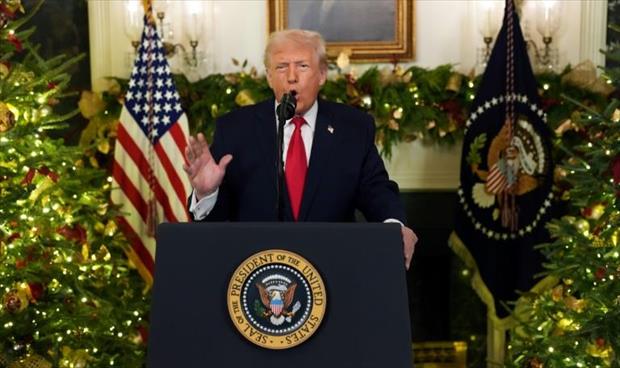
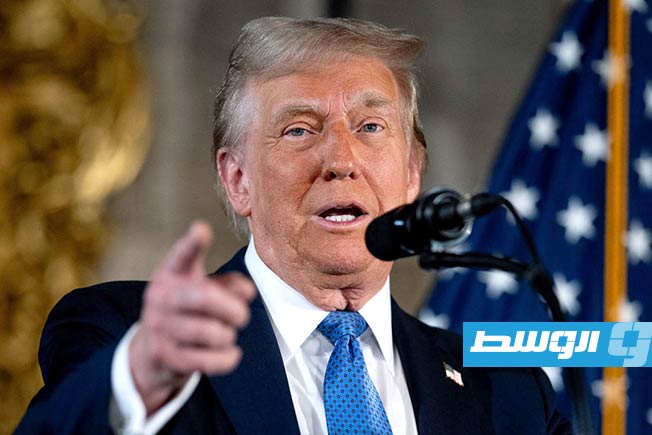
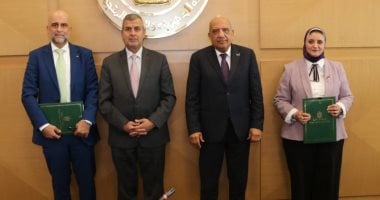
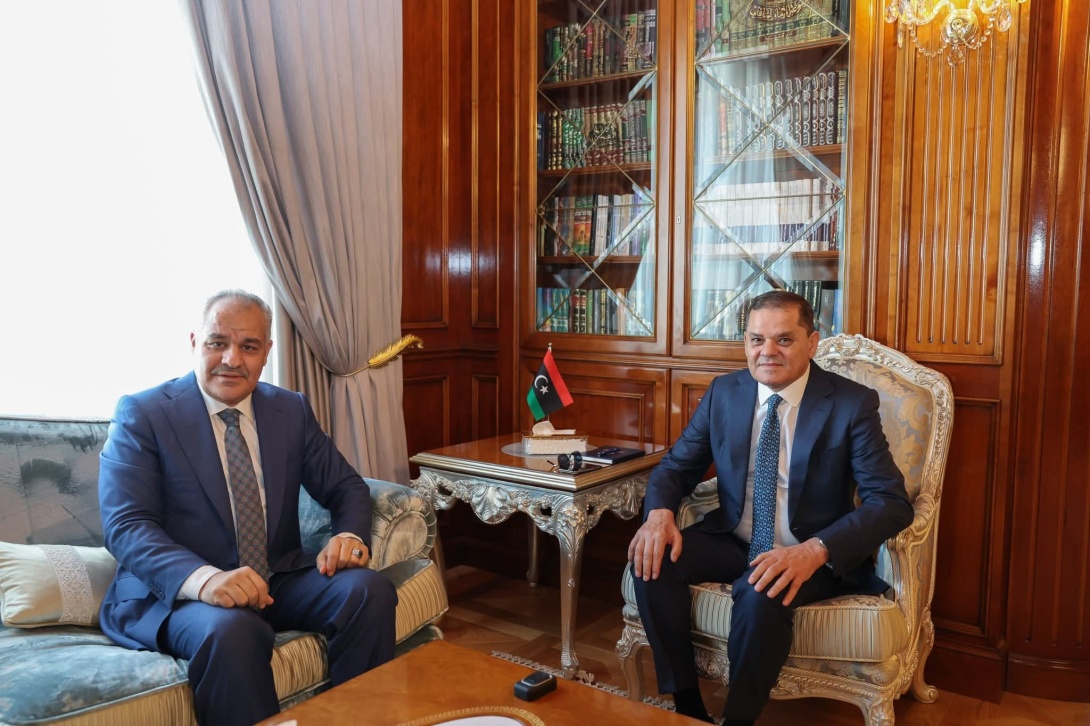
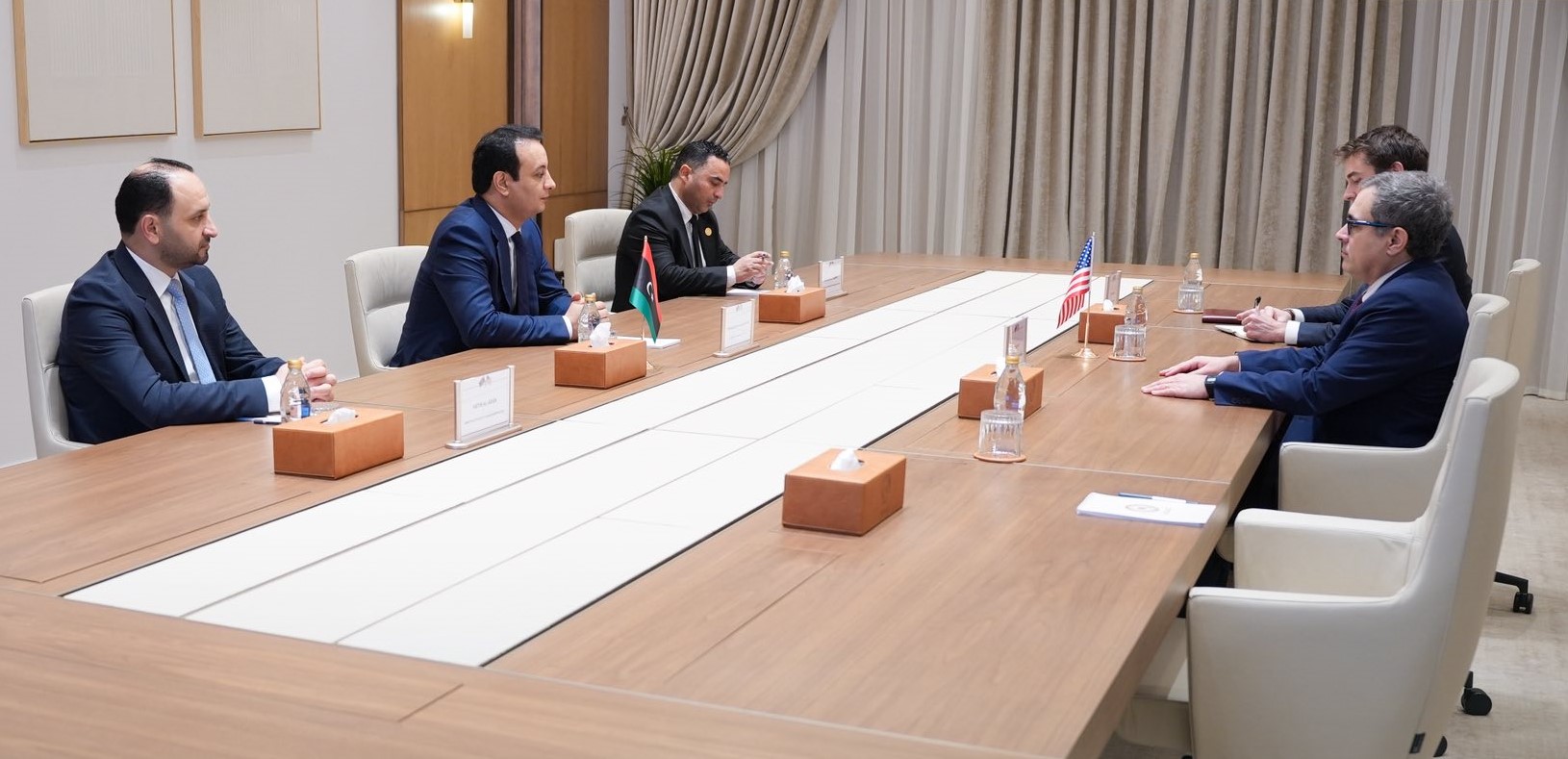
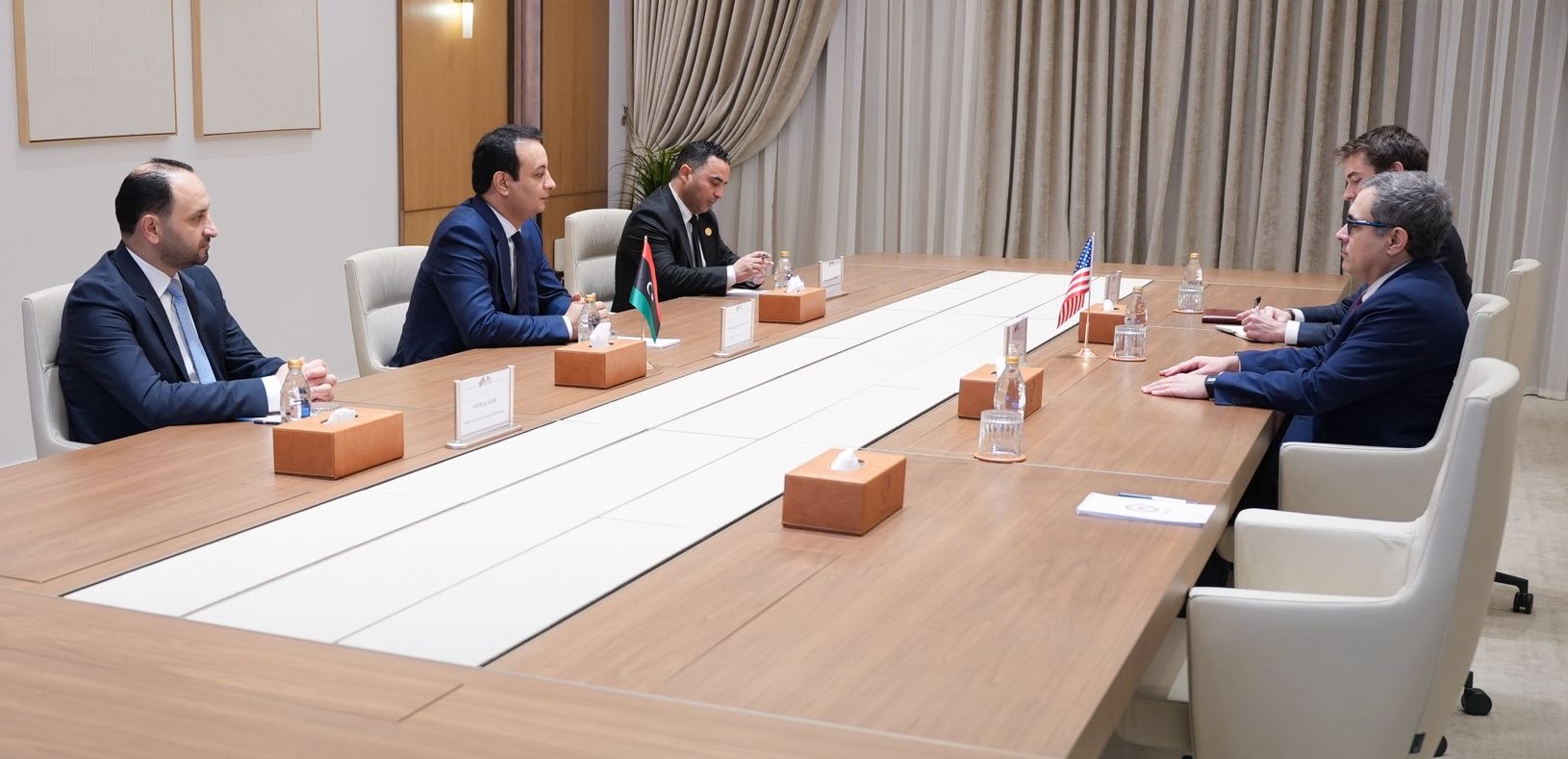
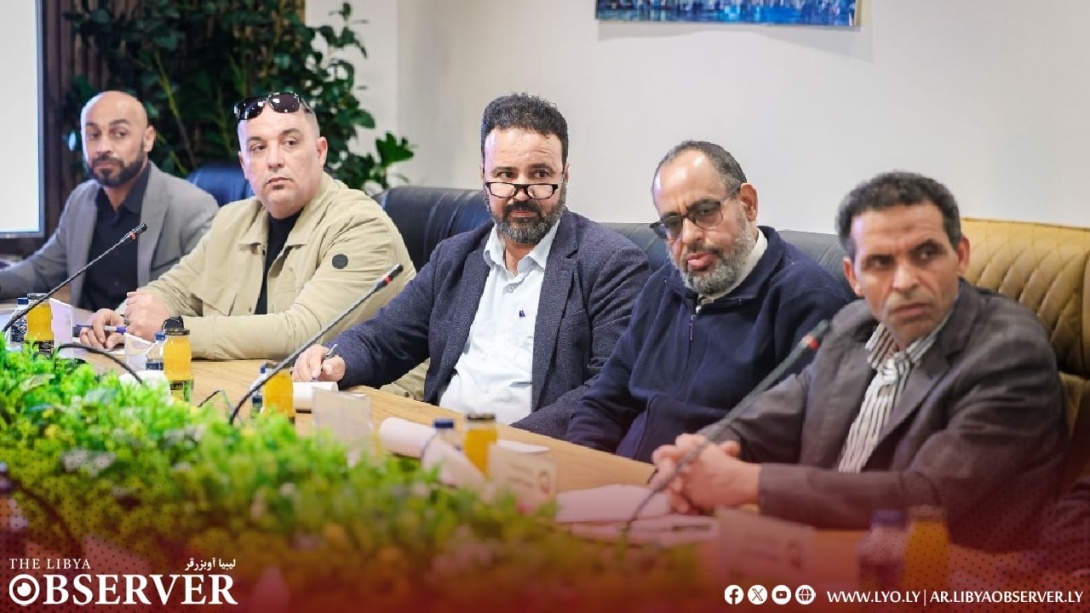
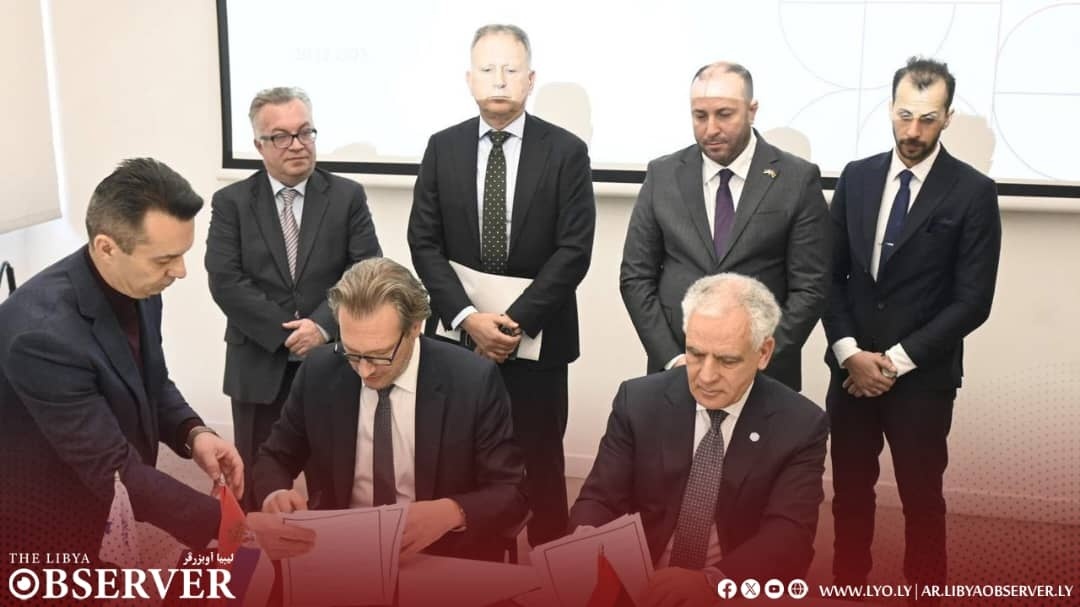
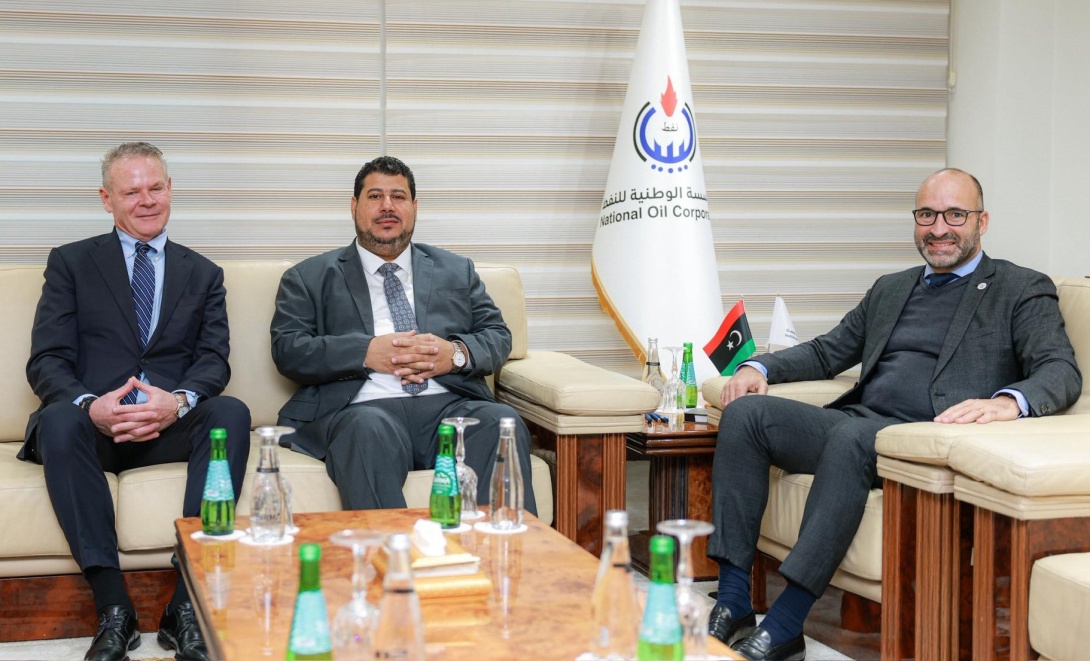
Tripoli, January 24, 2026 – The fourth edition of the Libya Energy and Economy Summit commenced today, Saturday, at the Victory Forest Halls complex in the capital, Tripoli. The event was attended by the head of the Government of National Unity, the U.S. President’s advisor, the Egyptian Minister of Energy, delegates and representatives from major global energy companies, and ambassadors of countries accredited to Libya.
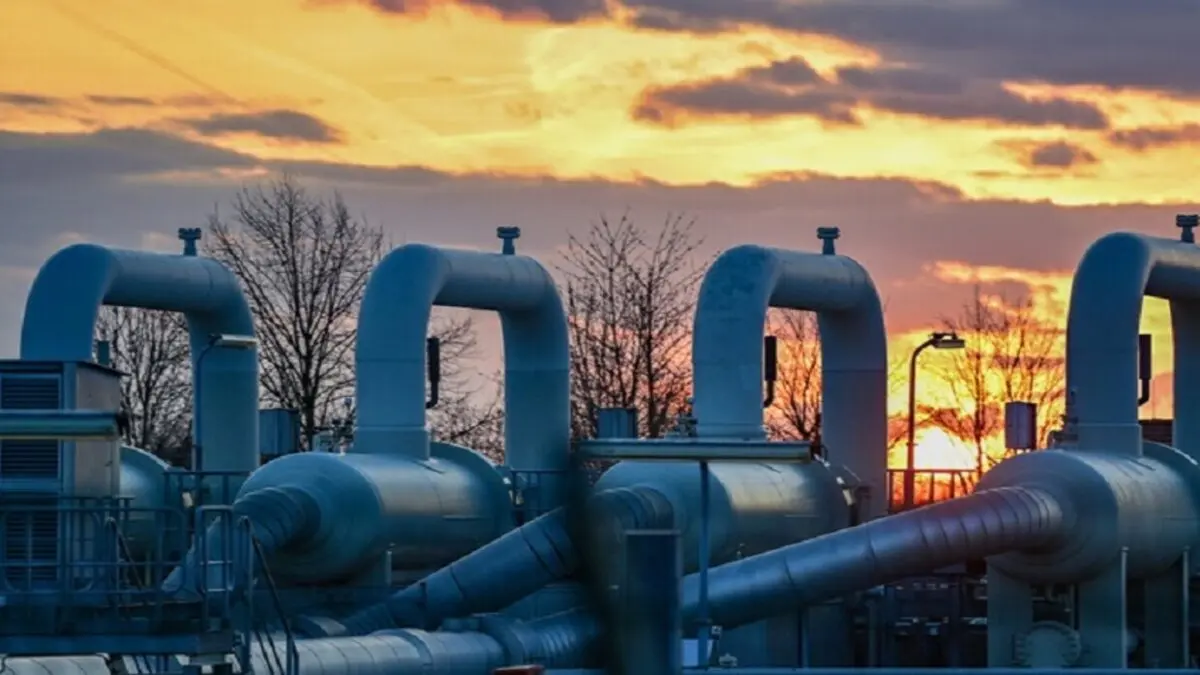
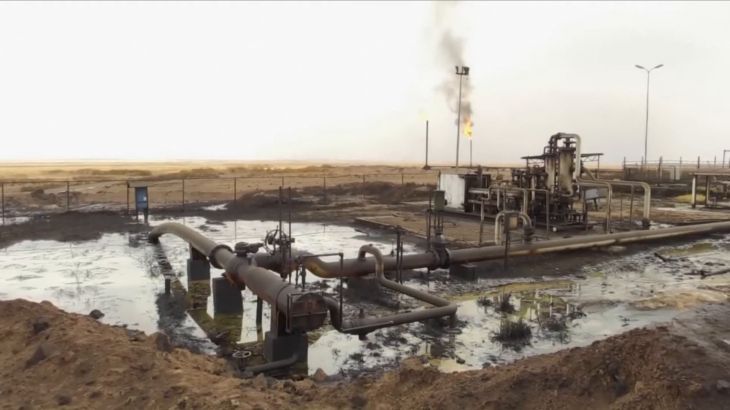
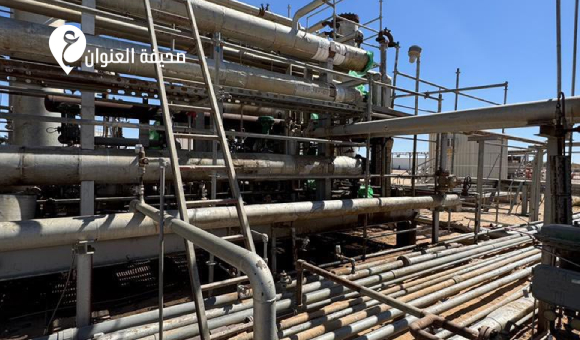
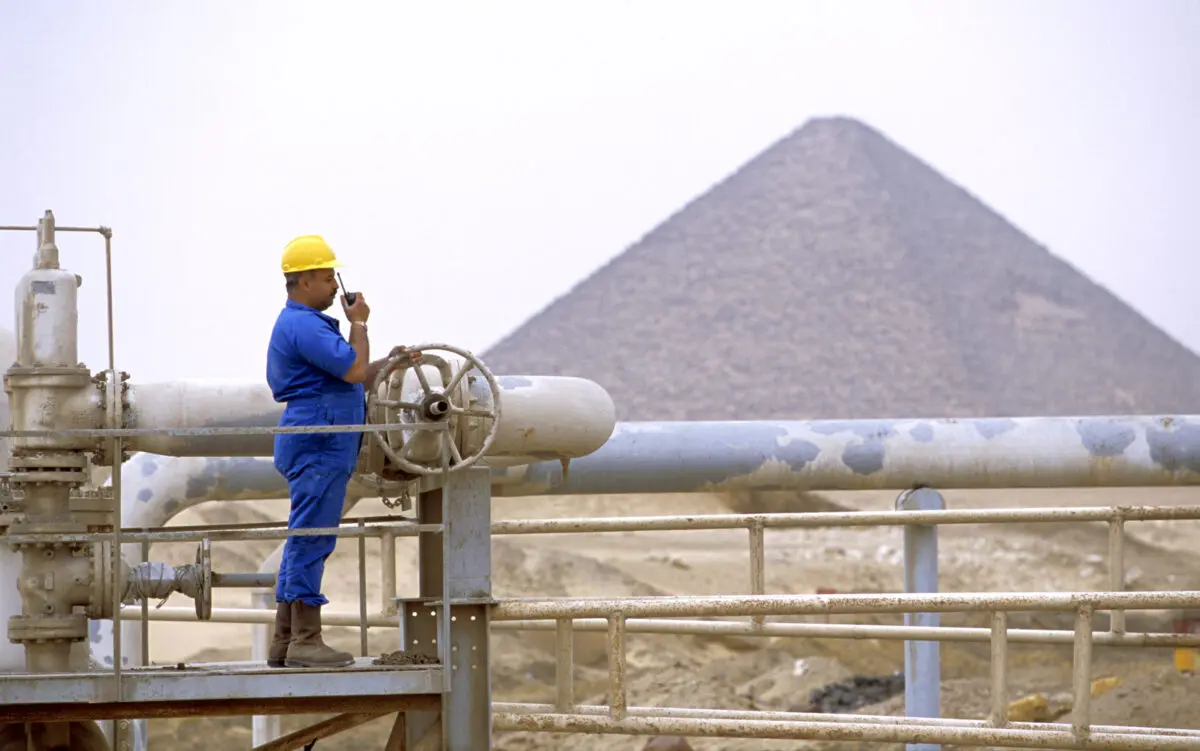
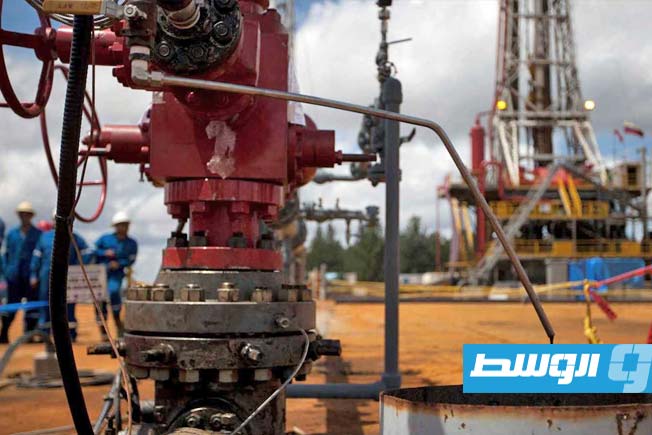
The summit aims to enhance dialogue between the public and private sectors, discuss investment opportunities and the development of Libya’s energy sector, and bring together decision-makers, investors, and international experts to discuss traditional and renewable energy projects. It also seeks to promote investment opportunities in the oil and gas sector, in addition to examining the transition to clean energy, which contributes to developing the national economy and supporting stability.
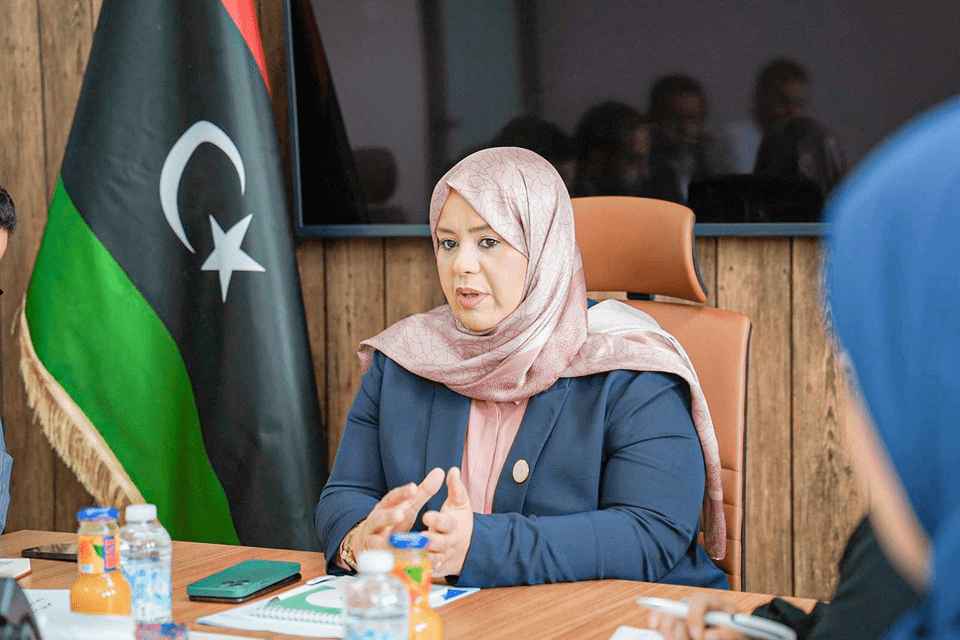
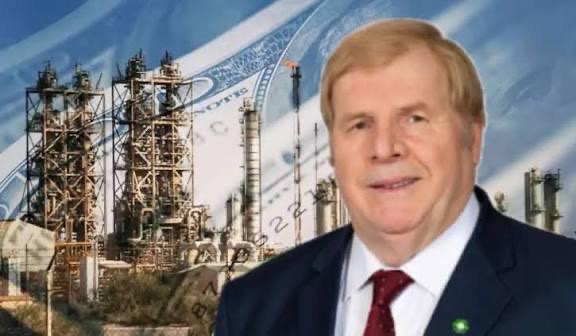
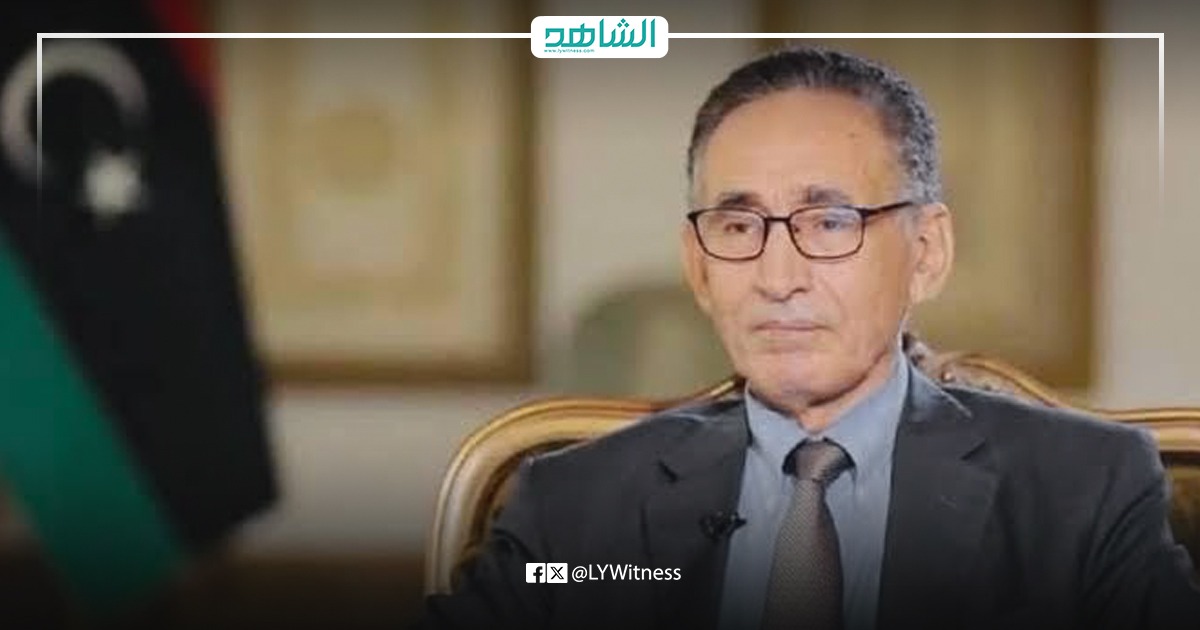
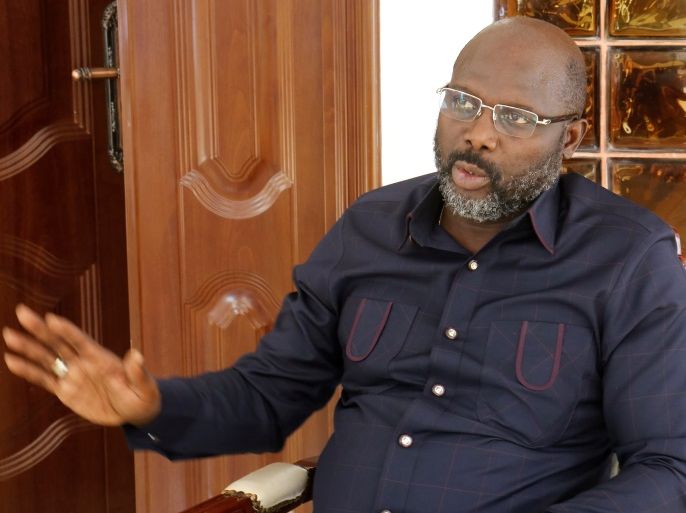
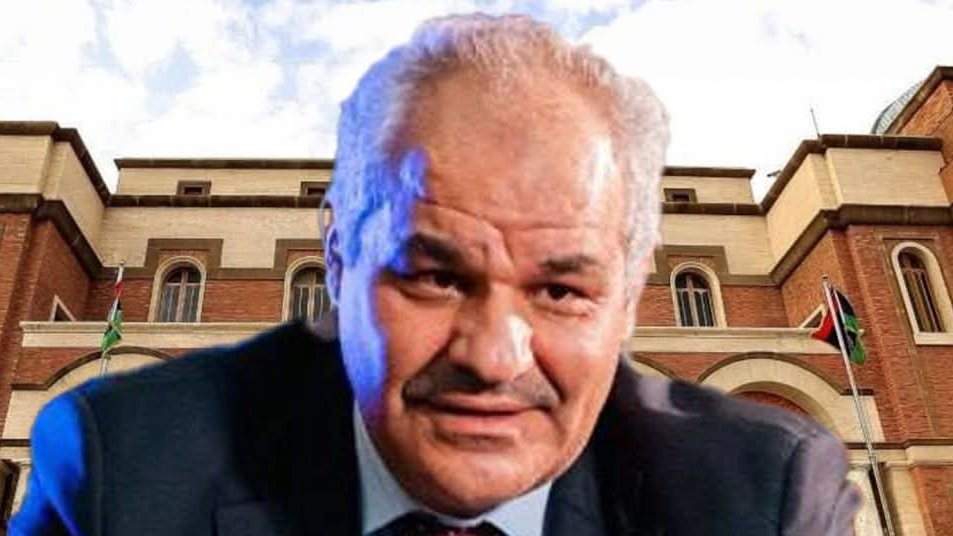
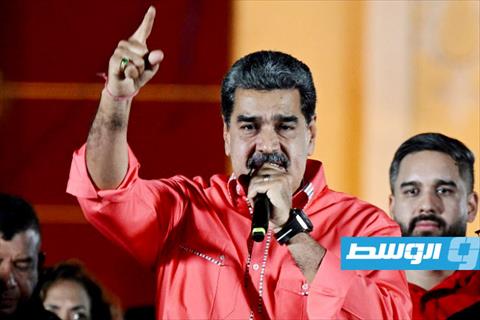
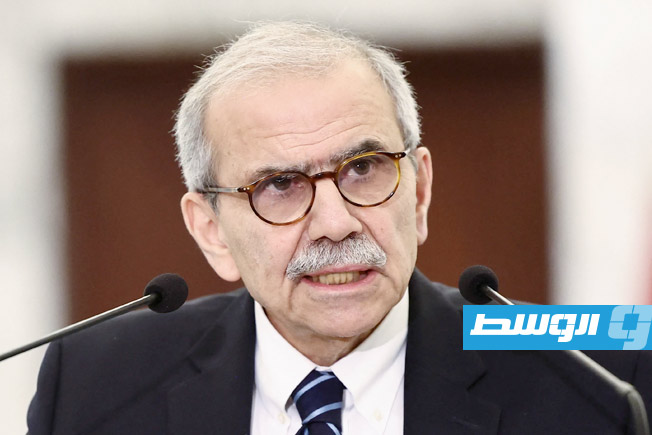
In a speech at the opening of the summit, the head of the Government of National Unity stated that the convening of this economic forum practically embodies Libya’s return to playing an important role in the international energy system, considering it a sovereign economic decision.
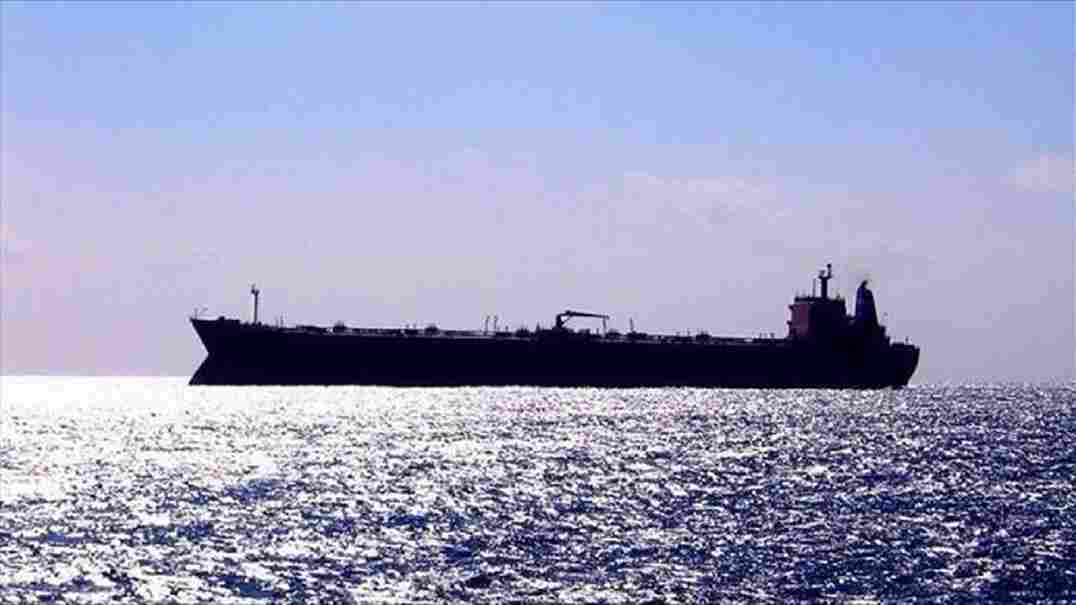
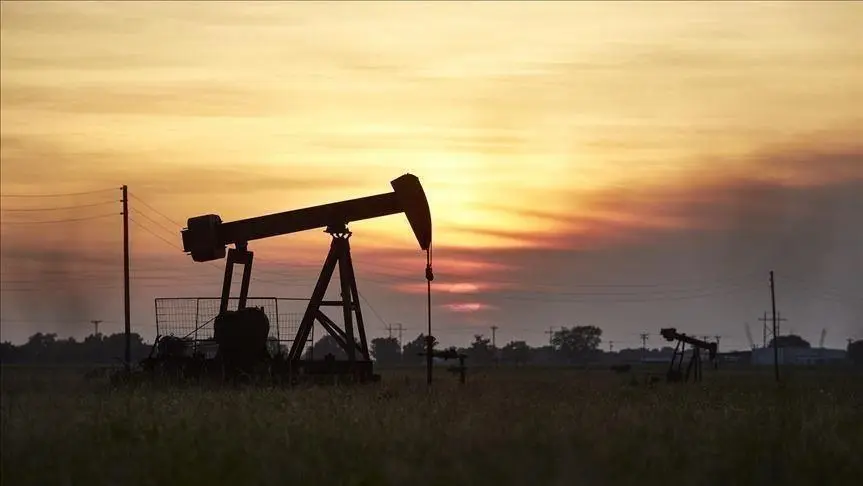
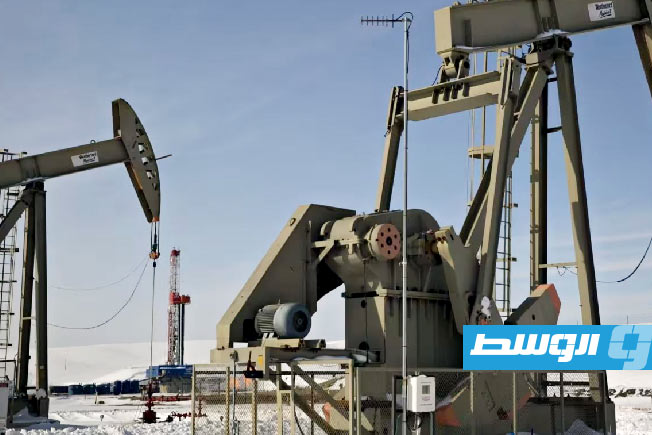
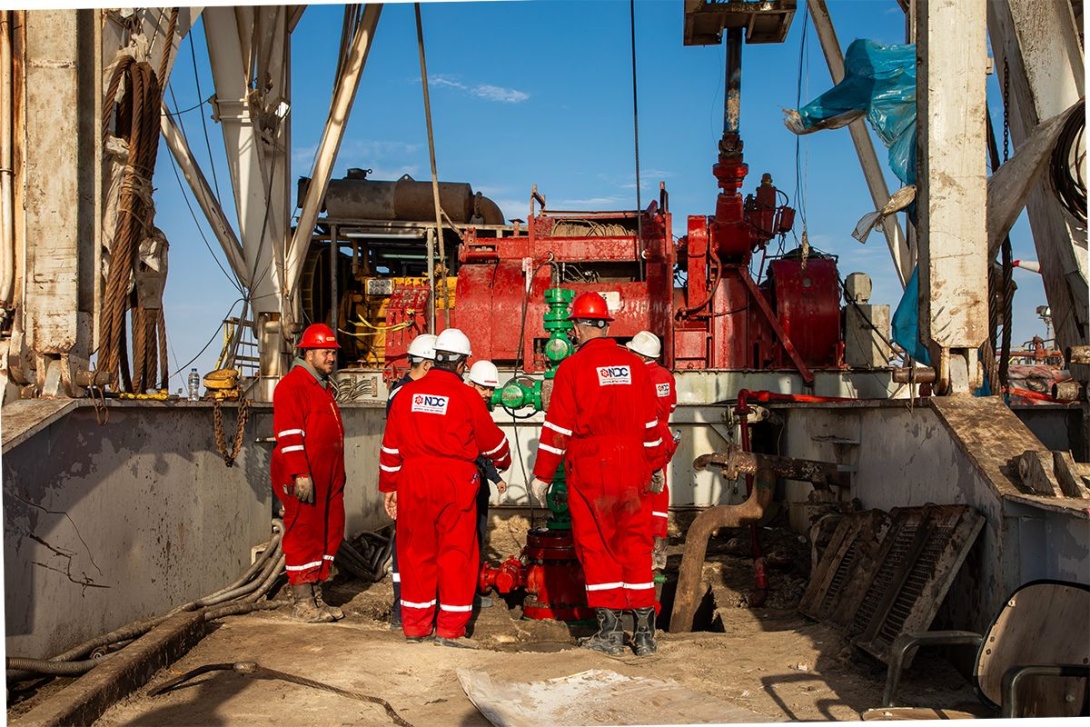
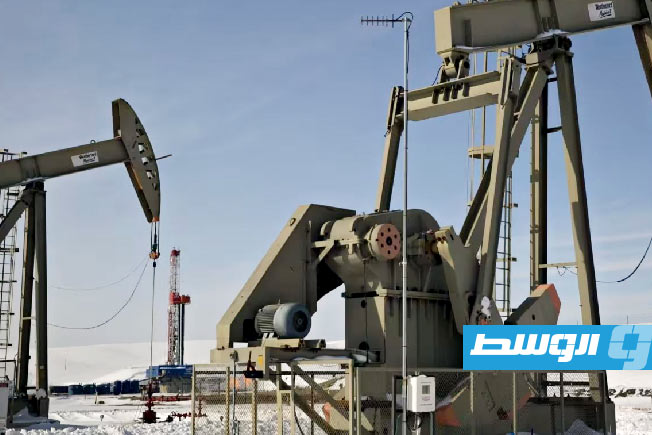
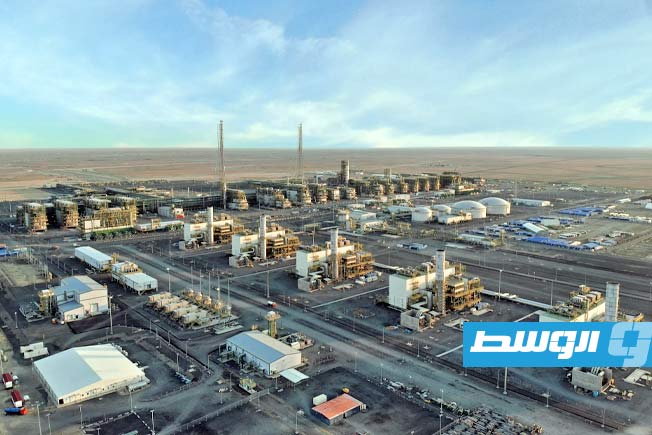
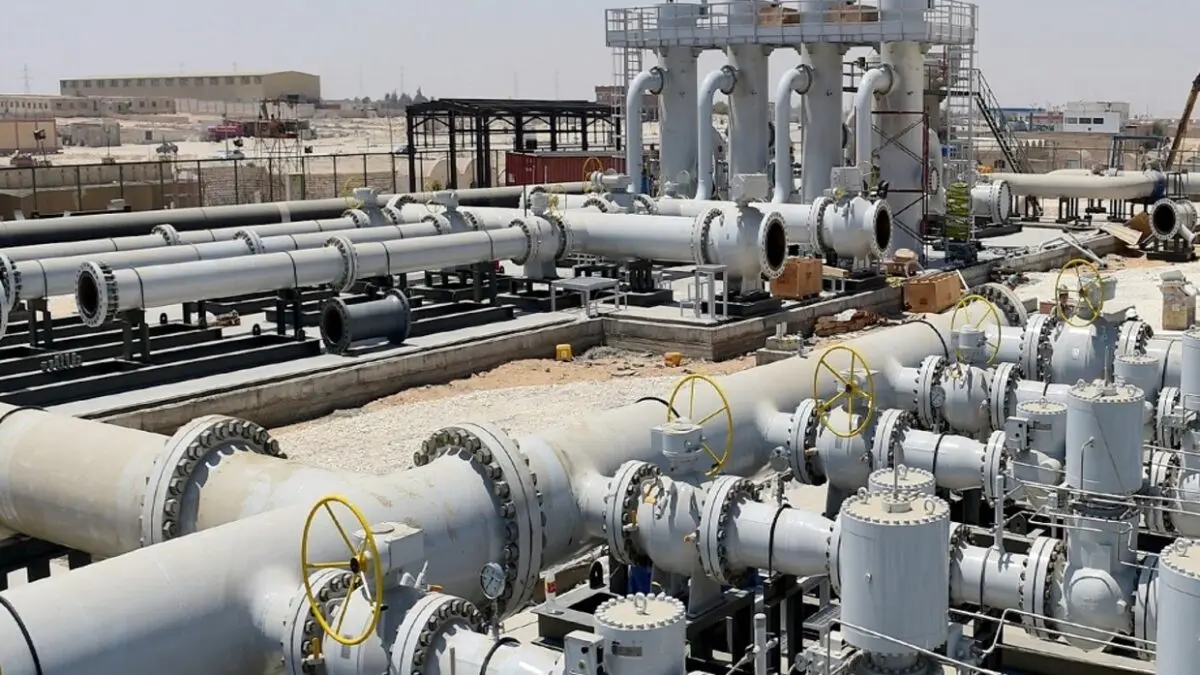
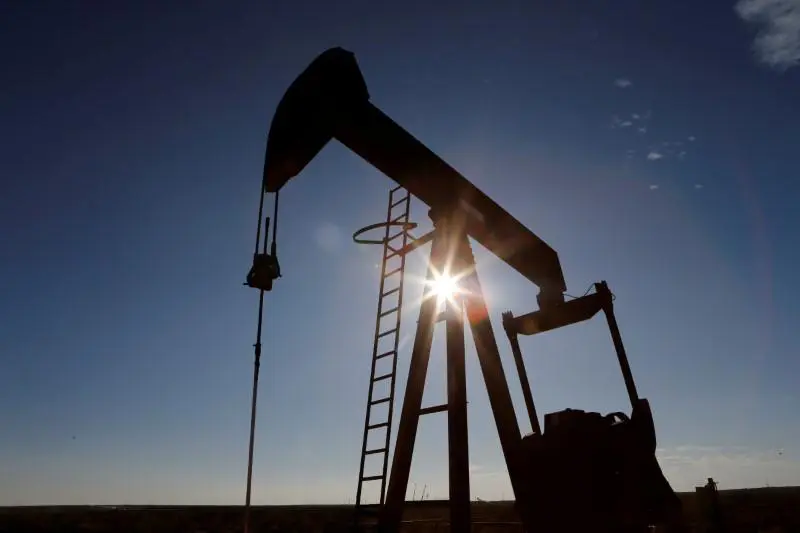
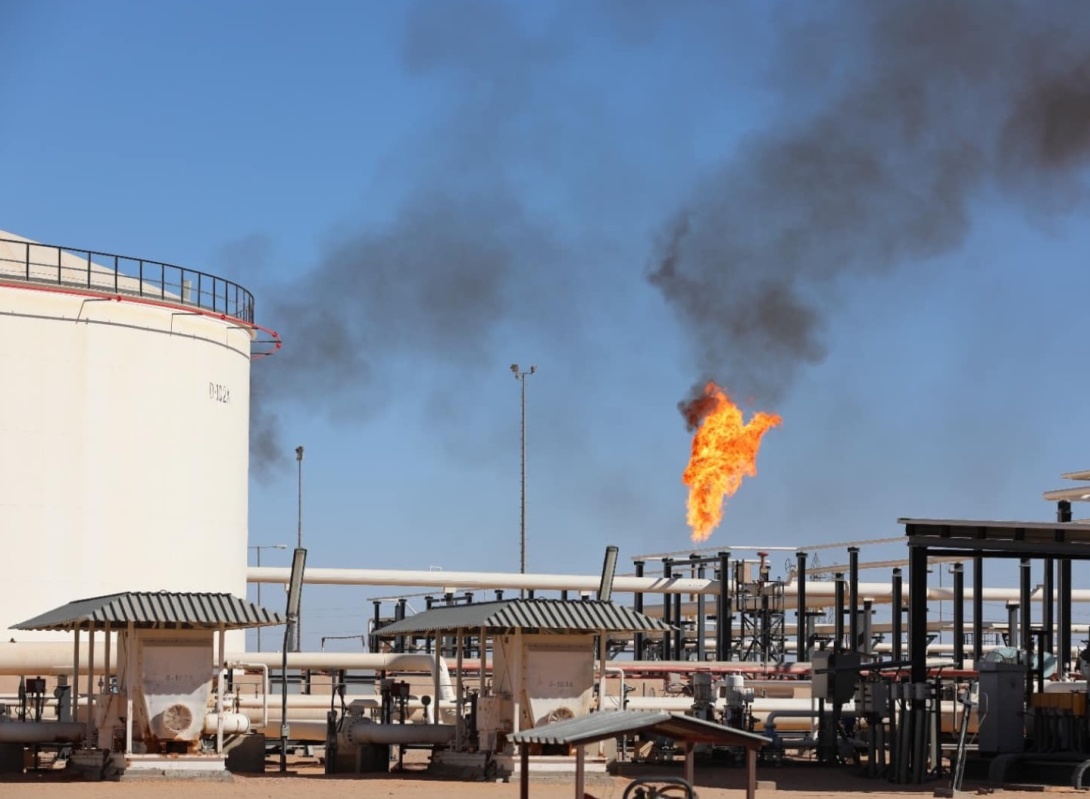
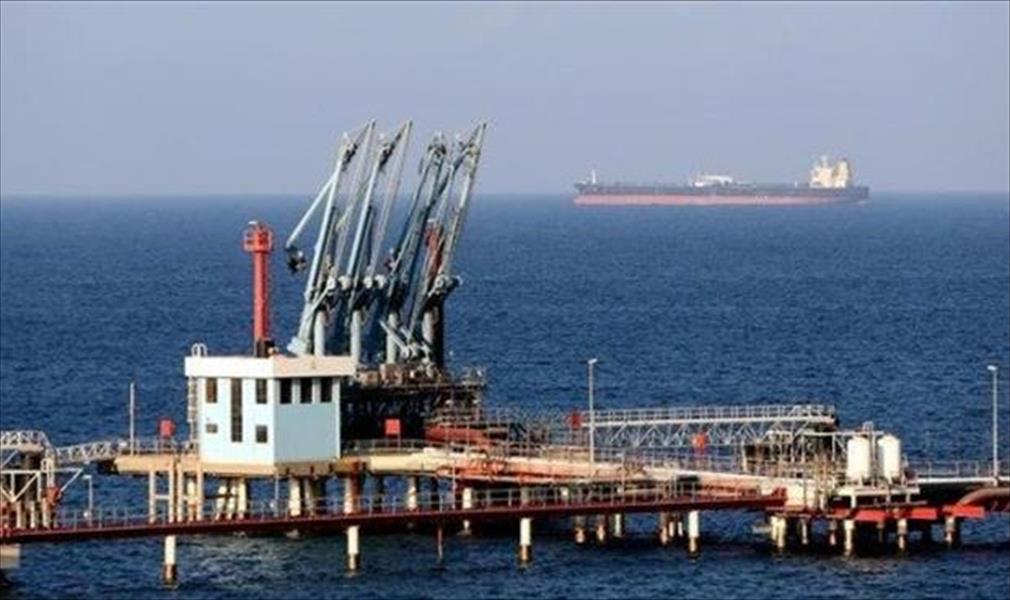
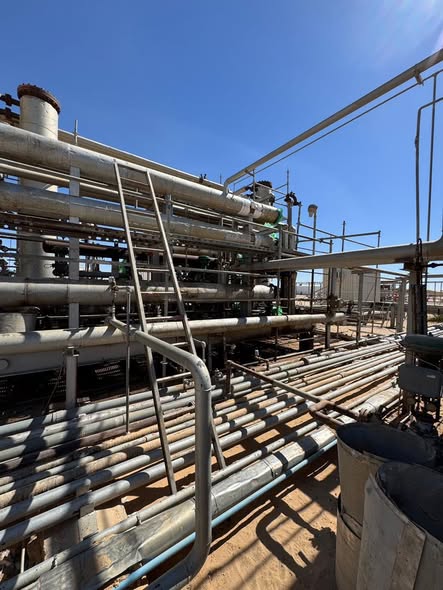
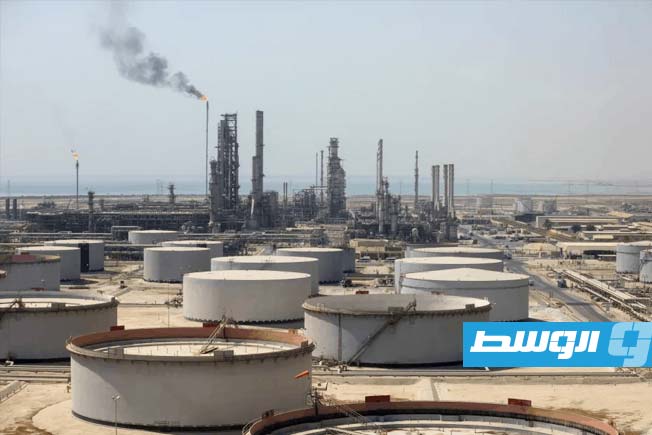
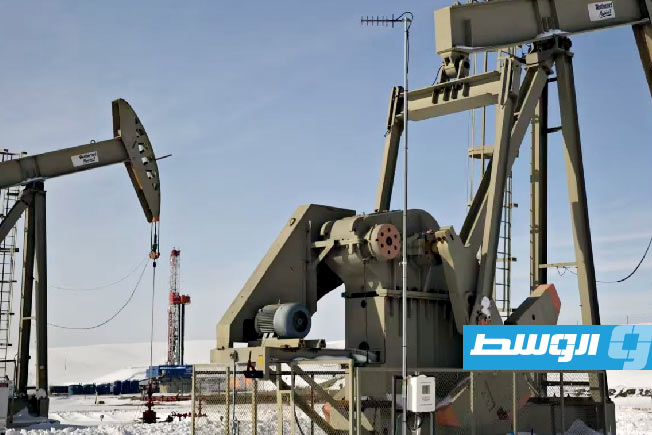
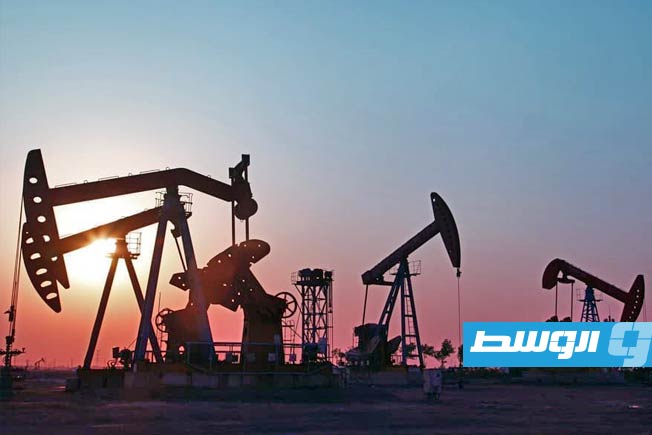
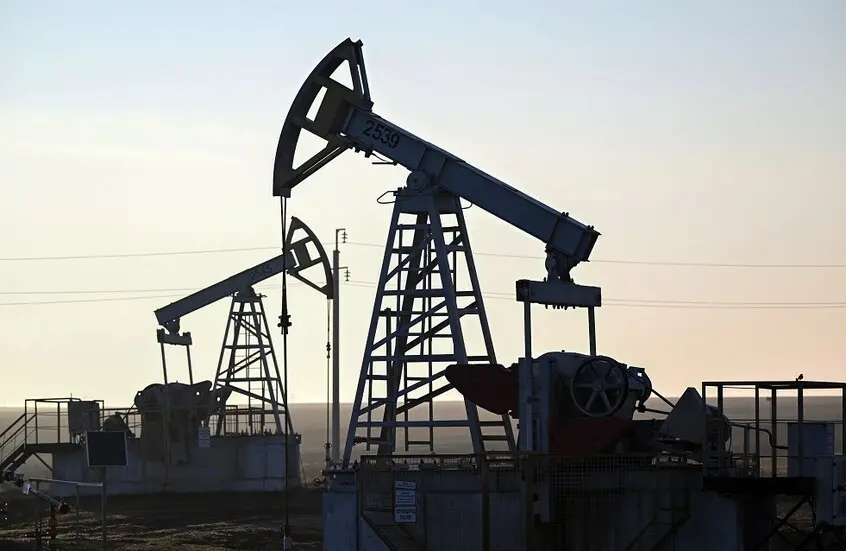
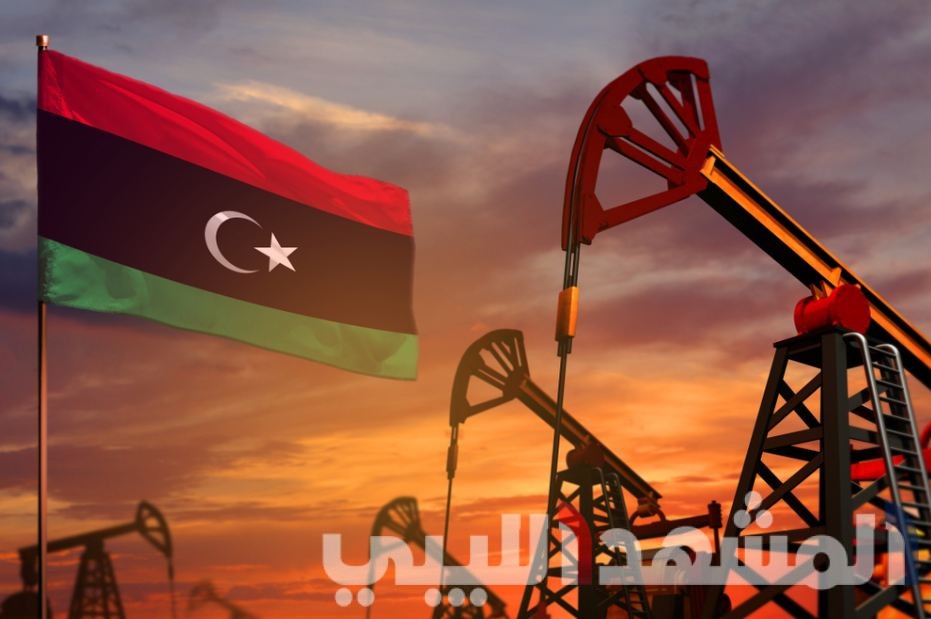
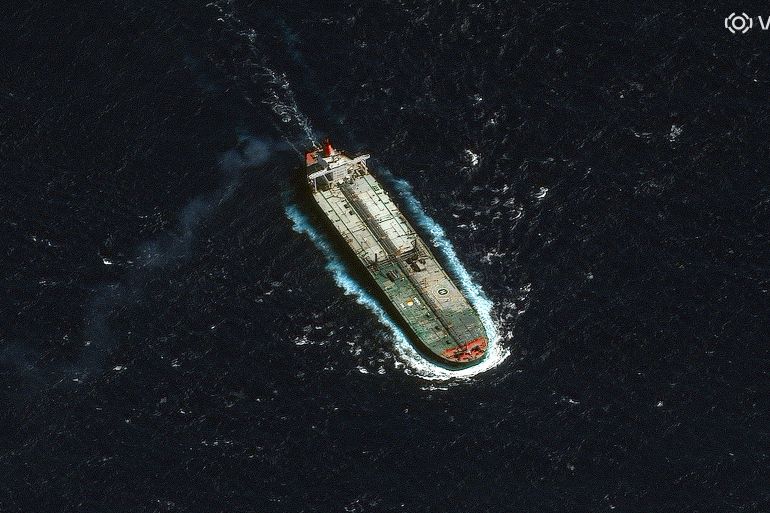
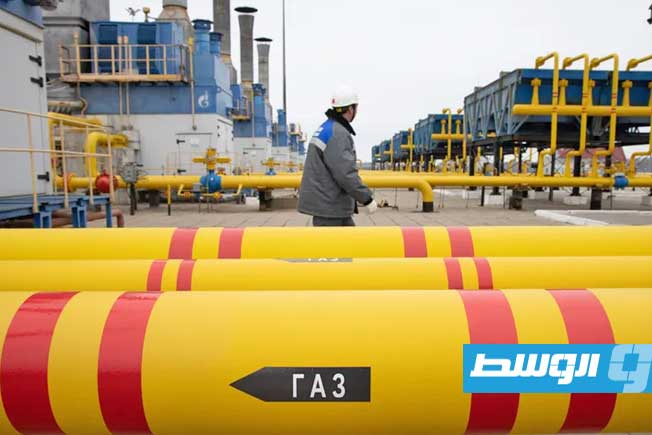
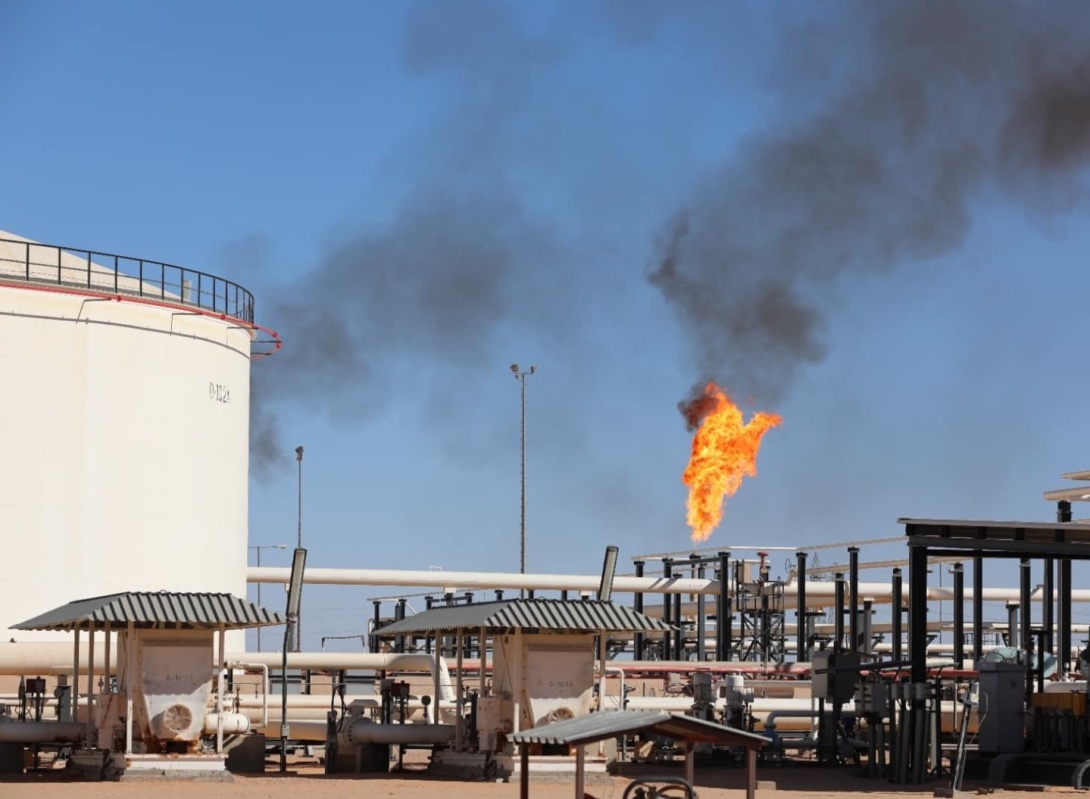
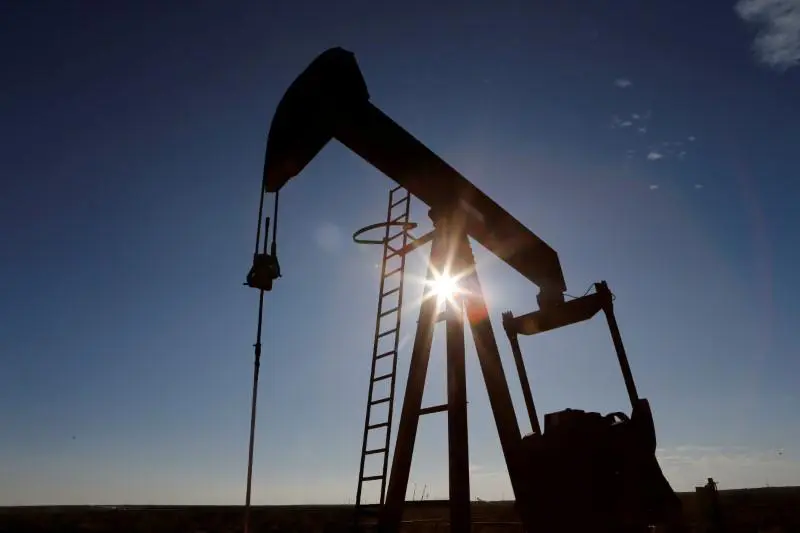
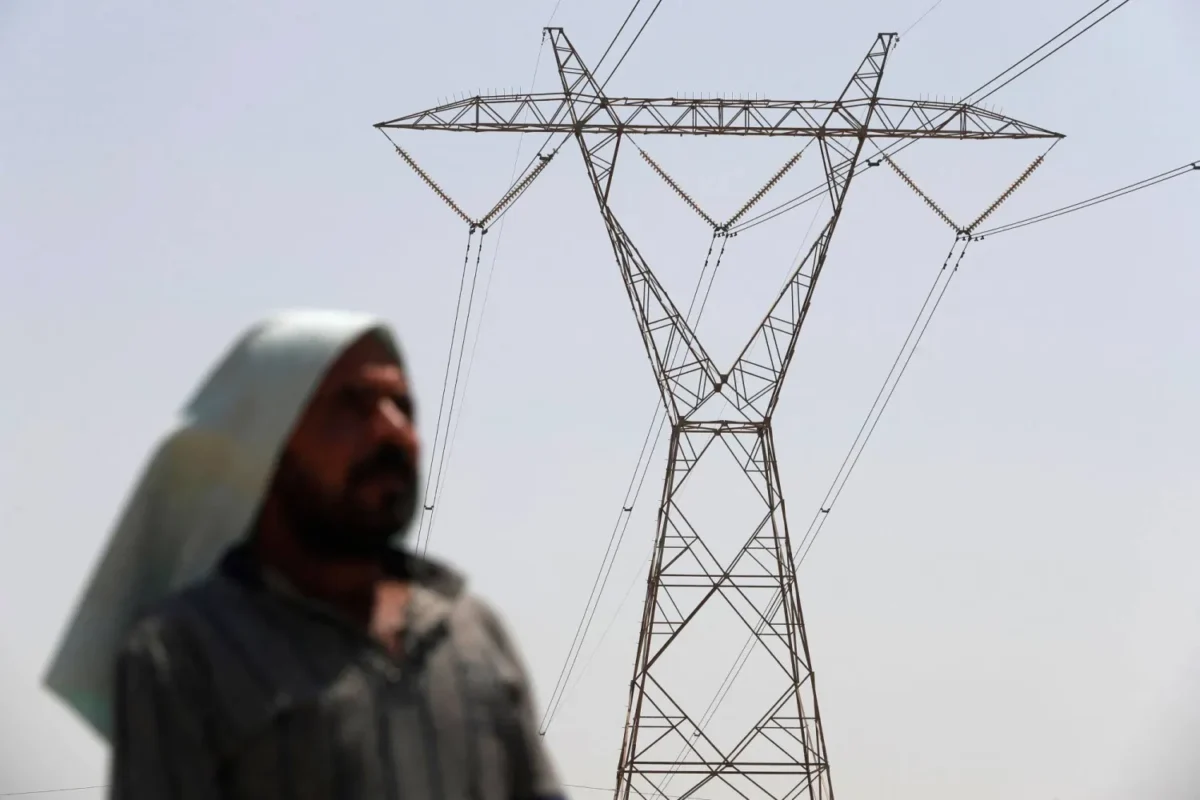
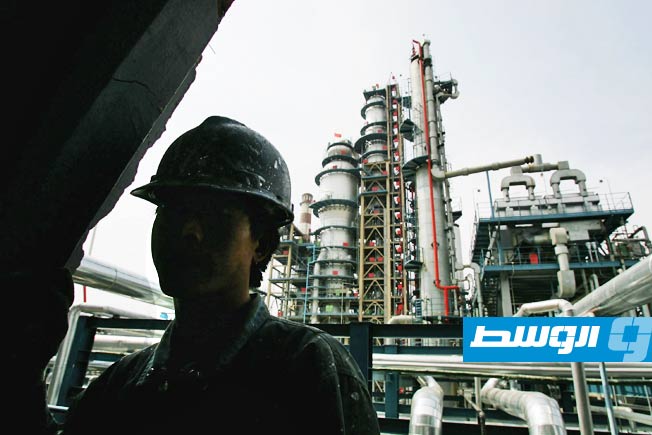
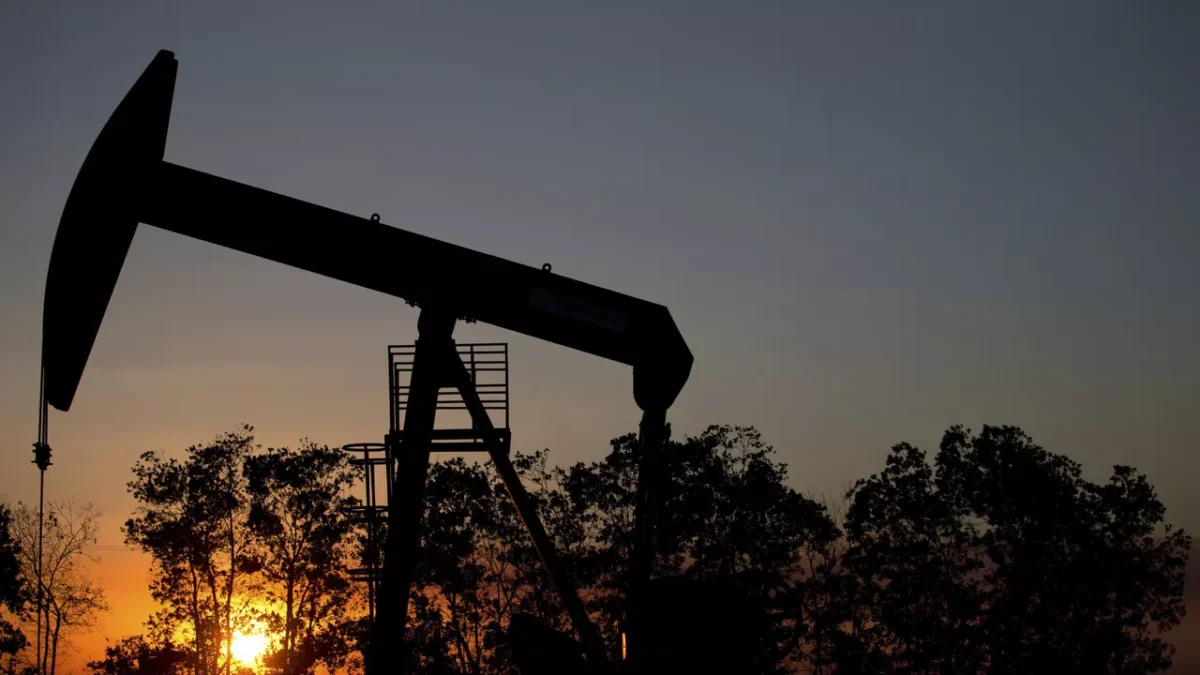
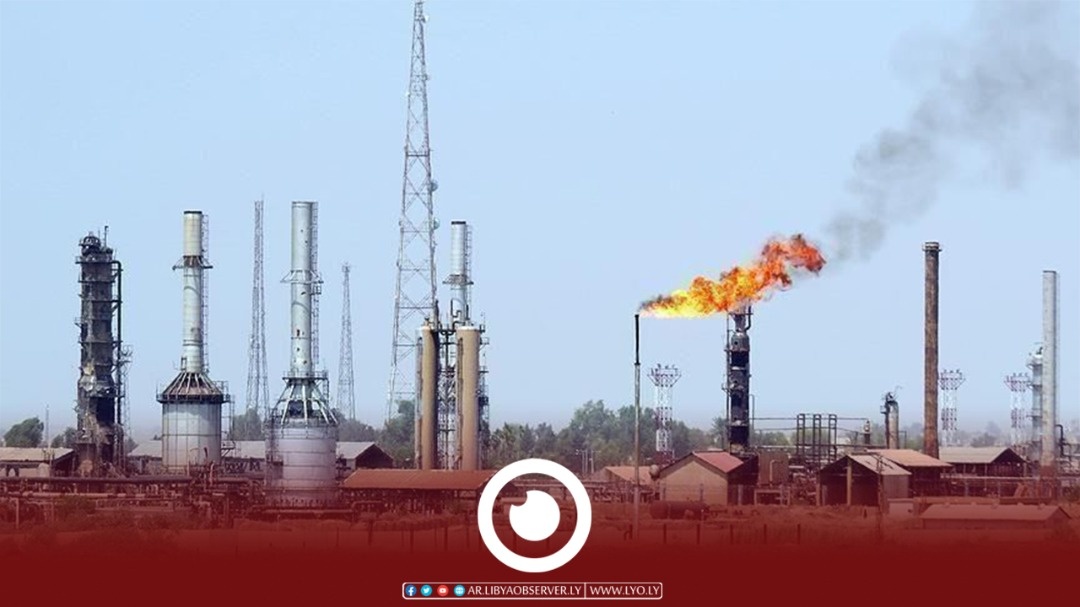
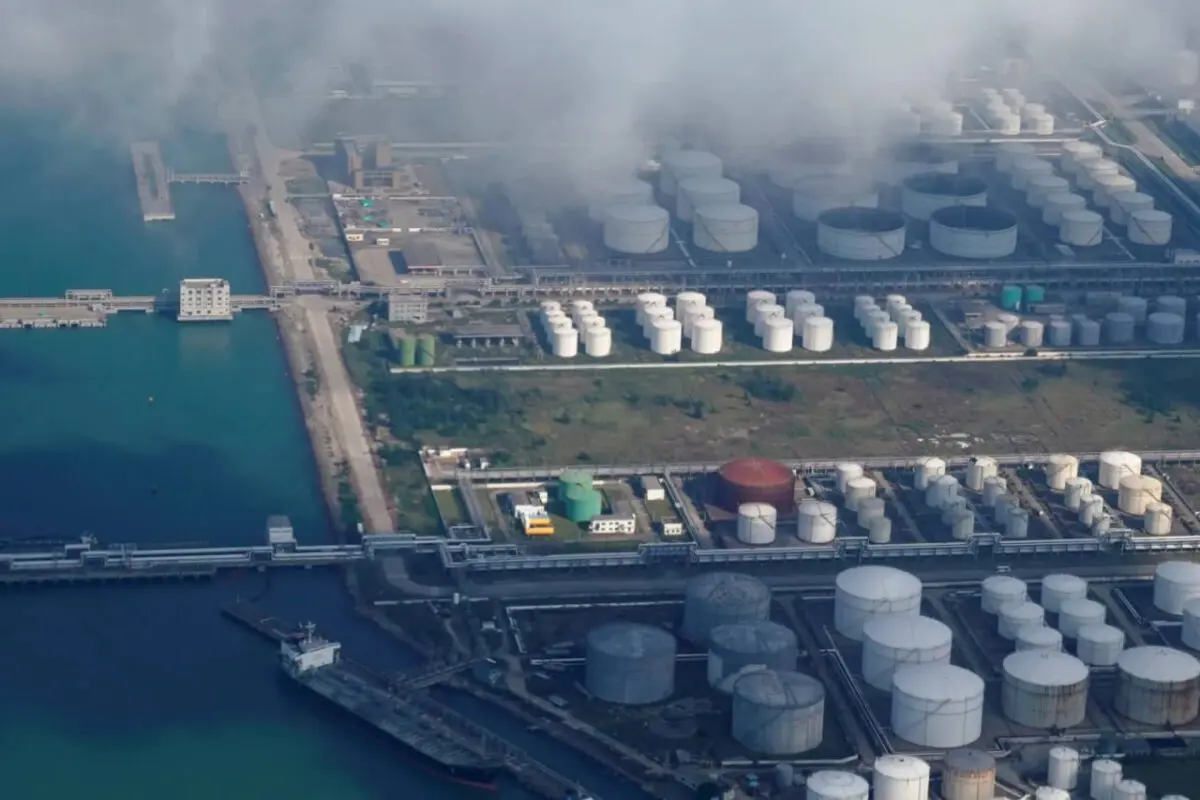
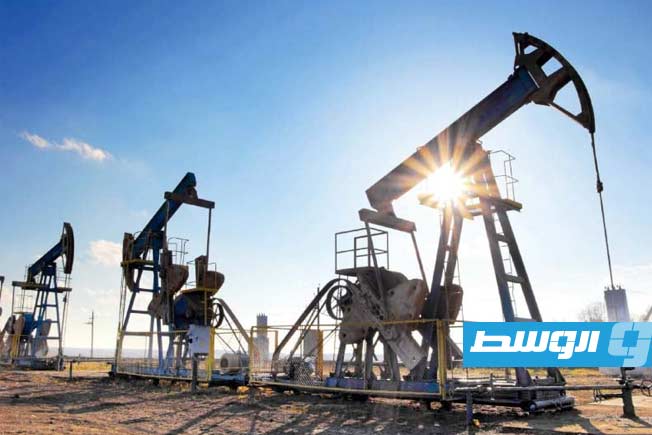
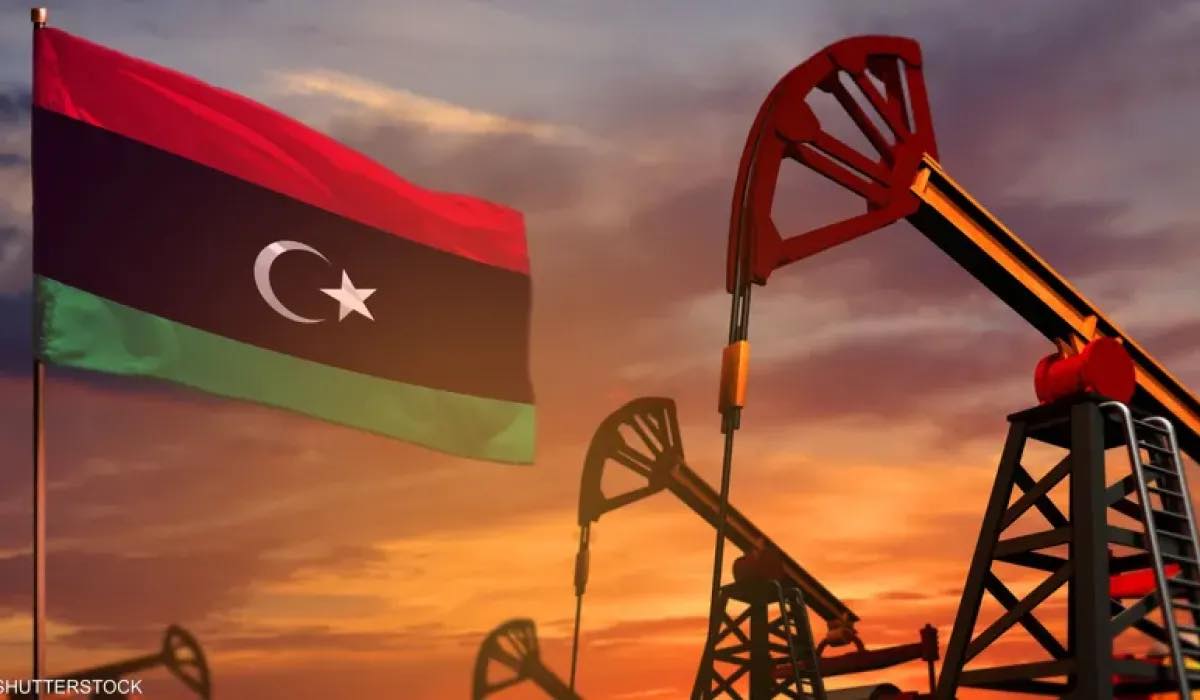
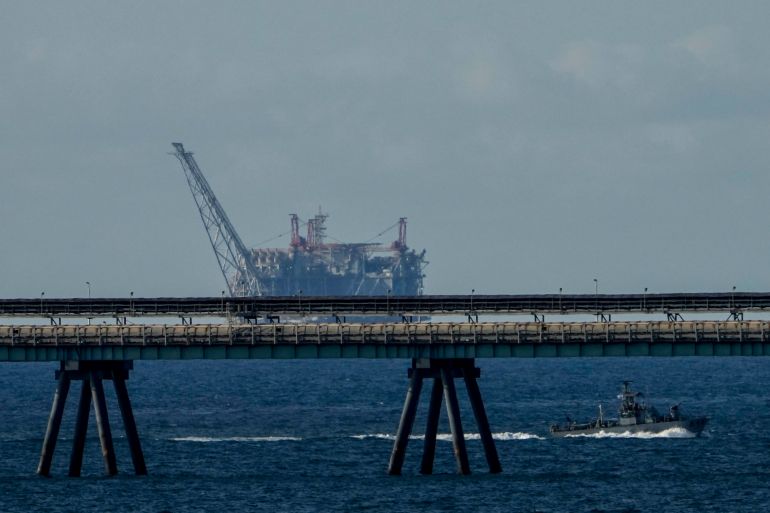
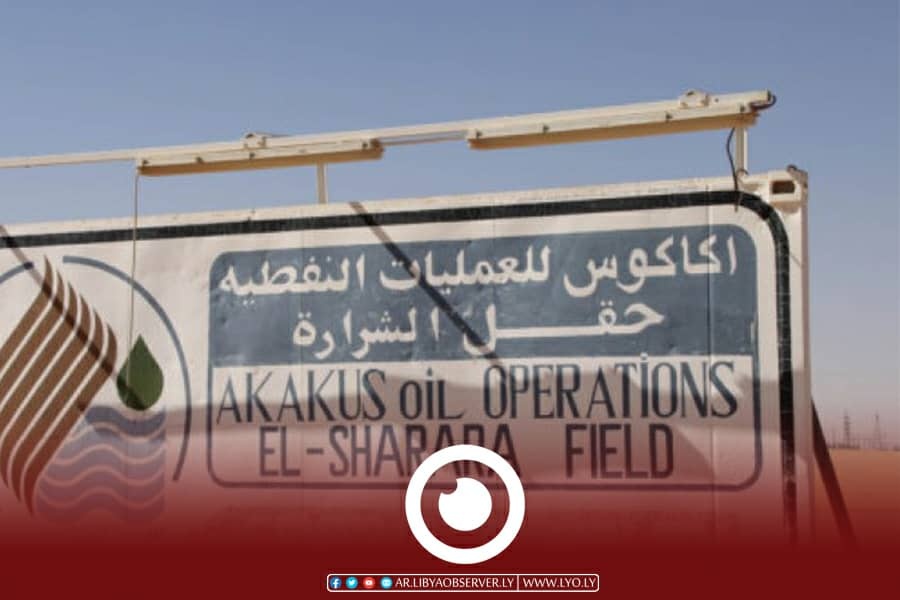
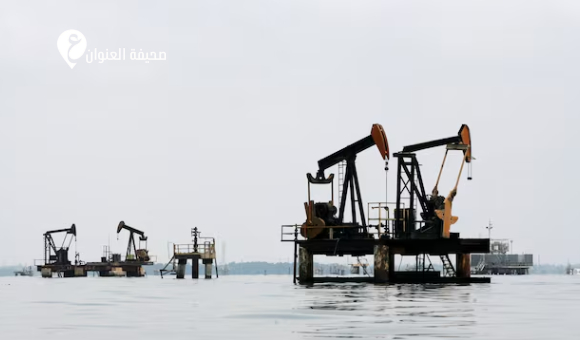
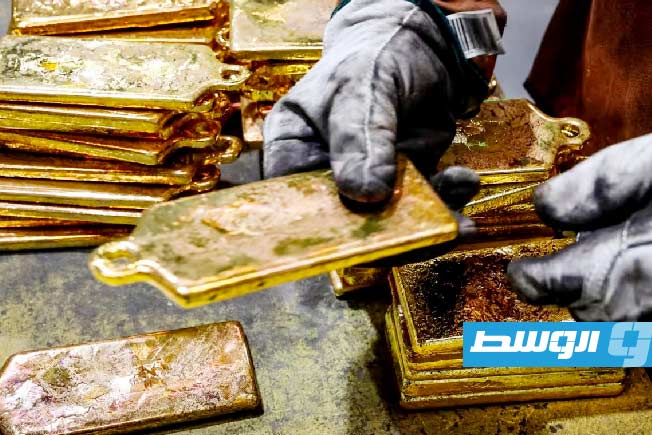
He announced that Libya’s oil sector recorded tangible indicators in 2025, achieving the highest production rate of 1.374 million barrels per day. He pointed out that the gas file has been given priority as an element of service stability through the development of several offshore fields to support the local market and the electricity system.
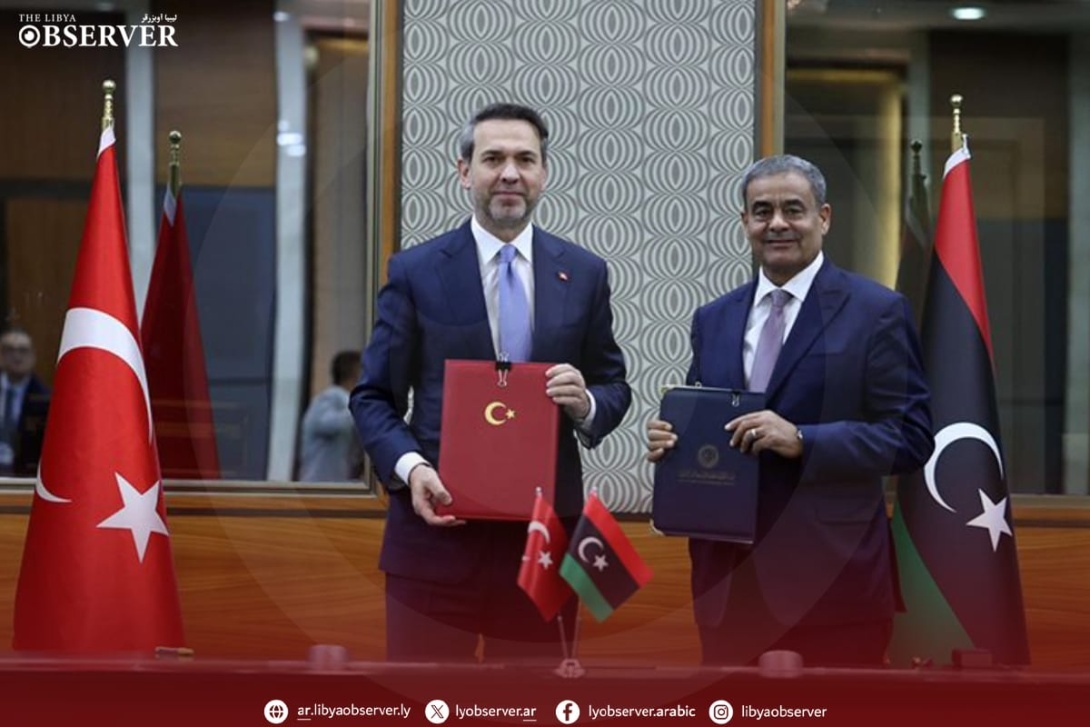
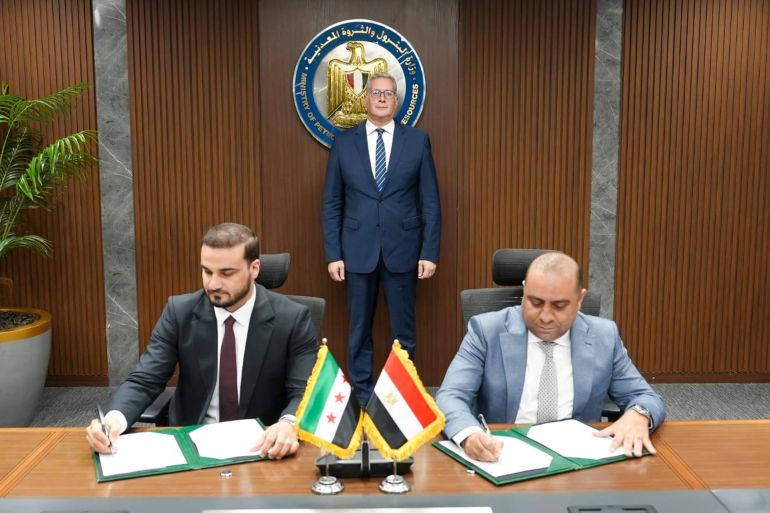
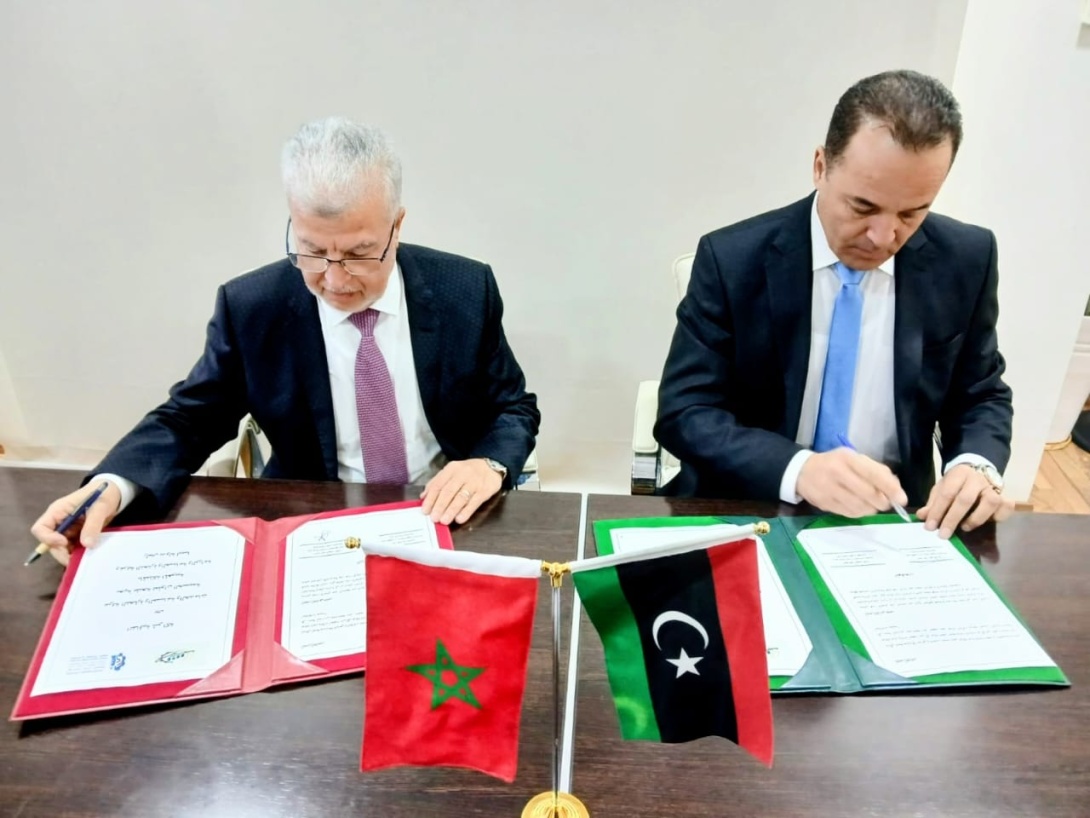
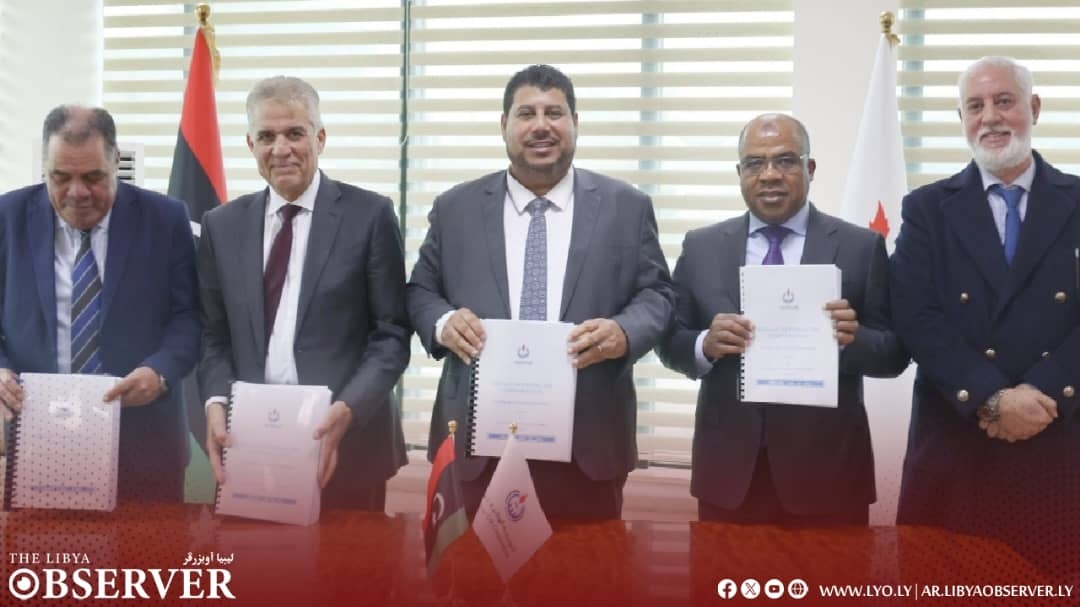
In a previous post on his Facebook page, he had confirmed that Libya is witnessing the signing of strategic agreements and memoranda of understanding, a qualitative and unique achievement that reflects the strengthening of its relations with the largest and most influential international partners in the global energy sector.
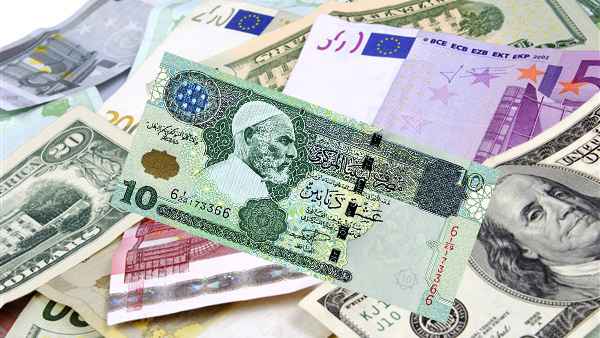
He said, “The agreements will expand paths of cooperation and investment, ultimately resulting in additional resources for the state’s economy, jobs and employment opportunities, better services, and financial stability that directly reflects on citizens’ income and livelihood.”
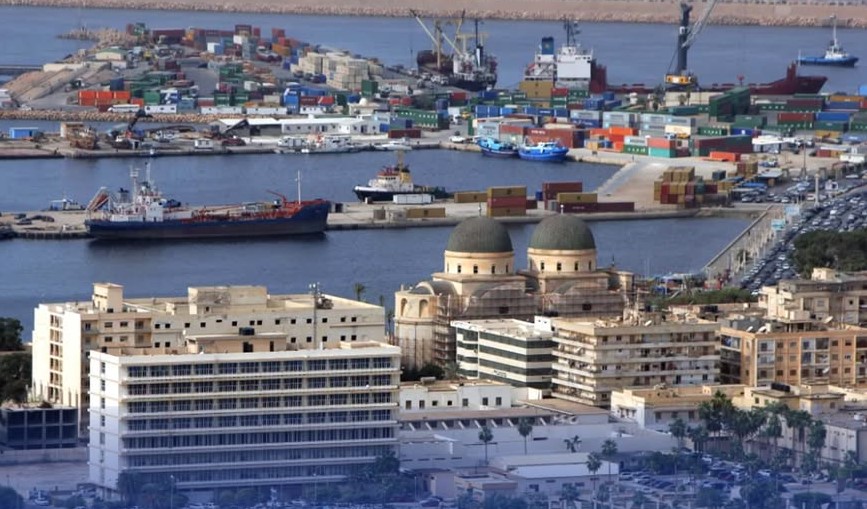
Tripoli
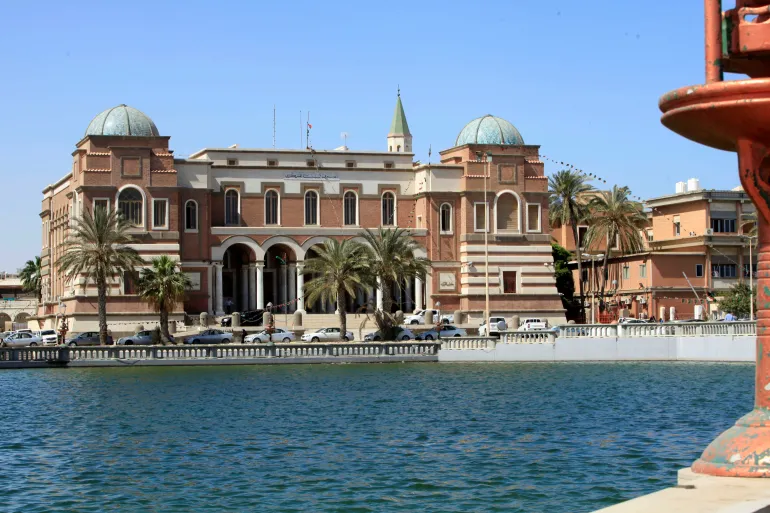
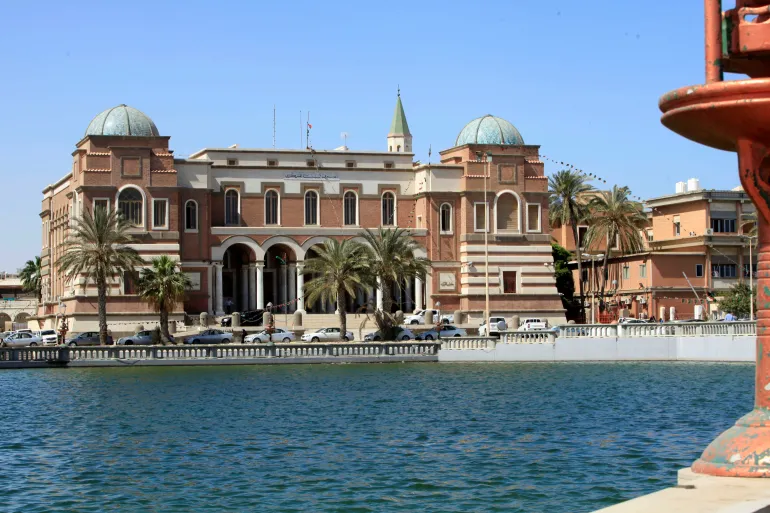
Tripoli is the capital and largest city of Libya, located on the country’s Mediterranean coast. Historically, it was founded by the Phoenicians in the 7th century BC and has since been ruled by the Romans, Arabs, Ottomans, and Italians, serving as a major port and cultural crossroads. Its historic center, the medina, contains significant landmarks like the Arch of Marcus Aurelius and the Red Castle (Assai al-Hamra).
Libya Energy and Economy Summit
The Libya Energy and Economy Summit is an annual conference focused on the nation’s key economic sectors, particularly its vital oil and gas industry. It was established to foster investment, discuss modernization, and shape policy following a period of conflict and instability after the 2011 revolution. The summit brings together government officials, international energy companies, and financial institutions to strategize on rebuilding Libya’s economy.
Victory Forest Halls
The Victory Forest Halls are a memorial complex in Russia, built to honor the Soviet victory in World War II. The site features a series of halls and monuments that chronicle the history of the war, often through detailed artistic depictions and inscriptions.
Government of National Unity
The Government of National Unity (GNU) is a term most notably applied to the coalition government formed in South Africa in 1994 following the end of apartheid and the country’s first multiracial elections. Led by President Nelson Mandela, it brought together the African National Congress, the National Party, and the Inkatha Freedom Party to oversee the transition to a democratic state.
U.S. President
The President of the United States is the head of state and government, a role established by the U.S. Constitution in 1787. The office has evolved from its original conception, with the presidency growing in influence and complexity over more than two centuries of American history.
Egyptian Minister of Energy
The Egyptian Minister of Energy is a senior government official responsible for overseeing the country’s energy policy and resources. This cabinet position manages sectors including oil, natural gas, electricity, and renewable energy, playing a key role in Egypt’s economic strategy and regional energy exports. The ministry’s history is intertwined with Egypt’s modern development, particularly following the discovery of significant hydrocarbon reserves and the construction of major projects like the Aswan High Dam.
Libya
Libya is a North African country with a rich history rooted in ancient civilizations like the Phoenicians and Romans, followed by centuries of Arab and Ottoman influence. In the modern era, it was an Italian colony before gaining independence in 1951, later becoming known for Muammar Gaddafi’s lengthy rule from 1969 until the 2011 revolution. Its cultural sites include the well-preserved Roman ruins of Leptis Magna, a UNESCO World Heritage site.
Facebook
Facebook is an online social media and social networking service founded in 2004 by Mark Zuckerberg and his Harvard University roommates. It began as a campus directory before expanding globally, fundamentally changing how people connect and share information online. The platform has since grown into a major technology corporation, Meta Platforms, Inc., and a central part of modern digital culture and communication.