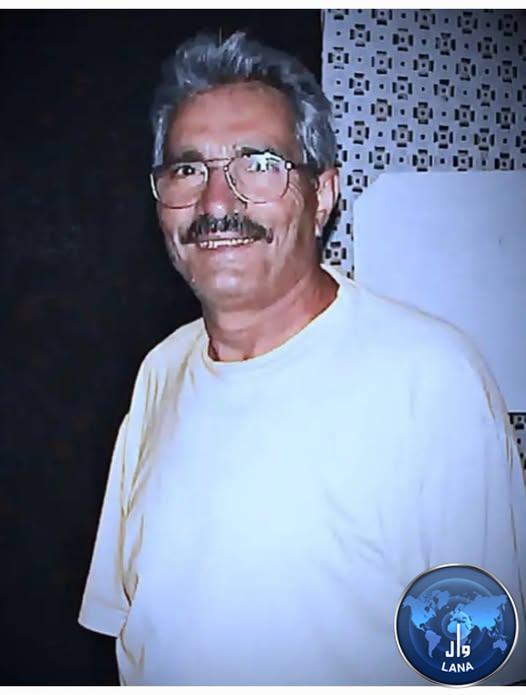
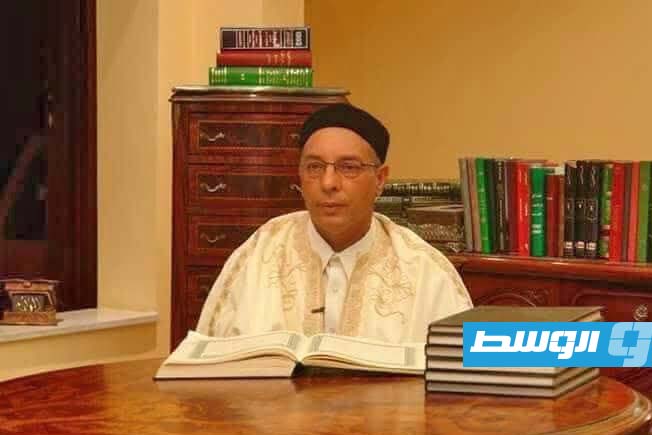
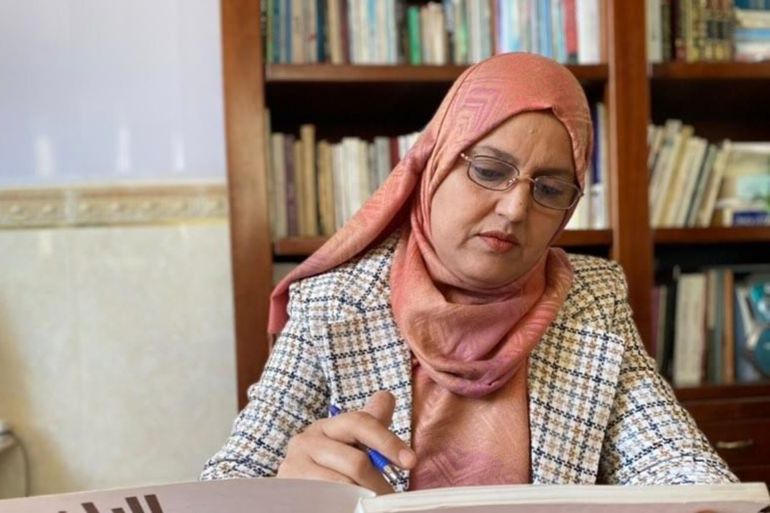
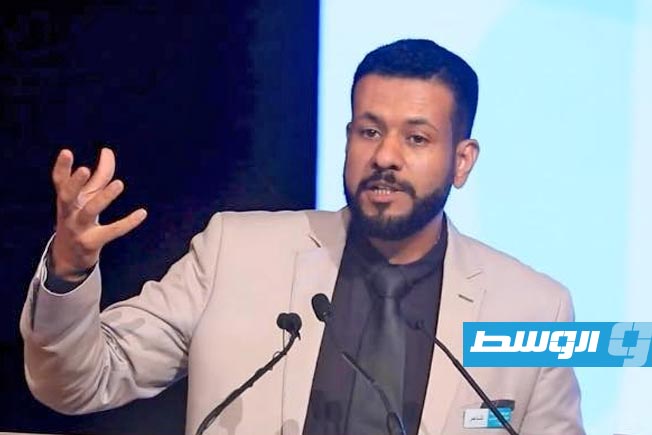
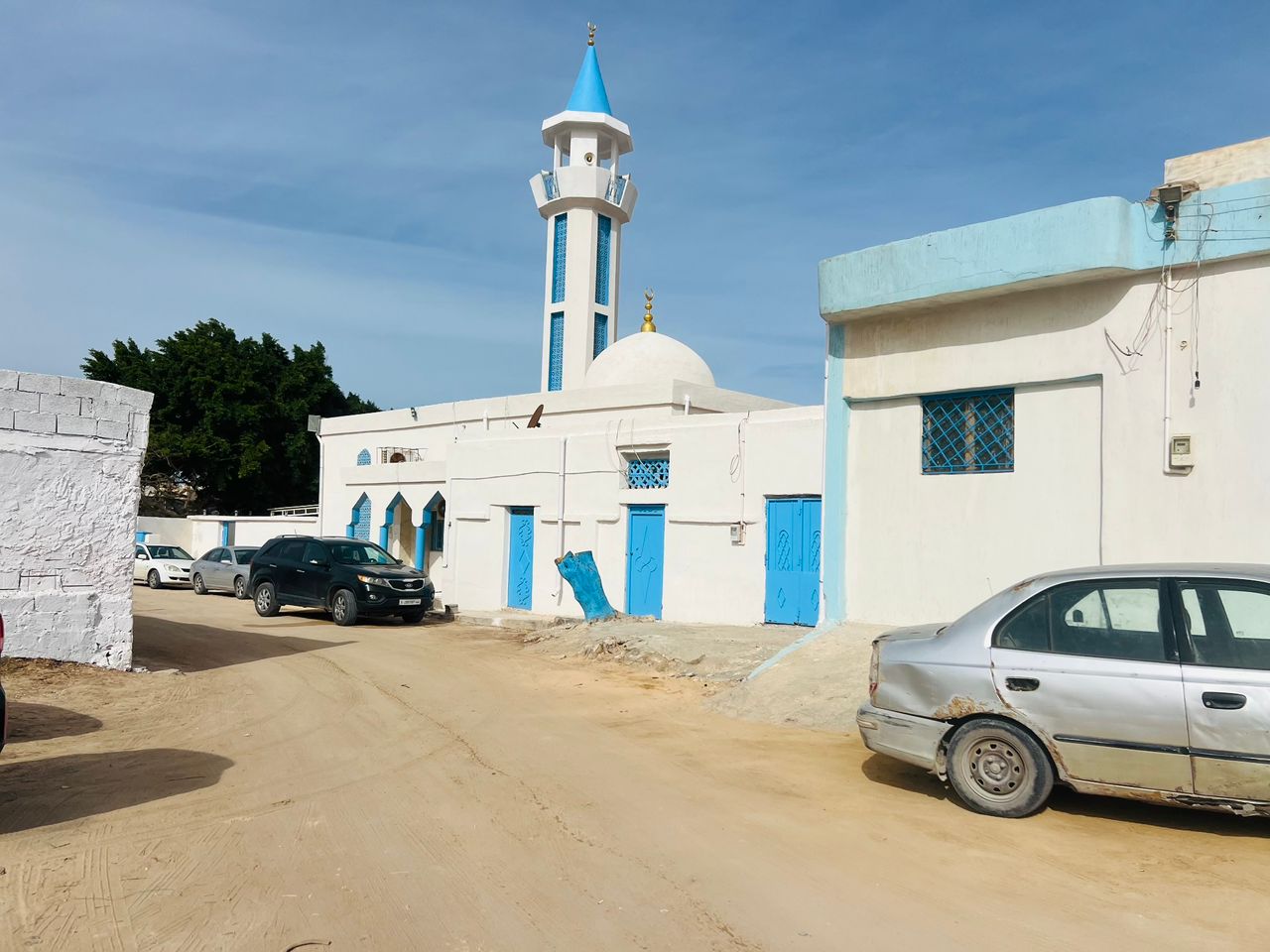
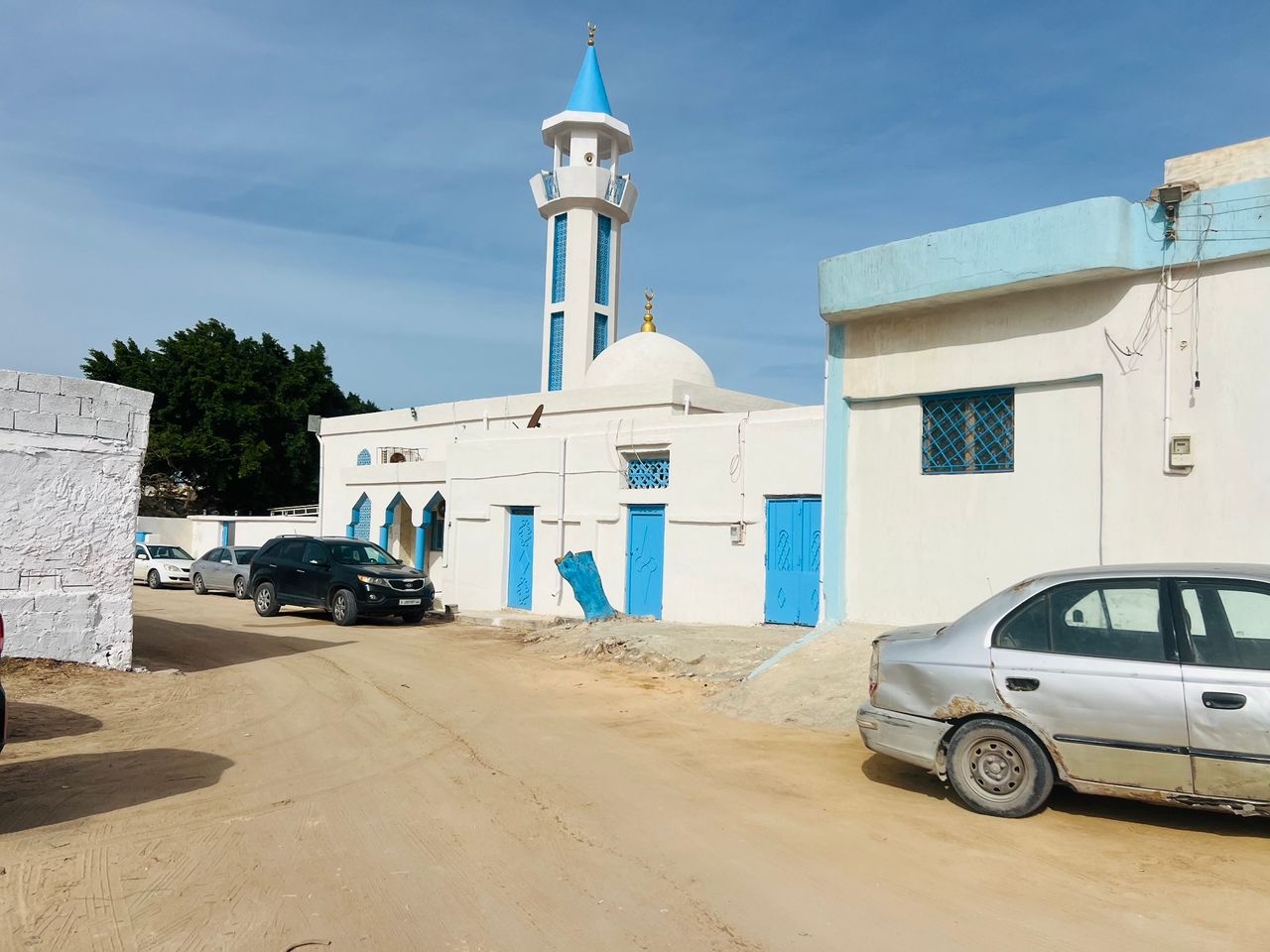
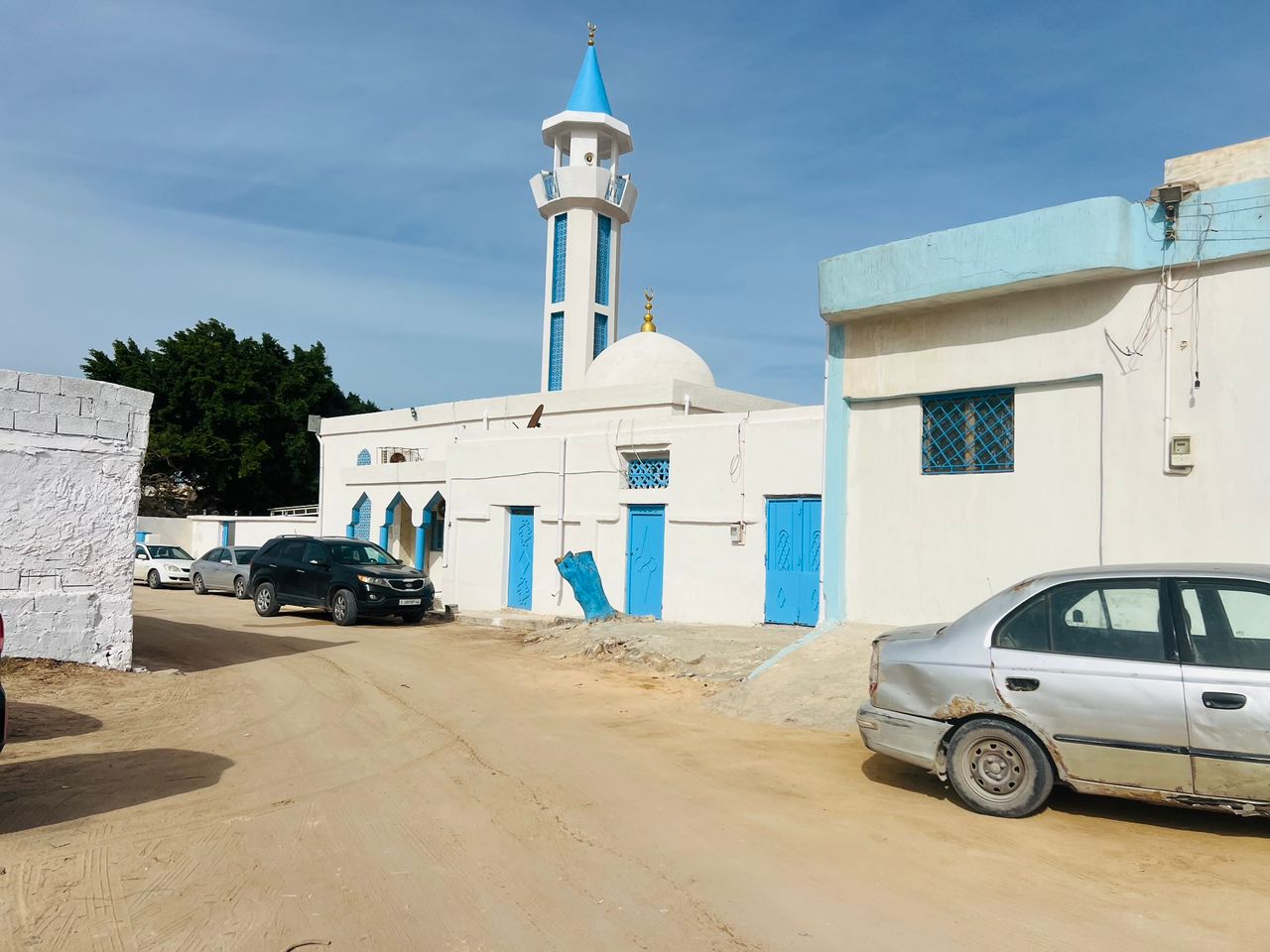
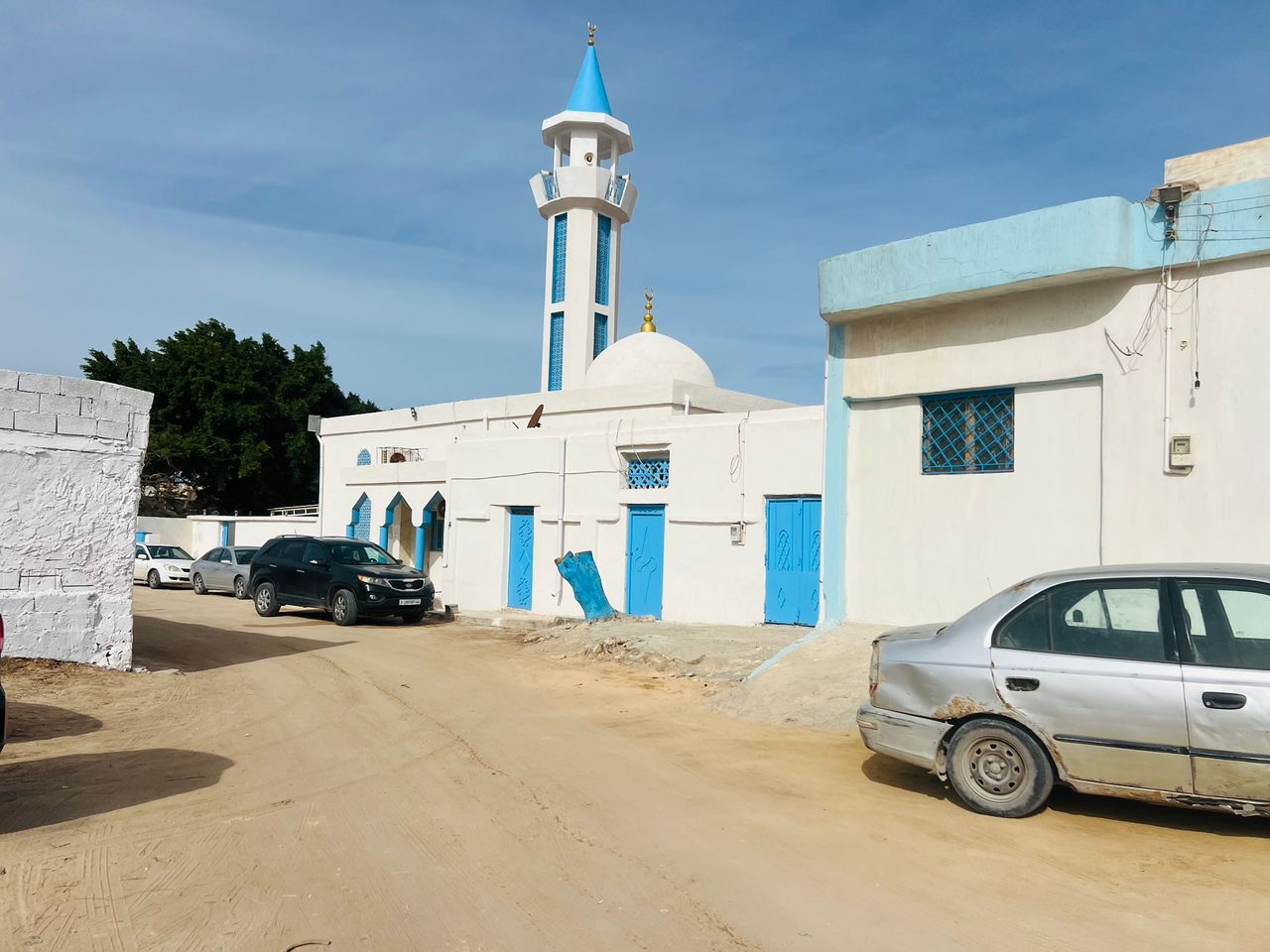
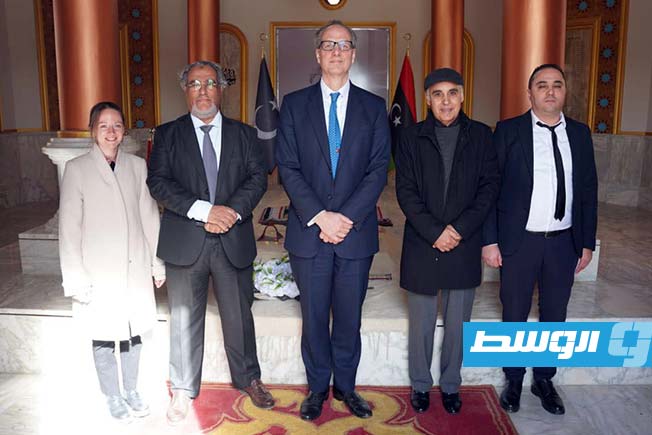
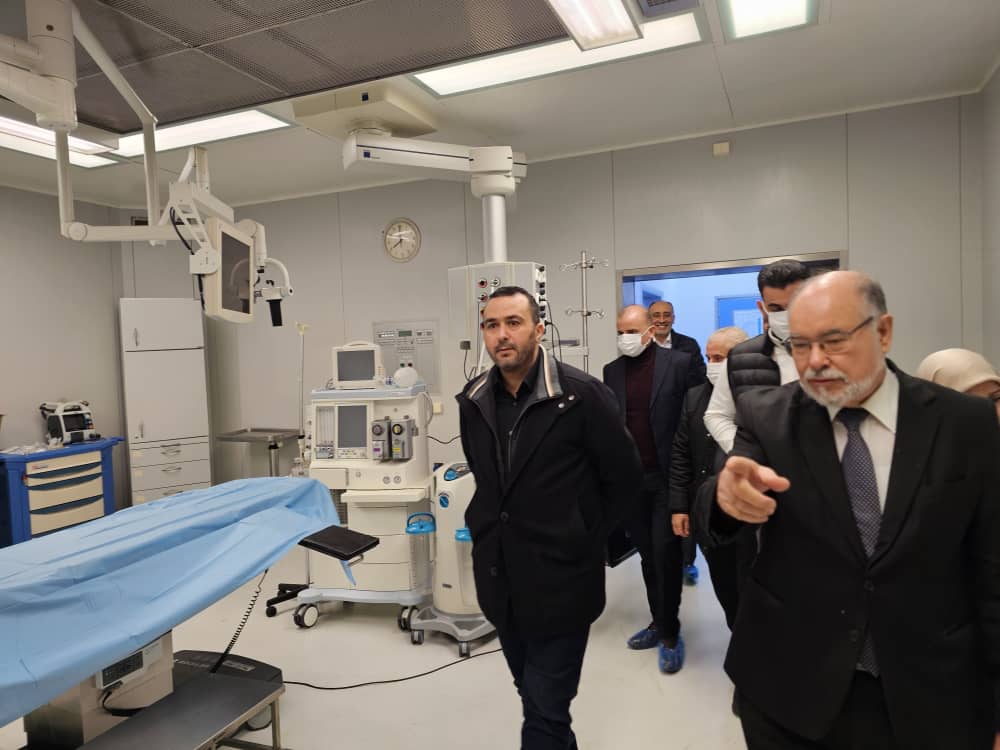
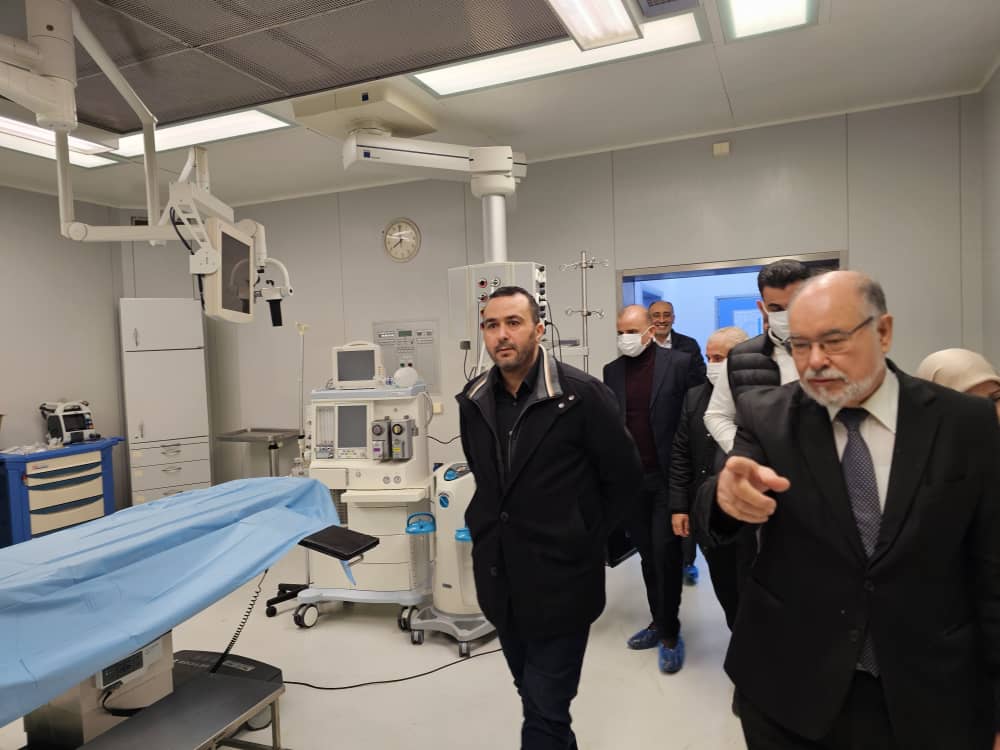
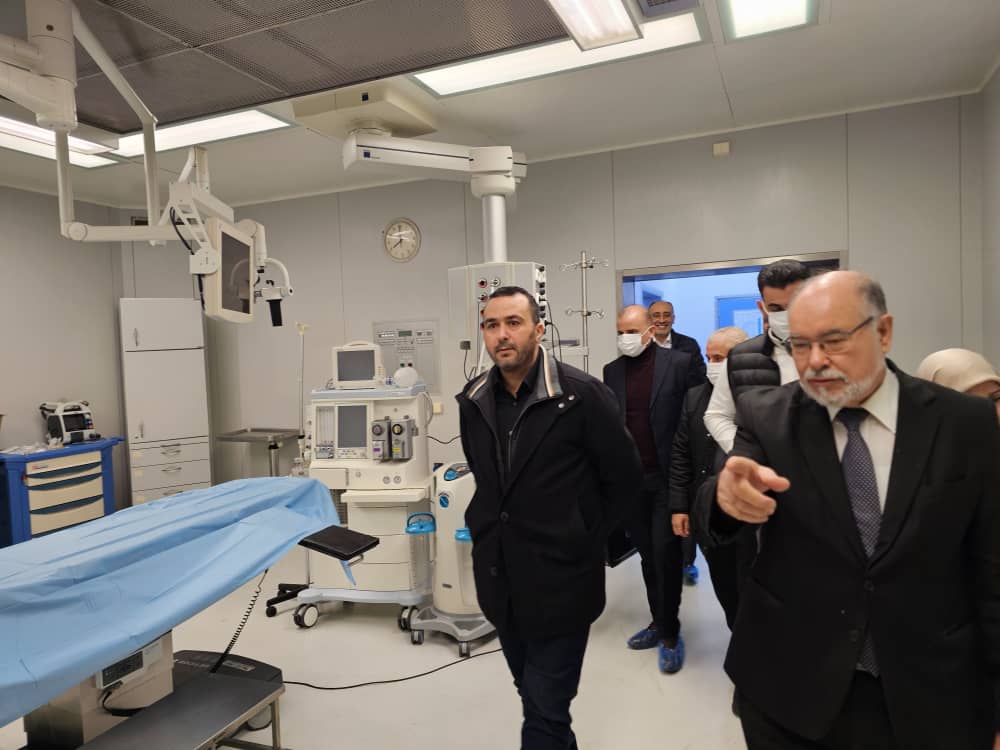
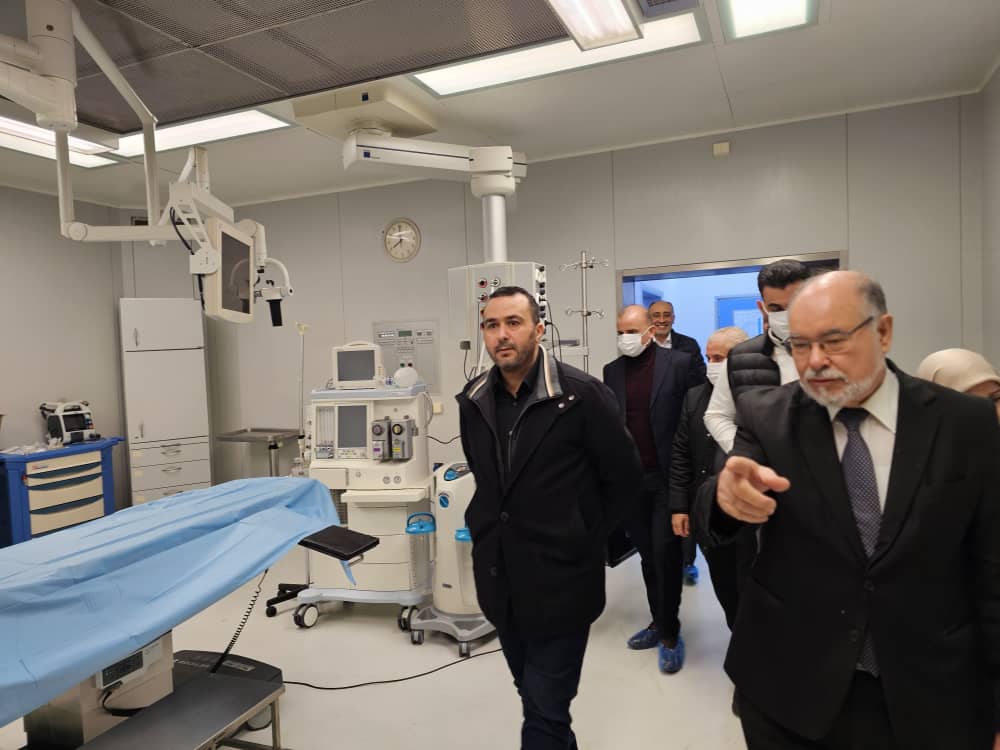
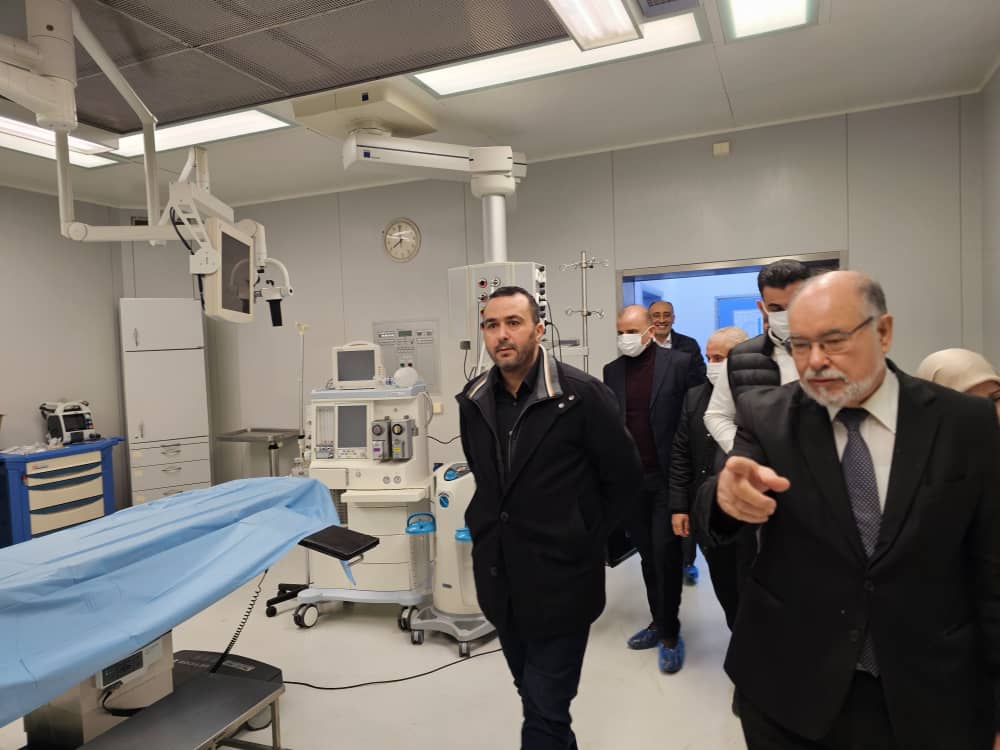
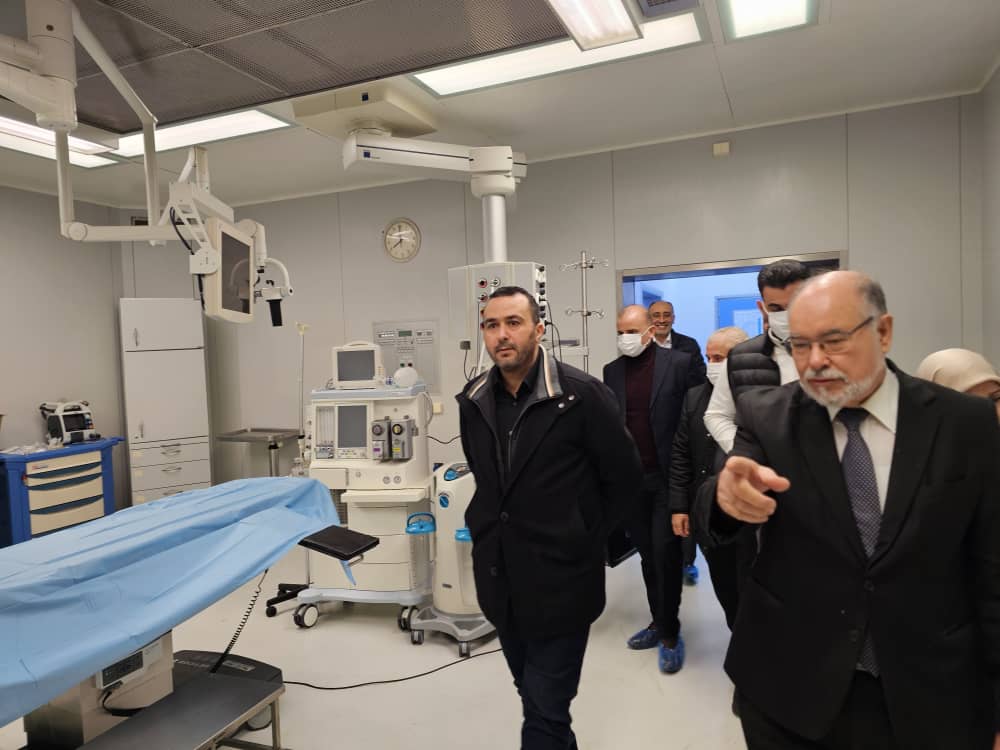
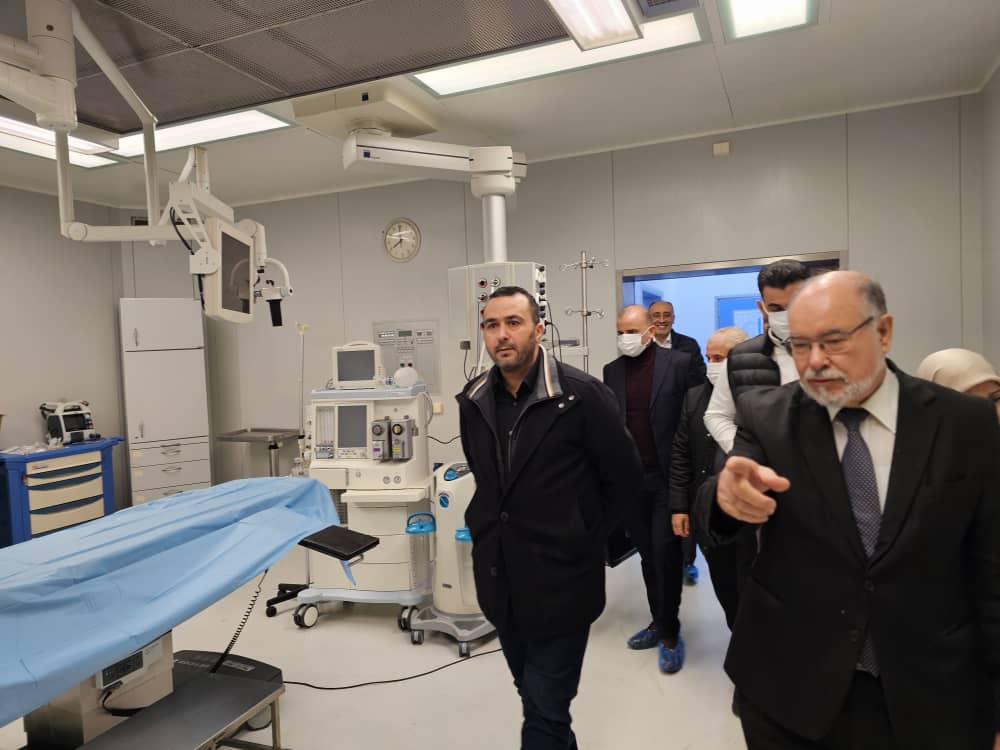
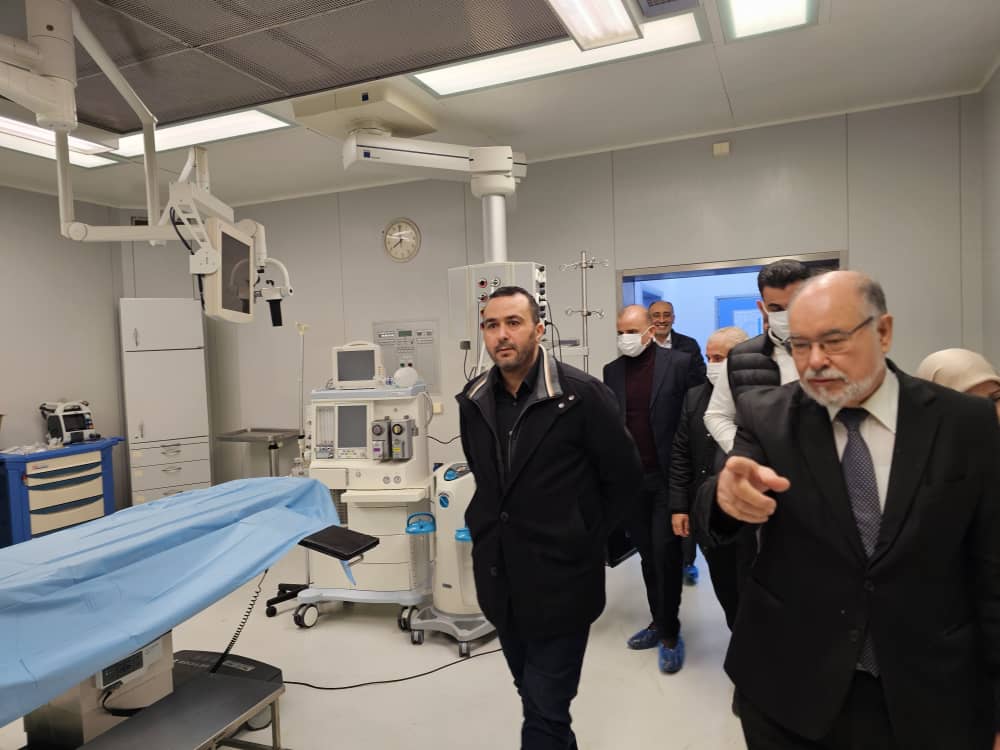
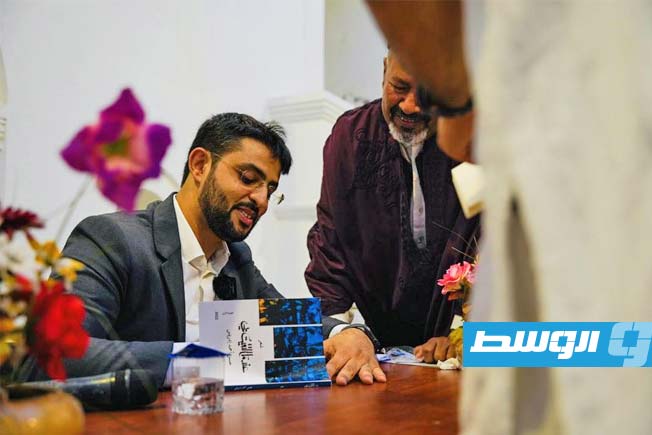
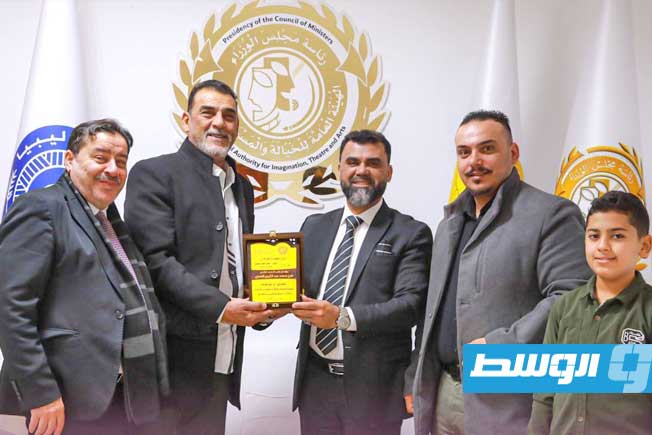
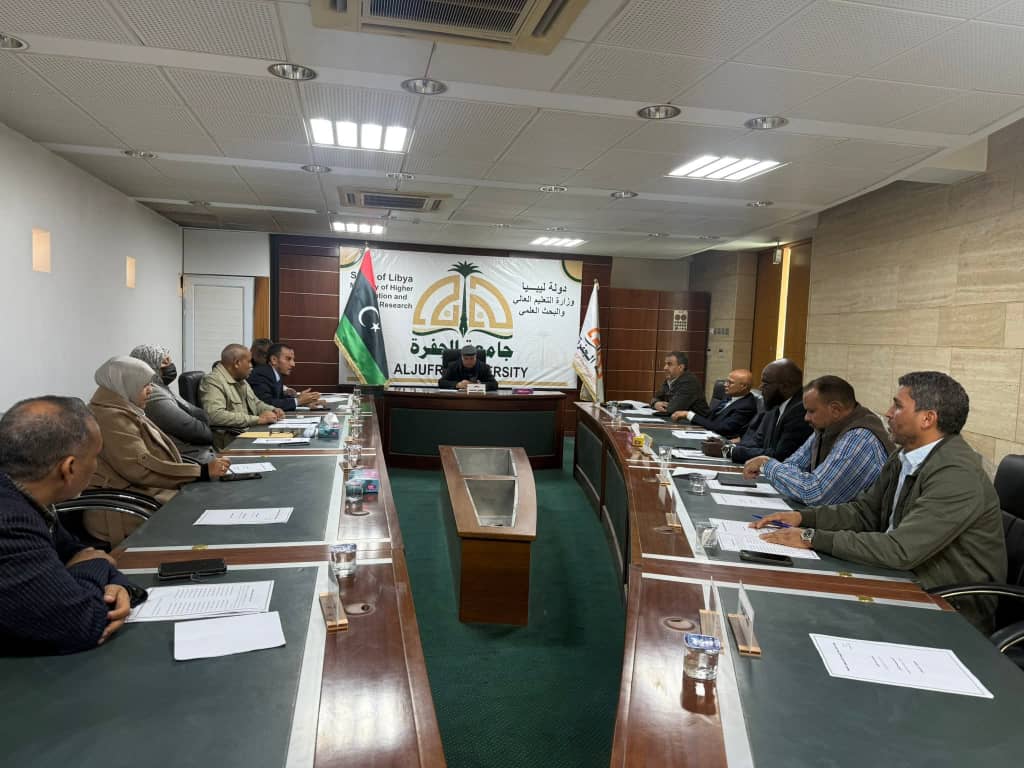
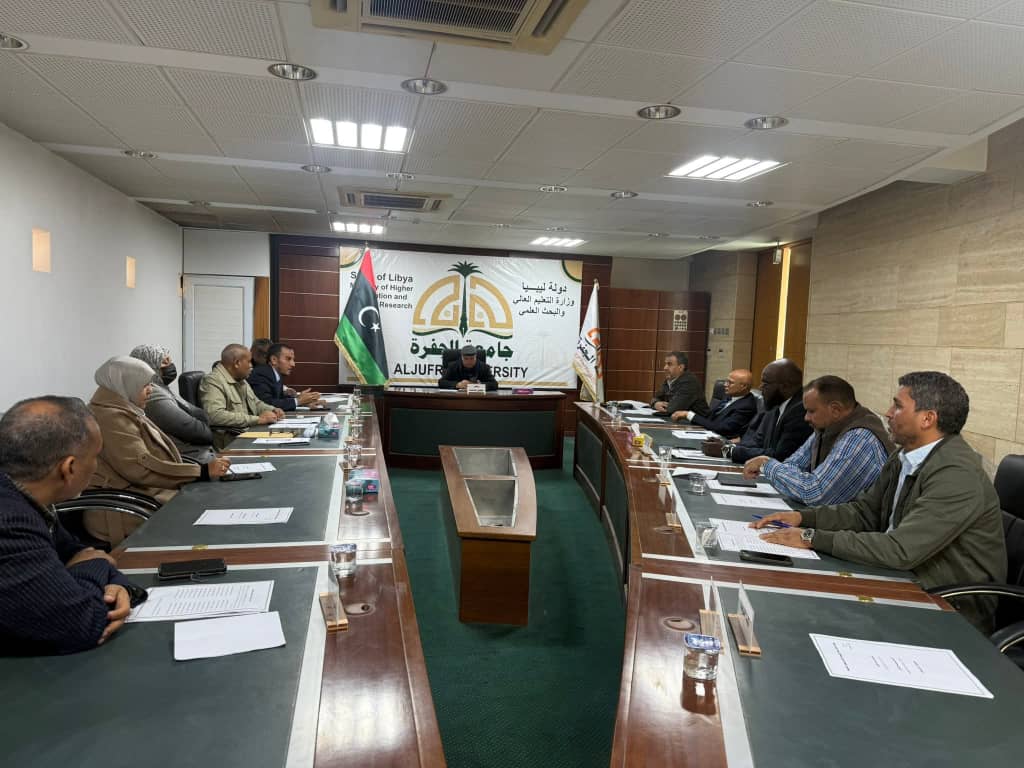
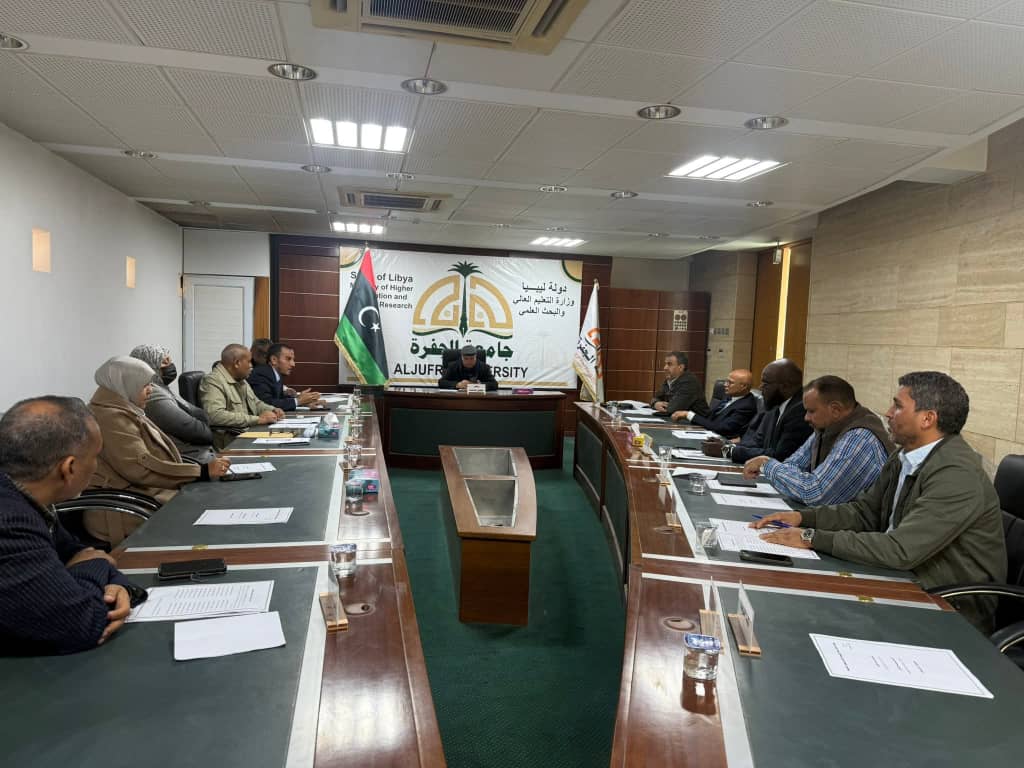
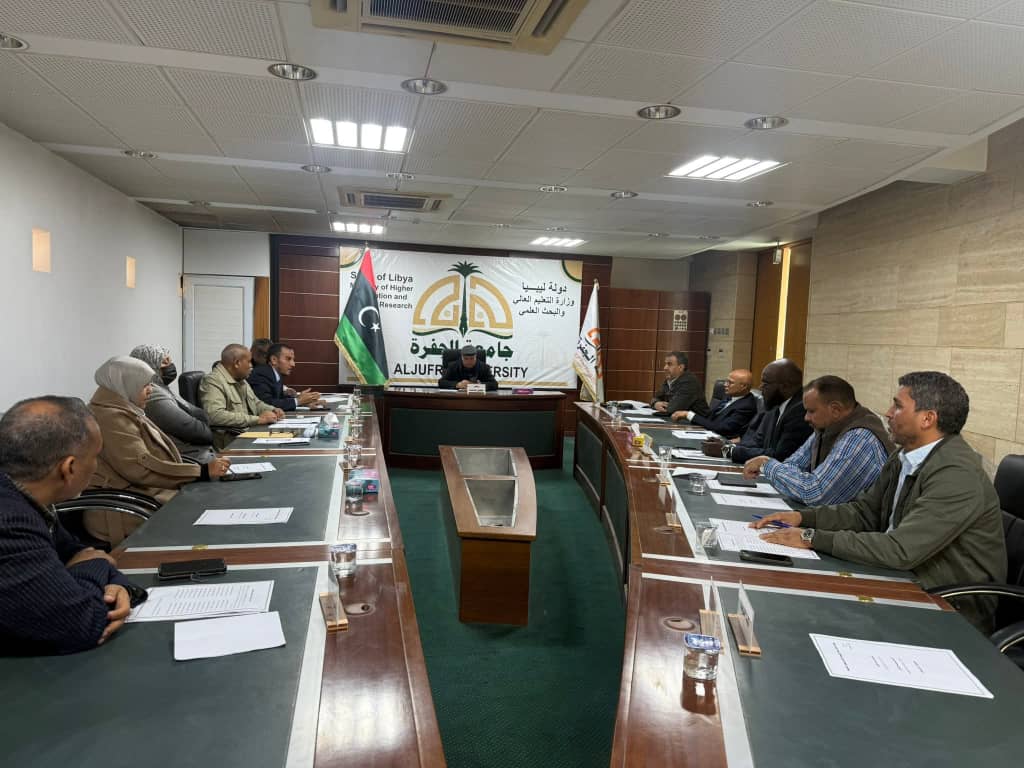
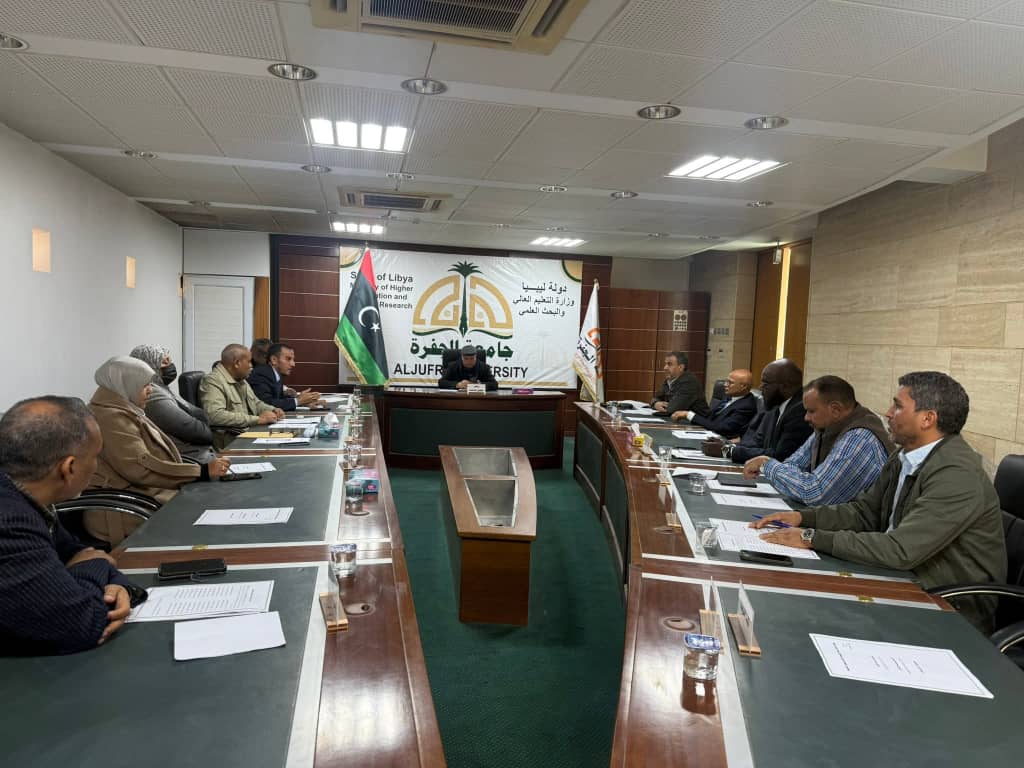
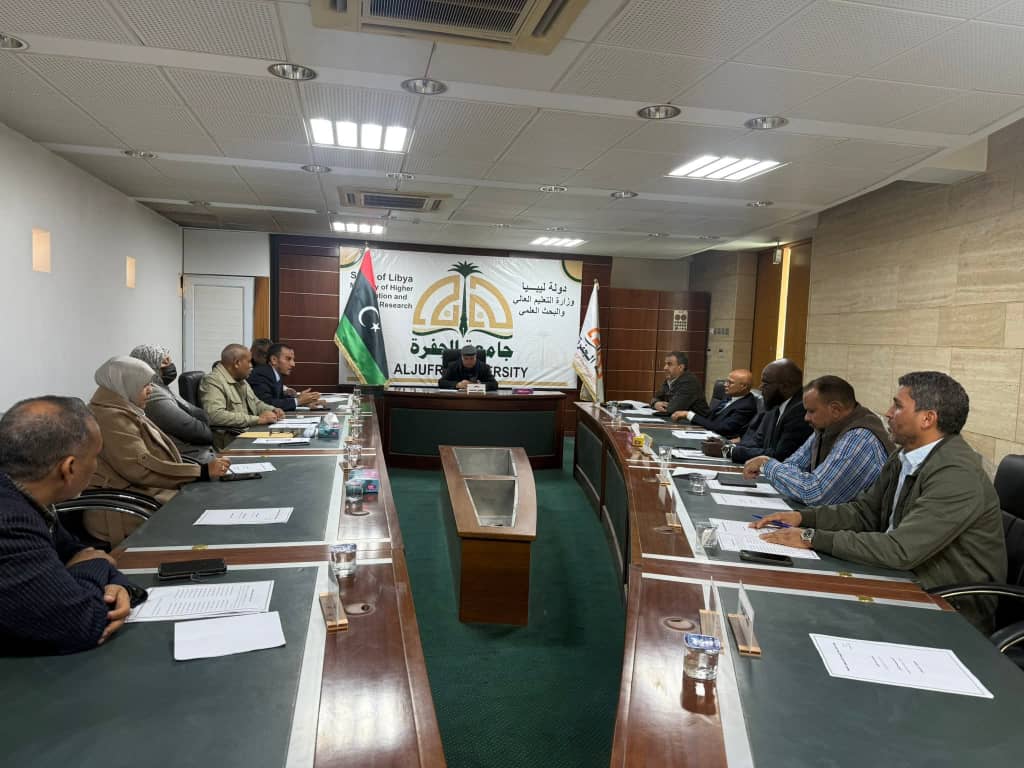
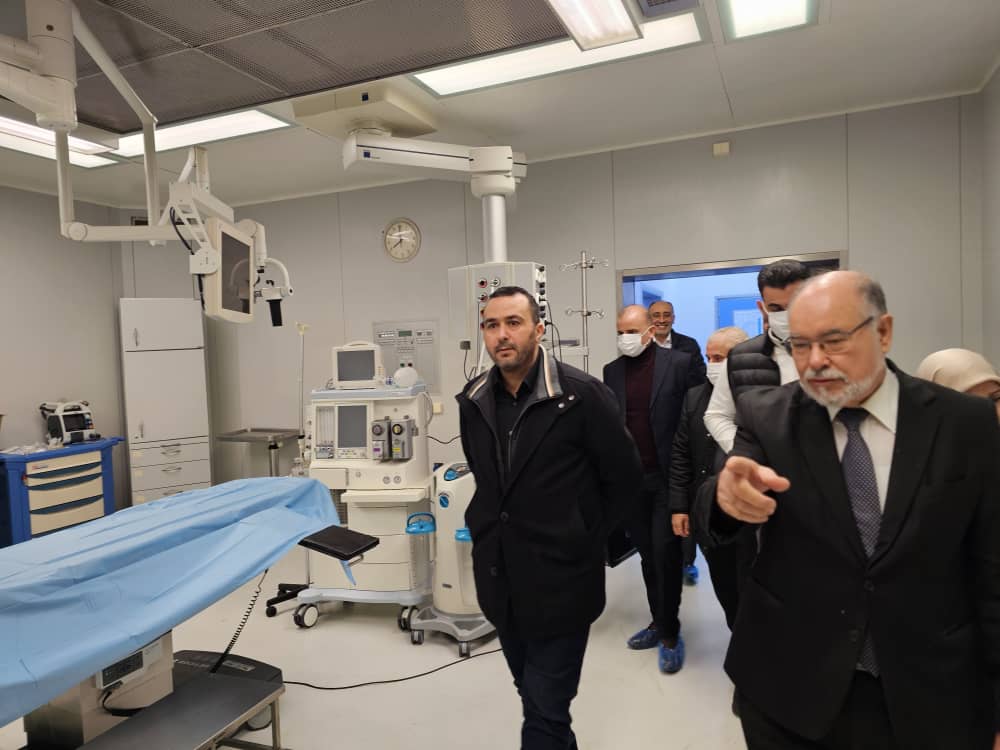
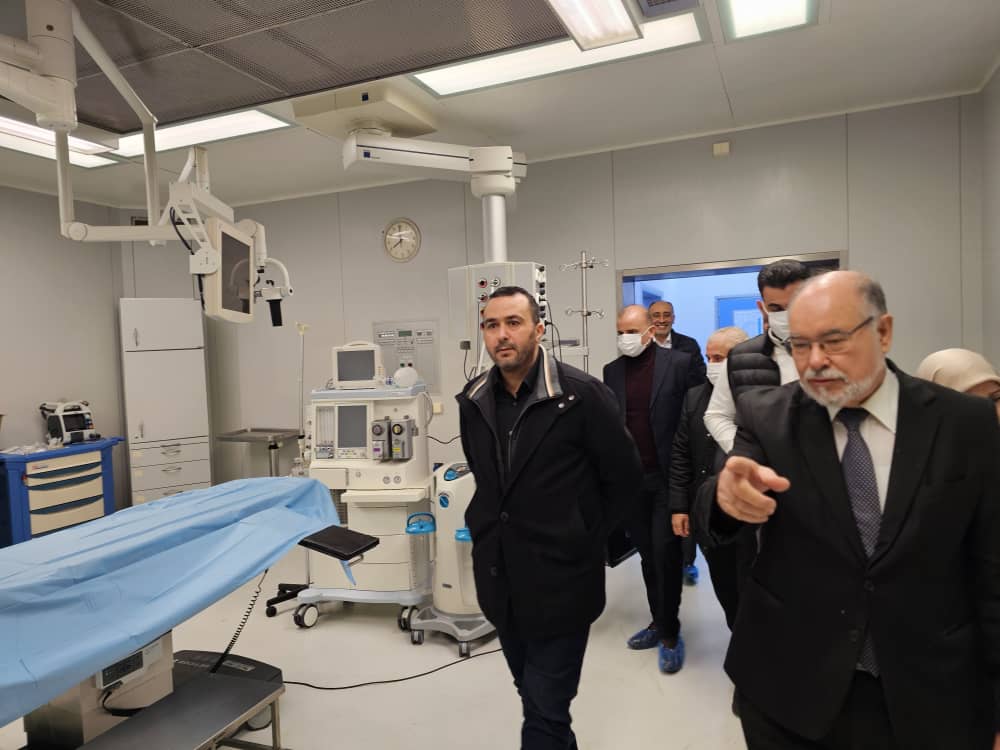
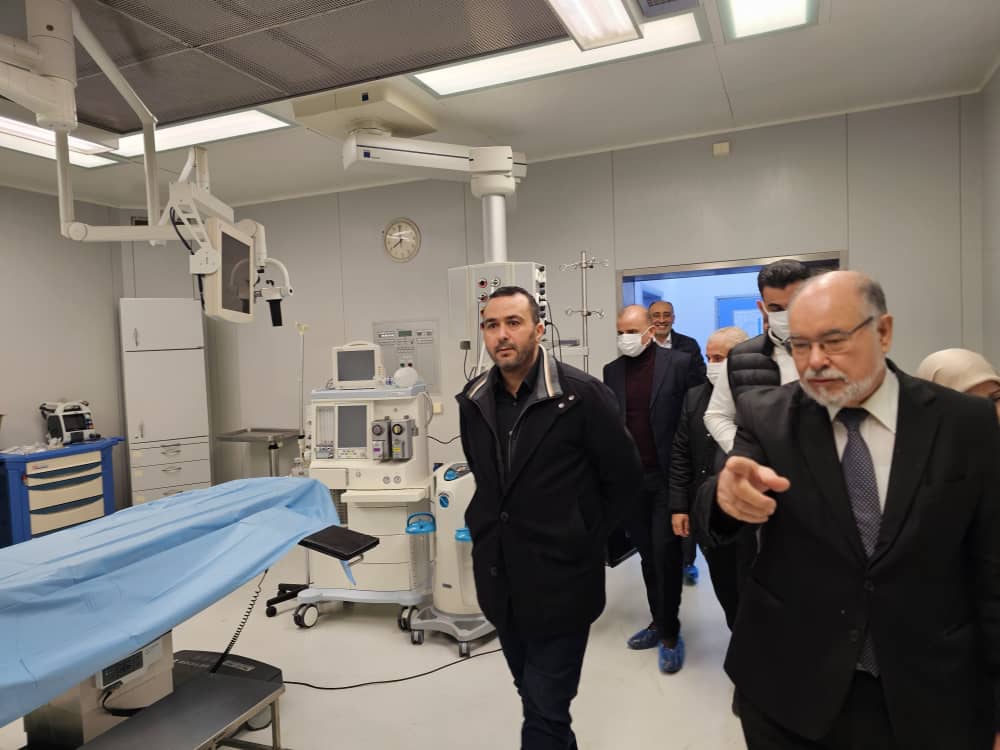
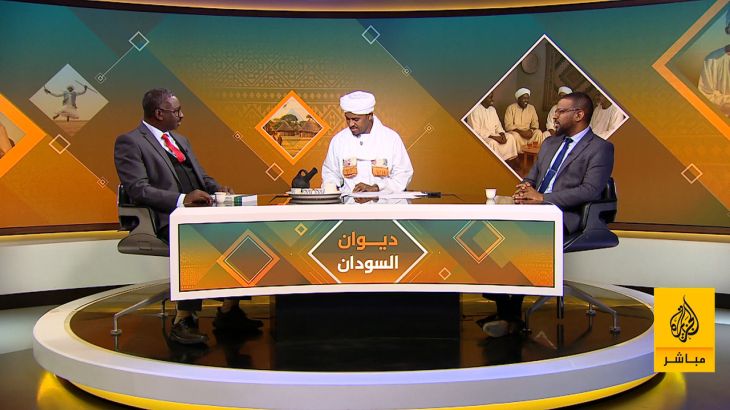
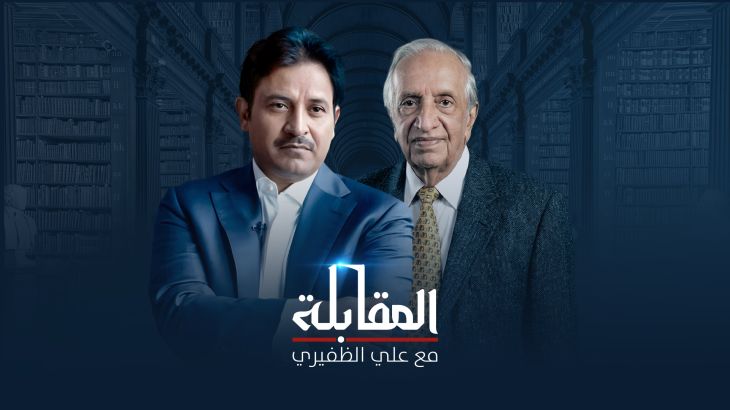
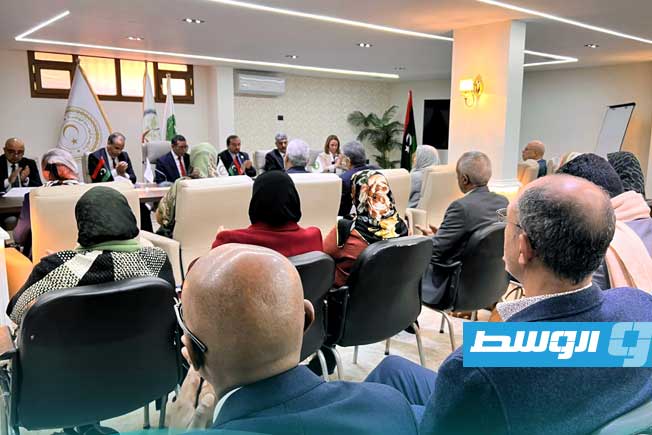
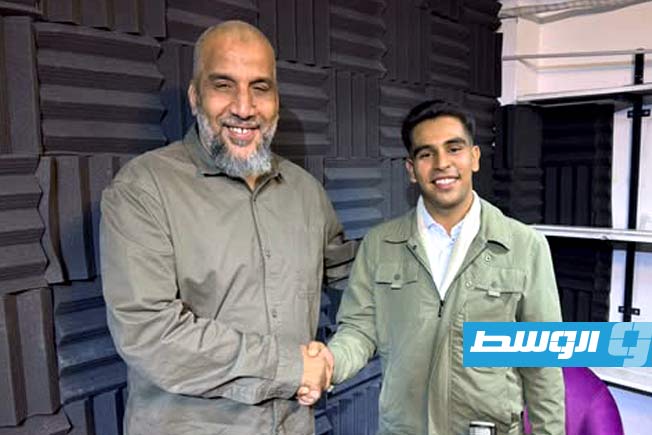
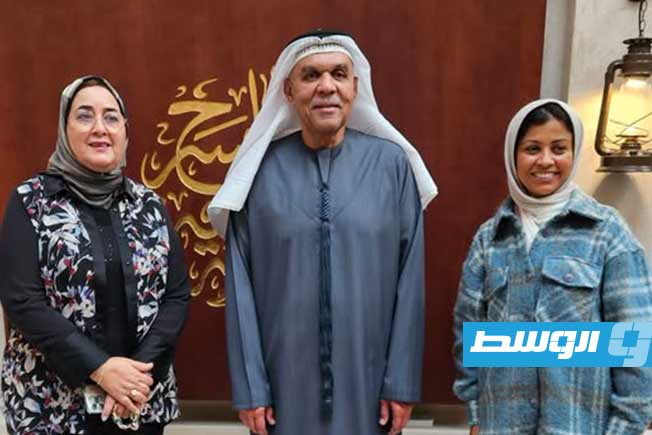
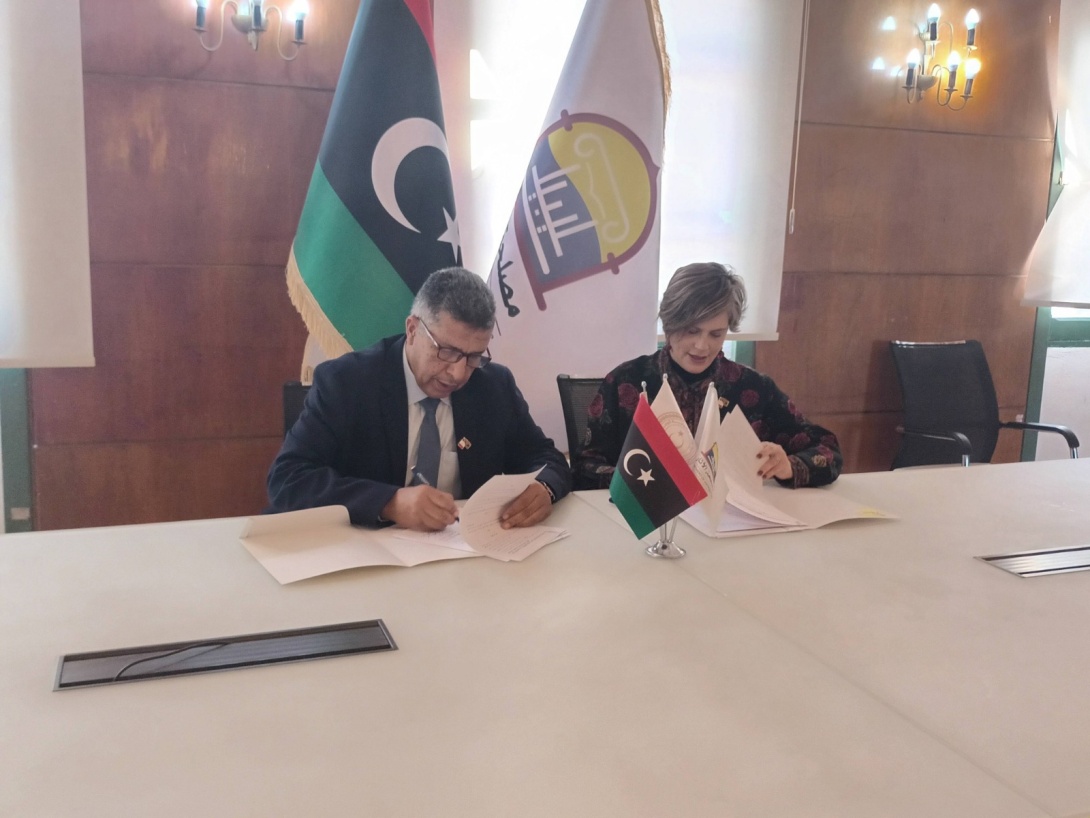
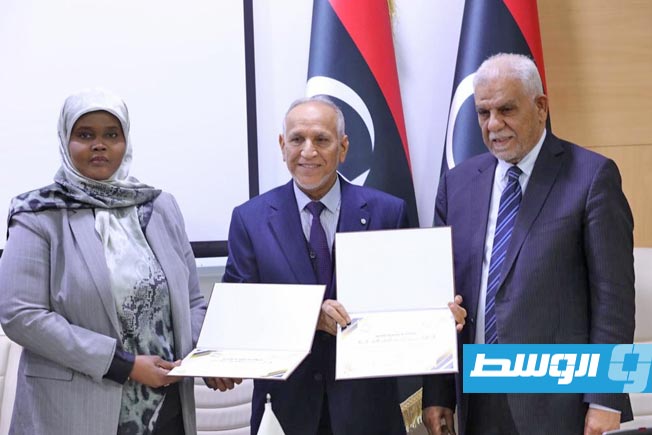
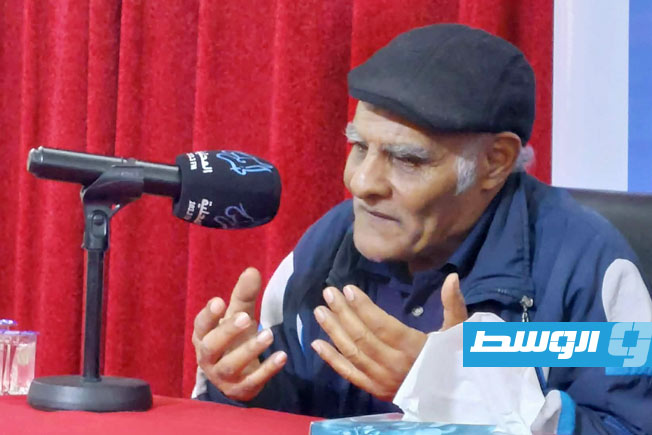
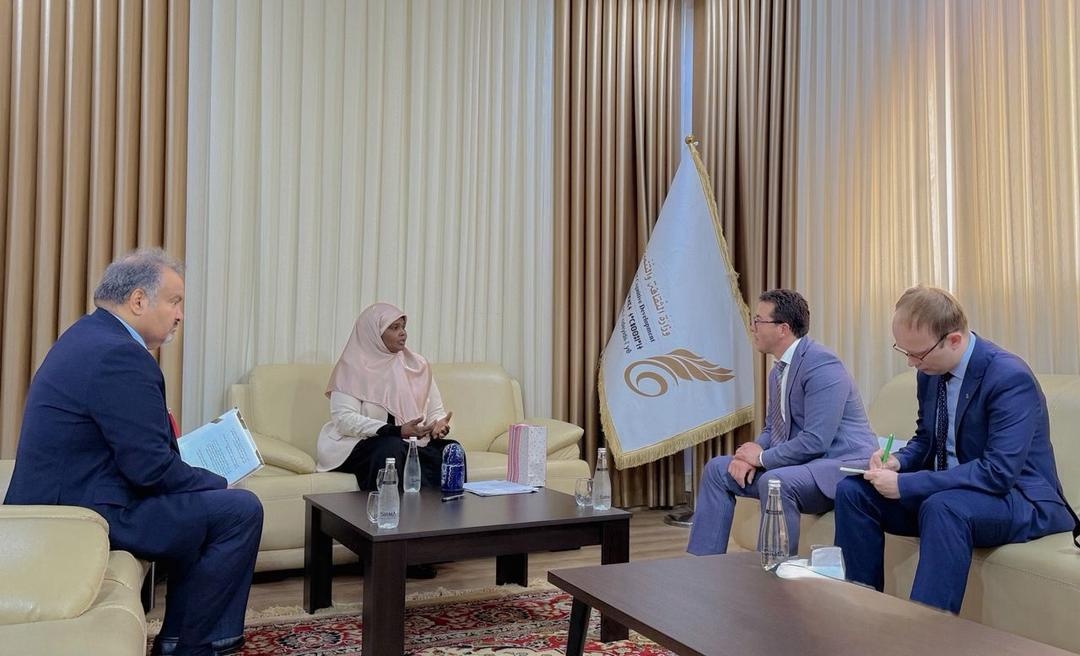
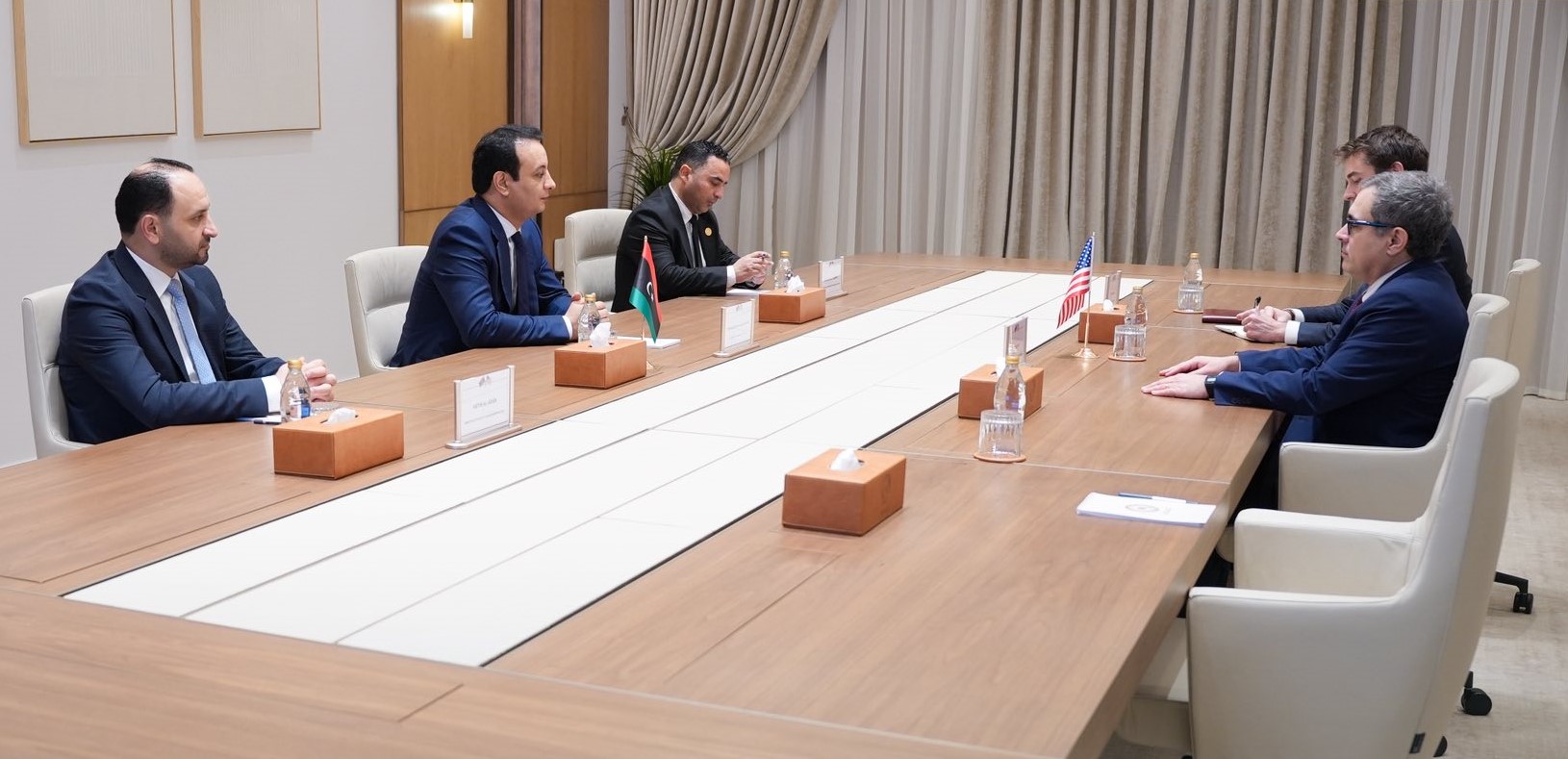
Tripoli, January 24, 2026 – The Dean of the Islamic Call College stated that they graduate preachers who combine religious knowledge, the Arabic language, and professional qualification.
With this statement or result, the interview began, explaining that the goal of establishing the Islamic Call College – the academic and intellectual arm of the Islamic Call Society – is to spread awareness and knowledge around the world, teach Arabic to non-native speakers, and prepare imams, preachers, and muftis capable of performing their religious mission in their countries. The number of its students in previous periods exceeded 1,000 within Libya.
In defining the college, it was stated that the World Islamic Call Society was established in 1972, and two years later, in 1974, the Islamic Call College was established by law to be the academic and intellectual arm of the Society. It is an independent college administratively and financially, funded from the budget of the Islamic Call Society, with no government budget allocated. It relies on its own investments and funds, with an annual item allocated to support the Islamic Call College.
It was clarified that among the regulations governing the college since its founding is that study is dedicated only to non-Libyans, whether inside or outside the country, with a focus on students coming from countries that do not speak Arabic.
In response to a question about which jurisprudential school of thought students are taught within the college, it was said that the Islamic Call College does not specialize in a single jurisprudential school, but rather relies on comparative jurisprudence. Students come from different jurisprudential backgrounds: Hanafi, Shafi’i, Maliki, and Hanbali, and they are taught using a comparative method that introduces them to all schools without fanaticism towards a specific one. It was noted that among the most prominent adopted curricula are the books of comparative jurisprudence prepared by the late Sheikh Dr. Wahbah al-Zuhayli, which gather different jurisprudential opinions within a systematic scientific framework.
Regarding the question of who prepares and prints the educational curricula, the answer was that the educational curricula are prepared specifically for the Islamic Call College, and there is a printing press inside the college for printing the curricula. If large quantities are needed, printing is done abroad, especially in Beirut, according to the highest quality standards.
Regarding how students are selected and the admission mechanism to the college, it was explained that selection is according to precise conditions and controls, in cooperation with the muftis of countries and the offices of the Islamic Call Society abroad, where students are nominated by these entities. Afterwards, students undergo an admission exam, either through committees sent to their countries or through interviews via “Zoom” technology. The director of the Society’s office in the concerned country also evaluates the student in terms of health status and physical ability. After acceptance is approved, visas and travel tickets are issued at the college’s expense.
Concerning the requirements provided by the college for students after their arrival in Libya, it was stated that the college provides integrated dormitory housing, full meals (breakfast, lunch, dinner), in addition to a health clinic, a monthly stipend of 150 dinars, free stationery, clothes for occasions and holidays, as well as full care until graduation.
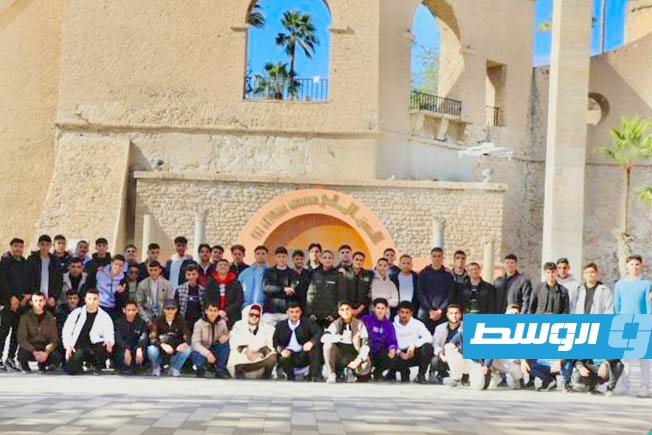
Regarding the current number of students and nationalities studying at the college, the Dean indicated that the current number of students inside the college reaches more than 500, representing about 46 nationalities from Asian, African, and European countries, including: Indonesia, Malaysia, China, India, Pakistan, Afghanistan, Thailand, Cambodia, Nigeria, and Bosnia. The college also has branches abroad in Senegal, Chad, Benin, Burundi, Indonesia, Turkey, Lebanon, and London, bringing the total number of students under the college’s umbrella to more than 1,500.
Concerning the specializations available within the college, it was clarified that the specializations include (Sharia – Arabic Language – Call and Civilization – General Subjects – Scientific Specializations such as Computer Science and Islamic Economics). There is also an institute for teaching Arabic to non-native speakers, which all students pass through before joining university study. Study there may take from one to three years depending on the student’s level.
In the answer to a question about vocational education and Quran memorization, it was said that every student is required to choose a vocational craft alongside their academic studies, such as: carpentry, house electricity, car mechanics, refrigeration and air conditioning, or computers. Female students learn the craft of sewing. The Holy Quran is also memorized as part of a regular daily program. The student graduates holding a bachelor’s degree, having memor
Tripoli
Tripoli is the capital and largest city of Libya, located on the country’s Mediterranean coast. Historically, it was founded by the Phoenicians in the 7th century BC and has since been ruled by the Romans, Arabs, Ottomans, and Italians, serving as a major port and cultural crossroads. Its historic core, the medina of Old Tripoli, contains significant architecture from these various periods.
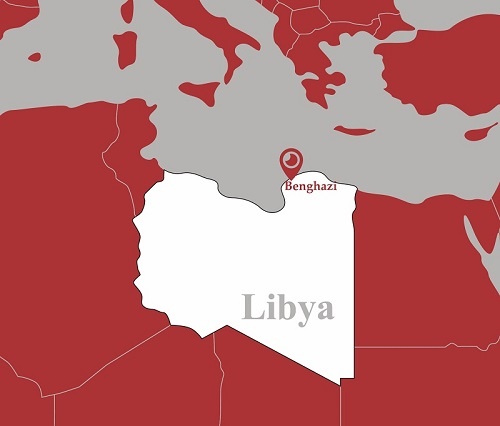
Libya
Libya is a North African country with a rich history rooted in ancient civilizations like the Phoenicians and Romans, followed by centuries of Arab and Ottoman influence. In the modern era, it was an Italian colony before gaining independence in 1951, later becoming known for Muammar Gaddafi’s lengthy rule from 1969 until the 2011 revolution. The country is home to UNESCO World Heritage sites, such as the ruins of Leptis Magna, which attest to its significant historical legacy.
Beirut
Beirut is the capital and largest city of Lebanon, with a history dating back over 5,000 years, making it one of the world’s oldest continuously inhabited cities. It has been ruled by various empires, including the Phoenicians, Romans, and Ottomans, and endured a devastating civil war from 1975 to 1990. Today, it is known as a vibrant, resilient cultural and commercial hub in the Middle East.
Indonesia
Indonesia is a Southeast Asian archipelago of over 17,000 islands, with a history shaped by Hindu-Buddhist empires, Islamic sultanates, and European colonialism, notably by the Dutch. It is a culturally diverse nation, home to hundreds of ethnic groups and languages, unified by the national motto “Bhinneka Tunggal Ika” (Unity in Diversity). Its rich cultural heritage is evident in sites like the Buddhist temple of Borobudur and the Hindu temple complex of Prambanan.
Malaysia
Malaysia is a Southeast Asian nation with a rich multicultural history shaped by indigenous cultures, centuries of trade, and successive influences from Indian kingdoms, Islamic sultanates, and European colonial powers, notably the British. It gained independence in 1957 and is known for its vibrant blend of Malay, Chinese, Indian, and indigenous traditions, as well as landmarks like the Petronas Twin Towers and historic George Town.
China
China is one of the world’s oldest continuous civilizations, with a recorded history spanning over four millennia. It is home to numerous UNESCO World Heritage sites, such as the Great Wall and the Forbidden City, which reflect its long imperial past and profound cultural achievements.
India
India is a South Asian country with one of the world’s oldest civilizations, dating back over 5,000 years to the Indus Valley. Its long history includes the rise of major empires, the development of diverse religions like Hinduism and Buddhism, and nearly 200 years of British colonial rule before gaining independence in 1947. Today, it is the world’s largest democracy and a nation of immense cultural, linguistic, and geographical diversity.
Pakistan
Pakistan is a modern nation-state established in 1947 following the partition of British India, created as a homeland for South Asian Muslims. Its territory encompasses ancient Indus Valley Civilization sites like Mohenjo-daro and has been influenced by a succession of empires, including the Mughals and the British Raj.
Afghanistan
Afghanistan is a landlocked country in Central and South Asia with a history spanning over 5,000 years, having been a crossroads for numerous empires and cultures along the Silk Road. It is home to significant cultural sites like the ancient Minaret of Jam and the Buddhas of Bamiyan, which reflected its diverse historical influences before the latter’s destruction in 2001.
Thailand
Thailand is a Southeast Asian nation with a rich history dating back to ancient kingdoms like Sukhothai and Ayutthaya, which established Theravada Buddhism and distinctive cultural traditions. It is unique in the region for never having been colonized by a European power, maintaining its monarchy as a unifying institution throughout its modern development. Today, it is renowned globally for its ornate temples, vibrant cuisine, and tropical beaches.
Cambodia
Cambodia is a Southeast Asian nation most famously known for the Angkor Wat temple complex, a UNESCO World Heritage site that was the center of the powerful Khmer Empire from the 9th to the 15th centuries. The country’s more recent history includes the devastating Khmer Rouge regime in the 1970s, followed by a period of recovery. Today, it is a constitutional monarchy with a rich cultural heritage deeply intertwined with Theravada Buddhism.
Nigeria
Nigeria is a West African country with a rich history shaped by ancient kingdoms like the Nok, Benin, and Oyo, followed by British colonization until its independence in 1960. It is Africa’s most populous nation and a major cultural hub, renowned globally for its vibrant film industry (Nollywood), diverse music, and over 250 ethnic groups.
Bosnia
Bosnia, often referring to the country of Bosnia and Herzegovina, is a historically significant region in the Balkans known for its cultural and religious diversity shaped by centuries of Slavic, Ottoman, and Austro-Hungarian influence. Its capital, Sarajevo, is famed as the site of the 1914 assassination that triggered World War I and for enduring the lengthy siege during the Bosnian War in the 1990s. The country’s landscape is marked by medieval fortresses, Ottoman-era bridges like the Stari Most in Mostar, and numerous mosques and churches reflecting its complex past.
Senegal
Senegal is a West African nation with a rich history shaped by powerful pre-colonial empires, French colonization, and its role as a major hub in the transatlantic slave trade. It gained independence in 1960 and is known for its cultural traditions of “Teranga” (hospitality), vibrant music like mbalax, and significant Islamic heritage. The country is also home to UNESCO World Heritage Sites, including Gorée Island and the Stone Circles of Senegambia.
Chad
Chad is a landlocked country in north-central Africa, with a history shaped by ancient Saharan trade routes and powerful pre-colonial kingdoms like the Kanem-Bornu Empire. It gained independence from France in 1960 and has since experienced periods of political instability and conflict, while also being home to diverse ethnic groups and natural sites like Lake Chad and the Ennedi Plateau.
Benin
Benin refers to both a modern West African country and the historic Kingdom of Benin, which was a major pre-colonial power centered in what is now southern Nigeria. The kingdom, known for its sophisticated artistic traditions like bronze and ivory sculptures, flourished from the 13th to the 19th century before being annexed by the British Empire in 1897. The modern Republic of Benin, formerly known as Dahomey, gained independence from France in 1960.
Burundi
Burundi is a small, landlocked country in East Africa, historically part of the Kingdom of Burundi for centuries before becoming a German and later Belgian colony, gaining independence in 1962. It is culturally known for its traditional drumming, particularly the sacred *karyenda* drum, which was a symbol of the monarchy. The country has faced significant challenges, including a prolonged civil war rooted in ethnic tensions between Hutu and Tutsi groups.
Turkey
Turkey is a transcontinental nation bridging Europe and Asia, with a rich history as the heart of the Byzantine and Ottoman Empires. Its cultural sites, such as the Hagia Sophia in Istanbul and the ancient ruins of Ephesus, reflect this layered heritage from classical antiquity through to a modern republic founded in 1923.
Lebanon
Lebanon is a country on the eastern shore of the Mediterranean Sea with a history dating back to ancient Phoenician civilization. It is known for its cultural and religious diversity, historic sites like the Roman ruins at Baalbek, and its vibrant capital, Beirut.
London
London is the capital of the United Kingdom, a historic city founded by the Romans as Londinium nearly two millennia ago. It has since evolved into a major global financial and cultural centre, home to iconic landmarks like the Tower of London, Buckingham Palace, and the Houses of Parliament.
Islamic Call College
The Islamic Call College is an educational institution established in Libya in 1974 with the aim of training Muslim missionaries and scholars in Islamic studies and comparative religion. It was founded to promote Islamic education and outreach, reflecting the country’s emphasis on religious scholarship during that period.
World Islamic Call Society
The World Islamic Call Society is an international Islamic organization founded in 1972 in Tripoli, Libya, with the primary aim of promoting Islamic *da’wah* (proselytization) and cultural exchange worldwide. It focuses on educational, humanitarian, and interfaith dialogue initiatives to support Muslim communities and spread Islamic teachings.
Islamic Call Society
The Islamic Call Society is a Libyan organization founded in 1970 with the aim of promoting Islamic education and missionary work internationally. It has historically focused on translating Islamic texts, building mosques, and providing humanitarian aid as part of Libya’s efforts to spread Islamic culture and values.