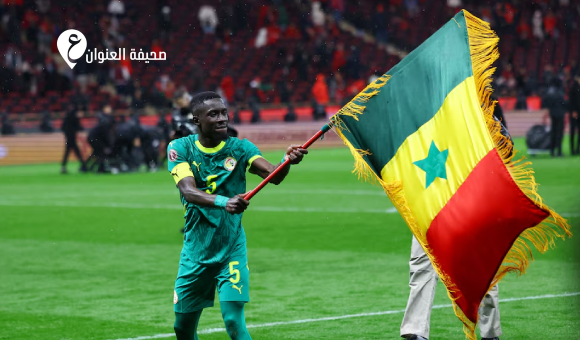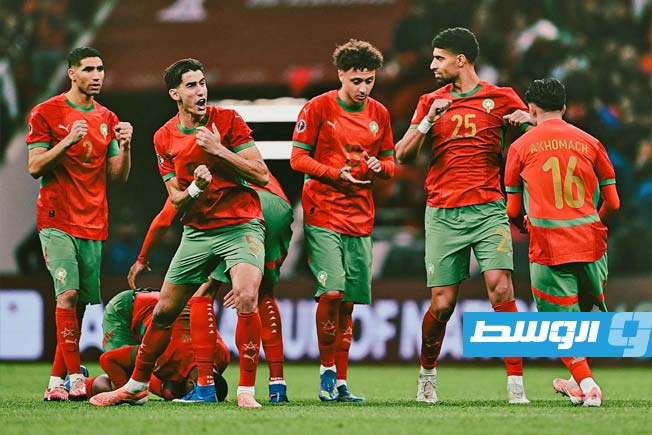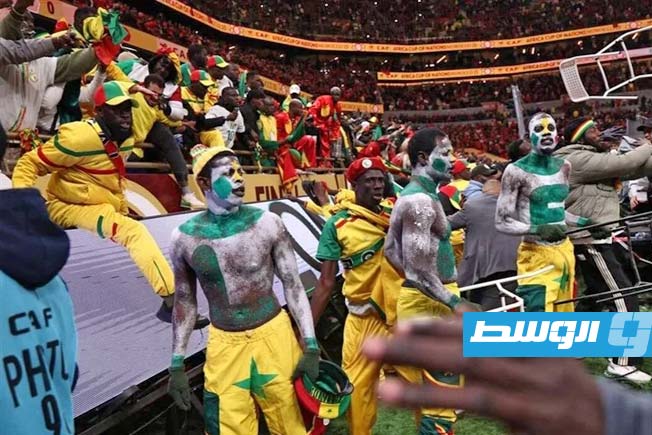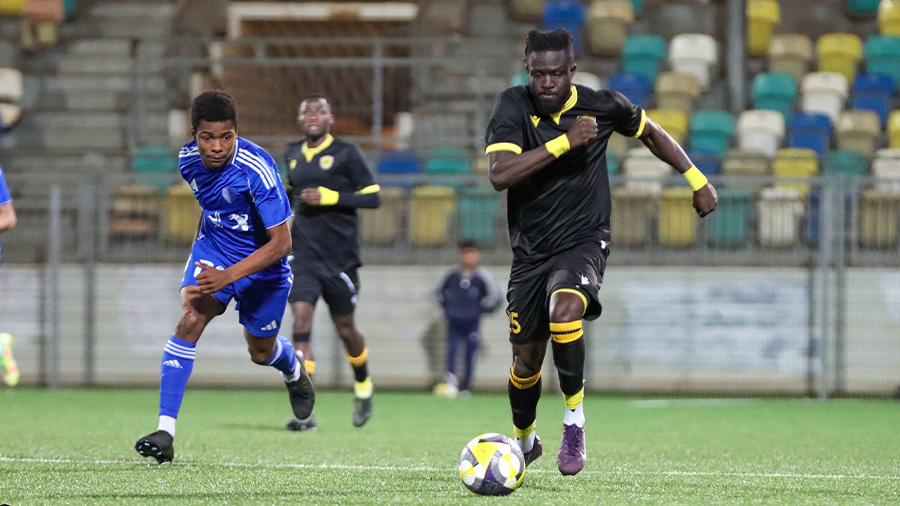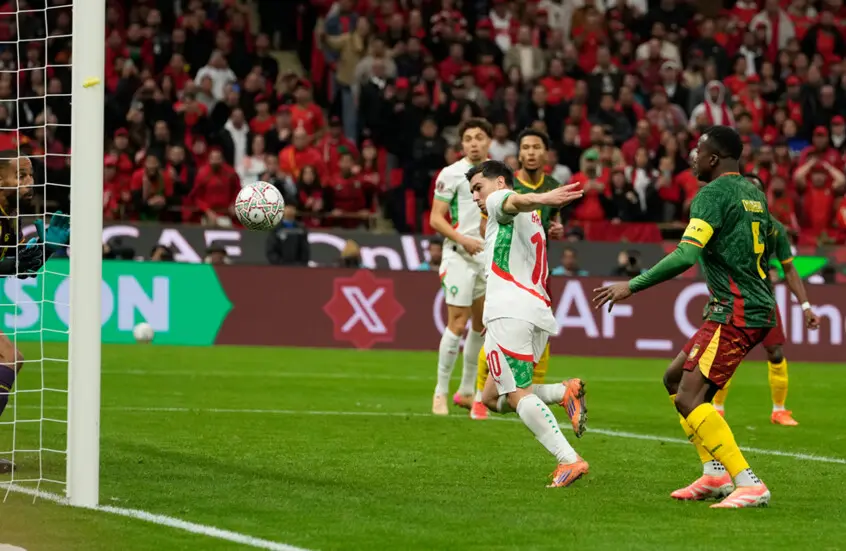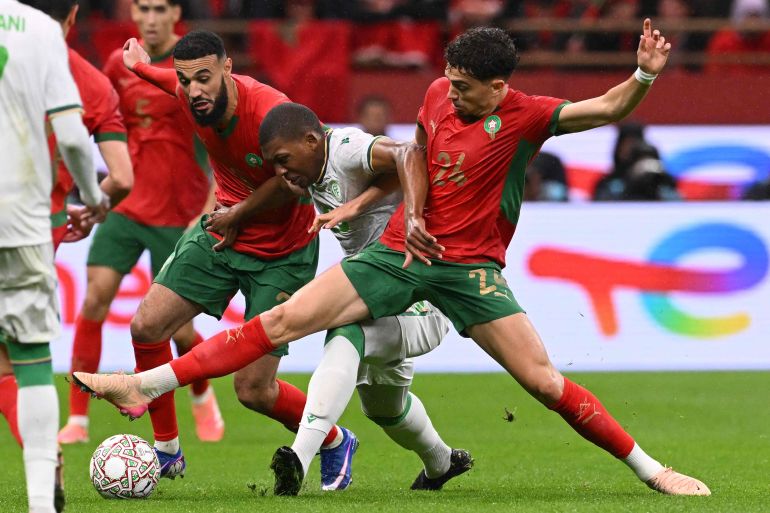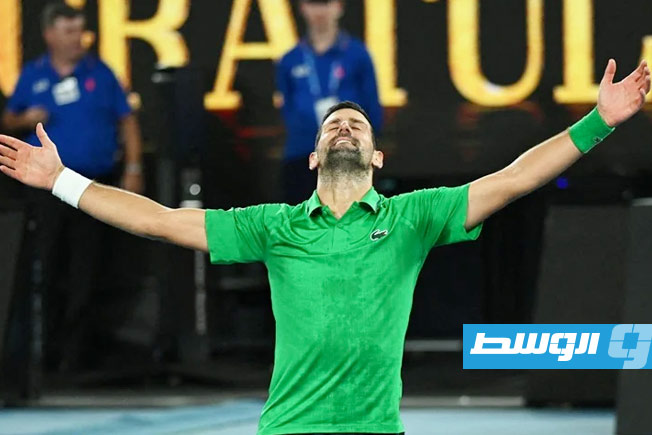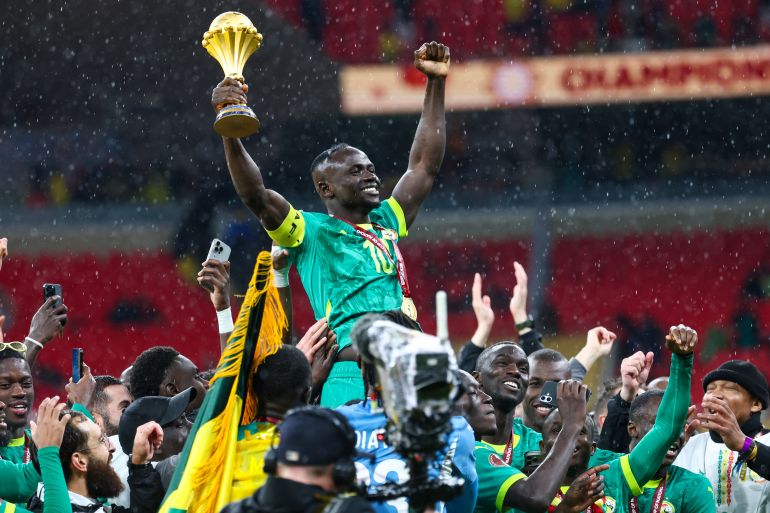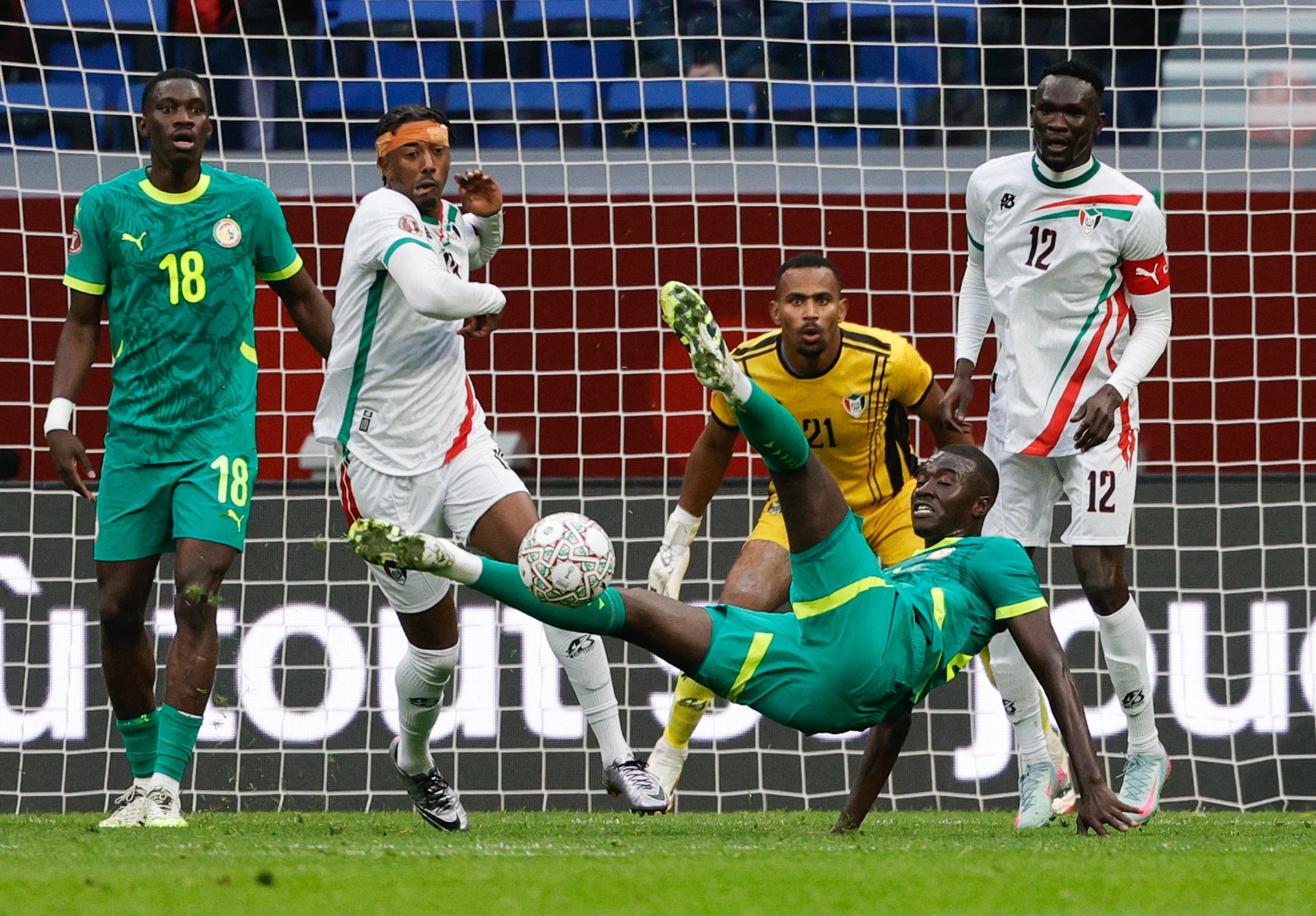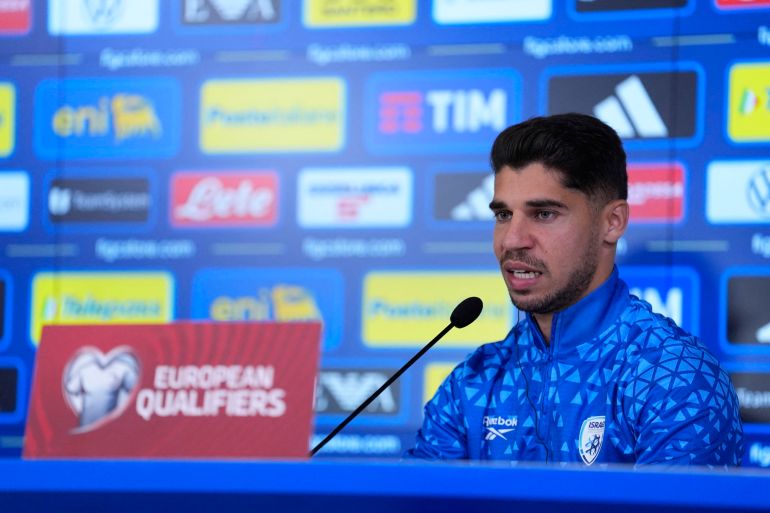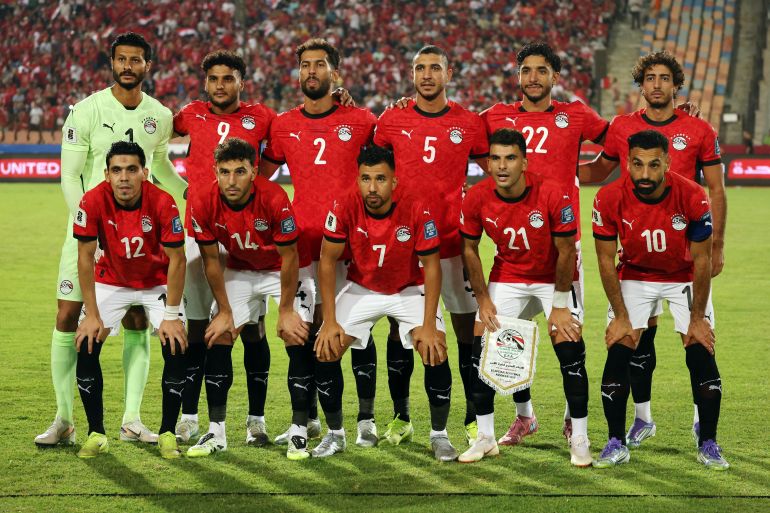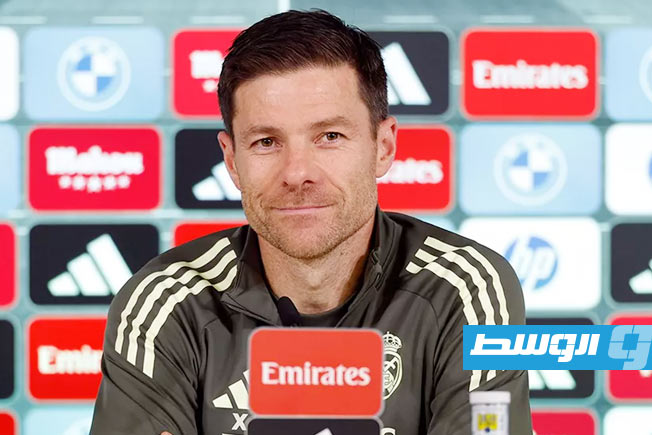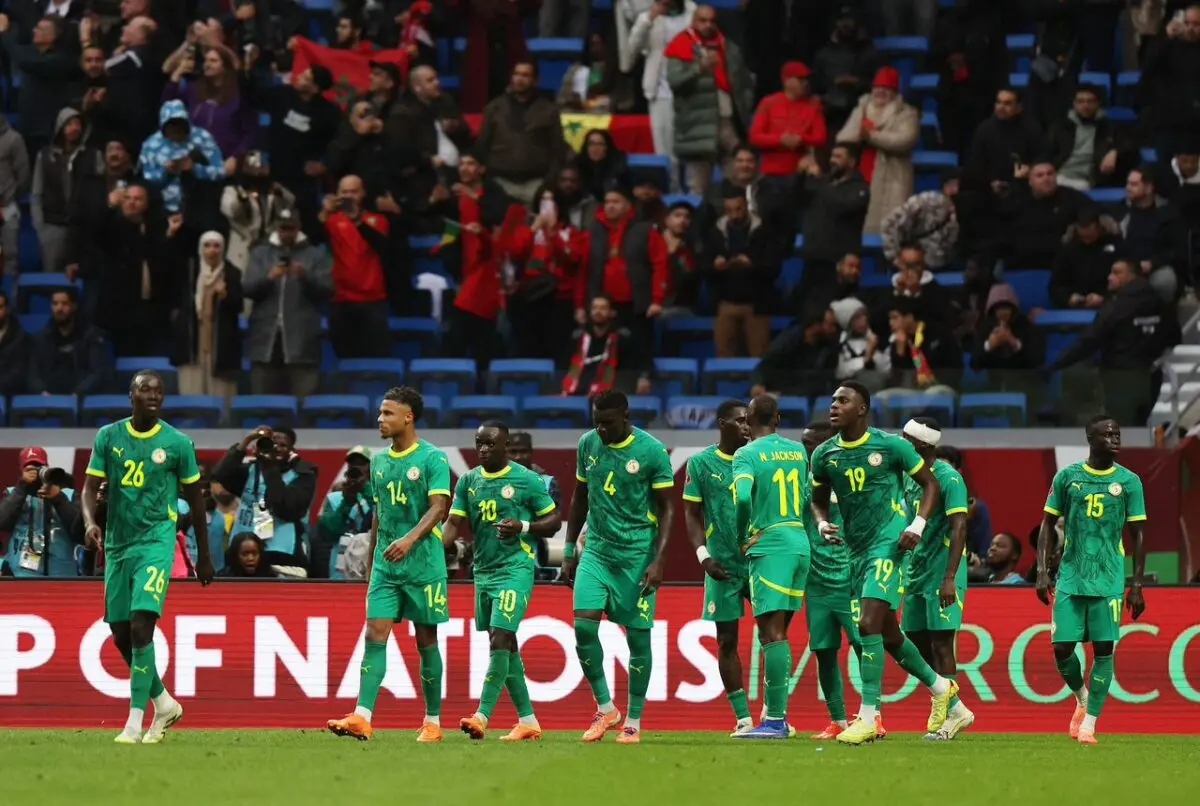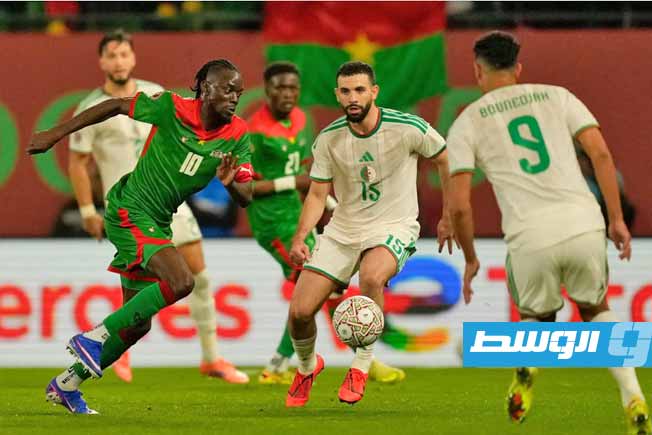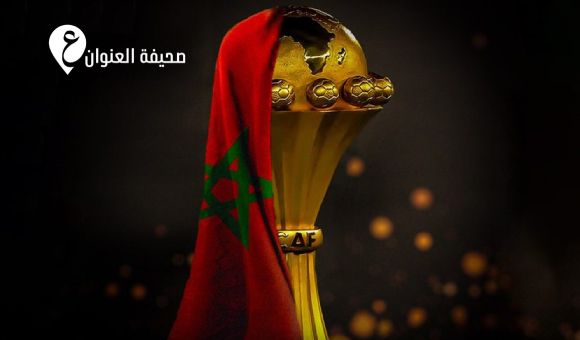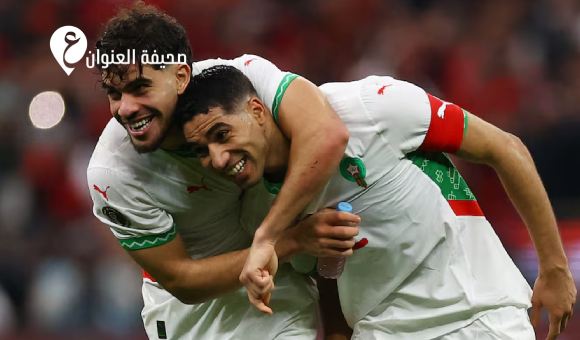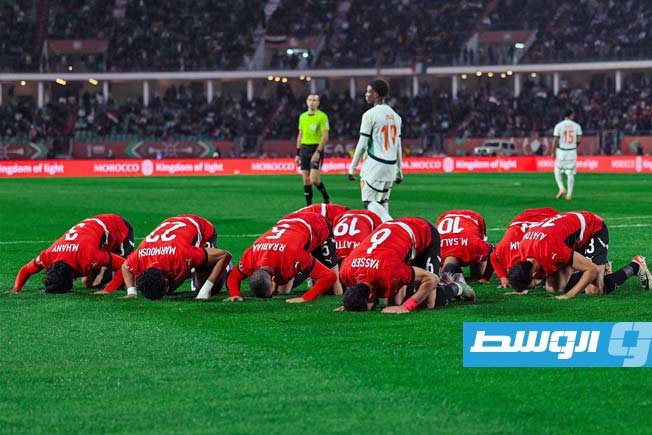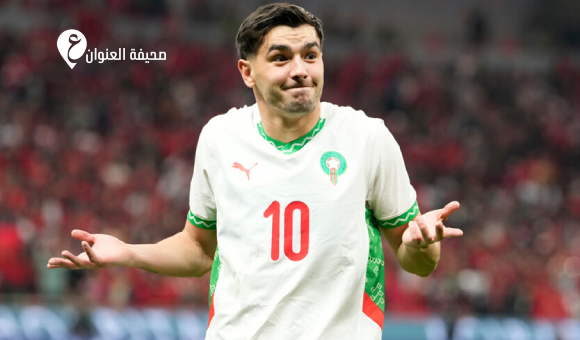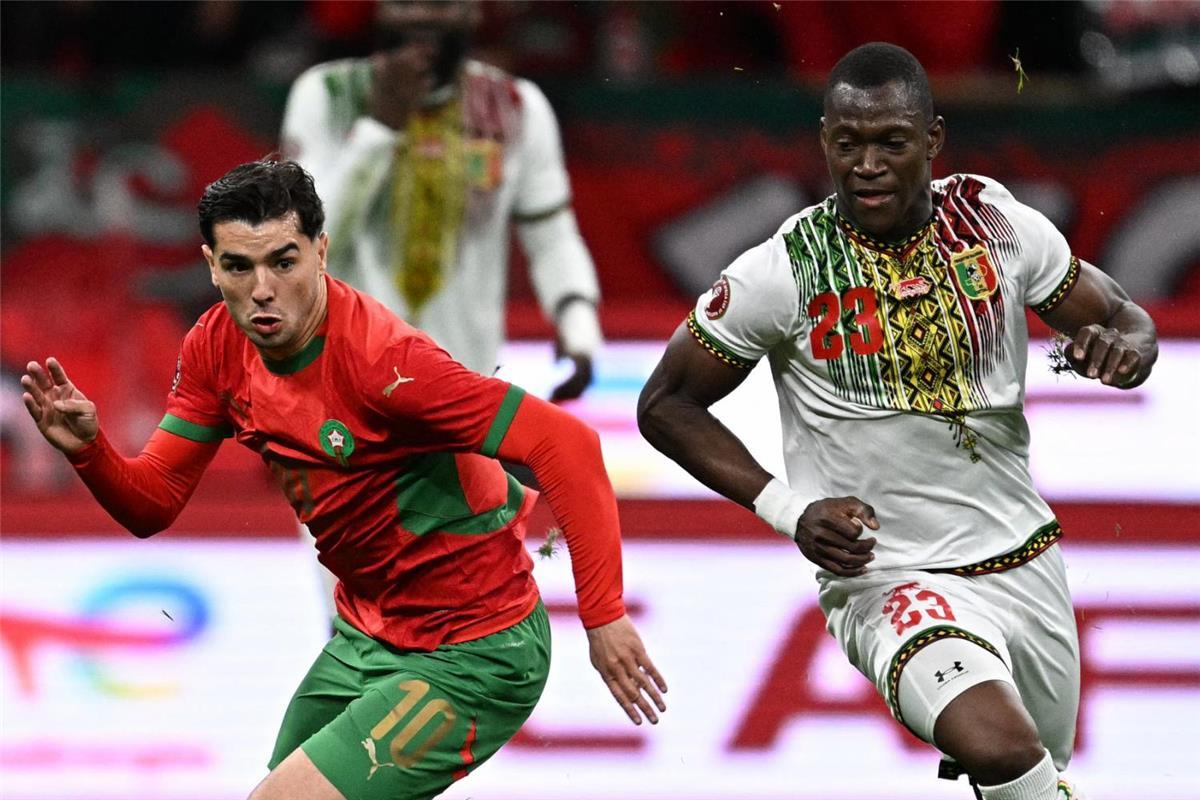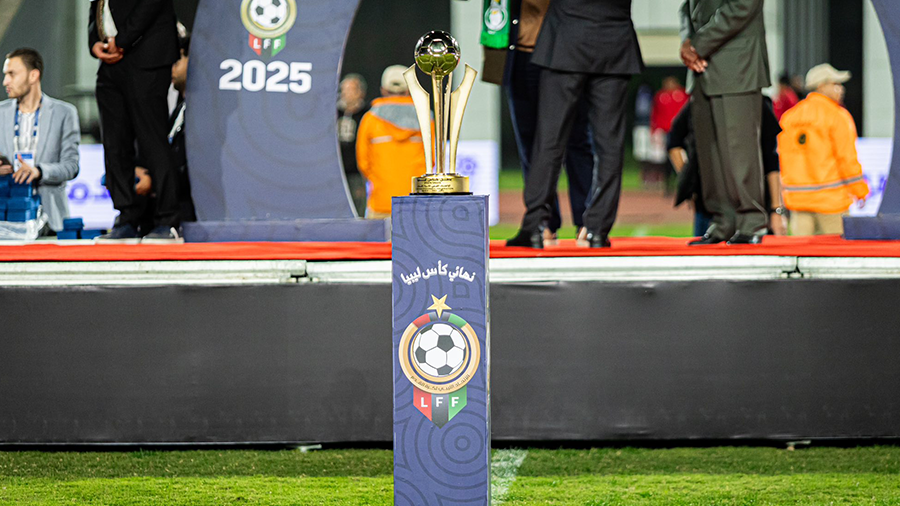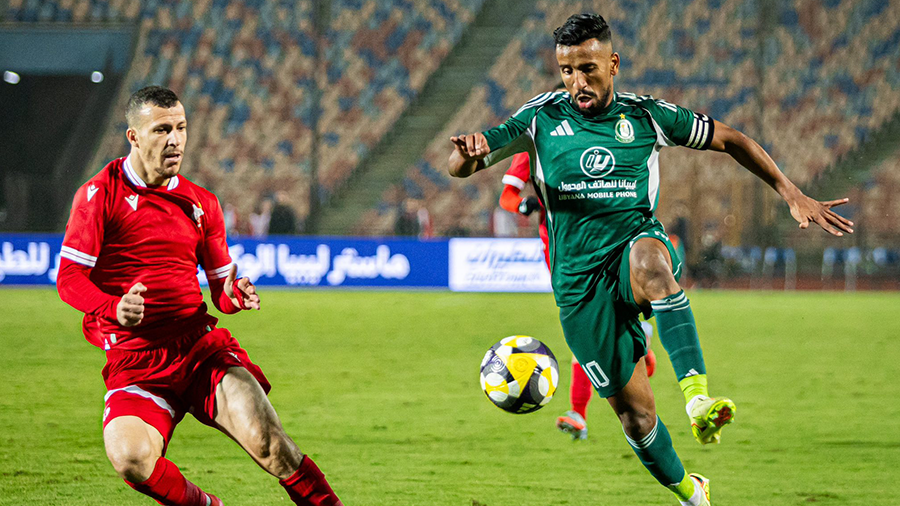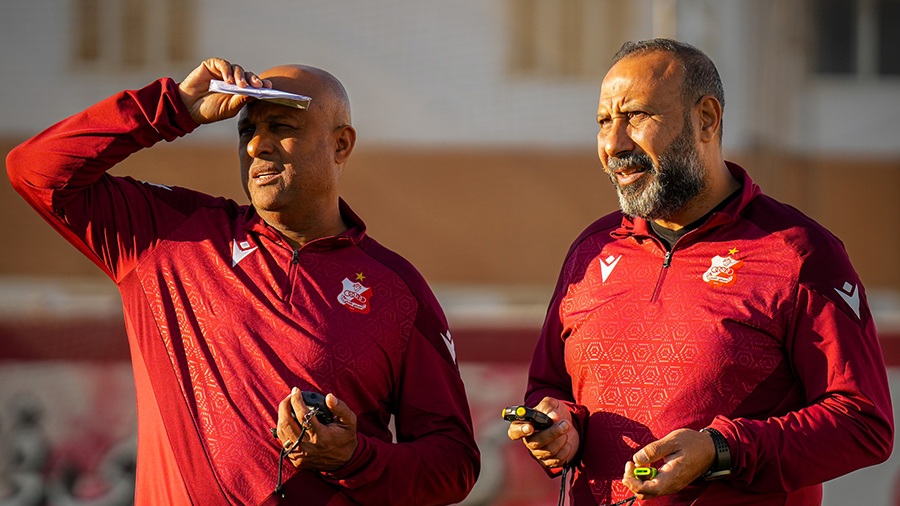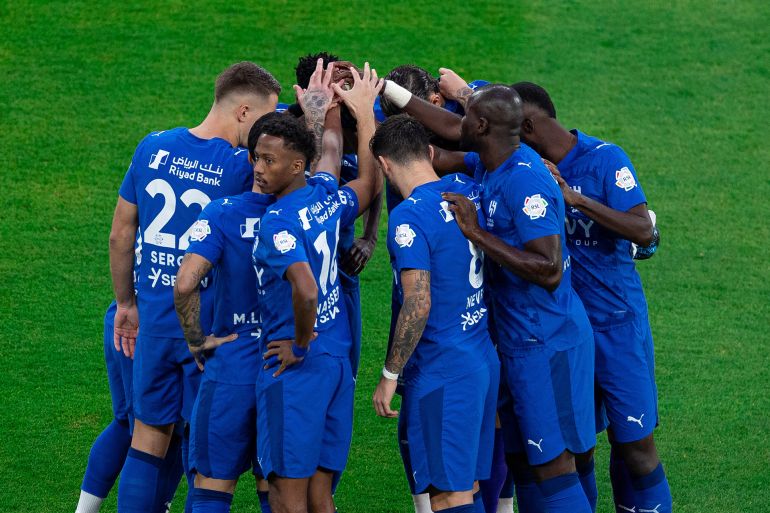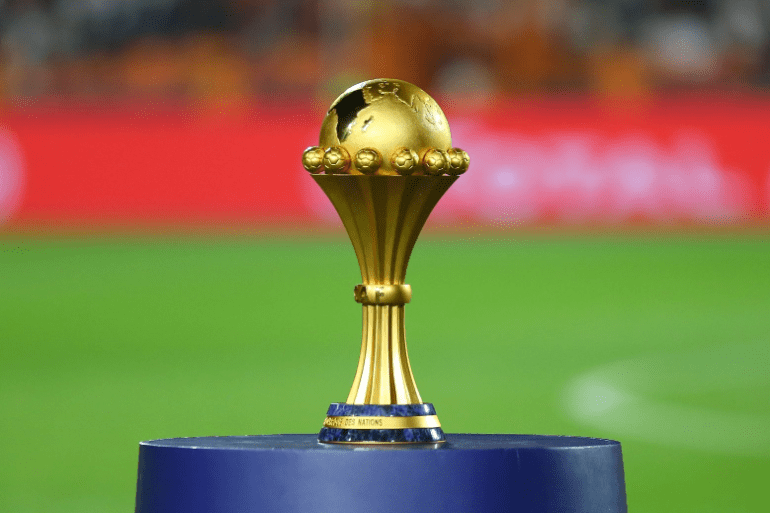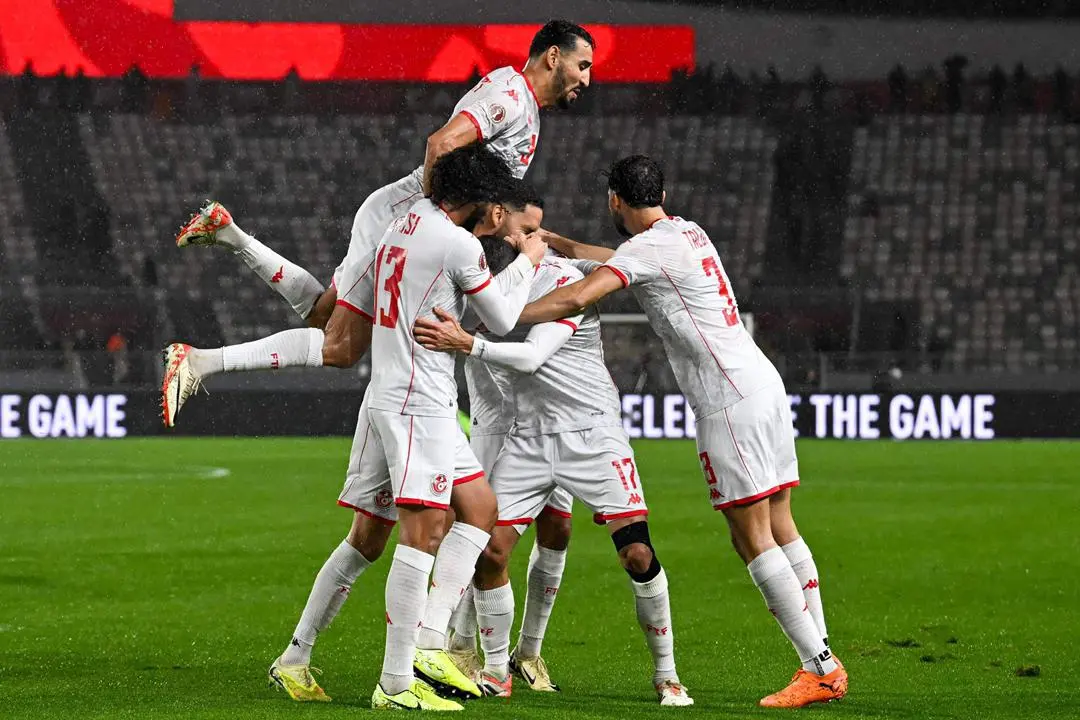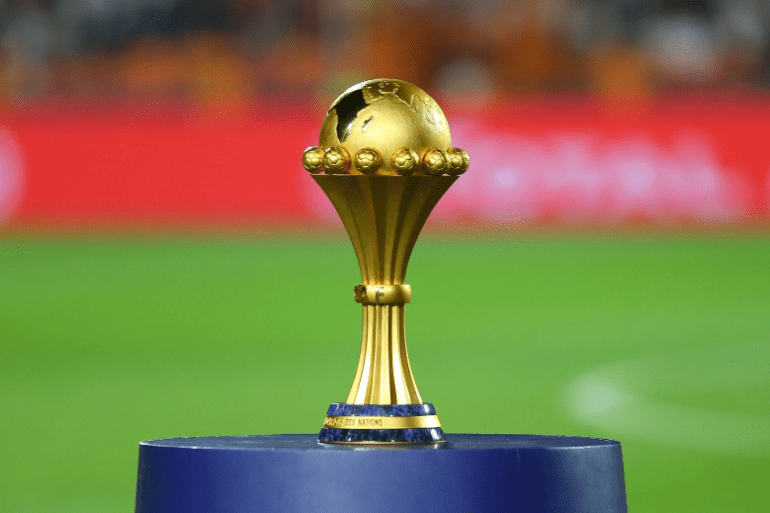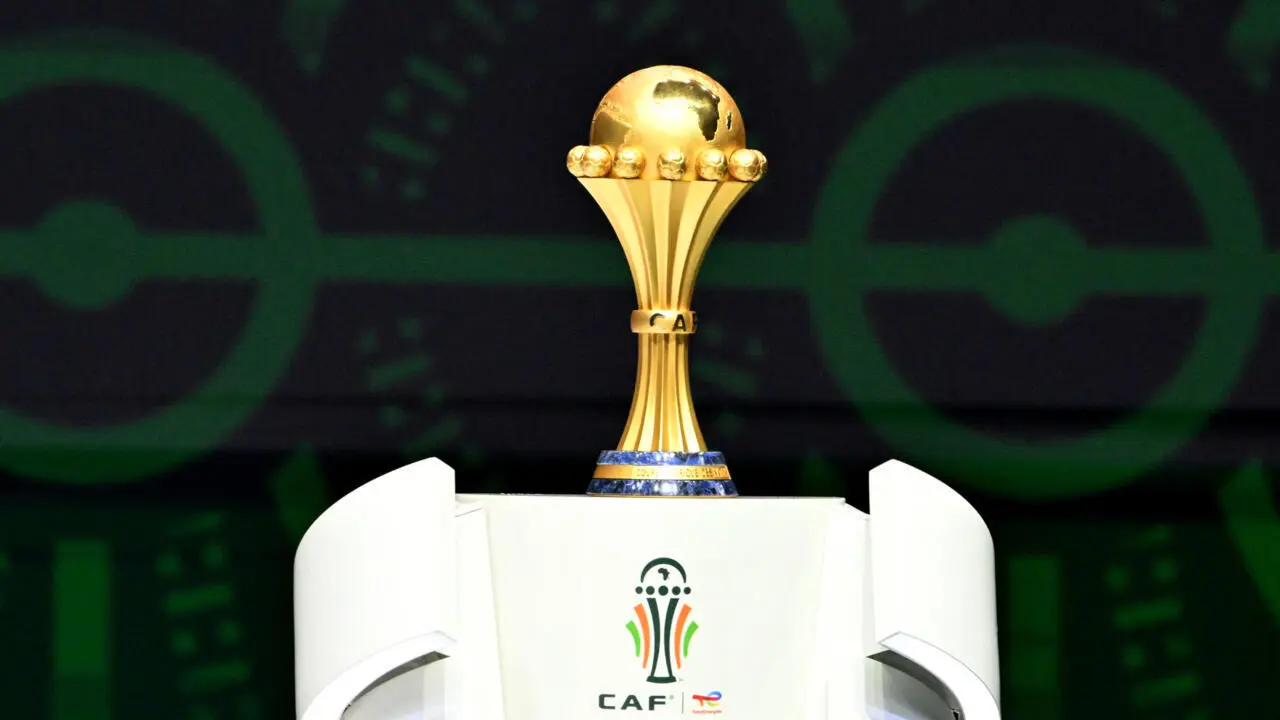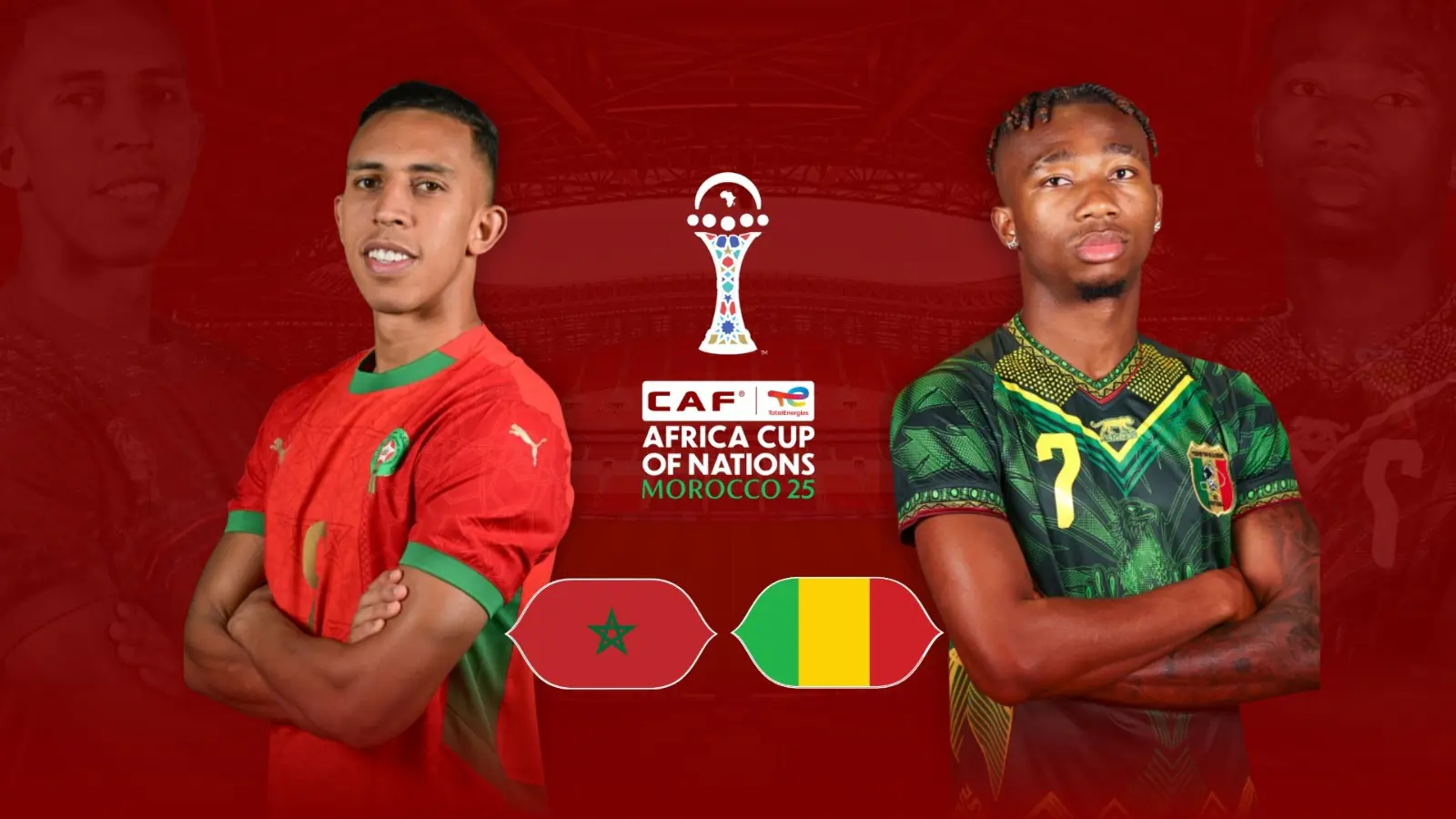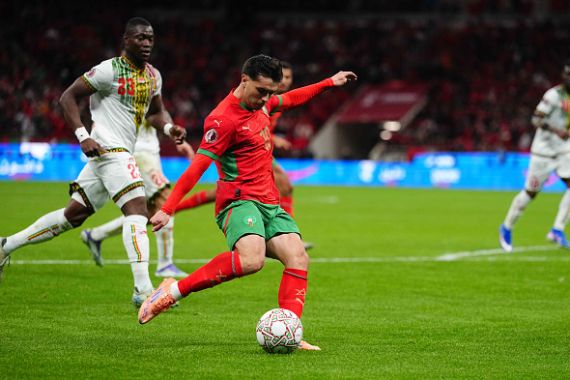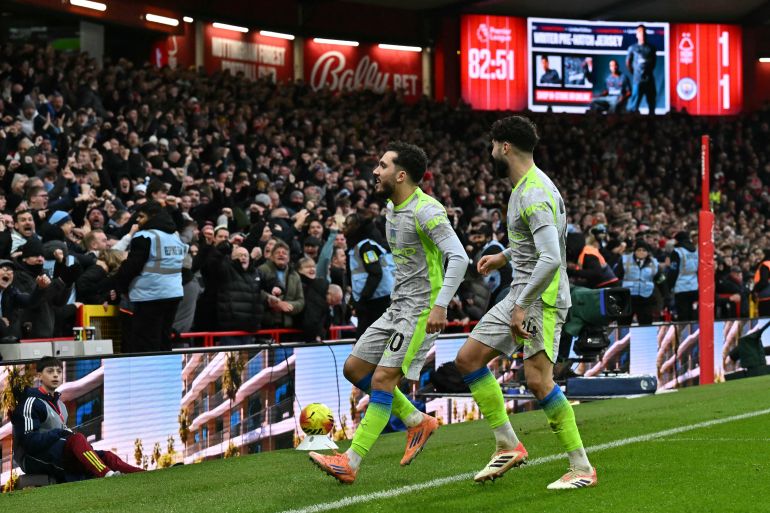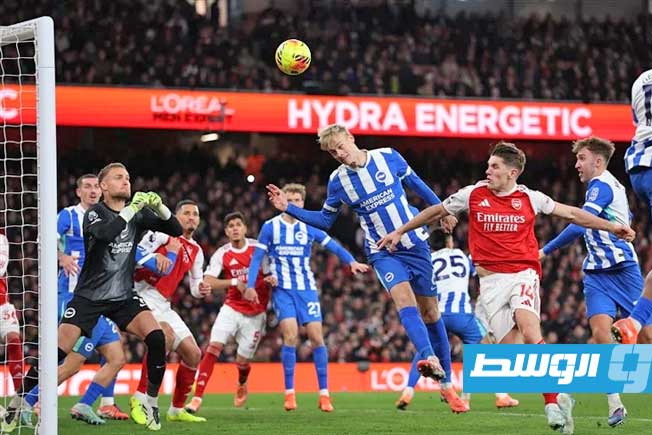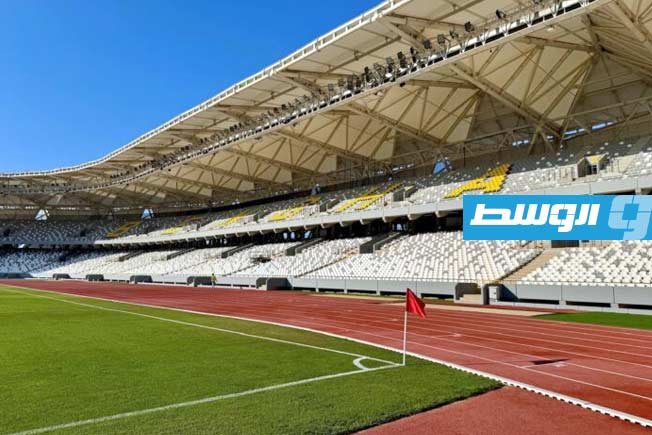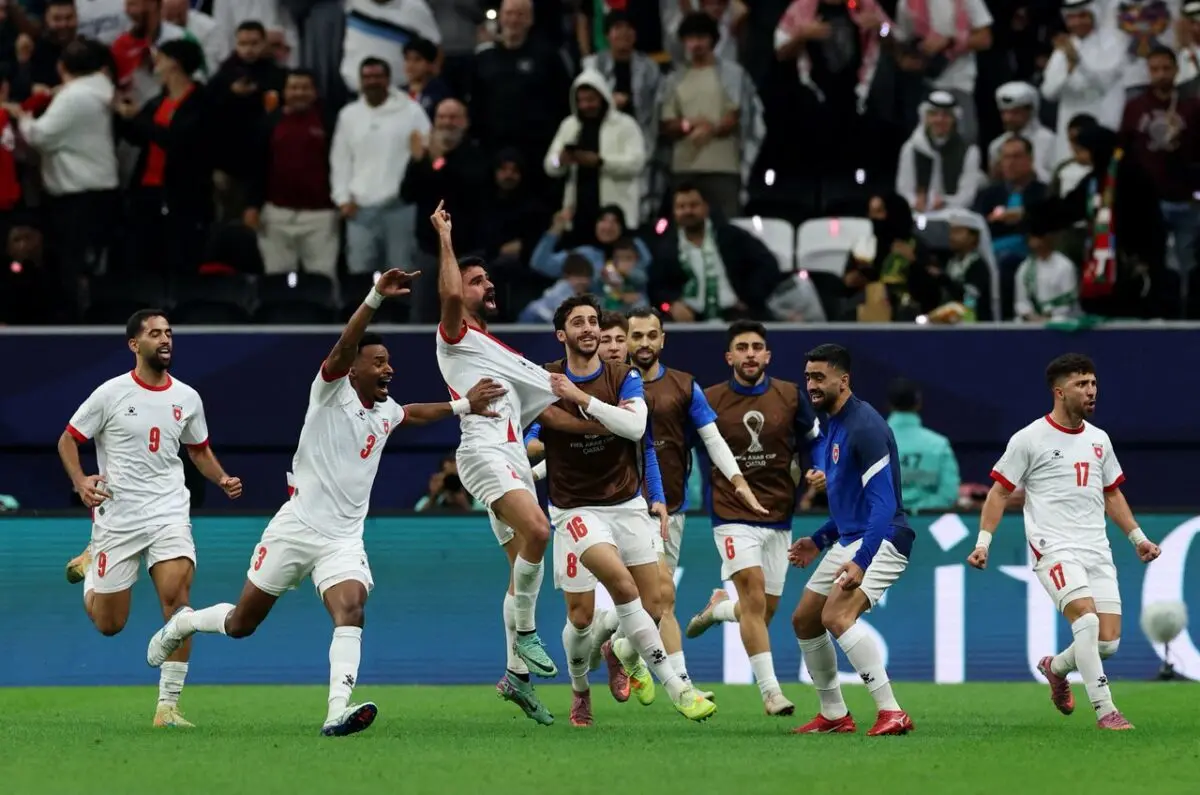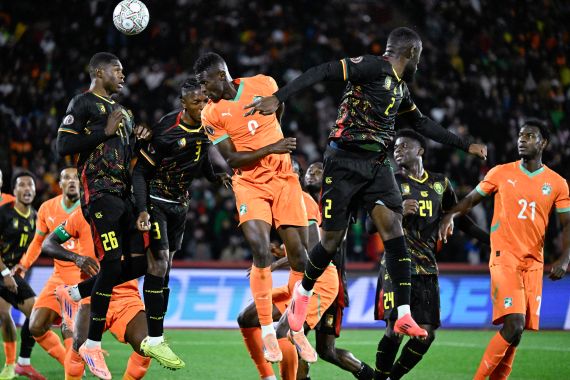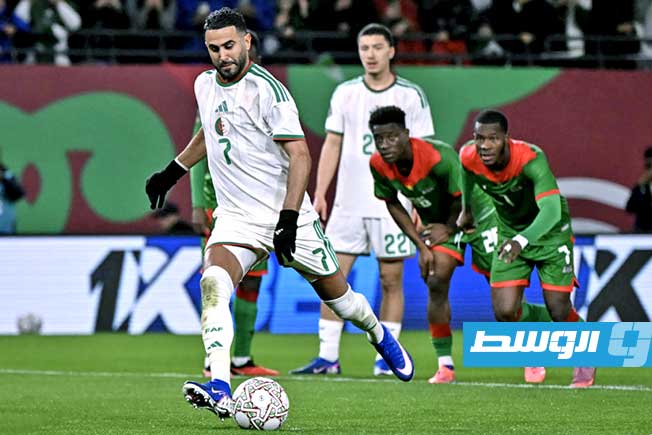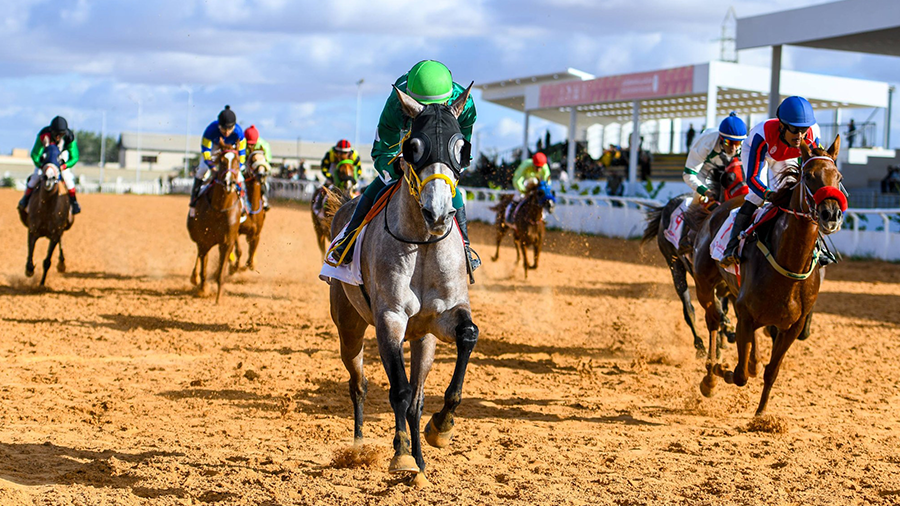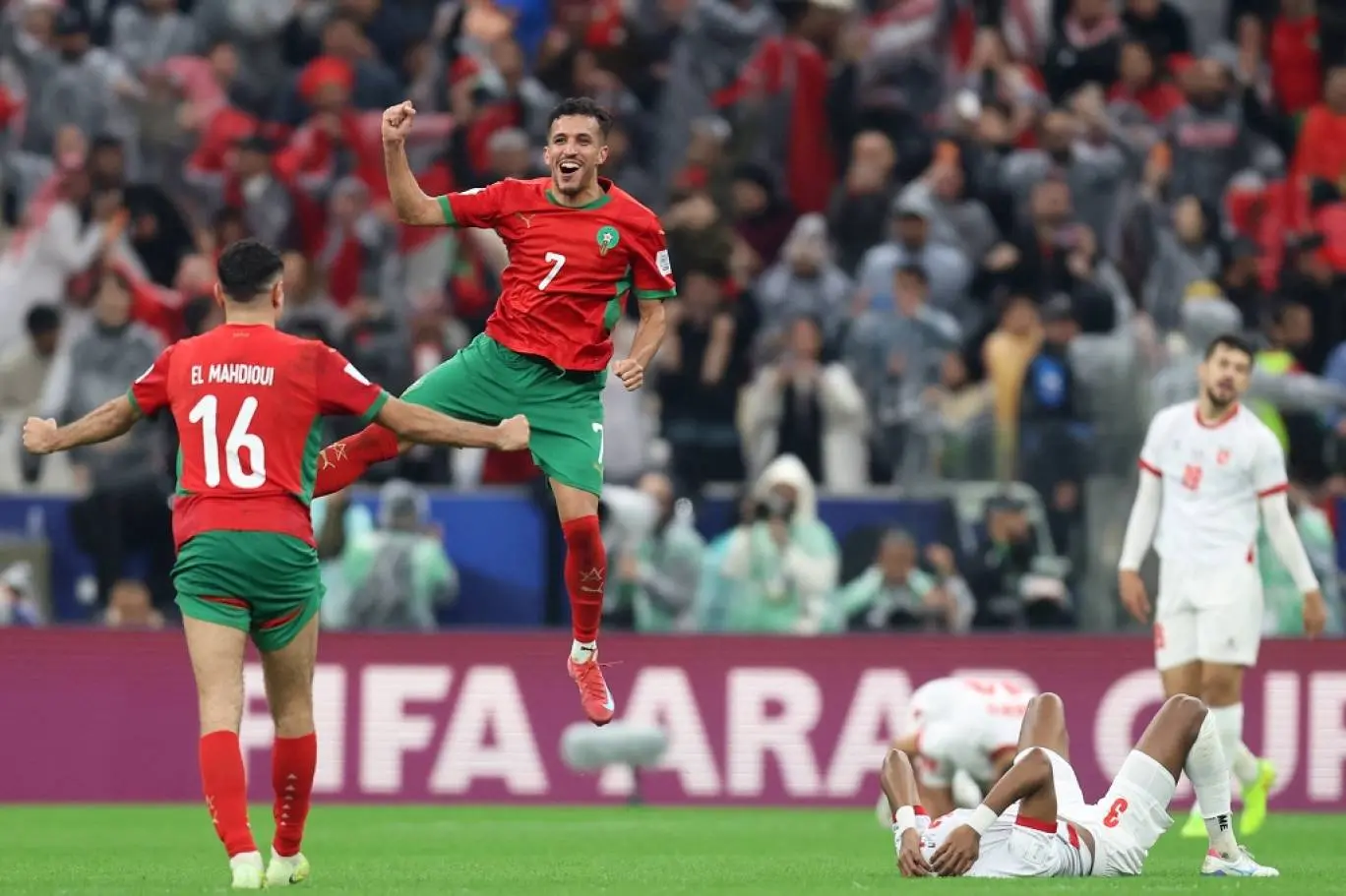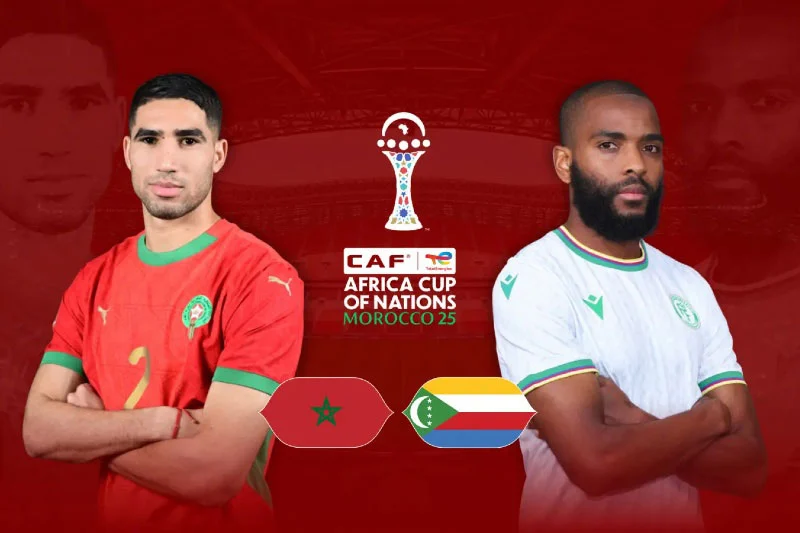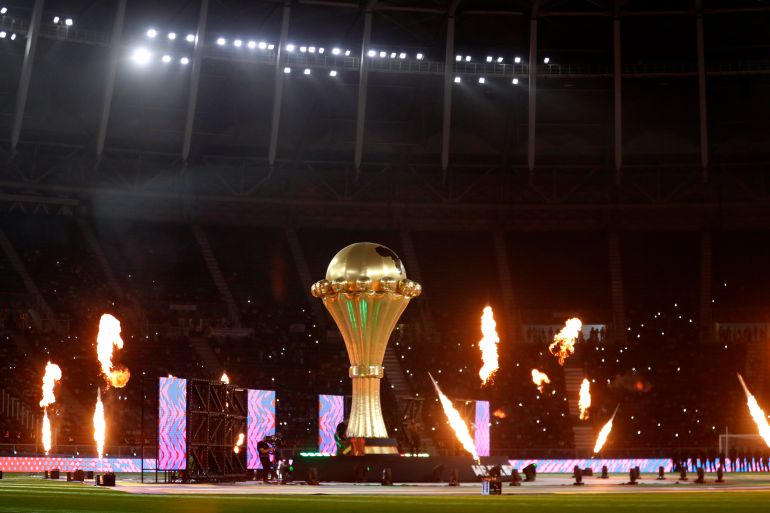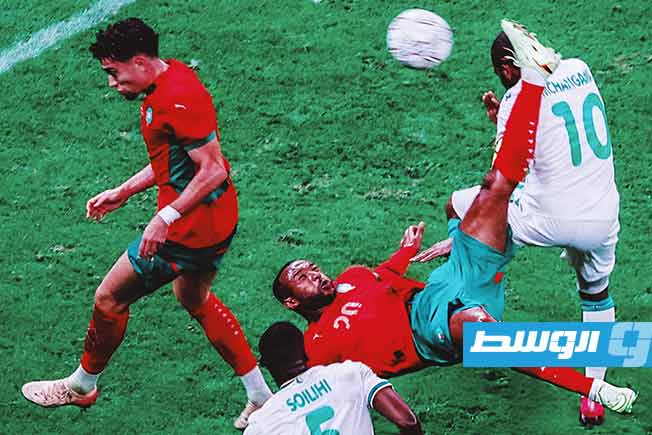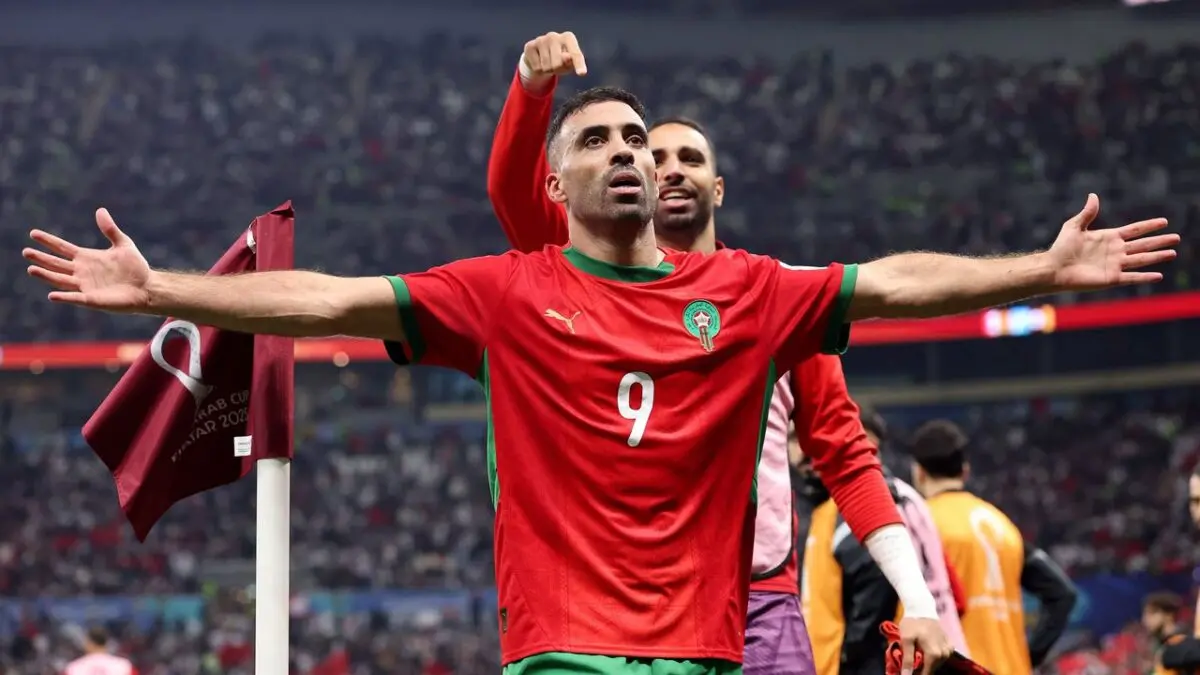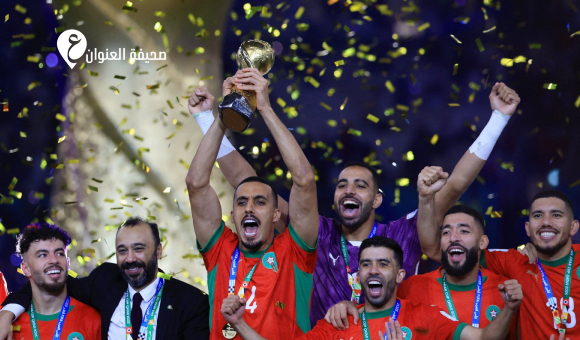
Senegal’s national team settled a heavyweight African clash against Morocco, winning 1-0 to claim its second championship in history after the 2021 edition, and to win the Africa Cup of Nations title specifically on Moroccan soil. The match witnessed a high-level physical and tactical battle, decided by a single shot that made the difference at a crucial moment.
First Half; Taking the Pulse and Midfield Battle
The match started at a balanced pace, with play confined to the midfield, and caution dictating the performance of both teams.
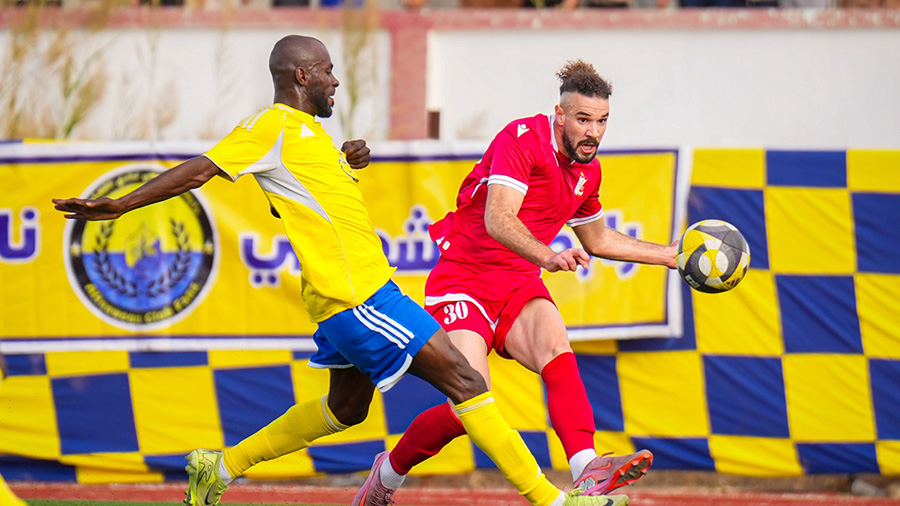
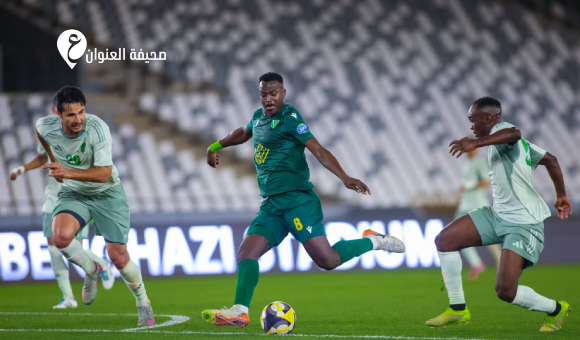
Senegal tried to control possession and build organized play, while Morocco relied on physical pressure and quick transitions.
Despite some attempts from both sides, the first half lacked attacking effectiveness, in light of clear defensive solidity, ending without goals.
Morocco Presses, Senegal Strikes
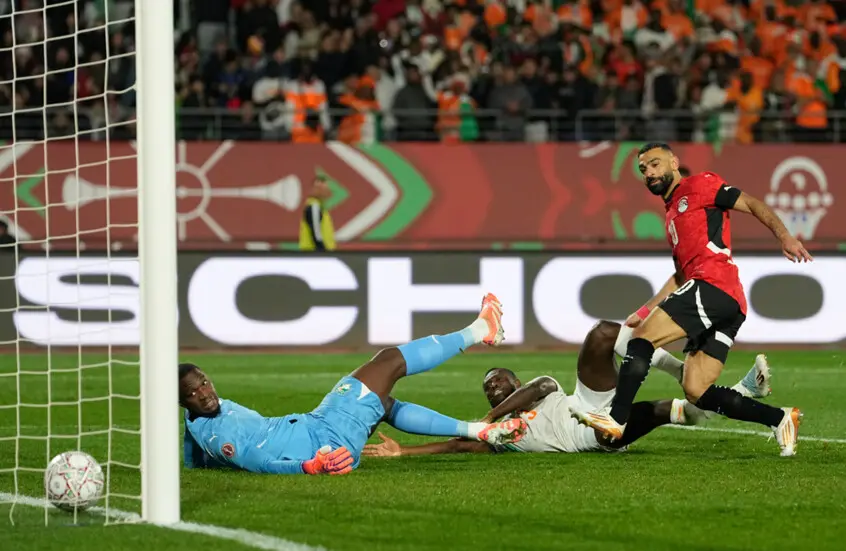
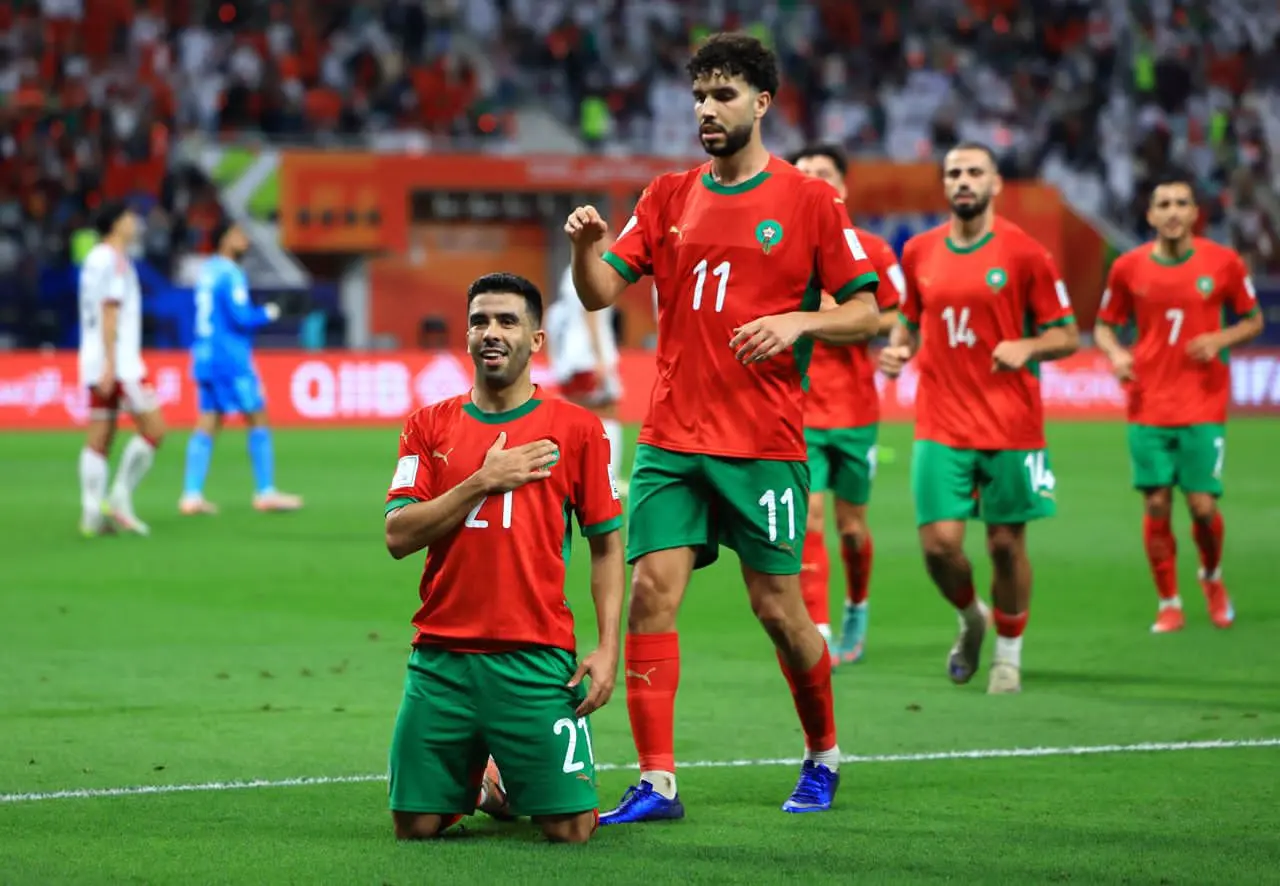
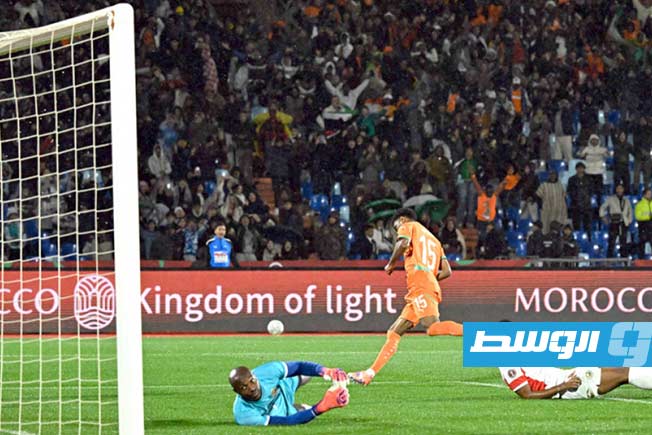
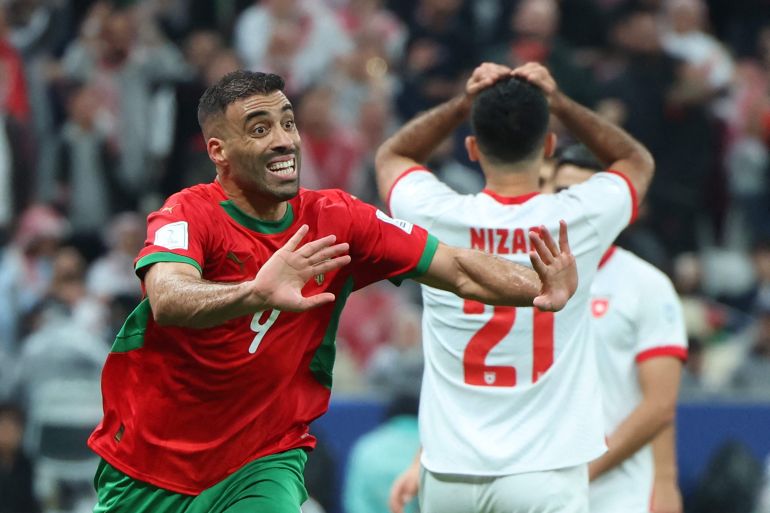
At the start of the second half, the Moroccan team appeared more daring, raising the tempo of play and pressing hard in search of an opening goal, creating more than one dangerous opportunity, but they were met with poor finishing and the brilliance of the Senegalese goalkeeper.
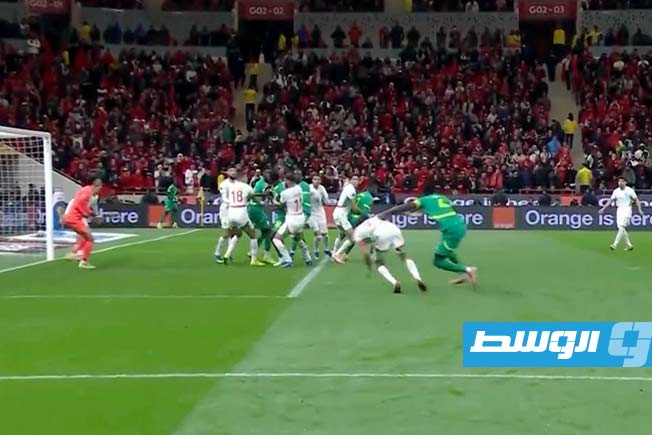
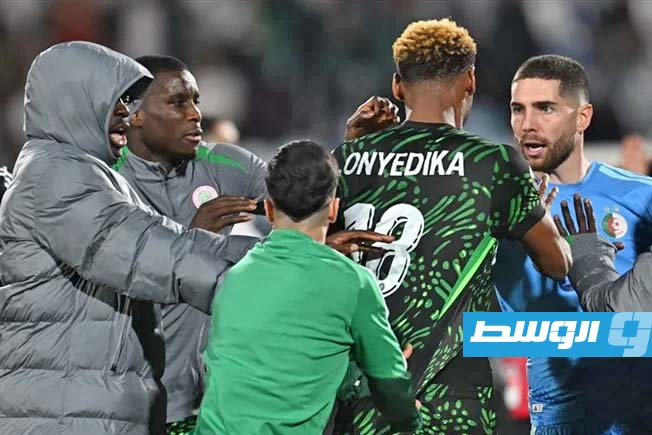
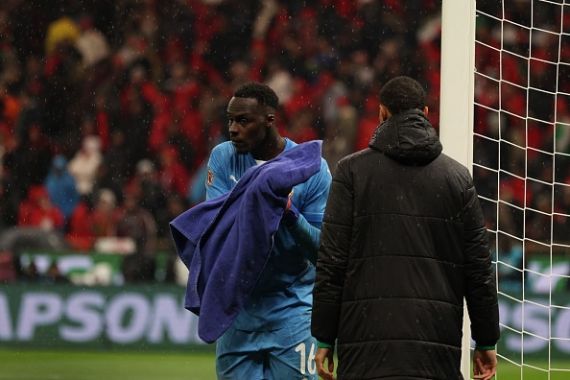
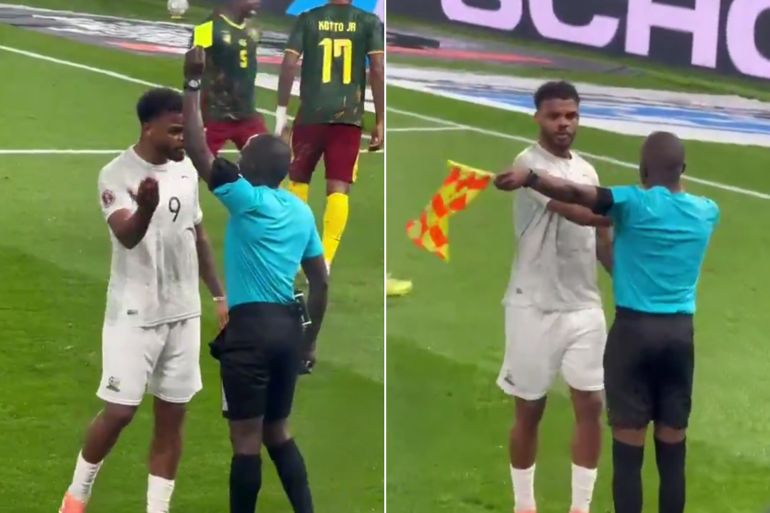
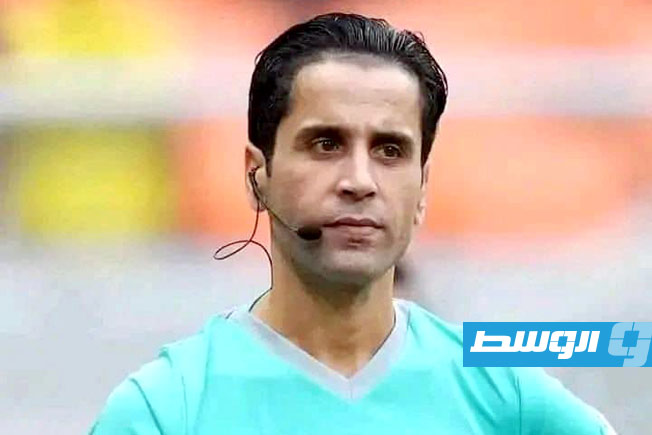
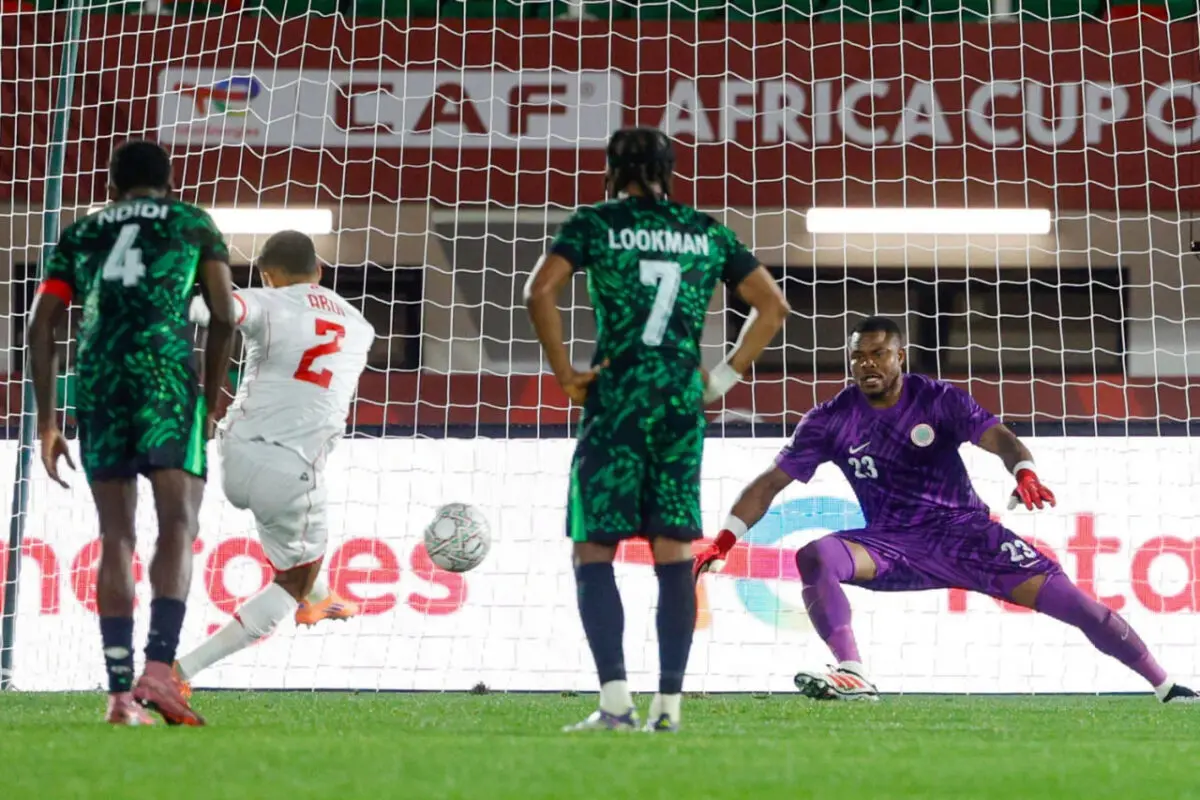
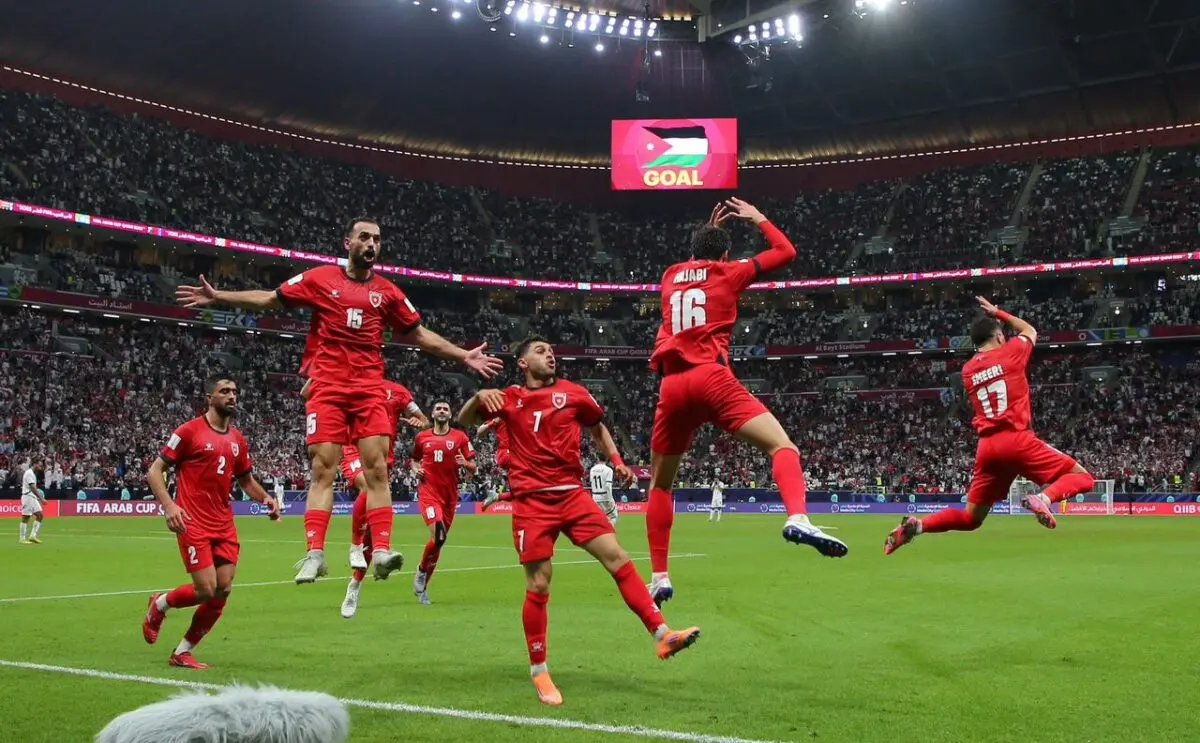
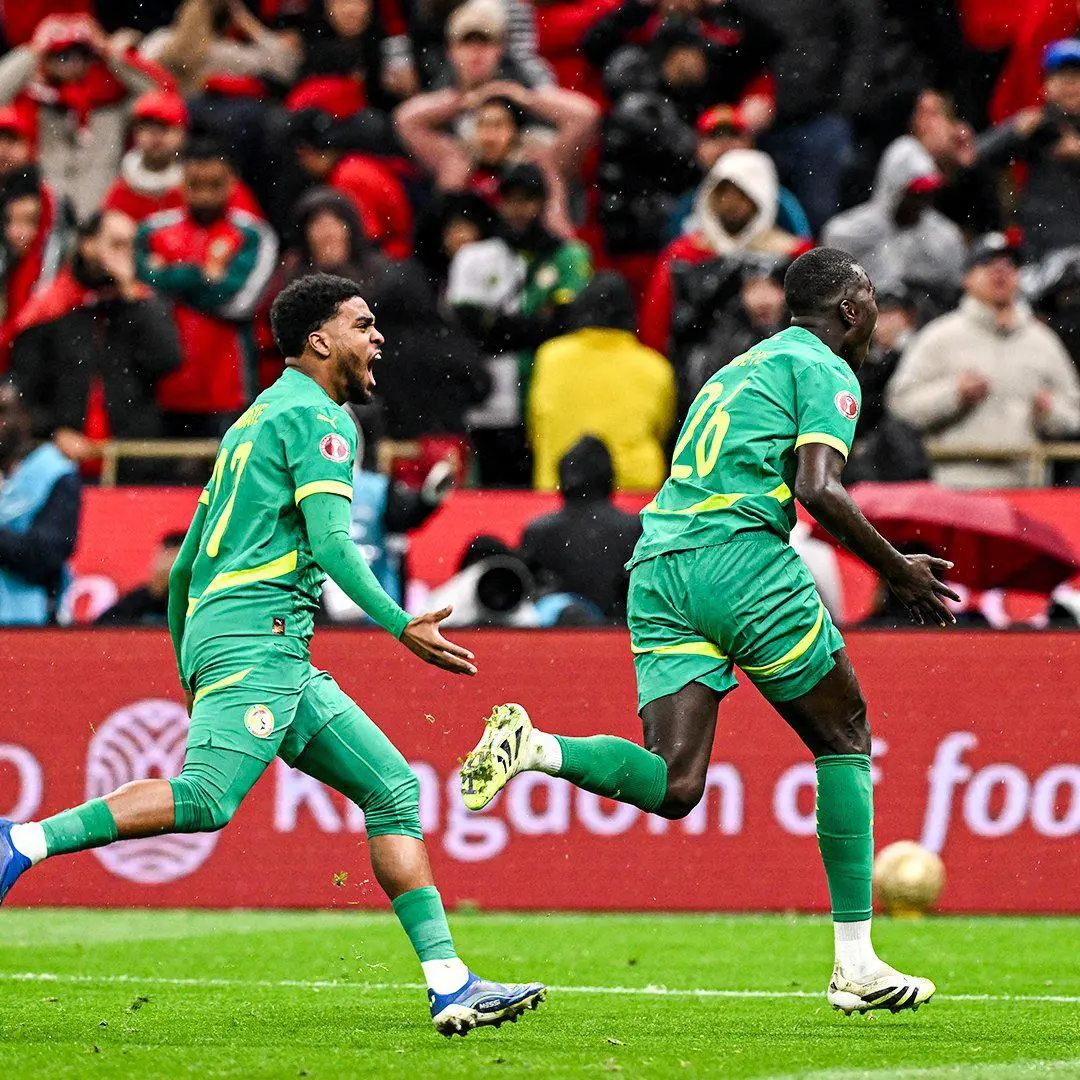
During Morocco’s best period, Senegal managed to deliver the knockout blow, capitalizing on an organized attack and a defensive error, after the match was stopped due to protests from Senegalese players over a penalty awarded to Morocco, which was missed. Senegal then scored the match’s only goal in the first period of extra time, shifting the balance of the encounter.
Attempts Without a Happy Ending
After the goal, Morocco pushed all its lines forward in attack, intensifying crosses and shots. However, the Senegalese defense showed great discipline, effectively closing down spaces and managing the clock.
In contrast, Senegal played with experience, successfully absorbing the pressure and breaking the rhythm of play to maintain its lead until the final whistle.
A Victory of Efficiency, a Loss of Details
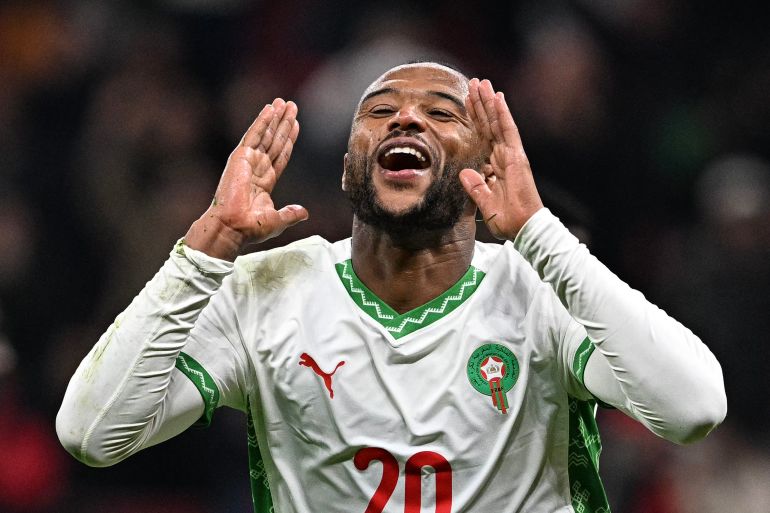
Senegal’s victory came as a result of efficiency and pragmatism, not dominance, while Morocco paid the price for a lack of effectiveness in front of goal, despite a relative advantage in possession and pressure.
The match confirmed that African summit clashes are not won by beautiful play alone, but by decisiveness at the right moment.