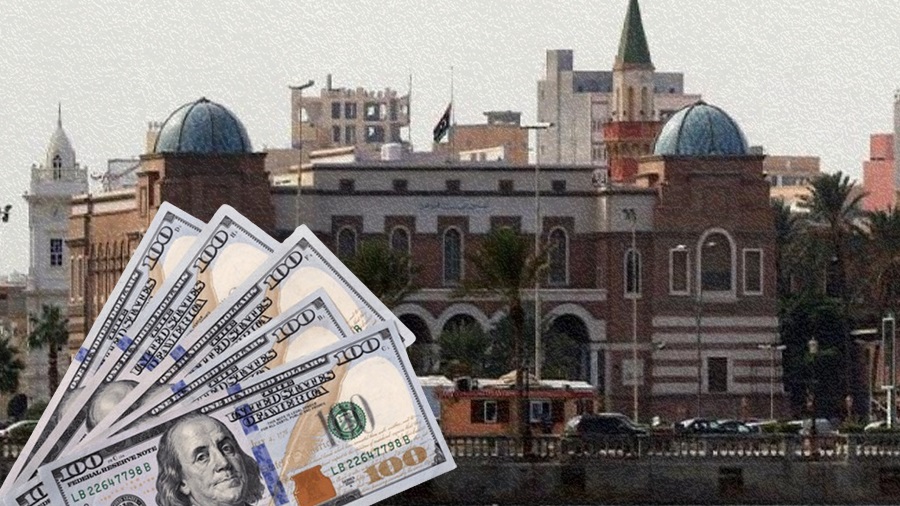
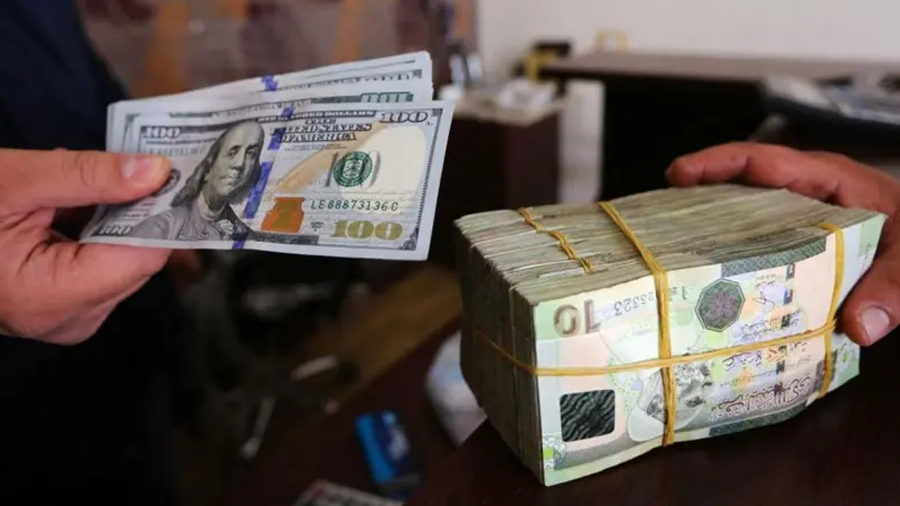
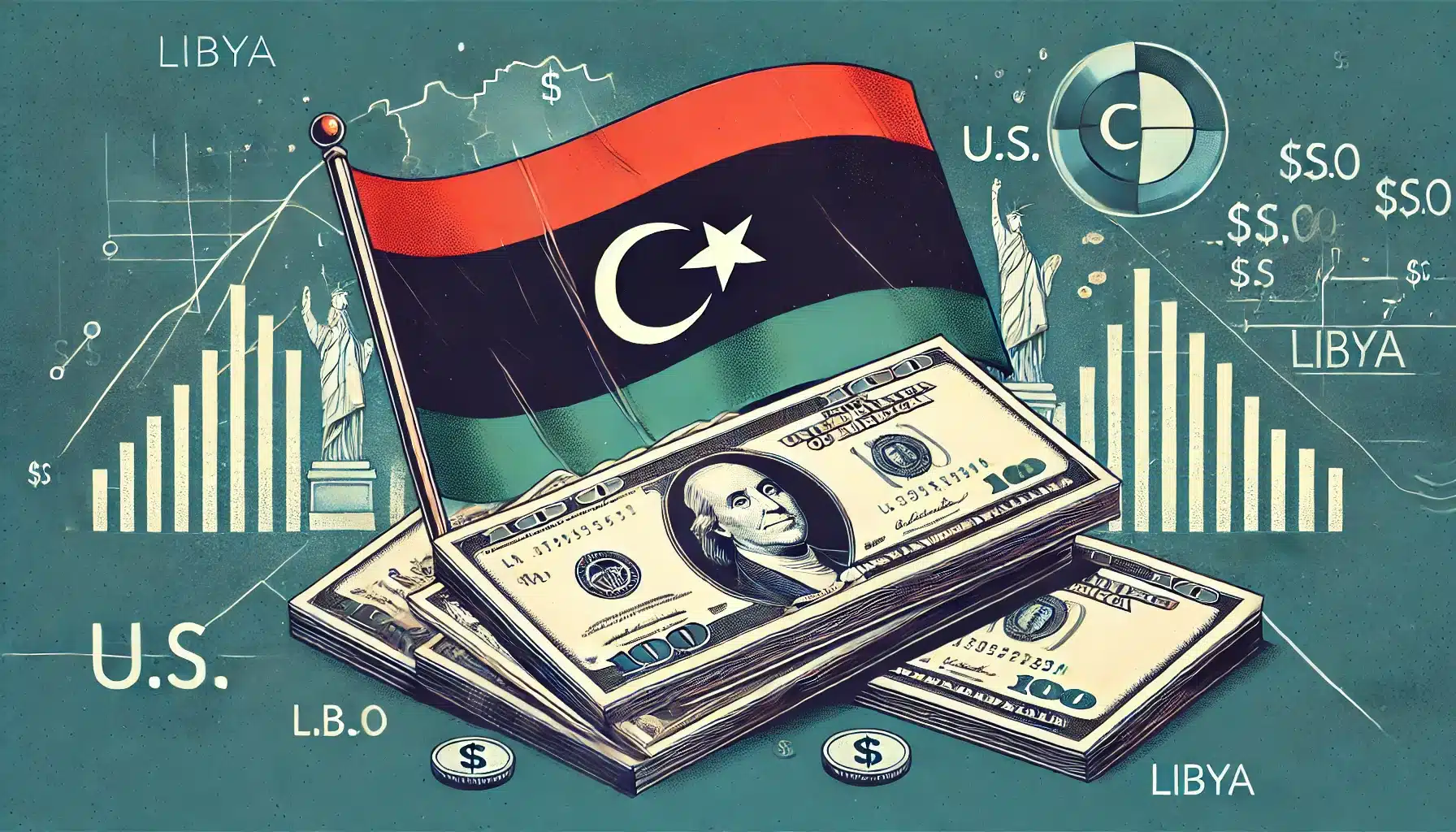
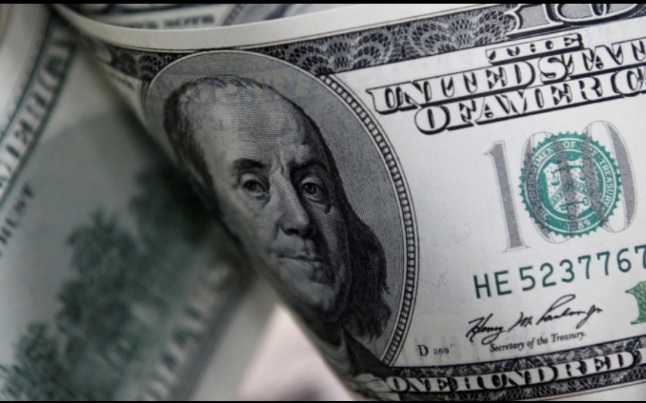
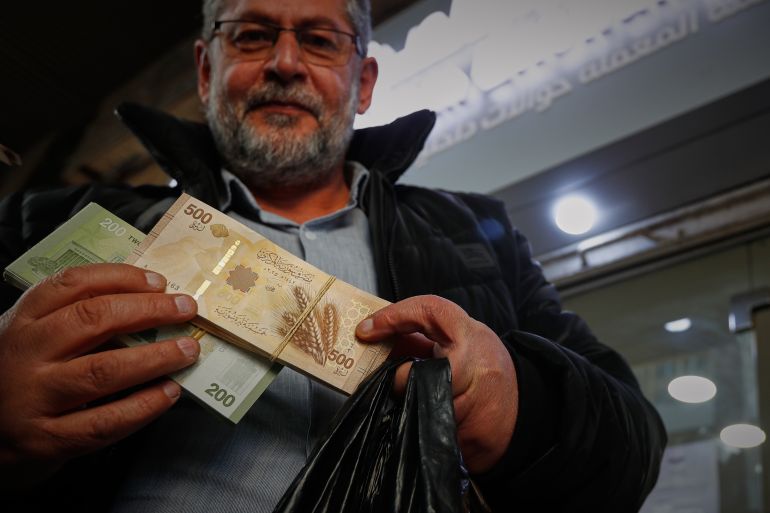
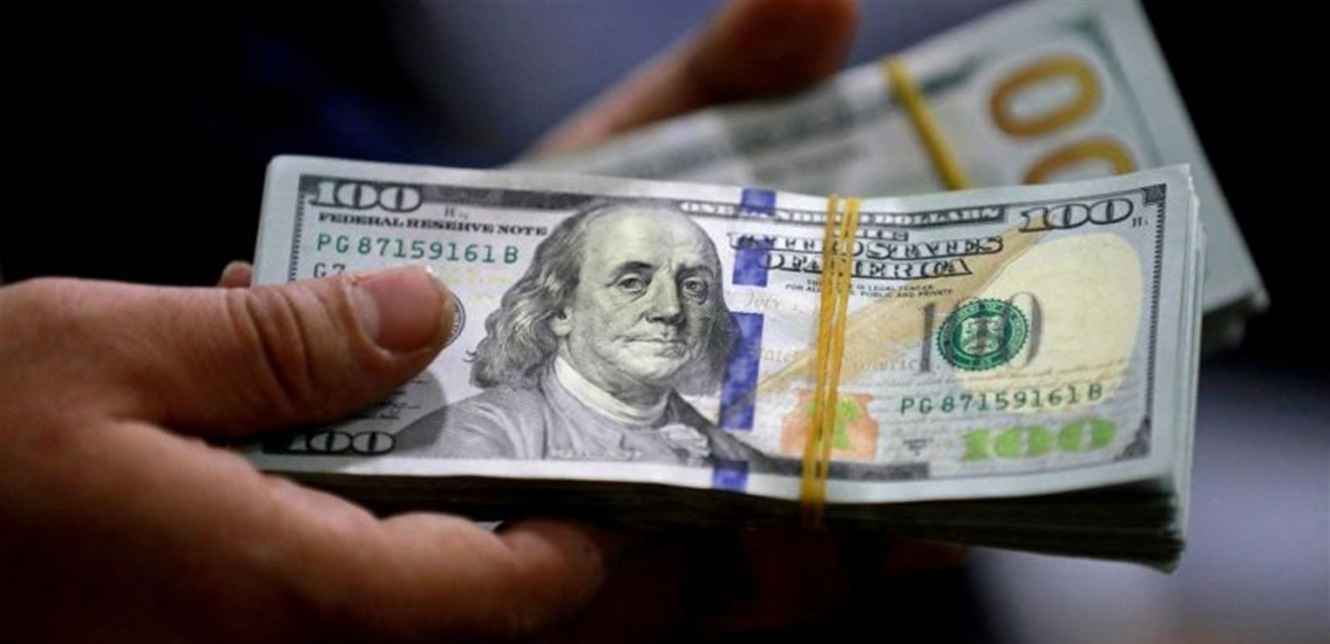
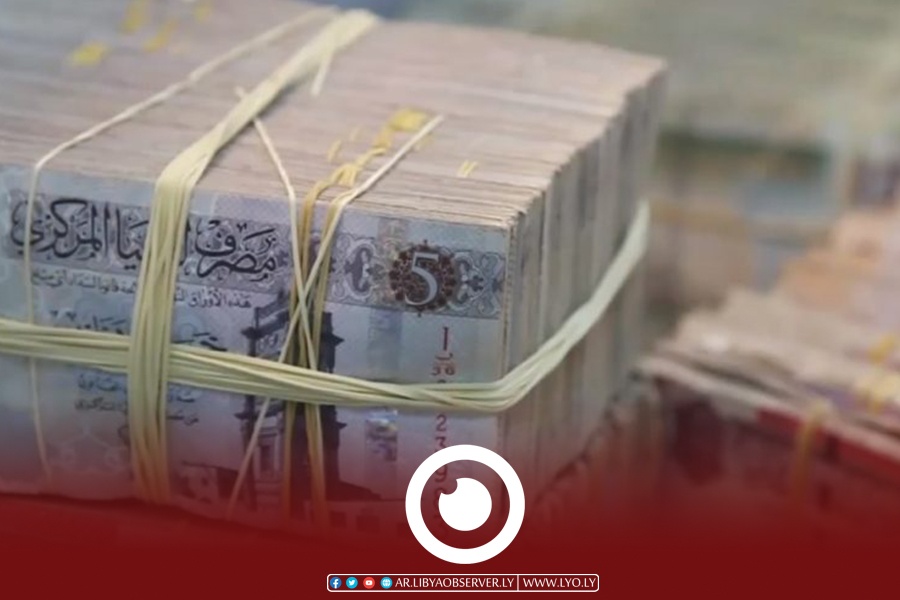
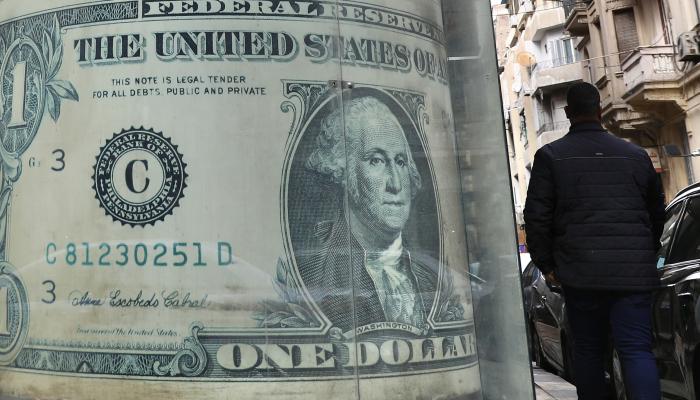
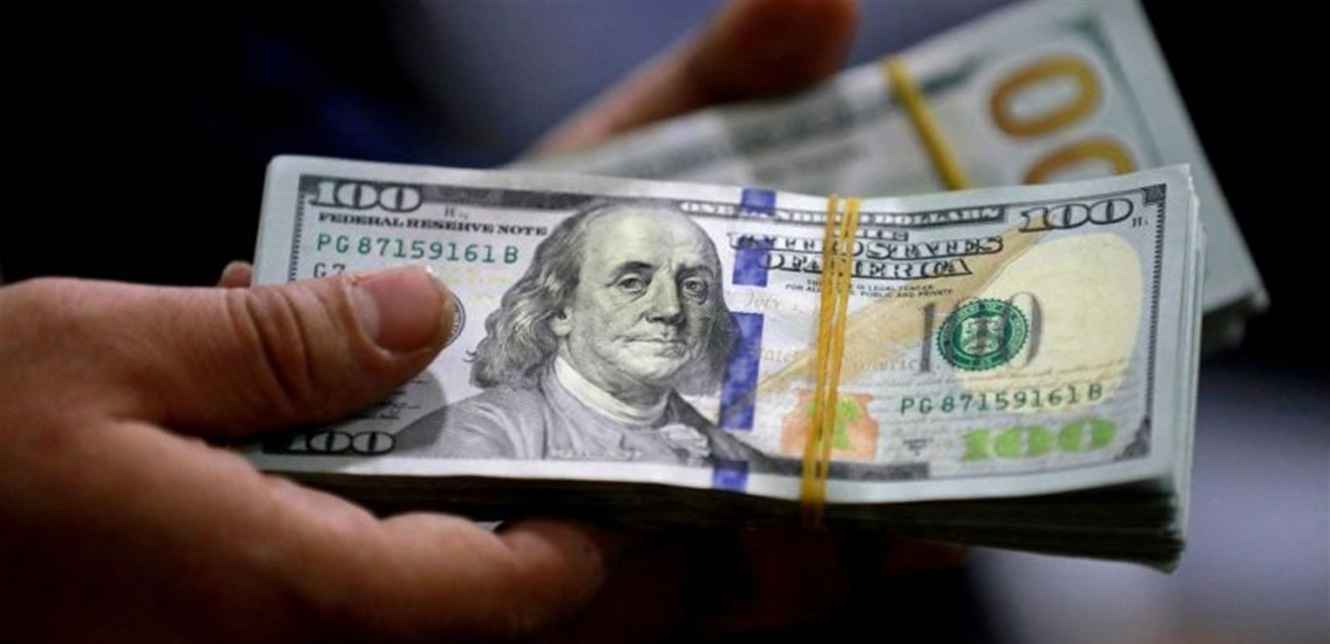
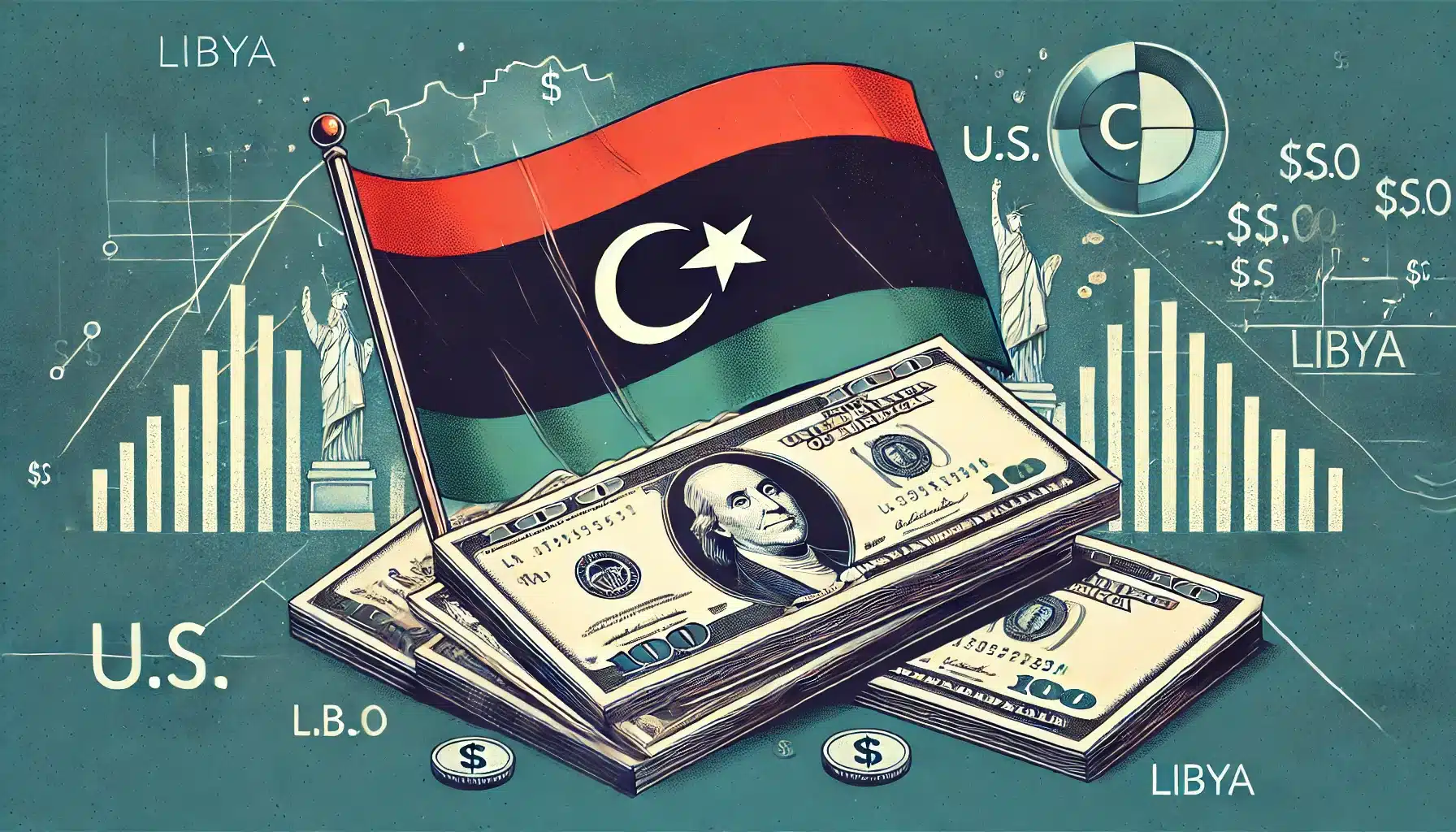
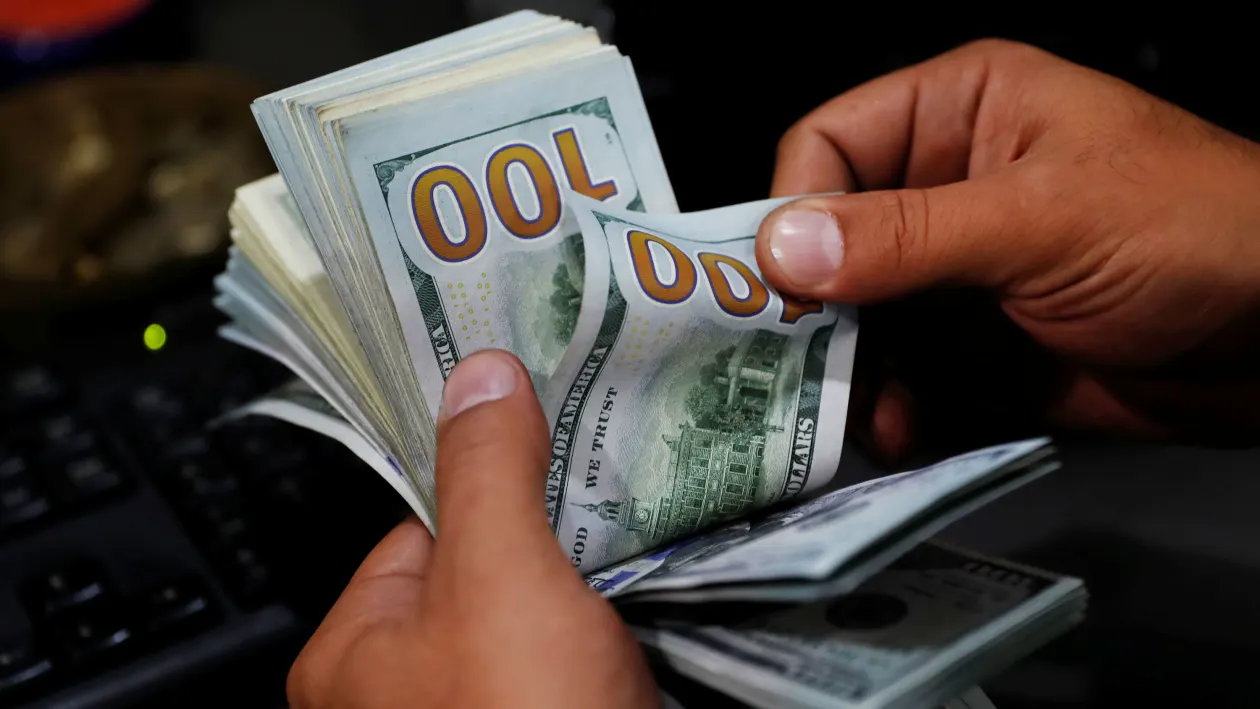
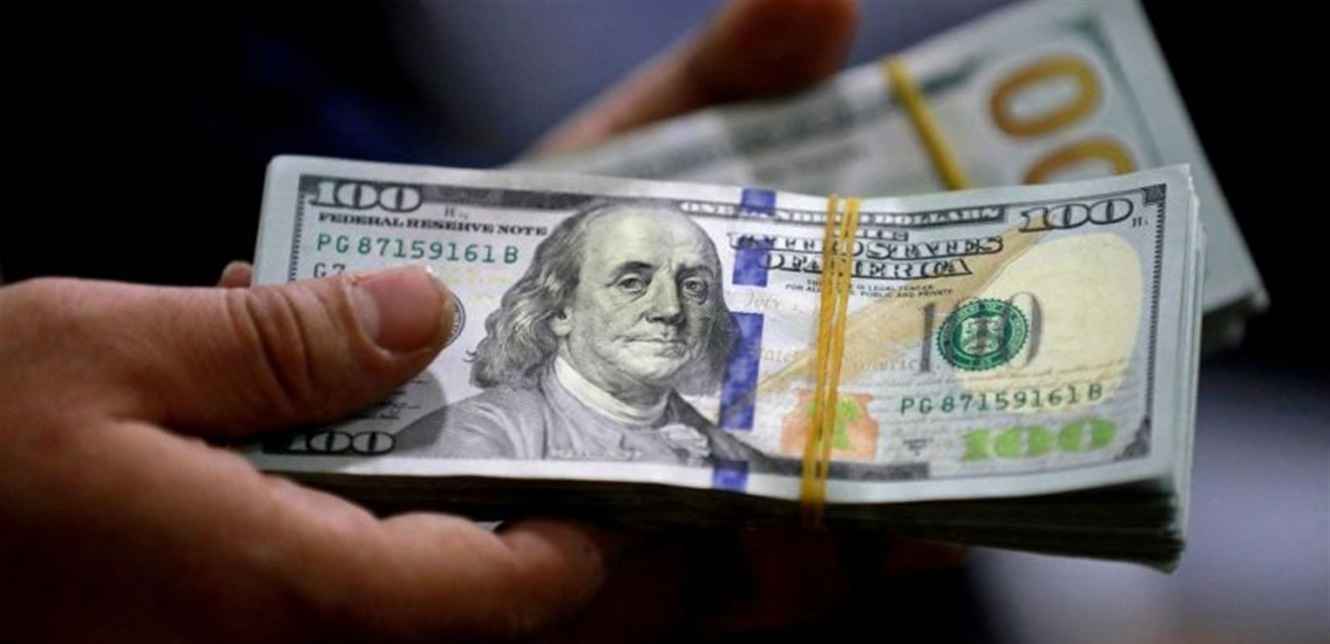
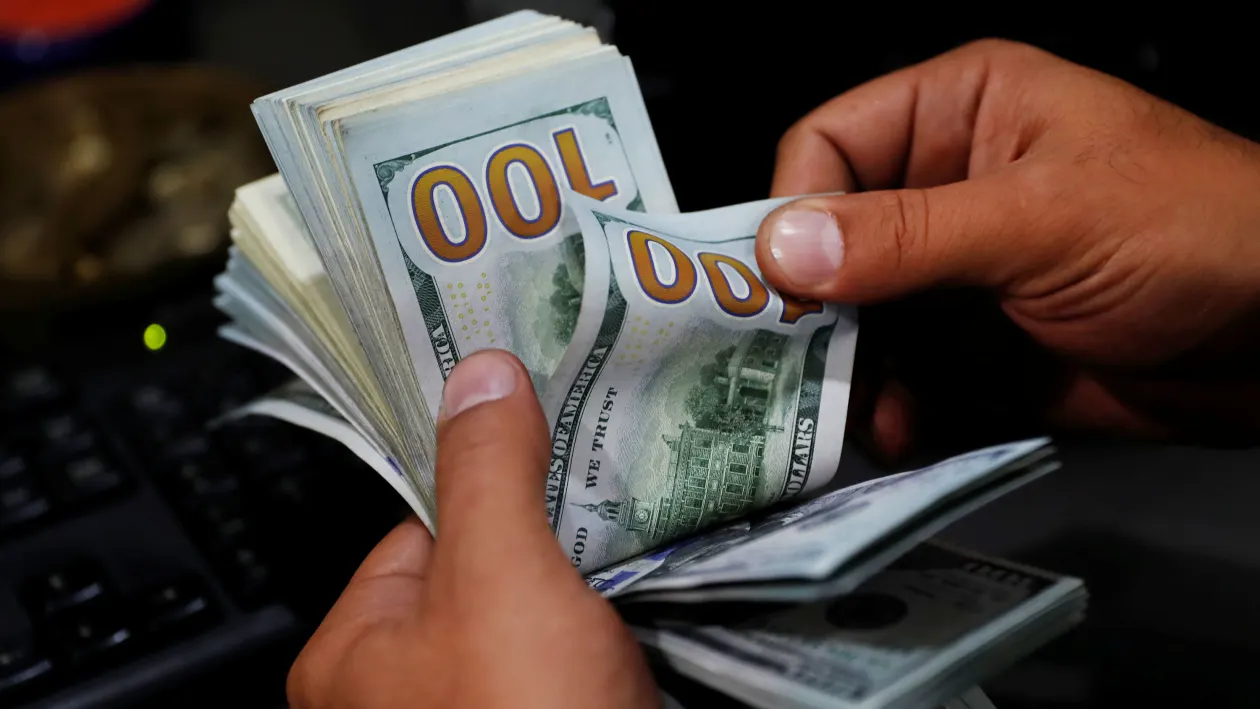
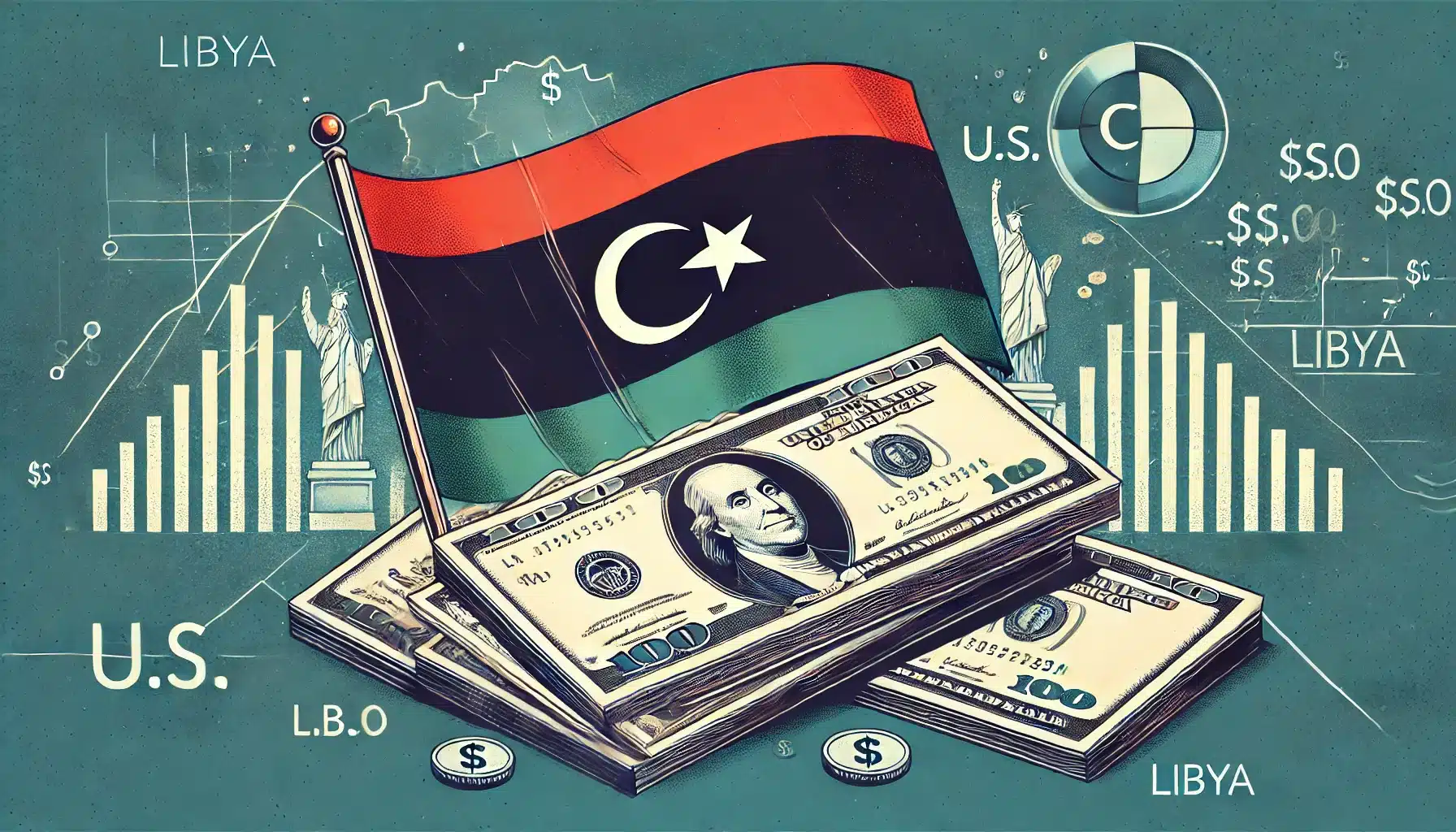
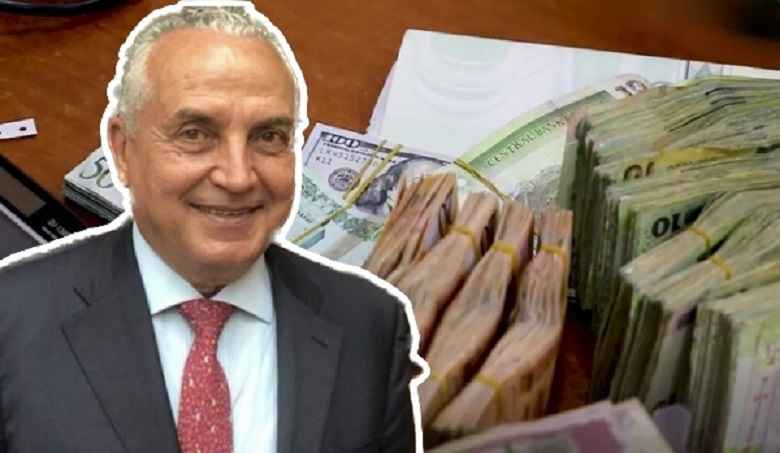
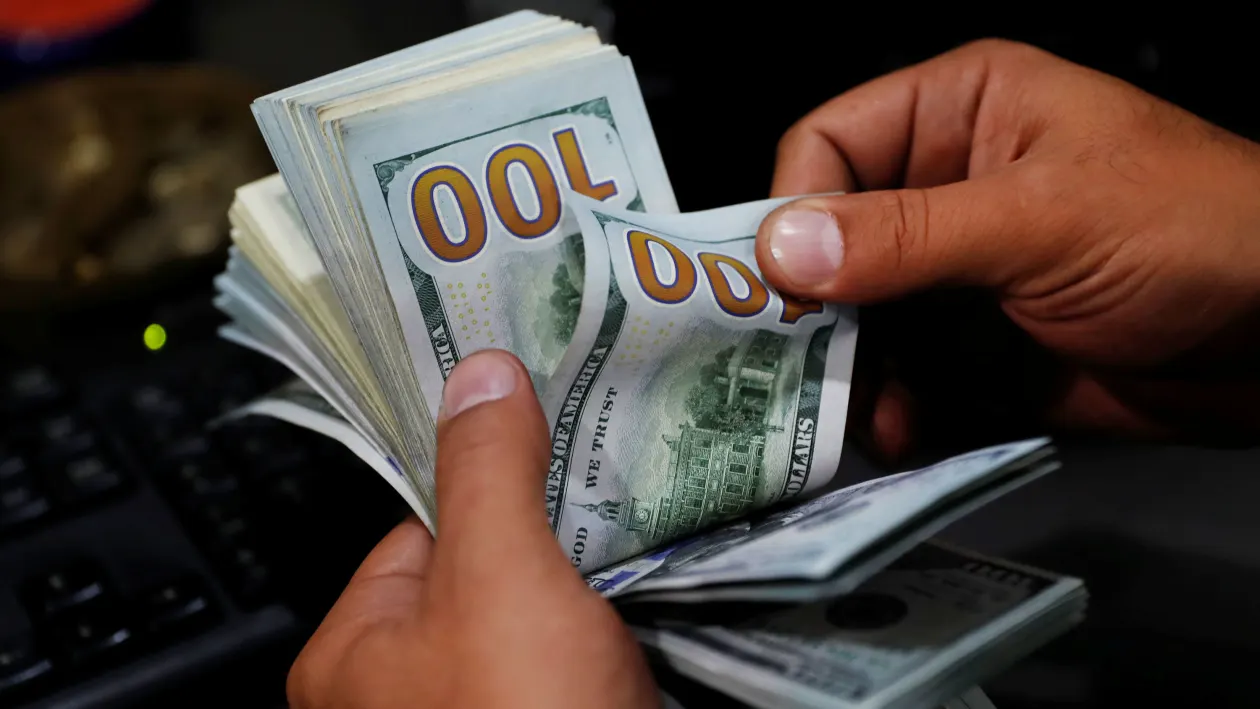
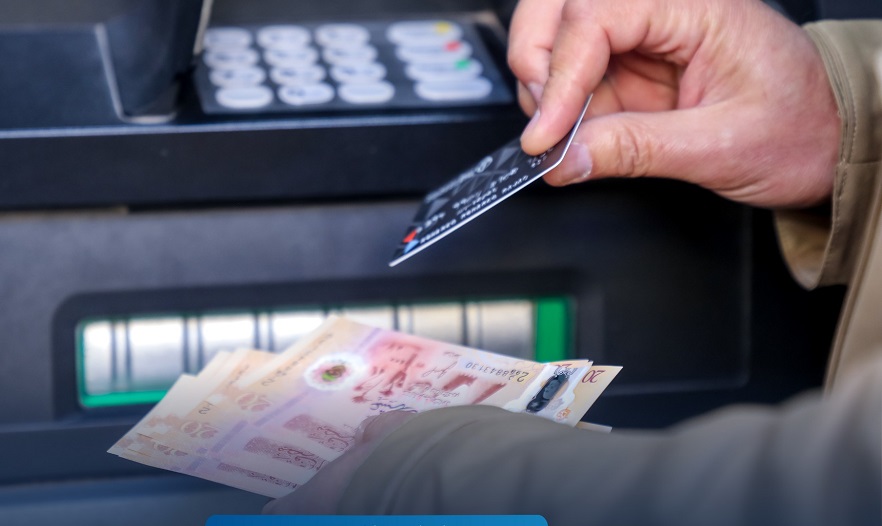
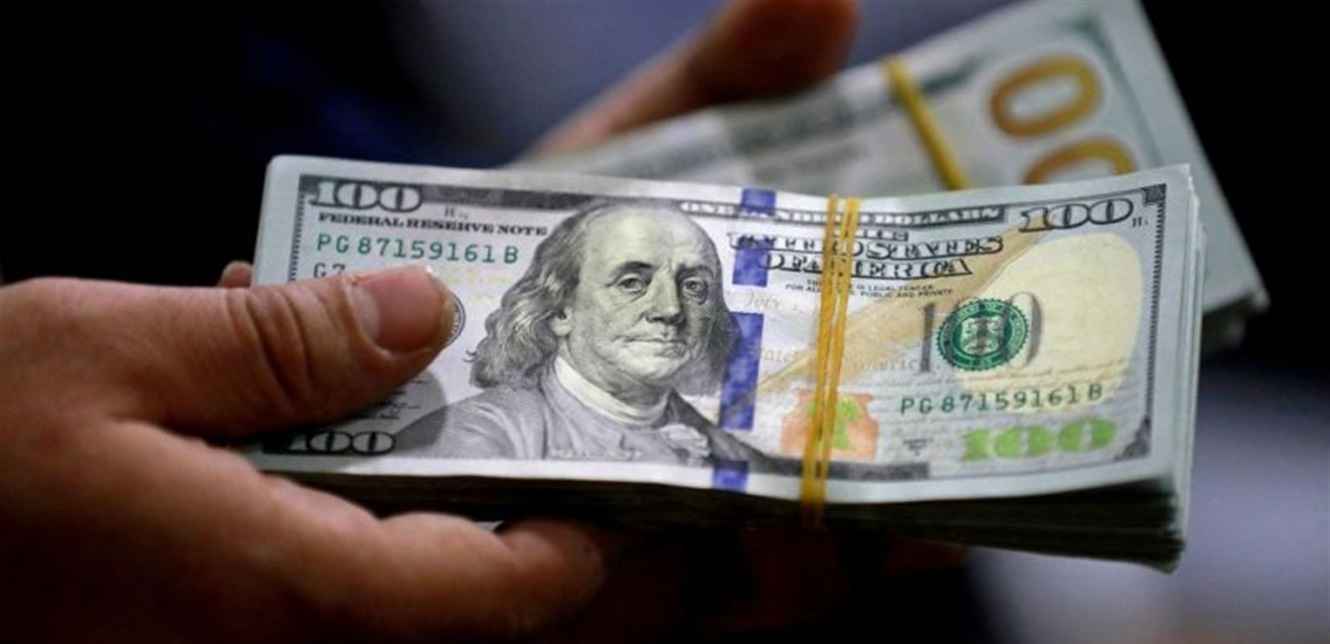
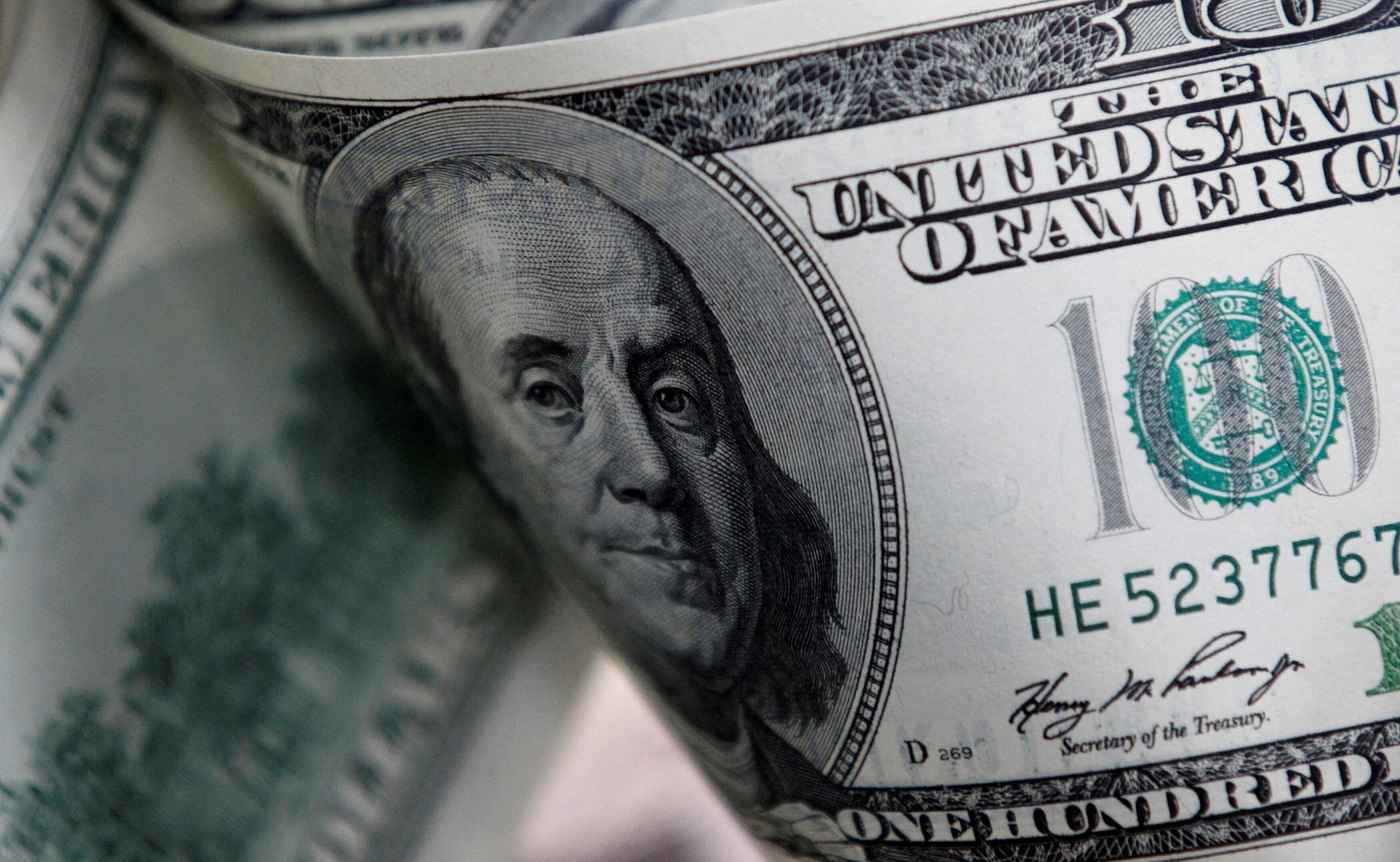
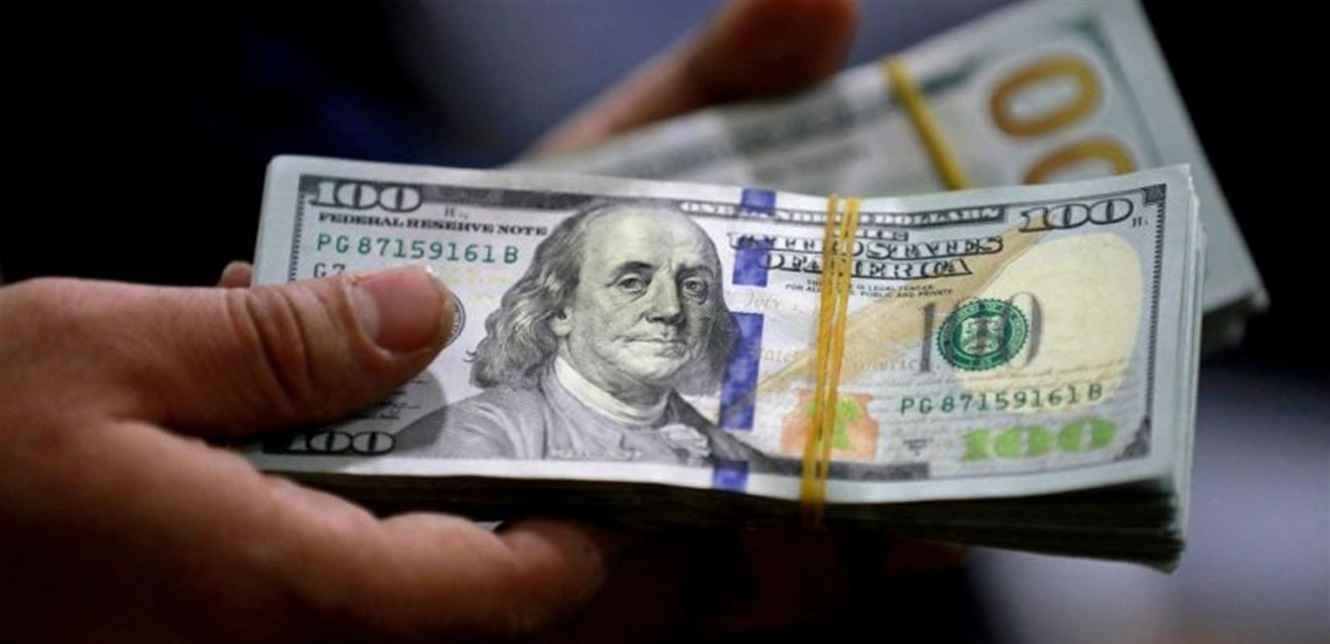
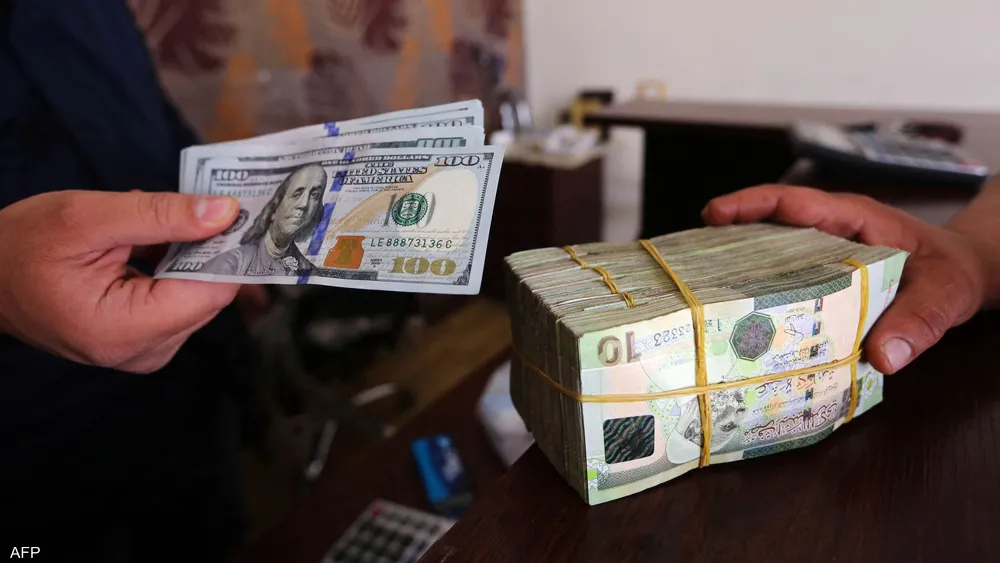
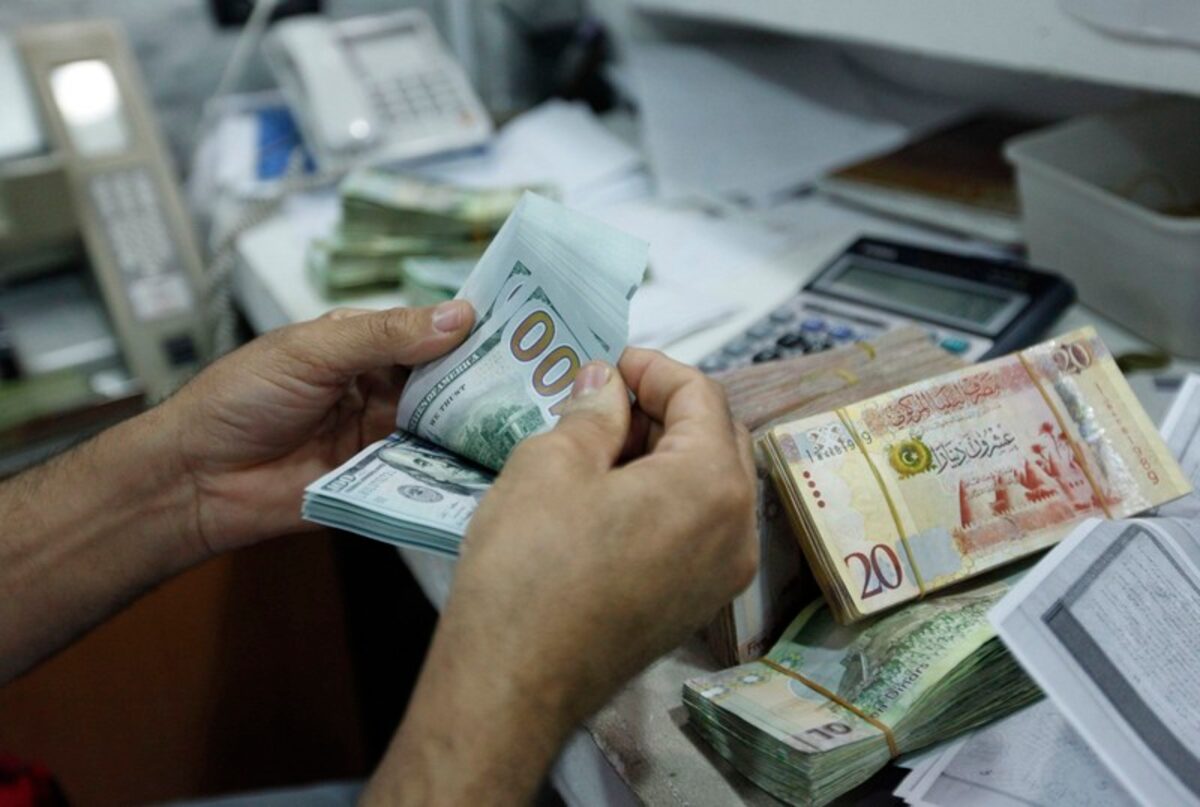
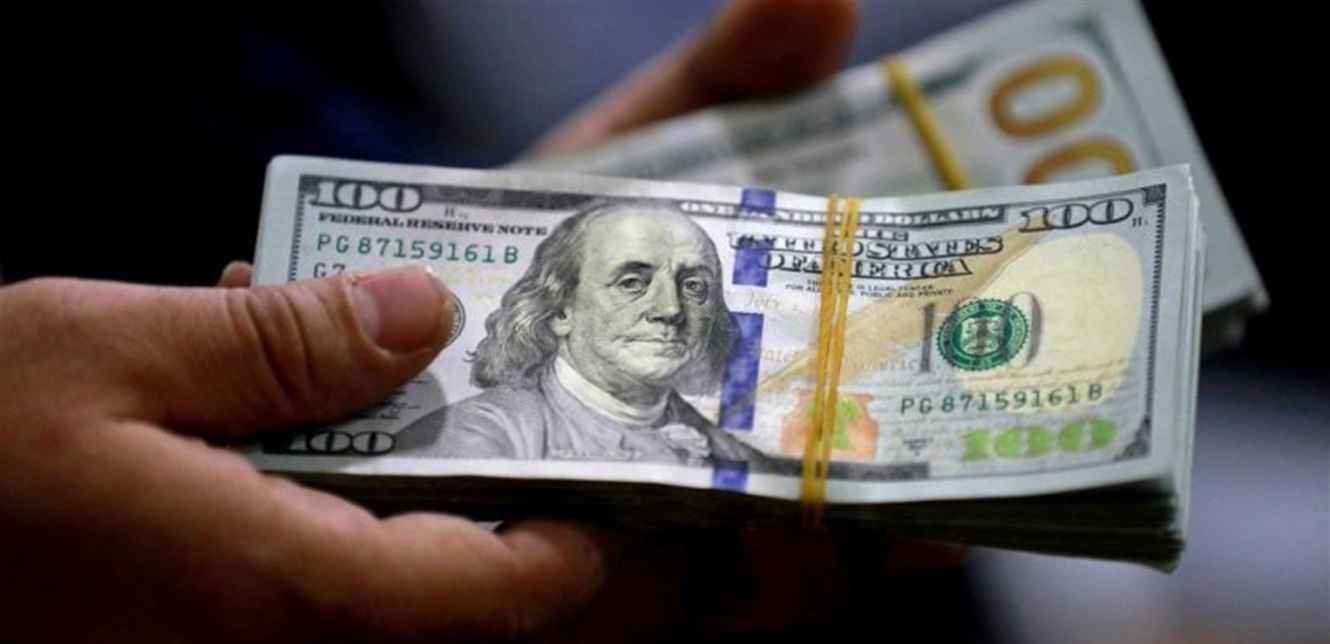
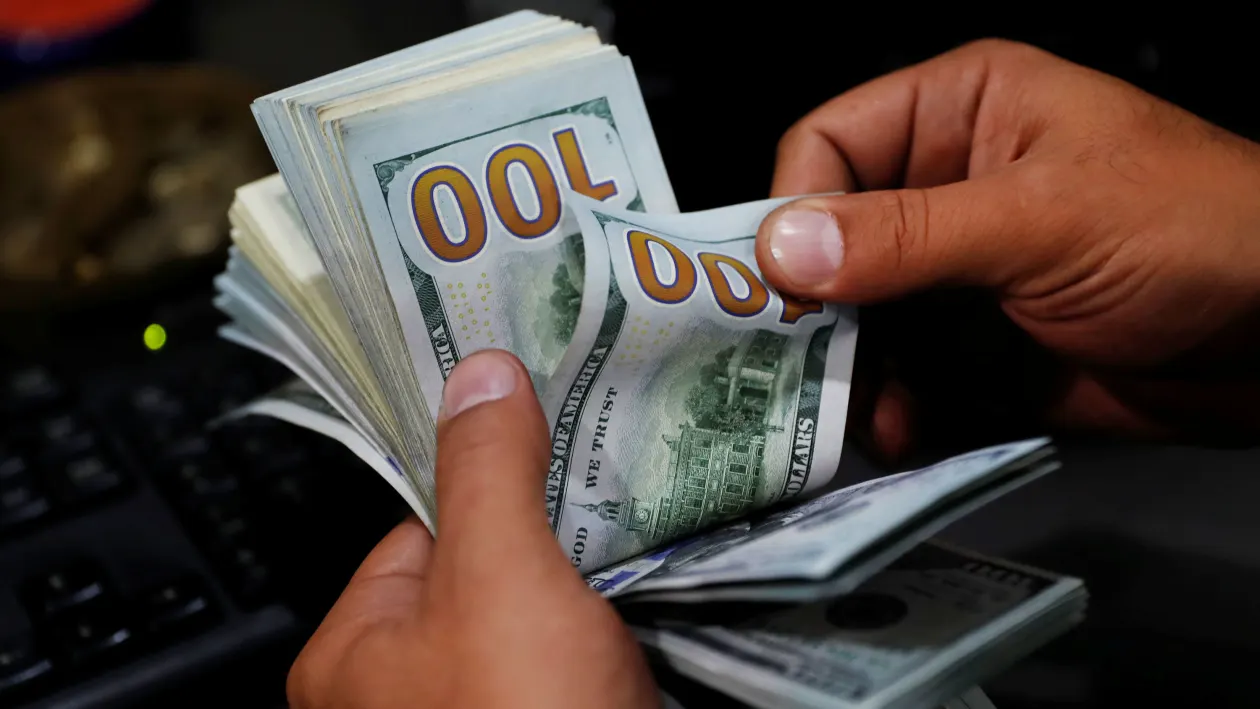
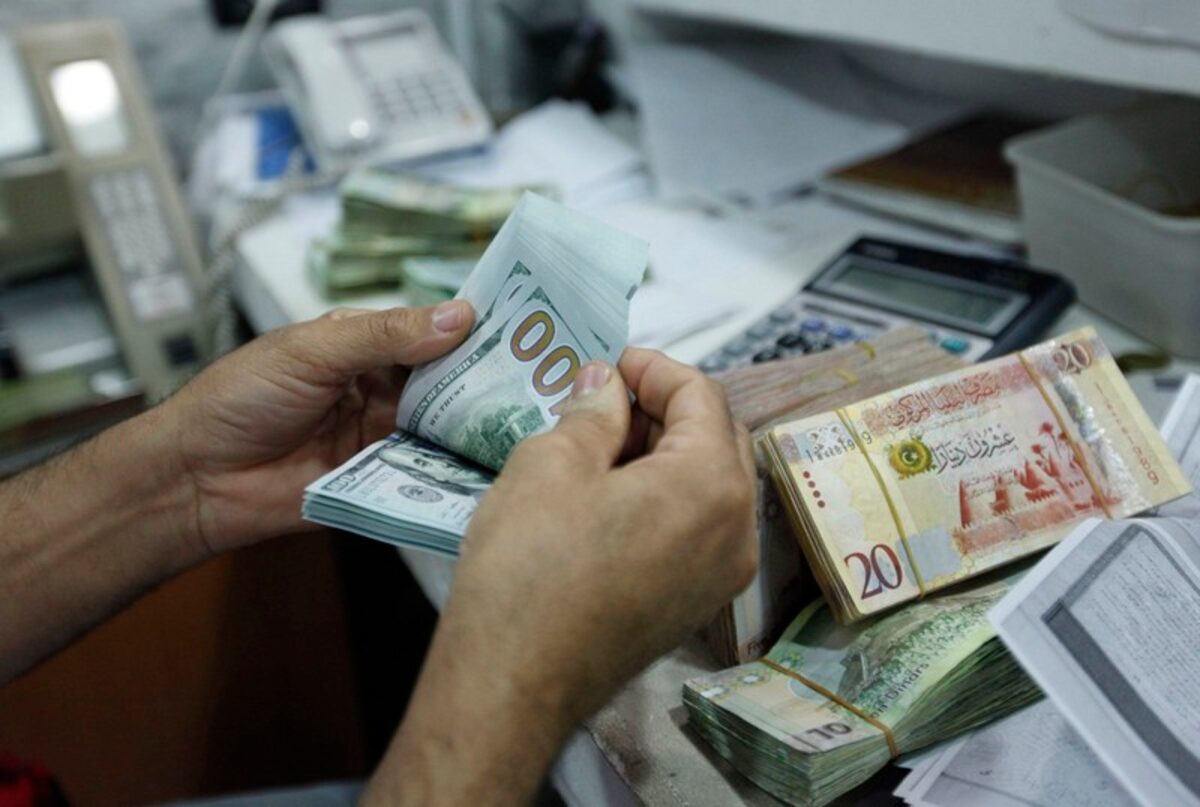
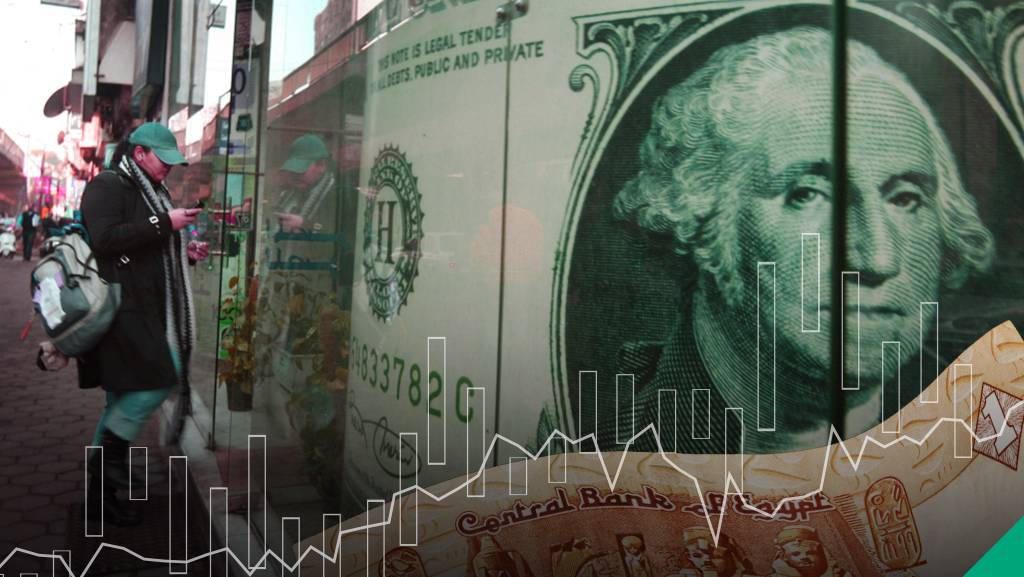
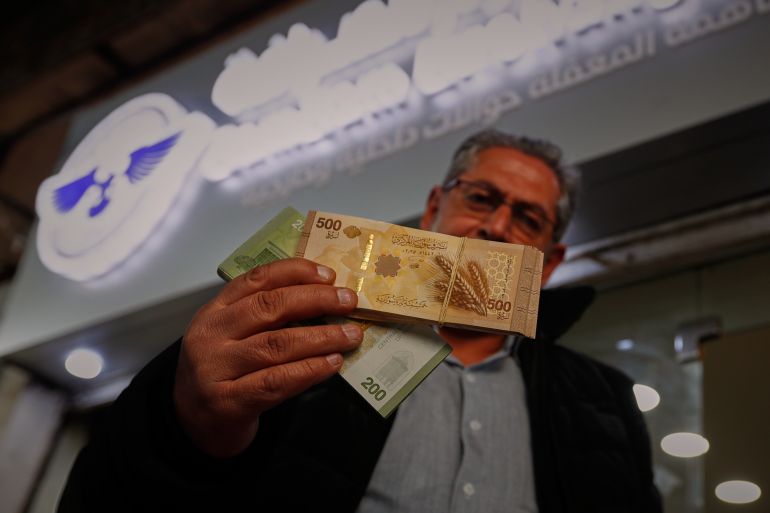
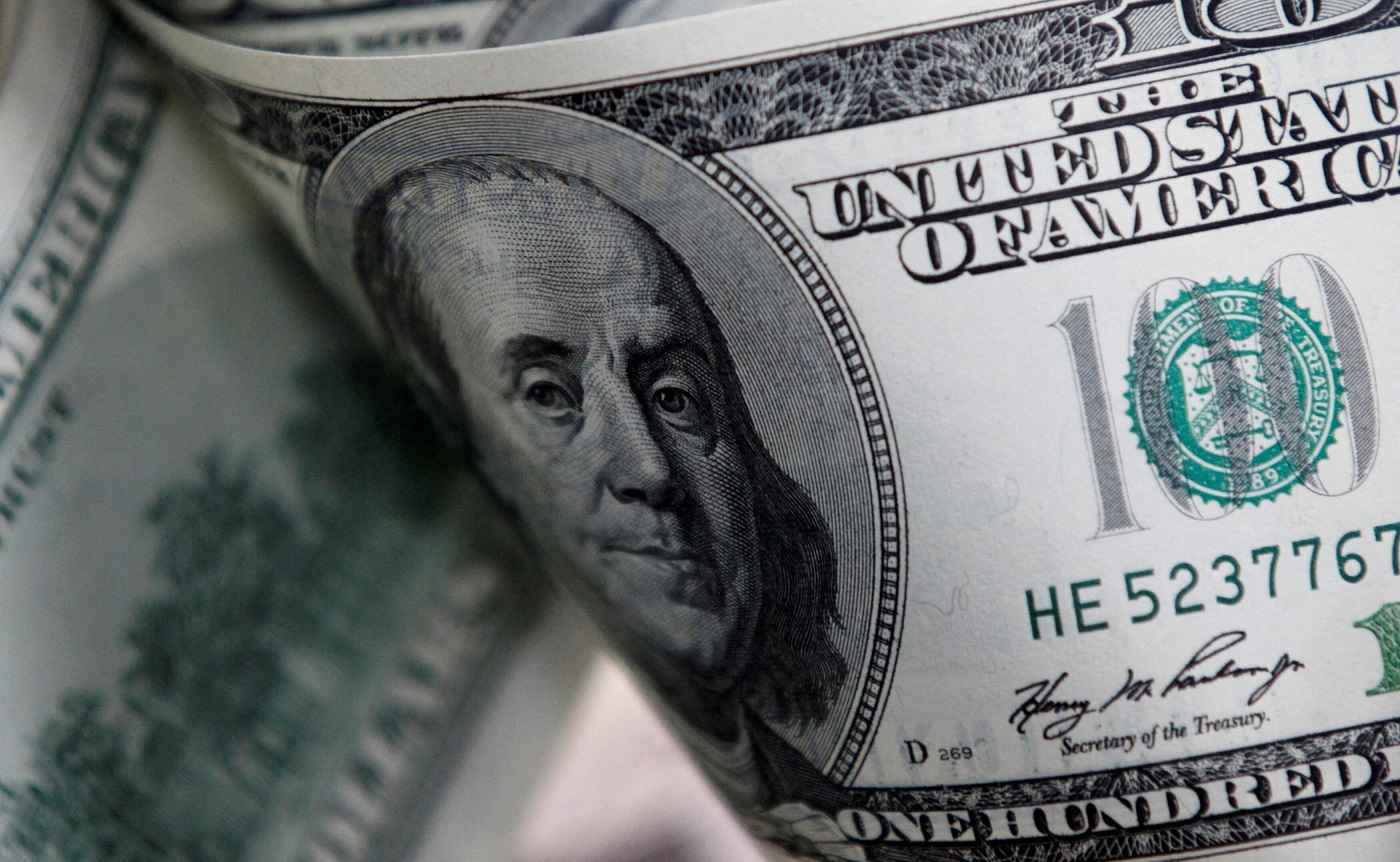
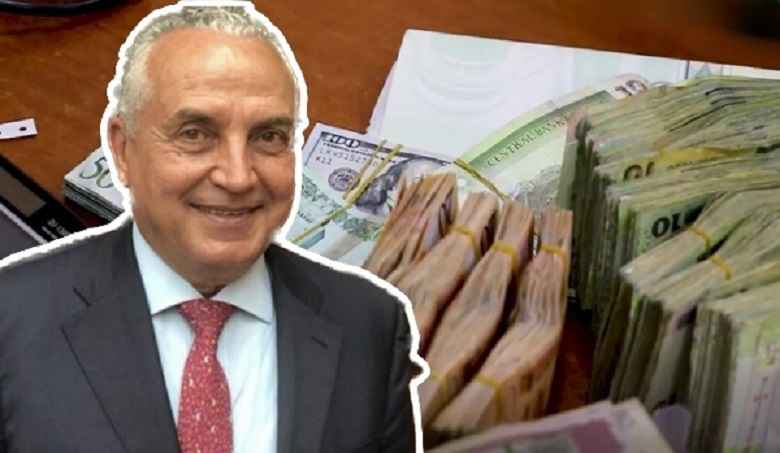
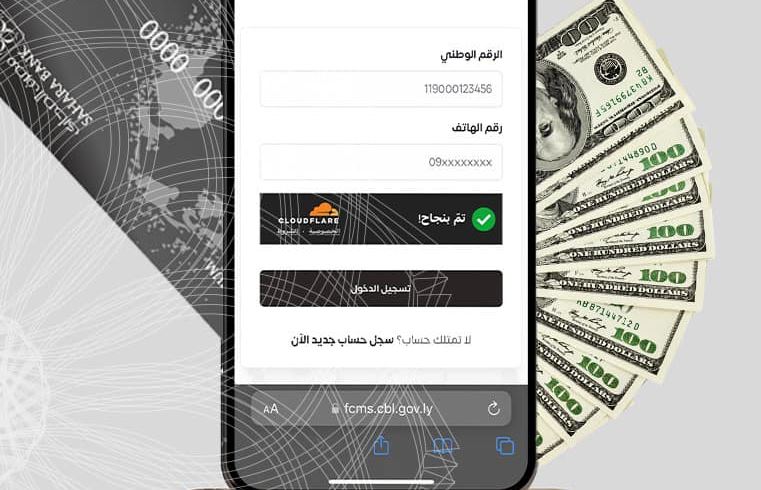
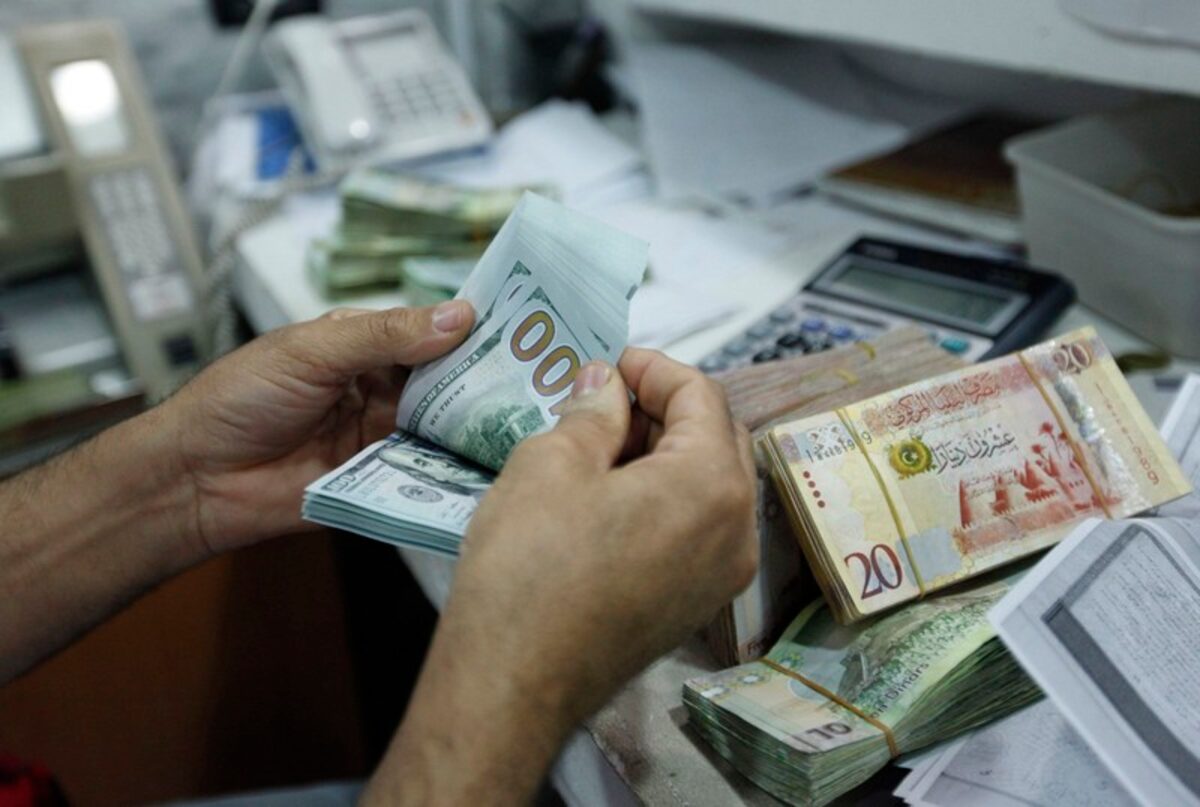
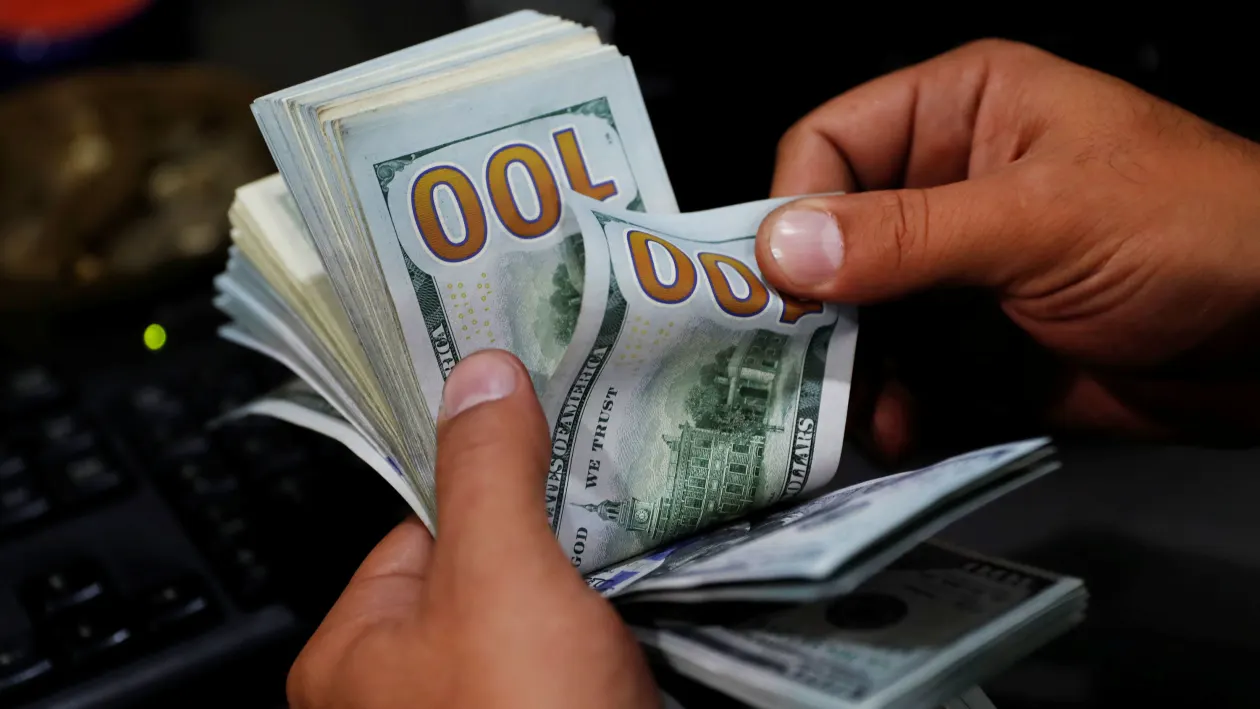
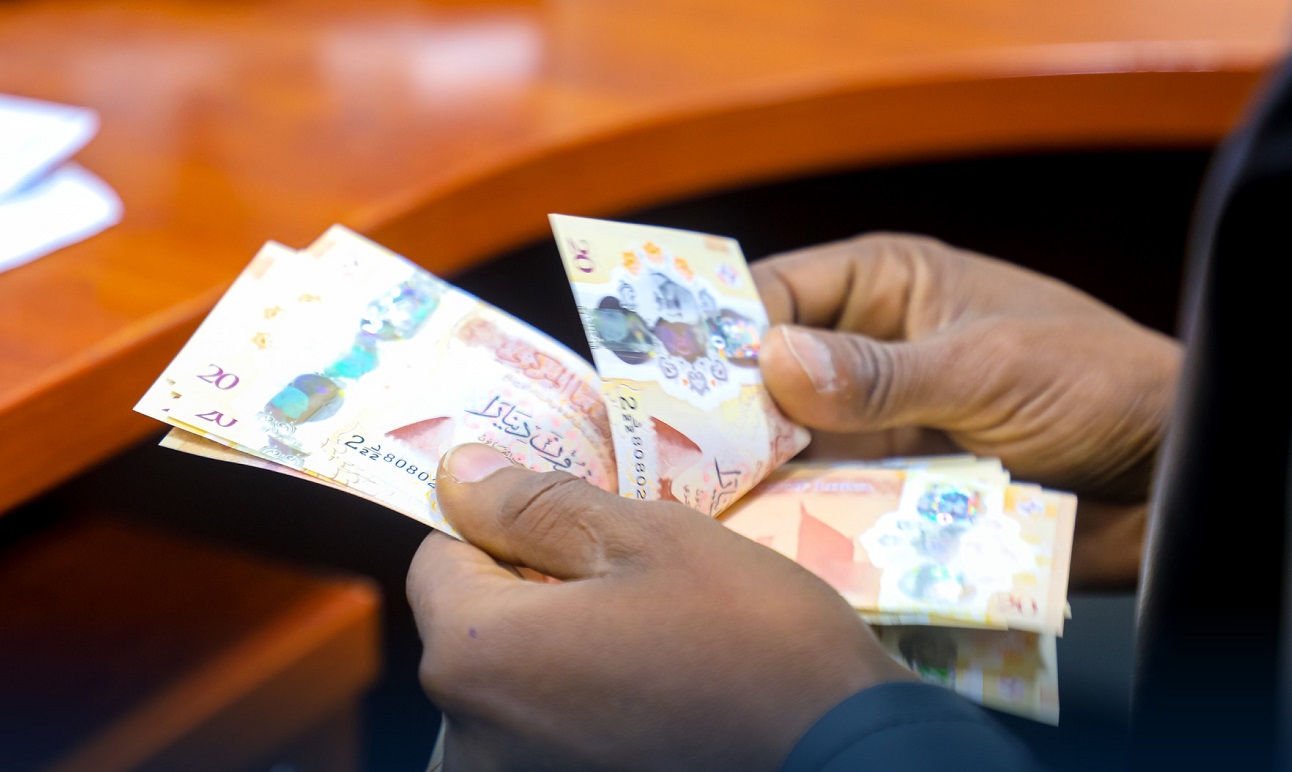
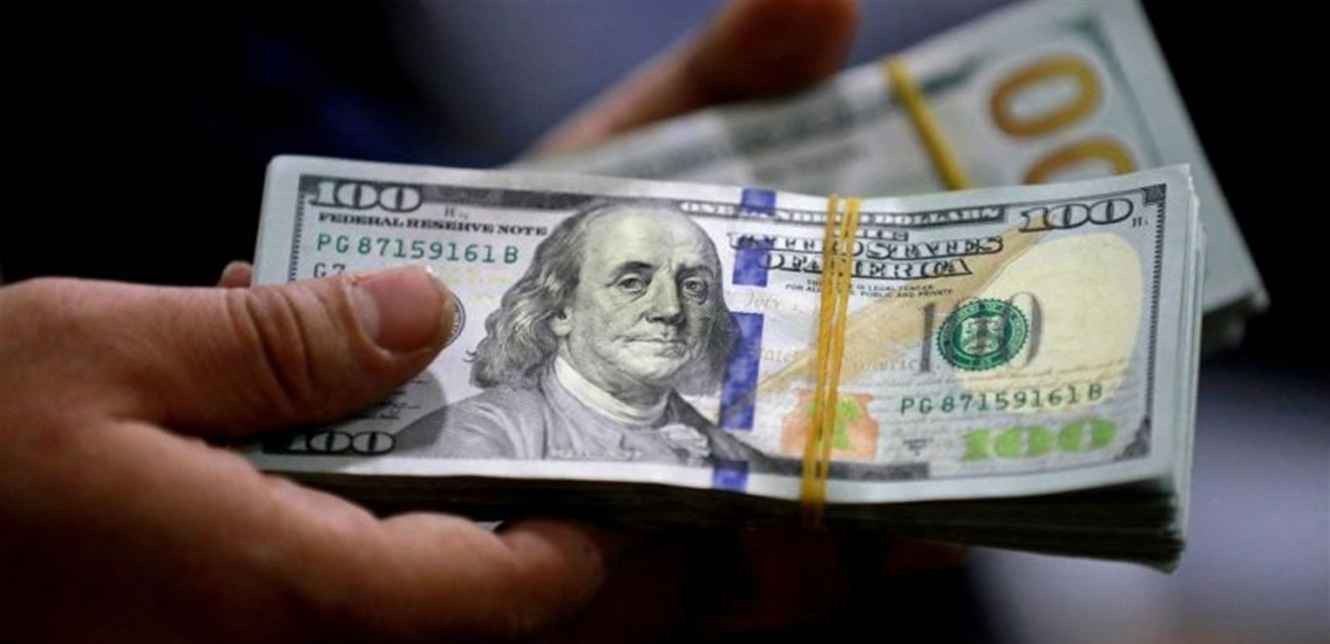
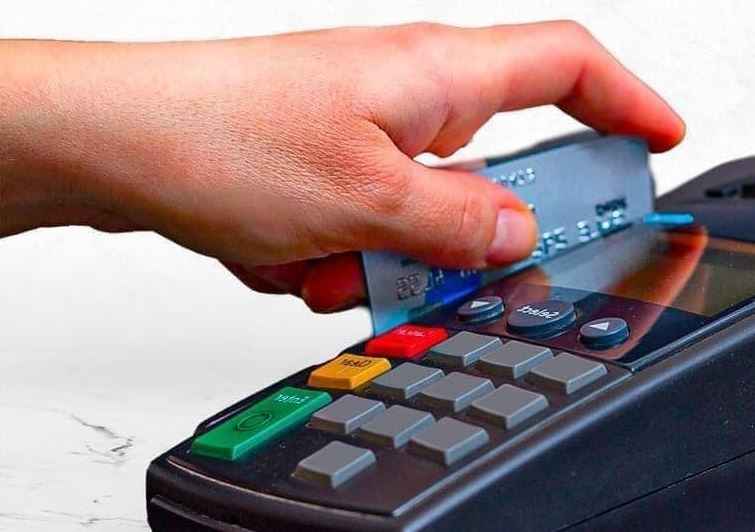
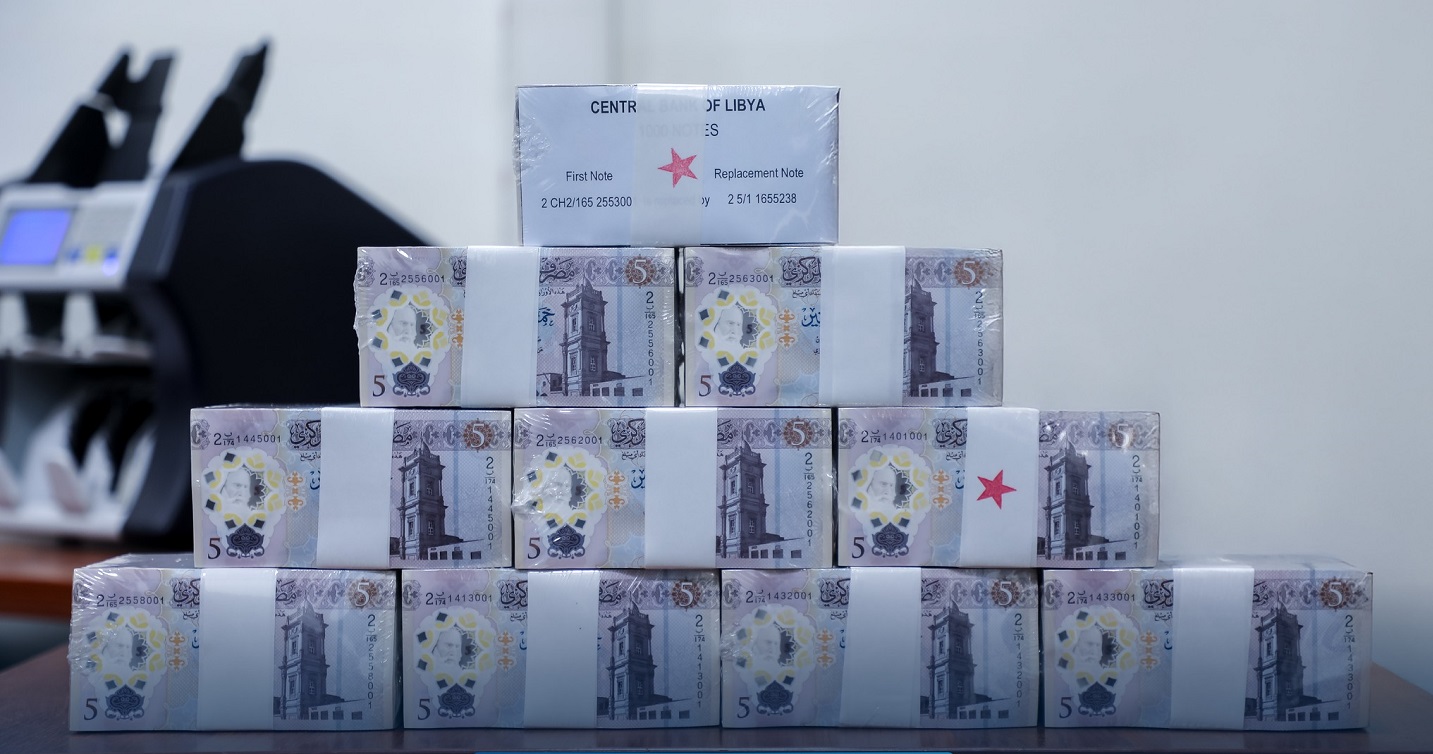
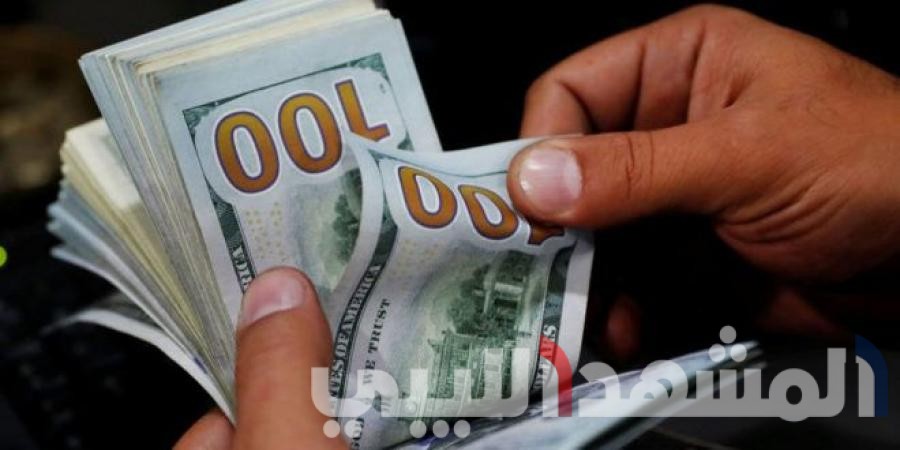
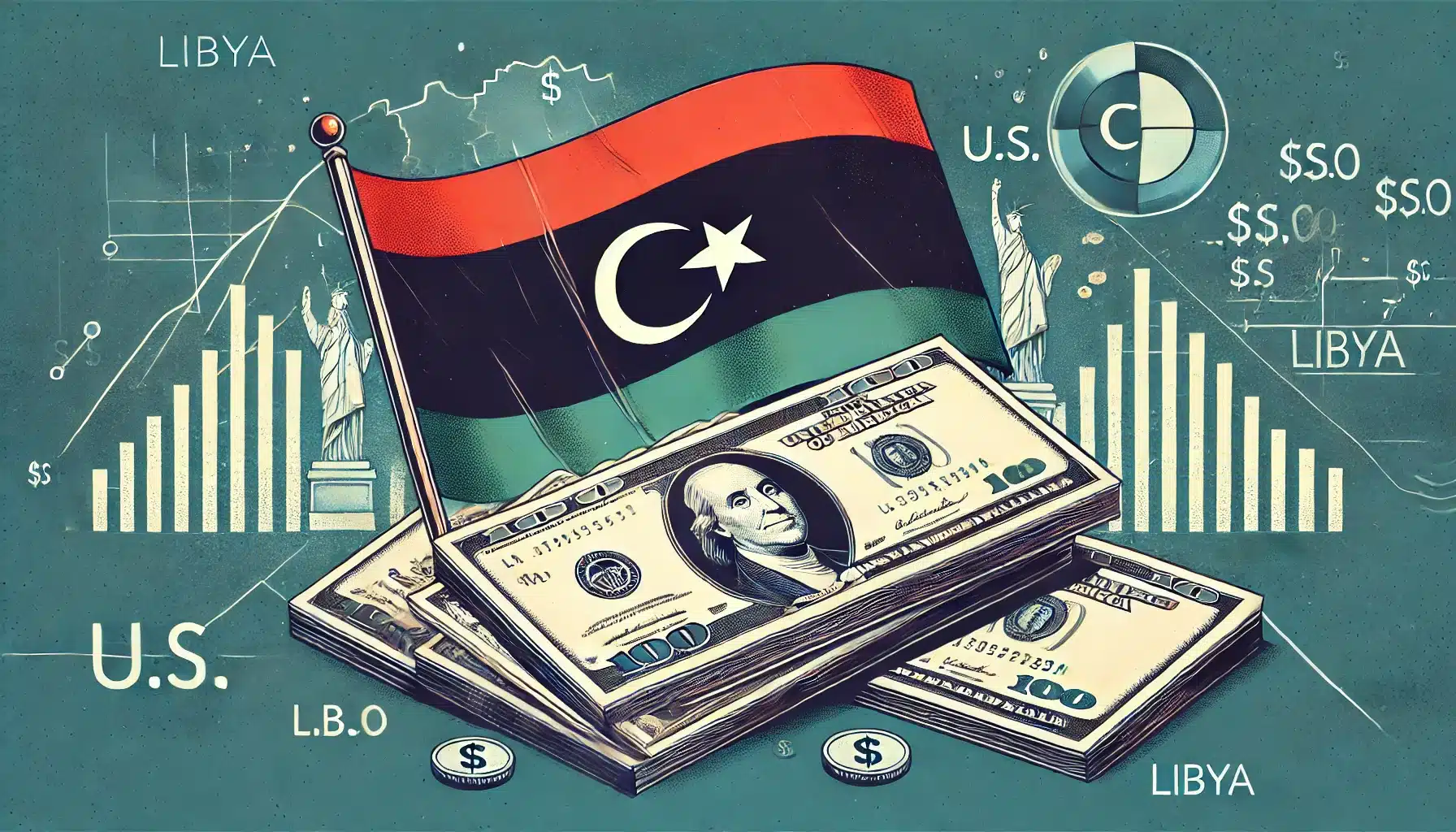
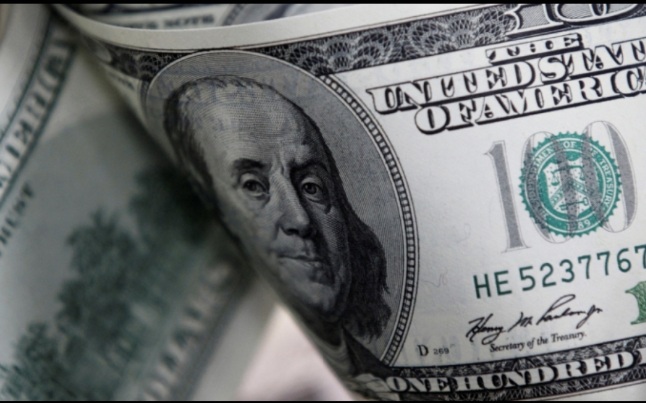
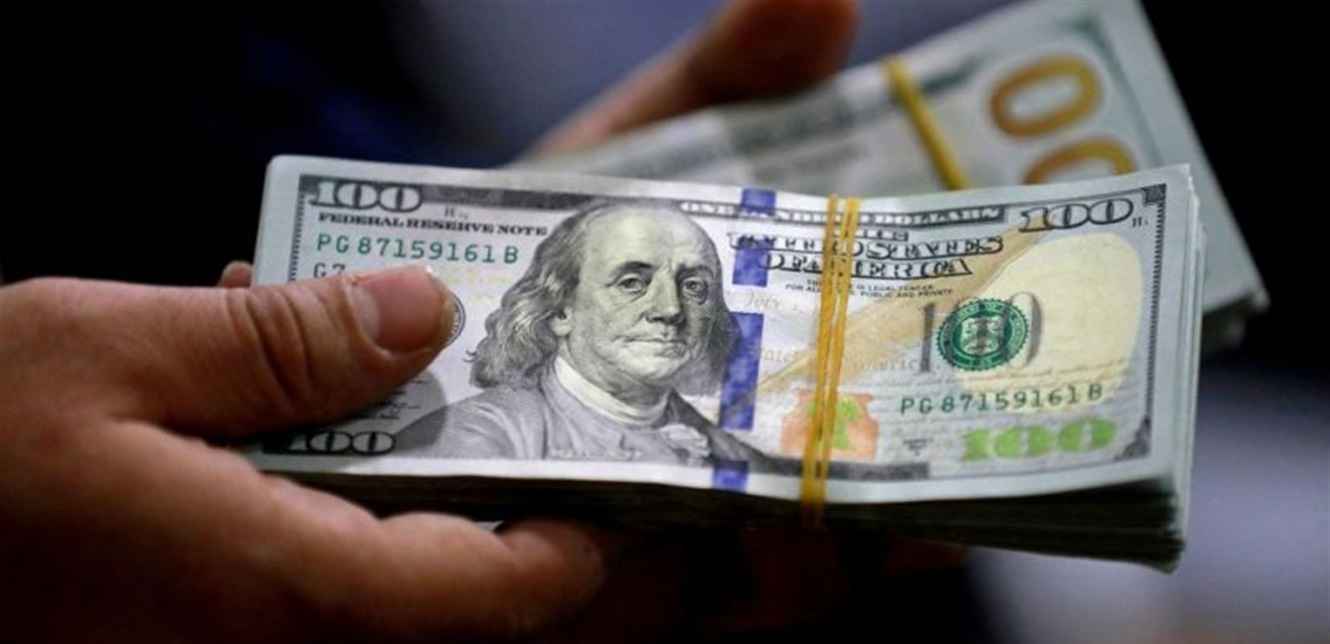
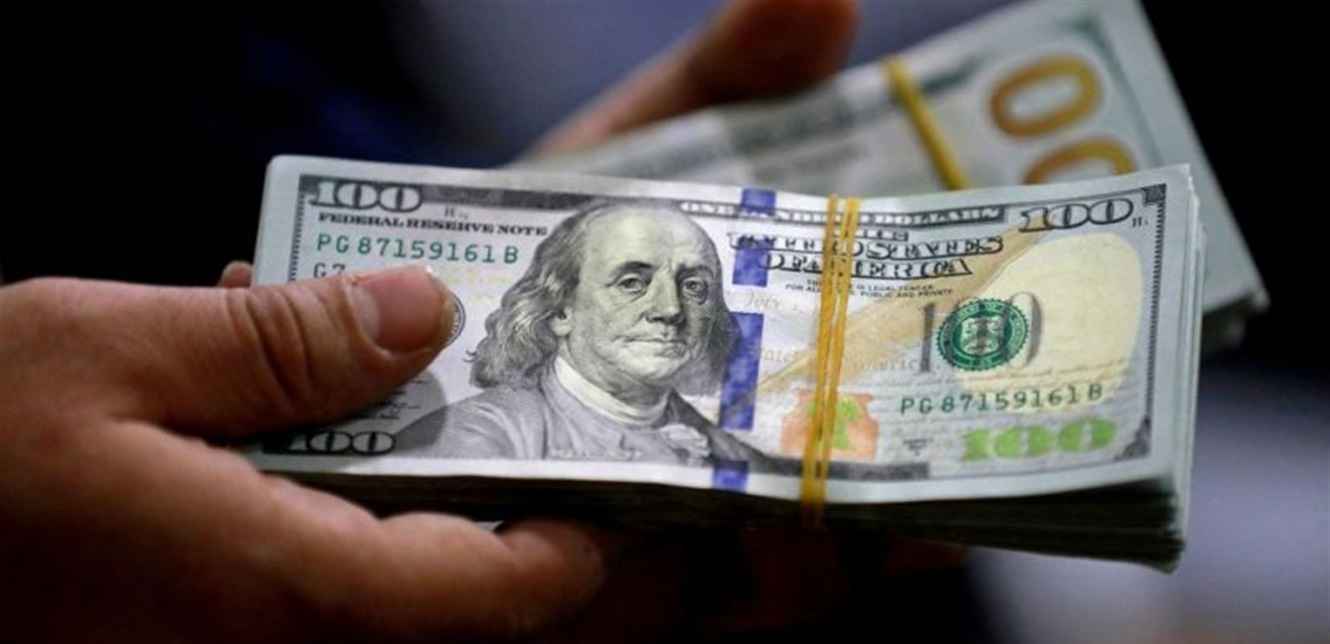
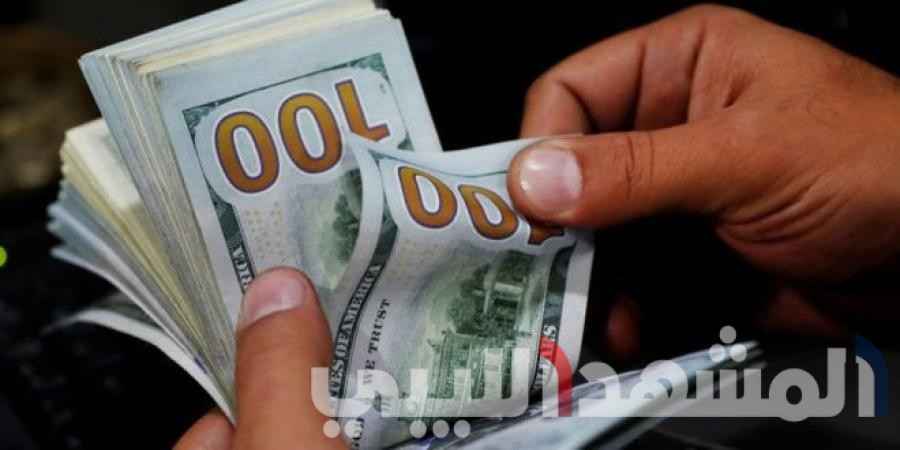
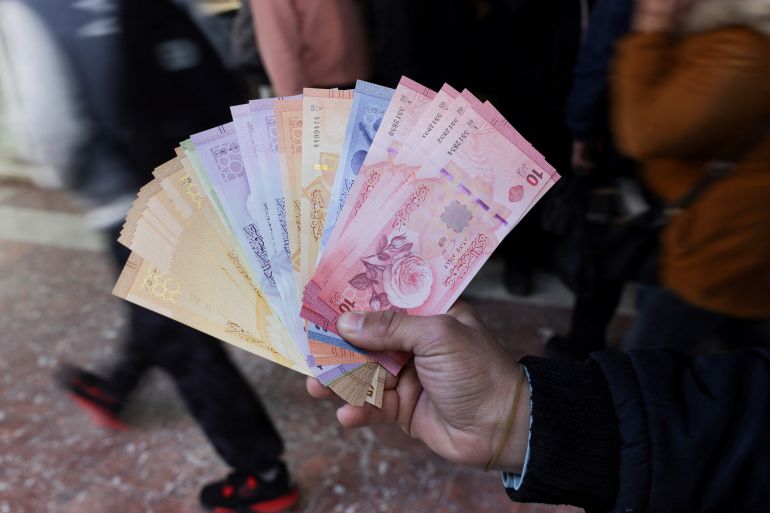
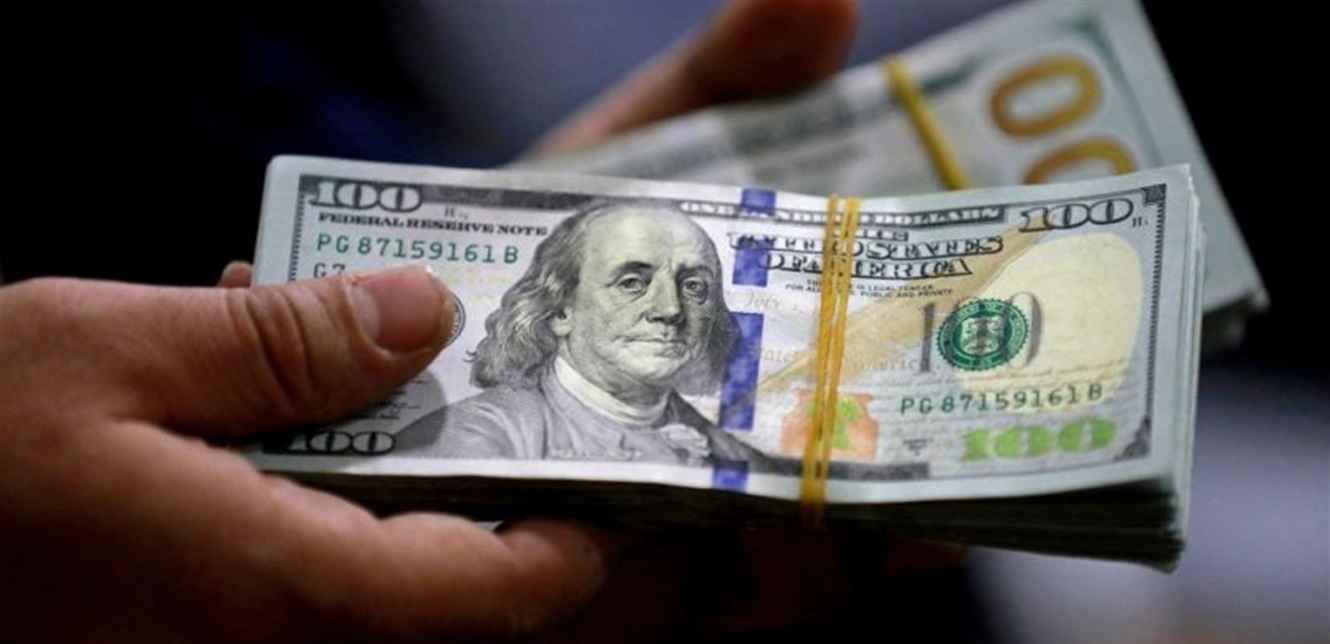
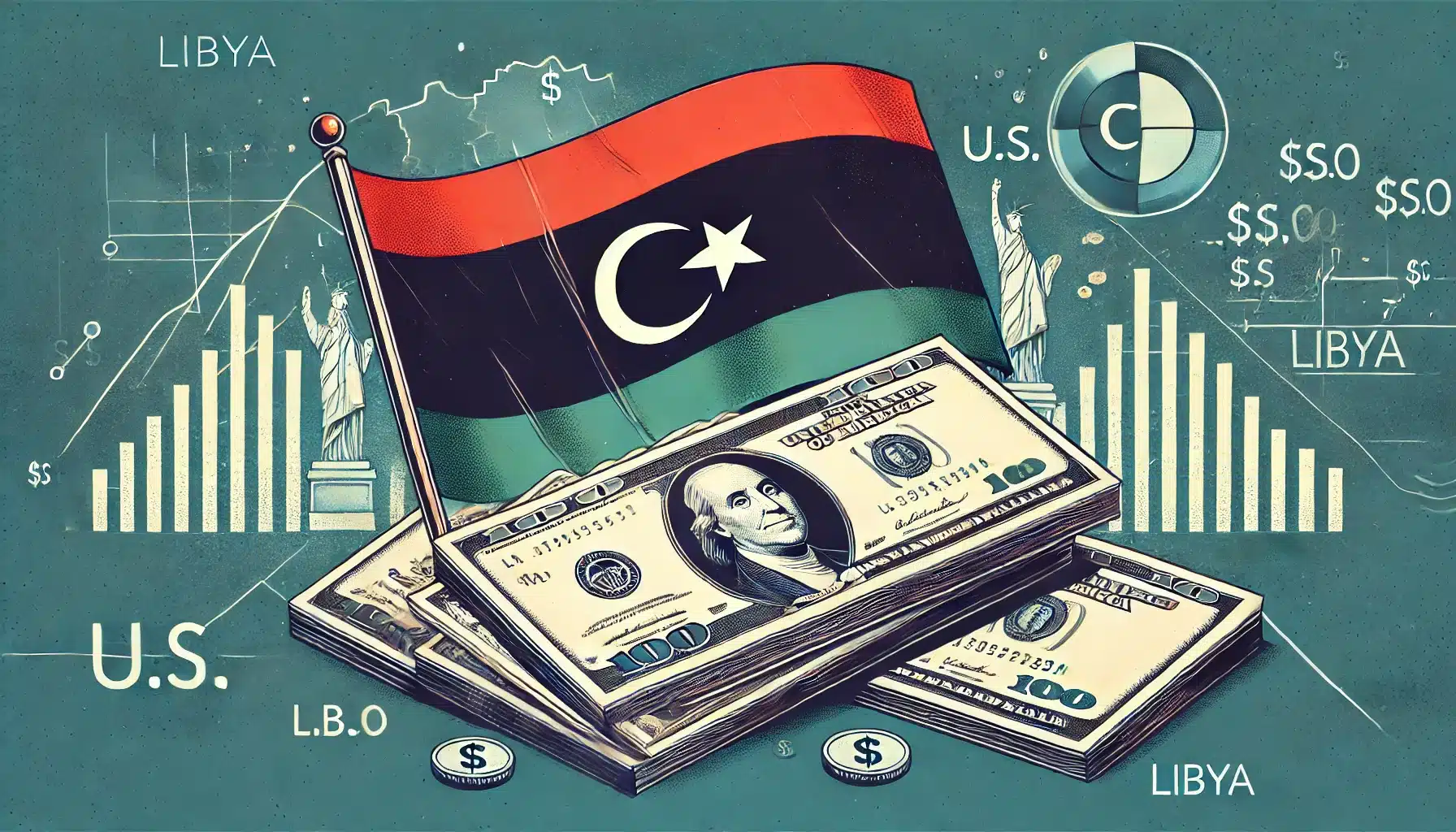
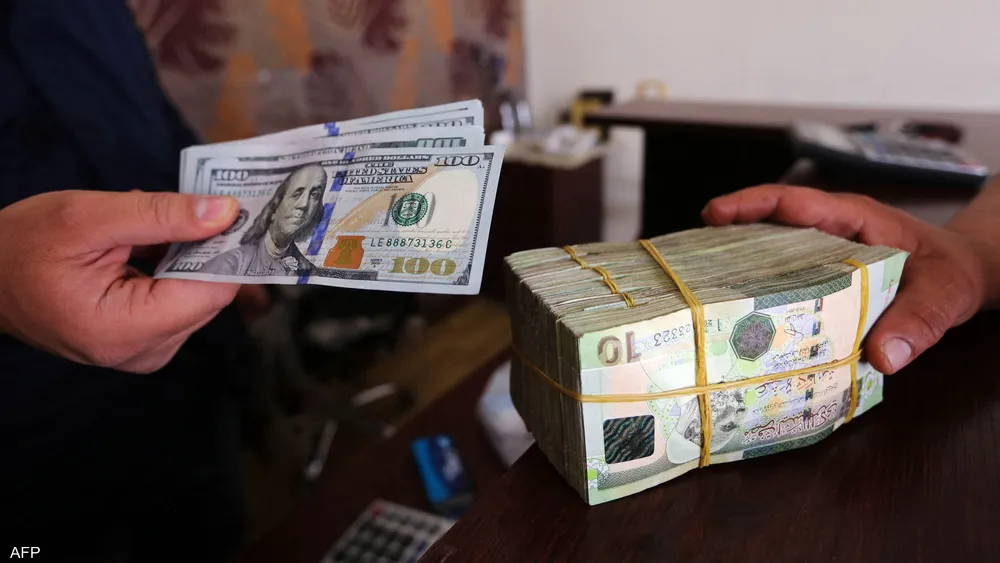
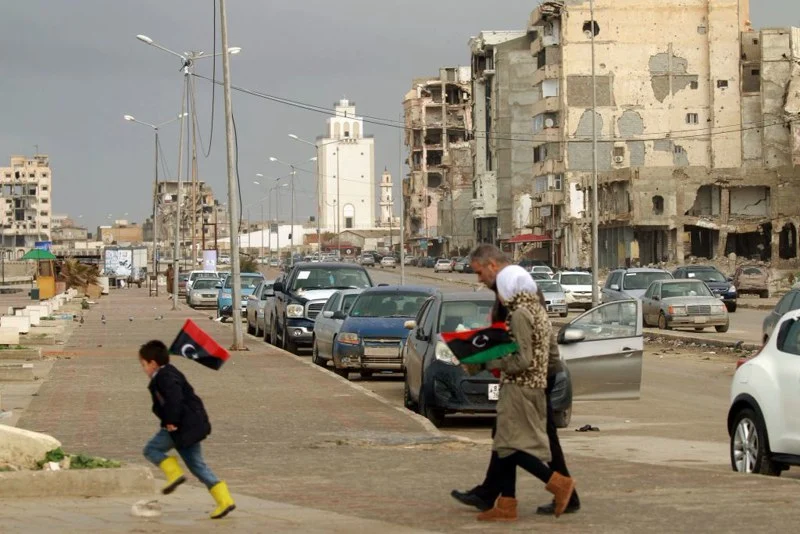
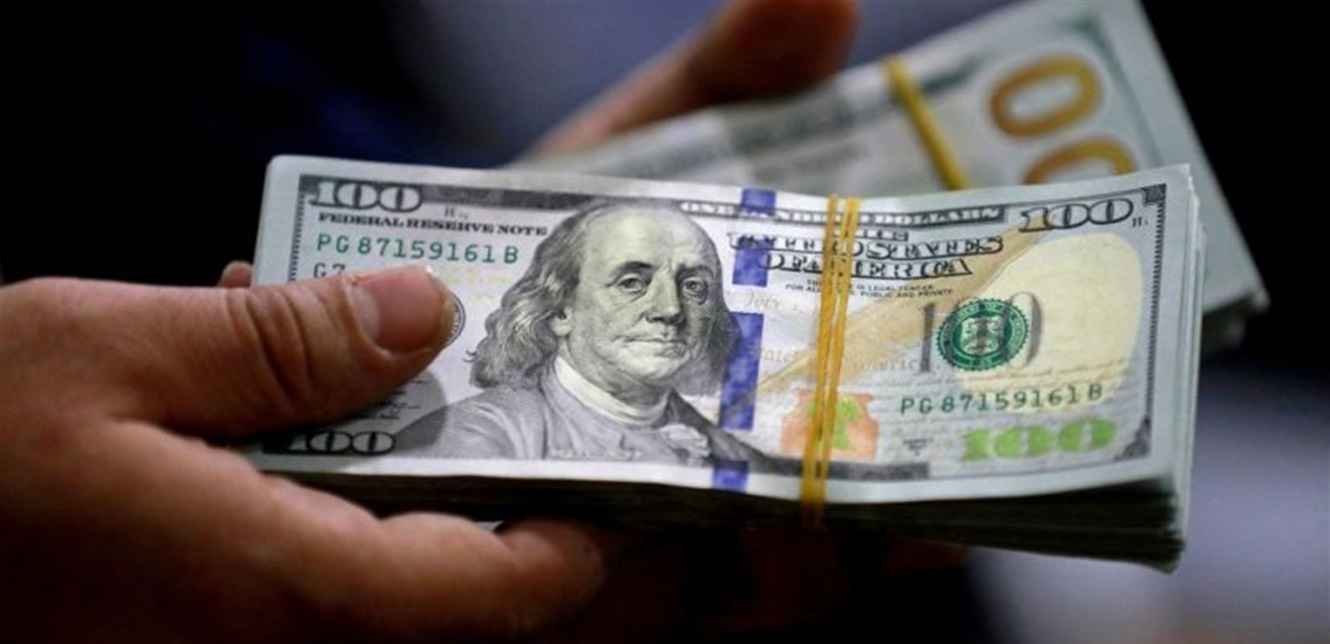
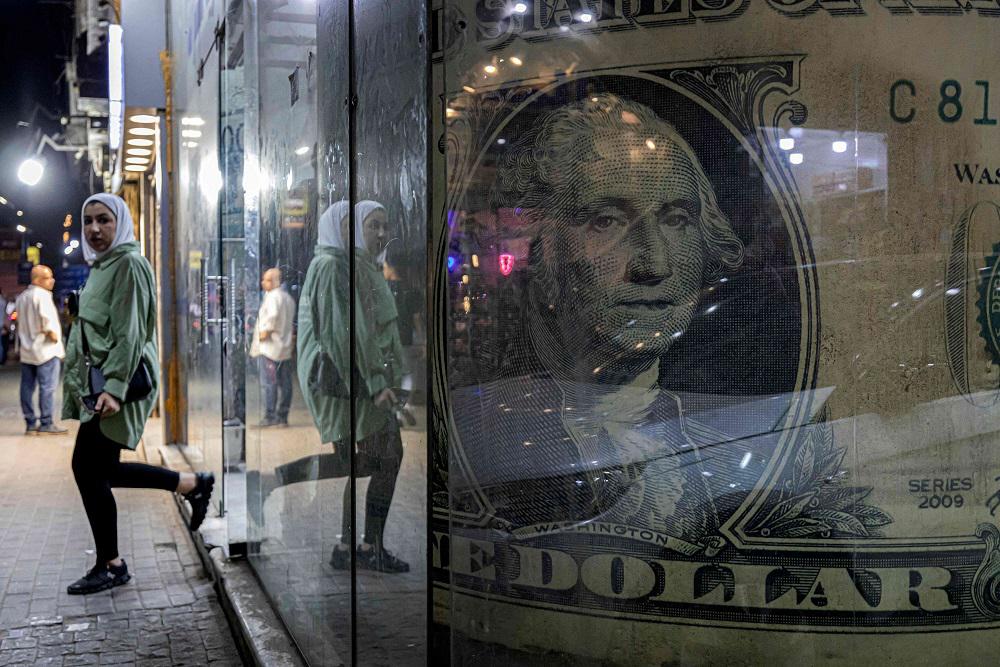
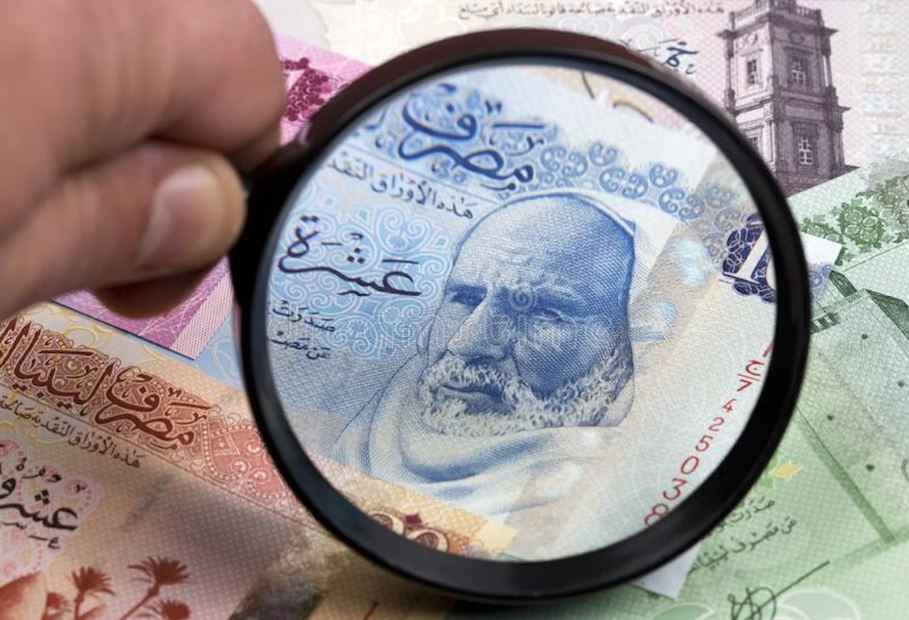
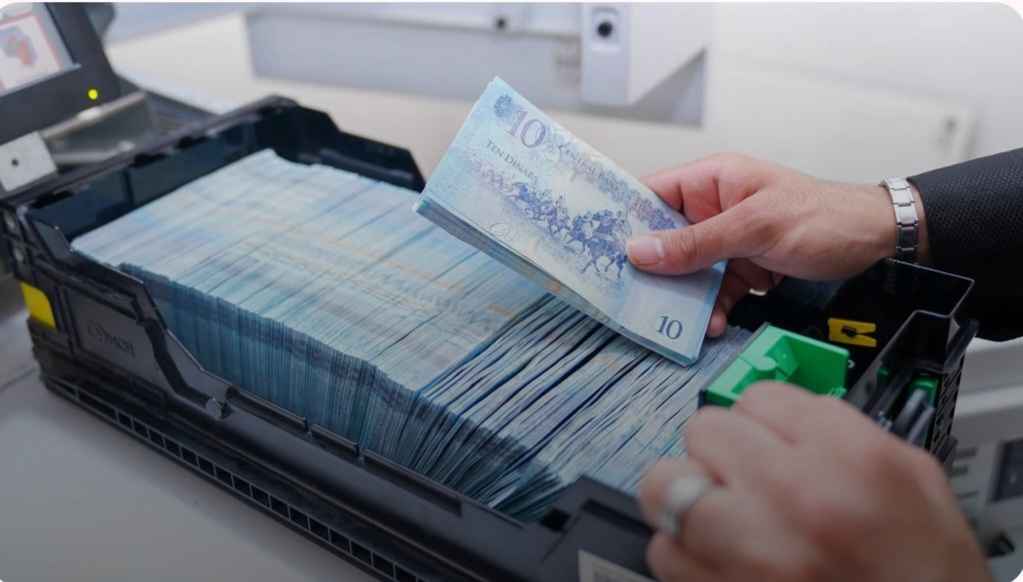
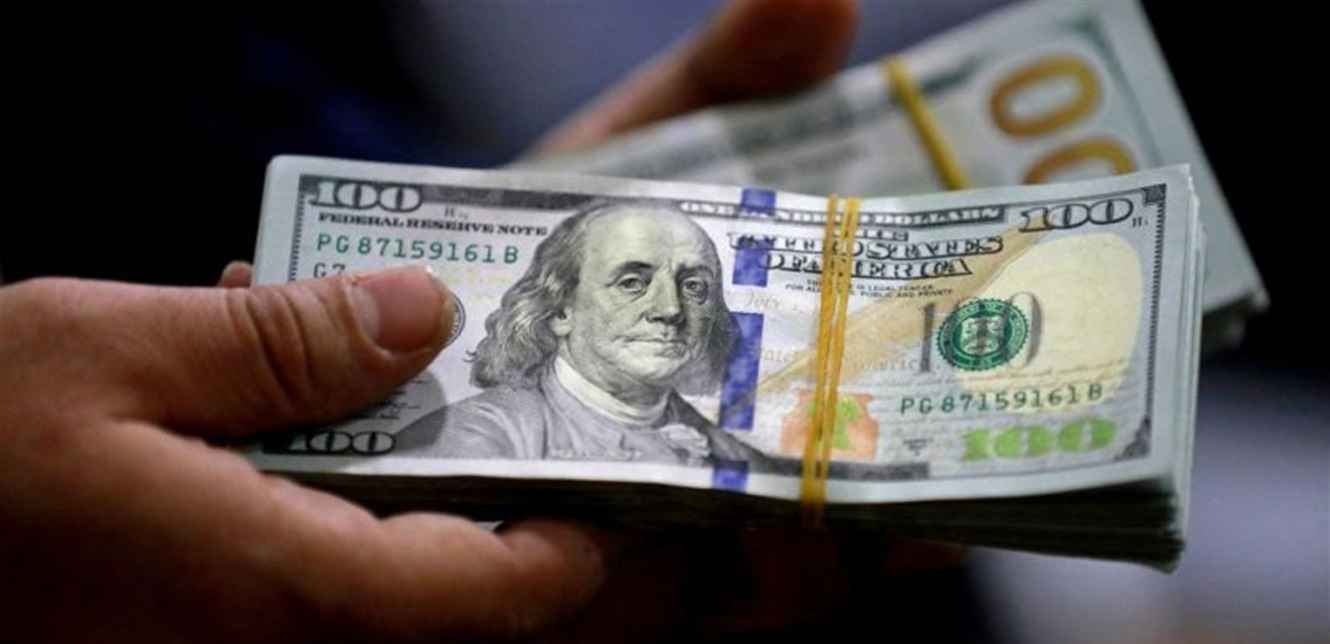
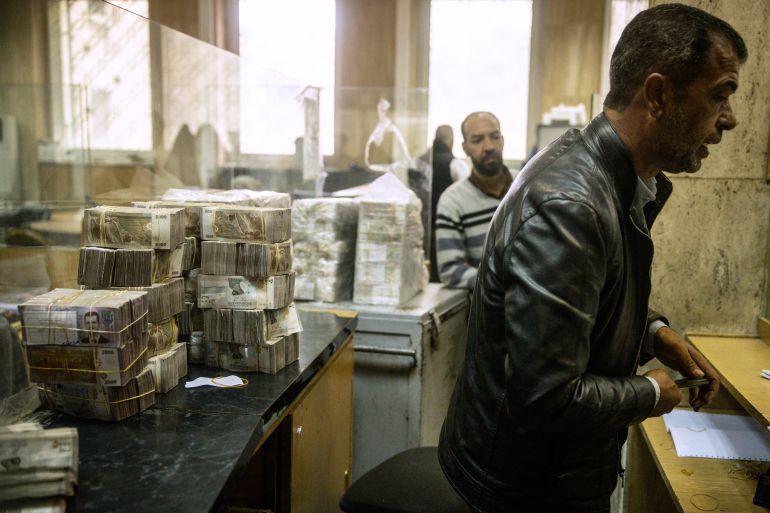
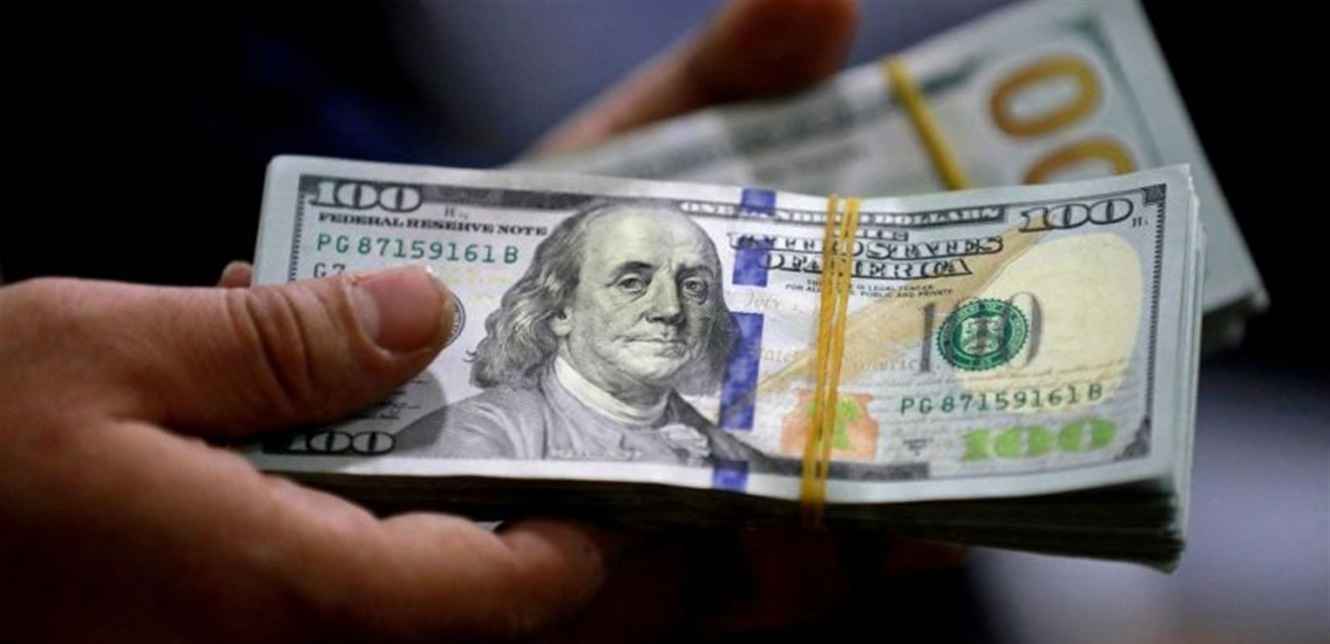
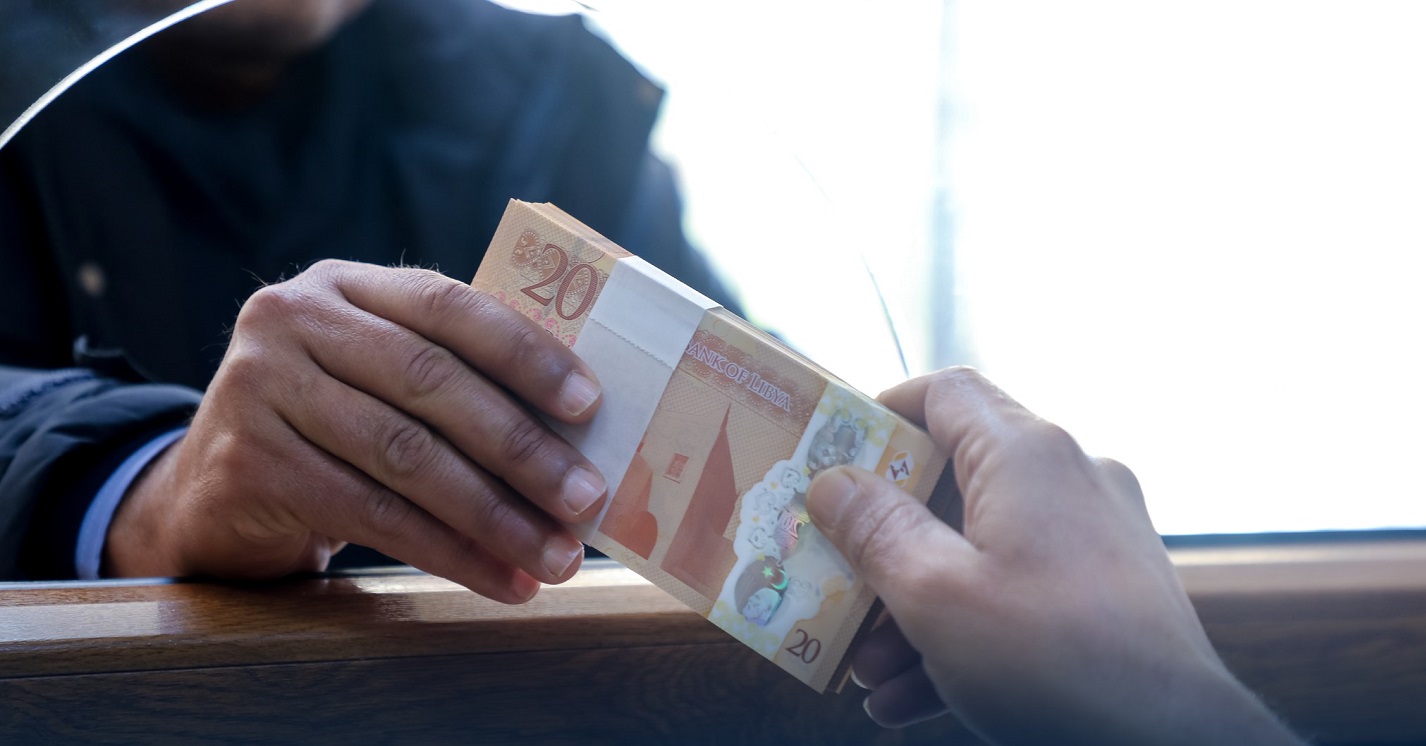
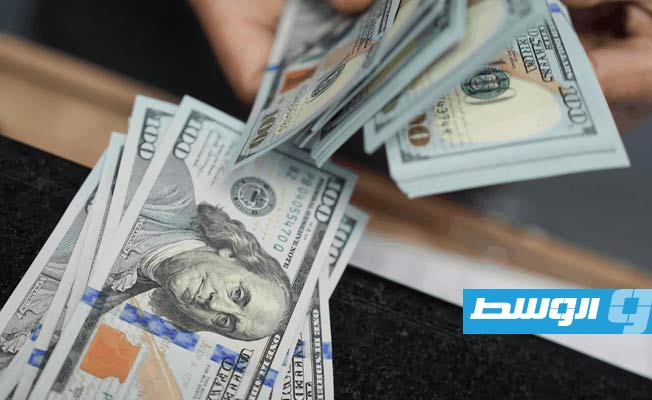
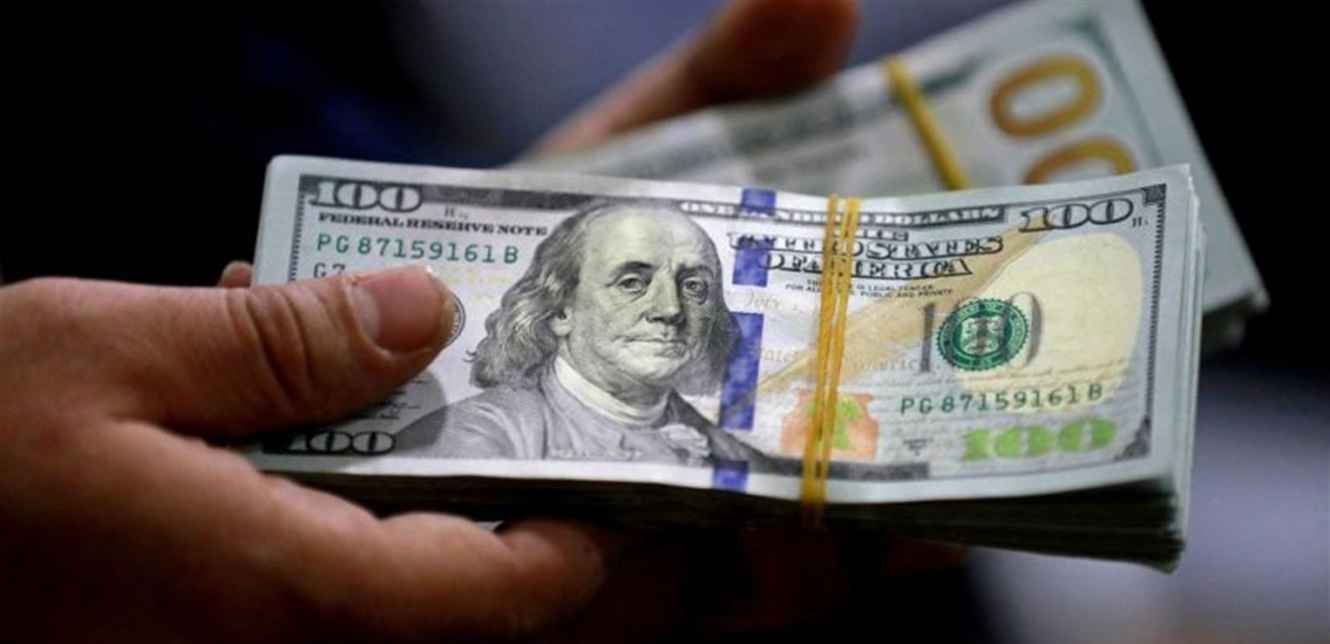
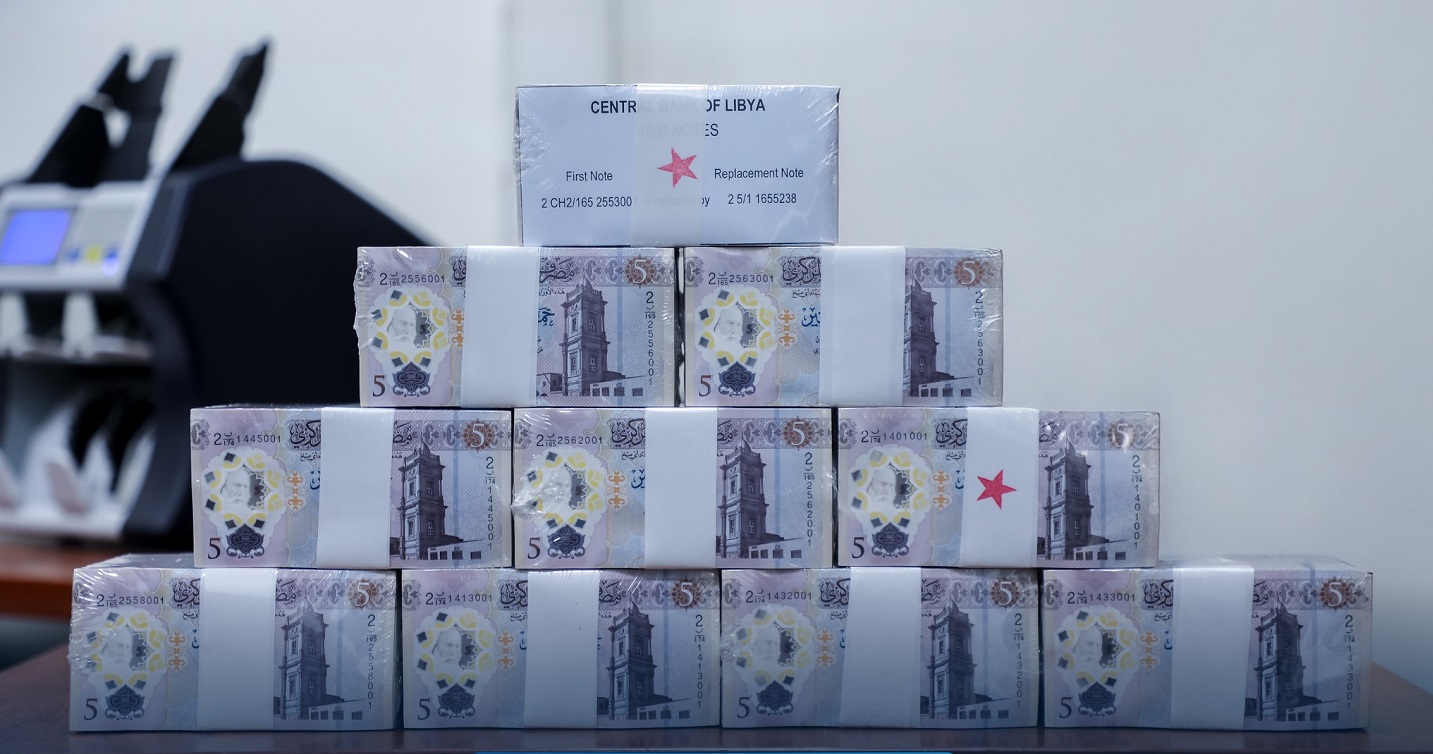
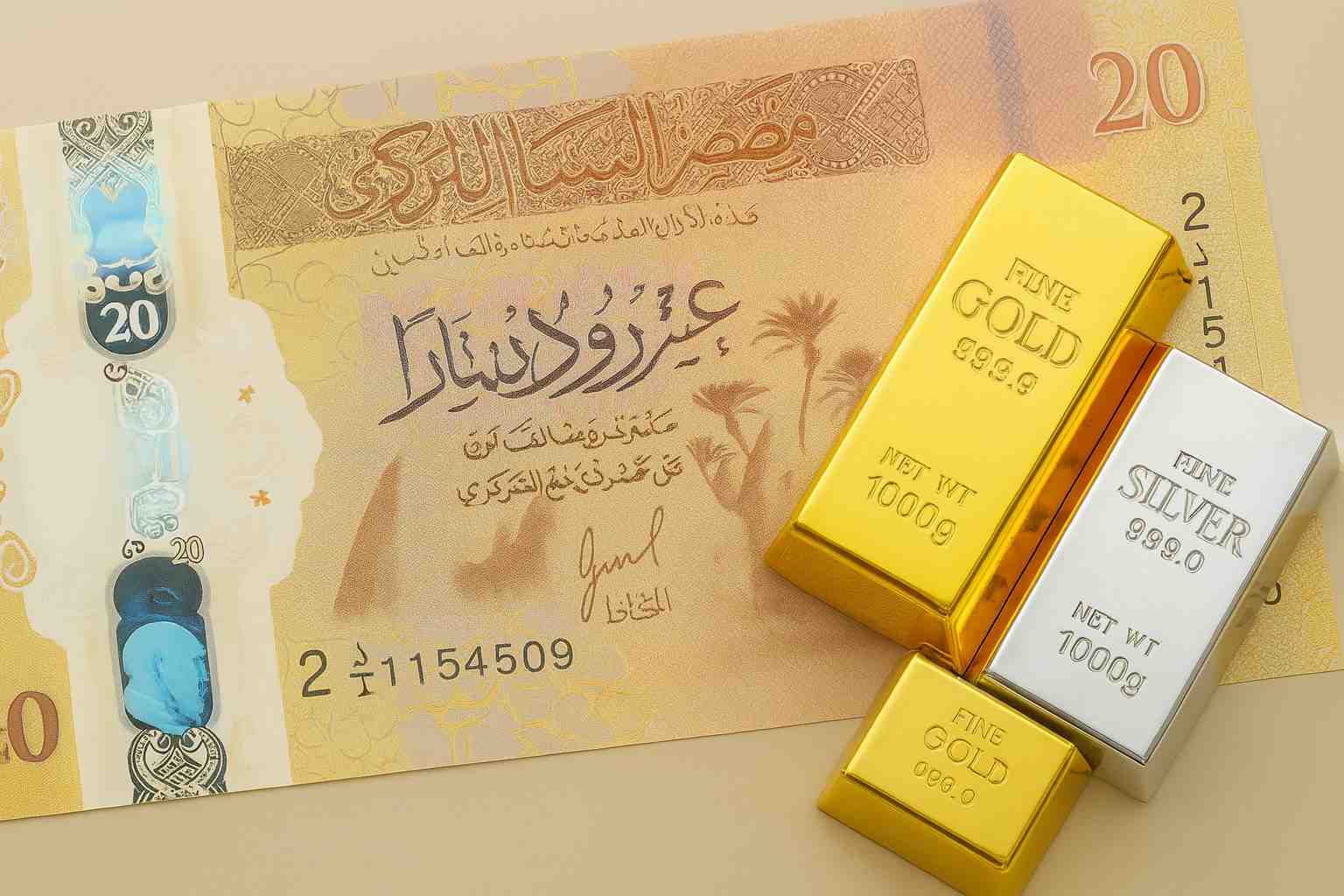
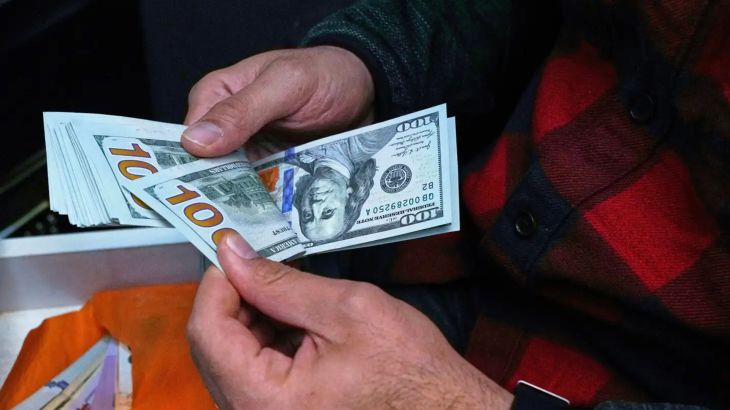
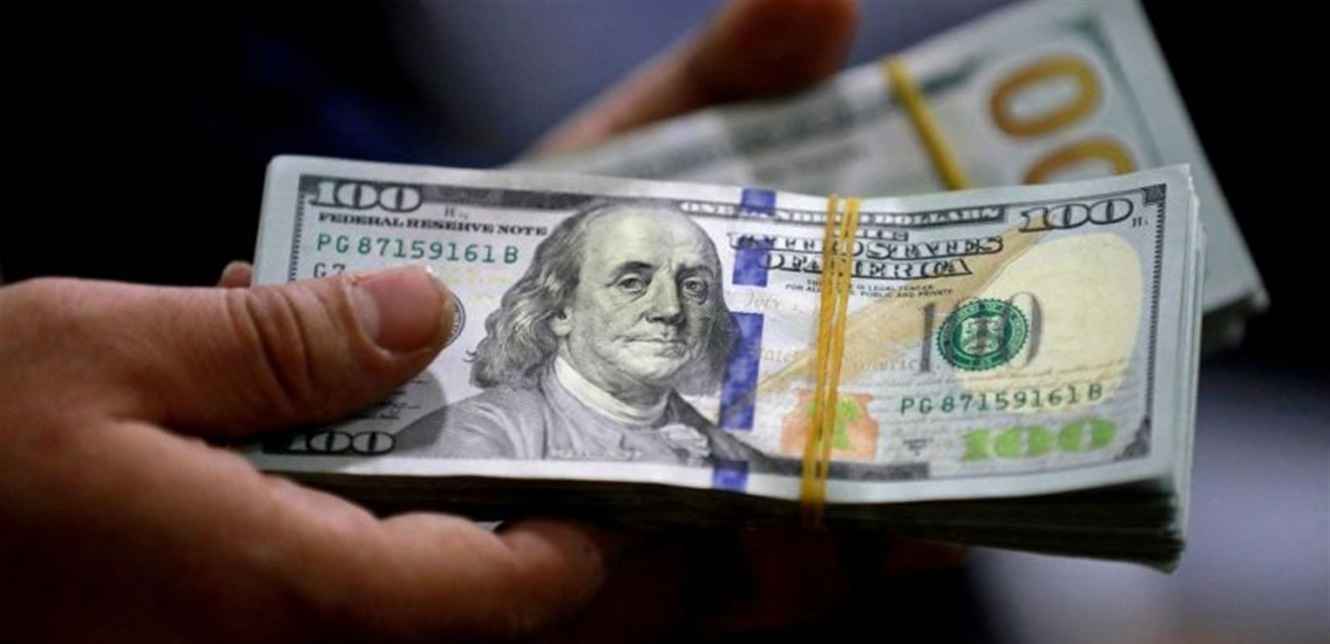
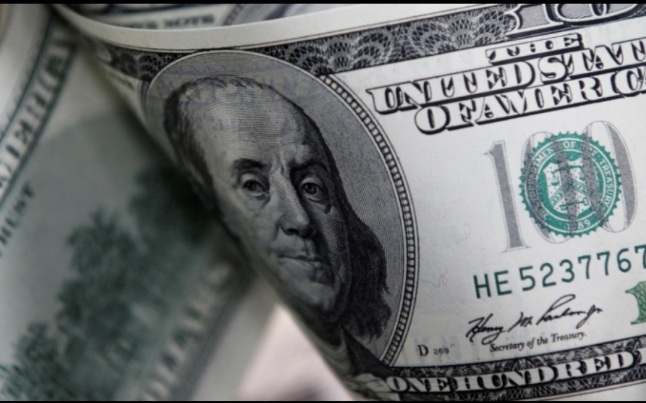
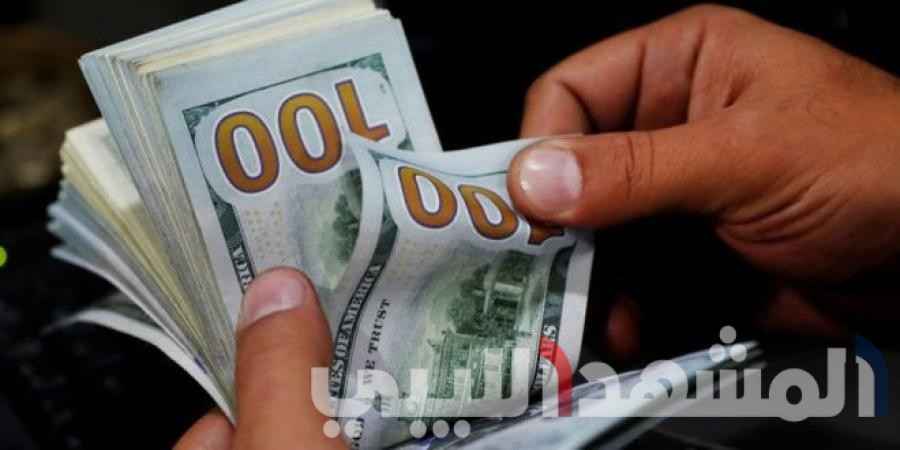
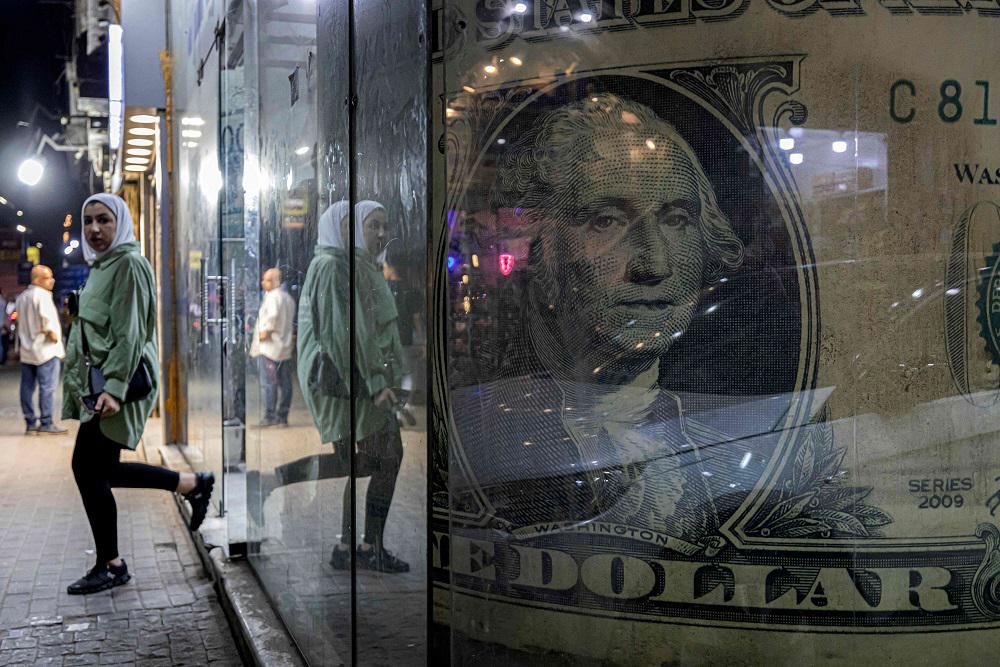
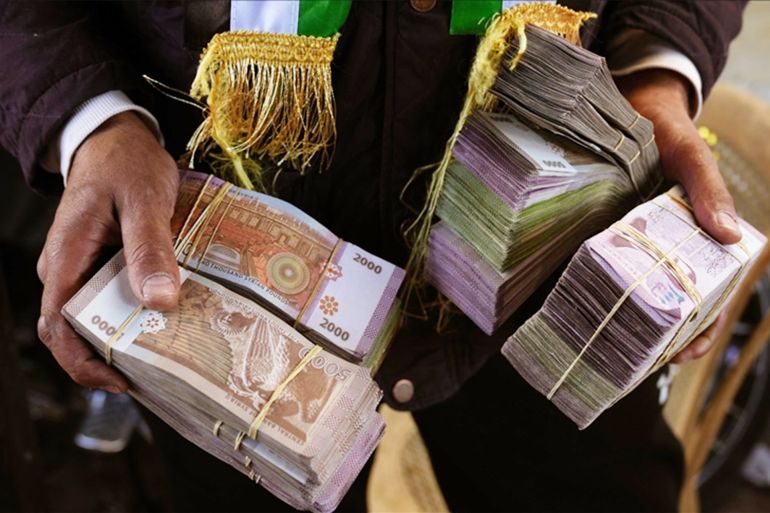
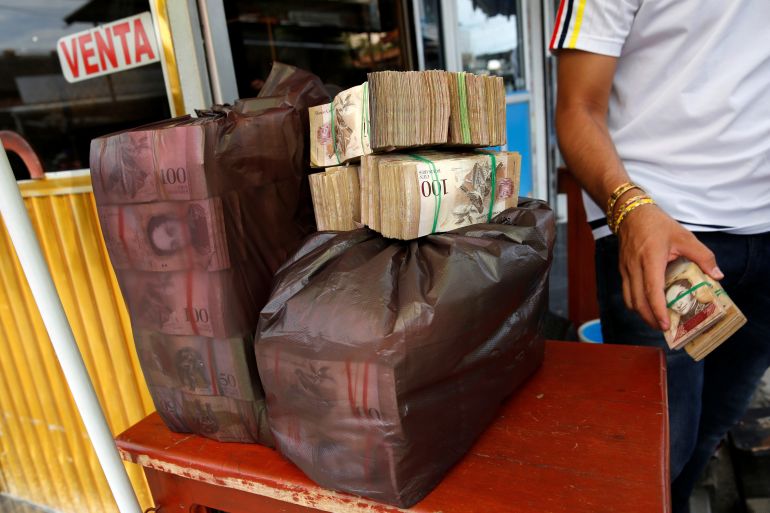
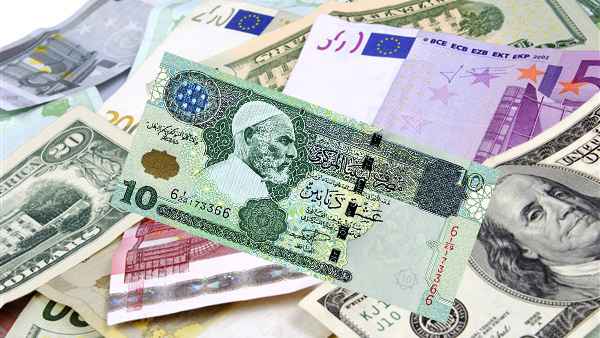
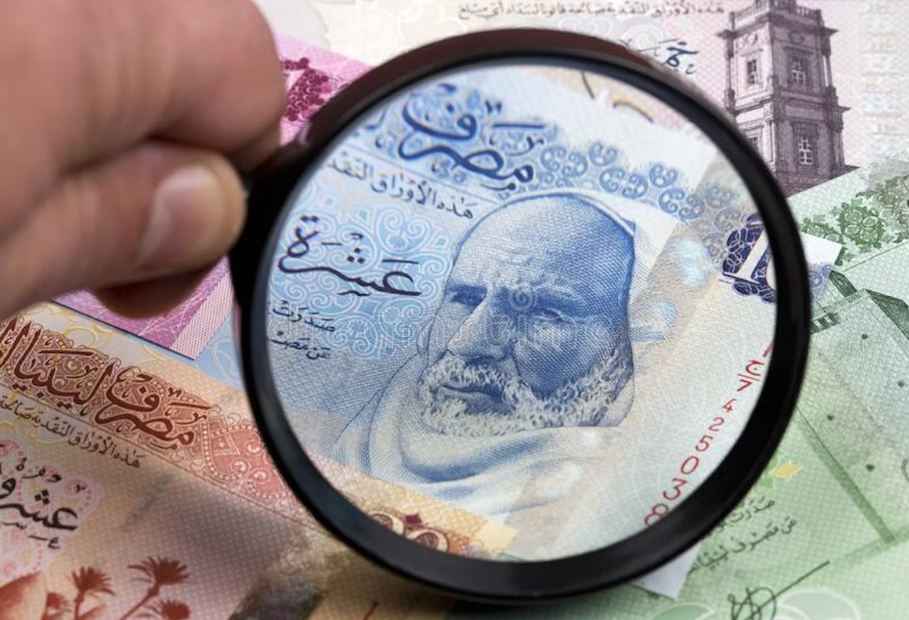
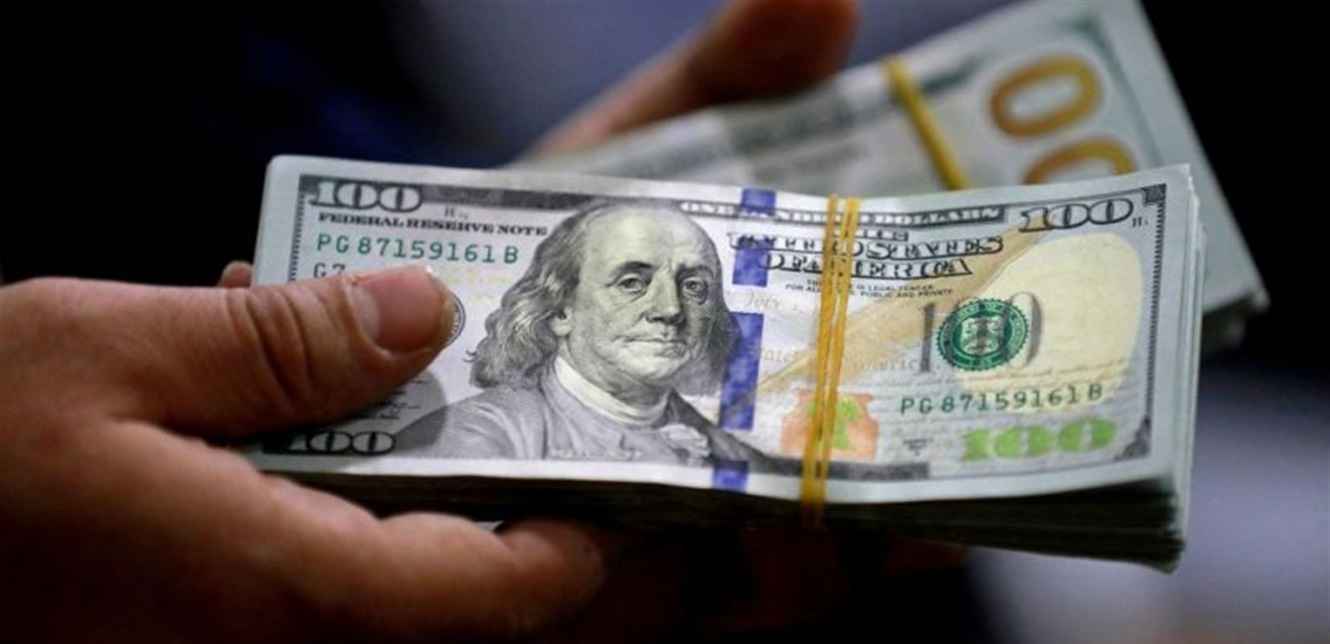
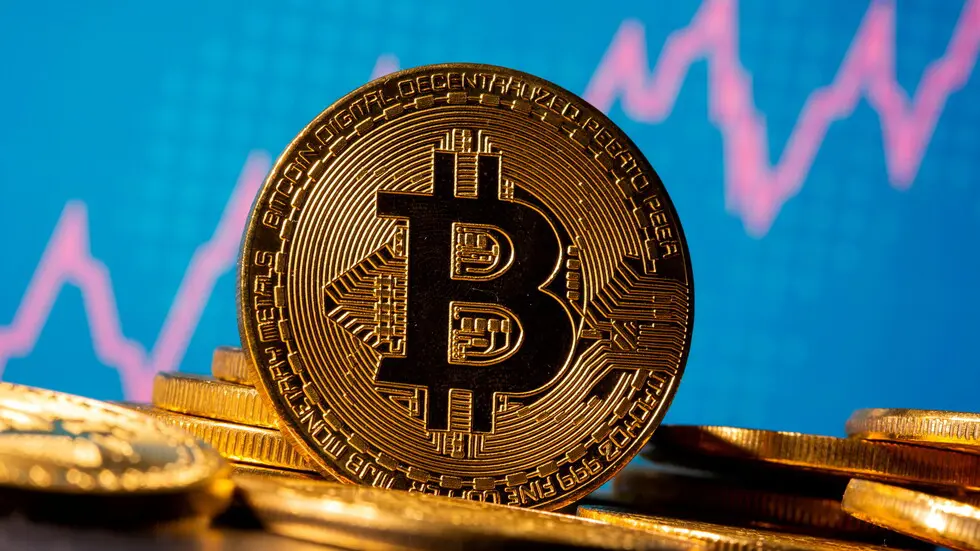
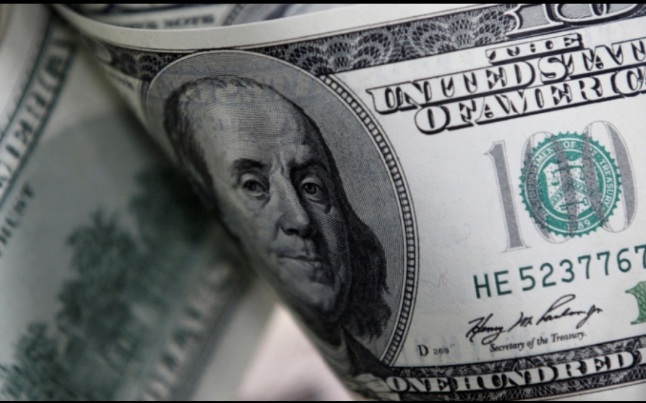
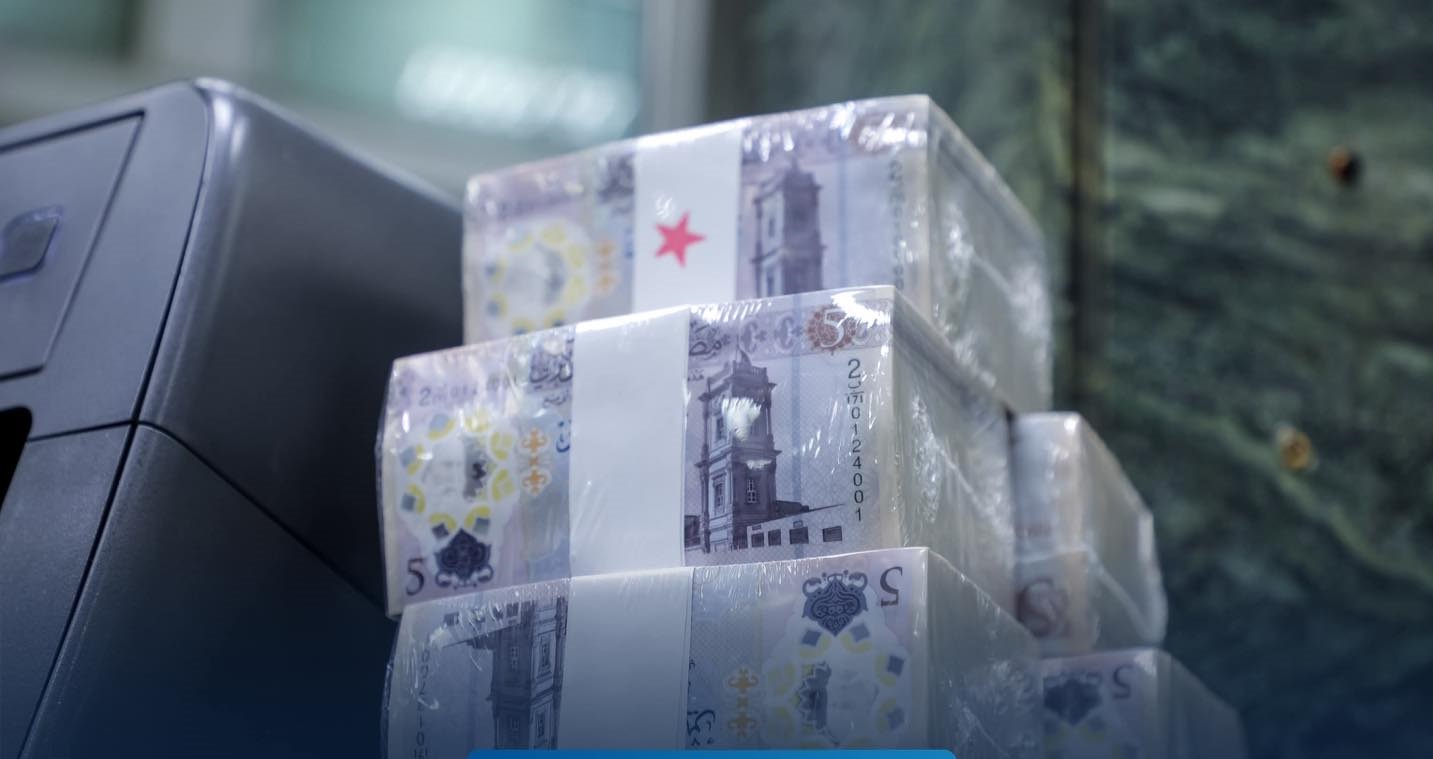
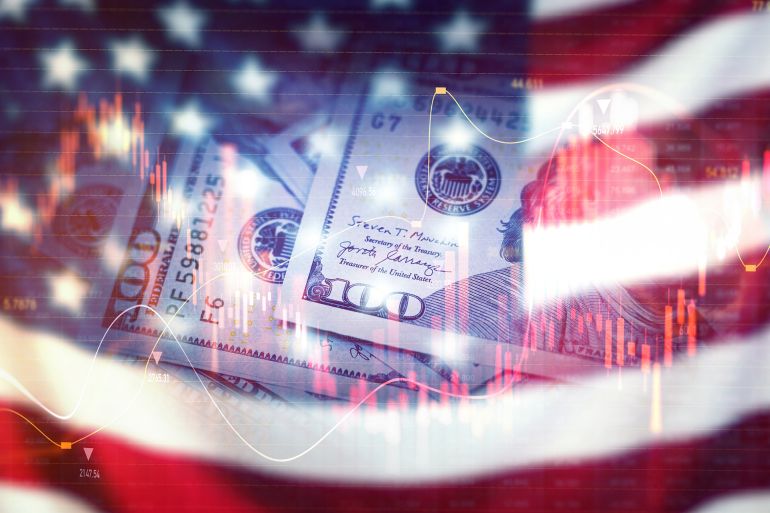
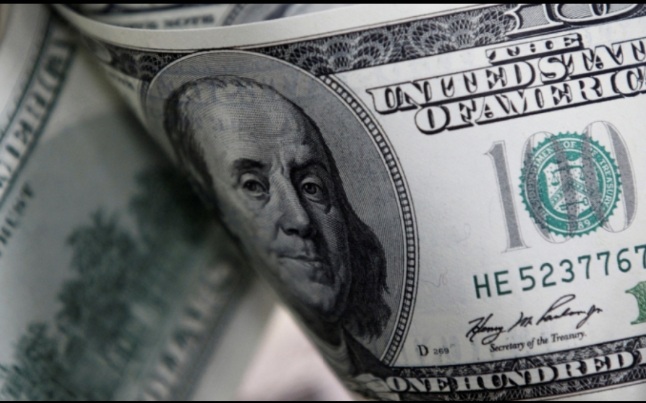
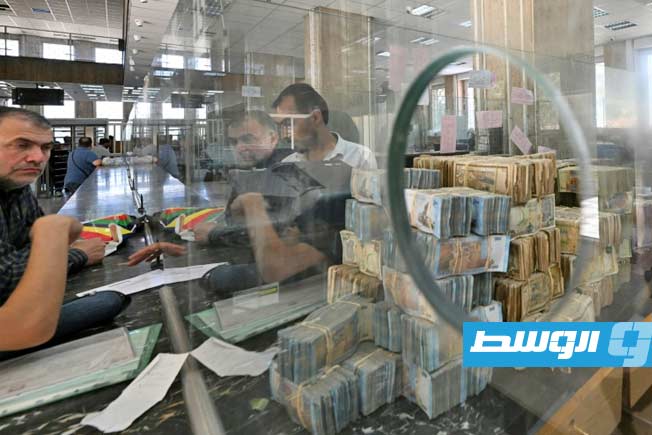
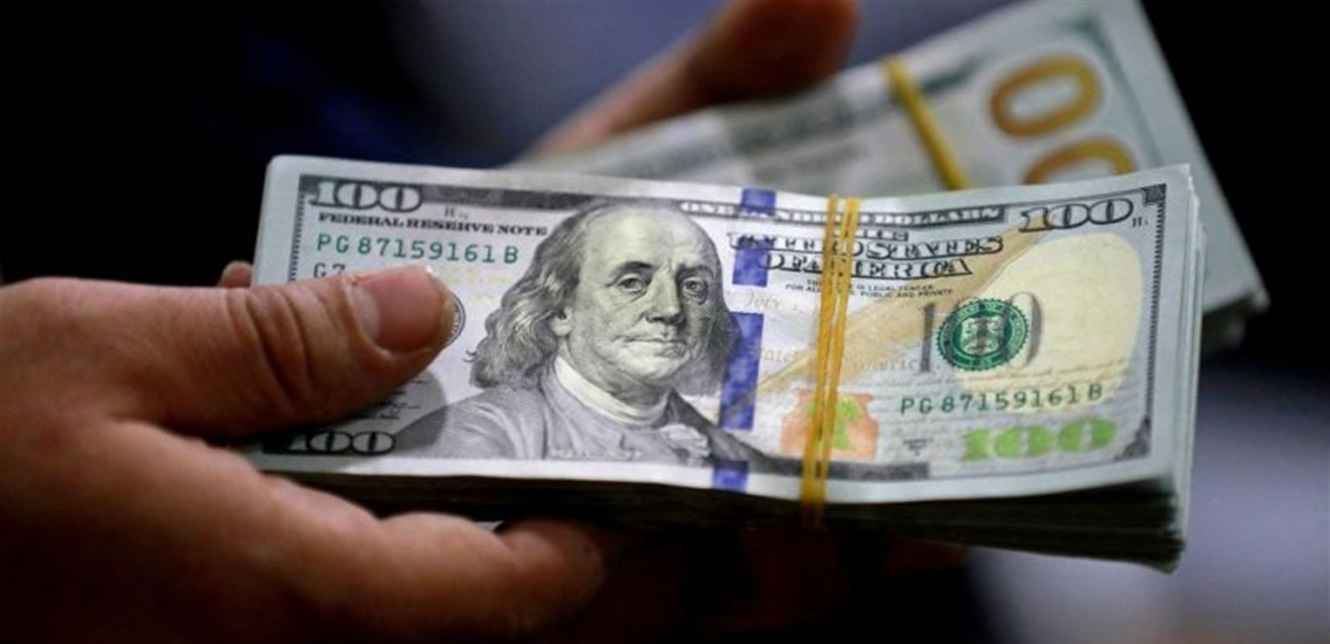
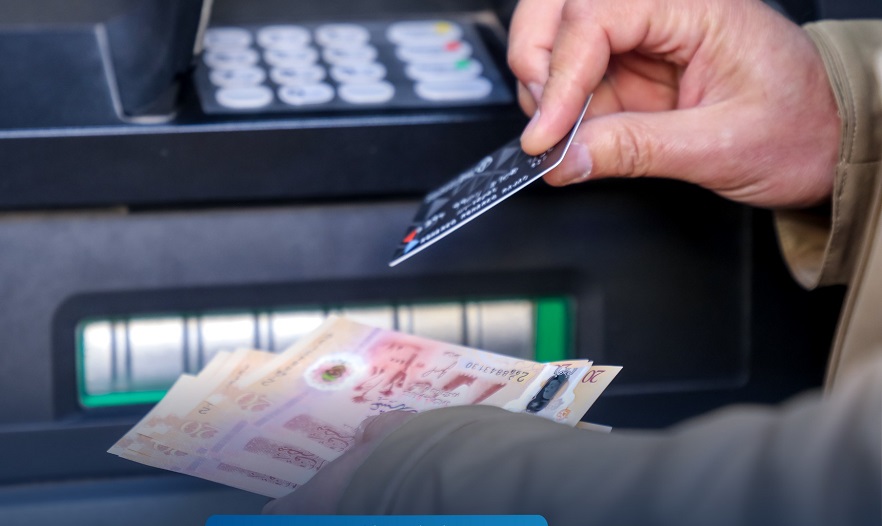
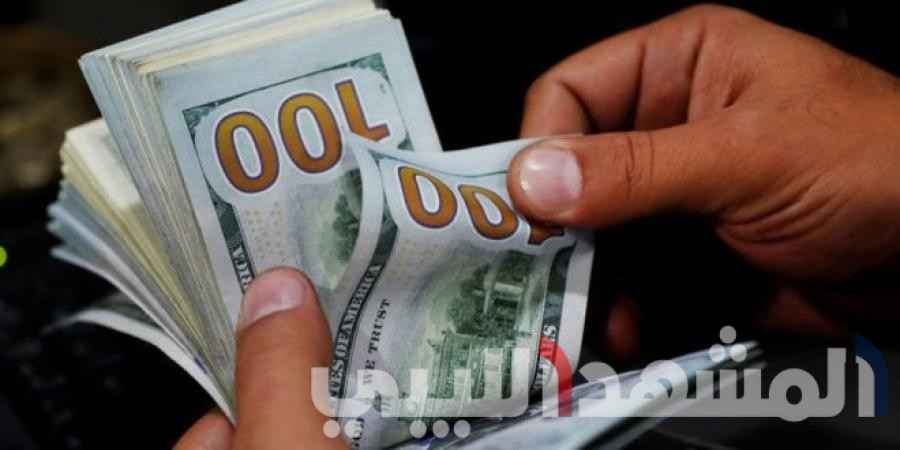
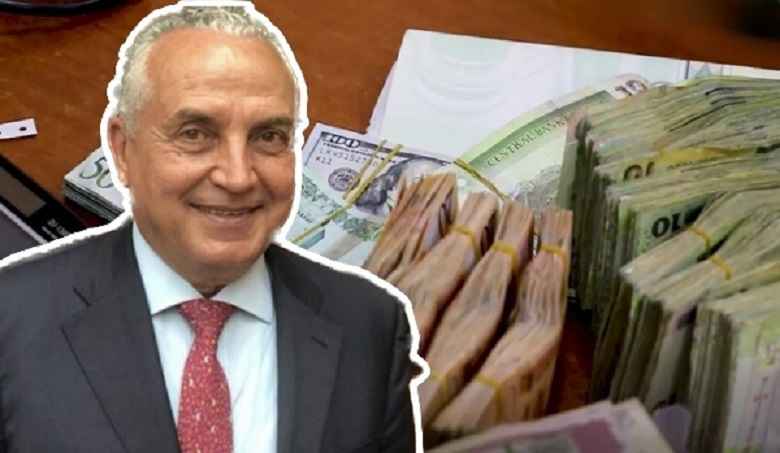
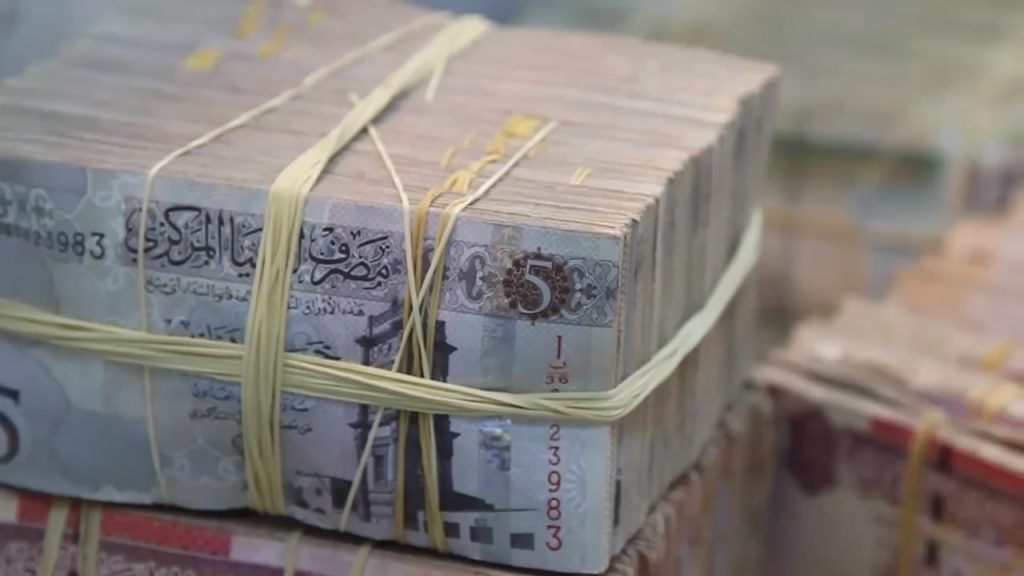
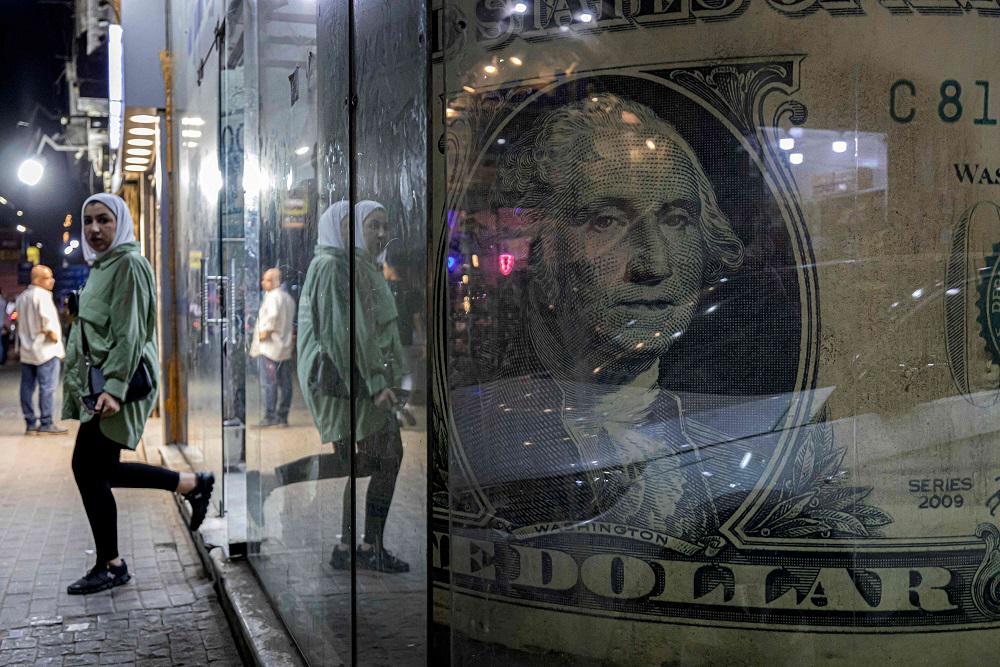
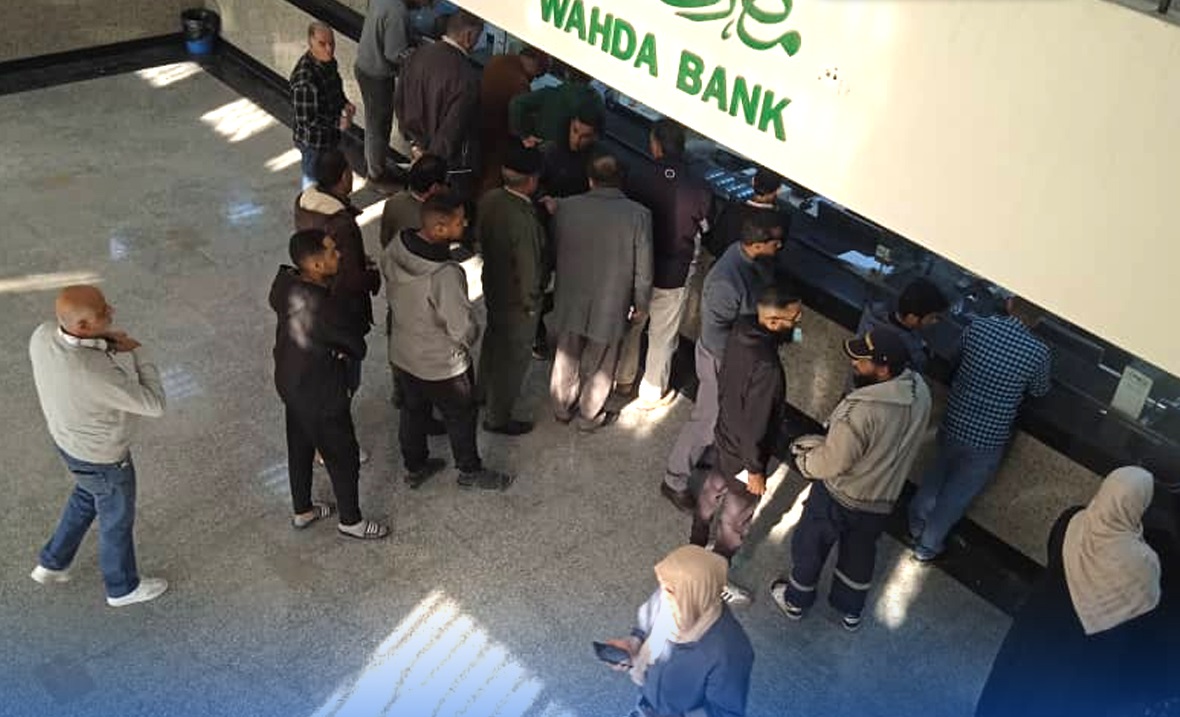
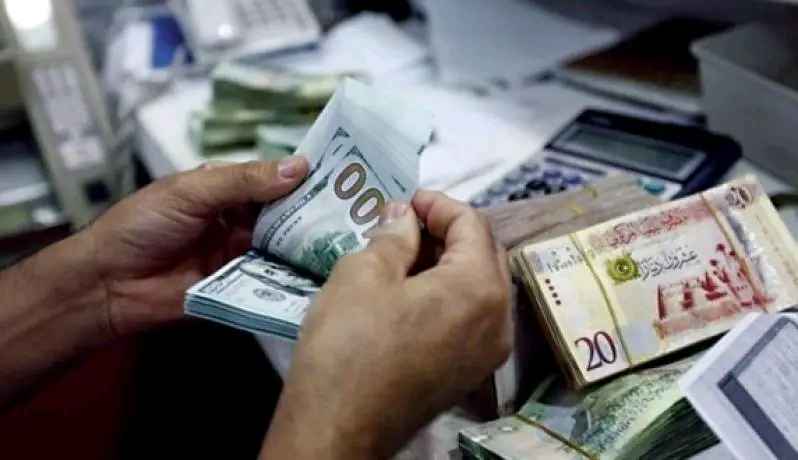
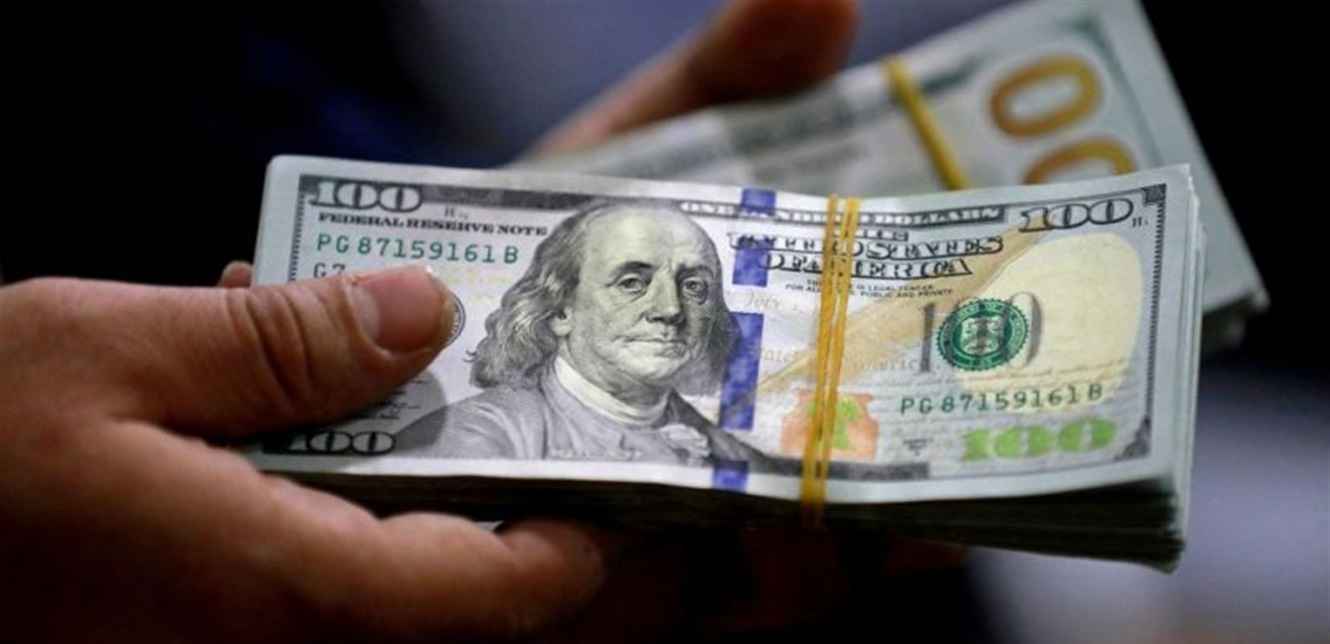
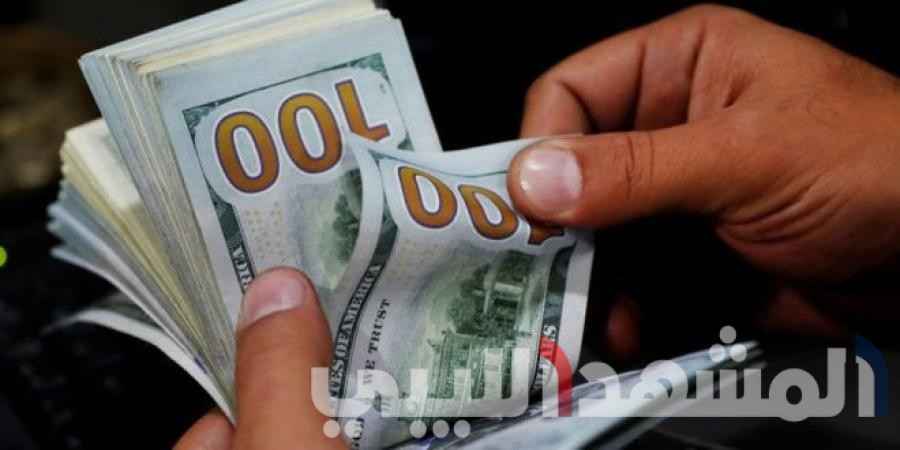
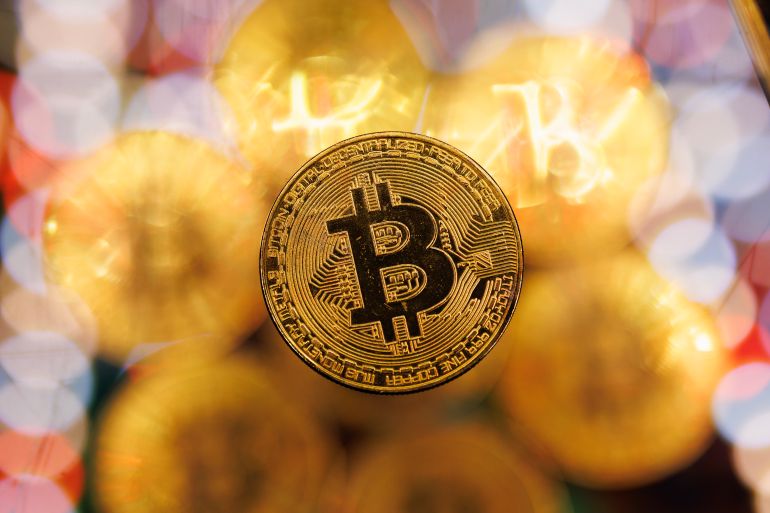
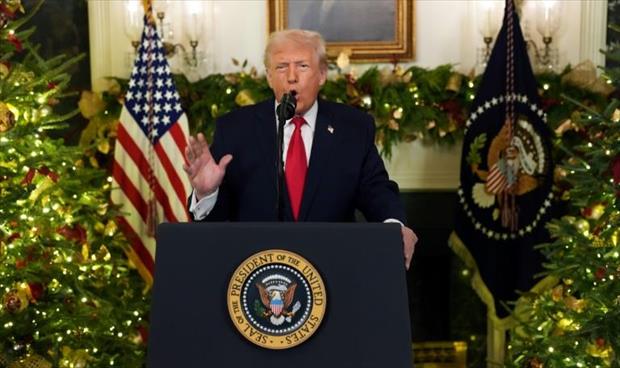
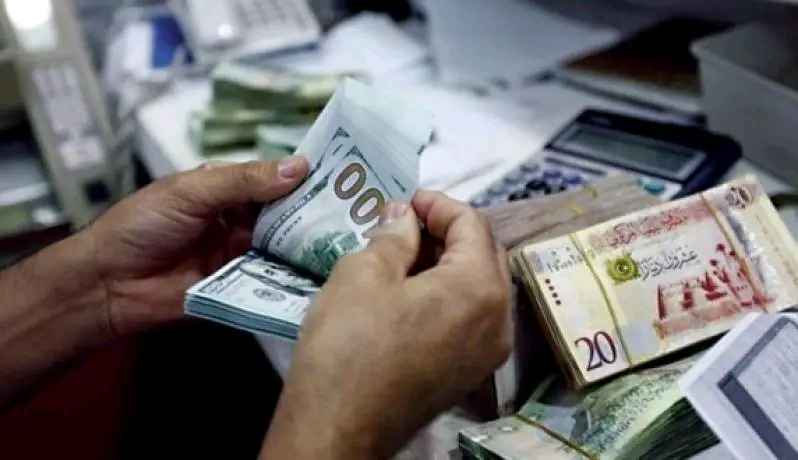
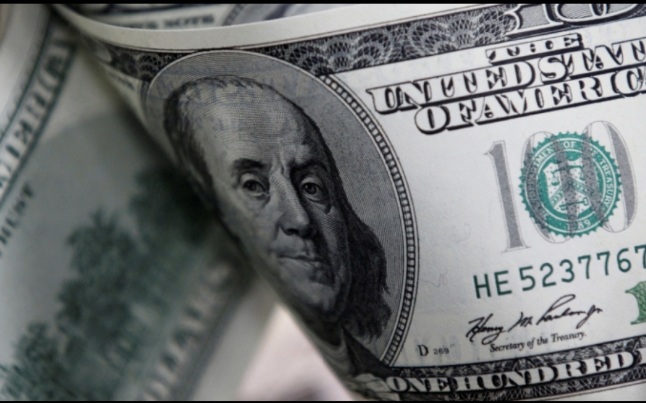
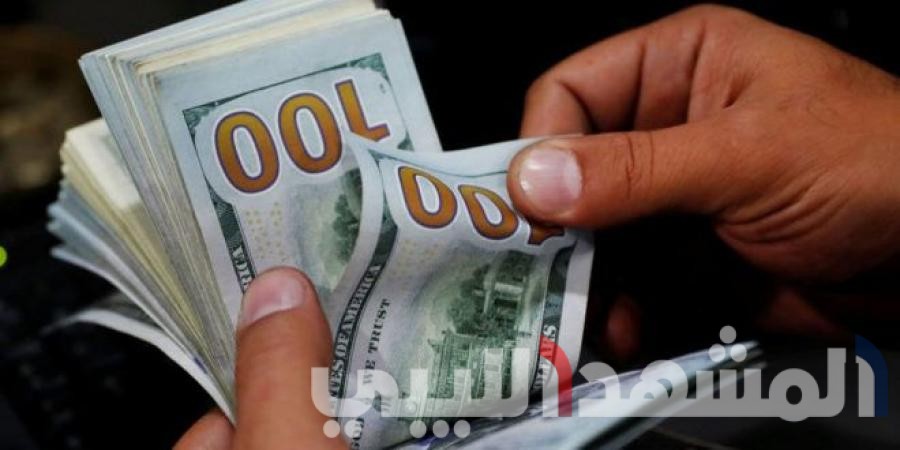
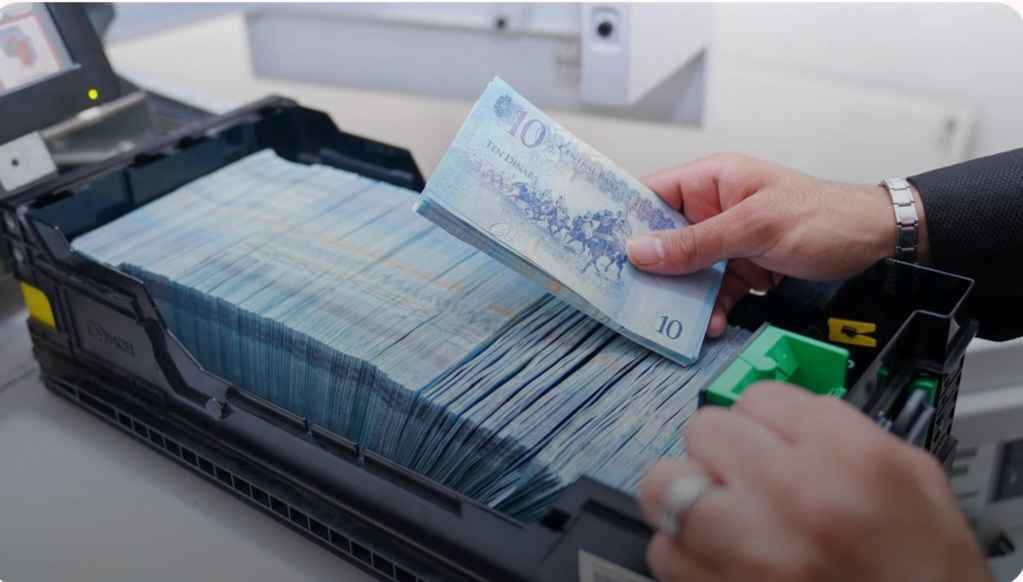
The US dollar recorded a continuous rise against the Libyan dinar in the parallel market during trading on Friday, January 23, 2026, closing in the capital Tripoli at a level of 9.15 dinars amid limited trading in exchange offices.
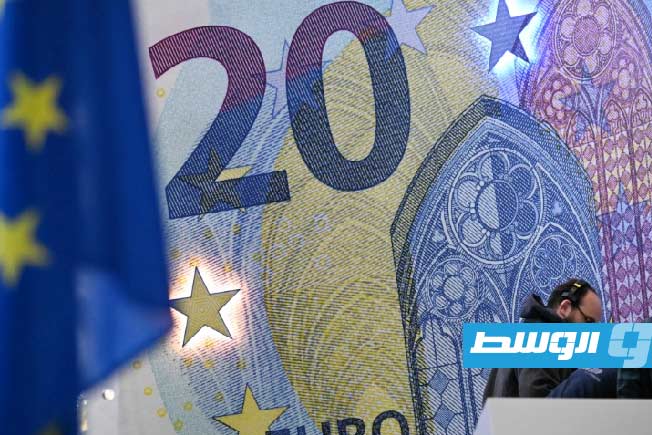
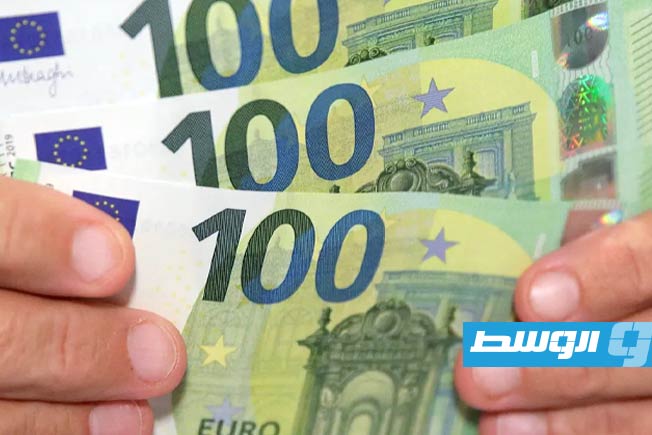
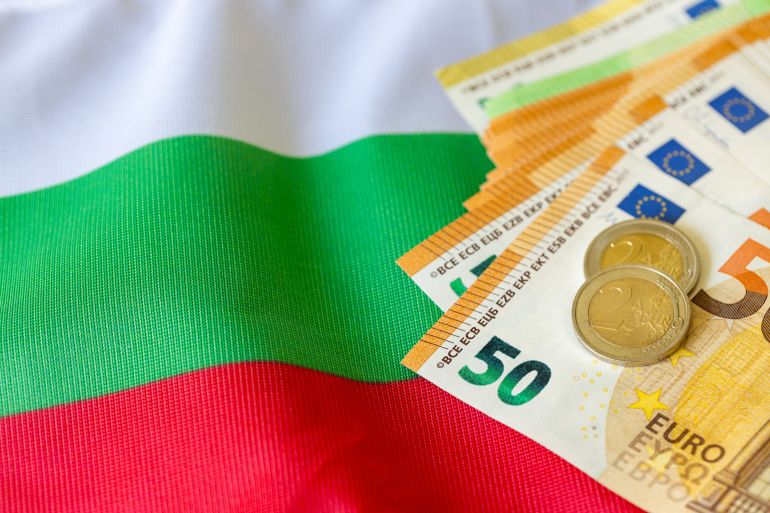
As for other foreign currencies, the euro stabilized at 10.61 dinars, while the British pound rose relatively to 12.00 dinars.
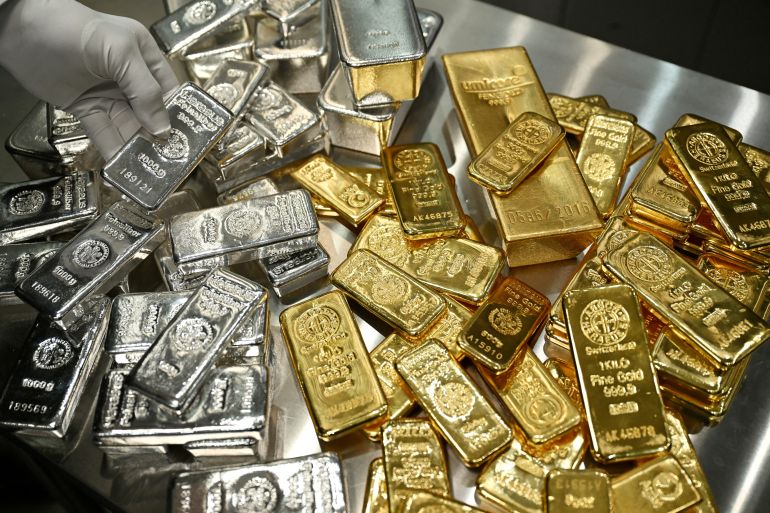
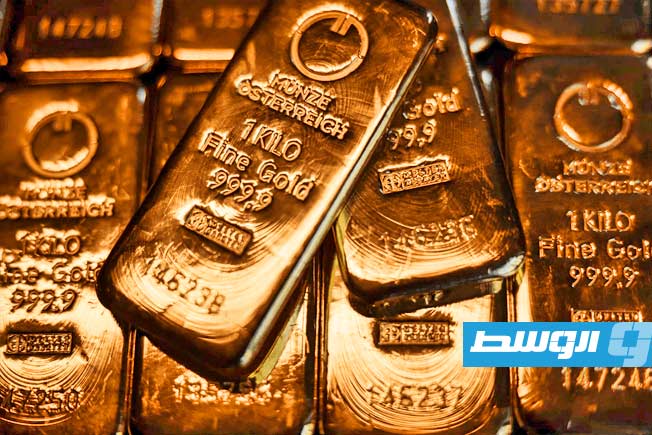
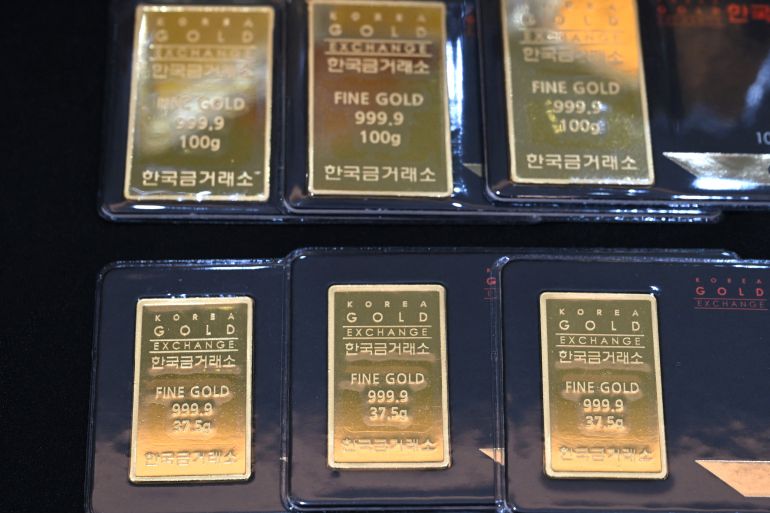
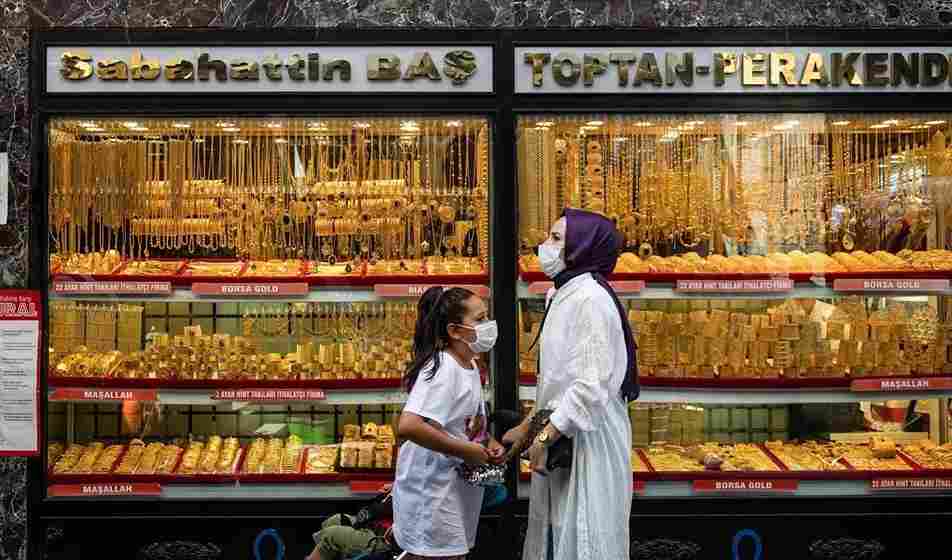
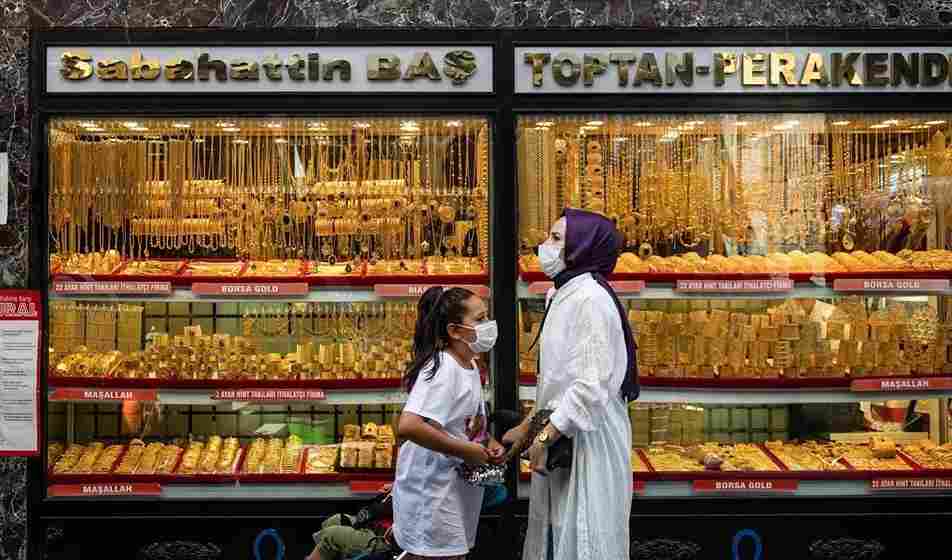
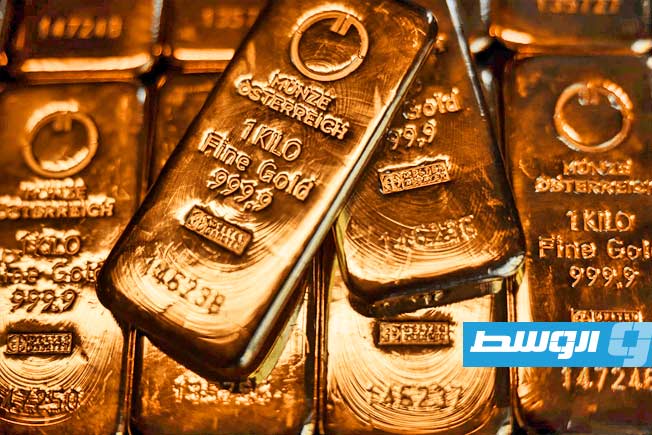
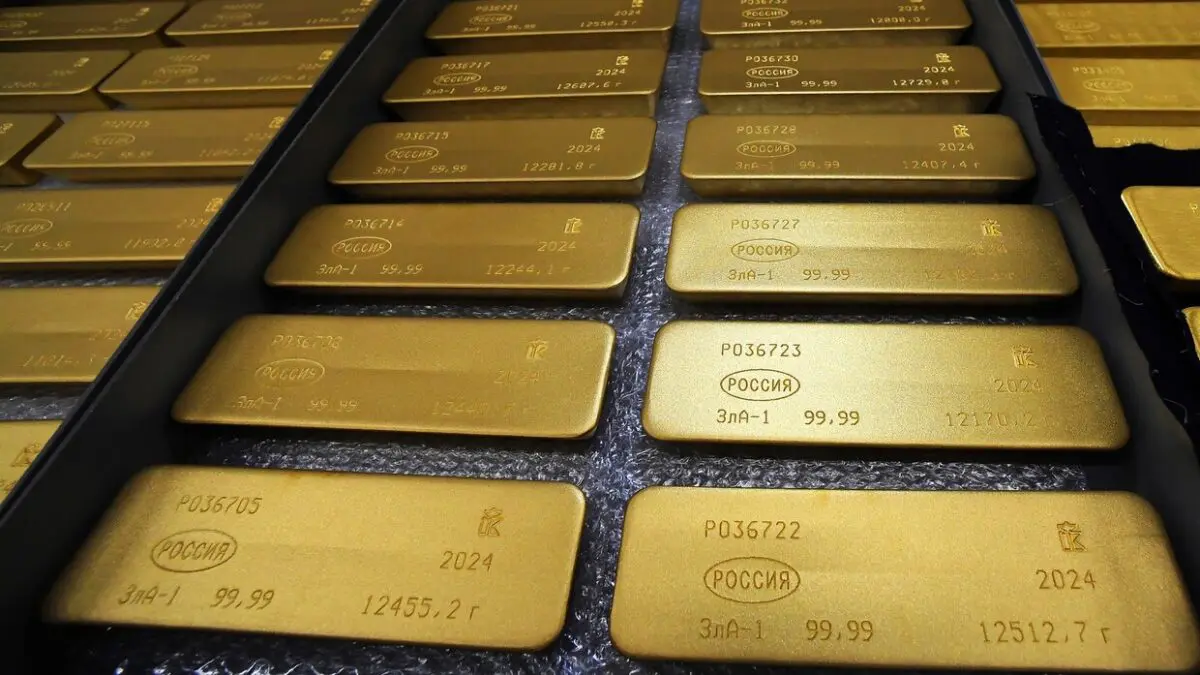
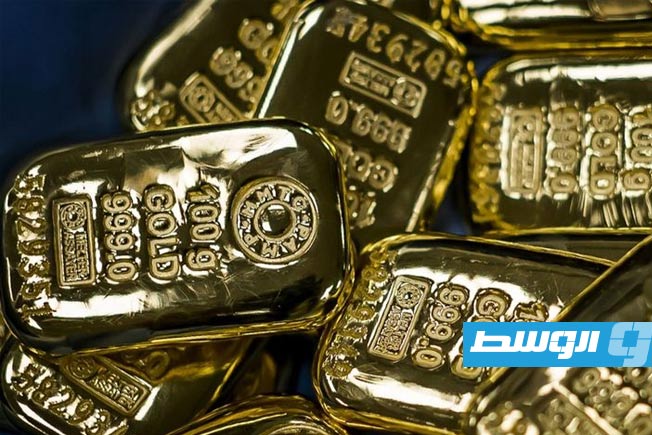
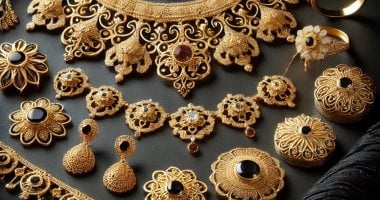
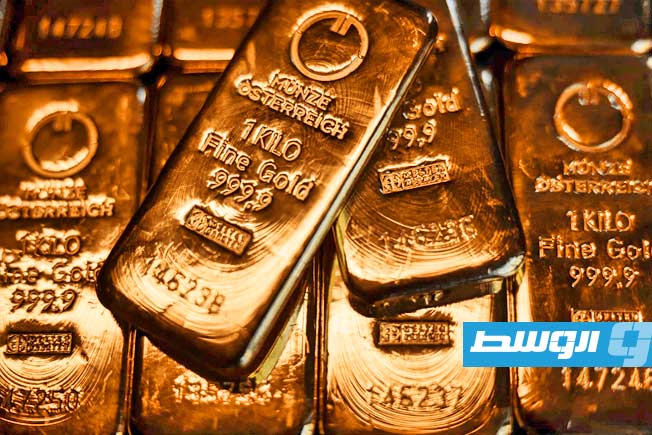
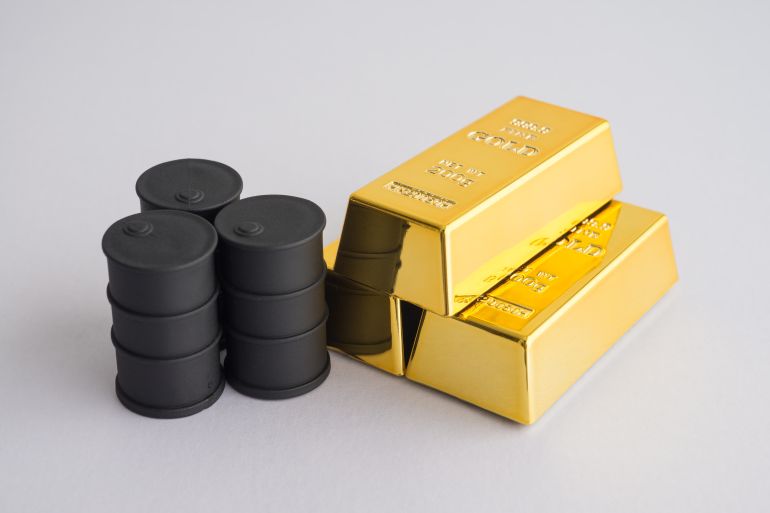
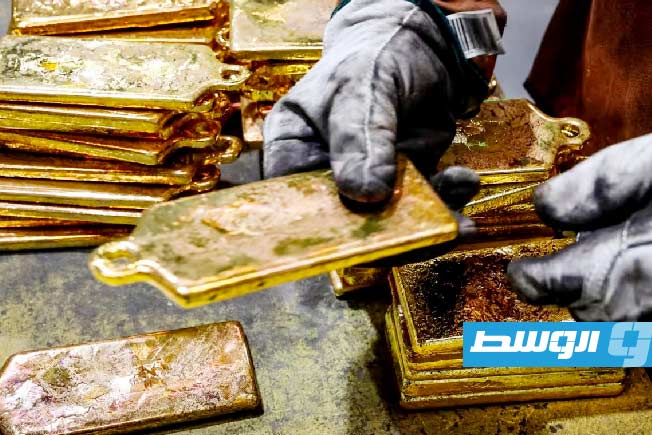
In the precious metals market, the price of an 18-karat gold gram saw a noticeable increase, closing at 1056 dinars. Meanwhile, prices for external remittances reached levels close to cash rates, with the dollar rate for remittances to Turkey at 9.17 dinars, while Dubai remittances were recorded at 9.18 dinars.
🔹 Central Bank Decision to Lower the Official Exchange Rate
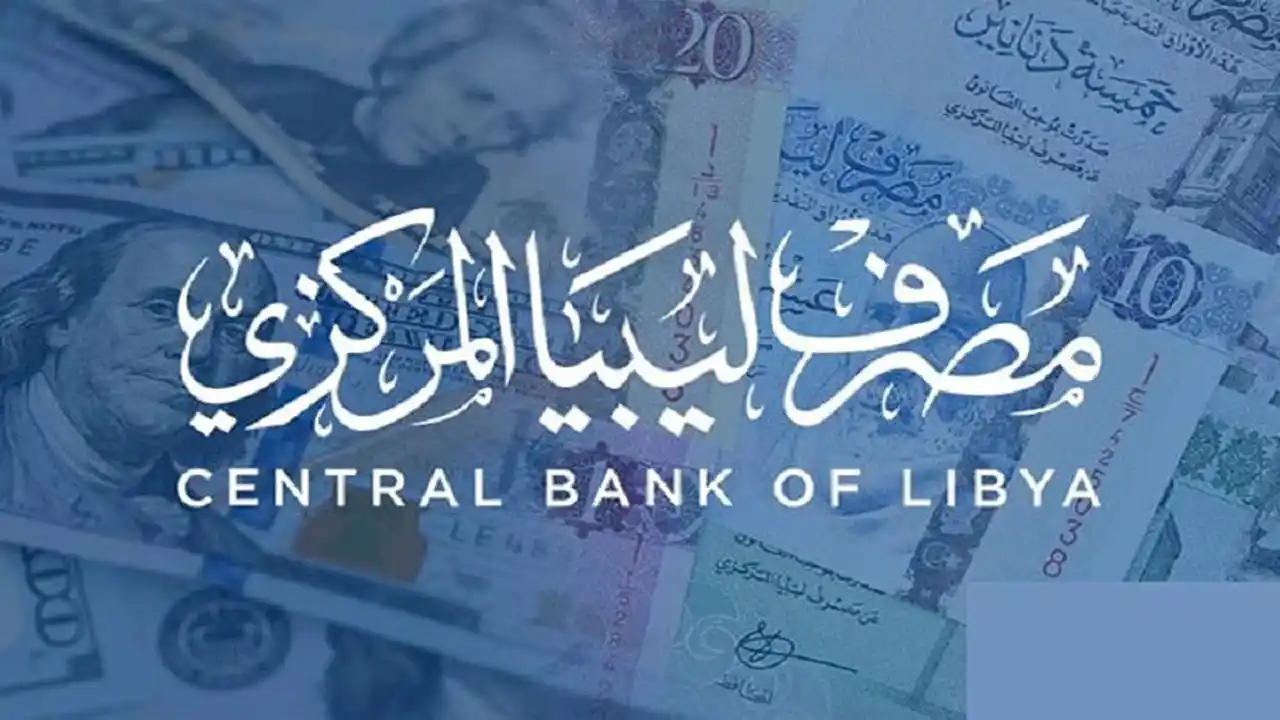
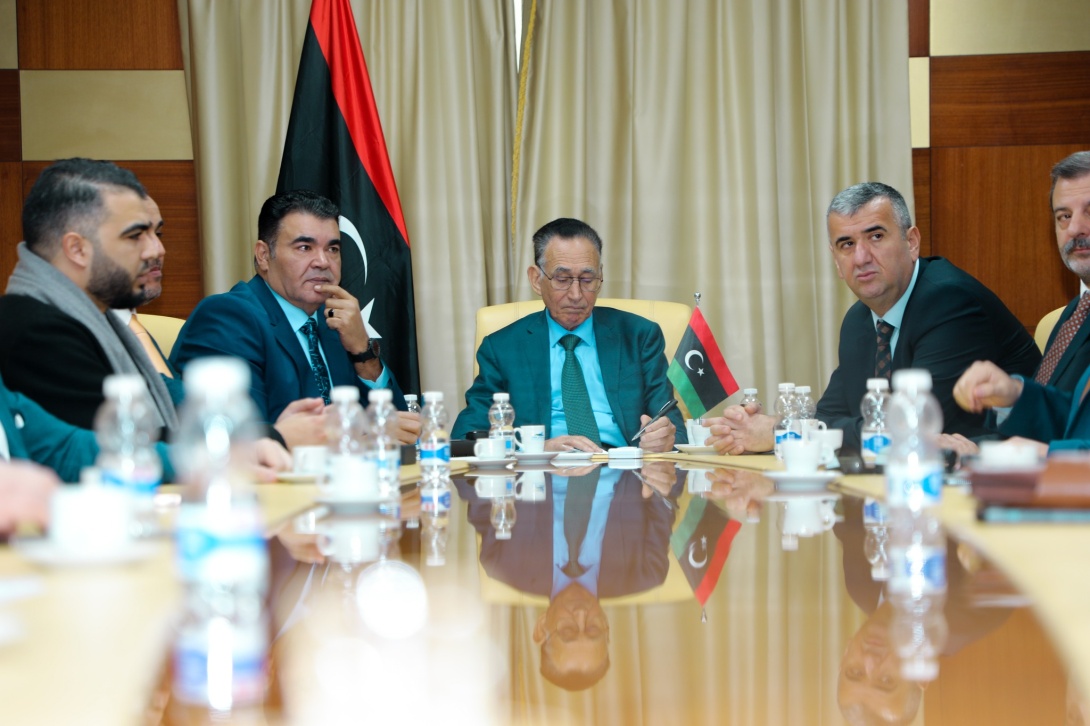
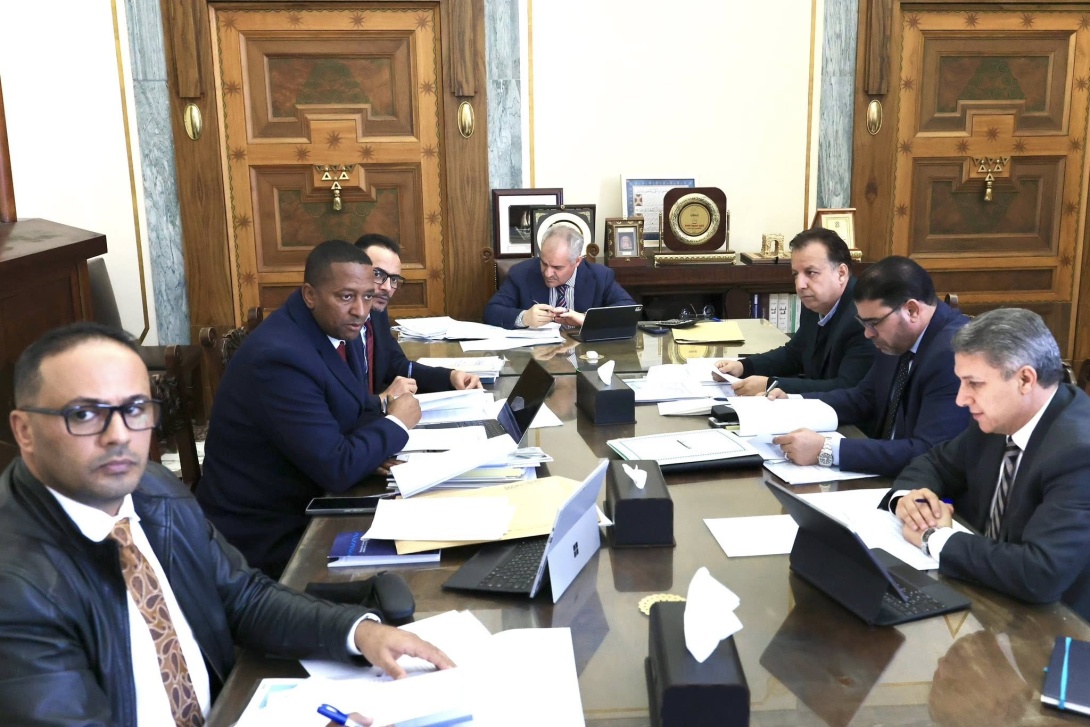
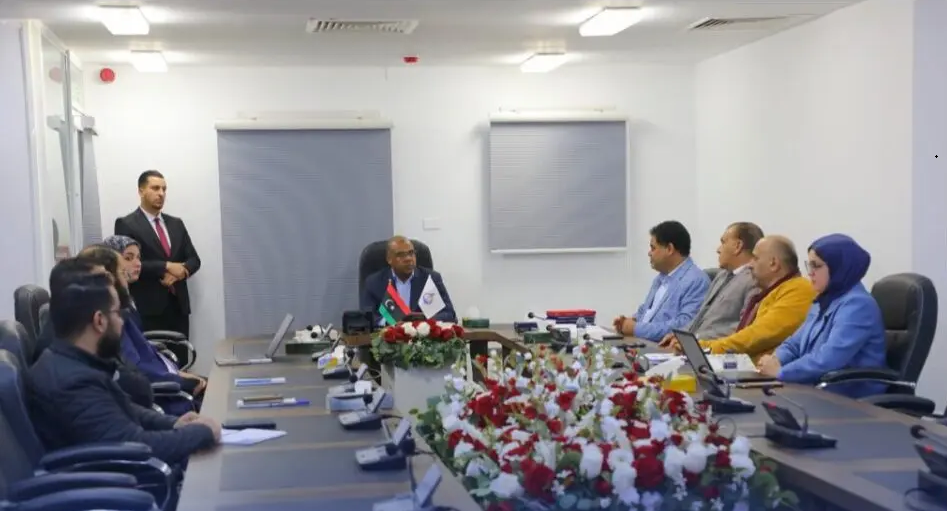
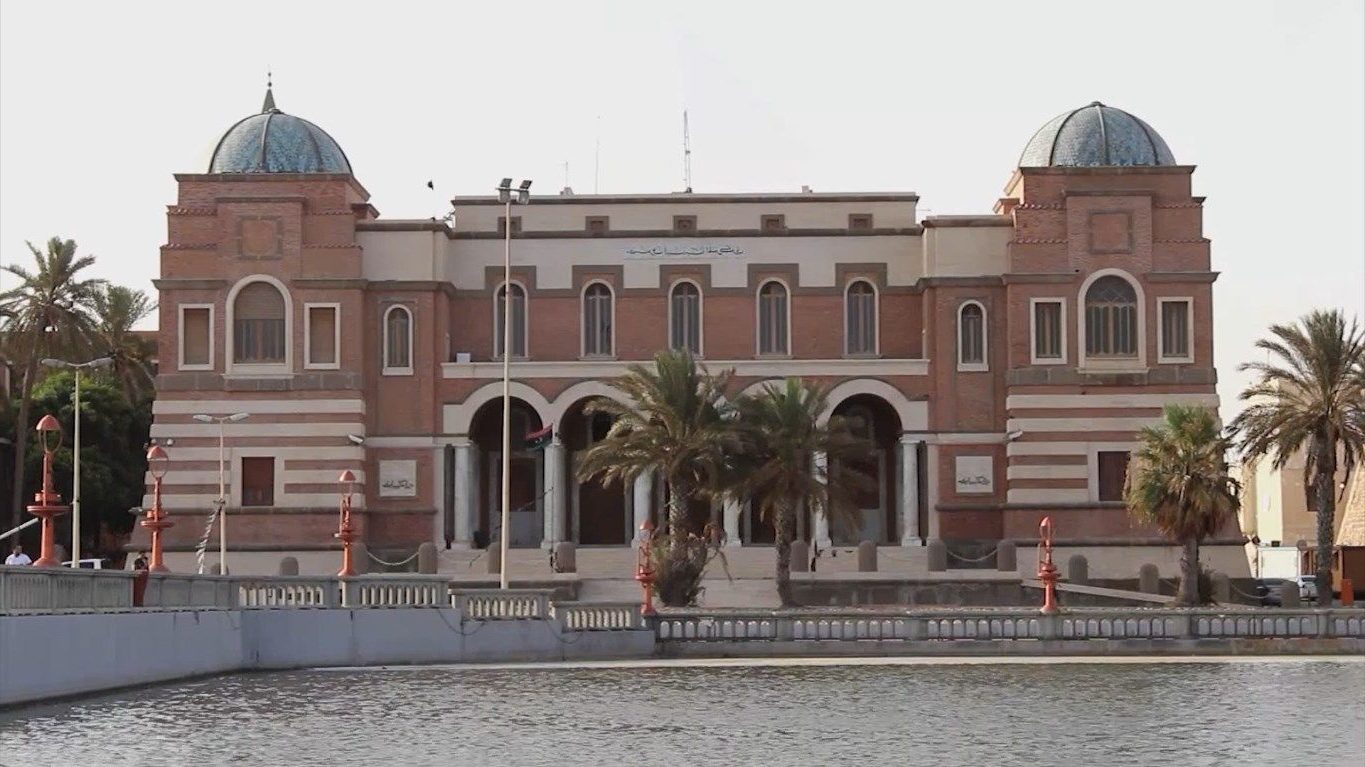
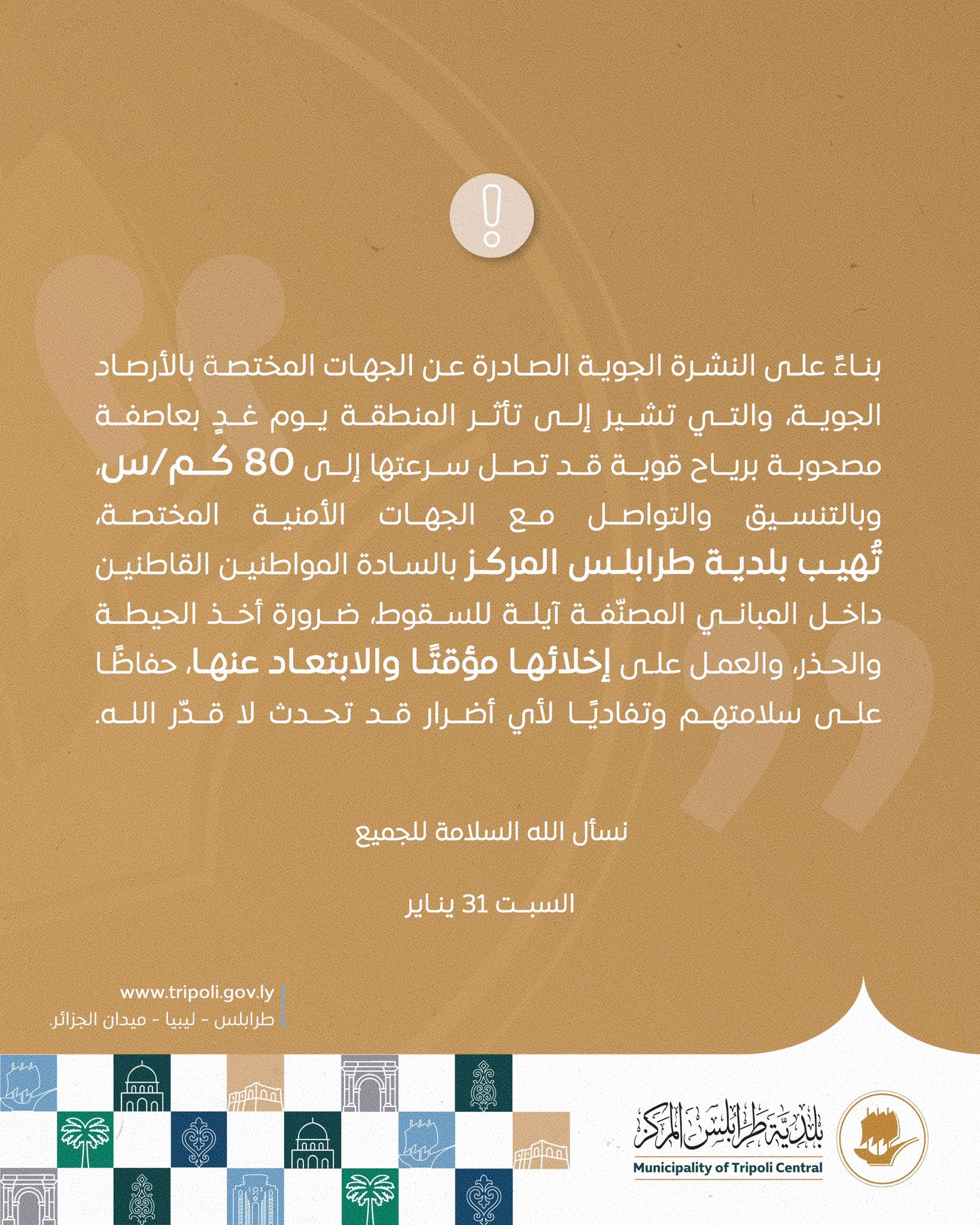
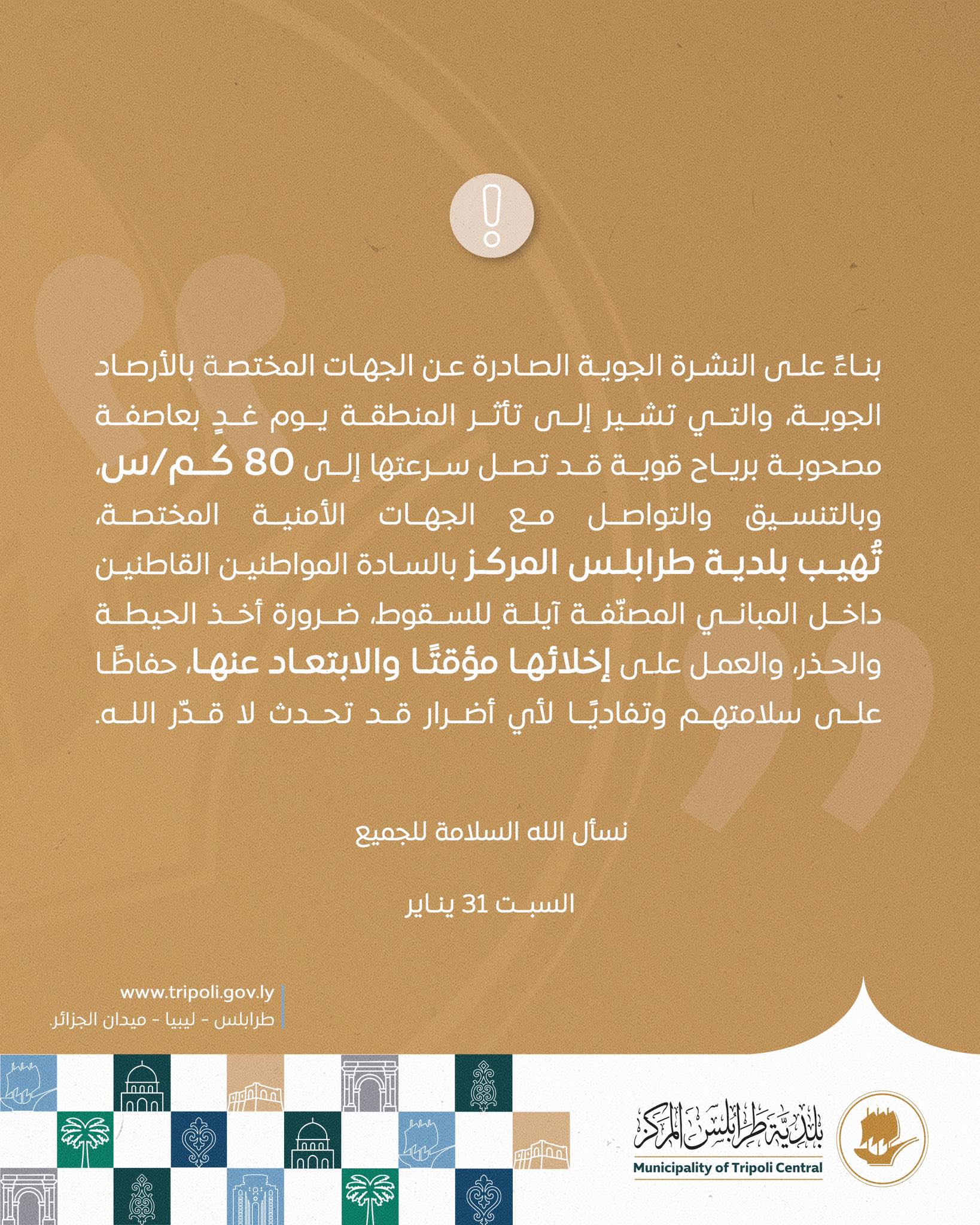
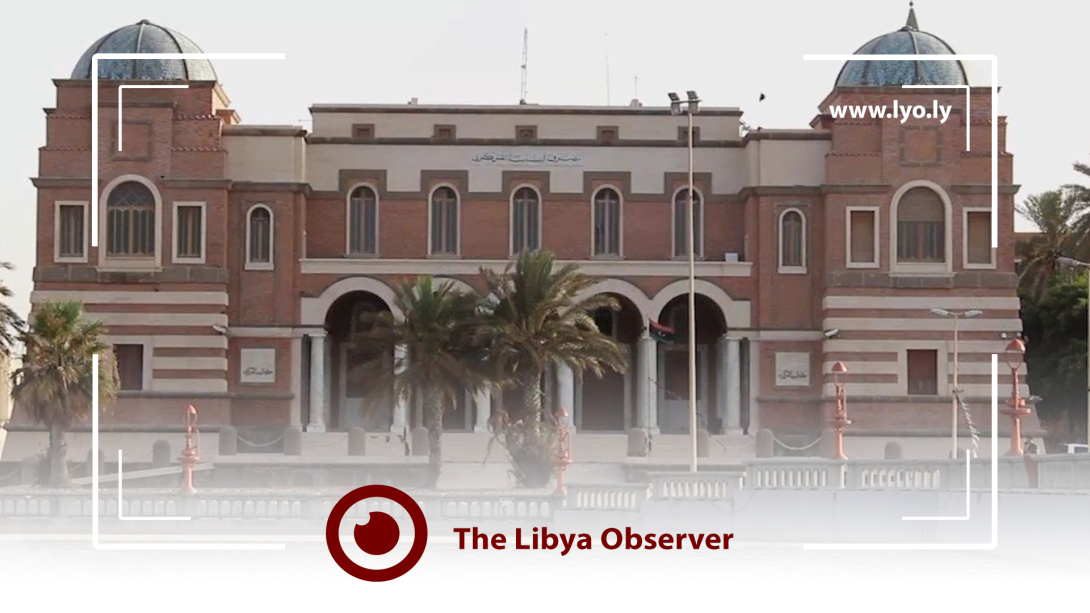
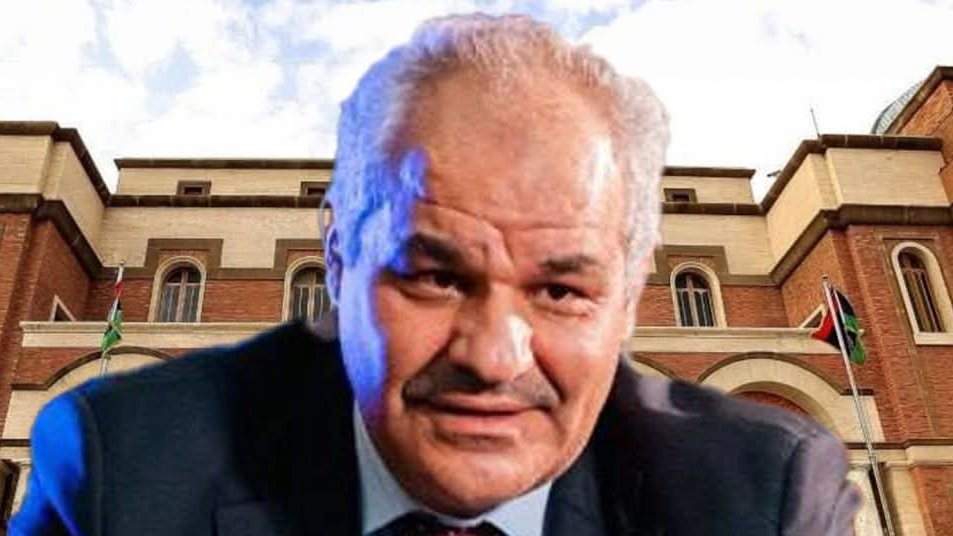
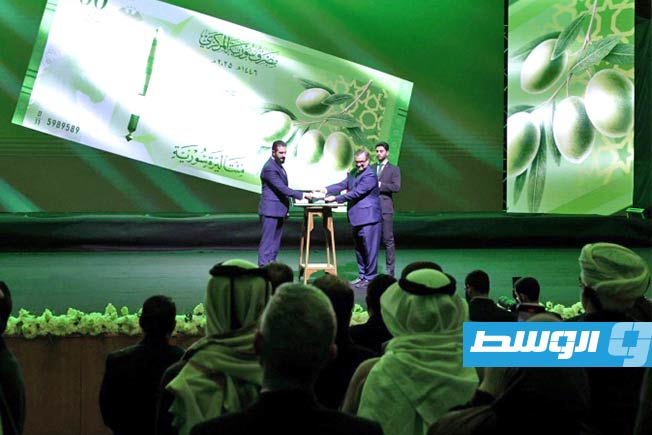
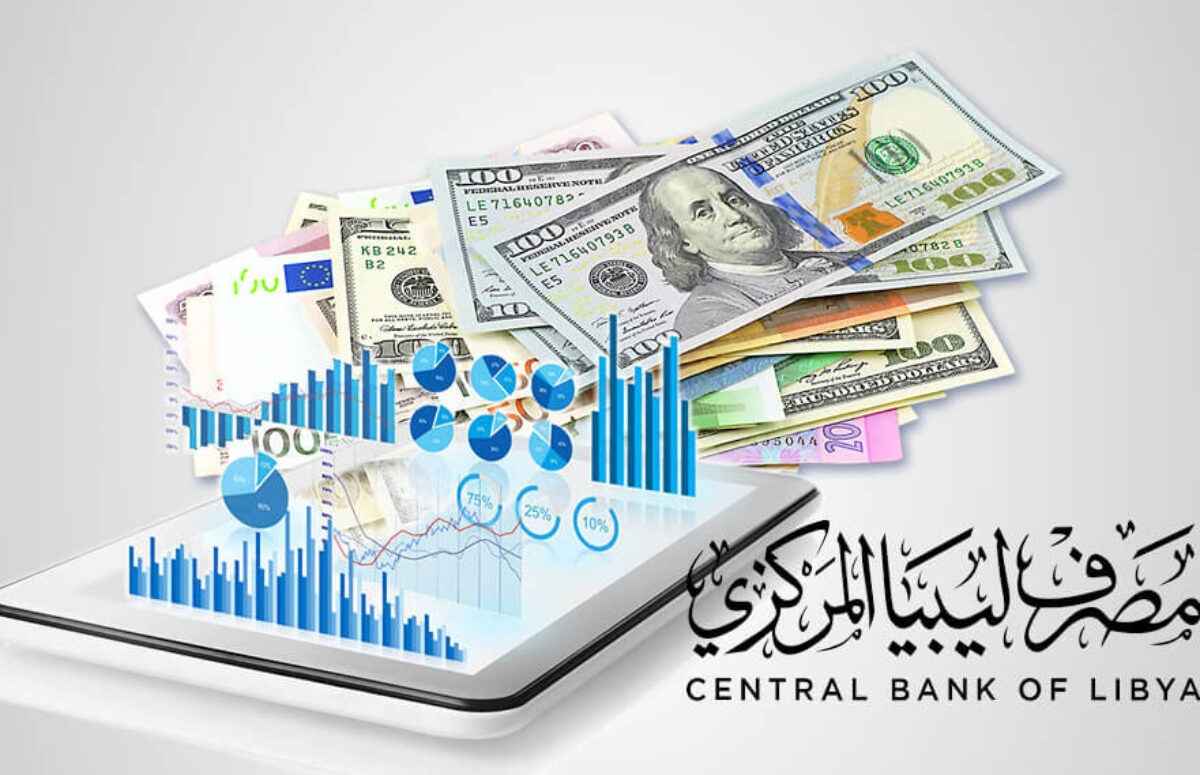
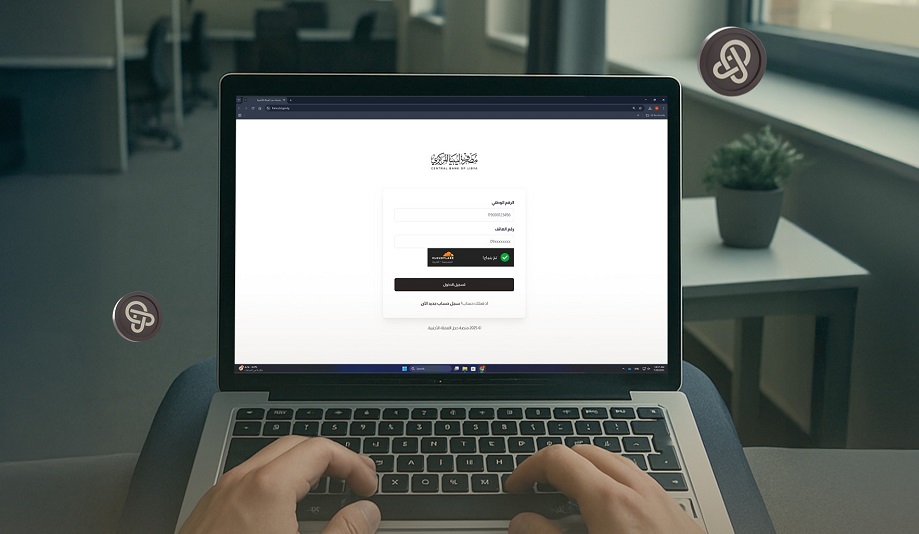
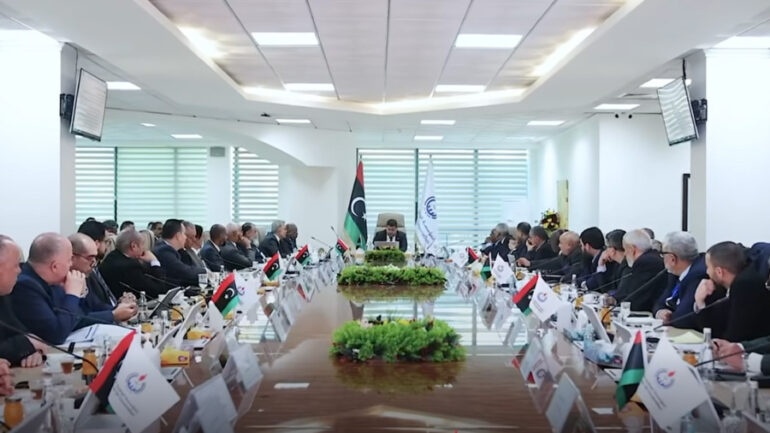
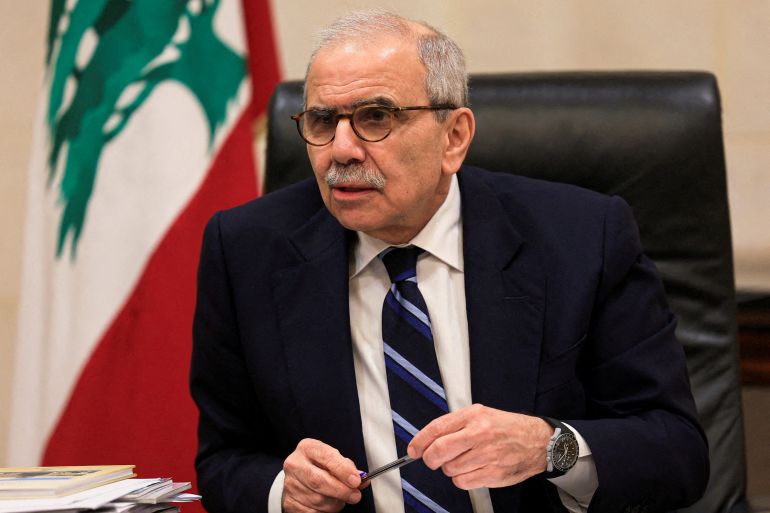
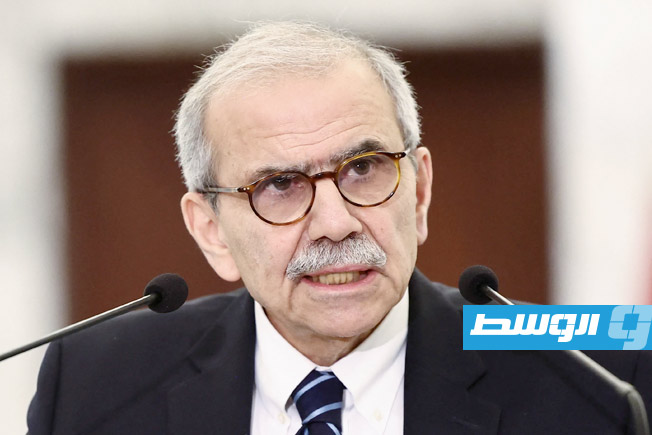
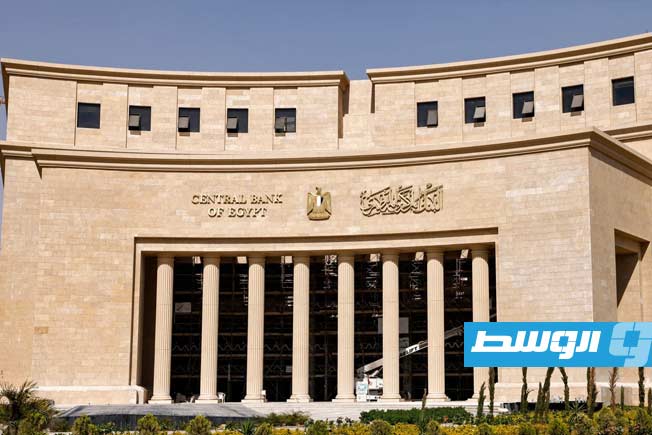
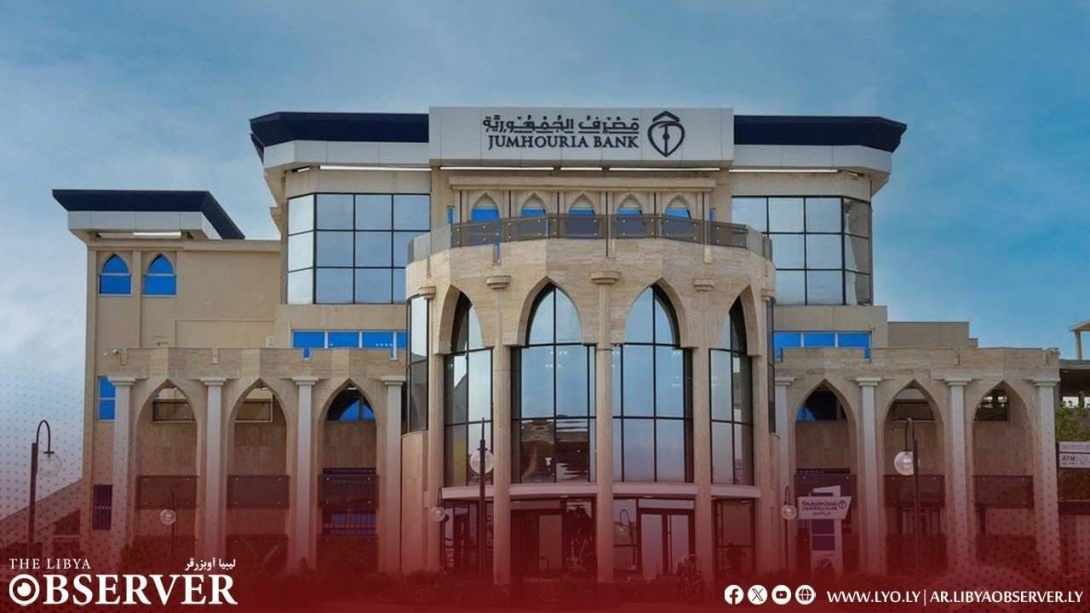
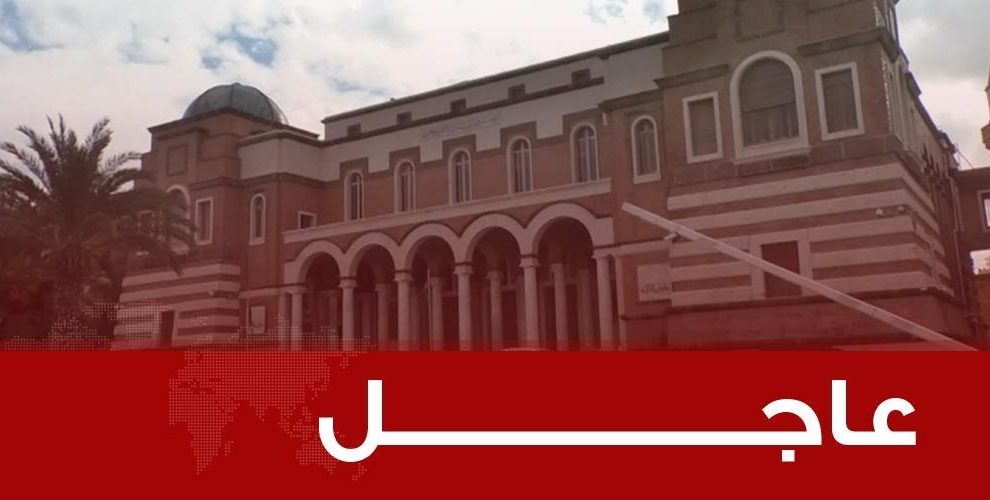
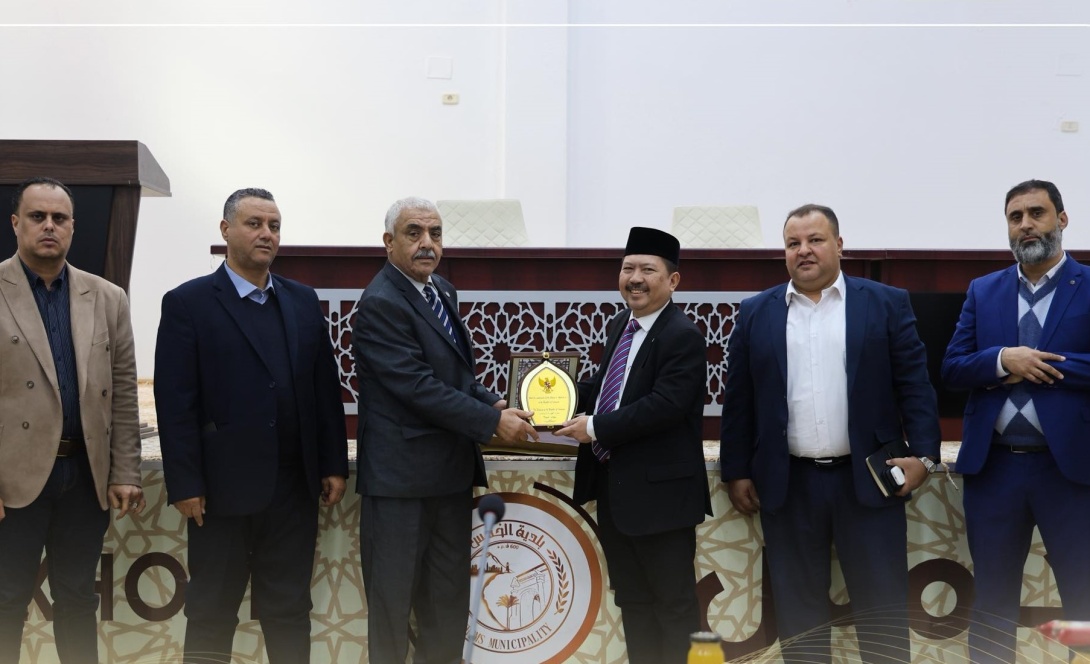
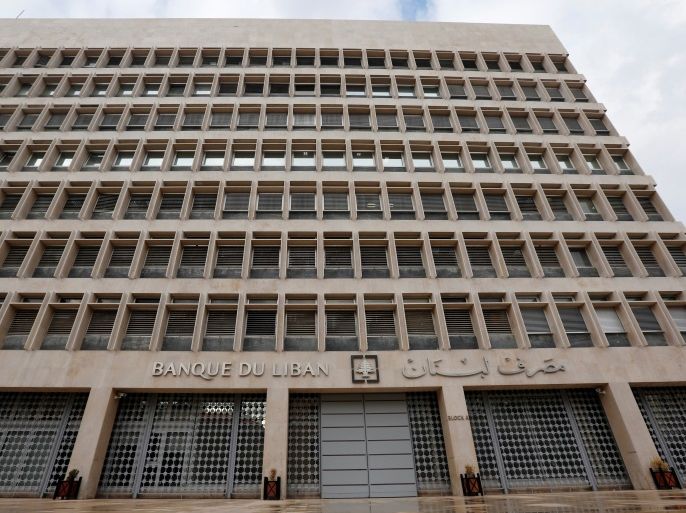
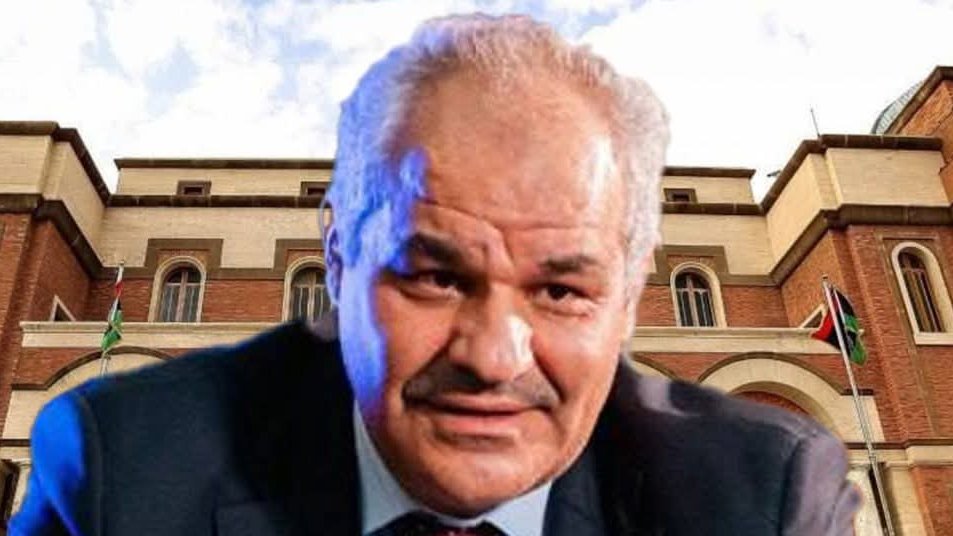
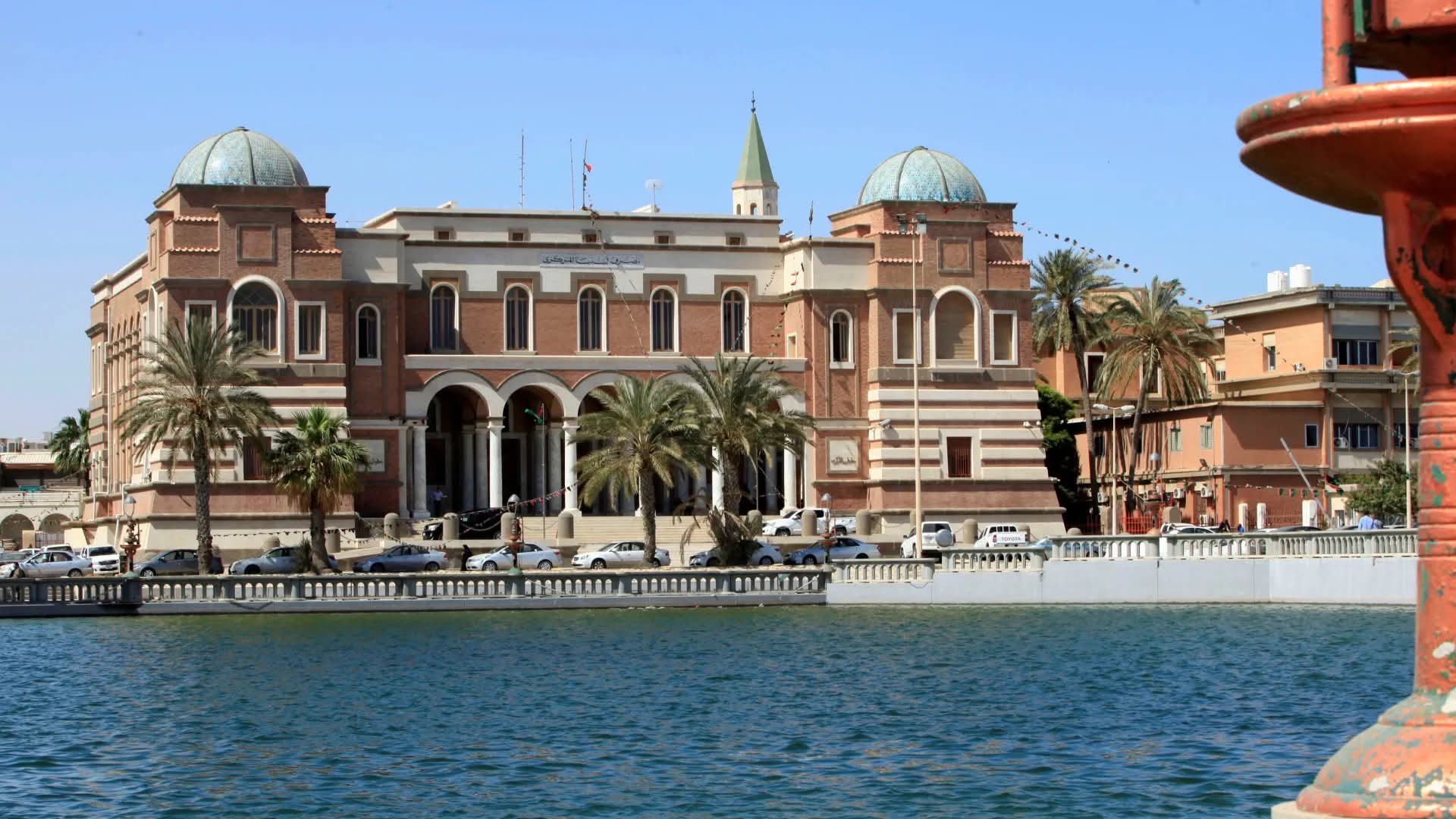
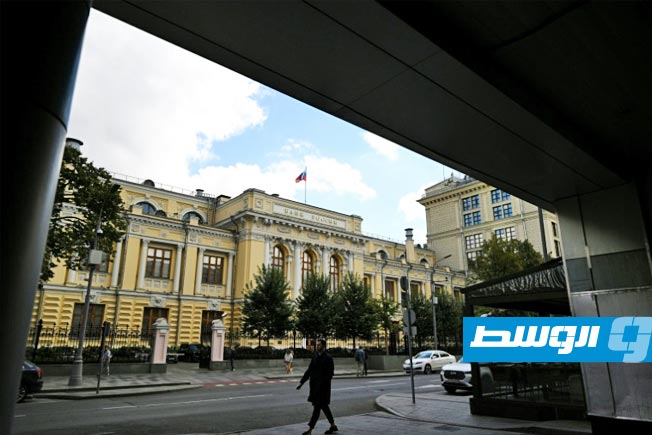
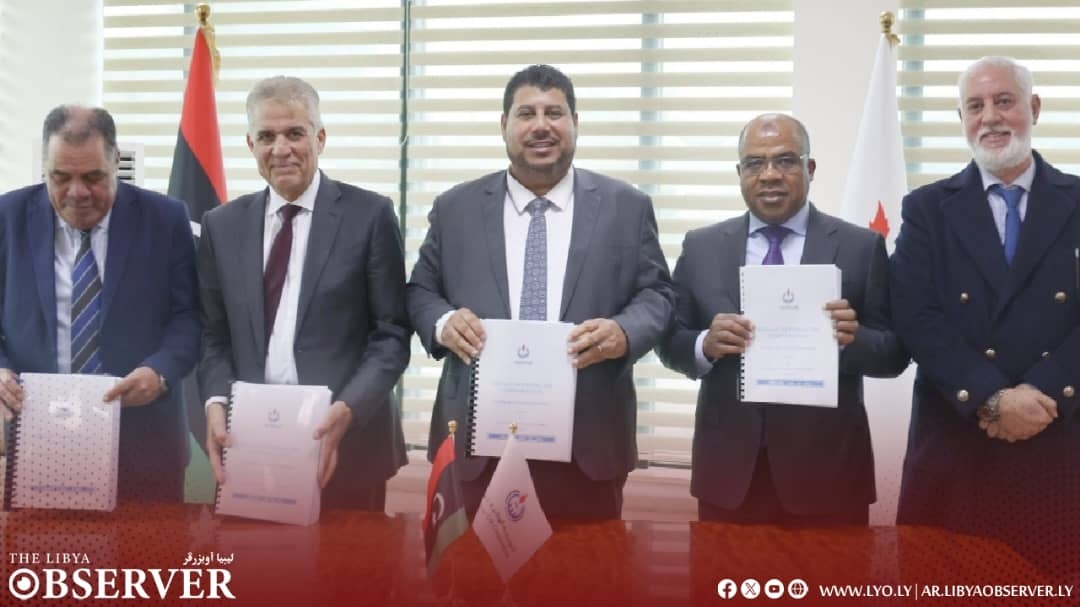
This rise in the parallel market coincided with the announcement by the Central Bank of Libya to devalue the Libyan dinar by 14.7% against the Special Drawing Rights (SDRs) unit.
Under this decision, the value of the dinar became 0.1150 SDR units instead of 0.1348 units, stabilizing the new official price at around 6.40 dinars per US dollar.
🔹 Reading the Scene
- The Central Bank’s step aims to reduce the gap between the official and parallel rates and achieve a degree of financial balance.
- The parallel market reacted quickly by increasing “cash” prices, reflecting a state of caution and anticipation among traders and dealers.
- Expectations indicate continued fluctuations in the coming days, with the market remaining under pressure from internal and external factors.
US dollar
The US dollar is the official currency of the United States, established by the Coinage Act of 1792. It evolved from a system based on Spanish milled dollars and has become the world’s primary reserve currency since the Bretton Woods agreement in the mid-20th century.
Libyan dinar
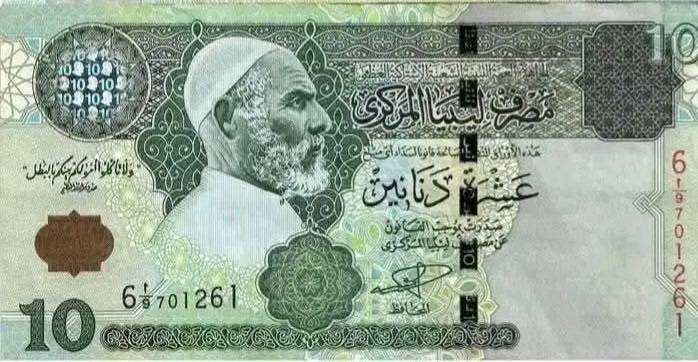
The Libyan dinar is the official currency of Libya, introduced in 1971 to replace the Libyan pound. It was established following the 1969 revolution that brought Muammar Gaddafi to power, symbolizing a move toward economic independence.
Tripoli
Tripoli is the capital and largest city of Libya, located on the country’s Mediterranean coast. Historically, it was founded by the Phoenicians in the 7th century BC and later became a significant Roman city, with its old town, the medina, showcasing a rich history of subsequent Arab, Ottoman, and Italian colonial rule.
euro
The Euro is the official currency of the Eurozone, which consists of 20 of the 27 member states of the European Union. It was introduced in non-physical form in 1999 and as physical banknotes and coins in 2002, with the goal of fostering economic integration and stability across Europe.
British pound
The British pound sterling is the official currency of the United Kingdom and is the world’s oldest currency still in use, with origins tracing back over 1,200 years. Its name derives from the historical value of a pound weight of sterling silver, and it has been a major global reserve currency for centuries.
Turkey
Turkey is a transcontinental nation bridging Europe and Asia, with a rich history as the heart of the Byzantine and Ottoman Empires. Its cultural sites, such as the Hagia Sophia in Istanbul and the ancient ruins of Ephesus, reflect this layered heritage from classical antiquity through to a modern republic founded in 1923.
Dubai
Dubai is a major global city and emirate in the United Arab Emirates, historically known as a small fishing and pearling village. Its modern transformation began with the discovery of oil in the 1960s, but it is now most famous for its ambitious architecture, luxury shopping, and tourism, having diversified its economy away from hydrocarbons. Landmarks like the Burj Khalifa symbolize its rapid development into a leading business and cultural hub.
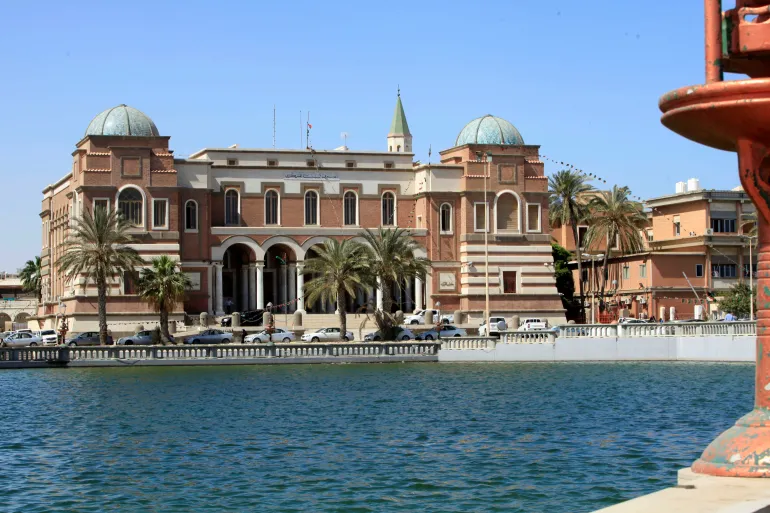
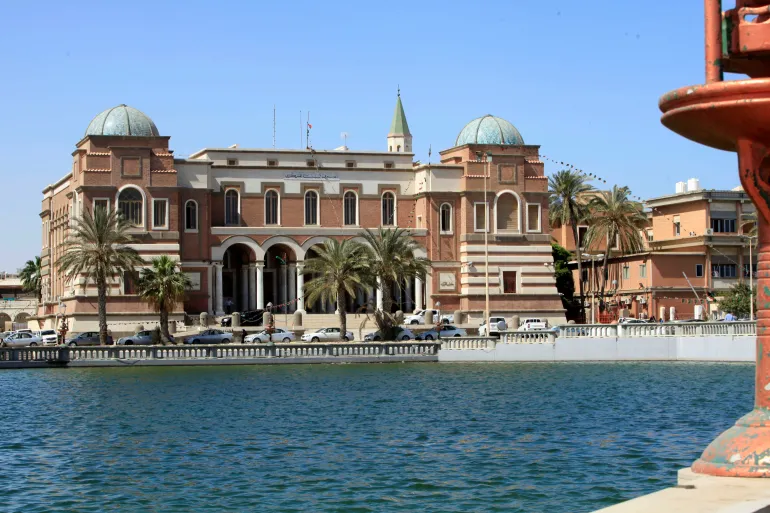
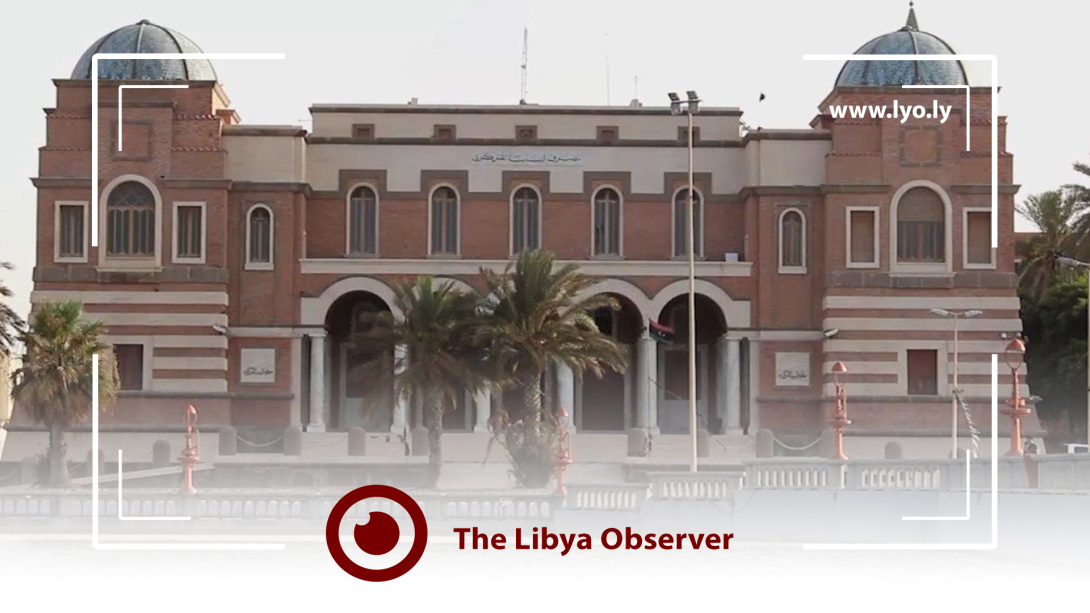
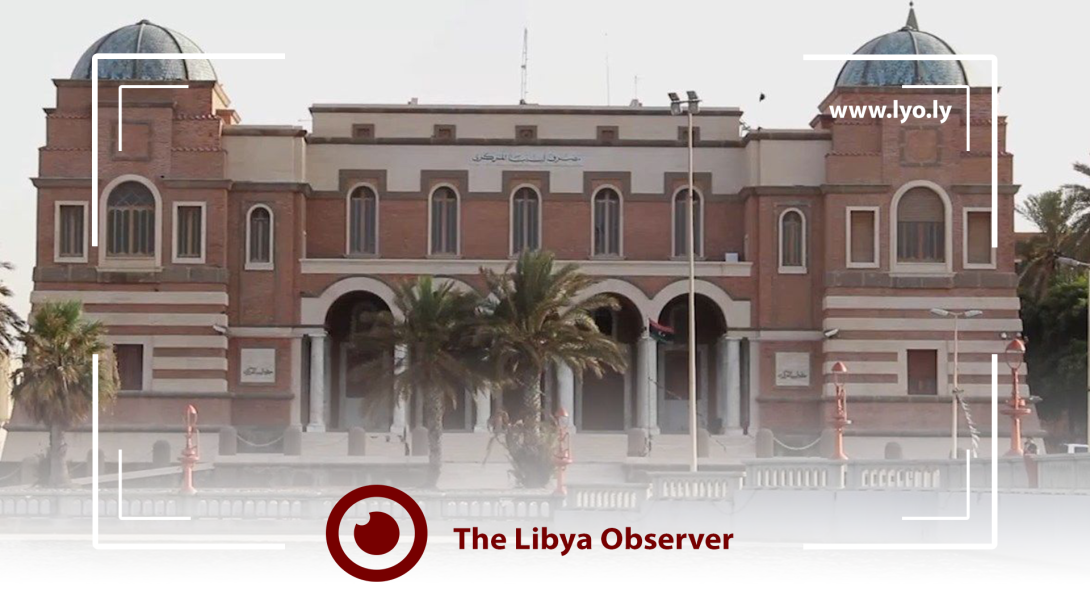
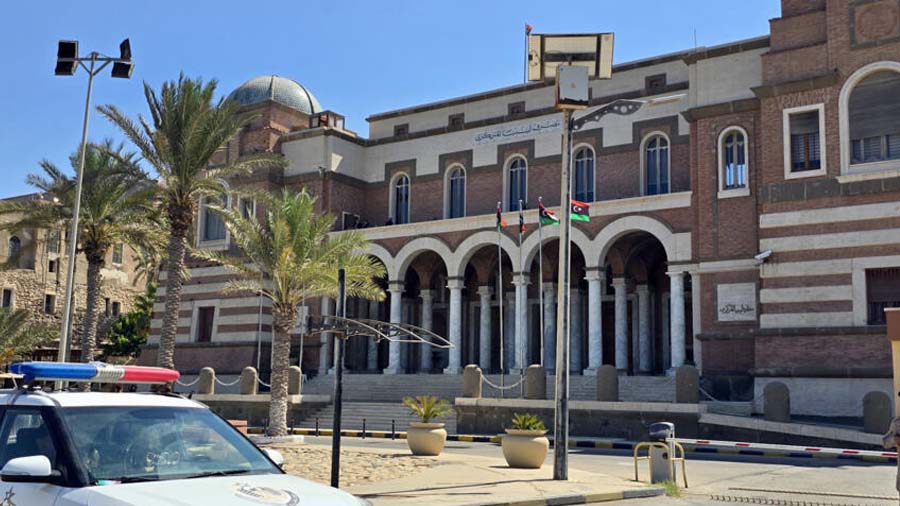
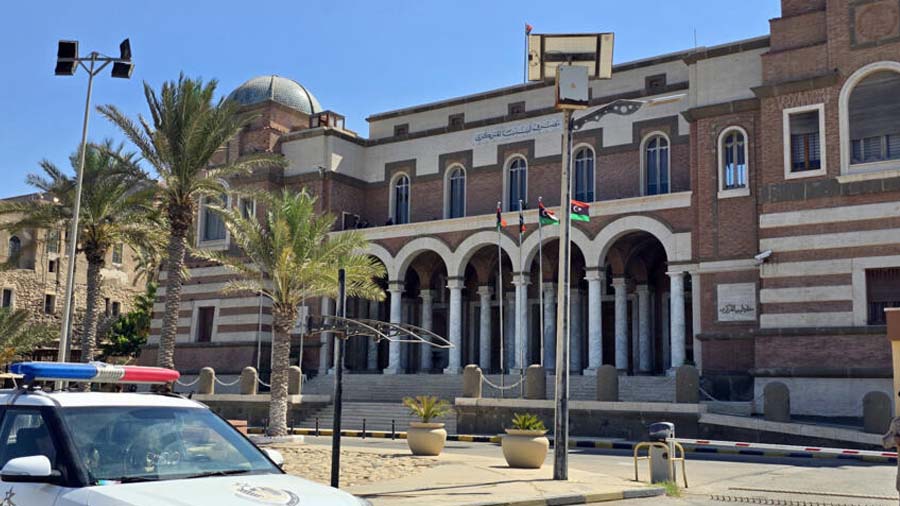
Central Bank of Libya
The Central Bank of Libya is the country’s primary monetary authority, established in 1956 to issue currency and manage monetary policy. It has played a critical and often divisive role during periods of conflict since 2011, with rival administrations at times claiming control over separate branches of the institution.
Special Drawing Rights
Special Drawing Rights (SDR) is an international reserve asset created by the International Monetary Fund (IMF) in 1969 to supplement its member countries’ official reserves. Its value is based on a basket of five major currencies: the U.S. dollar, euro, Chinese renminbi, Japanese yen, and British pound sterling.