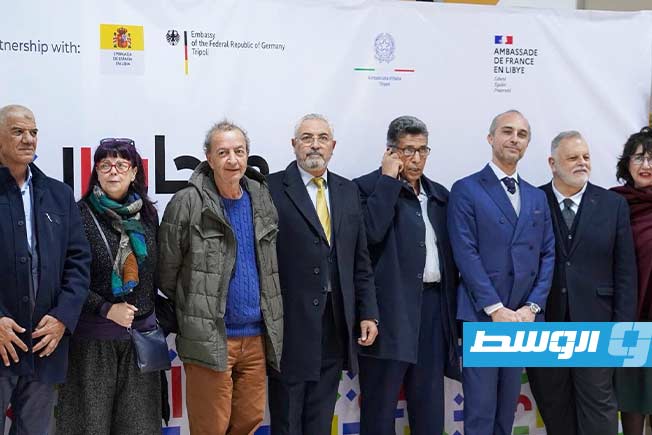
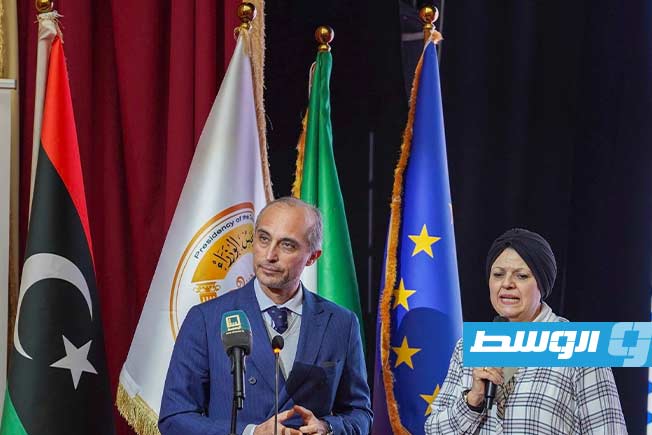
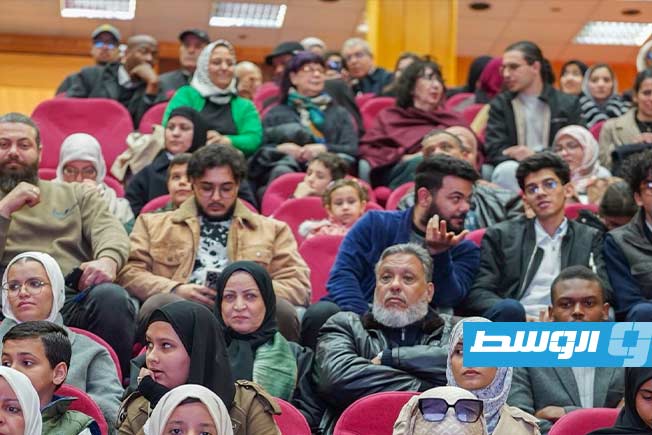
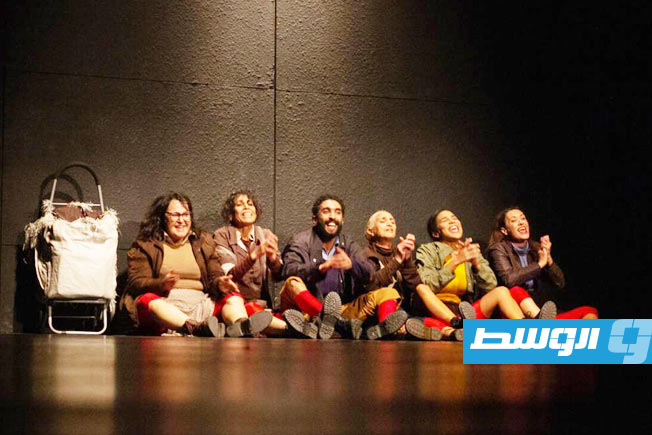
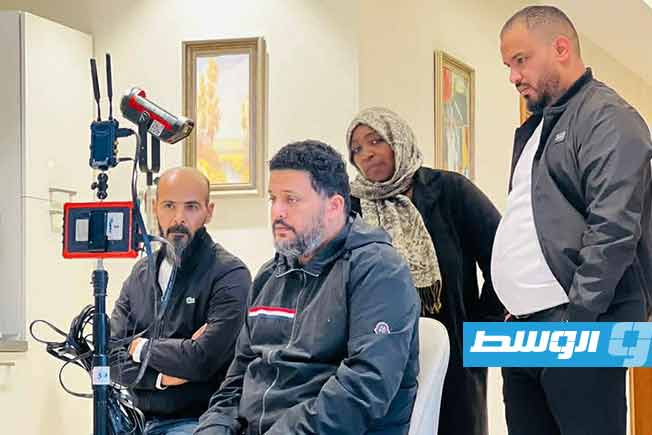
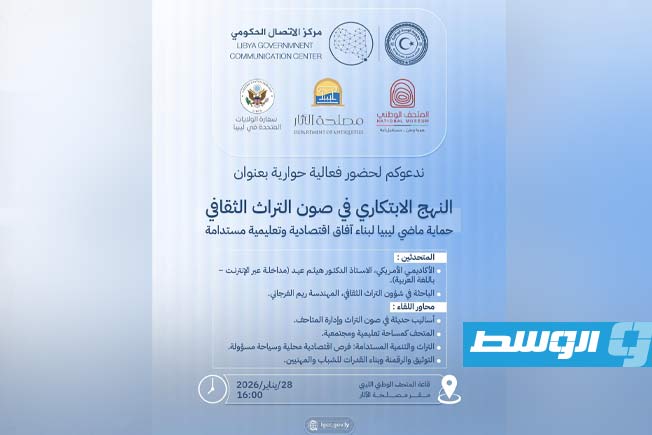
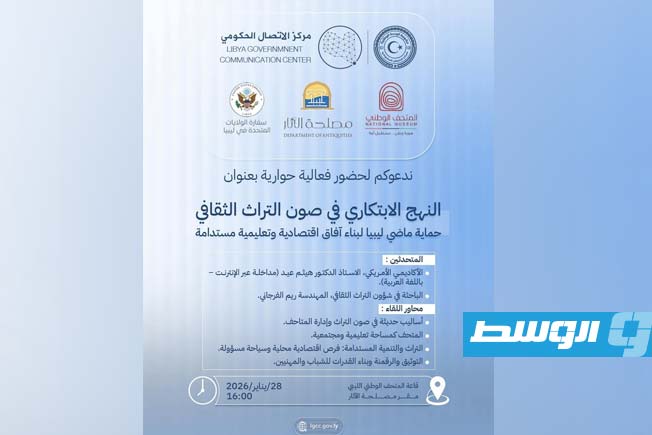
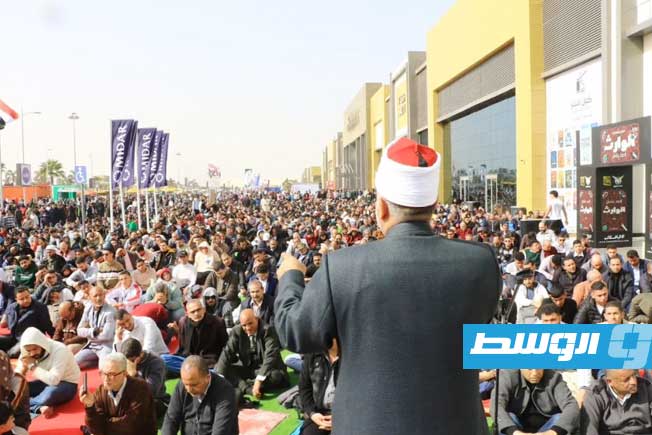
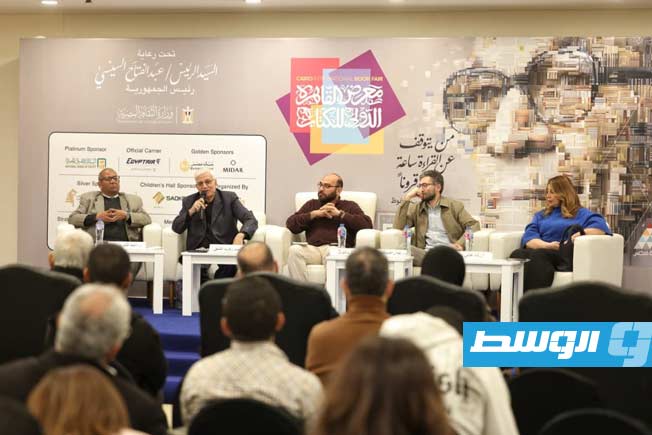
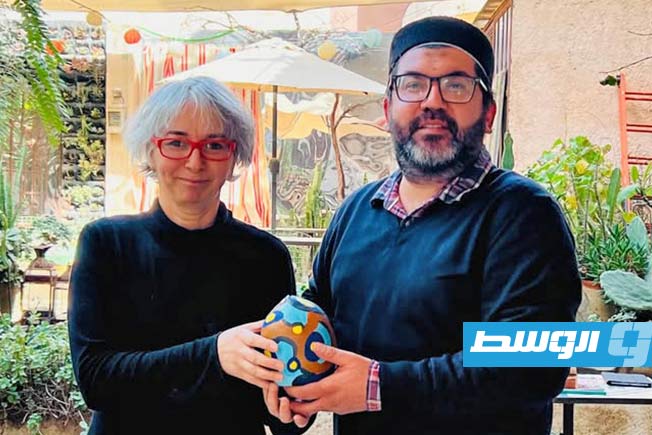
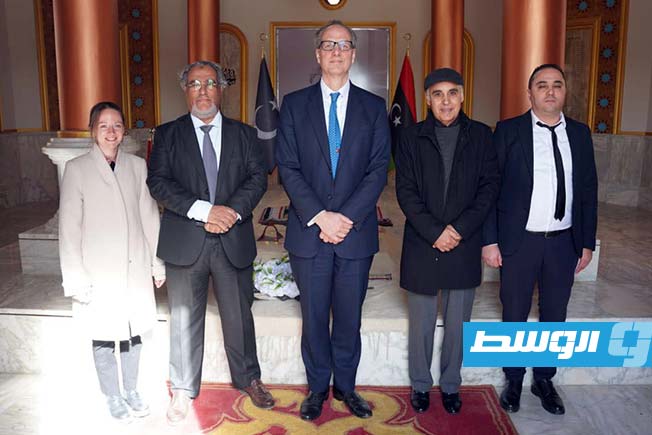
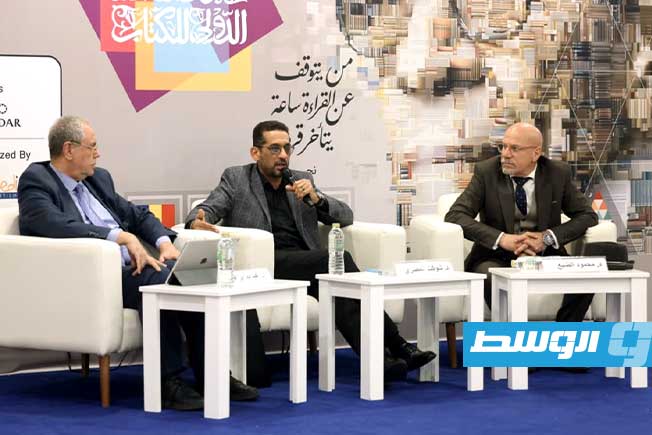
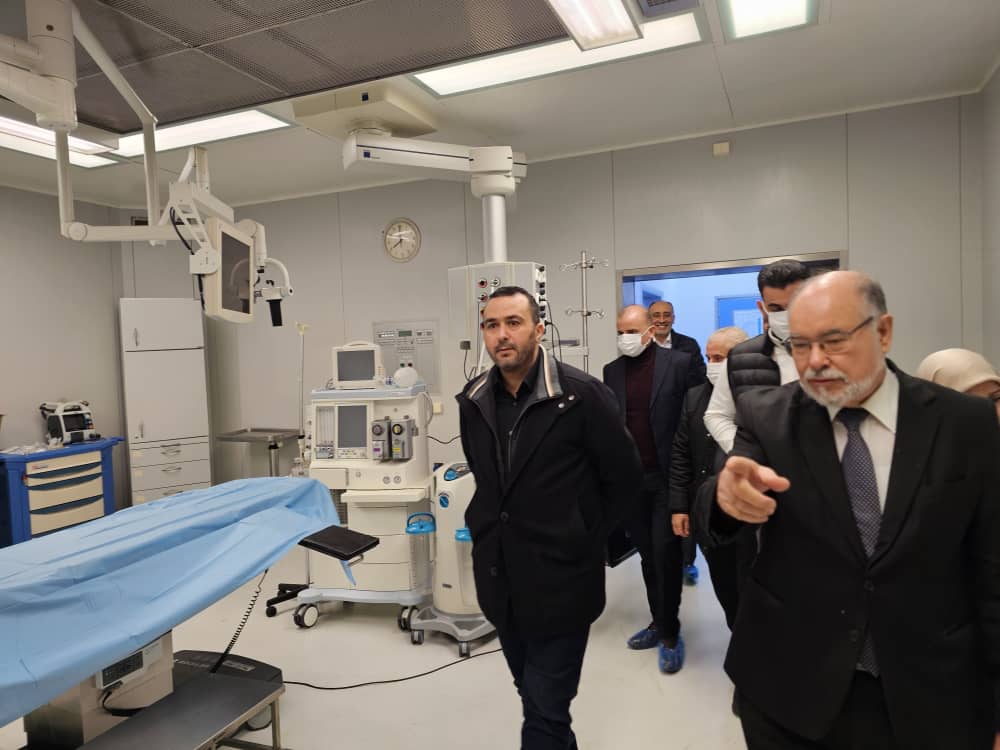
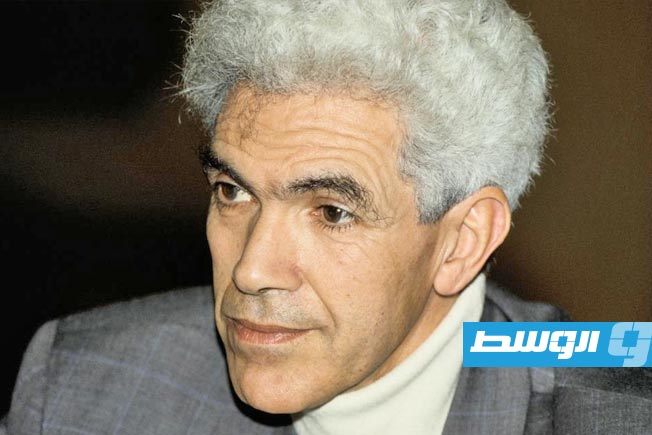
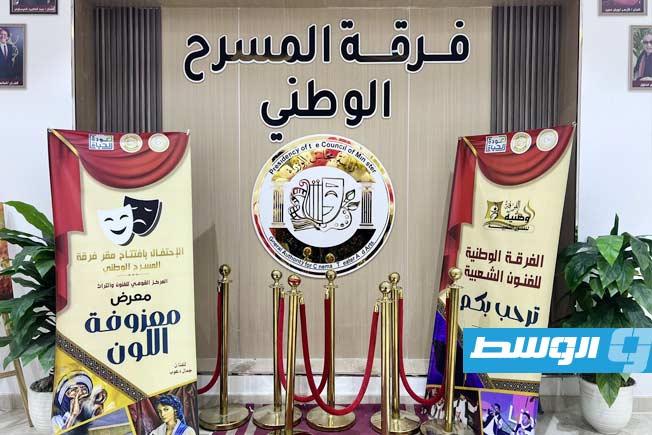
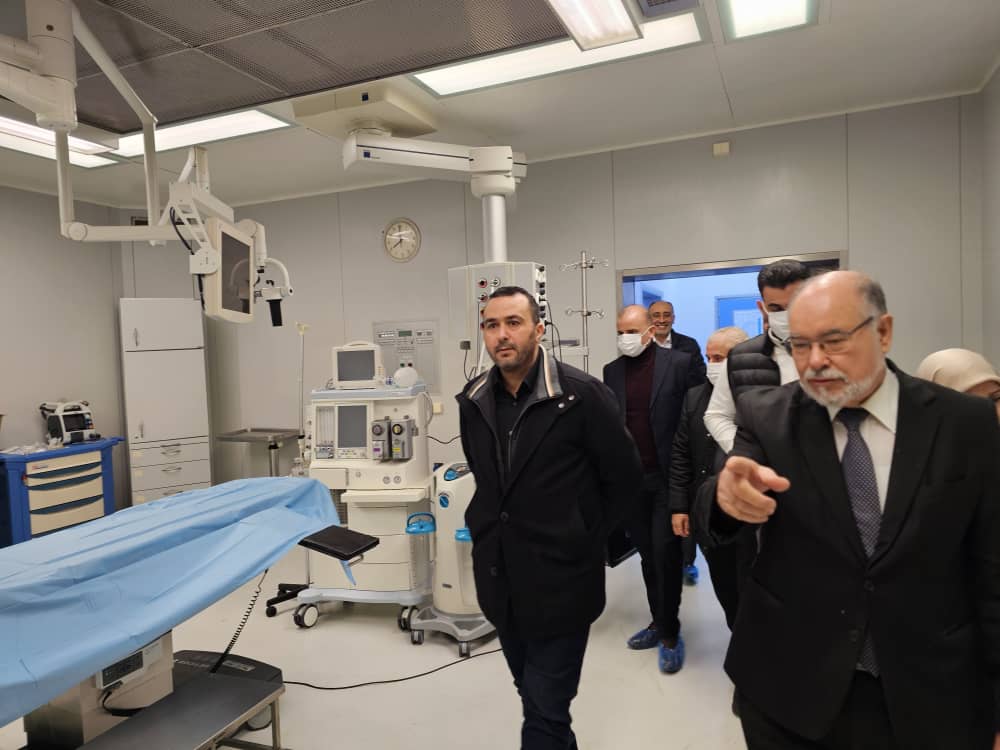
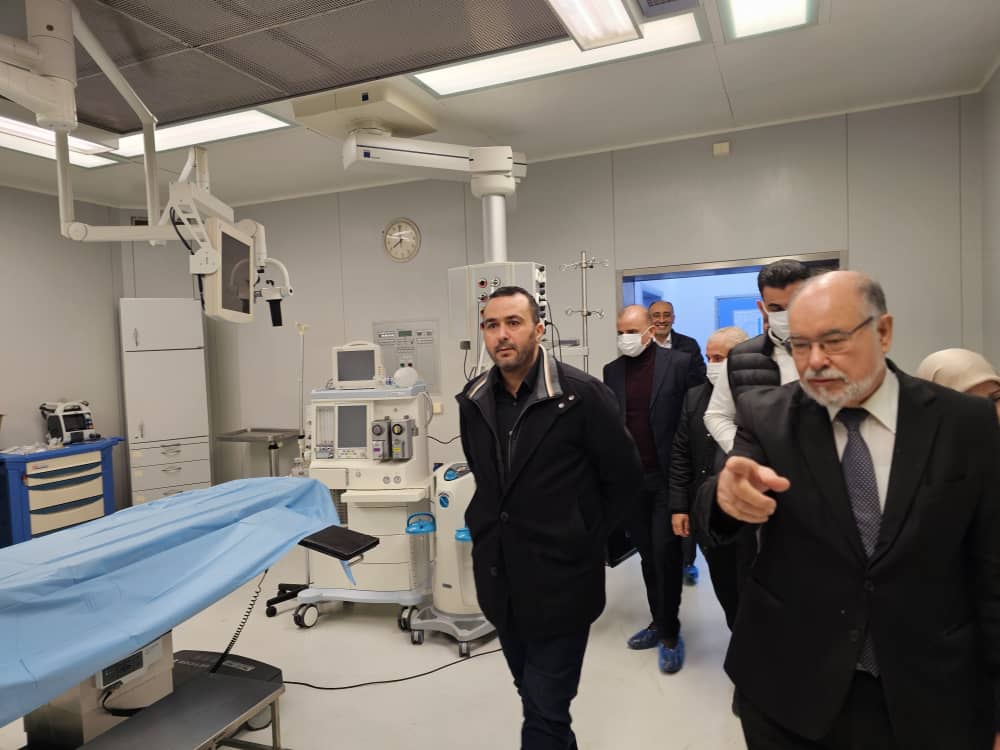
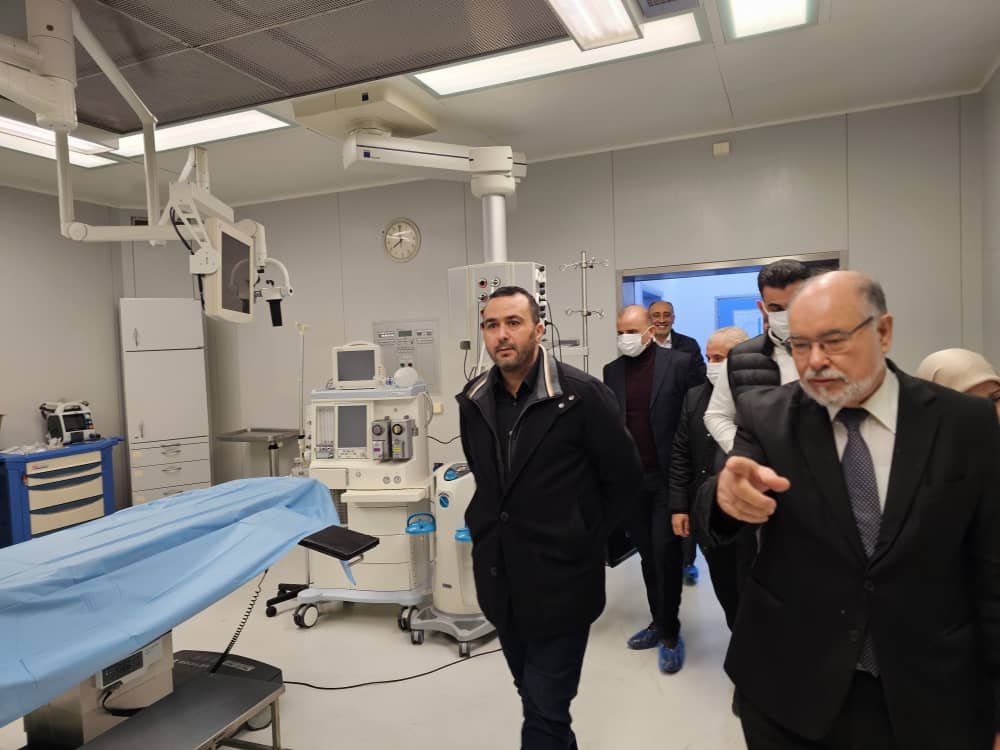
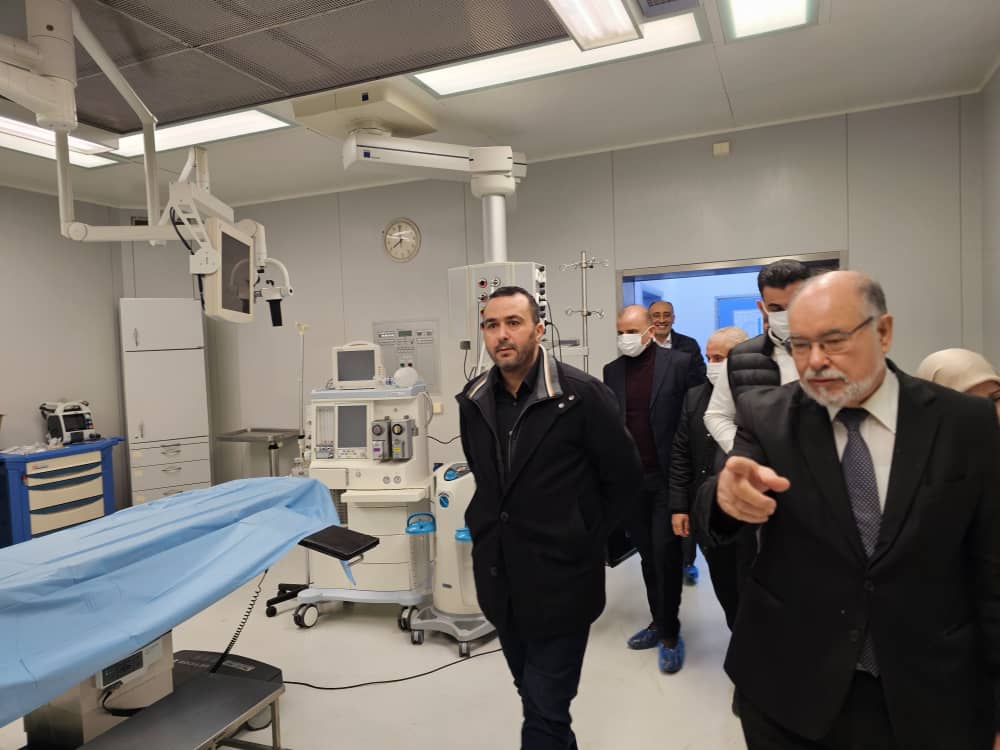
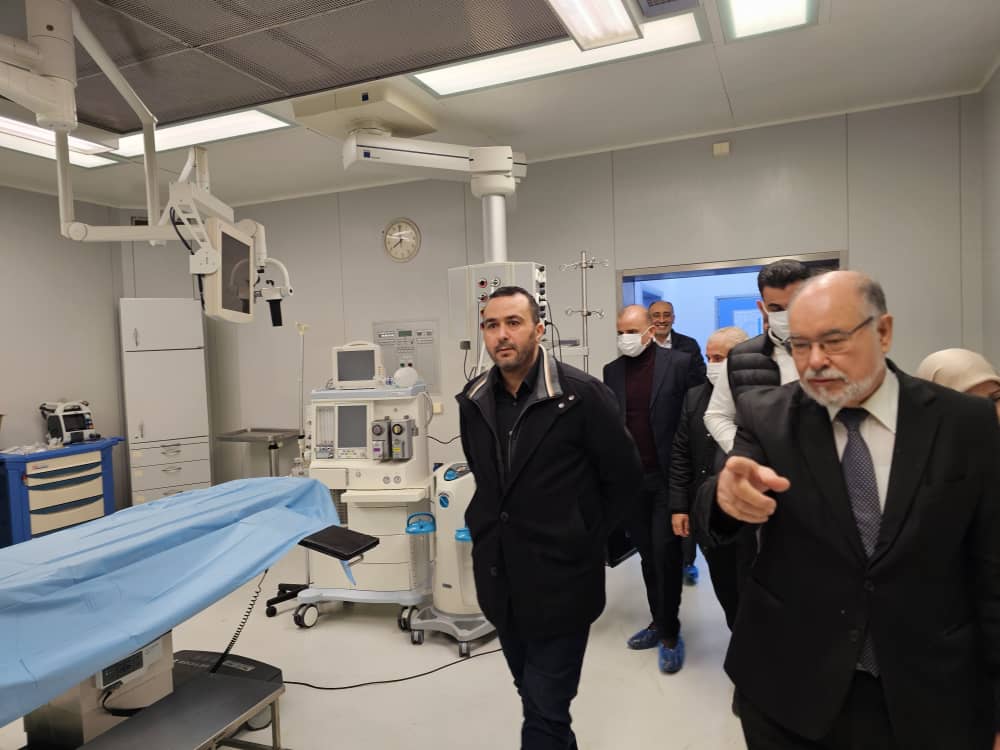
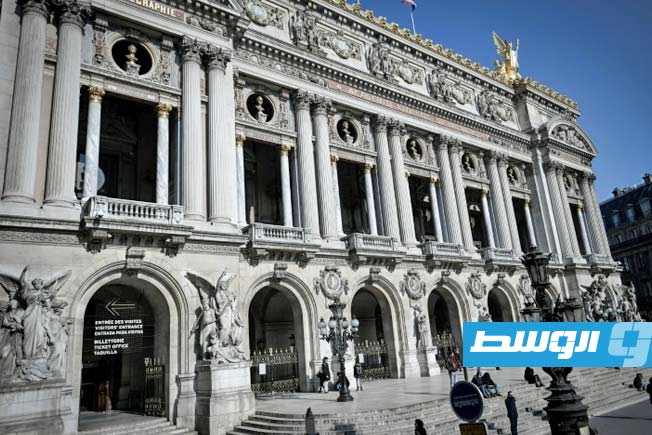
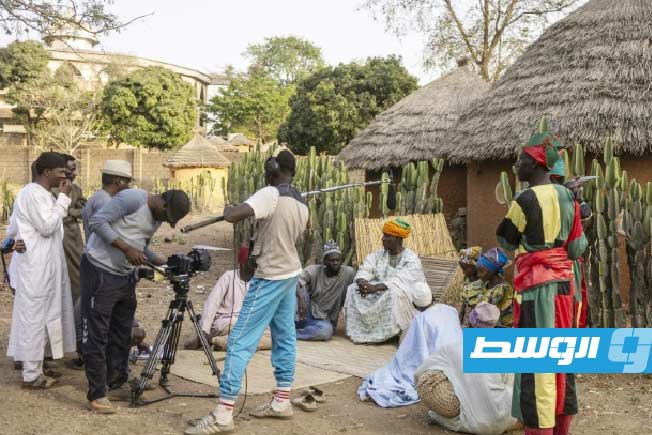
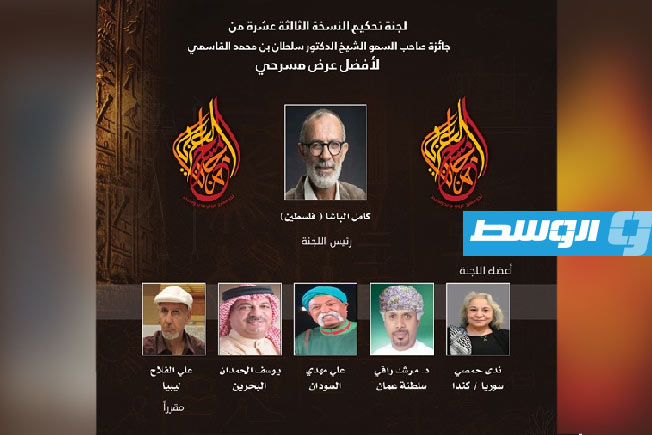
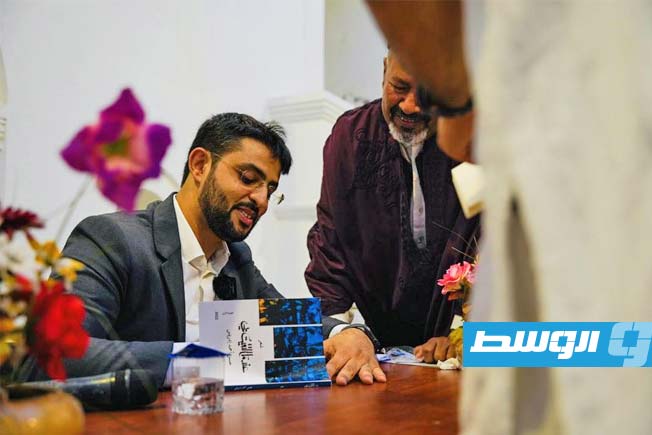
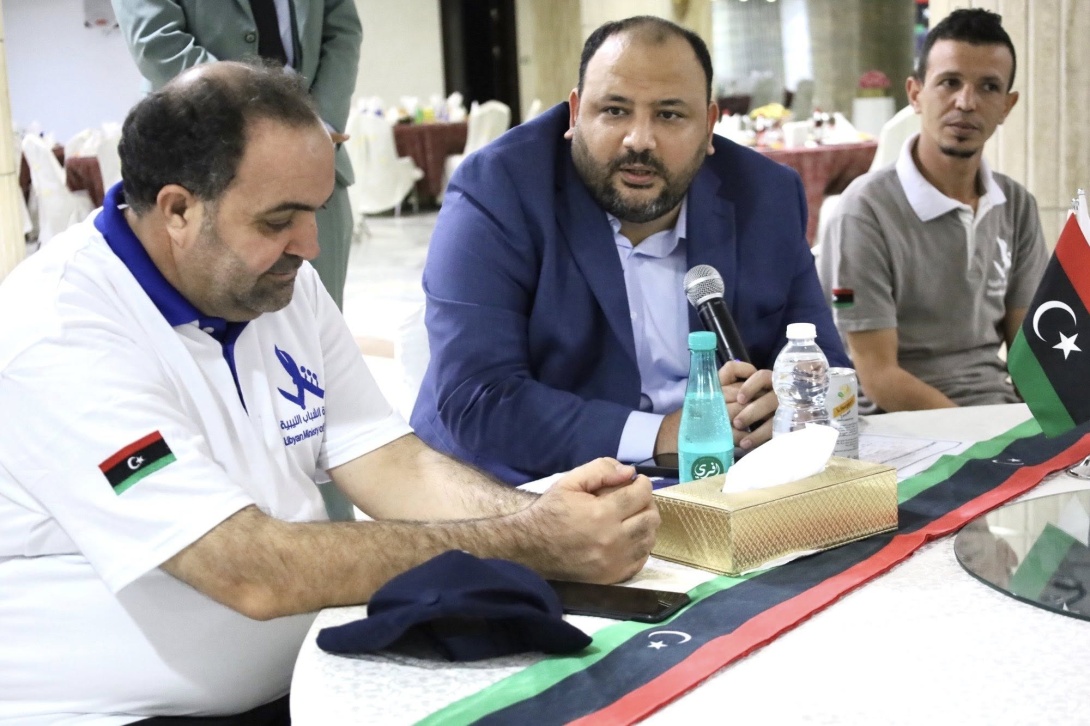
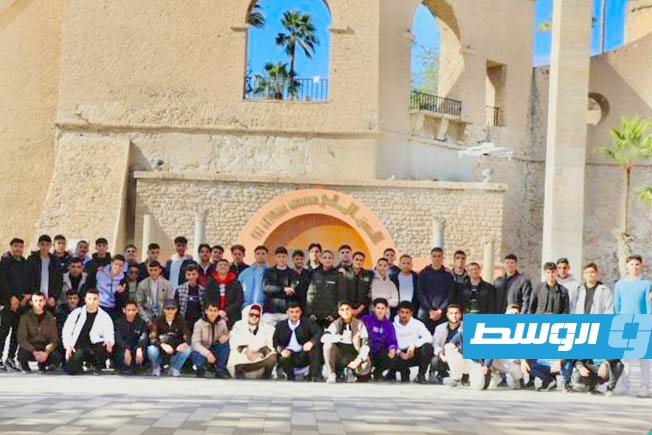
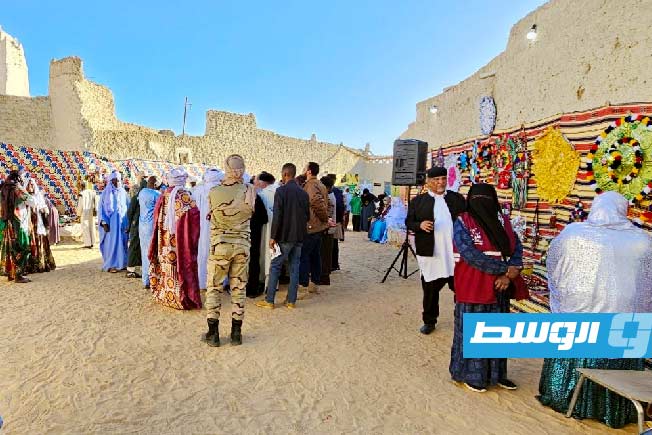
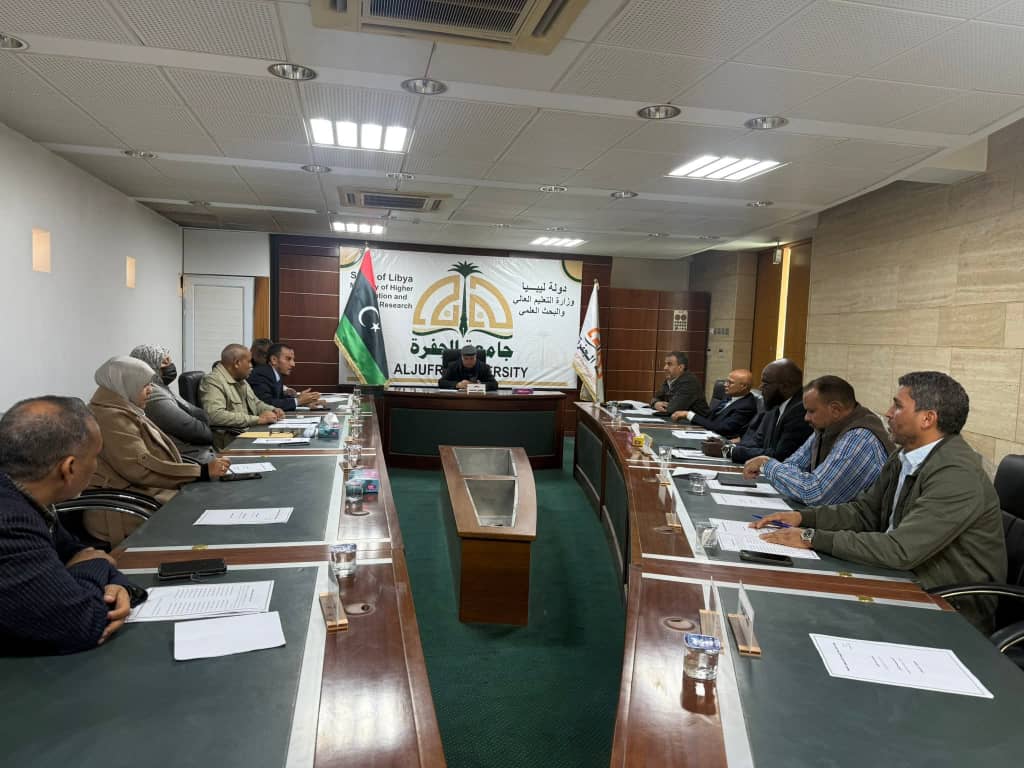
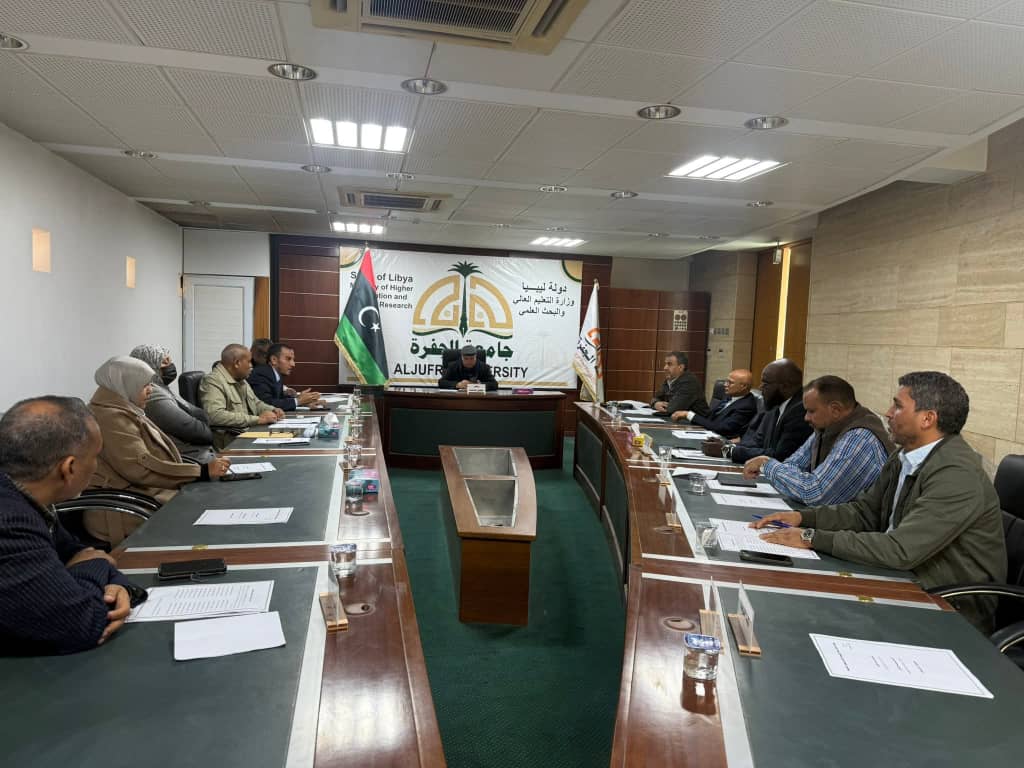
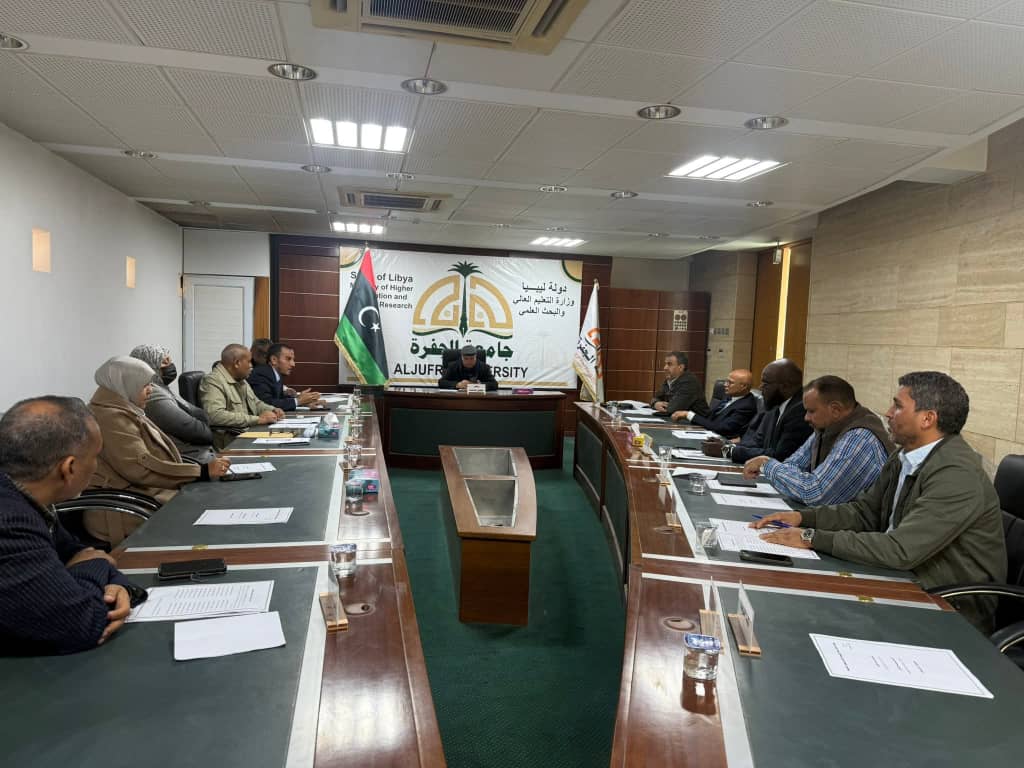
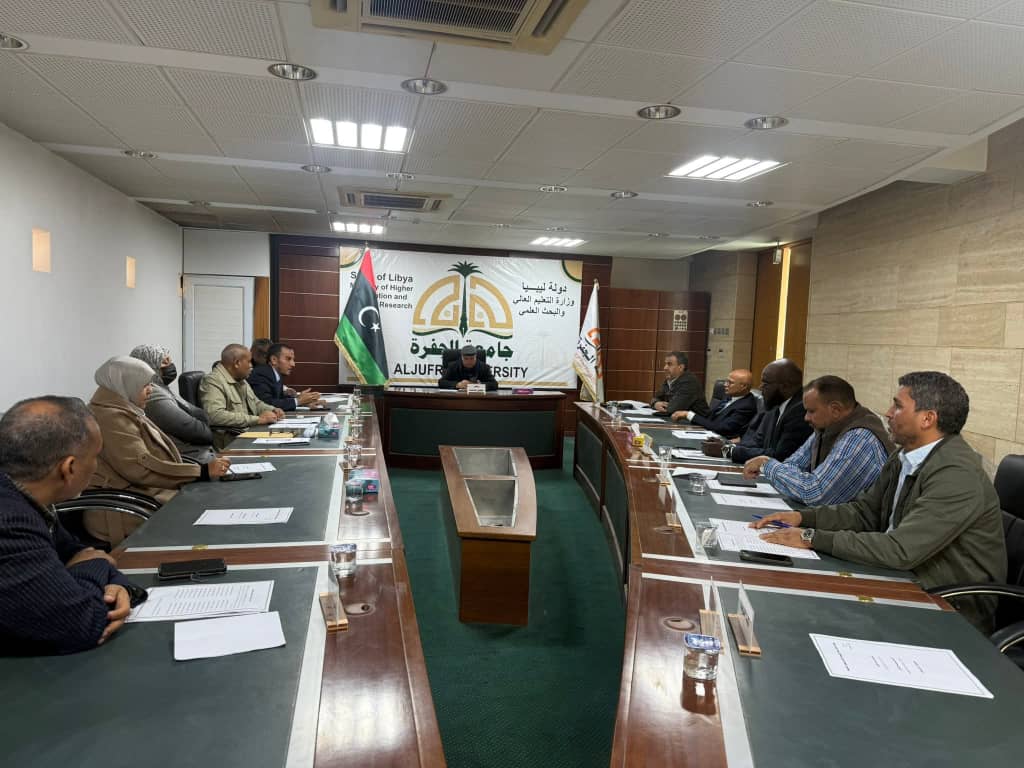
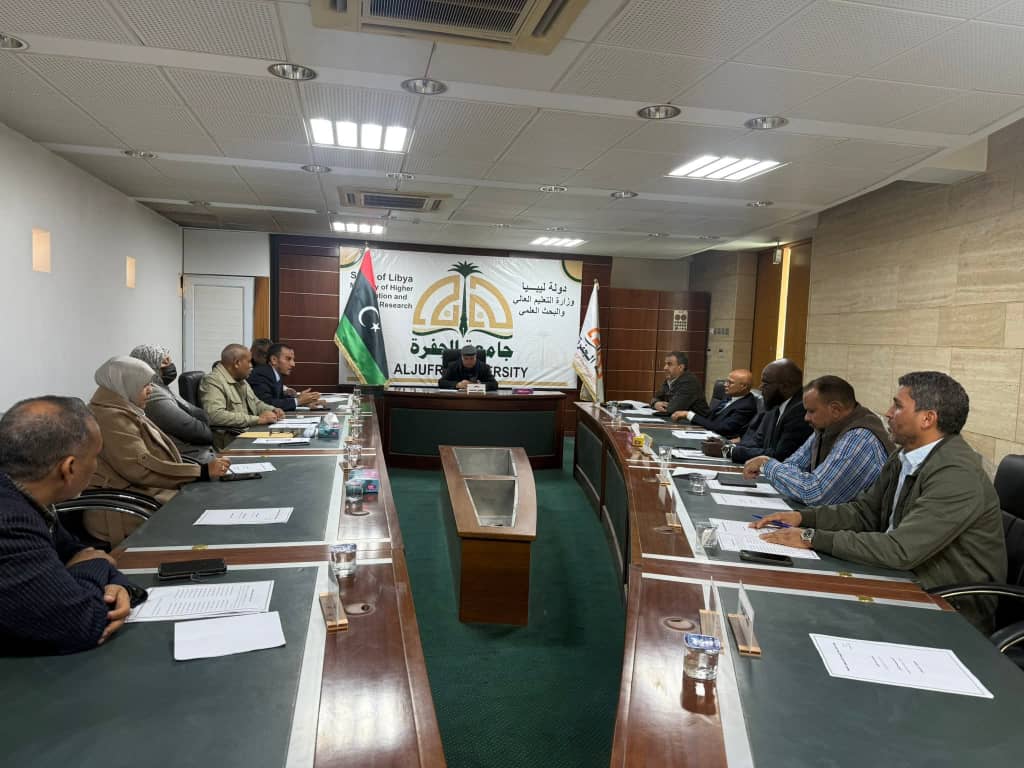
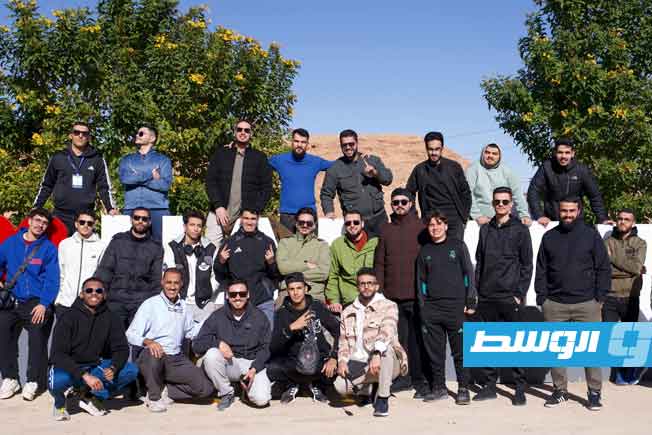
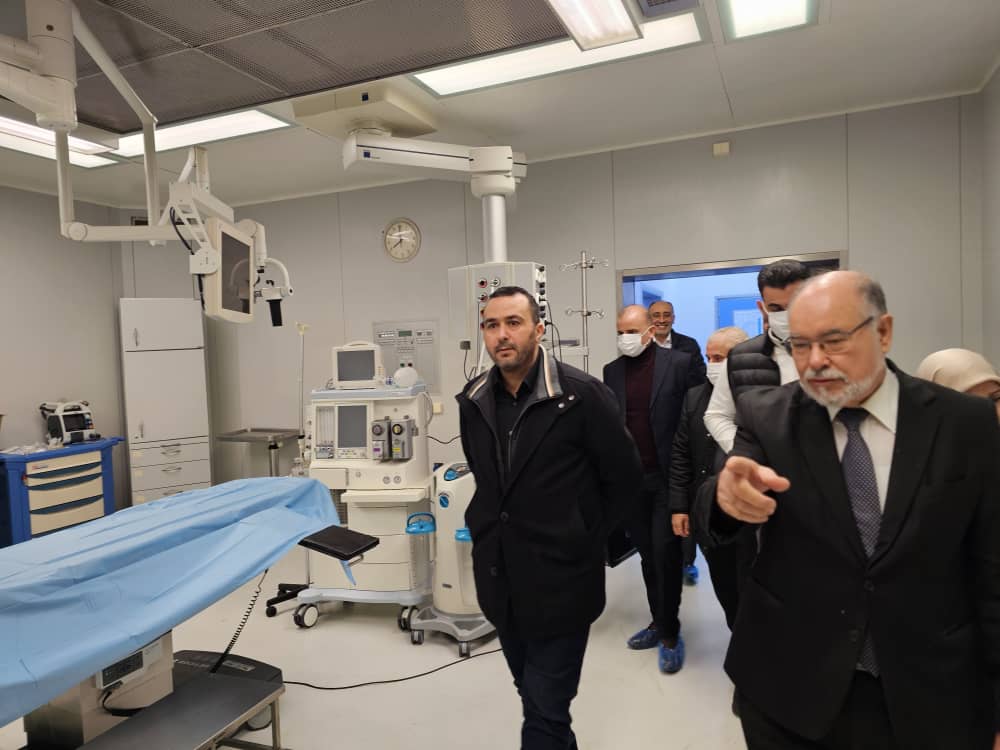
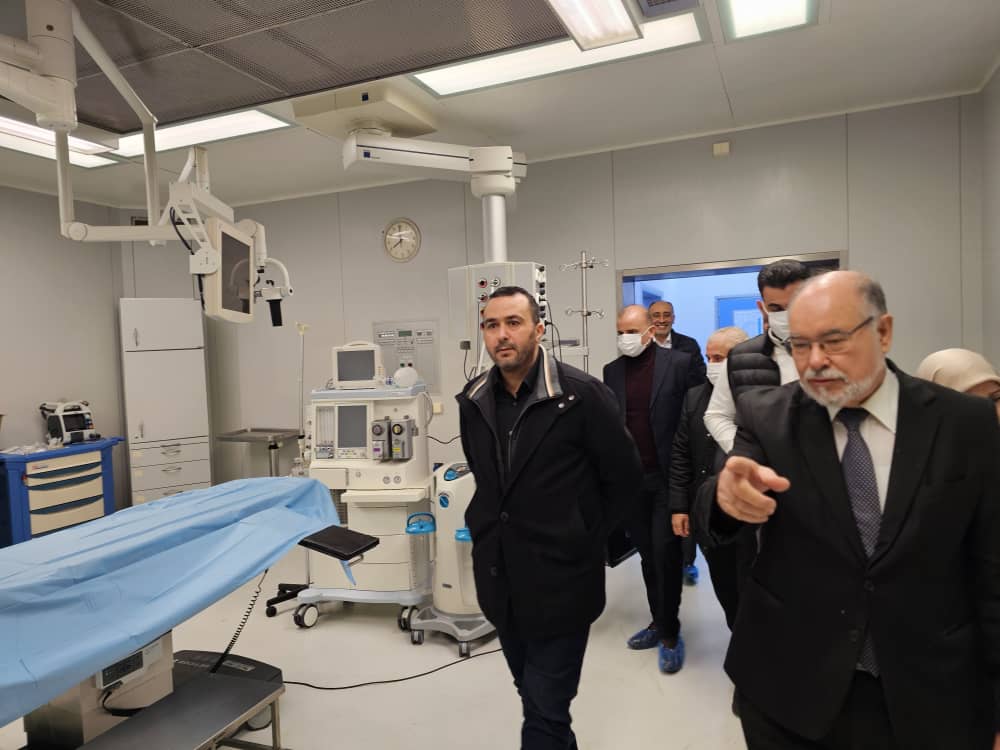
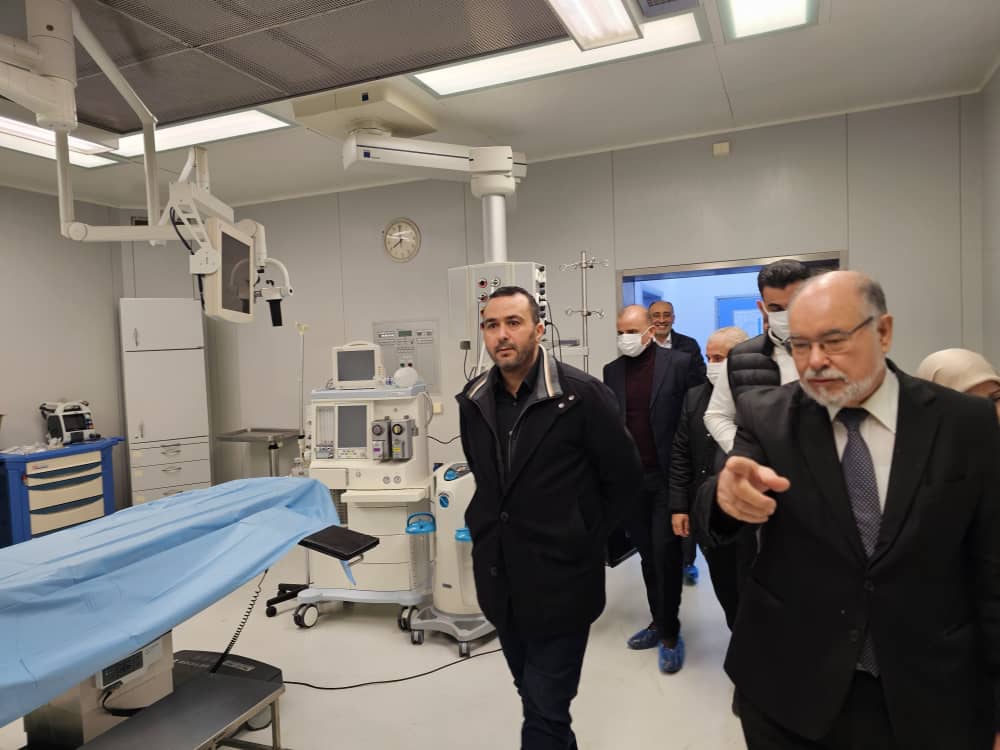
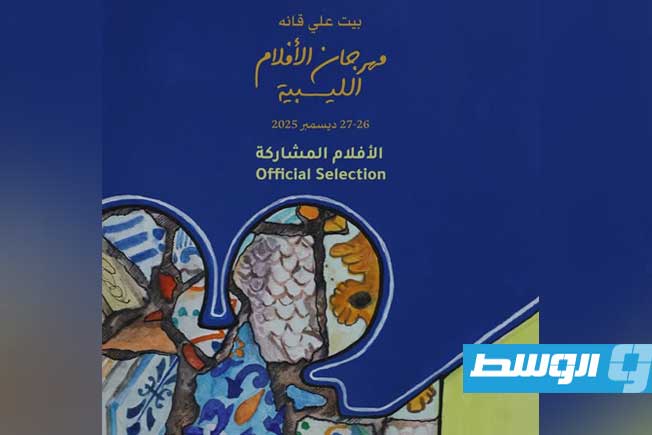
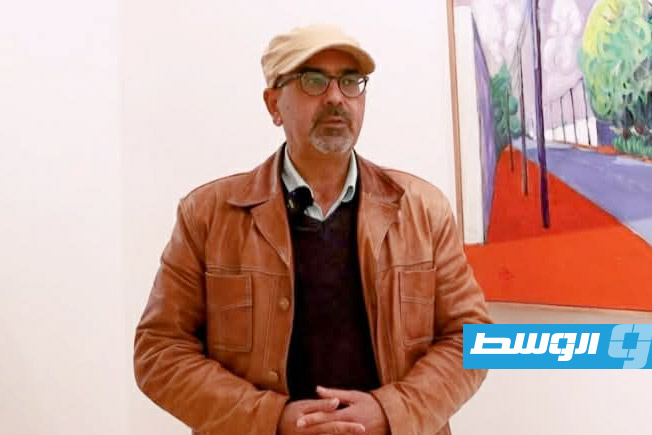
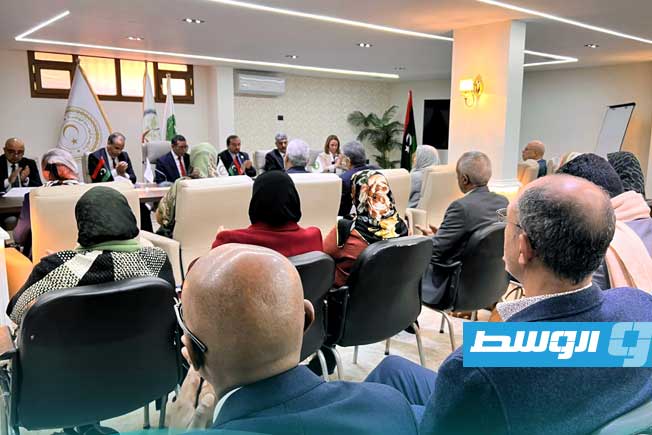
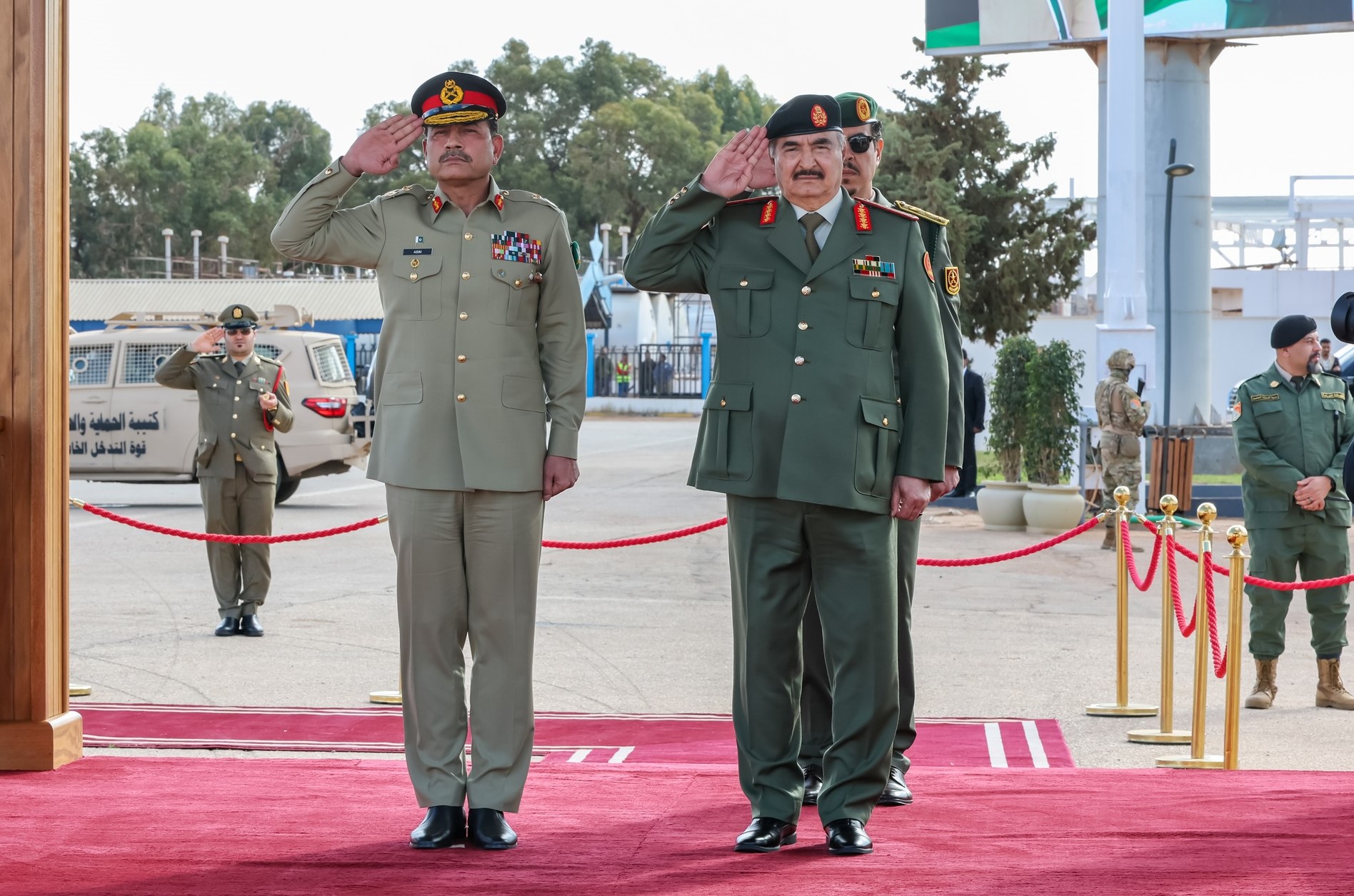
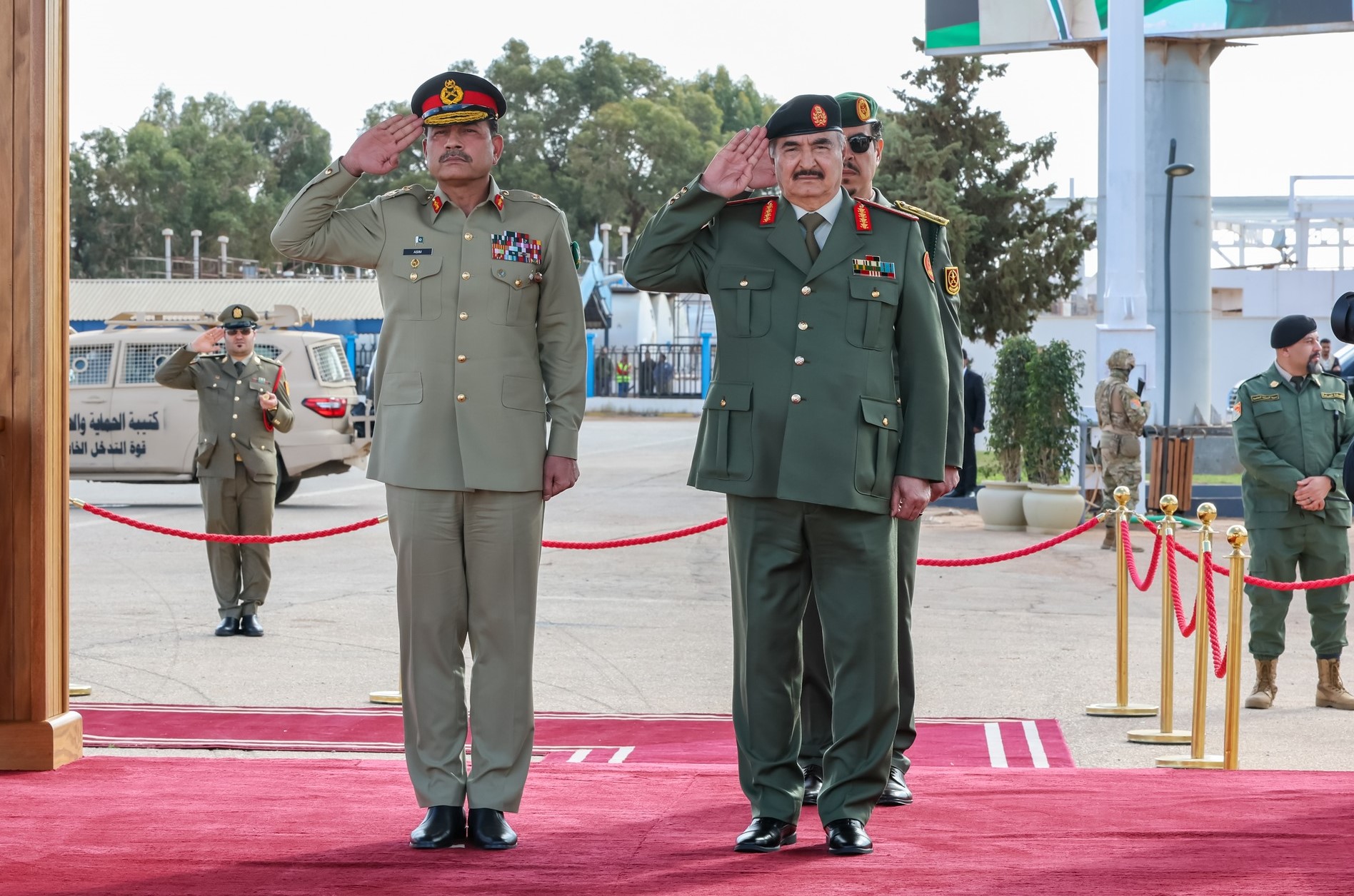
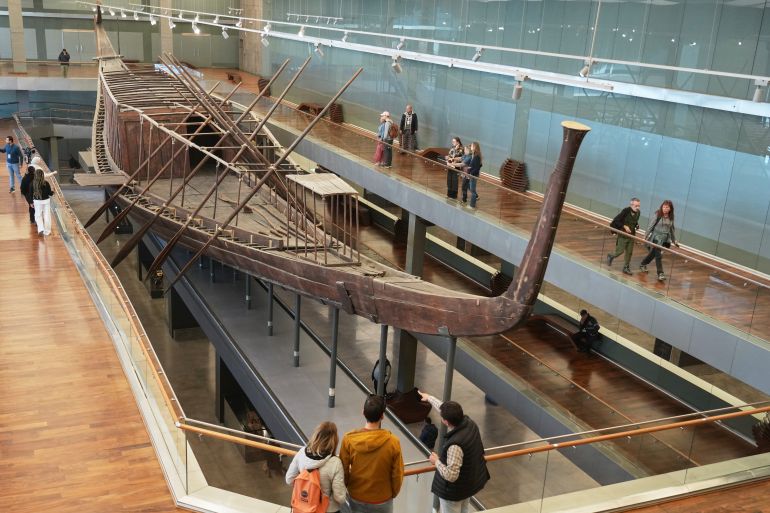
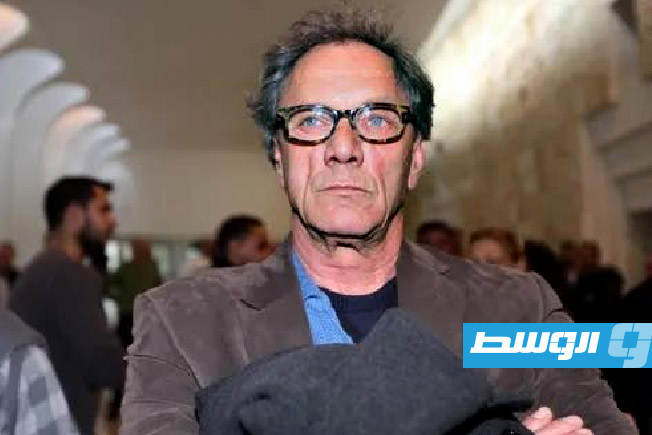
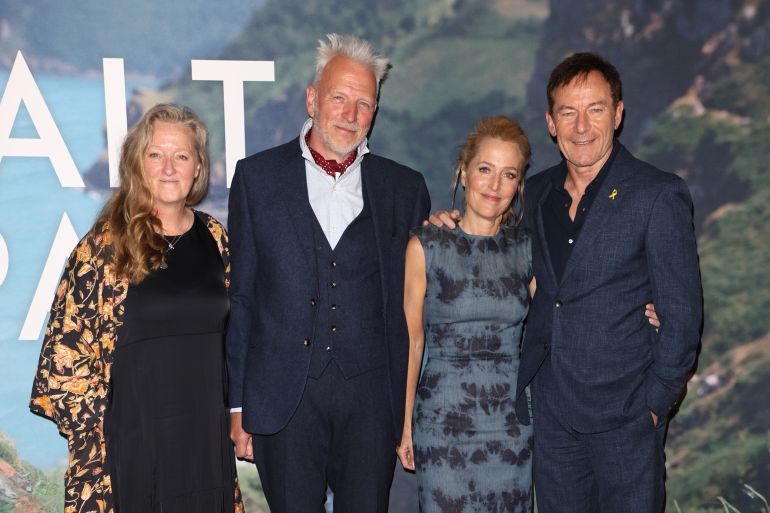
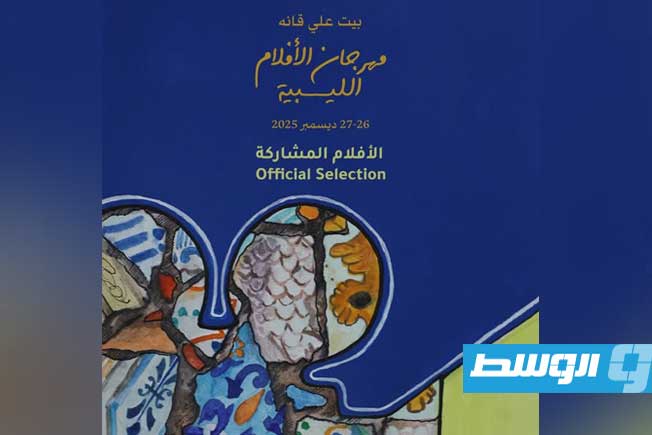
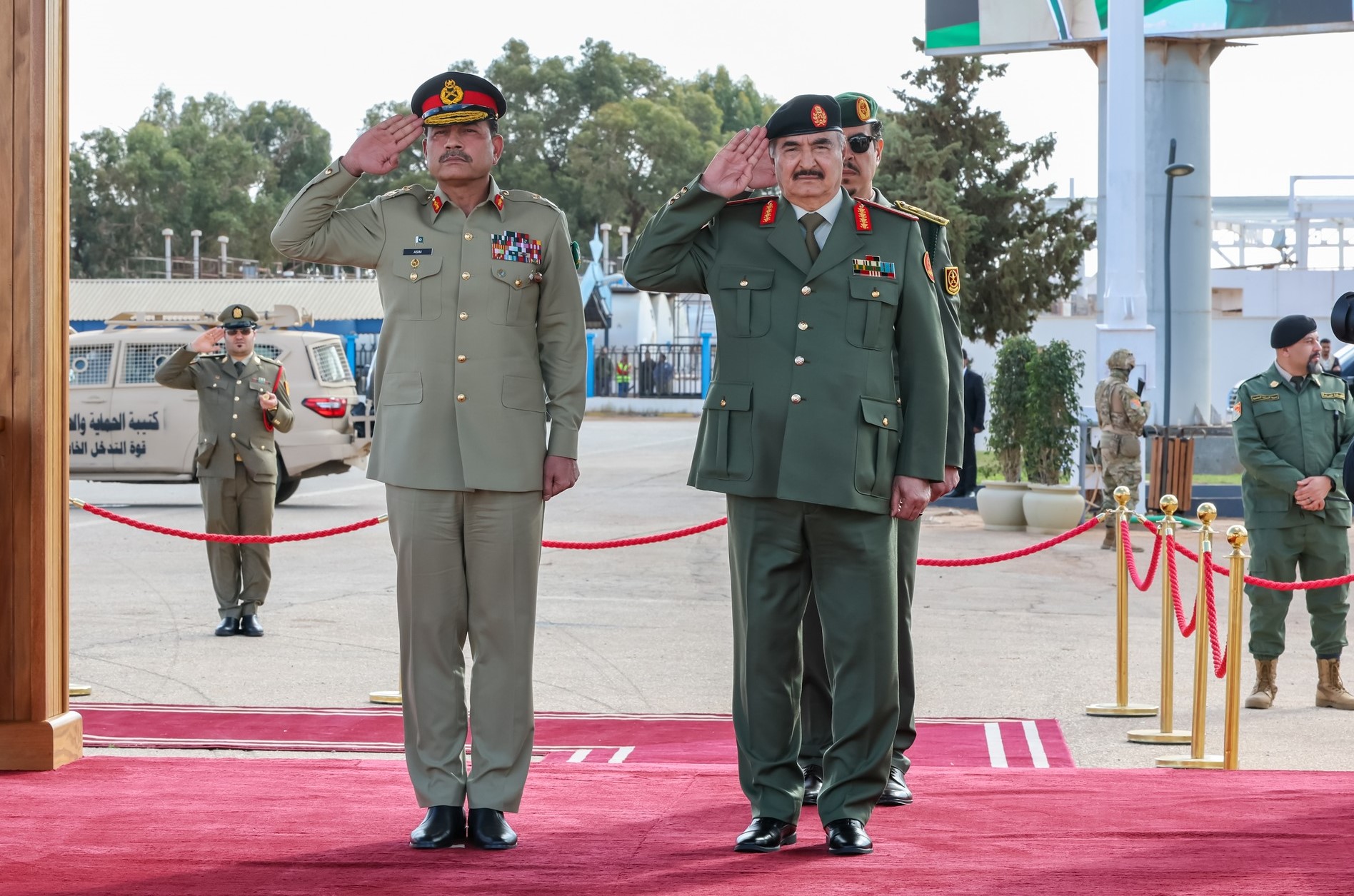
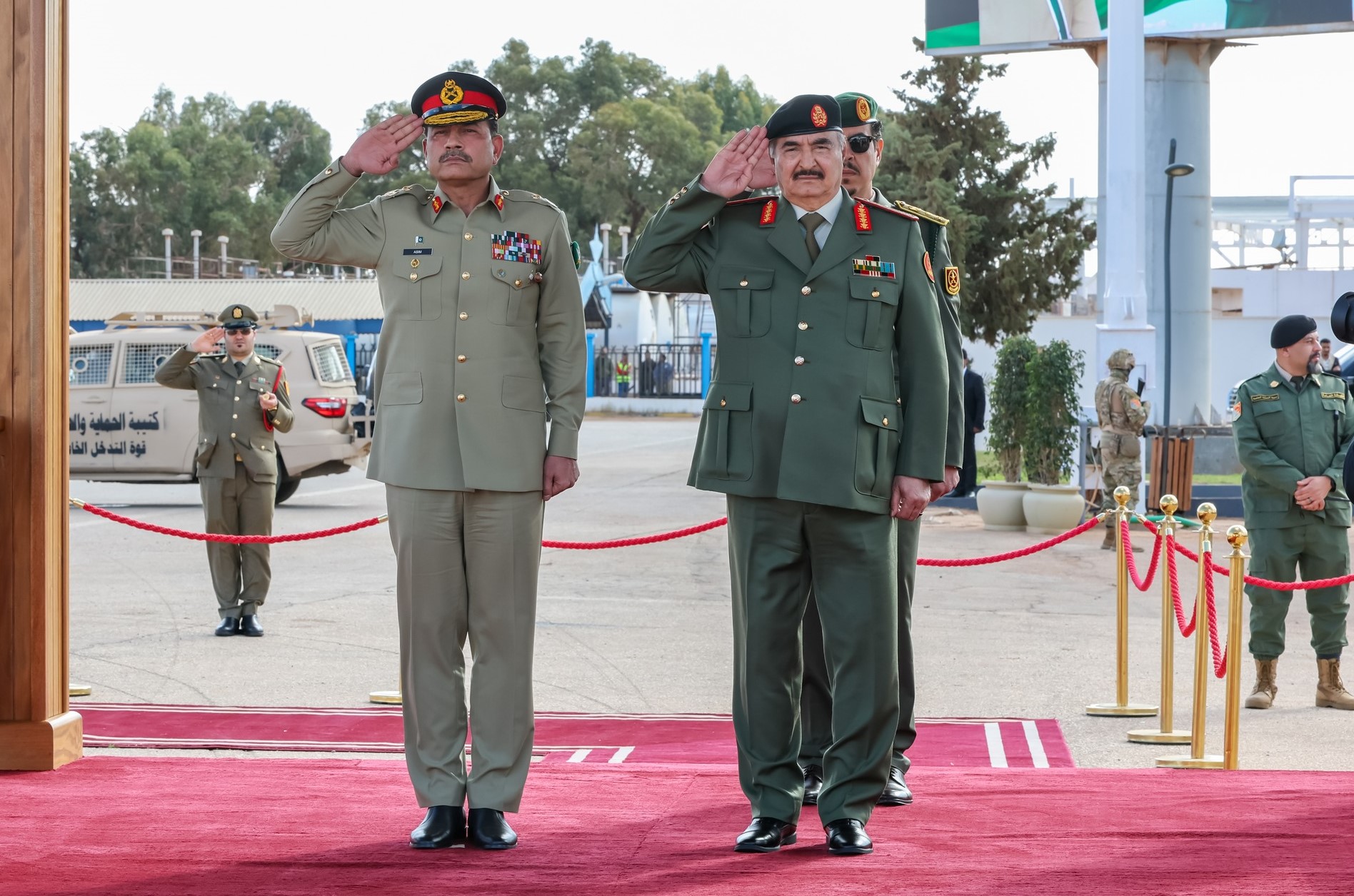
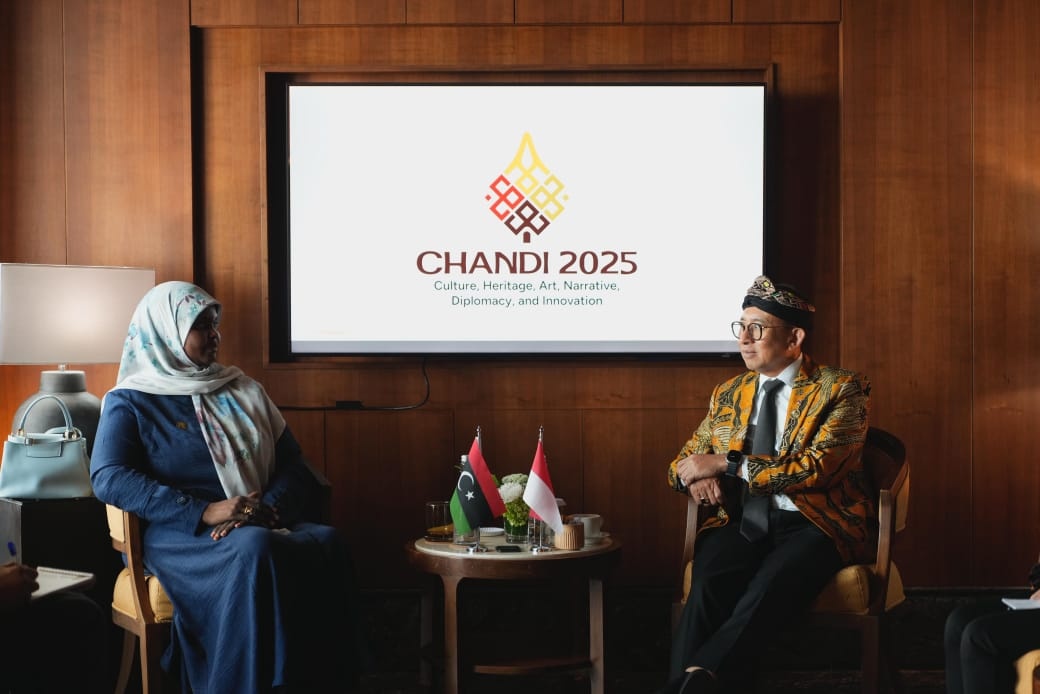
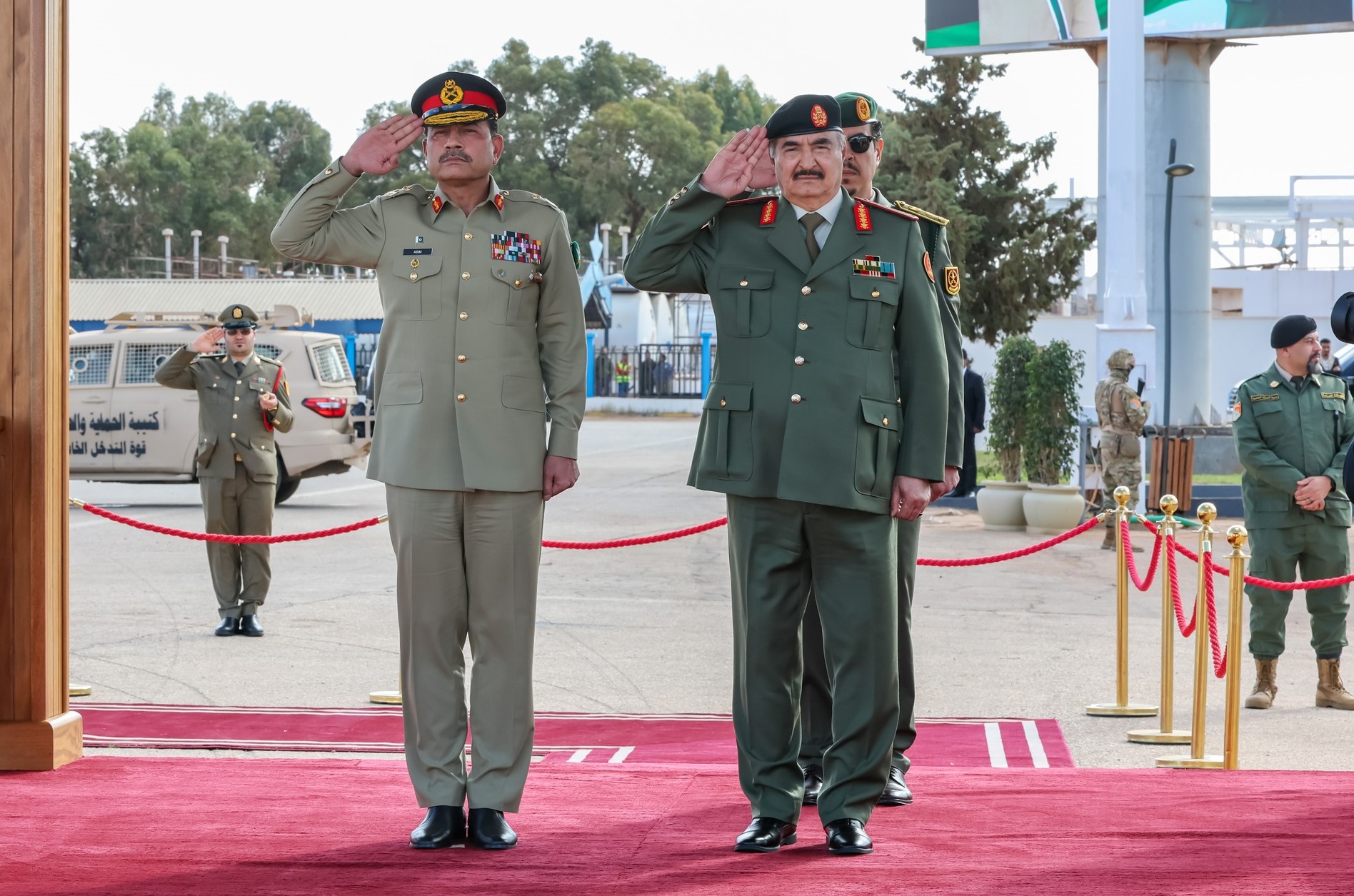
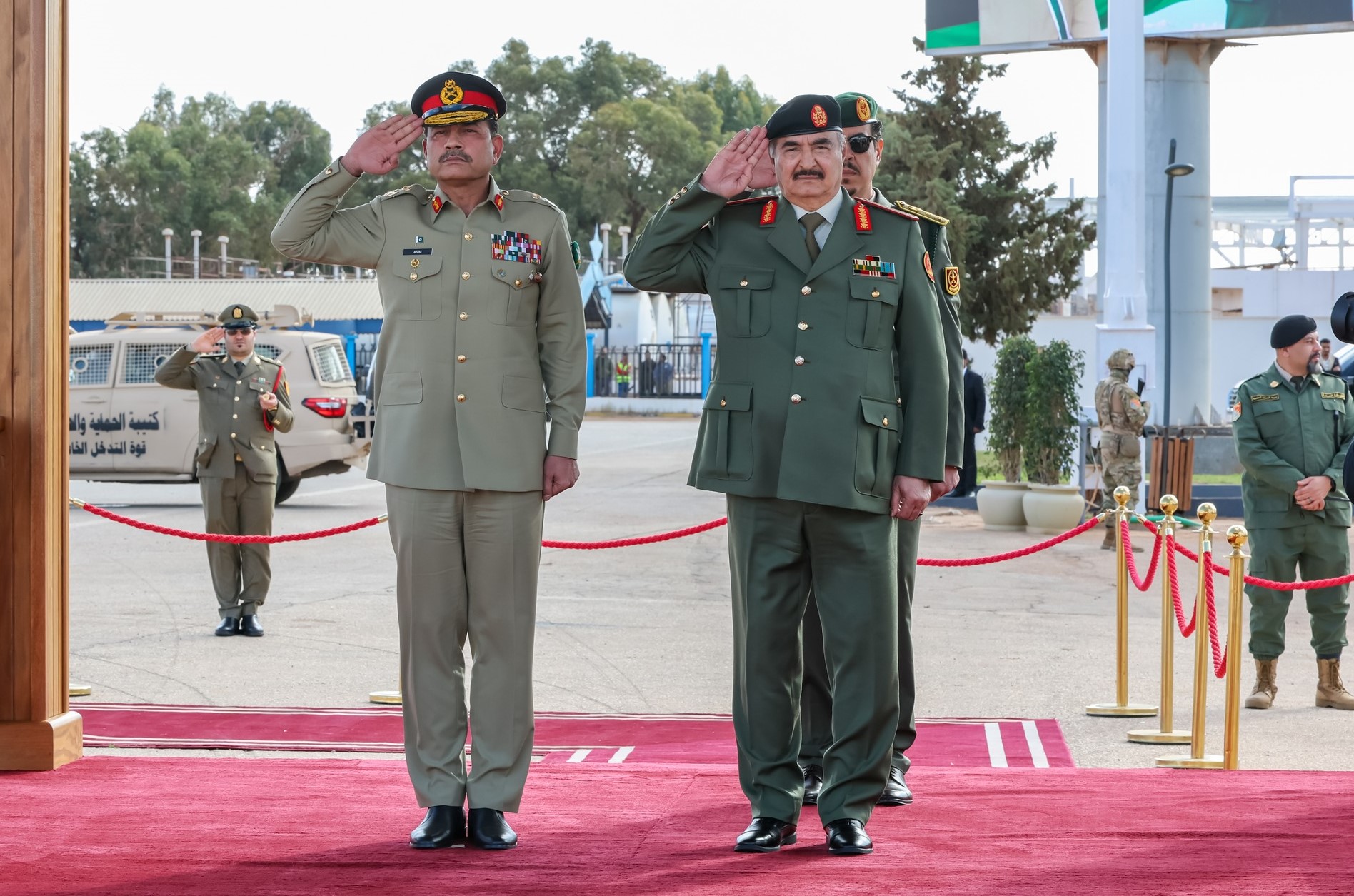
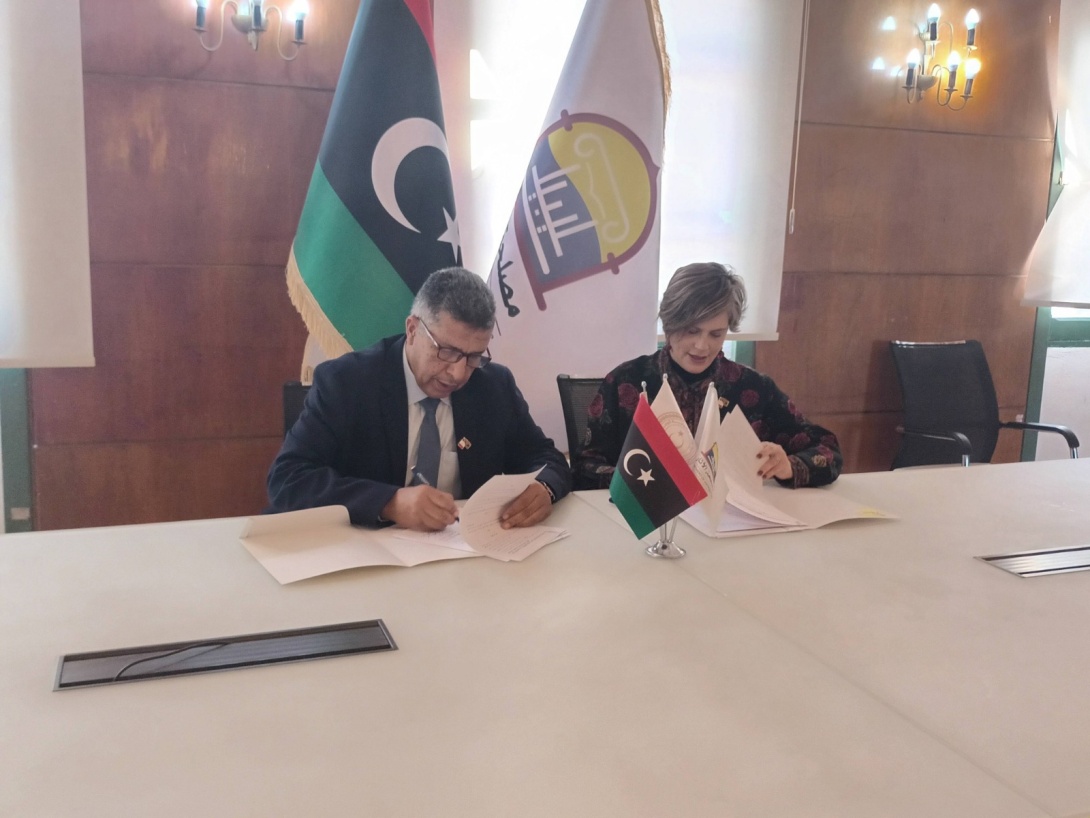
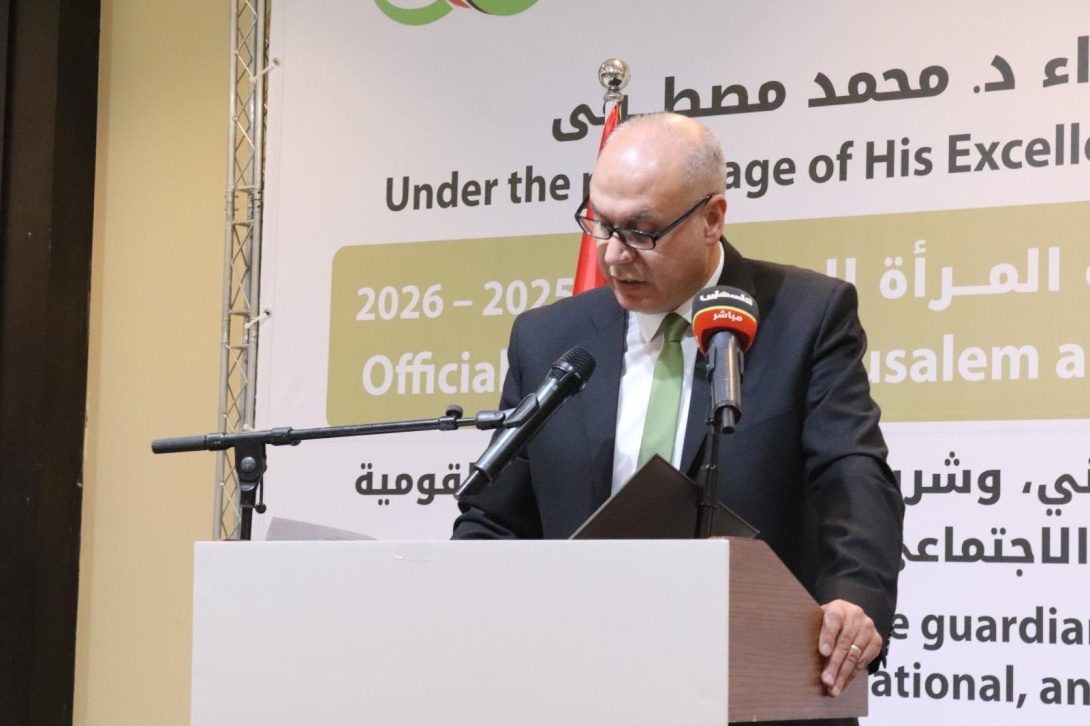
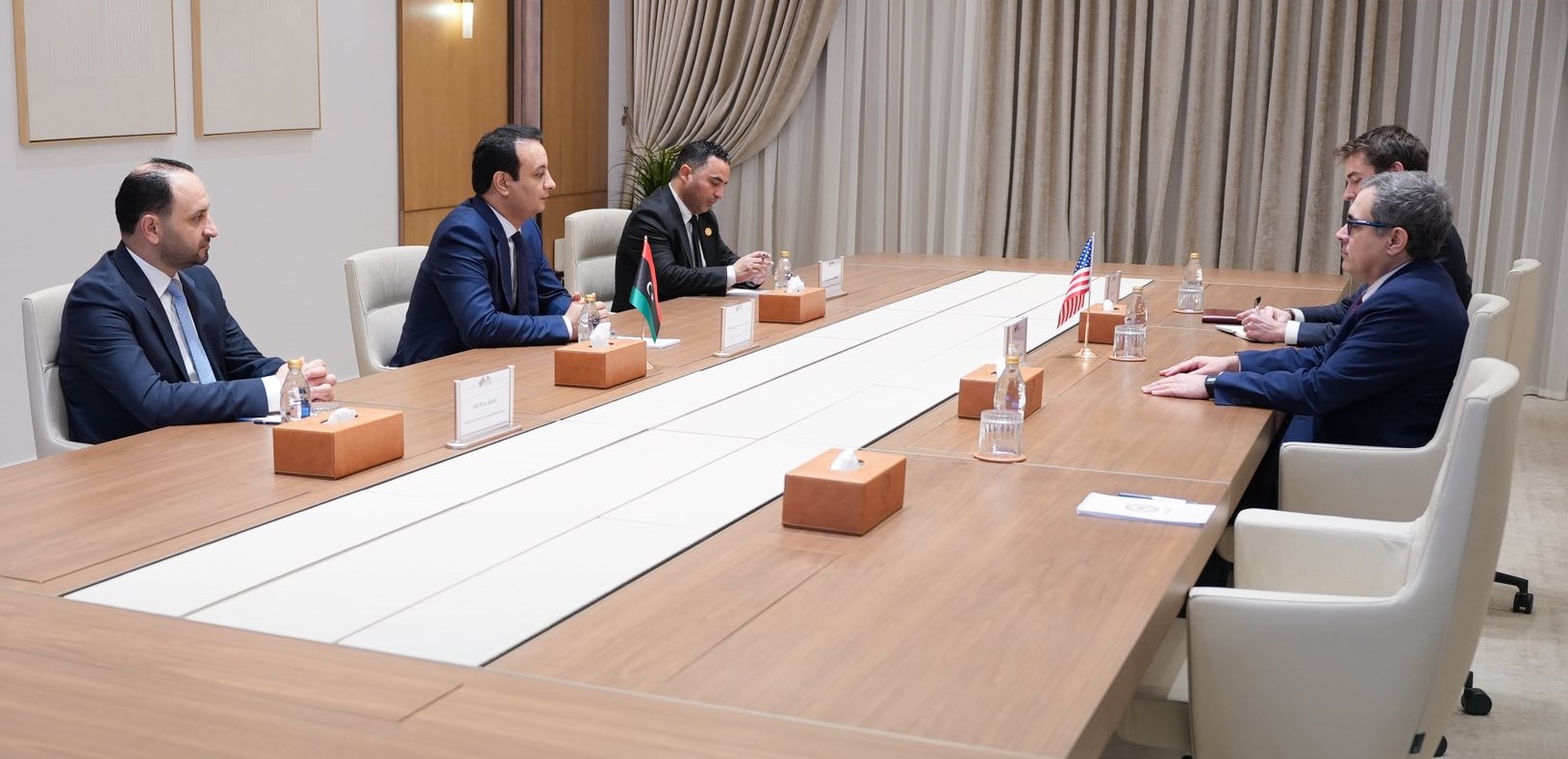
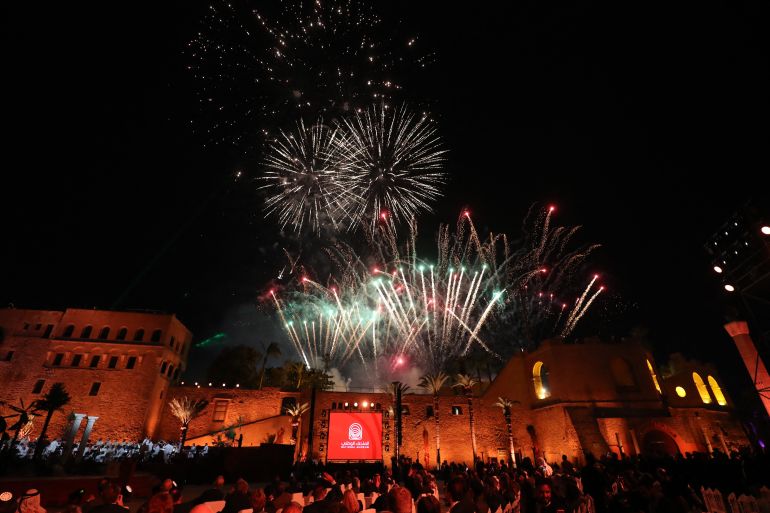
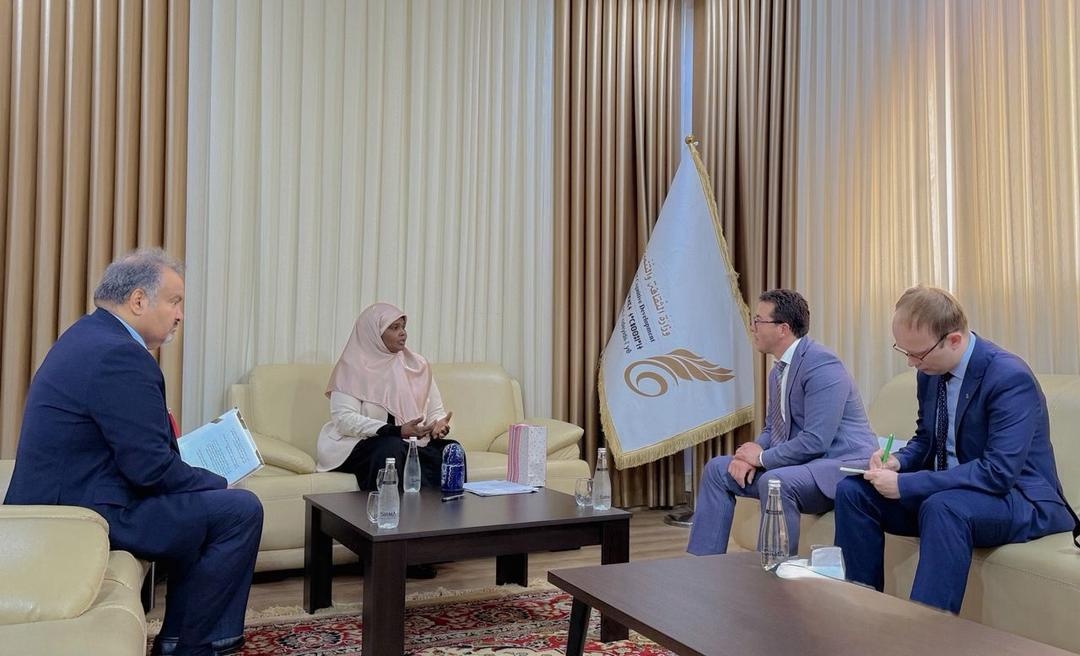
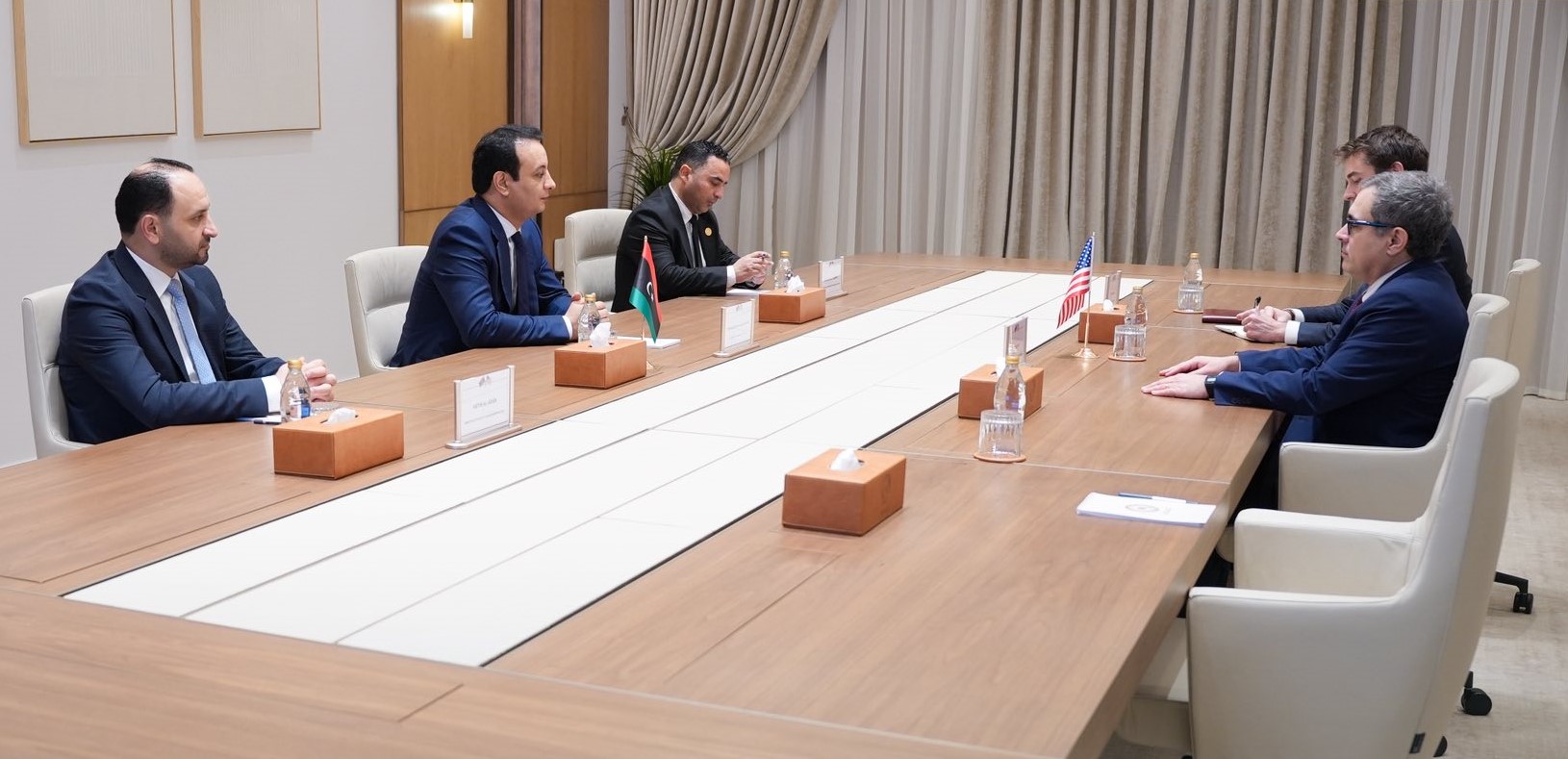
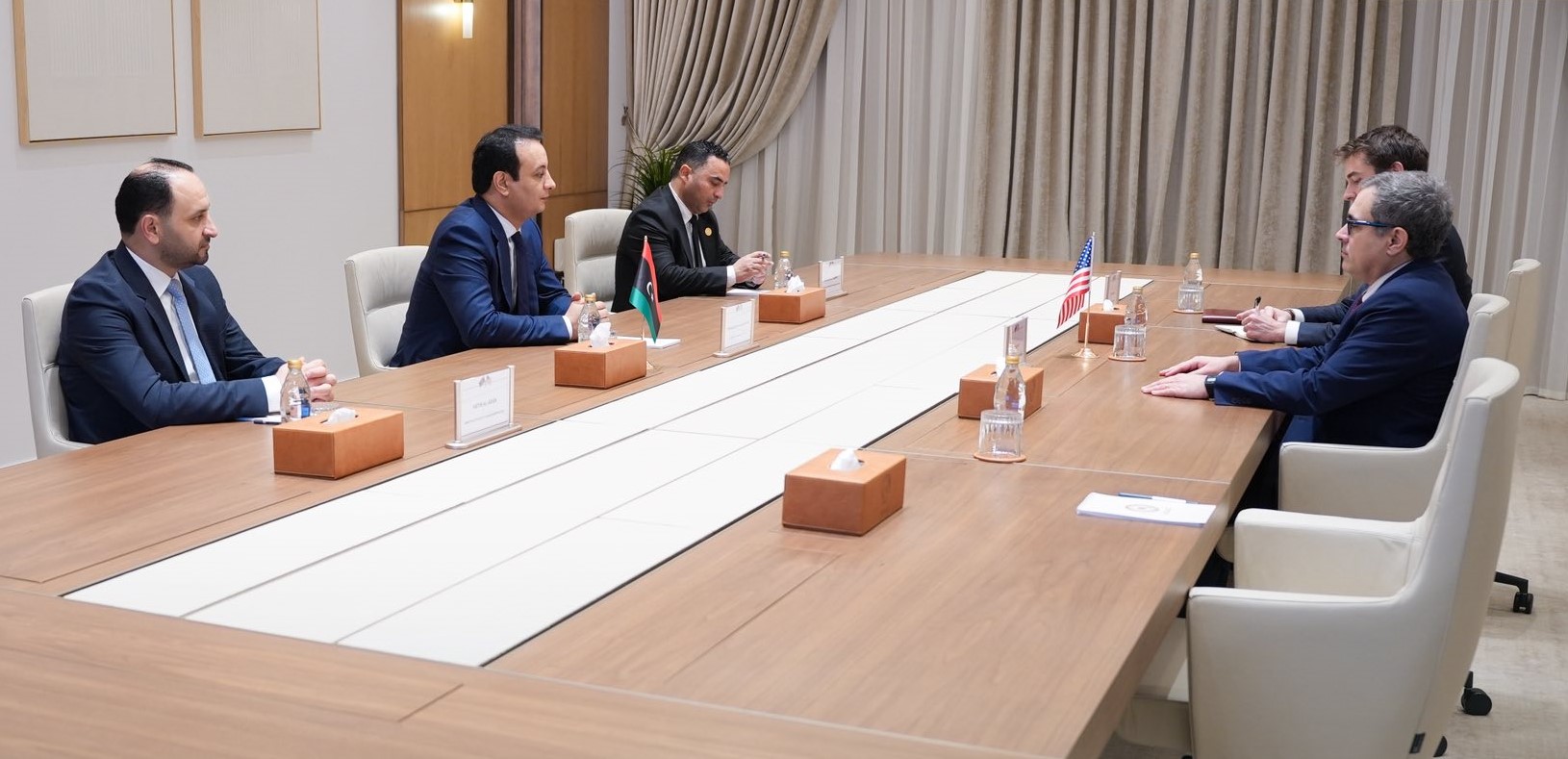
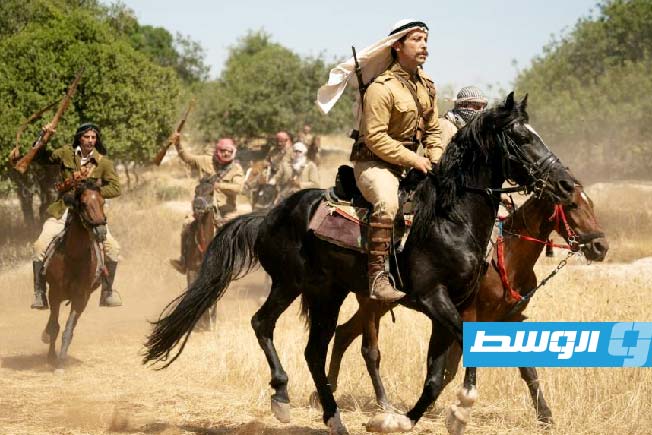
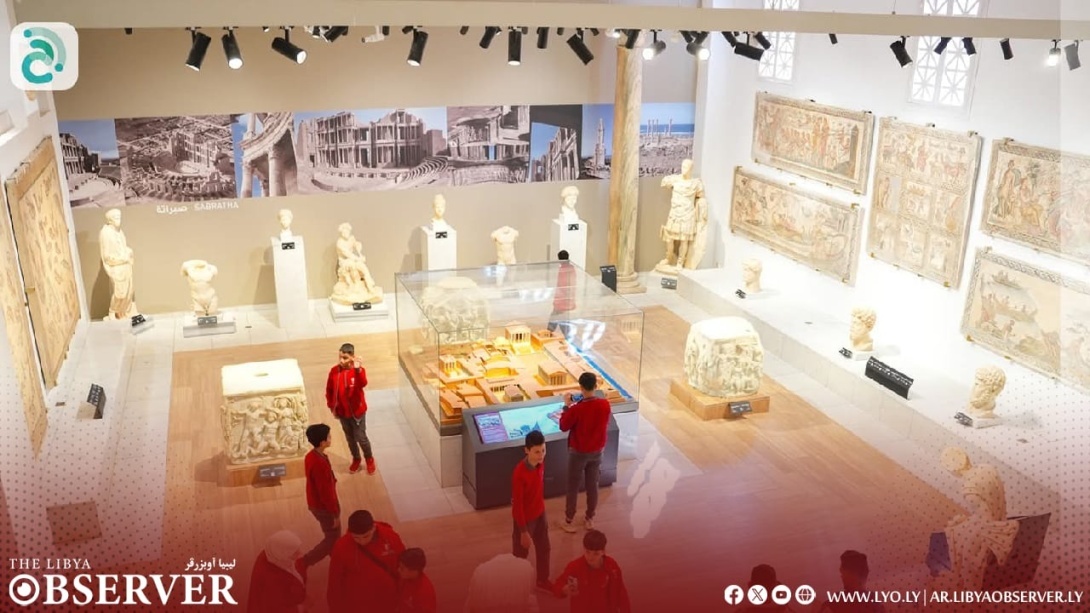
A scene from the closing ceremony of the second edition of the ‘Libyan European Film Festival’ in the city of Tripoli, on January 22, 2026.
The activities of the second edition of the ‘Libyan European Film Festival’ concluded on Thursday evening in the city of Tripoli. The festival was held over four days, organized by the European Union Mission to Libya, in cooperation with the General Authority for Cinema, Theater, and Arts and the Ministry of Government Communication.
The closing ceremony was attended by intellectuals, filmmakers, and diplomats. A speech was delivered in which it was emphasized that the festival provided a space for the exchange of cultures and experiences through cinema, pointing to the role of screenings in introducing the audience to diverse human stories and visual experiences that contribute to enhancing cultural dialogue.
Arts as a means of understanding between peoples
The Italian Ambassador praised the existing cooperation between Italy and Libya in cultural and educational fields, considering the arts a means of understanding between peoples.
– Launch of the second edition of the Libyan European Film Festival in Tripoli
The festival included cinematic participations from several countries, including Italy, France, Germany, and Spain, in addition to the screening of the Libyan film ‘Saud’.
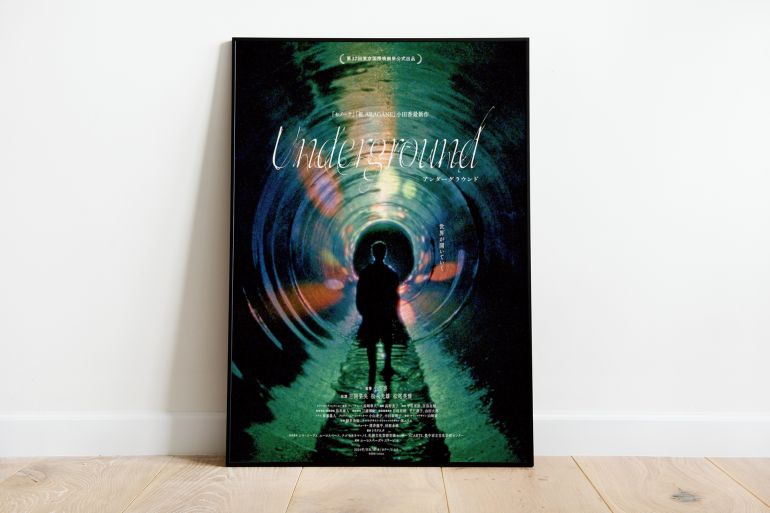
The events concluded with the screening of the Italian film ‘Carsello Carosoni’, which dealt with the autobiography of musician Renato Carosoni and his development of traditional Italian music by blending it with modern styles.
The selected screenings represented an experience aimed at enhancing the presence of cinema as a means of civilizational exchange between Libyan society and the European environment, and documenting artistic relations through this annual event.
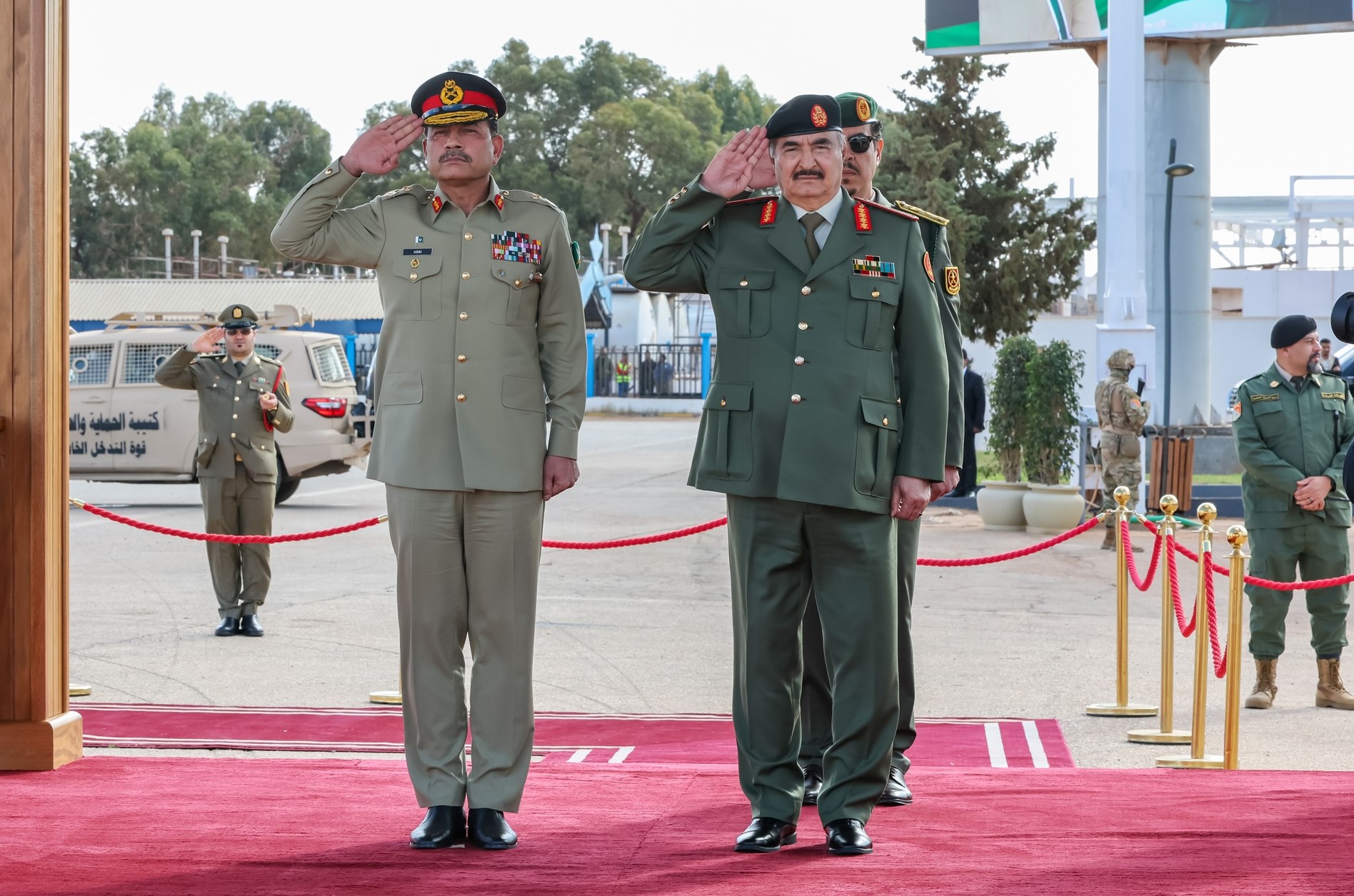
A scene from the closing ceremony of the second edition of the ‘Libyan European Film Festival’ in the city of Tripoli, on January 22, 2026.
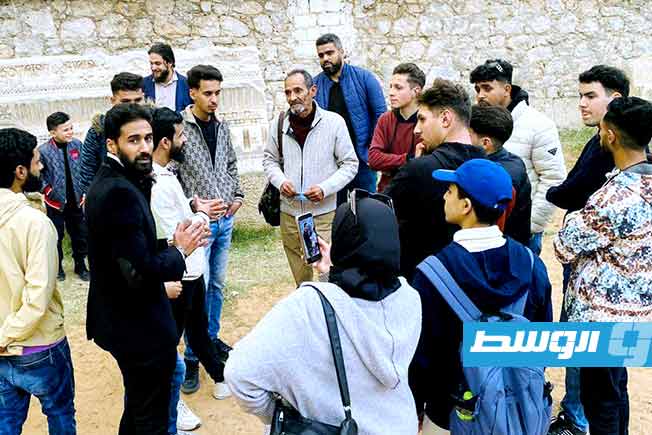
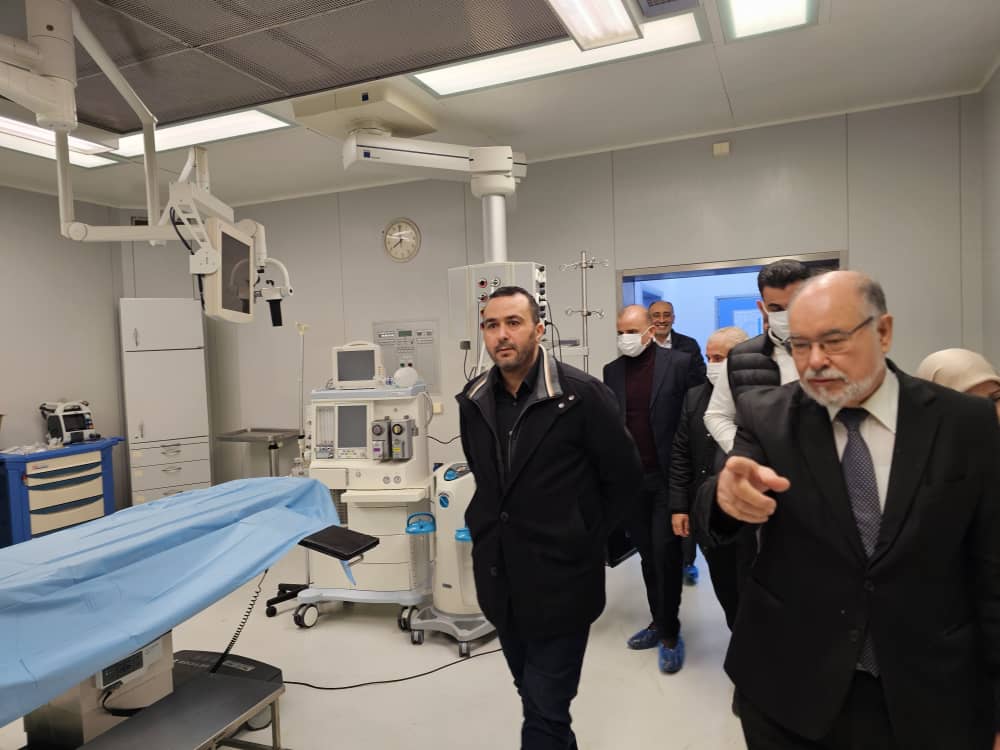
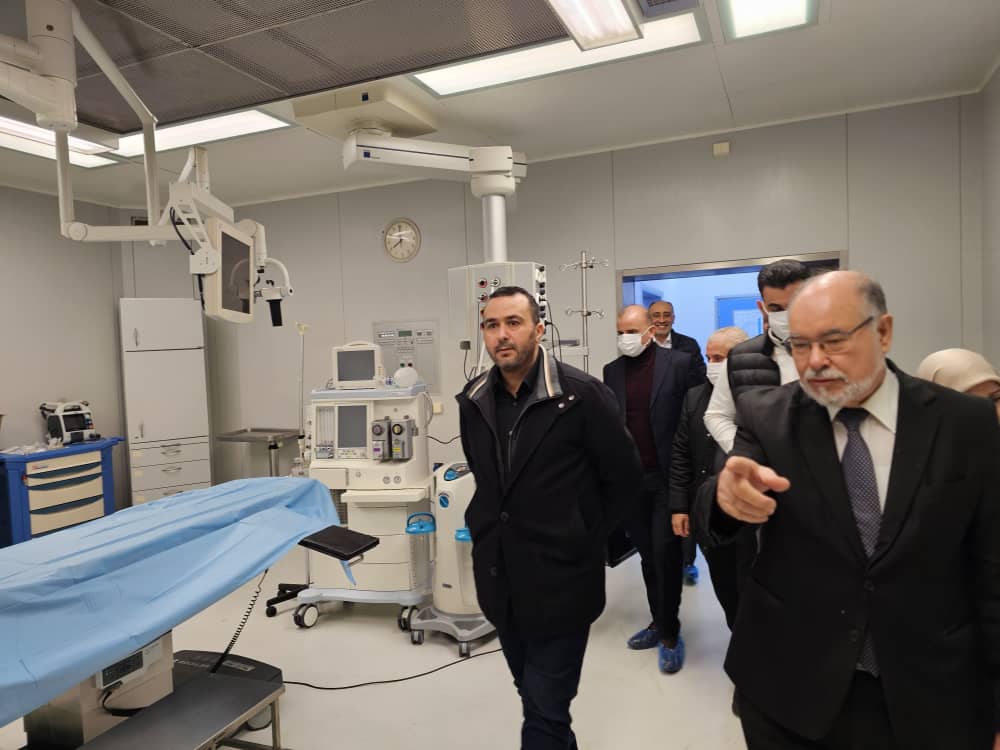
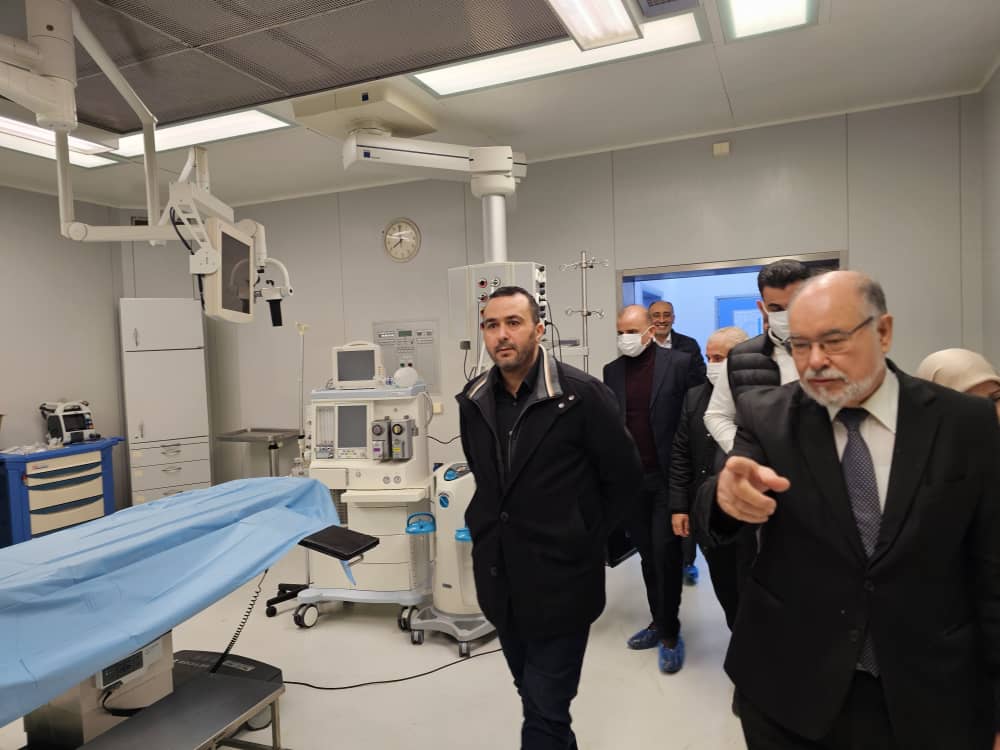
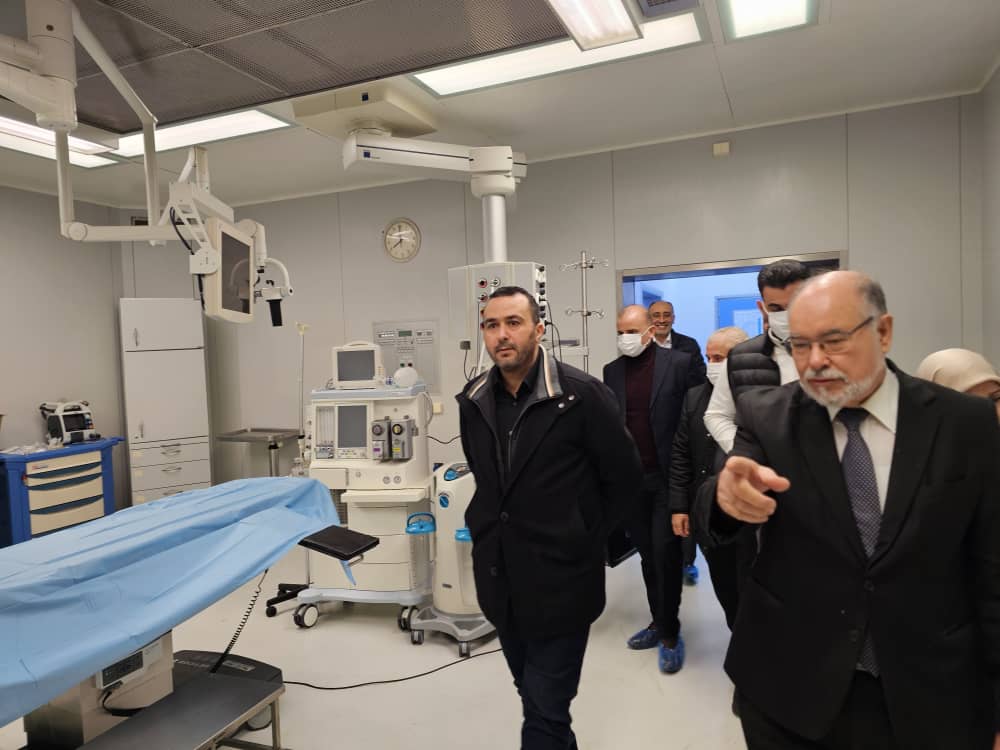
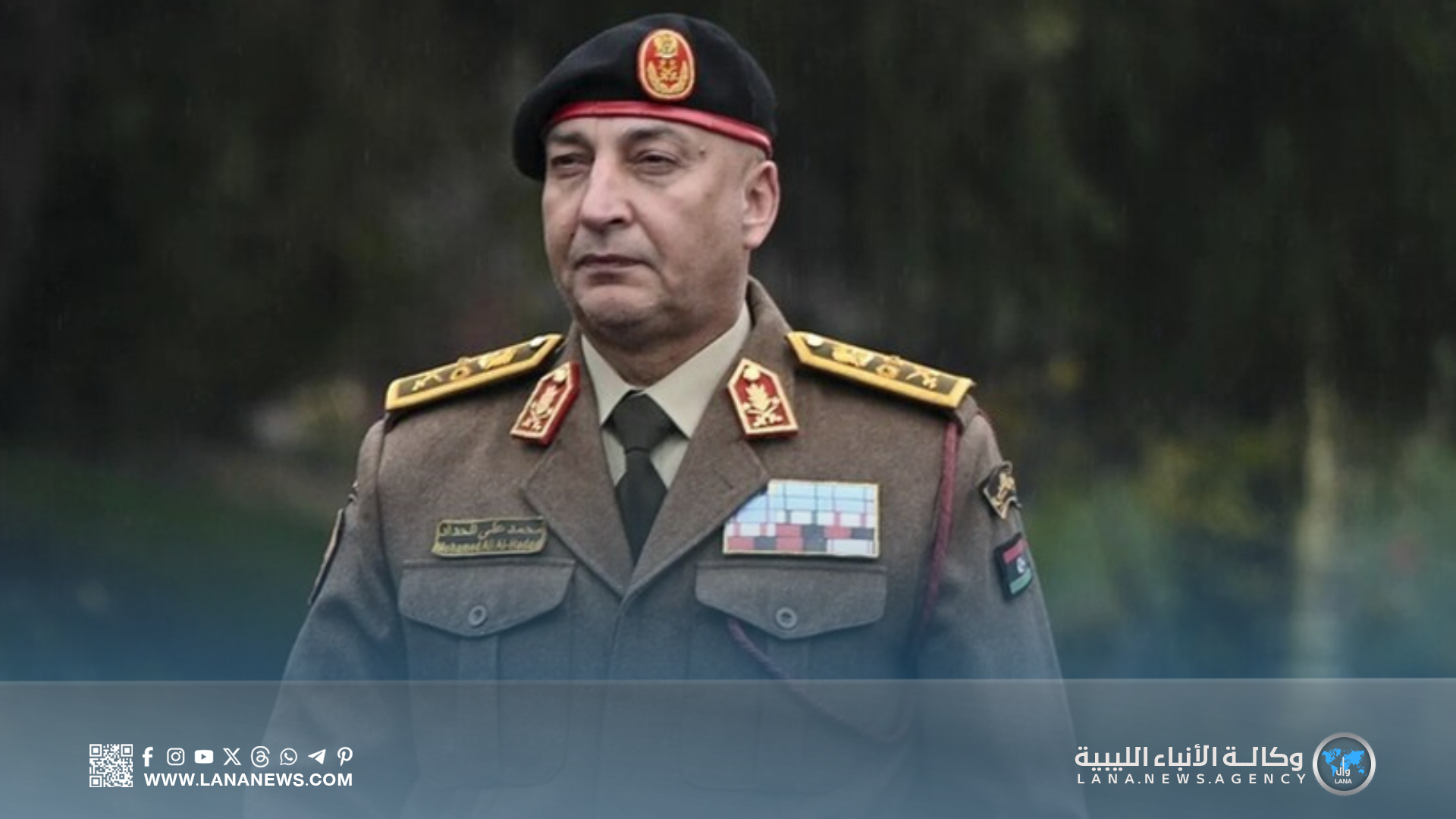
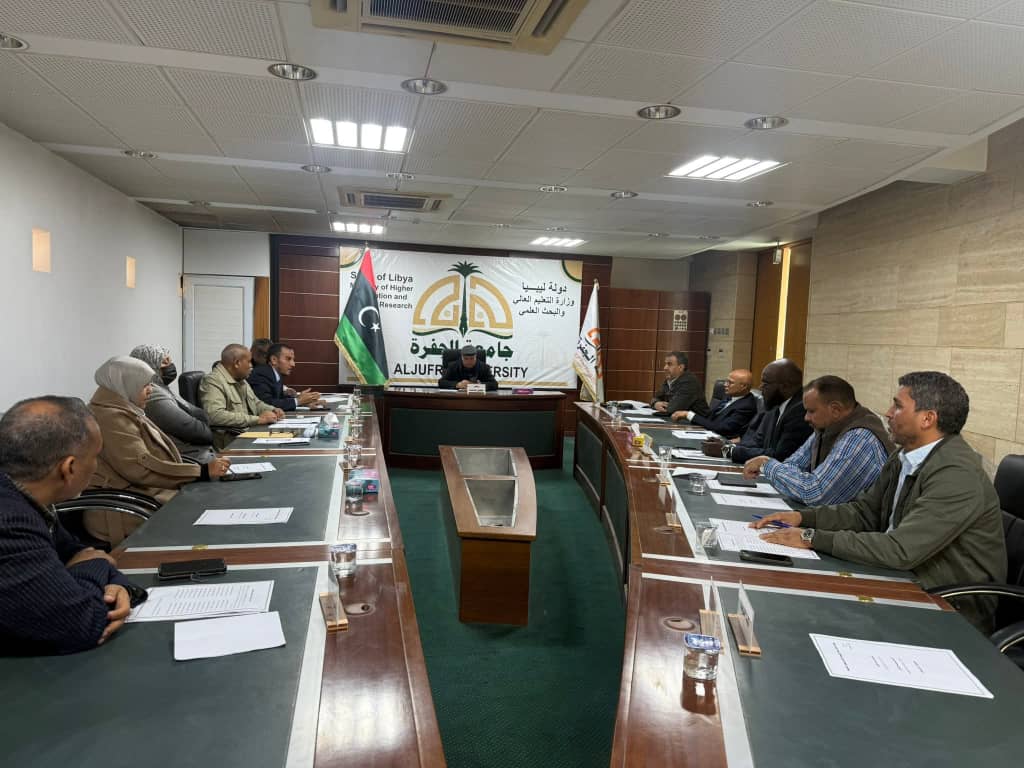
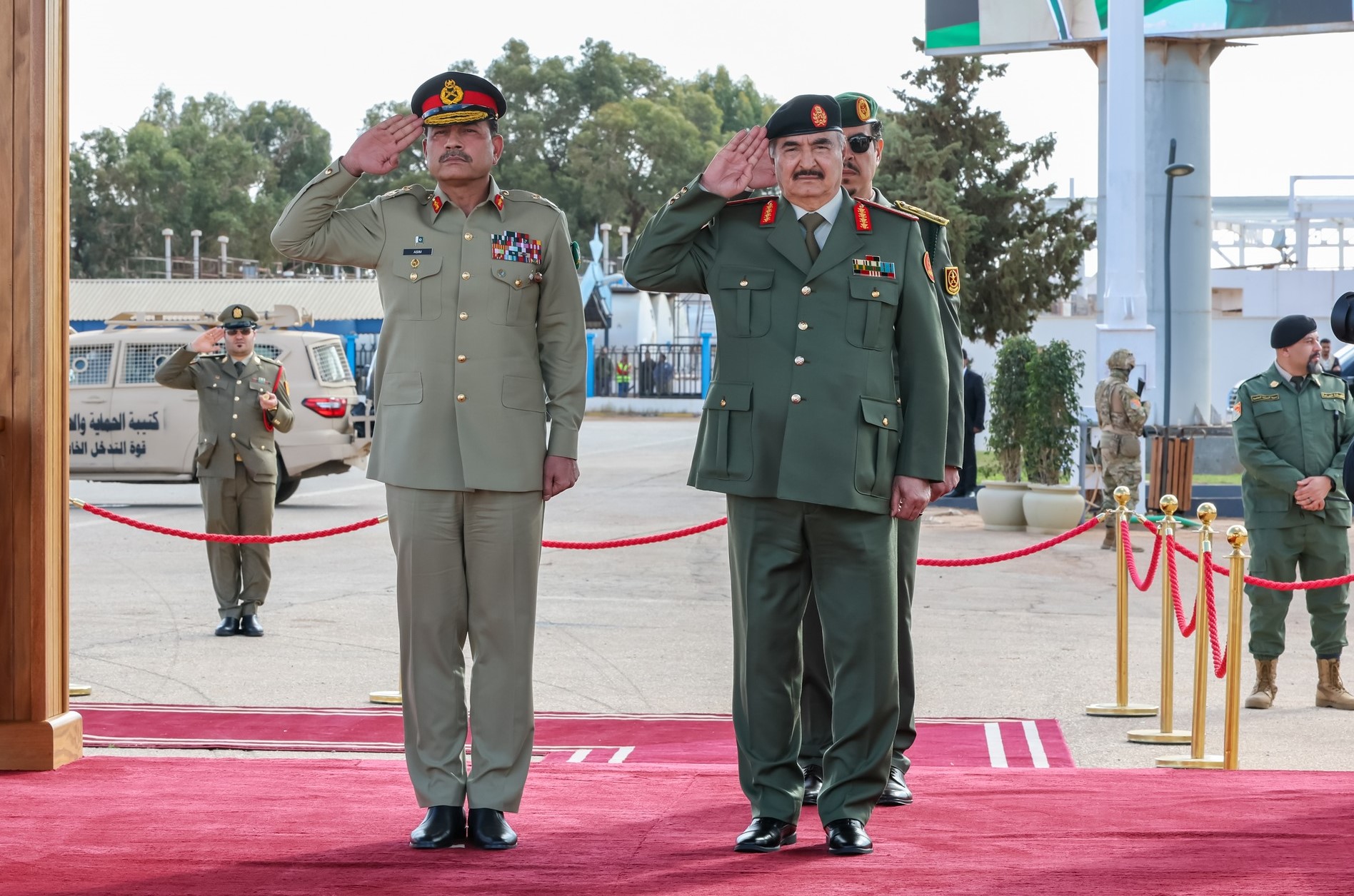
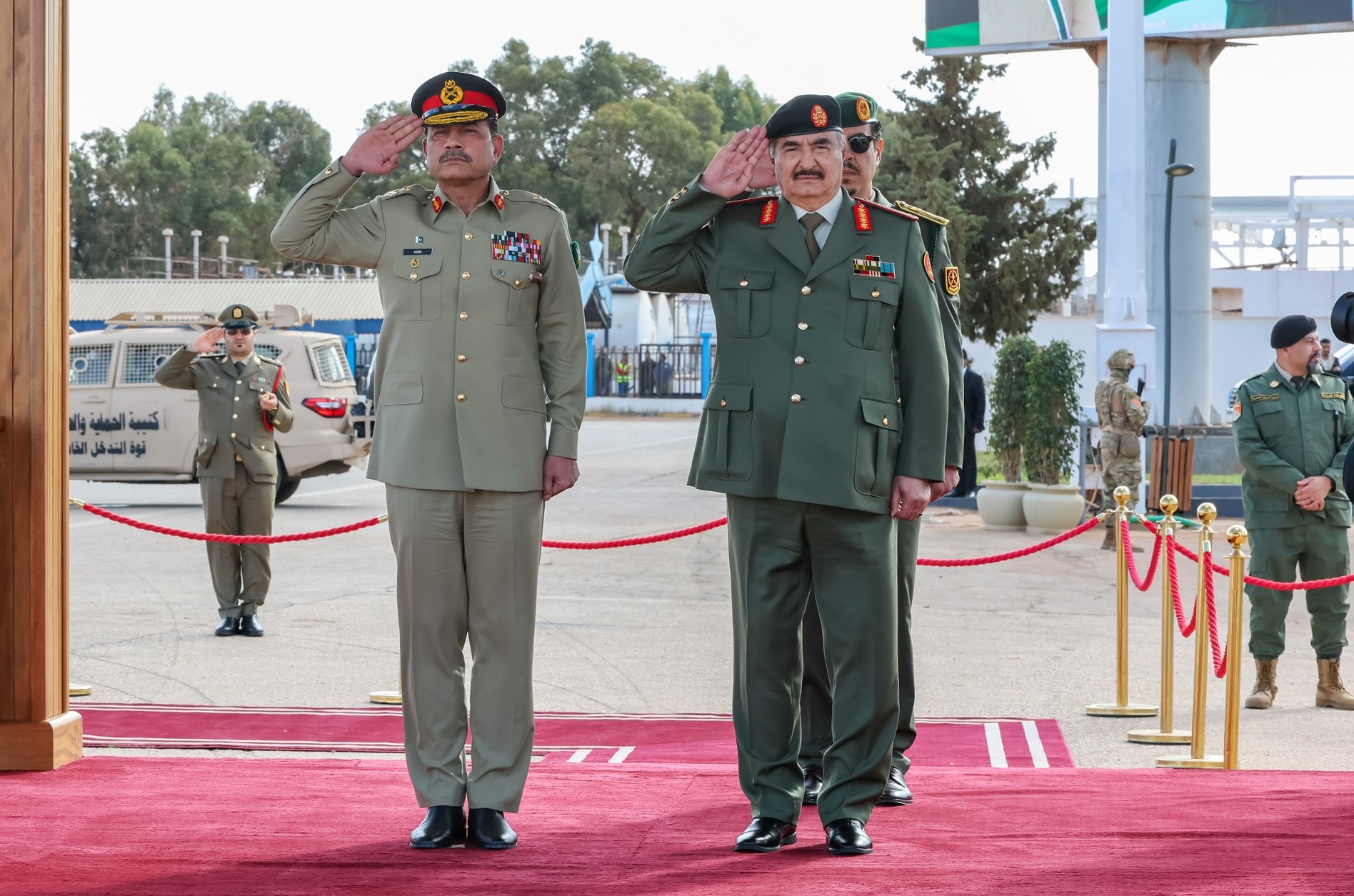
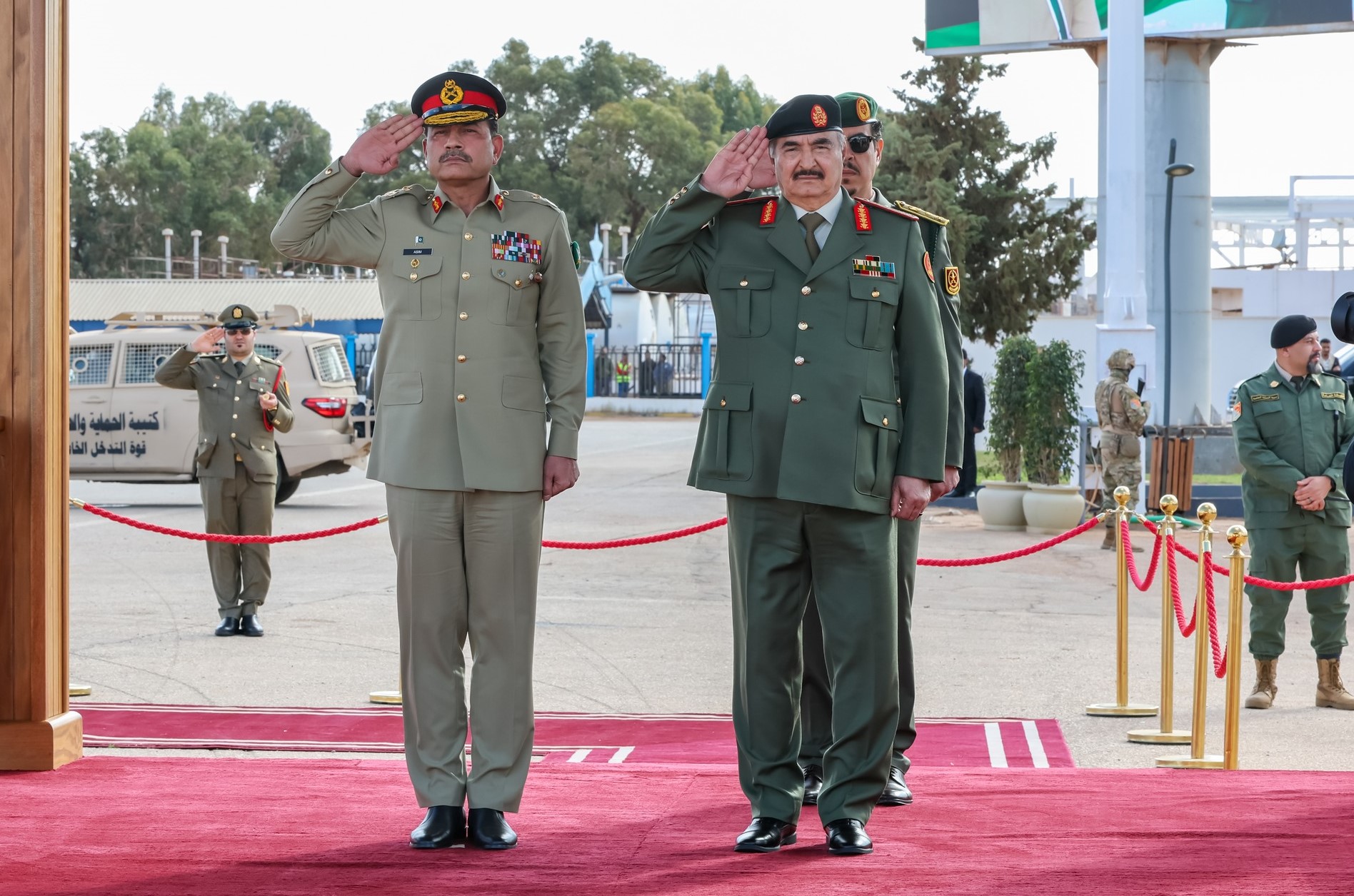
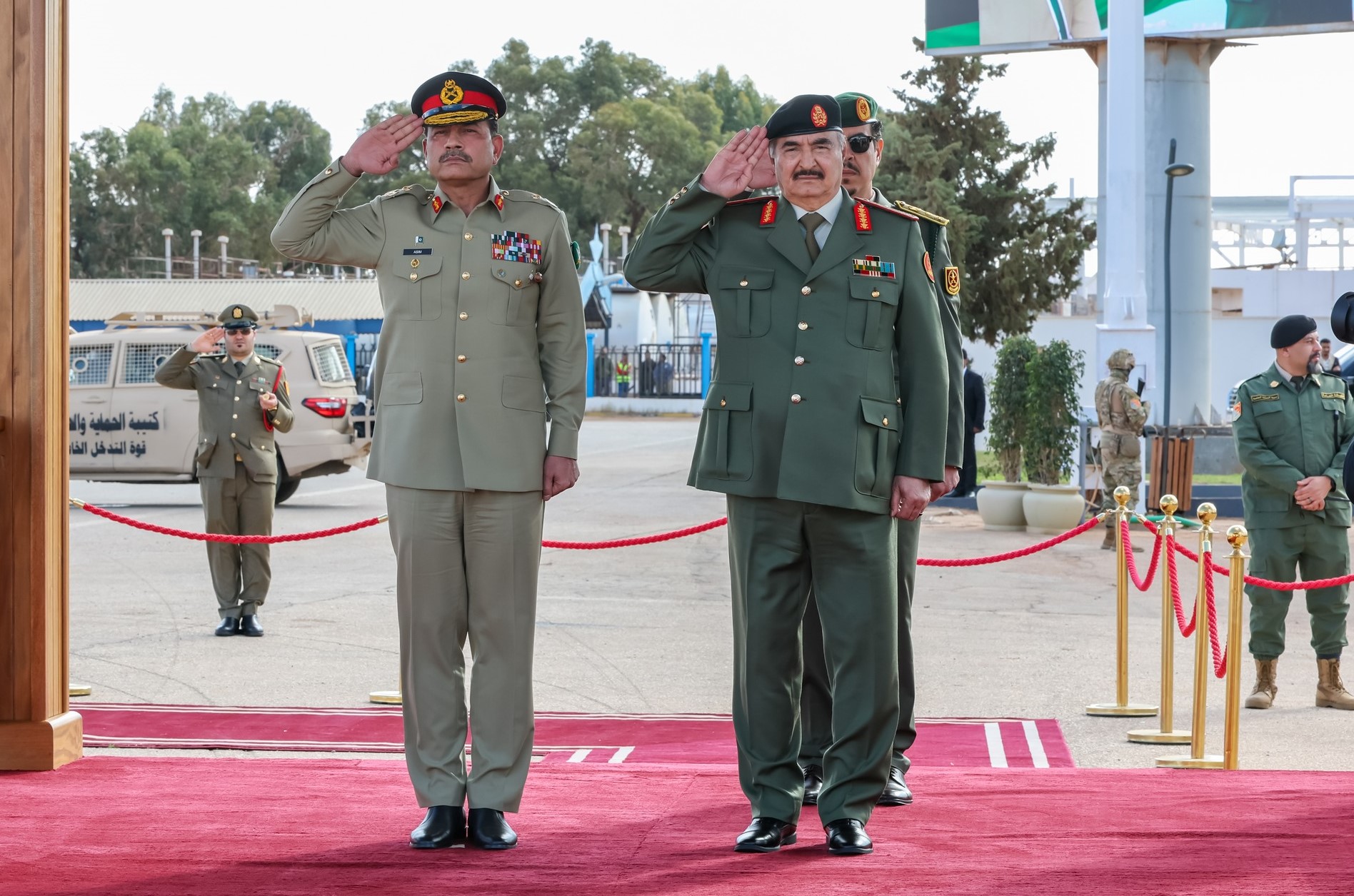
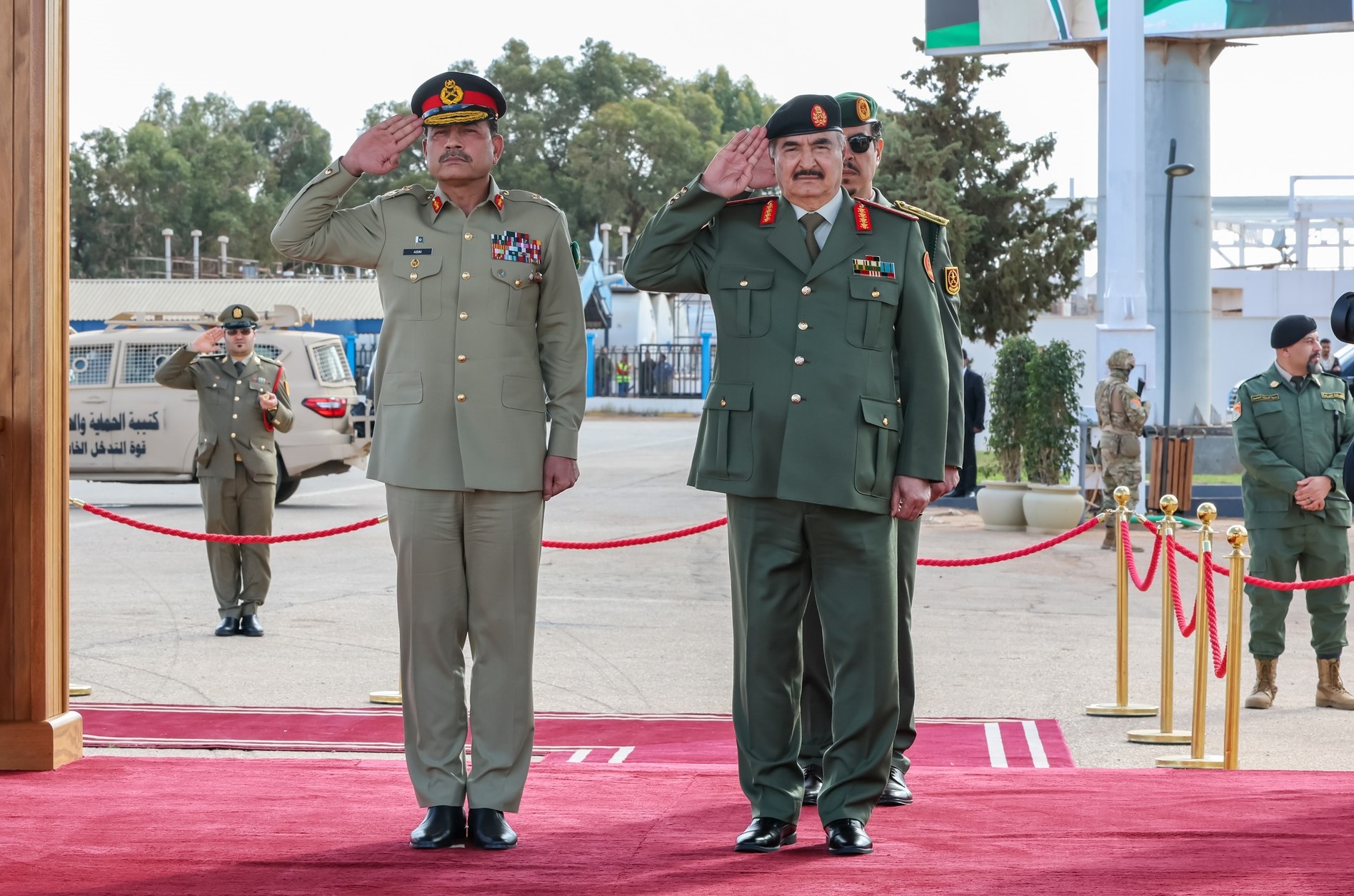
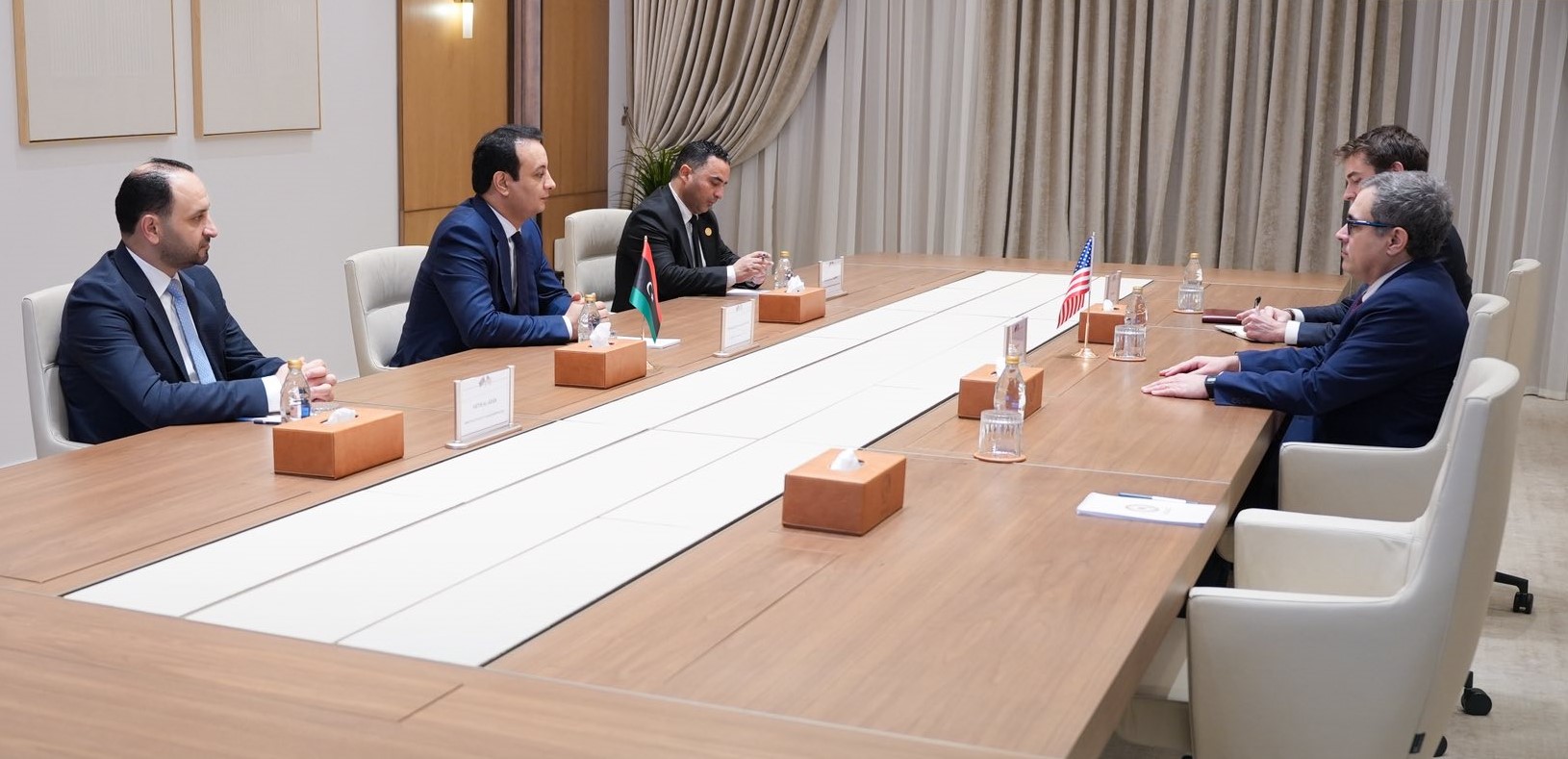
A scene from the closing ceremony of the second edition of the ‘Libyan European Film Festival’ in the city of Tripoli, on January 22, 2026.
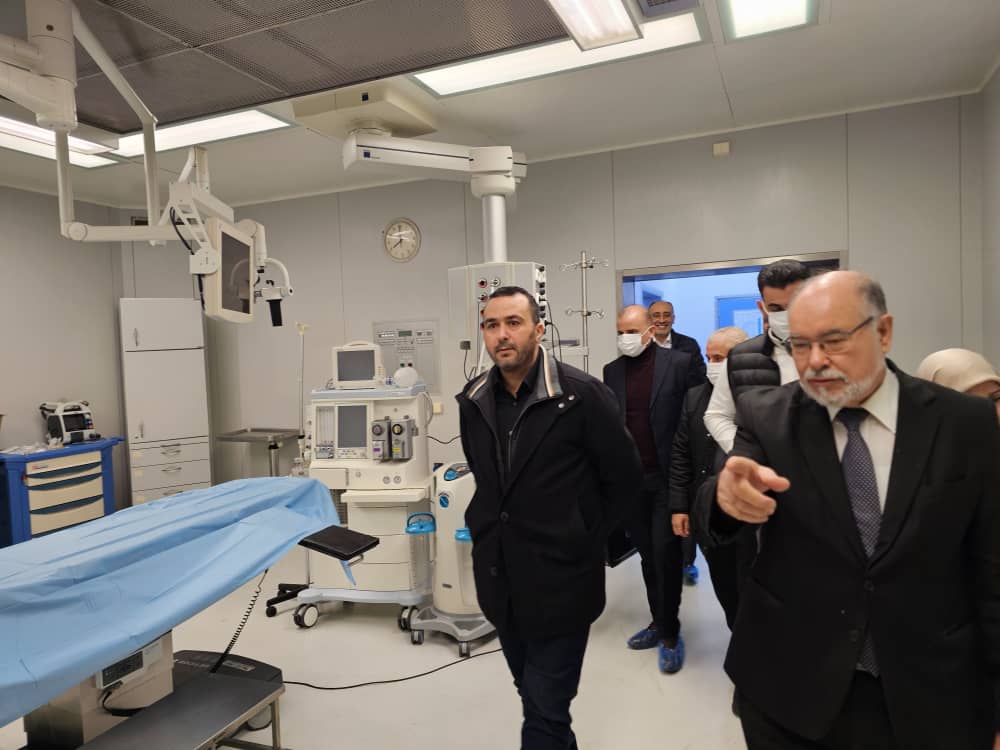
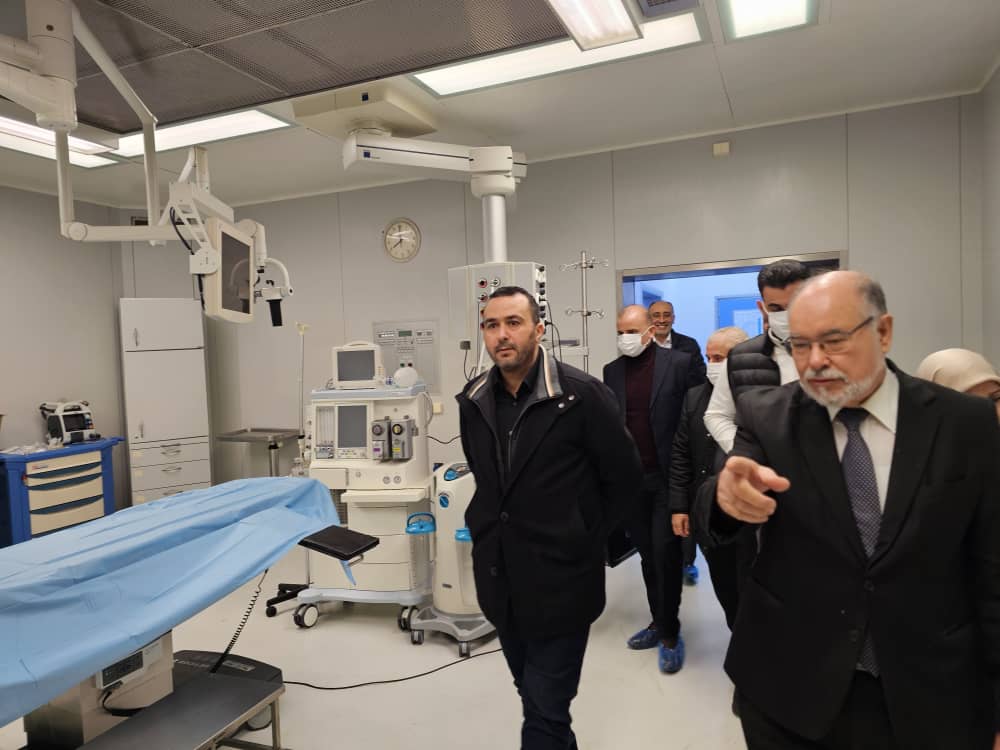
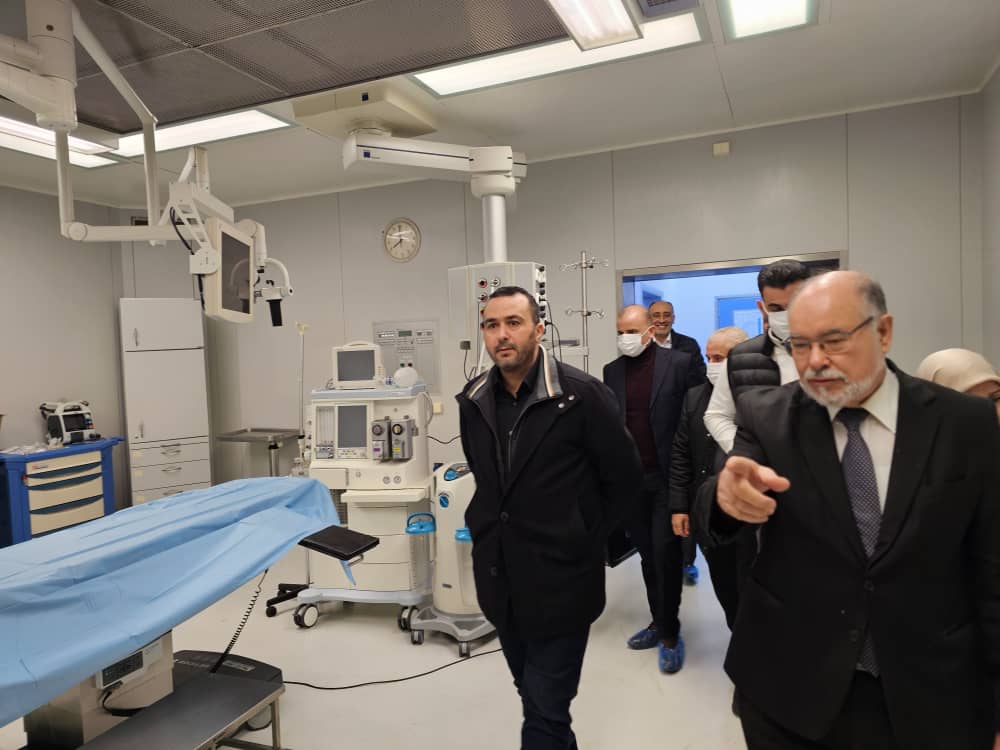
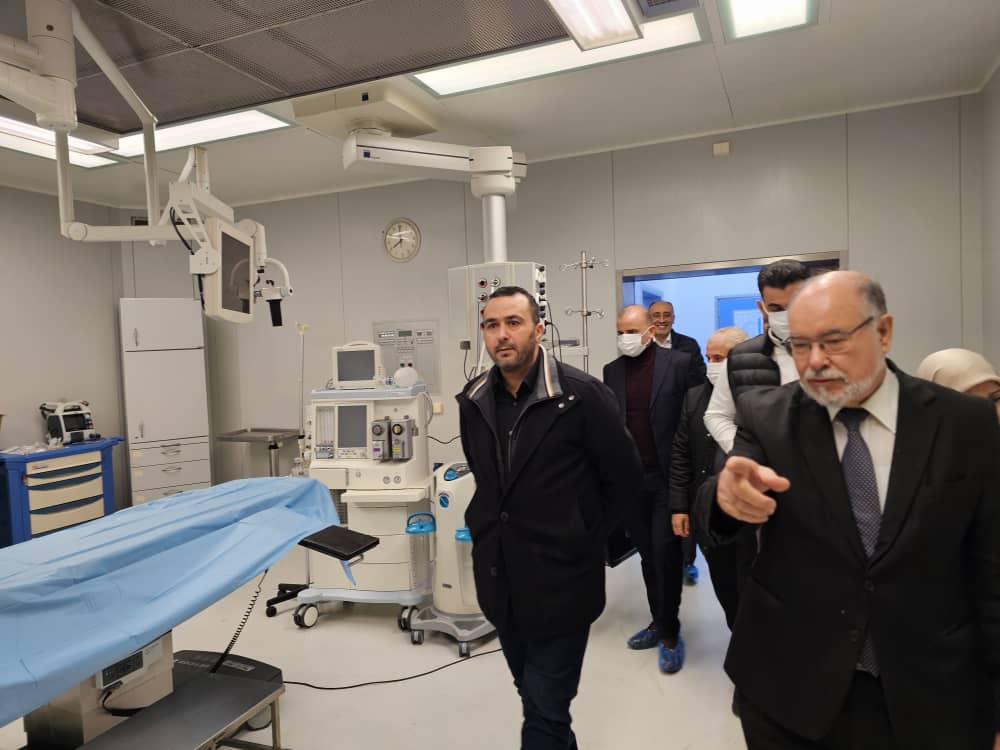
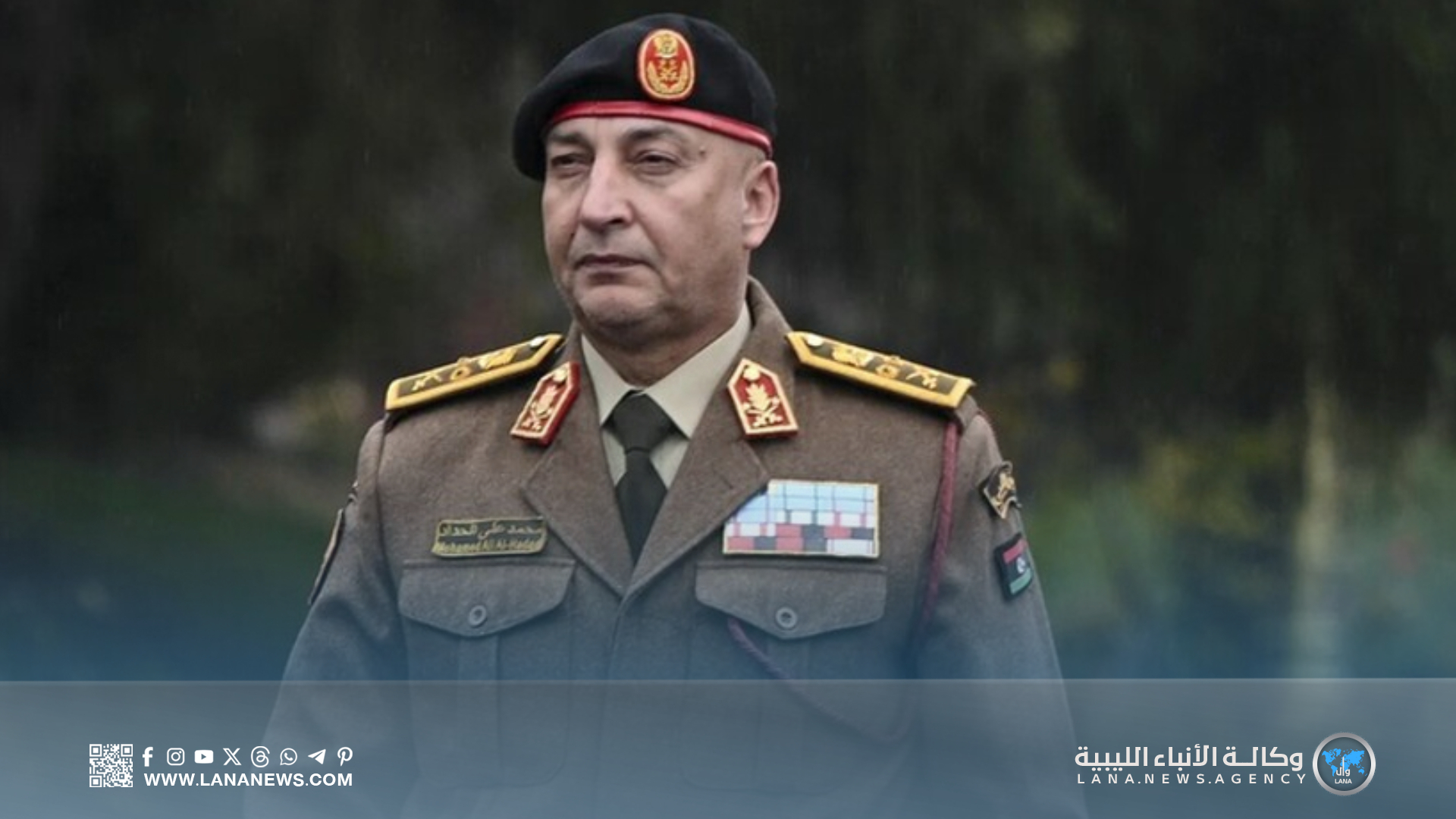
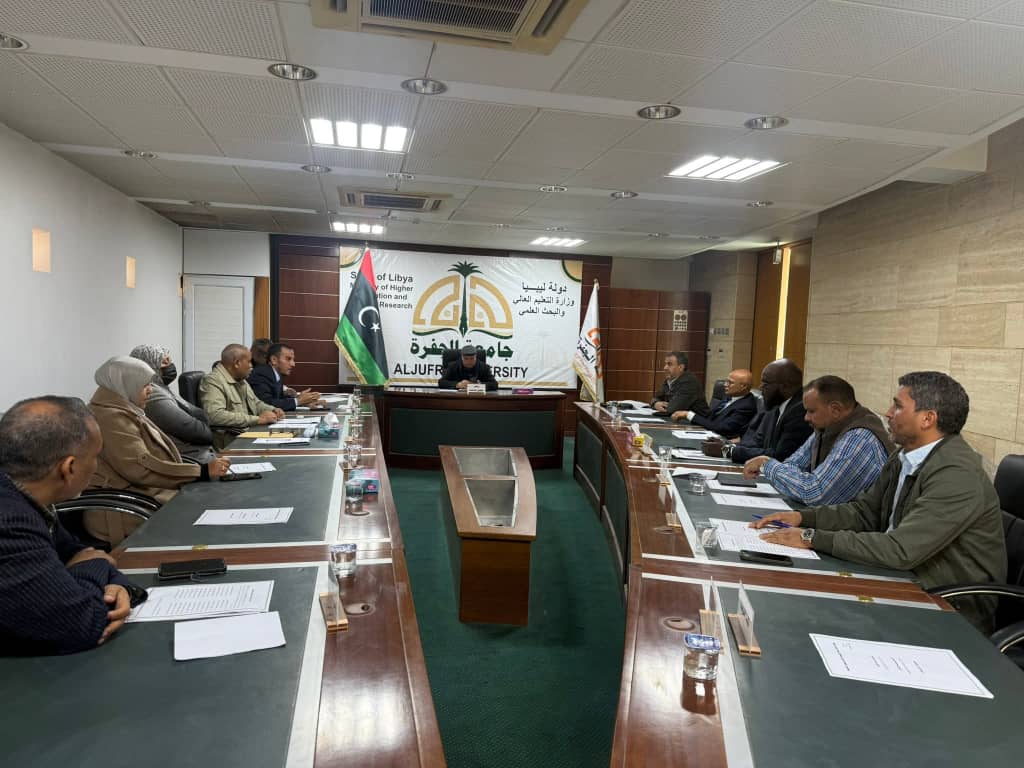
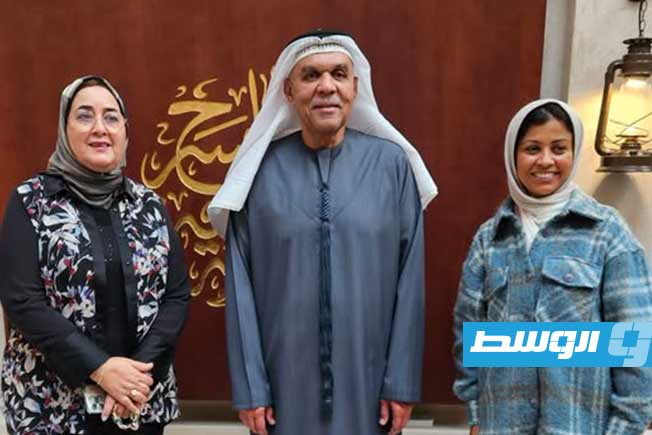
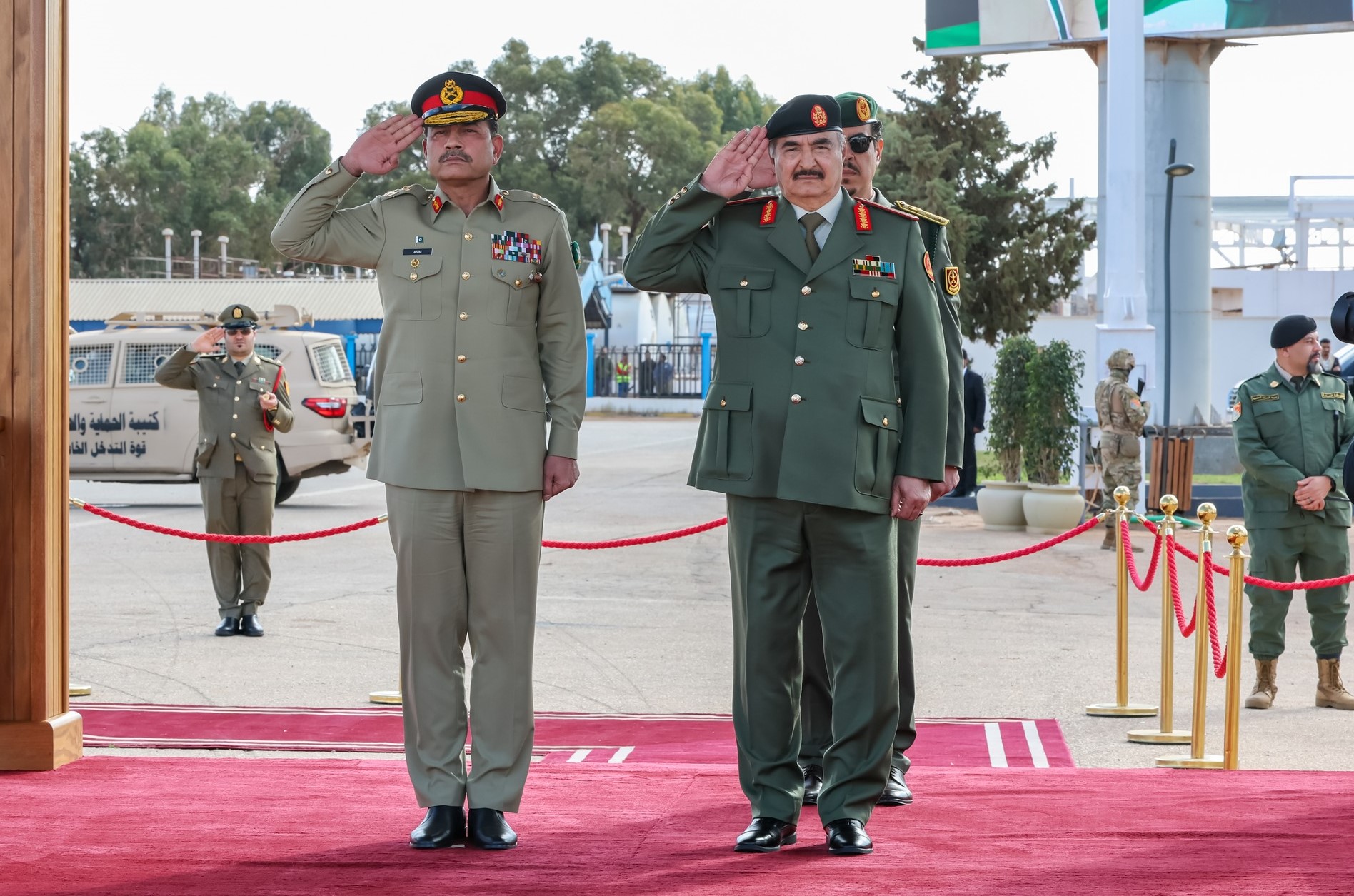
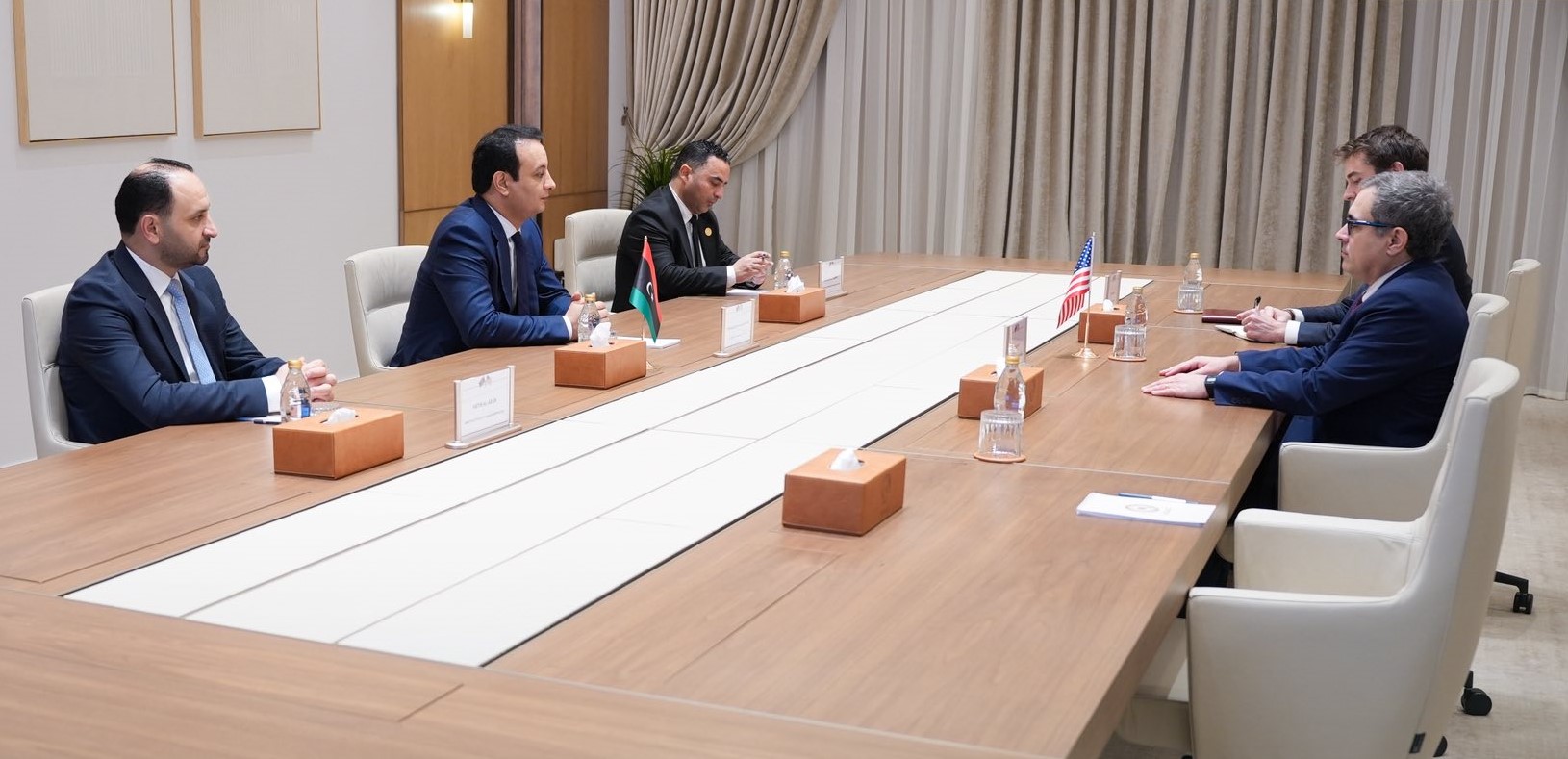
A scene from the closing ceremony of the second edition of the ‘Libyan European Film Festival’ in the city of Tripoli, on January 22, 2026.
Tripoli
Tripoli is the capital and largest city of Libya, with a history dating back to the 7th century BC when it was founded by the Phoenicians. It later became a significant Roman city and a major port under various rulers, including the Ottomans and Italians, which is reflected in its historic medina and Red Castle (Assaraya al-Hamra).
Libya
Libya is a North African country with a rich history rooted in ancient civilizations like the Phoenicians and Romans, followed by centuries of Arab and Ottoman influence. In the modern era, it was an Italian colony before gaining independence in 1951, later undergoing significant political changes in the 20th and 21st centuries. Its cultural landscape is notably shaped by its vast Saharan desert and significant archaeological sites, such as the ancient Greek city of Cyrene.
European Union Mission to Libya
The European Union Mission to Libya is a diplomatic presence established to support political dialogue, governance, and stability in Libya following the 2011 revolution. It operates within the framework of the EU’s Common Security and Defence Policy, focusing on mediation, humanitarian aid, and border management assistance.
General Authority for Cinema, Theater, and Arts
The General Authority for Cinema, Theater, and Arts is a Saudi Arabian government body established to regulate and develop the cultural and entertainment sectors. It was founded as part of the Kingdom’s Vision 2030 reforms to promote cultural activities and build a vibrant society, marking a significant shift in the nation’s cultural landscape.
Ministry of Government Communication
The Ministry of Government Communication is a Jordanian government body responsible for official state media, public relations, and shaping national communication strategies. It was established to centralize and modernize the government’s public outreach, playing a key role in disseminating official information and managing the state’s narrative both domestically and internationally.
Italy
Italy is a country in Southern Europe with a rich cultural history that dates back to the Roman Empire, which was one of the largest and most influential civilizations of antiquity. It later became the birthplace of the Renaissance, a period of immense artistic and intellectual achievement centered in cities like Florence and Rome. Today, Italy is renowned for its vast contributions to art, architecture, cuisine, and fashion, and it hosts numerous UNESCO World Heritage Sites.
France
France is a country in Western Europe with a rich cultural and historical legacy, dating from ancient Gaul through the Roman Empire, the monarchy, and the French Revolution. It is globally renowned for its influential art, cuisine, and philosophy, as well as iconic landmarks like the Eiffel Tower and the Palace of Versailles.
Germany
Germany is a country in Central Europe with a complex history, having been a collection of states for centuries before unifying in 1871. It was a central power in both World Wars, and its post-World War II division into East and West Germany symbolized the Cold War, before reunifying in 1990. Today, it is a leading economic and political force in the European Union, known for its rich cultural heritage in philosophy, music, and science.
Spain
Spain is a country in southwestern Europe with a rich and diverse cultural heritage shaped by Roman, Moorish, and Christian influences. Its history includes the unification under the Catholic Monarchs in the late 15th century, a vast global empire, and the 20th-century Spanish Civil War followed by the transition to democracy. Today, it is known for its vibrant regional identities, historic cities, and significant contributions to art, architecture, and cuisine.
Libyan film ‘Saud’
“Libyan film ‘Saud'” is a 2018 short film directed by Anwar Benbrahim that explores the life of a young man in Tripoli navigating societal pressures and personal dreams. The film is notable for being one of the first Libyan films to be submitted for consideration for the Academy Award for Best Live Action Short Film, marking a significant moment in the country’s modern cinematic history.
Italian film ‘Carsello Carosoni’
The Italian film “Carosello Carosoni” is a 1962 comedy that parodies the popular Italian television advertising program “Carosello.” The movie humorously explores the behind-the-scenes chaos and creative struggles involved in producing the show’s short, musical advertisements. It serves as a satirical snapshot of Italy’s consumer culture and media landscape during its post-war economic boom.