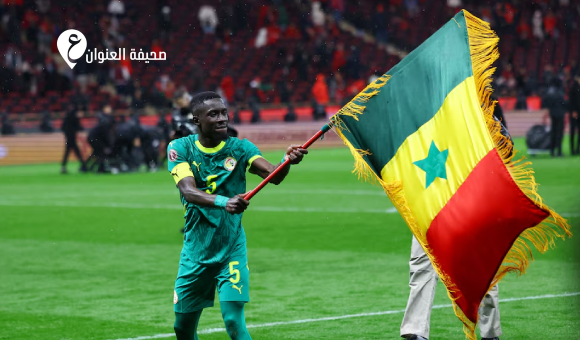
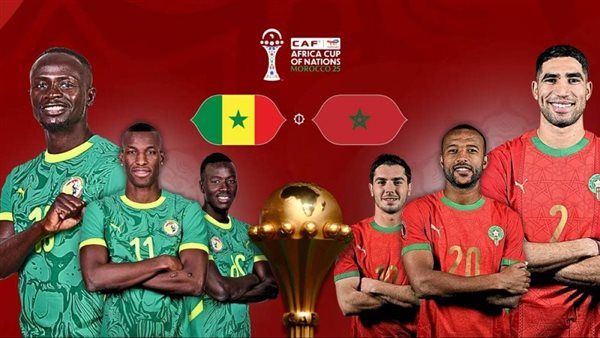
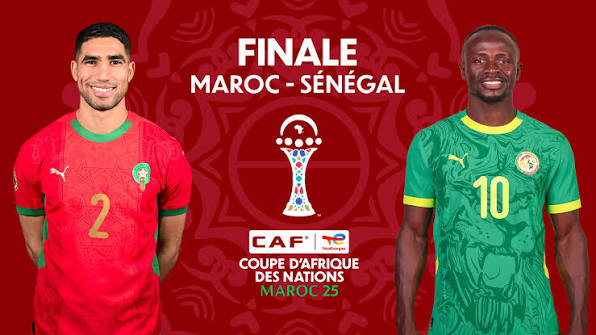
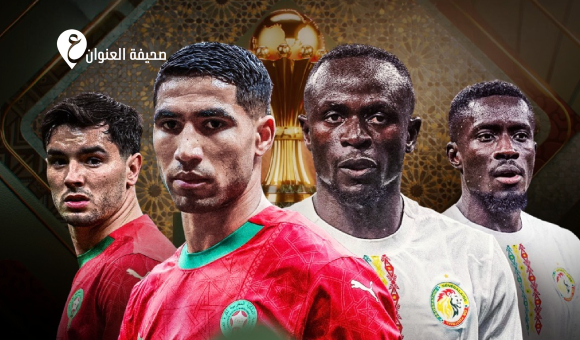
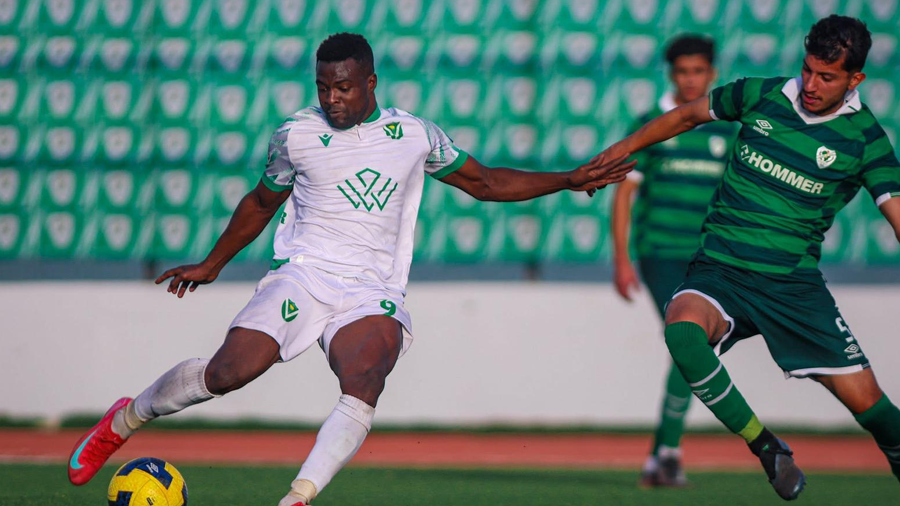
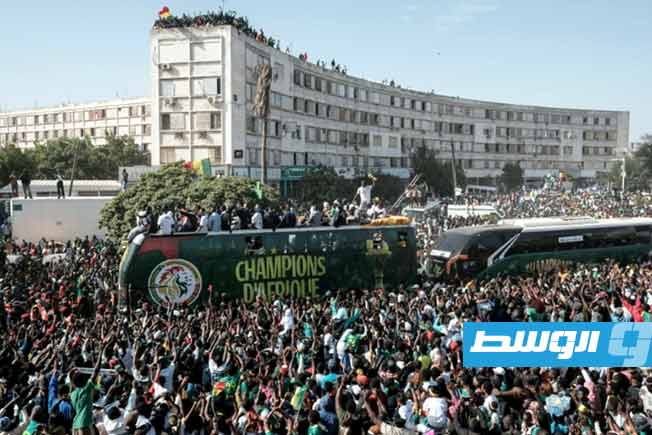
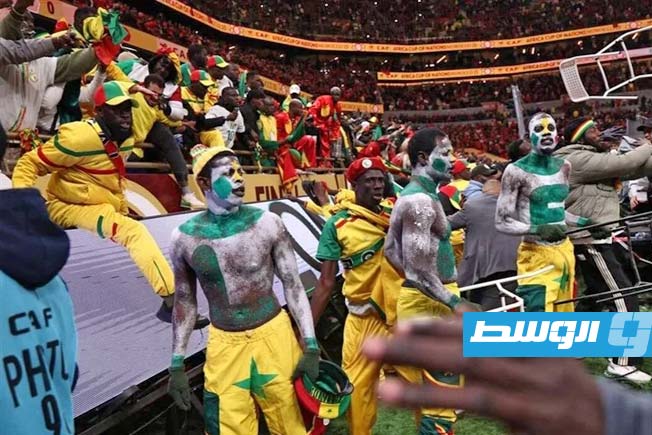
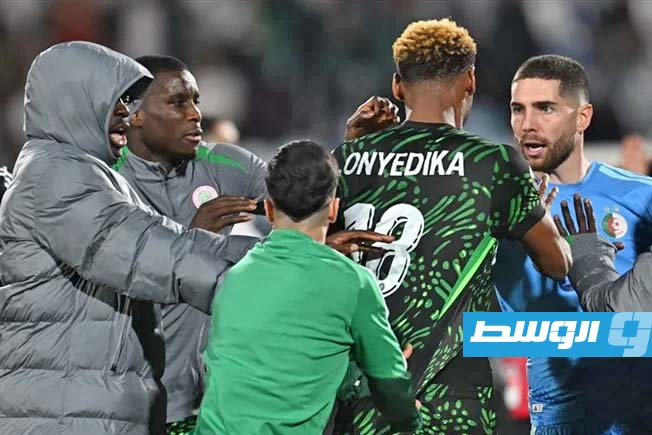
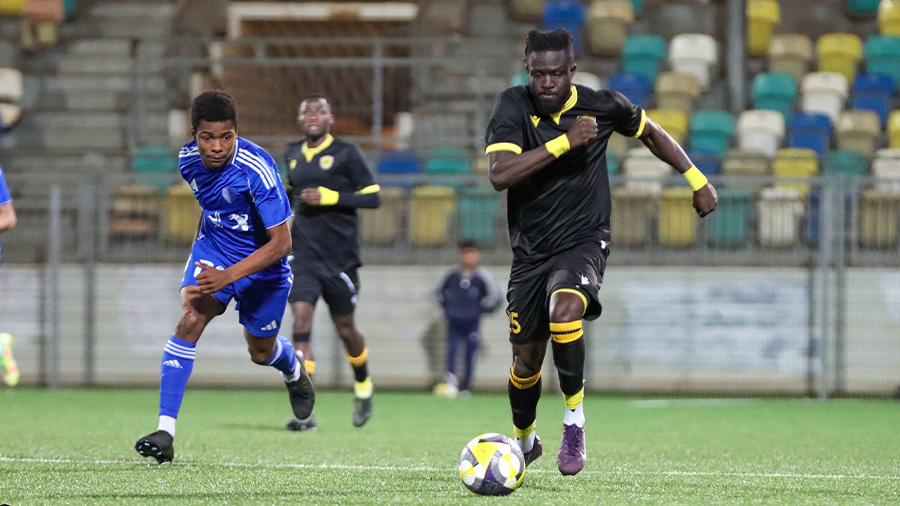
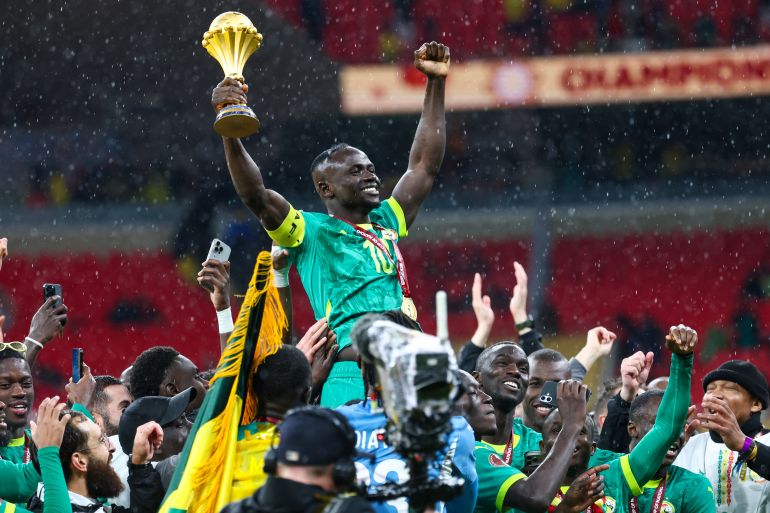
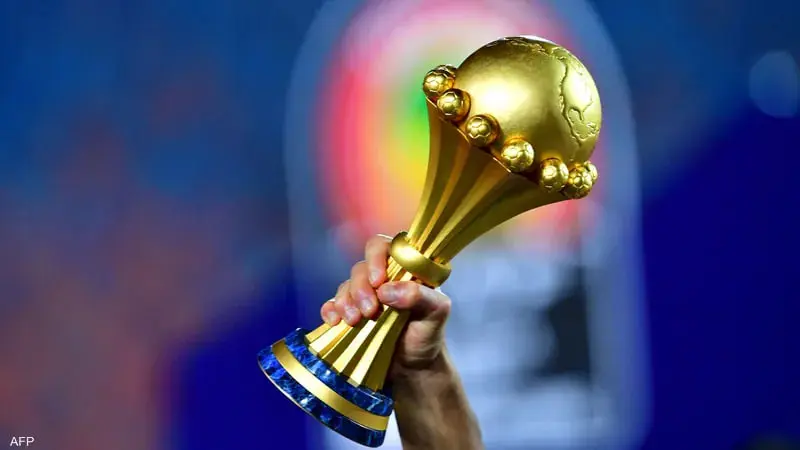
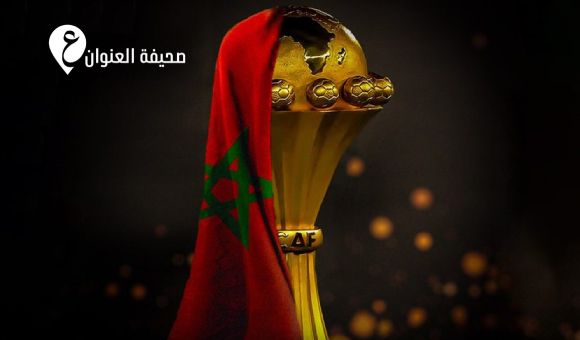
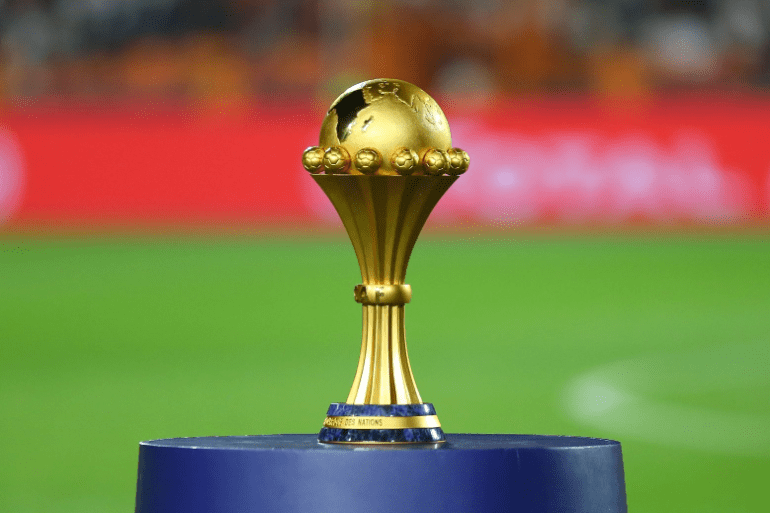
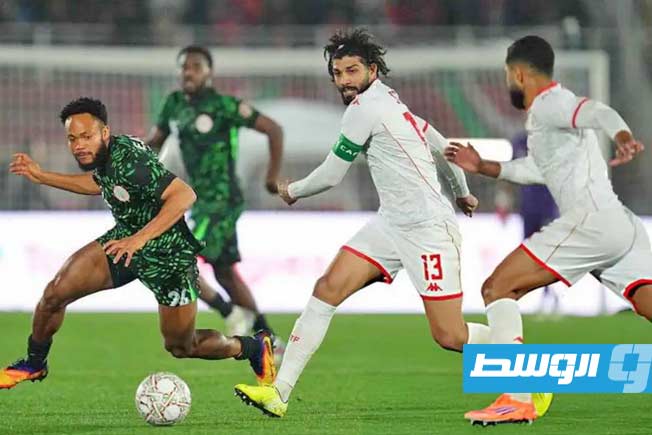
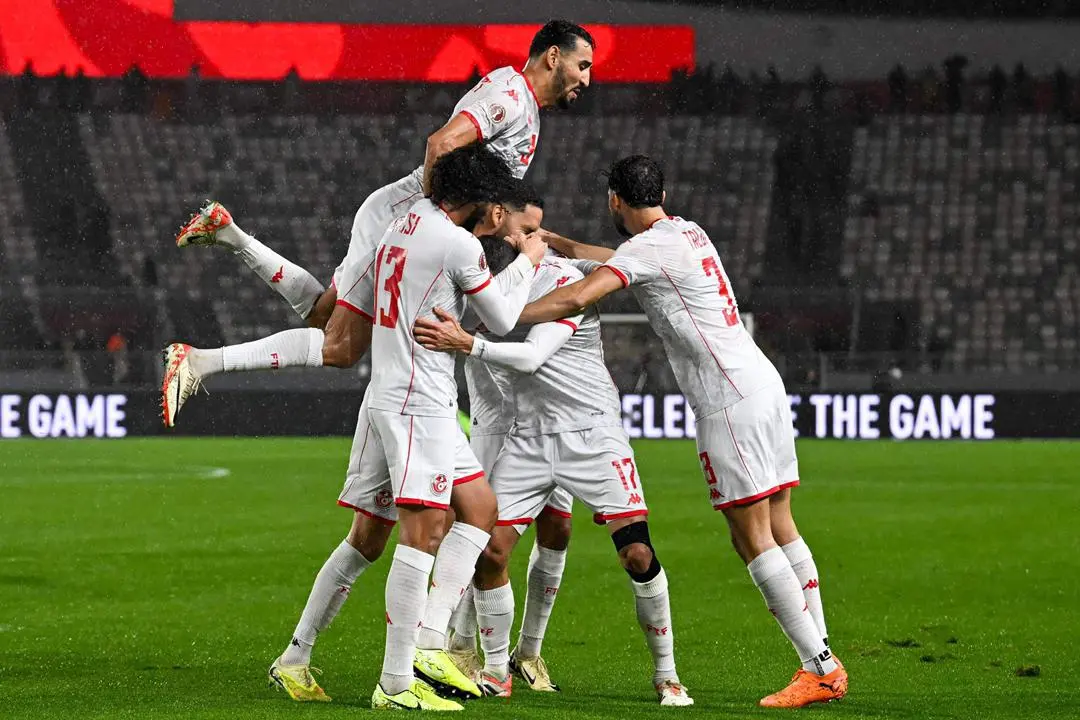
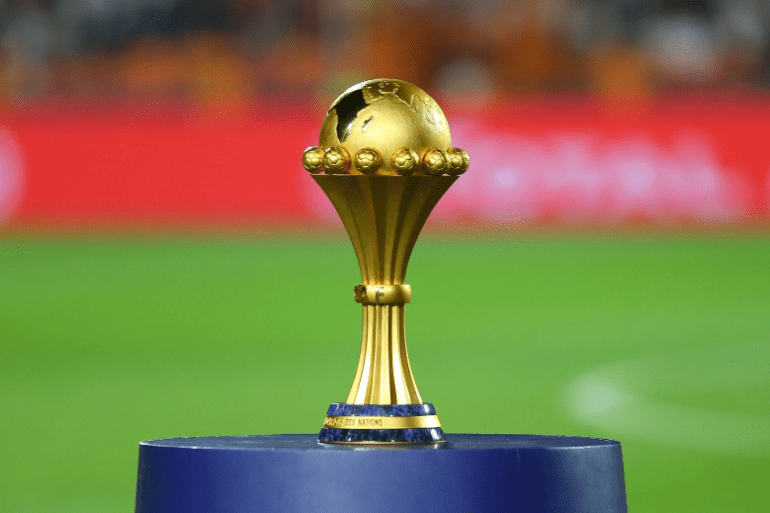
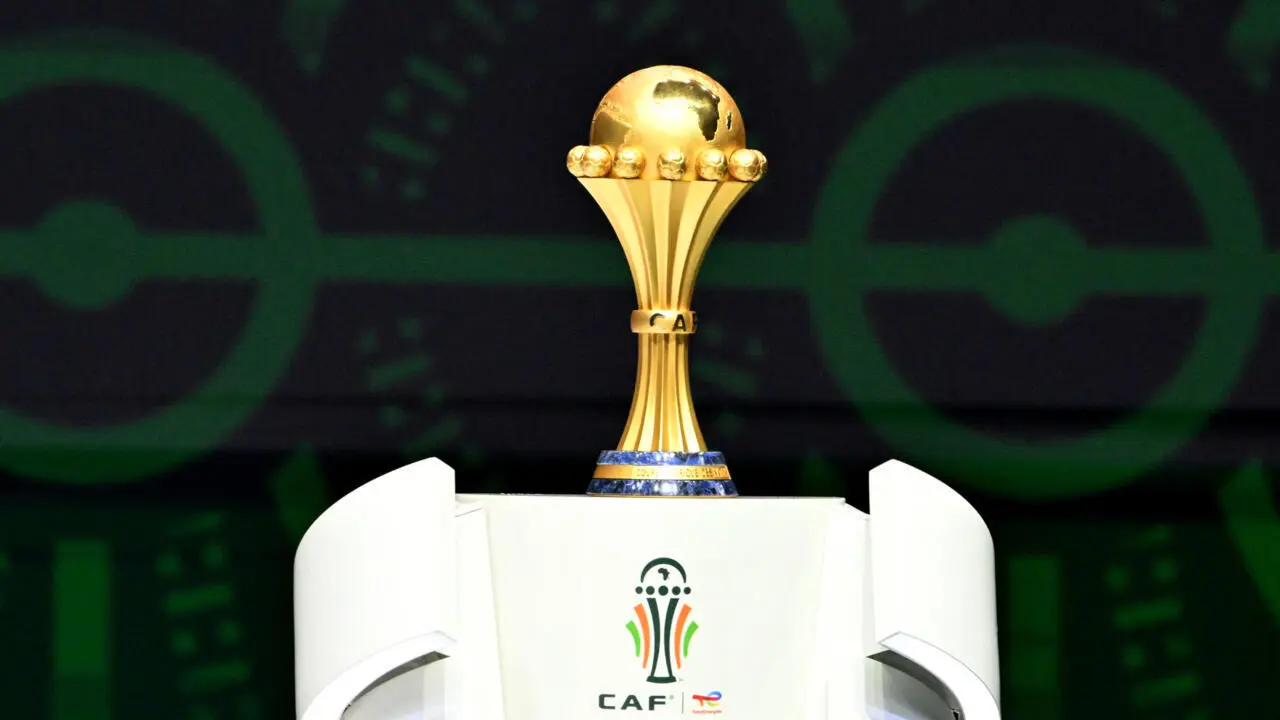
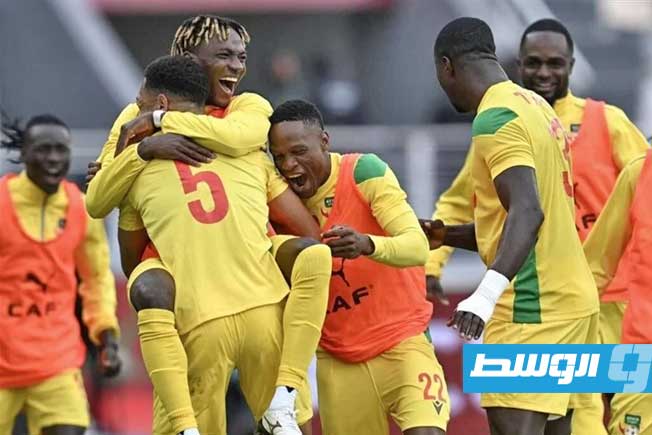
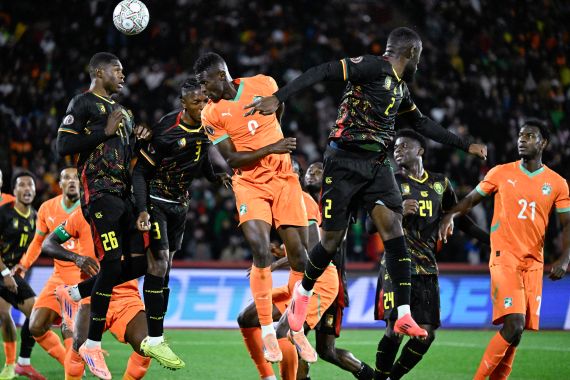
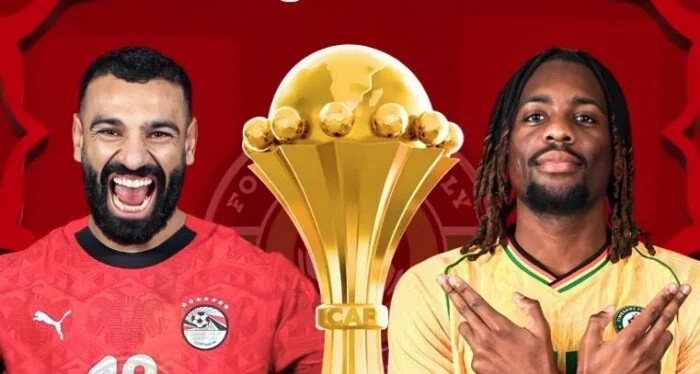
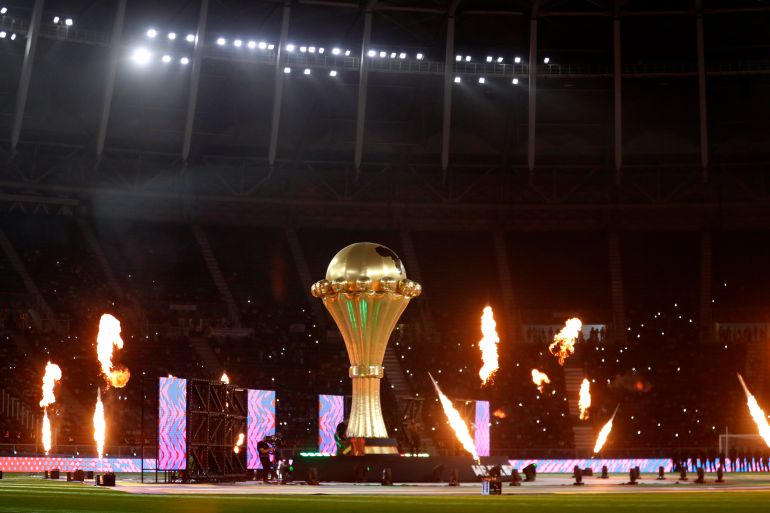
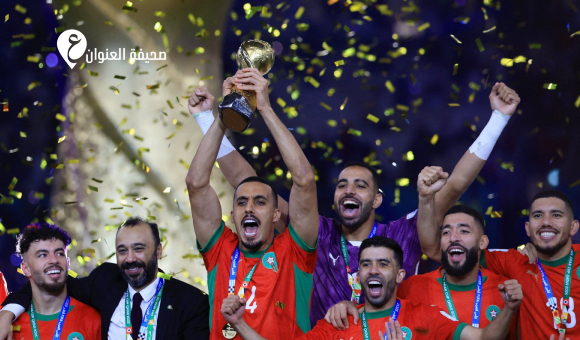
The Senegal national team, crowned champions of the Africa Cup of Nations, could face disciplinary sanctions following violent incidents that occurred during the tournament, according to regulations adopted by the Confederation of African Football.
What happened?
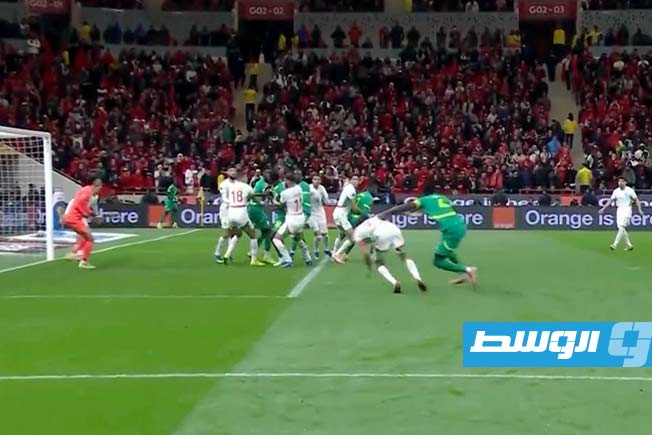
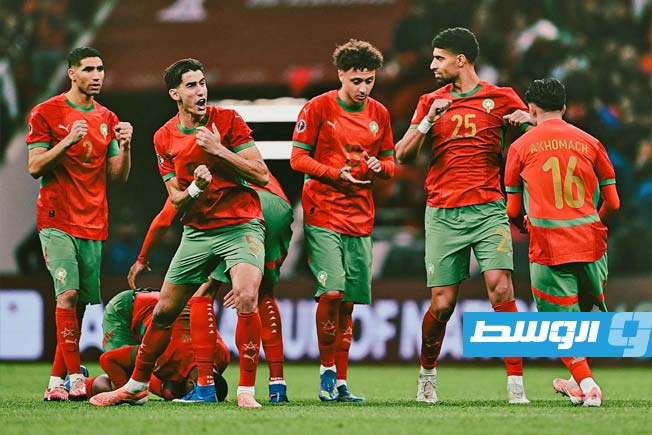
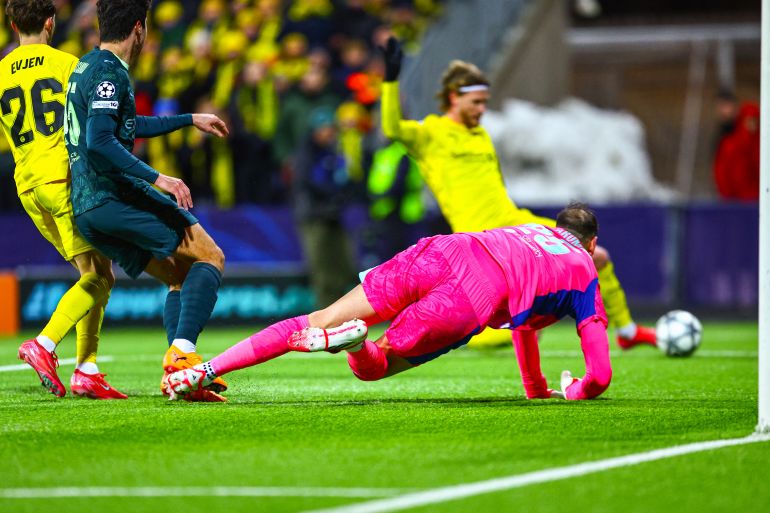
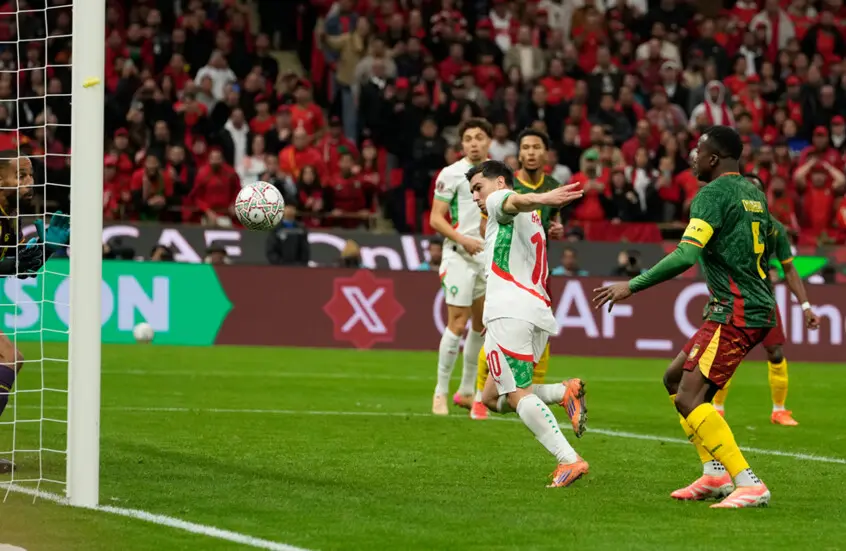
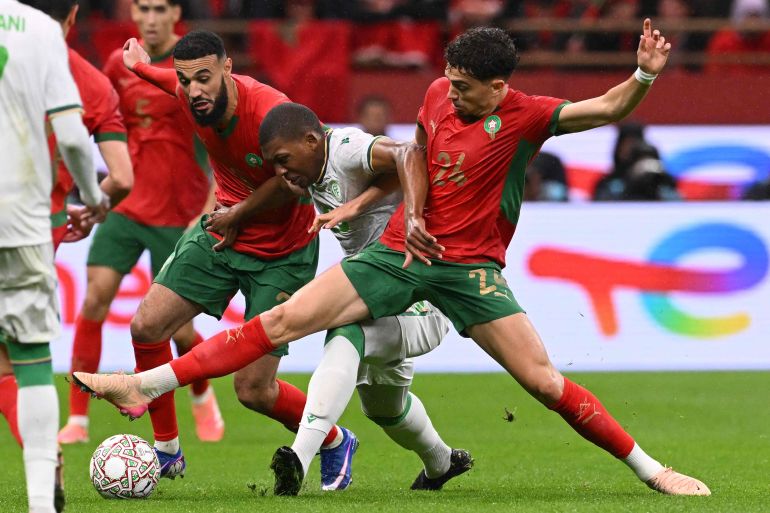
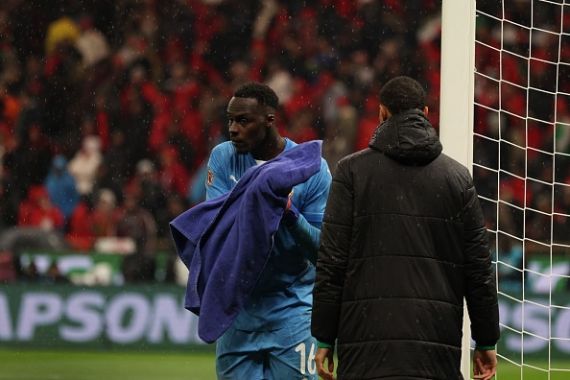
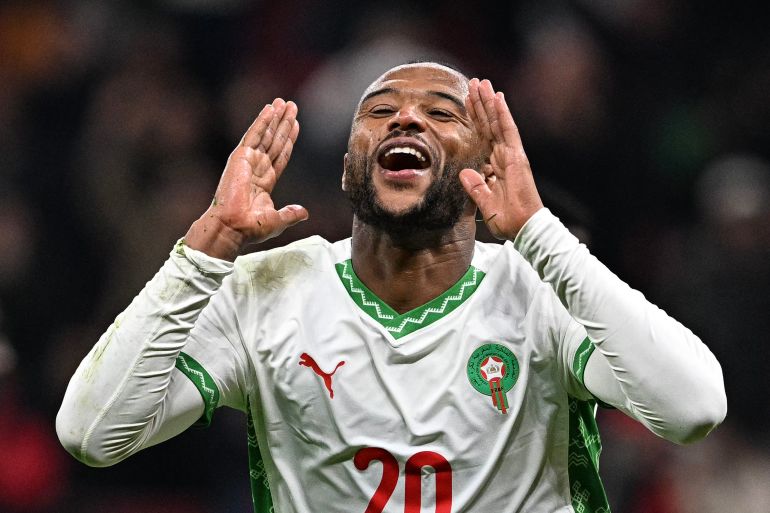
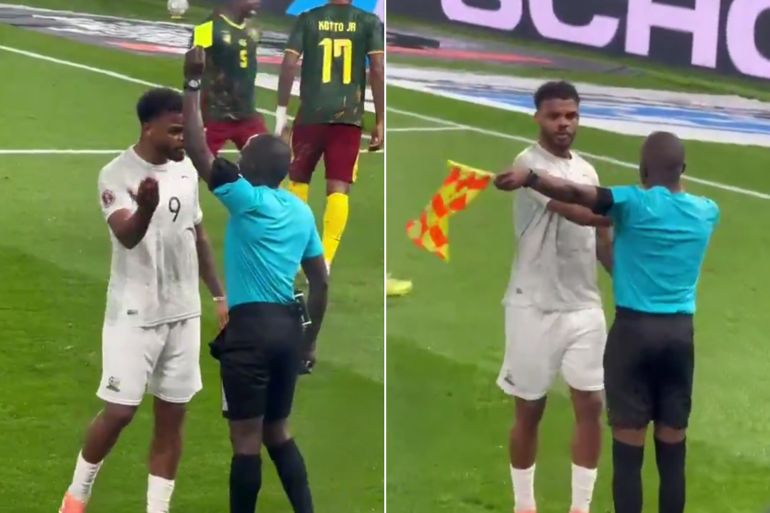
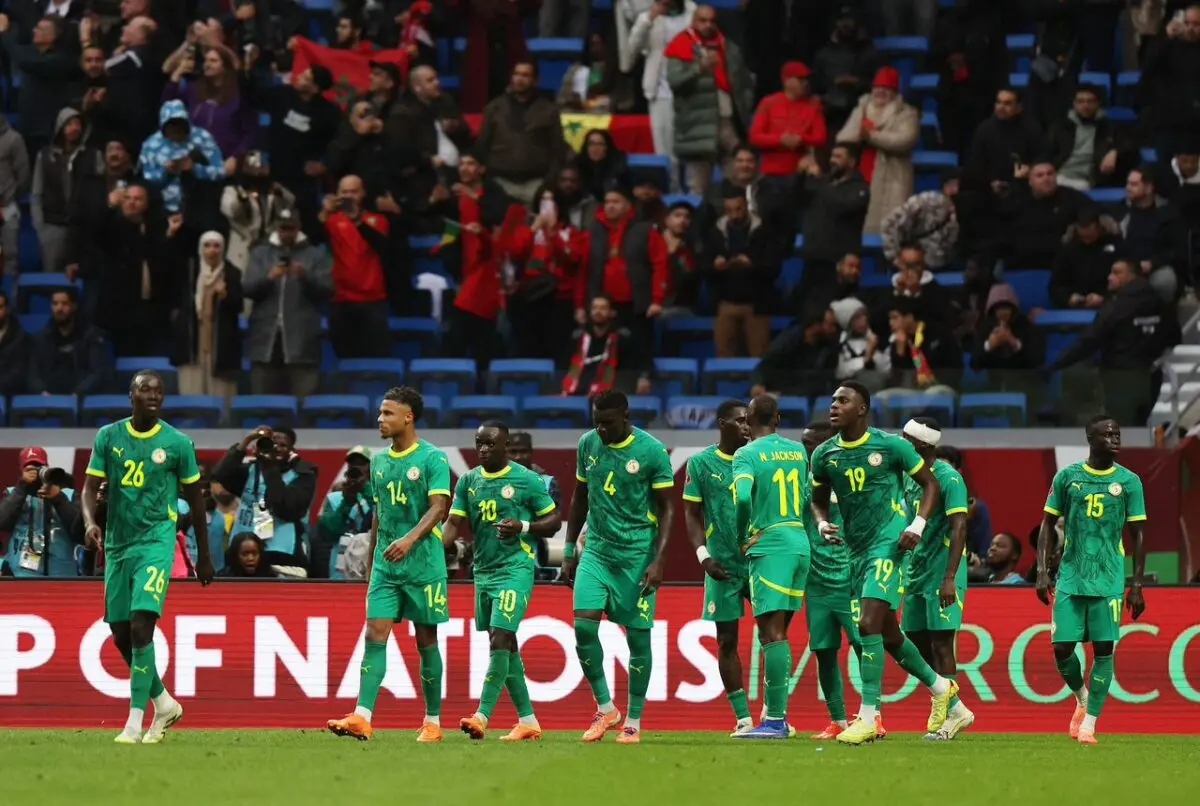
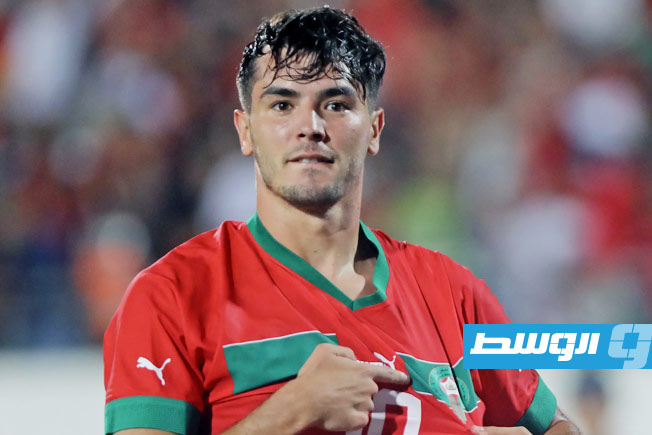
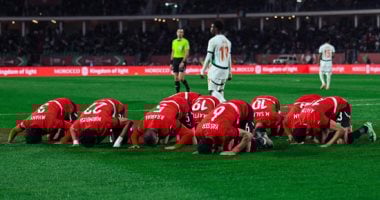
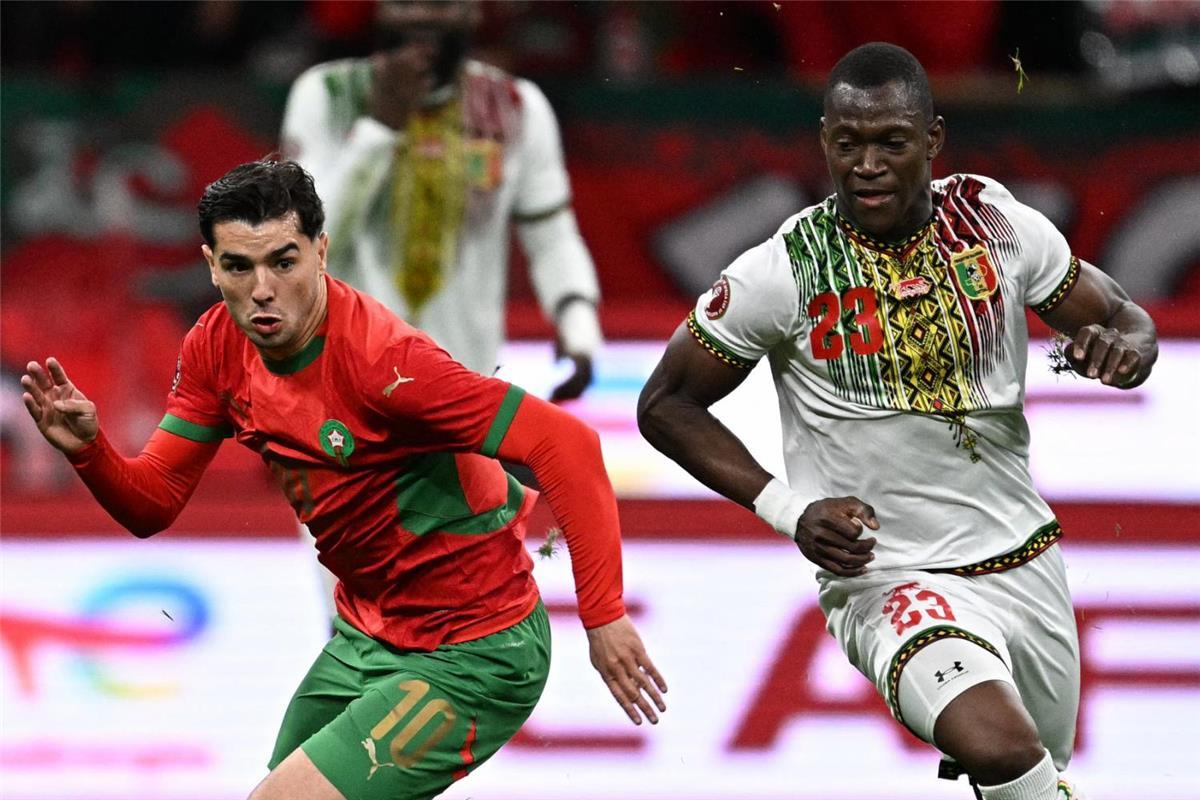
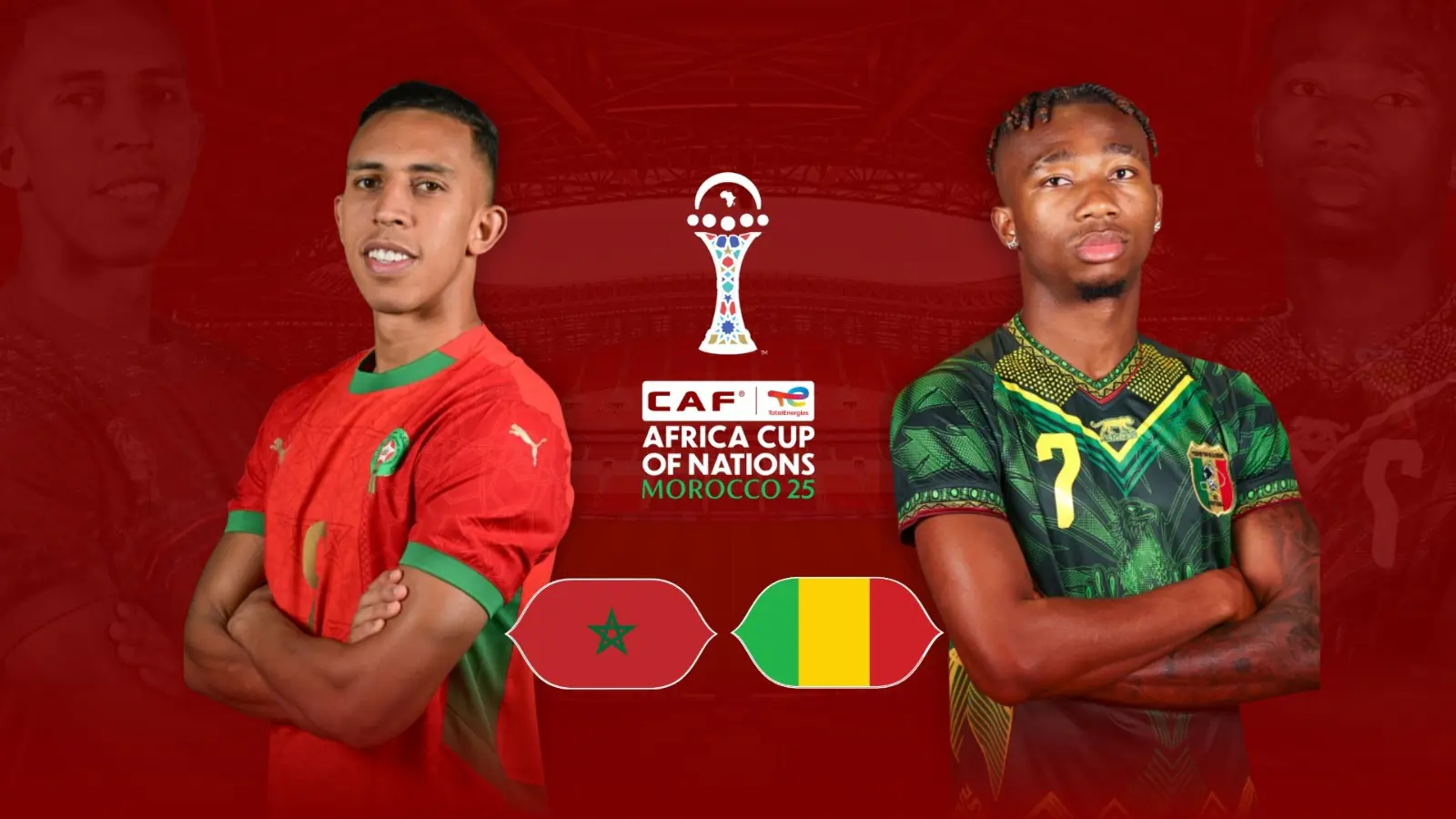
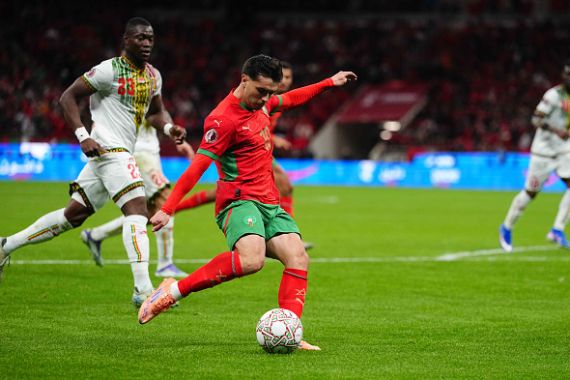
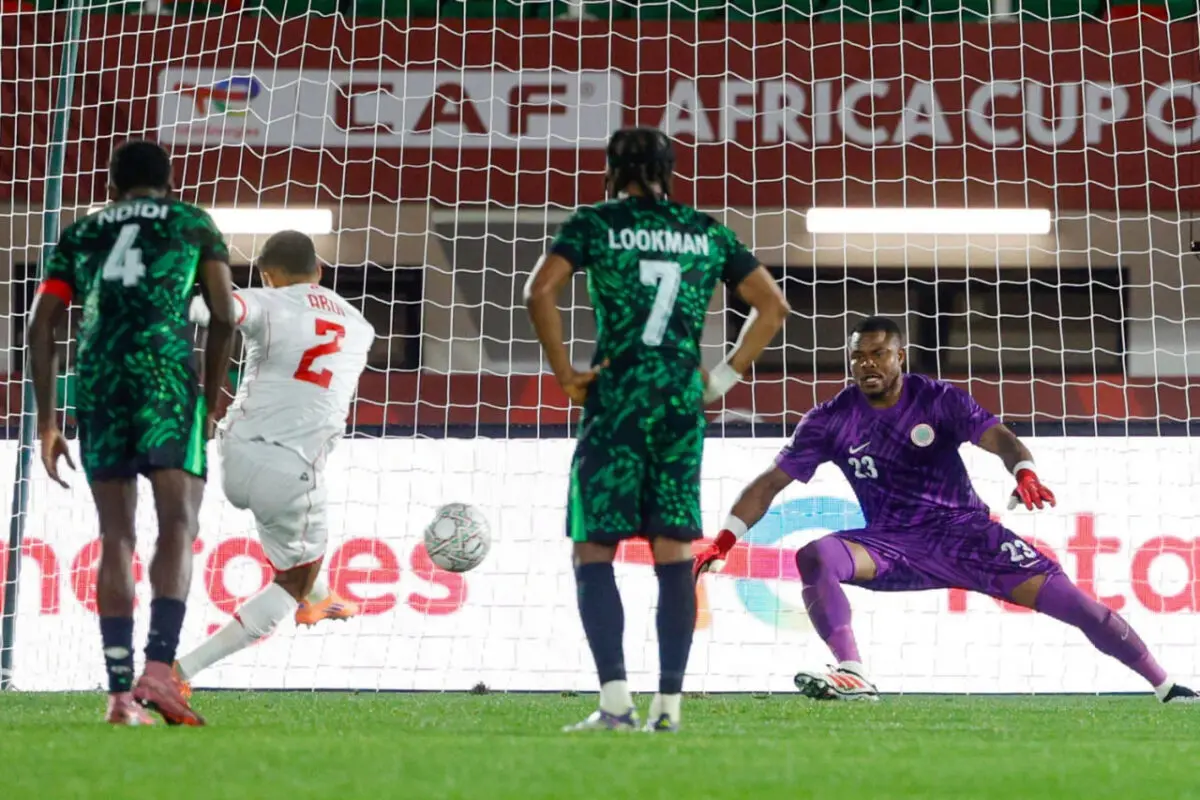
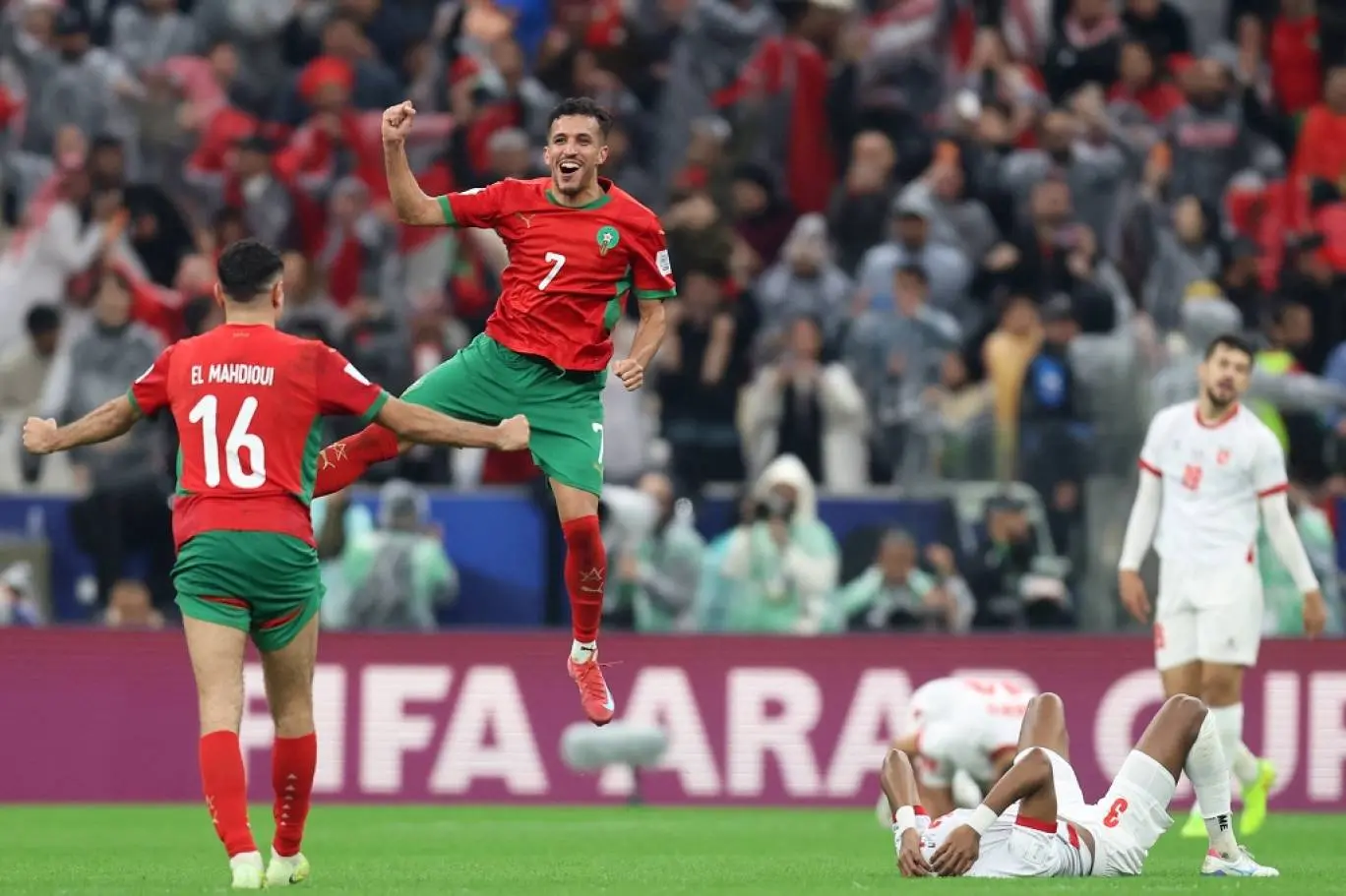
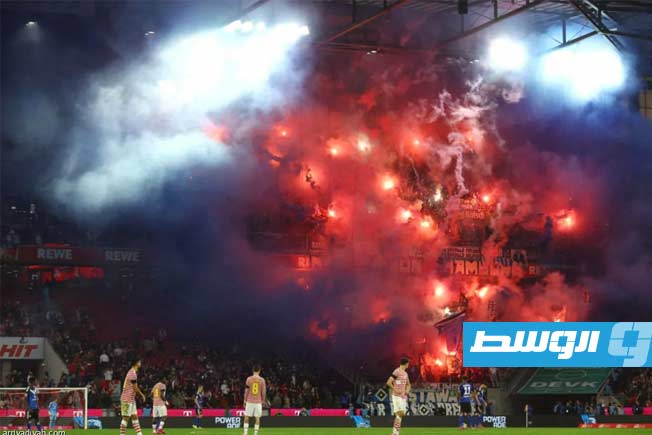
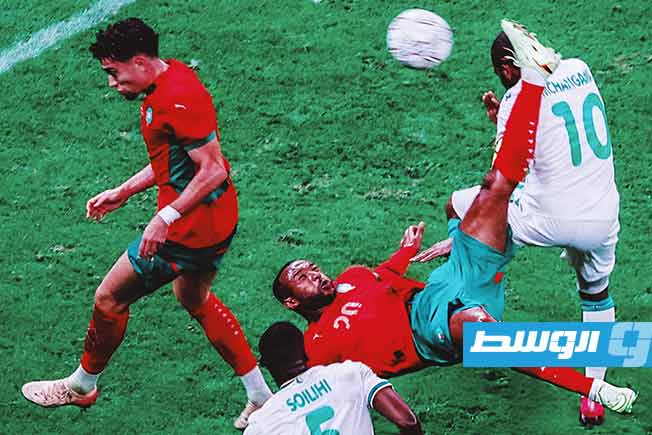
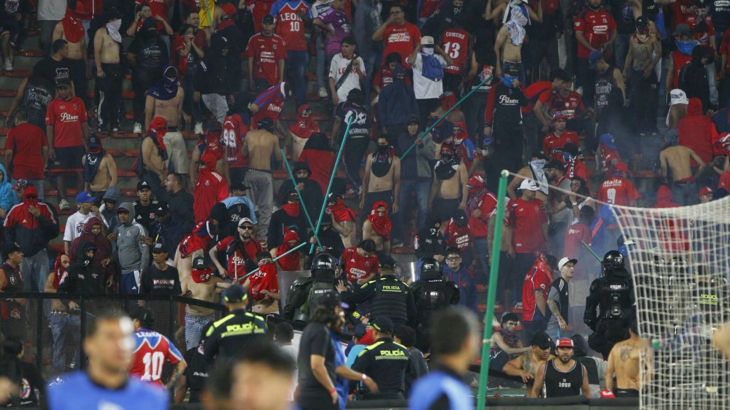
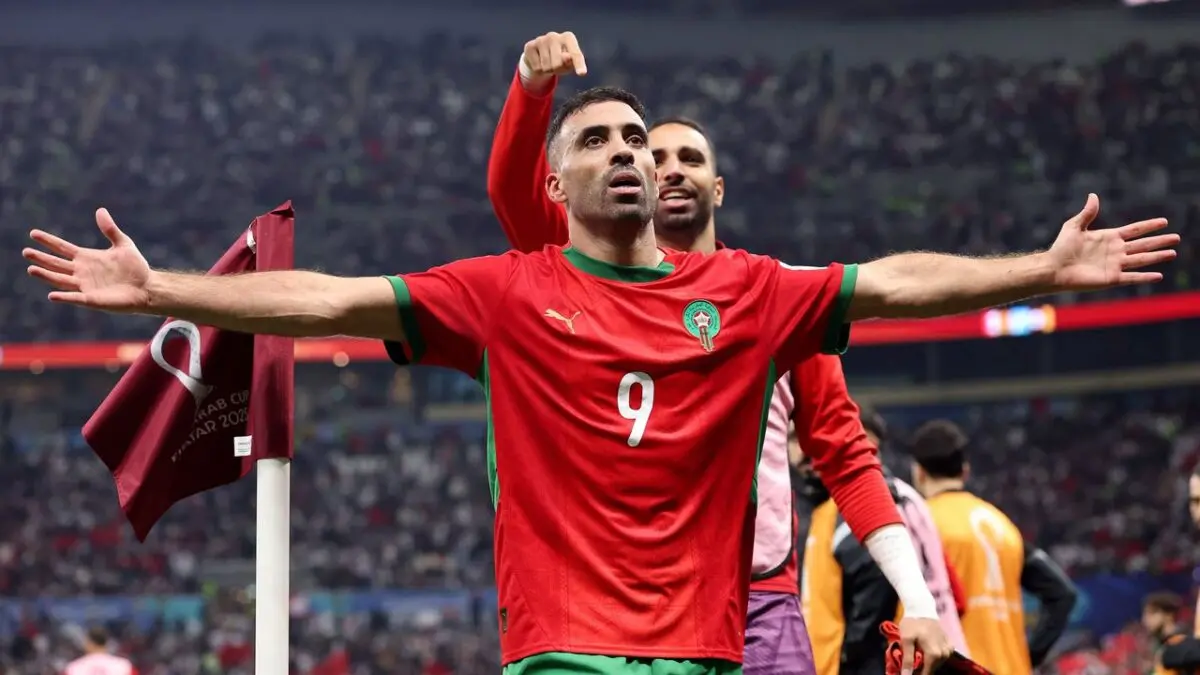
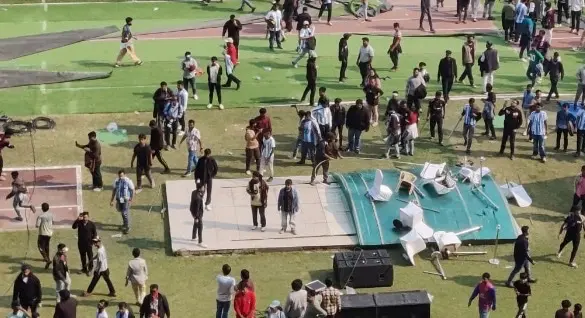
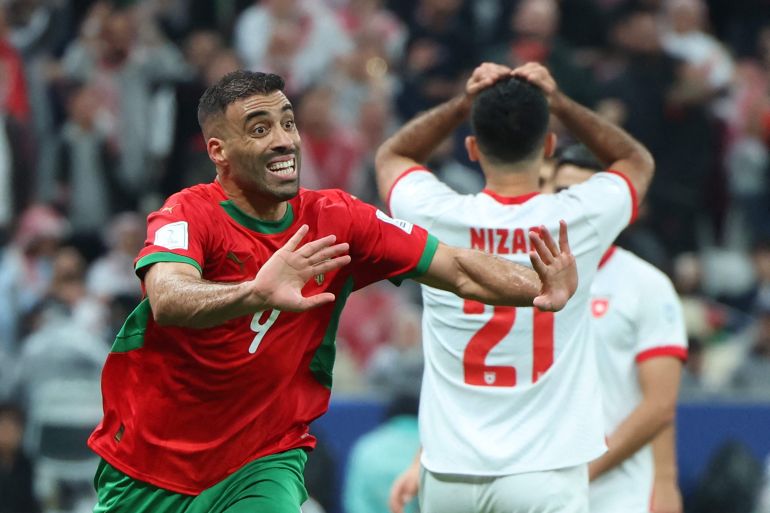
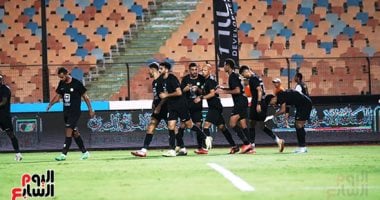
The referee awarded a penalty to Morocco around the 8th minute of added time. Senegal’s players left the pitch in protest of what they saw as a wrong decision, apparently on the coach’s orders, heading to the dressing rooms. Clashes also occurred between fans and security forces in the stands.
Senegal returned after 16 minutes, and then the Moroccan player unfortunately missed the penalty.
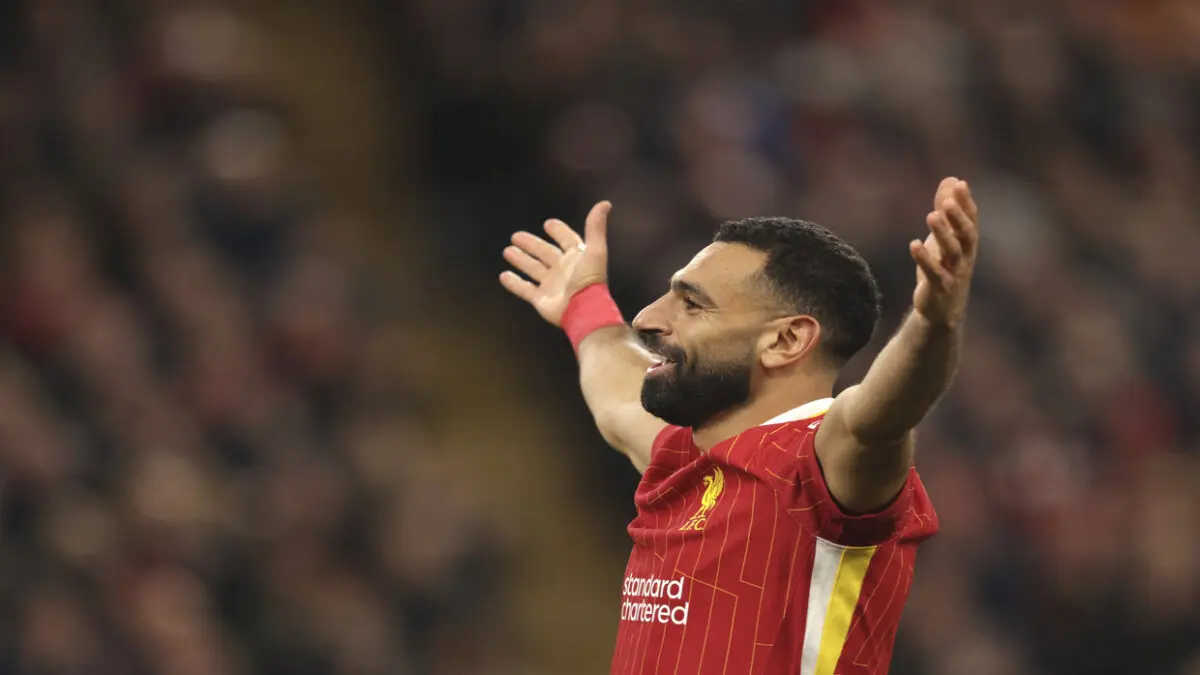
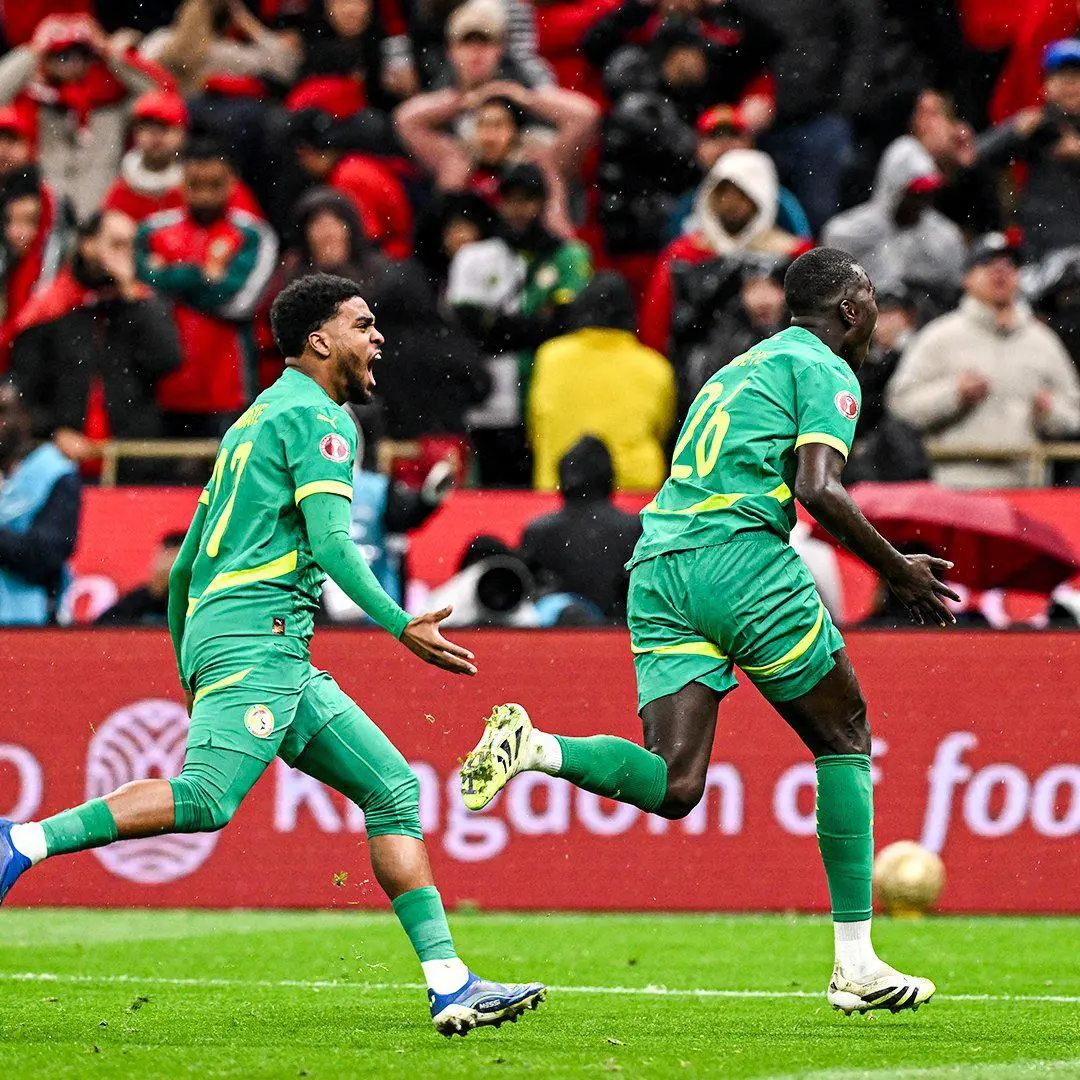
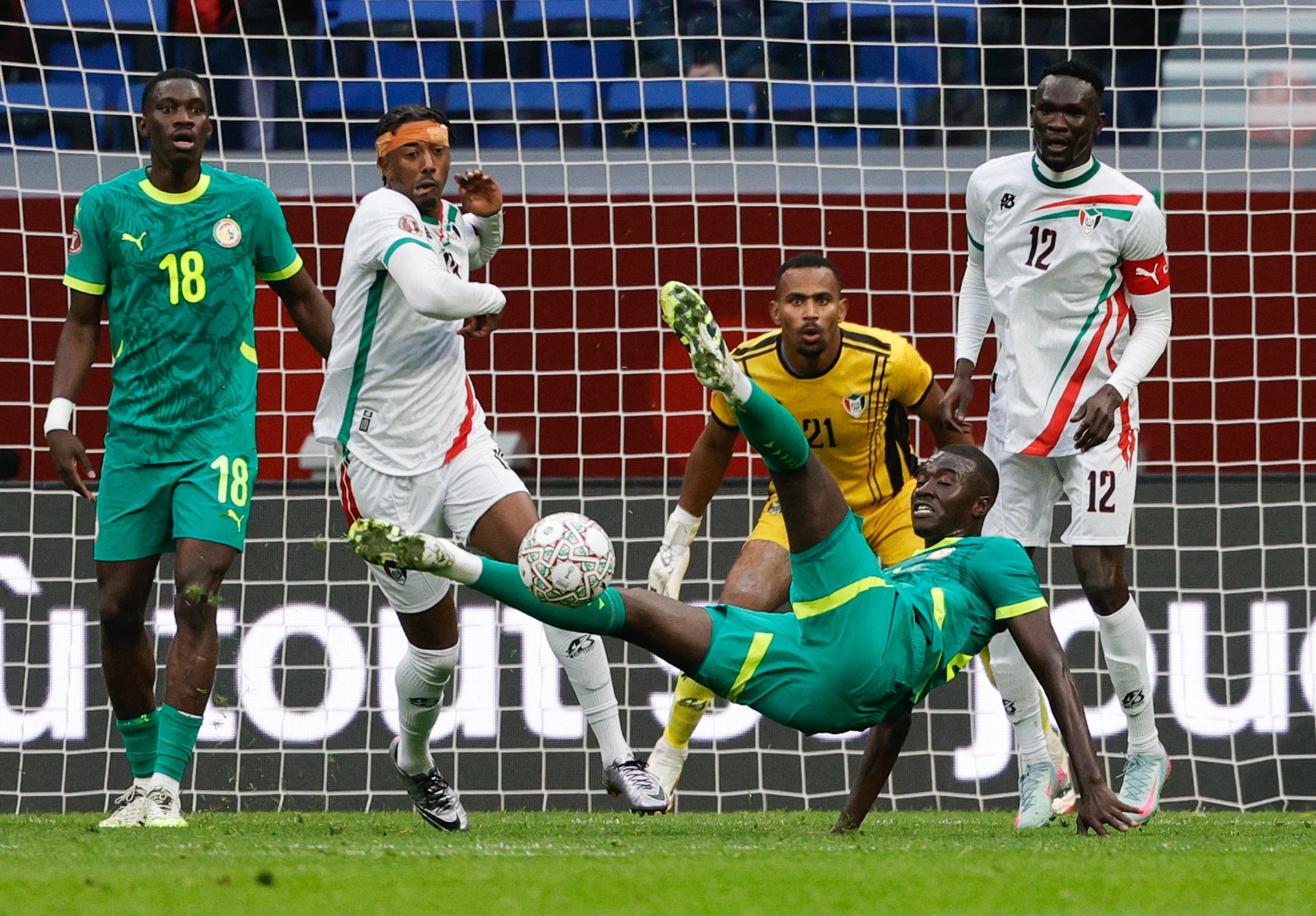
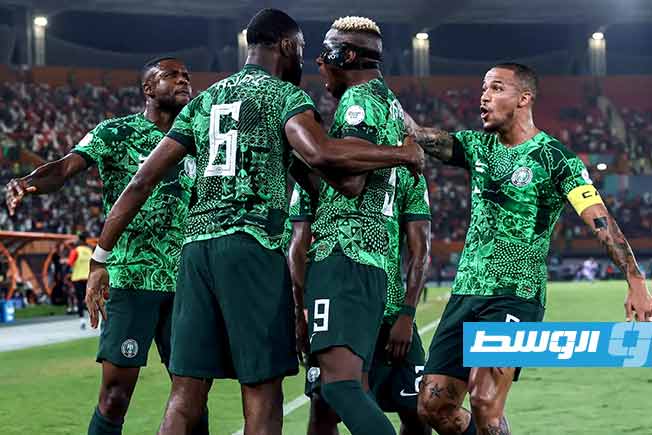
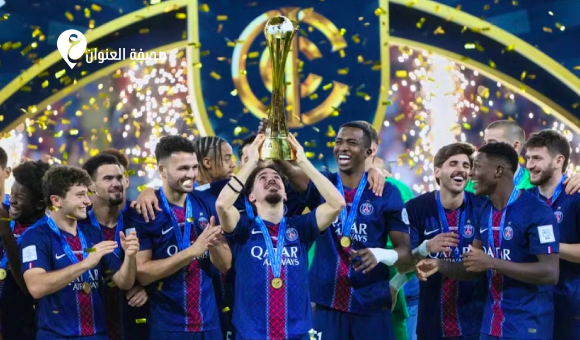
Pape Gueye scored the winning goal for Senegal in the first half of extra time, securing his country’s second continental title in its history.
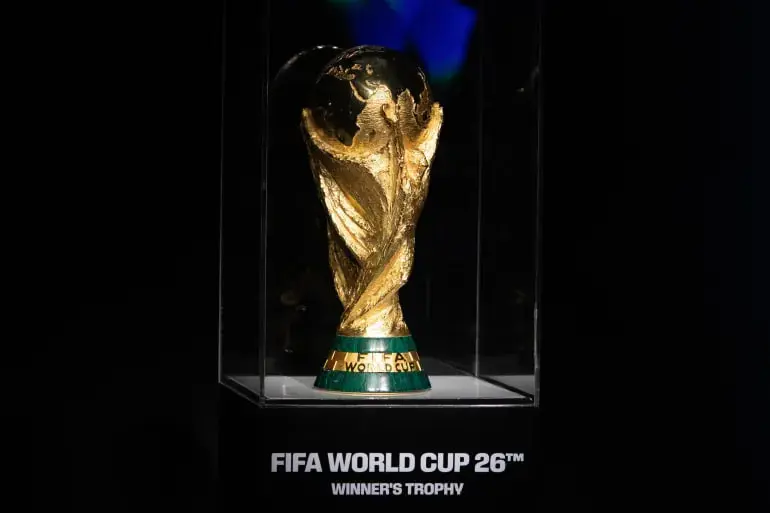
World Cup ban?
According to the rules, potential sanctions could range from financial fines to suspensions of several players and technical staff members for 4 to 6 matches. This threatens their participation in upcoming qualifiers, especially with the World Cup approaching and a limited number of remaining matches on the international calendar.
If a suspension for several matches is imposed, it would mean a ban from the World Cup. In that case, it would likely include almost the entire team staff, as the coach and most players left the pitch during the final in protest.
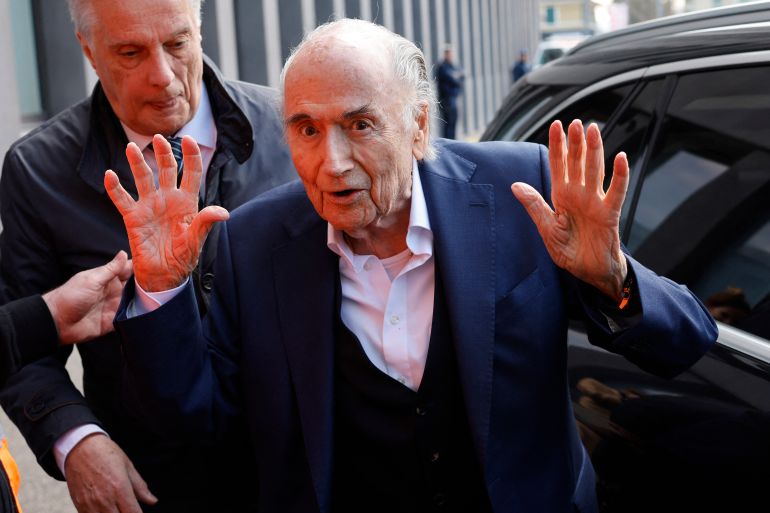
The president of FIFA strongly condemned the Senegal national team, which briefly withdrew following the referee’s decision to award a penalty to the Morocco team in the final of the 2025 Africa Cup of Nations on Sunday evening.
He stated that he expects appropriate sanctions after the chaotic scenes on Sunday, where the visitors ultimately defeated the host nation 1-0 after extra time, but only after late drama in regular time when the referee awarded a controversial penalty in favor of the home side.
Senegal
Senegal is a West African nation known for its rich cultural heritage and historical significance as a center of the transatlantic slave trade, notably at the UNESCO World Heritage Site of Gorée Island. It gained independence from France in 1960 and is recognized for its stable democracy and vibrant arts scene, including the influential Senegalese wrestling tradition and musical genre of mbalax.
Africa Cup of Nations
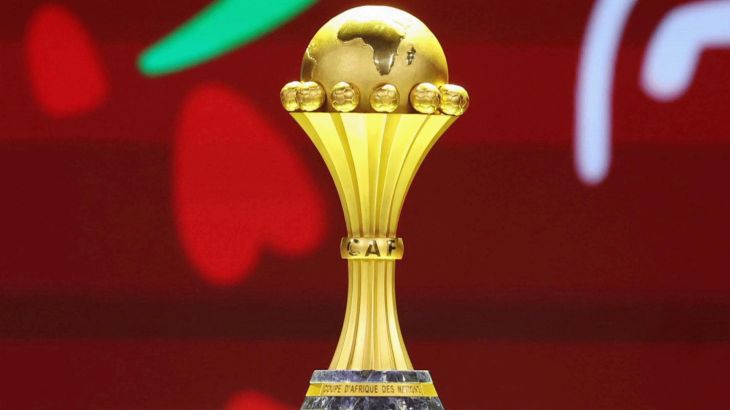
The Africa Cup of Nations is the premier international men’s football competition in Africa, first held in 1957. It was founded to unite African nations emerging from colonialism and has grown into a major sporting event held every two years.
Confederation of African Football
The Confederation of African Football (CAF) is the administrative and controlling body for association football in Africa, founded in 1957. It was established to promote and develop the sport across the continent and now organizes major competitions, including the Africa Cup of Nations.
Morocco
Morocco is a North African country with a rich history shaped by indigenous Amazigh (Berber) cultures, Arab influence from the 7th century, and successive dynasties like the Almoravids and Almohads. Its cultural sites, such as the ancient city of Fez and the Koutoubia Mosque in Marrakech, reflect this blend of Arab, Islamic, and Amazigh heritage. The country’s historic medinas, kasbahs, and varied landscapes from the Sahara Desert to the Atlas Mountains are central to its identity.
World Cup
The FIFA World Cup is an international football tournament first held in 1930 in Uruguay. Organized by FIFA, it is held every four years and has grown into one of the most widely viewed and followed sporting events in the world.
FIFA
FIFA, the Fédération Internationale de Football Association, is the international governing body for association football, futsal, and beach soccer, founded in Paris in 1904. Its primary role is to oversee and promote the sport worldwide, most famously organizing the FIFA World Cup, which began in 1930.