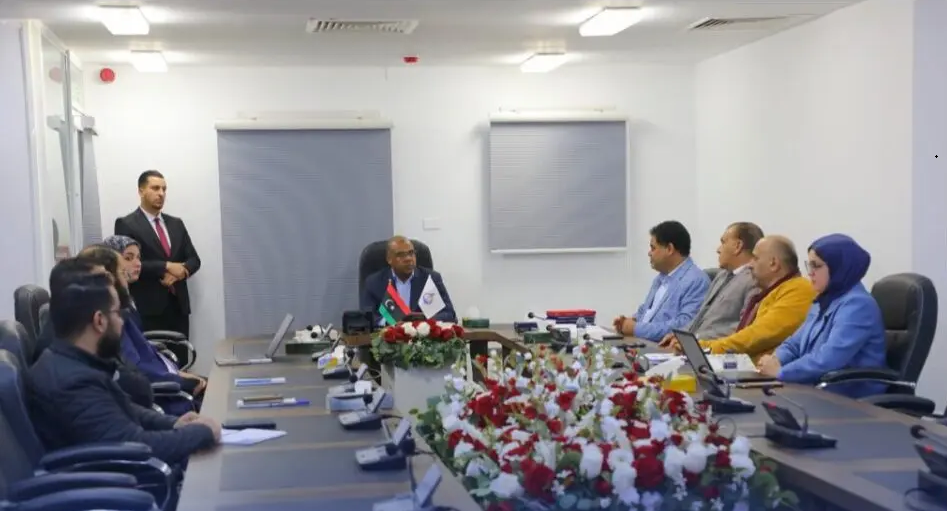
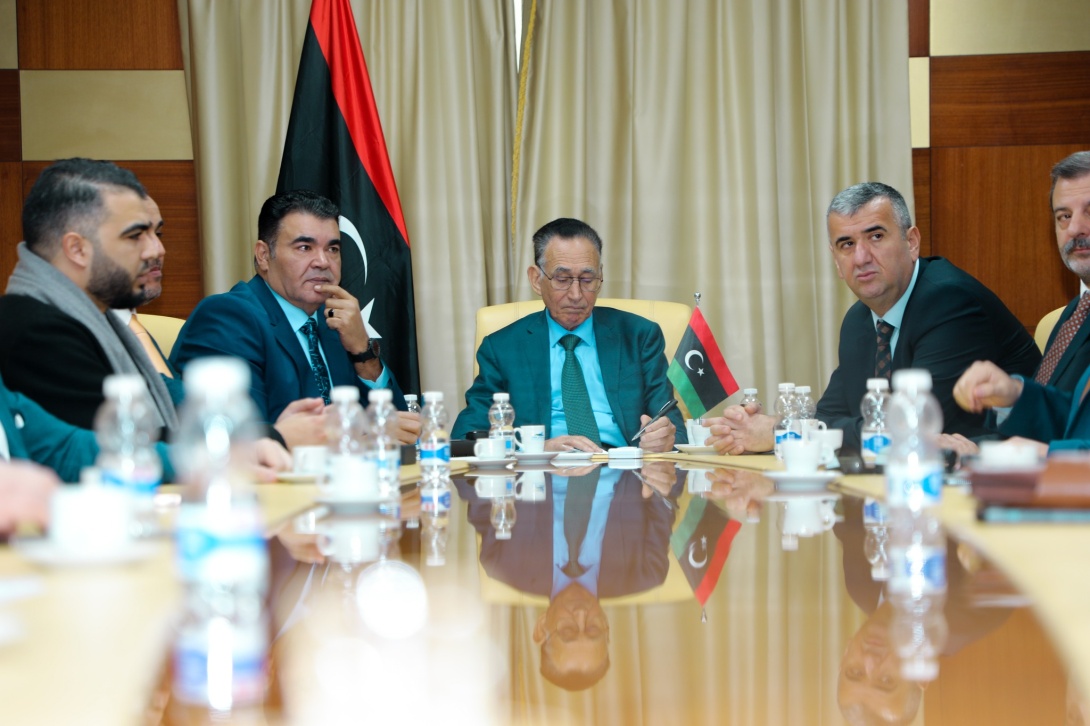
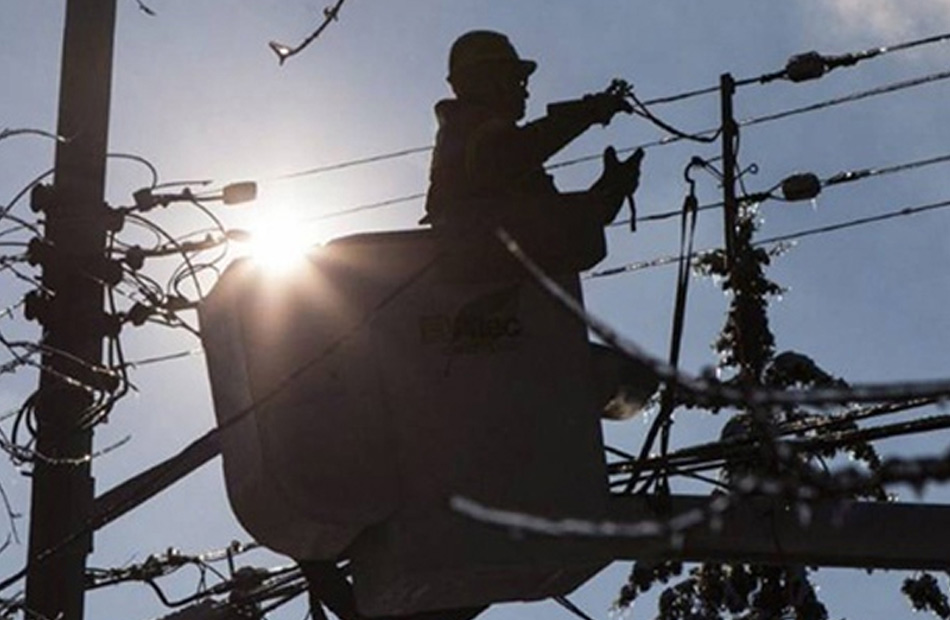
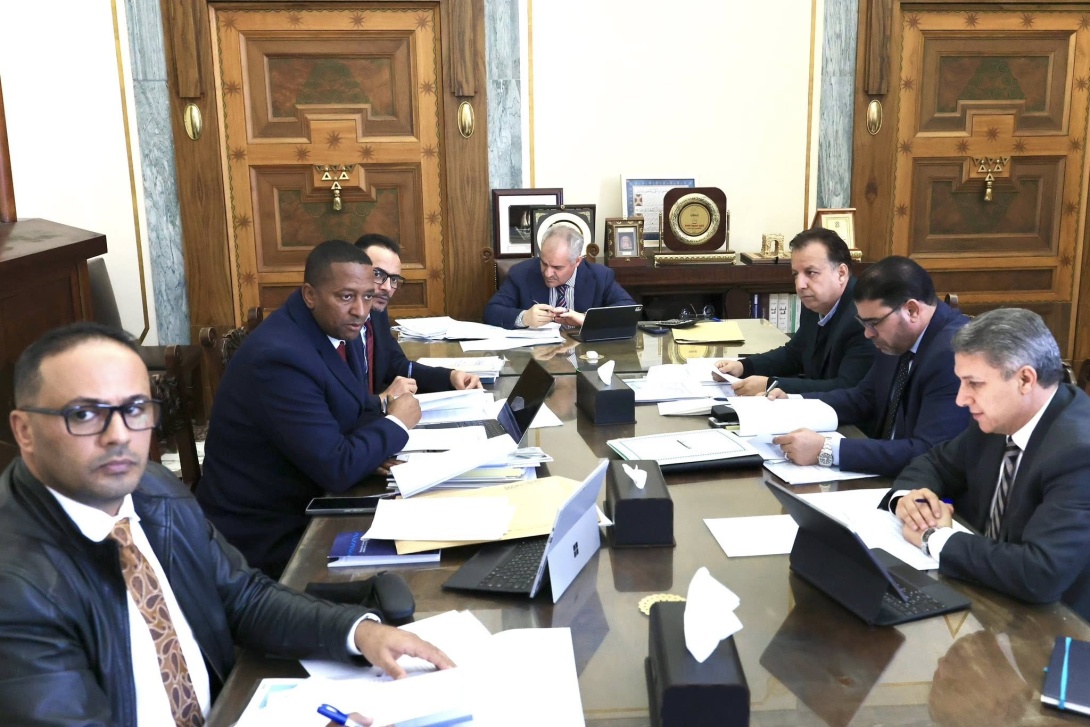
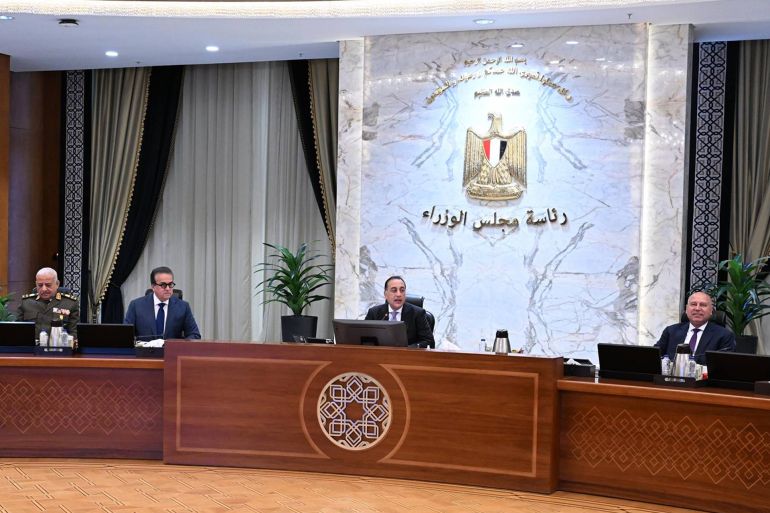
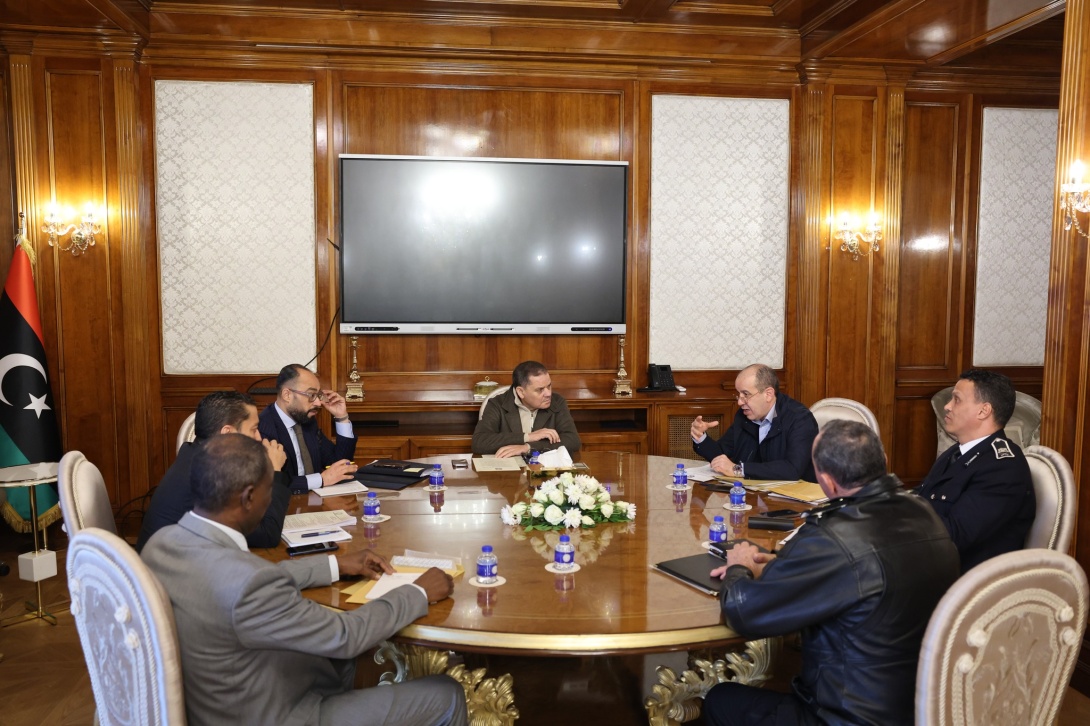
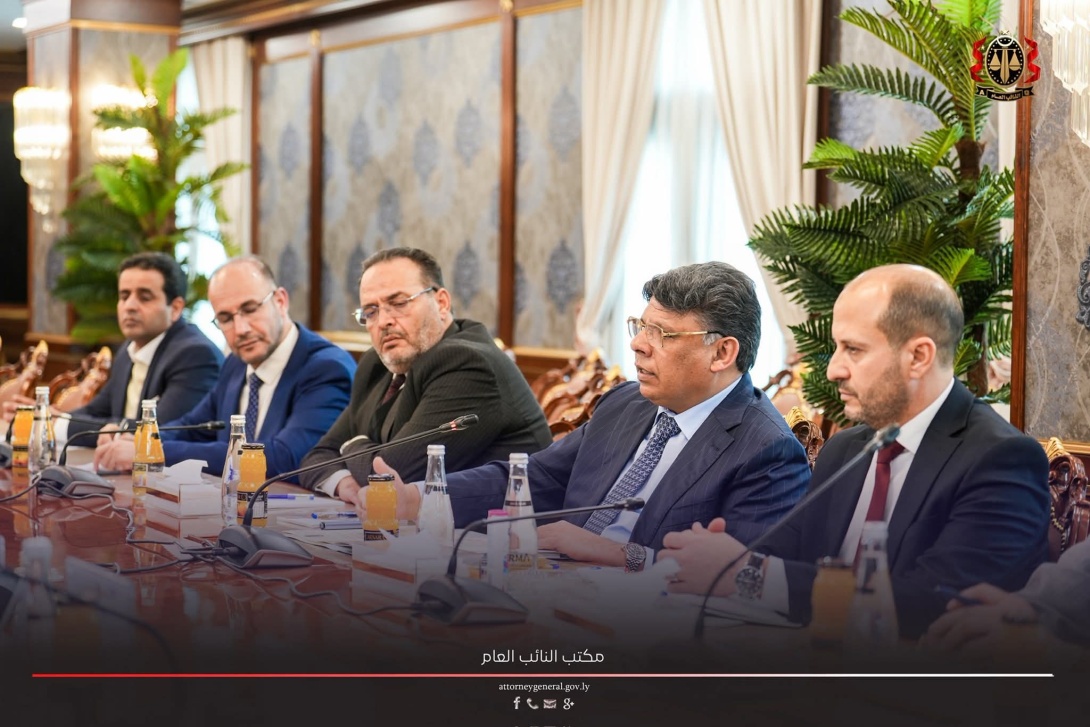
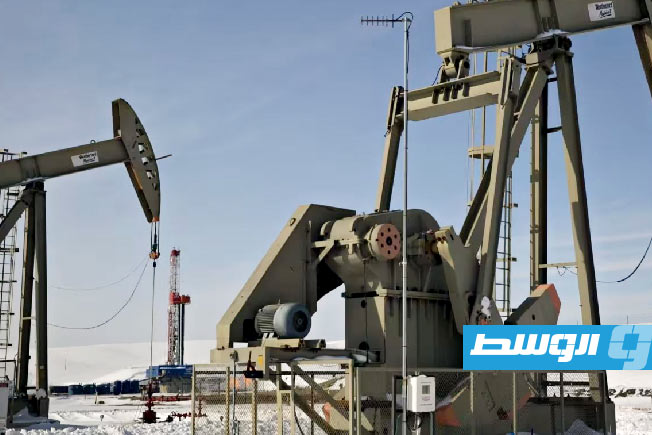
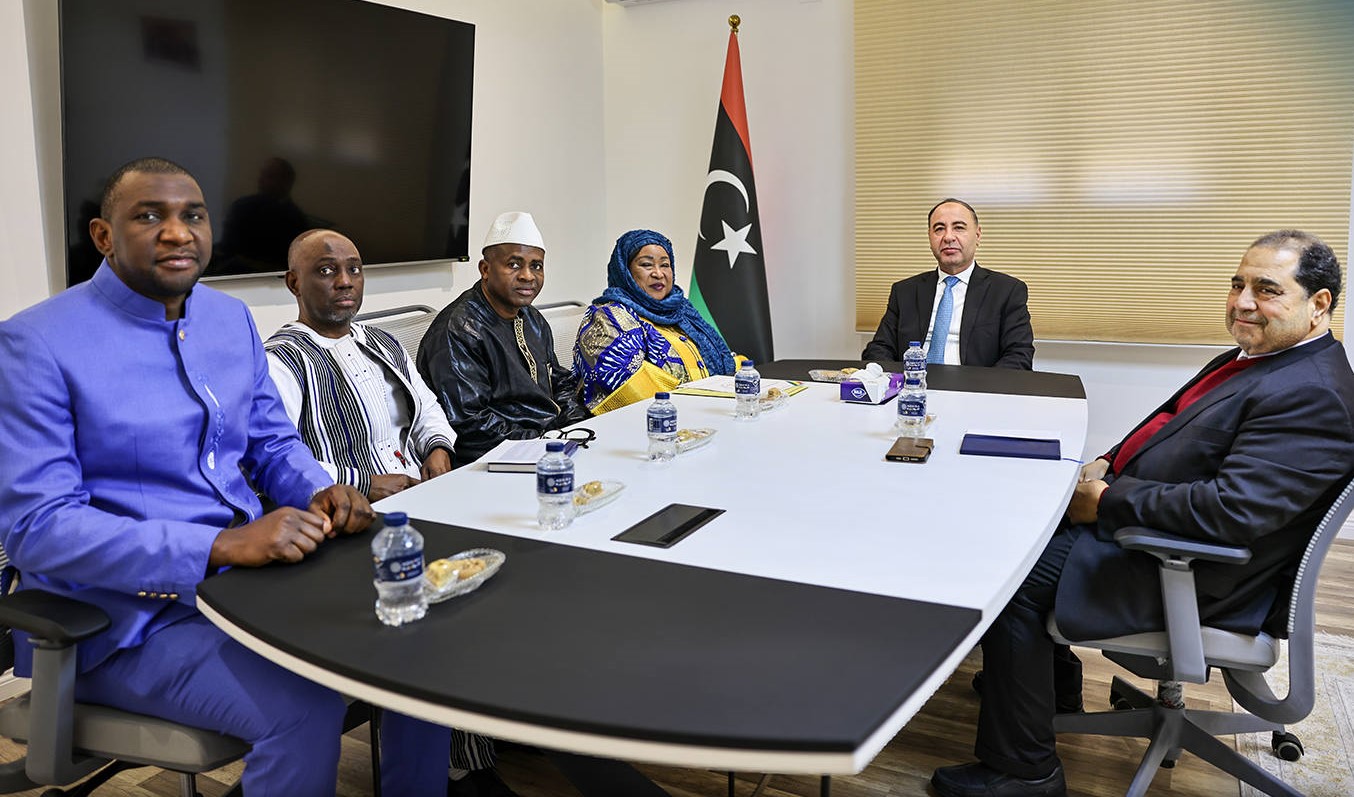
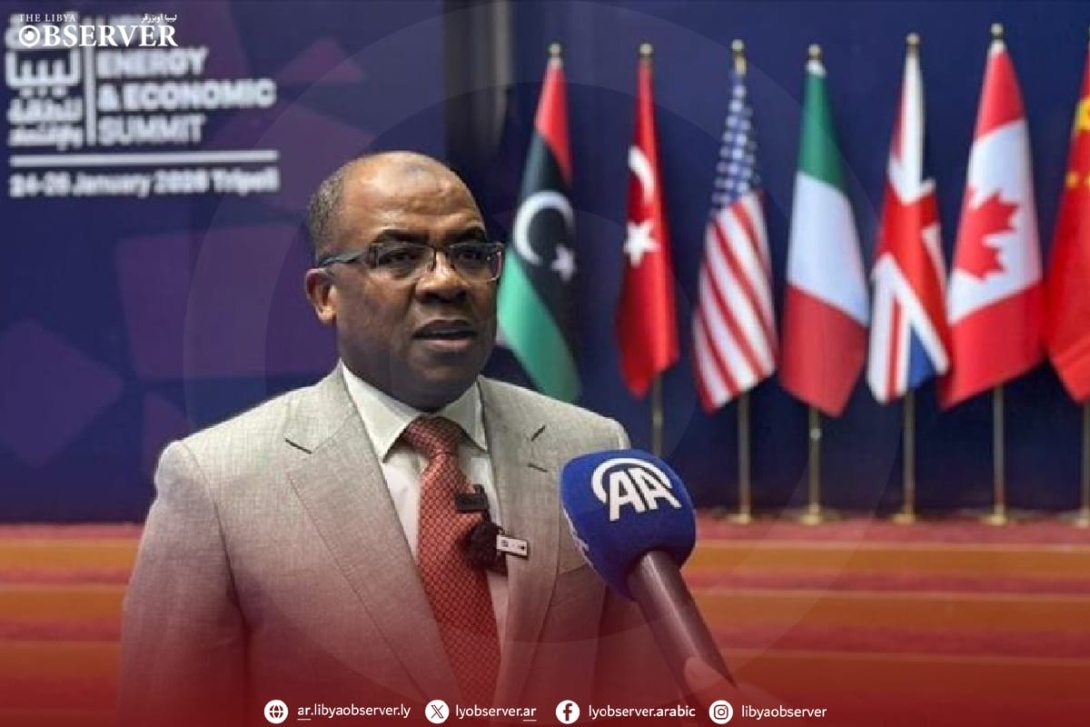
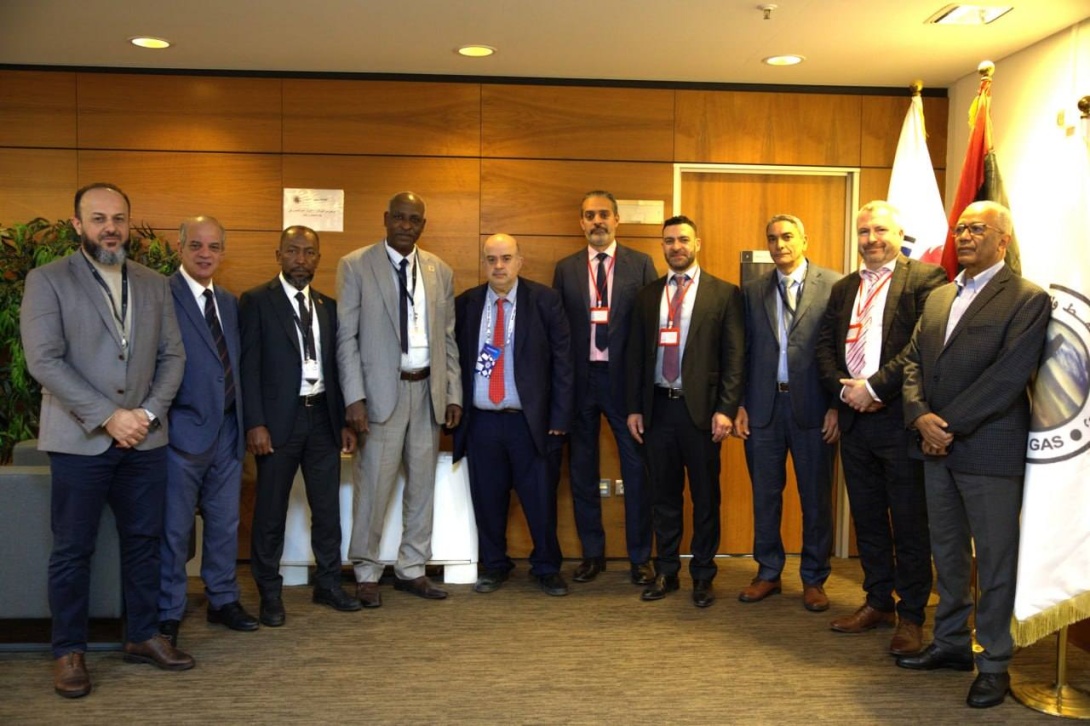
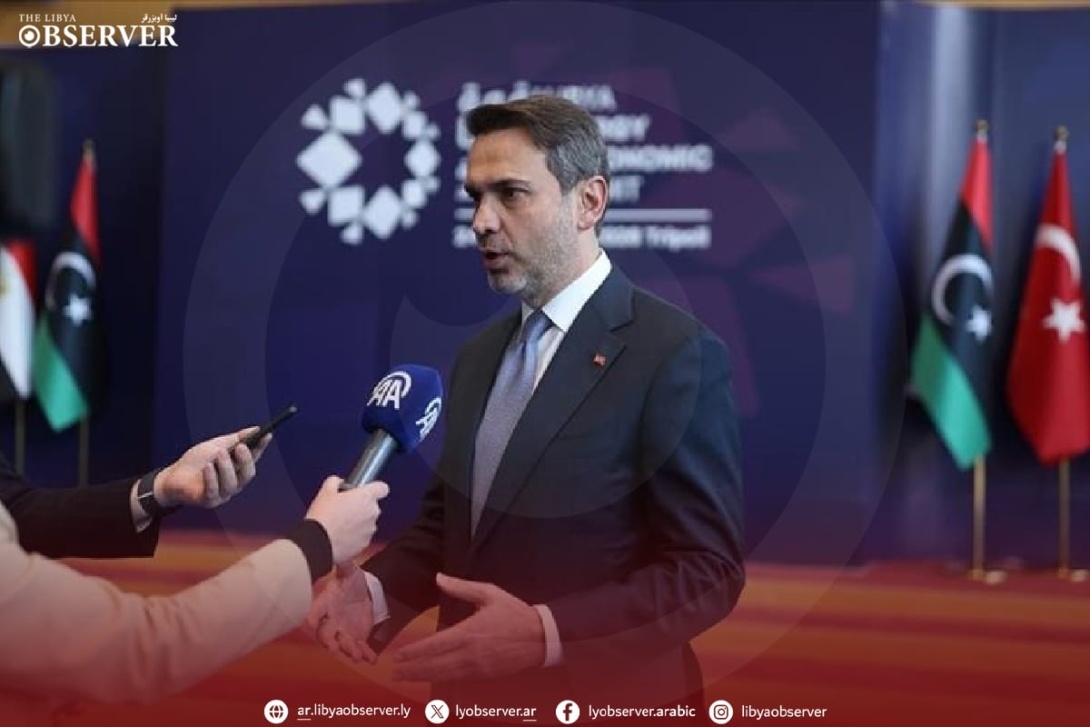
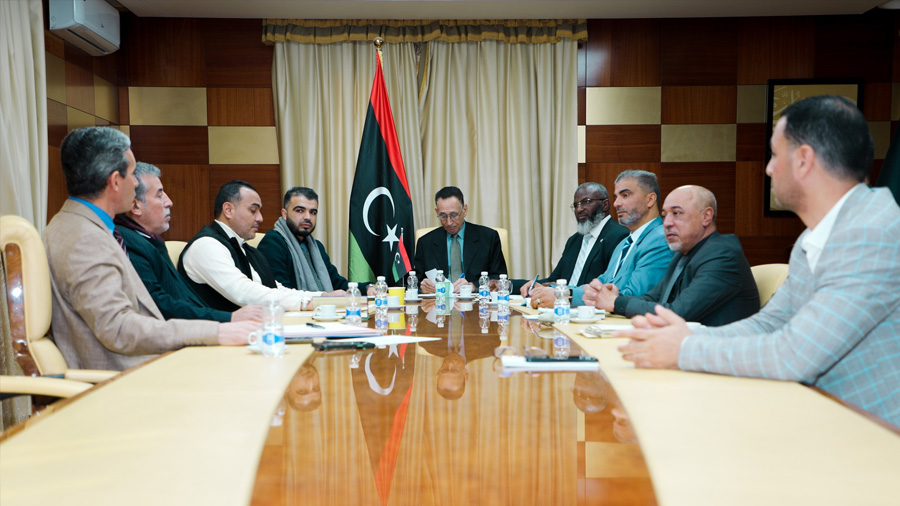
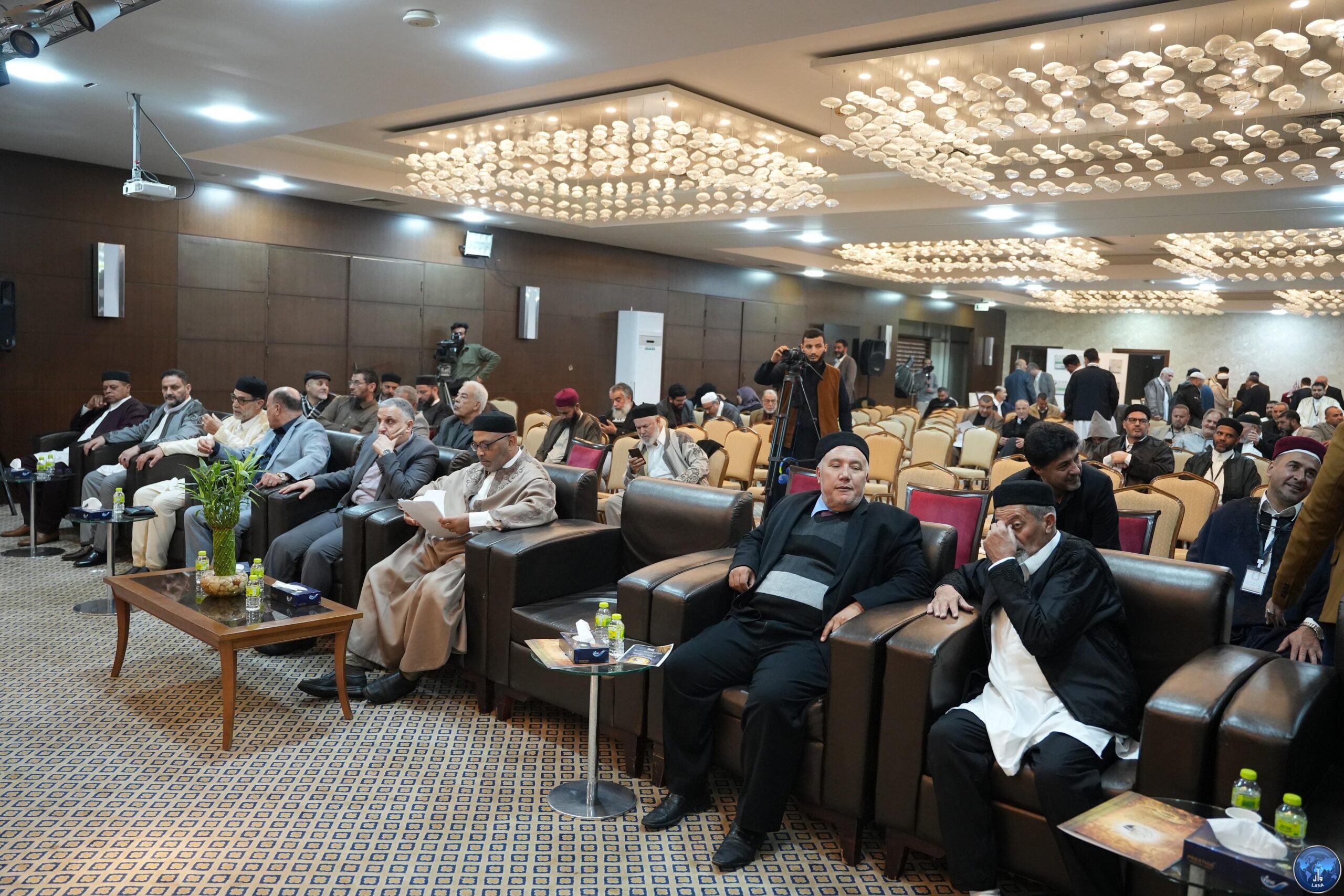
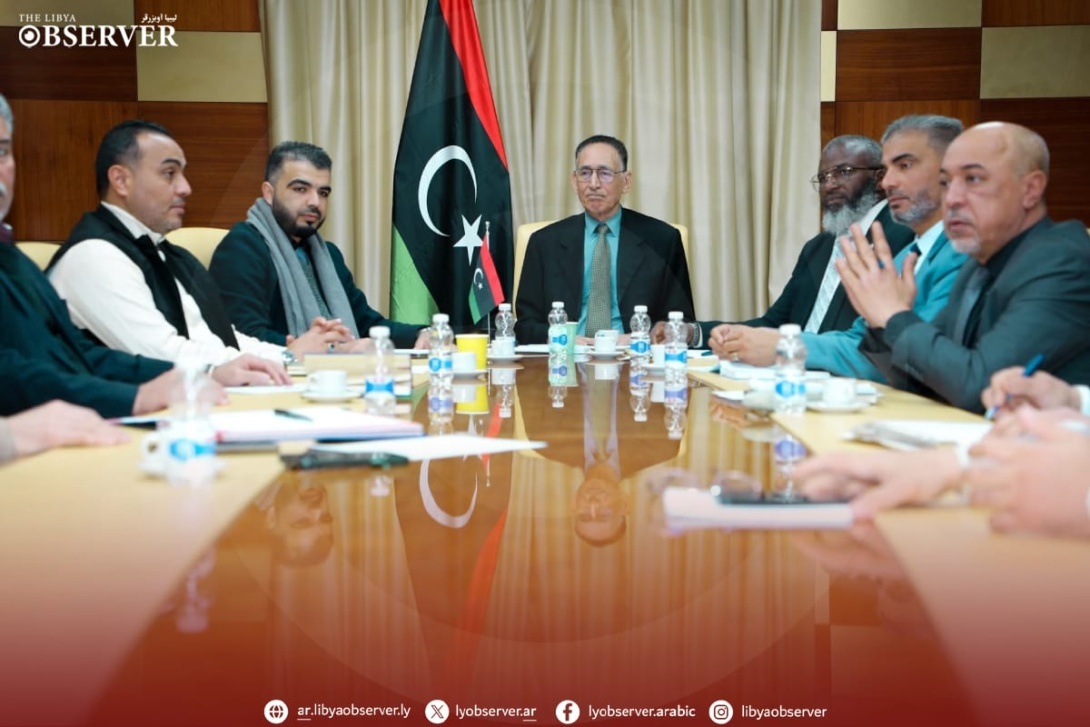
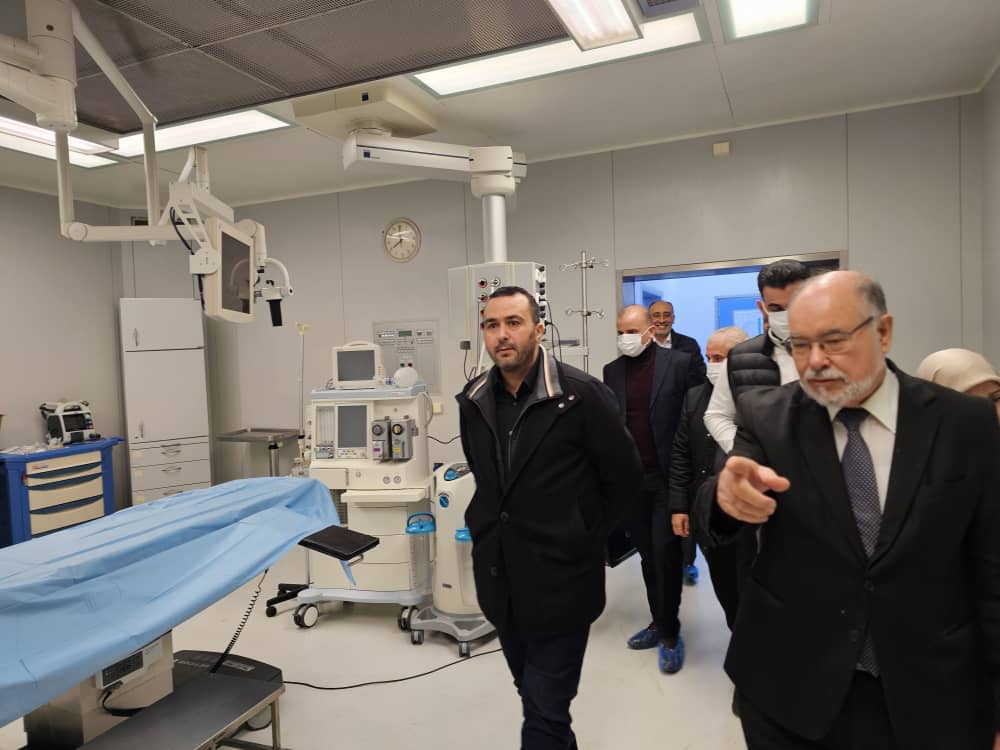
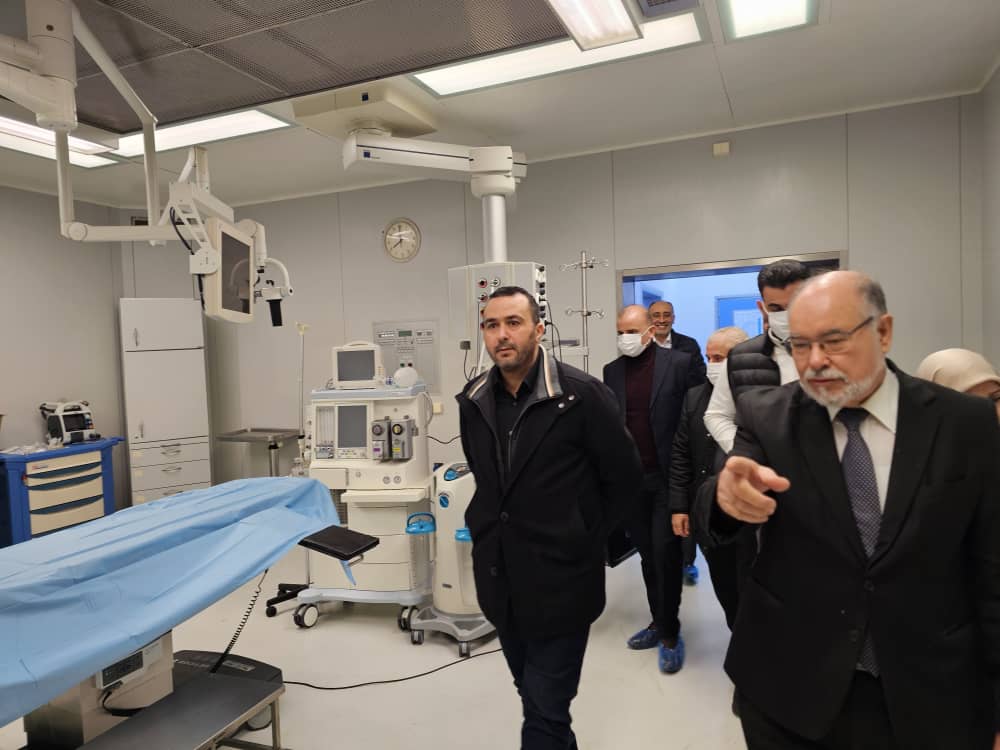
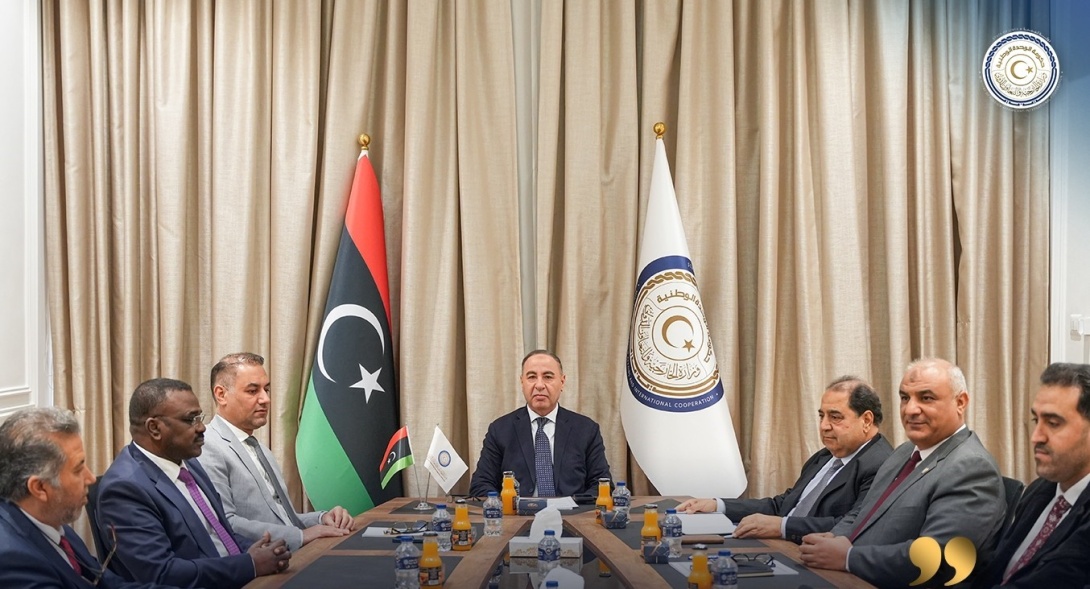
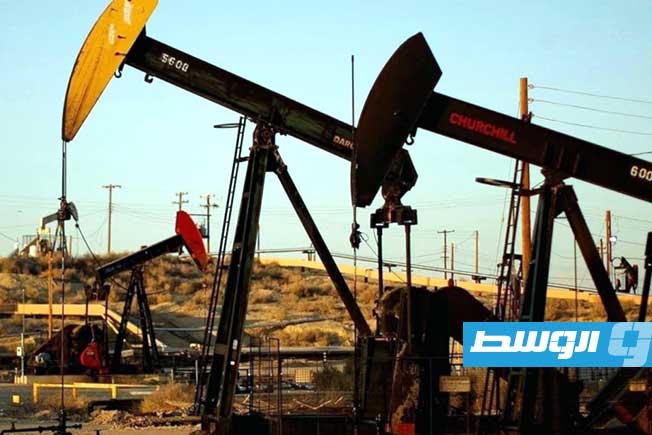
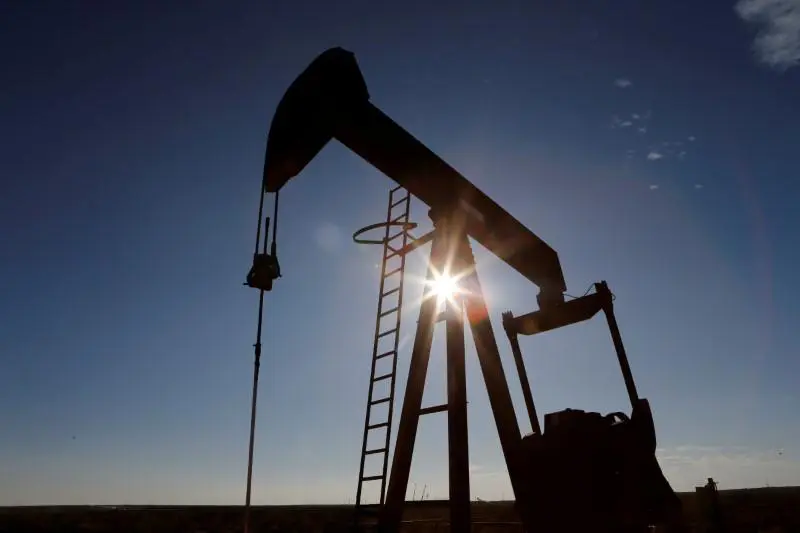
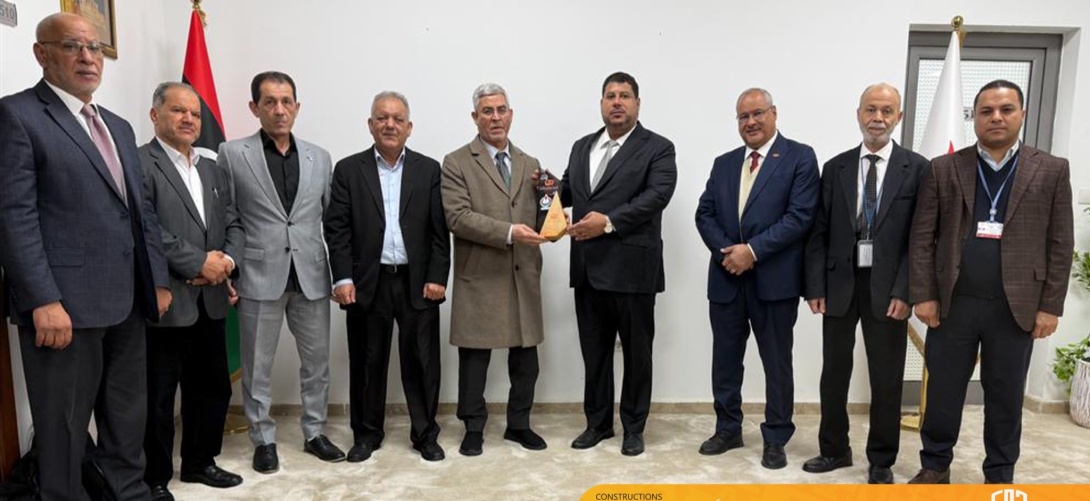
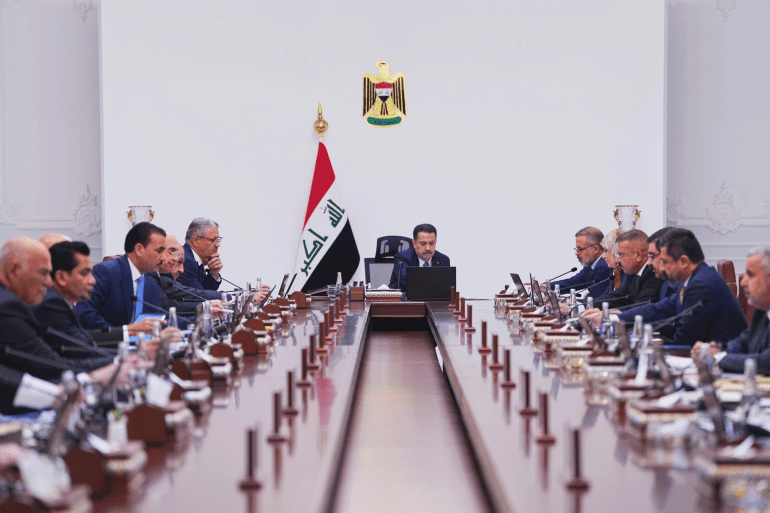
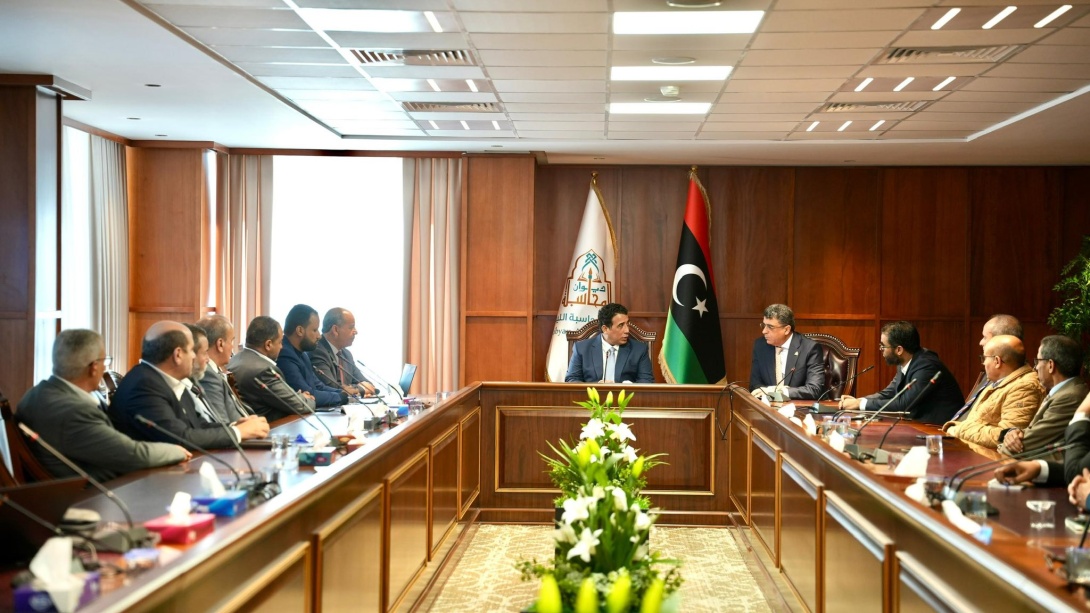
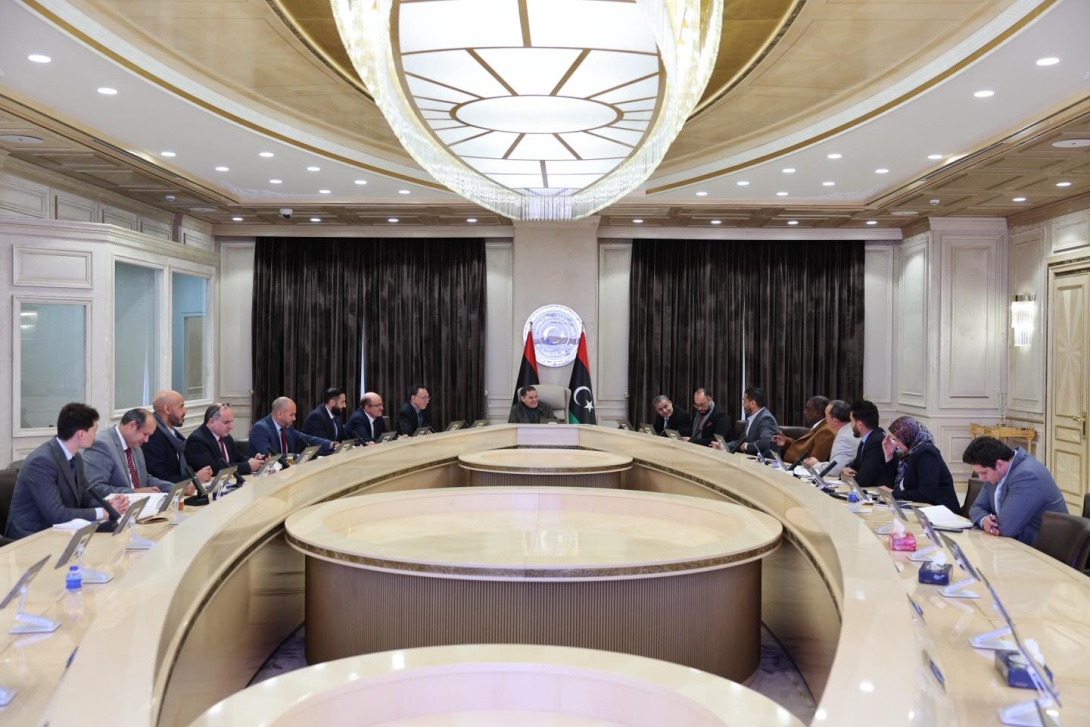
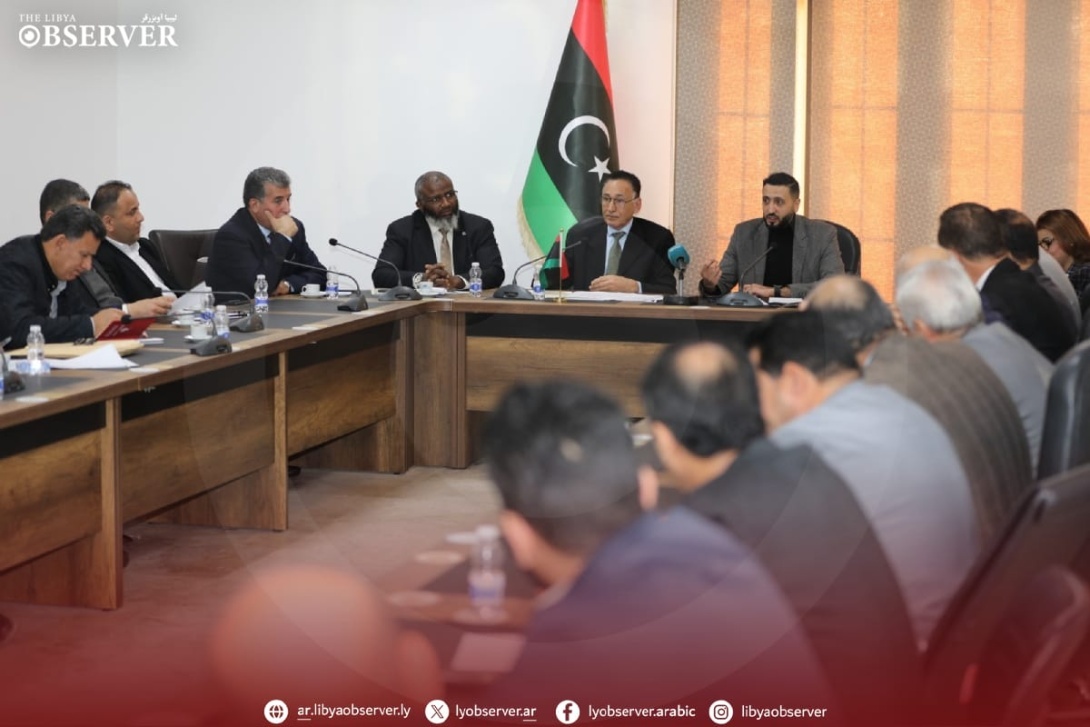
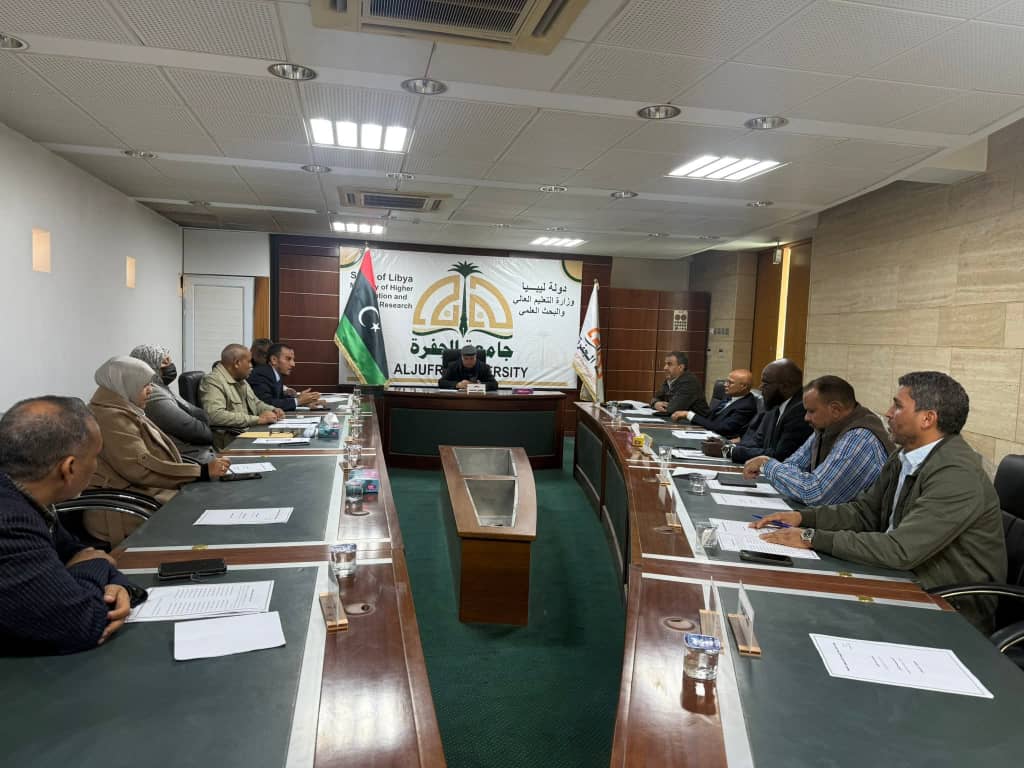
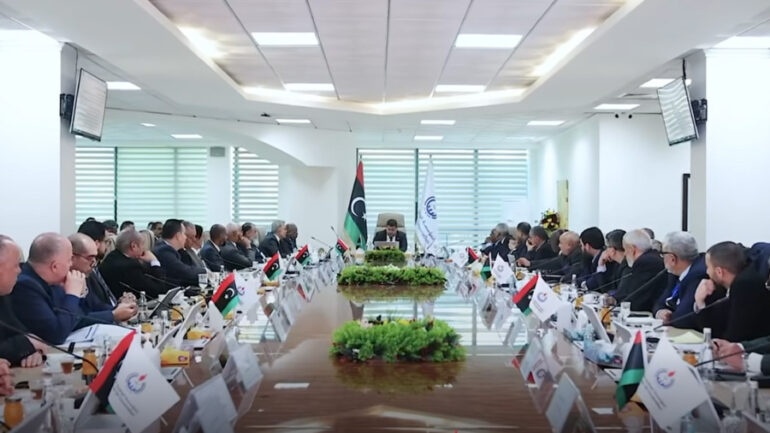
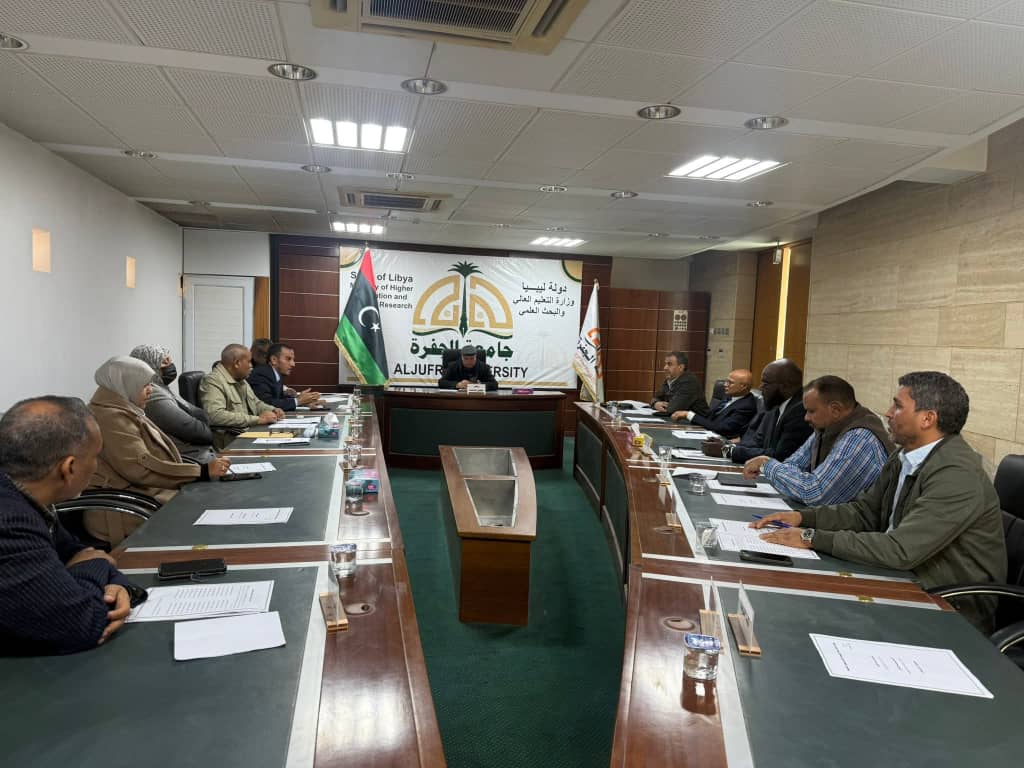
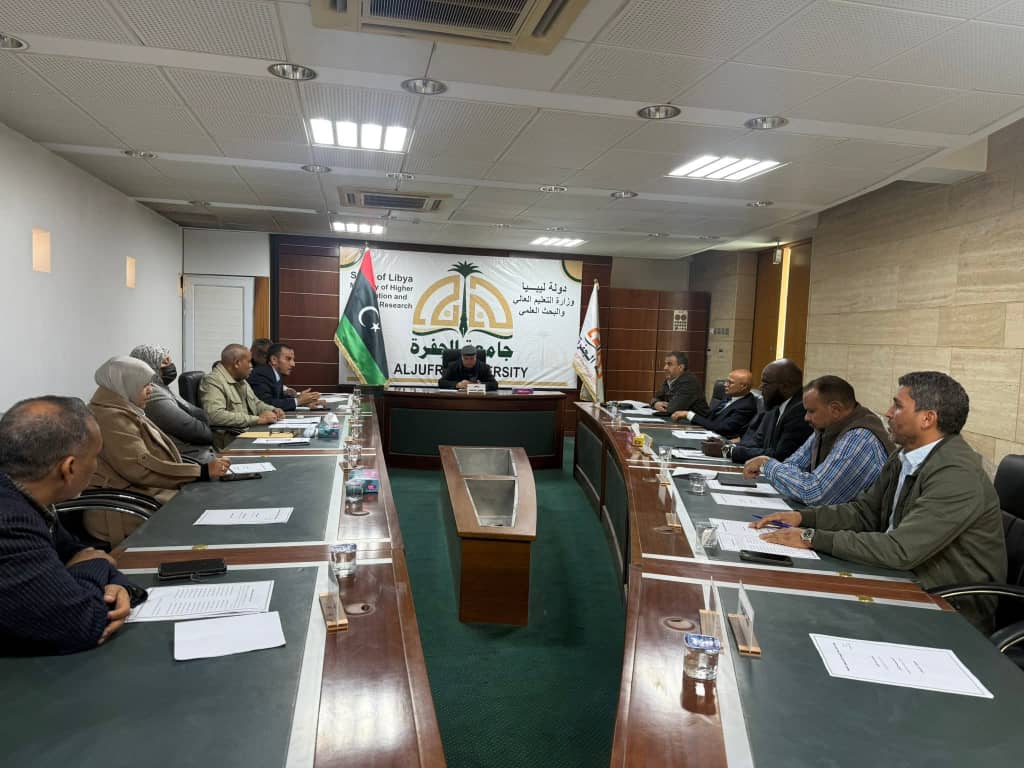
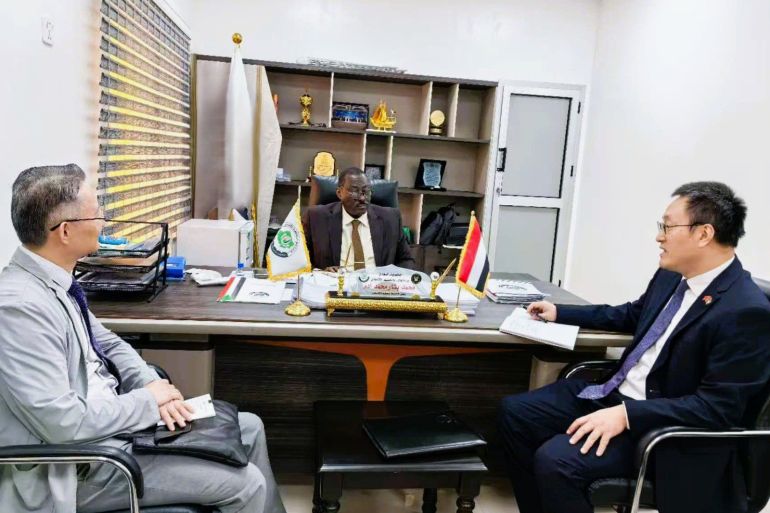
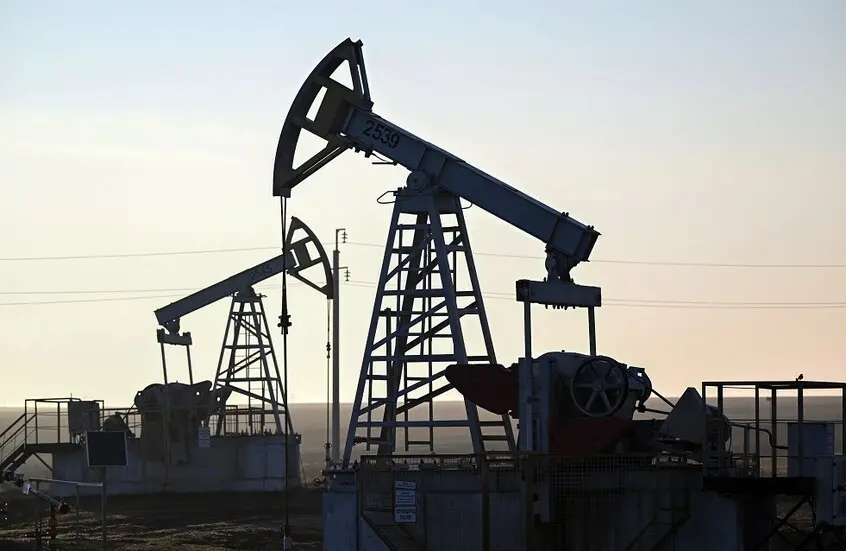
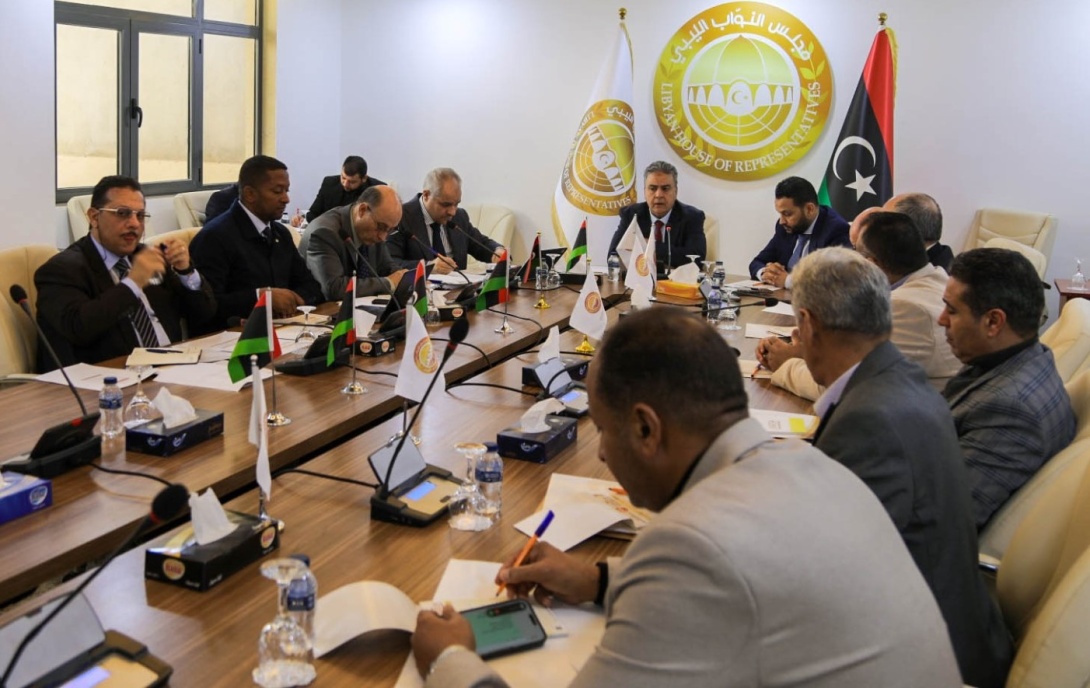
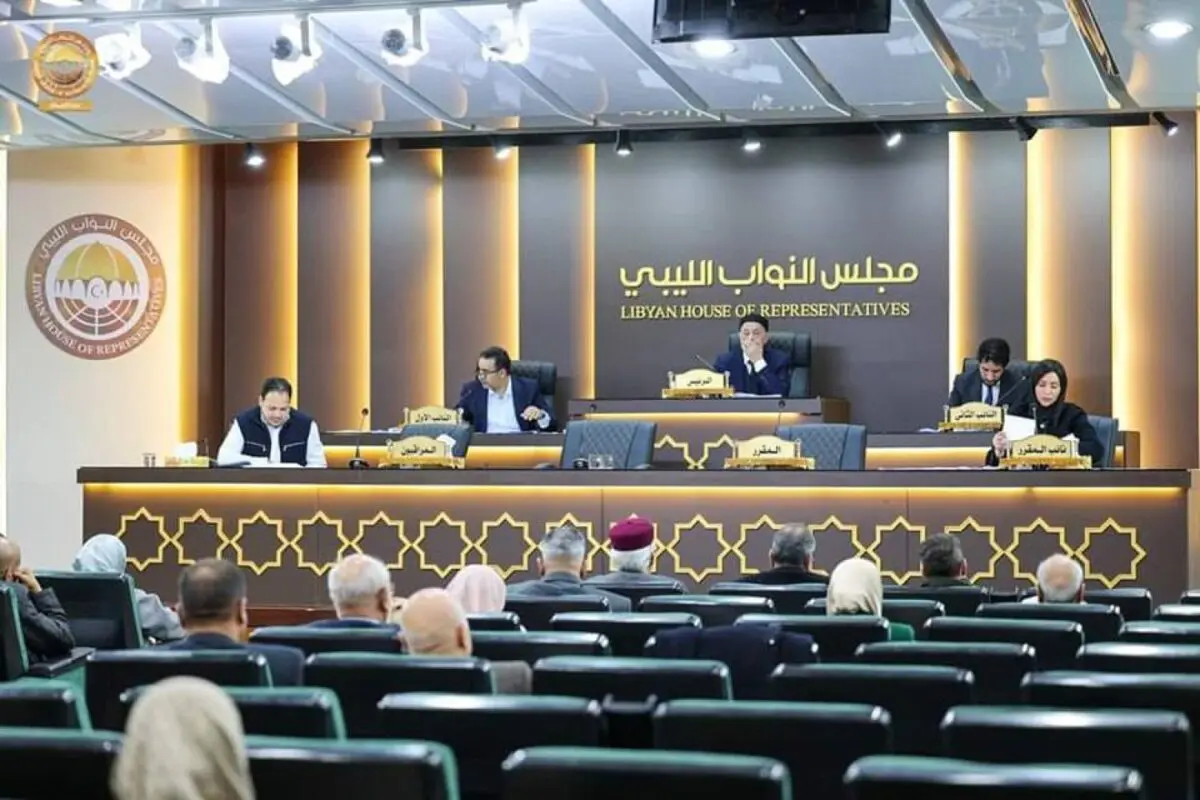
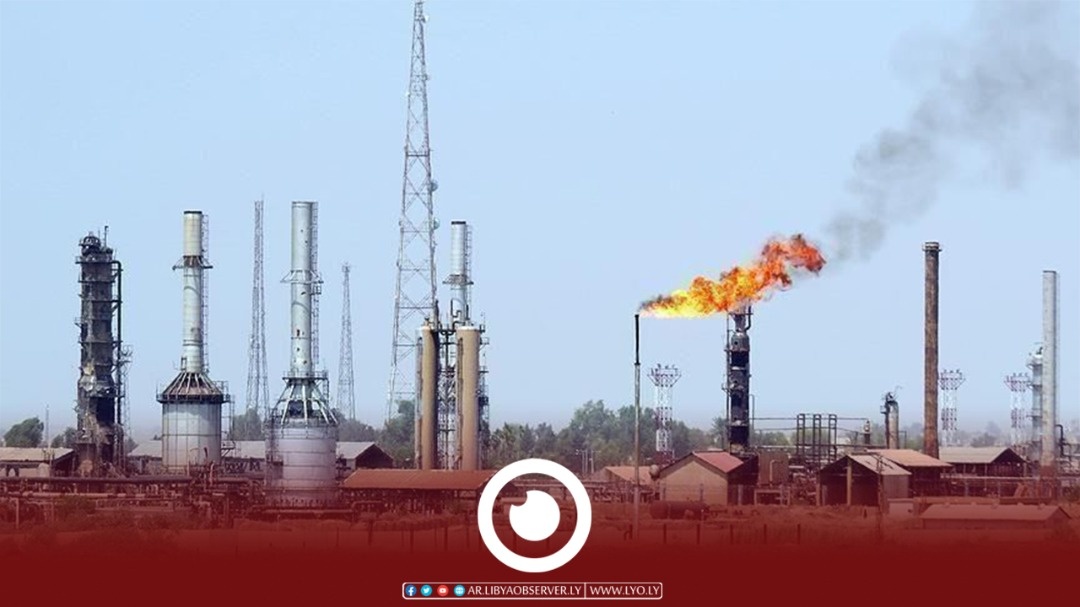
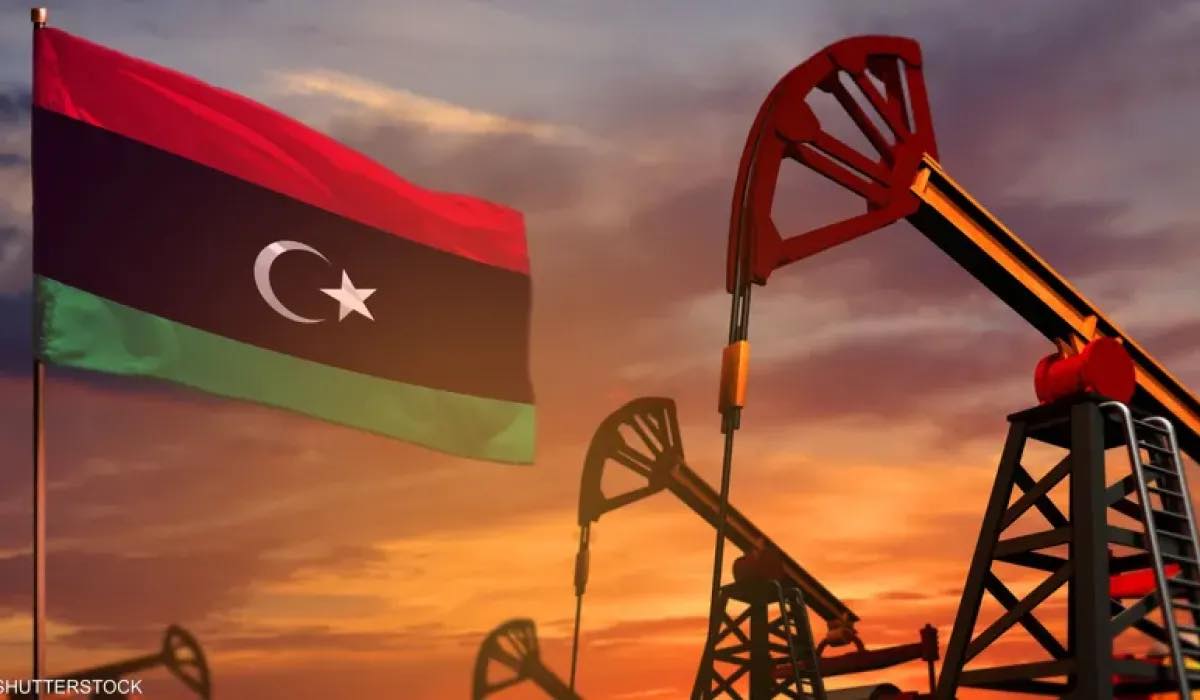
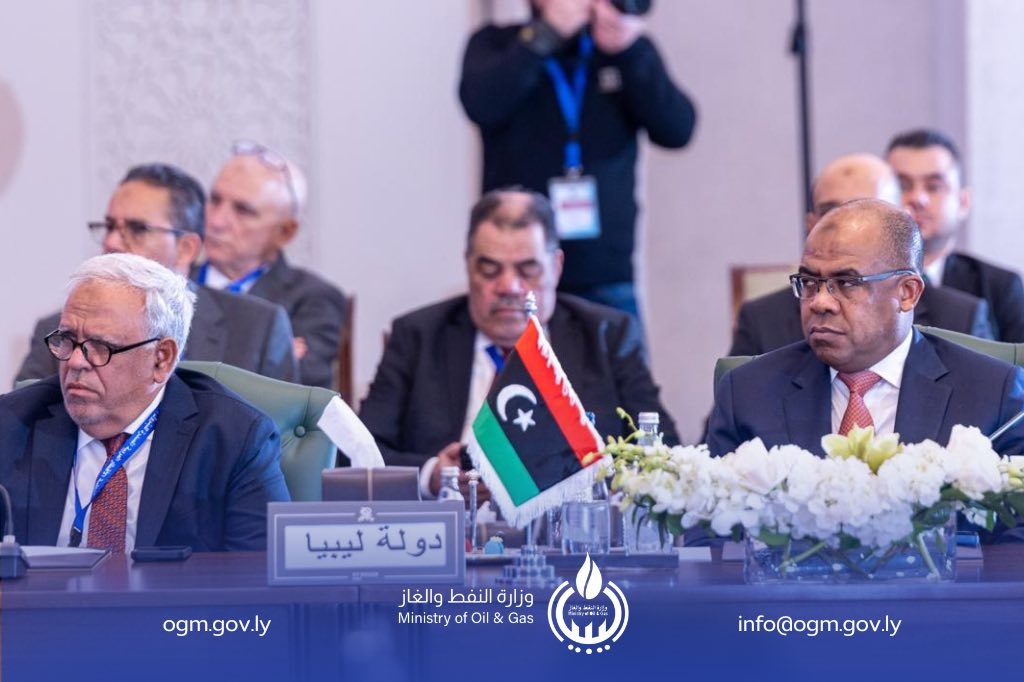
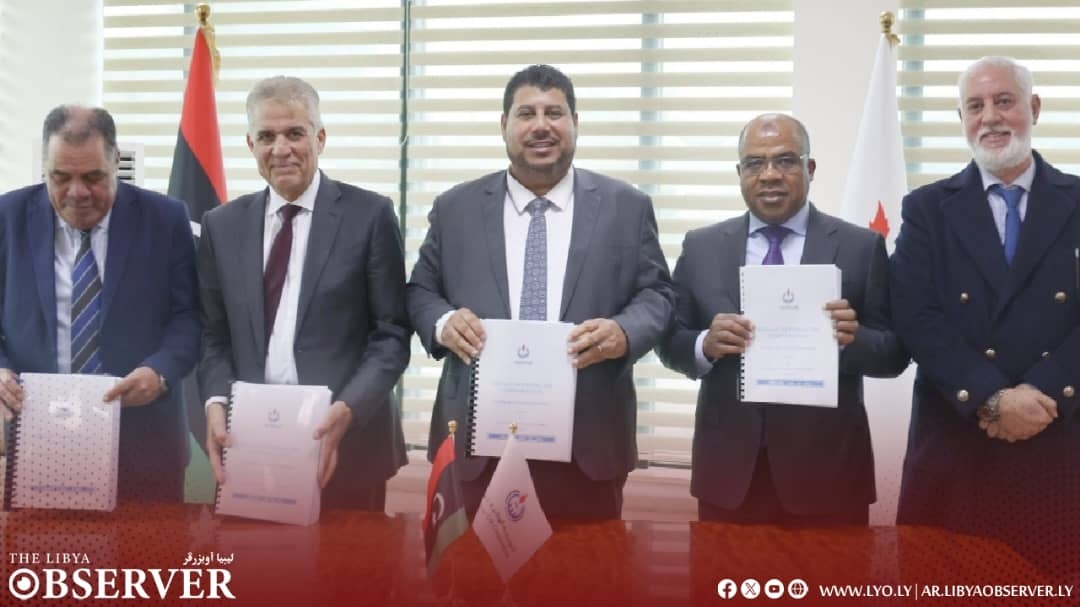
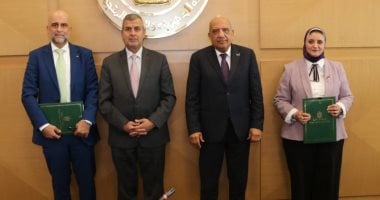
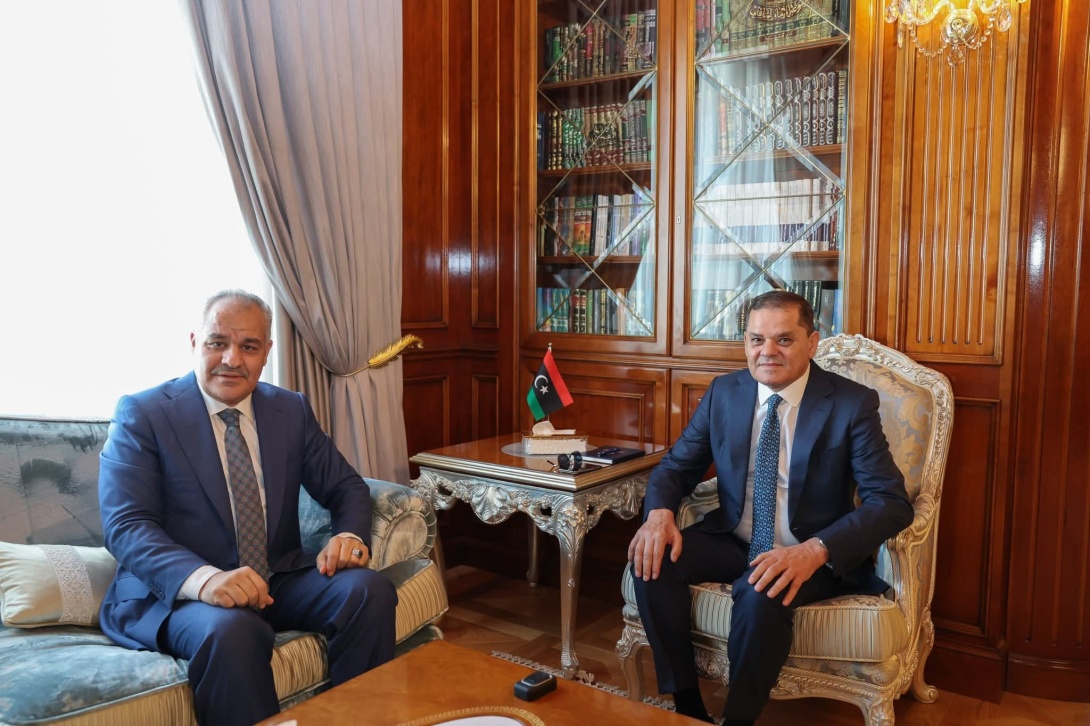
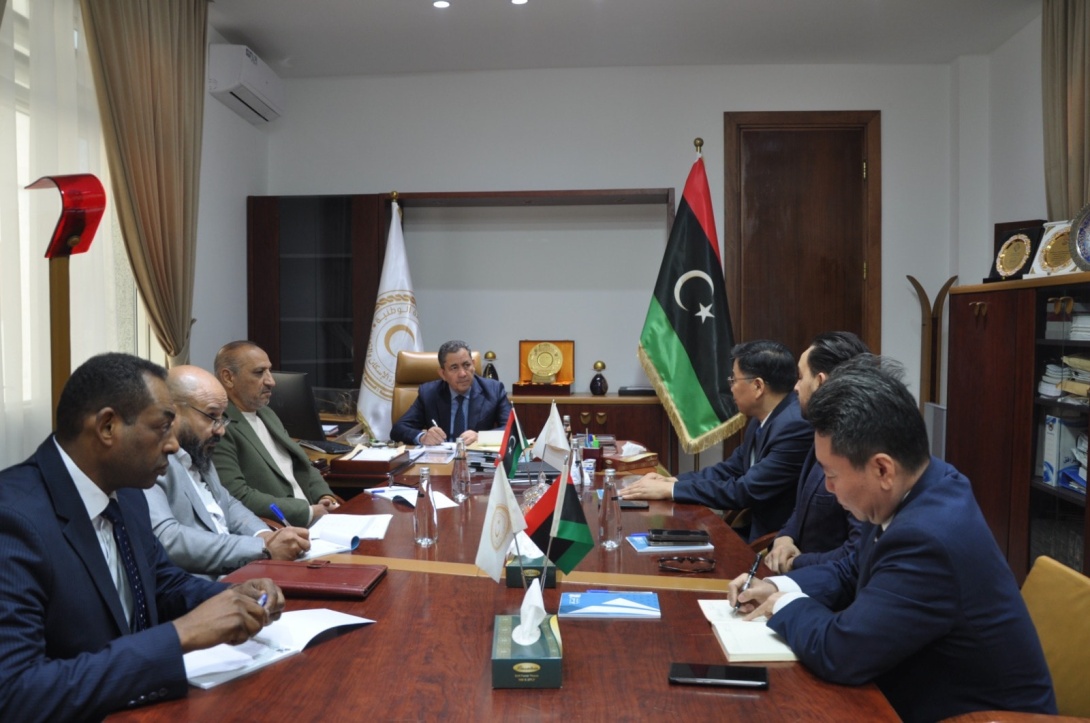
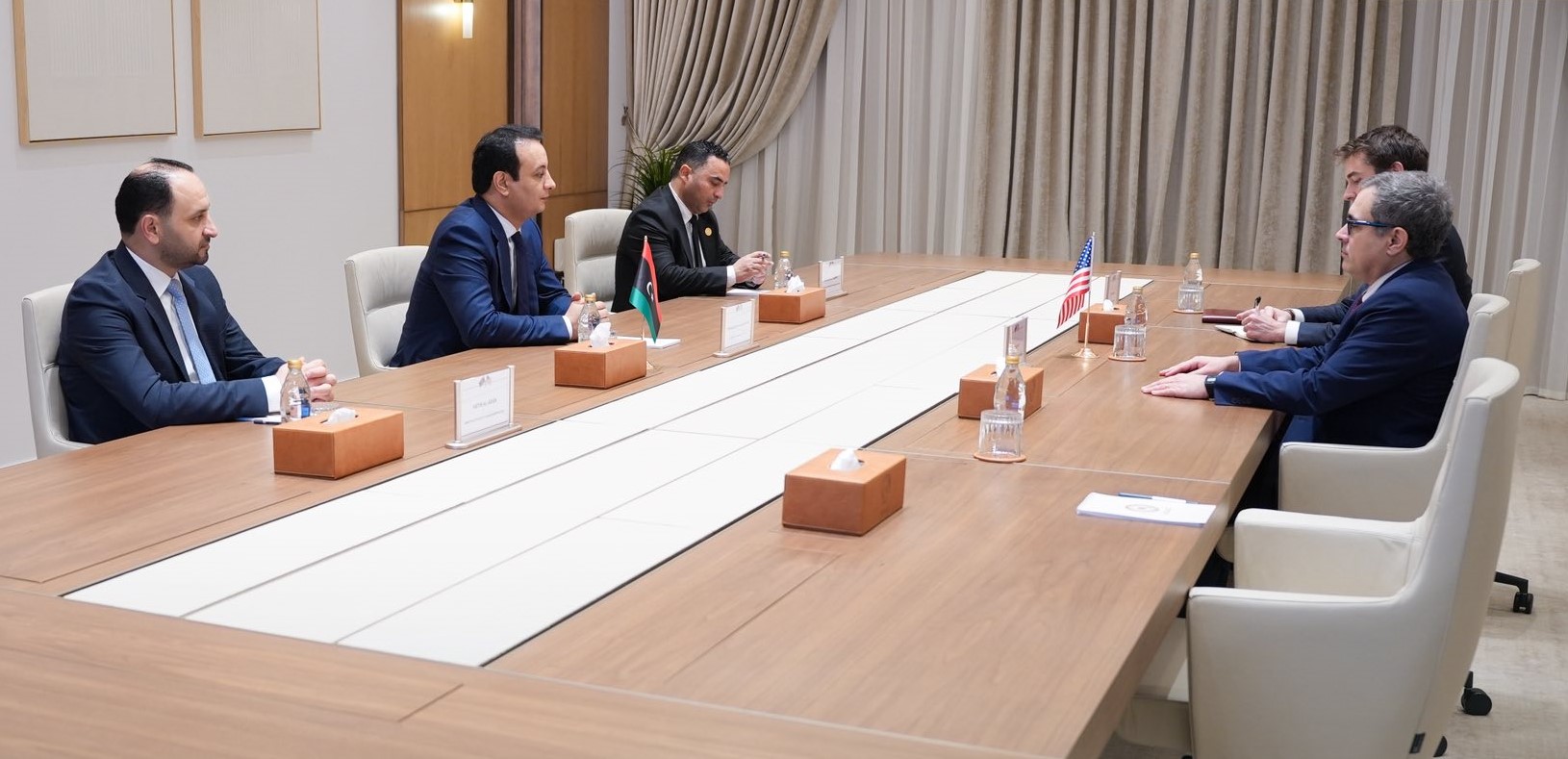
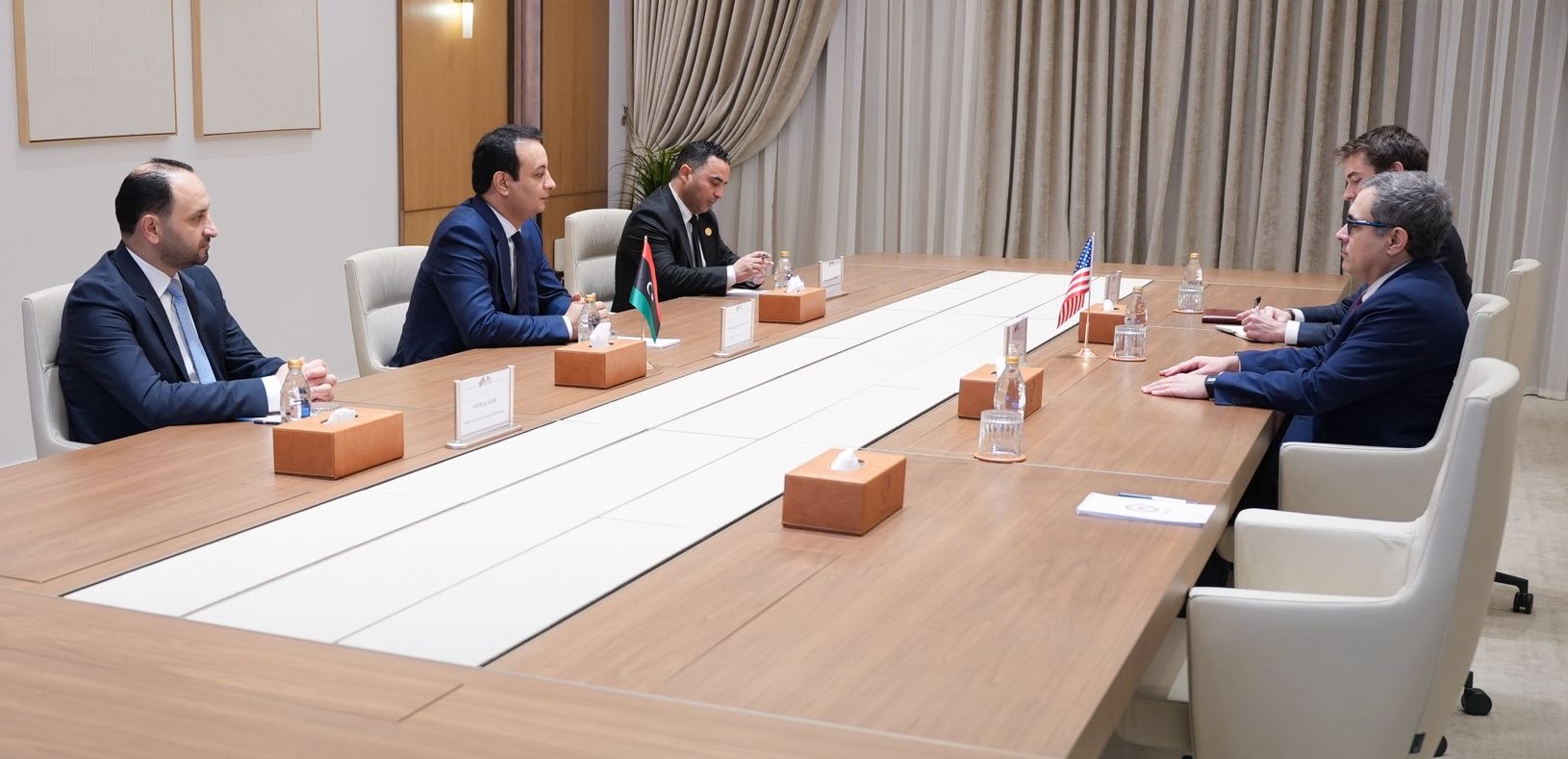
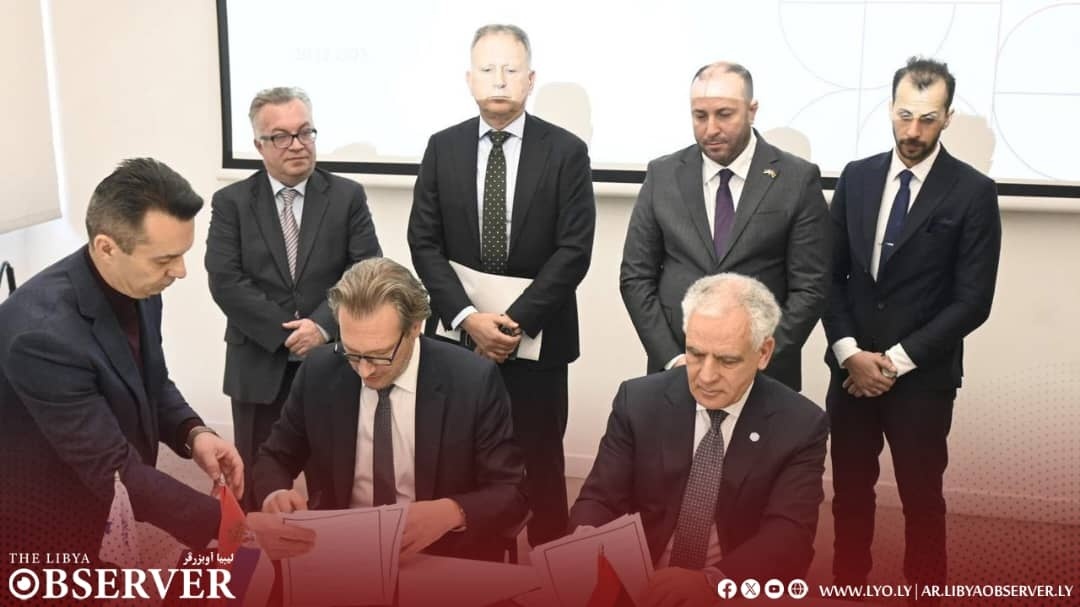
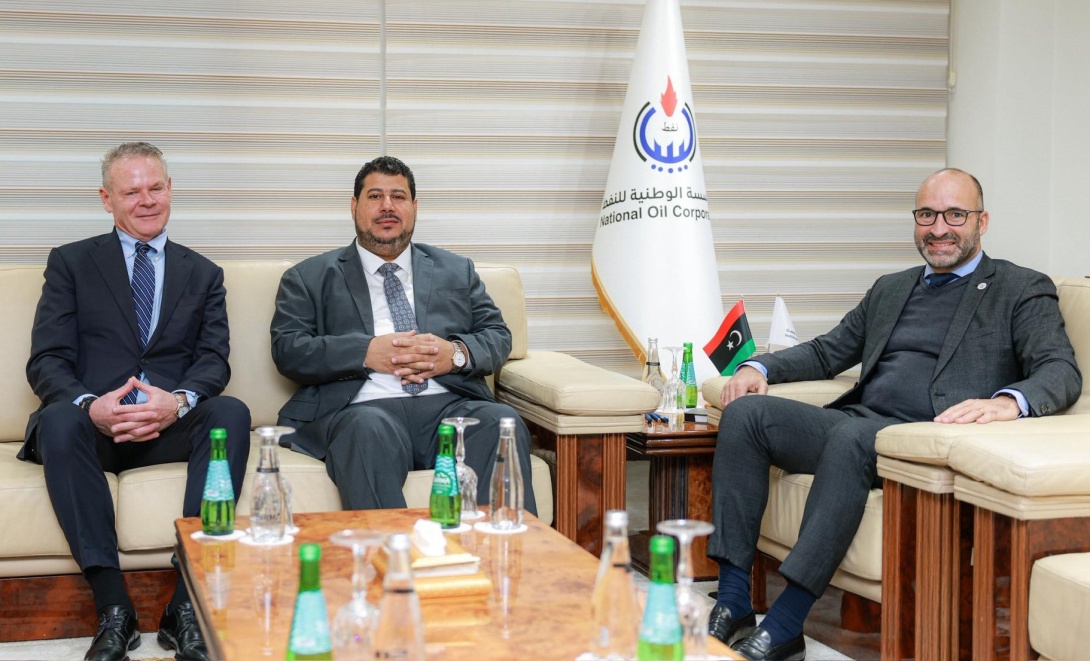
The organizing committee for the “Libya Energy and Economy Summit” held a meeting on Wednesday to review the final technical and logistical preparations for the event, which is scheduled to take place in Tripoli from January 24 to 26, 2026. The meeting discussed arrangements for hosting delegations and finalizing the agenda.
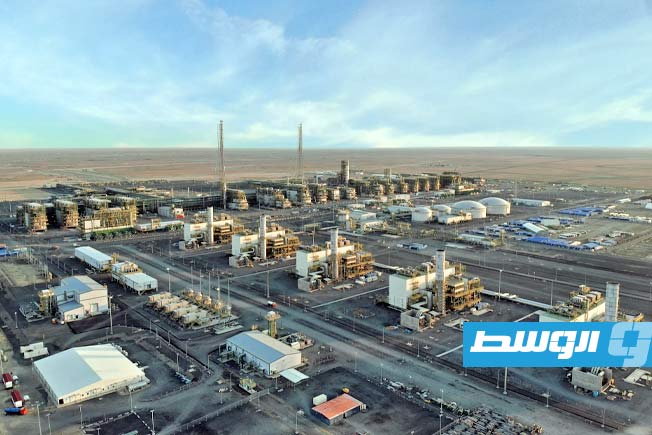
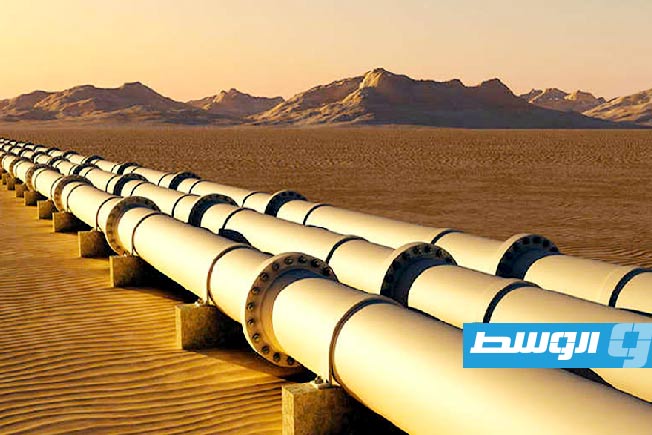
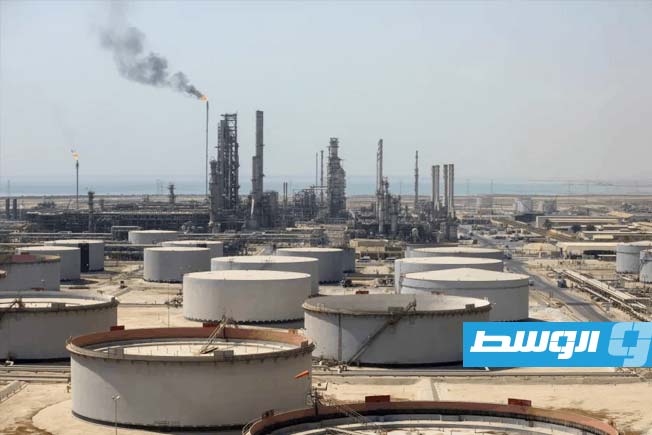
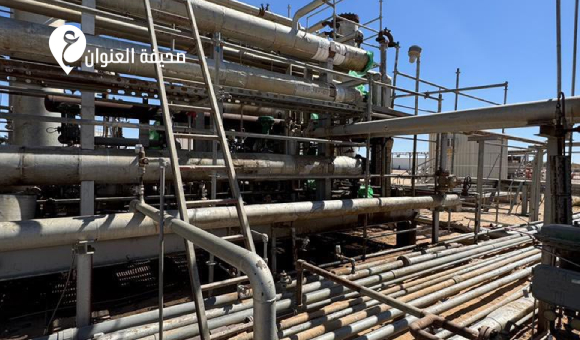
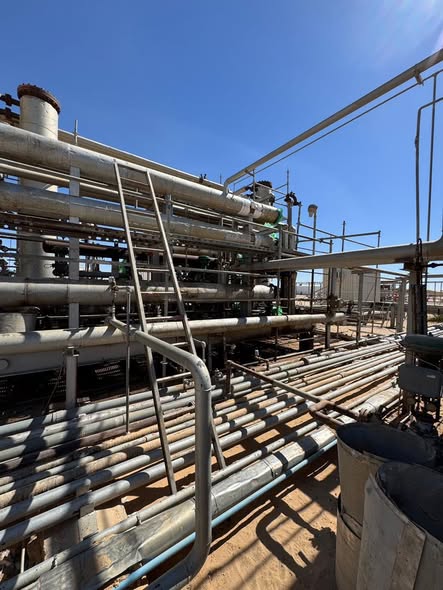
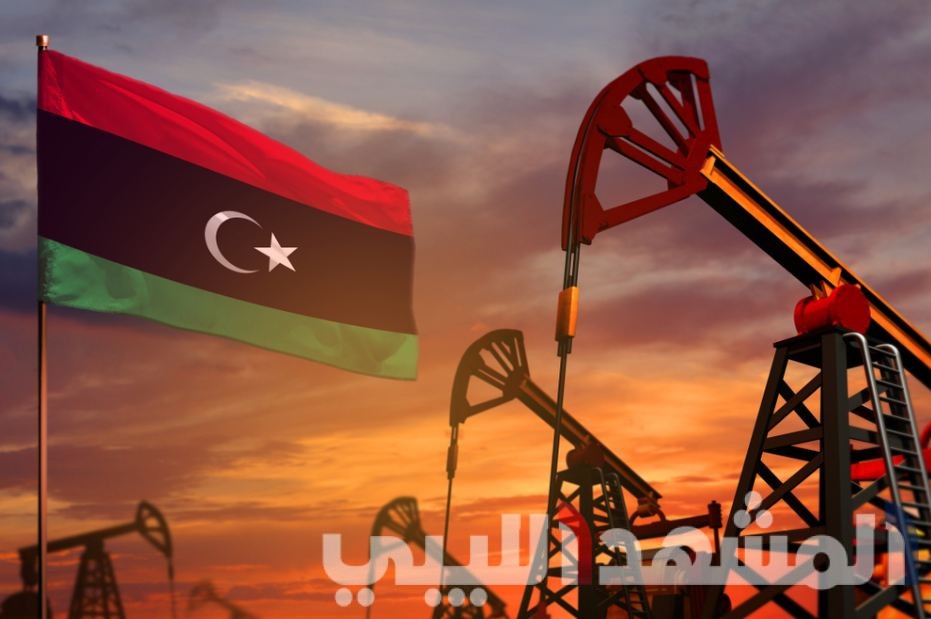
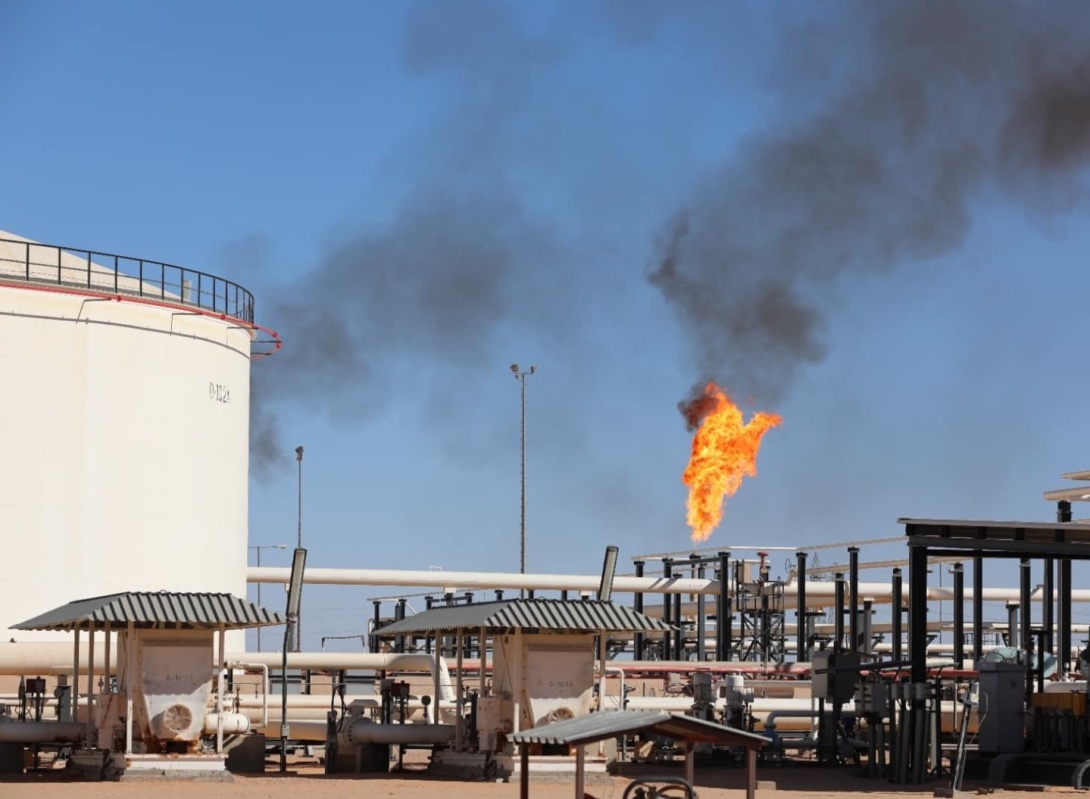
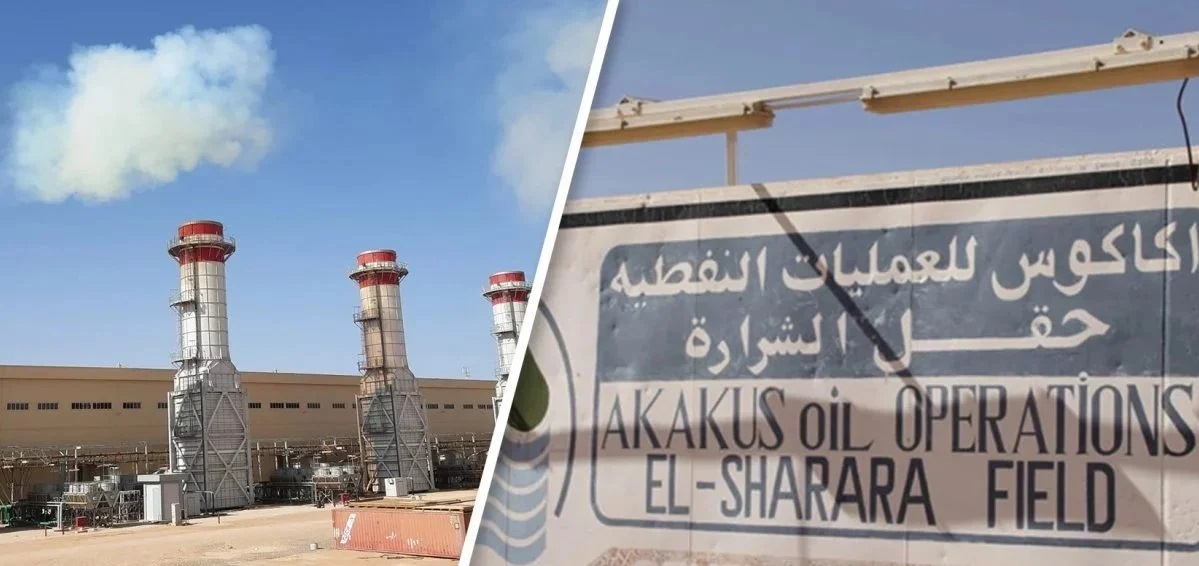
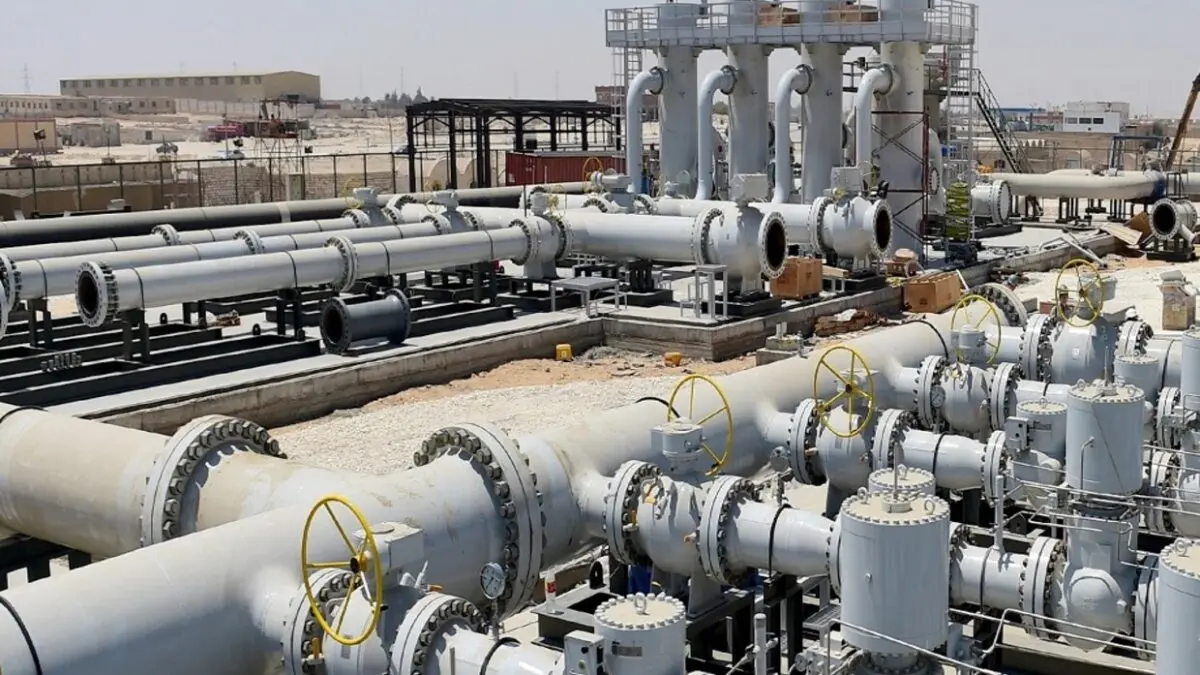
The summit is being held under the auspices of the Presidency of the Council of Ministers and is organized by the Ministry of Oil and Gas, the National Oil Corporation, and the Renewable Energy Authority. Its goal is to strengthen dialogue between the public and private sectors, explore investment opportunities, and advance the country’s energy sector.
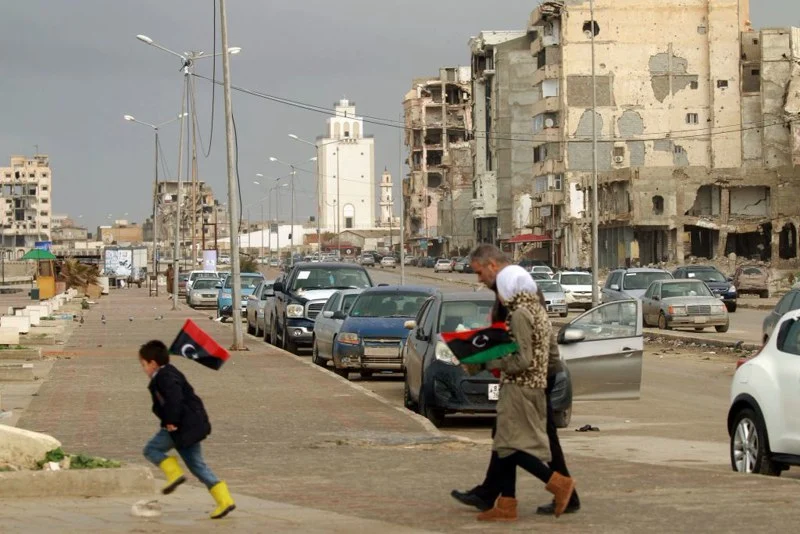
The event is part of broader efforts to develop Libya’s strategic energy sector and support the national economy after years of challenges.
Libya Energy and Economy Summit
The Libya Energy and Economy Summit is an annual conference focused on the nation’s key economic sectors, particularly its vital oil and gas industry. It was established to foster investment, discuss modernization, and shape policy for Libya’s post-conflict economic recovery and development.
Tripoli
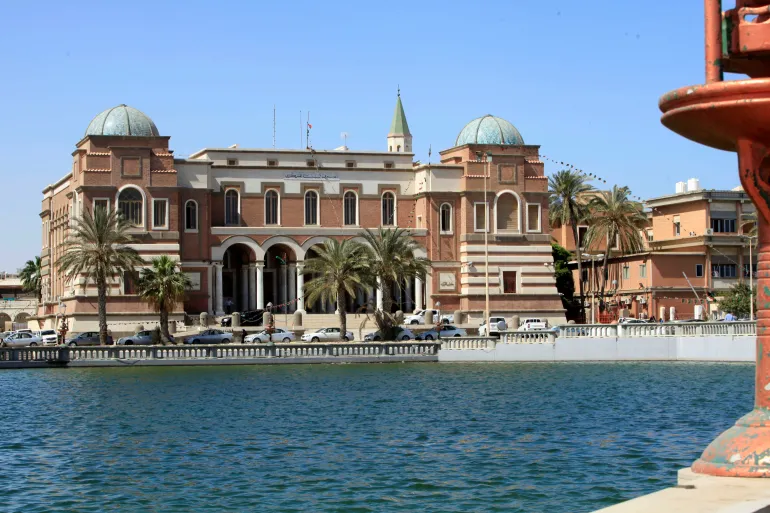
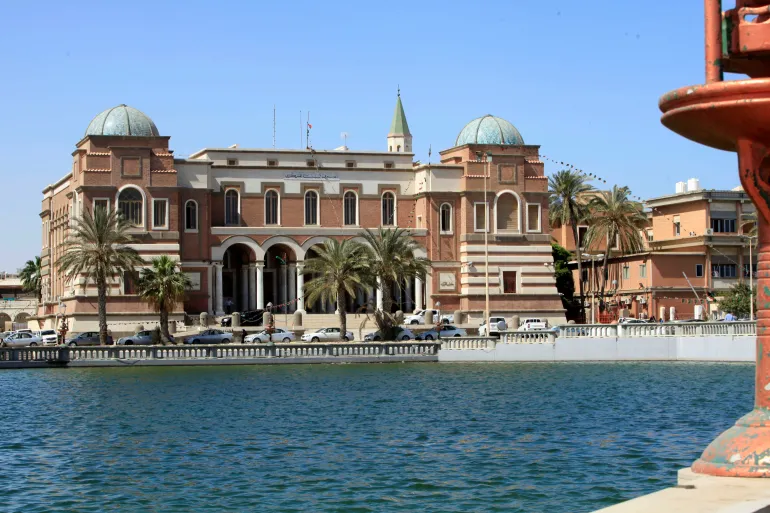
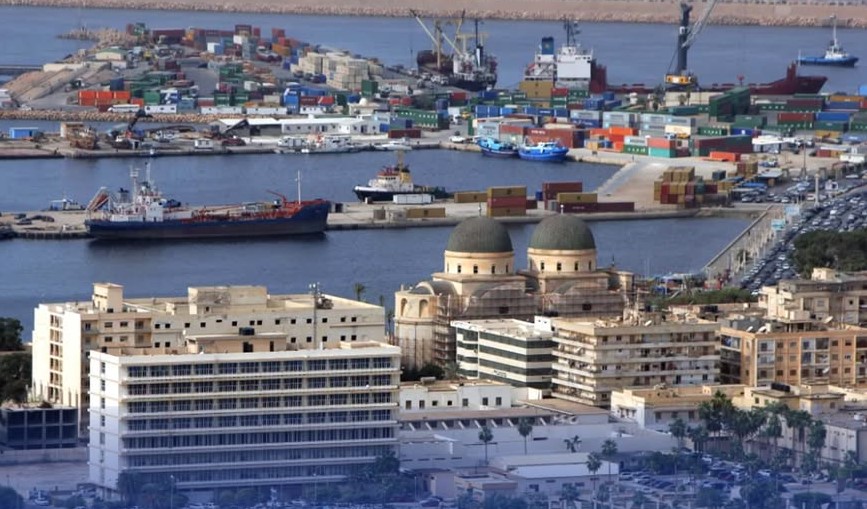
Tripoli is the capital and largest city of Libya, located on the country’s Mediterranean coast. Historically, it was founded by the Phoenicians in the 7th century BC and has since been ruled by the Romans, Arabs, Ottomans, and Italians, serving as a major port and cultural crossroads. Its historic center, the medina, contains significant landmarks like the Arch of Marcus Aurelius and the Red Castle (Assaraya al-Hamra).
Presidency of the Council of Ministers
The Presidency of the Council of Ministers is the official seat of the Prime Minister and the central executive government of Italy, located in Rome’s Palazzo Chigi. The building itself, a historic palace dating to the late 16th century, was acquired by the Italian state in 1961 and has served as the government’s headquarters since then.
Ministry of Oil and Gas
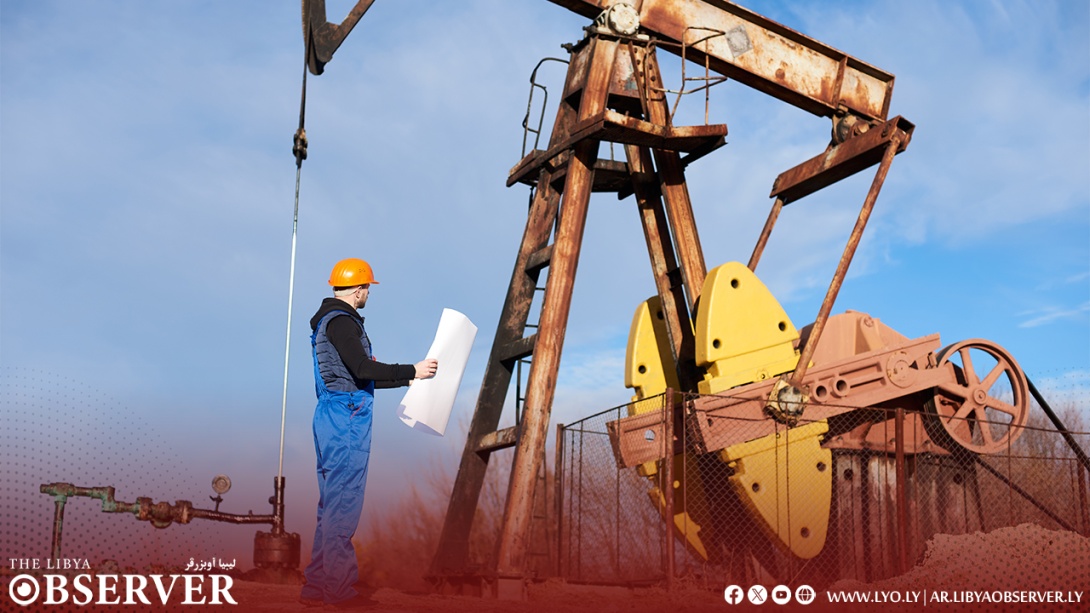
The Ministry of Oil and Gas is a government body responsible for overseeing and regulating a nation’s petroleum and natural gas resources. Its history is typically tied to the nationalization or major development of a country’s hydrocarbon industry, often established to assert state control over these vital economic assets. The specific founding date and historical details vary significantly from one country to another.
National Oil Corporation
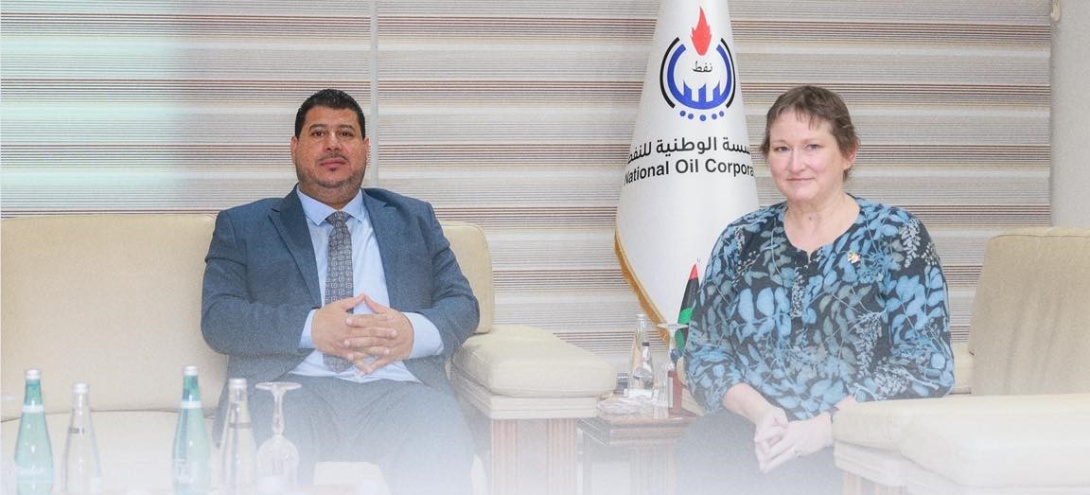
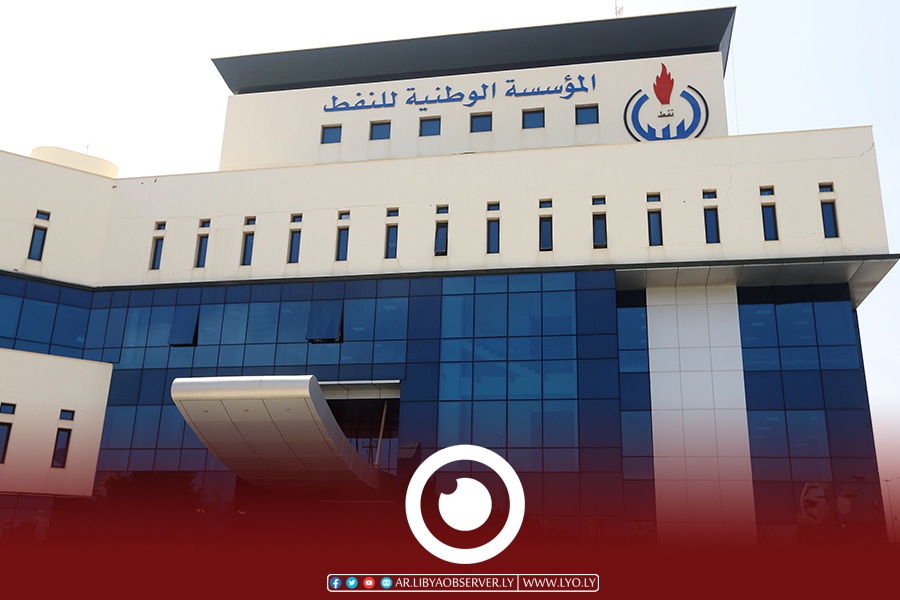
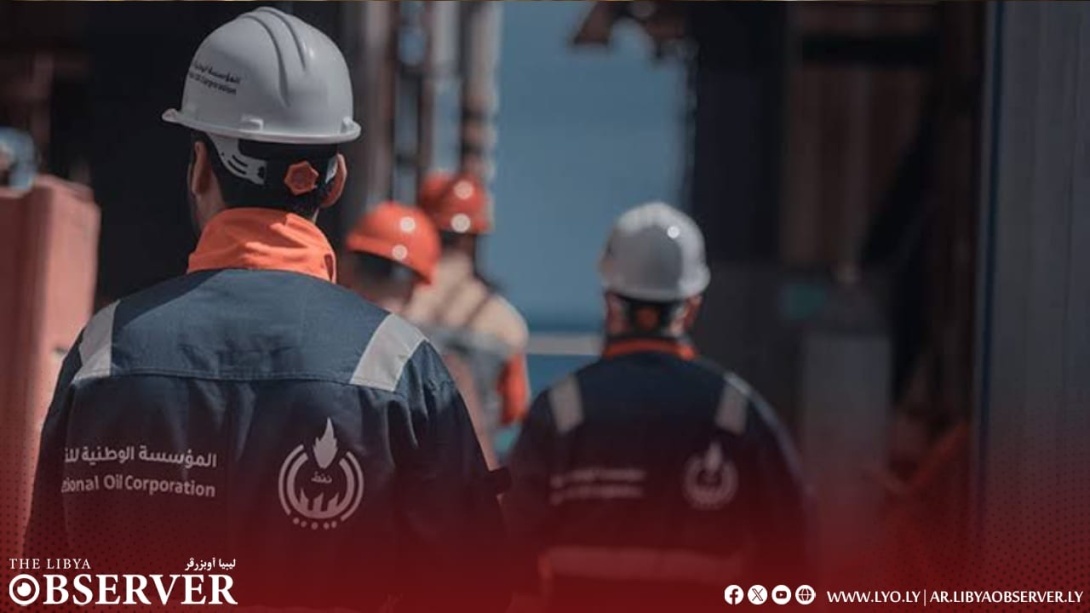
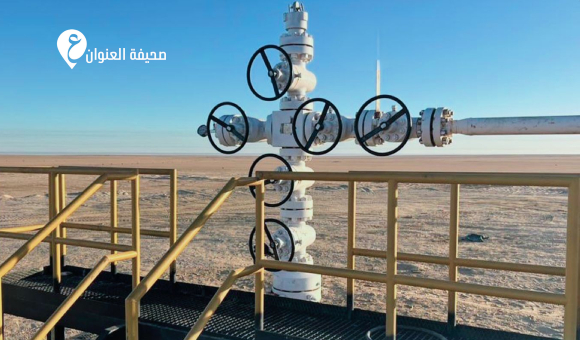
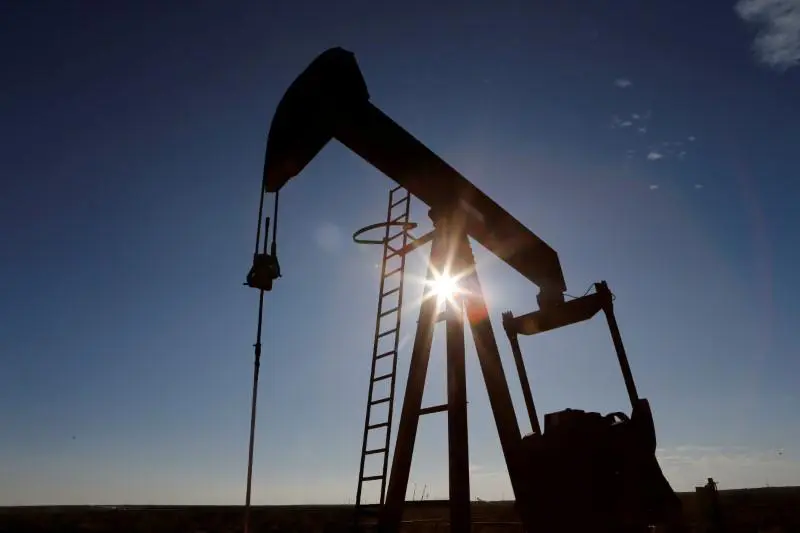
The National Oil Corporation (NOC) is the state-owned oil company of Libya, established in 1970 to manage the country’s hydrocarbon resources. It oversees all aspects of Libya’s oil and gas production, from exploration to export, and has been a central pillar of the national economy since its founding.
Renewable Energy Authority
The Renewable Energy Authority is a governmental body typically established to promote and regulate the development of sustainable energy sources like solar, wind, and hydropower. Such authorities are often founded in response to global energy crises and environmental concerns, with many being created in the late 20th and early 21st centuries to reduce dependence on fossil fuels. Their core mission involves setting national targets, funding research, and implementing projects to transition toward a cleaner energy infrastructure.
Libya
Libya is a North African country with a rich history rooted in ancient civilizations like the Phoenicians and Romans, followed by centuries of Arab and Ottoman influence. In the modern era, it was an Italian colony before gaining independence in 1951, later becoming known for Muammar Gaddafi’s lengthy rule from 1969 until the 2011 revolution. The country is home to UNESCO World Heritage sites, such as the ruins of Leptis Magna, which testify to its significant historical legacy.
OPEC
OPEC, or the Organization of the Petroleum Exporting Countries, is an intergovernmental organization founded in 1960 by Iran, Iraq, Kuwait, Saudi Arabia, and Venezuela. Its primary purpose is to coordinate and unify the petroleum policies of its member countries to ensure stable oil markets and secure a steady income for producers.
192nd Ministerial Meeting
The 192nd Ministerial Meeting refers to a session of the Council of the European Union, where ministers from EU member states convene to adopt policies and laws. Such meetings are a regular part of the EU’s legislative process, with each numbered session focusing on specific policy areas like finance, environment, or foreign affairs based on the attending ministers.