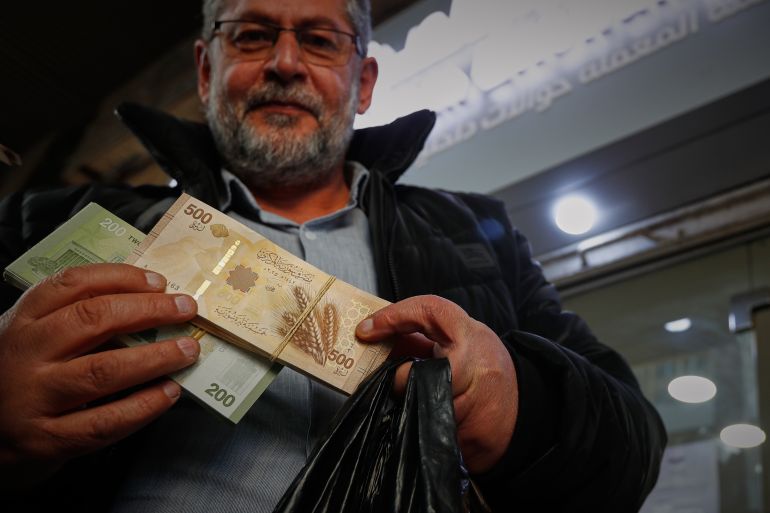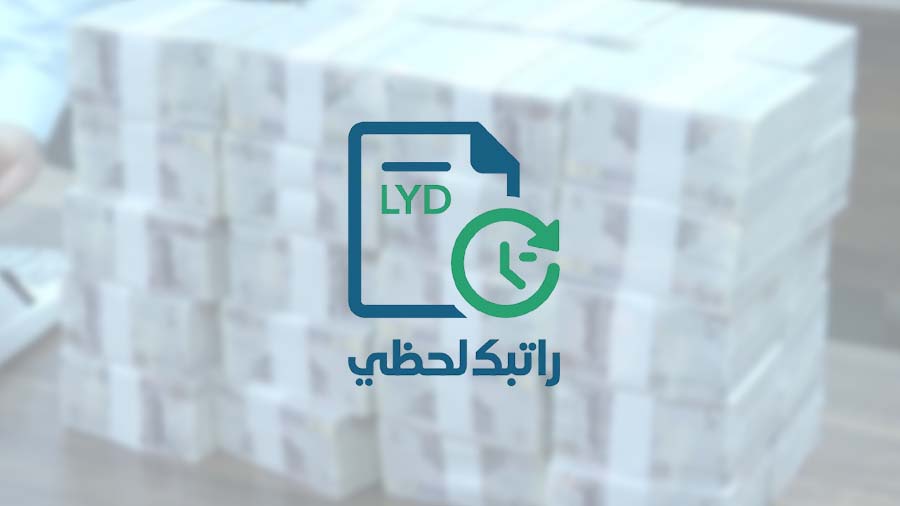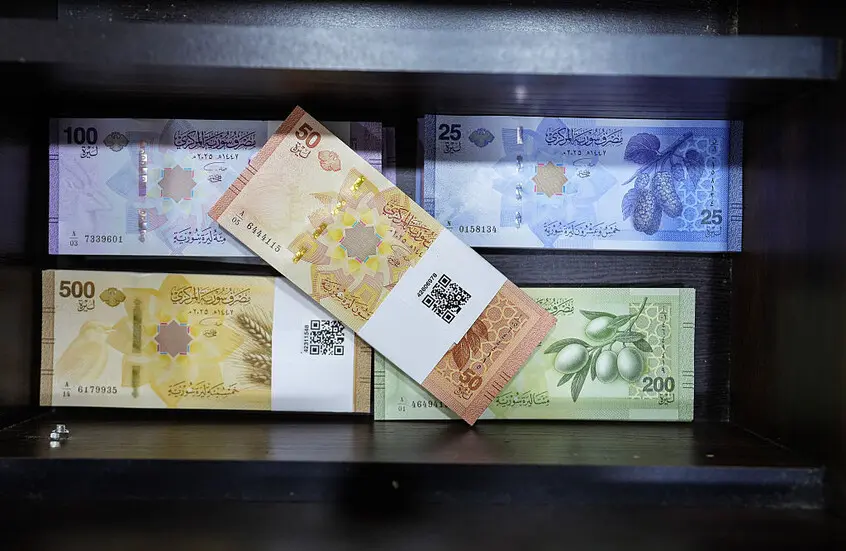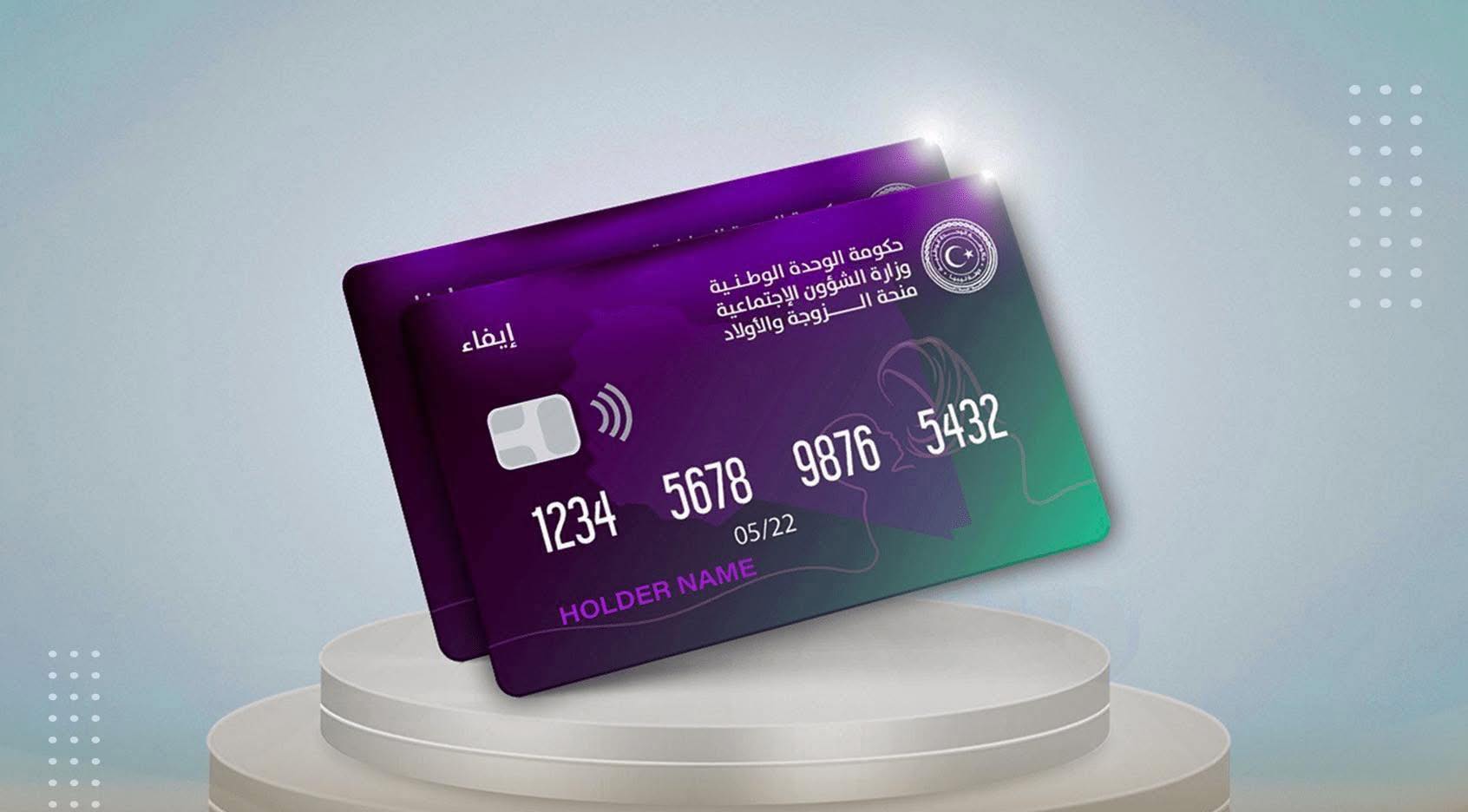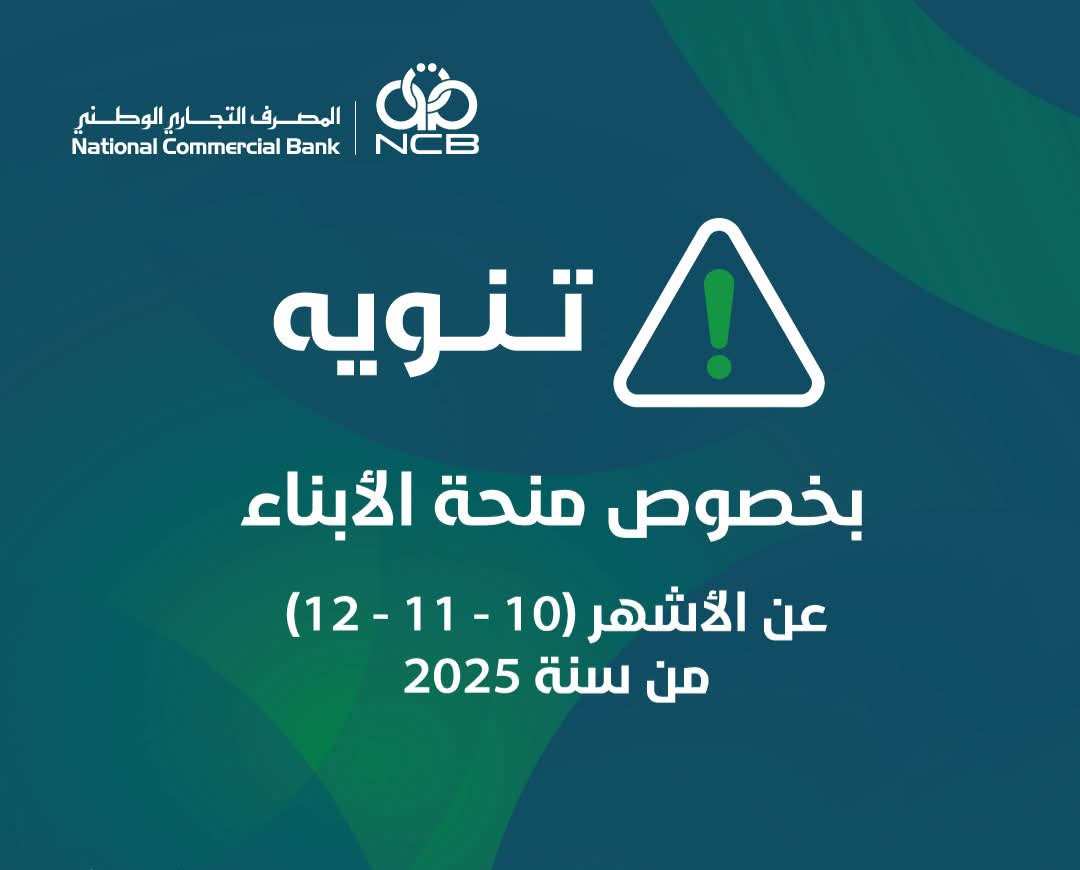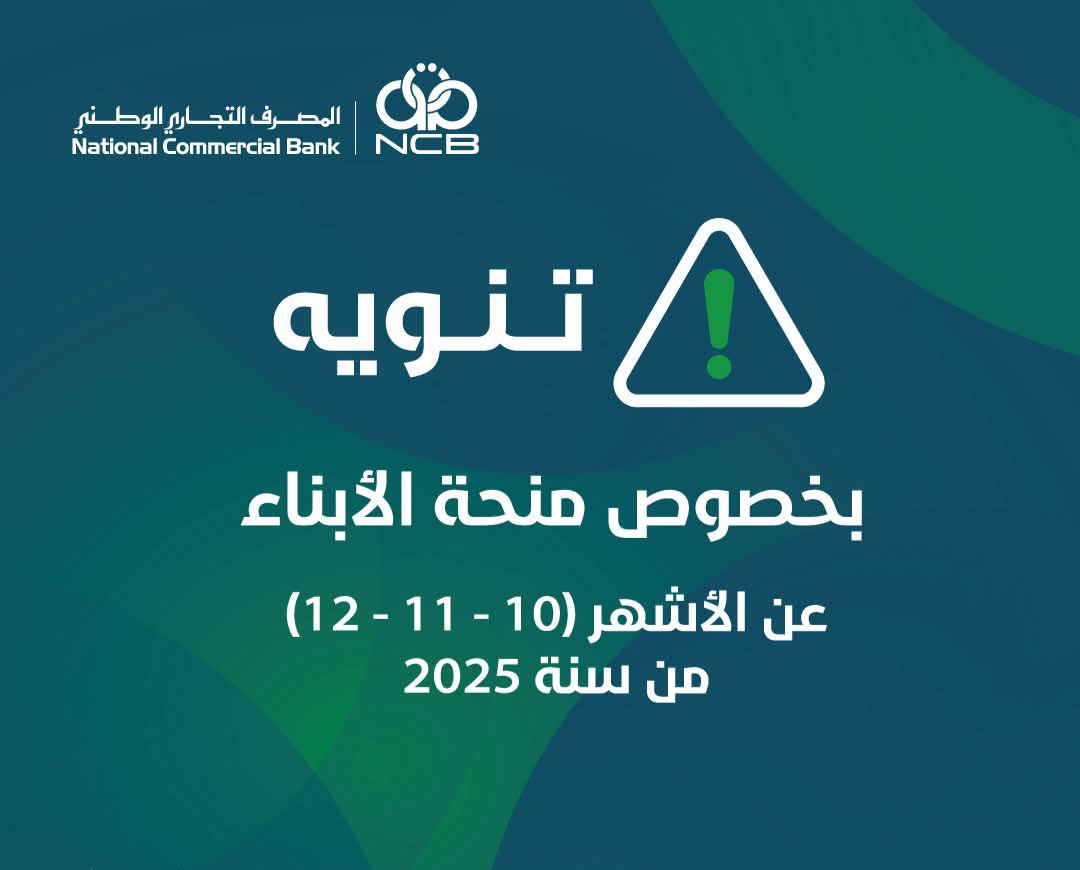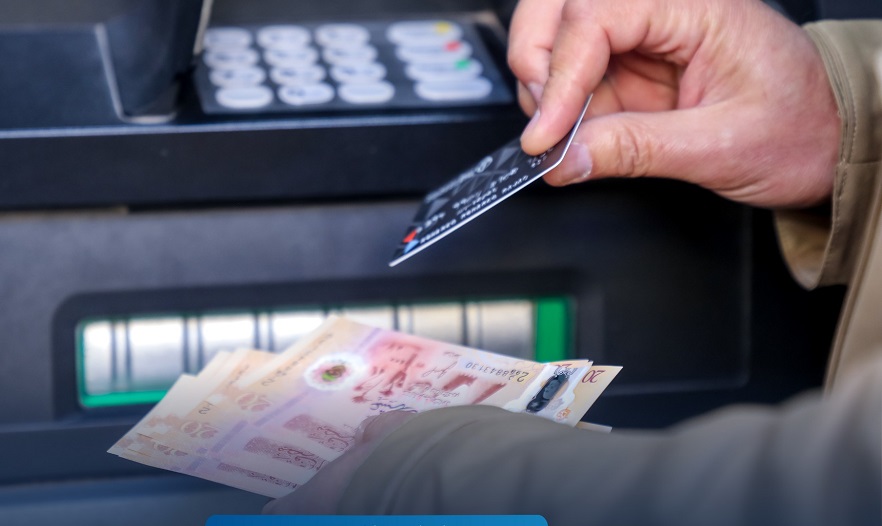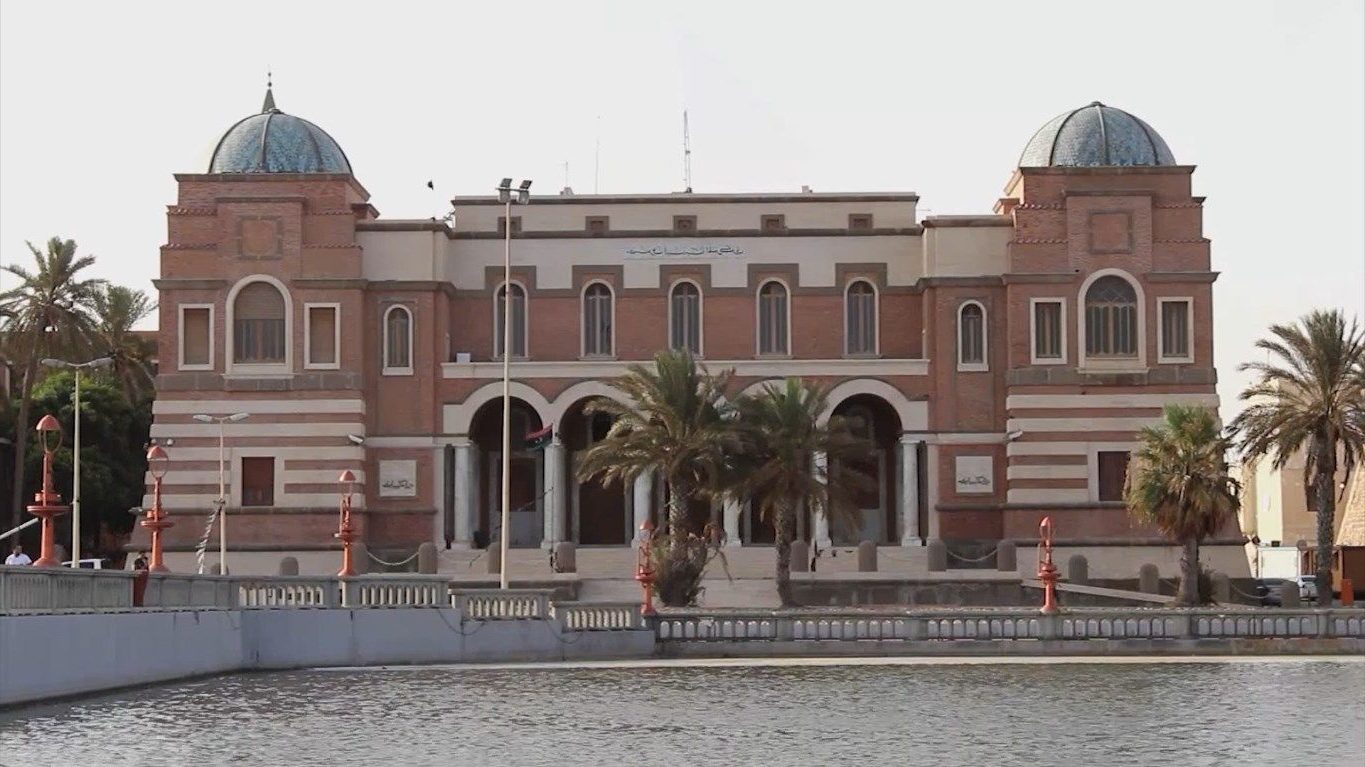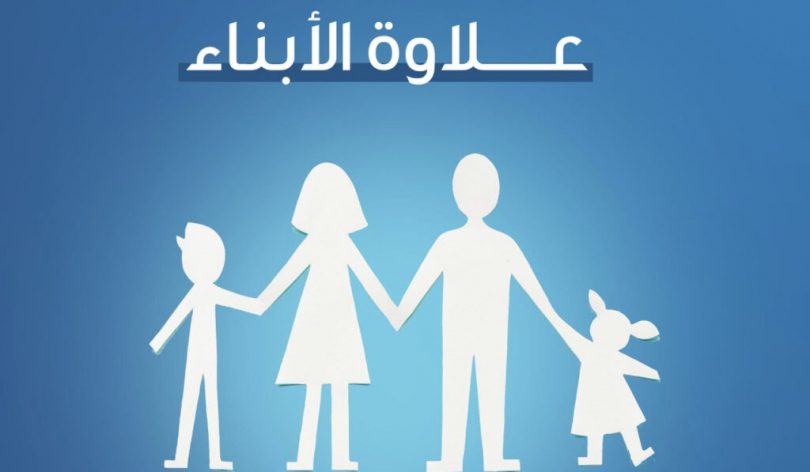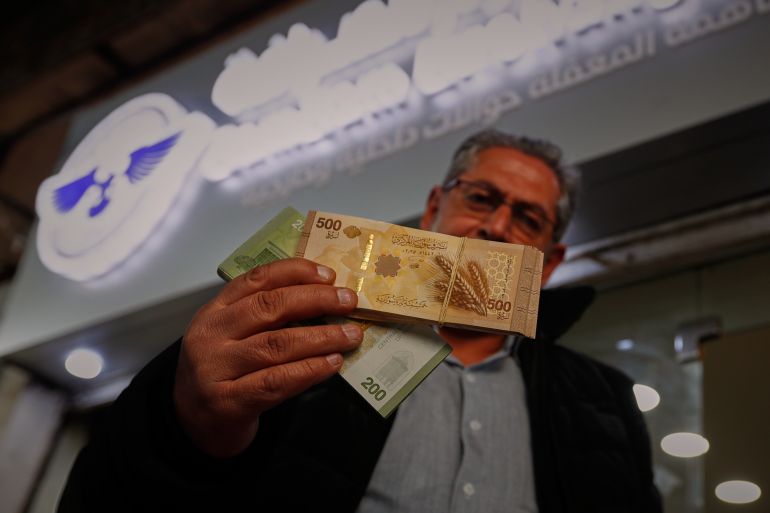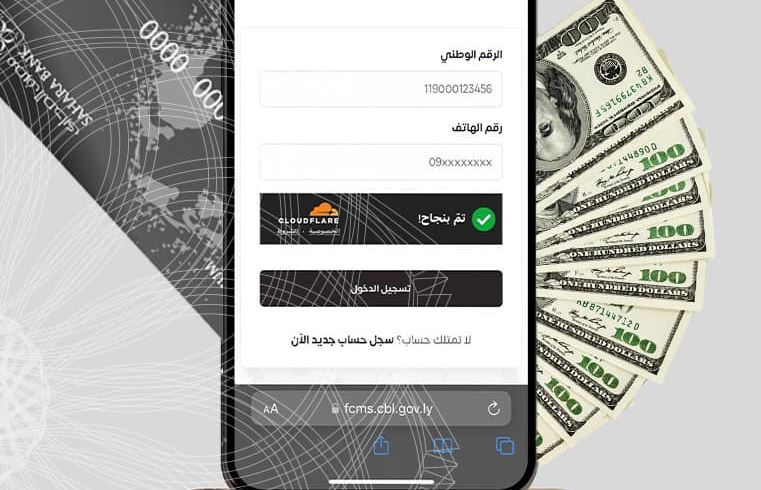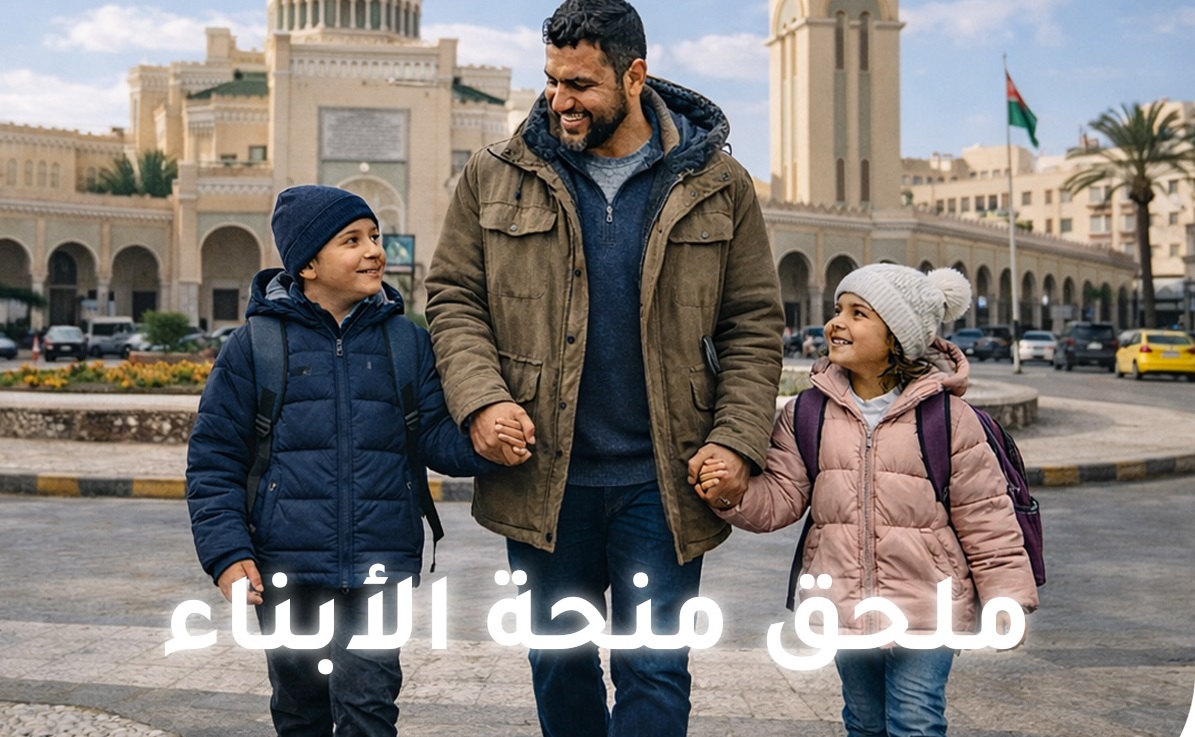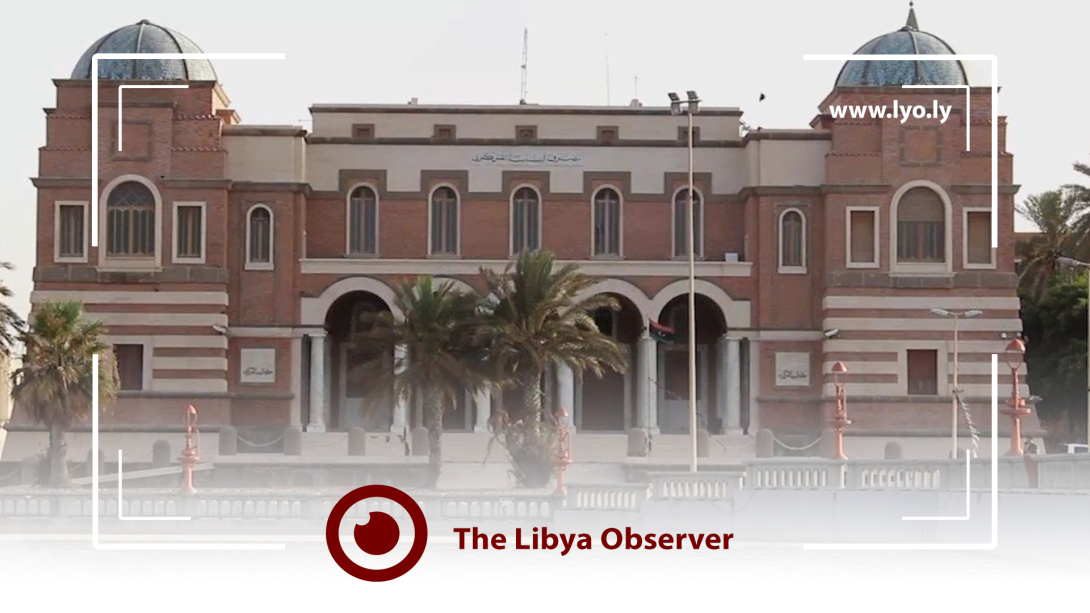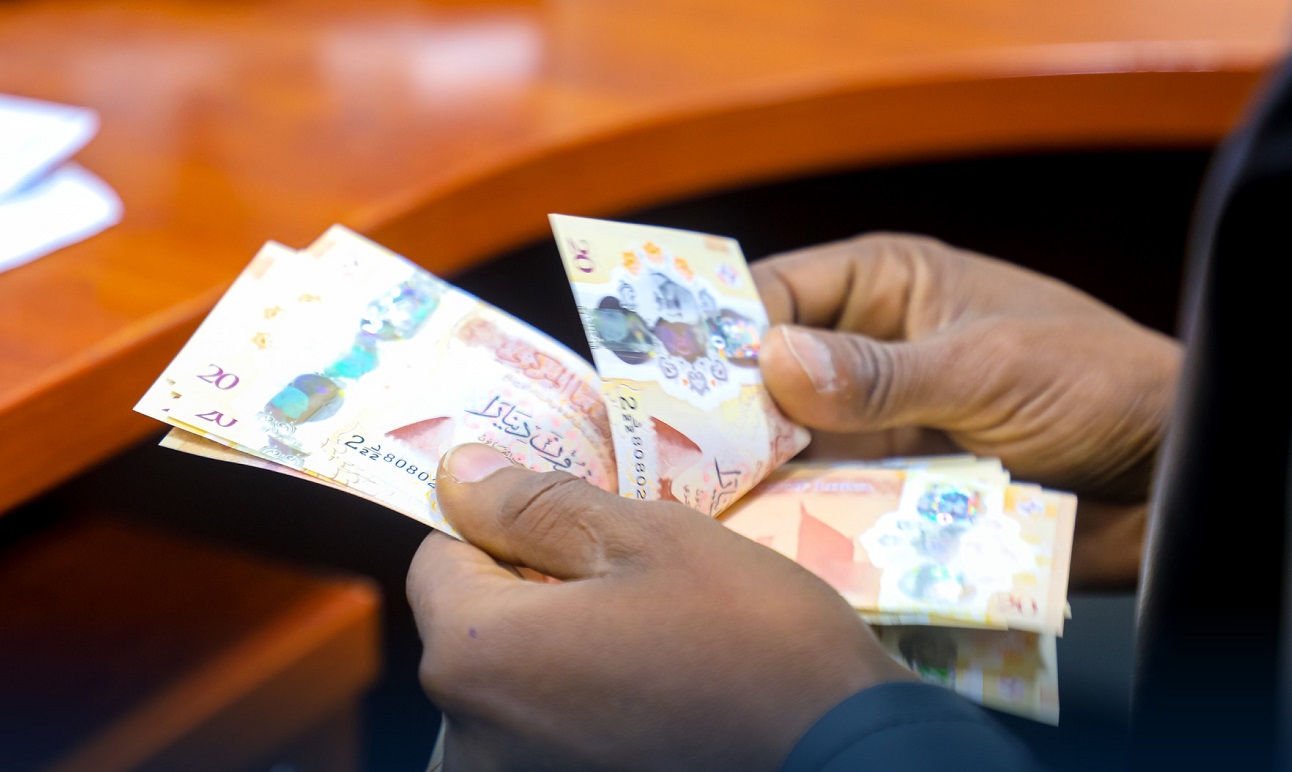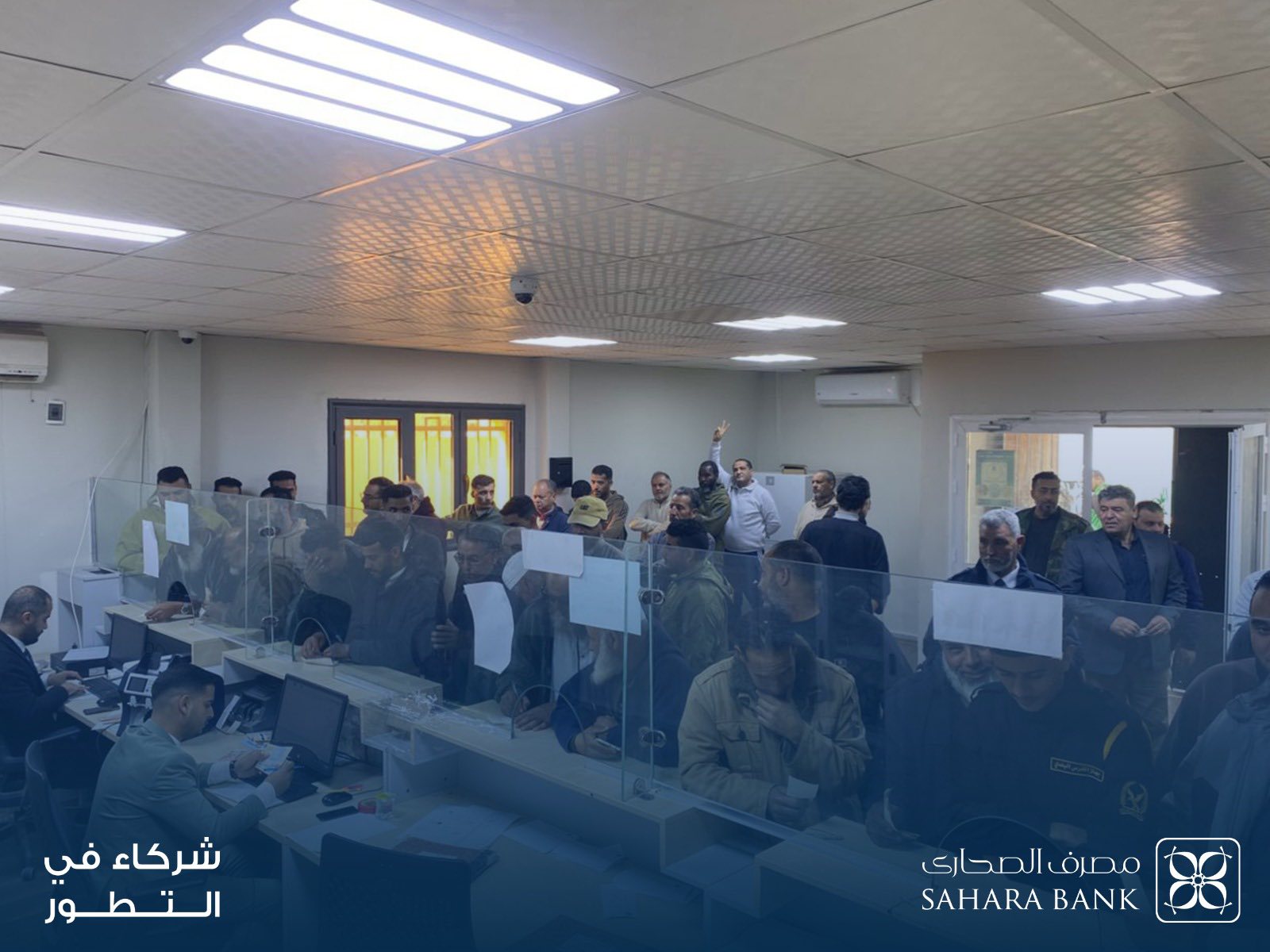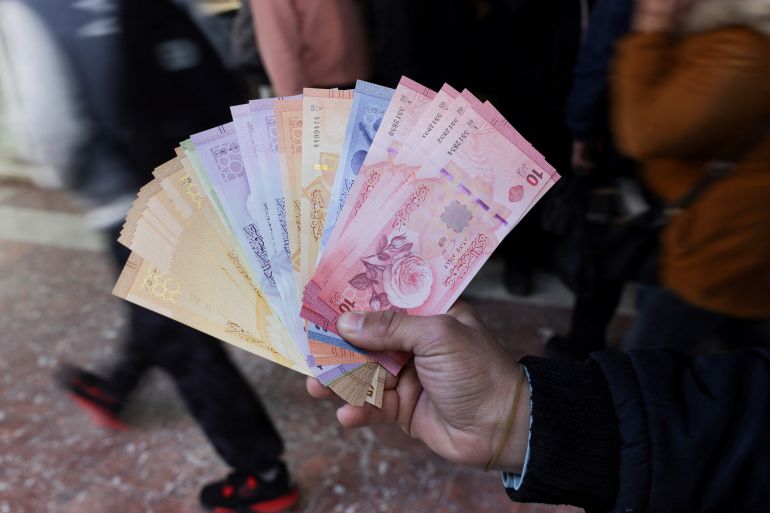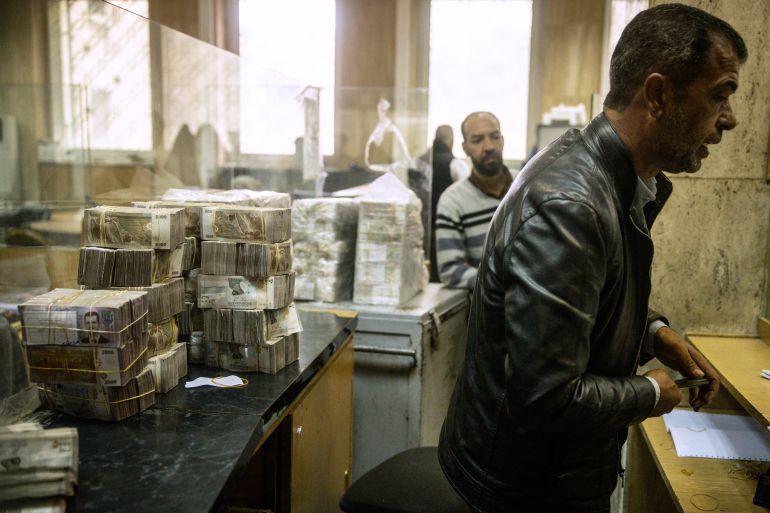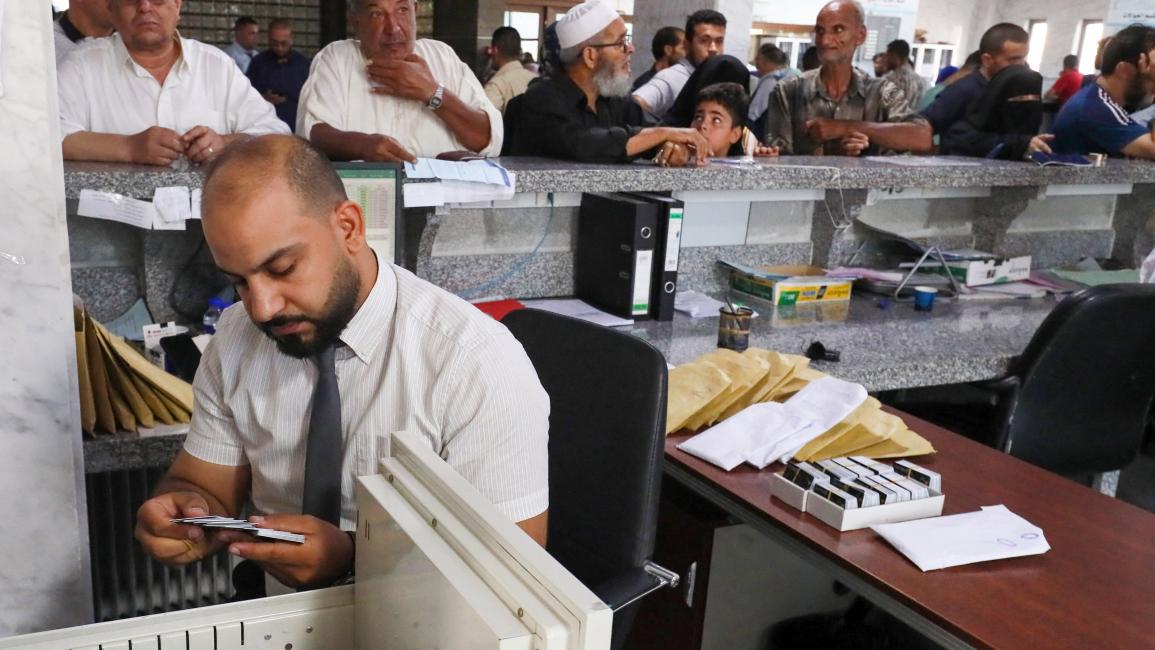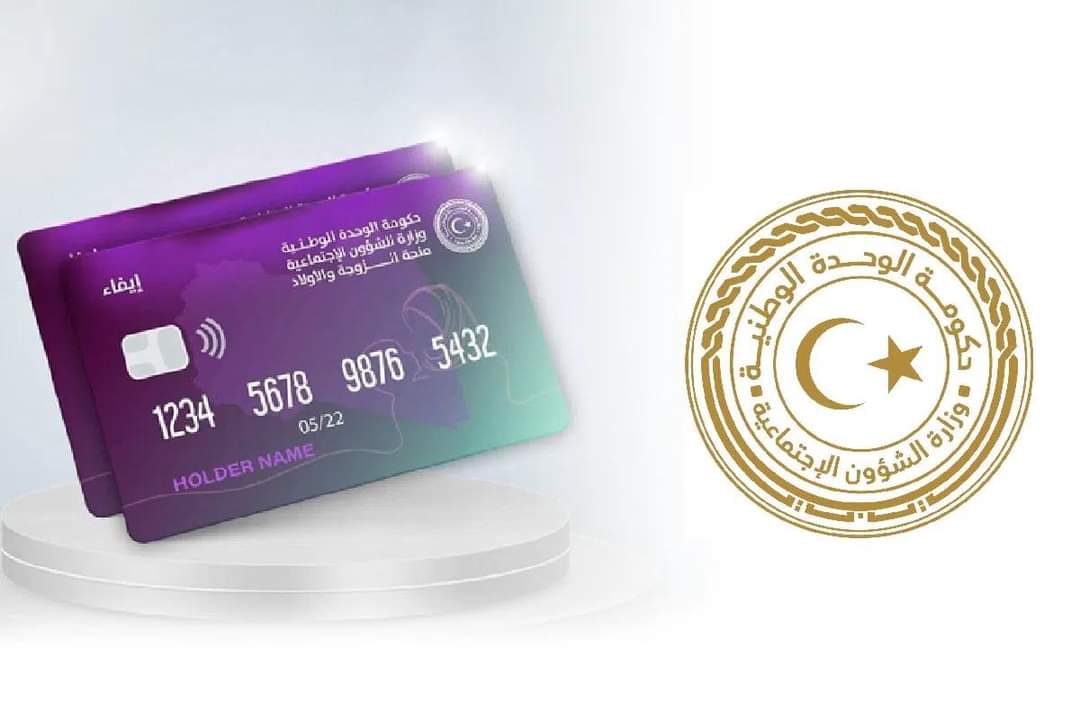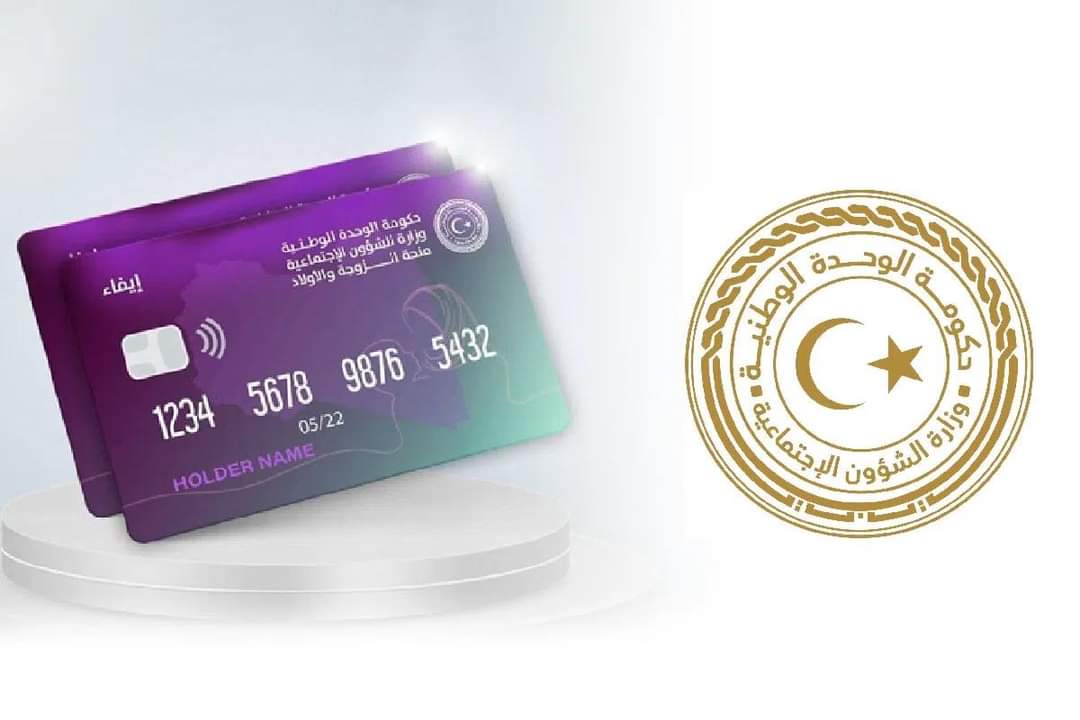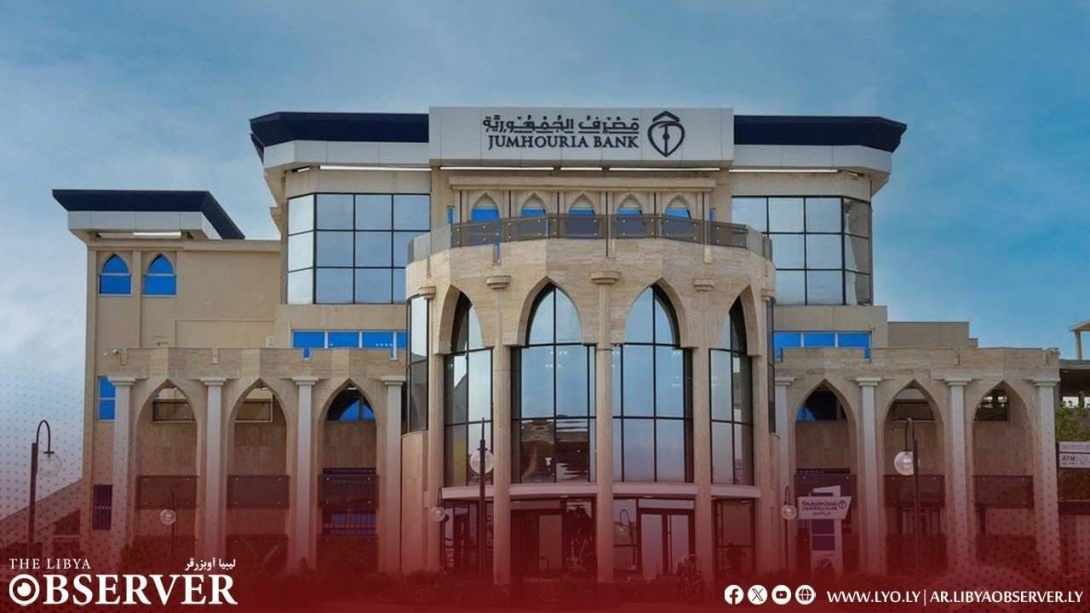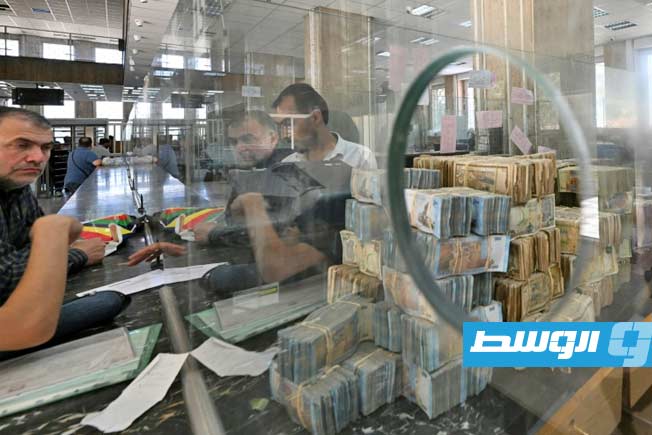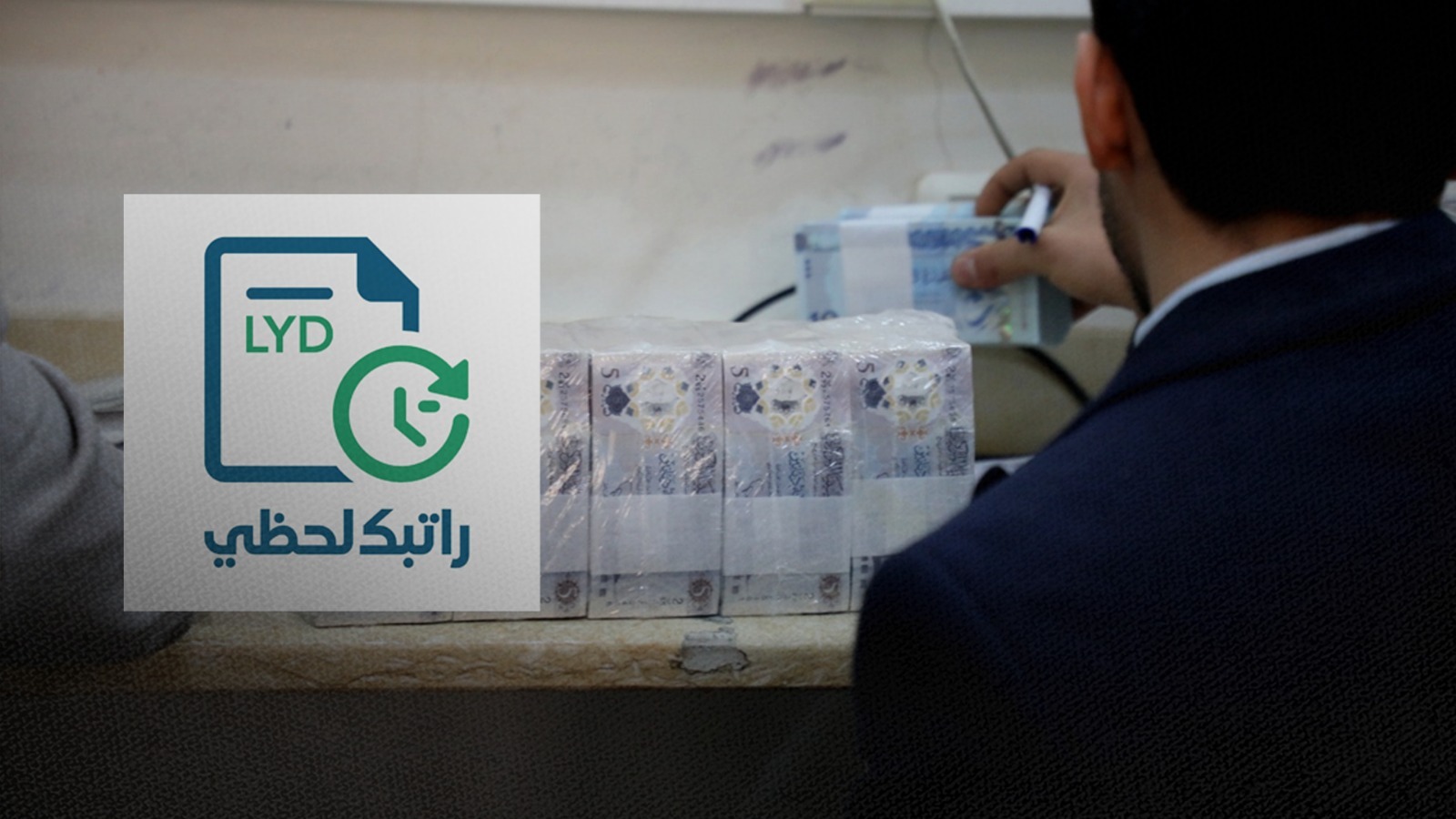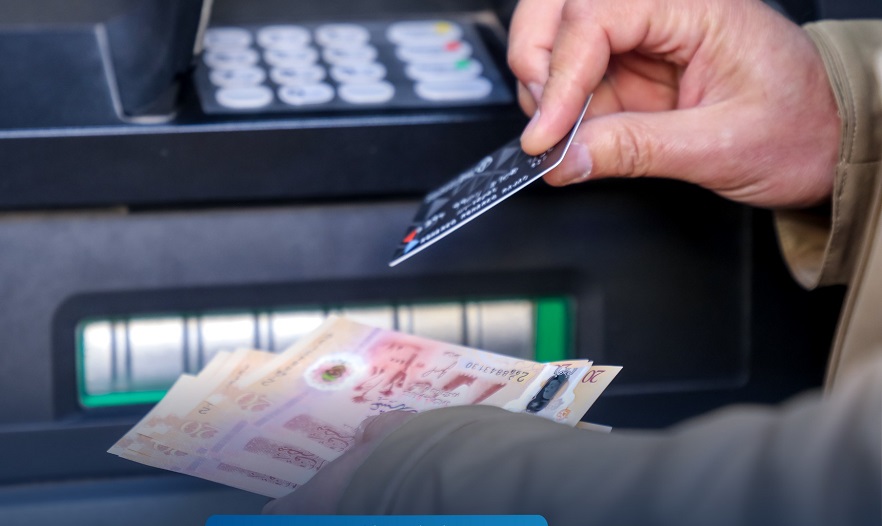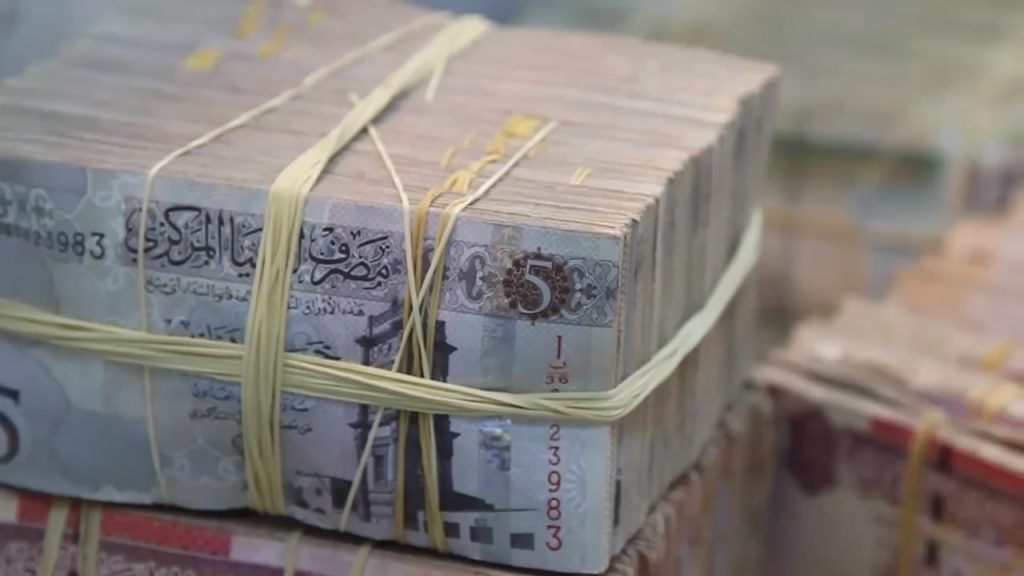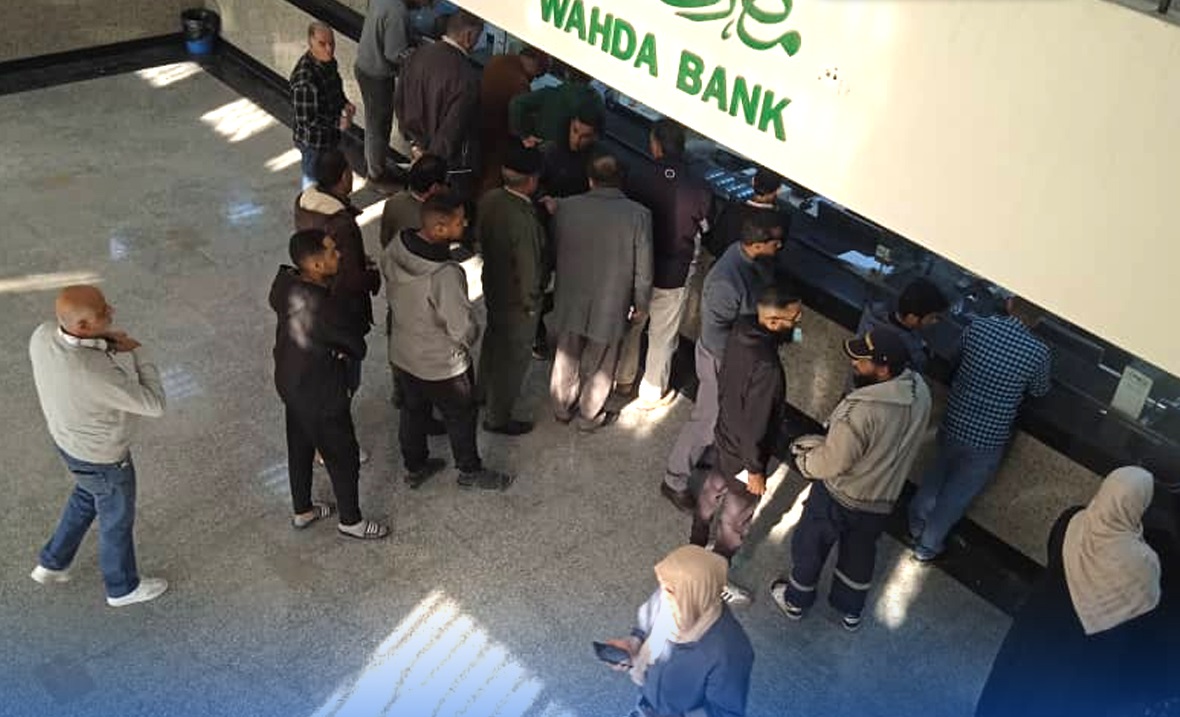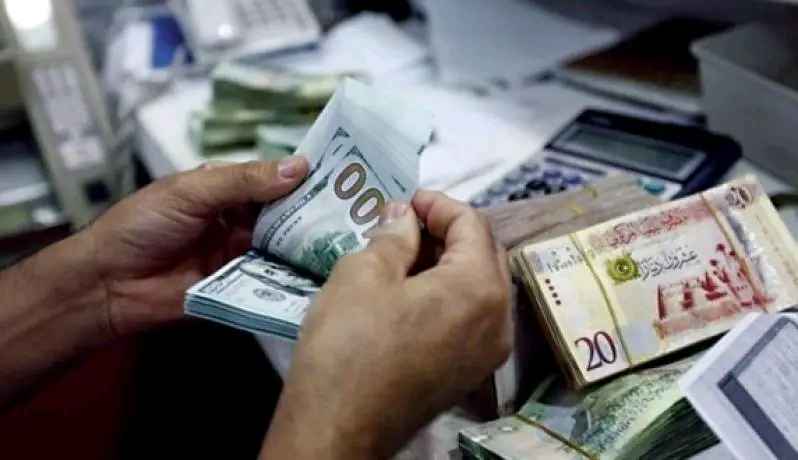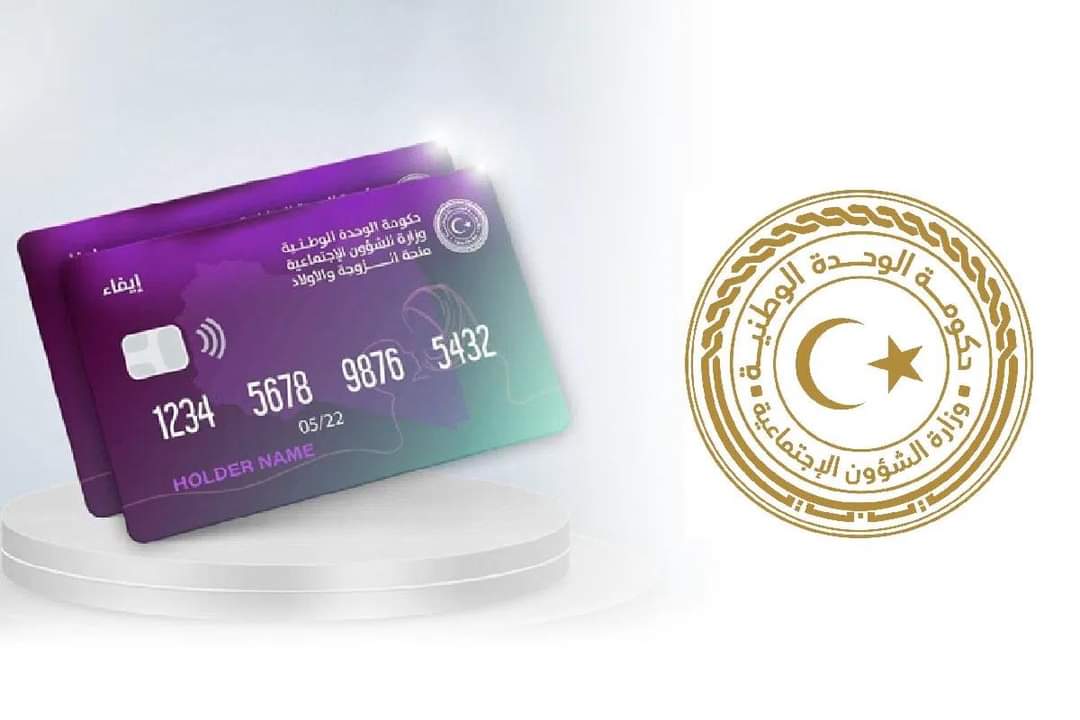
The Republic Bank has announced the commencement of loading the Efaa cards designated for wives and daughters for the months of (10-11-12) of 2025. This process includes beneficiaries registered in the social affairs system and comes within the framework of coordination with the Ministry of Social Affairs to implement the decisions for disbursing the grant.
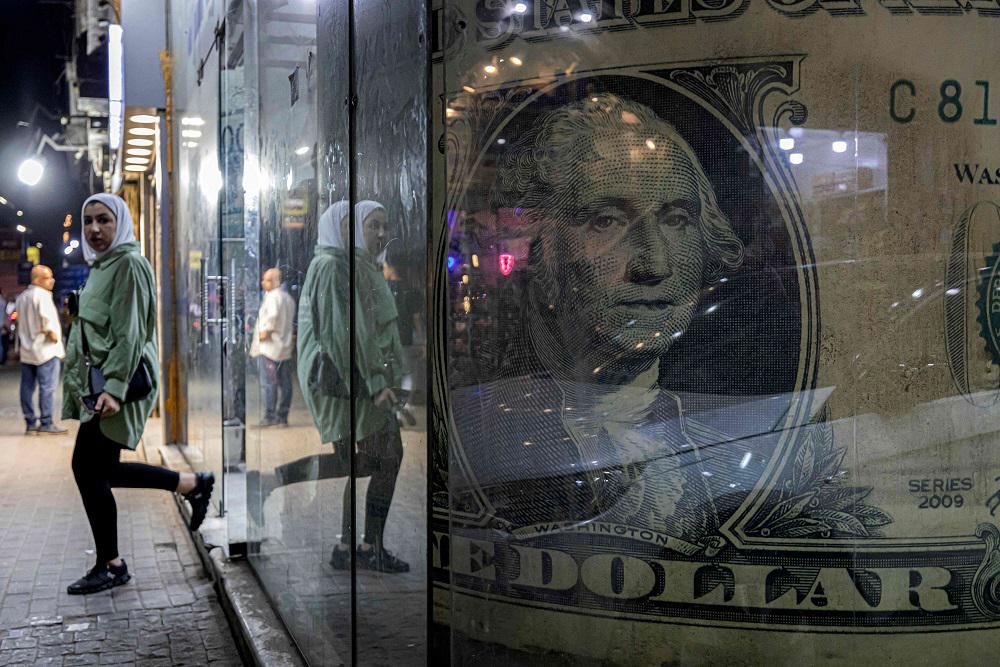
According to the Ministry of Social Affairs, the grant for wives and children is one of the most important social support programs in Libya, aiming to alleviate the economic burdens on families, especially in light of rising prices and declining purchasing power.
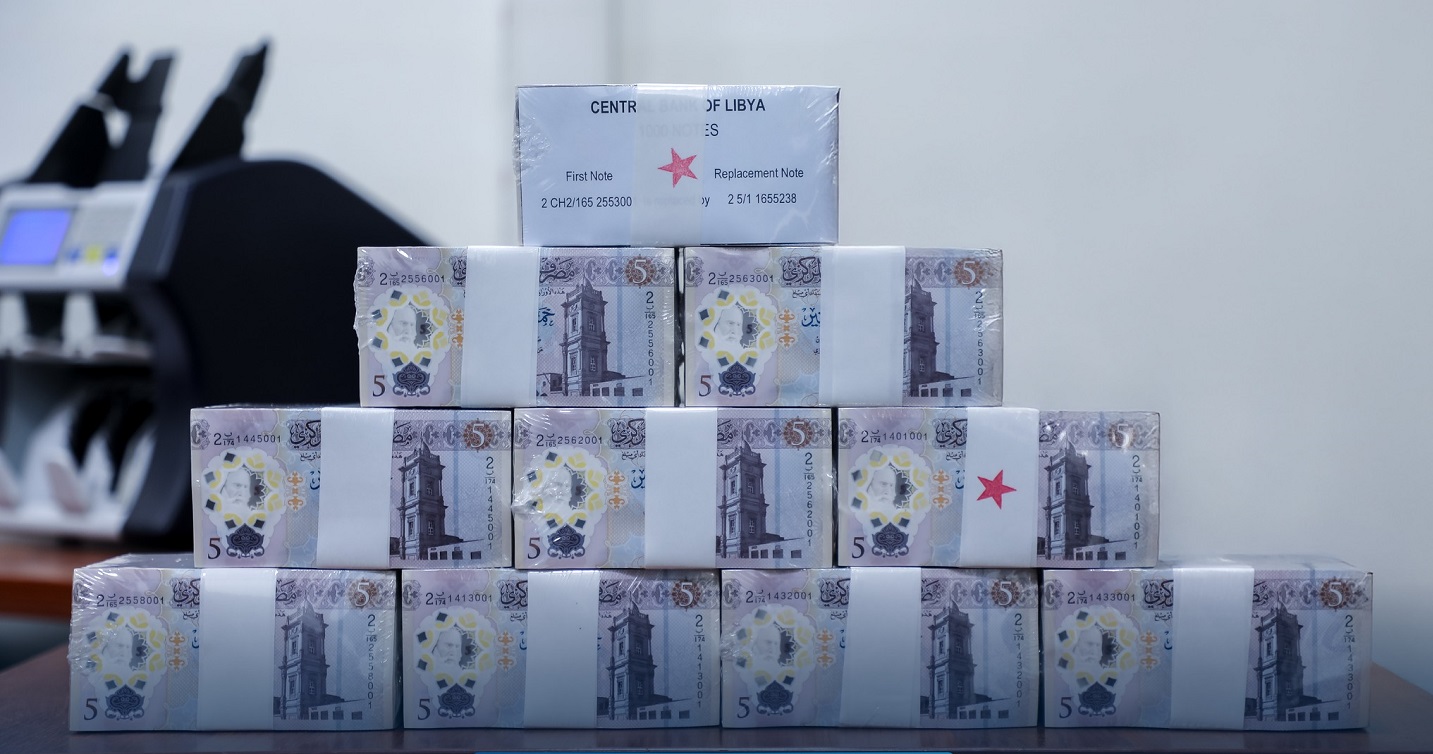
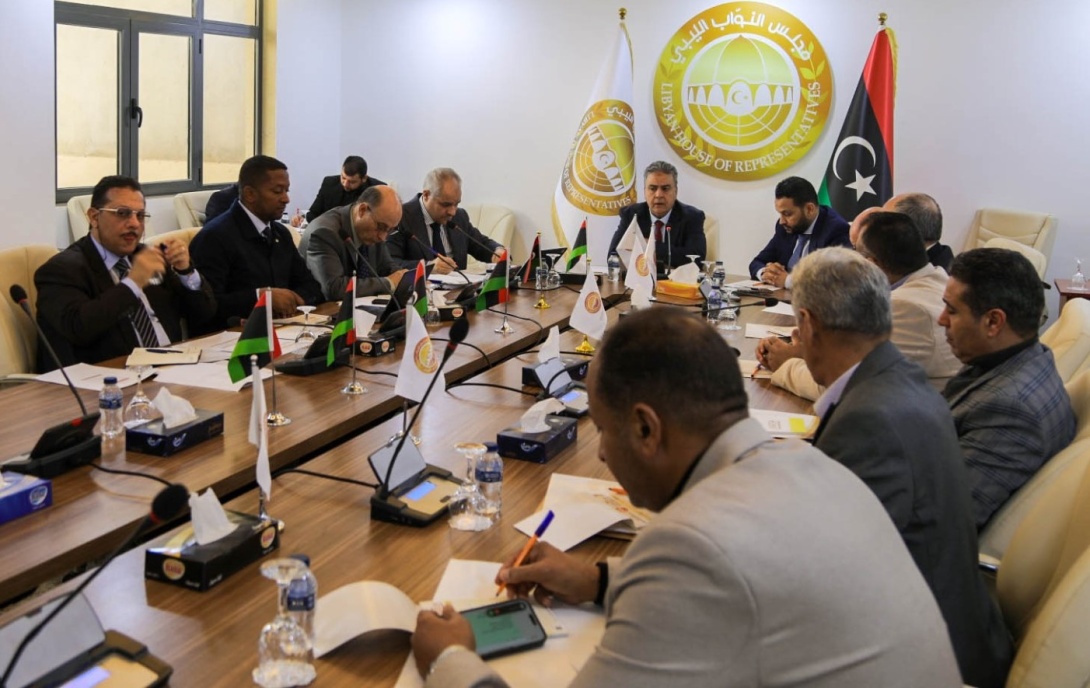
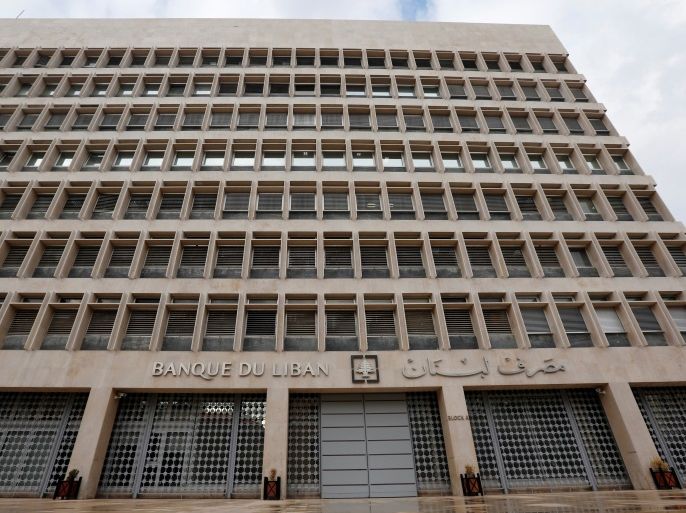
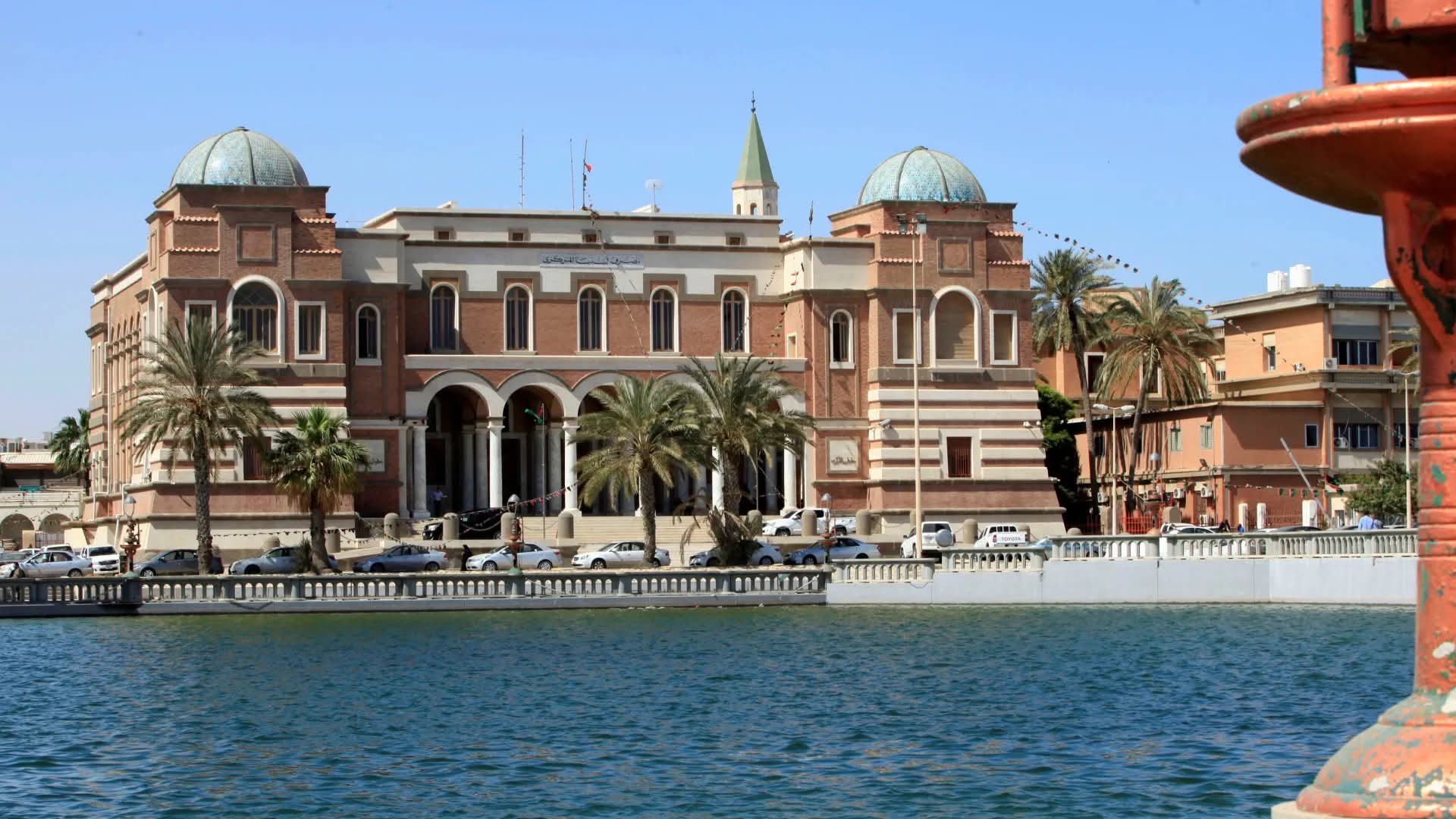
It was confirmed that the ministry has referred the lists of grant beneficiaries to the banking operations department at the Central Bank of Libya to complete the necessary financial procedures for transferring entitlements to citizens’ accounts.
It was also clarified that the ministry has referred the supplementary lists for the years 2022, 2023, and 2024, in addition to the third quarter of 2025, as part of a plan to end the backlog and process delayed files.
The ministry emphasized that the regular disbursement of the grant is a top priority due to its direct impact on supporting families and confronting economic burdens, affirming its endeavor to build an integrated social support system based on accuracy, fairness, and continuity.