Ministry of Water Resources Discusses UNESCO’s Offer of Technical Support for Dam Monitoring and Maintenance in Libya.
libyawire.org > News > Culture > Ministry of Water Resources Discusses UNESCO’s Offer of Technical Support for Dam Monitoring and Maintenance in Libya.
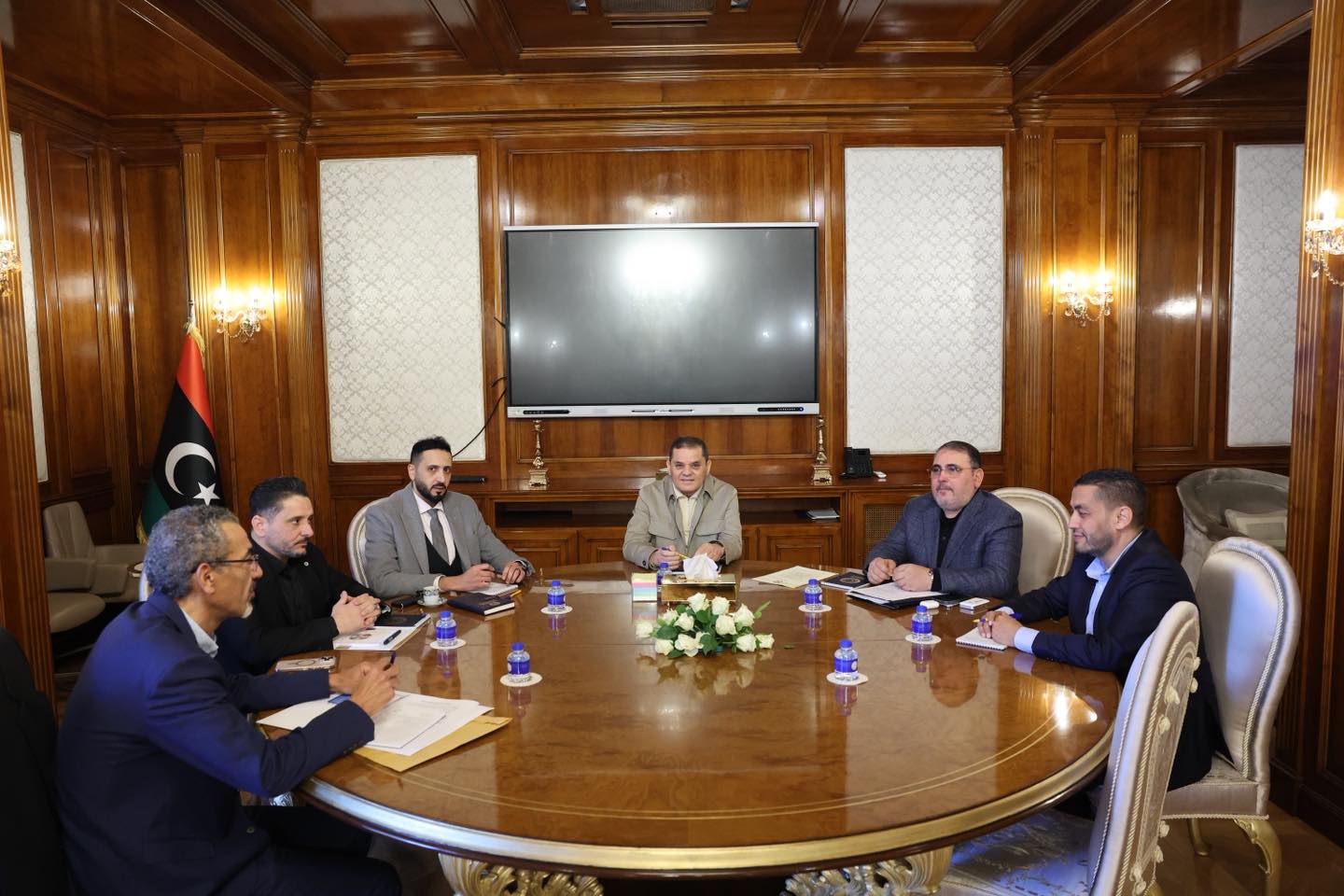
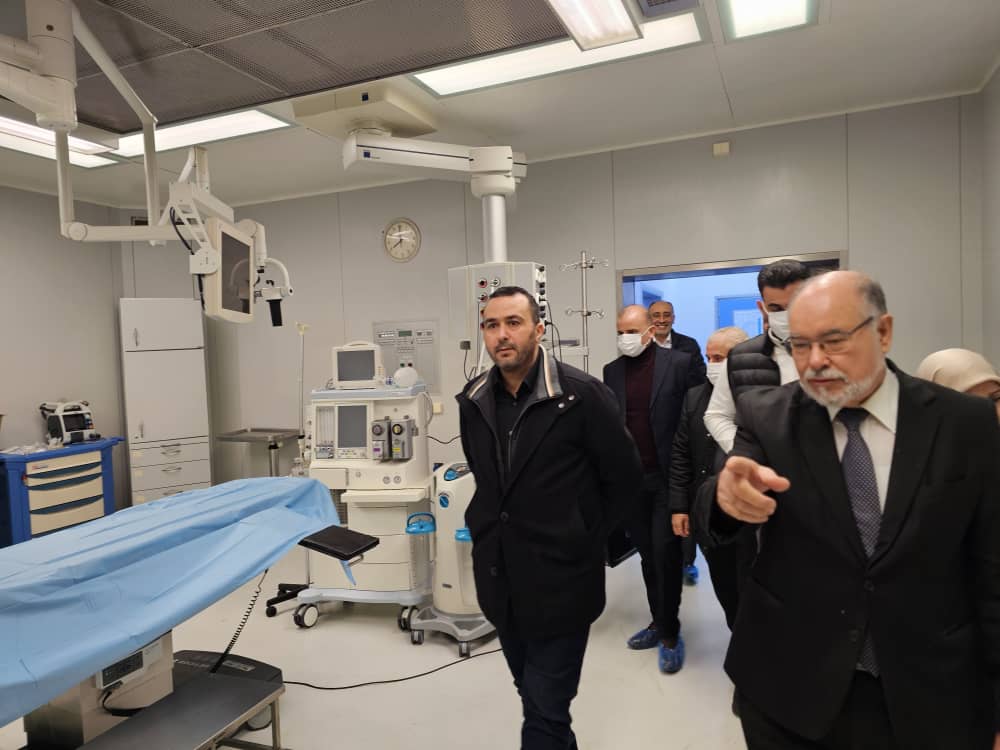
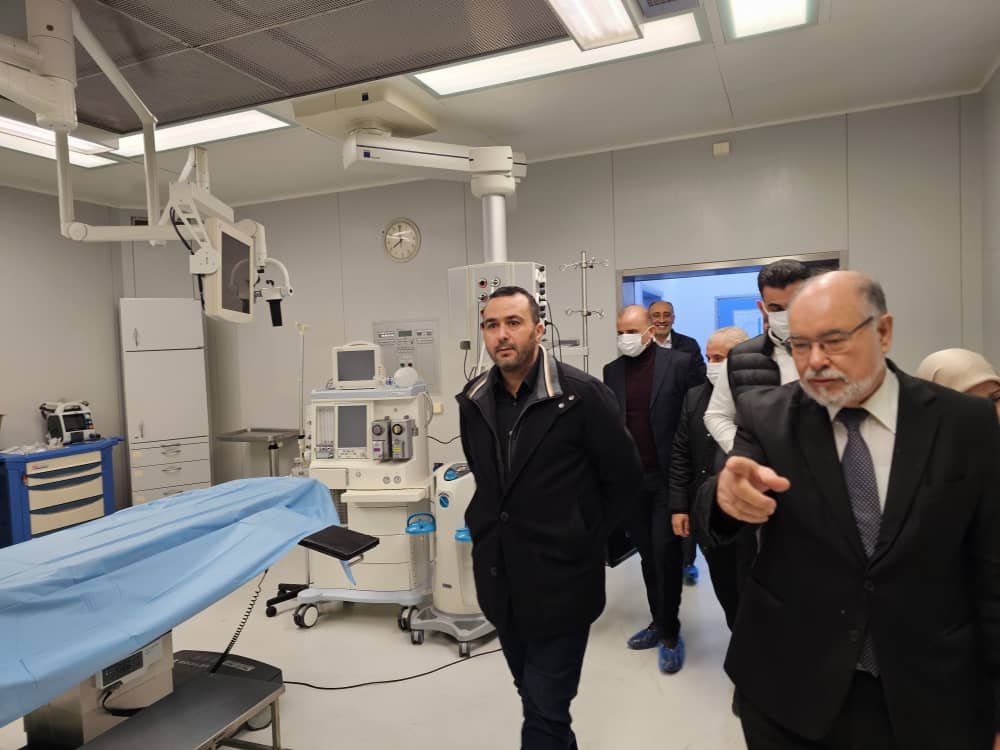
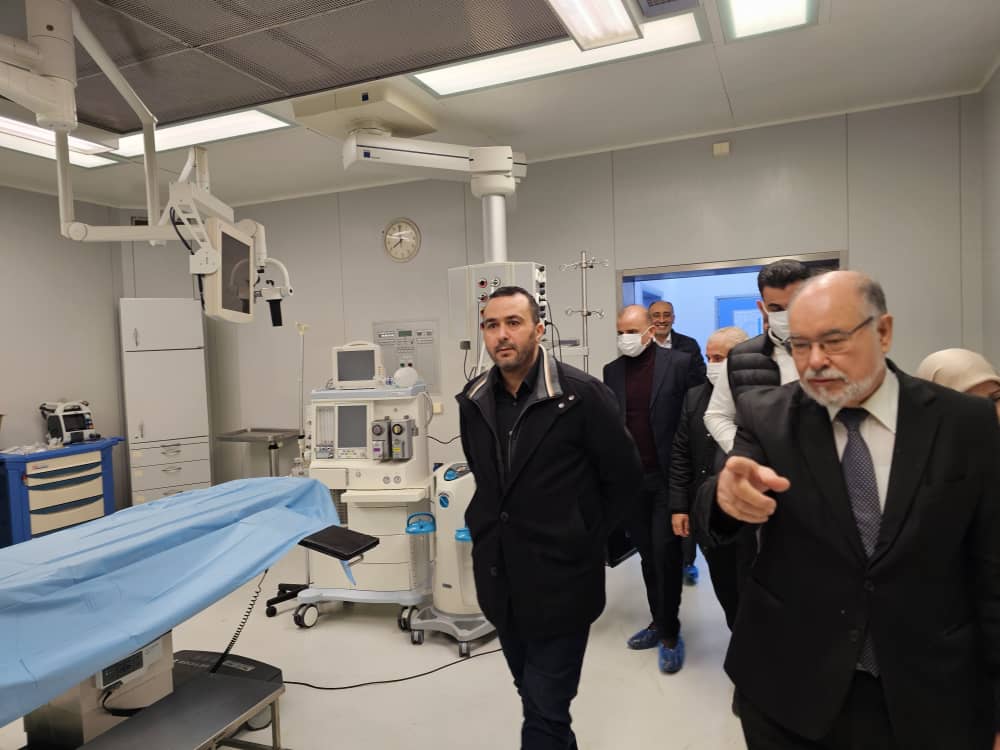
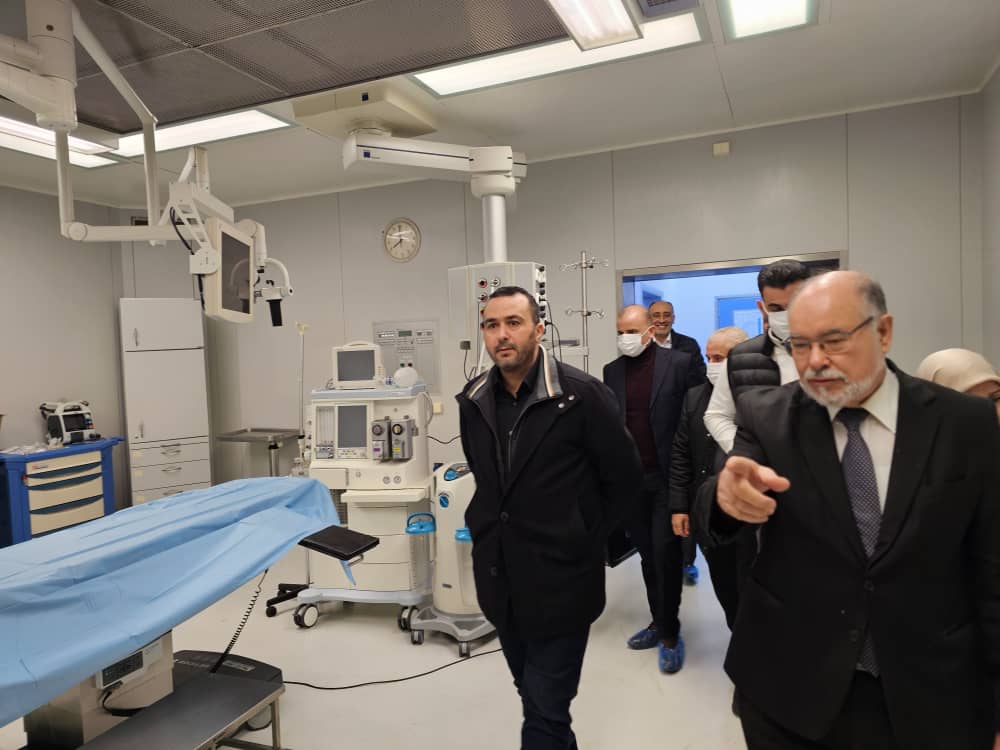
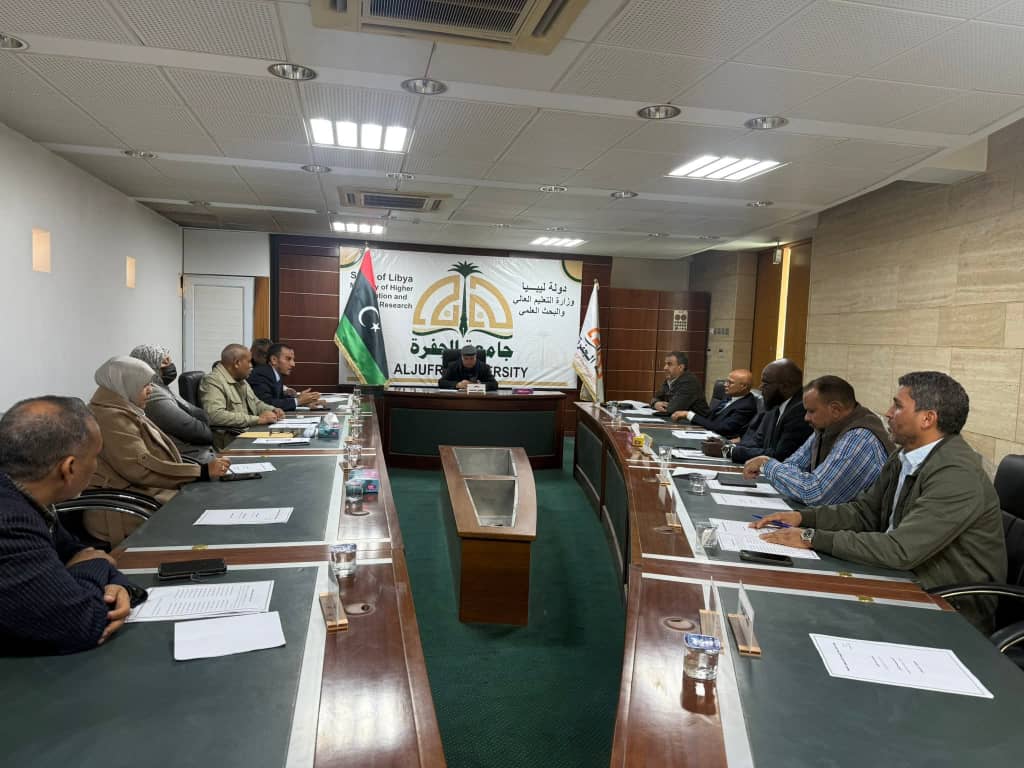
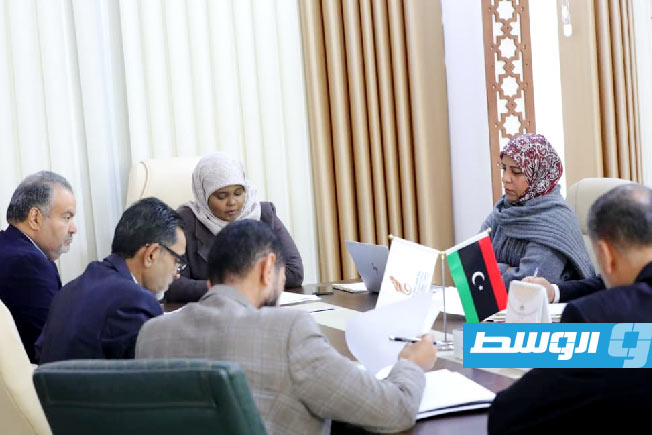
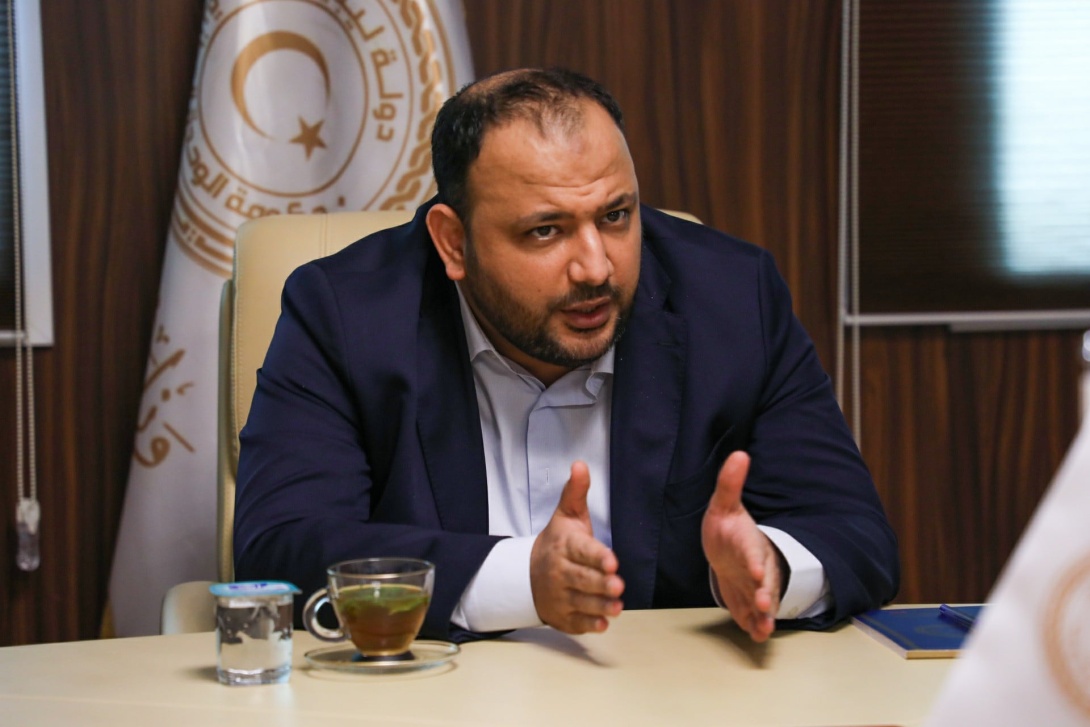
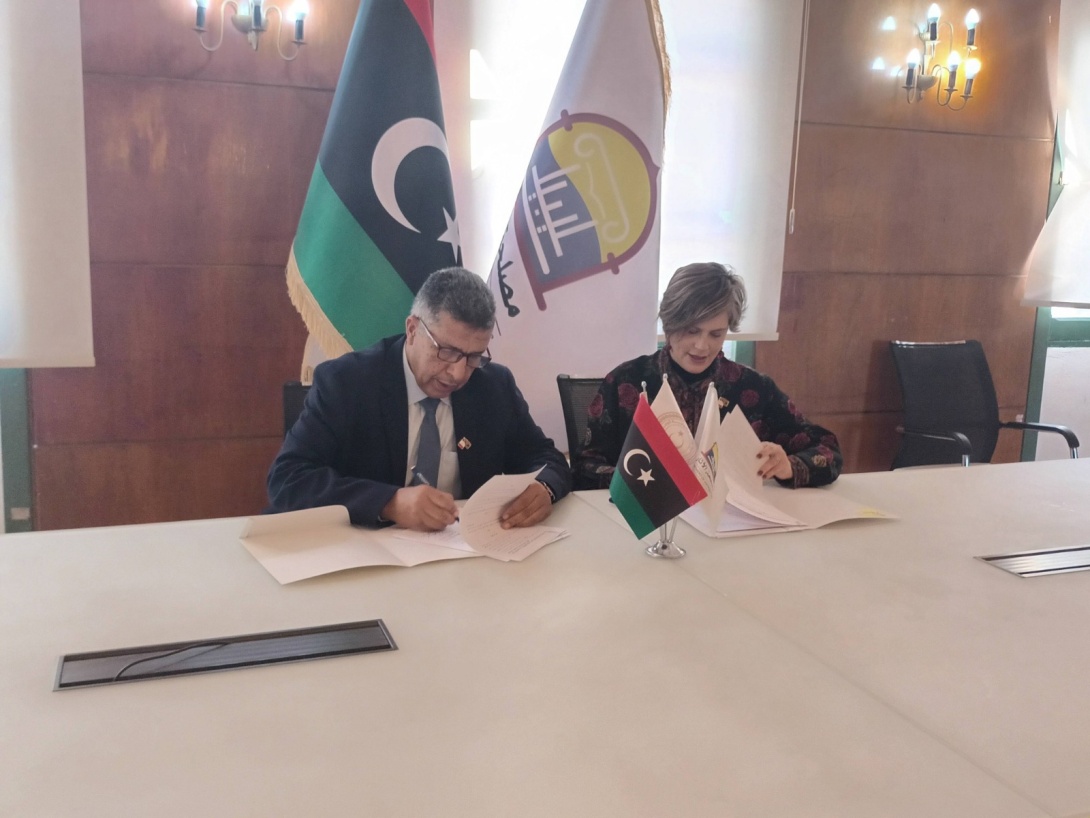
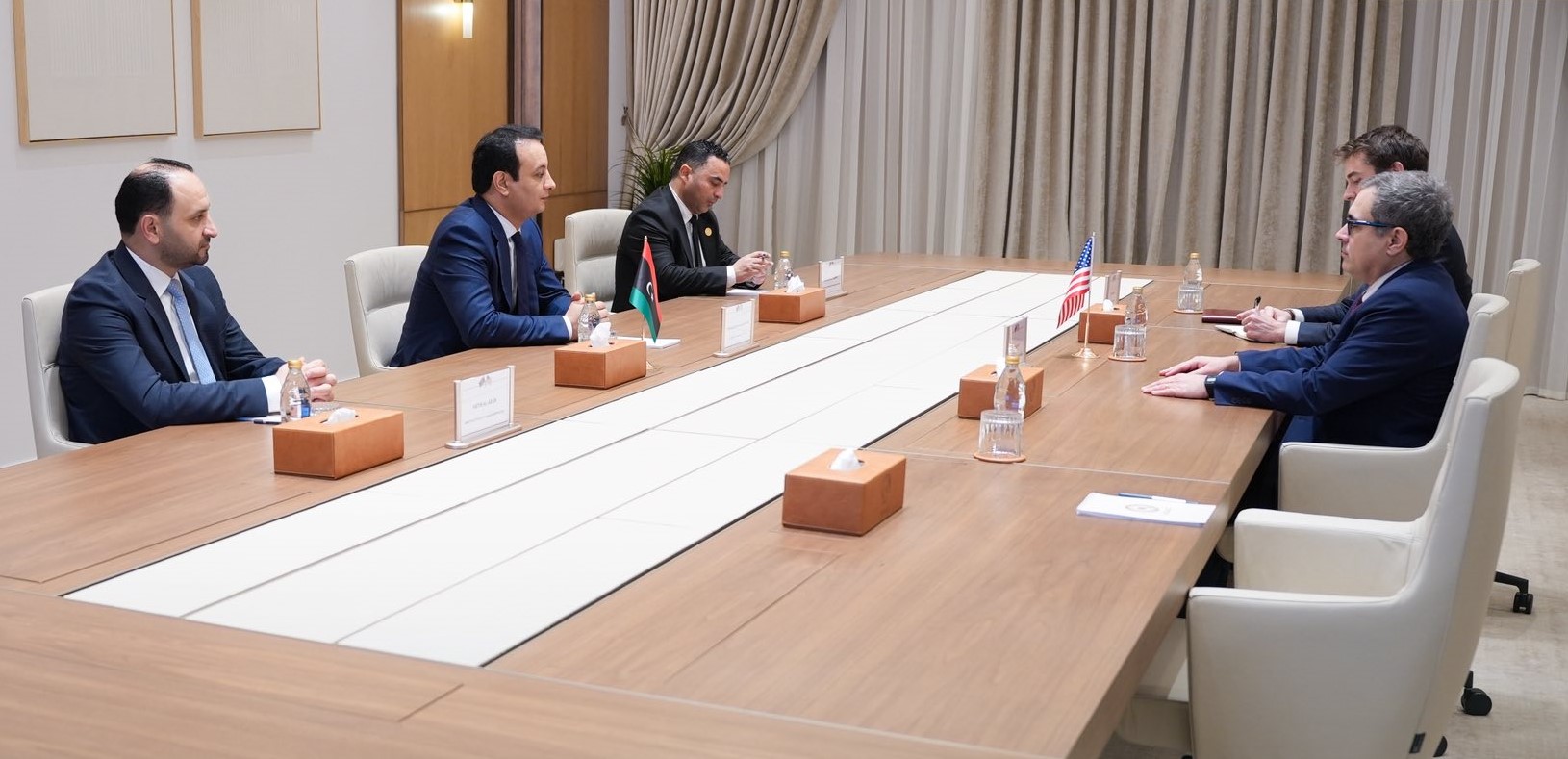
Tripoli, January 22, 2026 – The Ministry of Water Resources of the Government of National Unity discussed a project submitted by the UNESCO Regional Office for the Maghreb countries, through the National Committee for Education, Culture and Science, concerning the technical support initiative for Libya in the field of dam monitoring and maintenance.
The project is being implemented for the benefit of the Ministry of Water Resources and aims to support Libya in the field of dams. One of its most prominent activities is conducting an assessment of the condition of a number of dams, as a prelude to their rehabilitation, which will contribute to confronting the risks of floods and natural disasters.
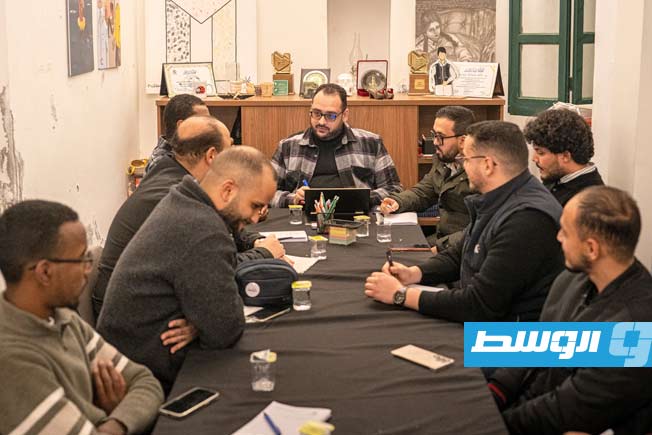
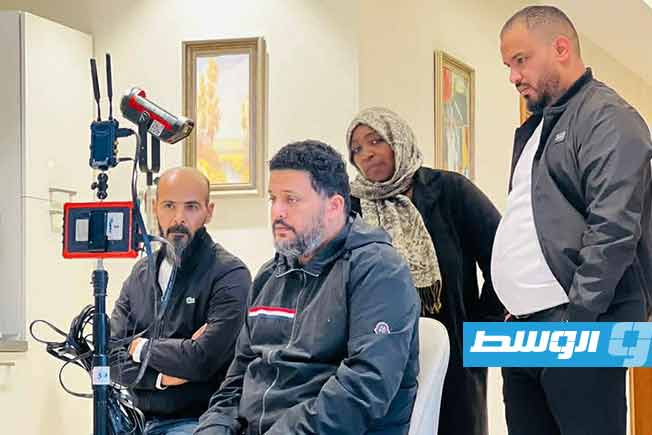
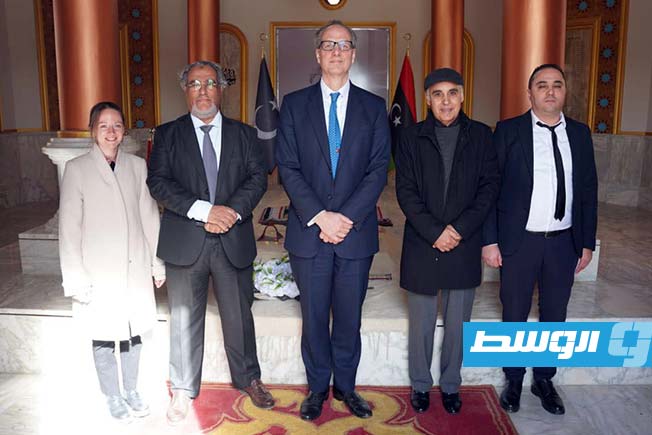
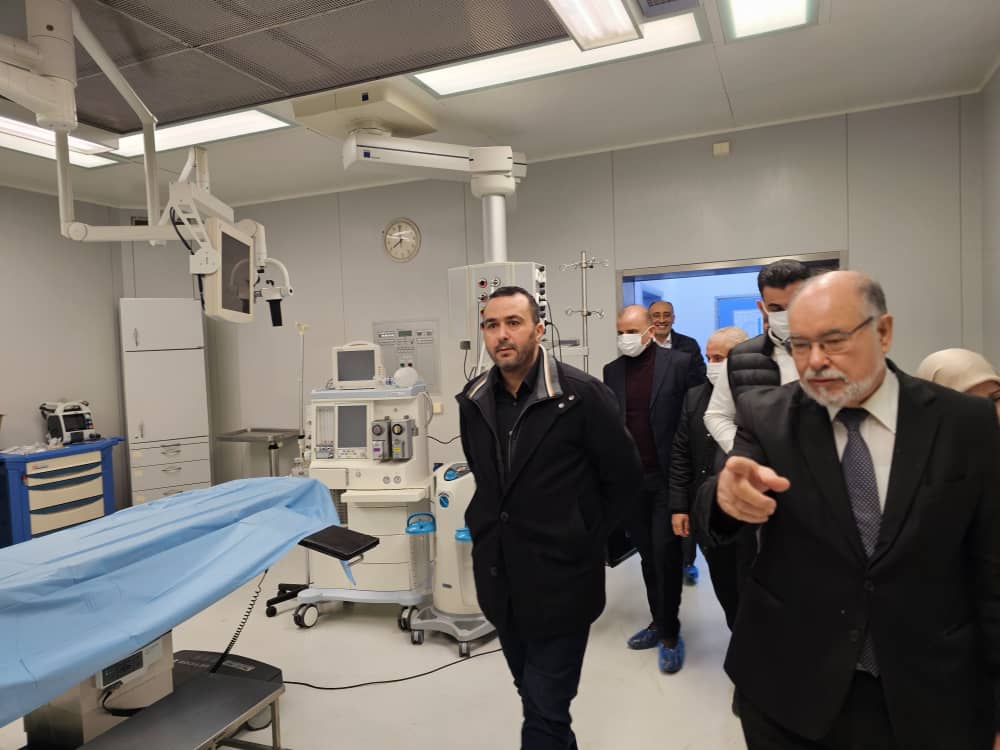
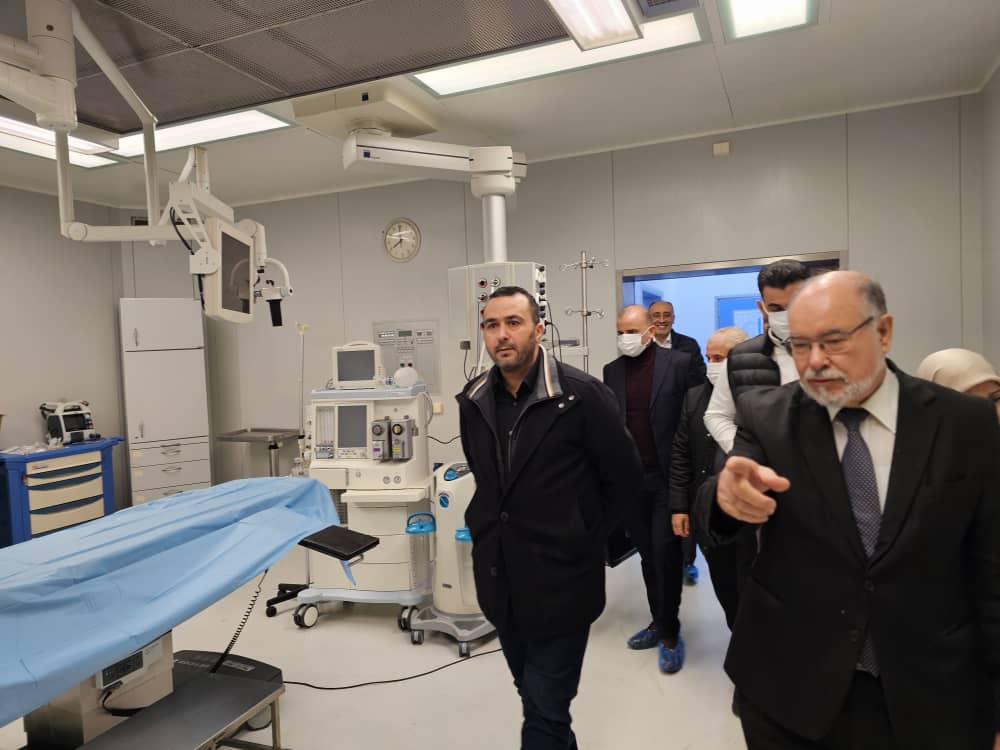
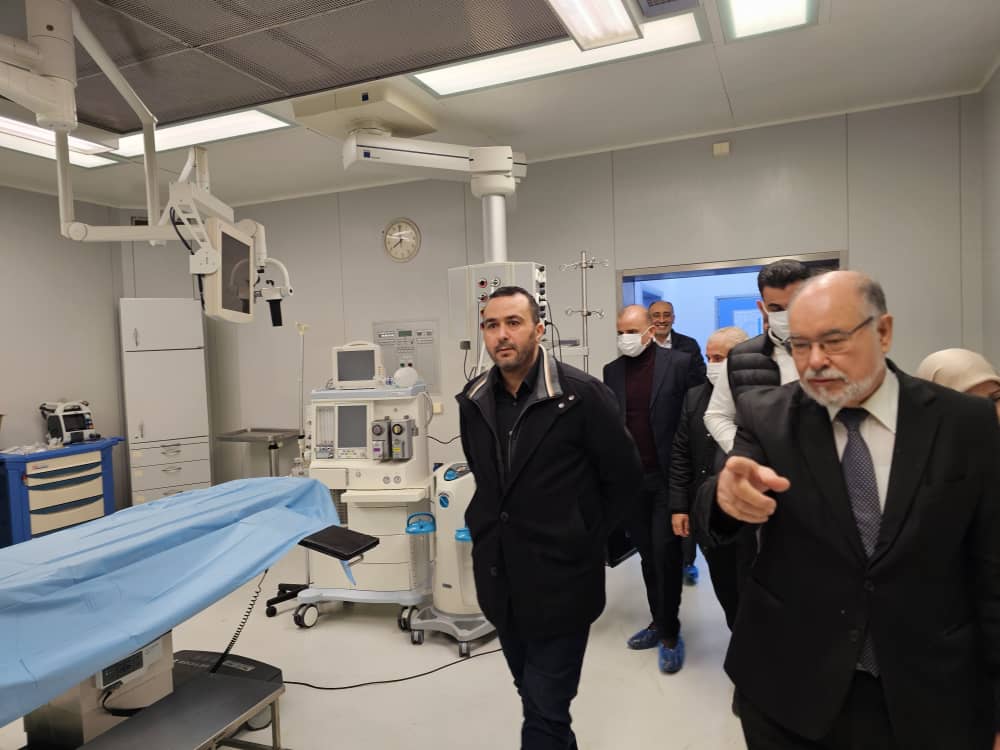
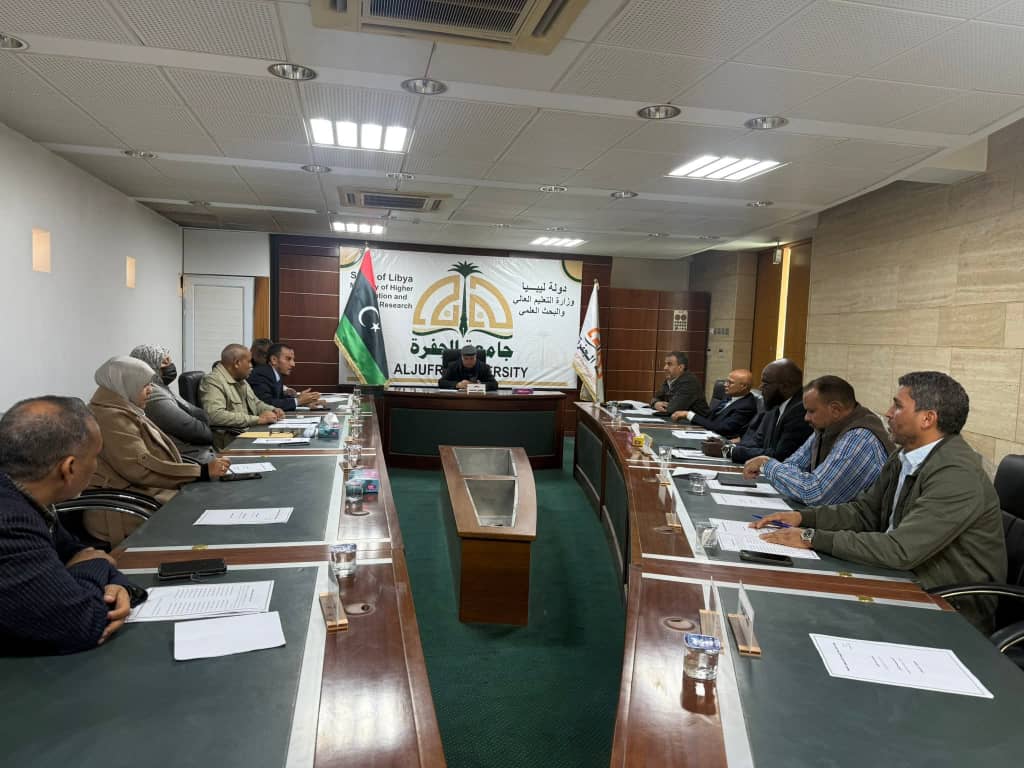
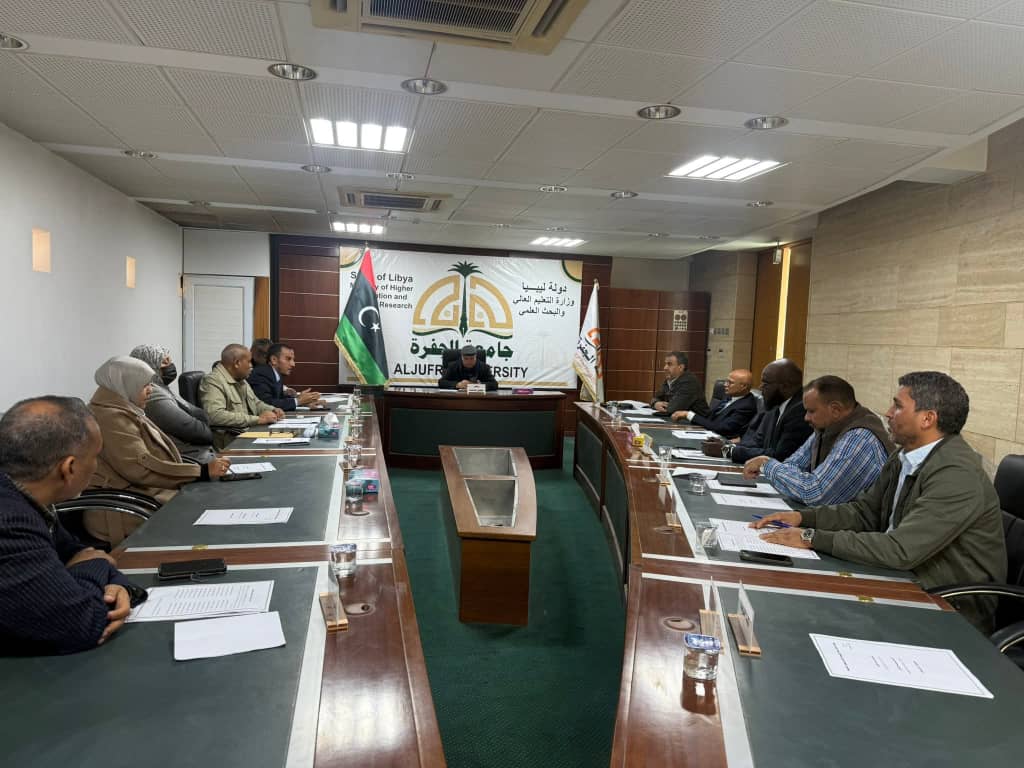
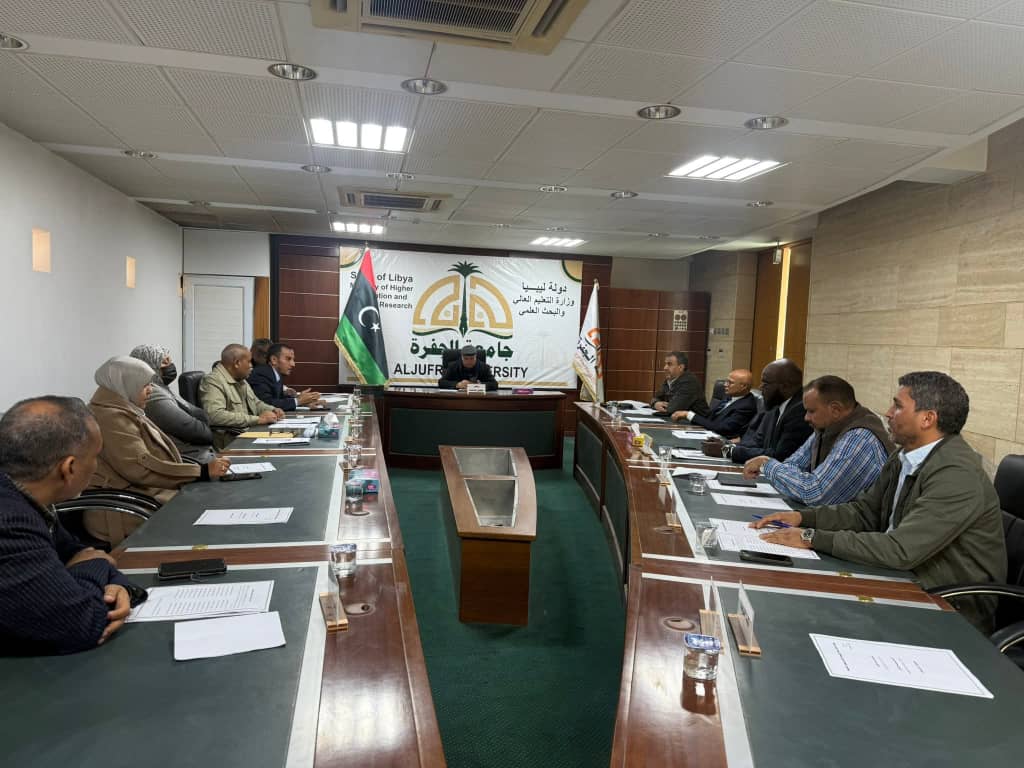
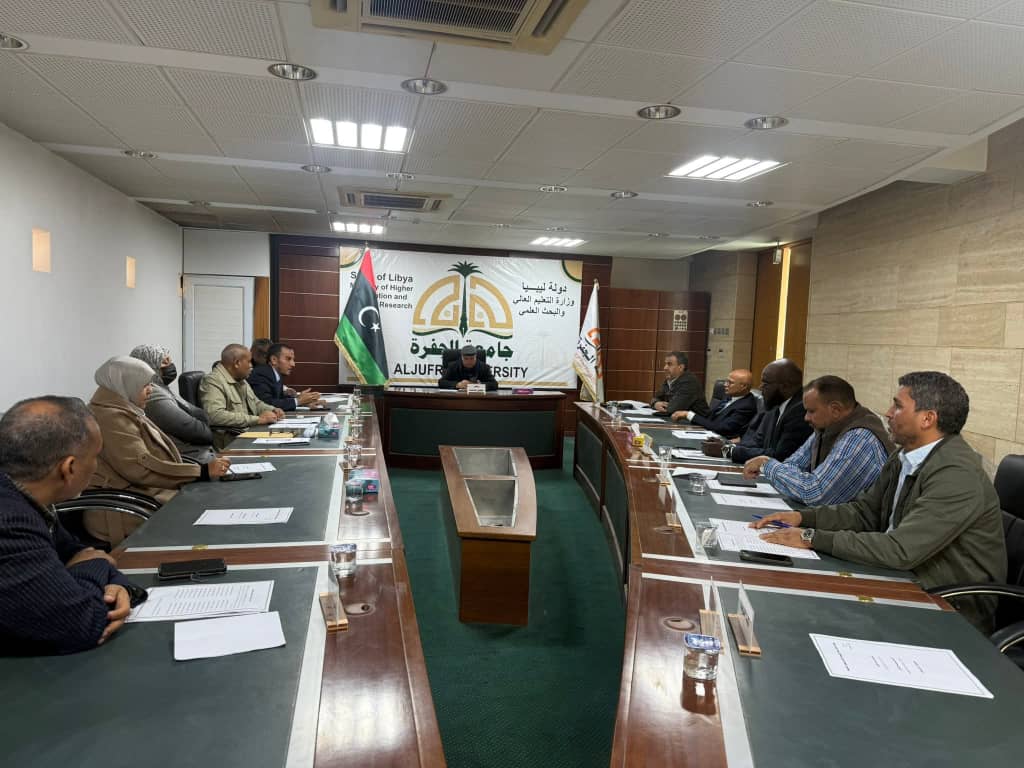
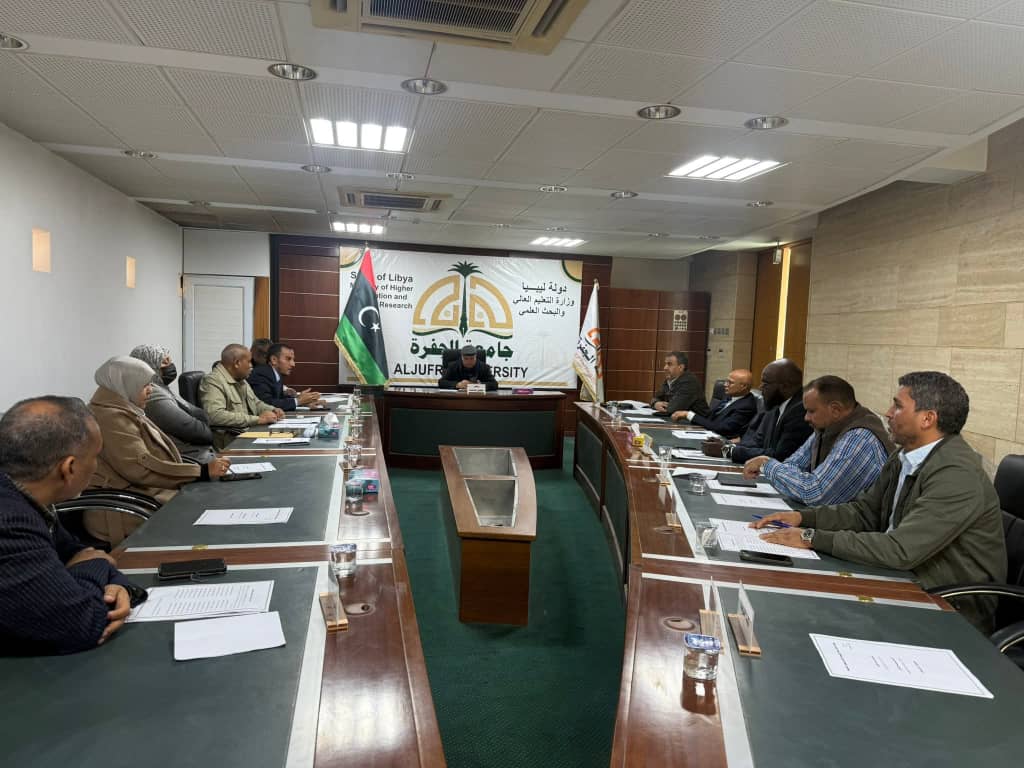
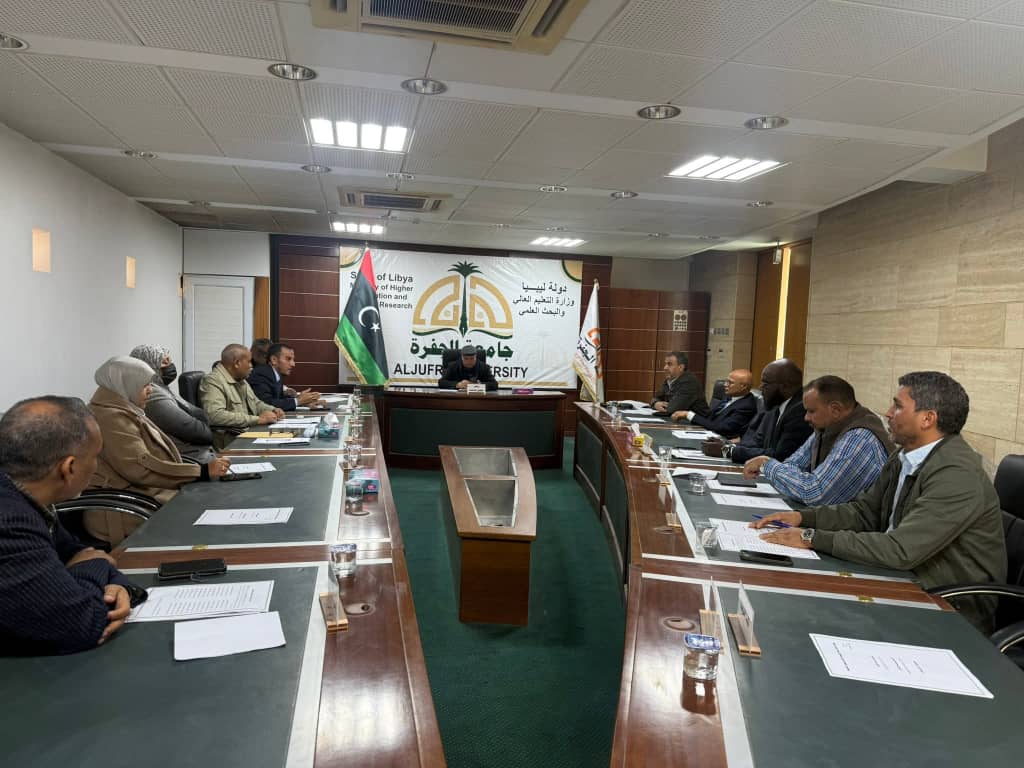
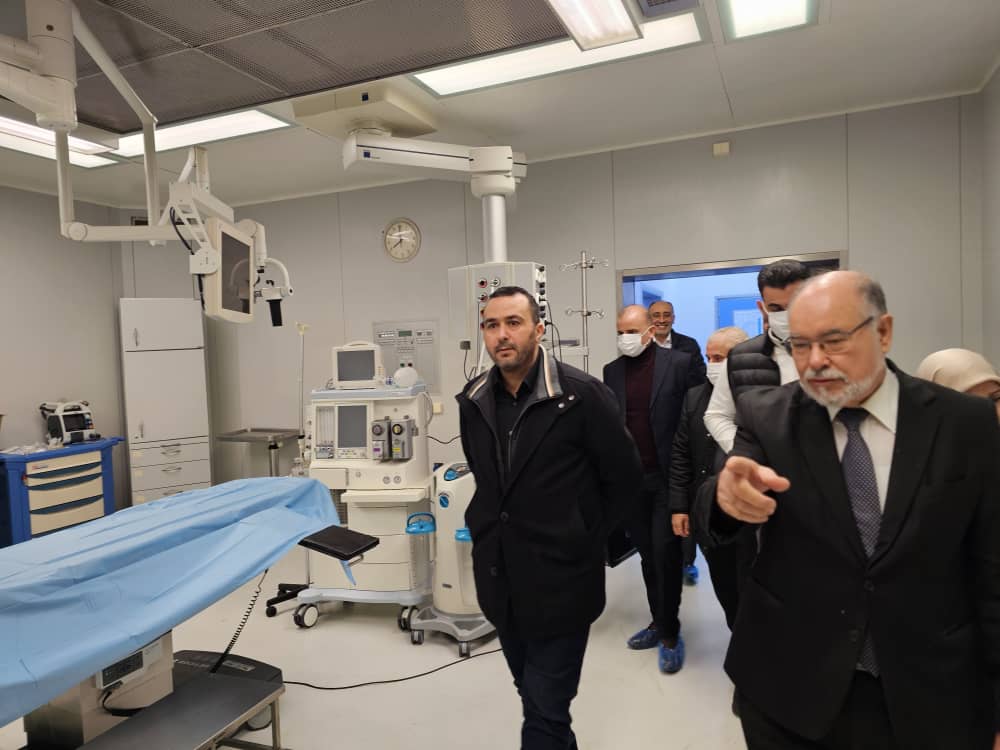
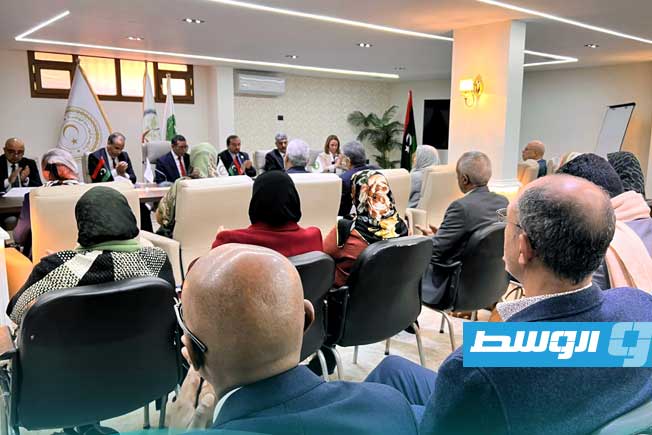
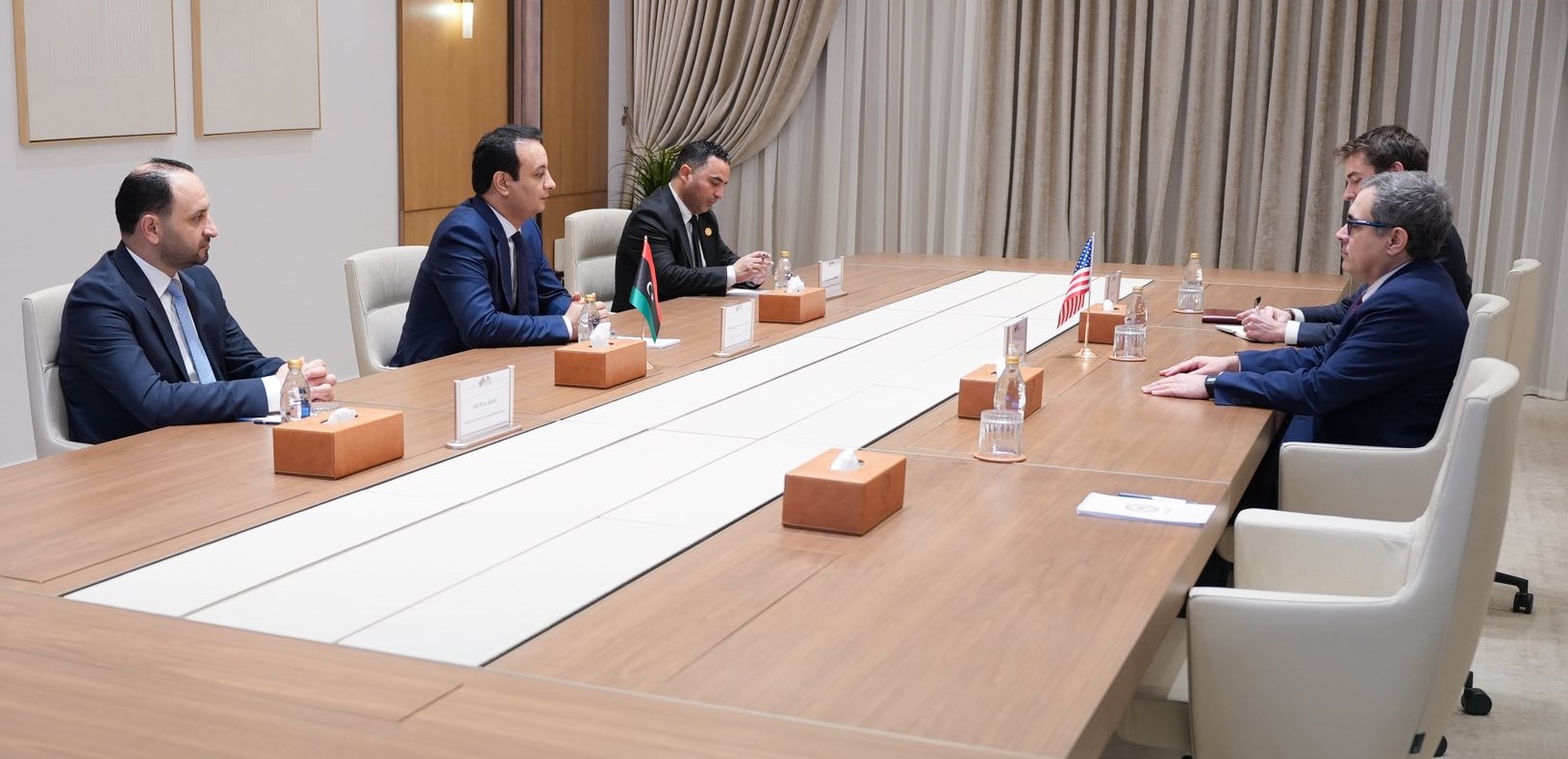
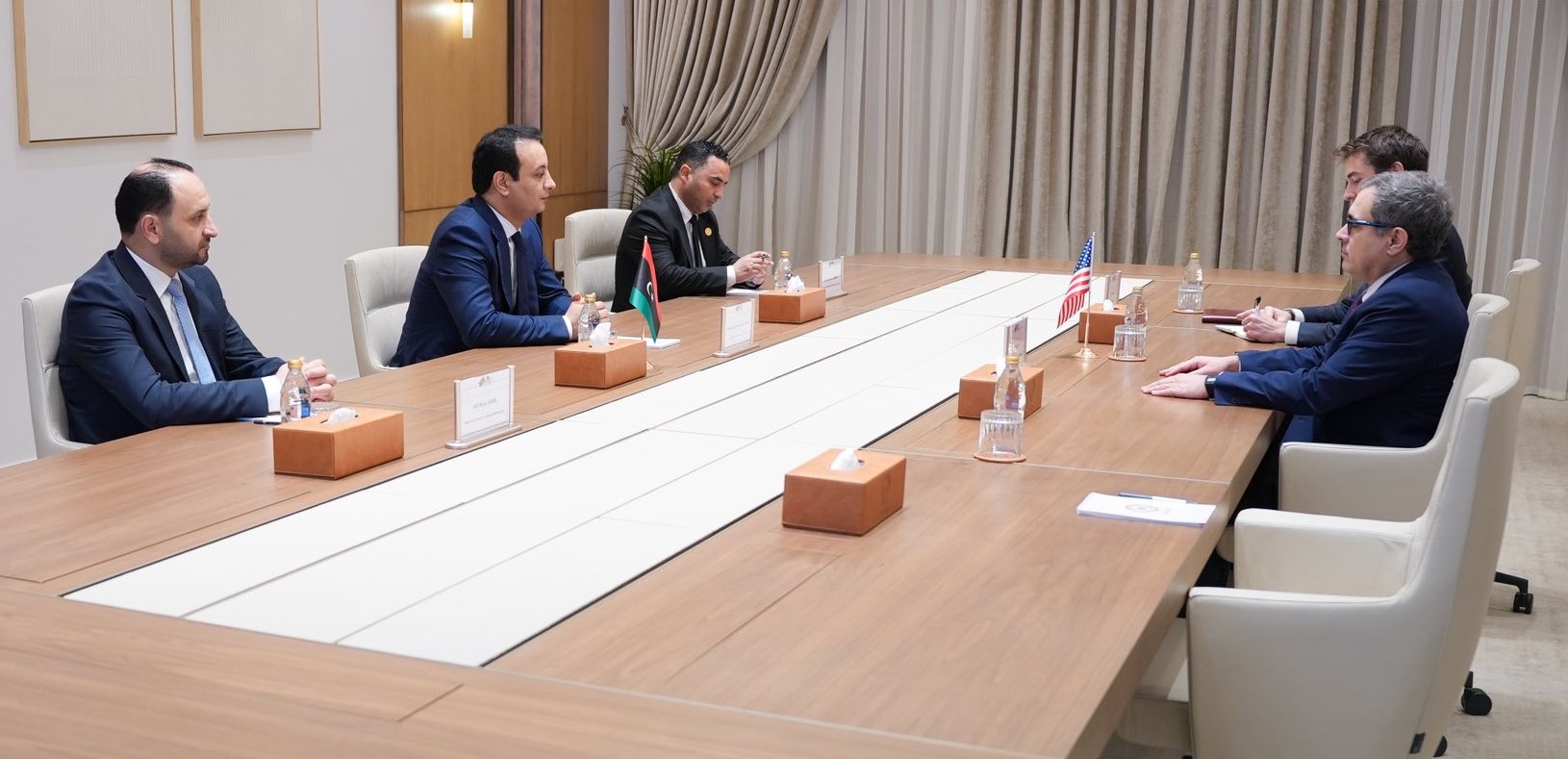
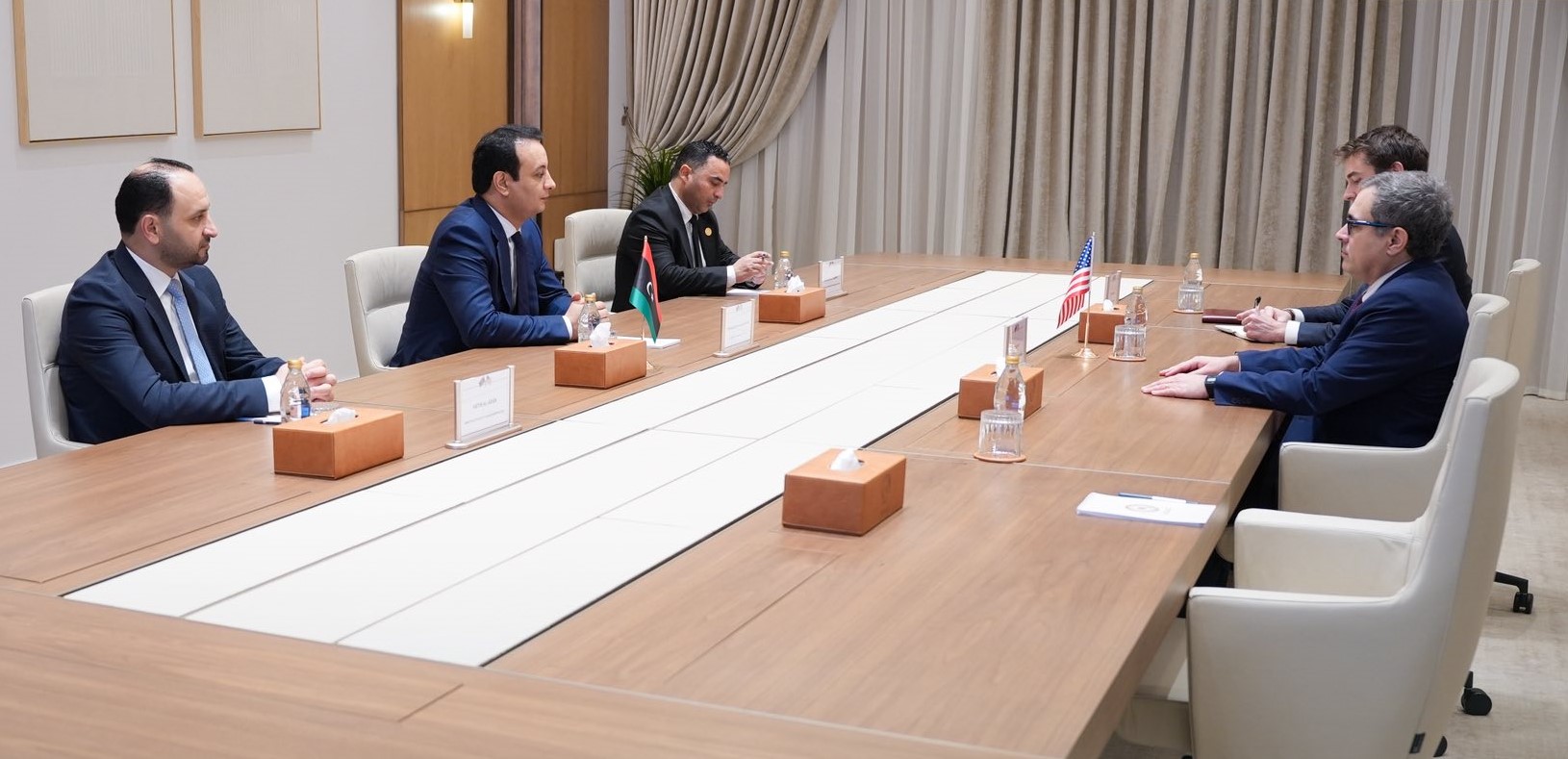
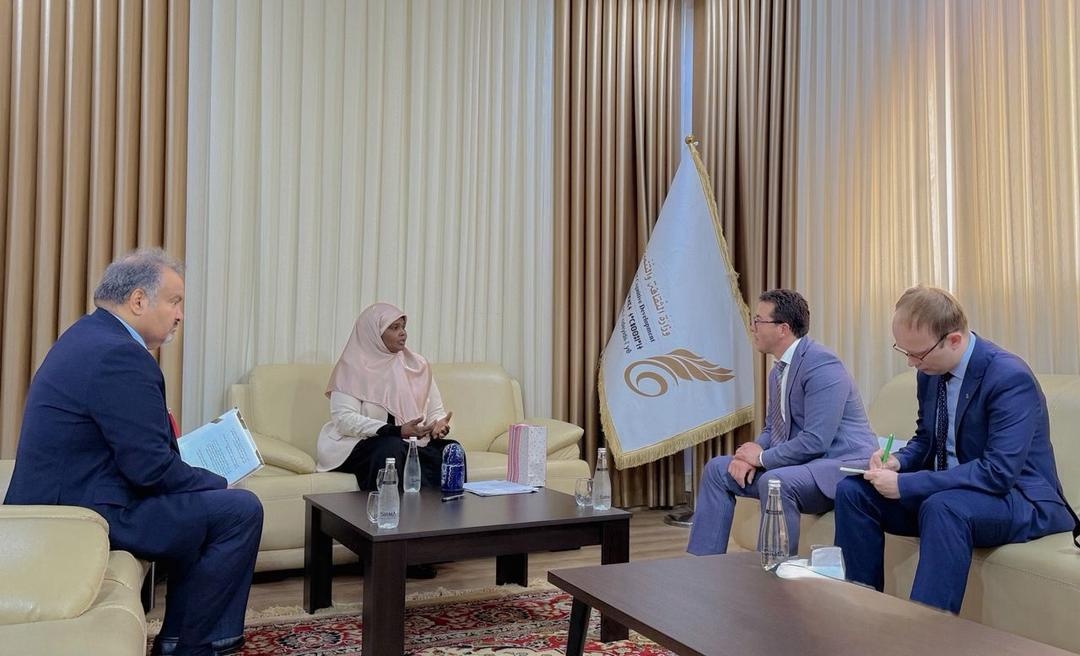
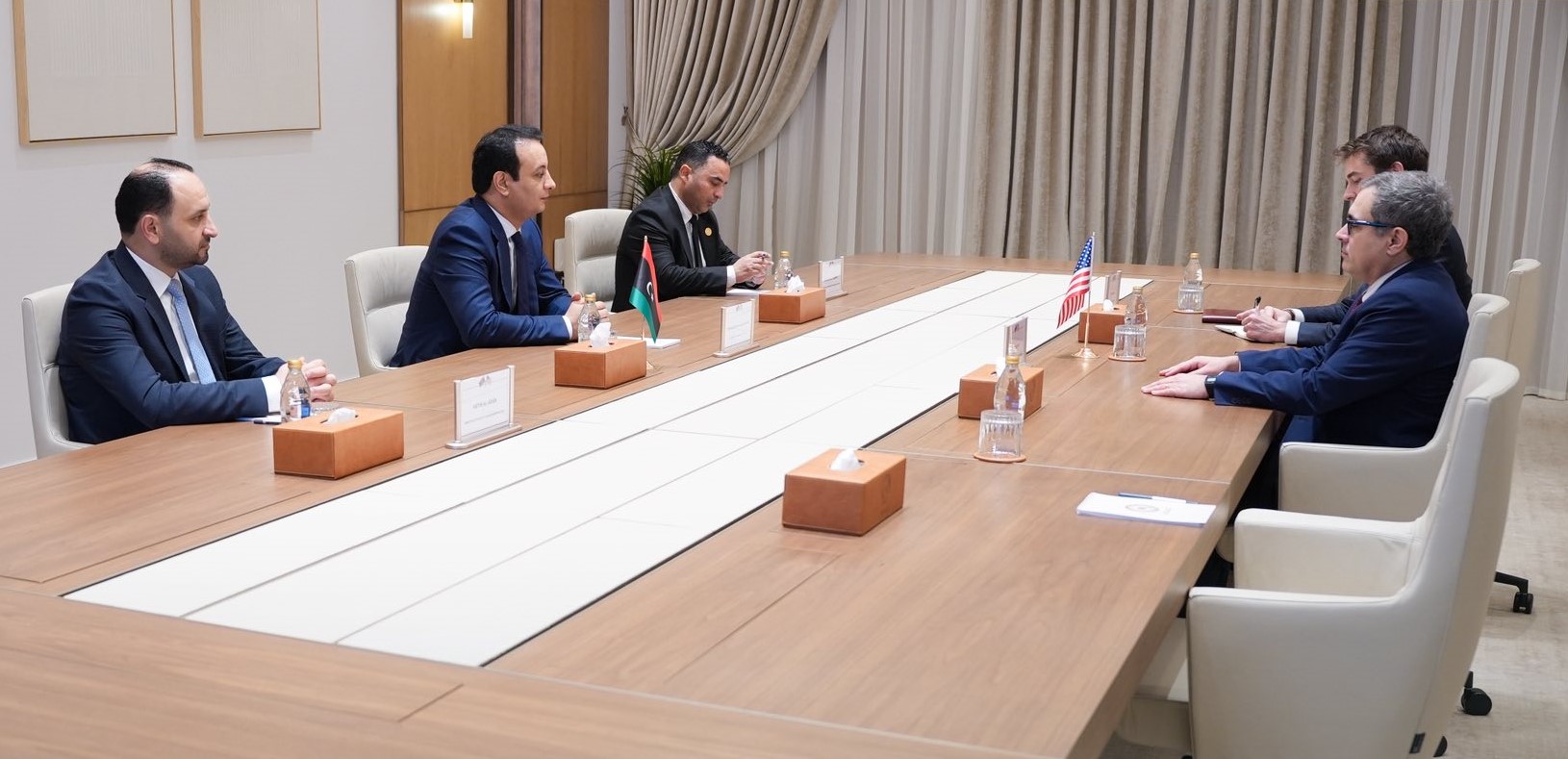
The team assigned by the Ministry, along with the national expert contracted with UNESCO and with the participation of the UNESCO Regional Office, discussed a number of observations and comments on the project, particularly regarding the implementation plan, required procedures, equipment and devices to be used, the work team, and the implementation period.
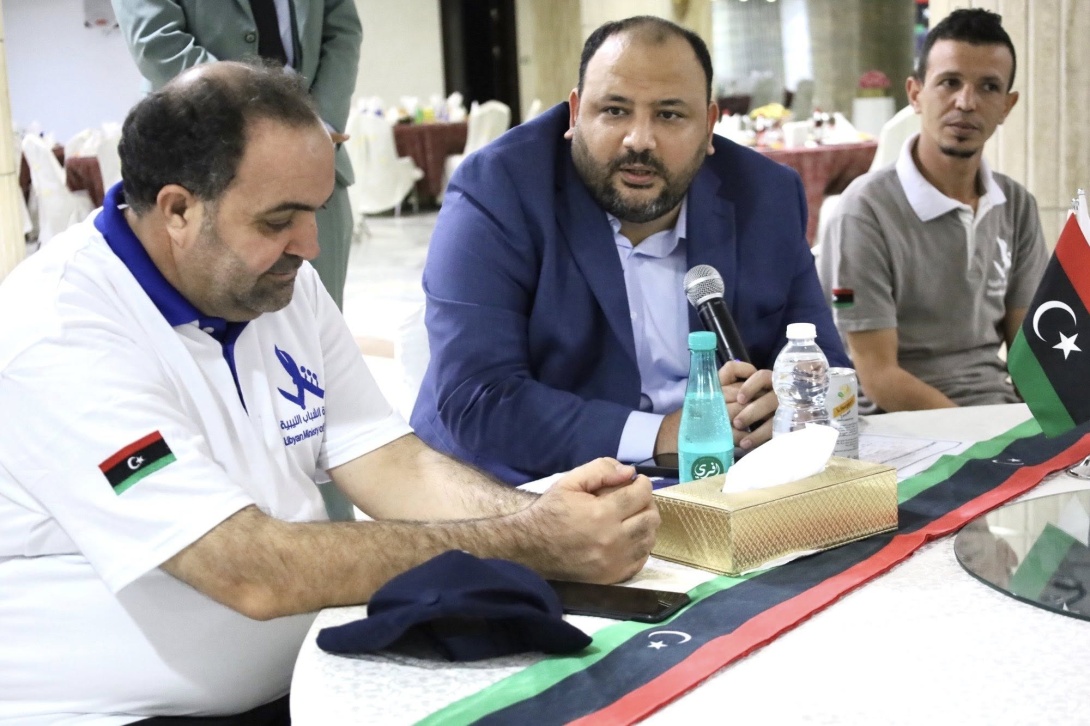
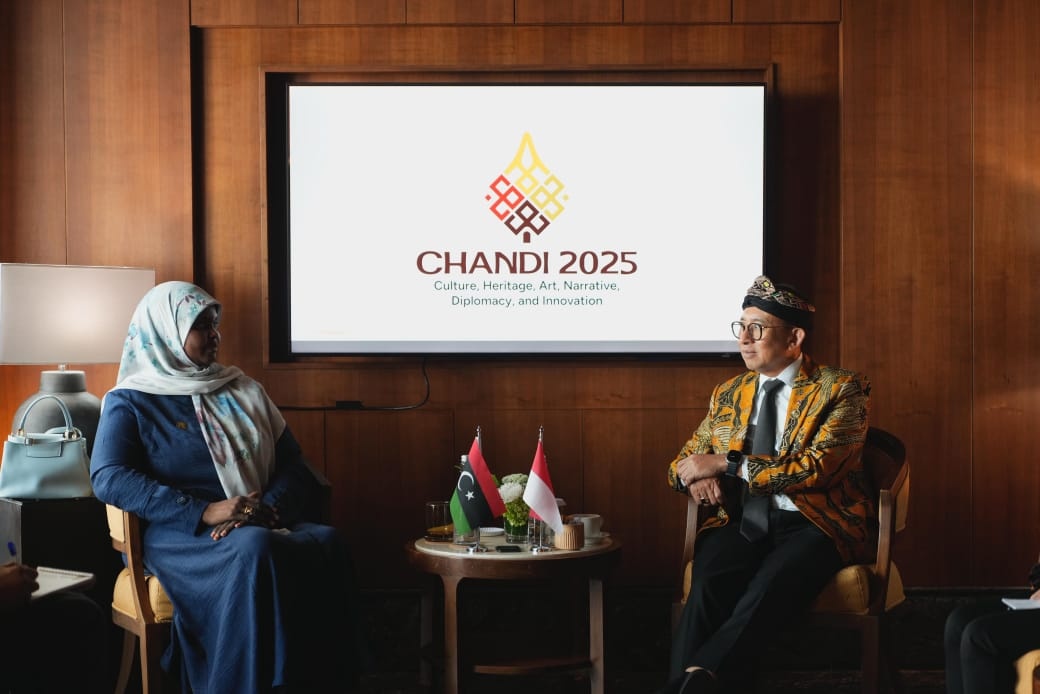
During the meeting, the national expert gave a visual presentation covering the project and its objectives, methods of implementation, outputs, and the proposed work plan, which includes the implementation timeline.
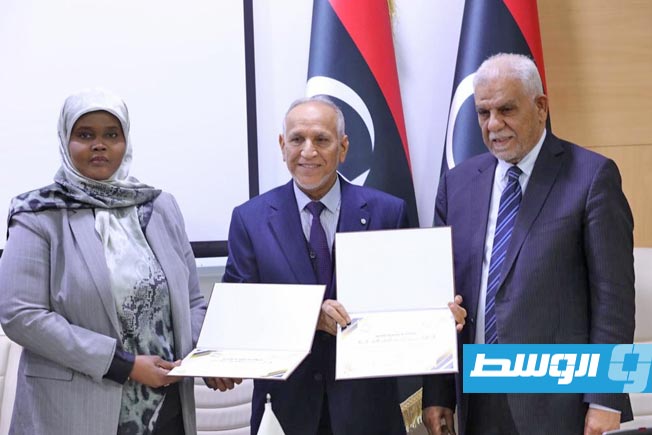
The meeting witnessed remote participation from the Natural Resources Officer at the UNESCO Regional Office, the Head of the UNESCO Section at the National Committee for Education, Culture and Science, and the Head of the Eastern Water Region.
At the conclusion of the meeting, the notes of the Ministry’s team on the submitted proposal regarding providing technical support for dam assessment were recorded, to be addressed and discussed in detail during an upcoming meeting.
Tripoli
Tripoli is the capital and largest city of Libya, located on the country’s Mediterranean coast. Historically, it was founded by the Phoenicians in the 7th century BC and has since been ruled by the Romans, Arabs, Ottomans, and Italians, serving as a major port and cultural crossroads. Its historic center, the medina, features ancient architecture like the Arch of Marcus Aurelius and the Red Castle (Assai al-Hamra).
Ministry of Water Resources
The Ministry of Water Resources is a government agency in China responsible for the management and administration of water resources, including flood control, irrigation, and water supply. It was established in 1949 and plays a central role in implementing major national water conservation projects and policies.
Government of National Unity
The Government of National Unity (GNU) is a term most notably applied to the post-apartheid coalition government in South Africa, formed in 1994 following the country’s first multiracial elections. Led by Nelson Mandela as President, it brought together the African National Congress, the National Party, and the Inkatha Freedom Party to oversee the transition from minority rule to a multiracial democracy.
UNESCO Regional Office for the Maghreb countries
The UNESCO Regional Office for the Maghreb, located in Rabat, Morocco, was established in 1991 to coordinate the organization’s activities in Algeria, Libya, Mauritania, Morocco, and Tunisia. It focuses on implementing UNESCO’s programs in education, science, culture, and communication to support sustainable development in the region.
National Committee for Education, Culture and Science
The National Committee for Education, Culture and Science is a North Korean government body responsible for overseeing and implementing state policies in its namesake fields. It was established to centralize control and promote the ideological framework of the country’s ruling party within education and cultural affairs.
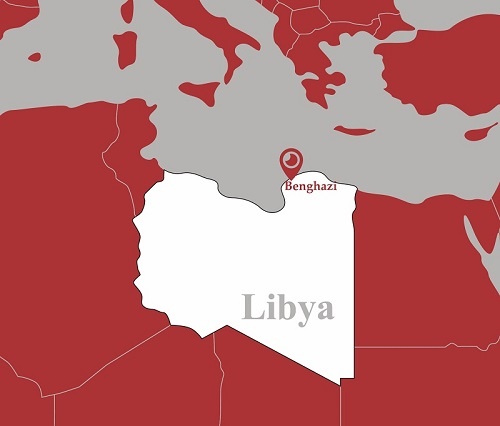
Libya
Libya is a North African country with a rich history rooted in ancient civilizations like the Phoenicians and Romans, followed by centuries of Arab and Ottoman influence. In the modern era, it was an Italian colony before gaining independence in 1951, later becoming known for Muammar Gaddafi’s lengthy rule from 1969 until the 2011 revolution. Its cultural sites include the well-preserved Roman ruins of Leptis Magna, a UNESCO World Heritage site.
Eastern Water Region
The Eastern Water Region is a cultural and geographical area in China historically known for its intricate network of rivers, canals, and lakes, which have been central to transportation, agriculture, and settlement for centuries. This region’s development has been profoundly shaped by water management projects dating back to ancient dynasties, influencing its economic and cultural identity.