Benghazi, January 21, 2026 – The British Journal of Libyan and North African Studies, in cooperation with Cambridge University Press, has announced the publication of Volume 56 for the year 2025 of its annual peer-reviewed academic journal “Libyan Studies,” which is considered one of the leading specialized periodicals in the history and archaeology of Libya and the Mediterranean basin region.
This release represents a significant scientific addition to the Libyan historical library. The journal continues its role in publishing rigorous academic research that contributes to deepening the understanding of Libyan history and preserving its cultural heritage.
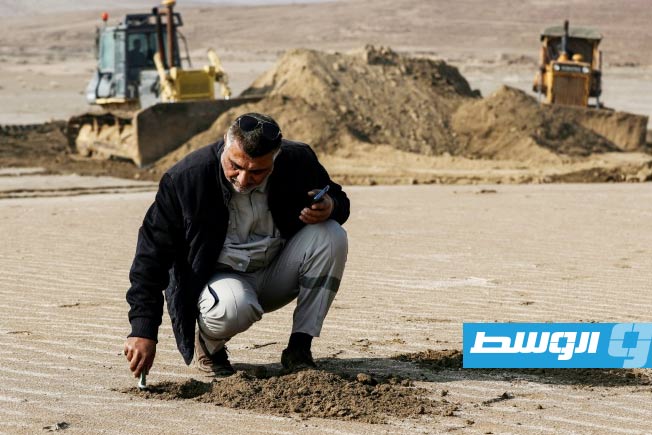
This year’s volume is distinguished by the diversity of its topics and scientific approaches, particularly studies dealing with epigraphic heritage and ancient agricultural economy, alongside research focusing on employing modern technologies in studying and protecting archaeological sites. This reflects the evolution of scientific research tools in the field of archaeology and historical studies.
The volume includes studies highlighting the economic role of eastern Libya in ancient times, especially concerning agricultural production, as well as research addressing the religious and symbolic aspects in ancient architecture and arts, alongside scientific reviews of important archaeological sites.
In conclusion, the importance of this publication for researchers and those interested in archaeological and historical affairs was emphasized, calling for the utilization of its scientific content to support efforts to protect Libyan heritage and enhance awareness of its civilizational value.
Benghazi
Benghazi is a major city in eastern Libya, historically significant as a center of trade and culture since its founding as the Greek colony of Euesperides. It played a pivotal role in the 2011 Libyan Revolution and served as the provisional capital during the subsequent civil war.
British Journal of Libyan and North African Studies
The British Journal of Libyan and North African Studies is an academic publication focused on the history, politics, and societies of Libya and the broader North African region. It serves as a forum for scholarly research and analysis, contributing to the understanding of the area’s complex historical and contemporary developments.
Cambridge University Press
Cambridge University Press is the world’s oldest publishing house, having been founded in 1534 following a charter from King Henry VIII. It operates as part of the University of Cambridge and has a long history of publishing academic journals, educational texts, and Bibles.
Libyan Studies
Libyan Studies is an academic journal and research field focused on the history, archaeology, and culture of Libya, particularly its ancient civilizations like the Phoenicians, Greeks, and Romans. It emerged as a distinct discipline in the 20th century, with significant contributions from archaeological work at sites such as Leptis Magna and Cyrene. The field provides crucial insights into North African history and the interactions between Mediterranean and Saharan cultures.
Libya
Libya is a North African country with a rich history rooted in ancient civilizations like the Phoenicians and Romans, followed by centuries of Arab and Ottoman influence. In the modern era, it was an Italian colony before gaining independence in 1951, later becoming known for Muammar Gaddafi’s lengthy rule from 1969 until the 2011 Arab Spring uprising and civil war. Its significant cultural sites include the extensive Roman ruins at Leptis Magna, a UNESCO World Heritage site.
Mediterranean basin
The Mediterranean basin is the region surrounding the Mediterranean Sea, historically serving as a cradle for numerous ancient civilizations, including the Egyptians, Phoenicians, Greeks, and Romans. Its strategic location fostered extensive trade, cultural exchange, and the spread of ideas, religions, and technologies across three continents. This shared history has left a profound and lasting legacy on the languages, cuisines, and social structures of the surrounding nations.
eastern Libya
Eastern Libya is a historically significant region encompassing the ancient Greek colony of Cyrene, a UNESCO World Heritage site, and the city of Benghazi, a center of the 2011 revolution. The area has been shaped by successive civilizations, including the Greeks, Romans, and Ottomans. In modern times, it has been a focal point of political and military conflict following the fall of Muammar Gaddafi’s regime.