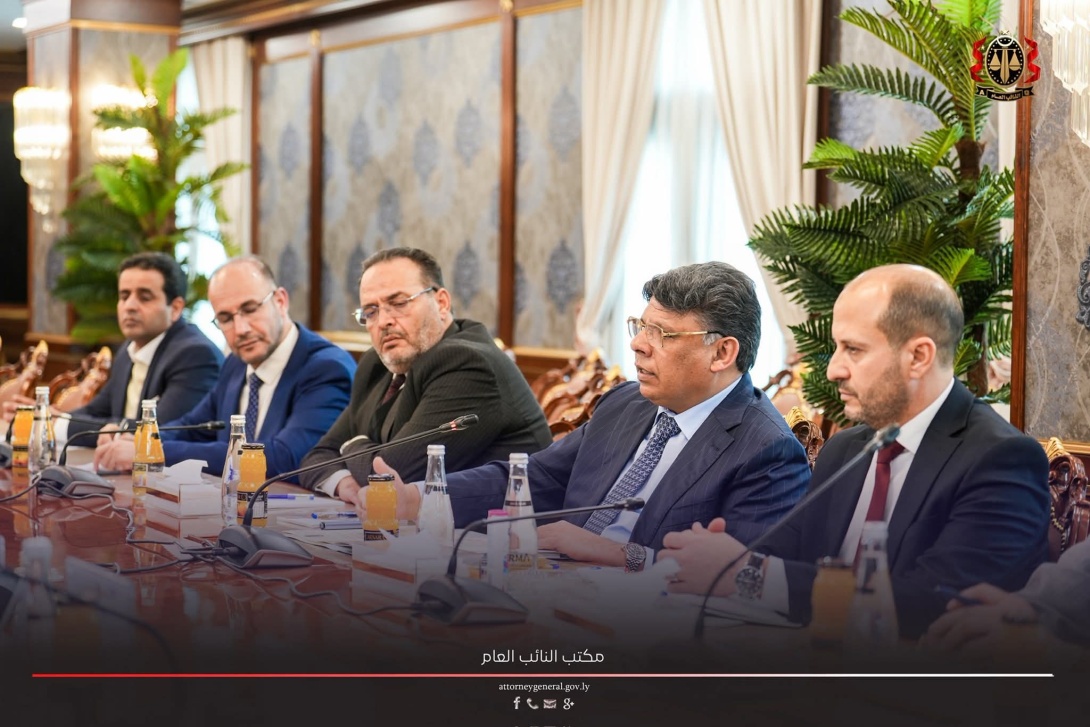
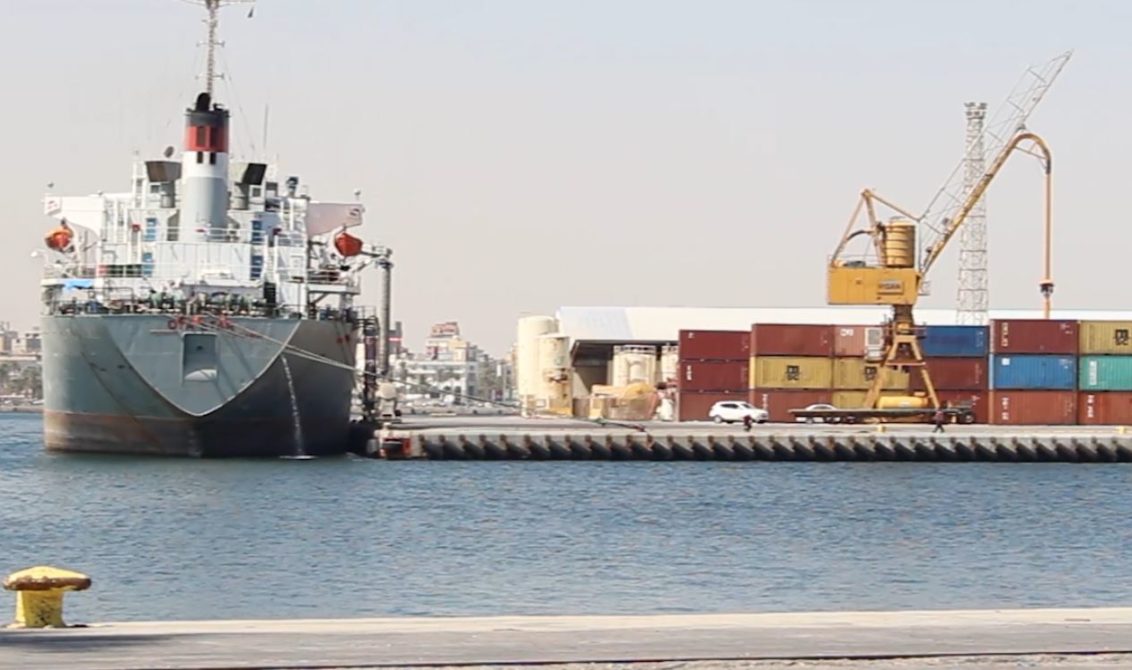
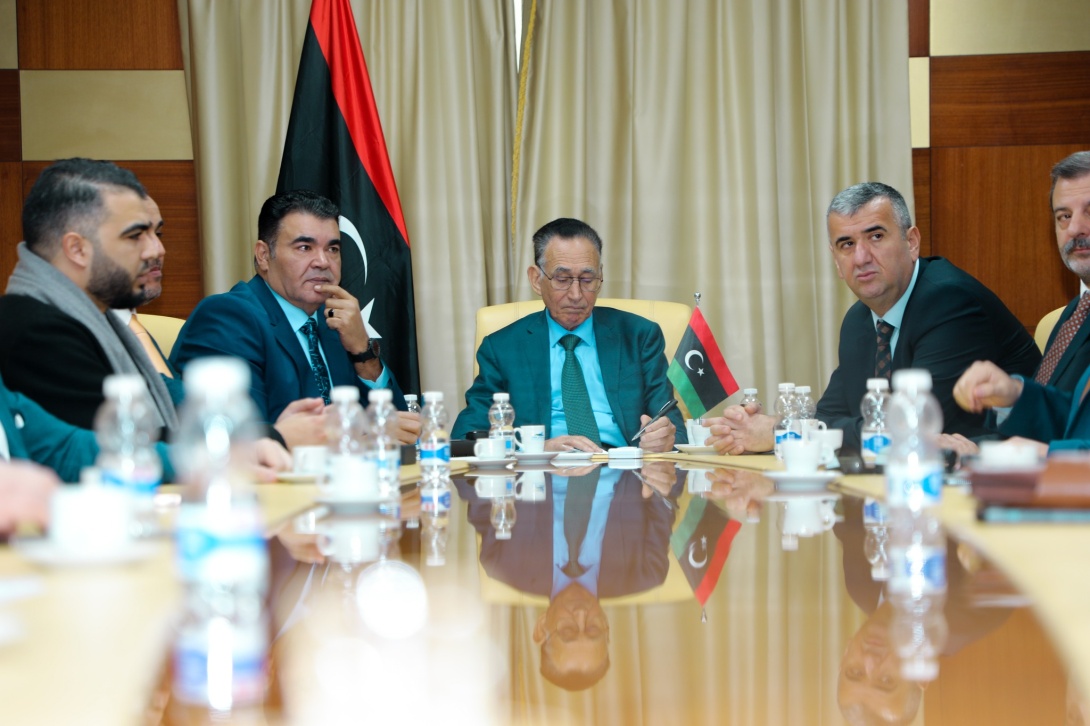
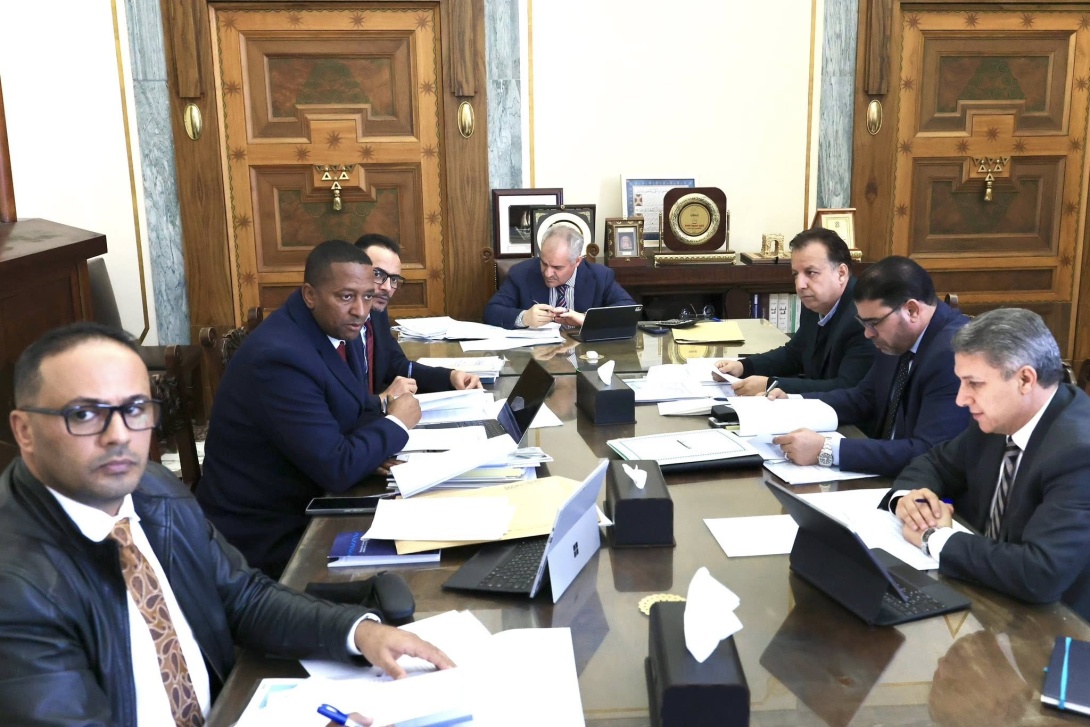
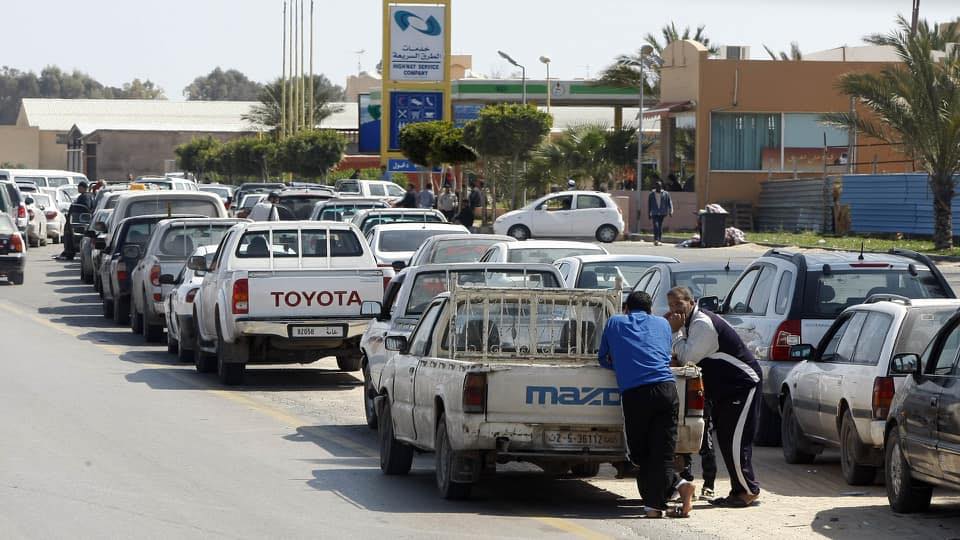
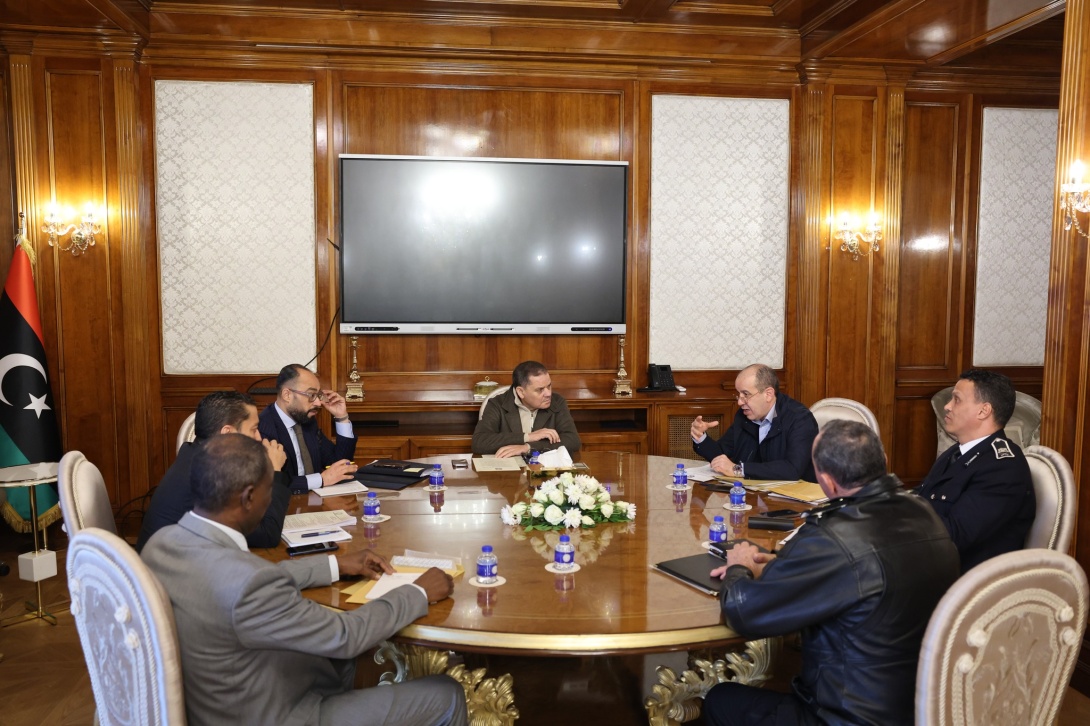
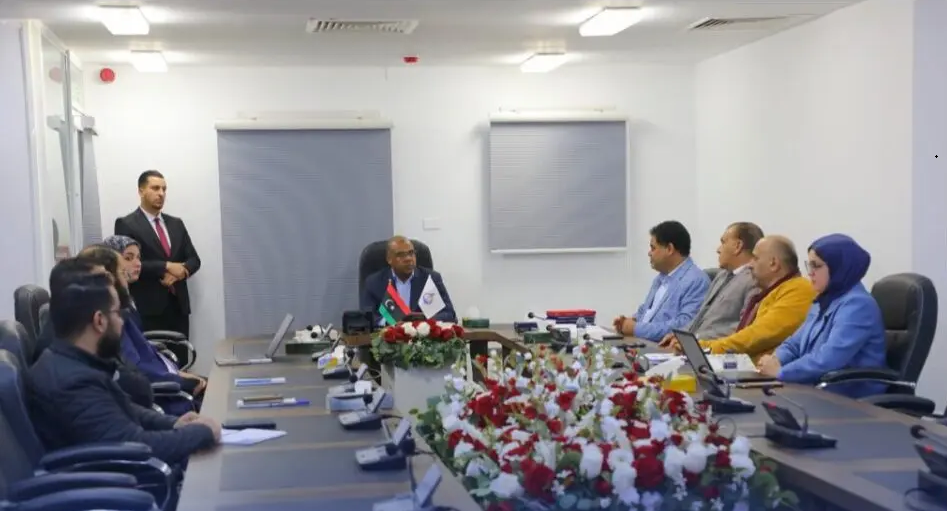
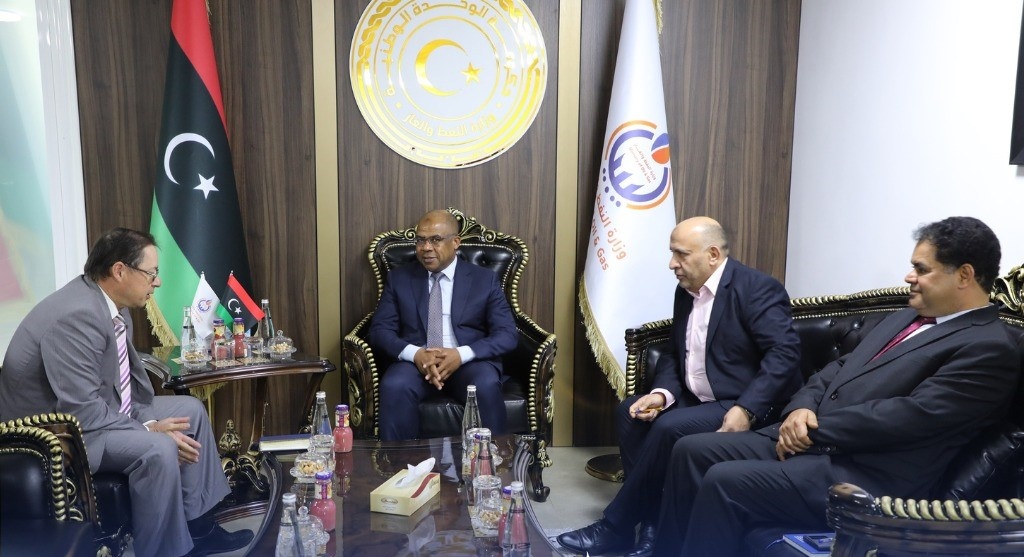
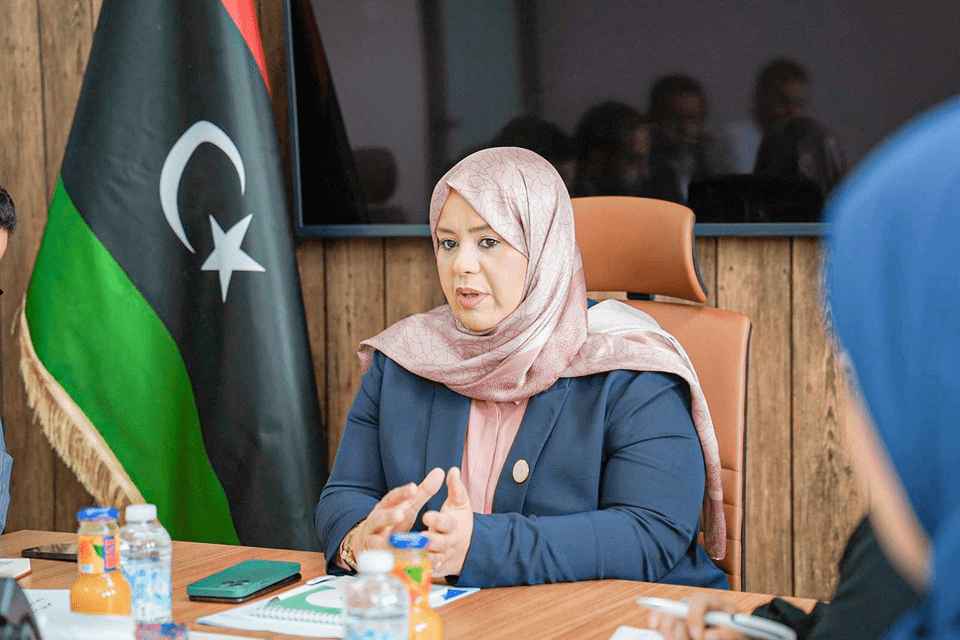
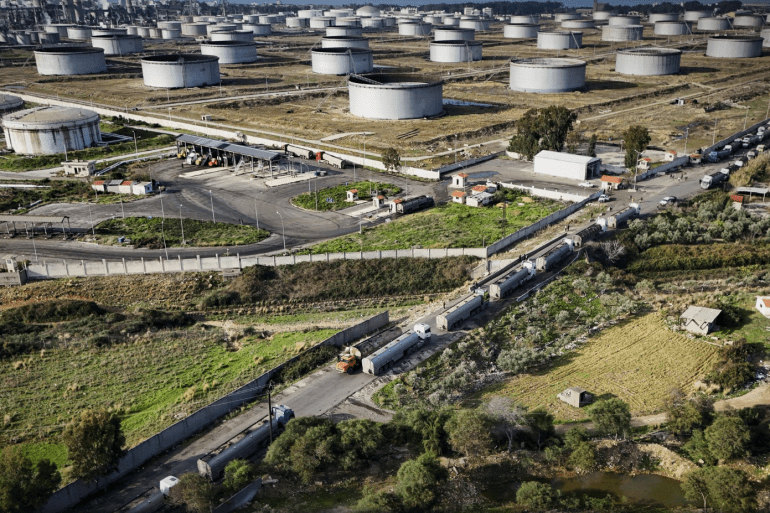
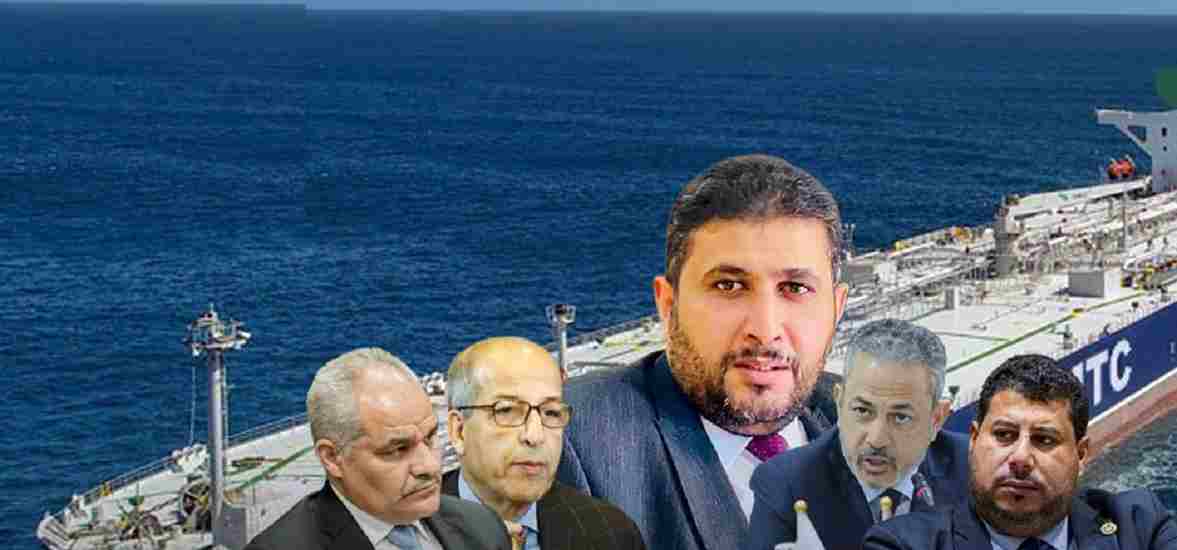
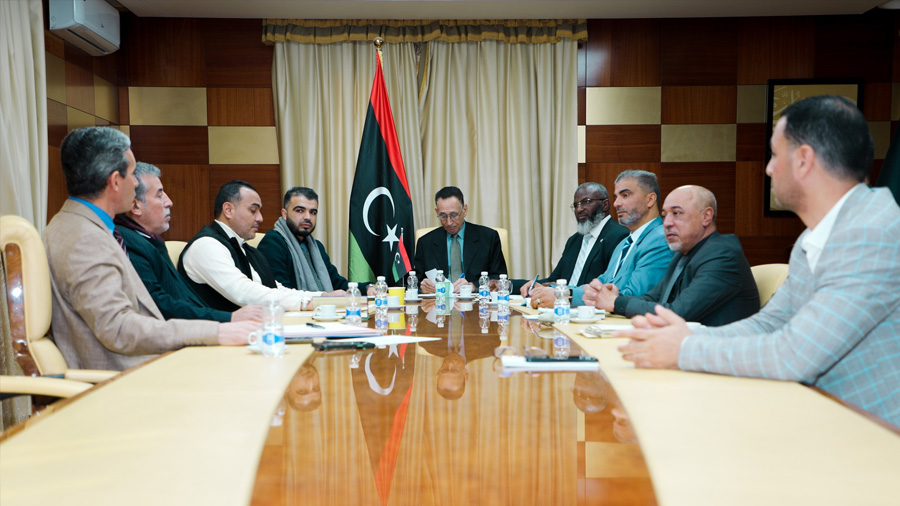
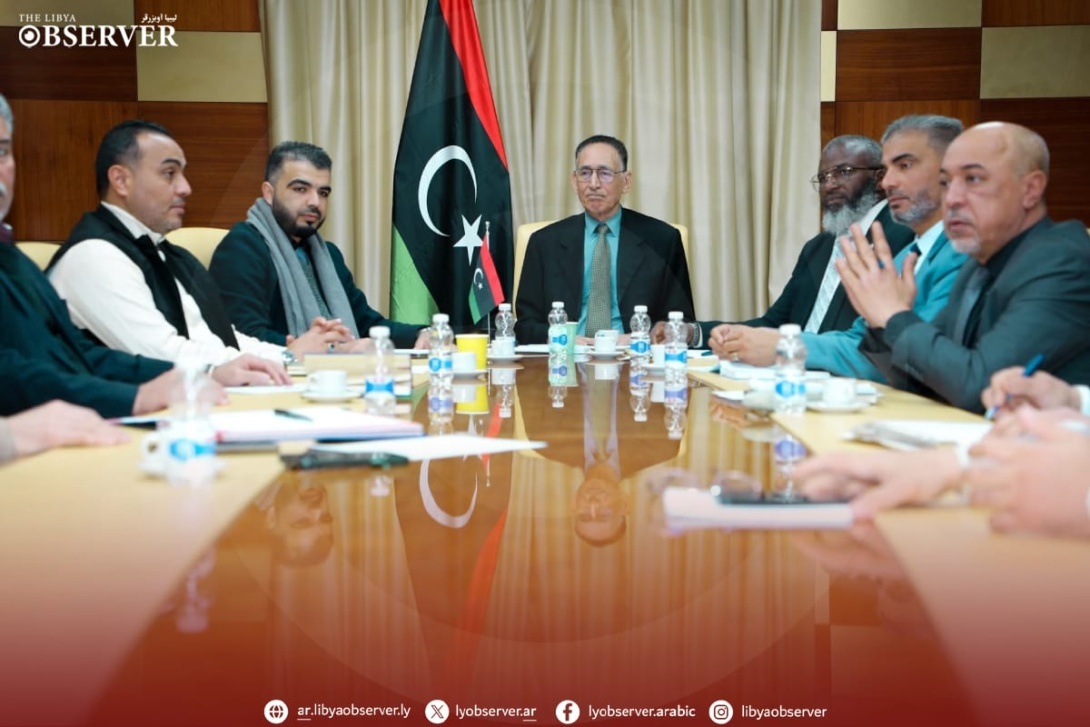
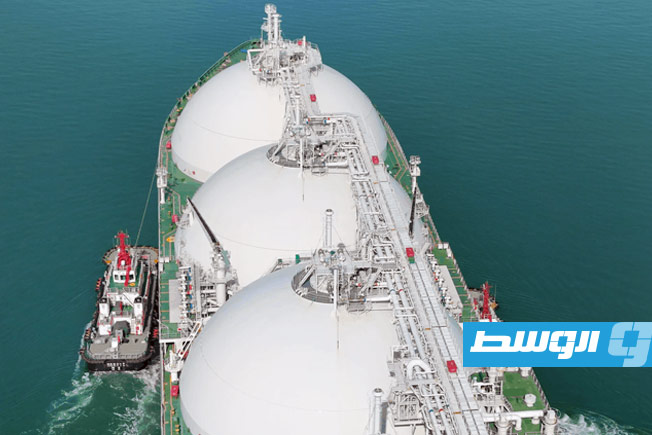
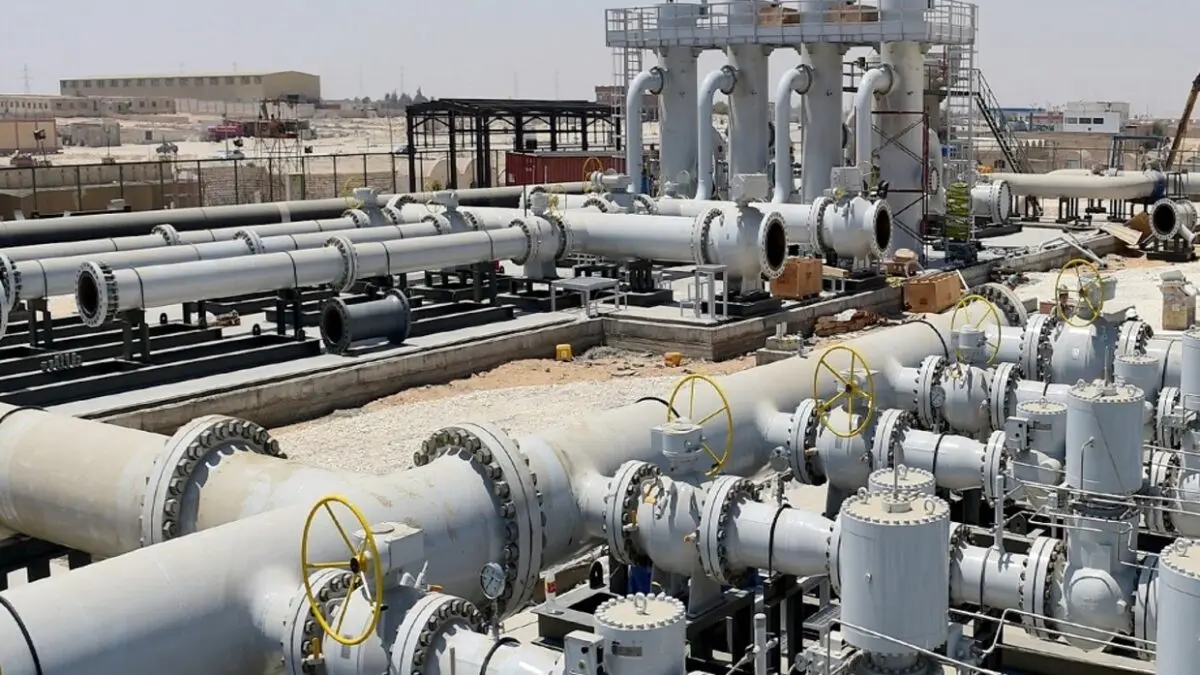
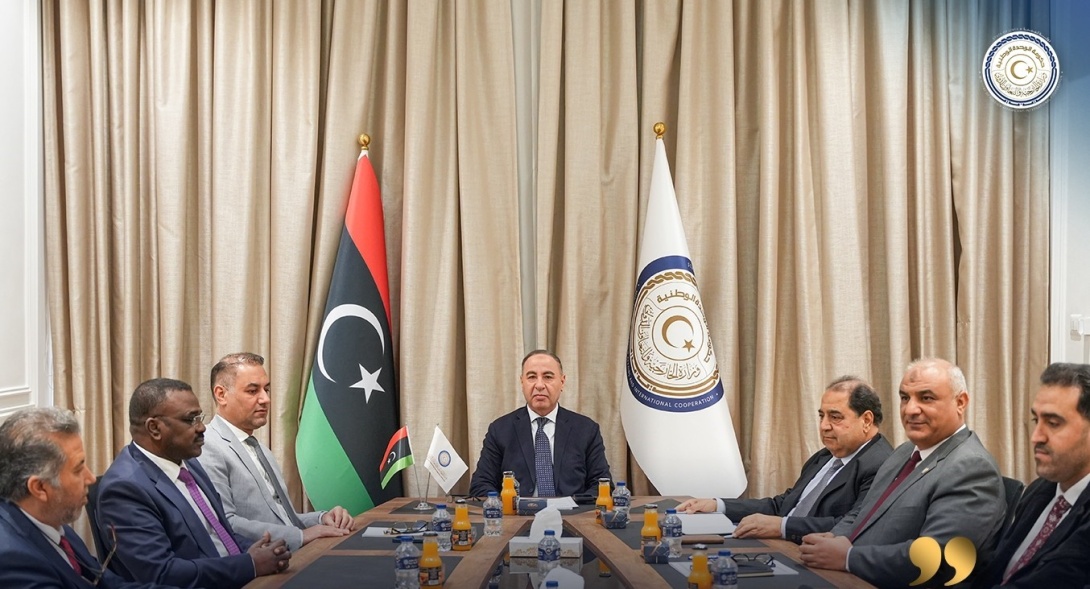
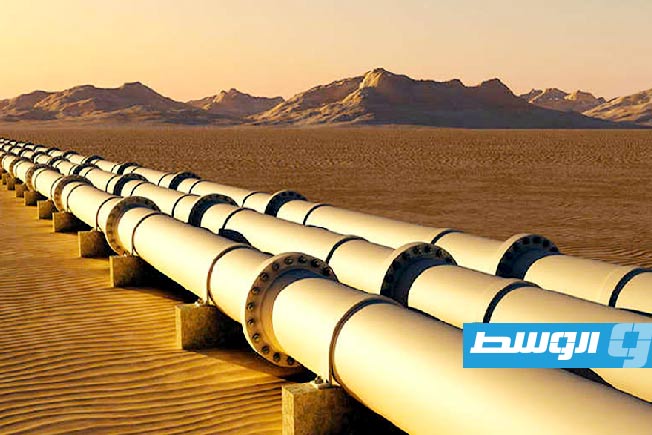
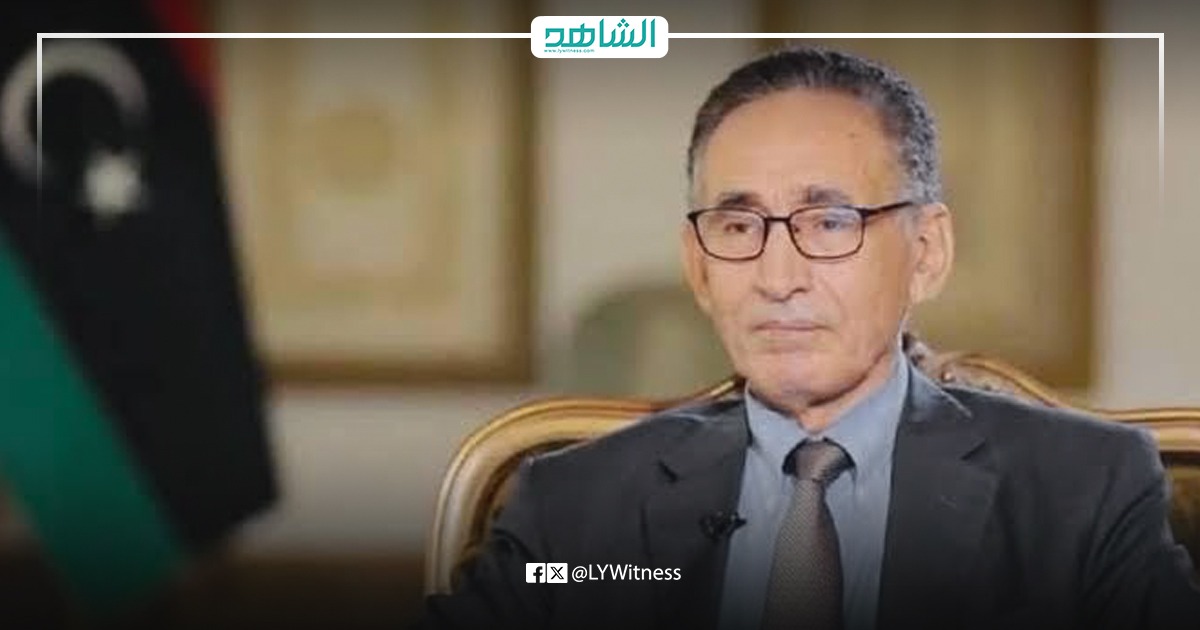
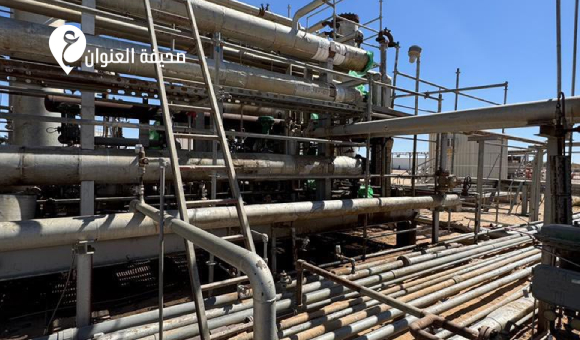
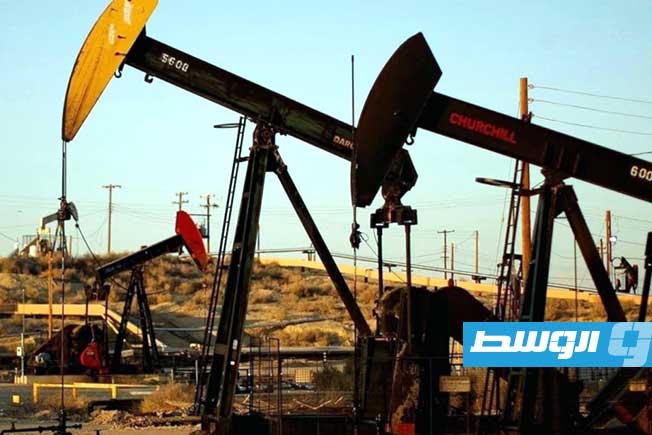
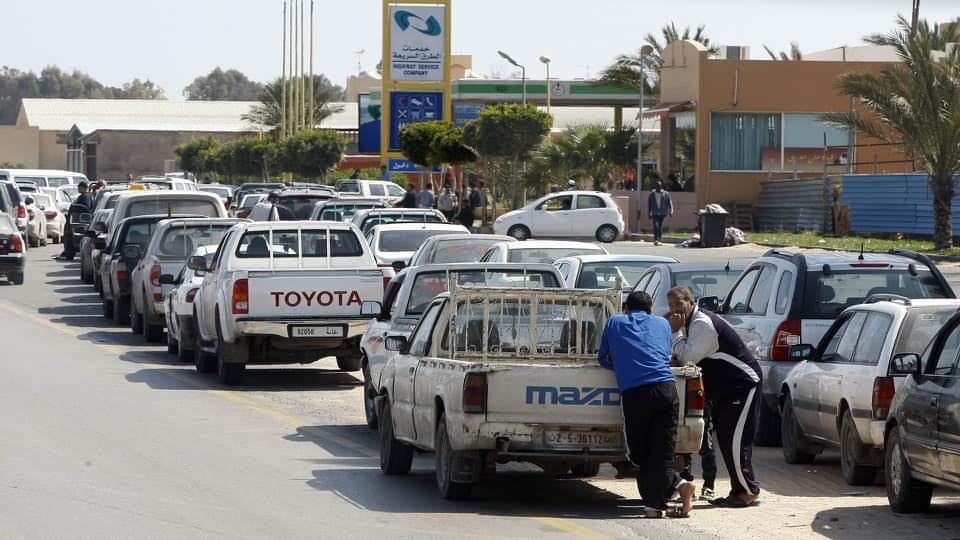
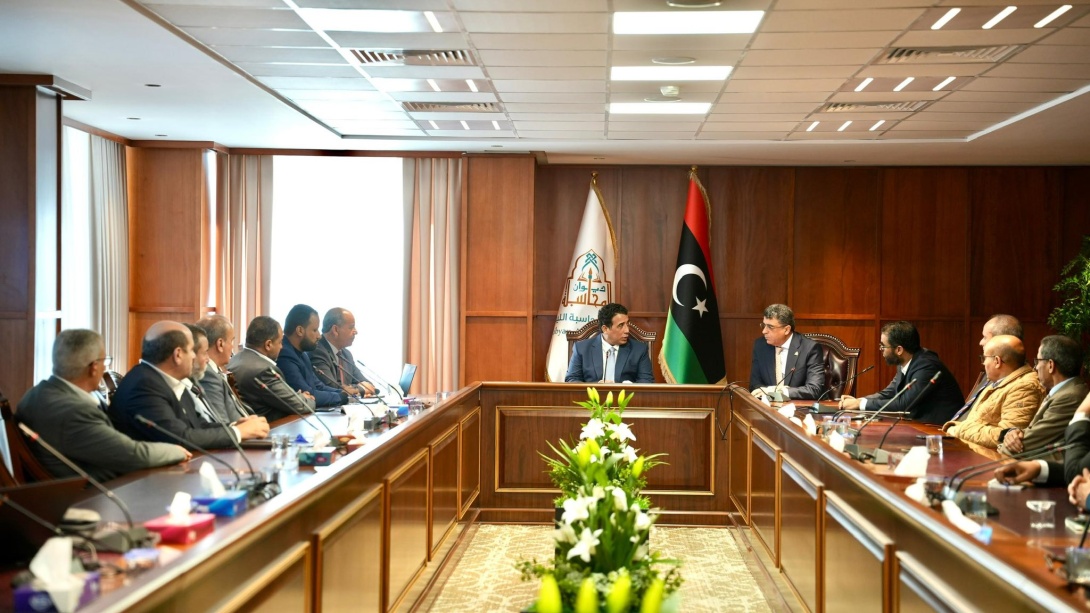
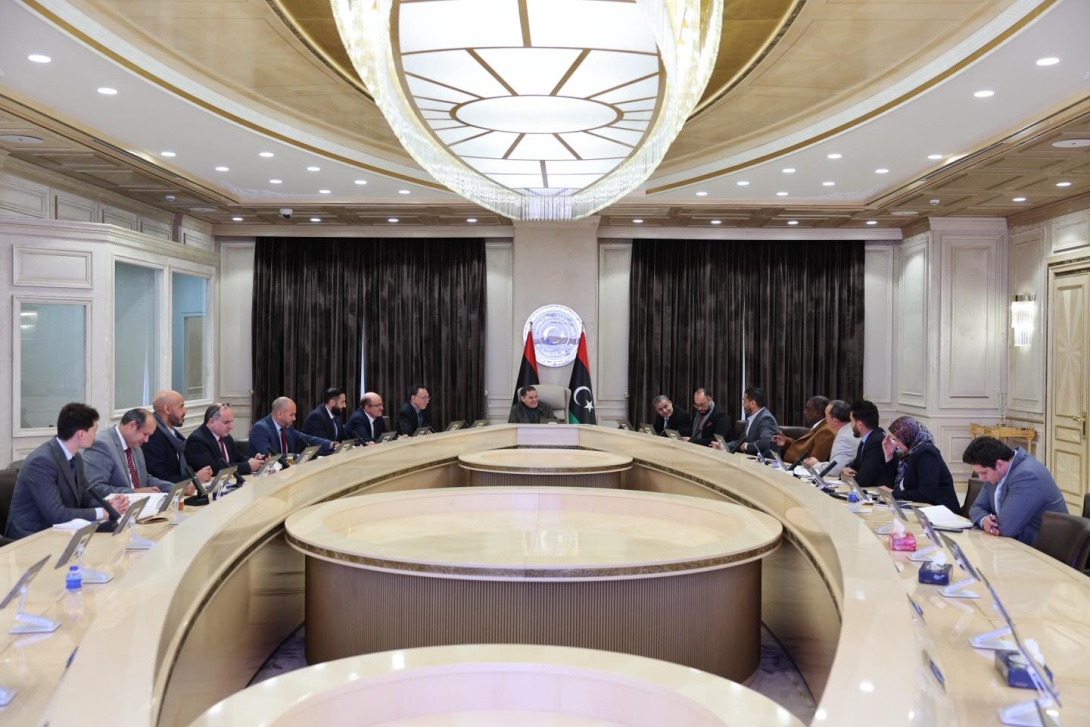
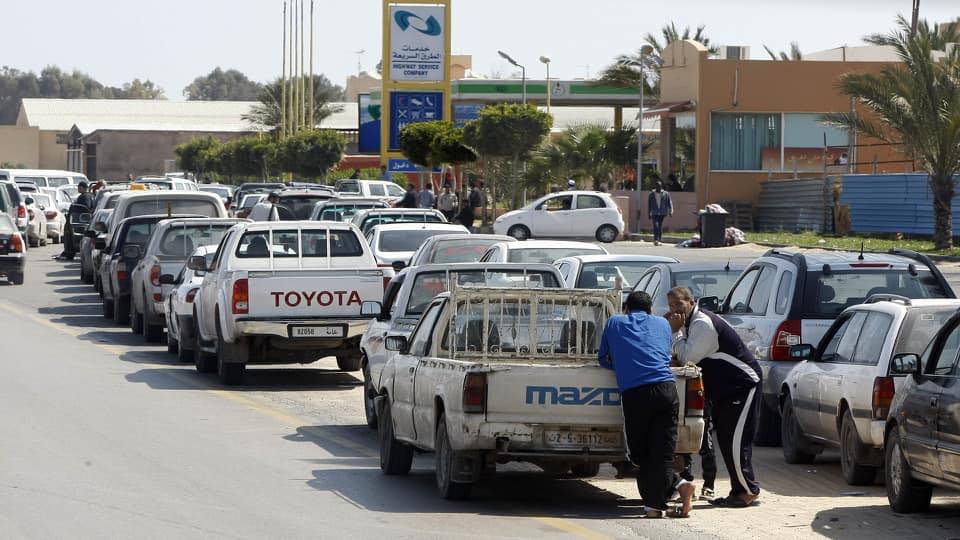
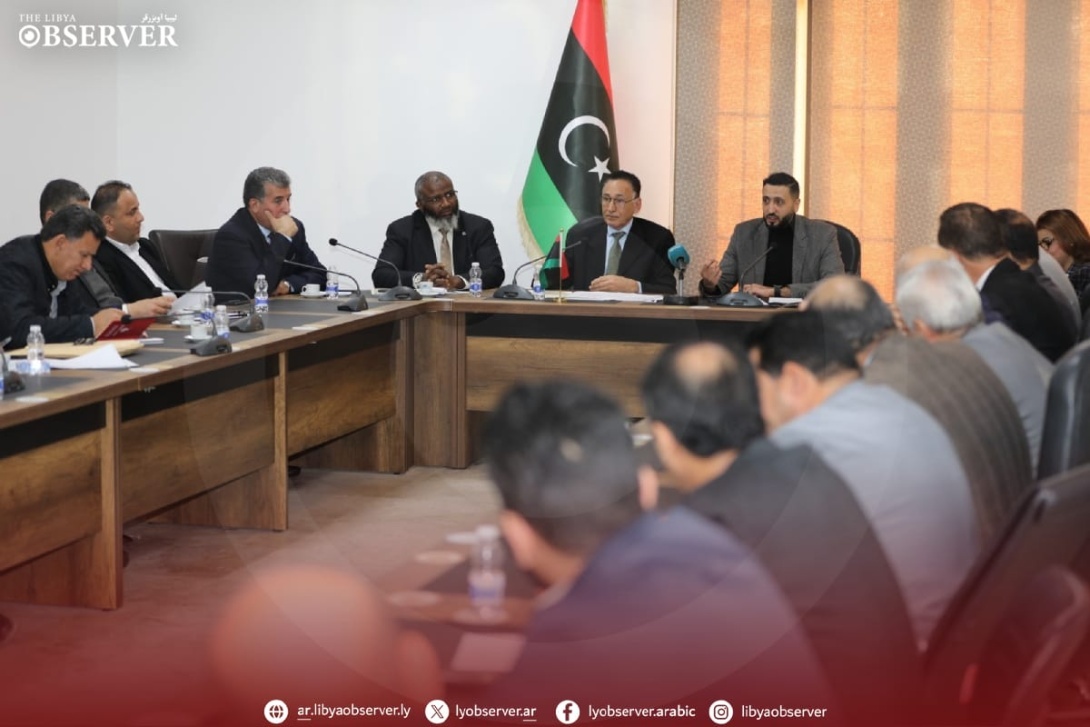
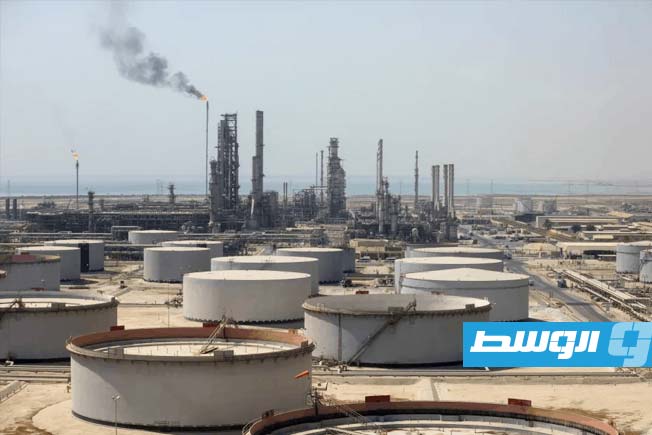
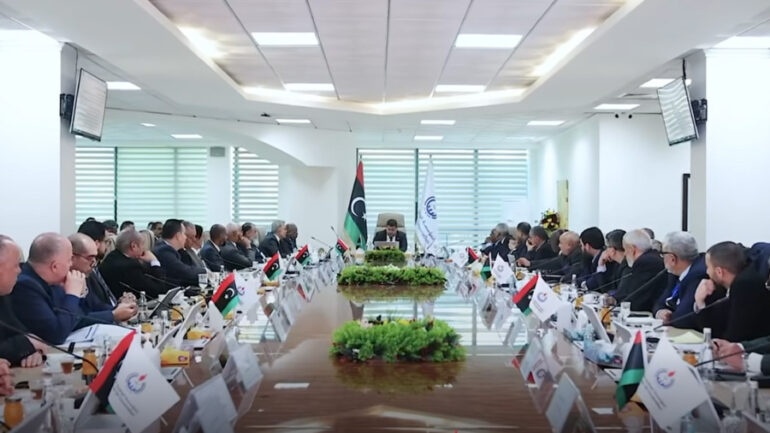
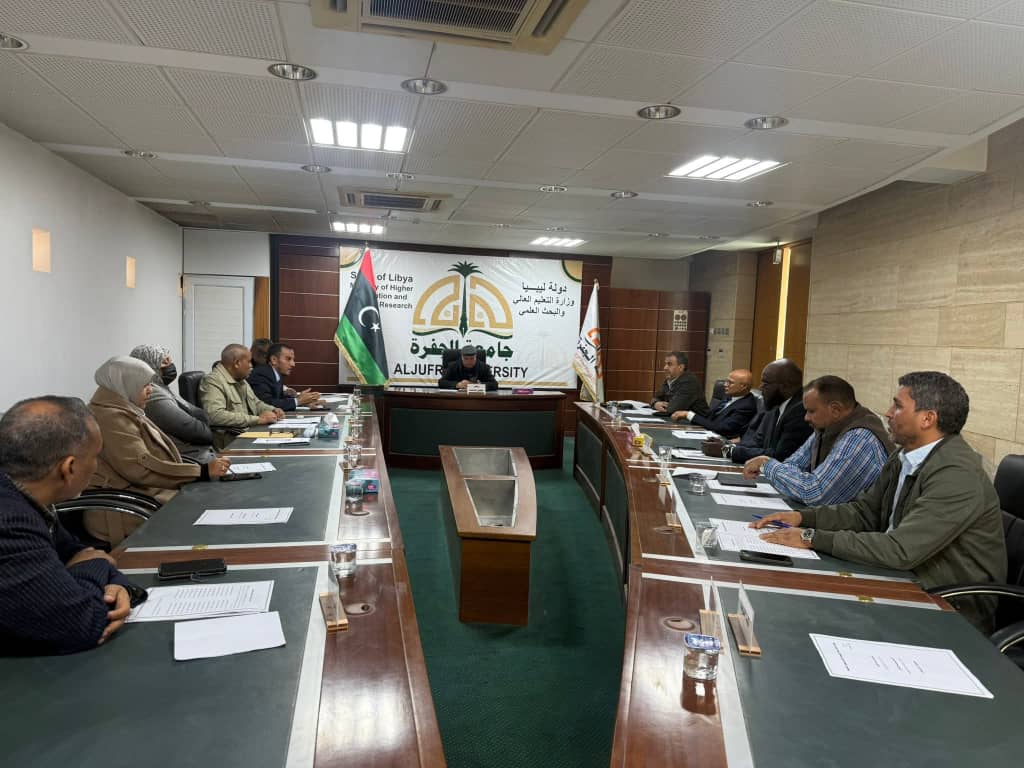
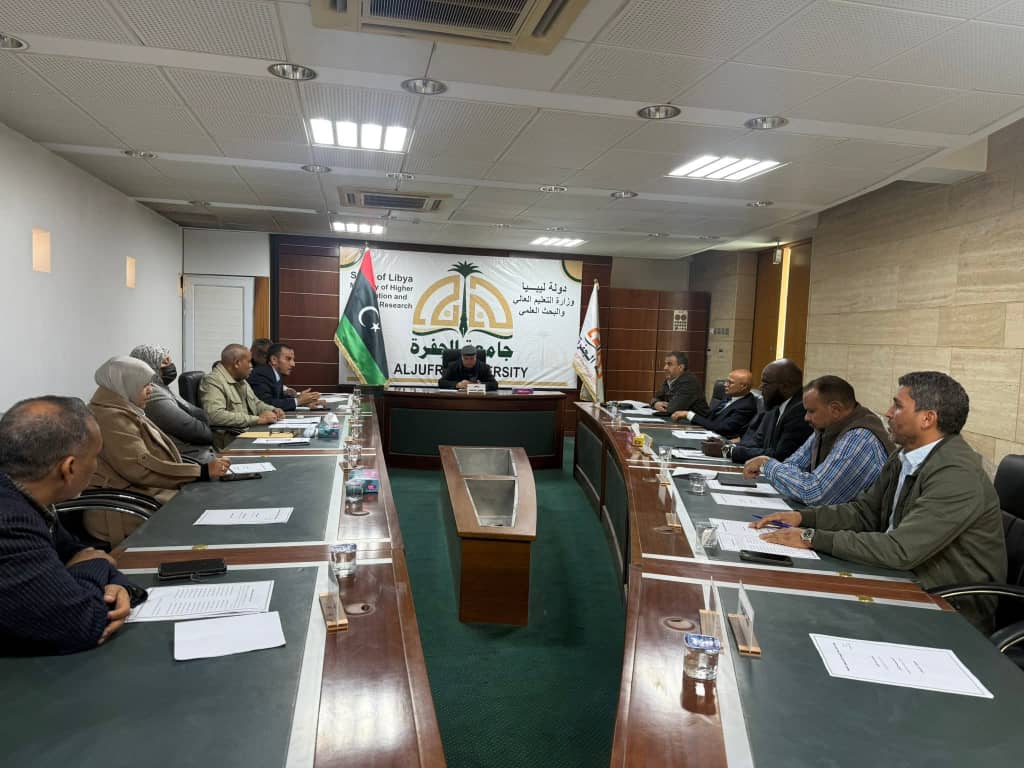
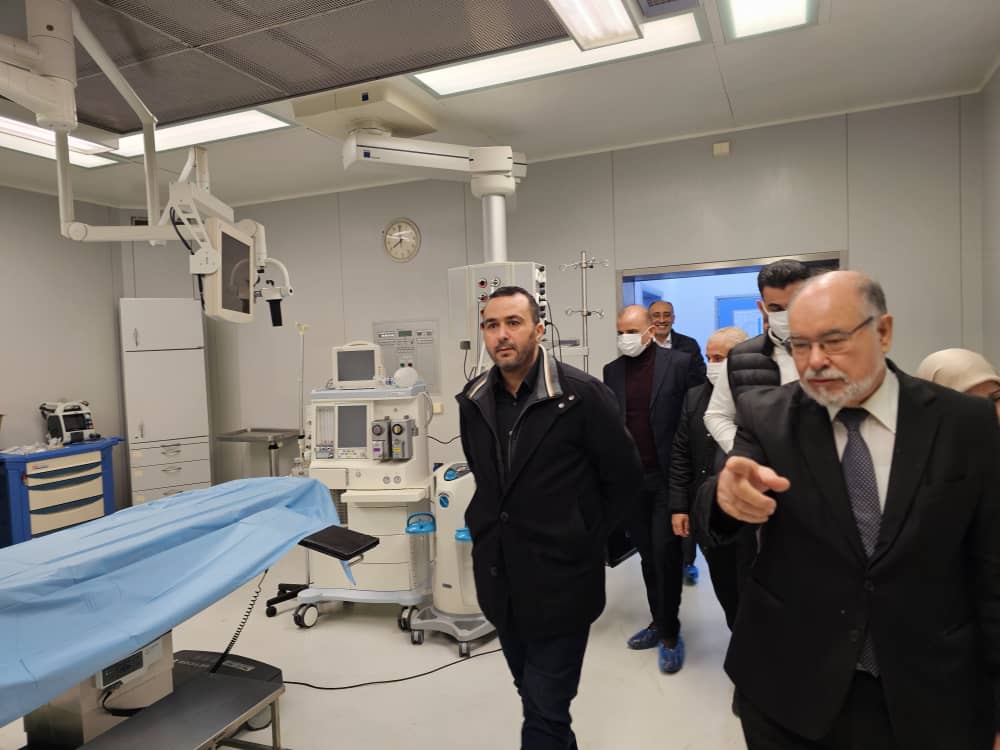
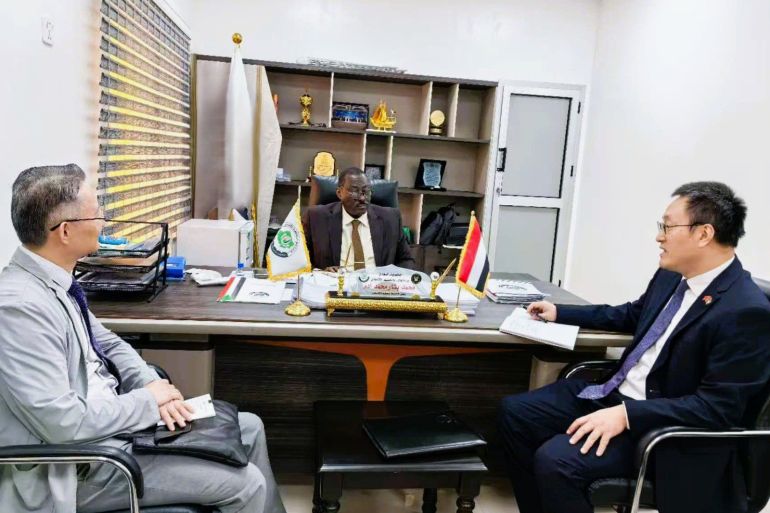
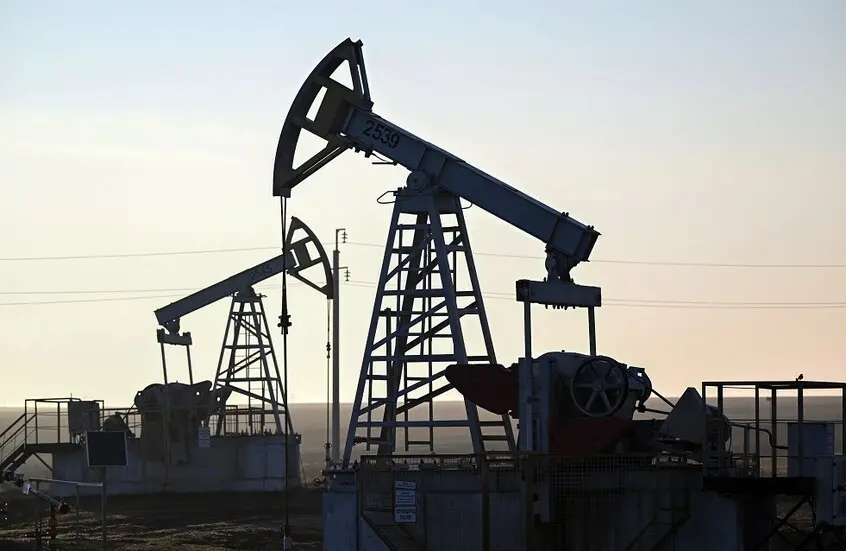
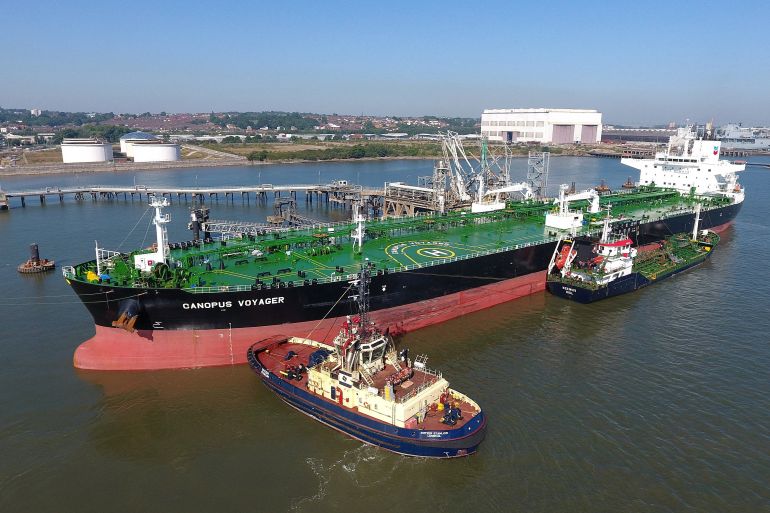
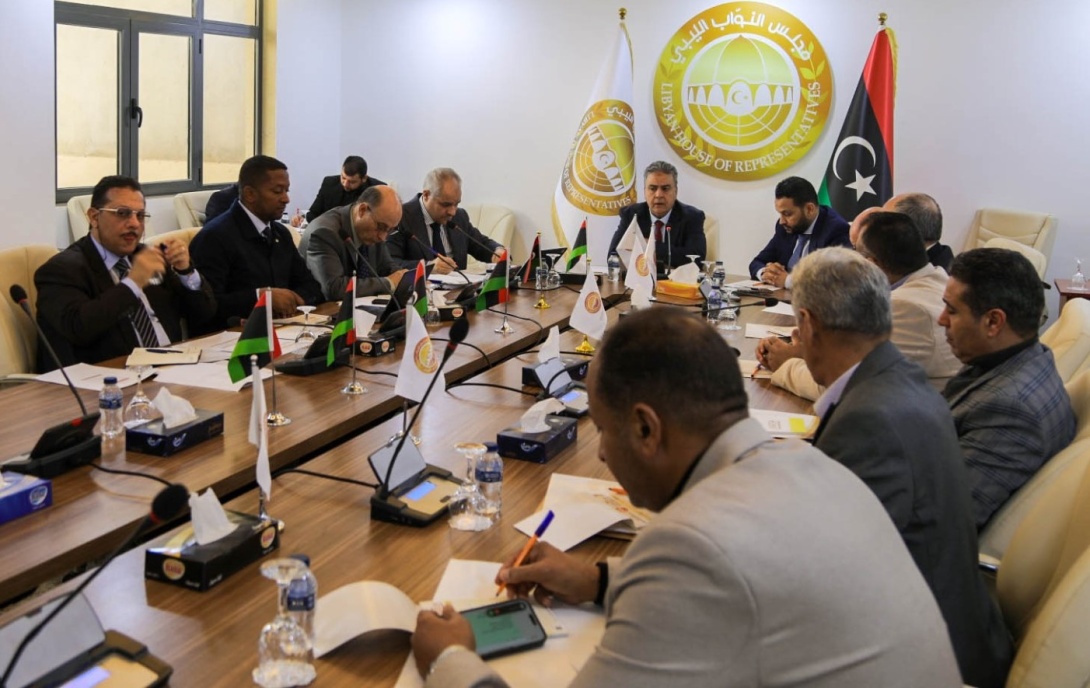
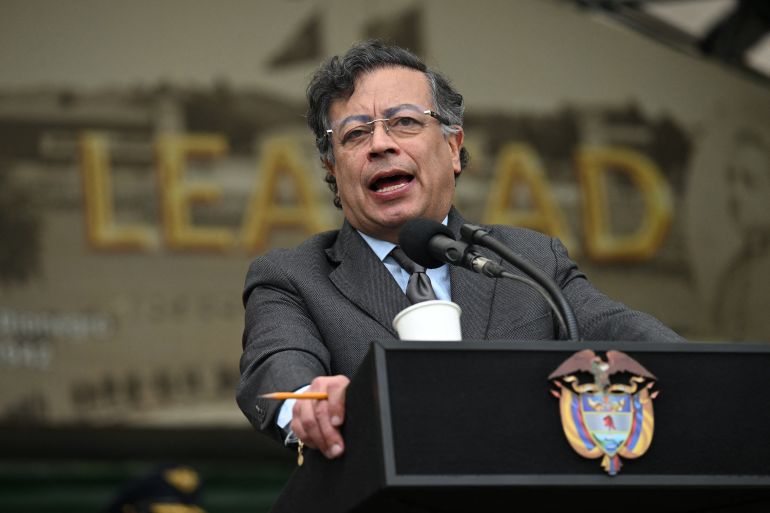
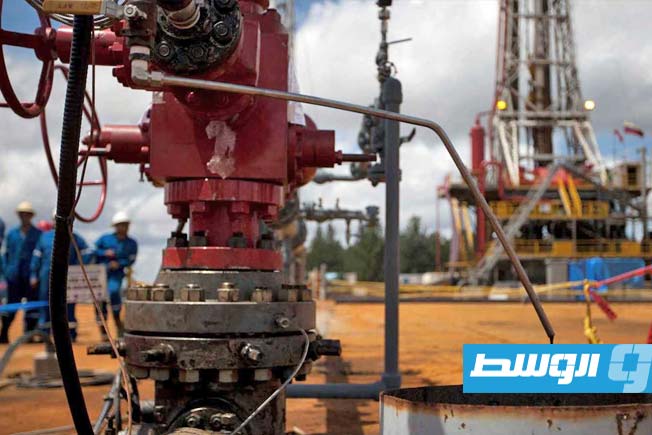
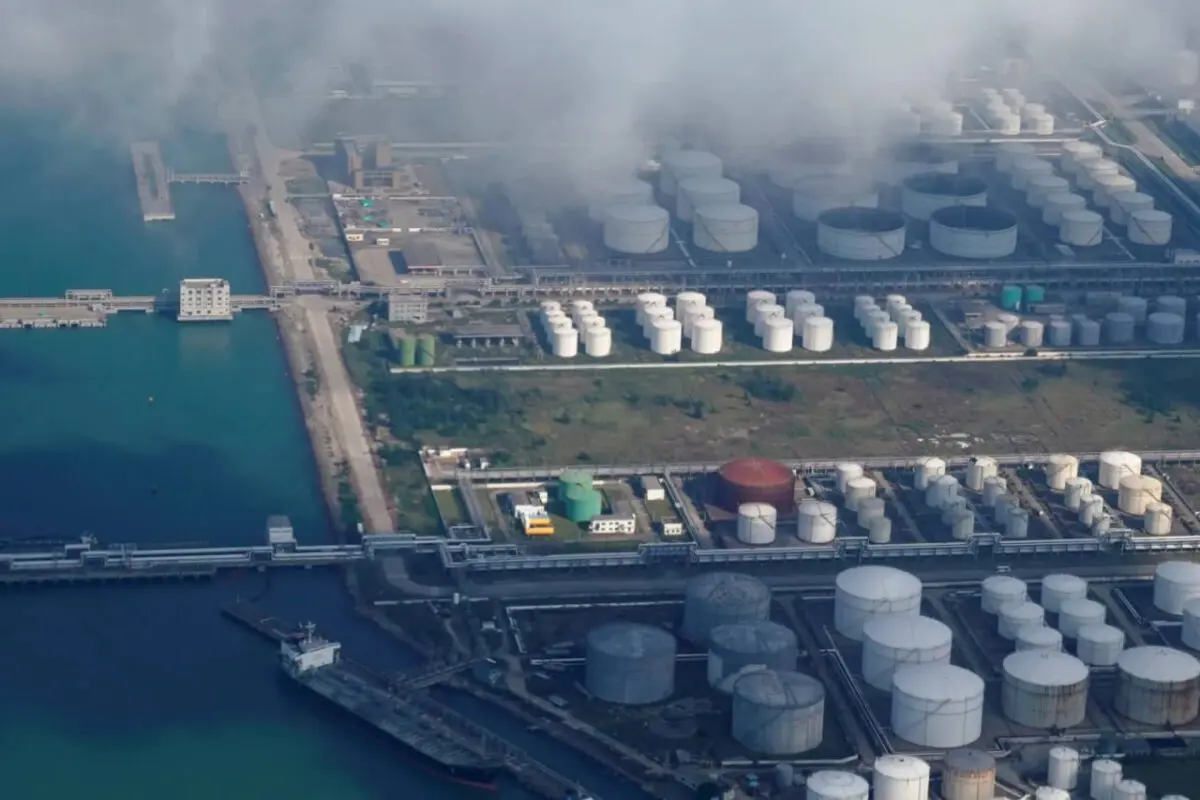
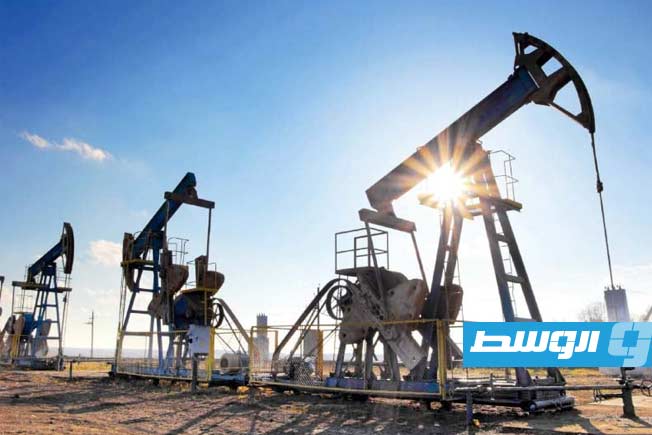
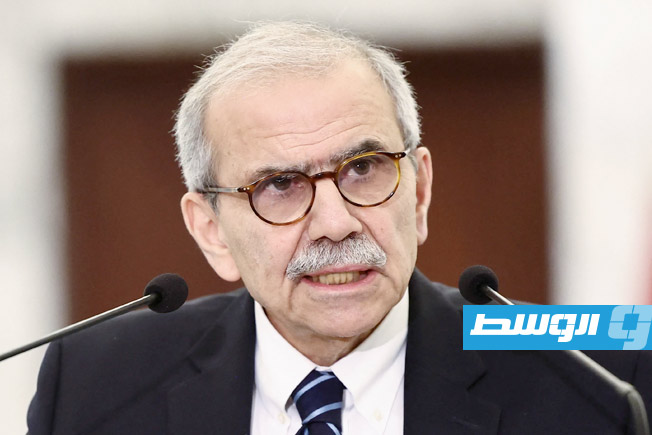
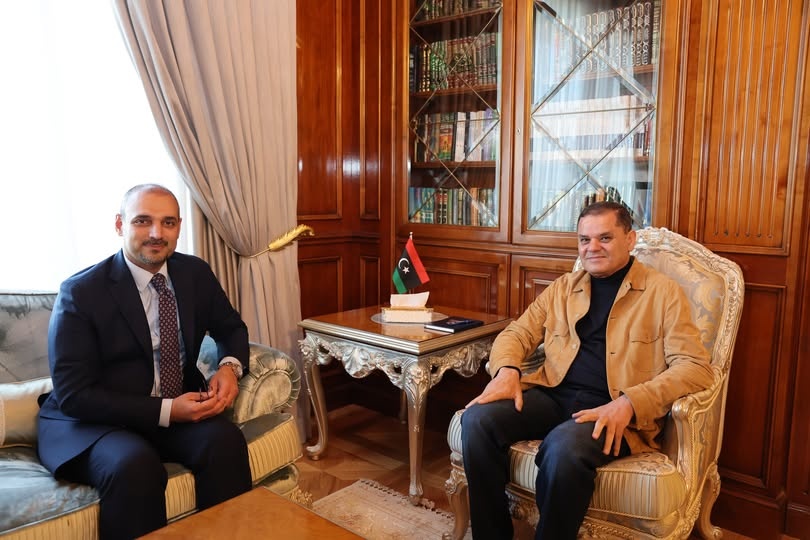
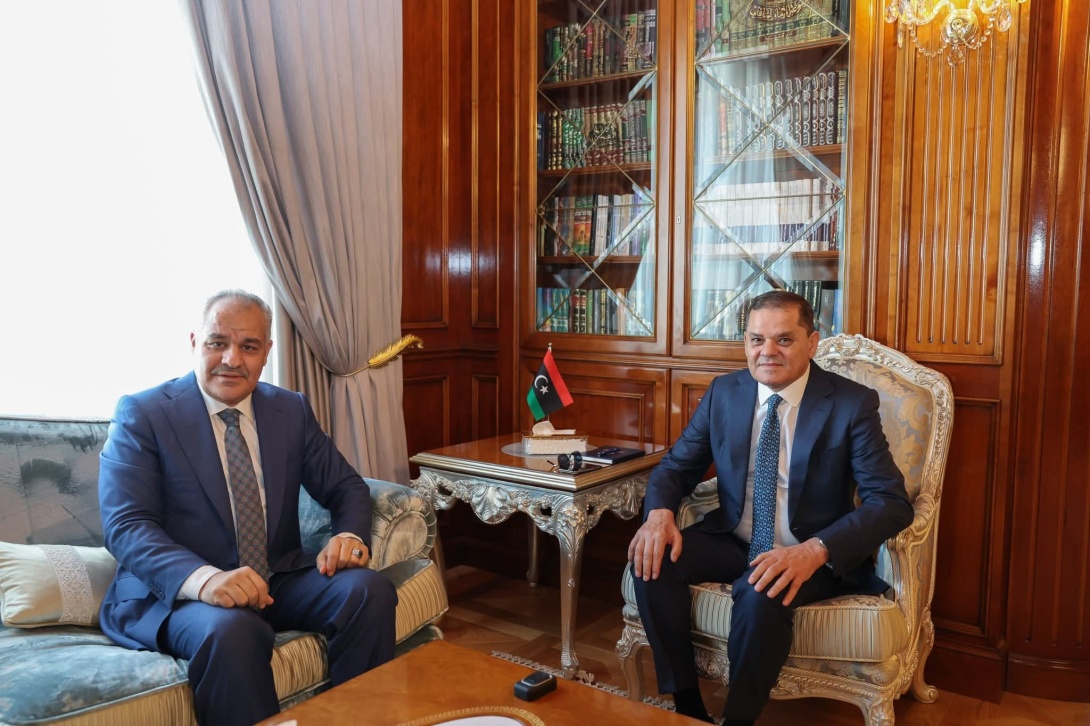
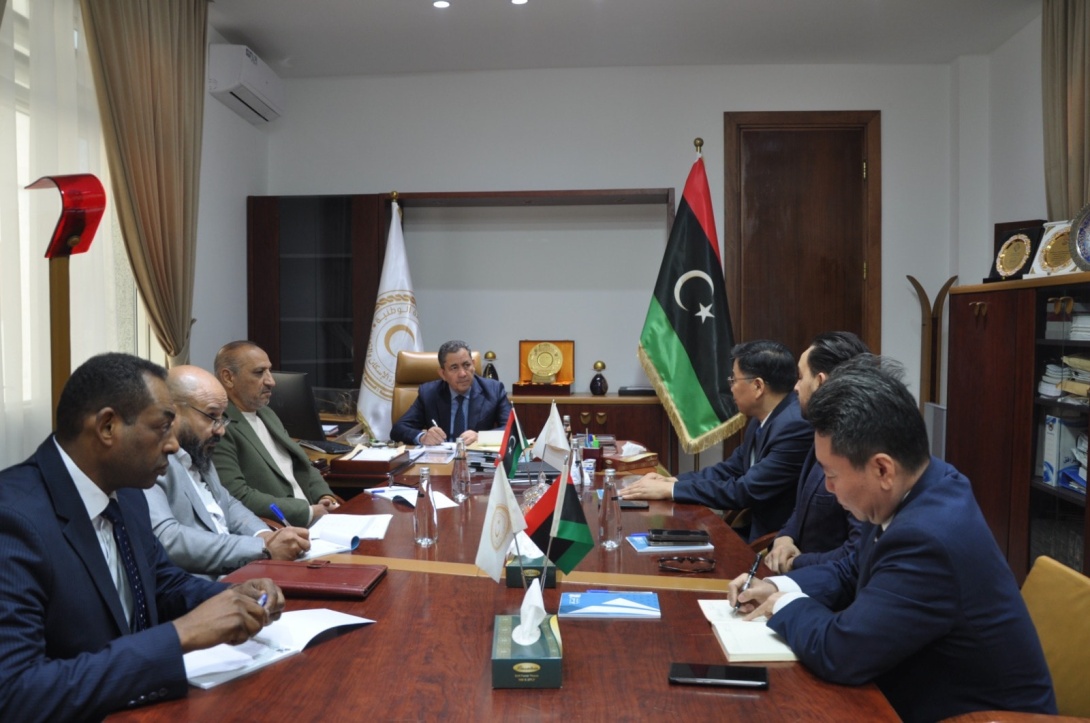
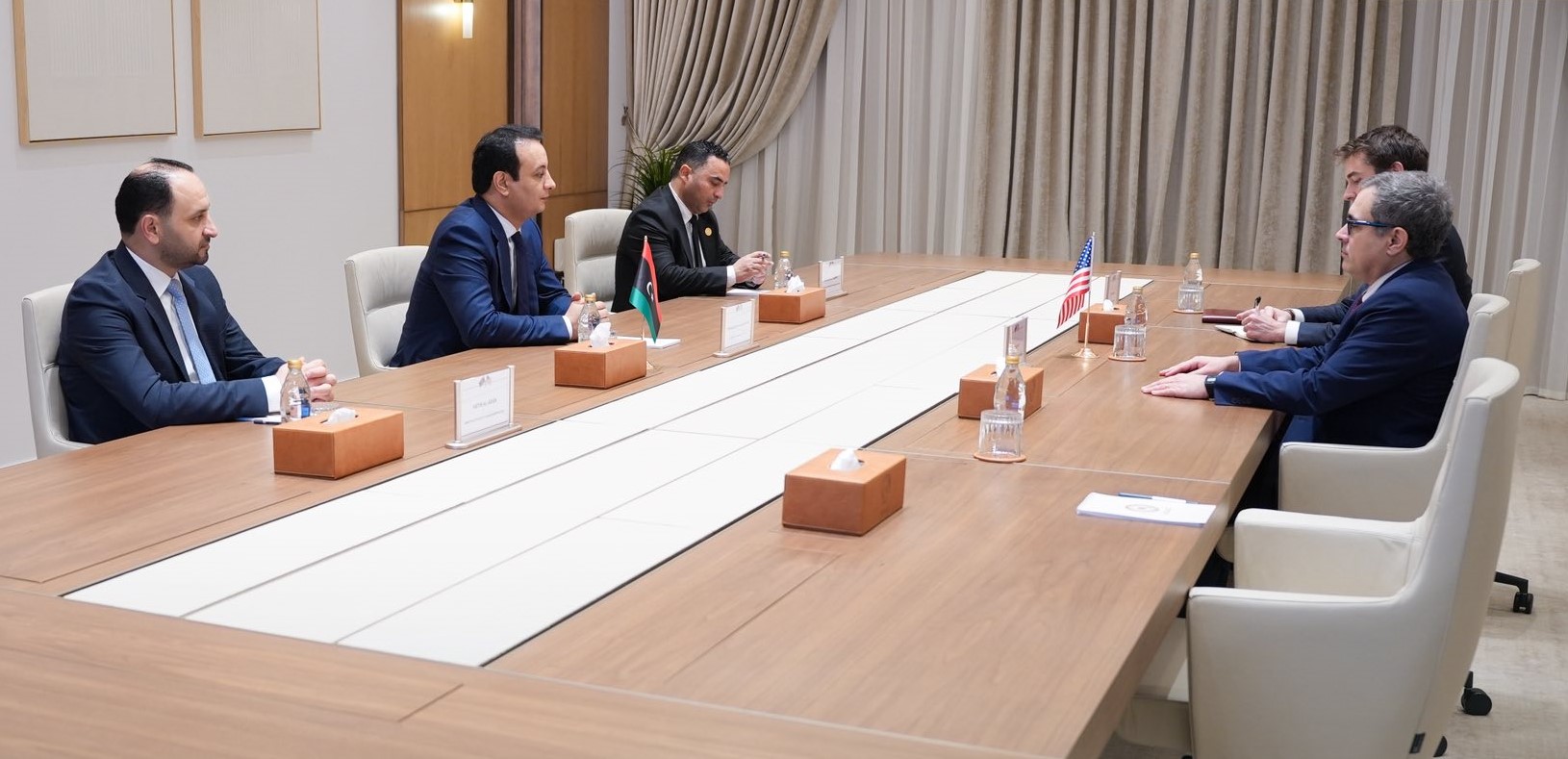
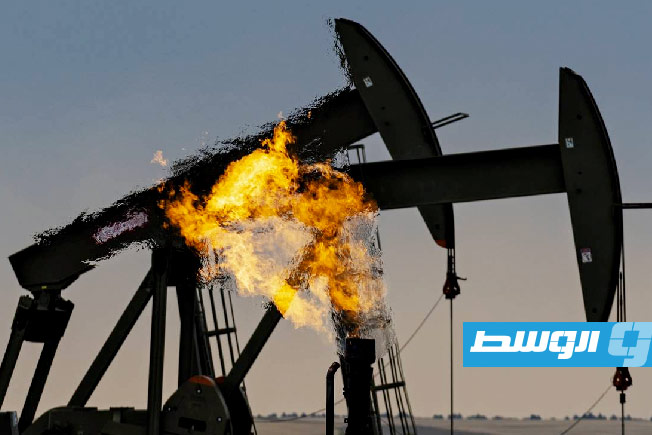
The Attorney General held a high-level meeting on Tuesday with senior state officials to review findings by the public prosecution pointing to irregularities in the management and marketing of petroleum derivatives, and failures to adequately protect the public interest.
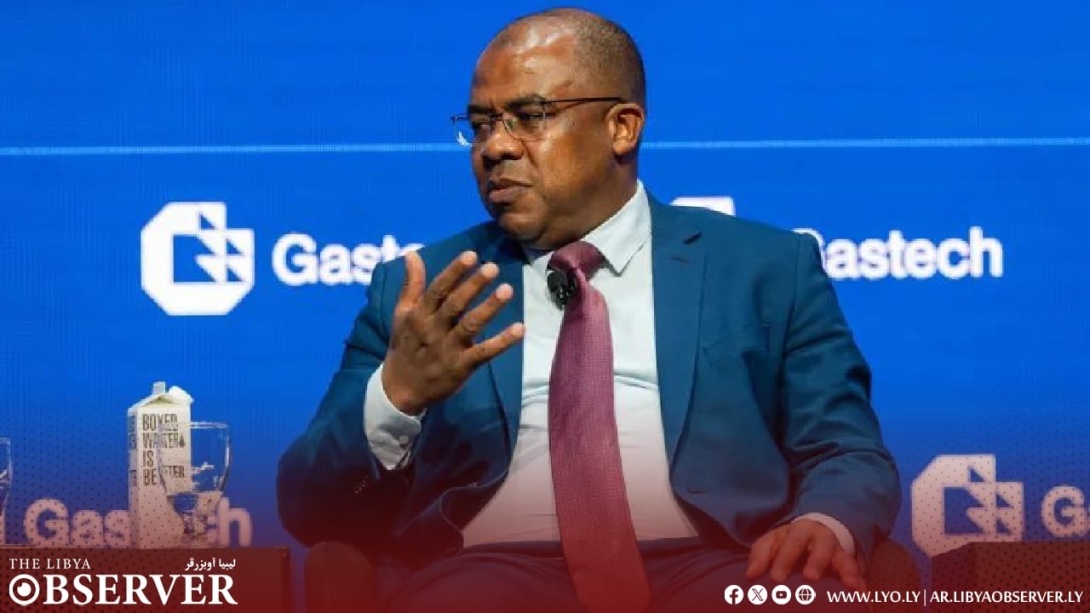
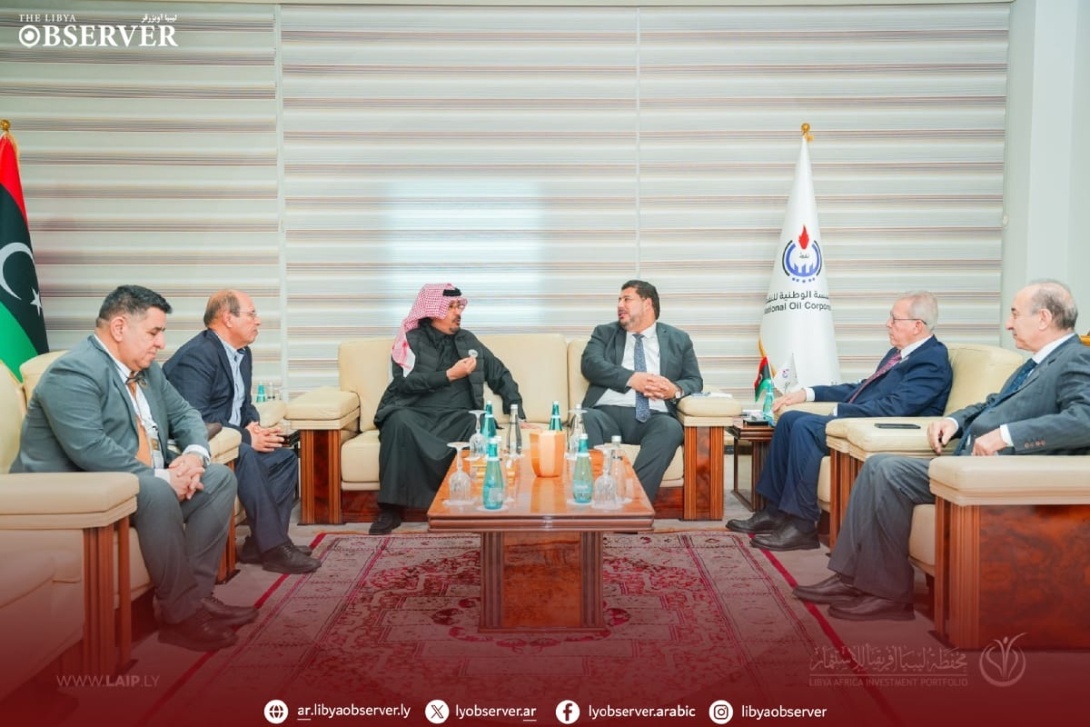
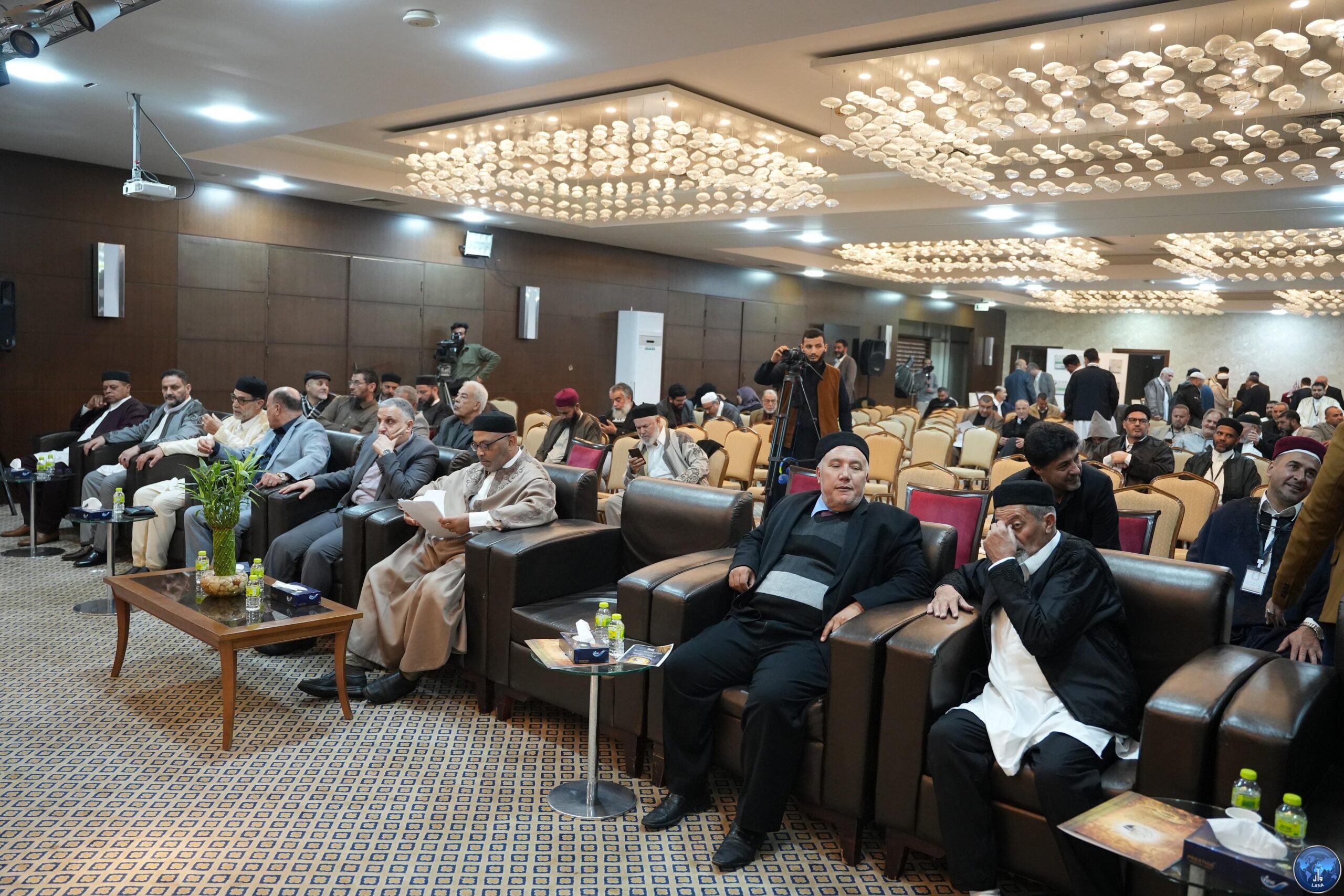
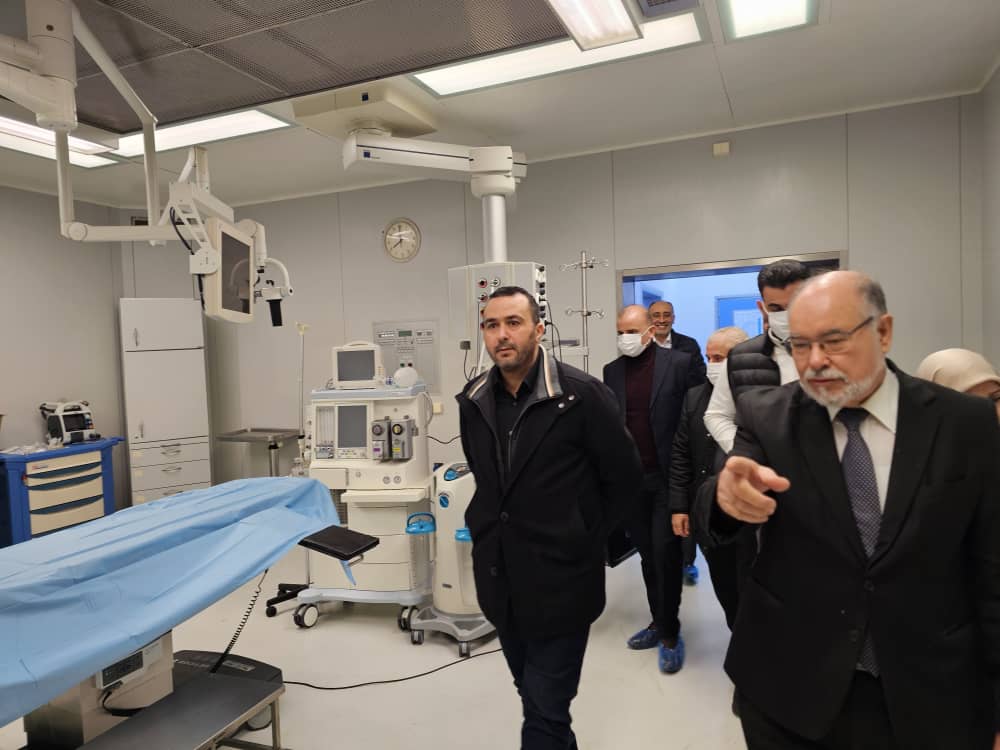
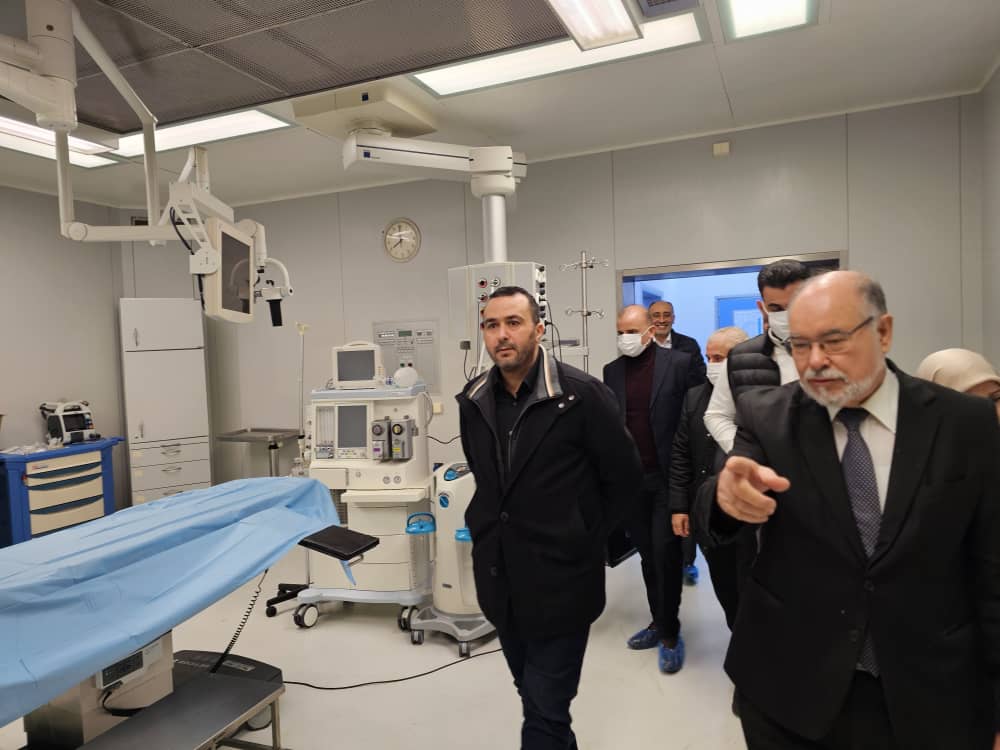
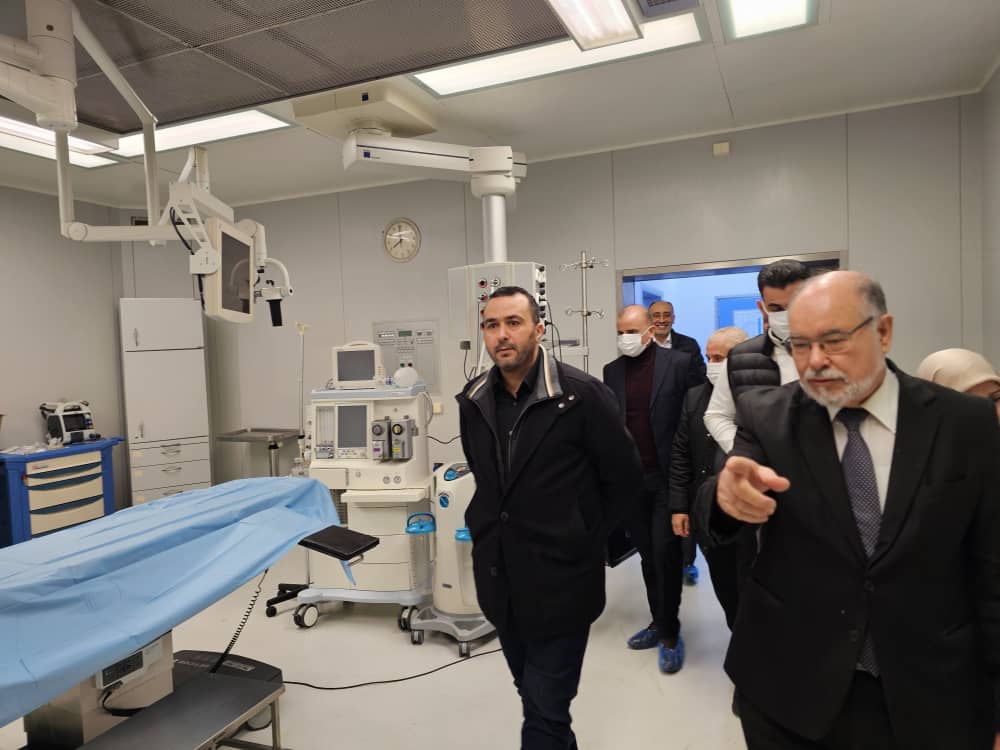
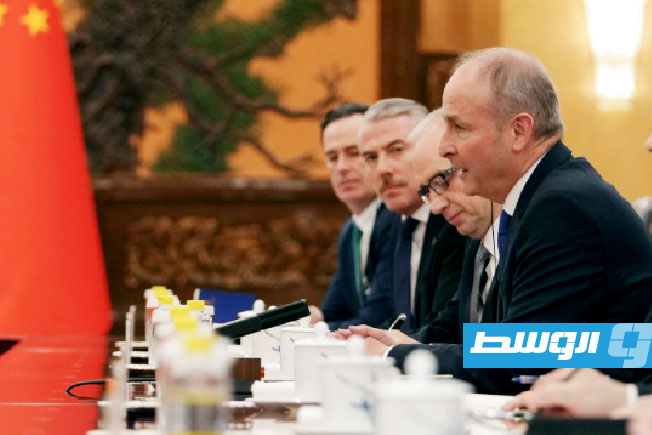
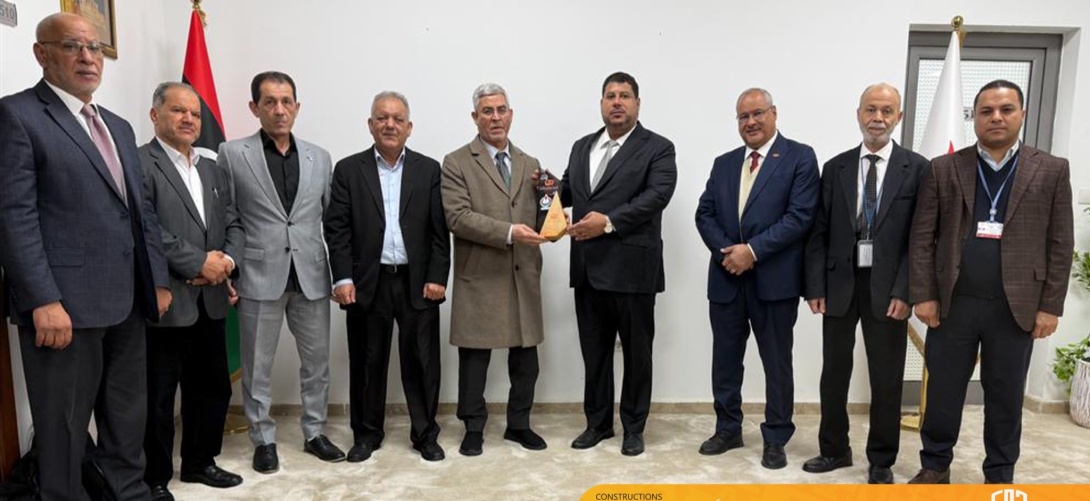
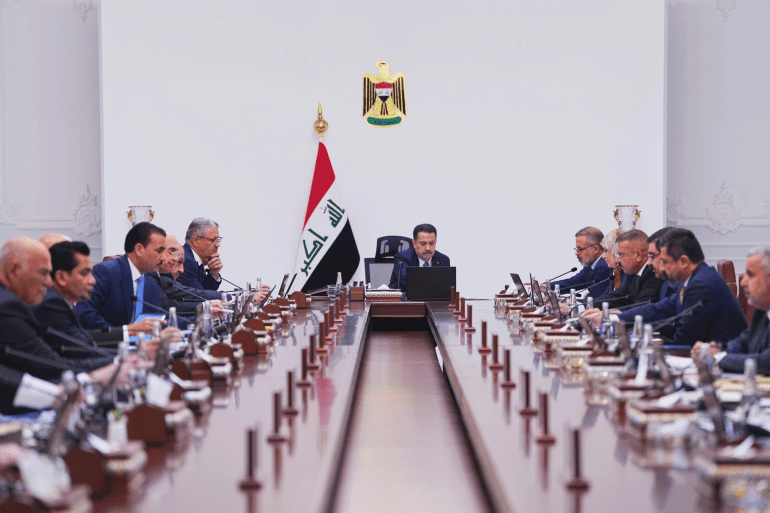
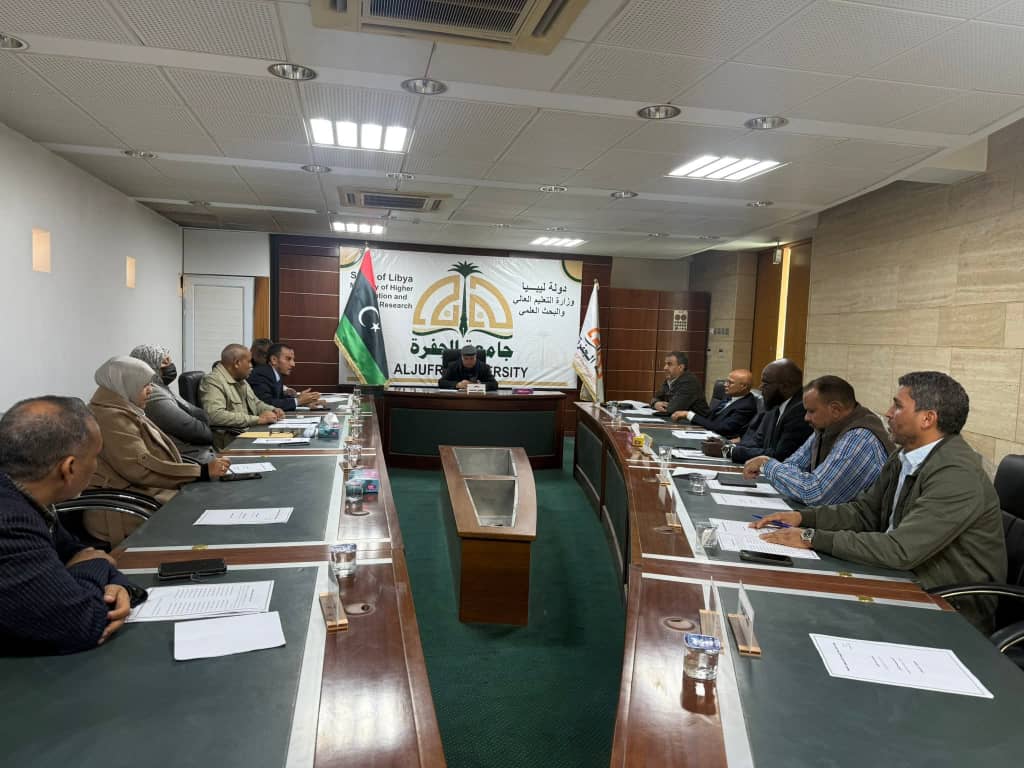
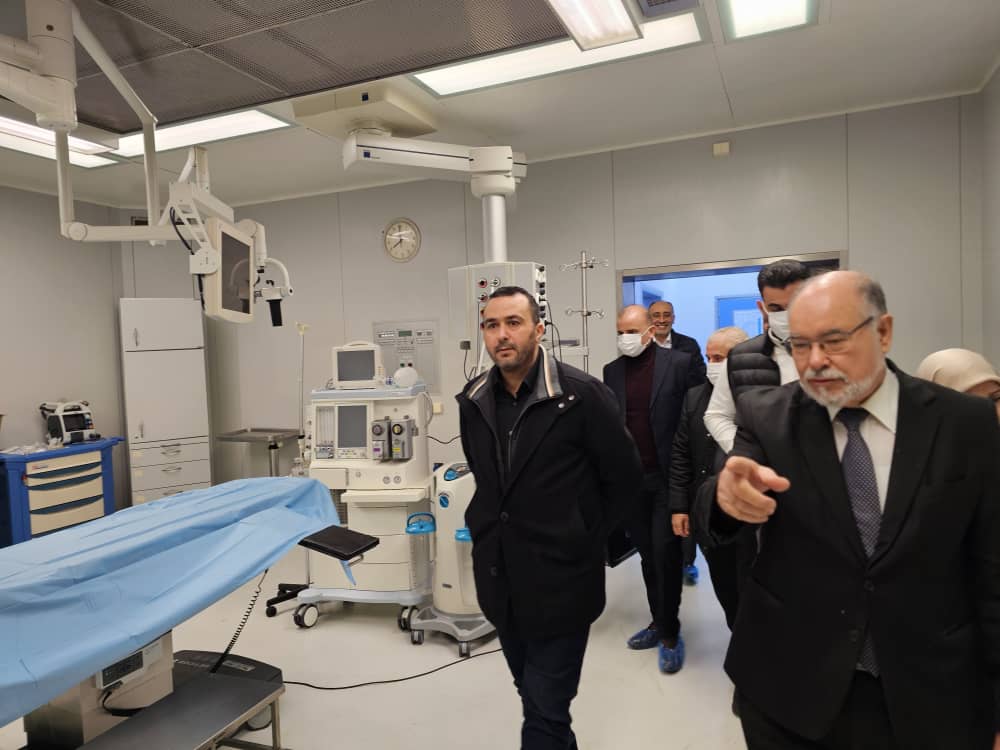
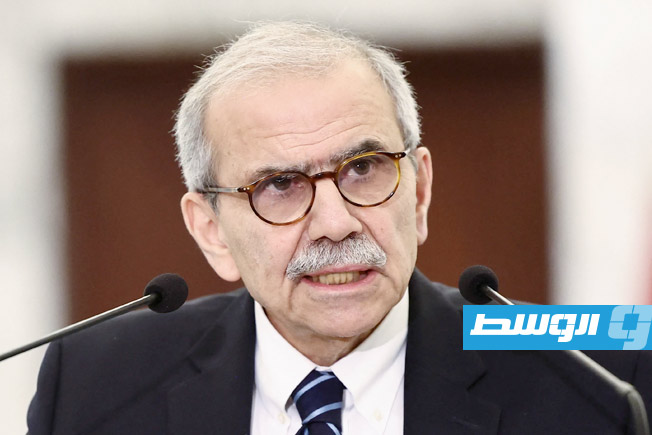
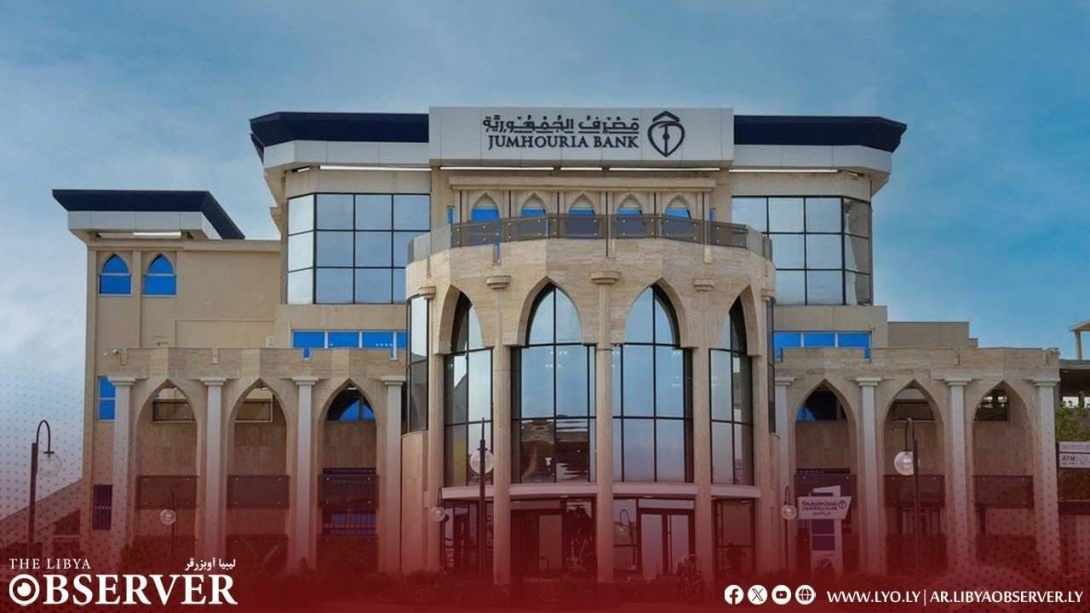
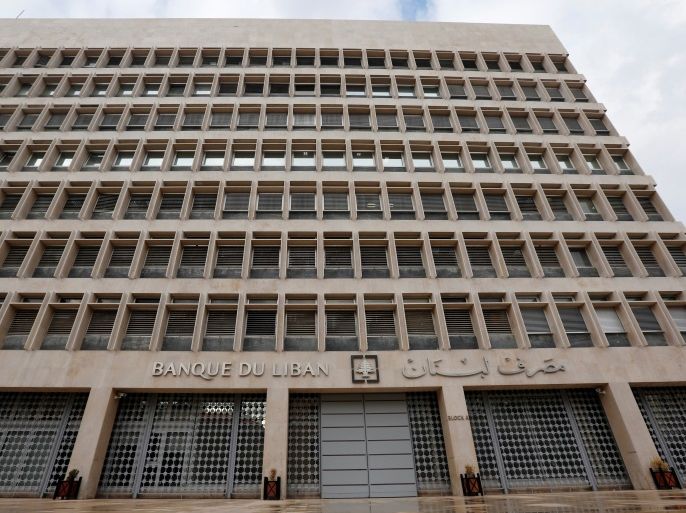
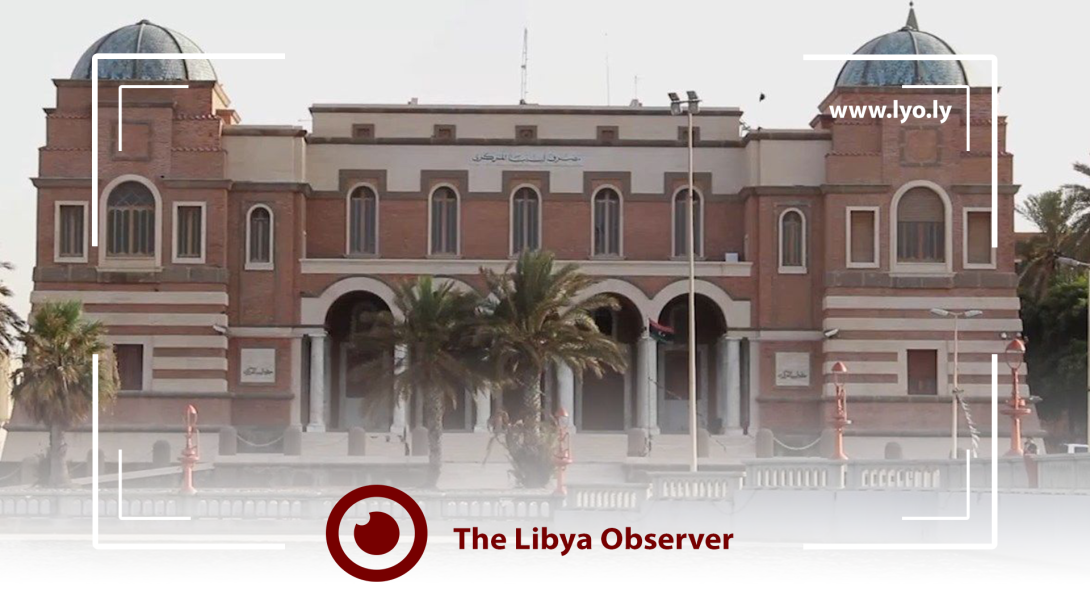
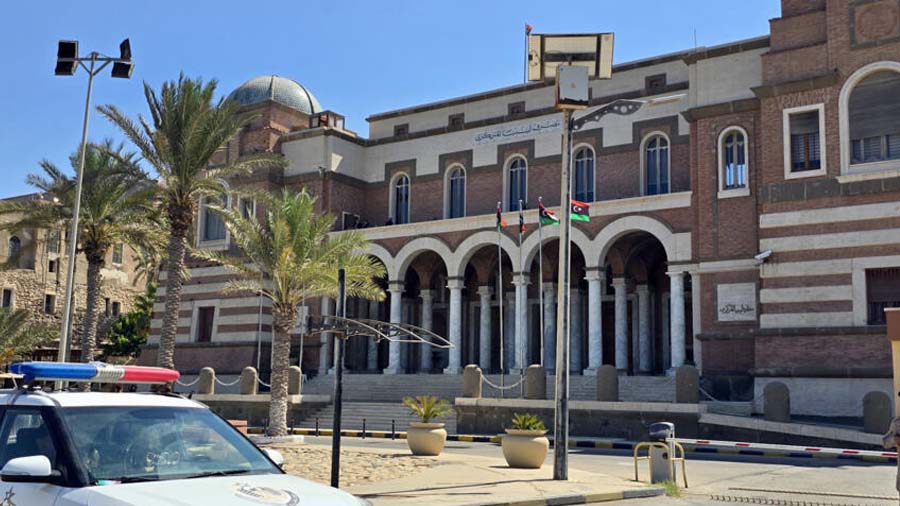
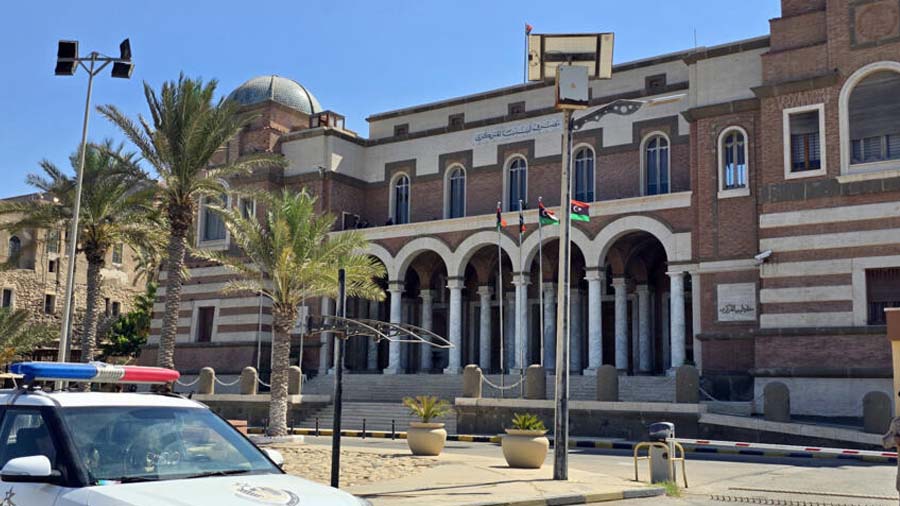
The meeting brought together the head of the Audit Bureau, the governor of the Central Bank, the chairman of the National Oil Corporation’s management committee, the ministers of finance and economy, the undersecretary of the Ministry of Finance, and the secretary-general of the Council of Ministers.
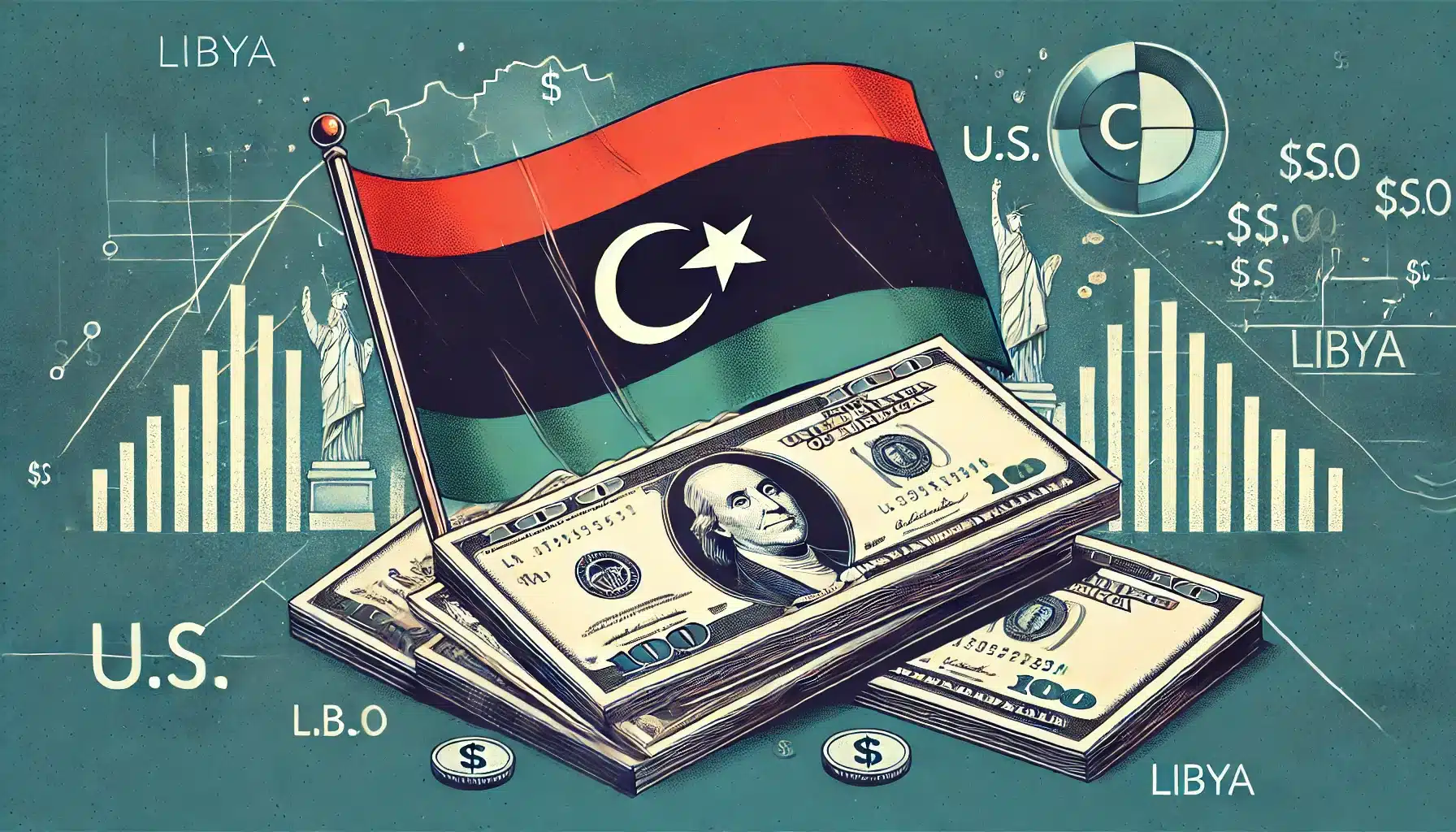
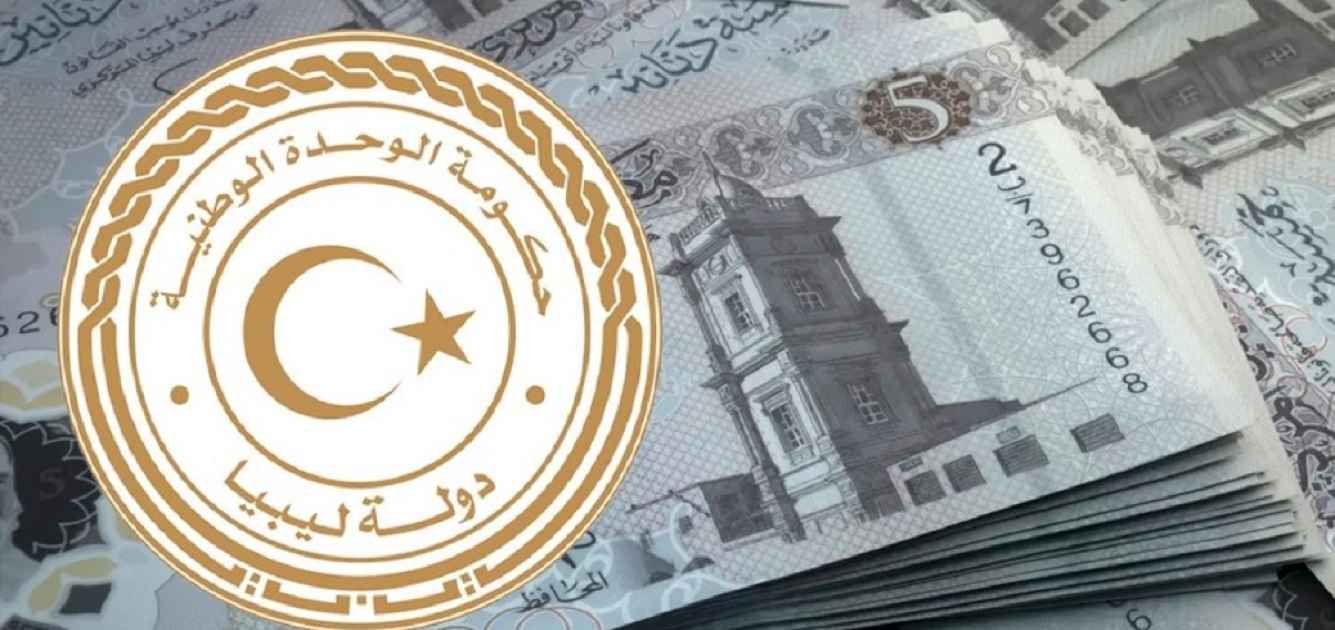
According to a statement from the Attorney General’s Office, investigators presented evidence of negative effects on the national economy linked to the use of letters of credit that do not reflect actual domestic needs for goods and commodities.
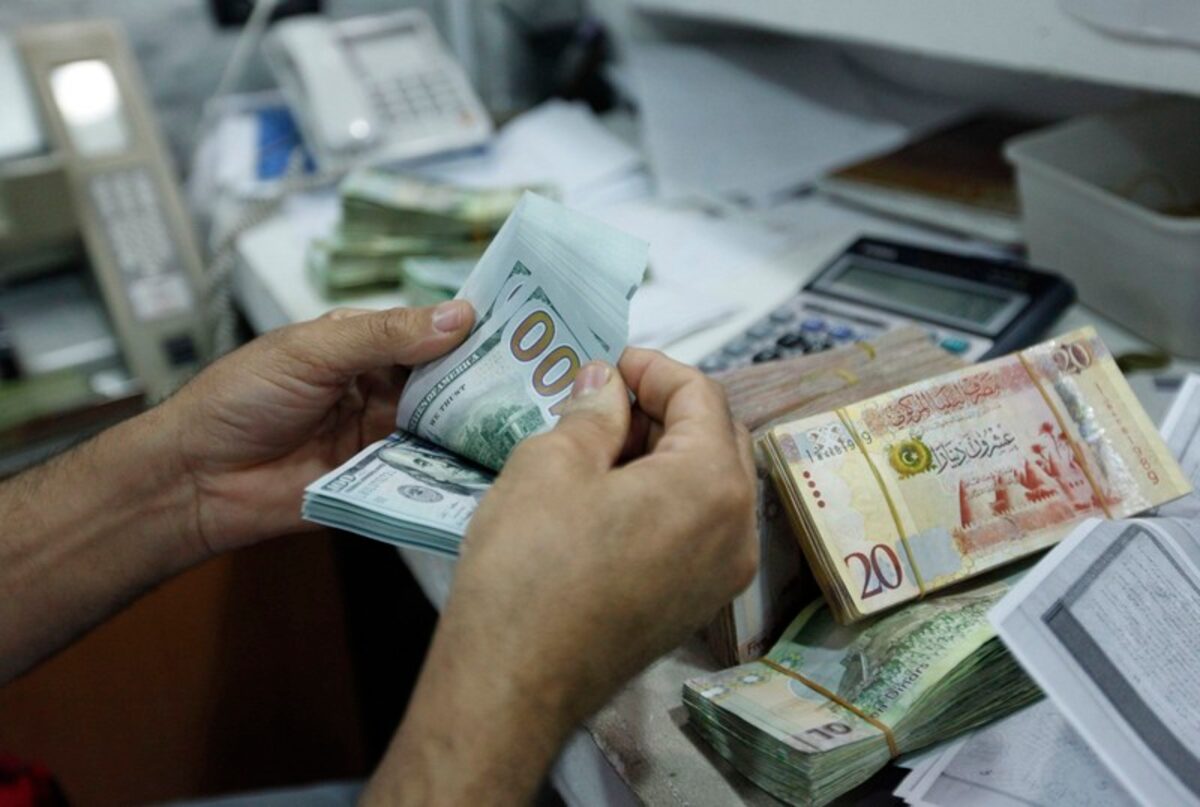
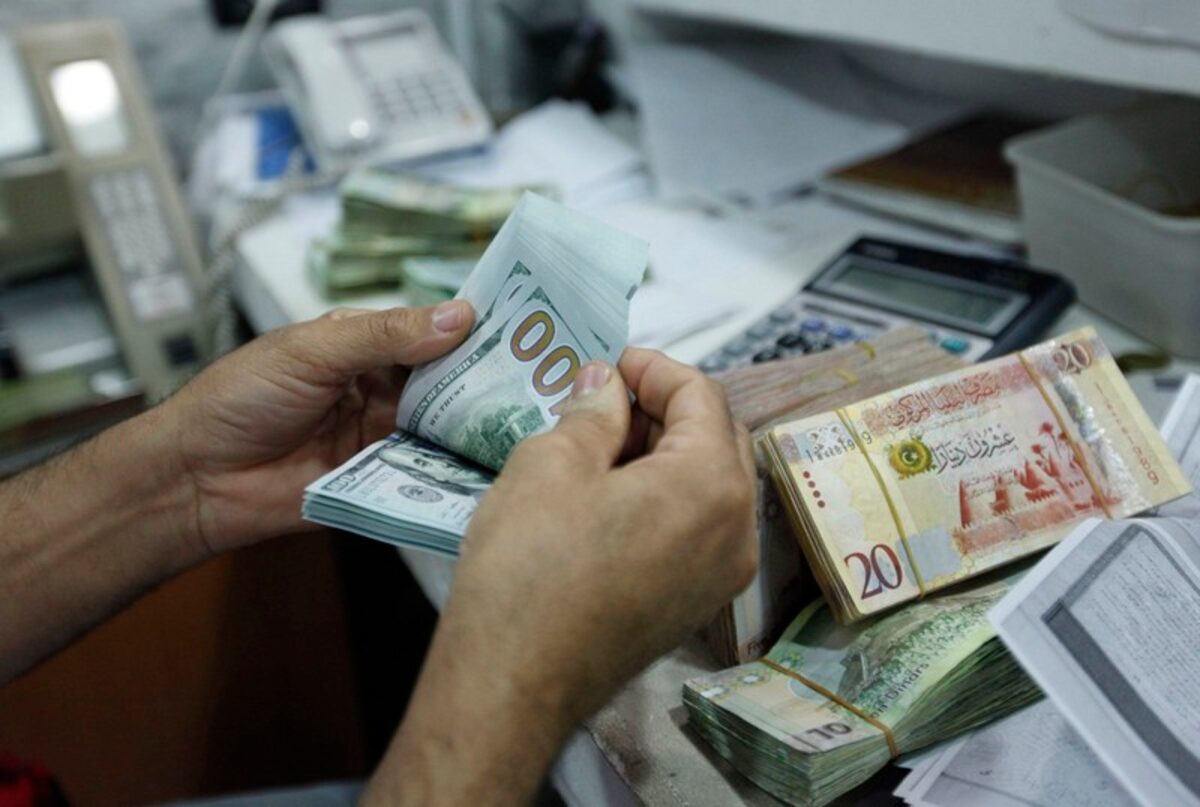
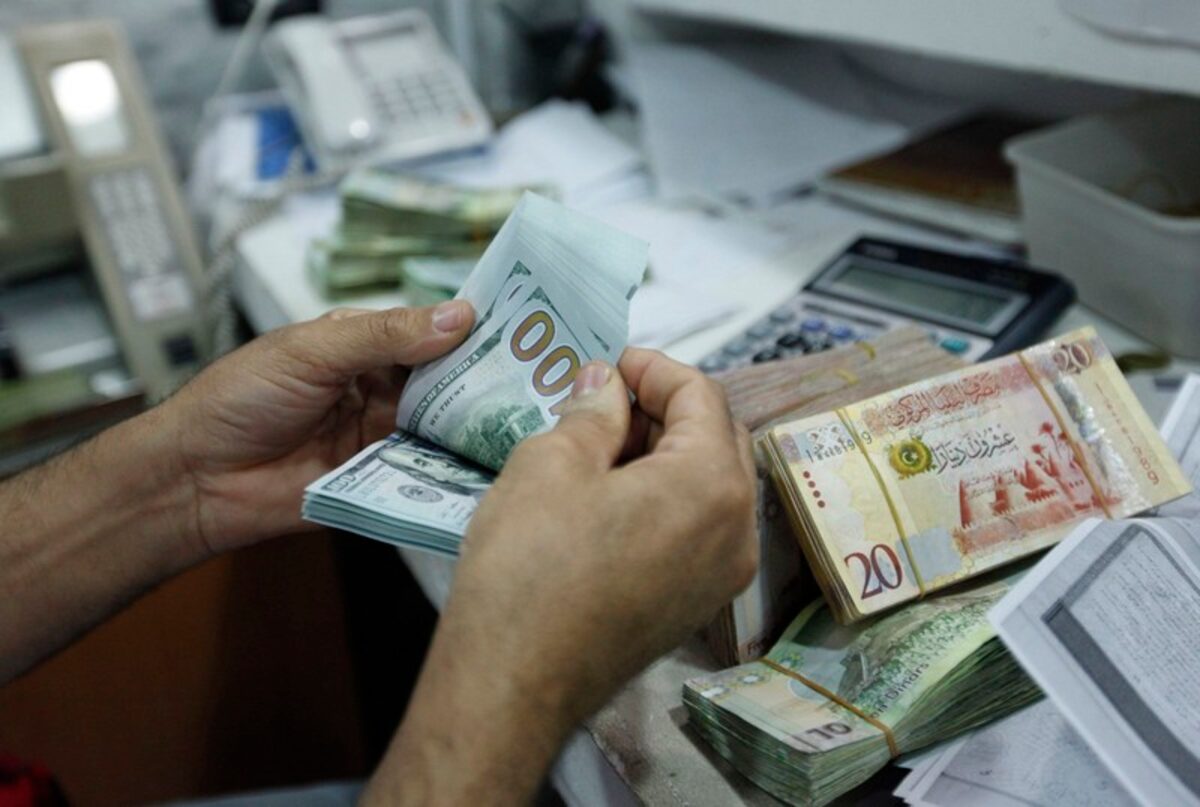
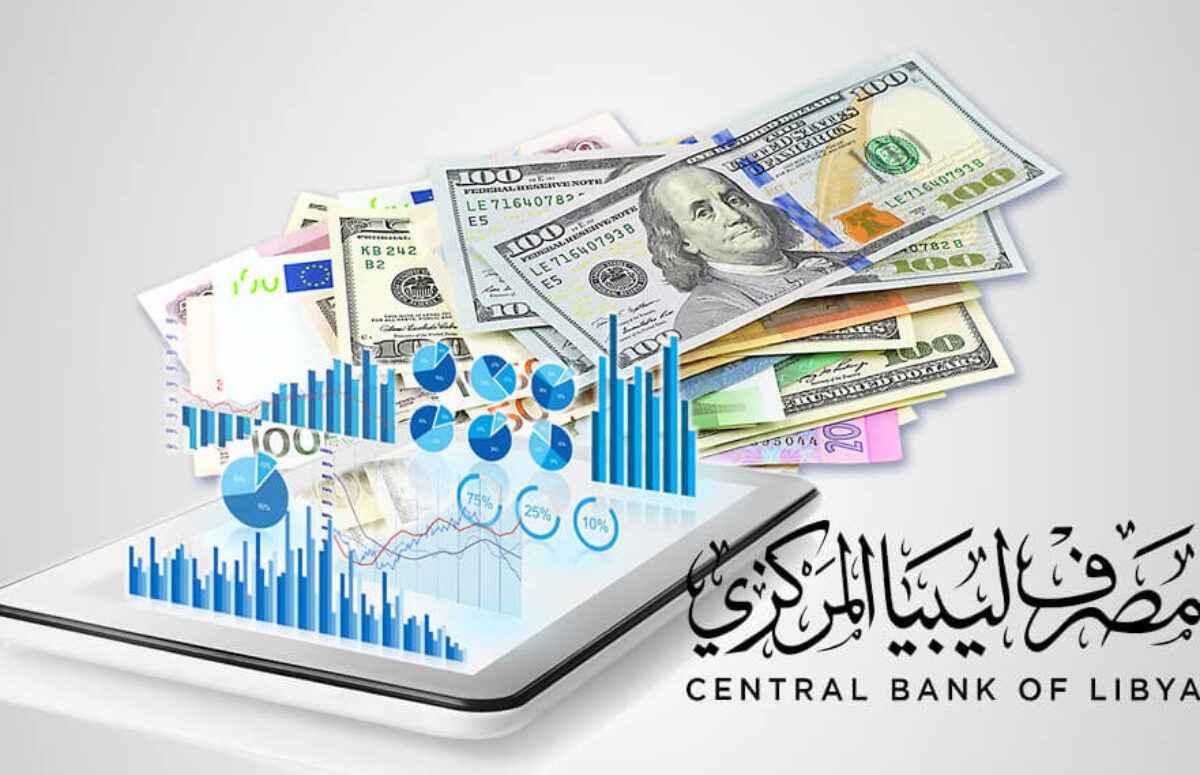
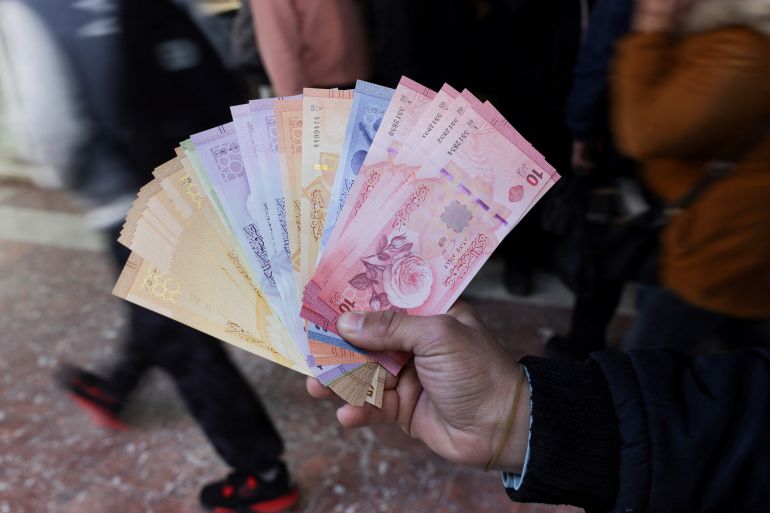
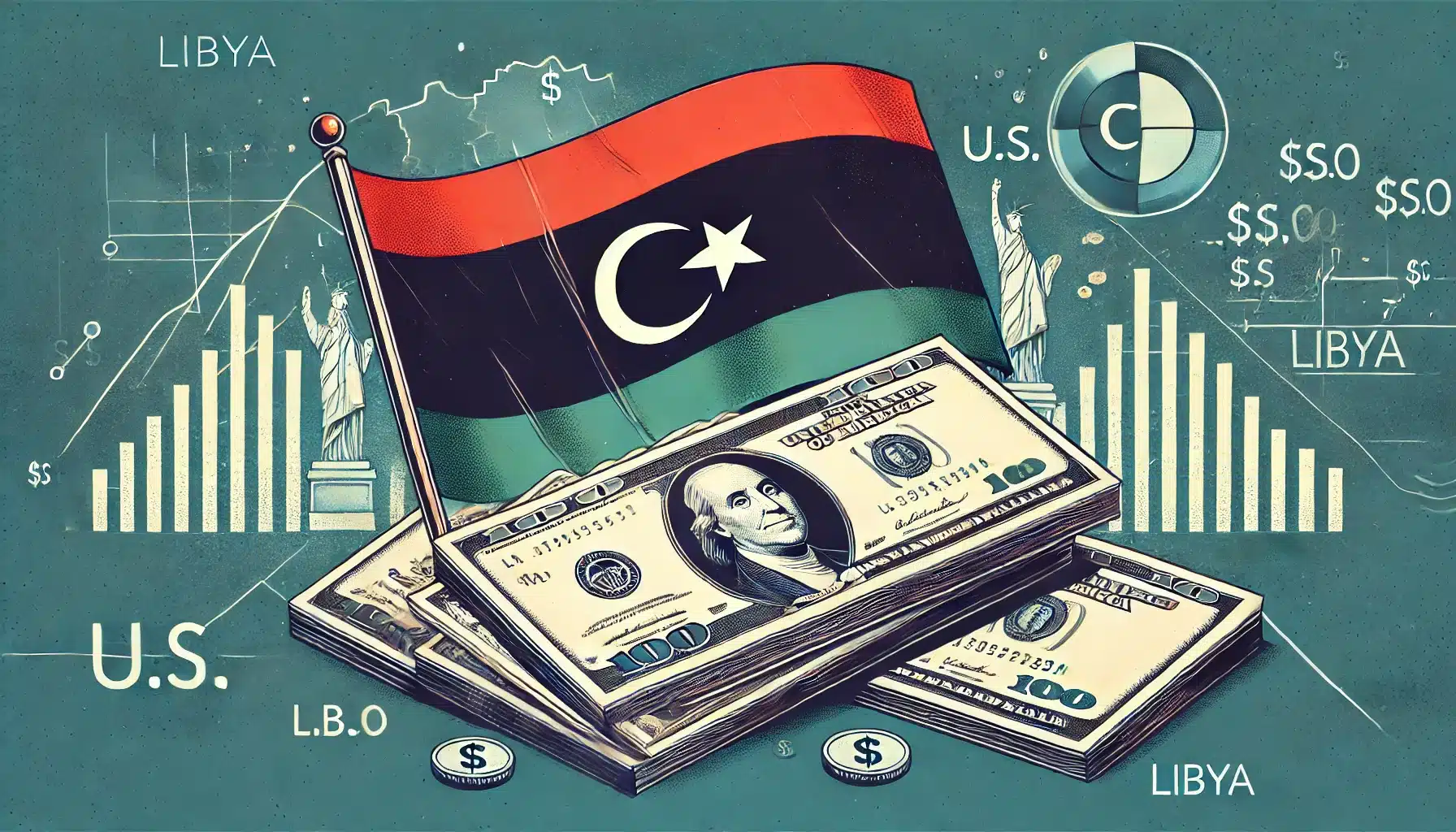
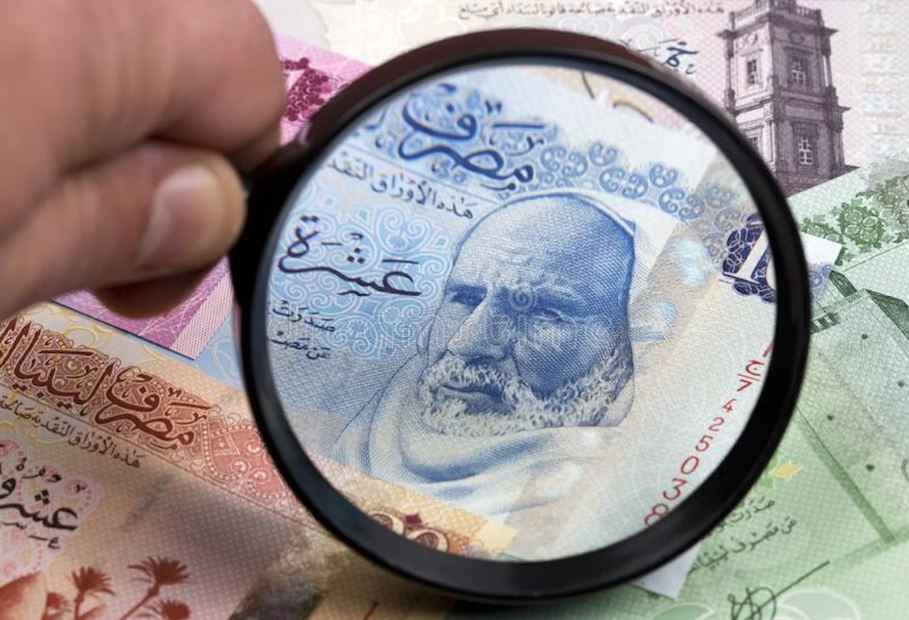
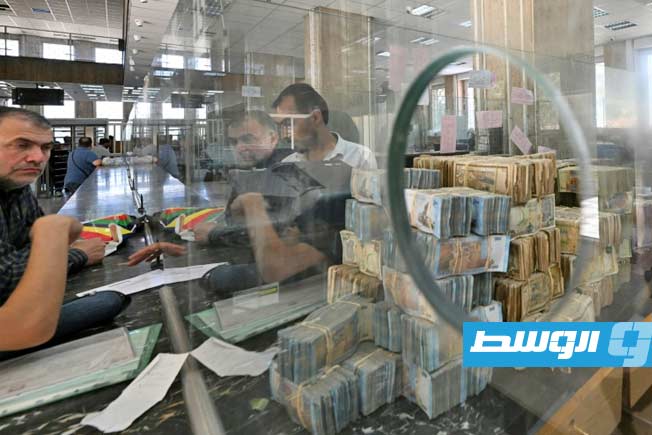
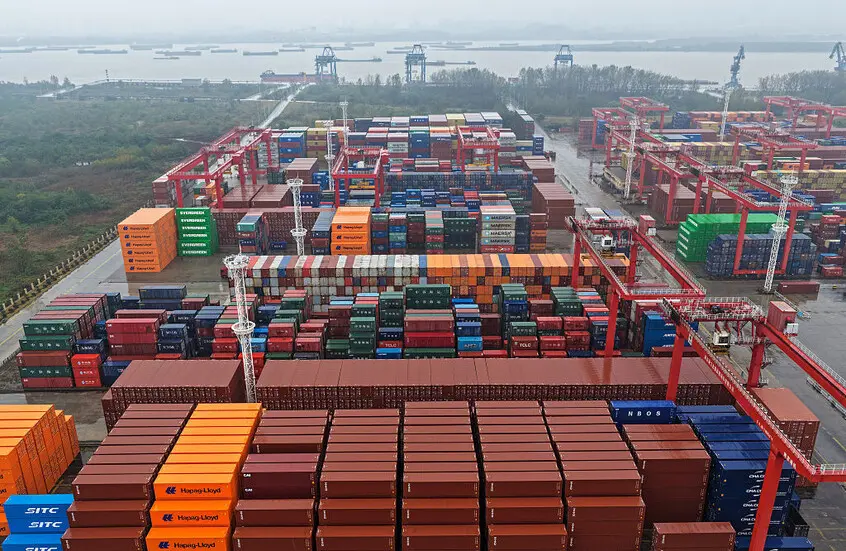
Officials also discussed gaps in import systems that authorities say have been exploited for personal gain through foreign currency trading on the parallel market.
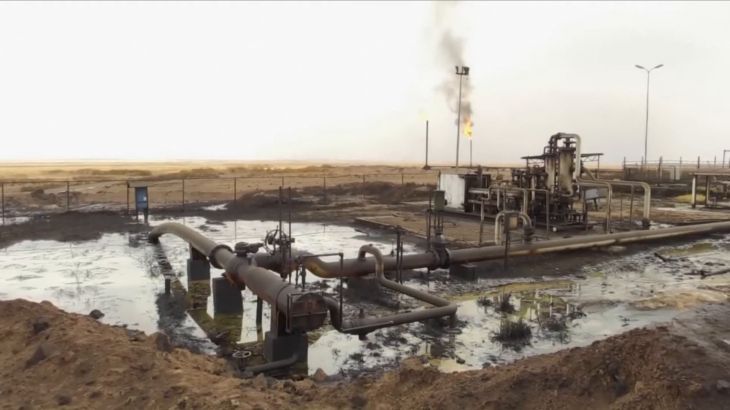
Participants reviewed proposed judicial and administrative measures aimed at tightening import controls, addressing deficiencies in the petroleum derivatives sector, and supporting investigations into economic and financial crimes and corruption in both the public and private sectors.
The statement added that officials examined weaknesses in import management systems, efforts to curb the smuggling of foreign currency under the pretext of imports, and the positive outcomes of using public tenders to import fuel.
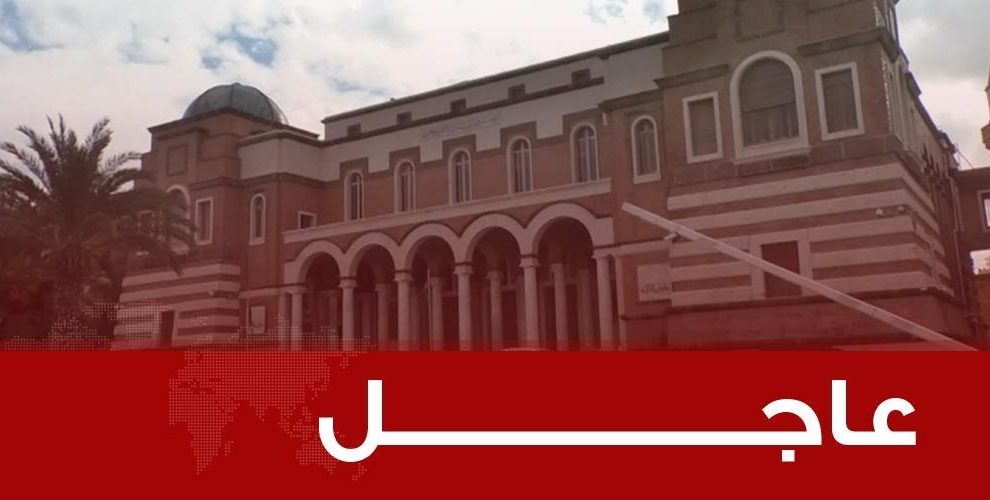
The meeting concluded with a discussion of obstacles affecting the orderly management of foreign currency and proposals to address them.
Attorney General
The Attorney General is the chief legal advisor to the government and head of the public prosecution service in many countries, such as the United States and the United Kingdom. The office has historical roots in England dating to the 13th century, evolving from the monarch’s personal lawyer into a key constitutional and legal officer.
Audit Bureau
The Audit Bureau is an independent government institution responsible for overseeing and auditing public finances to ensure transparency and accountability. Its history typically involves establishment through national legislation, often evolving alongside modern governance reforms to strengthen financial oversight and combat corruption.
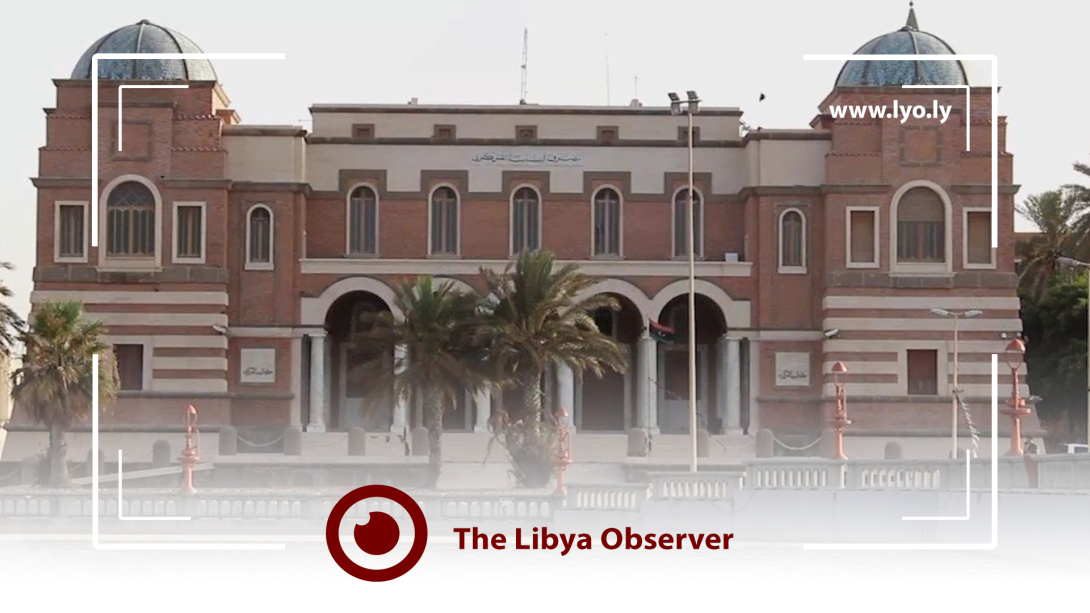
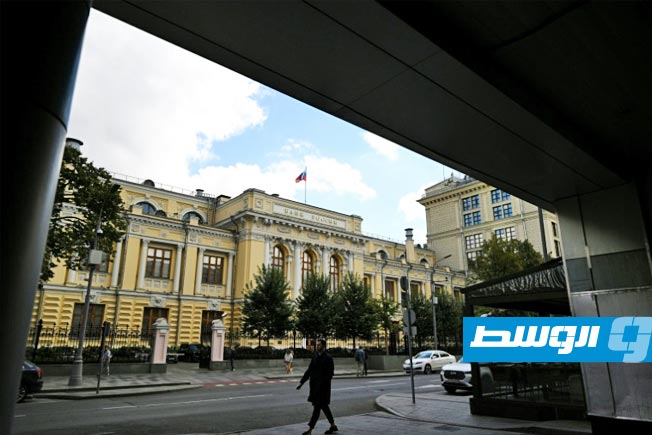
Central Bank
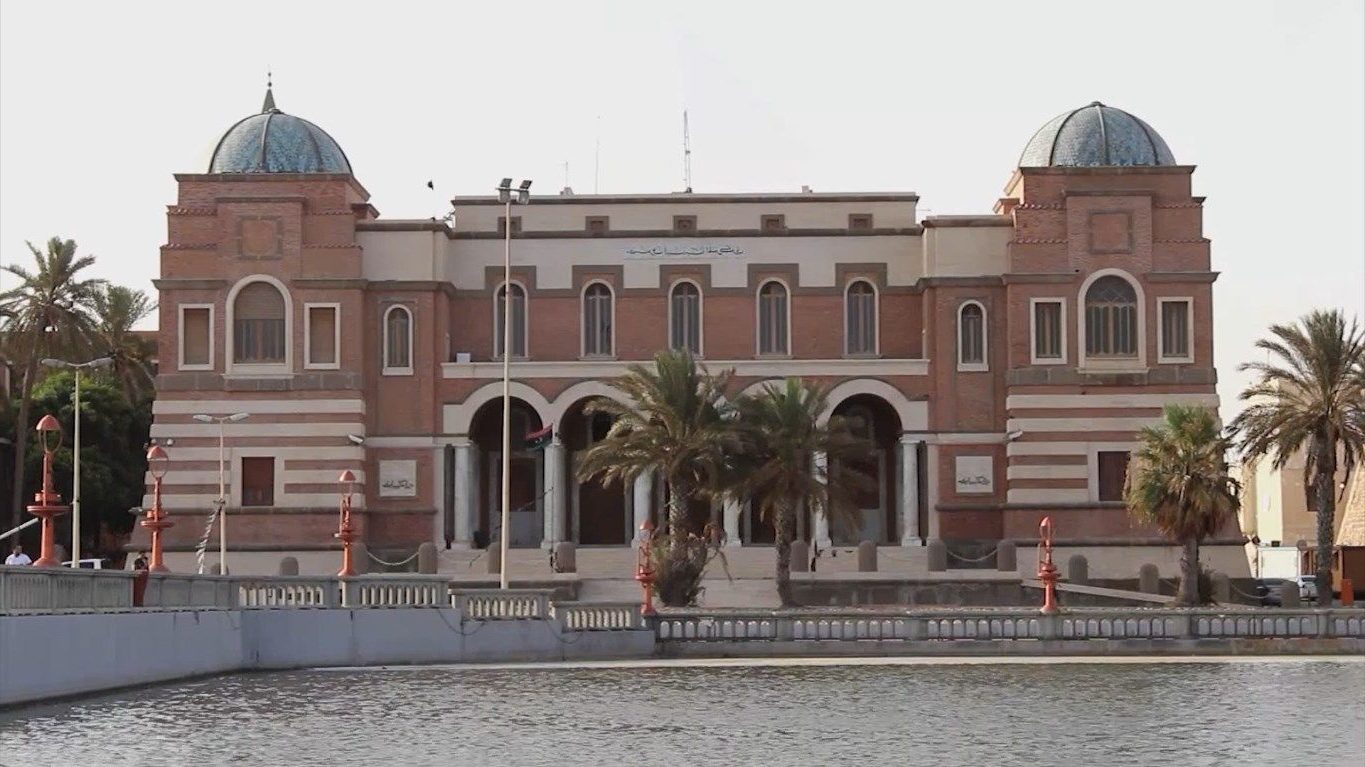
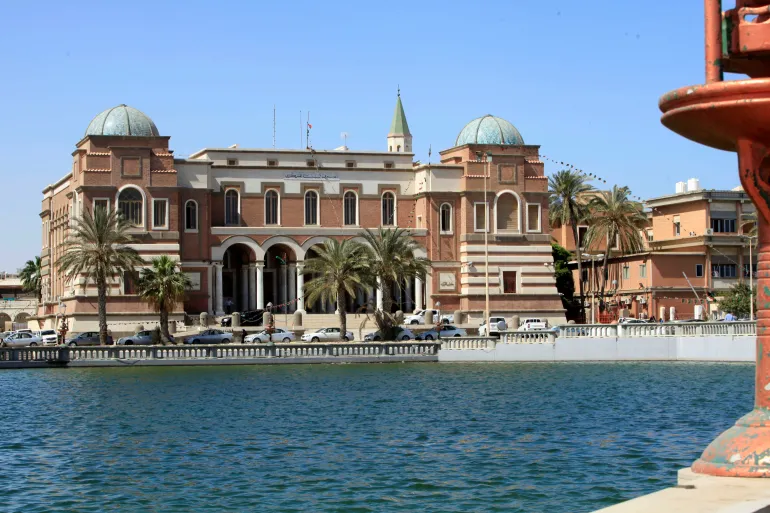
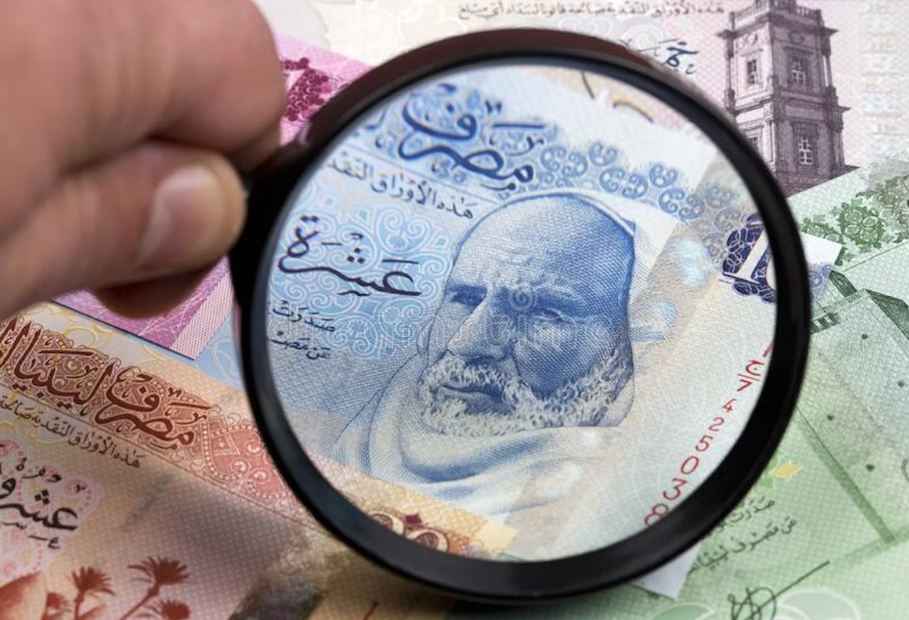
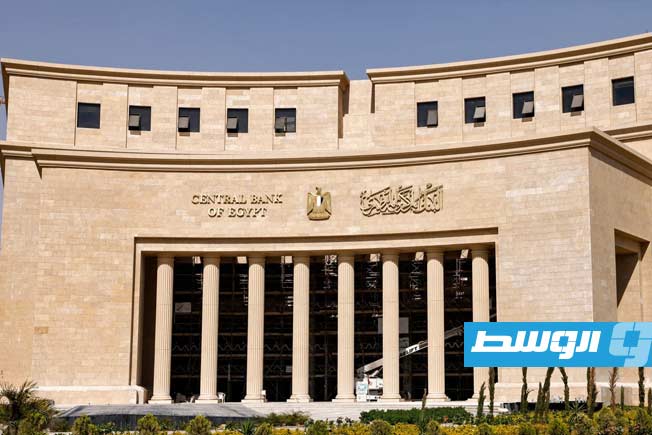
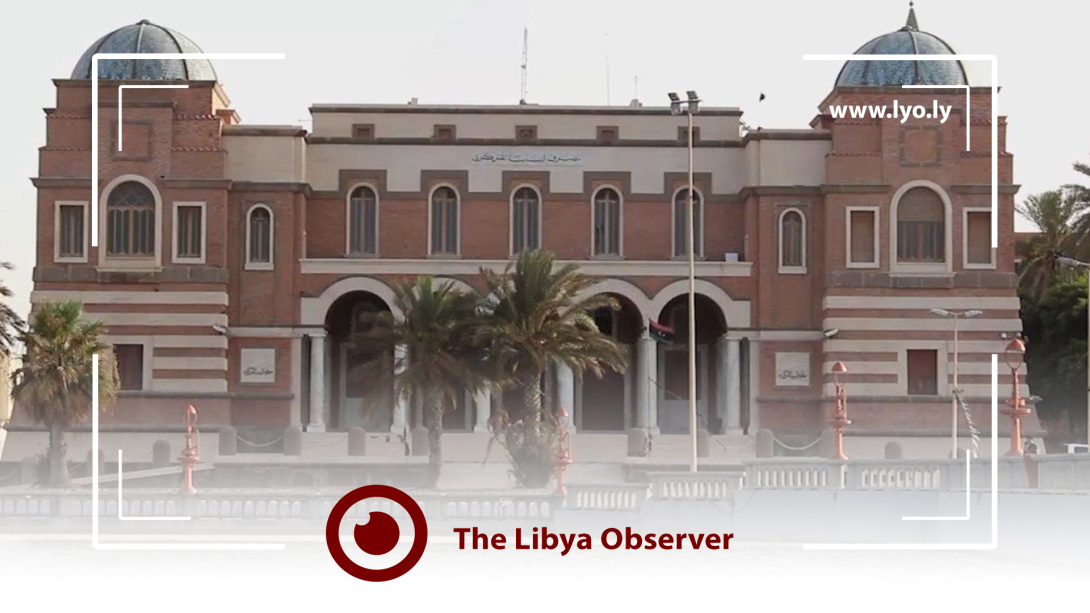
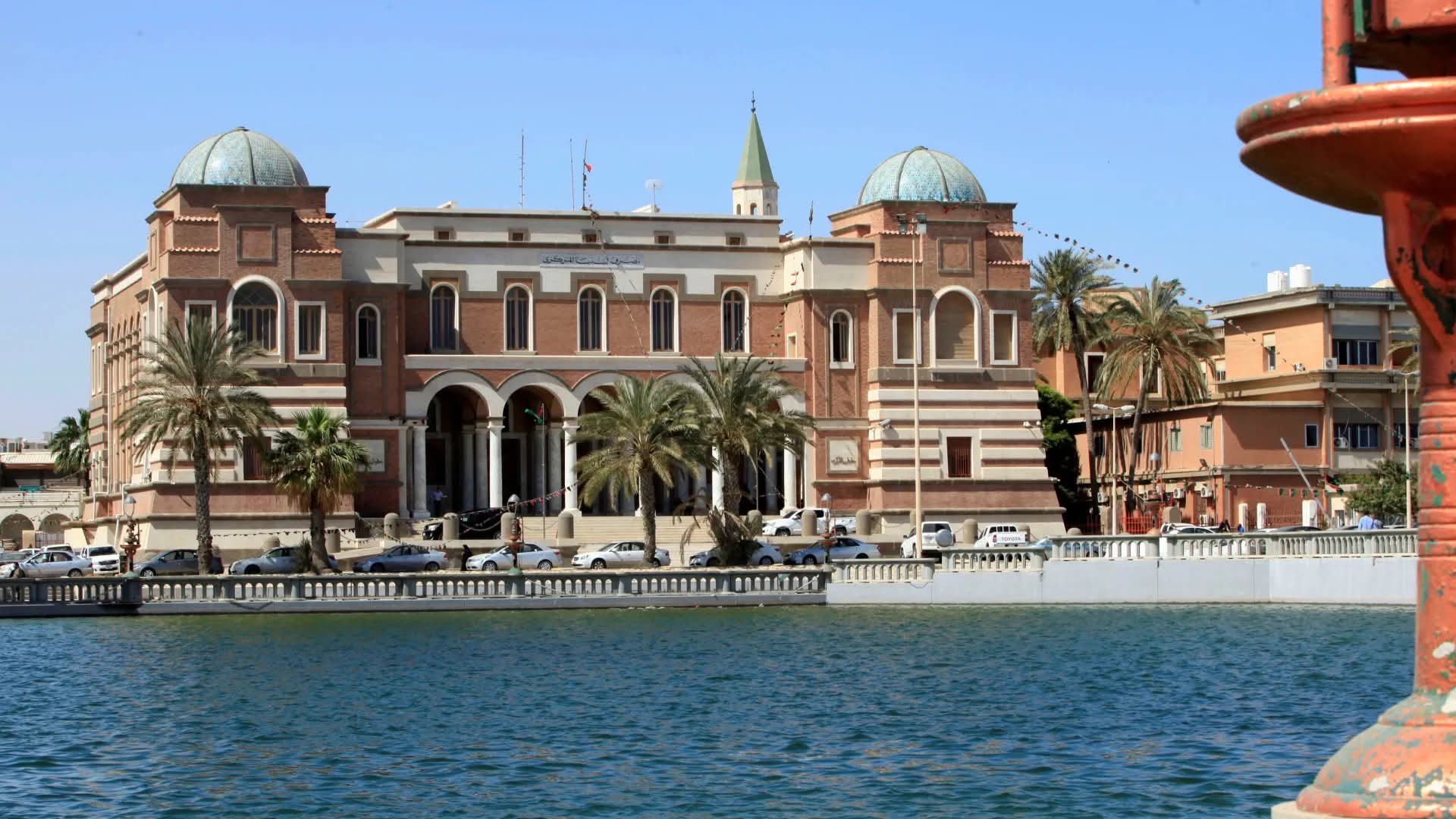
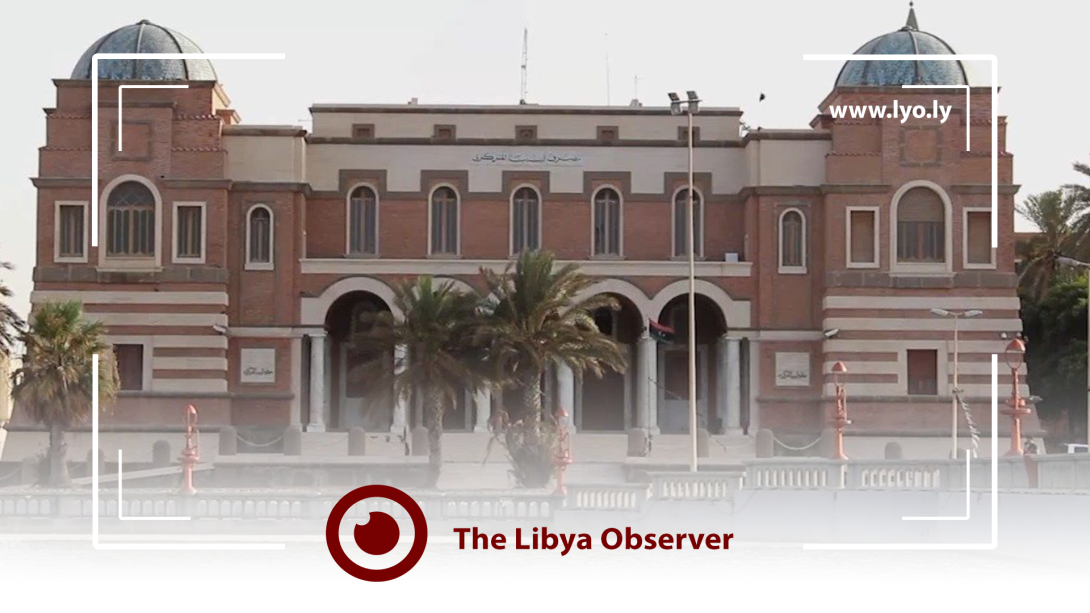
The Central Bank is a nation’s primary monetary authority, responsible for managing currency, controlling inflation, and ensuring financial stability. Its modern form emerged in the 17th century, with Sweden’s Riksbank (1668) and the Bank of England (1694) being among the earliest examples established to fund government debt and regulate commercial banks.
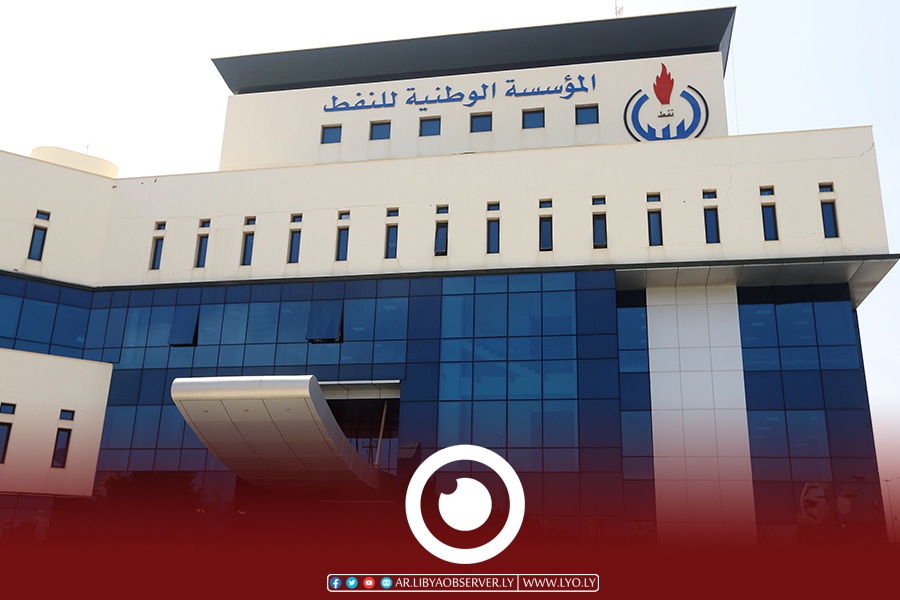
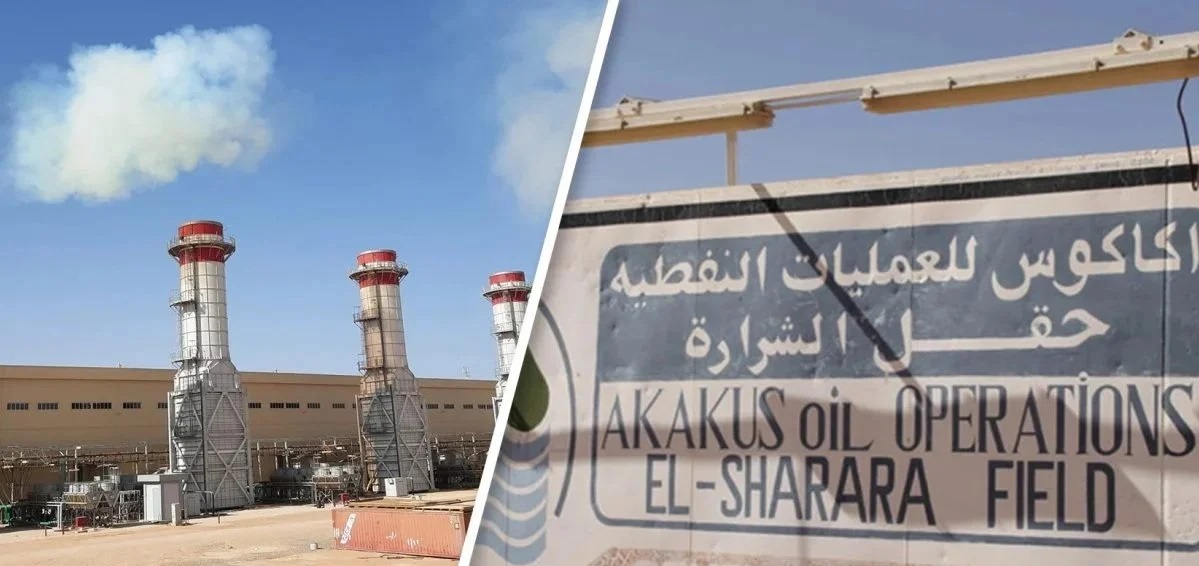
National Oil Corporation
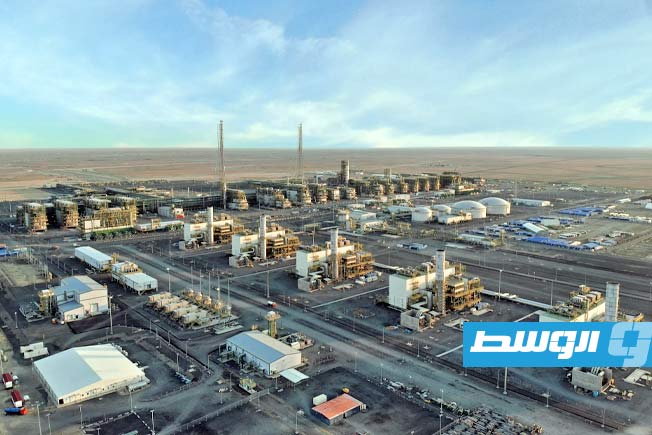
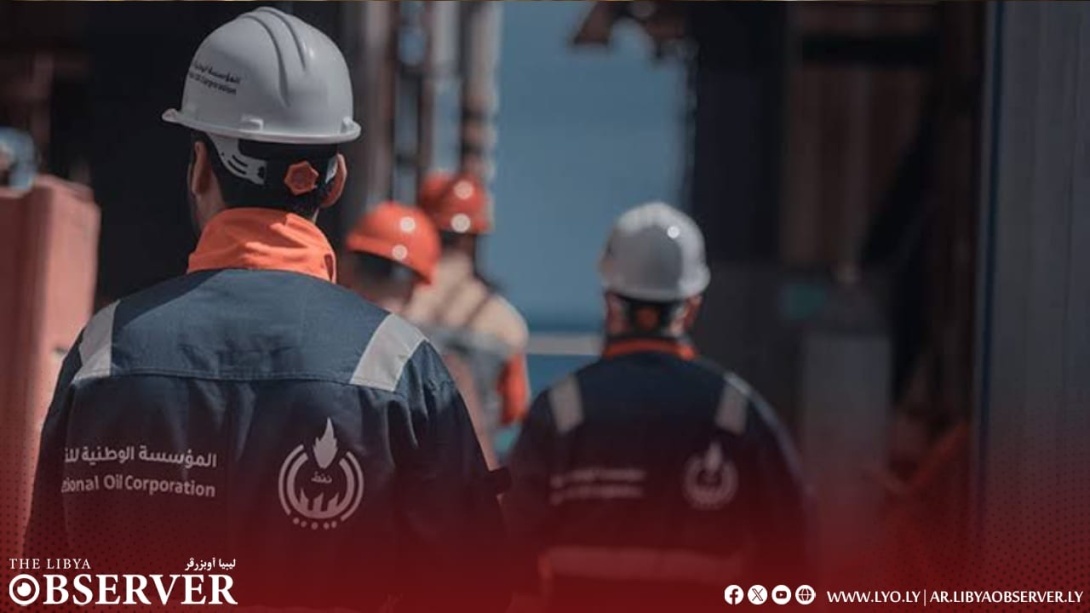
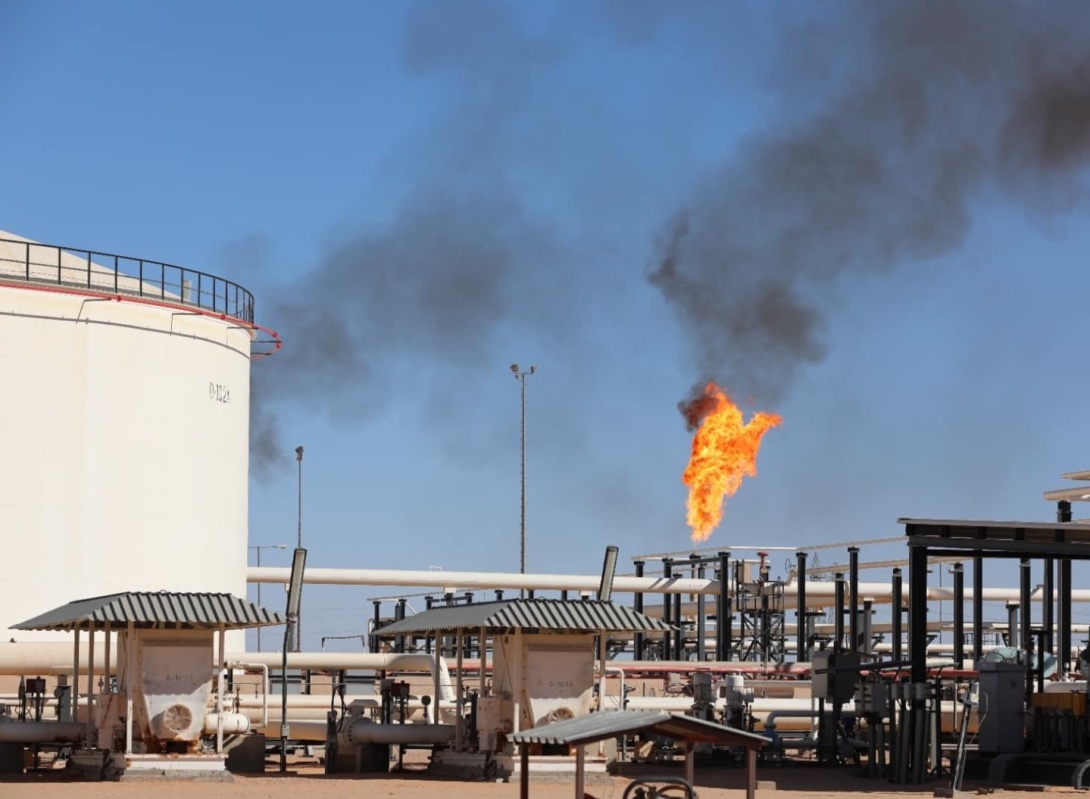
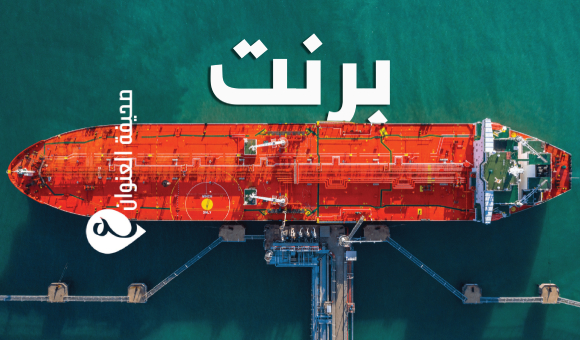
The National Oil Corporation (NOC) is the state-owned oil company of Libya, established in 1970 to manage the country’s petroleum resources. It oversees all aspects of Libya’s oil and gas sector, from exploration to export, and has been a central pillar of the national economy since its founding.
Ministry of Finance
The Ministry of Finance is a key government department responsible for managing national revenue, fiscal policy, and public expenditure. Its origins in many countries trace back to the establishment of modern state treasuries, often evolving from ancient offices like the Exchequer in England or the *Ministère des Finances* in France. Today, such ministries play a central role in economic planning, taxation, and budget formulation.
Ministry of Economy
The Ministry of Economy is a government department responsible for formulating and implementing national economic policy. Its history is tied to the modern development of the state it serves, typically evolving from earlier finance or trade offices to address broader economic planning, industry, and commerce.
Council of Ministers
The Council of Ministers is the principal executive and administrative authority of the European Union, responsible for proposing legislation and implementing decisions. It is composed of government ministers from each EU member state, with its origins tracing back to the founding treaties of the 1950s that established the European Communities.
Attorney General’s Office
The Attorney General’s Office is a key legal institution in many countries, typically responsible for representing the state in legal matters, providing legal advice to the government, and overseeing public prosecutions. Its history often dates to the early formation of a nation’s legal system, evolving from the role of the sovereign’s personal legal advisor into an independent or semi-independent department of state.