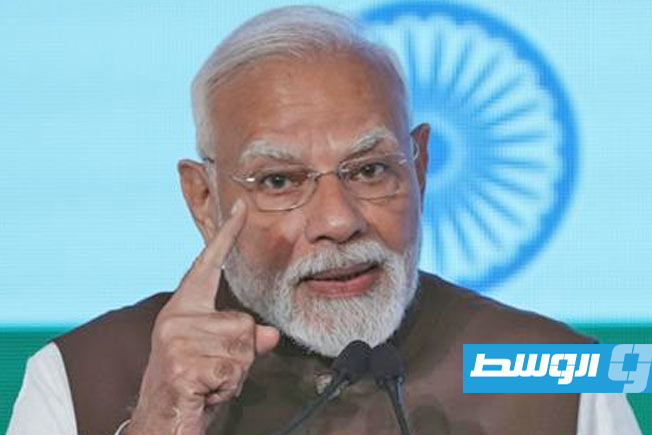
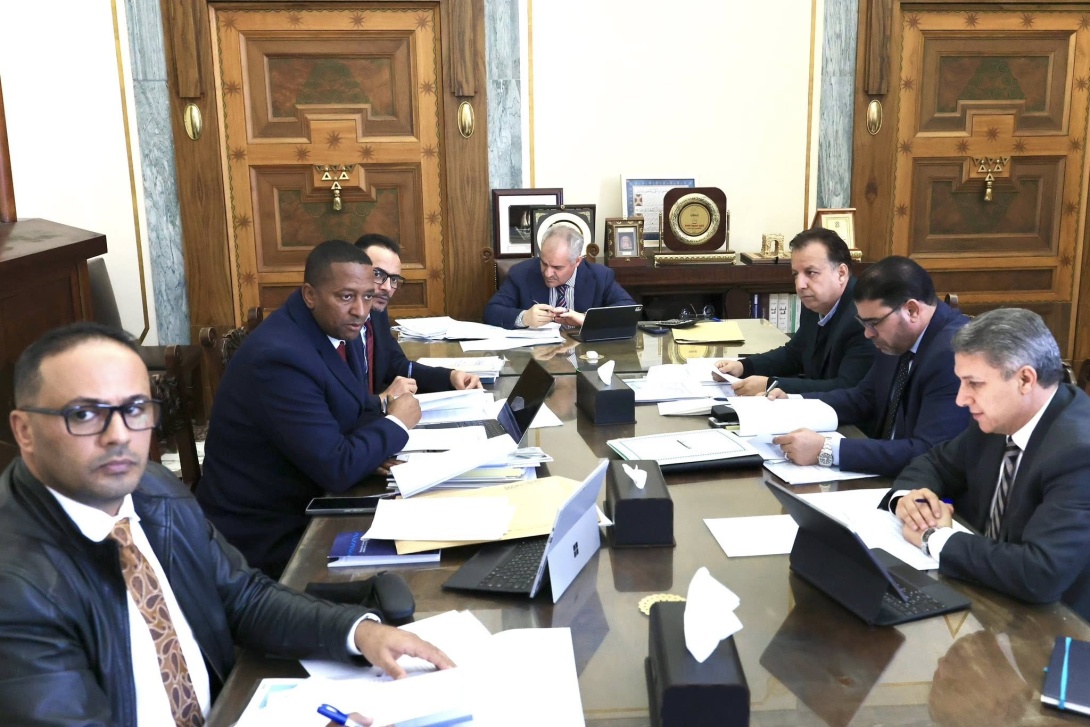
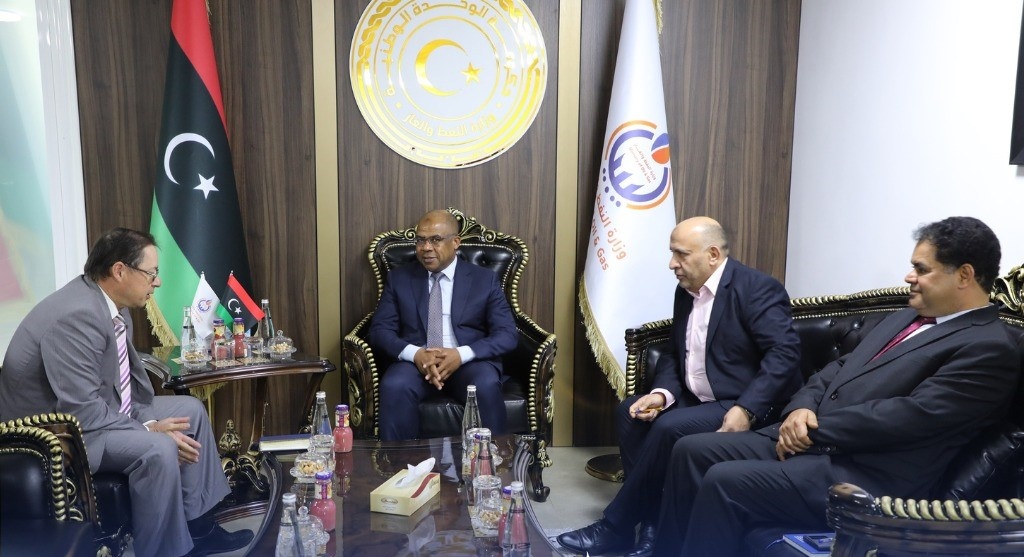
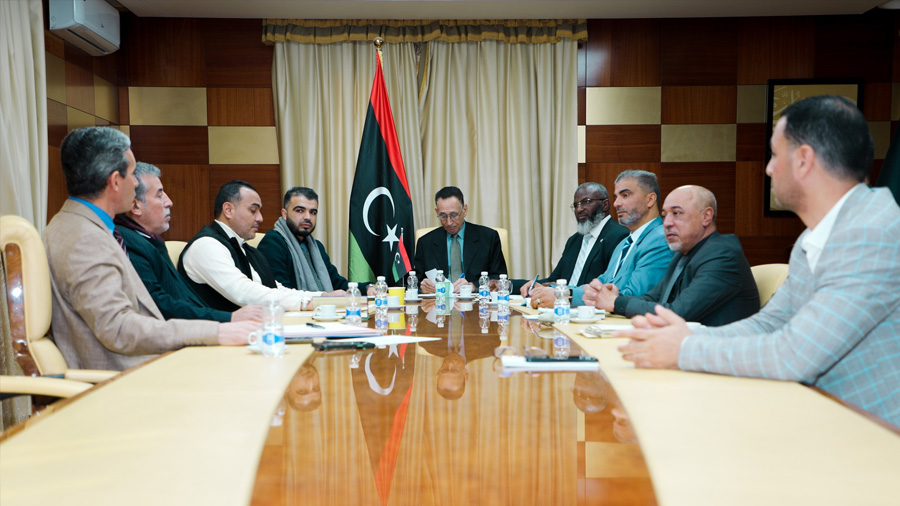
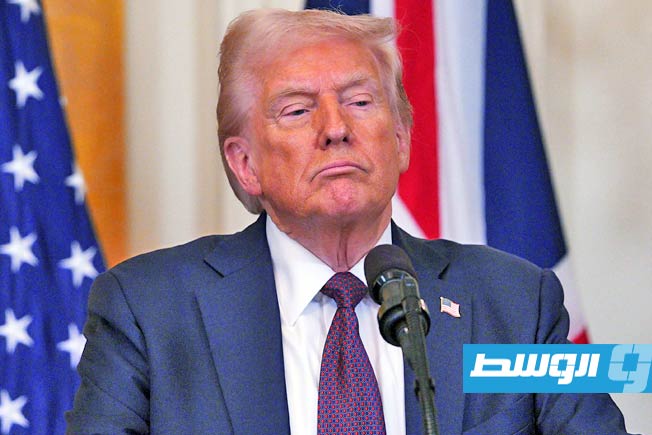
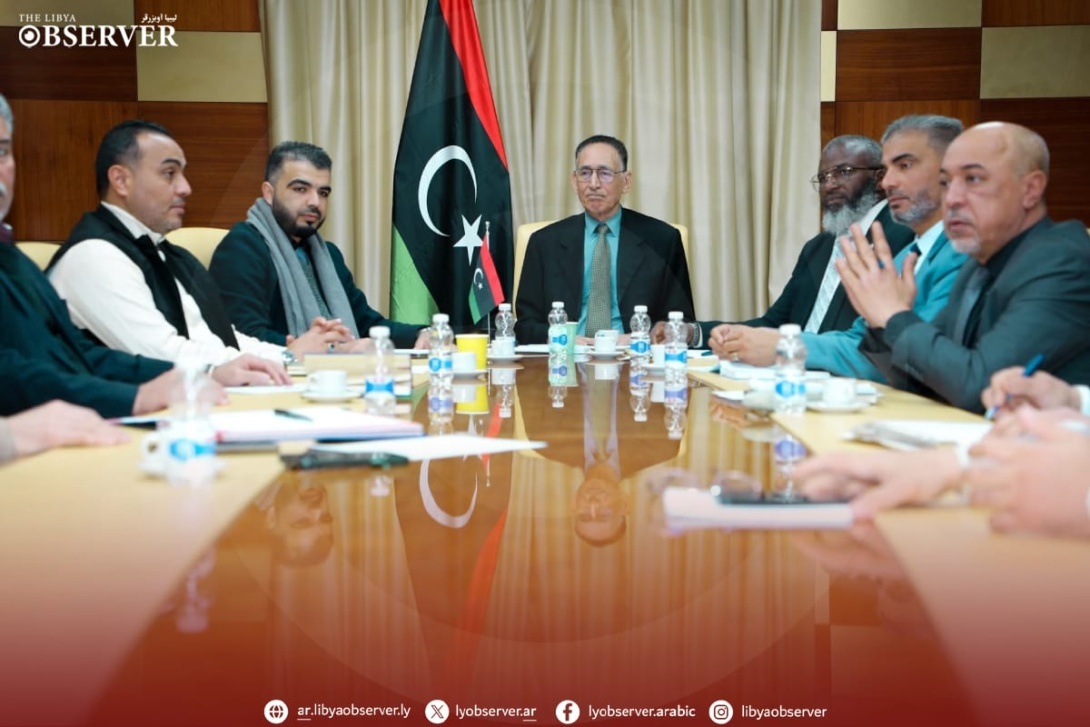
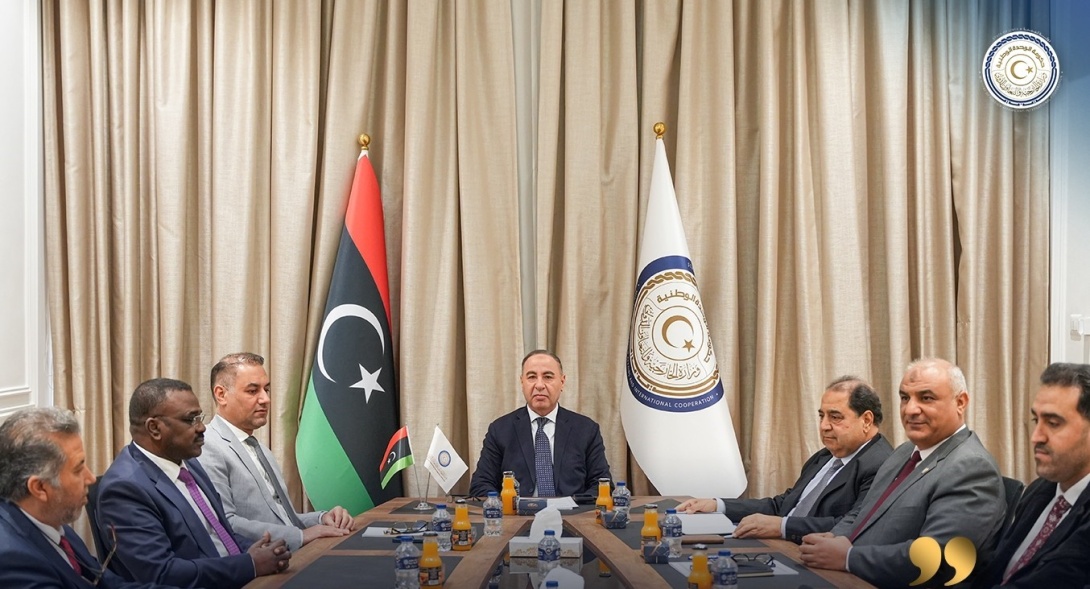
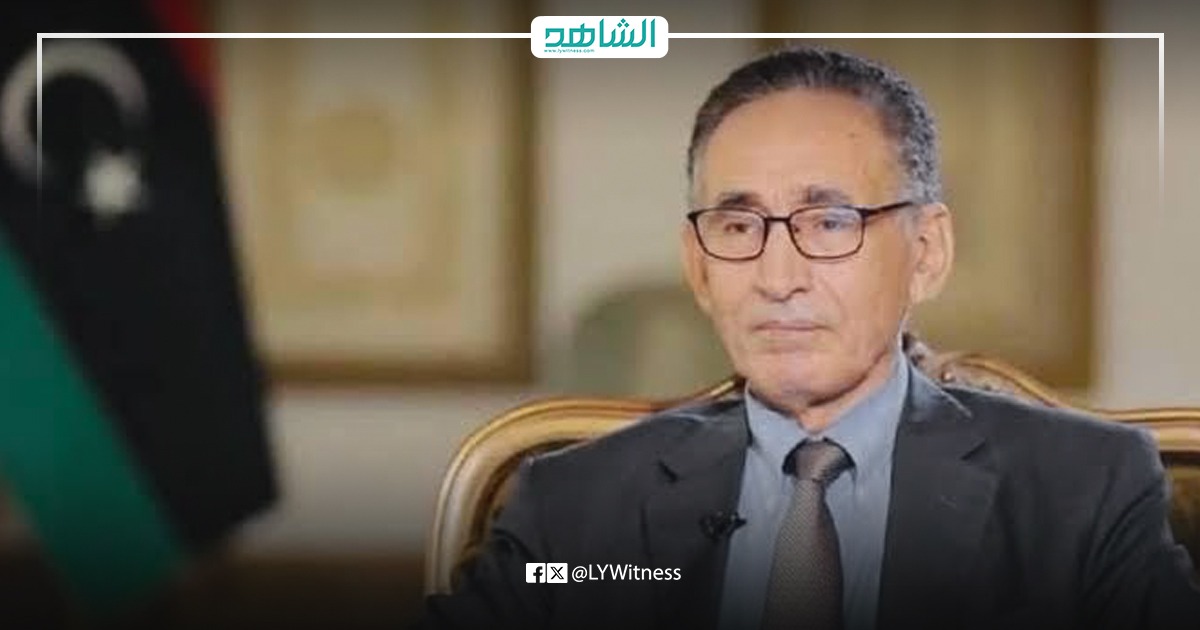
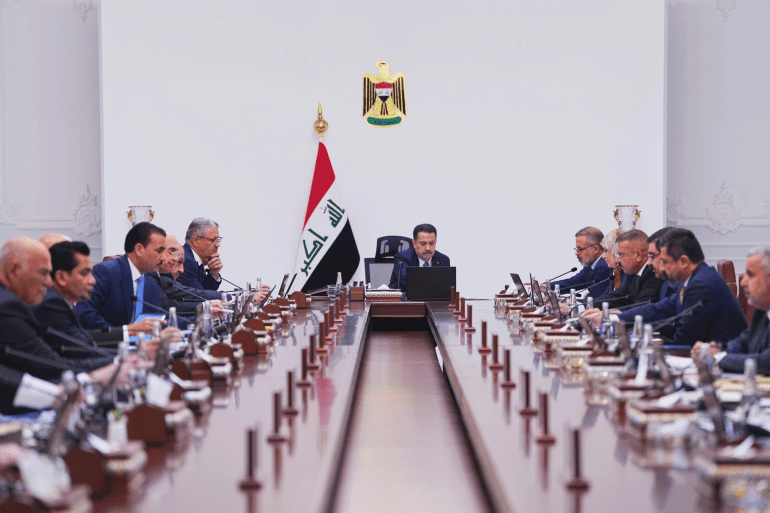
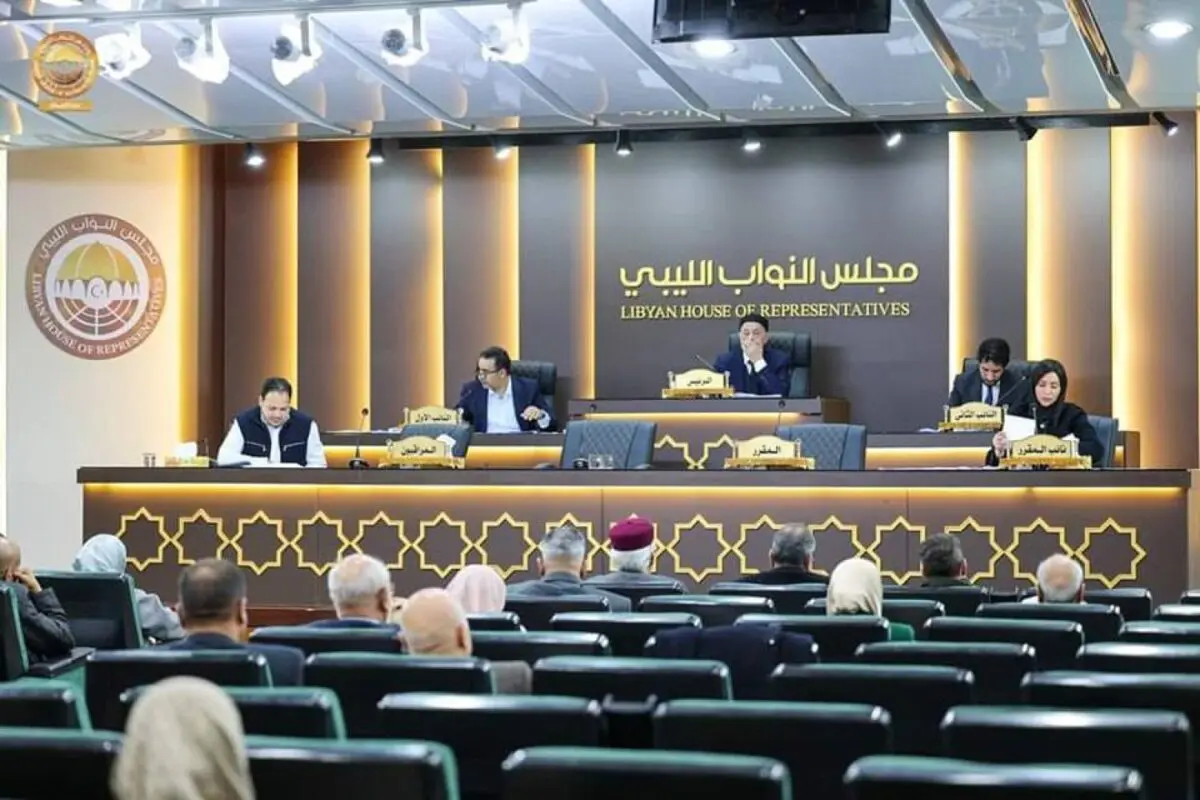
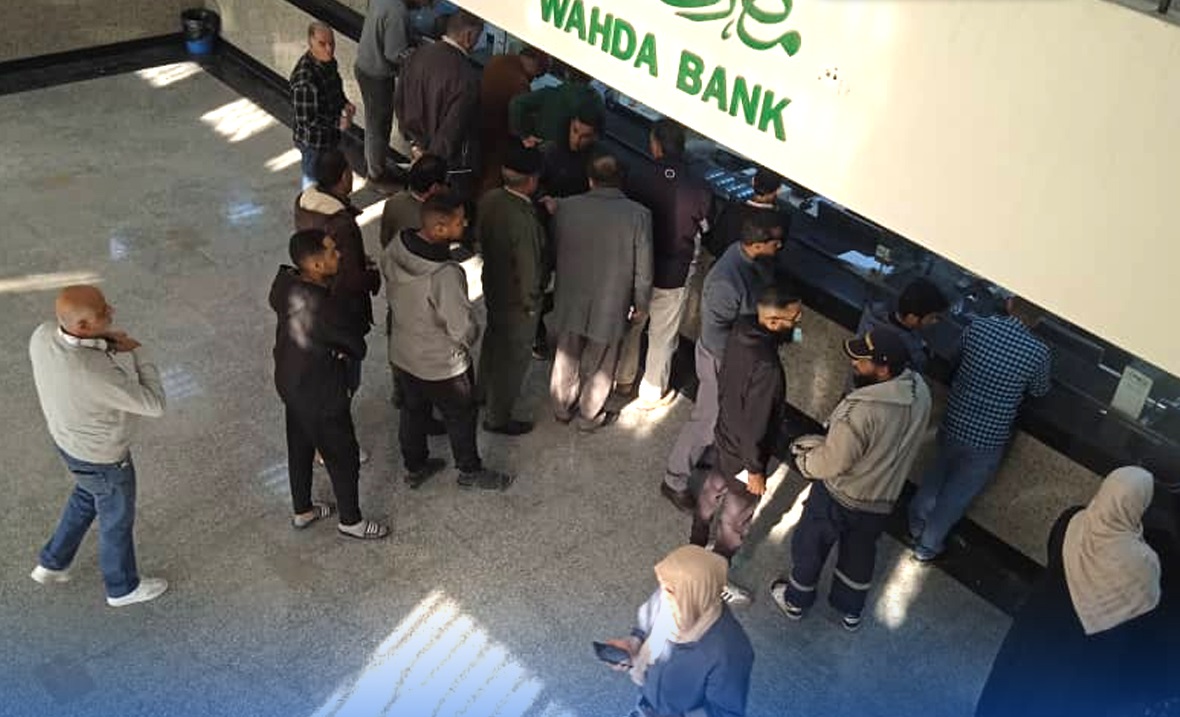
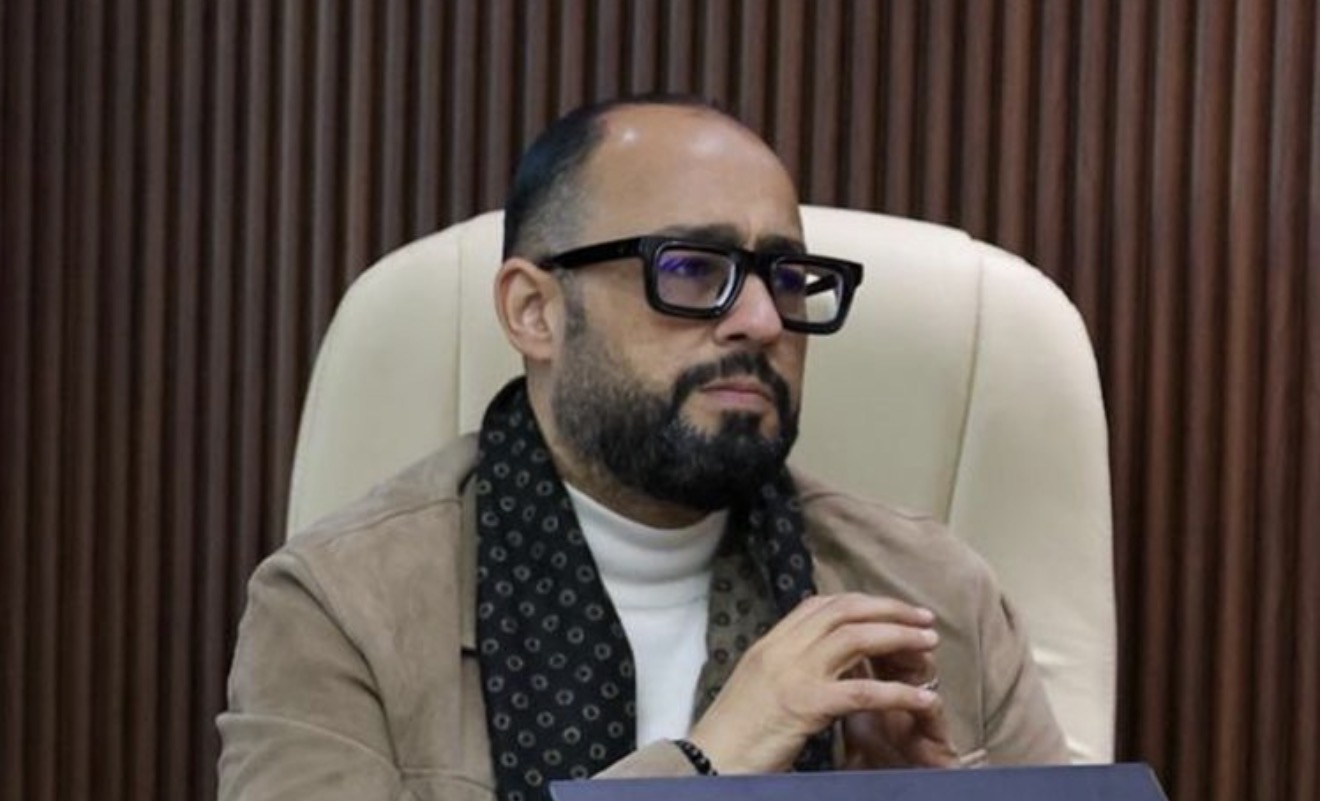
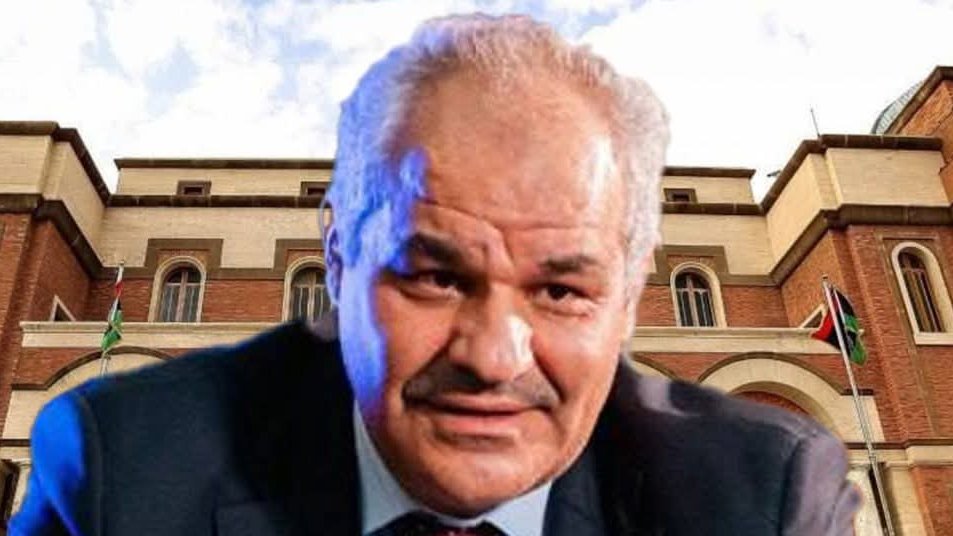
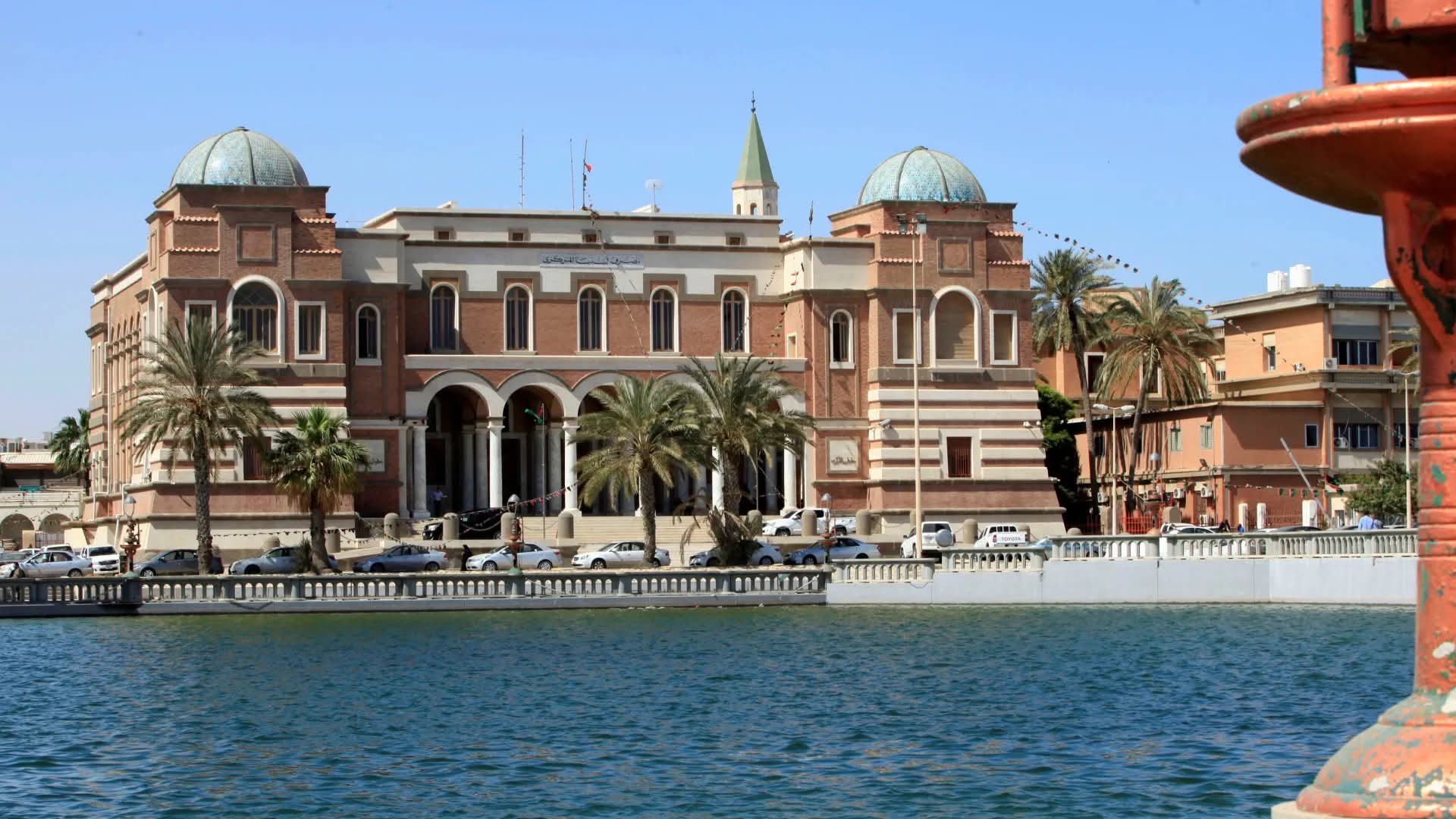
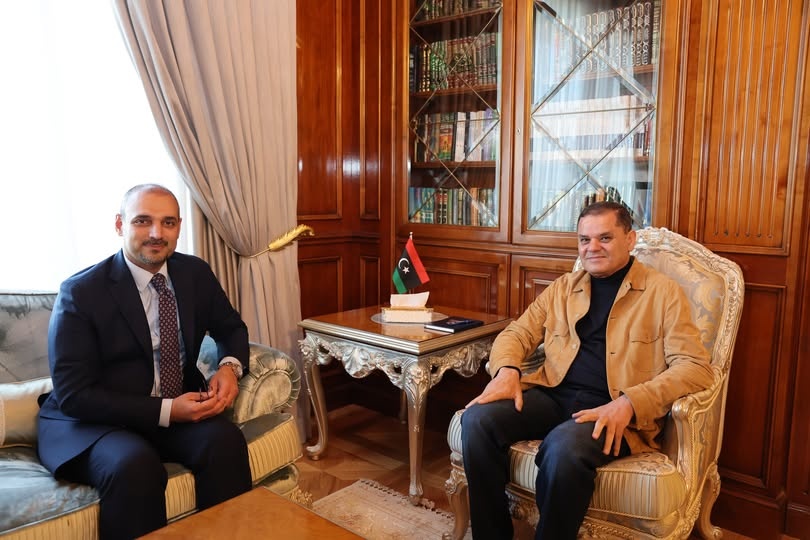
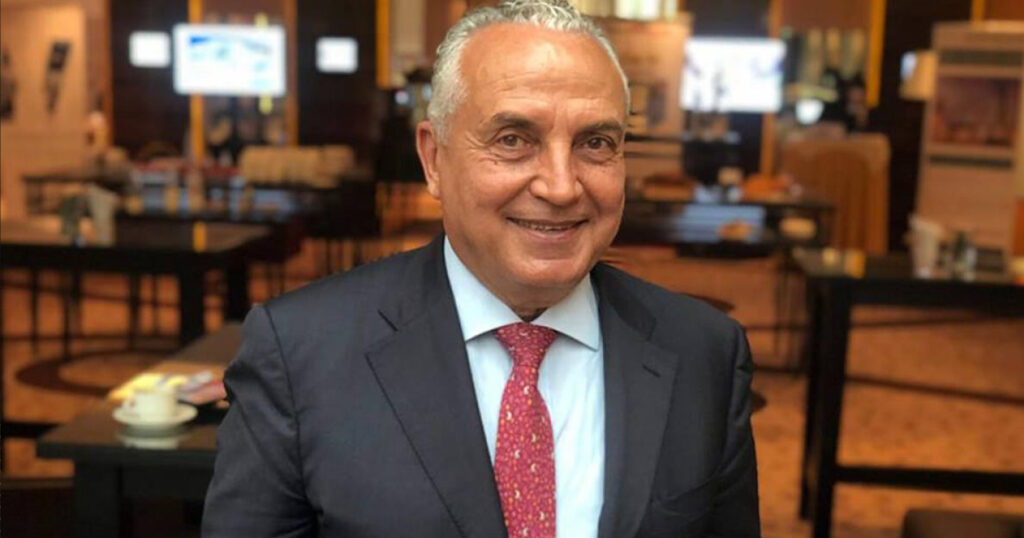
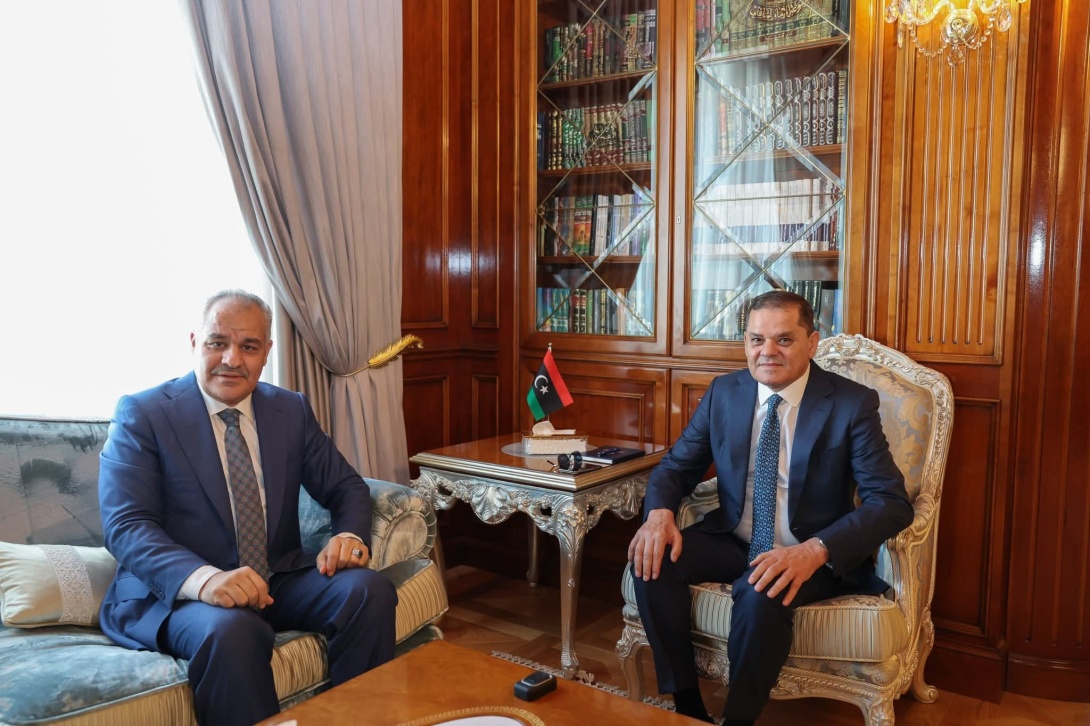
The Head of the Government of National Unity reaffirmed that the stability of prices for basic commodities is a top government priority that will not tolerate any leniency.
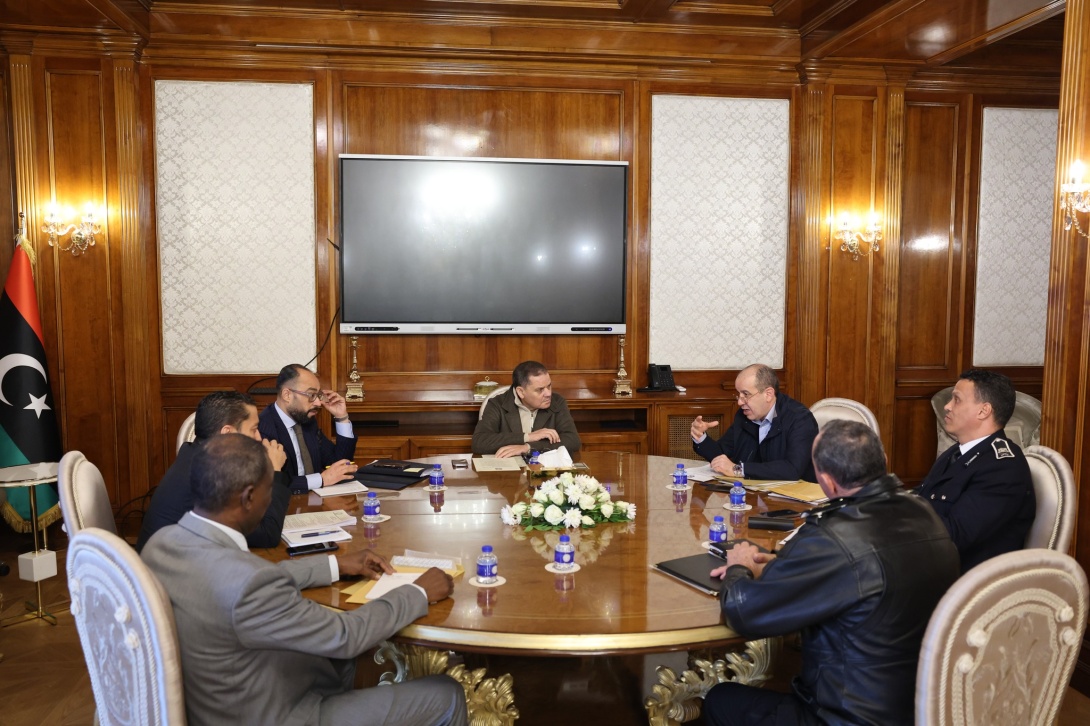
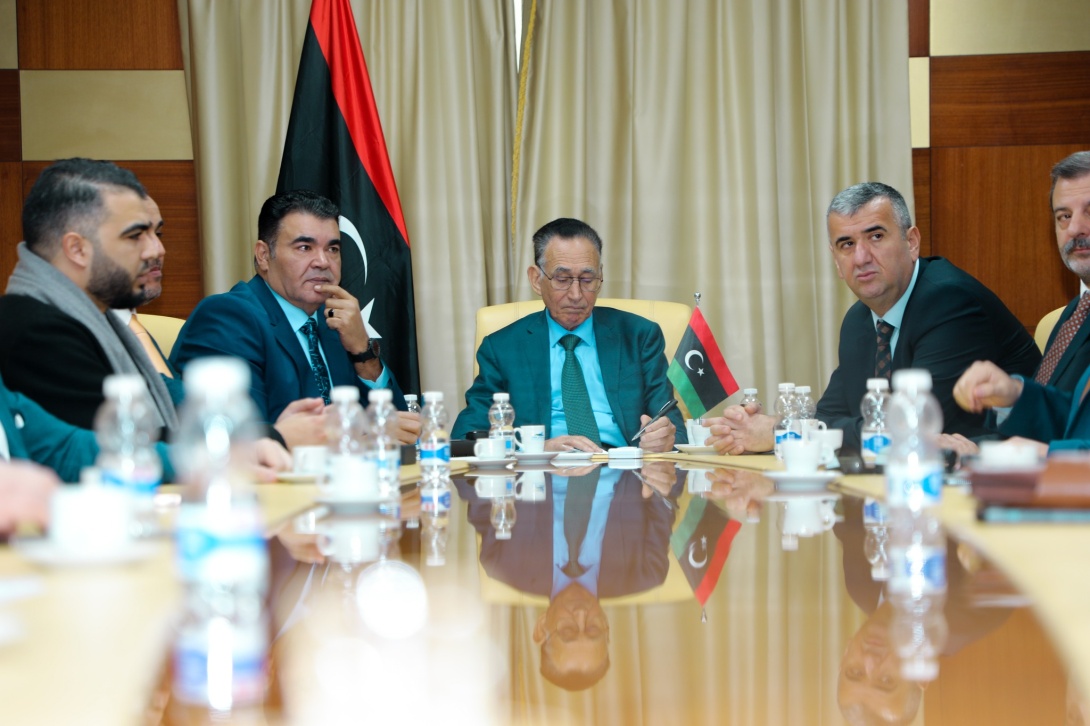
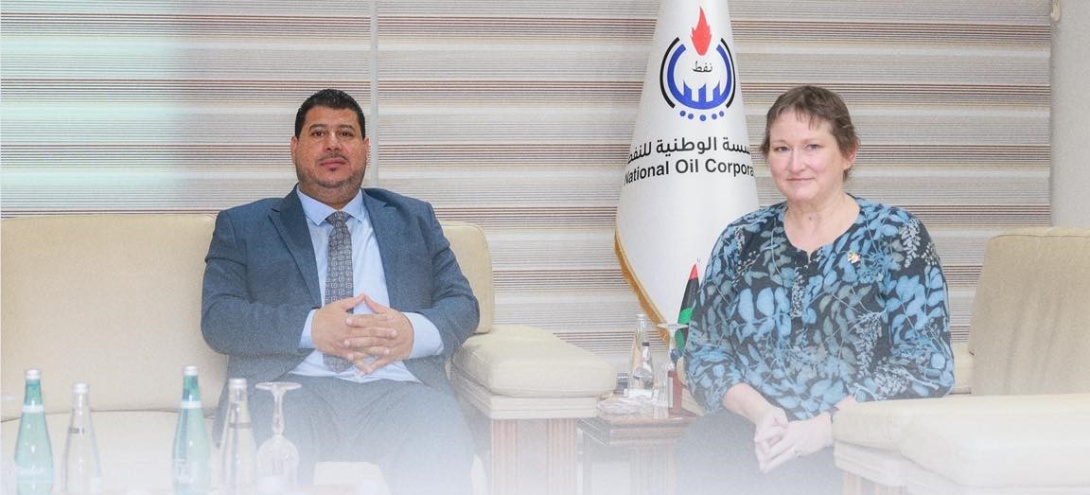
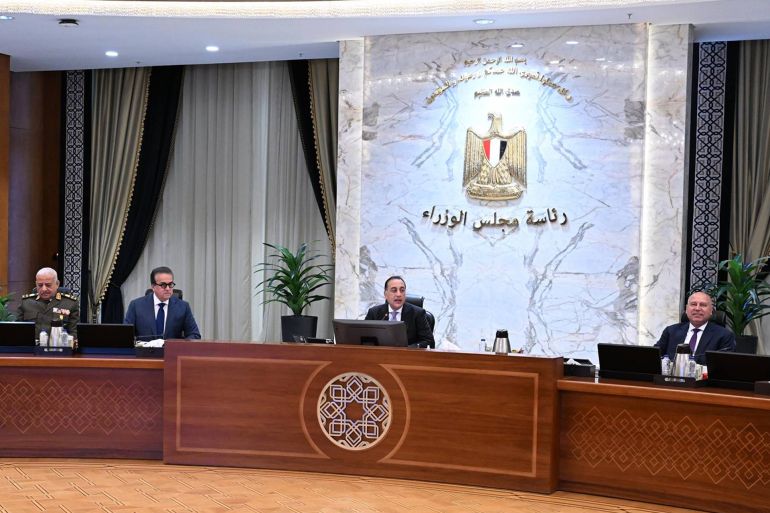
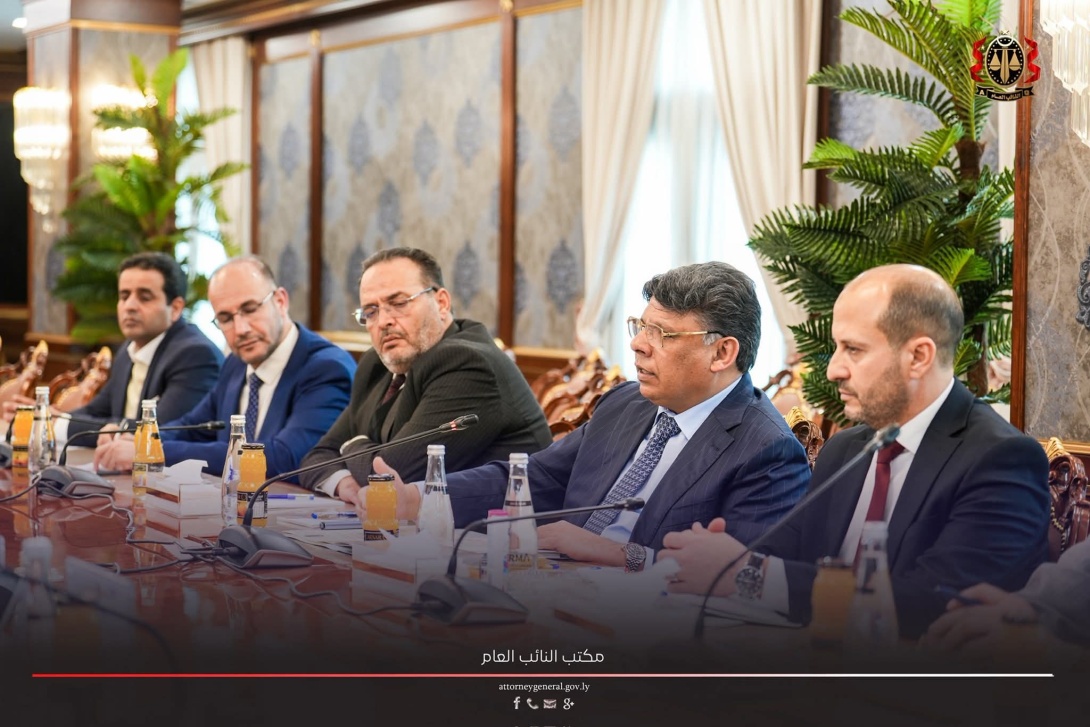
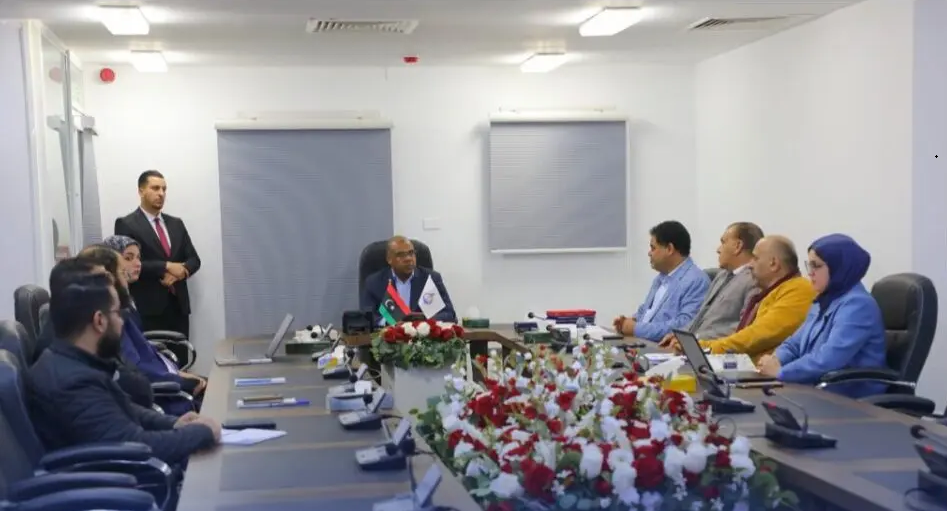
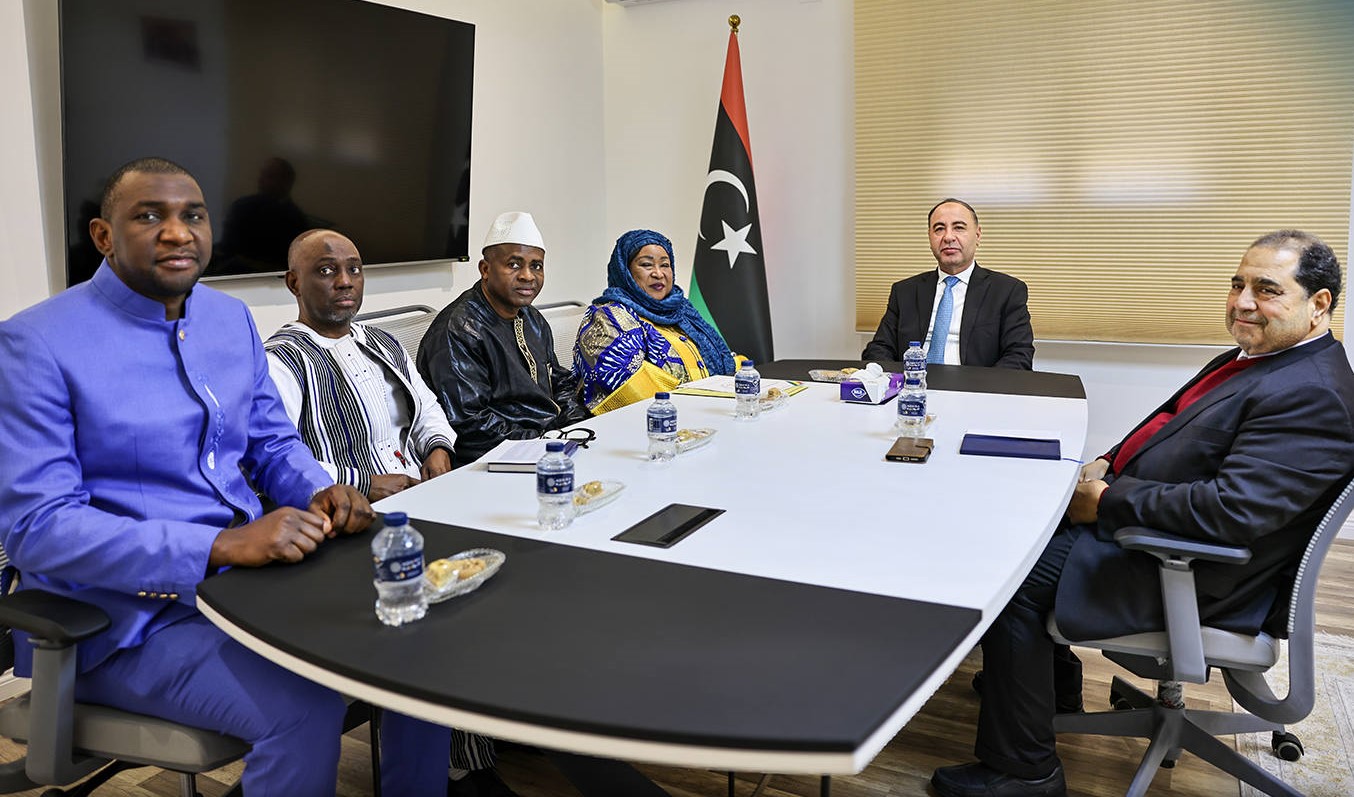
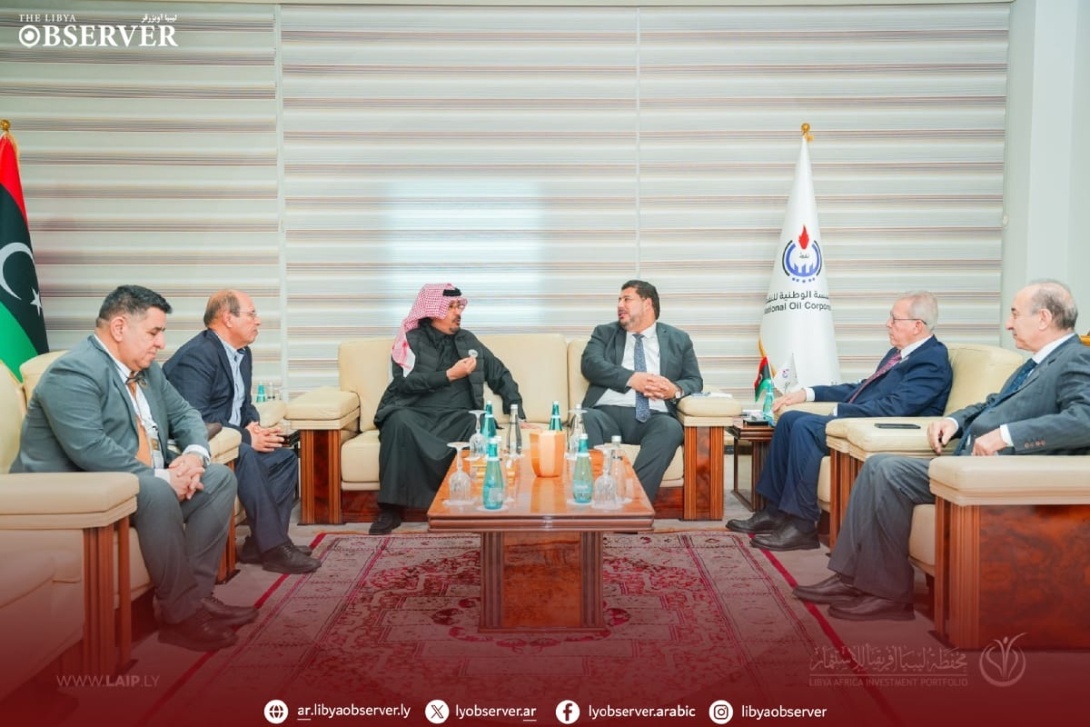
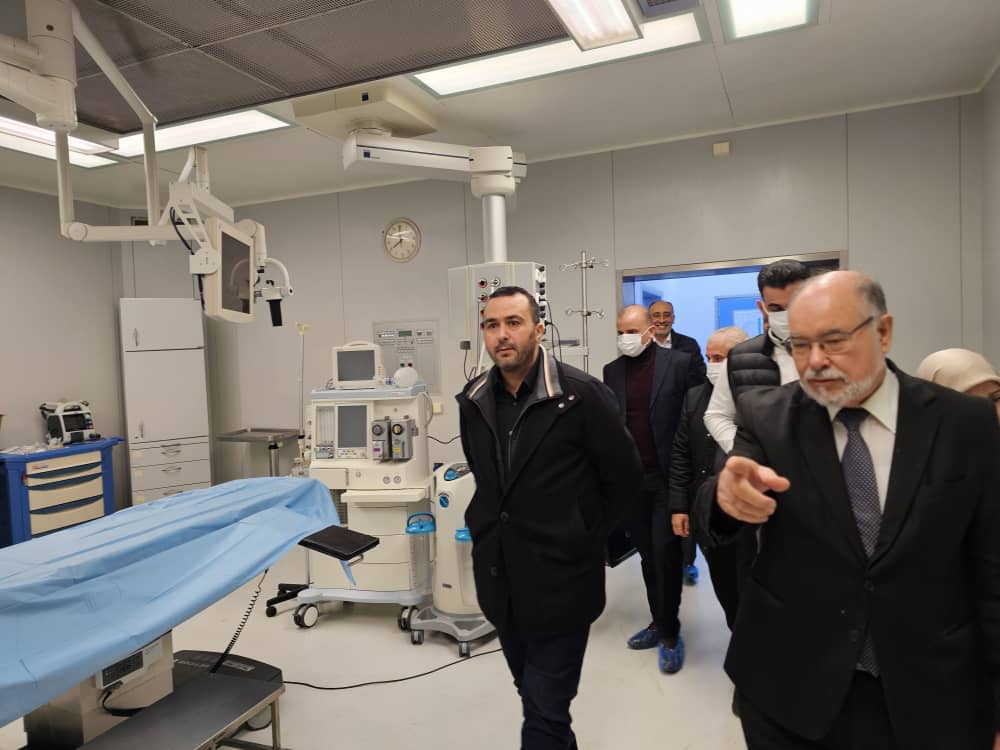
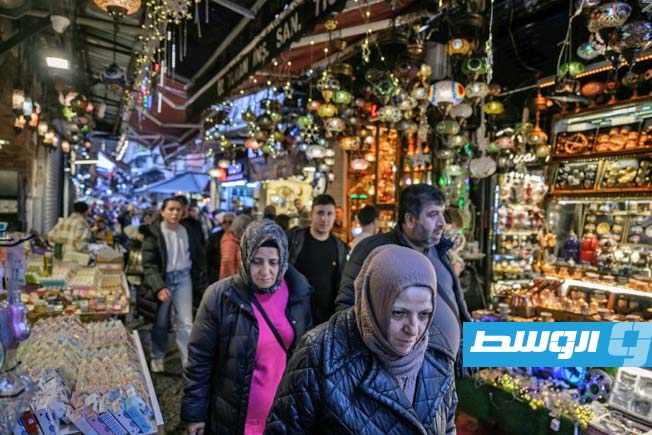
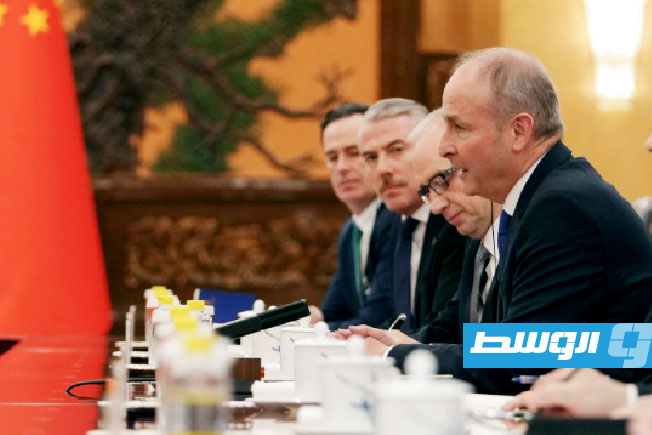
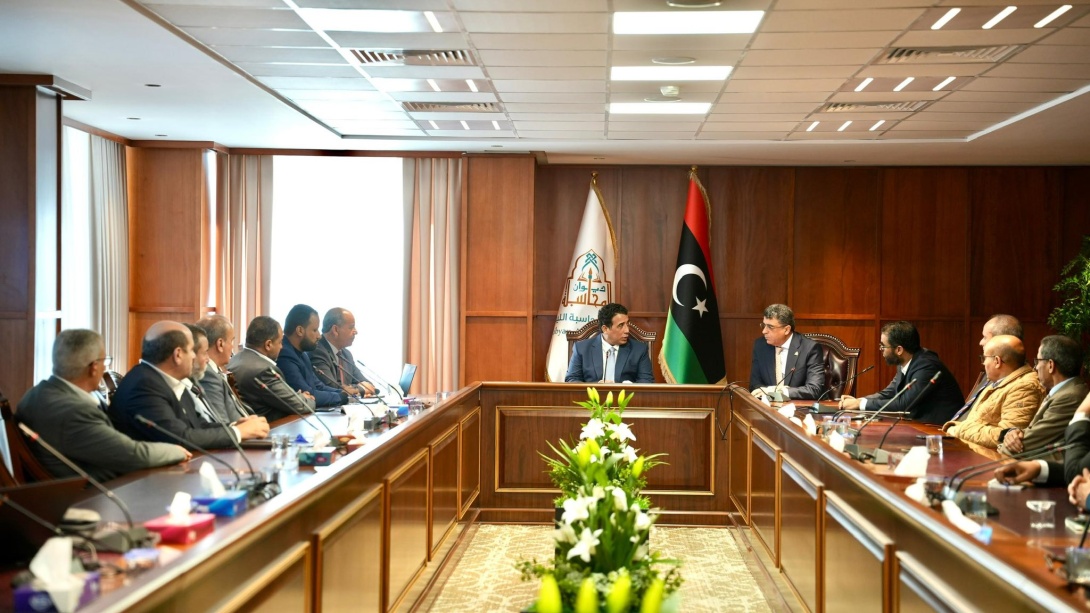
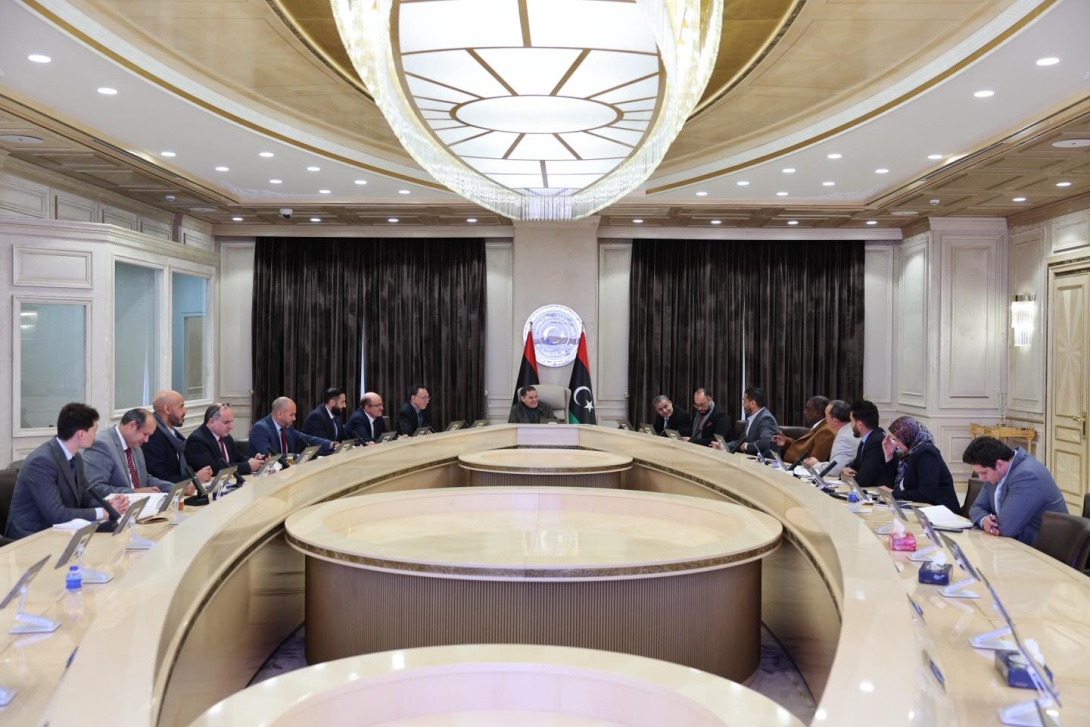
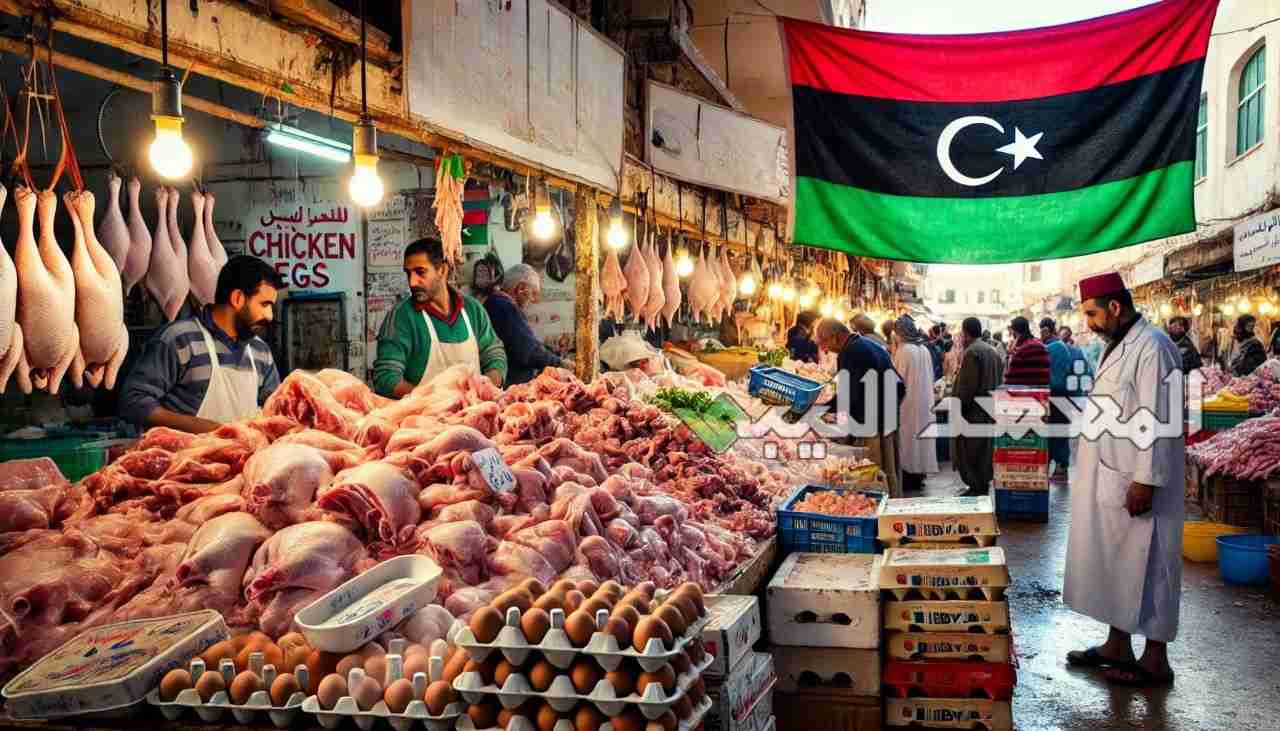
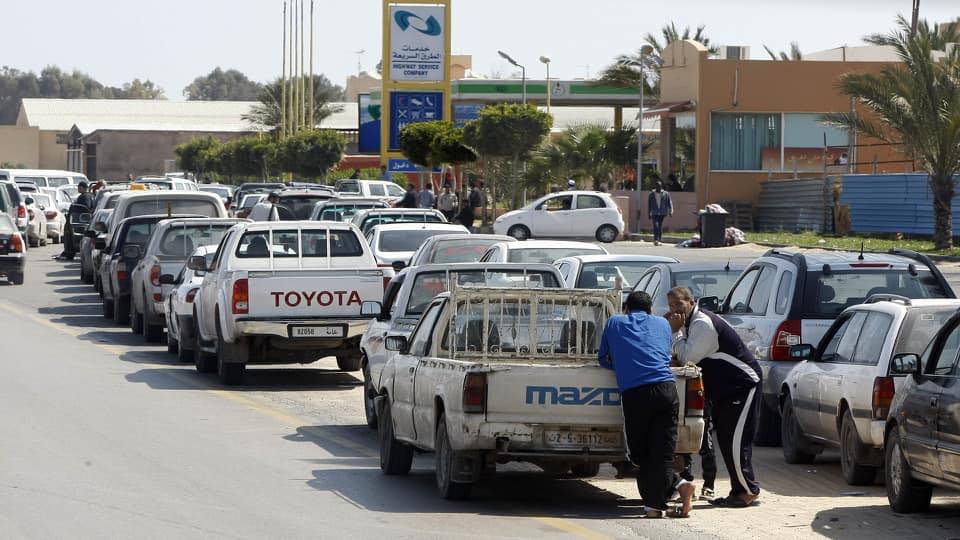
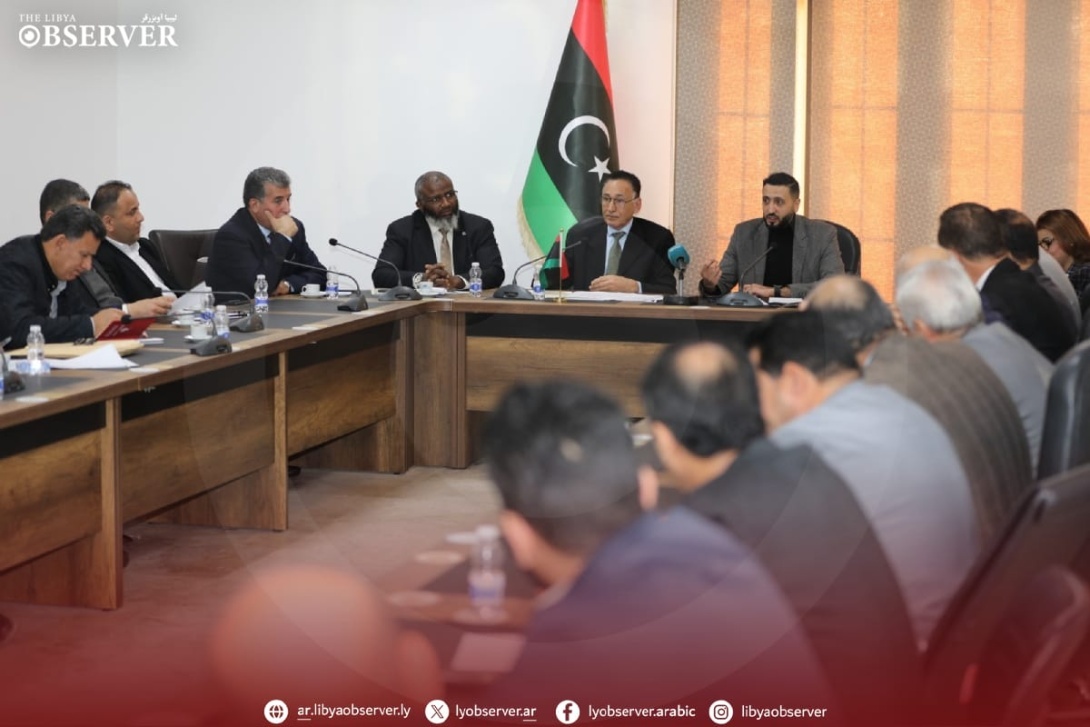
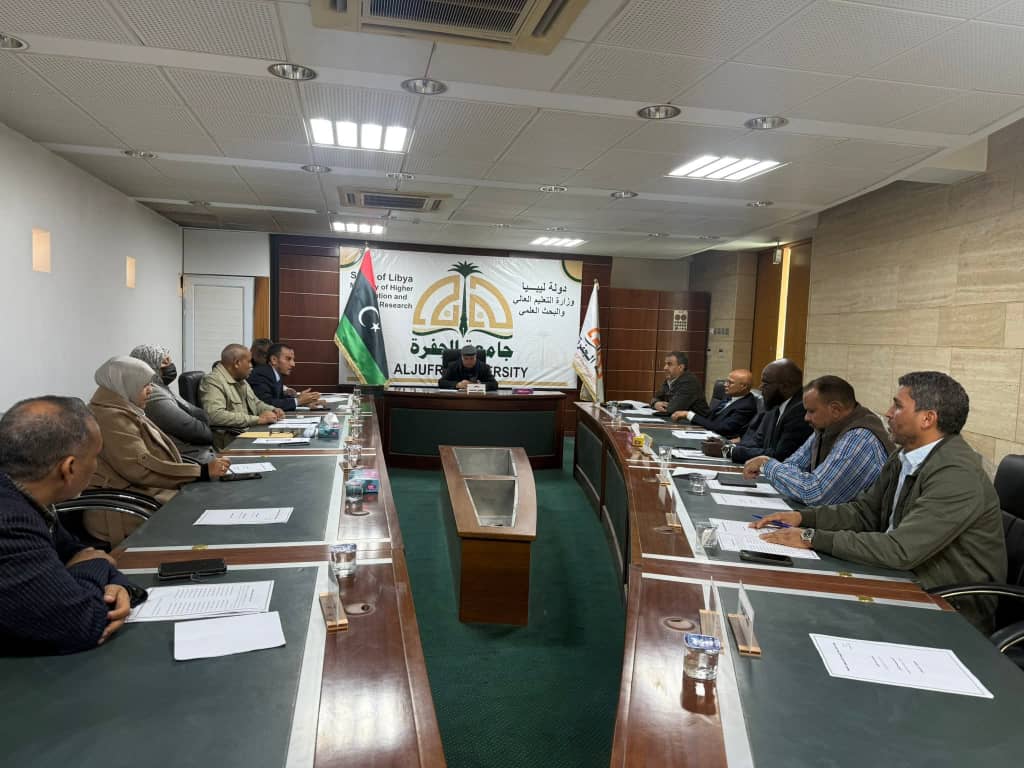
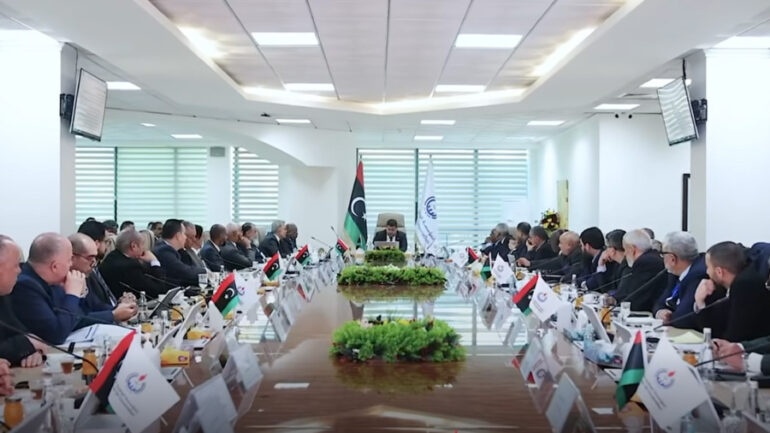
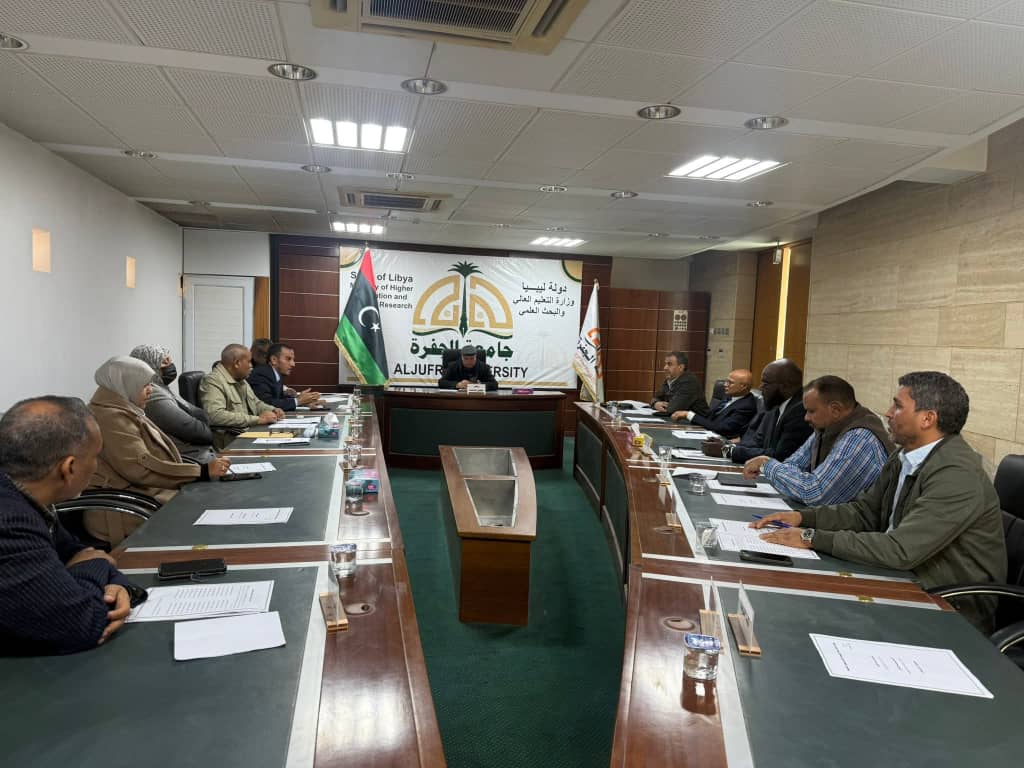
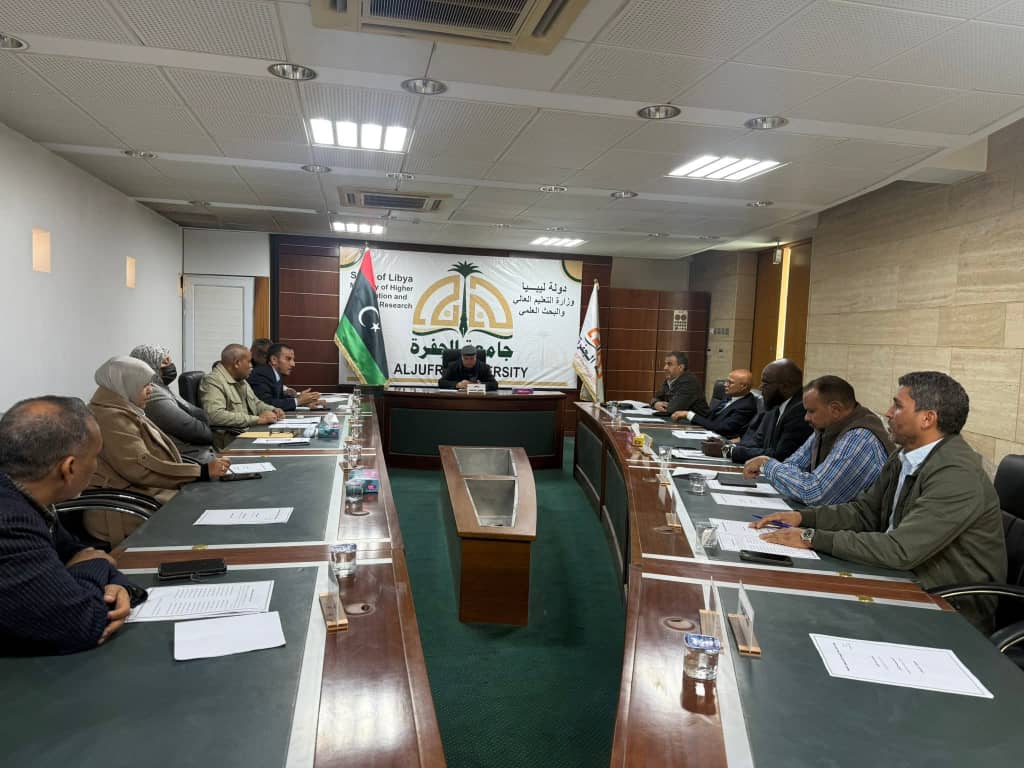
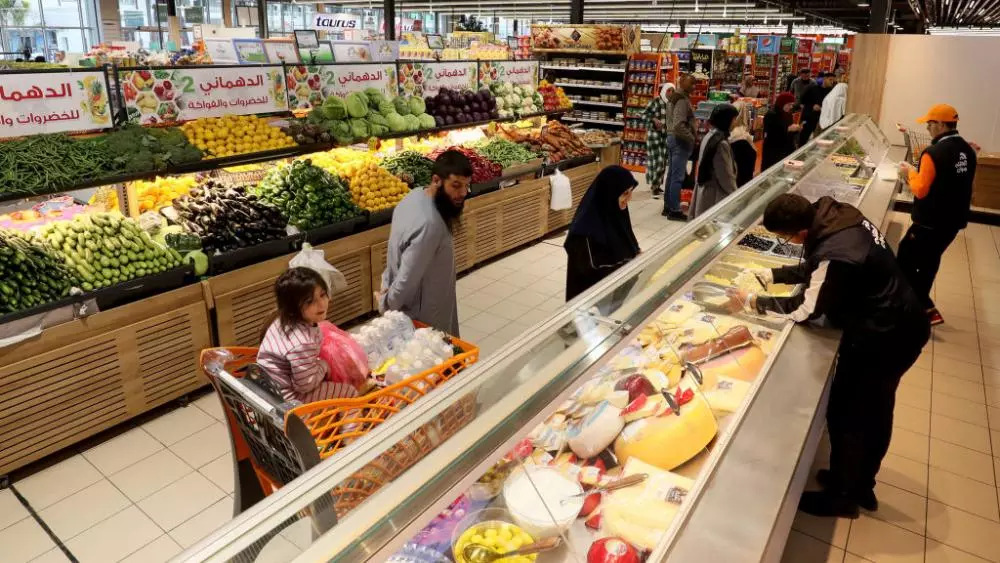
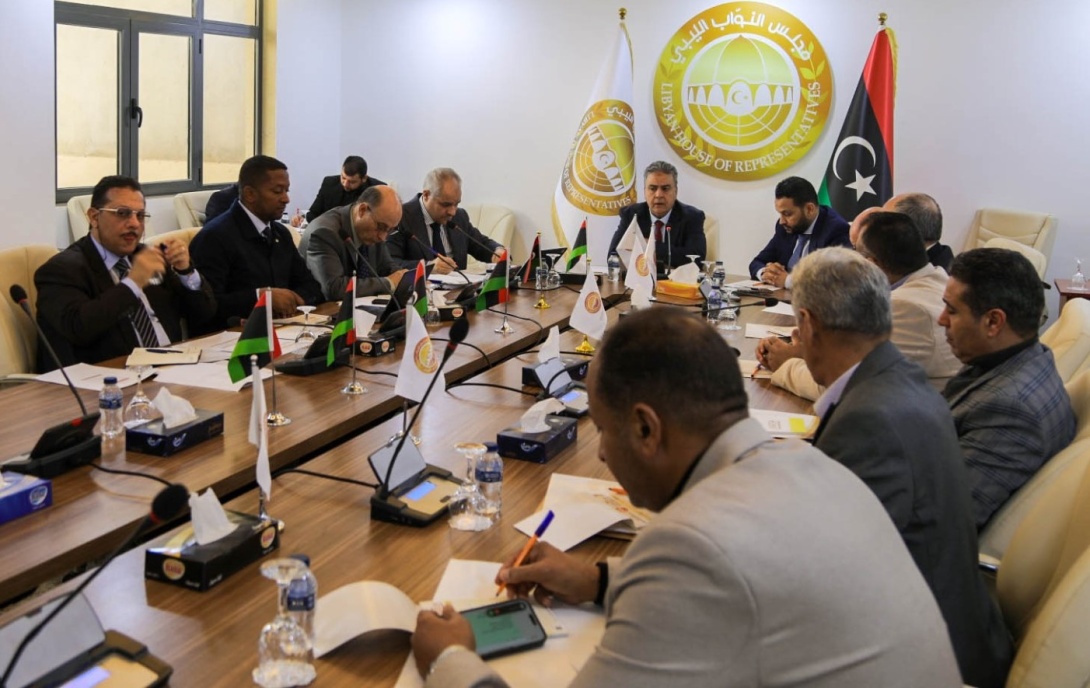
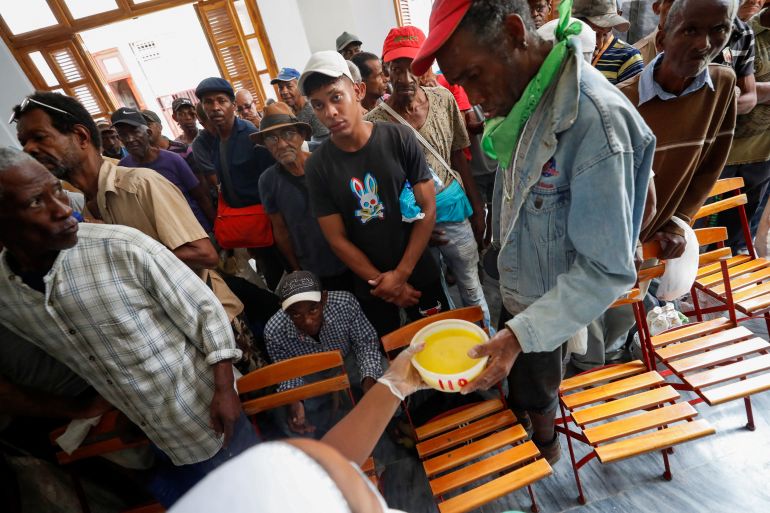
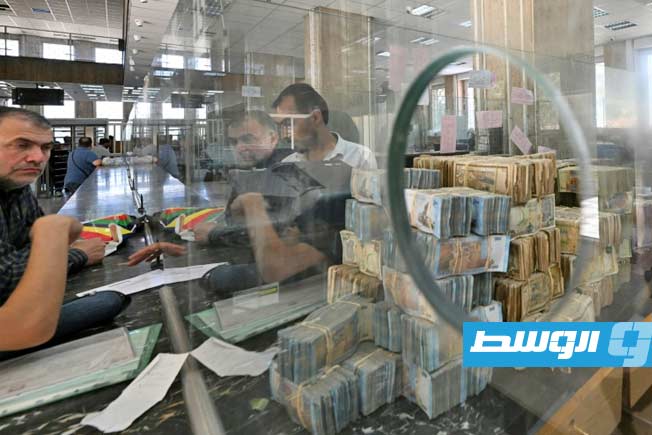
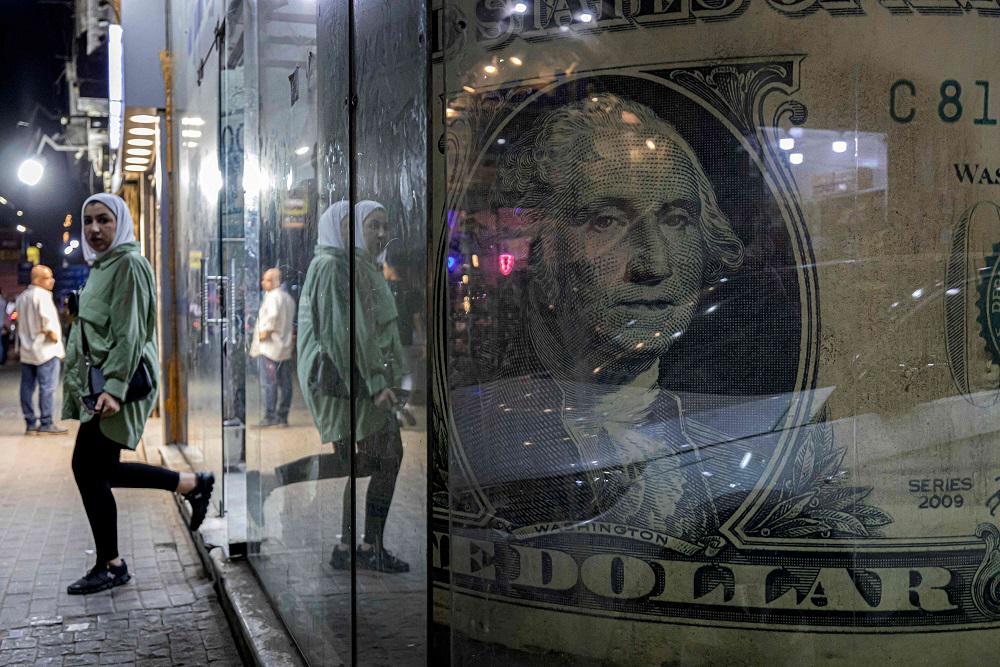
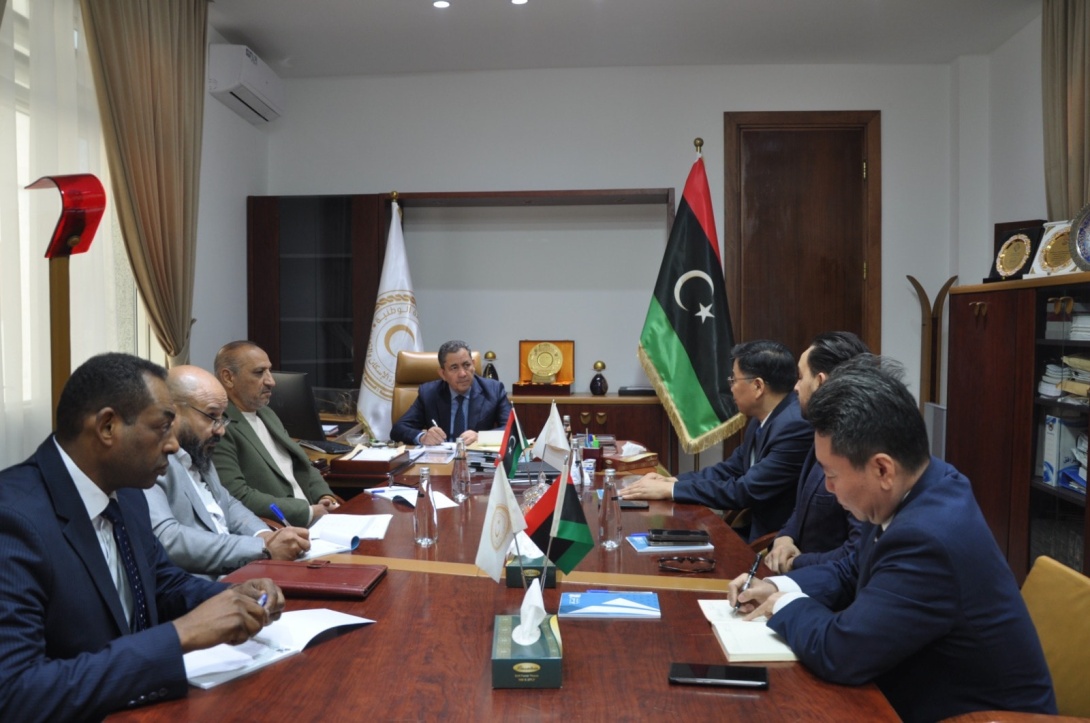
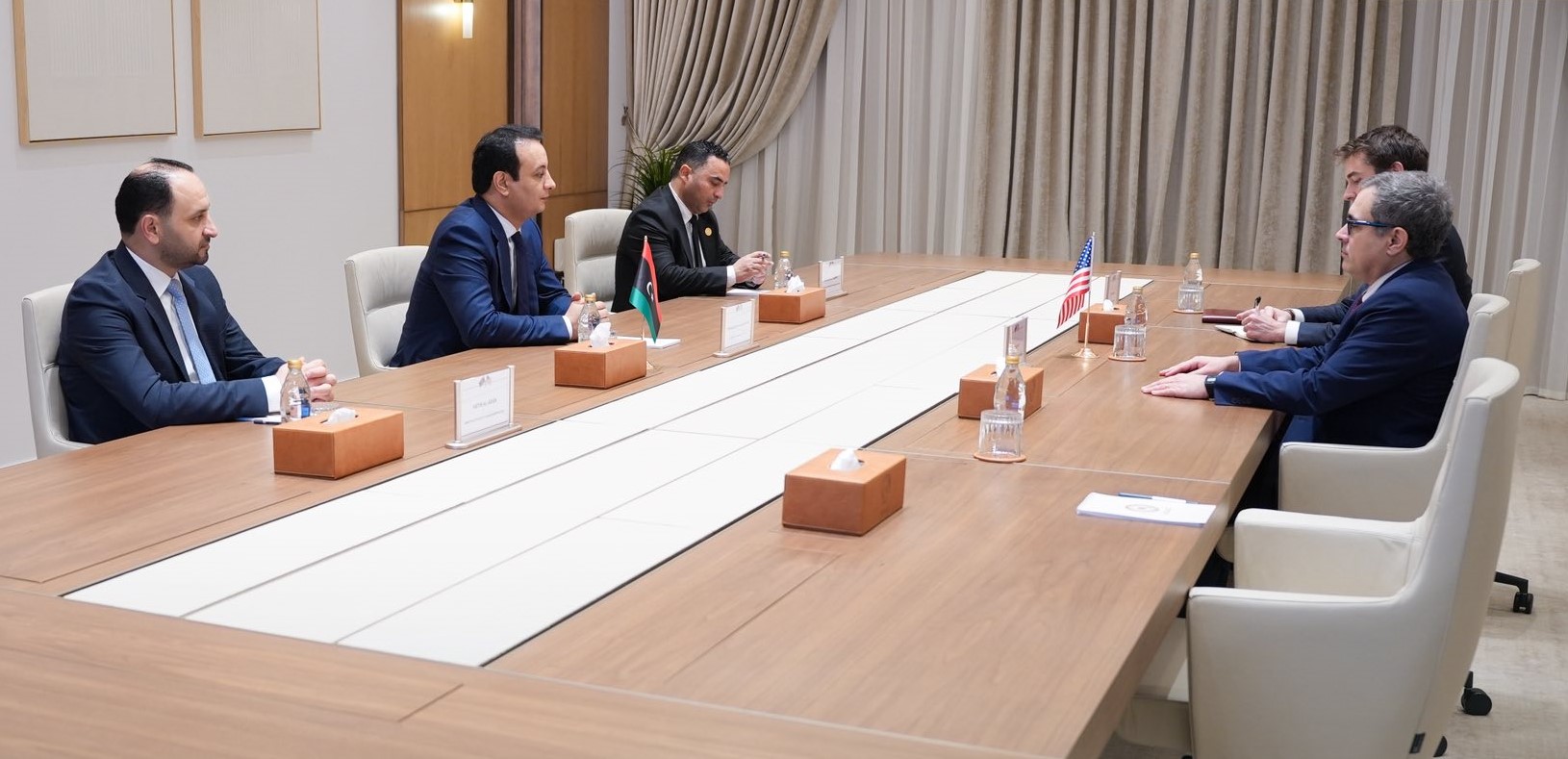
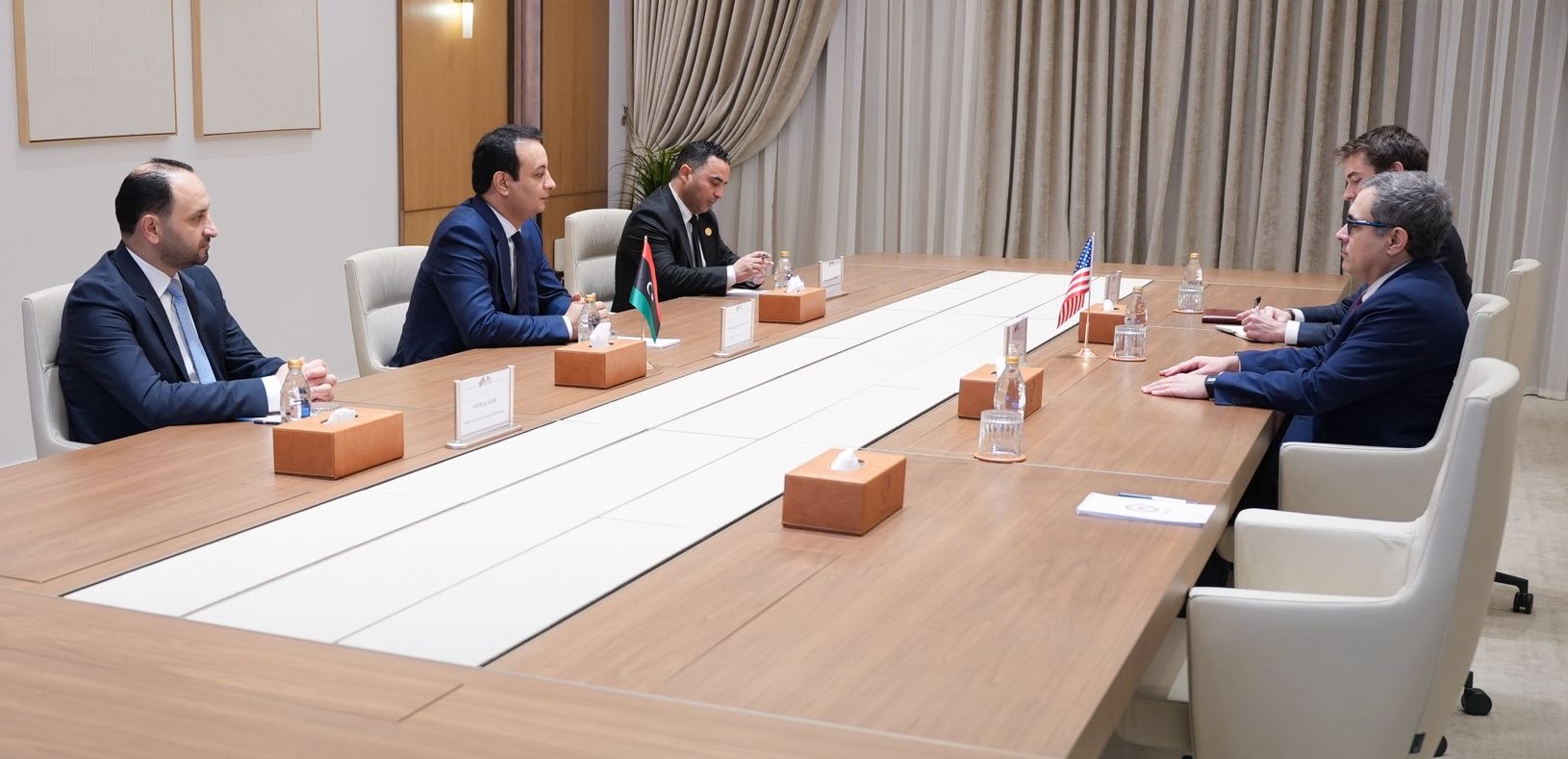
This came during a meeting held on Tuesday to follow up on the work of the Price Control Committee and to discuss the measures taken to regulate markets and curb rising prices of essential food items, in a way that helps protect citizens’ purchasing power.
It was stressed that there is a need to intensify field inspections, strengthen coordination among relevant authorities, and firmly confront all forms of monopolistic practices and price manipulation.
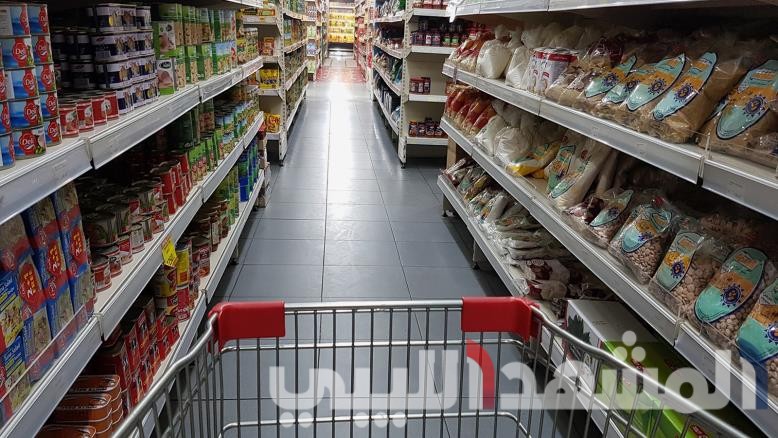
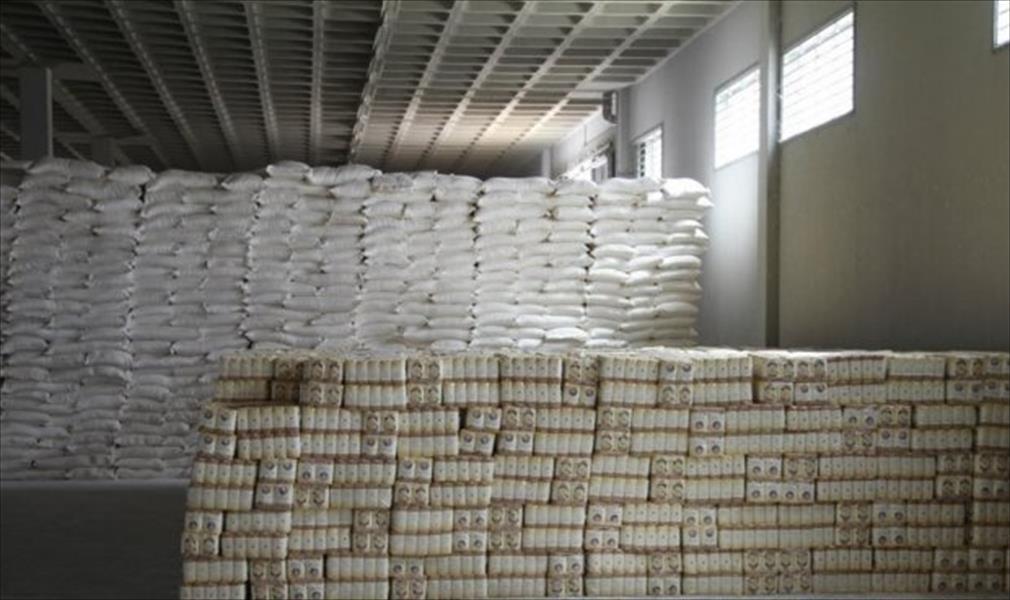
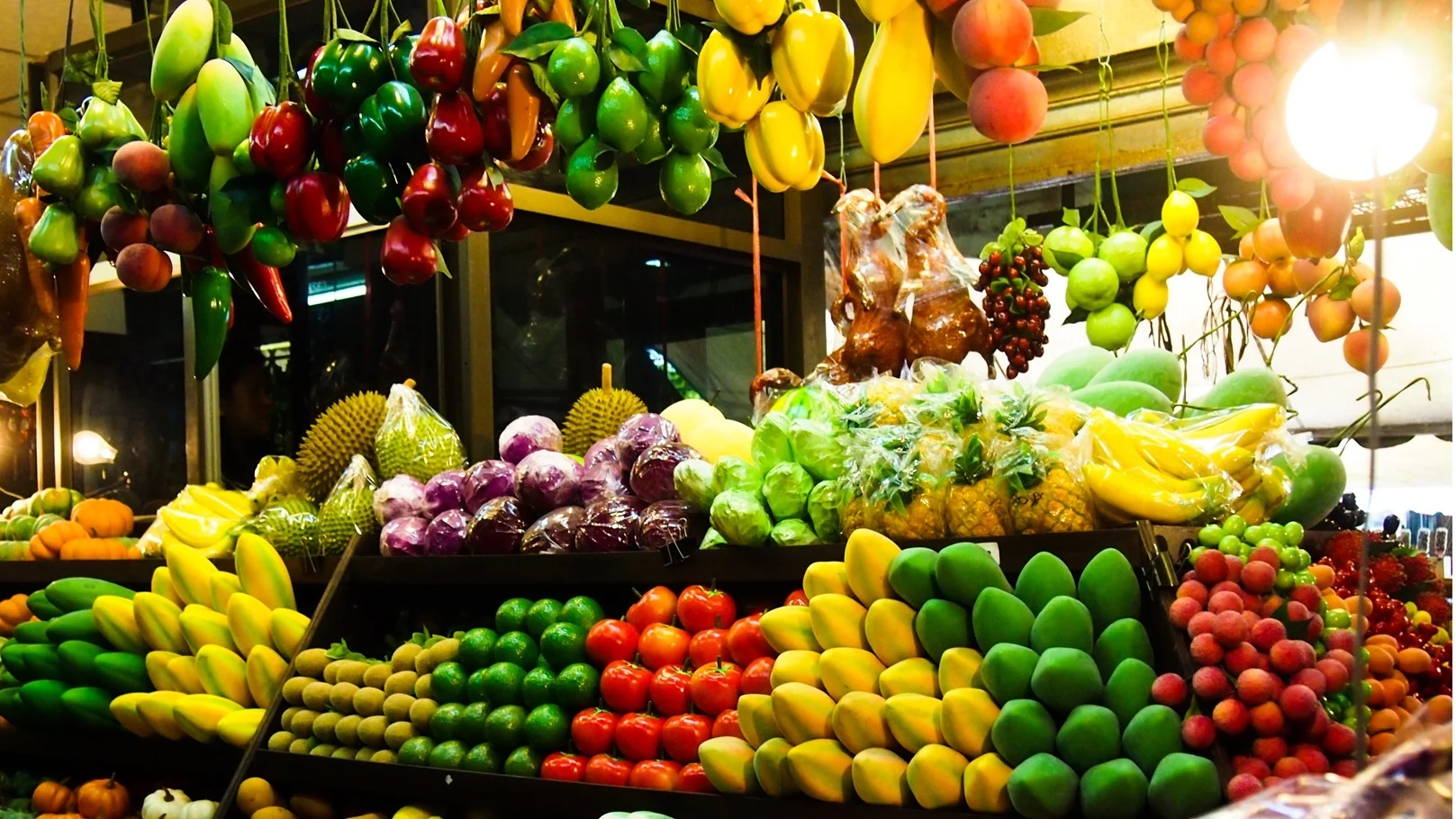
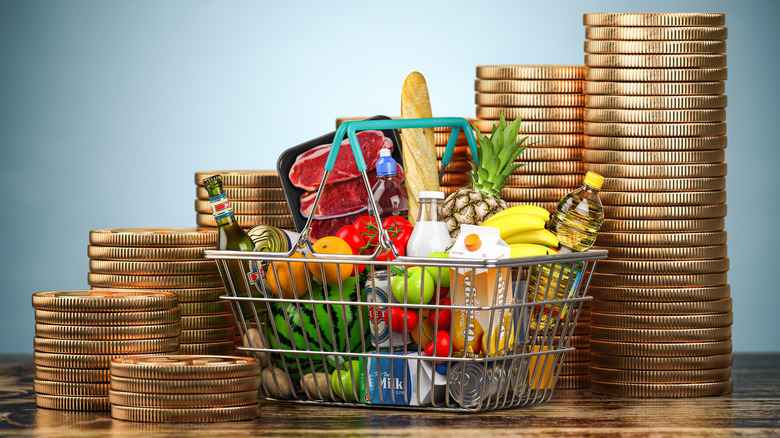
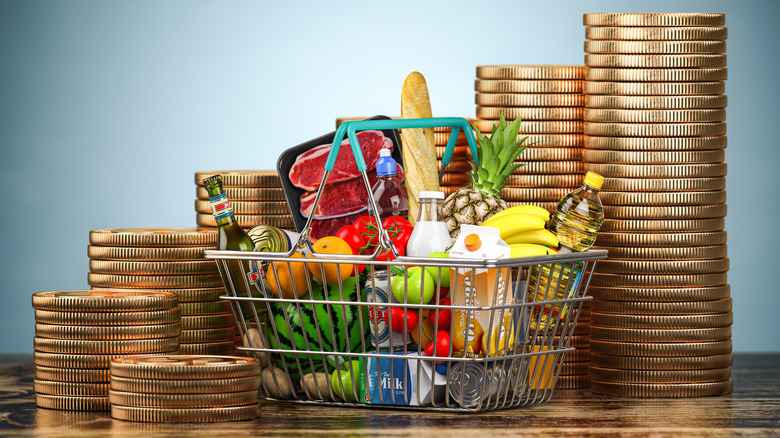
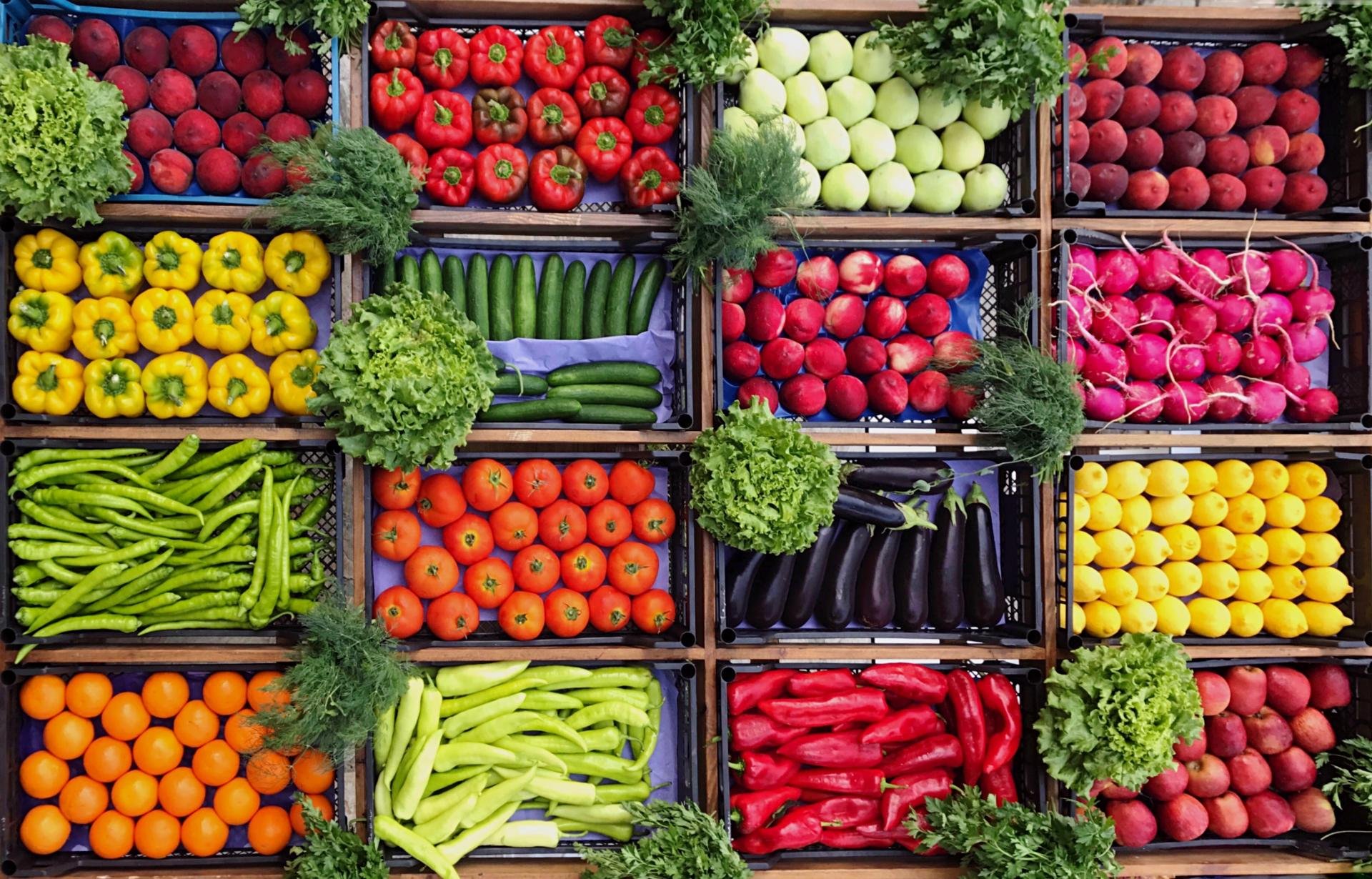
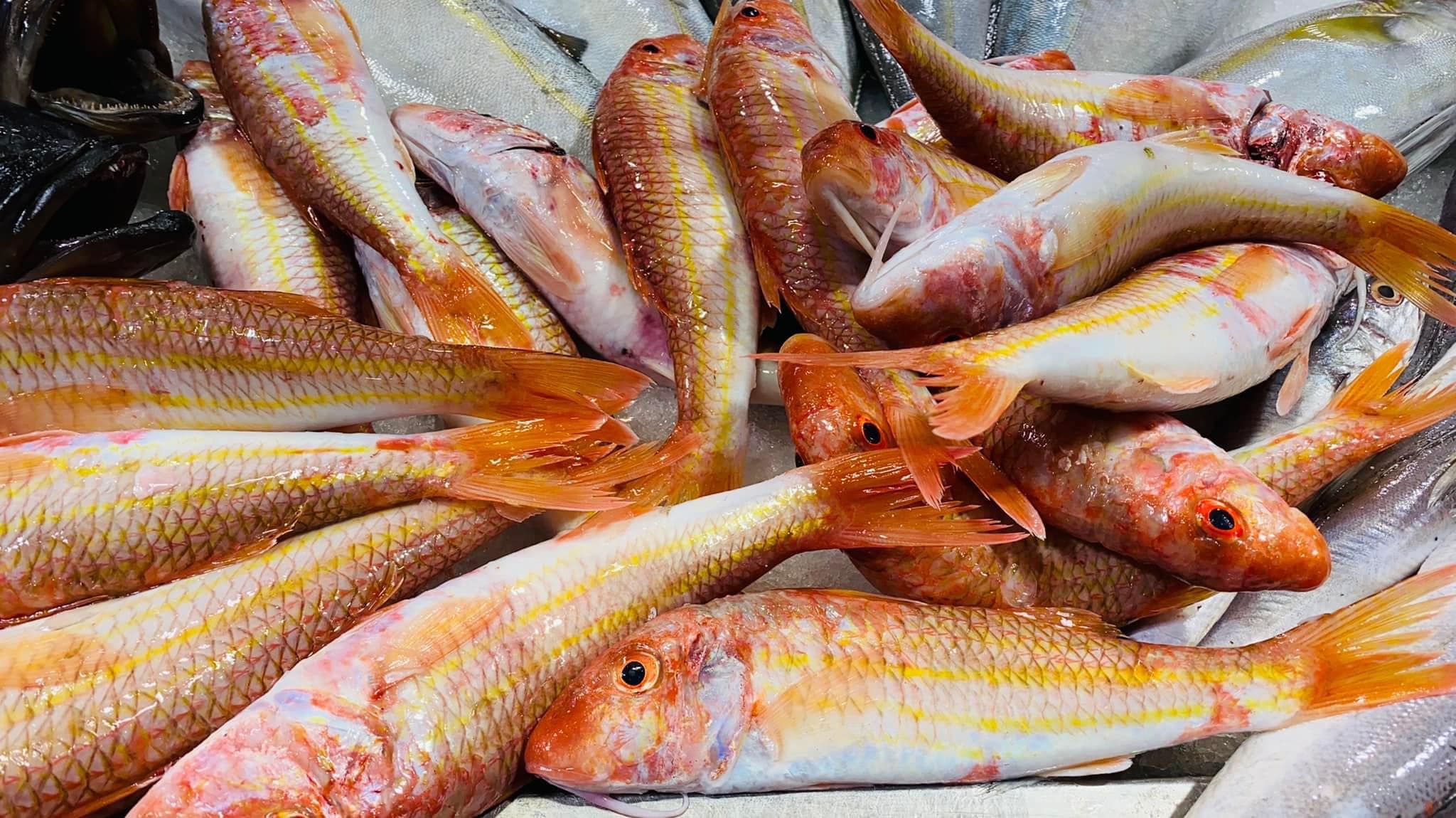
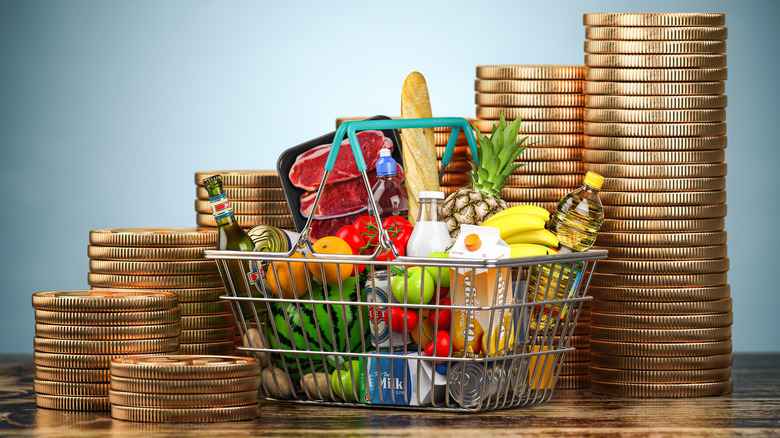
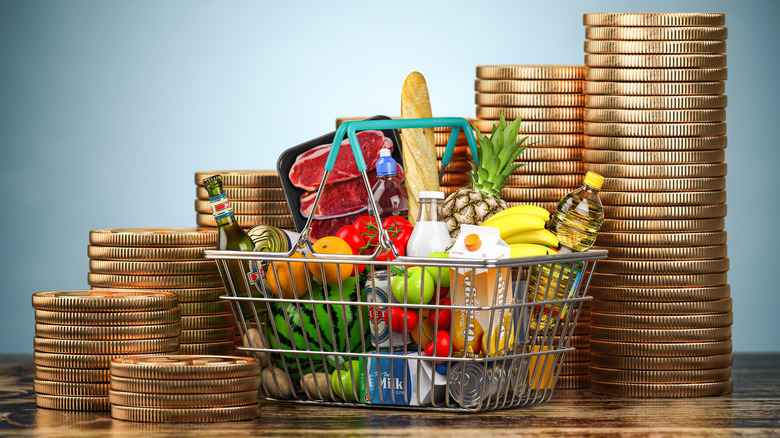
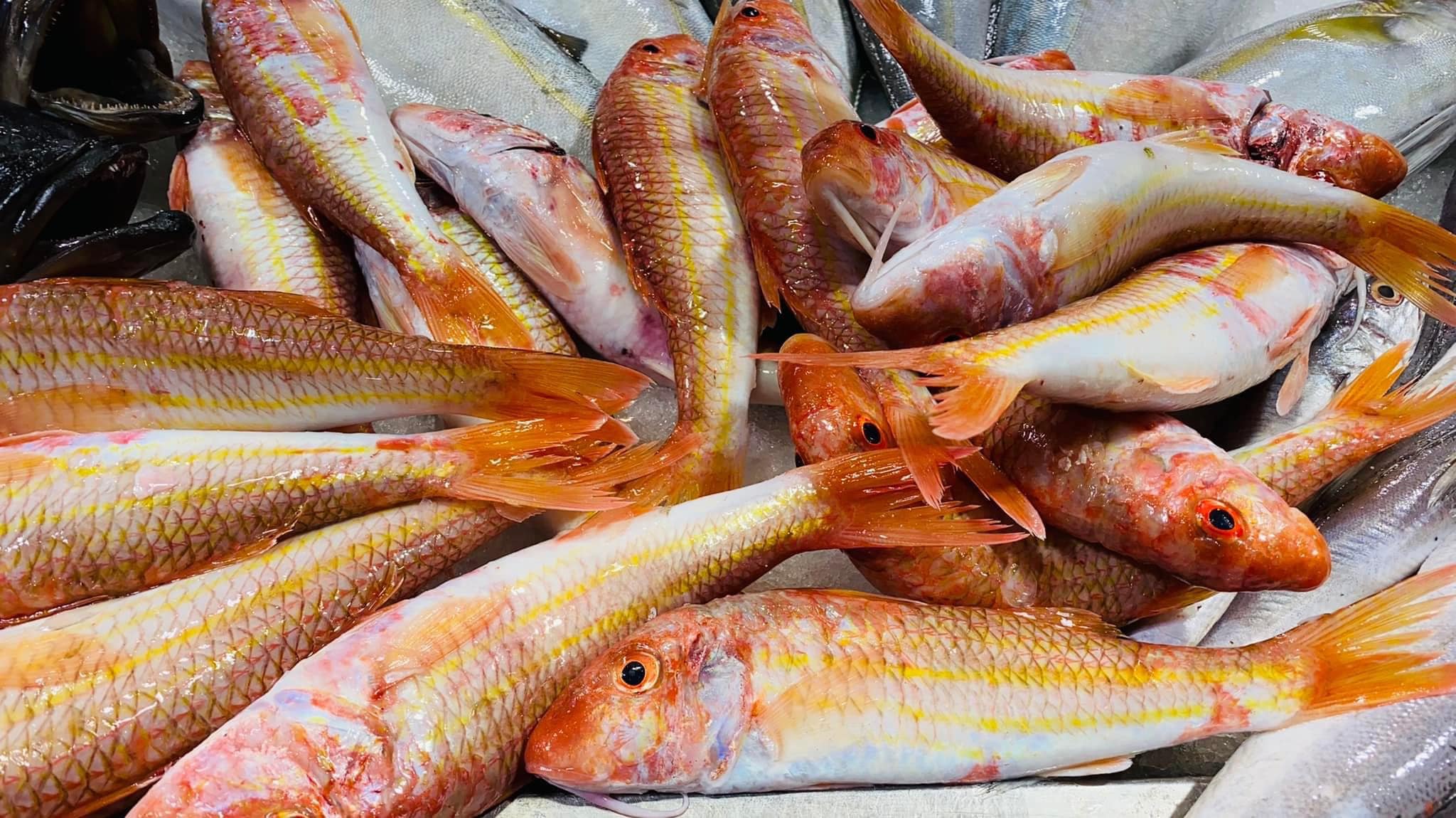
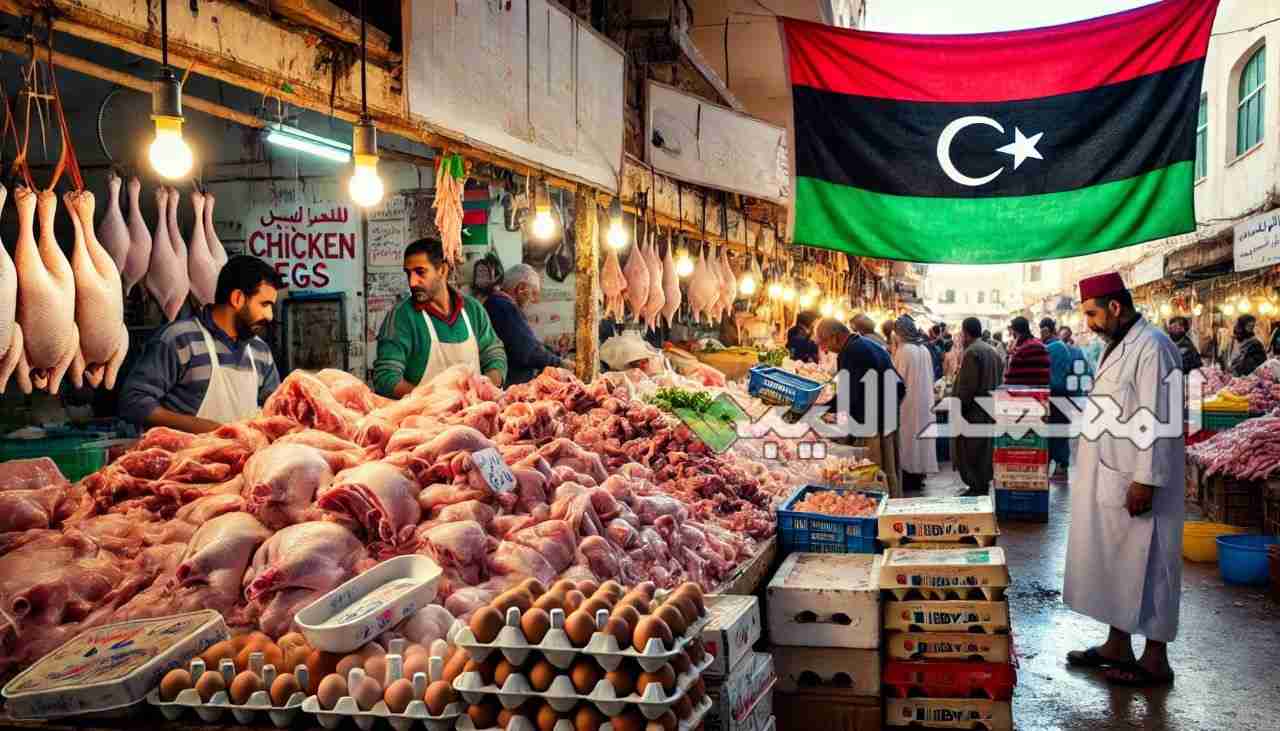
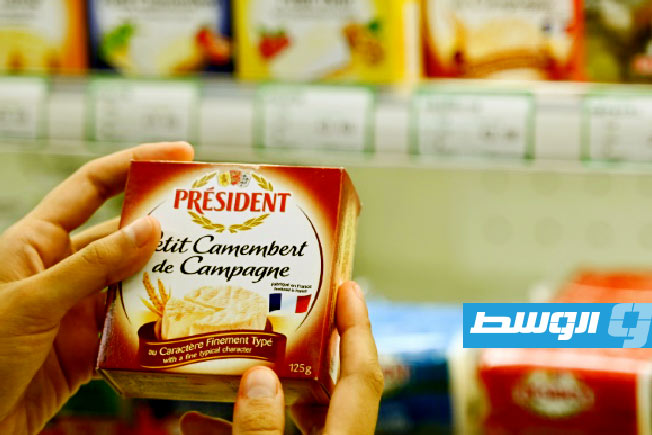
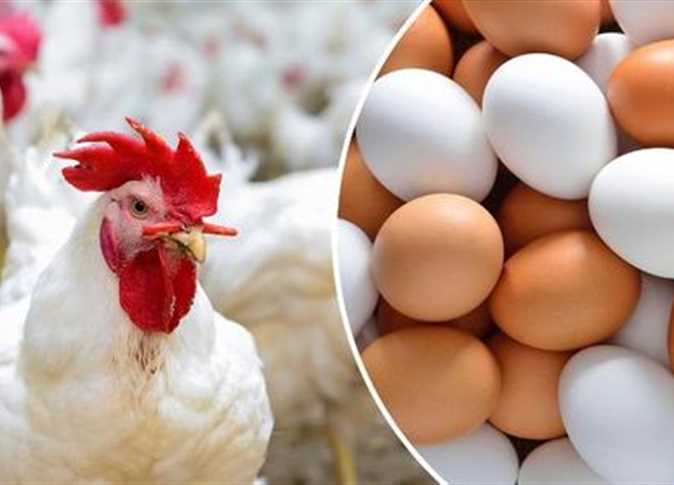
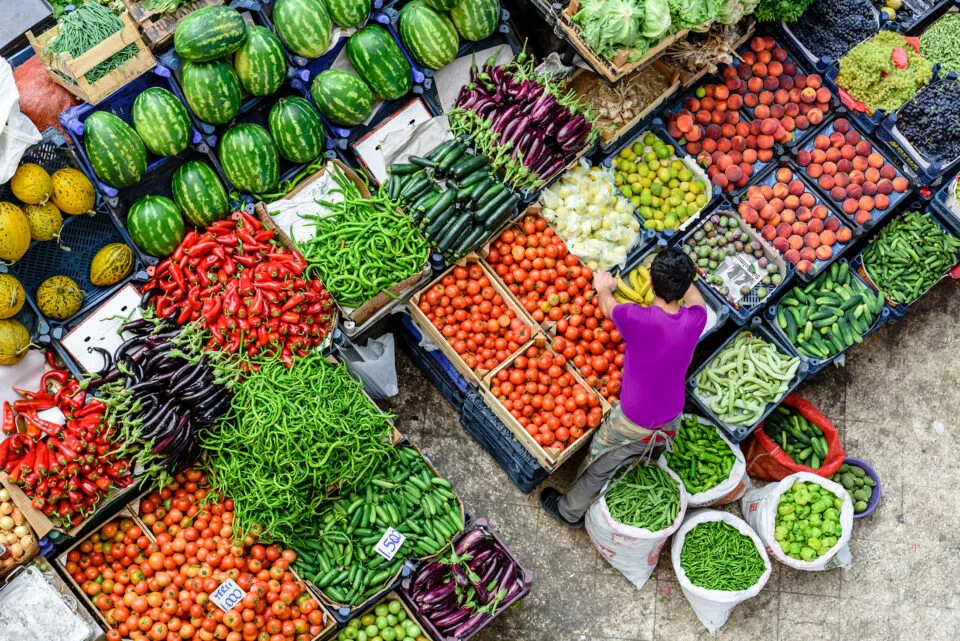
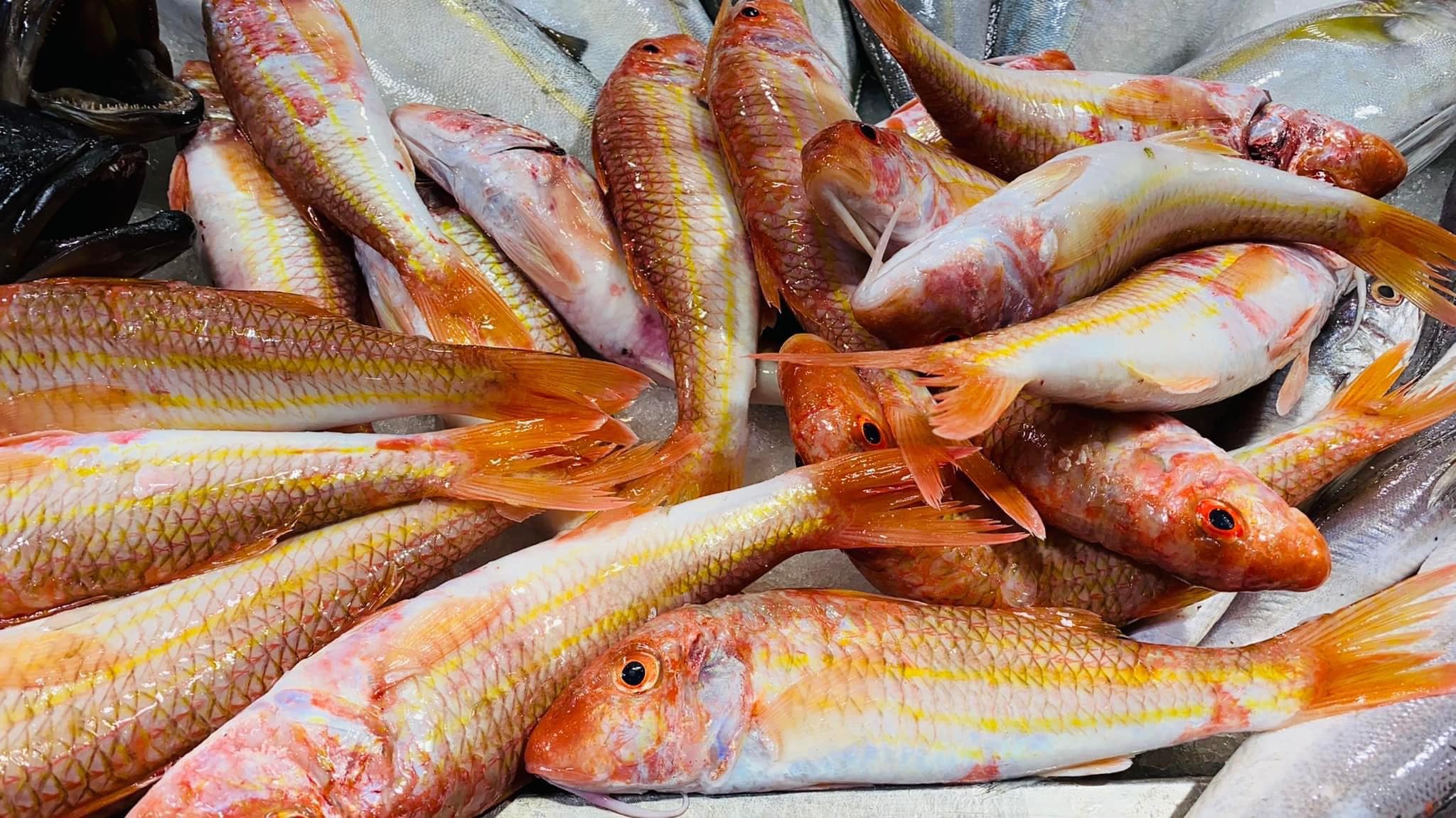
The meeting focused in particular on monitoring prices of essential food commodities, foremost among them flour, rice, sugar, oil, milk, and various types of meat. Emphasis was placed on ensuring their availability in markets at fair prices, monitoring import and distribution processes, and taking the necessary measures against any violations that threaten food security.
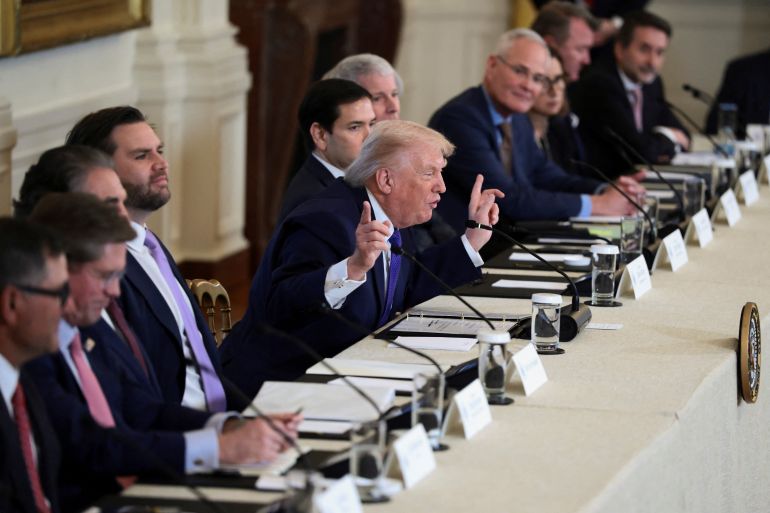
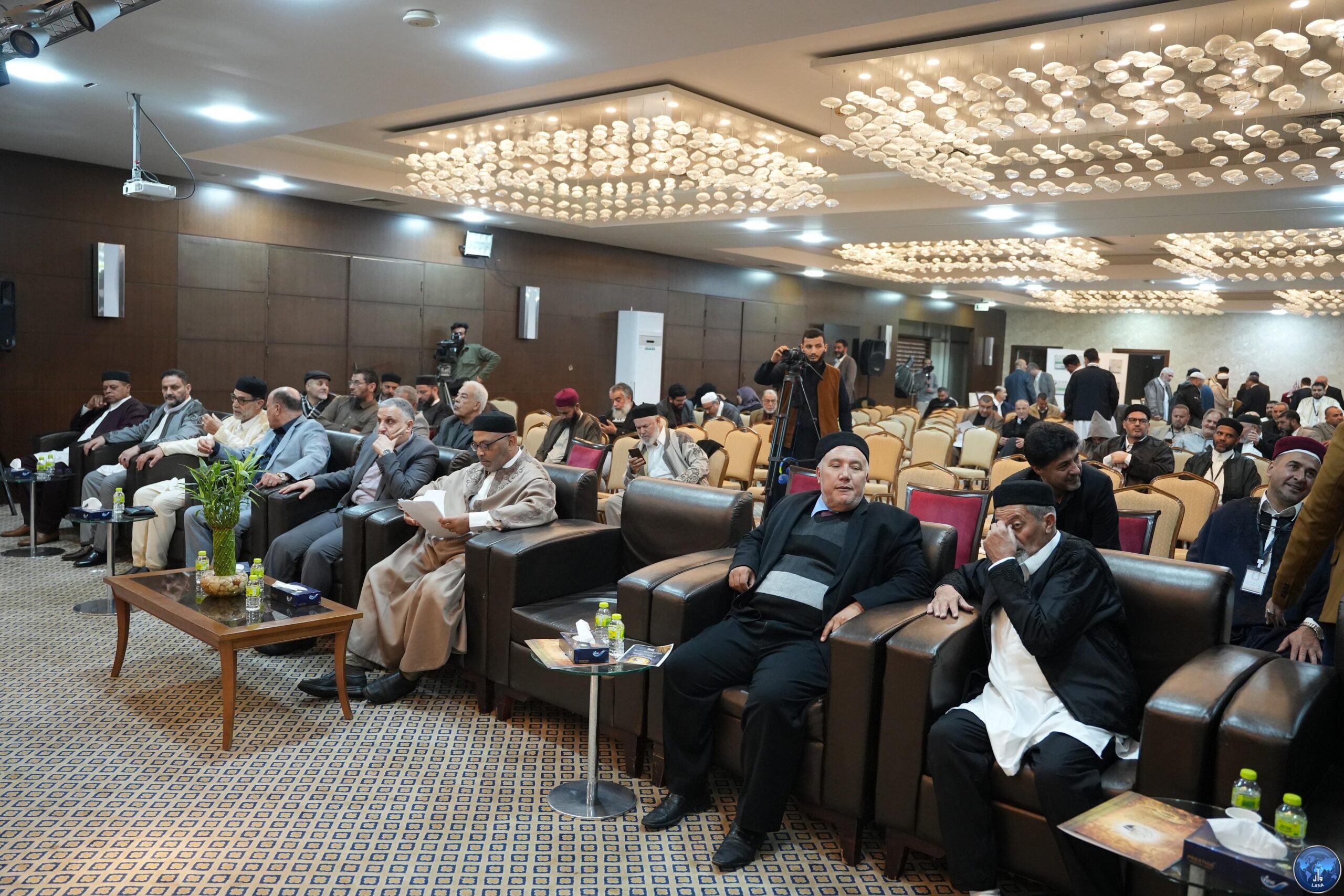
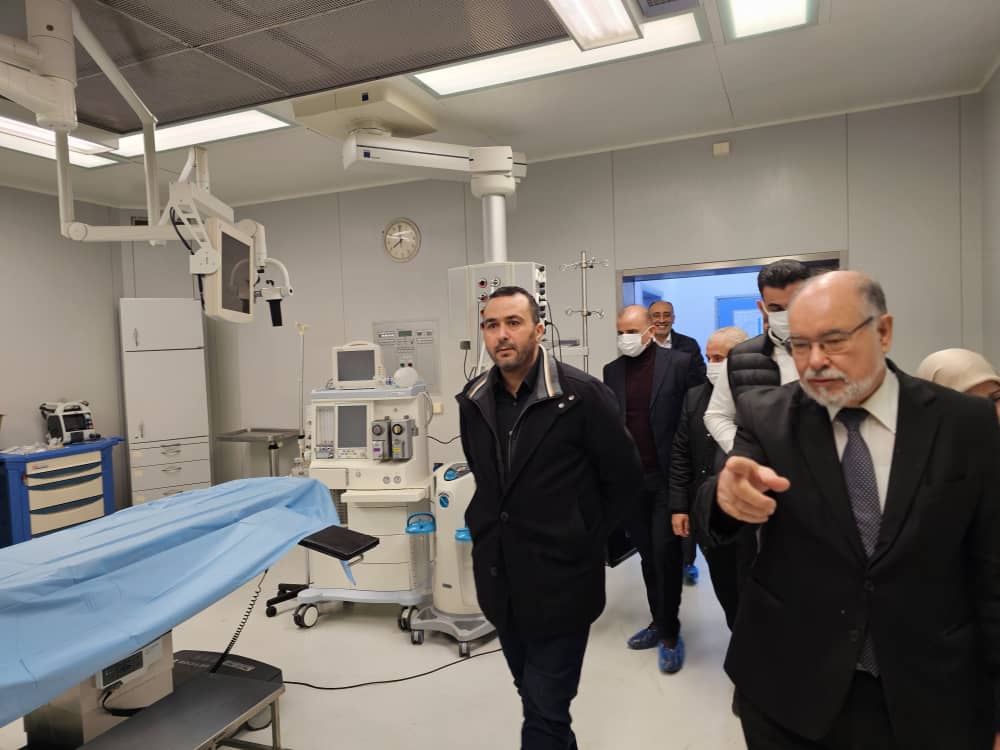
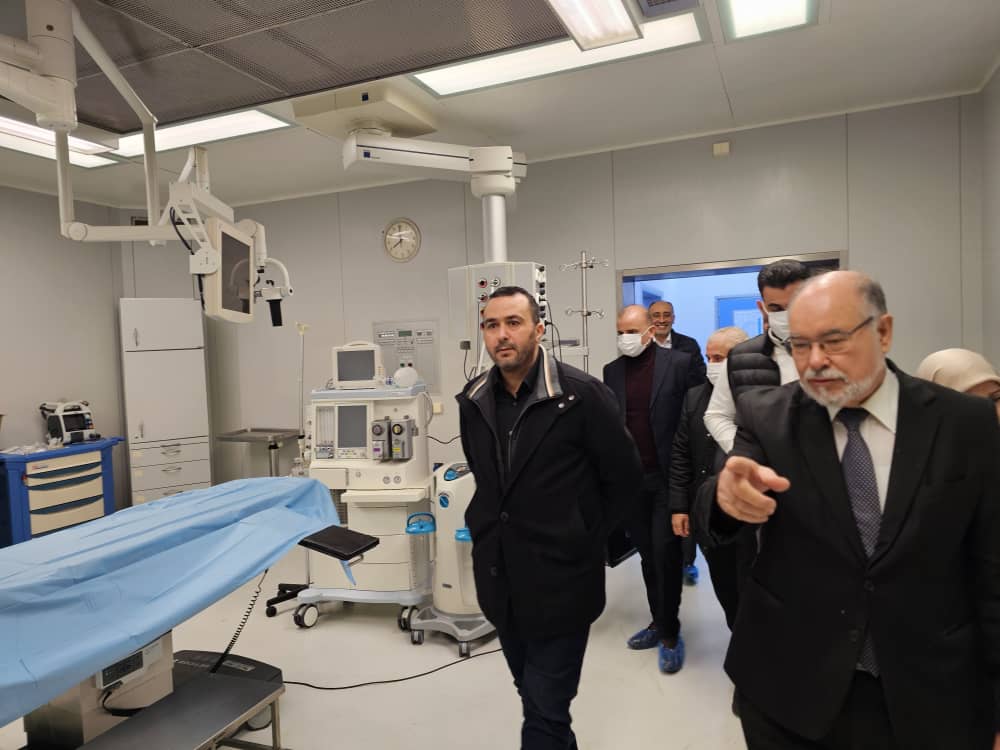
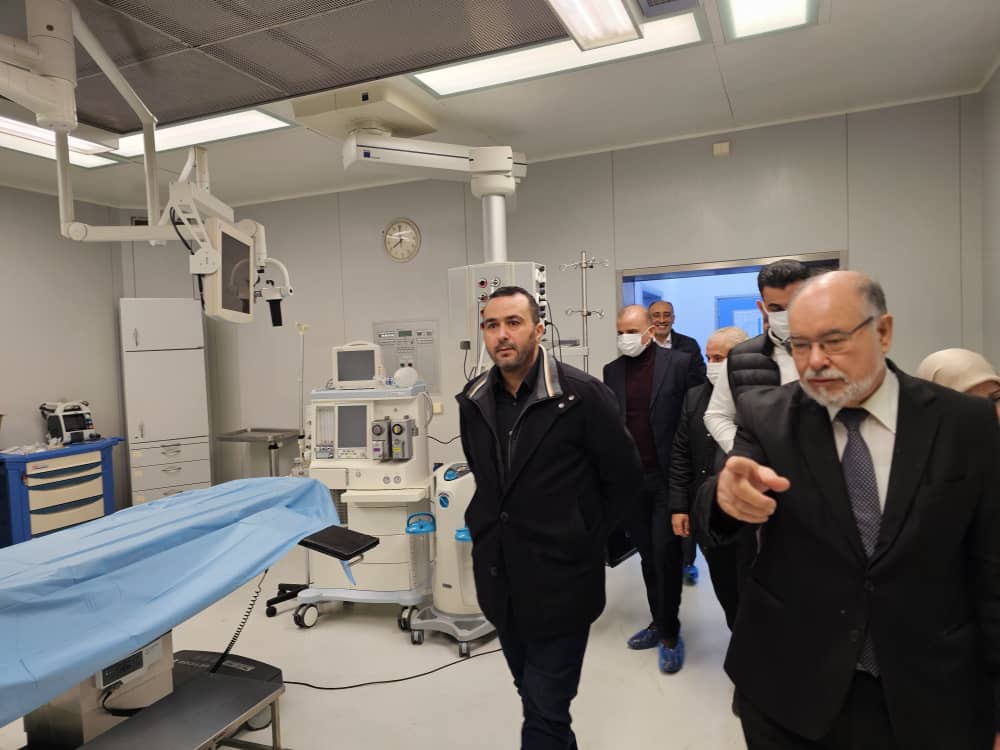
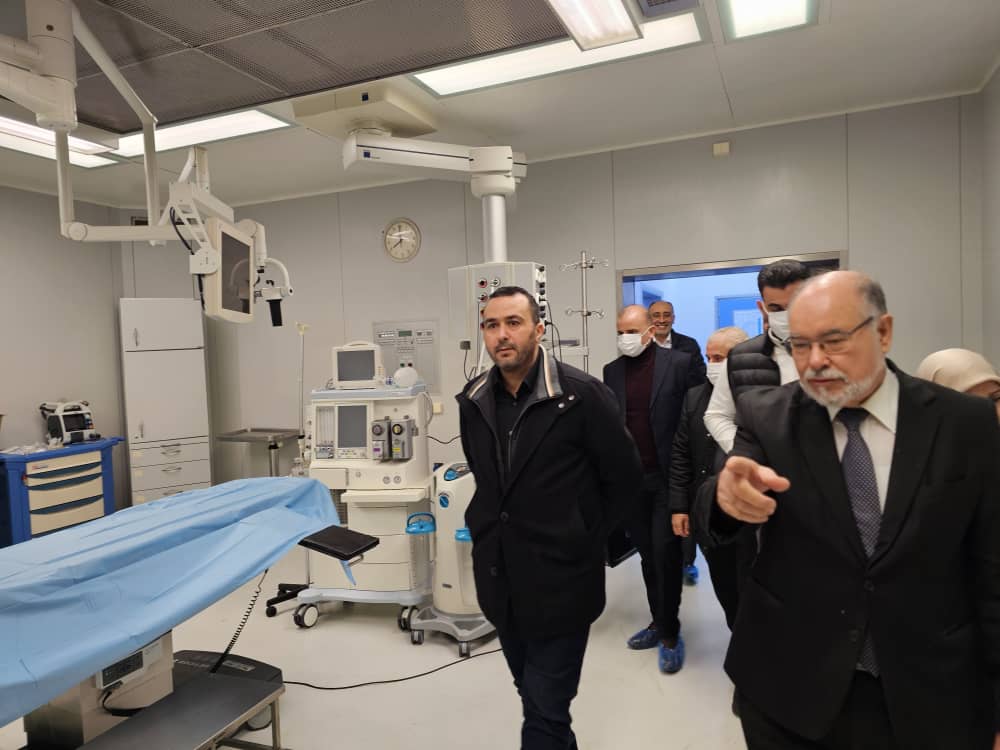
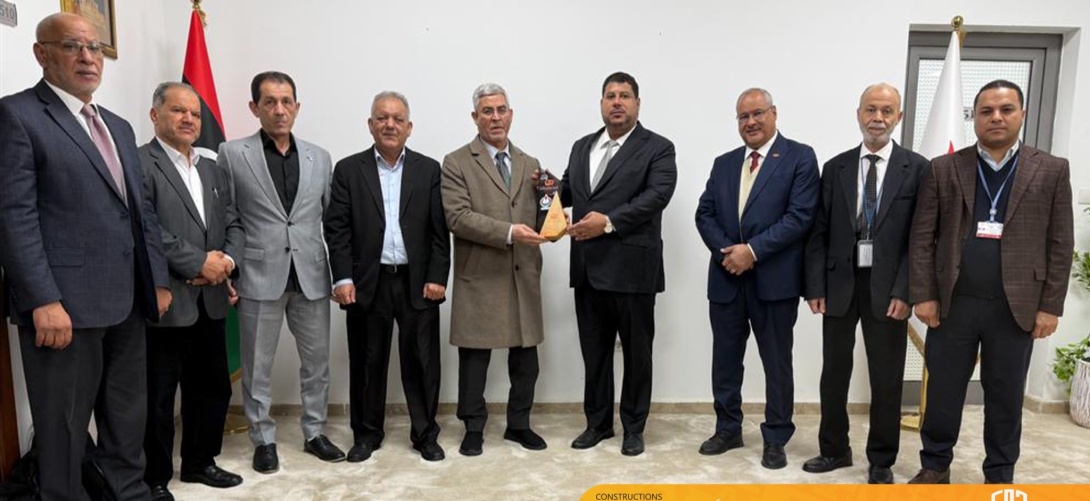
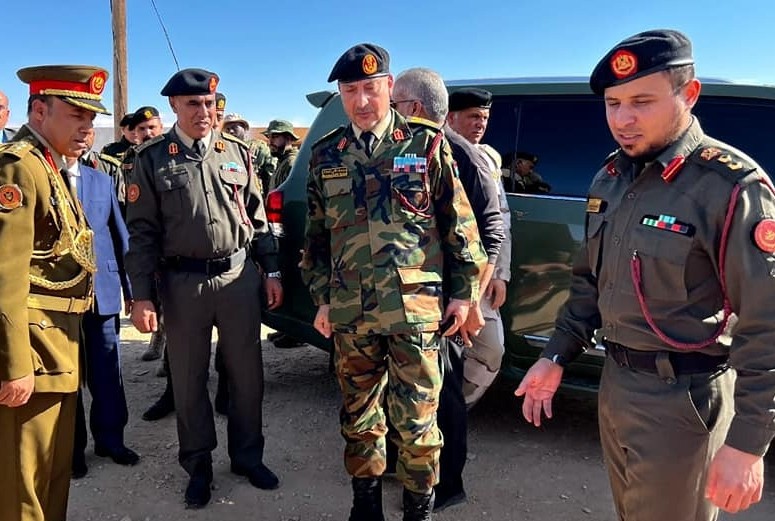
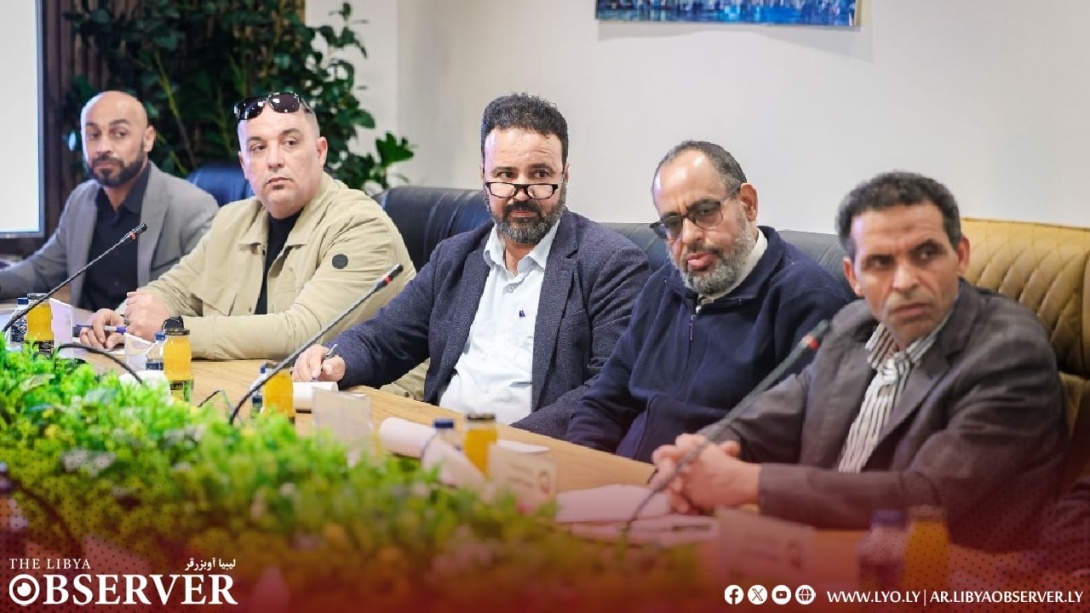
The meeting was attended by officials from relevant security, economic, and law enforcement bodies as part of joint coordination to ensure price stability and strengthen consumer protection.
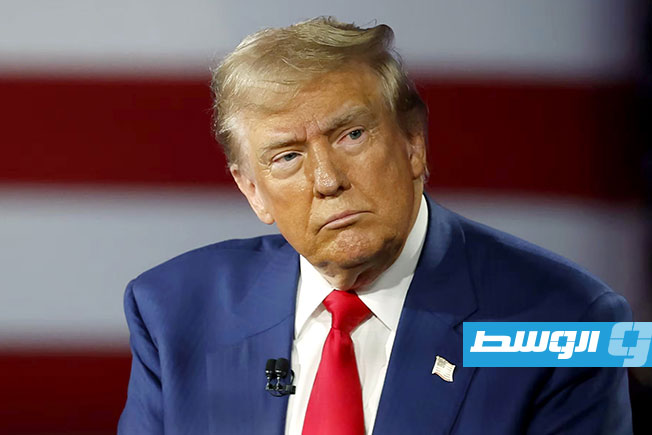
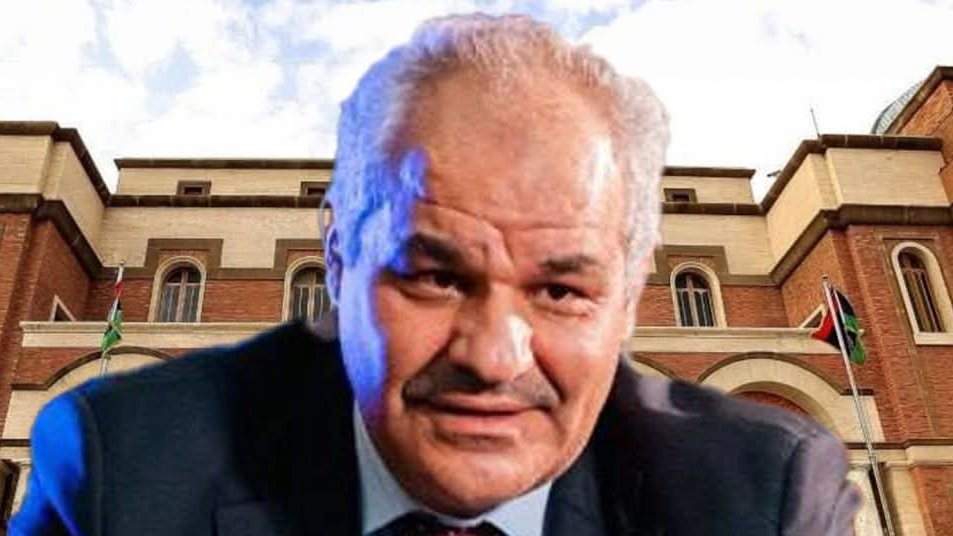
Dbeibah
“Dbeibah” refers to Abdul Hamid Dbeibah, who has served as the Prime Minister of Libya since March 2021 as part of a UN-backed transitional government. His appointment followed years of conflict and aimed to unify the country and lead it to national elections.
Government of National Unity
The Government of National Unity (GNU) is a power-sharing coalition government formed in South Africa in 1994 following the country’s first multiracial elections, which brought Nelson Mandela and the African National Congress to power. It was established as part of the constitutional transition from apartheid to democracy, incorporating members from other major political parties to foster reconciliation and political stability during the nascent post-apartheid era.
Price Control Committee
The Price Control Committee was a regulatory body established in the United States during World War II under the Office of Price Administration. Its primary function was to impose and enforce price ceilings on essential goods and rent to combat wartime inflation and ensure fair distribution. The committee was dissolved after the war ended and price controls were lifted.
flour
Flour is not a specific place or cultural site but a staple food ingredient made by grinding grains. Its history dates back to prehistoric times when early humans used stones to crush wild grains, with more systematic production developing alongside agriculture in ancient civilizations like Mesopotamia and Egypt.
rice
Rice is not a specific place or cultural site, but a staple grain that has shaped civilizations, particularly in Asia. Its cultivation began over 10,000 years ago in regions like China’s Yangtze River Valley, becoming central to cultural practices, economies, and diets across the world.
sugar
Sugar is not a specific place or cultural site, but a commodity with a profound global history. Its cultivation and trade, particularly through the plantation systems of the Americas that relied on enslaved African labor, have shaped economies, societies, and cultures worldwide for centuries. Today, sugar remains a central ingredient in global cuisine and a significant agricultural product.
oil
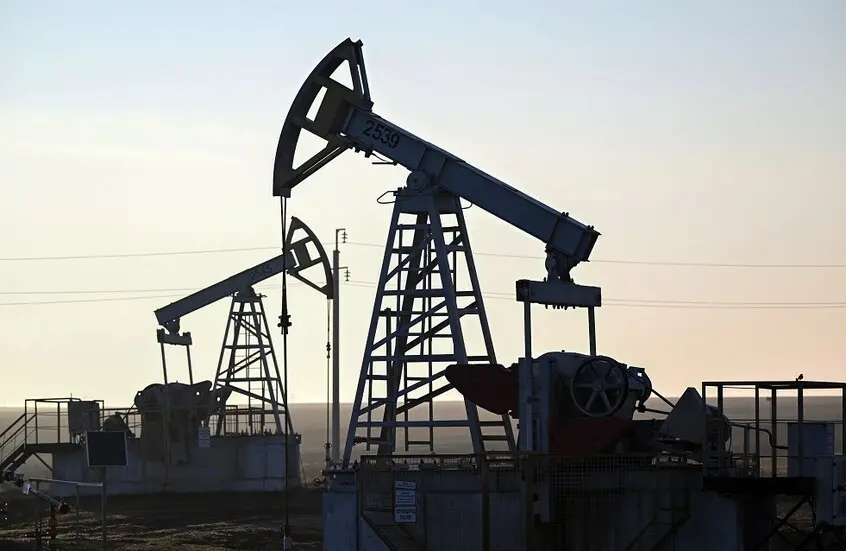
Oil is a naturally occurring fossil fuel formed from ancient organic matter over millions of years, which has been extracted and refined for energy and products since the 19th century. Its discovery and large-scale production, particularly in regions like the Middle East, North America, and Russia, have fundamentally shaped modern global economics, politics, and industry.
milk
“Milk” is not a specific place or cultural site, but rather a fundamental food product. Historically, its consumption dates back to the domestication of animals, and it has played a central role in the diets and agricultural economies of many cultures worldwide.
meat
“Meat” is not a specific place or cultural site, but a general food category. Historically, the hunting, domestication, and processing of animal meat has been a central part of human cultural development and cuisine across all societies. Different cultures have unique traditions, such as barbecue in the American South or charcuterie in France, centered around preparing and consuming meat.
Qatar
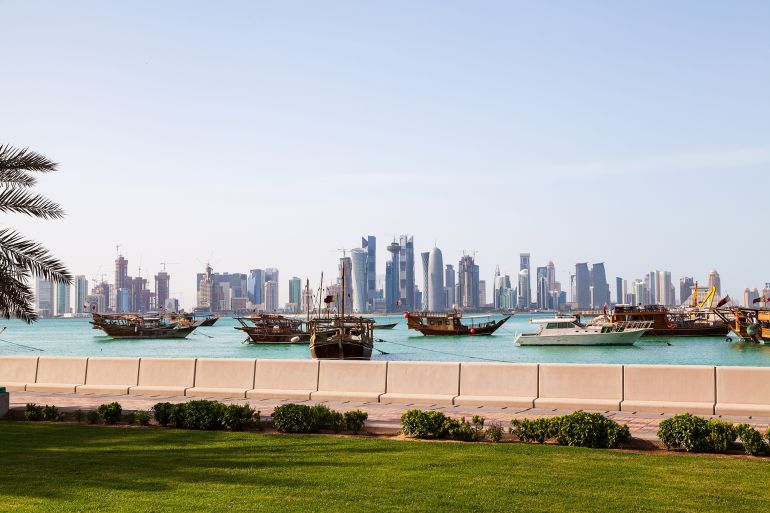
Qatar is a sovereign country on the Arabian Peninsula, historically shaped by its Bedouin heritage and maritime pearl-diving economy. It transformed dramatically following the discovery of oil and natural gas in the mid-20th century, becoming a modern, influential global hub. Notable cultural sites include the Museum of Islamic Art in Doha, which houses one of the world’s most comprehensive collections of Islamic artifacts.
Libya
Libya is a North African country with a rich history rooted in ancient civilizations like the Phoenicians and Romans, followed by centuries of Arab and Ottoman influence. In the modern era, it was an Italian colony before gaining independence in 1951, later becoming known for Muammar Gaddafi’s lengthy rule from 1969 until the 2011 revolution. Its cultural sites include the well-preserved Roman ruins of Leptis Magna, a UNESCO World Heritage site.
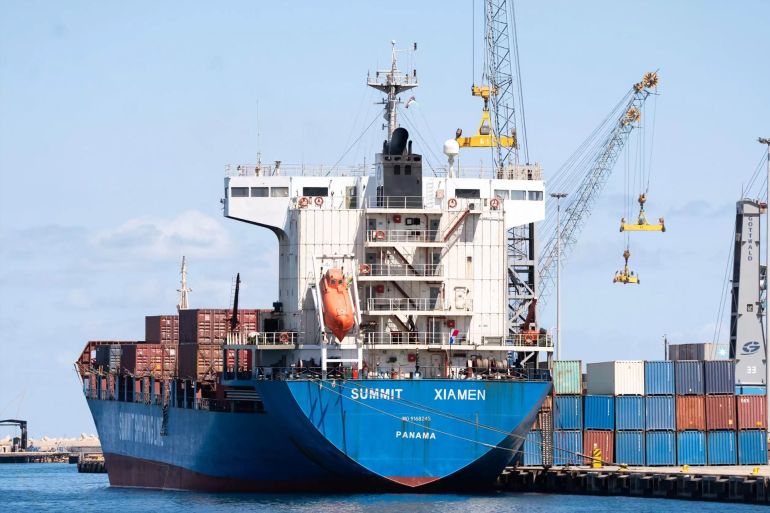
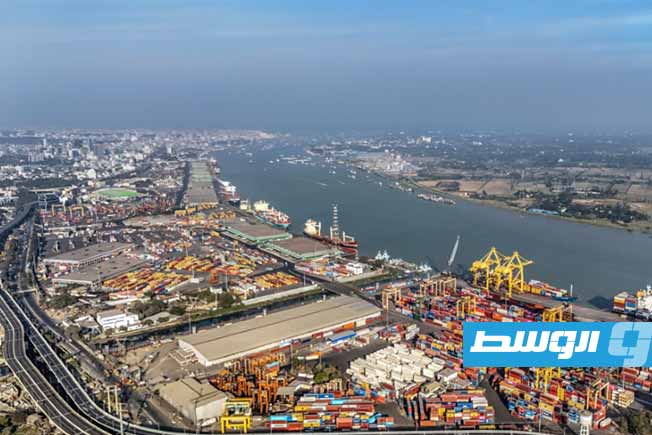
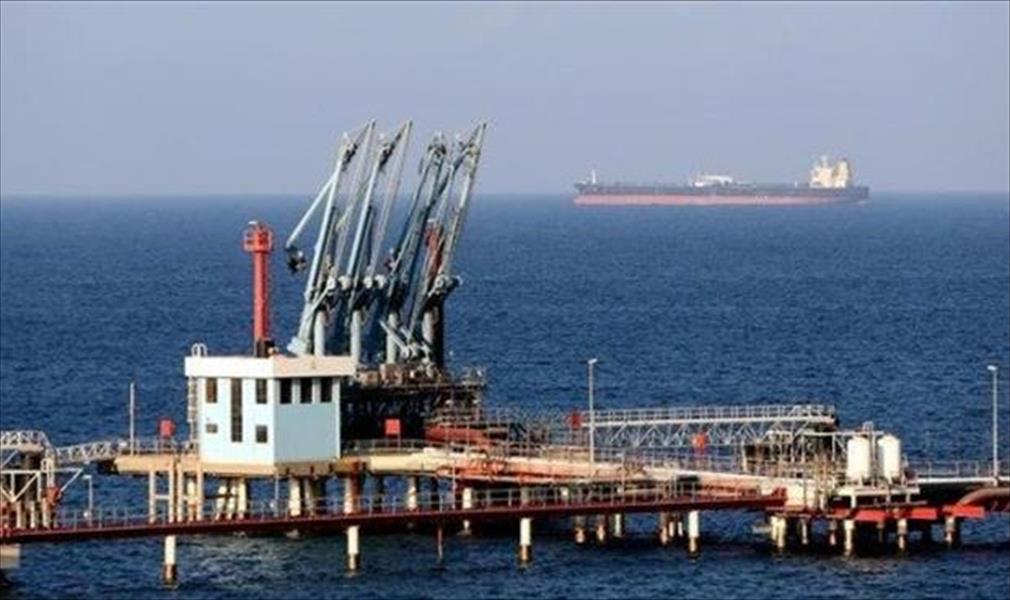
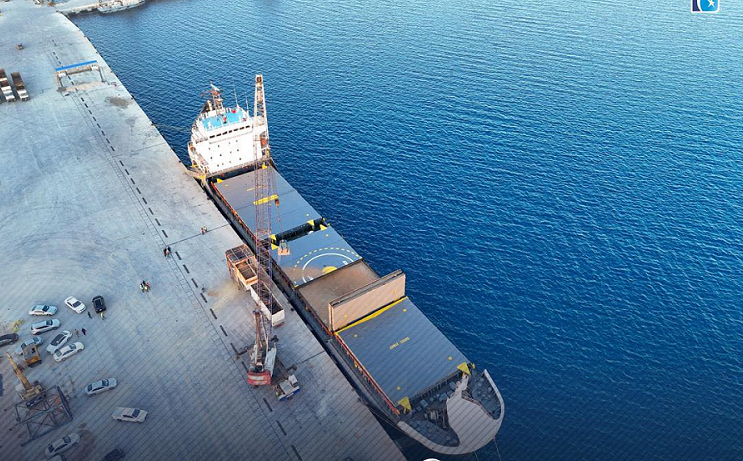
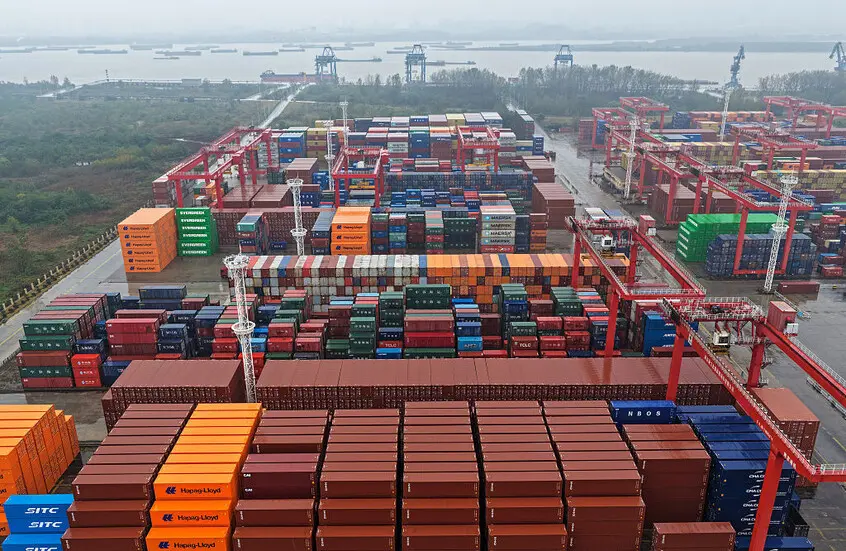
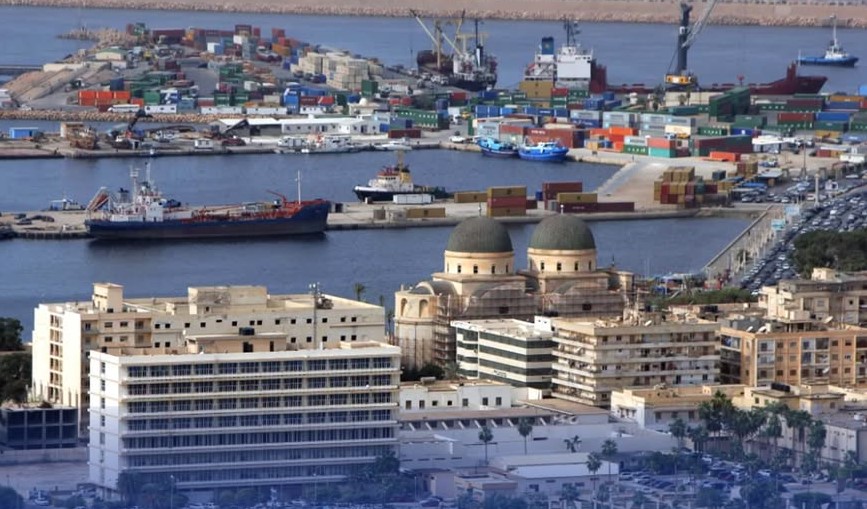
Misrata Free Zone port
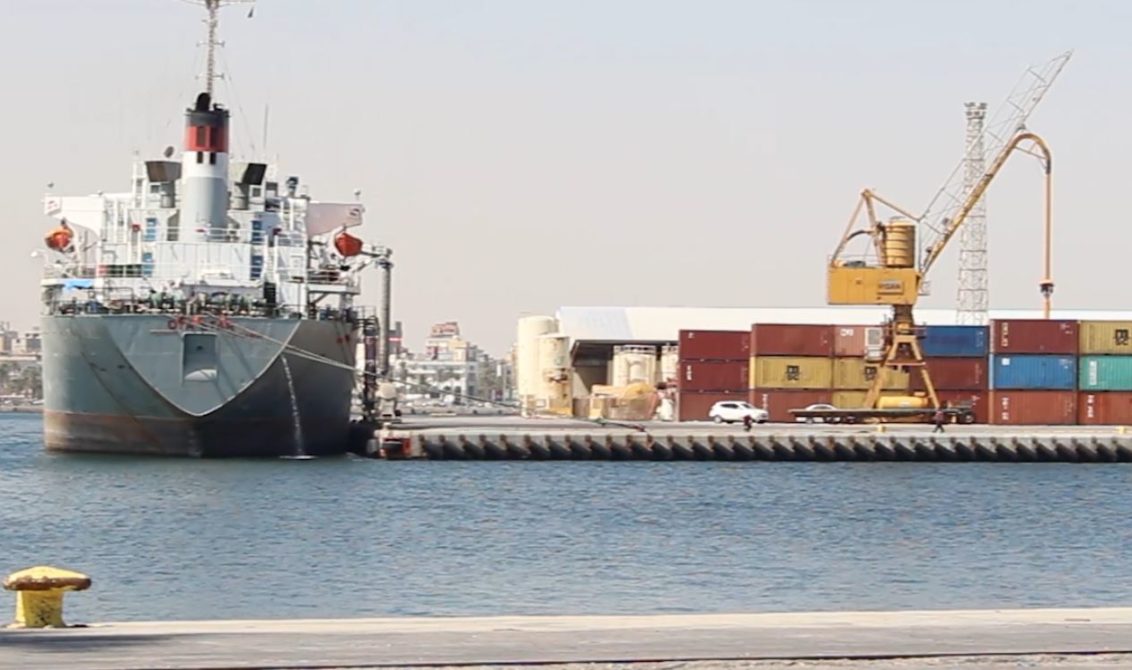
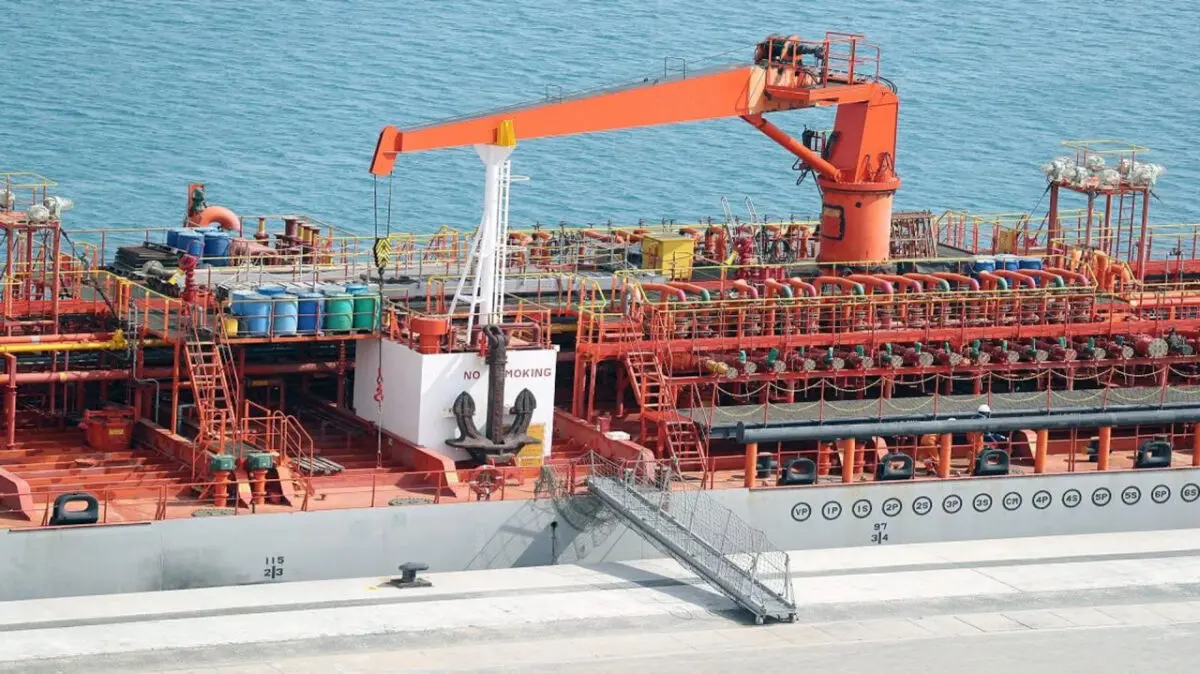
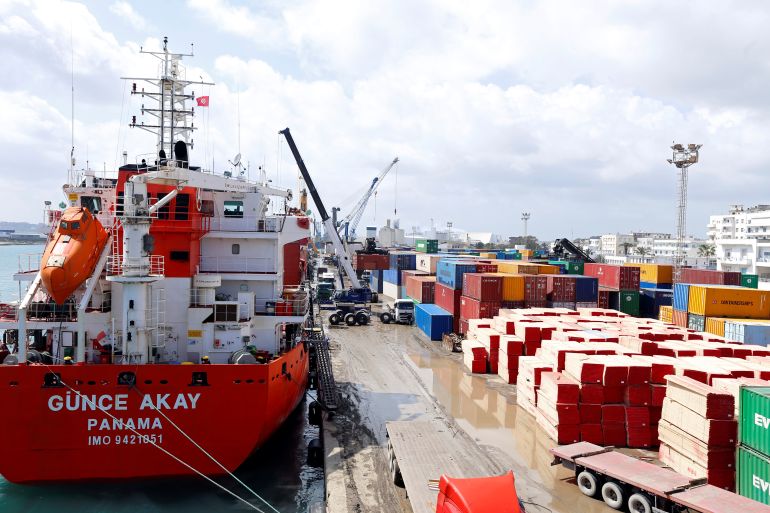
The Misrata Free Zone port is a major commercial and industrial hub on Libya’s Mediterranean coast, established in the early 2000s as a key economic development project. It serves as a vital gateway for trade, featuring a free zone area designed to attract foreign investment and boost non-oil exports.