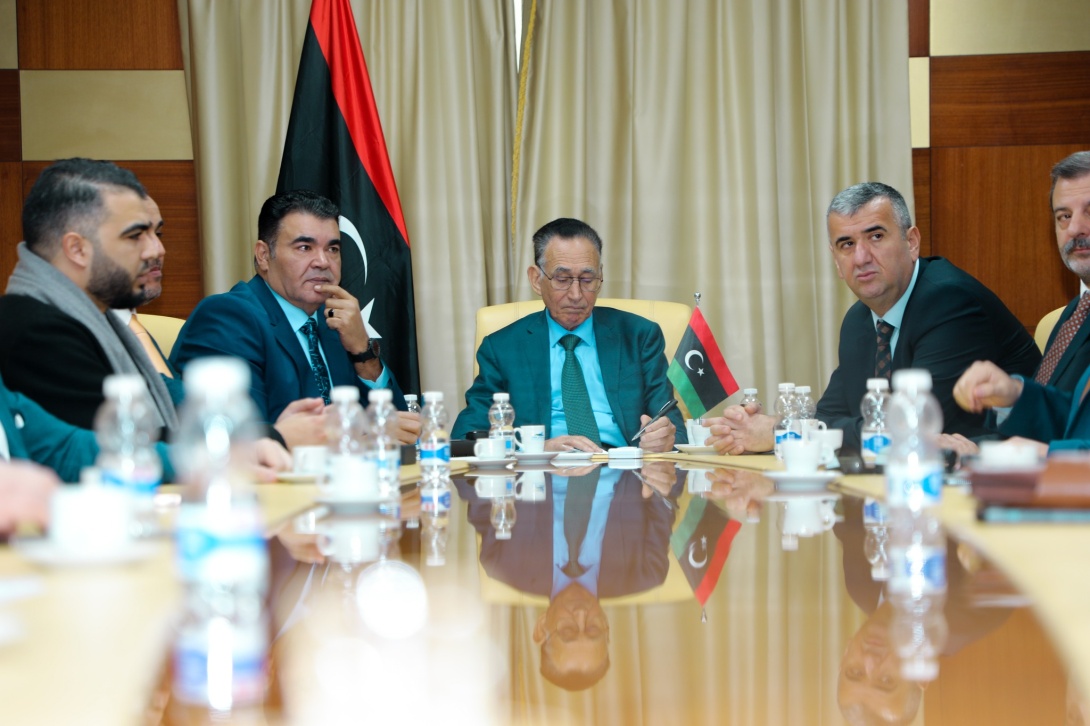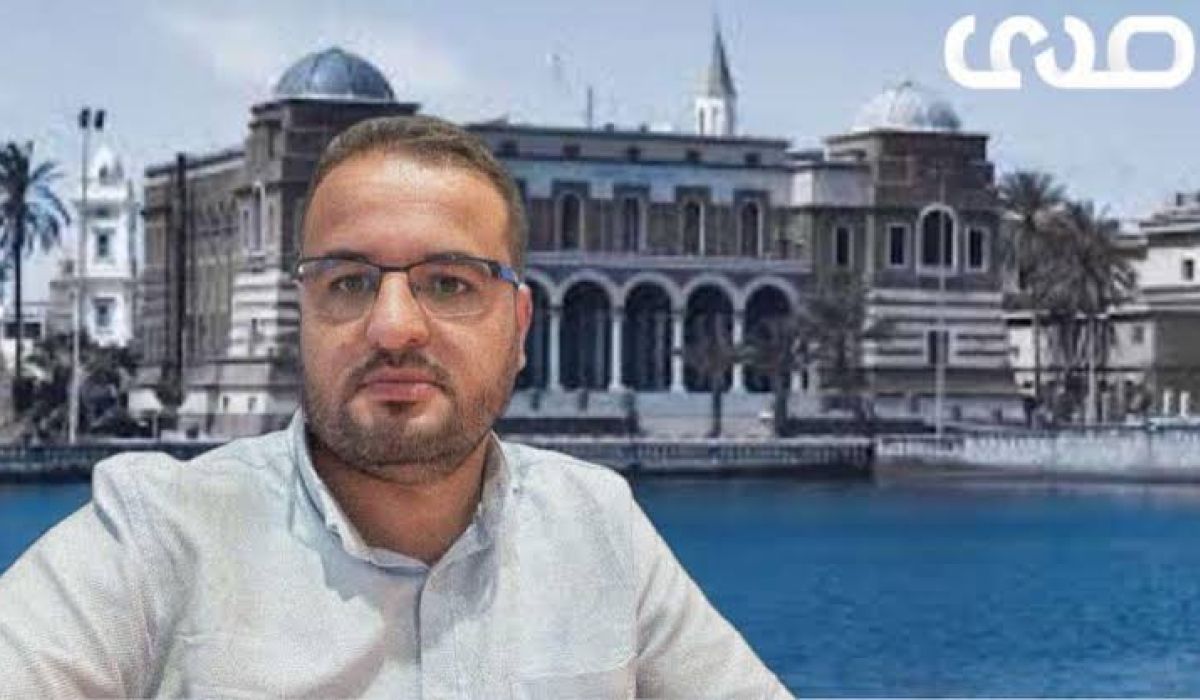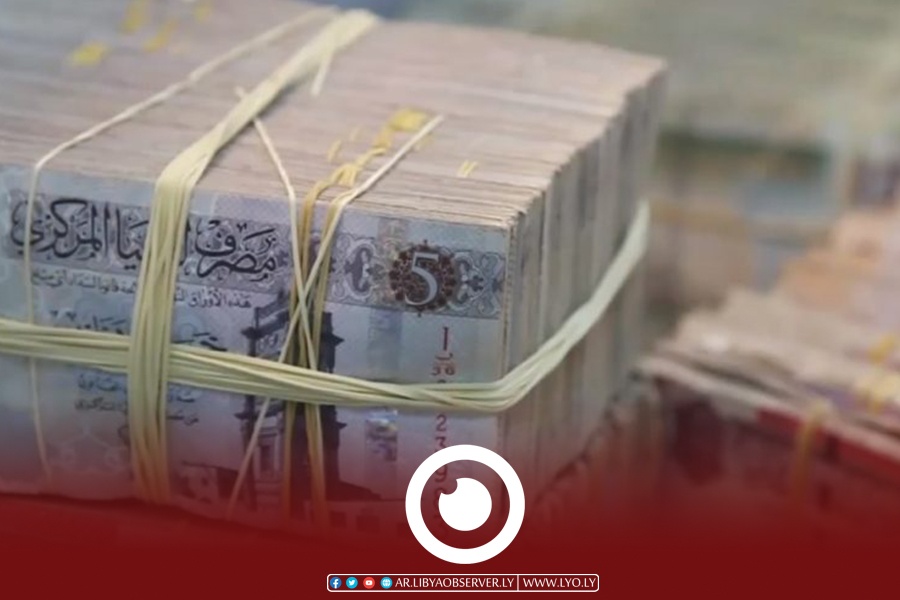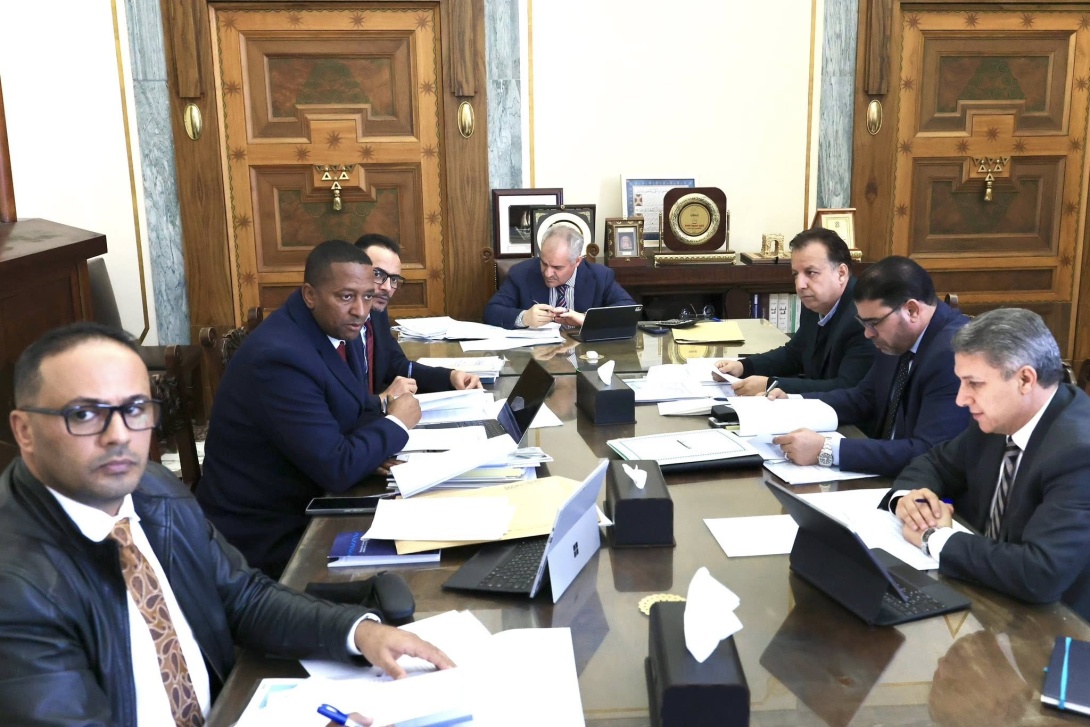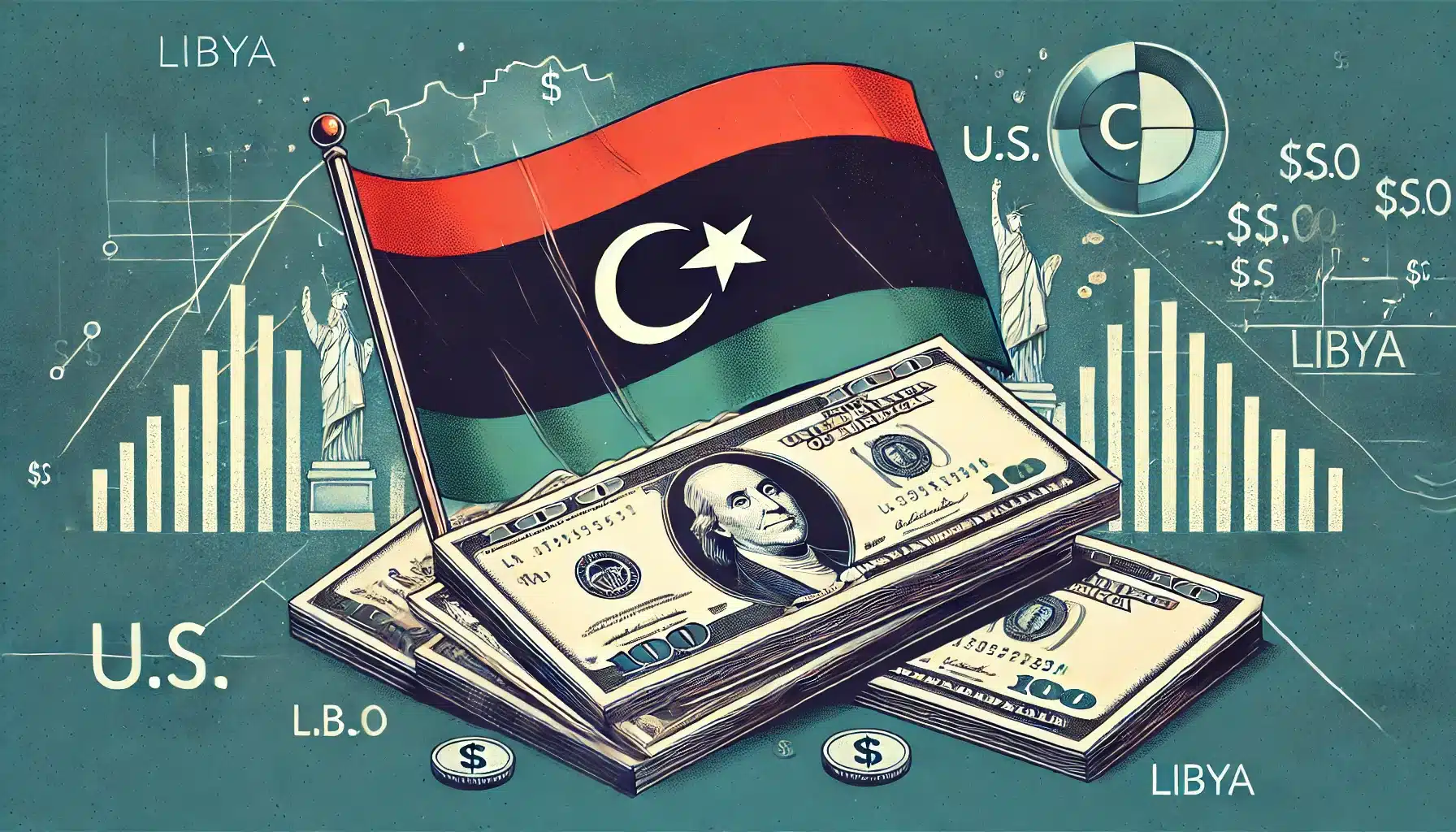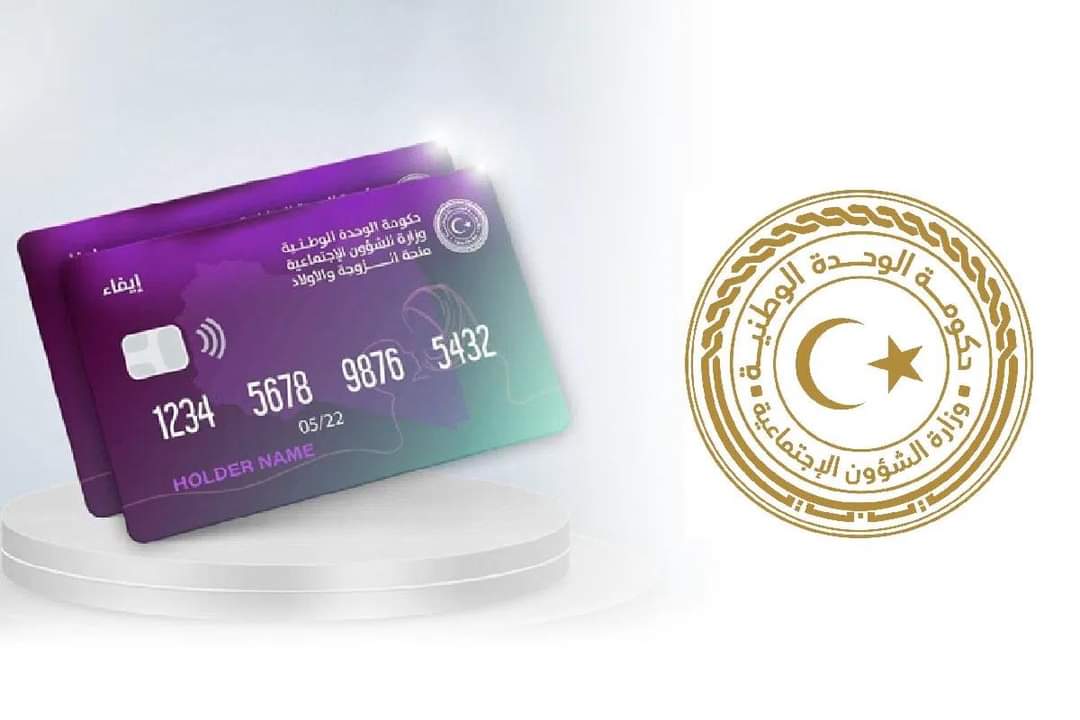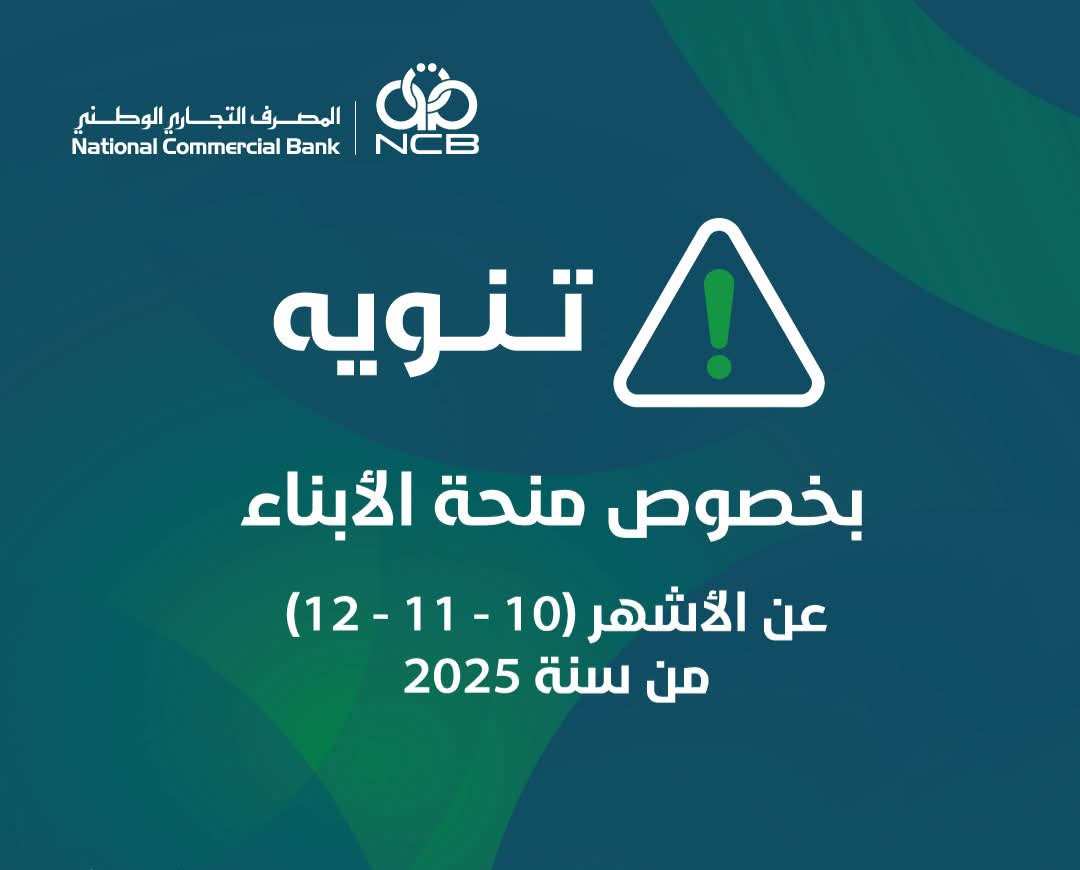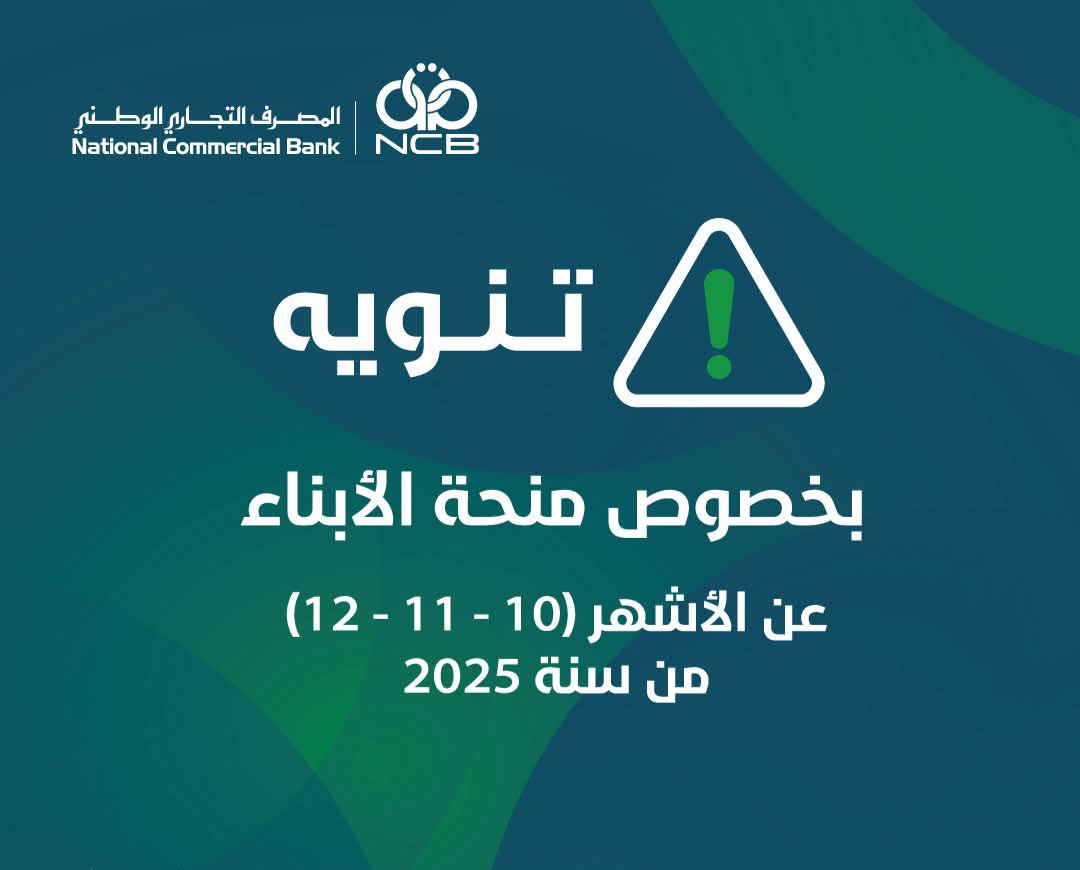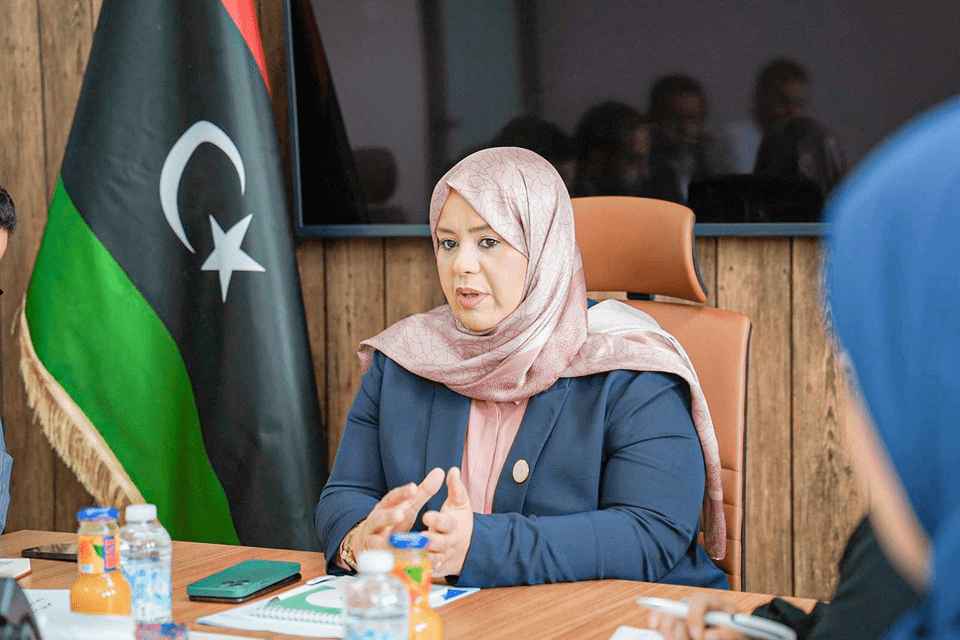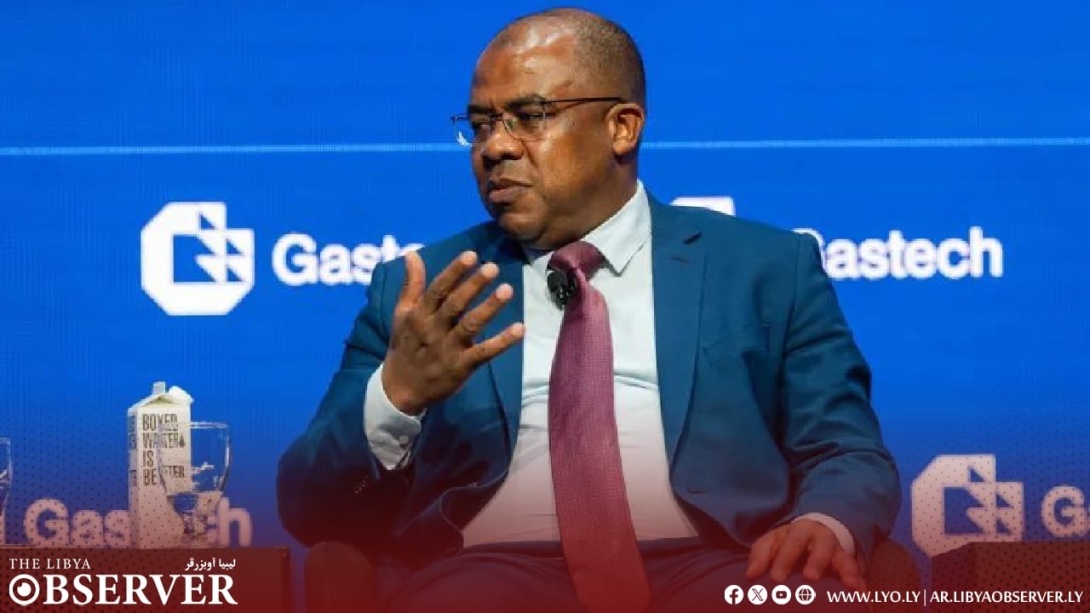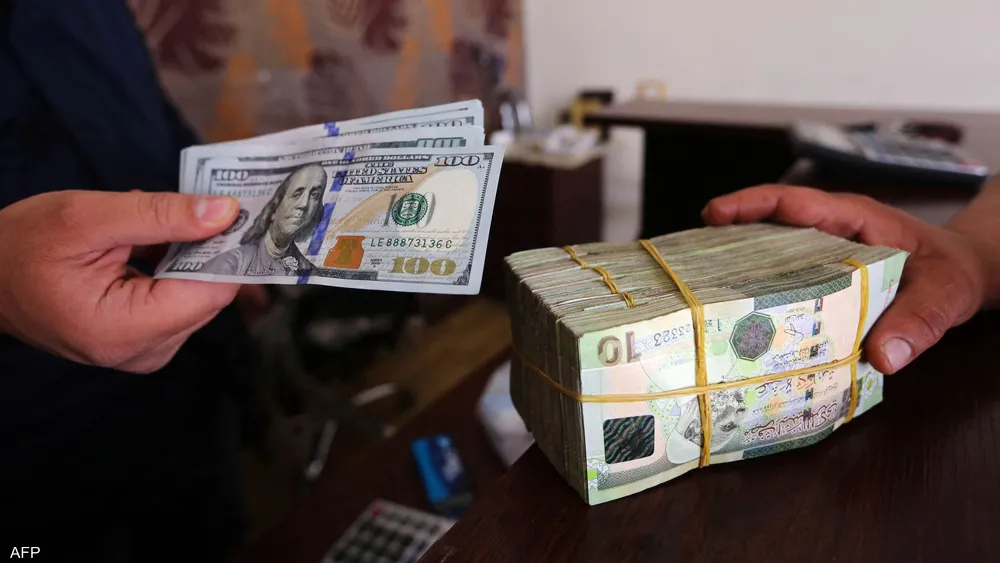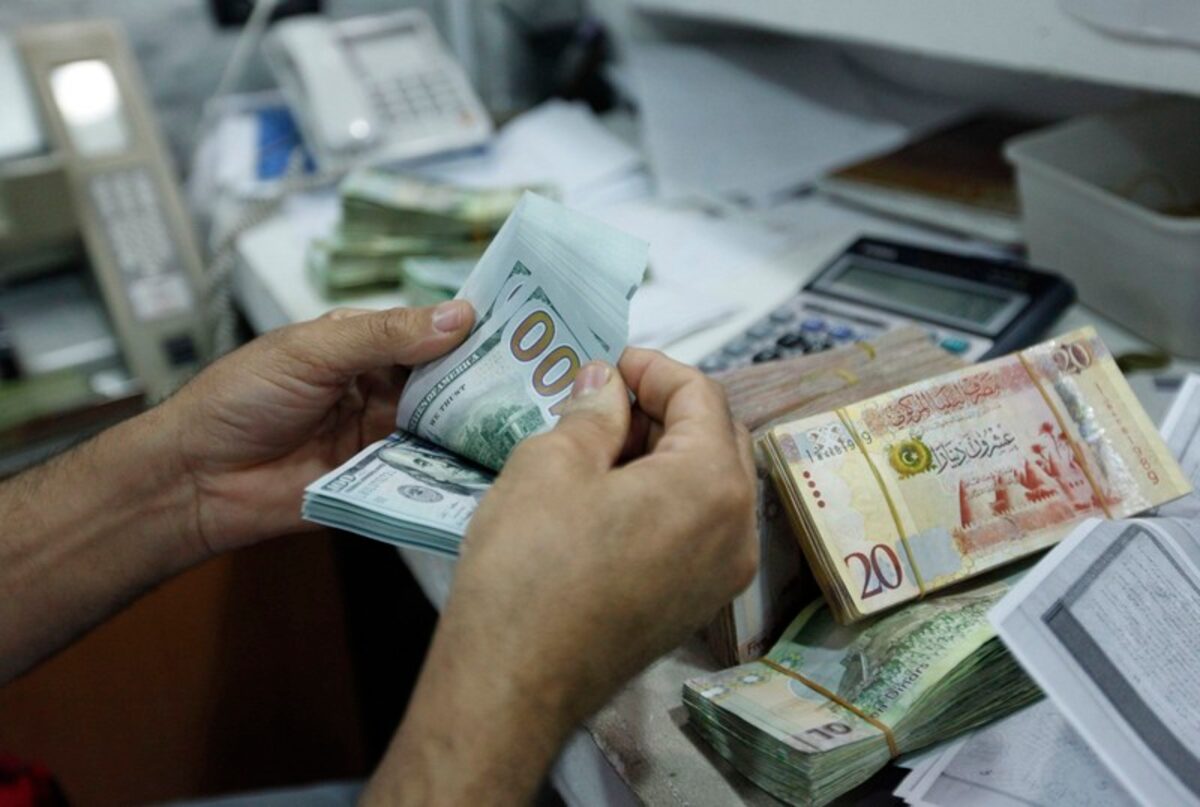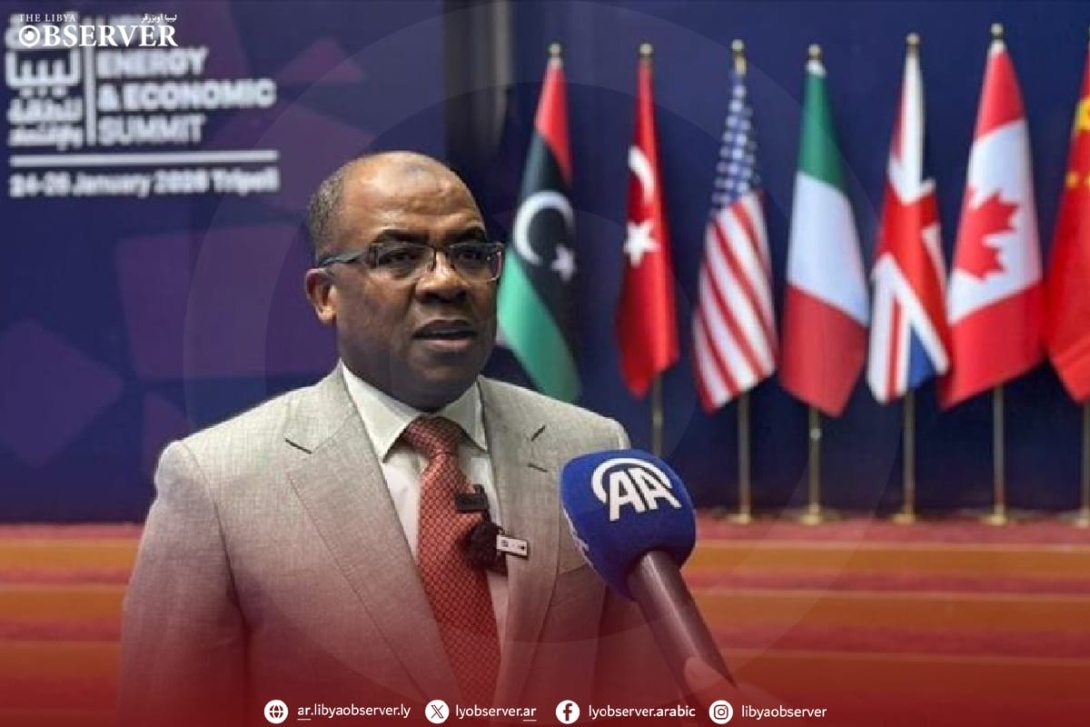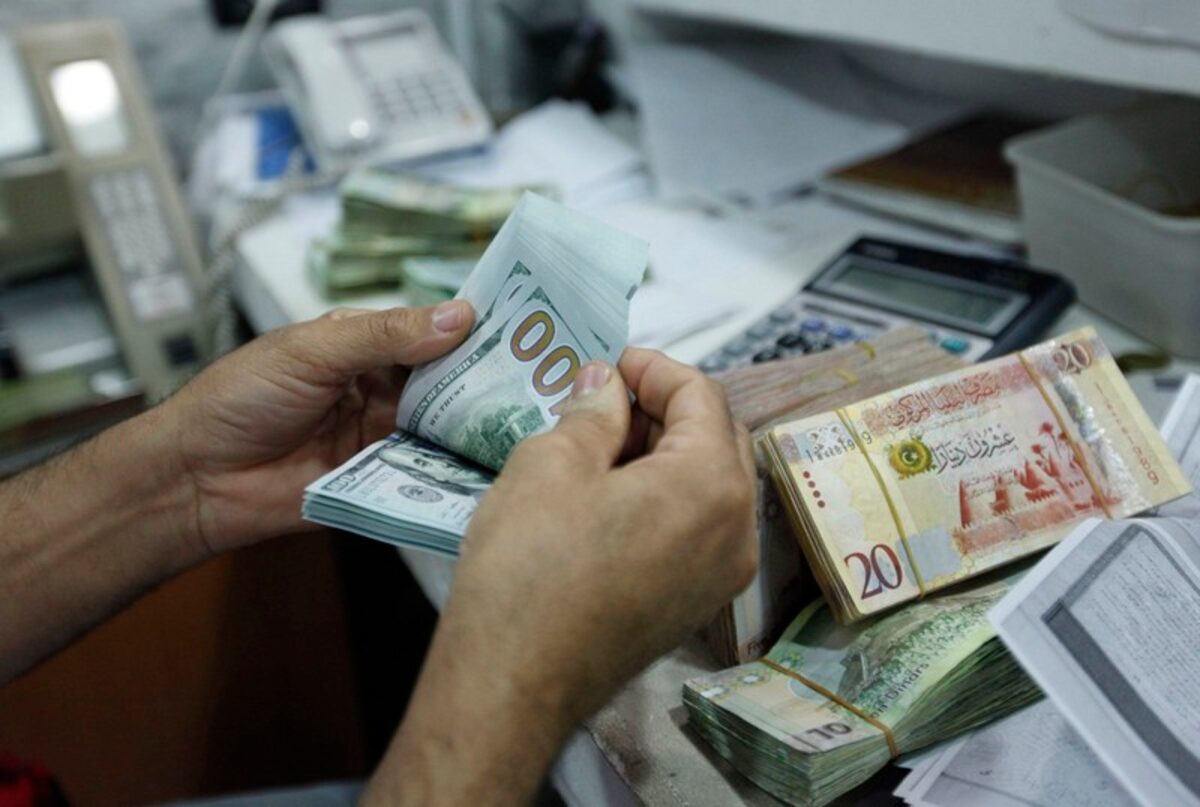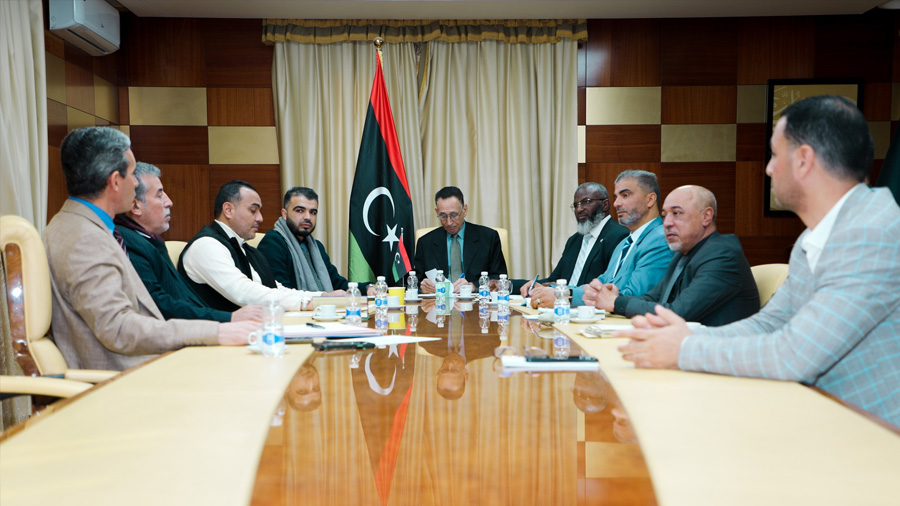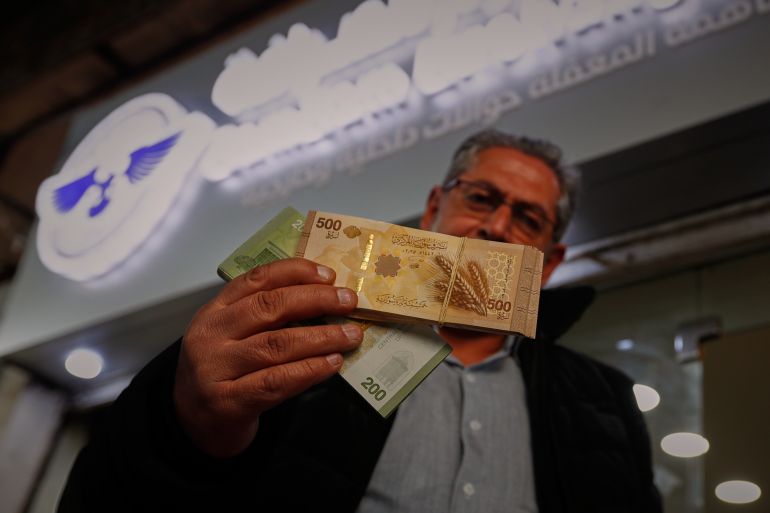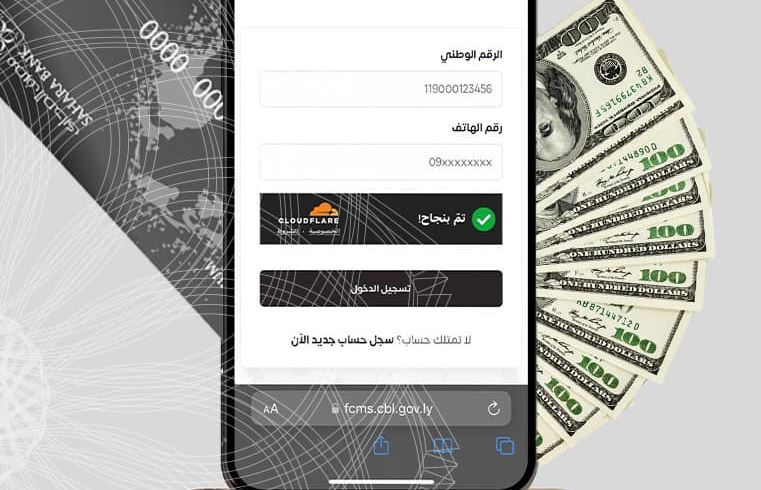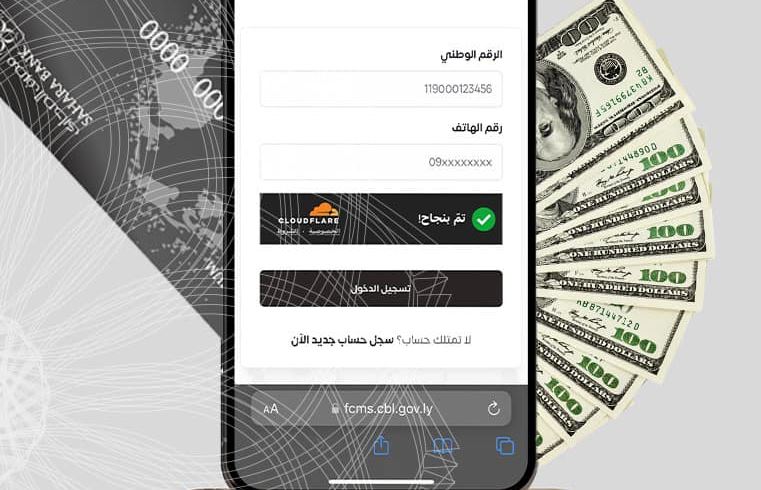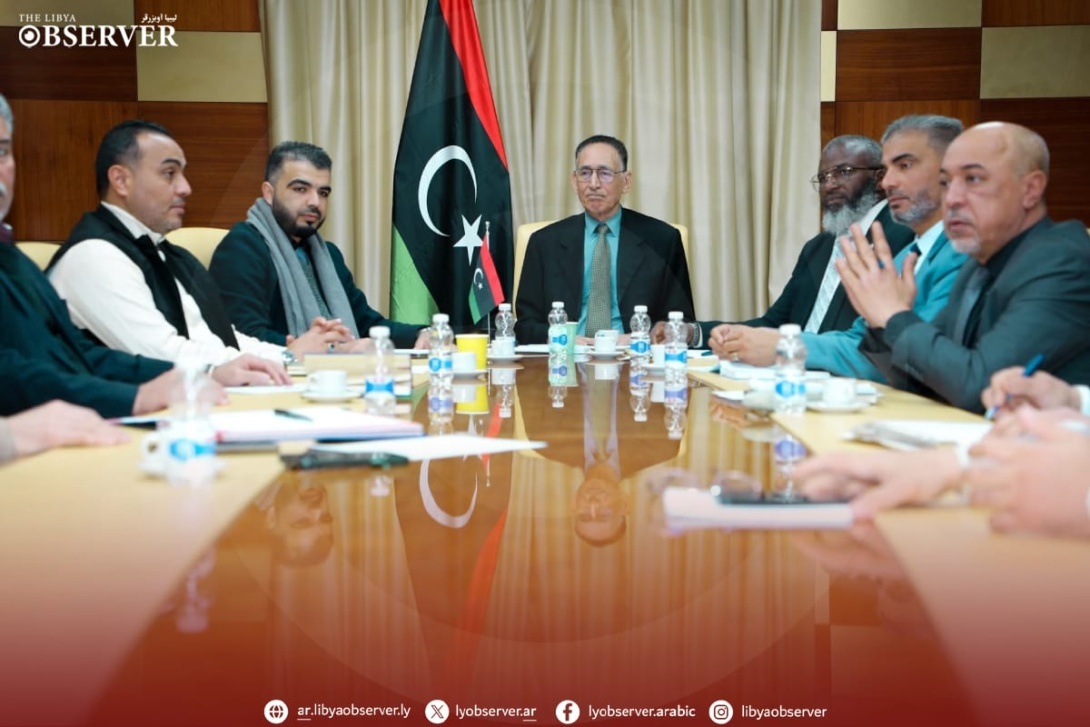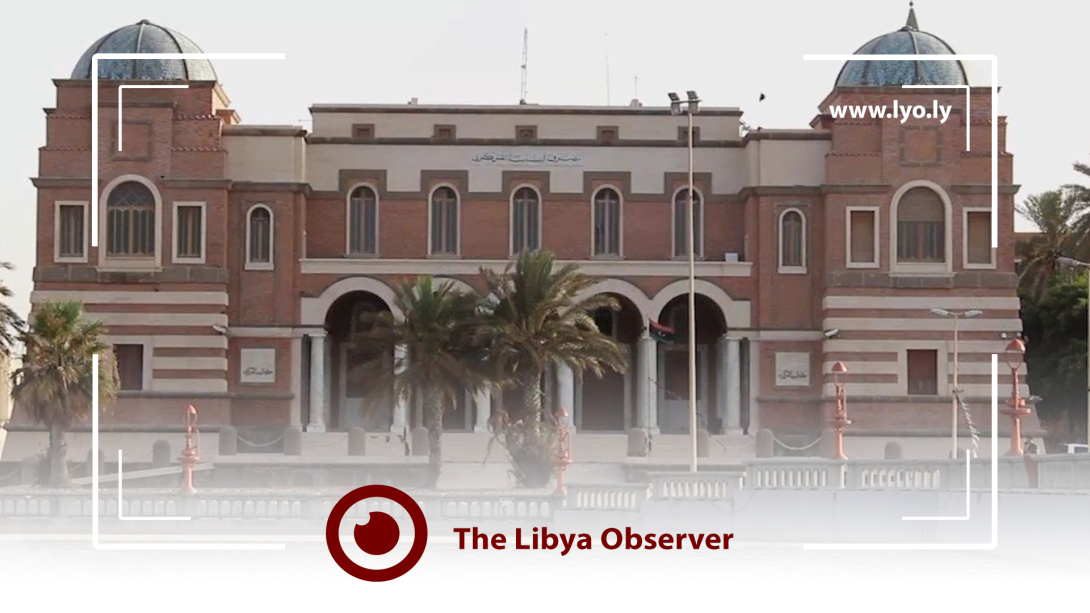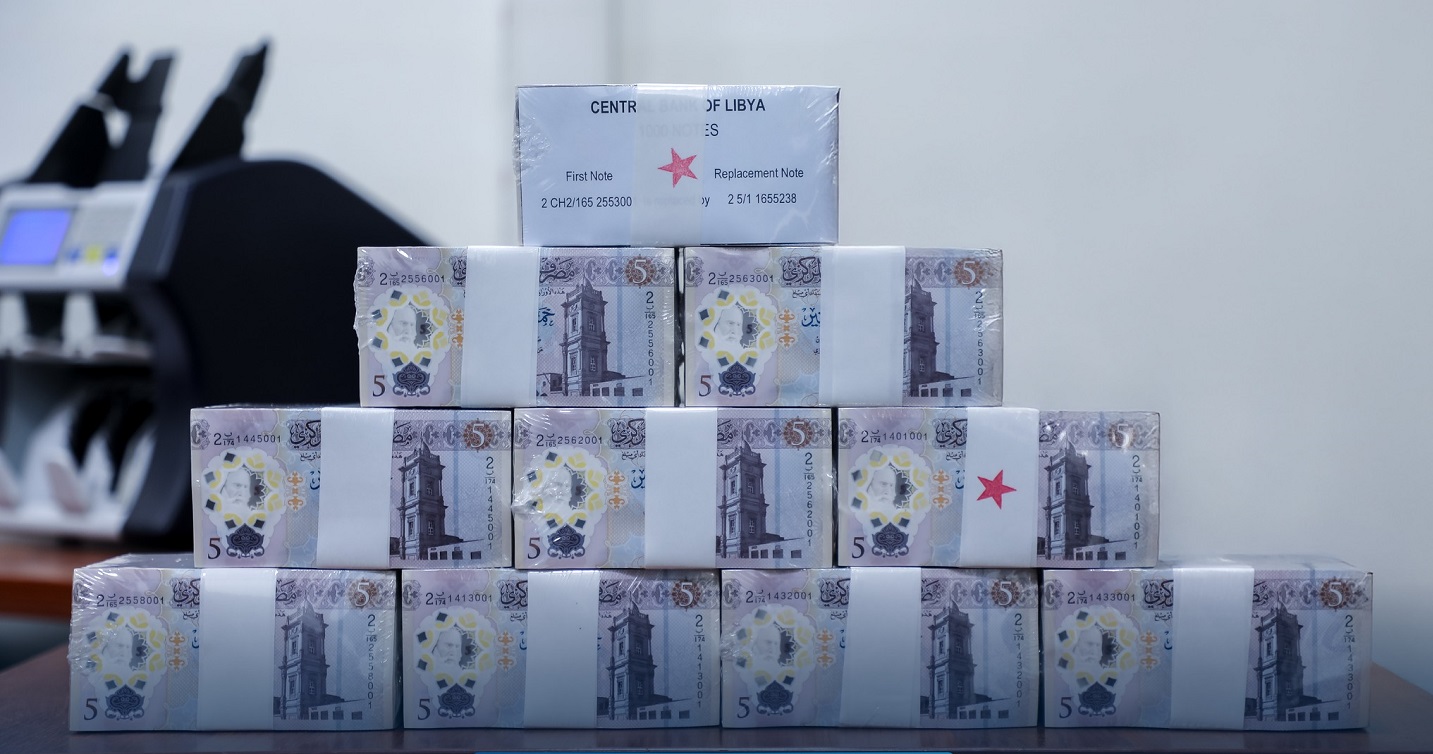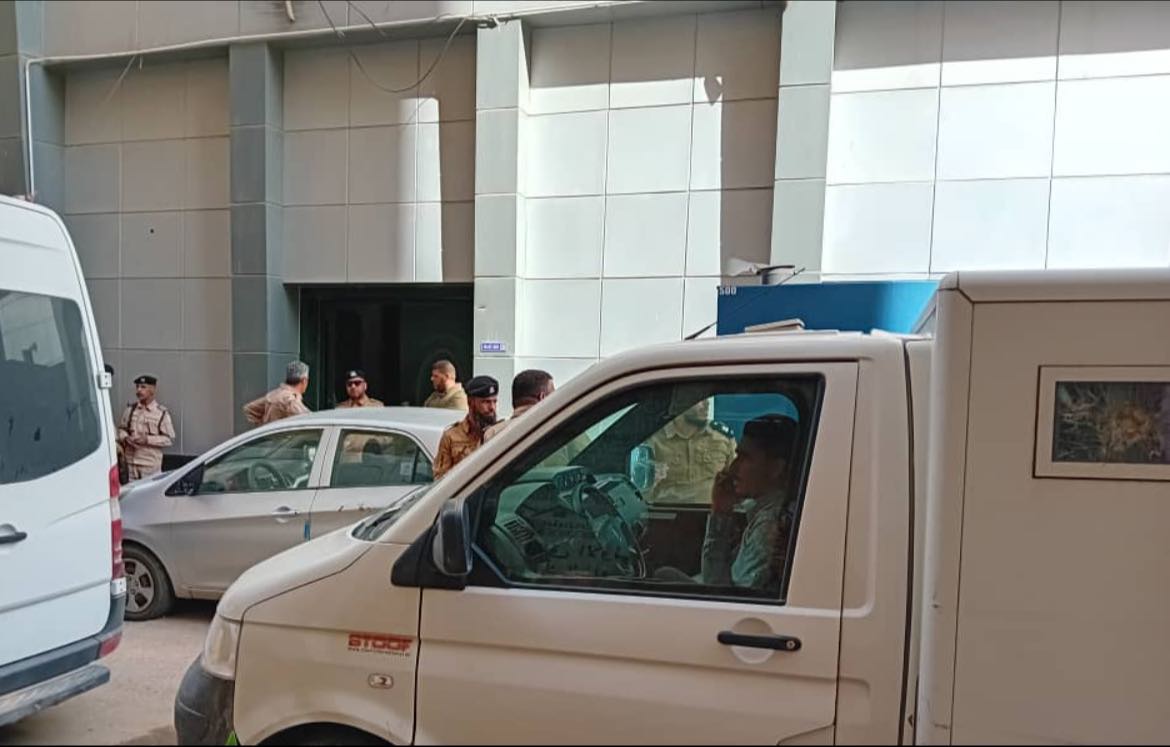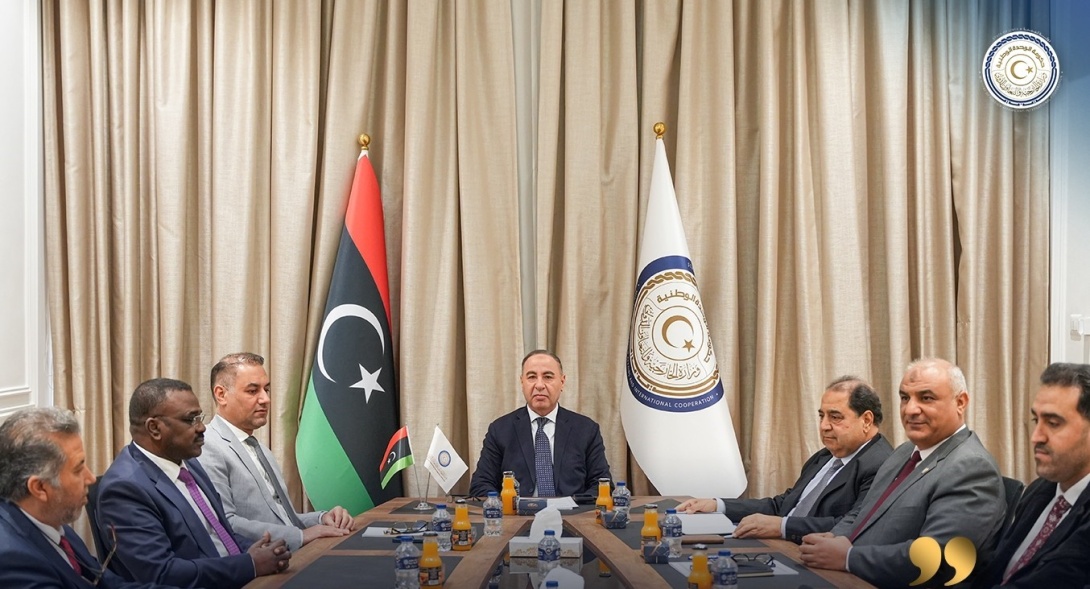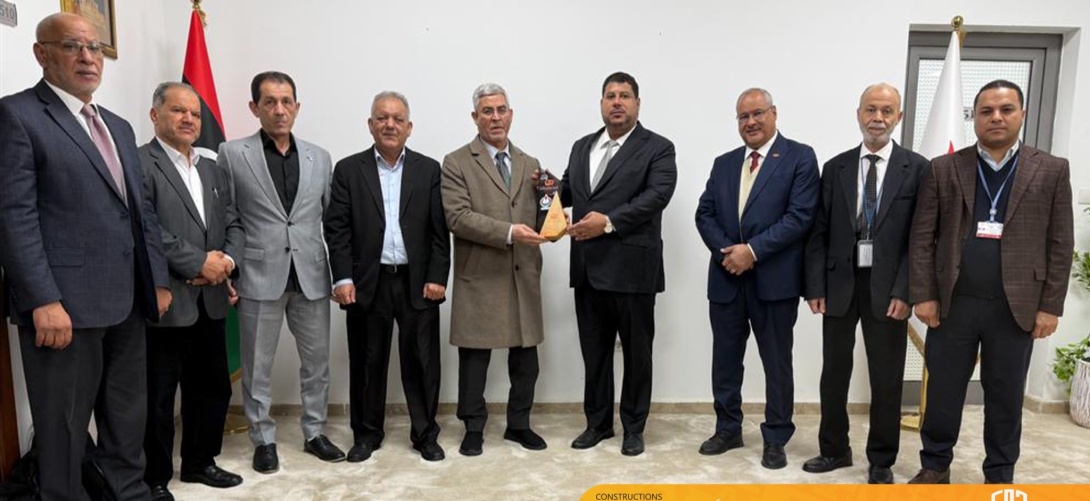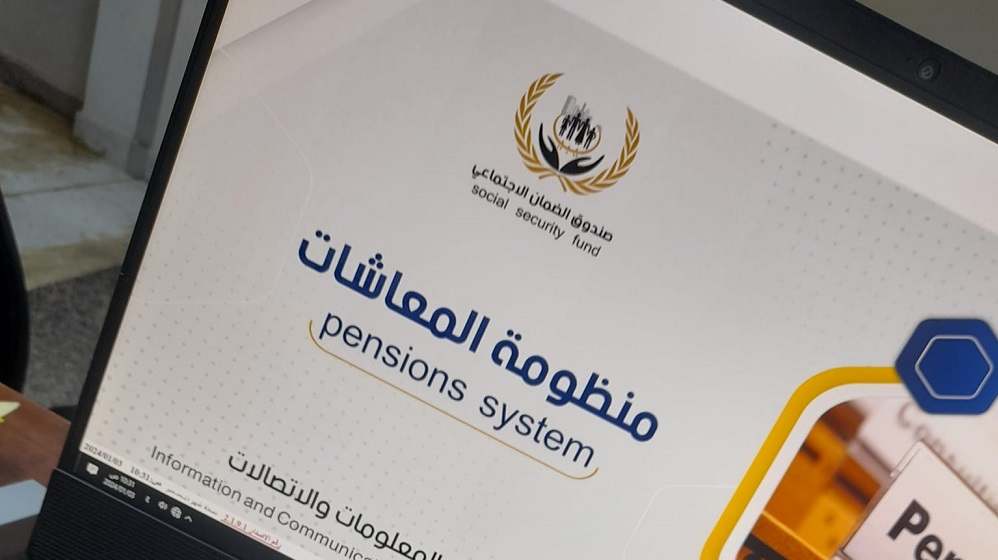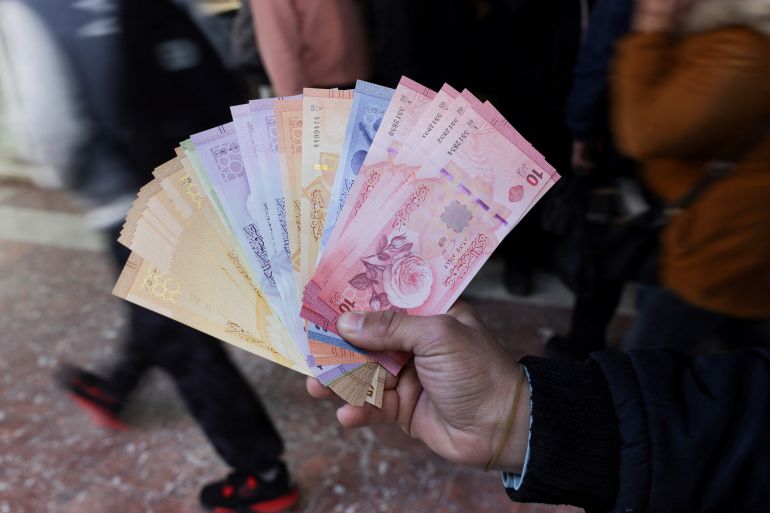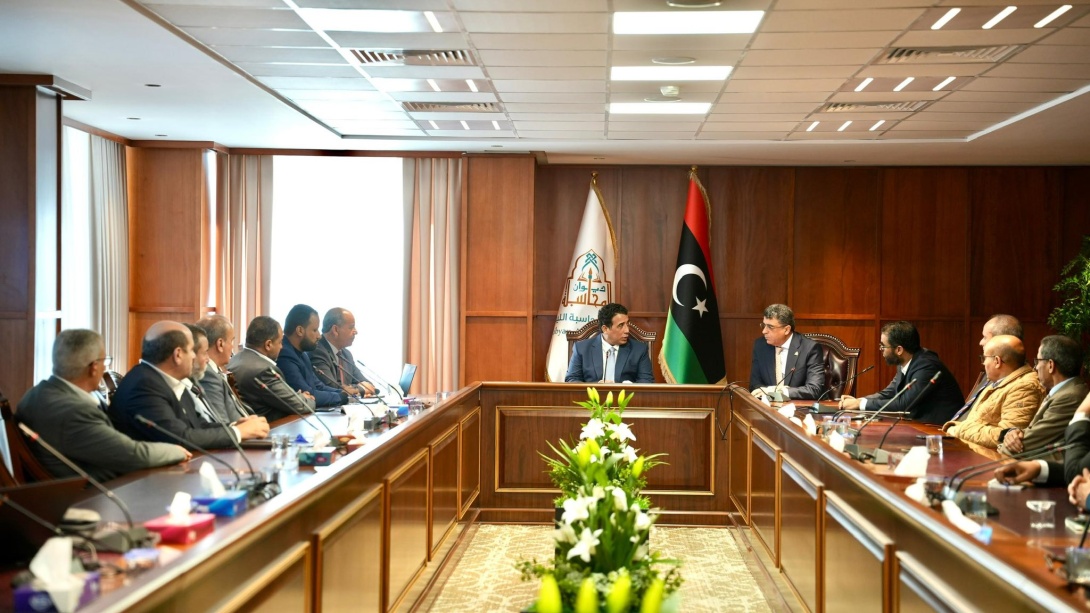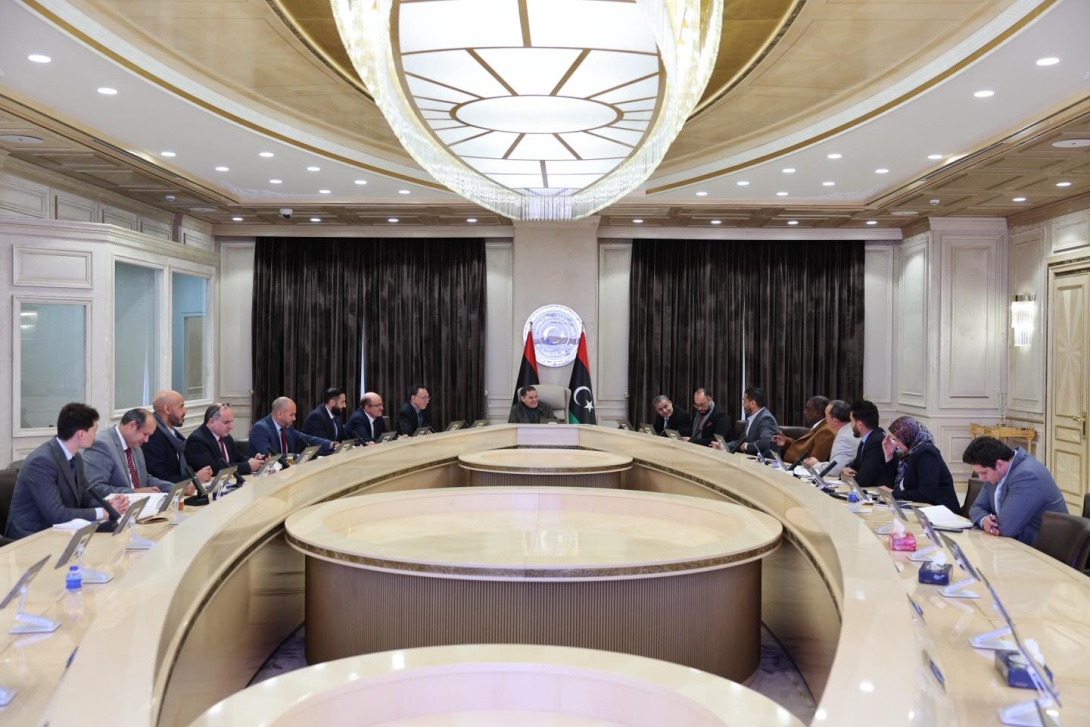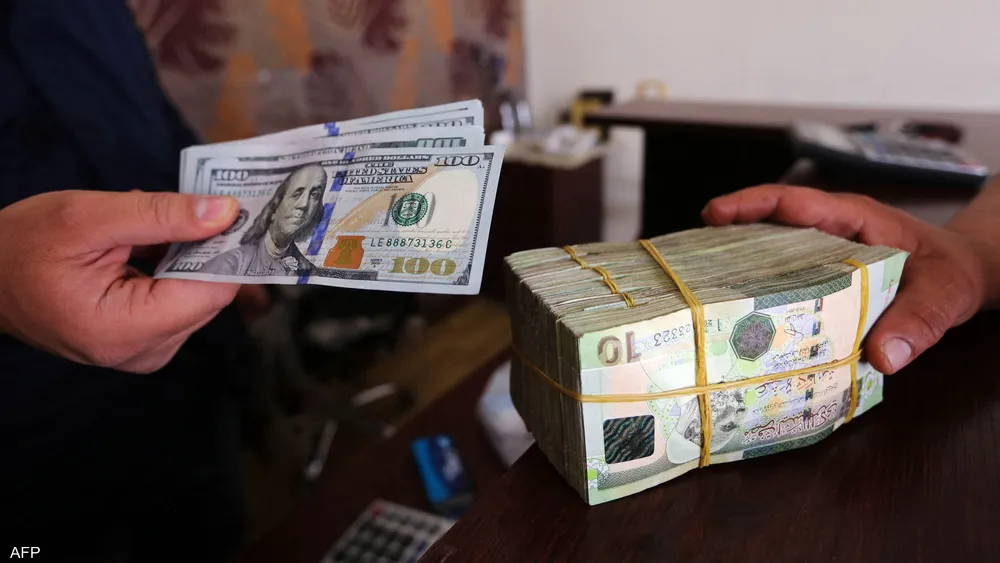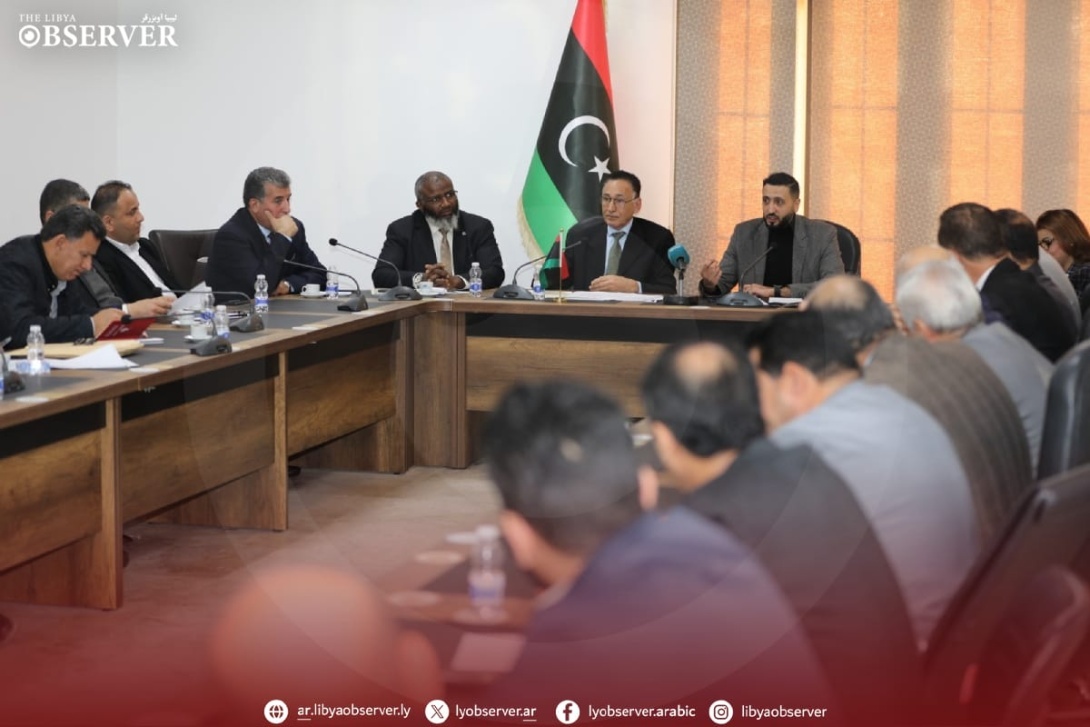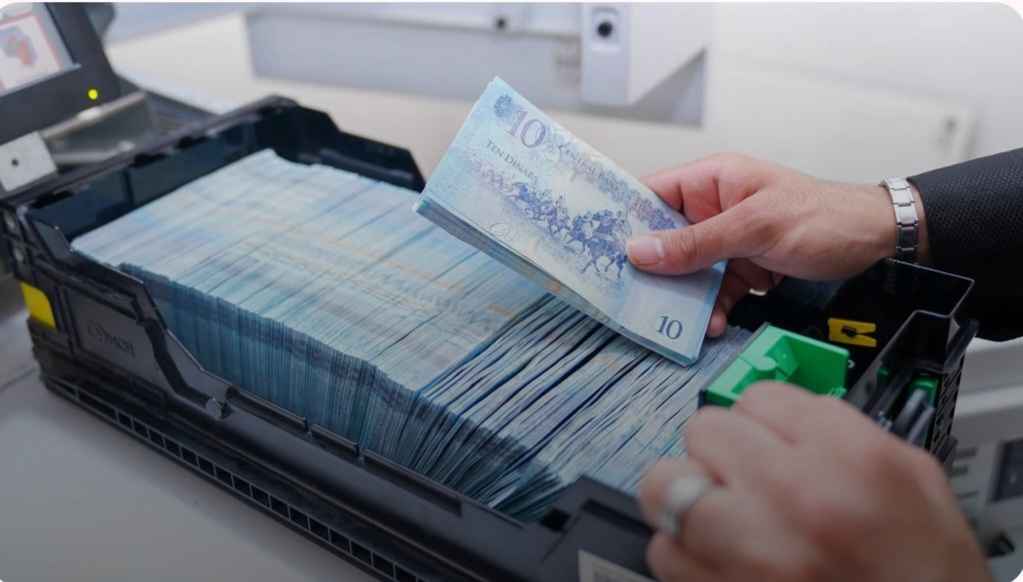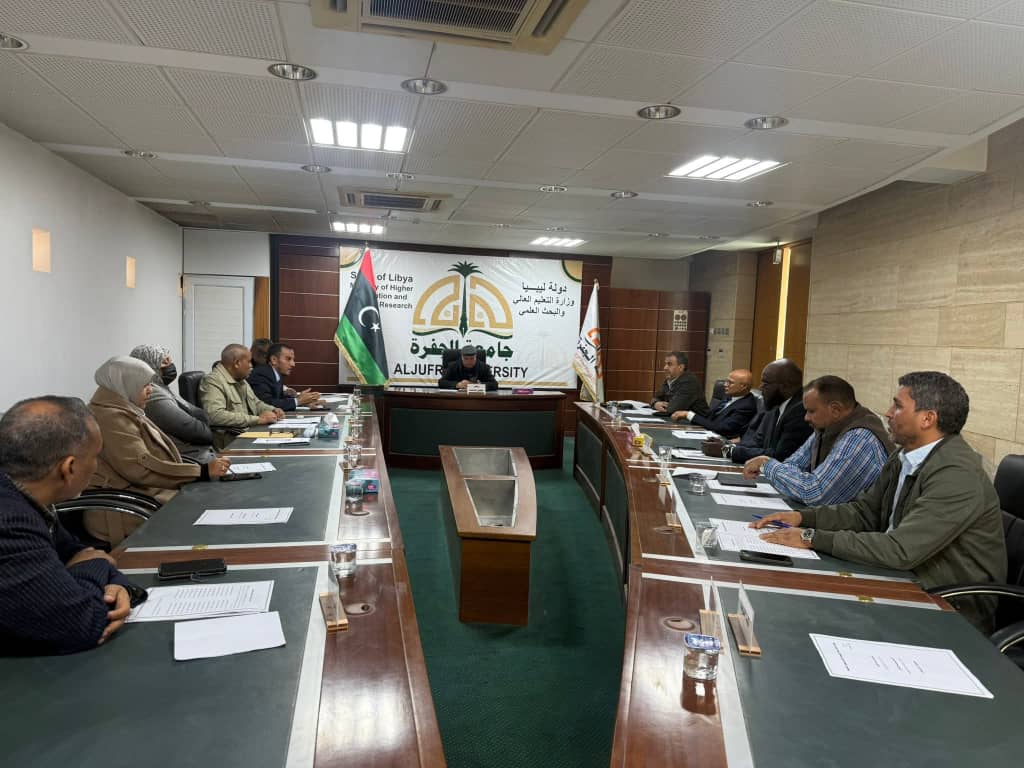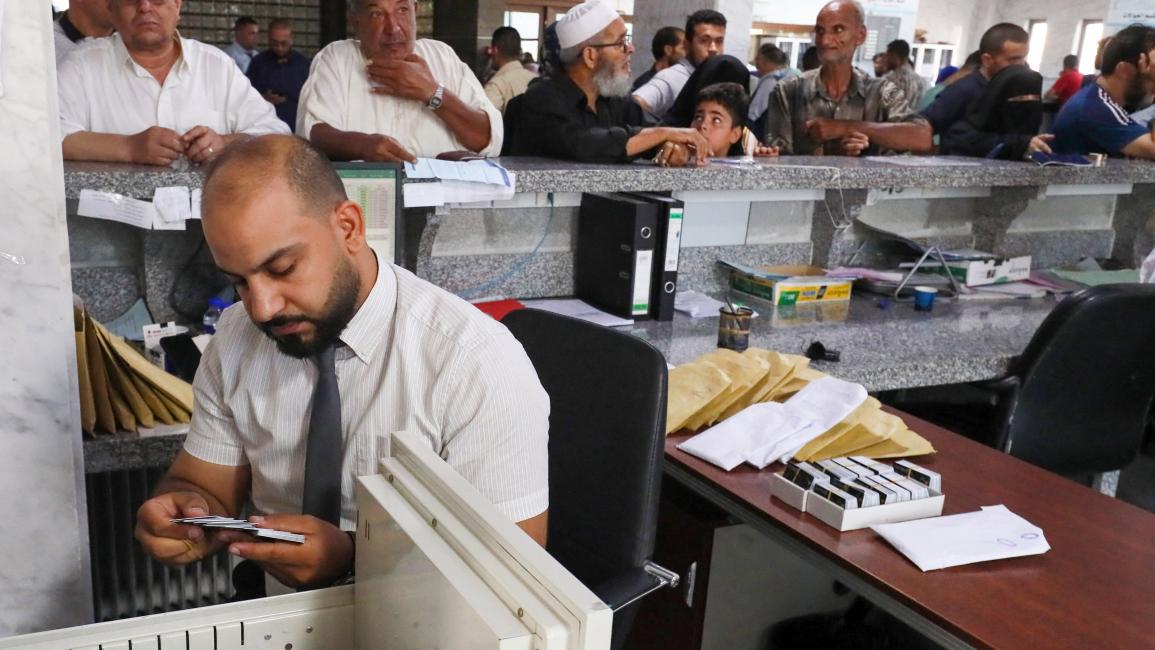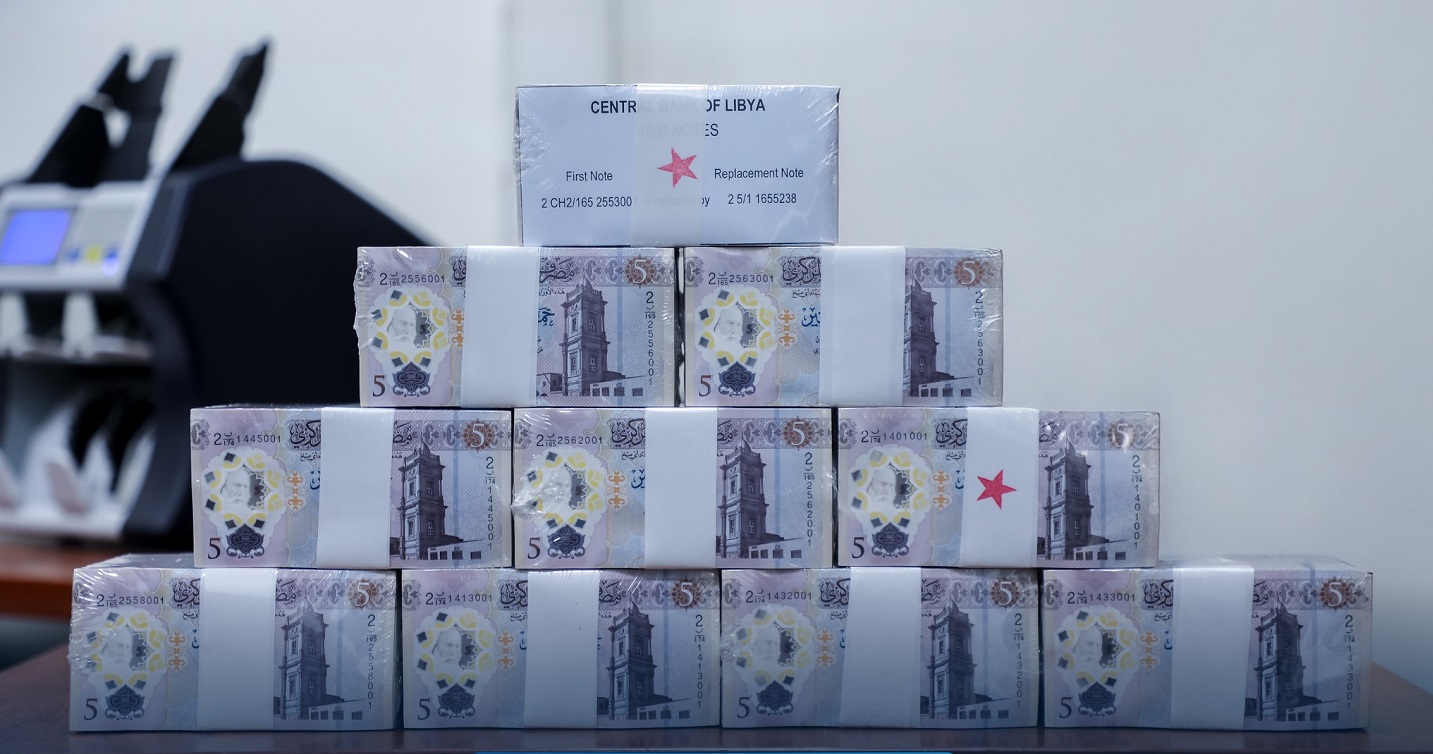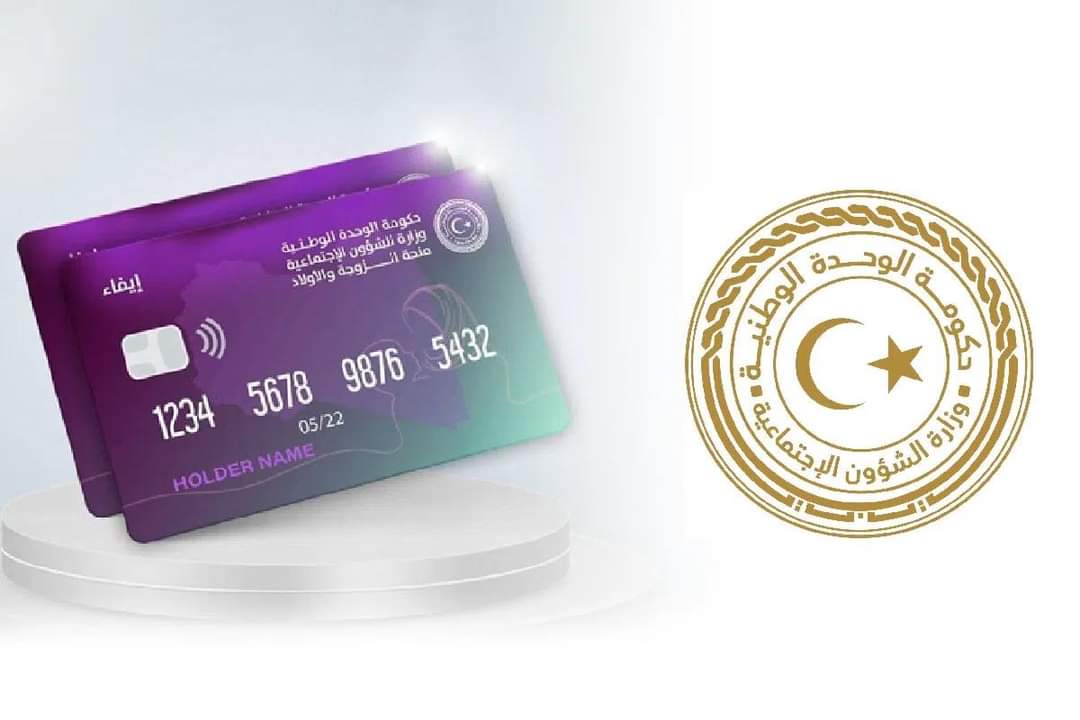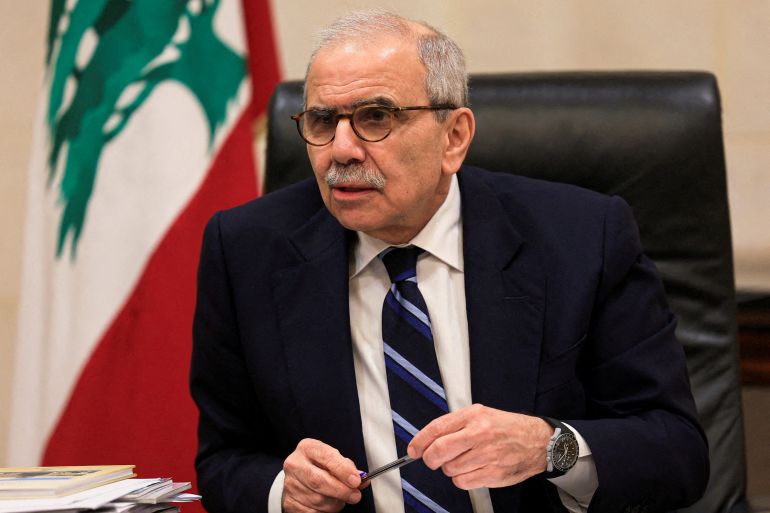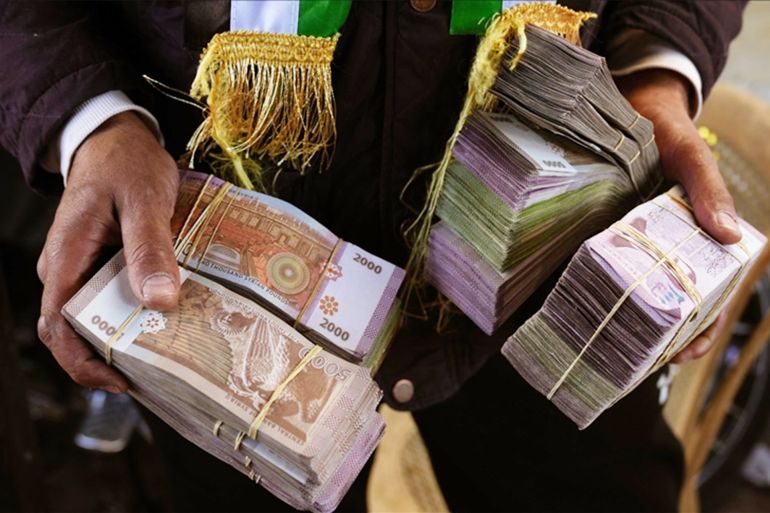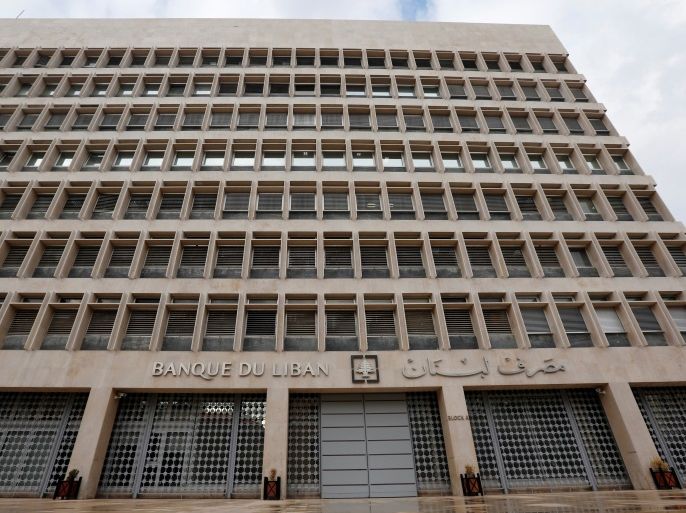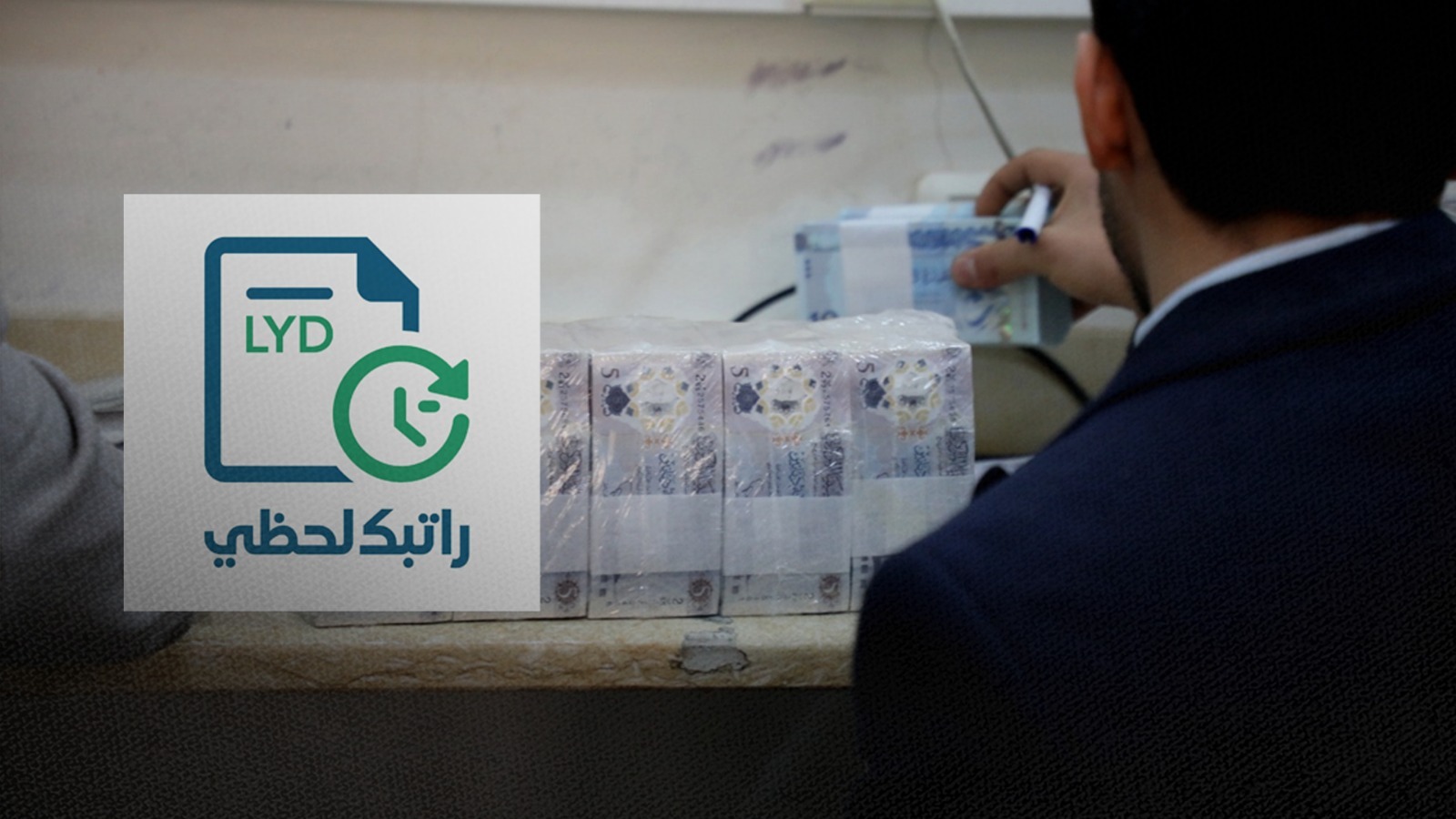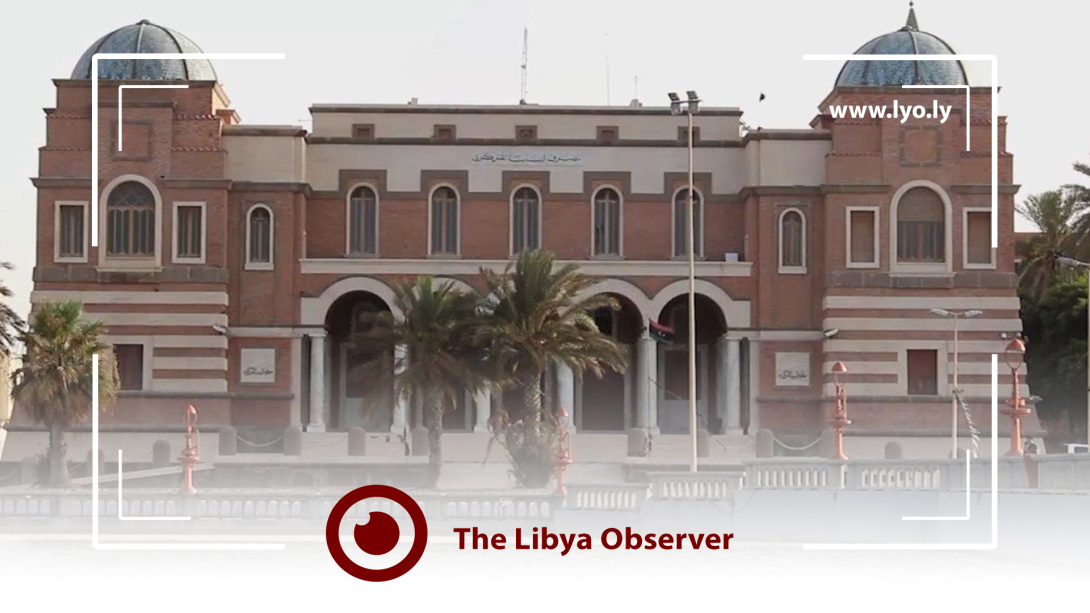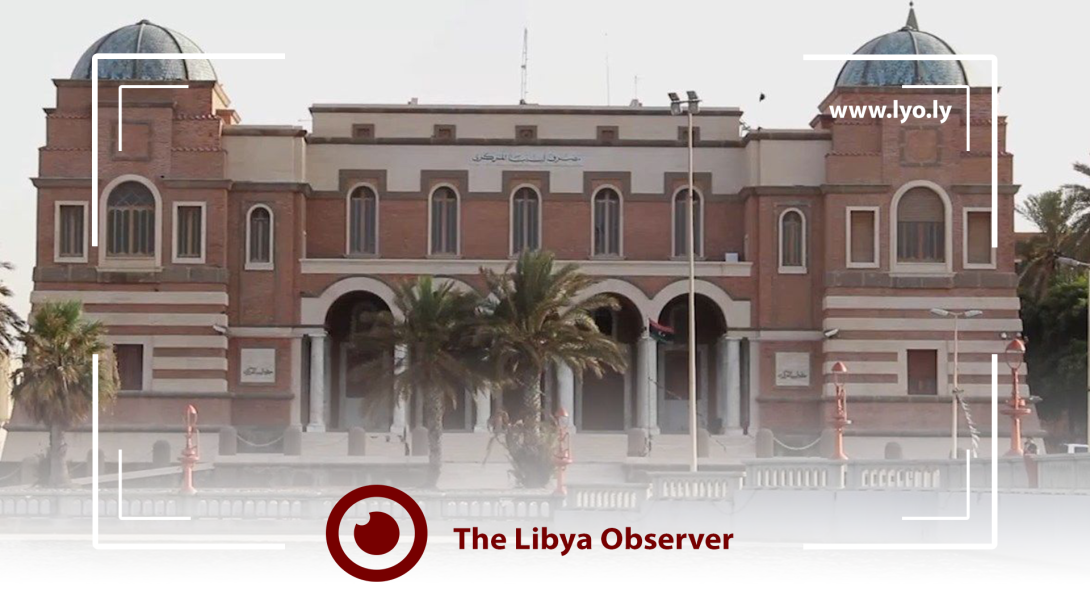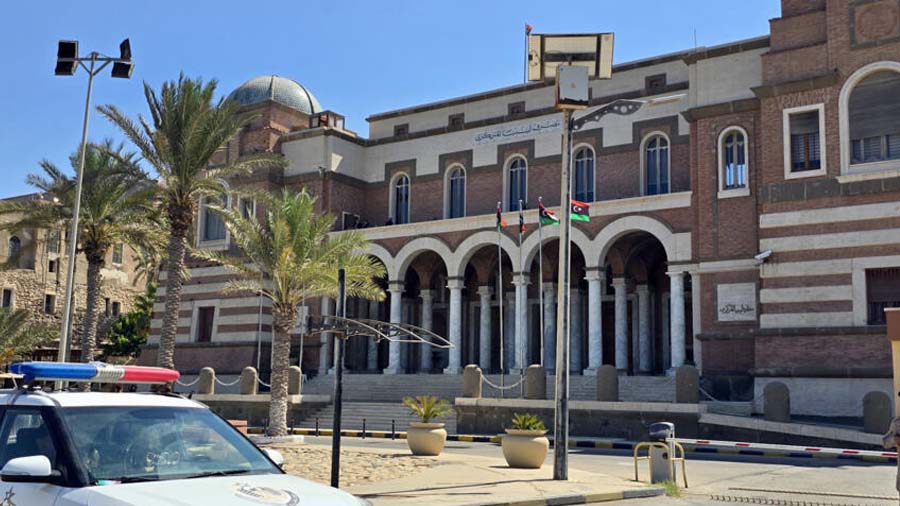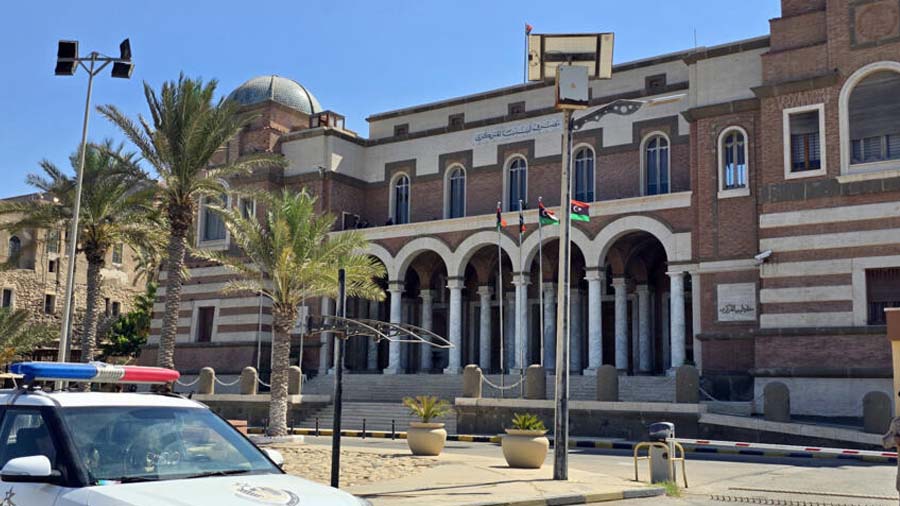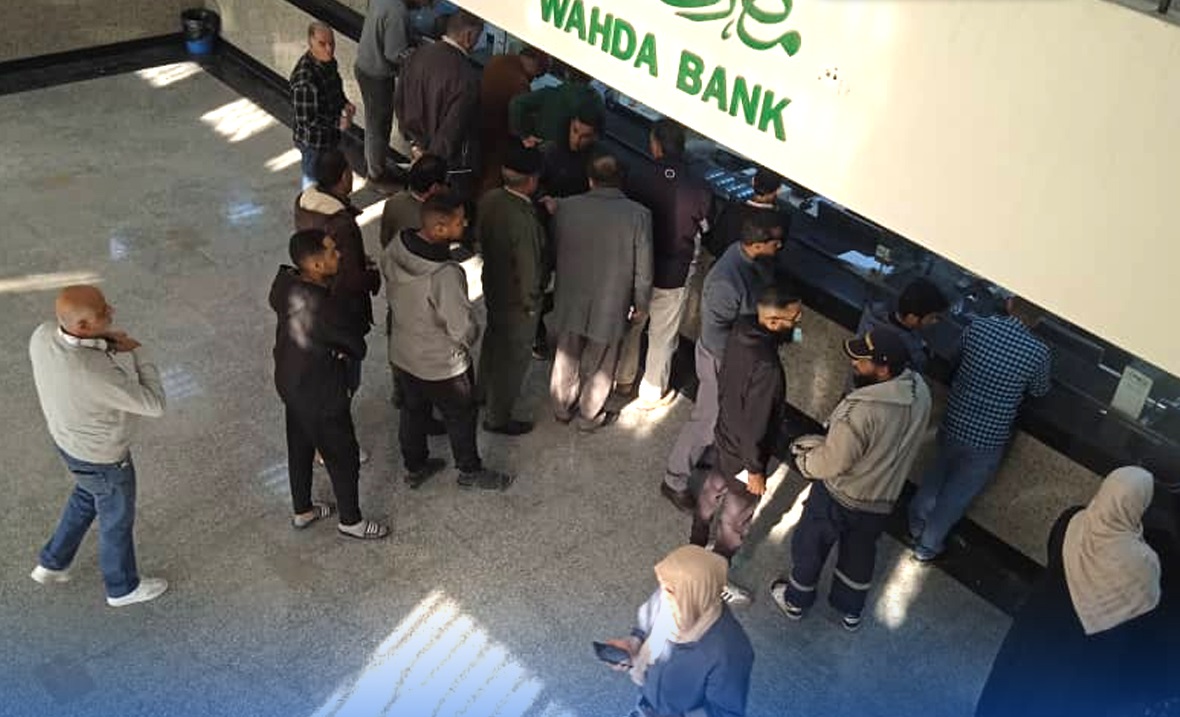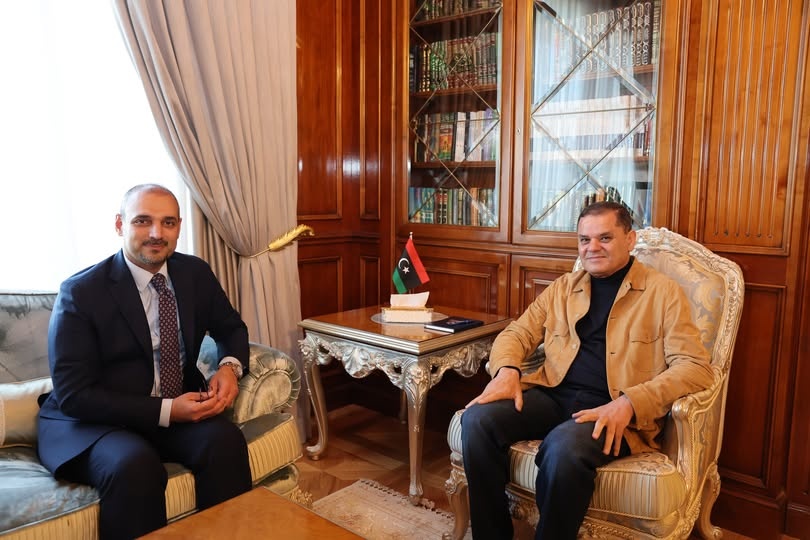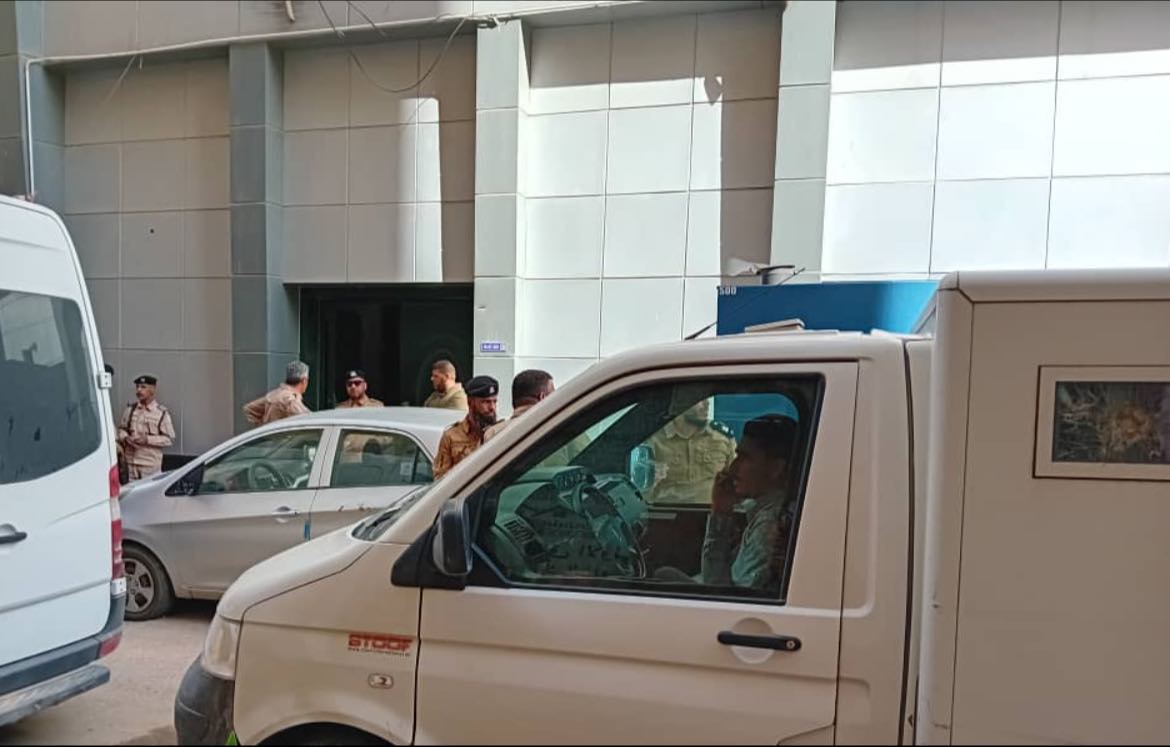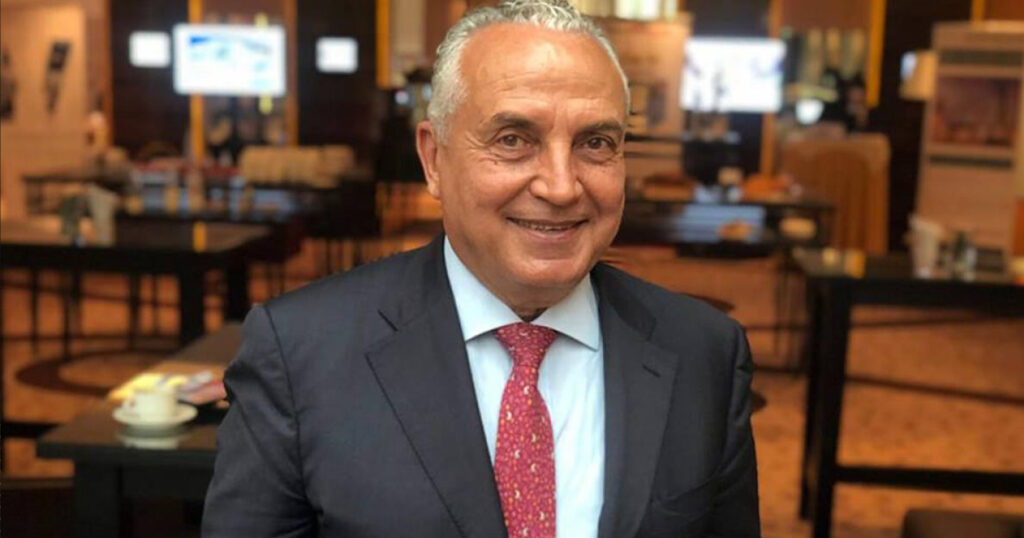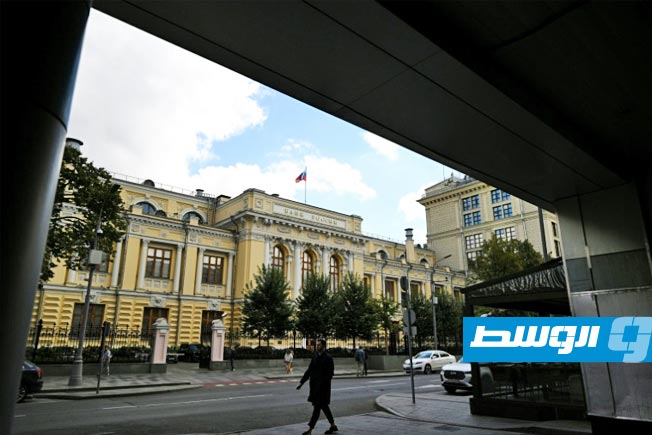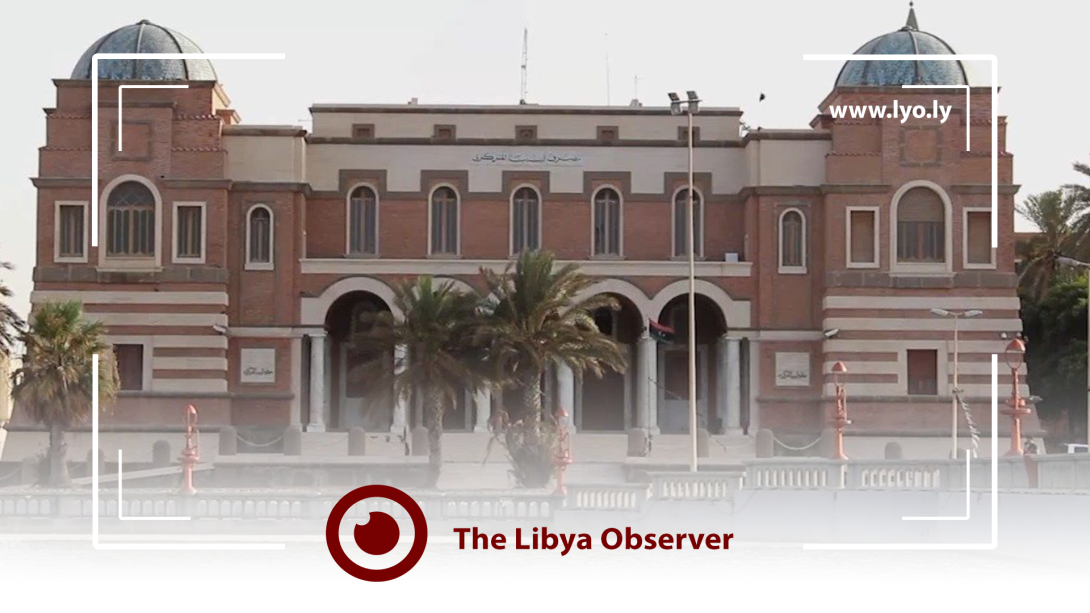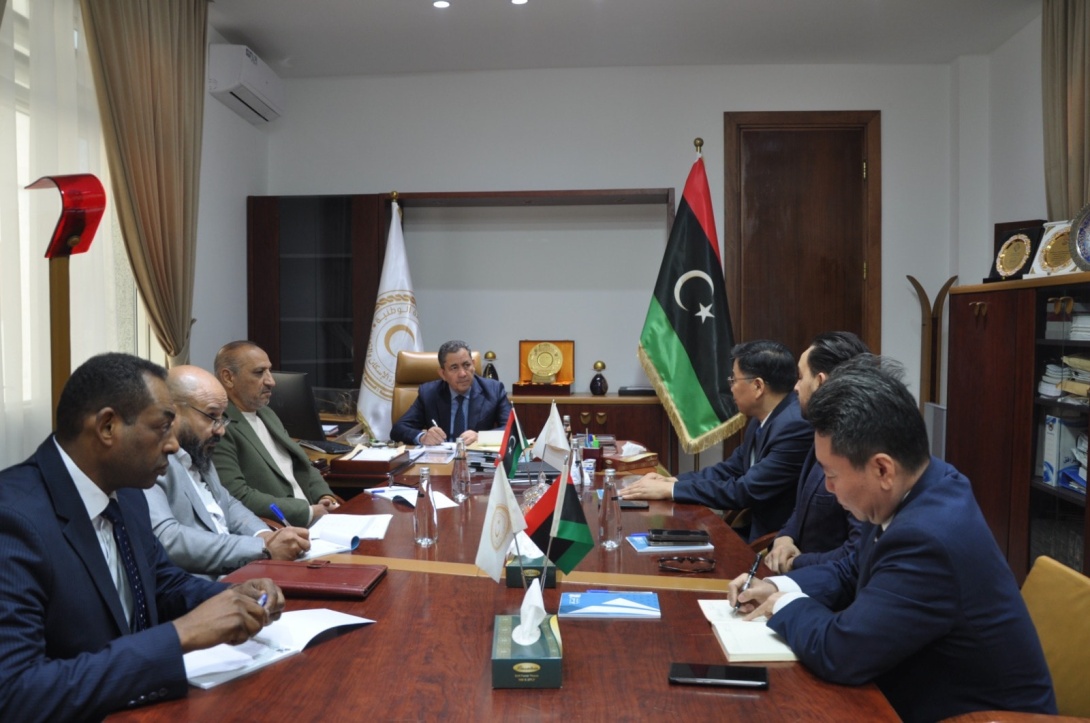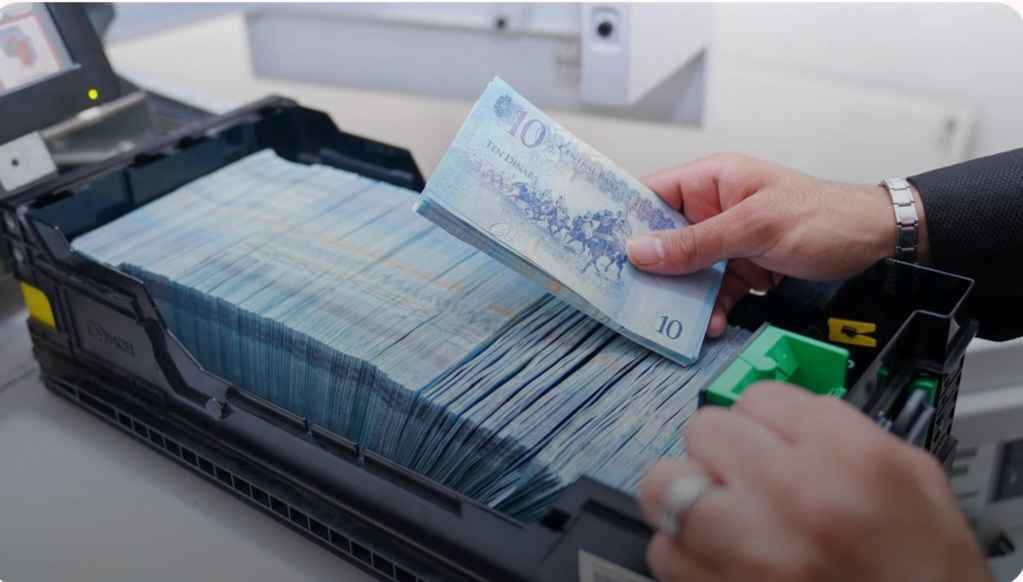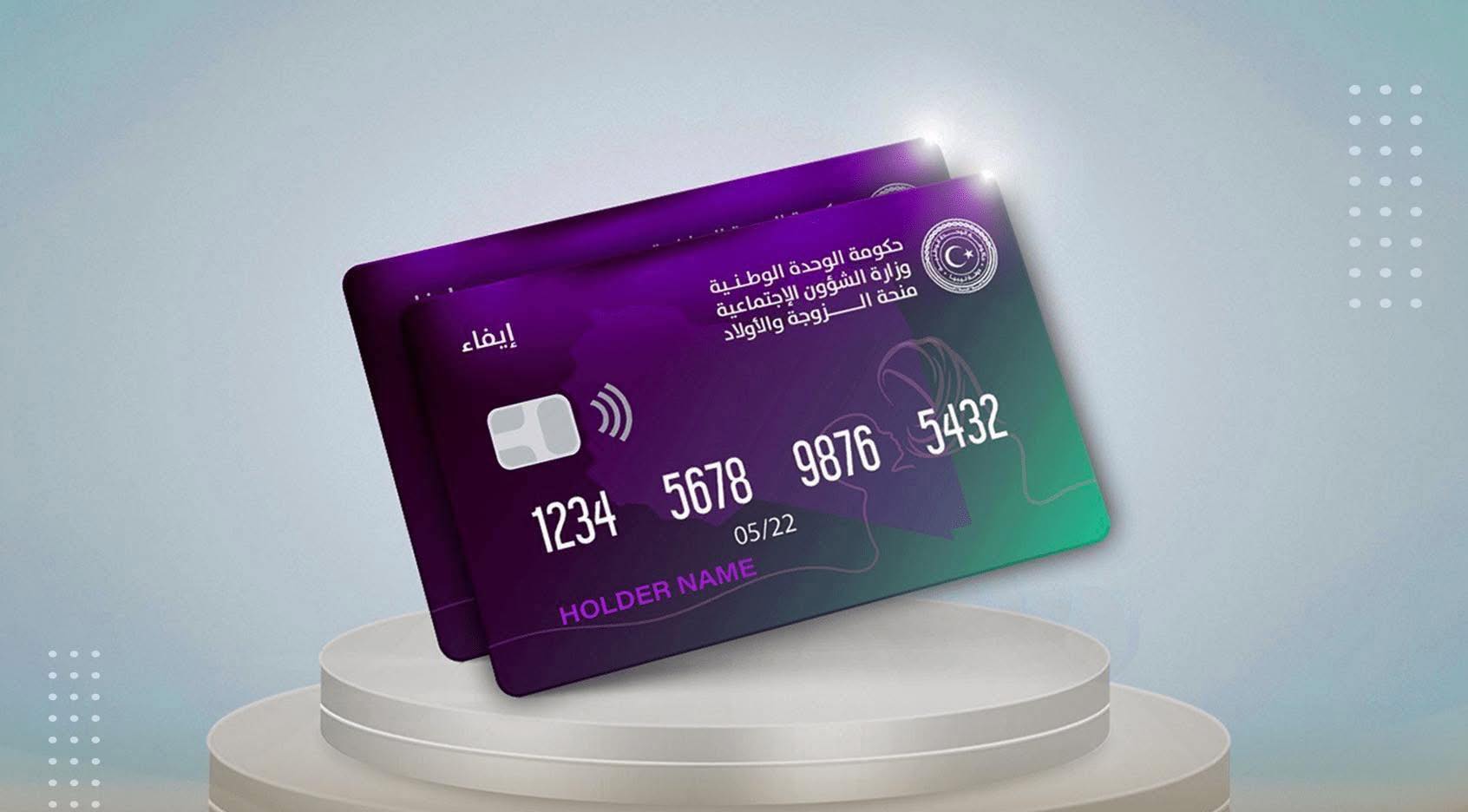
The Minister of Social Affairs confirmed that the lists of beneficiaries of social grants have been referred to the Banking Operations Department at the Central Bank of Libya. This step aims to complete the necessary financial procedures for transferring entitlements to citizens’ accounts. It was also clarified that the Ministry has referred the supplementary lists for the years 2022, 2023, and 2024, in addition to the third quarter of 2025, as part of a plan to clear the backlog and process delayed files.
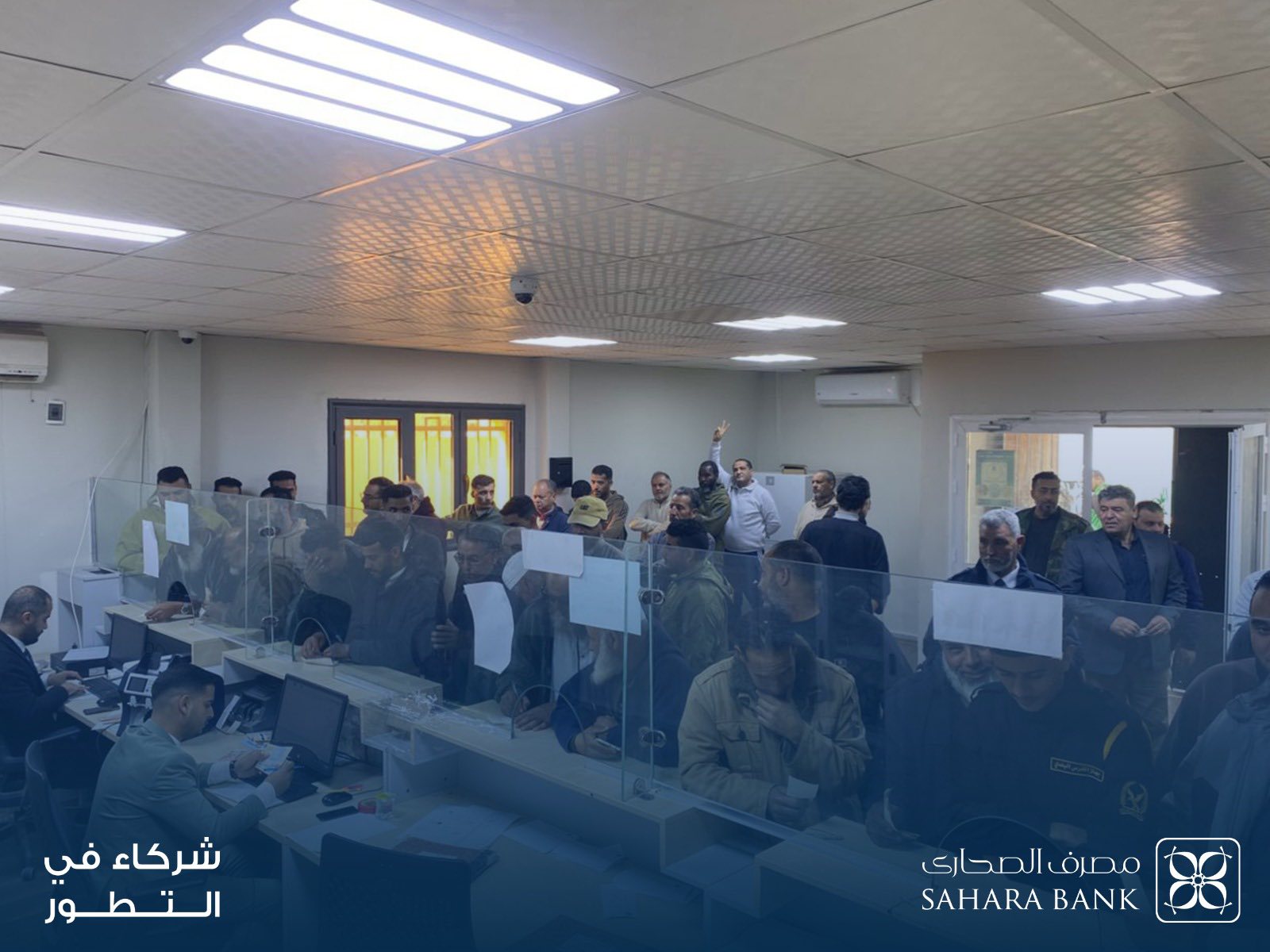
It was indicated that referring the lists represents a pivotal stage in the process of disbursing grants, to be followed by matching, auditing, and transferring the amounts to commercial banks. This ensures the funds reach beneficiaries across various regions of the country. It was added that the Ministry has been working in the recent period to update data in coordination with relevant authorities to ensure the inclusion of eligible beneficiaries and to resolve previous issues.
It was emphasized that the regular disbursement of grants is a top priority due to its direct impact on supporting families and alleviating economic burdens. There is a stated commitment to building an integrated social support system based on accuracy, fairness, and continuity, which contributes to enhancing social stability in Libya.