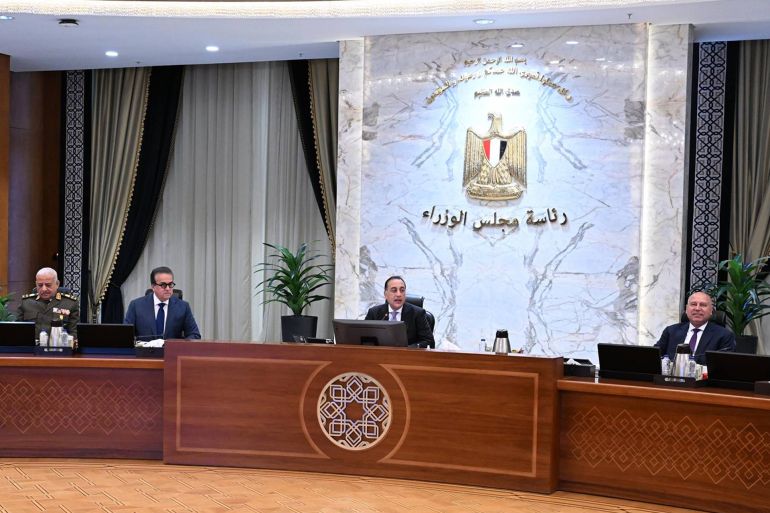
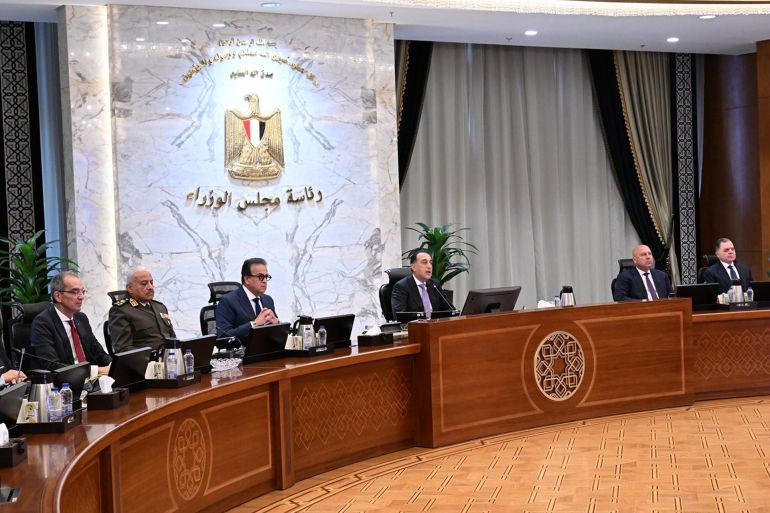
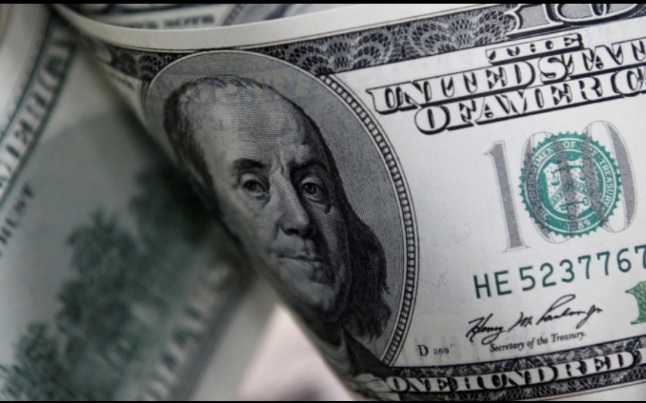
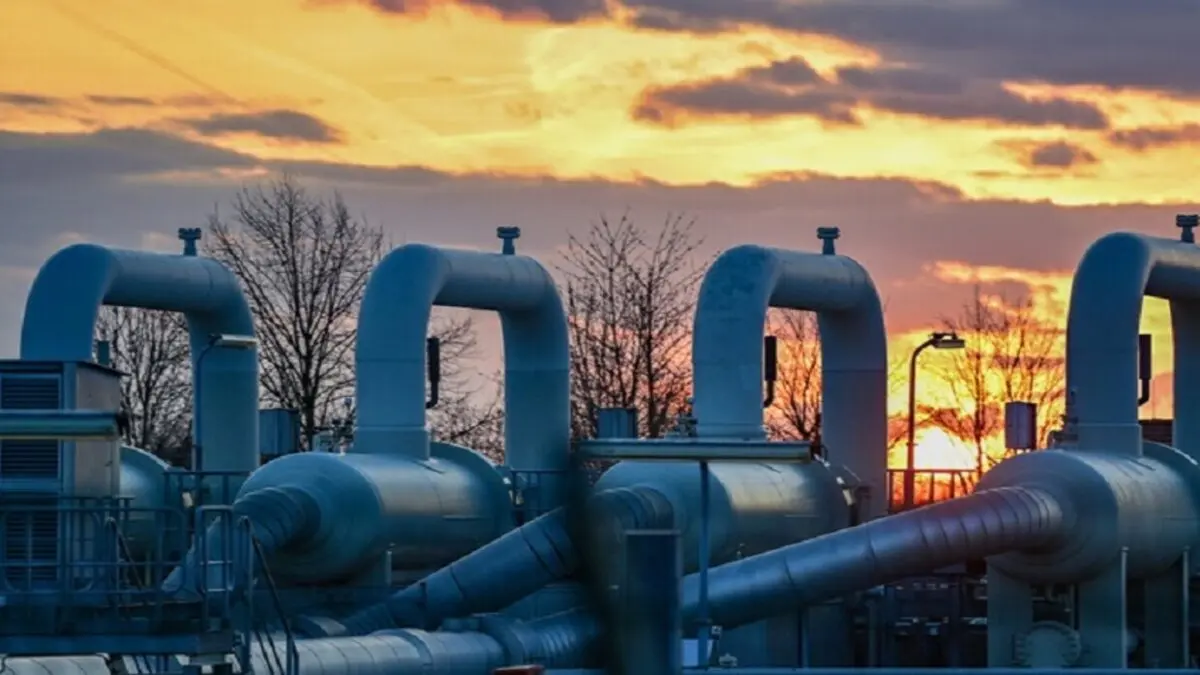
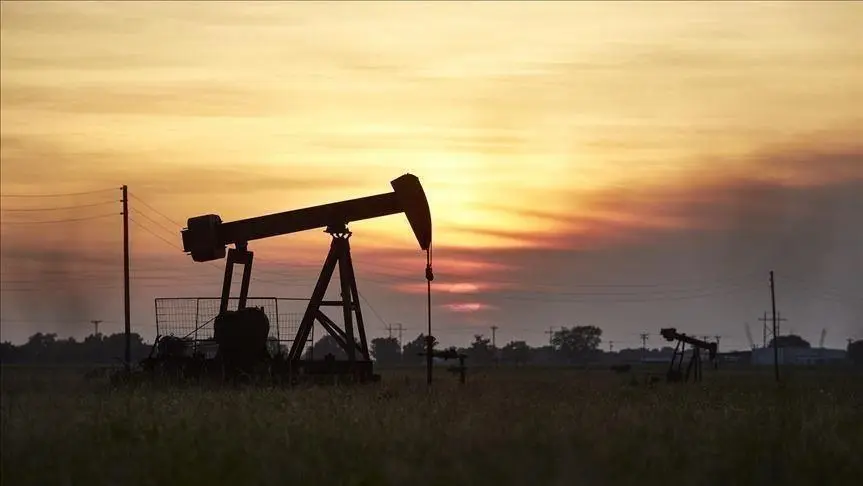
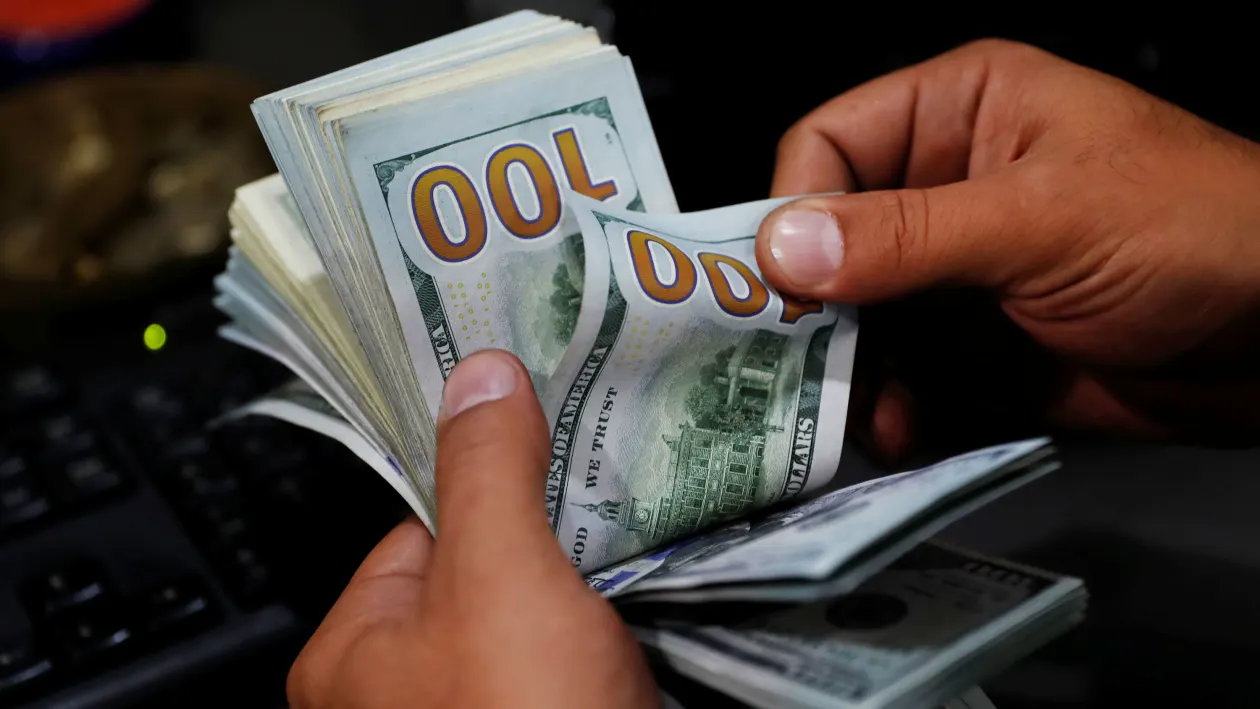
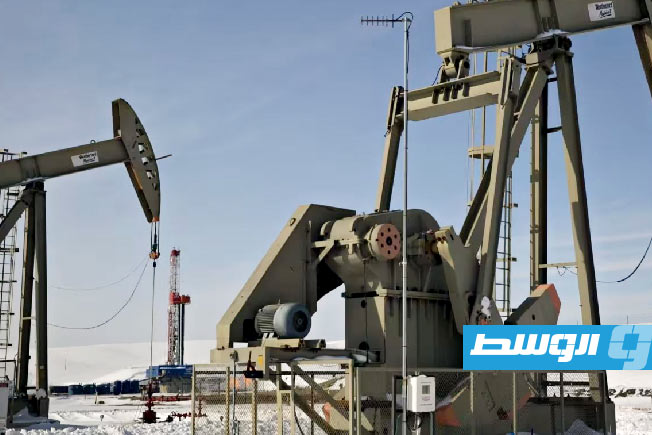
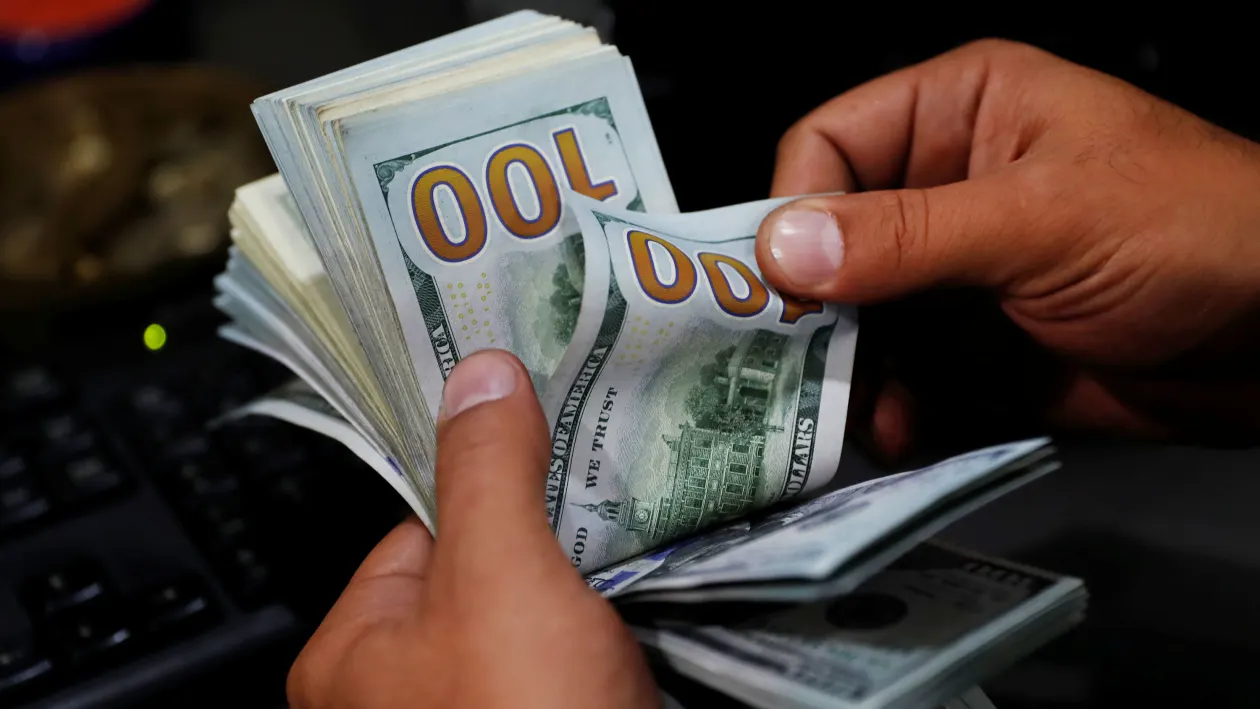
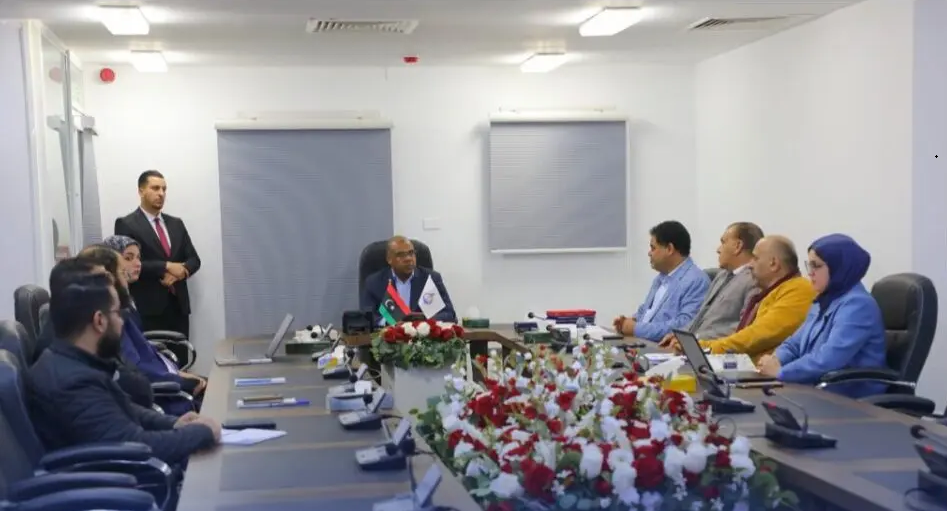
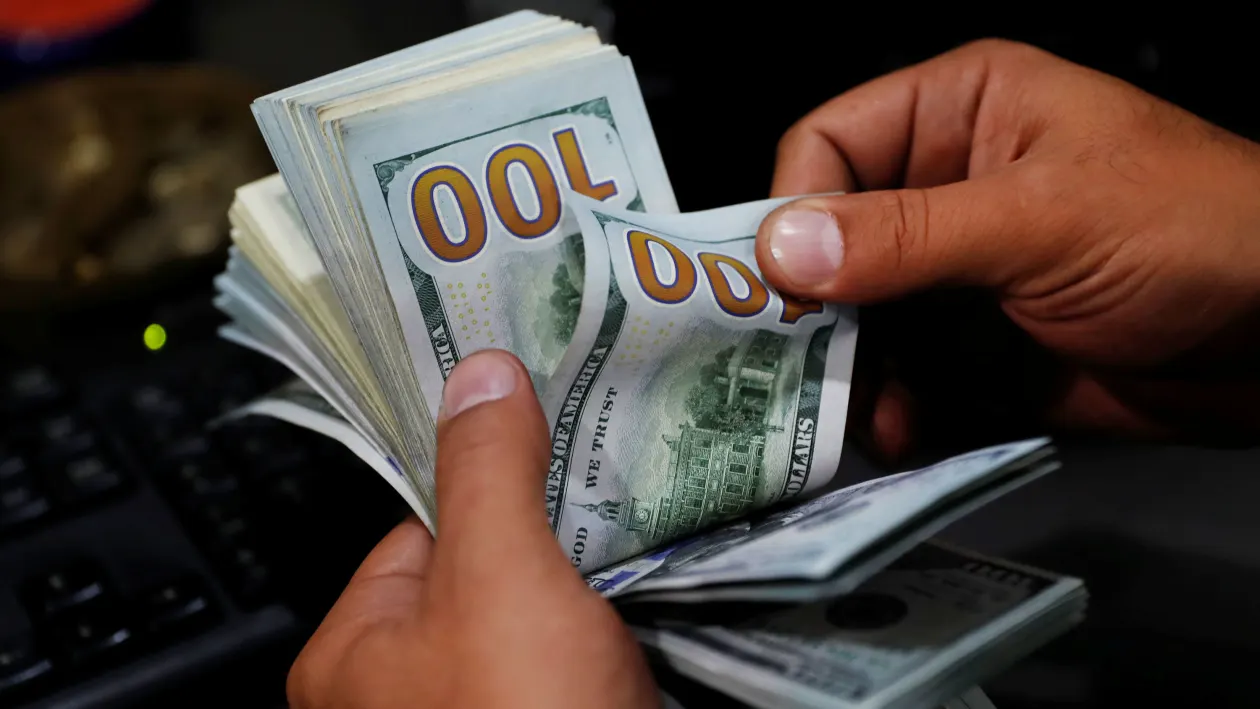
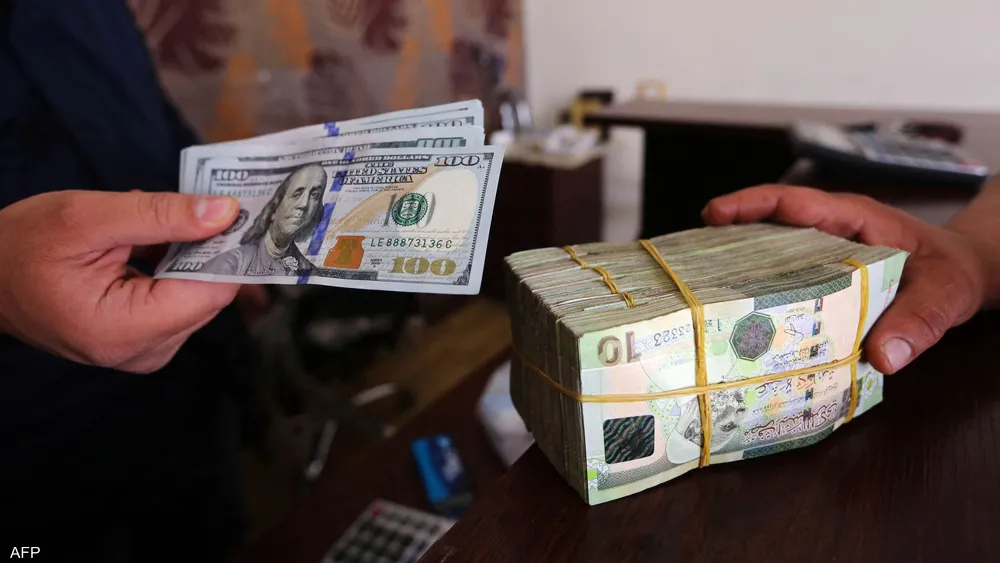
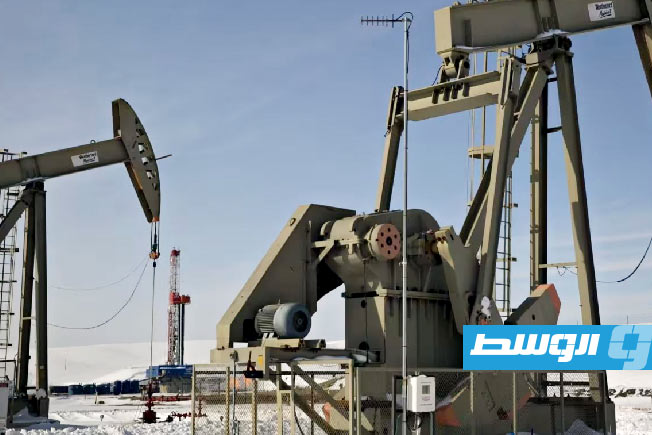
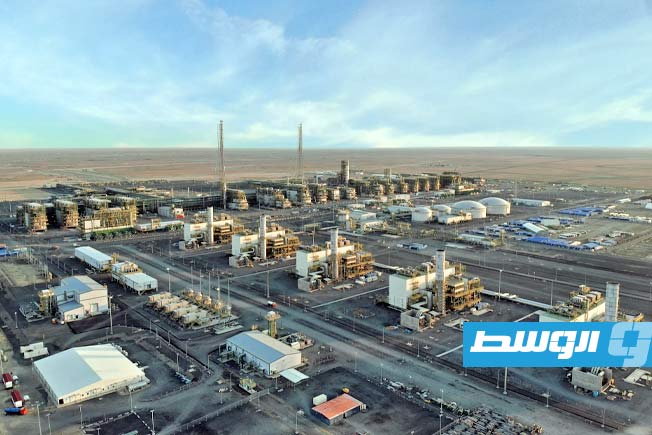
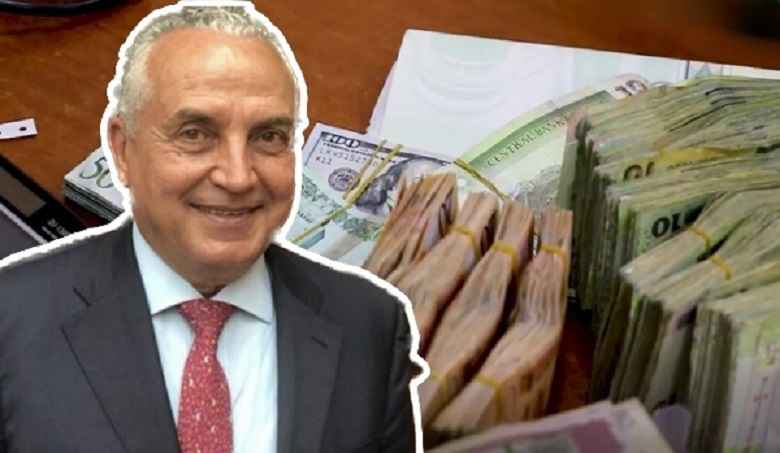
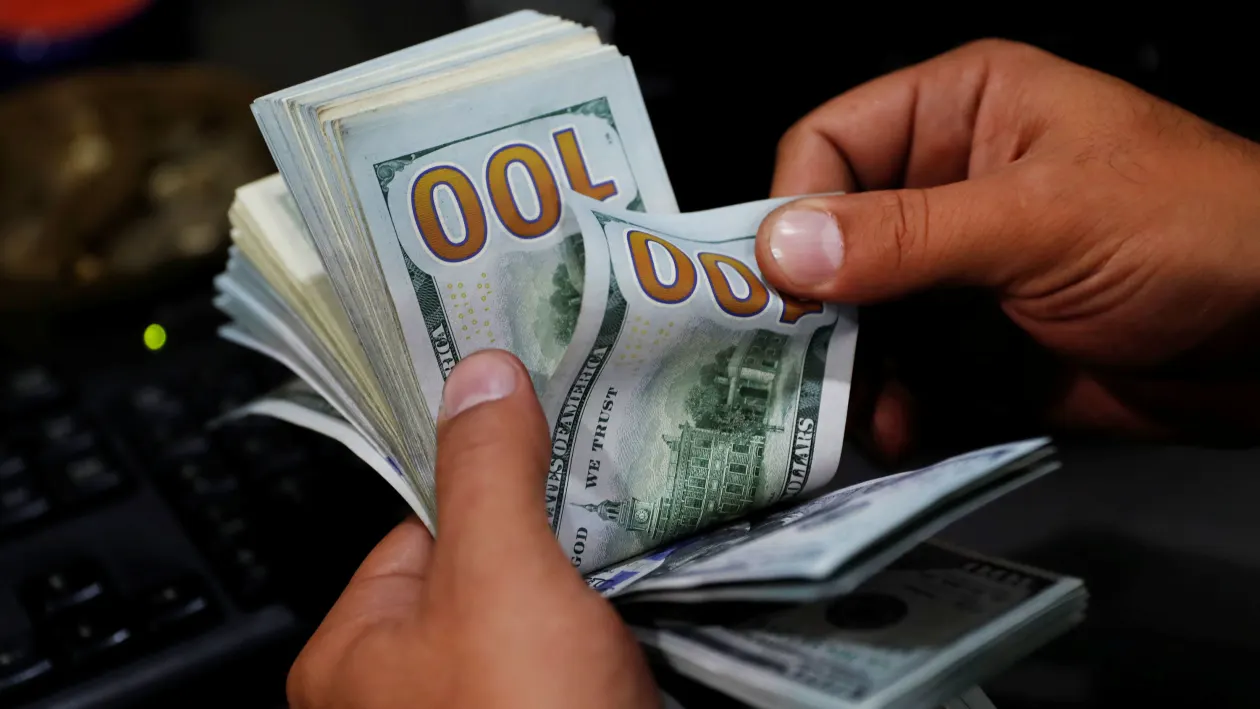
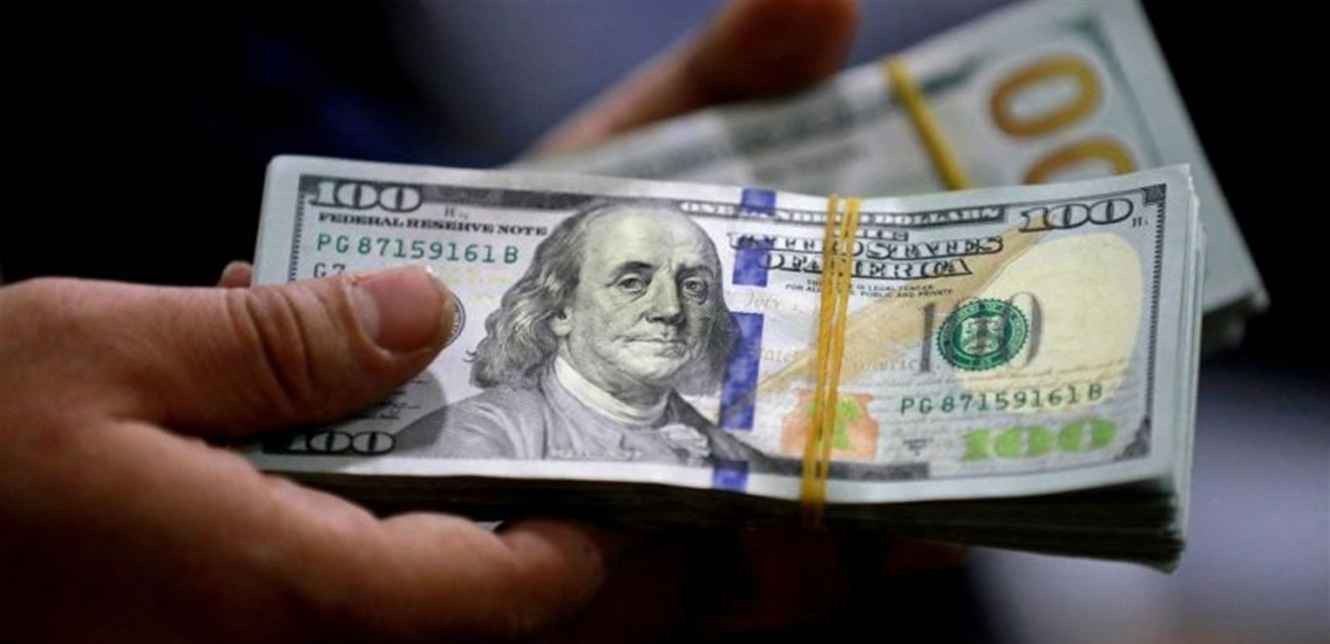
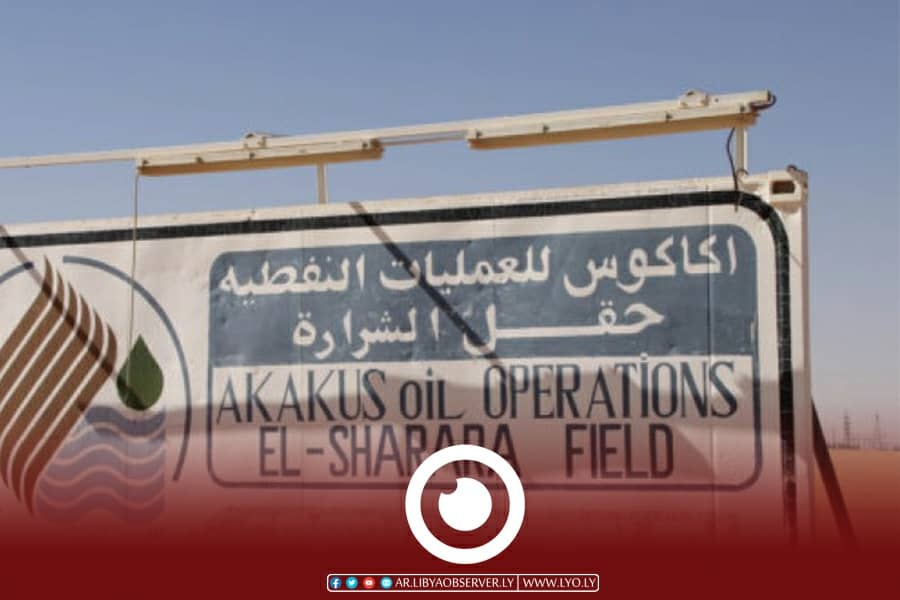
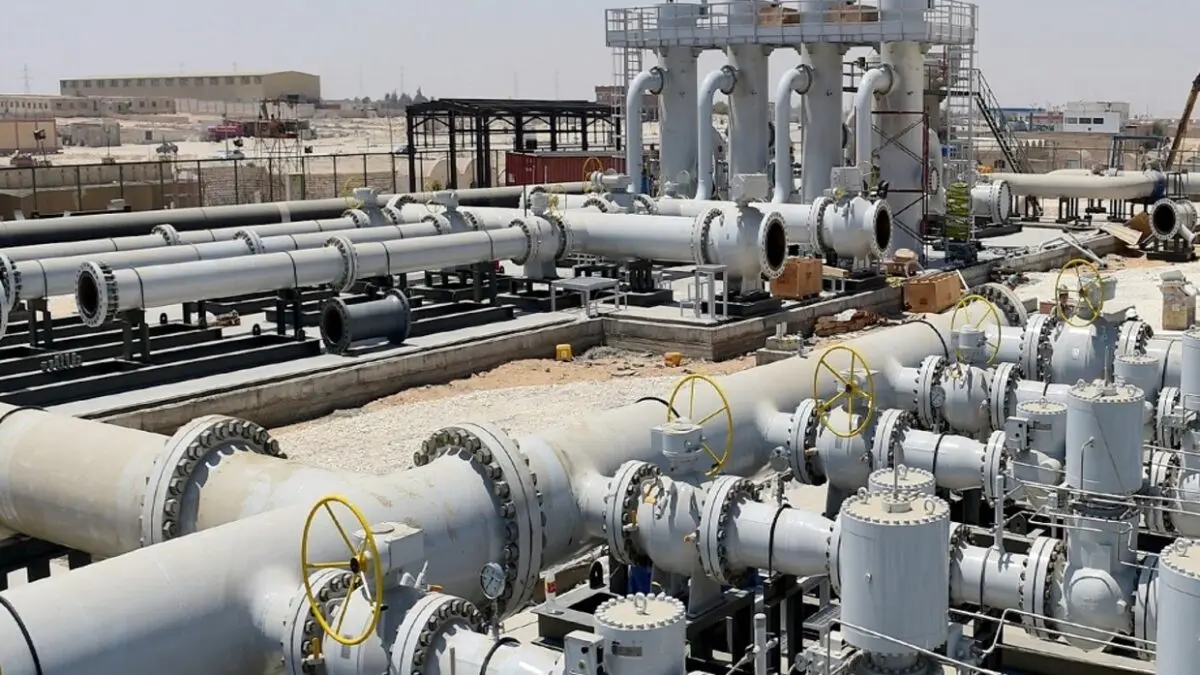
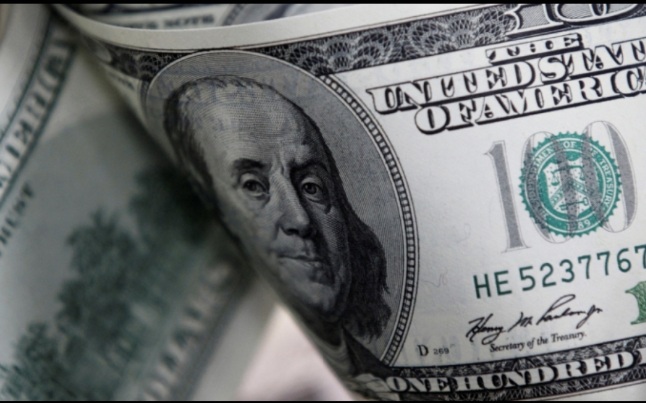
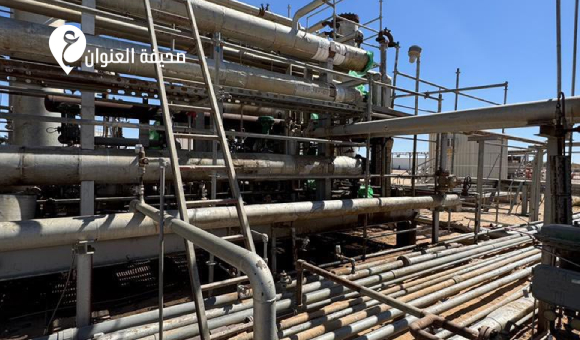
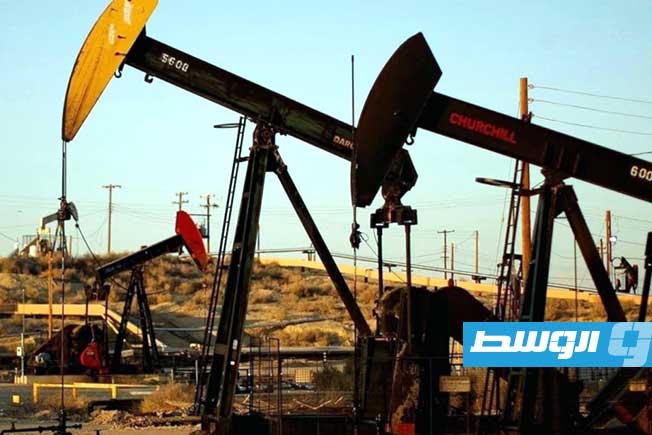
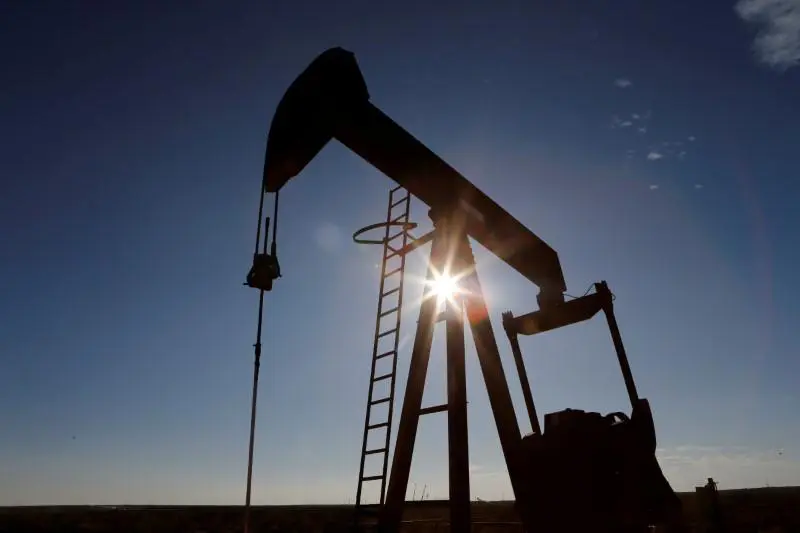
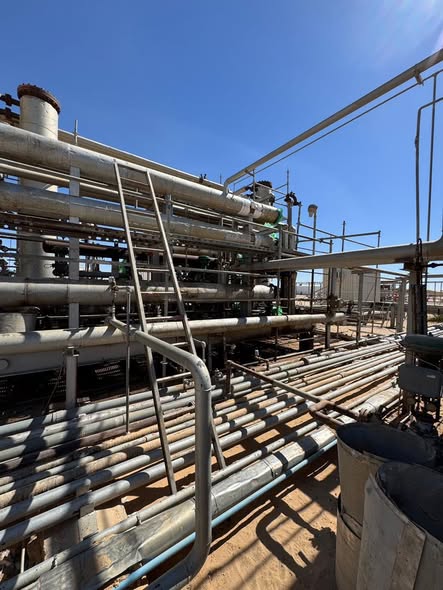
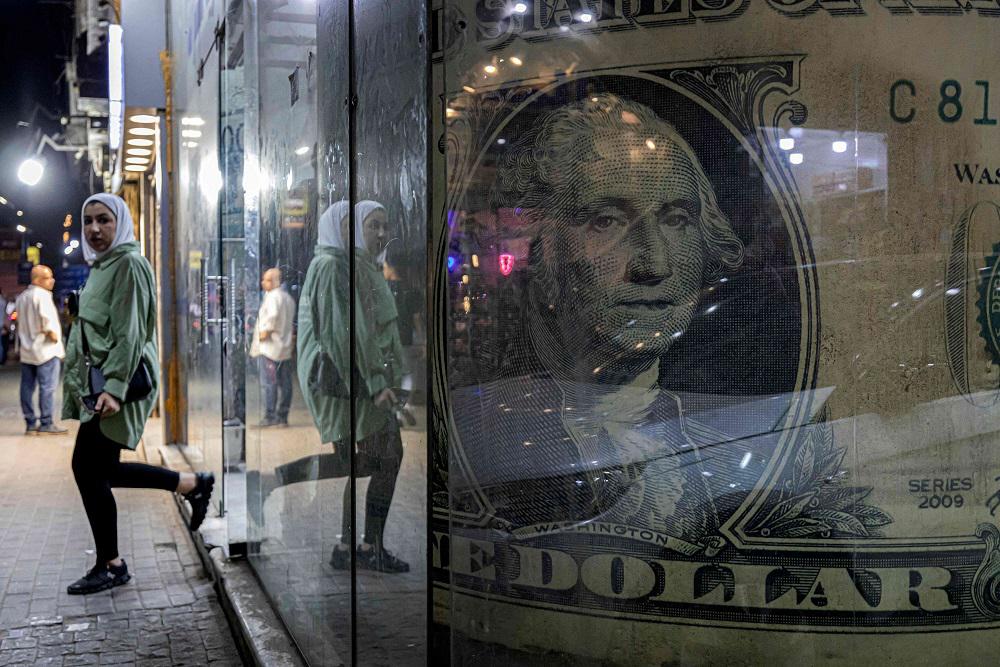
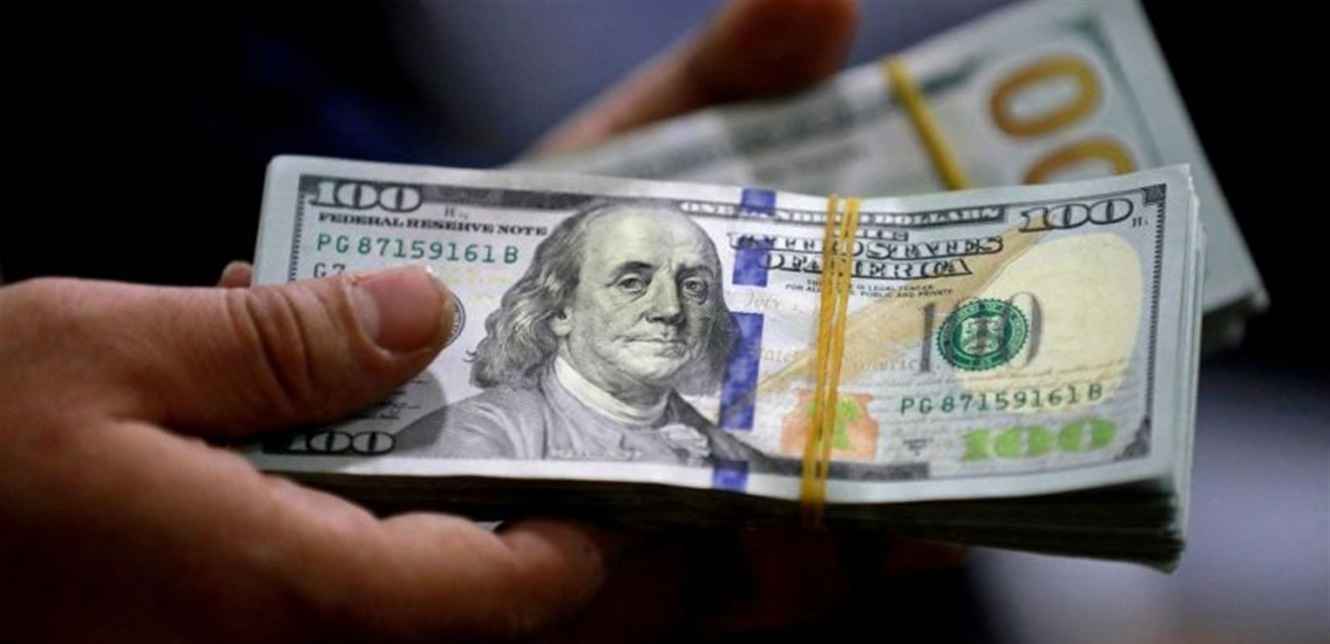
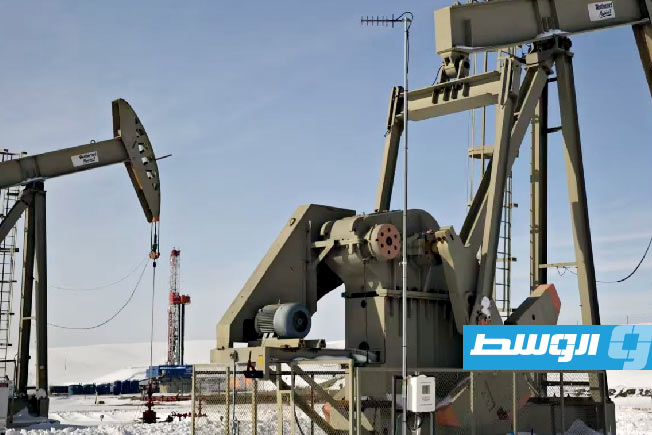
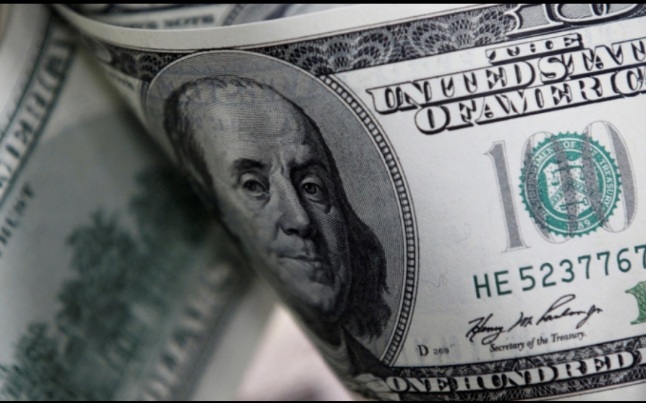
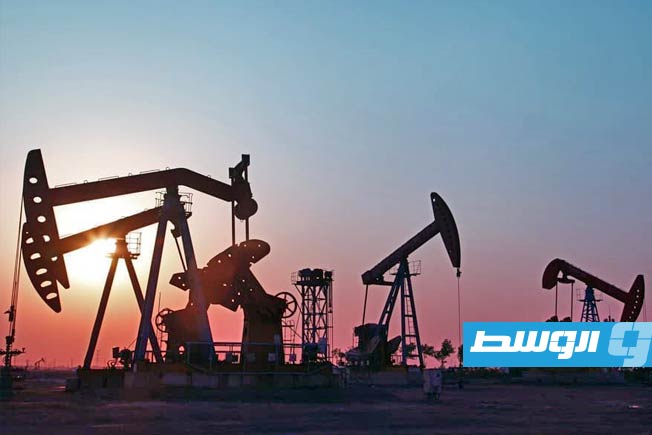
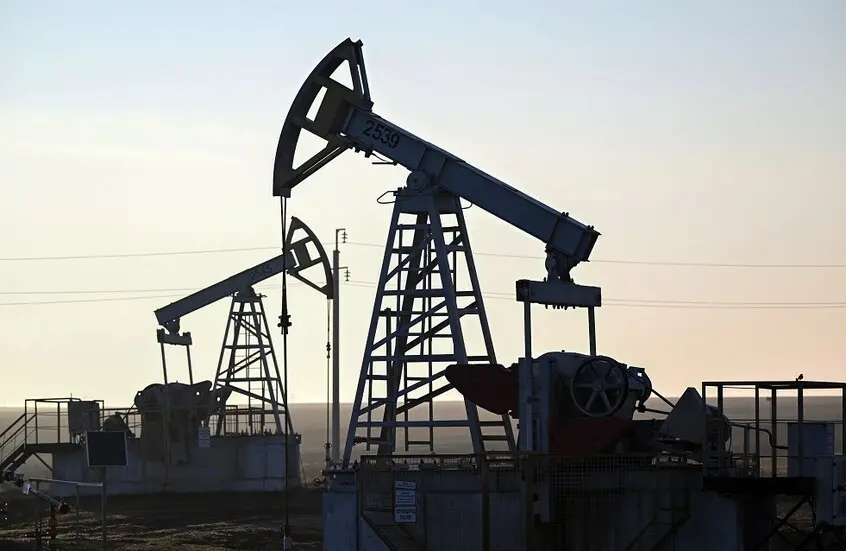
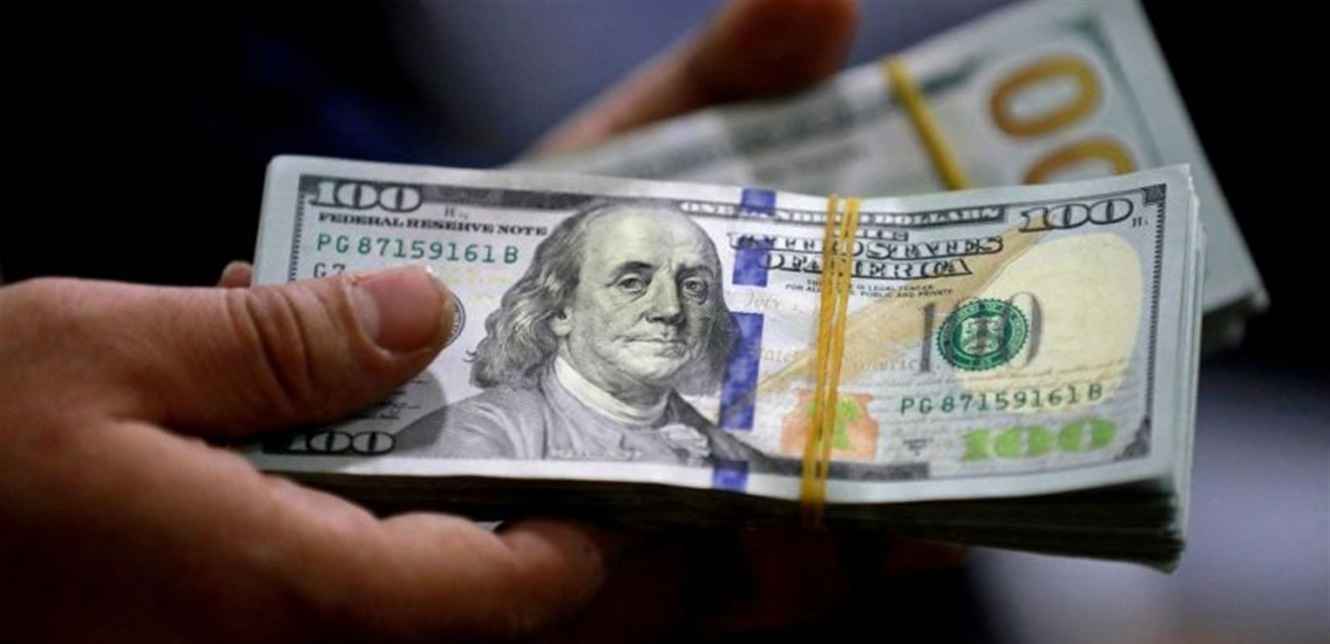
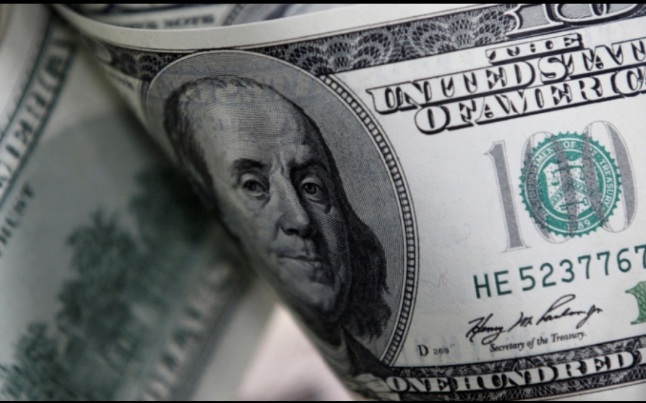
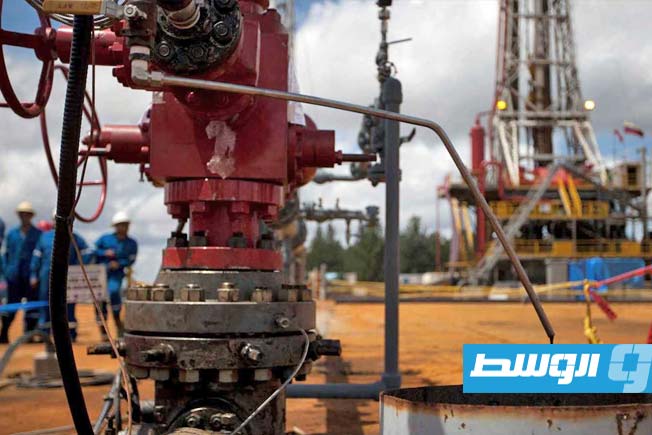
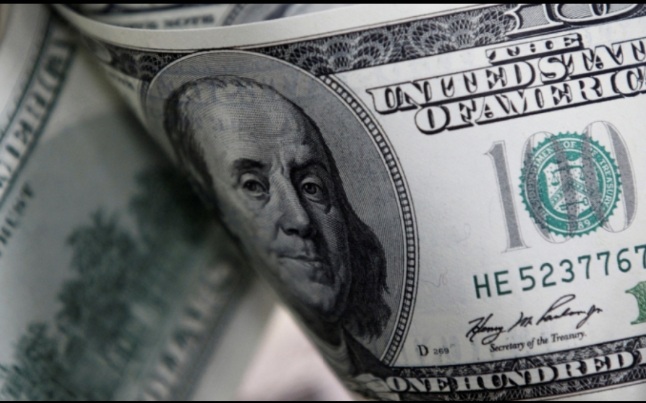
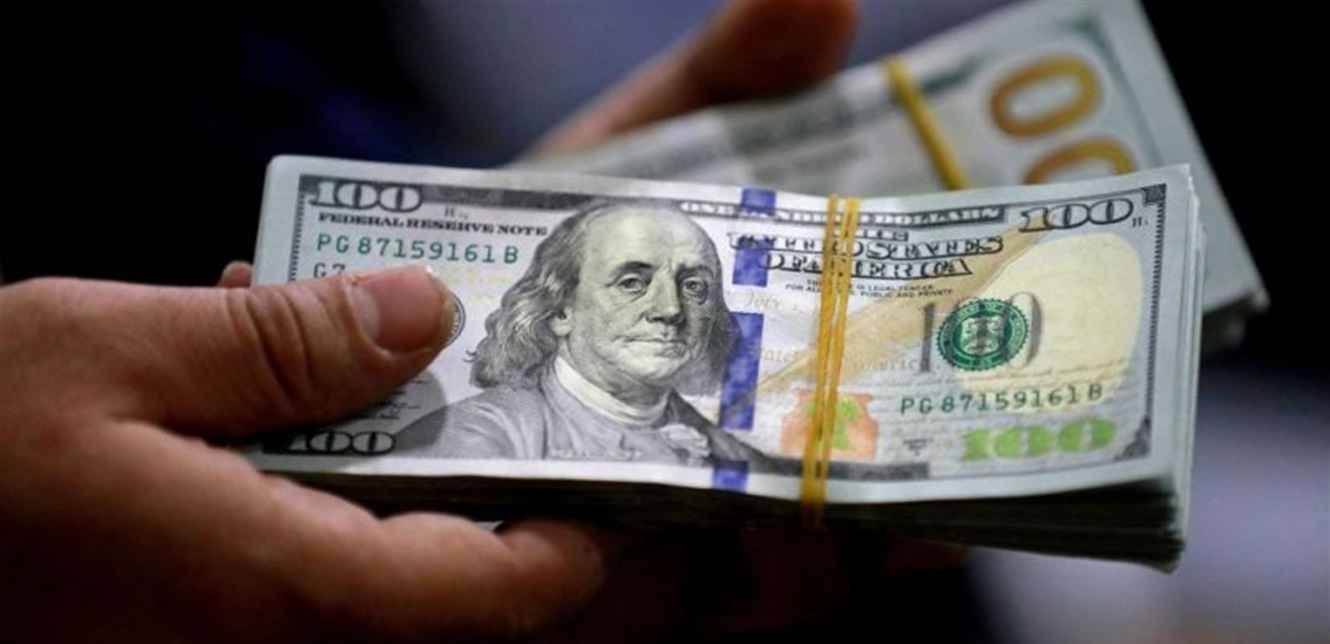
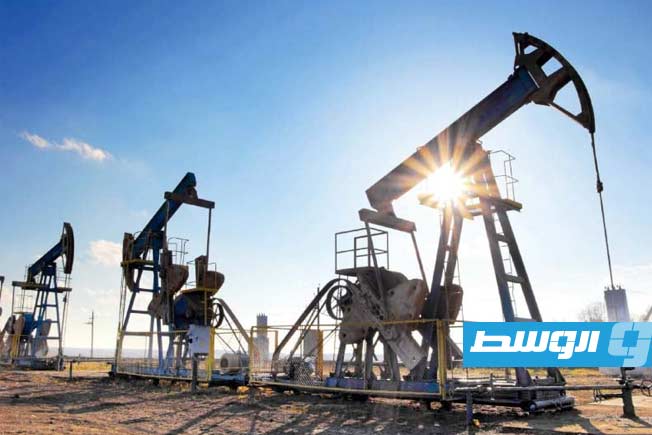
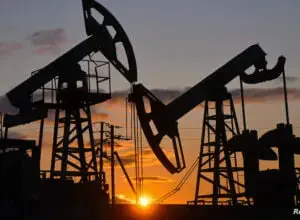
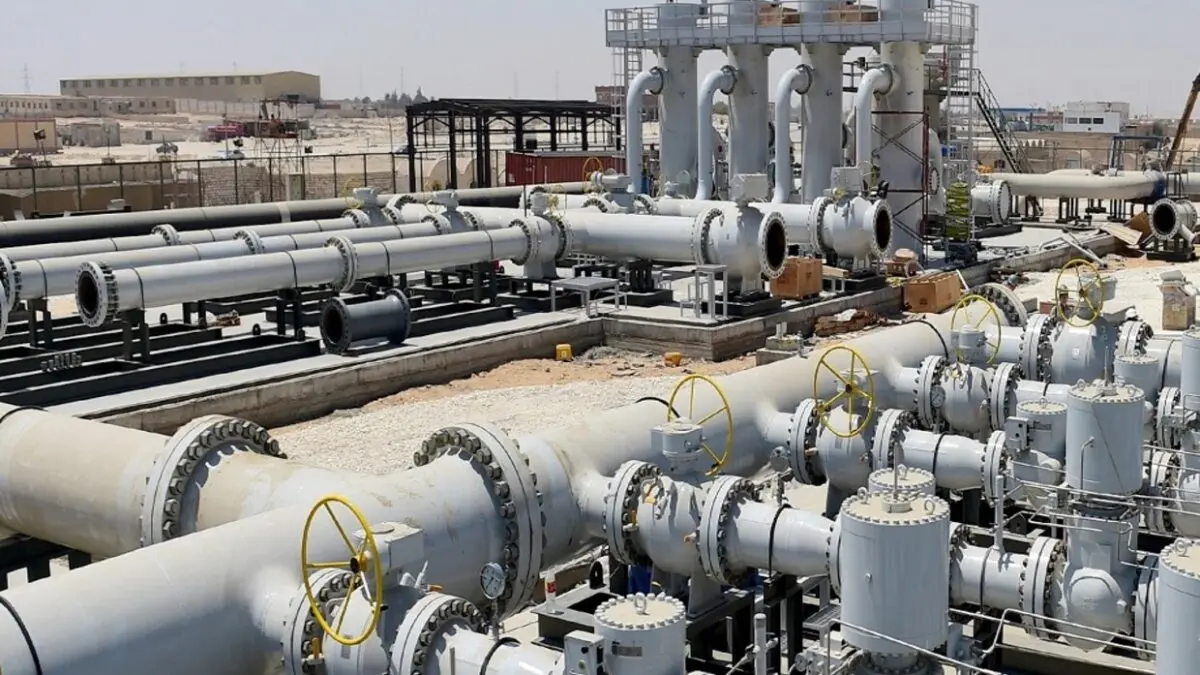
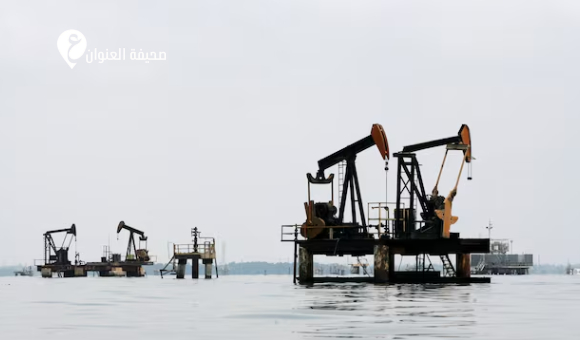
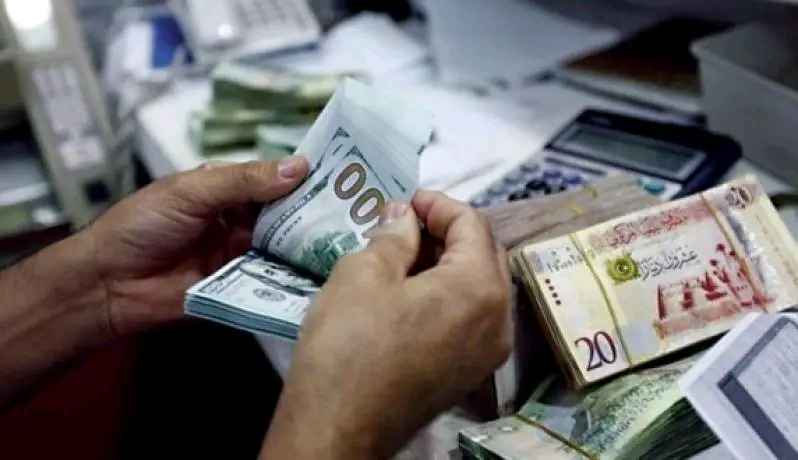
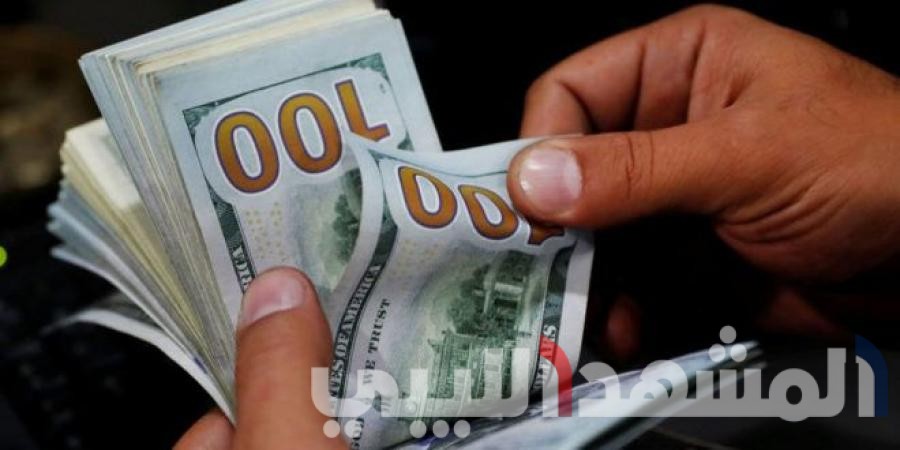
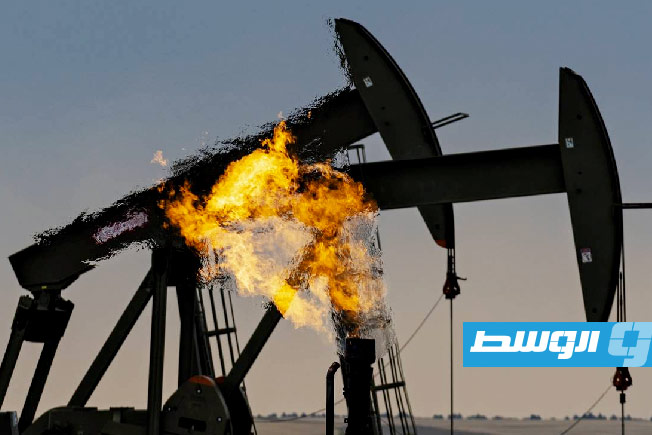
Egyptian Prime Minister said on Wednesday that approximately $5 billion in dues owed to foreign partners in the oil and gas sectors have been paid, with the aim of reducing the remaining arrears to $1.2 billion by June 2026.
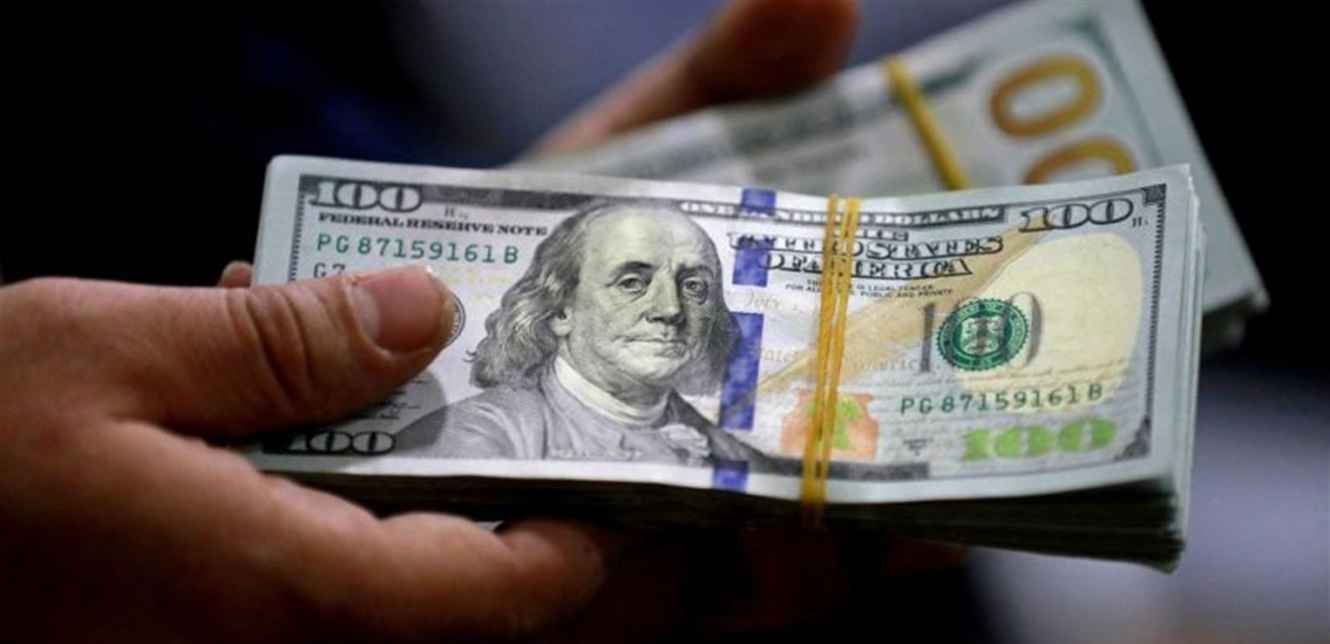
He added in a statement that the dues amounted to $6.1 billion as of June 30, 2024, noting that the government is committed to paying partners’ monthly bills.
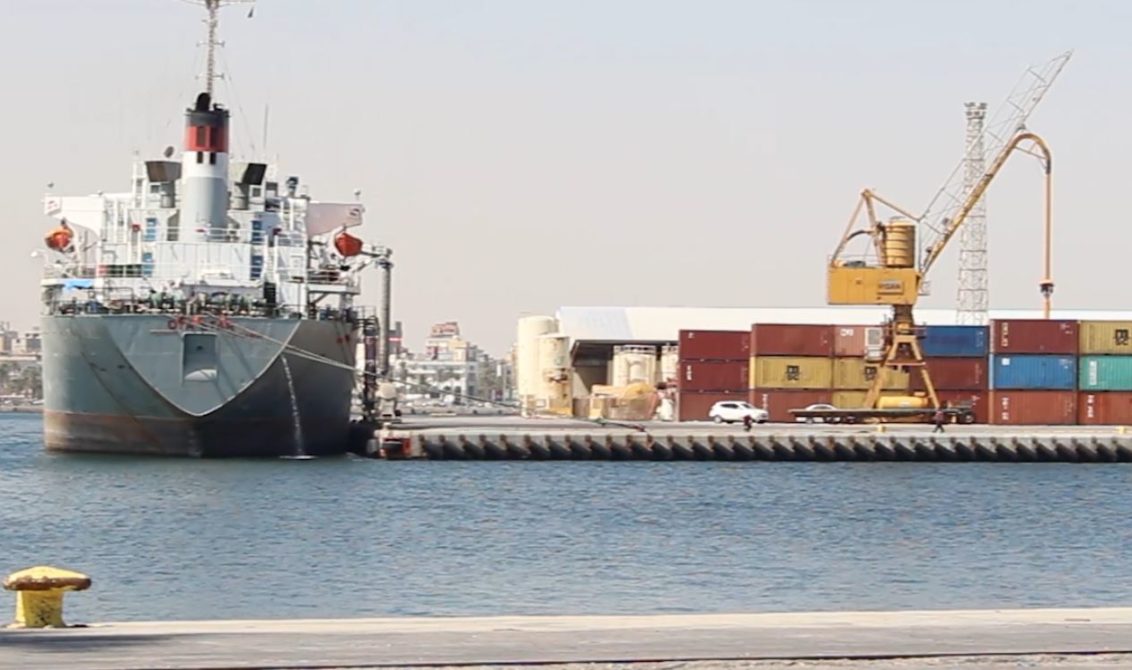
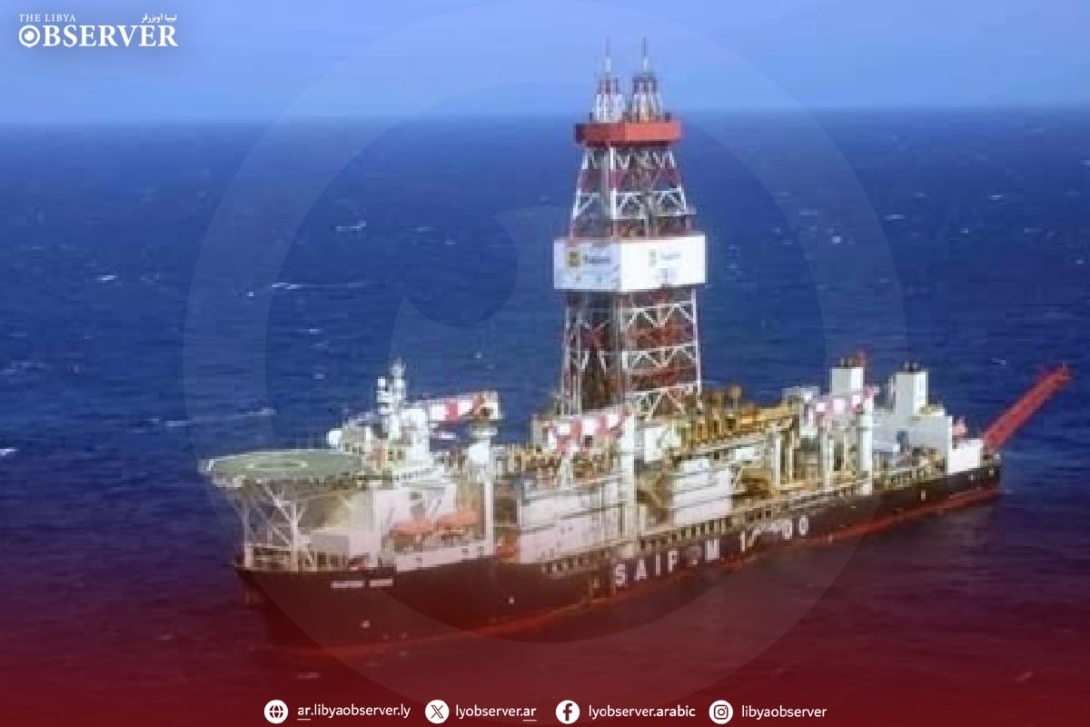
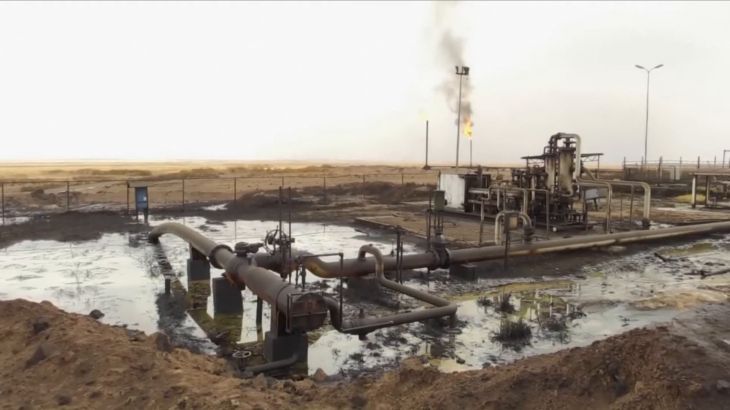
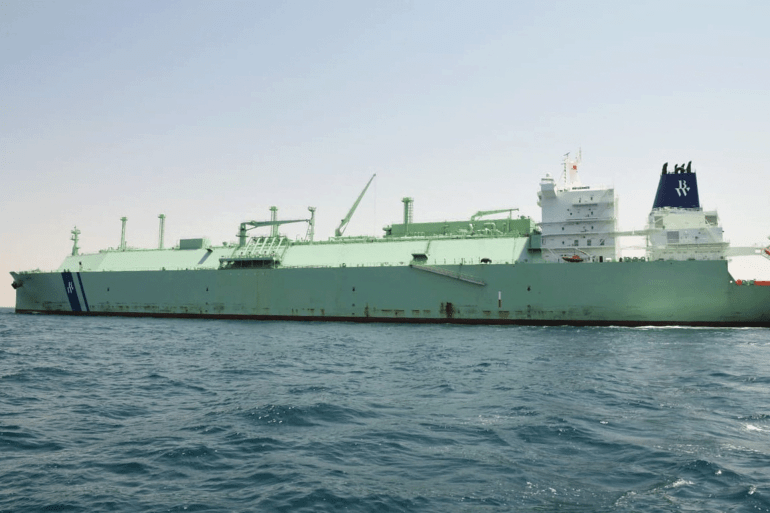
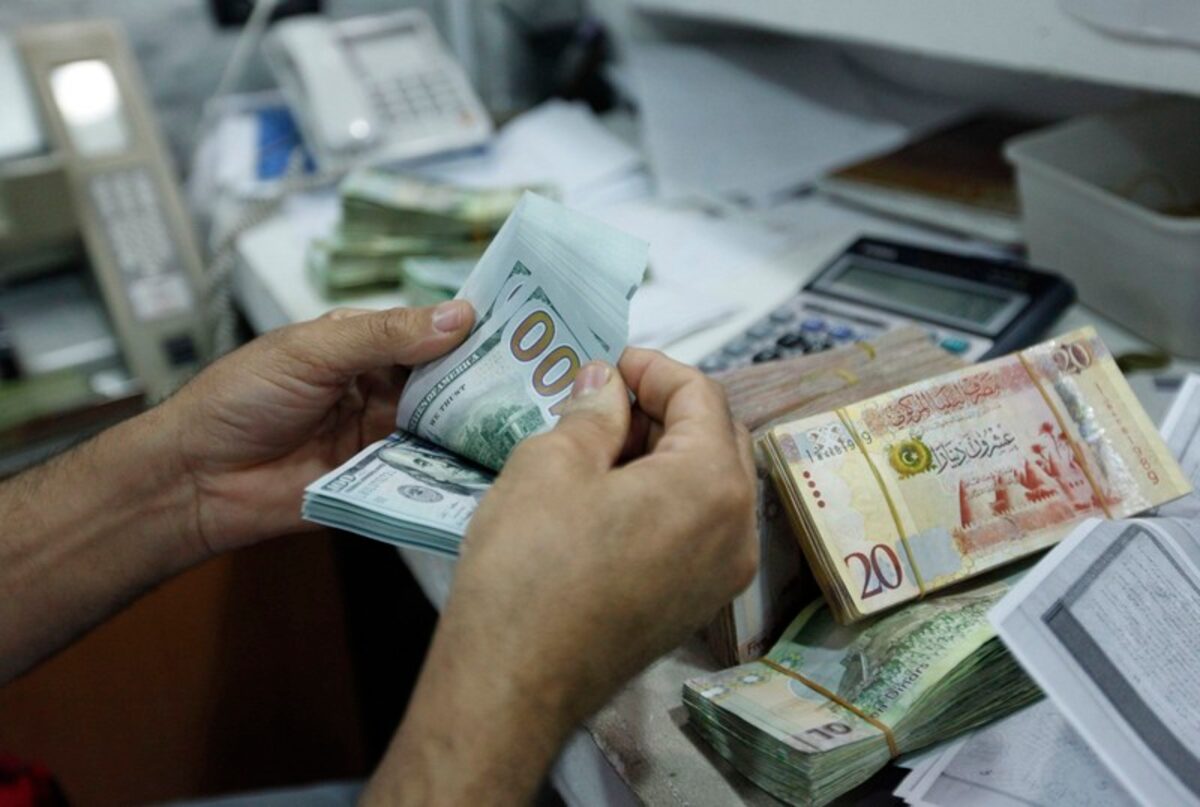
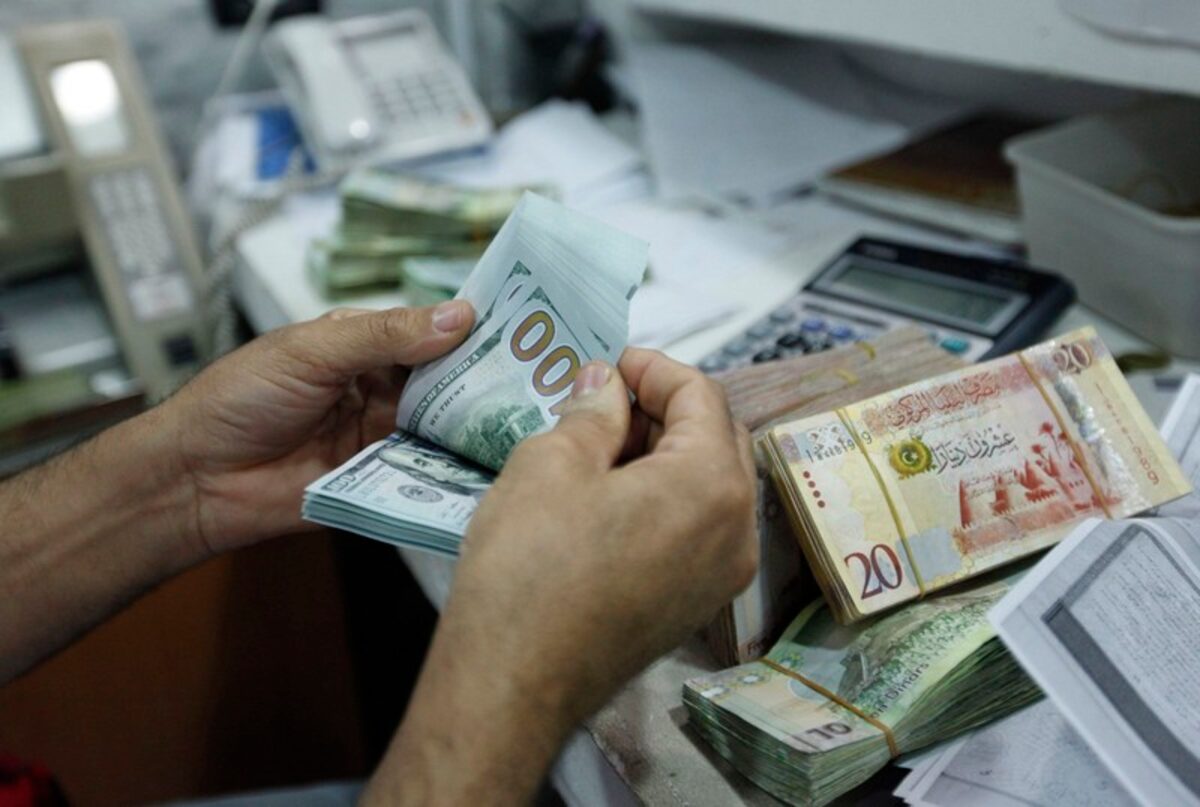
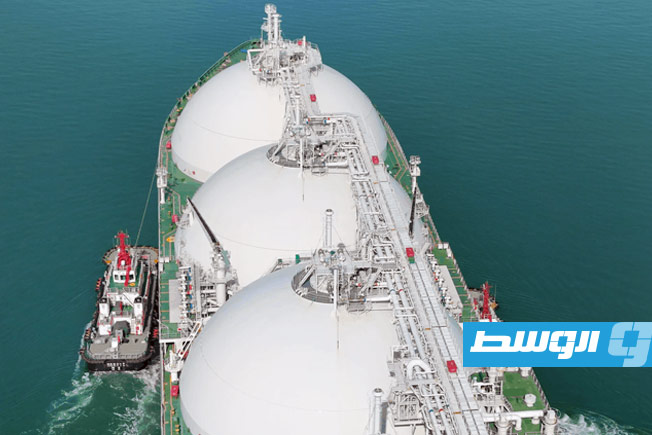
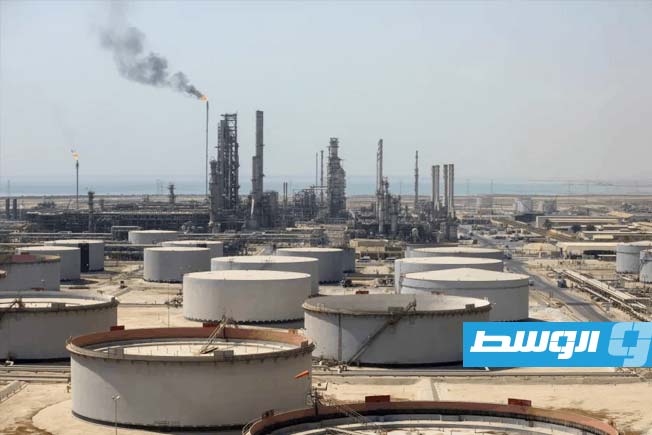
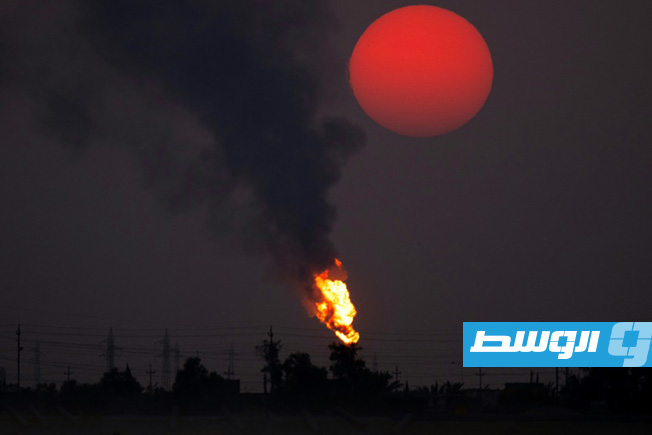
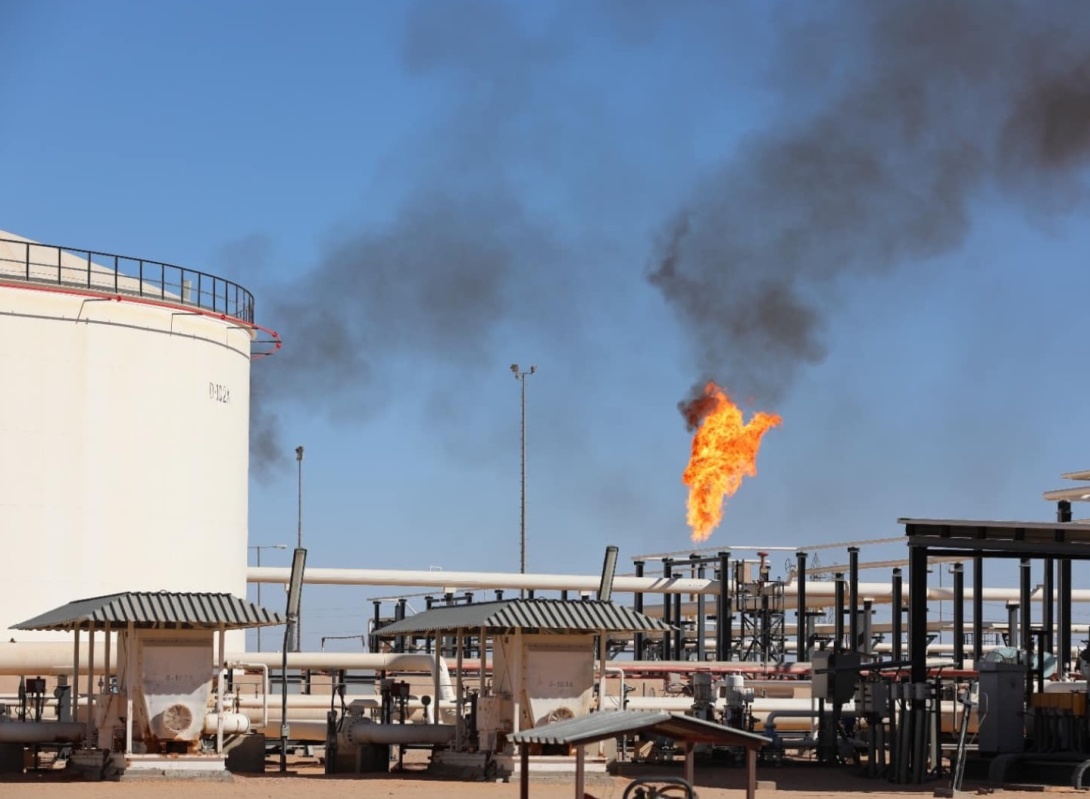
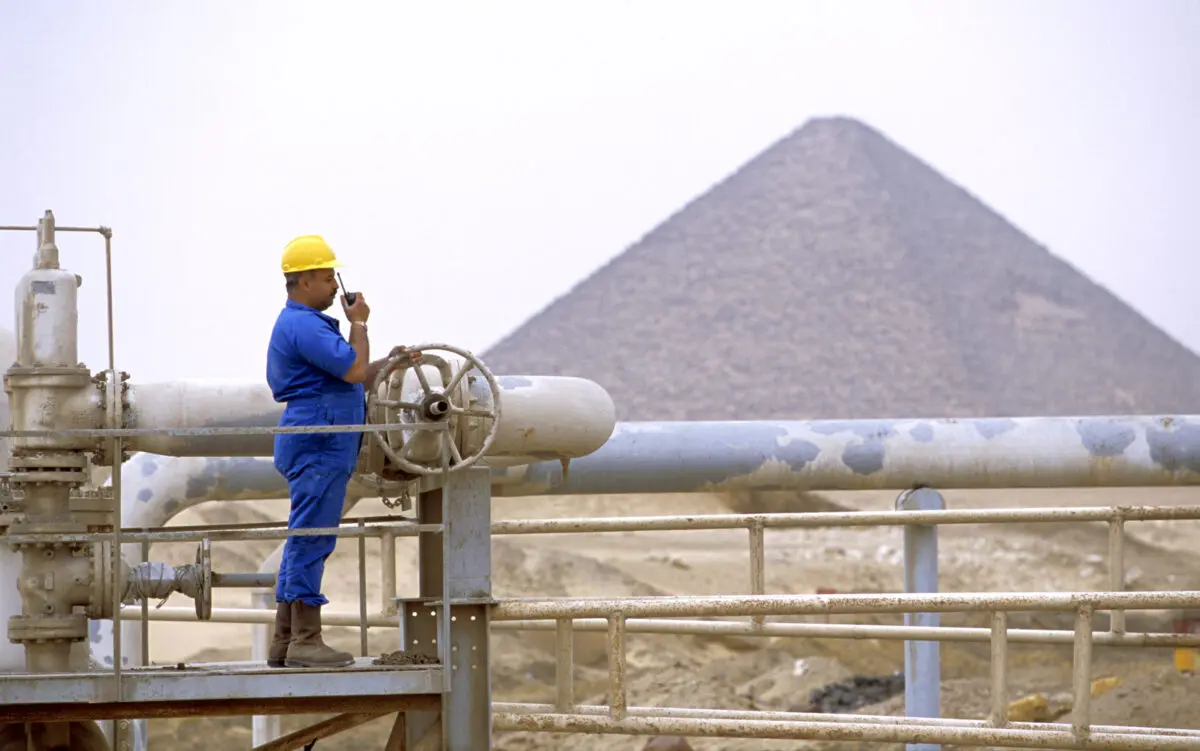
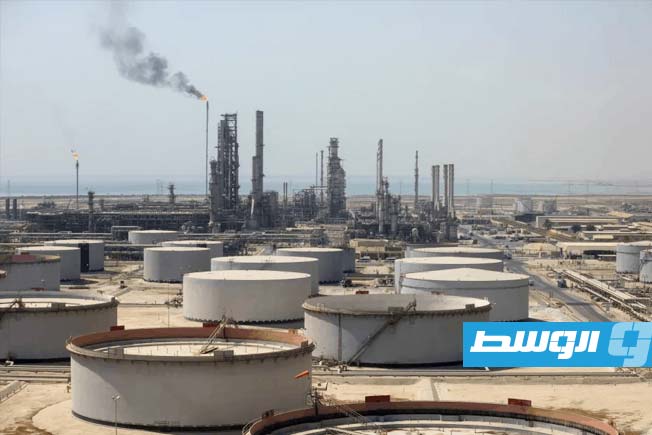
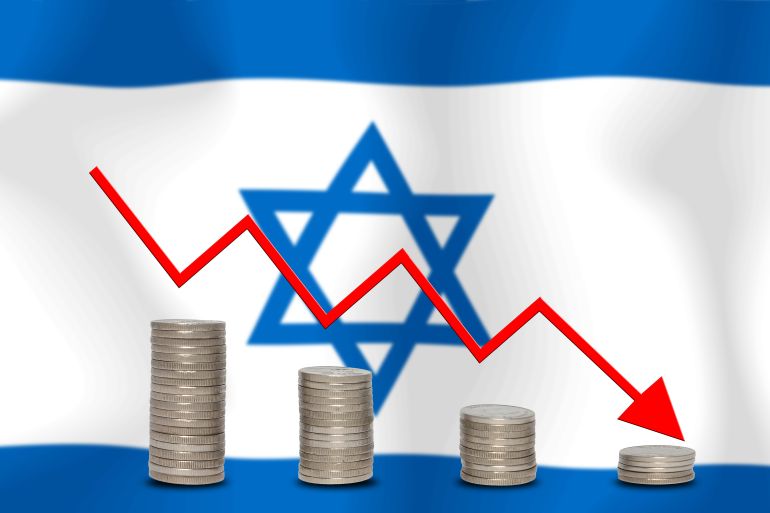
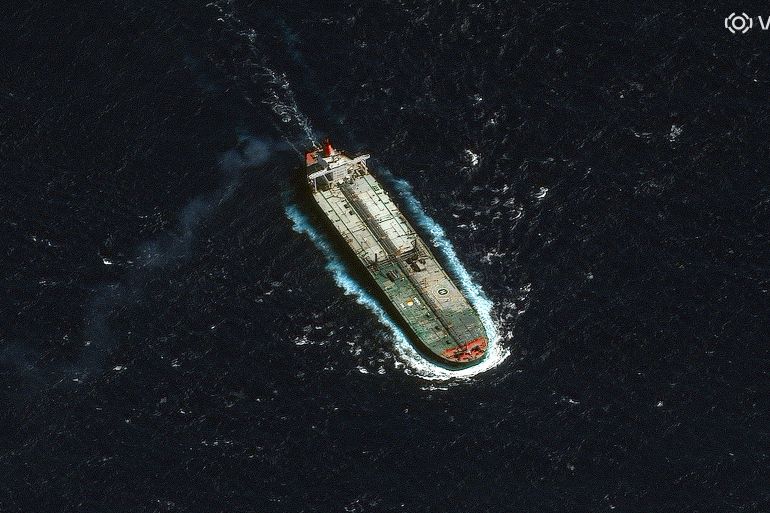
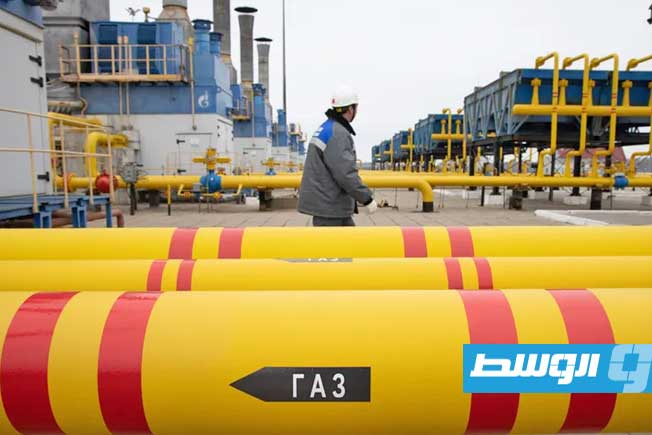
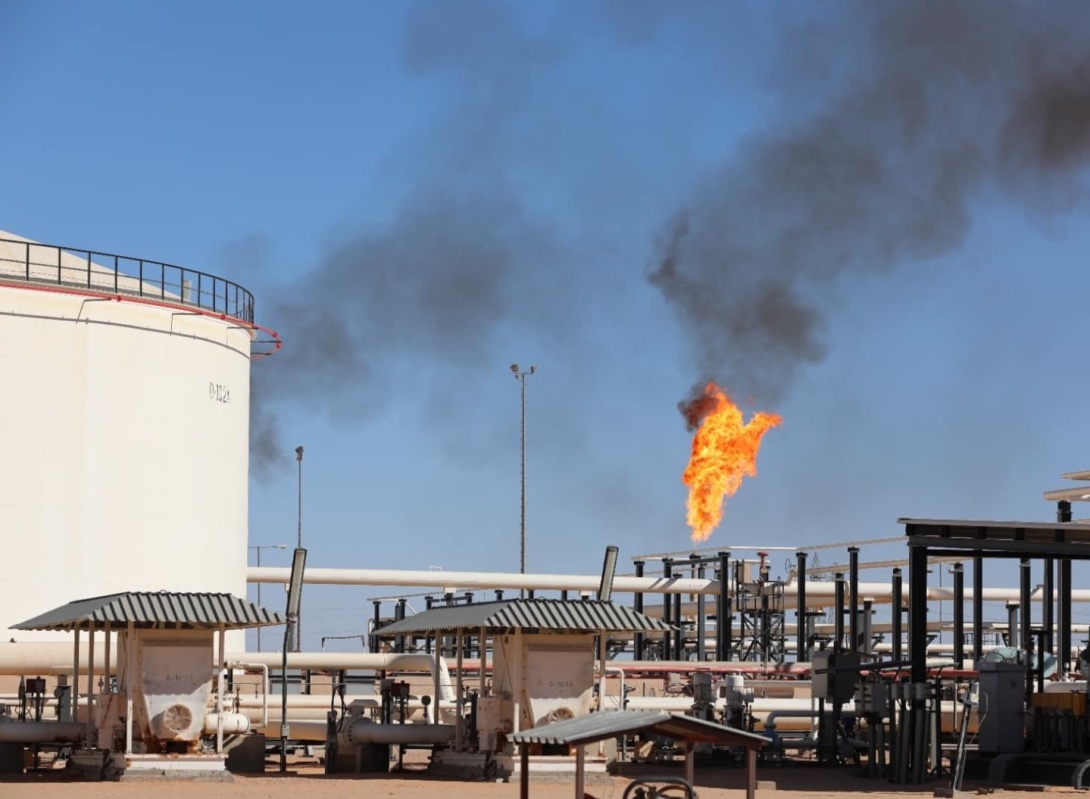
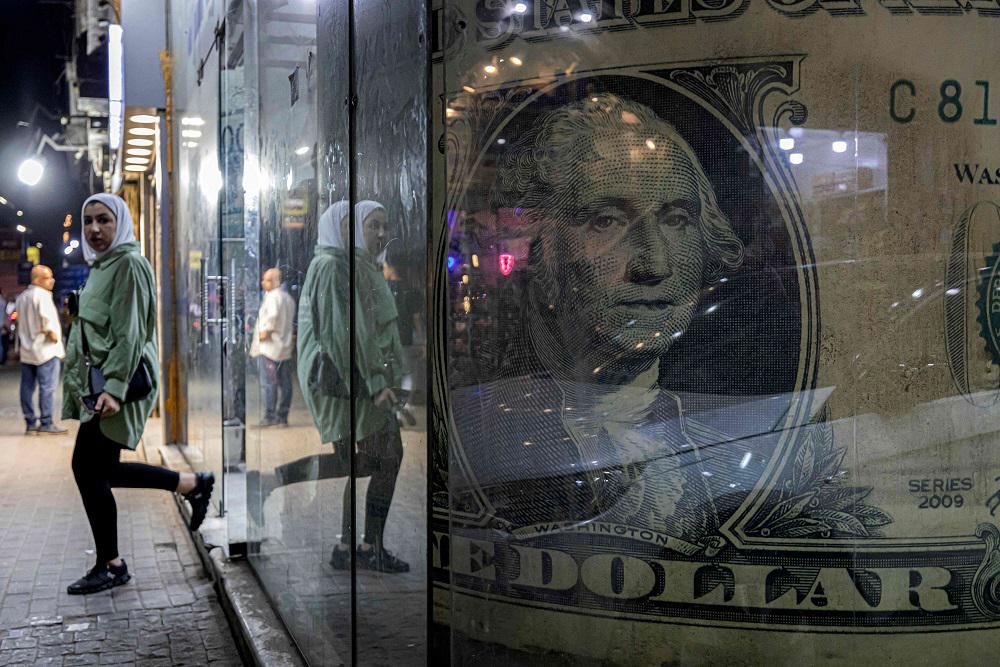
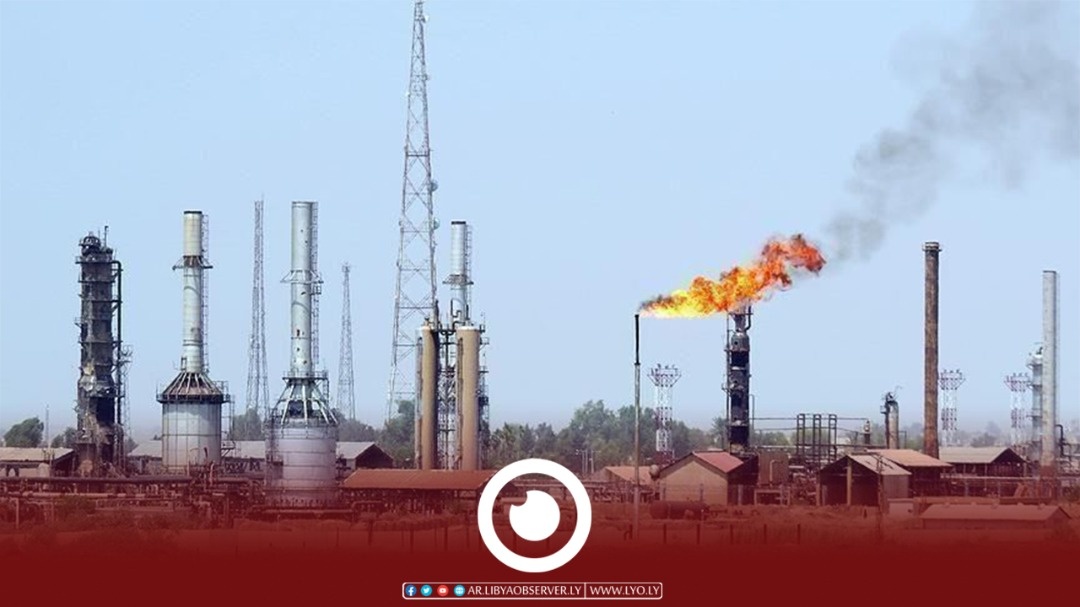
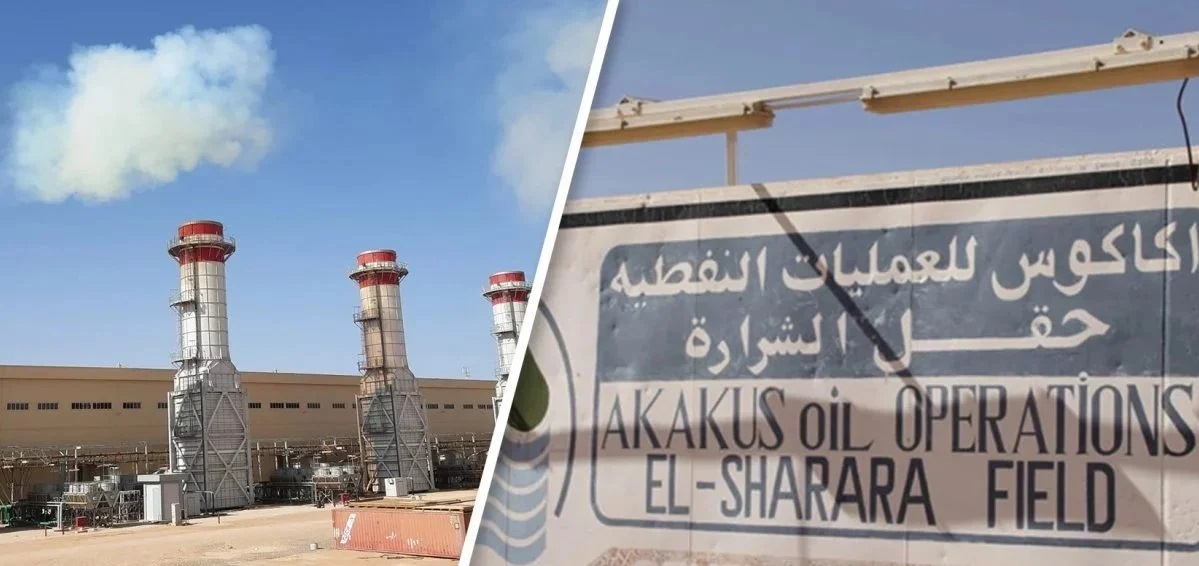
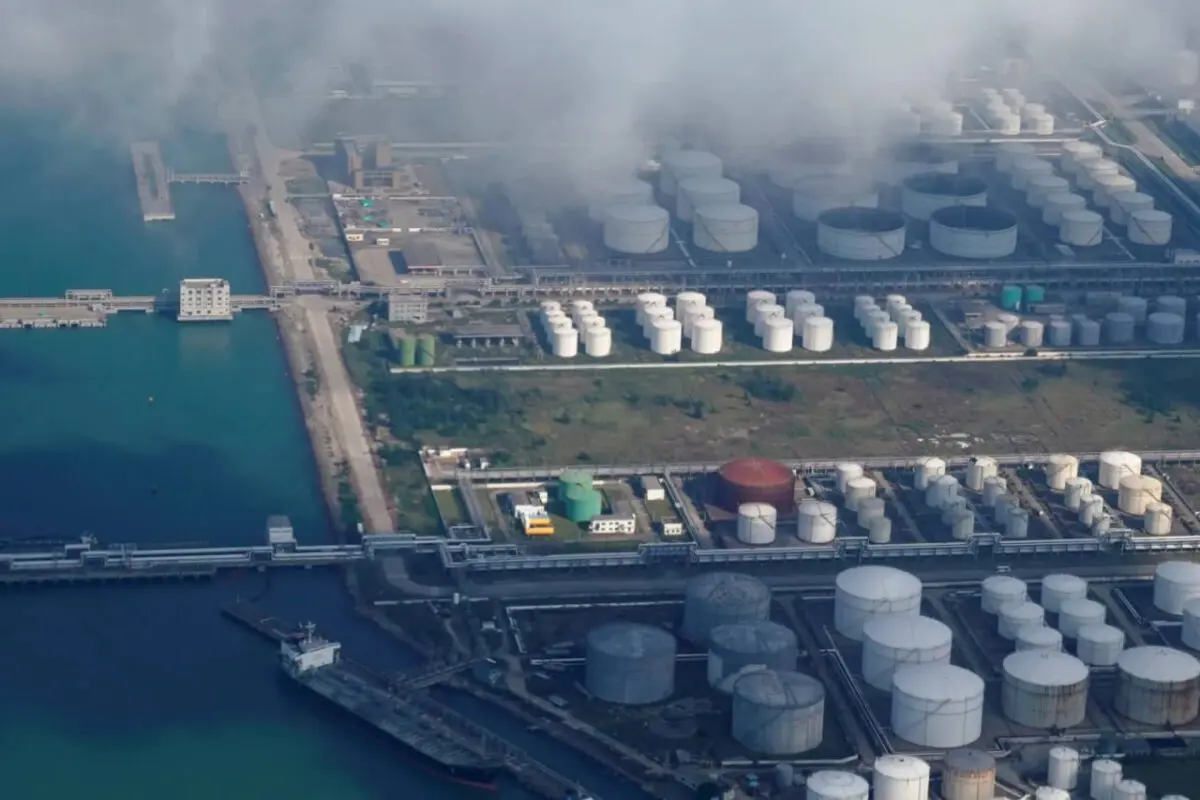
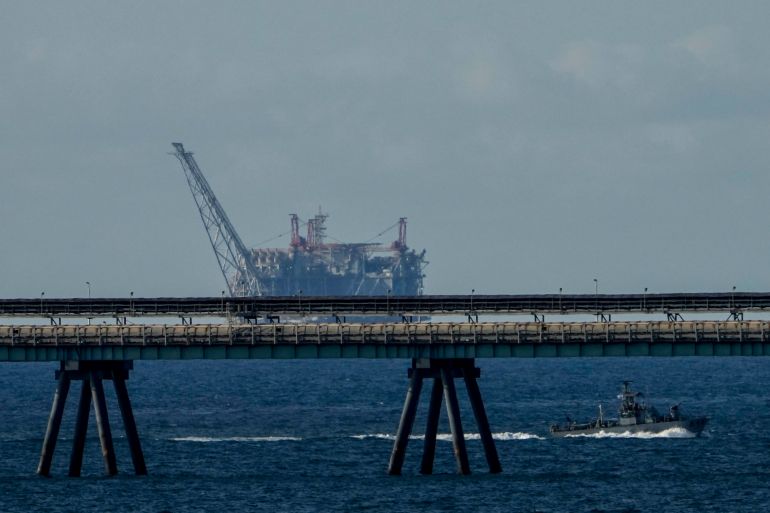
A shortage of foreign currency had forced Egypt to delay payments to international oil companies operating in the country, leading to slowed investment and decreased gas production. This situation pushed the country to rely heavily on imports from Israel since 2022 or on costly shipments.
Egypt began settling dues to oil companies following a massive $35 billion deal in 2024 for development rights to the Ras El-Hekma area overlooking the Mediterranean.
Egypt produced 3,635 million cubic meters of gas in October of last year, a slight increase from 3,525 million cubic meters in September but a decrease from 3,851 million cubic meters in October 2024, according to figures from the Joint Organisations Data Initiative (JODI).
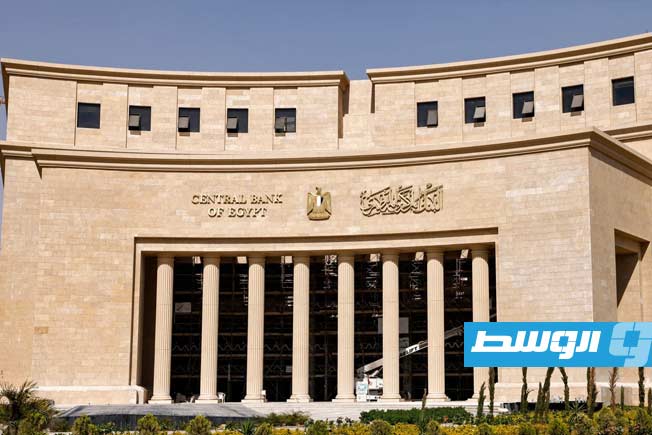
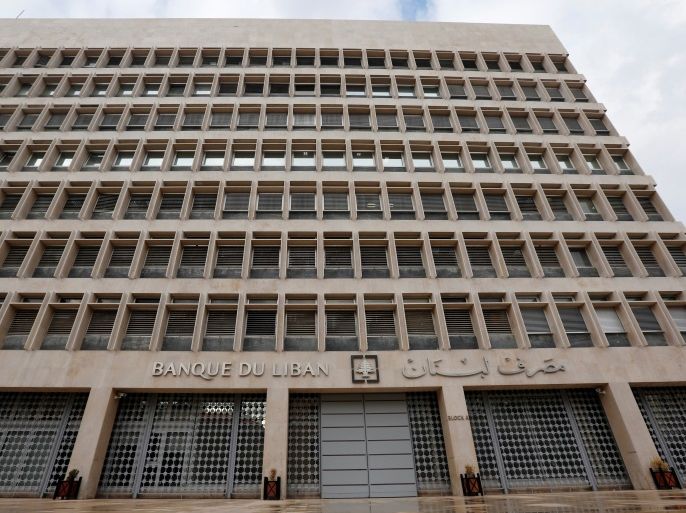
Meanwhile, the Egyptian central bank said on Wednesday that Egypt’s current account deficit narrowed to $3.2 billion in the period from July to September 2025, down from $5.9 billion in the same period of the previous fiscal year.
This period is the first quarter of the 2025-2026 fiscal year, as the fiscal year in Egypt begins on the first of July.
Egypt
Egypt, home to one of the world’s oldest civilizations, is famed for the ancient pyramids of Giza and the Nile River. Its history spans over 5,000 years, encompassing the era of the pharaohs, Greco-Roman rule, and its significance in the Islamic world. Modern Egypt is a cultural and political center of the Arab world, with its rich heritage drawing millions of visitors annually.
Mediterranean
The Mediterranean Sea is a historically significant body of water that has served as a central hub for trade, cultural exchange, and the rise and fall of empires for millennia. Its shores were home to foundational ancient civilizations, including the Egyptians, Phoenicians, Greeks, and Romans, shaping much of Western history. This interconnected region continues to be a vital geographic and cultural crossroads between Europe, Africa, and Asia.
Ras El-Hekma
Ras El-Hekma is a coastal area on Egypt’s Mediterranean coast, historically known for its natural beauty and as a site for potential development. In February 2024, it gained significant attention when Egypt signed a major investment deal with the United Arab Emirates to develop the area into a large-scale tourism and business project.
Israel
Israel is a country in the Middle East, established as a modern state in 1948 following the United Nations partition plan for the British Mandate of Palestine. It is a historic homeland of the Jewish people, containing significant religious sites for Judaism, Christianity, and Islam, such as the Western Wall, the Church of the Holy Sepulchre, and the Al-Aqsa Mosque.