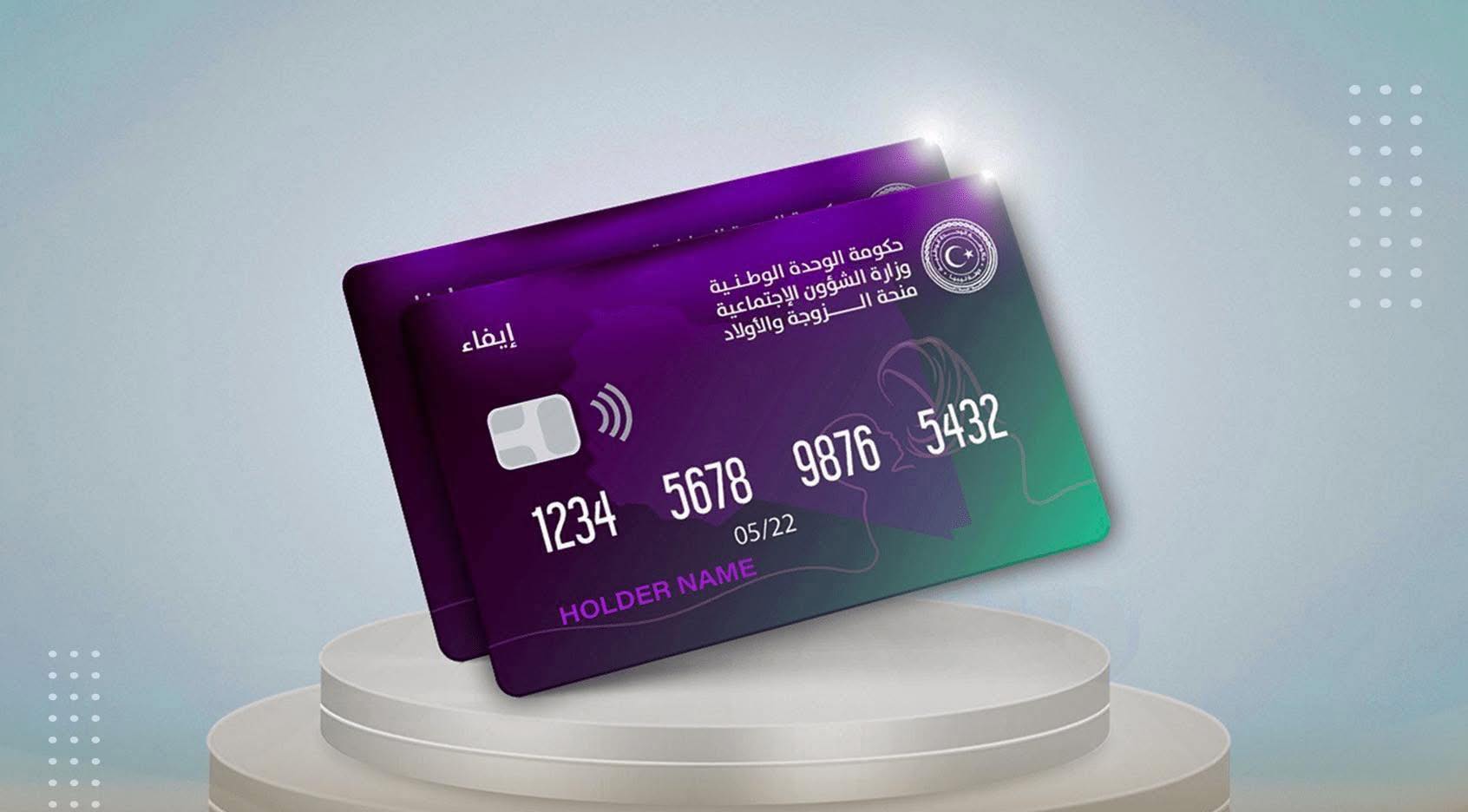
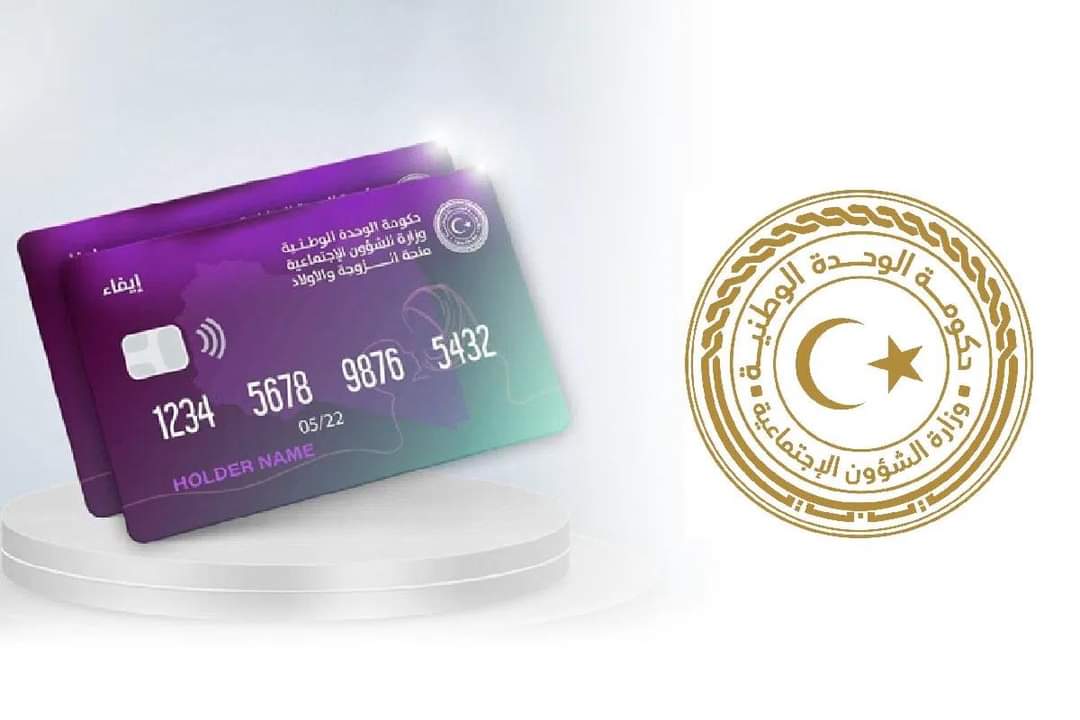
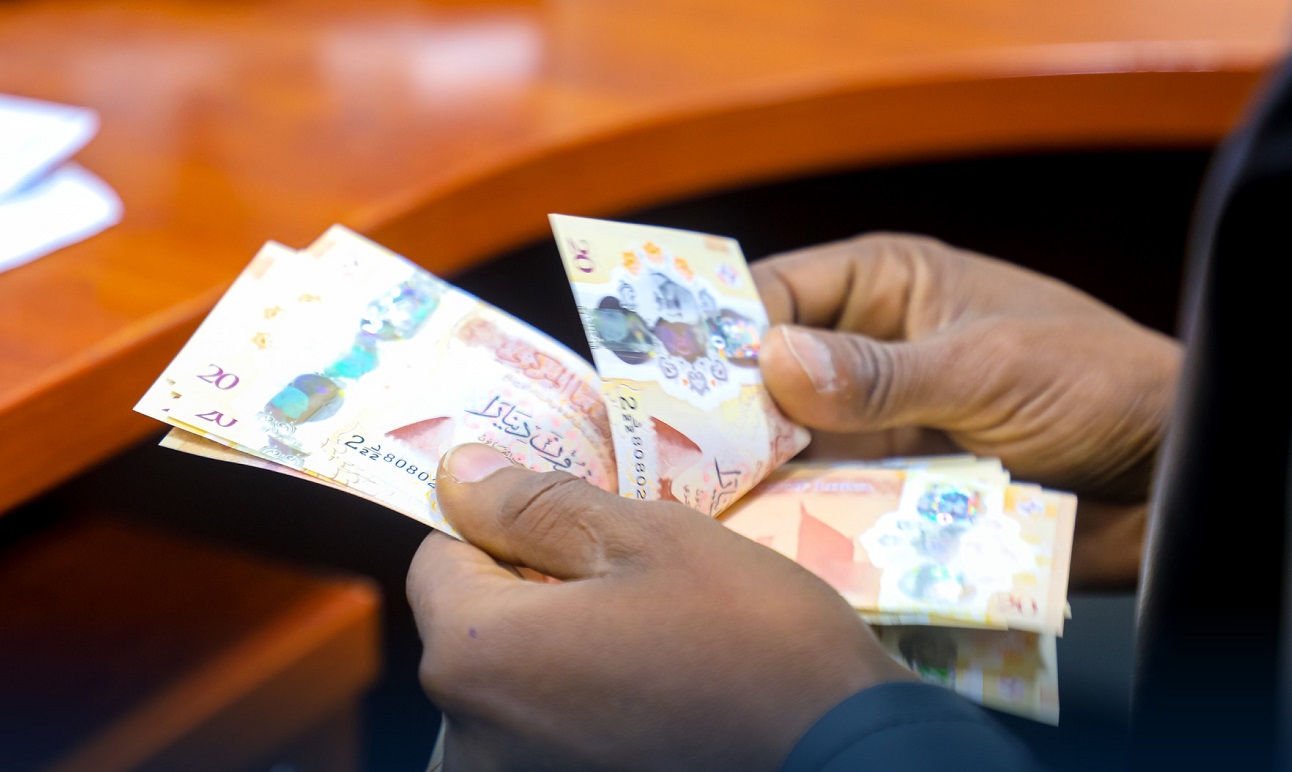
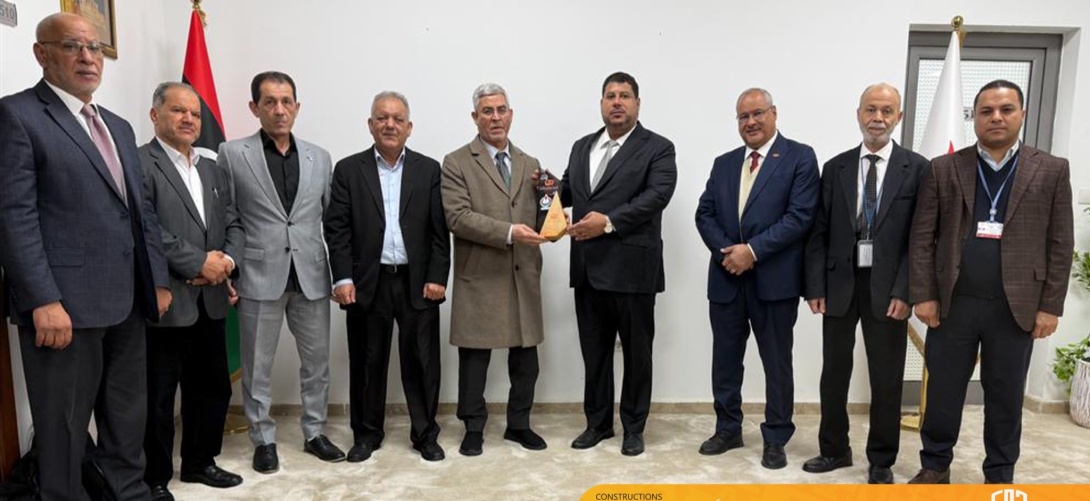
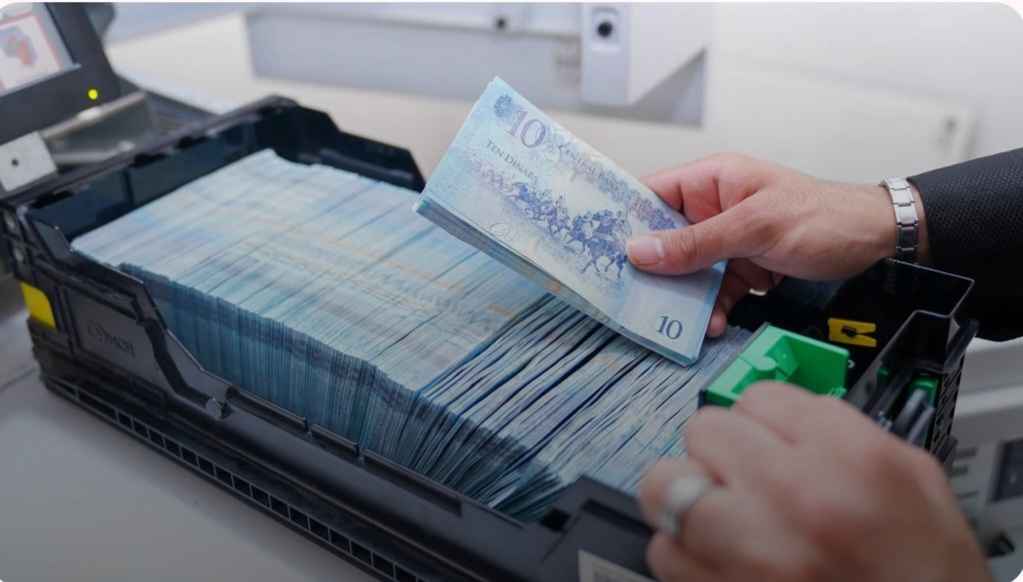
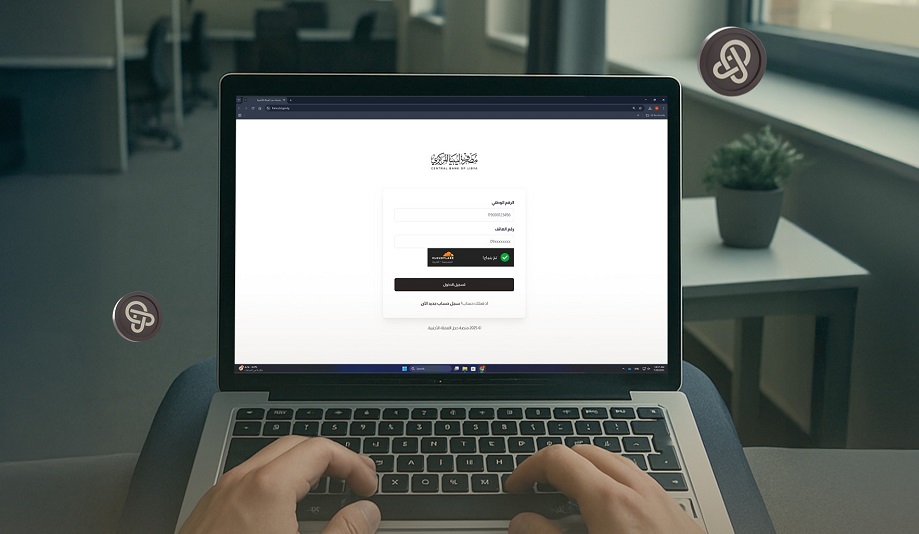
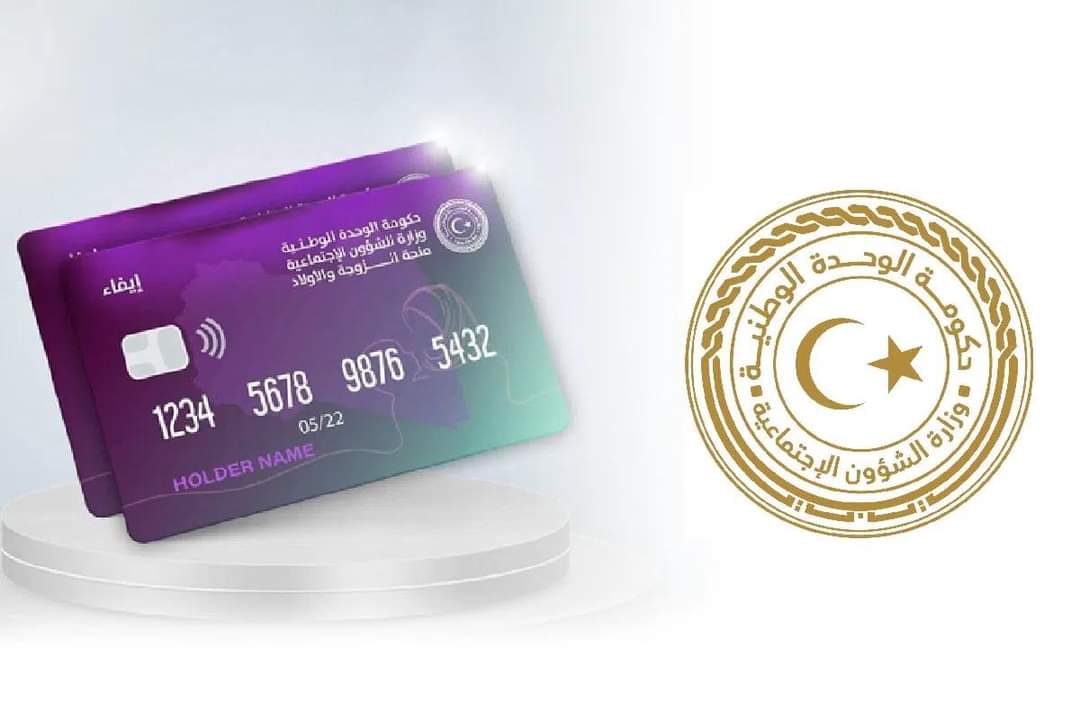
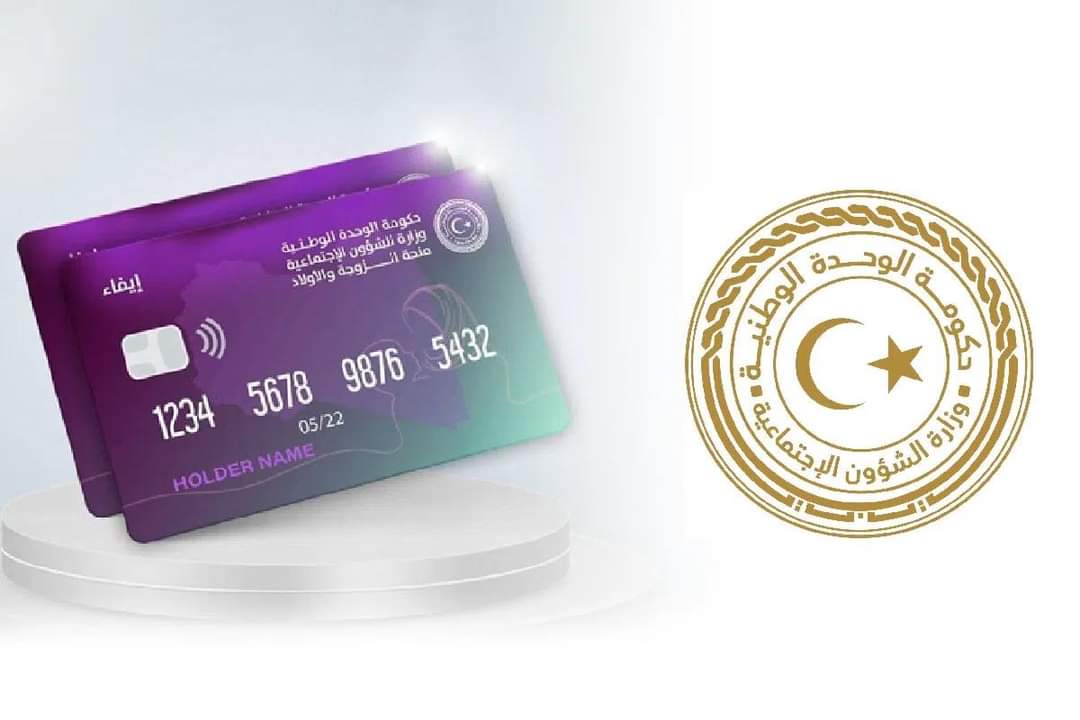
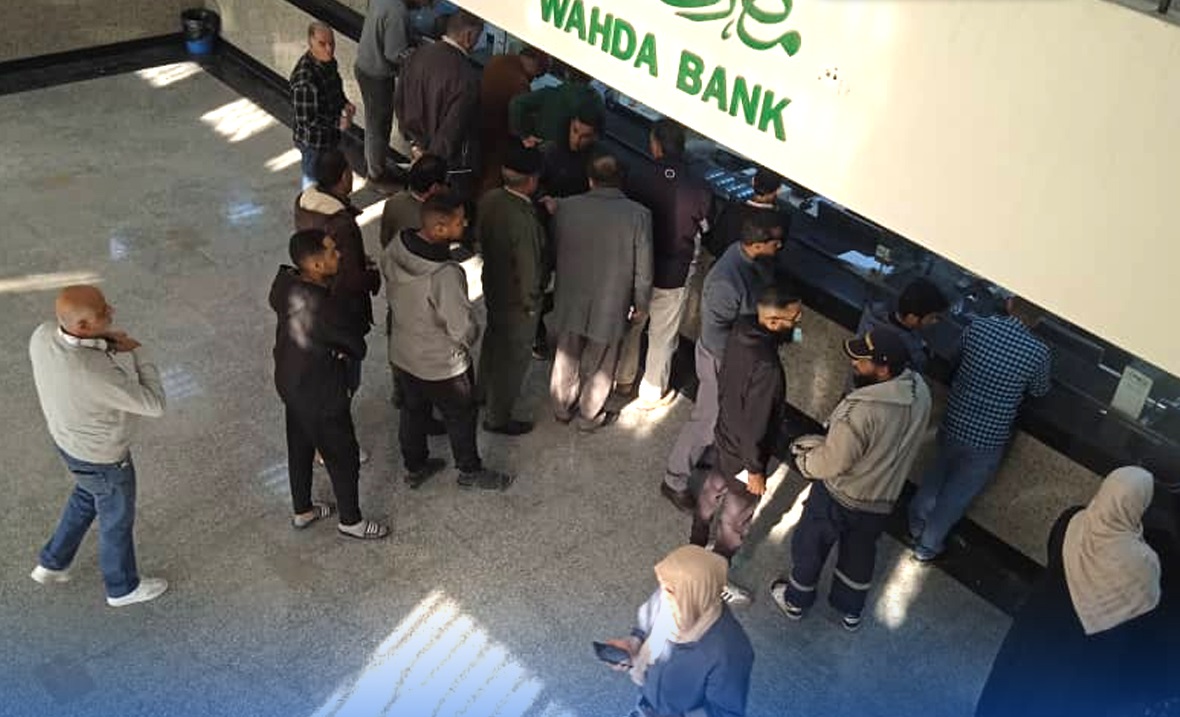
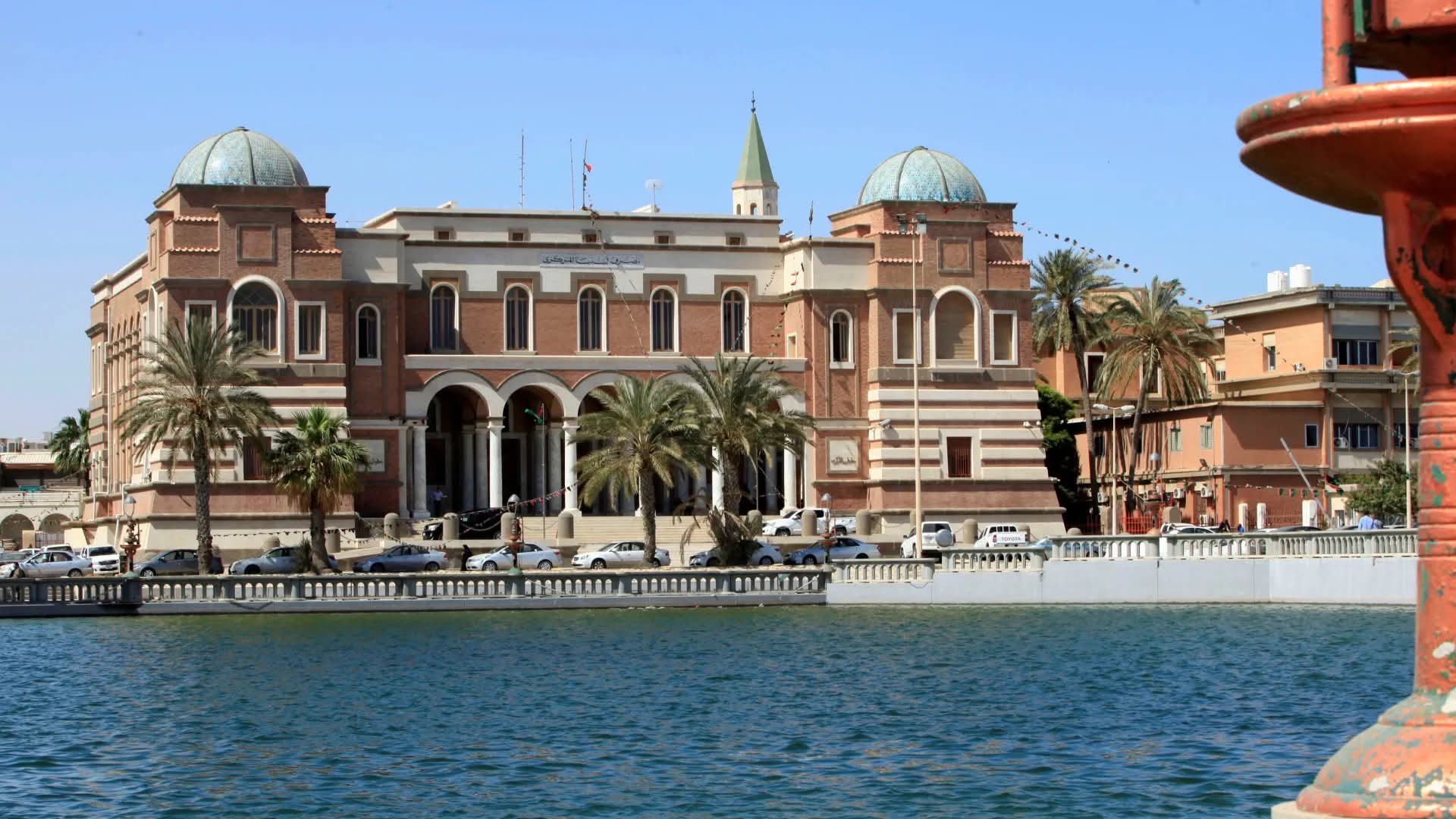
Tripoli, January 20, 2025 – Aman Bank announced the launch of a new service enabling its customers to instantly issue an Aman Dinar card via self-service kiosks available at all its branches. This step reflects the bank’s commitment to enhancing digital transformation and providing modern, fast banking solutions.
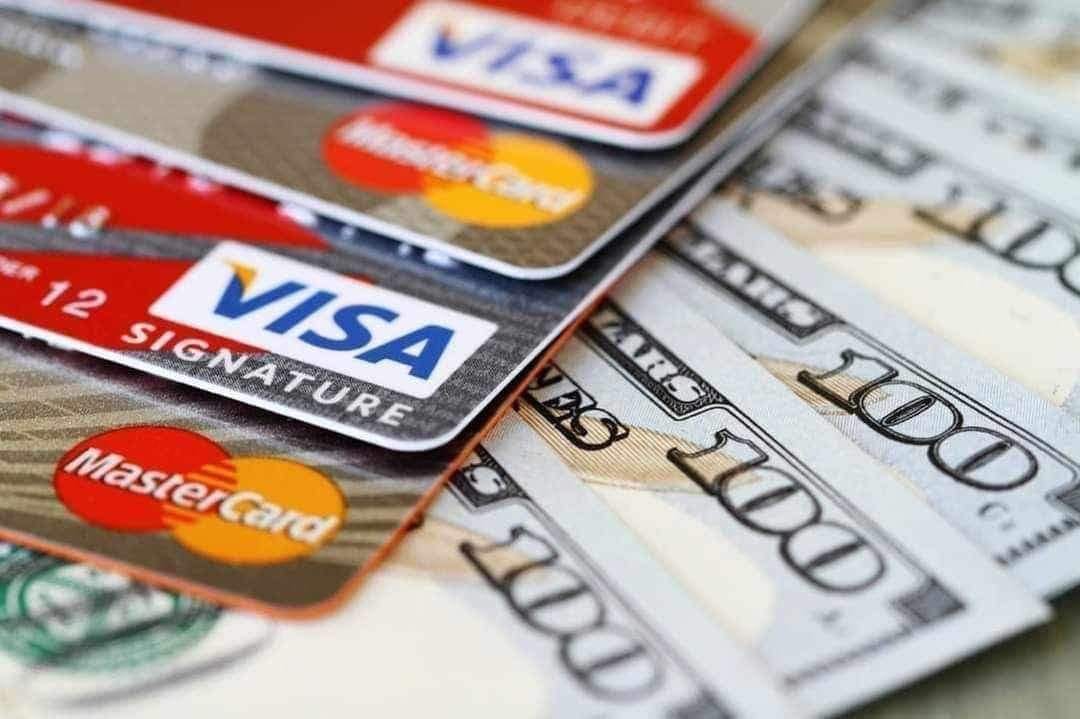
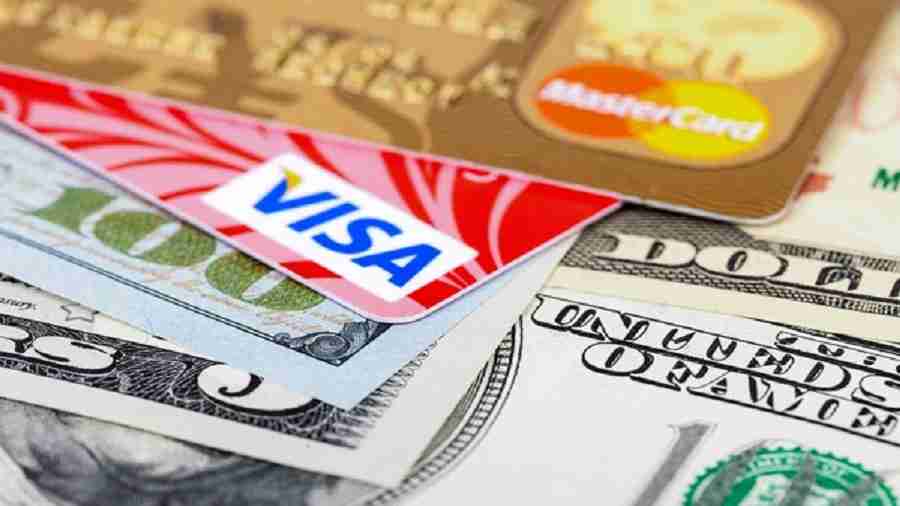
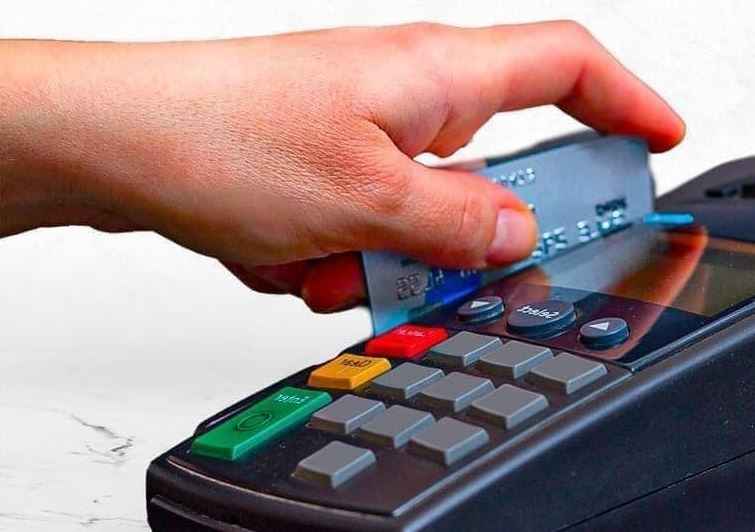
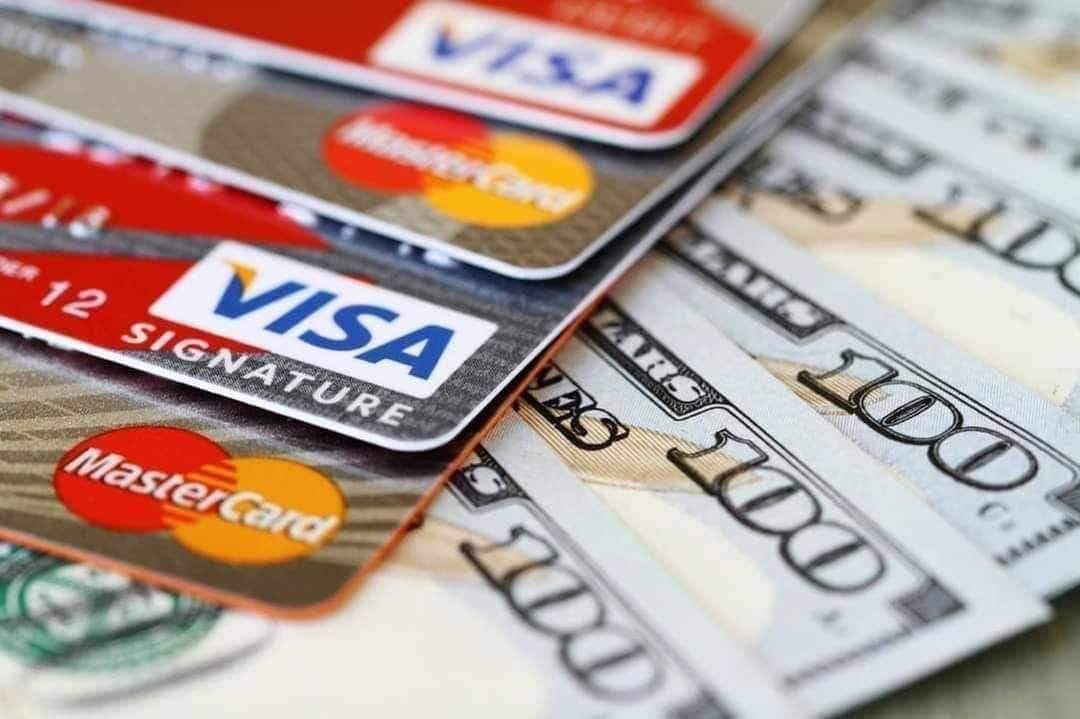
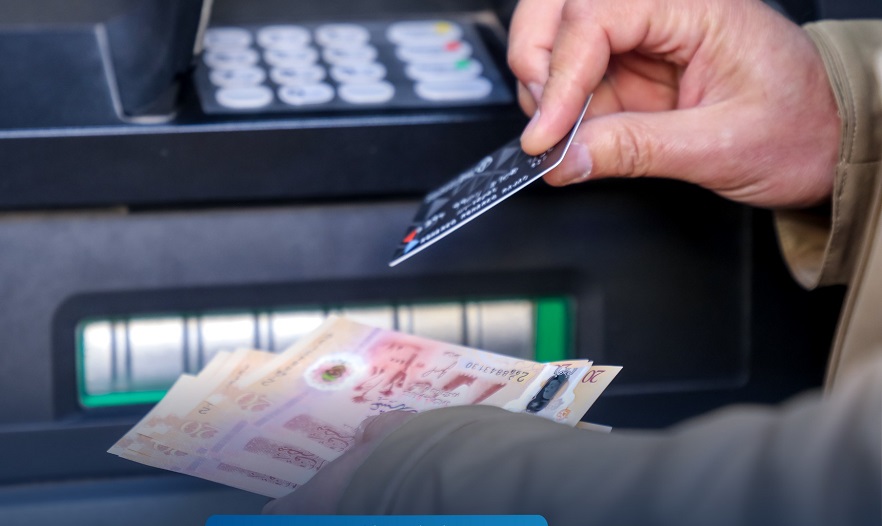
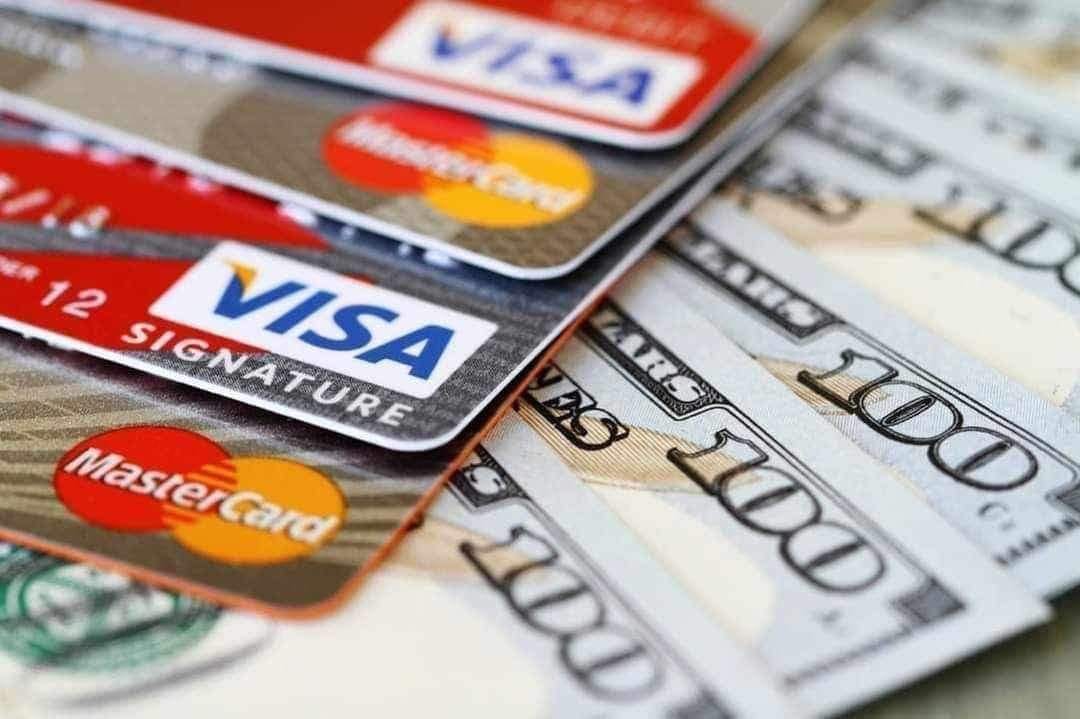
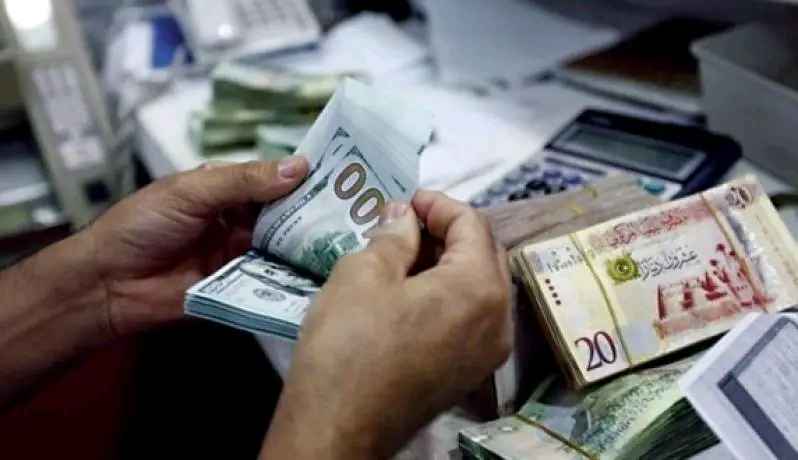
The bank stated that the card utilizes both PIN and contactless (NFC) payment technologies, according to the customer’s choice. The card can be issued without any waiting, with the PIN received directly on the phone registered to the account, for a fee of 40 dinars.
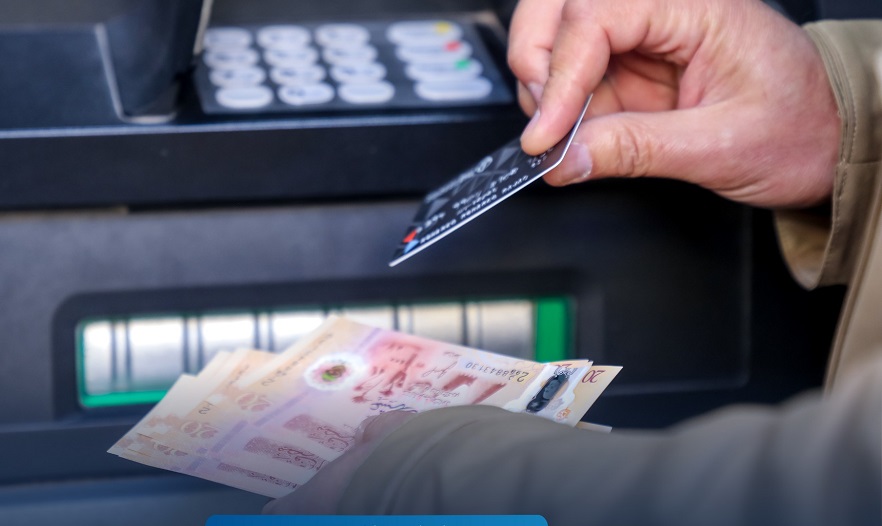
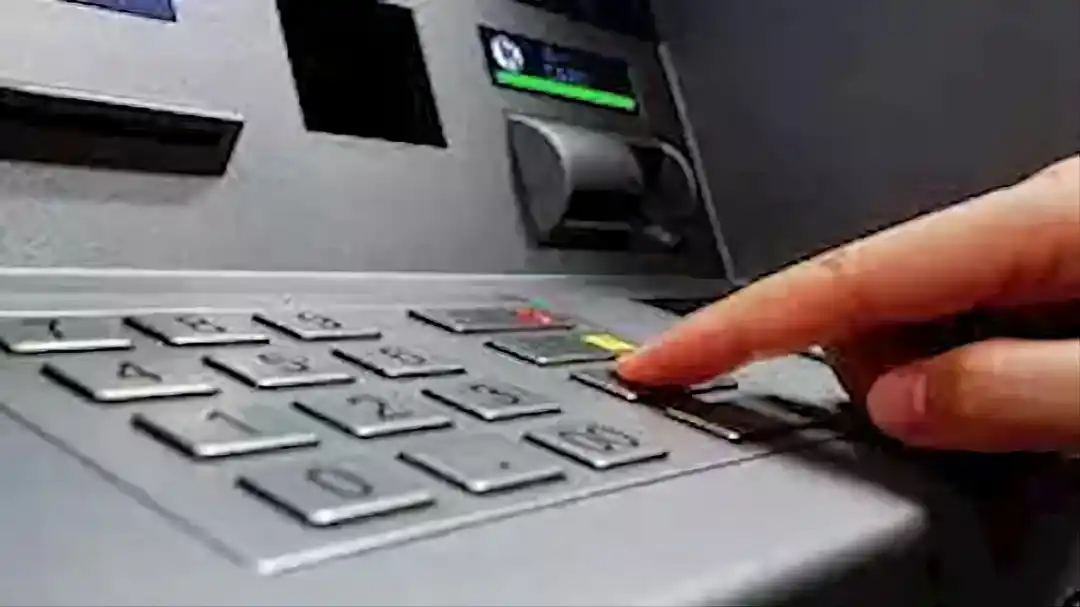
The Aman Dinar card is distinguished by its ability to be used on all point-of-sale (POS) devices supporting PIN and/or NFC technology, in addition to being accepted at all ATMs across the country, providing an easy, secure, and effective banking experience.
Aman Bank indicated that this service is part of its vision to develop its banking services and facilitate customers’ access to innovative financial solutions that meet their daily needs quickly and efficiently.
…
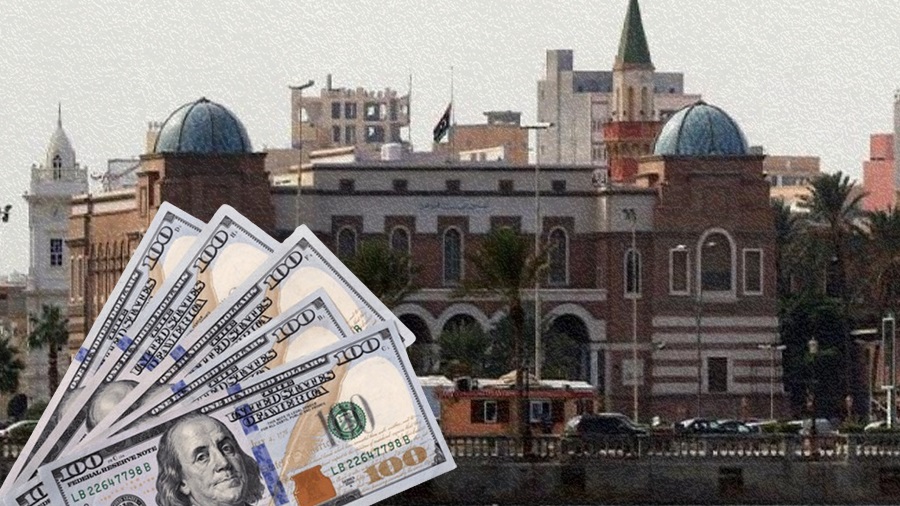
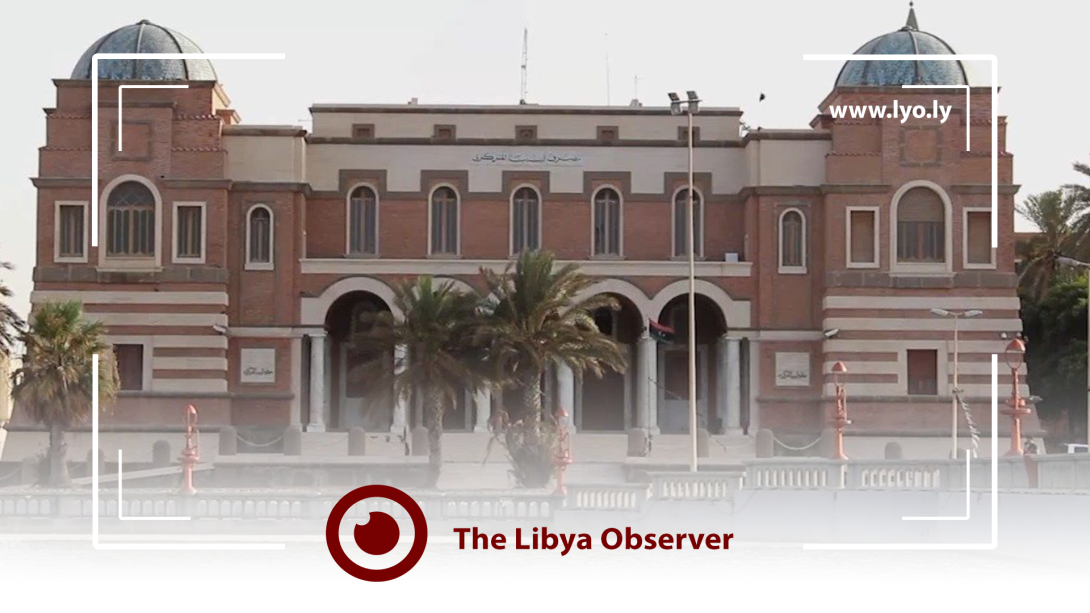
Tripoli
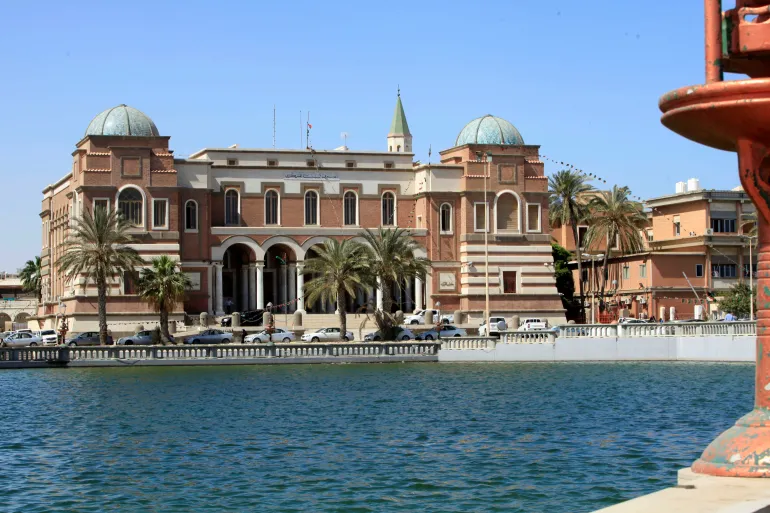
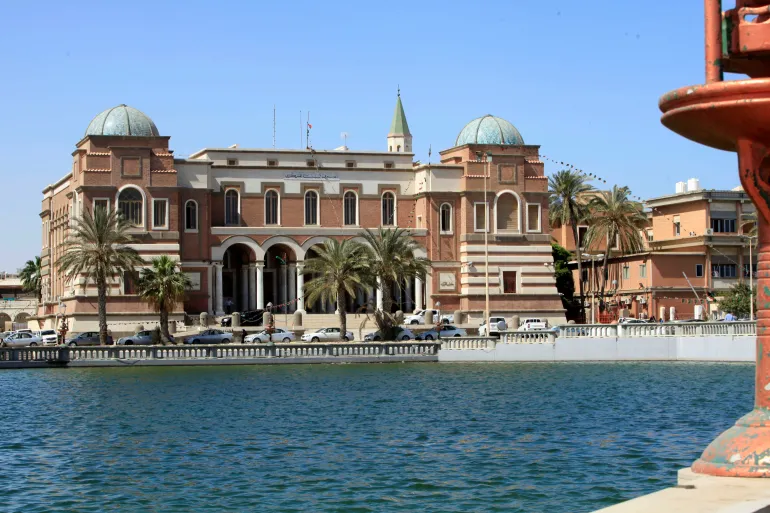
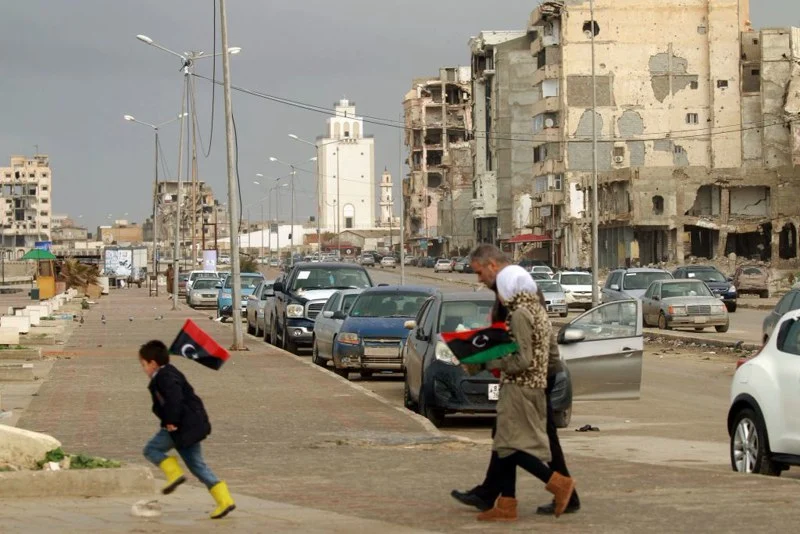
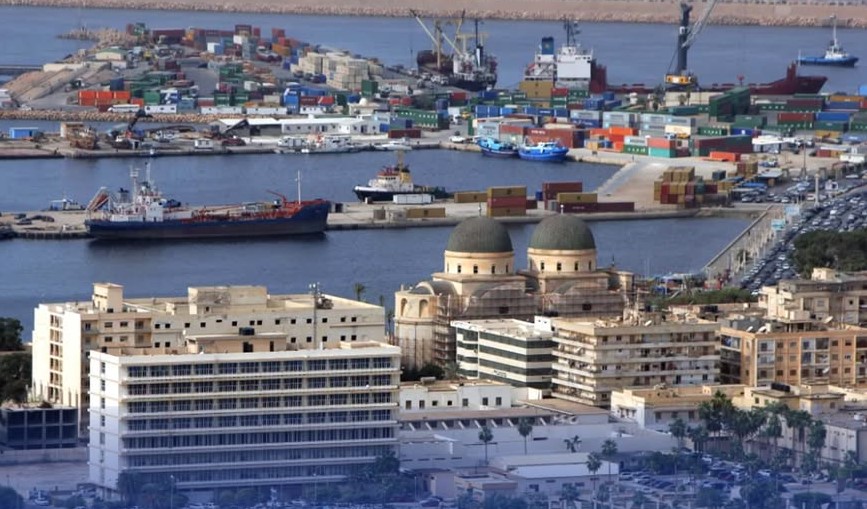
Tripoli is the capital and largest city of Libya, with a history dating back to the 7th century BC when it was founded by the Phoenicians. It later became a significant part of the Roman Empire, the Ottoman Empire, and an Italian colony, which is reflected in its diverse architecture, such as the historic Medina and the Red Castle (Assai al-Hamra).
Aman Bank
Aman Bank is a financial institution based in Libya, originally established in 1998 as a private shareholding company. It has grown to become one of the country’s major banks, providing a range of retail and corporate banking services to support the local economy.
Aman Dinar card
The Aman Dinar card is a financial product offered by Bank Islam Malaysia, designed as a Shariah-compliant debit card for use by pilgrims performing the Hajj or Umrah in Saudi Arabia. It allows users to make secure payments and withdrawals in Saudi Riyals, helping to manage expenses during their pilgrimage. The card’s history is tied to the modernization of financial services for Malaysian pilgrims, providing a convenient and religiously permissible alternative to carrying cash.
self-service kiosks
Self-service kiosks are interactive terminals that allow users to perform tasks like ordering, check-in, or payment without direct staff assistance. Their history is rooted in late 20th-century automation, with significant expansion driven by the digital revolution and a growing emphasis on efficiency in retail, hospitality, and transportation.
PIN
PIN is a contemporary art gallery and cultural center in Paris, France, established in 2018. It is located in the historic Marais district and focuses on showcasing emerging artists and innovative multimedia exhibitions. The site itself occupies a renovated building, contributing to the area’s long-standing tradition as a hub for arts and culture.
NFC
The NFC, or National Football Conference, is one of the two conferences in the National Football League (NFL), established in 1970 following the merger between the NFL and the rival American Football League (AFL). It originally consisted largely of the pre-merger NFL teams and now contains 16 teams divided into four geographic divisions.
point-of-sale (POS) devices
Point-of-sale (POS) devices are electronic systems used to process transactions at retail locations, evolving from simple mechanical cash registers. Their history accelerated in the late 20th century with the integration of computers, barcode scanners, and credit card readers, transforming them into complex hubs for sales, inventory, and customer data management.
ATMs
ATMs, or automated teller machines, are electronic banking outlets that allow customers to complete basic transactions without a bank teller. The first working ATM was installed in London in 1967 by Barclays Bank, based on a concept by inventor John Shepherd-Barron. They revolutionized personal banking by providing 24/7 access to cash withdrawals and other financial services.