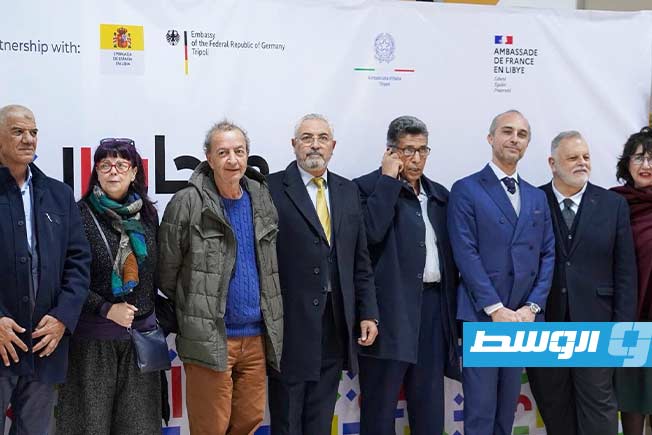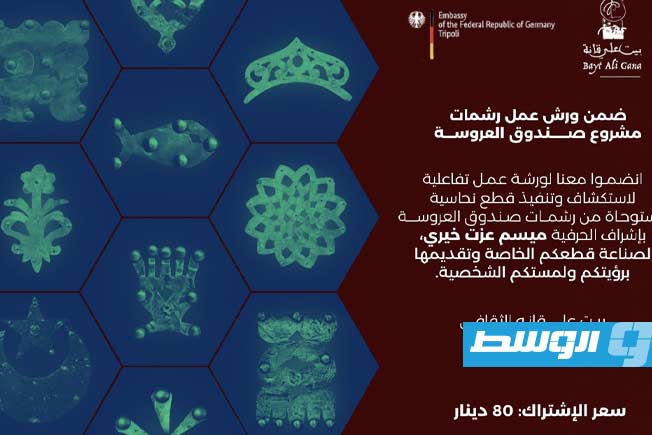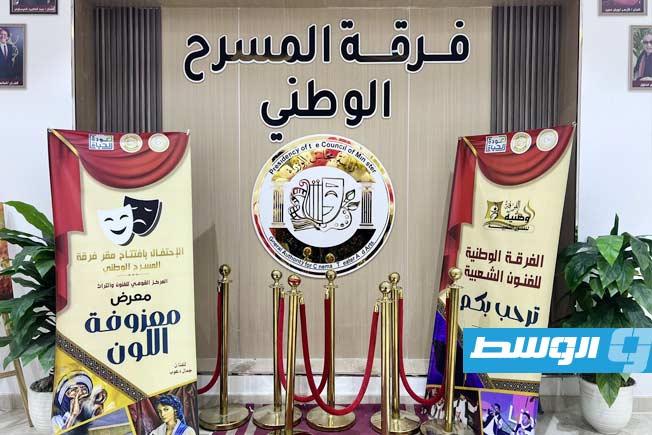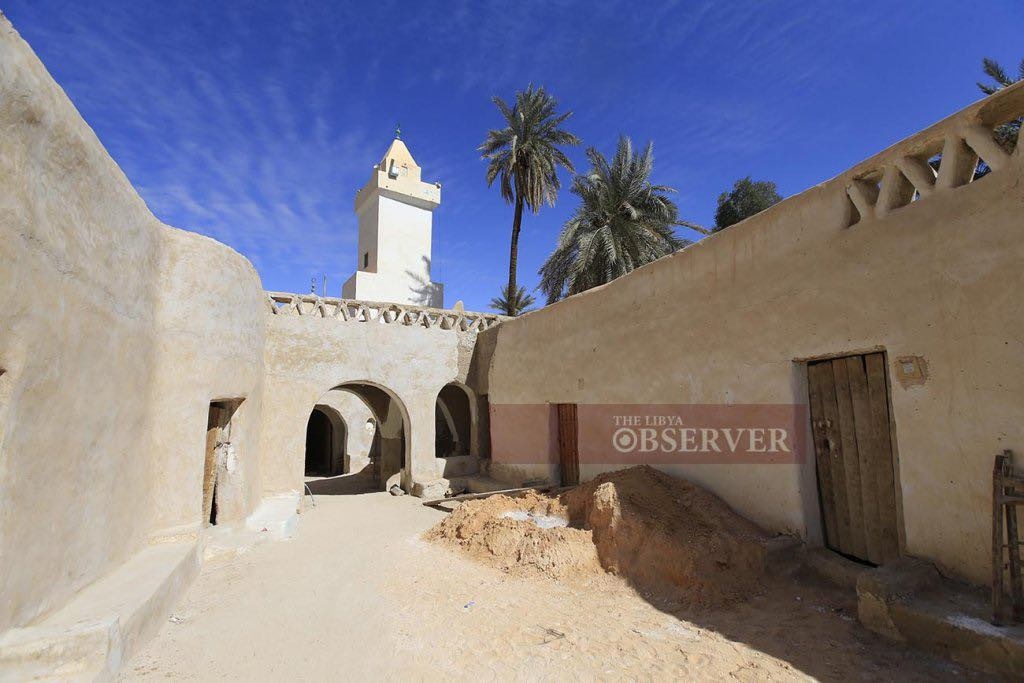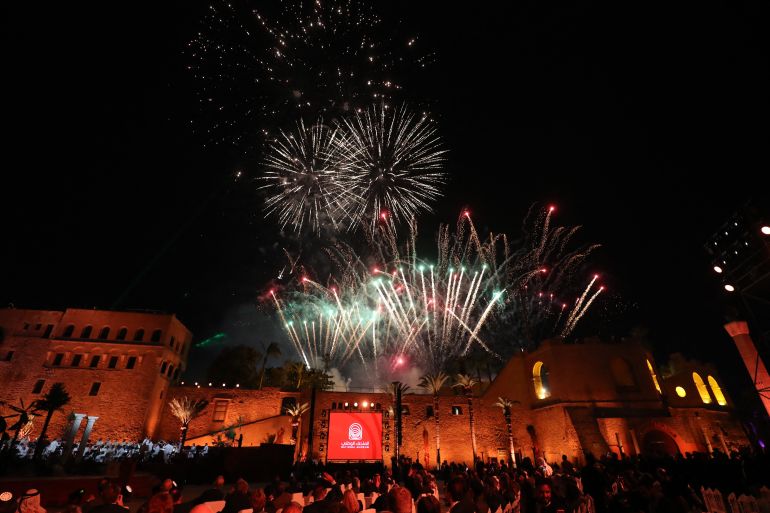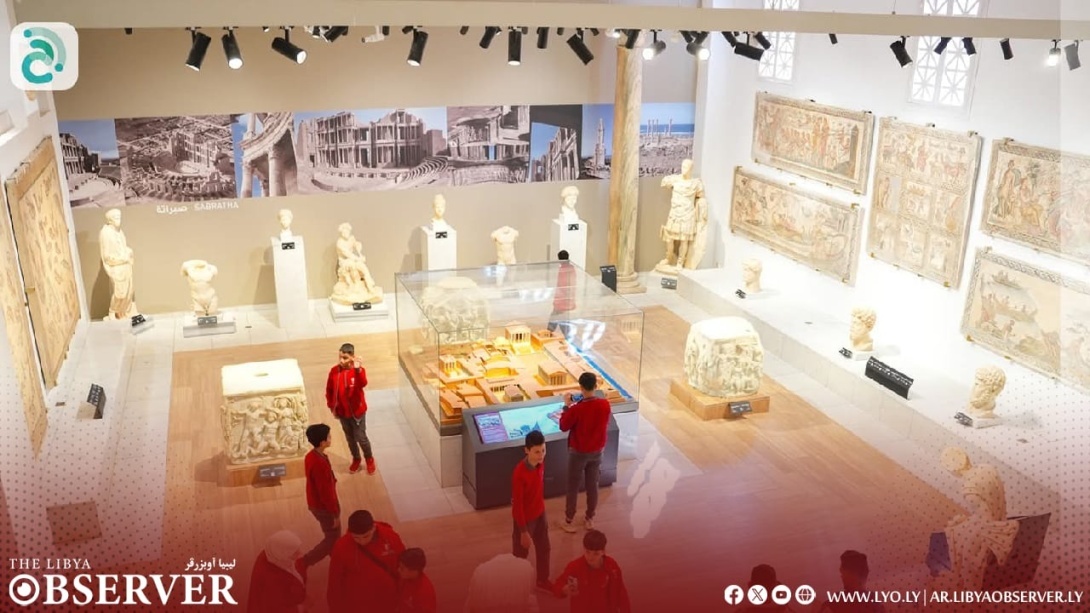
An art exhibition celebrating Libya’s cultural heritage is set to open in Tripoli’s Old City later this month.
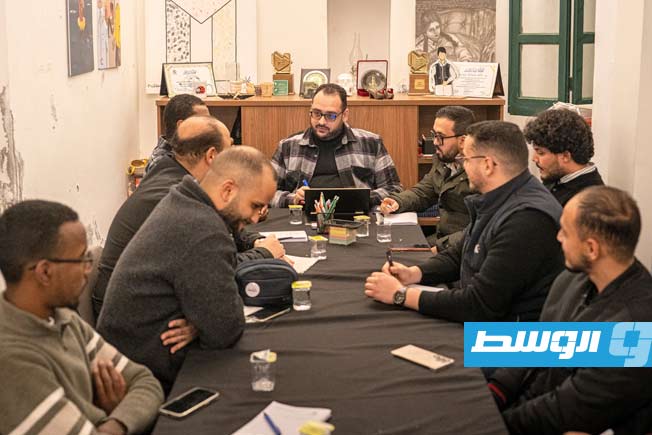
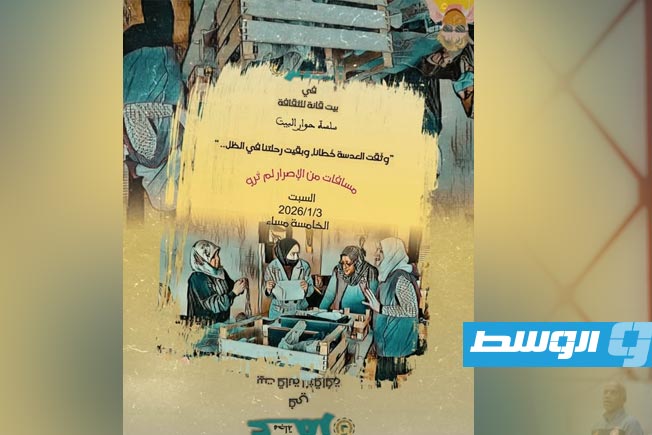
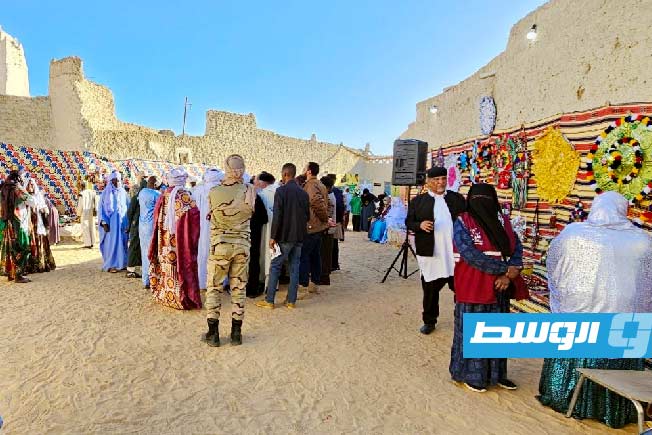
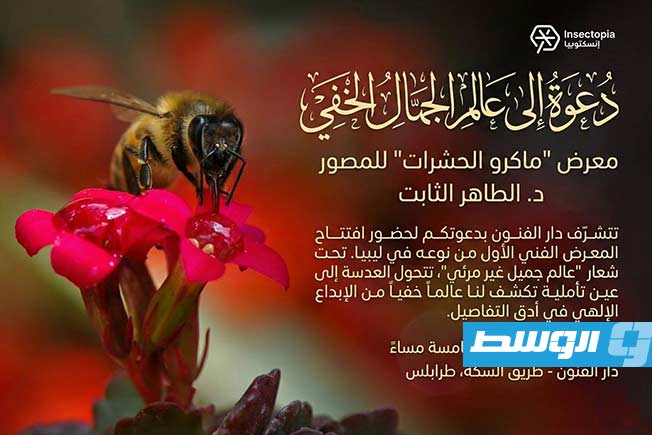
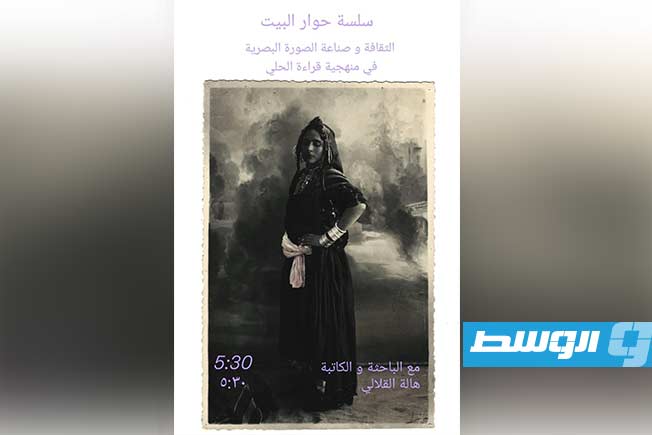
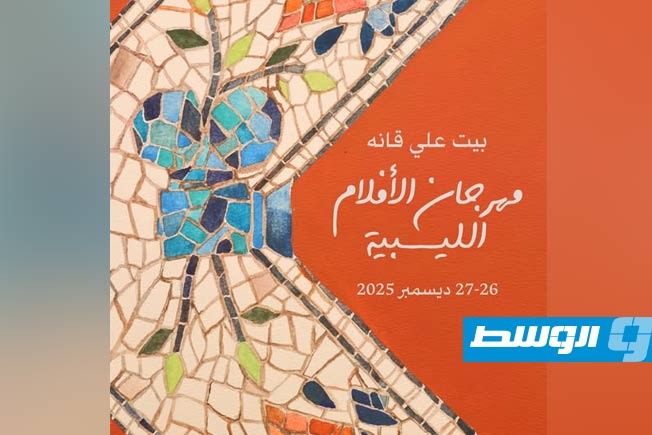
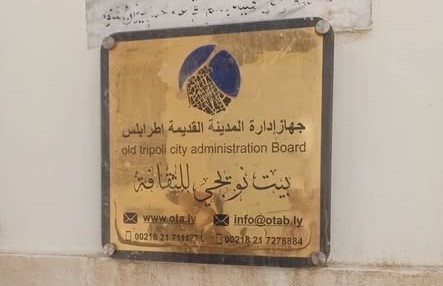
Bayt Nuweiji for Culture will host the exhibition, titled “Creative Gene for Libyan Heritage,” on 31 January. The showcase aims to present traditional Libyan heritage through contemporary artistic approaches.
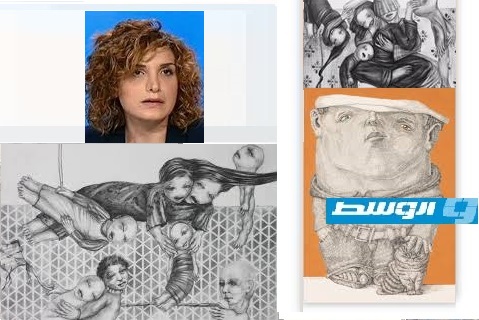
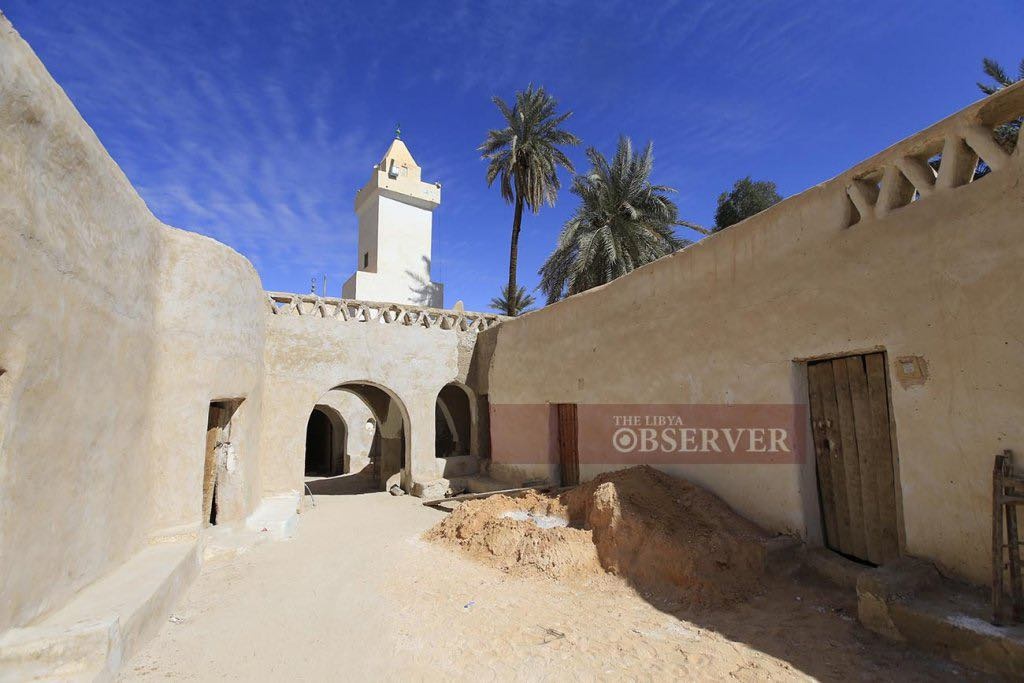
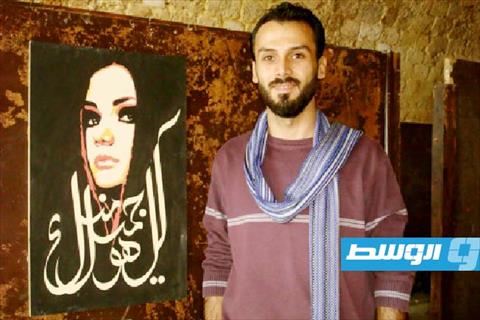
The exhibition will feature a range of works, including hand-painted heritage artworks, digital images documenting Libyan cities, and examples of traditional handicrafts reflecting the country’s folk traditions.
Organisers say the event seeks to bridge memory and innovation, offering visitors a modern interpretation of Libya’s rich cultural legacy. The exhibition will be open to the public from 1:00 pm to 6:00 pm.
Bayt Nuweiji for Culture
Bayt Nuweiji for Culture is a historic house in the Al-Balad district of Jeddah, Saudi Arabia, that has been restored and transformed into a cultural center. Originally built in the late 19th century using traditional coral stone architecture, it now serves as a venue for art exhibitions, workshops, and cultural events that promote local heritage.
Libya
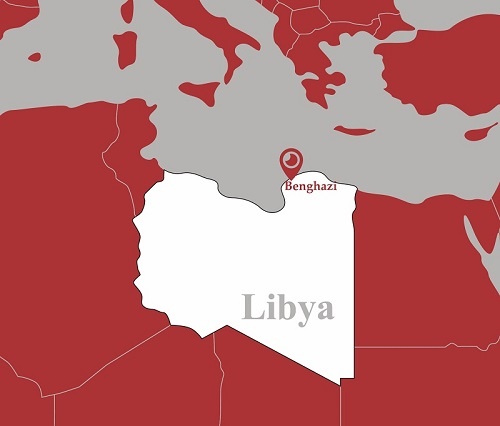
Libya is a North African country with a rich history rooted in ancient civilizations like the Phoenicians and Romans, followed by centuries of Arab and Ottoman influence. In the modern era, it was an Italian colony before gaining independence in 1951, later becoming known for Muammar Gaddafi’s lengthy rule from 1969 until the 2011 revolution. Its cultural sites include the well-preserved Roman ruins of Leptis Magna, a UNESCO World Heritage site.
Tripoli
Tripoli is the capital and largest city of Libya, located on the country’s Mediterranean coast. Historically, it was founded by the Phoenicians in the 7th century BC and has since been ruled by the Romans, Arabs, Ottomans, Italians, and others, serving as a major port and cultural crossroads. Its historic center, the medina, contains ancient architecture like the Arch of Marcus Aurelius and the Red Castle (Assaraya al-Hamra).
Old City
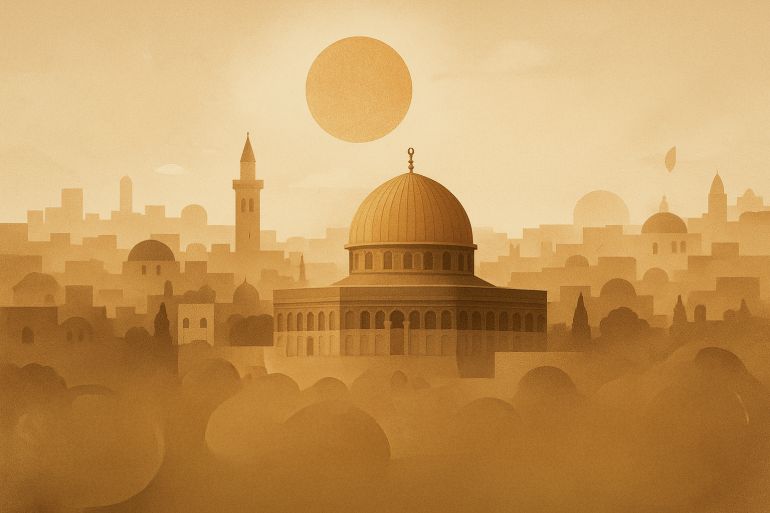
The Old City is a historic walled area within modern Jerusalem, divided into four quarters—Jewish, Christian, Muslim, and Armenian. It is a UNESCO World Heritage Site containing major religious landmarks such as the Western Wall, the Church of the Holy Sepulchre, and the Dome of the Rock, with a continuous history of settlement dating back over three millennia.